History History 5 min read

Which US presidents made huge changes during their administrations?

Image: David Trinks

Some presidents don’t leave much of a mark, while others manage to reshape the whole path a nation walks on. Across different generations, certain leaders made choices or introduced ideas that nudged the country in a new direction. In this list, we take a simple, easy look at 10 presidents whose steady hands, practical decisions, and clear vision helped guide the United States into the future.

1
George Washington
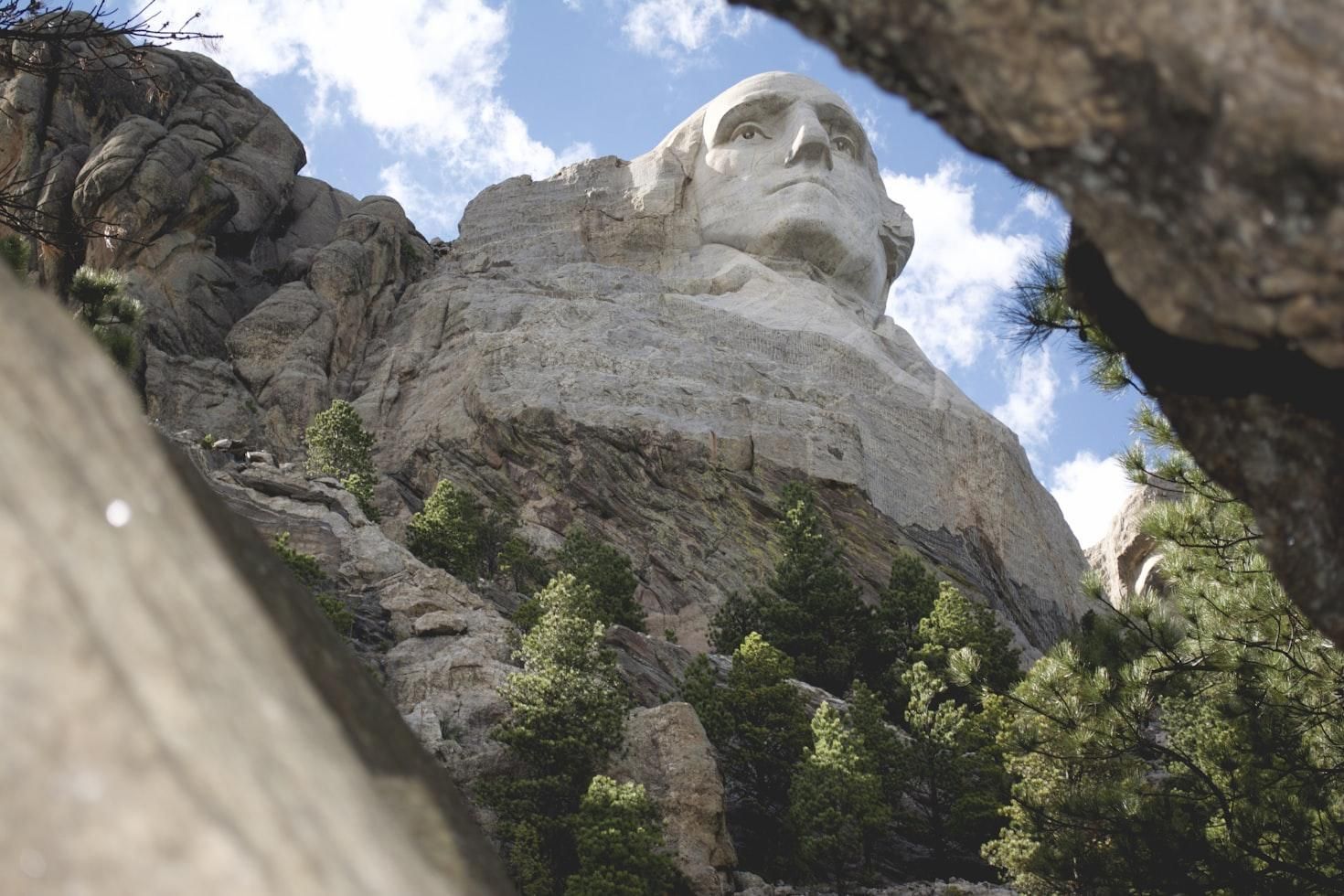
Image: Priscilla Gyamfi

America’s first president had no guidebook to follow, so George Washington ended up writing the first chapters of the office himself. With calm judgment and a focus on fairness, he set the tradition of serving only two terms, showing that leadership should be about duty rather than personal power.

Washington organized the very first Cabinet, established the tone for presidential addresses, and worked hard to promote unity among different regions and viewpoints. His steady approach helped turn a young, uncertain nation into a stable and functioning republic. The patterns he created became the model for every subsequent president.

2
James Madison
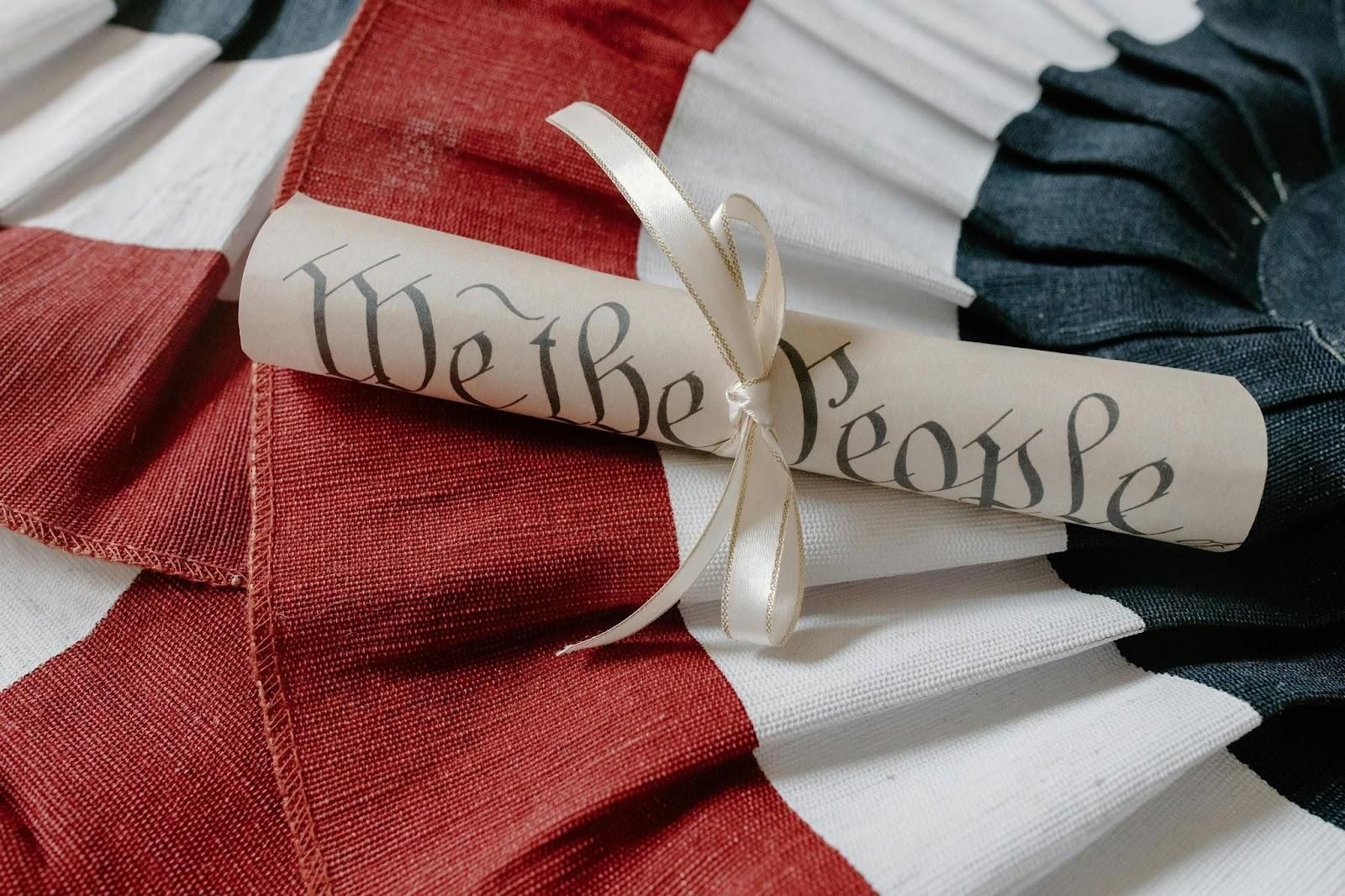
Image: Tara Winstead

Often called the "Father of the Constitution," James Madison helped shape the foundations of the United States long before he stepped into the presidency. He played a central role in writing the Constitution and co-authored the Federalist Papers, a series of essays that explained how the new government was meant to work.

Once in office, Madison continued to support the development of stronger federal systems that could serve a growing country, and he oversaw the admission of new states into the expanding Union. His steady leadership helped reinforce the structure laid down by the founders and proved that the nation’s early ideas—balance, stability, and cooperation—could stand the test of time.

3
Abraham Lincoln
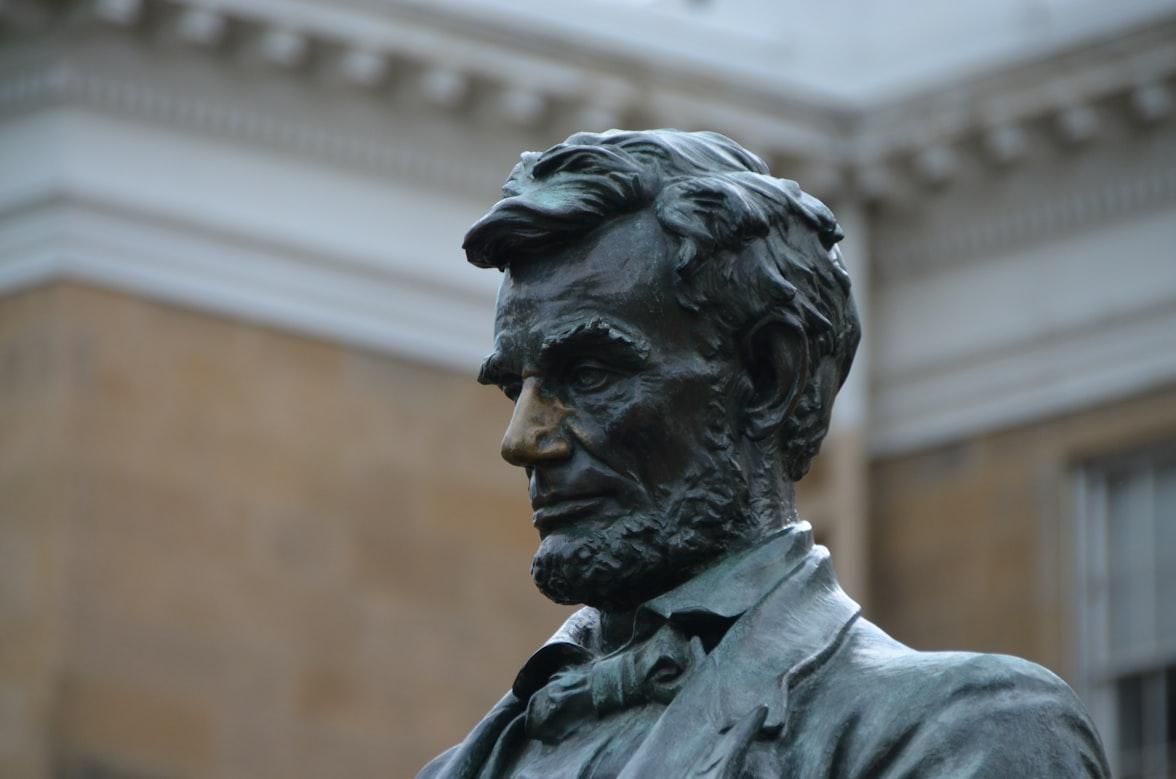
Image: Jacob Thorson

The 16th U.S. president guided the nation through a time of deep division with a calm, steady determination and a clear sense of purpose. He held firmly to the belief that all people are created equal, and he worked to bring those principles to life in practical, lasting ways.

During his presidency, Lincoln supported major constitutional changes that broadened personal freedoms and strengthened the role of the federal government in protecting those rights. He emphasized unity, fairness, and the idea that the country could emerge stronger if it stayed true to its core values. His dedication to these ideals has made him one of the most admired figures in American history, remembered for his integrity and his hope for a more united nation.

4
Theodore Roosevelt
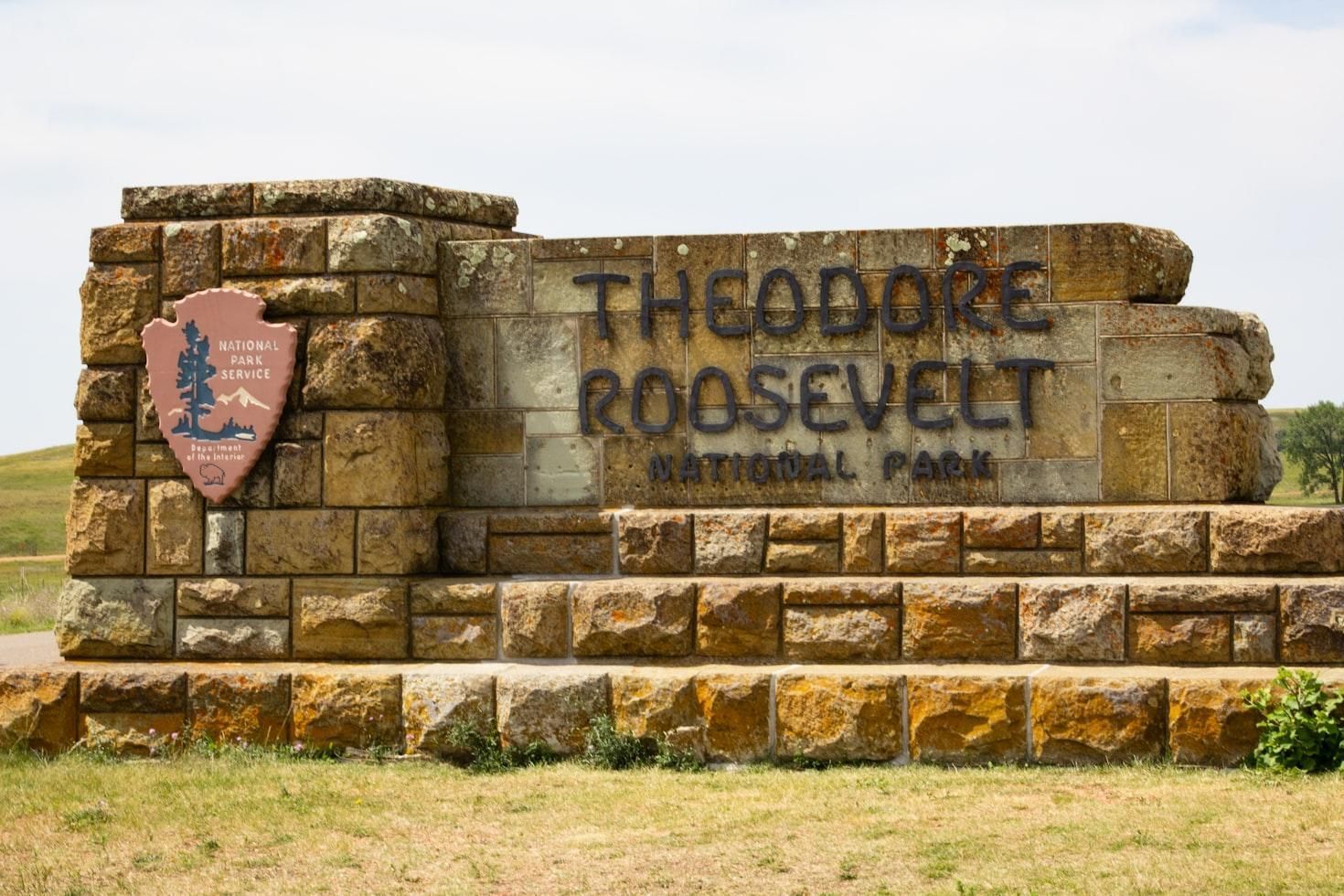
Image: Ryan Stone

Theodore Roosevelt was known for his enthusiasm, his adventurous spirit, and his deep love of the outdoors. He became one of the nation’s strongest voices for conservation, helping to create and expand national parks, forests, and wildlife areas.

His domestic program, the "Square Deal," aimed to make sure consumers, workers, and businesses were treated fairly, and he pushed for stronger rules that protected everyday Americans from unfair practices. Roosevelt also encouraged the nation to step forward with confidence, backing improvements in transportation and modern infrastructure that helped connect the United States more smoothly with the world.

5
Woodrow Wilson
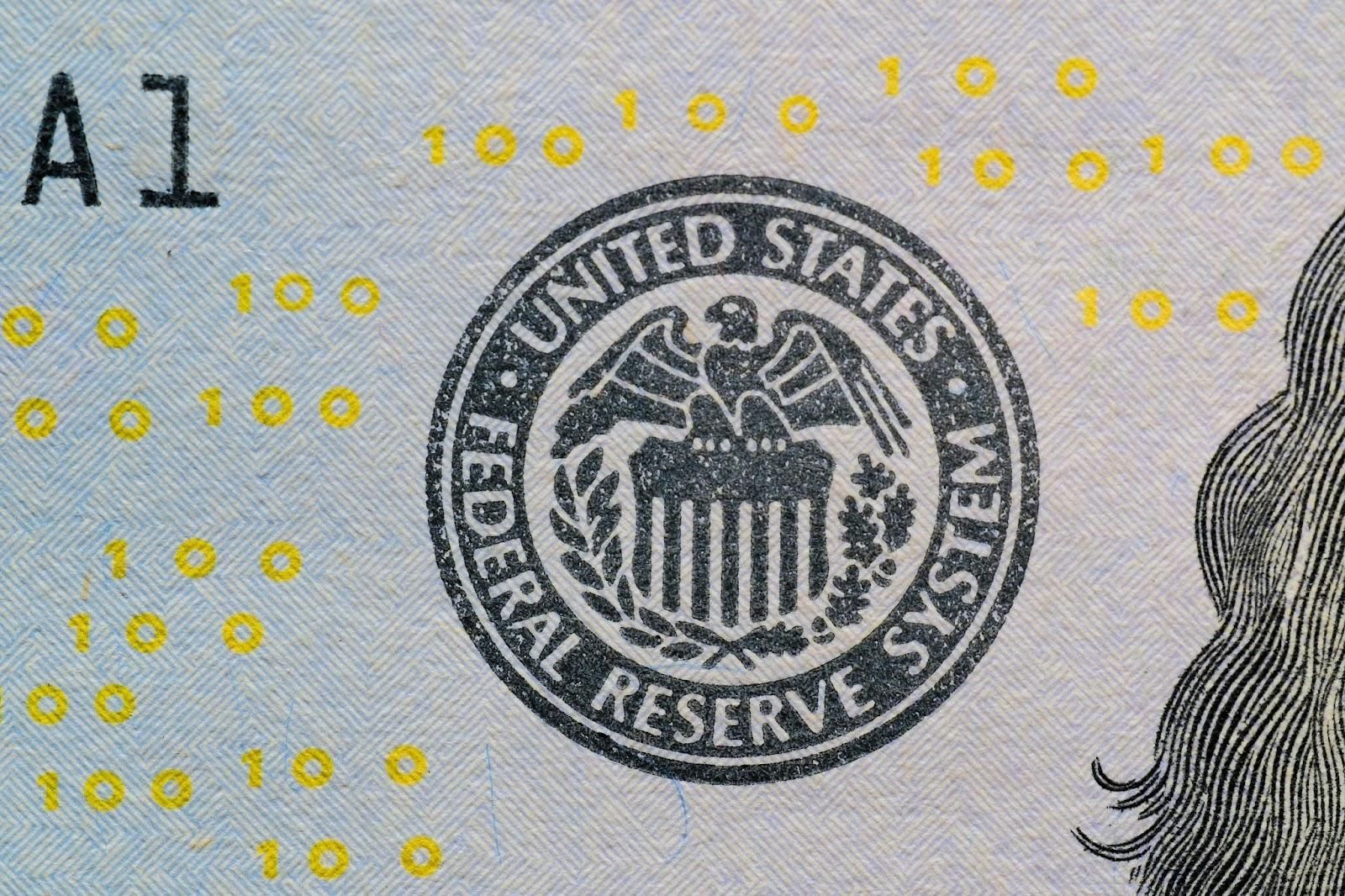
Image: Đào Thân

Woodrow Wilson arrived in Washington with a plan to give everyday Americans a fairer, more balanced system, and his wave of domestic reforms—known as the "New Freedom"—reflected that goal. During his presidency, the nation saw the creation of the Federal Reserve System and the Federal Trade Commission, two major institutions designed to keep the economy steady and well-regulated.

Wilson also encouraged the idea that countries should work together through organized cooperation rather than standing apart, a view that later influenced the formation of important international organizations. His belief in self-determination and his preference for diplomacy over isolation helped guide the United States toward a long-term vision of global partnership and shared responsibility.

6
Franklin D. Roosevelt
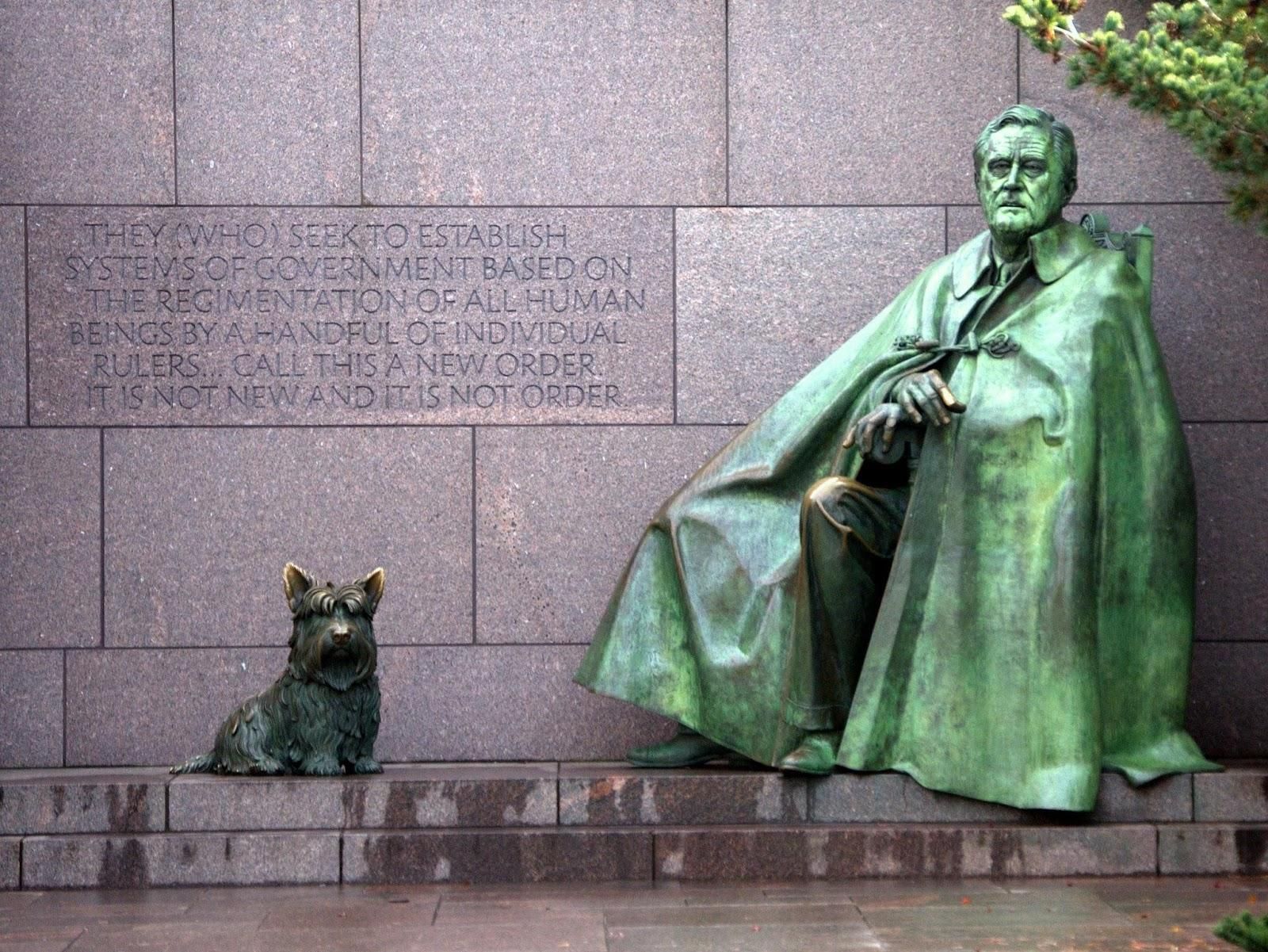
Image: Pedro Gutierrez

Franklin Roosevelt guided the nation through one of its toughest economic periods with a wide-ranging effort known as the "New Deal." This collection of policies helped support workers, steady the banking system, and strengthen protections for consumers. It also introduced Social Security, a program that quickly became a key element of retirement planning for millions of Americans.

Roosevelt understood the importance of keeping the public informed, so he spoke directly to families through his regular radio broadcasts, the famous "Fireside Chats." In these simple, calm conversations, he explained what the government was doing and why, helping people feel more confident in uncertain times. His clear, steady communication made him one of the most trusted and familiar voices of his era.

7
Harry S. Truman
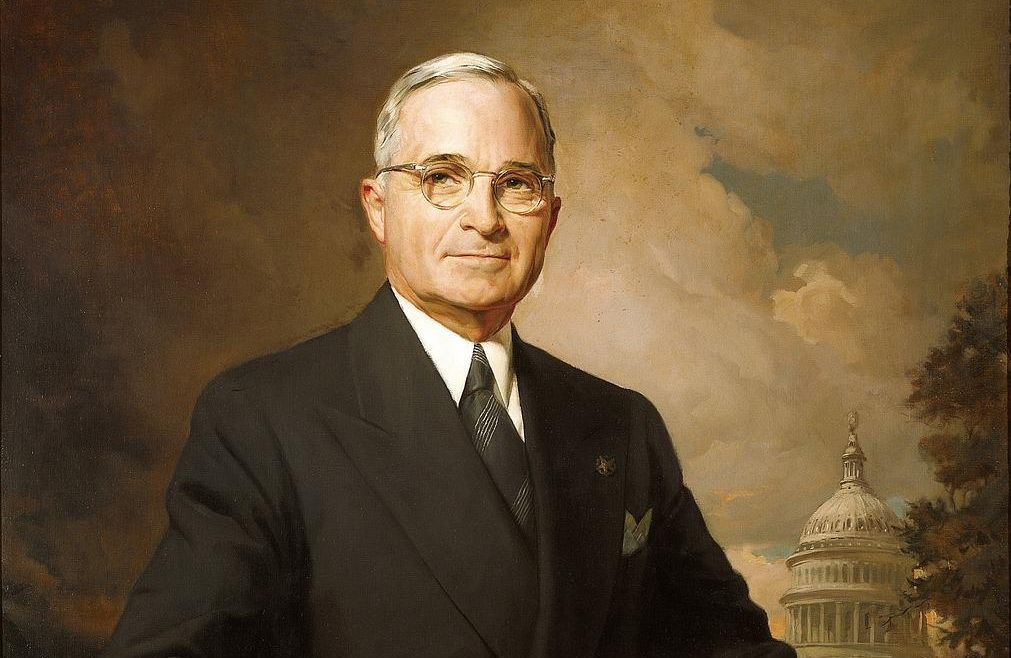
Image: WikiImages

When Harry Truman took office in 1945, both the world and the United States were undergoing a period of rapid change. With a practical mindset, the 33rd president helped launch broad programs aimed at rebuilding European economies and encouraging stronger international cooperation.

He also set a new long-range direction for American policy, one that emphasized stability, democratic principles, and economic support beyond U.S. borders. Truman’s meaningful efforts helped shape how nations worked together and signaled the beginning of important social changes that would continue to unfold in the decades ahead.

8
John F. Kennedy
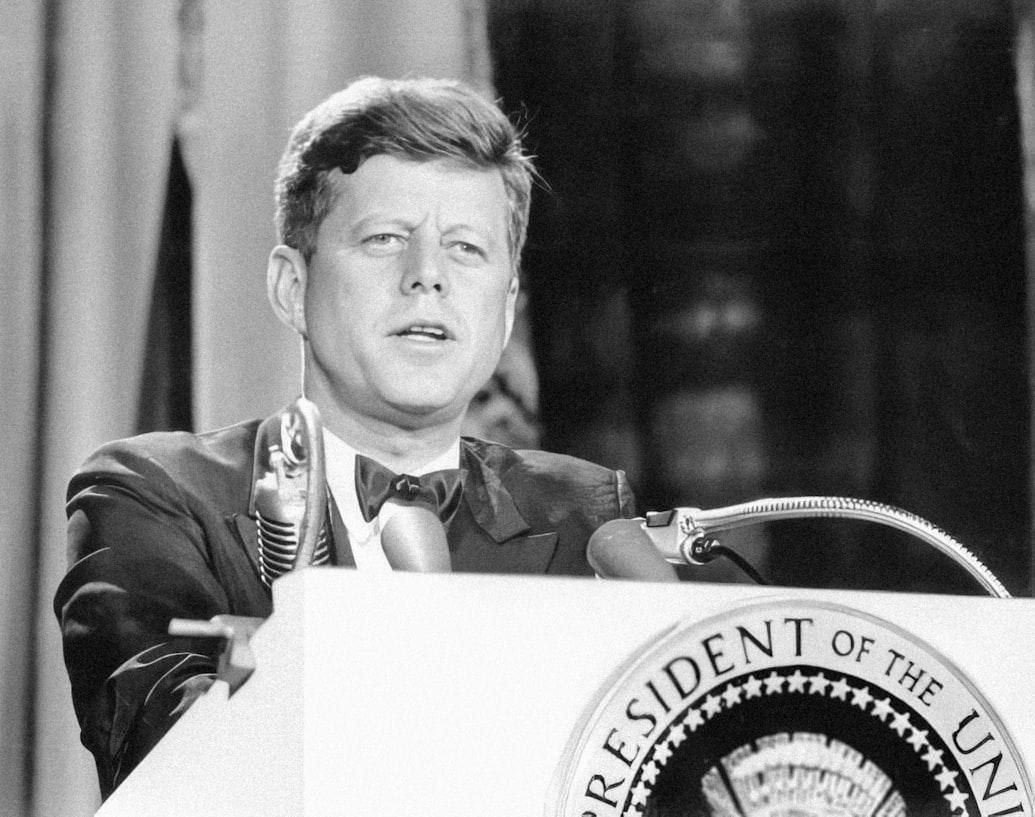
Image: Florida Memory

John F. Kennedy brought a fresh sense of youth and optimism to the early 1960s. His speeches often called on Americans to lend a hand, serve their communities, and think beyond themselves—captured in his well-known line, "Ask not what your country can do for you, ask what you can do for your country."

Kennedy supported important civil rights efforts and encouraged steady progress in science and technology. He also pushed the nation to look toward the future through expanded space exploration and created the Peace Corps, giving young Americans opportunities to volunteer and make a difference overseas. His steady promotion of learning, service, and innovation helped spark a spirit of national progress that defined much of the decade.

9
Lyndon B. Johnson
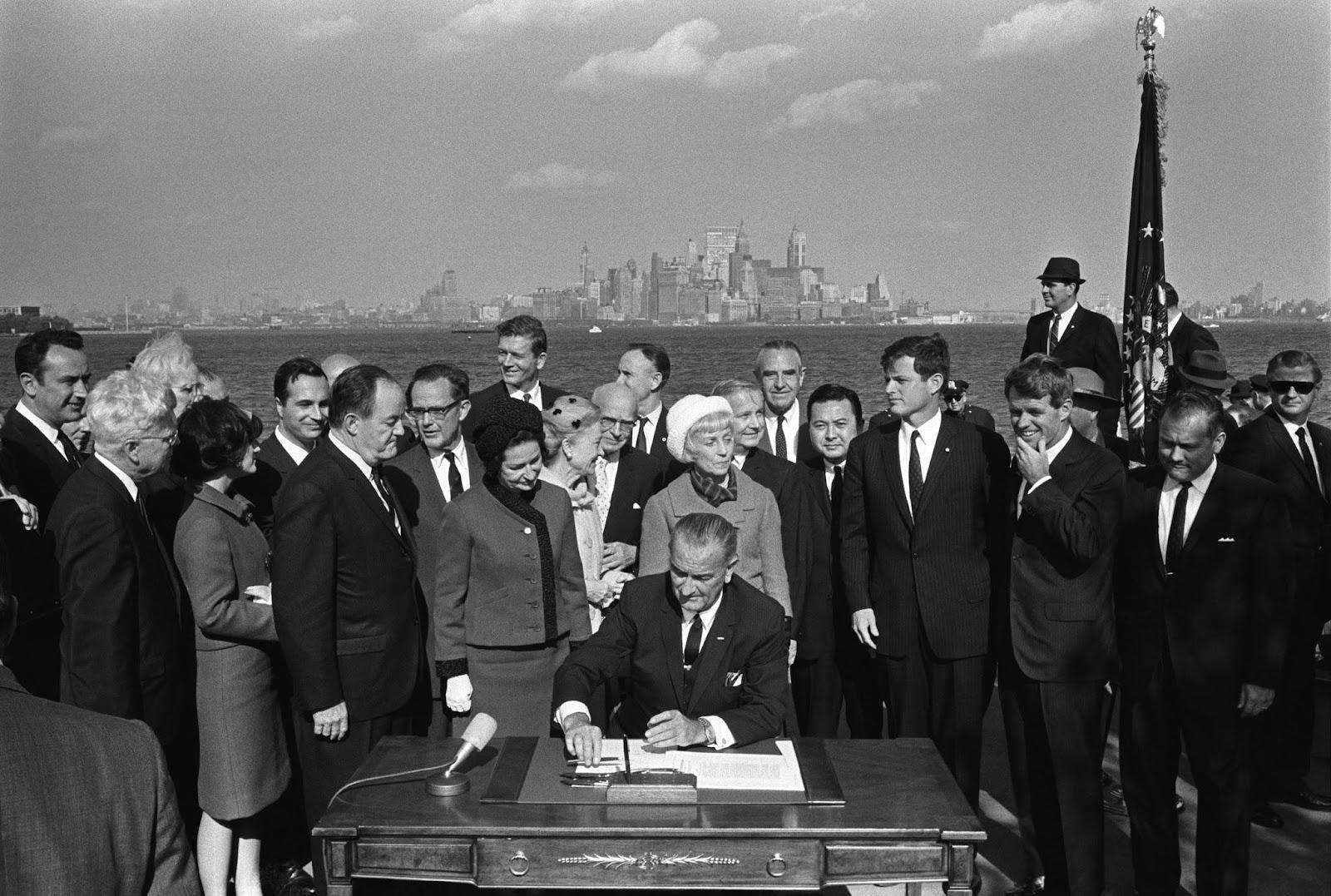
Image: LBJ Library photo by Yoichi Okamoto Restored by: Bammesk, Public domain, via Wikimedia Commons

Lyndon Johnson arrived in the White House with a far-reaching plan he called the "Great Society," a vision aimed at improving everyday life for people across the country. Under his leadership, Congress passed major civil rights legislation that strengthened equality and safeguarded voting rights, setting new standards for fairness.

The 36th president also approved the creation of Medicare and Medicaid, programs that gave millions of older adults and low-income families reliable access to health care for the very first time. Additionally, he supported initiatives to improve education, preserve natural resources, and strengthen local communities.

10
Ronald Reagan
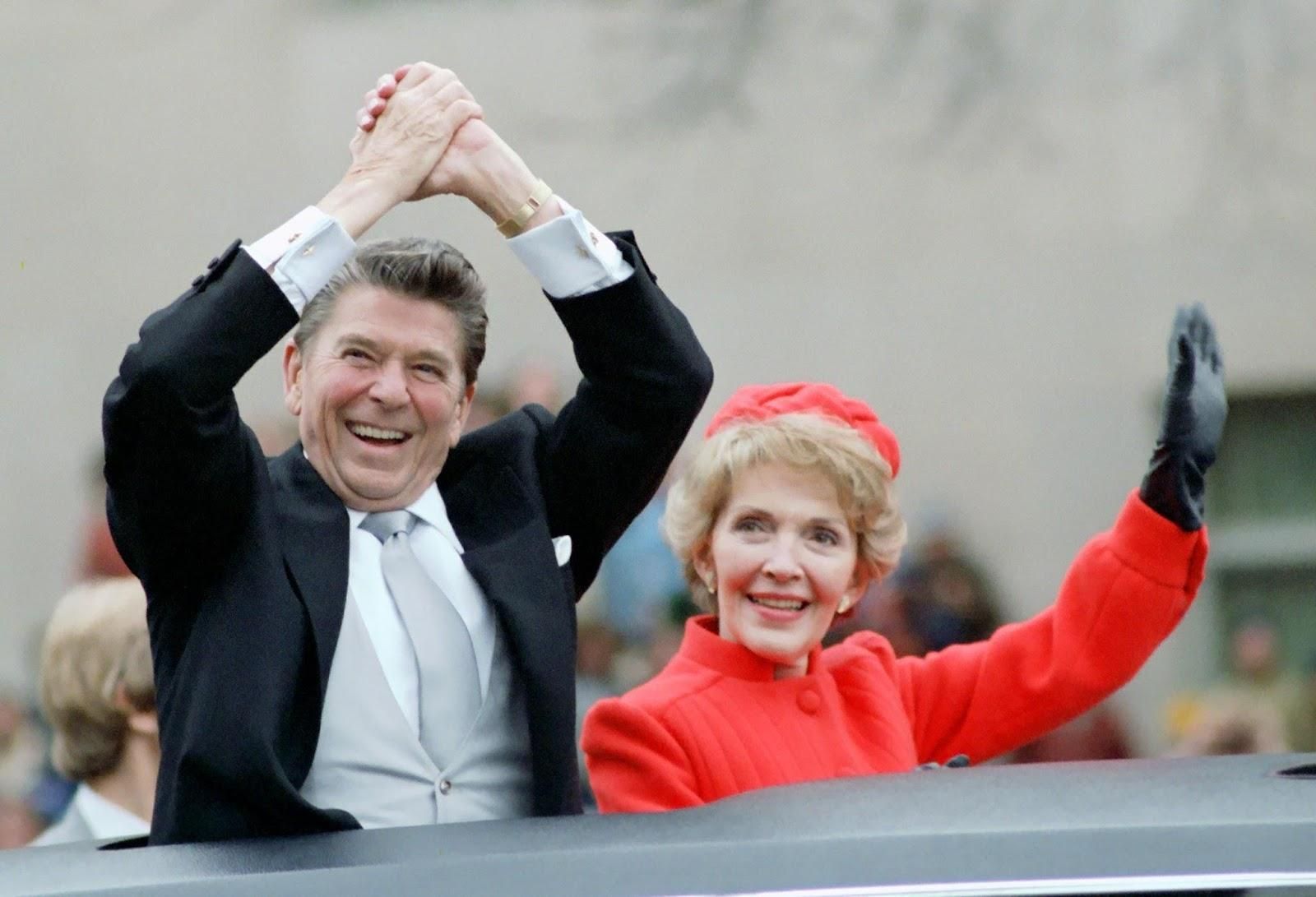
Image: White House Photographic Collection, Public domain, via Wikimedia Commons

Ronald Reagan stepped into the 1980s carrying a message of confidence and renewal, offering Americans a sense of fresh direction after a challenging period. His economic approach—later known as "Reaganomics"—was centered on lowering taxes, easing federal regulations, and giving businesses more room to grow. For many people, this era became associated with rising optimism.

Reagan also spoke often about national pride and traditional values, presenting a steady, recognizable voice on the world stage. His leadership style—straightforward, good-humored, and easy to understand—left a lasting mark on how political ideas were discussed and helped shape the country’s tone for years to follow.

History History 3 min read

Leeches are not a cure

From mercury to leeches: 12 historical cures deadlier than the disease

Image: garten-gg

Friedrich Nietzsche’s famous saying, "What doesn’t kill you makes you stronger," may be true in many aspects of life, but it certainly does not apply to everything, as our ancestors perilously discovered. Modern medicine required a lot of experimentation to get to where it is, and a lot of things that were once considered beneficial were, in fact, not. Believe it or not, these 12 procedures were once common practice. Thankfully, that is no longer the case.

1
Rabies

Image: Samuell Morgenstern

Rabies-infected people and animals cannot swallow water. This is why rabid dogs drool at the mouth, because they are unable to swallow.

In the ancient world, a "cure" for rabies involved forcibly submerging people in bodies of water to force the liquid intake . Quite often, the consequence, as you might have guessed, was death by drowning.

2
Bloodletting

Image: David Trinks

In the days when barbers were also designated surgeons, bloodletting was a common cure for multiple conditions. This gruesome technique was performed not just using surgical tools but also by using leeches , which were directly applied on the human body , to suck blood out of the wretched individuals who required treatment.

3
Madstones

Image: Atul Vinayak

Folk remedies were common in a time when seeking professional medical help was a luxury for most people. Popular in mid-19th-century America, madstones were big hairballs extracted from the guts of goats and deer .

These objects were believed to possess medicinal properties, such as curing rabies and serving as an antidote to various poisons.

4
Chloroform

Image: Carlos Felipe Ramírez Mesa

Many substances that we now recognize as poisonous were once believed to be beneficial to health. During the 19th century, chloroform was commonly used as an anesthetic in surgeries .

However, later studies revealed that long-term exposure to chloroform could cause liver and kidney damage, respiratory depression, and may even increase the risk of cancer.

5
Arsenic

Image: Denise Chan

Another poisonous substance once thought to be beneficial was arsenic, which was used to treat malaria, syphilis, and other ailments during the 19th and early 20th centuries.

However, it was later discovered that arsenic exposure could lead to poisoning, causing severe health complications and even death.

6
Mercury

Image: Benjamin Hibbert-Hingston

Similar to chloroform and arsenic, mercury was once thought to be beneficial to the human body. However, as scientific understanding advanced, its harmful effects became widely known .

Today, we know that mercury is highly toxic and can cause severe damage to the kidneys and nervous system.

7
Urine

Image: Fotografía de Alimentos

Drinking urine for medicinal purposes was common in ancient Egypt, Greece, and Rome, where it was believed to have therapeutic benefits and was used as a remedy for various health conditions, including kidney and liver problems .

8
Trepanning

Image: Mathew Schwartz

Trepanning, a common medical practice in ancient civilizations, involved drilling a hole in the skull to relieve pressure or treat a variety of medical ailments such as headaches, seizures, and mental disorders .

However, due to the lack of modern anesthesia and surgical tools, the procedure was extremely dangerous and carried significant risks.

9
Cupping

Image: Katherine Hanlon

Creating a vacuum on the skin using heated glass cups was a popular therapy for various conditions, including pain, inflammation, respiratory problems, and digestive disorders . While not a particularly harmful technique, aside from the markings left on the skin, its benefits have not been scientifically proven.

10
Mummy powder

Image: Narciso Arellano

In medieval times, it was commonly believed that "mummy powder" possessed healing properties. This substance was made from ground mummies obtained from Egypt and was thought to be particularly effective in treating wounds, headaches, and digestive issues .

11
Nightshade

Image: Georg Eiermann

Nightshade is a poisonous plant with soothing properties, which was used as a pain reliever as it can induce a state of calm in the user.

However, this plant is also highly toxic and can cause hallucinations, delirium, and even death if consumed in large quantities.

12
Tobacco

Image: Juano colombo

It might be hard to believe today, but back in the 1600s, schoolchildren were encouraged to smoke cigarettes , which were then thought to be disinfectants.

Cigarettes were also believed to be beneficial for both the lungs and the mind. Thankfully, we now know better.

Culture Culture 3 min read

Moments to cherish

From wardrobe malfunctions to magical passes: 12 unreal Super Bowl events

Image: Myron Mott

While most Super Bowl events come and go without many major anecdotes, some occasions stand out with unforgettable moments. Sometimes on the field, sometimes far beyond it. Over the years, a handful of moments have turned into shared memories that even non-fans can recall in a heartbeat. Do you remember these 12 episodes?

1
The helmet catch

Image: Lucas Andrade

In Super Bowl XLII, with the Patriots seconds away from winning a perfect match, Giants receiver David Tyree made an impossible grab by pinning the football against his helmet as he fell .

To this day, fans call it the greatest "miracle catch" in championship history, a moment that proved even the unbeatable can be beaten.

2
The infamous wardrobe malfunction

Image: Anders Krøgh Jørgensen

At the 2004 halftime show, Justin Timberlake tore part of Janet Jackson’s costume , revealing more than intended before a live worldwide audience. The moment lasted half a second but changed broadcasting rules forever.

Outrage, apologies, and fines followed, turning that split second into a pop-culture synonym for live-TV mishaps.

3
Prince in the rain

Image: Manos Gkikas

4

When Prince took the stage at Super Bowl XLI, thunder rolled, and rain began to pour . Instead of retreating, His Royal Badness leaned into the storm, closing with "Purple Rain."

Viewers still recall that electric silhouette in the drizzle: a performer literally singing through his own anthem, transforming bad weather into living symbolism of showmanship.

5
Whitney Houston’s anthem

Image: Anders Krøgh Jørgensen

In 1991, Whitney Houston opened Super Bowl XXV with a rendition of "The Star-Spangled Banner" so powerful it eclipsed the game.

That performance was replayed on the radio, released as a single, and later revived for charity, proof that a national anthem could become a timeless pop classic.

6
Beyoncé and the blackout

Image: Emily Bauman

Super Bowl XLVII’s halftime show is remembered by Beyoncé’s choreography, fireworks, and sheer voltage. Minutes after her final pose, half the stadium lights failed .

Fans joked she blew the fuse herself, and the event worked to her advantage, turning a technical glitch into an incredible moment.

7
The Budweiser frogs

Image: gary tresize

During the 1995 broadcast, three computer-animated frogs croaked "Bud… Weis… Er." The simple rhythm and humor made the ad an overnight sensation.

Viewers repeated it endlessly, making what was a simple ad (albeit a very expensive one) into a cultural phenomenon of its day.

8
The Philly Special

Image: Myron Mott

With the Eagles facing the Patriots in 2018, quarterback Nick Foles pulled off the unthinkable: catching a touchdown pass himself on a fourth-down trick play .

Dubbed the "Philly Special," it symbolized daring over doubt. Philadelphia celebrated its first title as fans shouted that a backup QB had outmaneuvered Tom Brady in football’s biggest game.

9
Shakira & J.Lo together

Image: Alexander Wark Feeney

In 2020, Latin superstars Shakira and Jennifer Lopez performed together during Miami’s halftime . From swirling dance moves to a surprise cameo by J.Lo’s daughter, it was a cultural statement.

The show fused salsa, rock, and pop with Latin symbolism, leaving audiences buzzing with music and color.

10
The 28–3 impossible comeback

Image: Fredrick Lee

When Atlanta led 28–3 in 2017, viewers assumed Tom Brady’s Patriots were finished. Then came a jaw-dropping rally: overtime, a final drive, and a 34–28 victory.

It became the greatest comeback in Super Bowl history, a lesson in patience and belief, replayed whenever anyone wants proof that no lead is truly safe when Brady is behind center.

11
The King of Pop takes over

Image: Call Me Fred

Before 1993, halftime shows were novelty acts. Then came Michael Jackson, standing motionless for a full minute before launching into "Billie Jean." Ratings skyrocketed.

The spectacle turned halftime into prime-time entertainment. Every star since, from U2 to Rihanna, has followed in that path.

12
U2’s 9/11 tribute

Image: Roberto Rendon

Just months after the September 11 attacks, U2’s halftime show in 2002 honored victims as their names scrolled behind the band . Bono opened his jacket to reveal an American-flag lining.

Viewers remember the quiet tears as much as the songs, a moment where football yielded to shared mourning and hope.

13
A left shark dances on

Image: Adam Rutkowski

14

Katy Perry’s 2015 halftime delivered pyrotechnics, flying stars, and a confused blue shark dancer. While "Right Shark" hit every beat, "Left Shark" flailed endearingly off-tempo.

Within hours, he became an internet hero, proving that even in a multimillion-dollar production, spontaneity and silliness can steal the spotlight from perfection.

Explore more American facts

Choose your favorite category!

General
General

As American as apple pie—the very best America has to offer!

Culture
Culture

Delve into the astounding richness of American lore.

Geography
Geography

Hop in and explore vast and diverse American landscapes.

History
History

Discover the key moments that shaped the United States.