History misconceptions
Did you still believe this? 10 myths about US history debunked
Image: Pierre Bamin
Do you think the US Declaration of Independence was signed in July 1776? Did you know Prohibition didn't actually make drinking illegal? The history of the United States is as vast as it is varied. Over the centuries, it has been recorded, studied, and interpreted in many ways, giving rise to many misconceptions. Join us as we debunk 10 of the most widespread myths about American history!
1
Columbus discovered America

Image: Hector John Periquin
Although this isn't strictly about the United States, it does concern our continent. It's often said that Columbus "discovered" the Americas in 1492, but that's not precisely true. He wasn't even the first outsider to arrive! The Vikings, led by Leif Erikson, reached North America around the year 1000 AD, almost 500 years before Columbus. And, of course, the continent was already inhabited long before any European explorers arrived.
2
George Washington had wooden teeth
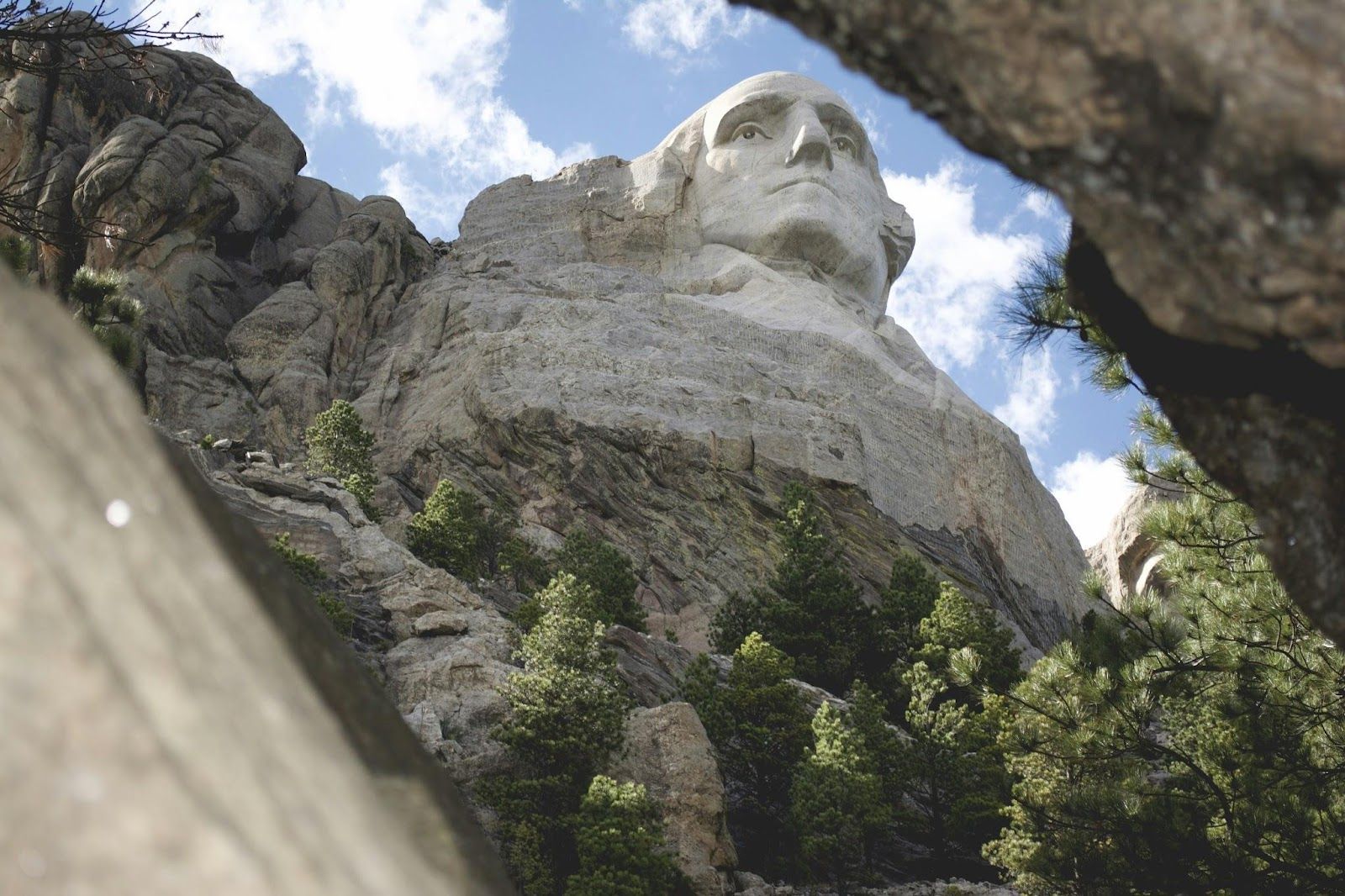
Image: Priscilla Gyamfi
One of the most famous historical myths is that George Washington, the first US president, had wooden teeth. While it's true that he struggled with dental problems and used several prosthetic devices made from various materials, none of his teeth were actually made of wood.
3
The US Declaration of Independence was signed on July 4, 1776
Image: Glen Carrie
Every 4th of July, the country turns into a party. And it's no wonder, since we're honoring Independence Day! Perhaps because of the date of this holiday, many people believe that the US Declaration of Independence was actually signed on July 4, 1776. In reality, the key event on that day was the Continental Congress voting to adopt the Declaration of Independence. Most delegates actually signed the document later, on August 2, 1776, in Philadelphia.
4
America became fully independent in 1776
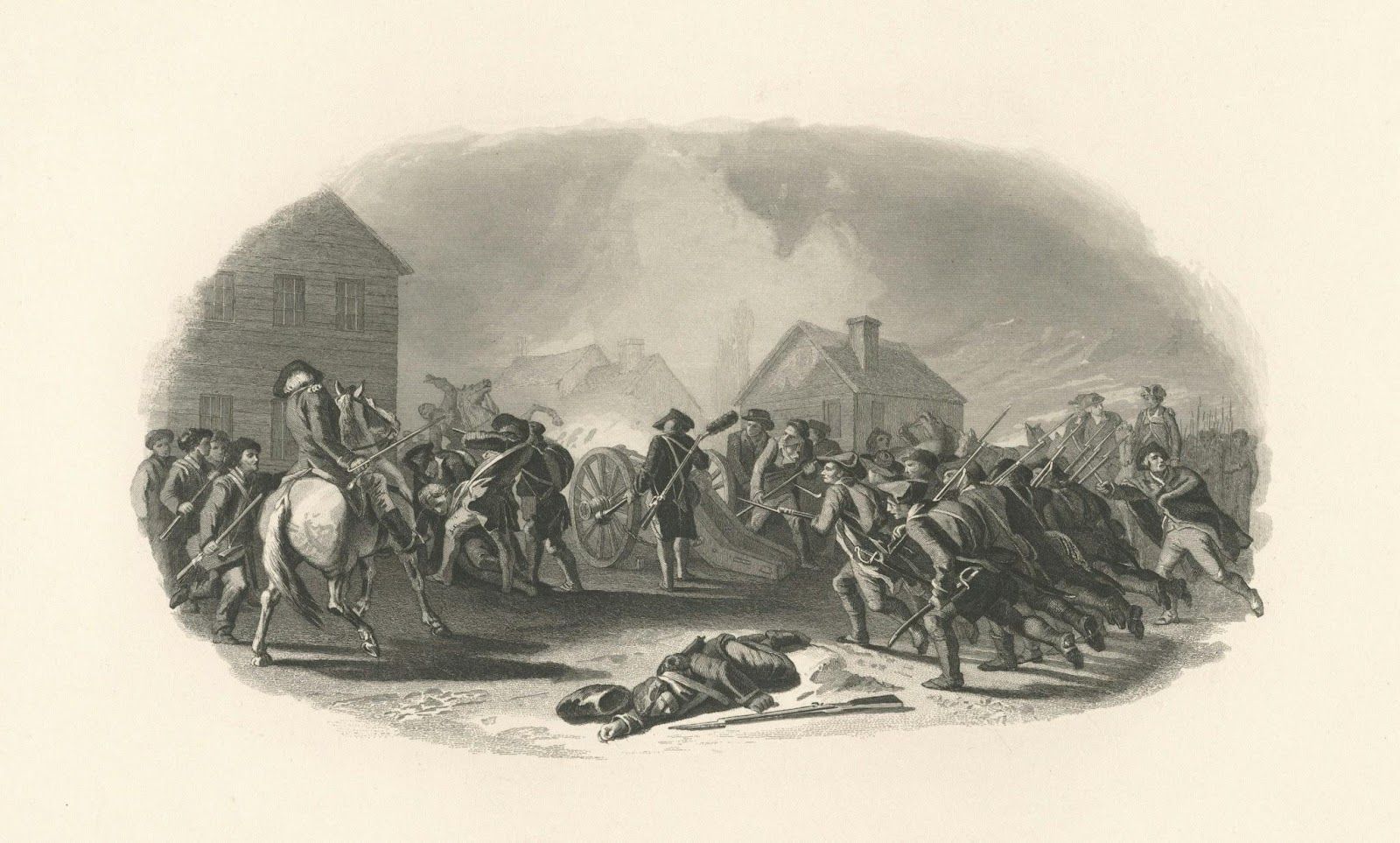
Image: The New York Public Library
On July 4, 1776, the American colonies declared their independence from Great Britain by adopting the Declaration of Independence. However, the Revolutionary War continued for several more years. It wasn't until the war ended in 1783, with the signing of the Treaty of Paris, that the United States' independence was officially recognized.
5
Cowboys wore Stetson hats

Image: Brice Cooper
Although Stetson hats are now inseparable from the cowboy image, the reality of the 19th century was pretty different. People in the Wild West sported a variety of styles: while some did wear wide-brimmed hats similar to Stetsons, these were not the most common, and many other types were also popular.
6
Paul Revere rode alone
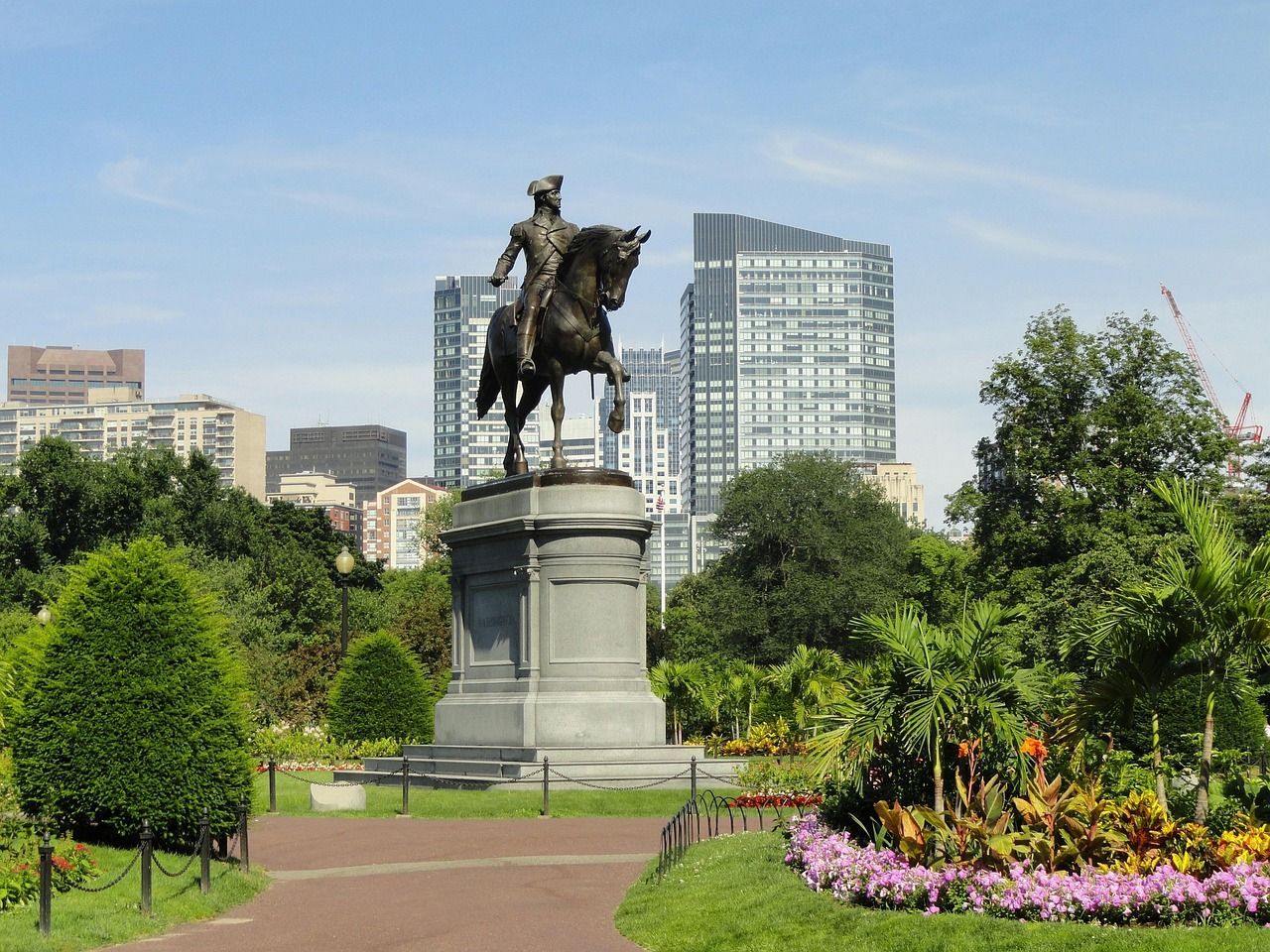
Image: Pixabay
Paul Revere's name became a symbol of American courage and determination. His midnight ride on April 18, 1775, was undoubtedly heroic, but some details have been distorted over time. While many think he shouted "The British are coming!", historians suggest he likely said something closer to "The regulars are coming", given the dates. And contrary to popular belief, Revere didn't ride alone; he was part of a group of riders working together to warn the colonial militia.
7
George Washington chopped down a cherry tree

Image: Jeffrey Clayton
The story of George Washington chopping down a cherry tree is one of the most famous tales in American history. However, it's actually a myth, created by one of Washington's early biographers to highlight one of his defining characteristics: honesty. Although there is no reliable historical evidence to support this famous anecdote, there is plenty of proof of the courage and honesty of the Father of His Country.
8
Al Capone was jailed for his violent crimes
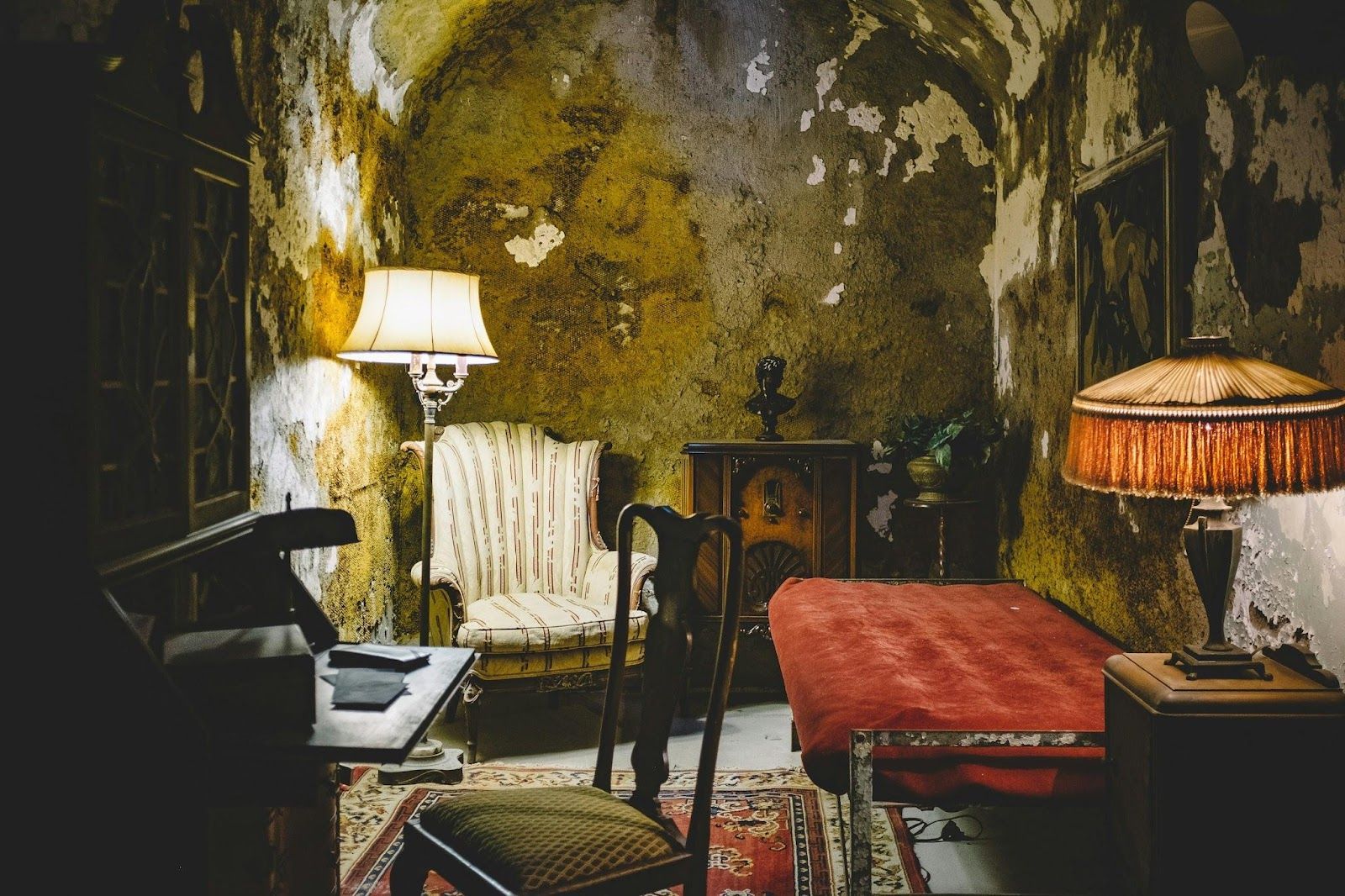
Image: Ashim D’Silva
Al Capone was one of the most infamous gangsters in history. Although his life was filled with criminal activity, it wasn't his violent acts that put him in jail, as there wasn't enough evidence to convict him. Instead, authorities used tax evasion charges, and he was finally imprisoned for that reason in 1931.
9
Prohibition made drinking illegal everywhere
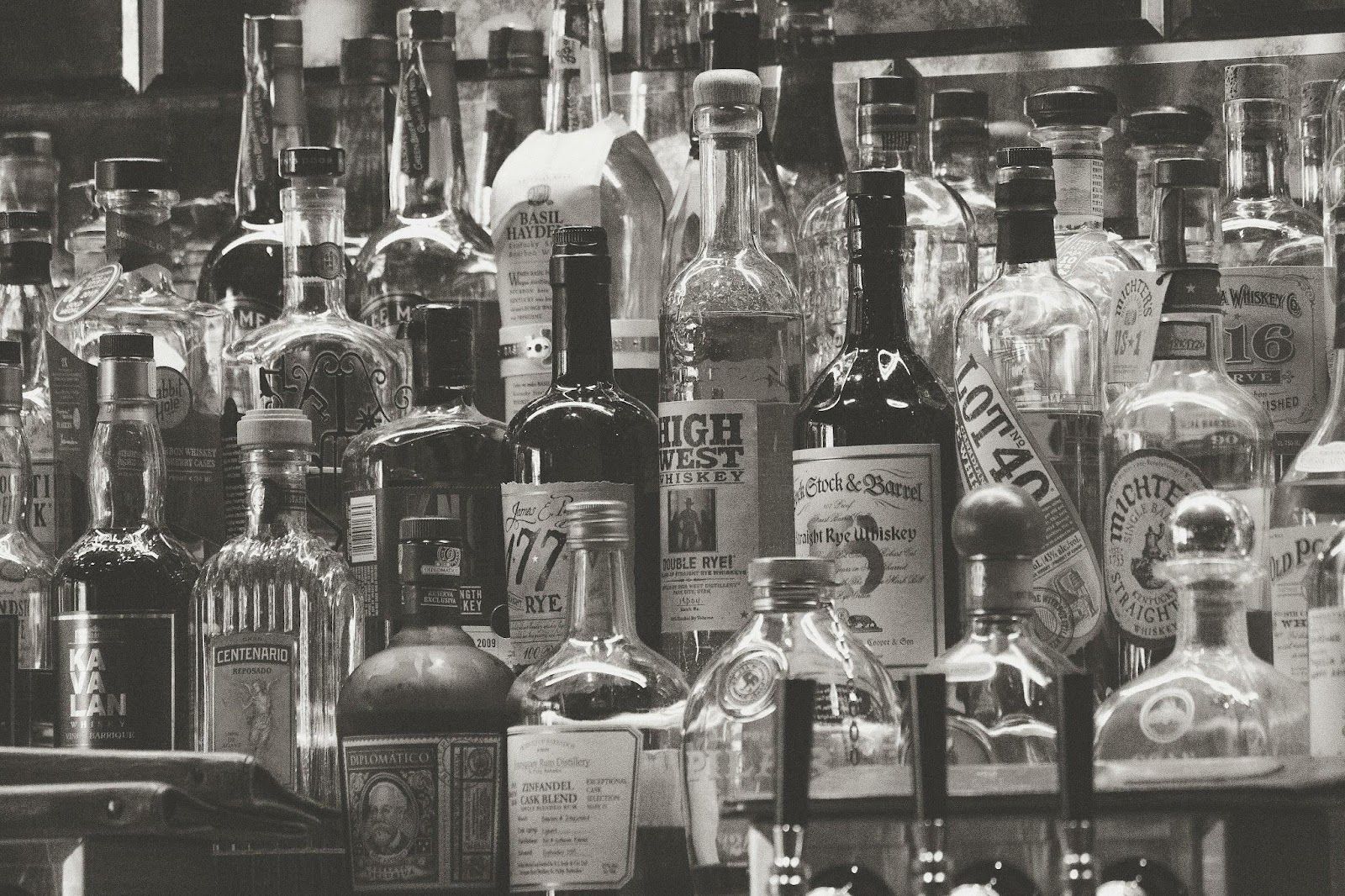
Image: Drew Beamer
Many people assume that drinking alcohol was completely illegal during Prohibition. In reality, the 18th Amendment and the Volstead Act (1920–1933) banned the manufacture, sale, and transportation of alcohol, but not the act of drinking itself!
10
The Founding Fathers as a unified group
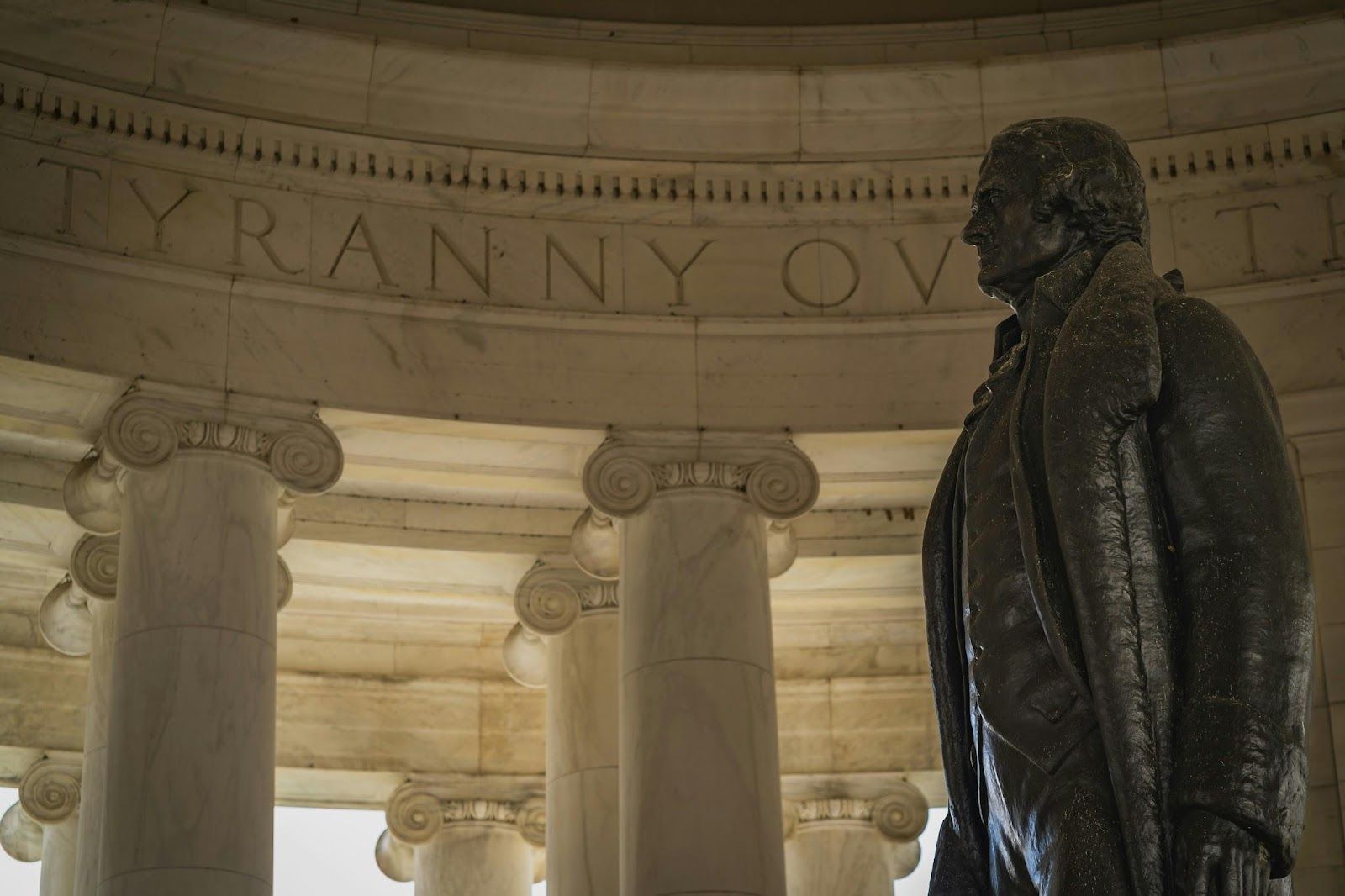
Image: J. Amill Santiago
Many believe the Founding Fathers worked as a unified group, sharing a single vision without disagreement. But history tends to be a little more complex. While they collaborated and worked hard to establish the United States, they held diverse ideas and visions for the nation, and some even became rivals. Yet, despite their differences, they successfully laid the foundations for the first large-scale modern republic.