General General 4 min read

The American Dream

10 famous actors who became U.S. citizens
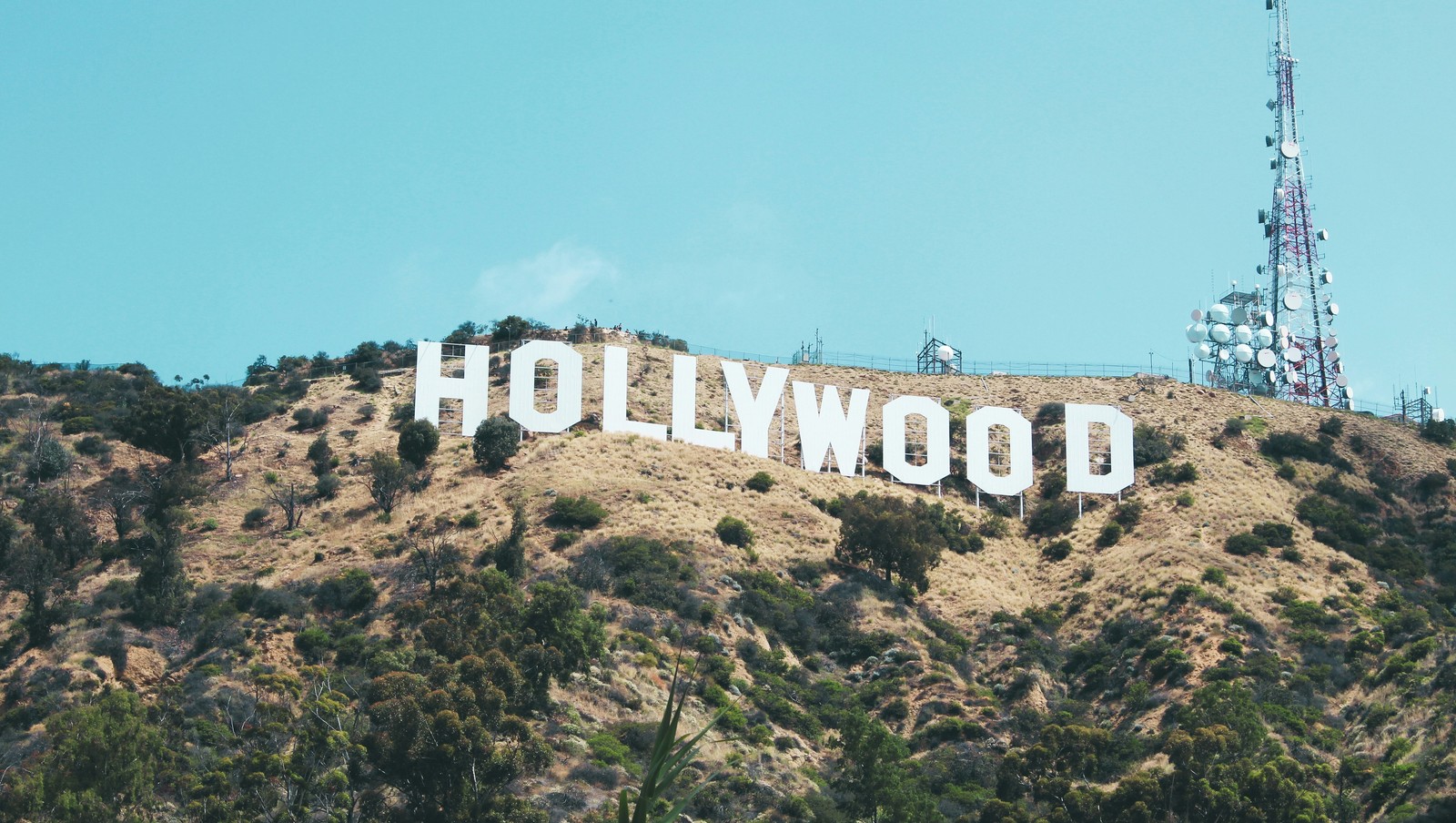
Image: Nathan DeFiesta

Many foreign actors adopt an American persona in order to fit into certain roles. After all, Hollywood is one of the world's largest film industries. But some actors have decided to make America their home beyond acting, which has led them to apply for citizenship and become naturalized Americans. Here are 10 actors who were born elsewhere and became U.S. citizens later in life!

1
Arnold Schwarzenegger
Image: Tom Def

Let’s kick it off with someone everybody knows. In case the excessive use of consonants in his last name wasn’t enough of a clue, Arnold Schwarzenegger was born and raised in Austria, where he built a successful career in bodybuilding. After winning major bodybuilding titles, he moved to the U.S., where he continued competing and later transitioned into acting. He became a U.S. citizen in 1983 and went on to serve as Governor of California from 2003 to 2011.

2
Elizabeth Taylor

Image: Daniele Levis Pelusi

One of the brightest stars of 1950s Hollywood, Elizabeth Taylor is known for her unforgettable performances in classics such as Cleopatra , Cat on a Hot Tin Roof , and Who’s Afraid of Virginia Woolf? Born in London in 1932 to American parents from Arkansas, Taylor held dual British-American citizenship from birth. Although she was initially raised in the UK, her family returned to the U.S. when World War II broke out. There, she began what would become a triumphant acting career, earning her first starring role at age 12 in National Velvet .

3
Charlize Theron
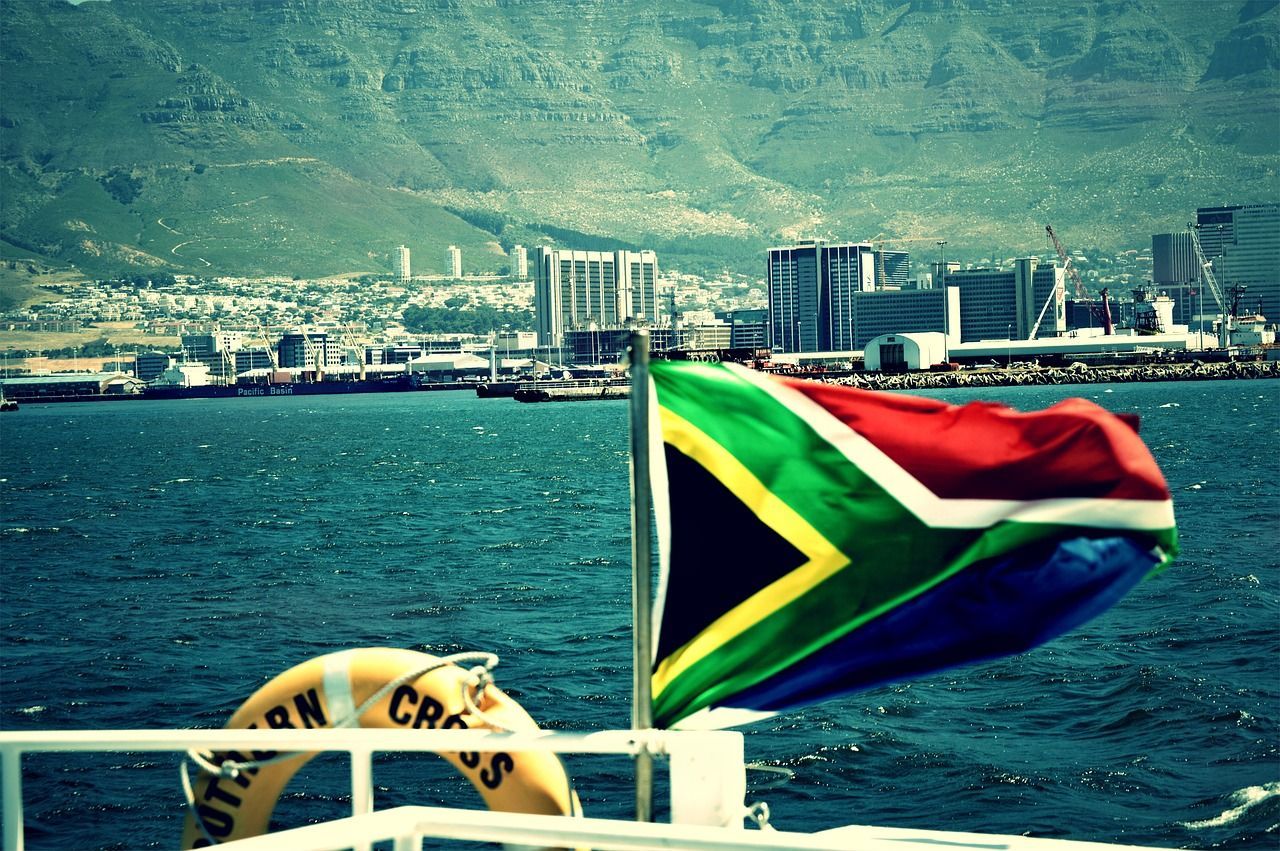
Image: barendlotter

Born in Benoni, in what was then the Transvaal province of South Africa, Charlize Theron began her career as a model and later trained as a dancer. While trying (and failing) to get into the film industry, she got her breakthrough thanks to her not being American: she famously caught the attention of a talent agent while arguing with a bank teller who refused to cash her check because she was a foreigner. She became a U.S. citizen in 2007 and has retained her South African citizenship.

4
Liam Neeson
Image: K. Mitch Hodge

Liam Neeson was born and raised in Ballymena, Northern Ireland, and started his career as a theater performer in Belfast and Dublin. After being cast in a minor role in the film Excalibur (1981), he built a successful career in both the UK and the U.S. Neeson acquired American citizenship in 2009 and said he was inspired by the overwhelming support he received from Americans following the tragic death of his wife, Natasha Richardson.

5
Cary Grant
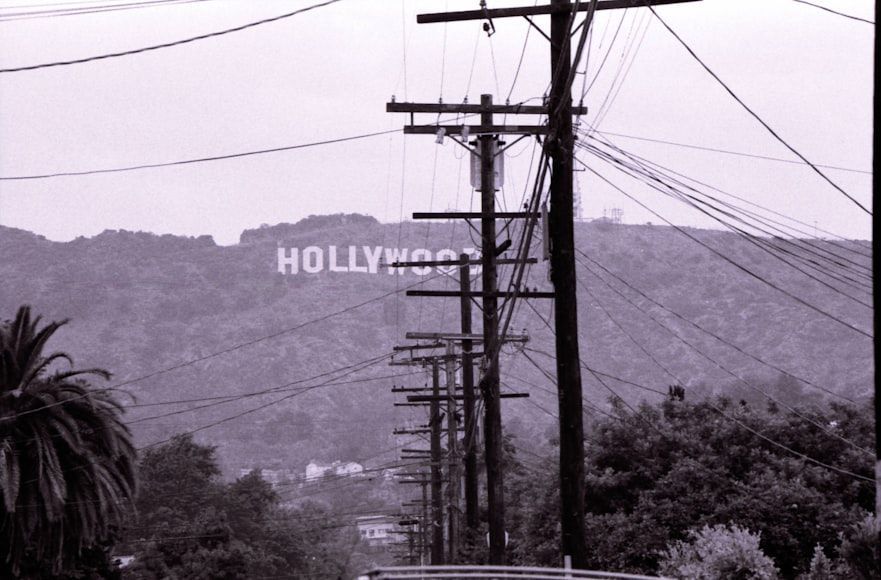
Image: thomas cook

One of the biggest stars of Hollywood’s Golden Age, Cary Grant was born Archibald Alec Leach in Bristol, England. He first came to the U.S. as a teenager in 1920 as part of a theater troupe, and eventually transitioned into film, becoming famous for his romantic comedies before expanding into other genres. In 1942, he became a U.S. citizen and legally changed his name to Cary Grant.

6
Maureen O’Hara
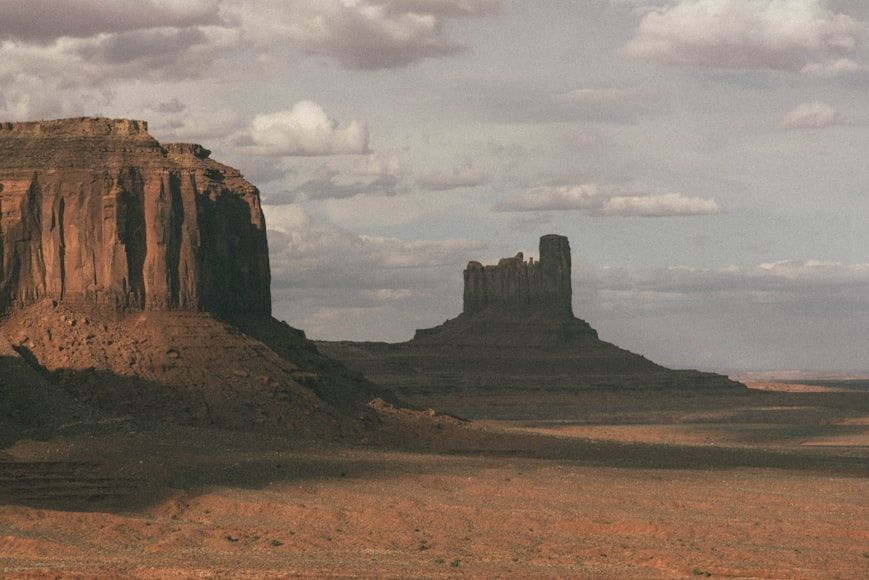
Image: Mike Fox

Maureen O’Hara might not have been born an American, but she earned her place in one of the most American film genres of all: the Western. Born Maureen FitzSimons in Dublin, Ireland, she got her first major role in Alfred Hitchcock’s Jamaica Inn (1939), where she was billed as Maureen O’Hara, a stage name chosen for her by the studio. She rose to stardom soon after with her leading role in John Ford’s How Green Was My Valley (1941), and went on to become iconic in Westerns and adventure films. She became a naturalized U.S. citizen in 1946.

7
Helen Mirren
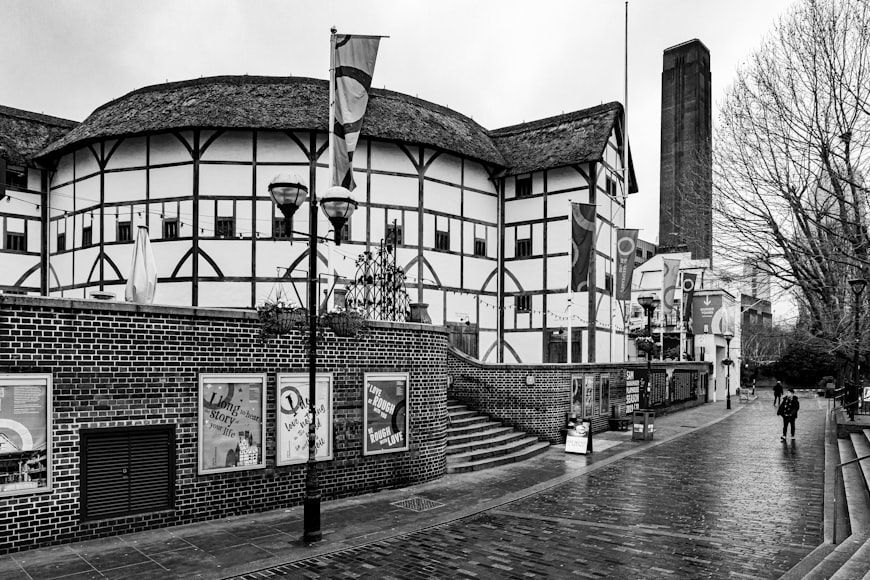
Image: Hulki Okan Tabak

Ilyena Lydia Mironoff was born in the UK as part of an exiled Russian noble family who eventually changed their surname to Mirren. She started her career as a theater performer in the Royal Shakespeare Company, and went on to achieve major success in film and television. Though she became a U.S. citizen in 2017, she had considered herself American for a long time. In an interview, she revealed that witnessing the 9/11 attacks in New York City gave her an "epiphany" about where her allegiance lay, which helped prompt her decision to become a U.S. citizen.

8
Anthony Quinn
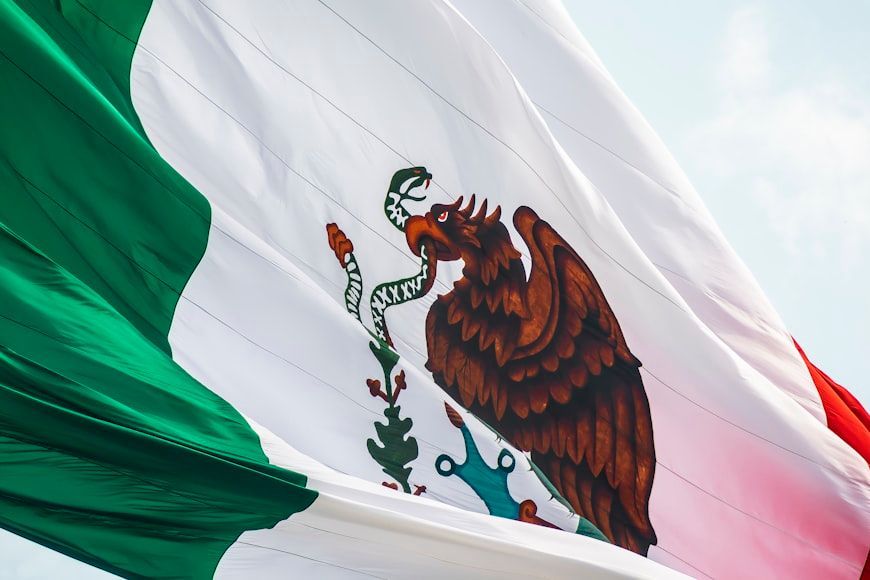
Image: Jorge Aguilar

Many people are surprised to learn that Anthony Quinn was not American-born. Originally named Manuel Antonio Rodolfo Quinn Oaxaca, he was born in Chihuahua, Mexico, to a Mexican mother of Indigenous heritage and an Irish immigrant father. After a short stint as a boxer, he began a successful acting career and became the first Mexican-born actor to win an Academy Award, ultimately winning two Oscars. He became a U.S. citizen in 1947.

9
Olivia de Havilland and Joan Fontaine

Image: Jeremy Yap

Famous actresses, rivals, and sisters Olivia de Havilland and Joan Fontaine were born in Tokyo, Japan, to British parents, making them British subjects from birth. Both were brought up in the United States after their mother moved the family to California. Their careers in Hollywood were marked by a well-publicized sibling rivalry: according to biographies, their mother favored Olivia and discouraged Joan from using the family name, prompting her to adopt the stage surname Fontaine .

Olivia de Havilland became a naturalized U.S. citizen in 1941, just months before the U.S. entered World War II, and she actively contributed to the war effort, including touring to support troops. Her sister Joan gained citizenship a few years later, in 1943.

10
Greta Garbo

Image: Sofia Sforza

Born in Stockholm, Sweden, as Greta Lovisa Gustafsson, Greta Garbo became one of the defining stars of Hollywood’s early Golden Age. After appearing in a supporting role in the Swedish film The Saga of Gösta Berling (1924), she caught the attention of Metro-Goldwyn-Mayer executives, who brought her to Hollywood to begin what became a legendary silent-film career, one that only grew stronger with the transition to sound. After nearly two decades in film, Garbo famously retired from acting in 1941 and later became a U.S. citizen in 1951.

Culture Culture 6 min read

LITERARY HERITAGE

Epic Reads: 10 American Bestsellers That Made History

Image: Florencia Viadana

Books have a unique power to transport us to different worlds , evoke deep emotions, and leave lasting impressions on our minds and hearts. Some books do this so well that they become beloved bestsellers, cherished by readers for generations. Think about the rebellious spirit of Holden Caulfield in T_he Catcher in the Rye_ or the adventurous escapades of Huck Finn in Adventures of Huckleberry Finn . These stories have stood the test of time , resonated with countless readers, and earned their place among America's bestsellers.

In this article, we’ll take you through ten of these iconic books, exploring the stories and characters that have become integral to American literary heritage

1
The Great Gatsby by F. Scott Fitzgerald

Image: Girl with red hat

Set against the backdrop of the Roaring Twenties, The Great Gatsby captures the essence of an era defined by opulence and excess. The story follows Jay Gatsby, a wealthy and enigmatic man known for his lavish parties in West Egg, Long Island. Gatsby's unrelenting love for Daisy Buchanan, a beautiful and charming former debutante, drives the narrative forward.

As secrets unravel, the novel paints a stark picture of the American Dream's corruption , showcasing the moral decay hidden beneath the glitz and glamor of the Jazz Age. Fitzgerald's prose is both lyrical and poignant , making The Great Gatsby a timeless critique of ambition, love, and loss.

2
The Catcher in the Rye by J.D. Salinger

Image: Peter Bond

In J.D. Salinger's classic novel, The Catcher in the Rye , readers are introduced to Holden Caulfield, a teenager navigating the complexities of adolescence in 1950s New York City. Expelled from his prestigious boarding school, Holden embarks on a journey through the city, encountering a series of characters who highlight his deep sense of alienation and disillusionment with the adult world.

His candid, often cynical narrative voice offers a raw and honest look at the struggles of growing up. Salinger's portrayal of Holden's inner turmoil and his quest for authenticity amidst the phoniness of society has resonated with readers for decades, making it a perennial bestseller and a touchstone of modern American literature.

3
To Kill a Mockingbird by Harper Lee

Image: Kabiur Rahman Riyad

To Kill a Mockingbird by Harper Lee is a beloved classic that delves into themes of racism and morality through the eyes of young Scout Finch. Set in 1930s Alabama, the story follows Scout, her brother Jem, and their father, Atticus Finch, who is defending a black man, Tom Robinson, falsely accused of raping a white woman.

The novel shines through its memorable characters, especially the wise and principled Atticus and the curious, brave Scout. Lee’s writing is engaging, mixing humor and serious themes to paint a vivid picture of a small Southern town grappling with injustice.

To Kill a Mockingbird is a must-read for its powerful storytelling. It’s a book that challenges you to reflect on your values and the world around you, all while telling a captivating story.

4
Moby Dick by Herman Melville

Image: Claudia Rancourt

Moby Dick is a tale of obsession and adventure on the high seas. The novel chronicles the journey of Ishmael, a sailor aboard the whaling ship Pequod, commanded by the enigmatic and vengeful Captain Ahab. Ahab's single-minded pursuit of the great white whale, Moby Dick, drives the crew into treacherous waters and difficult situations.

Through its richly detailed narrative and profound symbolism, the story explores themes of revenge, humanity, and the sublime power of nature. Melville's masterful storytelling and deep philosophical insights make Moby Dick a cornerstone of American literature and a compelling read for those who seek both adventure and reflection.

5
The Grapes of Wrath by John Steinbeck

Image: Sonder Quest

Steinbeck's The Grapes of Wrath transports readers to the heart of the Dust Bowl era, painting a vivid portrait of the Joad family's journey from the barren plains of Oklahoma to the promise of a better life in California. Through the trials and tribulations of the Joads, Steinbeck exposes the harsh realities of poverty, displacement, and the exploitation of migrant workers during the Great Depression.

The novel's timeless themes of resilience, solidarity, and the pursuit of dignity resonate with readers across generations. Steinbeck's evocative prose and deeply human characters make The Grapes of Wrath a classic that continues to captivate audiences worldwide.

6
Catch-22 by Joseph Heller

Image: Hans Vivek

Set during World War II, Joseph Heller's satirical masterpiece introduces us to Captain John Yossarian, a bombardier stationed on the fictional island of Pianosa. Yossarian's attempts to maintain his sanity in the face of bureaucratic absurdity and the arbitrary nature of military logic form the crux of the narrative.

The term "Catch-22" itself becomes a symbol of the absurdity and paradoxes inherent in the military system, where airmen are trapped in a no-win situation. Heller's dark humor and biting wit make Catch-22 a captivating and thought-provoking read, offering insights into the absurdities of war and the human condition. With its unconventional structure and memorable characters, this novel has rightfully earned its place as a classic American bestseller.

7
The Sound and the Fury by William Faulkner

Image: Arno Senoner

William Faulkner's The Sound and the Fury delves into the tragic decline of the Compson family, Southern aristocrats grappling with personal and social disintegration. Set in Mississippi, the novel's innovative structure and stream-of-consciousness technique vividly capture the inner turmoil of its characters.

Each of the four sections offers a unique perspective, primarily through the eyes of the Compson siblings: Benjy, Quentin, and Jason. Their stories weave a complex tapestry of time, memory, and loss, reflecting broader themes of identity and change in the American South. Faulkner's masterful storytelling makes The Sound and the Fury a poignant exploration of family, pride, and the inexorable passage of time.

8
Adventures of Huckleberry Finn by Mark Twain

Image: Jp Valery

Mark Twain's Adventures of Huckleberry Finn is a seminal work in American literature, offering a vivid depiction of life along the Mississippi River in the mid-19th century. The novel follows the journey of Huckleberry Finn, a young boy who fakes his own death to escape his abusive father; and Jim, a runaway slave seeking freedom. Together, they embark on a raft adventure, encountering a series of colorful characters and challenging societal norms along the way. Through Huck's eyes, Twain addresses themes of race, identity, and moral growth with a blend of humor and biting social commentary.

Adventures of Huckleberry Finn remains a powerful exploration of freedom and friendship, celebrated for its authentic vernacular and enduring impact.

9
Lolita by Vladimir Nabokov

Image: Brandi Redd

Lolita is a provocative and masterfully written novel that describes the complexities of obsession and desire. The story is narrated by Humbert Humbert, a literature professor with a disturbing infatuation for the twelve-year-old Dolores Haze, who he nicknames Lolita.

Through Humbert's eloquent yet unreliable narration, Nabokov (a Russian expatriate who became an American citizen in 1945) explores themes of manipulation, guilt, and the dark side of human nature. The novel's controversial subject matter is handled with linguistic brilliance, making it a compelling and thought-provoking read.

Despite its challenging themes, Lolita remains a significant work for its literary artistry and its unflinching look at the intricacies of forbidden love.

10
Beloved by Tony Morrison

Image: Sibel Yıldırım

Beloved is a masterpiece that beautifully intertwines the horrors of slavery with the power of love and memory. The novel, set after the American Civil War, follows Sethe, an escaped slave, as she grapples with the haunting presence of her past.

Morrison's lyrical prose and profound storytelling bring to life the emotional and psychological scars of slavery, making the reader feel deeply connected to the characters. The ghost of Sethe's daughter, Beloved, serves as a powerful symbol of unresolved trauma and the enduring need for reconciliation.

While the themes are heavy, Morrison's compassionate and poetic approach offers a sense of hope and resilience. Beloved is a poignant reminder of the strength of the human spirit and the importance of confronting our history with honesty and empathy. It's a must-read for anyone who appreciates deeply moving and thought-provoking literature.

History History 5 min read

MOST WANTED

Do You Recognize These 10 Outlaws Who Captured the Nation's Attention?

In the annals of history , some people have dominated the skill of breaking and evading the law. Immortalized in numerous stories both written and oral, and depicted in movies and other forms of art, these American outlaws-–like Billy the Kid or Bonnie and Clyde— have earned a questionable fame that kept them alive long after they left this world. Follow us as we tour the names and lives of these 10 infamous American outlaws!

1
Jesse James

Image: Jaye Haych

Born in 1847 and raised in western Missouri , Jesse James and his brother Frank earned a reputation robbing banks, trains, and stagecoaches, and committing other offenses throughout the Midwest .

After gaining national fame as an elusive criminal, Jesse James's illegal career came to an end in 1882 . He was betrayed by one of his own, Robert Ford , who had met with the governor of Missouri to make a deal and bring James down.

Jesse James lived only 34 years, but the wild story of his life is full of infamous acts that seem like something out of a movie. And here's a fun fact: his son, Jesse James Jr., starred in two silent films playing his father!

2
Billy the Kid

Image: rod m

Ever heard the name Henry McCarty ? Maybe the alias William H. Bonney? If the answer is "no," you probably recognize him by his nickname: Billy the Kid .

In addition to committing robberies and assaults, this 19th-century outlaw gained notoriety for his role in New Mexico's Lincoln County War. Billy, born in 1859 , was arrested several times throughout his life but consistently managed to escape. However, his luck ended in the 1880s.

In the year 1881 , to be exact, Billy the Kid was caught by Sheriff Pat Garrett. That same year, a few months after his last escape, he was struck down at the young age of 21 by Garrett.

3
Butch Cassidy

Image: The National Library of Norway

You've probably heard of the Wild Bunch , a gang that intimidated the American West during the late 19th and early 20th centuries . Often considered the most successful train robbery gang in history, its members were feared guys, but the most notorious was its leader: Butch Cassidy.

Cassidy, born in 1866 , started his criminal career very early. Many historical sources state that he committed his first minor crime—store robbery—when he was only 14 years old !

However, as with most outlaws, his luck ran out. Escaping the law, he traveled to Latin America. The tales say he was in Argentina and then Bolivia , where he met his end in a shootout in 1908 .

4
Sundance Kid

Image: Ady TeenagerInRO

Another iconic figure in Cassidy's gang was Harry Alonzo Longabaugh, more famously known as the Sundance Kid .

Born in 1867 , his distinctive nickname originated during his time in the Sundance, Wyoming, jail, where he landed for one of his early crimes, horse theft. Legend has it that the Sundance Kid was a man of many skills, known particularly for his talent for poker and his ability to escape the law.

The tales suggest that Longabaugh traveled with Cassidy to Bolivia, where he met the same fate as the gang leader. Another theory says that the Sundance Kid returned to the U.S. under another name and lived in a small town in Utah.

5
Black Bart

Image: Joanna Kosinska

While crime and poetry might seem like an unlikely pairing, the outlaw known as Black Bart managed to blend these two things very well.

Probably less famed than the other names on this list, Black Bart was born Charles E. Boles (or Bolton) in England in 1829 . However, he relocated to New York with his family when he was just a toddler.

Between 1875 and 1883, Boles is believed to have robbed about 28 stagecoaches in Northern California and southern Oregon. But one thing distinguished this outlaw: on several occasions, he left behind poems at the robbery sites!

6
Al Capone

Image: Ashim D’Silva

It might be hard to believe, but before Al Capone became synonymous with organized crime, he actually worked at a candy store ! Can you picture him among candies and lollipops?

Definitely one of the best-known gangsters of the Prohibition era , Al Capone was born in New York as Alphonse Gabriel Capone in 1899 . Born to Italian immigrants, Capone moved to Chicago at a young age. By the 1920s , he had already made a name for himself among the city's criminals, smuggling and selling alcohol.

In 1931, his luck ran out, as he was sentenced to 11 years in federal prison for tax evasion. He was released in 1939 and passed away 8 years later.

7
Bonnie and Clyde

Image: Tengyart

Some say love's power knows no bounds, and the story of this couple seems to prove this.

Bonnie Elizabeth Parker and Clyde Chestnut "Champion" Barrow, known worldwide as Bonnie and Clyde , were two outlaws who committed a wide range of crimes across states such as Oklahoma, Texas, and Missouri during the Great Depression era . Literally partners in crime, they became popular icons over the years.

These two were recurring names in the headlines of their times, gaining notoriety for their robberies, both to banks and small stores. Together until the end, Bonnie and Clyde were fatally wounded in a police ambush in 1934 , when they were still very young. At the time, she was 23 and he was 25.

8
John Dillinger

Image: Tim Evans

John Dillinger , a mobster born in 1903 , led what was known as "the Dillinger Gang." During the Great Depression , Dillinger and his crew demonstrated their criminal prowess, accused of robbing more than 24 banks !

In 1934, John Dillinger became the first person to be declared "Public Enemy Number One" by the FBI. He was imprisoned multiple times throughout his life and, as the stories go, managed to escape jail twice using fake weapons made out of wood!

After a final attempt to escape, the criminal was gunned down by the authorities at the age of 31 as he exited the Biograph Theater in Chicago.

9
Pretty Boy Floyd

Image: Pepi Stojanovski

During the turbulent Great Depression era, a couple of outlaws were not only robbing banks and trains but also the national spotlight. Among them was Pretty Boy Floyd , born Charles Arthur Floyd in 1904 .

Floyd, who operated in the Western and Central U.S. , wasn't seen as a villain by many. Why? Besides robbing banks , he also used to destroy mortgage documents , something that helped many people, relieving them of their debts. Far from the sloppy appearance of many criminals, Floyd had a clean-cut and youthful look, which earned him his characteristic nickname .

His life met an end in his 30s in a shootout with the Bureau of Investigation's agents in Ohio.

10
John Gotti

Image: Jacob Spence

Known as " Teflon Don " for his slippery ability to evade justice, John Gotti was born on October 27, 1940 , in The Bronx, New York. He's widely considered one of the most dangerous crime bosses in U.S. history.

Known for his charisma and trademark hairspray look , Gotti began his life of crime when he was still a teenager. By the mid-1980s, he had become the head of the Gambino Crime Family, and throughout his life, he was accused of multiple crimes of varying severity.

Despite evading convictions many times, he was finally convicted in 1992 . He passed away ten years later while still in prison.

Explore more American facts

Choose your favorite category!

General
General

As American as apple pie—the very best America has to offer!

Culture
Culture

Delve into the astounding richness of American lore.

Geography
Geography

Hop in and explore vast and diverse American landscapes.

History
History

Discover the key moments that shaped the United States.