General General 4 min read

Seriously, These Exist

10 “fake” holidays that are surprisingly real

Image: Dean Drobot

Some days celebrate religious rites, solemn events, or serious causes. Others celebrate rubber duckies, pickles, and even doing absolutely nothing. These quirky national days are unofficial observances, not federal holidays, but they’re real, and they’re surprisingly fun to celebrate . Wait until you see what made the list. Which one is your favorite?

1
National Nothing Day

Image: CLS Digital Arts

Incredibly, National Nothing Day is a real, unofficial observance celebrated every year on January 16. It all began when columnist and publicist Harold Pullman Coffin proposed the idea in 1972.

His objective was to create an "un-event" , reminiscent of the Mad Hatter's "un-birthday" celebration in Alice in Wonderland , giving people permission to celebrate, observe, or honor absolutely nothing. It was meant as a pushback on a growing list of commercialized commemorative days. Finally, a holiday with no to-do list.

2
National Toilet Paper Day

Image: TierneyMJ

Now here’s a holiday that covers a truly essential household item . That’s why National Toilet Paper Day is a completely real unofficial holiday celebrated annually on August 26. Before you take your next roll for granted, remember: it has quite a history.

In 1857, entrepreneur Joseph Gayetty began selling commercially manufactured toilet paper in the United States. His product came in flat sheets, not rolls, and was marketed as "Gayetty’s Medicated Paper." This bathroom staple has a surprisingly fascinating backstory.

3
National Talk Like a Pirate Day

Image: Roman Samborskyi

Ahoy! International Talk Like a Pirate Day is a real, globally recognized unofficial holiday celebrated every year on September 19.

John Baur and Mark Summers invented International Talk Like a Pirate Day in 1995 as a joke while playing racquetball in Oregon. They chose September 19 because it was Summers’s ex-wife’s birthday, and the idea remained a private joke for years. In 2002, columnist Dave Barry promoted the holiday in his newspaper column, turning it into a worldwide phenomenon, and the rest is pirate history.

4
National Tooth Fairy Day

Image: Katerina Morozova

The Tooth Fairy has been an important part of childhood for generations, so it's only fitting that she has a day of her own. Amazingly, she not only has one but two national days.

The holidays land biannually on February 28 and August 22. Some say the intention was for it to match dentists’ recommendation for semi-annual checkups. The Tooth Fairy herself is said to have originated in 1920s health education campaigns that used imaginary fairies to encourage kids to eat vegetables and brush their teeth.

5
National Soft Ice Cream Day

Image: Kashugraphy

Who doesn’t love soft serve ice cream? Some would say it was inevitable for this dessert to have its own commemoration, and luckily, that’s the case. National Soft Ice Cream Day is celebrated yearly on August 19. Now the question that remains is: why does it refer to the "soft" type?

One popular story dates the rise of soft serve ice cream to 1934, when ice cream vendor Tom Carvel reportedly got a flat tire in Hartsdale, New York, over Memorial Day weekend. Forced to pull over, he noticed his ice cream stock was melting and started selling the softened product to passing motorists, who apparently loved the softer texture. That’s how Carvel went on to develop equipment for serving soft serve ice cream and eventually built a business around it. Talk about turning a breakdown into a sweet opportunity .

6
National Rubber Ducky Day

Image: Alena A

National Rubber Ducky Day is celebrated every year on January 13 to honor the iconic yellow bath toy. The date comes from a 1973 Sesame Street calendar that designated January 13 as the birthday of Ernie’s famous bath-time companion, Rubber Duckie.

Ernie first sang the hit song "Rubber Duckie" in February 1970, and the song went all the way to No. 16 on the Billboard Hot 100. Surprisingly, the earliest versions of the toy in the late 19th century were made of hard, solid rubber and were meant as chew toys rather than floating bath accessories. That’s one bath-time fact you probably didn’t see coming.

7
National Pickle Day

Image: Viktorya Telminova

National Pickle Day is a completely real unofficial observance celebrated every year on November 14.

While it sounds like something made up by internet foodies, it was actually popularized by the National Pickle Packers Association (now known as Pickle Packers International) in 1949 as part of a public relations push to celebrate the crunchy, briny snack . In the United States, more than 2.5 billion pounds of pickles are consumed every year, making it more than worthy of its own calendar slot. That’s a whole lot of pickles and a pretty good reason to celebrate.

8
National Left-Handers Day

Image: Olga Donchuk

It’s well known that the majority of people are right-handed, but left-handed people have a day of their own: August 13.

First established in 1976 by Dean R. Campbell (the founder of Lefthanders International, Inc.), the day was created to celebrate the uniqueness of left-handed people while raising awareness about the everyday challenges of living in a world designed largely for right-handed people. If you’re a lefty, this is your day to shine.

9
National Waffle Day

Image: Foodgraphy39

While National Waffle Day might sound like a corporate marketing stunt, the day actually marks a specific milestone in history.

On August 24, 1869, a New Yorker named Cornelius Swartwout received U.S. Patent No. 94,043 for an improved waffle iron. While waffles had been enjoyed for centuries in Europe, Swartwout’s invention was a hinged, flippable iron designed to sit over a coal stove, making it easier to prepare waffles at home . Turns out your breakfast has a patent.

10
National Bubble Bath Day

Image: Alliance Images

Love a long, relaxing soak? This one has your name on it. Celebrated on January 8, National Bubble Bath Day encourages people to slow down , relax, and enjoy a warm, bubbly bath.

Its origin is unclear, but its popularity has increased as an opportunity to promote self-care, especially during the cold winter months. No complicated celebration required; just add bubbles.
Geography Geography 4 min read

National gems of the US

Some of the US's most breathtaking national parks are the ones few visit

Image: Christopher Osten

The National Park Service reports that over 12 million people visit the Great Smoky Mountains Park every year. Be warned: it may not be the isolated haven you were looking for. If you want to visit less crowded national parks that are just as interesting and scenic, here is a list of suggestions .

1
Dry Tortugas National Park, Florida

Image: U.S. National Park Service, Public domain, via Wikimedia Commons

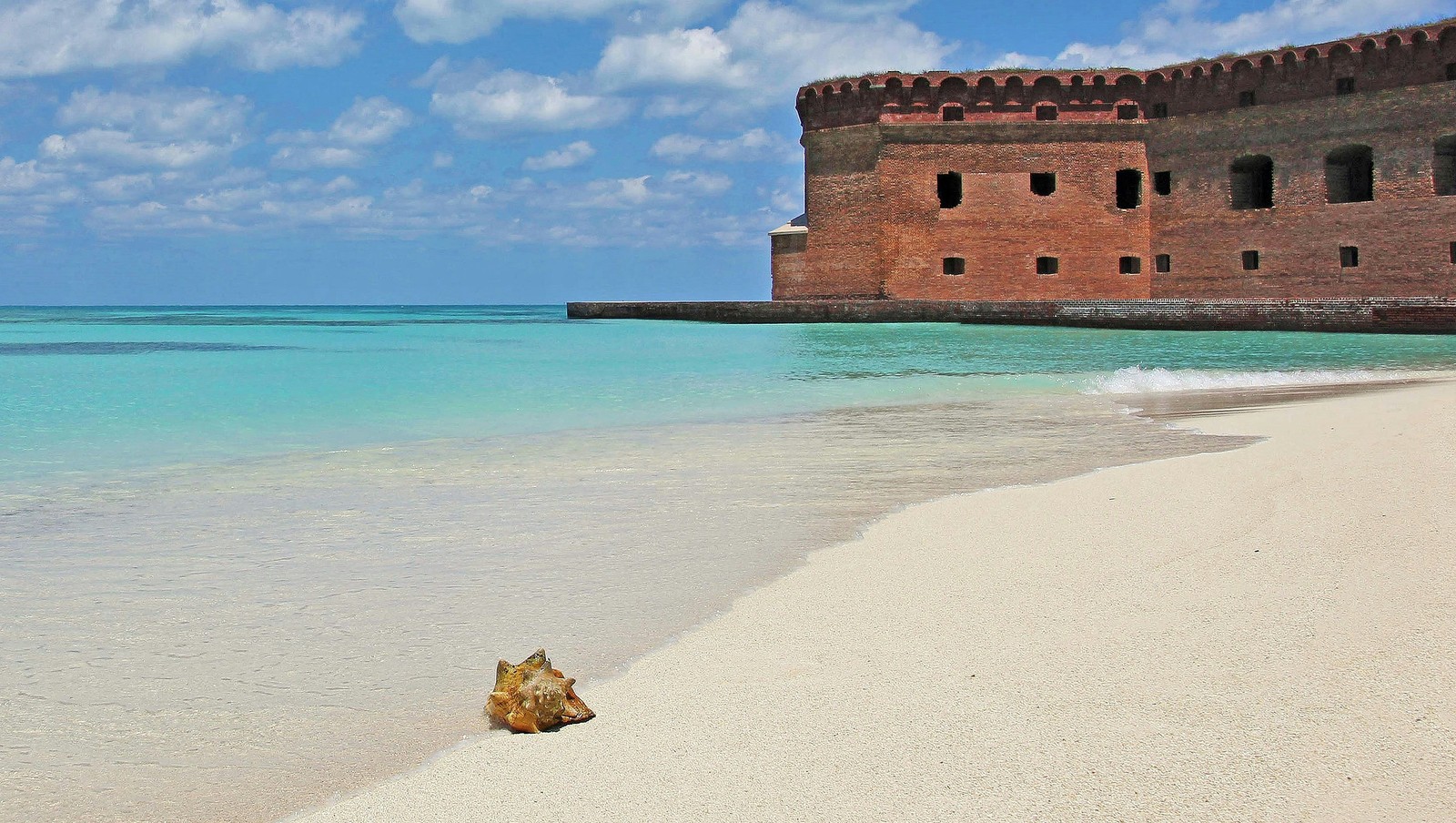
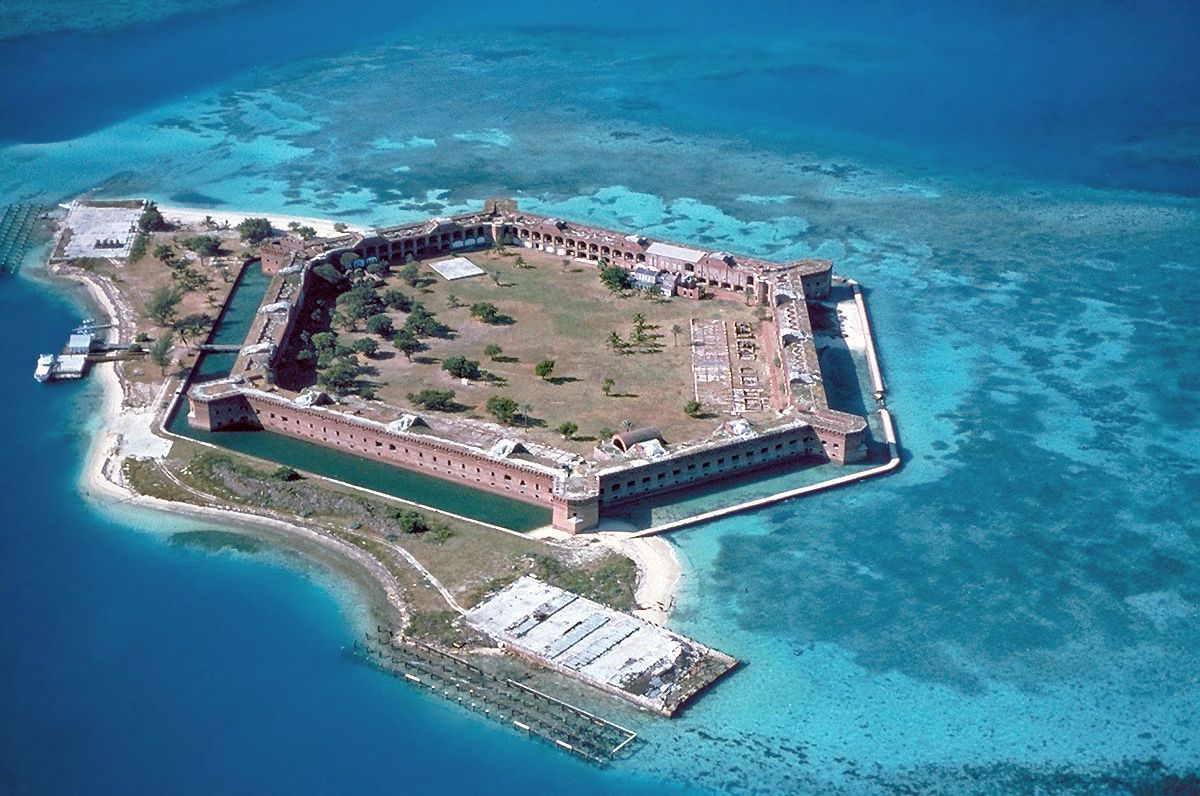
Located about 70 miles west of Key West, Dry Tortugas National Park is one of the most isolated national parks in the country , accessible only by ferry or seaplane. About 99% of the park is water. Its main landmark is Fort Jefferson, a massive unfinished 19th-century coastal fort built with more than 16 million bricks.

Visitors often go for a day trip, but camping is available for those looking for an overnight experience. The park also offers snorkeling, swimming, and birdwatching.

2
White Sands National Park, New Mexico

Image: Joonyeop Baek

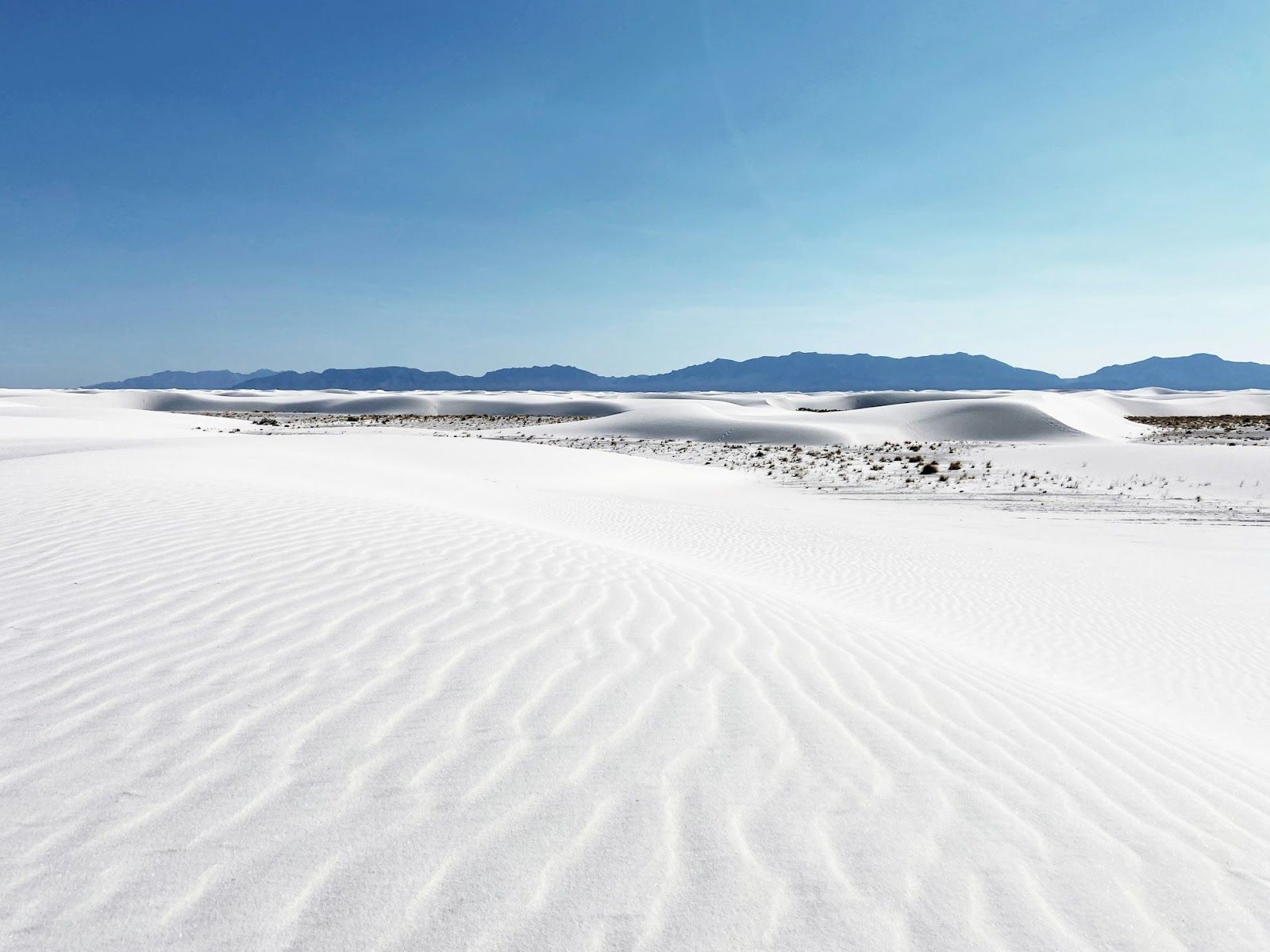
White Sands National Park protects the world’s largest gypsum dune field, covering about 275 square miles in southern New Mexico. Here is the difference between gypsum and typical sand: the former does not absorb heat the same way, so the dunes remain relatively cool underfoot, even in hot weather.

The park is known for activities like dune sledding, hiking marked trails , and scenic drives through the shifting landscape. While its distance from major cities means it stays less crowded than others, the park is still easily accessible by car.

3
Big Bend National Park, Texas

Image: Mick Haupt

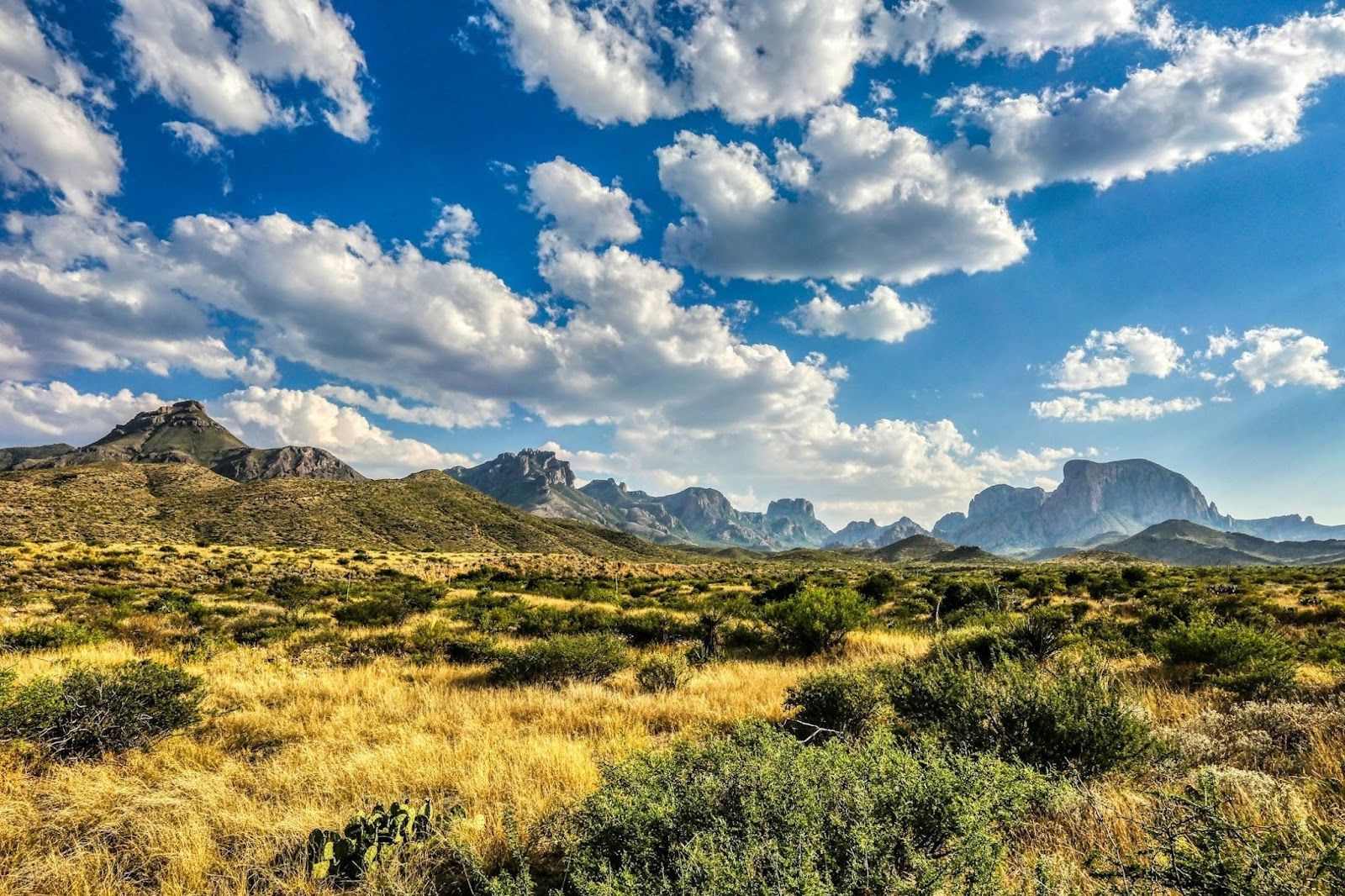
Big Bend National Park covers more than 800,000 acres along the Rio Grande, which forms the natural border between the United States and Mexico. It’s one of the least visited national parks of its size, largely because of its remote location in southwest Texas.

Those who visit come for the Ross Maxwell Scenic Drive, hikes into Santa Elena Canyon, and some of the best stargazing in the country. The Greater Big Bend International Dark Sky Reserve, spanning over 15,000 square miles, is the world’s largest certified "Dark Sky," an area where light pollution is regulated to preserve wildlife, aid astronomical research, and allow visitors to enjoy a stunning night sky.

4
Pinnacles National Park, California

Image: Mo

This national park might be one of the newest —it was designated in 2013—, but that doesn’t mean that its unique rock formations are recent. They were created by an ancient volcanic field that has shifted over millions of years.

The park is best known for its talus caves, one of the few places where you might spot the endangered California condor in the wild. Located about 80 miles southeast of San Jose, it’s relatively accessible but still far less crowded than parks like Yosemite .

5
Isle Royale National Park, Michigan

Image: English: NPS staff, Public domain, via Wikimedia Commons

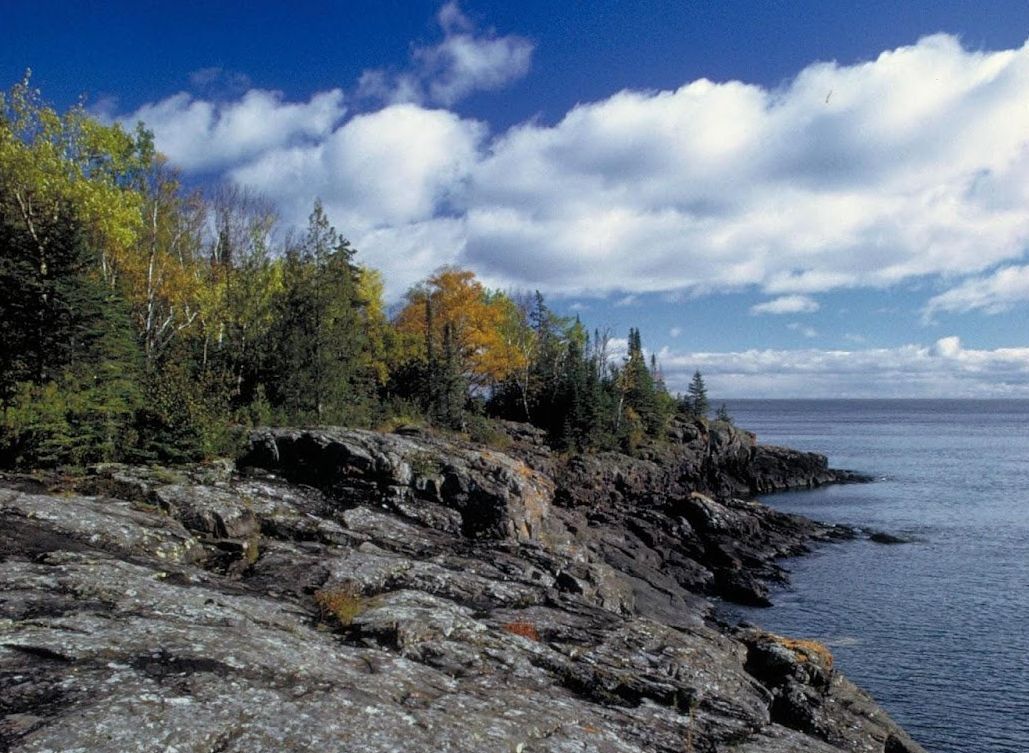
This island sits on Lake Superior and is one of the least visited national parks in the United States, receiving only a small fraction of the visitors seen at major parks. It’s only accessible by ferry or seaplane, and has no roads or cars.

This makes it an ideal destination for hikers, backpackers, and kayakers. Keep in mind, though, that the park is only open from mid-April through October due to harsh winter conditions.

6
Mammoth Cave National Park, Kentucky

Image: Niagara66, CC BY-SA 4.0, via Wikimedia Commons

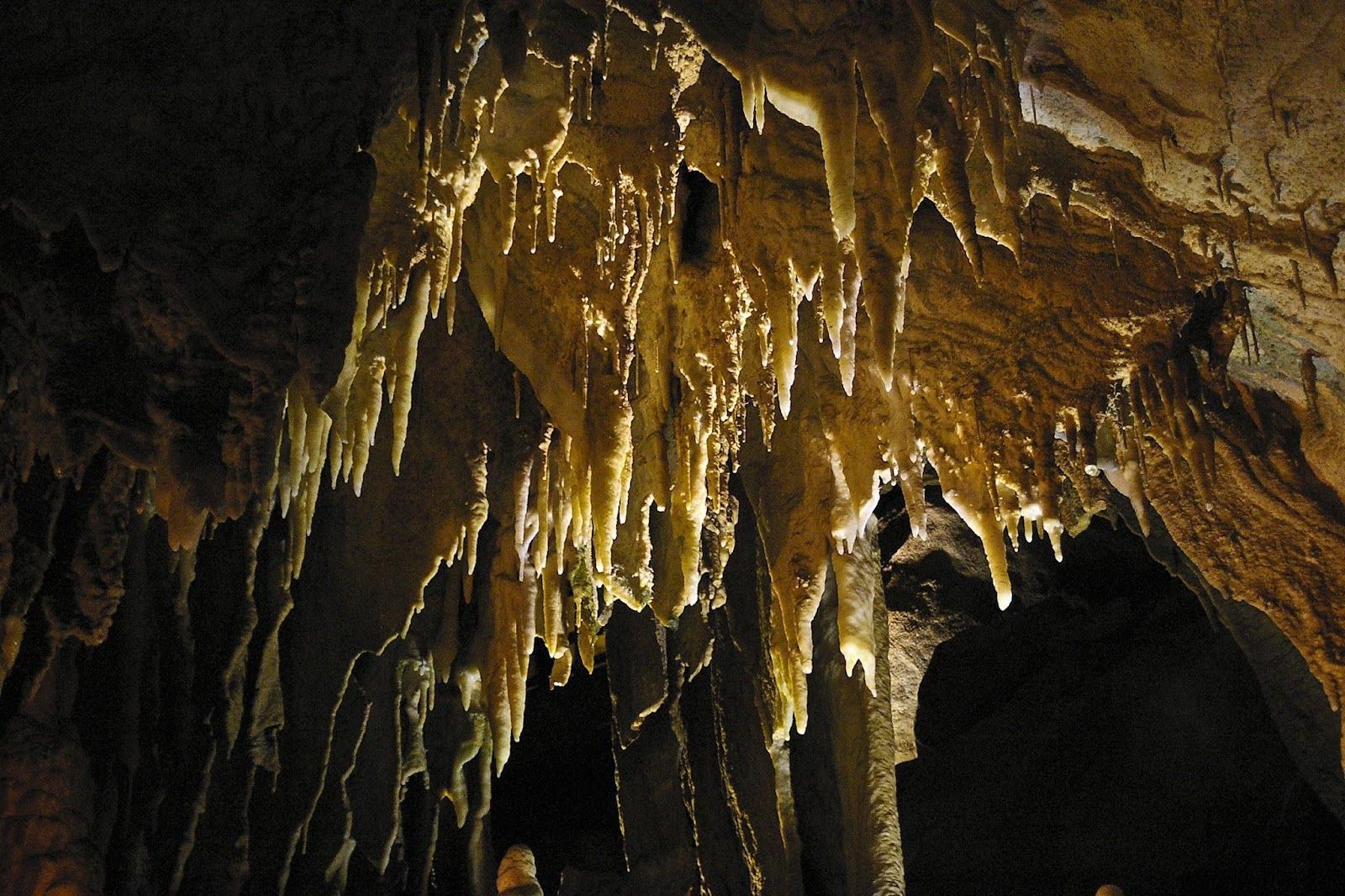
Mammoth Cave National Park protects more than 400 miles of mapped underground passages . That makes it the longest cave system in the world —and scientists believe there are hundreds of miles left to be discovered.

Guided tours are available, ranging from easy walking routes to more physically demanding crawls. Even above ground, the park offers hiking, biking, and canoeing along the Green River.

7
Voyageurs National Park, Minnesota

Image: English: NPS, Public domain, via Wikimedia Commons

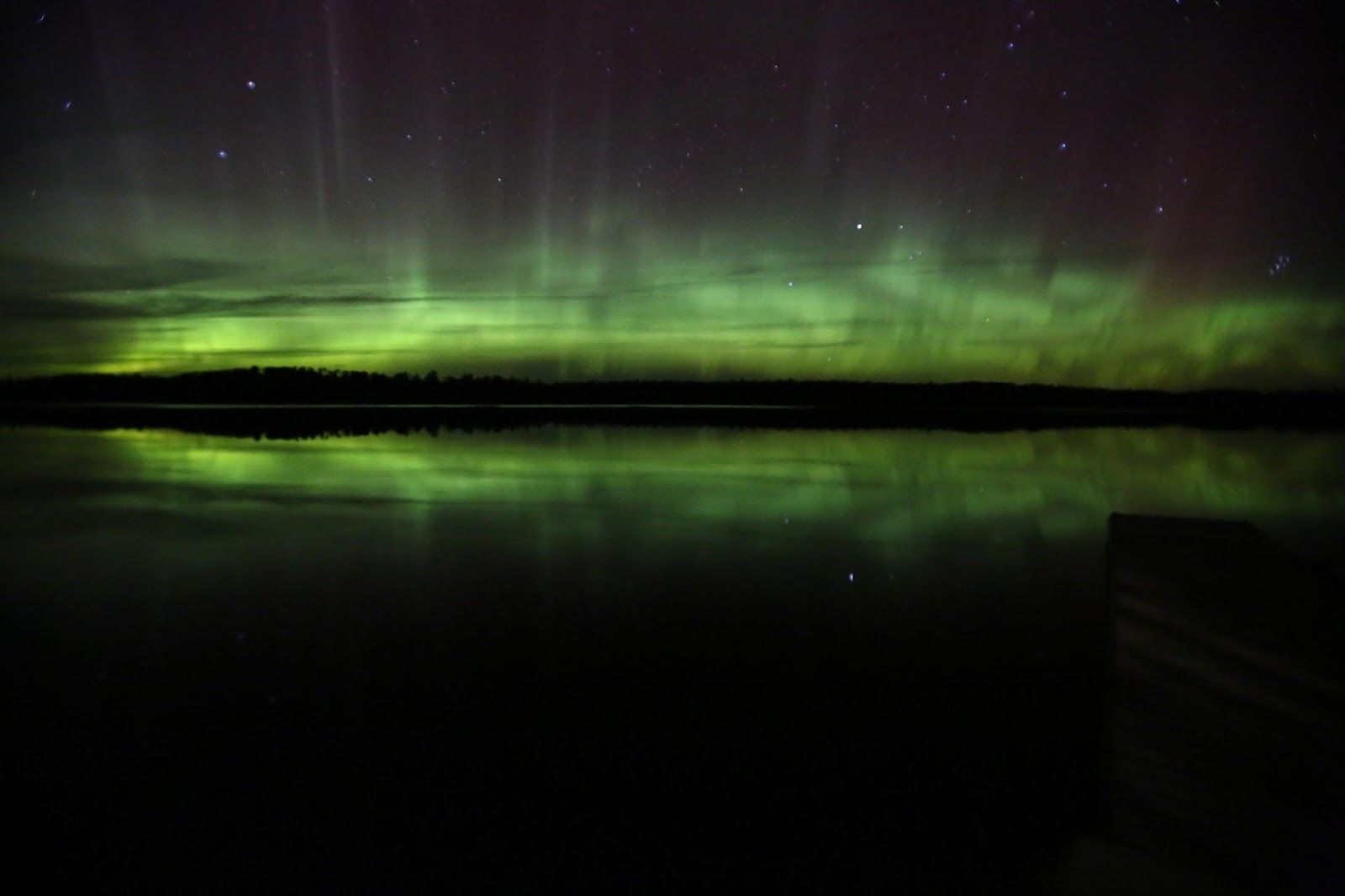
Voyageurs National Park is named after French-Canadian fur traders who once traveled these waterways. It is made up of nearly 40% water, with a network of interconnected lakes along the Canadian border. That means you can explore it by boat, kayak, or canoe.

Its isolation and lack of light pollution also make it ideal to enjoy gorgeous night skies —to gaze at the stars, the Milky Way, or even the Northern Lights.

8
North Cascades National Park, Washington

Image: Trevor Vannoy

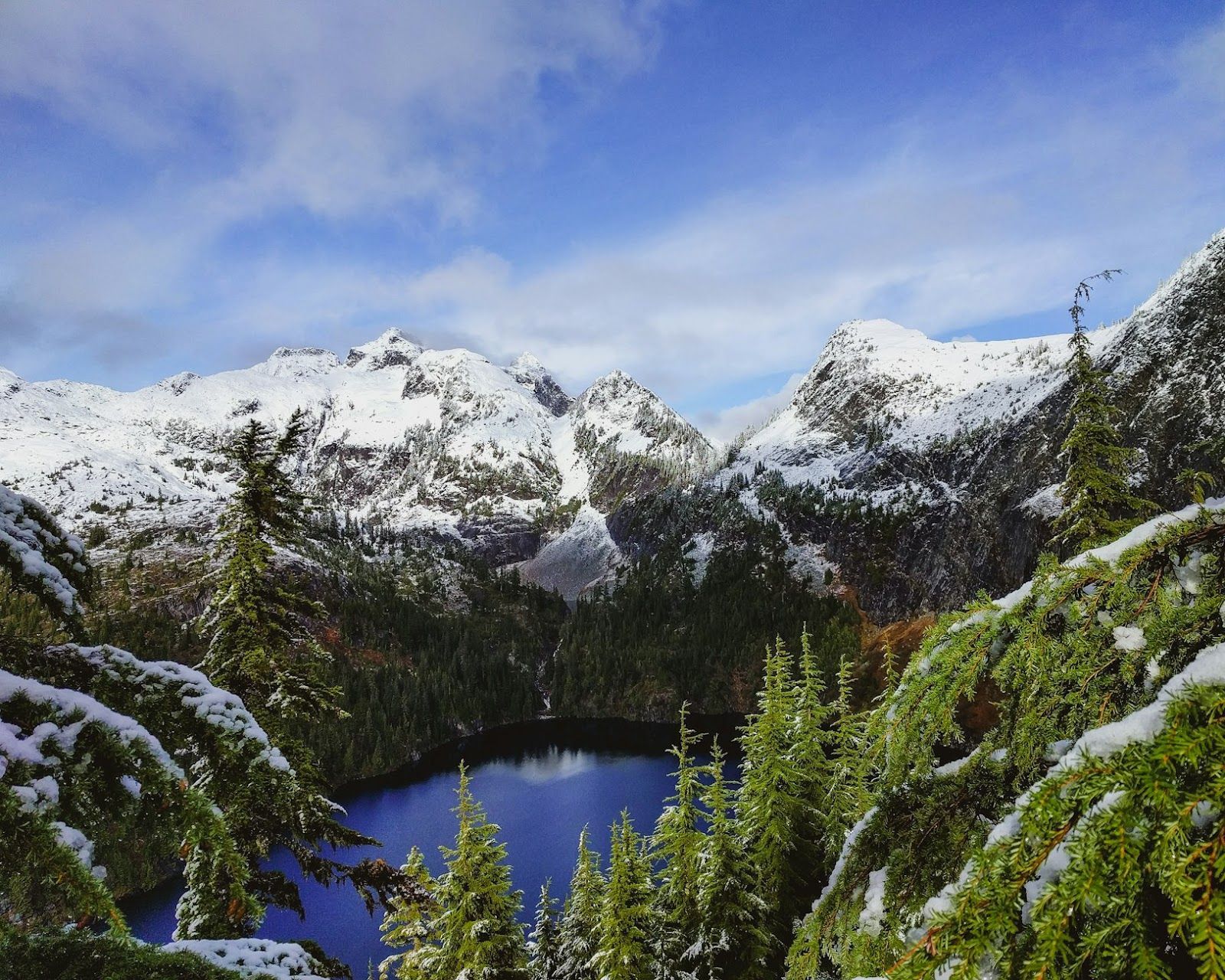
North Cascades National Park is one of the most glaciated areas in the contiguous US, with around 300 glaciers. Located about a three-hour drive from Seattle, it remains one of the least visited national parks, largely because it lacks the easy roadside viewpoints found in places like Yellowstone.

Its highlights include Diablo Lake and the Cascade Pass trail. Summer and early fall offer the best access, as many roads and trails are closed by snow in winter.

9
Wrangell-St. Elias National Park and Reserve, Alaska

Image: Mick Kirchman

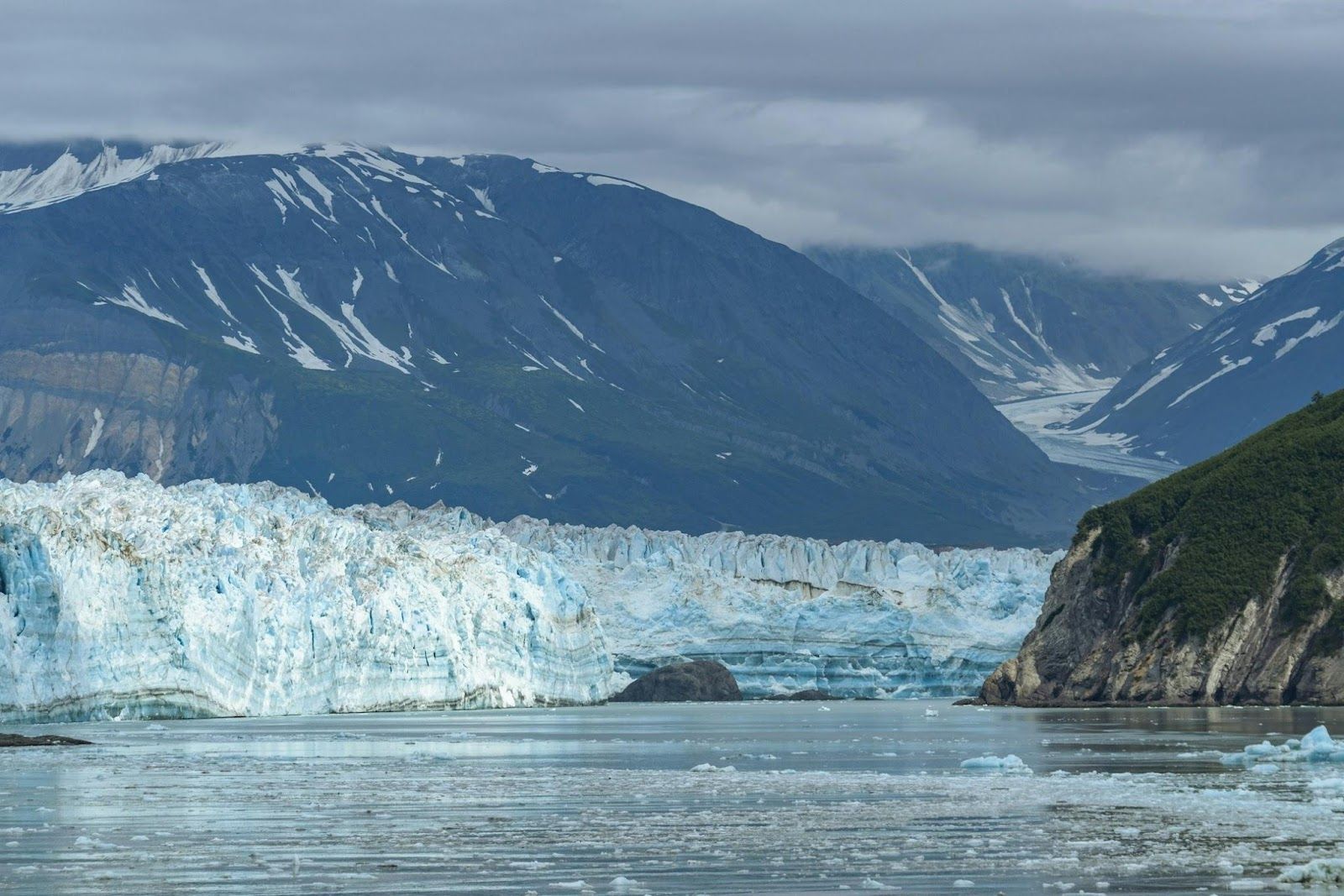
Wrangell–St. Elias National Park and Preserve spans about 13.2 million acres. That means it’s larger than Yellowstone, Yosemite, and Switzerland combined . The park includes some of North America’s tallest peaks, massive glaciers, and historic mining sites like the Kennecott Copper Mine. Most travelers can explore it via small aircraft, guided tours, or long-distance hiking trips.

10
Petrified Forest National Park, Arizona

Image: dconvertini, CC BY-SA 2.0, via Wikimedia Commons

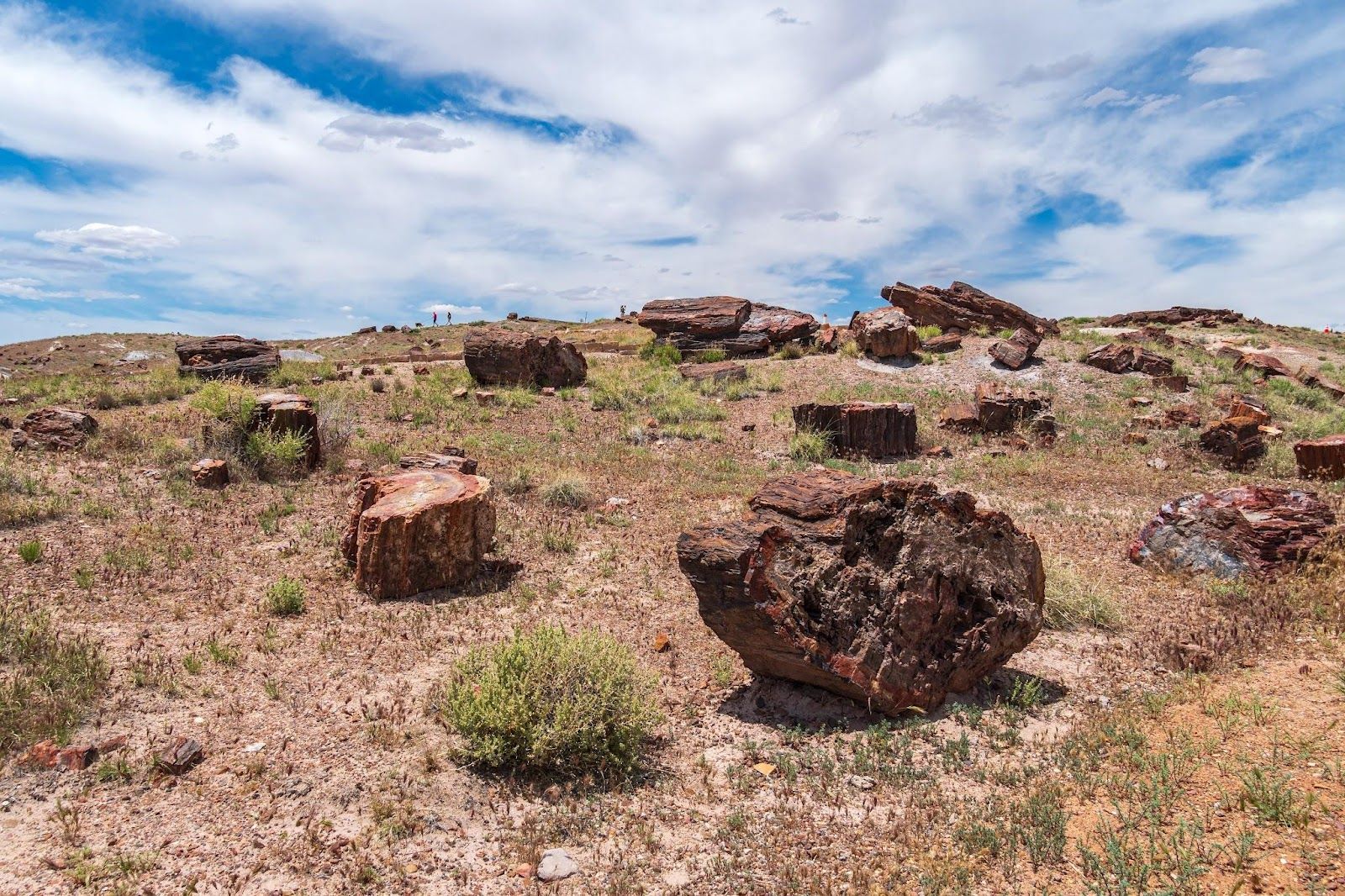
Petrified Forest National Park is known for its large deposits of petrified wood, trees that lived over 200 million years ago and have since turned to stone. The park also includes sections of the Painted Desert, with layered rock formations in shades of red, purple, and orange . It can be easily explored by car, with a scenic drive connecting major viewpoints and short trails.

Geography Geography 4 min read

MONUMENTAL HERITAGE

A Legacy In Stone: 10 Landmarks That Make America

Image: Heath Hughes

Churchill once said that we choose the shape of our buildings, but in turn, they shape us. America boasts an array of monumental landmarks that stand as testaments to its history, culture, and perseverance. From coast to coast, these colossal structures inspire awe and pride, symbolizing the values and spirit of the nation.

Join us to explore 10 of the largest American monuments and structures that are part of our unique legacy to the world and the hearts of the American people.

1
Statue of Liberty

Image: Pierre Blaché

Location: New York City, New York

The iconic symbol of freedom and democracy, Lady Liberty stands tall on Liberty Island in New York Harbor. A fraternal gift from France in 1886, she welcomed immigrants and visitors to the United States for over a century with her torch held high , representing enlightenment and hope.

Originally, it was a brownish copper color, but after a few years of exposure to the elements, its iconic green patina—caused by the oxidation of its copper surface—began to spread. Also, did you know that her full name is actually "La Liberté éclairant le monde" , French for "Liberty Enlightening the World"?

2
Mount Rushmore

Image: John Bakator

Location: Keystone, South Dakota

Carved into the granite face of the Black Hills, Mount Rushmore features the colossal visages of four revered American presidents: George Washington, Thomas Jefferson, Theodore Roosevelt, and Abraham Lincoln.

Although the monumental sculpture was never finished due to lack of funding (the original vision of sculptor Gutzon Borglum was that each president would be depicted from head to waist), it is still one of the most enduring symbols of the nation's founding principles and leadership.

3
Lincoln Memorial

Image: Kelli Dougal

Location: Washington D.C.

Honoring the 16th President of the United States, the Lincoln Memorial stands as a tribute to Abraham Lincoln's enduring legacy and his role in preserving the Union during the Civil War. An example of neoclassical architecture, it is built in the form of a classical temple , and the massive marble statue of Lincoln seated solemnly commands reverence upon entrance.

The memorial serves as a symbolic center for civil rights and has been the site of many historic speeches , most notably Martin Luther King Jr.'s "I Have a Dream" speech in 1963.

4
Gateway Arch

Image: Chris Hardy

Location: St. Louis, Missouri

Considered by some to be the tallest human-made monument in the Western Hemisphere - and the tallest arch in the world - the Gateway Arch soars 630 feet above the Mississippi River, a tribute to America's westward expansion and the pioneering spirit of its people.

Made of stainless steel with reinforced concrete infill, the structure is built to withstand earthquakes and winds up to 150 miles per hour. Inside, the arch is hollow and contains a tram system that takes visitors to an observation deck at the top.

5
Washington Monument

Image: Andy He

Location: Washington D.C.

Dedicated to the nation's first President, George Washington, this towering obelisk stands at 555 feet, making it one of the tallest stone structures in the world - and for a brief period of time between 1884 and 1889, before the construction of the Eiffel Tower, it actually was the world's tallest structure.

Its cornerstone, a 24,500-pound marble block, was specially hollowed to hold a number of memorabilia , including items associated with the monument, George Washington, and various benevolent societies.

6
USS Arizona Memorial

Image: Kirby Yardley

Location: Pearl Harbor, Hawaii

Built over the sunken remains of the USS Arizona, this memorial pays homage to the lives lost during the attack on Pearl Harbor on December 7, 1941. Only accessible by boat, the solemn structure sits just above the sunken battleship without touching it , preserving the original wreckage intact.

To this day, drops of oil occasionally leak from the ship’s deteriorating oil tanks , forming oil slicks on the water’s surface that are often referred to as "the tears of the Arizona."

7
Crazy Horse Memorial

Image: Lauren Lopes

Location: Crazy Horse, South Dakota

A colossal endeavor still in progress, the Crazy Horse Memorial is a heartfelt tribute to the Lakota leader Crazy Horse , intended to honor the culture, tradition, and resilience of Native Americans.

When it is finally completed, it will be the largest sculpture in the world , standing at 563 feet high and 641 feet long.

8
Hoover Dam

Image: Ryan Thorpe

Location: Nevada/Arizona border

Although not technically a monument, the Hoover Dam undeniably stands as a testament to American ingenuity and resourcefulness. Completed in 1936, it was originally named Boulder Dam , but the association with President Herbert Hoover endured, leading to its eventual renaming in his honor.

Spanning the Colorado River between Nevada and Arizona, the Hoover Dam is a monumental feat of engineering and a vital source of hydroelectric power and water for the Southwest United States.

9
Bunker Hill Monument

Image: Siddharth Mallya

Location: Charlestown, Massachusetts

Standing tall on Breed's Hill in Charlestown, Massachusetts, the Bunker Hill Monument commemorates the Battle of Bunker Hill , one of the early clashes in the American Revolutionary War.

Constructed between 1825 and 1843, the granite obelisk rises 221 feet and is accompanied by a statue of Col. William Prescott , a celebrated commander and hero of the Revolutionary War. Prior to the construction of the Washington Monument, it was the nation's largest-scale memorial.

10
Golden Gate Bridge

Image: Leo_Visions

Location: San Francisco, California

Spanning the Golden Gate Strait and connecting San Francisco to Marin County, the Golden Gate Bridge is an enduring symbol of American engineering and inventiveness. Opened in 1937, the iconic suspension bridge stretches 1.7 miles, and the main cables that support the weight of the roadway are made out of over 80,000 miles of galvanized steel wire.

Its distinctive orange hue, known as International Orange , was carefully chosen by consulting architect Irving Morrow to both complement the natural surroundings and enhance visibility in the frequent foggy conditions of the bay.

Explore more American facts

Choose your favorite category!

General
General

As American as apple pie—the very best America has to offer!

Culture
Culture

Delve into the astounding richness of American lore.

Geography
Geography

Hop in and explore vast and diverse American landscapes.

History
History

Discover the key moments that shaped the United States.