The First POTUS
10 facts you might not know about George Washington
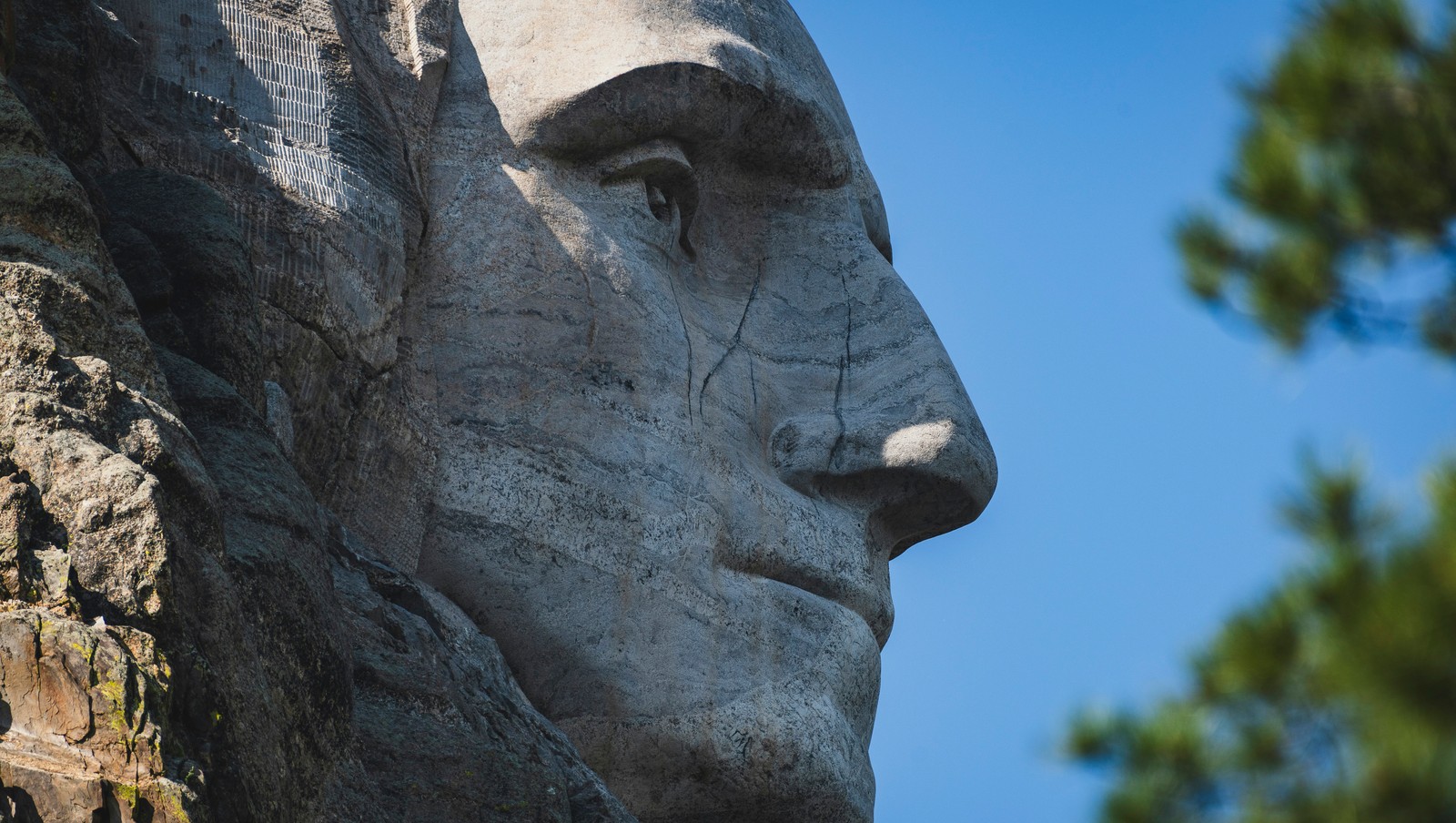
Image: Jon Sailer
It’s difficult to find a more talked-about figure in American history than George Washington. As the leader of the Continental Army and the first President of the United States of America, he was crucial in the development of our nation.
But history books sometimes overlook events that, although seemingly minor, deeply influenced Washington’s life and, in consequence, all of America. Here are some of the things you might not know about our first president.
1
Early life
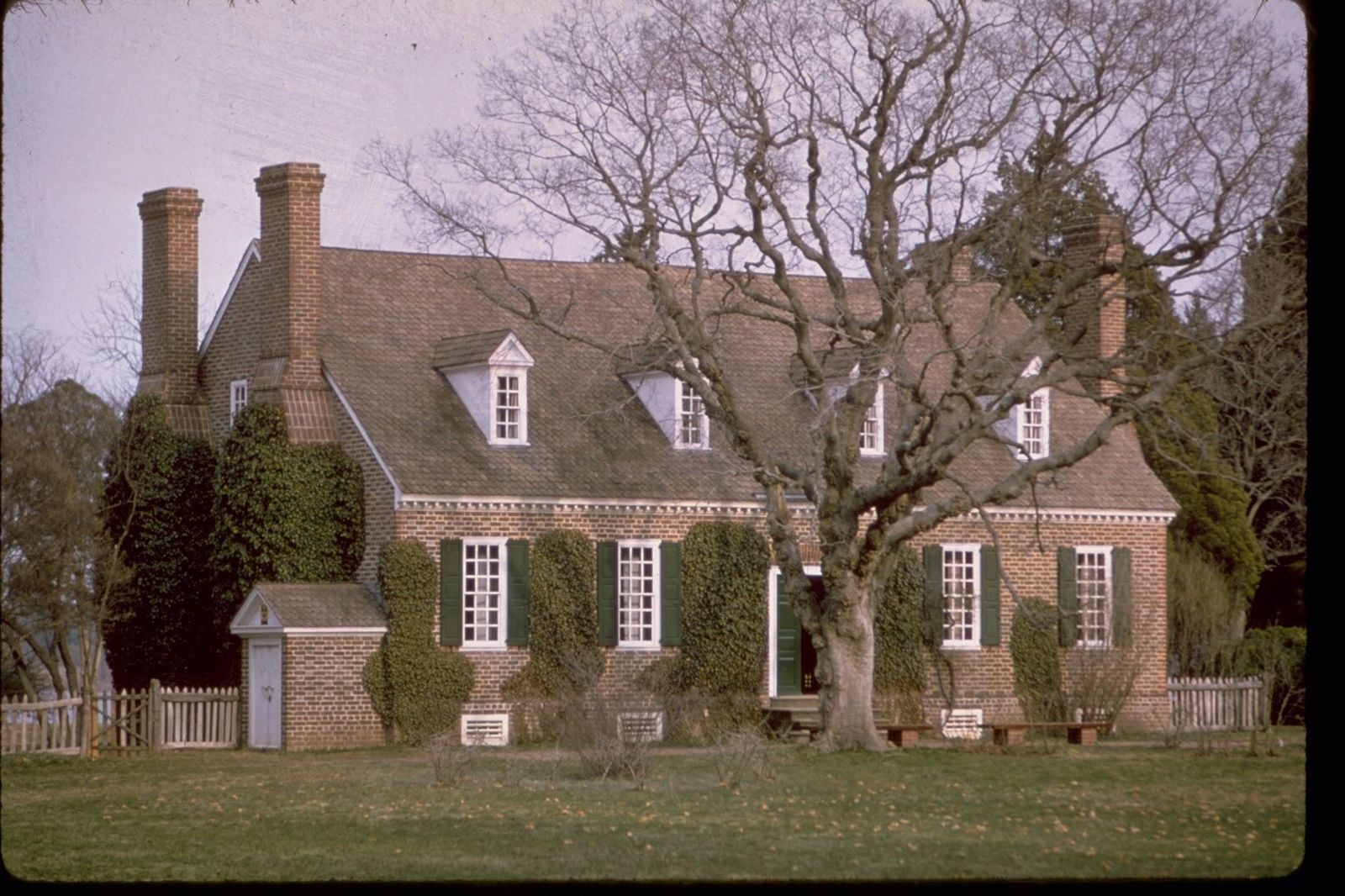
Born in Popes Creek, Virginia, George Washington was the first child of Augustine Washington and his second wife, Mary. His elder half-brothers had received a gentleman’s education in England, but the death of his father in 1743 prevented George from going to college . This was not a setback for him, though. He attended the Lower Church School in Hartfield, sought trustworthy mentors, and worked as a surveyor for Culpeper County.
2
Visit to Barbados
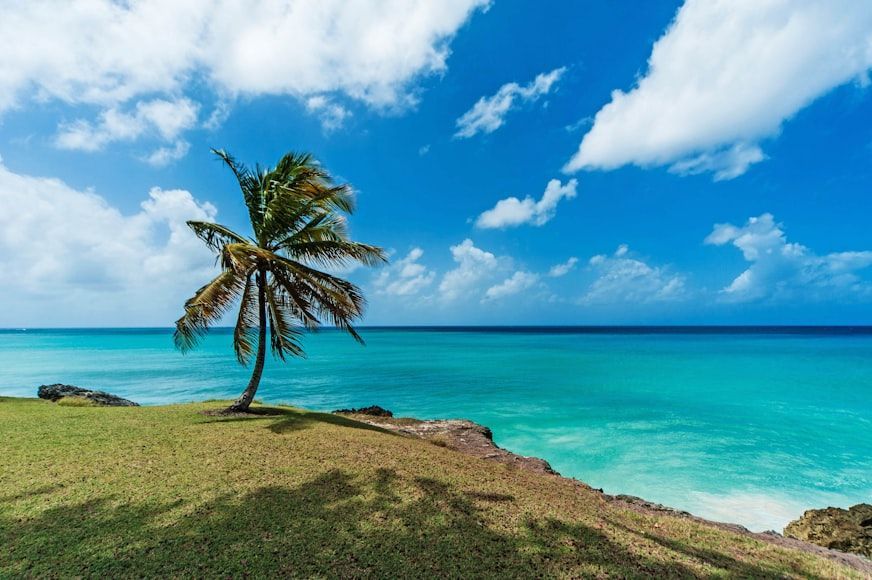
In 1751, Washington accompanied his older brother, Lawrence, on a trip to Barbados, which gave him a wider perspective of British administration beyond the New England colonies . During the voyage, Washington contracted smallpox, which left him scarred, but also provided him with immunity to the disease. Later, as the leader of the Continental Army, he ordered a mandatory inoculation against the ailment for his entire army.
3
Mount Vernon
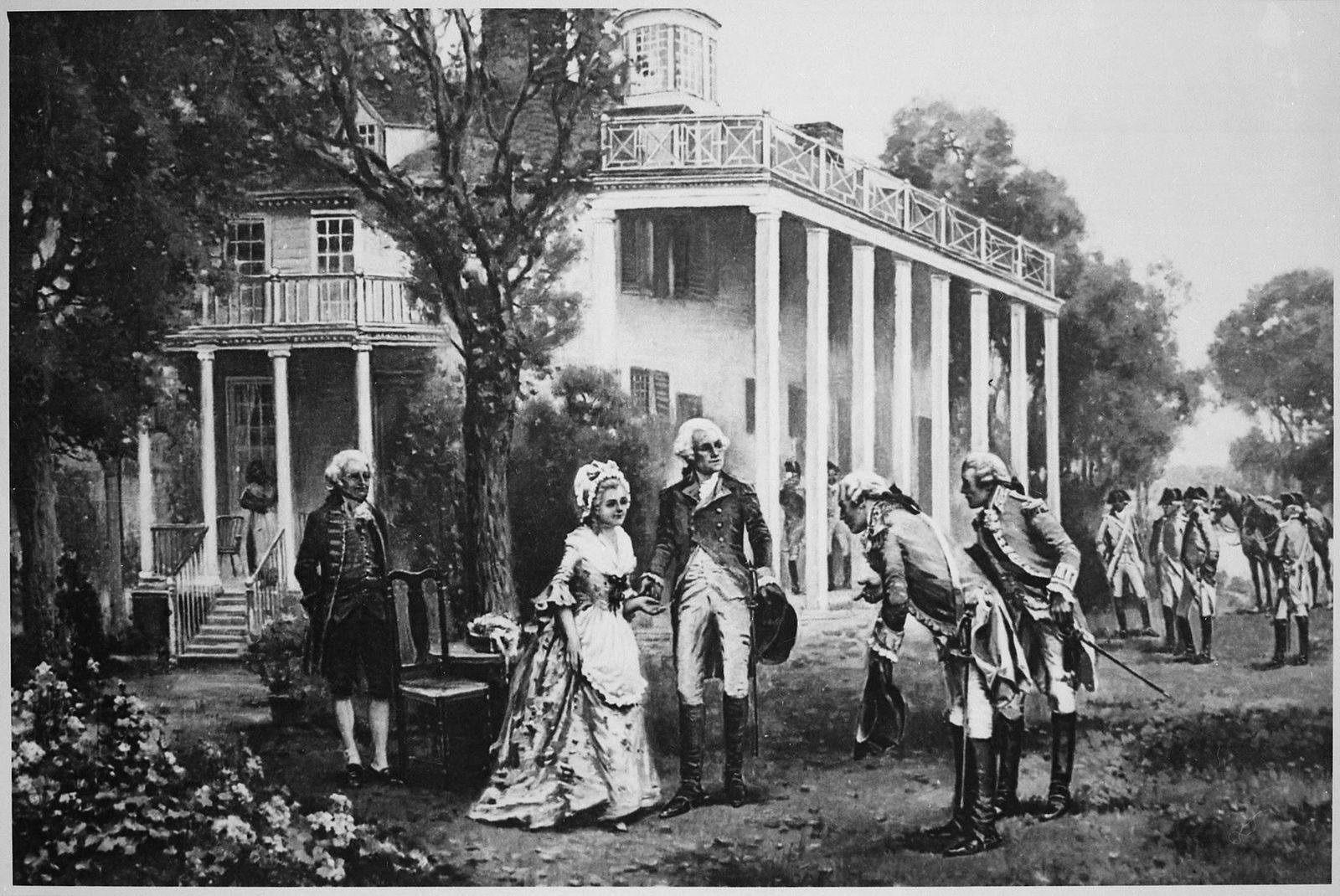
After his brother Lawrence’s death, Washington inherited his plantation, Mount Vernon, which he expanded and modernized. The house would become a refuge , a place for agricultural innovation, and where he would live in retirement after his political career. Like other founding fathers, Washington owned and employed enslaved people on his plantation. In his will, he made provisions for them to be freed after his wife’s death, though Martha Washington granted them their freedom in 1801.
4
First war experience
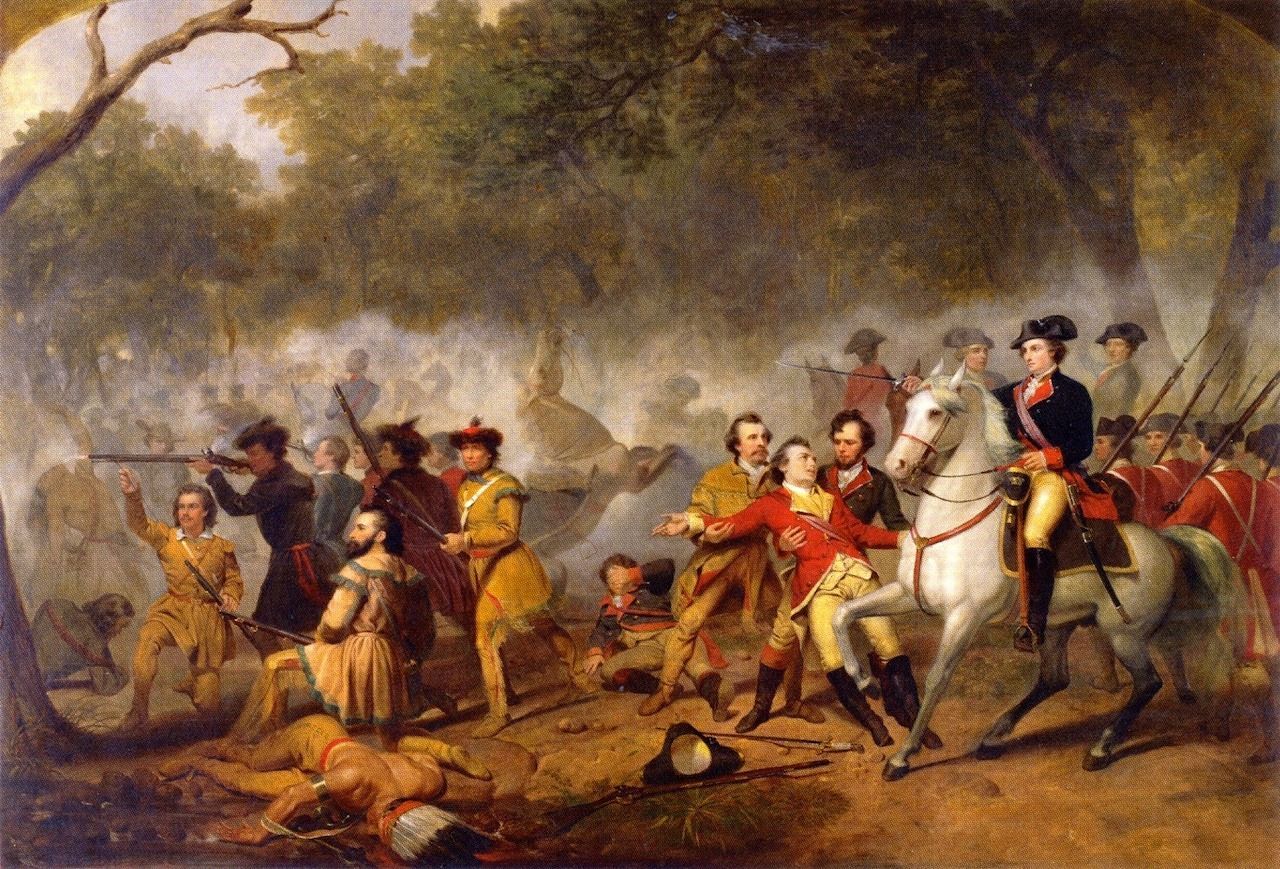
During the 1754–1763 French and Indian War, Washington served as a militia commander. He was tasked with delivering an ultimatum to the French to abandon British territory, and was later involved in one of the confrontations that sparked the war. During the conflict, he became known for his bravery and leadership skills, and he acquired knowledge and experience that would be crucial for his role in the American Revolutionary War.
5
Marriage
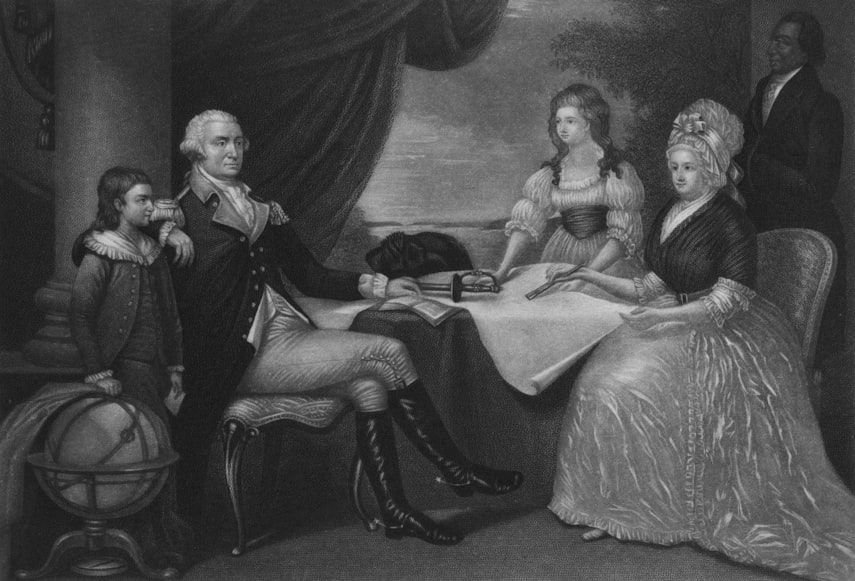
In 1759, Washington married Martha Dandridge Custis, a wealthy widow with two children . This marriage made Washington one of Virginia’s wealthiest men and also cemented his social status, providing him with connections that would be crucial for his political career. During the Revolutionary War and Washington’s presidency, Martha would be a source of unwavering support and comfort.
6
Leader of the Continental Army
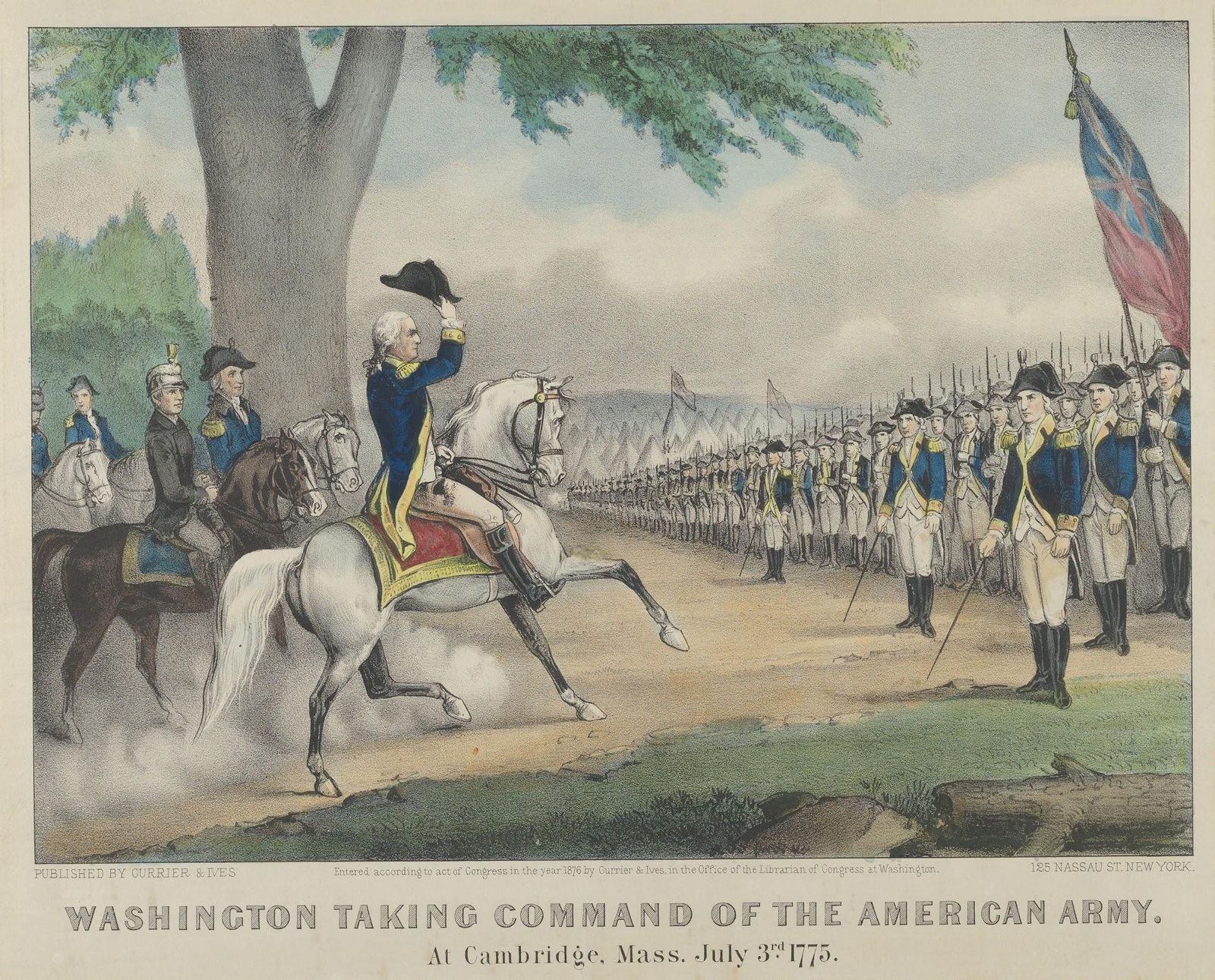
Though there were many candidates to lead the Revolutionary Army, the choice of George Washington was a deliberate move : he had proven war experience, was an influential politician and landowner in the largest southern colony, was known to be extremely brave, and had a remarkable aptitude for leadership. Washington never actively sought to be appointed commander, but his designation was key to the success of the Revolution.
7
Crossing of the Delaware
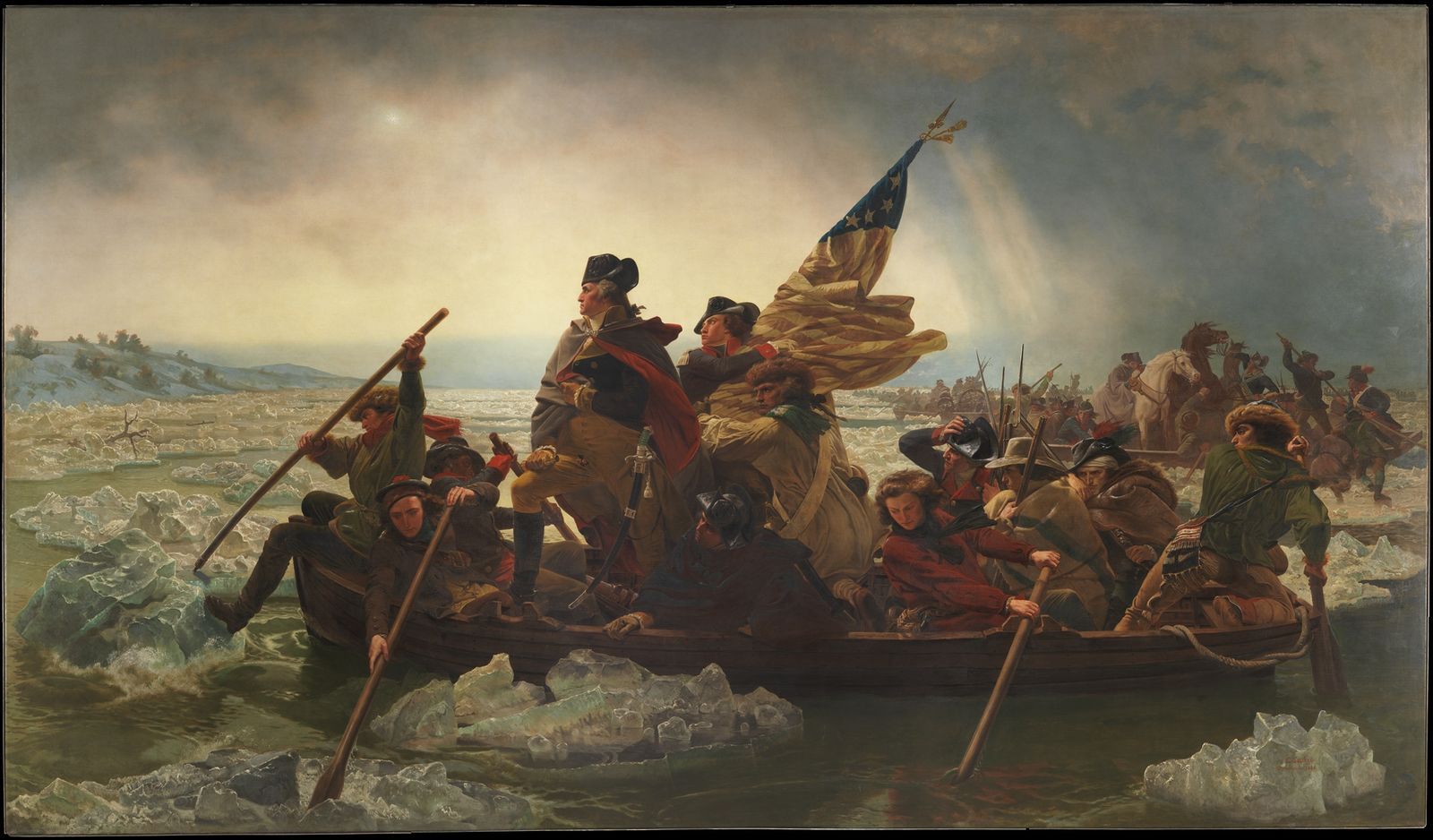
Demoralized by continued defeats at the hands of a superior British army, the Continental forces were on the brink of collapse. On Christmas night 1775, Washington set out to attack a British garrison by surprise, which meant he and his men had to cross the Delaware River at night during a harsh winter storm. By the next morning, the Continental Army defeated the enemy at the Battle of Trenton, a victory that boosted the soldiers’ morale and cemented Washington as a leader.
8
Presidential terms
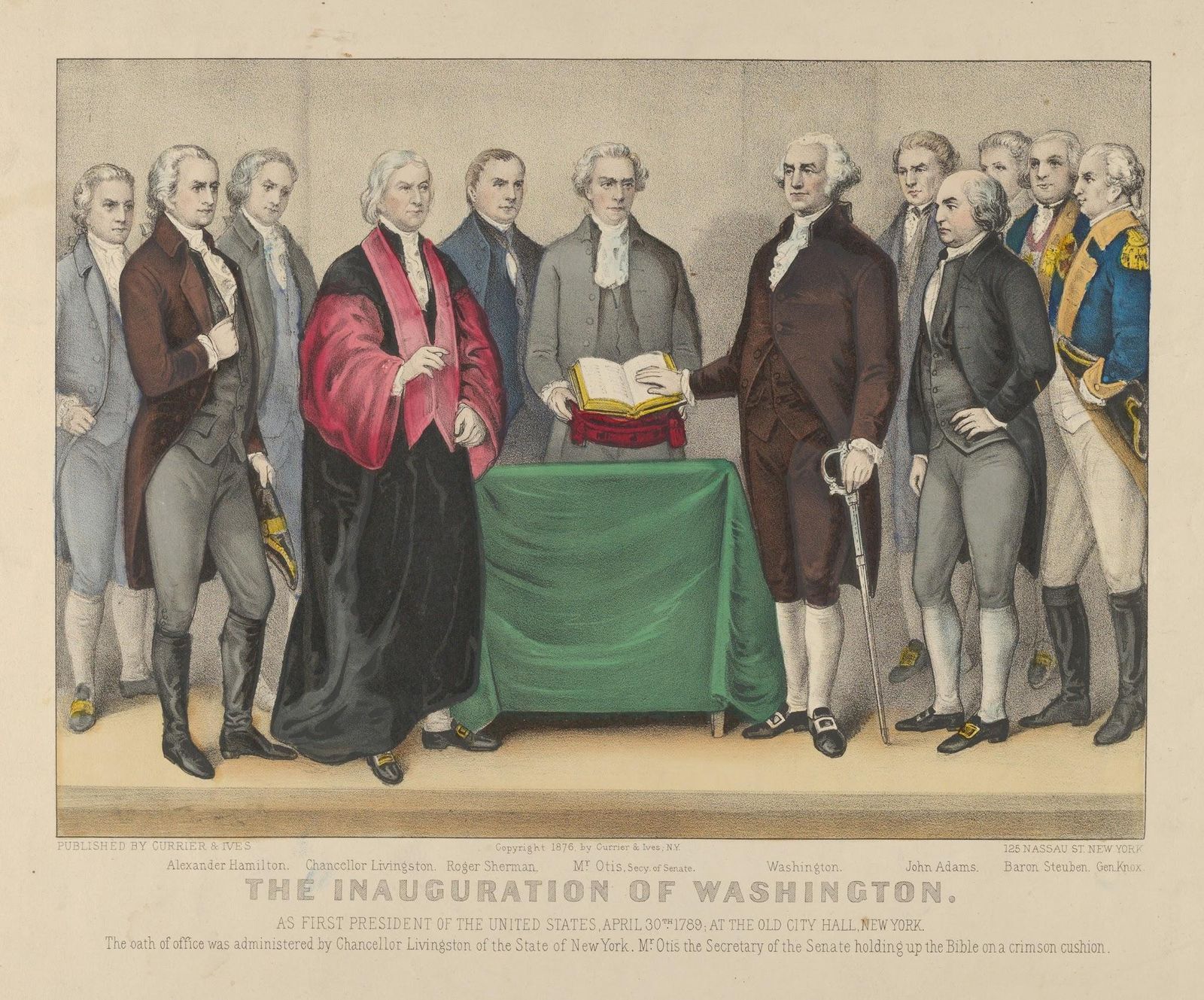
Unanimously elected by the Electoral College in both his presidential terms (1789-1797), George Washington was much more than just ‘the first American president’. His actions while in office set a precedent for the role , ensuring presidents would not be monarchs in disguise, and creating and enforcing policies that would shape the American system of government.
9
Washington, D.C.
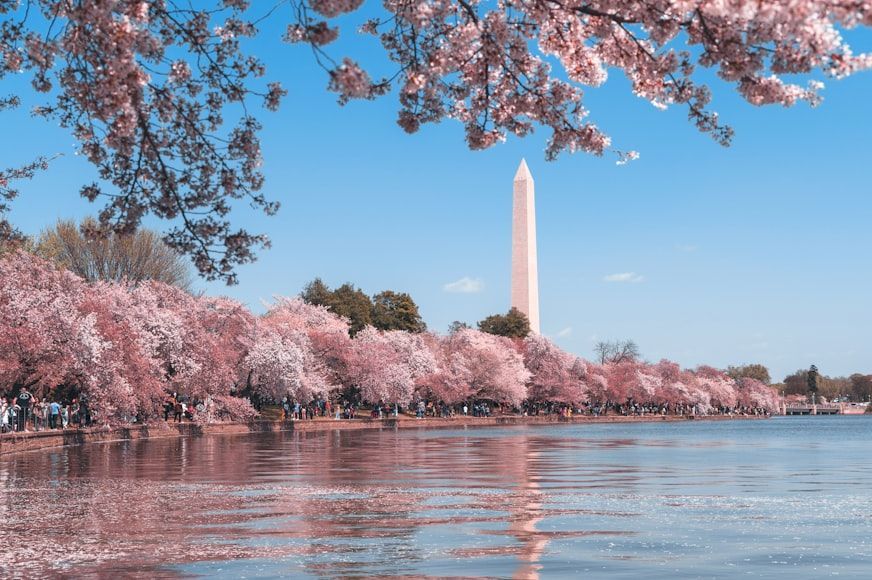
The Residence Act of 1790 established a new national capital, instead of an existing city being designated as such, to avoid tensions between the northern and southern states. While political alliances required that it be located on the Potomac River, the exact location was for Washington to decide. The chosen location was near Mount Vernon, which meant that he knew the land and its potential for a city that would not only be the seat of government but also an economic hub.
10
Farewell address
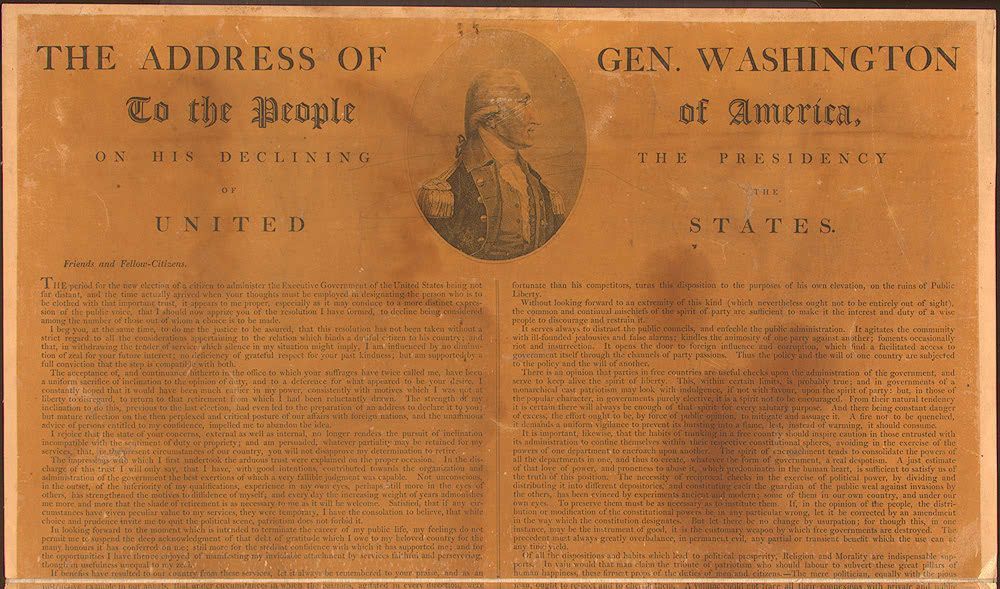
At the end of his first term as president (1798-1793), George Washington penned a farewell address. After his second term (1793-1797), he revisited the text and added to it with the help of Alexander Hamilton. Much more than a goodbye, it became a landmark document for America. Besides publicly declining a third term and ensuring a smooth transition of power, the letter warned Americans against the dangers of partisan politics and foreign interference, emphasizing the importance of national unity, stability, and adherence to law.