Hometown talk
Think you don’t have an accent? These hometown words say otherwise
Image: Nick Fewings
Just as you can tell someone is from San Francisco by the way they say "corner," or recognize a Bostonian by how they pronounce "car," regional slang can reveal our roots before we even finish a sentence. One little word can remind you of your childhood, family quirks, and the place that shaped you. These homegrown expressions often carry long histories, inside jokes, and local pride. Today, we’ll learn where some favorite regional terms came from and why they stuck around.
1
Jawn
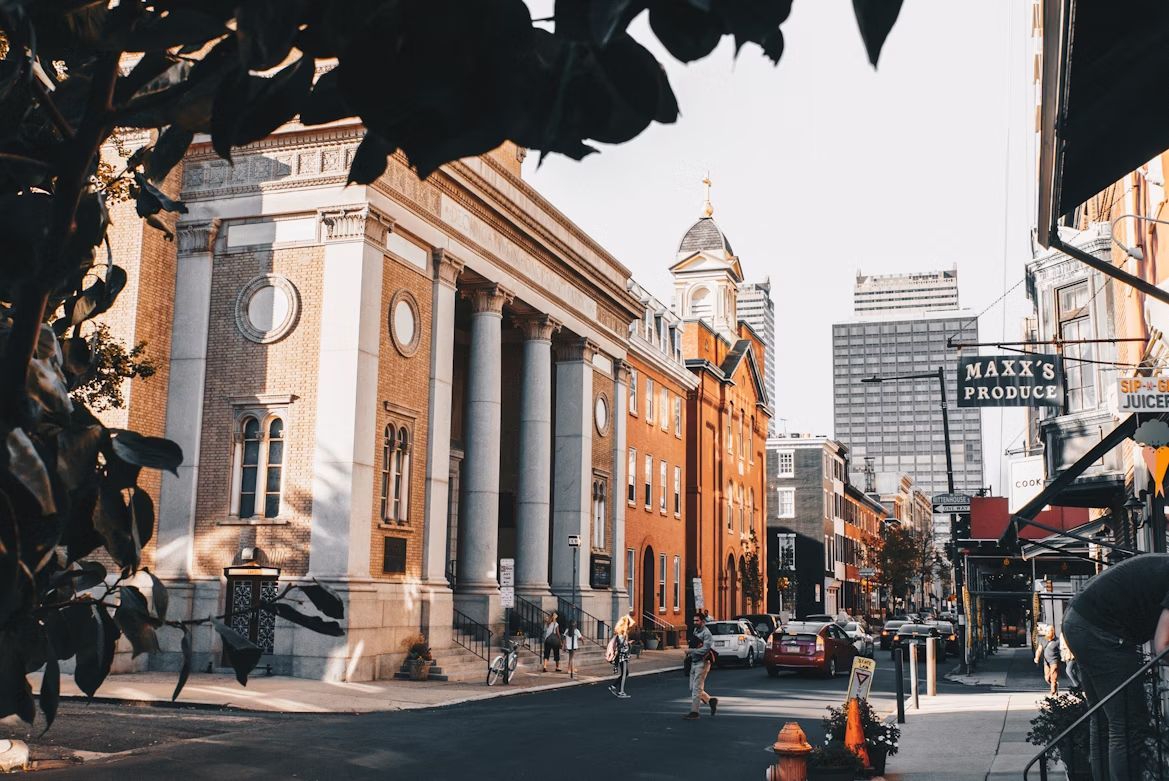
In Philadelphia, "jawn" can mean almost anything! The term grew from African American English and evolved into a catchall word for an object, event, or person. Visitors sometimes get confused, but locals enjoy its flexibility. It works as a little verbal wink that says you belong.
2
Snowbirds
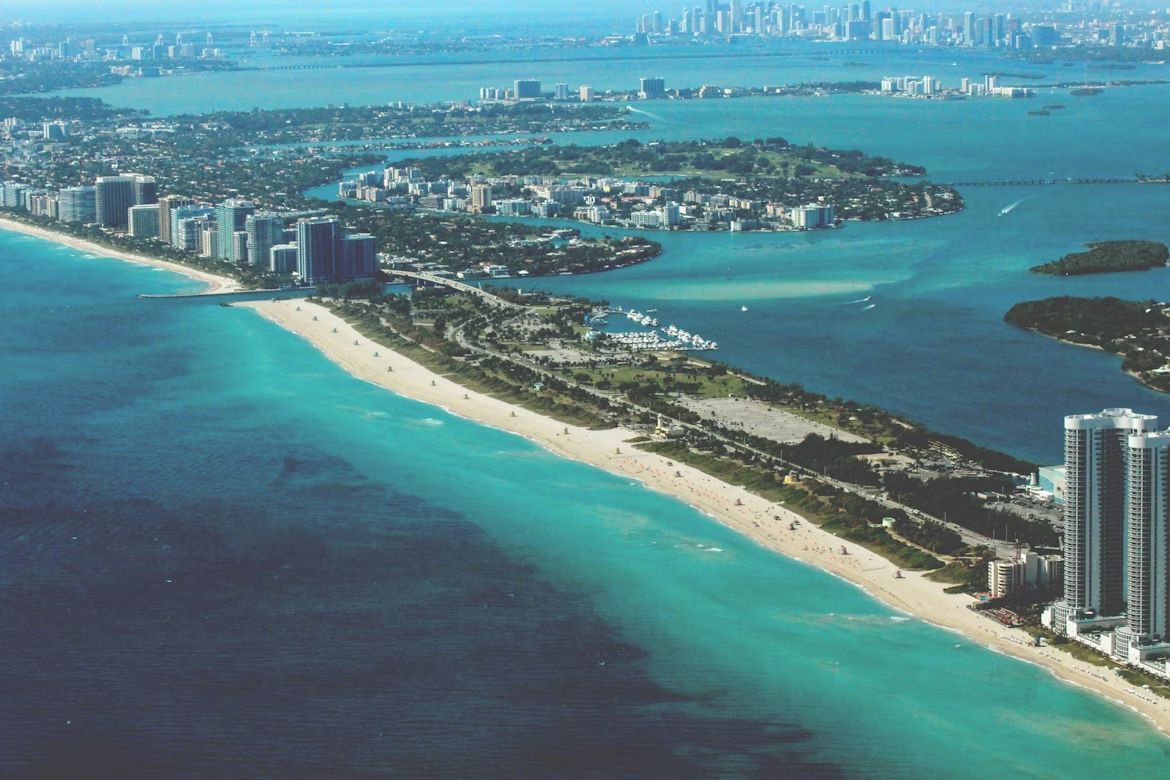
Florida locals call winter visitors "snowbirds." The playful name popped up when northerners began heading south for warm weather during the cold months, just like those birds. It reflects the state’s seasonal rhythm and the migration pattern that still fills beach towns once the temperatures drop up north.
3
Slush
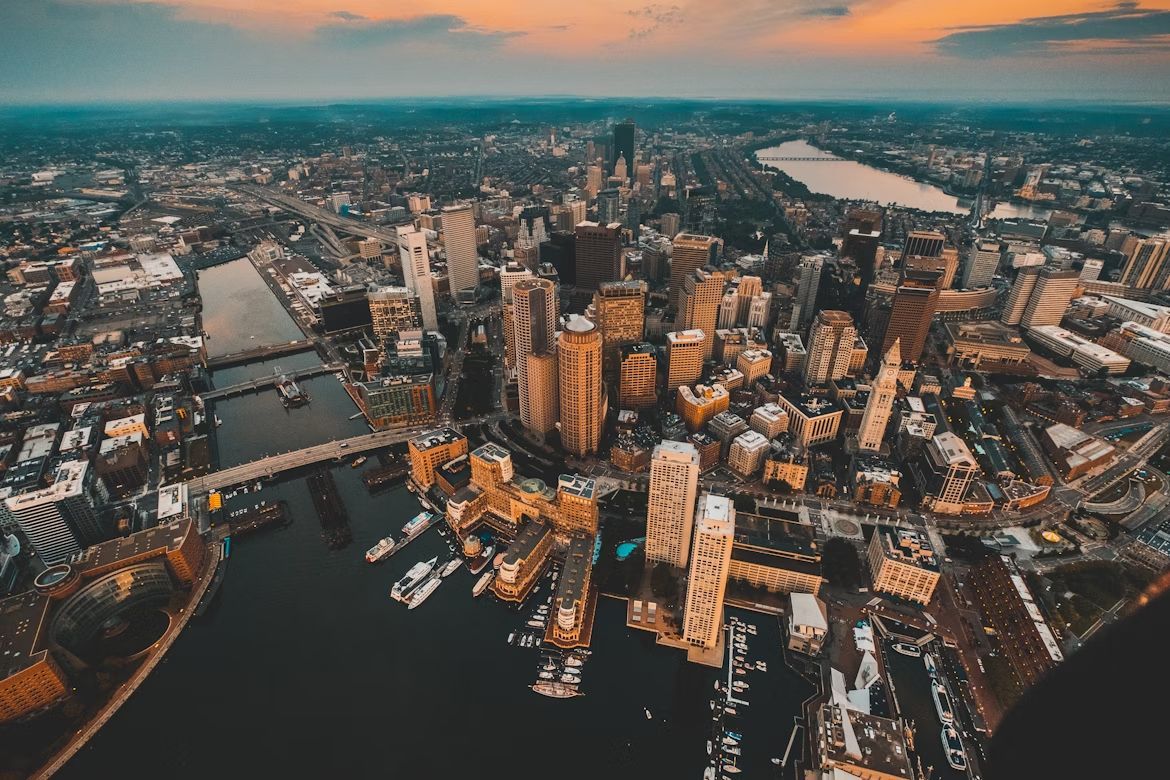
Order a "slush" in Boston, and you’ll receive something close to an Italian snow cone. Local ice cream stands helped cement the name, and kids who grew up in Massachusetts often carry a strong opinion about which shop makes the best one.
4
Yinz
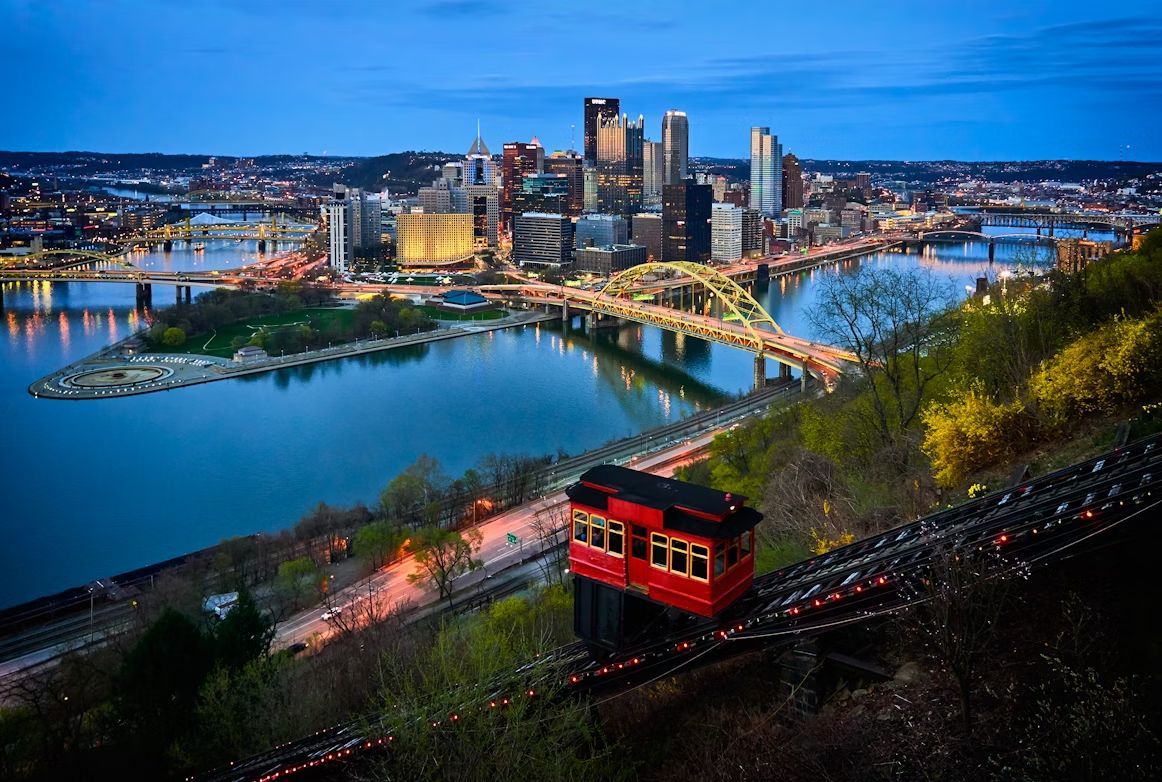
People from Western Pennsylvania use "yinz" to call out to a group. It grew from old Scots-Irish speech patterns brought by early immigrants. The sound changed over time, but the community kept the word alive. If you grew up around Pittsburgh, you might slip and say it without even thinking.
5
Rotary
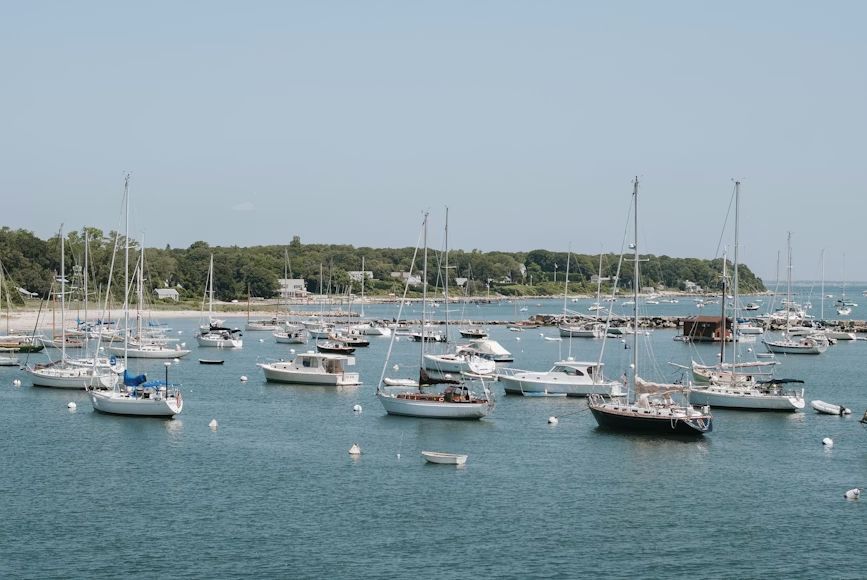
In Massachusetts, a "rotary" is simply a traffic circle. The term stuck thanks to local road planners who liked the older label long after other states switched to "roundabout." If you hear someone gripe about a rotary on their commute, chances are they have roots in the Bay State.
6
Bubbler
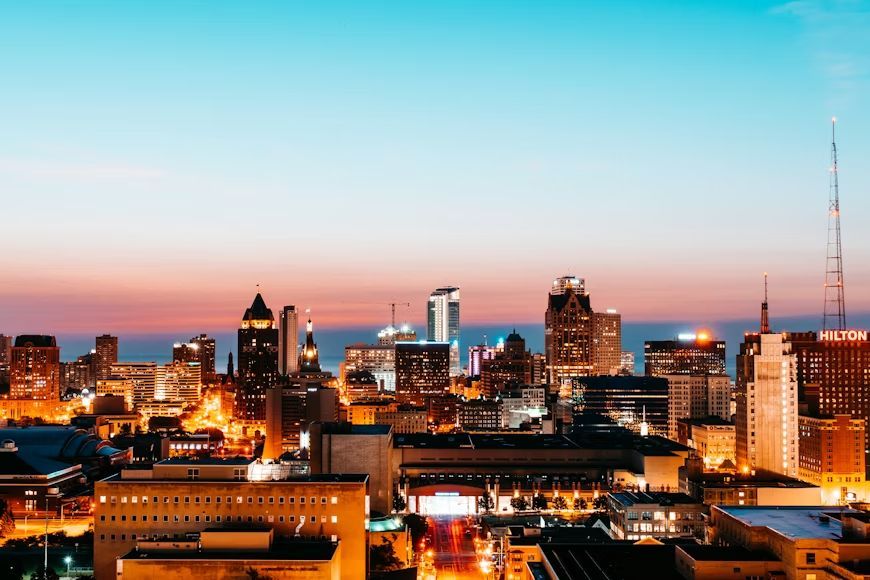
If someone in Wisconsin asks where the "bubbler" is, they just want a sip of water. The word came from early drinking fountain designs that created a bubbling stream. While the term is also popular in some parts of Rhode Island and Massachusetts, many other parts of the country simply began to use the term "water fountain."
7
On sale liquor
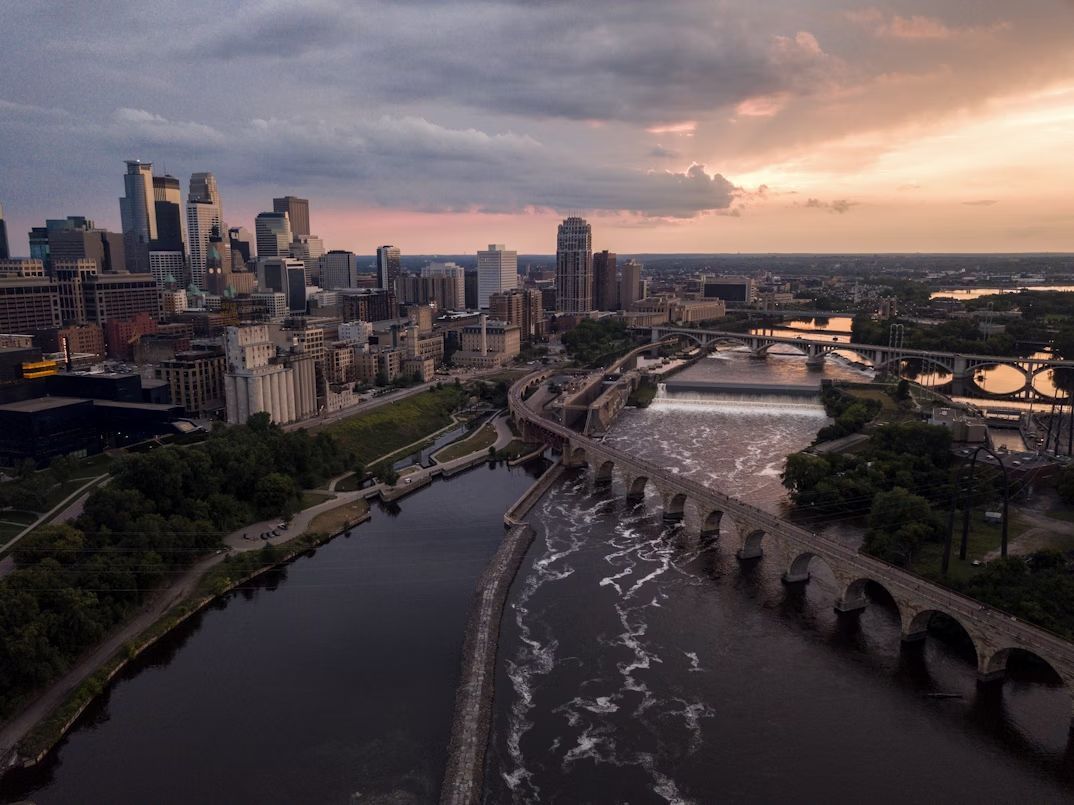
Minnesota liquor rules created the terms "on sale" and "off sale." On-sale liquor is what you drink right where you buy it, like at a bar. Off-sale means you take it home before opening it. It sounds like a bargain at first, but it’s just a local way to talk about alcohol laws.
8
Cattywampus
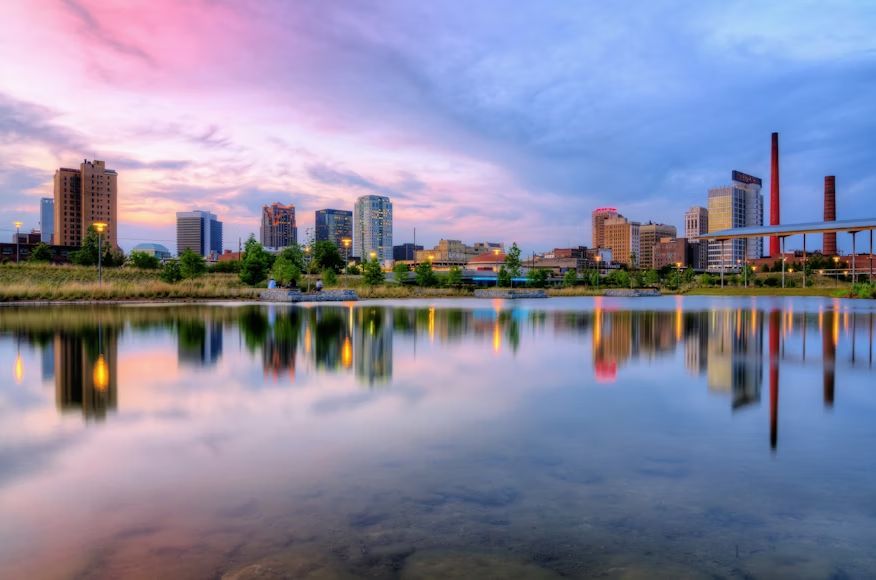
Alabama families use "cattywampus" for anything crooked or out of place. The term has roots in older American slang style that mixed playful sounds with creative spelling. It is one of those words that makes you smile, even if it’s describing your own hair.
9
Bear down
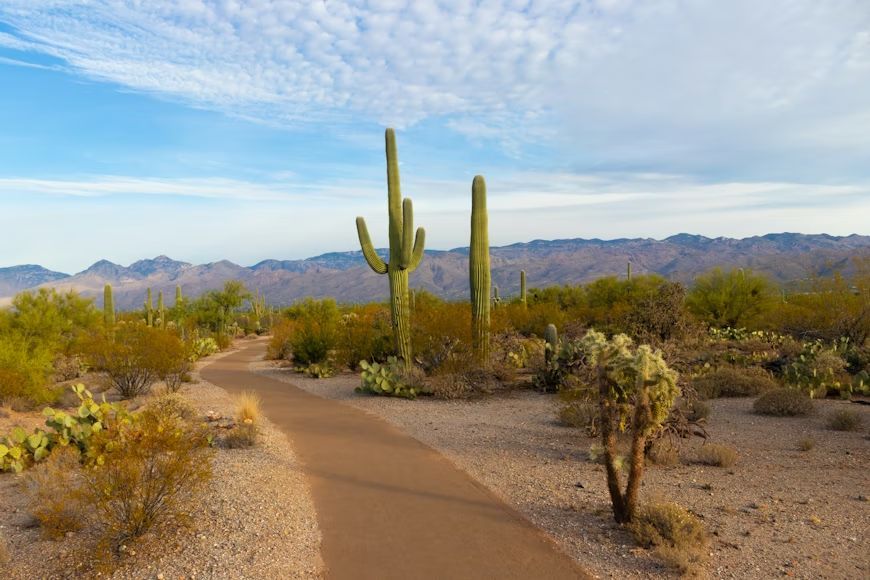
In Arizona, "bear down" is tied to college sports. The phrase began to be used as a battle cry after a student from the University of Arizona left that message for his team in the 1920s. Fans kept the spirit alive, turning it into a tradition that shows pride and determination.
10
Sourdough
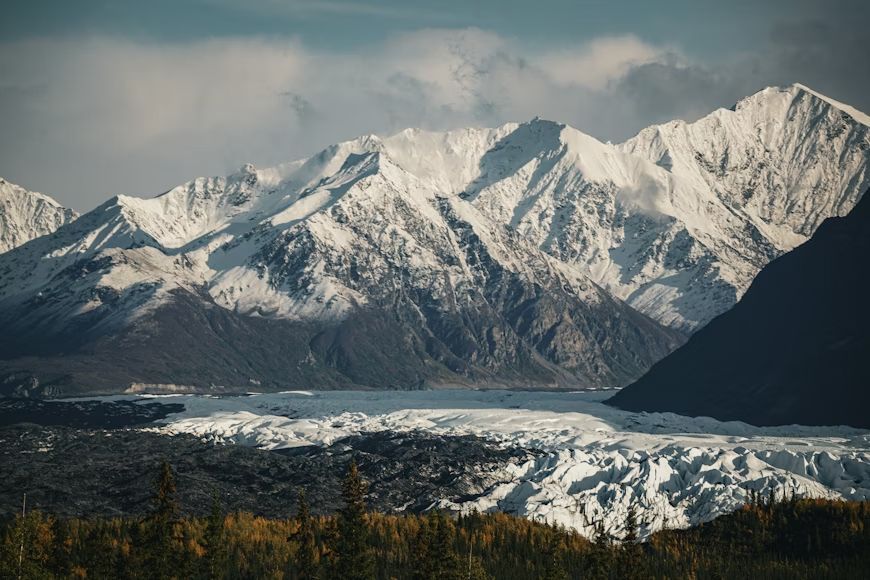
Longtime Alaskans call themselves "sourdoughs." Why? During the early days of settlement, folks relied on sourdough starter when other leavening ingredients were hard to get in such a distant region. The nickname became a badge of endurance and also a hint of humor about tough living.
11
Janky
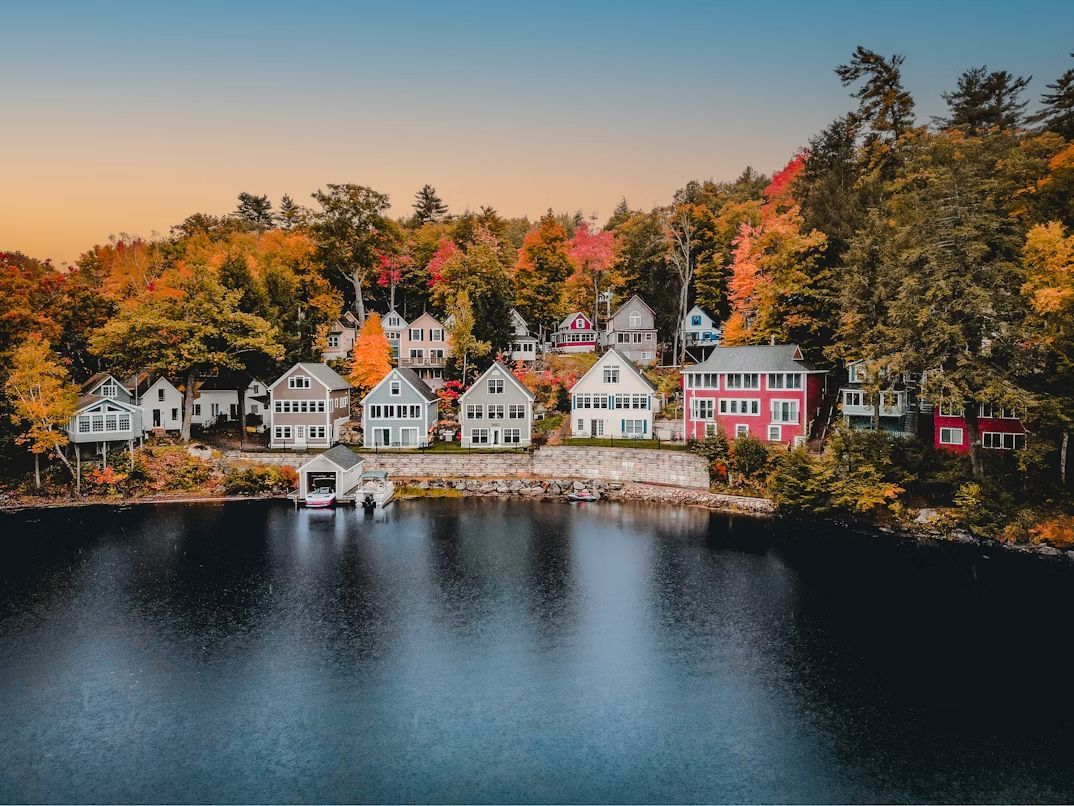
In parts of New England, "janky" describes something shabby or unreliable. The word has traveled through many communities, but locals in the Northeast use it with a knowing grin. It works for a rickety bench, a questionable motel, or any situation that leaves you raising an eyebrow.