Culture Culture 3 min read

The American way

10 Old-school American traditions that are slowly disappearing
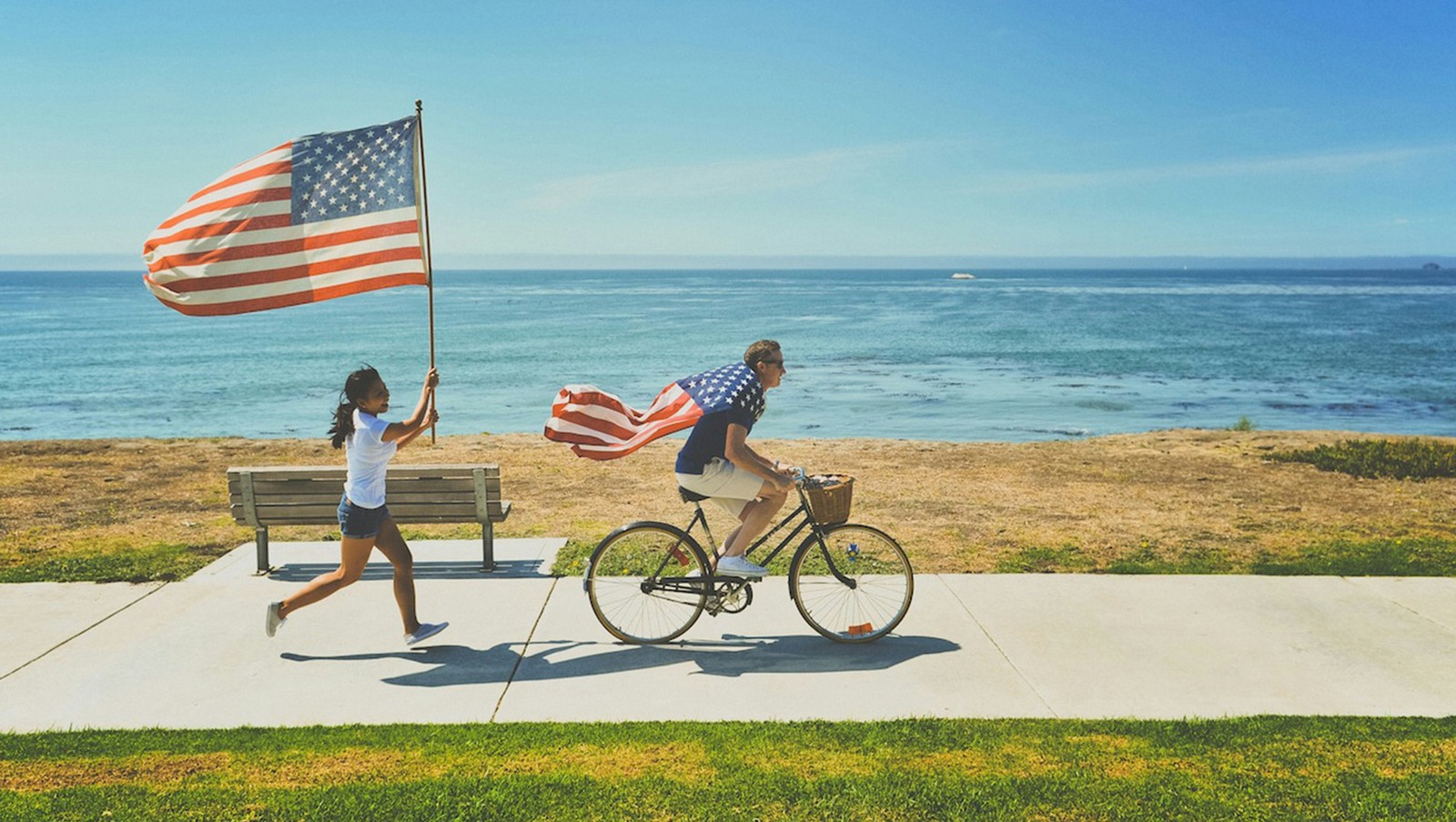
Image: frank mckenna

Time leaves its mark everywhere, even on the things we thought would last forever. From playful prank calls to charming greeting cards, many customs from our childhood are becoming rare treasures. Today, we’ve put together a list of 10; how many others can you name?

1
Prank calls

Image: Happysurd Photography

With smartphones taking over, the classic prank call is slowly fading away. Back in the day, dialing a random number to play a harmless joke and share a laugh with friends was a common pastime. Today, with caller ID and mobile phones everywhere, executing those little tricks has become more complicated.

2
Block parties

Image: Yifan Gu

We used to know all our neighbors, and that sense of community was deep. Today, things have changed. With growing cities and people moving more often, your neighbors might be gone before you even learn their names. On top of that, our lives are busier than ever, and closing off a street for a party isn’t as simple as it once was. With these new dynamics, the once-beloved block party has become a rare thing, mostly surviving in small towns or communities. Remember the last time you went to one?

3
Ding-dong ditch
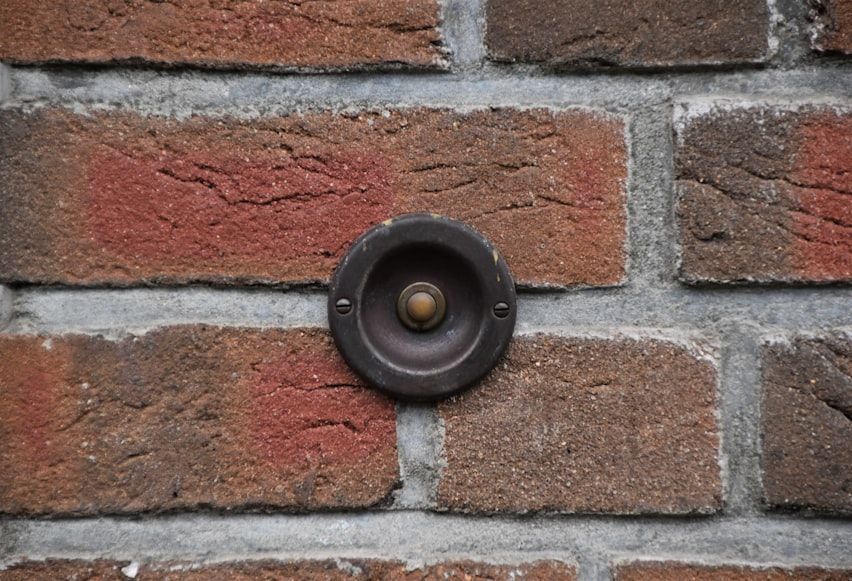
Image: Waldemar Brandt

Remember when kids could safely roam the streets for hours? The good old days! Wandering around your neighborhood or even a different one, there was always someone who came up with the idea: ringing a doorbell and running away. It might have been a little annoying for the person who opened the door, but it was all in good fun.

4
Fruit baskets
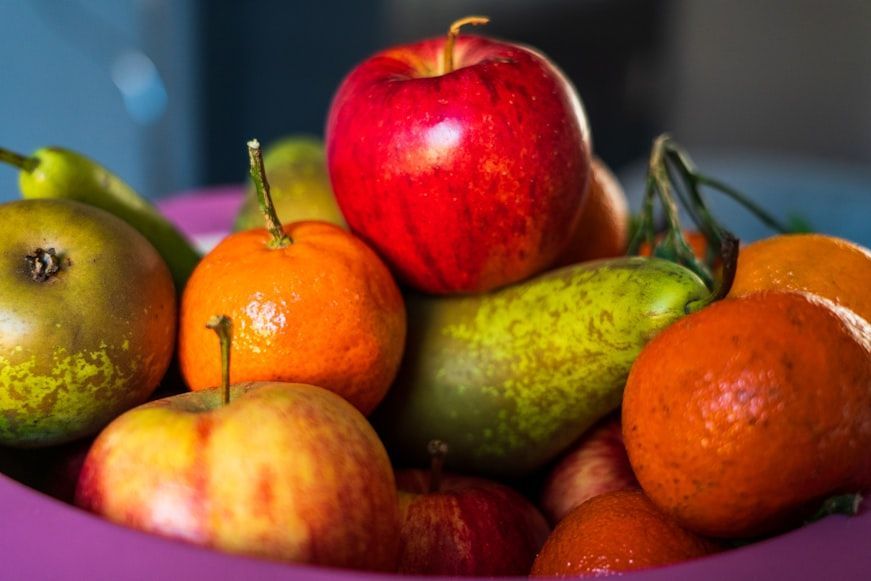
Image: Nick Fewings

Our mothers and grandmothers knew that when it came to celebrations, anniversaries, holidays, or any special occasion, a beautifully arranged fruit basket was always a thoughtful gift. This simple gesture showed care and dedication, but today, it’s slowly disappearing. Why? The convenience of online shopping and the trend toward more personalized presents have made this classic gift increasingly rare.

5
Christmas cards

Image: Richard Bell

If you’re like us and just love greeting cards, you’ve probably noticed that fewer people are taking the time to go to the store, pick the perfect card, write a message, and send it off. While traditional greeting cards and Christmas cards are slowly being replaced by digital alternatives, there will always be those of us who appreciate this lovely ritual.

6
School reunions

Image: RUT MIIT

Reunions with former classmates tend to divide people: some look forward to them with excitement, while others would rather skip them altogether. We won’t ask which side you’re on, but there’s no denying that these gatherings are becoming rarer. While a few devoted groups still make an effort to keep it alive year after year, this custom doesn’t seem to be among the younger generations’ priorities.

7
Bake sales
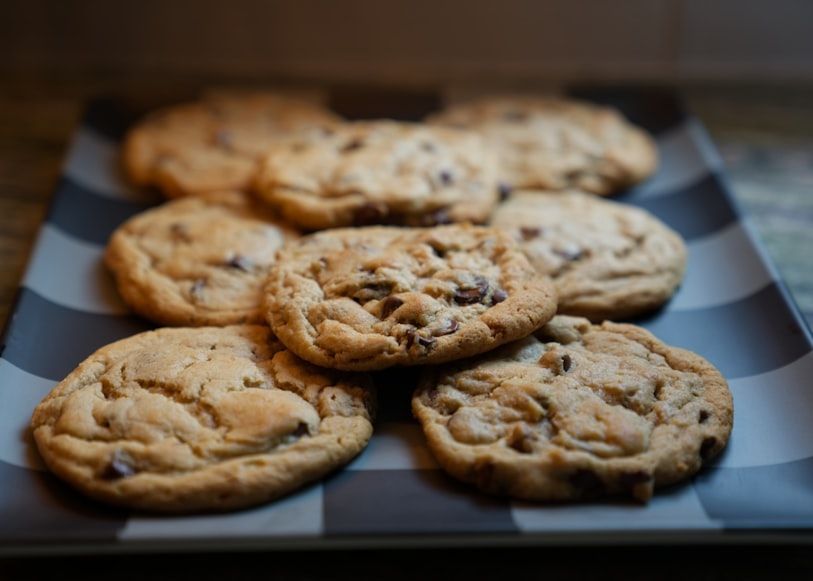
Image: John Dancy

Whether at school, church, or in the neighborhood, who didn’t take part in a bake sale as a kid? However, in today’s fast-paced world, finding time to bake delicious cookies has become a rare treat. This classic way of raising money for a shared cause hasn’t vanished, but it’s definitely losing steam. With virtual wallets and social media, fundraising looks very different today.

8
Black Friday

Image: Markus Spiske

Black Friday, as we once knew it, is evolving into something new. Those endless lines outside stores are now much shorter, thanks to the rise of online shopping. In addition, with the increase in per capita consumption, Black Friday is no longer confined to the day after Thanksgiving; it now stretches across the entire week, and in many cases, the whole month.

9
Appointment TV

Image: Vitaly Gariev

We’ve all gotten used to on-demand content, which lets us watch, rewind, and replay whenever we like. While this convenience is great, it has slowly replaced the old habit of appointment TV, those moments when families or neighbors would gather in their living rooms at a set time to watch a big game, a premiere, or the season finale, sharing a sense of community that’s not so common today.

10
Private fireworks
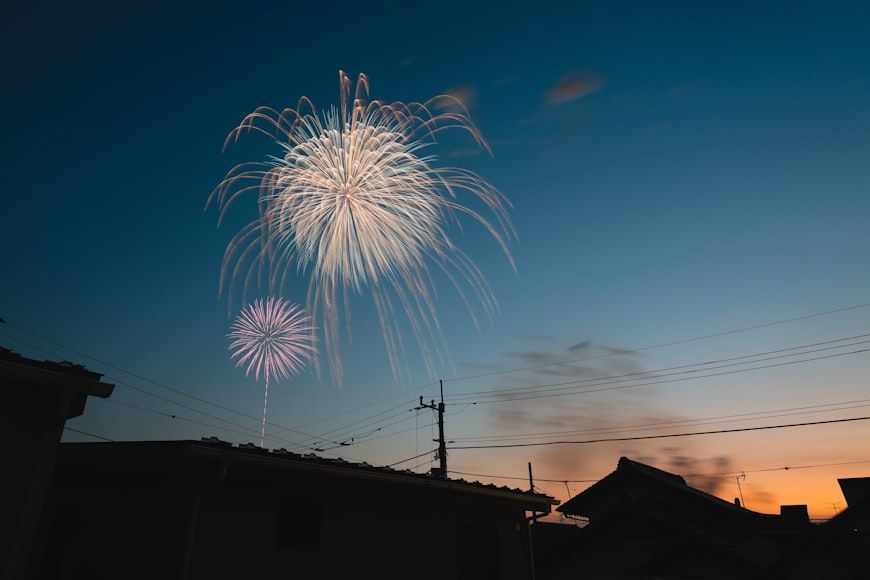
Image: Leo Okuyama

As the years have passed, we’ve learned more about the risks of fireworks: How they can frighten pets, harm the environment, and cause serious injuries in both children and adults. We can’t deny that lighting fireworks in the backyard with the family is a magical moment, but these days, that tradition has mostly moved to large events in stadiums or music festivals, where trained professionals handle the show.
Geography Geography 5 min read

What are they actually named?

Is it not the Statue of Liberty? 10 alternate names of iconic landmarks

Image: Cayetano Gil

All across America, we can find iconic landmarks known by everyone, at least by name . But, which name? Like people, some of these landmarks have a nickname so used that many often forget what they are officially called. In other cases, the official name coexists with an ancestral name. Here are ten examples of double-named landmarks!

1
Mt. McKinley/Denali

Image: Jacob Vizek

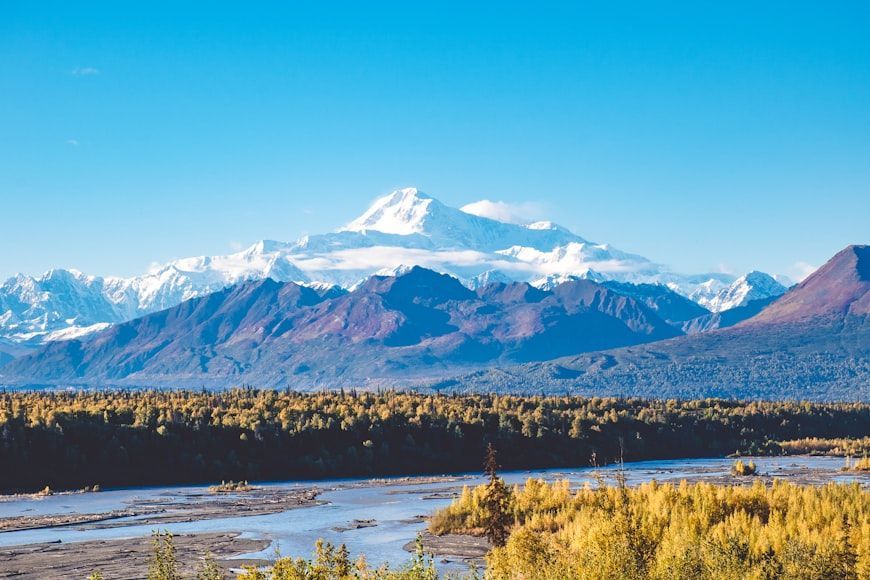
This Alaskan mountain has changed names several times. Historically called Denali (meaning ‘the big one’) by the Koyukon Athabaskan tribe, it was referred to as Bolshaya Gora (‘big mountain’) by the Russians. After the Alaska purchase, it was temporarily named Densmore's Mountain before gaining the name McKinley in support of the then-presidential candidate. It was renamed Denali in the 1970s at the state level and in 2015 at the federal level, before reverting to McKinley in 2024, although Denali is still the name of the National park that houses it . With this many changes, it’s no wonder some people still mix the names.

2
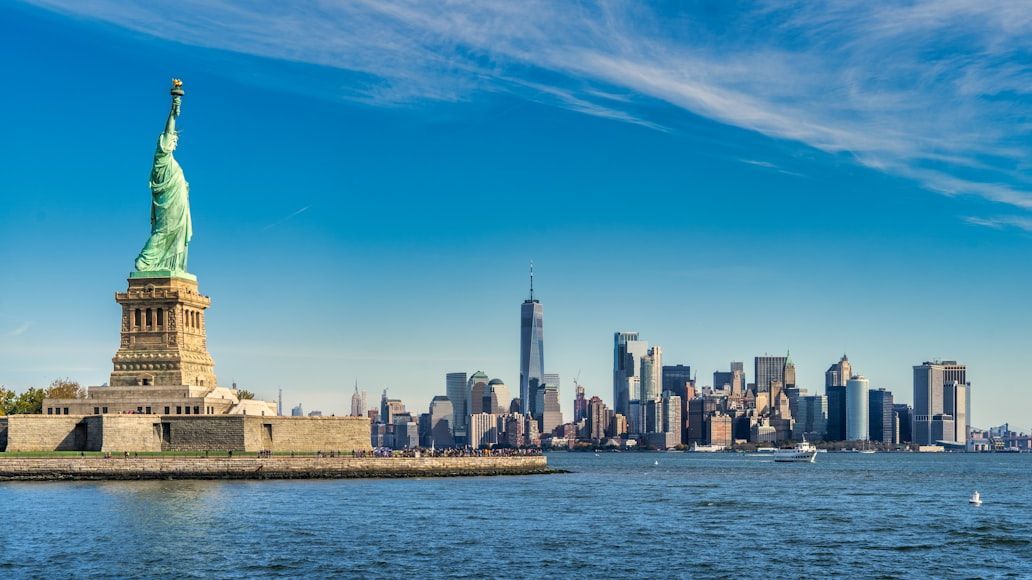
Liberty Enlightening the World/The Statue of Liberty

Image: Pierre Blaché

This statue is one of the indisputable icons of the USA and of New York City, but not everyone knows that ‘The Statue of Liberty’ is just a popular name. As a gift from France, it was named La Liberté éclairant le monde , or ‘Liberty Enlightening the World’ , but no matter what it’s called, it has become an iconic symbol of American values.

3
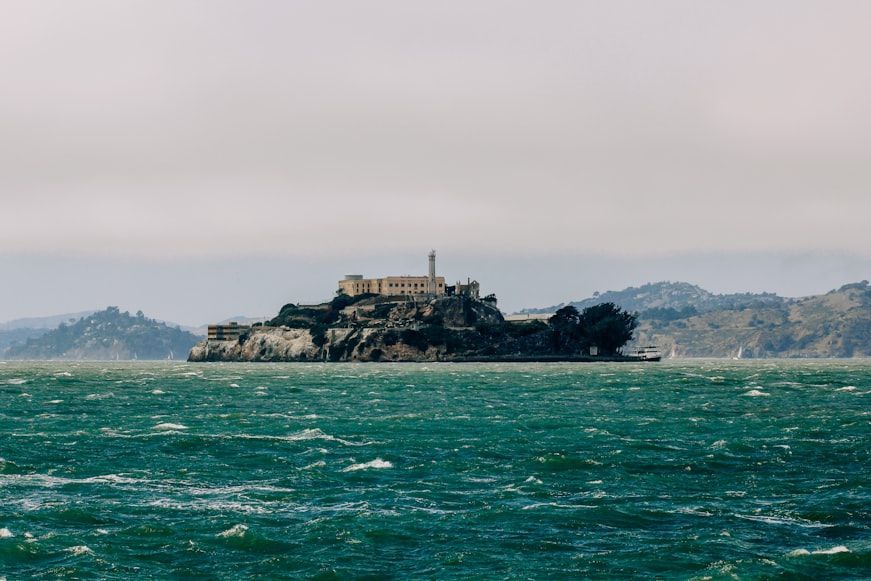
Alcatraz Island/The Rock

Image: Shelby Cohron

One of the most infamous American prisons, Alcatraz Island, is located less than two miles from the San Francisco coast. Spanish explorer Juan Manuel de Ayala named it Isla de los Alcatraces or Island of the Pelicans due to the prevalence of these birds. After becoming U.S. territory, Alcatraz Island became a military fort, and then a federal prison that housed some of America’s most notorious criminals. While many believe that it's popularly called The Rock because it was impossible to escape, the nickname is simply due to its rocky appearance and its isolated location.

4
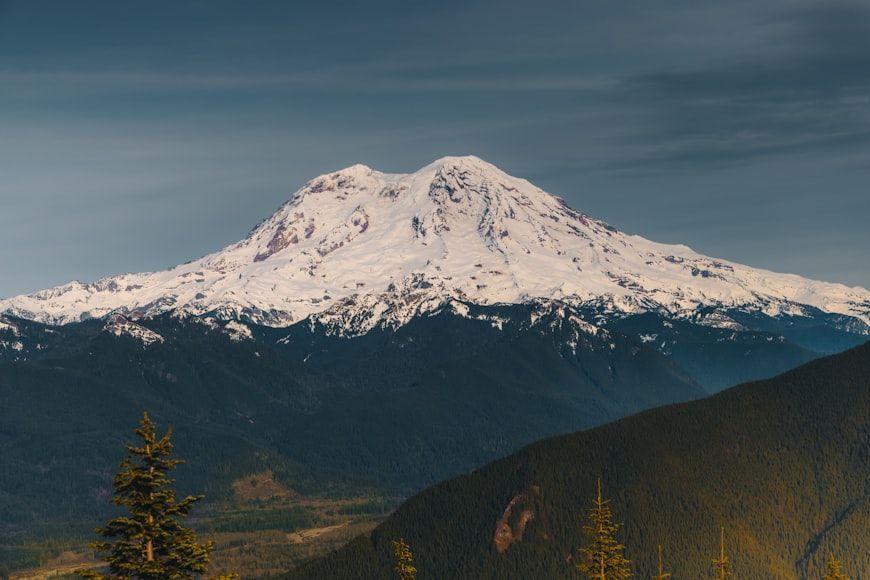
Mt. Rainier/Tahoma

Image: Greg Sellentin

Located in the Mount Rainier National Park, Washington, Mt. Rainier is the tallest mountain (and volcano) in the Cascade Range. Native American tribes of the area have given numerous names to this peak, but the most prominent one is Tahoma or Tacoma , a name still used by some. Officially, however, it is called Mt. Rainier , a name given by the British explorer George Vancouver in the 1790s.

5
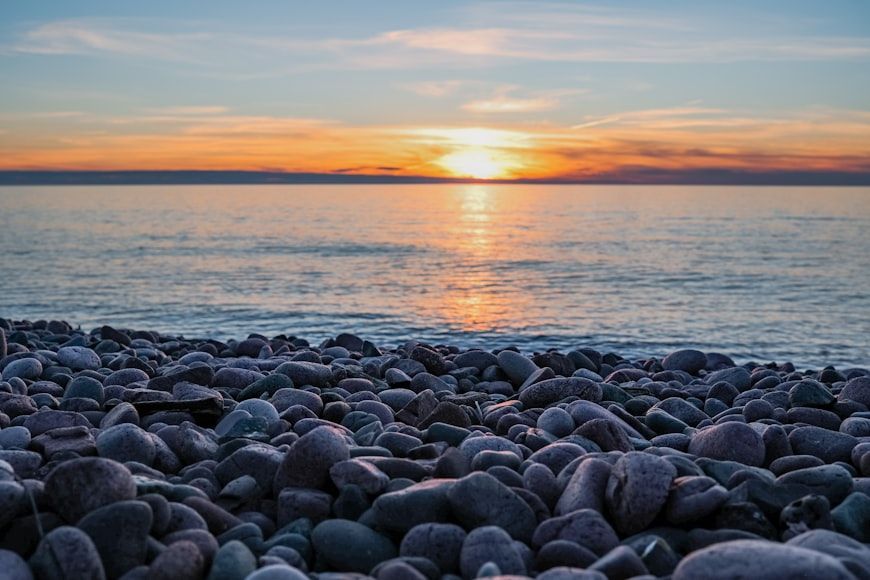
Lake Superior/Gitche Gumee

Image: Brian Beckwith

The largest of the Great Lakes, Lake Superior, is one of the biggest freshwater reserves in the world. Its current name originated when French explorers, after traversing Lake Huron, called this lake le lac supérieur (‘the lake above’). After the French and Indian War, the British simply translated the name. However, this lake also has a native name, usually transliterated as Gitche Gumee, a name used by the poet Longfellow in his work The Song of Hiawatha .

6
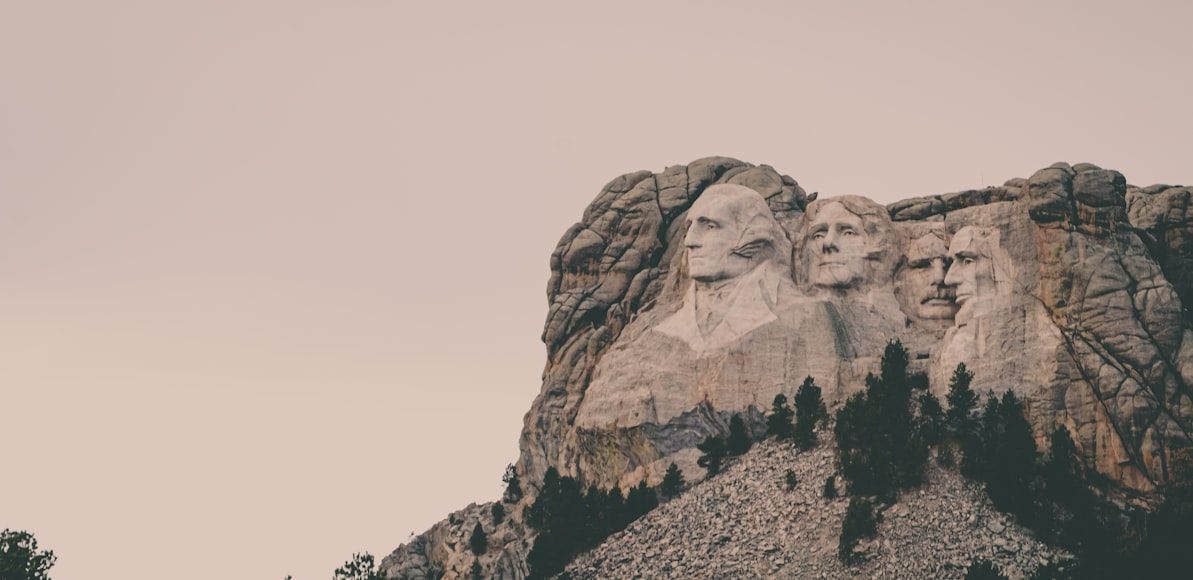
Mt. Rushmore/The Six Grandfathers

Image: Jake Leonard

This mountain has been considered a sacred place by many tribes of the region —such as the Arapaho, Cheyenne, or Lakota Sioux— who named it ‘The Six Grandfathers’ after their ancestral deities . The place gained its current name when Charles E. Rushmore, a lawyer surveilling the area as a representative of a mining company, asked the name of the mountain. His guide replied that it had no name, but it would from that day be called ‘Rushmore’. The name stuck, and was officially recognized a few decades later.

7
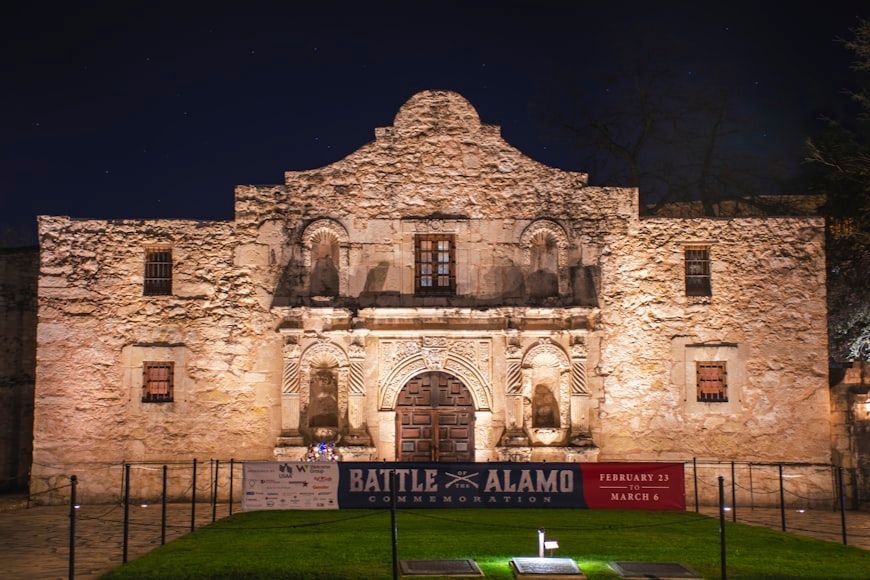
Mission San Antonio de Valero/The Alamo

Image: Gabriel Tovar

The battle of the Alamo is a well-known episode in Texan history, and its location is considered a shrine to Texan valor and liberty. However, what many don’t know is that the place is called Mission San Antonio de Valero , a name given by the Spanish. Where does the ‘Alamo’ name come from? After the place stopped being used as a Catholic mission, it became a military fortress, housing a military unit nicknamed Álamo de Parras after their city of origin, a nickname that extended to the site.

8
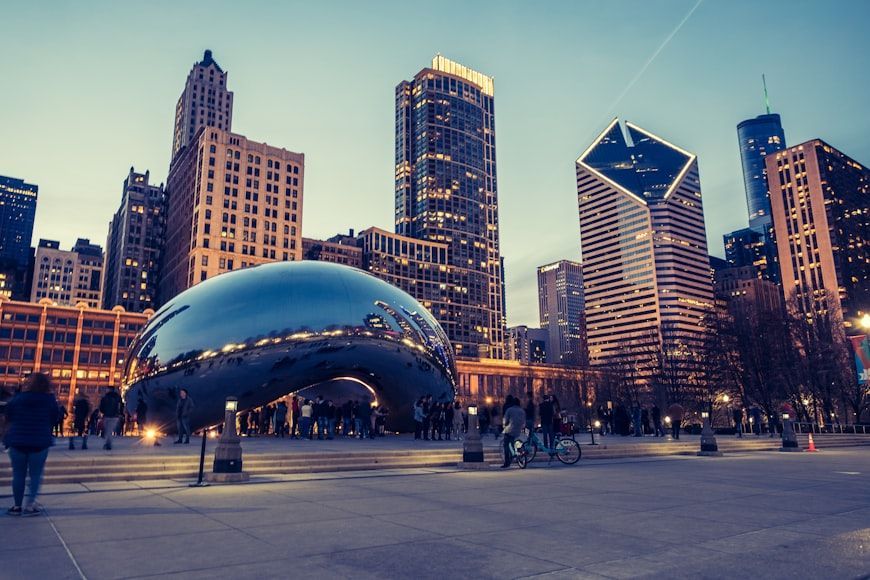
Cloud Gate/The Bean

Image: Lance Anderson

Chicago regulars (and even those who never set foot in Chicago) know that The Bean is as iconic as it gets when talking about the city. Inspired by liquid mercury, this impressive sculpture might be shaped like a ginormous jellybean, but its official name is Cloud Gate . The sculptor, Anish Kapoor, initially disliked the popular nickname, but he has reportedly come to terms with it, even saying that he now calls it ‘the Bean’ too.

9
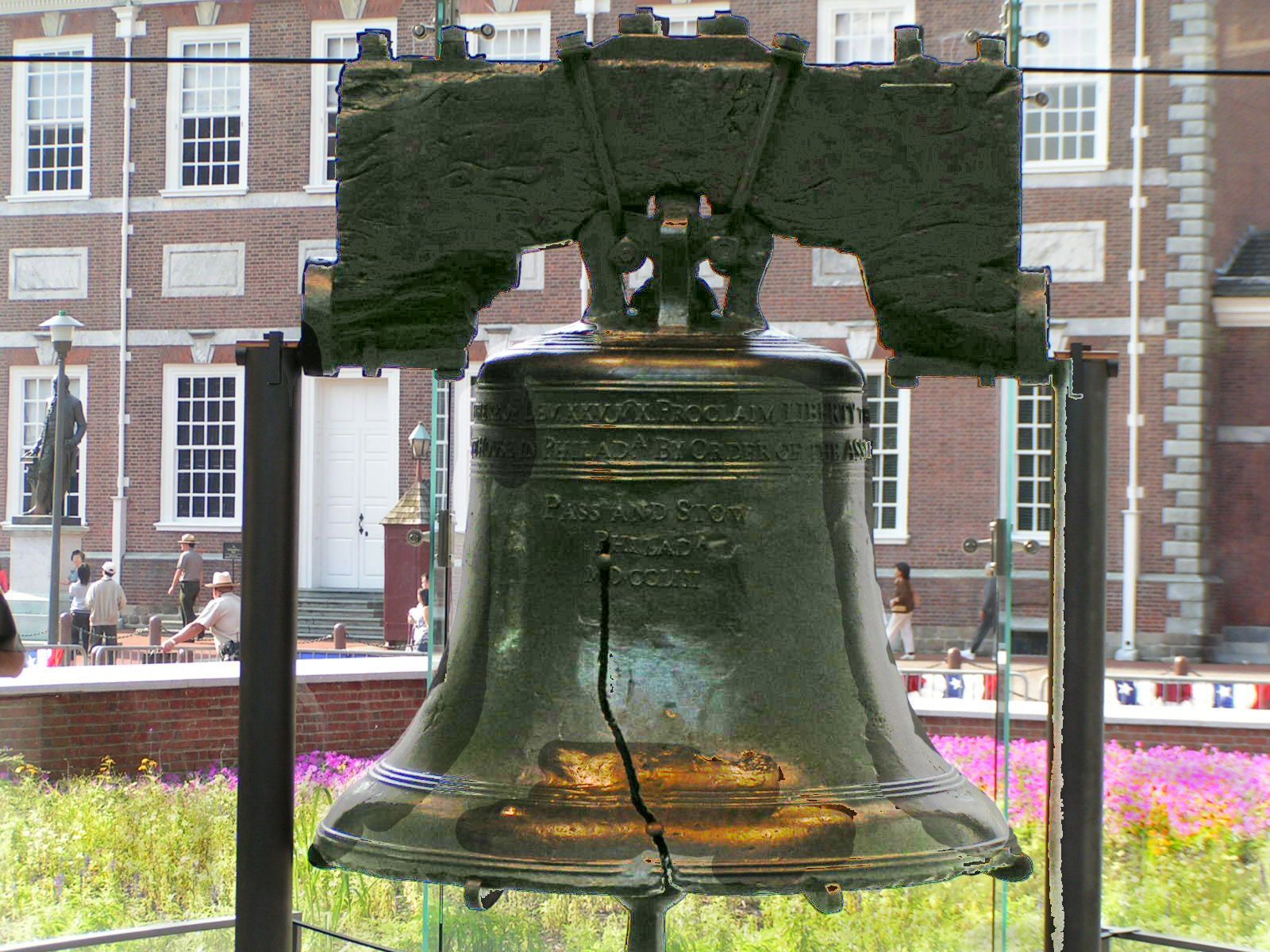
State House Bell/Liberty Bell

Image: Bev Sykes from Davis, CA, USA, CC BY 2.0 , via Wikimedia Commons

At its birth, this bell was simply the bell of the Pennsylvania State House (now Independence Hall). Cast in the 18th century, it cracked the first time it was rung. It was recast twice, but it cracked again in the 19th century. Allegedly rung after the Declaration of Independence, it was hidden during the Revolutionary War, and it changed hands several times in the following century. Despite its popular association with the American Revolution, the ‘Liberty Bell’ name was actually given by anti-slavery groups , who took it as a symbol due to its inscription reading "Proclaim Liberty throughout all the land unto all the inhabitants thereof."

10
Cape Canaveral/Cape Kennedy

Image: Bill Jelen

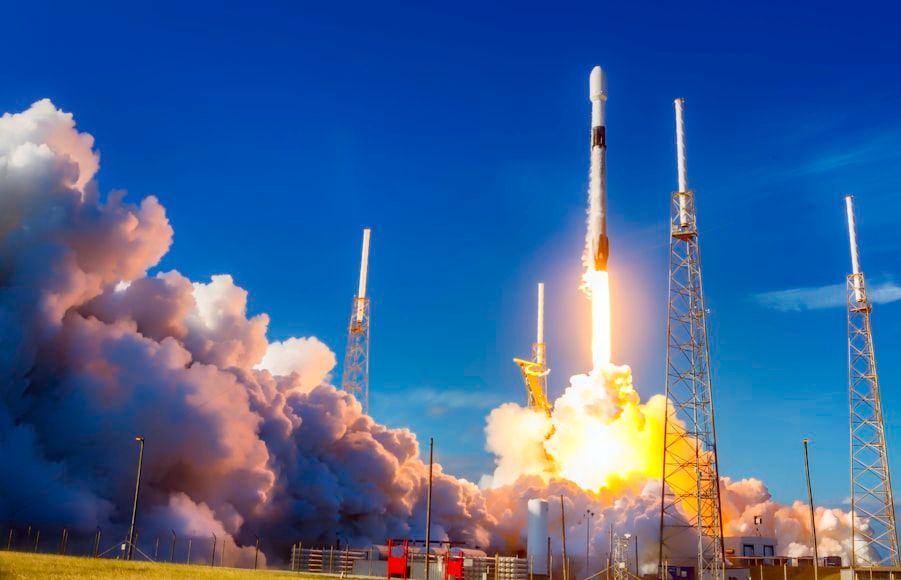
Originally named Cabo Cañaveral by the Spanish after its abundance of canes, its name was simply anglicized after the territory became part of the United States. In the 20th century, Cape Canaveral became the center of a series of missile and rocket tests, and it was the launch site of the Apollo 11 mission. A few days after J.F.K.’s assassination, the newly-instated President Johnson publicly announced that the cape would be renamed ‘Cape Kennedy’ as a memorial . The name change was not well-received by local Floridians, and the original name was reinstated a decade later, with the full support of the Kennedy family. The NASA space center is still named after President Kennedy.

Culture Culture 3 min read

What’s on the menu?

American cuisine: 10 regional dishes to try

Image: Louis Hansel

America’s regional cuisine is as varied as the country itself, a result of more than two centuries of different influences coming together and creating new traditions. When we think about regional dishes, some fan favorites come to mind: Philly cheesesteak, Texas BBQ, different pizza styles, gumbo, and many more. But some dishes, no matter how popular and representative of their region, seem to be less talked about. Here are 10 regional favorites that are worth a try.

1
Cioppino

Image: James Wei

A not-so-talked-about product of the Italian influence in America, cioppino is an underrated representative from San Francisco. A tomato-based seafood stew (or a soup, depending on who you ask), it started as a struggle meal made with whatever was caught that day, and it is now a beloved dish that reflects the city’s history.

2
Fry bread

Image: Immo Wegmann

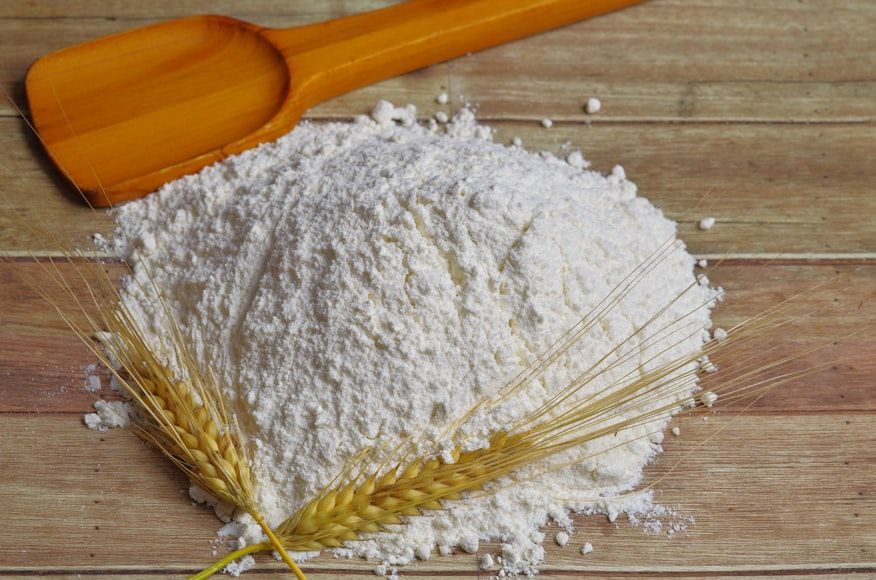
When thousands of Navajo people were forcefully displaced from Arizona to New Mexico, they were provided with meager rations for the 300-mile journey: flour, water, salt, and lard. From these scarce provisions, they created a fried dough, chewy on the inside and crispy on the outside. Originally eaten on its own, it is nowadays paired with all kinds of toppings.

3
Poi

Image: Daniel Dan

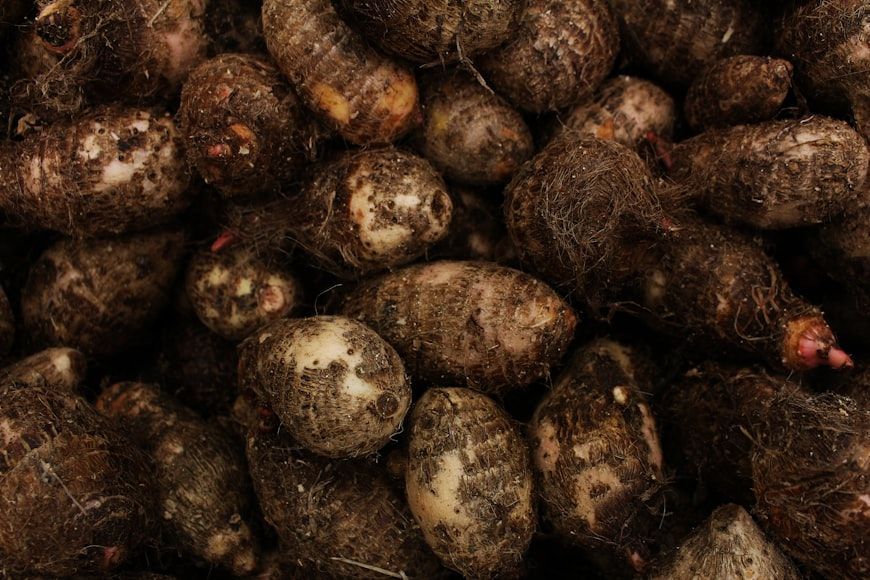
Made from steamed and mashed taro root, this Hawaiian dish can be enjoyed in several ways. Although sweeter when freshly made, it is often paired with other savory dishes. It can also be left to ferment, which gives it a more sour taste. Highly nutritious, poi has been a staple in Hawaiian and Polynesian cuisines for centuries.

4
Étouffée

Image: Stephanie Moody

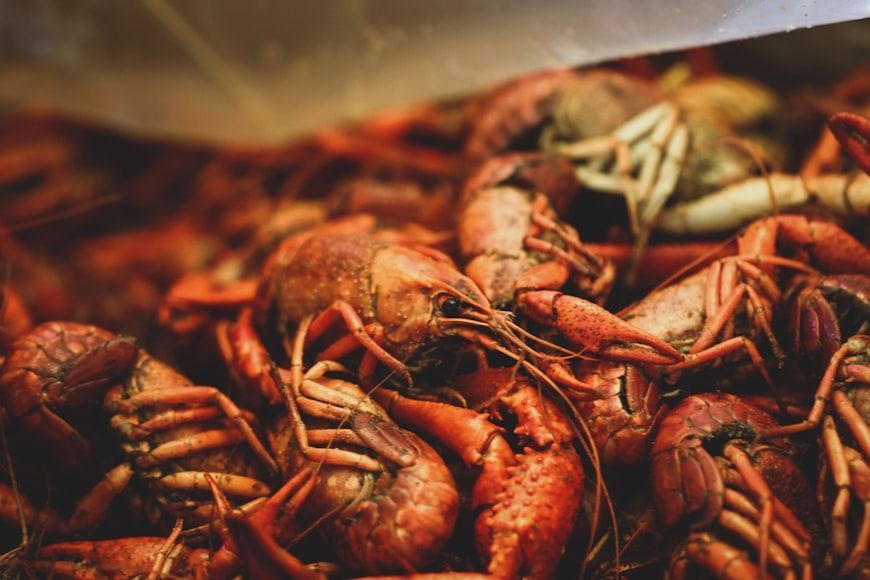
Gumbo and jambalaya might be what first come to mind when thinking about Louisiana, but étouffée (meaning ‘smothered’) should not be overlooked. Thicker than gumbo —though sharing many of its ingredients—, étouffée delivers what its name promises: a rich, gravy-like, shellfish stew that smothers the accompanying rice. Depending on whether you are having a Creole or a Cajun étouffée, it may or may not contain tomatoes.

5
Crab cakes

Image: Girish Dalvi

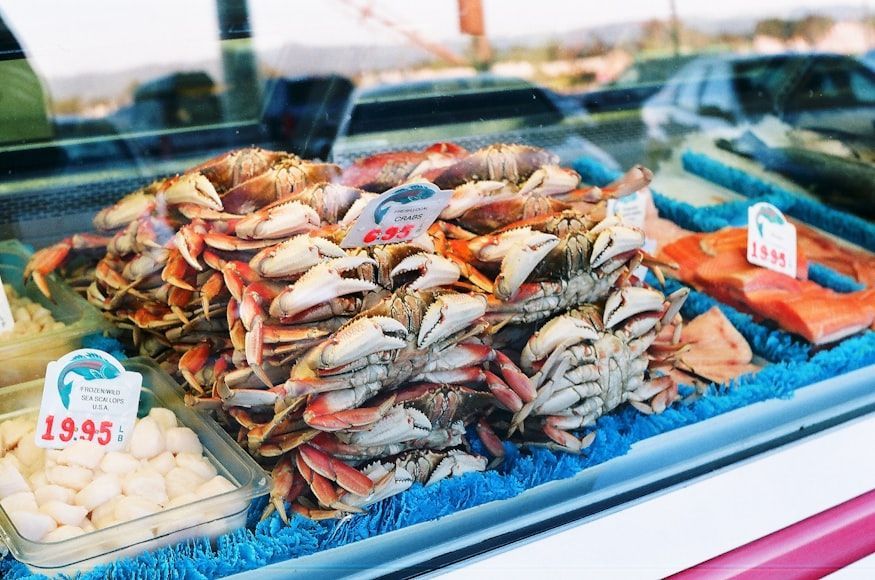
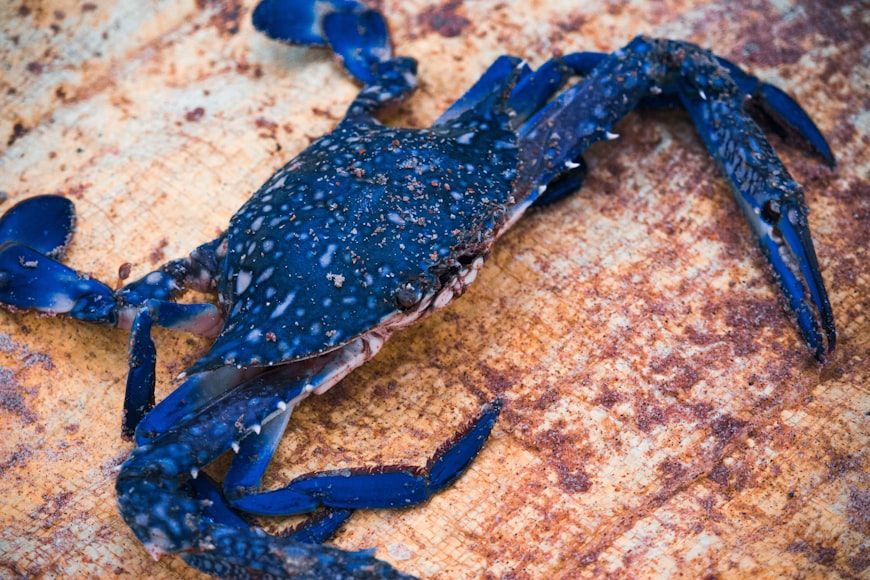
This dish can be found all along the Atlantic coast, but its most famous iteration is associated with Chesapeake Bay, Maryland. With a history that goes back to Native Americans, modern crab cakes can be enjoyed sautéed, baked, grilled, deep-fried, or broiled, and are most of the time made with blue crab, though other crab meats can be used.

6
Clam chowder

Image: henry perks

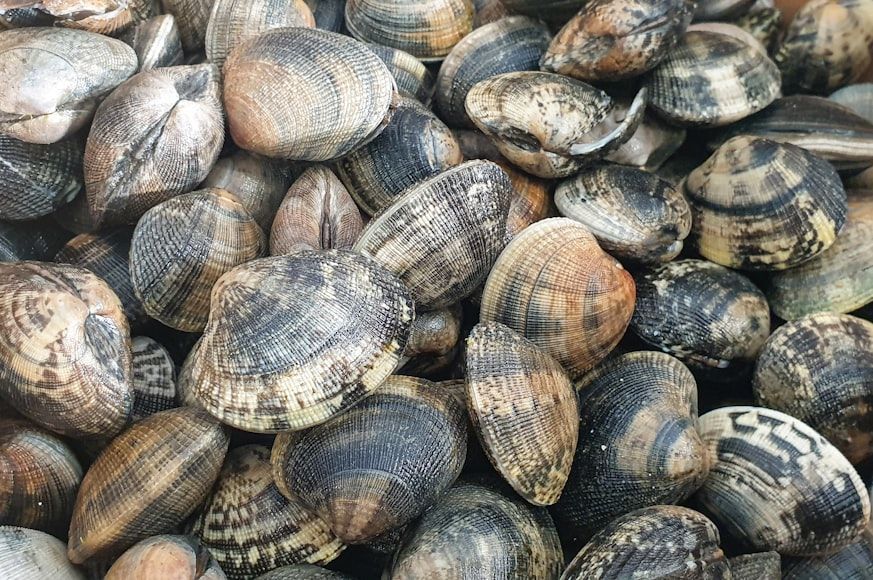
A New England staple, this dish draws influence from British, French, and Nova Scotian traditions. Although it was not dairy-based in its origins, modern clam chowder gets its rich texture from milk or cream, and features butter, potatoes, pork, and, of course, clams. Other famous variations differ mainly in the soup base, such as the Manhattan clam chowder (made with tomato) or the Rhode Island clam chowder (made with a clear broth).

7
Hush puppies

Image: Abhijit Biswas

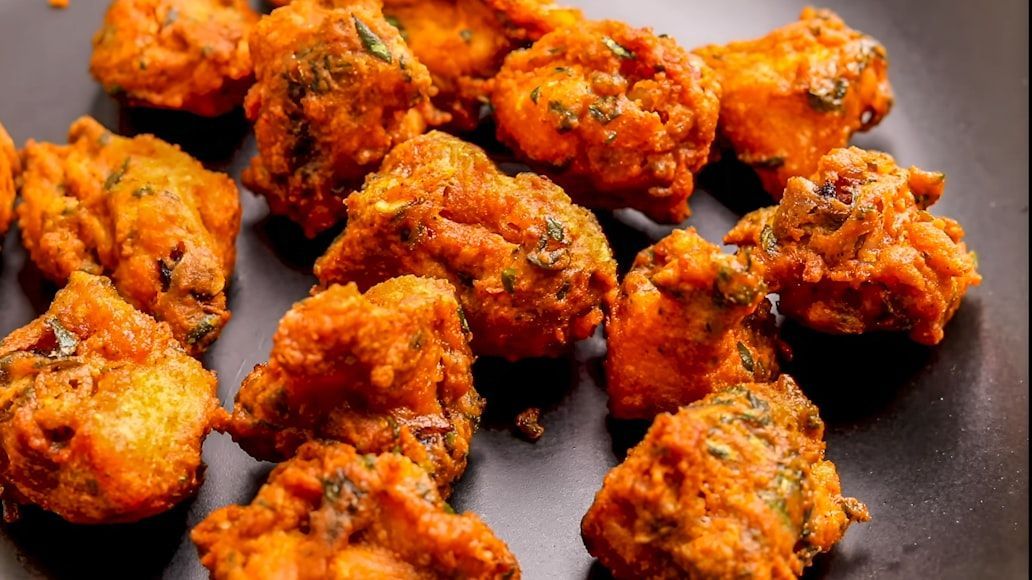
A Southern classic, these cornmeal fritters became popular during the Civil War because they were affordable and versatile. Usually made plain to serve as a side dish, they can also have cheese, jalapenos, whole corn grains, and other fillings added.

8
Marionberry pie

Image: Amanda Hortiz

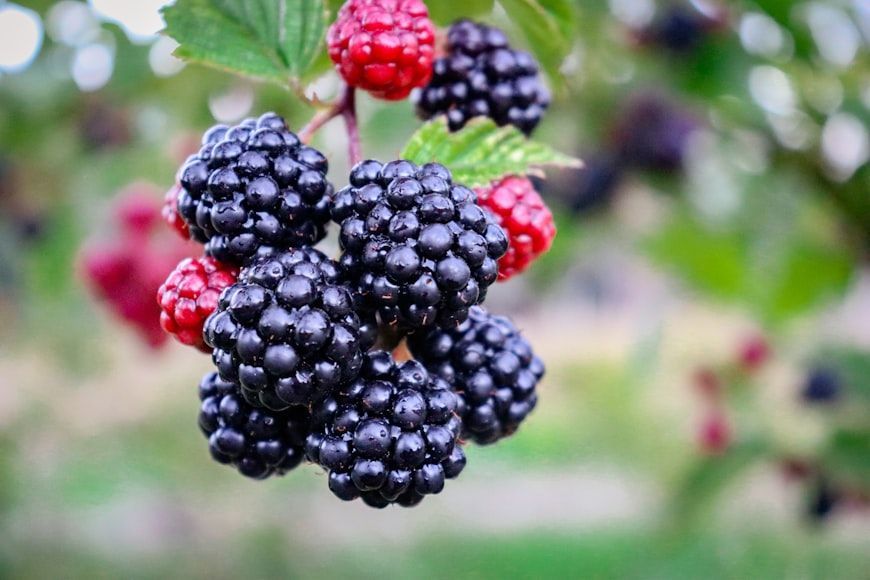
Oregon's signature dessert, this pie filling features marionberries, a blackberry hybrid developed in the 20th century. Compared with regular blackberries, marionberries have a deeper, more complex flavor, resulting in a sweeter and sharper pie filling. A summer staple, it is often served alongside vanilla ice cream.

9
Runza

Image: Kelsey Todd

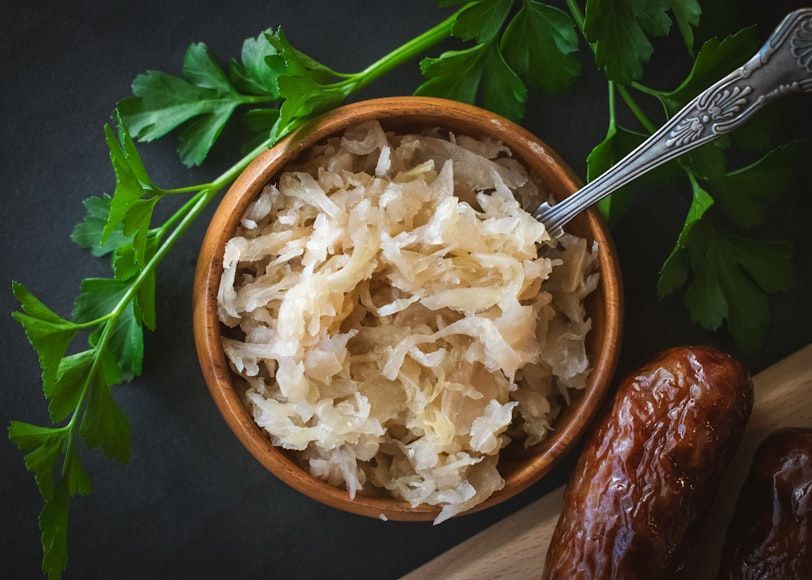
Food from the Midwest is sometimes reduced to casserole dishes and jello salads, but it is more varied than some might think. Runza, a sandwich-hot pocket hybrid filled with beef, cabbage, and onions, is an example of how midwesterners transformed immigrant food traditions into something new. Originating in Nebraska, runzas are derived from German and Eastern European pirogs , a baked, filled dough.

10
Akutaq

Image: Adam Chang

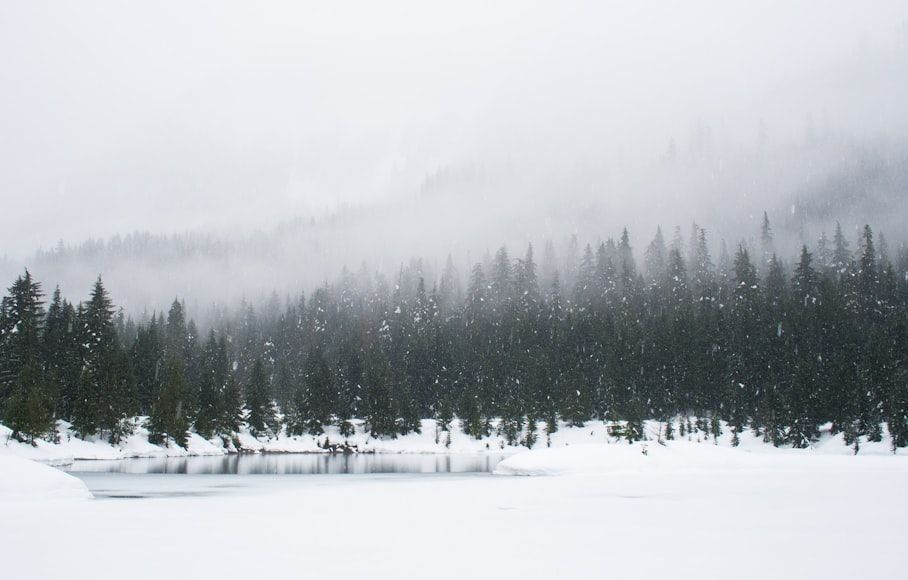
Though this Alaskan delicacy is technically an ice cream, don’t expect it to be like the ice creams you are used to. Made from reindeer fat, seal oil, fresh snow, berries, and sometimes, ground fish, akutaq is a dessert, a snack, a spread, and a main dish all in one. Developed as a way to preserve fruits and animal fats, this nutrient-dense dish has everything you need to face the harsh Alaskan winters.

Explore more American facts

Choose your favorite category!

General
General

As American as apple pie—the very best America has to offer!

Culture
Culture

Delve into the astounding richness of American lore.

Geography
Geography

Hop in and explore vast and diverse American landscapes.

History
History

Discover the key moments that shaped the United States.