General General 4 min read

10 Hollywood stars whose lives took tragic turns
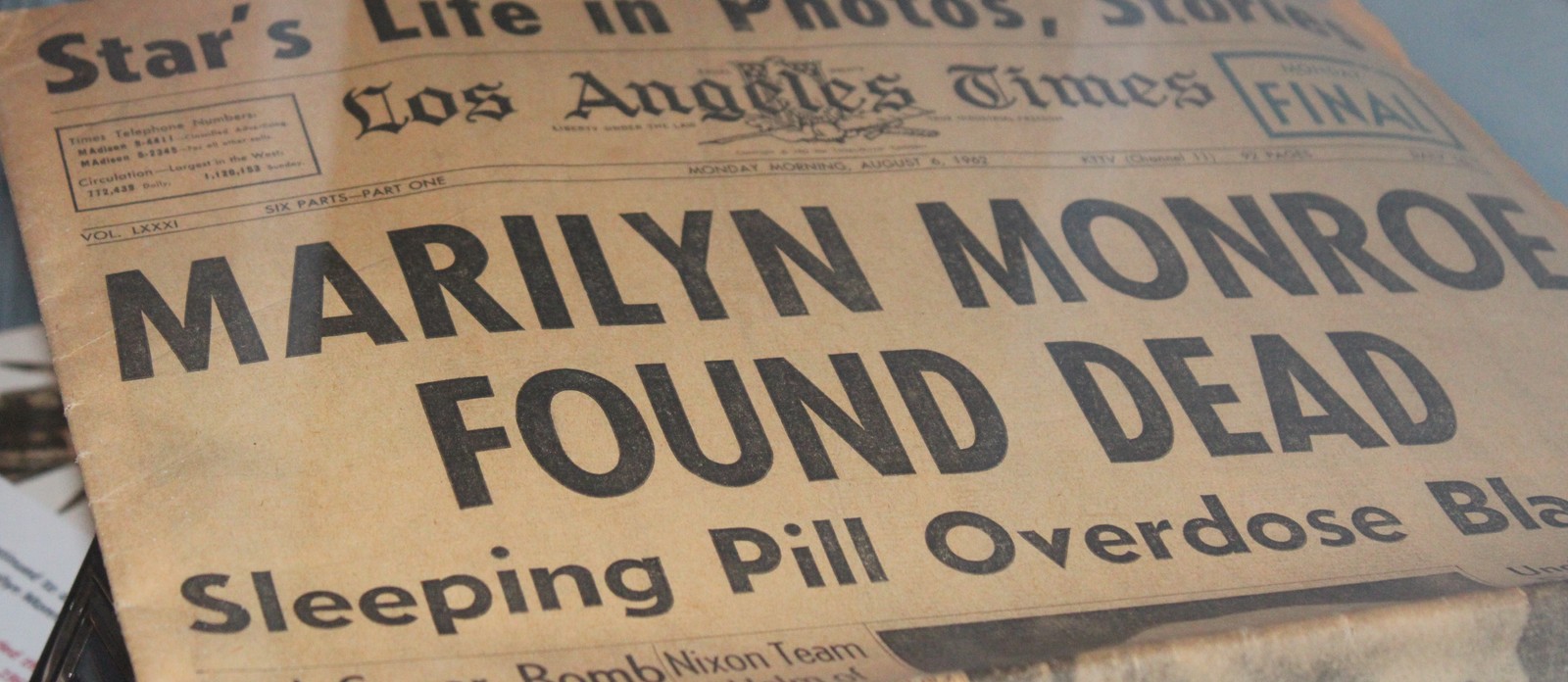
Image: mwood99

From the outside, Hollywood is the place where dreams come true. But that glamour is often just a mirage. The history of entertainment is full of iconic performers who brought joy and magic to the world but had trouble finding it themselves, with lives that took tragic turns. Let’s remember these artists and pay tribute to their legacies.

1
Marilyn Monroe (1926–1962)
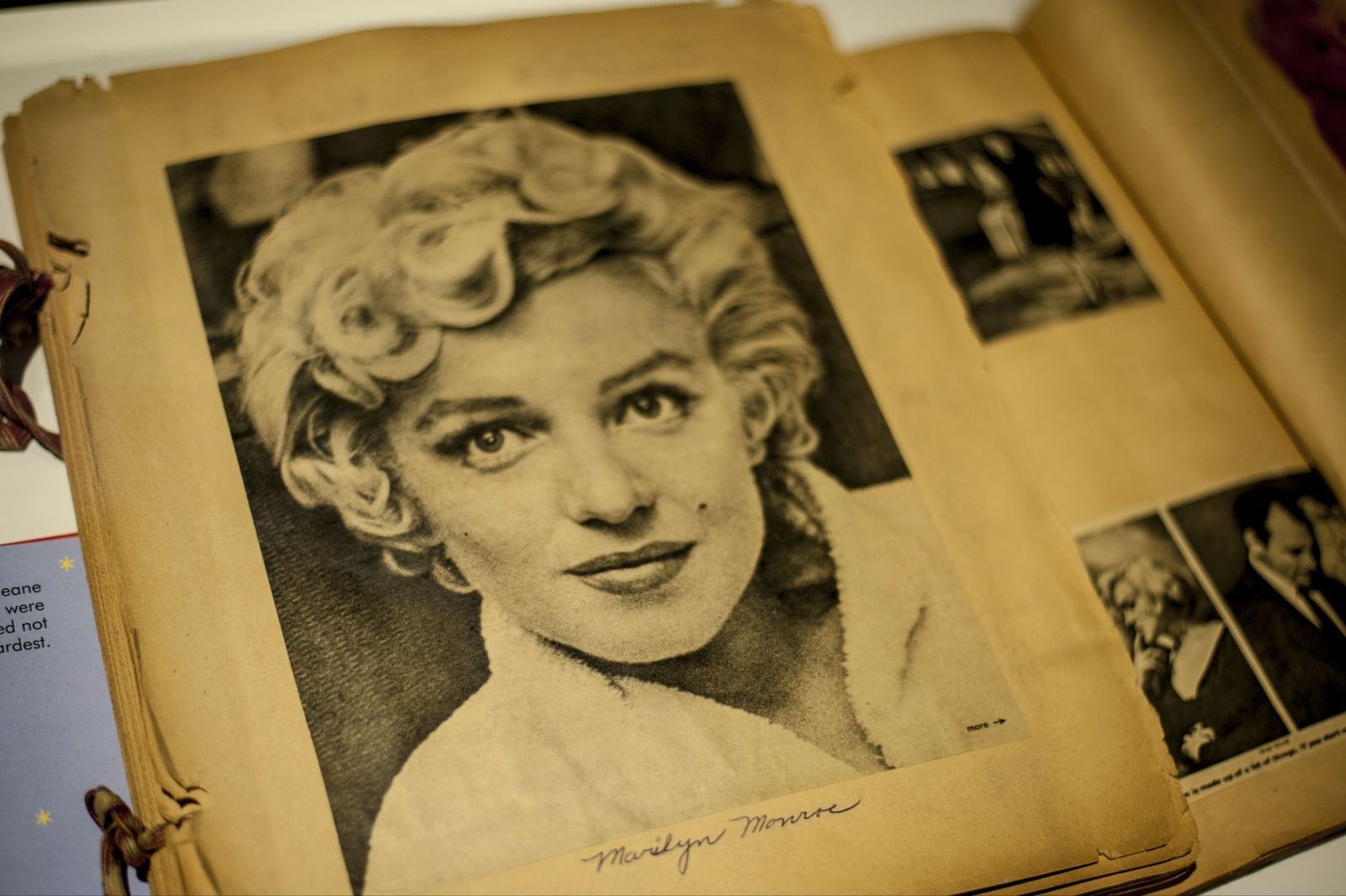
Image: SeoHeaMIn

The definitive blonde bombshell, the one and only Marilyn Monroe took the world by storm with her talent and breathtaking beauty during Hollywood’s Golden Age. And although the world will always remember her image and performance in classic films like Some Like It Hot (1959), her unforgettable smile often hid deep sadness.

The queen of glamour suffered from anxiety and substance abuse, and was very frustrated by the roles offered to her; her life came to a sudden end on August 5, 1962, at the age of 36, following an overdose.

2
Judy Garland (1922–1969)
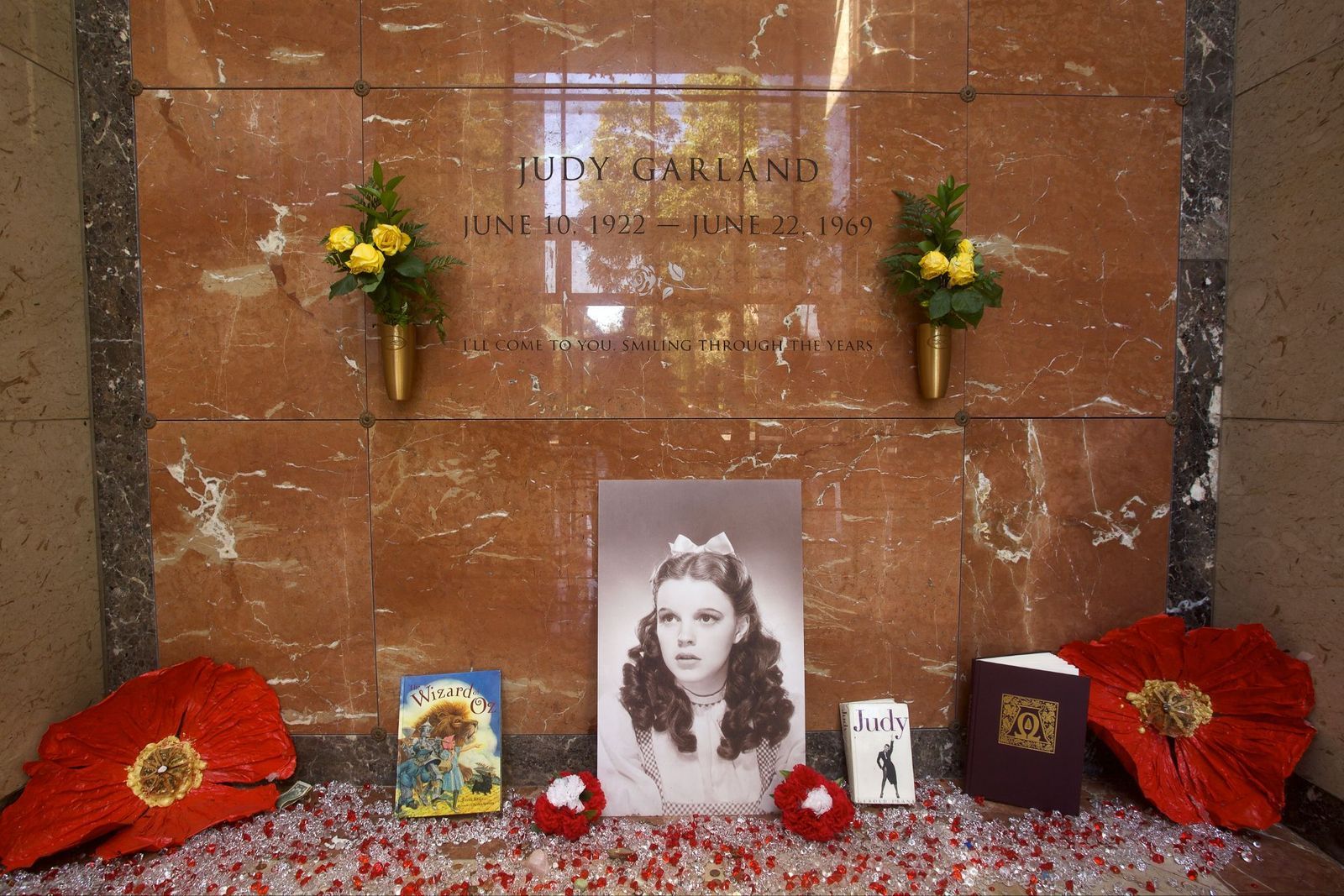
Image: Elliott Cowand Jr

When you think of Judy Garland, sweet, hopeful Dorothy Gale in 1939’s The Wizard of Oz immediately comes to mind. Just 17 when the film was released, her career as an actress and gifted singer was off to a fantastic start, and her future looked bright.

But the studio system repeatedly pressured Garland with strict dieting and the use of stimulants and sedatives when working as a young performer. Later in life, she struggled with mental illness and financial problems. Garland was 47 when she passed away in London on June 22, 1969, after an overdose.

3
James Dean (1931–1955)
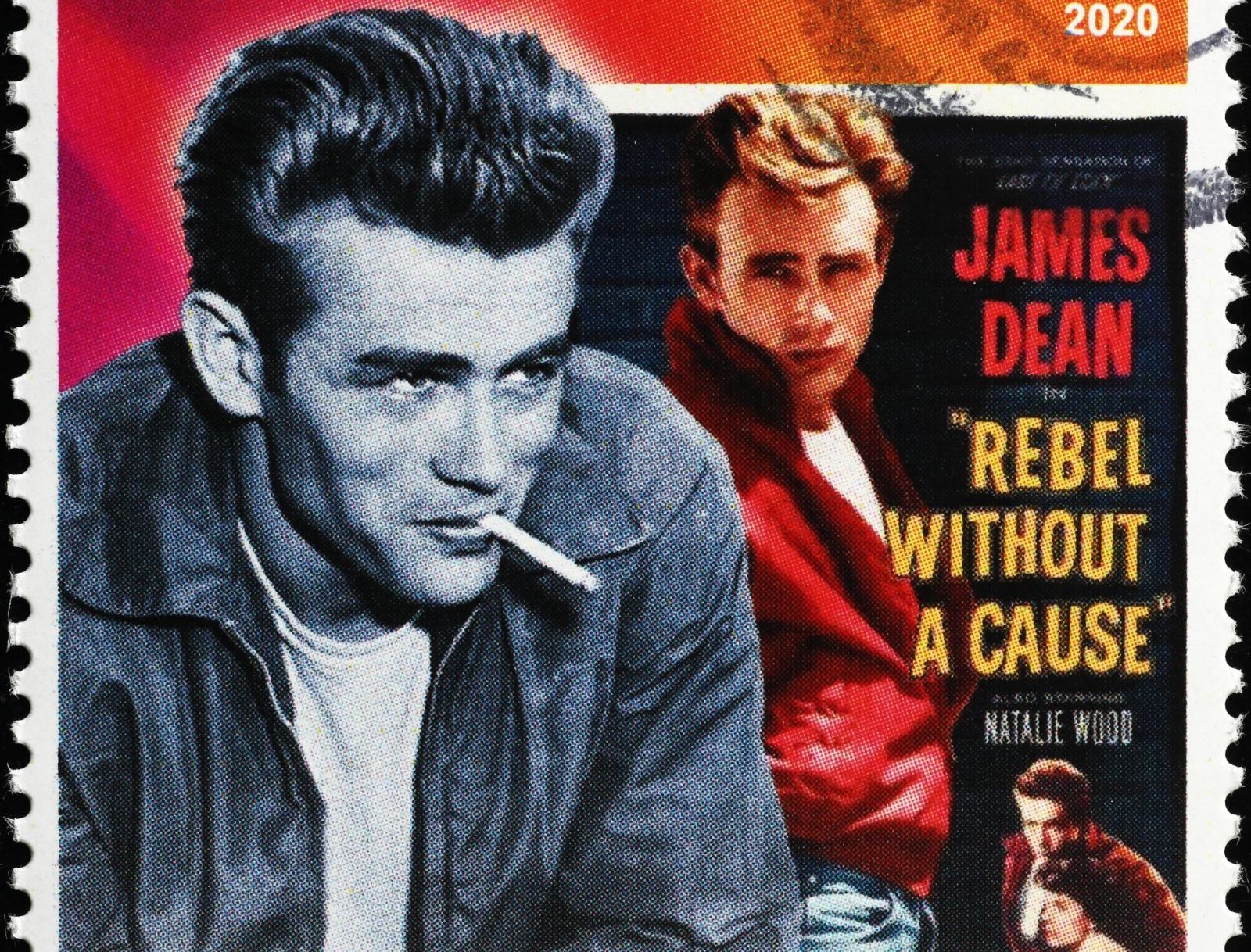
Image: spatuletail

What James Dean achieved in just five years in the movie industry is mind-blowing. In the 1950s, Dean was one of the most iconic figures in Hollywood; he was the cool young heartthrob who became a symbol of rebellion after the smash hit Rebel Without a Cause (1955).

But at the peak of his career, he had a car crash while driving his Porsche 550 Spyder in California and was killed at age 24.

4
John Candy (1950–1994)
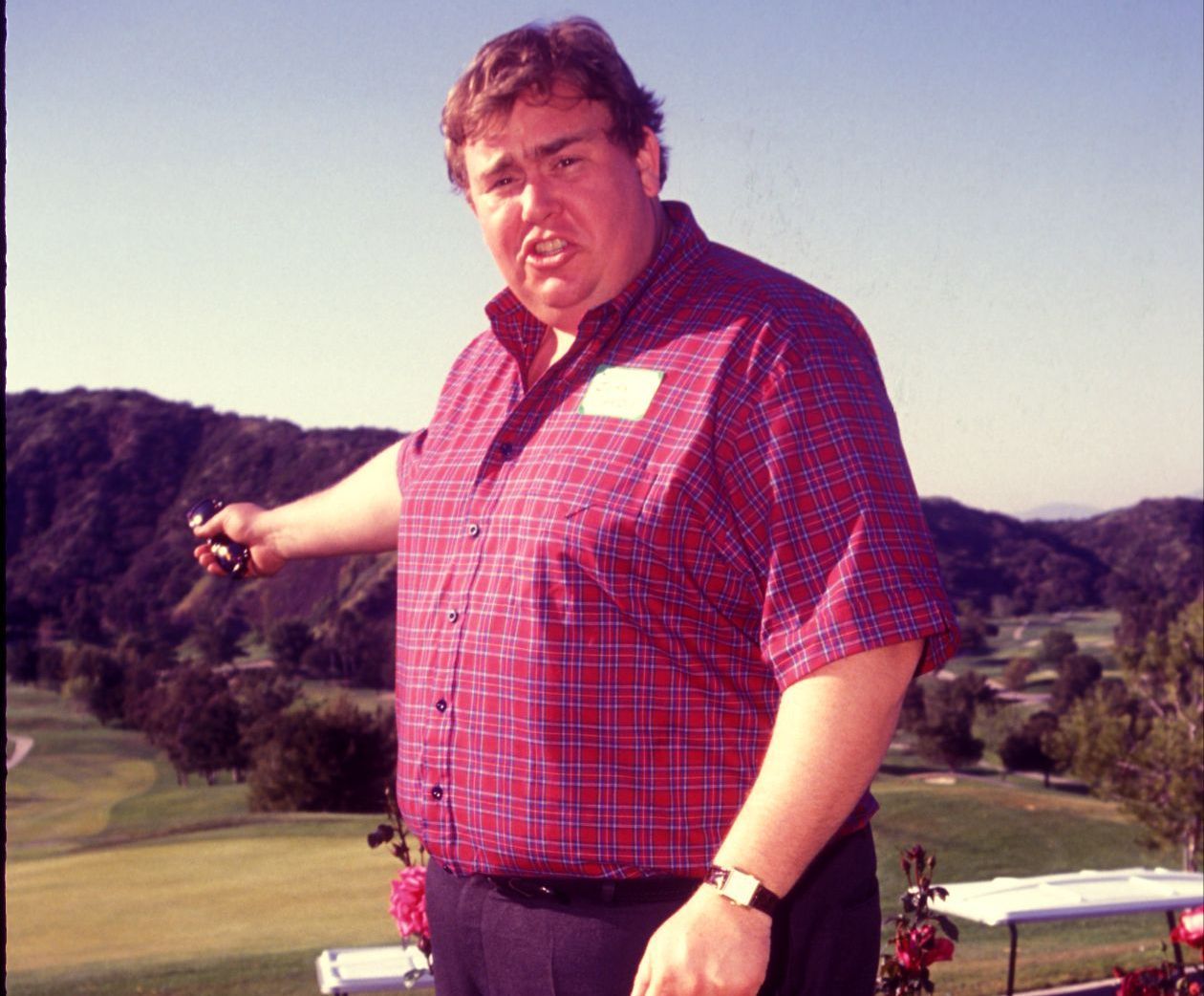
Image: Bart Sherkow

John Candy’s warm and funny characters have a special place in Hollywood history, and his death still feels unfair. Born in Ontario, Canada, in 1950, Candy became a major comedy star thanks to classics like Trains & Automobiles (1987), Uncle Buck (1989), and The Great Outdoors (1988).

And while he still had so much to offer, on March 4, 1994, he suffered a sudden heart attack while filming Wagons East! (1994) and died at the age of 43.

5
Robin Williams (1951–2014)
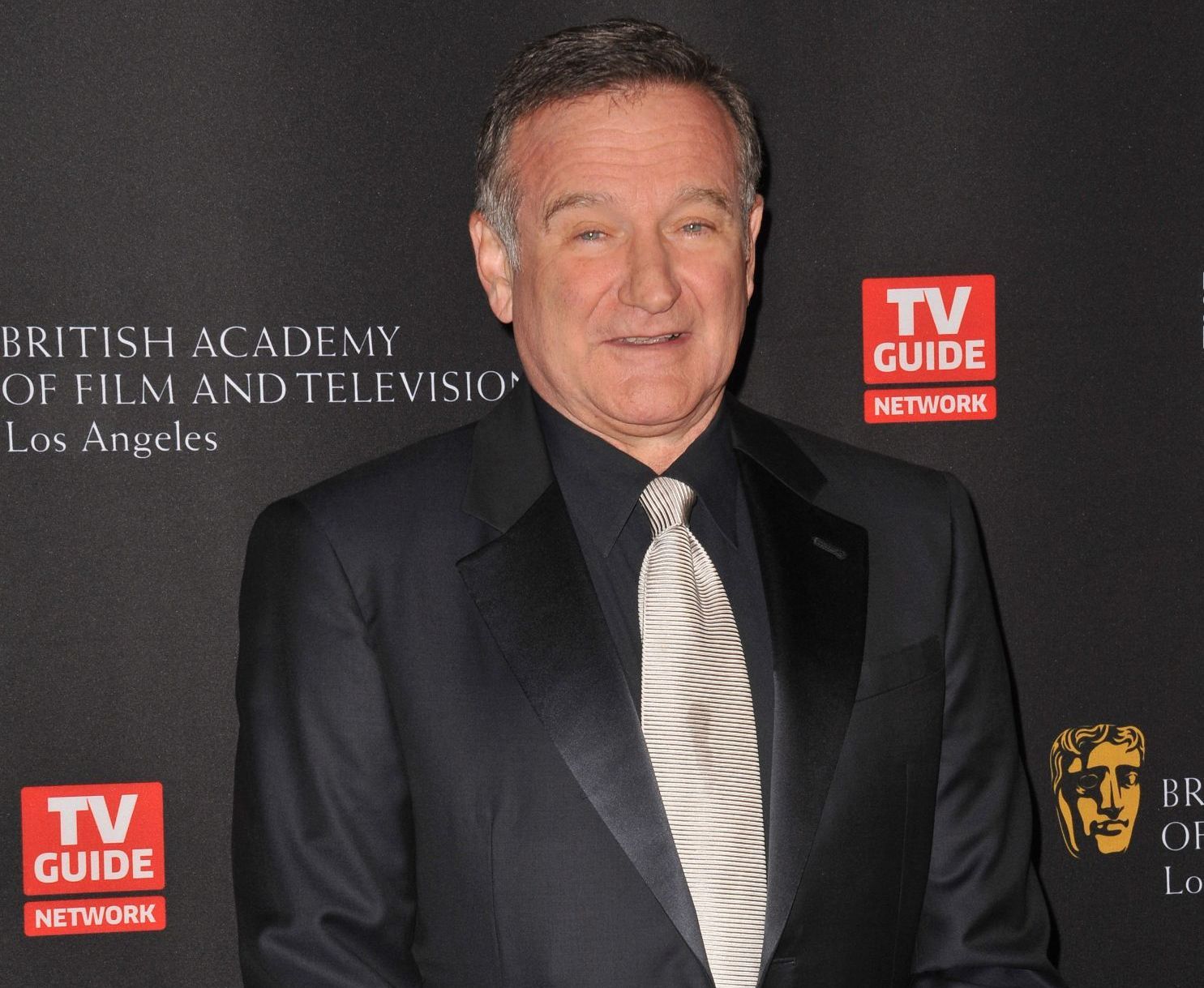
Image: Featureflash Photo Agency

Robin Williams always inspires a bittersweet smile. A genius comedian who could make audiences crack up with a funny accent or an impish smile — with real dramatic chops, too —  Williams starred in classics like Mrs. Doubtfire (1993) and brought us to tears with his outstanding performance in movies like Good Will Hunting (1997).

But behind the hilarious comedian, Robin struggled with depression and substance dependence, as well as Lewy body disease. He died by suicide on August 11, 2014, at the age of 63.

6
Patrick Swayze (1952–2009)
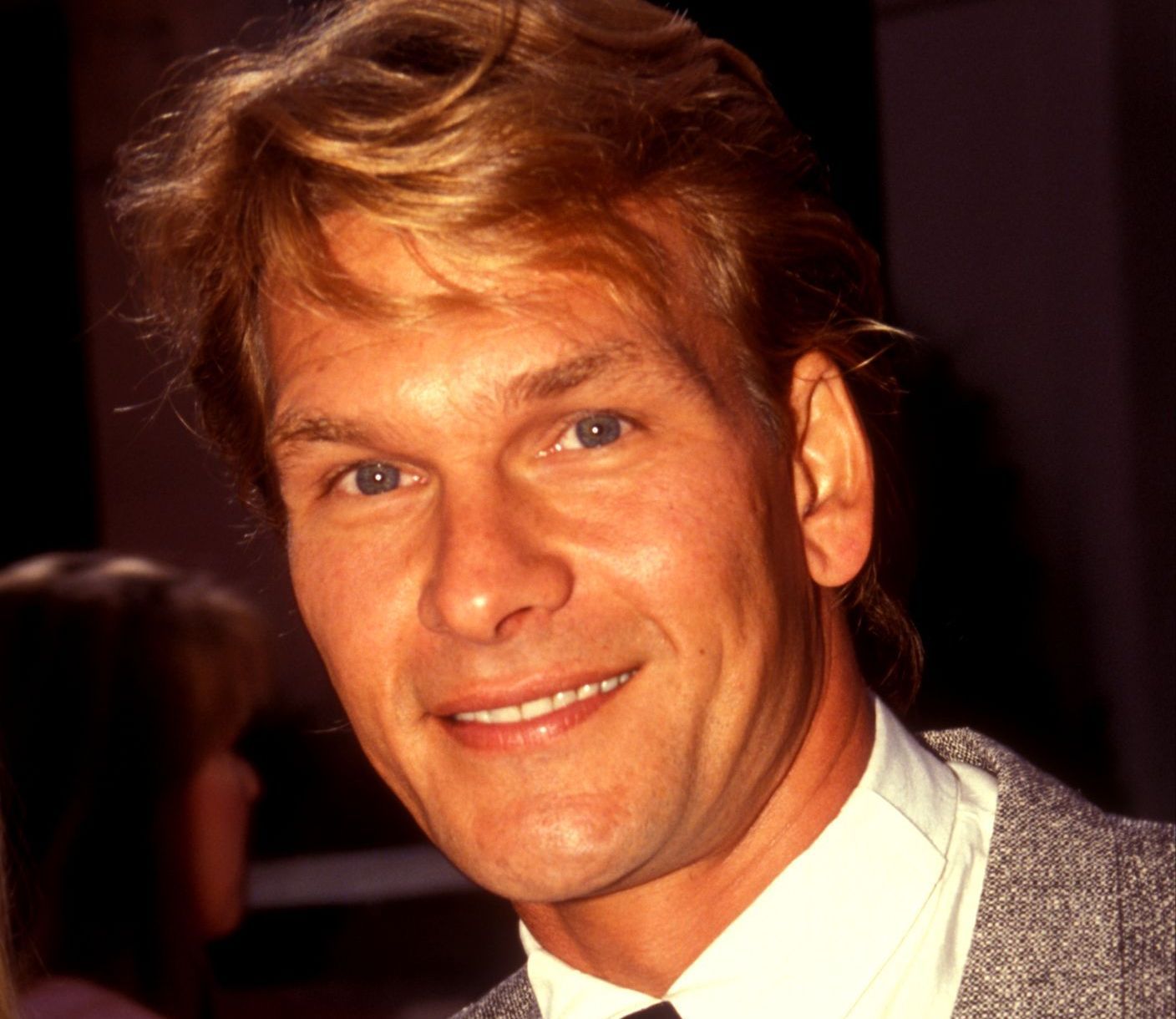
Image: Bart Sherkow

Patrick Swayze made movie history in classics like Dirty Dancing (1987) and Ghost (1990). Swayze’s energetic performances and his image as the romantic, tough heartthrob have a lasting legacy.

He was nominated three times for the Golden Globes (1997, 1990, and 1995). Sadly, in 2008, Swayze announced he had pancreatic cancer and passed away 20 months later on September 14, 2009, at the age of 57.

7
River Phoenix (1970–1993)
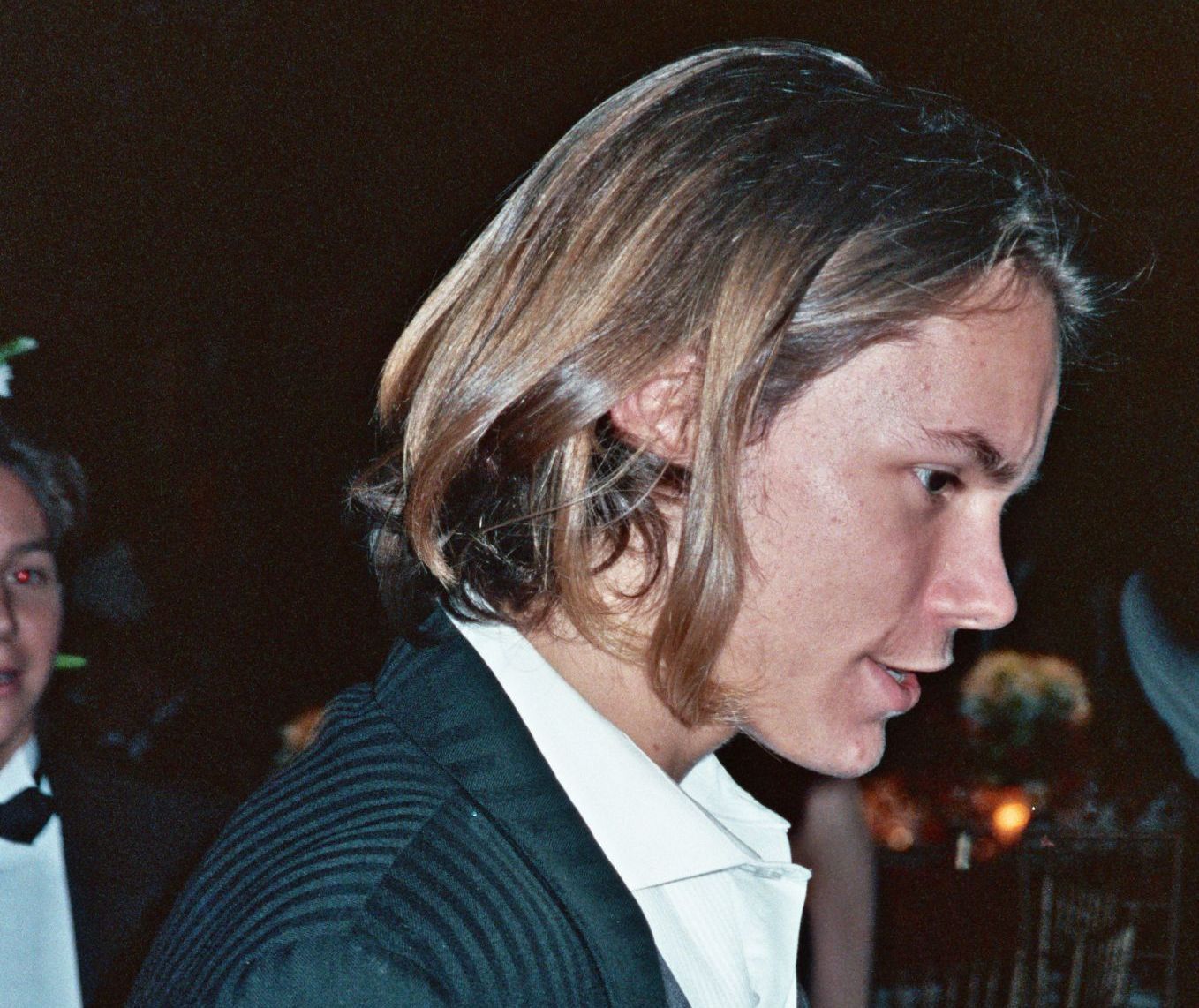
Image: photo by Alan Light, CC BY 2.0, via Wikimedia Commons

The older brother of the Oscar-winning actor Joaquin Phoenix, River Phoenix was considered one of the most promising young actors of his generation. His ticket to stardom came with Stand by Me (1986) when he was just 16 years old, and from there, his reputation took off with movies like Running on Empty (1988) and My Own Private Idaho (1991).

But when he was riding high in Hollywood, Phoenix lost his life at just 23, outside the Viper Room nightclub in Los Angeles on October 31, 1993, from acute multiple drug intoxication.

8
Chris Farley (1964–1997)
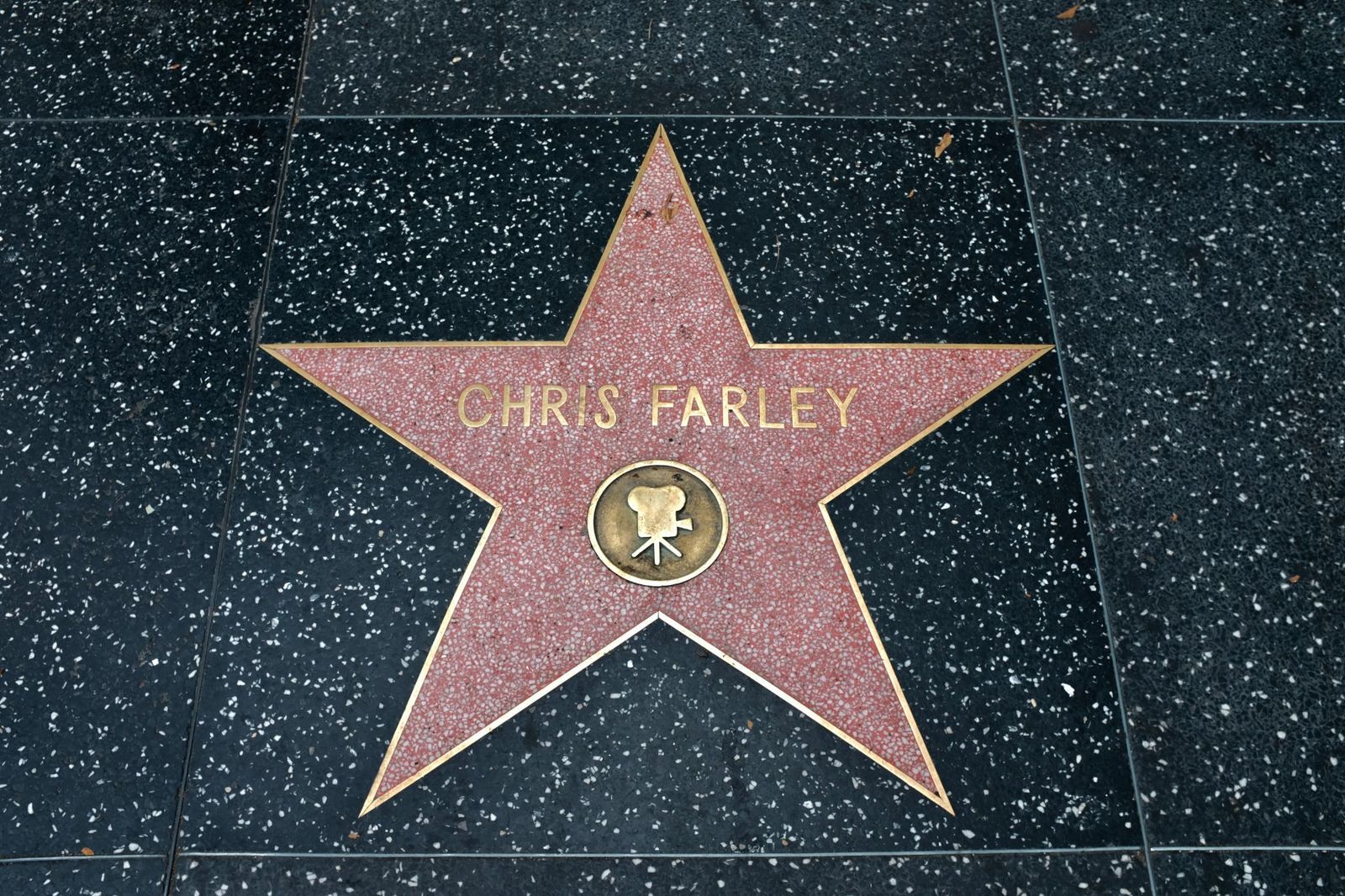
Image: Andy Chinn

Starting out in Chicago’s Second City comedy troupe and later joining Saturday Night Live in 1990, Chris Farley knew exactly how to get a laugh out of the audience with memorable characters like motivational speaker Matt Foley.

He became a major comedy star and made it to the big screen in movies like Tommy Boy (1995) and Black Sheep (1996). But behind the laughter, Farley struggled with substance use. He lost his life due to an overdose in 1997 when he was just 33 years old.

9
Heath Ledger (1979–2008)
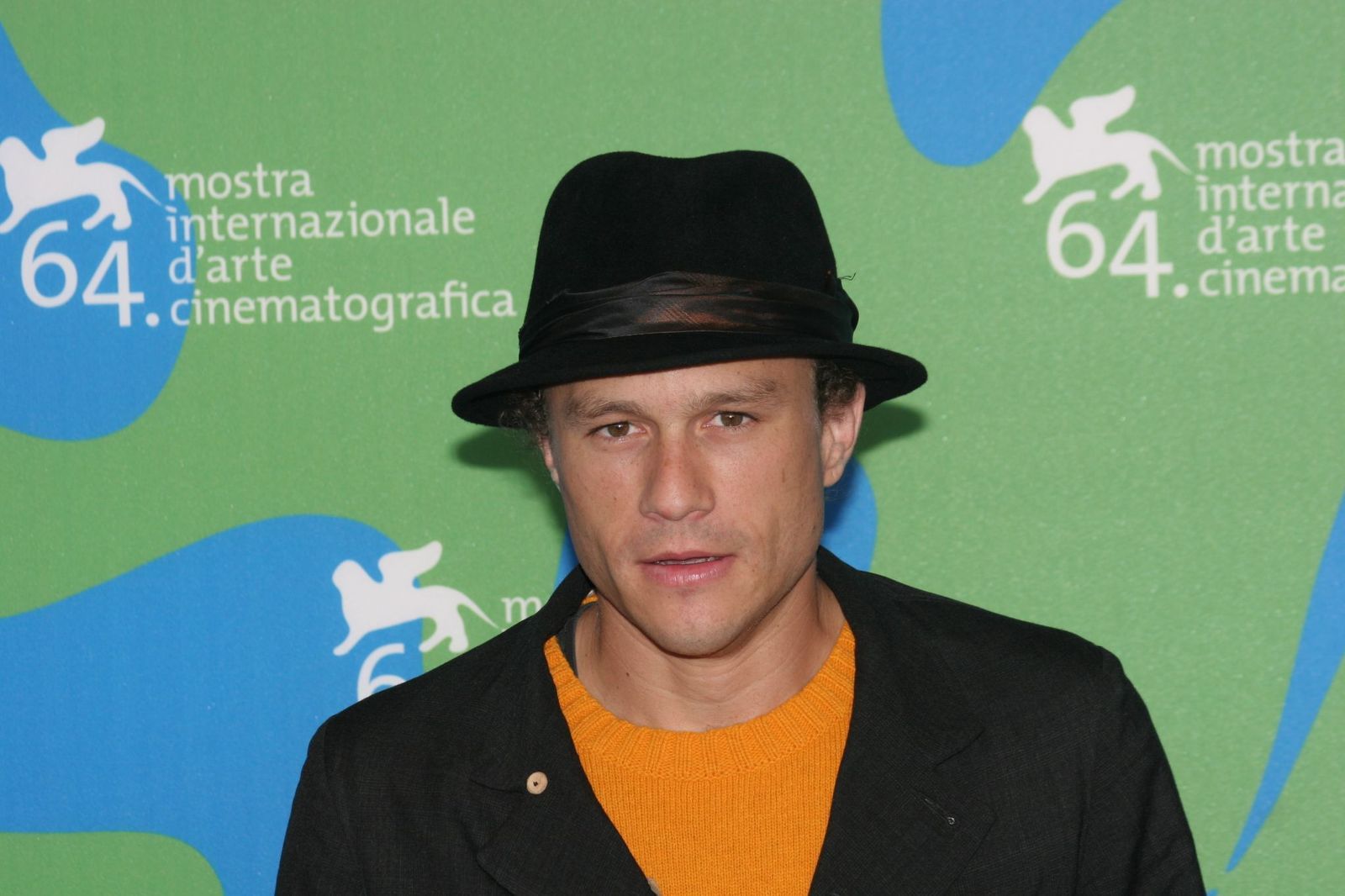
Image: Denis Makarenko

Heath Ledger remains one of the most respected actors in Hollywood, and his performances are widely remembered, especially his final turn in The Dark Knight (2008), in which he gave a masterful portrayal of Batman’s most iconic villain, the Joker — considered by many to be the best portrayal of the character ever.

Ledger was found dead in his apartment at the age of 28 from an accidental overdose. Thirteen months later, he won the Oscar for Best Supporting Actor posthumously for his performance.

10
Jonathan Brandis (1976–2003)
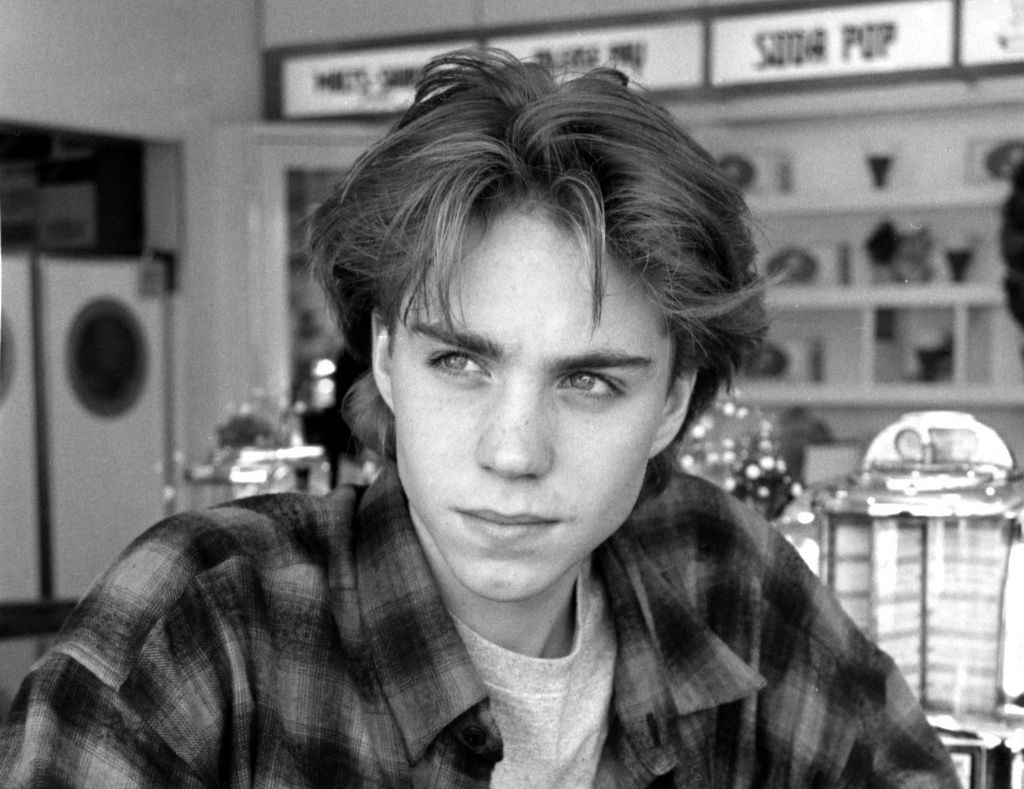
Image: Airwolfberlin, CC BY-SA 3.0, via Wikimedia Commons

Jonathan Brandis rose to fame after he played the courageous Bill Denbrough in the 1990 television miniseries It , based on Stephen King’s novel, though he had also previously starred in The NeverEnding Story II (1990).

Brandis was a teen heartthrob with a seemingly bright future, but his career opportunities started to dry up as he got older. He struggled with severe depression and heavy drinking, and took his own life on November 12, 2003, at the age of 27.

Culture Culture 8 min read

History live

A 16-minute speech, 90 million people watching, and history going live

Image: Daenin

From Neil Armstrong stepping onto the moon to the Beatles’ first performance on national TV, some moments stopped the whole country in its tracks, and a few stopped the entire planet. From a boxing rematch watched by two billion people to a concert that reunited legends across two continents, these broadcasts became the backdrop of American life. Here are 10 of the most watched events and the stories behind them.

1
The moon landing - 650 million

Image: Castleski

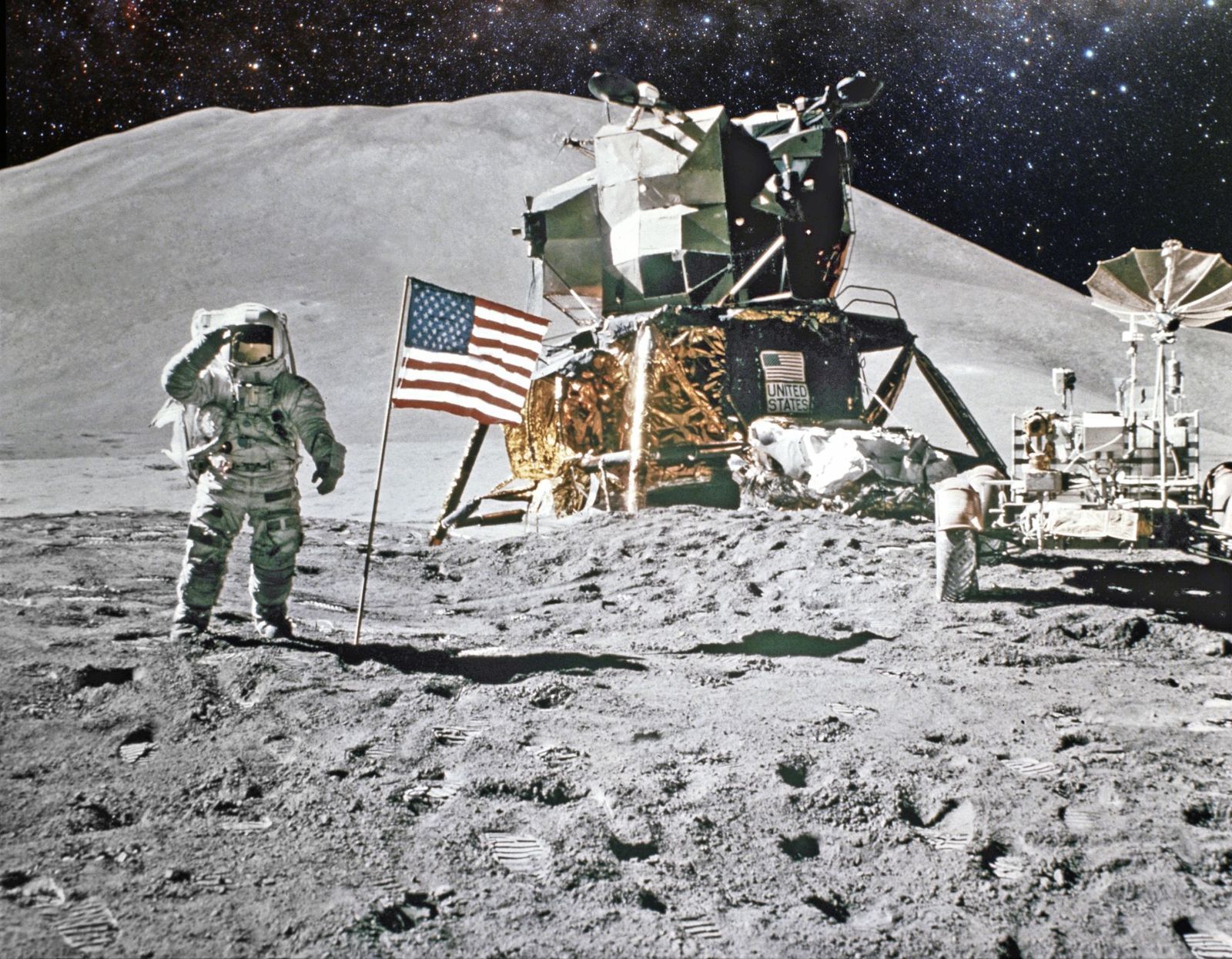
The late 1960s had been a turbulent time, but on July 20, 1969, nearly everyone paused to look up at the same sky.

President Nixon watched from the White House as Apollo 11 prepared for its final descent, fulfilling a promise President Kennedy had made eight years earlier to land an American on the moon before the decade ended. When Neil Armstrong stepped onto the lunar surface and spoke his now-famous words , "That's one small step for man, one giant leap for mankind," an estimated 650 million people across the globe were watching, including nearly 94 percent of American households with a television set. Streets emptied, businesses closed early, and strangers gathered around store windows just to catch a glimpse.

2
"Aloha from Hawaii via Satellite" - 1.5 billion

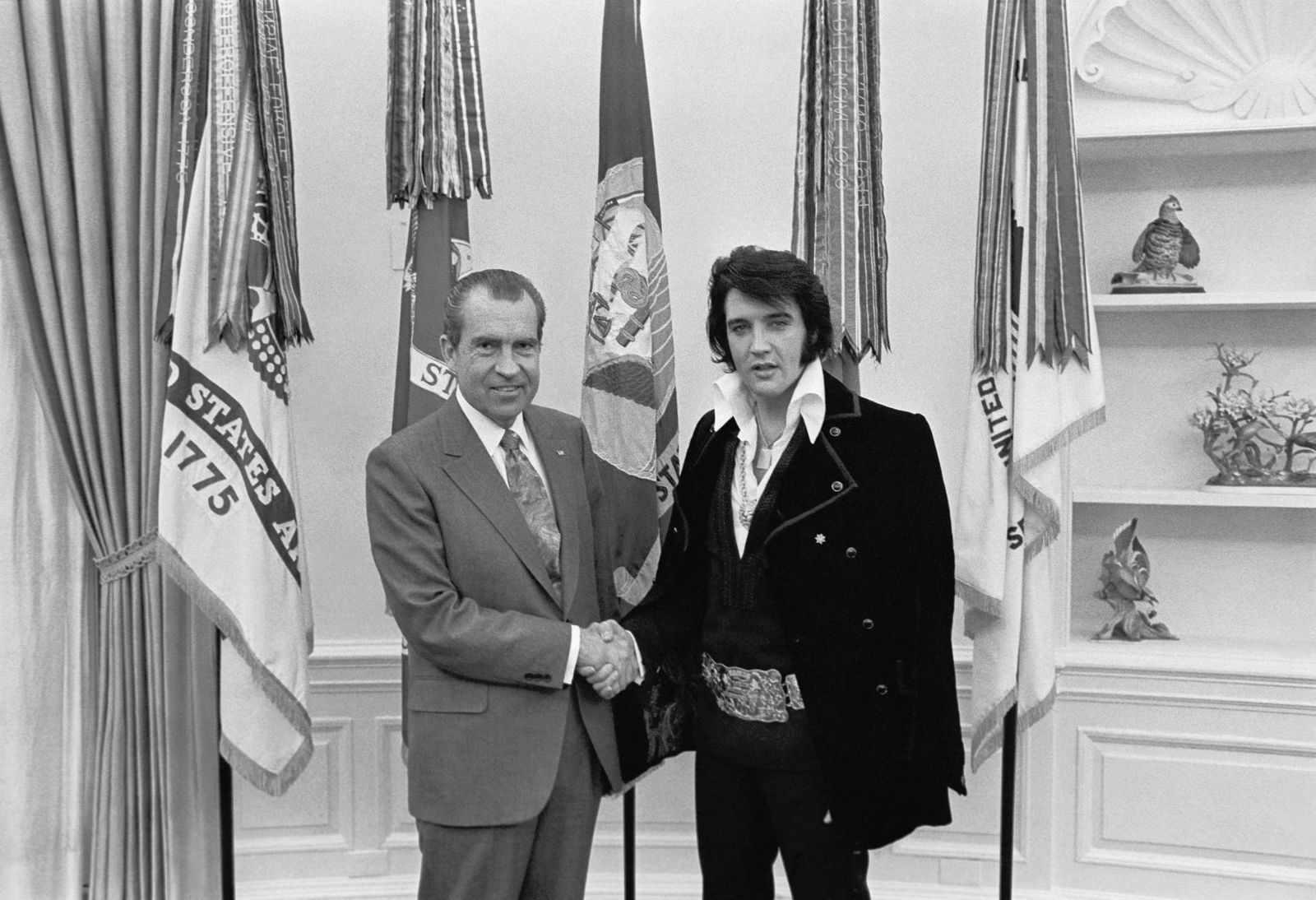
The early 1970s were a time of enormous change in America, with the country adjusting to a new decade and Elvis Presley reinventing himself as a global performer rather than just a multi-hyphenate star.

On January 14, 1973, he took the stage at the Honolulu International Center for a show unlike anything attempted before. Broadcast live by satellite to audiences across Asia and Oceania, and later shown across Europe, the concert was the first full-length performance by a solo artist ever beamed around the planet this way. Estimates at the time put the audience at over a billion viewers worldwide. NBC later trimmed the concert into a 90-minute special that aired stateside on April 4, and it went on to become the network's highest-rated program of that entire year.

3
The state funeral of John F. Kennedy - At least 180 million

Image: Abbie Rowe, Public domain, via Wikimedia Commons

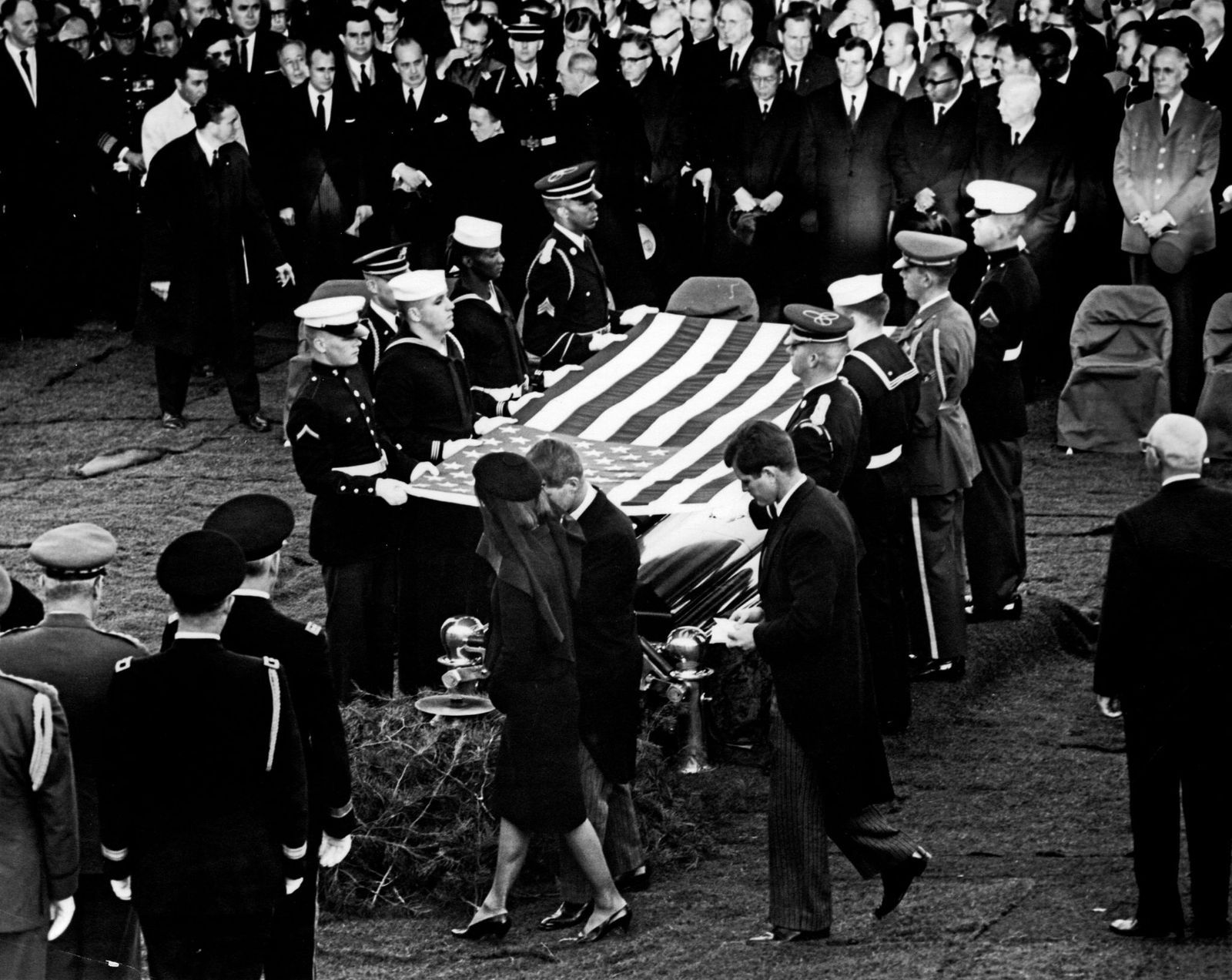
The nation was still in shock in late November 1963, reeling from the tragic death of President Kennedy in Dallas just days earlier.

As the country tried to process the loss, all three television networks, ABC, CBS, and NBC, made the extraordinary decision to stay on the air nonstop, some for as long as 70 consecutive hours , to cover the tragedy and the funeral that followed. On November 25, Kennedy’s flag-draped casket was carried by horse-drawn caisson from the Capitol to St. Matthew’s Cathedral and finally to Arlington National Cemetery in Virginia. Nielsen estimated that 93 percent of American households with televisions were tuned in during the most watched moments, with at least 180 million viewers following the coverage around the world as a young John Jr. saluted his father’s casket, closing one of the darkest chapters of the nation’s history.

4
The Beatles on "Ed Sullivan"- 73 million

Image: Library of Congress, Public domain, via Wikimedia Commons

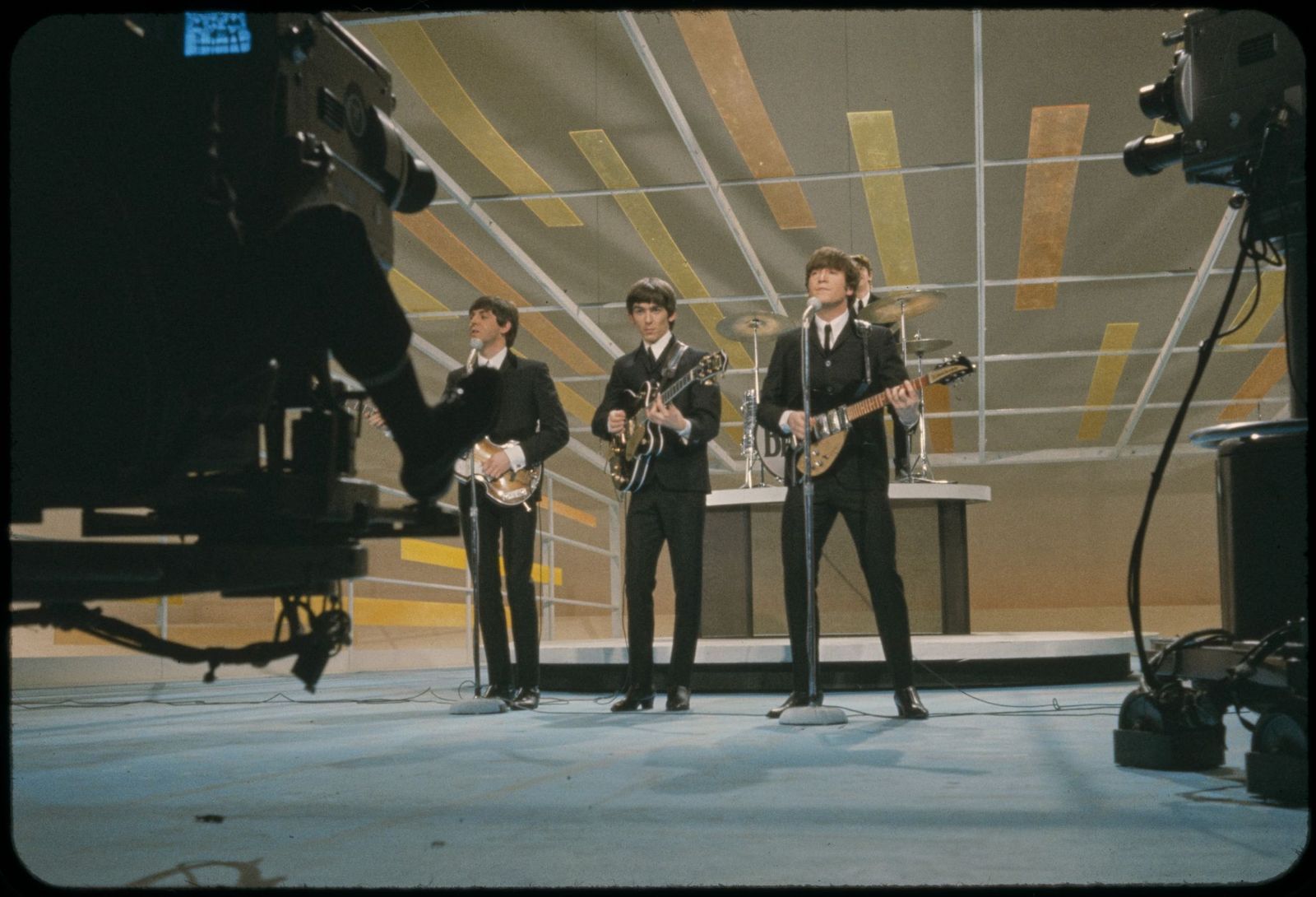
Just weeks after the country had said goodbye to President Kennedy, Americans were in need of something to lift their spirits again, and four young musicians from Liverpool arrived at exactly the right moment.

On February 9, 1964, John, Paul, George and Ringo took the stage on The Ed Sullivan Show for their first live performance on American soil. CBS had been flooded with requests for tickets, with even Walter Cronkite reportedly trying to snag one for his daughter. At 8 o’clock that Sunday night, roughly 73 million viewers, about 60 percent of all televisions in use that night, tuned in to watch. It remains one of the defining broadcasts in television history, and the night Beatlemania truly began in America.

5
Richard Nixon’s resignation speech - 90-110 million

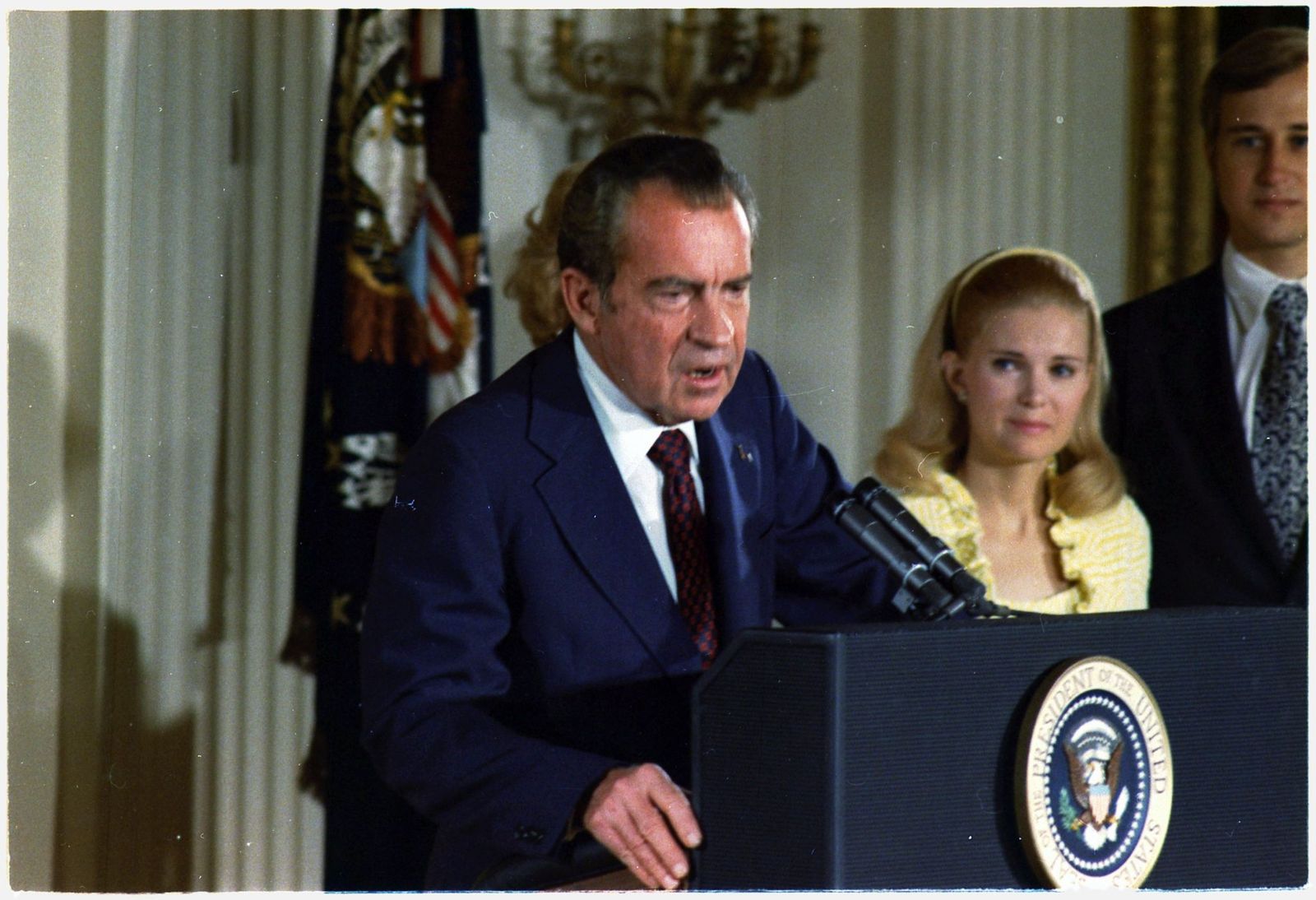
The summer of 1974 had worn the country down, as the Watergate scandal dragged federal politics through months of hearings, leaked tapes, and mounting distrust.

Finally, on August 8, President Richard Nixon sat down at his Oval Office desk to address the nation one more time. In just 16 minutes, he announced he would resign the presidency effective the next day at noon, becoming the first American president in history to do so. Between 90 and 110 million viewers tuned in that night to hear him explain his decision, a staggering share of the population at the time. The following morning, Vice President Gerald Ford was sworn in, closing one of the most turbulent chapters in modern American politics.

6
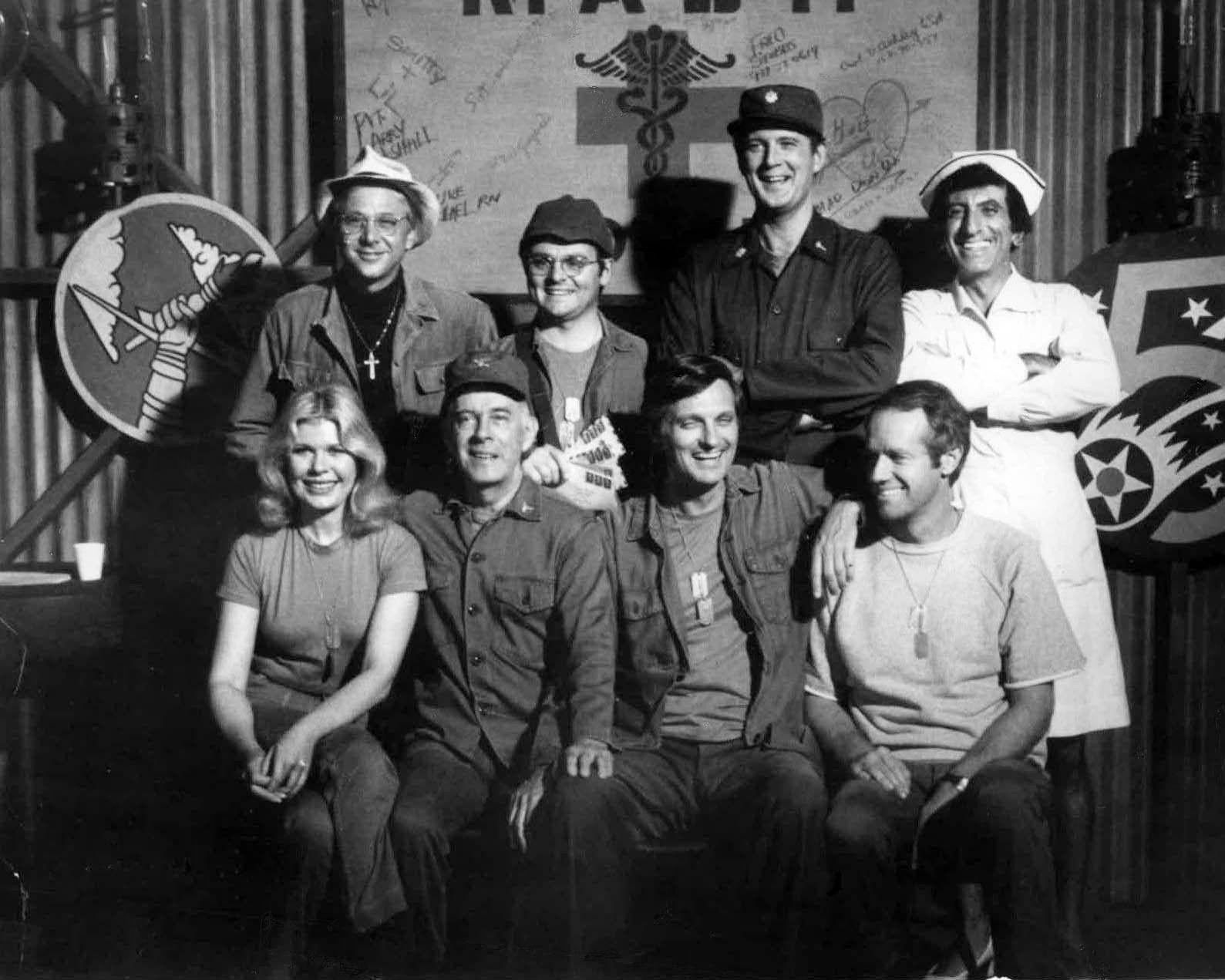
The M A S H finale - 106 million

Image: CBS Television, Public domain, via Wikimedia Commons

The early 1980s brought a wave of nostalgia, as the country slowly climbed out of a tough recession and Ronald Reagan settled into his first term. Amidst it all, one weekly visit to a fictional Korean War hospital had become a Monday night ritual for millions of American families.

After 11 seasons, M A S H said goodbye on February 28, 1983, with a two and a half hour finale titled "Goodbye, Farewell, and Amen." Streets across the country emptied, and bars held watch parties, and the New York City water department later noticed a spike in usage the moment the credits rolled, as everyone waited to use the bathroom at once. An estimated 106 million viewers tuned in on CBS, a Nielsen record that still stands as the most-watched episode of a scripted series in American television history.

7
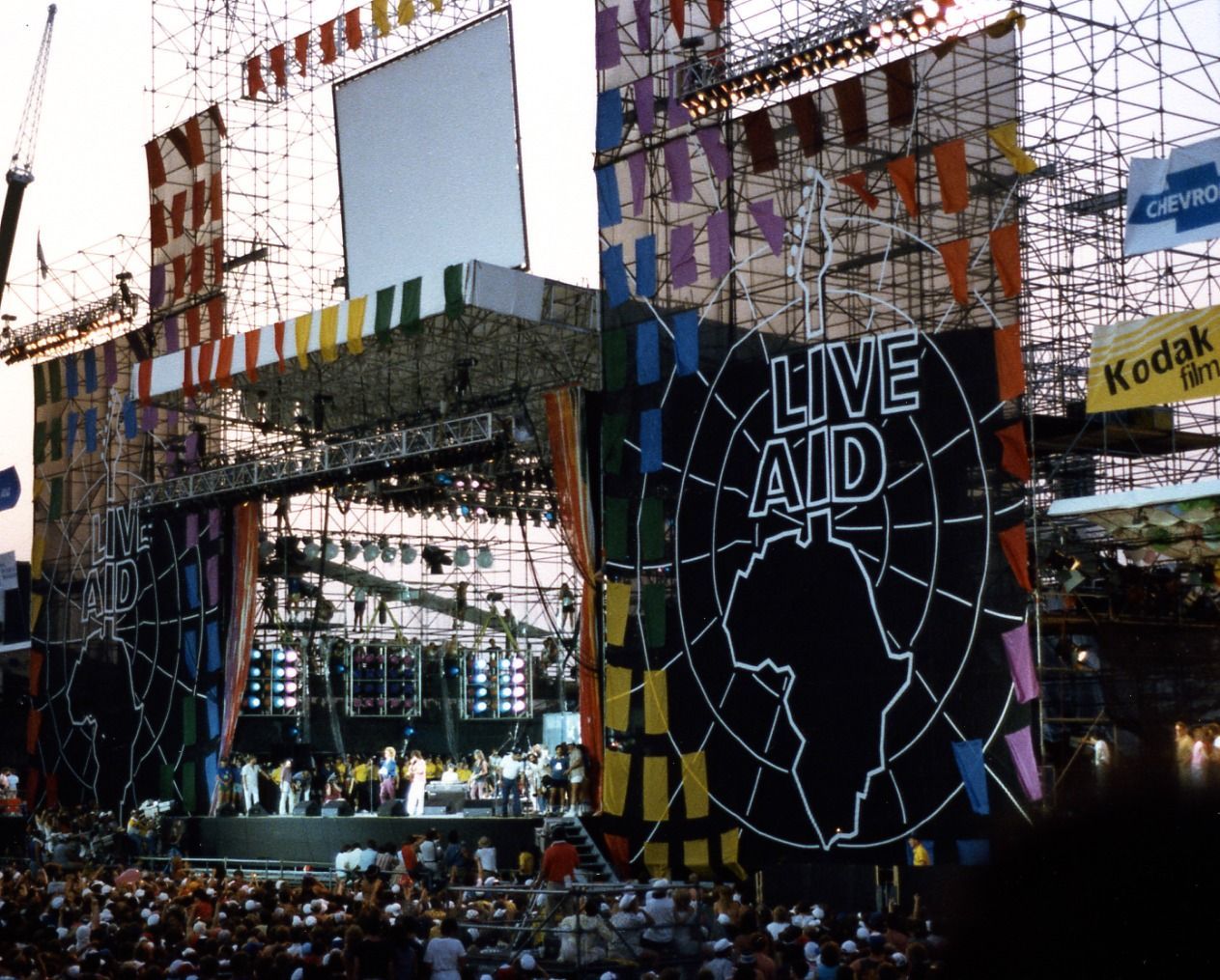
Live Aid - 1.9 billion

Image: Squelle, CC BY-SA 3.0, via Wikimedia Commons

By 1985, images of famine in Ethiopia had been reaching American households through the nightly news for months, stirring a wave of concern across the country.

Months after the successful "Feed the World" and "We Are the World" charity singles for the same cause, musicians Bob Geldof and Midge Ure, from Ireland and Scotland respectively, decided just one concert alone wouldn’t be enough, so they organized something the world had never seen. On July 13, two stadiums an ocean apart, Wembley in London and JFK Stadium in Philadelphia , hosted dozens of the biggest names in music on the same day. Queen, U2, Madonna, Tina Turner, The Rolling Stones, Led Zeppelin, and Phil Collins, who famously played both shows thanks to a supersonic flight on the Concorde, took the stage before a combined crowd of well over 150,000. Nearly 1.9 billion viewers around the world watched the marathon broadcast, which helped raise more than 100 million dollars for famine relief.

8
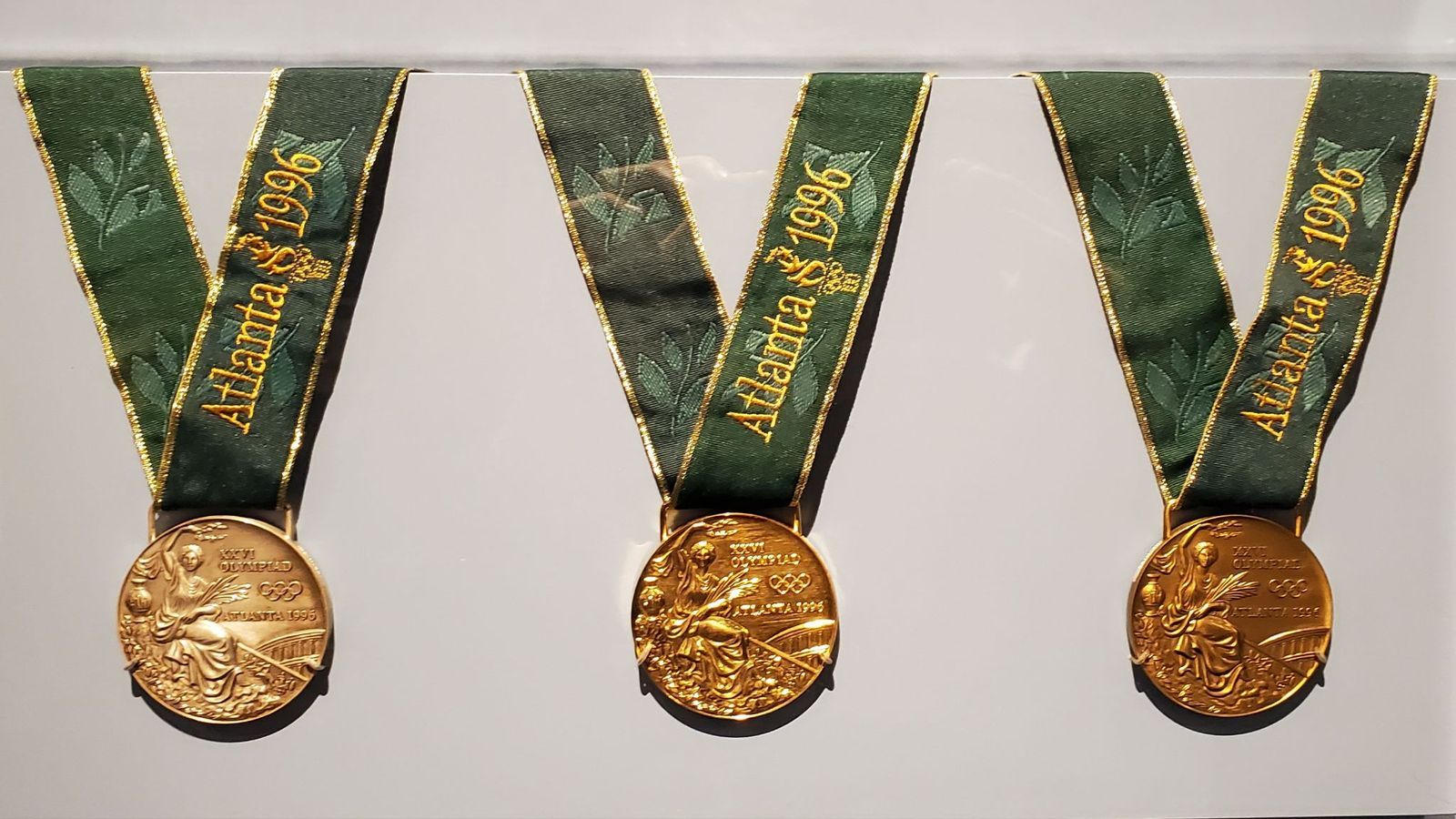
The 1996 Summer Olympics opening ceremony - 3.5 billion

Image: JJonahJackalope, CC BY-SA 4.0, via Wikimedia Commons

By the summer of 1996, Atlanta had spent years getting ready to host the world. Bill Clinton was in the White House, the economy was humming, and the country was in a celebratory mood as the Centennial Games kicked off in July 1996.

Inside Centennial Olympic Stadium, boxing legend Muhammad Ali, battling Parkinson’s, lit the torch with trembling hands, while Celine Dion and composer John Williams filled the night with music in front of 85,600 spectators. An estimated 3.5 billion people worldwide tuned in from home, making it one of the most watched broadcasts ever recorded.

9
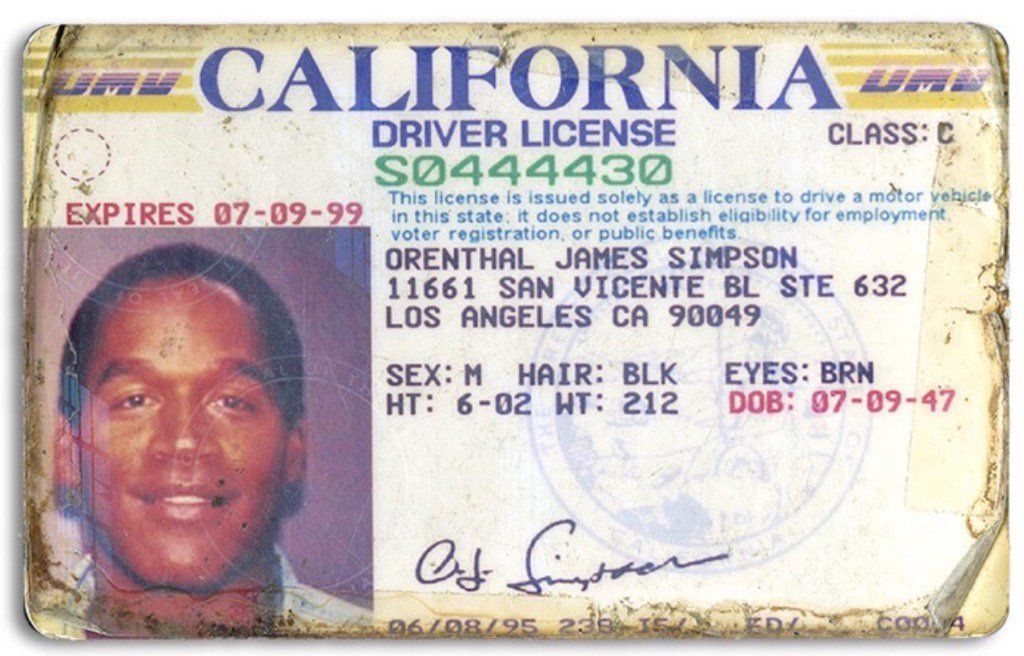
The O.J. Simpson verdict - 150 million

Image: CA DMV, Public domain, via Wikimedia Commons

By the fall of 1995, the country had spent more than a year gripped by a single courtroom drama playing out on cable news day after day. Few trials before or since have captured national attention quite like the murder case against O.J. Simpson, accused of killing his ex-wife Nicole Brown Simpson and her companion Ron Goldman.

On the morning of October 3, after less than four hours of jury deliberation, the verdict was finally set to be read. Schools paused classes, offices set up televisions in break rooms, and phone lines went quiet across the country as everybody waited. When Simpson was found not guilty on both counts, an estimated 150 million Americans, more than half the nation, were watching or listening live, making it one of the largest single audiences in American television history for a legal proceeding.

10
The funeral of Michael Jackson - 2.5 billion

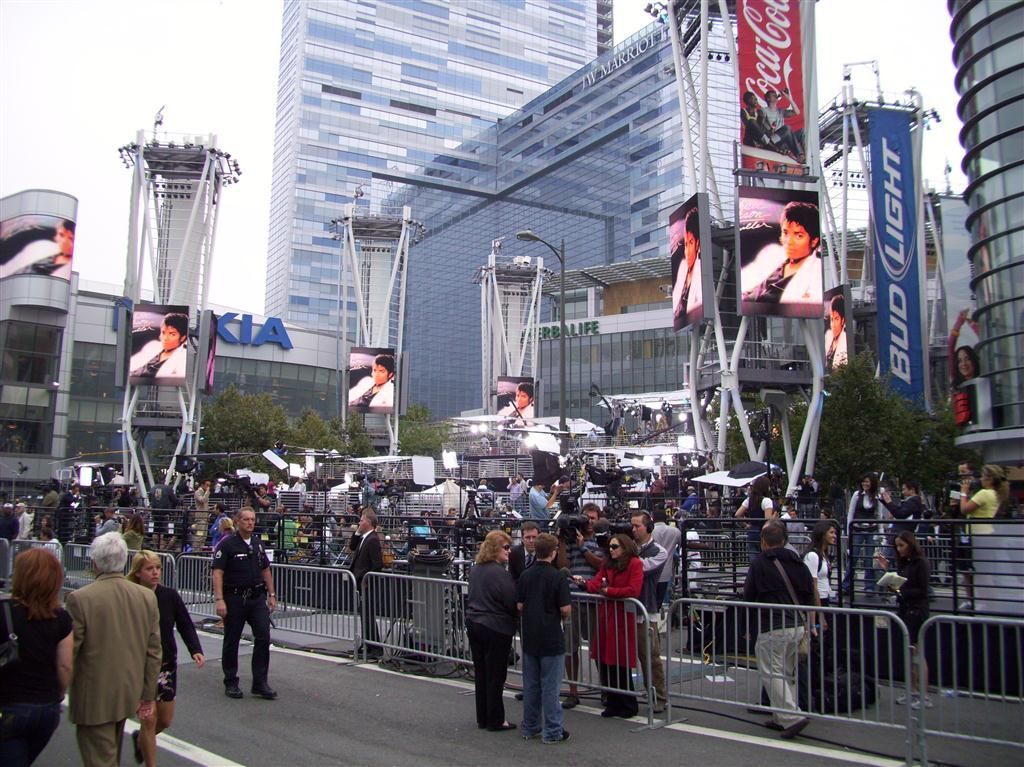
Image: Alejandro Marino, CC BY-SA 2.0, via Wikimedia Commons

The summer of 2009 found the country still shaking off a rough recession, and pop culture needed something to hold onto. That something arrived, tragically, on June 25, when Michael Jackson passed away at age 50 after an overdose of medication prescribed by his personal physician.

Twelve days later, on July 7, his memorial filled the Staples Center in Los Angeles. A total of 17,500 tickets were given away through a lottery that drew over a million requests in a single day. Inside, Stevie Wonder, Mariah Carey, and Jennifer Hudson performed, while his young daughter Paris gave an emotional tribute. Estimates suggest well over a billion people watched from around the globe, with the King of Pop’s farewell becoming one of the most talked-about broadcasts of the decade.

11
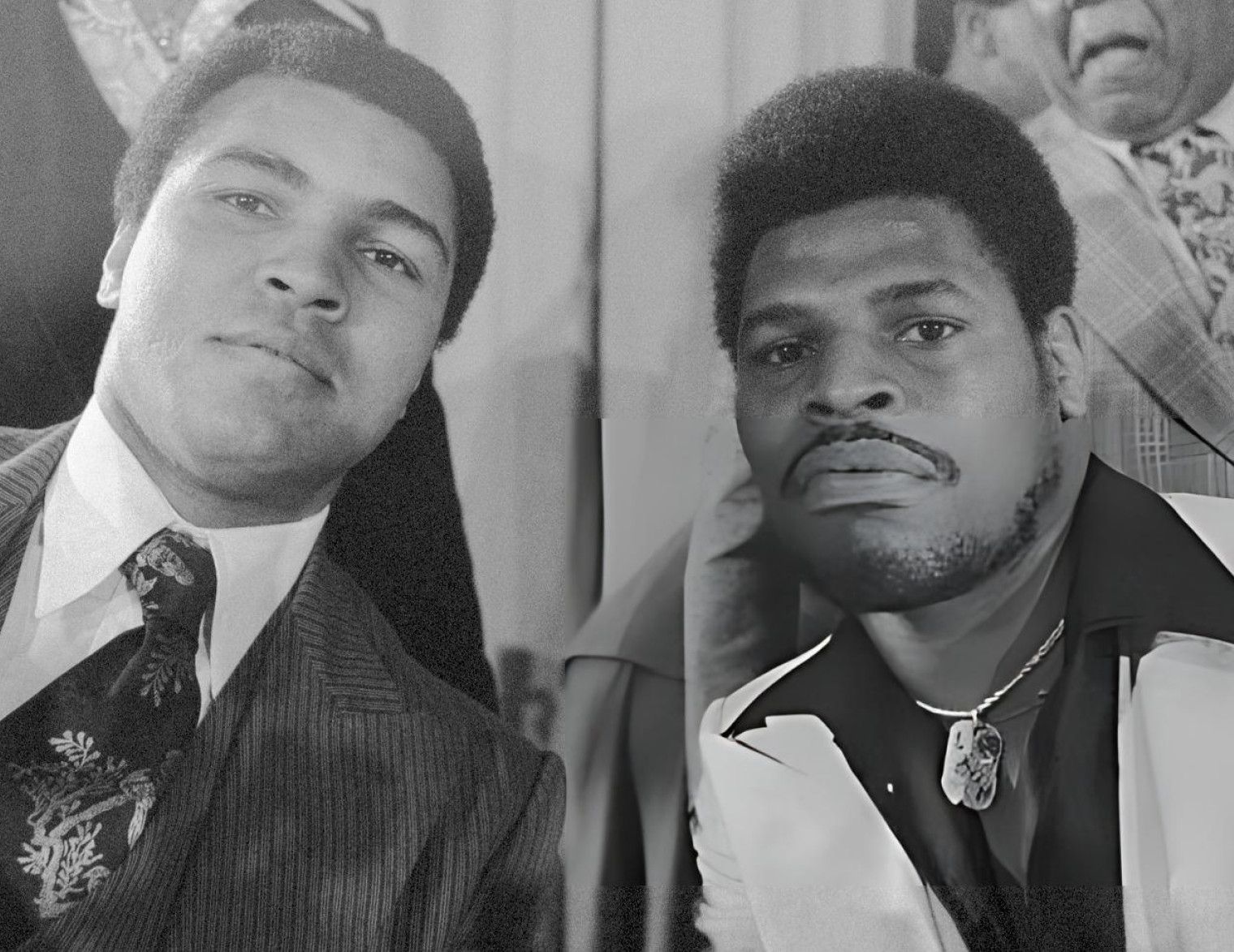
Leon Spinks vs. Muhammad Ali II - 2 billion

Image: United Press International, Public domain, via Wikimedia Commons

In 1978, the country was going through a rough patch, with President Carter navigating a shaky economy and gas prices creeping upward. Boxing fans, though, had their eyes fixed on New Orleans.

Seven months earlier, a young Leon Spinks had stunned the world by taking Muhammad Ali’s heavyweight crown in a split decision. On September 15, the two met again inside the Louisiana Superdome, where 63,350 fans packed in to watch a rematch live, the largest indoor crowd ever for a boxing match at the time. Ali fought a smarter, more controlled fight and reclaimed his title by unanimous decision, becoming the first three-time heavyweight champion in history. Around 90 million Americans watched on ABC, and roughly two billion people across some 80 countries followed the Battle of New Orleans as it happened.

Culture Culture 4 min read

Towns and counties with shared names

One country, a map full of the same names. Here’s how that happened

Image: Mackenzie Cruz

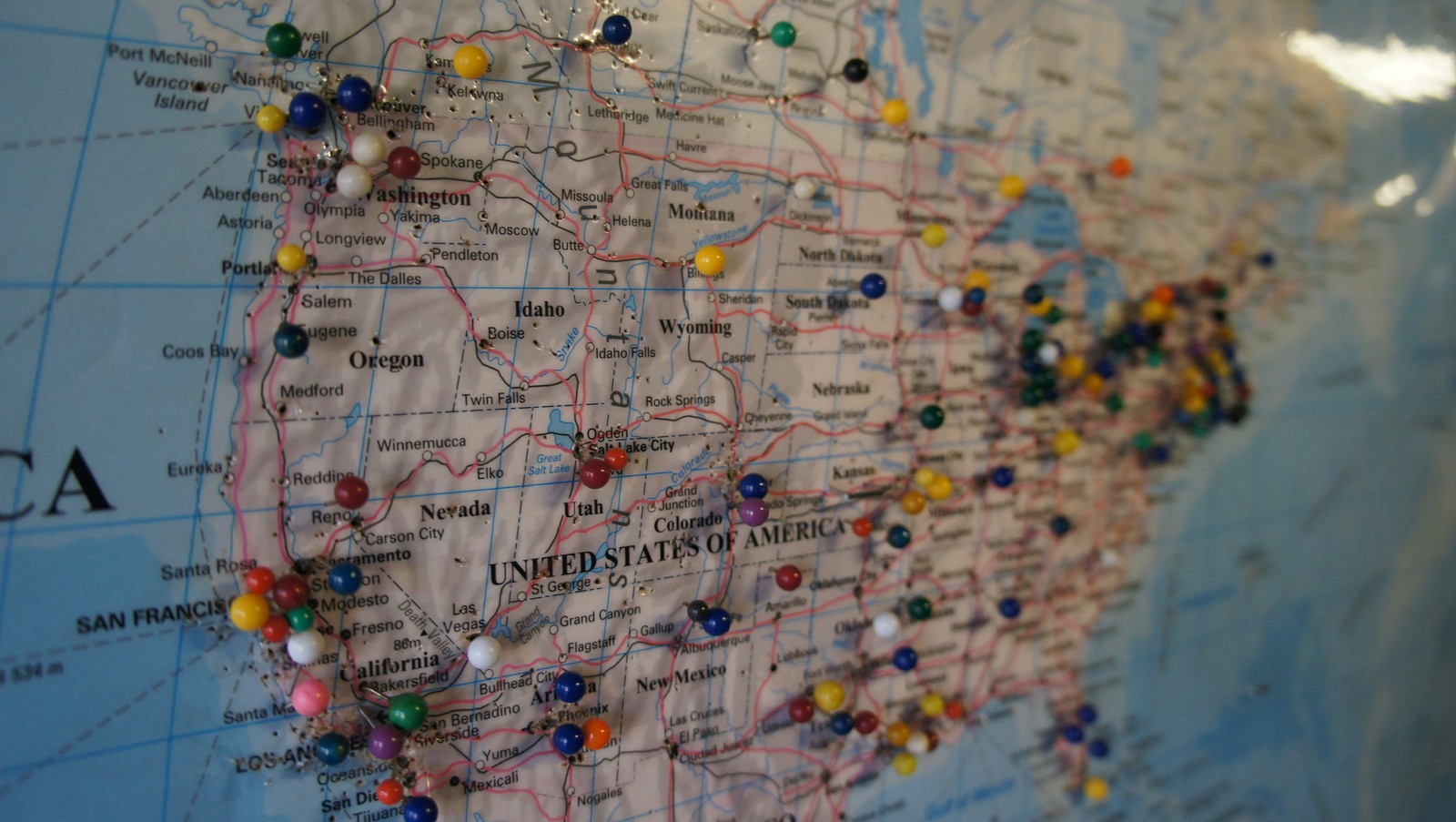
Look at a map of the United States and one thing quickly stands out: many towns as well as counties share the same names. Washington, Springfield, Franklin, and others appear dozens of times across the country. Some were named to honor famous leaders, others to attract settlers or echo places from Europe. The reasons behind these repeated names tell an unexpected story about how America grew.

1
Washington

Image: Niko Vassios

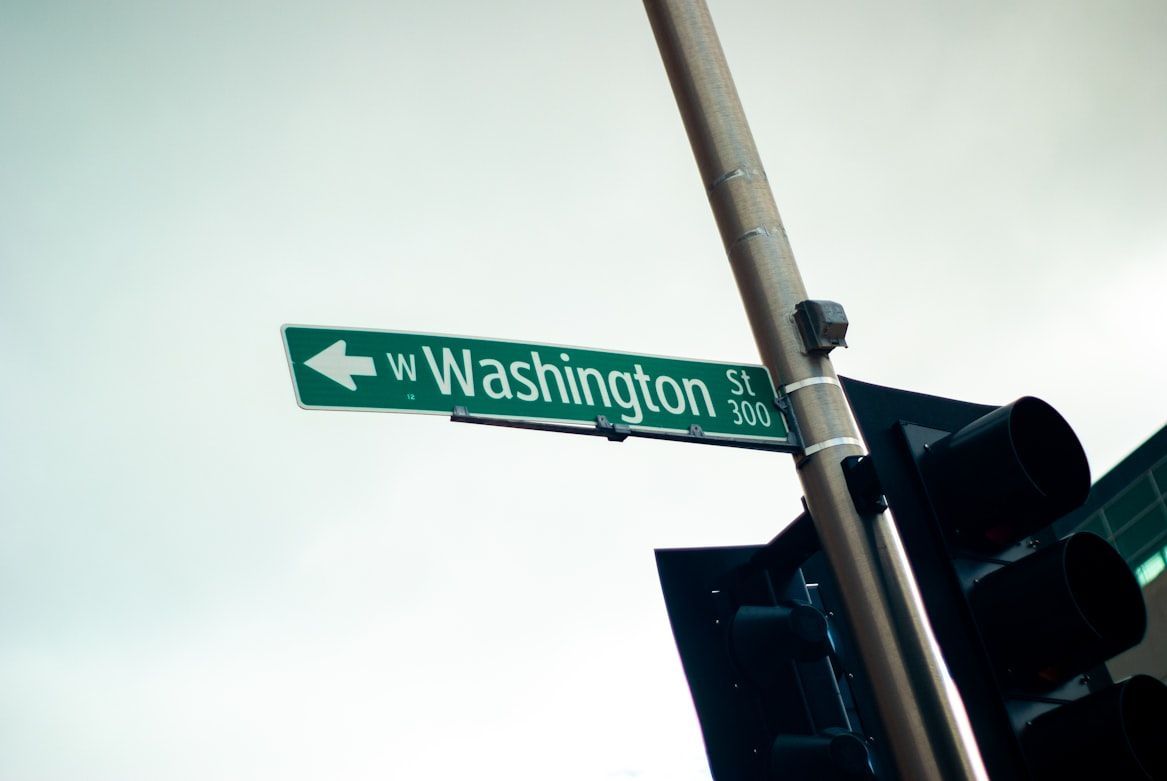
Washington is one of the most repeated names on the American map. It is said, though, that Pennsylvania was the only state to name its city, in its foundation in 1768, while George Washington was still alive, turning it into an early patriotic tribute. Truth is, from Washington, Missouri, to Washington, Utah, the name appears so often on the map — but travelers sometimes forget it refers to far more than just the capital.

2
Springfield

Image: Steve Shook

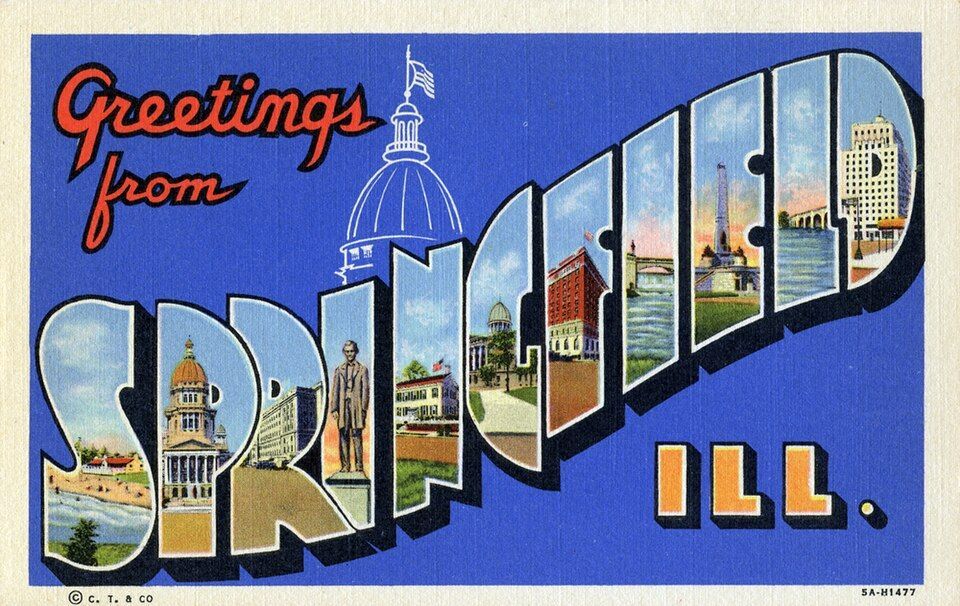
Springfield has dozens of cities, towns, and villages sharing the name. But the first Springfield was settled by William Pynthon in Massachusetts in 1636, after England’s Springfield. This city became a major industrial center after the first president, George Washington, created the Springfield Armory, which, during the Industrial Revolution, helped the city grow into a global leader in manufacturing.

Fun fact: Matt Groening, the creator of The Simpsons , chose the name Springfield as the setting for the long-running animated series because so many towns share it, making it easy for viewers to imagine the show takes place in their own hometown. How many Springfields can you think of?

3
Madison

Image: Thomas R Machnitzki

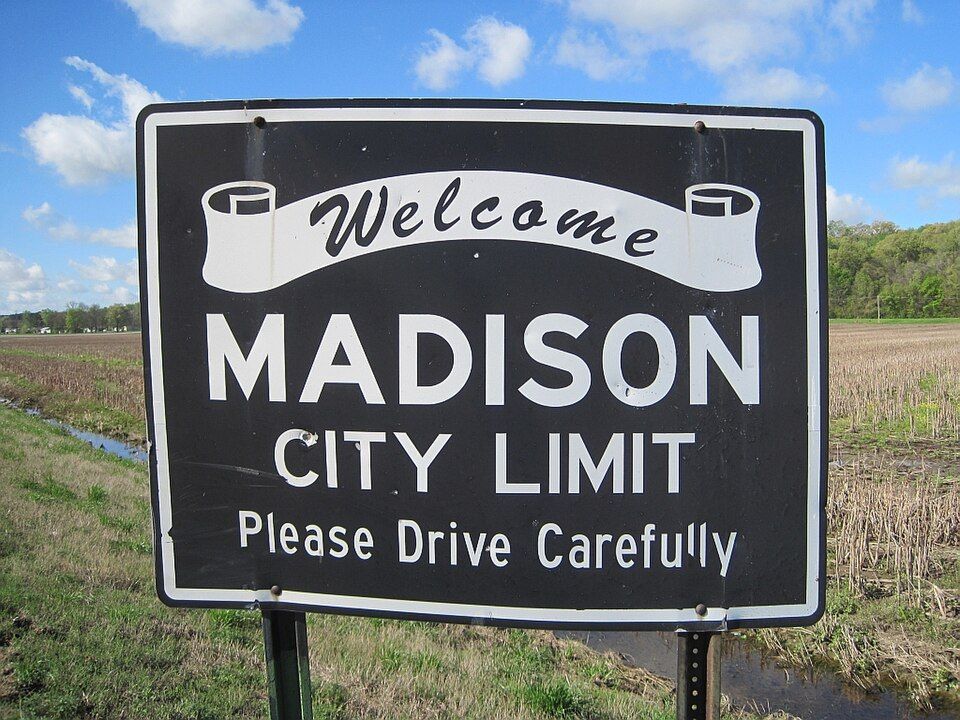
This list wouldn’t be complete without a mention of James Madison, often called "The Father of the Constitution," because the country is filled with places named after him, including a prominent college town in Wisconsin. As the nickname hints, James Madison was not only our fourth president, but also a key figure in the drafting of the US Constitution and the Bill of Rights.

4
Franklin

Image: Harrison Keely

During the 18th and 19th centuries, naming a town after Franklin was a sign of admiration for the intellect, civic values, and contributions of Benjamin Franklin, one of the nation’s most influential men. Nowadays, towns and cities across the country are named after him, including a well-known city in Tennessee. It’s easy to see why: he helped draft the Declaration of Independence, charmed the French into supporting the Revolution, and built the nation's first postal service.

5
Greenville

Image: Brad Shortridge

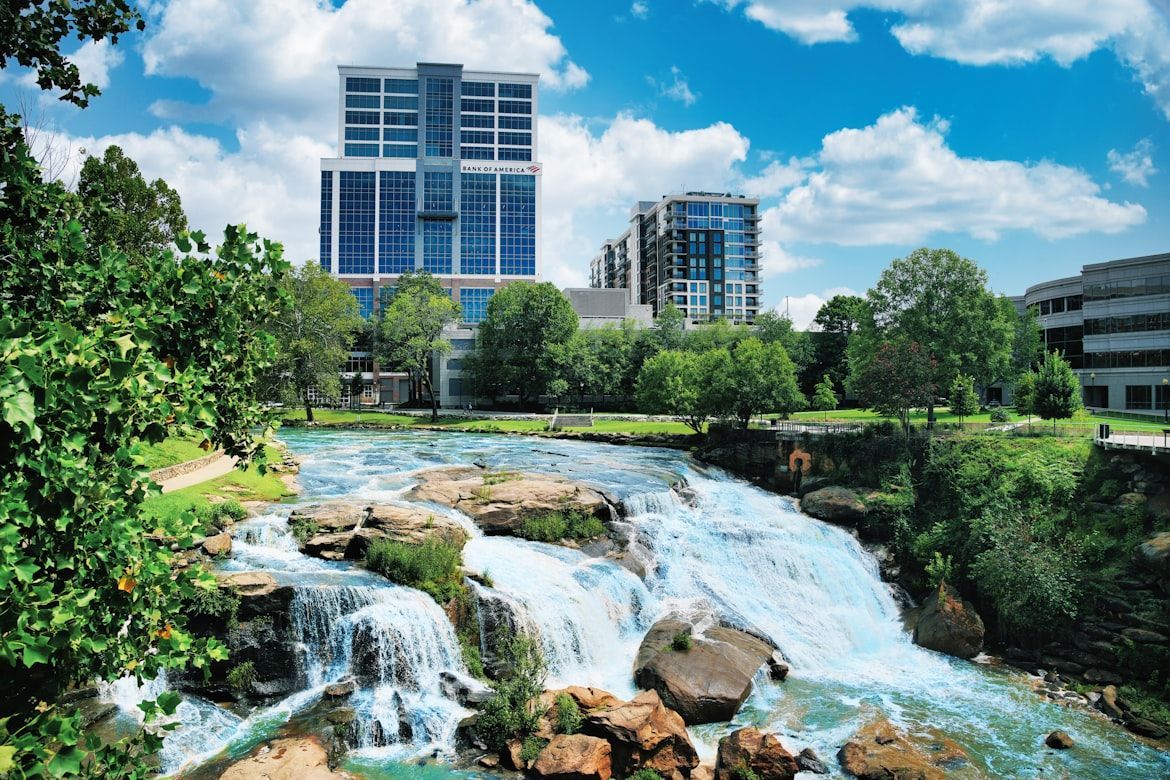
This one is clearly not named after a historical figure. Greenville is used for countless cities and towns across the United States to describe the fertile soil, river valleys, forests, and rolling hills — an advertising strategy at a time when settlers were founding communities and working the land.

6
Bristol

Image: Boston Public Library

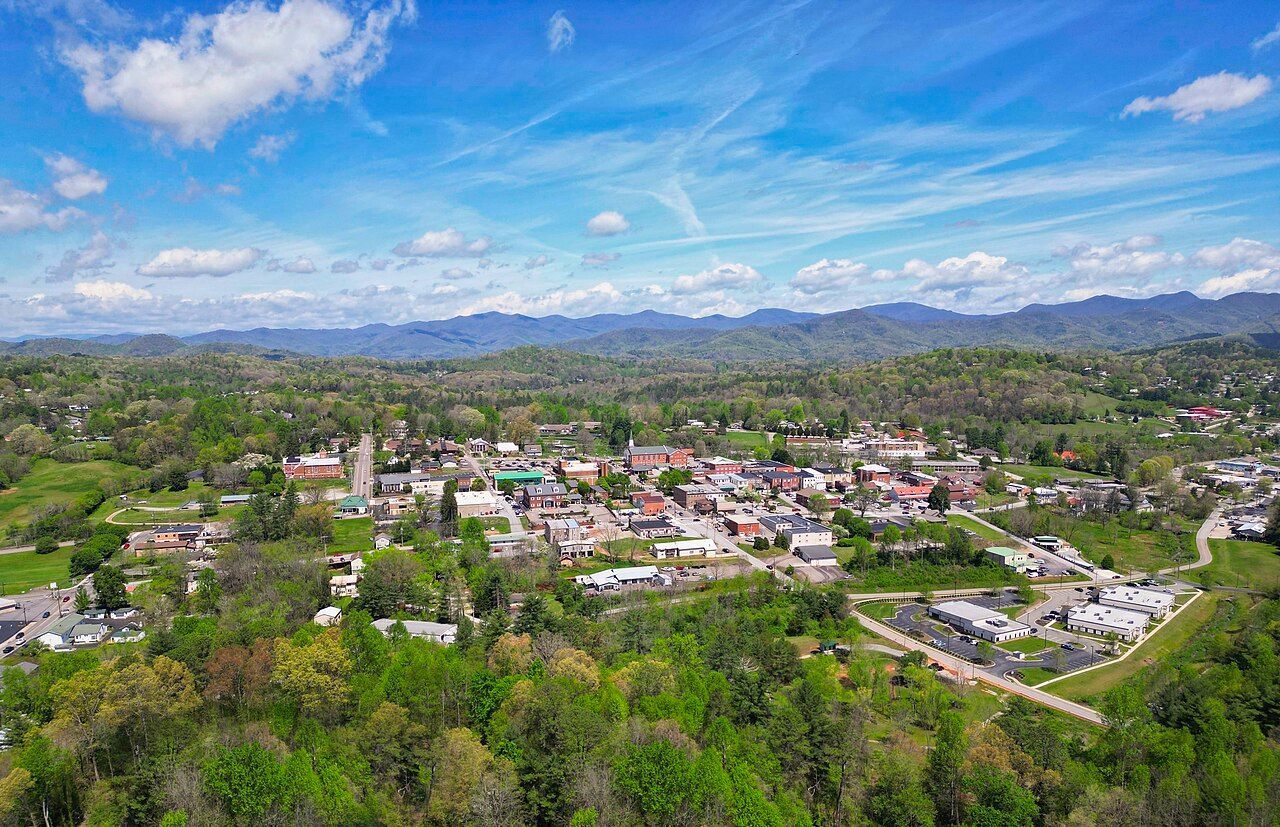
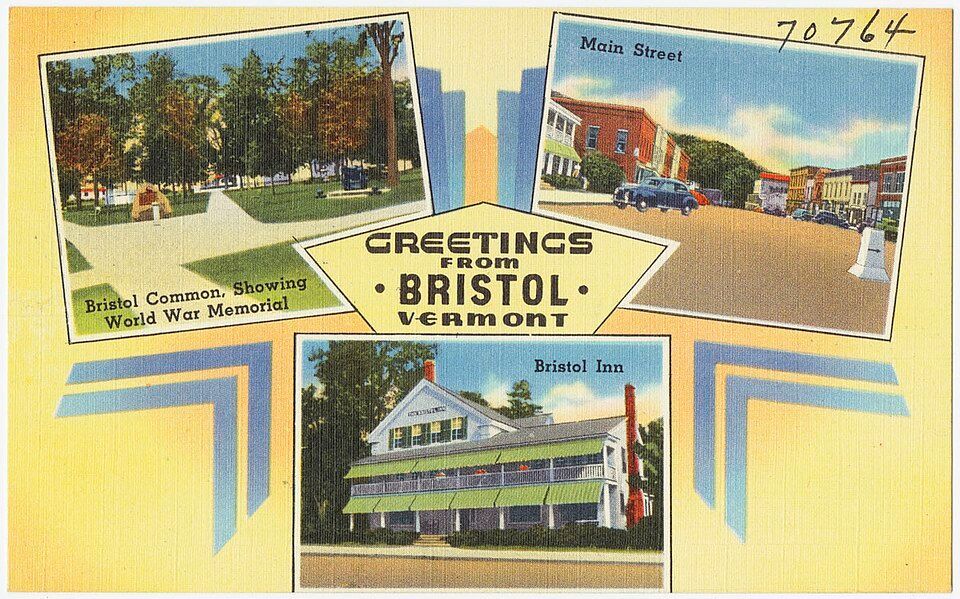
A surprising number of cities and towns are called Bristol. There is Bristol, Virginia, Bristol, Connecticut, and Bristol, Tennessee, among others. That is because during the colonial era, English settlers established new communities using the names from prosperous English towns and cities.

Bristol, Tennessee, holds a special mention because it is said to be the place where country music was born. Around 1927, the Bristol Sessions were one of the triggers for the genre to take off nationally when record producer Ralph Peer set up a temporary studio in Bristol to record local musicians. These sessions introduced artists like Jimmie Rodgers and The Carter Family to a national audience and helped define the sound of early country music, blending folk and Appalachian roots.

7
Clinton

Image: Stephen Crane

A good number of towns and counties were named Clinton across the country after DeWitt Clinton became a US senator and governor of New York in the early 1800s. He was the driving force behind the Erie Canal project, a major infrastructure initiative that improved domestic trade and accelerated westward expansion, transforming New York into an economic hub.

8
Fairview

Image: Jay Heike

How many people do you know living in Fairview? This name is, like Greenvillis, one of the descriptive rather than commemorative monikers. "Fair view" connotes beautiful scenery, open farmland, and nearby waterways. It seemed the advertising strategy worked, and many new settlers adopted the name, spreading Fairviews all across the country.

9
Salem

Image: Steve Shook

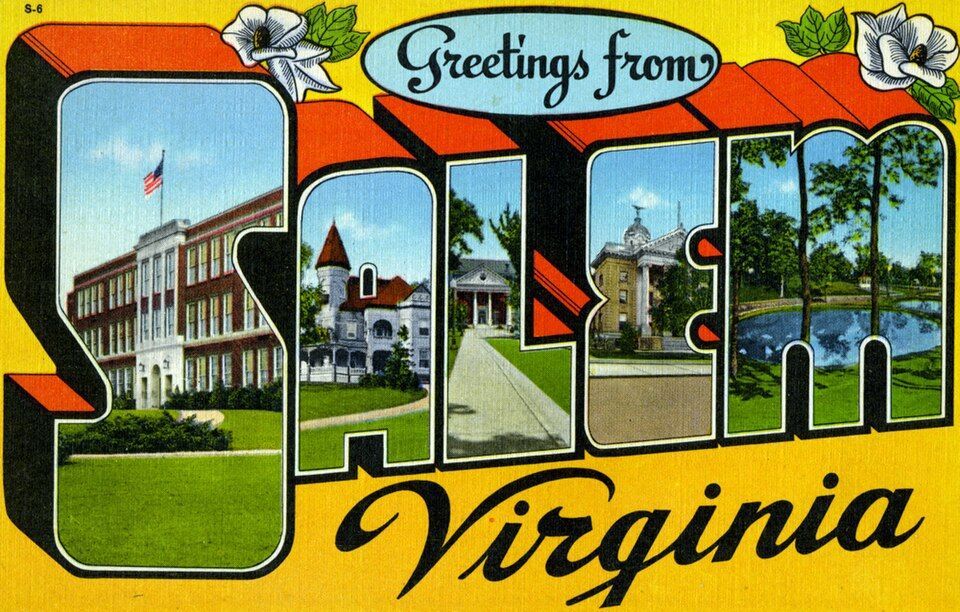
Salem is a widely used name for towns and cities across the United States. Salem, Massachusetts, was the first settlement to bear this name, founded in 1626. While it became one of the most important seaports in early American history, today, the oldest Salem in the U.S.is almost always associated with the notorious Salem witch trials. In 1692, 19 people were tragically executed by hanging, and one man was pressed to death after being accused of witchcraft.

However, the name "Salem" appears in many towns across the country. As settlers moved west, they often reused familiar names when creating new communities. That’s why you can find multiple towns called Salem from coast to coast.

10
Georgetown

Image: Field Museum of Natural History

Nearly 300 years later, historians still debate where the name Georgetown came from. Today, the best-known Georgetown is a neighborhood in Washington, D.C., but it began in 1751 as a town in colonial Maryland, before Washington existed. Some say it was named for King George II; others credit two early landowners, George Gordon and George Beall. Either way, the name carried prestige and later spread across the country. Somewhere, there are probably three Georges still arguing about it.

Explore more American facts

Choose your favorite category!

General
General

As American as apple pie—the very best America has to offer!

Culture
Culture

Delve into the astounding richness of American lore.

Geography
Geography

Hop in and explore vast and diverse American landscapes.

History
History

Discover the key moments that shaped the United States.