Geography Geography 5 min read

Weird American geography

Travel through the 10 strangest town names in the US!
Image: Leah Newhouse

The name of a town or a city often reflects its proud history. For instance, the city of Houston pays homage to Sam Houston, the first President of the Republic of Texas. In that sense, one can’t help but wonder what stories towns like Money, Mississippi, or Friendship, Maine, hide behind their unusual names. With that in mind, get ready to go on a wacky road trip with our selection of 10 of the most unusual names of American towns and cities. Enjoy!

1
Accident, Maryland

Image: Chiara Guercio

We’ll begin this article by quoting the great Bob Ross: "We don’t make mistakes; we make happy accidents". In that sense, a certain small town located in Garrett County, Maryland, is a living testament to the wonderful nature of accidents: Certainly, the town of Accident could use this Bob Ross quote as a town motto.

Nobody really knows where this unusual name comes from, but a popular theory states that when two men were conducting separate surveys in the area, one of them claimed land owned by the other "by accident". While we might never be sure if this story is true or not, people from Accident (or, as they like to be called, "Accidentals") definitively take pride in their weirdly named town.

2
Boring, Oregon

Image: charlesdeluvio

At first glance, the town of Boring, Oregon, seems to encapsulate the slow living of many American towns. While many disgruntled teenagers might call this peaceful lifestyle boring, we choose to consider it "peaceful". In any case, the name of this unincorporated community comes from a rather flashy geographical feature: a lava field.

If this unusual name makes you feel sorry about this town, don’t be: It has found a rather extraordinary group of sister cities. Boring, Oregon, is a proud member of a group known as "Trinity of Tedium", which includes the village of Dull, Scotland, as well as Bland, Australia.

3
Cucumber, West Virginia
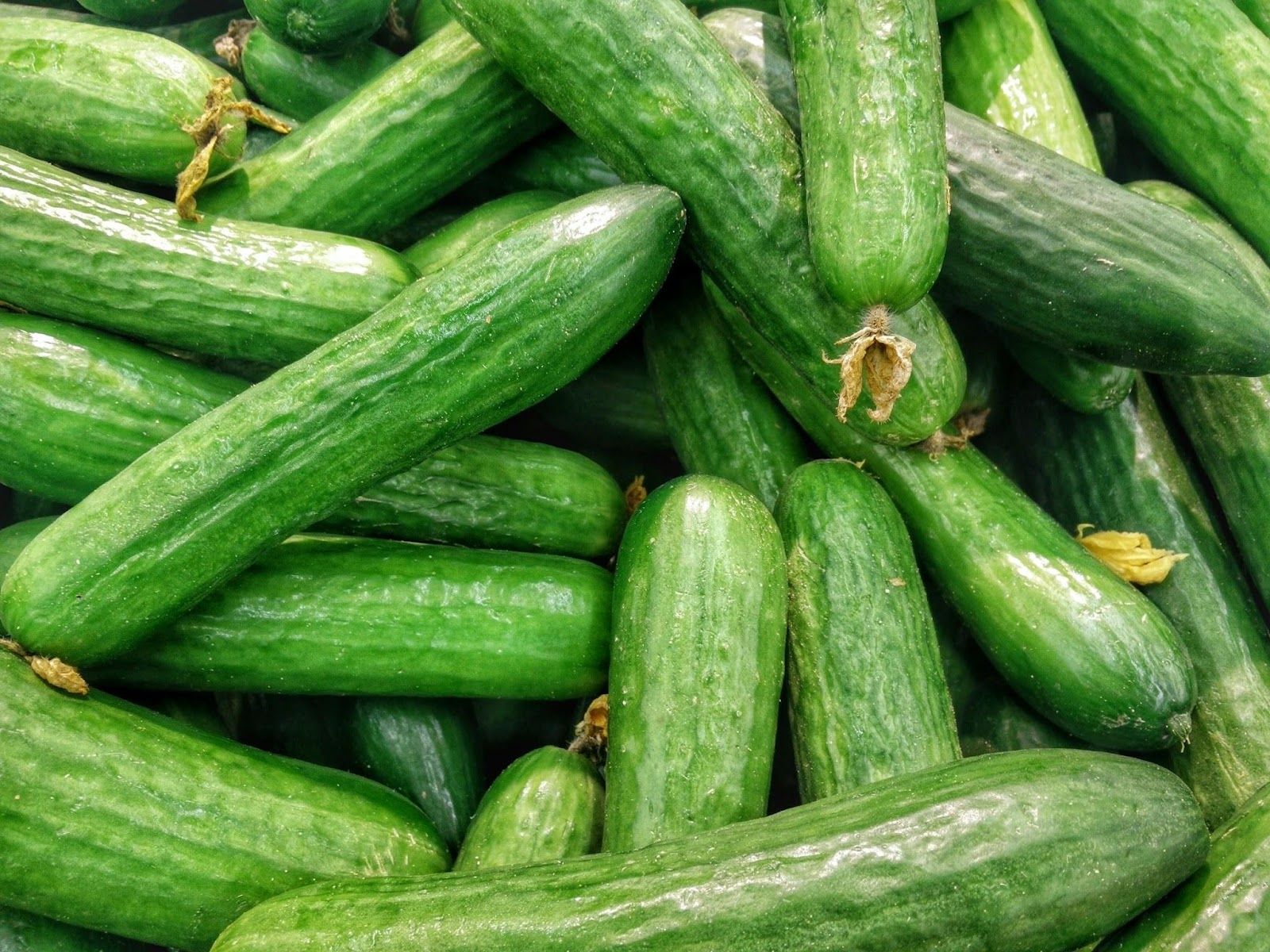
Image: Harshal S. Hirve

The cucumber is definitively the star of many delicious salads. This versatile vegetable provides a fresh and unique taste to any dish. You would think that all the 74 residents of Cucumber, West Virginia, are big fans of this green delicacy, but in fact, the naming of this town seems to be in reference to entirely different reasons.

This mining-centered community was named after either Cucumber Creek, which is in the town’s proximity, or after the abundant cucumber trees in the area (which sadly don’t produce the green vegetables we know and love).

4
Mexican Hat, Utah
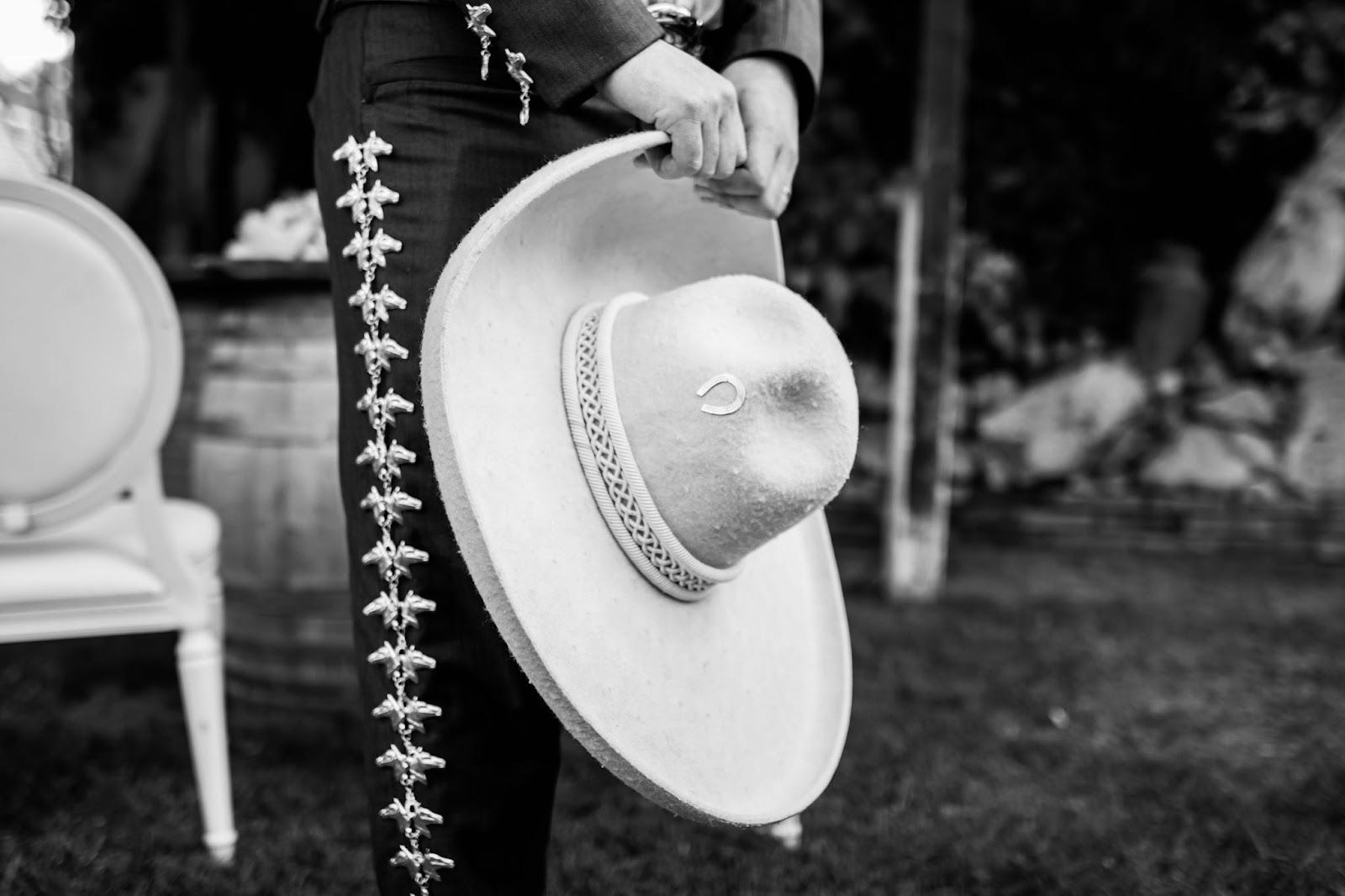
Image: Melanie Rosillo Galvan

With a population of only 31, the town of Mexican Hat in Utah is named after a peculiarly shaped landmark. A strange rock overlooks the northeast side of town, shaped just like an upside-down sombrero . This rock has 2 different climbing routes that ascend it, in case you want to take a trip and see this hat-shaped landmark in all its magnificence.

Mexican Hat was founded in 1908 by E.L. Goodridge, a man seeking oil in the area. While his efforts were unsuccessful, this settlement would eventually result in one of the most oddly named towns in America.

5
Chicken, Alaska

Image: Stephen Mierendorf

There’s no denying that America loves chicken: After all, we are the country that consumes the most chicken in the world. In that sense, it stands to reason that one of our many towns chose to celebrate our favorite domesticated bird. However, the history behind the naming of Chicken, Alaska, actually tells a different story.

This town was settled in the 19th century by gold miners rushing to Alaska during this state’s gold rush. When, in 1902, the site established a post office, it required a community name, and the settlers decided to name the newly-formed town after a type of game bird called ptarmigan. However, since no one was able to spell "ptarmigan" correctly, they ultimately settled on the much more spellable "Chicken".

6
Hot Coffee, Mississippi

Image: Alex Padurariu

Don’t you agree that thanking coffee for everything it does for us should be enough reason for this homage? The small community of Hot Coffee, Mississippi, pays a warm tribute to that miraculous drink that helps millions start their day right.

The community was established in the 19th century, located at the crossroads between two major travel routes. Logically, an inn was built to house weary travelers. A local man called L.J. Davis built a store and hung a sign designed to attract out-of-town customers that simply read: "the best hot coffee around". Davis’ store became a local landmark, and his excellent coffee soon became such a staple that it would eventually become the town’s name.

7
Truth or Consequences, New Mexico

Image: Photography Maghradze PH

On a certain day in March 1950, the city of Hot Springs, New Mexico, heard a weird yet exciting pitch on the radio: Ralph Edwards, the host of the popular NBC show "Truth or Consequences" , announced that he would broadcast a 10-year anniversary show from the first American town that chose to rename itself after the show.

By the end of that month, Hot Springs had collectively chosen to change its name, renaming itself "Truth or Consequence". Edwards not only held his end of the bargain, broadcasting the special show from the town, but also remained a lifelong friend of this city. He visited the town during the first weekend of May for the next 50 years, in an event that turned into a local Fiesta still celebrated today.

8
Nothing, Arizona

Image: Marta Nogueira

We get it: Naming a town must be difficult. Having said that, we think the founders of this now-abandoned town probably just winged it. Nothing, Arizona, was founded in the late 70s as an extremely small settlement: At its height, it had a population of 4.

While small and only comprising a small convenience store and a gas station, Nothing quickly became a popular tourist attraction. The town sign famously included the following phrase: "Thru-the-years-these dedicated people had faith in Nothing, hoped for Nothing, worked at Nothing, for Nothing."

9
No Name, Colorado
Image: Valentin Antonucci

Apparently, the name "placeholder" was already taken when it came time to name this small Colorado town. Located in Garfield County, No Name has a population of 117. Contrary to popular belief, this town’s name is not a result of a lack of creativity but rather a reference to the No Name Creek and the No Name Canyon, which are nearby. And in fact, both the town and these landmarks pay homage to an event in Colorado’s history.

In 1869, John Wesley Powell set out on an expedition to map out the Colorado River. Powell’s expedition included several boats, which featured names like "Emma Dean" and "Maid of the Canyon". Among them was the "No-Name", a boat that proved that even the most inconspicuous names can leave a huge mark.

10
Friendship, Maine
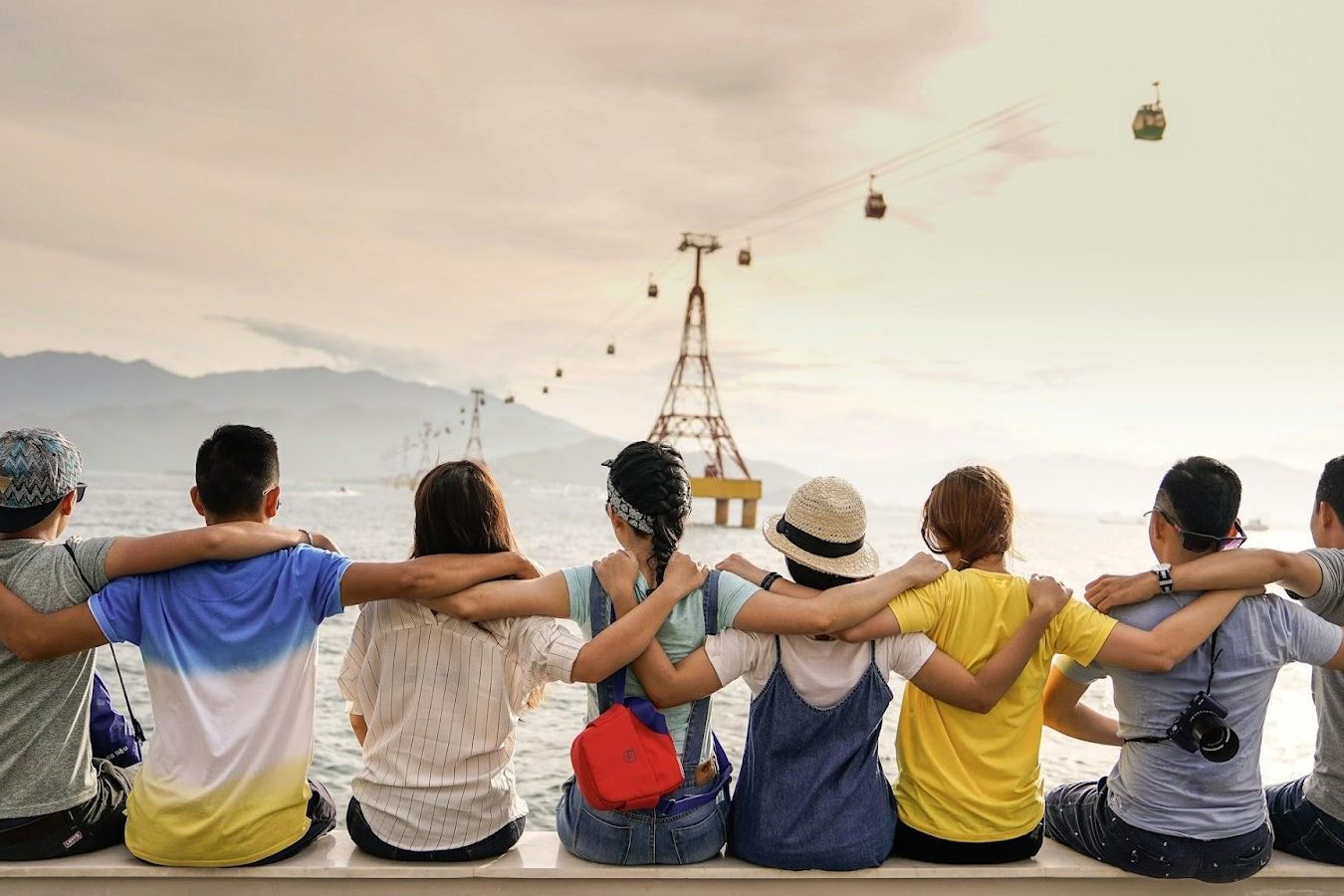
Image: Duy Pham

What’s life without friends? If there’s someone that can attest to that it’s the residents of Friendship, Maine . After all, they decided to name their town after one of the most important things in life.

You might be familiar with Friendship from the many examples of popular culture that feature this town. For instance, the 1995 film "Casper" takes place entirely in Friendship (which seems only fitting, since Casper is known as "the friendly ghost"). Also, many American authors have written about the town in their stories. Most notably, the short story "The Run of Yourself" by Richard Ford is set in Friendship.

Geography Geography 5 min read

America’s Mainstreet

Drive across America with these 10 facts about Route 66!

Image: Vicky McLain

Is there a more famous highway than Route 66? Probably not. Show anyone the iconic "Route 66" sign, and they'll instantly think of this American staple. From its rich history to the beautiful landscapes it traverses, Route 66 is undeniably the quintessential American road. With that in mind, we have decided to pay homage to it by highlighting 10 fun and interesting facts about Route 66. Ready to hit the road? Then keep reading and enjoy!

1
History

Image: Christian Linnemann

Let’s start from the very beginning: in 1926, almost 100 years ago, Route 66 was established, covering a total of 2,448 miles. It was one of the original highways built under the then-new Numbered Highway System (also known as the "Federal Highways").

The route famously started in Chicago, Illinois, and stretched all the way to Santa Monica, California, passing through Missouri, Kansas, Oklahoma, Texas, New Mexico, and Arizona. At the time, Route 66 proved to be a quick and easy way to get to the western part of the country, which logically led to an increase in its popularity.

2
Landmarks

Image: Mick Haupt

If you find yourself driving along the 2,448 miles that make up Route 66, you’ll certainly come across a fair share of outstanding landmarks, including American icons like the St. Louis Gateway Arch or the Santa Monica Pier. Not only that, you might want to explore some natural wonders, such as a 50,000-year-old meteor crater located in the heart of Arizona.

However, if you're more interested in landmarks focused on unusual or outlandish topics, there are plenty of roadside attractions worth visiting . For instance, you might want to stop for a few hours in San Bernardino, California, to visit the original McDonald’s location, now turned into a museum.

3
One end of the road…

Image: Arnaud STECKLE

As we mentioned before, Route 66 is too long for us to include every single state it crosses in this article. However, we still felt the need to pay a small tribute to the two ends that "America’s Main Street" was built to connect. With that in mind, let’s start with Chicago, the easternmost point of Route 66.

Originally, Route 66 was commissioned as a quicker way to get from Chicago to Los Angeles in response to the large increase in car ownership that occurred in the 1920s. Route 66 shortened the distance between these two cities by 200 miles, providing an easy-to-follow route for millions of Americans.

4
…followed by the other end.

Image: Rocio Abrego

According to a popular saying, "All good things must come to an end," and the gorgeous west end of Route 66 is a living testament to this phrase. The "City of Angels" truly doesn’t need an introduction. In that sense, can you think of a more welcoming image than the warm California sun greeting drivers at the final stop of Route 66?

Interestingly, nowadays Route 66 ends in the equally gorgeous city of Santa Monica, located in Los Angeles County. In any case, the way the U.S. Route 66 Highway Association described the highway during its construction still holds true, and Route 66 can still be described as the "most scenic route from Chicago through St. Louis to Los Angeles ."

5
The "Father of Route 66"

Image: John Benitez

Nowadays, a route connecting Illinois and California seems almost logical, but at the time, it took the efforts of a visionary group of entrepreneurs to plan the construction of Route 66. Among them, one individual stands out, known to history as " The Father of Route 66 ": an Oklahoma businessman named Cyrus Avery.

A resident of Tulsa, Oklahoma, Avery was truly a jack of all trades. Originally a school teacher, he went on to become a businessman, an insurance agent, and an oilman after founding the Avery Oil & Gas Company in 1904. In the 1920s, Avery was a member of the federal board appointed to create the Federal Highway System, where he rallied for the establishment of what we now know as Route 66.

6
Feel like walking?

Image: Capstone Events

Who said that only cars can enjoy Route 66? Certainly not Charles C. Pyle, a Route 66 Association member who, in 1928, launched an innovative campaign to promote the new highway: a foot race from Los Angeles to New York City.

With a distance of 3,400 miles, this gargantuan race had a suitably large prize: $25,000, which today would be just under $400,000. Nearly 300 racers crossed America, passing through Route 66 and several checkpoints along the highway. Ultimately, the race was won by a Cherokee citizen named Andy Payne, who finished the race in 573 hours.

7
Culture inspired by Route 66

Image: Jonathan Gong

It seems only logical that such an iconic route has inspired a plethora of songs, books, and paintings. Let’s take a moment to pay homage to some masterworks of American culture that celebrate everything Route 66 has to offer. Celebrated authors like John Steinbeck and Jack Kerouac have set their novels on the highway, with Steinbeck nicknaming Route 66 "the Mother Road."

Perhaps most famously, songwriter Bobby Troup wrote the song "(Get Your Kicks on) Route 66" while traveling on the highway on a road trip across America. The song became a smash hit in 1946 after it was recorded by the Nat King Cole Trio, and it was subsequently covered by music legends like The Rolling Stones, Chuck Berry, and Bing Crosby.

8
Decommission

Image: Alejandro Luengo

In the 1950s, President Eisenhower sought to upgrade America’s highway system into a more modern network, comprising several new routes that connected all 50 states. In 1956, Eisenhower signed the Federal Interstate Act, unknowingly initiating a series of steps that would eventually lead to the end of Route 66 .

After several decades, Route 66 was officially decommissioned in 1985. However, that doesn’t mean you can’t travel through most of it. Nearly 85% of the original highway is still drivable, with many signs marking where the original route once stood.

9
Route 66 State Park

Image: Federico Lancellotti

As we mentioned before, there are plenty of spectacular landscapes to explore along Route 66 if you’re a fan of nature. With that in mind, did you know there’s a state park in Missouri named after Route 66?

Route 66 State Park is located at the site of the former town of Times Beach, Missouri, along the Meramec River. In addition to offering beautiful views and hiking trails, visitors might also enjoy seeing the old Route 66 bridge, which is currently undergoing restoration.

10
The music of the road

Image: Miguel Alcântara

We’ll end this article with a Route 66 fact you might not know. Route 66 has inspired many iconic songs, but did you know that a small part of Route 66 actually plays music on its own?

To encourage drivers to stick to the 45-mile-per-hour speed limit, the New Mexico Department of Transportation came up with a rather ingenious idea: by placing rumble strips at strategic points, cars driving under the speed limit will play " America the Beautiful "!

Culture Culture 4 min read

Where did RadioShack go?

From Blockbuster to Pan Am: Remember these 10 giants no longer around?

Image: Sean Benesh

It can be hard to imagine a giant falling, but it happens more often than we might think. Huge companies with thousands of employees, stores across the world, and solid reputations file for bankruptcy every year—some with a loud bang, while others fade away quietly after a long decline. You will likely recognize the following ten names. These companies were once everywhere, only to one day vanish into thin air. Some are gone for good, some were absorbed by other corporate giants, and some still exist but only as a tiny fraction of what they used to be. Do you miss any of these brands?

1
Pan Am

Image: Rob Wilson

If a single name were to represent the airline industry in the 20th century, it would most likely be Pan Am. Founded as Pan American Airways in 1927, the company became an American icon , known for its many airline innovations , its distinctive blue logo, and the crisp white uniforms of its staff.

However, when the airline industry was deregulated in 1978, increased competition set the stage for Pan Am’s downfall. The company declined throughout the 1980s and ultimately declared bankruptcy in 1991.

2
Borders

Image: Araix Rand

Its huge stores were havens for book lovers, who could spend hours wandering its aisles, browsing and perusing its vast catalog of books , magazines , CDs , and more. But, alas, none of these stores had been profitable since the mid-2000s.

In 2011, after the company filed for bankruptcy, every single store was closed. Its trademarks were later purchased by its prominent rival, Barnes & Noble.

3
Circuit City

Image: Austin Distel

Starting its life as Wards Company in 1948, Circuit City became one of America’s most recognizable brands in the consumer electronics retail business . However, the turn of the century brought significant changes and financial difficulties, ultimately leading the company to file for bankruptcy in 2008.

4
Tower Records

Image: Lucía Garó

In a similar vein to Borders, Tower Records was a haven for music lovers who enjoyed the vast selection of music available in its stores. And, much like Borders, music stores have largely gone the way of the dodo.

Managerial blunders and the rise of internet piracy contributed to the company filing for bankruptcy twice—first in 2004 and again in 2006. Its assets were sold at auction to Great American Group, and the last store closed in December 2006.

5
Trans World Airlines (TWA)

Image: Ross Parmly

Pan Am was not the only major airline to disappear. The once-powerful TWA met the same fate, operating from 1930 until it was acquired by American Airlines in 2001 . It was once one of the "Big Four" domestic airlines in the United States, alongside United, Eastern, and the aforementioned American.

6
Blockbuster

Image: Bruno Guerrero

Another demise that hit hard for loyal customers was Blockbuster. While the VHS rental behemoth dominated the market throughout the ’90s and early 2000s —with over 9,000 stores and 84,000 employees—the lethal combination of the internet and piracy proved too much to withstand. As a result, the company gradually closed nearly all its stores, leaving only one remaining today in Bend, Oregon.

7
Amoco

Image: Markus Spiske

The first name on this list to disappear not due to financial difficulties but because of a merger, Amoco was a giant in the oil and gas industry. Founded in 1910, it became the largest natural gas producer in North America by the late ’90s .

In 1998, it merged with British Petroleum in a $61 billion deal. Existing service stations were rebranded under the BP name, and the Amoco brand gradually faded from view.

8
Compaq

Image: ThisisEngineering

In the ’90s, Compaq was a major player in the computer industry and, at one point, the largest supplier of PC systems in the US . However, as the century came to an end, lower-cost competitors like Dell began attracting consumers and chipping away at Compaq’s market share. In 2002, the company merged with Hewlett-Packard, and the Compaq name gradually faded away.

9
Woolworths

Image: Kay Enn

The original five-and-dime store, Woolworths, was a pioneer in the retail industry in the late 1800s . It managed to survive—and even thrive—through most of the 20th century, but by 1989, it had entered a steady decline.

Following a 1993 restructuring that led to the closure of half its 800 stores, the rest gradually shut down. While the Woolworths retail brand and name have disappeared, the company rebranded as the Venator Group in 2001 and shifted its focus to its footwear division. Today, you might know it as Foot Locker.

10
Howard Johnson’s

Image: Francesca Saraco

The last name on our list is a familiar one, especially to travelers. The iconic Howard Johnson’s began as a single ice cream stand outside Boston, Mass., before expanding to over 1,000 restaurants. In the 1950s, the chain introduced motor lodges at nearly 300 of its locations.

Howard Johnson’s was sold to Marriott in the 1980s, and most of its restaurants gradually shut down. The last remaining location, in Lake George, N.Y., closed its doors in 2017.

Explore more American facts

Choose your favorite category!

General
General

As American as apple pie—the very best America has to offer!

Culture
Culture

Delve into the astounding richness of American lore.

Geography
Geography

Hop in and explore vast and diverse American landscapes.

History
History

Discover the key moments that shaped the United States.