Culture Culture 4 min read

Did you know?

What does "R2-D2" mean? Surprising facts about movies we've all seen
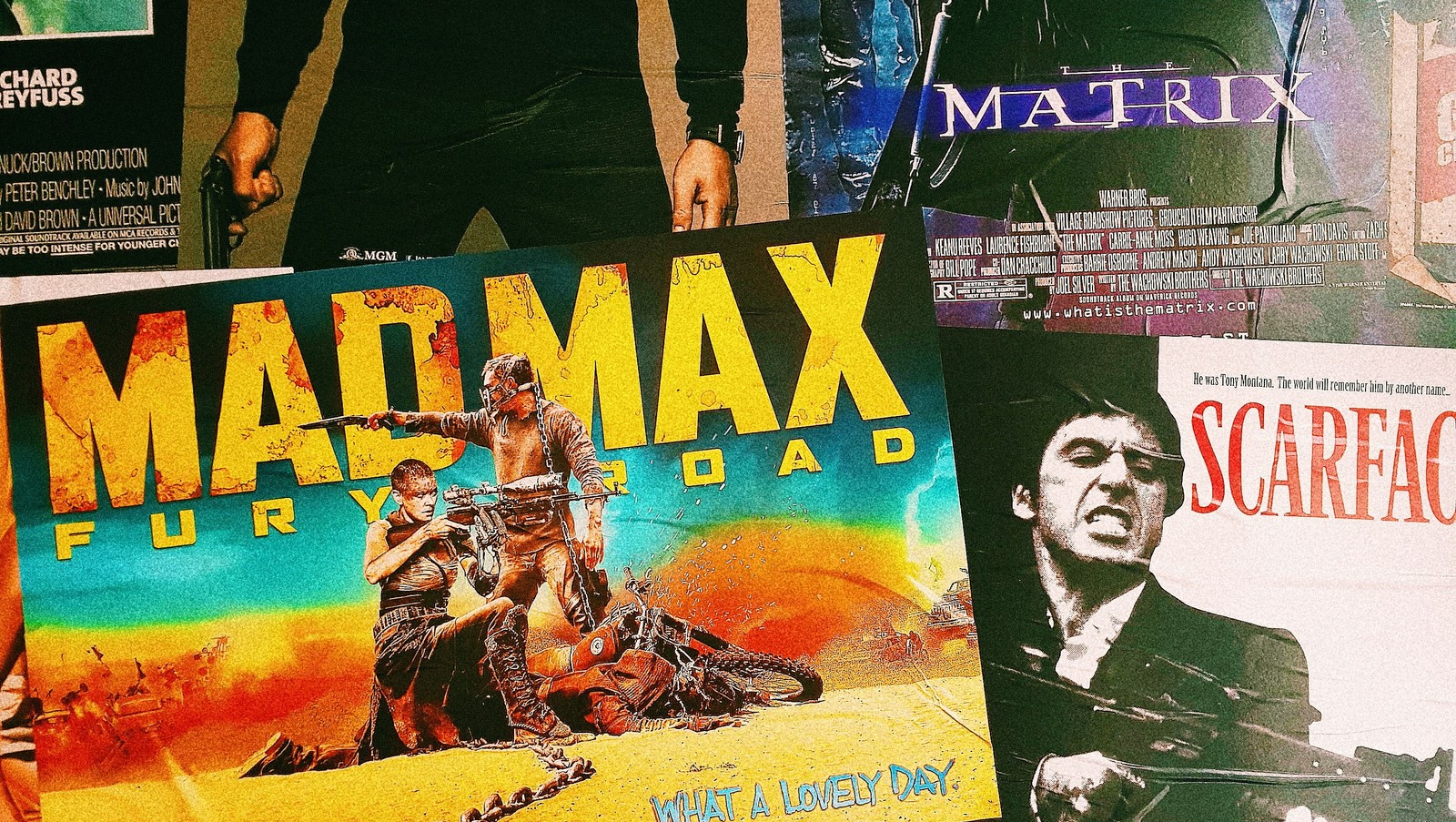
Image: Samuel Regan-Asante

What did Martin Scorsese first think about Scarface ? What does R2-D2 mean, exactly? And what type of toy was Woody the Sheriff supposed to be, at first? The answers to these questions are some lesser-known stories behind some of Hollywood’s most memorable titles. Read on to learn a tale or two about movies we’ve all watched.

1
X-Men (2000)

Image: Alex Green

Remember the scene when Magneto and Professor X play a tense, symbolic game of chess? Well, the actors certainly do. Here’s why: Neither Patrick Stewart nor Ian McKellen knew how to play chess before filming.

So, director Bryan Singer brought in a Canadian chess Grandmaster to help design the game the two men would share by choreographing each piece's movement based on the high-strung dialogue they were having —Professor X needed to win.

2
E.T. the Extra-Terrestrial (1982)
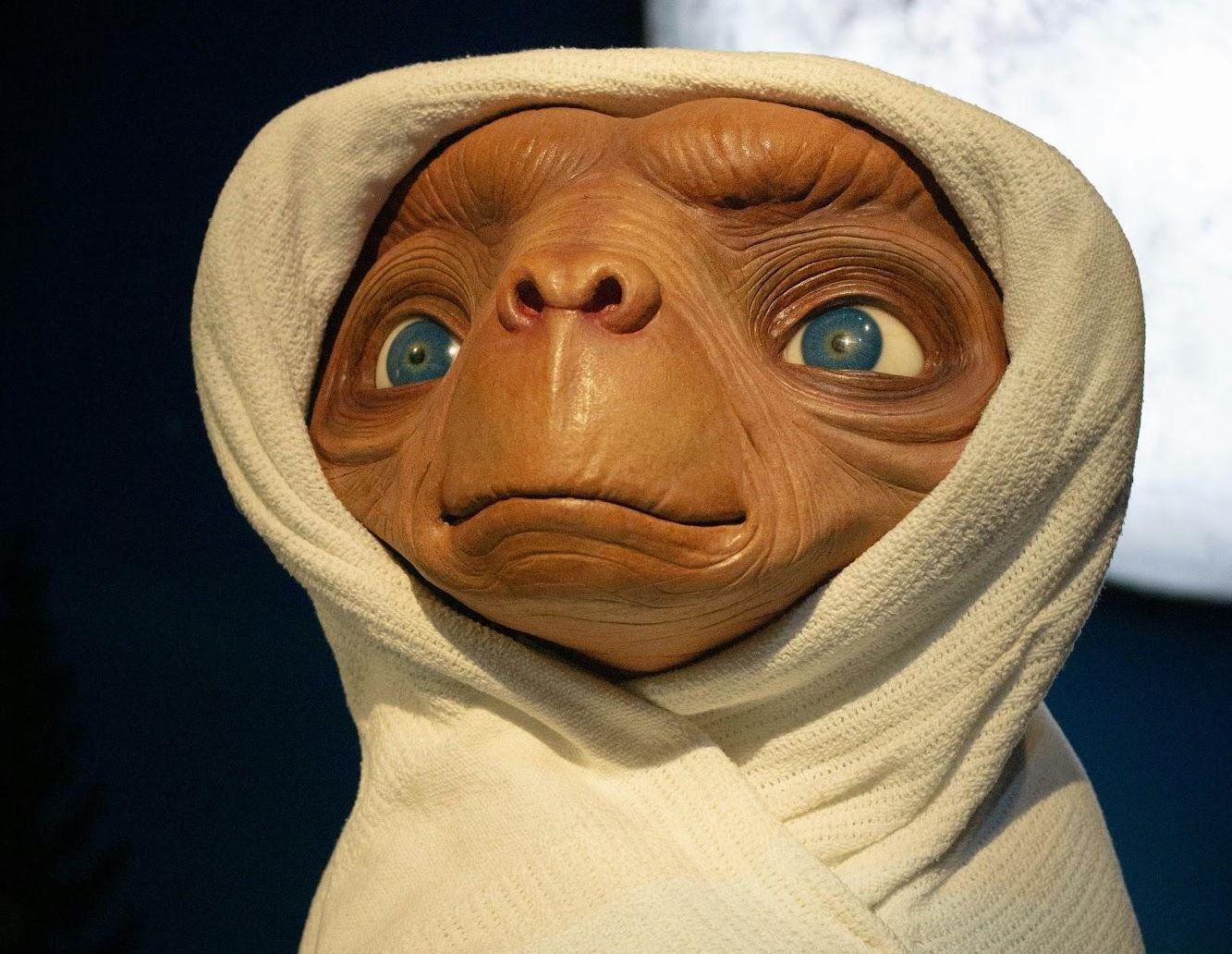
Image: Sreevishnu Nair

Did you know that E.T., the beloved extraterrestrial who wanted to phone home, was intentionally designed to have no specified gender ?

Director Steven Spielberg expressed that his intention was to define E.T. as a "plant-like" creature, neither male nor female, and that this was explicitly explained in earlier versions of the script.

However, in the film, young Elliott insists that he knows the gender of his newfound friend: "He’s a boy," he explains to his sister when she asks. The audience went along with Elliott’s interpretation, and hence E.T. is considered to be male.

3
How the Grinch Stole Christmas (2000)

Image: Alex Stone

Jim Carrey loathed the process of becoming The Grinch. Though the Dr. Seuss character was fun to play, sitting for hours and hours for makeup and costume until the green look was perfected, he said, was exhausting.

So, he was shocked one day when he arrived on set, only to find yet another Grinch ready there before him. It was none other than director Ron Howard, who had been up since 3:30 am, getting into full costume in solidarity with him.

4
The Nightmare Before Christmas (1993)

Image: Elin Melaas

Watching Tim Burton’s The Nightmare Before Christmas, one might take for granted that the stop-motion marvel took years of painstaking effort. Around 227 puppets were built for the production because each character had multiple duplicates to allow shooting on many sets simultaneously.

The protagonist Jack Skellington alone needed nearly 400 different heads to capture enough facial expressions.

5
Toy Story (1995)
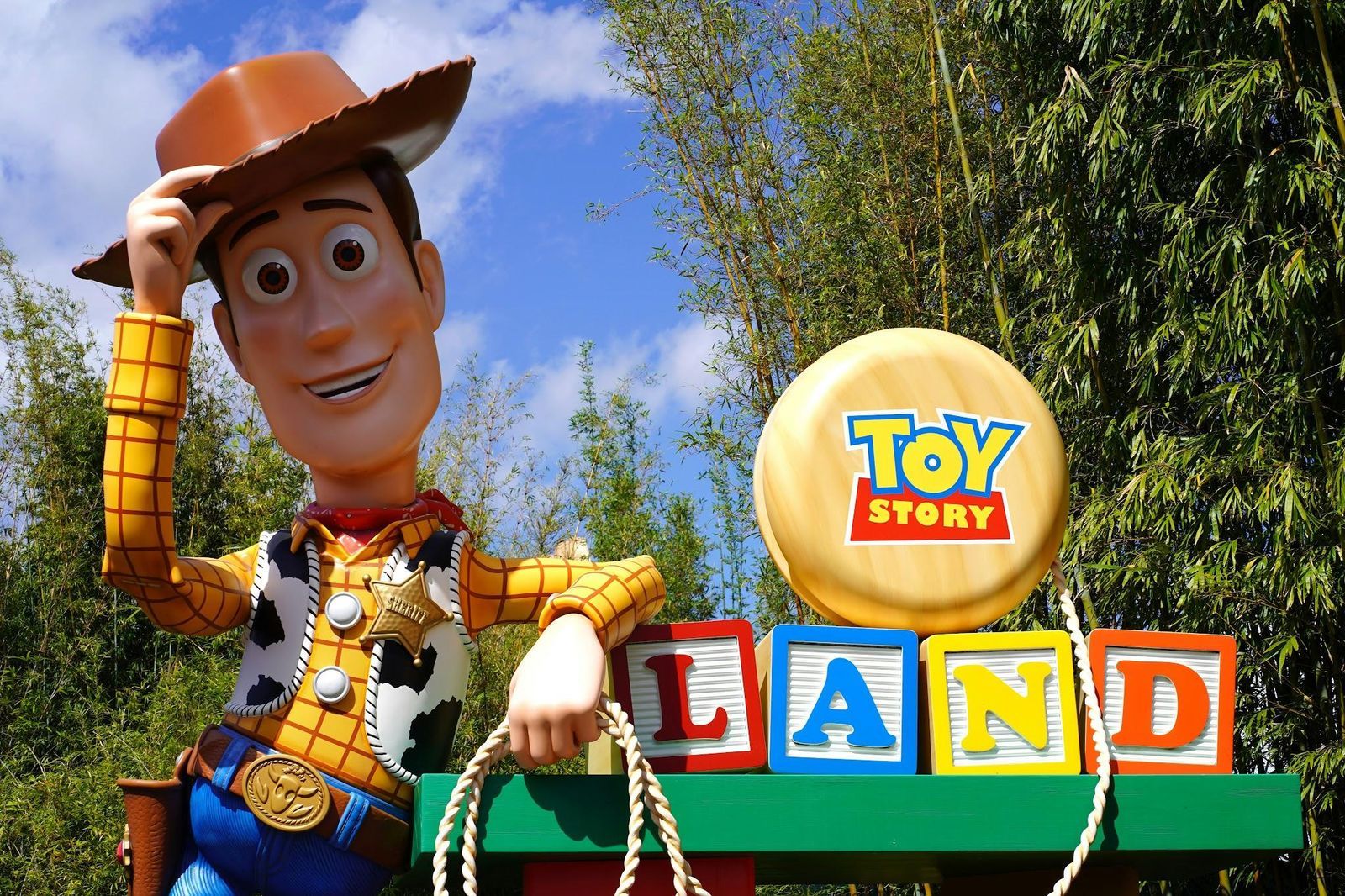
Image: Stone Hood

Even though we all recognize Woody the Cowboy, there was a time when the leading character of Toy Story was going to be… quite different.

Sheriff Woody was at first conceived as a ventriloquist dummy . But the Pixar creators thought that a softer cowboy toy would be a little bit friendlier. What do you think?

6
Star Wars: A New Hope (1977)
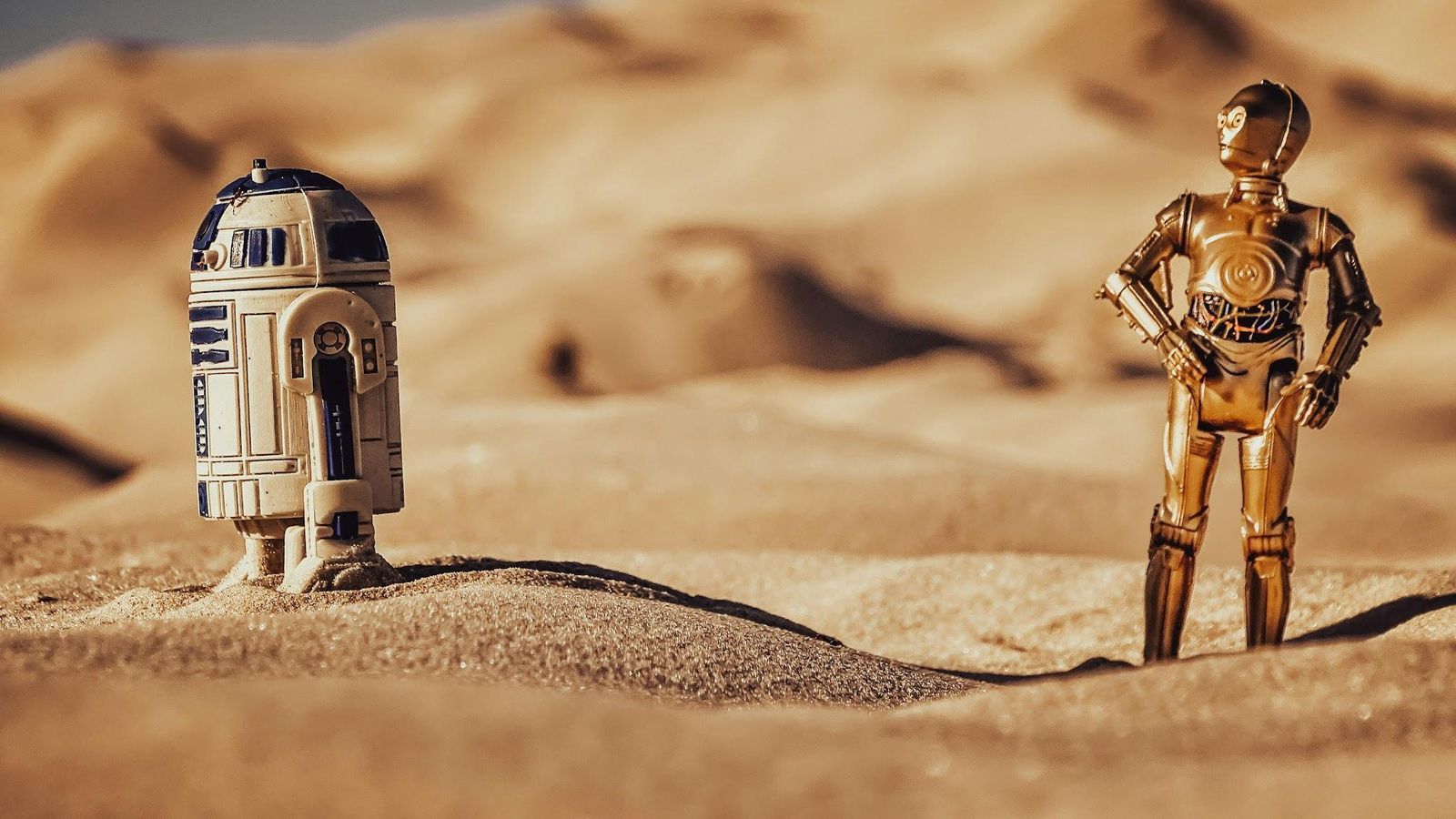
Image: Christian Maass

We all know the loyal little robot of the Star Wars world. But R2-D2’s name came about unintentionally. While filming a previous film, George Lucas had liked an abbreviation he heard his sound editor shout one day: "R2, D2".

It referred to "Reel 2, Dialogue Track 2" . But the expression sparked Lucas’s imagination.

7
Home Alone (1990)

Image: Liubomyr Vovchak

Yes, Kevin is nine years old in the movie. But most of his "dangerous" moments were handled by a 30-year-old stuntman in kid-sized clothes!

Still, some injuries were inevitable. And they didn’t come from hanging from a zipline or sliding downstairs: No, young Macauley Culkin got a scar from Joe Pesci accidentally biting his fingers too hard in one scene.

8
Interstellar (2014)
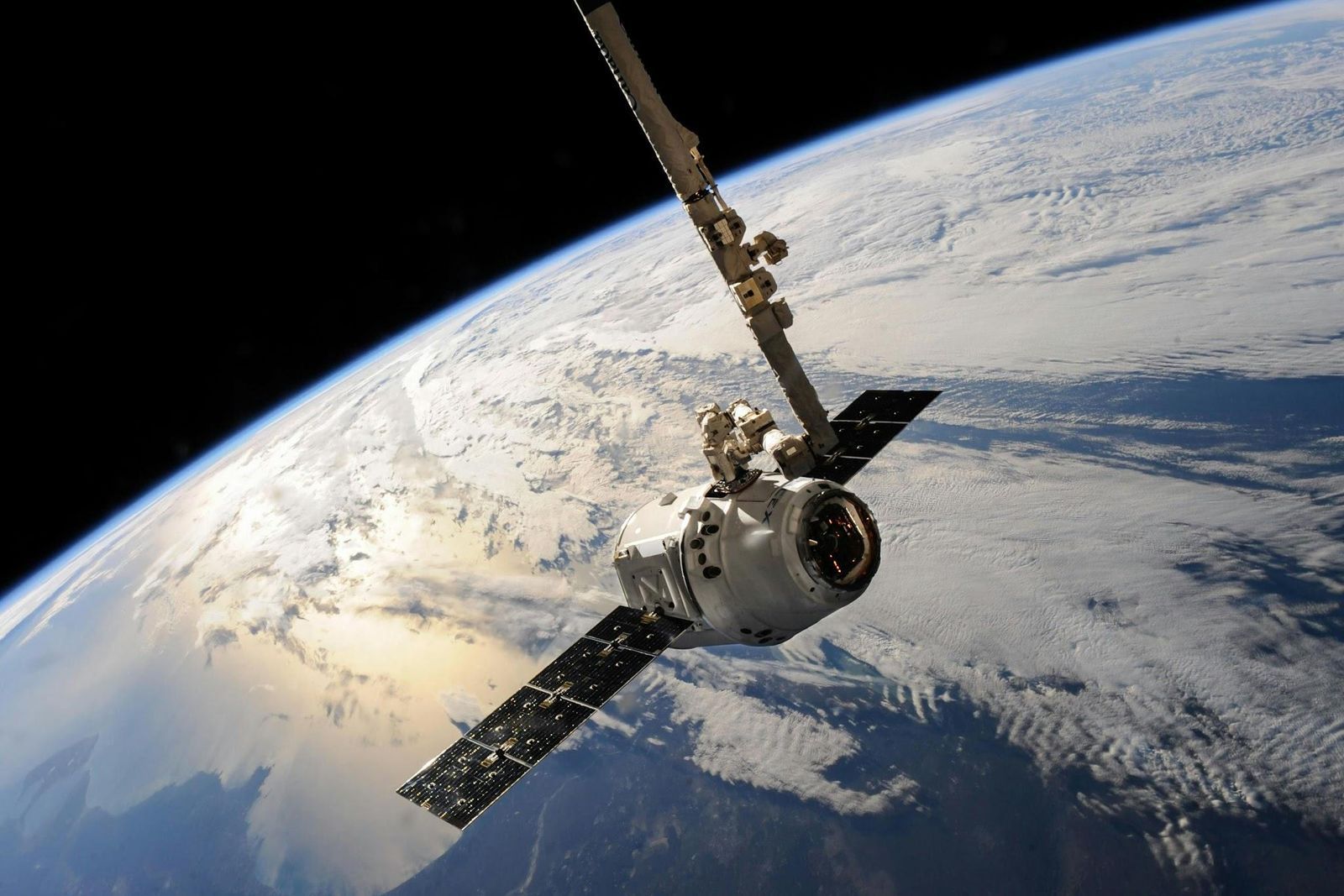
Image: SpaceX

Christopher Nolan’s Interstellar is well known for its ambitious science fiction vision. But Nolan went above and beyond with details. For example, the robot TARS wasn’t a CGI creation: it was physically built (a kind of "puppet-robot").

Plus, the space suits the actors wore were designed with functioning oxygen units and cooling tubes! Needless to say, though, all scenes were filmed on Earth.

9
The Matrix (1999)

Image: Markus Spiske

Did you know that Johnny Depp was the first choice to play Neo for The Matrix ? As an up-and-coming actor in the 90s, the writers had considered him perfect for the role. However, fate decided Keanu Reeves would take the part, and the rest was history.

Reeves didn’t have it easy, though: the Wachowskis had him read philosophical books like Simulacra and Simulation by Jean Baudrillard, Out of Control by Kevin Kelly, and Introducing Evolutionary Psychology by Dylan Evans.

10
Scarface (1983)
Image: Bryant's Juarez

After Martin Scorsese saw Brian De Palma’s Scarface, he reportedly told actor Steven Bauer: "It’s great… but they’re going to hate it ."

He wasn’t wrong. Critics did hate it, at first. They called it vulgar, excessive, hysterical, and violent. Scorsese himself had been criticized for the violence in his own work, so he recognized the pattern instantly. However, as we know, audiences eventually made it a cult classic.
Geography Geography 5 min read

Stories carved by the Colorado River

The missing pieces of the Grand Canyon: 10 incredible facts

Image: jesus esteban

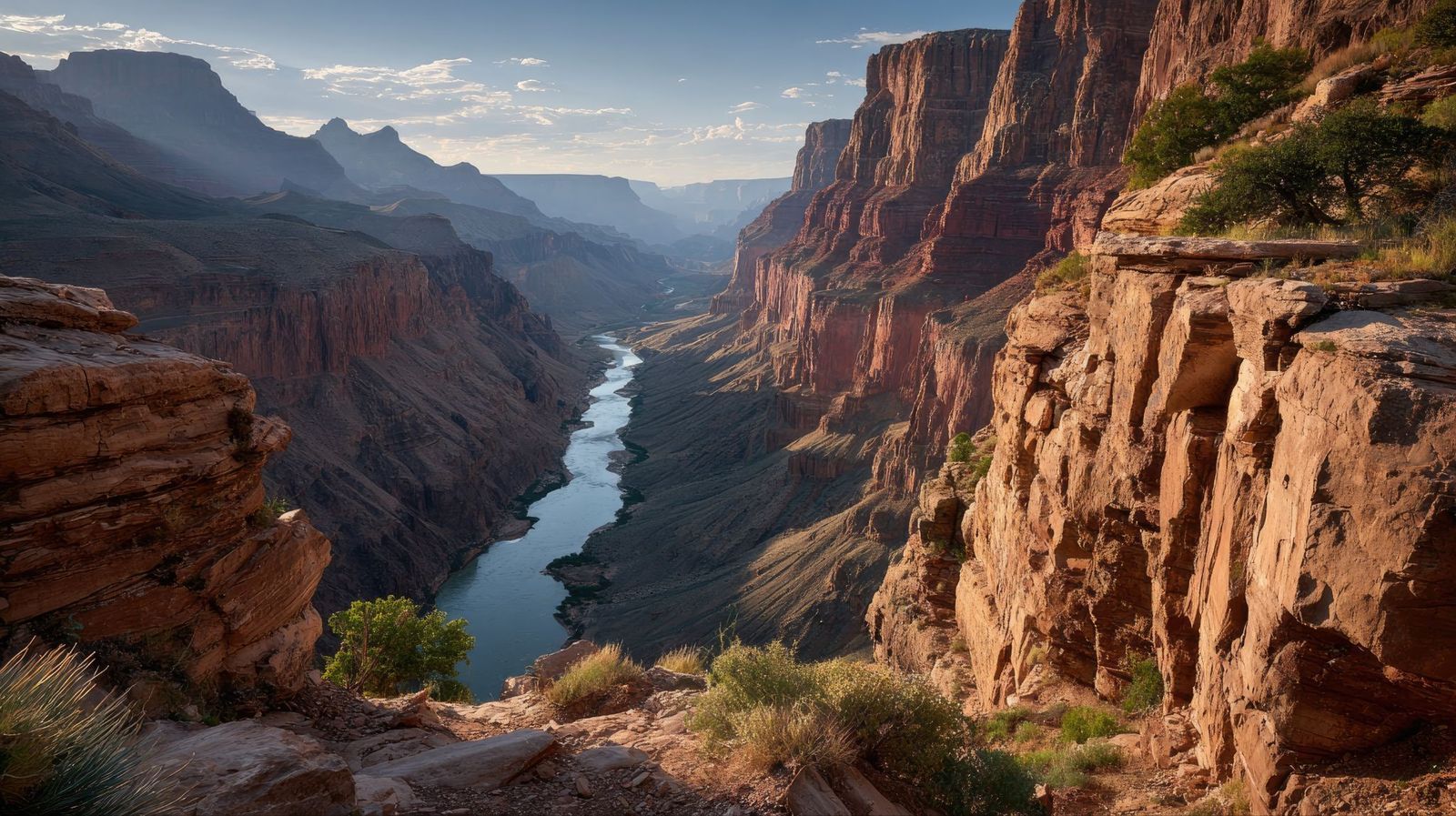
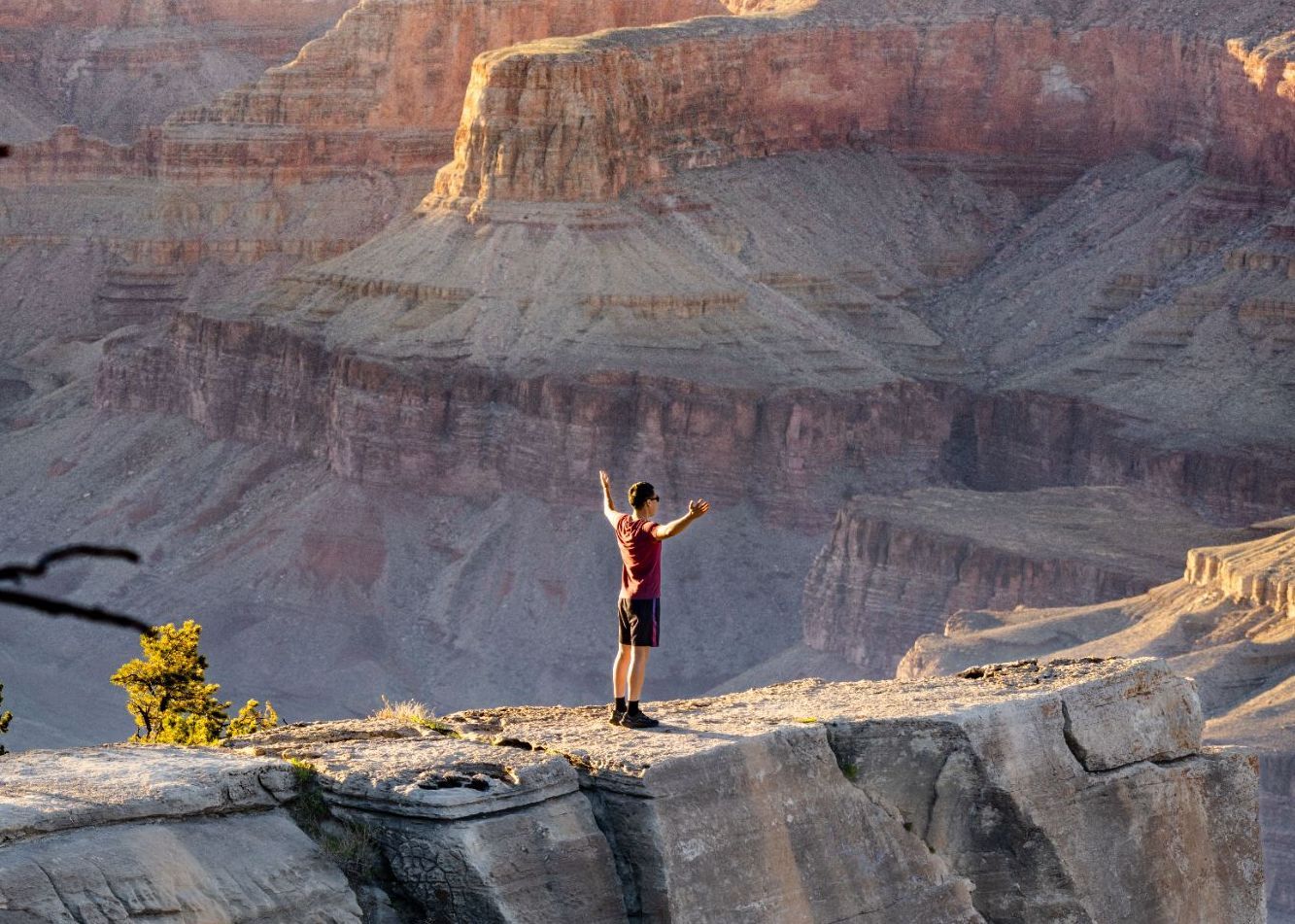
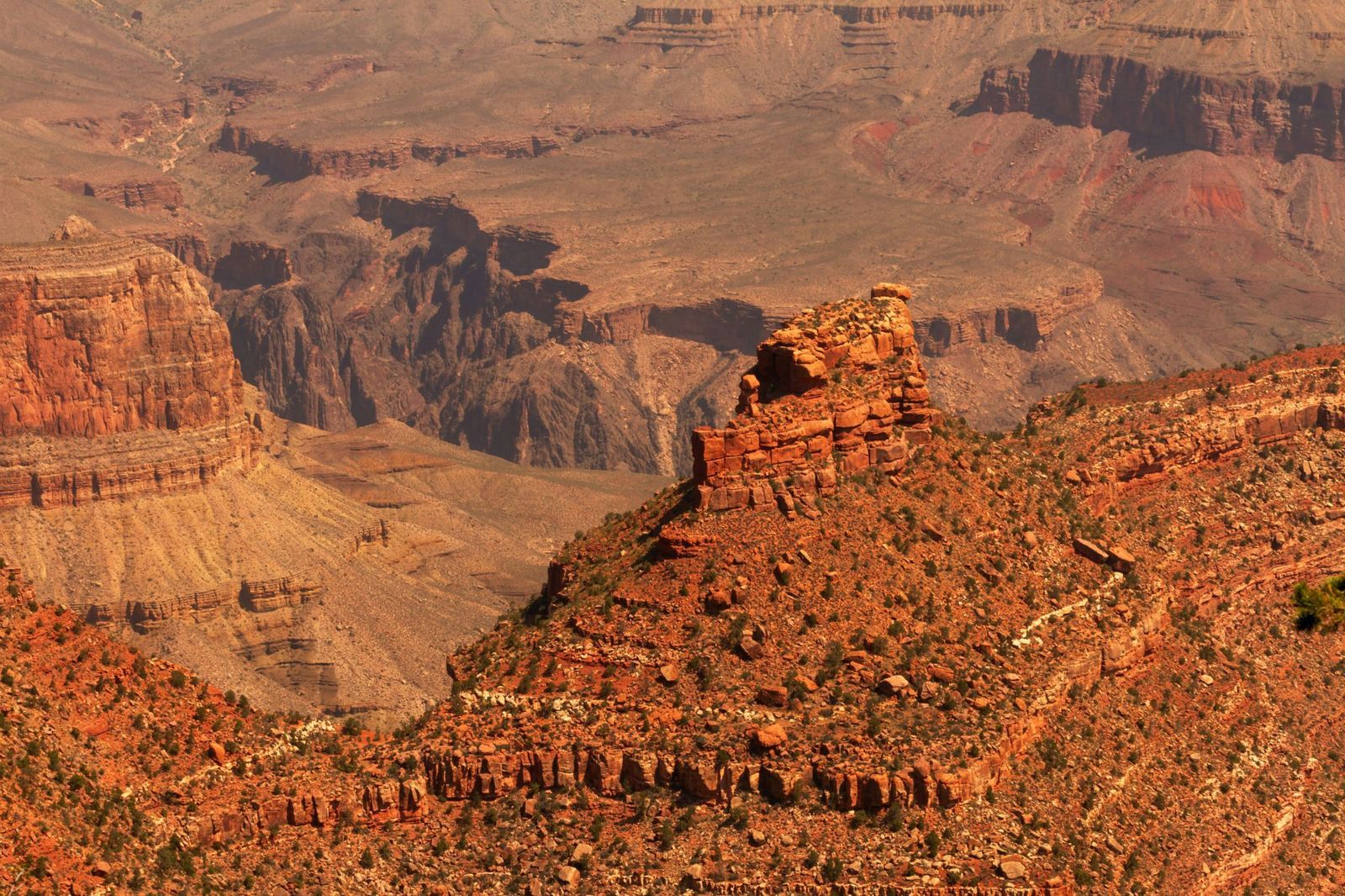
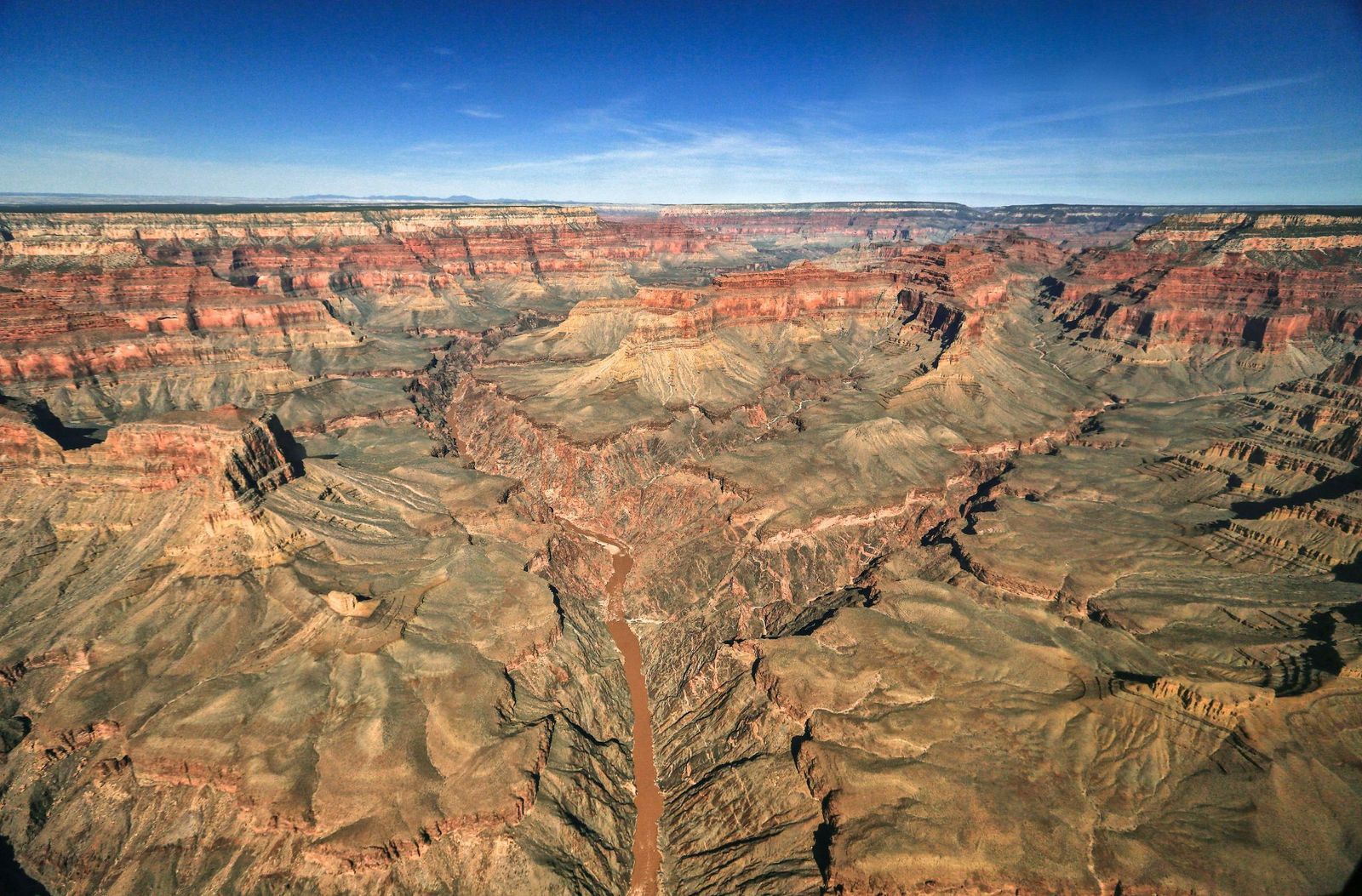
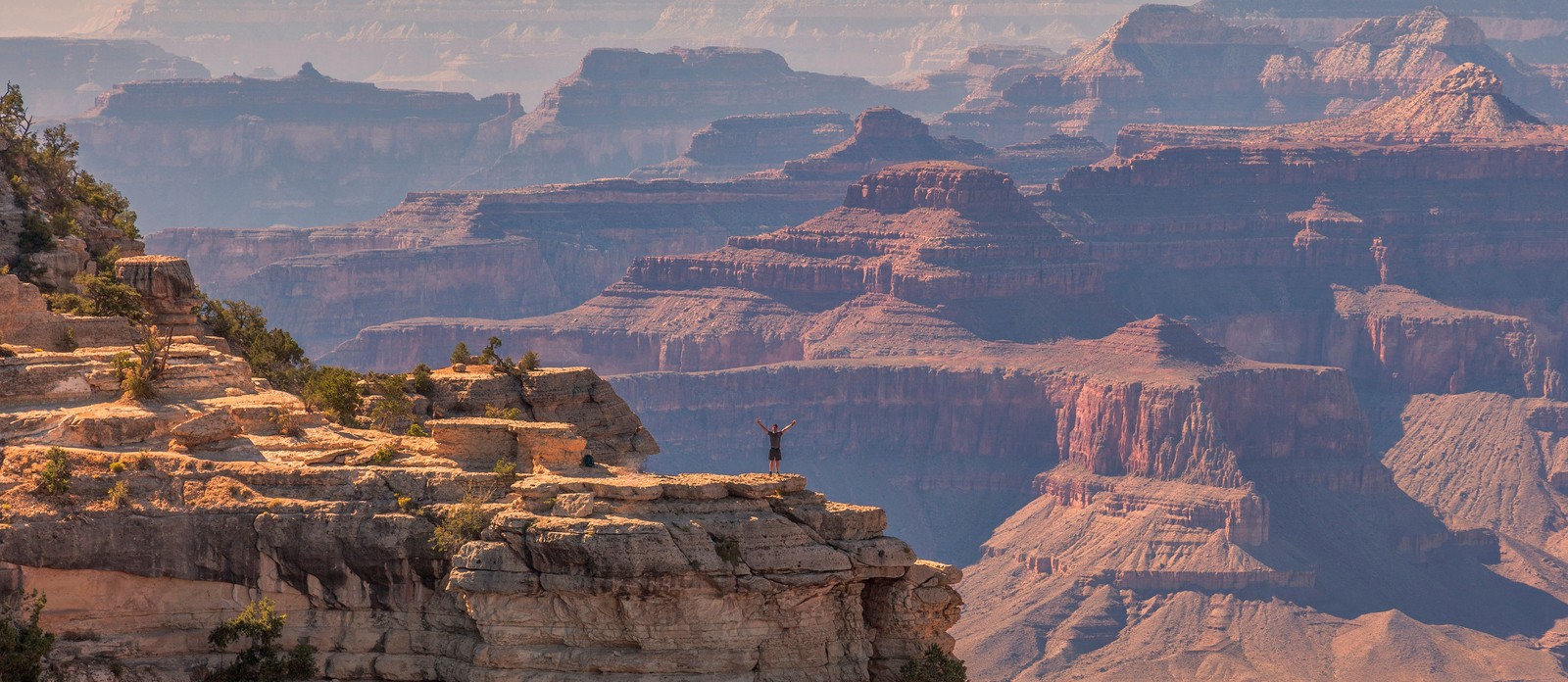
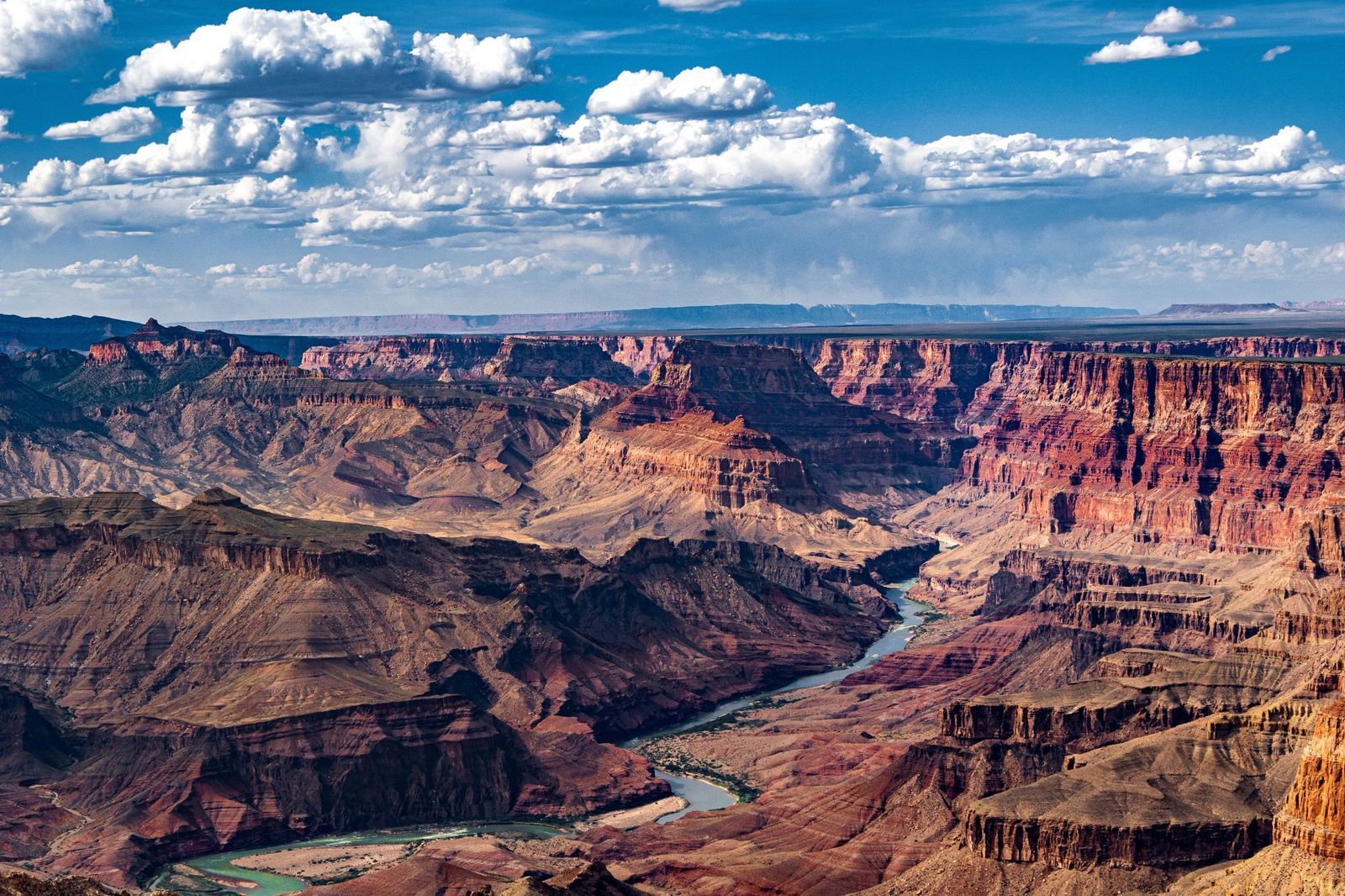
The Grand Canyon is bigger than Rhode Island. It's deeper than four Empire State Buildings stacked end to end. Its rocks are older than dinosaurs. But those stats alone don’t quite capture its immensity — and are hardly the most shocking. There are nuclear shelters, hidden villages, and billion-year mysteries involved. Read on to learn 10 lesser-known facts about the Grand Canyon.

1
There's an unexplained billion-year gap

Image: John Graybosch

Look closely at the canyon walls, and you'll notice something strange: a clean, sharp line where ancient rock simply stops, and a much younger layer begins directly above it.

This geological puzzle is called the "Great Unconformity," and it represents over a billion years of rock layers that are simply absent , as though that stretch of time never happened. In some spots, rock dated 1.8 billion years old sits directly beneath rock that is only 520 million years old. Where did the missing billion years go?

The leading theory involves the violent breakup of an ancient supercontinent, but scientists are still piecing it together.

2
During the Cold War, it hid a nuclear fallout shelter

Image: Lauri Väin from Tallinn, Estonia, CC BY 2.0, via Wikimedia Commons

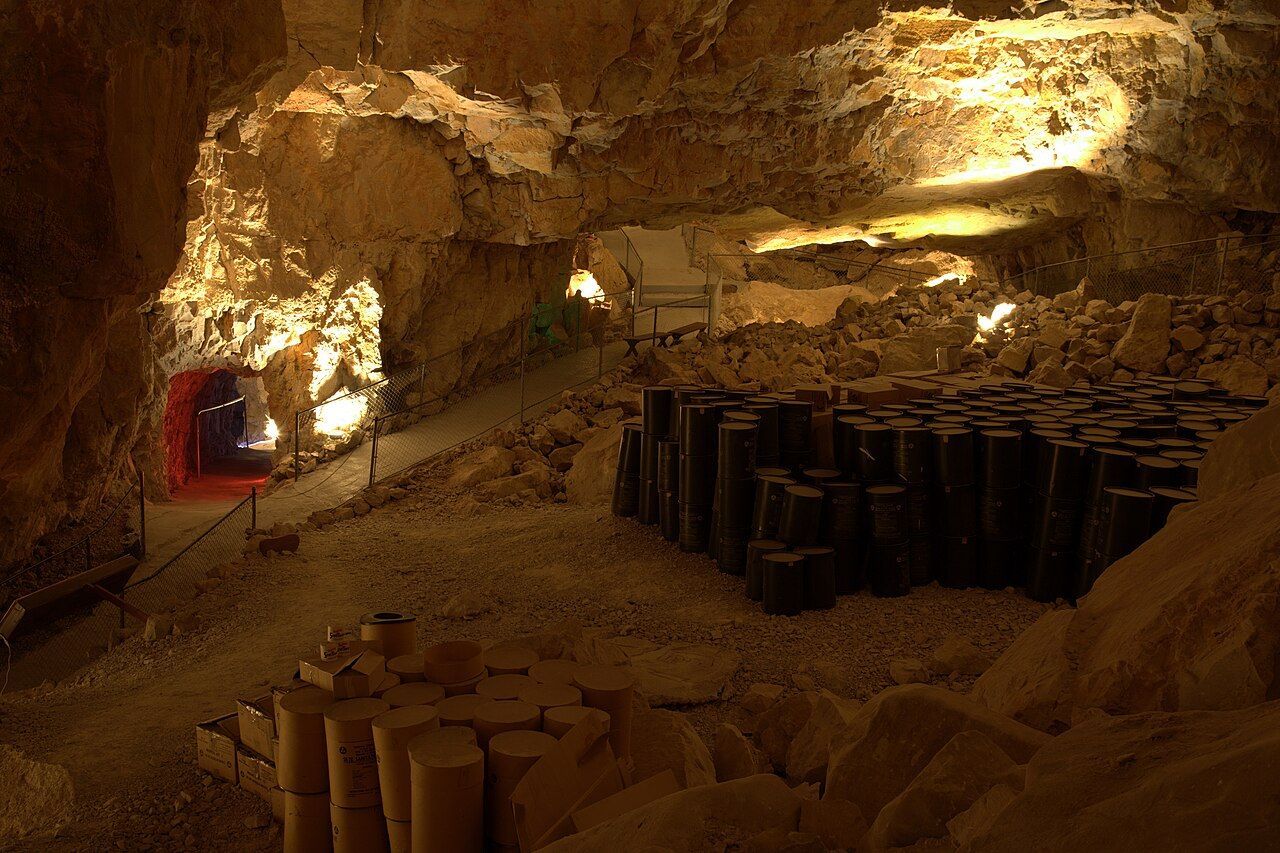
During the Cuban Missile Crisis in 1962, the U.S. government converted part of the Grand Canyon Caverns into a fallout shelter. This dry cave system, more than 200 feet underground, was stocked with enough food and water to sustain 2,000 people. Naturally, it was never occupied, and the supplies were never used.

The caverns have since been transformed into a tourist attraction, with organized tours winding through the same underground chambers that were once intended as a refuge from nuclear war. You can even book a night's stay there.

3
The Federal Aviation Administration was founded after a crash over the canyon

Image: Alexandre Henry Alves

In 1956, two commercial passenger planes collided in midair over the eastern Grand Canyon, killing all 128 people on board both crafts. Rescue teams struggled to reach the wreckage deep inside the canyon, and the extreme heat of the crash had caused the planes' aluminum to fuse with the bedrock. There were no survivors.

The disaster exposed a terrifying truth: the U.S. air traffic control system was dangerously outdated, relying on pilots' visual estimates and rough guesswork from controllers , with no way to separate fast-moving aircraft from slow ones, or instrument-flying planes from those navigating by sight. Congress responded by passing legislation that created both the Federal Aviation Administration (FAA) and the National Transportation Safety Board.

4
A hoax suggested that an Egyptian civilization had lived there

Image: abdurrohman dzar

In 1909, the Arizona Gazette reported that an explorer named G. E. Kinkaid had discovered a vast underground citadel inside the canyon, filled with artifacts linked to ancient Egyptian civilization. He even claimed the expedition had been funded by the Smithsonian.

This story described hieroglyphics on the walls, mummies in the chambers, and relics pointing to a direct connection with the Egypt of the pharaohs. It was incredibly detailed, and it was, of course, a hoax. No evidence for any of Kinkaid's claims ever surfaced.

5
Fewer than 100 people have ever hiked its full length

Image: Abhishek Navlakha

Among the few people who have completed the through-hike of the Grand Canyon is Jen Hogan, the first woman to accomplish it, finishing her journey in 2021–2022.

It’s a full 800-mile length below the rim. The route involves extreme heat, flash floods, near-impassable areas, and stretches with no water or trail whatsoever. Around 60 or 70 people have reportedly accomplished it. This makes it one of the most exclusive feats on Earth.

6
The Grand Canyon's rocks predate dinosaurs entirely

Image: MARIOLA GROBELSKA

Visitors scanning the canyon walls for fossils are often surprised to learn they won't find any dinosaur bones here. The rock layers of the Grand Canyon are simply older than dinosaurs. This fact alone can be shocking: staring at its walls means staring at marine fossils from as far back as 1.2 billion years ago. Some of its caves hold the remains of ancient mammals. The canyon is a window into a world that existed long before the dinosaurs, when the land that is now Arizona lay beneath a shallow sea.

7
The park is bigger than Rhode Island

Image: AussieActive

Numbers alone rarely capture the Grand Canyon's scale, so here's a different approach. Rhode Island covers about 1,214 square miles, and the Grand Canyon National Park spans 1,904 square miles.

The canyon's depth exceeds four Empire State Buildings (which is 1,454 feet) stacked on top of one another. That’s 6,093 feet at its deepest point.

8
But it's not the deepest canyon on Earth

Image: Naeemphotographer2

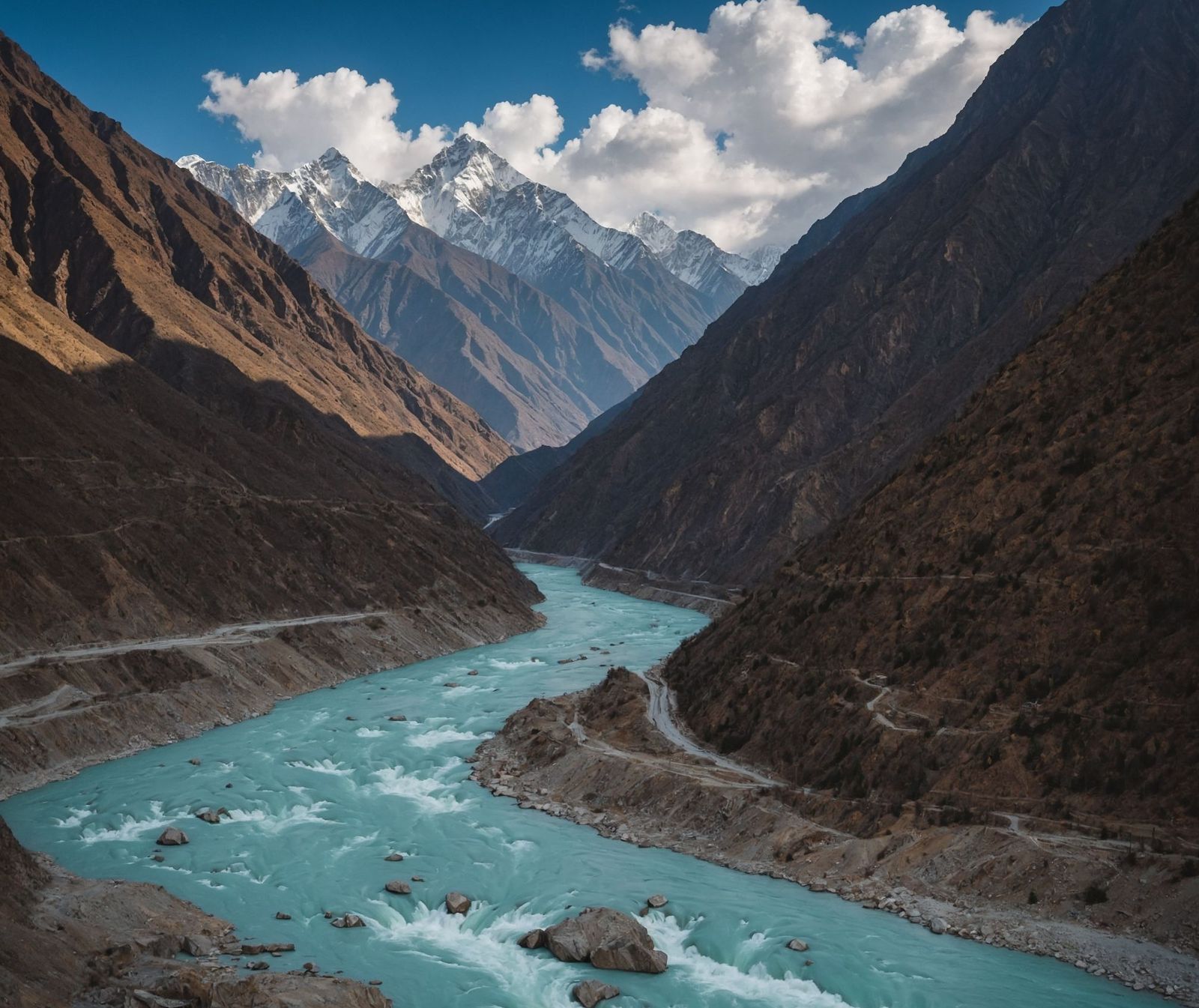
For all its grandeur, the Grand Canyon does not hold the depth record. Pictured above, the Yarlung Tsangpo Grand Canyon in Tibet, China, plunges to 17,567 feet, which is nearly three times deeper. Carved by the Yarlung Tsangpo River as it cuts through the eastern Himalayas, that canyon is so remote and extreme that it remained largely uncharted until the late 20th century.

9
It is home to a pink rattlesnake found nowhere else on Earth

Image: Alexander Wong

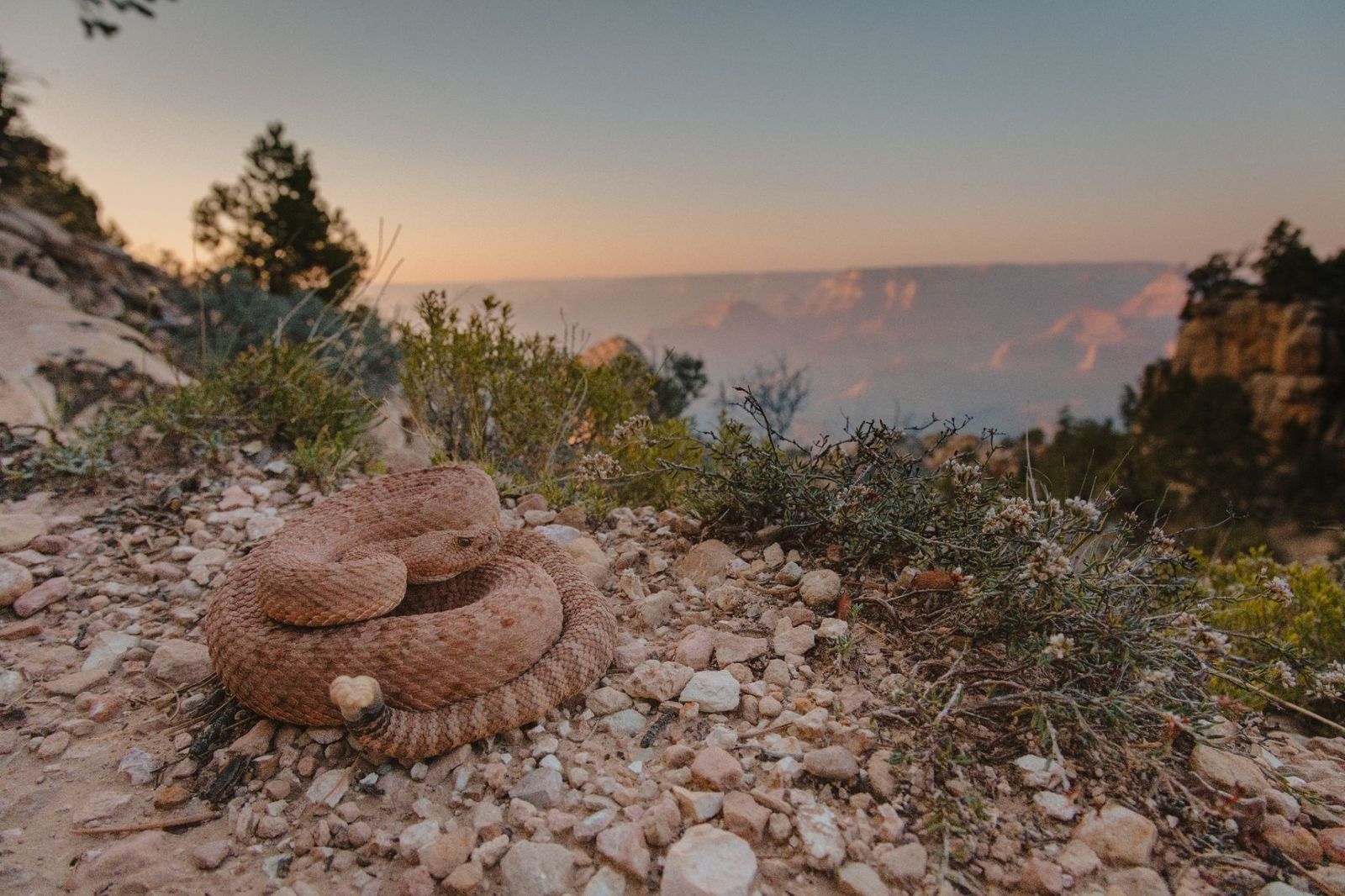
The Grand Canyon Pink Rattlesnake has a pinkish-red coloring that matches the canyon's own distinctive rock walls so closely that it's nearly invisible. It is found nowhere else in the world. Officially classified as Crotalus oreganus abyssus , it has darker diamond-shaped markings along its back that deepen the camouflage further.

10
There's a village at the bottom: Supai Village

Image: joojoob27

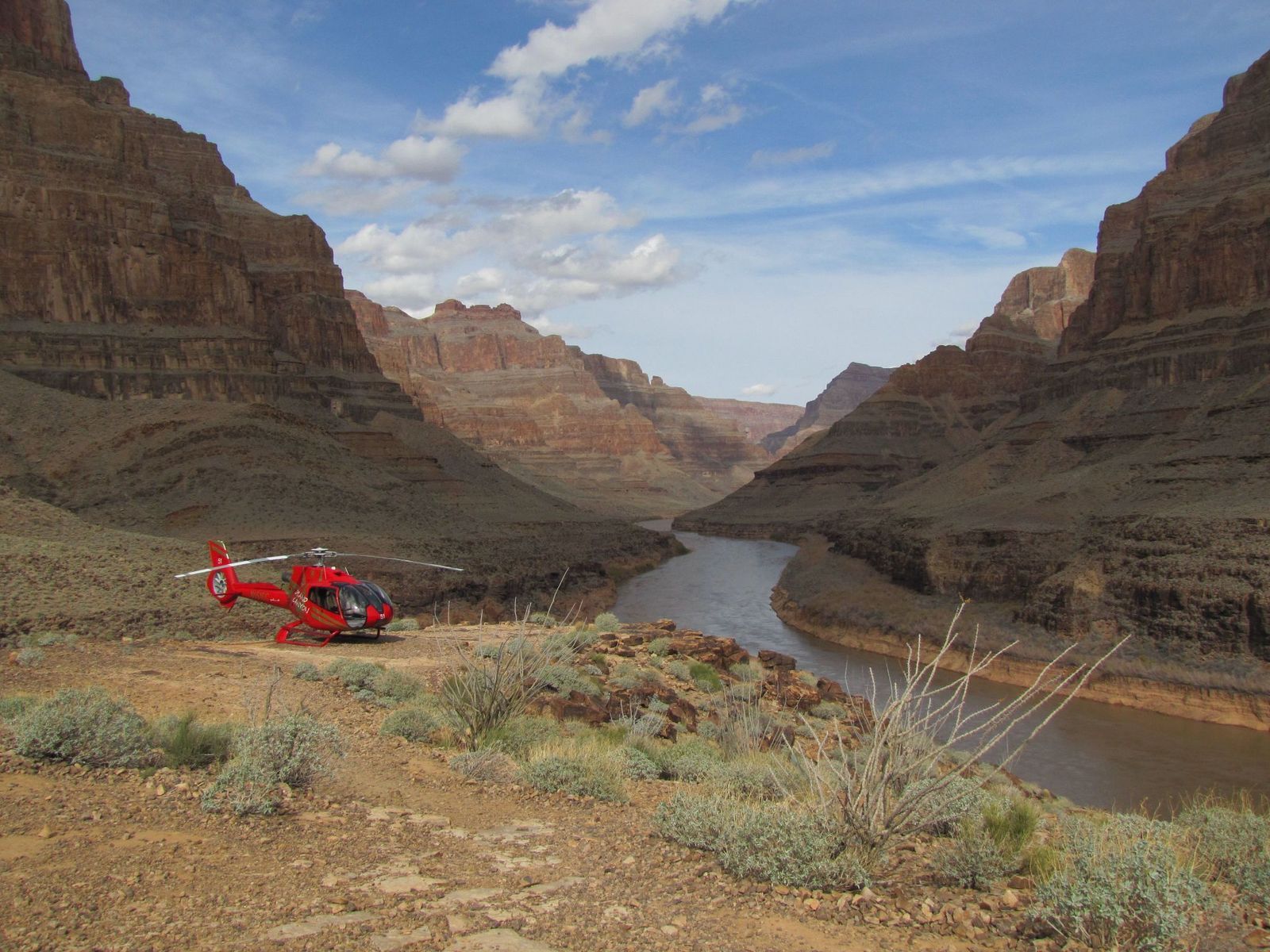
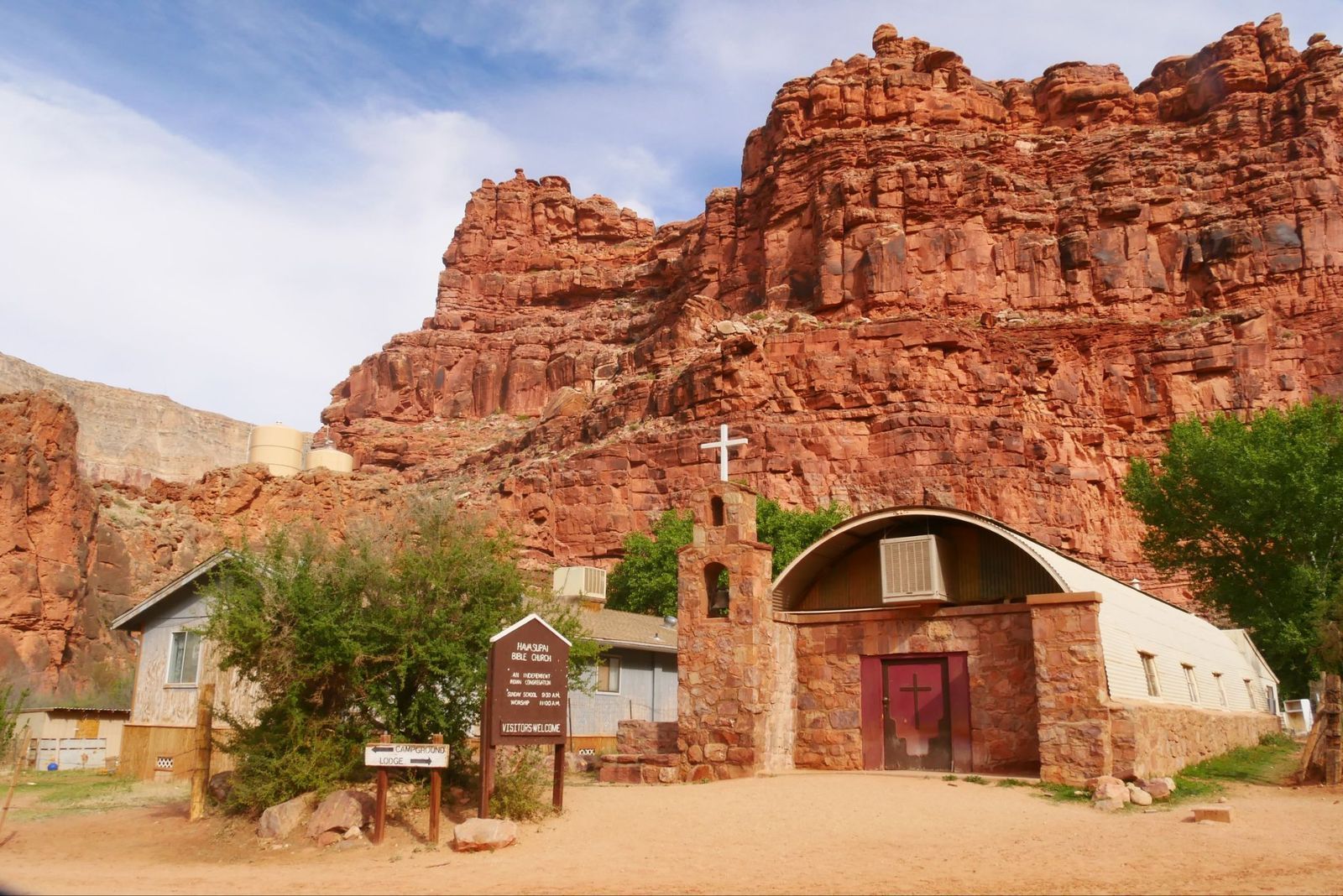
For over 1,000 years, the remote village of Supai has been home to the Havasupai Tribe, the People of the Blue-Green Waters. It is located an eight-mile hike from the rim, but sits roughly 3,000 feet deep inside the Grand Canyon.

The U.S. Department of Agriculture has called it the most remote community in the contiguous United States, and it has no automobiles and no road access. The only ways in are on foot, by mule, or by helicopter. It is also the only place in the United States where the postal service still delivers mail by mule train.

History History 7 min read

America's most famous names

Bill Clinton wasn't born Bill Clinton—and that's just the start

Image: Cecil W. Stoughton, Public domain, via Wikimedia Commons

What if we told you that Bill Clinton wasn't born "Bill Clinton"? Or that Harry S. Truman's famous middle initial didn't actually stand for anything? And would you believe Lyndon B. Johnson went three months without a name? We've known about America's presidents our entire lives, so it's easy to assume there's nothing left to learn about them. But behind some of the most familiar names in U.S. history are stories stranger than fiction. From accidental initials that lasted a lifetime to surnames that changed completely, here are 10 surprising stories behind the names of American presidents.

1
Bill Clinton

Image: National Archives and Records Administration, Public domain, via Wikimedia Commons

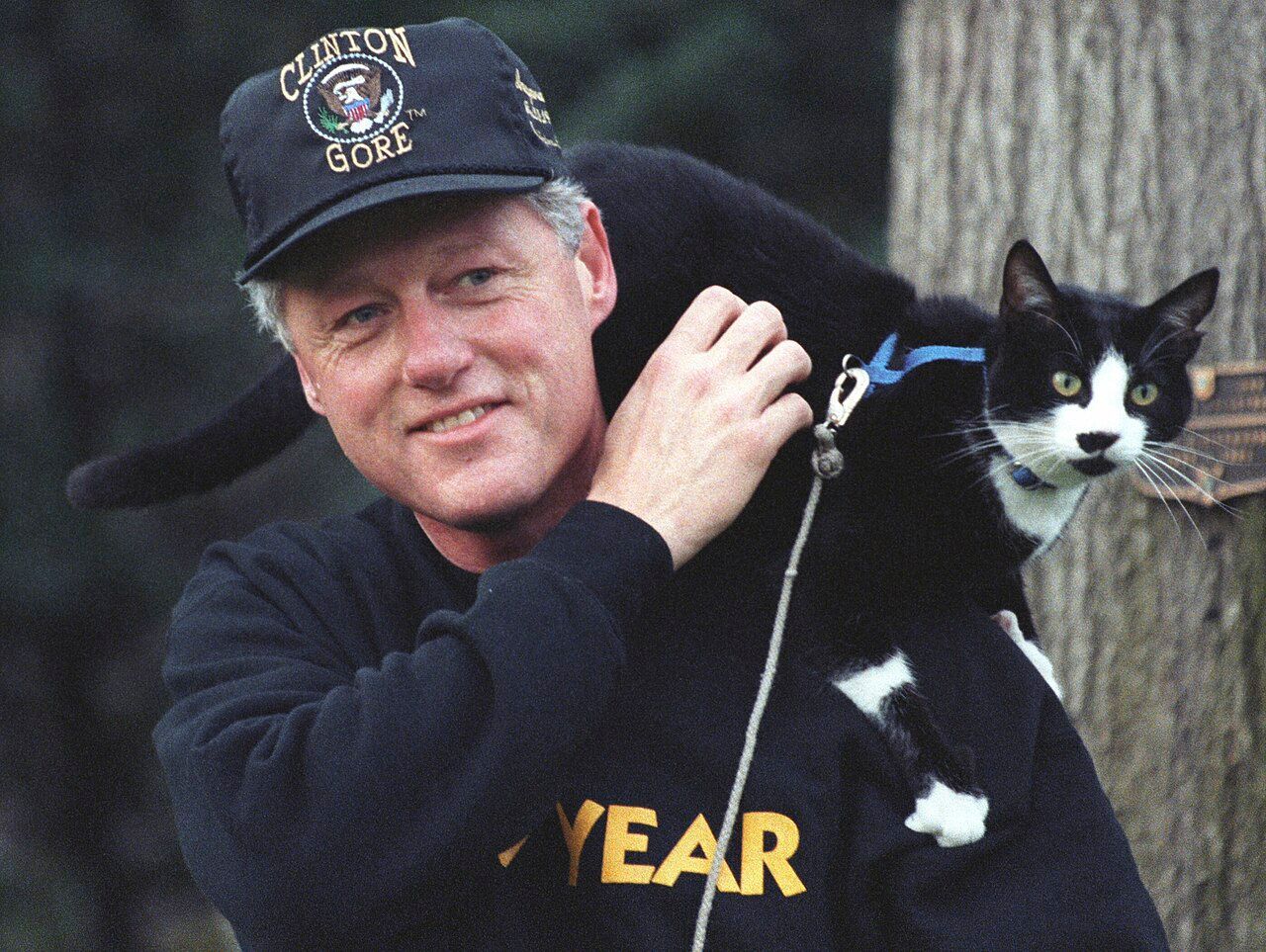
Have you heard of Bill Blythe? Probably not, but you definitely know who he is: Bill Clinton, the 42nd president of the United States.

Born William Jefferson Blythe III on August 19, 1946, in Hope, Arkansas, Clinton never knew his biological father, who passed away in a car accident three months before he was born. His mother, Virginia Cassidy Blythe, later married Roger Clinton Sr. At 15 years old, Bill chose to take the surname Clinton, adopting the name of the man who had raised him .

2
Lyndon B. Johnson

Image: Arnold Newman, Public domain, via Wikimedia Commons

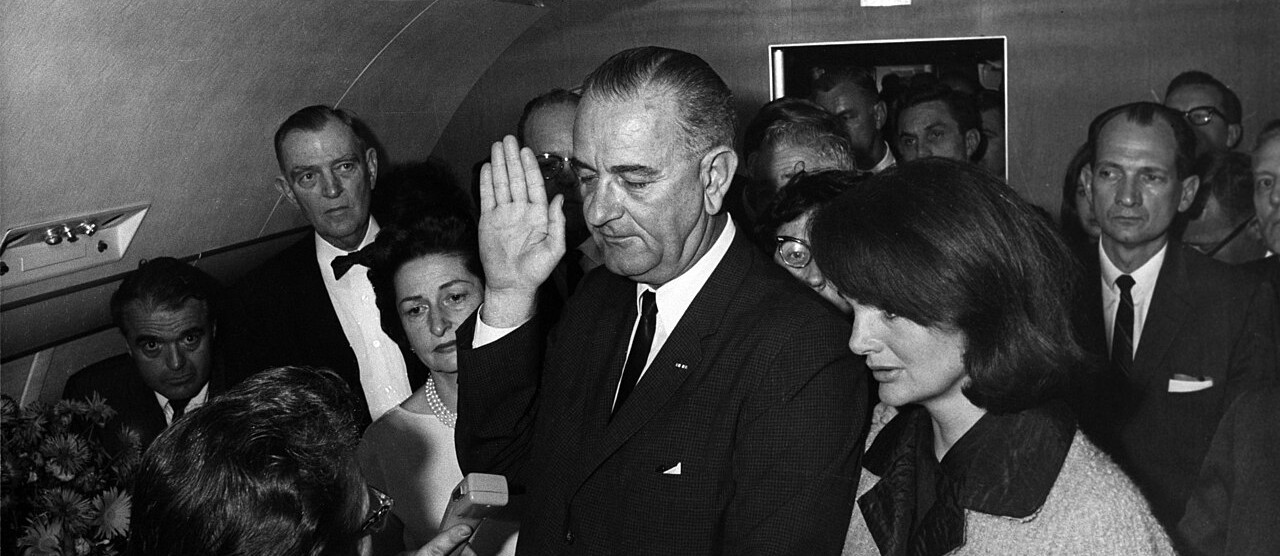
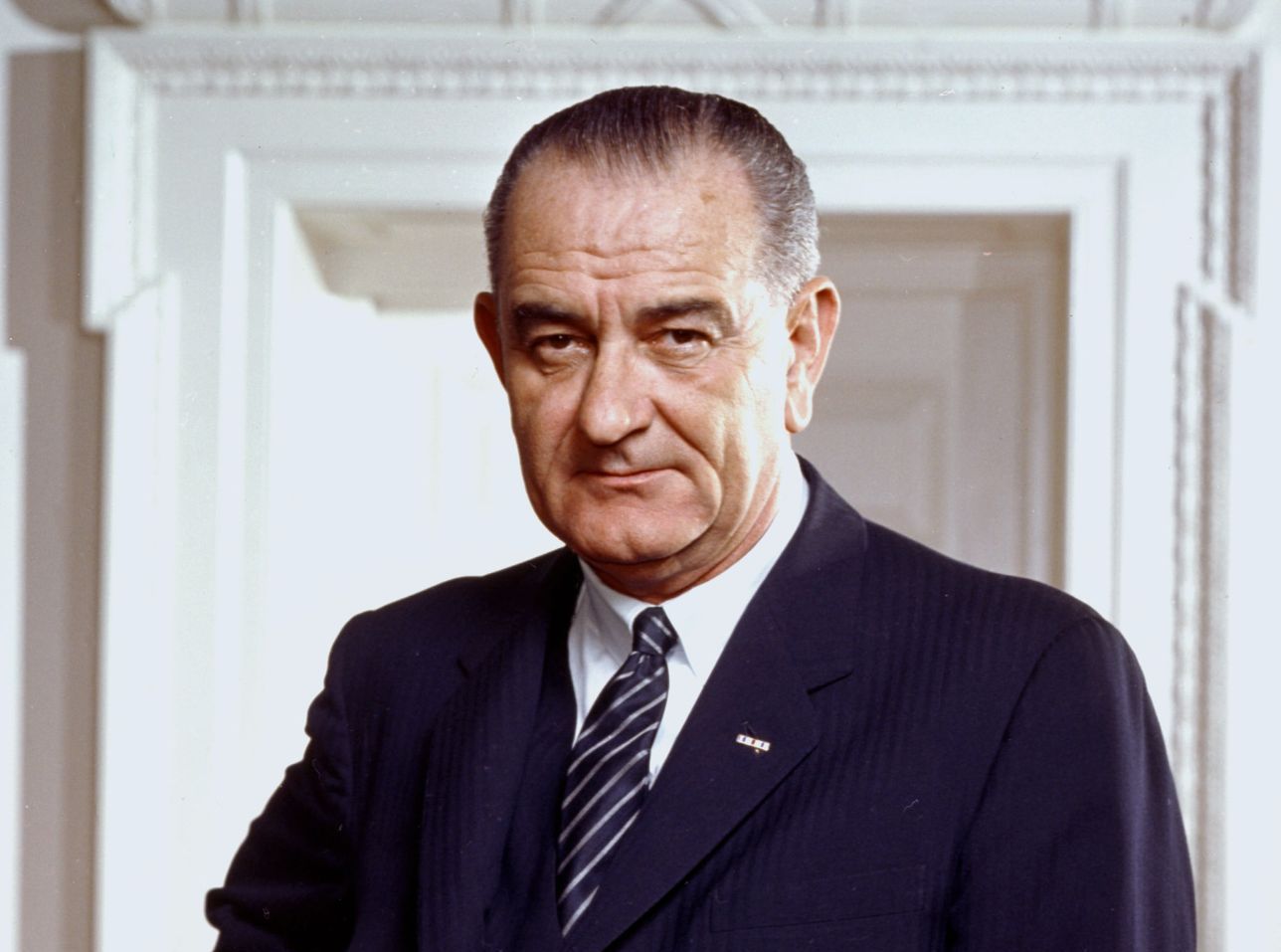
Have you ever heard of a baby who went three months without a name ? As unusual as it sounds, one US president began life exactly that way.

The future Lyndon B. Johnson was born on August 27, 1908, near Stonewall, Texas. But instead of naming their newborn son, his parents found themselves in a standoff. According to historical records from the Miller Center at the University of Virginia, his mother, Rebekah Baines Johnson, wanted to name him Clarence, while his father, Sam Ealy Johnson, wanted the baby named after himself. Unable to agree, they left him officially unnamed, and for the first three months of his life, he was simply "Baby Boy Johnson." The deadlock finally ended when his mother gave in, and the future president was named Lyndon Baines Johnson , honoring Lyndon Baines, a family friend admired by his father.

3
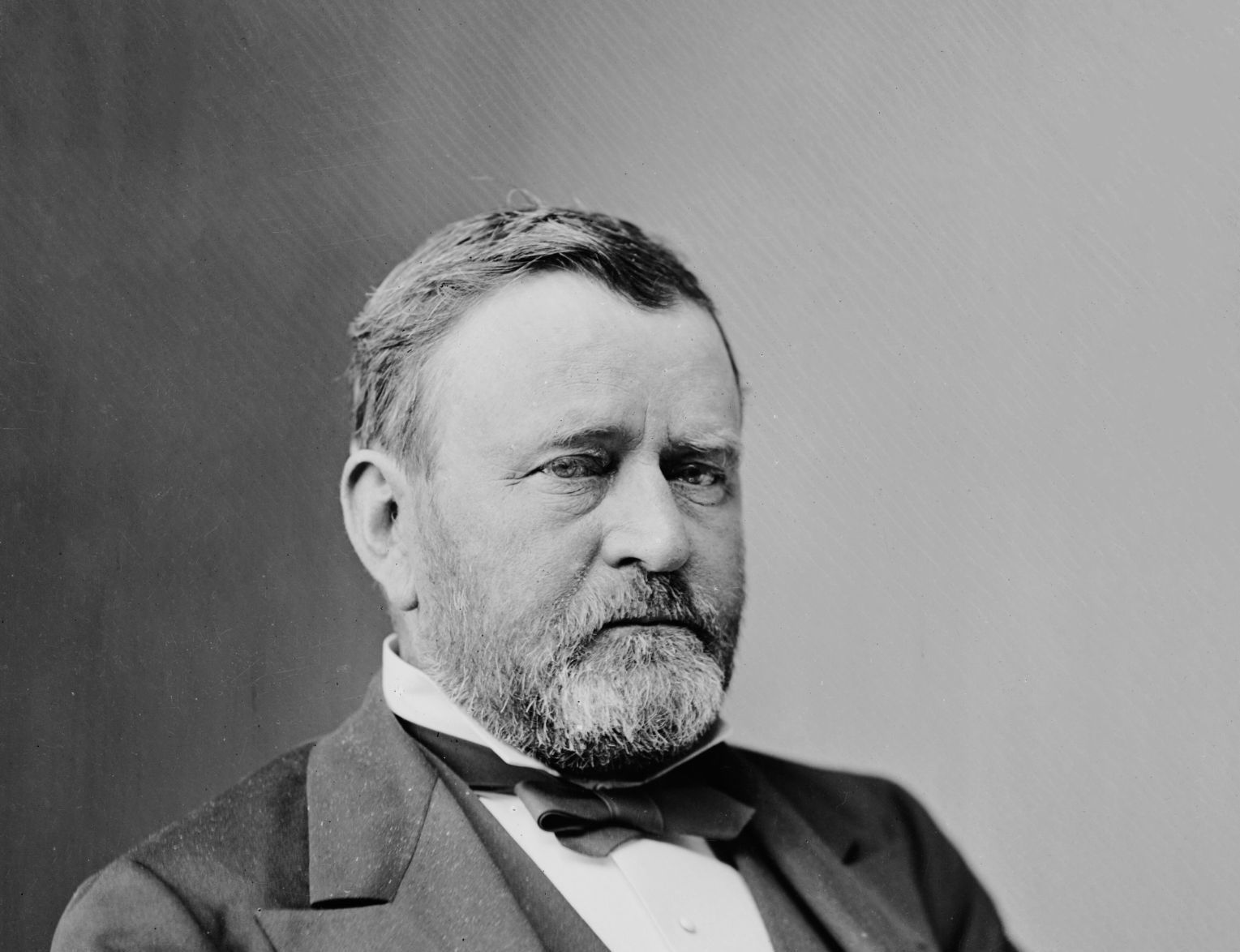
Ulysses S. Grant

Image: Brady-Handy Photograph Collection, Library of Congress, Public domain, via Wikimedia Commons

The 18th president of the United States wasn't born with the name we all know. He was born on April 27, 1822, in Point Pleasant, Ohio, as Hiram Ulysses Grant. So where did the famous "S." come from?

The answer is a paperwork mistake. In 1839, Ohio Congressman Thomas Hamer nominated the 17-year-old Grant to the US Military Academy at West Point. Knowing the young man went by Ulysses and that his mother's maiden name was Simpson, Hamer accidentally wrote "Ulysses S. Grant" on the nomination. Grant considered correcting the error, but eventually gave up, for two main reasons. He disliked the initials of his birth name, "H.U.G.", so the mistake didn't bother him much. In addition, fixing it would have meant a mountain of paperwork that could have jeopardized his appointment to West Point. So he simply let the new name stand, and the accidental middle initial stayed with him for the rest of his life.

4
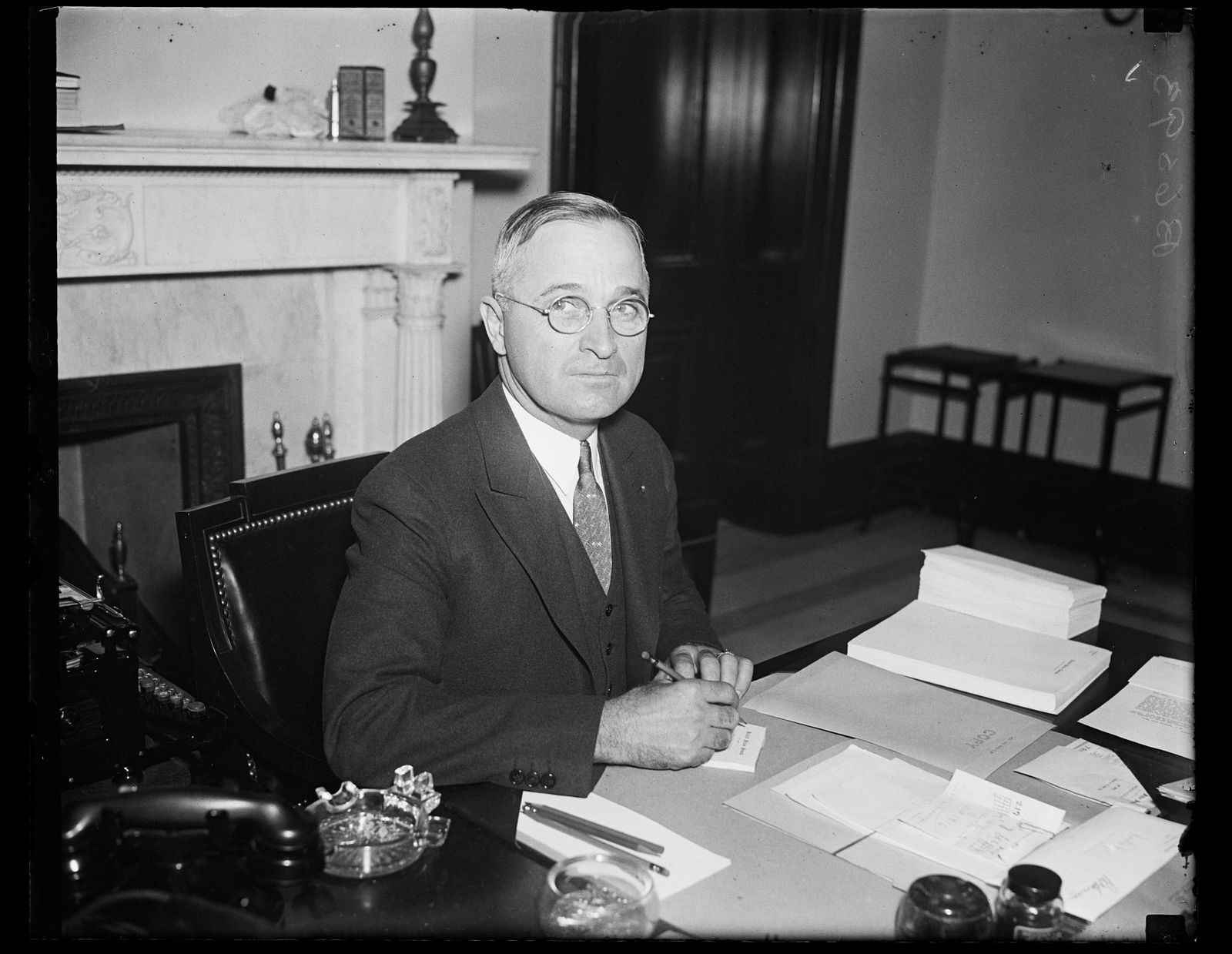
Harry S. Truman

Image: Harris & Ewing, photographer, Public domain, via Wikimedia Commons

Harry S. Truman may have one of the strangest stories on this list.

His first name, Harry, honored his maternal uncle, Harrison "Harry" Young. His middle initial, however, didn't actually stand for anything. Truman's parents chose the "S" to honor both of his grandfathers, Anderson Shipp Truman and Solomon Young, without choosing one name over the other. In other words, the "S" wasn't short for Shipp or Solomon; it was simply "S". Truman himself usually wrote it without a period, since it wasn't an abbreviation. But after he became president, his staff encouraged him to add the period in official correspondence because it looked more conventional. That's why today he's almost always remembered as Harry S. Truman.

5
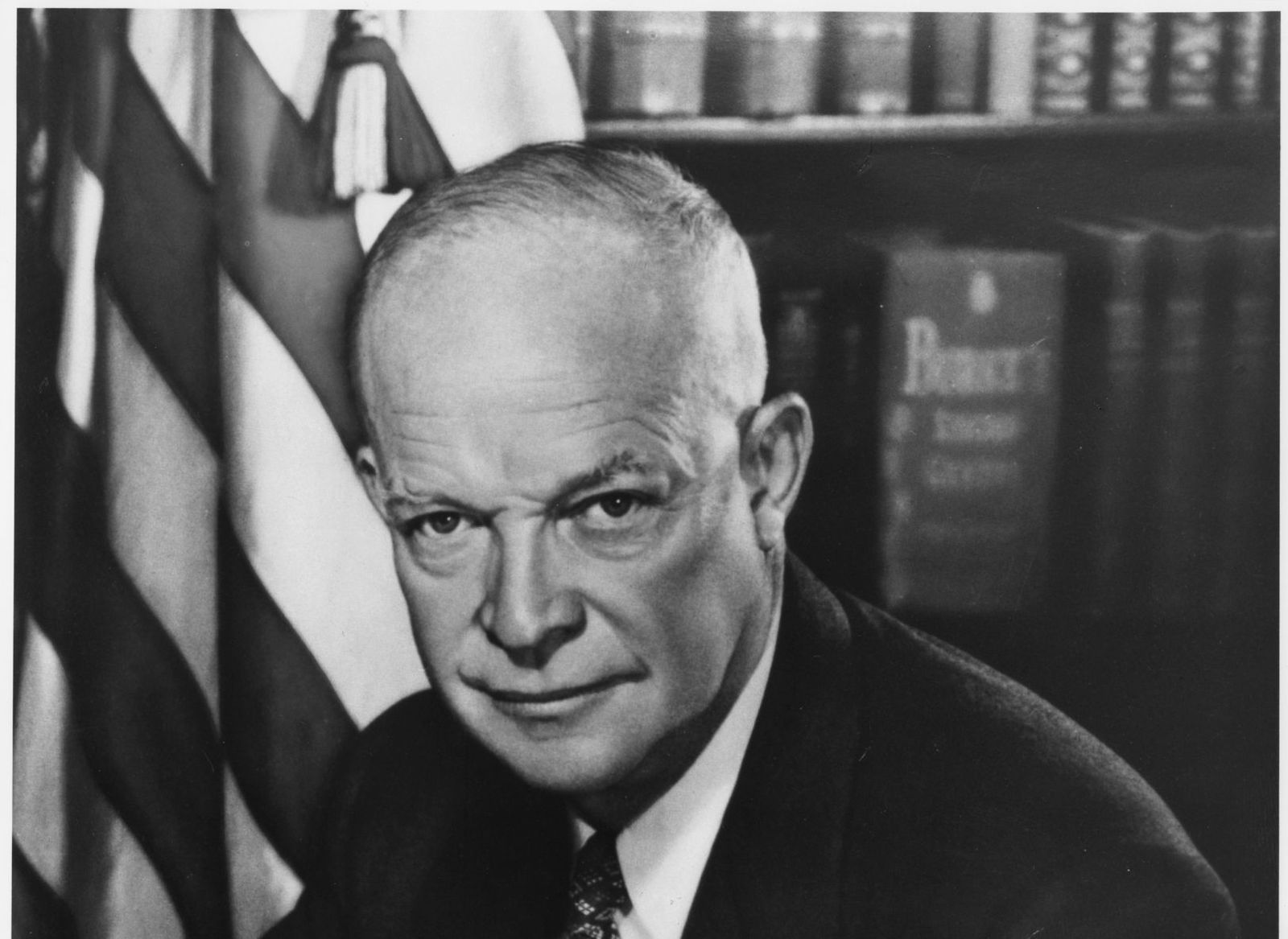
Dwight D. Eisenhower

Image: National Archives at College Park, Public domain, via Wikimedia Commons

President Dwight D. Eisenhower is remembered for leading the nation through the Cold War and signing the Civil Rights Act of 1957. But there's one surprising detail about him that most people never hear.

The man we know as Dwight Eisenhower was actually born David Dwight Eisenhower on October 14, 1890, in Denison, Texas. Named after his father, David Jacob Eisenhower, he quickly ended up with a problem: there were now two Davids in the same household. To avoid the confusion, his mother, Ida, simply began calling her son Dwight instead. He went by his middle name as if it were his first for years, but the change didn't become official until he applied to West Point at age 20. Wanting his official records to match the name everyone already knew him by, he registered as Dwight David Eisenhower and made the switch permanent.

6
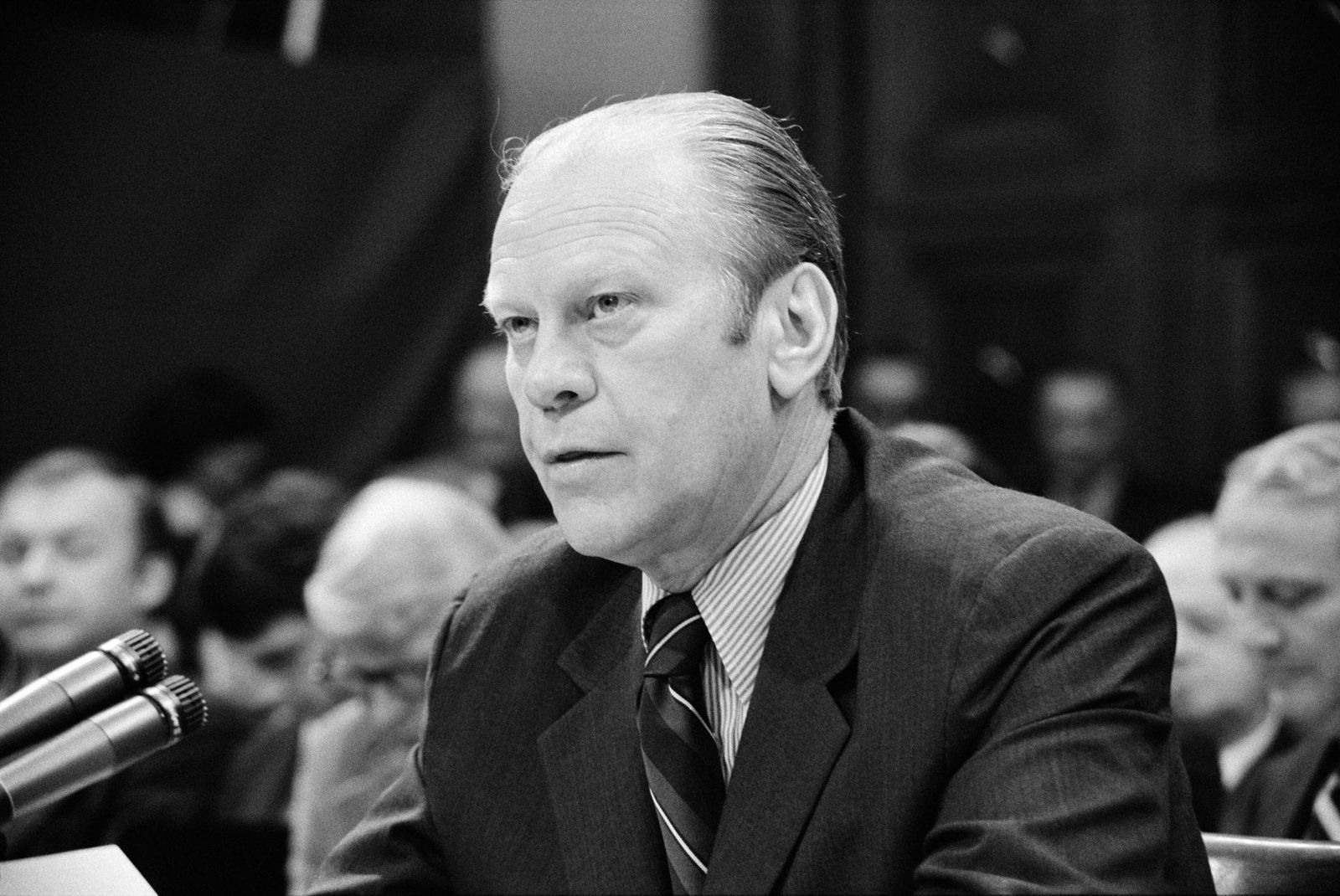
Gerald R. Ford

Image: Thomas J. O'Halloran, photographer, Public domain, via Wikimedia Commons

On July 14, 1913, a baby boy named Leslie Lynch King Jr. was born in Omaha, Nebraska, and 61 years later, he became the 38th president of the United States. If the name doesn't sound familiar, there's a good reason: he entered the White House under a completely different name.

Leslie Lynch King Jr. was named after his father. However, just 16 days after his birth, his mother, Dorothy, fled the marriage with her infant son to escape her abusive husband. Three years later, she divorced King and married Gerald Rudolph Ford, a paint salesman who raised the boy as his own. From then on, everyone knew him as Gerald Rudolph Ford Jr. , even though he didn't legally change his name until December 3, 1935, when he was 22 years old.

7
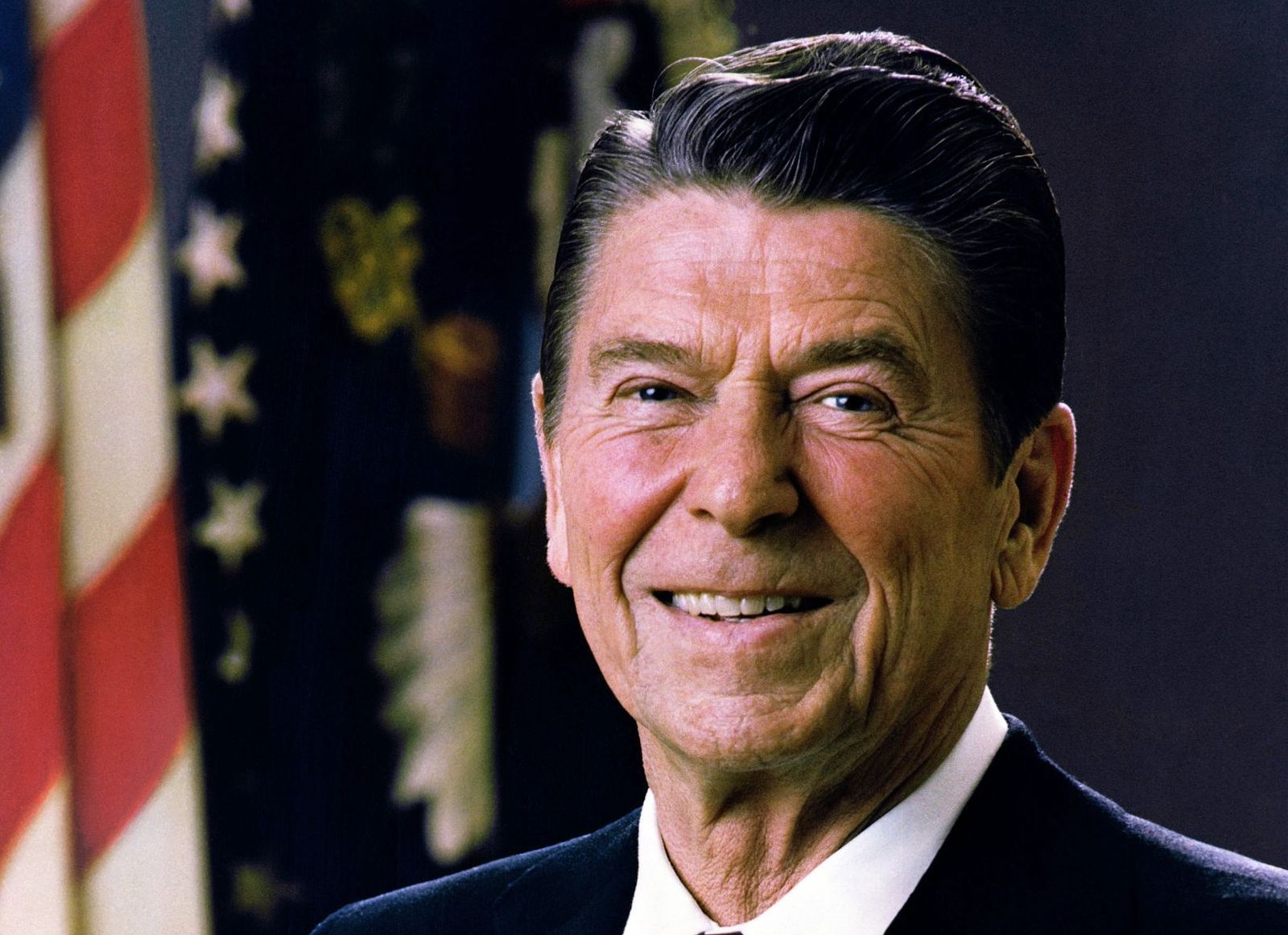
Ronald Reagan

Image: Michael Evans, Public domain, via Wikimedia Commons

Have you ever heard of "Dutch" Reagan? Perhaps not, but that was in fact the childhood nickname of Ronald Reagan, the 40th president of the United States.

Born as Ronald Wilson Reagan on February 6, 1911, in Tampico, Illinois, Reagan got his nickname from his father, who thought his newborn son looked like a "fat little Dutchman." The moniker stuck almost immediately. As a boy, Reagan embraced it so completely that, according to his autobiographies and records at the Ronald Reagan Presidential Library, he disliked being called Ronald and insisted everyone call him Dutch instead. That changed only after he arrived in Hollywood in the late 1930s, when studio executives convinced him that "Dutch Reagan" wasn't exactly leading-man material.

8
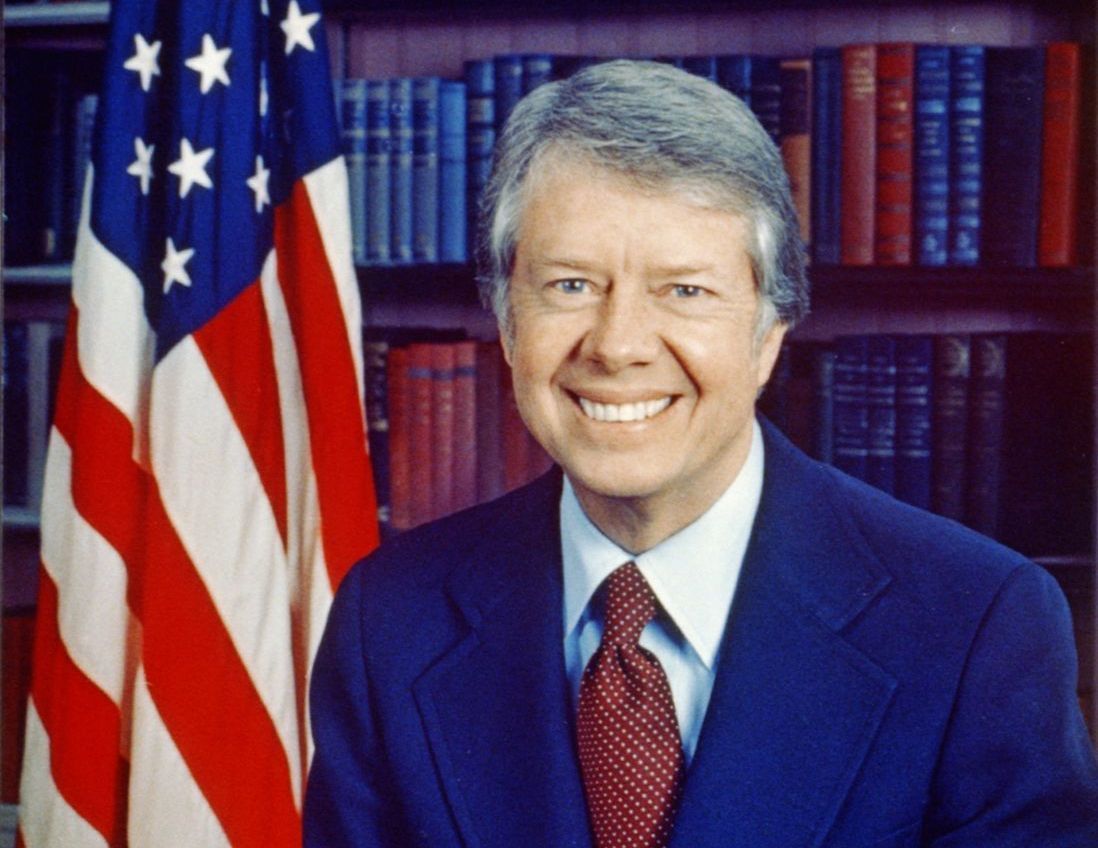
Jimmy Carter

Image: White House, Public domain, via Wikimedia Commons

Born James Earl Carter Jr. on October 1, 1924, in Plains, Georgia, and named after his father, the future president had been called "Jimmy" almost from the day he was born.

Over the years, the nickname became the name he truly identified with. So when he took the presidential oath in 1977, Carter broke with tradition. Instead of using his formal first name like all the presidents, he was sworn in as Jimmy Carter, becoming the first (and still the only) US president to take the oath of office using a nickname rather than his legal name.

9
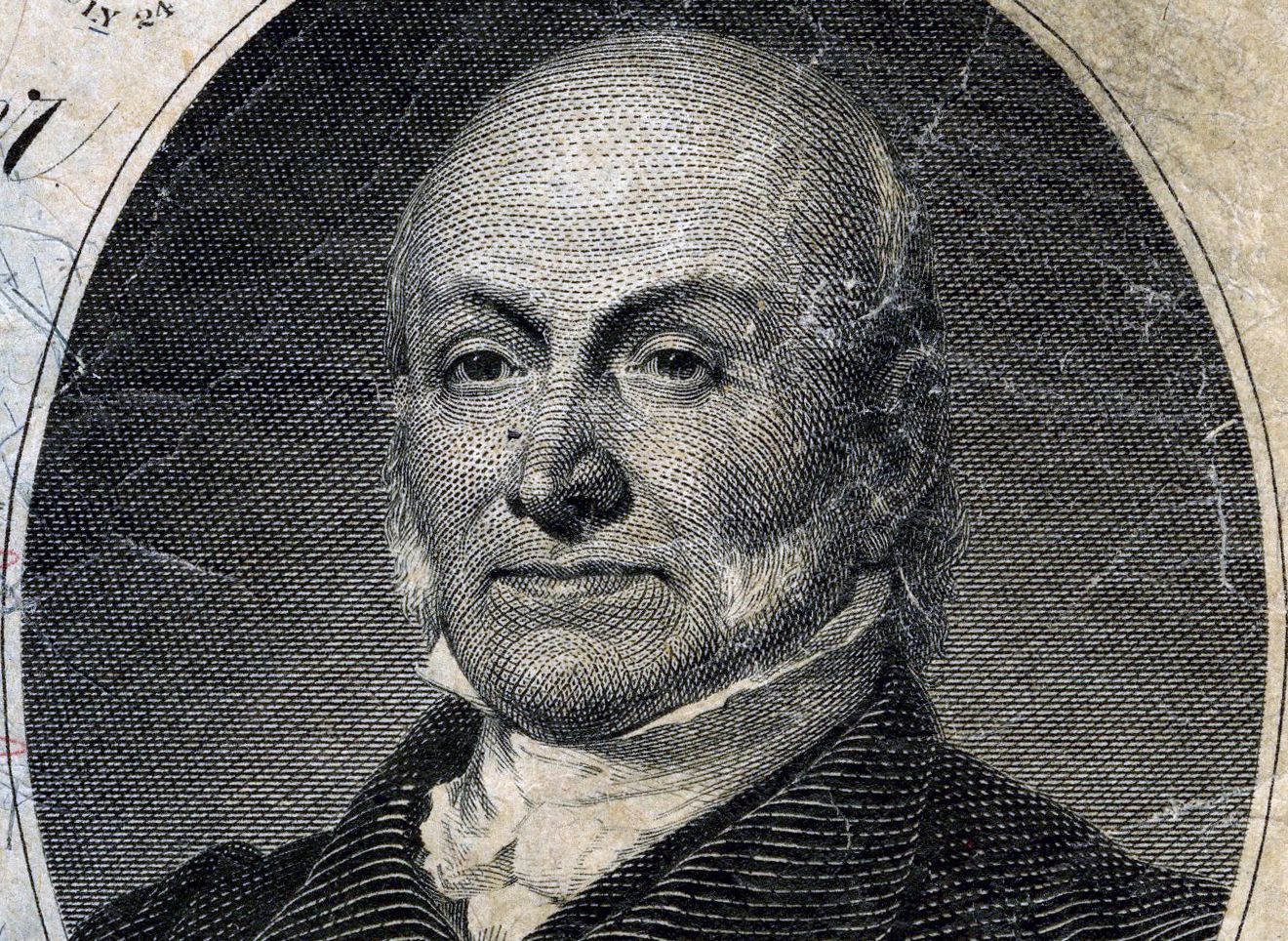
John Quincy Adams

Image: National Museum of American History, Public domain, via Wikimedia Commons

The second president of the United States, John Adams, is one of the best-known Founding Fathers. His name is instantly recognizable to most Americans, and that's exactly why his son made an important decision about what he would be called.

John Quincy Adams was born on July 11, 1767, in the North Precinct of Braintree, Massachusetts, an area that was officially renamed Quincy in 1792. The nation's sixth president and the first son of a president to become president himself carried a name with a story. He was named not only after his father, but also after his maternal great-grandfather, Colonel John Quincy, who was gravely ill when the baby was born. Although Quincy was originally a family surname, it became the baby’s middle name. As an adult, he embraced all three names, John Quincy Adams, helping distinguish himself from his famous father while honoring both sides of his family.

10
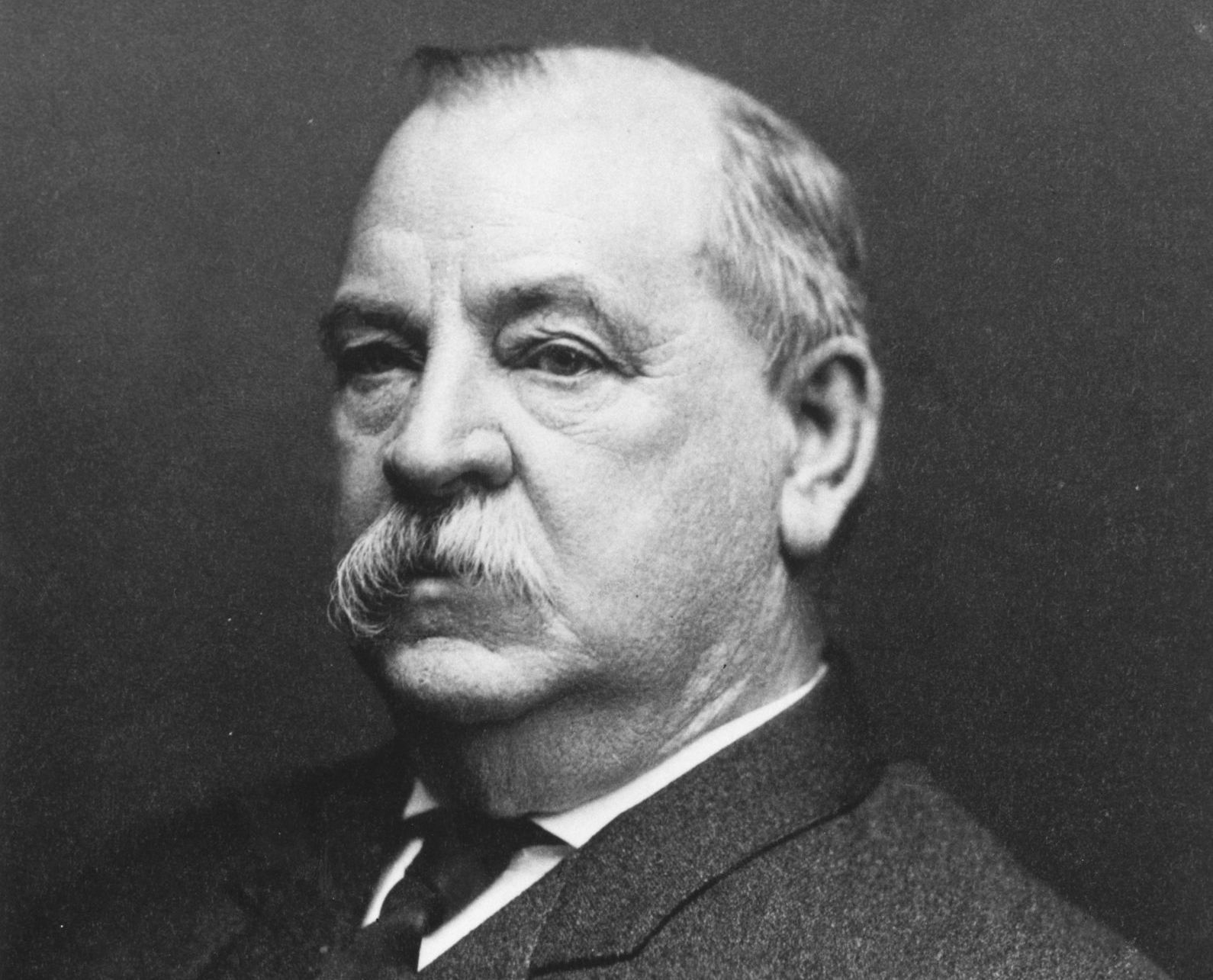
Grover Cleveland

Image: National Archives at College Park, Public domain, via Wikimedia Commons

Most people have never heard of Stephen Cleveland, but mention Grover Cleveland, and they'll know exactly who you're talking about. The thing is, they're the same person.

Born on March 18, 1837, in Caldwell, New Jersey, the future 22nd and 24th president of the United States was actually named Stephen Grover Cleveland. His father, a Presbyterian minister, chose the name to honor Reverend Stephen Grover, the first pastor of the First Presbyterian Church in Caldwell, where he was serving at the time. As he grew older, however, Cleveland made an unusual choice: instead of going by his first name, Stephen, he adopted his middle name because he simply liked the sound of "Grover Cleveland" better.

Explore more American facts

Choose your favorite category!

General
General

As American as apple pie—the very best America has to offer!

Culture
Culture

Delve into the astounding richness of American lore.

Geography
Geography

Hop in and explore vast and diverse American landscapes.

History
History

Discover the key moments that shaped the United States.