Geography Geography 4 min read

Discovering America

What's the easternmost point of the US? If you say Maine, think again!
Image: Jon Sailer

We’ve all picked up "facts" about the fifty states somewhere along the way, but not all of them hold up. Some are half-truths passed around for generations , others are just plain wrong. So, in an attempt to set the record straight once and for all, we’ve gathered some fun truths that clear up the biggest mix-ups about our states.

1
Arizona skips Daylight Saving Time
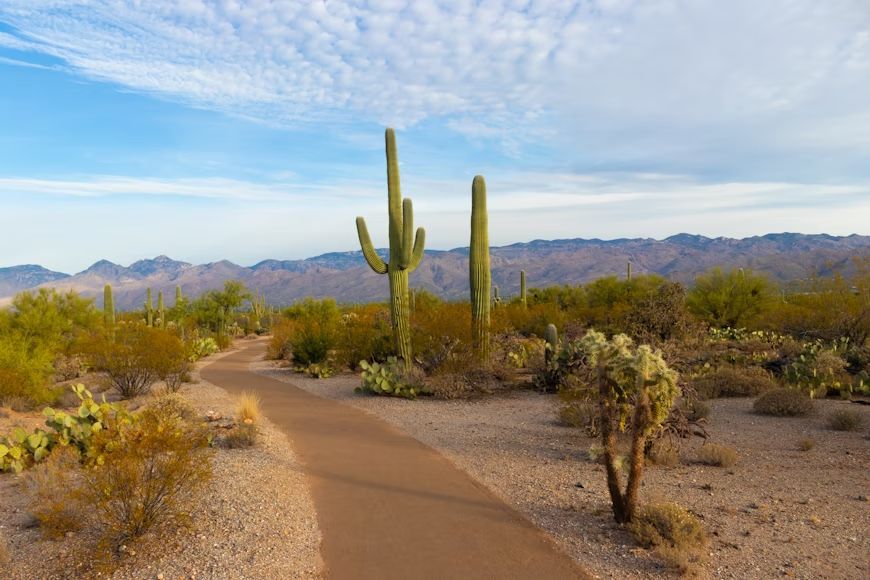
Image: Christoph von Gellhorn

This is partly true because most of the state doesn’t bother with Daylight Saving Time . They stopped changing the clocks back in 1967. The exception is the Navajo Nation, which stretches into Utah and New Mexico and keeps DST so all its communities stay on the same schedule. Now, as for the smaller Hopi reservation, inside the Navajo Nation, it sticks with Arizona time… Yes, quite confusing if you’re not a local.

2
Georgia isn’t really the Peach State
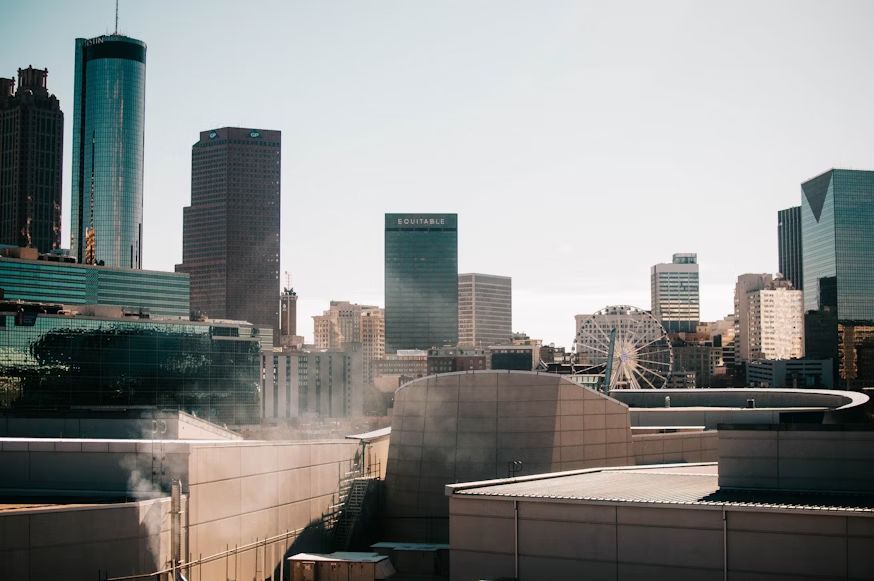
Image: Jessica Furtney

Georgia loves its peaches, sure, but the state’s top fruit money-maker is actually blueberries . In recent years, blueberries have brought in several times more cash for farmers than peaches. Meanwhile, California grows far more peaches than Georgia ever has. The nickname stuck from the old days when Georgia peaches were famous for their flavor, not their volume. So while the pride is real, the peaches aren’t quite the powerhouse people may think.

3
Nevada didn’t record the hottest US temperature
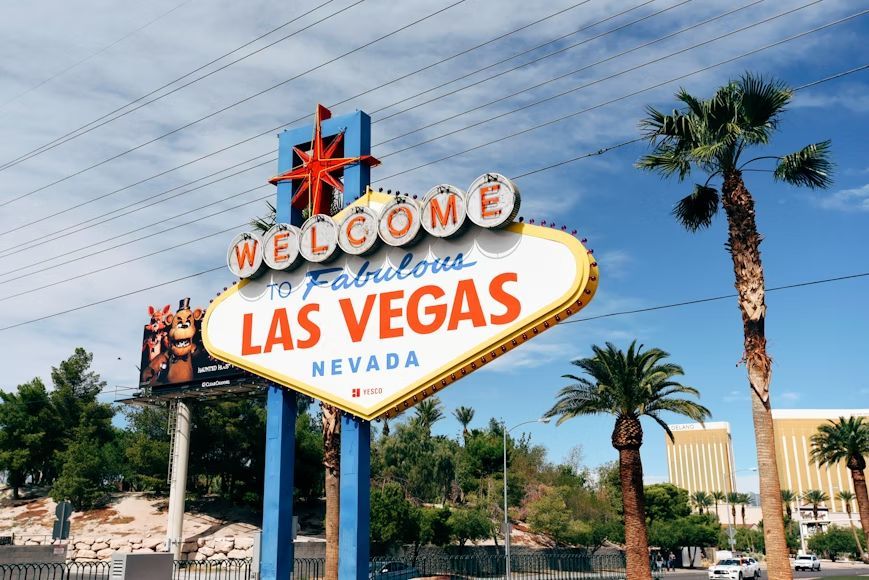
Image: tommao wang

You probably think of Nevada’s desert heat as unmatched, but the all-time record belongs to California’s Death Valley . In July 1913, it hit a mind-melting 134 degrees Fahrenheit, the hottest temperature not only in America but the hottest ever recorded on Earth!

4
Minnesota doesn’t have the most lakes
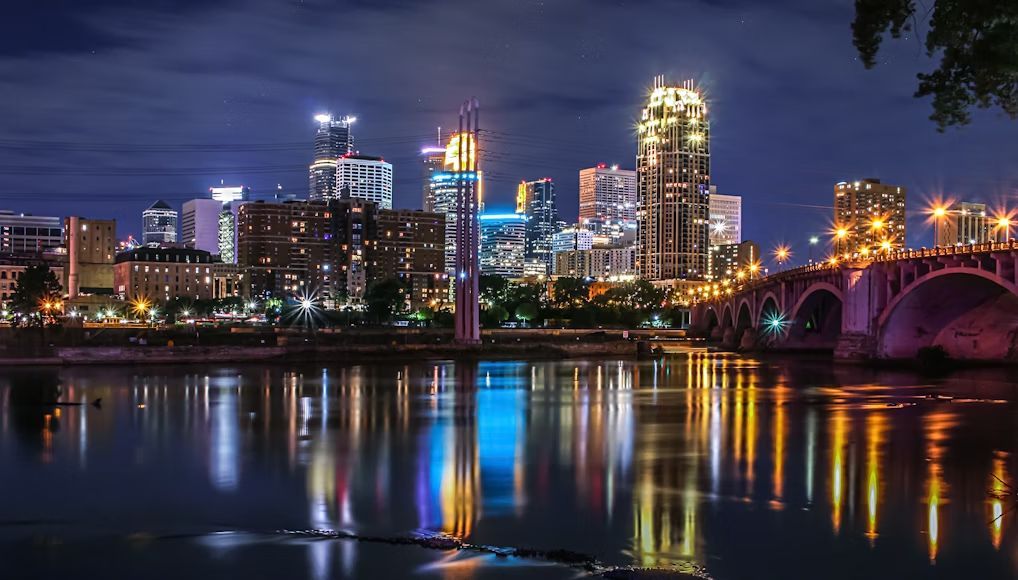
Image: Tom Conway

Minnesota proudly calls itself the "Land of 10,000 Lakes," but that’s selling itself short… The real number is closer to 12,000. However, Alaska wins this battle . The state has more than 3 million lakes over five acres in size. In fact, Alaska contains over 40 percent of the nation’s surface water. If you love fishing, kayaking, or just staring at a quiet stretch of water, the true lake capital of America is far up north.

5
Pineapples aren’t native to Hawaii
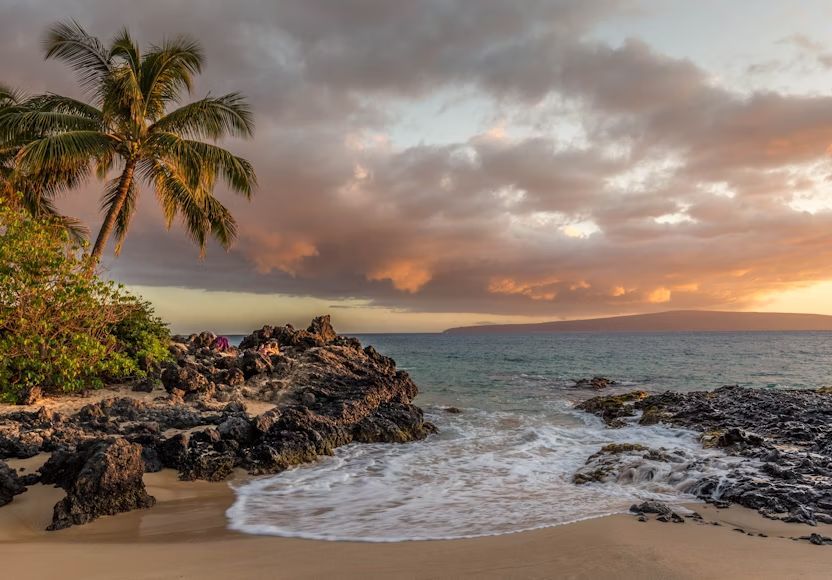
Image: Christian Joudrey

Pineapples are everywhere in Hawaiian imagery, but the plant actually comes from South America , mainly Paraguay and southern Brazil. Spanish explorers likely brought them to Hawaii in the 1500s after spreading them across the Pacific to places like the Philippines and Guam. Hawaii’s climate turned out to be perfect for growing them and by the 1900s, the islands were producing so many pineapples that the fruit became a symbol of Hawaii itself.

6
Maine isn’t the country’s easternmost point
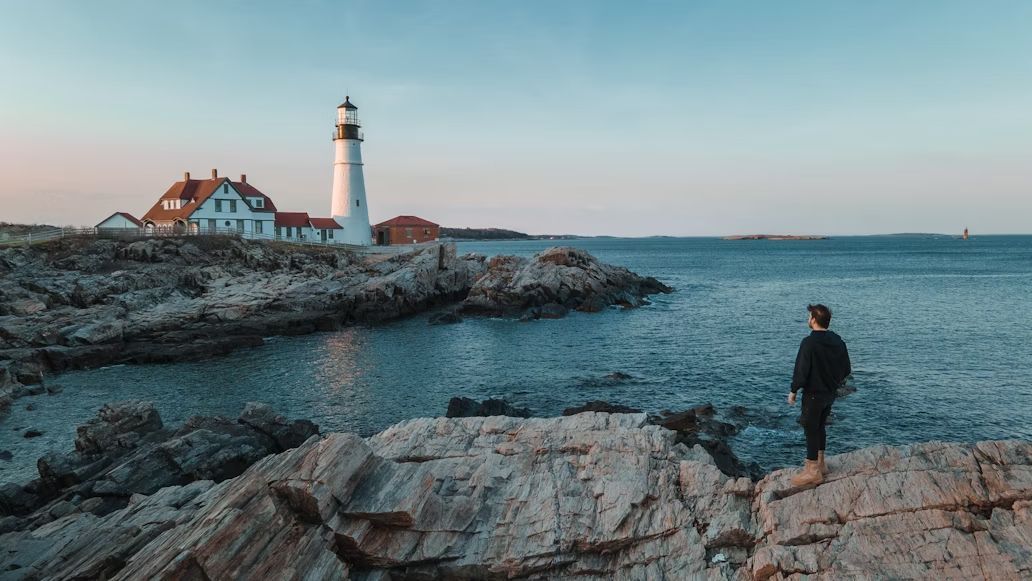
Image: Chris Henry

If you’re a Geography geek, you’ll love this one. You might picture Maine’s rocky coast as the eastern tip of America, but the actual easternmost point is thousands of miles away, on Alaska’s Semisopochnoi Island in the Aleutians. How is that possible? Well, that’s because it crosses the 180th meridian, putting it in the Eastern Hemisphere. That means part of Alaska technically sits farther east than anywhere in Maine.

7
The biggest US earthquake didn’t happen in California
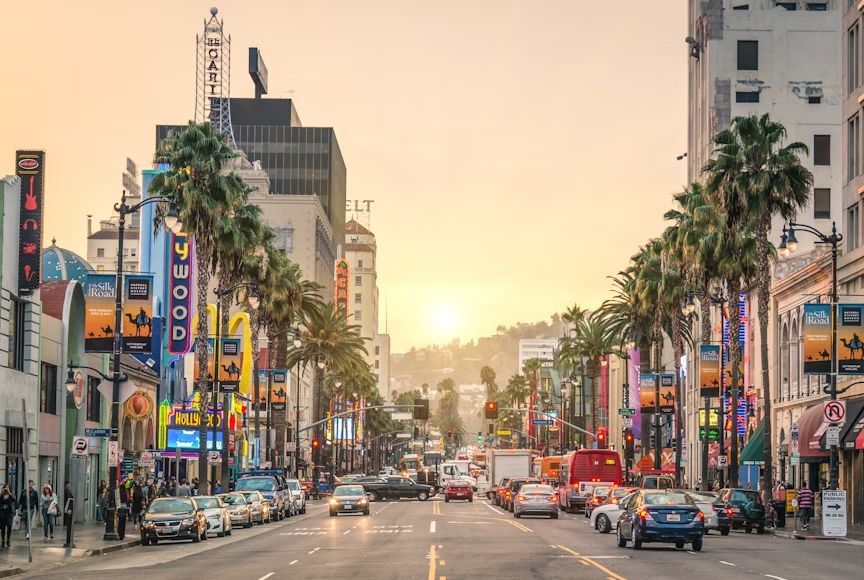
Image: Lala Miklós

California has suffered some big earthquakes in its history, but the most powerful earthquake in America struck Alaska in 1964 . It hit Prince William Sound with a magnitude of 9.2. It was so strong it shook the ground for four and a half minutes and triggered massive tsunamis. In today’s dollars, the damage would total more than $2 billion. Alaska sits on a collision zone of tectonic plates, making it one of the world’s most seismically active regions.

8
The Everglades isn’t America’s biggest swamp
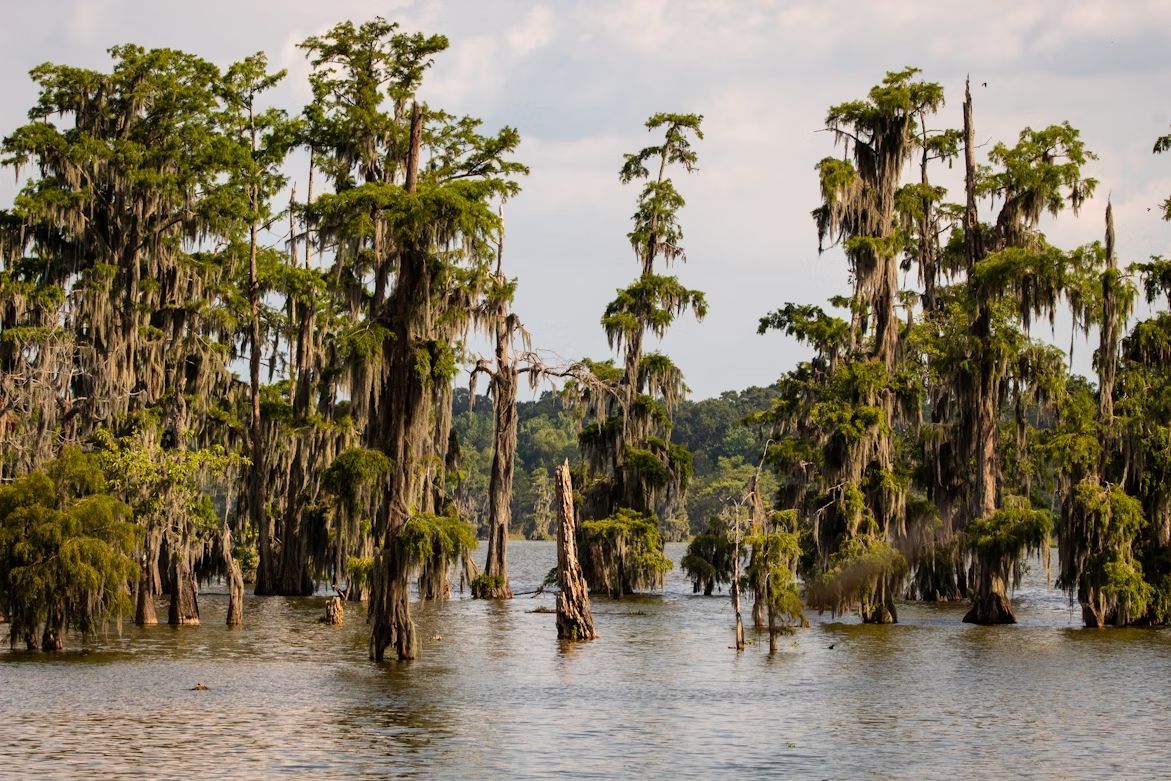
Image: Joshua J. Cotten

A lot of people picture the Florida Everglades when they think of swamps, but technically, the Everglades isn’t a swamp at all. The real title of the largest swamp in the United States goes to Louisiana’s Atchafalaya Basin , which spans about 1.4 million acres. This swamp has a vast mix of cypress forests, bayous, and marshes, and it’s more than twice as productive as the Everglades when it comes to wildlife and plant life.

9
Big cities aren’t always capitals
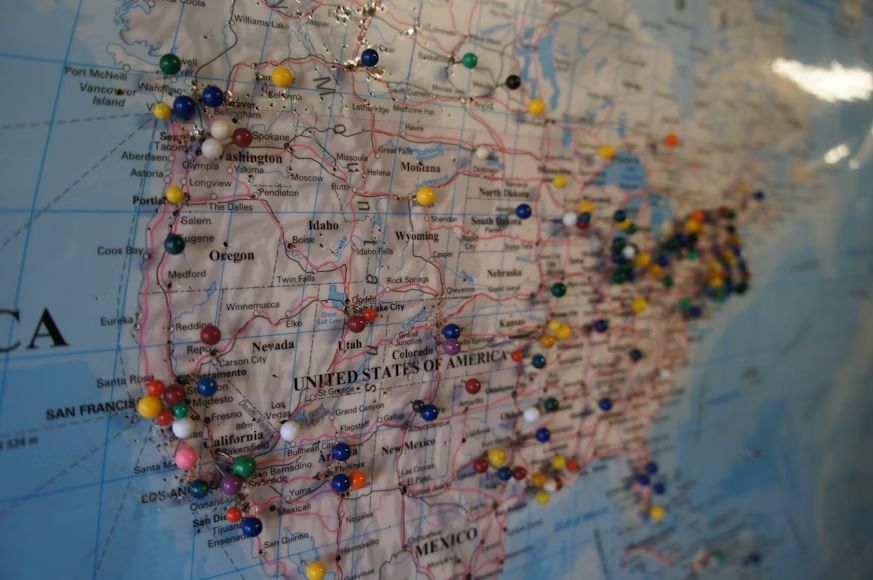
Image: Mackenzie Cruz

It surprises people how often the biggest city isn’t the state capital . New York City? Not the capital… Albany is. Chicago? Nope, that honor goes to Springfield. Pennsylvania’s capital isn’t Philly or Pittsburgh, it’s Harrisburg. Even California’s capital isn’t L.A. or San Francisco, it’s actually Sacramento. Out of fifty states, only seventeen have their most populous city as the capital.

10
Alaska isn’t divided into counties
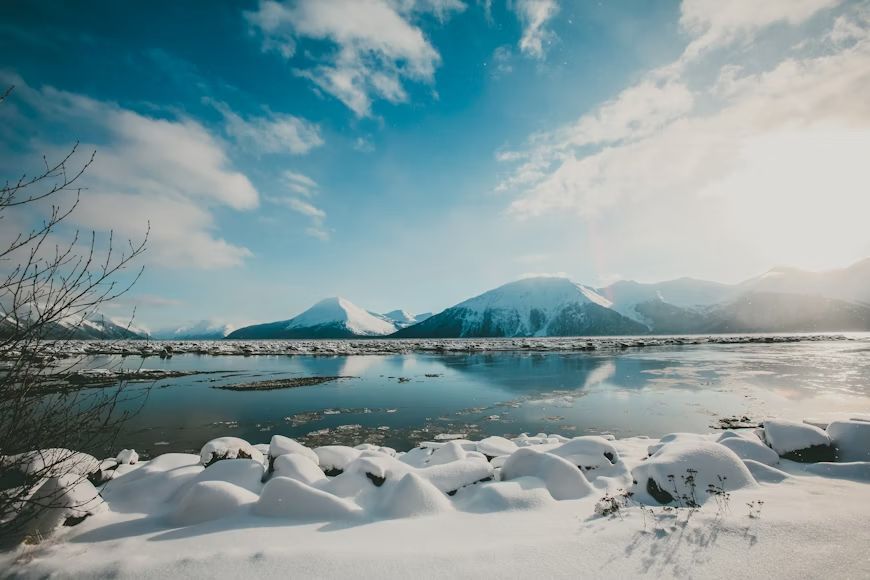
Image: Rod Long

Alaska likes to do things its own way. Instead of counties, it’s split into boroughs , and a massive area known as the Unorganized Borough has no local government at all. People out there don’t pay property taxes, but that freedom comes with challenges, limited services, fewer job options, and tough living conditions.
History History 5 min read

History time

Let’s honor our 13 original colonies with 13 interesting facts!

Image: Kaboompics.com

The 13 original British colonies along the East Coast of what is now the United States were the building blocks of a new nation. At the same time, they were lively, complex, and filled with unique stories. Founded for reasons ranging from religious freedom to economic gain, each colony brought its own flavor to the mix. While they eventually united to resist British rule, their individual histories remain captivating. Let’s explore 13 interesting facts about these foundational colonies and uncover the tales that make them unforgettable.

1
New Hampshire: Constitution and potatoes

Image: Spenser Sembrat

New Hampshire was a pioneer in colonial America: They were the first colony to establish its own constitutional government. But its tastiest contribution? Potatoes!

In 1719, Scotch-Irish immigrants near Londonderry planted the first permanent potato crops. The tubers quickly became a staple and spread across the colonies only to become the most consumed vegetable in the country. Plus, New Hampshire even declared the potato its official state vegetable in 2013. Who knew potatoes had such historical roots?

2
Massachusetts: Named after the original inhabitants

Image: Wei Zeng

When English settlers arrived on the Mayflower in 1620, they weren’t stepping onto empty land. Indigenous peoples had called the area home for thousands of years.

The colony’s name, Massachusetts, honors the Massachusett tribe. Derived from the Algonquian word Massa-adchu-es-et , it translates to "great hill-small place." Even as history tells a more complicated story about their interactions with the settlers, it’s a nice tribute to the land's original inhabitants.

3
Connecticut’s secret tree

Image: Christopher Luther

Connecticut’s colonial history has a touch of mystery and rebellion . In 1662, the colony was granted a royal charter ensuring its right to self-govern by King Charles II. After his death, in 1686, King James II tried to revoke it.

Legend has it that, during a heated debate, the charter was spirited away during a momentary blackout and hidden in the hollow trunk of a white oak tree. The "Charter Oak" became a symbol of freedom and self-determination, and it’s now honored as Connecticut’s official state tree.

4
Rhode Island: Refuge for the rejected

Image: Demure Storyteller

The colonies were revolutionary, but some views were too progressive for the era. That is why Roger Williams, Rhode Island’s founder, was banished from Massachusetts . He had progressive views on religious freedom and so he found sanctuary in what later became Rhode Island.

In 1636, he purchased land from the Narragansett people and founded a colony based on the separation of church and state. It became a haven for minority religious groups like Baptists, Quakers, and Jews.

5
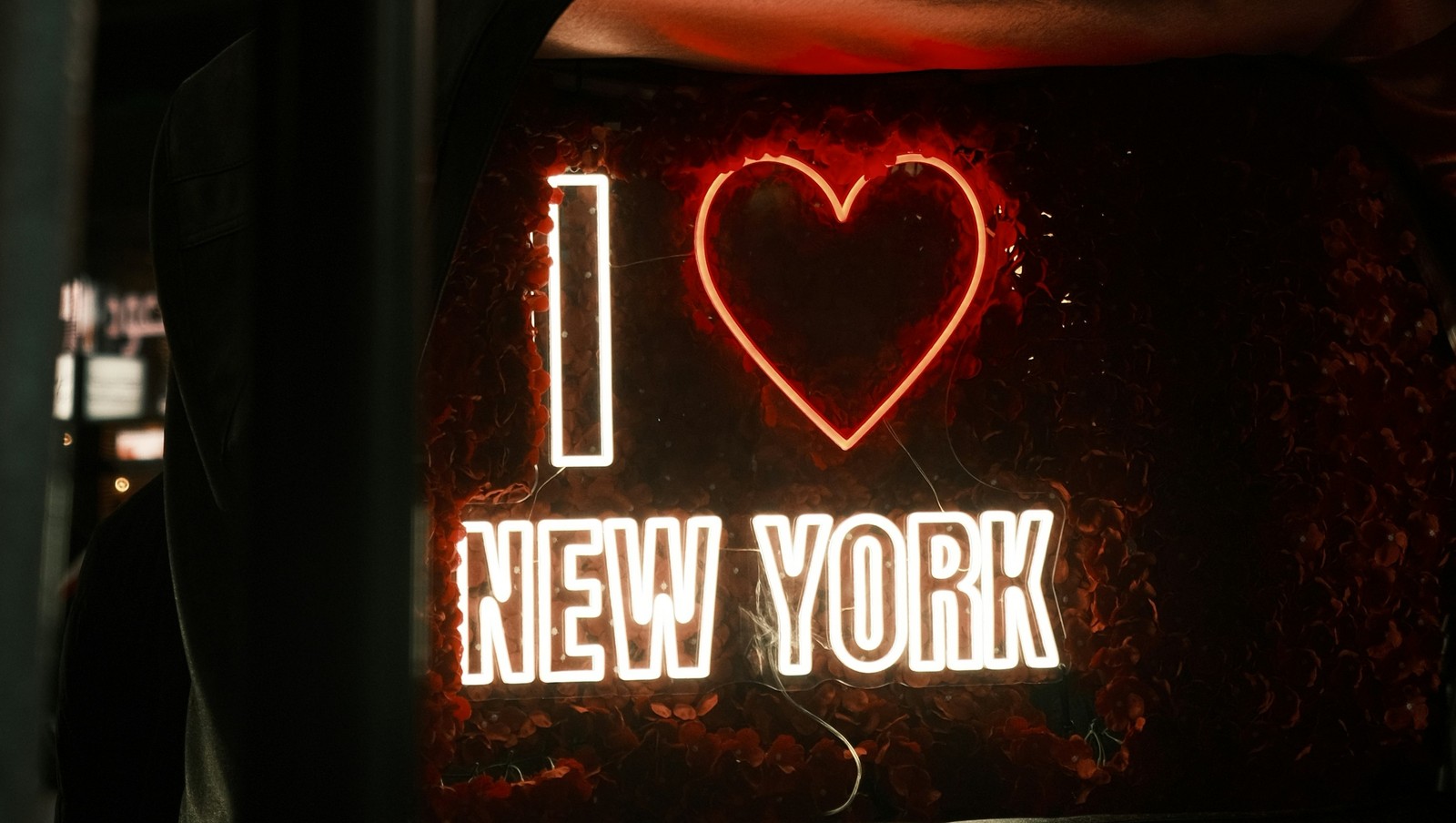
New York: From New Netherland to a global capital

Image: Benjamín Gremler

Before it was New York, it was New Netherland, a bustling Dutch colony founded in 1624. The Dutch established New Amsterdam on Manhattan Island, but in 1664, the English seized the territory and renamed it after the Duke of York.

New York grew rapidly, eventually becoming the first capital of the United States after the Revolutionary War. It’s amazing to think this vibrant city started as a modest Dutch trading post.

6
New Jersey’s devilish legend

Image: Benjamin Ashton

The Pine Barrens of New Jersey are home to one of America’s oldest and creepiest legends : the Jersey Devil. Do you know how it goes?

According to folklore, a woman named Mother Leeds cursed her 13th child, who was born as a monstrous creature, and fled into the forest. The tale, rooted in both colonial superstition and Indigenous folklore, has been passed down for centuries, keeping imaginations alive, and visitors on edge, in the Garden State.

7
Pennsylvania: The King’s debt becomes a colony

Image: The Body

Pennsylvania owes its existence to a royal, and quite big, IOU. King Charles II granted William Penn the land in 1681 as payment for a debt owed to Penn’s father.

Penn established the colony as a safe haven for Quakers, emphasizing religious tolerance and fair dealings with Indigenous peoples. Pennsylvania, clearly named after the family’s name, became a model of diversity and coexistence, attracting settlers of all faiths and backgrounds.

8
Delaware: The First to Declare Independence

Image: Demure Storyteller

Independence from Britain? They all did that, but Delaware took it a step further! Though initially governed as part of Pennsylvania, Delaware established its own legislature in 1704.

On June 15, 1776, this colony declared independence not just from Britain but also from Pennsylvania, making it the first colony to break away formally . Known as the "First State" for ratifying the US Constitution in 1787, Delaware’s pioneering spirit is woven into its history.

9
Maryland: A pirate colony?

Image: Luisa Frassier

Maryland’s early days weren’t all peaceful. William Claiborne , a man of the Virginian council, refused to accept that his settlement on Kent Island was part of Maryland after the colony’s charter was granted in 1632.

Claiborne launched pirate raids on Maryland’s trading posts, leading to charges of piracy and murder. While he eventually lost his claim, Claiborne’s defiance adds a plot twist to Maryland’s story.

10
Virginia: Witch trials in the South

Image: Henry Deng

Did you think witch trials only happened in Salem? Think again. Virginia held about two dozen trials between 1626 and 1730, including the infamous case of Grace Sherwood. If that name doesn’t ring a bell, maybe "The Witch of Pungo" does.

While we’re not going to get into the details of how they proved she "was a witch," she was convicted of witchcraft and spent several years in jail before she was released.

11
North Carolina: The Mystery of Roanoke

Image: Gene Gallin

North Carolina’s Roanoke Colony remains one of America’s greatest mysteries. In 1587, over 100 settlers vanished without a trace , leaving behind only the word "Croatoan" carved into a tree.

As you can imagine, there are plenty of theories surrounding this event: Did they join local Indigenous tribes, or succumb to the harsh environment? While we may never know, the "Lost Colony" keeps historians and treasure hunters quite captivated.

12
South Carolina’s "Blue Gold" boom

Image: Omri D. Cohen

South Carolina’s indigo trade, led by Eliza Lucas Pinckney in the 1730s, turned the colony into an economic powerhouse. This vibrant blue dye, vital for textiles, was so lucrative it earned the nickname "blue gold."

Despite the challenges, which included sabotage by rivals, the crop’s success transformed South Carolina’s economy. However, its growth came at the cost of enslaved labor, a sobering reality of the colony’s prosperity.

13
Georgia: A colony for a cause

Image: Jaanus Jagomägi

Founded in 1732 by James Oglethorpe, a prison reformer, Georgia was established as a social experiment . It was designed to provide a fresh start for England’s "worthy poor," and to that end, the colony outlawed slavery and large landholdings.

However, settlers soon pushed back, and by 1751, many of the original restrictions were lifted. Despite its challenges, Georgia’s idealistic beginnings make it a unique addition to the 13 colonies.

General General 3 min read

Stay safe!

Black bears in your area? 10 tips about what to do and what not to do

Image: Dre Erwin

Different species of bears have lived in America for much longer than humans and continue to do so, sometimes even near urban areas. People who live in areas where black bears can be found should know how to act to stay safe and avoid harming the bears, which are mostly just confused and hungry. Take a look at the following 10 tips and remember them. This is the kind of information that can save your life or, at the very least, save you some trouble.

1
Stand and face the bear

Image: Robert Thiemann

If a black bear approaches you, stand your ground and face it directly . Never run away from or approach it. The bear is most likely just as surprised as you are and will avoid getting into a fight. If the animal sees that you don’t flee, it will simply walk away looking for an easier, less crowded direction.

2
Appear big

Image: Tristan Frank

A trick often employed in nature by animals and insects that need to deter bigger creatures is to make themselves appear larger by any means necessary. The same tactic should be employed if you encounter a black bear. Make yourself look as big as possible by spreading your arms or, better yet, using a coat if you have one at hand.

3
Make some noise

Image: Isabel Lee

No other animal in nature can create noises like a human can. Either screaming at the top of your lungs or banging on a pan, the kind of noise you can produce is extremely startling for almost any animal, including bears, which will leave you alone as soon as they can.

4
Keep bear spray at hand

Image: Michael Anfang

Bear spray is a highly effective deterrent against black bears. If a bear approaches and you have bear spray, don't hesitate to use it . The animal will find the whole ordeal extremely unpleasant and will flee immediately.

5
Fight back

Image: Julia Fiander

In the extremely rare event of a black bear trying to attack you, attempt to escape to a secure location. If escape is not possible, fight back using any available object . Focus your blows on the bear's face and muzzle. Never play dead, as this can encourage the bear to continue its attack.

6
Remove what attracted the bear

Image: Susan Elizabeth Jones

If you have seen a bear near your home or the area where you are staying, be sure to remove whatever attracted them to the location . This could include a used barbecue grill with leftover grease or meat, a bird feeder, unattended pet food, or garbage.

7
Alert your neighbors

Image: Alla Kemelmakher

If you have seen bears or any signs of their presence in your area, alert your neighbors. Even if you have taken the necessary precautions to deter the presence of bears, your neighbors might be doing otherwise if they are not aware of the situation.

8
Keep your pet safe

Image: Camerauthor Photos

If you are in an area where black bears, or any bears, are known to exist, always check for their presence before letting your dog, cat, or any other pet go outside. If a bear is in the vicinity, create a safe, enclosed space where your pet can retreat. If possible, move your pet indoors quickly and calmly, keeping them away from windows or doors where they could attract the bear's attention.

9
Give the bear an escape route

Image: Bruce Warrington

If you encounter a bear in your area, follow the advice mentioned earlier and always make sure to leave an escape route for the bear to leave easily. If the animal feels cornered, there is a much bigger chance of getting into an aggressive situation.

10
Airtight containers

Image: Marcus Urbenz

Make sure to store garbage in secure, airtight containers inside a garage or other enclosed storage area. Adding ammonia to trash cans and bags will help reduce odors that attract bears. Also, clean garbage cans with ammonia at least once a week to eliminate residual odors.

Do not store recyclables on a porch or in a screened sunroom, as bears can smell these items and will rip through screens to get to them. Place garbage outside only on the morning of collection, not the night before.

Explore more American facts

Choose your favorite category!

General
General

As American as apple pie—the very best America has to offer!

Culture
Culture

Delve into the astounding richness of American lore.

Geography
Geography

Hop in and explore vast and diverse American landscapes.

History
History

Discover the key moments that shaped the United States.