Camelot & beyond
Jackie Kennedy: 12 moments that defined her life
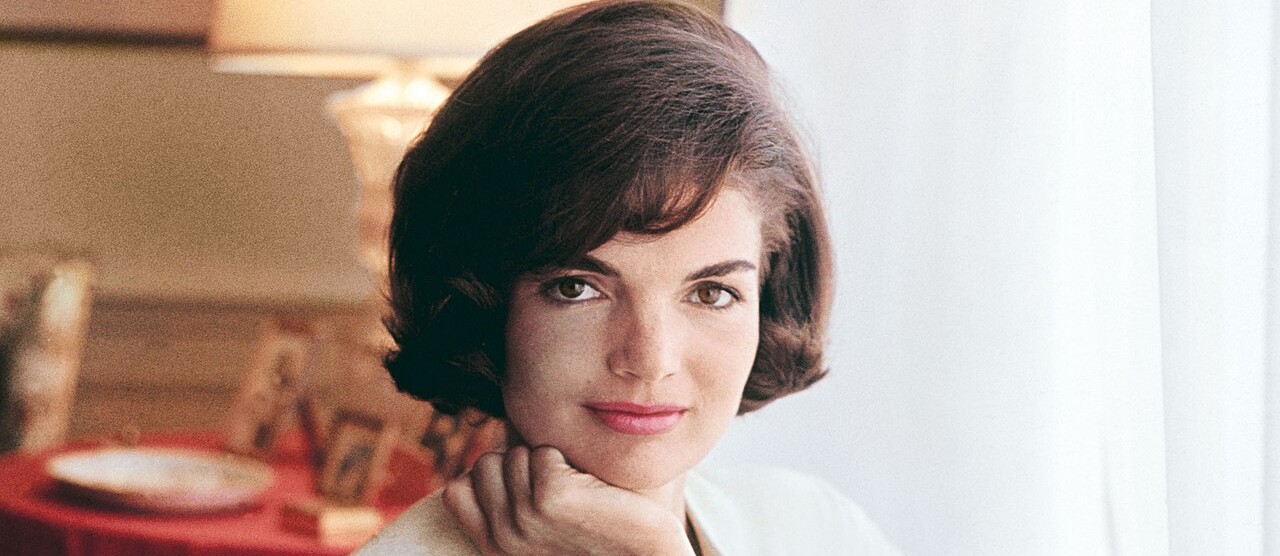
Image: Mark Shaw, Public domain, via Wikimedia Commons
Few American women of the 20th century became as recognizable as Jacqueline Kennedy. Her years in the White House made her a global figure, but there was much more to her story than her famous style or marriage to John F. Kennedy. She was a journalist, a mother, an editor, and a preservationist with a lifelong interest in history and culture. These 12 moments reveal the experiences that shaped Jackie Kennedy.
1
Childhood and privileged upbringing
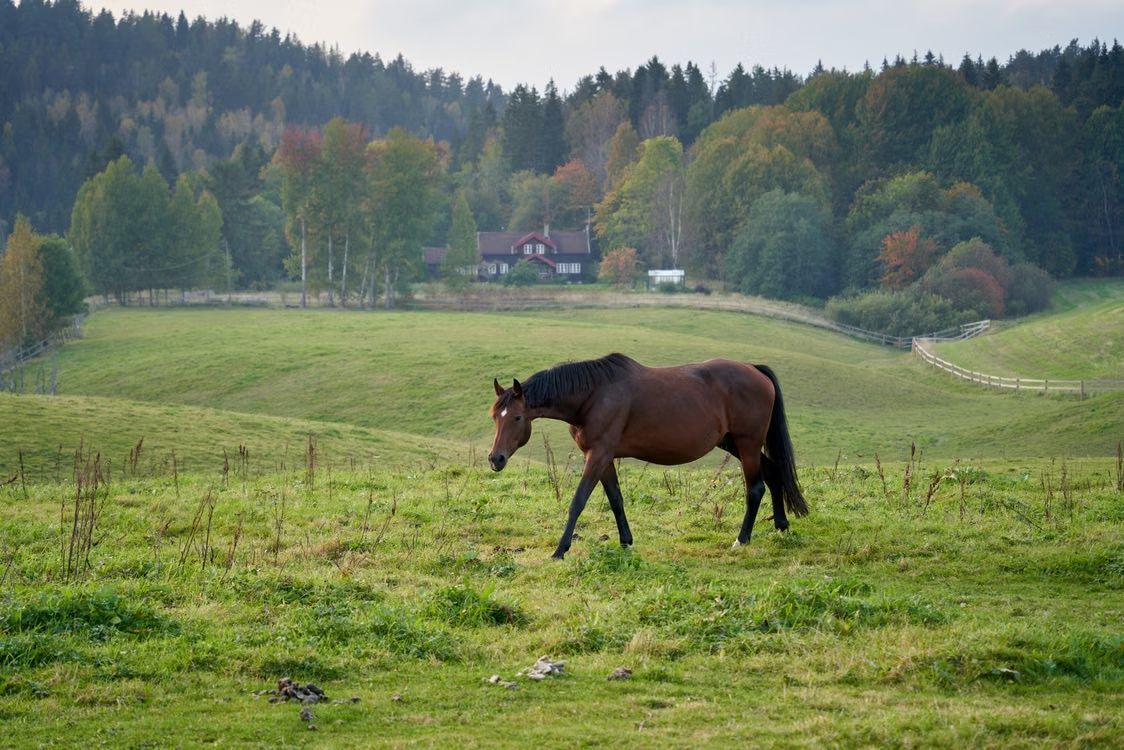
Jacqueline Lee Bouvier was born on July 28, 1929, in Southampton, New York, into a wealthy New York family. Her father, John Bouvier, was a successful stockbroker, while her mother, Janet, encouraged her daughters to develop an appreciation for culture, languages, and the arts. Young Jackie also became an accomplished horsewoman and won several national equestrian championships as a child.
Her parents divorced when she was 10, and her mother later married businessman Hugh Auchincloss. Jackie split her time between high-society Manhattan and the Auchincloss family's homes, including a large estate in Virginia. She was exposed to travel, art, history, and high society from an early age, all interests that stayed with her.
2
Studying in France
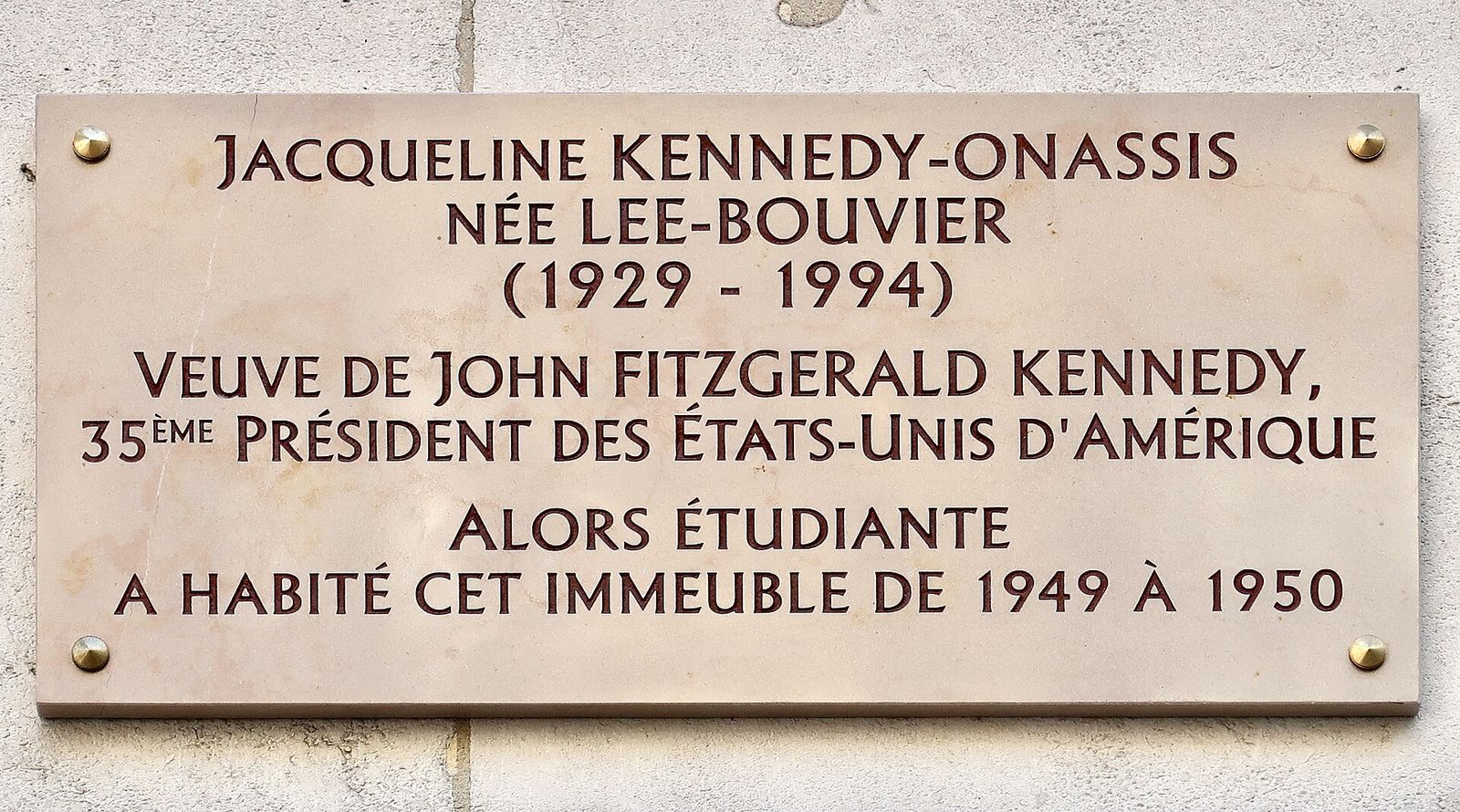
France became an important part of Jackie's life while she was still a college student. In 1949, during her junior year at Vassar College, she studied abroad in Paris . She lived with a French family and immersed herself in the French language, history, and culture.
The year in France stayed with Jackie long after she returned home. She ultimately graduated from George Washington University in 1951, but her love of French and European culture never faded. As First Lady, that interest showed in her appreciation for historic art, architecture, and design.
3
Working as a newspaper photographer
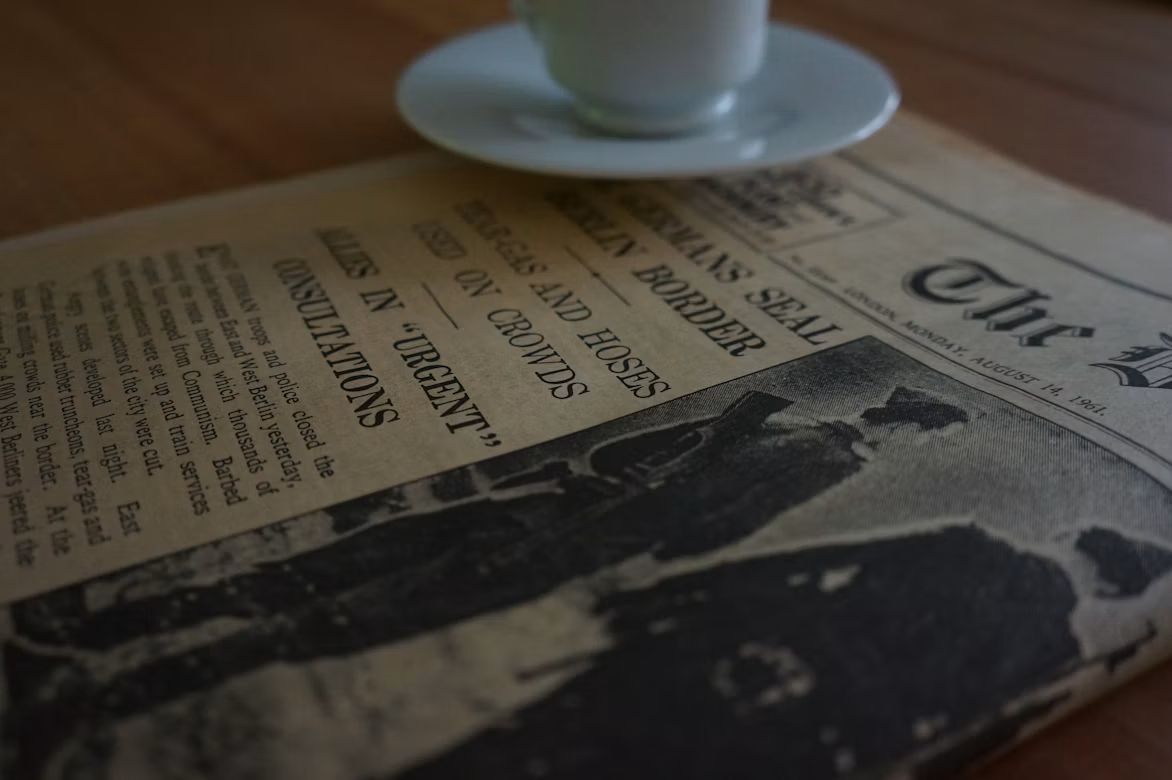
Before becoming a Kennedy, Jackie had a job that put her directly in the middle of Washington life. In 1951, she joined the Washington Times-Herald as an "Inquiring Camera Girl," traveling around the city with a camera and interviewing people she encountered for her column.
Her assignments brought her into contact with politicians, celebrities and ordinary Washington residents . She covered events including Dwight D. Eisenhower's inauguration and the coronation of Queen Elizabeth II. The job gave Jackie valuable experience in journalism, photography and public life before she ever entered the White House.
4
Meeting John F. Kennedy
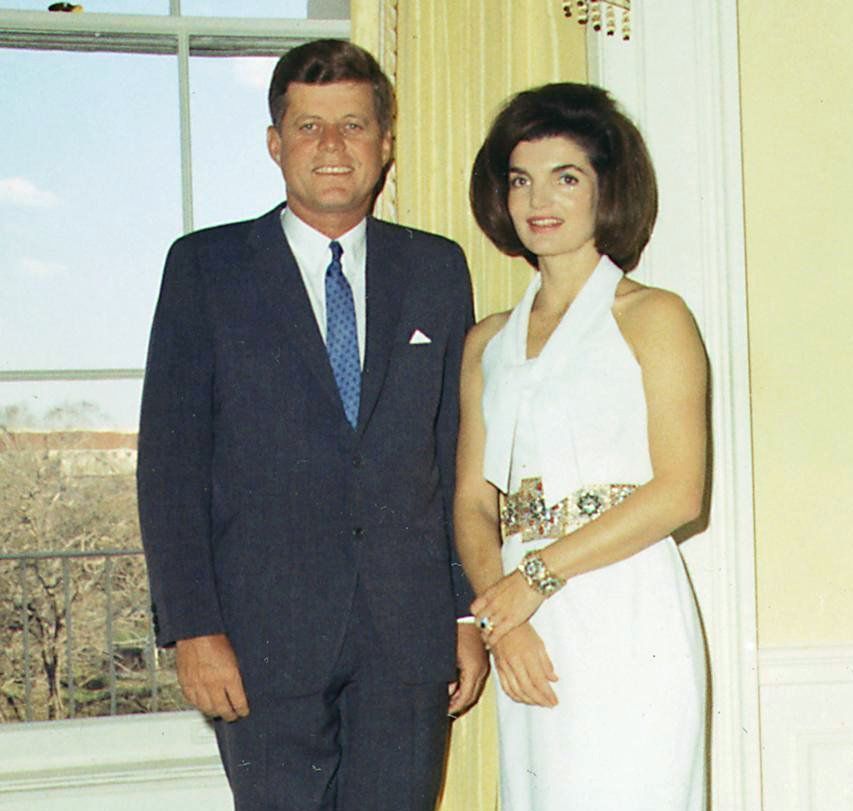
Jackie met John F. Kennedy in Washington in 1952 through mutual friends. Hailing from a prominent Massachusetts family, Kennedy was a young congressman at the time and was preparing to run for the U.S. Senate, while 23-year-old Jackie was working at the Washington Times-Herald.
The two quickly became a couple, and Kennedy proposed in June 1953. They were young, well-connected, and soon became one of Washington's most talked-about couples. By marrying Kennedy, Jackie was stepping into a political world that would soon make her one of the most recognizable women in America.
5
The 1953 wedding
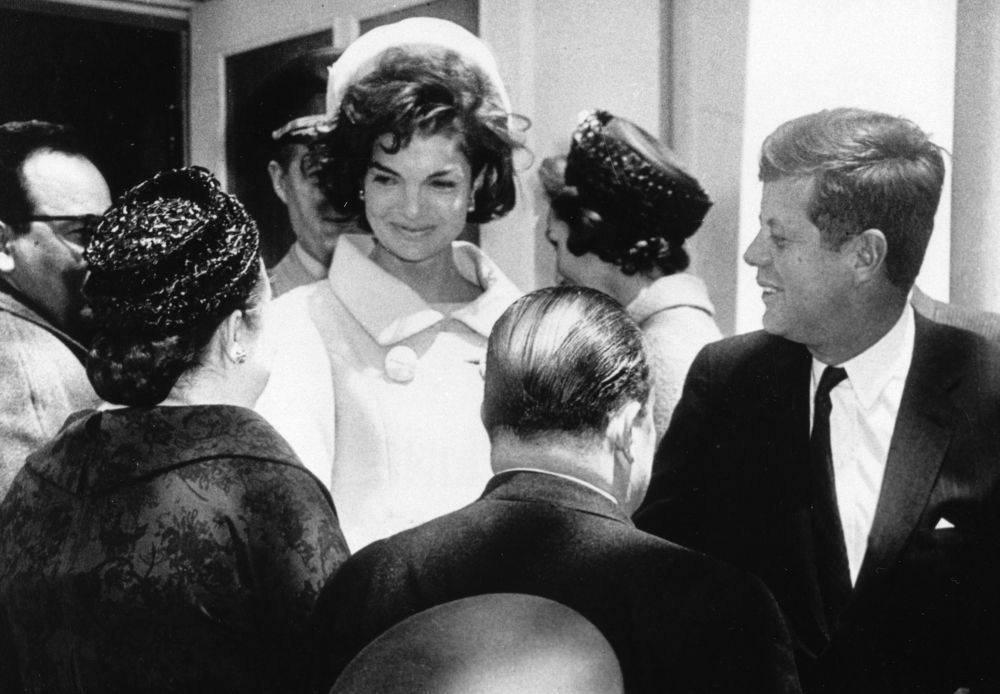
On September 12, 1953, Jacqueline Bouvier and John F. Kennedy were married at St. Mary's Church in Newport, Rhode Island. More than 1,200 guests attended the reception at Hammersmith Farm, the estate of Jackie's stepfather, Hugh Auchincloss. The wedding received extensive attention from the press and society pages.
Marriage also brought Jackie into a more demanding political world. While Kennedy continued his career in Washington, she supported him through his recovery from serious back problems. During this period, she encouraged him to work on a book about senators who had demonstrated political courage . Profiles in Courage was published in 1956 and won the Pulitzer Prize in 1957.
6
Life as a political wife
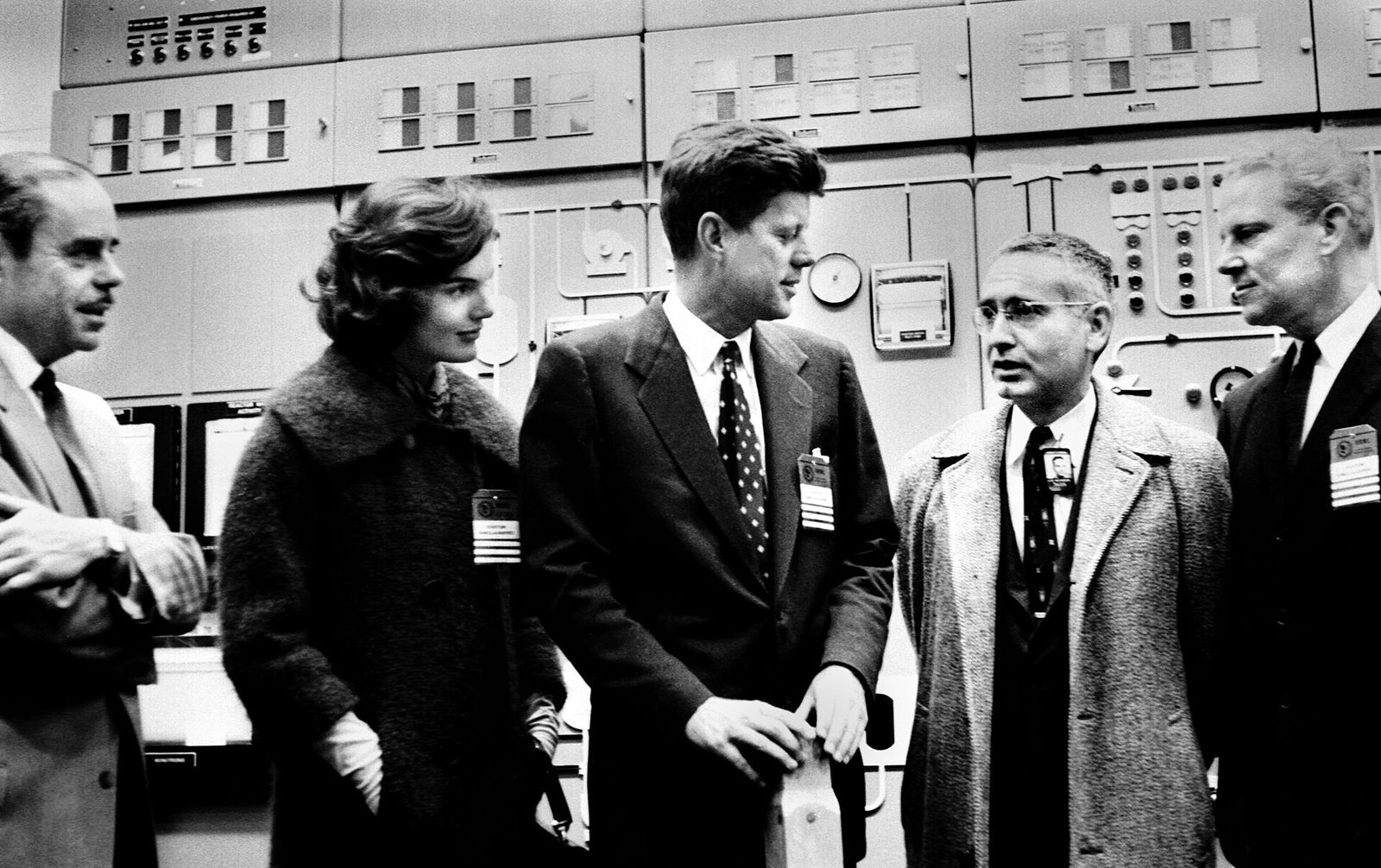
As Kennedy's political ambitions grew, so did Jackie's public role. During his 1960 presidential campaign, she became a visible supporter, although her pregnancy (with second child John F. Kennedy Jr.) prevented her from traveling extensively. Instead, she answered campaign letters, gave interviews, filmed TV ads, and wrote a syndicated newspaper column called "Campaign Wife."
Jackie understood that a candidate's family could shape public perception. At the same time, she was protective of her private life and wanted to shield her children from excessive attention. Finding that balance between public expectations and family privacy would remain a recurring theme throughout her life.
7
Becoming First Lady
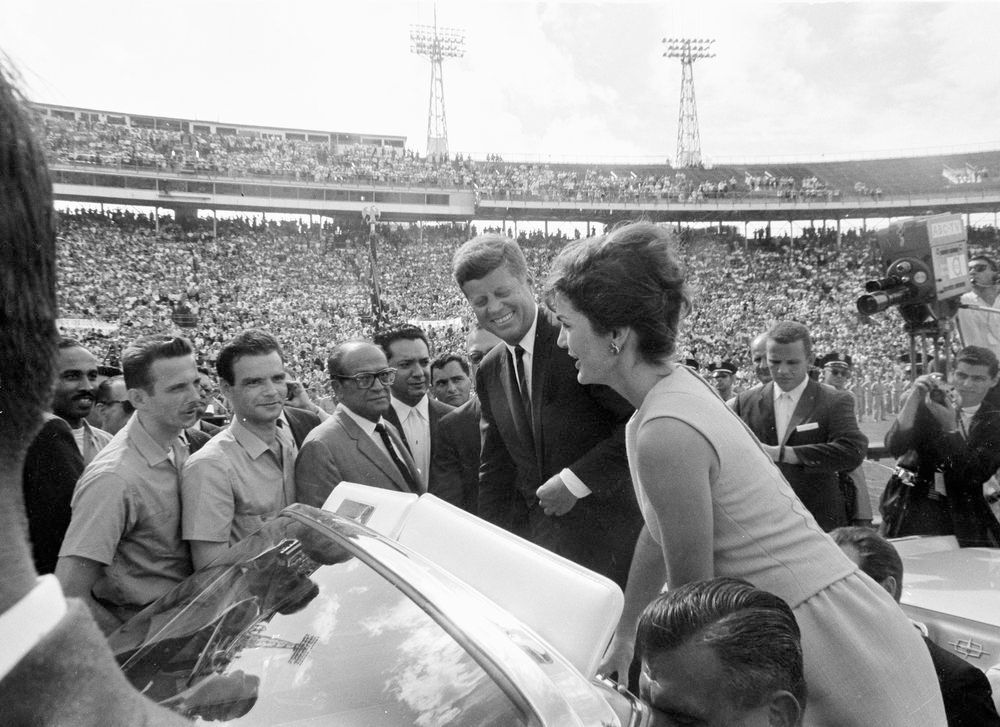
On January 20, 1961, John F. Kennedy became the 35th president of the United States, making 31-year-old Jacqueline Kennedy one of the youngest First Ladies in American history. Her arrival brought a youthful, sophisticated, and distinctly cultural presence to the White House.
She quickly made clear that she wanted the presidential residence to reflect its history. Jackie was particularly interested in American furniture, paintings, architecture, and decorative arts. At the same time, she was raising two very young children: Caroline was 3, while John Jr. was just over 2 months old when Kennedy took office. She wanted the White House to feel like a home for her family as well as the president's official residence.
8
The White House restoration
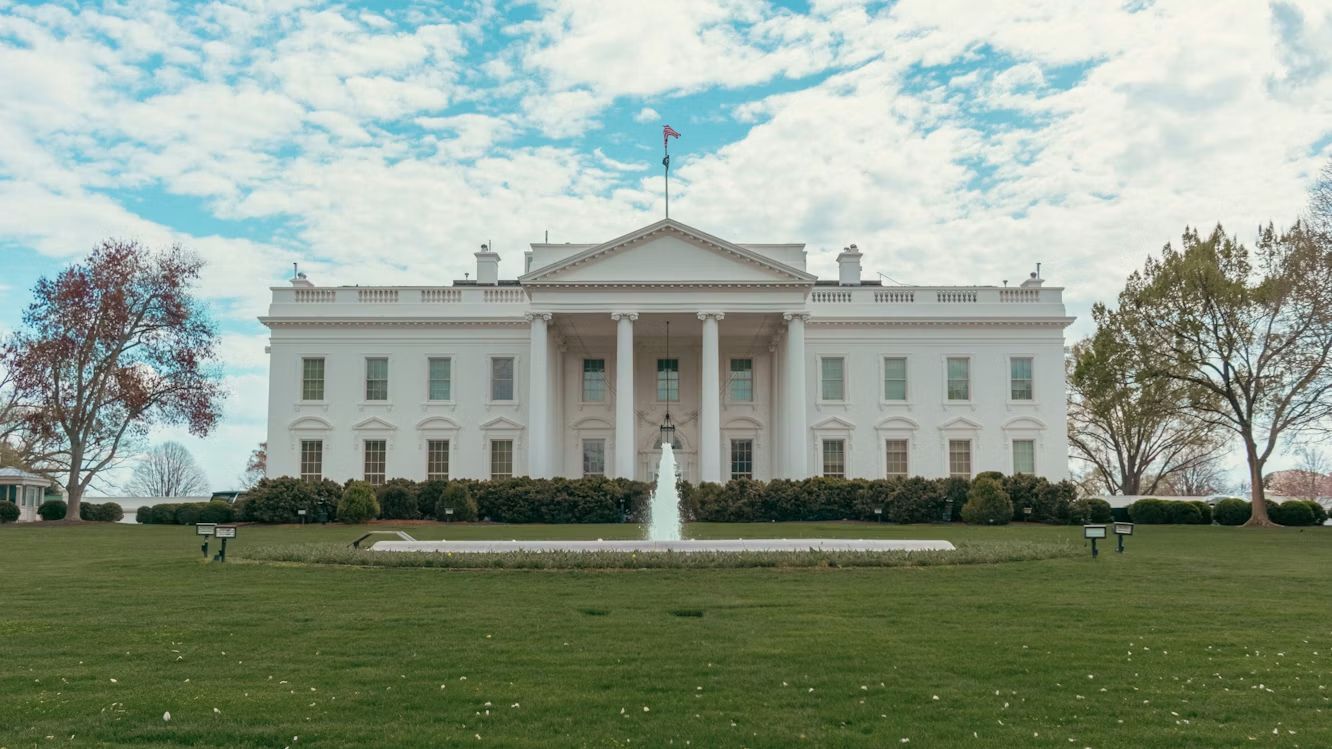
One of Jackie's most significant projects as First Lady was the restoration of the White House. She was concerned that historic furniture and objects had been removed over the years and wanted the building to better reflect its past.
She brought in experts and helped establish a Fine Arts Committee and the position of White House curator. Jackie also encouraged the return of historically significant furniture and decorative objects. Her efforts helped change the way the White House was viewed , from simply the president's residence to an important, living piece of American history.
9
The televised White House tour
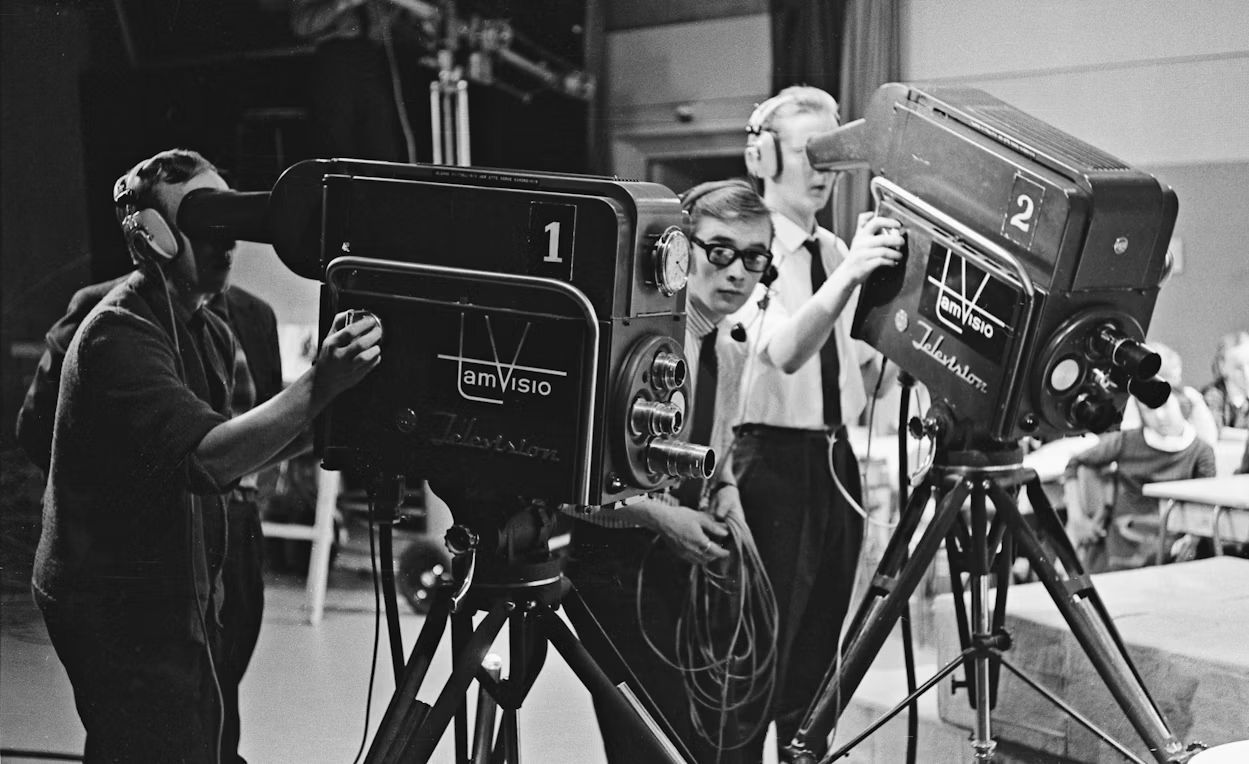
On February 14, 1962, millions of Americans were invited inside the White House through a televised tour hosted by Jackie. In the broadcast, she walked viewers through the restored rooms, explaining the history behind the furniture, paintings, and decorative objects.
The program was watched by an estimated 56 million people and earned Jackie an honorary Emmy Award. It was an extraordinary TV moment for the time, allowing Americans to see parts of the White House that were normally inaccessible. Just as importantly, Jackie used the broadcast to explain why preserving the building's history mattered.
10
JFK's assassination
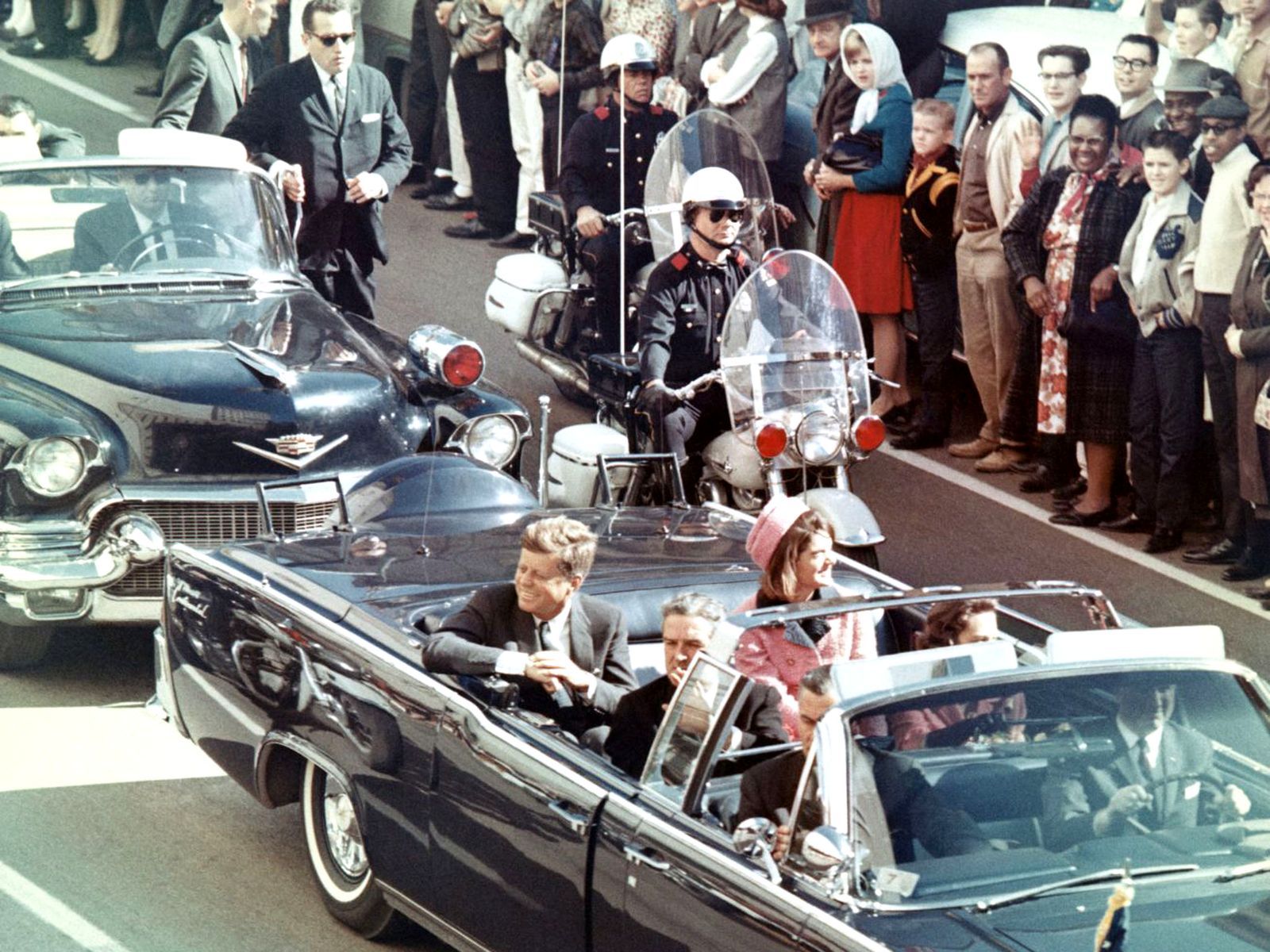
November 22, 1963, changed Jackie's life forever. She was sitting beside her husband in the presidential motorcade in Dallas when he was assassinated. At just 34 years old, she suddenly became a widow and a single mother while the entire country, if not the world, watched.
Jackie remained closely involved in the funeral arrangements, including the decision to hold a funeral procession modeled partly on Abraham Lincoln's. Her composure during those days became one of the most enduring images of the tragedy. In the years afterward, she also contributed to efforts to preserve Kennedy's papers, records and legacy, including the creation of the John F. Kennedy Presidential Library in Boston.
11
Marriage to Aristotle Onassis
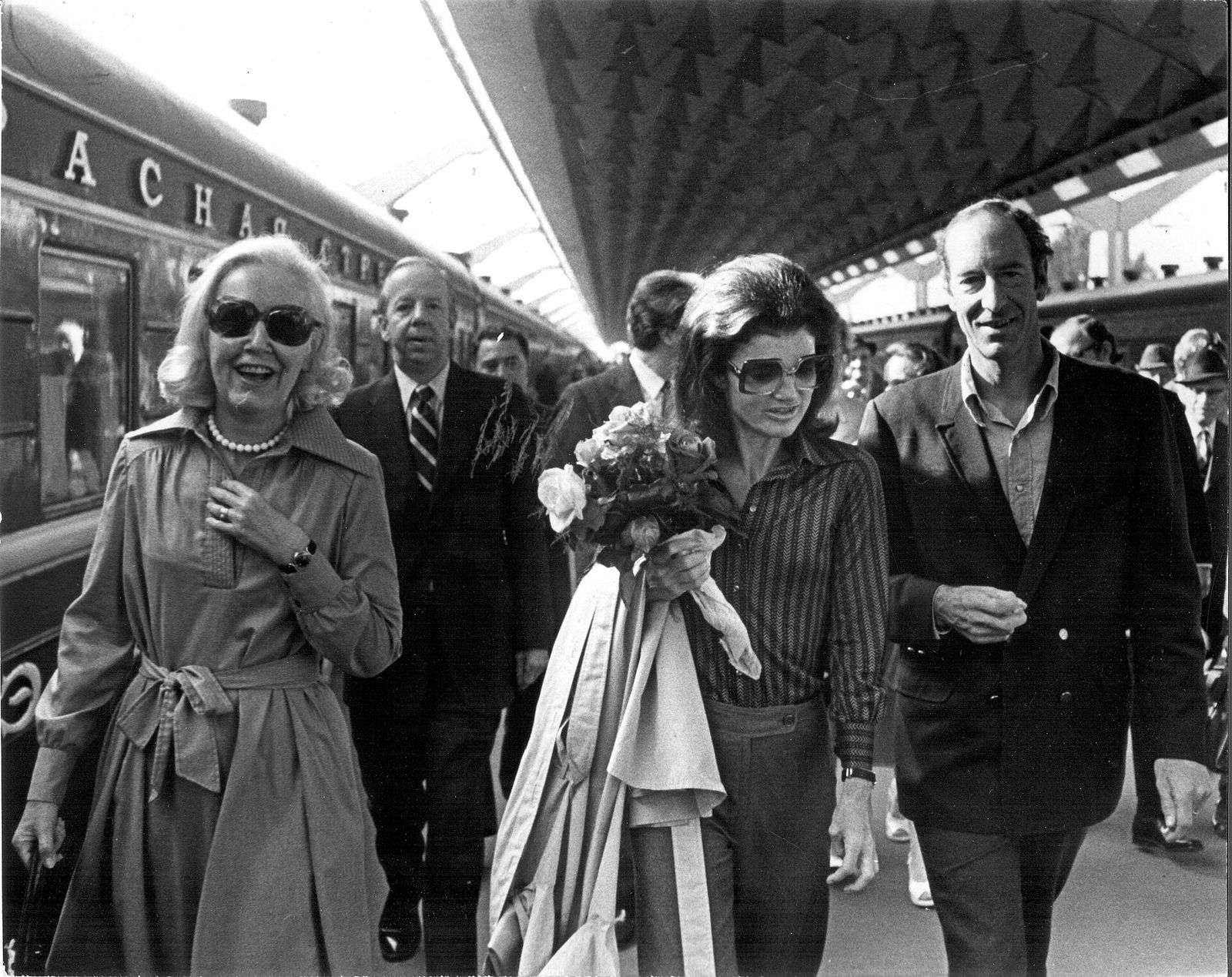
Five years after Kennedy's assassination, Jackie married Greek shipping magnate Aristotle Onassis on October 20, 1968. The wedding took place on the private Greek island of Skorpios and generated enormous international attention.
The marriage gave Jackie and her children a life away from the intense political spotlight surrounding the Kennedy family. Onassis died in 1975, leaving Jackie widowed for a second time at age 46. By then, however, she was preparing to build a new professional identity beyond her husbands.
12
Her career as an editor and preservationist
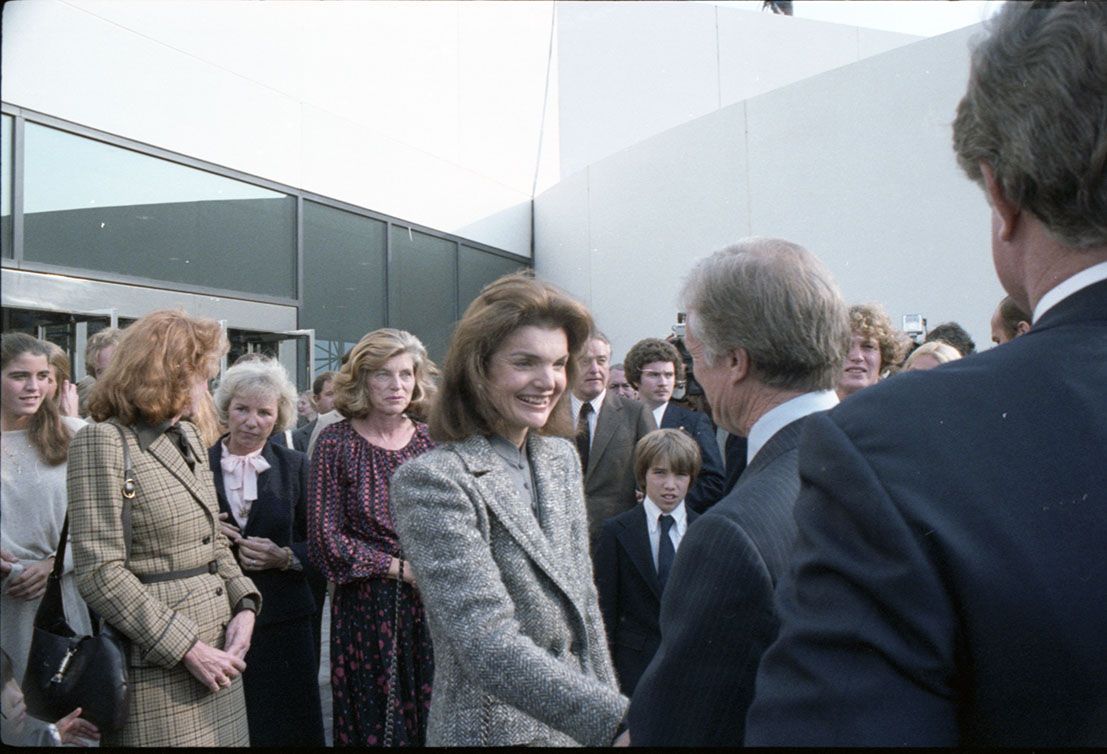
Jackie entered the publishing world after her years in the White House, first working as an editor at Viking Press and later joining Doubleday in 1978. She worked with authors and manuscripts and developed a genuine career in publishing rather than simply appearing in the industry because of her famous name.
Her passion for preservation continued as well. In 1975, she became involved in efforts to protect historic buildings in New York, most famously campaigning to save Grand Central Terminal from demolition. That work reflected an interest that had begun with the White House restoration years earlier: preserving the architecture and history of places that might otherwise be lost. She died in her sleep in New York on May 19, 1994, at the age of 64, from complications of non-Hodgkin lymphoma.