History History 6 min read

Would you live in any of these?

Do you know what a spite house is? 12 odd architectural jewels in America
Image: Adrian Hernandez

Not all of the U.S.’s historic homes are created equal; some of them are downright weird, with strange origins, one-of-a-kind features, and supposed spirits lurking on the premises. From labyrinths built for ghosts to"revenge houses", these places mix architecture with folk tales, tragedy, and much more. Here are 12 truly bizarre examples.

1
Winchester House (San Jose, California)
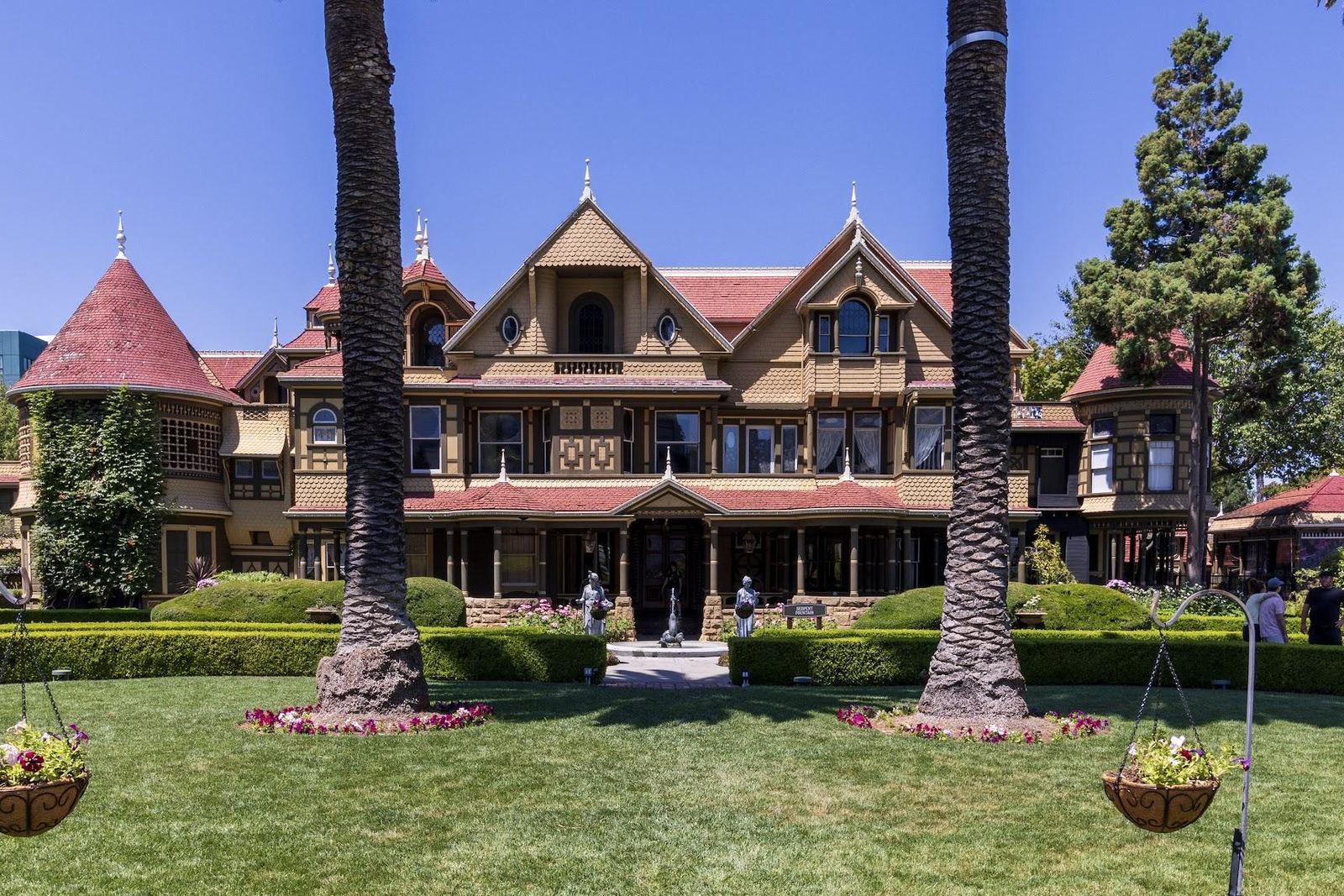
Image: The wub, CC BY-SA 4.0, via Wikimedia Commons

Starting in 1884, Sarah Winchester, the heir to the rifle fortune, spent almost four decades expanding her Victorian mansion into a behemoth 160-room maze of doors to nowhere, staircases into ceilings, and windows facing walls .

Haunted (perhaps in more ways than one) by the deaths of those killed by Winchester rifles, it is said that she had the structure built nonstop day and night to thwart the spirits of those victims. Today, the house is a popular tourist attraction, with tours through secret passages included.

2
Whaley House (San Diego, California)
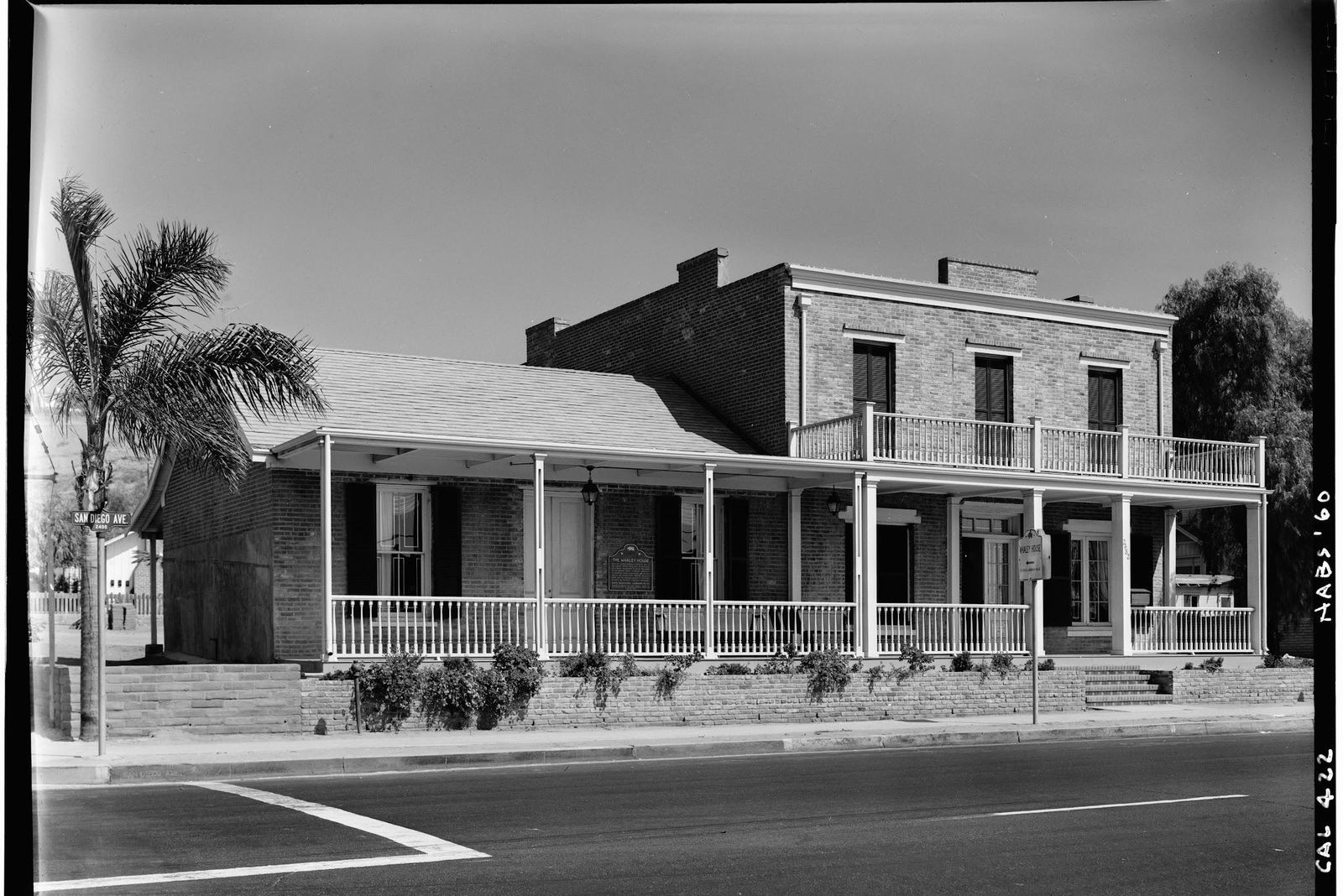
Image: Jack Boucher, Public domain, via Wikimedia Commons

Built in 1857 on the site of San Diego’s old gallows, the Whaley House blended a family home, a store, and a courthouse under one roof. Soon after moving in, the Whaleys reported h eavy footsteps they believed belonged to James "Yankee Jim" Robinson, a tall outlaw hanged on the property years earlier .

Over time, the house became a museum and one of America´s most haunted homes, complete with official recognition as a historic site.

3
Amityville House (Amityville, New York)
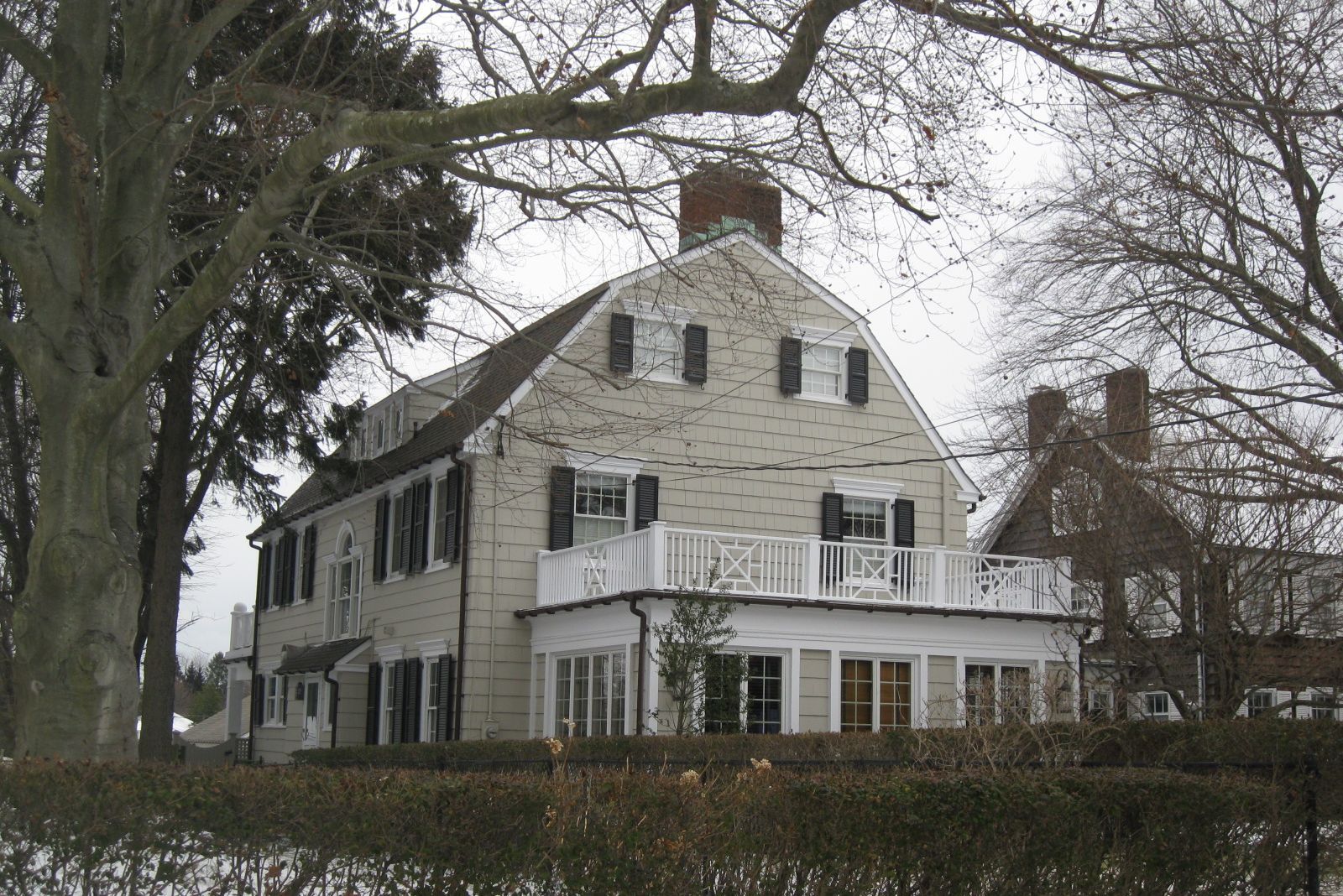
Image: Doug Kerr, CC BY-SA 2.0, via Wikimedia Commons

This quiet Long Island house became infamous after a 1974 murder case in which the DeFeo family was killed by one of their own. A year later, new owners George and Kathy Lutz claimed they were driven out by violent paranormal activity , which, in turn, inspired the book The Amityville Horror and a popular movie that spawned a franchise.

Over time, lawyers and witnesses have called parts of the haunting story a hoax, and later, residents reported no supernatural trouble at all. But the fame of the house lives on.

4
Bissel Mansion (St. Louis, Missouri)
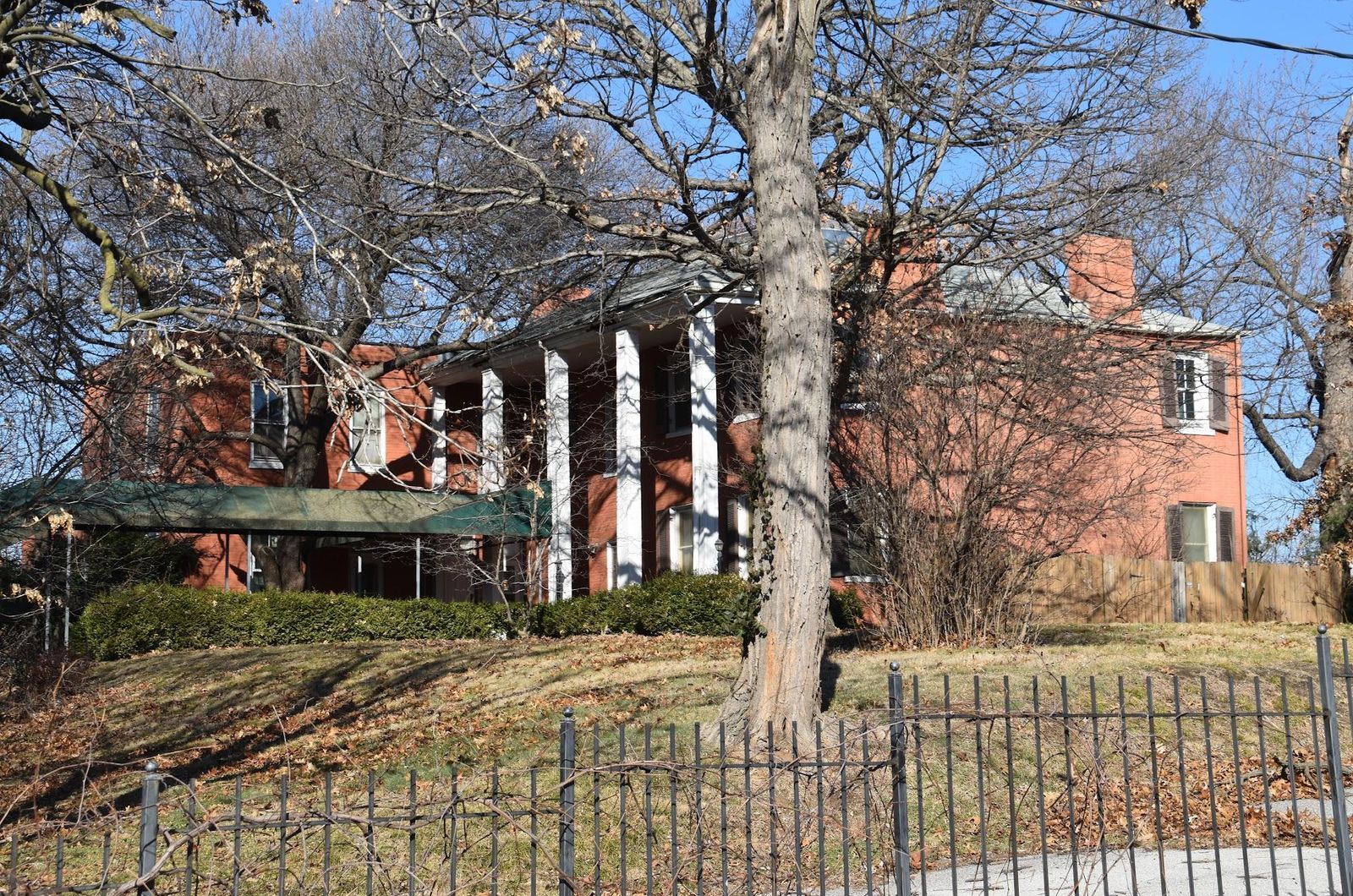
Image: RoiSTL, CC BY-SA 4.0, via Wikimedia Commons

Built in the 1820s for Captain Lewis Bissel, this is believed to be the oldest brick house in St. Louis. Over the years, it has been a family home, a restaurant, and a murder-mystery dinner theater.

An episode of HGTV’s Scariest House in America highlighted its bricked-up cave entrance, which was once said to be a secret escape route, and its long history of odd happenings , such as ghostly children, a woman in white on the stairs, and items moving on their own.

5
William Westerfeld House (San Francisco, California)
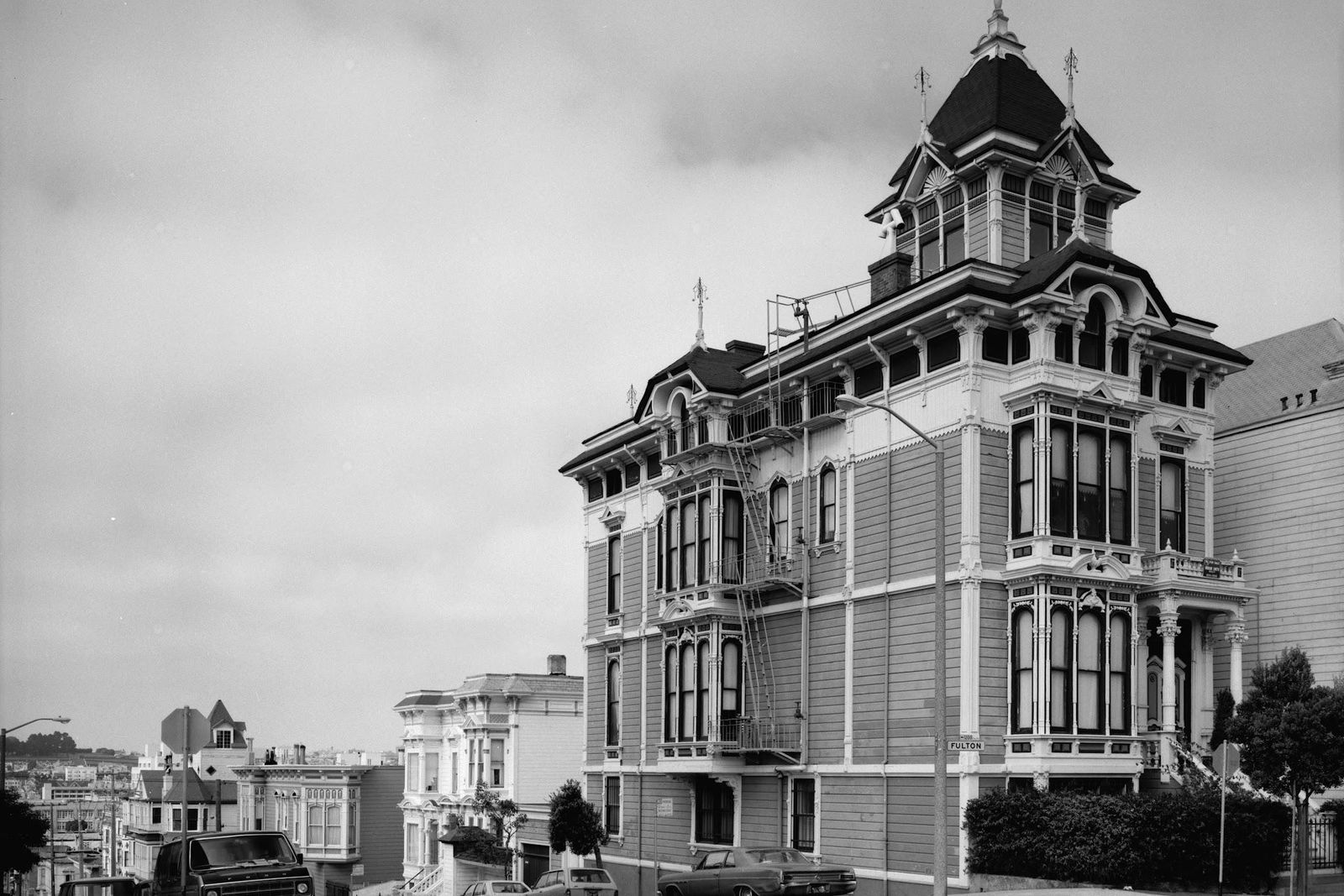
Image: Jet Lowe, Public domain, via Wikimedia Commons

Another Victorian building in our list, this house was built for a wealthy German baker in 1889. Over the years, it served as a Russian immigrant social club and brothel nicknamed "The Russian Embassy," a jazz-era boarding house, a 1960s hippie commune , and a rumored hub for occult-themed film shoots and rituals.

Today, this 28-room mansion is privately owned but remains a popular landmark, with a reputation as a haunted time capsule, surrounded by a mix of verified history and neighborhood lore about ghosts, secret rooms, and wild parties.

6
House of the Seven Gables (Salem, Massachusetts)
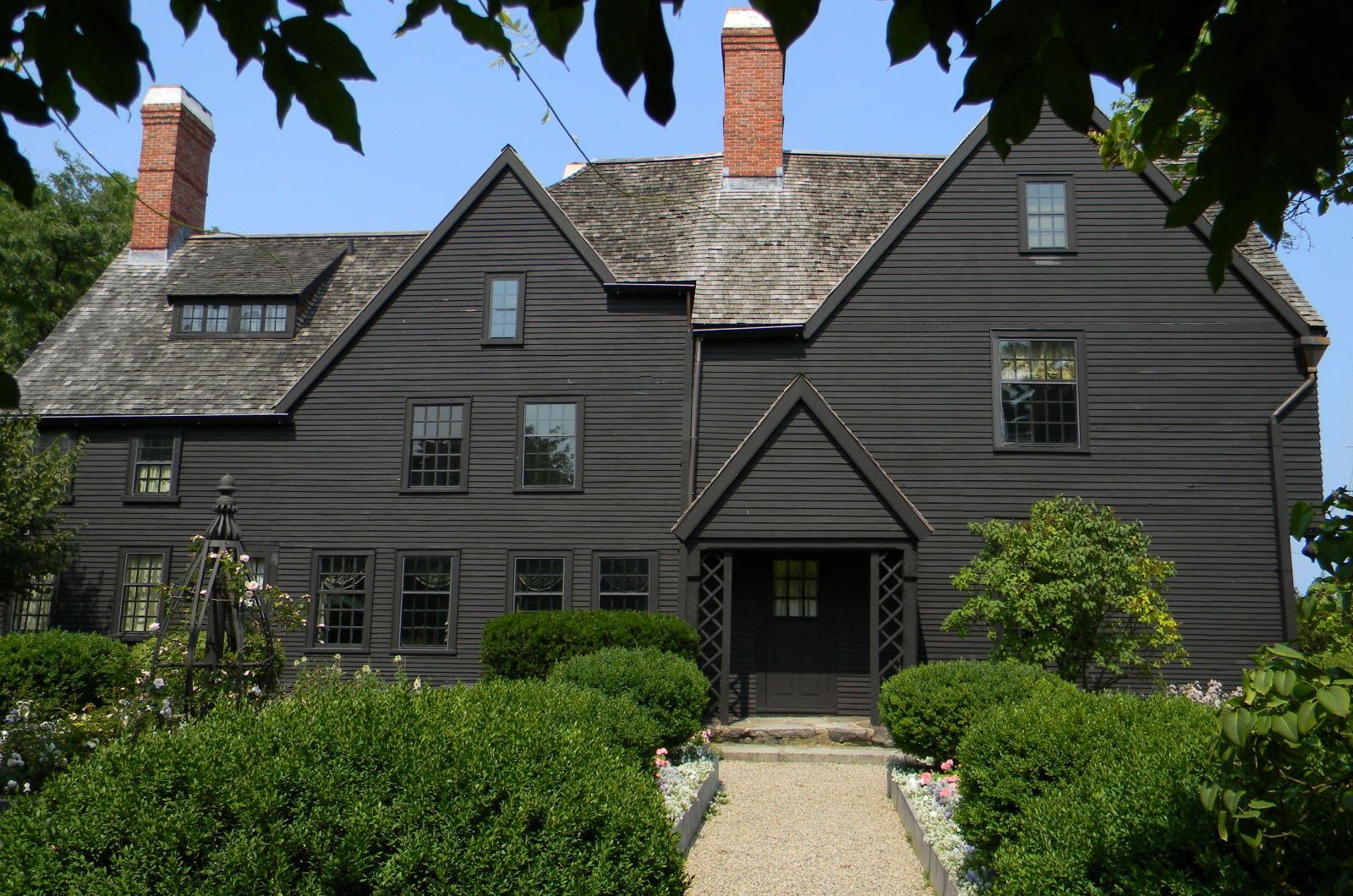
Image: Upstateherd, CC BY-SA 4.0, via Wikimedia Commons

Captain John Turner built this waterfront house in 1668, and it was later owned by Susanna Ingersol, who welcomed her cousin Nathaniel Hawthorne. The legendary writer penned his famous novel, The House of the Seven Gables, inspired by the mansion .

In the early 1900s, the house was restored and reshaped as a museum, even adding a secret staircase to match the haunting mood of Hawthorne’s novel.

7
Biltmore Estate (Asheville, North Carolina)
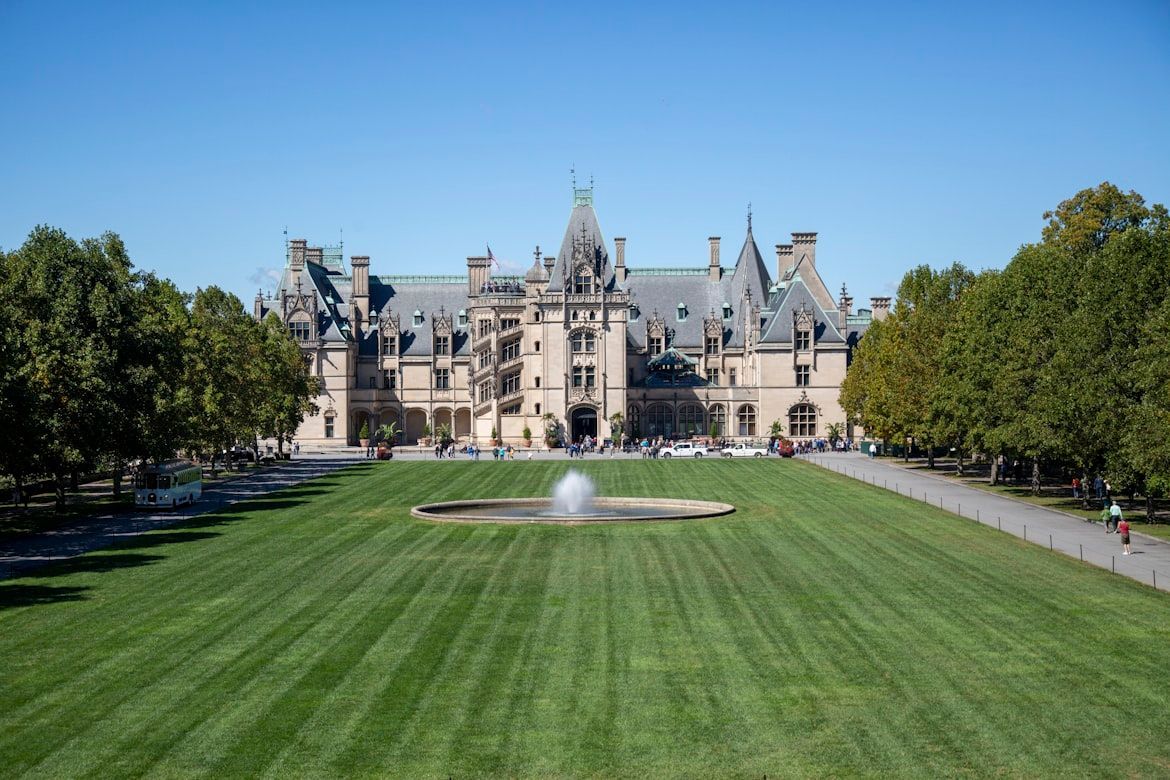
Image: William Recinos

Built between the years 1895 and 1898, George Vanderbilt’s Biltmore House is America’s largest private home, but its grand halls hide multiple secret doors and passageways. Concealed panels in the library and breakfast room allowed servants and guests to slip between rooms unseen .

Visitors on modern tours sometimes miss these disguised doors unless guides point them out. The effect is not unlike one of those mystery mansions where someone presses a bookshelf and a secret door opens.

8
Lizzie Borden House (Fall River, Massachusetts)
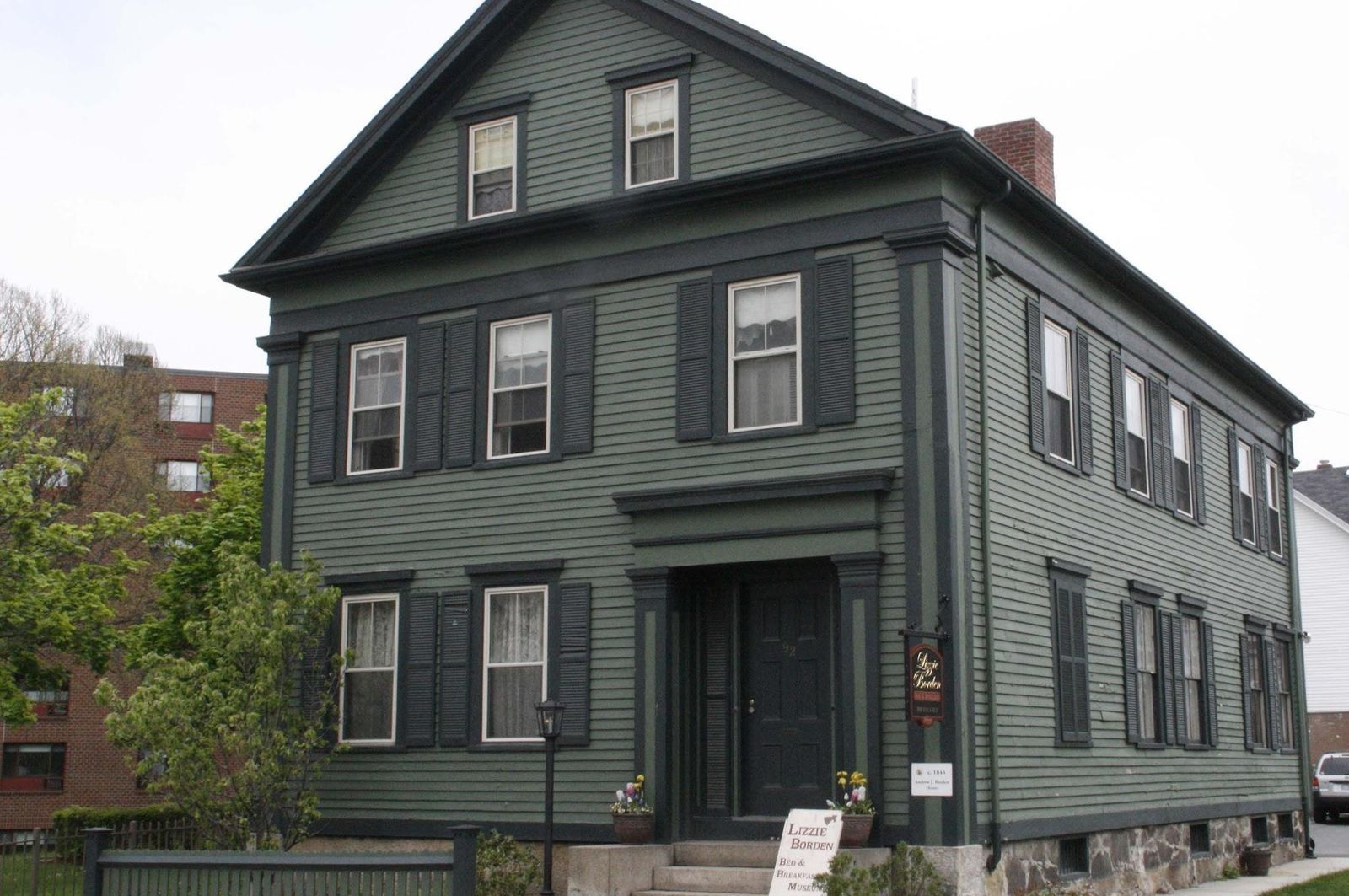
Image: dbking from Washington, DC, CC BY 2.0, via Wikimedia Commons

This modest home was the scene of a 1892 double murder in which Andrew and Abby Borden were killed with an axe. Their daughter Lizzie was tried and acquitted, but her notorious reputation lived on .

The house now functions as a museum and an overnight destination with carefully restored rooms and guides who walk tourists through evidence, theories, and reported ghost activity.

9
Octagon House (Washington, DC)
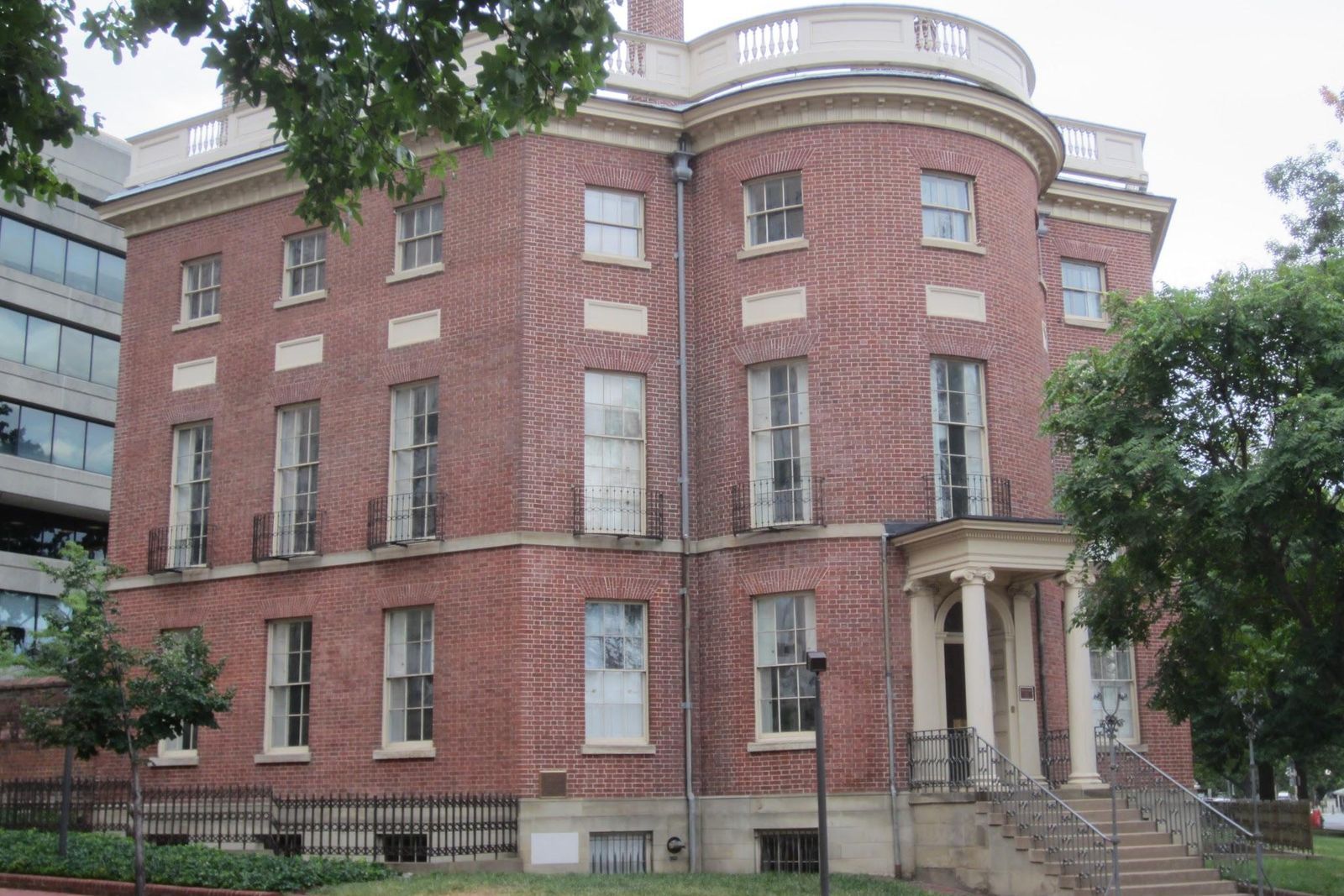
Image: Another Believer, Public domain, via Wikimedia Commons

Despite its name, this mansion is not a perfect octagon, but its story is particularly unusual, to say the least. As it turns out, President James Madison and his wife briefly lived in it after the British burned down the White House in 1814.

Later, stories emerged of mysterious bells ringing long after the servant-call wires were cut, and ghostly figures appearing on the spiral staircase . The most famous legend claims that two girls died on those stairs, though there is no evidence that this actually happened.

10
Villa Montezuma (San Diego, California)
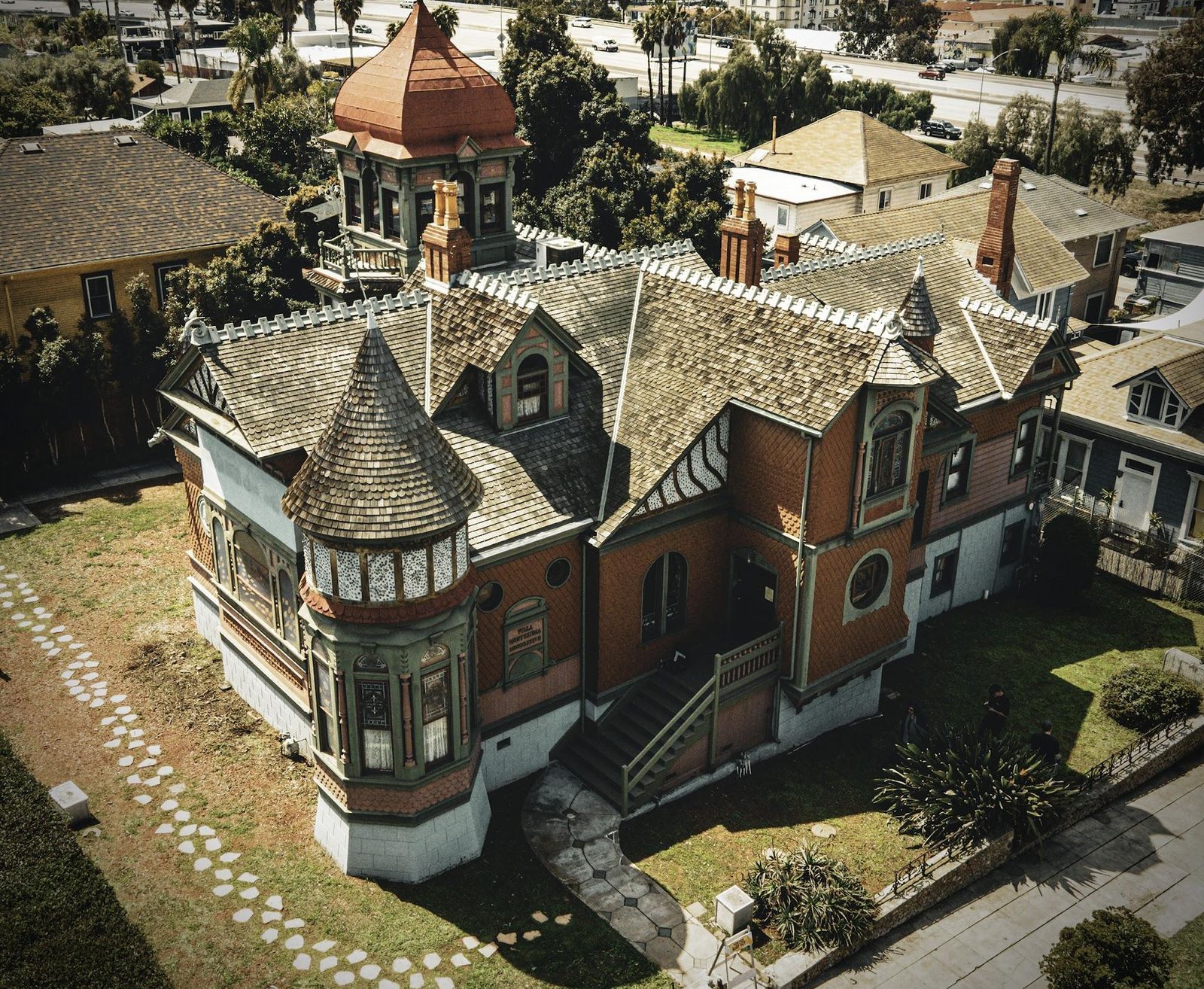
Image: Redideo, CC BY 4.0, via Wikimedia Commons

In 1887, spiritualist, pianist, and author Jesse Shepard moved into this mansion, filled with art glass, elaborate woodwork, and a music room specially designed for his dramatic concerts.

Over time, stories began to be told about Shepard’s performances, summoning more than just applause. The presence of ghosts in the towers and odd sounds in empty room s became common talk among the visitors. These days, the mansion can be visited, and the mysterious house can be explored by the curious and the fearless.

11
Montlake Spite House (Seattle, Washington)
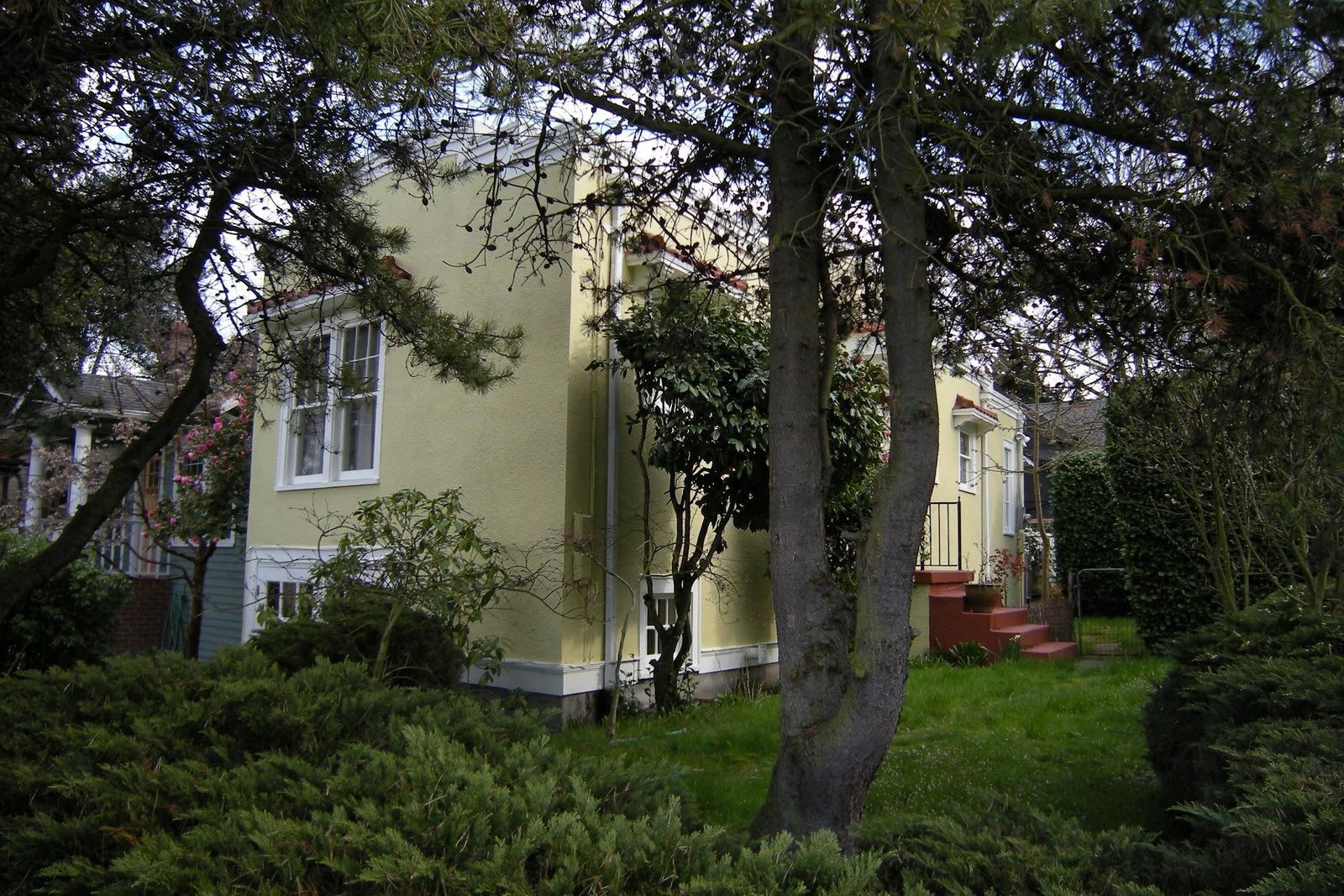
Image: Joe Mabel, CC BY-SA 3.0, via Wikimedia Commons

So, "What is a spite house?" you might very reasonably ask. Wedged into Seattle’s Montlake neighborhood, this 1925 Spanish Revival cottage is about 15 feet wide at one end and just 55 inches at the other. The architectural equivalent of a wedge of cheese .

Local legend says that it was built by a scorned ex-wife who received a skinny strip of land in a divorce and used it to block her ex-husband’s view.

12
Alameda Spite House (Alameda, California)
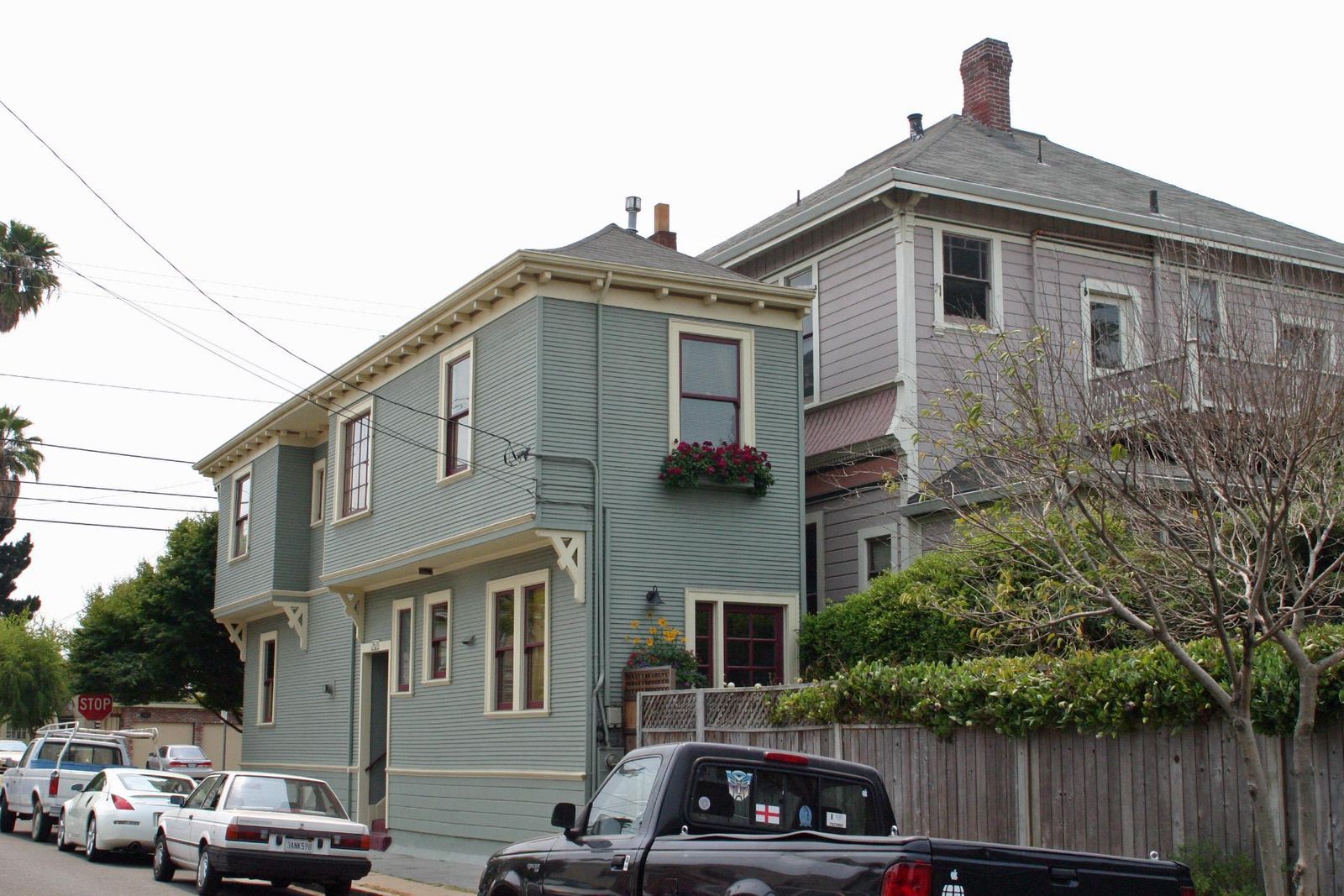
Image: Elf, CC BY-SA 3.0, via Wikimedia Commons

Yes, another spite house. Around 1908, Charles Froling planned his dream home in Alameda, until the city used eminent domain to slice off most of his lot for a street, leaving a sliver of land .

Annoyed with both the city and an unhelpful neighbor, Charles responded by building a two-story house, only about 10 feet deep but 54 feet long along the remaining strip . The narrow revenge house still stands at Broadway and Crist, and its peculiar proportions can be viewed by anyone passing by.
History History 7 min read

Like you've never seen it before

Why did Lincoln keep a Confederate bill? 10 shocking Civil War facts

Image: Schriever, James B., photographer, Public domain, via Wikimedia Commons

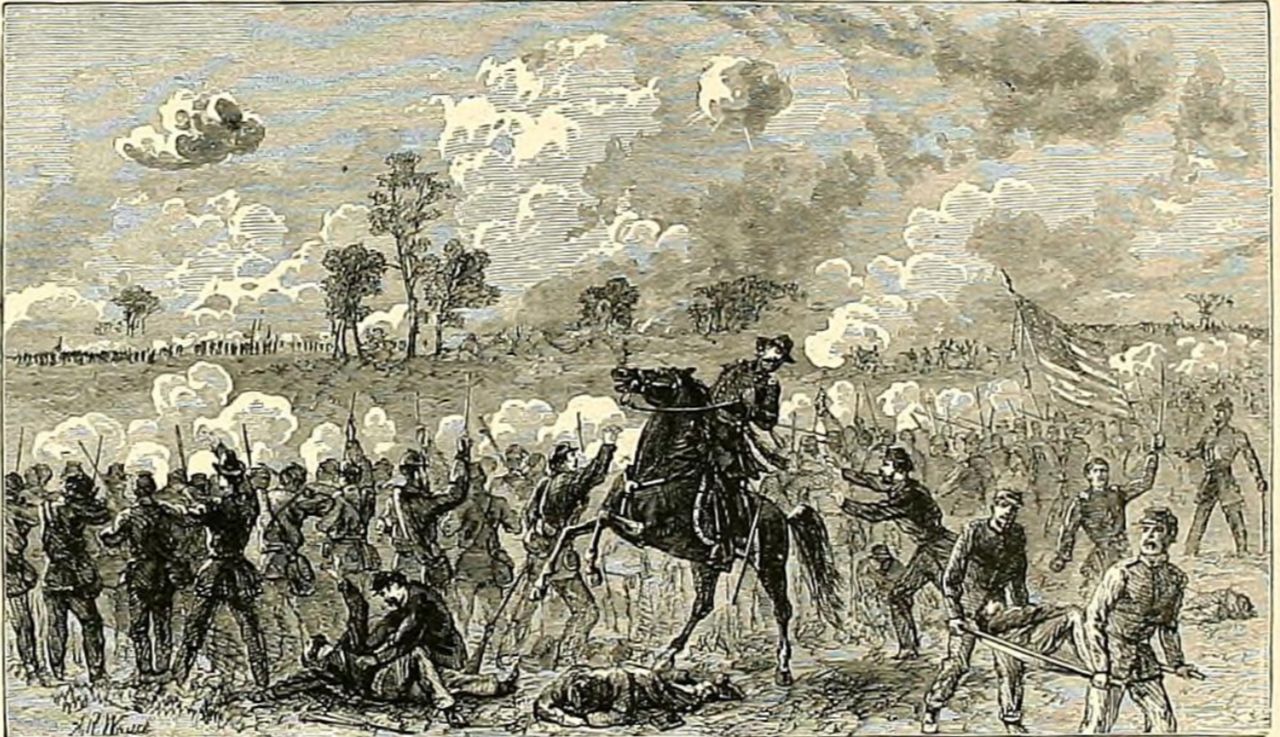
The Civil War is one of the most studied chapters in American history. We've learned about its battles, generals, and figures in school, books, movies, and documentaries. But beyond the famous stories lies a fascinating world of little-known facts that changed the country forever. From the nation's first official paper money to the surprising origins of everyday conveniences, here are 10 incredible Civil War stories that will make you see this defining chapter of American history in a whole new way.

1
The Wilmer McLean paradox

Image: Civil War Glass Negatives, Public domain, via Wikimedia Commons

Do you believe in fate? If not, maybe this story will change your mind.

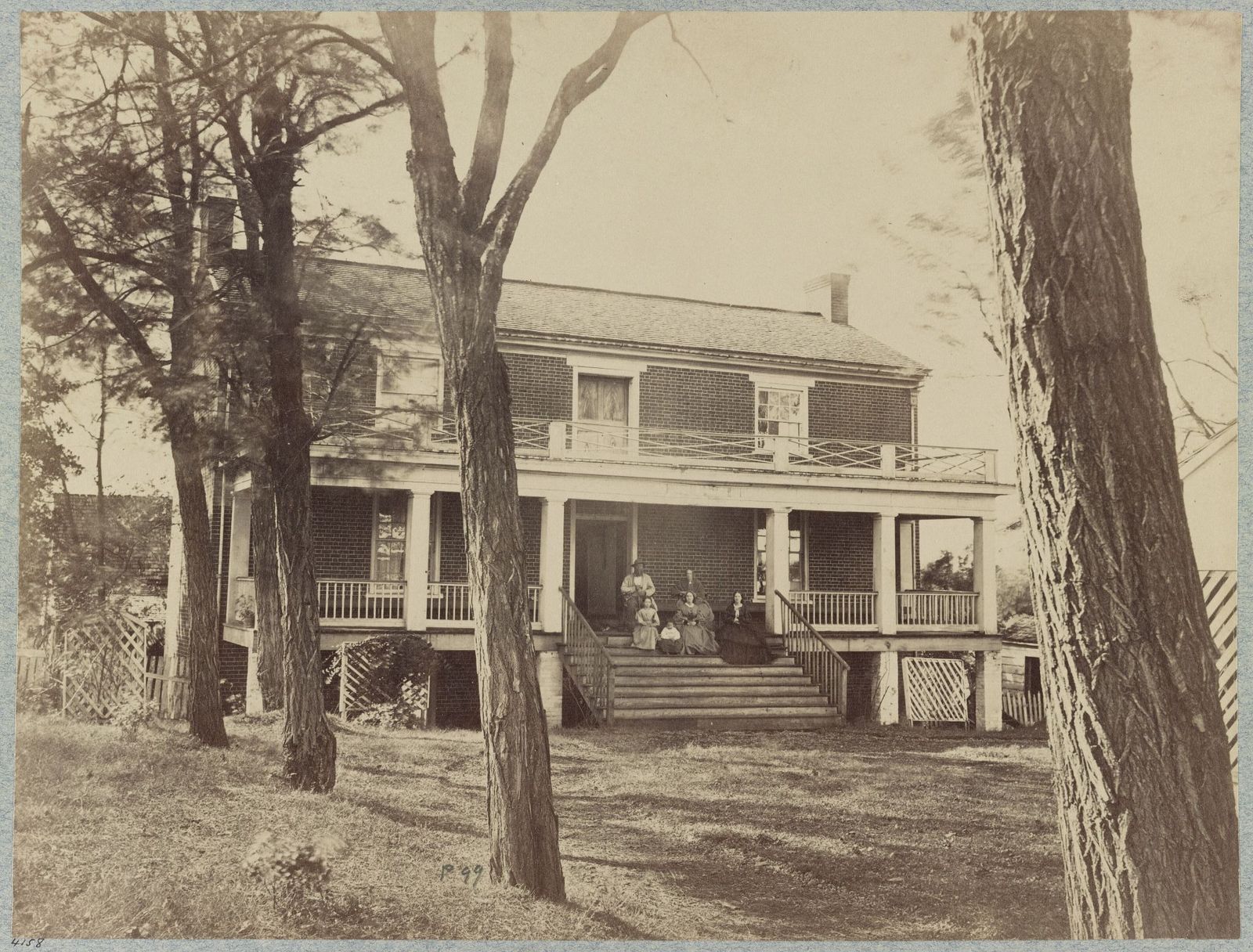
When the Civil War began, Wilmer McLean was an ordinary 47-year-old man living with his family in Manassas, Virginia. But during the First Battle of Bull Run on July 21, 1861, his house was taken over and used as Confederate headquarters. Hoping to escape the war, McLean moved his family 120 miles away to the quiet village of Appomattox Court House. It seemed like the perfect decision, until history caught up with him. Four years later, the war ended exactly where McLean thought he had found peace. On April 9, 1865, General Robert E. Lee surrendered to Ulysses S. Grant, just in the parlor of McLean's new home. As McLean later joked, "The war began in my front yard and ended in my front parlor."

2
Lincoln's Confederate bill

Image: Carol M. Highsmith, Public domain, via Wikimedia Commons

On April 14, 1865, just five days after Confederate General Robert E. Lee surrendered to Union General Ulysses S. Grant, President Abraham Lincoln was shot by actor and Confederate sympathizer John Wilkes Booth during a performance of Our American Cousin at Ford's Theatre in Washington, D.C.

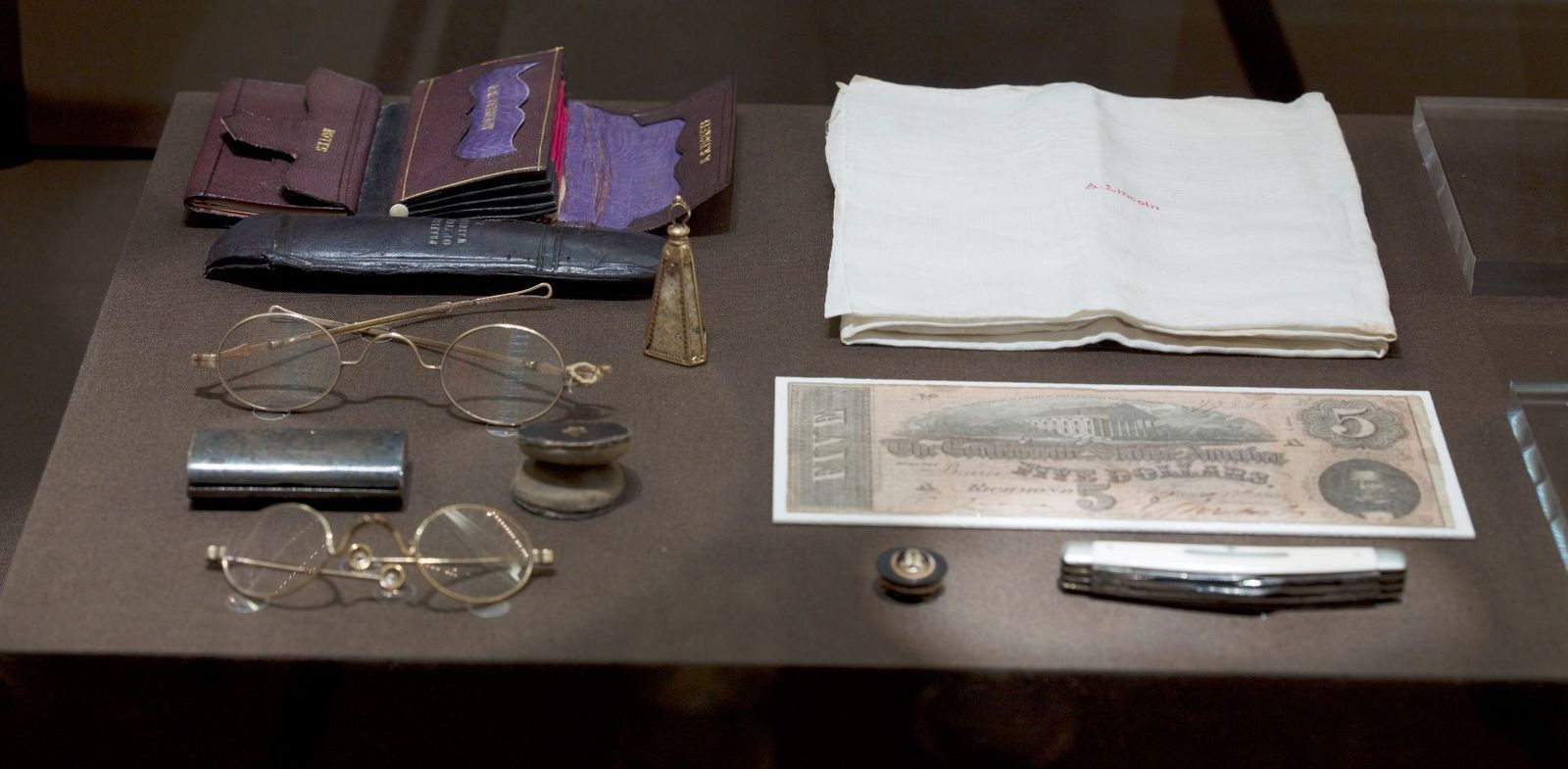
When authorities searched Lincoln's pockets that night, they found the everyday items you'd expect: spectacles, a pocketknife, a handkerchief embroidered with his initials, a watch fob, a sleeve button, and a leather wallet. But one discovery stunned them. Inside the wallet was a Confederate five-dollar bill, the only currency Lincoln was carrying. Historians believe he picked it up as a souvenir during his recent visit to Richmond, the former Confederate capital.

3
Women disguised themselves to fight

Image: Sarah Emma Evelyn Edmonds, Public domain, via Wikimedia Commons

It's well known that women played a vital role in the US Civil War, serving as nurses, spies, and organizers. Clara Barton, a famous example, brought supplies to wounded soldiers on the battlefield and later founded the American Red Cross. But there's another interesting female role that many people have never heard of.

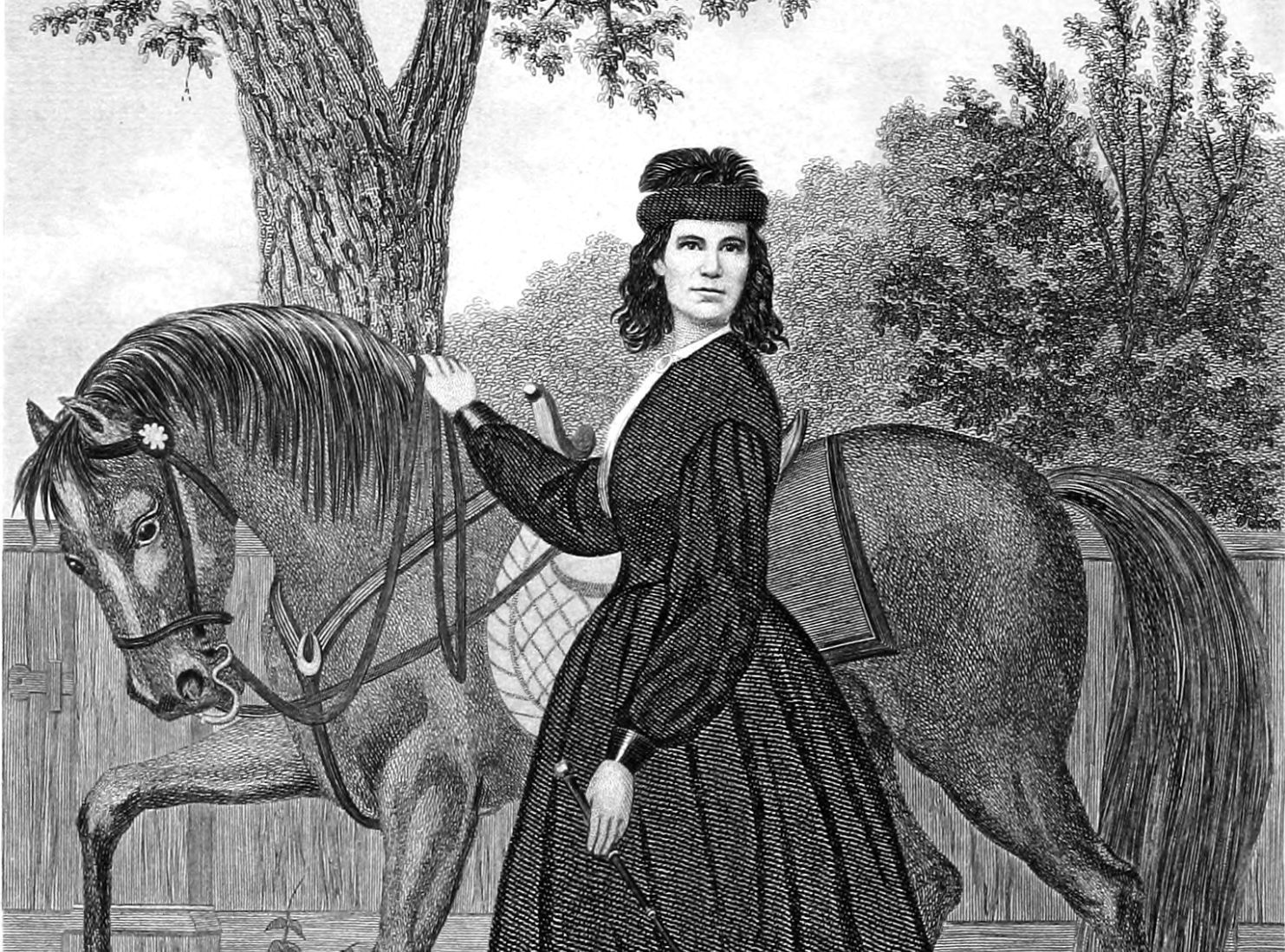
We’re talking about the thousands of women who disguised themselves as men so they could fight. One of the best-documented was Sarah Emma Edmonds, who enlisted in the Union Army under the name Franklin Thompson. Serving as a soldier, nurse, and spy, she fought in major campaigns, including the First Battle of Bull Run and the Peninsular Campaign. After contracting malaria in 1863, she left her unit rather than risk being exposed in a military hospital and was charged with desertion. Years later, her fellow soldiers testified on her behalf, and in 1884, Congress granted her an honorable discharge and a military pension.

4
Brothers on opposite sides

Image: Mathew Benjamin Brady, Public domain, via Wikimedia Commons

The Civil War didn't just divide the nation; it tore families apart. Few stories capture that tragedy better than this one.

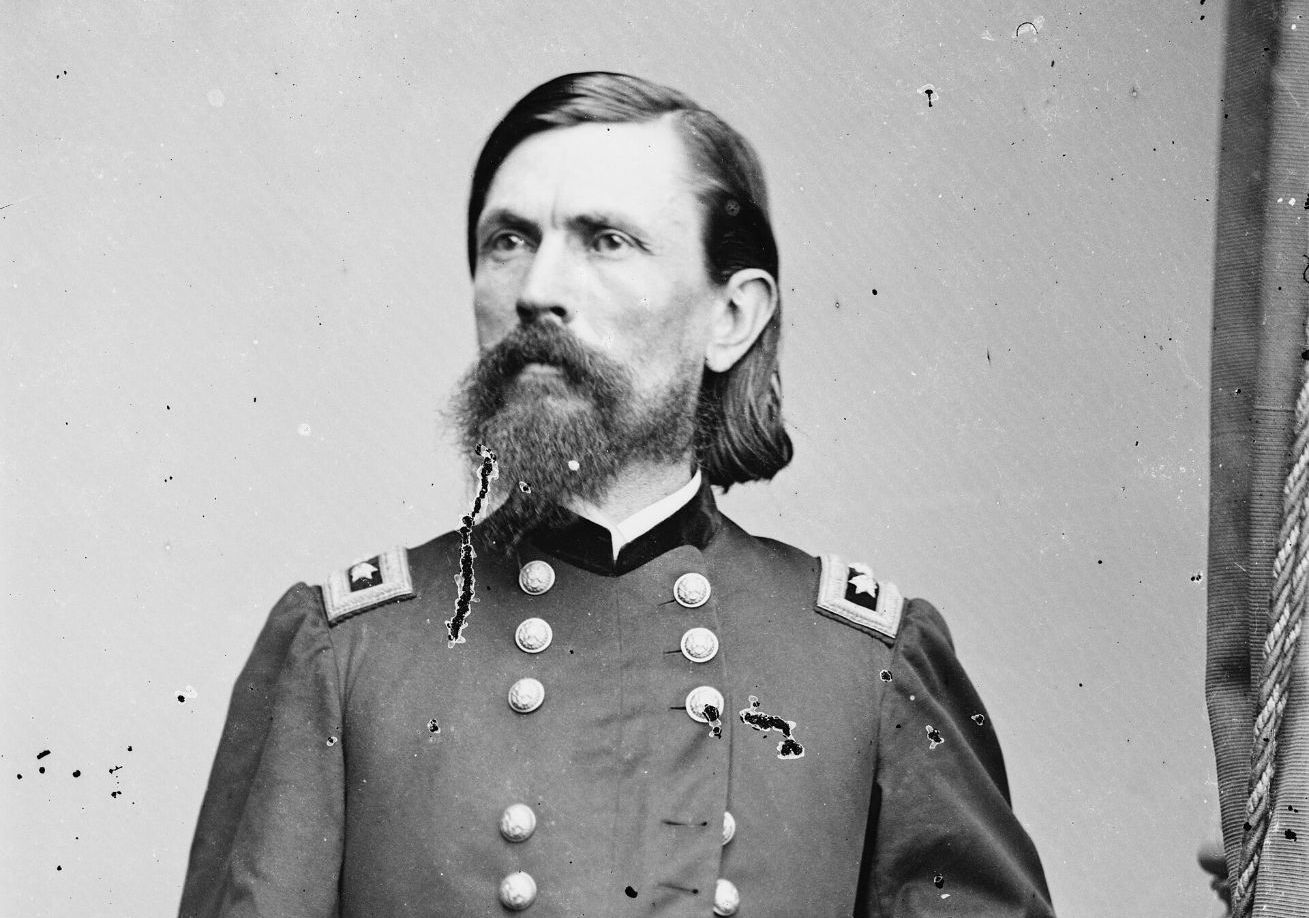
The sons of prominent Kentucky Senator and passionate Unionist John J. Crittenden, brothers Thomas Leonidas Crittenden and George Bibb Crittenden, both became generals… but fought on opposite sides of the war. George served as a Confederate major general, commanding troops at the Battle of Mill Springs, while Thomas became a Union major general, fighting in major campaigns including Shiloh, Stones River, and Chickamauga. While they never directly faced each other on the battlefield, their choices caused immense emotional and social fractures within their family. Both survived the war, and today, they are buried in the same Frankfort State Cemetery, finally reunited in the soil of their home state.

5
Standardized clothing sizes

Image: Valentin Ivantsov

When was the last time you had a suit or dress made just for you? Today, we simply walk into a store and buy the size that fits, but before the Civil War, that wasn't how Americans bought clothes.

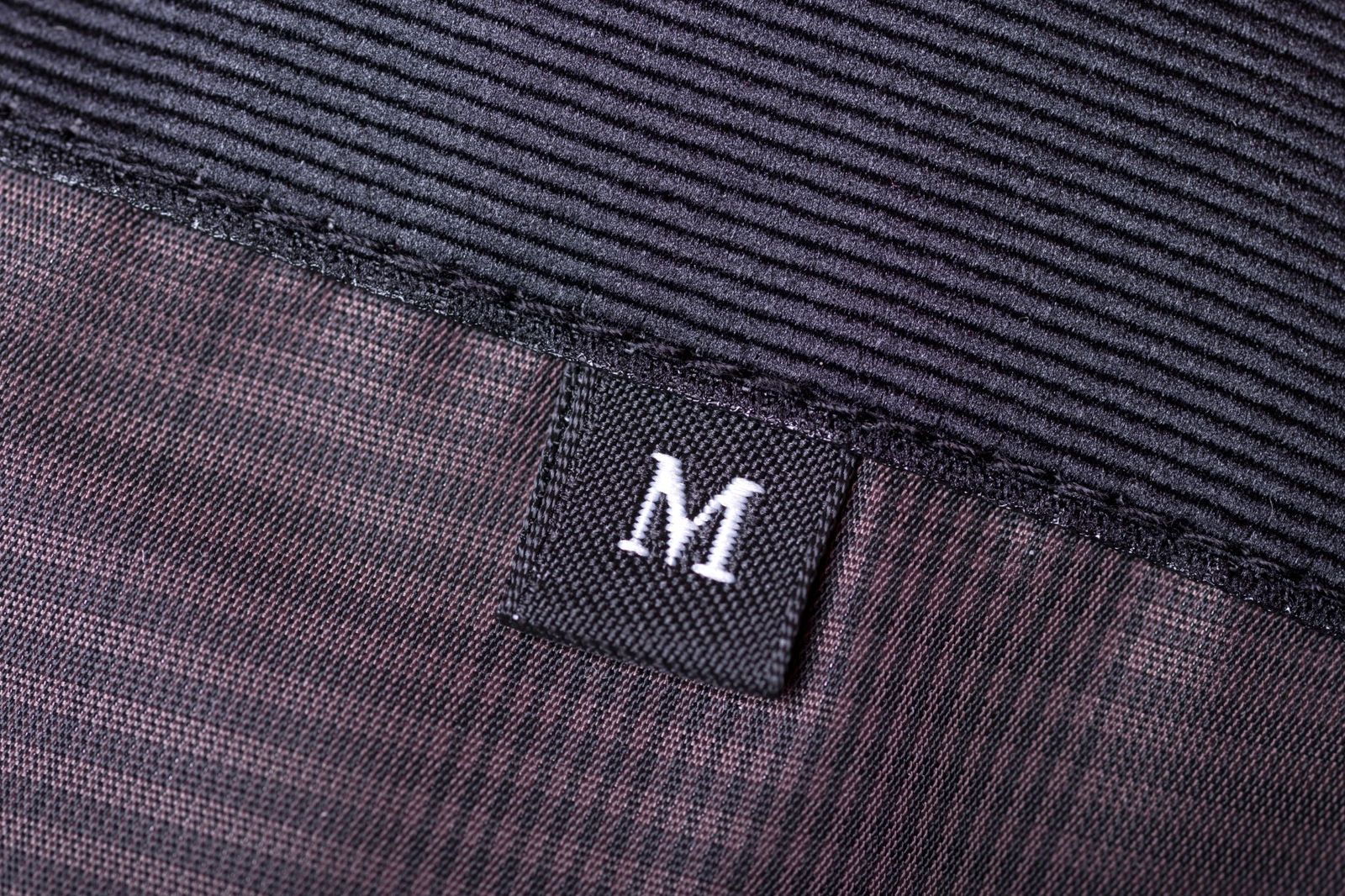
Before the 1860s, most clothing was custom-made by tailors or sewn at home. But that became a major problem when the war began, and the Union suddenly had to outfit more than a million soldiers. Measuring and tailoring every uniform by hand was impossible. Instead, military officials collected thousands of body measurements, identified common size patterns, and created one of the first standardized sizing systems: Small, Medium, and Large. After the war, clothing manufacturers adopted the same templates for civilian garments, helping give birth to America's modern ready-to-wear clothing industry.

6
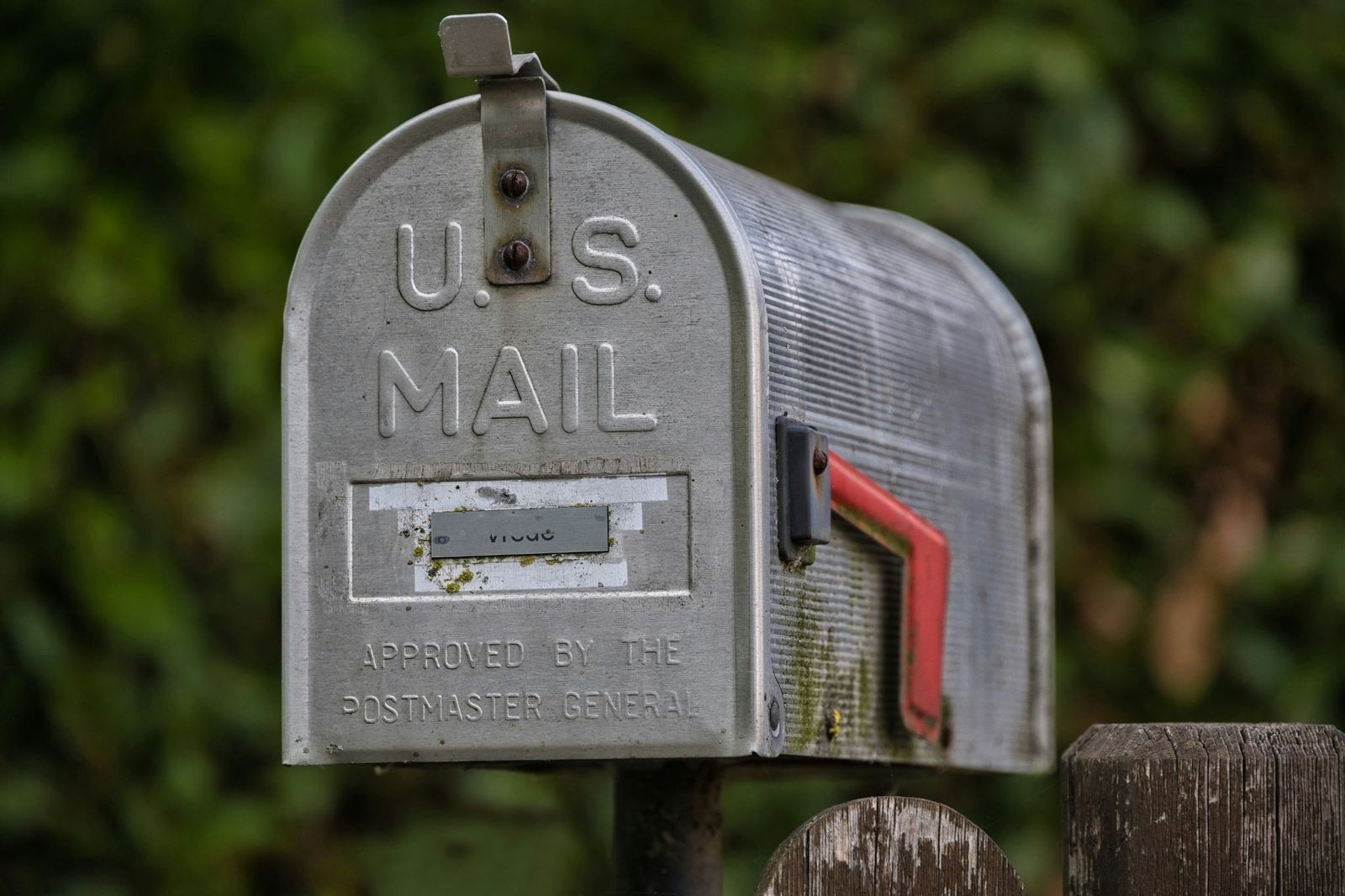
Postal home delivery system

Image: Wolfgang Vrede

Today, having letters and packages delivered right to your front door is so routine that we rarely stop to think about it. But for many years of American history, that convenience didn't exist.

Before the Civil War, Americans had to pick up their mail at the local post office. When the war began, families desperate for news of sons, husbands, and fathers crowded into post offices, often waiting for hours. Seeing the heartbreaking scenes, Cleveland postal clerk Joseph Briggs began delivering letters directly to people's homes, sparing families long waits and needless anguish. His neighborhood deliveries were such a success that they inspired Postmaster General Montgomery Blair and Congress to create the nationwide Free City Delivery Service on July 1, 1863.

7
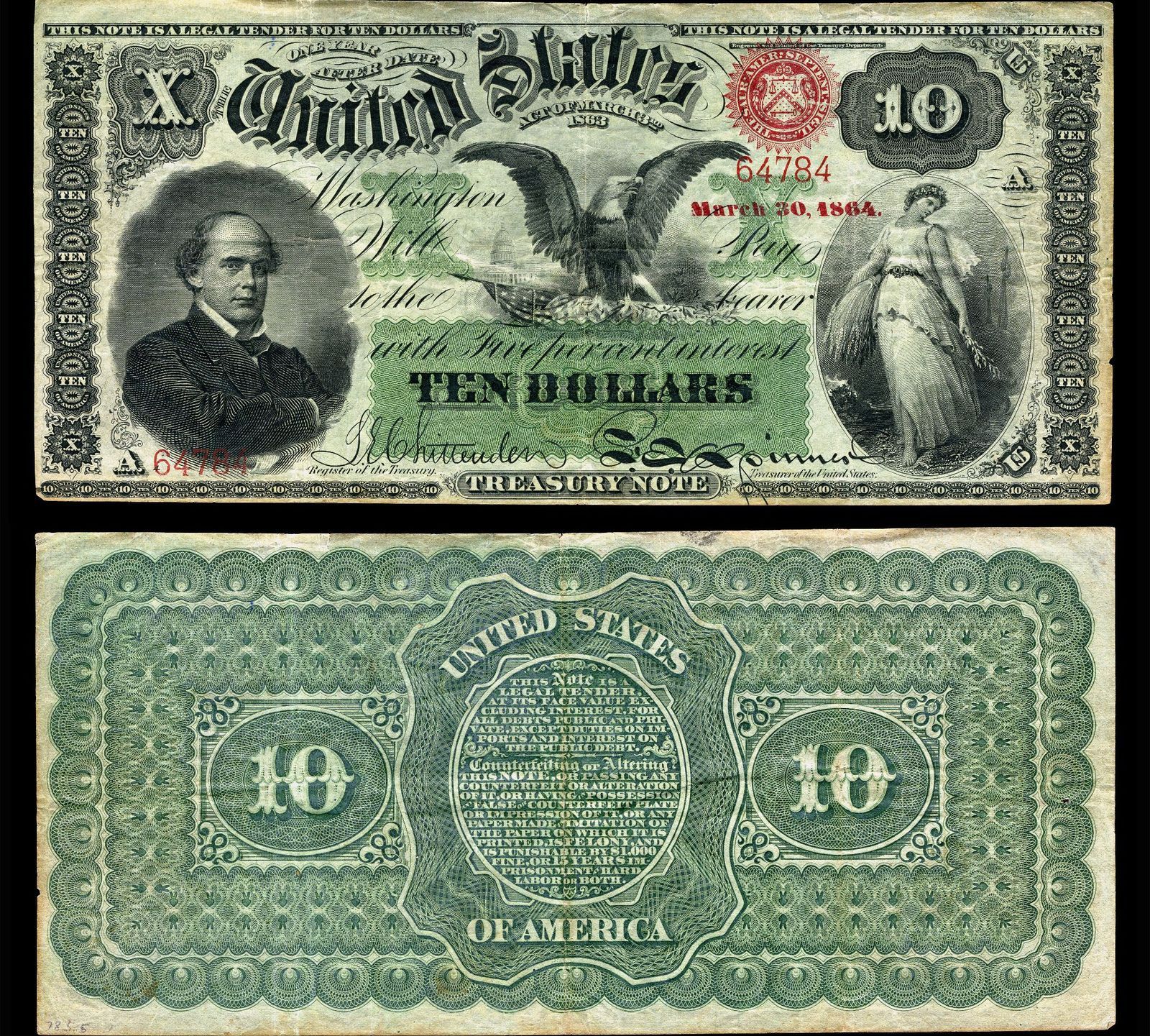
The US first official paper money

Image: National Museum of American History, Public domain, via Wikimedia Commons

Today, most of our money exists in a digital form. However, when we picture money, we still think of dollar bills and coins. They've been part of our lives for so long that it's hard to imagine a time when the US government didn't print paper money at all. But that time did exist.

Before the Civil War , the federal government issued no standardized national paper currency. It minted gold, silver, and copper coins, while Americans relied on thousands of different banknotes printed by private, state-chartered banks, many of them unreliable and prone to failure. Everything changed in 1861 , when the Union needed money to finance the war. Congress authorized the first federal paper currency, known as Demand Notes, followed by Legal Tender Notes in 1862. Americans soon nicknamed them "greenbacks" because of their green ink, a name that has survived ever since.

8
A town changing hands 10 times

Today, US Route 50 follows much of the old Northwestern Turnpike, a historic road linking Winchester, Virginia, with Parkersburg on the Ohio River. But during the Civil War, living along that route was anything but convenient.

Because the turnpike provided access to the Shenandoah Valley, the Baltimore & Ohio Railroad, and key mountain passes, the town of Romney (now in West Virginia) became a strategic prize for both the Union and the Confederacy. As armies pushed forward and fell back, each side repeatedly captured and abandoned the town. While most cities and regions remained firmly on the same side for the entire war, historians generally agree that Romney changed hands at least 10 times, making it one of the most frequently occupied towns of the Civil War.

9
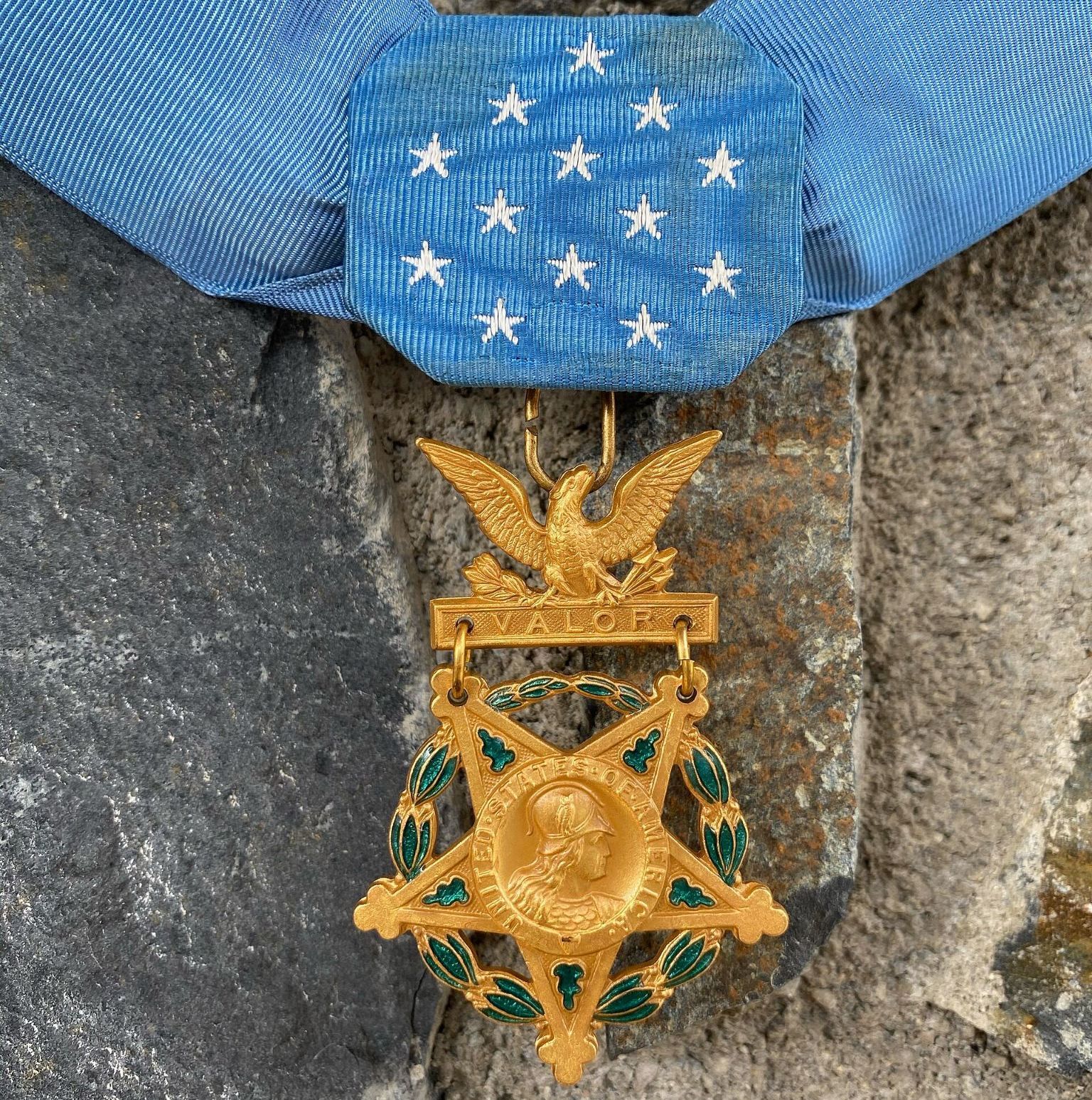
The war with the most Medals of Honor

Image: Alexeinikolayevichromanov, CC BY-SA 4.0, via Wikimedia Commons

The Medal of Honor is the nation's highest military award for valor. During the Civil War, about 1,525 service members received it. That may not sound extraordinary… until you compare it with every major American war that followed.

The numbers are striking: 126 Medals of Honor were awarded in World War I, 464 in World War II, and 266 during the Vietnam War. A total of 856 combined, far fewer than in the Civil War alone. But there’s a reason for that. The Medal of Honor was created during the Civil War; at the time, it was the only US military decoration for valor. With no other awards recognizing battlefield heroism, it was presented under standards that were far broader than those adopted in later wars.

10
Can openers

Image: OlegD

It's hard to imagine a kitchen without a can opener. But surprisingly, canned food existed for decades before anyone invented it.

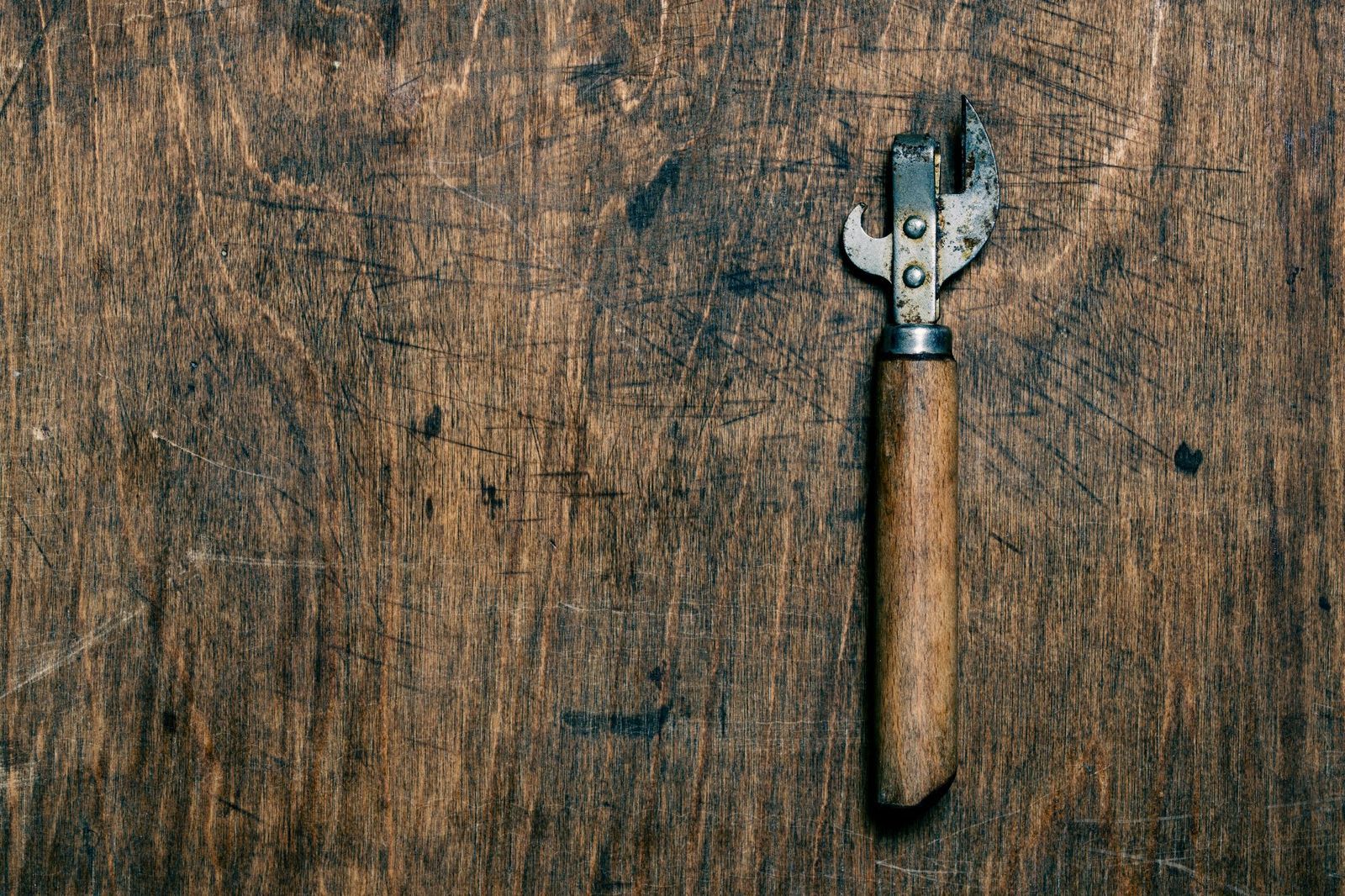
Although canned food had been around since the early 1800s, people often had to open cans with a hammer and chisel. That finally changed when American inventor Ezra J. Warner patented the first practical can opener in 1858. Even then, it remained a curiosity until the Civil War, when the huge demand for canned rations, including Gail Borden's condensed milk for Union troops, made it indispensable. The war turned the can opener from a strange invention into an everyday tool, paving the way for the handheld versions we still use today.

General General 3 min read

A breakfast staple

Which breakfast cereal is the most popular? Here are 10 contenders

Image: Franki Chamaki

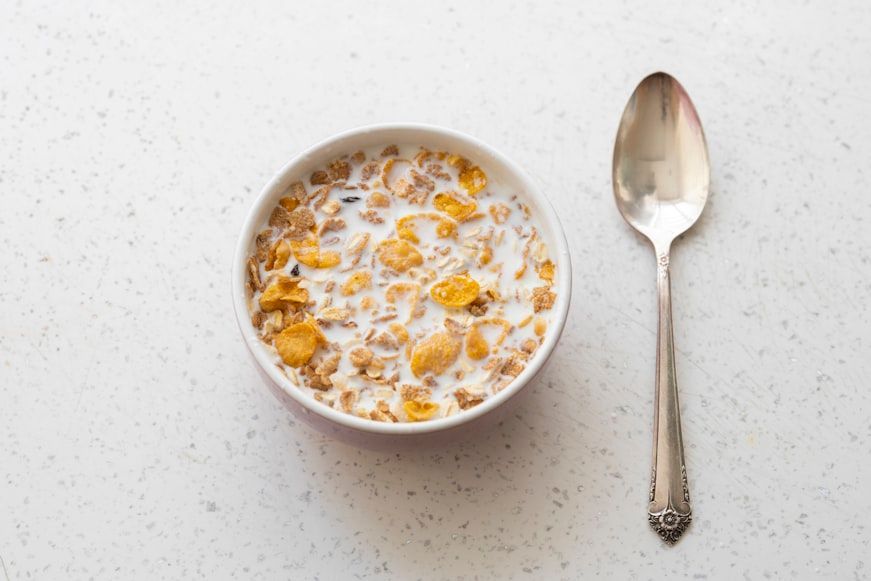
The idiom goes, "as American as apple pie," but, if we are talking breakfast options, it might as well go "as American as breakfast cereal." Cereal is a popular choice in many parts of the world, but it might be hard to find a place where it is as popular as in the U.S.

That said, not all breakfast cereals are created equal, and not all Americans have the same tastes. Cereal may be a staple, but which cereal? Let’s take a look (in no particular order) at 10 of the most popular choices among Americans.

1
Cinnamon Toast Crunch

Image: Diana Polekhina

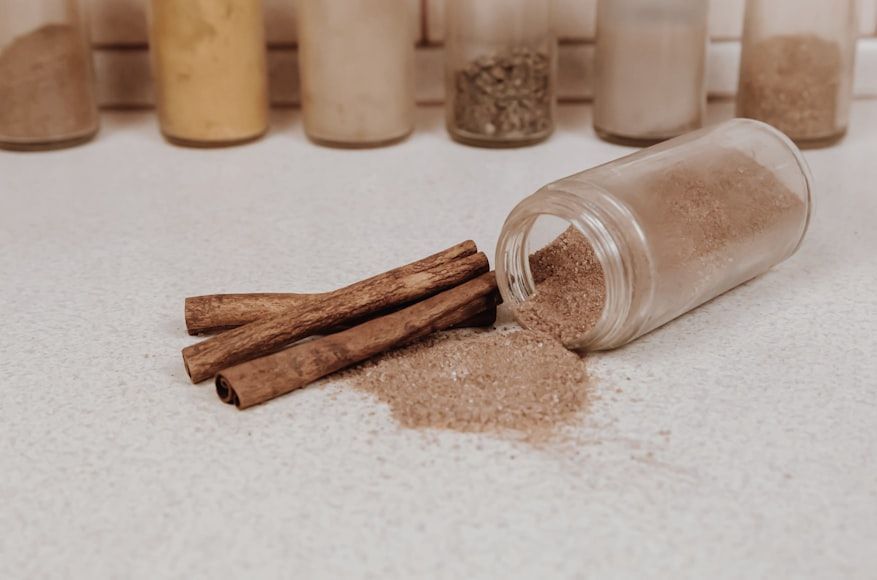
Introduced in 1984 by General Mills, it was designed to be the cereal version of cinnamon toast. It is made from a mix of wheat and rice, and covered in cinnamon sugar. Besides breakfast, Cinnamon Toast Crunch is also popular as a snack on its own, in trail mixes, or as a crunchy topping.

2
Lucky Charms

Image: FlyD

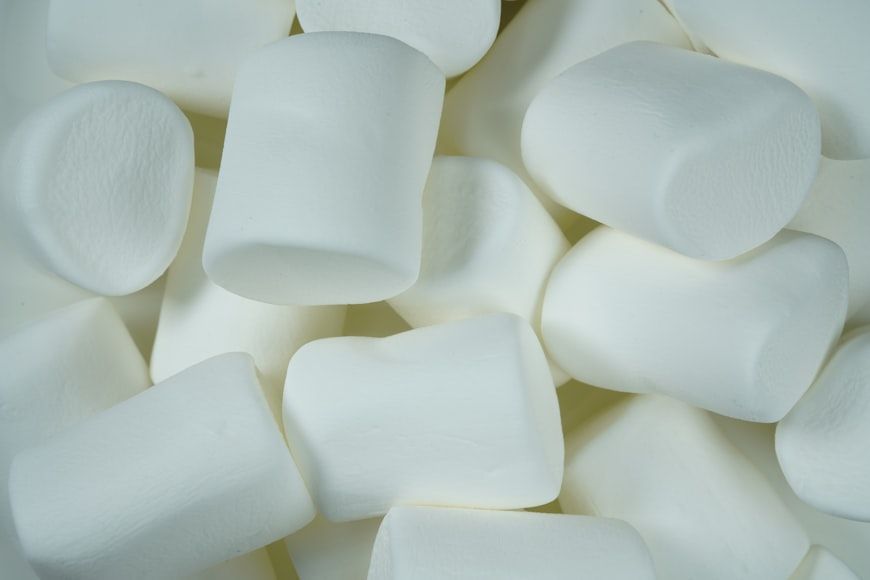
Another General Mills classic, this "magically delicious" cereal features a mix of toasted oat pieces and colorful marshmallows. Besides the original flavor, there are several varieties of Lucky Charms, including Chocolatey Chocolate, S'mores, Berry Swirl, and Minis. A breakfast classic for many decades, one of its most famous features is its mascot, Lucky the Leprechaun.

3
Kellogg’s Raisin Bran

Image: Andreas Haslinger

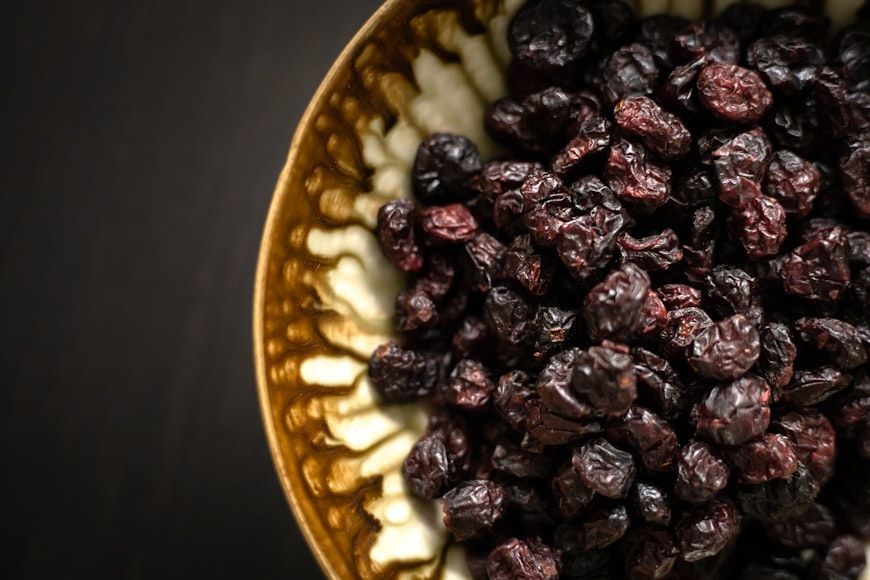
One of Kellogg’s better-known "healthy" options, Raisin Bran is popular as a source of fiber. It was originally a copy of another cereal of the same name, but after a legal battle, it was determined that "raisin bran" was too descriptive to be a trademark, popularizing the name as a generic term for this type of cereal. What makes it so popular? Its name and marketing have long contributed to the perception of it as a "healthy cereal."

4
Cheerios

Image: Liia

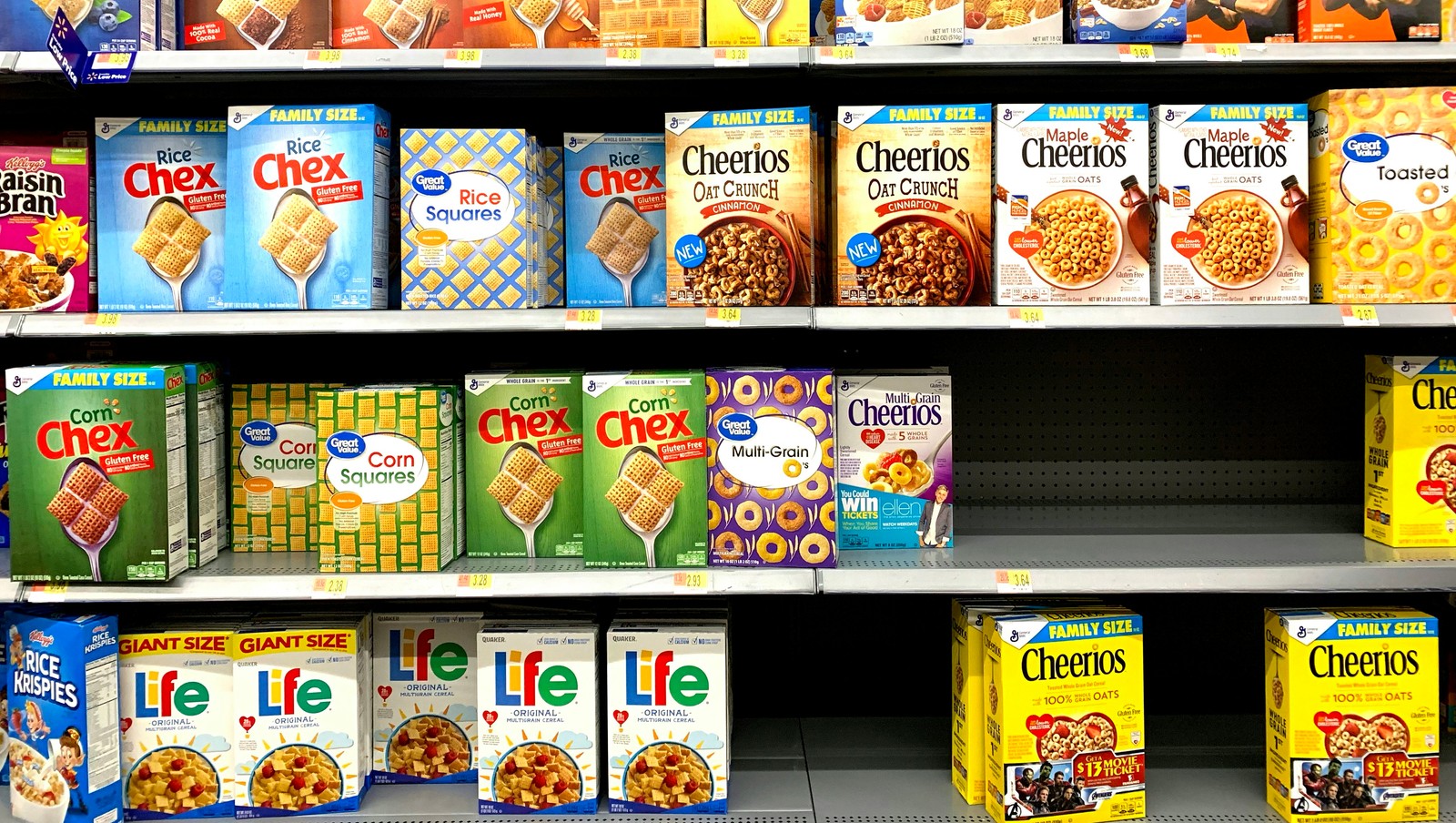
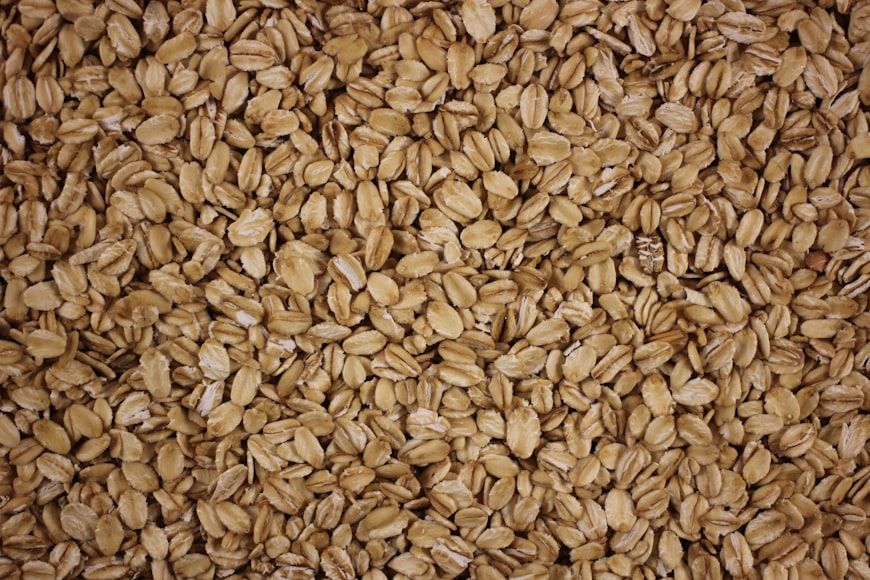
Did you know that the original name of Cheerios was CheerieOats? It was introduced in the 1940s by General Mills, and it is a popular choice due to its whole-grain oat base, low sugar, no cholesterol, and the fact that it is gluten-free. Unlike many other cereals, the original version is not the most popular; it has been surpassed by the Honey Nut flavor.

5
Life

Image: M Alazia

Introduced by Quaker Oats, Life cereal gained popularity through a famous marketing campaign featuring a picky eater named Mikey, one of the longest-running ads in American television history. Life is marketed as a healthy, whole-grain choice without artificial flavors or colors, and has several flavors besides the original.

6
Frosted Flakes

Image: engin akyurt

Did you know that cornflakes were invented by the brother of the founder of Kellogg’s? One of Kellogg’s most well-known cereals worldwide, Frosted Flakes was developed when sweet cereal became increasingly more popular. To boost its appeal to children, the cereal was introduced alongside a mascot, Tony the Tiger, now one of the most recognizable characters in the industry.

7
Cocoa Puffs

Image: Brands&People

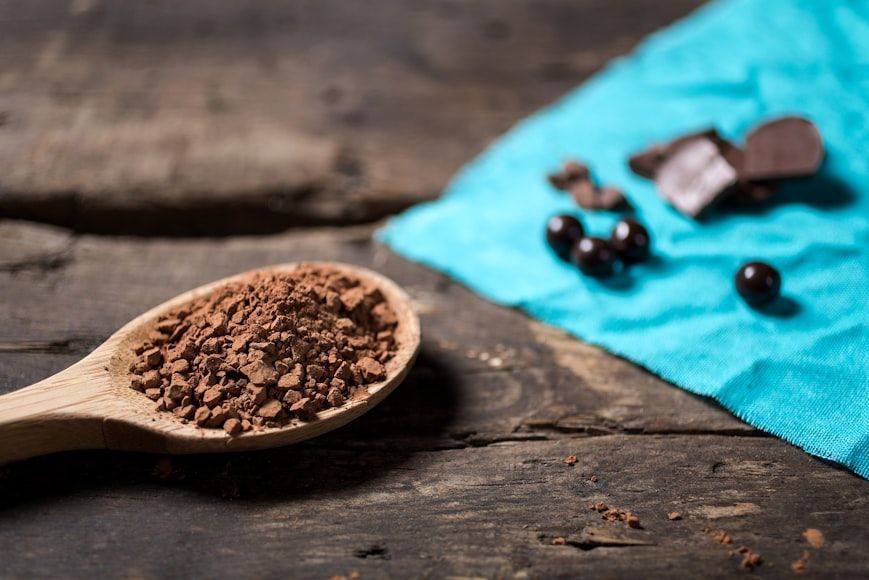
One of the first chocolate cereals to exist, Cocoa Puffs is certainly among the most popular. Developed in the 1950s by General Mills, it initially used Hershey’s cocoa. Cocoa Puffs’ popularity is not limited to the American market. It is also a top seller in Canada, Europe, and Latin America, where it is commercialized in partnership with Nestlé under the name Nesquik.

8
Froot Loops

Image: Haley Owens

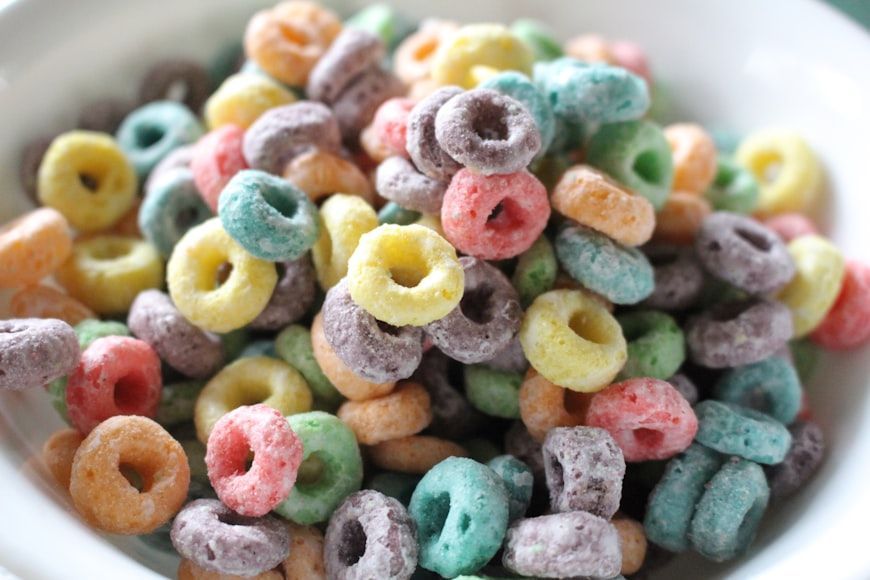
After Kellogg’s unsuccessfully tried to create a competitor to Cheerios, the company was left with specialized equipment designed to produce O-shaped cereal. Rather than scrap it, Kellogg’s used the machinery to develop a new, colorful cereal, along with a new mascot, Toucan Sam. Although the different colors in Froot Loops are meant to suggest different flavors, Kellogg’s has confirmed that they all taste the same.

9
Honey Bunches of Oats

Image: Benyamin Bohlouli

Originally called Battle Creek, this popular cereal was the result of experimentation. Released by Post in the 1980s, it was developed when one of the company’s employees mixed several existing cereals. After some feedback, honey was added to the mix, and it was renamed Honey Bunches of Oats.

10
Rice Krispies

Image: Emma Miller

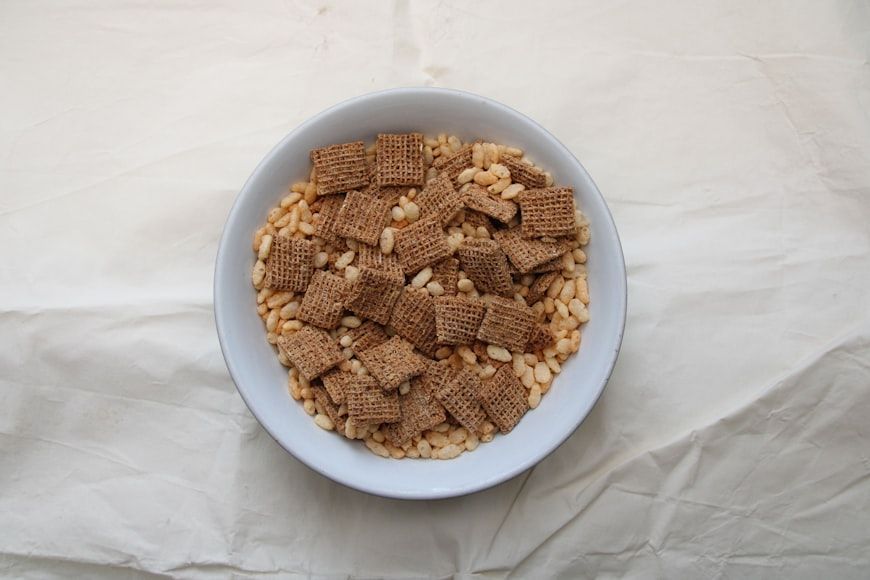
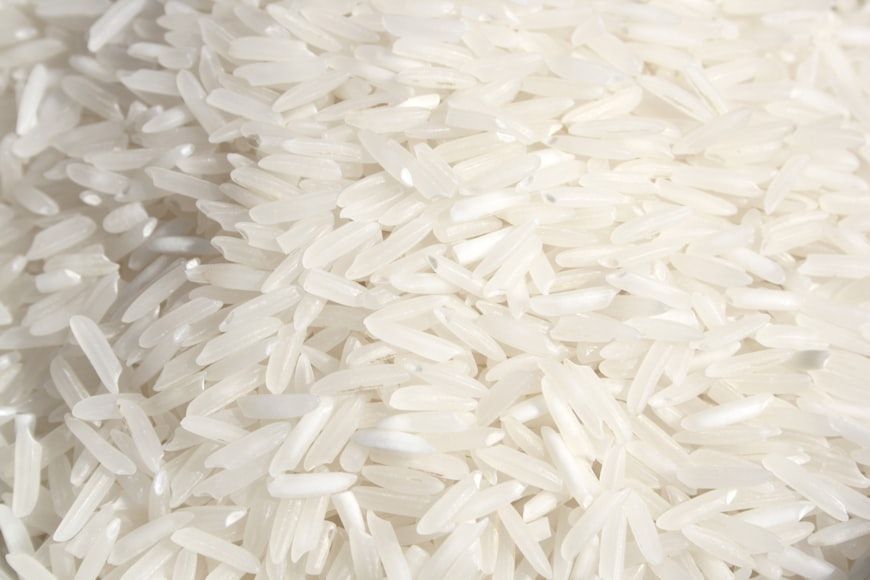
Developed in the 1920s, Rice Krispies is not only one of Kellogg’s most iconic products but also one of the most popular cereals in America. Its famous "Snap, Crackle, Pop" slogan was inspired by the sounds the cereal makes when milk is added and was later adopted as the names of its three mascots.

Explore more American facts

Choose your favorite category!

General
General

As American as apple pie—the very best America has to offer!

Culture
Culture

Delve into the astounding richness of American lore.

Geography
Geography

Hop in and explore vast and diverse American landscapes.

History
History

Discover the key moments that shaped the United States.