Culture Culture 5 min read

Amelia Earhart flew where few women had gone before
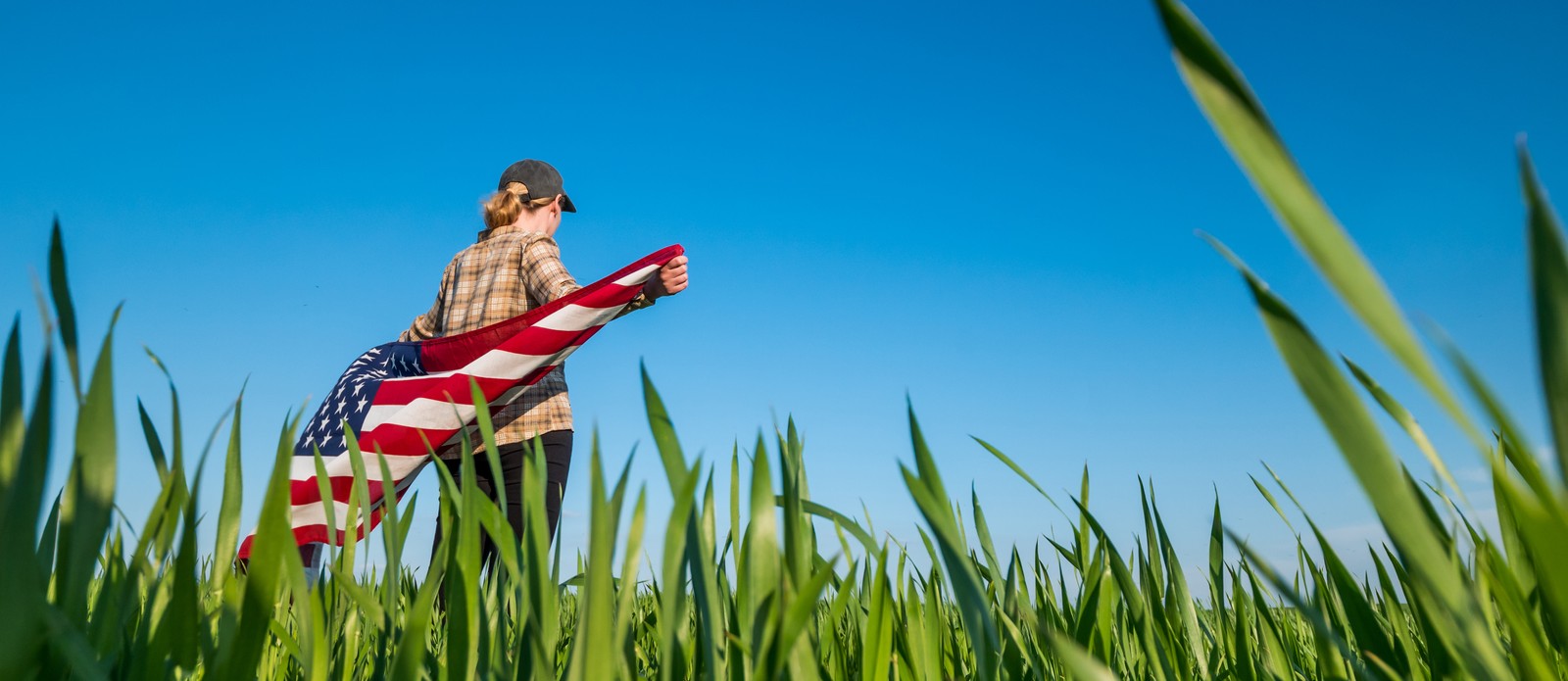
Image: StockMediaSeller

This country’s history has been deeply shaped by influential women in every field. Many things we now take for granted exist thanks to the effort and courage of women like Rosa Parks and her unwavering fight in the civil rights movement; aviator Amelia Earhart , who demonstrated that women could excel in male-dominated fields; or Harriet Tubman and her heroic acts freeing enslaved people on the Underground Railroad. Let’s pay tribute to these 10 American women who changed the course of history.

1
Rosa Parks
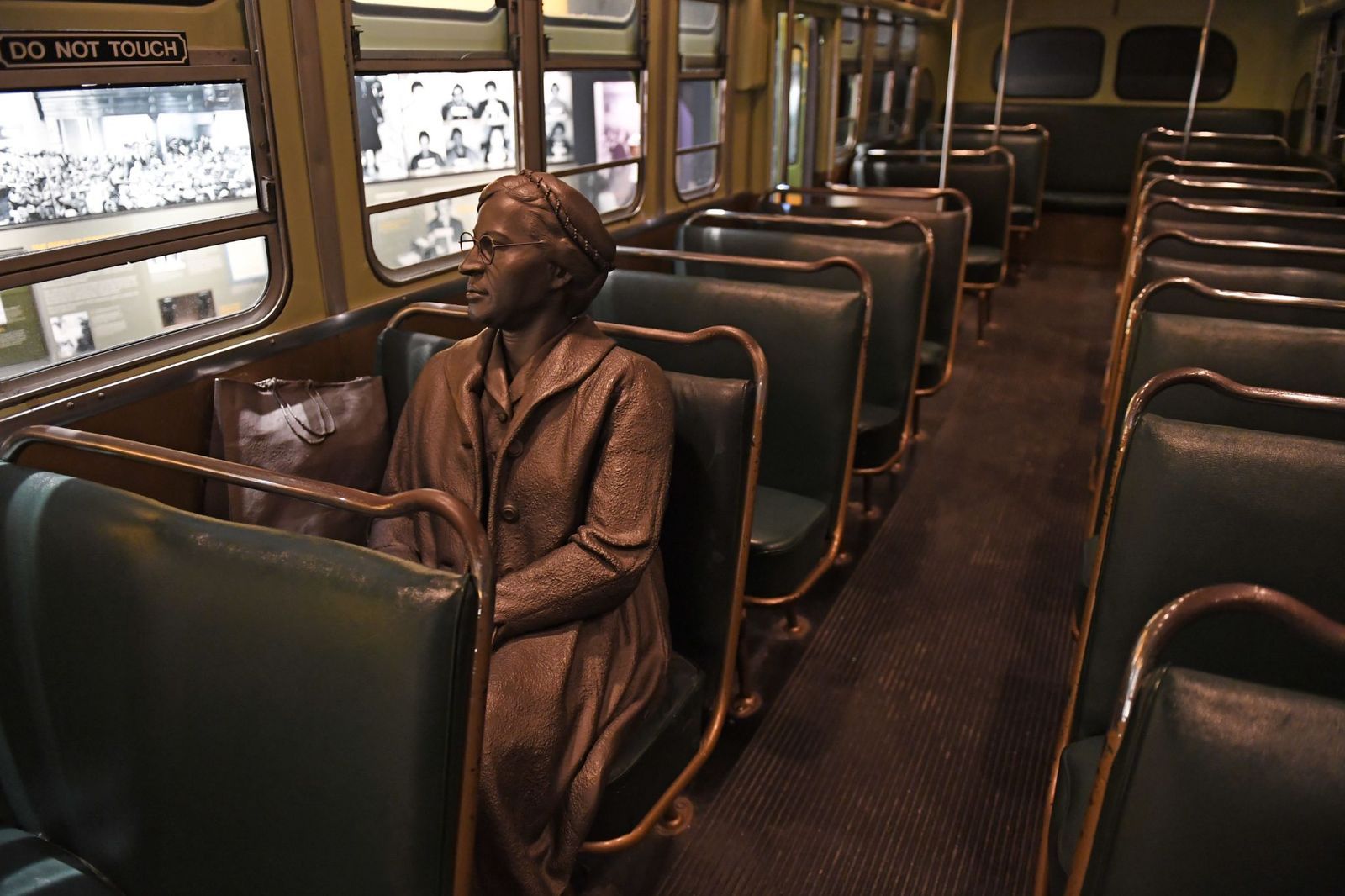
Image: Gino Santa Maria

Amid the fight against racial segregation in 1955, activist Rosa Parks rebelled against authority in an act of courage that went on to become a defining moment in America’s Civil Rights history . She was sitting on a bus alongside three other Black passengers when the driver asked them to give up their seats so a white passenger could sit. Parks refused to do it and was arrested.

This single act of bravery triggered the Montgomery Bus Boycott, which not only helped bring Martin Luther King Jr. to national prominence but also helped put pressure on the U.S. Supreme Court, which later upheld a lower court ruling that segregation on Montgomery’s public bus was unconstitutional.

2
Amelia Earhart
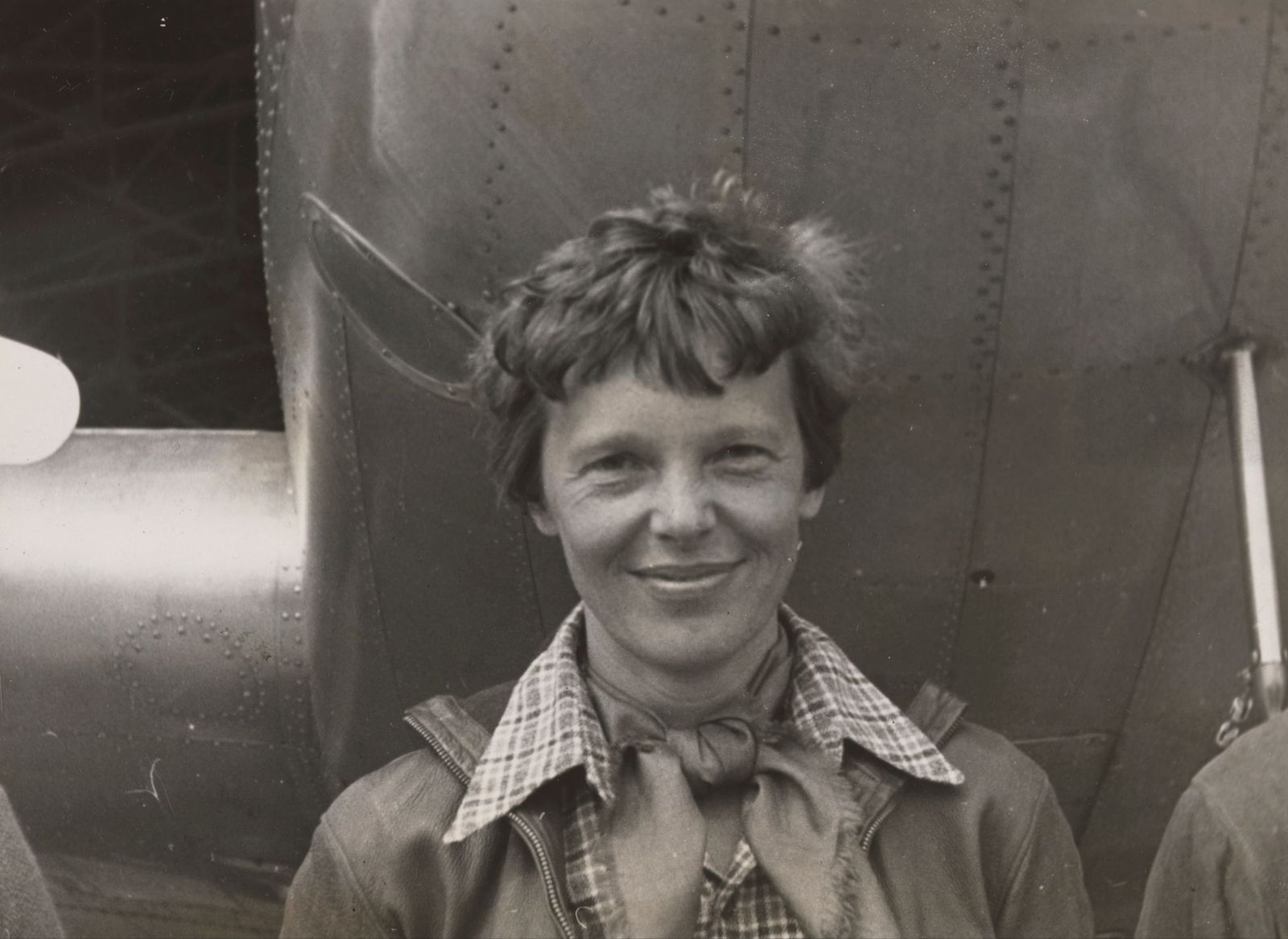
Image: Rawpixel.com

Looking back at Amelia Earhart's story is fascinating, but understanding the context in which she achieved those feats is even more incredible. She broke aviation records at a time when women were still not socially accepted in male-dominated fields .

Earhart became the first woman ever to fly solo across the Atlantic Ocean in 1932, the first woman to fly solo nonstop across the U.S., and the first person to fly solo from Hawaii to California. Earhart tragically disappeared in 1937 during an attempt to become the first woman to fly around the world, though her legacy inspired countless people to pursue their dreams no matter their gender.

3
Harriet Tubman
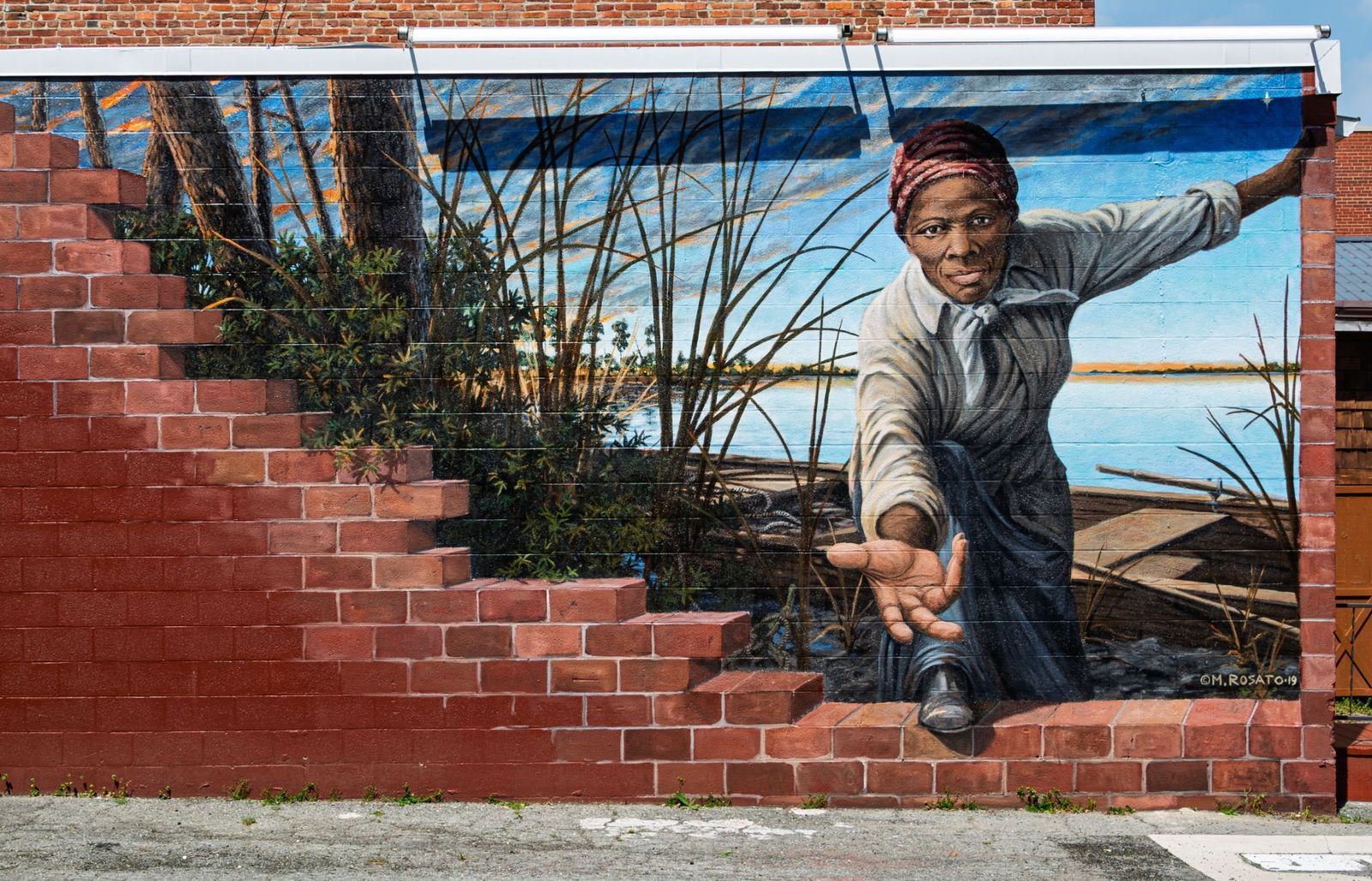
Image: Alan Kolnik

Harriet Tubman's life story is one of the clearest examples of heroism in this country’s history. She not only rejected the life she had been forced to live as an enslaved person and escaped to Pennsylvania in 1849, but she also gave up the safety she had found in the North and returned to the South to continue fighting for her people’s freedom .

Tubman is mainly known for being one of the conductors of the Underground Railroad, a secret network that helped thousands of enslaved people escape to the free states and Canada. She also worked for the Union Army during the Civil War and became involved in the women's suffrage movement afterwards.

4
Helen Keller
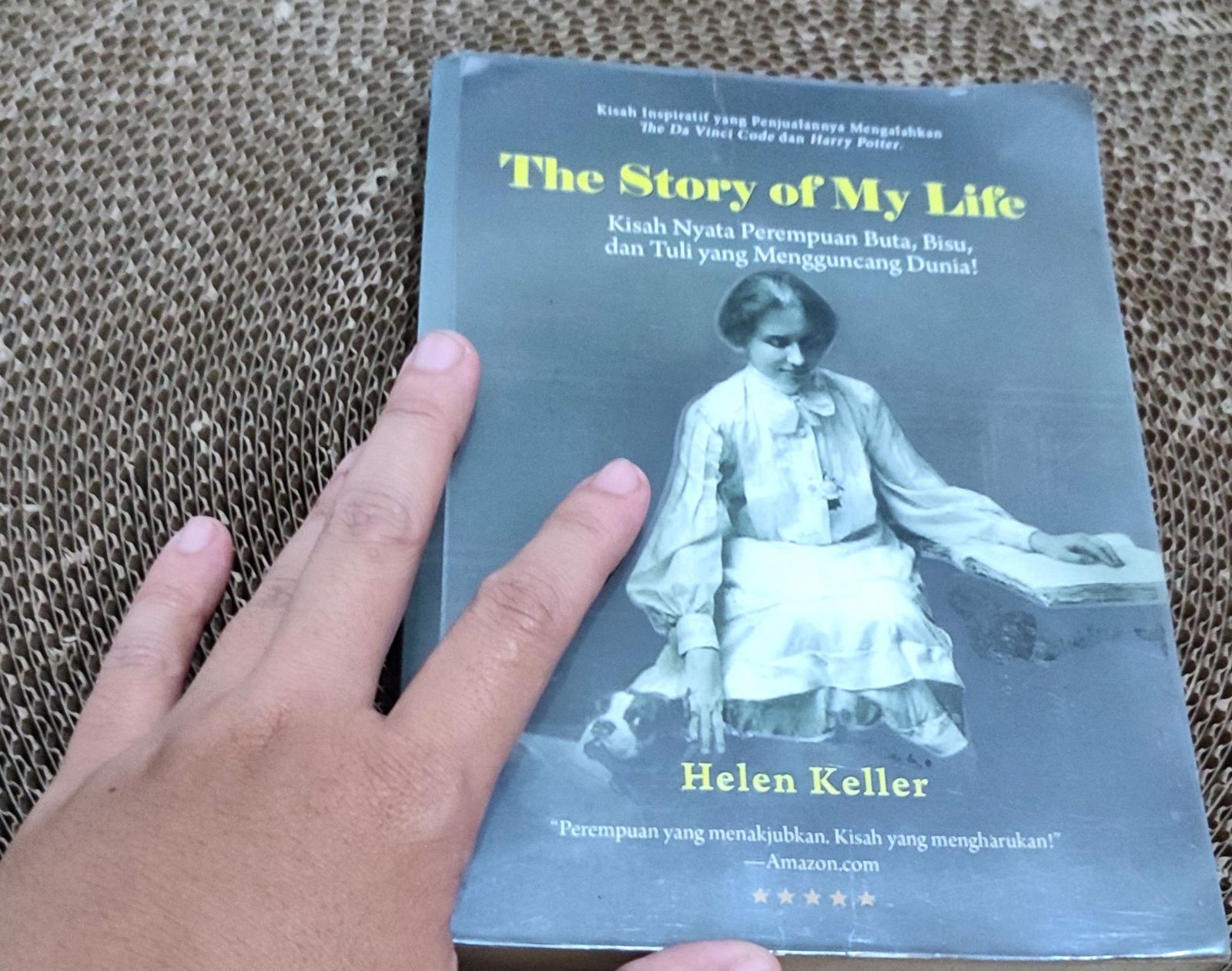
Image: mega noer cahyani

How did a young girl who had lost both her sight and hearing due to a terrible illness become an accomplished writer, speaker, and activist? It all started with her teacher, Anne Sullivan, and her revolutionary approach by which she taught Helen to communicate using fingerspelling, relying on manual finger-spelling pressed directly into the girl’s palm.

This enabled Keller to learn Braille later and eventually speak, but that wasn’t enough for her, and she also went on to become the first deafblind person to earn a bachelor’s degree in 1903 (at Radcliffe College). Her story is not only about overcoming barriers, but about helping and inspiring others in similar situations to overcome them.

5
Susan B. Anthony
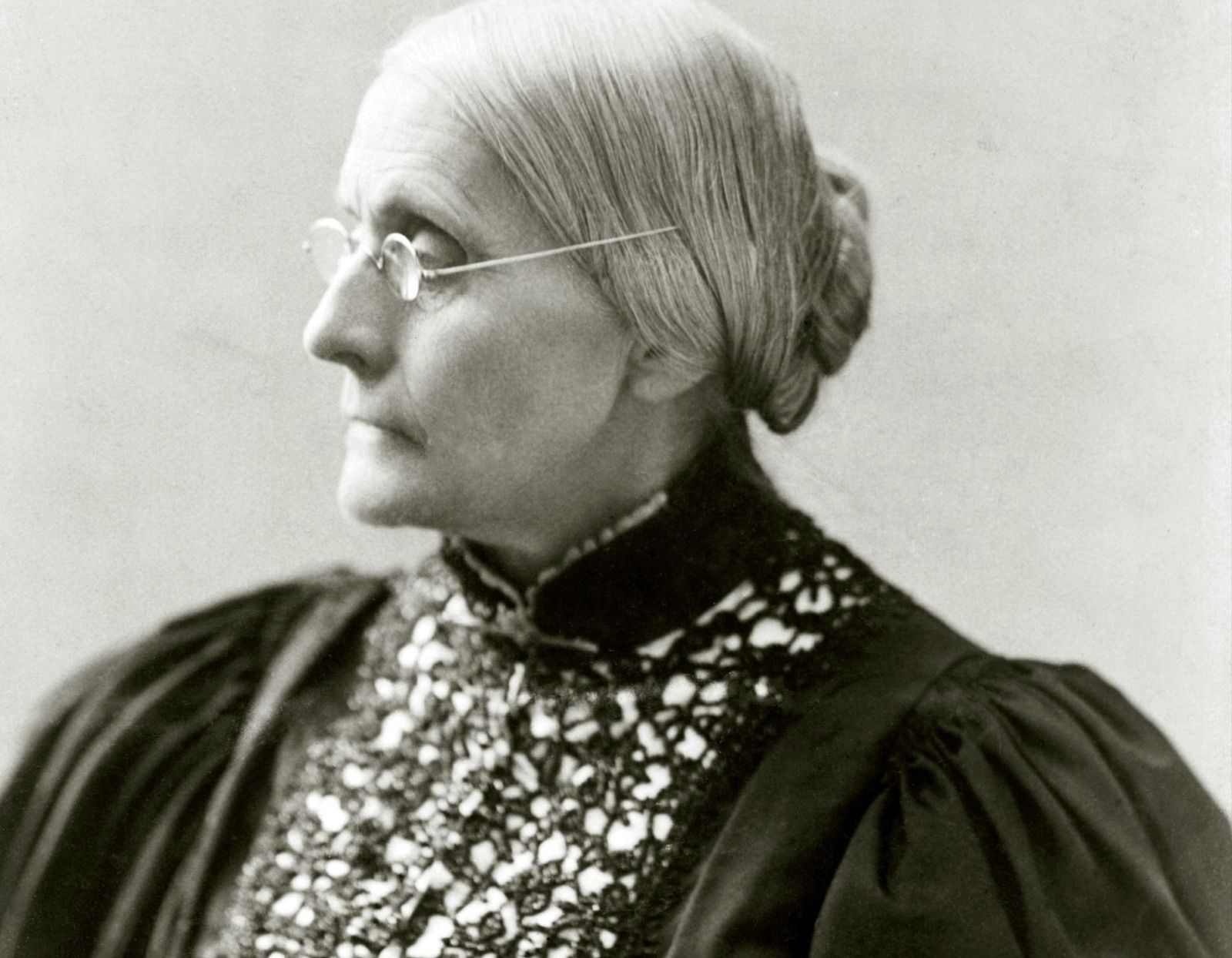
Image: Everett Collection

When it comes to the women’s suffrage movement, Susan B. Anthony is a name that stands out. She was a relentless civil rights activist who challenged authority regardless of the consequences. In 1872, she deliberately voted in the presidential election even though women were not legally allowed to, and was arrested and tried.

She fought for women’s rights until her final days and, unfortunately, didn’t live long enough to see the fruits of her work, which came in 1920 with the ratification of the 19th Amendment, fourteen years after her death at age 86.

6
Eleanor Roosevelt
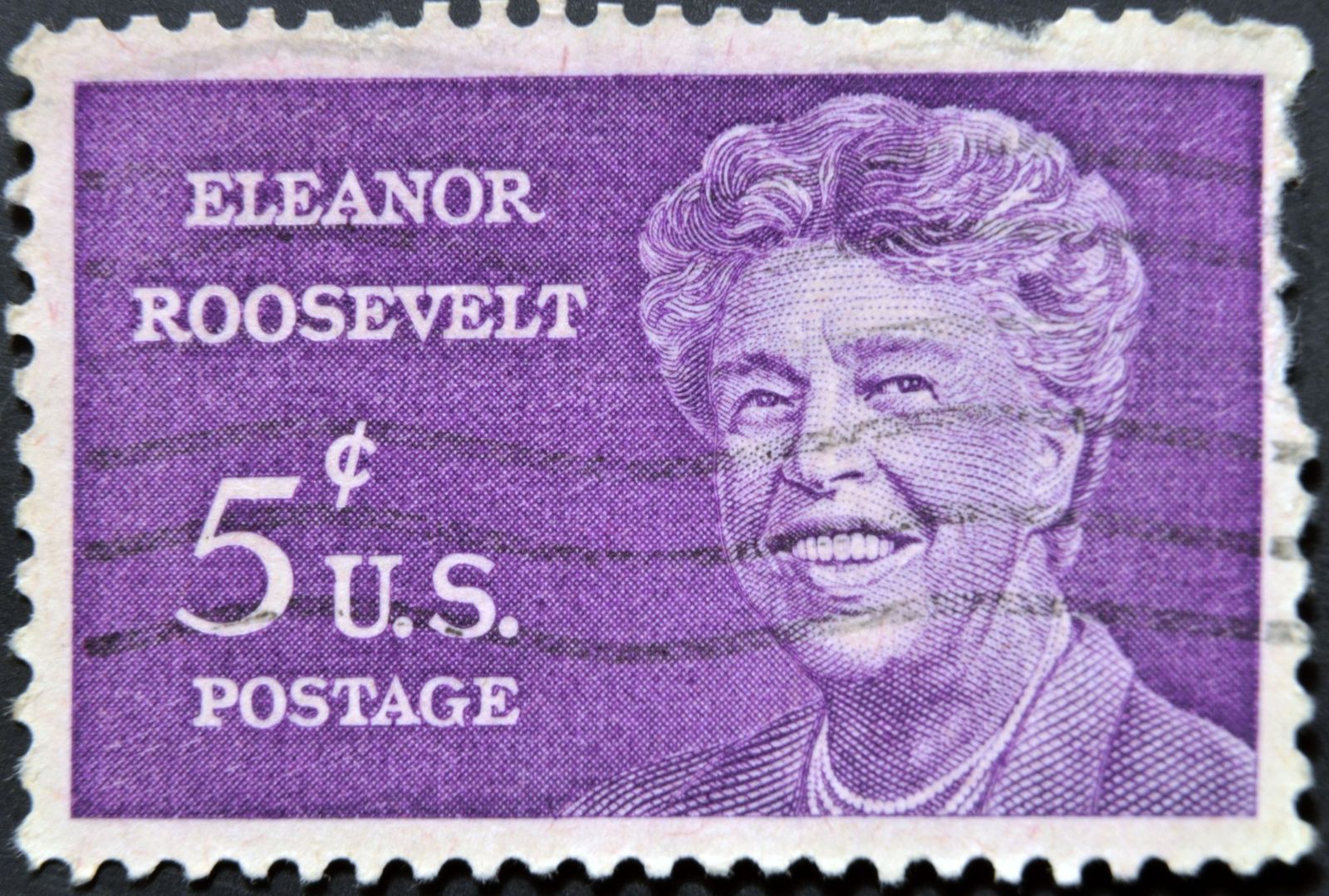
Image: neftali

The First Lady who stepped up and refused to just be in the background : that’s Eleanor Roosevelt, someone who transformed her socially expected passive role into a much more active platform for social causes.

Using her position as a First Lady (from 1933 to 1945), she advocated for civil rights, women’s rights, workers’ rights, and the rights of people living in poverty, challenging the status quo. Among the many causes she participated in, Eleanor also chaired the UN Commission on Human Rights and played a key role in drafting the 1948 Universal Declaration of Human Rights.

7
Clara Barton
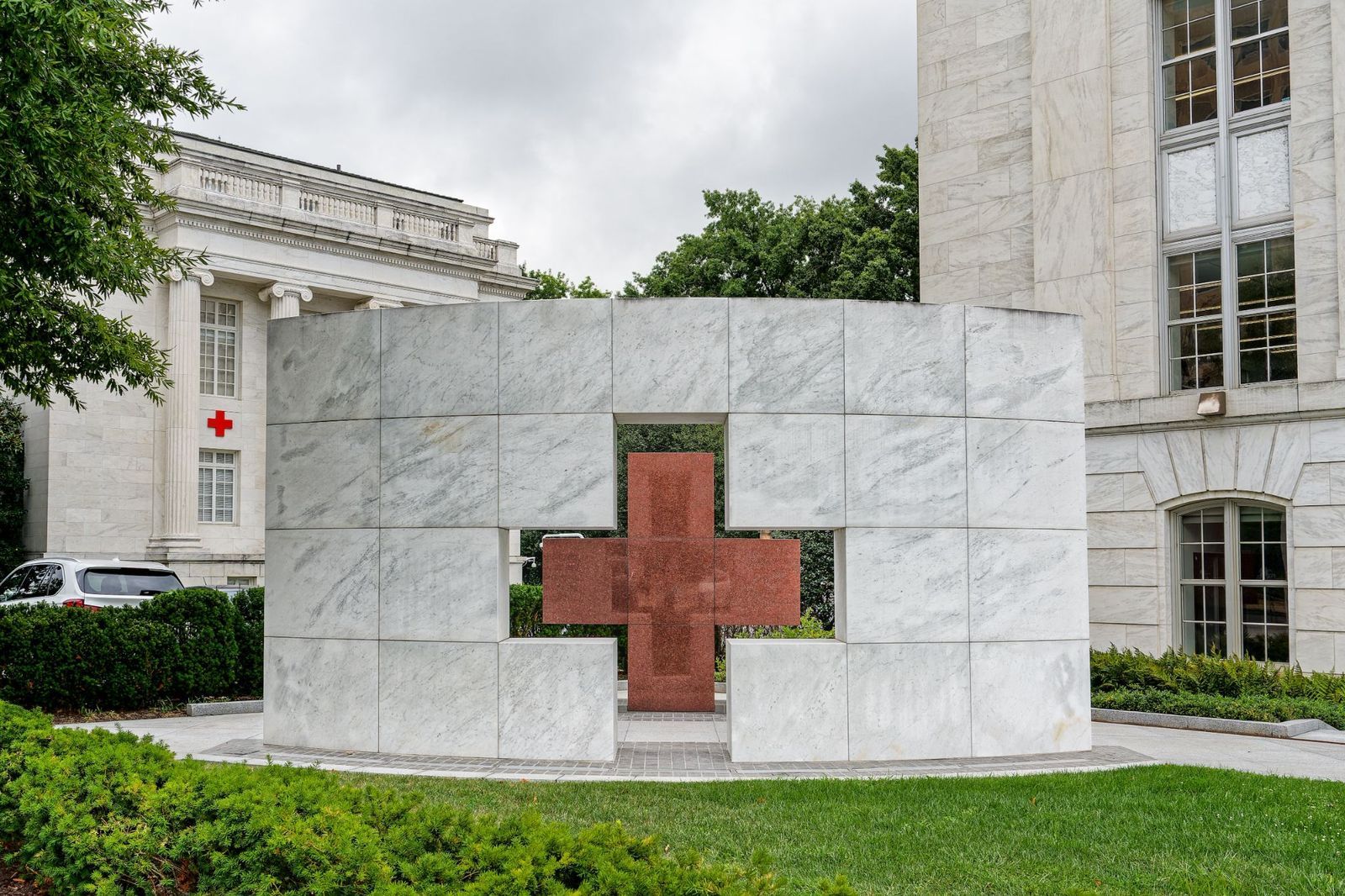
Image: Rosemarie Mosteller

Clara Barton, aka "The Angel of the Battlefield," was a central figure during the Civil War and was later responsible for saving thousands of lives through the creation of the American Red Cross .

She helped wounded soldiers, collected and distributed medical supplies to Union soldiers, and even went directly onto battlefields to care for troops. And after the war, she dedicated her life to helping people affected by disasters.

8
Maya Angelou
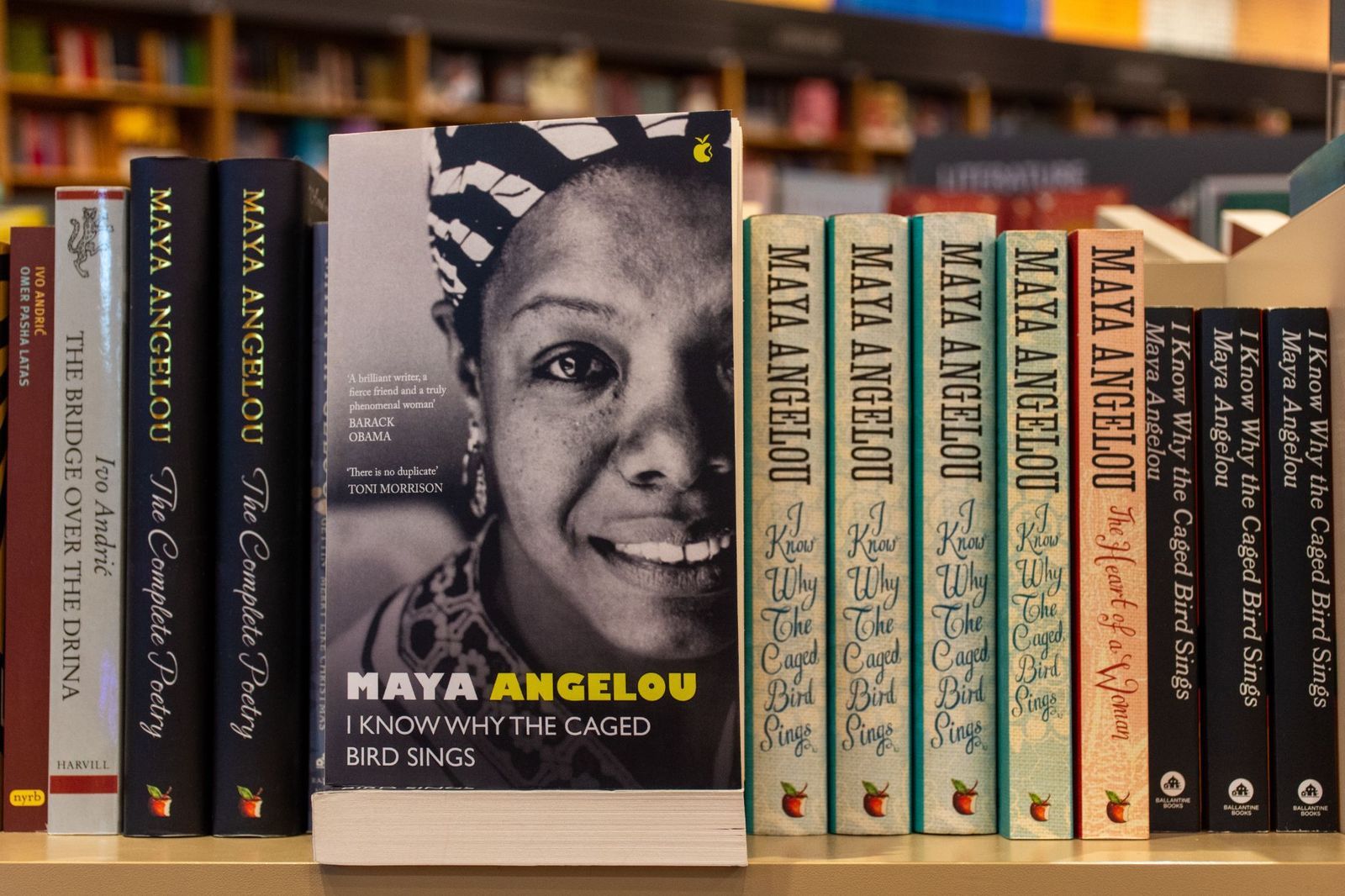
Image: hamdi bendali

Maya Angelou’s powerful and moving I Know Why the Caged Bird Sings (1969) was one of the first autobiographies by a Black American woman to achieve widespread recognition, and her story became a symbol of resilience and dignity .

Angelou worked closely with Martin Luther King Jr. in the civil rights movement. She was also an actress and a singer, and in 2011, President Barack Obama awarded her the Presidential Medal of Freedom.

9
Katherine Johnson
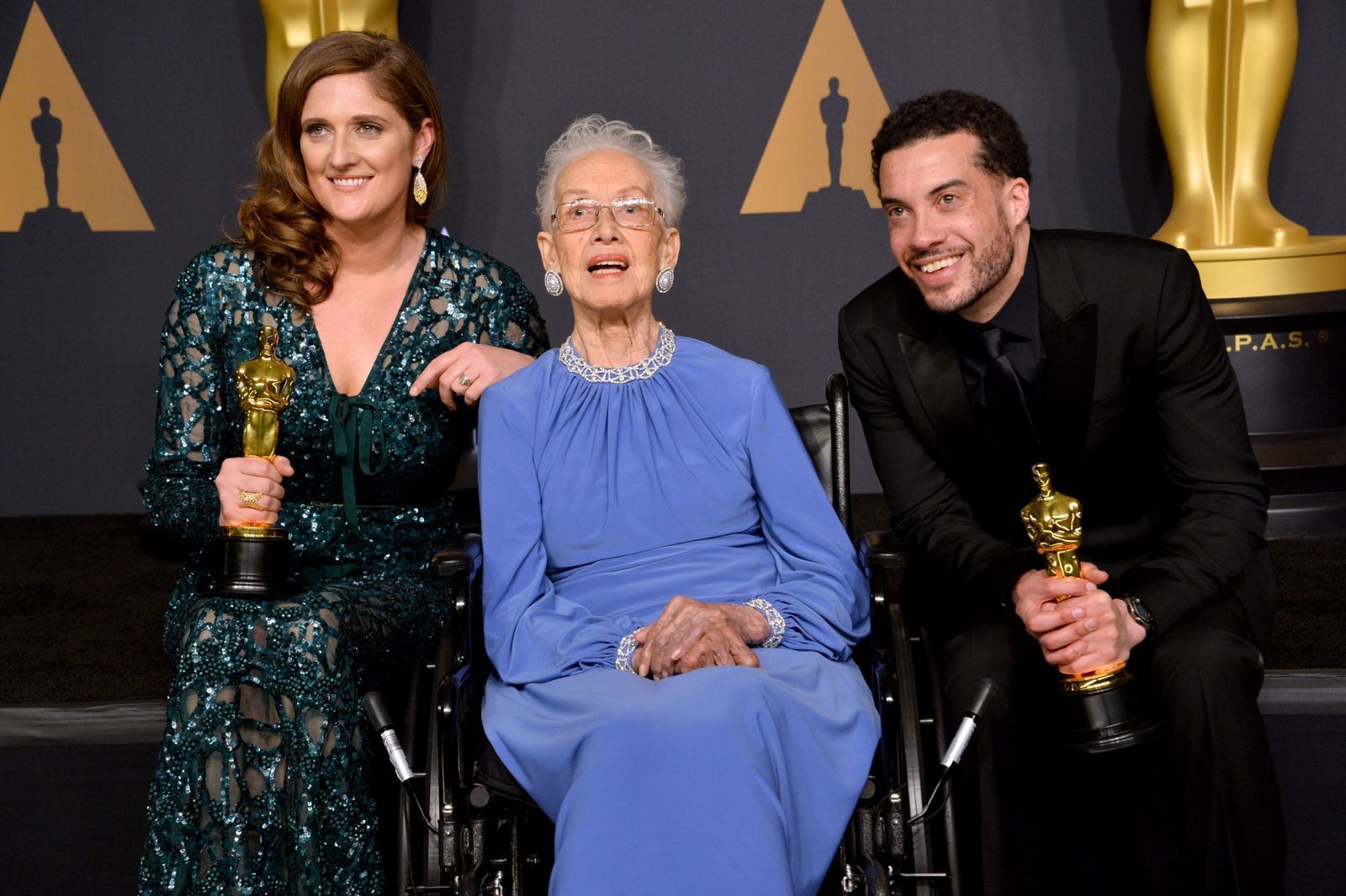
Image: Jaguar PS

Katherine Johnson’s story wasn’t widely known until the 2016 film Hidden Figures (where she was portrayed by Taraji P. Henson) , which introduced modern audiences to the fascinating contributions of this mathematician, whose calculations were crucial to some of the United States’ earliest crewed space missions and whose career helped break barriers for women and Black Americans.

Her work was partly responsible for the success of the Apollo missions (1969 to 1970) and the development of the Space Shuttle program through the 1970s and early 1980s, and while she wasn’t an activist, the fact that she became one of NASA’s most respected mathematicians challenged the norm and inspired social change.

10
Billie Jean King
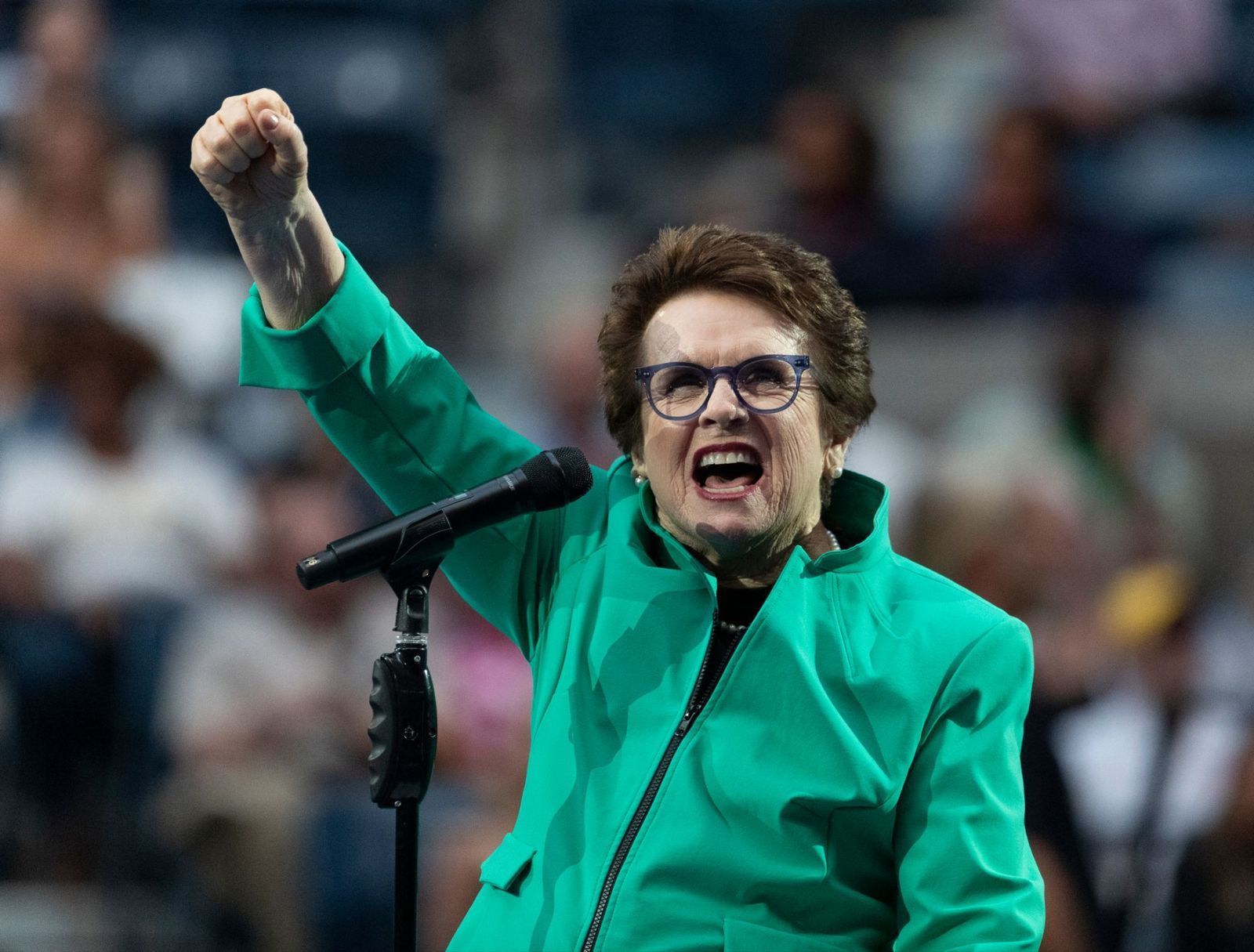
Image: lev radin

The four biggest tennis tournaments are known as Grand Slams, and Billie Jean King racked up 39 — but that wasn’t even her best achievement. King’s biggest battle was against the inequalities women faced in sports , where she played a major role in turning things around.

She was responsible for the creation of the Women’s Tennis Association in 1973, co-founded the Virginia Slims Circuit, which provided professional opportunities for women in tennis, and played in the legendary "Battle of the Sexes," where she defeated Bobby Riggs in front of roughly 90 million viewers worldwide.
History History 7 min read

Like you've never seen it before

Why did Lincoln keep a Confederate bill? 10 shocking Civil War facts

Image: Schriever, James B., photographer, Public domain, via Wikimedia Commons

The Civil War is one of the most studied chapters in American history. We've learned about its battles, generals, and figures in school, books, movies, and documentaries. But beyond the famous stories lies a fascinating world of little-known facts that changed the country forever. From the nation's first official paper money to the surprising origins of everyday conveniences, here are 10 incredible Civil War stories that will make you see this defining chapter of American history in a whole new way.

1
The Wilmer McLean paradox

Image: Civil War Glass Negatives, Public domain, via Wikimedia Commons

Do you believe in fate? If not, maybe this story will change your mind.

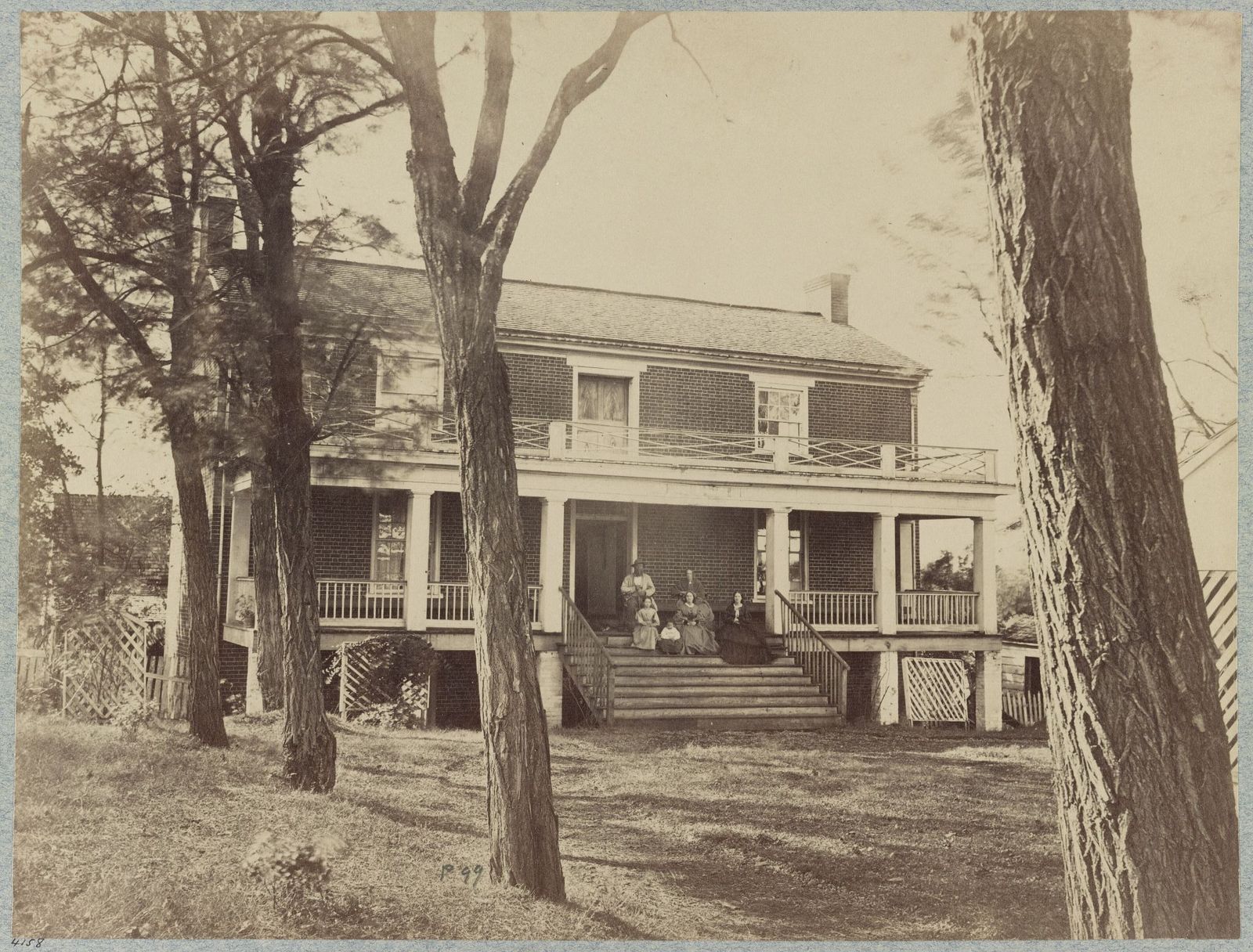
When the Civil War began, Wilmer McLean was an ordinary 47-year-old man living with his family in Manassas, Virginia. But during the First Battle of Bull Run on July 21, 1861, his house was taken over and used as Confederate headquarters. Hoping to escape the war, McLean moved his family 120 miles away to the quiet village of Appomattox Court House. It seemed like the perfect decision, until history caught up with him. Four years later, the war ended exactly where McLean thought he had found peace. On April 9, 1865, General Robert E. Lee surrendered to Ulysses S. Grant, just in the parlor of McLean's new home. As McLean later joked, "The war began in my front yard and ended in my front parlor."

2
Lincoln's Confederate bill

Image: Carol M. Highsmith, Public domain, via Wikimedia Commons

On April 14, 1865, just five days after Confederate General Robert E. Lee surrendered to Union General Ulysses S. Grant, President Abraham Lincoln was shot by actor and Confederate sympathizer John Wilkes Booth during a performance of Our American Cousin at Ford's Theatre in Washington, D.C.

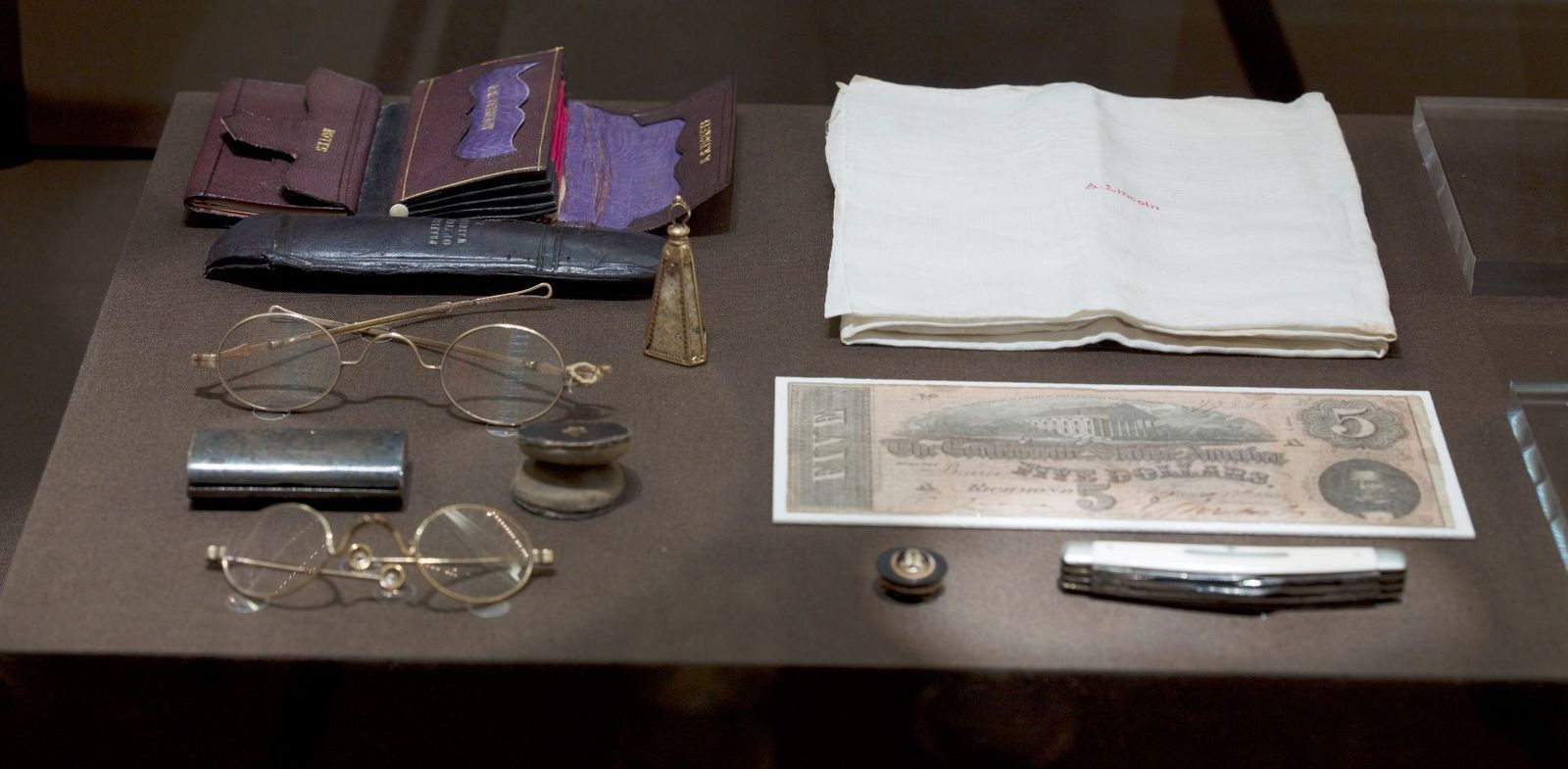
When authorities searched Lincoln's pockets that night, they found the everyday items you'd expect: spectacles, a pocketknife, a handkerchief embroidered with his initials, a watch fob, a sleeve button, and a leather wallet. But one discovery stunned them. Inside the wallet was a Confederate five-dollar bill, the only currency Lincoln was carrying. Historians believe he picked it up as a souvenir during his recent visit to Richmond, the former Confederate capital.

3
Women disguised themselves to fight

Image: Sarah Emma Evelyn Edmonds, Public domain, via Wikimedia Commons

It's well known that women played a vital role in the US Civil War, serving as nurses, spies, and organizers. Clara Barton, a famous example, brought supplies to wounded soldiers on the battlefield and later founded the American Red Cross. But there's another interesting female role that many people have never heard of.

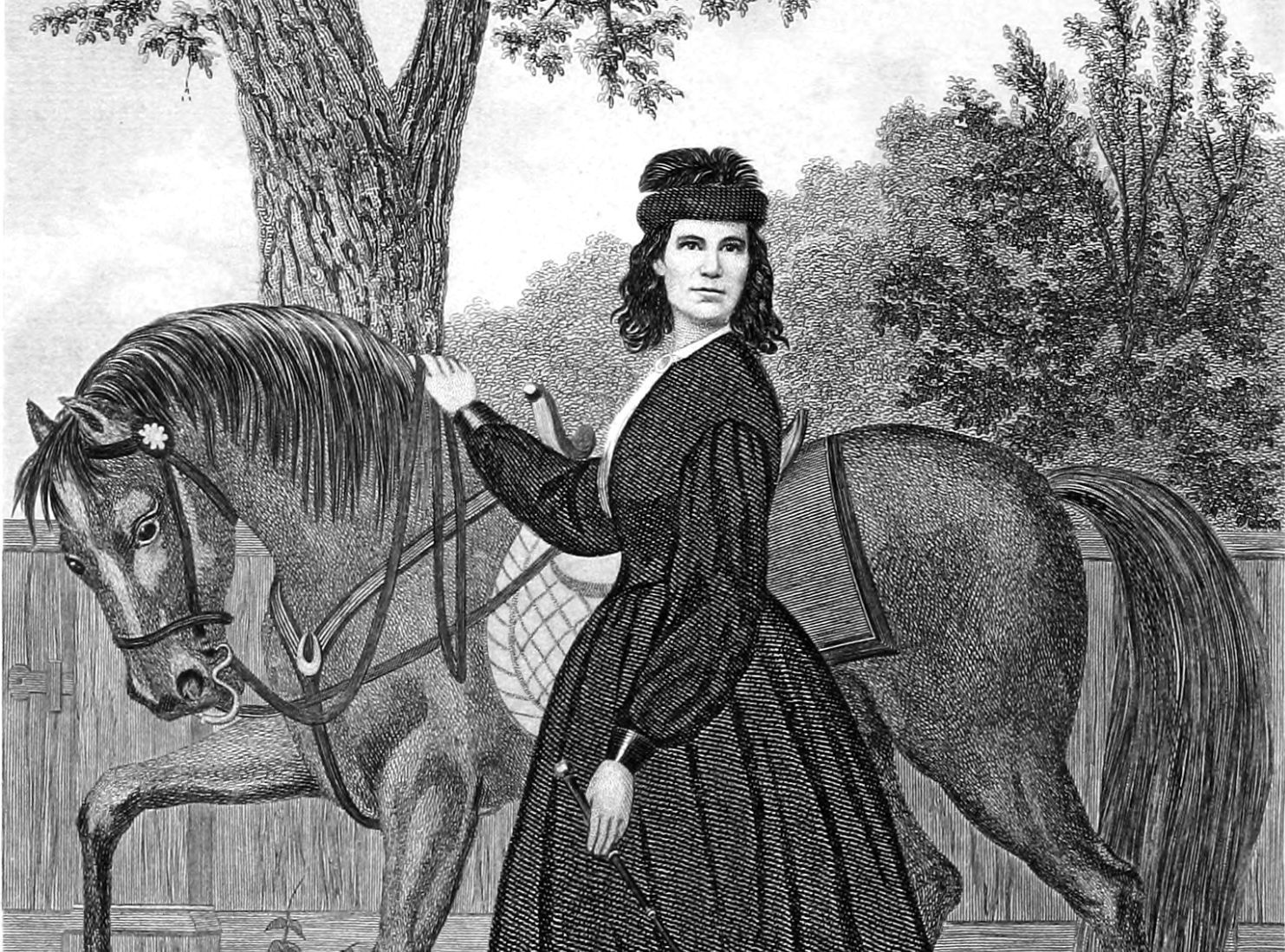
We’re talking about the thousands of women who disguised themselves as men so they could fight. One of the best-documented was Sarah Emma Edmonds, who enlisted in the Union Army under the name Franklin Thompson. Serving as a soldier, nurse, and spy, she fought in major campaigns, including the First Battle of Bull Run and the Peninsular Campaign. After contracting malaria in 1863, she left her unit rather than risk being exposed in a military hospital and was charged with desertion. Years later, her fellow soldiers testified on her behalf, and in 1884, Congress granted her an honorable discharge and a military pension.

4
Brothers on opposite sides

Image: Mathew Benjamin Brady, Public domain, via Wikimedia Commons

The Civil War didn't just divide the nation; it tore families apart. Few stories capture that tragedy better than this one.

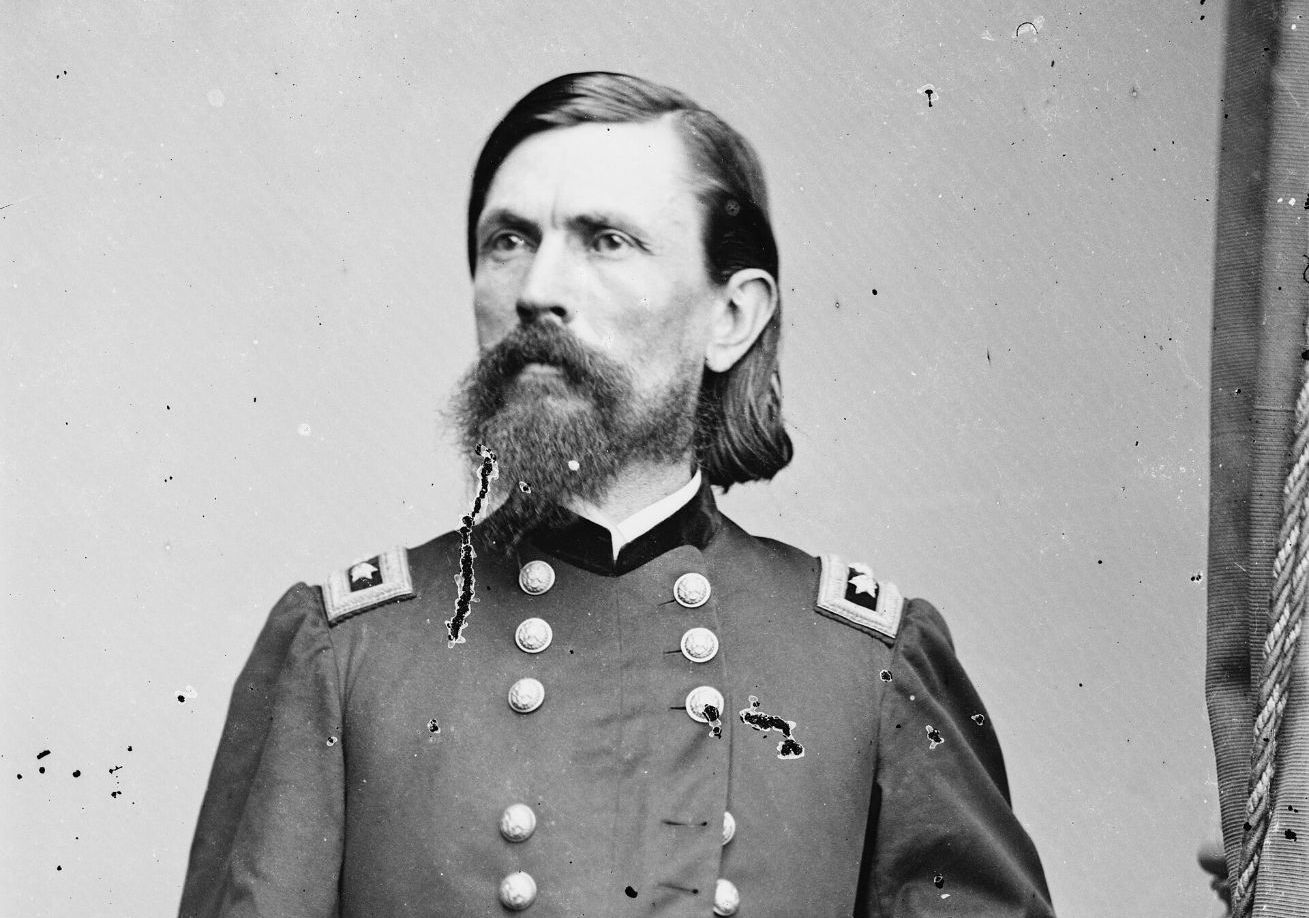
The sons of prominent Kentucky Senator and passionate Unionist John J. Crittenden, brothers Thomas Leonidas Crittenden and George Bibb Crittenden, both became generals… but fought on opposite sides of the war. George served as a Confederate major general, commanding troops at the Battle of Mill Springs, while Thomas became a Union major general, fighting in major campaigns including Shiloh, Stones River, and Chickamauga. While they never directly faced each other on the battlefield, their choices caused immense emotional and social fractures within their family. Both survived the war, and today, they are buried in the same Frankfort State Cemetery, finally reunited in the soil of their home state.

5
Standardized clothing sizes

Image: Valentin Ivantsov

When was the last time you had a suit or dress made just for you? Today, we simply walk into a store and buy the size that fits, but before the Civil War, that wasn't how Americans bought clothes.

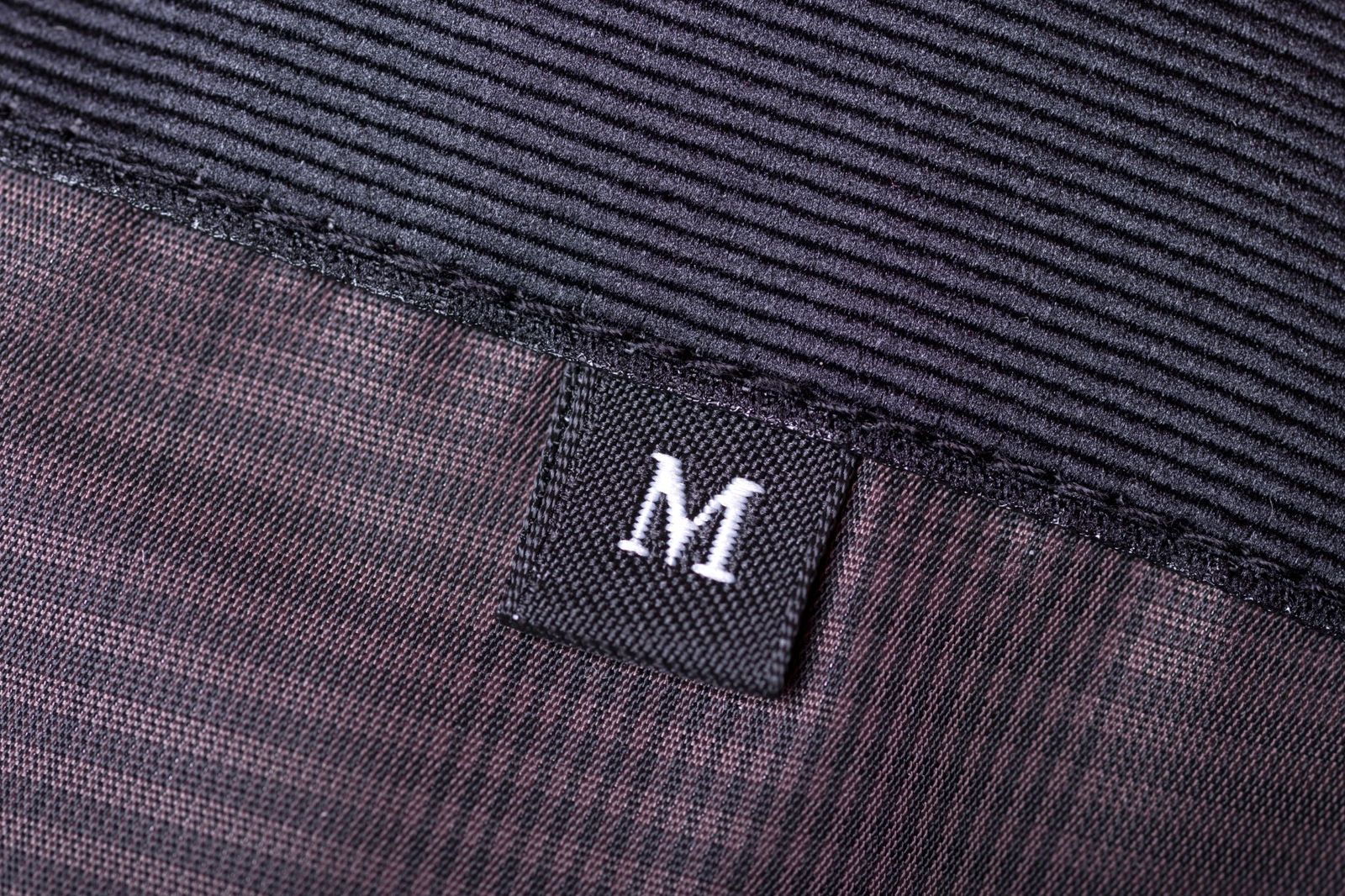
Before the 1860s, most clothing was custom-made by tailors or sewn at home. But that became a major problem when the war began, and the Union suddenly had to outfit more than a million soldiers. Measuring and tailoring every uniform by hand was impossible. Instead, military officials collected thousands of body measurements, identified common size patterns, and created one of the first standardized sizing systems: Small, Medium, and Large. After the war, clothing manufacturers adopted the same templates for civilian garments, helping give birth to America's modern ready-to-wear clothing industry.

6
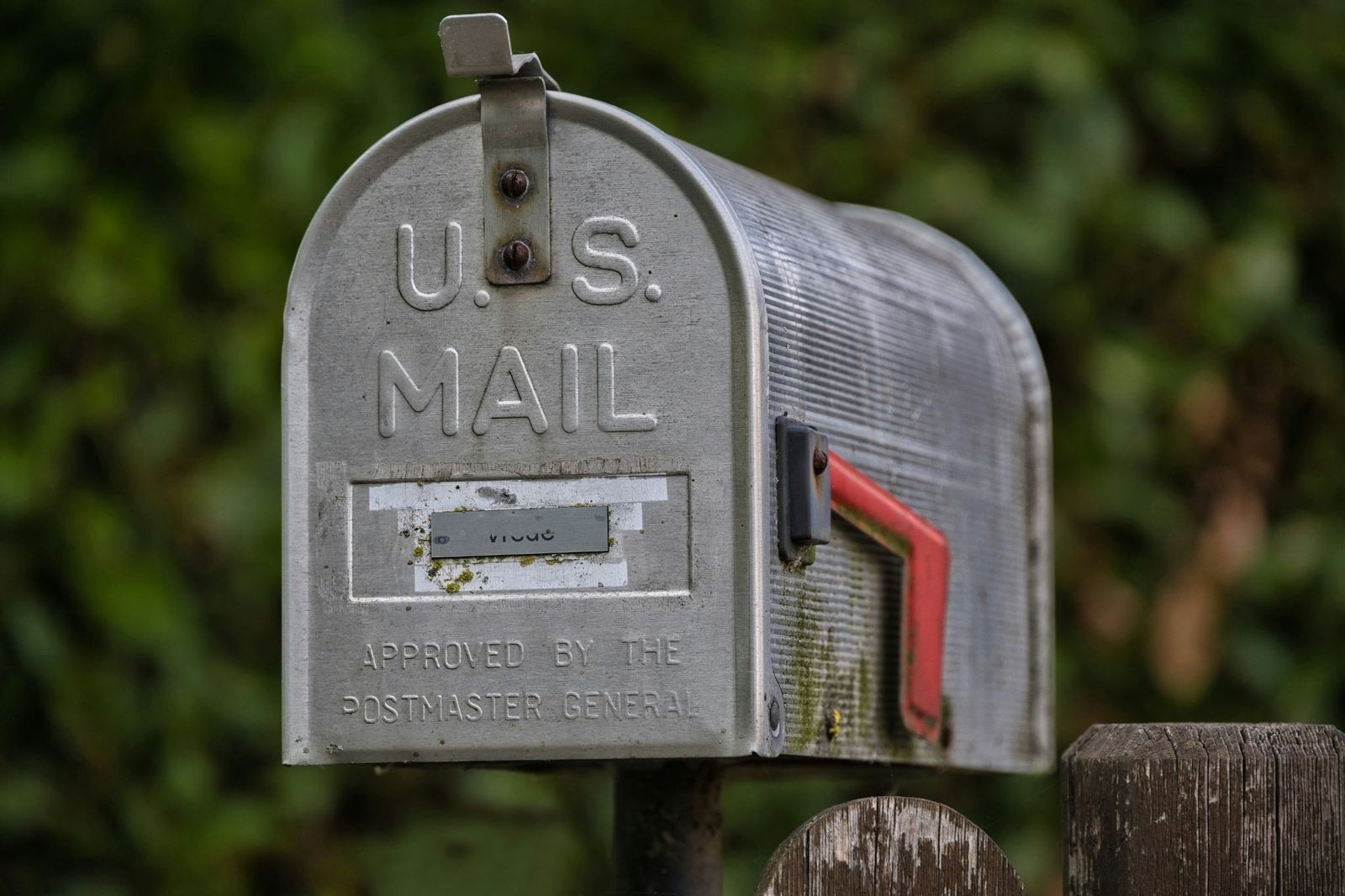
Postal home delivery system

Image: Wolfgang Vrede

Today, having letters and packages delivered right to your front door is so routine that we rarely stop to think about it. But for many years of American history, that convenience didn't exist.

Before the Civil War, Americans had to pick up their mail at the local post office. When the war began, families desperate for news of sons, husbands, and fathers crowded into post offices, often waiting for hours. Seeing the heartbreaking scenes, Cleveland postal clerk Joseph Briggs began delivering letters directly to people's homes, sparing families long waits and needless anguish. His neighborhood deliveries were such a success that they inspired Postmaster General Montgomery Blair and Congress to create the nationwide Free City Delivery Service on July 1, 1863.

7
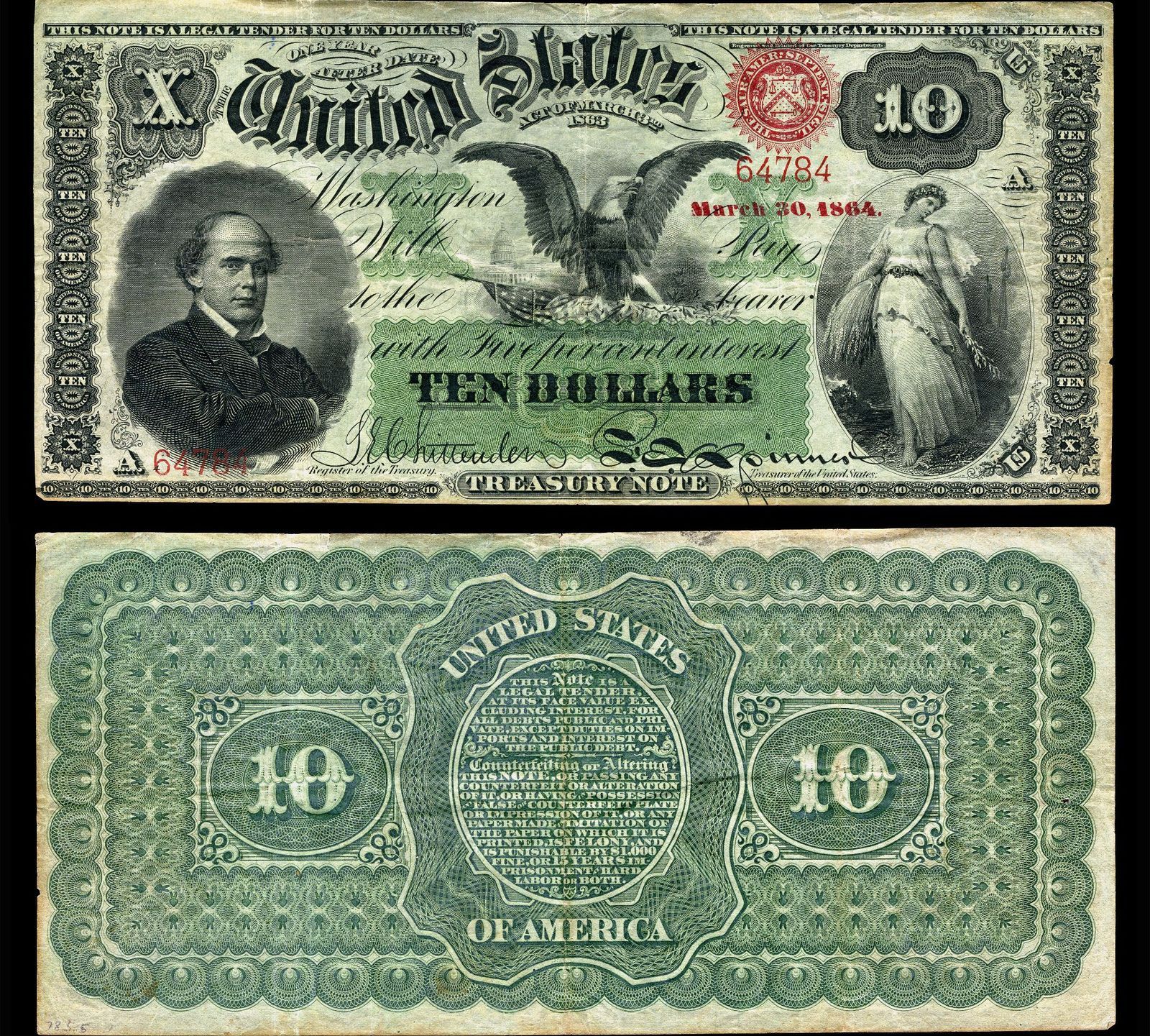
The US first official paper money

Image: National Museum of American History, Public domain, via Wikimedia Commons

Today, most of our money exists in a digital form. However, when we picture money, we still think of dollar bills and coins. They've been part of our lives for so long that it's hard to imagine a time when the US government didn't print paper money at all. But that time did exist.

Before the Civil War , the federal government issued no standardized national paper currency. It minted gold, silver, and copper coins, while Americans relied on thousands of different banknotes printed by private, state-chartered banks, many of them unreliable and prone to failure. Everything changed in 1861 , when the Union needed money to finance the war. Congress authorized the first federal paper currency, known as Demand Notes, followed by Legal Tender Notes in 1862. Americans soon nicknamed them "greenbacks" because of their green ink, a name that has survived ever since.

8
A town changing hands 10 times

Today, US Route 50 follows much of the old Northwestern Turnpike, a historic road linking Winchester, Virginia, with Parkersburg on the Ohio River. But during the Civil War, living along that route was anything but convenient.

Because the turnpike provided access to the Shenandoah Valley, the Baltimore & Ohio Railroad, and key mountain passes, the town of Romney (now in West Virginia) became a strategic prize for both the Union and the Confederacy. As armies pushed forward and fell back, each side repeatedly captured and abandoned the town. While most cities and regions remained firmly on the same side for the entire war, historians generally agree that Romney changed hands at least 10 times, making it one of the most frequently occupied towns of the Civil War.

9
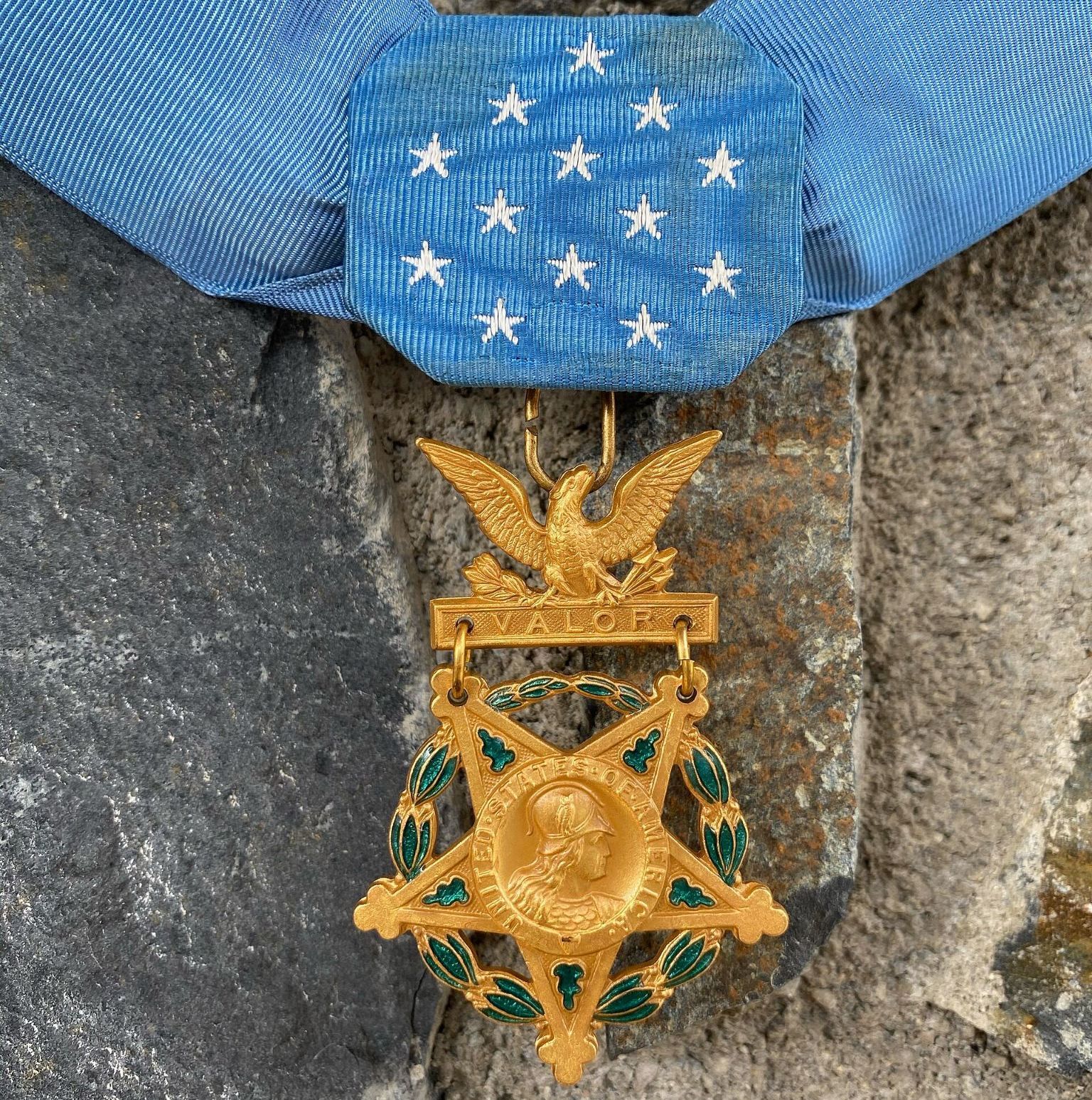
The war with the most Medals of Honor

Image: Alexeinikolayevichromanov, CC BY-SA 4.0, via Wikimedia Commons

The Medal of Honor is the nation's highest military award for valor. During the Civil War, about 1,525 service members received it. That may not sound extraordinary… until you compare it with every major American war that followed.

The numbers are striking: 126 Medals of Honor were awarded in World War I, 464 in World War II, and 266 during the Vietnam War. A total of 856 combined, far fewer than in the Civil War alone. But there’s a reason for that. The Medal of Honor was created during the Civil War; at the time, it was the only US military decoration for valor. With no other awards recognizing battlefield heroism, it was presented under standards that were far broader than those adopted in later wars.

10
Can openers

Image: OlegD

It's hard to imagine a kitchen without a can opener. But surprisingly, canned food existed for decades before anyone invented it.

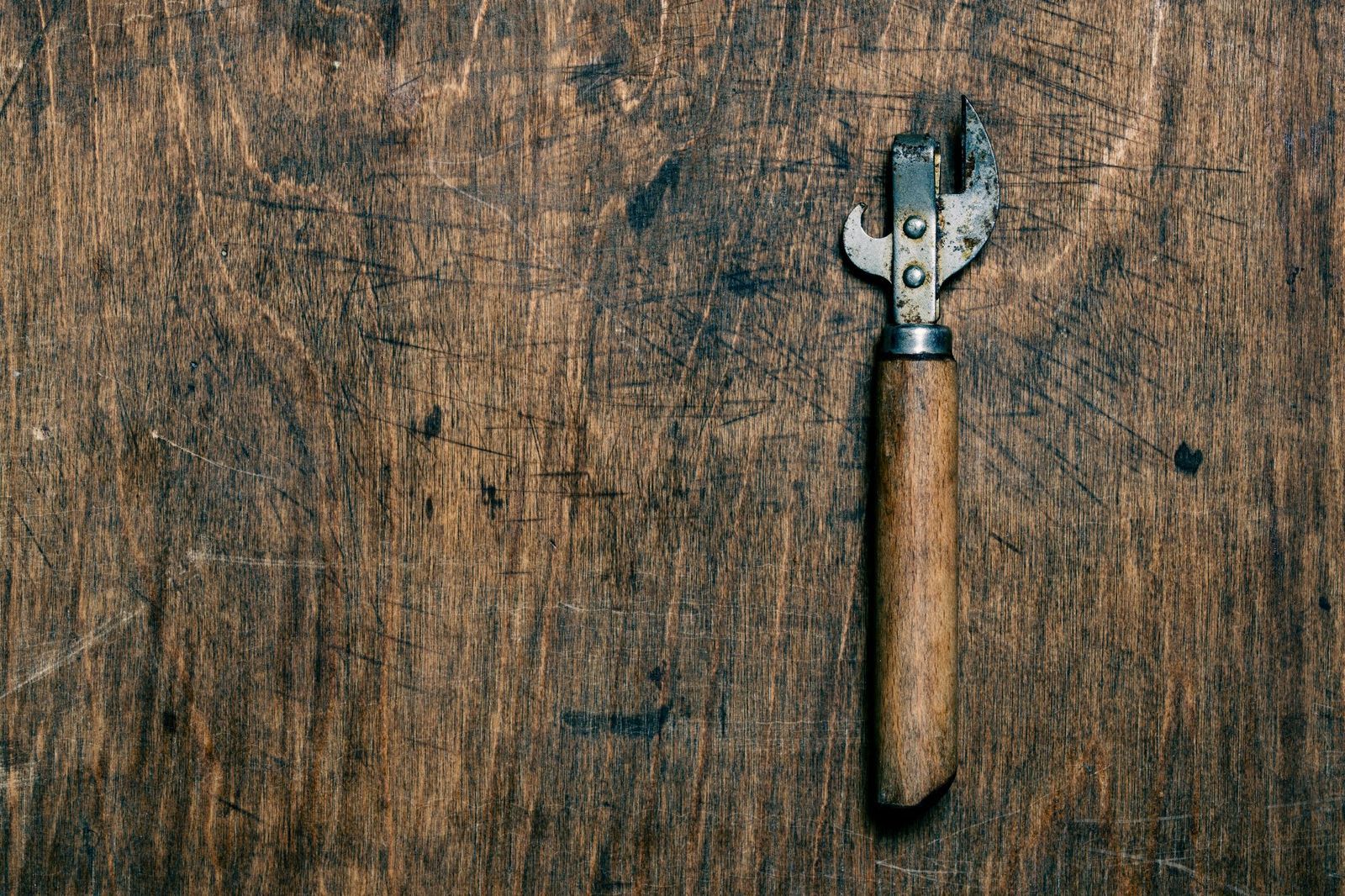
Although canned food had been around since the early 1800s, people often had to open cans with a hammer and chisel. That finally changed when American inventor Ezra J. Warner patented the first practical can opener in 1858. Even then, it remained a curiosity until the Civil War, when the huge demand for canned rations, including Gail Borden's condensed milk for Union troops, made it indispensable. The war turned the can opener from a strange invention into an everyday tool, paving the way for the handheld versions we still use today.

General General 3 min read

Holiday curiosities

10 Thanksgiving facts you'll be thankful to know!

Image: Element5 Digital

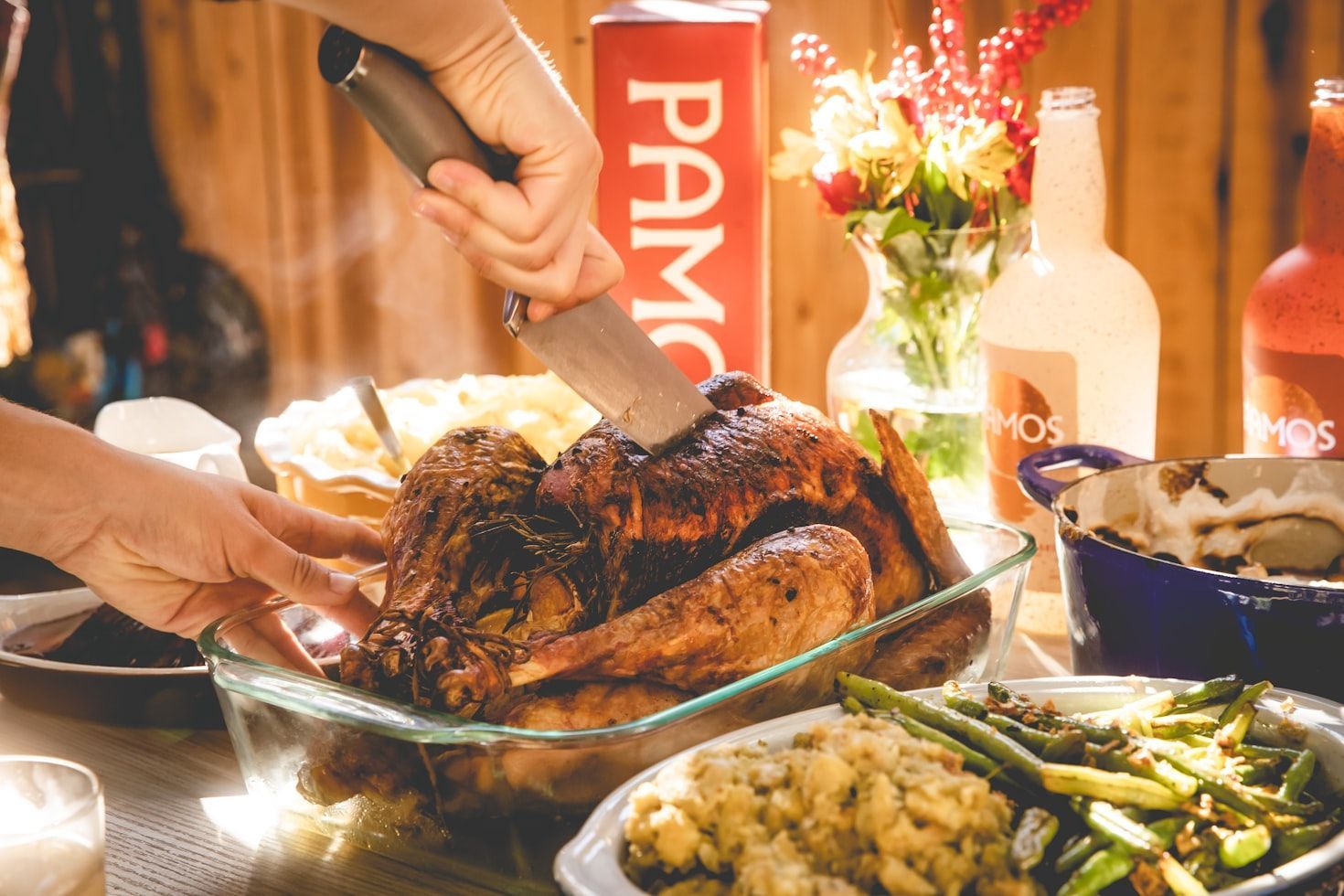
On Thanksgiving Day, Americans gather with family and friends to enjoy a big dinner, watch parades, and catch football games. But this holiday isn't just about traditions and history; there's a lot of fun and surprises too. You might never guess which profession works overtime while everyone else is out chasing Black Friday deals! Read on to discover 10 fun facts about Thanksgiving you probably didn't know!

1
Bussy day

Image: Imani

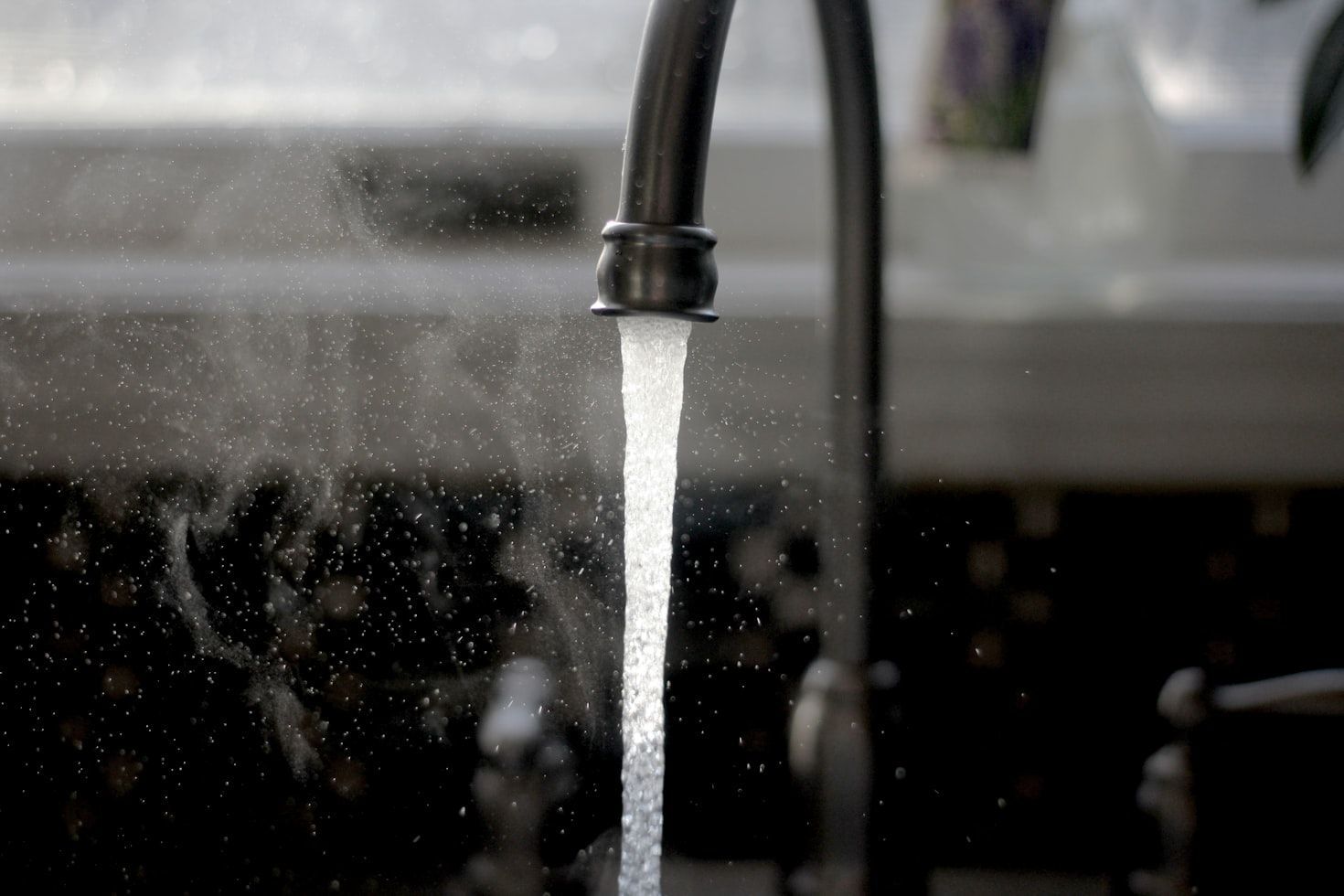
Many of us spend the day after Thanksgiving relaxing or shopping. But this is not the case for plumbers. In fact, Black Friday is the busiest day of the year for these professionals. The reasons are all too common: clogged kitchen drains, overworked garbage disposals, and toilet troubles.

2
Leftovers vs. dinner

Image: Jed Owen

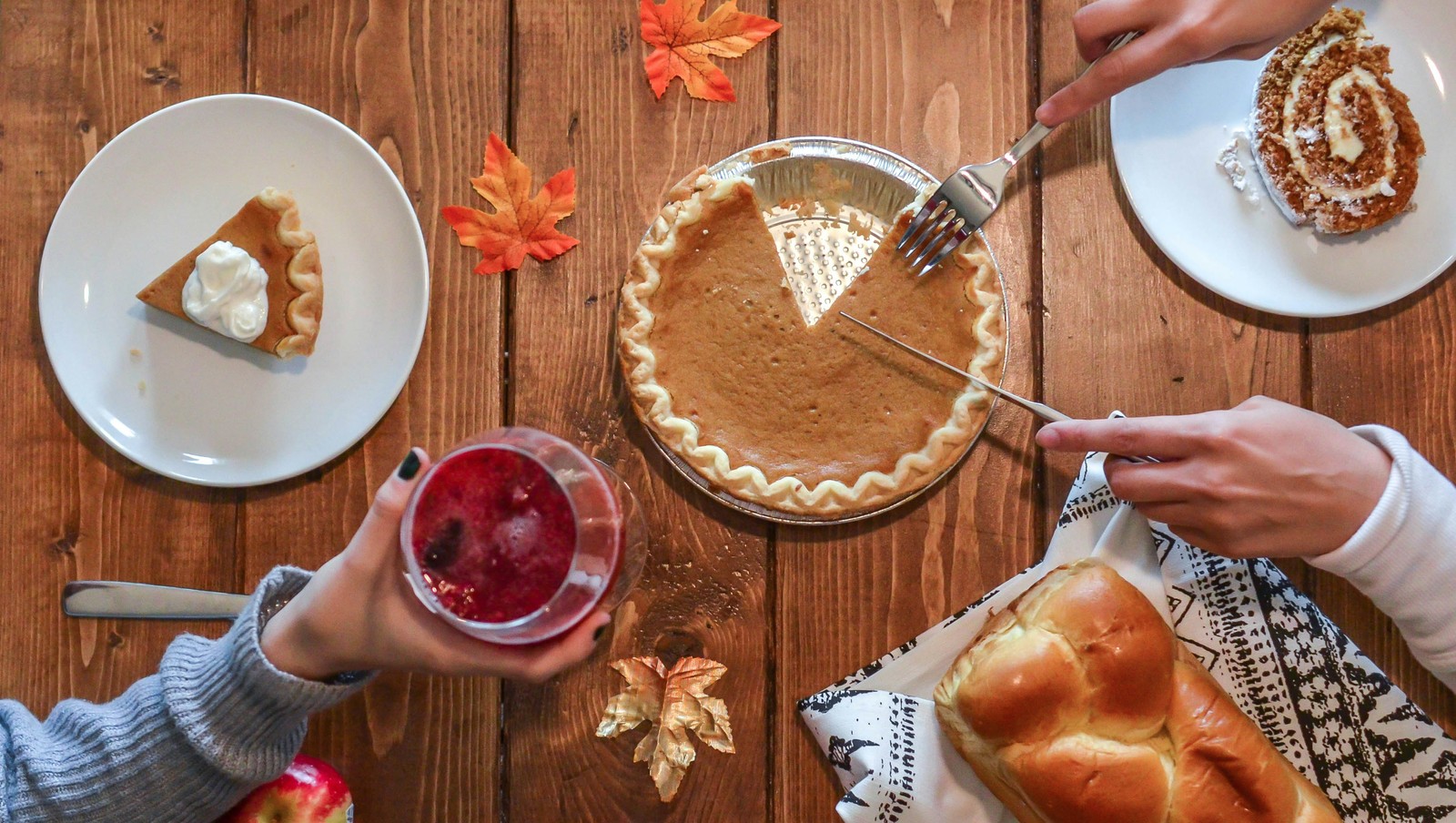
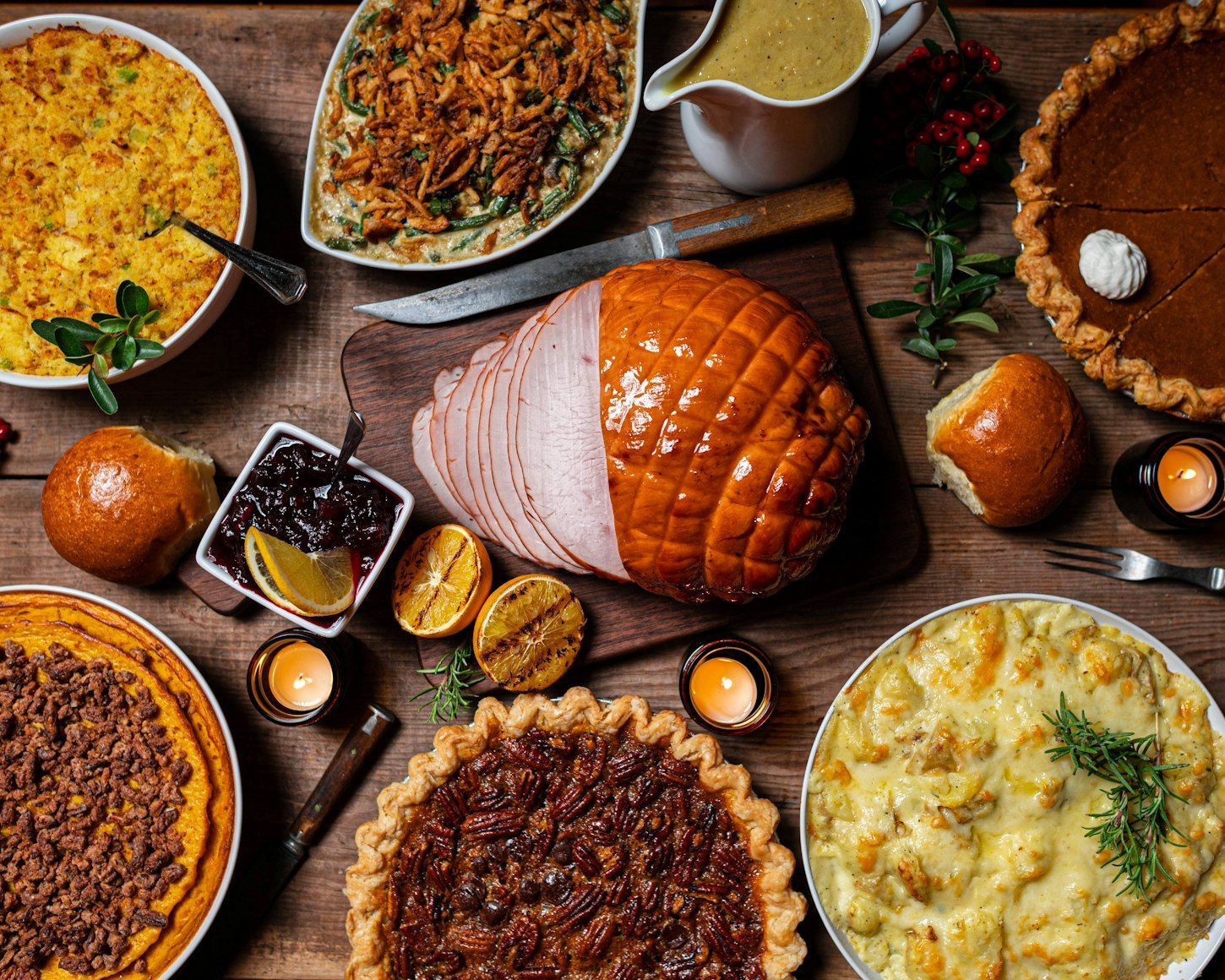
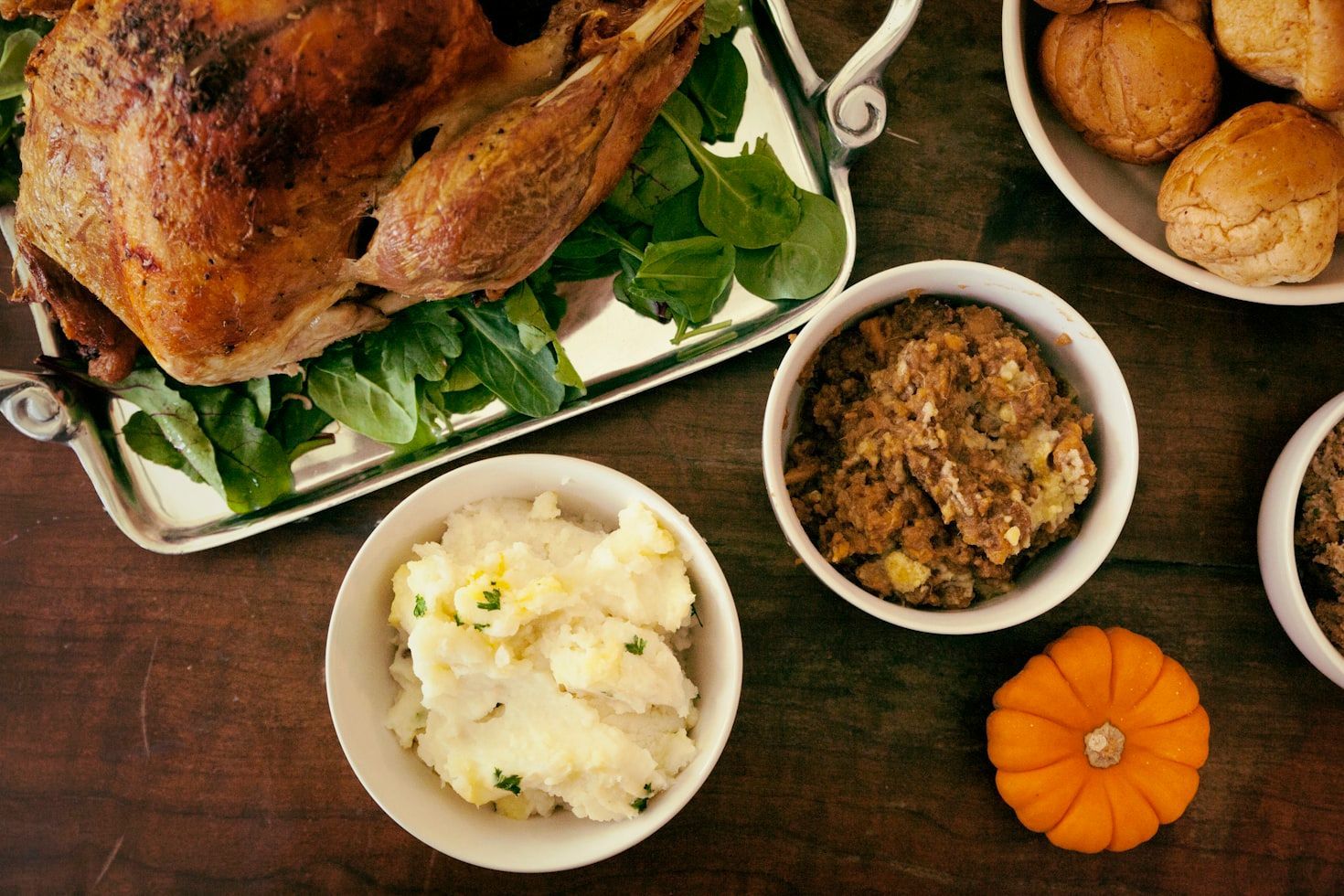
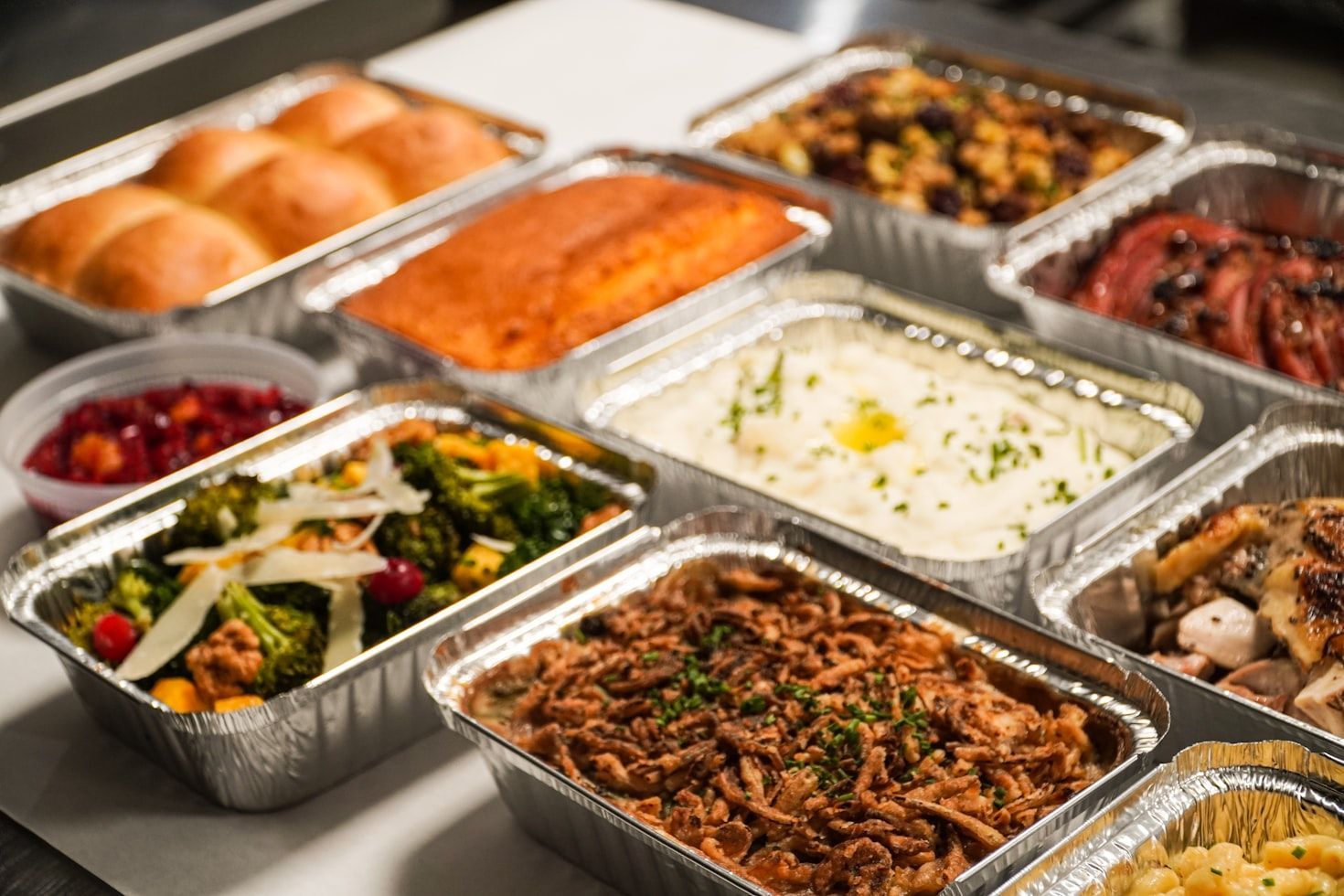
Stuffing, turkey, mashed potatoes, gravy, cranberry sauce, green bean casserole, and pumpkin pie are just a few of the classic food staples we enjoy on Thanksgiving. And as delicious as that feast is, studies show most Americans actually prefer the leftovers the next day! It seems there's something special about waking up and finding that delicious meal waiting for you in the fridge.

3
A caloric day

Image: Jessica Christian

There's no denying that on Thanksgiving, we often surrender to an extra slice of pie or one more piece of turkey than usual. According to the Calorie Control Council, Americans consume between 3,000 and 4,500 calories on Thanksgiving (not counting the leftovers waiting to be eaten the next day!). For comparison, medical guidelines often recommend between 1,600 and 3,000 calories for most healthy adults.

4
Thankful crowd

Image: Carson Masterson

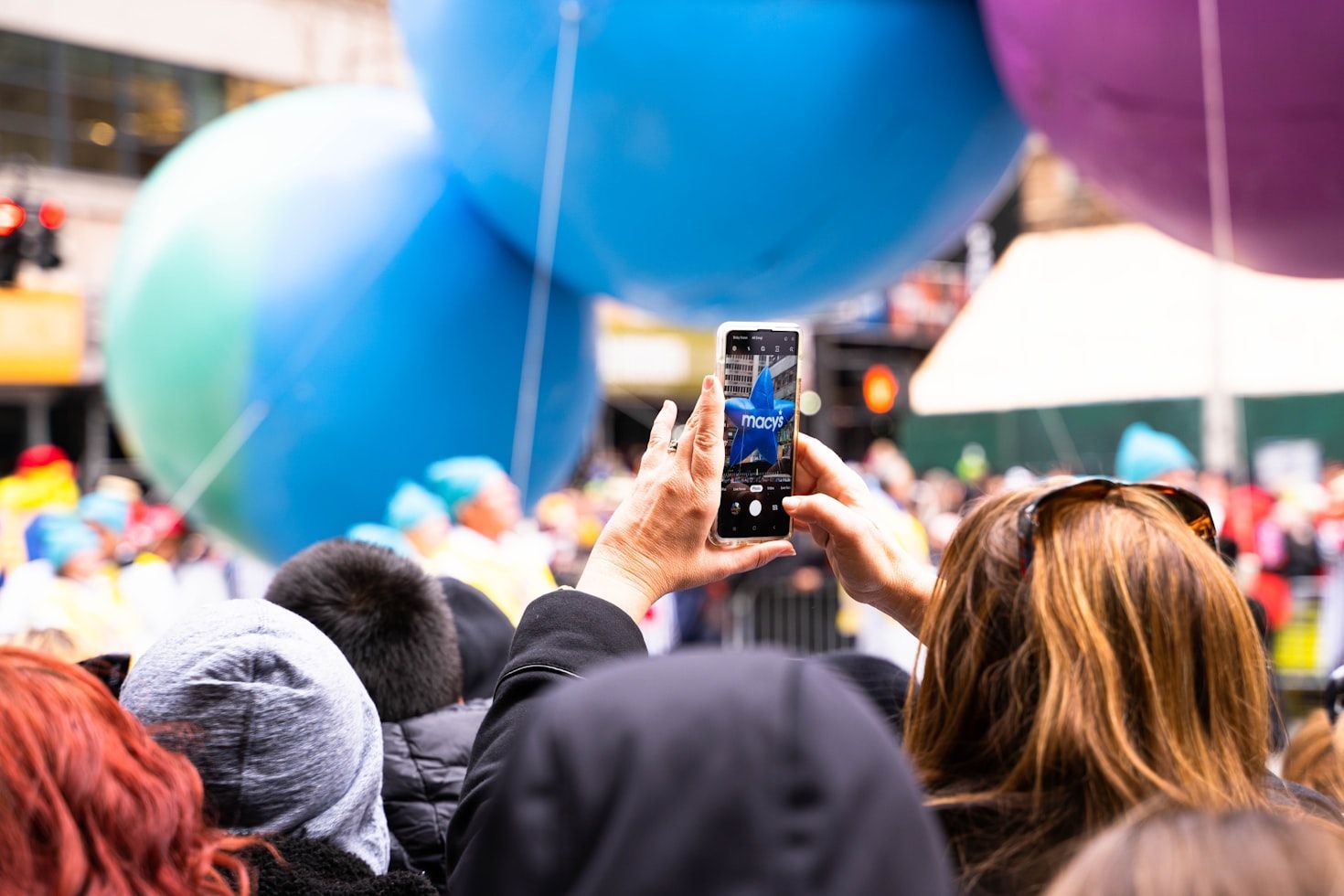
Macy's Thanksgiving Day Parade is definitely a spectacular event you don't want to miss. We all know it's massive, but can you guess how many people actually attend in person? About 3.5 million! Not the best place if you're not a fan of crowds. When the parade started in 1924, the number of spectators was far smaller; around 10,000 people gathered to watch.

5
Green Bean Casserole

Image: Meghan Schiereck

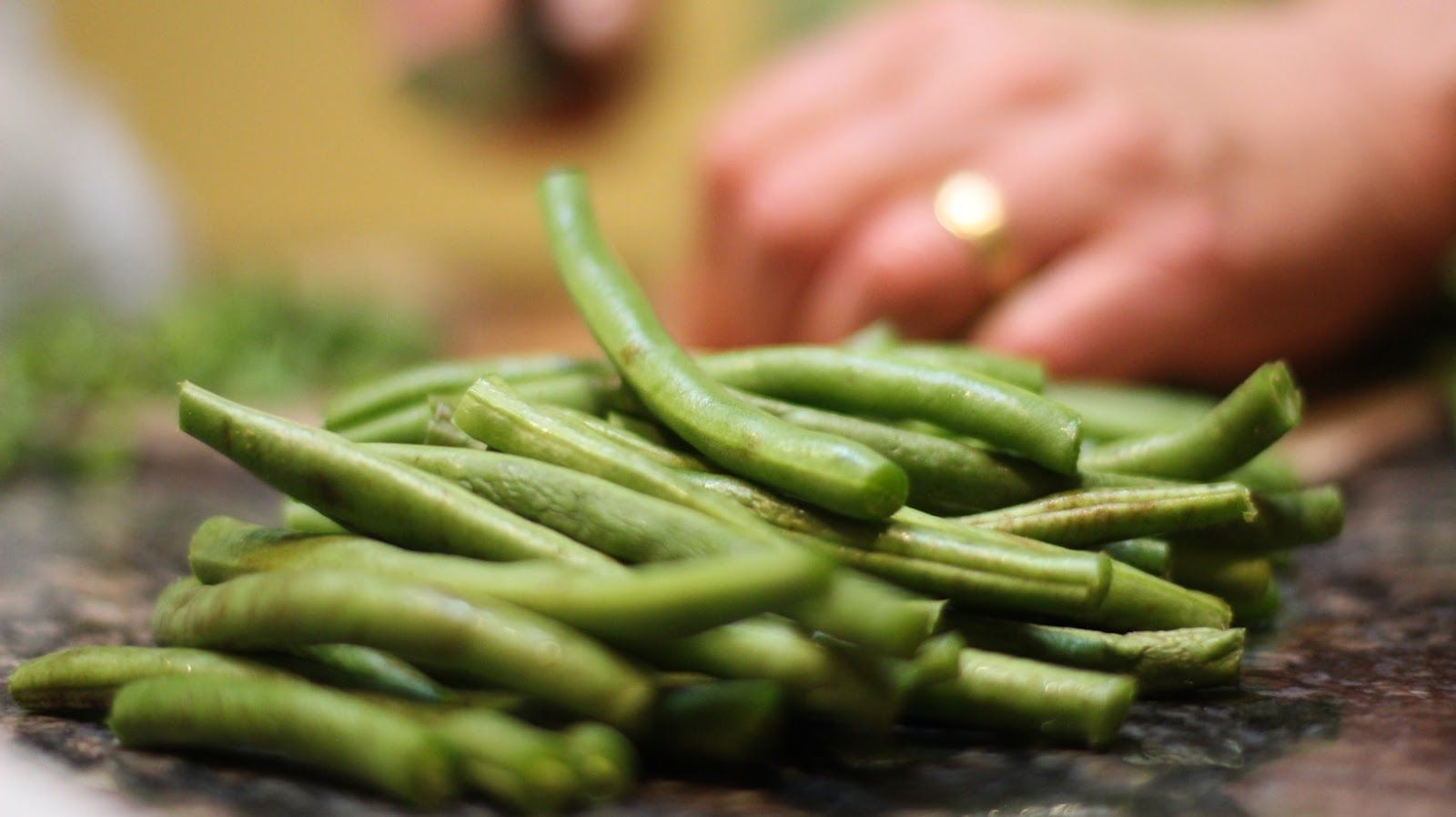
Although it's now a Thanksgiving staple we can't imagine the holiday without, green bean casserole was actually invented in 1955! That's right; it was the brainchild of Dorcas Reilly, who worked for the Campbell Soup Company. Its success probably comes from the delicious flavor, quick prep, and simple ingredients: green beans, cream of mushroom soup, and crispy fried onions.

6
Turkey or not?

Image: Megan Watson

While turkey is the main dish on most tables, surprisingly, 12% of Americans choose to skip it during the holiday. The reasons? Endless. Some prefer other dishes, others follow vegetarian diets, some want to save room for dessert, and others avoid turkey for reasons we'll reveal in the next section!

7
Drowsy dinner

Image: Sander Sammy

Feeling like taking a nap after Thanksgiving dinner? Don't worry, you're not alone. While it's true that turkey contains tryptophan, a natural sleep aid, the present amount isn't any higher than in other birds, and a few bites shouldn't make you drowsy. What actually happens is that we eat a lot of calories in a short period, which slows down our metabolism and makes us sleepy.

8
Americans' favorite

Image: Philippe Murray-Pietsch

If you thought turkey was everyone's favorite, you might want to think again! It turns out that a majority of Americans actually prefer stuffing. Specifically, 56% of Americans say they like side dishes more than turkey. For many, sides have become the real star of the meal.

9
Thanks to a miscalculation

Image: Ana Maltez

The story goes that in the 1950s, the Swanson Company overestimated how much turkey Americans would eat during the holiday and ended up with about 260 tons of frozen leftovers. But a clever salesman came to the rescue: inspired by airline meals, he suggested packaging the turkey in trays with classic sides like stuffing and peas. The result: in late 1953, Swanson launched the first TV-Dinner, and the rest is history!

10
100,000 turkey-related questions

Image: Miryam León

Even though the tradition has been around for many years, people still have many questions about their Thanksgiving turkey. In fact, the Butterball Turkey Talk Line —a legendary Thanksgiving hotline— answers more than 100,000 turkey-related questions every year! Some of the most common include: "How much turkey should I buy?" and "When and how do I thaw a turkey?"

Explore more American facts

Choose your favorite category!

General
General

As American as apple pie—the very best America has to offer!

Culture
Culture

Delve into the astounding richness of American lore.

Geography
Geography

Hop in and explore vast and diverse American landscapes.

History
History

Discover the key moments that shaped the United States.