General General 5 min read

Mysterious historic connections

Adams died thinking Jefferson was still alive. He was mistaken.
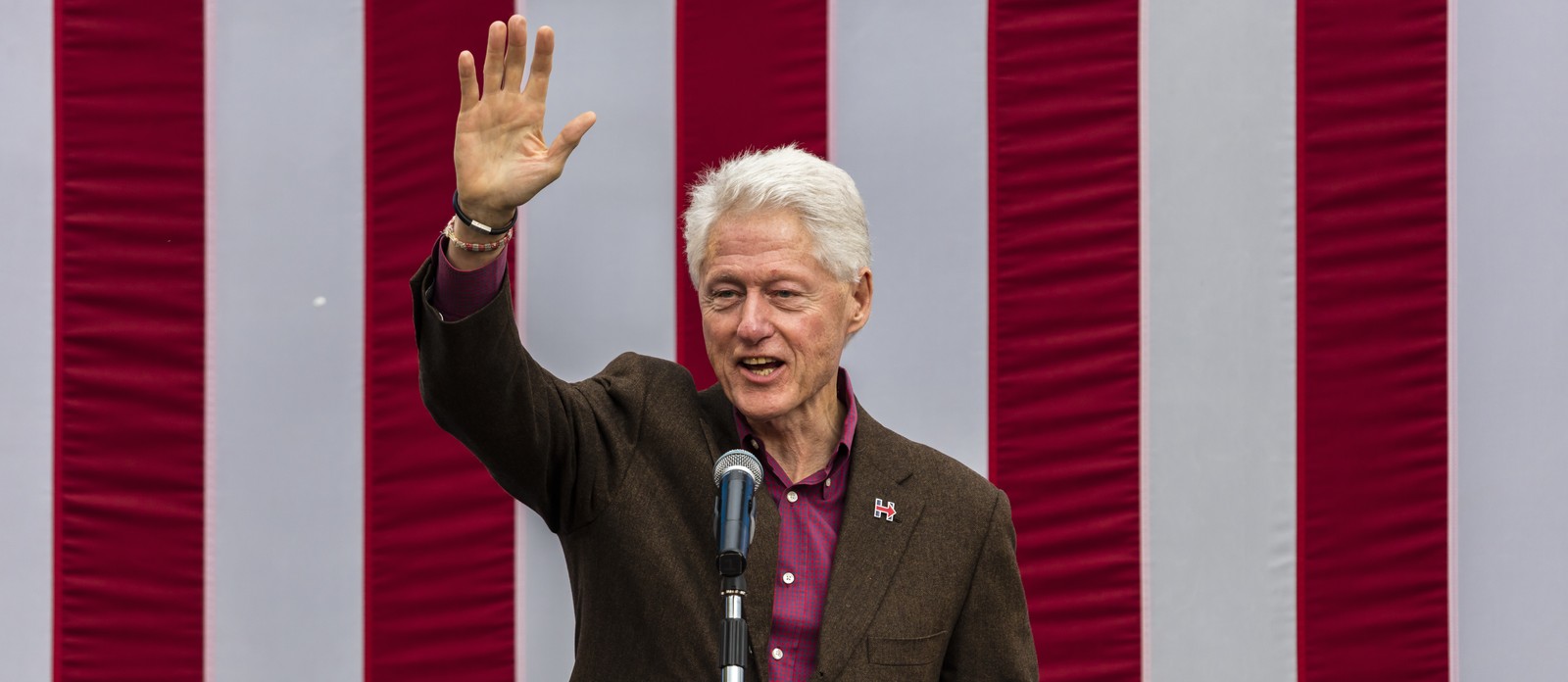
Image: Shutterstock

History is full of "Wait, that actually happened?" moments. Like finding out Lincoln and Kennedy shared the same tragic destiny , that Adams spent his last breath on Jefferson's name, not knowing his friend was already gone, or that Mark Twain called his own death years before it happened. Read on to discover 10 startling connections.

1
Abraham Lincoln and John F. Kennedy
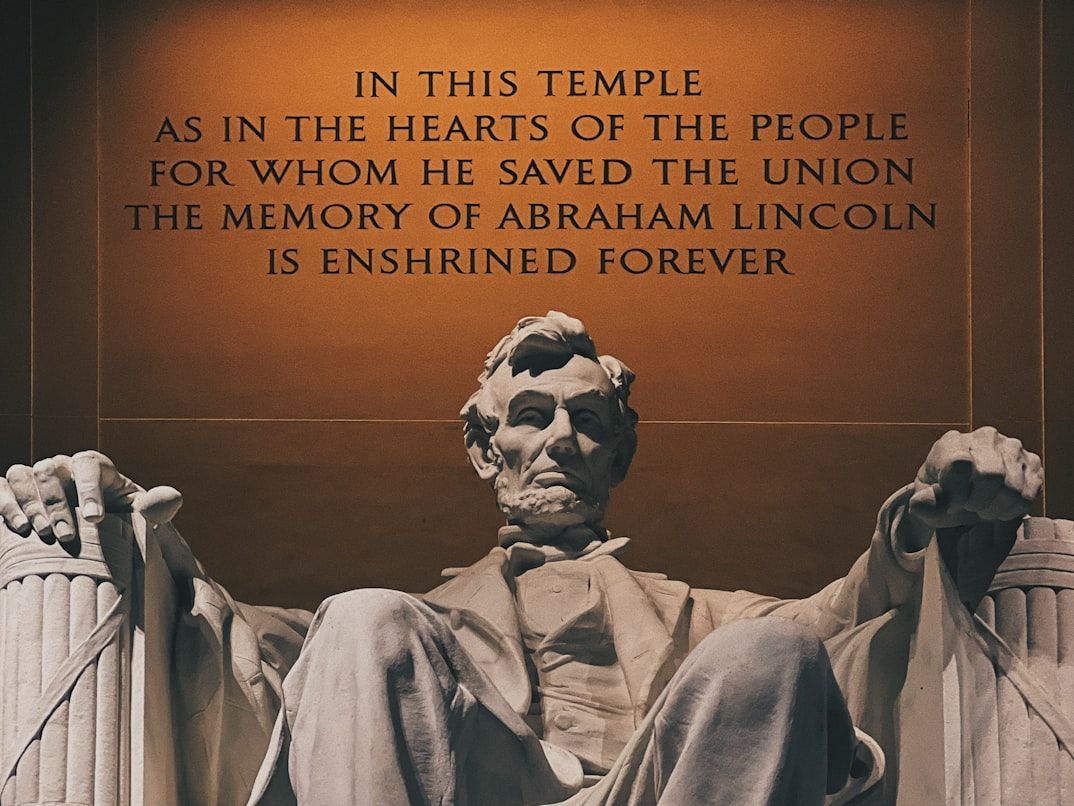
Image: Naomi August

Abraham Lincoln led the country through the Civil War in the 1860s, while John F. Kennedy governed during the Cold War and the civil rights movement of the 1960s. Both led the U.S. during make-or-break moments, and both were tragically assassinated while in office.

The major coincidence is the exact 100-year parallel in their timelines . Lincoln was elected to Congress in 1846, became president in 1861, and was killed at Ford's Theatre in Washington, D.C., on the night of April 14, 1865. Kennedy was elected to Congress in 1946, became president in 1961, and was shot while riding in the presidential motorcade in Dallas, Texas, in 1963. There is more: both men were shot on a Friday while sitting next to their wives. Lincoln was 56, while Kennedy was 46.

2
Jefferson and Adams
Image: 4300streetcar

Thomas Jefferson was born in Virginia in 1743 and was eight years younger than John Adams, who was born in Massachusetts in 1735. While Adams was a Federalist, Jefferson helped lead the Democratic-Republicans, and the bitter election of 1800 pushed them apart for years. Then, in 1812, Adams wrote to Jefferson, opening the door to a long exchange of letters that slowly repaired their friendship.

The tragic yet mysterious event came on July 4, 1826, exactly 50 years after the Declaration of Independence. Jefferson died in Virginia at age 83 of intestinal and kidney issues, and Adams died a few hours later in Massachusetts at age 90 due to heart failure. According to reports, Adams’s last words were "Thomas Jefferson survives," not knowing Jefferson had already died .

3
Monroe
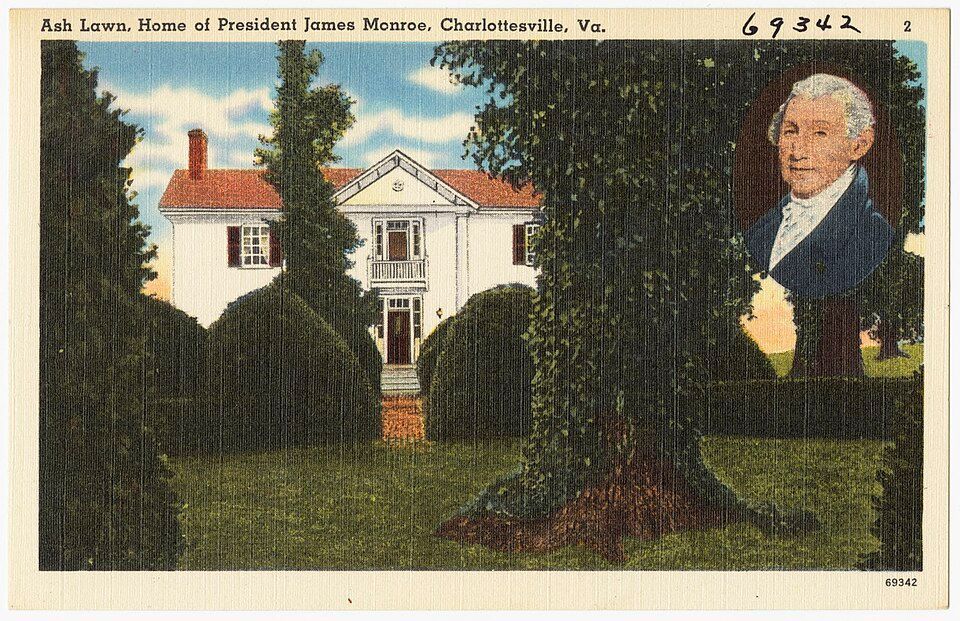
Image: Boston Public Library

James Monroe has more in common with Jefferson and Adams than you might think. He became the fifth president of the United States and is best remembered for the Monroe Doctrine, a major statement in American foreign policy.

Five years after Jefferson and Adams passed away, Monroe, 73, died on the same date in 1831, the 4th of July. This incident made him the third U.S. president to die on Independence Day.

4
Mark Twain
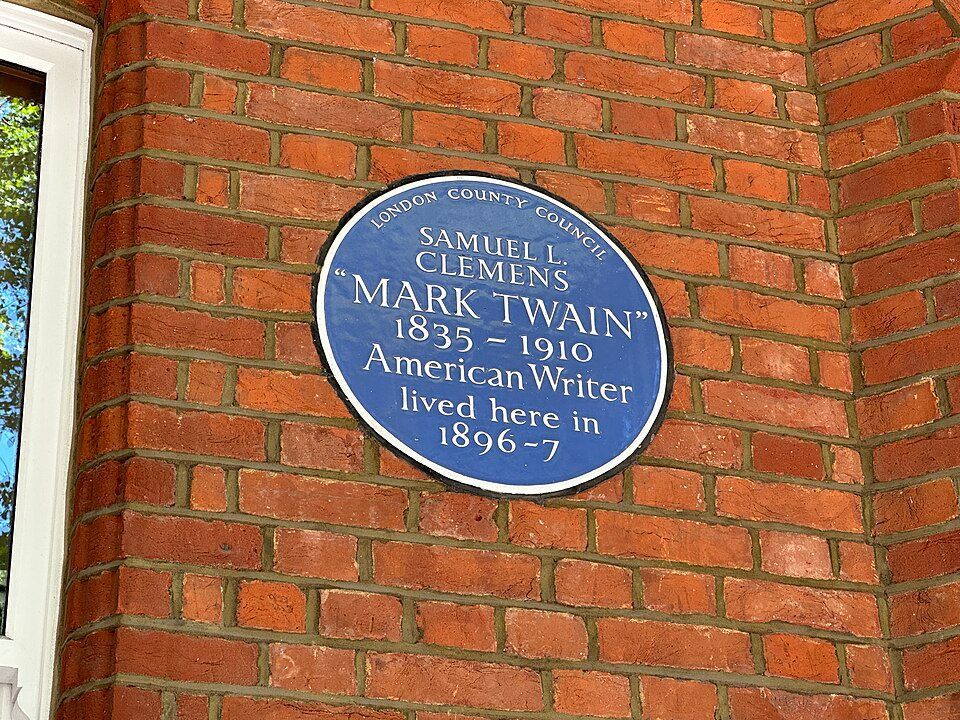
Image: Matt Brown

Mark Twain is one of America’s greatest authors, famous for such classics as The Adventures of Tom Sawyer and The Adventures of Huckleberry Finn .

The unusual coincidence is the timing of his life and death. Twain was born in 1835, the exact year Halley’s Comet passed by Earth. In 1909, he publicly joked that he came in with the comet and expected to die when it returned. In fact, his prediction came true: the comet returned to view in April 1910, and Twain died at age 74 of a heart attack the very next day.

5
Martin Luther King Jr. and Anne Frank
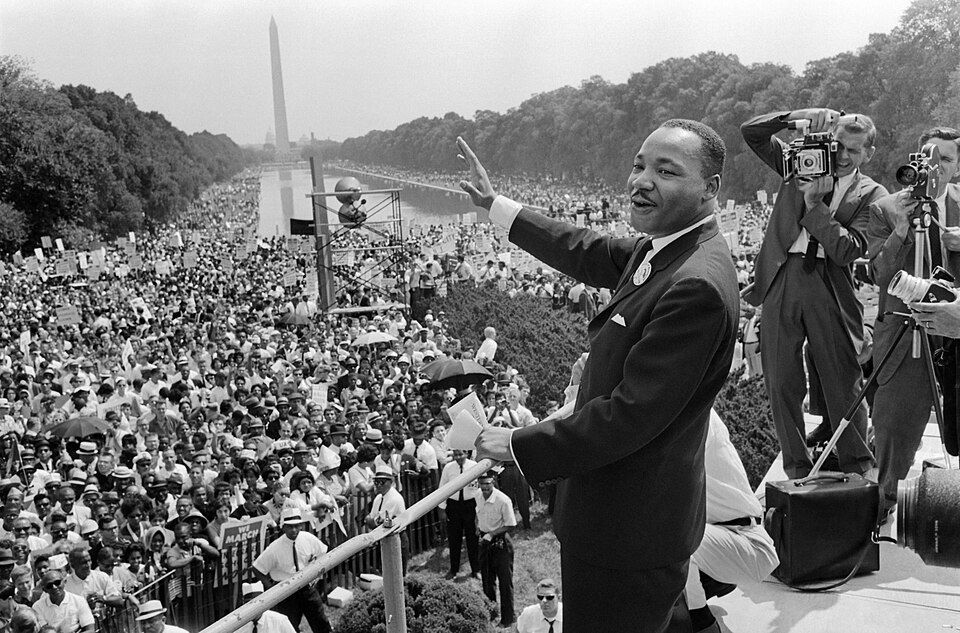
Image: National Park Service

Martin Luther King Jr. was the activist who led the American civil rights movement. Anne Frank was a young German Jewish girl whose hidden diary, discovered after her death, made her one of the most iconic figures of the Holocaust.

Because we remember Anne Frank as a teenager and Martin Luther King Jr. as an adult leader, it feels like they belong to two different eras. But the truth is, both were born in 1929, just a few months apart. Martin Luther King Jr. in January and Anne Frank in June.

6
Johnson and Clinton
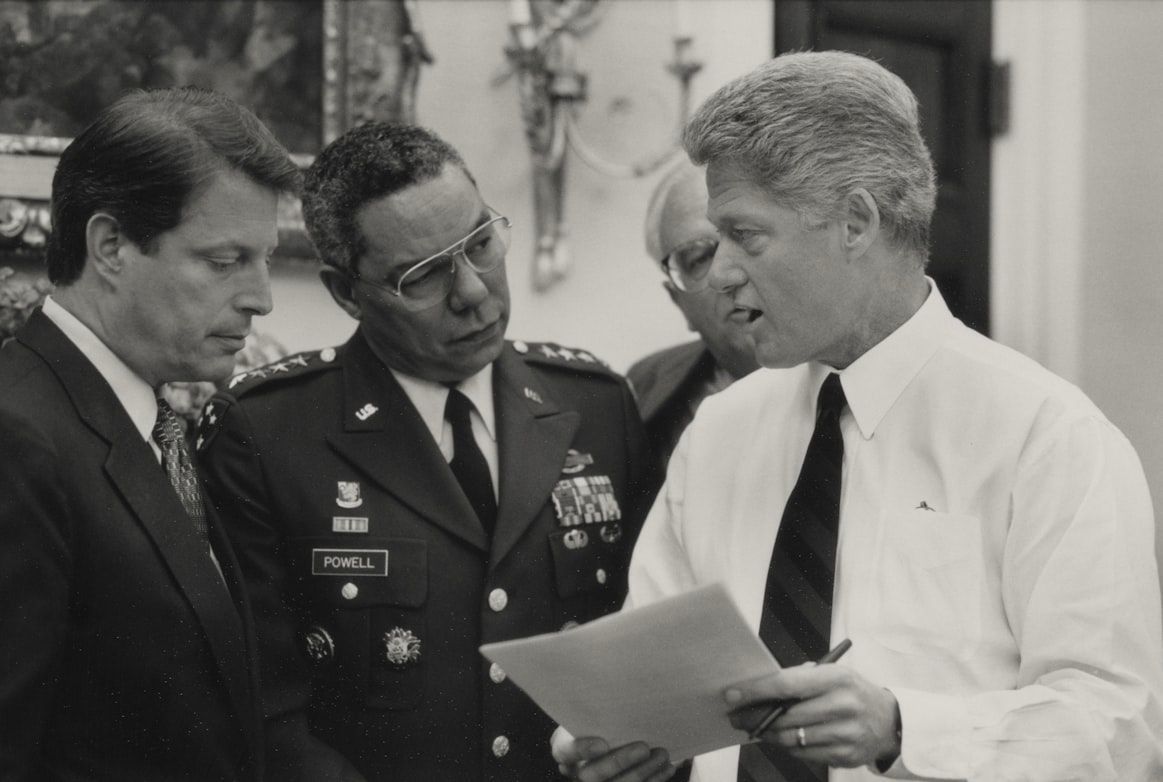
Image: Smithsonian

Andrew Johnson became president after Abraham Lincoln was assassinated, while Bill Clinton was the president who oversaw a massive economic boom in the 1990s. What do they have in common? Both men were impeached, but neither was removed from office.

Johnson’s case grew out of the fight over Reconstruction after the Civil War, especially his clash with Congress over how the South should be rebuilt. On the other hand, Clinton’s case came from a personal scandal, centered on accusations that he lied under oath and obstructed justice during the Monica Lewinsky investigation, which involved his relationship with a White House intern.

7
Theodore Roosevelt and Franklin D. Roosevelt
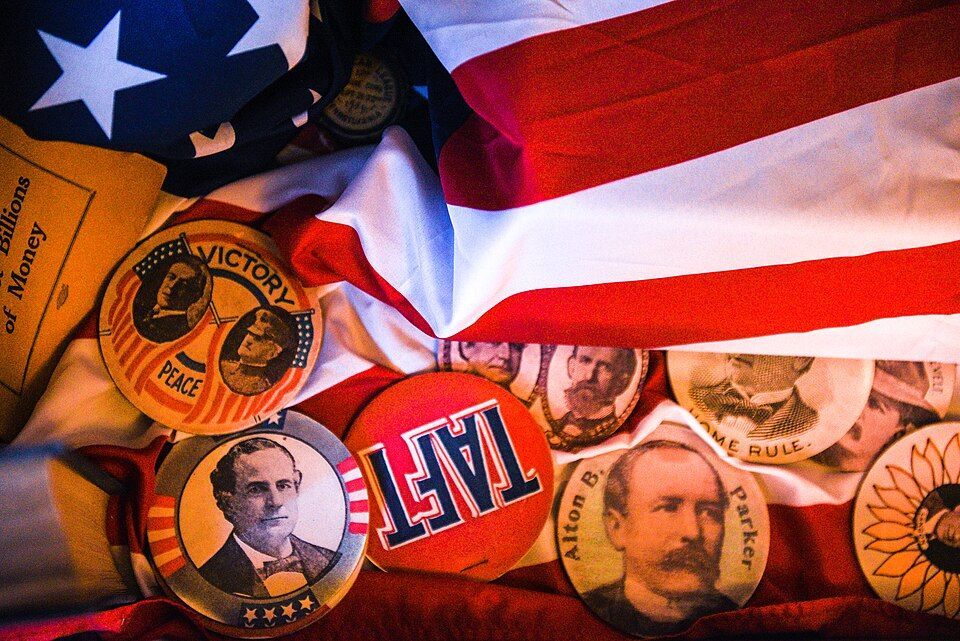
Image: PEO ACWA

Theodore Roosevelt was a president famous for his environmental conservation efforts and his "Square Deal" policies. Franklin D. Roosevelt guided America through its two biggest 20th-century crises: the Great Depression and World War II.

They were fifth cousins by blood from different branches of the New York Roosevelt family. However, the connection became even closer when Franklin married Theodore’s niece, Eleanor Roosevelt. Franklin once explained the relationship in court during Theodore Roosevelt’s 1915 libel trial, calling himself Theodore’s "fifth cousin by blood and nephew by law."

8
Theodore Roosevelt at Lincoln’s funeral
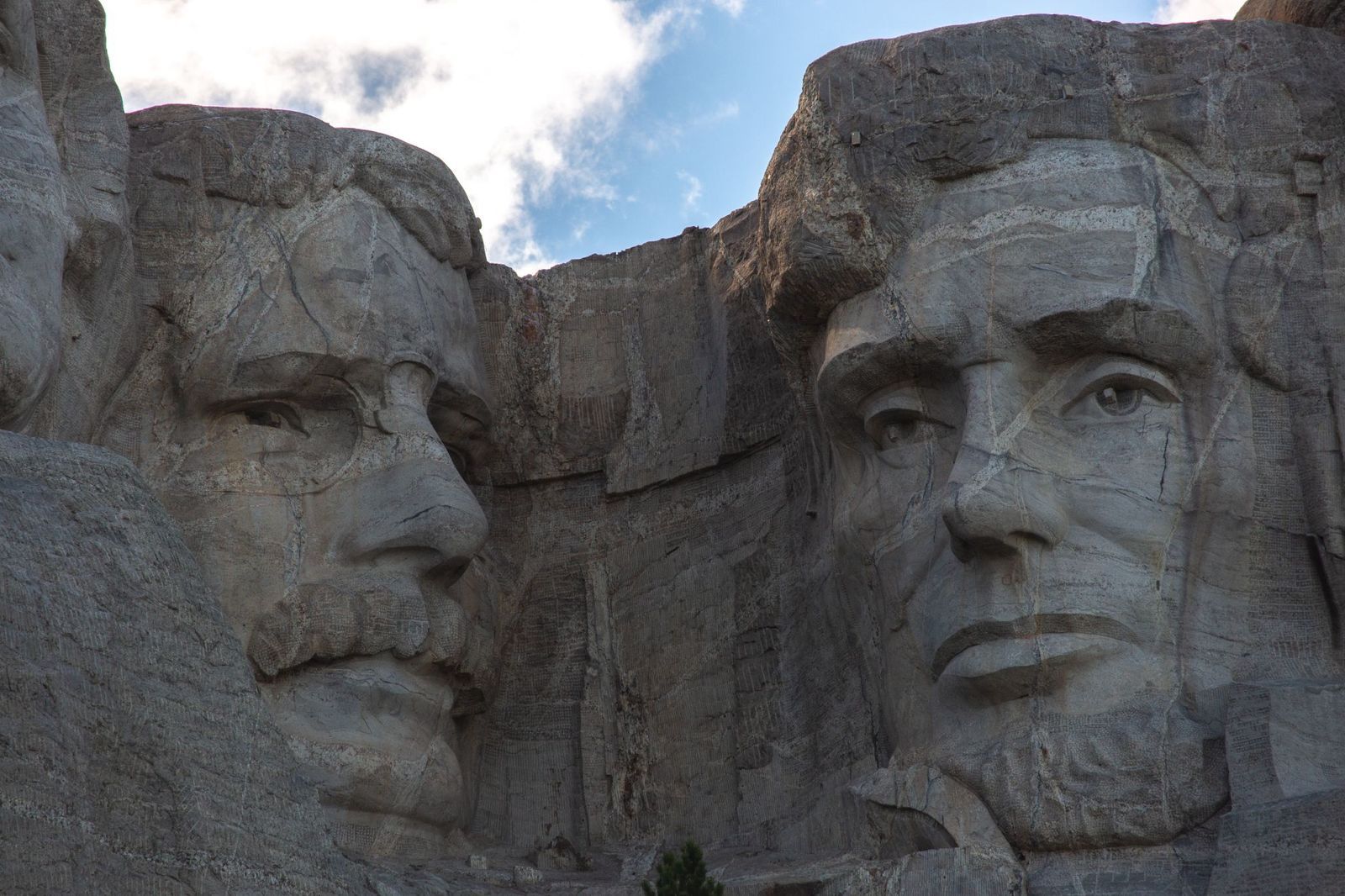
Image: Shutterstock

When Abraham Lincoln’s funeral procession passed through New York City in 1865, a small boy was watching from a window on Broadway. That boy was Theodore Roosevelt, not yet seven years old , standing in his grandfather’s house as the nation mourned its assassinated president.

Decades later, Roosevelt would become president himself after another assassination, when William McKinley was shot in 1901. The scene is striking: a future president watching the funeral of Abraham Lincoln decades before he would enter the White House after another president was assassinated.

9
Bill Clinton’s comeback
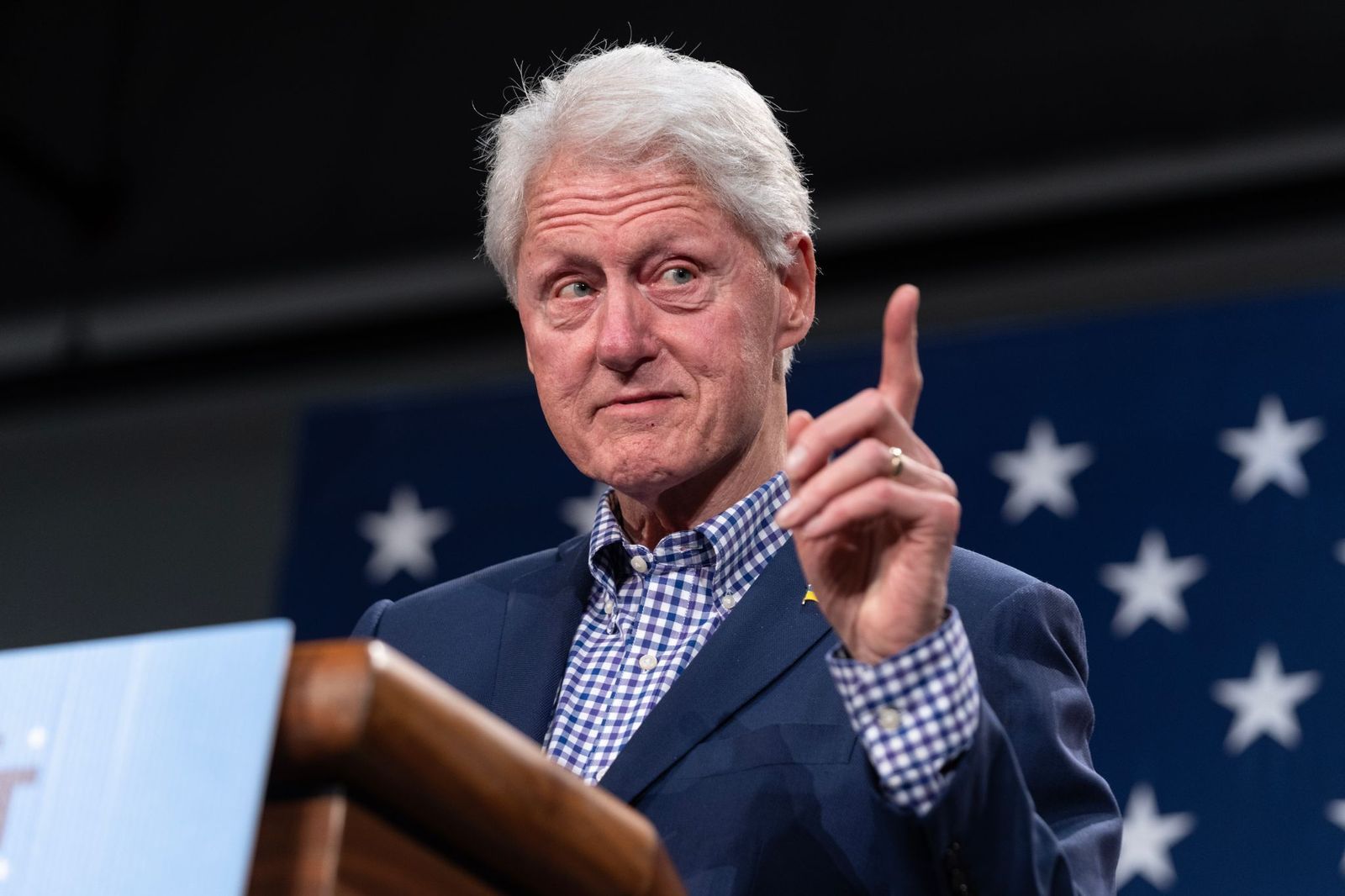
Image: Shutterstock

In 1988, Bill Clinton was a little-known governor from Arkansas when he gave the nominating speech for Michael Dukakis at the Democratic National Convention. Dukakis was the governor of Massachusetts and the Democratic nominee for president at that time. Apparently, the speech went on too long, and the crowd famously cheered when Clinton finally said, "In conclusion."

Four years later, Clinton returned to the same national stage as the Democratic nominee for president. The man who was first mocked for talking too long became one of the party’s most famous speakers. Later, he won two terms in the White House, and the rest is history.

10
General George Patton and James Dean
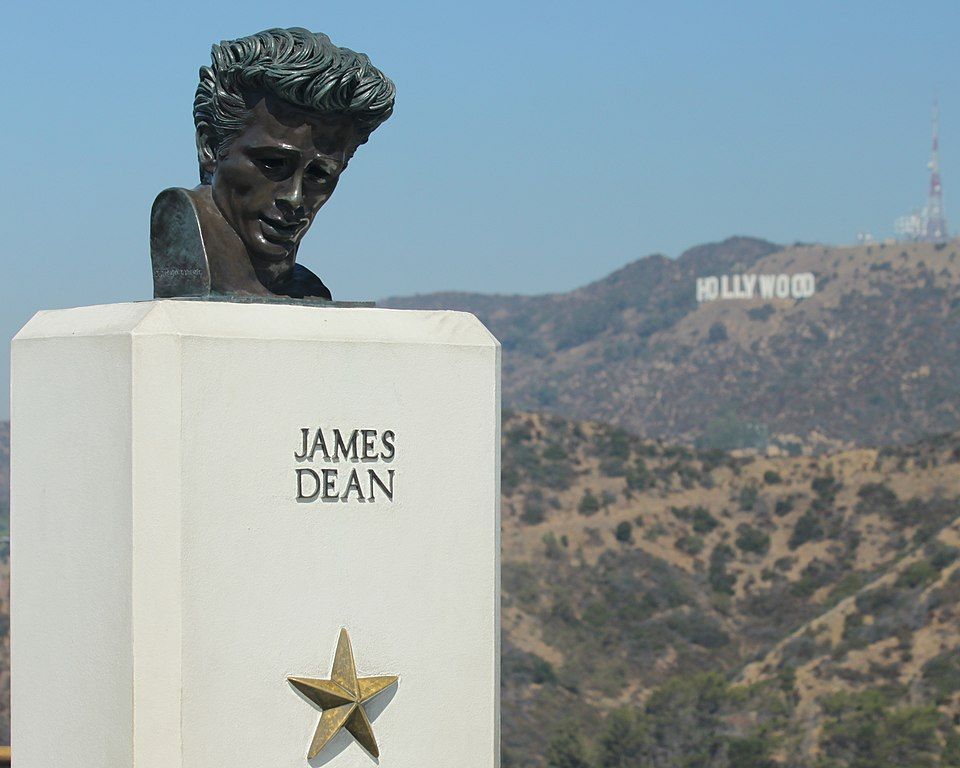
Image: Prayitno / Thank you for (12 millions +) view from Los Angeles, USA

George S. Patton was a famous U.S. Army General who led American troops to victory during World War II, while James Dean was a legendary Hollywood actor who became a cultural icon starring in films like Rebel Without a Cause .

Exactly ten years apart, Patton in 1945 and Dean in 1955, both men were involved in car accidents. In both crashes, the vehicles were not traveling at high speeds, and the other people involved survived, but Patton, 60, and Dean, 24, were the only individuals who suffered fatal injuries.
History History 7 min read

Like you've never seen it before

Why did Lincoln keep a Confederate bill? 10 shocking Civil War facts

Image: Schriever, James B., photographer, Public domain, via Wikimedia Commons

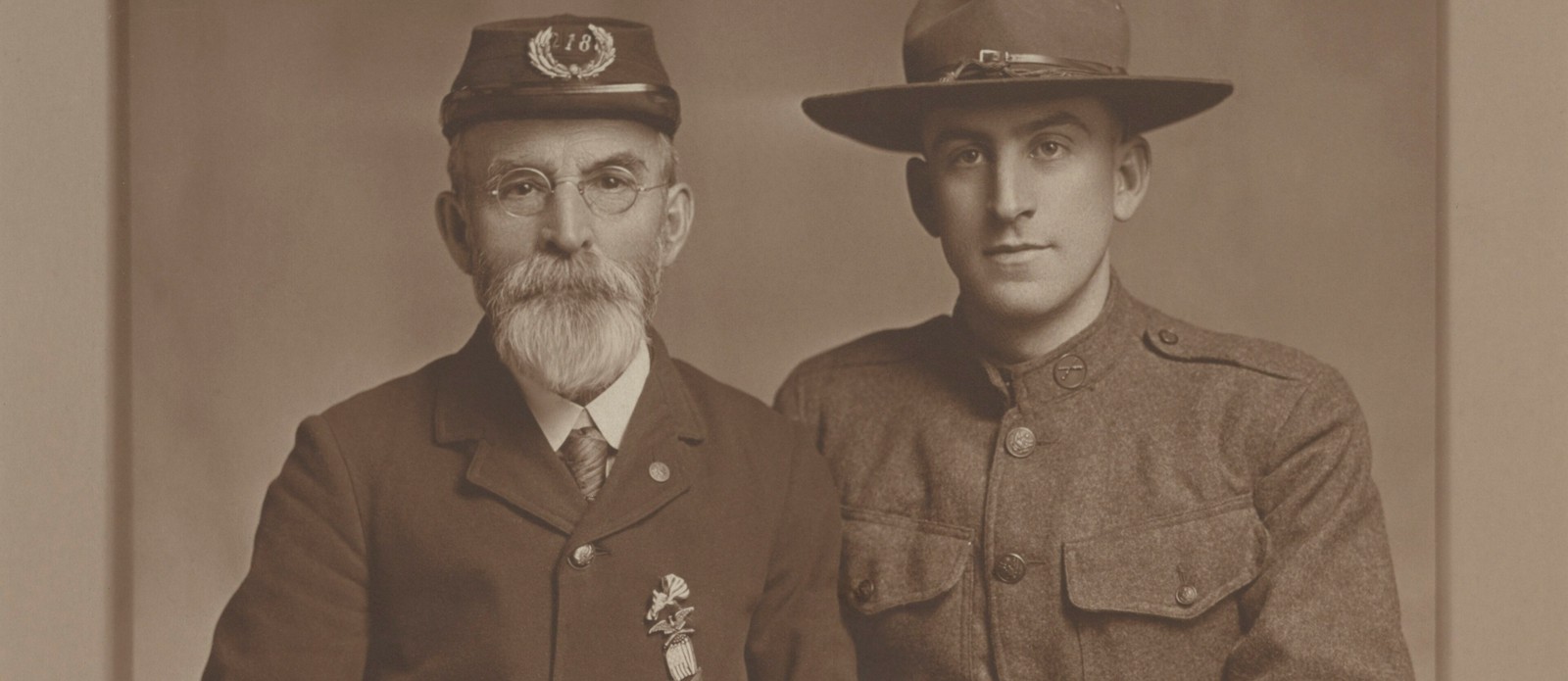
The Civil War is one of the most studied chapters in American history. We've learned about its battles, generals, and figures in school, books, movies, and documentaries. But beyond the famous stories lies a fascinating world of little-known facts that changed the country forever. From the nation's first official paper money to the surprising origins of everyday conveniences, here are 10 incredible Civil War stories that will make you see this defining chapter of American history in a whole new way.

1
The Wilmer McLean paradox

Image: Civil War Glass Negatives, Public domain, via Wikimedia Commons

Do you believe in fate? If not, maybe this story will change your mind.

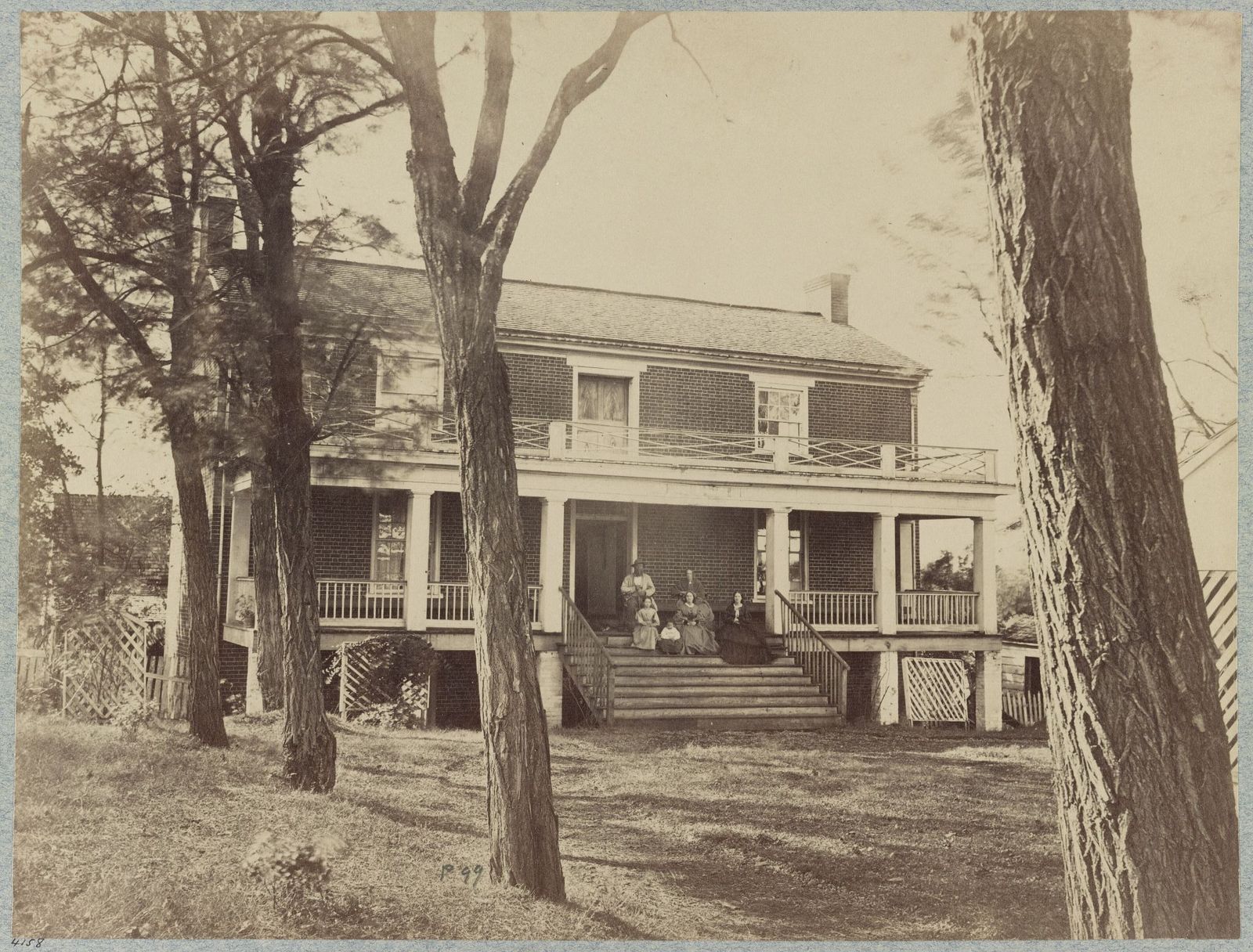
When the Civil War began, Wilmer McLean was an ordinary 47-year-old man living with his family in Manassas, Virginia. But during the First Battle of Bull Run on July 21, 1861, his house was taken over and used as Confederate headquarters. Hoping to escape the war, McLean moved his family 120 miles away to the quiet village of Appomattox Court House. It seemed like the perfect decision, until history caught up with him. Four years later, the war ended exactly where McLean thought he had found peace. On April 9, 1865, General Robert E. Lee surrendered to Ulysses S. Grant, just in the parlor of McLean's new home. As McLean later joked, "The war began in my front yard and ended in my front parlor."

2
Lincoln's Confederate bill

Image: Carol M. Highsmith, Public domain, via Wikimedia Commons

On April 14, 1865, just five days after Confederate General Robert E. Lee surrendered to Union General Ulysses S. Grant, President Abraham Lincoln was shot by actor and Confederate sympathizer John Wilkes Booth during a performance of Our American Cousin at Ford's Theatre in Washington, D.C.

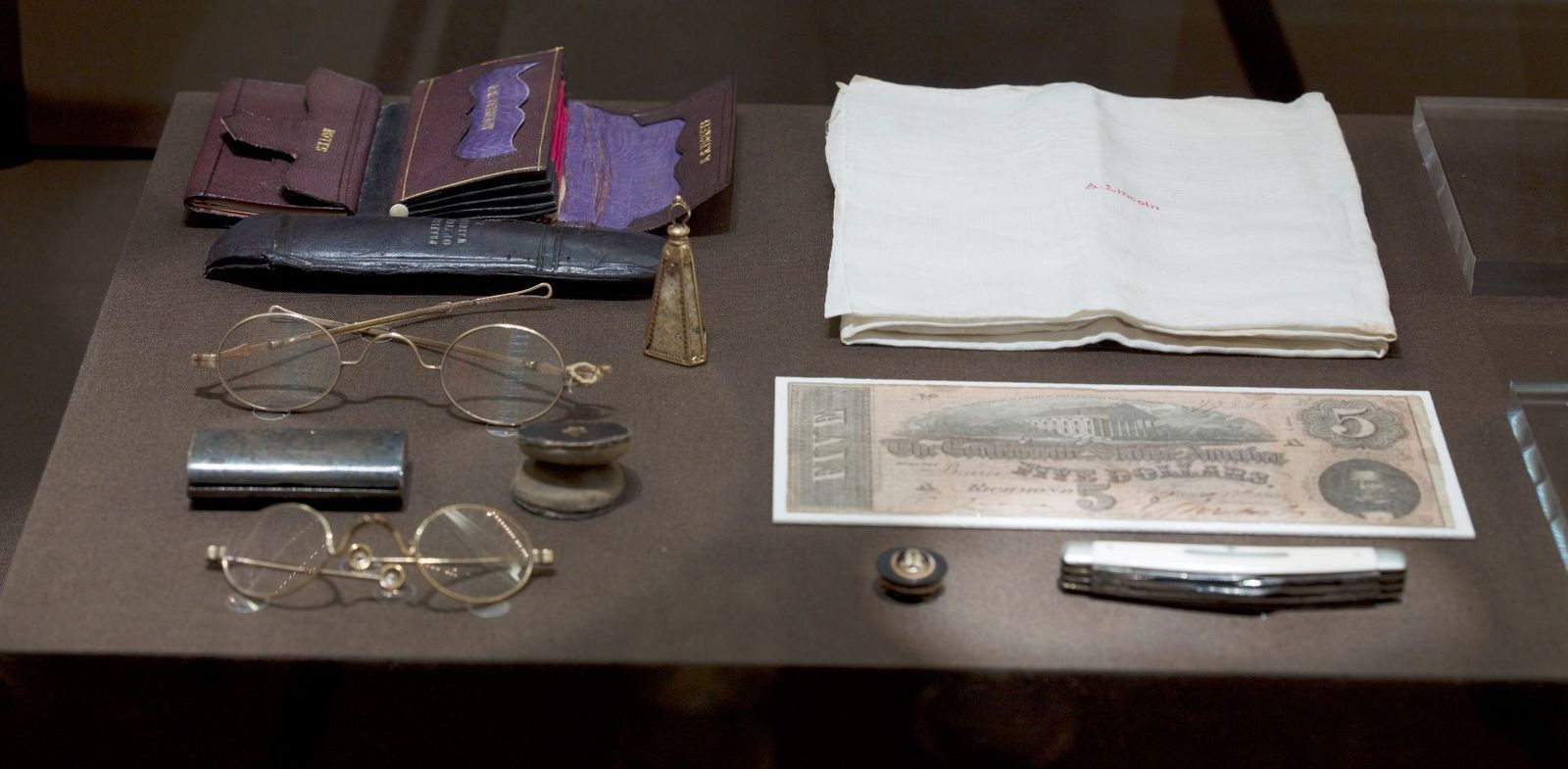
When authorities searched Lincoln's pockets that night, they found the everyday items you'd expect: spectacles, a pocketknife, a handkerchief embroidered with his initials, a watch fob, a sleeve button, and a leather wallet. But one discovery stunned them. Inside the wallet was a Confederate five-dollar bill, the only currency Lincoln was carrying. Historians believe he picked it up as a souvenir during his recent visit to Richmond, the former Confederate capital.

3
Women disguised themselves to fight

Image: Sarah Emma Evelyn Edmonds, Public domain, via Wikimedia Commons

It's well known that women played a vital role in the US Civil War, serving as nurses, spies, and organizers. Clara Barton, a famous example, brought supplies to wounded soldiers on the battlefield and later founded the American Red Cross. But there's another interesting female role that many people have never heard of.

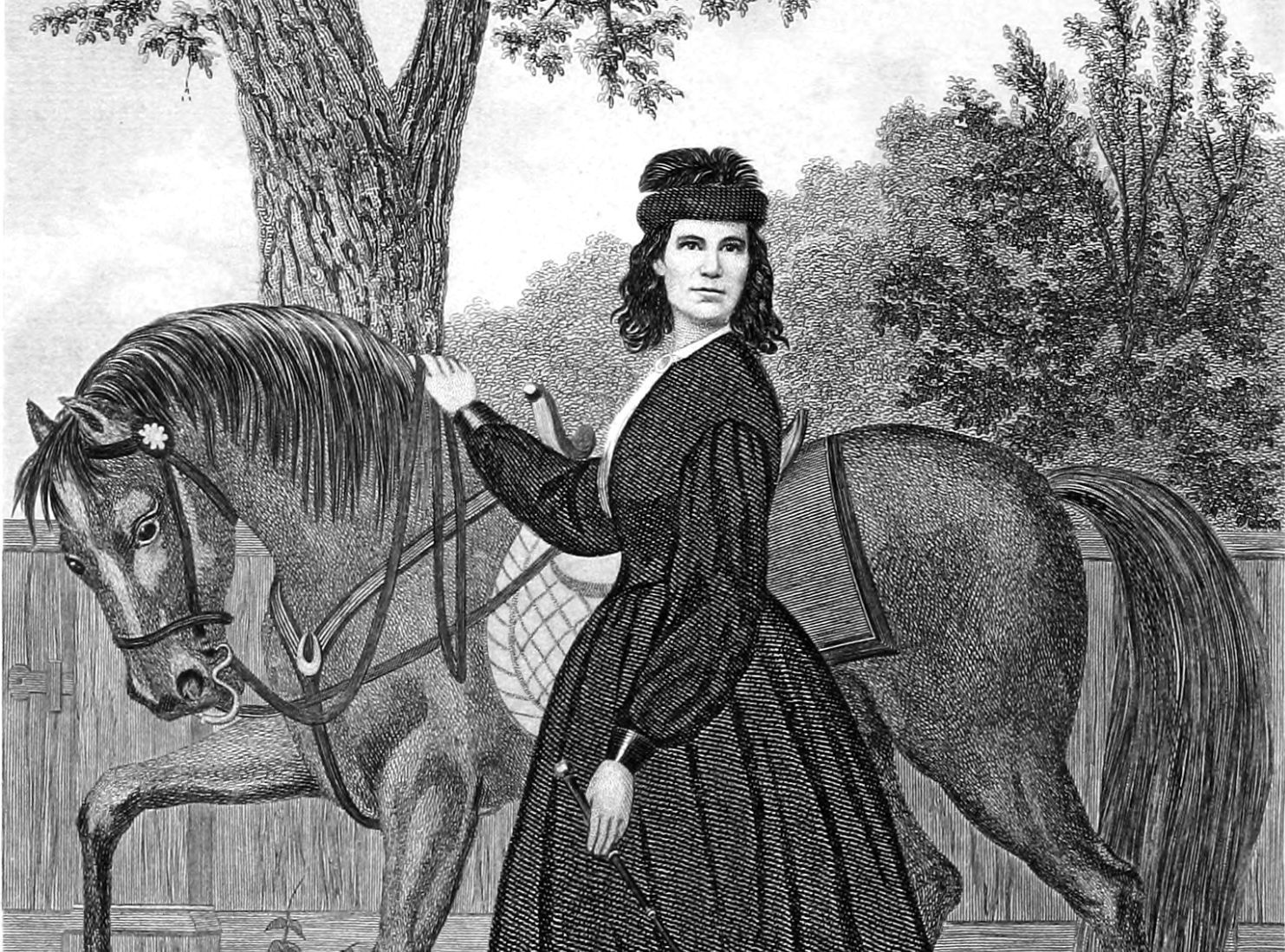
We’re talking about the thousands of women who disguised themselves as men so they could fight. One of the best-documented was Sarah Emma Edmonds, who enlisted in the Union Army under the name Franklin Thompson. Serving as a soldier, nurse, and spy, she fought in major campaigns, including the First Battle of Bull Run and the Peninsular Campaign. After contracting malaria in 1863, she left her unit rather than risk being exposed in a military hospital and was charged with desertion. Years later, her fellow soldiers testified on her behalf, and in 1884, Congress granted her an honorable discharge and a military pension.

4
Brothers on opposite sides

Image: Mathew Benjamin Brady, Public domain, via Wikimedia Commons

The Civil War didn't just divide the nation; it tore families apart. Few stories capture that tragedy better than this one.

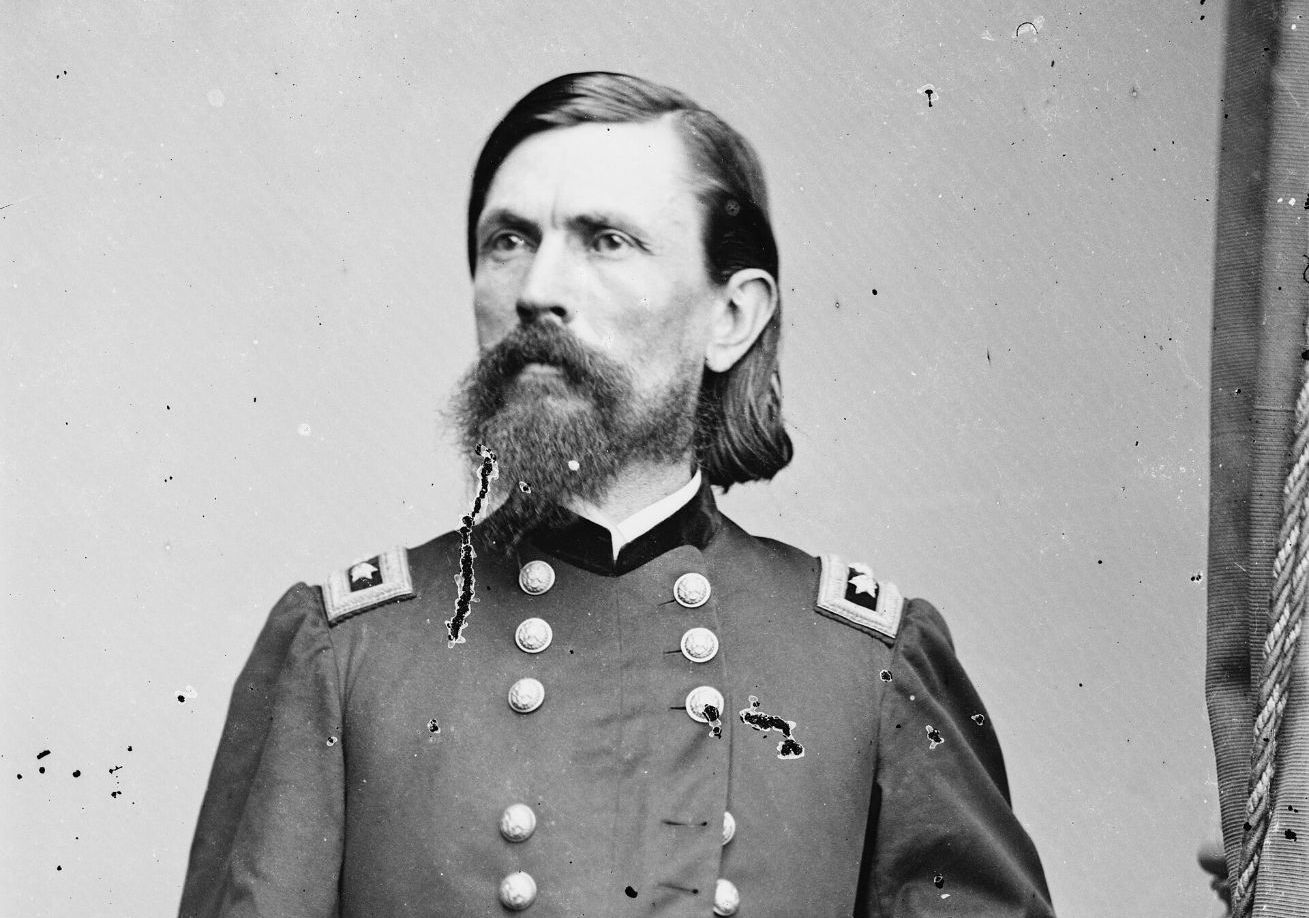
The sons of prominent Kentucky Senator and passionate Unionist John J. Crittenden, brothers Thomas Leonidas Crittenden and George Bibb Crittenden, both became generals… but fought on opposite sides of the war. George served as a Confederate major general, commanding troops at the Battle of Mill Springs, while Thomas became a Union major general, fighting in major campaigns including Shiloh, Stones River, and Chickamauga. While they never directly faced each other on the battlefield, their choices caused immense emotional and social fractures within their family. Both survived the war, and today, they are buried in the same Frankfort State Cemetery, finally reunited in the soil of their home state.

5
Standardized clothing sizes

Image: Valentin Ivantsov

When was the last time you had a suit or dress made just for you? Today, we simply walk into a store and buy the size that fits, but before the Civil War, that wasn't how Americans bought clothes.

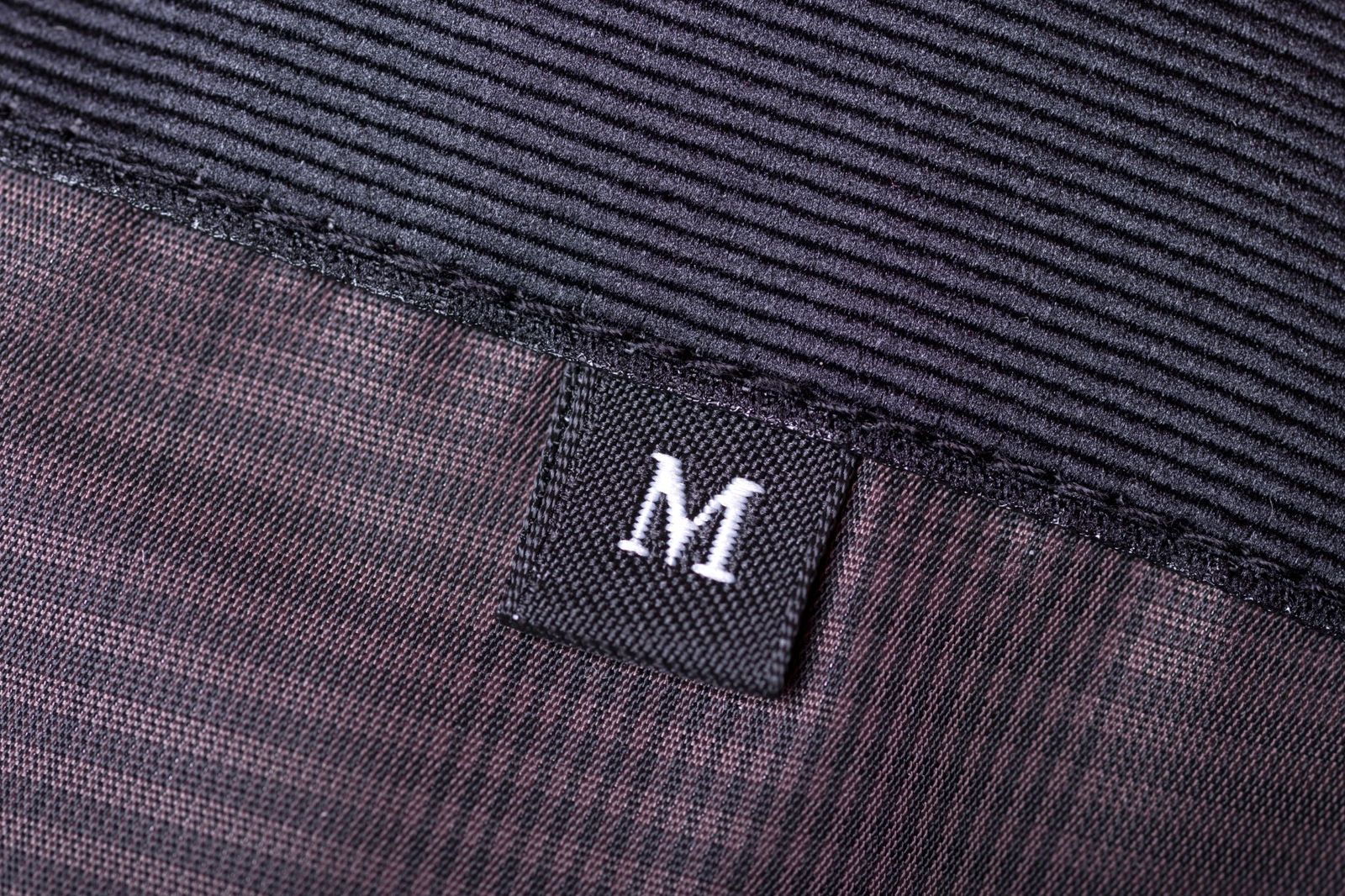
Before the 1860s, most clothing was custom-made by tailors or sewn at home. But that became a major problem when the war began, and the Union suddenly had to outfit more than a million soldiers. Measuring and tailoring every uniform by hand was impossible. Instead, military officials collected thousands of body measurements, identified common size patterns, and created one of the first standardized sizing systems: Small, Medium, and Large. After the war, clothing manufacturers adopted the same templates for civilian garments, helping give birth to America's modern ready-to-wear clothing industry.

6
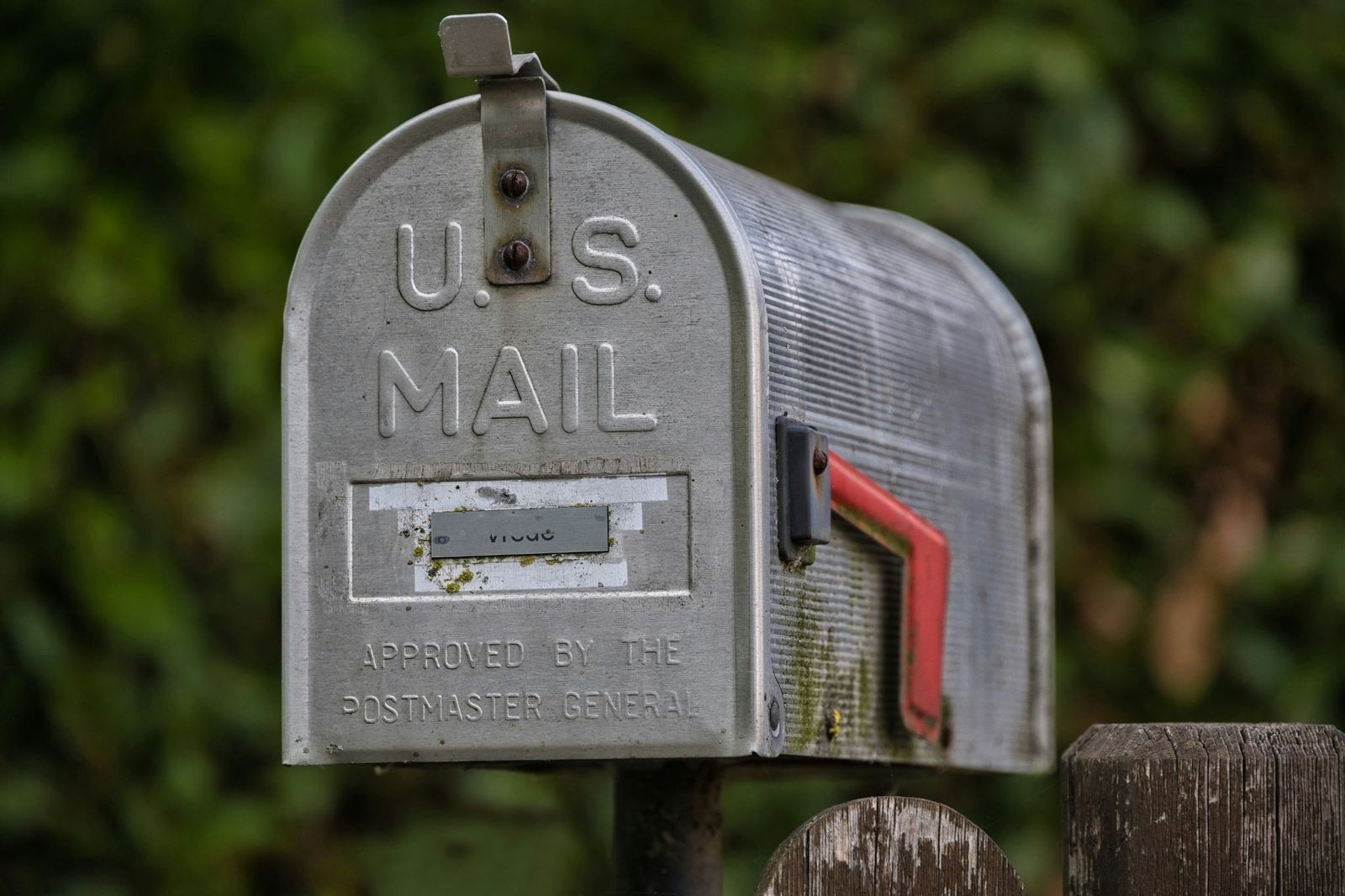
Postal home delivery system

Image: Wolfgang Vrede

Today, having letters and packages delivered right to your front door is so routine that we rarely stop to think about it. But for many years of American history, that convenience didn't exist.

Before the Civil War, Americans had to pick up their mail at the local post office. When the war began, families desperate for news of sons, husbands, and fathers crowded into post offices, often waiting for hours. Seeing the heartbreaking scenes, Cleveland postal clerk Joseph Briggs began delivering letters directly to people's homes, sparing families long waits and needless anguish. His neighborhood deliveries were such a success that they inspired Postmaster General Montgomery Blair and Congress to create the nationwide Free City Delivery Service on July 1, 1863.

7
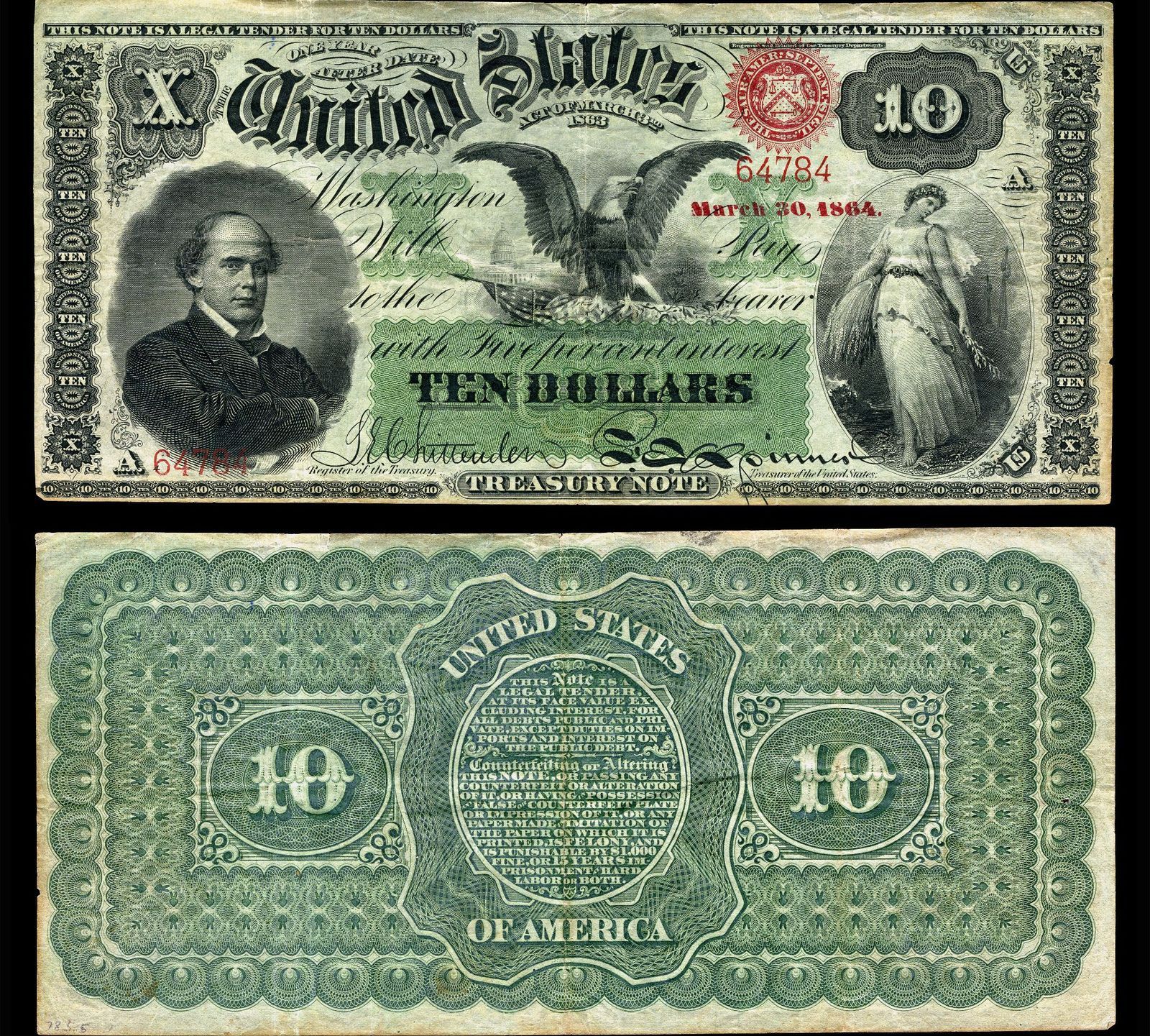
The US first official paper money

Image: National Museum of American History, Public domain, via Wikimedia Commons

Today, most of our money exists in a digital form. However, when we picture money, we still think of dollar bills and coins. They've been part of our lives for so long that it's hard to imagine a time when the US government didn't print paper money at all. But that time did exist.

Before the Civil War , the federal government issued no standardized national paper currency. It minted gold, silver, and copper coins, while Americans relied on thousands of different banknotes printed by private, state-chartered banks, many of them unreliable and prone to failure. Everything changed in 1861 , when the Union needed money to finance the war. Congress authorized the first federal paper currency, known as Demand Notes, followed by Legal Tender Notes in 1862. Americans soon nicknamed them "greenbacks" because of their green ink, a name that has survived ever since.

8
A town changing hands 10 times

Today, US Route 50 follows much of the old Northwestern Turnpike, a historic road linking Winchester, Virginia, with Parkersburg on the Ohio River. But during the Civil War, living along that route was anything but convenient.

Because the turnpike provided access to the Shenandoah Valley, the Baltimore & Ohio Railroad, and key mountain passes, the town of Romney (now in West Virginia) became a strategic prize for both the Union and the Confederacy. As armies pushed forward and fell back, each side repeatedly captured and abandoned the town. While most cities and regions remained firmly on the same side for the entire war, historians generally agree that Romney changed hands at least 10 times, making it one of the most frequently occupied towns of the Civil War.

9
The war with the most Medals of Honor

Image: Alexeinikolayevichromanov, CC BY-SA 4.0, via Wikimedia Commons

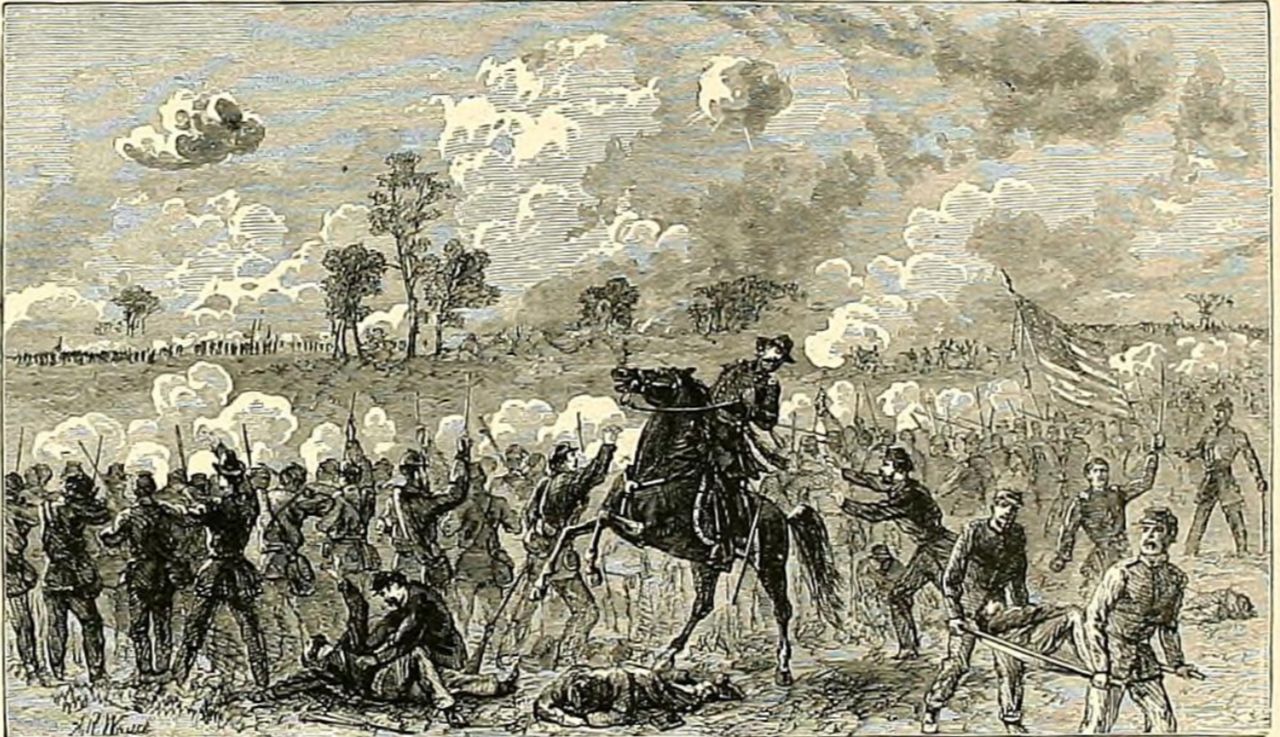
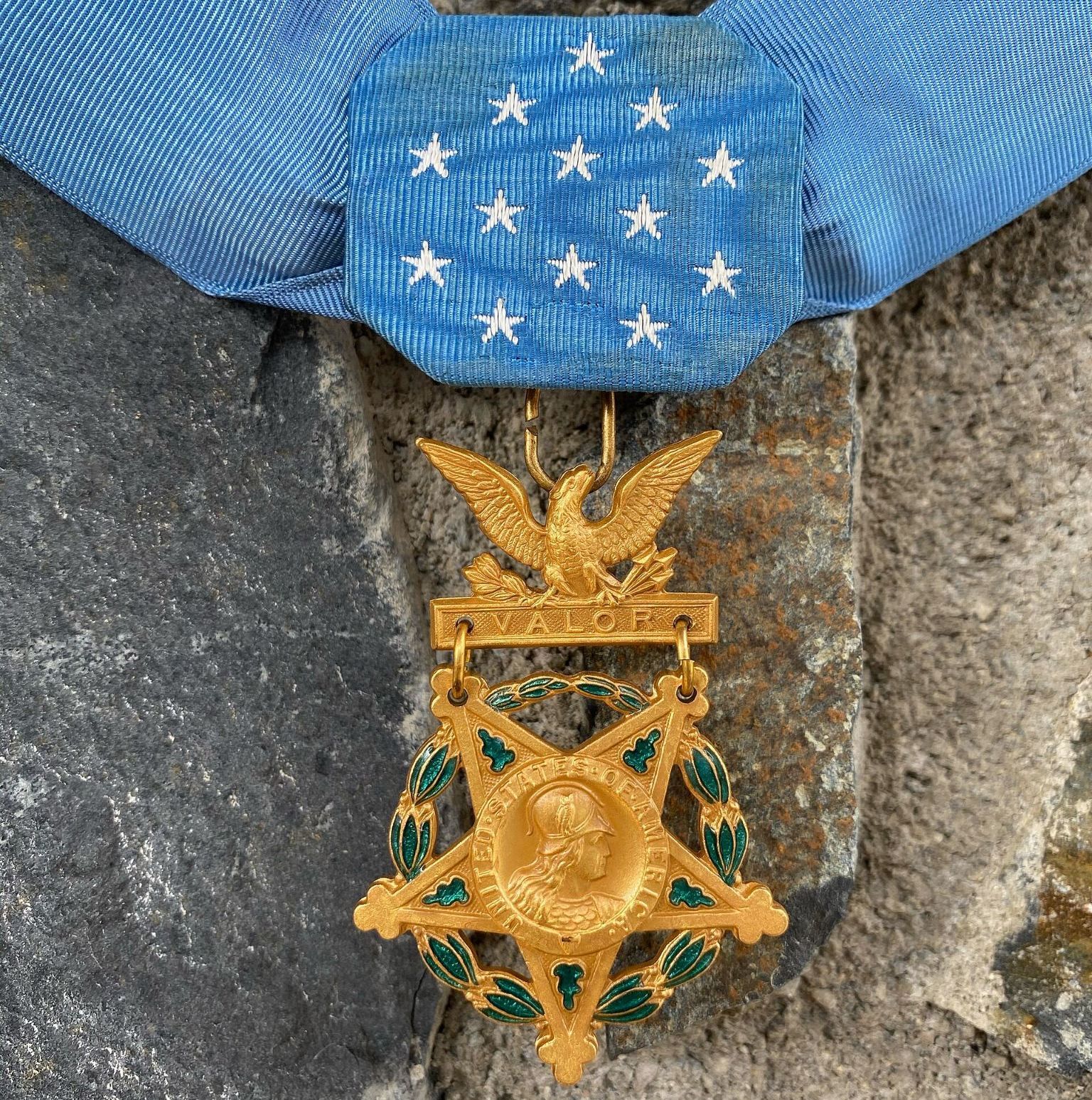
The Medal of Honor is the nation's highest military award for valor. During the Civil War, about 1,525 service members received it. That may not sound extraordinary… until you compare it with every major American war that followed.

The numbers are striking: 126 Medals of Honor were awarded in World War I, 464 in World War II, and 266 during the Vietnam War. A total of 856 combined, far fewer than in the Civil War alone. But there’s a reason for that. The Medal of Honor was created during the Civil War; at the time, it was the only US military decoration for valor. With no other awards recognizing battlefield heroism, it was presented under standards that were far broader than those adopted in later wars.

10
Can openers

Image: OlegD

It's hard to imagine a kitchen without a can opener. But surprisingly, canned food existed for decades before anyone invented it.

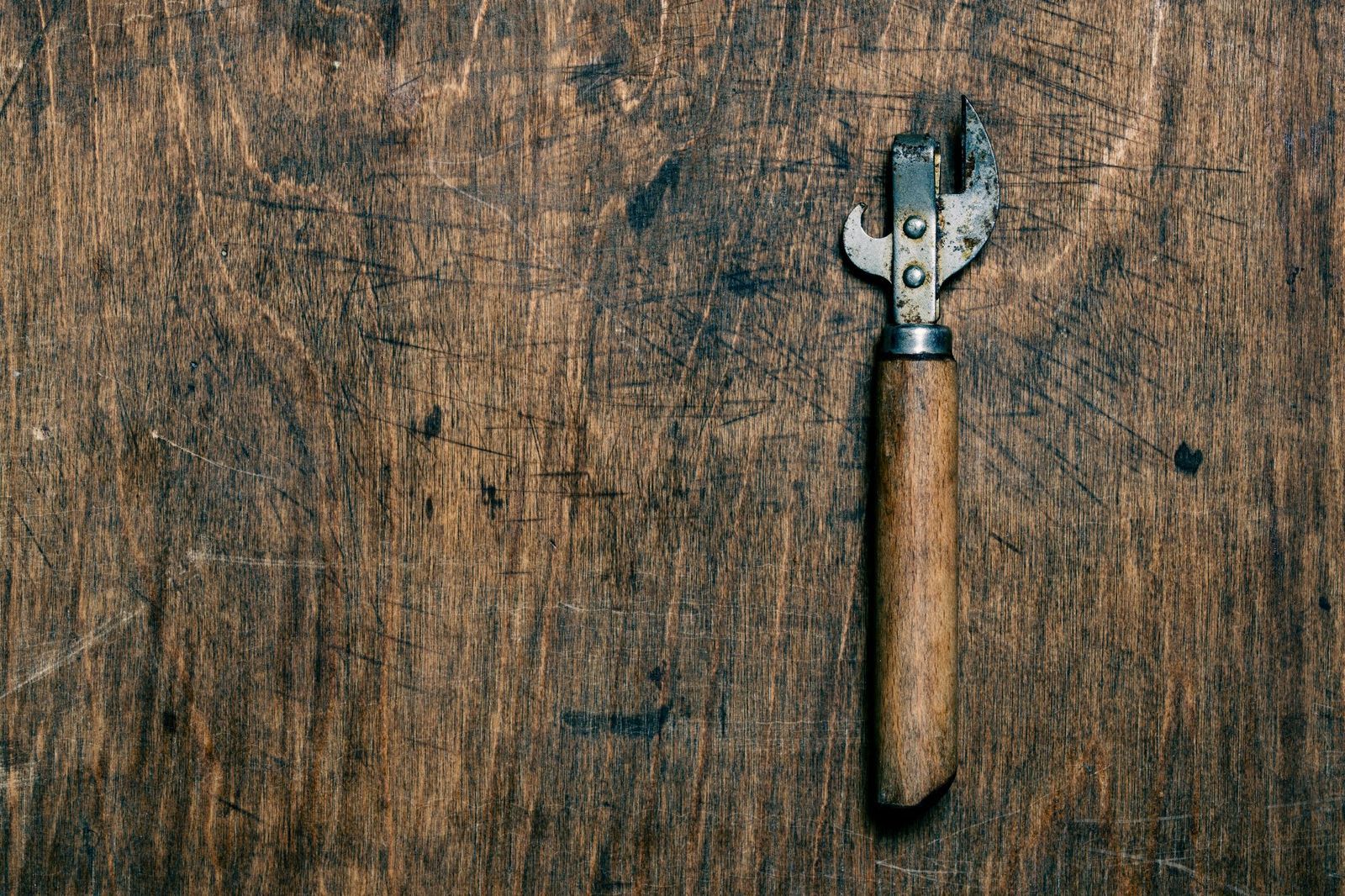
Although canned food had been around since the early 1800s, people often had to open cans with a hammer and chisel. That finally changed when American inventor Ezra J. Warner patented the first practical can opener in 1858. Even then, it remained a curiosity until the Civil War, when the huge demand for canned rations, including Gail Borden's condensed milk for Union troops, made it indispensable. The war turned the can opener from a strange invention into an everyday tool, paving the way for the handheld versions we still use today.

General General 7 min read

State your colors

Why is there a bleeding animal on this state flag? Read all about it

Image: Dreajc10, CC BY-SA 4.0, via Wikimedia Commons

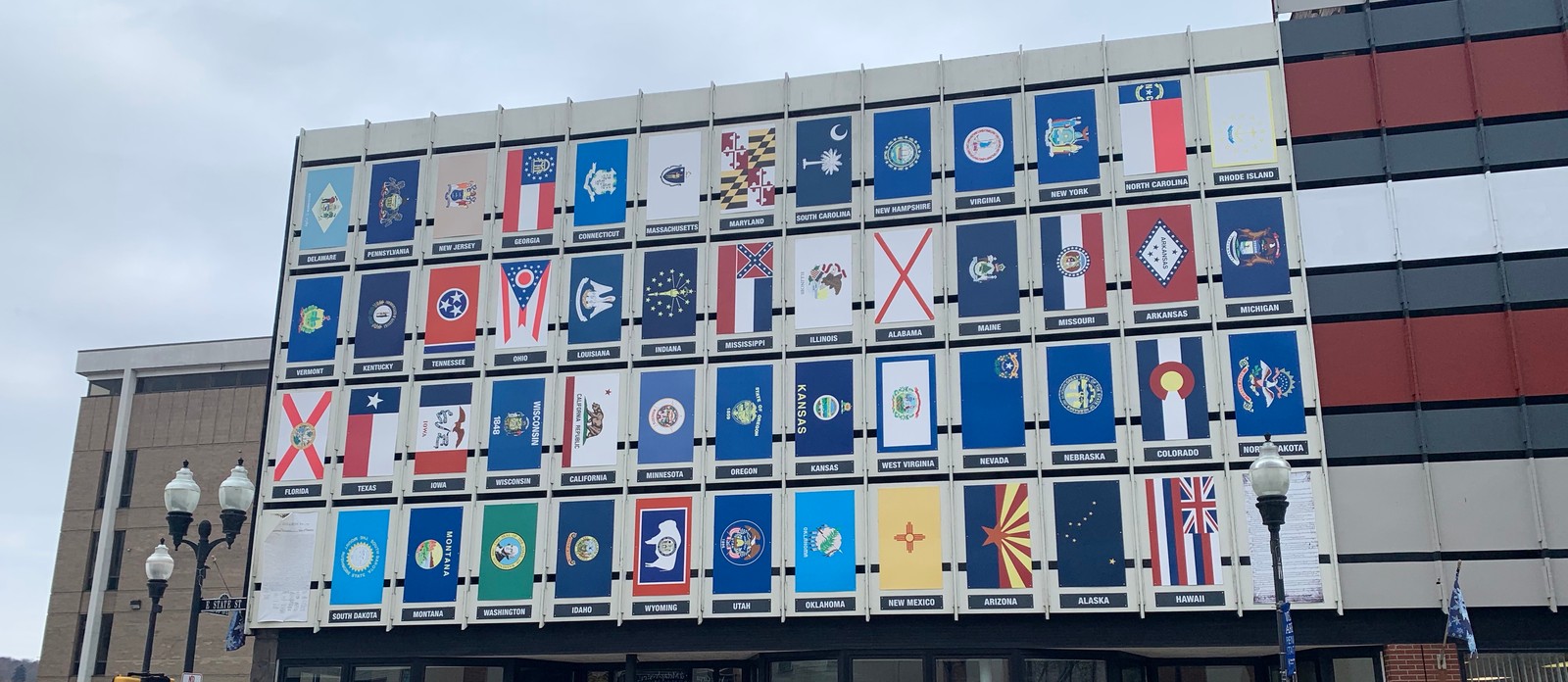
How much do you know about state flags? We see them flying at schools, post offices, and parades, but we rarely stop to think about where they come from. All of them have backstories that are worth learning about. From strange animal motifs to presidential portraits, here's a quick tour of some of the most unique state flags that you may find while touring America.

1
A 13-year-old designed Alaska’s flag

Image: Aerra Carnicom, CC BY-SA 4.0, via Wikimedia Commons

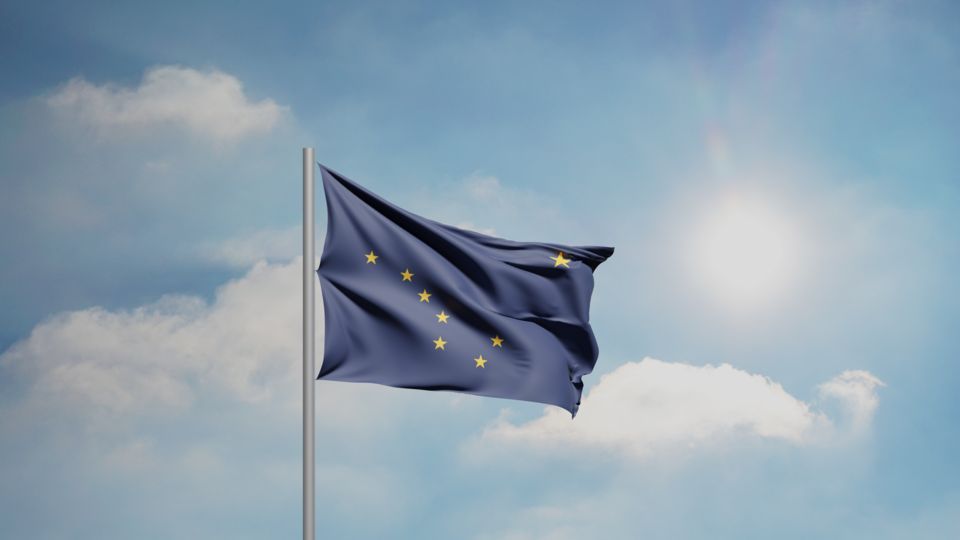
In 1927, while Alaska was still a U.S. territory, officials launched a contest inviting school kids to design territorial flags. Among the 140 entries that arrived in Juneau containing polar bears, mining scenes, or territorial seals, was the design of 13-year-old Benny Benson , an Alaskan Native Aleut.

The design featured eight gold stars against a deep blue field. Seven stars formed the Big Dipper, symbolizing strength through the Great Bear constellation, while the North Star represented Alaska’s future as the northernmost state in the Union. Benson also explained that the blue background honored both the sky and the state flower, the forget-me-not. His design was unanimously selected and officially adopted by the territorial legislature in May 1927, and Benson received a gold watch engraved with the flag and a $1,000 scholarship award.

2
Washington went green and presidential

Image: Malachi Brooks

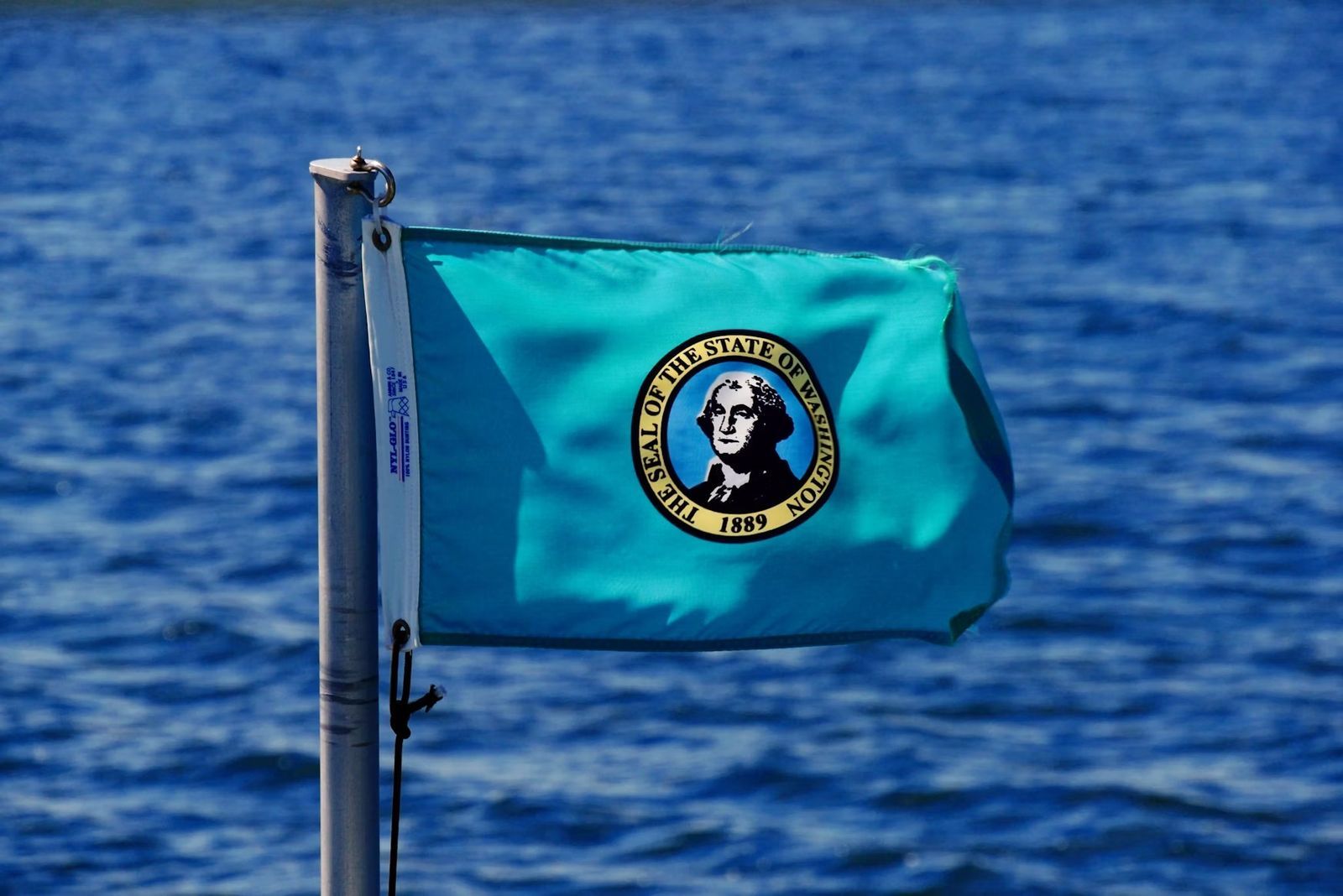
When Washington officially adopted its state flag in 1923, the Legislature made a choice unlike any other state in the country. Instead of following the usual red, white, and blue pattern, they chose a deep green background to reflect the state’s nickname , "The Evergreen State," a reference to its dense forests and year-round greenery. At the center, they placed the state seal featuring George Washington, the first president of the U.S.

The portrait itself was based on a famous painting by Gilbert Stuart, an American artist known for some of the best images of Washington. The portrait represents patriotism and identity. To this day, Washington remains the only U.S. state flag with a green field and the only one to feature an American president’s face.

3
Ohio ditched the rectangle

Image: Hannah Wernecke

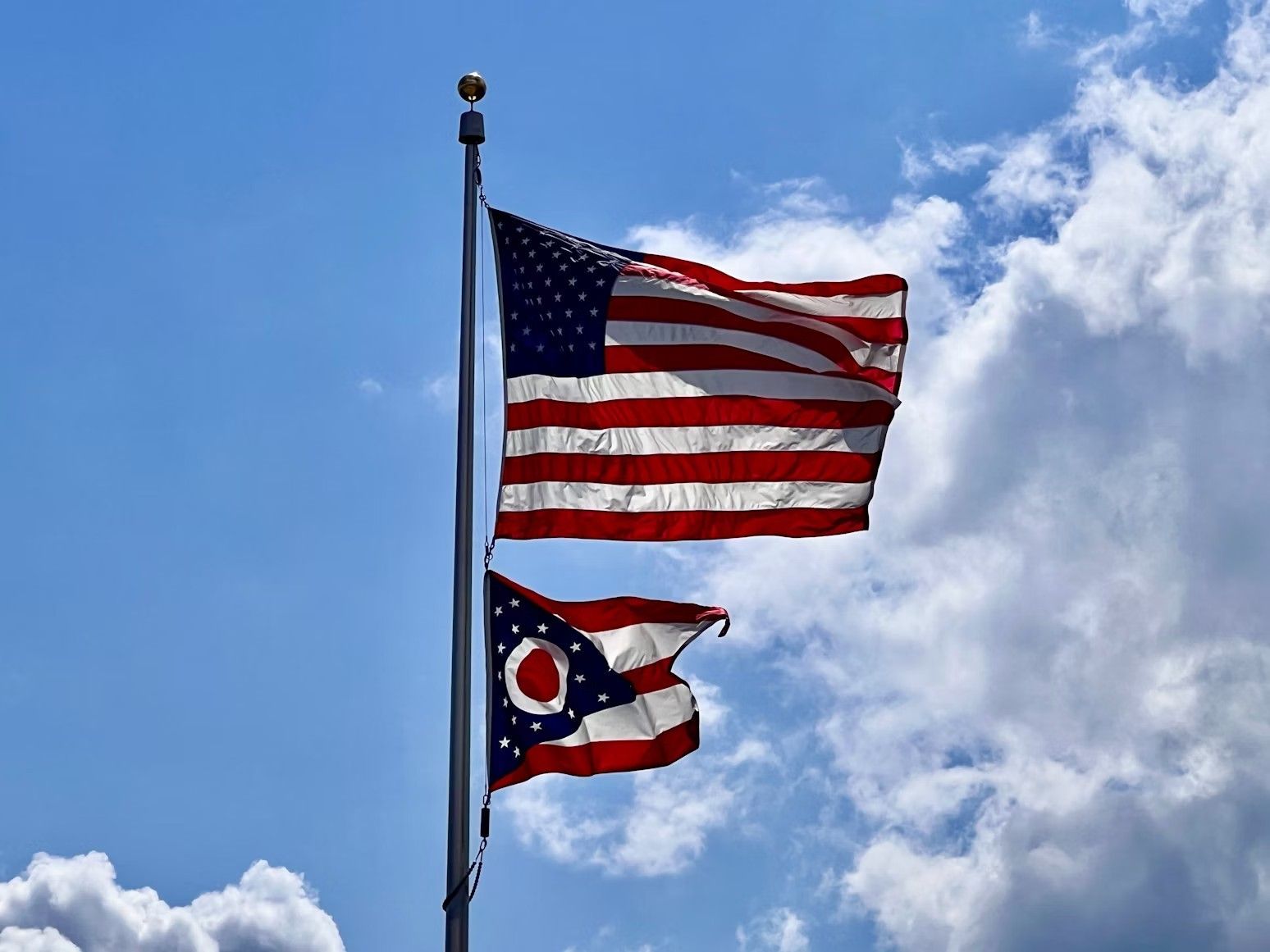
Ohio may have joined the Union in 1803, but for nearly a century, the state had no official flag of its own. But it began turning heads the moment it was introduced in 1902.

Designed by architect John Eisenmann for the Pan-American Exposition in Buffalo, New York, the flag broke one of the oldest traditions in vexillology. Instead of a rectangle, Eisenmann created a burgee, a swallowtail pennant shape more commonly used by naval organizations and cavalry units. Its red and white stripes represent roads and waterways, while the blue triangular field symbolizes Ohio’s hills and valleys. The white "O" stands for both Ohio and the buckeye nut, and the 17 stars honor Ohio as the seventeenth state admitted to the Union.

4
Maryland flew in from the Middle Ages

Image: Aerra Carnicom, CC BY-SA 4.0, via Wikimedia Commons

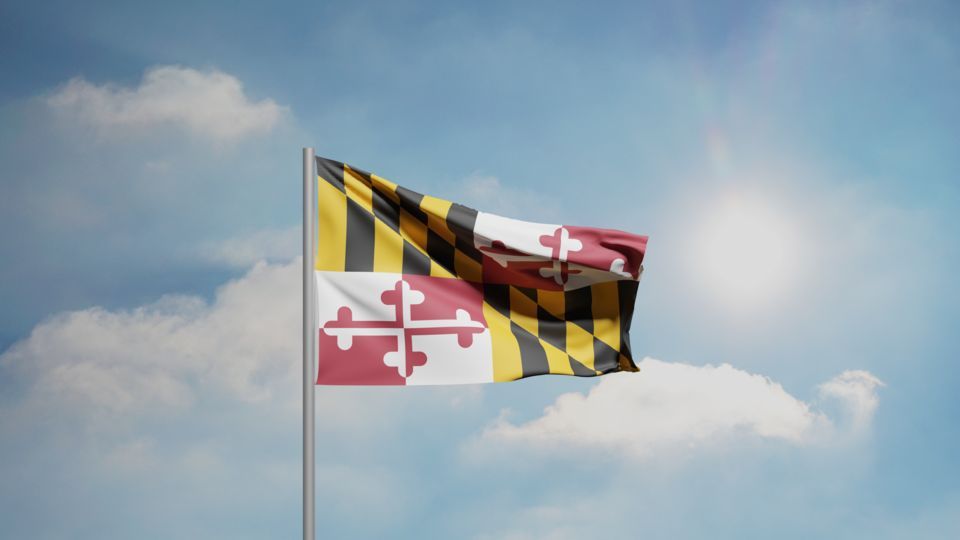
The story behind Maryland’s flag reaches back to English nobility, long before the U.S. existed. Its design comes from the coats of arms of the Calvert and Crossland families , connected to George Calvert, the first Lord Baltimore, whose family founded the Maryland colony in 1632 under a charter granted by King Charles I. The black and gold pattern belonged to the Calvert family, while the red and white cross belonged to the Crossland family through Calvert’s mother, Alicia Crossland.

During the Civil War, the colors gained powerful political meaning. Union supporters in Maryland often displayed the Calvert colors, while Confederate sympathizers adopted the Crossland pattern. Following the war, state leaders sought unity during Reconstruction, and by the 1880s, the two designs were combined into one banner. Maryland officially adopted the flag in 1904, turning former symbols of division into a lasting emblem of reconciliation.

5
California’s bear has a revolutionary past

Image: Drei Kubik

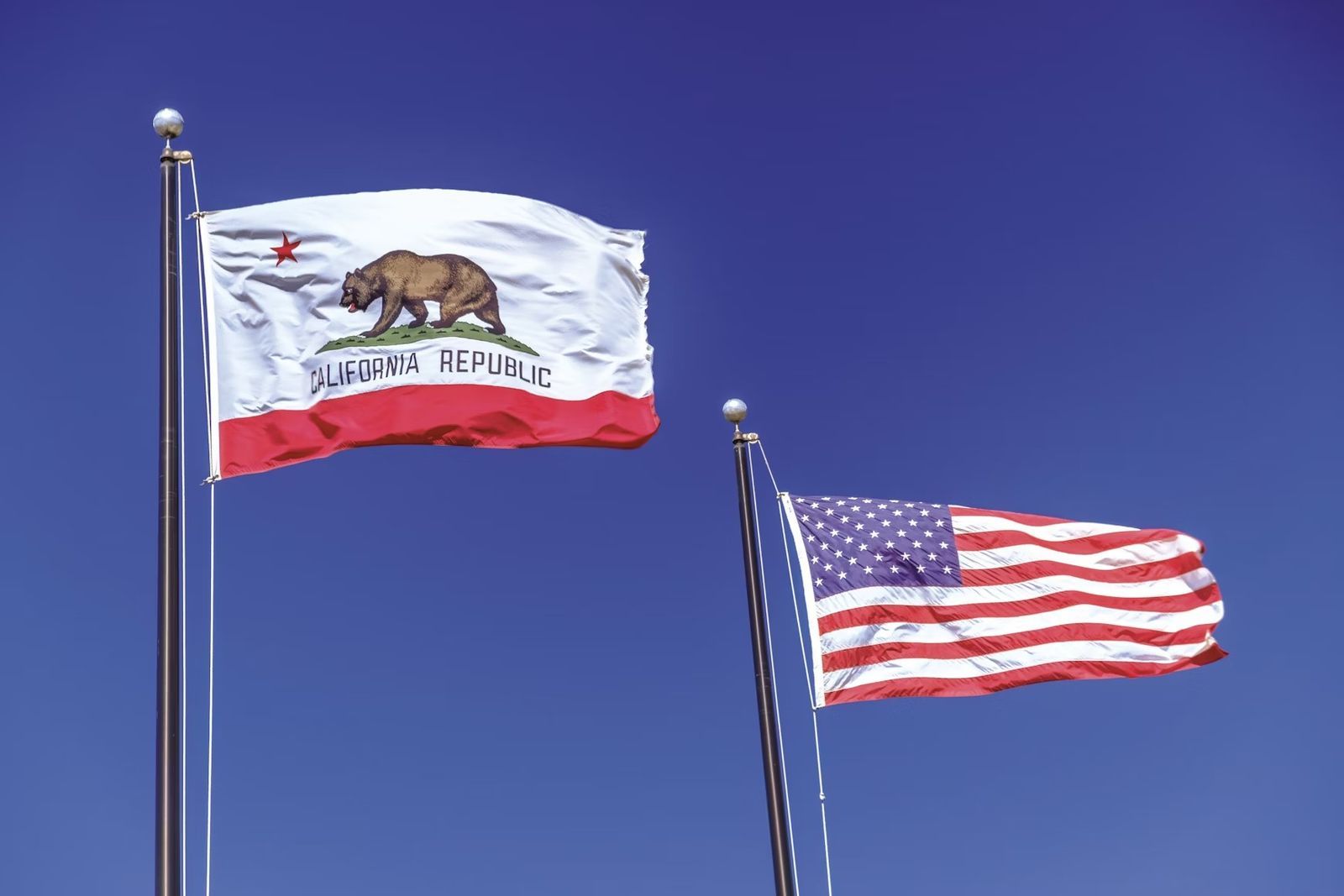
California’s famous Bear Flag began during the Bear Flag Revolt of 1846, when American settlers in Sonoma rebelled against Mexican rule and declared California an independent republic. Their handmade banner featured a grizzly bear, a red star, and the words "California Republic."

The rebellion ended in less than a month after the U.S. forces took control during the American-Mexican War between 1846 and 1848, but the image remained a symbol of independence. The original flag was later destroyed in 1906 in the San Francisco earthquake, though copies had been preserved. It wasn’t until 1911 that lobbying from the historical society, Native Sons of the Golden West, made the legislature adopt the design as the official state flag.

6
Oregon’s two sides

Image: Aerra Carnicom, CC BY-SA 4.0, via Wikimedia Commons

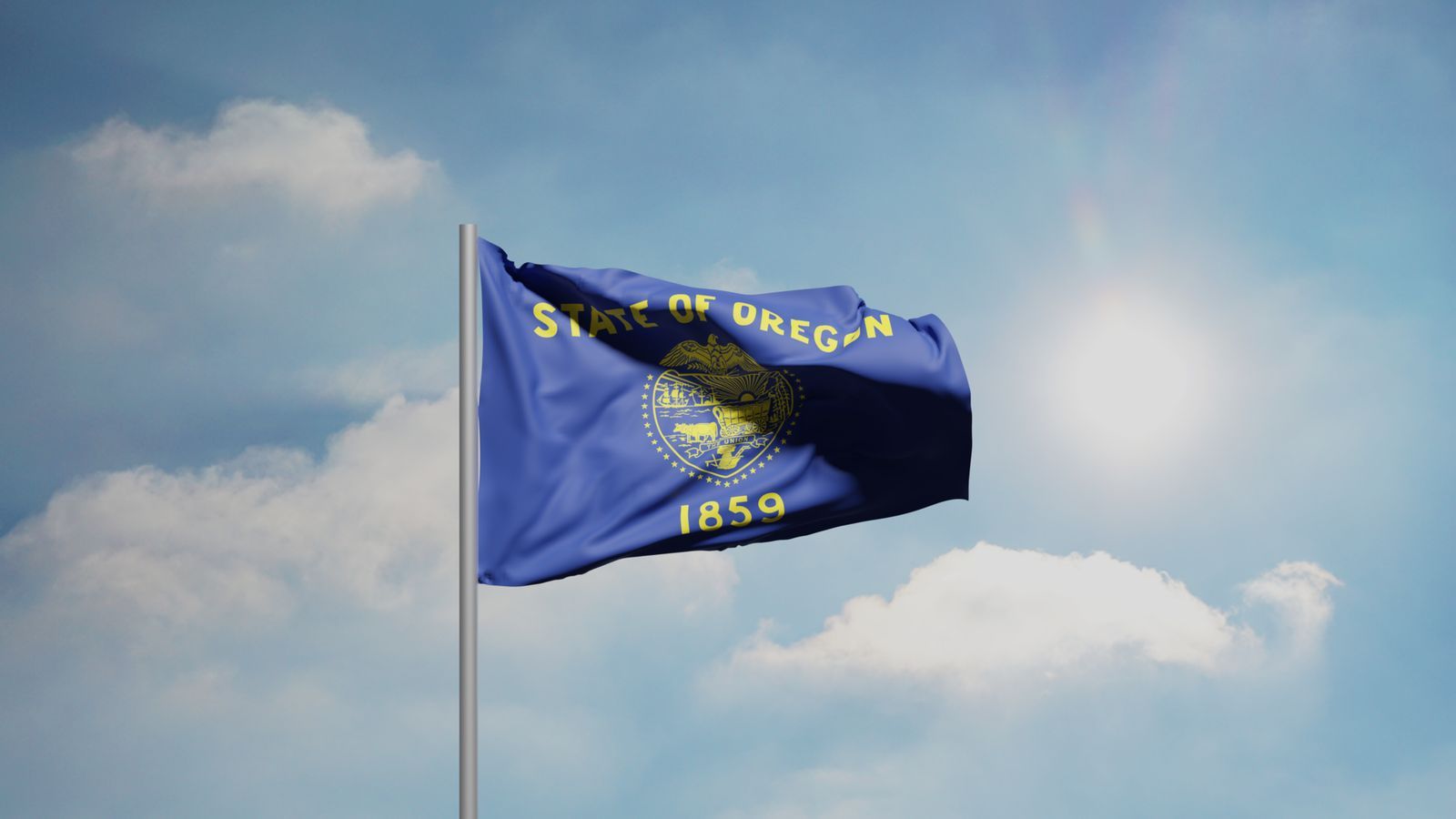
When Oregon adopted its official state flag in 1925, it quietly created one of the rarest flags in the world. Unlike nearly every other state banner, Oregon’s flag features two completely different designs, one on each side.

The front displays the state seal in gold against a navy-blue background, surrounded by 33 stars representing Oregon’s admission as the thirty-third state in 1859. Beneath the shield appears the year of statehood, while symbols such as a covered wagon and an eagle reflect Oregon’s frontier history and connection to the United States. The reverse side tells a simpler story. There, a single gold beaver appears alone on the blue field. The beaver became Oregon’s state animal because the fur trade played a major role in the region’s early economy during the 1800s.

7
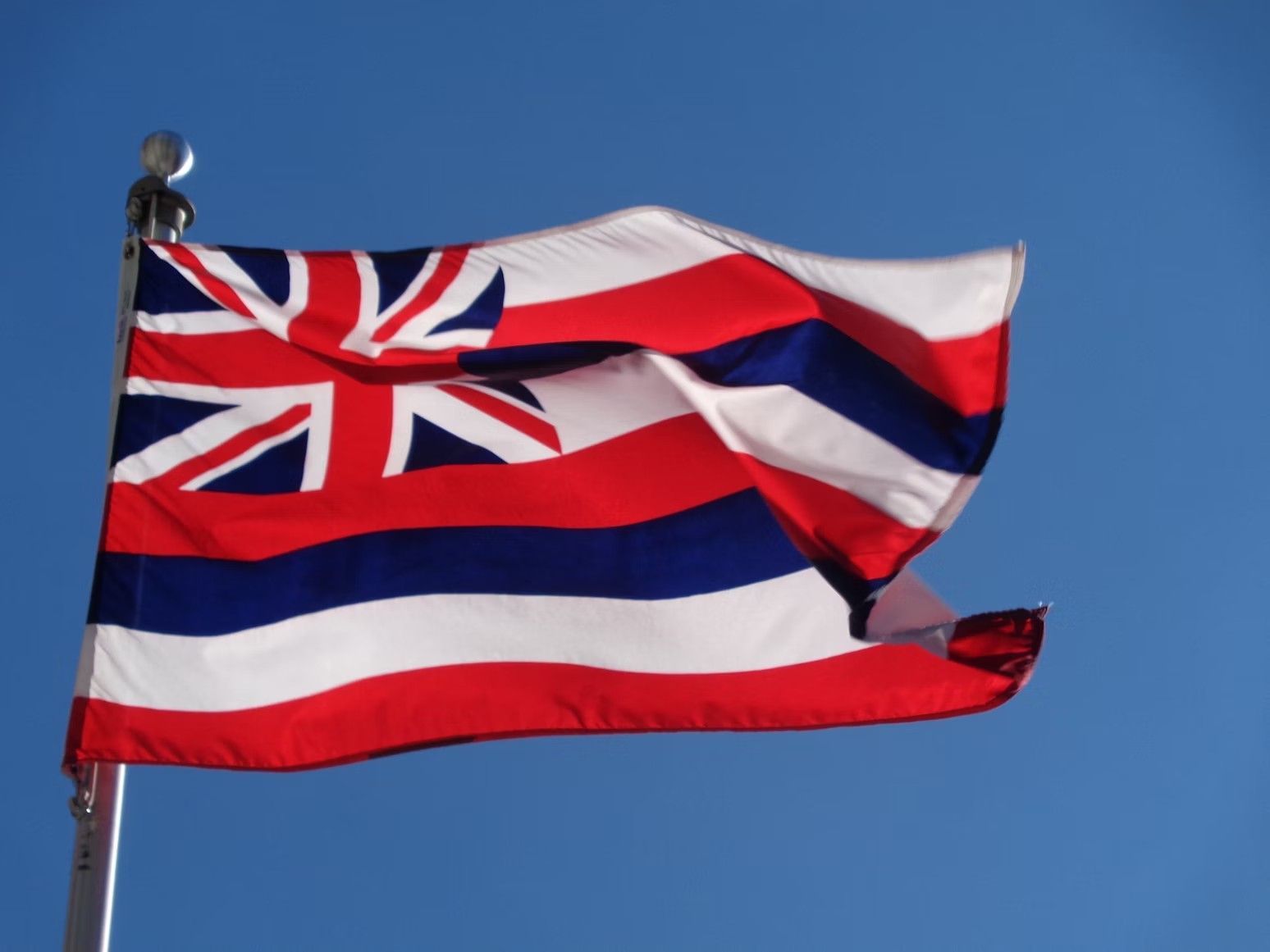
Hawaii still nods to the British

Image: little plant

Hawaii’s state flag tells the story of a kingdom caught between powerful nations during the early 1800s. The British Union Jack placed in the corner dates back to the reign of King Kamehameha I, the ruler who united the Hawaiian Islands into a single kingdom.

Ever since the first British flag was raised in that territory in 1794, Hawaii used several variations of flags that blended British and American influences , partly to maintain good relations with both nations during the War of 1812. A combined design was created using the Union Jack alongside horizontal stripes inspired by the American flag. By 1845, the current design with eight stripes, representing the major islands, had been established. When Hawaii became a state in 1959, the historic flag remained unchanged.

8
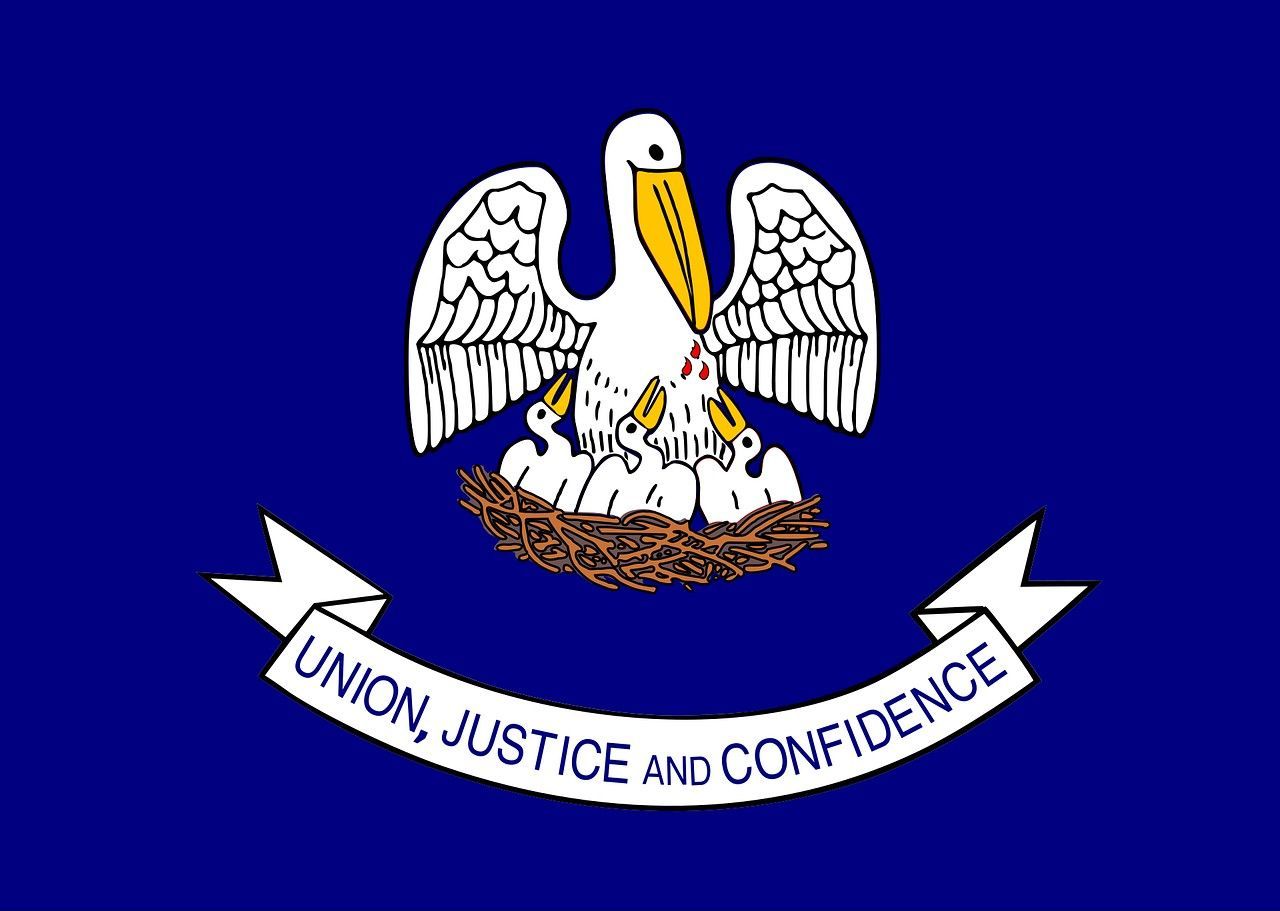
Louisiana’s bleeding pelican

Image: Clker-Free-Vector-Images

At first sight, Louisiana's choice of flag might seem a bit odd, but the meaning of its symbols carries centuries of meaning. The flag was adopted in 1912 and, at the center, stands a mother pelican feeding her chicks with drops of her own blood, an image taken from Christian traditions. According to legend, pelicans wound themselves during times of famine to keep their young alive. And even though the story is not scientifically accurate, the symbol stands for sacrifice, compassion, and protection. It also represents the bird-filled wetlands and Gulf Coast landscape that shaped the state’s identity.

Over time, different versions of the flag softened the dramatic image and even removed the drops of blood completely, but in 2010, Louisiana officially restored the traditional design and brought it back.

9
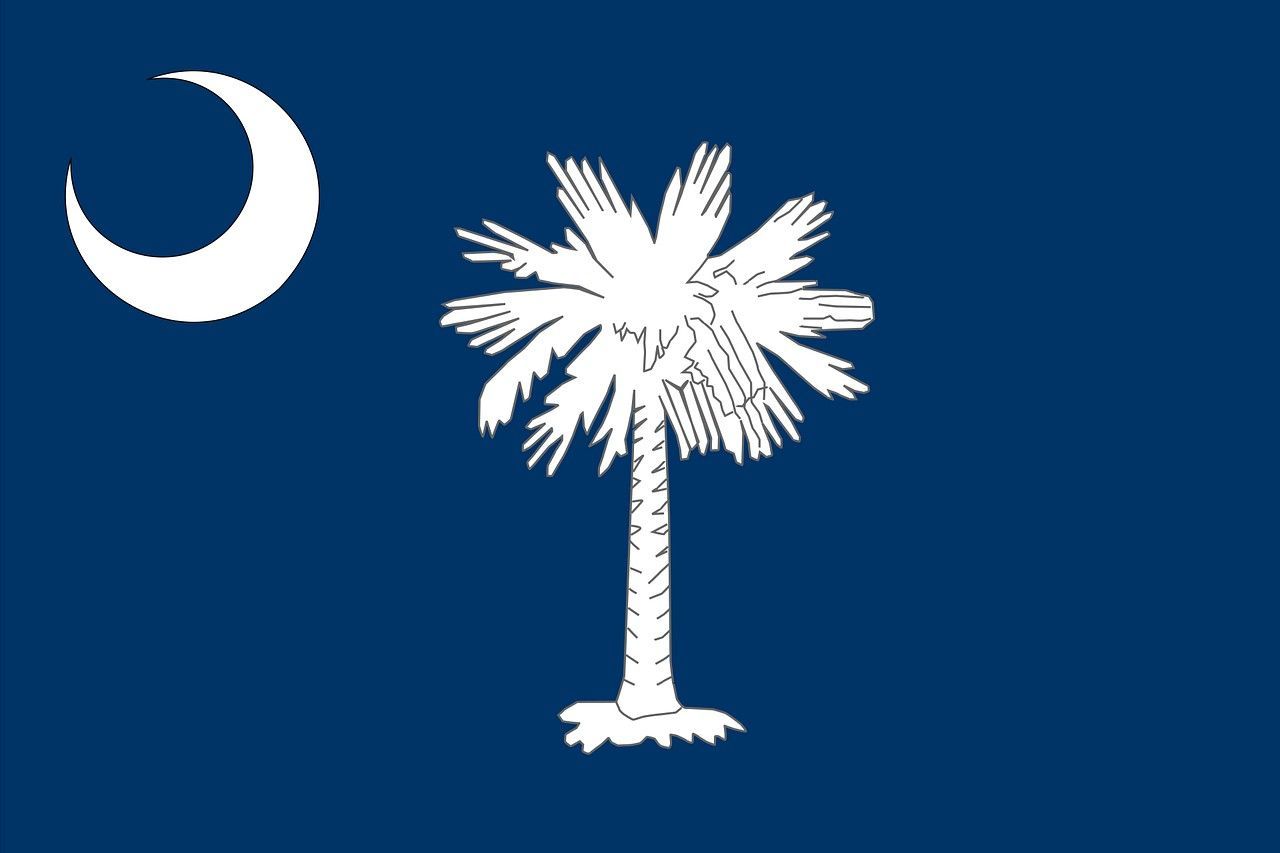
South Carolina’s flag is not standardized

Image: Clker-Free-Vector-Images

South Carolina’s flag shows a white crescent shape above a palmetto tree, and its design was born during the first days of the American Revolution. In 1775, Colonel William Moultrie designed a simple blue banner with a white crescent based on the uniforms worn by local patriot soldiers defending Charleston Harbor. A year later, the fort’s walls of palmetto logs absorbed British cannon fire instead of shattering. The Unexpected victory turned the palmetto tree into a symbol of South Carolina’s resistance, and it was added to the flag.

As the years passed, different versions appeared across the state, especially during the Civil War, when many were painted by hand. South Carolina officially adopted the familiar flag in 1861, but there were never defined exact shapes or proportions. That is why even today, no two South Carolina flags look exactly alike.

10
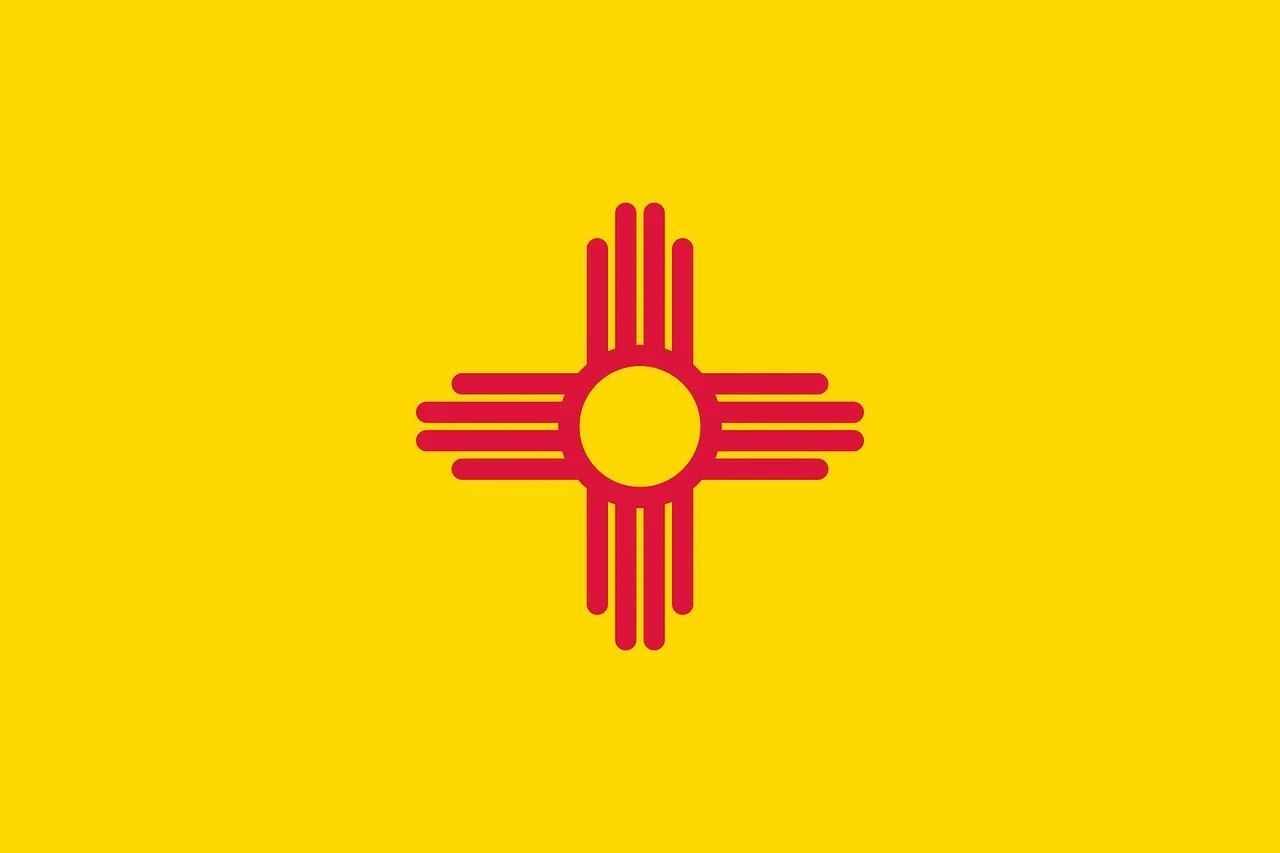
New Mexico went bold and beautiful

Image: Clker-Free-Vector-Images

New Mexico’s first flag looked much like many others of the time. Designed by historian Ralph Emerson Twitchell, it included the American flag, the state seal, and the words "New Mexico" stitched across a blue field. But in 1920, the Daughters of the American Revolution began pushing for a design that truly represented the Southwestern identity.

After winning a statewide contest, Dr. Harry Mera, a Santa Fe physician and archaeologist, and his wife, Reba Mera, presented a design that replaced crowded symbols with something simpler : a red Zia sun symbol centered on a yellow field inspired by the colors carried by Spanish explorers centuries earlier. The sacred Zia symbol represented harmony through the number four, reflected in the seasons, directions, stages of life, and times of day. Adopted in 1925, the design became one of the boldest and most admired flags in America.

Explore more American facts

Choose your favorite category!

General
General

As American as apple pie—the very best America has to offer!

Culture
Culture

Delve into the astounding richness of American lore.

Geography
Geography

Hop in and explore vast and diverse American landscapes.

History
History

Discover the key moments that shaped the United States.