History History 4 min read

History within reach

From declarations to gunfights: 10 places of historical importance
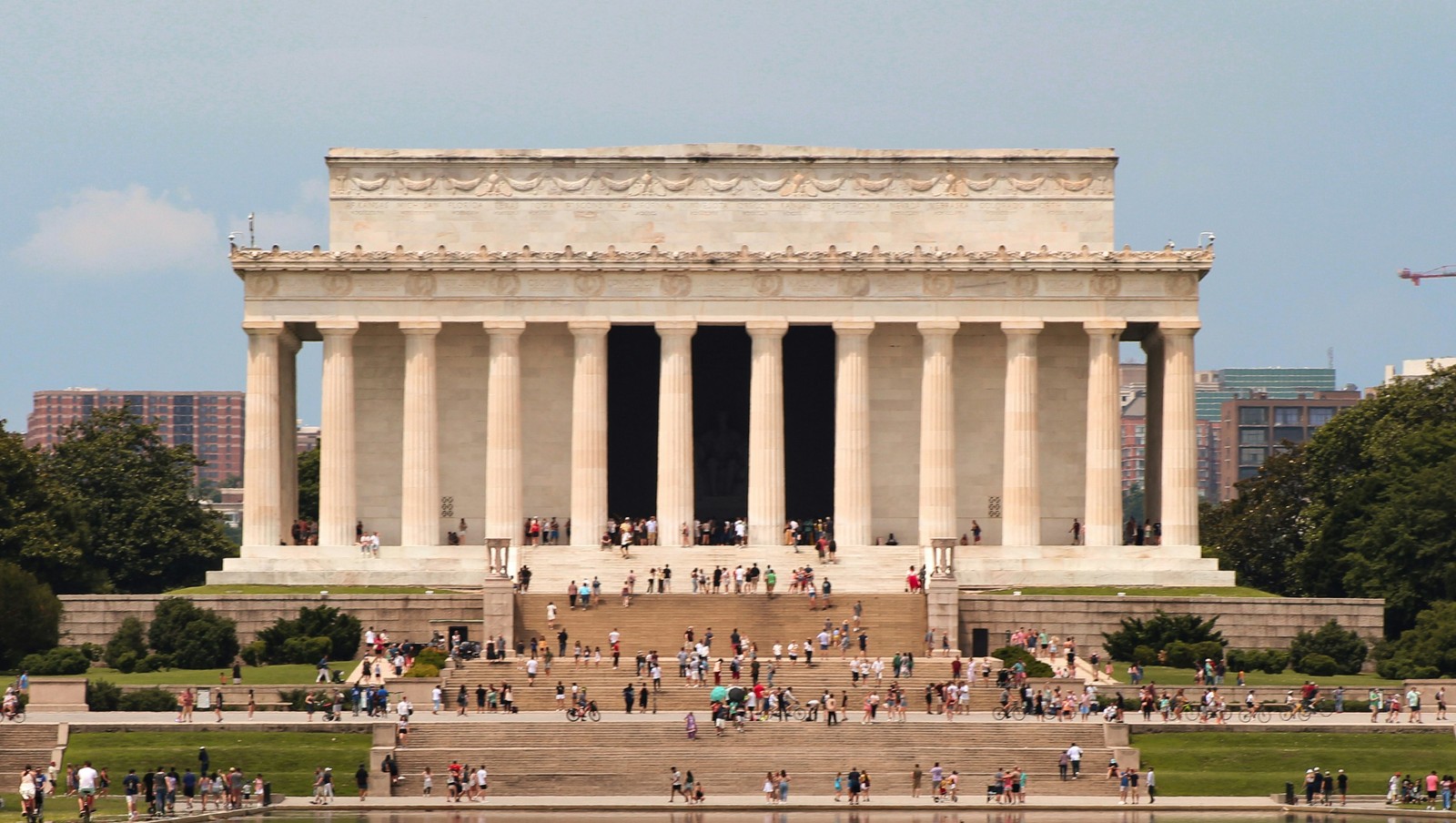
Image: Tama Moni

Why do people travel? For fun, to relax, to do business, to visit relatives. But what about traveling to learn? Is it possible? Well, America is not without historical sites, but some places—such as the National Mall in Washington, D.C., or the Philadelphia sites where independence was conceived—are particularly packed with history . If learning about American history first-hand is important for you, here are 10 places that will allow you to do just that.

1
Independence National Historical Park
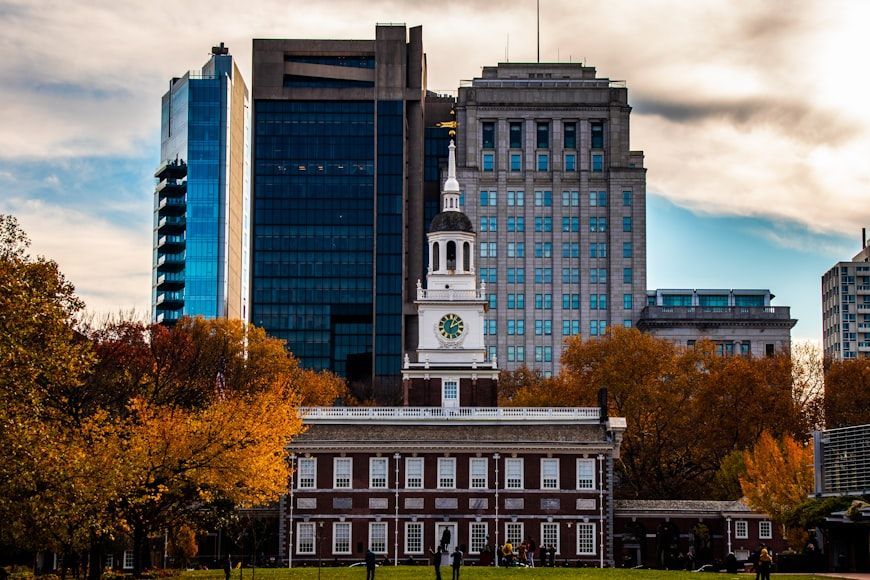
Image: Jimmy Woo

A historic district in Philadelphia, this 55-acre national park—established in 1956—preserves several sites related to American Independence and the Revolutionary War. Among the main sites of this park, we can find Independence Hall—originally the Pennsylvania State House—where the Declaration of Independence was signed and proclaimed, the Liberty Bell, the Carpenters' Hall—the location of the First Continental Congress—and Congress Hall, the place of reunion of the U.S. Congress before its relocation to Washington, D.C.

2
National Mall
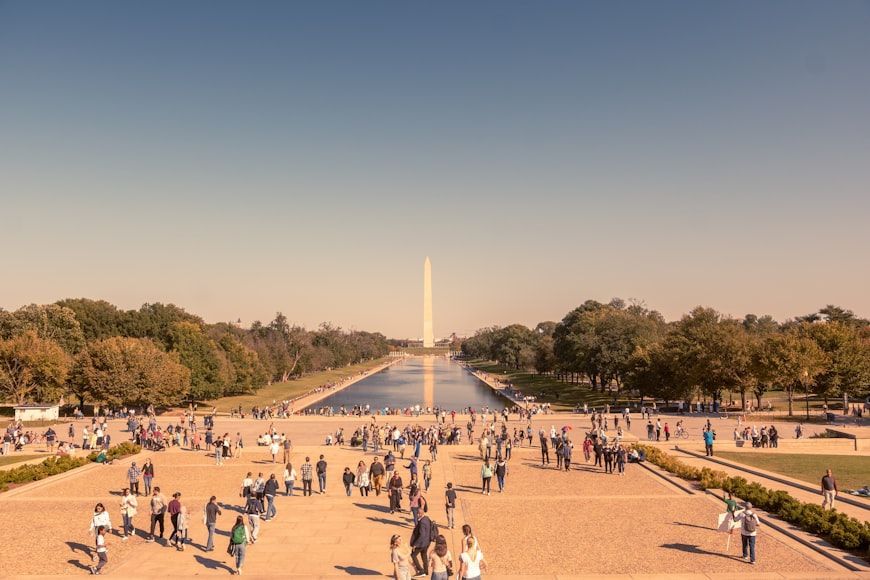
Image: Samuel Girven

Located in Washington, D.C., this park, often called ‘America's Front Yard’, stretches from the Capitol to the Lincoln Memorial , and has been the location of many historical events. Across and around it, we can find several museums, art galleries, cultural institutions, and memorials, sculptures, and statues, including the Washington Monument, Union Square, the Botanic Garden, the Martin Luther King Jr. Memorial, and the Vietnam Veterans Memorial.

3
Freedom Trail
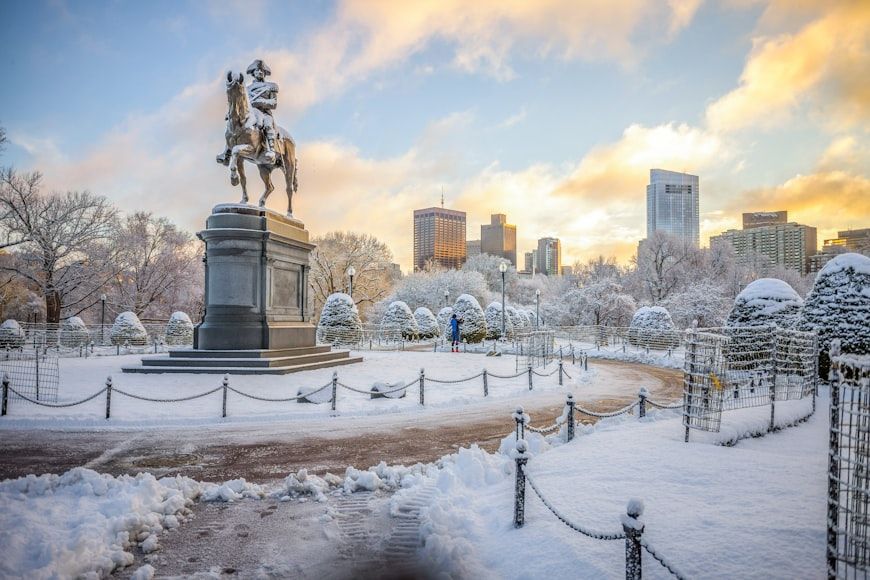
Image: Sean Sweeney

This 2.5-mile-long path stretches across Boston, linking 16 sites related to American history and the American Revolutionary War. Starting in the Boston Common, down to the Bunker Hill Monument in Charleston, this trail will lead you to sites such as the Massachusetts State House, the Boston Massacre Site, Paul Revere’s House, and the Old North Church.

4
Taos Pueblo
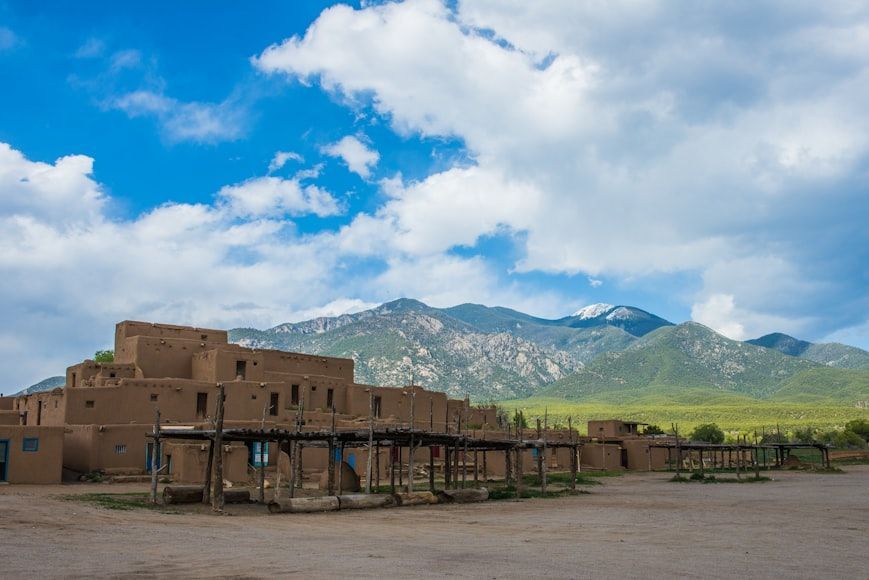
Image: Richard Hedrick

Located near the city of Taos, New Mexico, this settlement is believed to have been established around the 13th century, making it the oldest continuously inhabited place in U.S. territory . Famous for its red adobe, multi-storied buildings, the settlement has been home to the Puebloan people for nearly a thousand years. The site has been declared a National Historic Landmark and a UNESCO Heritage Site.

5
Ellis Island
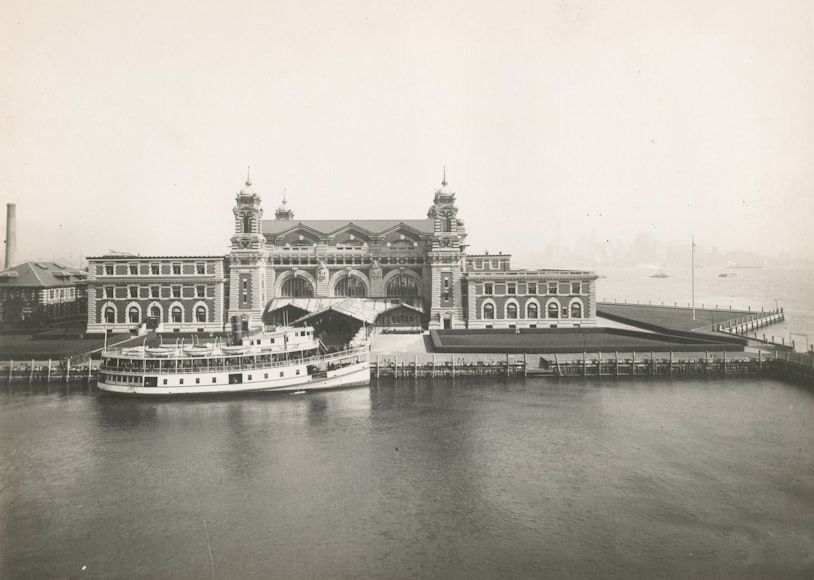
Image: The New York Public Library

Out of all the historic immigrant inspection and processing stations in America, Ellis Island is certainly the most well-known. Located in the New York Harbor, this station processed about 12 million immigrants in six decades before its closure in 1954. A source of territorial conflict between New York and New Jersey, the island is now part of the Statue of Liberty National Monument, and works as a museum of immigrant history.

6
Gettysburg National Military Park
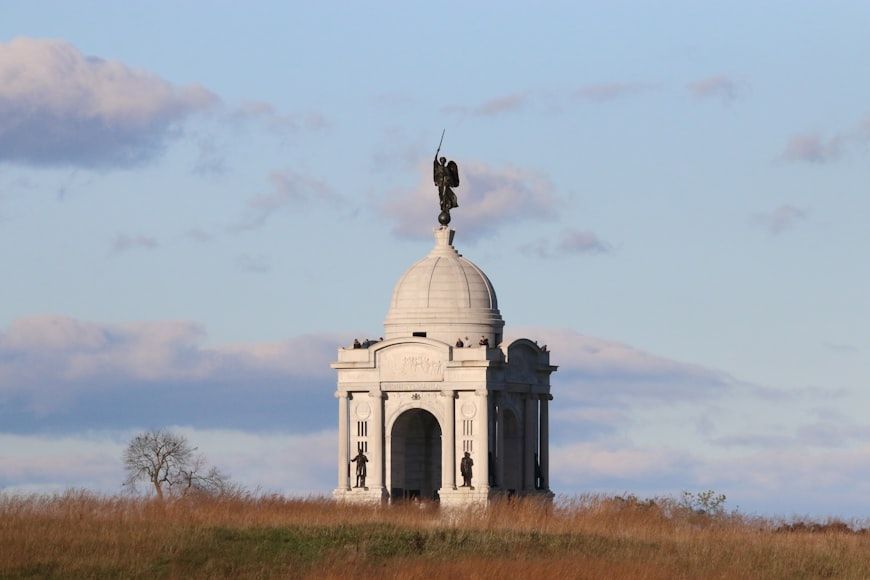
Image: Timothy Pierce

The Battle of Gettysburg, fought over three days across Gettysburg, Pennsylvania, is widely considered to have been a turning point in the American Civil War and the key to the Union’s victory . The site of the conflict, as well as Gettysburg National Cemetery—the location of President Lincoln’s famous address—is preserved by the Gettysburg National Military Park—established in 1966—alongside thousands of war artifacts.

7
Cape Canaveral
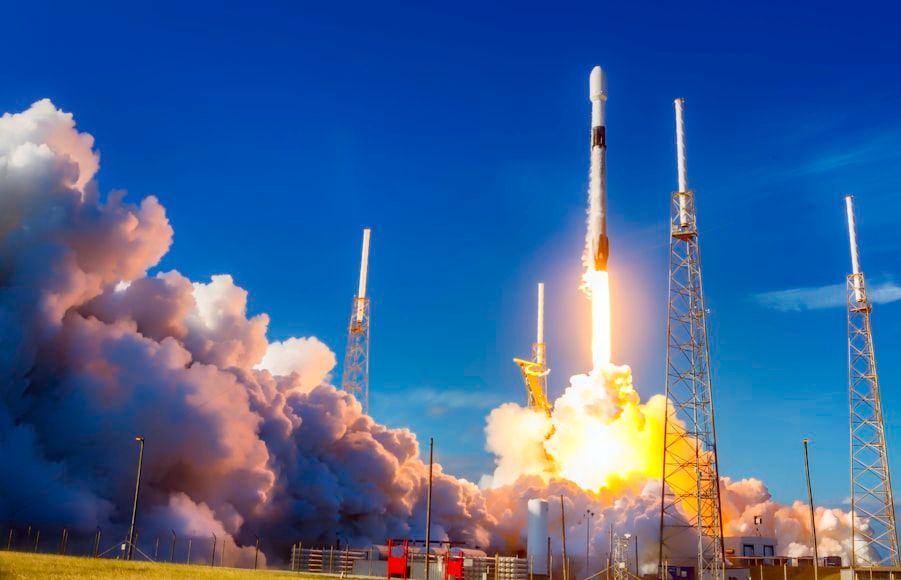
Image: Bill Jelen

One of NASA’s main space centers, Cape Canaveral has been the starting point of several history-changing space missions like the Apollo, Skylab, and Space Shuttle programs since the 1940s. Home to two different installations—the Kennedy Space Center and the Cape Canaveral Space Force Station—several firsts in space history were launched from Cape Canaveral, such as the first U.S. Earth satellite, the first U.S. astronaut in orbit, the first U.S. uncrewed lunar landing, and the Apollo 11 moon landing.

8
Pearl Harbor National Memorial
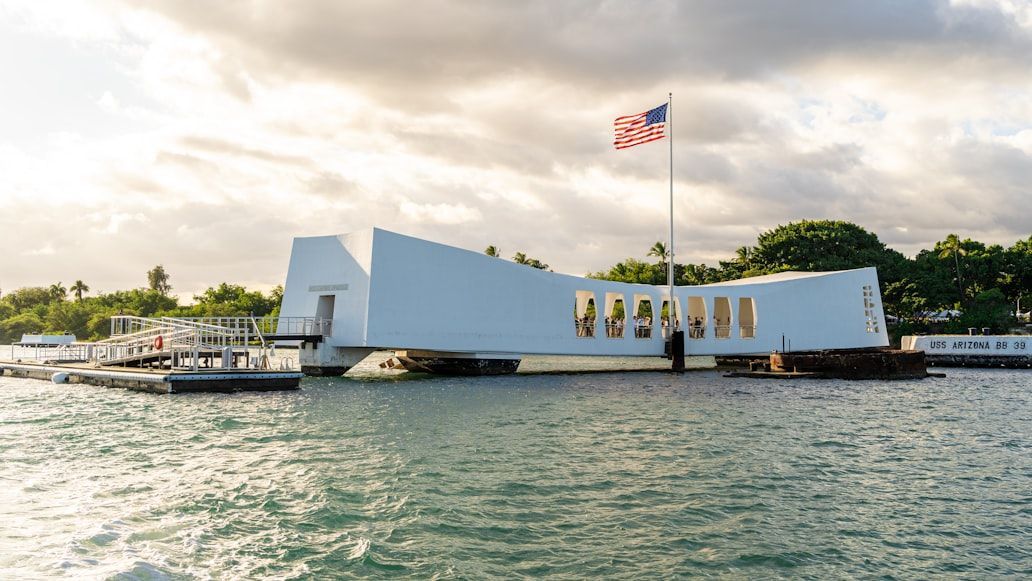
Image: Winston Chen

This memorial, included in the National Park System, commemorates the attack on Pearl Harbor on December 7, 1941 , an event that resulted in 2,400 American casualties and the subsequent involvement of the U.S. in the Second World War. The memorial, located at the site of the attack in O’ahu, Hawaii, and dedicated in 1962, includes memorials for three ships lost alongside their crews, a visitor center with information about the Pacific theater of World War II, and the Pearl Harbor Aviation Museum.

9
The Alamo
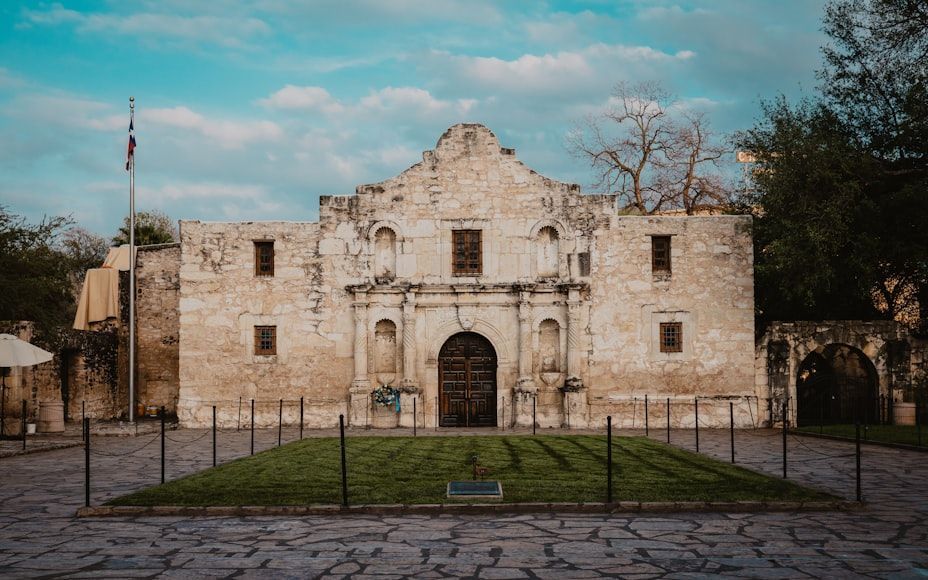
Image: Eric Francis

Known as the ‘Shrine of Texas Liberty’, the Alamo Mission was the site of key events of the Texan Revolution and of Southern history . Initially a Spanish Catholic mission and later used as a military fortress, the compound was sieged by the Mexican Army in 1836. The nearly 250 Texan soldiers garrisoned at the complex resisted the siege for 13 days before being defeated and slain by the much more numerous Mexican army, a resistance that fuelled Texan patriotism and its fight for independence.

10
Tombstone
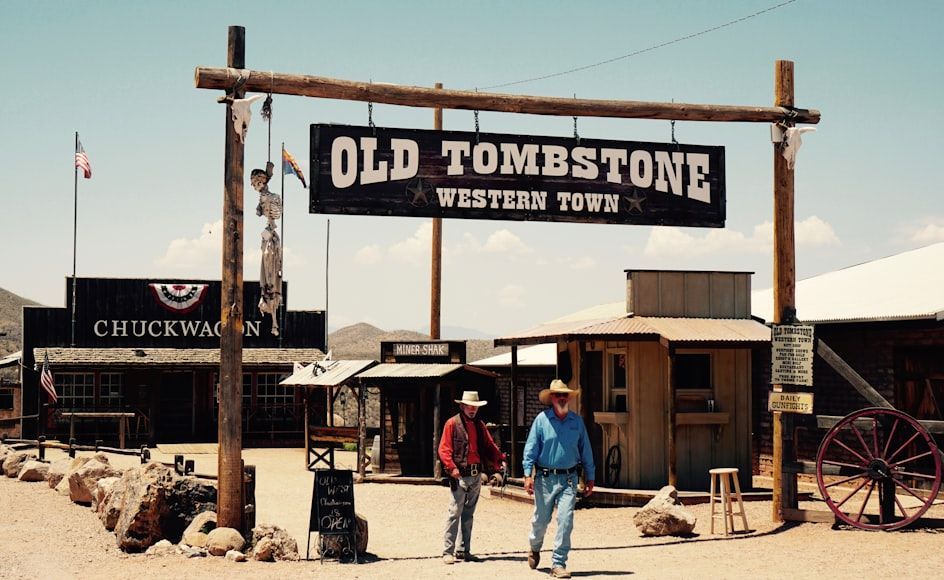
Image: Xiang Gao

A flourishing Arizona town during the silver mining boom of the late 19th century, Tombstone gained its place in history books as the location of the famous ‘Gunfight at the O.K. Corral’ . An archetype of the Wild West, this confrontation was the result of a long feud between U.S. marshals—Town Marshal Virgil Earp and his deputees Wyatt Earp, Morgan Earp, and Doc Holliday—and an outlaw group known as the Cochise County Cowboys. Though the shootout lasted less than a minute, it remains one of the most famous events of the Old West, with the town of Tombstone designated a National Historic Landmark.
Culture Culture 6 min read

From real life to music

Bob Dylan wrote it to save his marriage: the real people behind 10 hits

Image: Featureflash Photo Agency

You’ve sung along to these songs, danced to them, and probably heard them hundreds of times. But do you know the real stories behind them? Some of the biggest hits ever were inspired by real people, real relationships, and real moments. There were secret romances, jealousy, heartbreak, and a few surprises that sound too strange to be true. Here are the real stories behind 10 famous songs.

1
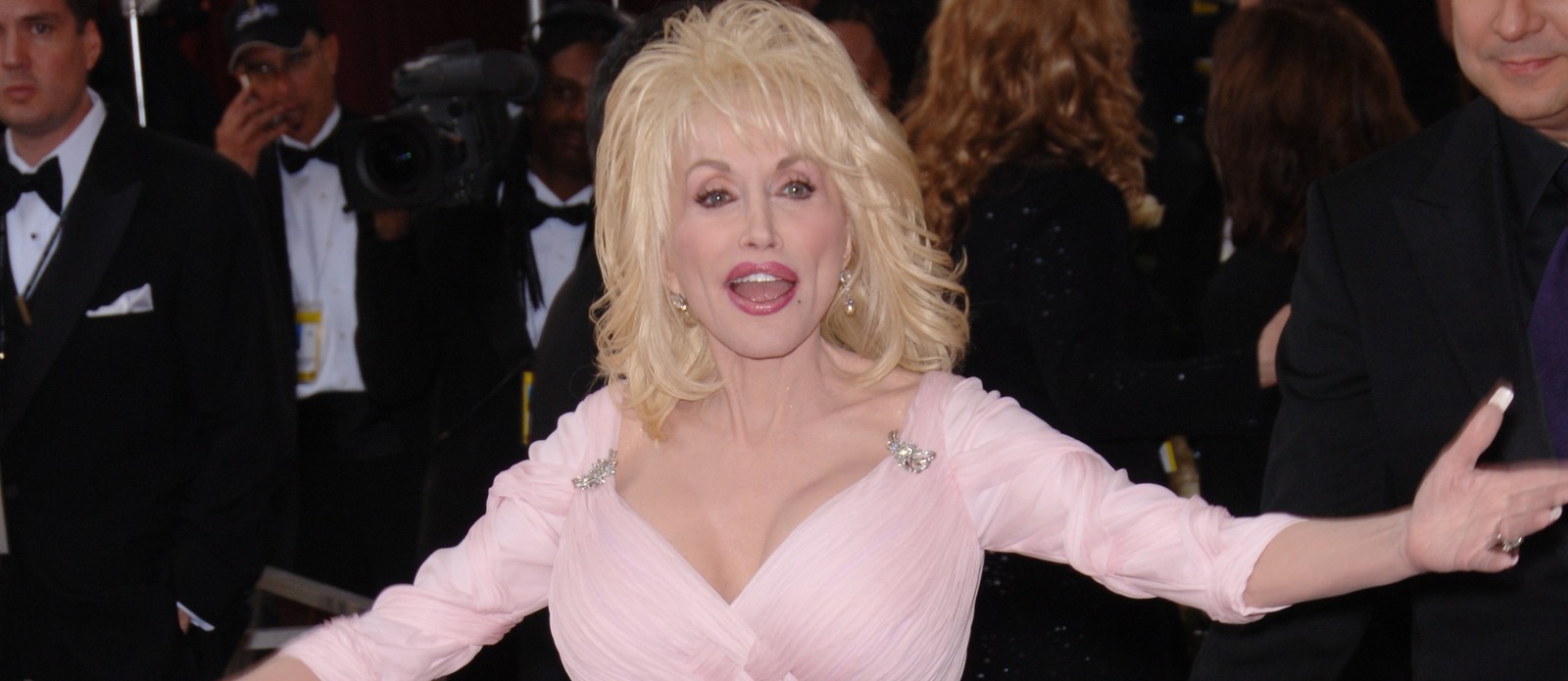
"Jolene" by Dolly Parton

Image: Bart Sherkow

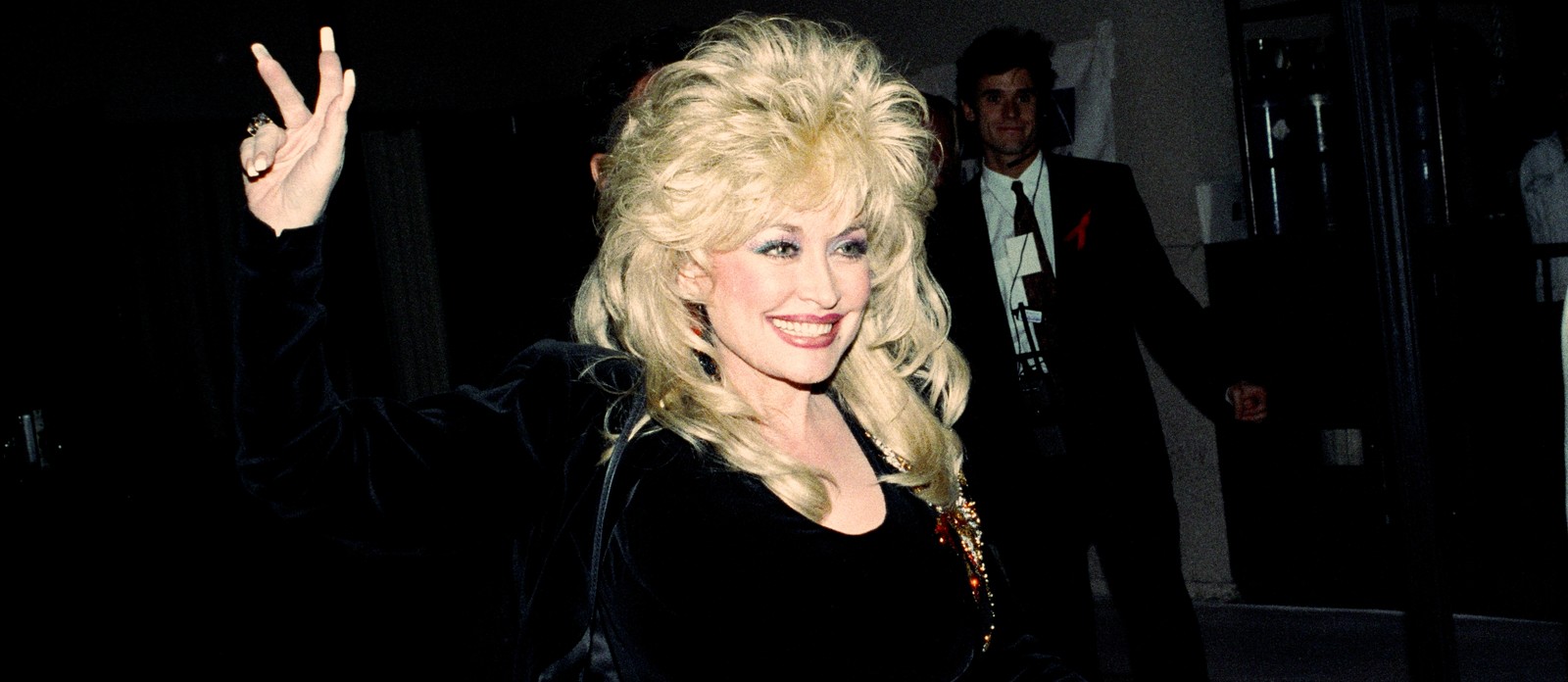
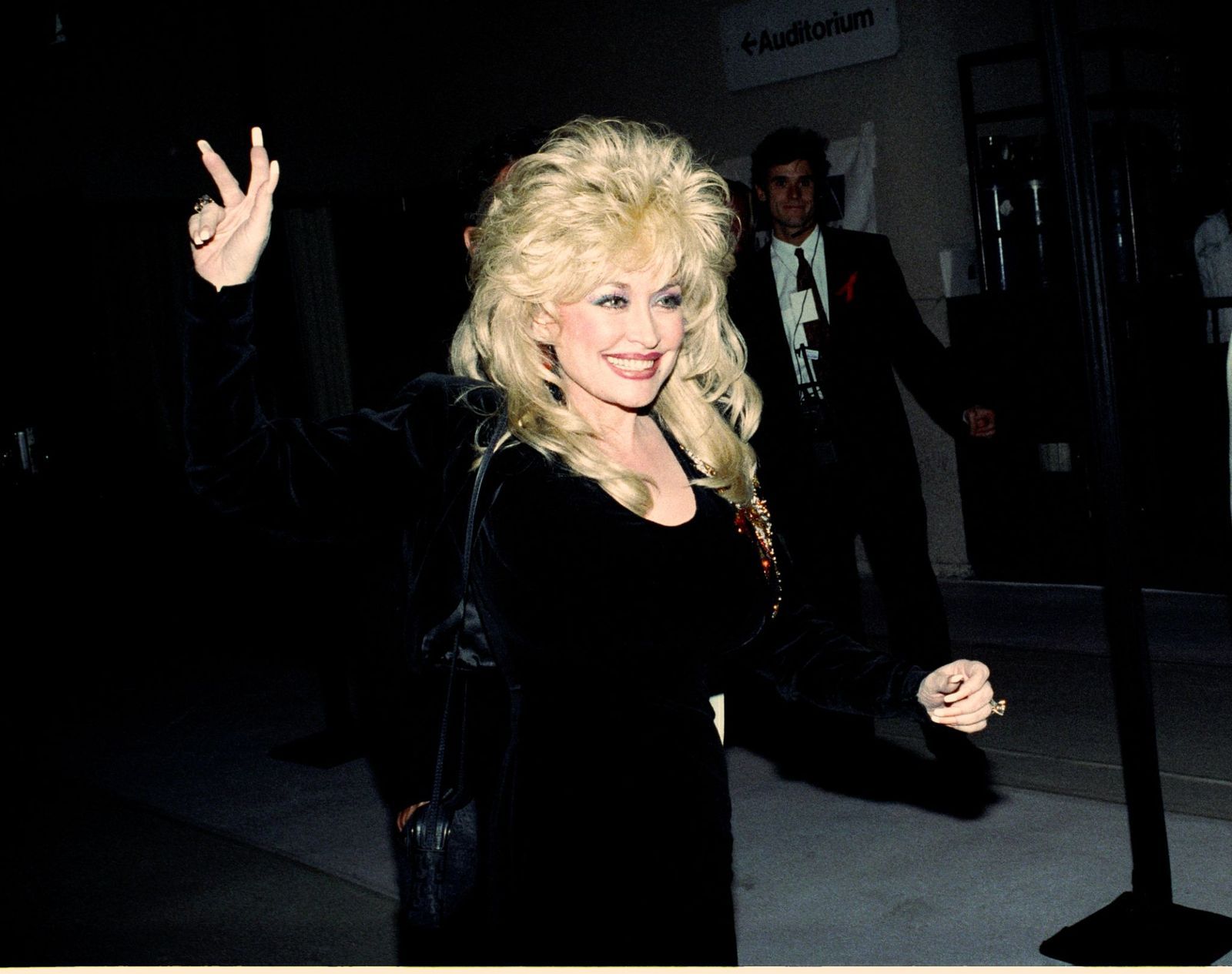
One of Dolly Parton’s most famous songs, 1973’s "Jolene," has resonated across generations because its story of jealousy feels so relatable. And it was inspired by a real experience in Dolly’s life.

As she recounted in interviews, the song was inspired by an attractive female bank teller who paid a little too much attention to her husband, Carl Dean. But while the jealousy was real, the woman wasn’t named Jolene. Dolly got that name from a young fan with beautiful red hair and green eyes who introduced herself to the singer after a concert.

2
"Sweet Caroline" by Neil Diamond

Image: Larry Bessel, Los Angeles Times, CC BY 4.0, via Wikimedia Commons

Neil Diamond wrote "Sweet Caroline" in 1969, drawing on his feelings for his wife at the time, Marcia Murphey. But if it was about her, why "Caroline"?

Diamond needed a three-syllable name for the lyrics, and he remembered a photo of First Daughter Caroline Kennedy with her horse that he had seen in LIFE magazine in 1962. Diamond kept the connection to JFK’s eldest secret for nearly 40 years until 2007, when he sang the hit for Caroline at her 50th birthday and finally told her the story. She was "struck by it and really, really happy," Diamond revealed.

3
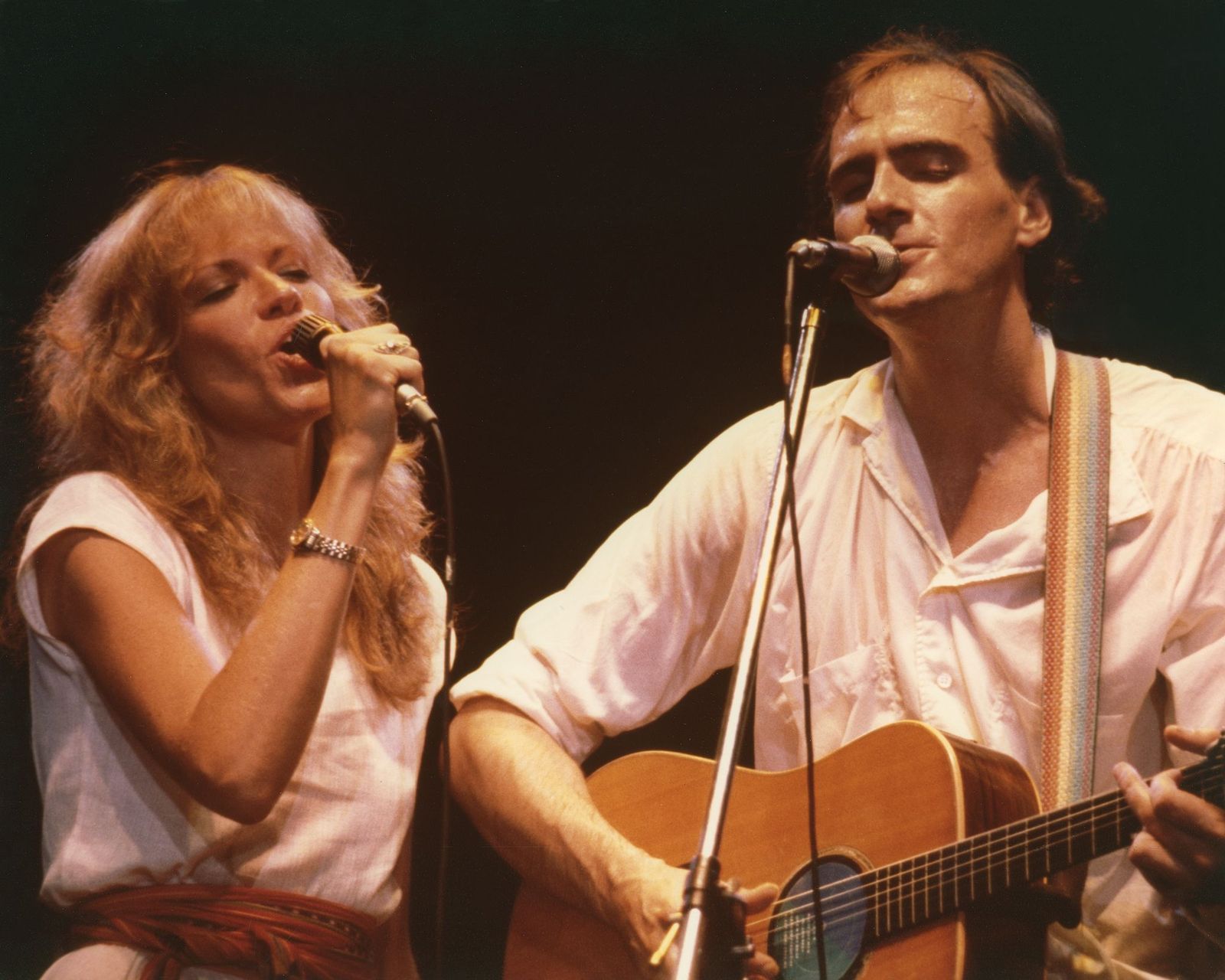
"You're So Vain" by Carly Simon

Image: Arthur D'Amario III

When a relationship ends, the inspiration can show up in unexpected ways. For Carly Simon, it became one of her biggest hits: "You’re So Vain."

As Simon herself confirmed, most of the lyrics were inspired by actor Warren Beatty, with whom she had a brief but intense relationship in the early 1970s that ended after he cheated on her. But Beatty wasn’t the only "vain" one. Although she didn’t confirm it, there’s speculation that other famous men from her past, including Mick Jagger and Jack Nicholson, also inspired parts of the song.

4
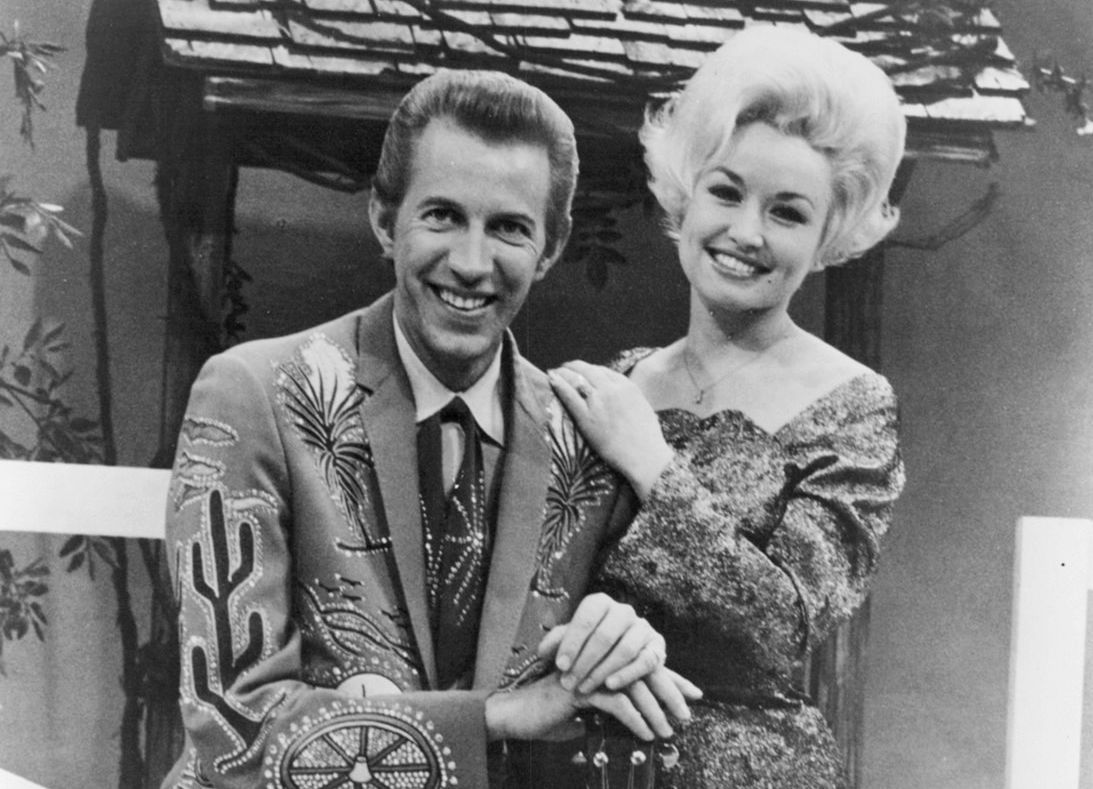
"I Will Always Love You" by Dolly Parton

Image: Moeller Talent, Inc. Nashville (management), Public domain, via Wikimedia Commons

Despite what many assume, "I Will Always Love You" wasn’t written about a romantic breakup. Dolly wrote it as a professional farewell .

After more than seven years working with her mentor and longtime duet partner, Porter Wagoner, on The Porter Wagoner Show , Dolly felt it was time to pursue a solo career. But the decision wasn’t easy, and Wagoner was reluctant to let her go. When ordinary conversations weren’t working between them, Dolly did what she knew best: she put her feelings into a song. She brought her guitar to his office, sat him down, and played it for him. Wagoner was moved to tears, called it the prettiest song he had ever heard, and finally agreed to let her leave the show.

5
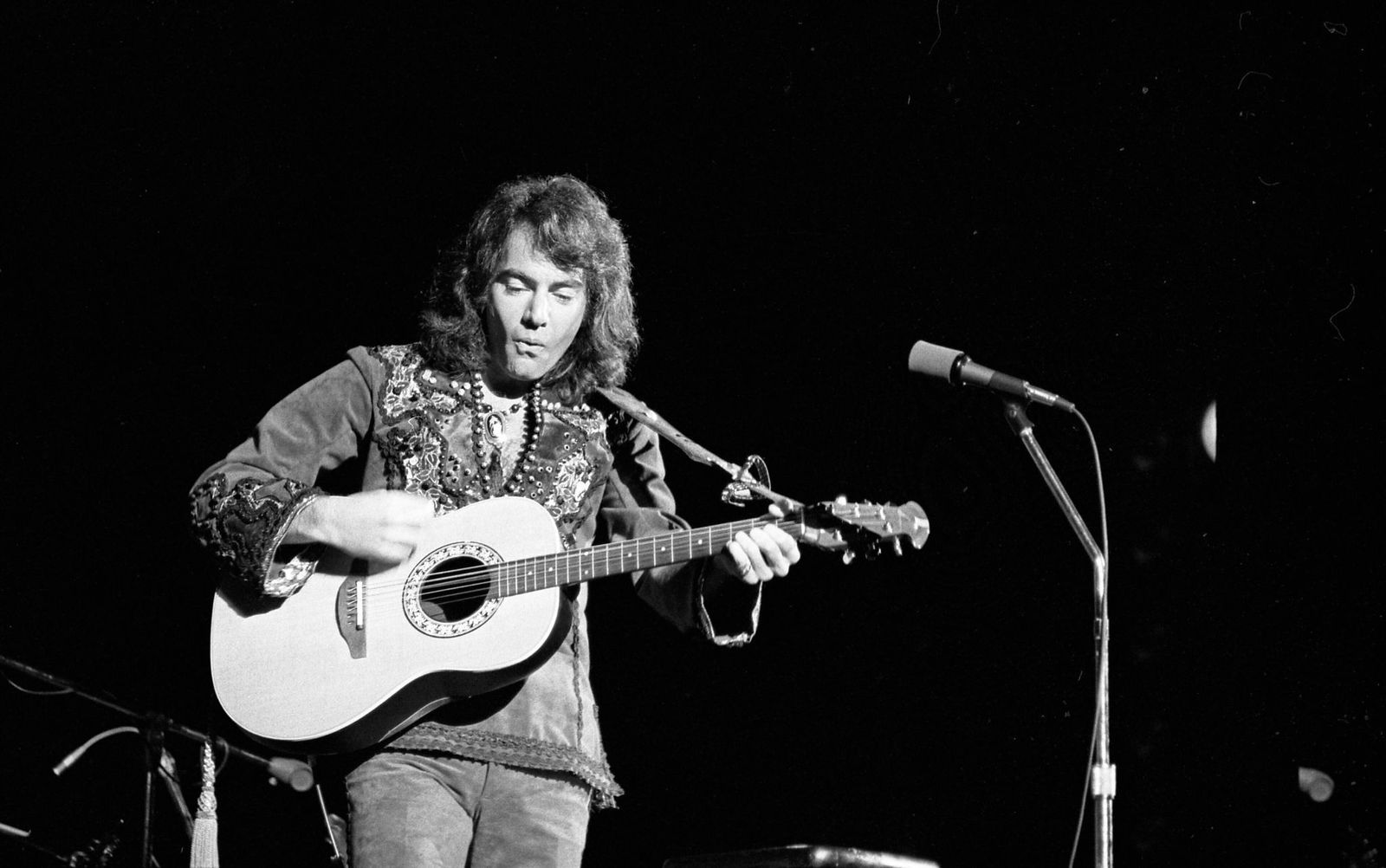
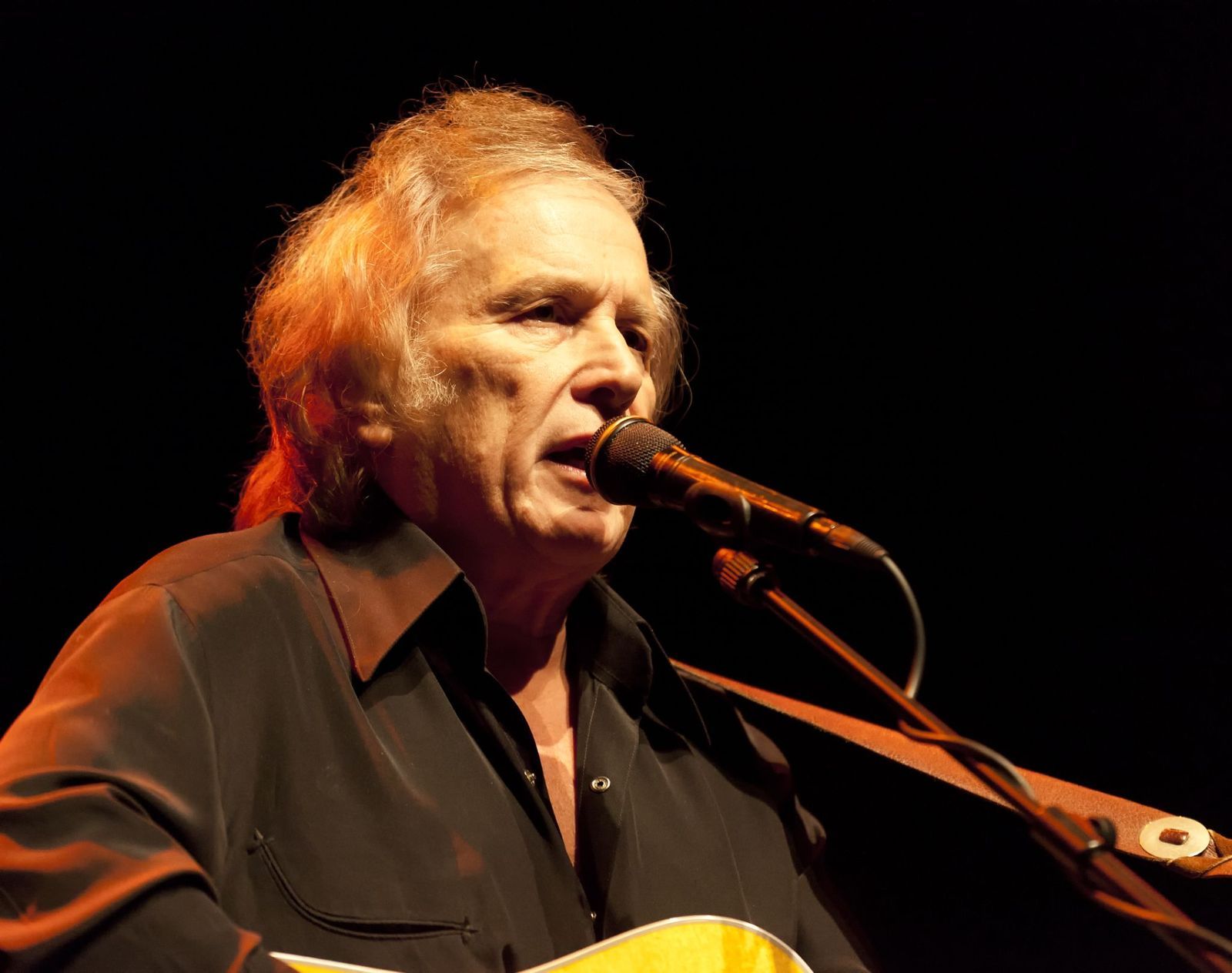
"American Pie" by Don McLean

Image: Aija Lehtonen

A song can be a farewell, a declaration of love, or a tribute born of admiration. That was the case when Don McLean wrote the beautiful yet haunting "American Pie" in 1971.

This epic folk-rock song became a memorial to "the day the music died," the tragic plane crash on February 3, 1959, that took the lives of rockers Buddy Holly, Ritchie Valens, and J.P. Richardson . McLean was just 13 at the time, but he later said the tragedy had a profound impact on him. The song didn’t come together all at once, either; he wrote it in stages over several years.

6
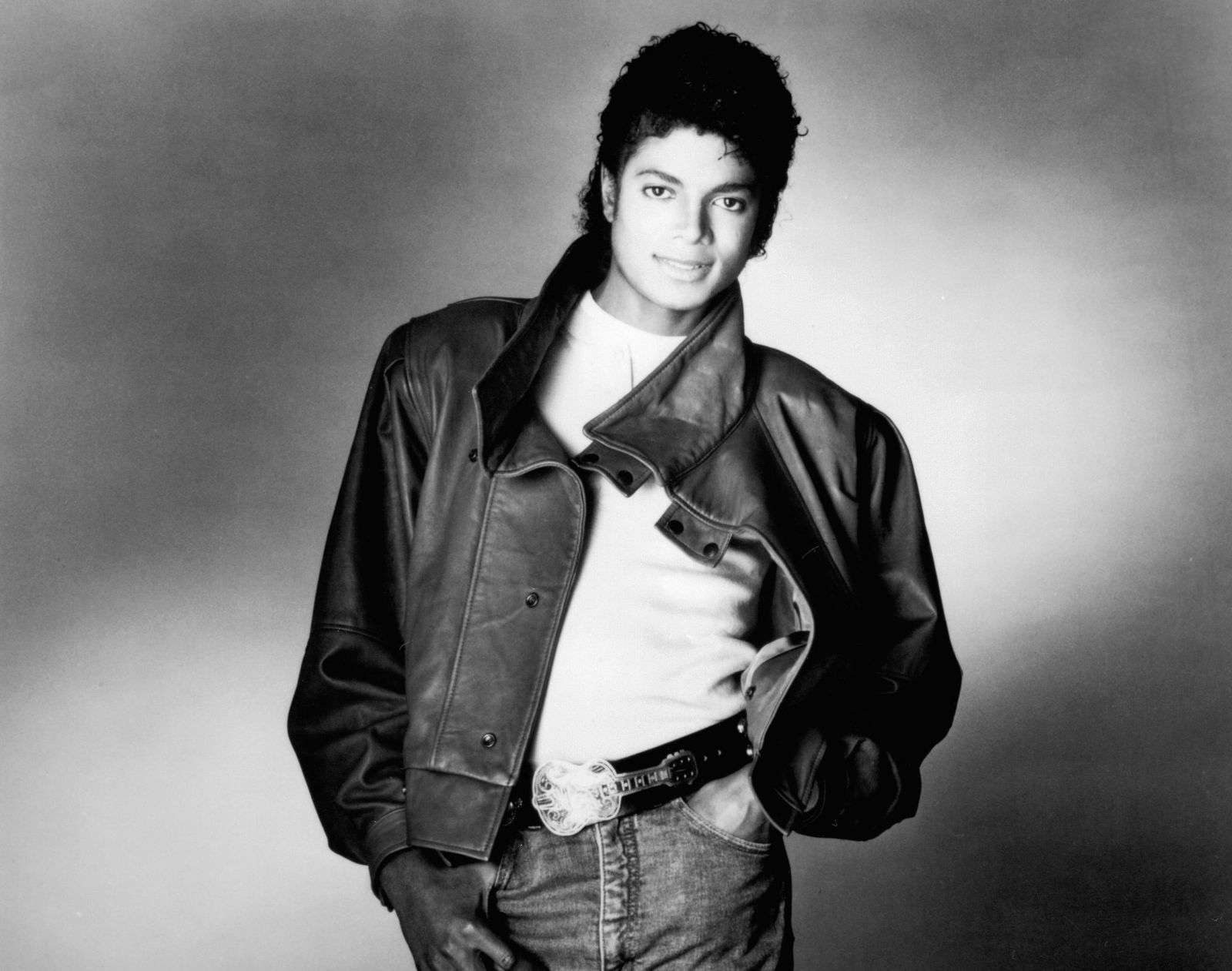
"Billie Jean" by Michael Jackson

Image: Matthew Rolston; Distributed by Epic Records, Public domain, via Wikimedia Commons

In his 1988 autobiography Moonwalk , Jackson explained that his classic "Billie Jean" was inspired partly by experiences involving women who approached his older brothers while the Jackson 5 were touring.

However, the event that really shaped the song happened in 1981, when Jackson received thousands of messages from a woman who claimed he was the father of her children. The unsettling situation stayed with him and eventually became part of the inspiration for one of his biggest hits.

7
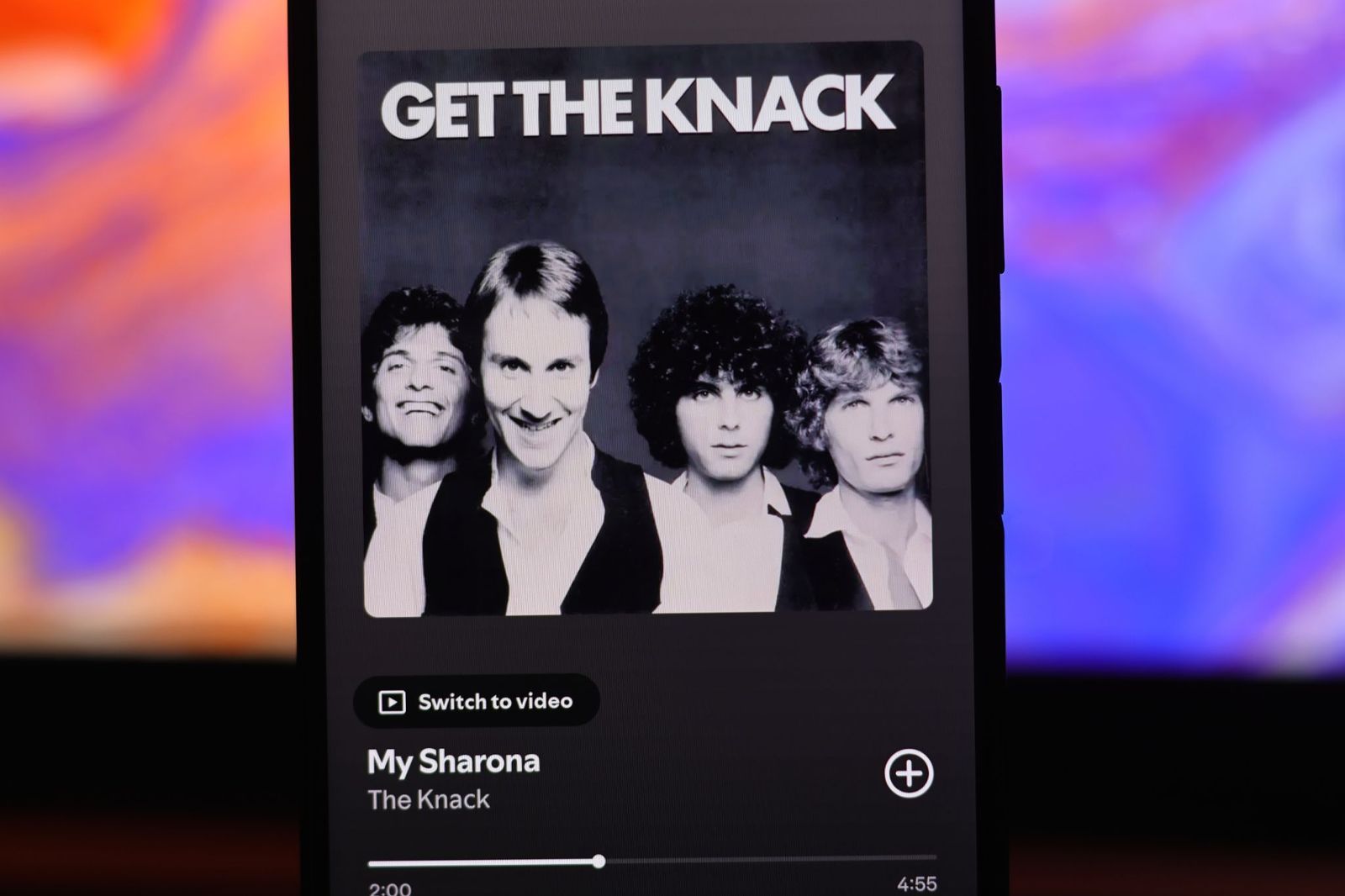
"My Sharona" by The Knack

Image: McSleepy

Have you ever wondered who "Sharona" was in The Knack’s famous hit? The answer comes from a real story involving the band’s lead singer, Doug Fieger.

In 1978, Fieger met Sharona Alperin, a clothing store clerk in Los Angeles. He was instantly attracted to her, and after breaking up with his then-girlfriend, he spent several months trying to win Sharona over before she finally agreed to a date. Their romance lasted from 1979 to 1982, and inspired one of the most danceable hits of the 20th century. Even after they broke up, Sharona and Doug remained close friends until he passed in 2010.

8
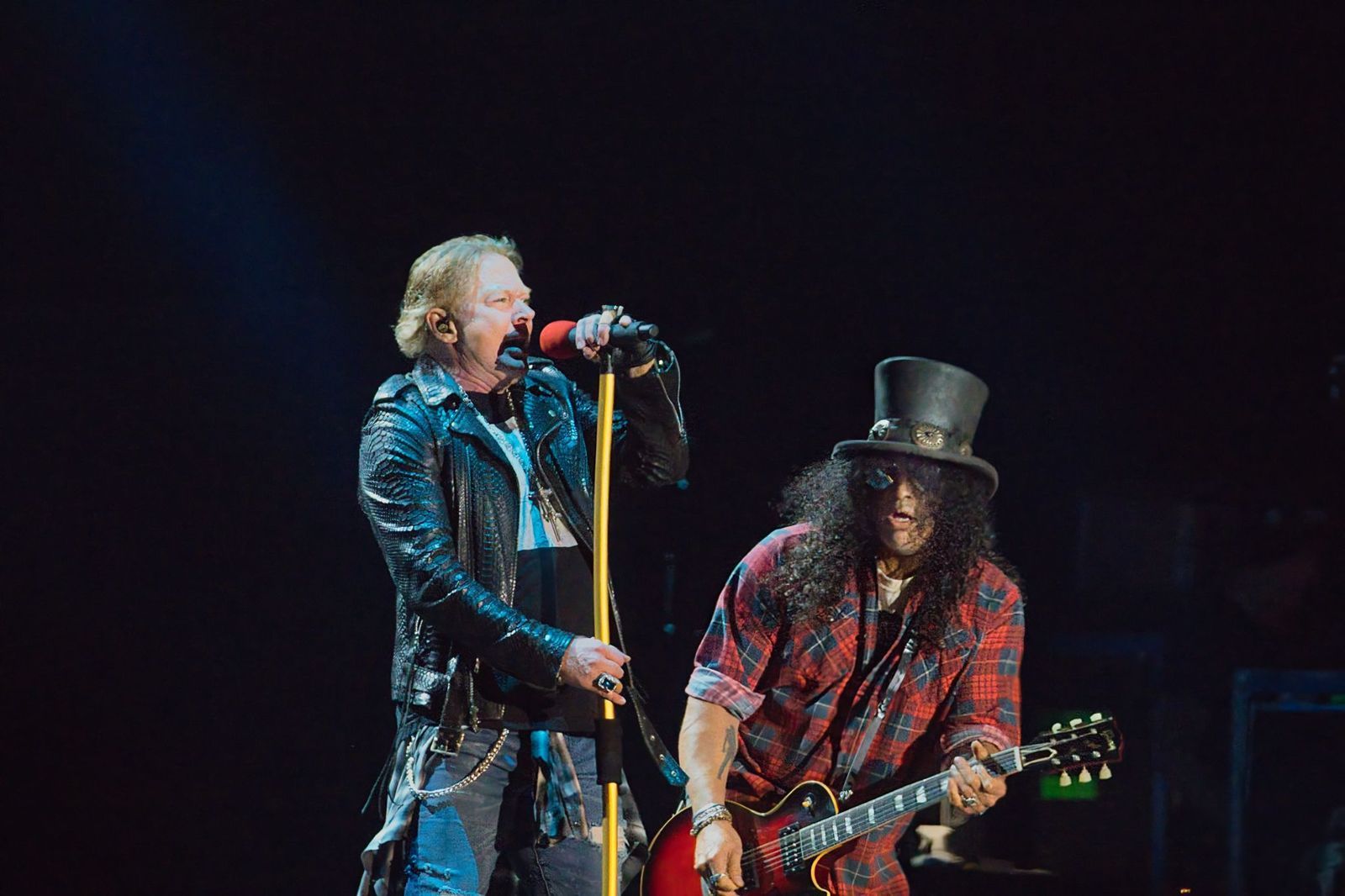
"Sweet Child O' Mine" by Guns N' Roses

Image: L Paul Mann

In 1986, Axl Rose was dating model Erin Everly, daughter of Don Everly of The Everly Brothers. He was so in love that he wrote her a love poem in just a few hours, without knowing it would eventually become one of his most famous songs.

That same year, at the band’s shared house, guitarist Slash was playing around with some chords when he came up with an interesting riff. Izzy Stradlin joined in, and when Rose heard the melody from upstairs, he brought down the poem he had written for Everly and adapted the lyrics to fit the music, resulting in the iconic "Sweet Child o’ Mine." Rose and Everly eventually married in 1990, but the marriage ended soon afterward.

9
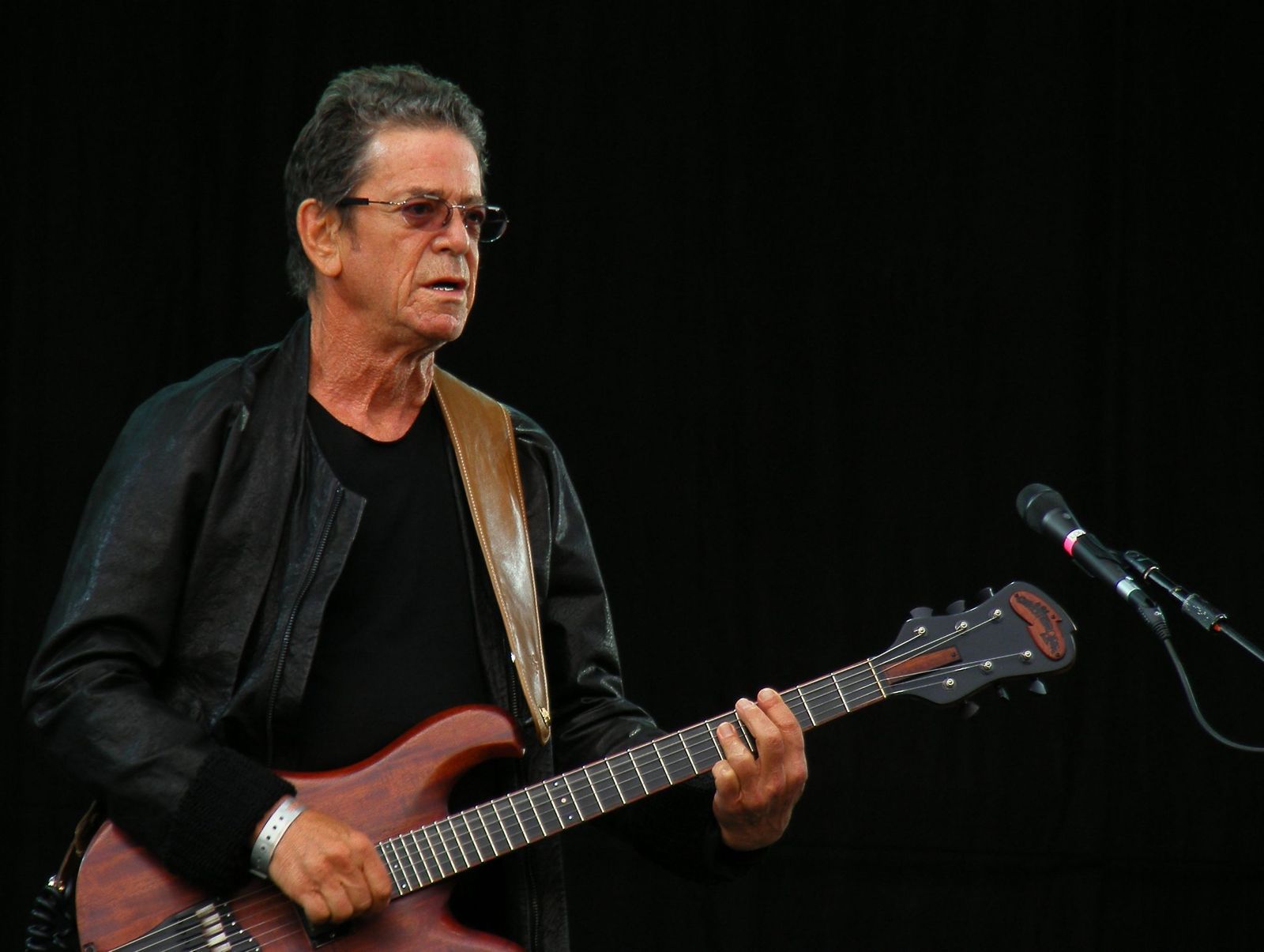
"Walk On the Wild Side" by Lou Reed

Image: Man Alive!, CC BY 2.0, via Wikimedia Commons

Music crossed paths with other forms of art when Lou Reed wrote his 1972 classic "Walk on the Wild Side".

The song is essentially a series of portraits of real people from Andy Warhol’s circle at The Factory, his famous New York City studio and collective. In the song, "Holly" is a reference to Holly Woodlawn, a transgender actress who appeared in Warhol’s underground films such as Trash (1970). "Candy" was Candy Darling, another prominent actress who starred in Flesh (1968) and Women in Revolt (1971). "Little Joe" referred to Joe Dallesandro, the actor and model who became one of Warhol’s male muses. Other figures from the era’s counterculture are also in the song, bringing a very specific art scene of 1970s New York to a much wider audience.

10
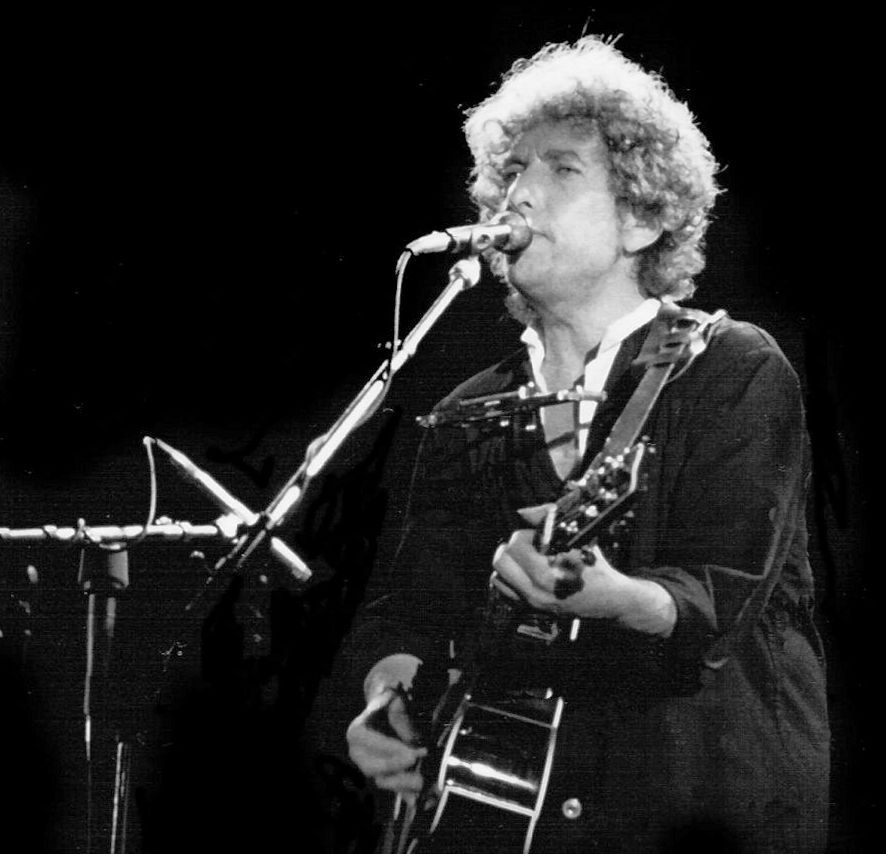
"Sara" by Bob Dylan

Image: Stoned59, CC BY 2.0, via Wikimedia Commons

In 1975, Bob Dylan was in the middle of a creative rush, writing and recording his album Desire . But while his career was going well, his marriage to Sara Lownds was falling apart. So he decided to write a love song for his wife.

"Sara," a heartfelt and personal song, was recorded in 1975 with Sara in the studio, and it became the raw, emotional closing track on the album. It helped spark a brief reconciliation, and Sara even joined Dylan on his subsequent Rolling Thunder Revue tour. However, the marriage ultimately ended in divorce in 1977.

General General 6 min read

Behind closed doors

Why couldn't Lucy say one little word on TV? Here's the surprising truth

Image: PICTOR PICTURES

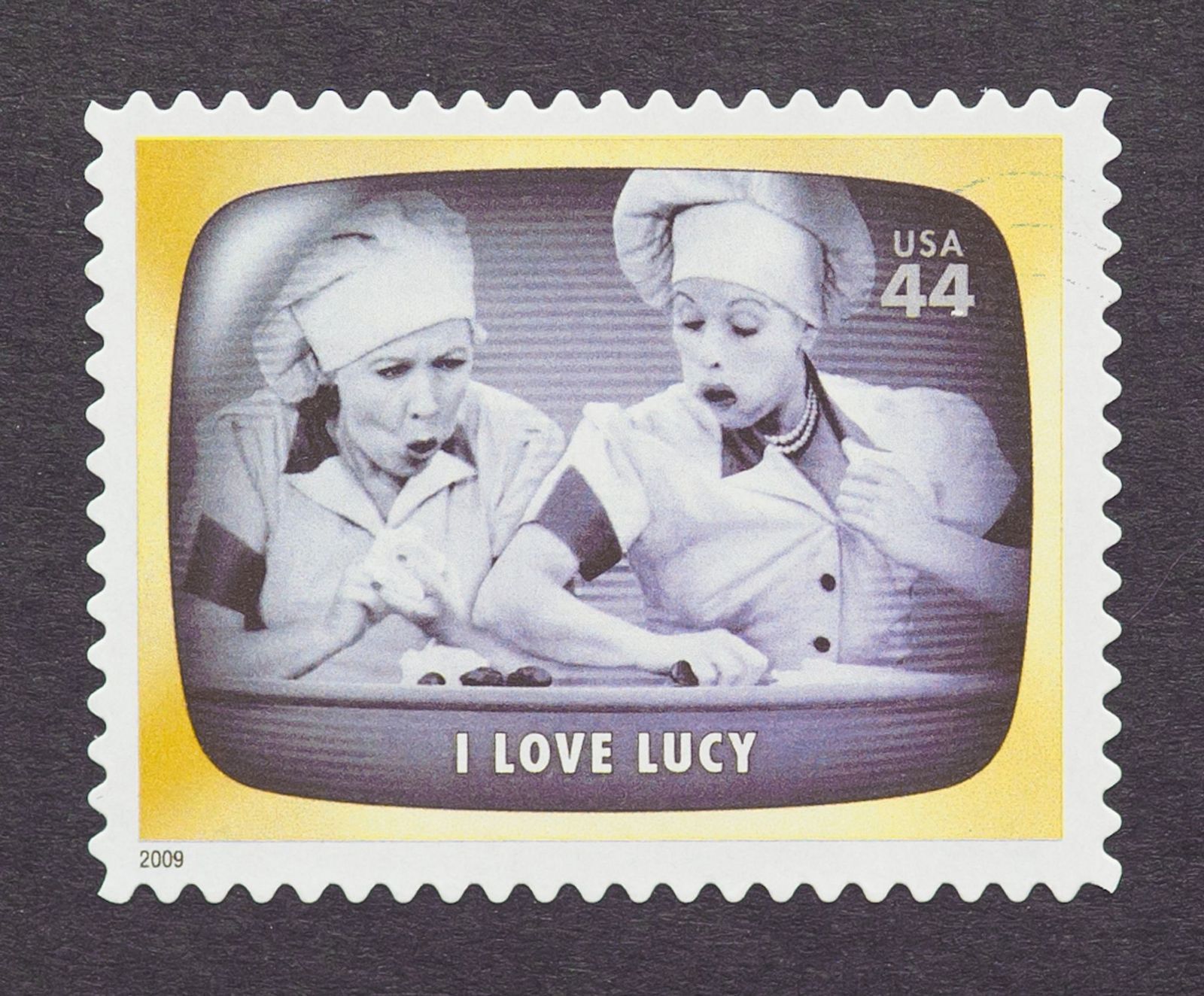
I Love Lucy made America laugh , but some of its most surprising stories happened behind the scenes. Did you know CBS banned a common word from the show, two of its stars reportedly couldn't stand each other in real life, and Lucy’s fictional baby arrived on the same day as Lucille Ball’s real-life son? These little-known secrets reveal a whole new side of our beloved TV classic.

1
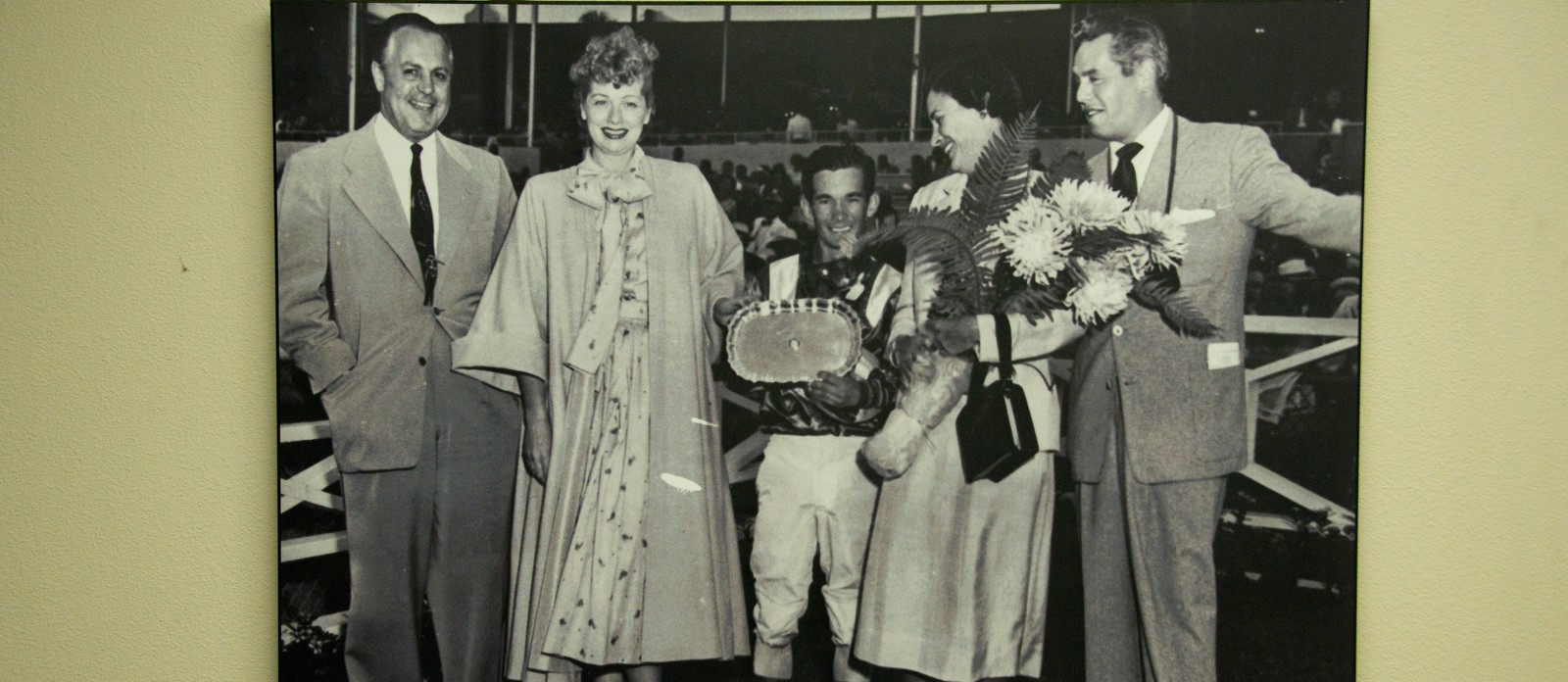
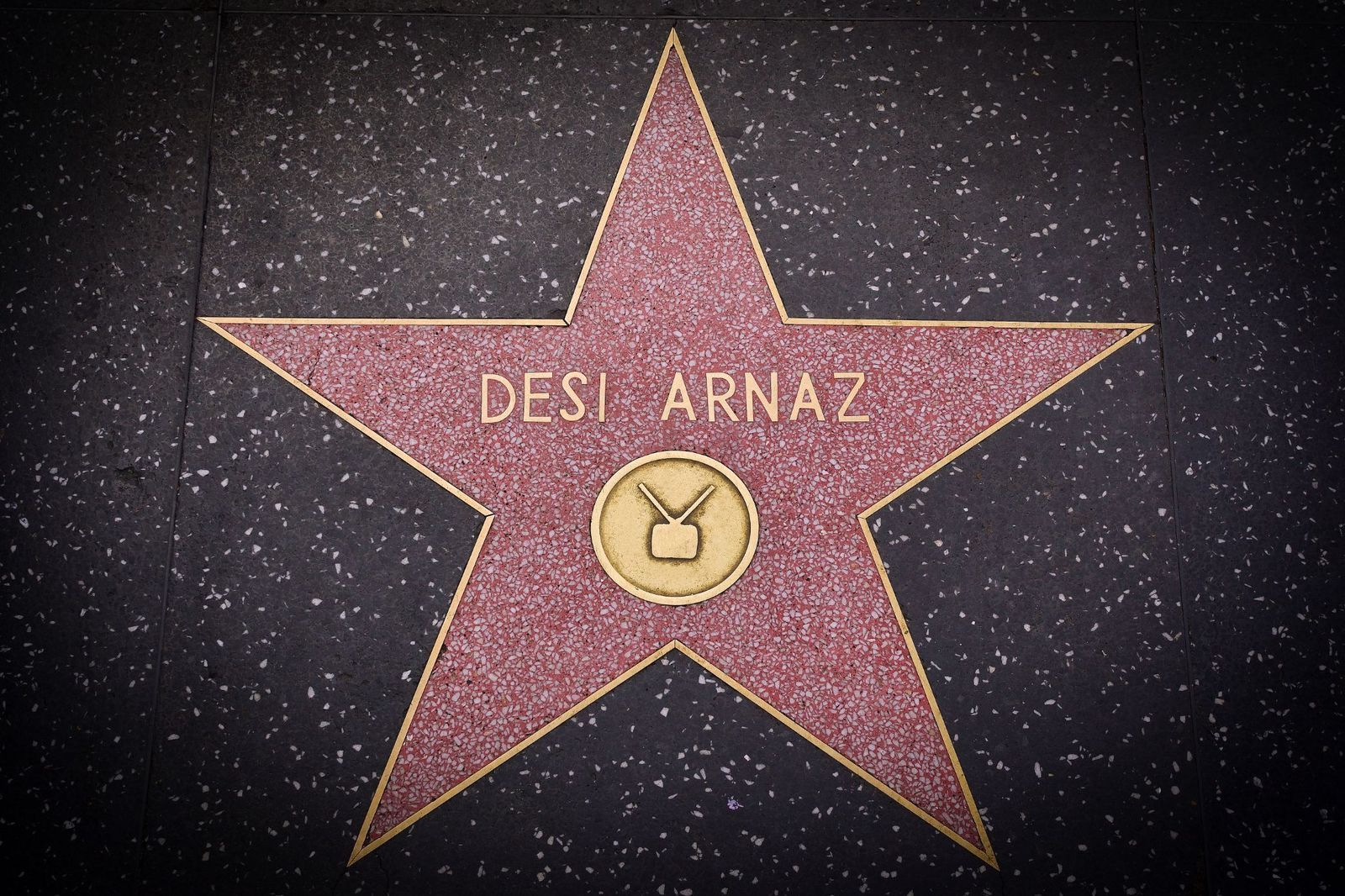
Network executives thought Desi Arnaz was "too foreign" for TV

Image: Elliott Cowand Jr

Network executives initially hesitated to cast Desi Arnaz as Ricky Ricardo, Lucille Ball’s husband on I Love Lucy (which aired on CBS from 1951 to 1957) because they doubted that viewers would accept an American woman and a Cuban man as a believable suburban pair.

To prove the concept worked, Ball and Arnaz took a live vaudeville act on the road in 1951, receiving overwhelmingly positive feedback from audiences. The public's reaction helped persuade CBS to give the show a chance with Arnaz in the starring role. And as we all know, the couple was married in real life too and eventually had two children: Lucie, born in 1951, and Desi Jr., born in 1953. It doesn’t get more "real" than that.

2
The word "pregnant" was strictly forbidden on air

Image: SNeG17

On the show, CBS banned the word "pregnant" in 1952, considering it too explicit for family living rooms . Writers therefore relied on euphemisms such as "expecting," "with child," or "having a baby."

When Lucille Ball became pregnant with her second child in 1952, Desi Arnaz pushed for her pregnancy to be written into the show's storyline, despite initial resistance from CBS and its sponsors. The resulting plot became a landmark moment in television history: although the show could portray Lucy expecting a baby, its writers still couldn't use the forbidden word. That’s why the episode in which she breaks the news to Ricky was titled "Lucy Is Enceinte," using the French word for pregnant.

3
More people watched Lucy give birth than the president’s inauguration

Image: neftali

On January 19, 1953, the episode "Lucy Goes to the Hospital", in which she gives birth to Little Ricky, drew an estimated 44 million viewers (about 72% of U.S. television households). In an extraordinary coincidence, Ball gave birth to her real-life son, Desi Arnaz Jr., by scheduled cesarean section on the same day.

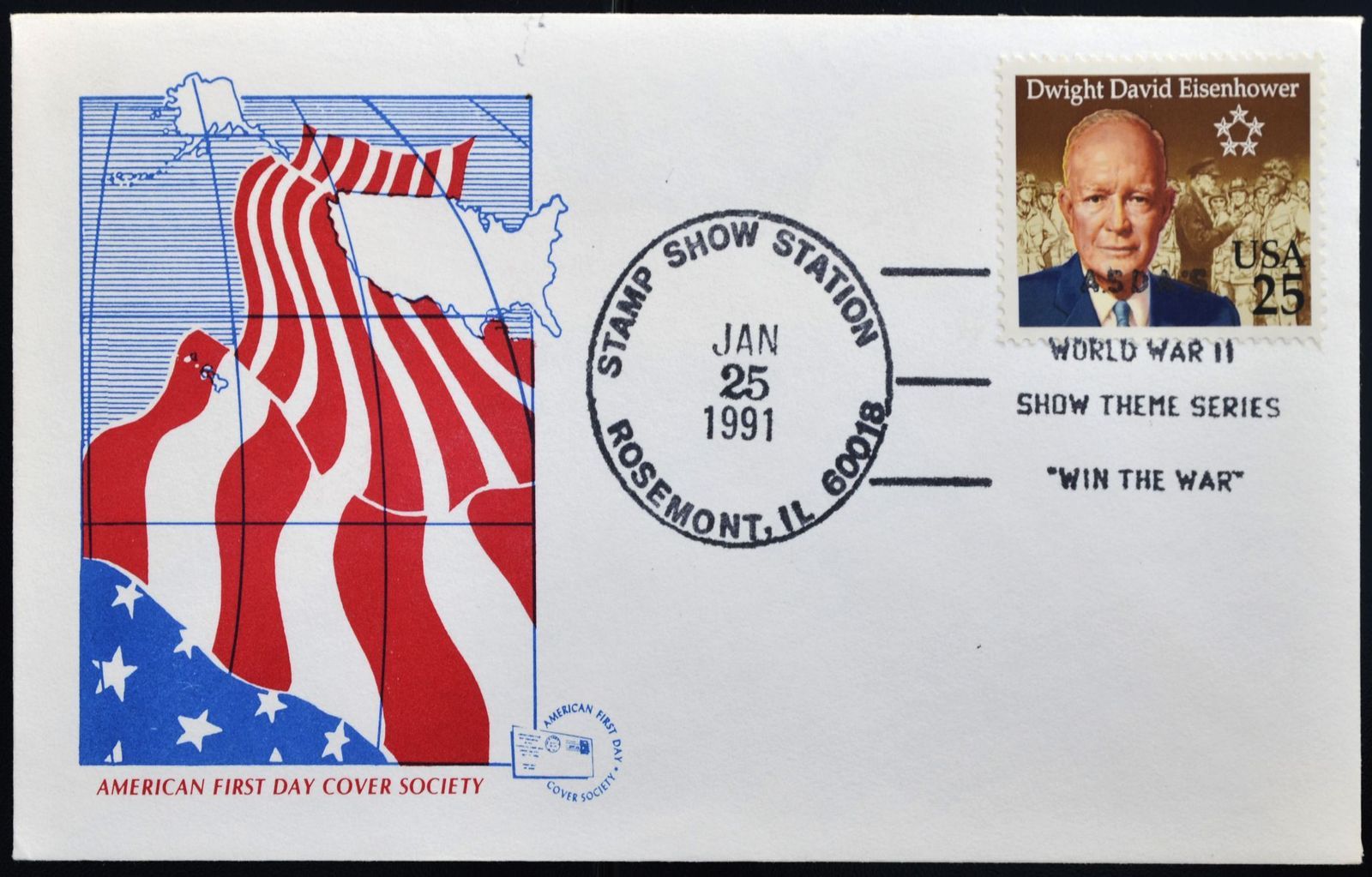
The next day, President Dwight D. Eisenhower’s inaugural address drew an estimated 29 million viewers. That means the episode attracted roughly 15 million more viewers than the president's address, according to the commonly cited estimates.

4
The candy factory episode had a real-life expert in it

Image: catwalker

In the beloved "Job Switching" episode, the Season 2 premiere which aired on September 15, 1952, Lucy and Ethel (Vivian Vance) take jobs at Kramer’s Kandy Kitchen to prove to their husbands, Ricky and Fred (William Frawley), that they can handle the demands of working outside the home.

Assigned to wrap and dip chocolates on an assembly line, the pair fall hopelessly behind as the conveyor belt speeds up. Desperate to avoid letting any unwrapped candy pass by, they begin stuffing chocolates into their mouths, hats, and blouses. The resulting chaos became one of television's most beloved comedy scenes. But here's a fun backstage detail: to prepare for the sequence, Ball and Vance spent half a day learning to dip chocolates and work on the production line at a real See's Candies location in Los Angeles. Even more interesting, the woman working alongside Lucy in the scene was an actual See's Candies candy maker, Hazel Pierce .

5
Fred and Ethel viscerally despised each other in real life

Image: Runawayphill

Playing married couple Fred and Ethel onscreen, Frawley and Vance clashed throughout the show's six-season run. Vance was 42 and Frawley was 64 when the show started. She reportedly resented being cast opposite a man 22 years older and famously complained: "How will anyone believe I’m married to that old man?" Frawley overheard her complaints and was reportedly offended. He later made this pointed remark about Vance, "She's one of the finest girls to come out of Kansas, but I often wish she'd go back there."

Despite their bitter off-screen feud, both remained professional on set and delivered the comedic chemistry that made Fred and Ethel such a memorable couple. Vance later reportedly turned down a lucrative spin-off featuring the pair, along with a $50,000 bonus, because she didn't want to work with Frawley again.

6
Desi Arnaz’s deal that changed TV reruns forever

Image: ltdedigos

Desi Arnaz’s production decisions helped establish reruns as a profitable part of the industry. He insisted that I Love Lucy be filmed rather than broadcast live, helping shape the modern sitcom format. In the early 1950s, television shows were preserved only as low-quality kinescopes, recordings made by filming television screens.

Ball and Arnaz wanted high-quality recordings, so they were shot on 35mm film using a three-camera setup in front of a live studio audience. As part of their landmark deal with CBS, their production company, Desilu Productions, retained ownership of the film negatives, allowing the episodes to be rebroadcast. By 1955, I Love Lucy had become the first television series to be broadcast as reruns , helping pave the way for modern syndication.

7
Ricky Ricardo was almost named "Larry Lopez"

Image: MAFPHOTOART8

During the development of I Love Lucy, Ricky Ricardo was initially called Larry Lopez, but the name was changed for two main reasons.

First, the producers wanted to avoid confusion with Vincent Lopez, a well-known bandleader of the era. Second, they reportedly preferred the sound of "Lucy and Ricky" to "Lucy and Larry," since it sounded overly alliterative.

8
Lucy was not a natural redhead

Image: Pixel-Shot

Lucille Ball wasn't a natural redhead. Instead, she was a brunette who kept her brown hair during her early career, and also experimented with blonde shades before adopting the fiery red look that became her trademark.

Around 1943, she famously went red for her role in the Technicolor musical Du Barry Was a Lady. MGM hairstylist Sydney Guilaroff helped create the look , which Ball later maintained with a custom blend of henna and dye. Ultimately, her signature color was a carefully crafted Hollywood style, not her natural shade. And it worked.

9
Desi Arnaz used cushions to appear taller than Lucy

Image: Katerina Maksymenko

Desi Arnaz reportedly wore Cuban heels or other elevated footwear to help him appear taller alongside Lucille Ball. Although he stood around 5 feet 9 inches tall and Ball about 5 feet 7 inches in her stocking feet, her high heels could make her look taller than him.

The production team reportedly used another trick when the couple sat down : specially arranged cushions on the Ricardos’ couch and chairs helped maintain the desired height difference on screen and made it easier for Arnaz to stand up.

10
Lucy’s mother left her mark on the show’s soundtrack

Image: gurezende

Lucille Ball's mother, DeDe Ball, was a devoted supporter who reportedly attended the filming of almost every episode. Whenever her daughter landed in a comically awkward situation, DeDe would let out a distinctive "Uh-oh!" from her seat in the studio audience.

Sound engineer Glen Glenn reportedly liked the exclamation so much that he recorded it and incorporated it into the show's laughter track . Because the same recording was reused, DeDe's distinctive voice became part of the show's familiar soundtrack. The story even suggests that her "Uh-oh!" may have made its way into the soundtracks of other classic sitcoms over the years.

Explore more American facts

Choose your favorite category!

General
General

As American as apple pie—the very best America has to offer!

Culture
Culture

Delve into the astounding richness of American lore.

Geography
Geography

Hop in and explore vast and diverse American landscapes.

History
History

Discover the key moments that shaped the United States.