Geography Geography 8 min read

Big cities’ secrets

There's a city buried under Seattle, and most people never see it
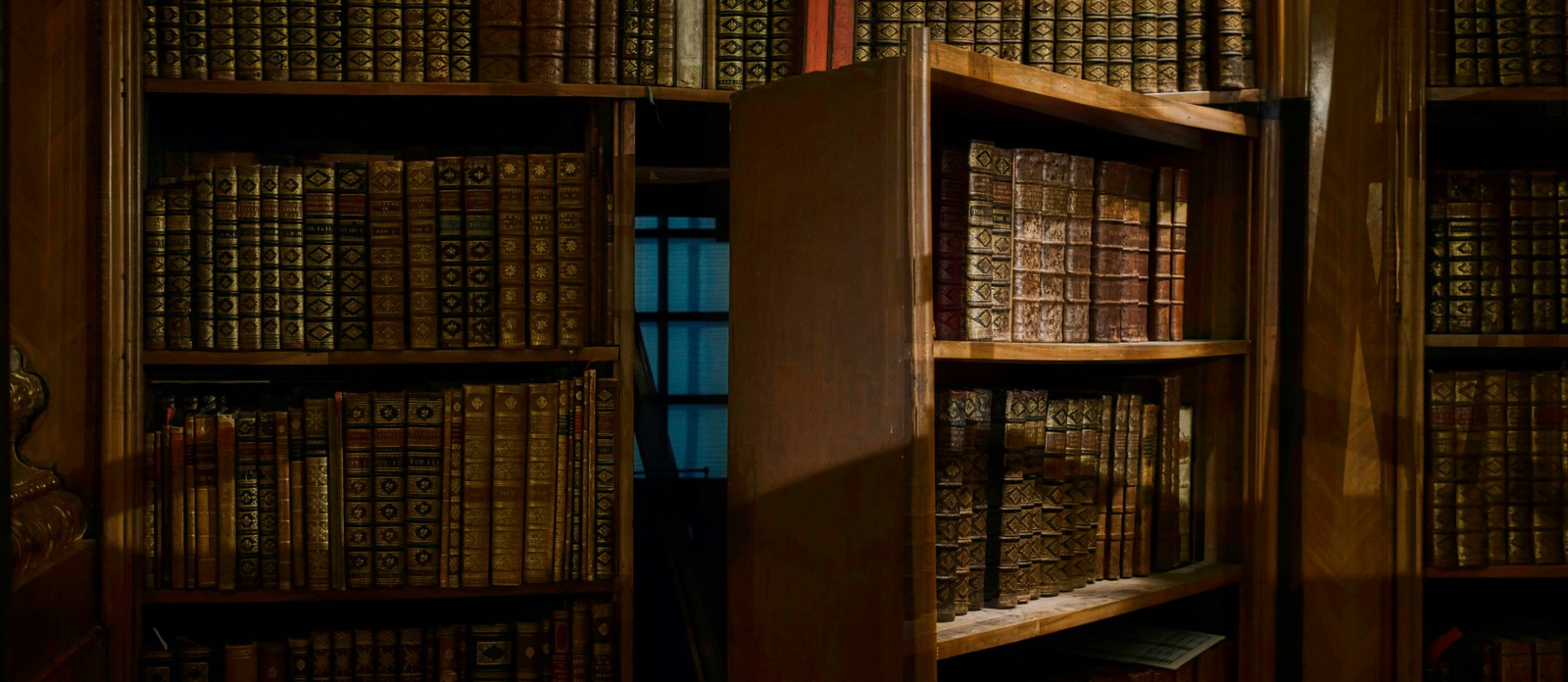
Image: Stefan Steinbauer

You probably think you’ve seen everything America has to offer, from the bright lights of the Big Apple to the Hollywood sites in Los Angeles. But hidden in the big cities are places that don’t get much of the spotlight but deserve more. Beneath Seattle are buried streets frozen in time. In Chicago, engineers actually made a river flow backward. And in Portland, there’s a tiny park supposedly built for leprechauns. These and more unusual spots are hiding in plain sight. Here’s the story behind them and where you can find them.

1
Seattle: The Seattle Underground
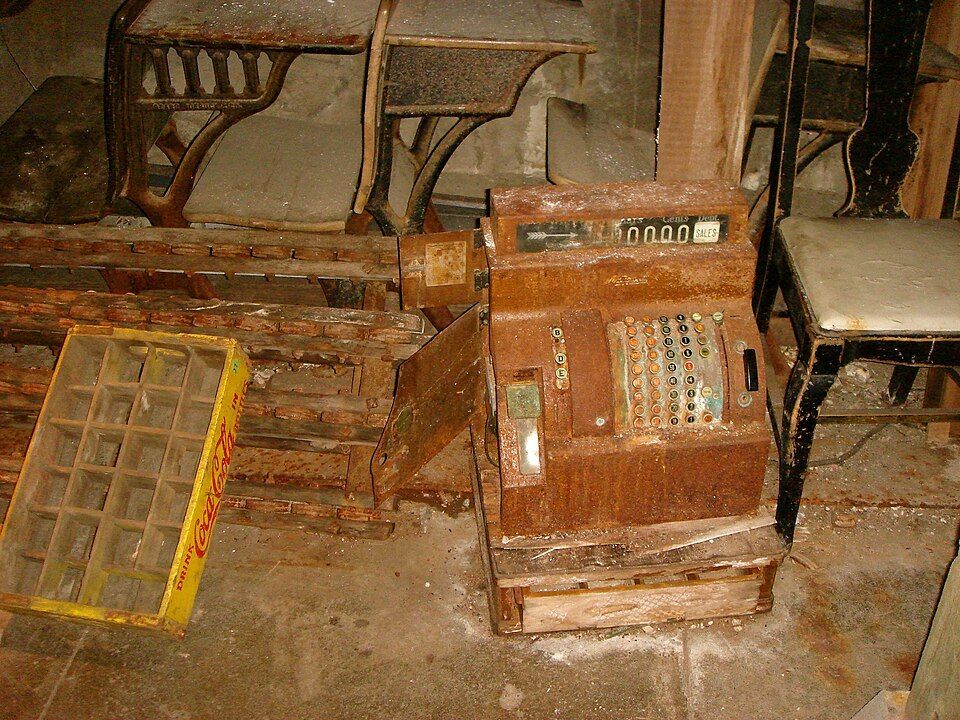
Image: Ronincmc, CC BY-SA 4.0, via Wikimedia Commons

People usually visit Seattle for the seafood, waterfront views, coffee culture, and the famous Space Needle. But underneath the busy sidewalks lies part of the city most tourists never realize exists. Beneath Pioneer Square sits the Seattle Underground, a network of old streets and storefronts buried below modern Seattle.

This area dates back to the Great Seattle Fire of 1889, which destroyed much of downtown. City leaders decided to rebuild the streets one story higher to improve drainage problems that had plagued the city for years. For a while, businesses operated below street level, but eventually this lower level was abandoned. Today, guided tours take visitors through the underground passageways and old sidewalks and mix ghost stories and old city legends with the real story below Emerald City.

2
Chicago: The Chicago River
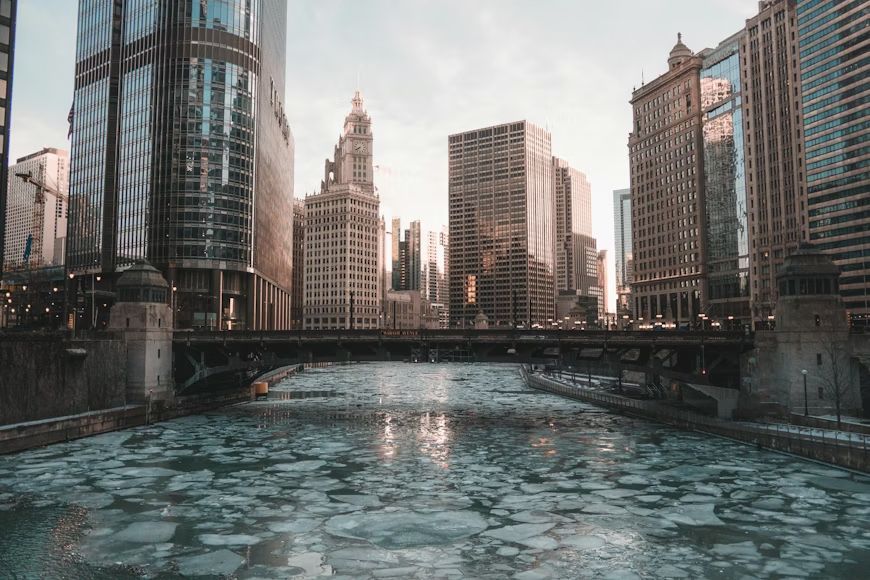
Image: Alex Azabache

Between deep-dish pizza, Wrigley Field, jazz clubs, and the towering skyscrapers, few cities feel more American than Chicago. It’s also home to the magical Chicago River, which, in 1900, actually flowed backwards.

Back in the late 1800s, Chicago faced a dangerous problem. The river carried sewage and industrial waste into Lake Michigan, the same lake supplying the city’s drinking water. Disease outbreaks of typhoid and cholera became increasingly serious, and engineers realized something drastic had to happen. In 1900, after years of planning and digging canals, they built a series of canals and locks, like the prominent Chicago Sanitary and Ship Canal, connecting the Chicago River to the Des Plaines River, forcing the water to flow toward the Mississippi River watershed. That way, they reversed the river’s direction so the contaminated water would flow away from the lake instead of into it. The natural flow was forever altered, but it remains central to city life, especially during St. Patrick’s Day when, according to tradition, it’s dyed bright green every year.

3
New York City: NYPL hidden apartment
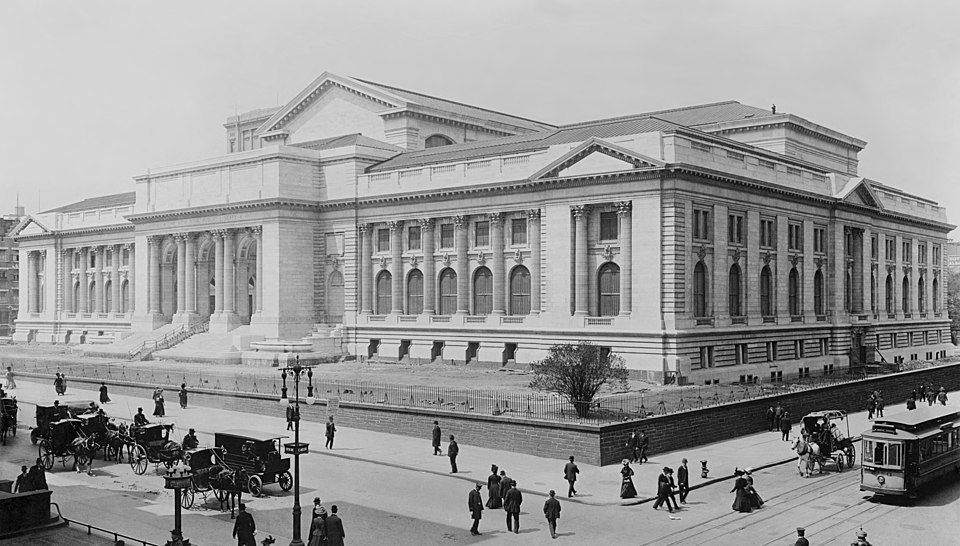
Image: Detroit Publishing Company, Public domain, via Wikimedia Commons

Yellow taxies, Central Park, Broadway shows, and nonstop energy have made New York City feel magical. The Big Apple hides many secrets, and the apartment inside the New York Public Library Main Branch is just one of them.

In 1910, the library superintendent, John Fedeler, and his family moved into a private eight-room apartment tucked inside the library. This was so that someone would always be available to maintain the huge building. With bedrooms, a kitchen, and a living area, a full home is hidden behind doors that most visitors passed by. The family lived there until 1941, when the space was converted into offices and storage areas. However, the library still offers tours where visitors can learn about its history.

4
Portland: Mill Ends Park
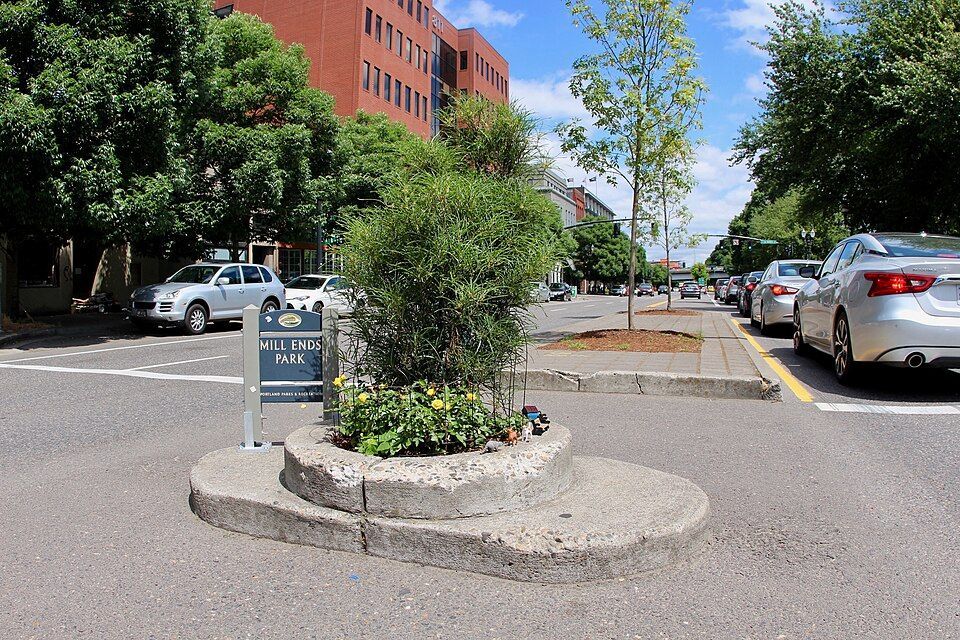
Image: daveynin, CC BY 2.0, via Wikimedia Commons

When you think of Portland, you may think of Washington Park or Forest Park. But if you pay close attention, you can also visit Mill Ends Park. At just two feet across, it holds the Guinness World Record as the world’s smallest park.

At first glance, it looks more like a flowerpot than a public landmark, but the story goes back to 1948, when journalist Dick Fagan noticed an empty hole that had been meant for a light pole. Tired of staring at it from his office window, he planted flowers there and jokingly claimed that, since it was so small, it was a park for leprechauns. The joke took on a life of its own, and in 1976, it was dedicated on St. Patrick's Day. Today, it’s a must-do for travelers going through Portland, and locals continue treating it with surprising seriousness.

5
Houston: The Beer Can House
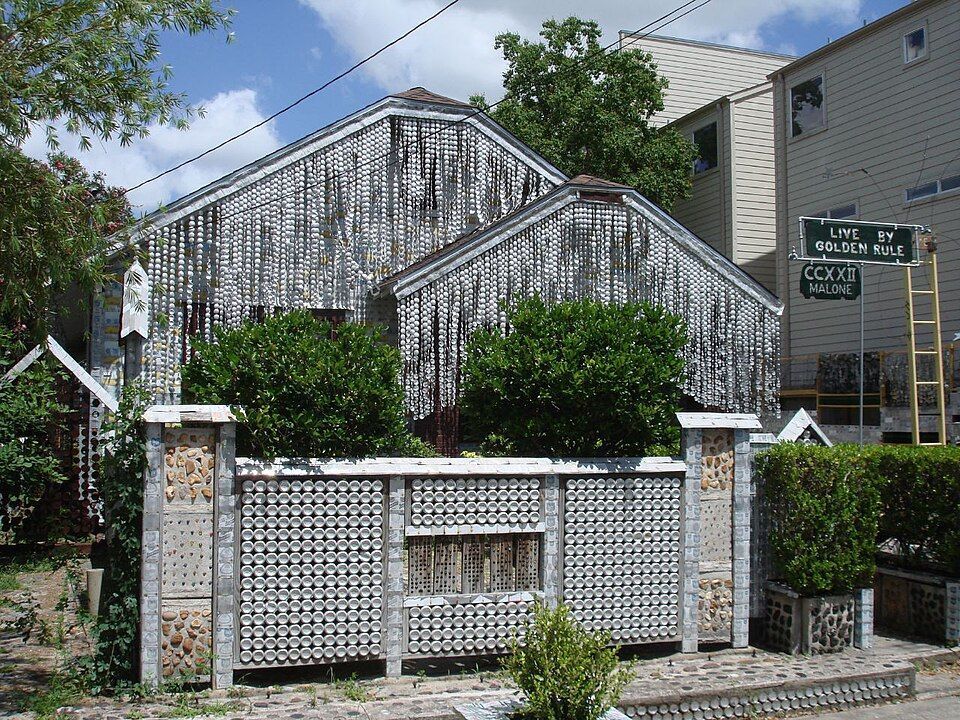
Image: Andrew Wiseman, CC BY-SA 3.0, via Wikimedia Commons

Everything is bigger in Texas, and Houston is no exception. If you’ve been there, you’ve probably visited NASA, the Museum District, and tried a local barbecue joint. But you’ve probably missed a quirky house hidden among the neighborhoods. Located at 222 Malone St, sits the Beer Can House. The name is self-explanatory, since it’s a house covered with beer cans.

In 1968, John Milkovish decided he was tired of painting and maintaining the exterior of his property. Instead, he began flattening beer cans and attaching them to the house. What started as a hobby slowly turned into a full-blown obsession involving more than 50,000 cans. The house went from being a neighborhood curiosity to a roadside attraction to finally being a protected local landmark in 2001. In 2010, Time magazine even ranked it as one of America's top 50 roadside attractions. True to his Texan blood, John Milkovish built something big.

6
San Francisco: The Wave Organ
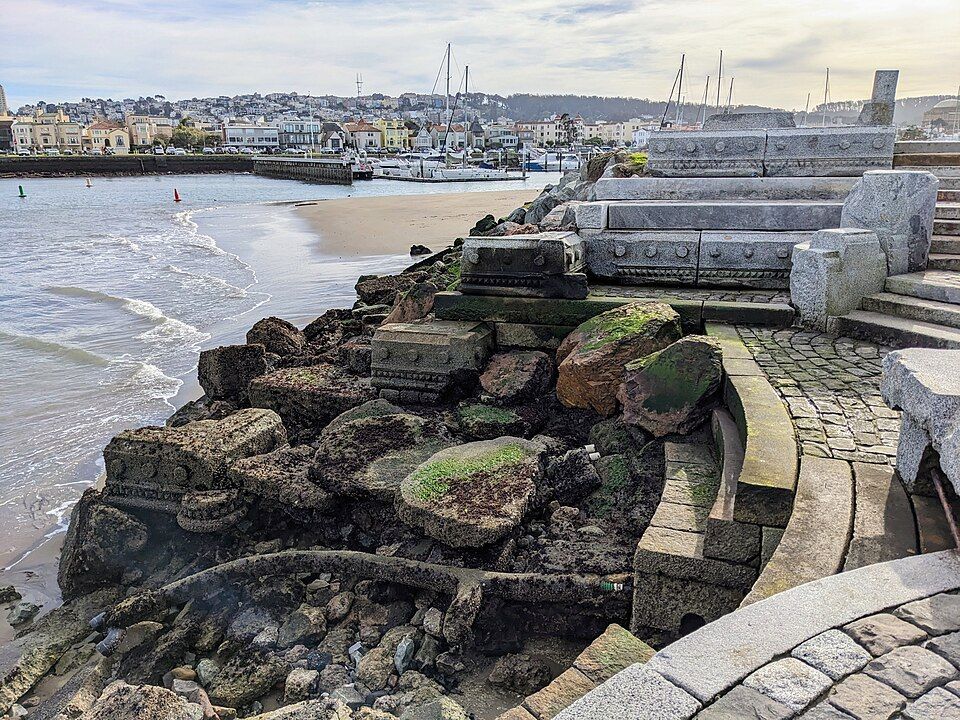
Image: The wub, CC BY-SA 4.0, via Wikimedia Commons

No trip to San Francisco is complete without taking the cable car or a picture at the Golden Gate. But tucked away near the Marina District is an attraction many tourists completely miss. The Wave Organ is a gigantic acoustic sculpture that turns ocean waves into music.

Completed in 1986 by artist Peter Richards, t he installation consists of a series of pipes extending into the bay. As tides rise and waves move through the pipes, they create eerie sounds ranging from soft bubbling to deep echoes. Richards was inspired by recordings of artist Bill Fontana, made of sounds coming from a vent pipe of a floating concrete dock in Sydney, Australia. In 1980, he received a grant from the National Endowment for the Arts and tested the first prototypes during the 1981 New Music Festival. Five years later, he completed this sonic sculpture that runs entirely on nature.

7
Los Angeles: La Brea Tar Pits
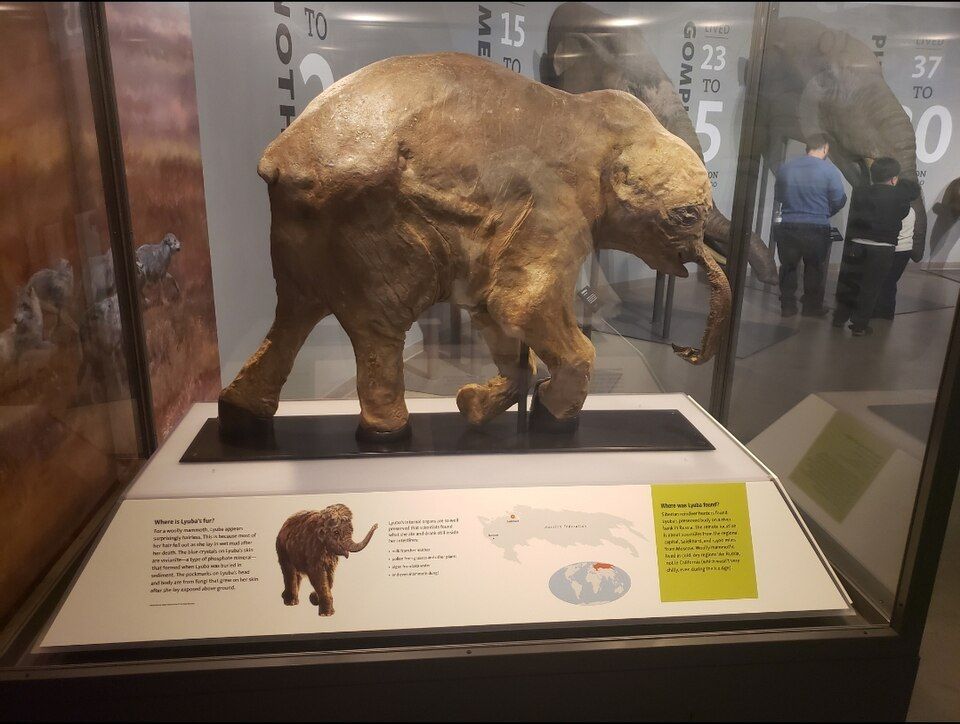
Image: WikiWhens, CC BY-SA 4.0, via Wikimedia Commons

Los Angeles is all about Hollywood, palm trees, and the beaches. But it’s also home to one of the world’s most important prehistoric sites. The bubbling black pools at La Brea Tar Pits have been trapping animals for tens of thousands of years.

Long before Los Angeles was the city it is today, natural asphalt constantly came up from underground. Mammoths, saber-toothed cats, dire wolves, and other Ice Age animals became trapped there, preserving their skeletons remarkably well. Scientists began excavating fossils in the early 1900s, and discoveries continue to this day. The fossils recovered from the site are countless. Visitors can explore the museum for $18 and watch active excavations while surrounded by modern office buildings and traffic.

8
Seattle: The Giant Shoe Museum
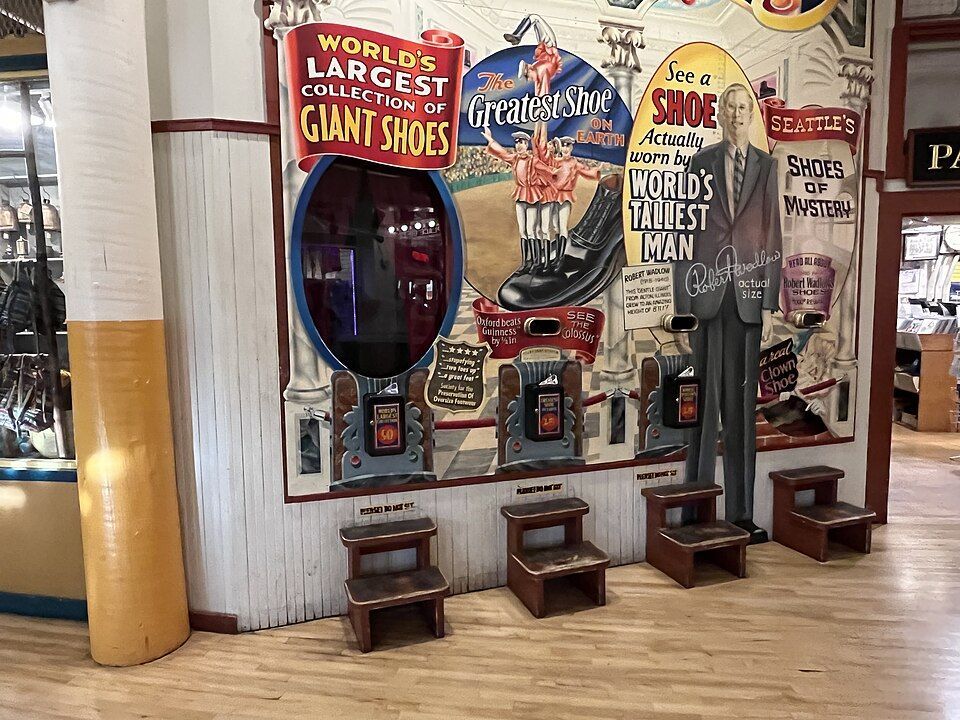
Image: Another Believer, CC BY-SA 4.0, via Wikimedia Commons

Seattle already has its share of unusual attractions, especially around Pike Place Market, where fishmongers toss salmon through the air, and crowds line up for fresh pastries. But the Giant Shoe Museum, located there, is even stranger. A single exhibit wall dedicated to oversized footwear , the museum works like an arcade peep show. Visitors drop coins into viewing slots to reveal displays featuring enormous boots, giant clown shoes, and other gigantic footwear.

The museum was founded in 1997 by Danny Eskenazi after he became obsessed with his grandfather’s missing item: the shoe of Robert Wadlow, the tallest man in history. He even offered $1,000 to anyone who could find that Wadlow shoe. Sadly, the shoe remains lost, but his obsession led to the discovery of other shoes worn by Wadlow and more footwear that is now displayed in the museum.

9
Boston: Great Molasses Flood Site
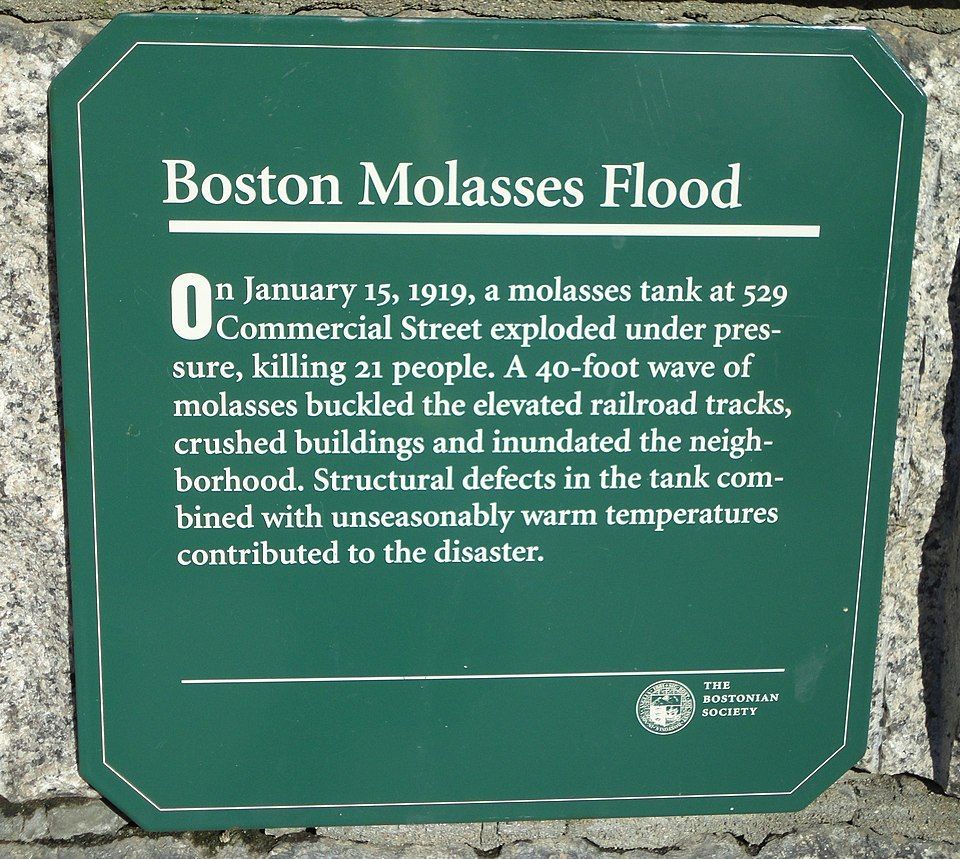
Image: MLHalsey, CC BY-SA 3.0, via Wikimedia Commons

Boston's most popular spots blend colonial and Revolutionary War history with vibrant neighborhoods that feature top attractions like the Freedom Trail, Fenway Park, and the Boston Public Garden. But it’s also home to the remains of a disaster.

In 1919, Boston experienced the Great Molasses Flood. A massive molasses storage tank burst in the North End neighborhood, unleashing more than two million gallons of syrup into the streets. After 21 people lost their lives, the disaster led to stricter construction safety regulations across the country, and the tank was never rebuilt. Today, visitors can still walk through the neighborhood where it happened. There’s no giant syrup wave anymore, thankfully, but plaques and local tours continue telling the story.

10
Lake Havasu City: The London Bridge
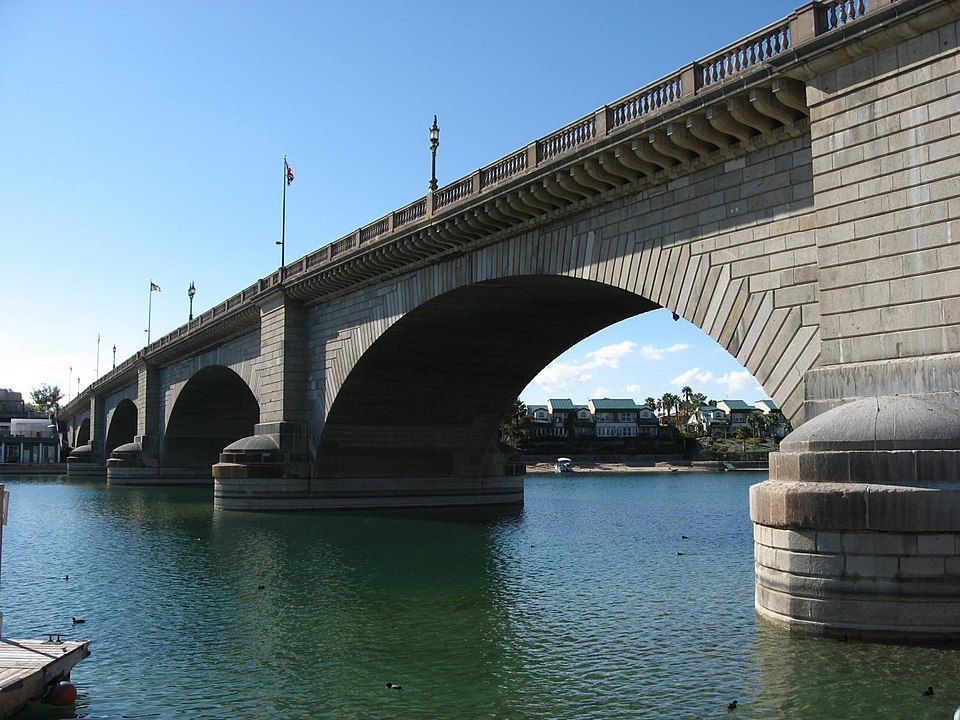
Image: Ken Lund from Las Vegas, Nevada, USA, CC BY-SA 2.0, via Wikimedia Commons

Driving through Lake Havasu City in Arizona, you expect desert landscapes, boating, and blazing summer heat. You probably don’t expect to stumble across a famous bridge from England, especially not the original London Bridge itself.

In 1831, John Rennie designed and opened the London Bridge spanning the River Thames. By the 1960s, the bridge started sinking under the weight of modern cars and traffic. Robert P. McCulloch, founder of Lake Havasu City, saw this as an opportunity and, in 1968, he purchased the bridge for $2.4 million. The bridge was dismantled and reconstructed in the Arizona desert, and completed in 1971. What once connected two sides of London now links mainland Lake Havasu City with Pittsburgh Point that visitors and locals enjoy every day.

11
Atlanta: The Center for Puppetry Arts

Image: Tyler Lahti, CC BY-SA 4.0, via Wikimedia Commons

Atlanta is often associated with Southern cooking, a busy airport, and its important role in the Civil Rights Movement. But tucked inside the city is also the Center for Puppetry Arts, which houses the world’s largest collection of Jim Henson’s original Muppets.

The center opened in 1978, when puppeteer Vincent Anthony transformed a former elementary school into a home for puppet arts. From the very beginning, the project had a special connection to Jim Henson himself. He and Kermit the Frog helped inaugurate the center, and over the years, Henson became one of its biggest supporters. The center expanded significantly between 2007 and 2015, adding the permanent Jim Henson Collection and the impressive Worlds of Puppetry Museum. Unlike many museums, this place is hands-on. Guests can watch live performances, explore exhibits from puppet traditions, and revisit characters that shaped generations of childhood memories.
Culture Culture 6 min read

From real life to music

Bob Dylan wrote it to save his marriage: the real people behind 10 hits

Image: Featureflash Photo Agency

You’ve sung along to these songs, danced to them, and probably heard them hundreds of times. But do you know the real stories behind them? Some of the biggest hits ever were inspired by real people, real relationships, and real moments. There were secret romances, jealousy, heartbreak, and a few surprises that sound too strange to be true. Here are the real stories behind 10 famous songs.

1
"Jolene" by Dolly Parton

Image: Bart Sherkow

One of Dolly Parton’s most famous songs, 1973’s "Jolene," has resonated across generations because its story of jealousy feels so relatable. And it was inspired by a real experience in Dolly’s life.

As she recounted in interviews, the song was inspired by an attractive female bank teller who paid a little too much attention to her husband, Carl Dean. But while the jealousy was real, the woman wasn’t named Jolene. Dolly got that name from a young fan with beautiful red hair and green eyes who introduced herself to the singer after a concert.

2
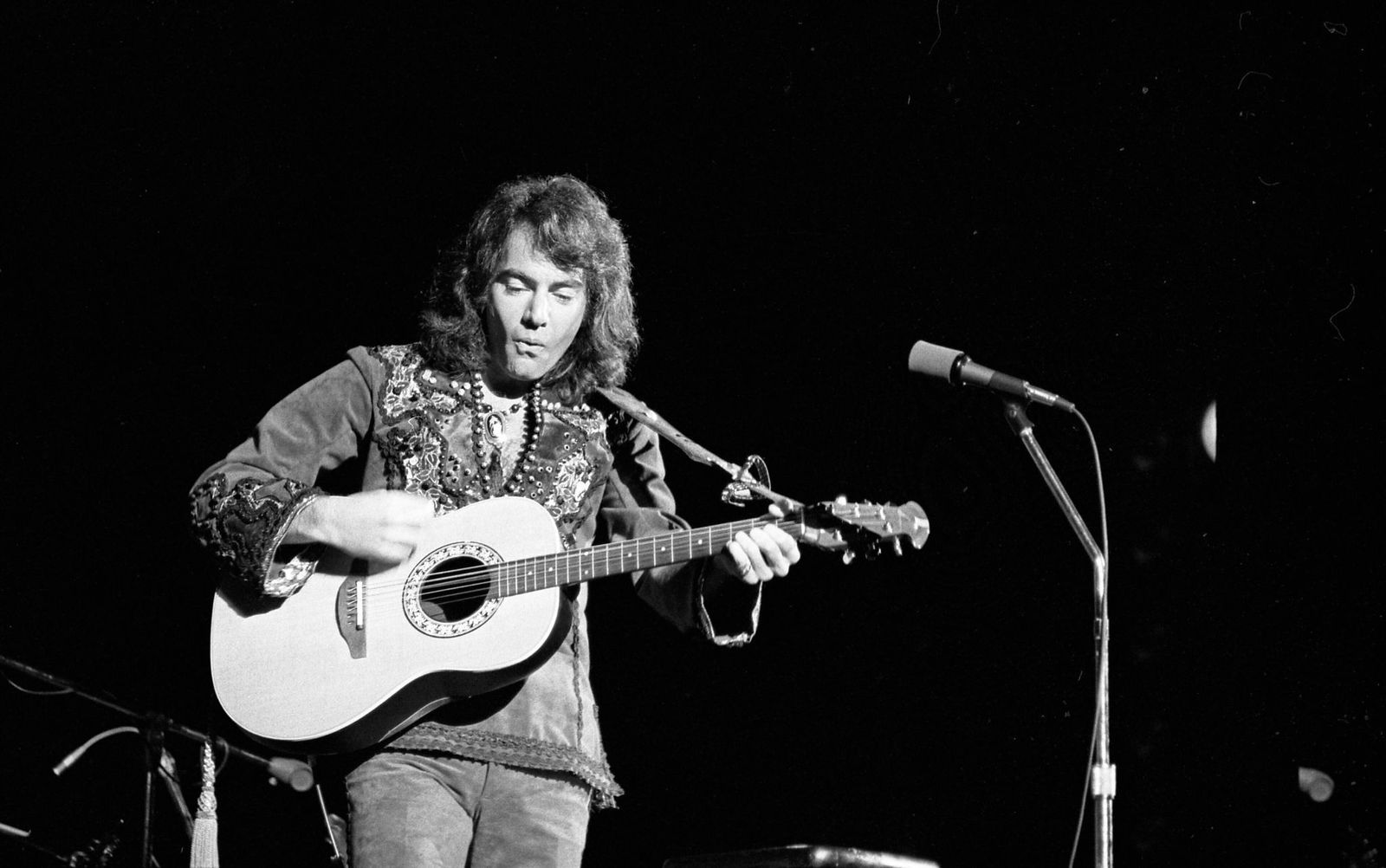
"Sweet Caroline" by Neil Diamond

Image: Larry Bessel, Los Angeles Times, CC BY 4.0, via Wikimedia Commons

Neil Diamond wrote "Sweet Caroline" in 1969, drawing on his feelings for his wife at the time, Marcia Murphey. But if it was about her, why "Caroline"?

Diamond needed a three-syllable name for the lyrics, and he remembered a photo of First Daughter Caroline Kennedy with her horse that he had seen in LIFE magazine in 1962. Diamond kept the connection to JFK’s eldest secret for nearly 40 years until 2007, when he sang the hit for Caroline at her 50th birthday and finally told her the story. She was "struck by it and really, really happy," Diamond revealed.

3
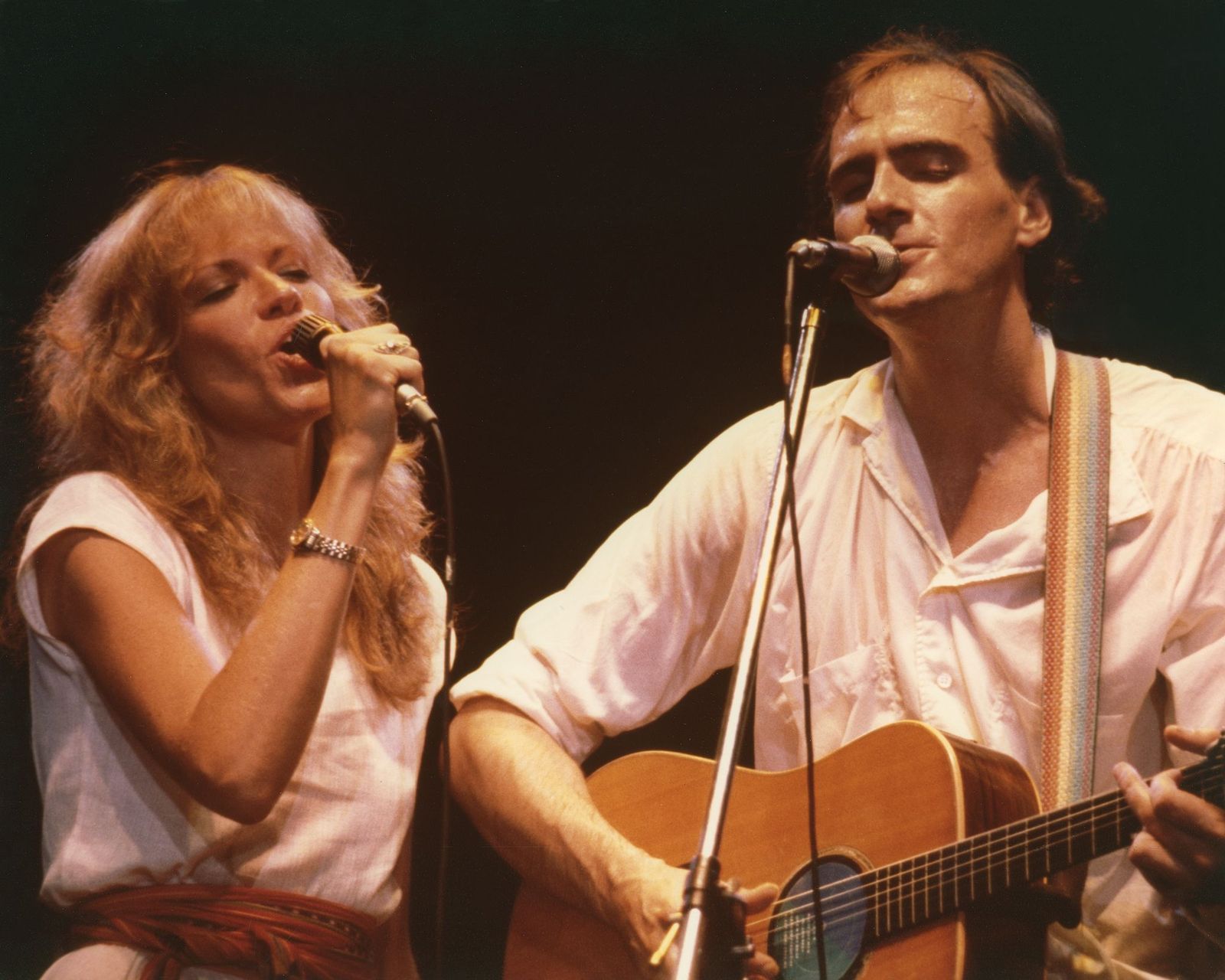
"You're So Vain" by Carly Simon

Image: Arthur D'Amario III

When a relationship ends, the inspiration can show up in unexpected ways. For Carly Simon, it became one of her biggest hits: "You’re So Vain."

As Simon herself confirmed, most of the lyrics were inspired by actor Warren Beatty, with whom she had a brief but intense relationship in the early 1970s that ended after he cheated on her. But Beatty wasn’t the only "vain" one. Although she didn’t confirm it, there’s speculation that other famous men from her past, including Mick Jagger and Jack Nicholson, also inspired parts of the song.

4
"I Will Always Love You" by Dolly Parton

Image: Moeller Talent, Inc. Nashville (management), Public domain, via Wikimedia Commons

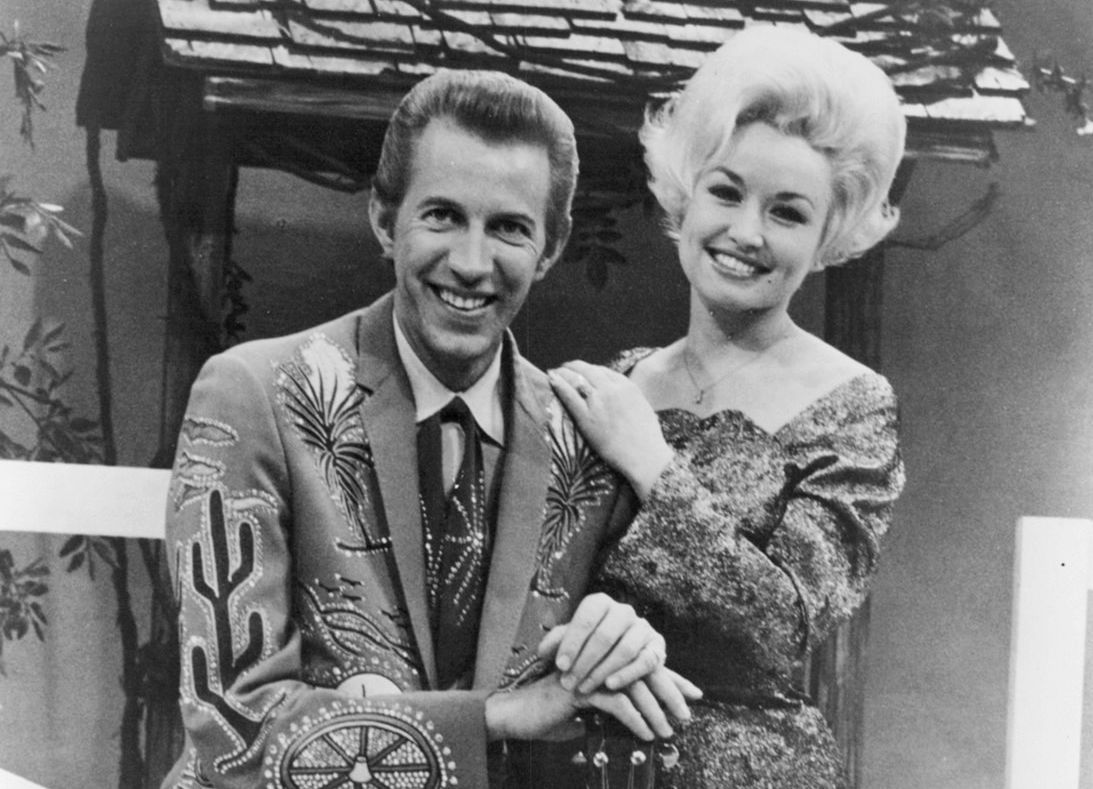
Despite what many assume, "I Will Always Love You" wasn’t written about a romantic breakup. Dolly wrote it as a professional farewell .

After more than seven years working with her mentor and longtime duet partner, Porter Wagoner, on The Porter Wagoner Show , Dolly felt it was time to pursue a solo career. But the decision wasn’t easy, and Wagoner was reluctant to let her go. When ordinary conversations weren’t working between them, Dolly did what she knew best: she put her feelings into a song. She brought her guitar to his office, sat him down, and played it for him. Wagoner was moved to tears, called it the prettiest song he had ever heard, and finally agreed to let her leave the show.

5
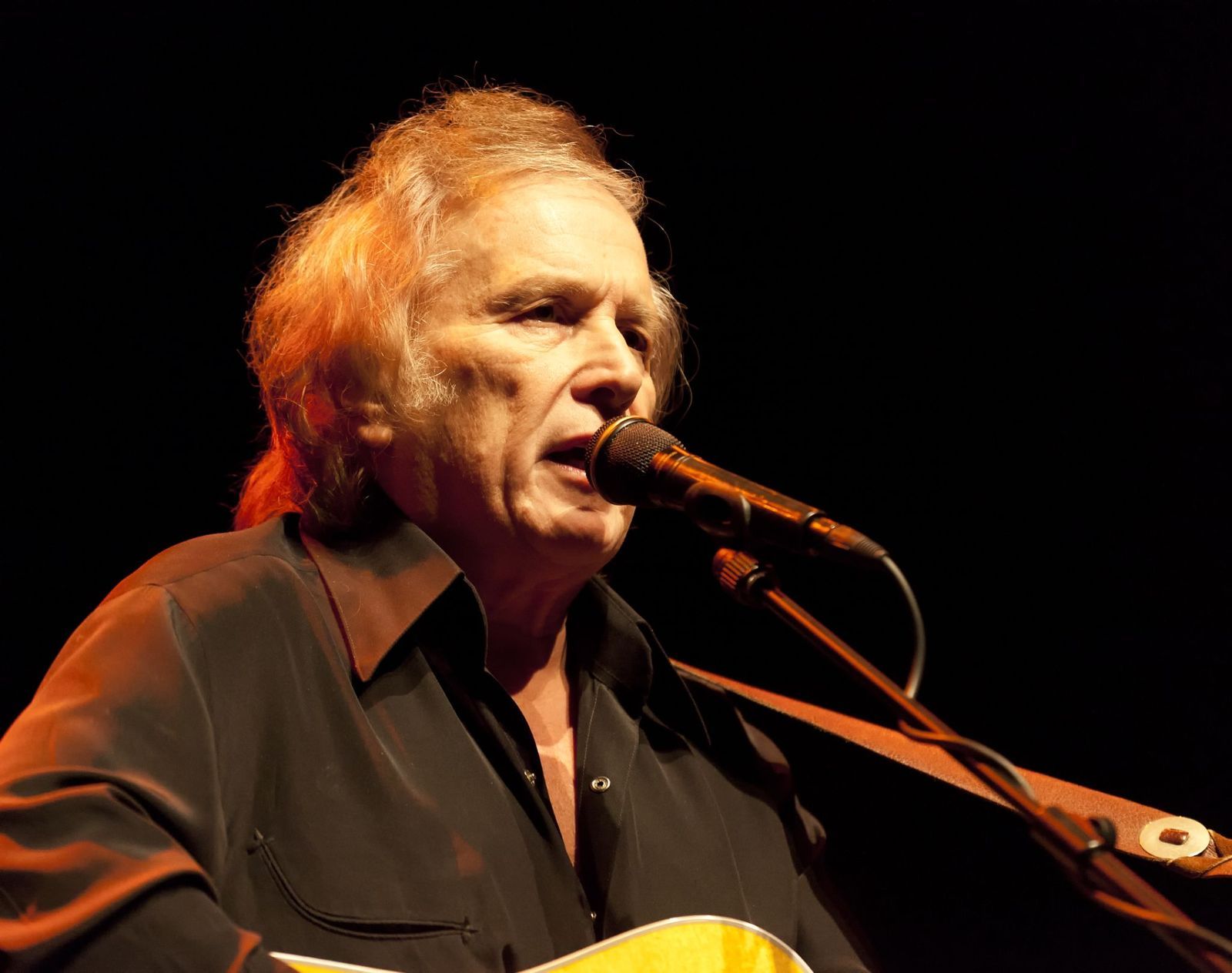
"American Pie" by Don McLean

Image: Aija Lehtonen

A song can be a farewell, a declaration of love, or a tribute born of admiration. That was the case when Don McLean wrote the beautiful yet haunting "American Pie" in 1971.

This epic folk-rock song became a memorial to "the day the music died," the tragic plane crash on February 3, 1959, that took the lives of rockers Buddy Holly, Ritchie Valens, and J.P. Richardson . McLean was just 13 at the time, but he later said the tragedy had a profound impact on him. The song didn’t come together all at once, either; he wrote it in stages over several years.

6
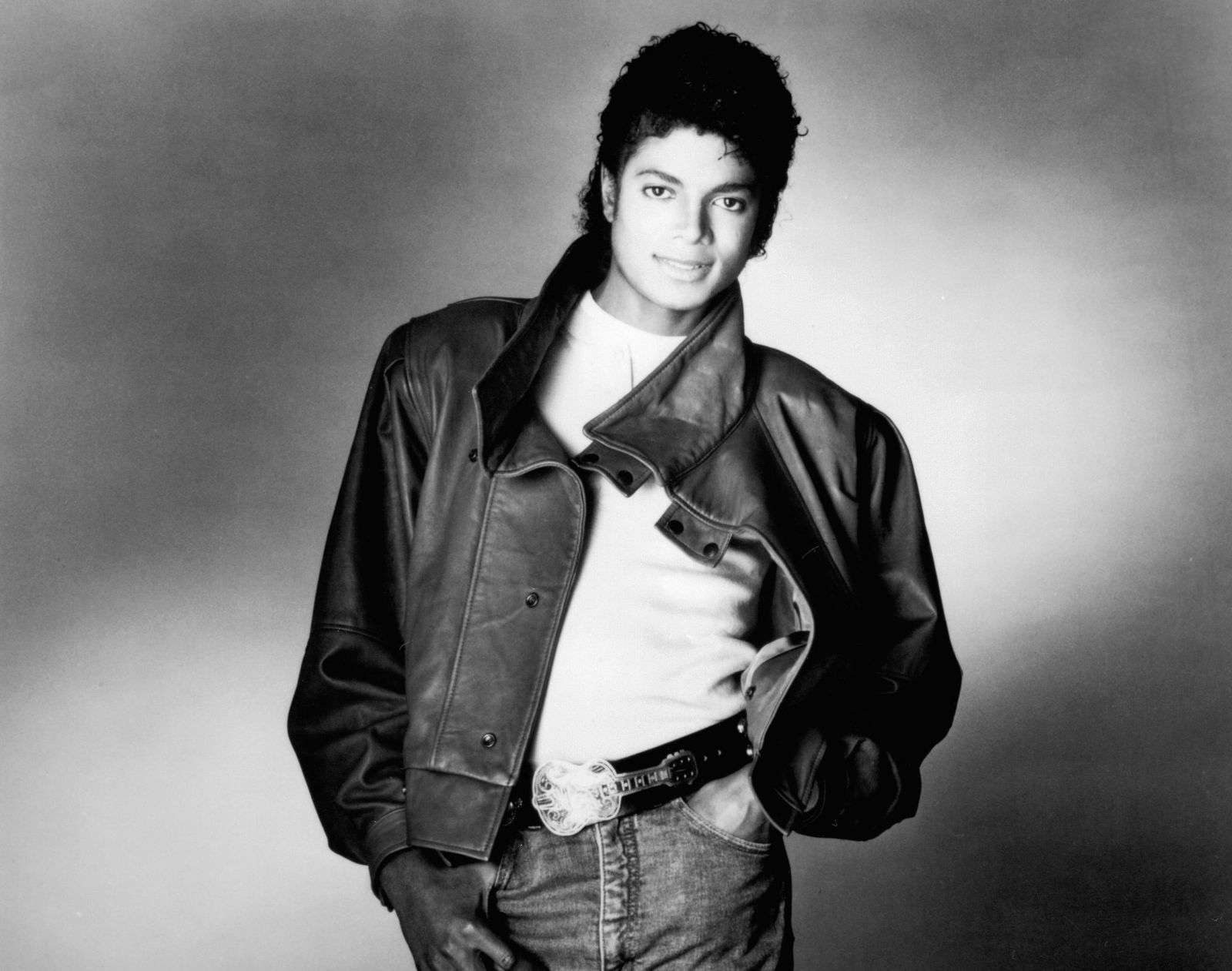
"Billie Jean" by Michael Jackson

Image: Matthew Rolston; Distributed by Epic Records, Public domain, via Wikimedia Commons

In his 1988 autobiography Moonwalk , Jackson explained that his classic "Billie Jean" was inspired partly by experiences involving women who approached his older brothers while the Jackson 5 were touring.

However, the event that really shaped the song happened in 1981, when Jackson received thousands of messages from a woman who claimed he was the father of her children. The unsettling situation stayed with him and eventually became part of the inspiration for one of his biggest hits.

7
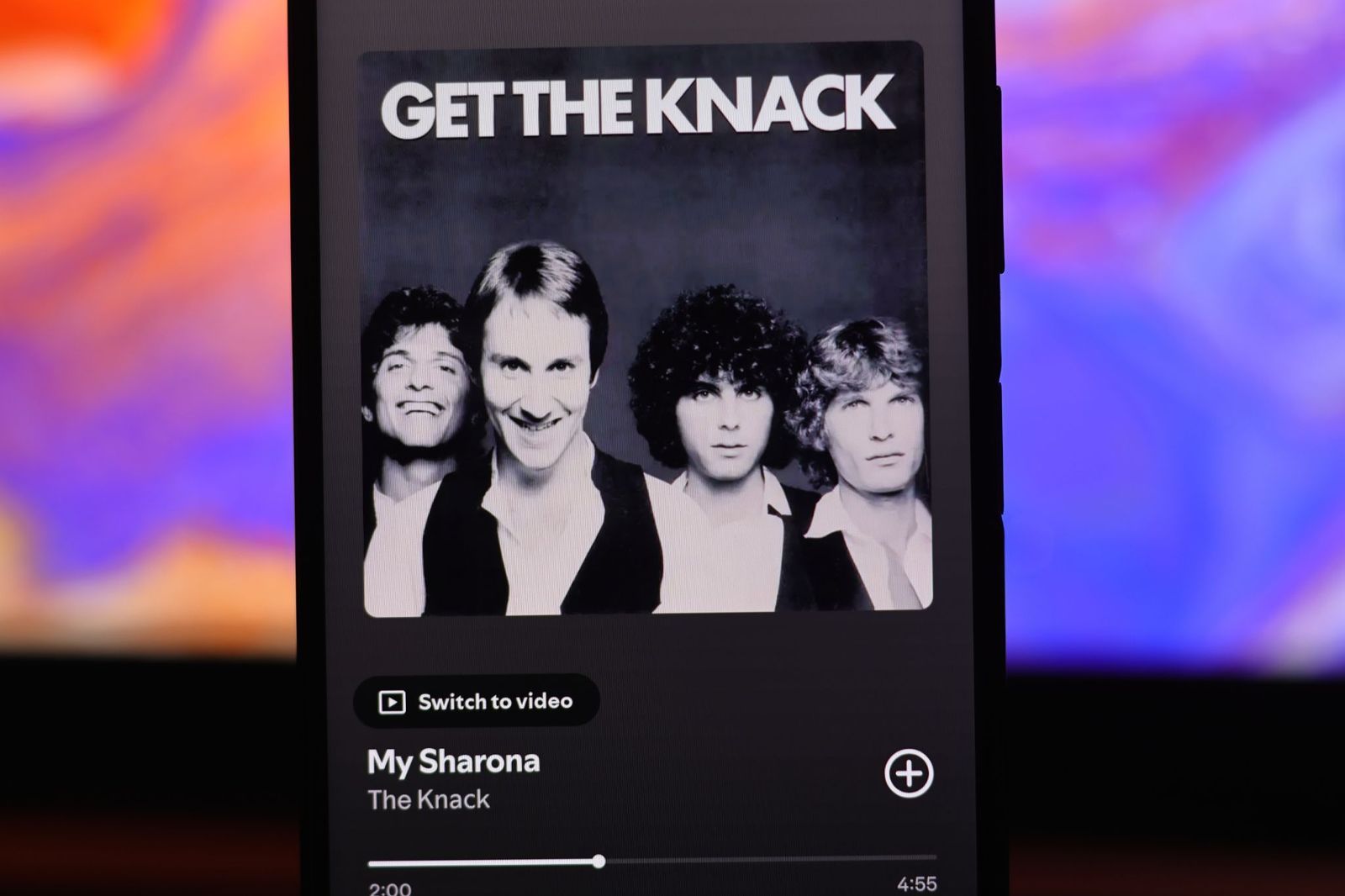
"My Sharona" by The Knack

Image: McSleepy

Have you ever wondered who "Sharona" was in The Knack’s famous hit? The answer comes from a real story involving the band’s lead singer, Doug Fieger.

In 1978, Fieger met Sharona Alperin, a clothing store clerk in Los Angeles. He was instantly attracted to her, and after breaking up with his then-girlfriend, he spent several months trying to win Sharona over before she finally agreed to a date. Their romance lasted from 1979 to 1982, and inspired one of the most danceable hits of the 20th century. Even after they broke up, Sharona and Doug remained close friends until he passed in 2010.

8
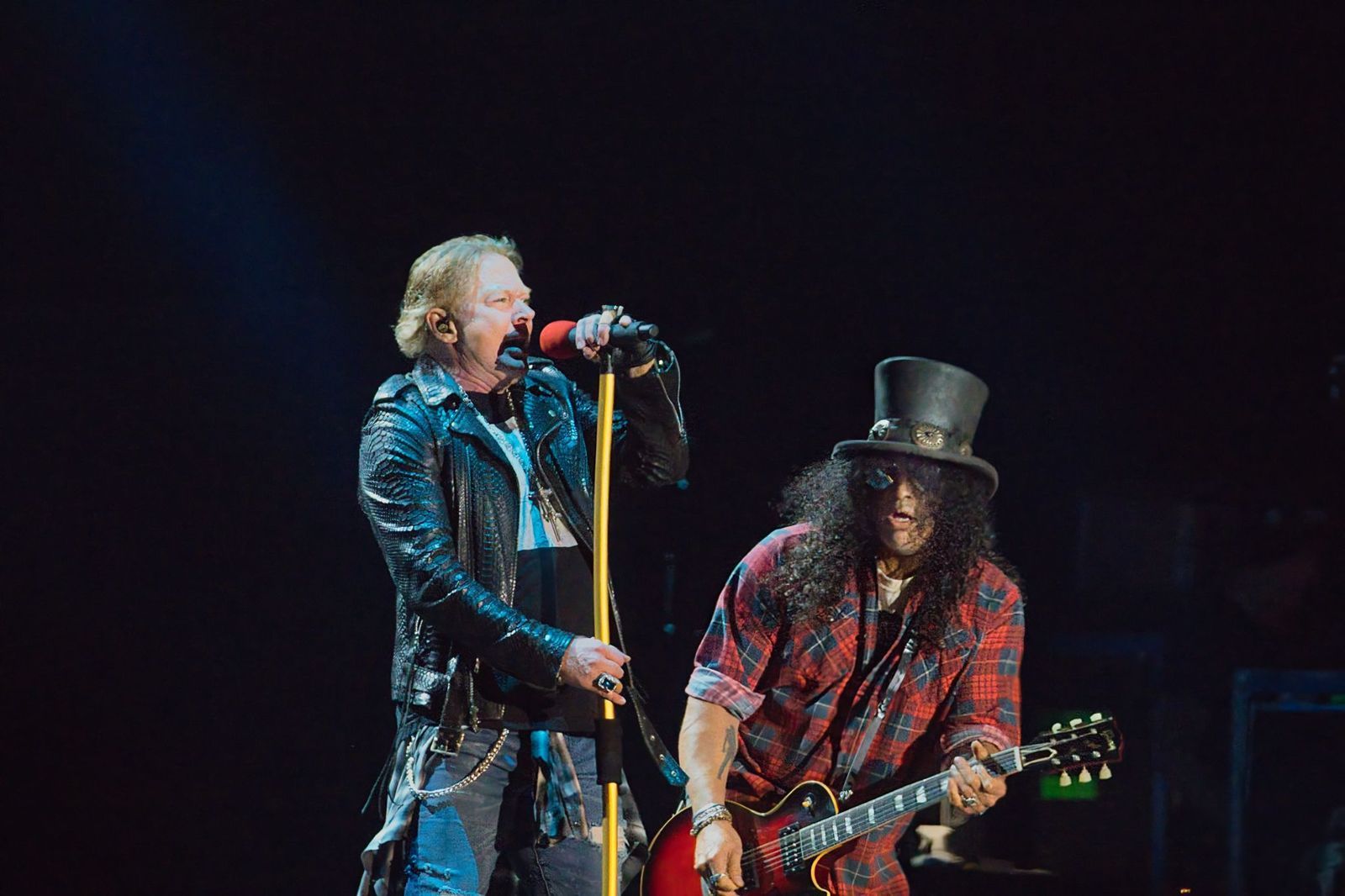
"Sweet Child O' Mine" by Guns N' Roses

Image: L Paul Mann

In 1986, Axl Rose was dating model Erin Everly, daughter of Don Everly of The Everly Brothers. He was so in love that he wrote her a love poem in just a few hours, without knowing it would eventually become one of his most famous songs.

That same year, at the band’s shared house, guitarist Slash was playing around with some chords when he came up with an interesting riff. Izzy Stradlin joined in, and when Rose heard the melody from upstairs, he brought down the poem he had written for Everly and adapted the lyrics to fit the music, resulting in the iconic "Sweet Child o’ Mine." Rose and Everly eventually married in 1990, but the marriage ended soon afterward.

9
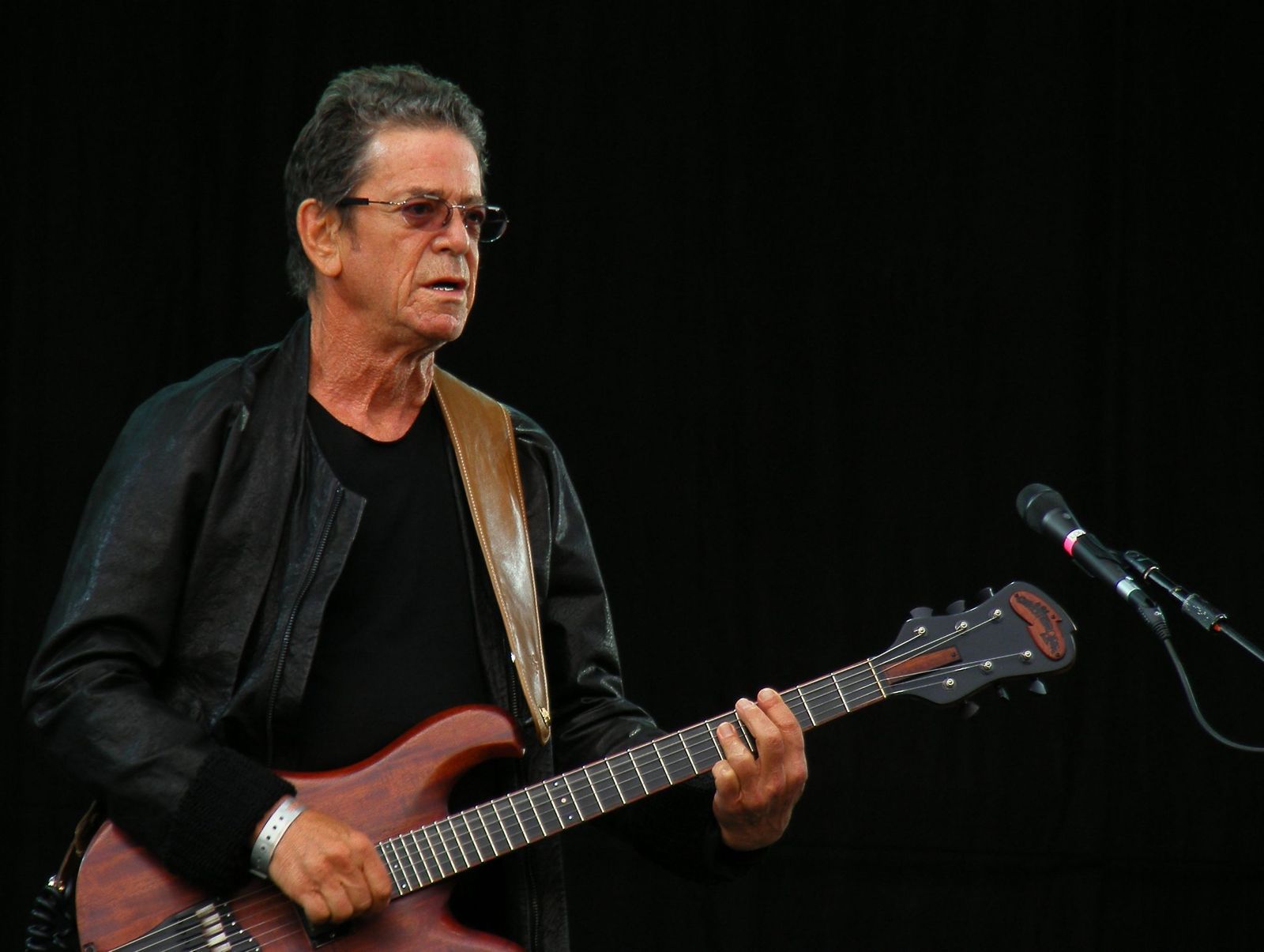
"Walk On the Wild Side" by Lou Reed

Image: Man Alive!, CC BY 2.0, via Wikimedia Commons

Music crossed paths with other forms of art when Lou Reed wrote his 1972 classic "Walk on the Wild Side".

The song is essentially a series of portraits of real people from Andy Warhol’s circle at The Factory, his famous New York City studio and collective. In the song, "Holly" is a reference to Holly Woodlawn, a transgender actress who appeared in Warhol’s underground films such as Trash (1970). "Candy" was Candy Darling, another prominent actress who starred in Flesh (1968) and Women in Revolt (1971). "Little Joe" referred to Joe Dallesandro, the actor and model who became one of Warhol’s male muses. Other figures from the era’s counterculture are also in the song, bringing a very specific art scene of 1970s New York to a much wider audience.

10
"Sara" by Bob Dylan

Image: Stoned59, CC BY 2.0, via Wikimedia Commons

In 1975, Bob Dylan was in the middle of a creative rush, writing and recording his album Desire . But while his career was going well, his marriage to Sara Lownds was falling apart. So he decided to write a love song for his wife.

"Sara," a heartfelt and personal song, was recorded in 1975 with Sara in the studio, and it became the raw, emotional closing track on the album. It helped spark a brief reconciliation, and Sara even joined Dylan on his subsequent Rolling Thunder Revue tour. However, the marriage ultimately ended in divorce in 1977.

General General 6 min read

Behind closed doors

Why couldn't Lucy say one little word on TV? Here's the surprising truth

Image: PICTOR PICTURES

I Love Lucy made America laugh , but some of its most surprising stories happened behind the scenes. Did you know CBS banned a common word from the show, two of its stars reportedly couldn't stand each other in real life, and Lucy’s fictional baby arrived on the same day as Lucille Ball’s real-life son? These little-known secrets reveal a whole new side of our beloved TV classic.

1
Network executives thought Desi Arnaz was "too foreign" for TV

Image: Elliott Cowand Jr

Network executives initially hesitated to cast Desi Arnaz as Ricky Ricardo, Lucille Ball’s husband on I Love Lucy (which aired on CBS from 1951 to 1957) because they doubted that viewers would accept an American woman and a Cuban man as a believable suburban pair.

To prove the concept worked, Ball and Arnaz took a live vaudeville act on the road in 1951, receiving overwhelmingly positive feedback from audiences. The public's reaction helped persuade CBS to give the show a chance with Arnaz in the starring role. And as we all know, the couple was married in real life too and eventually had two children: Lucie, born in 1951, and Desi Jr., born in 1953. It doesn’t get more "real" than that.

2
The word "pregnant" was strictly forbidden on air

Image: SNeG17

On the show, CBS banned the word "pregnant" in 1952, considering it too explicit for family living rooms . Writers therefore relied on euphemisms such as "expecting," "with child," or "having a baby."

When Lucille Ball became pregnant with her second child in 1952, Desi Arnaz pushed for her pregnancy to be written into the show's storyline, despite initial resistance from CBS and its sponsors. The resulting plot became a landmark moment in television history: although the show could portray Lucy expecting a baby, its writers still couldn't use the forbidden word. That’s why the episode in which she breaks the news to Ricky was titled "Lucy Is Enceinte," using the French word for pregnant.

3
More people watched Lucy give birth than the president’s inauguration

Image: neftali

On January 19, 1953, the episode "Lucy Goes to the Hospital", in which she gives birth to Little Ricky, drew an estimated 44 million viewers (about 72% of U.S. television households). In an extraordinary coincidence, Ball gave birth to her real-life son, Desi Arnaz Jr., by scheduled cesarean section on the same day.

The next day, President Dwight D. Eisenhower’s inaugural address drew an estimated 29 million viewers. That means the episode attracted roughly 15 million more viewers than the president's address, according to the commonly cited estimates.

4
The candy factory episode had a real-life expert in it

Image: catwalker

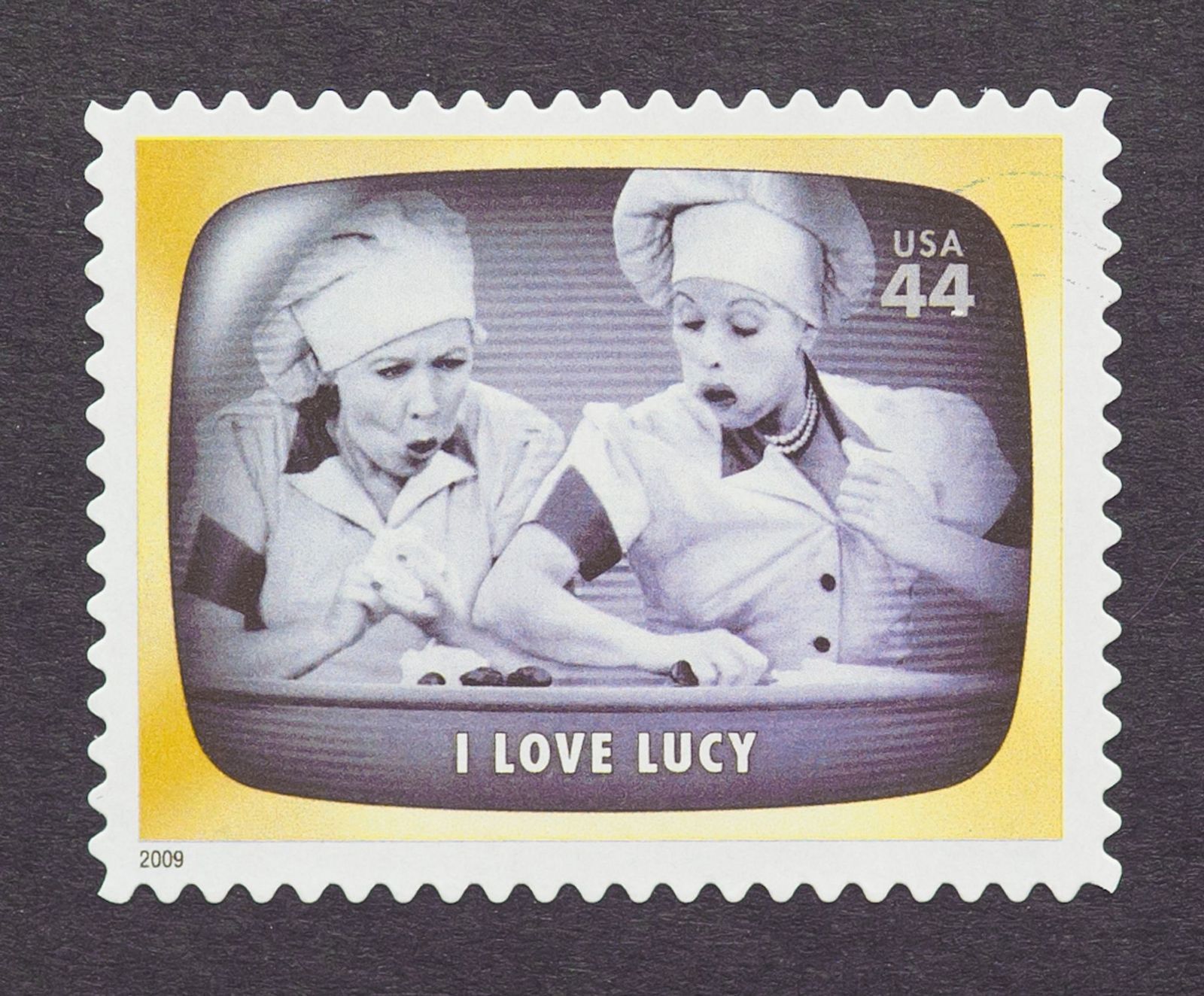
In the beloved "Job Switching" episode, the Season 2 premiere which aired on September 15, 1952, Lucy and Ethel (Vivian Vance) take jobs at Kramer’s Kandy Kitchen to prove to their husbands, Ricky and Fred (William Frawley), that they can handle the demands of working outside the home.

Assigned to wrap and dip chocolates on an assembly line, the pair fall hopelessly behind as the conveyor belt speeds up. Desperate to avoid letting any unwrapped candy pass by, they begin stuffing chocolates into their mouths, hats, and blouses. The resulting chaos became one of television's most beloved comedy scenes. But here's a fun backstage detail: to prepare for the sequence, Ball and Vance spent half a day learning to dip chocolates and work on the production line at a real See's Candies location in Los Angeles. Even more interesting, the woman working alongside Lucy in the scene was an actual See's Candies candy maker, Hazel Pierce .

5
Fred and Ethel viscerally despised each other in real life

Image: Runawayphill

Playing married couple Fred and Ethel onscreen, Frawley and Vance clashed throughout the show's six-season run. Vance was 42 and Frawley was 64 when the show started. She reportedly resented being cast opposite a man 22 years older and famously complained: "How will anyone believe I’m married to that old man?" Frawley overheard her complaints and was reportedly offended. He later made this pointed remark about Vance, "She's one of the finest girls to come out of Kansas, but I often wish she'd go back there."

Despite their bitter off-screen feud, both remained professional on set and delivered the comedic chemistry that made Fred and Ethel such a memorable couple. Vance later reportedly turned down a lucrative spin-off featuring the pair, along with a $50,000 bonus, because she didn't want to work with Frawley again.

6
Desi Arnaz’s deal that changed TV reruns forever

Image: ltdedigos

Desi Arnaz’s production decisions helped establish reruns as a profitable part of the industry. He insisted that I Love Lucy be filmed rather than broadcast live, helping shape the modern sitcom format. In the early 1950s, television shows were preserved only as low-quality kinescopes, recordings made by filming television screens.

Ball and Arnaz wanted high-quality recordings, so they were shot on 35mm film using a three-camera setup in front of a live studio audience. As part of their landmark deal with CBS, their production company, Desilu Productions, retained ownership of the film negatives, allowing the episodes to be rebroadcast. By 1955, I Love Lucy had become the first television series to be broadcast as reruns , helping pave the way for modern syndication.

7
Ricky Ricardo was almost named "Larry Lopez"

Image: MAFPHOTOART8

During the development of I Love Lucy, Ricky Ricardo was initially called Larry Lopez, but the name was changed for two main reasons.

First, the producers wanted to avoid confusion with Vincent Lopez, a well-known bandleader of the era. Second, they reportedly preferred the sound of "Lucy and Ricky" to "Lucy and Larry," since it sounded overly alliterative.

8
Lucy was not a natural redhead

Image: Pixel-Shot

Lucille Ball wasn't a natural redhead. Instead, she was a brunette who kept her brown hair during her early career, and also experimented with blonde shades before adopting the fiery red look that became her trademark.

Around 1943, she famously went red for her role in the Technicolor musical Du Barry Was a Lady. MGM hairstylist Sydney Guilaroff helped create the look , which Ball later maintained with a custom blend of henna and dye. Ultimately, her signature color was a carefully crafted Hollywood style, not her natural shade. And it worked.

9
Desi Arnaz used cushions to appear taller than Lucy

Image: Katerina Maksymenko

Desi Arnaz reportedly wore Cuban heels or other elevated footwear to help him appear taller alongside Lucille Ball. Although he stood around 5 feet 9 inches tall and Ball about 5 feet 7 inches in her stocking feet, her high heels could make her look taller than him.

The production team reportedly used another trick when the couple sat down : specially arranged cushions on the Ricardos’ couch and chairs helped maintain the desired height difference on screen and made it easier for Arnaz to stand up.

10
Lucy’s mother left her mark on the show’s soundtrack

Image: gurezende

Lucille Ball's mother, DeDe Ball, was a devoted supporter who reportedly attended the filming of almost every episode. Whenever her daughter landed in a comically awkward situation, DeDe would let out a distinctive "Uh-oh!" from her seat in the studio audience.

Sound engineer Glen Glenn reportedly liked the exclamation so much that he recorded it and incorporated it into the show's laughter track . Because the same recording was reused, DeDe's distinctive voice became part of the show's familiar soundtrack. The story even suggests that her "Uh-oh!" may have made its way into the soundtracks of other classic sitcoms over the years.

Explore more American facts

Choose your favorite category!

General
General

As American as apple pie—the very best America has to offer!

Culture
Culture

Delve into the astounding richness of American lore.

Geography
Geography

Hop in and explore vast and diverse American landscapes.

History
History

Discover the key moments that shaped the United States.