General General 6 min read

Humans behind greatness

What’s been Clint Eastwood’s lifelong passion BESIDES movies?
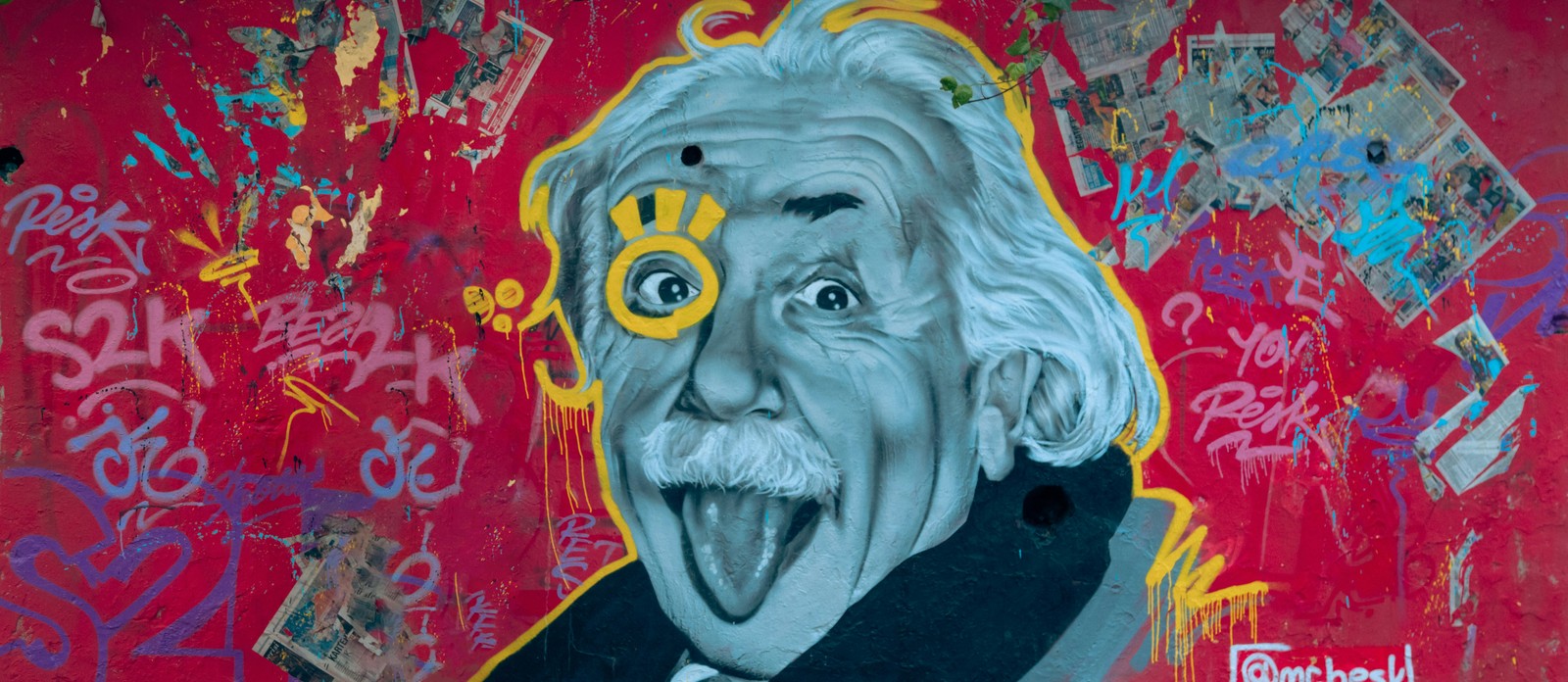
Image: Collab Media

We tend to put celebrities and public figures on a pedestal: they're icons, legends, faces on magazine covers. But behind the fame, they're also just people who get bored, need an outlet, or want to do something fun on a Saturday afternoon . Did you know that Clint Eastwood has played jazz piano his whole life? Or that Albert Einstein preferred to spend his free time drifting on a sailboat with no particular destination in mind? Let's pull back the curtain and take a look at the surprisingly human side of some of America's most celebrated figures.

1
Clint Eastwood: Jazz piano
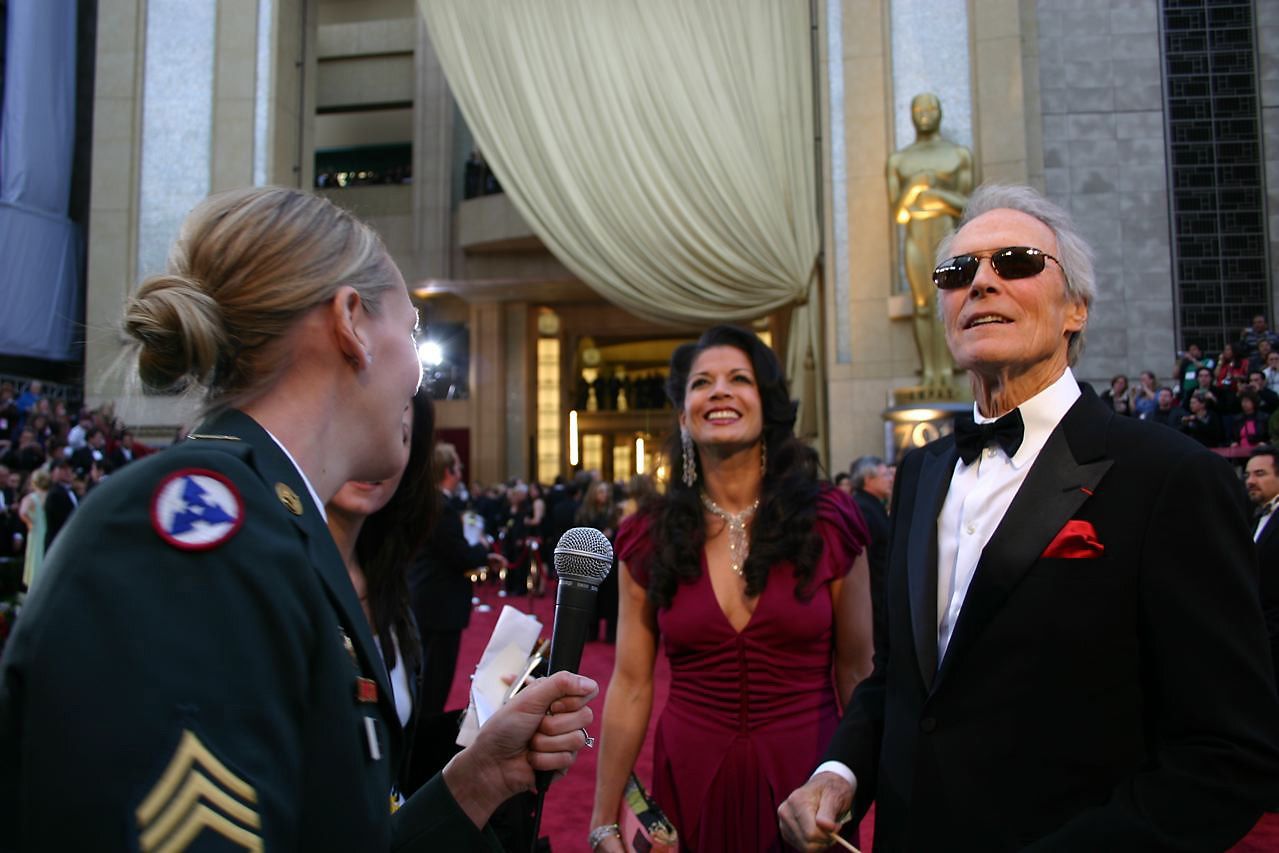
Image: Army.mil, Public domain, via Wikimedia Commons

Clint Eastwood has spent many decades playing the toughest, coolest characters in Hollywood—the Man with No Name, Dirty Harry—men of few words and steely nerves. So it might come as a surprise that he has always had a deeply sensitive, artistic side rooted in jazz piano. He started playing as a teenager in Oakland, California, influenced by the bebop era.

Eastwood has composed music for several of his own films and even directed Bird (1988) , a biographical film about jazz legend Charlie Parker. He plays piano regularly to this day and has spoken about jazz as a lifelong love.

2
Albert Einstein: Sailing
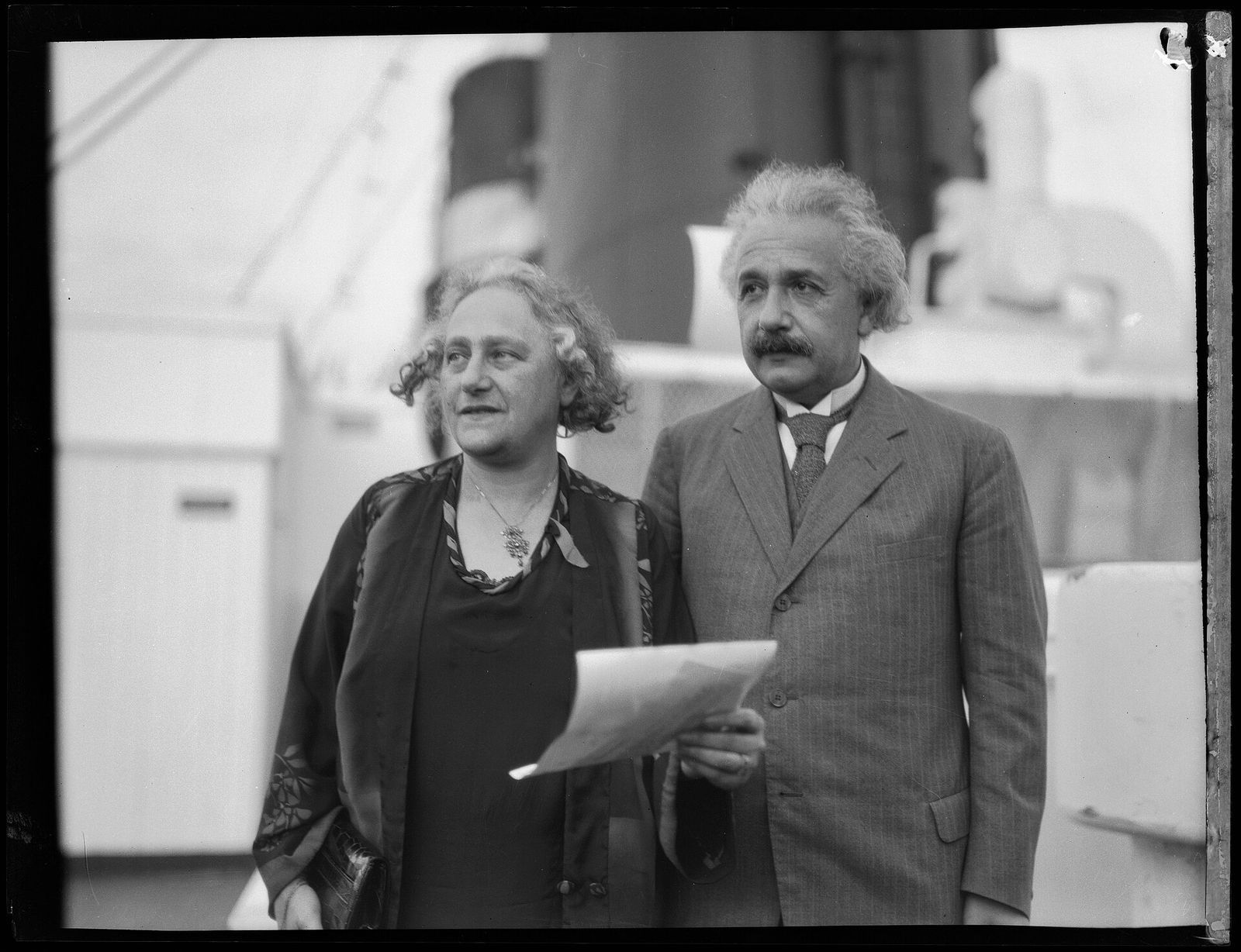
Image: Los Angeles Times, CC BY 4.0, via Wikimedia Commons

You might expect Albert Einstein's hobby to involve something complicated: equations on a chalkboard, perhaps, or building gadgets in a laboratory. Instead, the man who gave us the theory of relativity loved nothing more than to take a small sailboat out on a lake and just… drift. No engine. No motor. Just the wind.

Einstein was, by all accounts, a mediocre sailor who didn't particularly worry about being good at it. He called his sailboat Tümmler (German for "porpoise") and used those quiet hours on the water to think. He often said that some of his best ideas came to him while sailing .

3
Abraham Lincoln: Wrestling
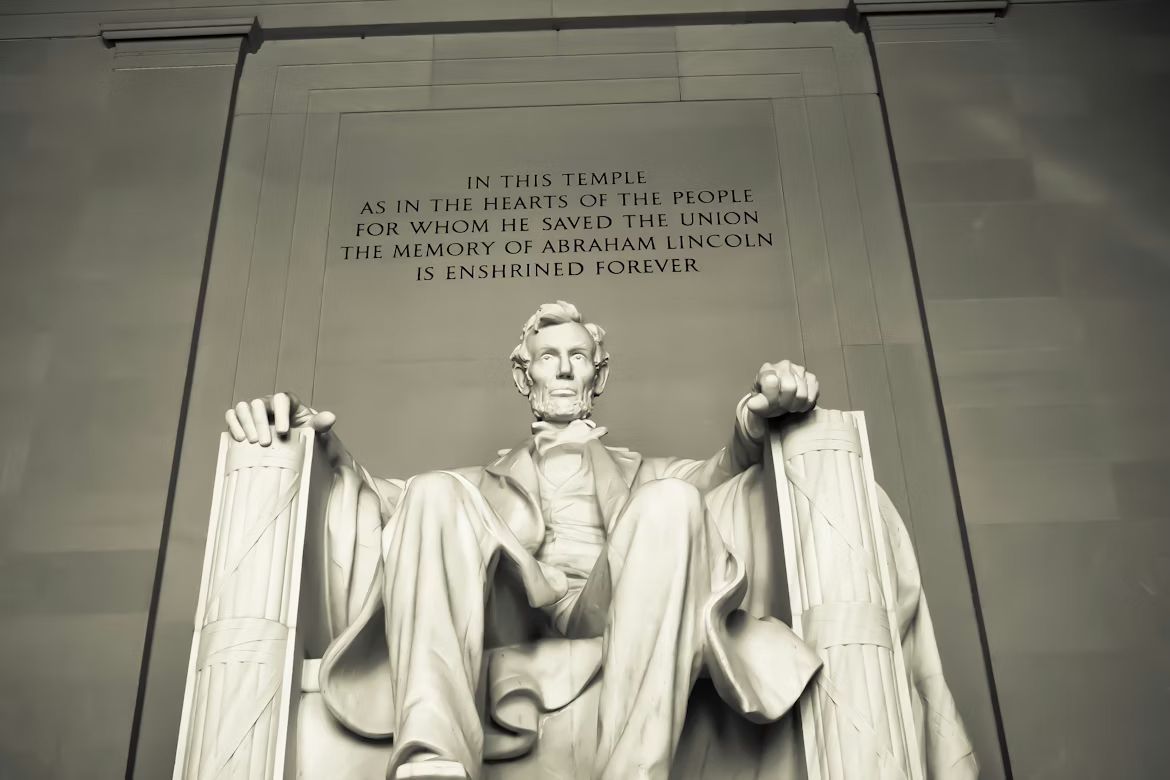
Image: Joshua Bedford

Before he was Honest Abe, Lincoln was just a tall, lanky young man from Illinois with remarkably long arms and a low center of gravity—which, as it turns out, makes you a pretty formidable wrestler. He took up the sport as a young man and quickly developed a reputation in his community as someone you really didn't want to tangle with.

Lincoln compiled an outstanding record, with reportedly one defeat in roughly 300 matches. He was so good that he was eventually honored by the National Wrestling Hall of Fame —yes, that's a real place, and yes, Abraham Lincoln is in it.

4
Meryl Streep: Knitting
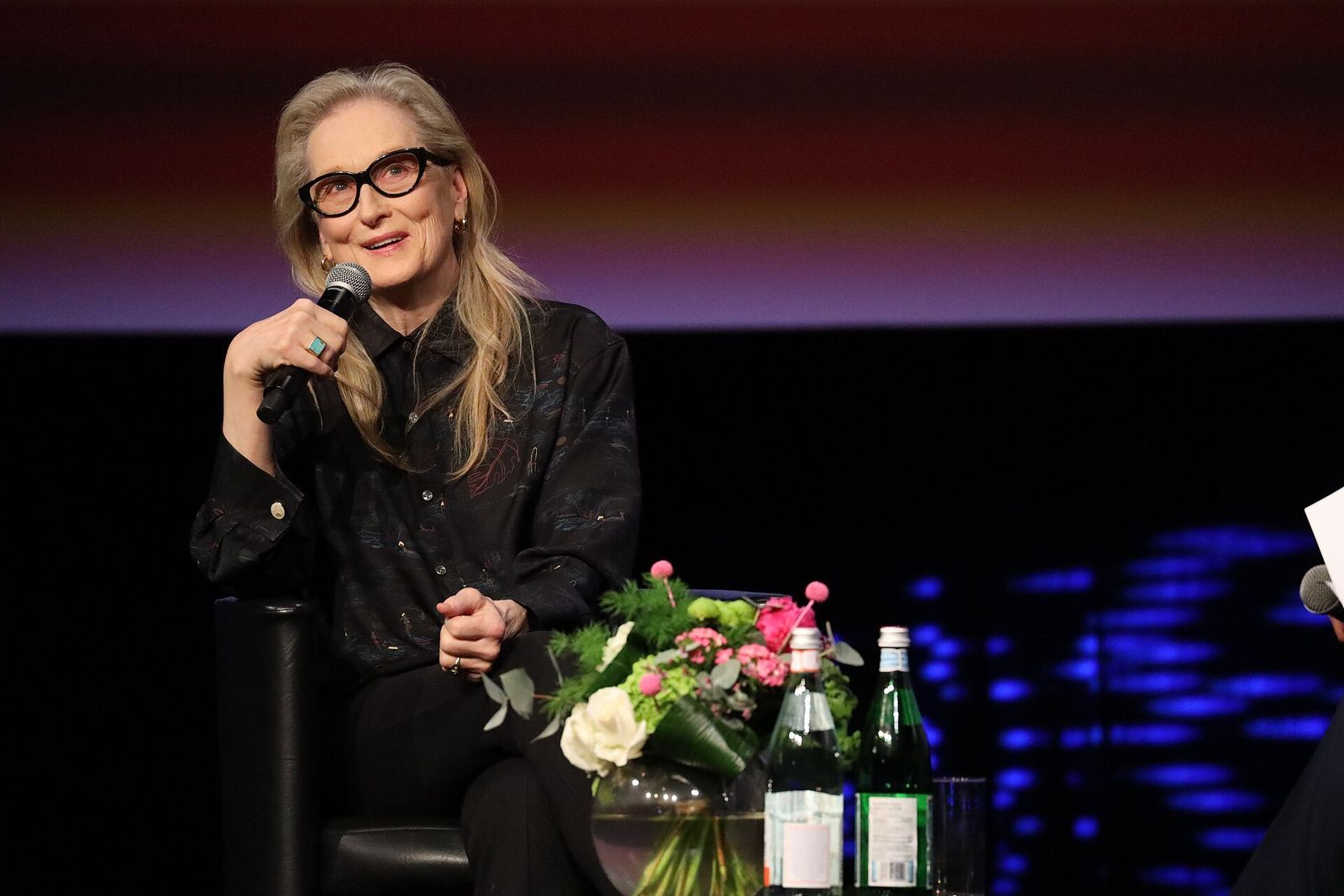
Image: Kevin Payravi, CC BY-SA 4.0, via Wikimedia Commons

Meryl Streep is widely considered the greatest actress of her generation, with a record 21 Oscar nominations to date. She's played everything from a Nazi commandant's mistress to Margaret Thatcher. And between takes on set, she knits.

She's said in interviews that knitting helps her stay grounded and present , even in the middle of emotionally demanding shoots. It gives her hands something to do while her mind processes a role. There's also something wonderfully ironic about the most decorated actress in Hollywood finding her peace in something so delightfully ordinary.

5
Tom Hanks: Typewriter collecting
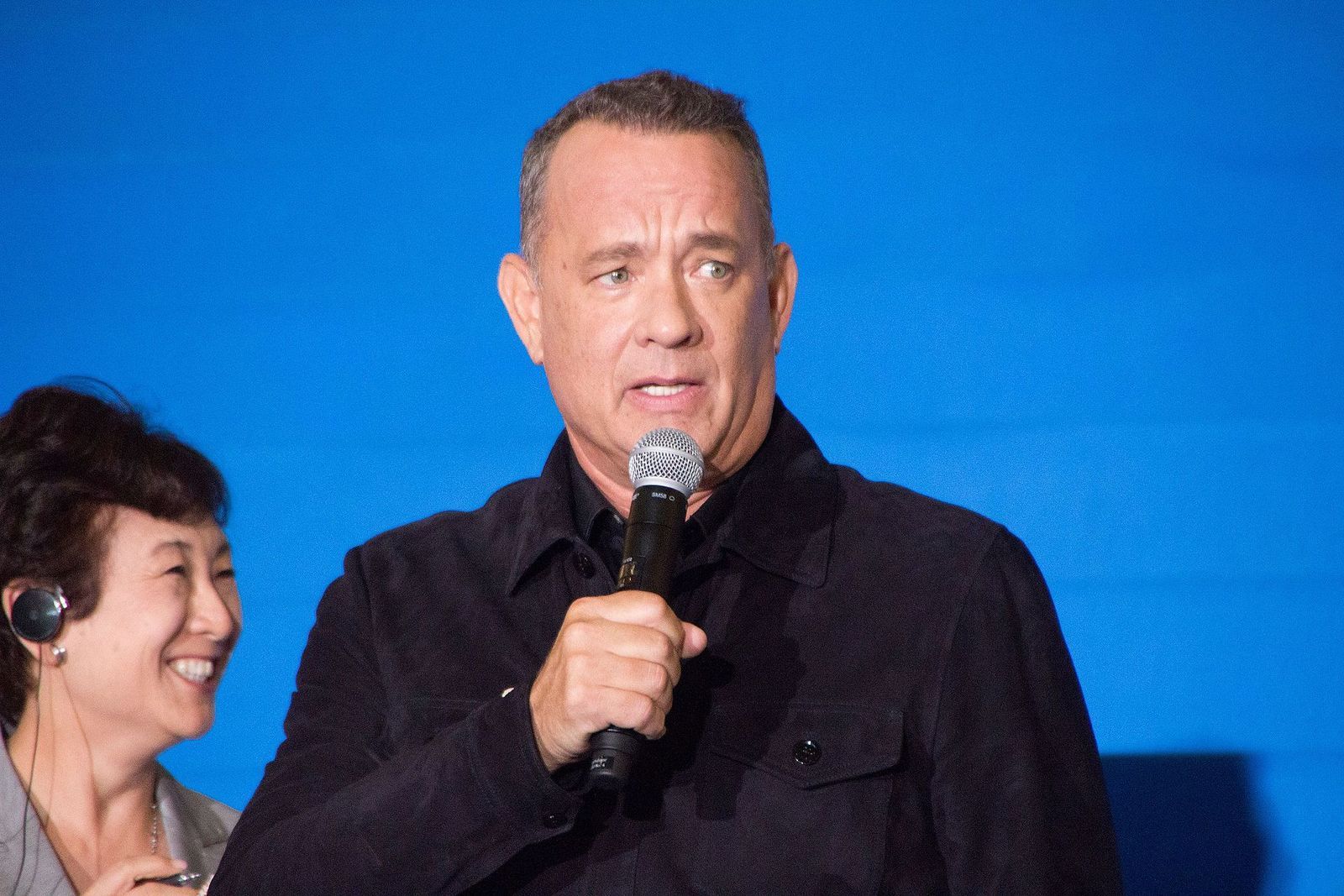
Image: Dick Thomas Johnson from Tokyo, Japan, CC BY 2.0, via Wikimedia Commons

Tom Hanks has won two Oscars, starred in some of the most beloved films in American history, and also owns—by his own estimate—more than 250 typewriters . He started collecting them in the early 1980s when he came across an old machine at a second-hand shop and was instantly hooked by the sound and feel of the keys.

Hanks became such a devoted enthusiast that he wrote an entire book about it: Uncommon Type, a collection of short stories where a typewriter appears in every single tale. He's also said he writes all his personal correspondence by hand or on a typewriter.

6
Steve Martin: Banjo playing
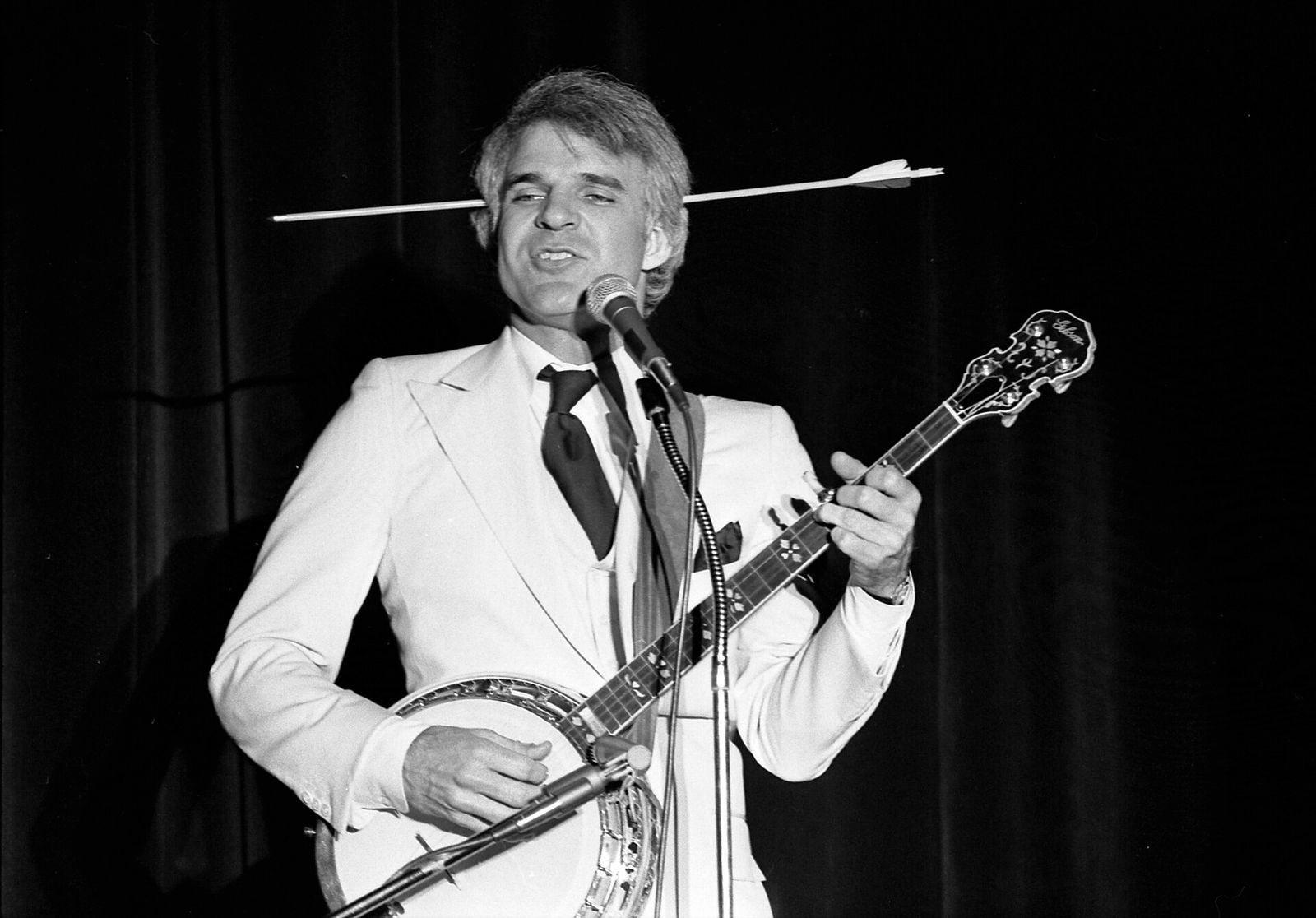
Image: Marianna Diamos, Los Angeles Times, CC BY 4.0, via Wikimedia Commons

Steve Martin built his career on comedy: the arrow through the head, the wild and crazy guy, the absurdist humor that made him a superstar in the 1970s and '80s. But long before the standup, film, and TV career, there was the banjo. He started learning as a teenager while working at Disneyland, drawn in by the bluegrass musicians performing there.

He never stopped playing. Martin has released multiple bluegrass albums, toured with accomplished musicians, and won a Grammy for his 2009 album The Crow: New Songs for the Five-String Banjo . For him, it was never a joke or a gimmick: the banjo is the real deal, and he plays it with genuine heart.

7
Jimmy Carter: Woodworking
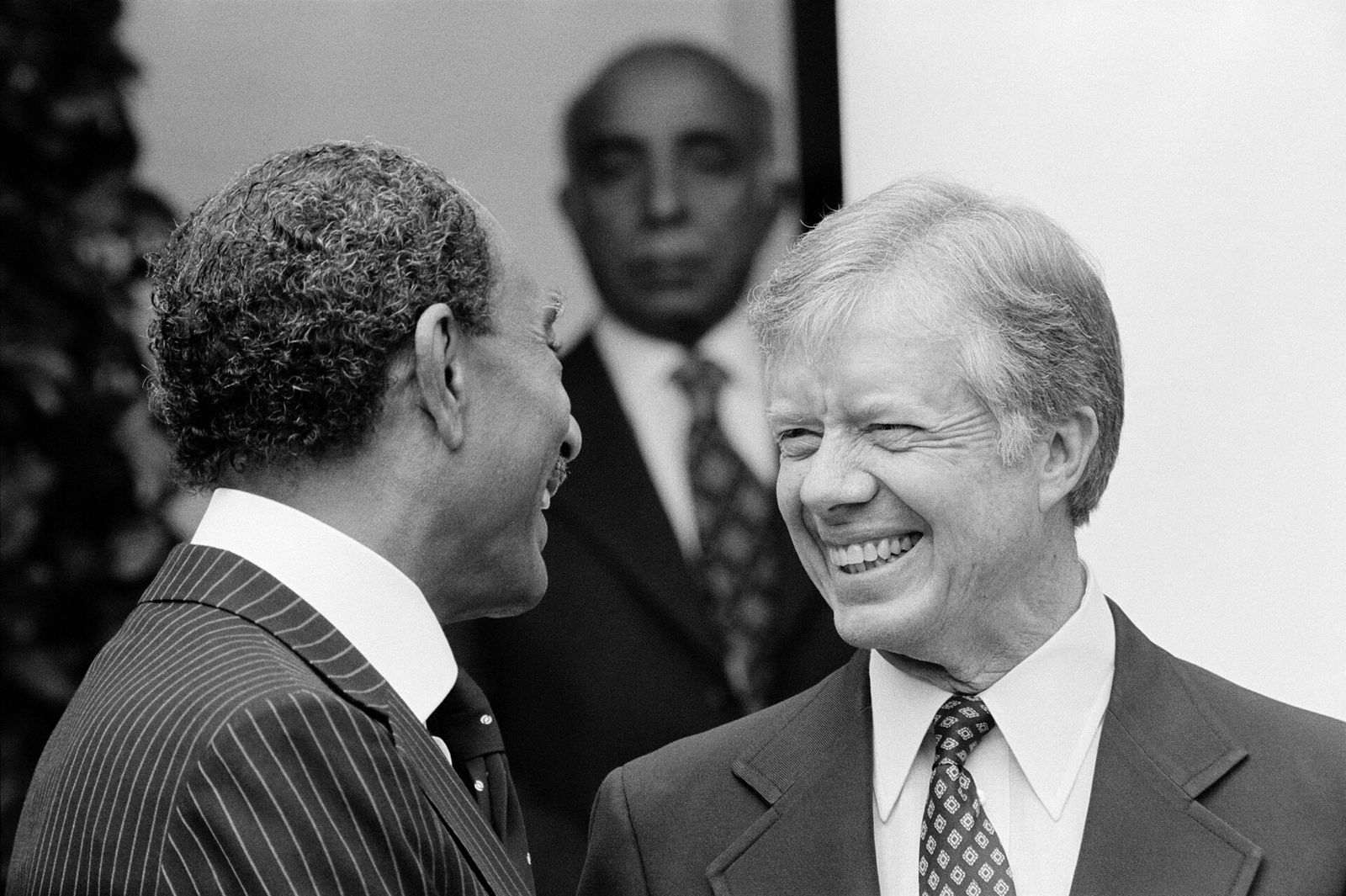
Jimmy Carter didn't pick up woodworking as a retirement hobby: he learned it out of necessity. Growing up on a Georgia farm during the Great Depression, his father taught him to be handy with just about everything. He kept at it through shop class and Future Farmers of America, and even built furniture for his own home during his Navy years.

Carter donated many of his handmade pieces to charity auctions benefiting Habitat for Humanity , a cause he championed throughout his post-presidential life. He even joked that a miniature of the White House he once built had nothing to do with his ambitions — though history would suggest otherwise.

8
Theodore Roosevelt: Boxing and judo
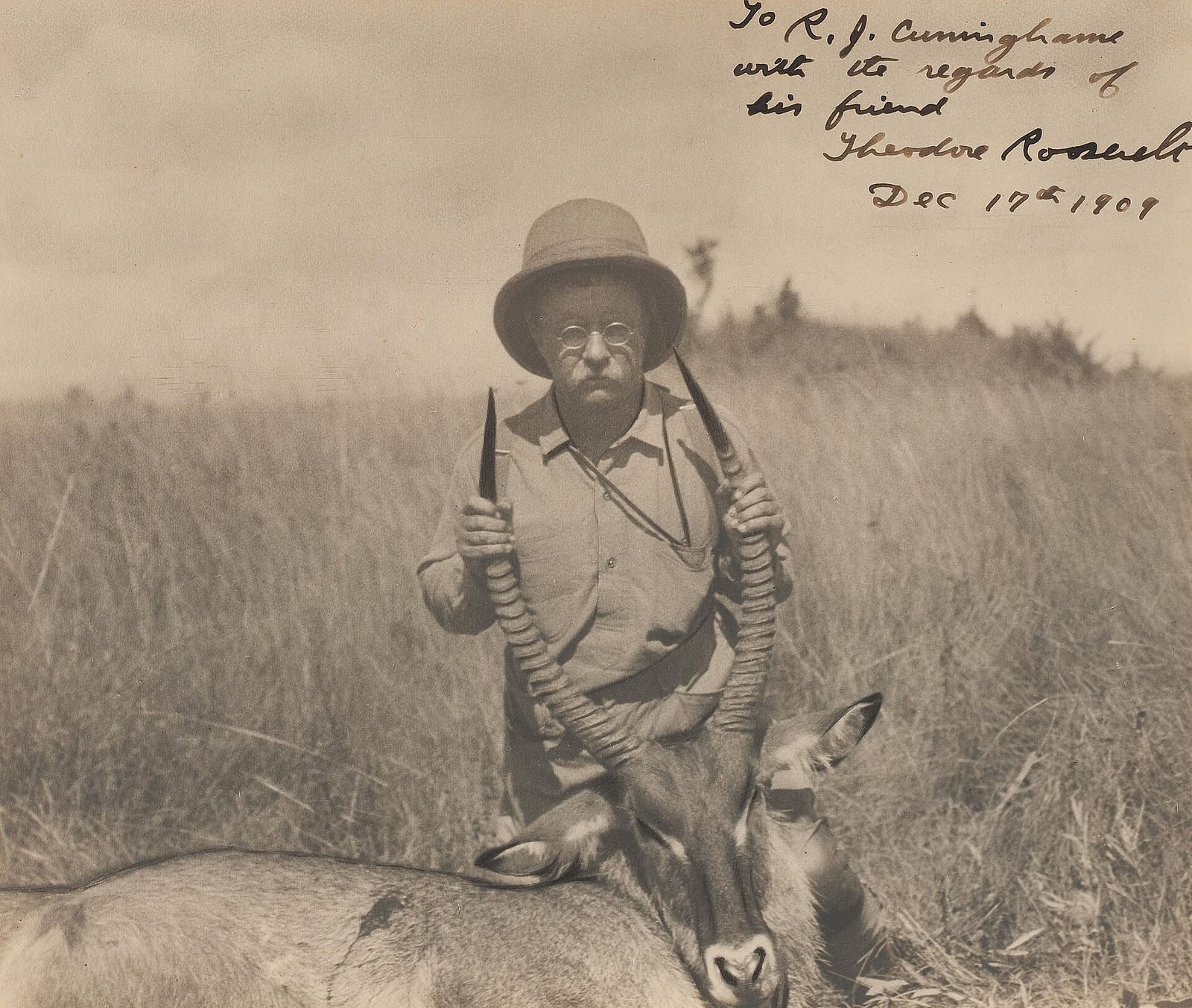
Image: Richard John Cunninghame (1871-1925), Public domain, via Wikimedia Commons

Teddy Roosevelt didn't exactly need a tough-guy reputation boost: the man charged up San Juan Hill, for crying out loud. But even as President of the United States, he kept up a regular boxing practice right inside the White House. He'd spar with aides and military officers, seeing it as a way to stay sharp, both mentally and physically.

That hobby came with a real price, though. In 1908, during one sparring session while in office, a punch left him blind in his left eye, a fact he kept secret for years. He later switched to judo, eventually earning a brown belt.

9
Condoleezza Rice: Competitive figure skating
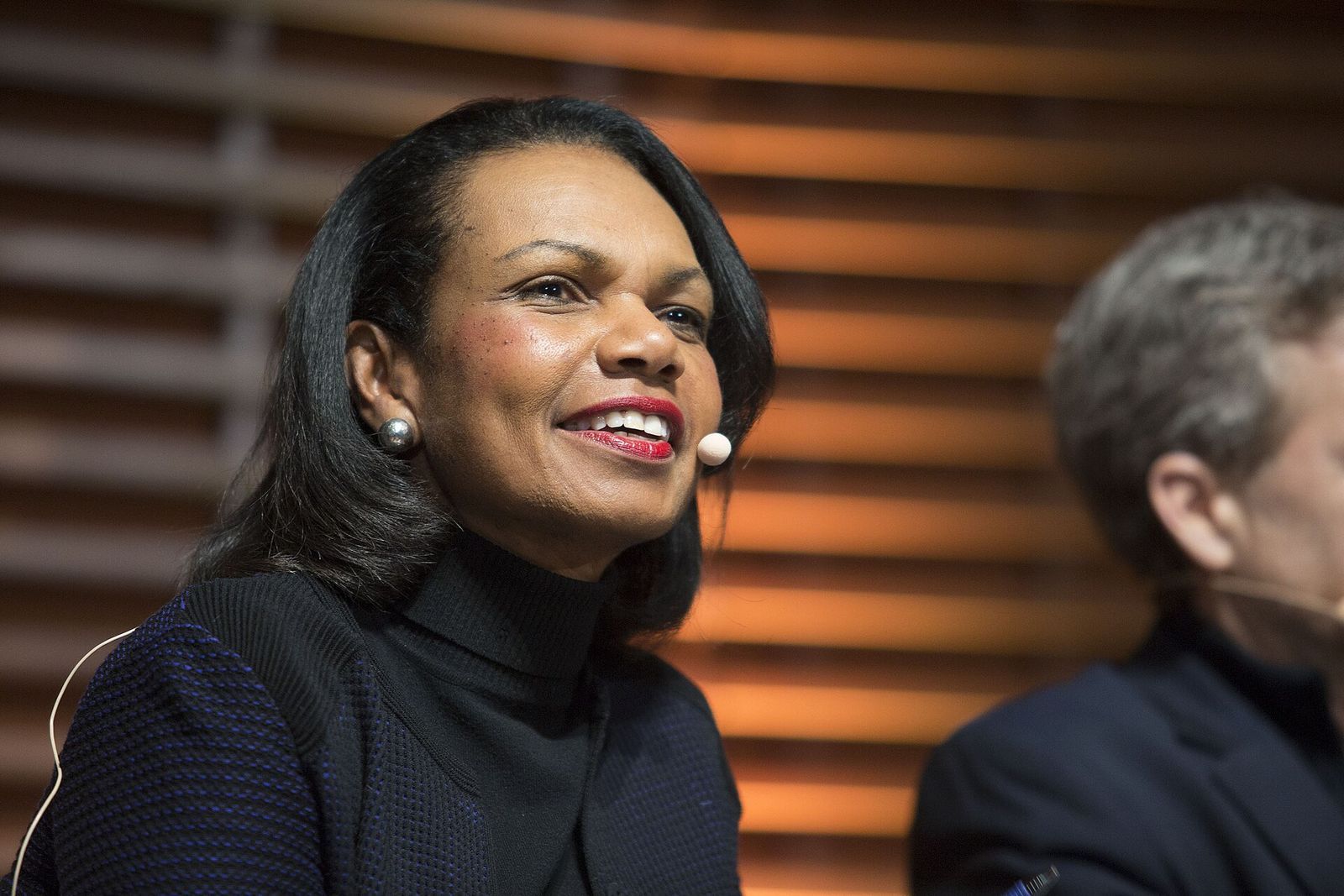
Image: TechCrunch, CC BY 2.0, via Wikimedia Commons

Condoleezza Rice served as National Security Advisor and then Secretary of State under President George W. Bush, two of the most demanding jobs in the world. She's also a trained classical pianist. But here's the one that really catches people off guard: she was a competitive figure skater as a young girl growing up in Birmingham, Alabama.

Rice started skating as a child and trained seriously enough to compete. She has spoken about how the discipline required in skating —the repetition, the commitment, the ability to get up after you fall— shaped the way she approached everything else in her life . From the ice rink to the world stage, the mindset, it turns out, was always the same.

10
George W. Bush: Painting
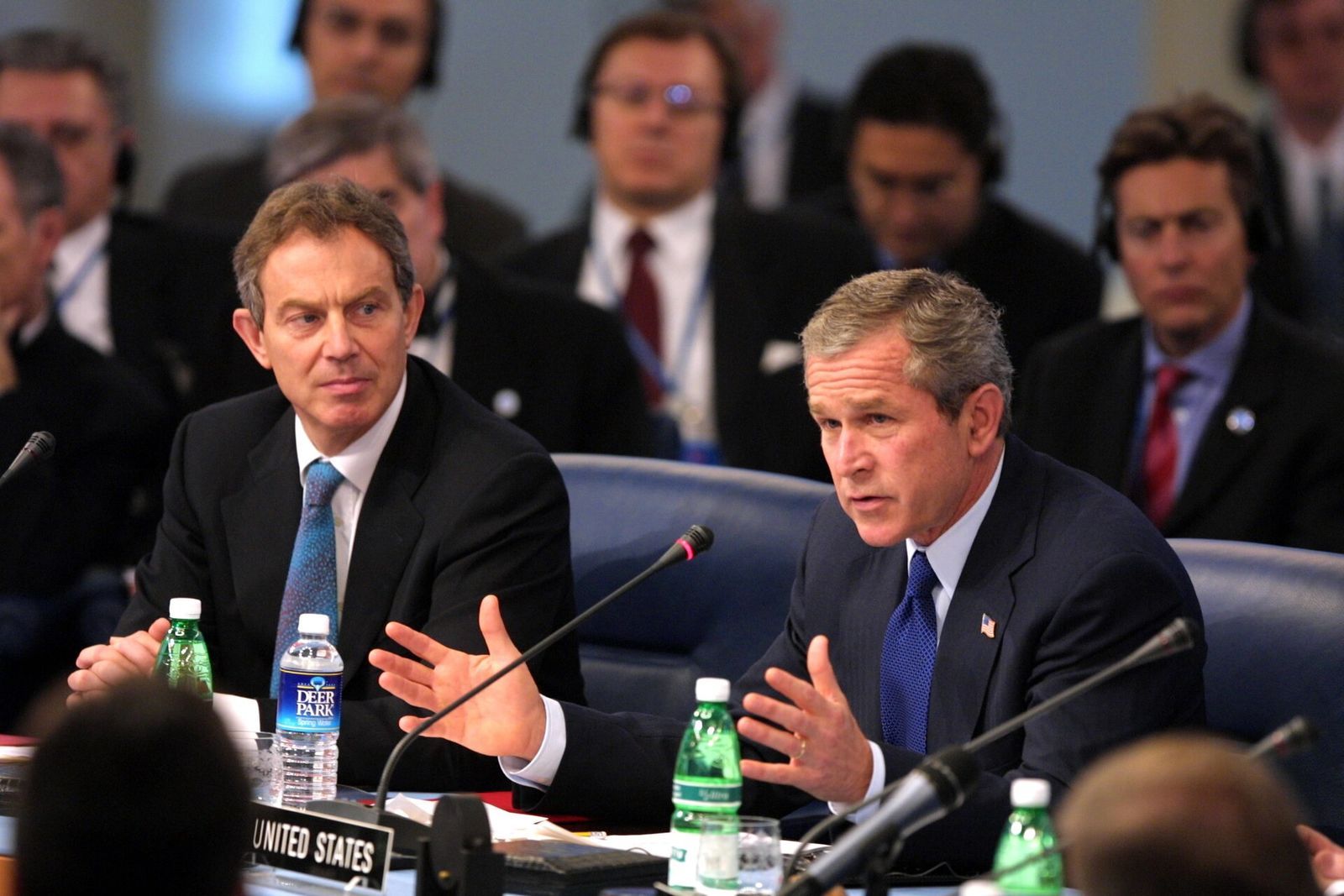
Image: Paul Morse, Public domain, via Wikimedia Commons

After leaving the White House in 2009, George W. Bush picked up a paintbrush, and nobody was more surprised than he was by how much he loved it. He started with his dogs and landscapes, quietly teaching himself the basics of oil painting with the help of online tutorials and books.

He eventually moved on to portraits of world leaders, veterans, and immigrants, and held gallery showings of his work . Critics who expected something amateurish were genuinely taken aback by the results. For instance, Washington Post journalist Karen Tumulty summed up the reaction of many when she admitted on social media that Bush's paintings were, surprisingly, kind of edgy.
History History 6 min read

Who was the real Paul Revere? 10 shocking facts beyond the legend

Image: Keith J Finks

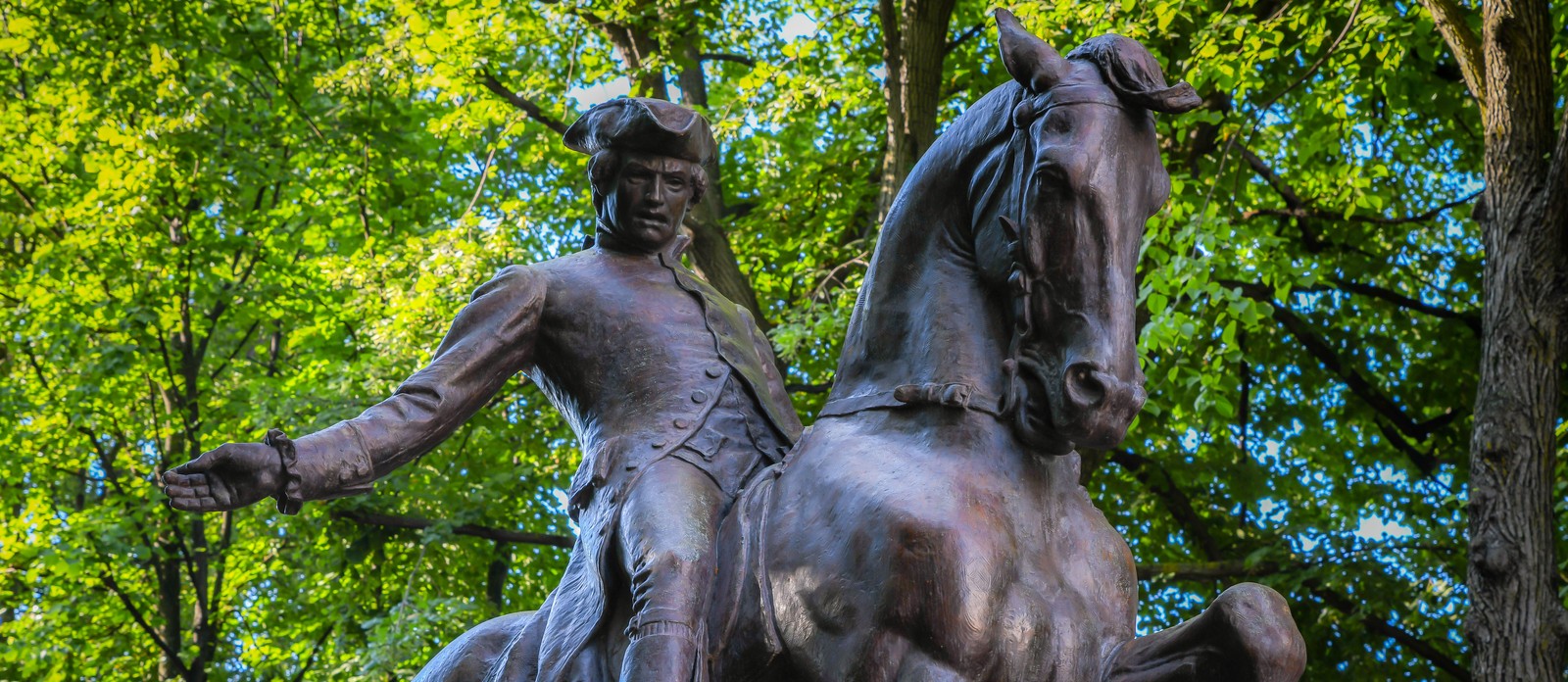
Like many stories from early American history, the myth of the heroic patriot galloping through the midnight dark, shouting a legendary warning, has completely overshadowed the man. The real Paul Revere was a fascinating human being. He was a craftsman, an innovator, and a family man. Let’s pull back the curtain on the legend and look at ten surprising facts you probably never knew about America’s favorite midnight rider.

1
He was of French descent

Image: John Singleton Copley, Public domain, via Wikimedia Commons

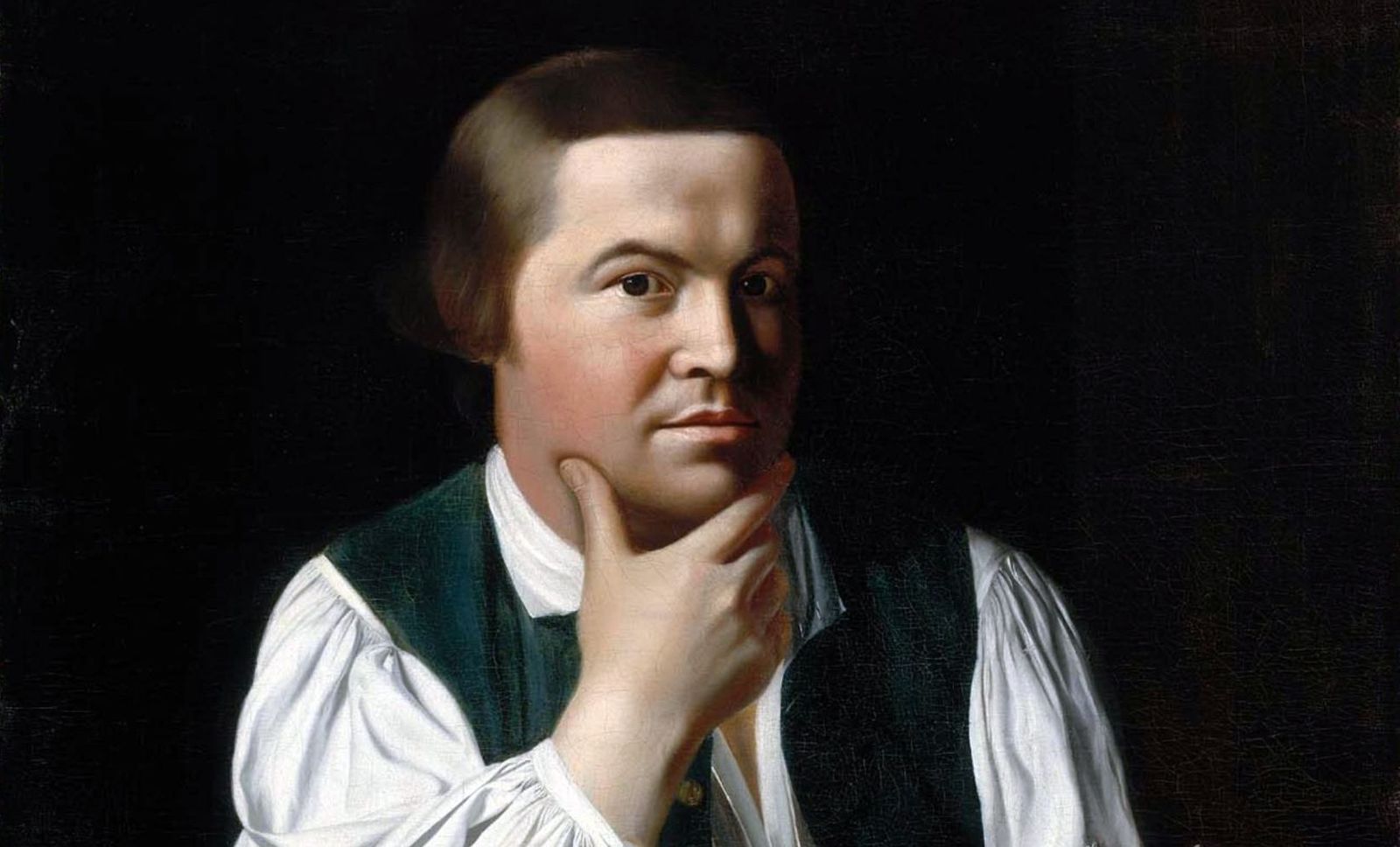
While we think of Paul Revere as an early American icon, his roots lay across the Atlantic. His father, Apollos Rivoire, was a French Huguenot (a member of the French Reformed Church) who fled religious persecution and immigrated to Boston as a teenager.

To fit in his new home, Apollos Americanized the family name to "Revere". Paul was born in late 1734 or early 1735, the son of Apollos and a Boston local called Deborah Hichborn. Apollos was so interested in blending in that he never taught his children to speak and read French. In fact, a young Paul Revere even fought against the French as part of the colonial forces during the French and Indian War.

2
He was an accomplished artisan

Image: Paul Revere, CC0, via Wikimedia Commons

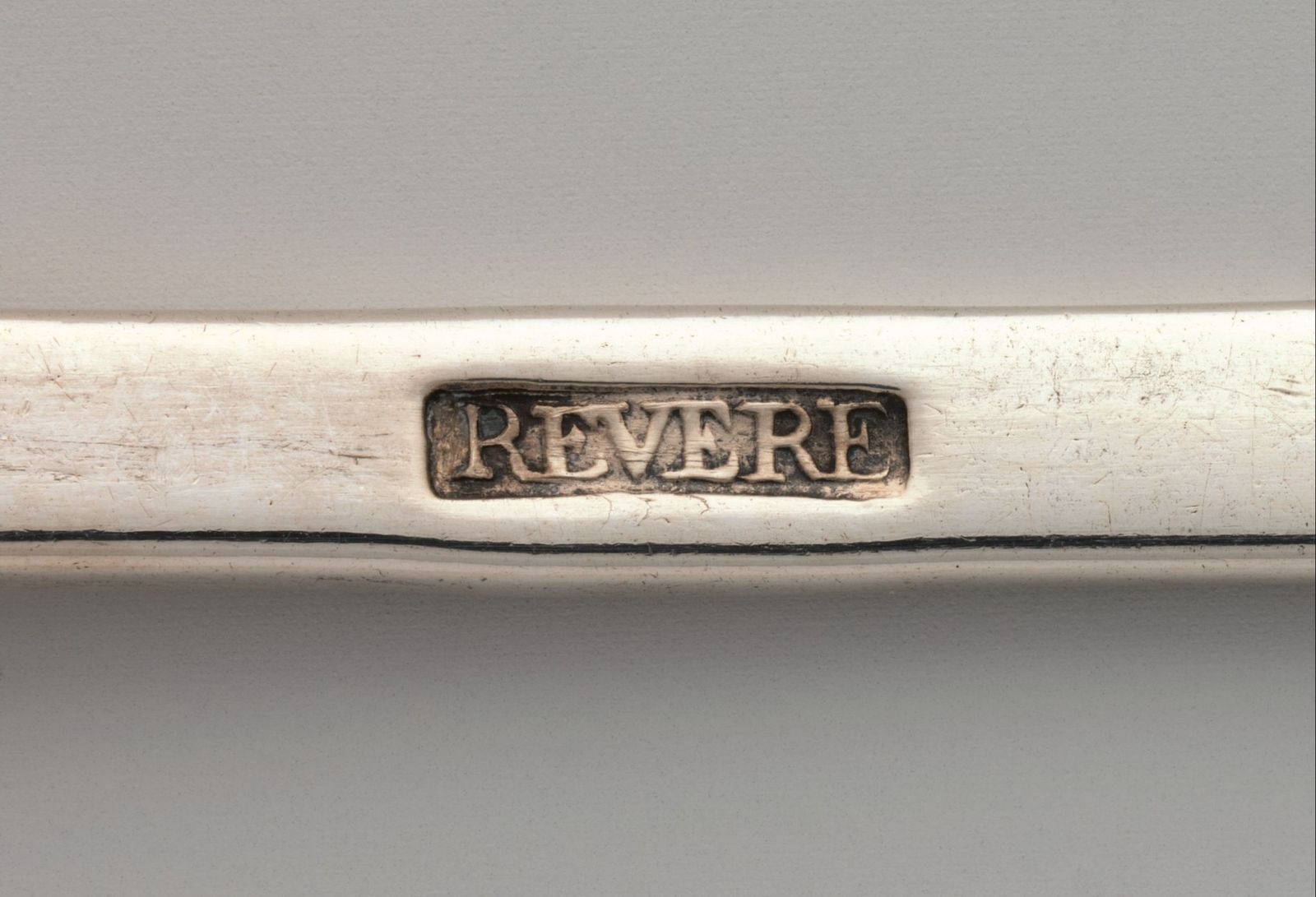
Before he was a revolutionary, Revere was a master craftsman. He learned the art of silversmithing from his father and quickly gained a reputation as an accomplished artisan. He designed seals, coats of arms, plate engravings, and silver teapots.

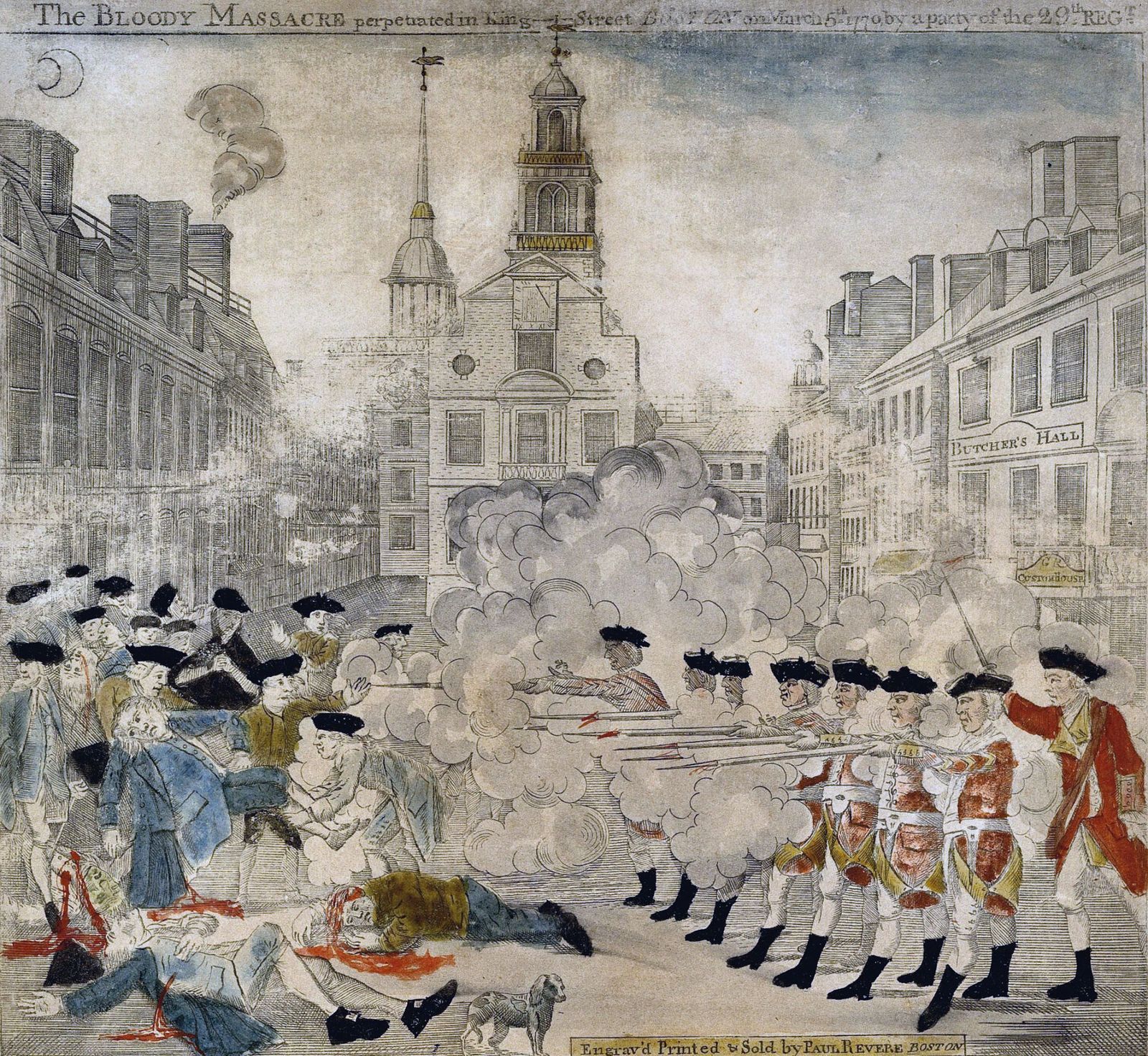
Revere also used his engraving skills to create sharp political cartoons that mocked the British. His most famous artistic work was a sensationalized engraving of the 1770 Boston Massacre. It wasn’t entirely historically accurate, but it spread through the colonies, stirring up the anti-British sentiment that laid the groundwork for the Revolution.

3
He worked as an amateur dentist

Image: See page for author, CC BY 4.0, via Wikimedia Commons

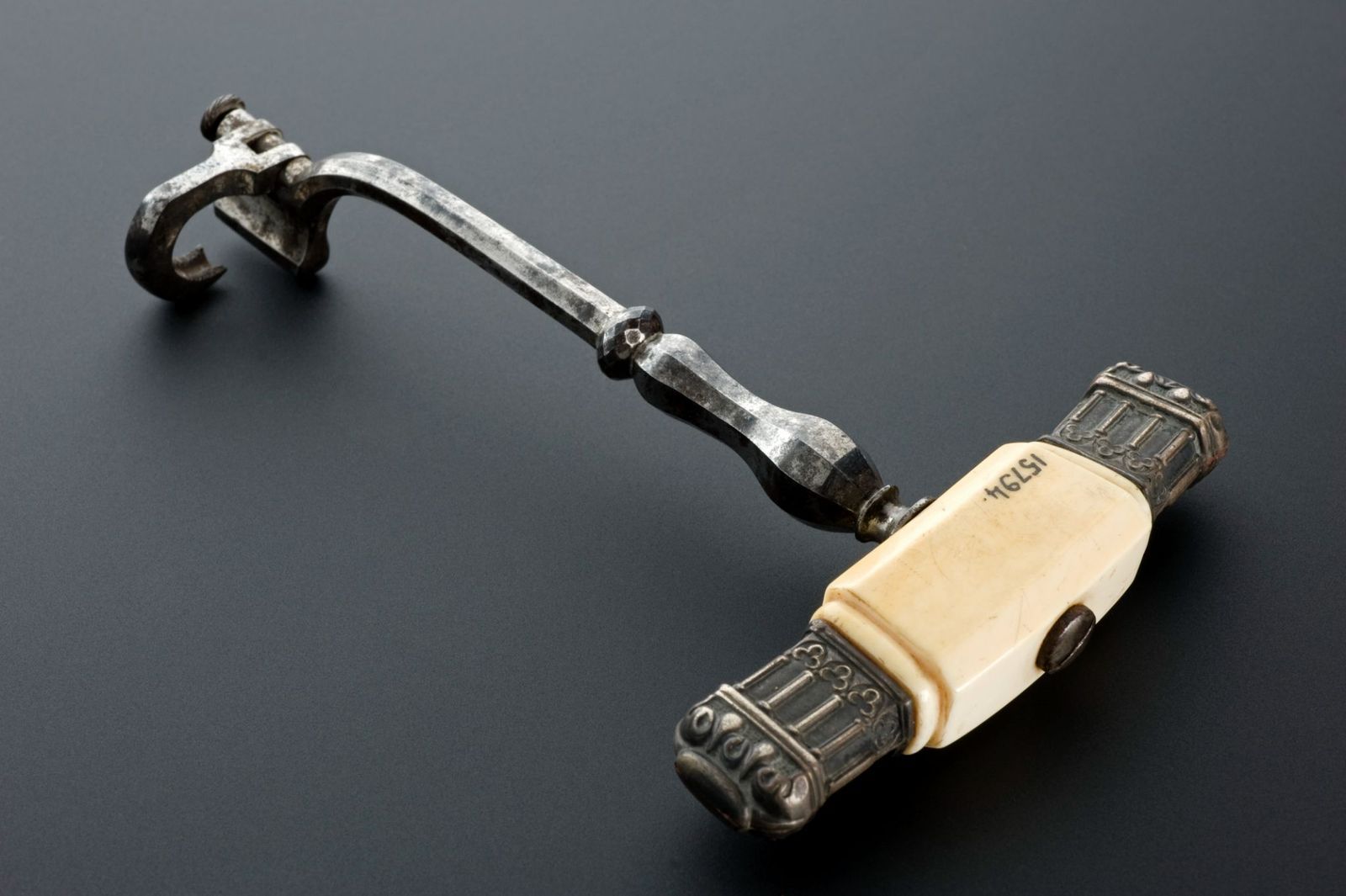
When silversmithing work ran slow, Revere picked up a side hustle: dentistry. He started cleaning teeth and crafting dental prosthetics out of animal teeth and walrus ivory for the people of Boston.

This amateur dental career actually led to a major moment in American history. In 1775, Revere’s close friend, Dr. Joseph Warren, was killed at the Battle of Bunker Hill and buried in an unmarked mass grave by British soldiers. A year later, when the bodies were exhumed, the remains were unrecognizable. Yet, Revere was able to identify Warren’s body by recognizing the specific ivory tooth and custom wire bridge he had personally crafted for his friend. It’s widely considered one of the earliest documented cases of forensic dentistry in the United States.

4
He played a key role in early intelligence efforts

Image: Zack Frank

Long before the CIA existed, Paul Revere was working as a pioneer of organized American espionage. As a member of the Sons of Liberty, Revere wanted to track British movements closely. In 1774, he helped form a spy group known as "the mechanics" or the "Liberty Boys".

These men were Bostonian blacksmiths, artisans, and laborers who used their ordinary routines to watch British troops, listening for rumors of upcoming military actions. The spies would gather at the city’s historic Green Dragon Tavern to trade secrets and map out British movements.

5
Longfellow's inaccurate poem

Image: Grant Wood, Public domain, via Wikimedia Commons

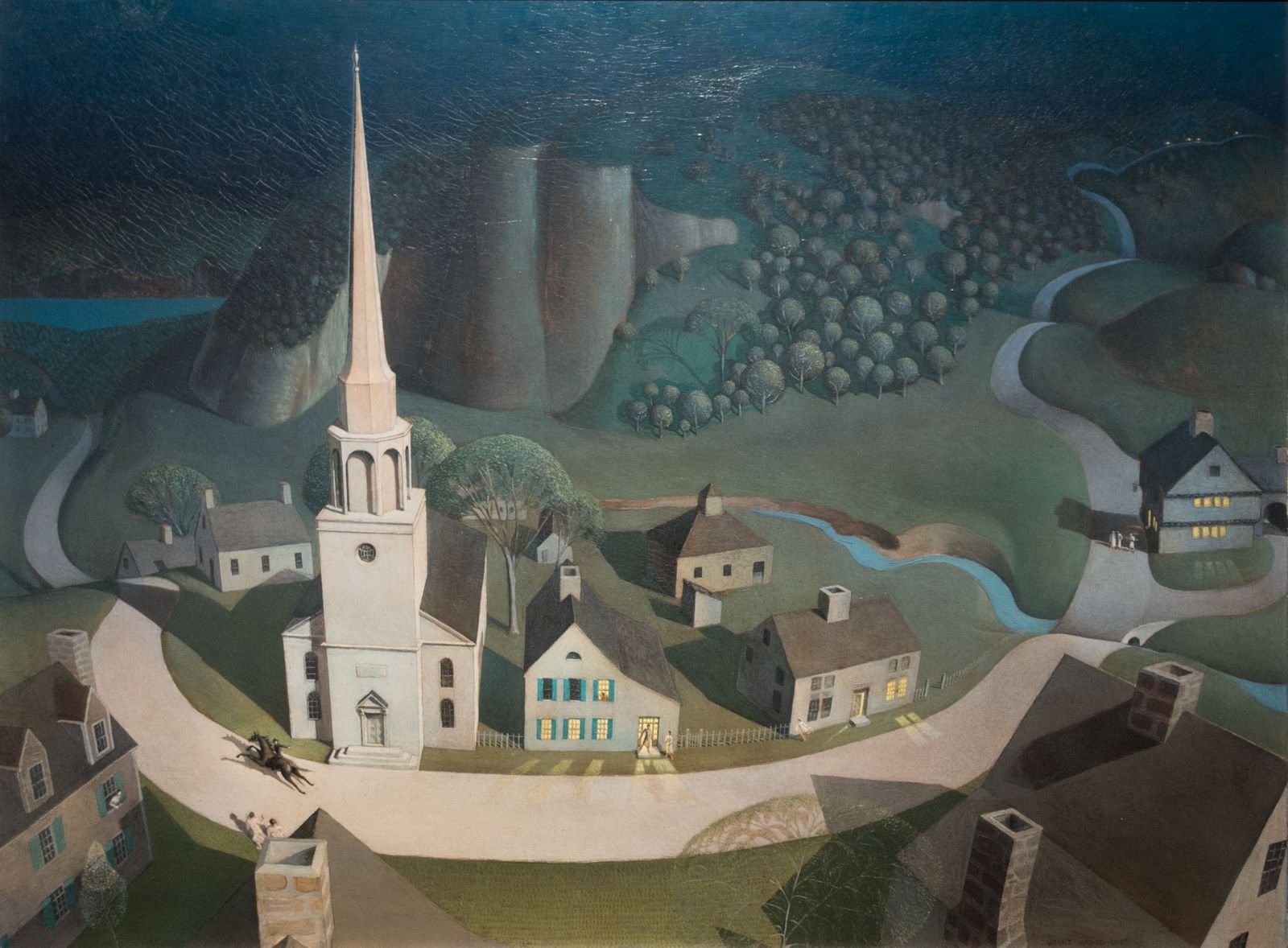
If your knowledge of Revere comes from Henry Wadsworth Longfellow’s famous 1861 poem, "Paul Revere's Ride," you’ve been given a romanticized version of history. Longfellow wrote the poem nearly a century later, on the brink of the American Civil War, to stir up national pride.

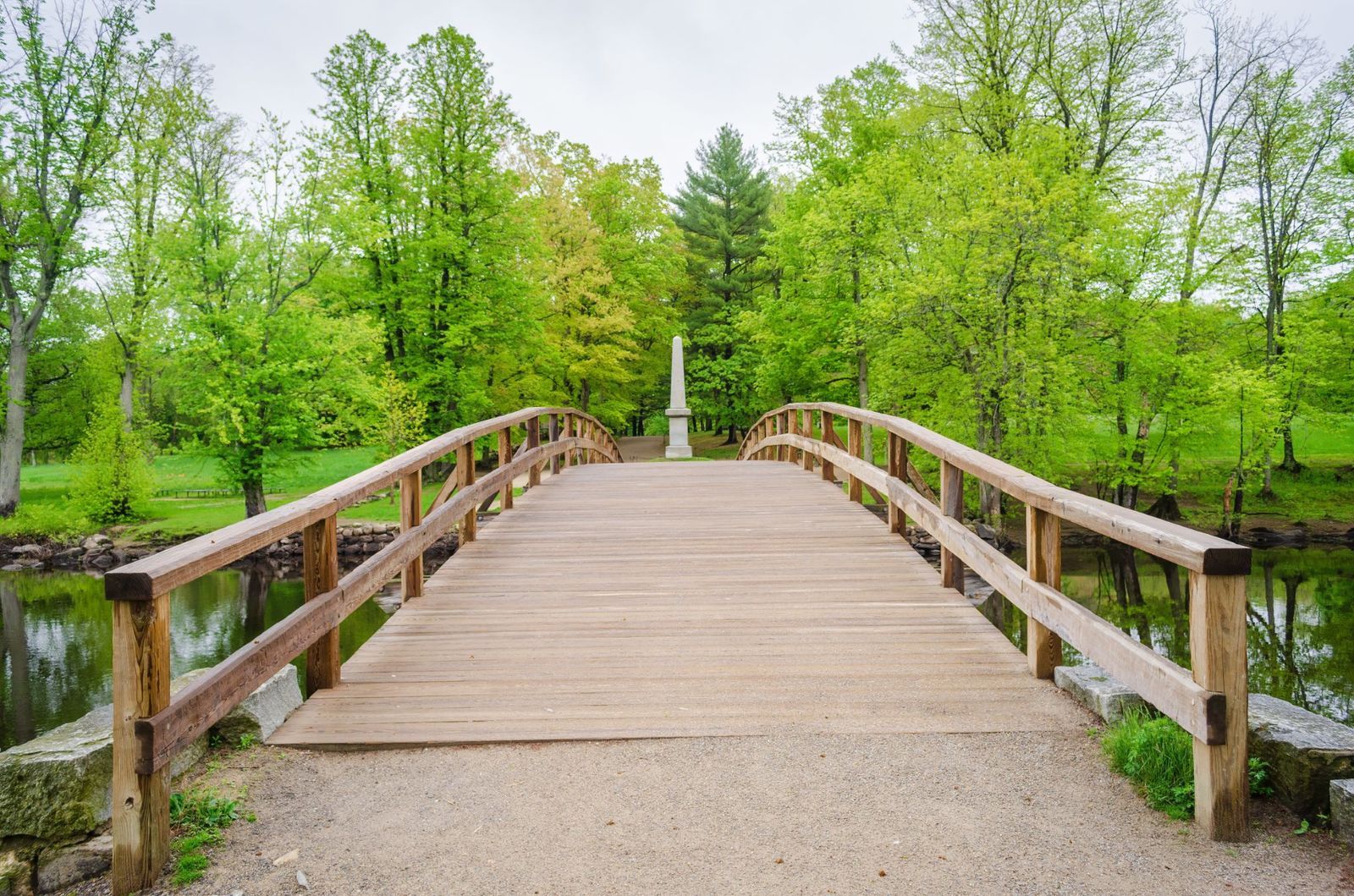
In reality, Revere wasn’t a lone rider. The night of April 18, 1775, Revere set out with two other main horsemen: William Dawes and Dr. Samuel Prescott. As they triggered local alarms, dozens of other riders joined the effort. By midnight, more than 40 people were racing across the country, spreading the word. Furthermore, Revere never actually made it to his final destination of Concord. He was captured and briefly detained by a British patrol.

6
He didn’t even own a horse for his midnight ride

Image: Tichnor Bros. Inc., Boston, Mass., Public domain, via Wikimedia Commons

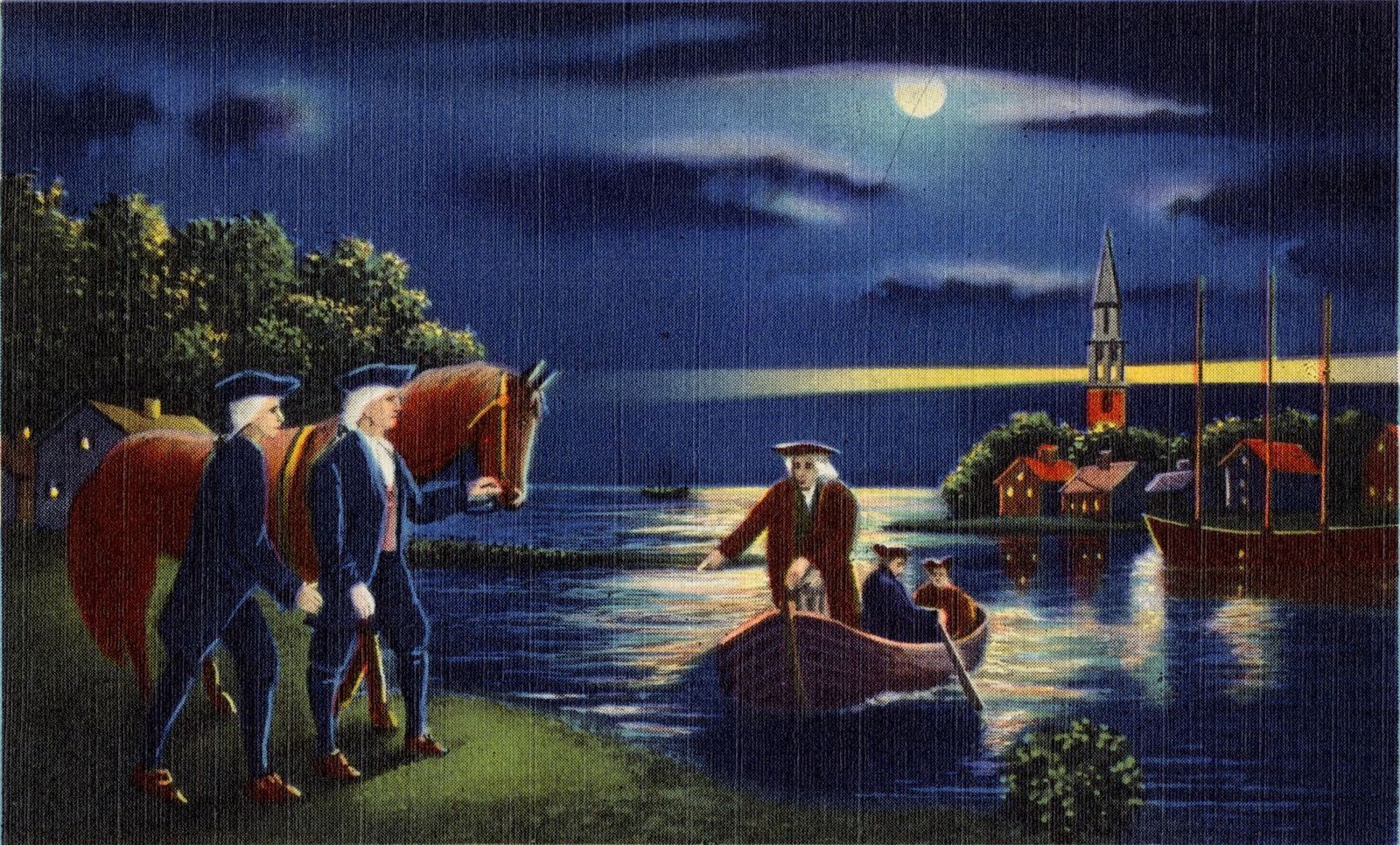
It’s hard to imagine the midnight ride without Revere’s faithful steed, but the truth is, Revere didn’t even own a horse when the fateful night arrived. Because he had to be quietly rowed across the Charles River, bringing a horse from Boston was out of the question.

Once he reached Charlestown, he had to find a ride. He ended up borrowing a horse from a sympathetic local merchant called John Larkin. Legend has it that this borrowed mare was named "Brown Beauty". Sadly, after Revere was captured later that night, the soldiers confiscated the horse, and she was never seen again.

7
He didn’t actually say THAT

Image: Leonard Everett Fisher, Public domain, via Wikimedia Commons

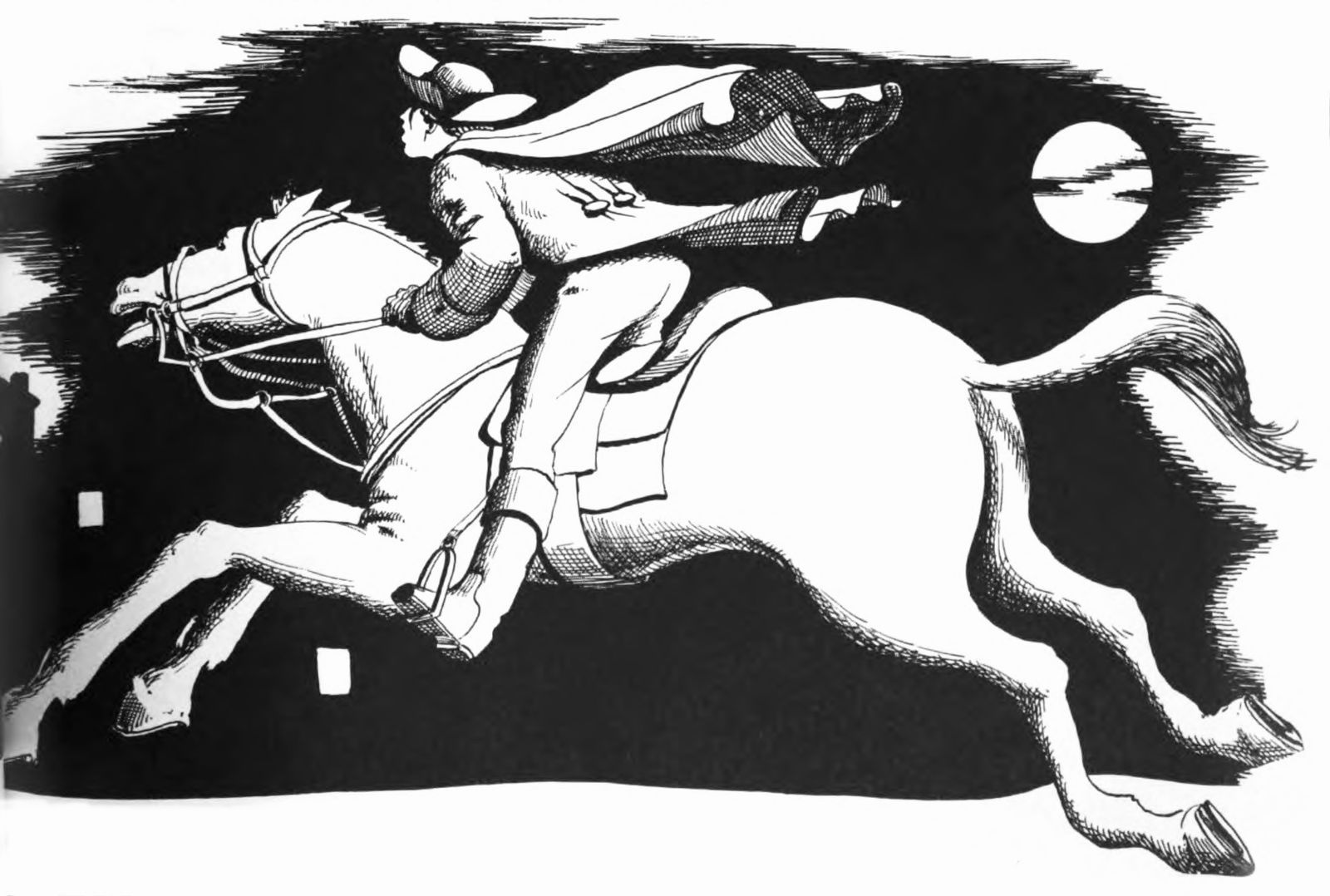
"The British are coming!" is one of the most famous quotes in American history, but Revere never said it. The countryside was crawling with British soldiers, so his mission had to be very quiet. Yelling at the top of his lungs would have landed him in military prison before he even left town. Instead, he went door to door delivering the warning quietly to specific patriots.

Also, the phrase wouldn’t have made sense to the colonists. At the moment in 1775, the colonists still considered themselves British citizens. Instead, historical accounts indicate that Revere used the phrase, "The Regulars are coming out!" "Regulars" was the standard colonial term for the standing British army troops.

8
His military record wasn't outstanding

Image: Public domain, via Wikimedia Commons

Although Revere was a phenomenal community organizer and courier, his transition into traditional military leadership didn’t go smoothly. During the war, he served as a major and later a lieutenant colonel in the Massachusetts State Artillery. His military career hit a disastrous low point in the summer of 1779 during the Penobscot Expedition in modern-day Maine.

The mission was a total failure for the Americans. In the aftermath, Revere was accused of cowardice, laziness, and disobedience. He faced a court-martial and spent several years fighting to clear his name. He was ultimately acquitted of all charges in 1782, but the incident permanently tarnished his dreams of military glory.

9
Fatherhood came early… and often

Image: Jeffrey M. Frank

If you think managing a household today is stressful, consider Paul Revere’s domestic life: he fathered an astonishing 16 children.

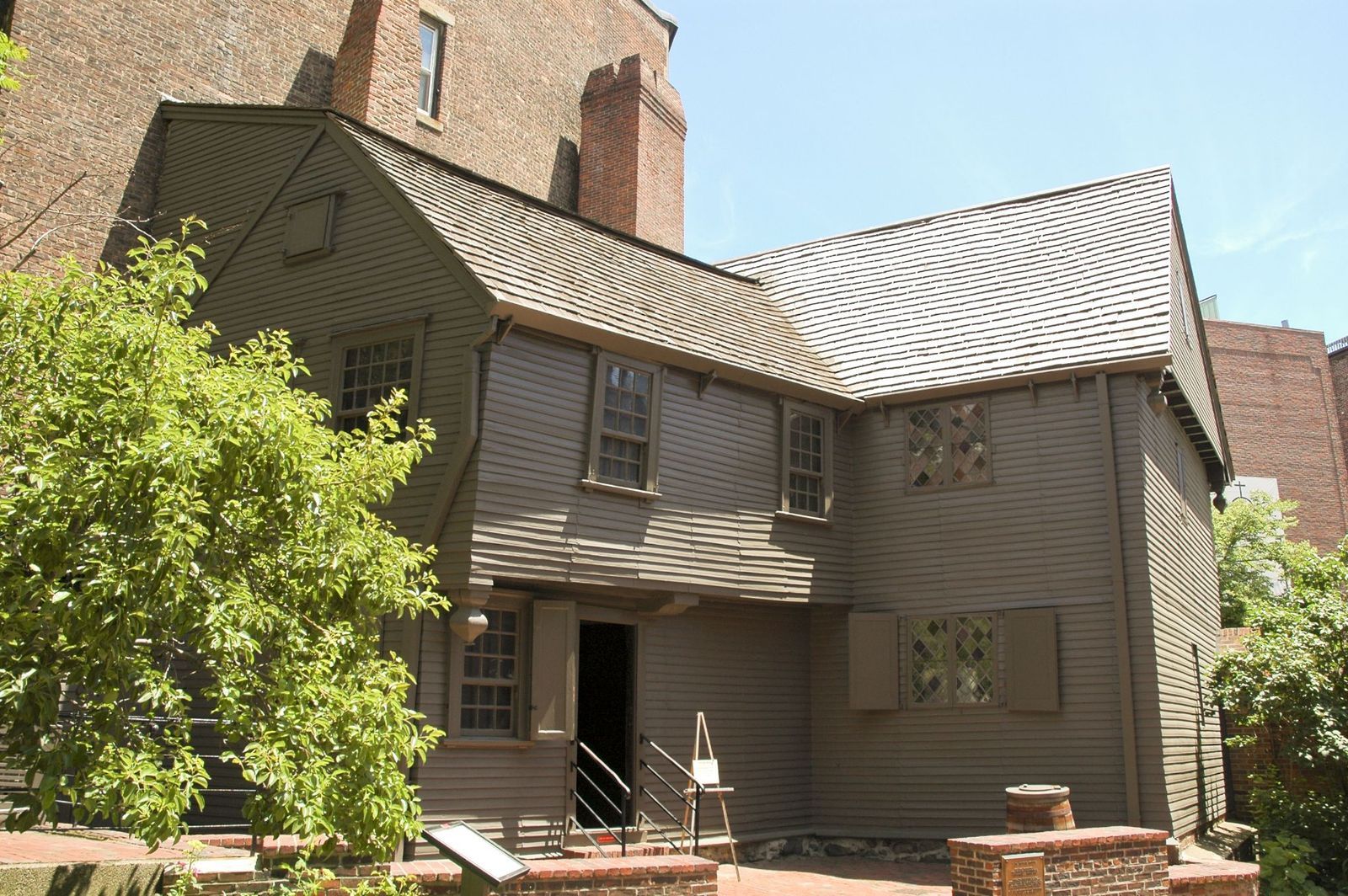
He had his first eight children with his first wife, Sarah Orne. Following her death in 1773, he remarried a woman called Rachel Walker, with whom he had another eight children. They crammed this huge family into a small townhouse at 19 North Square in downtown Boston. Amazingly for the 18th century, 11 of his 16 children survived to adulthood.

10
Revere Copper Products, Inc. is still in operation

Image: Jaclyn Vernace

After the Revolution ended, Revere left politics and went back to industry with some success. He opened a hardware store, a foundry, and the first rolling copper mill in the United States.

In fact, his business supplied the copper used to protect the hull of the USS Constitution. He also cast nearly 1,000 church bells, many of which still ring across New England today. Amazingly, the company he founded, Revere Copper Products, Inc., is still in business. Paul Revere passed away in 1818 at the age of 83, leaving behind a legacy more industrious than a single night’s ride.

History History 7 min read

America's most famous names

Bill Clinton wasn't born Bill Clinton—and that's just the start

Image: Cecil W. Stoughton, Public domain, via Wikimedia Commons

What if we told you that Bill Clinton wasn't born "Bill Clinton"? Or that Harry S. Truman's famous middle initial didn't actually stand for anything? And would you believe Lyndon B. Johnson went three months without a name? We've known about America's presidents our entire lives, so it's easy to assume there's nothing left to learn about them. But behind some of the most familiar names in U.S. history are stories stranger than fiction. From accidental initials that lasted a lifetime to surnames that changed completely, here are 10 surprising stories behind the names of American presidents.

1
Bill Clinton

Image: National Archives and Records Administration, Public domain, via Wikimedia Commons

Have you heard of Bill Blythe? Probably not, but you definitely know who he is: Bill Clinton, the 42nd president of the United States.

Born William Jefferson Blythe III on August 19, 1946, in Hope, Arkansas, Clinton never knew his biological father, who passed away in a car accident three months before he was born. His mother, Virginia Cassidy Blythe, later married Roger Clinton Sr. At 15 years old, Bill chose to take the surname Clinton, adopting the name of the man who had raised him .

2
Lyndon B. Johnson

Image: Arnold Newman, Public domain, via Wikimedia Commons

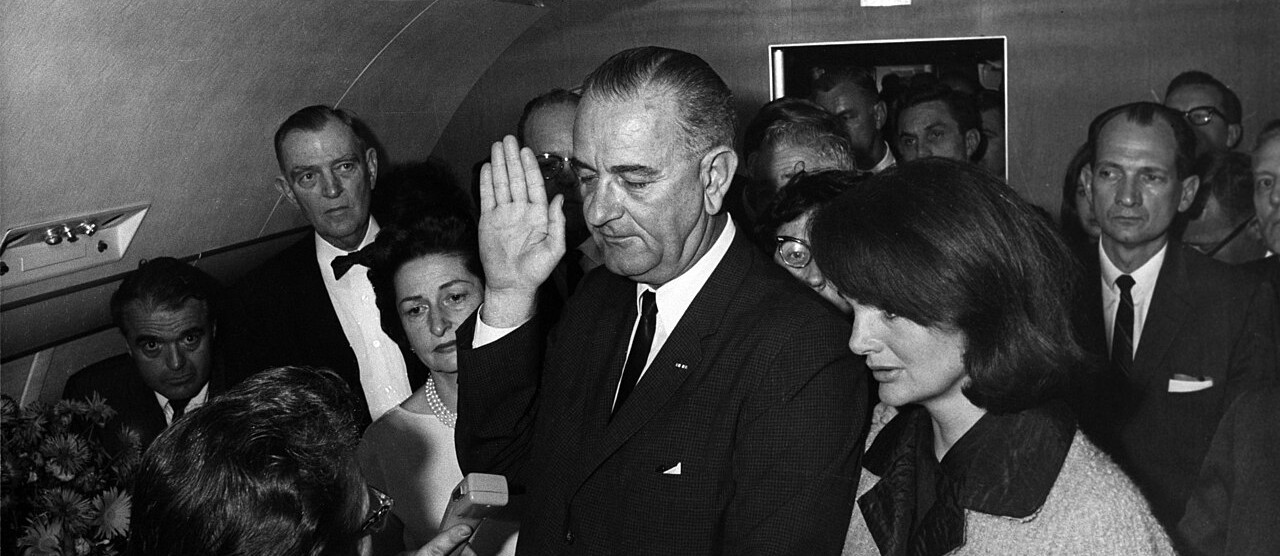
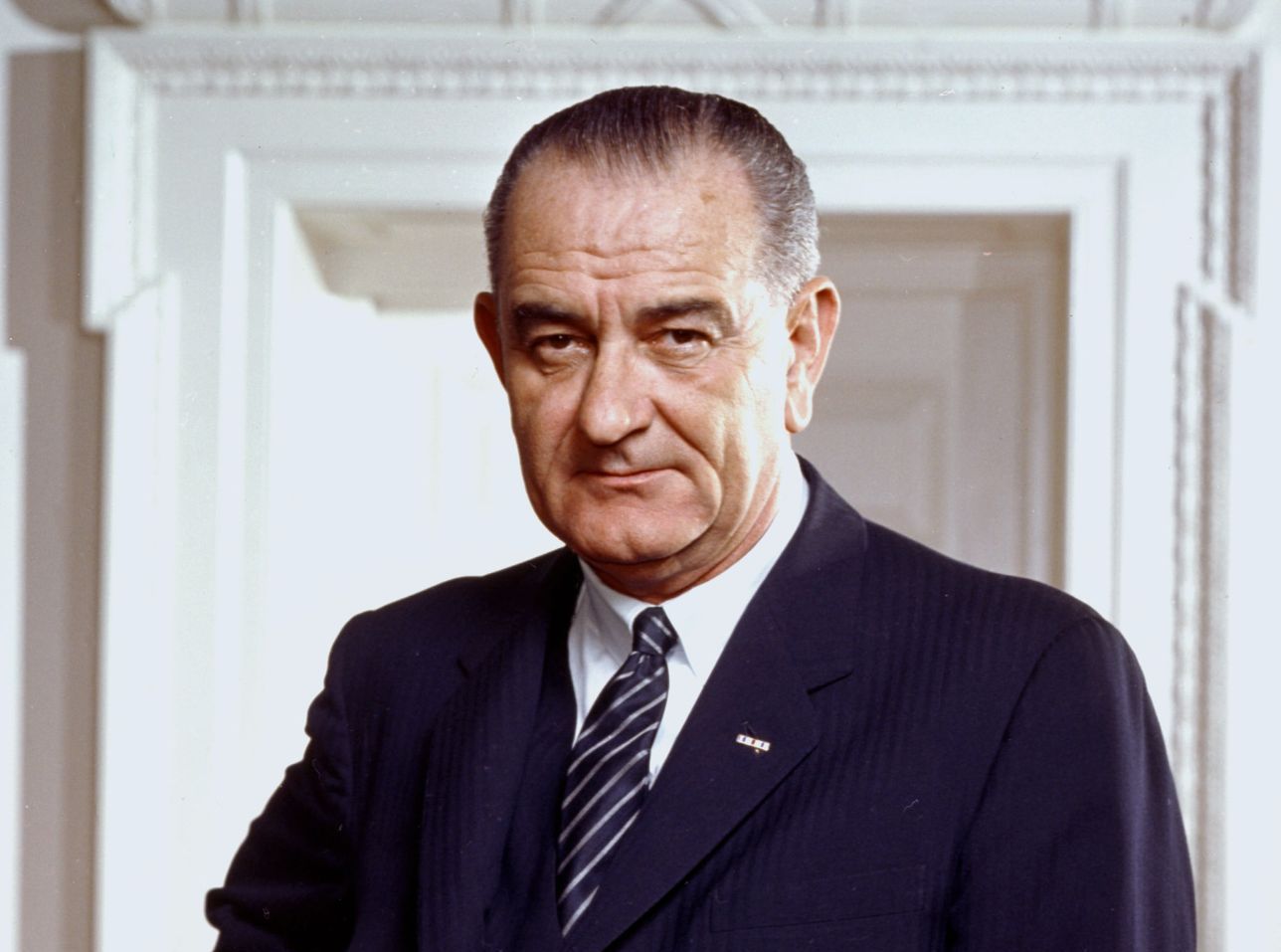
Have you ever heard of a baby who went three months without a name ? As unusual as it sounds, one US president began life exactly that way.

The future Lyndon B. Johnson was born on August 27, 1908, near Stonewall, Texas. But instead of naming their newborn son, his parents found themselves in a standoff. According to historical records from the Miller Center at the University of Virginia, his mother, Rebekah Baines Johnson, wanted to name him Clarence, while his father, Sam Ealy Johnson, wanted the baby named after himself. Unable to agree, they left him officially unnamed, and for the first three months of his life, he was simply "Baby Boy Johnson." The deadlock finally ended when his mother gave in, and the future president was named Lyndon Baines Johnson , honoring Lyndon Baines, a family friend admired by his father.

3
Ulysses S. Grant

Image: Brady-Handy Photograph Collection, Library of Congress, Public domain, via Wikimedia Commons

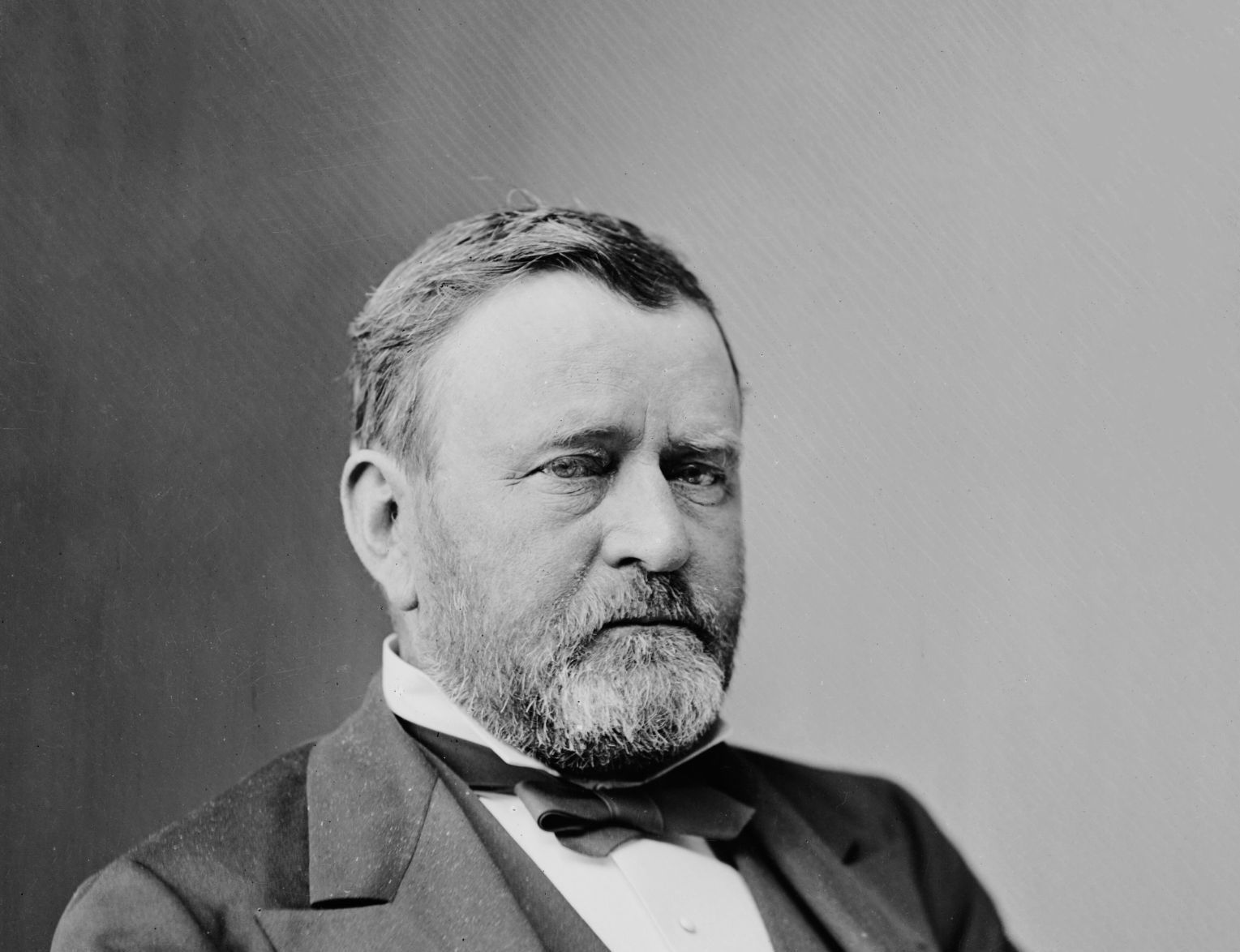
The 18th president of the United States wasn't born with the name we all know. He was born on April 27, 1822, in Point Pleasant, Ohio, as Hiram Ulysses Grant. So where did the famous "S." come from?

The answer is a paperwork mistake. In 1839, Ohio Congressman Thomas Hamer nominated the 17-year-old Grant to the US Military Academy at West Point. Knowing the young man went by Ulysses and that his mother's maiden name was Simpson, Hamer accidentally wrote "Ulysses S. Grant" on the nomination. Grant considered correcting the error, but eventually gave up, for two main reasons. He disliked the initials of his birth name, "H.U.G.", so the mistake didn't bother him much. In addition, fixing it would have meant a mountain of paperwork that could have jeopardized his appointment to West Point. So he simply let the new name stand, and the accidental middle initial stayed with him for the rest of his life.

4
Harry S. Truman

Image: Harris & Ewing, photographer, Public domain, via Wikimedia Commons

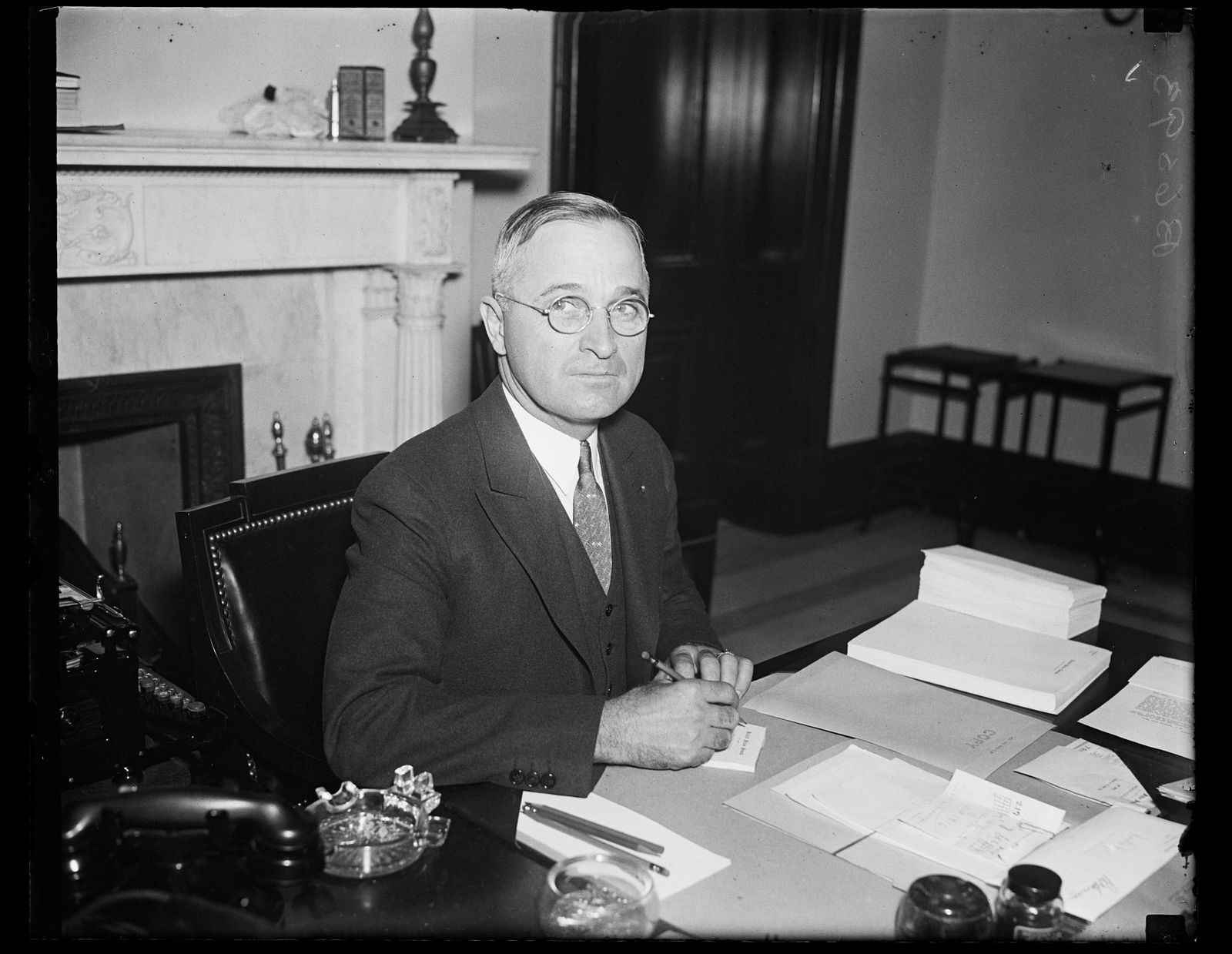
Harry S. Truman may have one of the strangest stories on this list.

His first name, Harry, honored his maternal uncle, Harrison "Harry" Young. His middle initial, however, didn't actually stand for anything. Truman's parents chose the "S" to honor both of his grandfathers, Anderson Shipp Truman and Solomon Young, without choosing one name over the other. In other words, the "S" wasn't short for Shipp or Solomon; it was simply "S". Truman himself usually wrote it without a period, since it wasn't an abbreviation. But after he became president, his staff encouraged him to add the period in official correspondence because it looked more conventional. That's why today he's almost always remembered as Harry S. Truman.

5
Dwight D. Eisenhower

Image: National Archives at College Park, Public domain, via Wikimedia Commons

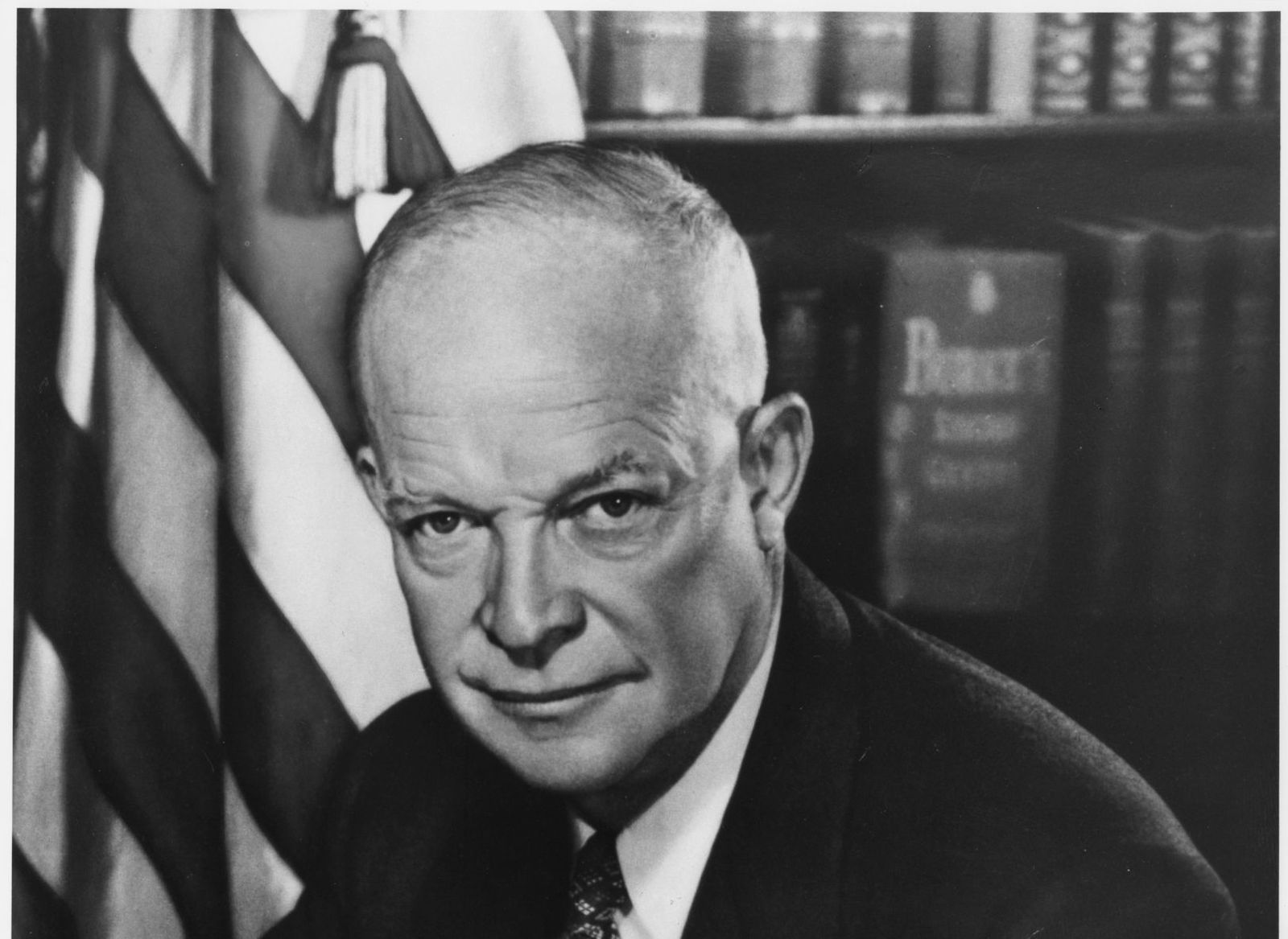
President Dwight D. Eisenhower is remembered for leading the nation through the Cold War and signing the Civil Rights Act of 1957. But there's one surprising detail about him that most people never hear.

The man we know as Dwight Eisenhower was actually born David Dwight Eisenhower on October 14, 1890, in Denison, Texas. Named after his father, David Jacob Eisenhower, he quickly ended up with a problem: there were now two Davids in the same household. To avoid the confusion, his mother, Ida, simply began calling her son Dwight instead. He went by his middle name as if it were his first for years, but the change didn't become official until he applied to West Point at age 20. Wanting his official records to match the name everyone already knew him by, he registered as Dwight David Eisenhower and made the switch permanent.

6
Gerald R. Ford

Image: Thomas J. O'Halloran, photographer, Public domain, via Wikimedia Commons

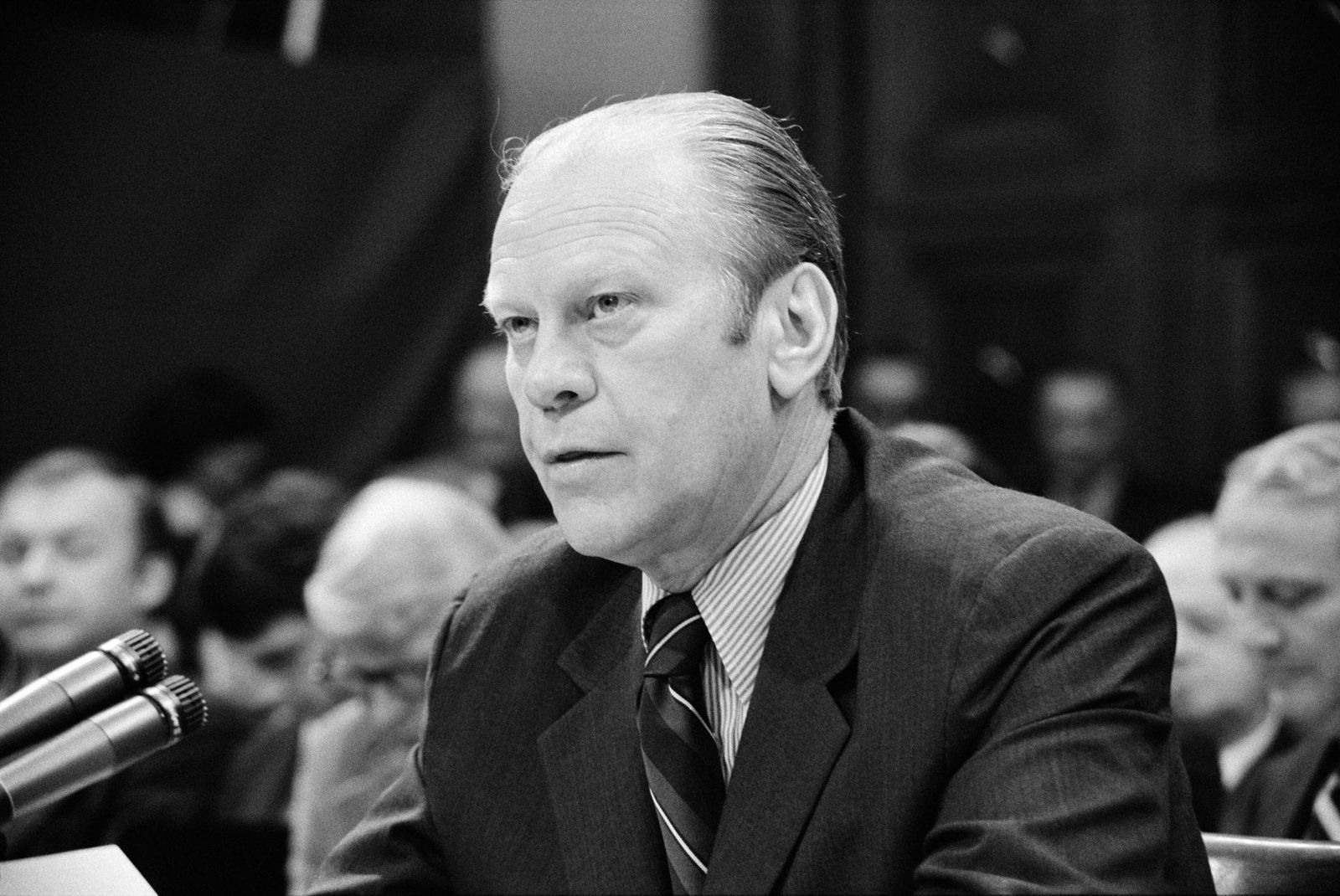
On July 14, 1913, a baby boy named Leslie Lynch King Jr. was born in Omaha, Nebraska, and 61 years later, he became the 38th president of the United States. If the name doesn't sound familiar, there's a good reason: he entered the White House under a completely different name.

Leslie Lynch King Jr. was named after his father. However, just 16 days after his birth, his mother, Dorothy, fled the marriage with her infant son to escape her abusive husband. Three years later, she divorced King and married Gerald Rudolph Ford, a paint salesman who raised the boy as his own. From then on, everyone knew him as Gerald Rudolph Ford Jr. , even though he didn't legally change his name until December 3, 1935, when he was 22 years old.

7
Ronald Reagan

Image: Michael Evans, Public domain, via Wikimedia Commons

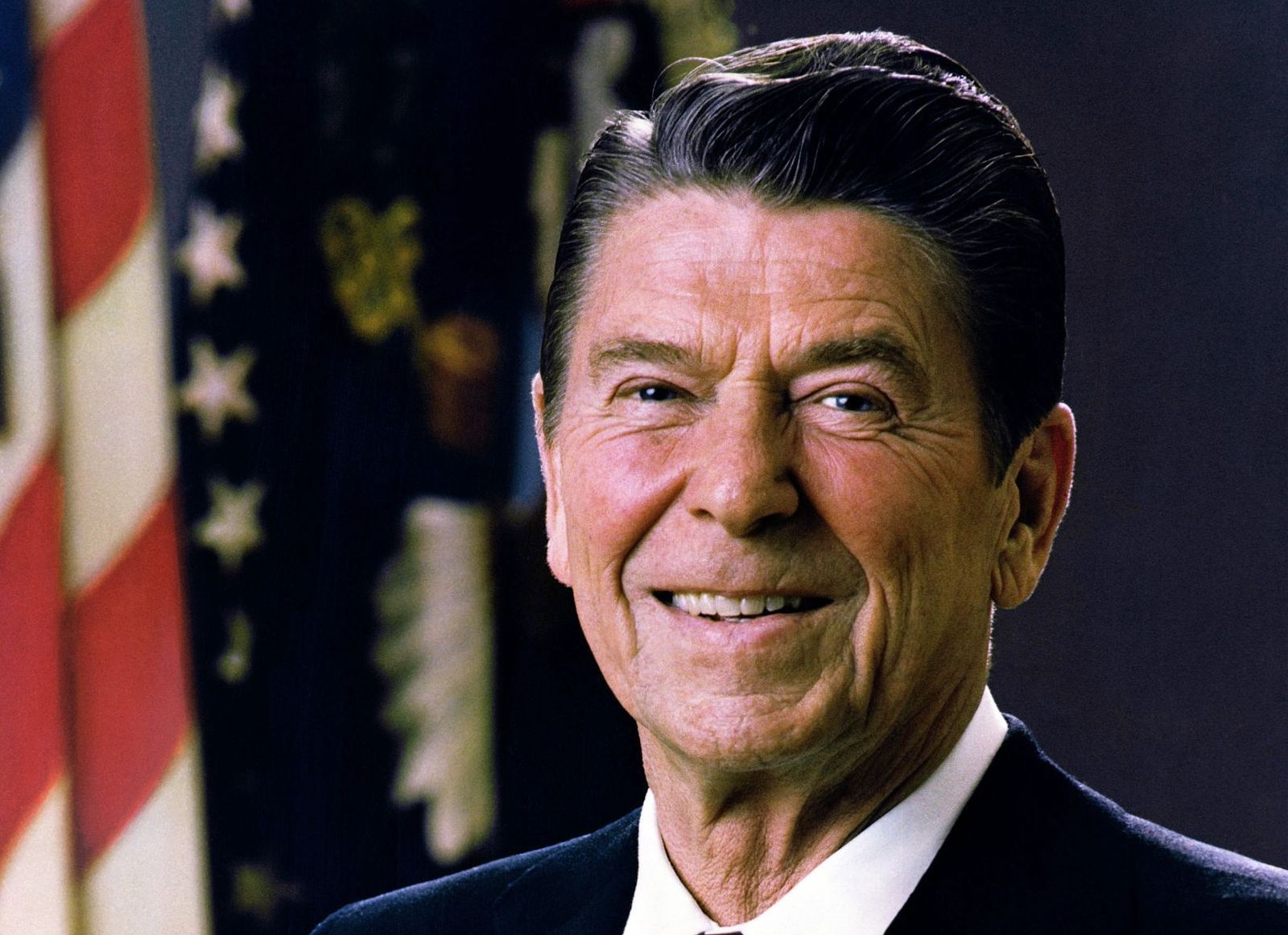
Have you ever heard of "Dutch" Reagan? Perhaps not, but that was in fact the childhood nickname of Ronald Reagan, the 40th president of the United States.

Born as Ronald Wilson Reagan on February 6, 1911, in Tampico, Illinois, Reagan got his nickname from his father, who thought his newborn son looked like a "fat little Dutchman." The moniker stuck almost immediately. As a boy, Reagan embraced it so completely that, according to his autobiographies and records at the Ronald Reagan Presidential Library, he disliked being called Ronald and insisted everyone call him Dutch instead. That changed only after he arrived in Hollywood in the late 1930s, when studio executives convinced him that "Dutch Reagan" wasn't exactly leading-man material.

8
Jimmy Carter

Image: White House, Public domain, via Wikimedia Commons

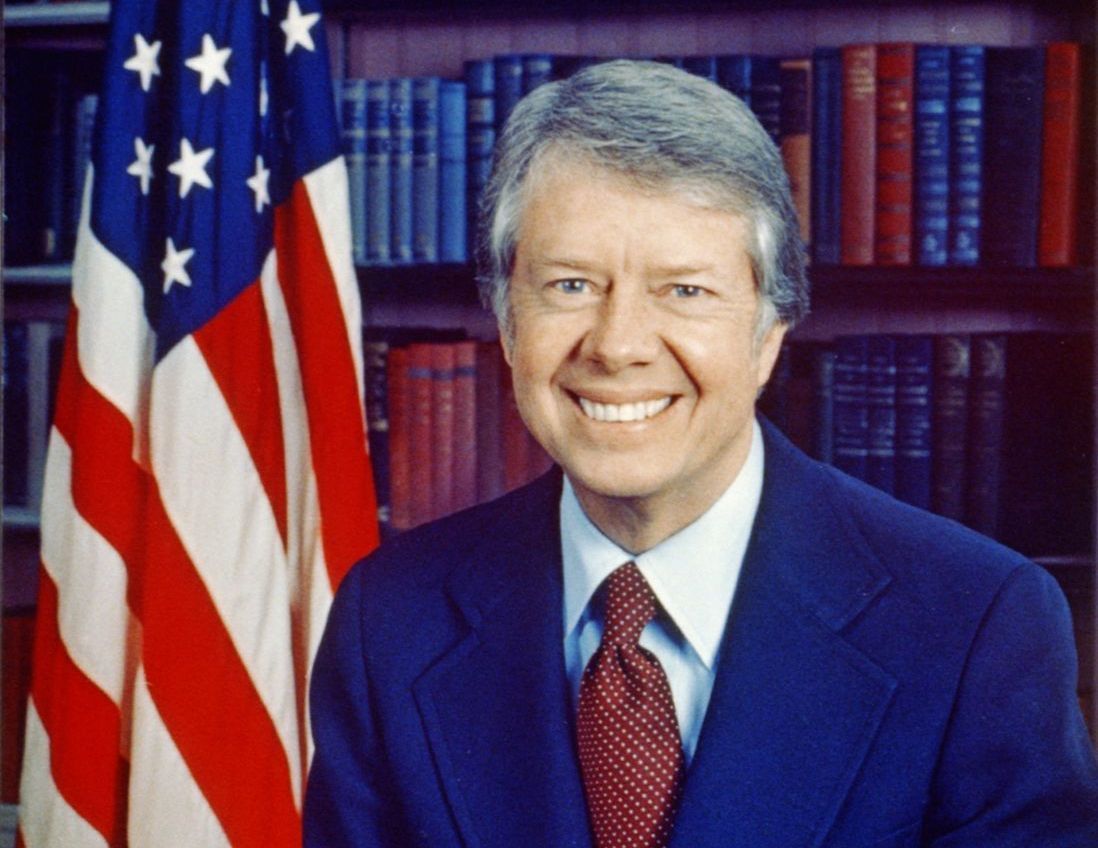
Born James Earl Carter Jr. on October 1, 1924, in Plains, Georgia, and named after his father, the future president had been called "Jimmy" almost from the day he was born.

Over the years, the nickname became the name he truly identified with. So when he took the presidential oath in 1977, Carter broke with tradition. Instead of using his formal first name like all the presidents, he was sworn in as Jimmy Carter, becoming the first (and still the only) US president to take the oath of office using a nickname rather than his legal name.

9
John Quincy Adams

Image: National Museum of American History, Public domain, via Wikimedia Commons

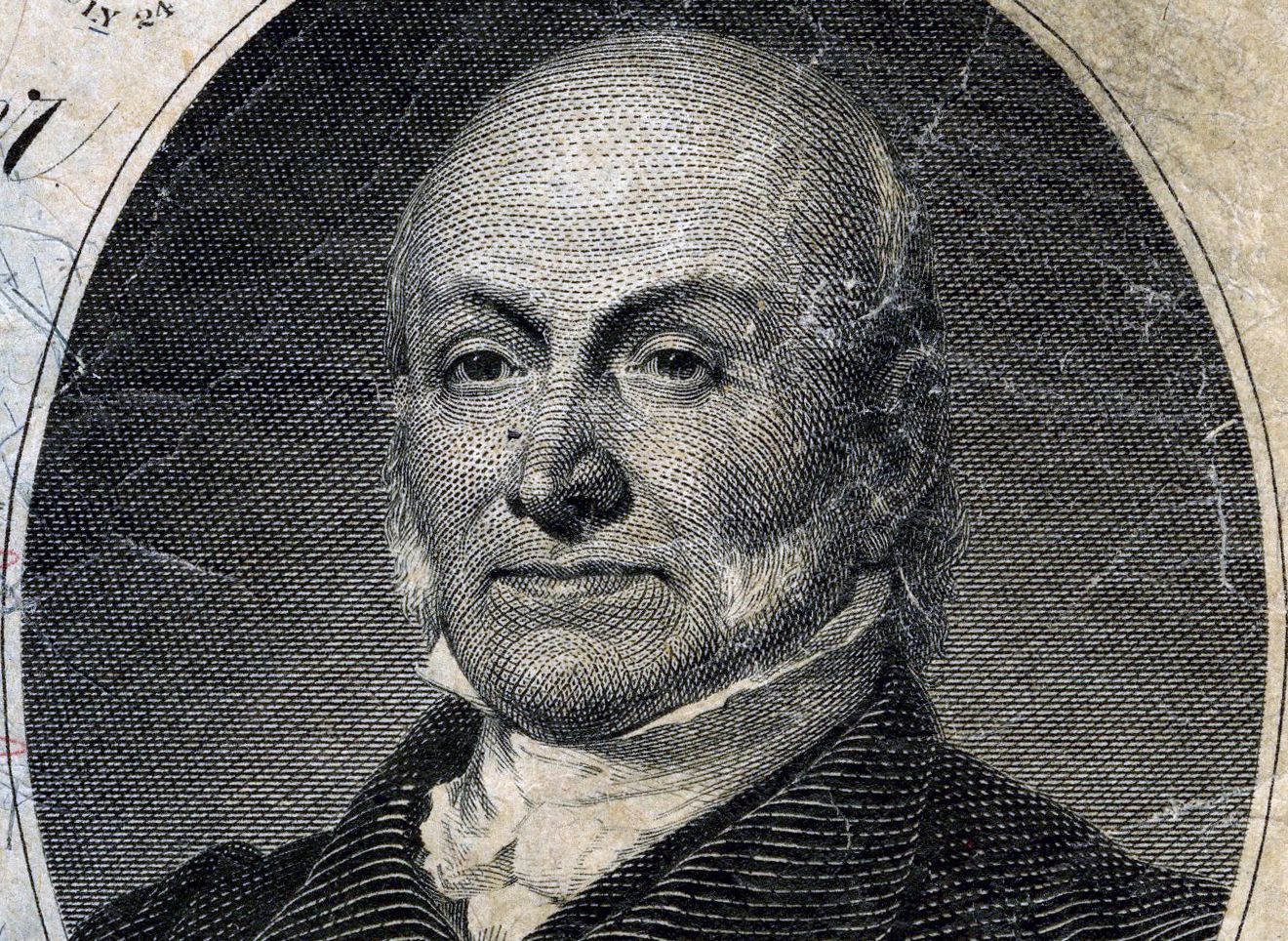
The second president of the United States, John Adams, is one of the best-known Founding Fathers. His name is instantly recognizable to most Americans, and that's exactly why his son made an important decision about what he would be called.

John Quincy Adams was born on July 11, 1767, in the North Precinct of Braintree, Massachusetts, an area that was officially renamed Quincy in 1792. The nation's sixth president and the first son of a president to become president himself carried a name with a story. He was named not only after his father, but also after his maternal great-grandfather, Colonel John Quincy, who was gravely ill when the baby was born. Although Quincy was originally a family surname, it became the baby’s middle name. As an adult, he embraced all three names, John Quincy Adams, helping distinguish himself from his famous father while honoring both sides of his family.

10
Grover Cleveland

Image: National Archives at College Park, Public domain, via Wikimedia Commons

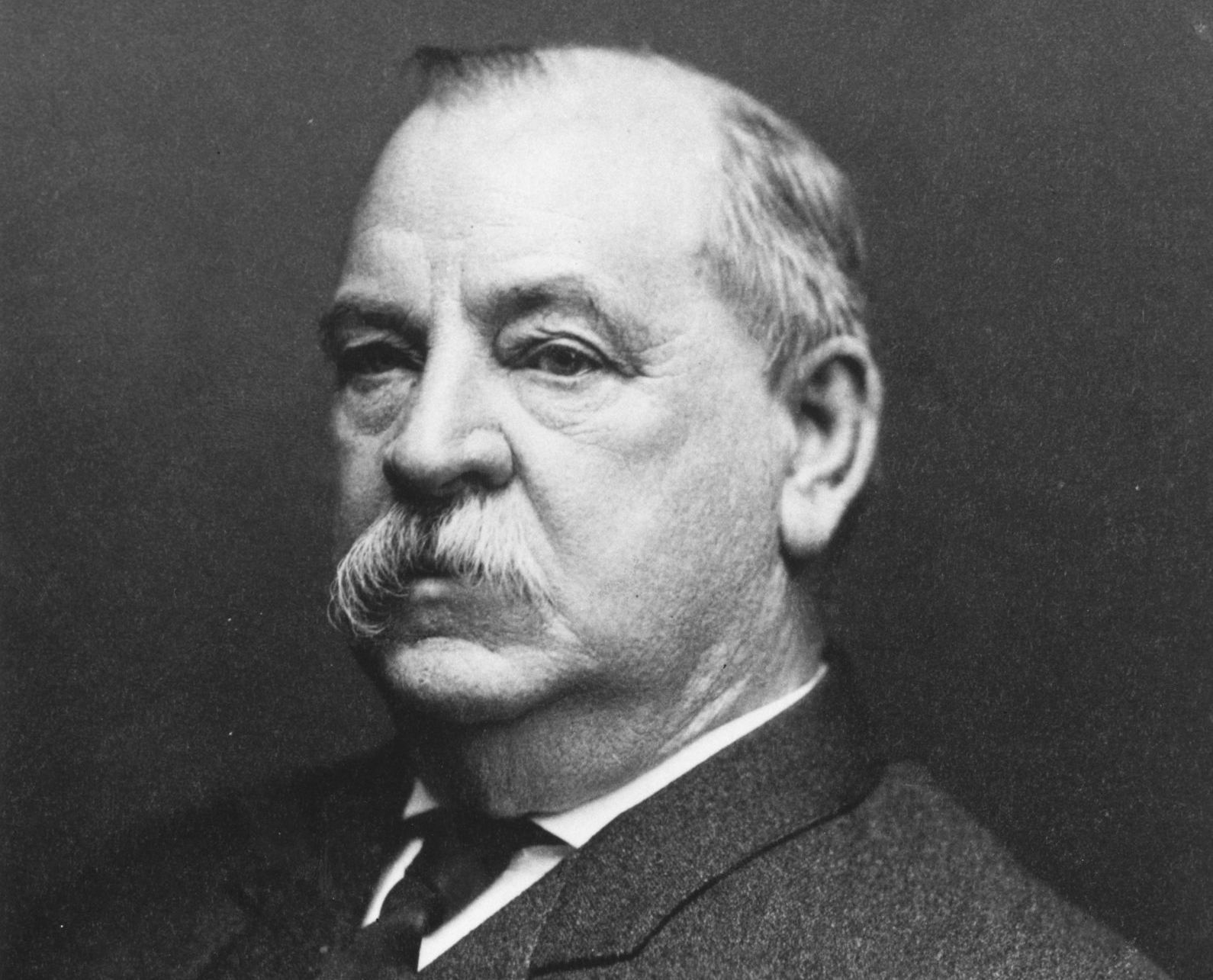
Most people have never heard of Stephen Cleveland, but mention Grover Cleveland, and they'll know exactly who you're talking about. The thing is, they're the same person.

Born on March 18, 1837, in Caldwell, New Jersey, the future 22nd and 24th president of the United States was actually named Stephen Grover Cleveland. His father, a Presbyterian minister, chose the name to honor Reverend Stephen Grover, the first pastor of the First Presbyterian Church in Caldwell, where he was serving at the time. As he grew older, however, Cleveland made an unusual choice: instead of going by his first name, Stephen, he adopted his middle name because he simply liked the sound of "Grover Cleveland" better.

Explore more American facts

Choose your favorite category!

General
General

As American as apple pie—the very best America has to offer!

Culture
Culture

Delve into the astounding richness of American lore.

Geography
Geography

Hop in and explore vast and diverse American landscapes.

History
History

Discover the key moments that shaped the United States.