Lights, Camera… Misunderstood!
Which of these 12 animals was the most misrepresented by Hollywood?
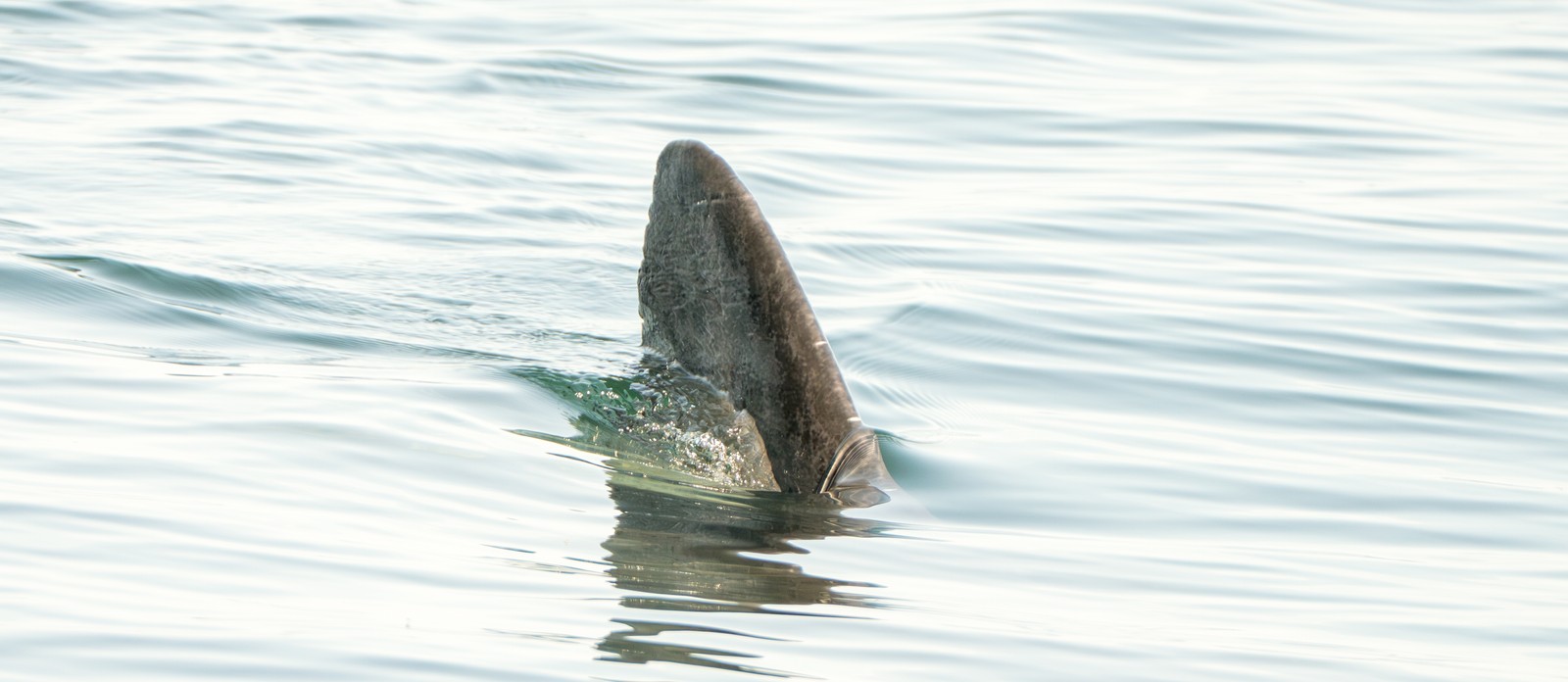
Image: Cami Johnson
Hollywood has always loved a good monster — a giant alien, a mythical creature or even an ordinary animal turned into a nightmare. From sharks and wolves to frogs and rats, these films made audiences think twice about creatures they might otherwise have ignored. The truth is, in many cases, the real animals are nowhere near as frightening as their on-screen counterparts.
1
Jaws (1975)
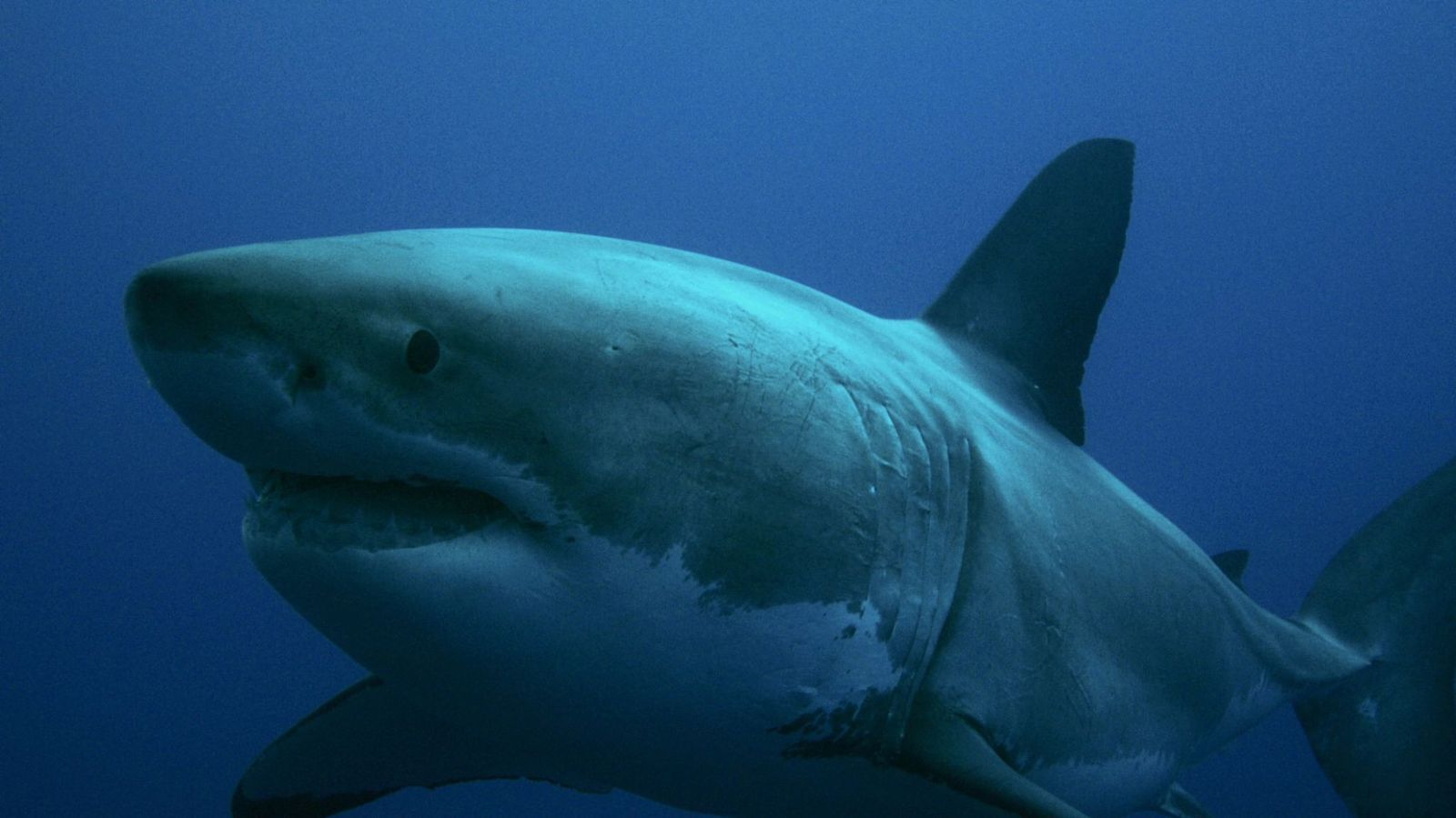
Steven Spielberg’s Jaws forever changed the way people looked at sharks. The story of a rogue great white terrorizing the fictional town of Amity Island became the first true summer blockbuster and remains one of the most influential thrillers ever made. Ironically, the film showed surprisingly little of the shark because the mechanical model, nicknamed Bruce, kept malfunctioning during production.
The movie’s impact stretched far beyond the box office. Many people began viewing sharks as bloodthirsty predators, even though attacks on humans are extremely rare. Author Peter Benchley, who wrote the book on which the film is based, later became a passionate shark conservation advocate and admitted he regretted helping reinforce that stereotype after learning more about these remarkable creatures.
2
King Kong (1933)
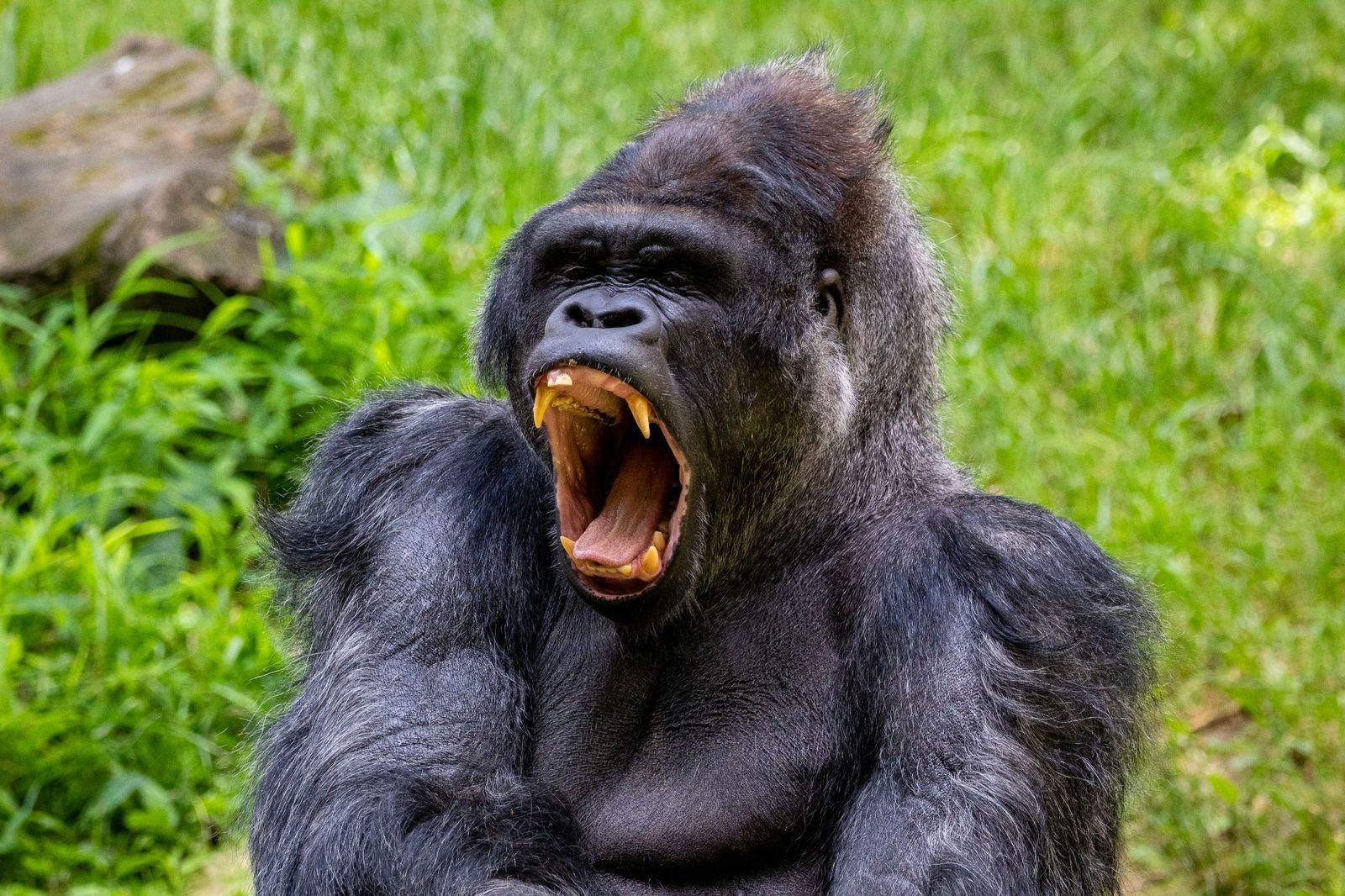
Long before computer-generated creatures (unfortunately) ruled Hollywood, audiences were amazed by King Kong , the giant ape brought to life through stop-motion animation . The film introduced one of cinema’s greatest icons, but it also reinforced the old idea that gorillas were savage monsters lurking in mysterious jungles.
Modern science tells us a very different story. Real gorillas are intelligent, gentle, highly social animals that spend most of their time eating plants and caring for family groups. Conservationists helped transform public understanding of great apes, showing that they’re far more vulnerable to humans than humans are to them.
3
The Birds (1963)
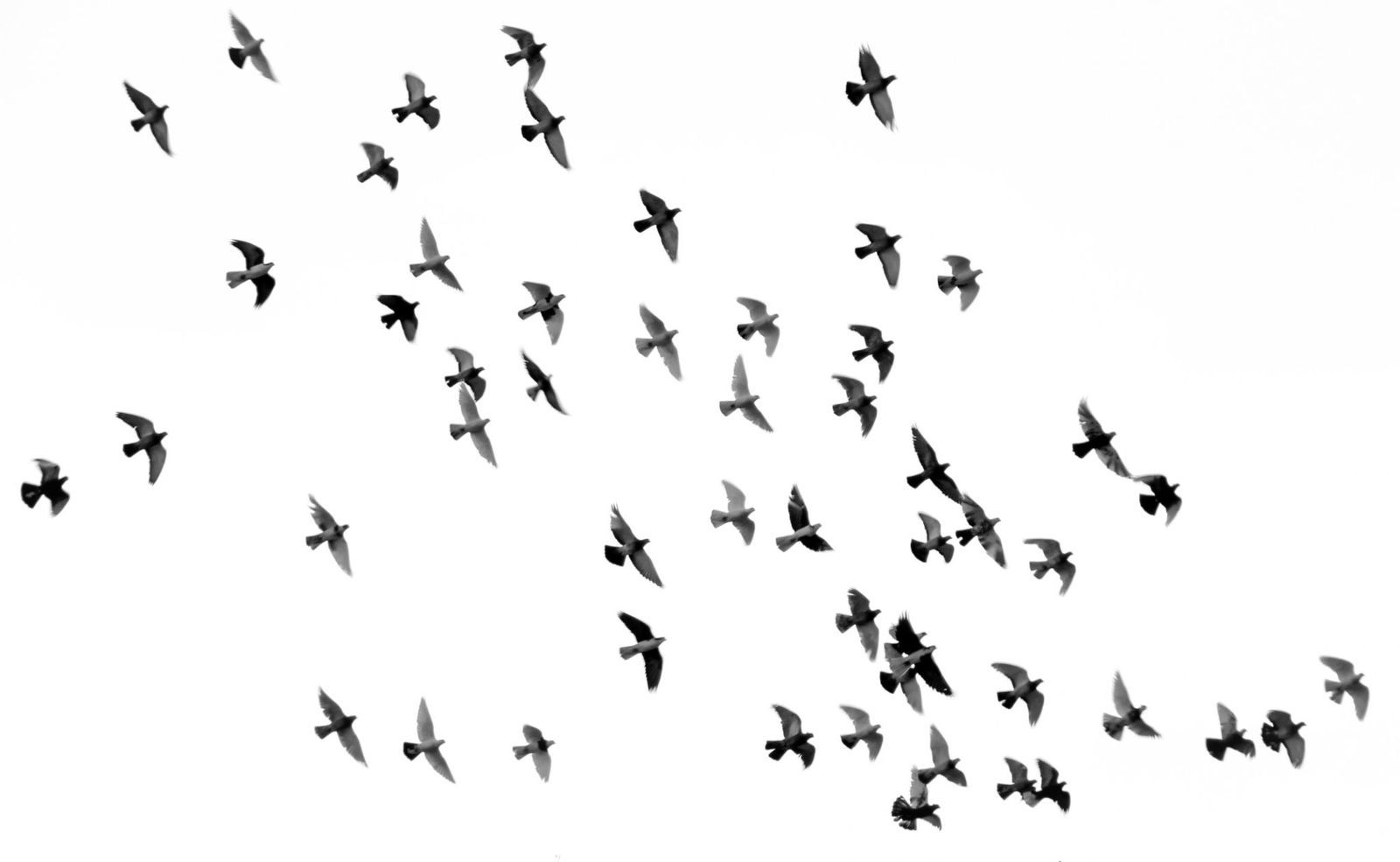
Alfred Hitchcock proved that almost anything could become terrifying, even pigeons and seagulls . The Birds imagines a scenario in which ordinary birds suddenly begin attacking people — without any explanation. That uncertainty became one of the film’s greatest strengths.
In reality, birds rarely attack humans, except when defending their nests or chicks during breeding season. The movie helped define the "nature strikes back" genre, but outside the theater, your neighborhood flock is much more likely to steal a French fry than launch a coordinated assault.
4
Cujo (1983)

Few movie dogs have inspired as much fear as Cujo , the enormous St. Bernard whose rabies transforms him from a lovable family pet into a relentless killer . Based on Stephen King’s novel, the film left many viewers unfairly suspicious of one of the world’s gentlest breeds.
Actual St. Bernards earned their reputation in a completely different way. For centuries, monks at Switzerland’s Great St. Bernard Pass bred these dogs to rescue stranded travelers crossing the snowy Alps. They’re famous for patience, loyalty, and calm temperaments, not aggression.
5
Arachnophobia (1990)
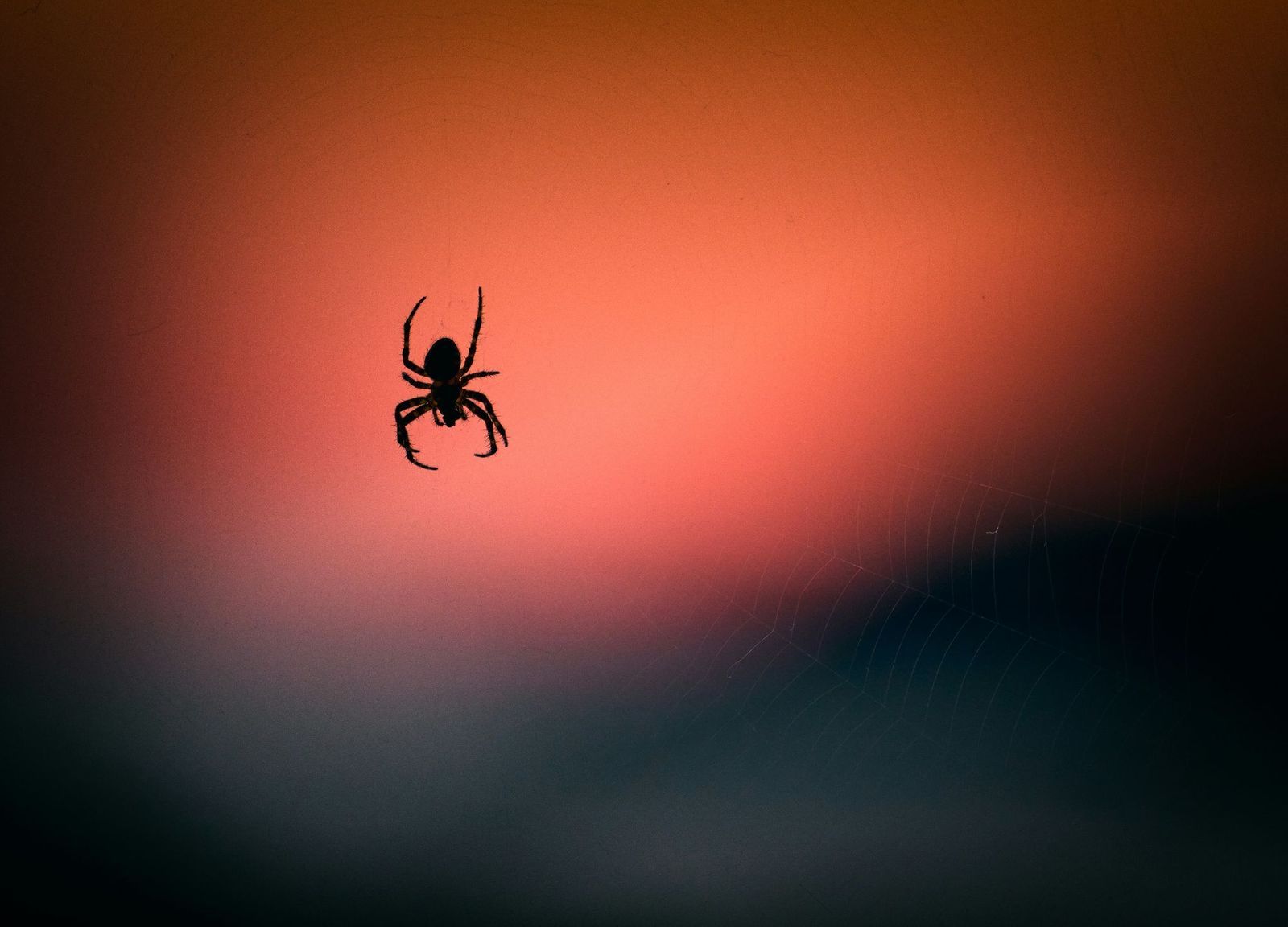
For people who already disliked spiders, this movie certainly didn’t help. Aracnophobia mixed horror with comedy as a deadly fictional spider species spread terror through a quiet California town , turning every corner of the house into a potential danger zone.
The truth is much less dramatic. Scientists have identified roughly 50,000 spider species, but only a tiny percentage can seriously harm humans. Most spiders spend their lives quietly eating insects and avoiding people whenever possible, making them surprisingly helpful roommates.
6
Anaconda (1997)
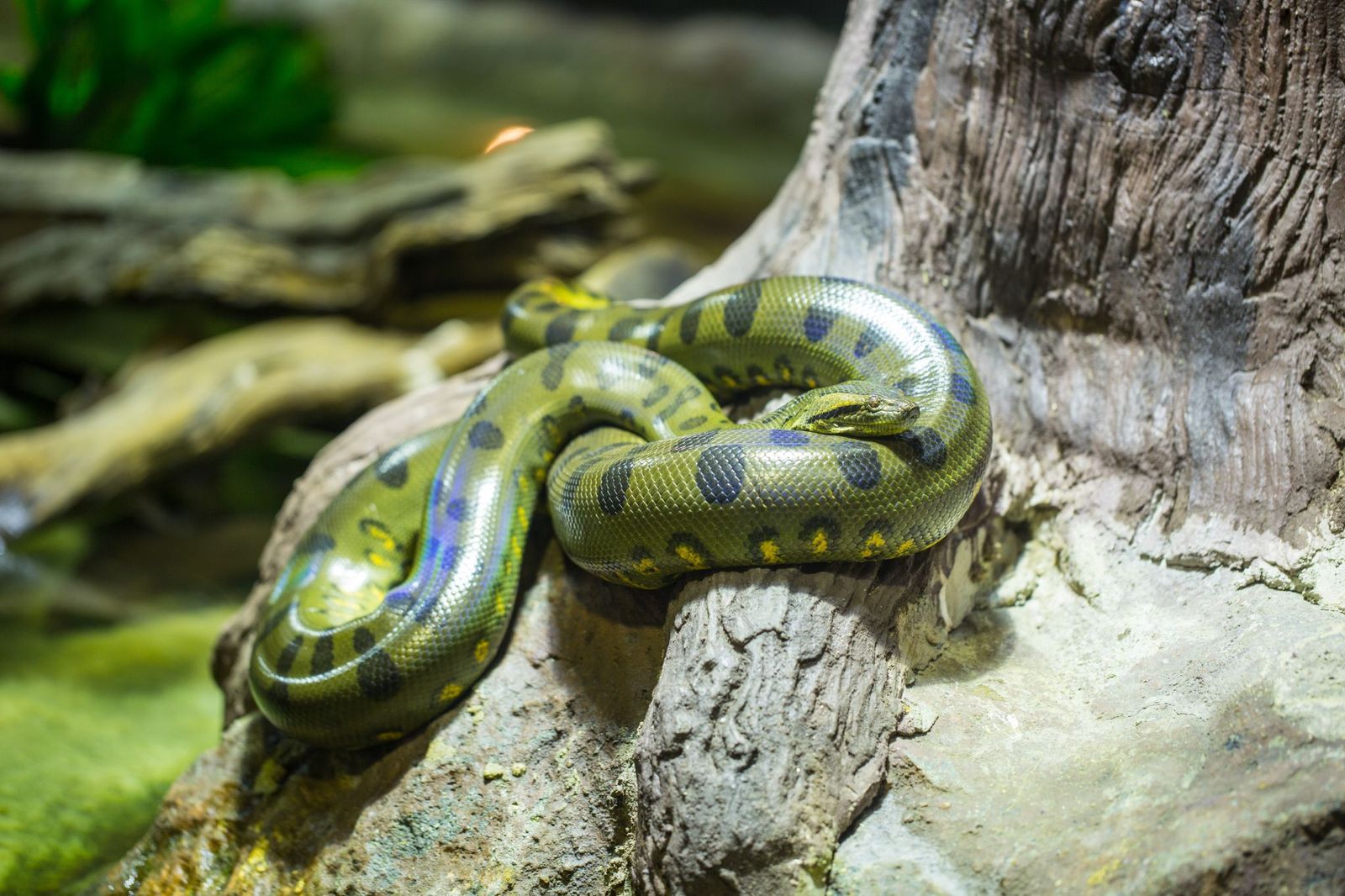
The Amazon rainforest became home to one of Hollywood’s biggest reptilian villains in Anaconda . The enormous snake hunts humans with impossible speed, intelligence, and appetite , creating a memorable creature feature starring Jennifer Lopez, Ice Cube, and Jon Voight.
Real green anacondas are certainly impressive; they’re among the heaviest snakes on Earth, but humans aren’t on their menu. Their natural diet consists mainly of fish, birds, capybaras, caimans, and other wildlife. The movie’s giant snake was far larger than anything scientists have ever documented.
7
The Grey (2011)
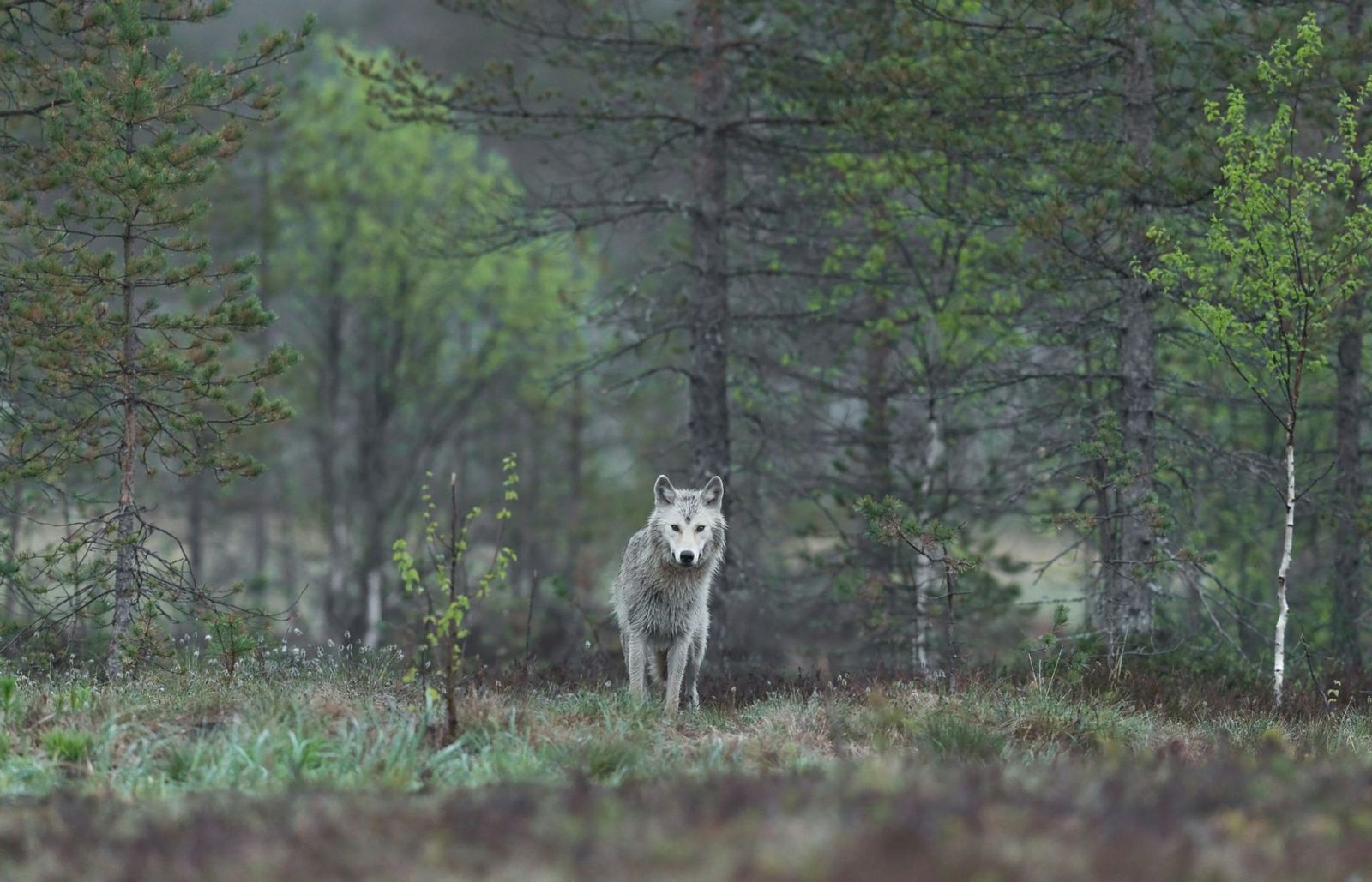
After surviving a plane crash in the Alaskan wilderness, the characters in The Grey face another nightmare: a relentless pack of wolves that seems determined to hunt every survivor . The tense survival story became one of Liam Neeson’s most memorable performances.
Wildlife biologists, however, were quick to point out that wolves almost always avoid people. Fatal attacks in North America are extraordinarily uncommon, and healthy wolf packs generally prefer staying as far away from humans as possible.
8
Orca (1977)
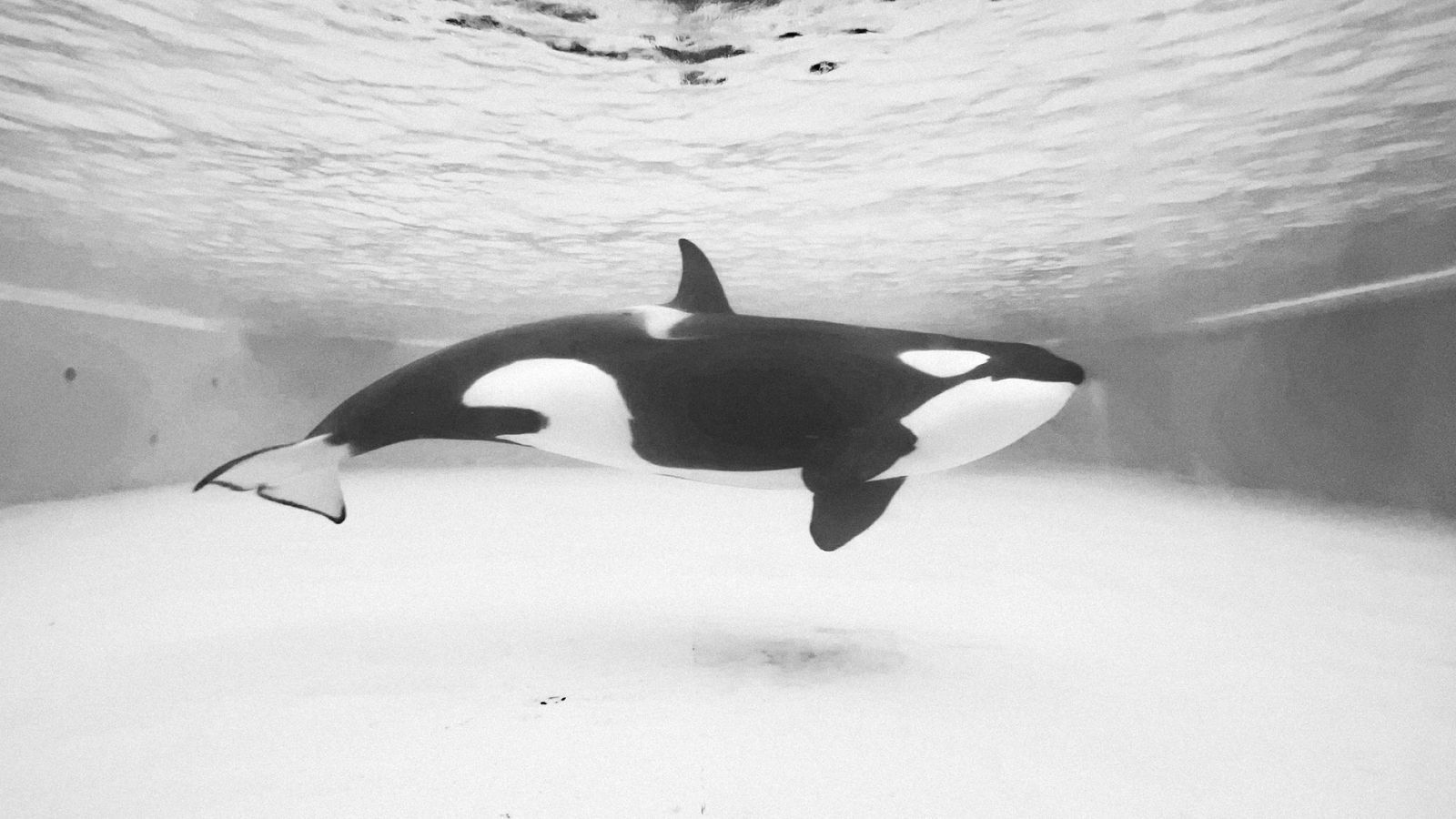
Released only two years after Jaws , Orca offered another giant marine predator, this time driven by revenge after humans kill its mate . Unlike many monster movies, the whale is portrayed with emotion and intelligence, yet it’s shown relentlessly attacking people.
Today’s marine researchers describe orcas as highly social animals with complex family relationships and remarkable communication skills. Despite the nickname "killer whale," there are no verified records of a wild orca killing a human.
9
Willard (1971)
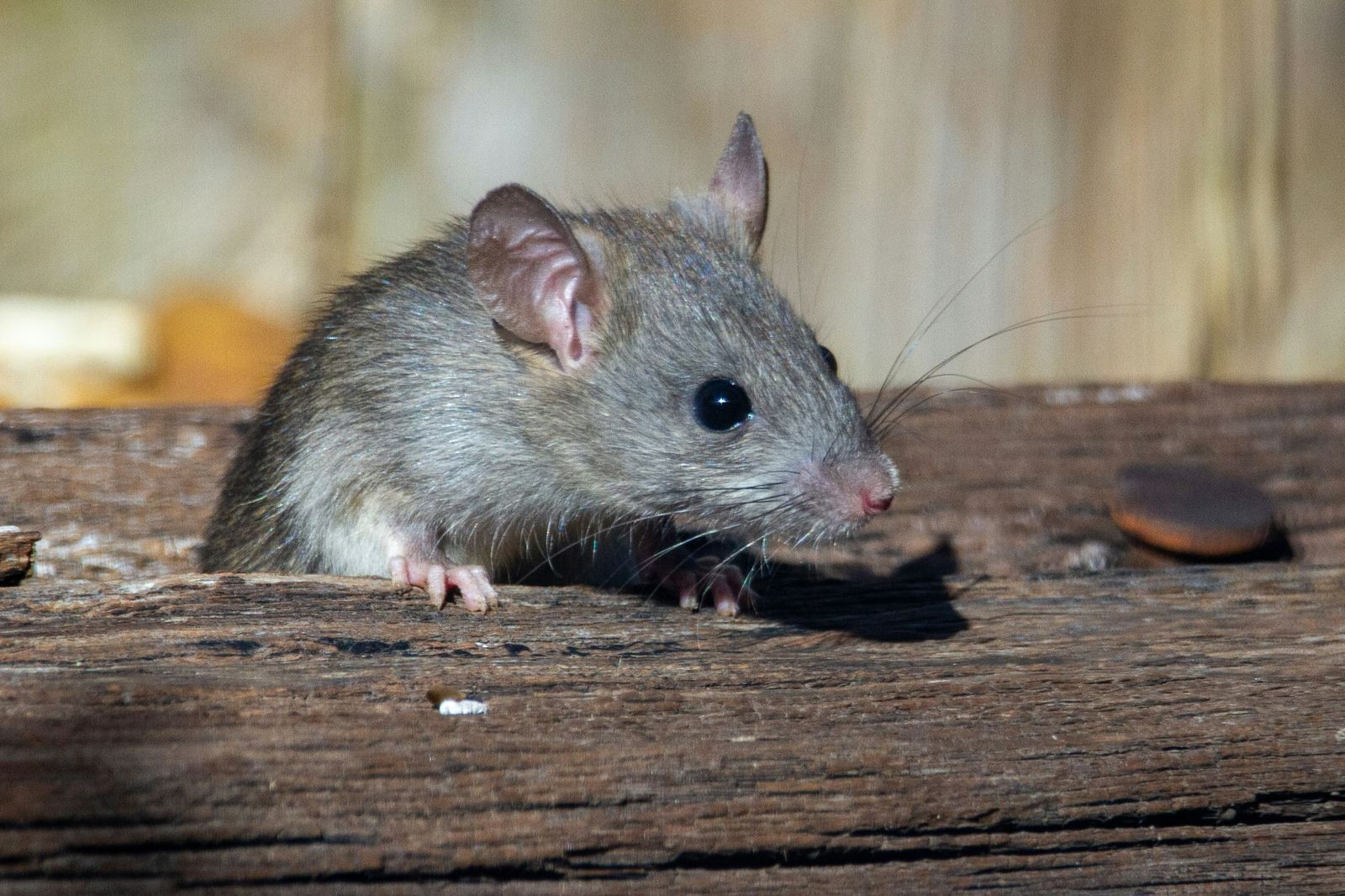
Before audiences feared sharks, they feared rats. Willard tells the story of a lonely man who commands an army of rodents , turning one of humanity’s oldest urban fears into a classic of psychological horror. Its success even inspired the sequel Ben , featuring a theme song sung by a young Michael Jackson.
Real rats are much more impressive than their reputation suggests. They’re highly intelligent mammals capable of solving problems, learning complex tasks, and even detecting diseases in scientific research. Many people today happily keep domesticated rats as affectionate pets.
10
The Ghost and the Darkness (1996)
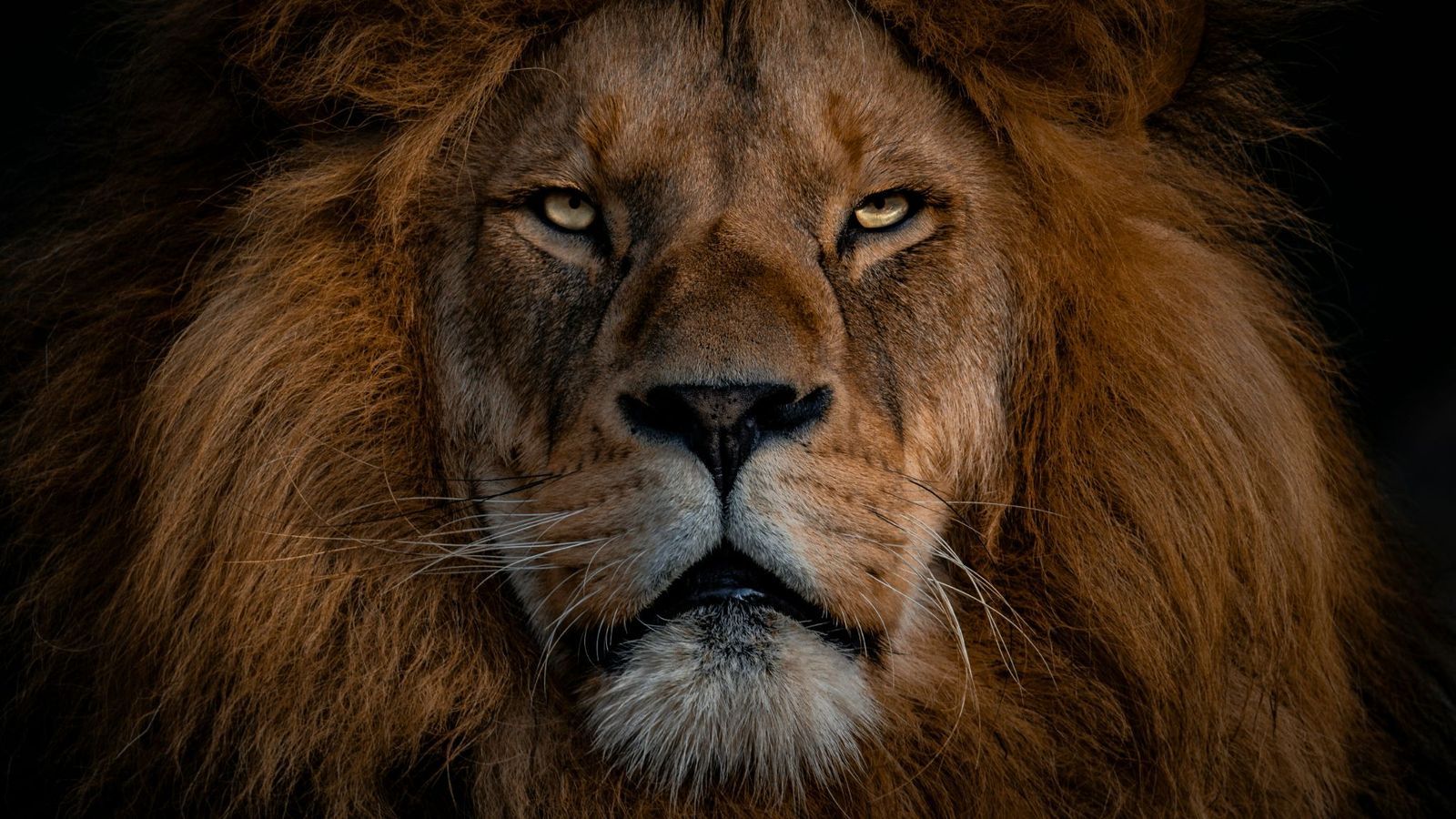
Unlike many entries on this list, this film is rooted in a real historical event. During the construction of the Uganda Railway in Kenya in 1898, two male lions attacked railway workers near the Tsavo River , creating one of history’s most famous wildlife mysteries.
Scientists still debate exactly how many people the lions killed, and the preserved animals remain on display at Chicago’s Field Museum. Although the true story was extraordinary, man-eating lions are exceptionally rare, and healthy wild lions generally avoid human contact whenever possible.
11
Monkey Shines (1988)
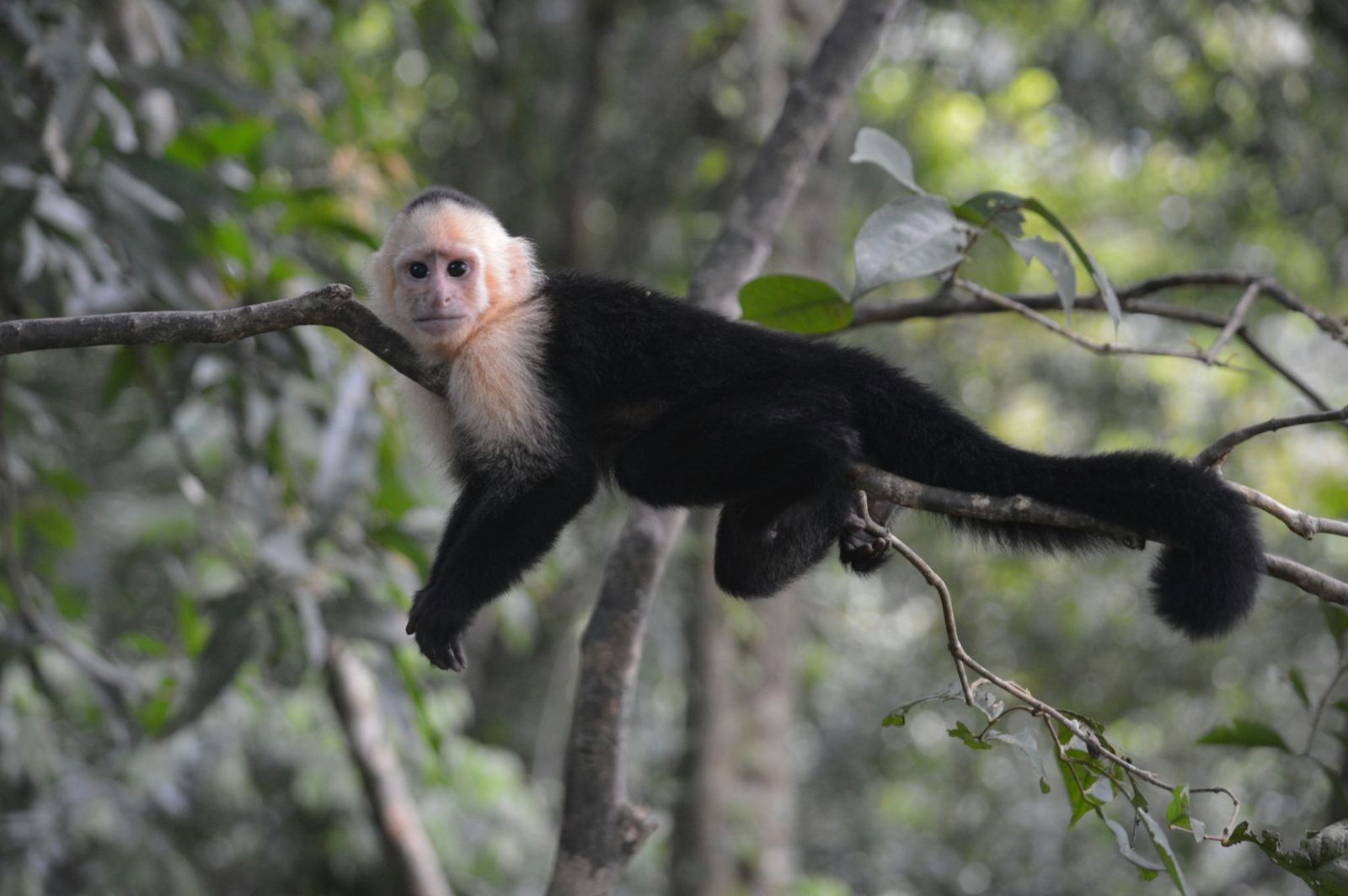
George A. Romero traded zombies for primates in this psychological horror film about a helper capuchin monkey whose protective instincts spiral into something much darker . The story blurred the line between companionship and obsession, leaving viewers uneasy about intelligent animals.
Capuchin monkeys really are among the smartest New World primates and have even been trained to assist people with disabilities. At the same time, experts strongly discourage keeping monkeys as pets because they remain wild animals with complex social and behavioral needs.
12
Frogs (1972)
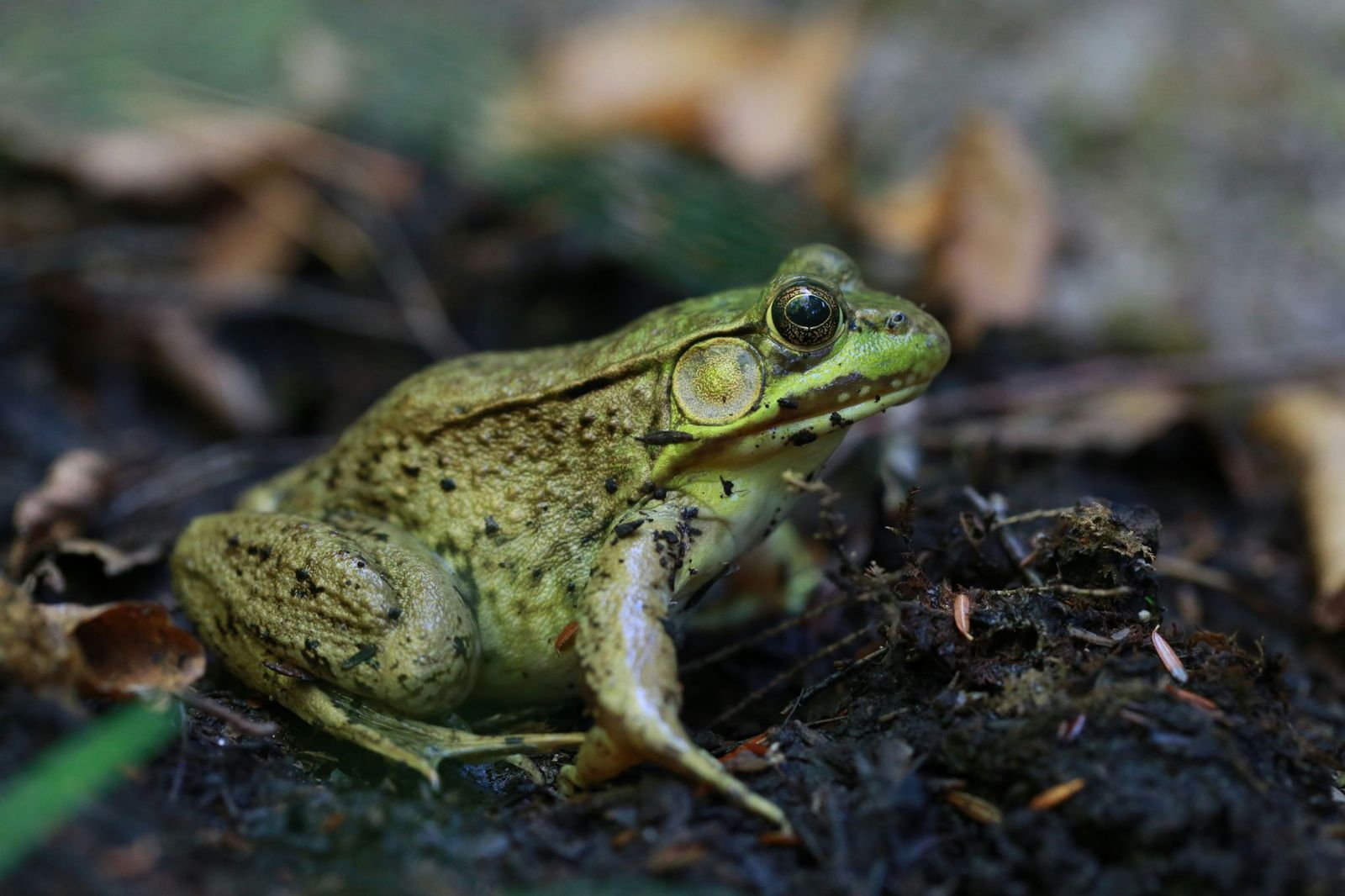
Despite its title, Frogs is surprisingly unfair to amphibians. While frogs appear throughout the movie, most of the actual attacks are carried out by snakes, insects, turtles, and other wildlife during a bizarre uprising against environmentally destructive humans.
Outside Hollywood, frogs are among nature’s most valuable allies. They consume enormous numbers of insects and serve as important indicators of environmental health. If frogs begin disappearing from an ecosystem, scientists often see it as an early warning that something is seriously wrong.