Culture Culture 7 min read

Uncover the King

He wasn't born with that black hair: Elvis Presley's hidden secrets
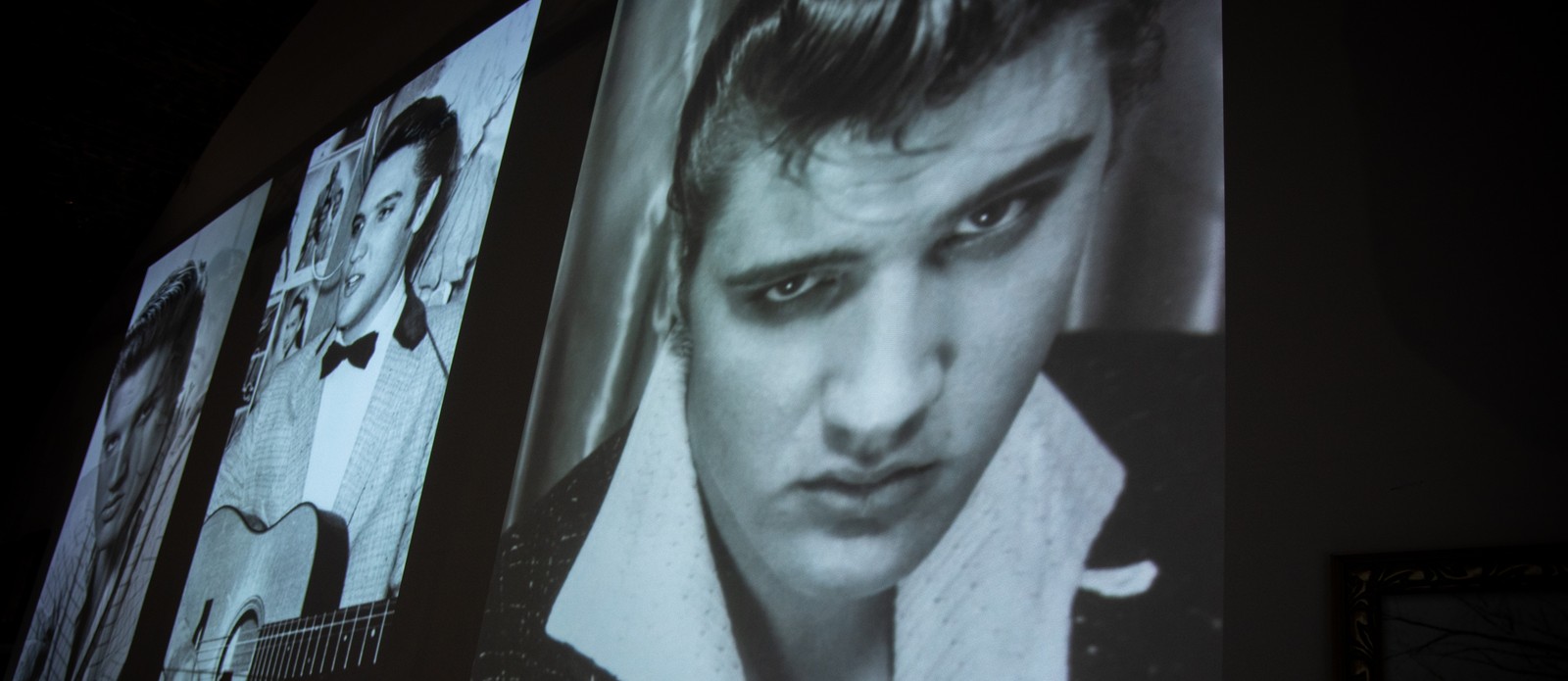
Image: Loredana Sangiuliano

You've seen his jet-black hair in every photo, but did you know Elvis Presley was born blond? That's just the beginning. He carried his own silverware to restaurants, earned an eighth-degree black belt, and even modeled his whole look after a comic book hero. From a secret library at Graceland to a shocking meeting with President Nixon, the King kept more surprises than anyone imagined. Get ready to see the real Elvis behind the legend with these 20 little-known facts about him.

1
He never learned to read music
Image: Jeppe Gustafsson

Elvis Presley recorded hundreds of songs across rock, blues, country, and gospel, yet he never learned to read a single note of sheet music. In the studio, musicians would run through an arrangement, and Elvis would listen, absorb the melody, and memorize it entirely by ear.

He leaned on instinct and repetition rather than notation, catching every pause, key change, and harmony simply by listening closely and trying it himself. Producers and session players who worked with him often talked about how quickly he could pick up a complex arrangement without ever glancing at a chart the way trained musicians did. It never held him back. If anything, it forced him to feel each song rather than read it, which explains why his performances always sounded personal.

2
He was a natural blond
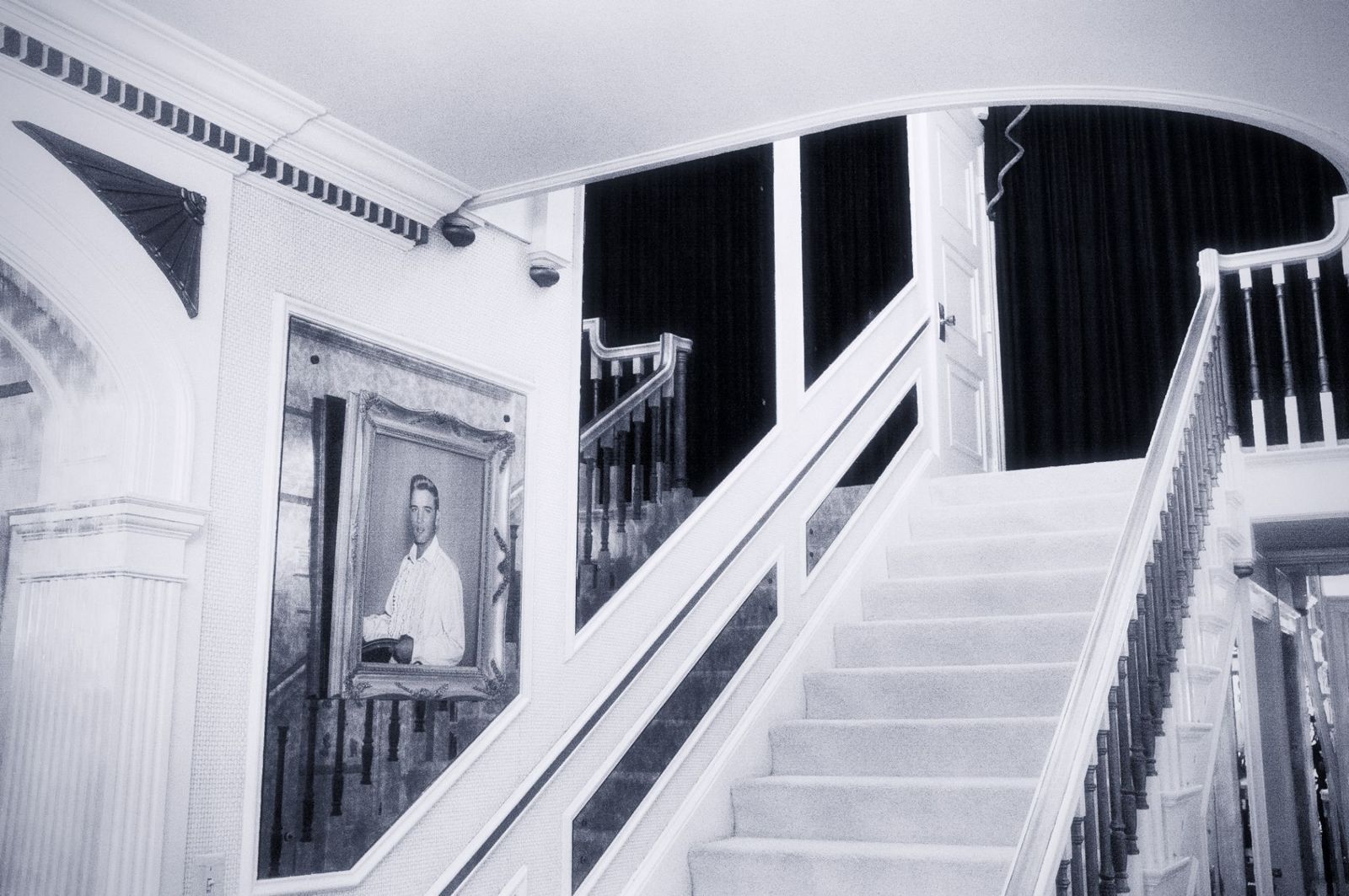
Image: DARREN ST0NE, CC BY-SA 2.0, via Wikimedia Commons

When you think of Elvis, you think of iconic pitch-black hair with sideburns. But Elvis’s hair wasn’t originally black; he was actually born a blond.

As Elvis grew up, his hair turned darker, but the darkest it got was simply a light brown. Trying to mimic the idols of the time, Marlon Brando and Tony Curtis, he started dyeing his hair dark. Now, here’s the twist: In Presley's household, money was tight, so he used black shoe polish instead. The more dramatic look came along with hit songs and money that allowed him to afford real dye, keeping the pitch-black tone which complimented his blue eyes. During his army years in Germany, dye wasn’t allowed, and his natural sandy color quietly returned. A single portrait from that era still hangs at Graceland in Memphis.

3
He had a huge badge collection, which led to a meeting with Nixon
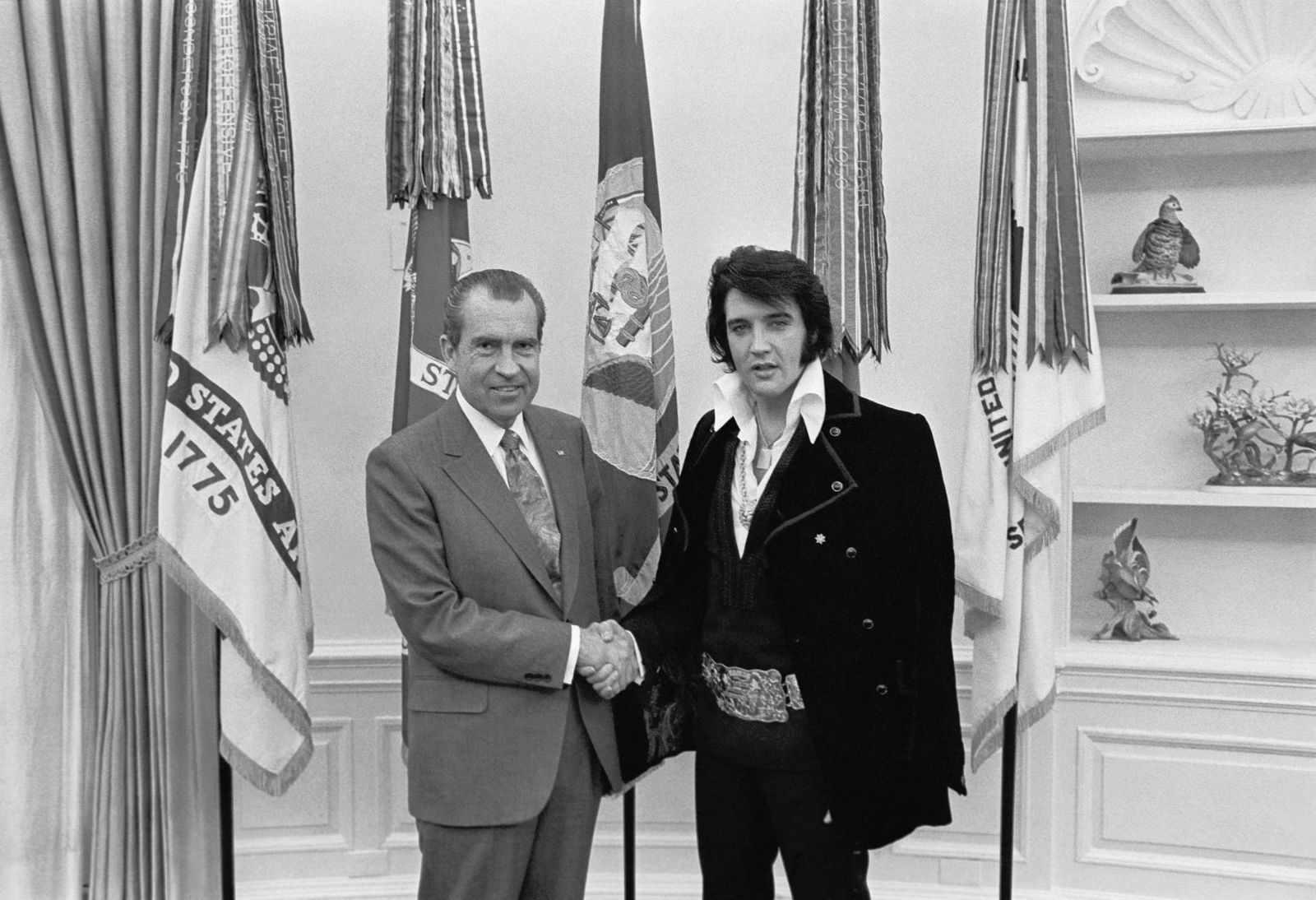
Elvis had a genuine fascination with law enforcement, and over the years he built up a personal collection of honorary badges from police departments across the country. What he really wanted, though, was a federal badge from the Bureau of Narcotics and Dangerous Drugs, and officials kept turning him down.

In December 1970, Elvis flew to Washington, D.C., and wrote President Richard Nixon a letter on the plane , offering his services in the fight against drug culture. He hand-delivered it to the White House gates before dawn. By that afternoon, Elvis stood in the Oval Office showing Nixon his badge collection while a photographer captured what became one of the most surreal photos in presidential history. Nixon agreed, and Elvis walked out with the badge his collection had been missing.

4
He auditioned for a gospel quartet and was rejected
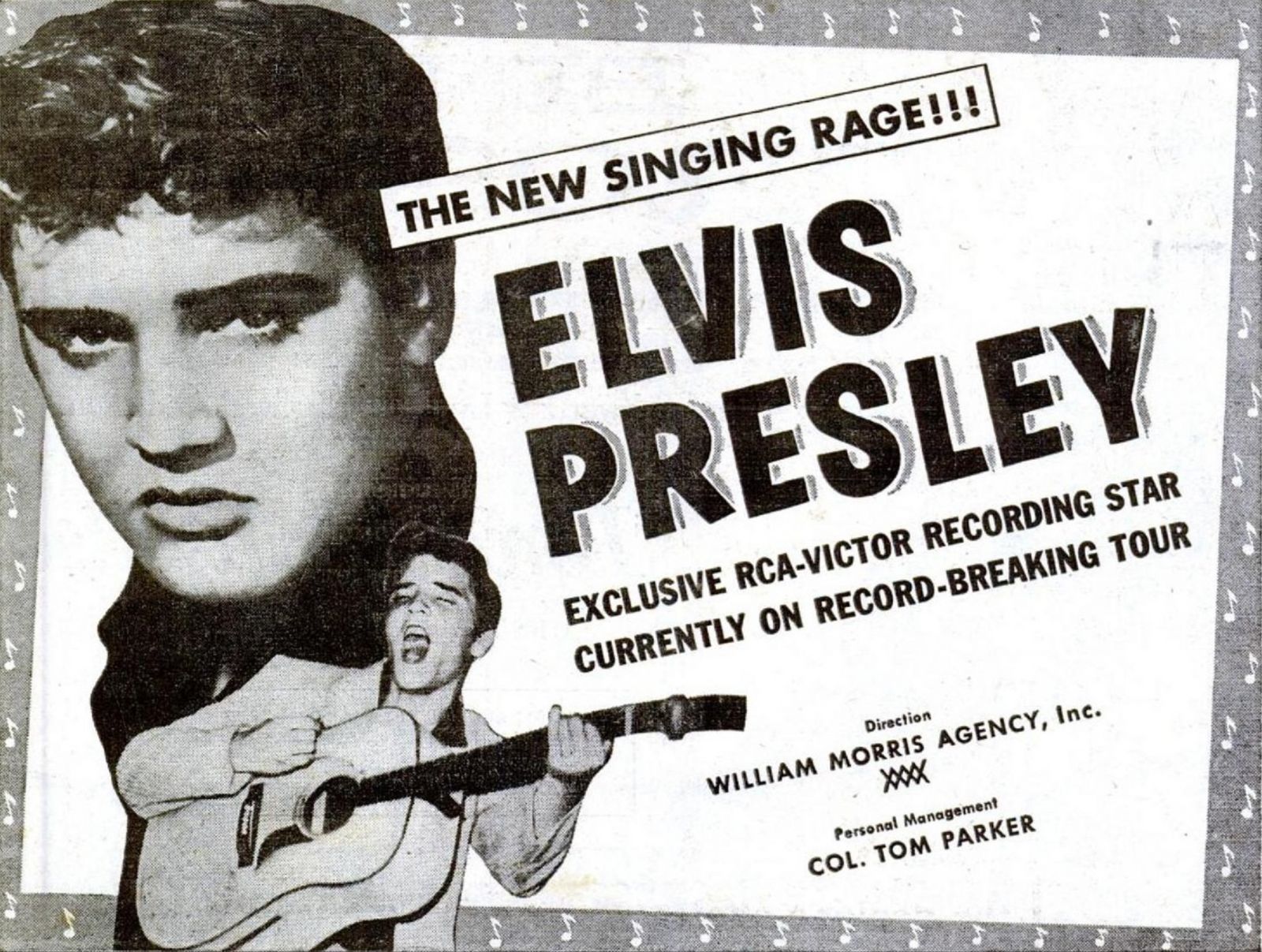
Image: RCA Victor, Public domain, via Wikimedia Commons

In the summer of 1954, a 19-year-old Elvis Presley tried out for the Songfellows, a Memphis gospel quartet connected to the well-known Blackwood Brothers. Elvis had grown up loving gospel music and dreamed of singing in a group like this one.

The audition did not go his way. Group member Jim Hamill later said Elvis couldn't hold his own on harmony parts at the time, and the Songfellows turned him down. Elvis went home and told his father the group said he couldn't sing. Just months later, in July 1954, he walked into Sun Records and cut his first single. Ironically, the Songfellows soon had a change of heart and invited him to join after all, but by then his solo career was already taking off, leaving gospel harmony as a road not taken.

5
His comic book hero inspired his signature look
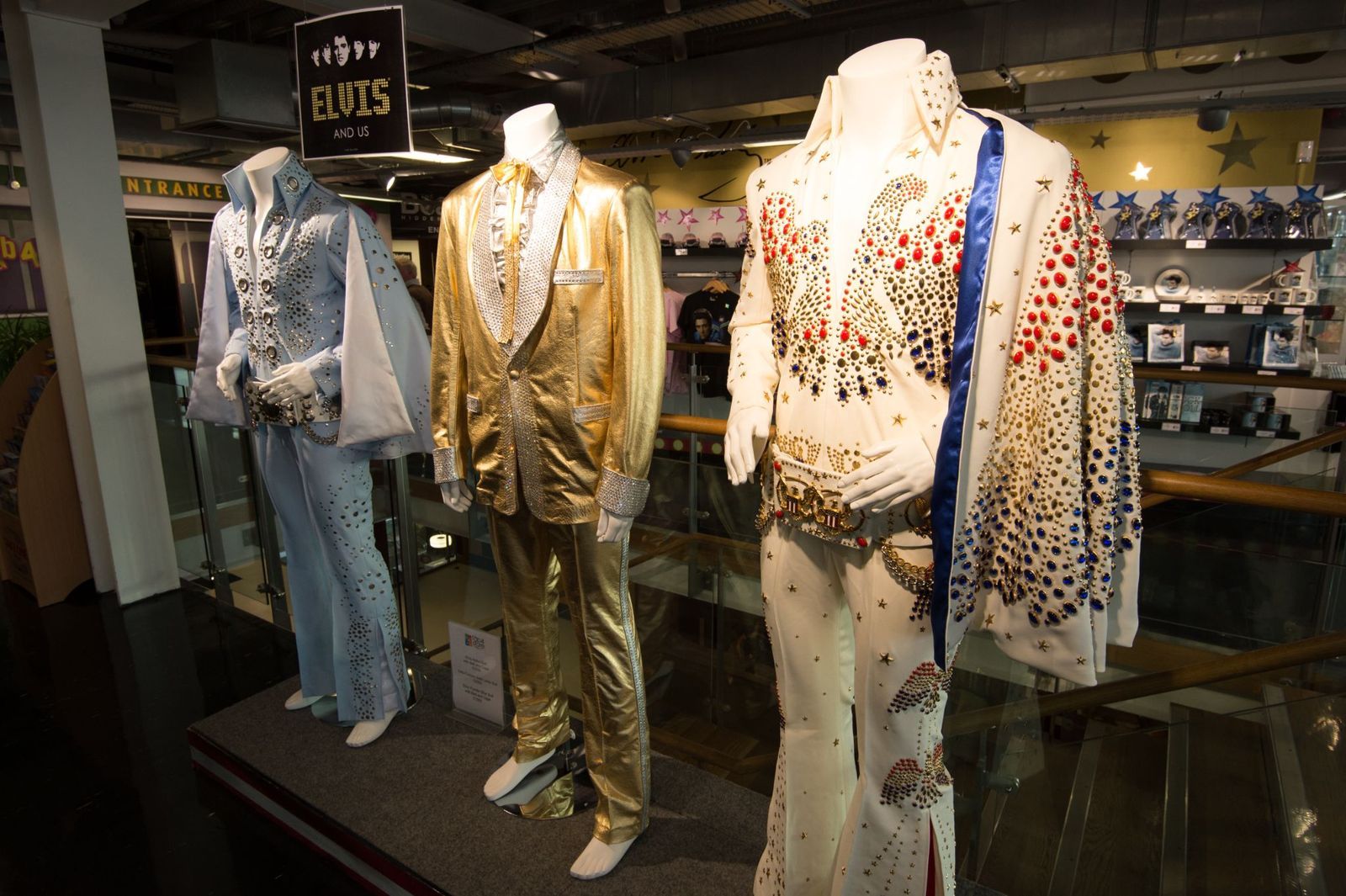
Image: Takashi Hososhima, CC BY-SA 2.0, via Wikimedia Commons

Long before Elvis designed a single jumpsuit, he was a kid in Tupelo who loved comic books, especially Captain Marvel Jr. The teenage superhero had jet-black hair with a dramatic curl, a half cape, and a lightning bolt blazing across his chest. Elvis held onto that image for the rest of his life.

His famous pompadour with its curled front piece echoes Captain Marvel Jr.'s hairstyle almost exactly. His stage capes in the 1970s mirror the hero's costume. Even his personal logo, TCB for "Taking Care of Business," built around a lightning bolt, traces back to those pages he read as a poor kid dreaming of something bigger. Graceland still keeps a box of his childhood comics in the attic, proof his whole look grew from a boyhood hero.

6
He owned a presidential yacht
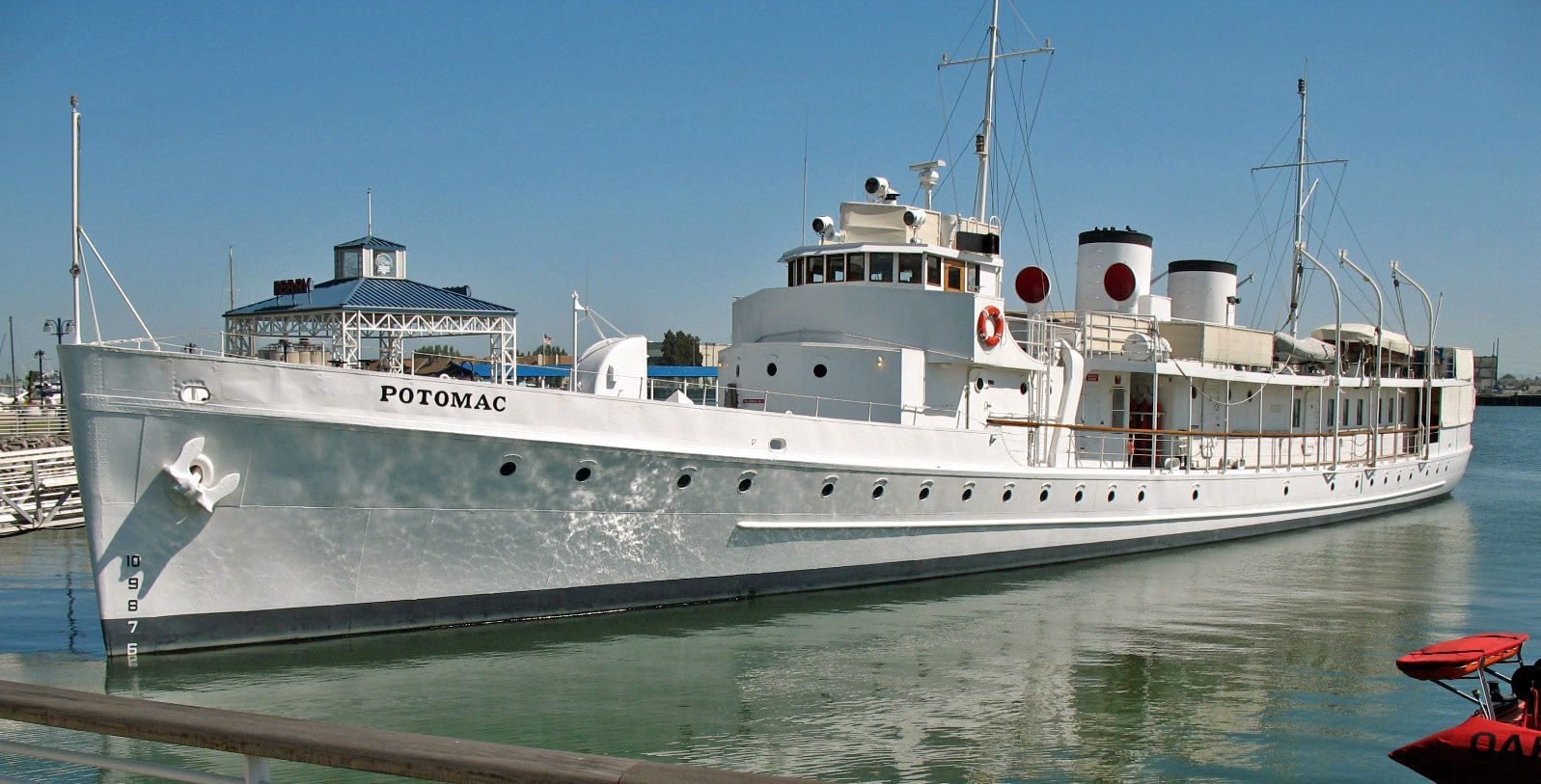
Image: Sanfranman59, CC BY-SA 3.0, via Wikimedia Commons

In January 1964, Elvis Presley's manager Colonel Tom Parker bought a yacht at auction in his client's name for $55,000, which would be roughly over $500,000 today. It wasn't just any yacht.

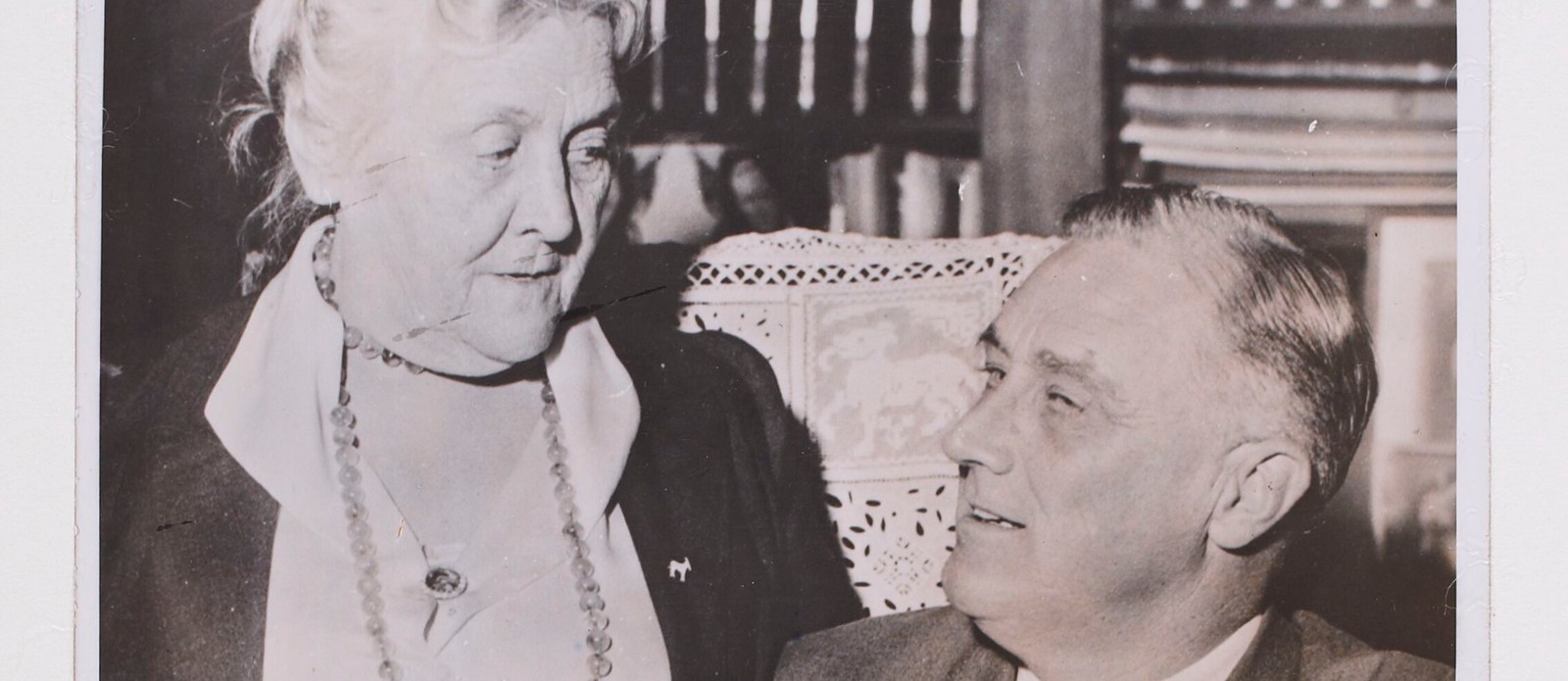
It was the USS Potomac, the vessel President Franklin D. Roosevelt had used as his floating White House throughout the 1930s and early 1940s. Elvis owned it for barely two weeks. On Valentine's Day, February 14, 1964, he handed over the deed to entertainer Danny Thomas in a public ceremony in Long Beach, California, donating the historic yacht to Thomas's new St. Jude Children's Research Hospital in Memphis. The Potomac was sold that same year to a private buyer for $65,000, every cent going straight to the hospital —one of Elvis's most generous, and least remembered, acts of charity.

7
He brought his own cutlery to restaurants
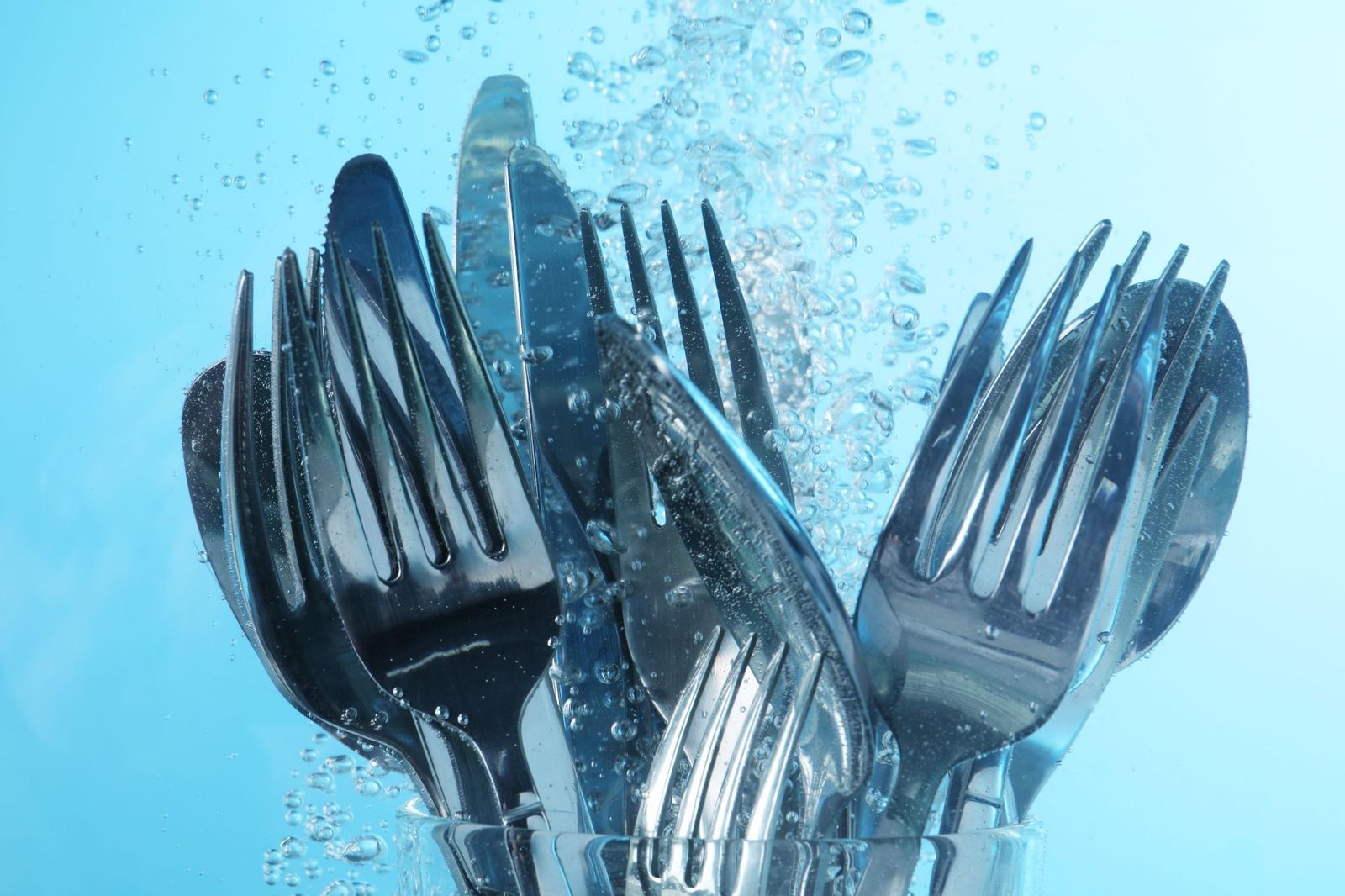
Image: New Africa

Elvis loved dining out, but he had one rule most fans never noticed. He rarely touched silverware that wasn’t his own. That’s because he took his own cutlery.

From his rise to fame in the mid-1950s through his Las Vegas years, Elvis carried his own set of forks, knives, and spoons whenever he ate somewhere new. People who traveled with him often described this as a lifelong habit, closely tied to a persistent germaphobia. While the rest of the table used whatever the restaurant provided, Elvis unpacked his own utensils and ate with those instead.

8
He held an eighth-degree black belt in karate

Image: PeopleImages

Elvis first tried karate in 1958 while stationed with the Army in Germany, training under a local instructor named Juergen Seydel, who taught Elvis at his off-base housing in Nauheim.

He kept at it for years, and later studied under American Kenpo pioneer Ed Parker in California. But it was in Memphis, between 1970 and 1974, training under Grandmaster Kang Rhee at a small dojo on Summer Avenue , that Elvis went all in. He trained alongside regular students under the nickname Tiger and took the same tests everyone faced. On September 16, 1974, Master Rhee awarded him an eighth-degree black belt in a low-key ceremony in front of fellow students and their families. That same year, Elvis opened his own school, the Tennessee Karate Institute, and worked karate moves right into his stage shows.

9
He rented entire amusement parks and movie theaters overnight
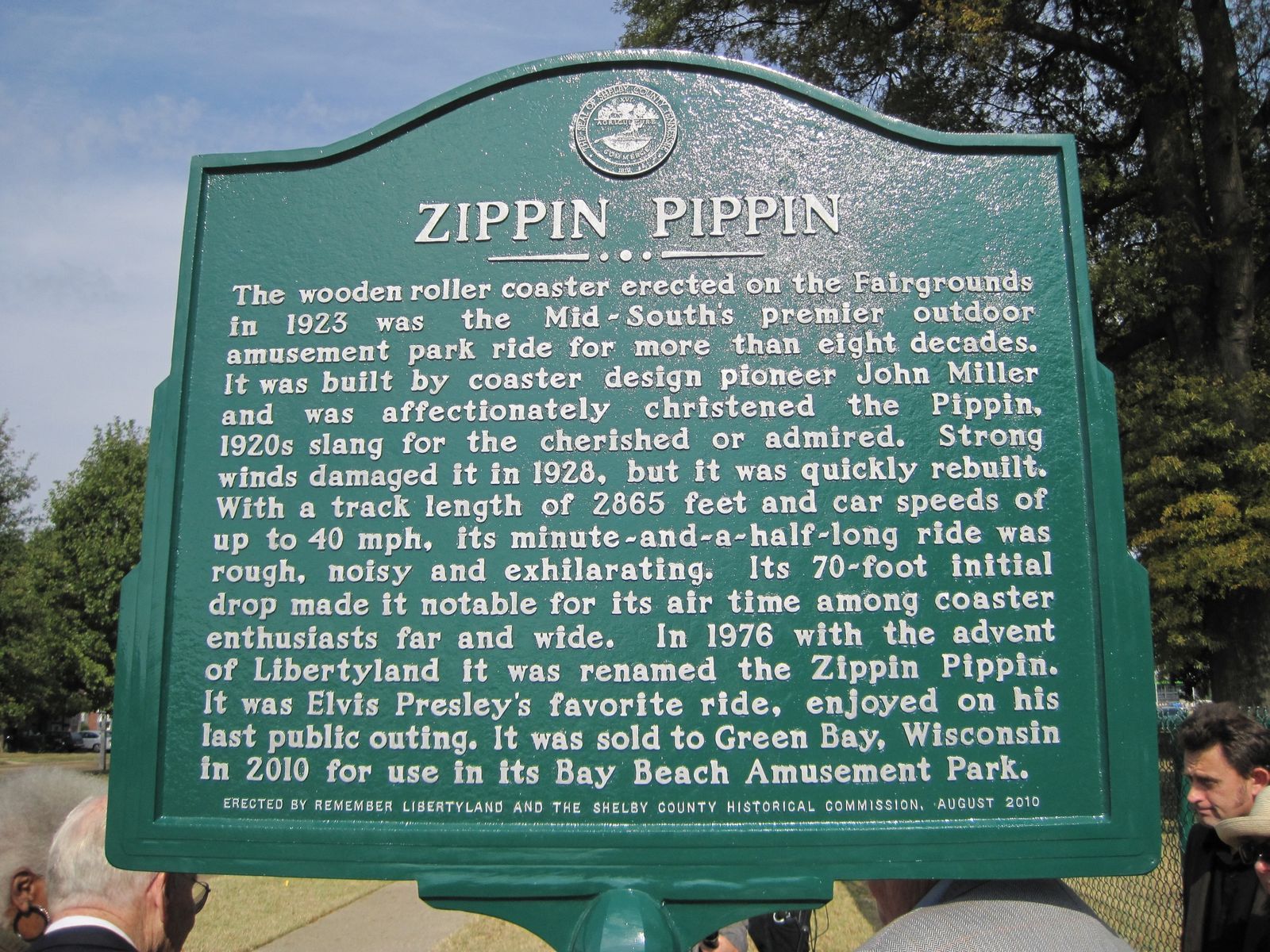
Image: Thomas R Machnitzki, CC BY 3.0, via Wikimedia Commons

Elvis loved movies and the fairground, but he hated crowds pressing in on him wherever he went. His solution was simple if you had his kind of money.

In Memphis, he r egularly rented out the entire Memphian Theater from midnight until dawn, filling the seats with friends and family to watch newly released films with nobody else around. He did something similar at the Memphis fairgrounds, later known as Libertyland, booking the whole park overnight so he could ride his favorite wooden roller coaster, the Zippin Pippin, again and again without a single stranger in line. He loved that ride so much he rode it into the early hours with his daughter Lisa Marie beside him in August 1977 — just eight days before he died at age 42.

10
He kept a huge collection of books

Image: AlexeiLogvinovich

The public saw a swaggering rock and roll star in tight jumpsuits, but behind closed doors at Graceland, Elvis Presley was something of a bookworm .

He kept a personal library that grew into the hundreds, later estimated at over a thousand titles, covering philosophy, world religions, anatomy, and numerology. His hairstylist and close friend Larry Geller became his main source for these books. Geller curated, recommended, and bought the books for Elvis, and the two spent hours discussing what he read. He underlined passages, scribbled notes in the margins, and carried a rotating stack with him on tour, sometimes hundreds of books packed into trunks. Auction houses have sold some of his personally annotated copies over the years, filled with handwriting beside ideas he clearly found worth wrestling with.
History History 7 min read

America's most famous names

Bill Clinton wasn't born Bill Clinton—and that's just the start

Image: Cecil W. Stoughton, Public domain, via Wikimedia Commons

What if we told you that Bill Clinton wasn't born "Bill Clinton"? Or that Harry S. Truman's famous middle initial didn't actually stand for anything? And would you believe Lyndon B. Johnson went three months without a name? We've known about America's presidents our entire lives, so it's easy to assume there's nothing left to learn about them. But behind some of the most familiar names in U.S. history are stories stranger than fiction. From accidental initials that lasted a lifetime to surnames that changed completely, here are 10 surprising stories behind the names of American presidents.

1
Bill Clinton

Image: National Archives and Records Administration, Public domain, via Wikimedia Commons

Have you heard of Bill Blythe? Probably not, but you definitely know who he is: Bill Clinton, the 42nd president of the United States.

Born William Jefferson Blythe III on August 19, 1946, in Hope, Arkansas, Clinton never knew his biological father, who passed away in a car accident three months before he was born. His mother, Virginia Cassidy Blythe, later married Roger Clinton Sr. At 15 years old, Bill chose to take the surname Clinton, adopting the name of the man who had raised him .

2
Lyndon B. Johnson

Image: Arnold Newman, Public domain, via Wikimedia Commons

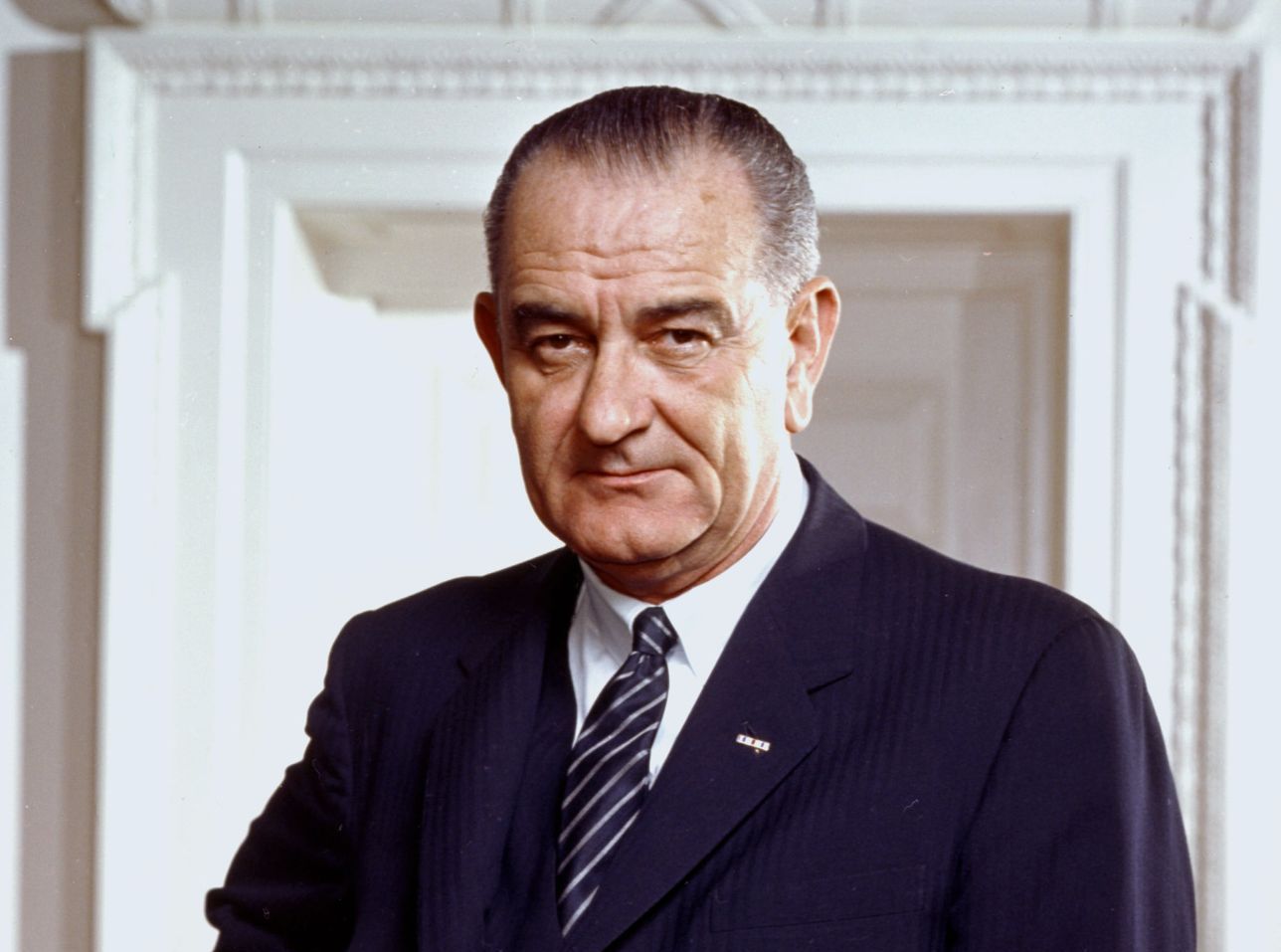
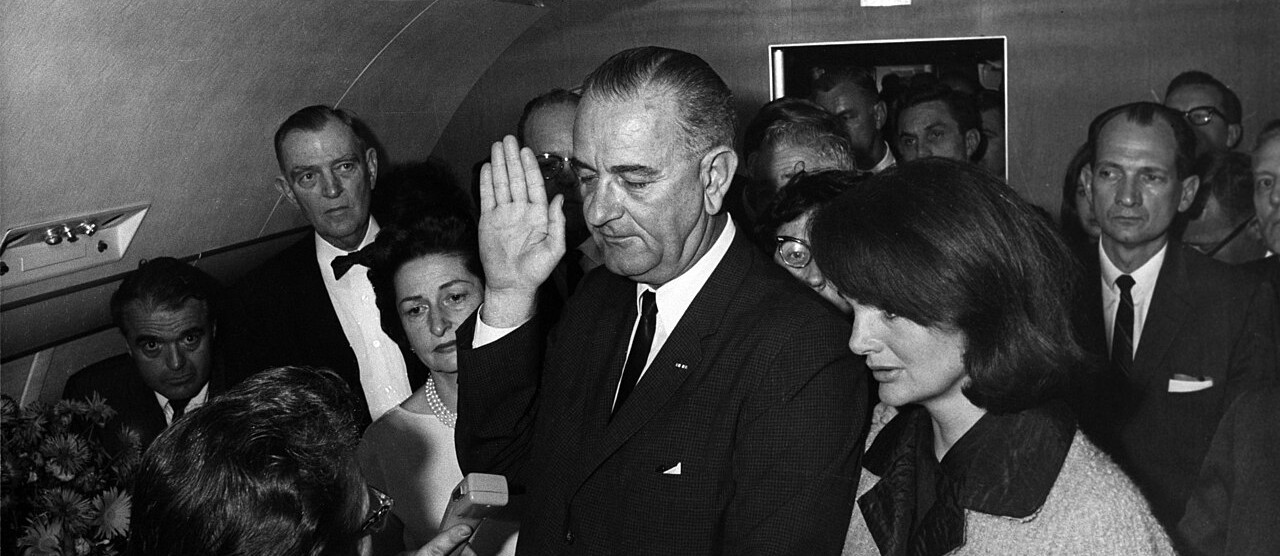
Have you ever heard of a baby who went three months without a name ? As unusual as it sounds, one US president began life exactly that way.

The future Lyndon B. Johnson was born on August 27, 1908, near Stonewall, Texas. But instead of naming their newborn son, his parents found themselves in a standoff. According to historical records from the Miller Center at the University of Virginia, his mother, Rebekah Baines Johnson, wanted to name him Clarence, while his father, Sam Ealy Johnson, wanted the baby named after himself. Unable to agree, they left him officially unnamed, and for the first three months of his life, he was simply "Baby Boy Johnson." The deadlock finally ended when his mother gave in, and the future president was named Lyndon Baines Johnson , honoring Lyndon Baines, a family friend admired by his father.

3
Ulysses S. Grant

Image: Brady-Handy Photograph Collection, Library of Congress, Public domain, via Wikimedia Commons

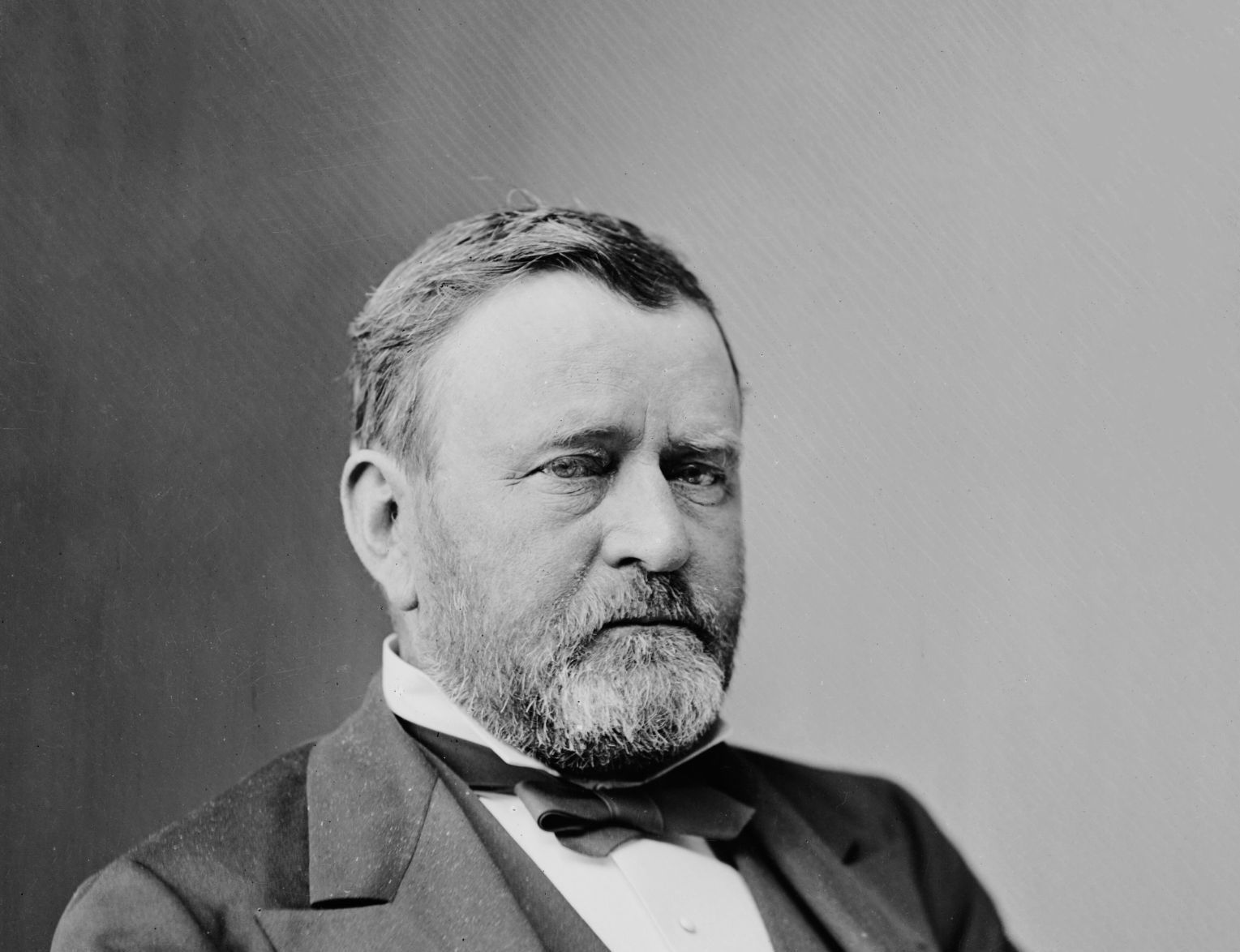
The 18th president of the United States wasn't born with the name we all know. He was born on April 27, 1822, in Point Pleasant, Ohio, as Hiram Ulysses Grant. So where did the famous "S." come from?

The answer is a paperwork mistake. In 1839, Ohio Congressman Thomas Hamer nominated the 17-year-old Grant to the US Military Academy at West Point. Knowing the young man went by Ulysses and that his mother's maiden name was Simpson, Hamer accidentally wrote "Ulysses S. Grant" on the nomination. Grant considered correcting the error, but eventually gave up, for two main reasons. He disliked the initials of his birth name, "H.U.G.", so the mistake didn't bother him much. In addition, fixing it would have meant a mountain of paperwork that could have jeopardized his appointment to West Point. So he simply let the new name stand, and the accidental middle initial stayed with him for the rest of his life.

4
Harry S. Truman

Image: Harris & Ewing, photographer, Public domain, via Wikimedia Commons

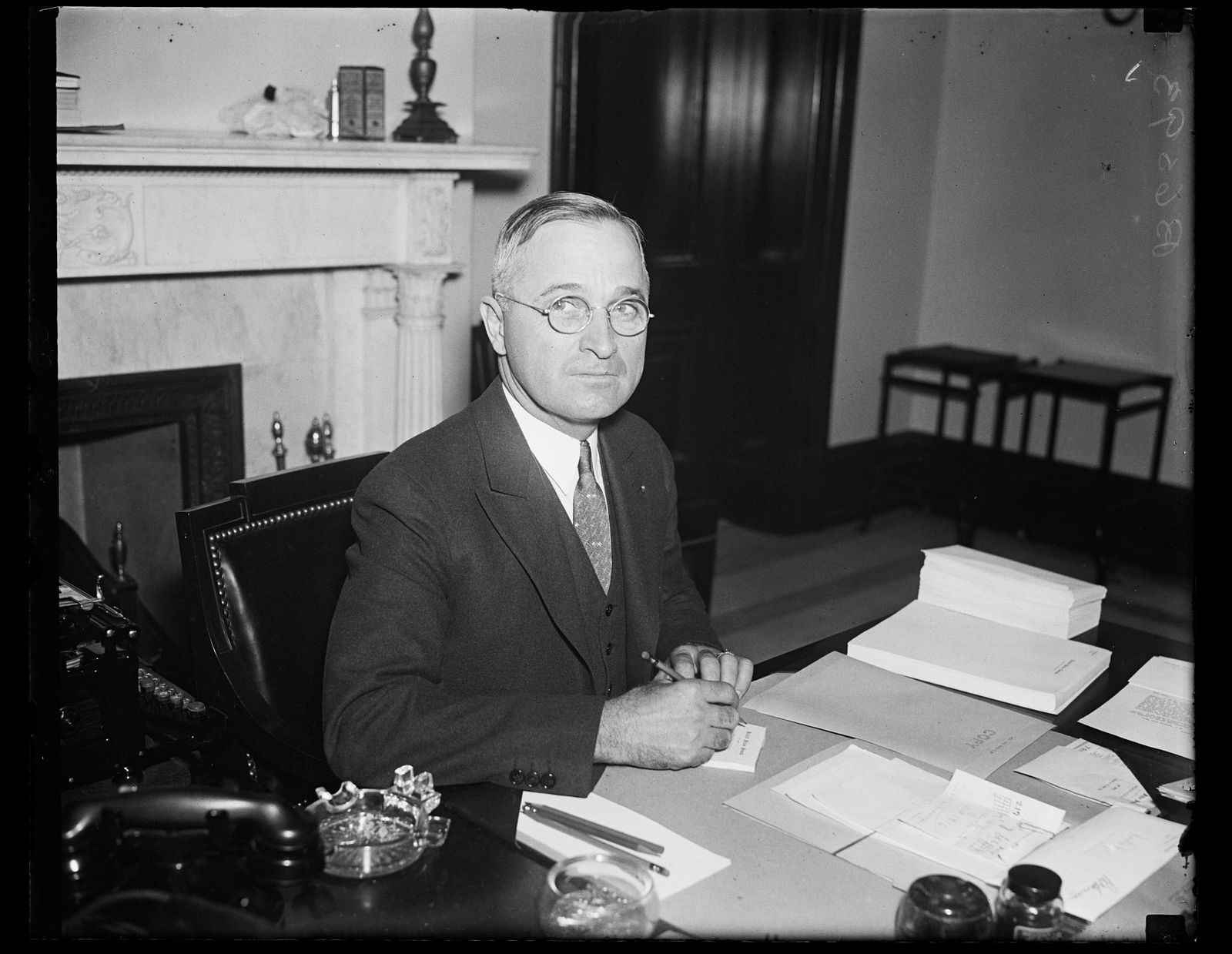
Harry S. Truman may have one of the strangest stories on this list.

His first name, Harry, honored his maternal uncle, Harrison "Harry" Young. His middle initial, however, didn't actually stand for anything. Truman's parents chose the "S" to honor both of his grandfathers, Anderson Shipp Truman and Solomon Young, without choosing one name over the other. In other words, the "S" wasn't short for Shipp or Solomon; it was simply "S". Truman himself usually wrote it without a period, since it wasn't an abbreviation. But after he became president, his staff encouraged him to add the period in official correspondence because it looked more conventional. That's why today he's almost always remembered as Harry S. Truman.

5
Dwight D. Eisenhower

Image: National Archives at College Park, Public domain, via Wikimedia Commons

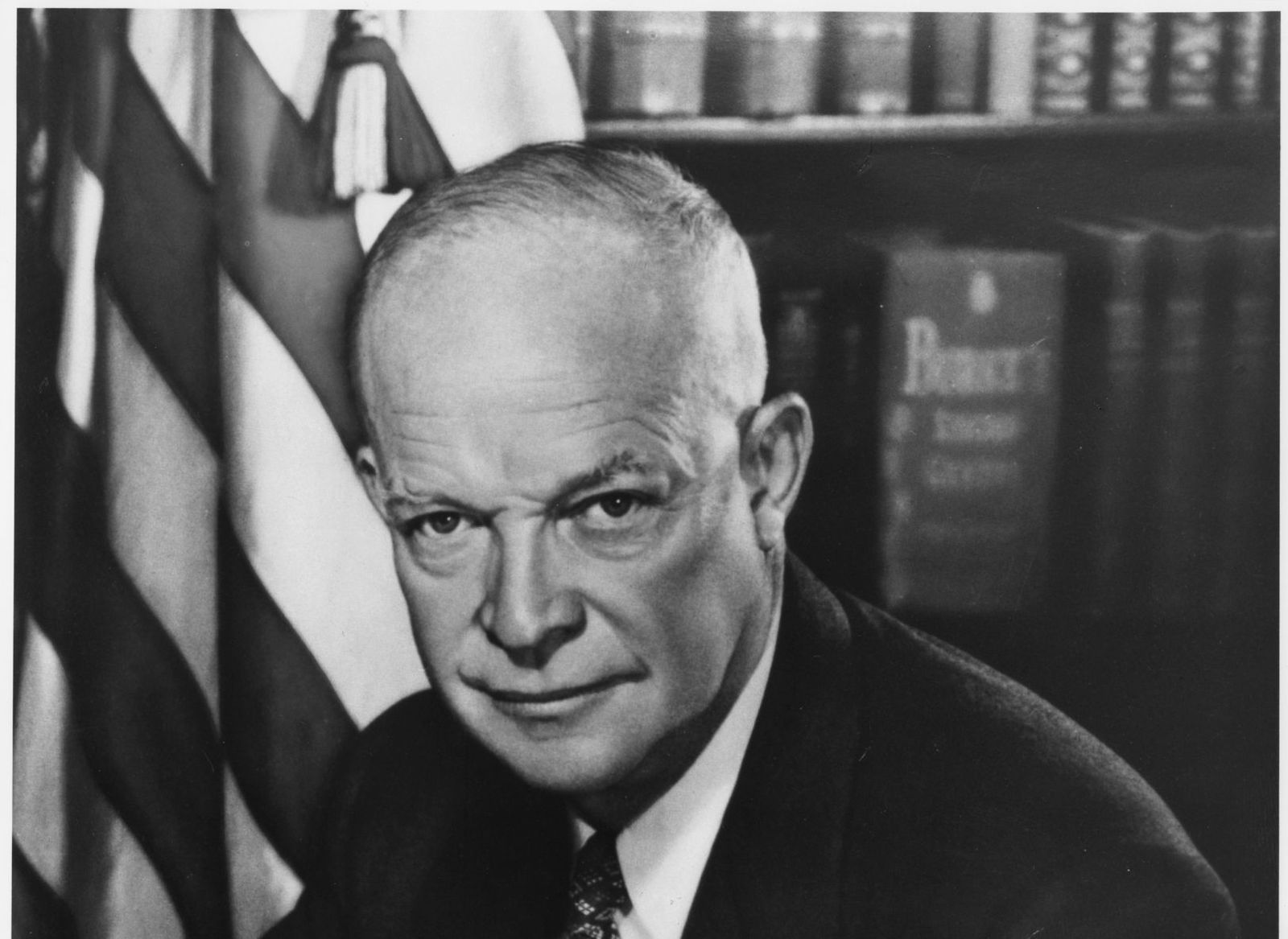
President Dwight D. Eisenhower is remembered for leading the nation through the Cold War and signing the Civil Rights Act of 1957. But there's one surprising detail about him that most people never hear.

The man we know as Dwight Eisenhower was actually born David Dwight Eisenhower on October 14, 1890, in Denison, Texas. Named after his father, David Jacob Eisenhower, he quickly ended up with a problem: there were now two Davids in the same household. To avoid the confusion, his mother, Ida, simply began calling her son Dwight instead. He went by his middle name as if it were his first for years, but the change didn't become official until he applied to West Point at age 20. Wanting his official records to match the name everyone already knew him by, he registered as Dwight David Eisenhower and made the switch permanent.

6
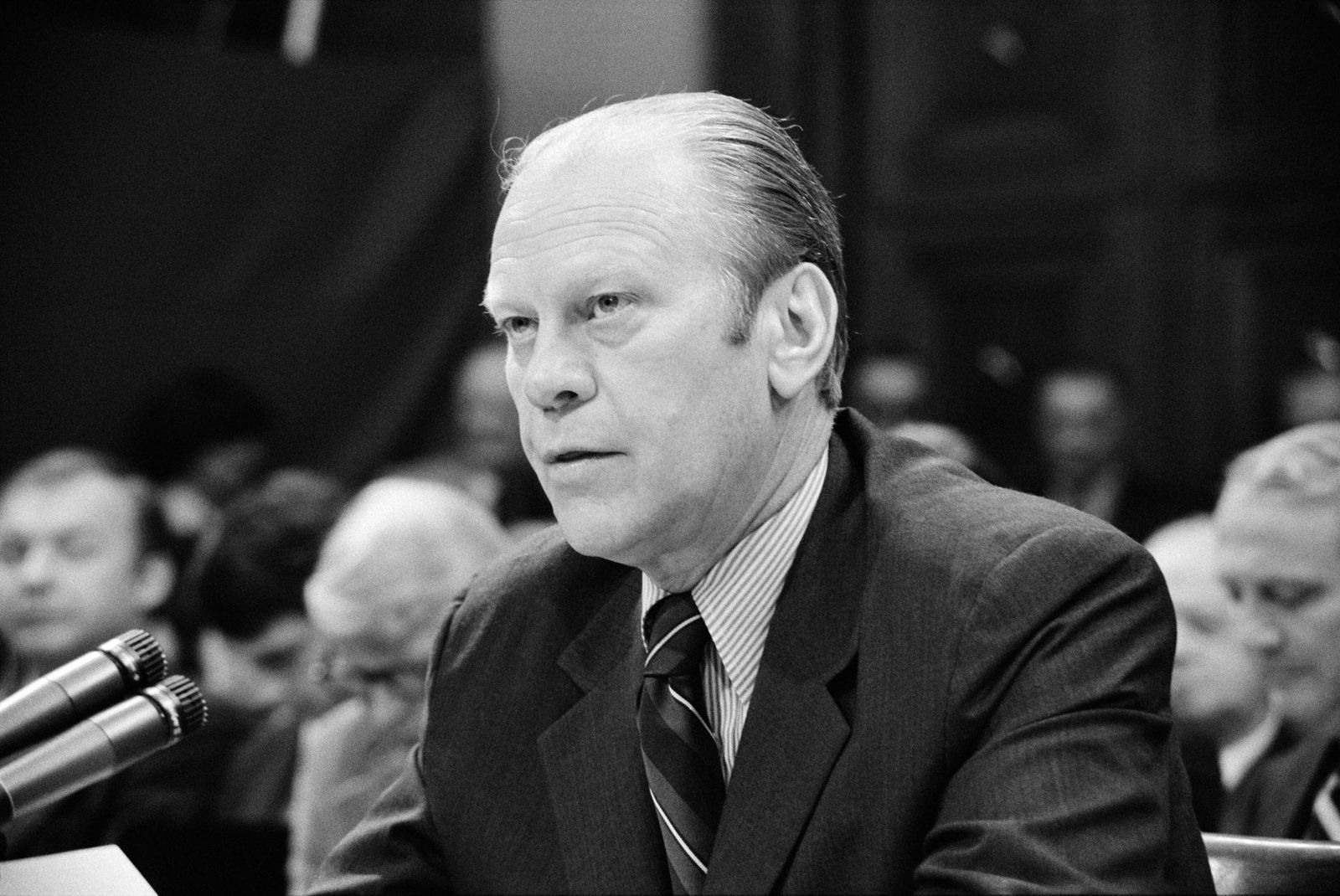
Gerald R. Ford

Image: Thomas J. O'Halloran, photographer, Public domain, via Wikimedia Commons

On July 14, 1913, a baby boy named Leslie Lynch King Jr. was born in Omaha, Nebraska, and 61 years later, he became the 38th president of the United States. If the name doesn't sound familiar, there's a good reason: he entered the White House under a completely different name.

Leslie Lynch King Jr. was named after his father. However, just 16 days after his birth, his mother, Dorothy, fled the marriage with her infant son to escape her abusive husband. Three years later, she divorced King and married Gerald Rudolph Ford, a paint salesman who raised the boy as his own. From then on, everyone knew him as Gerald Rudolph Ford Jr. , even though he didn't legally change his name until December 3, 1935, when he was 22 years old.

7
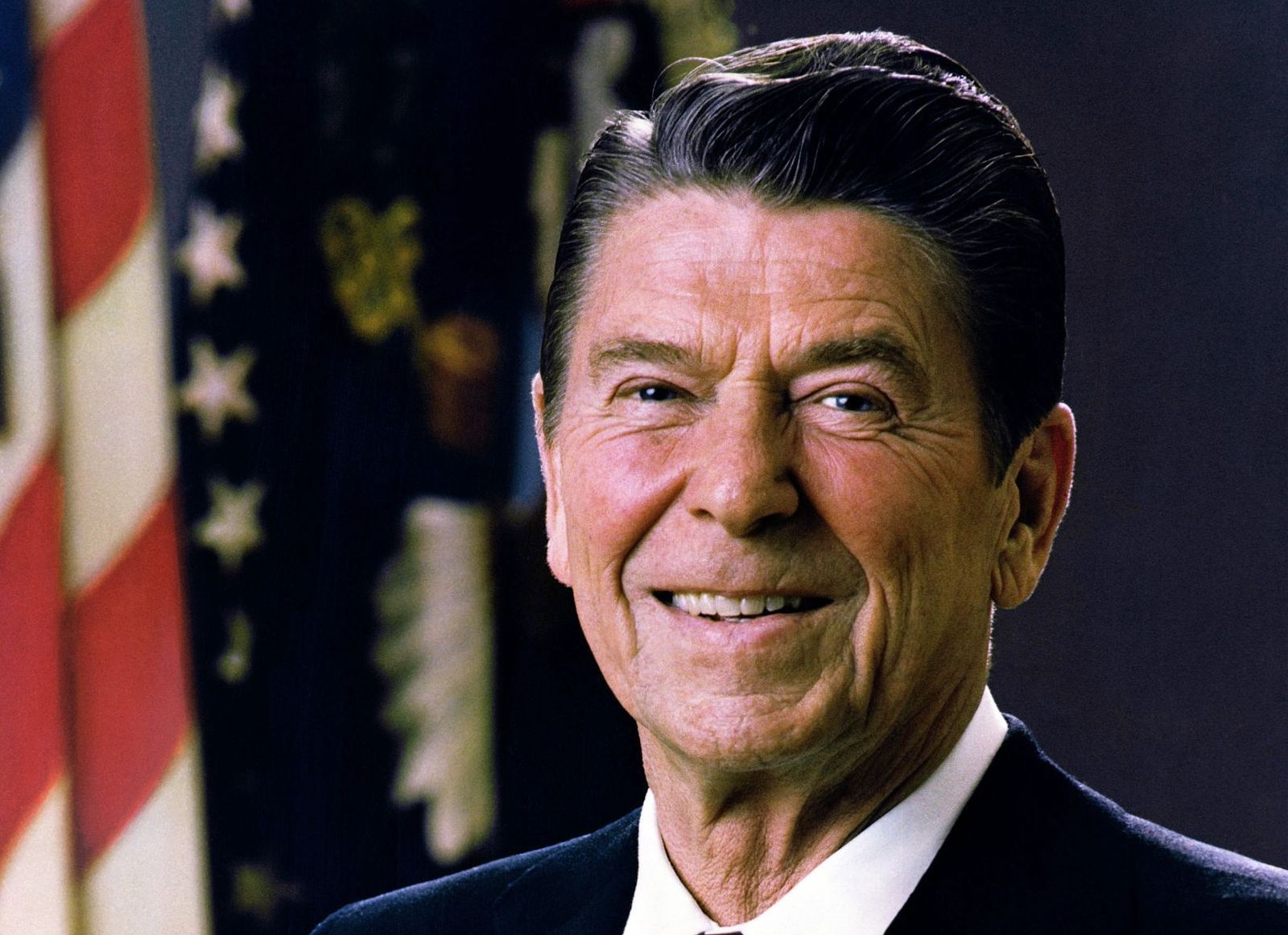
Ronald Reagan

Image: Michael Evans, Public domain, via Wikimedia Commons

Have you ever heard of "Dutch" Reagan? Perhaps not, but that was in fact the childhood nickname of Ronald Reagan, the 40th president of the United States.

Born as Ronald Wilson Reagan on February 6, 1911, in Tampico, Illinois, Reagan got his nickname from his father, who thought his newborn son looked like a "fat little Dutchman." The moniker stuck almost immediately. As a boy, Reagan embraced it so completely that, according to his autobiographies and records at the Ronald Reagan Presidential Library, he disliked being called Ronald and insisted everyone call him Dutch instead. That changed only after he arrived in Hollywood in the late 1930s, when studio executives convinced him that "Dutch Reagan" wasn't exactly leading-man material.

8
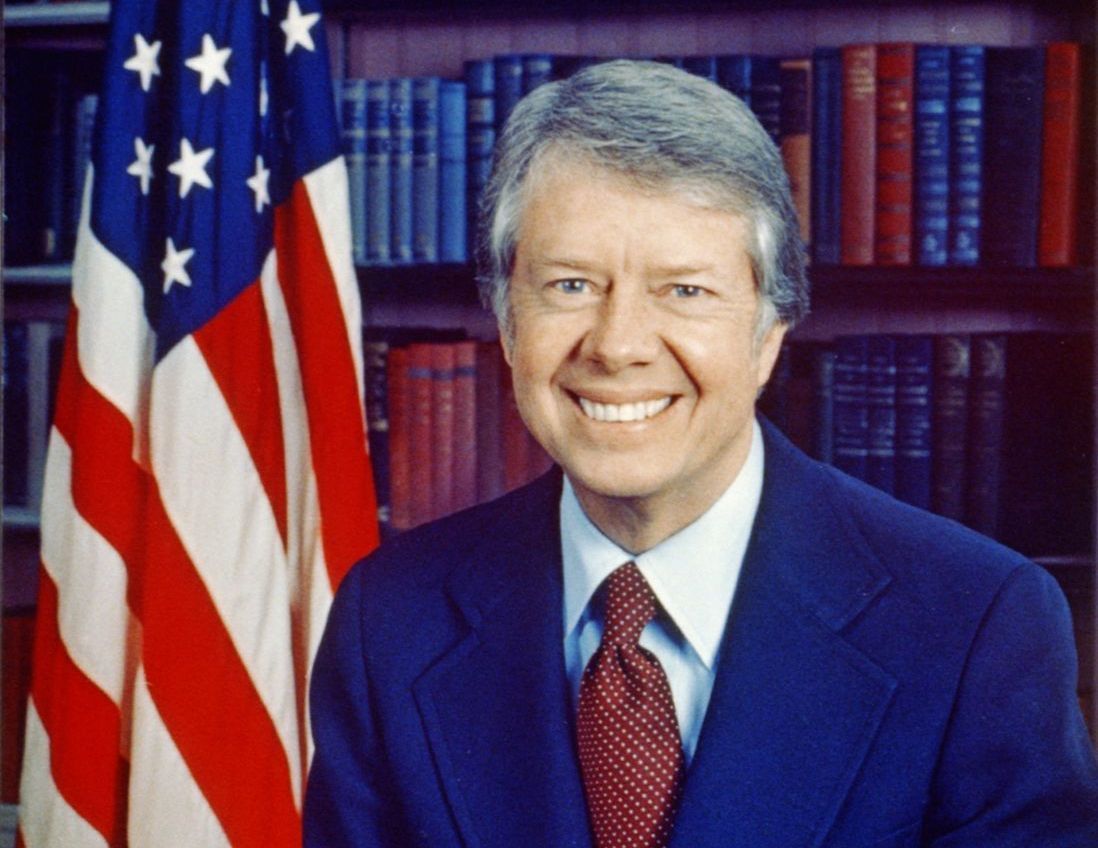
Jimmy Carter

Image: White House, Public domain, via Wikimedia Commons

Born James Earl Carter Jr. on October 1, 1924, in Plains, Georgia, and named after his father, the future president had been called "Jimmy" almost from the day he was born.

Over the years, the nickname became the name he truly identified with. So when he took the presidential oath in 1977, Carter broke with tradition. Instead of using his formal first name like all the presidents, he was sworn in as Jimmy Carter, becoming the first (and still the only) US president to take the oath of office using a nickname rather than his legal name.

9
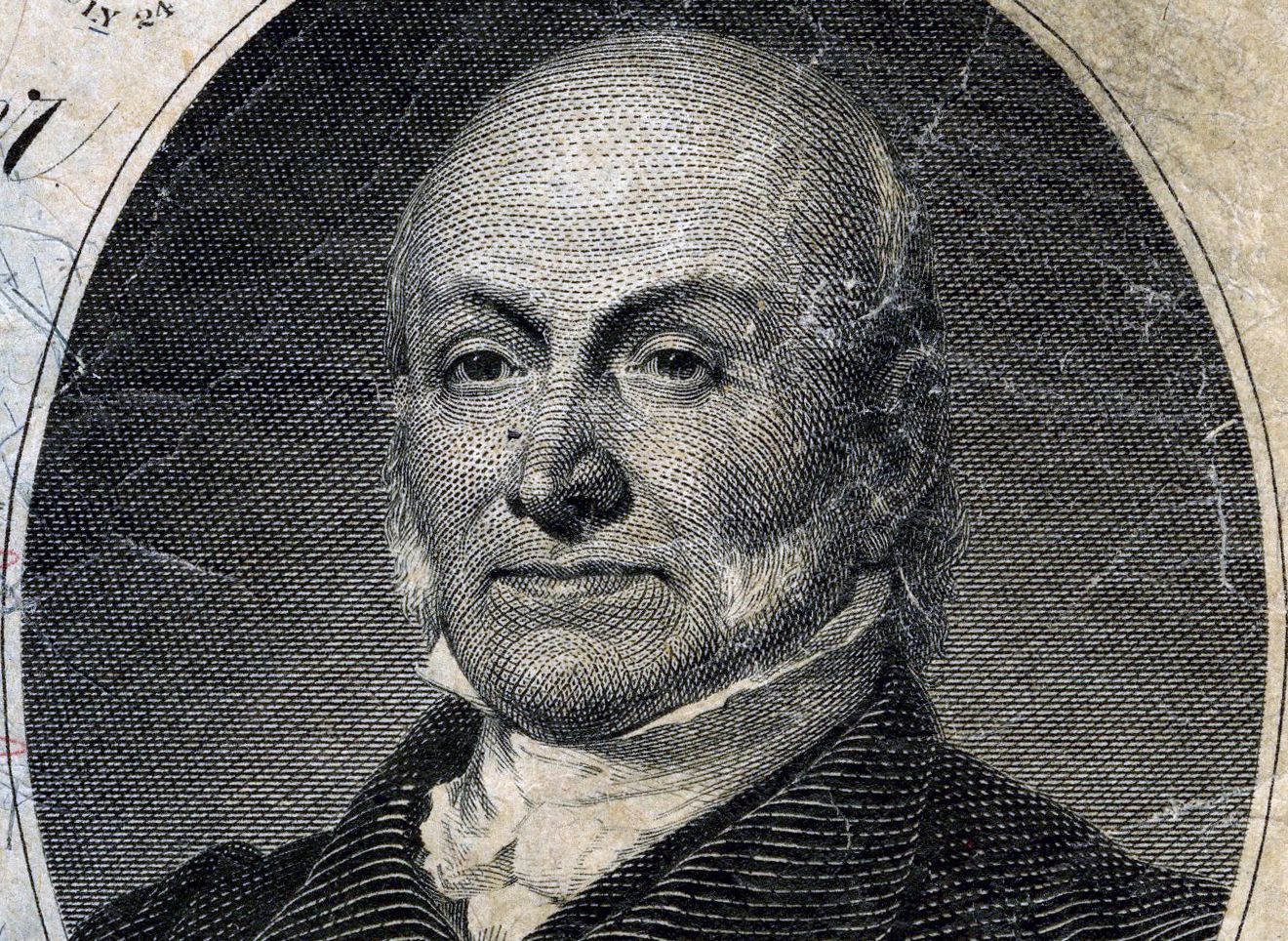
John Quincy Adams

Image: National Museum of American History, Public domain, via Wikimedia Commons

The second president of the United States, John Adams, is one of the best-known Founding Fathers. His name is instantly recognizable to most Americans, and that's exactly why his son made an important decision about what he would be called.

John Quincy Adams was born on July 11, 1767, in the North Precinct of Braintree, Massachusetts, an area that was officially renamed Quincy in 1792. The nation's sixth president and the first son of a president to become president himself carried a name with a story. He was named not only after his father, but also after his maternal great-grandfather, Colonel John Quincy, who was gravely ill when the baby was born. Although Quincy was originally a family surname, it became the baby’s middle name. As an adult, he embraced all three names, John Quincy Adams, helping distinguish himself from his famous father while honoring both sides of his family.

10
Grover Cleveland

Image: National Archives at College Park, Public domain, via Wikimedia Commons

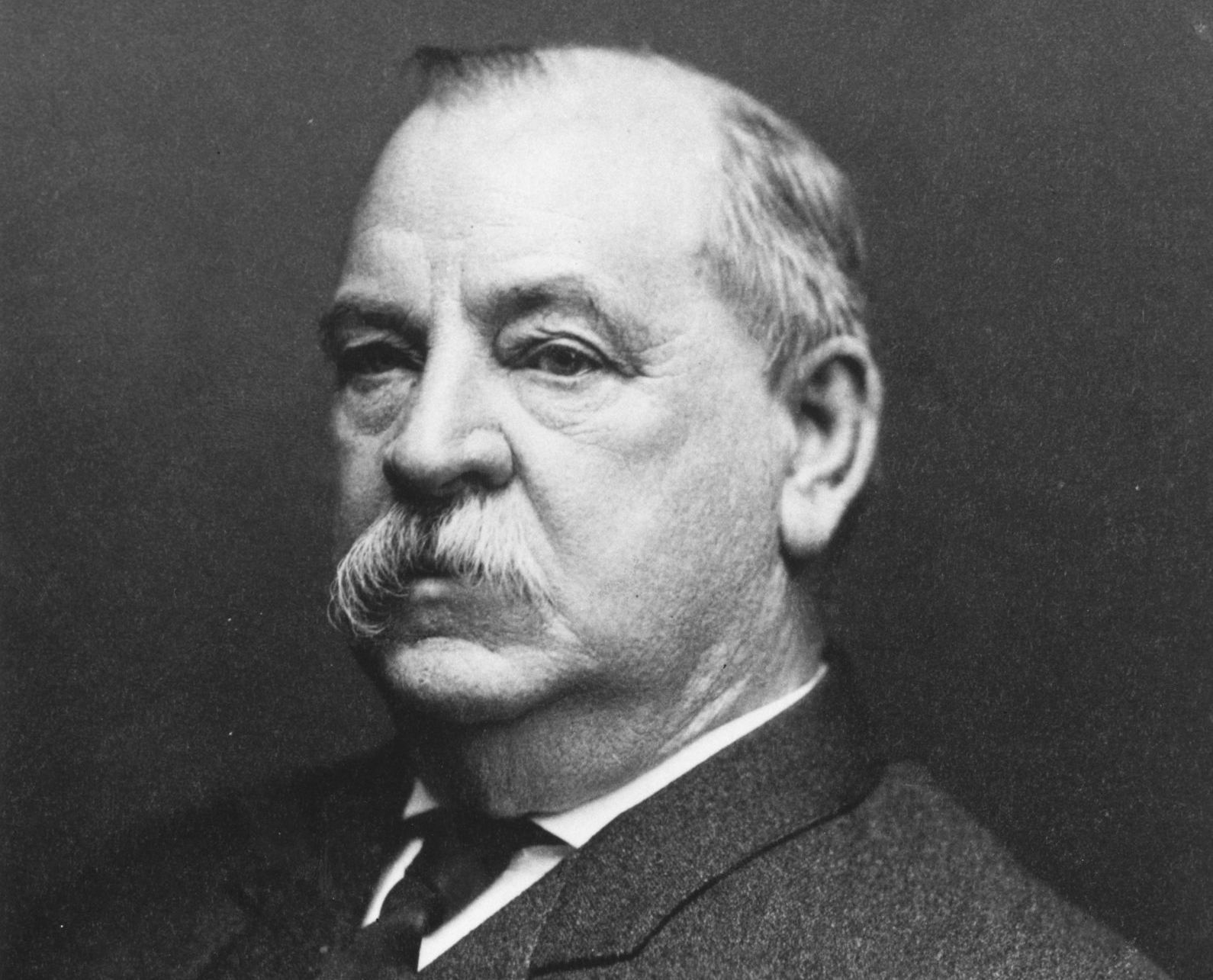
Most people have never heard of Stephen Cleveland, but mention Grover Cleveland, and they'll know exactly who you're talking about. The thing is, they're the same person.

Born on March 18, 1837, in Caldwell, New Jersey, the future 22nd and 24th president of the United States was actually named Stephen Grover Cleveland. His father, a Presbyterian minister, chose the name to honor Reverend Stephen Grover, the first pastor of the First Presbyterian Church in Caldwell, where he was serving at the time. As he grew older, however, Cleveland made an unusual choice: instead of going by his first name, Stephen, he adopted his middle name because he simply liked the sound of "Grover Cleveland" better.

Geography Geography 6 min read

Territorial anomalies

There's a country within the US that was created to avoid double taxation

Image: Pin Adventure Map

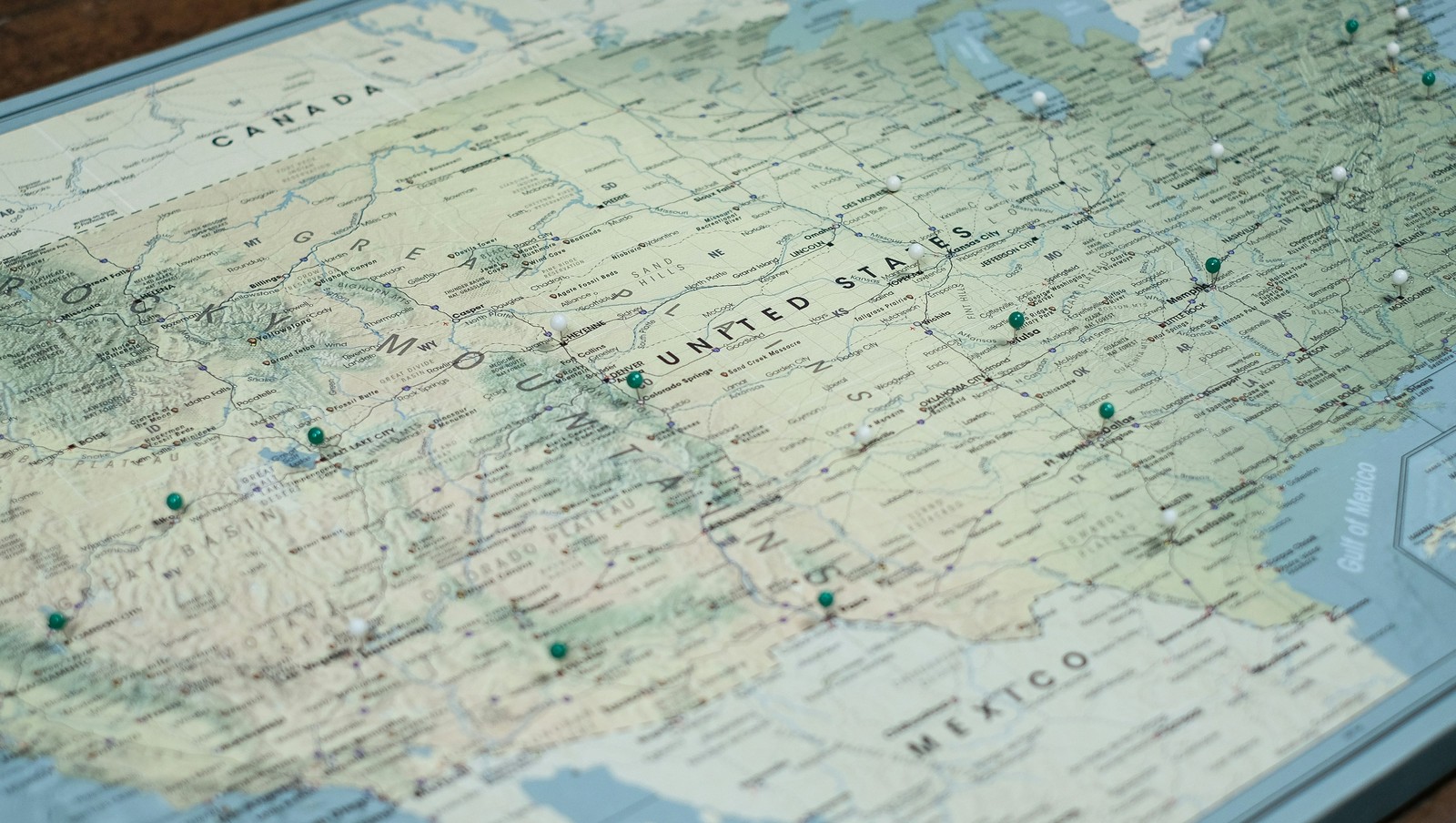
Ever thought about how the borders in our country were defined ? States that almost became official, U.S. points that are only accessible through Canada's borders, territorial feuds over taxes, and more have constructed the limits of the country we know today. Here are 10 territorial quirks you probably never knew of.

1
Point Roberts, WA: The 49th parallel accident

Image: United States Geological Survey, Public domain, via Wikimedia Commons

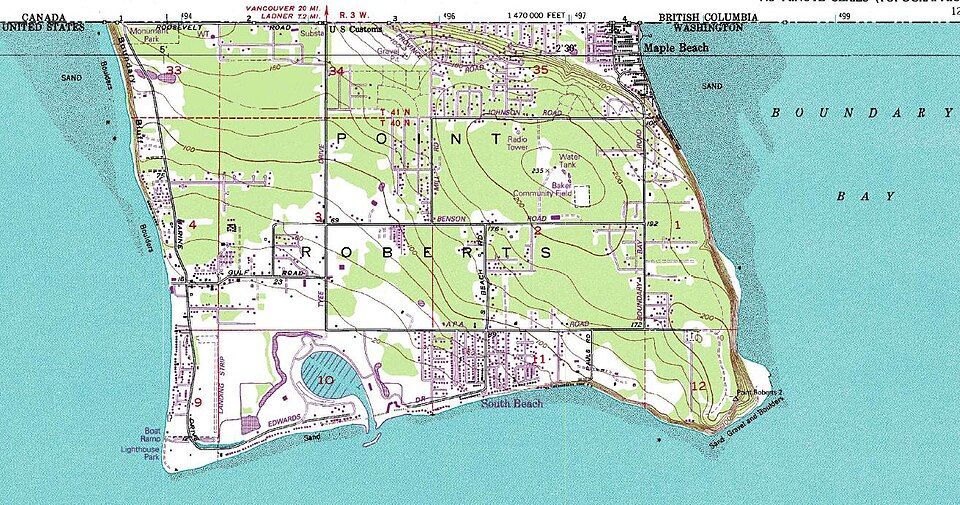
Imagine if you had to cross two borders just to get to the market for a gallon of milk. That’s actually a reality for residents of Point Roberts, Washington. That’s because, following the Anglo-American Convention of 1818, the 49th parallel divided Canada and the U.S. In 1846, the line was extended westward and then officially recognized by the International Boundary Commission in 1925.

However, a tiny tip of the Tsawwassen Peninsula poked out just below that line. Since then, the locals have lived in a boundary quirk. To get to the rest of Washington State by land, they must drive through Canada, show their passports, and do it all over again on the way back.

2
Statue of Liberty: Common misconception

Image: Mohamed Osama

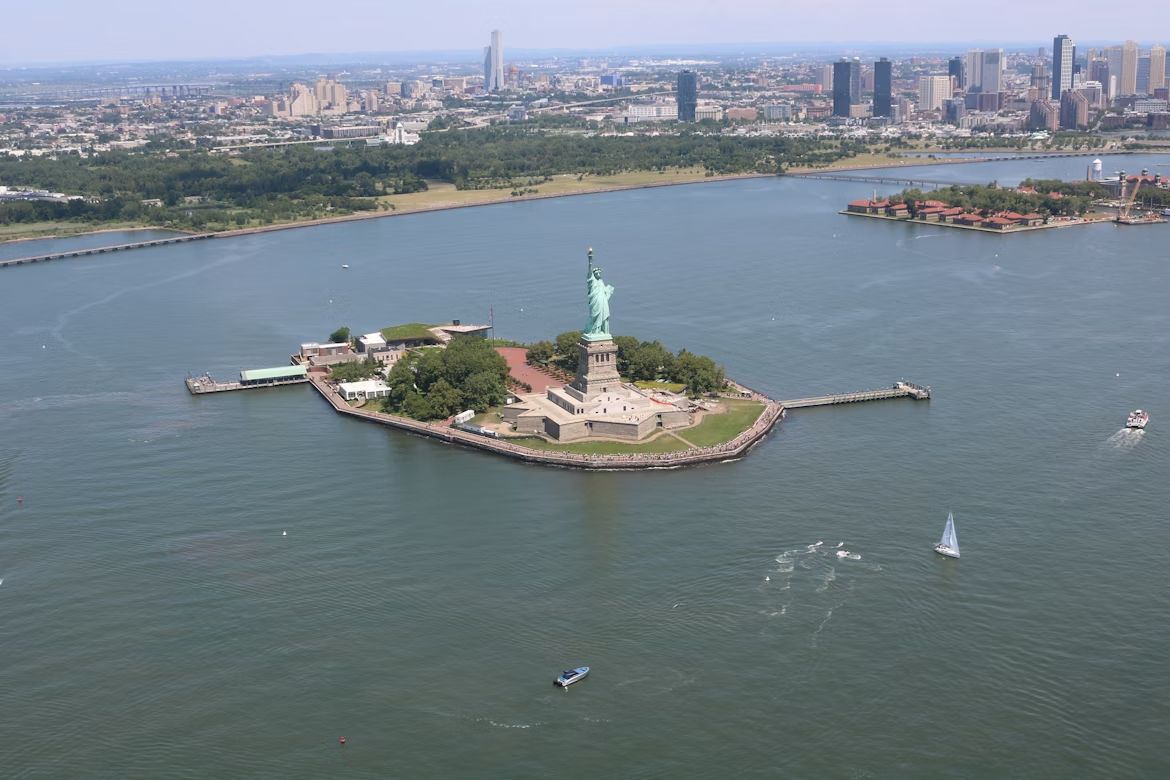
If you want to start a friendly argument at a dinner party, ask whether the Statue of Liberty lives in New York or New Jersey. The funny thing is, both answers are technically right . While the statue physically sits in the waters of the Garden State, Liberty Island is legally an exclave of New York. This dates back to a 1664 land grant by the Duke of York in a document so vague and confusing that it took a 1834 Compact between the two states to settle the deal. New Jersey gets the water and the submerged lands, but New York keeps the monument.

However, the Federal Government actually manages the site through the National Park Service (NPS), providing security and maintenance.

3
The State of Franklin: Failed 14th state

Image: Bennett1203, CC BY-SA 4.0, via Wikimedia Commons

In 1784, three counties in North Carolina felt neglected by their government and decided to strike out on their own . They even elected a governor, John Sevier, and printed their own money. They came just two votes short of being recognized by Congress as a formal state.

Eventually, things got heated, and North Carolina sent troops, leading to a small civil war between the locals. By 1789, the dream of Franklin was buried, and the territory became part of Tennessee.

4
Kentucky Bend

Image: Brian Stansberry, CC BY 4.0, via Wikimedia Commons

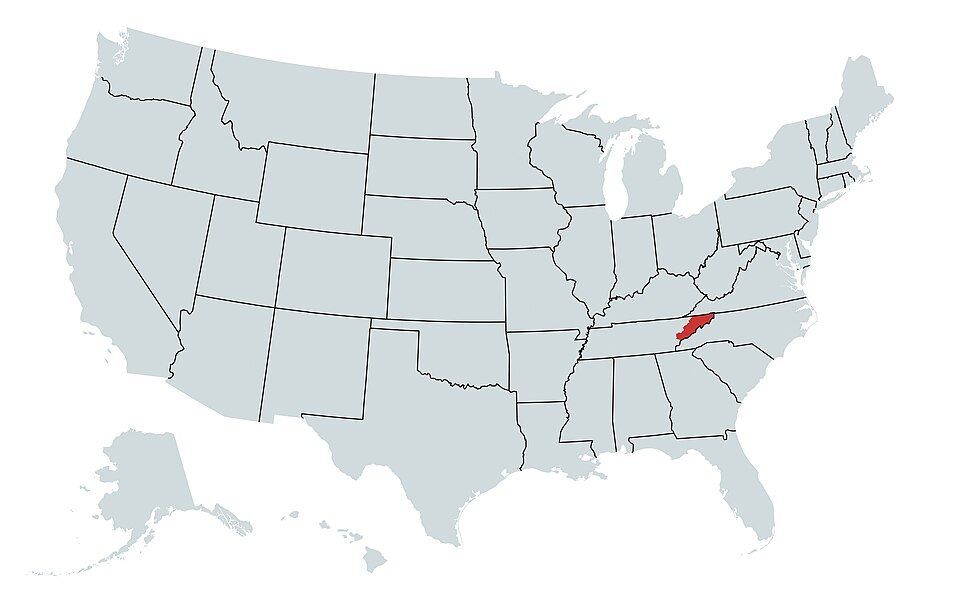
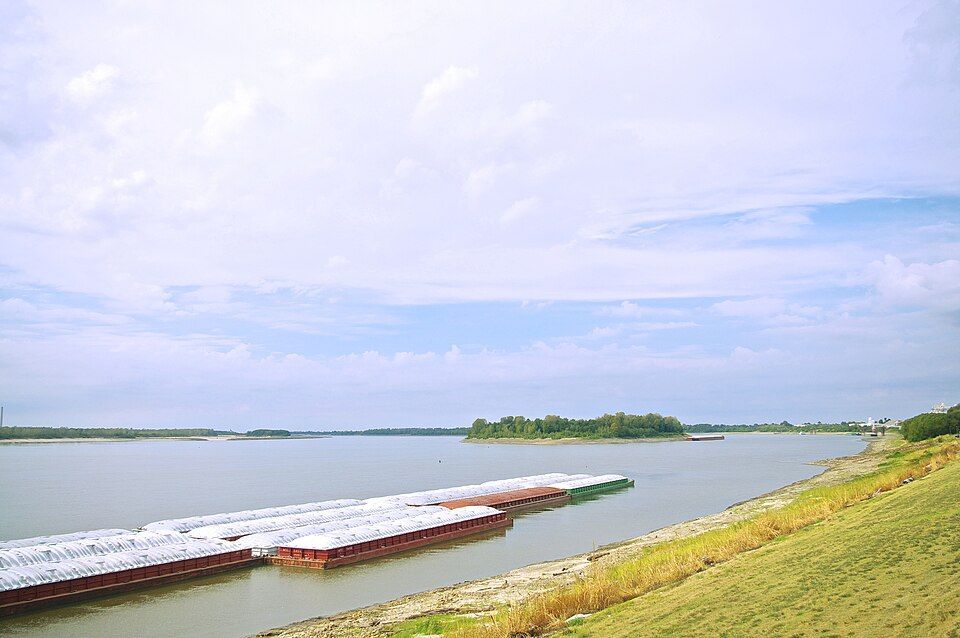
If you look closely at a map, there’s a piece of Kentucky that looks like it doesn’t belong. That’s the Kentucky Bend, also called the New Madrid Bend, a tiny peninsula in Fulton County that is almost completely separated from the rest of the Bluegrass State . The strange situation was the consequence of the massive series of earthquakes that took place in that area between 1811 and 1812, which were so violent they famously caused the Mississippi River to flow backwards for several hours. When the dust settled, the river had carved a new path that looped around this small patch of land, surrounded by Missouri and Tennessee instead of Kentucky. The 9 residents living there today go through Tennessee just to get to their home state.

5
The State of Deseret: The empire that almost was

Image: Carl Radefeld (cartographer); Joseph Meyer (publisher), Public domain, via Wikimedia Commons

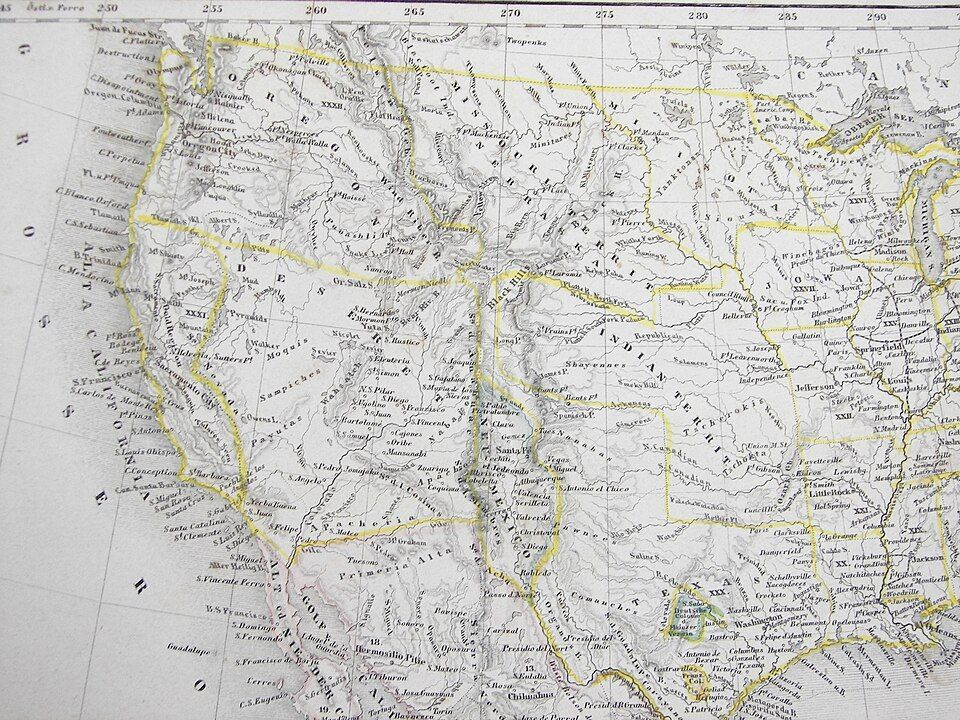
Imagine a state so big it makes Texas look tiny. That almost happened back in 1894, when Mormon pioneers proposed the State of Deseret. The territory comprised what we now know as Utah, most of Nevada, parts of Arizona and Colorado, and a massive chunk of the California coast, including San Diego.

Had it been formalized, it would have been a powerhouse with its own seaport and total control over the West. However, Washington, D.C. wasn’t so keen on one group having that much territory and power, so they whittled it down, and we ended up having the states we know today.

6
The lawless "No Man's Land"

Image: Steve Shook from Moscow, Idaho, USA, CC BY 2.0, via Wikimedia Commons

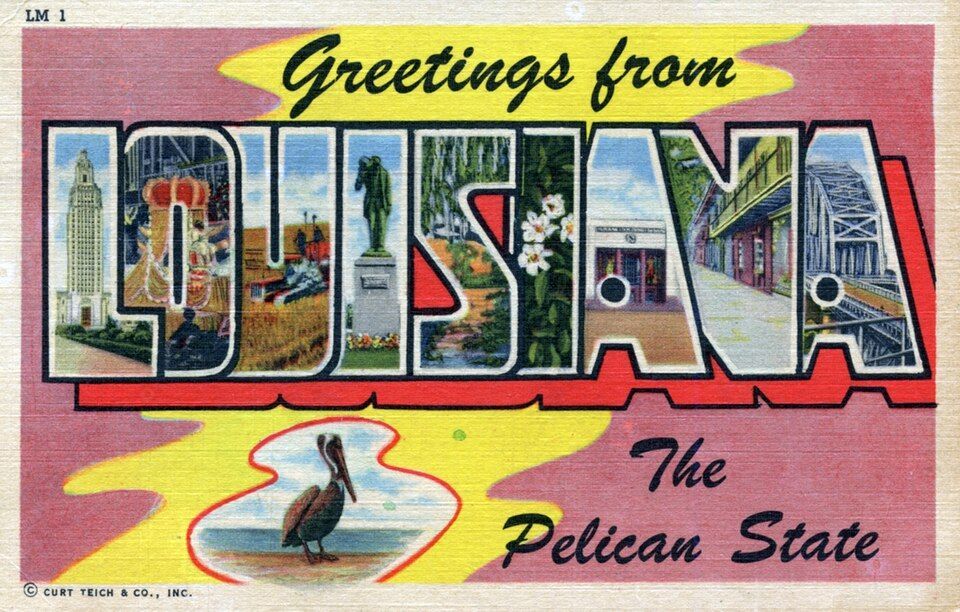
Have you ever wondered what happens when two governments simply give up on a piece of land? Between 1806 and 1821, there was a strip of land in what is now western Louisiana that was, literally, No Man’s Land. Neither the U.S. nor Spain, which owned part of the territory, could agree on the border, so they declared it "Neutral Ground" to avoid armed conflicts . The plan backfired as, with no laws to contain it, it quickly became a favorite for the outlaws in the West —meaning deserters and bandits hiding there were legally untouchable. The conflict was resolved by the 1819 Adams-Onis Treaty, which officially set the Sabine River as the legal boundary.

7
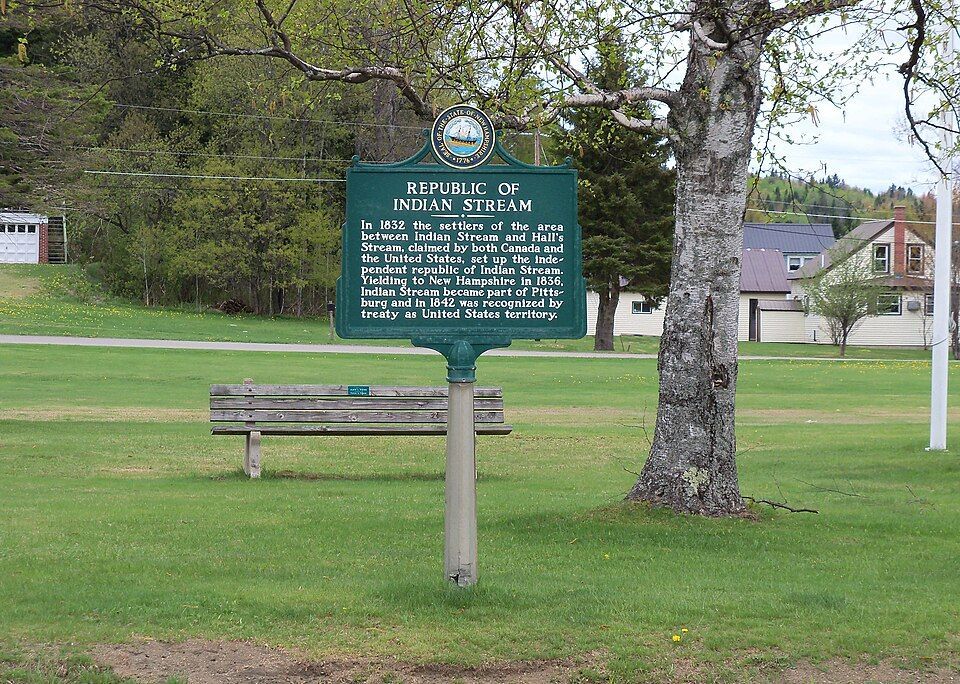
The Republic of the Indian Stream

Image: Jon Platek, CC BY-SA 3.0, via Wikimedia Commons

In the early 1830s, people living in a small area between New Hampshire and Quebec were fed up, and in this case, taxes were the problem. Both Canada and the US were trying to collect taxes, and nobody likes being double-billed . In 1832, the residents essentially said "neither of them can tax us" and formed their own country called the Republic of the Indian Stream. They had their own constitution and Capitol for four years, until 1836, when the militia marched on the disputed territory to reclaim the land. It wasn’t until 1842, when the land dispute and the double taxation were definitively resolved by the Webster–Ashburton Treaty, which assigned the land to New Hampshire.

8
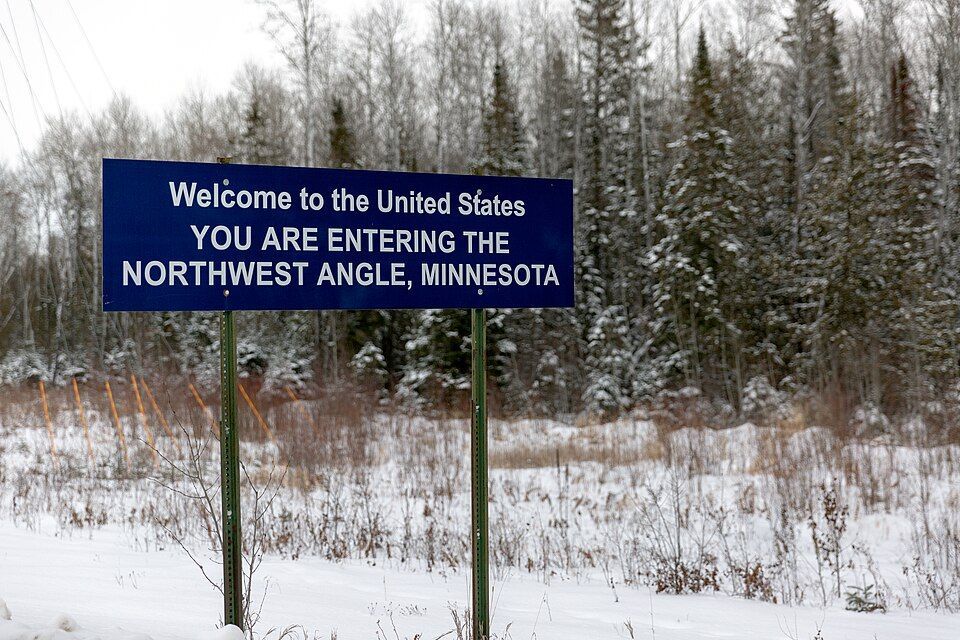
The Northwest Angle: Mapping mistake of 1783

Image: Lorie Shaull, CC BY-SA 4.0, via Wikimedia Commons

When the Treaty of Paris was signed in 1783 to end the Revolutionary War, the mapmakers used a chart that was flat-out wrong. They thought the Mississippi River started much further north than it actually did. Because of that mistake, a piece of Minnesota got cut off from the rest of the country . To this day, the "Northwest Angle" is the only place in the lower 48 states north of the 49th parallel. Much like Point Roberts, you have to cross a massive lake or drive through Canada just to visit it.

9
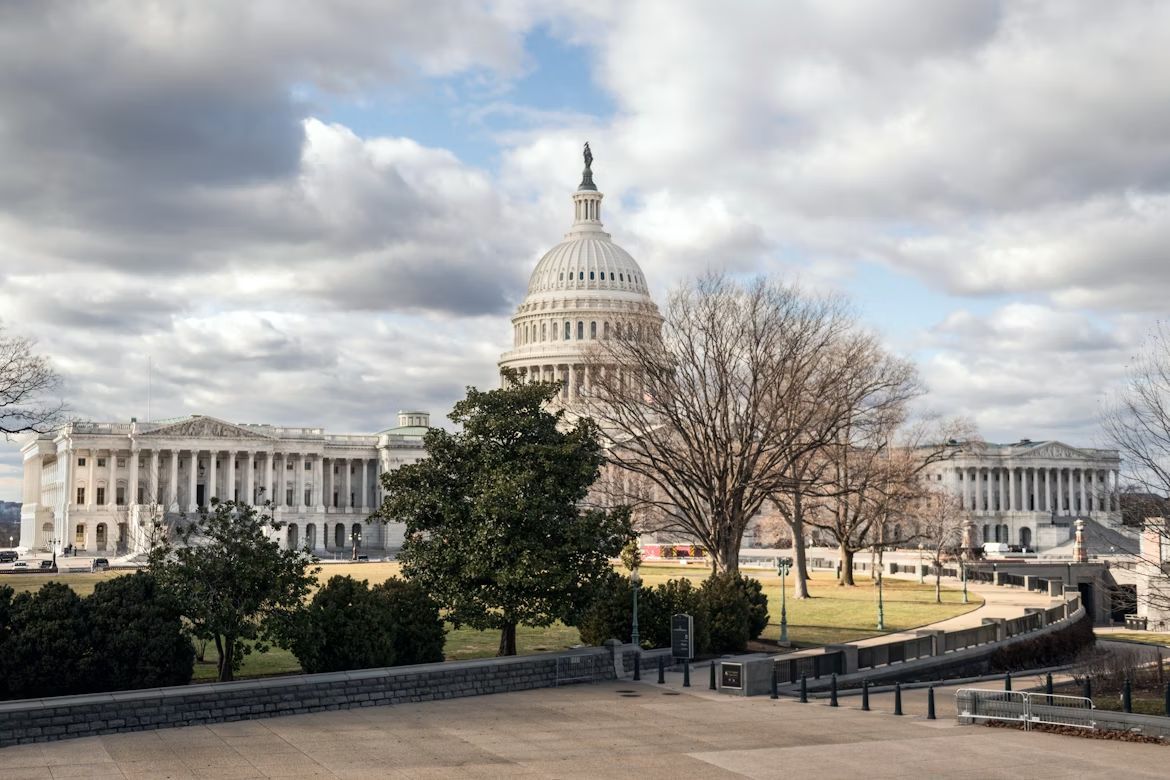
The District of Columbia’s "lost" corner

Image: Tim Mossholder

If you look at a map of D.C., you’ll notice it’s missing a chunk; it’s not a perfect square as it was originally intended. Originally, the capital was a perfect ten-mile square diamond , taking land from both Maryland and Virginia. But by 1846, things got tense. Residents in the Virginia portion, which included Alexandria and Arlington, were worried the federal government would abolish slavery in the District, which was the backbone of their economy. They successfully petitioned to have Virginia "take back" that portion of the land and subsequently changed the shape of the national capital forever.

10
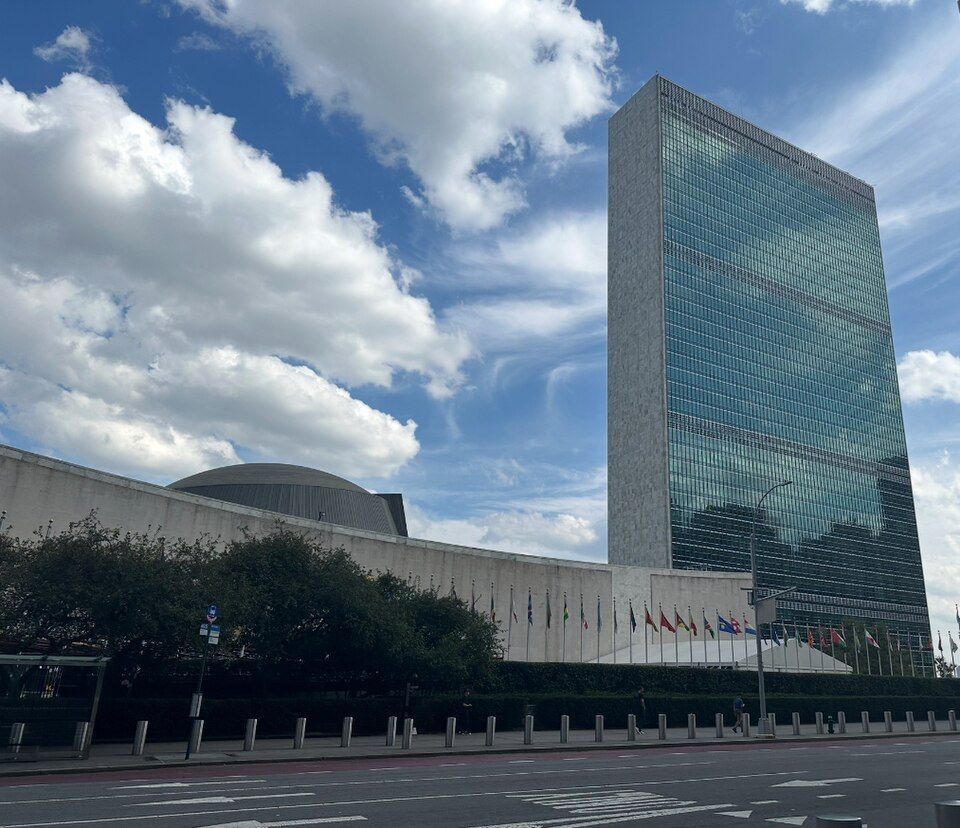
UN Headquarters: International territory

Image: LPulecio-WMF, CC BY 4.0, via Wikimedia Commons

If you want to feel international, go to the United Nations Headquarters on the East River in midtown Manhattan, New York. Once you cross that gate onto the 18-acre site, you are technically leaving the United States. You don’t need to show your passport, but that’s international territory, which means it has its own laws , its own security force, and even its own postal service. It is a legal hole in the middle of New York City.

Explore more American facts

Choose your favorite category!

General
General

As American as apple pie—the very best America has to offer!

Culture
Culture

Delve into the astounding richness of American lore.

Geography
Geography

Hop in and explore vast and diverse American landscapes.

History
History

Discover the key moments that shaped the United States.