Culture Culture 5 min read

Yes, that was normal

These old childhood rules and traditions would shock parents today
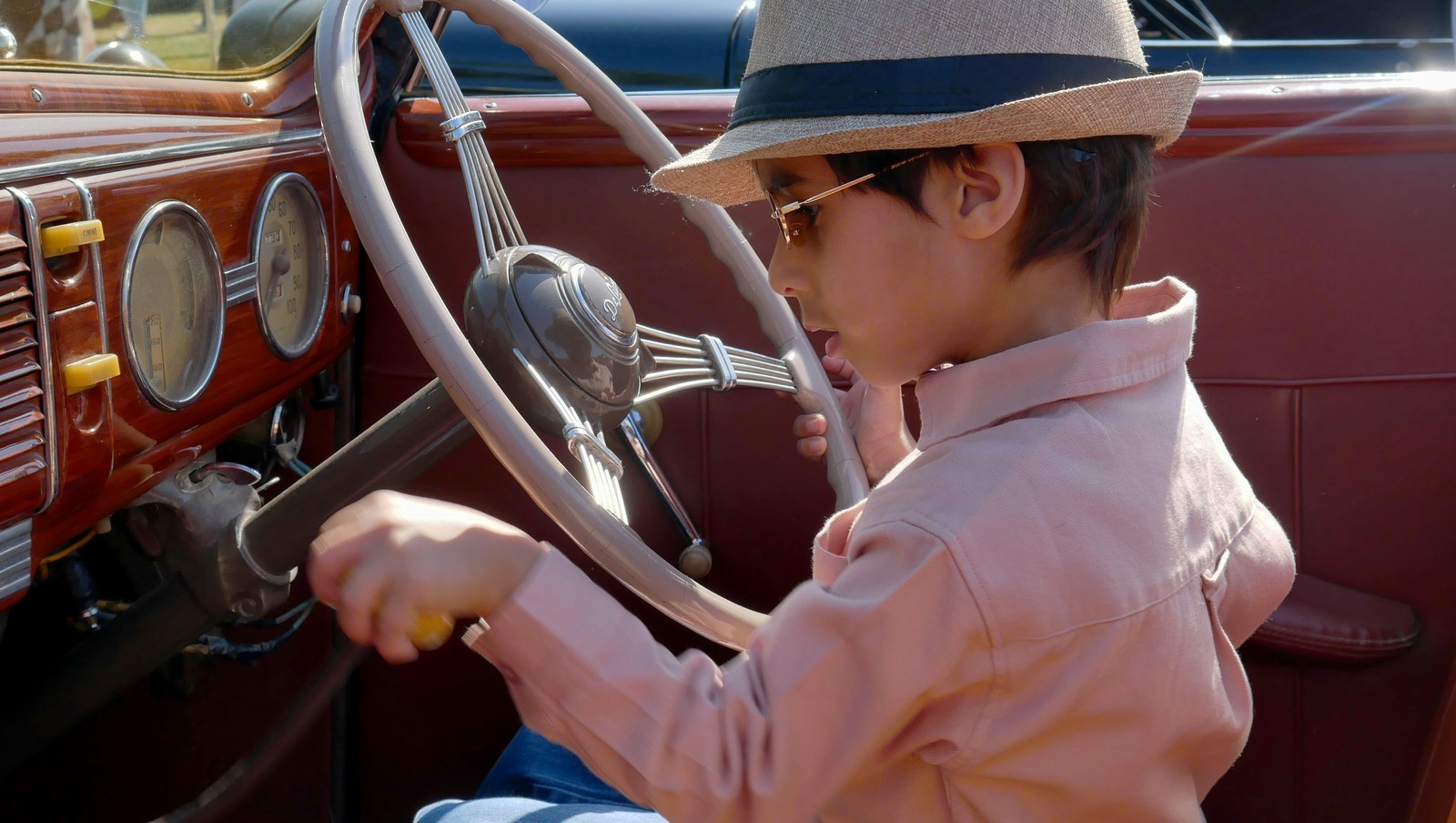
Image: Rohan Mathur

There was a time when childhood looked very different. Often unsupervised, kids would roam, explore, improvise, and occasionally scare their parents half to death. Cultural norms have changed, and many of the routines and traditions that once defined the all-American childhood now seem reckless . Let’s look at some of them and see how drastically things have changed.

1
Leaving with your bike in the morning and coming back for suppertime
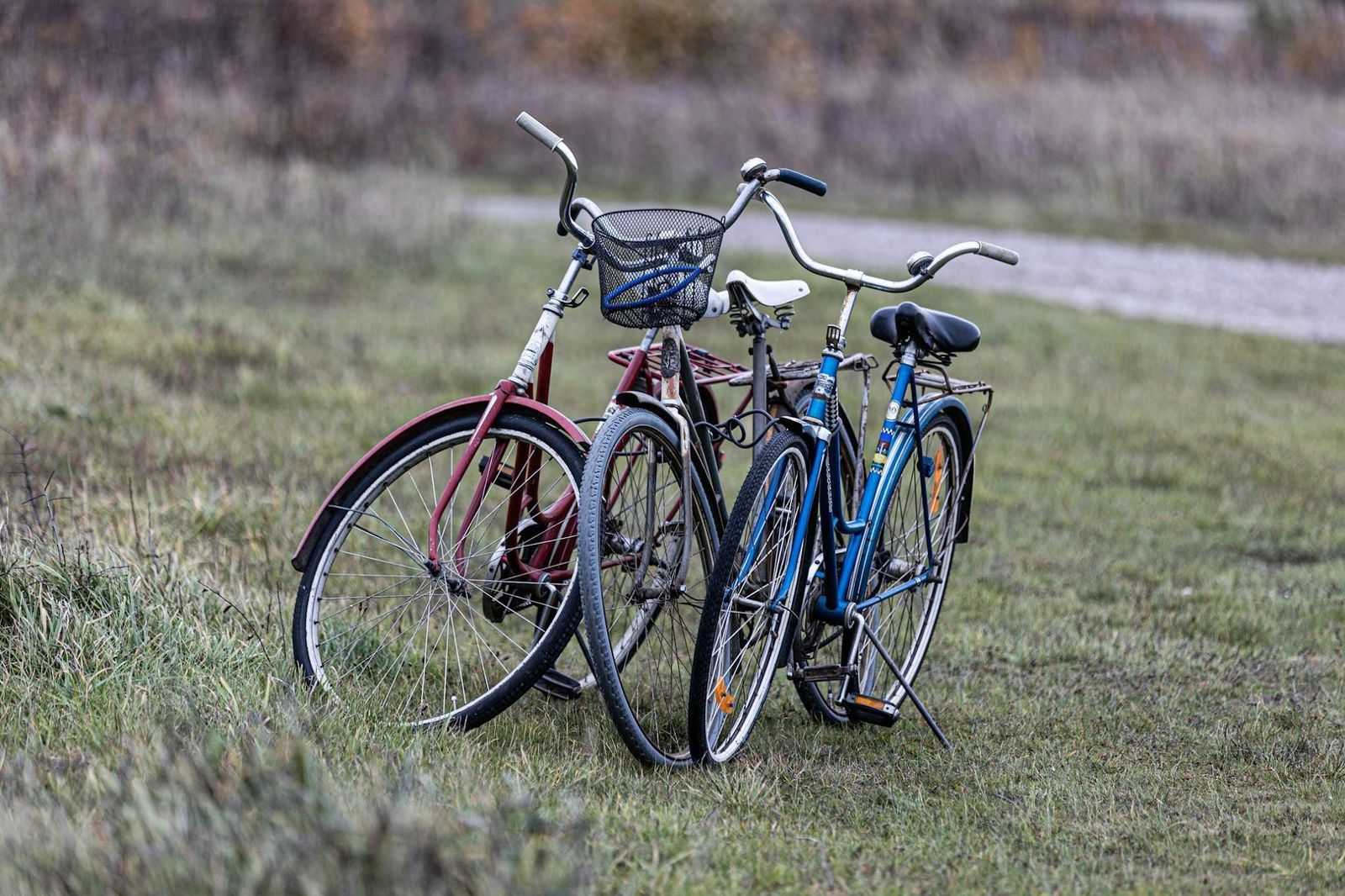
Image: Carl Tronders

For a few generations of American kids, a bicycle meant freedom. From the 1940s through the 1980s, children often left home after breakfast with little more than a vague instruction: "Be back before dinner."

Neighborhoods were informal safety nets, and kids were free to navigate them without phones or GPS trackers.

2
Foraging fruit from neighbors’ yards
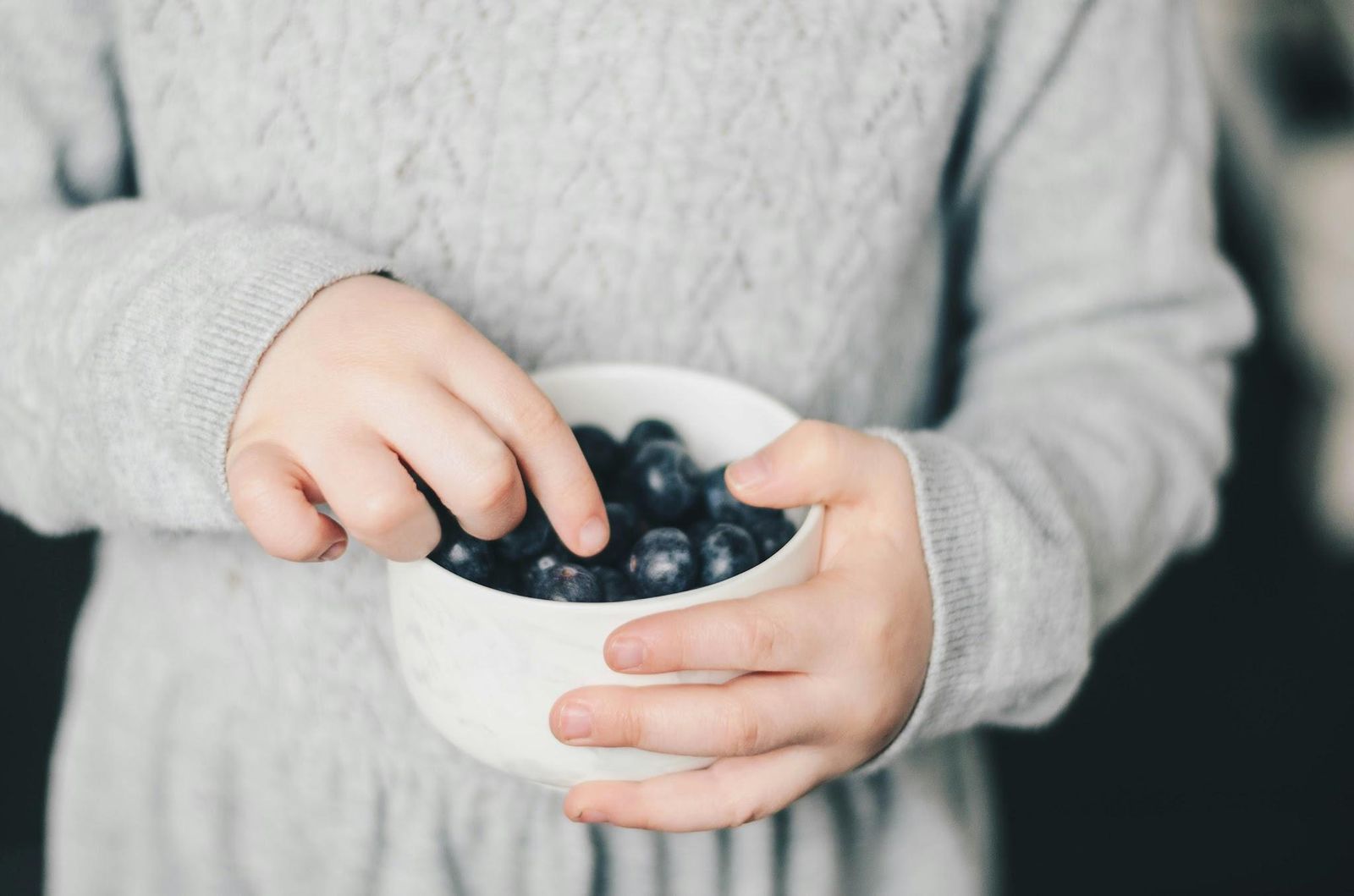
Image: Libby Penner

It was a risky gamble: Picking and eating fruit from unknown plants in your neighborhood could result in a yummy treat…or abdominal trouble.

There was a time when kids freely grabbed berries, apples, or other fruit growing along sidewalks or in neighbors’ gardens. Today, property boundaries have grown, and kids are reminded not to forage without permission.

3
Riding public transportation alone
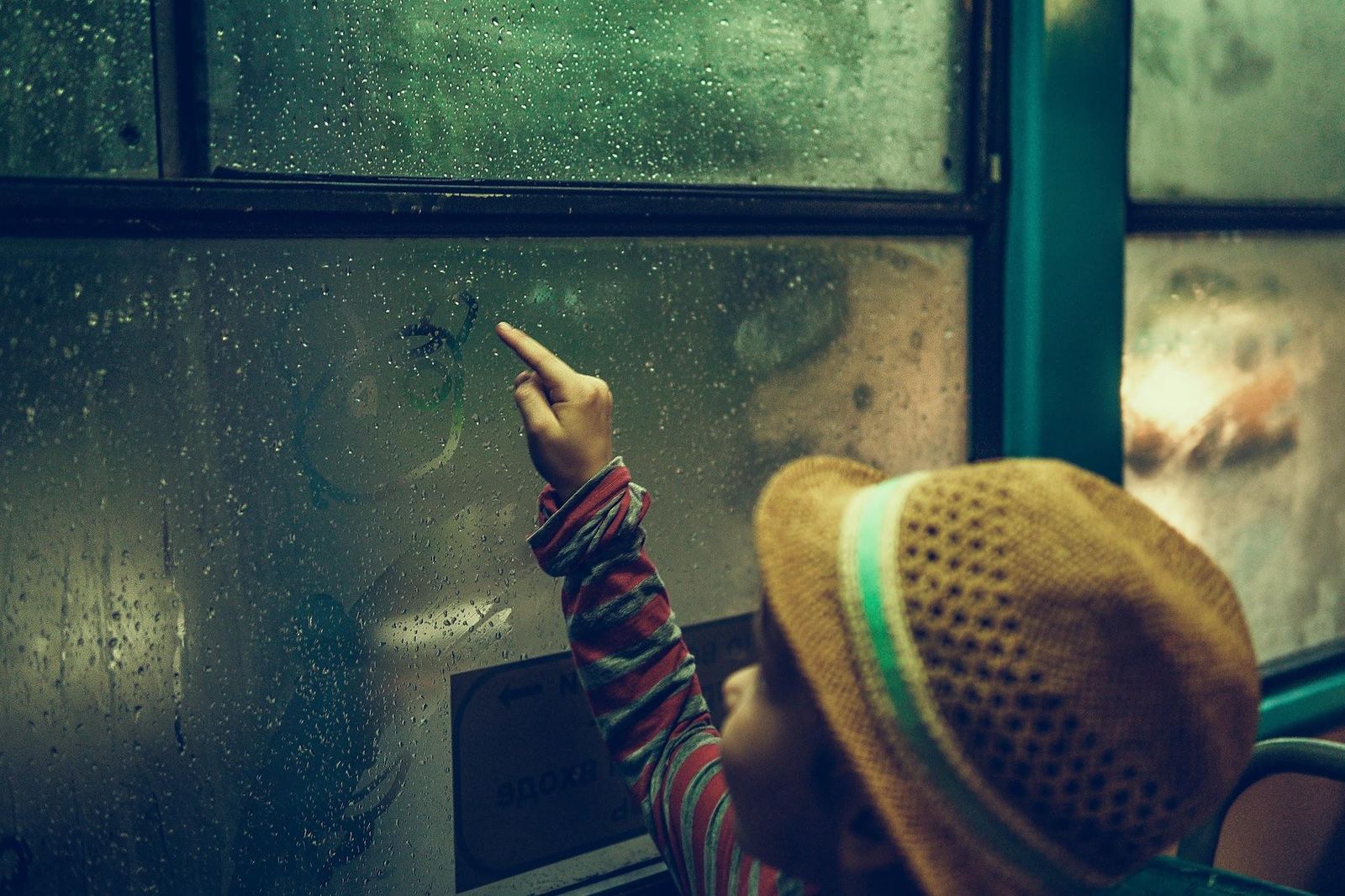
Image: Vitolda Klein

For much of the 20th century, it wasn’t unusual for children as young as 7 to ride buses, subways, or streetcars alone, especially in large cities like New York, Chicago, and Boston.

Kids commuting to school independently was considered a practical life skill. Parents expect children to learn responsibility through real-world experience , handling routes, change, and unexpected delays.

4
Roller coasters had no belts and no headrests
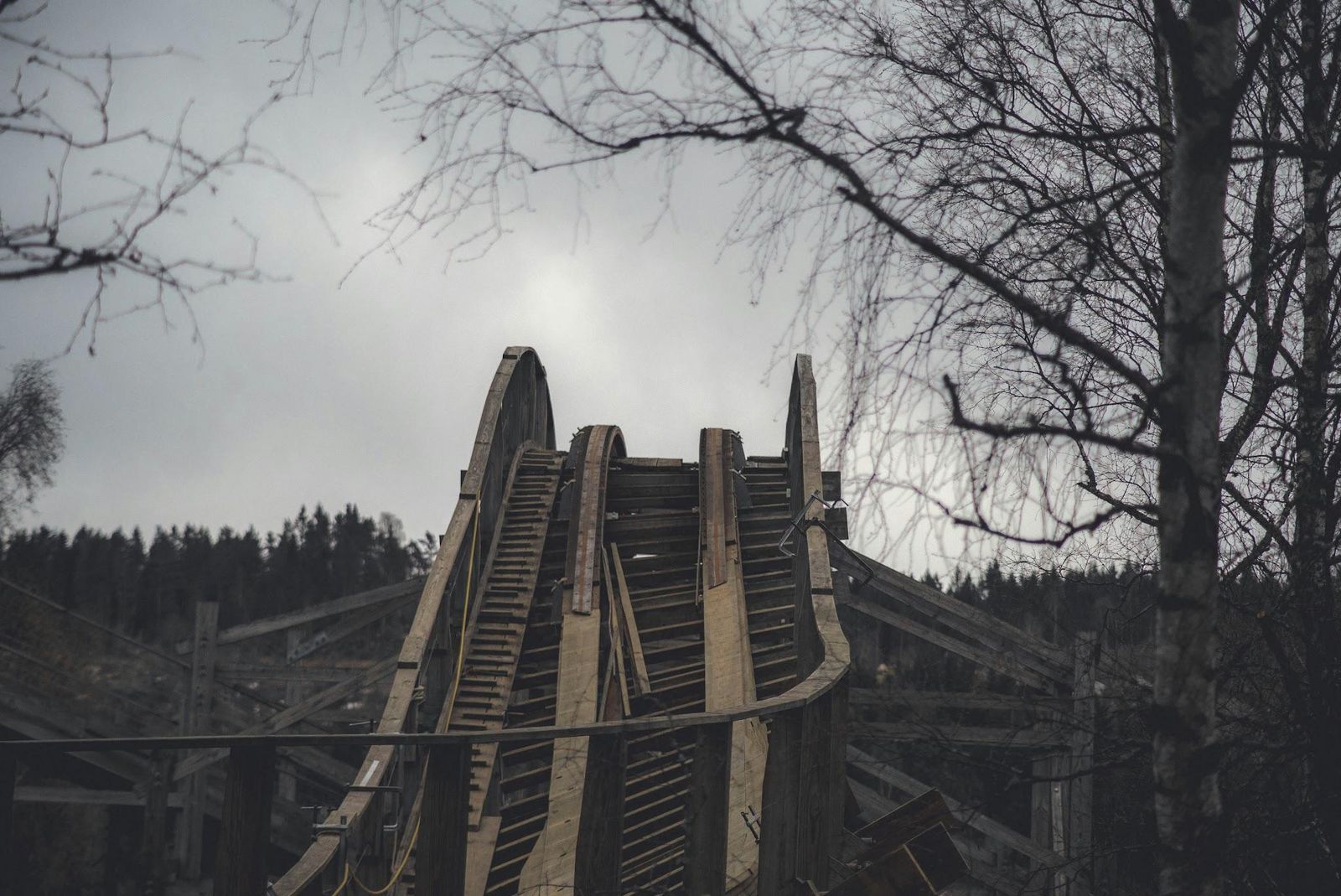
Image: Tore Odiin

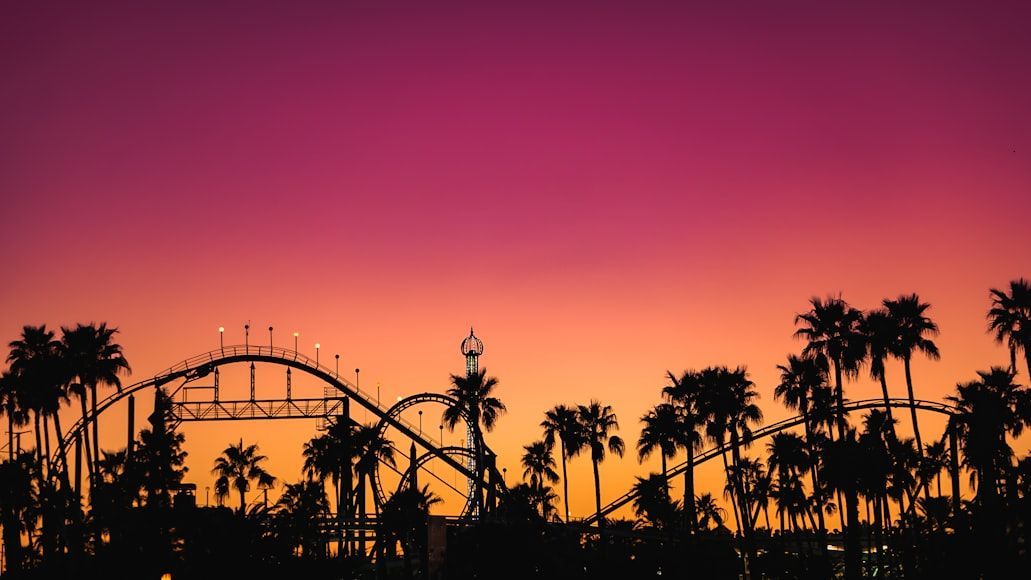
Do you have memories of rickety rollercoasters? You might correctly remember that earlier rides were thrilling in ways that might give modern safety inspectors pause.

Many of the rides made popular in the 50s relied primarily on simple lap bars and operated with minimal restraints. Designers assumed riders would hold on tightly. Safety rules have evolved drastically since then, and now we have over-the-shoulder harnesses and improved lap restraints.

5
Walking miles to a friend’s house alone
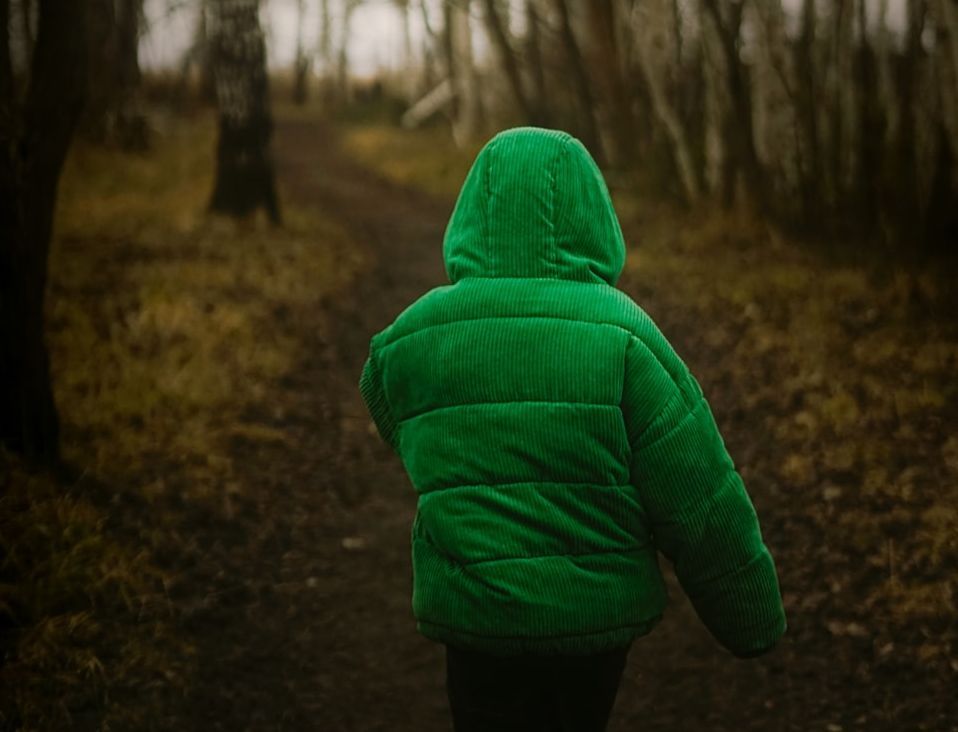
Image: Ansis Kančs

Kids routinely walked long distances across neighborhoods or even between towns without adult accompaniment, guided by landmarks and memory. While this independence helped build confidence, it also reflected a different perception of risk.

6
Not ringing the bell: just yelling your friend’s name from outside
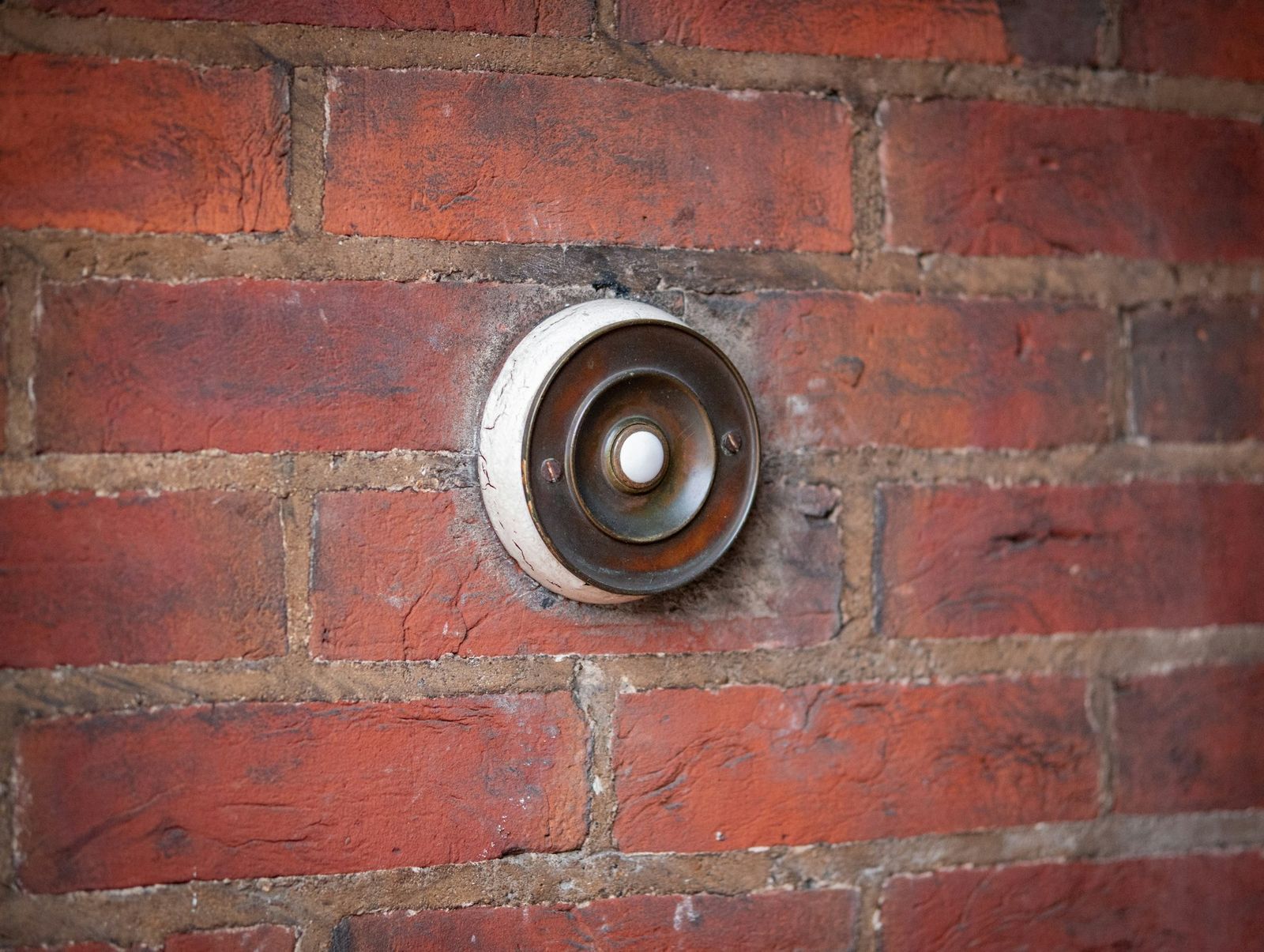
Image: the blowup

Before texting "I’m here" or coordinating playdates through apps, kids often announced their arrival the old-fashioned way: by standing outside and shouting a friend’s name.

Front yards, sidewalks, and porches acted as social hubs where everyone recognized familiar voices. As concerns about privacy, safety, and structured schedules grew with the years, the casual shout-from-the-street culture slowly disappeared.

7
Spending long days at the beach without adults
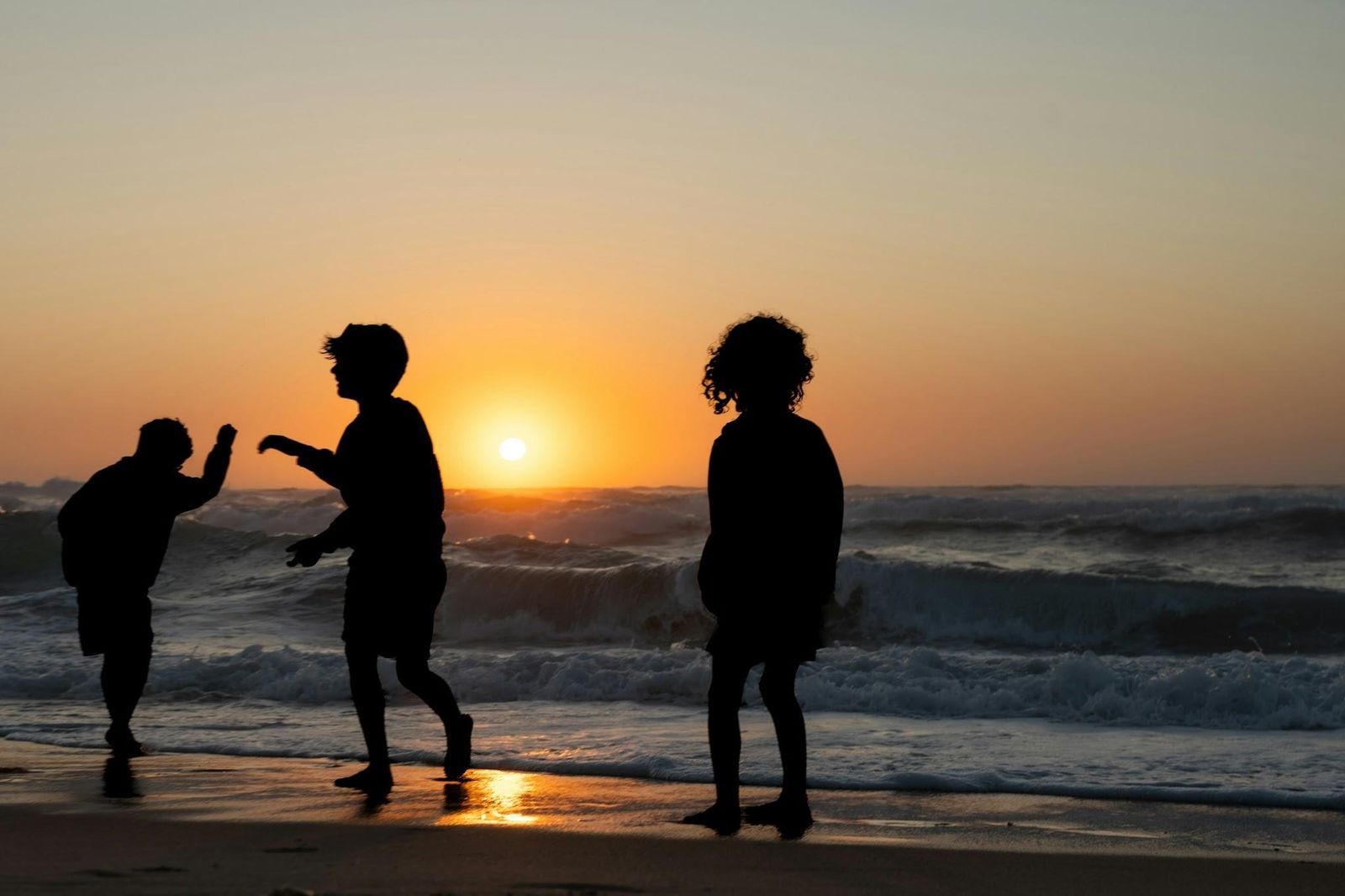
Image: Gaëtan De Cuyper

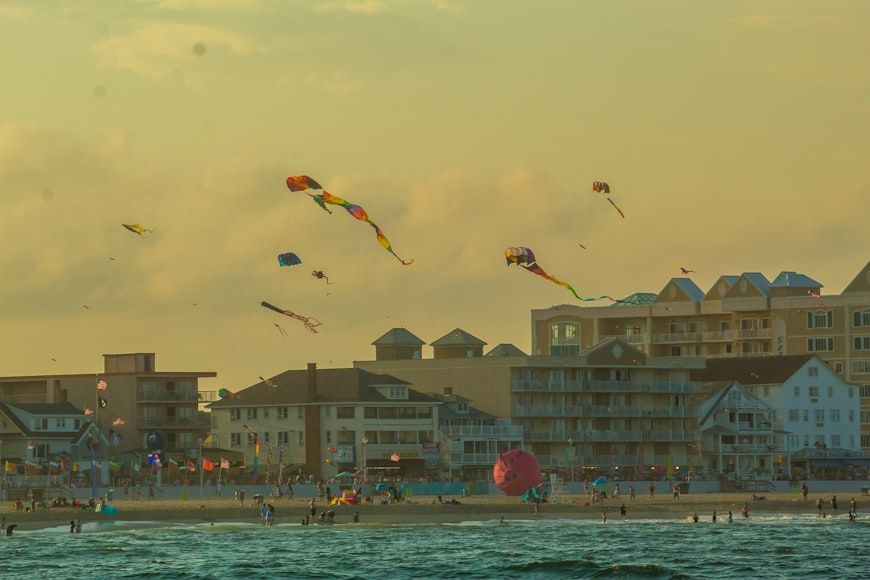
Surf culture in places like California and Hawaii, as well as East Coast boardwalk towns, normalized groups of kids swimming, riding the waves, and returning home only at sunset.

Public beaches were seen as community environments where lifeguards and familiar locals provided informal oversight . Today, increased safety standards, liability concerns, and changing parenting norms mean most children visit beaches with close adult supervision.

8
Exploring woods alone
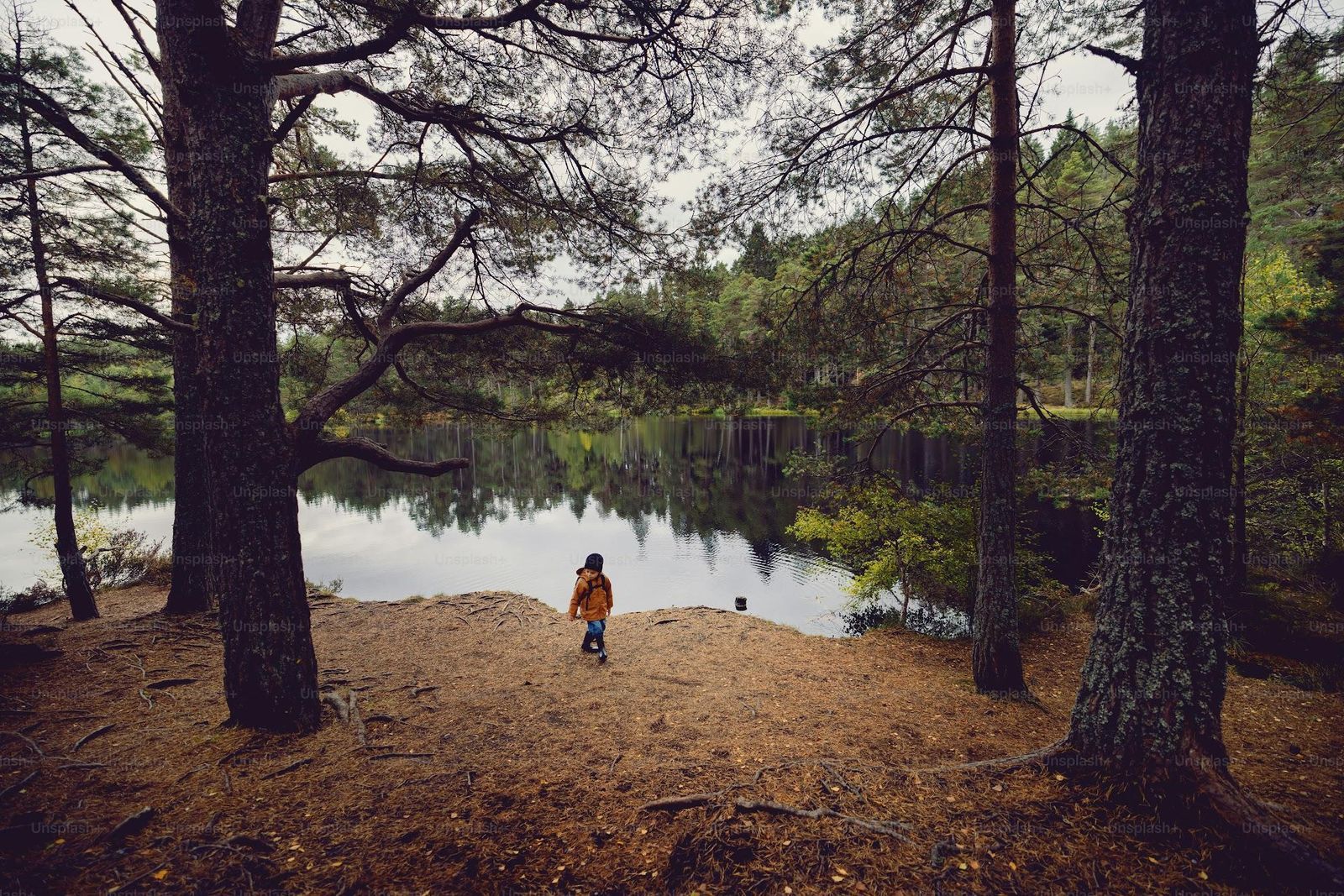
Image: Joshua Earle

Few children who lived near a forest or rural area could resist the pull to explore it, either alone or with friends. Building forts, climbing trees, and learning their way around nature were influenced by scouting movements and postwar ideas about resilience and independence.

Psychologists today even describe this kind of unstructured outdoor play as beneficial for creativity and risk assessment skills. However, modern concerns about safety, traffic, and environmental hazards have reduced opportunities for unsupervised exploration.

9
Staying home alone or being babysat by older siblings
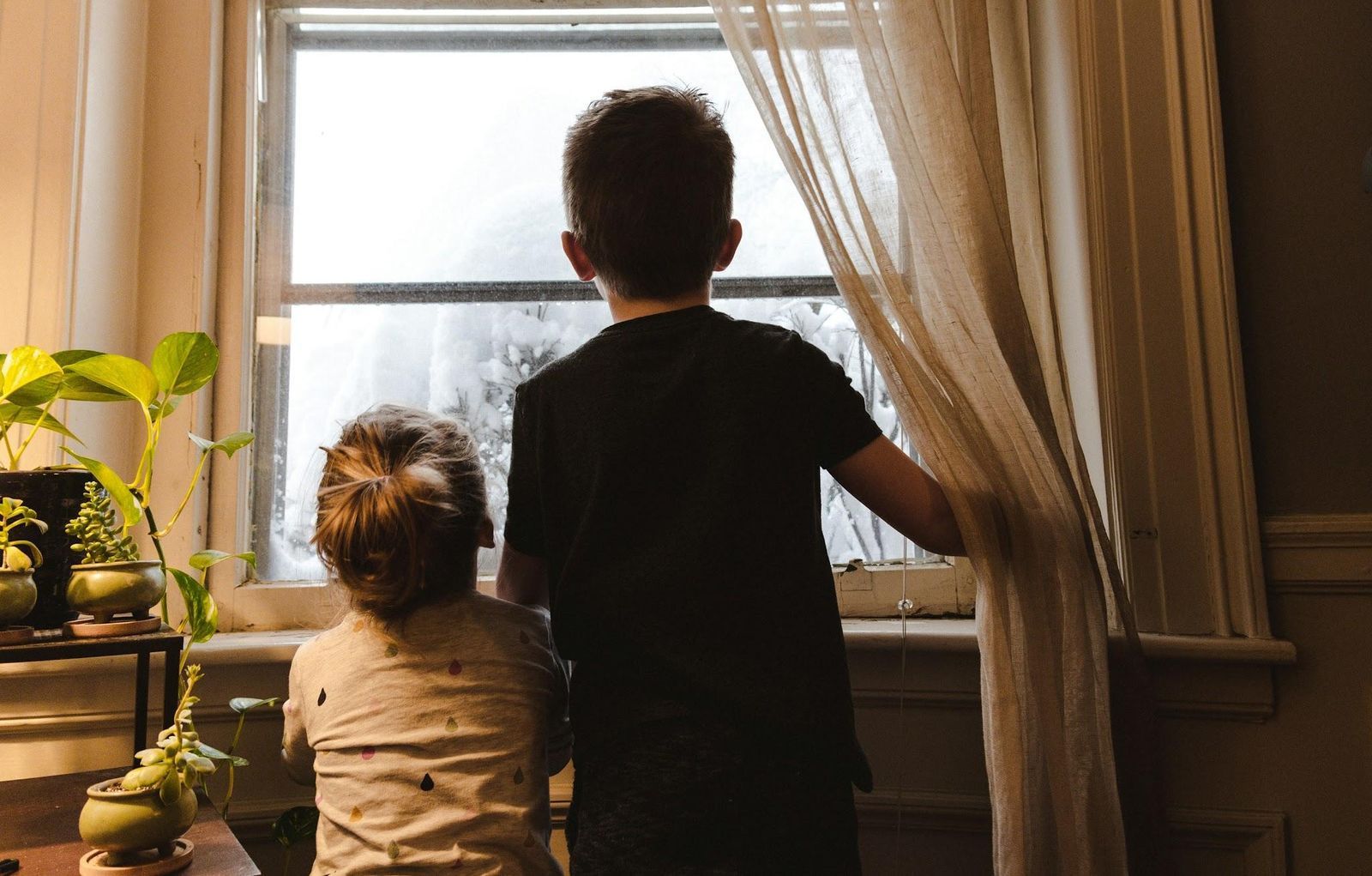
Image: Kelly Sikkema

The rise of the "latchkey kid" became especially visible in the United States during the 1970s and 1980s, when increasing numbers of dual-income households, or single-parent homes, meant children returned home from school to empty houses.

Many kids carried house keys, prepared snacks, and entertained themselves until their parents finished work. Today, research on changing childhood independence shows that unsupervised play and autonomy have significantly declined compared to previous generations.

10
Collecting glass bottles for some cents back
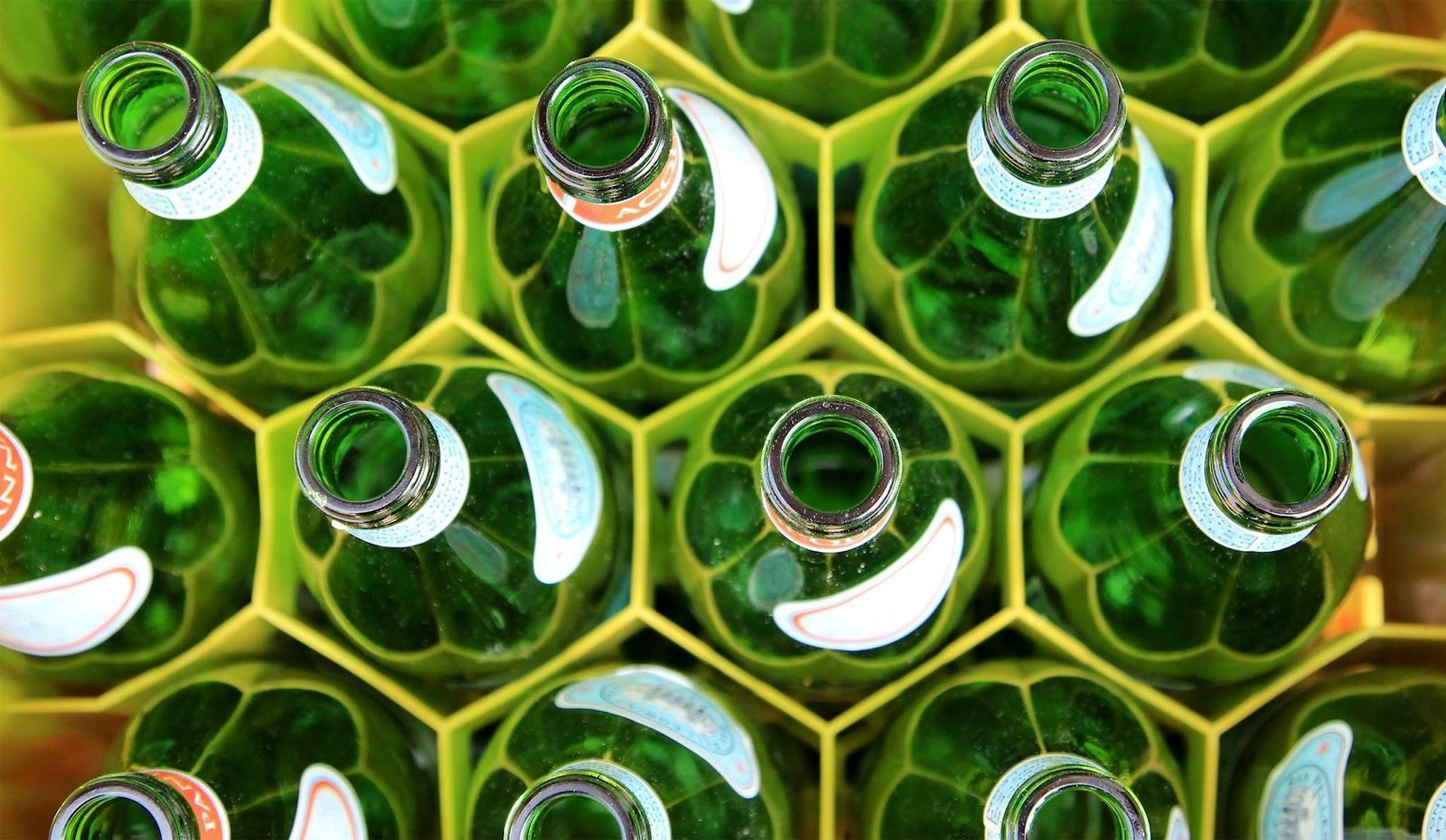
Image: Lacey Williams

Long before recycling bins appeared on every curb, kids learned about value through bottle returns. Soda and milk bottles carried deposits, and children would collect empties from their own homes or even from neighbors to trade for a few coins at local stores.

It was a first taste of earning money independently, although it often funded candy purchases or comic books.

11
Climbing trees or rooftops, unsupervised
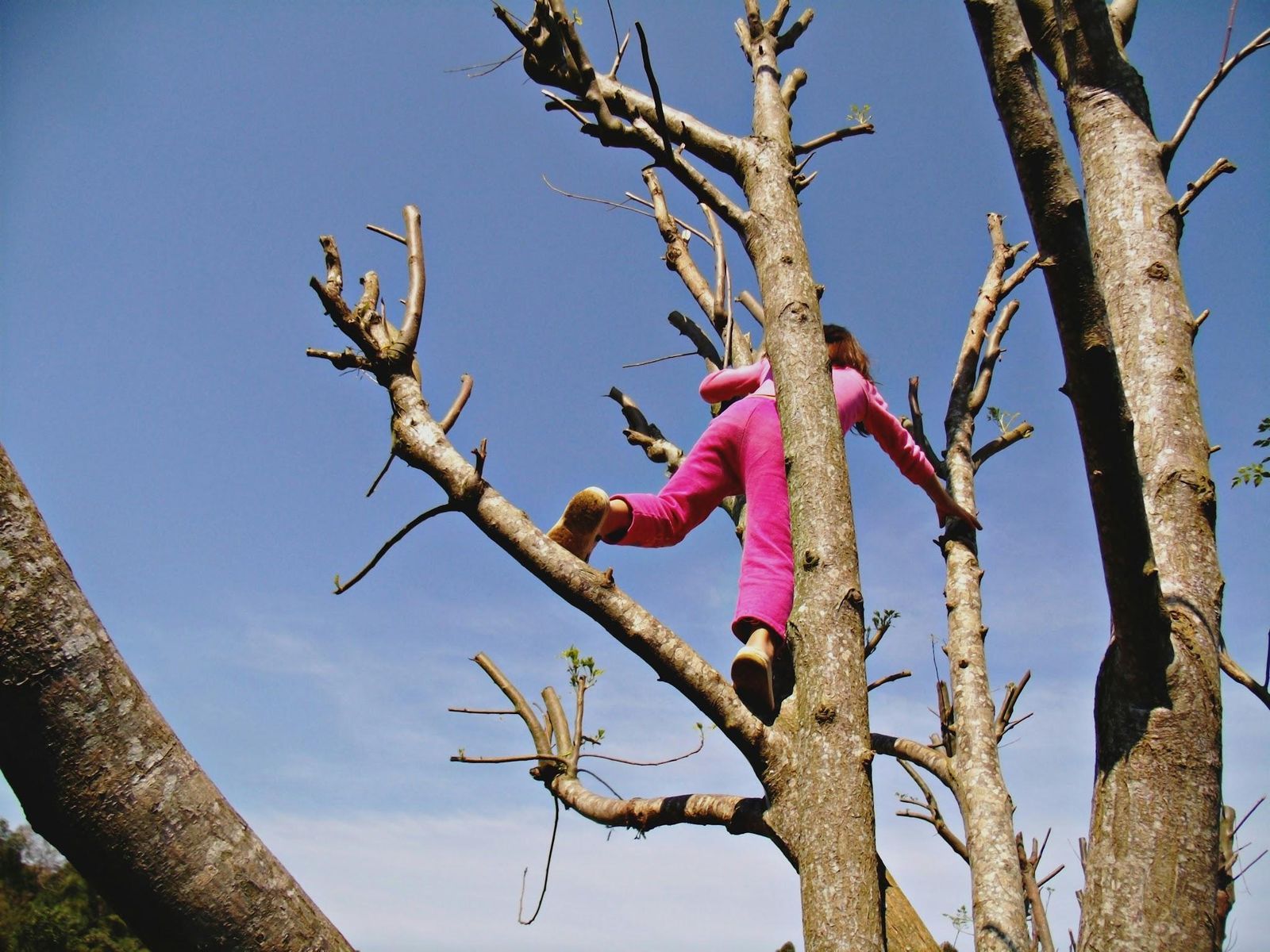
Image: Victória Kubiaki

When you are a kid, climbing a tree is decidedly an adventure. There was a time when this was considered a universal childhood activity in America, even encouraged as a playful challenge, since mid-century parenting often embraced manageable risk.

But current safety standards and greater awareness of injury risks have dramatically reduced these kinds of unsupervised play environments.

12
Casually hanging out in abandoned buildings
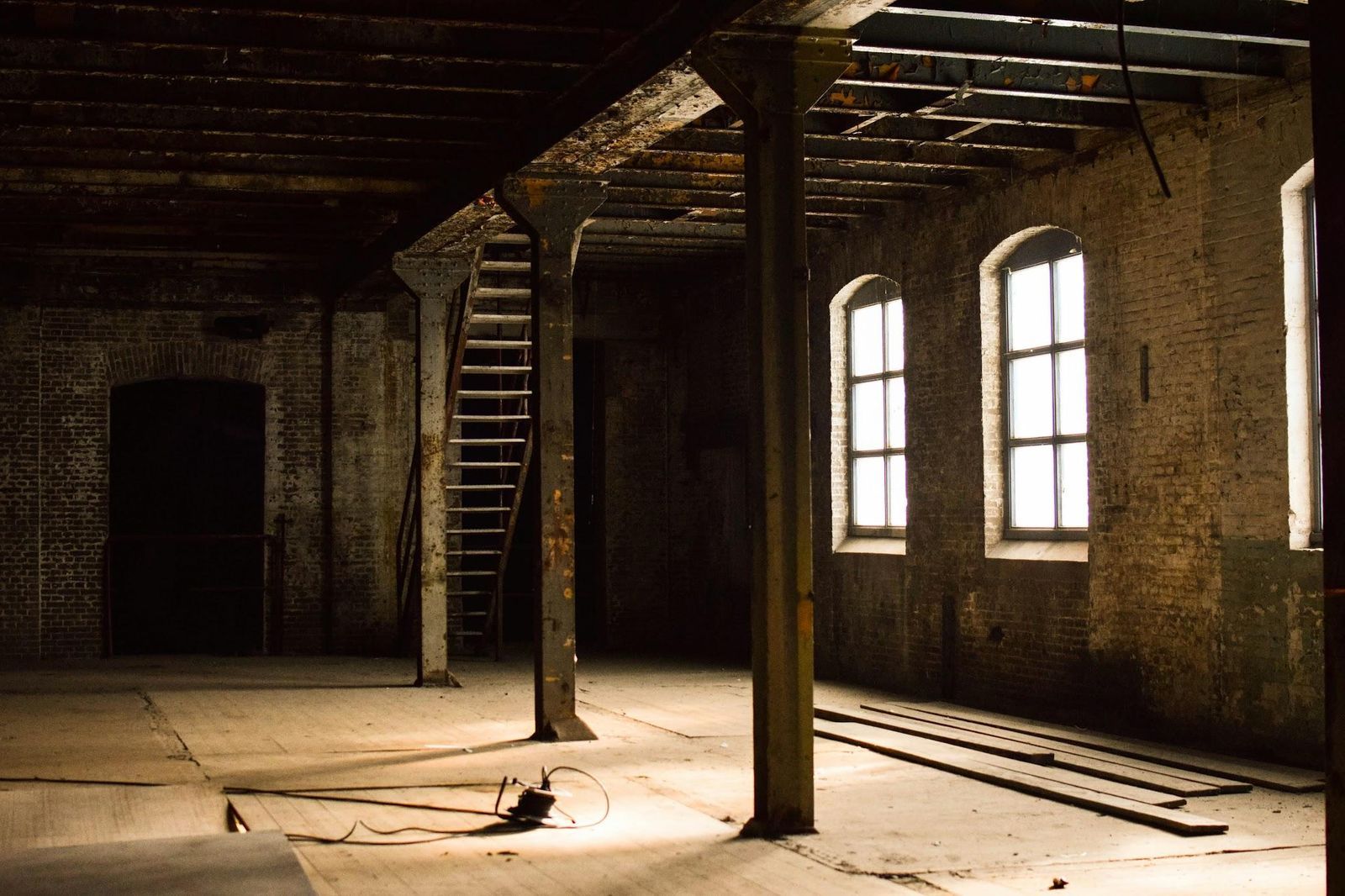
Image: Ljubica

Another tempting area for children happened to be empty lots, half-built structures, and abandoned buildings . It was difficult to keep out curious and brave kids. This pastime is not entirely eradicated today, although it seems to be teenagers or young adults who engage in it.

13
Riding in cars without seatbelts
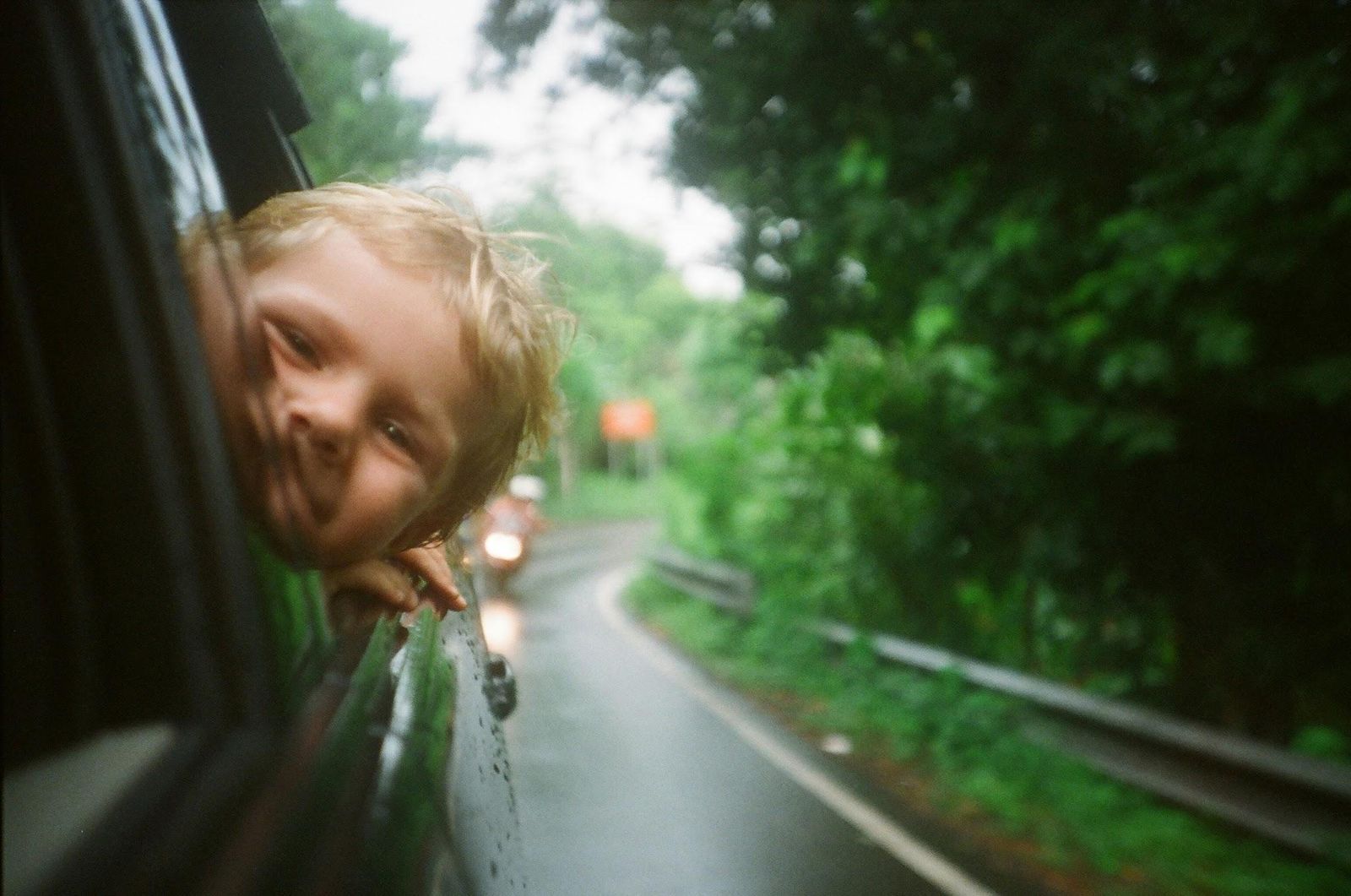
Image: Anton Luzhkovsky

For decades, families piled into cars without buckling up, simply because seatbelts weren’t standard equipment. Although basic seatbelt designs existed earlier, widespread adoption didn’t begin until the late 1950s and 1960s.

Even then, many Americans resisted using them, seeing belts as unnecessary or uncomfortable . Laws requiring seatbelt use didn’t become common until the 1980s and beyond, meaning generations of kids grew up riding freely in the back seat.

14
Playing in flooded streets after a storm
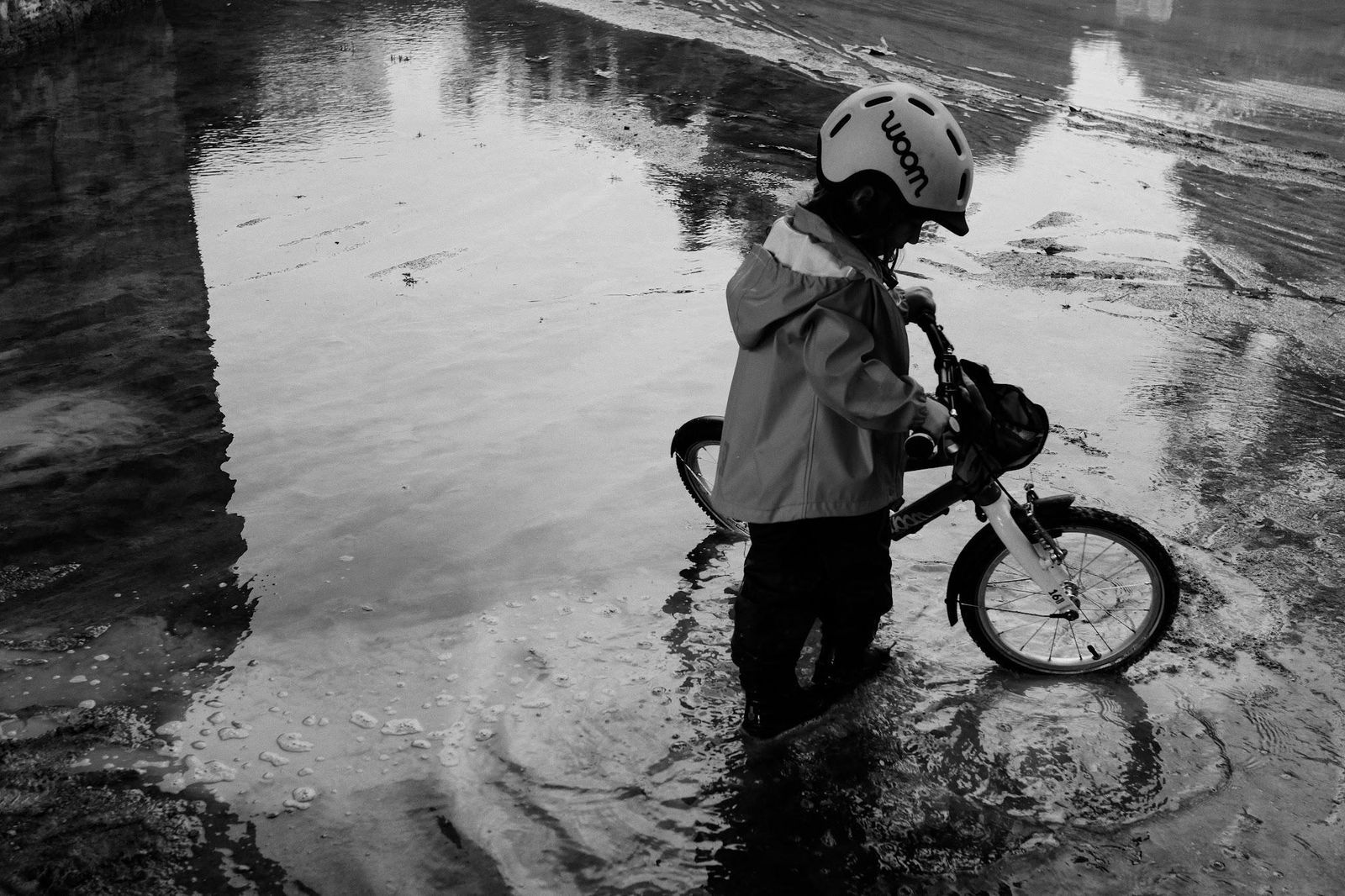
Image: Ayla Meinberg

Children once treated flooded streets like temporary playgrounds. Heavy rain expanded the available activities for a suburban child. They could splash barefoot through puddles or float makeshift boats down rushing gutters.

Over time, public health campaigns highlighted dangers such as contaminated runoff, hidden debris, electrical hazards, and traffic risks. Enough to scare modern parents!
Geography Geography 3 min read

Michigander, Michigoose?

10 unofficial American demonyms (that should be official)

Image: Hans

Demonyms, or the names that identify your place of origin, can be tricky. In the United States, some demonyms have an official status —those of states, for example—while others are a product of use and tradition. Unofficial demonyms or nicknames are also common, and sometimes more widely used than the official version. Let’s have a look at some of them!

1
Hoosier

Image: Corbin Mathias

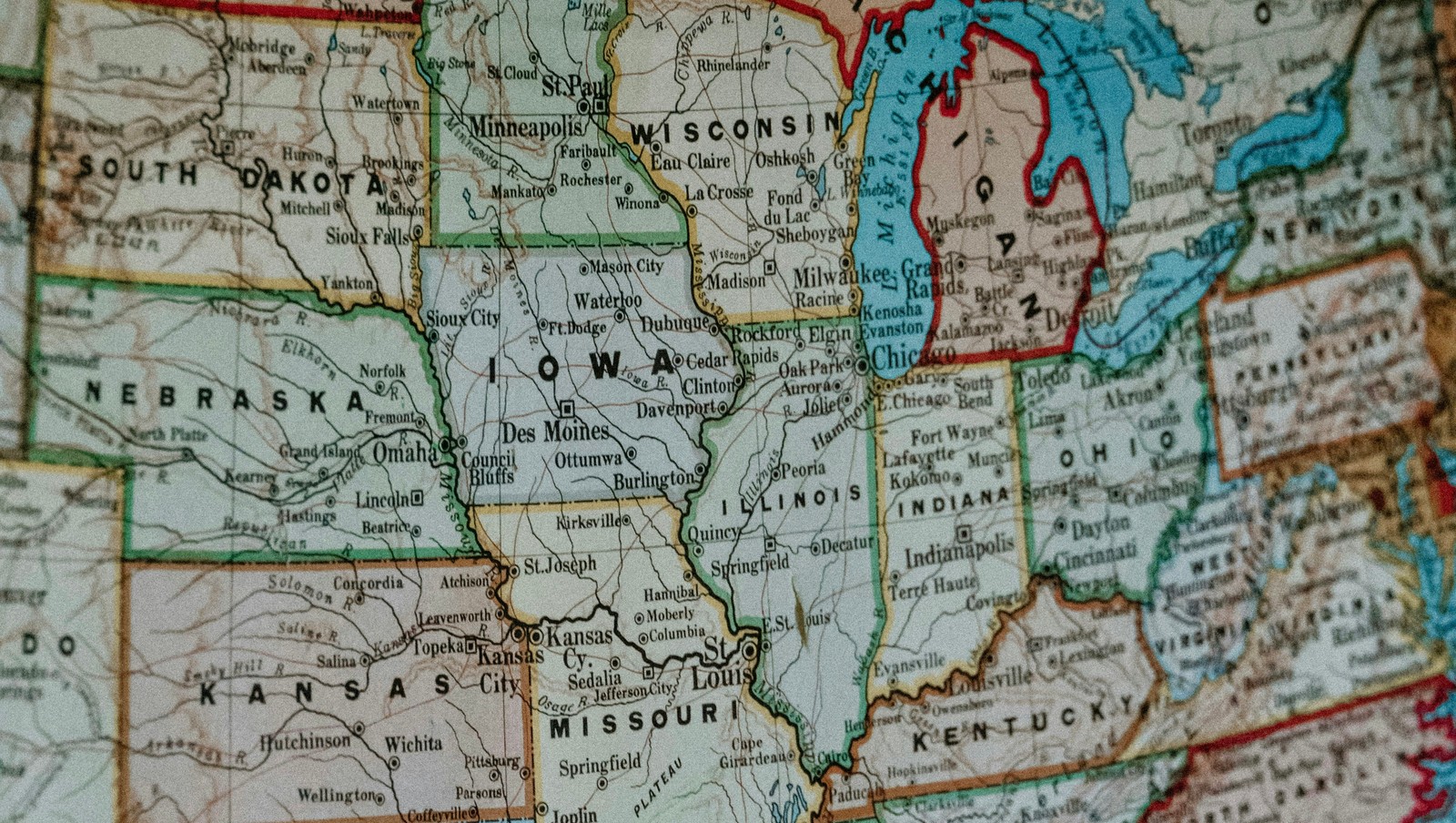
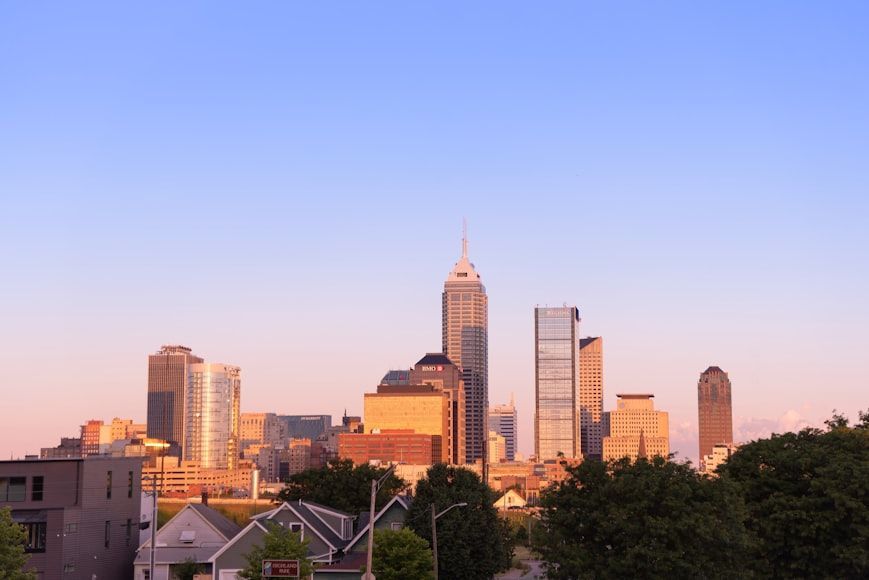
Until recently, the United States Government Publishing Office (or USGPO) still recommended Indianian as the demonym for the state of Indiana, but its residents have been calling themselves Hoosiers for nearly two centuries. While no one really knows where the term originated, it was popularized by John Finley’s poem "The Hoosier's Nest", and Indiana has long been known as "The Hoosier State".

2
Bay Stater

Image: Pascal Bernardon

The USGPO might recommend the use of Massachusettsan , but the people of Massachussets strongly disagree. State laws and regulations officially refer to its residents as Bay Staters , after a common nickname for the state. Given that Massachusetts is formally a Commonwealth, the law also uses the phrase Citizen of the Commonwealth , but it's kind of a mouthful for everyday purposes. We’ll stick with Bay Stater.

3
Accidental

Image: Jeff McLain

One of the earliest settlements in Maryland, the town of Accident is not very big, but it makes up for it with its peculiar name. Naturally, the corresponding demonym for its residents is Accidental , though some sources also claim that the citizens of Accident are to be called Accidents .

4
Granite Stater

Image: Mark König

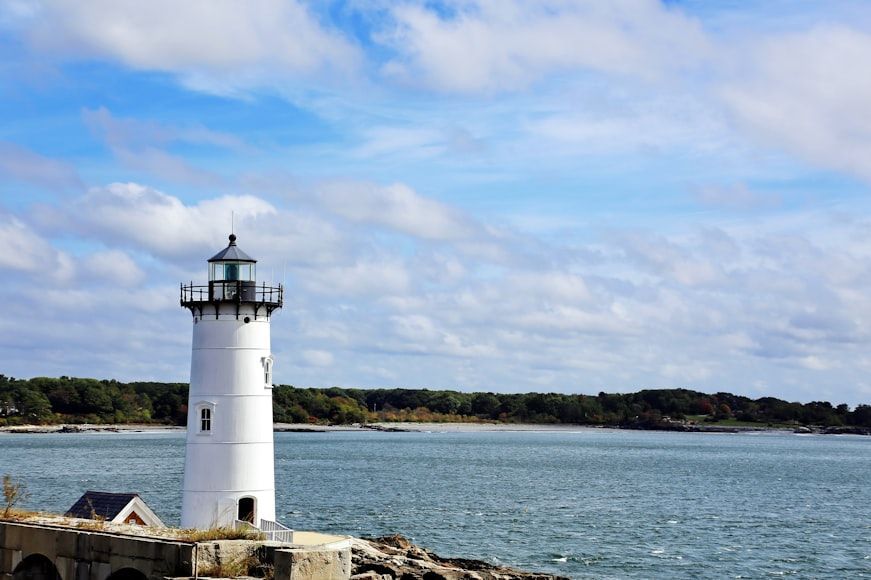
Much like Bay Staters, the residents of New Hampshire tend to disagree with the USGPO when it comes to their demonym. The official version is New Hampshirite (for the Federal Government, at least ), but locals favor the term Granite Stater , derived from New Hampshire’s nickname, "The Granite State".

5
Truth-or-Consequencesan

Image: Lachlan Donald

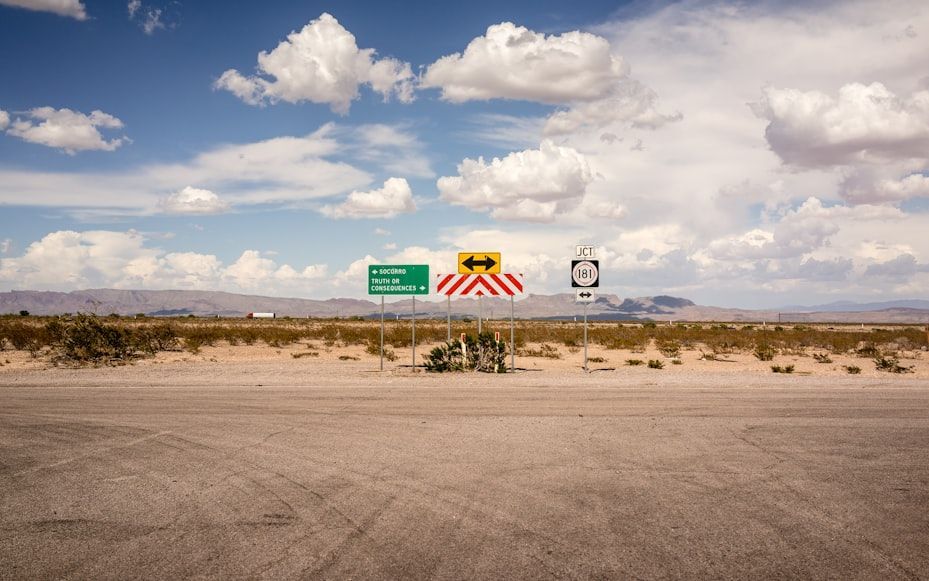
When the town of Hot Springs, New Mexico, decided to change its name to Truth or Consequences for a radio show contest, they either forgot to consider their new demonym or didn’t really care. While they are technically Truth-or-Consequencesans , they refer to the town as T or C, so they say that they are Residents of T or C .

6
Phoenician

Image: iStrfry , Marcus

Weren’t the Phoenicians an ancient civilization that created the earliest form of our alphabet? Yes, but those lived in ancient Phoenicia. The Phoenicians we are talking about are the residents of Phoenix, Arizona. Some claim that Zoner and Zonan are also common nicknames, but those could be used for any Arizona resident.

7
Nutmegger

Image: julio angel berroa

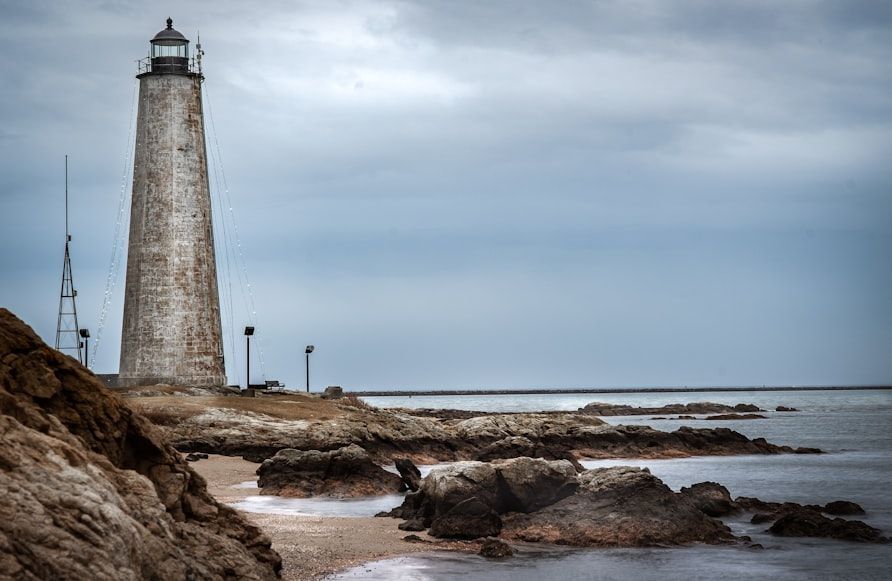
Connecticut might be officially known as "The Constitution State", but it’s also called "The Nutmeg State". The origin of this nickname varies according to the sources, but most point to a common scam where Connecticut peddlers would sell wooden nutmegs as the real thing. No matter the story, many Connecticut residents favor the demonym Nutmegger over the USGPO-recommended Connecticuter .

8
Yoopers

Image: Brad Switzer

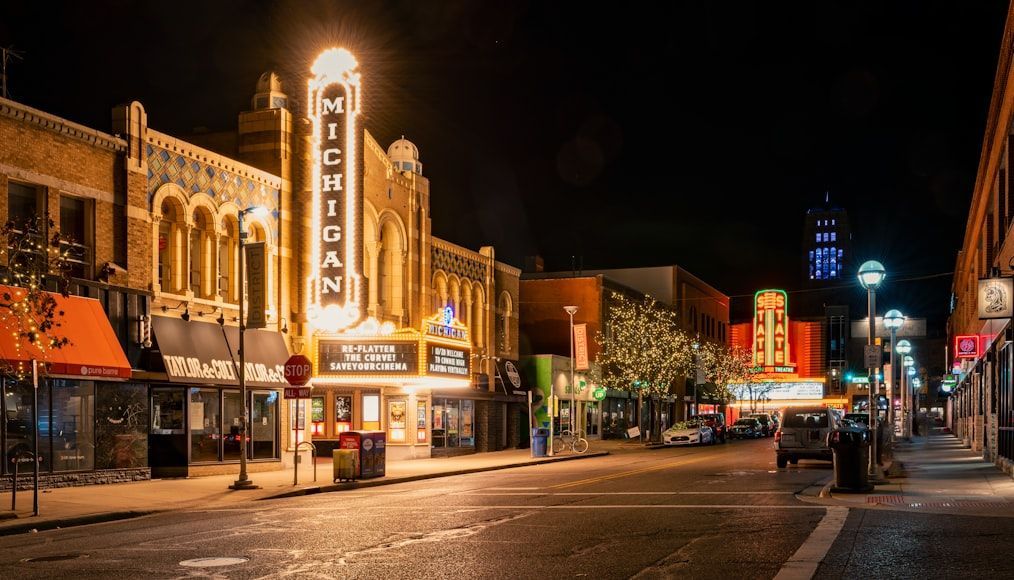
Let’s be frank, some of the less-used variants for Michigan’s demonym sound really funny: think Michiganese , Michigine , and Michigoose (as a female version for Michi_gander_). But official names aside, residents of Michigan’s Upper Peninsula commonly refer to themselves as Yoopers , a derivative of U.P. (Upper Peninsula). Rumor has it that they call those from the Lower Peninsula Trolls , because they live ‘under the bridge’, but we can’t attest to this being true.

9
Jayhawk

Image: Nils Huenerfuerst

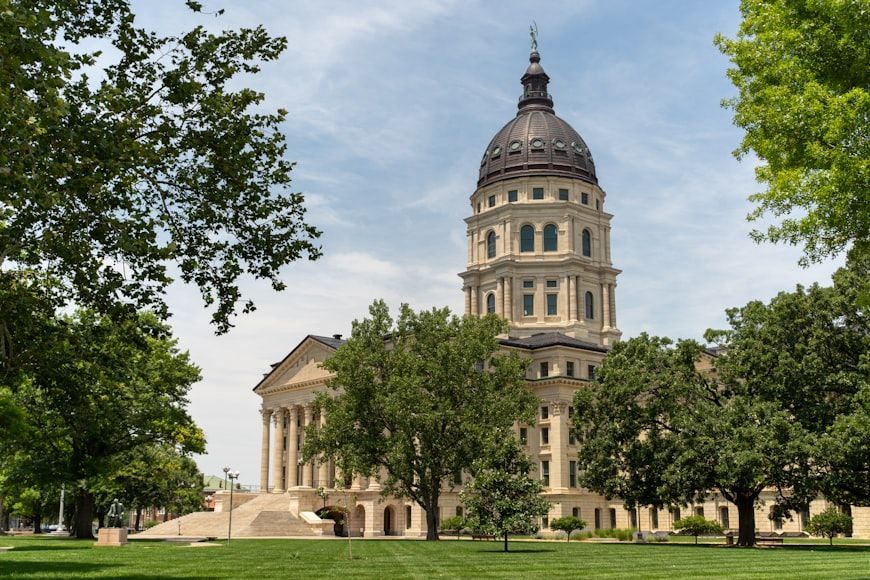
Nowadays, Jayhawk is a common way to refer to residents from Kansas, but this term didn’t always have a positive connotation. Its original form, Jayhawker, used to refer to thieves, and was used derogatively by Confederates to talk about the anty-slavery militias from Kansas. After the Civil War, Kansans appropriated the term as a memento of their state’s contributions to the war.

10
Lanstronaut

Image: Mick Haupt

Officially, if you live in Lansing, Michigan, you are a Lansingite . However, many Lansing residents have taken to using the term Lanstronaut in recent years, despite Lansing having more to do with the car industry than with space.

Geography Geography 6 min read

Where nations merge

These American border towns are nothing like what you'd expect

Image: Nicole Geri

America's border towns offer a unique glimpse into where two nations meet and merge. These communities blend languages, cuisines, traditions, and daily life in ways that create something entirely their own. These towns remind us that borders on maps don't always divide people; sometimes they bring them together in the most interesting ways.

1
Buffalo, New York / Niagara Falls, Ontario

Image: Stephen Crane

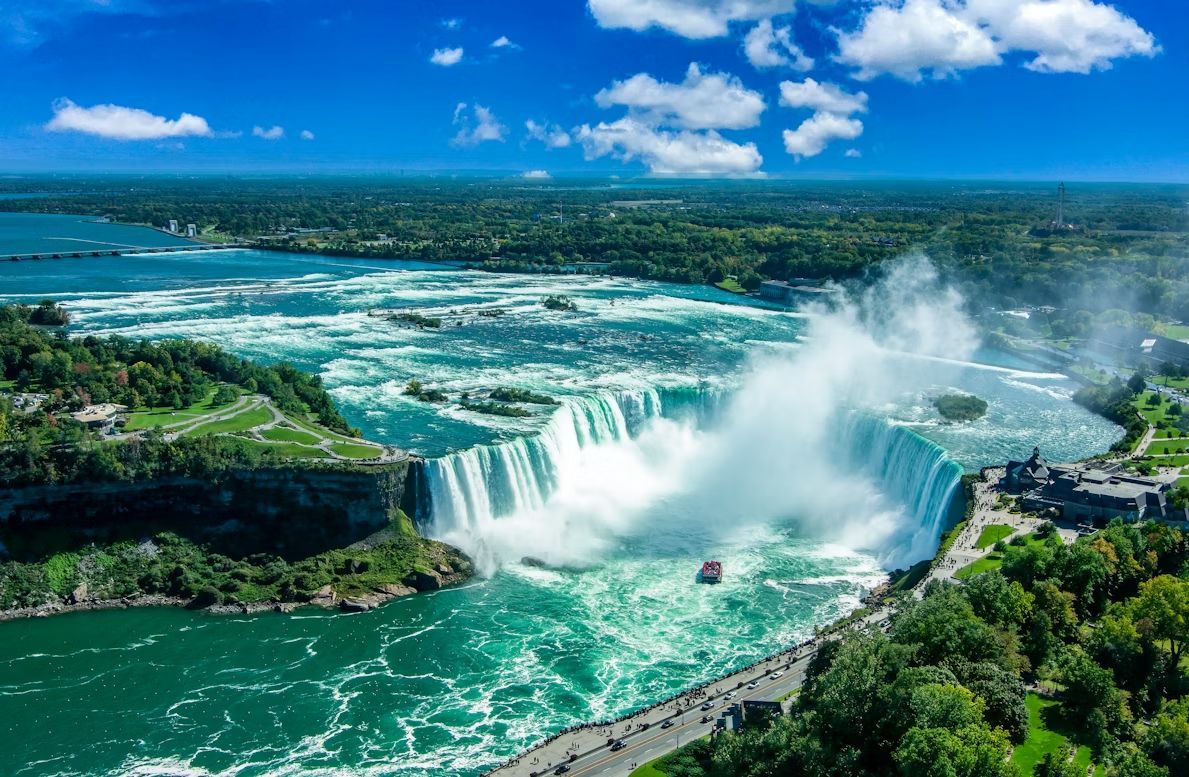
Here, one of America's most famous natural wonders creates a binational tourist destination that draws millions annually . The Peace Bridge connects the cities, facilitating a relationship that goes far deeper than tourism. Buffalonians regularly cross for theatre performances at the Shaw Festival, cheaper prescription medications, and a lower legal drinking age.

The cultural blending also shows up during matchups between the Buffalo Sabres and the Toronto Maple Leafs. While the rivalry is intense, it reflects a shared Great Lakes identity shaped by decades of cross-border movement. Canadian shoppers have long made Buffalo malls a destination, while Americans enjoy Windsor-style pizza and Tim Hortons coffee on the Canadian side. The accent in this region reflects generations of cross-border mixing and shared Great Lakes culture.

2
Detroit, Michigan / Windsor, Ontario

Image: Nils Huenerfuerst

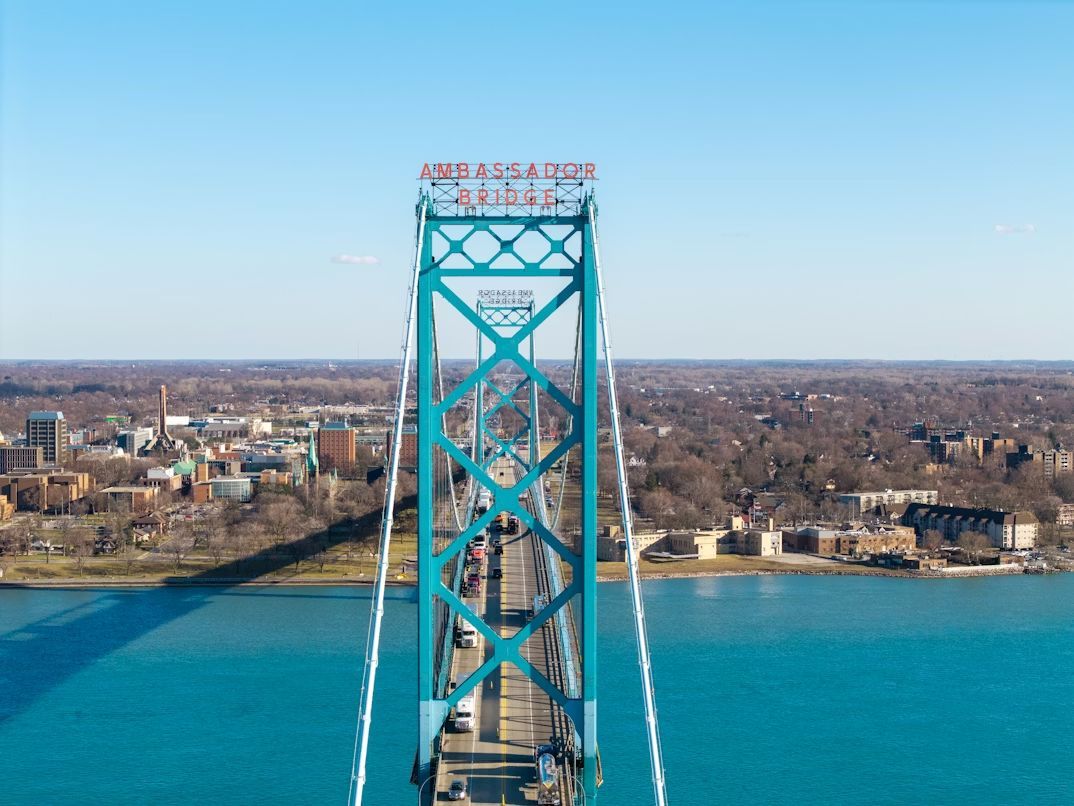
Detroit and Windsor form one of the busiest international crossings in North America, connected by both the Ambassador Bridge and the Detroit-Windsor Tunnel. Over 8,000 trucks cross daily, carrying a quarter of all trade between the U.S. and Canada. But beyond commerce, these cities share deep cultural ties : Detroiters pop over to Windsor for Caesar cocktails and Canadian beer, while Windsor residents cross for Red Wings games and shopping at Somerset Collection.

During Prohibition, Windsor became Detroit's not-so-secret supplier, creating smuggling routes and speakeasies that became Motor City legend. Today, you can stand on the Detroit riverfront and see Canada closer than many American suburbs.

3
Laredo, Texas / Nuevo Laredo, Tamaulipas

Image: JoshDavid Photos

Laredo is one of the oldest crossing points on the U.S.-Mexico border, founded in 1755. The city's Washington's Birthday celebration, oddly enough, is one of the largest such celebrations in the country, spanning nearly the entire month of February and including participants from both sides of the border.

The economy here revolves around international trade, with massive amounts of freight crossing daily between the two nations. But beyond commerce, the cultural blend shows up everywhere—in the predominance of bilingual conversations, in restaurants serving cabrito alongside barbecue, and in the way holidays are celebrated with traditions from both countries.

4
Blaine, Washington / Surrey/White Rock, British Columbia

Image: Jess Barnett

Blaine sits at the western end of the U.S.-Canada border, where the line literally runs through Peace Arch Park—a unique binational park where families can picnic with relatives from either country without going through customs. The Peace Arch monument itself straddles the border, inscribed with "Children of a Common Mother" and "Brethren Dwelling Together in Unity."

Residents on both sides share a love of hiking, craft beer, and fish and chips. Blaine residents drive to Surrey for groceries at Canadian supermarkets, while British Columbians come south for gas, milk, and Trader Joe's runs . The Cascadia bioregion identity—encompassing B.C., Washington, and Oregon—often feels more meaningful to locals than national boundaries.

5
Derby Line, Vermont / Stanstead, Quebec

Image: Ascended Dreamer, CC BY 4.0, via Wikimedia Commons

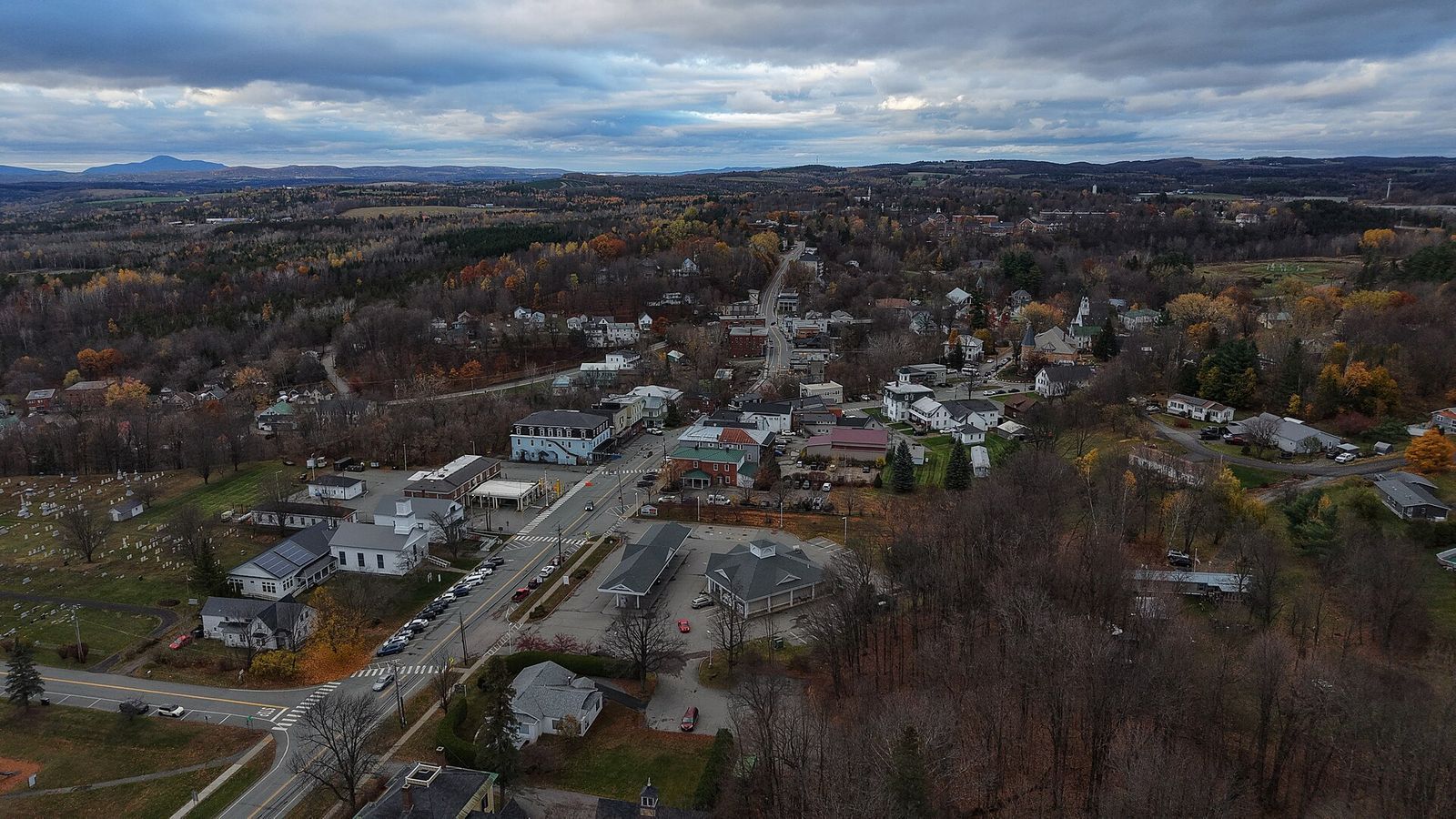
Derby Line and Stanstead share the most uniquely porous border in North America . The Haskell Free Library and Opera House was deliberately built straddling the international boundary in 1904, with the stage in Canada and most seats in the U.S. A black line on the floor marks where one country ends and another begins—no passport required.

Several homes and buildings in town sit directly on the border, with front doors in one country and back doors in another. Before 9/11 and increased border security, locals would casually cross back and forth multiple times daily without much thought. While regulations have tightened, the community identity remains binational.

6
Sault Ste. Marie, Michigan / Sault Ste. Marie, Ontario

Image: Calvin Lecuyer

The "Twin Saults" are literally the same city split down the middle by the St. Marys River and the International Bridge . Founded as a single French missionary settlement in 1668, the community was divided when the border was formalized after the War of 1812. Today, residents on both sides maintain that they're really one town with an inconvenient international boundary running through it.

The Soo Locks on the American side and the Canadian locks create a shared identity around Great Lakes shipping—watching massive freighters navigate the locks is a regional pastime. Hockey culture dominates both sides, with junior leagues and recreational teams mixing Canadian and American players. Families cross the bridge for shopping, dining, and visiting relatives as casually as driving across town.

7
Hyder, Alaska / Stewart, British Columbia

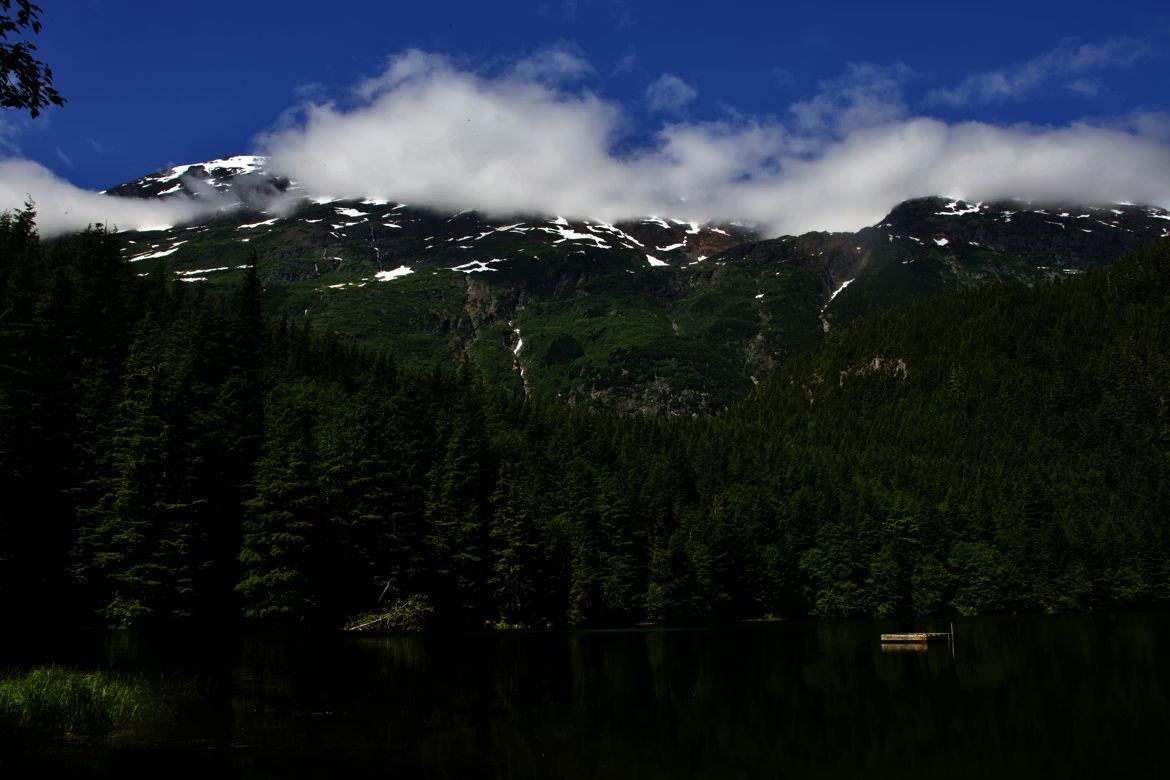
Image: Jasper Malchuk Rasmussen

While Hyder sits on the Alaskan Panhandle, it functions like a practical island: with no roads connecting it to the rest of the state, its only lifeline is a two-mile stretch of pavement leading into Stewart, B.C. This forced detour through Canada has effectively turned Hyder into a 'suburb' of its Canadian neighbor, where the border is a formality and the geography is the boss. With a population hovering around 20 people, Hyder has no bank, no post office, and spotty cell service—but it does have Stewart, B.C., just two miles away. The 400 residents of Stewart provide the services Hyder lacks, creating a dependence that makes the border almost irrelevant to daily life .

Hyder runs on Pacific Time rather than Alaska Time, uses Canadian currency, and Canadian area codes. Kids from Hyder attend school in Stewart. The towns share a volunteer fire department and emergency services.

8
Nogales, Arizona / Nogales, Sonora, Mexico

Image: Andrew Schultz

Ambos Nogales—"Both Nogales"—is what locals call this split city where the international boundary literally runs down the middle of town. Before modern border security, people would step back and forth across the line to shop, visit family, or grab lunch.

The American side has a population of around 20,000, while the Mexican side has grown to over 300,000. Despite the size difference, the cultural exchange remains strong. Arizona residents cross for affordable dental care and authentic Sonoran cuisine, while Mexican families come north for shopping at American chain stores. The shared history runs deep—many families have relatives on both sides , and the sense of being one divided community persists despite the increasingly fortified border.

9
San Diego, California / Tijuana, México

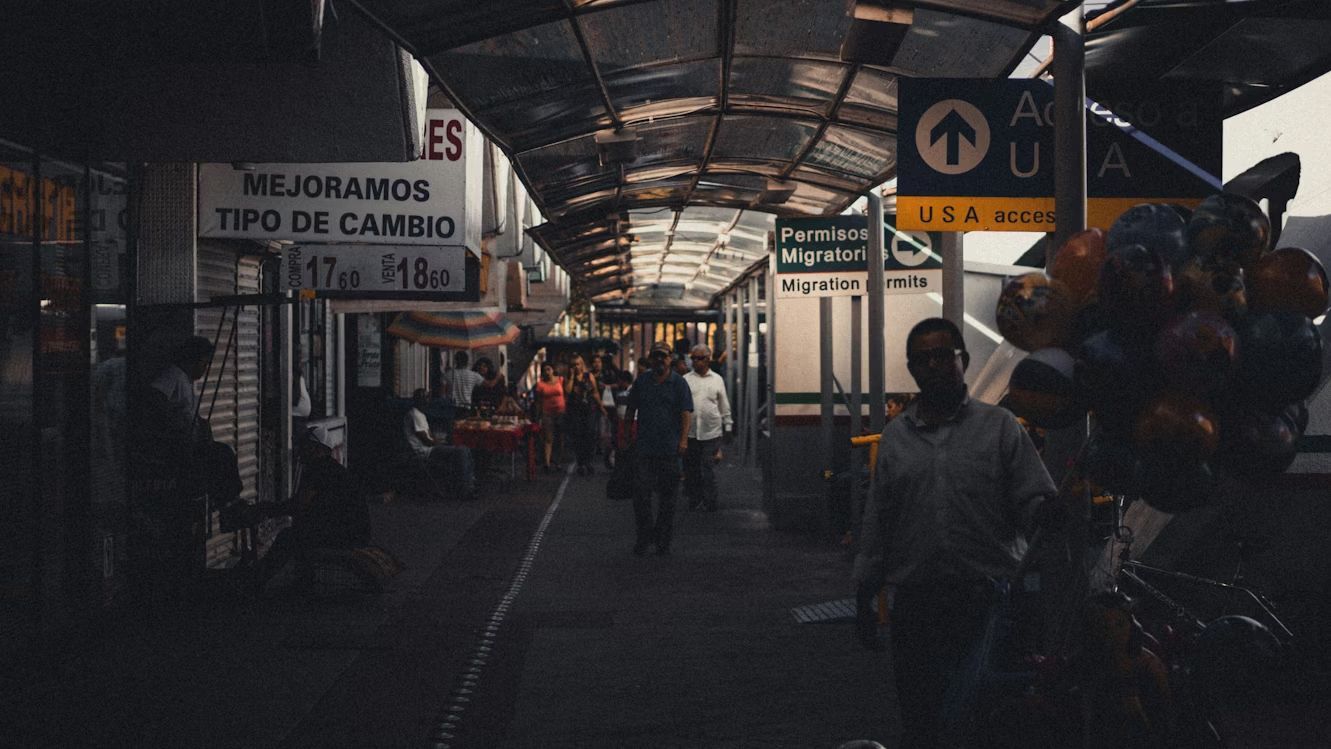
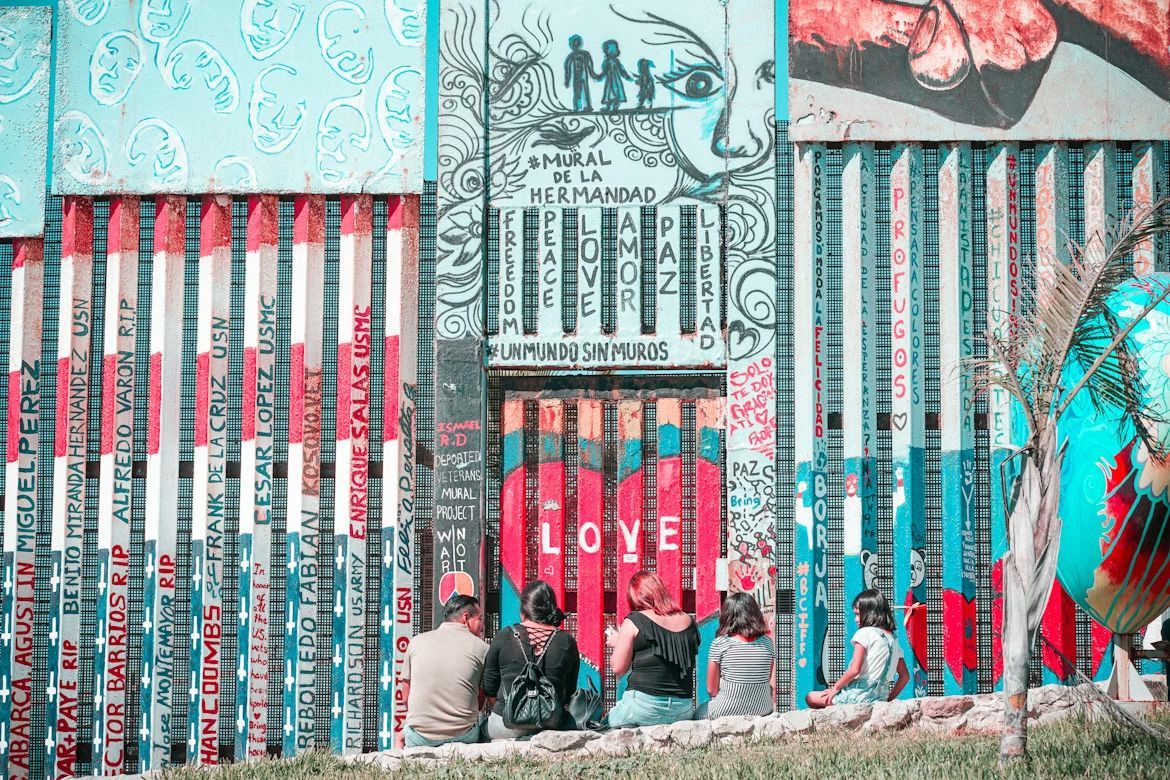
Image: Barbara Zandoval

The San Ysidro Port of Entry between San Diego and Tijuana is the busiest land border crossing in the Western Hemisphere, with around 70,000 northbound vehicle passengers daily . This constant flow has created a cultural fusion zone where fish tacos meet California beach culture, and where thousands of people hold jobs on one side while living on the other.

Craft beer culture flourishes on both sides, with breweries collaborating across the border. Street art in both cities shares similar styles and themes, while music festivals regularly feature artists from both nations.

10
El Paso, Texas / Ciudad Juárez, México

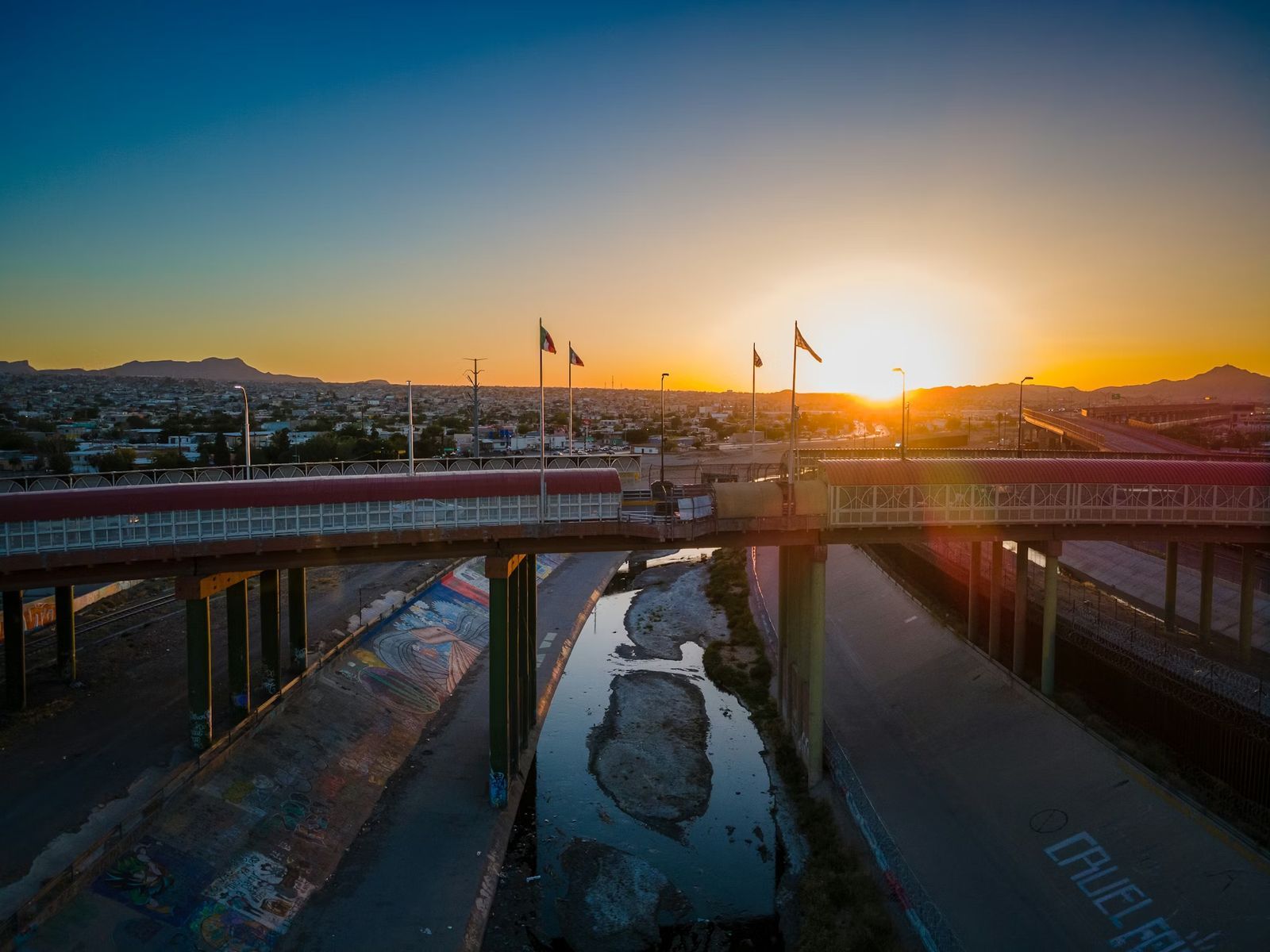
Image: Nils Huenerfuerst

El Paso and Juárez form one of the world's largest binational communities, with over 2.5 million people living in the combined metro area . Families routinely cross the border for work, school, shopping, and Sunday dinner. The Franklin Mountains provide a stunning backdrop to this bustling cultural exchange, where Tex-Mex cuisine was practically invented and where speaking both English and Spanish isn't just common, it's essential.

The downtown areas of both cities sit so close you can practically wave to someone across the Rio Grande. Street vendors sell elotes and hot dogs side by side, while radio stations broadcast to audiences in both countries simultaneously.

Explore more American facts

Choose your favorite category!

General
General

As American as apple pie—the very best America has to offer!

Culture
Culture

Delve into the astounding richness of American lore.

Geography
Geography

Hop in and explore vast and diverse American landscapes.

History
History

Discover the key moments that shaped the United States.