Culture Culture 5 min read

Do you know which U.S. state boasts the oldest tree in the world?
Image: RDNE Stock project

America is full of tall tales, but some of them happen to be true. From giant rocking chairs to super-sunny cities, many states proudly claim a "world’s largest" title that’s as fun as it is mind-blowing. Here are 12 states where everyday life comes in extra-large size, proving that the spirit of "bigger and better" is alive and well.

1
California
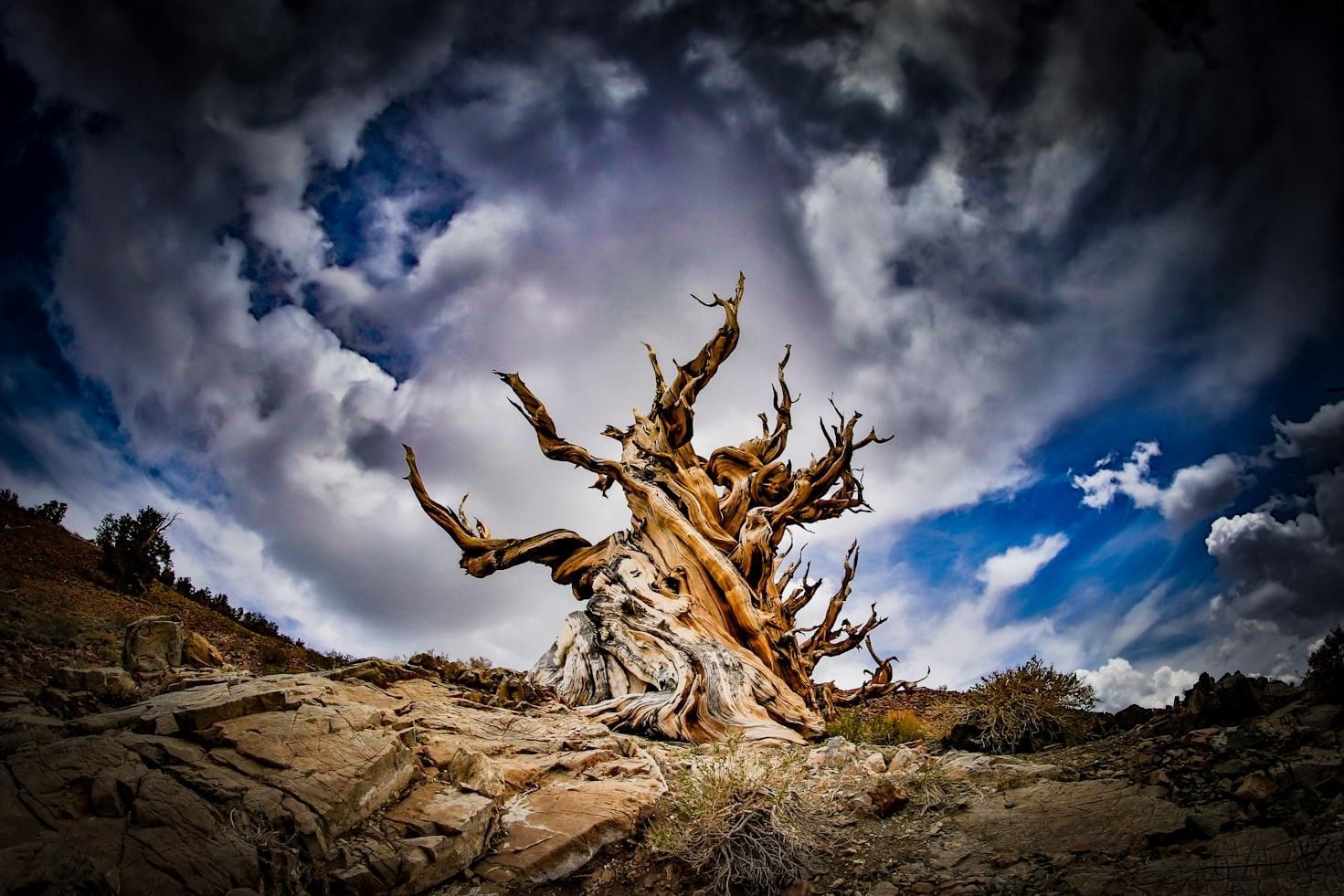
Image: Ross Stone

California is famous for its grand sights, but few can compete with Methuselah, a Great Basin bristlecone pine more than 4,800 years old, widely considered the oldest known tree on Earth.

Beyond its ancient forests, the state also shines in pop-culture records: one of Kurt Cobain’s guitars sold in Los Angeles for over $6 million, becoming the most expensive guitar ever auctioned. California is also home to eye-catching personal records, including the world’s longest female arm hair and the largest male afro. From timeless trees to memorable modern oddities, California’s record list is full of true West Coast flair.

2
Nevada
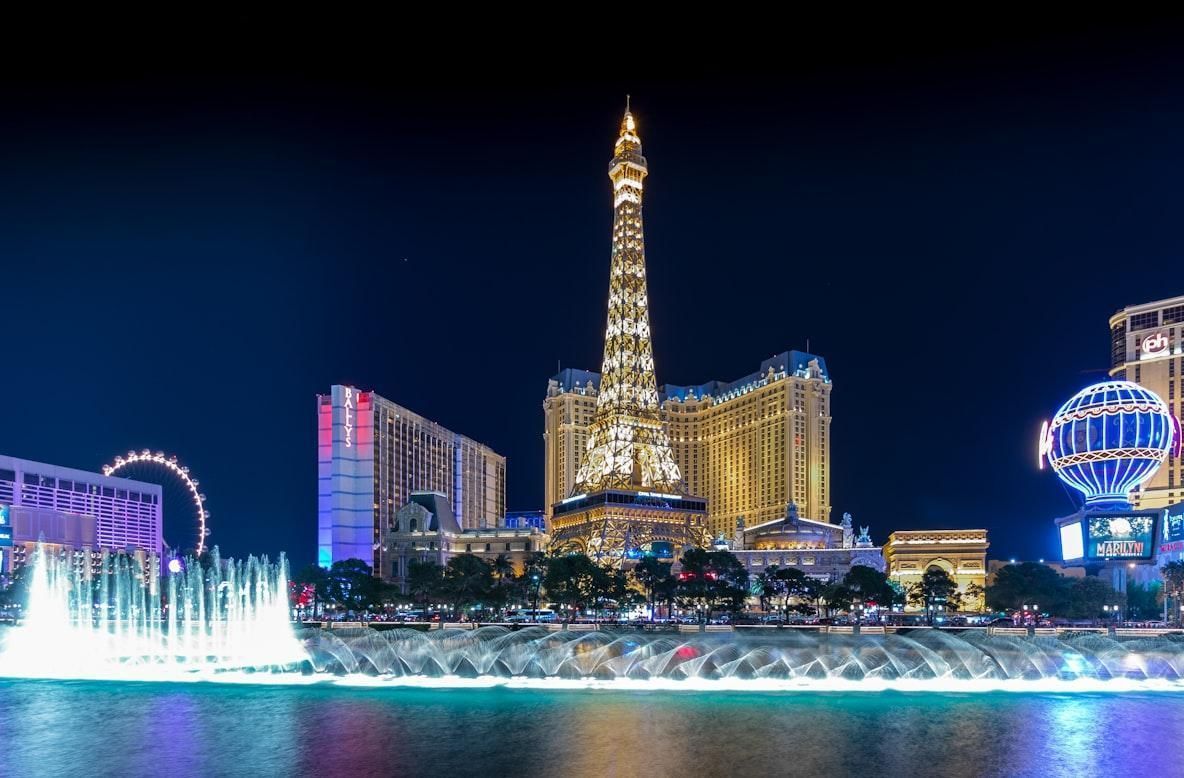
Image: Jordi Vich Navarro

Nevada knows how to entertain…and break records along the way! Las Vegas boasts the highest density of hotel rooms in the world, along with an unmatched lineup of themed resorts that range from ancient pyramids to miniature European cities.

The Bellagio holds the record for the most fountains in a hotel, and the Venetian shines with the world’s largest polished-marble floor area. The city also has more resident magicians than anywhere else and hosts thousands of weddings each month. In Nevada, the show is always bigger, brighter, and endlessly jaw-dropping.

3
Idaho

Image: Craig Adderley

The Gem State holds some of the country’s most lighthearted records. Beard enthusiast Joel Strasser turned facial hair into a full-time hobby. He has tucked thousands of everyday objects into his whiskers, from 3,500 toothpicks to 600 barbecue skewers.

Idaho is also home to record-setter David Rush, known for everything from lightning-fast lemon-juice sipping to catching marshmallows fired from a homemade catapult. And on the scientific side, the University of Idaho helped welcome Idaho Gem, the first cloned mule in history.

4
Arizona
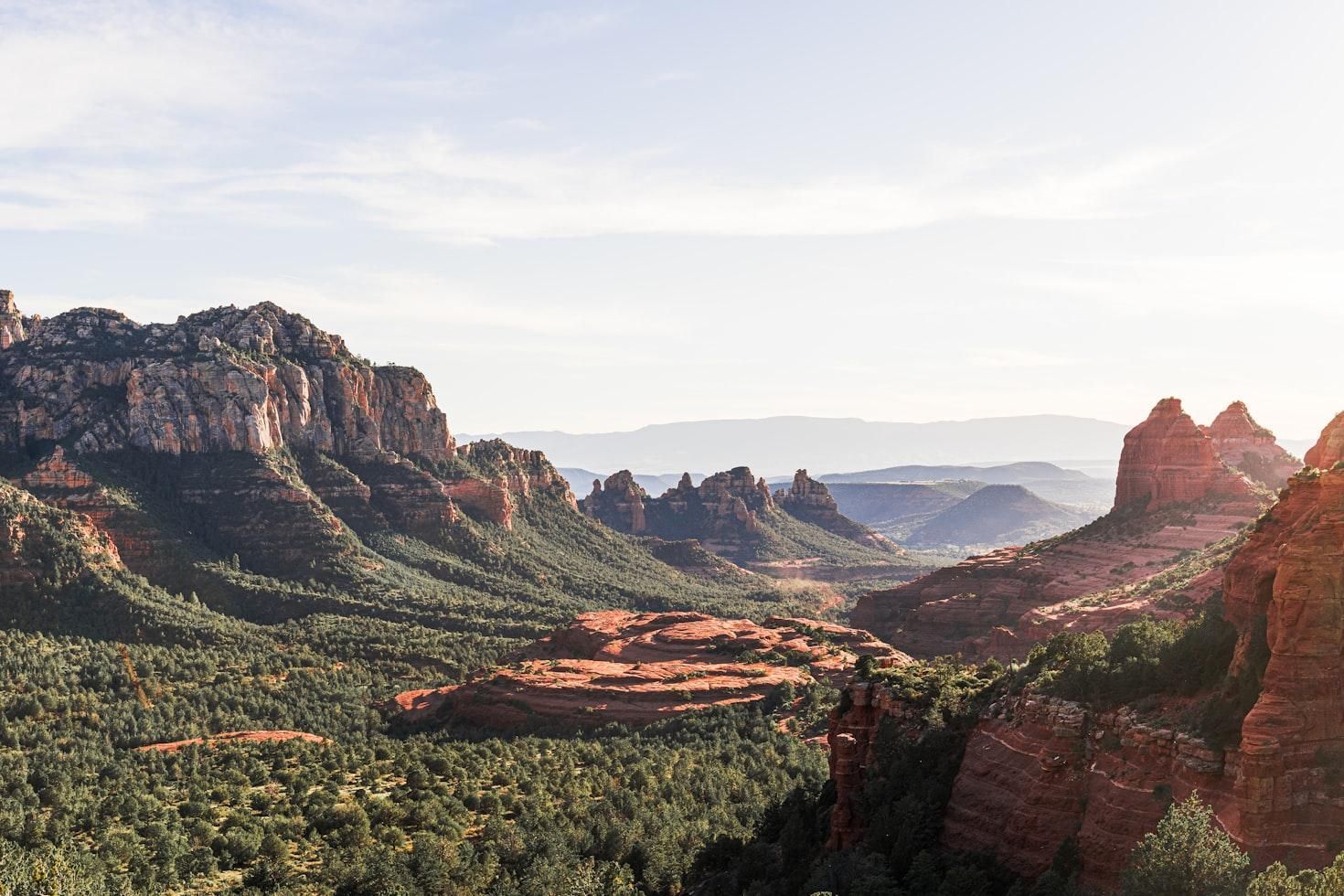
Image: Edmundo Mendez, Jr.

Arizona loves a good spectacle. In Phoenix, an exhibition opening once used a pair of 10-foot scissors —the largest in the world— to cut the ribbon in style. Down in Yuma, sunshine reigns supreme: the city enjoys about 91% of all possible daylight hours each year, adding up to more than 4,000 hours of bright, warm weather.

The state also embraces playful oddities, including its own "Poozeum", the world’s largest collection of fossilized… well, you can guess the rest. And at the Phoenix Zoo, visitors can even meet Nikki, the world’s oldest mandrill, adding another unique distinction to Arizona’s lineup of record-setters.

5
Georgia
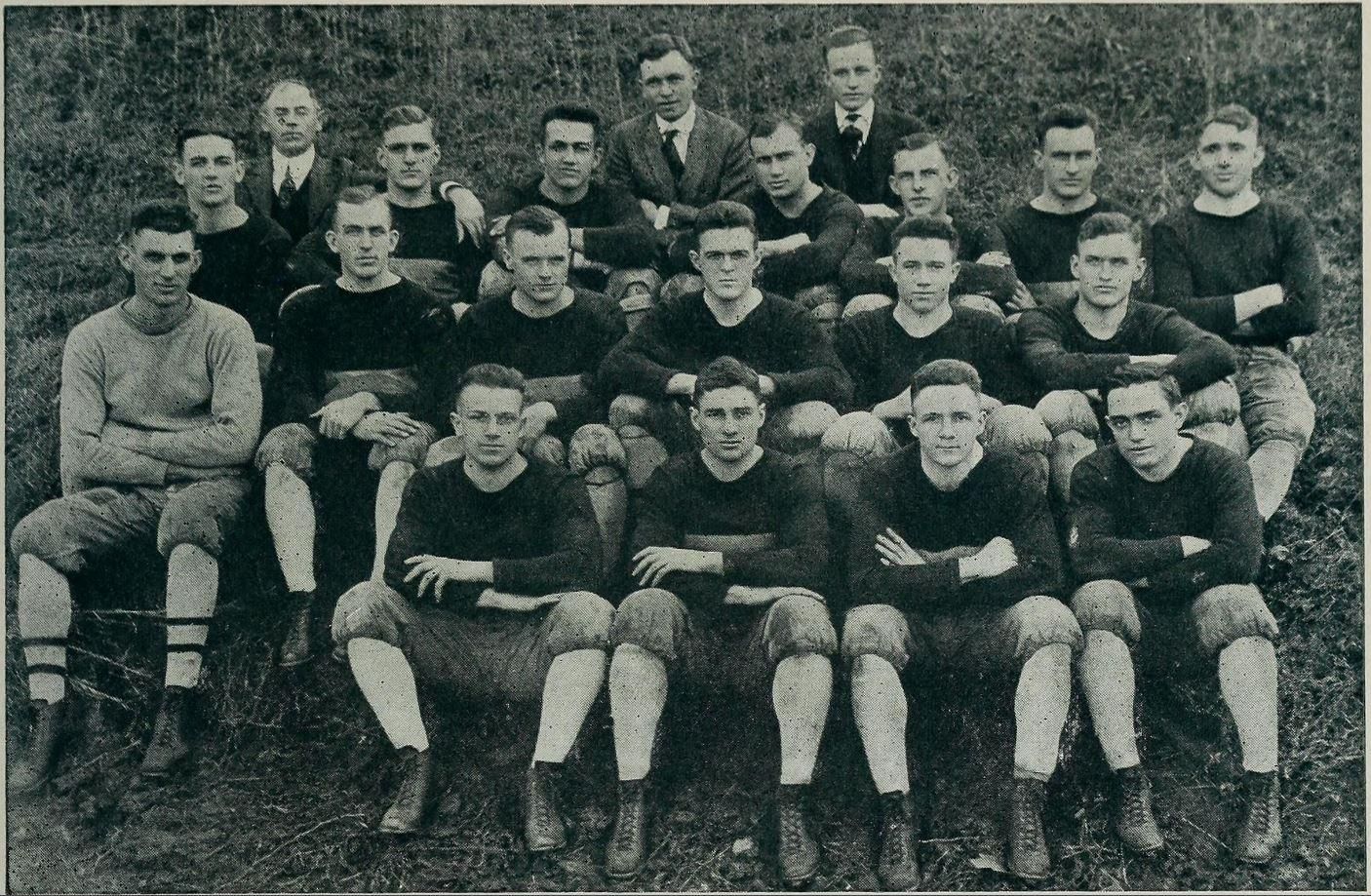
Image: Public domain, via Wikimedia Commons

Georgia blends big art with big sports. The state is home to the world’s largest tattoo artwork —a massive 79-plus square-foot piece created by two Atlanta studios using a special silicone canvas and more than $30,000 in materials.

On the athletic side, Georgia Tech once set the highest football score ever recorded, finishing an unforgettable 222-0 game back in 1916. From oversized art to record-setting touchdowns, Georgia knows how to leave a bold, lasting impression.

6
Alaska

Image: Rod Long

Up north, "large" takes on a whole new meaning. Alaska’s Pribilof Islands host the biggest northern fur seal colony on Earth, with close to a million animals gathering during peak seasons.

The state also celebrates remarkable feats of endurance: a tagged bar-tailed godwit flew more than 8,400 miles nonstop from Alaska to Tasmania, setting a record for the longest continuous bird migration. And in the Arctic interior, the Great Kobuk Sand Dunes stretch across nearly 24 square miles —the largest active dune field in the region. Even in a land known for ice and mountains, Alaska proves it can go big in surprising ways.
7
Delaware

Delaware may be tiny on the map, but it knows how to draw a crowd. The state is home to 11 record holders, including the World's Largest Doctor's Bag Monument.

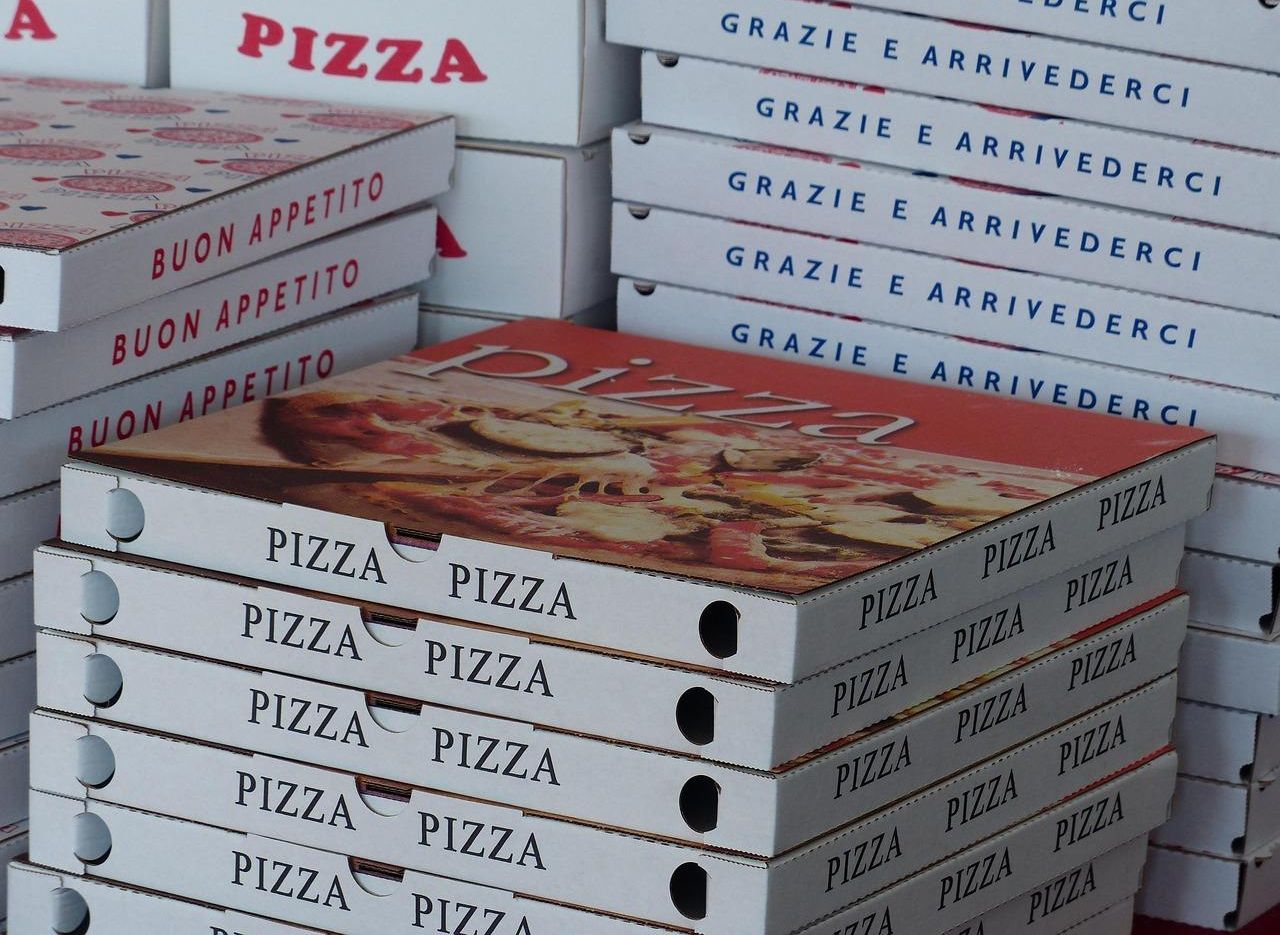
Delaware State University once gathered 1,709 people waving foam fingers at the same time, and another huge group buzzing handheld buzzers together. The state is also home to a towering 36-foot stack of cardboard boxes called the "Leaning Tower of Pizza." Small state, big personality.

8
Hawaii
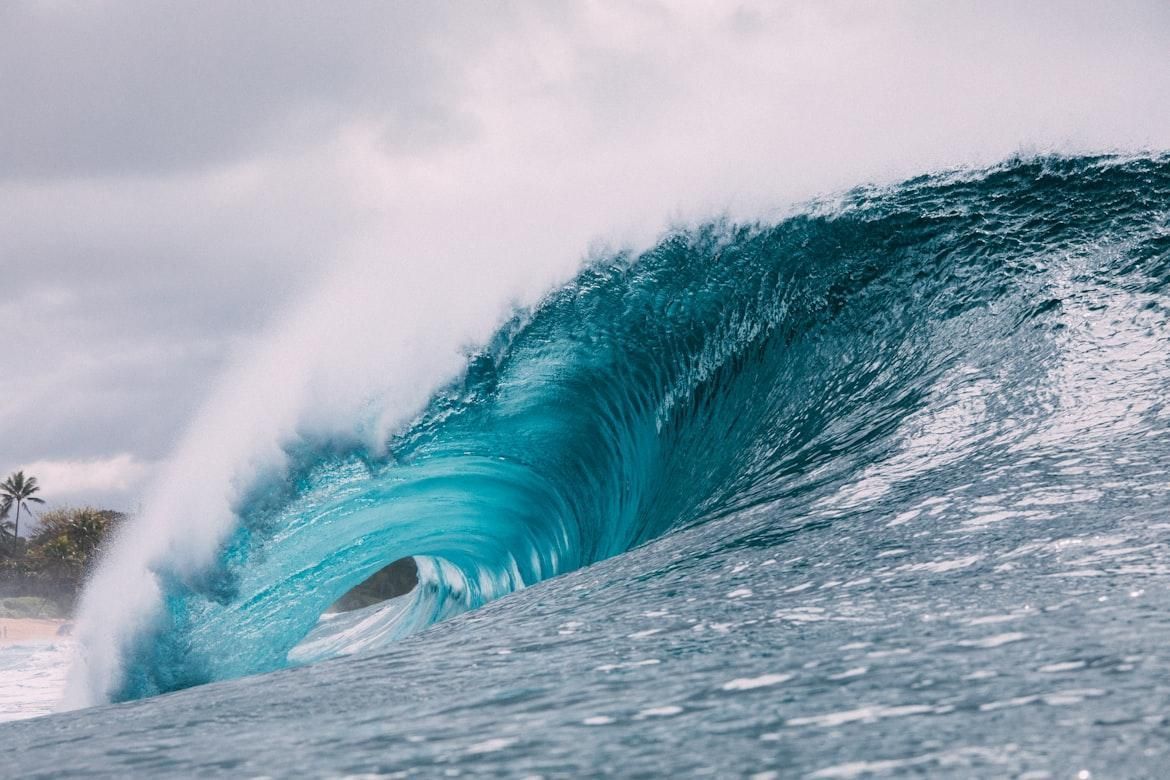
Image: Matt Paul Catalano

Hawaii’s natural wonders reach record heights, and many of them are straight from the islands’ own landscape. Kīlauea is recognized as the world’s most active volcano, with decades of steady activity and a name that fittingly means "spewing."

The islands also celebrate remarkable achievements on the ocean: off Oahu, Australian surfer Laura Enever rode an astonishing 43.6-foot paddle-in wave, the largest ever recorded for a woman.

9
Illinois

Image: Brett Sayles

Illinois loves to go big, and it shows in all kinds of creative ways. In the small town of Casey, visitors can stand beneath a giant rocking chair more than 56 feet tall —one of the state’s many oversized roadside attractions.

The Prairie State also stirred up the world’s largest jar of spread, using more than a ton of peaches and tomatoes in a three-day cooking marathon. Are you waiting for something more extreme? An Illinois native set the record for the fastest clapping ever recorded, reaching an incredible 804 claps in one minute.

10
Alabama

Alabama has a special talent for turning simple moments into big record-breakers. Here you’ll find the largest bubblegum bubble ever blown —a bright 20-inch sphere made from just three pieces of gum and plenty of practice.

The state also celebrated the Apollo 11 anniversary by launching nearly 5,000 model rockets at once, filling the sky with a burst of color. Alabama is home to more than 50 record holders, including inspiring stories like Curtis Means’, the world’s most premature baby to thrive and grow. If you enjoy bold, cheerful achievements, Alabama delivers them in generous size.

11
Arkansas
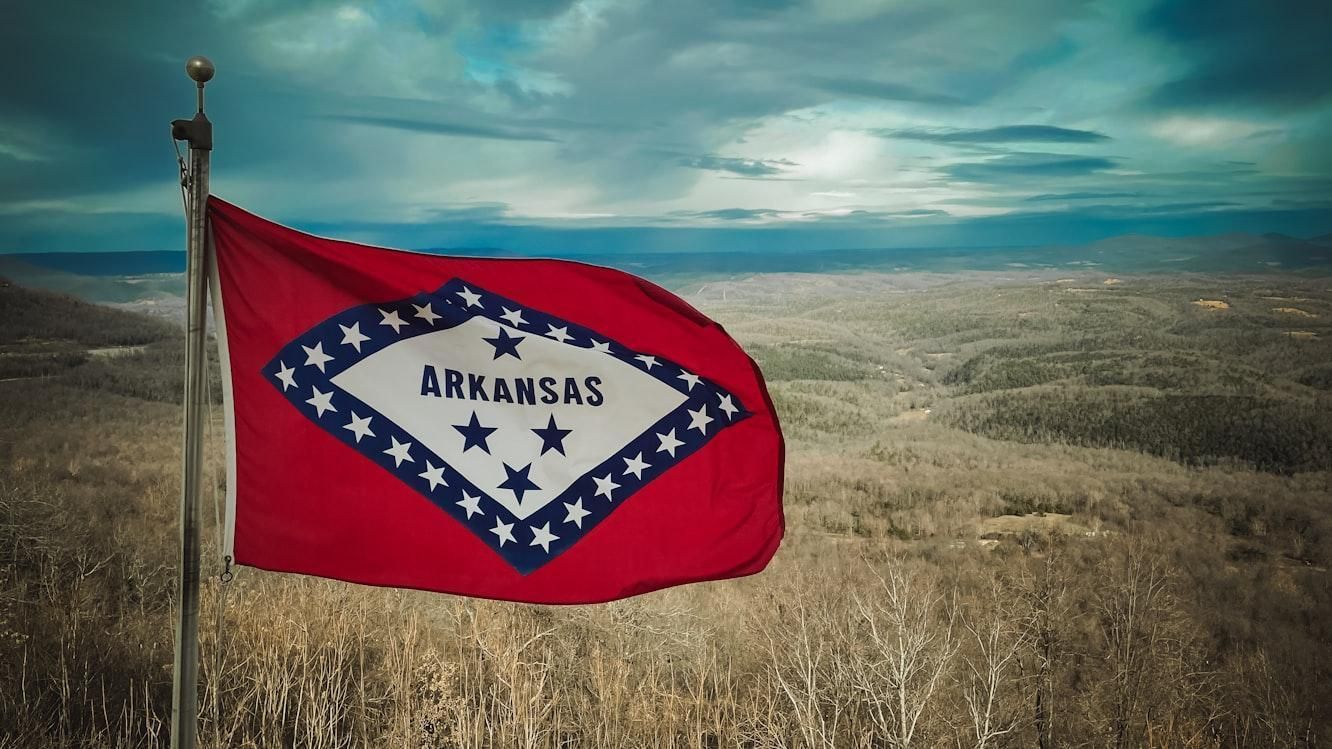
Image: Jametlene Reskp

The Natural State mixes small-town charm with some truly memorable oddities. Arkansas was once home to Lurch, the African watusi steer famous for having the largest horn circumference ever measured —an incredible 37.5 inches around.

Arkansas also wears its heart on its sleeve: a statewide effort gathered more than 81,000 pounds of pet food in just 24 hours, setting a cheerful charity record. And for pure determination, a young Arkansan even held a deep squat for nearly three hours. In Arkansas, generosity and eye-catching achievements go hand in hand.

12
Florida
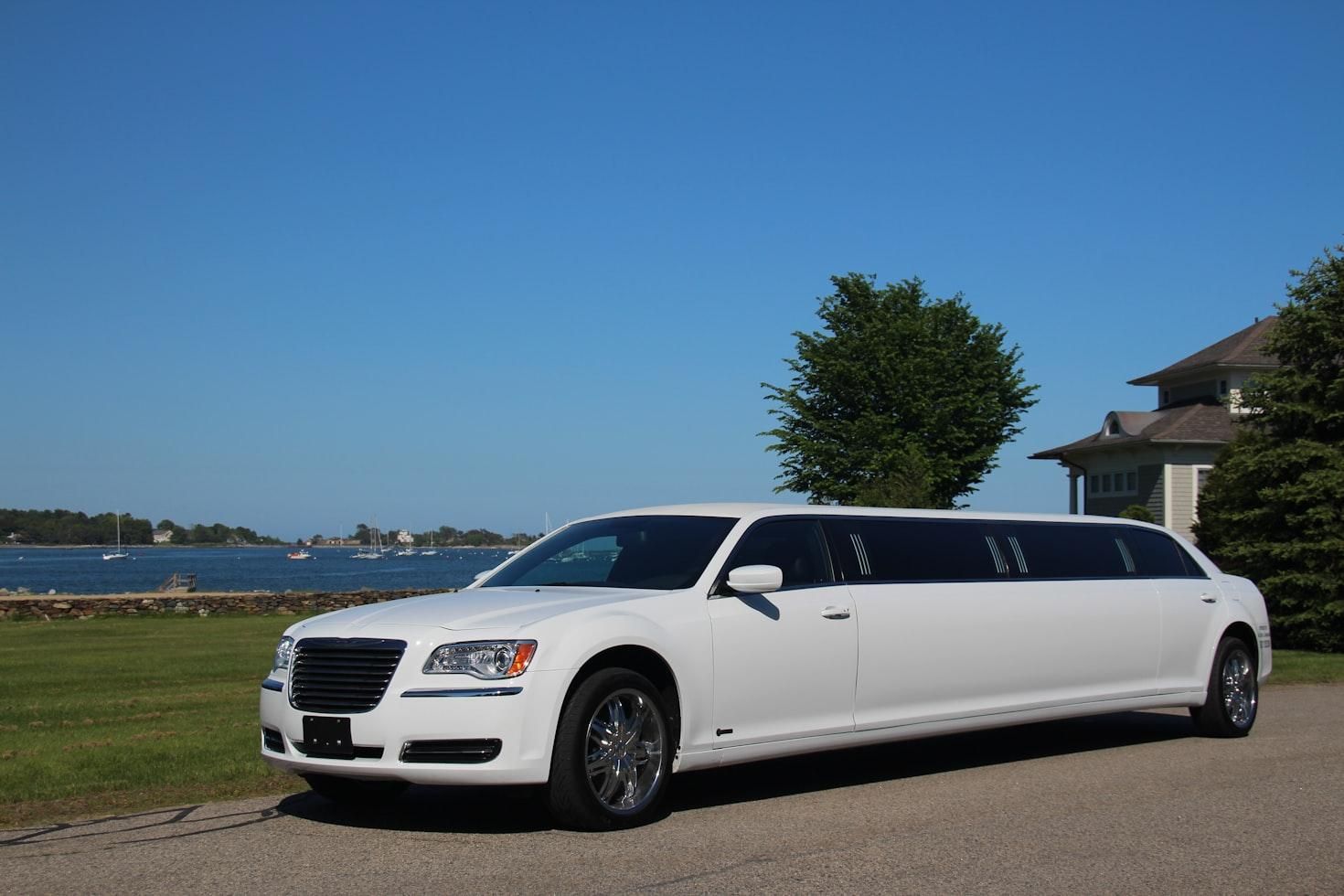
Image: Richard R

Florida takes "large" to heart. The Sunshine State is home to the world’s longest limousine, a restored 100 ft 1.5 in cruiser with room for 72 passengers —nearly three times the length of an ordinary stretch limo!

Florida also knows how to put on a show: Miami hosted the first-ever pay-per-view pillow fight, complete with pro fighters and custom-made pillows; in Bradenton, a Monster Jam driver set two eye-popping records for the most consecutive spins in a monster truck.
History History 3 min read

Have you experienced any coincidences?

12 incredible coincidences in American history

Image: Library of Congress

A coincidence is a remarkable concurrence of events or circumstances without an apparent causal connection. Most of us experience coincidences regularly, but they tend to be more ordinary—like discovering you’re wearing the same sweater as someone else in the room. The following 12 examples are much more extreme, and some even seem unbelievable, even though they are true. Read on and prepare to be amazed!

1
A Presidential curse

Image: David Everett Strickler

For almost 140 years, U.S. presidents elected in years ending in zero died while in office. It happened to William Henry Harrison (1840), Abraham Lincoln (1860), James A. Garfield (1880), William McKinley (1900), Warren G. Harding (1920), Franklin D. Roosevelt (1940), and John F. Kennedy in 1960 . Ronald Reagan, elected in 1980 , broke the curse by surviving an assassination attempt.

2
Mark Twain and Halley’s Comet

Image: Justin Wolff

In the year Mark Twain was born, 1835, Halley’s Comet passed by Earth. The great writer famously predicted he’d "go out with it" as well . Indeed, he passed away in 1910, the next time the comet appeared.

3
Jefferson and Adams

Image: iStrfry , Marcus

A patriotic yet somber coincidence, indeed. John Adams and Thomas Jefferson, the second and third U.S. presidents, both died on July 4, 1826 —exactly 50 years after the signing of the Declaration of Independence.

4
Hoover Dam’s first and last casualties

Image: Ryan Thorpe

The construction of the Hoover Dam was a long and difficult process, claiming over 100 lives. The first person to die was J.G. Tierney , and the last recorded death was his son , Patrick Tierney.

5
Lincoln and Kennedy

Image: Kelli Dougal

Abraham Lincoln and John F. Kennedy were elected 100 years apart (1860 and 1960). Both suffered fatal head wounds and were succeeded by presidents named Johnson. Their assassins each had three names: John Wilkes Booth and Lee Harvey Oswald. Both were assassinated on a Friday while sitting next to their wives at the time that it happened.

6
Charles Francis Coghlan’s last journey

Image: Rhodi Lopez

Actor Charles Francis Coghlan died in Texas in 1899. But his casket was lost at sea during a hurricane. Eight years later, his coffin washed ashore near his birthplace in Prince Edward Island, Canada, more than 3,000 miles away.

7
The Titanic coincidence

Image: K. Mitch Hodge

A few years before the Titanic sank, Morgan Robertson wrote a short book called Futility , about a massive "unsinkable" ship called the Titan that hit an iceberg and sank. The tale describes a ship with a similar size and a similar lack of lifeboats to the famous vessel.

8
Dennis the Menace

Image: Mitch Rosen

Two comic strips featuring a character named Dennis the Menace debuted in British and American outlets, respectively, on March 12, 1961—only a few hours apart. However, the two creators did not know each other and had no idea of the other’s work.

9
Jim Lewis and Jim Springer

Image: Vidar Nordli-Mathisen

Identical twin brothers separated at birth , Jim Lewis and Jim Springer, were reunited at age 39 and discovered many coincidences: both married women named Linda , divorced, and then remarried women named Betty. Both had dogs named Toy and drove the same model of car. Both grew up with an adopted brother named Larry and had sons whom they named James Allan.

10
Disney magic

Image: PAN XIAOZHEN

A soon-to-be-married couple, Alex and Donna , were looking through old photos to include in their wedding video. They found one photo of Donna posing on a childhood trip to Disney World in 1980. And in the background, they spotted Alex being pushed in a stroller by his father.

11
Moped meets taxi, twice

Image: Ruslan Bardash

In 1975, 17-year-old Erskine Lawrence Ebbin was struck by a taxi in Bermuda while riding his moped. A year later, his brother Neville , also 17 at the time, was riding the same moped when he was struck by the same taxi —with the same passenger—on the same street.

12
Lightning strike survivor

Image: Felix Mittermeier

Being hit by lightning is an extremely rare occurrence. Park ranger Roy Sullivan was struck not once, but seven times between 1942 and 1977 —and survived them all. The strikes hit him in a fire tower, in his truck, in his yard, while patrolling, and more. His unusual record earned him the nickname "Human Lightning Rod."

General General 4 min read

Not as common as you think

Aren’t doggy bags and tipping not the norm when dining abroad?

Image: Diane Picchiottino

Dining in the U.S. comes with its own set of unwritten rules. Many of these customs feel perfectly normal to Americans, but can surprise visitors from other parts of the world. From how meals are served to how bills are paid, there are many differences that we only notice when we visit other countries. Take a look at 12 of these habits you probably take for granted, but that are uncommon outside of the U.S.

1
Tipping is expected, not optional

Image: Sam Dan Truong

In the U.S., leaving a tip is considered part of the cost of the meal, not a bonus . Diners typically add 15 to 20 percent to the bill, especially in full-service restaurants.

This practice exists because many servers earn lower base wages and depend on tips. In many other countries, service charges are already included in the bill, making the American system feel unusual or even confusing.

2
Free refills are the norm

Image: Roman Kraft

Many American restaurants offer unlimited refills on soft drinks, iced tea, and coffee . Once you order a beverage, it often keeps coming at no extra cost.

Elsewhere, each drink is typically billed separately, and refills are rarely free. For visitors to the U.S., this can feel surprisingly generous compared to their dining experiences at home.

3
Ice comes with everything

Image: Giorgio Trovato

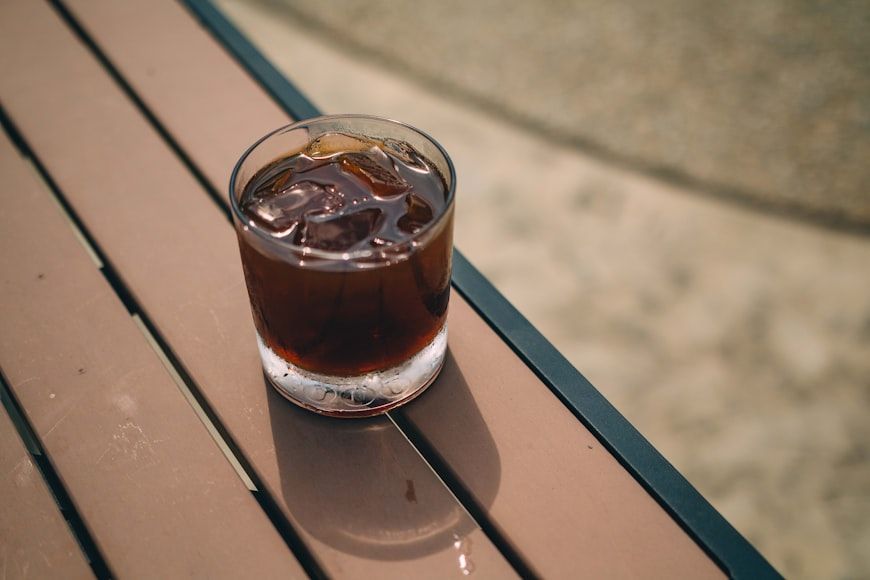
In the U.S., drinks are often served filled with ice, whether it’s soda, water, or even juice . It’s considered a refreshing standard, especially in warmer climates.

In many other countries, ice is used sparingly or avoided altogether. Some people prefer drinks at room temperature, making the American preference for ice stand out immediately.

4
Portions are huge

Image: Sanjip Kadel

American restaurant portions are known for their size. Many meals are large enough to serve more than one person or to provide leftovers for later .

In contrast, other countries tend to serve smaller, more balanced portions. The American approach reflects a culture of abundance, but it can be unexpected for first-time visitors.

5
Taking leftovers home is typical

Image: Roberto Catarinicchia

Asking for a take-home container, also known as a "doggy bag," is a normal part of dining in the U.S. Restaurants are prepared for it, and many people expect to leave with leftovers.

In some countries, this practice is less common or even discouraged. The American "doggy bag" reflects both larger portion sizes and a practical approach to reducing food waste.

6
Waiters check in frequently

Image: Negley Stockman

In the U.S., servers often return to the table several times during a meal . They may ask how everything tastes, refill drinks, or check whether anything else is needed.

While meant to be attentive, this can feel intrusive to foreign visitors. In many other cultures, less interruption is preferred, and diners typically signal the server only when necessary.

7
Customizing your order is normal

Image: Artur Tumasjan

In the U.S., it's common to request changes to a dish, such as removing ingredients or adding extras . Restaurants are usually flexible and expect these requests.

In other parts of the world, altering a menu item may be frowned upon. The American habit reflects a strong emphasis on personal choice and individual preferences.

8
Tap water is served automatically

Image: Sugarman Joe

In American restaurants, a glass of tap water is often brought to the table without being requested . It is typically free and refilled throughout the meal.

In many other countries, bottled water is the default and must be ordered separately.

9
Meals tend to move quickly

Image: Louis Hansel

Dining in the U.S. often follows a faster pace. Food arrives quickly, and the bill may be brought shortly after the meal is finished .

In contrast, in many other cultures, meals are meant to be long, relaxed experiences. The American approach reflects efficiency and a faster daily rhythm.

10
Splitting the bill is common

Image: Vitaly Gariev

In the U.S., restaurants commonly allow separate checks , making it easy for each person to pay their share. This is especially helpful in group settings.

In many other countries, splitting the bill can be more complicated or is actively discouraged. The American system emphasizes convenience and individual responsibility at the table.

11
Sweet foods are common at breakfast

Image: Brian J. Tromp

Breakfast in the U.S. often includes sweet items such as pancakes, waffles, pastries, or cereal, alongside eggs, bacon, and toast. Syrup and sugar are common additions at the start of the day.

In many other countries, breakfasts tend to be exclusively savory, featuring foods like bread, cheese, or eggs. The American preference for sweetness can feel like a treat to visitors.

12
Dining is generally casual

Image: Dan Gold

While there are many exceptions at five-star, fine dining establishments, American dining culture is typically relaxed, with fewer formal rules about dress or behavior . People often eat out in casual clothing and informal settings.

In other countries, meals, especially dinner, can be more formal events. The American style reflects a focus on comfort rather than tradition.

Explore more American facts

Choose your favorite category!

General
General

As American as apple pie—the very best America has to offer!

Culture
Culture

Delve into the astounding richness of American lore.

Geography
Geography

Hop in and explore vast and diverse American landscapes.

History
History

Discover the key moments that shaped the United States.