Culture Culture 6 min read

Monopoly helped soldiers escape, and 9 other toys with double lives
Image: LungLee

When we think of iconic toys like the Slinky or LEGOs, we usually picture kids killing time on a rainy afternoon. But look a little closer, and you’ll find that some of the most famous playthings have double lives. From saving soldiers on the front lines to helping astronauts in lunar orbit, these gadgets have stepped out of the toy chest and straight into national service. Here is a look at 10 classic toys that did much more than entertain and amuse.

1
Monopoly
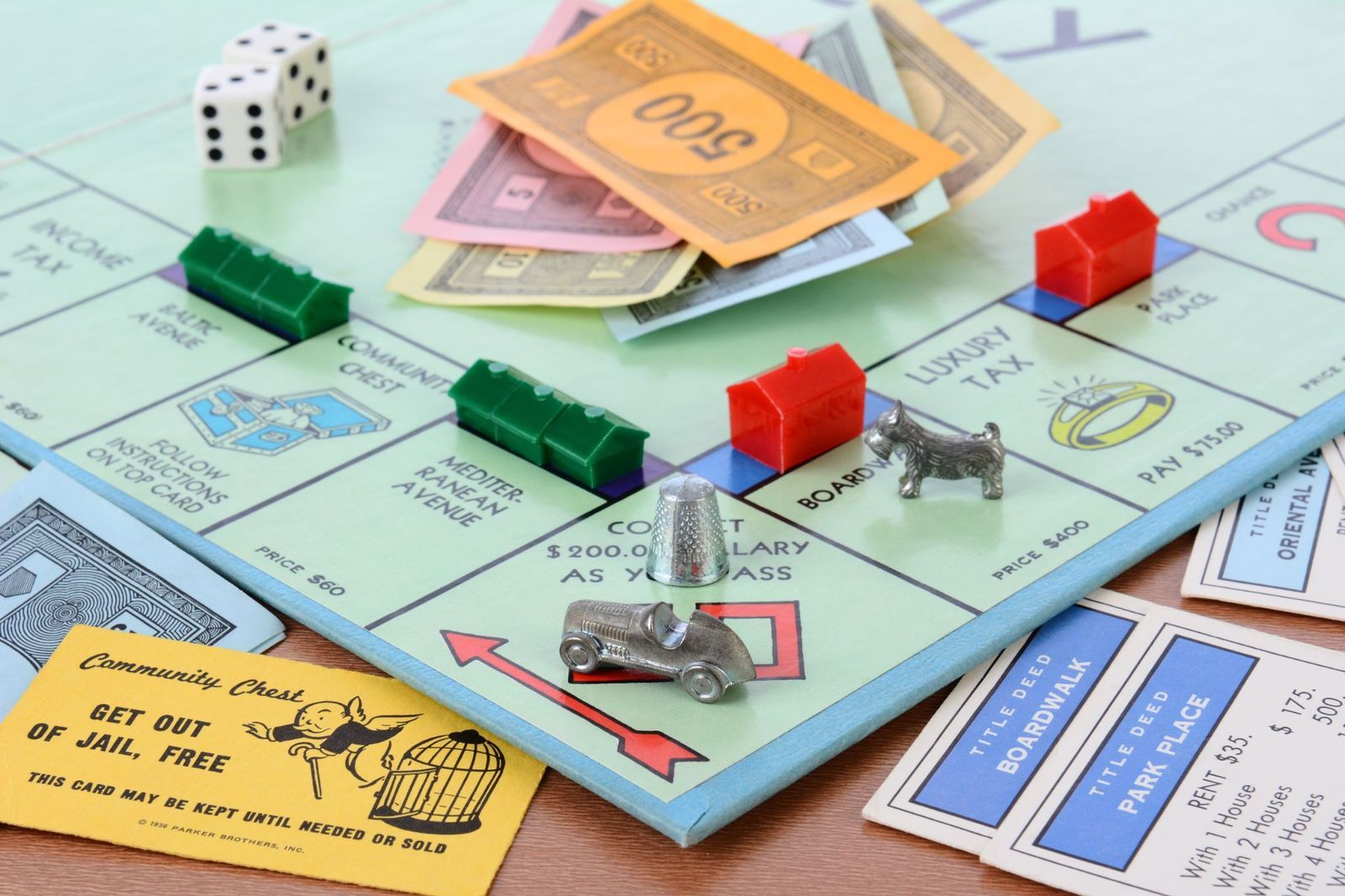
Image: Steve Cukrov

Did you know that Monopoly played a key role in the European theater of World War II? Originally conceived in 1903 by Elizabeth Magie Phillips as The Landlord's Game to highlight the inequities of capitalism, the board game was later rebranded by Parker Brothers in 1934.

When thousands of Allied soldiers, including Americans, were captured by German forces during WWII, the British Secret Service began manufacturing specialized editions to be smuggled into prisoner camps inside Red Cross packages. The German guards welcomed the games as harmless ways for prisoners to pass the time. Little did they know, these boxes contained customized silk maps, real local currency, and precise escape routes hidden within the board and game pieces. Intelligence experts estimate that up to 10,000 Allied soldiers successfully escaped enemy capture because of these rigged board games.

2
Silly String
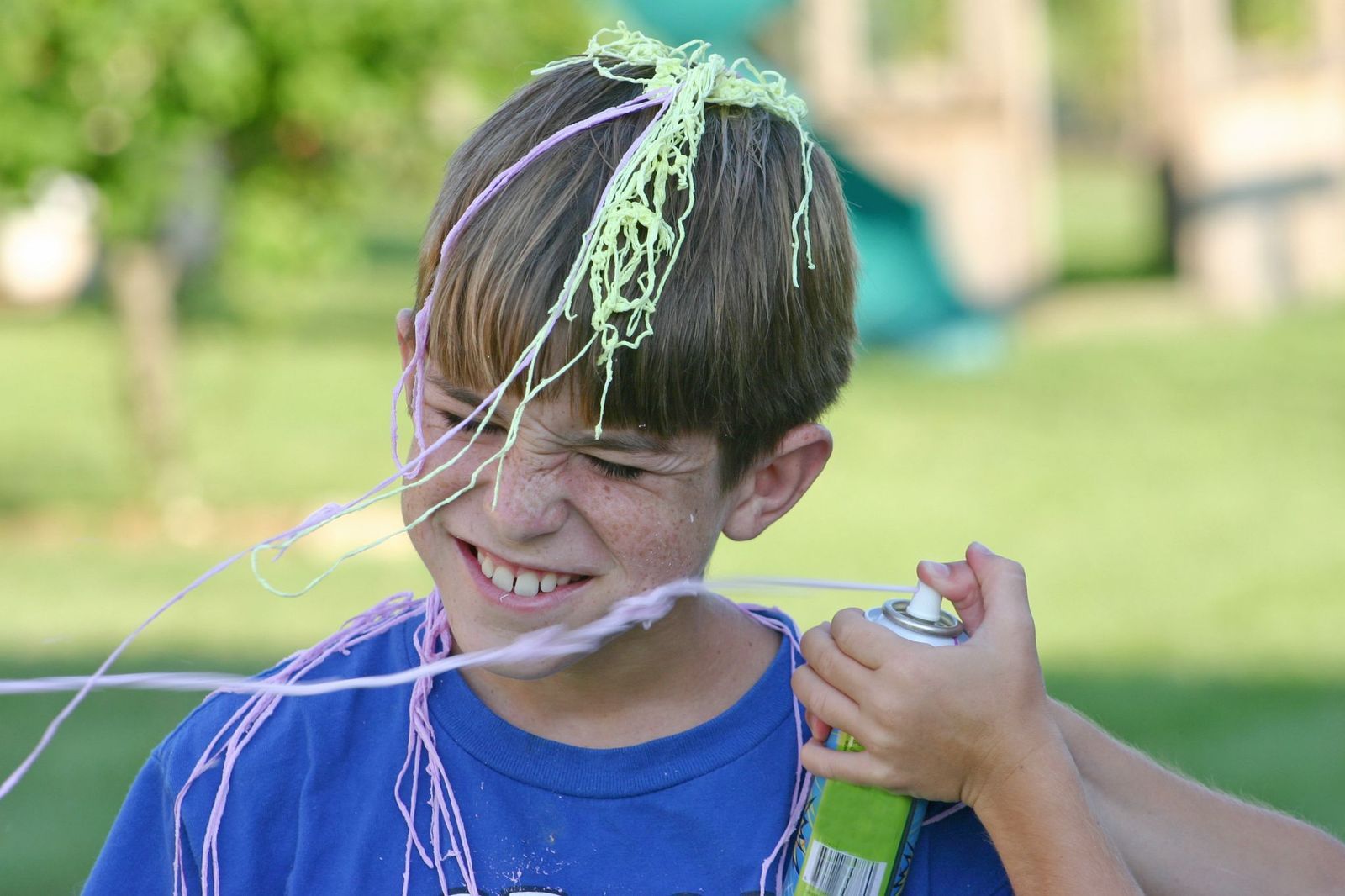
Image: sonya etchison

In the early 1970s, inventors Leonard A. Fish and Robert P. Cox were working on an aerosol spray-on cast for broken limbs. Although they failed spectacularly, they patented the sticky mess as "foamable resinous composition." Eventually, American toy company Wham-O picked it up and re-labeled it as Silly String.

Decades later, this joke device went to war. In 2006, while stationed in Iraq, Specialist Todd Shriver and his unit found themselves lacking official gear to safely detect the invisible tripwires used to detonate explosives. Because the spray of Silly String could shoot more than 10 feet away and was very light, it became an unlikely but useful tactical tool.

3
Slinky
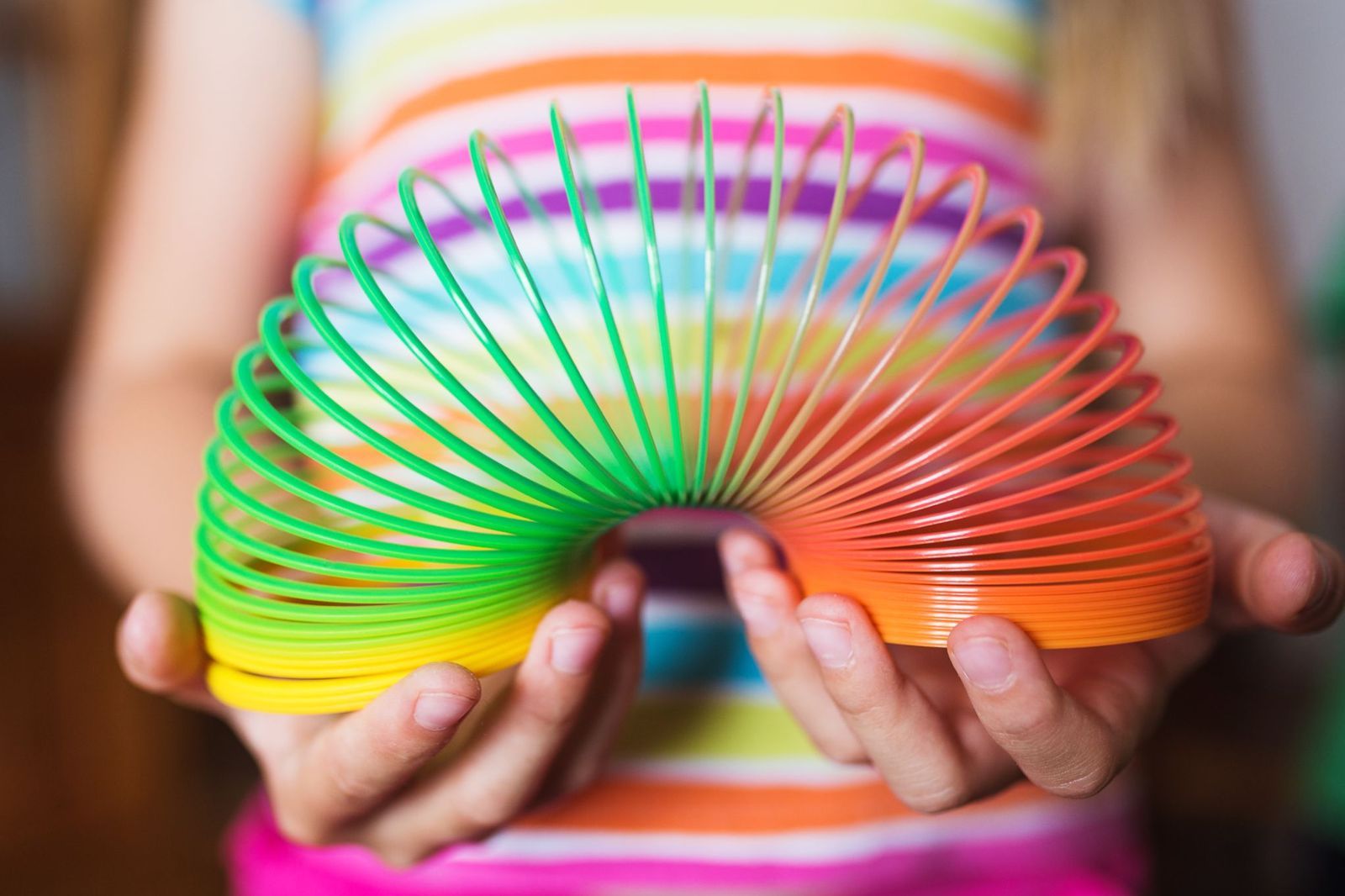
Image: VanoVasaio

In 1943, naval engineer Richard James was attempting to design a spring system for naval battleships. When he accidentally knocked one of his prototypes off a shelf, he watched in fascination as it walked down a stack of books, onto his desk, and onto the floor. The Navy never bought his invention, but the world got the Slinky, selling over 100 million units in its first two years alone.

Years later, the toy’s military purpose came into fruition during the Vietnam War. U.S. communications troops operating in dense jungles frequently struggled with terrible radio reception. They quickly discovered that a standard steel Slinky could be stretched out and tossed over high tree branches to serve as an effective improvised antenna.

4
View-master

Image: I'm Conqueror

When the View-Master made its grand debut at the 1939 New York World’s Fair, it was marketed as an alternative to scenic postcards. Co-inventors Wilhelm Gruber and Harold Graves paired standard stereoscopes with circular cardboard reels containing seven 3D color film images, which allowed people to marvel at the Grand Canyon from the comfort of their homes.

By 1942, the United States military realized that this photographic novelty could become a useful tool. In the midst of WWII, the U.S. Armed Forces purchased more than 100,000 View-Master viewers and commissioned thousands of custom-made reels. Instead of tourist images, these reels featured detailed, three-dimensional models of enemy aircraft, naval vessels, and artillery. It allowed troops to practice identification, making it a critical asset for gunners and pilots.

5
Silly Putty
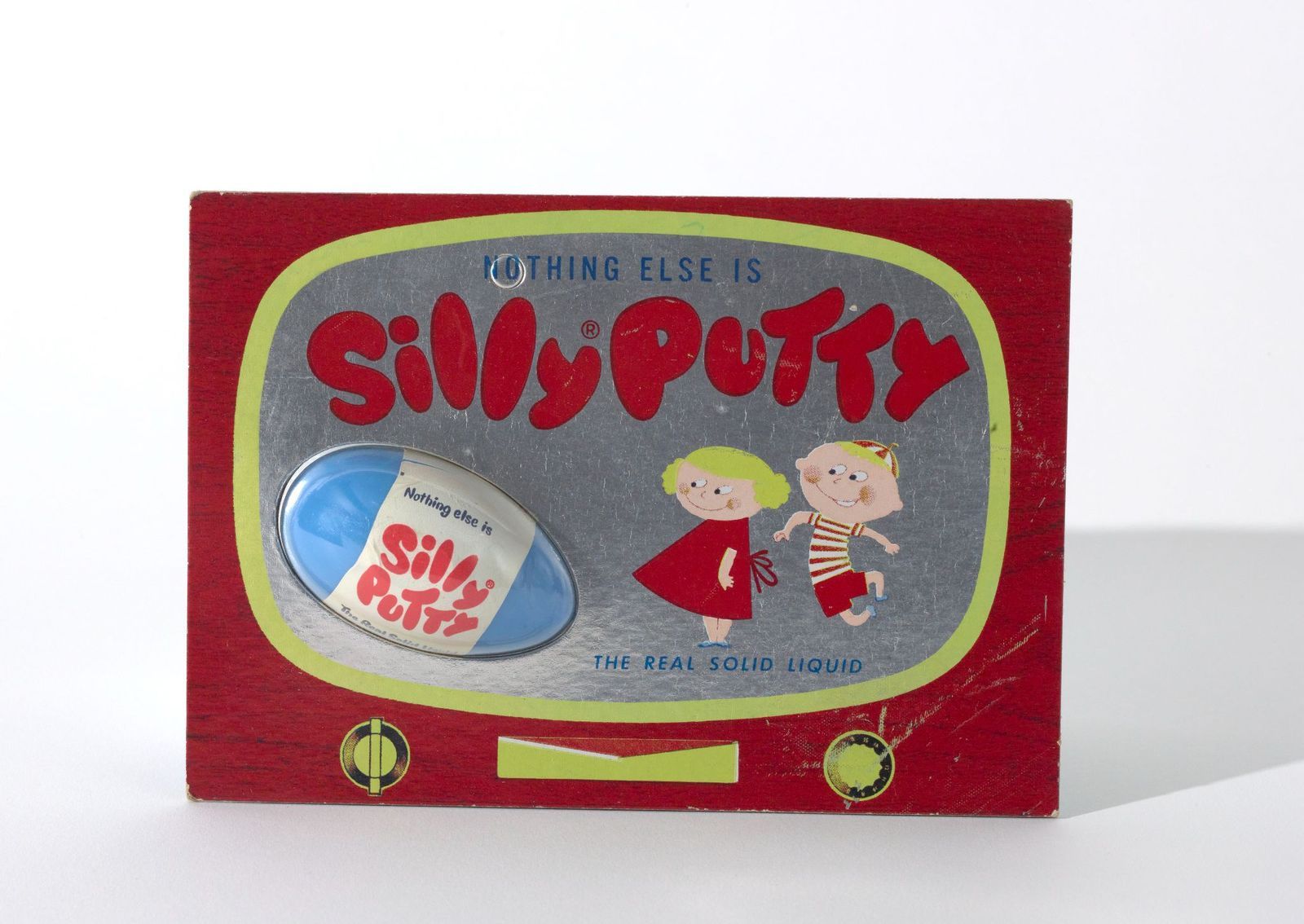
Image: Science History Institute, CC BY 4.0, via Wikimedia Commons

Silly Putty is another marvel of accidental wartime engineering. During WWII, the United States faced shortages of natural rubber due to several blockades. In an attempt to create a cheaper alternative, General Electric engineer James Wright mixed silicone oil with boric acid. The result didn’t work for tires, but it became a hit when packaged inside plastic eggs.

Eventually, this gooey and bouncy material caught the attention of NASA. In 1968, the crew of Apollo 8 packed Silly Putty into their spacecraft. In the zero-gravity environment, the astronauts used the sticky compound to secure their gear to the walls to prevent it from floating away around the cabin.

6
Buzz Lightyear
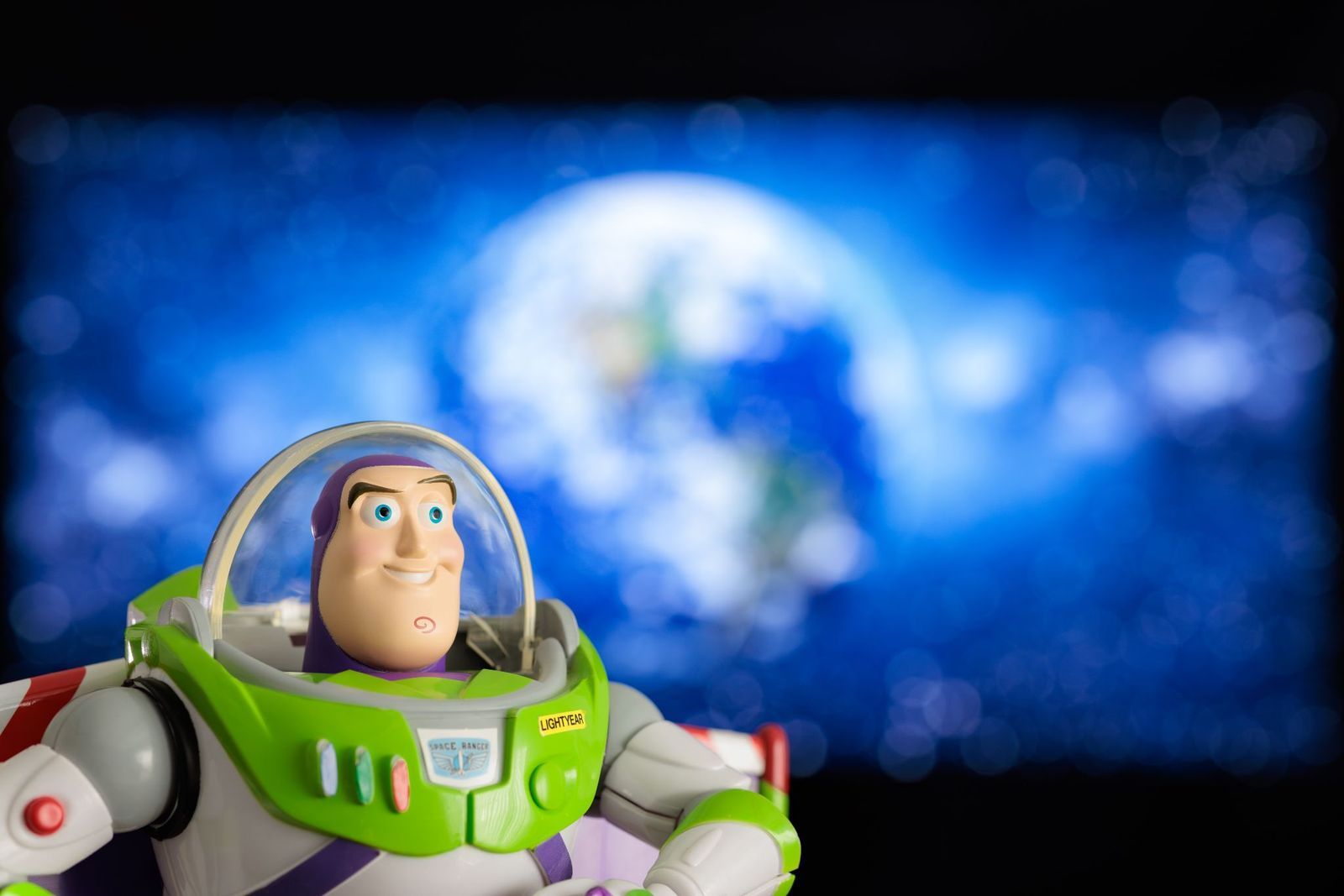
Image: Sunny studio

While Buzz Lightyear began his life as a fictional space ranger in Pixar’s 1995 hit Toy Story, the physical action figure manufactured by Thinkway Toys achieved a few real-world milestones that would make Andy proud.

In 2008, NASA launched an authentic Buzz Lightyear action figure into space aboard the Space Shuttle Discovery. Buzz spent a staggering 15 months living aboard the International Space Station. There, he worked alongside astronauts to film educational videos designed to teach school children across America about weightlessness, orbital mechanics, and microgravity physics.

7
LEGO
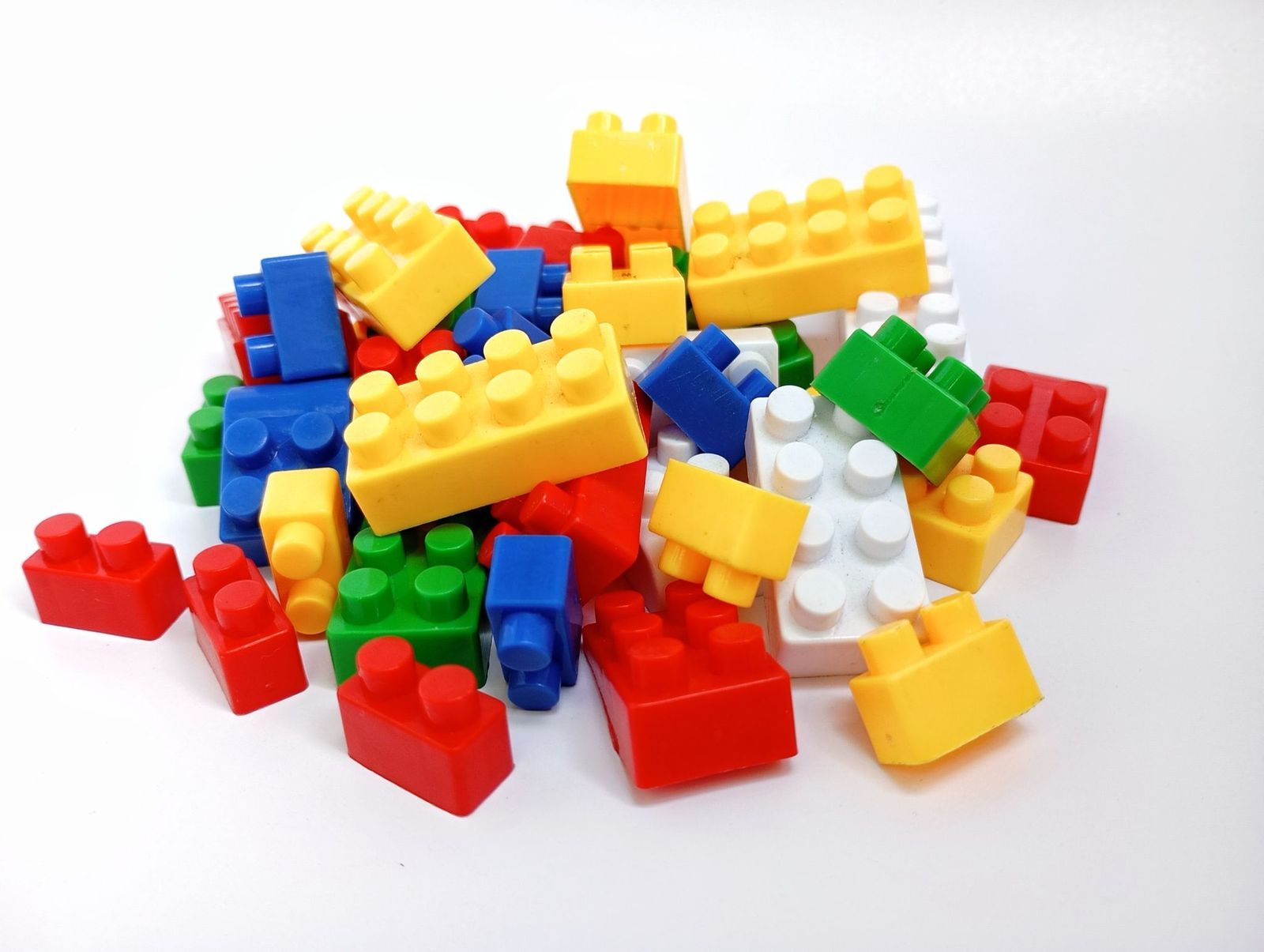
Image: Rahmazudi_zudi23

The famous toy company was founded by Danish carpenter Ole Kirk Christiansen in 1949. While LEGO first reached the US in the early 1960s, the plastic interlocking bricks didn’t become massively popular until the 1970s. Once American children adopted the new toy, it completely reshaped modern STEM education.

Although schools had experimented with bricks for decades, LEGO allowed teachers to develop structured curricula designed to teach kindergarteners fine motor skills and spatial mathematics. By the time those students reached high school, LEGO’s advanced kits were serving as the backbone for introductory robotics, engineering, and programming courses nationwide.

8
Mr. Potato Head
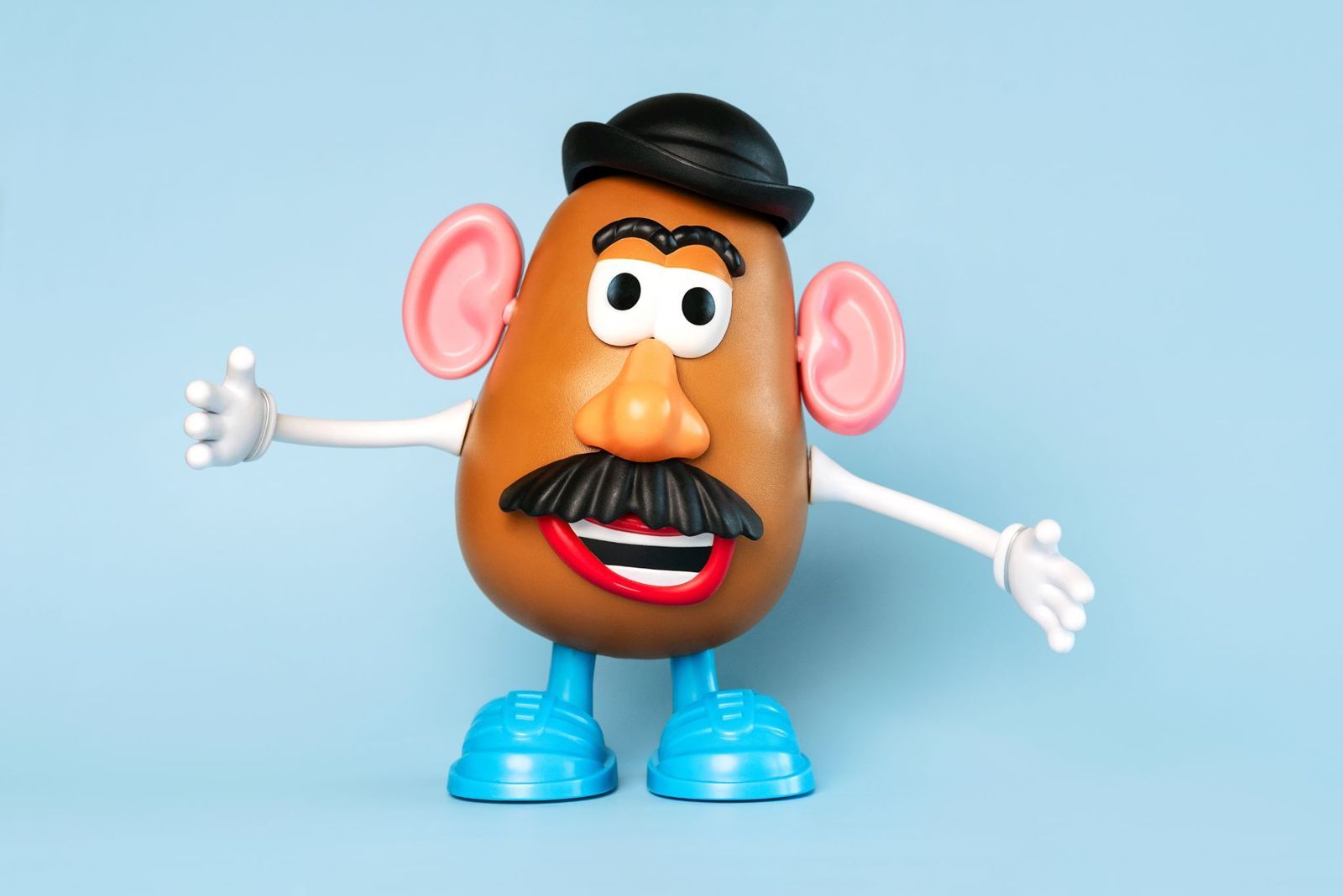
Image: esthermm

Created by American inventor George Lerner in 1951 and distributed by Hasbro, the original Mr. Potato Head didn’t include a plastic body, just sharp metal pins attached to plastic facial features. Despite the risk of children stabbing themselves, the toy made history as the very first toy ever advertised on television.

From there, Mr. Potato Head had a surprising career as a public servant. In 1985, he received four legitimate votes during the mayoral election in Boise, Idaho. In 1987, he officially dropped his plastic pipe to become the face of the American Cancer Society's "Great American Smokeout" anti-smoking campaign. He later joined forces with the League of Women Voters to boost voter turnout and today acts as an official travel ambassador for the state of Rhode Island.

9
Cabbage Patch Kids
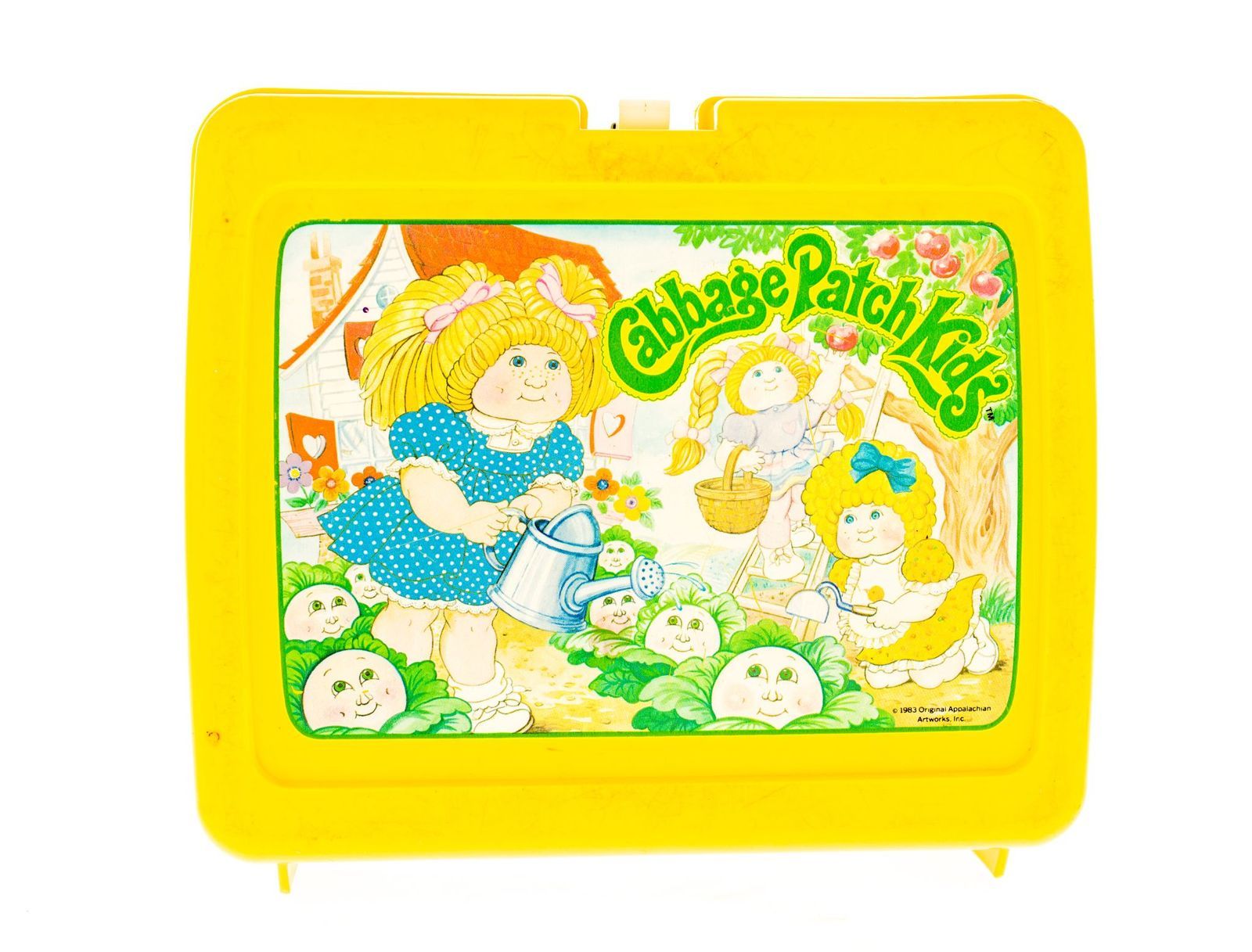
Image: Keith Homan

When American businessman Xavier Roberts first created his "Little People" in 1978, nobody could have predicted that they would spark Black Friday riots by 1983. But beyond the hysteria, Cabbage Patch Kids went on to become national ambassadors.

In 1992 and 1996, the United States Olympic Committee selected the dolls as the first-ever official mascot of the US Olympic Team, traveling with the athletes to Barcelona and Atlanta. In 1999, the U.S. Postal Service immortalized them on a stamp celebrating the icons of 1980s American culture. Over the years, the franchise has collaborated with NASA on science education and raised thousands of dollars for disaster relief efforts.

10
Teddy Bear
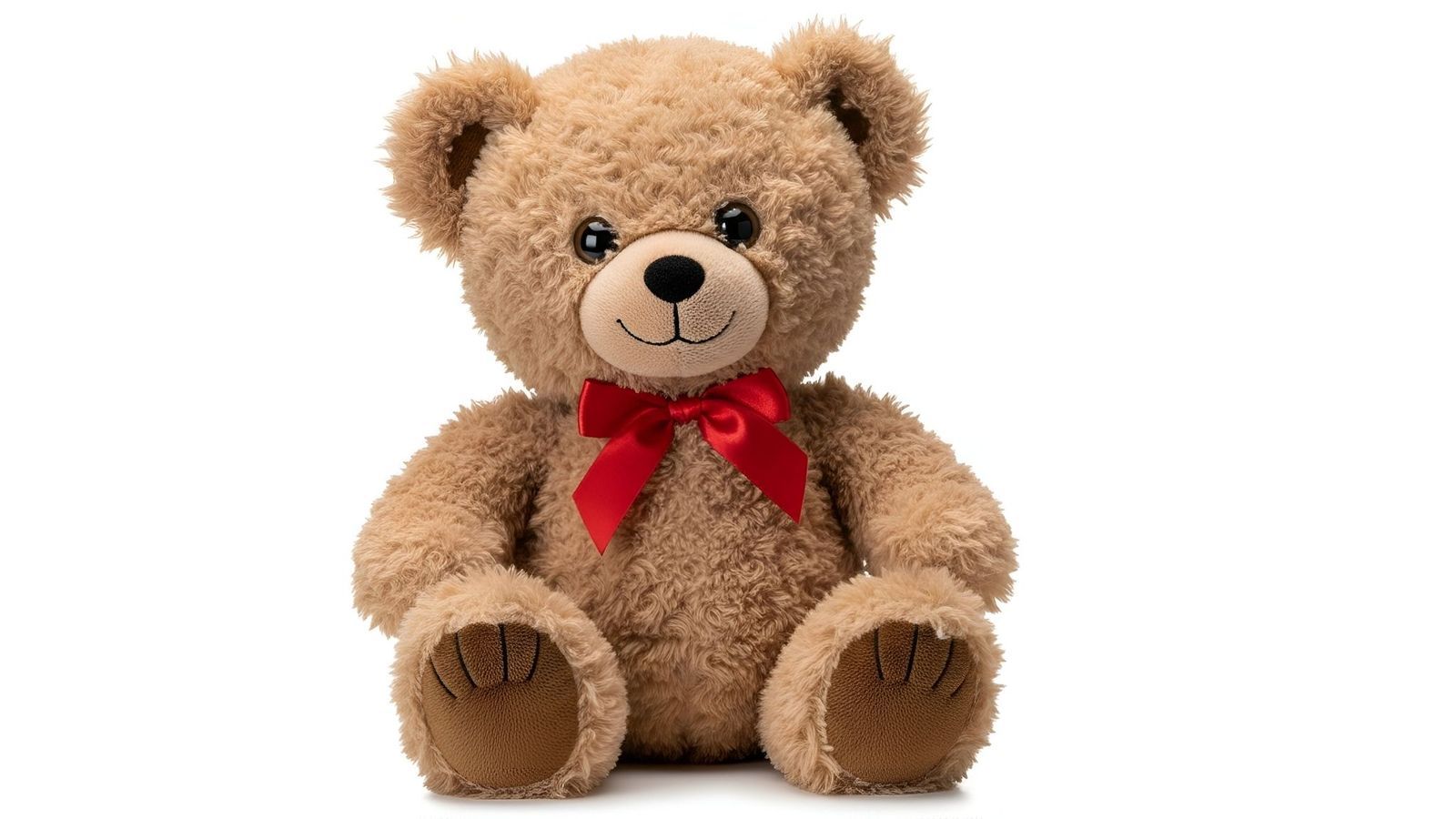
Image: Abstract Art Background

Did you know Teddy Bears were born in the United States? In 1902, a Russian-born businessman and inventor named Morris Michtom was inspired by a cartoon published in The Washington Post to create what would become the most beloved toy in America. The cartoon depicted President Theodore Roosevelt showing compassion for a bear on a hunting trip in Mississippi.

Morris Michtom made a small plush bear cub, sent it to Roosevelt, and asked for permission to use his nickname, Teddy. After the president’s blessing, Mitchom placed the doll in the window of his Brooklyn store with the caption "Teddy’s bear." The success was so great that he began mass- producing them, and within a few years, he founded the Ideal Novelty and Toy Company, which would become the largest doll-making firm in the United States.
History History 4 min read

The nation’s best friends

Punxsutawney Phil and other timeless animal celebrities

Image: Maja7777 / Olga Nayda

Who hasn’t heard of Balto the dog or the famous groundhog, Punxsutawney Phil? Some animals that lived in the U.S. truly ascended to celebrity status after their remarkable feats. Some were commemorated in monuments, paintings, or movies—but others live on only in our stories. Let’s talk about famous animals in American history !

1
Punxsutawney Phil

Image: Steve Wrzeszczynski

Every February 2nd, the eyes of the nation turn to a small town in western Pennsylvania. That’s where Punxsutawney Phil, a weather-predicting groundhog , is roused from his burrow on Gobbler’s Knob to look for his shadow.

According to tradition, if he sees it, we get six more weeks of winter; if not, spring is just around the corner. The quirky ritual began in 1887 and has since grown into a full-blown celebration.

2
Balto

Image: Meg von Haartman

In the winter of 1925, a deadly diphtheria outbreak threatened the remote town of Nome, Alaska. It was the sturdy Siberian Husky Balto who helped deliver the lifesaving antitoxin across snow and blizzard conditions to Nome.

Although dozens of dogs and mushers contributed to what became known as the Great Race of Mercy , Balto was hailed as a national hero. He even received his own statue in New York’s Central Park just a year later—a monument that still stands today, inscribed with the words: "Endurance, Fidelity, Intelligence."

3
Seaman (a.k.a. "Scannon")

Image: The New York Public Library

In 1803, explorer Meriwether Lewis purchased a Newfoundland dog for $20 and named him Seaman. The dog became a four-legged member of the famed Lewis and Clark Expedition .

He accompanied the Corps of Discovery as they crossed the North American continent, helping with hunting, standing guard, and even surviving a wound from a beaver attack.

The funny bit is that for a long time it was believed that William Clark’s journals referred to the dog as "Scannon," but it might have been a dizzy transcription of his handwriting.

4
Smoky the War Dog

Image: Simona Jašauskytė

Found in a foxhole in New Guinea during World War II, Smoky was a Yorkshire Terrier weighing just four pounds—but her size turned out to be her superpower .

She was trained by her rescuer, Corporal William Wynne, and famously ran communication wires through a narrow pipe beneath an airstrip in Luzon, Philippines.

After the war, Smoky became one of the first recorded therapy dogs, visiting wounded soldiers and performing tricks to lift their spirits. Today, she is honored with memorials in both the U.S. and Australia.

5
Sergeant Reckless

Image: Irina Nakonechnaya

During the Korean War, a small Mongolian mare purchased by U.S. Marines for $250 and nicknamed Reckless made multiple trips through enemy fire to deliver ammunition and evacuate wounded soldiers, sometimes entirely on her own.

For her bravery, she was promoted to Staff Sergeant , awarded two Purple Hearts, and allowed to eat scrambled eggs, Coca-Cola, and beer with the troops. Today, statues in Virginia and California honor her legacy.

6
Cher Ami

Image: William Chen

In the chaos of World War I, a pigeon named Cher Ami saved nearly 200 men from the "Lost Battalion" by flying a crucial message across enemy lines —despite being shot, blinded in one eye, and wounded in her leg during the flight.

Her message arrived, artillery fire was redirected, and the soldiers were rescued. For her bravery, Cher Ami was awarded the French Croix de Guerre and was later taxidermied after her death. You can still visit her at the Smithsonian National Museum of American History.

7
Old Bob

Image: Philippe Oursel

Abraham Lincoln’s beloved driving horse , Old Bob, was a familiar sight in Springfield, Illinois, often seen trotting through town pulling the future president’s buggy.

But his most memorable appearance came in 1865, when he walked riderless and draped in a mourning blanket during Lincoln’s funeral procession. The image of the grieving horse moved the nation and was widely reproduced in illustrations and prints.

8
Pauline Wayne

Image: Susan van Bragt

Pauline Wayne, a Holstein cow, was the last cow to reside at the White House. Gifted to President William Howard Taft by a Wisconsin senator, Pauline grazed on the White House lawn and provided fresh milk for the First Family.

She even survived a brief brush with danger when she was mistakenly sent to a slaughterhouse during a train trip—but was rescued just in time.

9
Macaroni

Image: Sergej Karpow

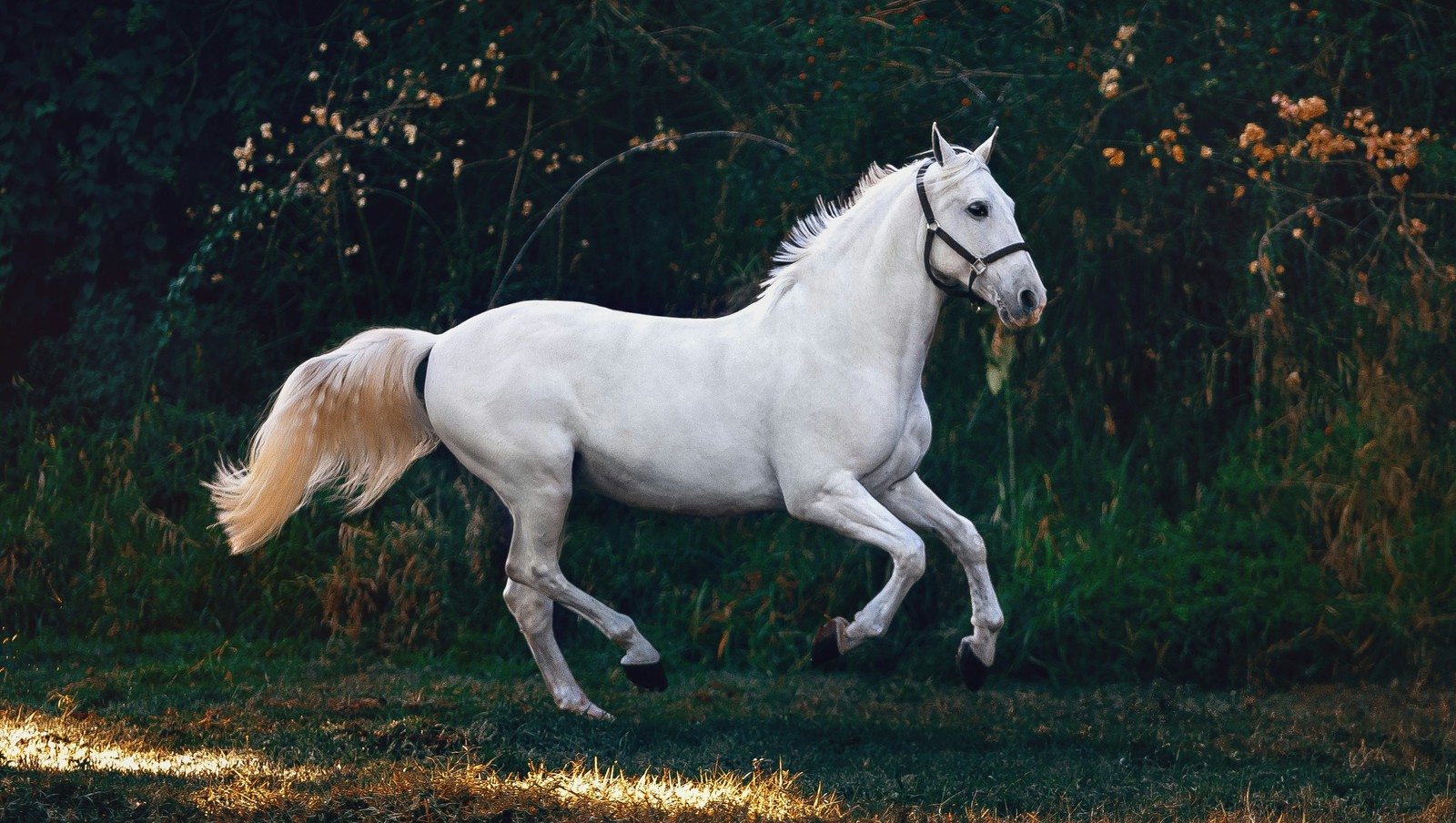
When Lyndon B. Johnson gifted a pony to young Caroline Kennedy in the early 1960s, he probably didn’t expect Macaroni to become a national sensation—but that’s exactly what happened.

The little white Shetland pony often grazed on the White House lawn, delighting photographers and stealing the spotlight during Camelot-era press coverage. Macaroni received fan mail, appeared in Life magazine, and even inspired a song by folk legend Pete Seeger.

10
Old Abe

Image: Arnaud Padallé

Old Abe was a bald eagle who became the mascot of the 8th Wisconsin Volunteer Infantry Regiment during the Civil War. Perched on a shield-topped staff, he accompanied troops into battle, reportedly screaming whenever gunfire broke out.

He survived multiple campaigns and quickly gained legendary status, later appearing on military insignia and even on U.S. war bond posters in both World Wars.

11
Fala

Image: D_Theodora

Franklin D. Roosevelt’s Scottish Terrier, Fala, traveled with him on countless trips, had a press secretary, and even appeared in cartoons and newsreels.

One of the most famous White House pets in history , Fala was awarded a unique honor: he is the only presidential pet with a statue near his owner’s memorial in Washington, D.C.

12
Checkers

Image: SlimMars 13

In 1952, then–vice presidential candidate Richard Nixon gave a nationally broadcast speech defending himself against accusations of financial impropriety. His emotional turning point was declaring that he would keep one gift no matter what: a black-and-white cocker spaniel named Checkers, beloved by his daughters.

Some believe the heartfelt mention of the pet was inspired by the earlier success of Fala. The speech struck such a chord that it is still known today as "the Checkers speech."

History History 6 min read

Where did the cowboy really come from? 10 icons with surprising histories

Image: RDNE Stock project

When we think of classic American culture, certain images come to mind: a lone cowboy riding into a desert sunset, the neon glow of a fast-food hamburger sign, or fireworks lighting up the sky on the Fourth of July. These symbols are deeply woven into the fabric of the American identity; however, many of the items, songs, and traditions we consider quintessentially American were actually borrowed, adapted, or completely invented by other cultures long before they crossed the Atlantic. Here is the surprising history behind ten "All-American" staples that actually have deep roots abroad.

1
Cowboys

Image: W. Herbert Dunton, Public domain, via Wikimedia Commons

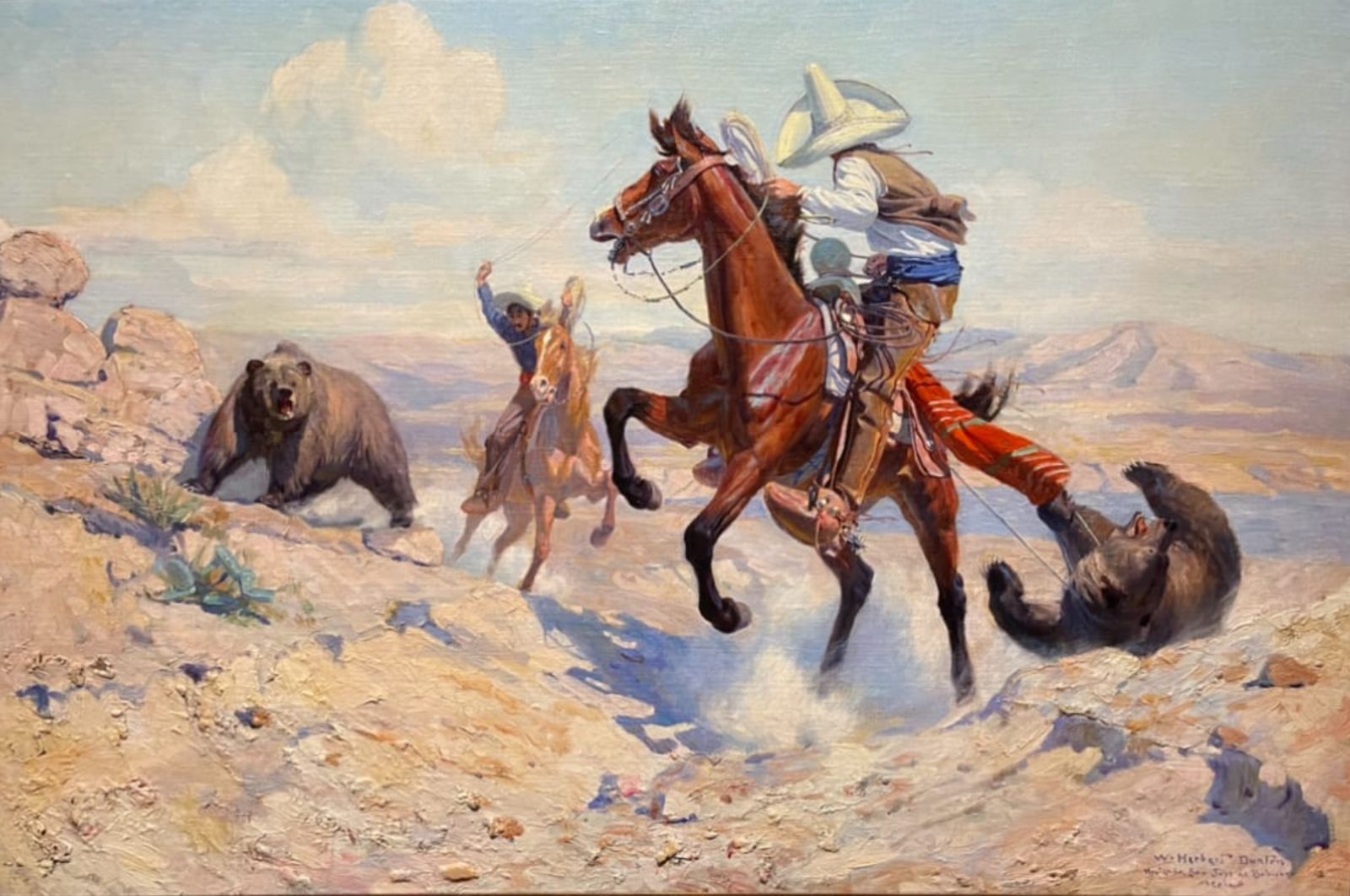
The image of the rugged cowboy is arguably the ultimate symbol of the American West, popularized by folklore and Hollywood westerns. Yet, the entire lifestyle and wardrobe of the classic cowboy were inherited from Mexican cattle herders, known as vaqueros.

When Anglo-American settlers moved into Texas and California in the 19th century, they encountered Spanish and Mexican ranching methods that had existed for generations. The settlers adopted these traditions immediately. The iconic cowboy hat evolved from the wide-brimmed sombrero; "chaps" came directly from the protective chaparreras; and the lasso was an adaptation of the reata. Even the language of the West reveals its origin: terms like rodeo, lariat, mustang, and buckaroo (a phonetic corruption of vaquero) are all borrowed from Spanish.

2
Skyscrapers

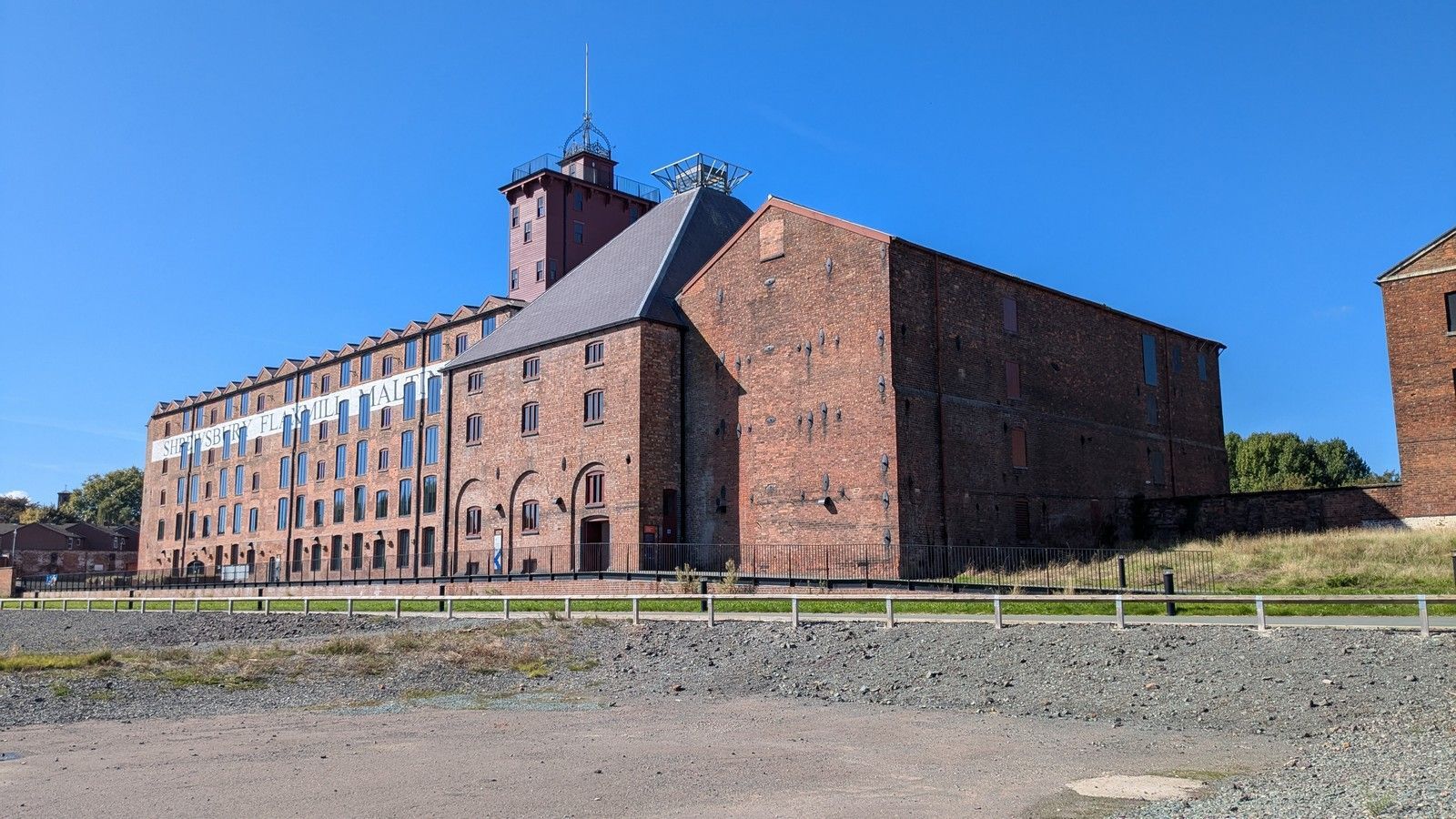
The towering skyscrapers of New York and Chicago defined 20th-century urban modernity and American architectural dominance. While American engineers perfected the high-rise and invented the safety elevator, the structural engineering that made skyscrapers possible belongs to Great Britain.

Before a building can safely scale dozens of stories, it requires an internal skeleton to support its weight. The world’s first iron-framed building was actually the Ditherington Flax Mill in Shropshire, England, constructed in 1797. British engineers pioneered the use of internal cast iron columns and beams to make textile mills fireproof. This exact framework was later adapted and upgraded to steel by American architects to create the modern skyline.

3
Hamburgers

Image: Valeria Boltneva

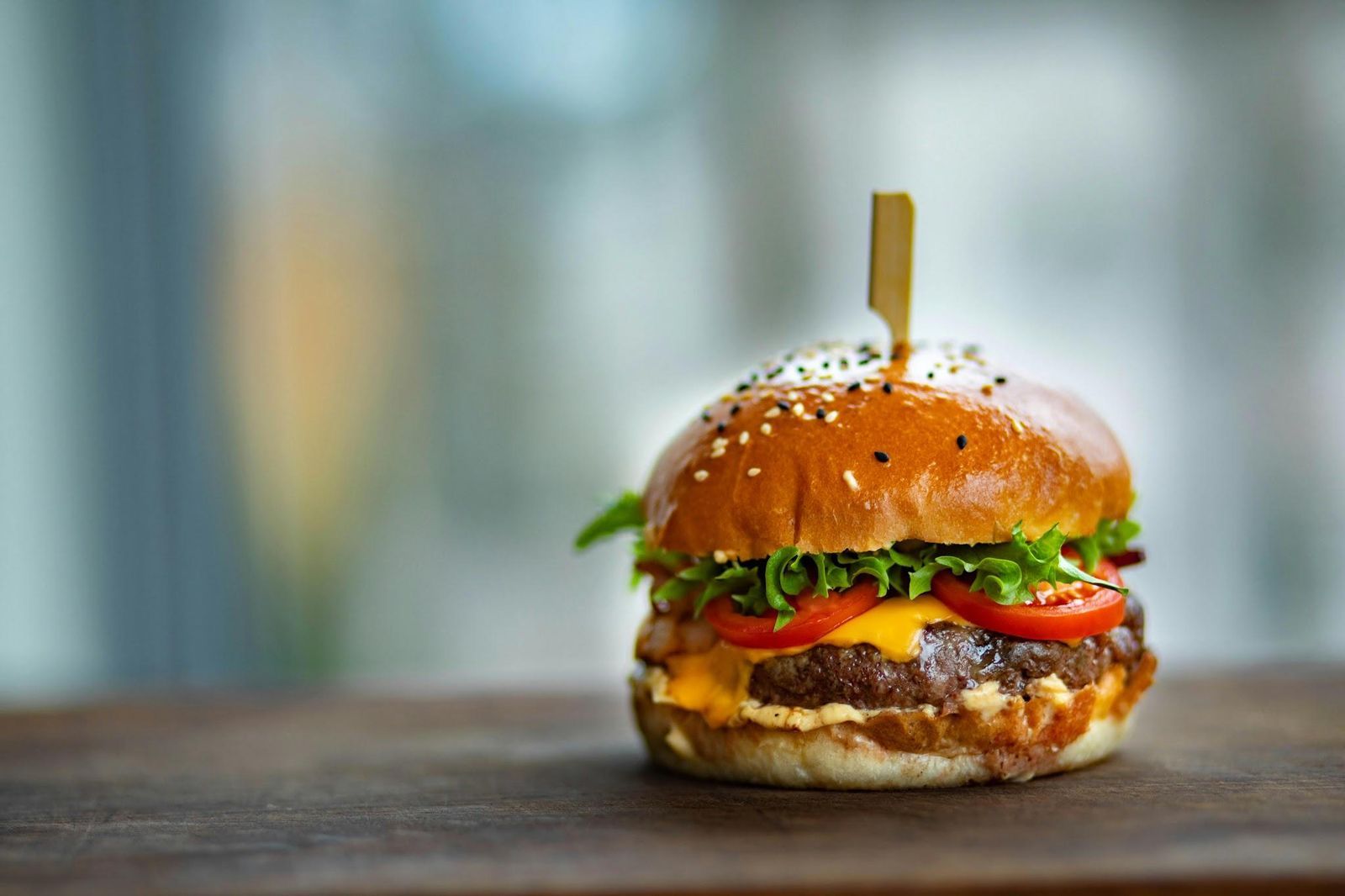
Nothing says America like a juicy hamburger. While the fast food industry turned the burger into a multi-billion-dollar business, the dish is firmly rooted in European maritime history.

The clue is right there in the name: the hamburger originates from the port city of Hamburg, Germany. In the 19th century, Hamburg was a major transatlantic departure point. German immigrants travelling to the United States brought along a popular regional delicacy called the "Hamburg steak", a seasoned, minced beef patty that was grilled or fried. Once in America, creative food vendors realized that placing this German steak between two slices of bread made it the perfect portable meal for busy industrial workers.

4
The rocket takeoff countdown

Image: NASA

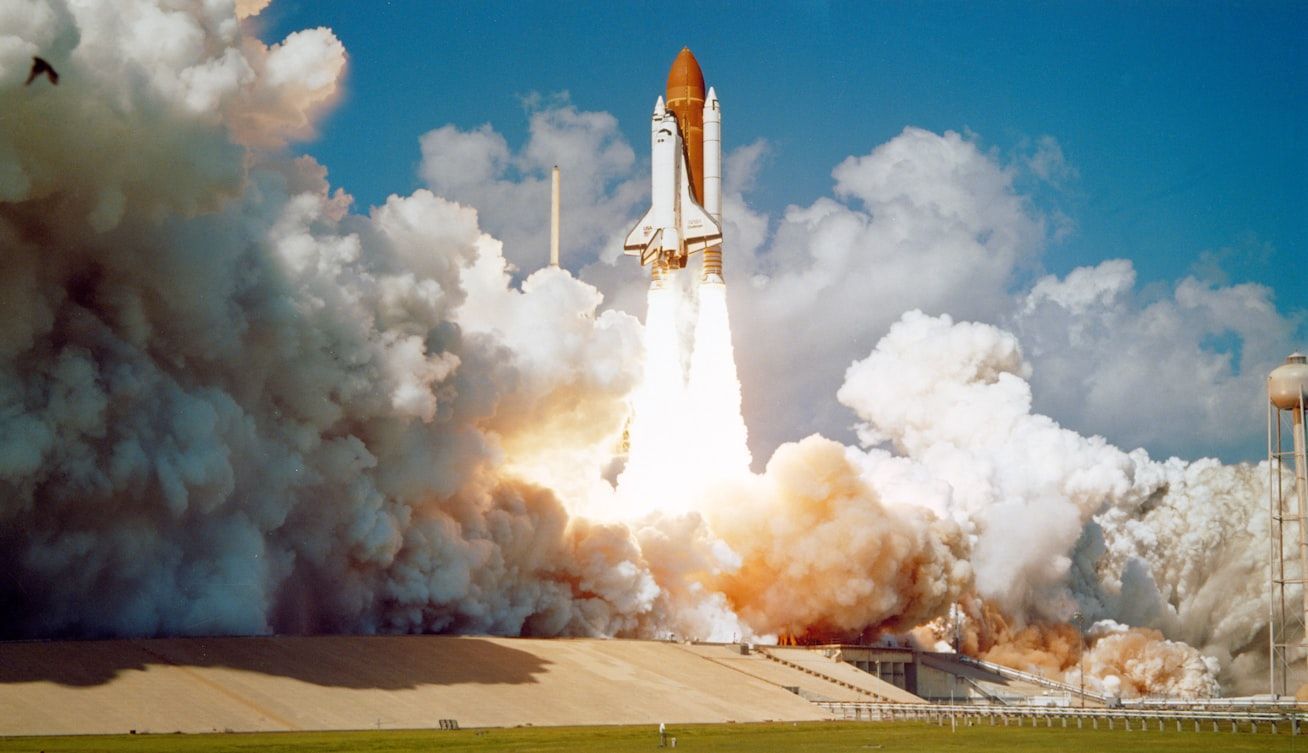
The dramatic "T-minus ten seconds and counting" ritual heard during NASA launches feels like a product of pure Cold War American aerospace engineering. However, counting backward to build suspense wasn’t invented by scientists, but by a German filmmaker.

Director Fritz Lang introduced the concept of the countdown in his 1929 silent science fiction masterpiece, Woman in the Moon . During the film’s rocket launch scene, Lang realized that counting forward felt anticlimactic. To maximize dramatic tension, he decided to count down to zero instead. Years later, when German rocket scientists immigrated to the U.S. to help build the American space program, they brought this technique into real-life mission control rooms.

5
The song "My Way"

Image: Brett Sayles

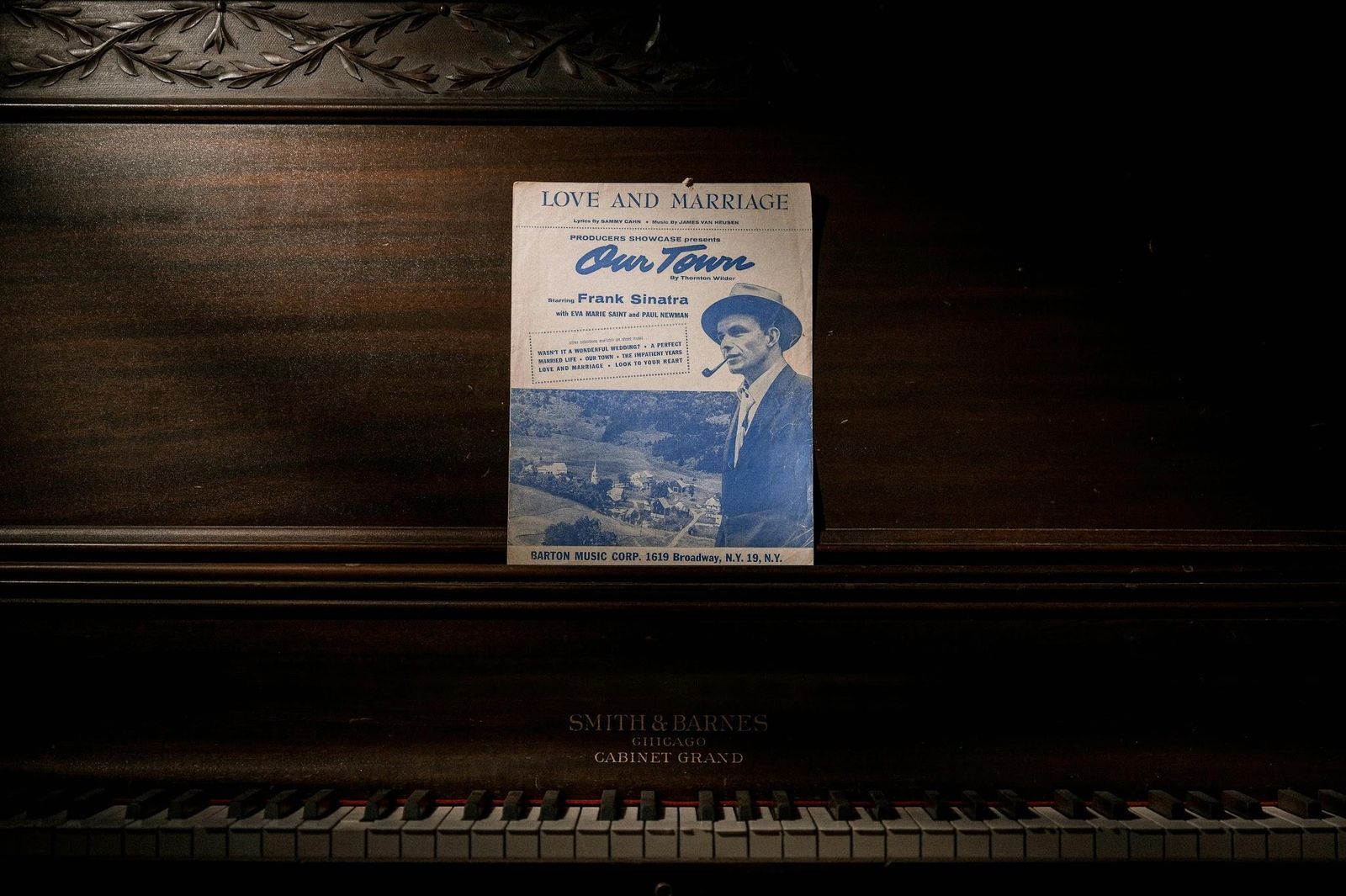
Frank Sinatra’s legendary 1969 hit "My Way" is considered the ultimate anthem of the self-made American man. But before Ol’ Blue Eyes put his spin on it, the melody belonged to a melancholy French pop song.

The original tune, titled "Comme d'habitude" ("As Usual"), was composed by Jacques Revaux and Gilles Thibaut, and released by French pop star Claude François in 1967. The original French lyrics tell a depressing story about the mundane, daily routine of a married couple whose love has completely died out. Singer-songwriter Paul Anka heard the track while vacationing in the South of France, bought the rights, and wrote entirely new lyrics tailored specifically to Sinatra’s persona.

6
American cheese

Image: Steve Spring (Attribution or Attribution), via Wikimedia Commons

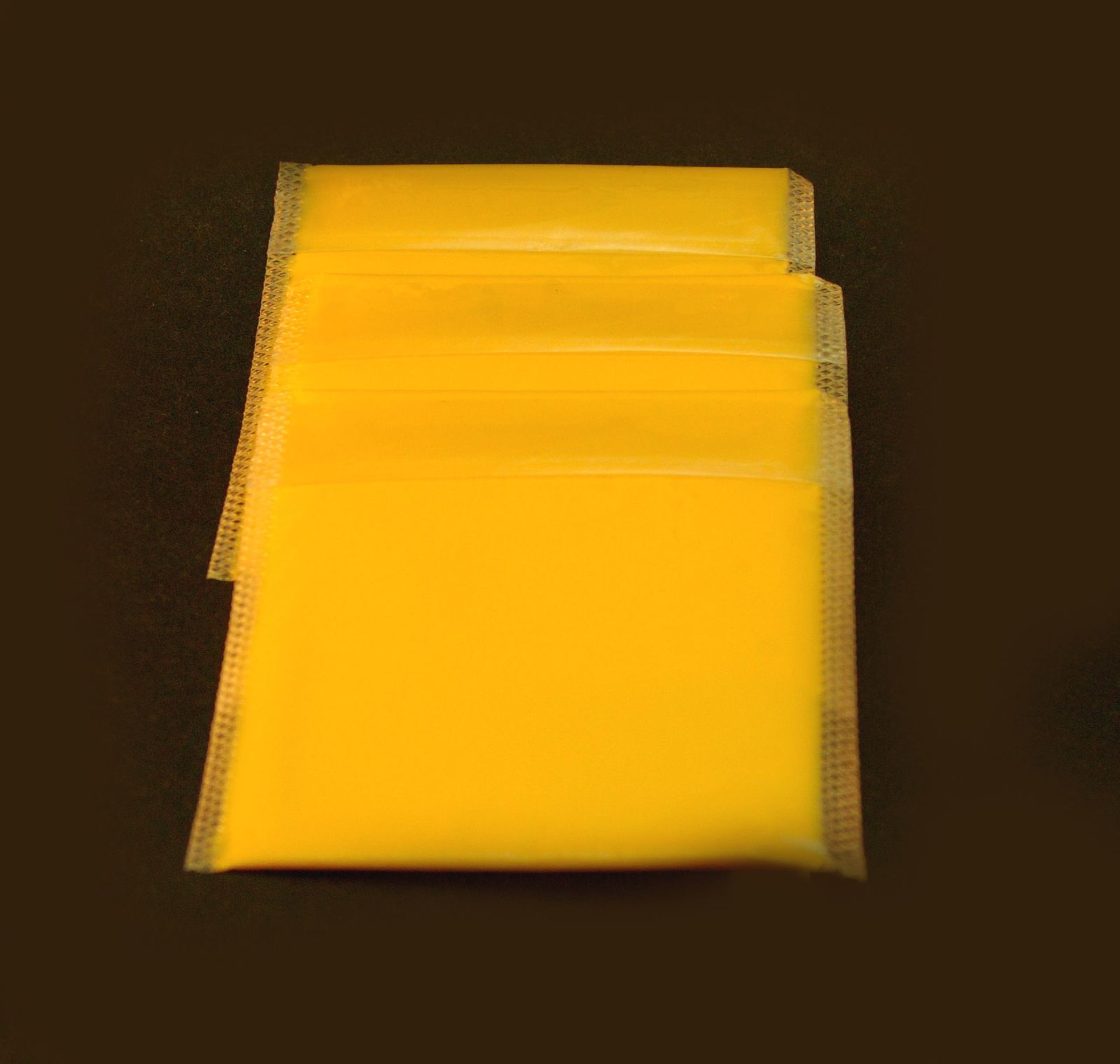
Although it is a staple of grilled sandwiches and burgers, the technology to create meltable processed American cheese was actually pioneered in the Alpine valleys of Switzerland.

In 1922, Swiss food scientists were looking for a way to stop regional cheeses like Emmentaler from spoiling during long export journeys to warm climates. They discovered that by shredding the cheese, heating it up, and adding sodium citrate, the dairy fats would emulsify. This prevented the cheese from separating into an oily mess when melted and allowed it to cool back down into a uniform, stable block. A few years later, American businessman James L. Kraft patented a similar process using cheddar cheese.

7
The Star Spangled Banner

Image: Thomas Carr (arranger), Public domain, via Wikimedia Commons

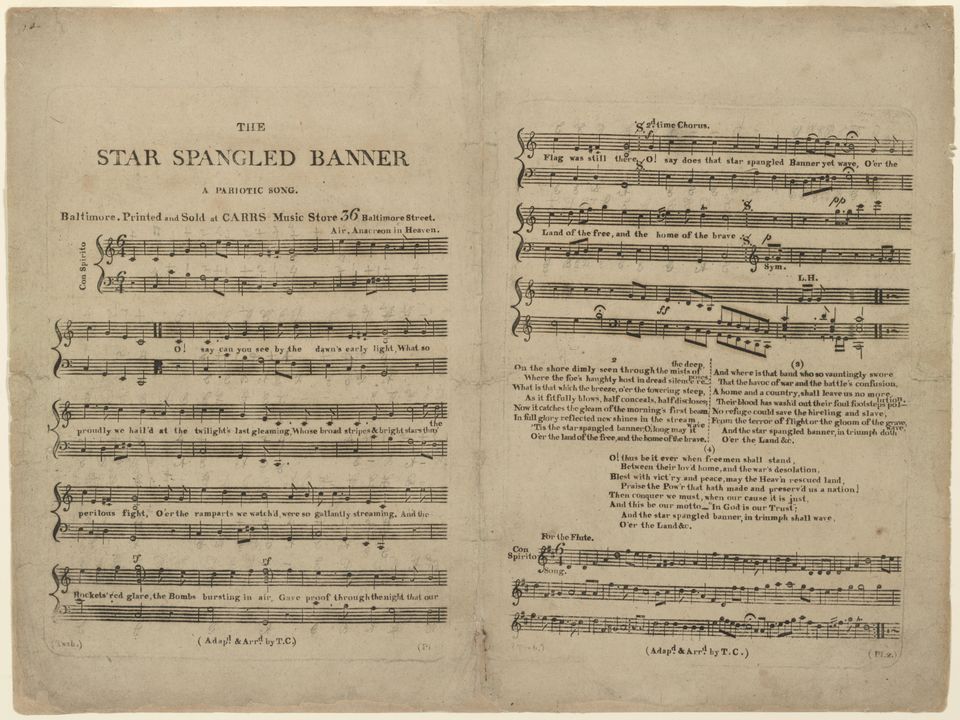
The United States National Anthem tells the story of the 1814 bombardment of Fort McHenry. While Francis Scott Key penned the patriotic lyrics, the music belongs to a popular British club song.

Key wrote his poem to fit the exact cadence of a melody titled "To Anacreon in Heaven". Composed by John Stafford Smith around 1780, this tune served as the official anthem for an exclusive gentlemen’s amateur music club in London.

8
Cars

Image: DaimlerChrysler AG, CC BY-SA 3.0, via Wikimedia Commons

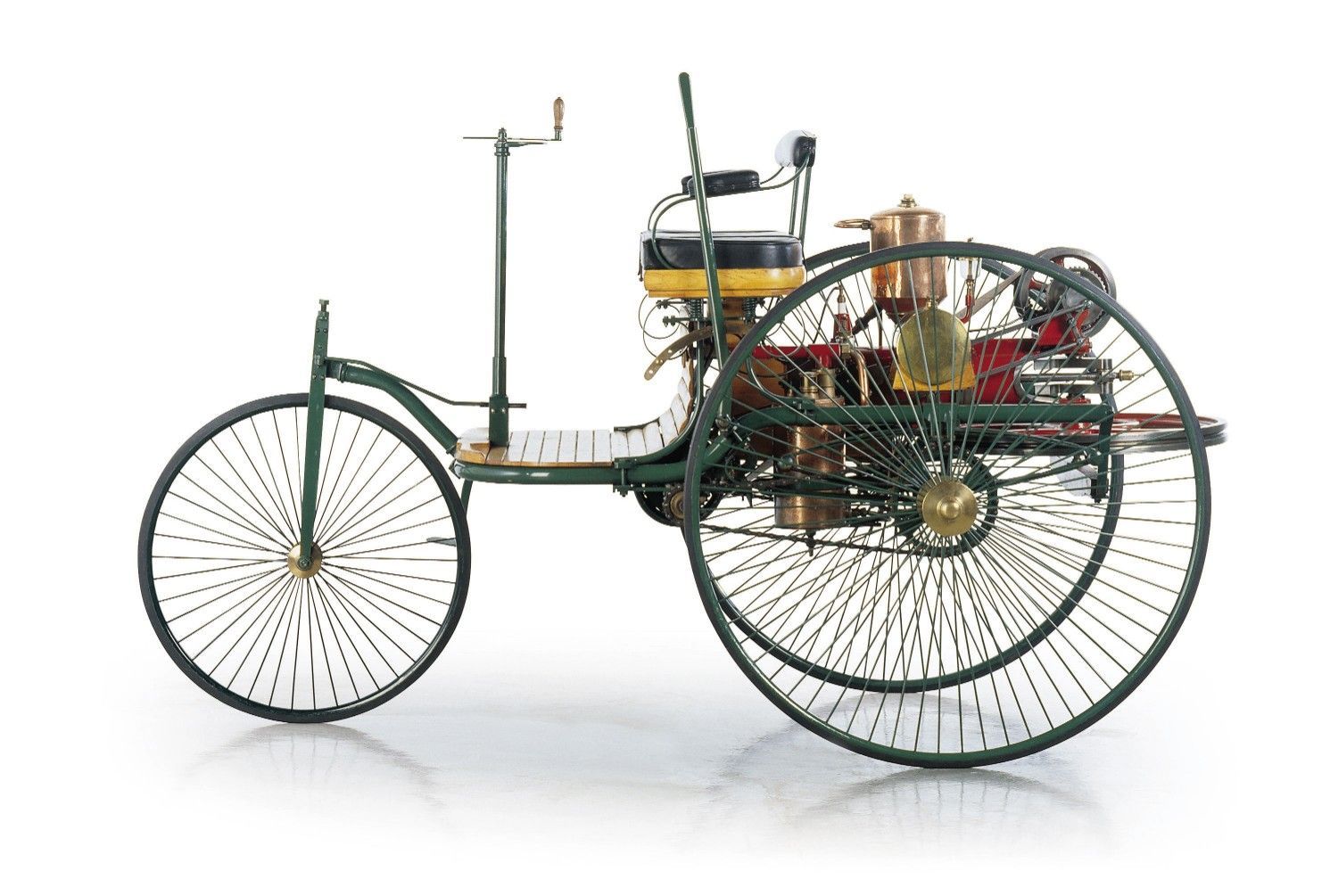
Car culture is deeply embedded in American life. Yet, the invention of the automobile belongs across the Atlantic, to one of the fathers of Mercedes-Benz.

German engineer Karl Benz patented the Benz Patent-Motorwagen in 1886, widely recognized as the world's first modern gasoline-powered automobile. At the same time, French innovators like Panhard and Levassor pioneered the modern automotive layout, including placing the engine in the front and using a rear-wheel-drive system. Henry Ford undeniably revolutionized the world by using the assembly line to make cars affordable for the masses, but the machine itself was a European invention.

9
Peanut butter

Image: ROMAN ODINTSOV

Peanut butter is an irreplaceable childhood comfort food in the United States, present in millions of lunchboxes every day. While American innovators like Dr. John Harvey Kellogg and George Washington Carver popularized and refined it, they didn't invent it.

The practice of roasting peanuts and mashing them into a smooth paste dates back thousands of years to the ancient Aztec and Inca civilizations, who used it for nutritional and medicinal purposes. Furthermore, the first modern patent for peanut paste wasn't American at all; it was granted to a Canadian chemist named Marcellus Gilmore Edson in 1884.

10
Fireworks

Image: Holger Wulschlaeger

No American Independence Day celebration is complete without a massive fireworks display. However, this tradition predates the founding of the United States by more than a millennium.

Fireworks were invented in ancient China, tracing back as far as the Han Dynasty around the 2nd century BCE. The technology eventually traveled west via the Silk Road, long before making its way to the New World.

Explore more American facts

Choose your favorite category!

General
General

As American as apple pie—the very best America has to offer!

Culture
Culture

Delve into the astounding richness of American lore.

Geography
Geography

Hop in and explore vast and diverse American landscapes.

History
History

Discover the key moments that shaped the United States.