History History 3 min read

Remembering the fallen

Did you know Memorial Day was first called Decoration Day?

Memorial Day is an occasion to honor and mourn those who gave their lives in defense of the United States . This federal holiday, observed on the last Monday of May, has a long and evolving history, and it wasn’t always celebrated the way we know it today. Here are 10 facts about how Memorial Day came to be.

Decoration Day

Image: Caroline Attwood

Memorial Day was originally called Decoration Day and was first observed on May 30, 1868, as a way to honor Union soldiers who had died in the Civil War. However, the idea behind it actually came from the South. Mary Ann Williams , whose husband died during the conflict, wrote a letter to a newspaper urging women to set aside a day to decorate the graves of fallen soldiers.

The end of May

Decoration Day was instituted by the Army’s commander-in-chief, General John A. Logan , and was quickly adopted by most states. There are several theories about why the date was chosen: some say Logan purposely picked a day that was not the anniversary of any Civil War battle, while others believe he chose it because it’s the time of year when most flowers bloom.

National Cemeteries

During the American Civil War, the U.S. Congress passed an act to create military burial places for Union soldiers. By the end of that year, 12 national cemeteries had been established. Today, the National Cemetery System maintains 164 military burial sites, the most well-known being Arlington National Cemetery and Gettysburg National Cemetery .

Renaming

The term Memorial Day was first recorded in the 1880s and grew increasingly popular after World War II. However, the holiday wasn’t officially renamed until 1968, when the Uniform Monday Holiday Act moved its observance from May 30 to the last Monday in May.

A moment for remembrance

The establishment of Memorial Day weekend has been seen by some as a benefit to the travel, sports, and entertainment industries. Veterans’ organizations have urged that the holiday be returned to its original date, arguing that the three-day weekend undermines its intended meaning. In response, Congress passed the National Moment of Remembrance Act , which encourages people to pause at 3:00 p.m. for a moment of silent reflection and remembrance.

Poppies

Several English-speaking countries adopted the poppy flower as a symbol of remembrance for fallen soldiers after World War I. This tradition was inspired by the poem In Flanders Fields , written by Canadian military doctor John McCrae , which describes poppies growing among soldiers’ graves. In the United States, the poppy was originally associated with Veterans Day but is now primarily worn during Memorial Day weekend.

The flag

The national flag flies at half-staff during periods of mourning. While special instances of mourning can be proclaimed by government authorities, remembrance holidays follow a set protocol. On Memorial Day, the U.S. flag is briskly raised to the top of the staff, then solemnly lowered to half-staff, where it remains until noon. At that time, it is raised again to full staff to honor the nation’s living heroes and those still serving.

The Unknown Soldier

One of the focal points of Memorial Day is the Tomb of the Unknown Soldier at Arlington National Cemetery . This symbolic monument was established in 1921 and originally held the remains of an unidentified soldier who died in World War I. Later, unidentified soldiers from World War II and the Korean War were also interred at the site. A permanent military guard stands watch year-round, honoring the sacrifice of all unidentified service members.

Memorial Wreaths

Wreaths are a common sight on Memorial Day—but where does the tradition come from? In 1992, Morrill Worcester, owner of a wreath company in Maine, found himself with a surplus of holiday wreaths. Wanting to put them to good use, he donated them to Arlington National Cemetery as a tribute to the fallen—a gesture that soon became an annual tradition. After a photo of the wreath-covered graves went viral in 2005, the nonprofit organization Wreaths Across America was established to help volunteers place wreaths on veterans’ graves across the country.

The start of the summer

Even though it is a day of remembrance, Memorial Day weekend also marks the unofficial start of summer . The holiday often coincides with the end of the school year, and the warmer weather encourages families to gather for barbecues and cookouts, attend parades, and visit the graves and memorials of fallen soldiers.

Culture Culture 5 min read

ICONS FROM THE SMALL SCREEN

Do You Remember These 10 American Television Legends?

Image: Dave Weatherall

Television has been a faithful companion of the American public since the very first station started broadcasting in the 1920s. Generations of American families have gathered around their TV sets in order to enjoy a couple of hours of priceless bonding and entertainment.

Over the years, television has produced its fair share of beloved hosts who have filled our downtime with laughter, information, and all-around enjoyment. We have selected ten of the most iconic personalities that have shaped American culture throughout the history of television. Enjoy!

1
Carl Sagan

Image: Greg Rakozy

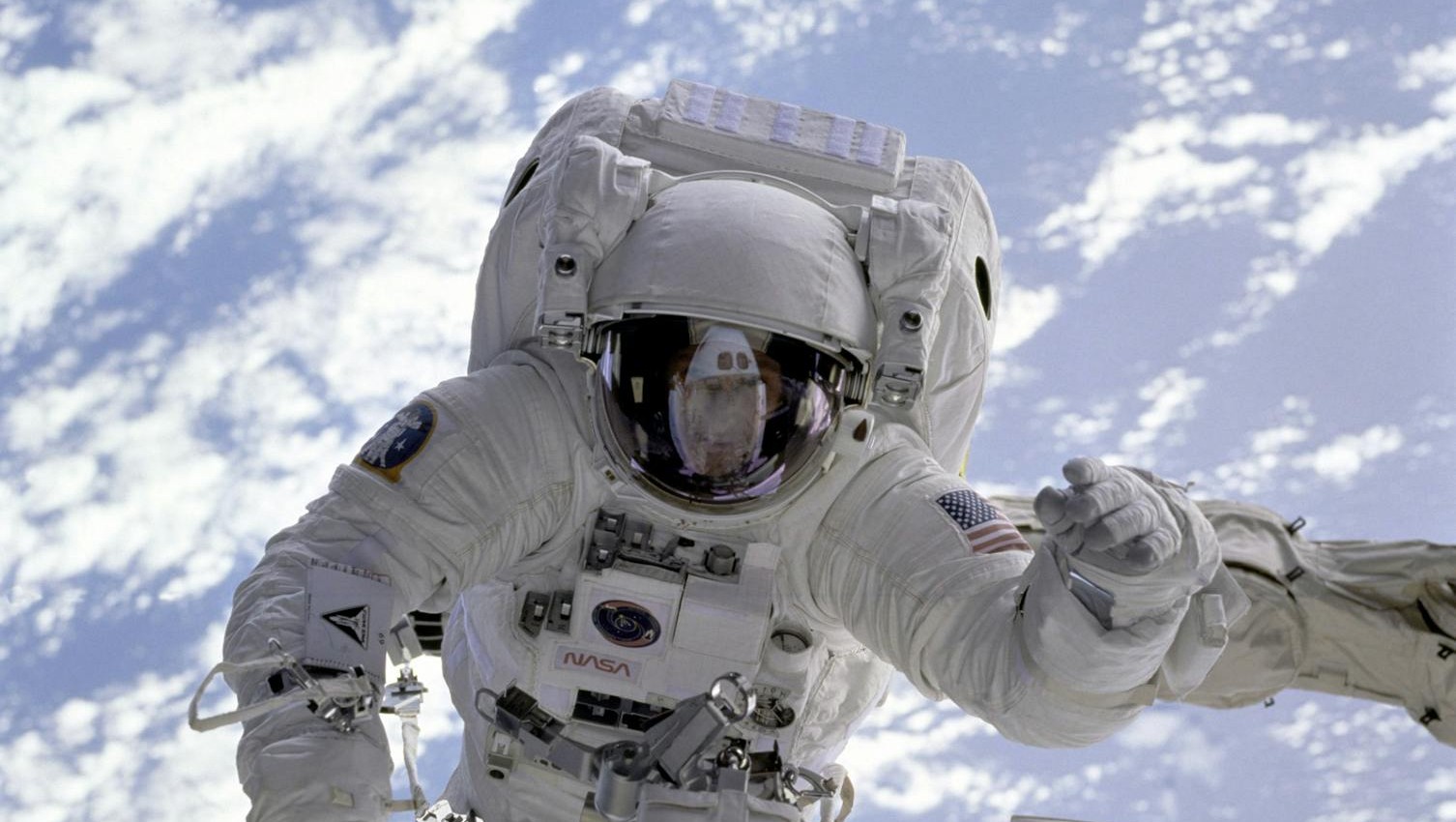
Astronomer Carl Sagan showed the wonders of outer space to an entire generation of Americans. Besides his groundbreaking innovations in his field of study, Sagan co-wrote and presented the TV series "Cosmos: A Personal Voyage", on which he tackled heavy questions like the origin of life and humankind’s place in the universe.

What’s most interesting about "Cosmos" is how this short series left such an unforgettable impact , considering the show lasted 13 episodes between 1980 and 1981. A big part of this show’s legacy is thanks to Sagan’s passion: His dedication to outer space made us truly believe we were made of "star stuff".

2
Julia Child

Image: Светлана Хуснутдинова

Even if we didn’t focus on her extraordinary cooking skills , the life of Julia Child would still be a fascinating subject: She served her country during WW2 as a spy and a researcher and helped develop an extremely effective shark-repellant that would have made 60’s Batman proud. Regardless, arguably her most iconic contribution to the world was the many hours of entertainment she recorded, in her effort to teach America the joys of cooking.

Julia Child’s iconic cooking show "The French Chef" debuted in 1962, and ran for ten years throughout the entire nation. Not only that, this show was the very first to win an Emmy award for an educational program.

3
Bill Nye

Image: Hal Gatewood

The title of "Science Guy" might not seem the most glamorous but trust us: Bill Nye is directly responsible for thousands of scientists. You won’t have to look hard to find a scientist who was inspired to pursue a career in science after countless hours watching Bill Nye’s show on PBS as a kid.

Bill Nye's work history isn’t exactly orthodox: After a successful career as a mechanical engineer for Boeing, Nye left this path to pursue comedy. However odd this combination might seem, it made Nye the perfect host for this science show for kids. His on-screen character was a wacky and hyper-kinetic scientist who managed to both entertain and educate an entire generation of American children.

4
Mr. Rogers

Image: Darren Bockman

Franklin D. Roosevelt once said "The whole world is one neighborhood", and we believe that many Americans who grew up watching Fred Rogers will agree: After all, his warm voice and kind demeanor welcomed us to "Mr. Rogers’ Neighborhood" every single day.

This show was groundbreaking in so many ways: Through each thirty-minute episode, Mr. Rogers could educate his audience on various subjects, or spark their imagination over regular trips to the "Neighborhood of Make Believe" . "Mr Rogers’ Neighborhood" held the title of longest-running children's show for almost 40 years, and helped start the careers of such iconic actors as Keith David and Michael Keaton.

5
Walter Cronkite

Image: ThisisEngineering

Any journalist would be proud to be known as "the most trusted man in America" . However, it is a title befitting to only a select few, determined by their integrity, work ethic, and professionalism. Walter Cronkite is no exception to this rule: His 20-year tenure as anchorman for the CBS Evening News earned him a place in journalism history.

Known for his iconic signing-off catchphrase "and that’s the way it is", Cronkite's career earned him a myriad of accolades and recognitions , including the Presidential Medal of Freedom in 1981.

6
Alfred Hitchcock

Image: James Lee

Alfred Hitchcock might be most remembered for his groundbreaking contributions to the world of cinema. To this day he is considered one of the most influential directors in the history of this medium. However, there’s a reason he made it to this list: For almost ten years, Hitchcock hosted his iconic anthology series "Alfred Hitchcock Presents".

The series consisted of single episodes that featured guest actors and directors, including legends like Clint Eastwood, Vincent Price, and Robert Redford. Time magazine included this show in their "100 Best TV Shows of All Time" list.

7
Johnny Carson

Image: Tiziano Brignoli

You know the drill: We say "Johnny Carson was so incredibly funny" and you reply "How funny was he?" To be honest, we didn’t really think about a punchline here, other than the fact that Carson was so funny he remained as the undisputed host of "The Tonight Show" for thirty years.

Filmed in the iconic 30 Rockefeller Plaza building, Carson and his sidekick and announcer Ed McMahon brought uncontrollable laughter to the millions of Americans tuning on to his show on NBC. He is considered by many to be the father of the late-night talk show and inspired many late-night entertainers like Conan O'Brien or Stephen Colbert.

8
Bob Ross

Image: Yannis Papanastasopoulos

Bob Ross taught millions of Americans how to find happiness in a new and extremely demanding hobby. You probably remember his soothing voice and calm manners while hosting his iconic TV show "The Joy of Painting" : He would usually encourage viewers to embrace mistakes while painting, calling them "happy little accidents".

What you might not know is that Bob Ross’ previous job didn’t involve this gentle motivation. Quite the contrary, actually: Ross served for approximately 20 years in the United States Air Force, on which he rose up to the rank of first sergeant . However, once he retired, Ross sought a professional career that didn’t involve yelling orders around terrified trainees.

9
Roy Rogers

Image: JosephHershMedia

Roy Rogers wasn’t known as "The King of Cowboys" for nothing: He was an amazing rodeo performer and one of the most popular Western actors of all time. He is still fondly remembered for his iconic appearances on "The Roy Rogers Show", a Western television series that cemented Rogers as one of the most recognizable actors of the 50s.

Accompanied by his trusted animal sidekicks, Trigger the Horse and Bullet the Dog, Rogers delighted American children with his Western exploits. His character would often face con-men and bank robbers, before departing with his iconic ending theme song, "Happy Trails".

10
Oprah Winfrey

Image: Ioann-Mark Kuznietsov

We’ll end this article with a television giant. There’s a reason why Oprah Winfrey is known as "The Queen of All Media" : She’s an Academy Award-nominated actress, best-selling author, and CEO of a multimedia production company. However, she’s best recognized as the undisputed queen of daytime talk shows, having hosted the iconic Oprah Winfrey Show for 25 years.

Since the end of her series in 2011, Oprah’s mark in American television and pop culture has proved to be completely indelible. Among her many accolades, she was awarded the Presidential Medal of Freedom in 2013.

History History 5 min read

Blast from the past

10 things from the '70s and '80s kids no longer do today

Image: DS Stories

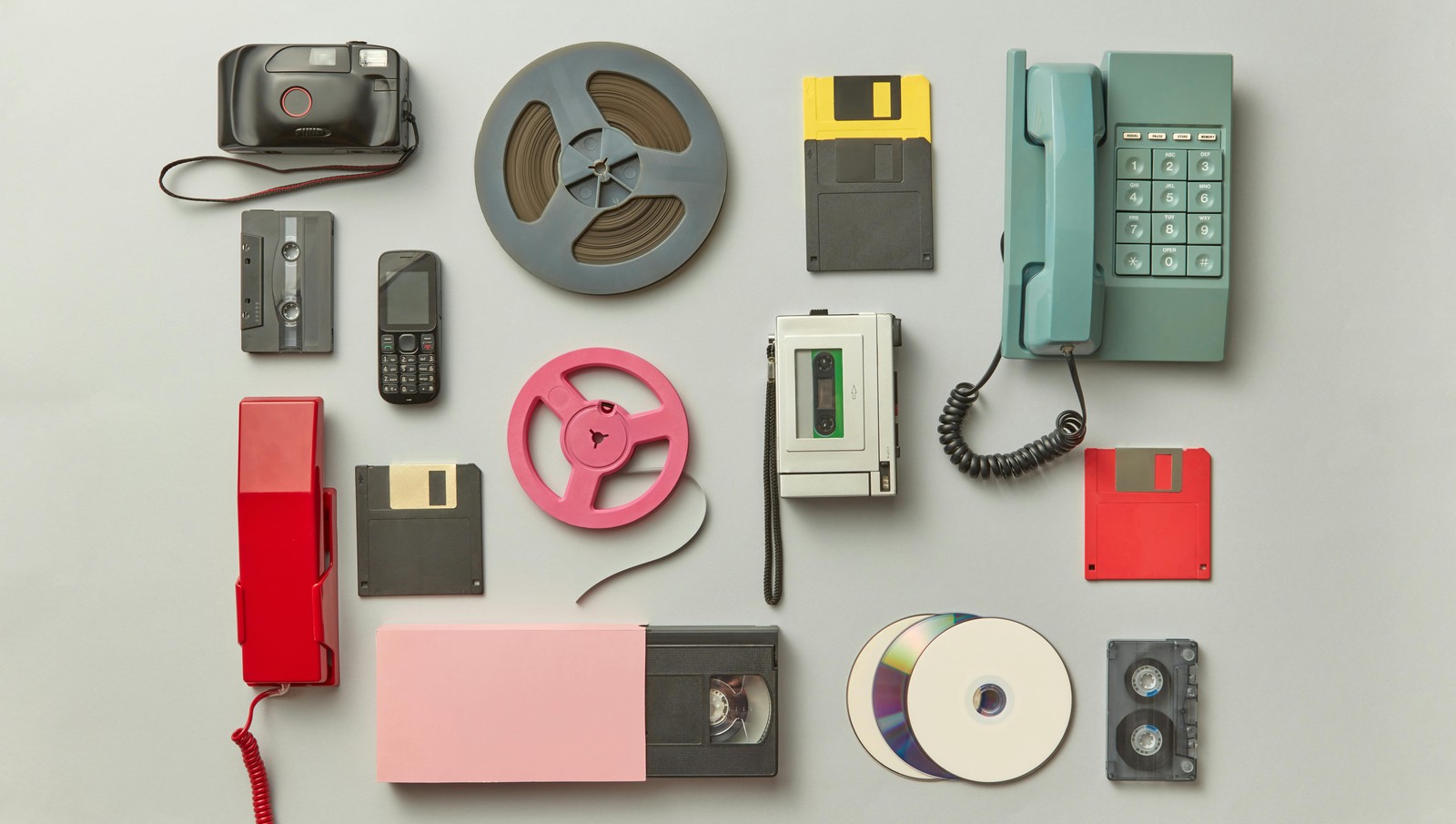
The 1970s and 1980s were a golden era of innovation, quirky habits, and simple pleasures. However, as technology and society have evolved, many of those activities and experiences have gradually disappeared from our daily lives. While some customs are still practiced today, there are plenty of other things we used to do that we can no longer enjoy. Take a stroll down memory lane and discover 10 things that younger generations may never get to experience.

1
Calling on the go

Image: Peter Conrad

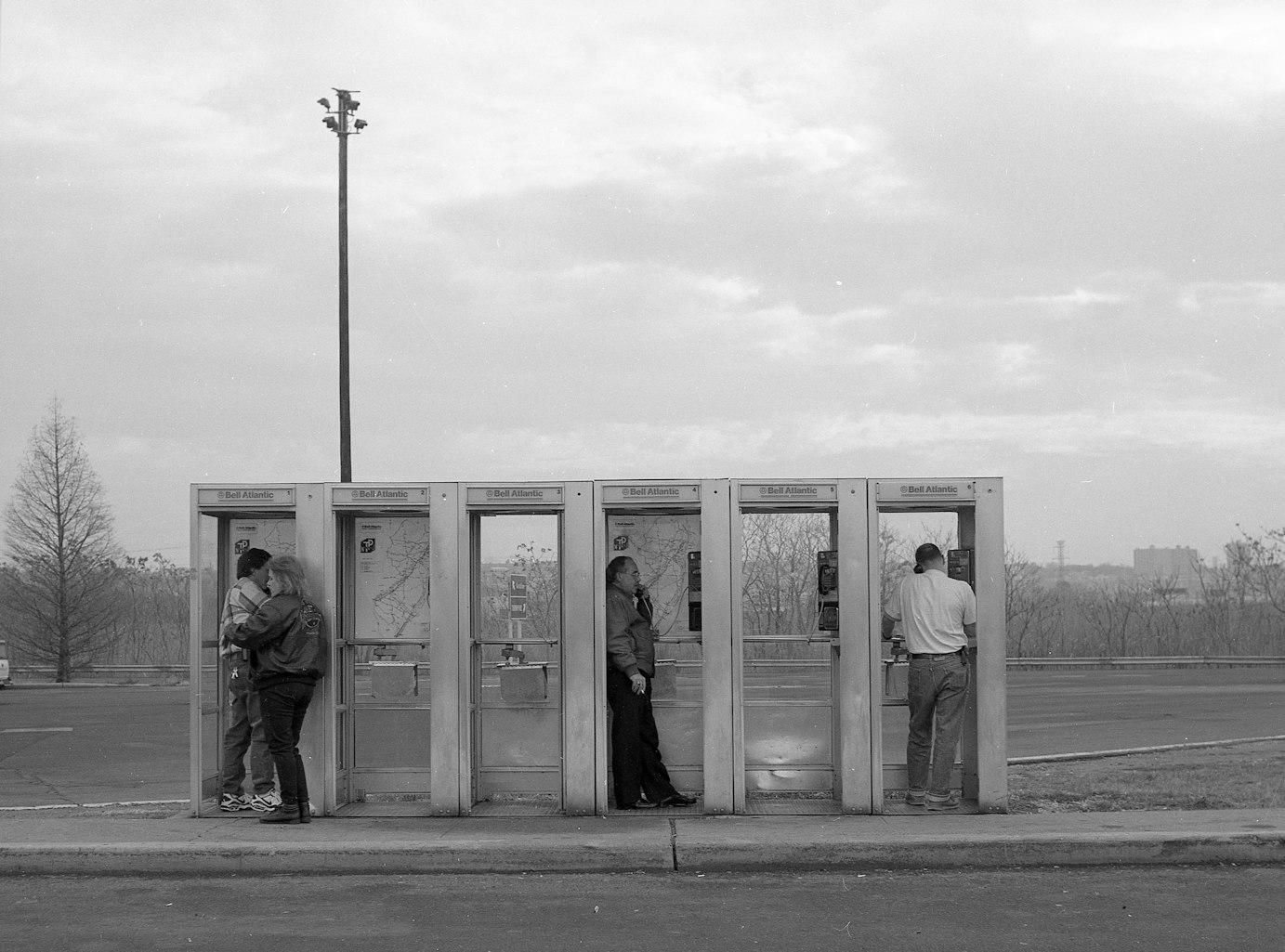
Remember scrambling for a few coins just to make a call? Payphones were once the only option when we were out and about. Stepping into that narrow booth, shutting the door behind you, and enjoying a moment of privacy in the middle of a busy street—there was something almost comforting about it. It was like entering your own little world, at least for a couple of minutes. These days, all we need is a quick tap on our smartphones, and we're instantly connected, texting or calling without a second thought. It’s hard to imagine how reliant we once were on those old, clunky machines.

2
Renting movies

Image: Lucas Pezeta

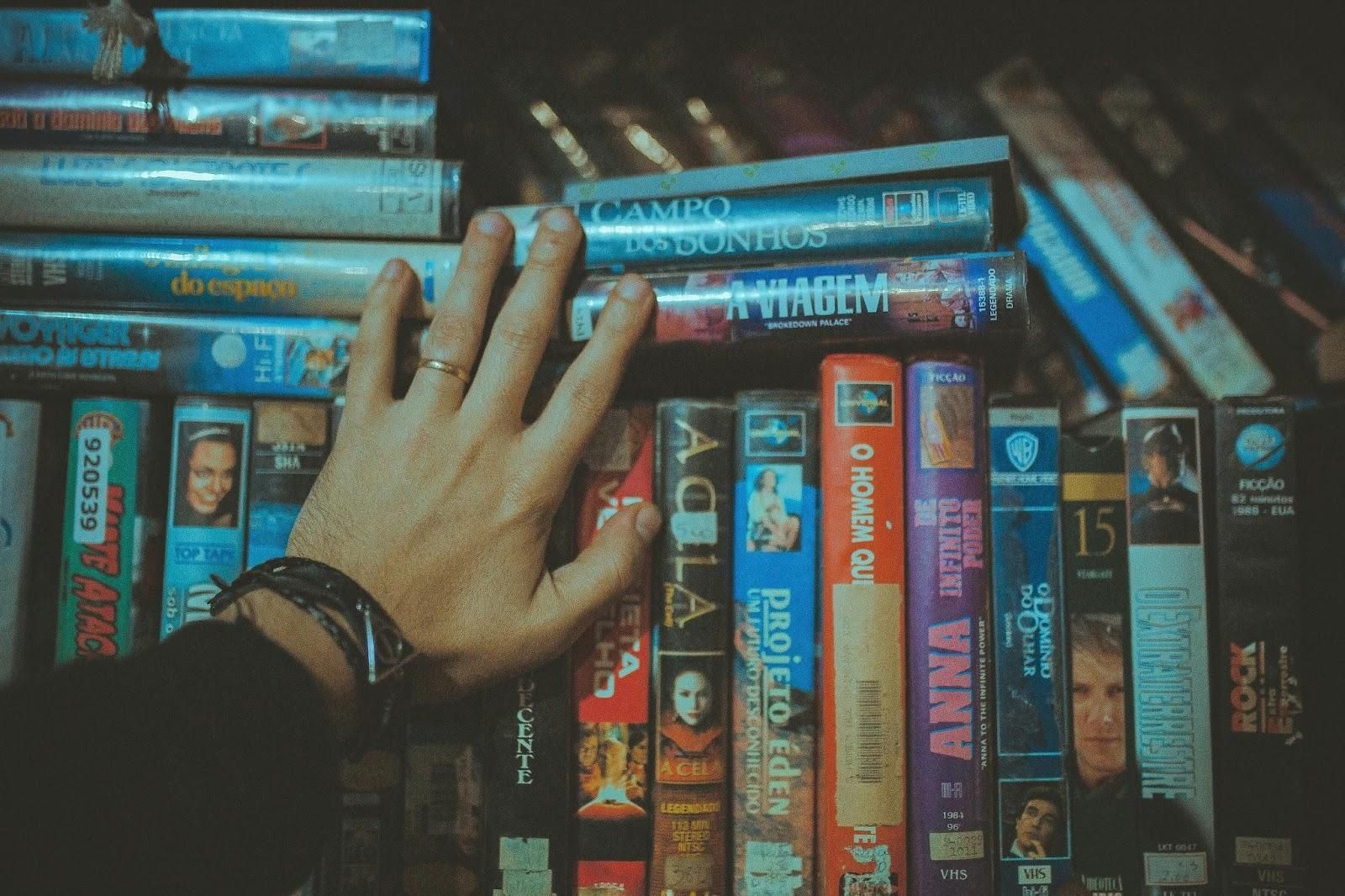
The thrill of stepping into a bustling video store was unlike anything today’s streaming services can replicate. You’d wander down aisles packed with vividly colored VHS tapes , each promising a new adventure. Flipping over the box to study the cover art, reading the credits on the back, and debating with a friend about which one to choose was a delightful experience. Even the faint scent of plastic immediately meant you were in for a treat! That simple ritual of holding a tape in your hands created a sense of anticipation and excitement that no algorithm could ever replace.

3
Inflight smoking

Image: Willem van de Poll, CC0, via Wikimedia Commons

In the past, flying meant more than just traveling from one city to another—it also came with the freedom of lighting up a cigarette at 30,000 feet. Airplanes had designated smoking sections where passengers could relax, chat, and enjoy a puff as the clouds drifted past the windows. It wasn’t limited to a cramped bathroom stall; entire rows of seats were reserved for smokers, allowing a haze of cigarette smoke to linger in the cabin. Today, someone flicking a lighter mid-flight feels downright impossible, but back then, it was a part of air travel, blending seamlessly into the normal routines of passengers and crew alike.

4
Watching TV shows at specific times

Image: Bruna Araujo

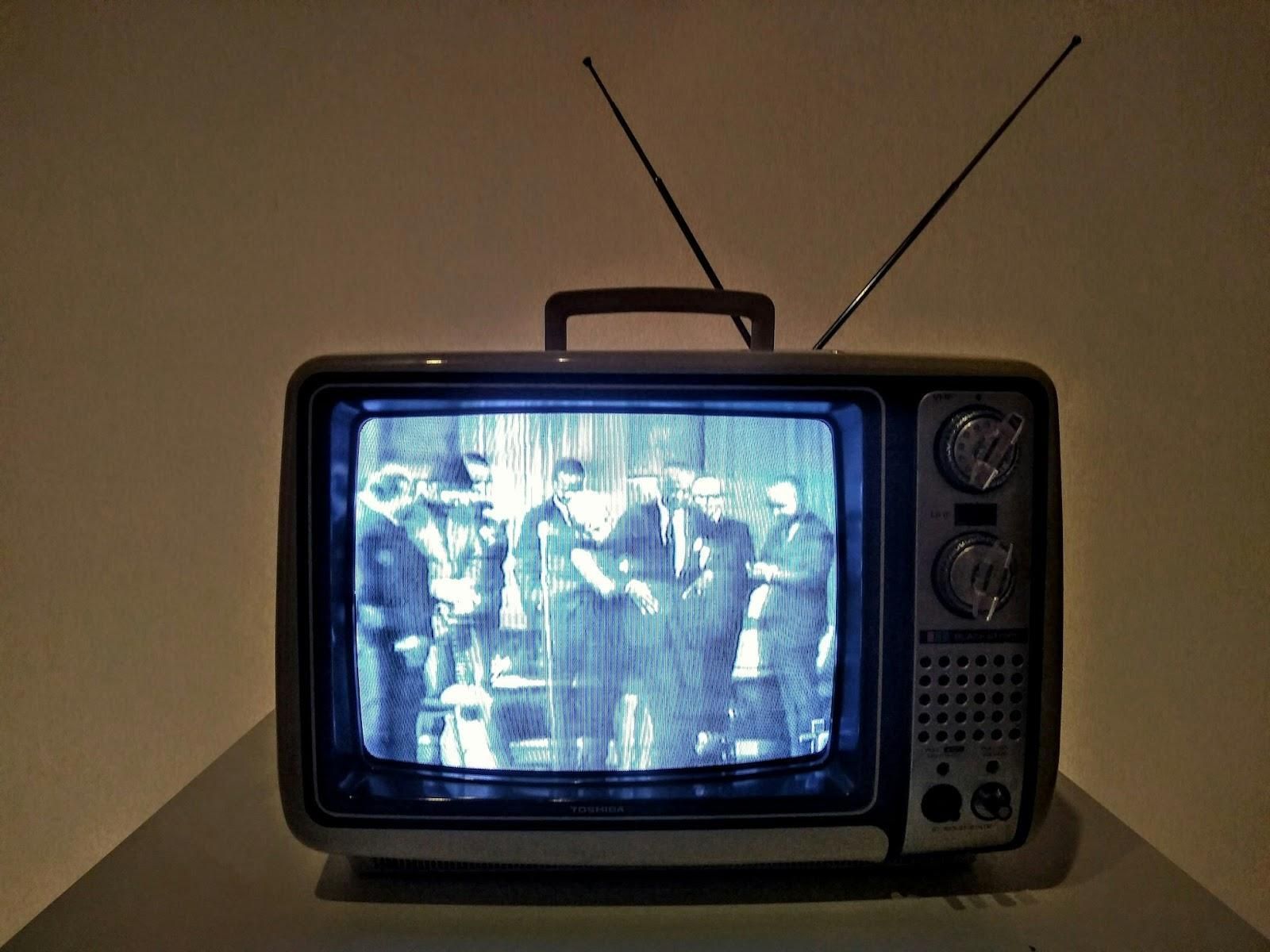
Back in the ’60s, ’70s, and ’80s, the television set was the heart of the home. Evenings were carefully planned around the networks’ schedules, with everyone rushing to grab a spot on the couch to catch their favorite shows. There were no streaming platforms, DVRs, or on-demand options—if you missed an episode of M A S H or Dallas , you had to wait for a rerun . The ritual of sitting together, passing the popcorn, and reacting in unison to every twist and punchline created shared experiences that shaped conversations at school, at work, and across society.

5
Recording songs off the radio

Image: Jon Tyson

Before iPods and Spotify playlists, listening to music was a hands-on, almost ritualistic experience. If you wanted to capture that perfect song, you had to park yourself next to the radio, finger poised over the record button, ears straining to catch the opening notes before the DJ’s voice intruded. Each recording you made became a personal treasure, a handcrafted collection of melodies carefully curated to match your mood or even remind you of your secret crush. These homemade mixtapes weren’t just recordings; they were little time capsules, unique expressions of your feelings, created with patience, care, and a touch of magic that no digital playlist could ever fully imitate.

6
Hitting up the arcade

Image: Roger Ce

During the 1980s, video arcades were the ultimate playground . Stepping inside those dark rooms meant entering a world of blinking lights, beeping machines, and the unmistakable clatter of buttons being mashed in furious competition. Dropping a token into a machine carried such a thrill! The energy—the smell of popcorn and soda, the laughter echoing across the room— created an immersive social experience. Modern home consoles and online gaming may be more convenient, but they rarely capture that electric, face-to-face camaraderie and the pure sensory joy of an arcade packed with neon lights and catchy sound effects.

7
Navigating paper maps

Image: Hendrik Morkel

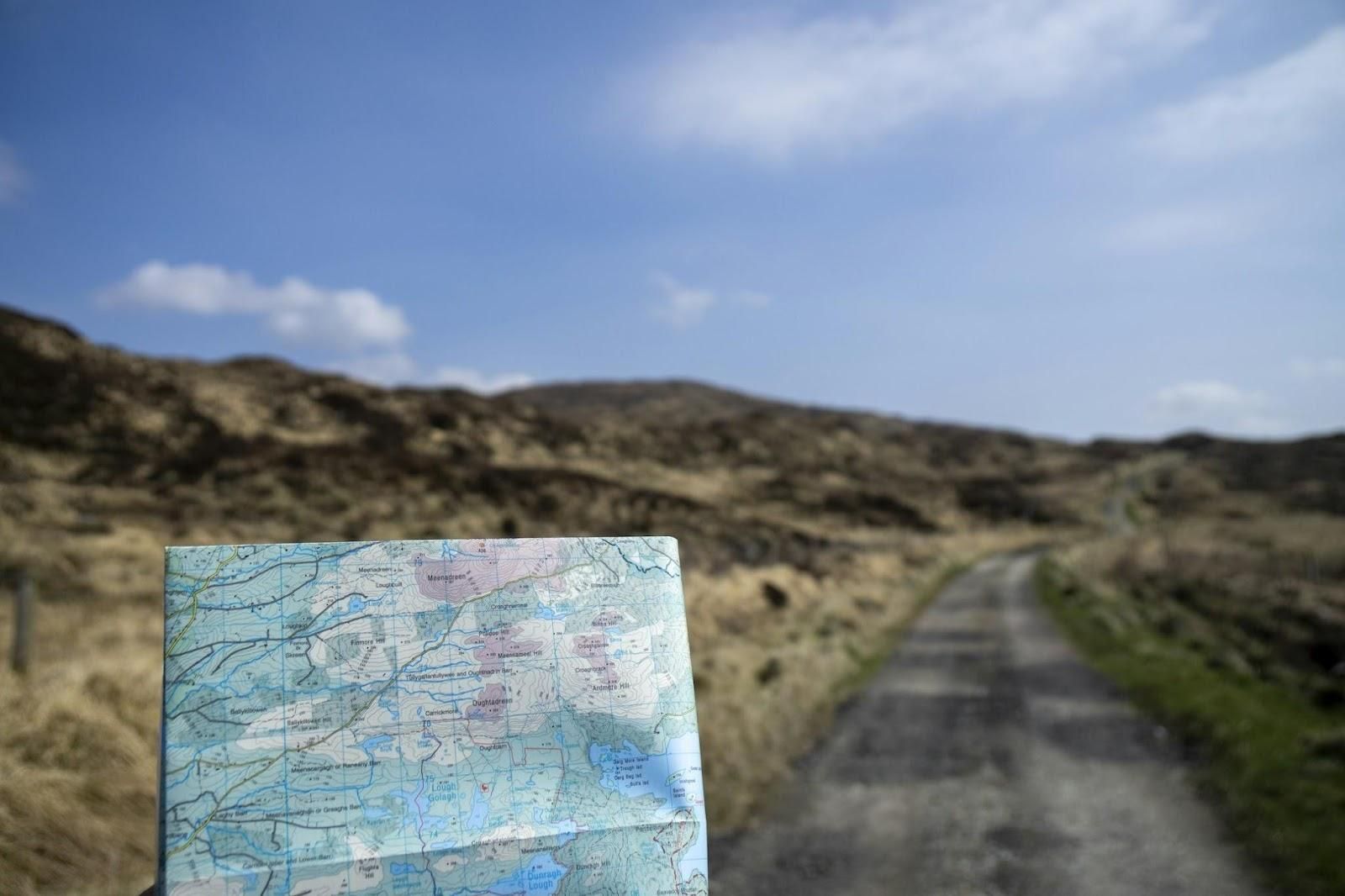
Before the age of GPS and smartphones, road trips relied on good old-fashioned physical maps. Those oversized sheets of paper stretched across car seats and dashboards, as everyone tried to find the best route. Planning a trip meant carefully studying every road, estimating distances, and hoping you didn’t make a wrong turn. And when you inevitably did? You’d pull over, wave down a stranger, and ask for directions—sometimes discovering hidden diners, quirky roadside attractions, or scenic shortcuts along the way. Getting lost wasn’t just a misfortune; it was part of the adventure, turning every detour into a memorable story, something today’s satellite navigation could never give you.

8
Reading newspapers

Image: Claudio Schwarz

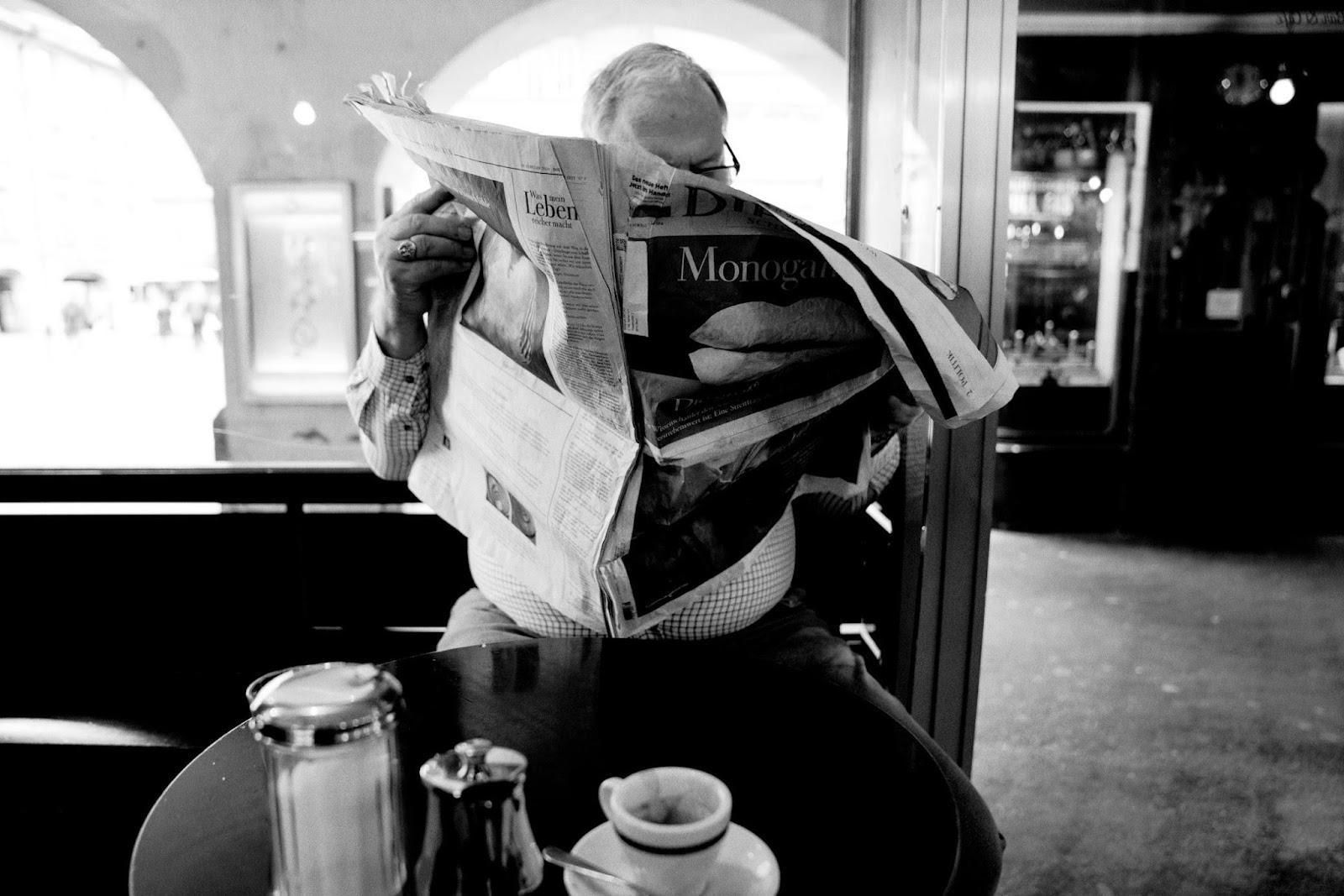
Settling into your favorite chair with a steaming cup of coffee and unfolding the paper was the ultimate morning ritual. It wasn’t just about catching up on the news— it was about the experience itself. Turning each page carefully, scanning headlines, lingering over the sports scores, chuckling at the comics, and sometimes discussing the day’s stories with family or neighbors made it a shared tradition. Today, with news available instantly on our phones and tablets, that slow, deliberate connection—the feeling of being present with the world as it woke up—has virtually disappeared.

9
Listening to music on a Walkman

Image: cottonbro studio

Ah, the Walkman—that small rectangular marvel encapsulating the world of music right inside your pocket. You could carry an entire collection of albums with you, from Elvis to Sinatra, and listen wherever you went. Whether strolling to school, waiting for the bus, or just wandering around the neighborhood, your personal soundtrack followed you everywhere. Popping in a cassette, pressing play, and letting the songs sweep you away, drowning out the outside world and turning every ordinary moment into a private concert, was pure magic.

10
Hanging out at the mall

Image: Jeyakumaran Mayooresan

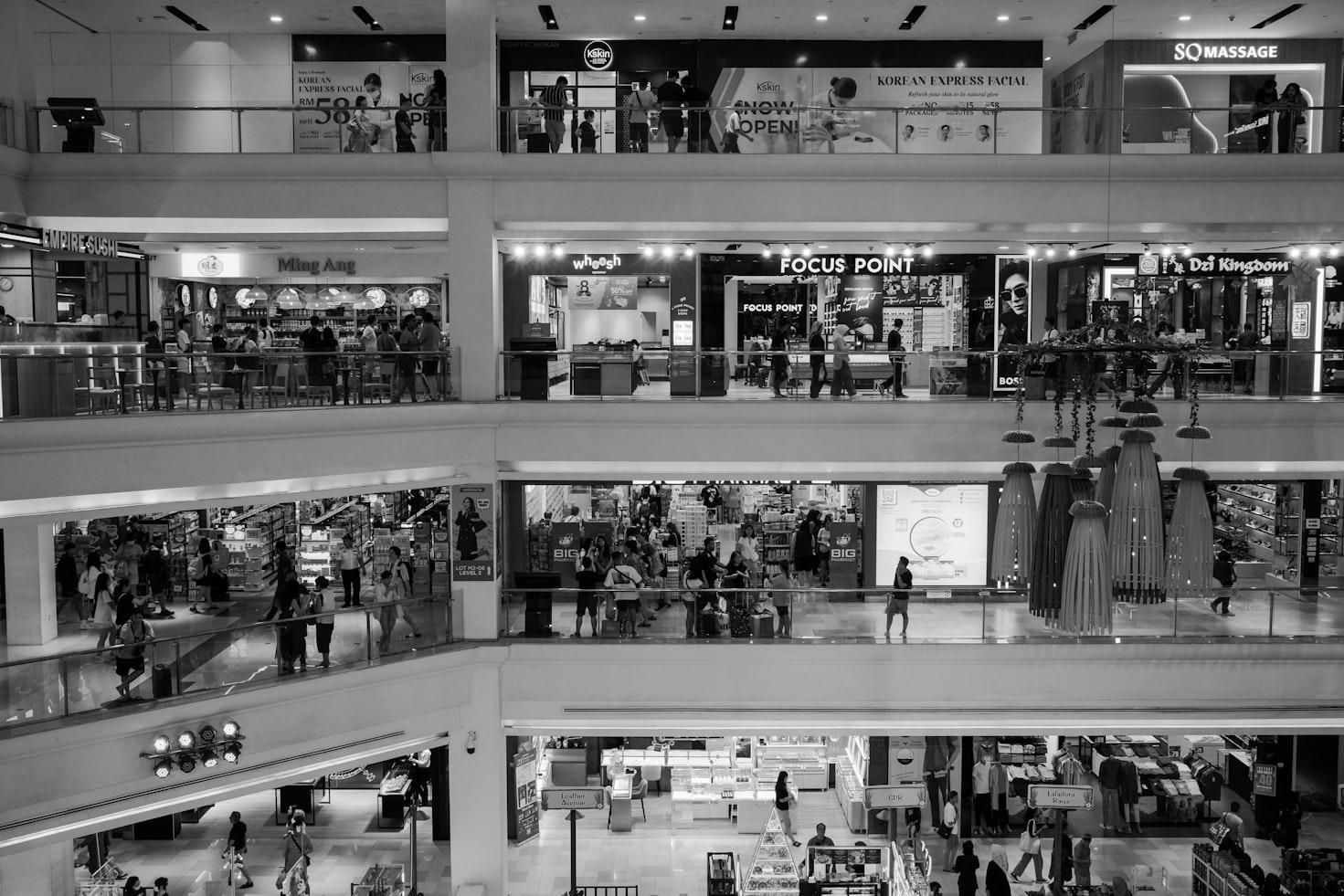
Before the internet transformed the way we shop, malls were bustling social hubs . In the ’70s and ’80s, they weren’t just places to buy things. At shopping centers, you ate pizza and spent hours wandering around, window-shopping, or trying on clothes that were probably out of your budget. The mall was the ultimate hangout spot—whether you were meeting new people, catching up with old friends, or simply enjoying the cool air conditioning on a sweltering summer day.

Explore more American facts

Choose your favorite category!

General
General

As American as apple pie—the very best America has to offer!

Culture
Culture

Delve into the astounding richness of American lore.

Geography
Geography

Hop in and explore vast and diverse American landscapes.

History
History

Discover the key moments that shaped the United States.