General General 3 min read

Served on a plate!

Tasty beginnings: food firsts that took place in America!

Image: Steven Giacomelli

From campfire snacks to sizzling skillets, America has cooked up some iconic dishes that people around the world now crave. But where did these familiar favorites come from? You might be surprised to learn that many were invented right here in the US. Let’s take a tasty stroll down memory lane and discover the unexpected hometowns of some of your favorite bites.

1
Pecan pie: the South’s nutty masterpiece
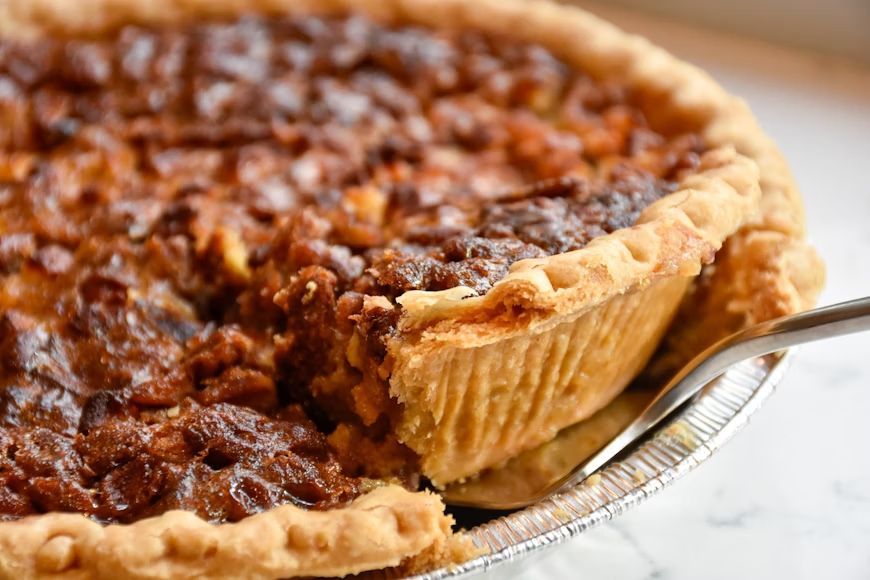
Image: Keighla Exum

This rich, sticky dessert has deep Southern roots. French settlers in New Orleans encountered Native Americans who introduced them to pecans, and that’s when the magic began. Texas cookbooks helped spread the word, and Karo syrup sealed the deal in the 1930s with its bottle-side recipes. Today, pecan pie is a holiday must-have.

2
The California roll’s West Coast switch-up
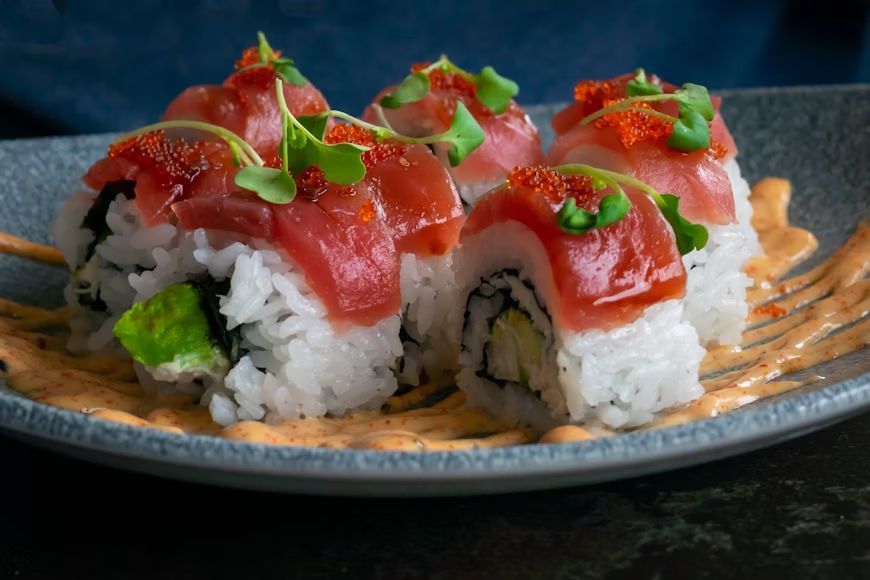
Image: Ben Lei

Sushi purists may scoff, but the California roll is what got a lot of Americans eating sushi. Well, kind of. Created in Los Angeles (though Vancouver, Canada, also claims the credit), this roll swapped raw tuna for avocado and imitation crab, making sushi less scary and way more approachable.

3
Fajitas, from cattle hands to cast iron
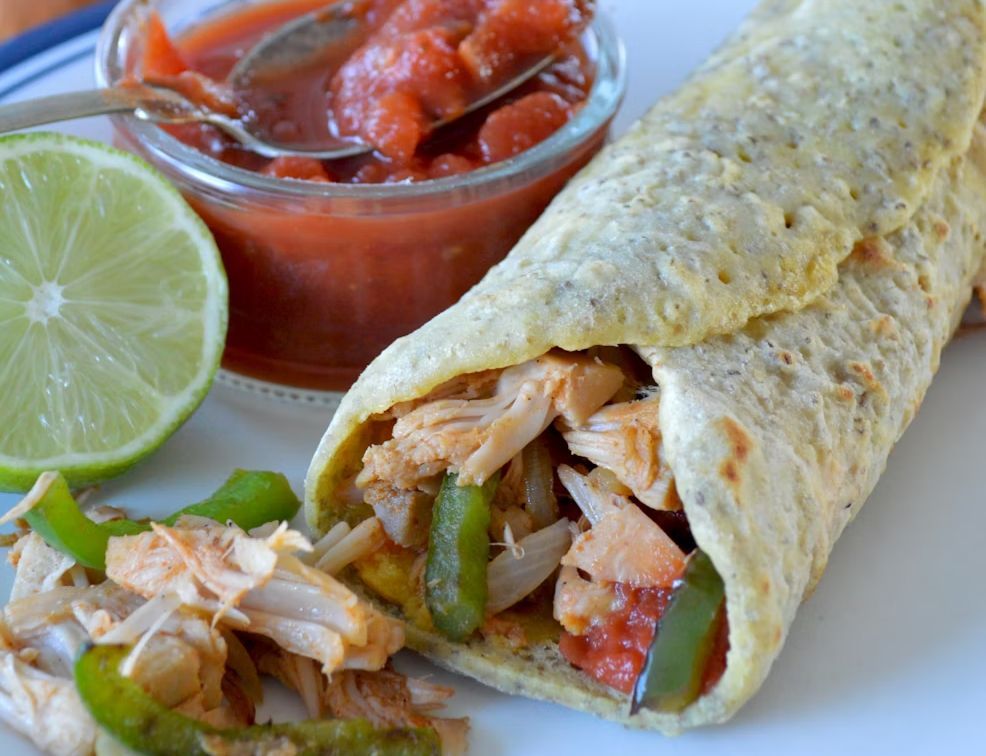
Image: Nadine Primeau

Back in the day, ranch workers along the Texas-Mexico border made the most of tough skirt steak by grilling it and tossing it into tortillas. That no-frills meal eventually became the sizzling skillet spectacle we now call fajitas. Toss in onions, peppers, and a dollop of guac, and boom! Tex-Mex gold.

4
Corn dogs and the mystery on a stick
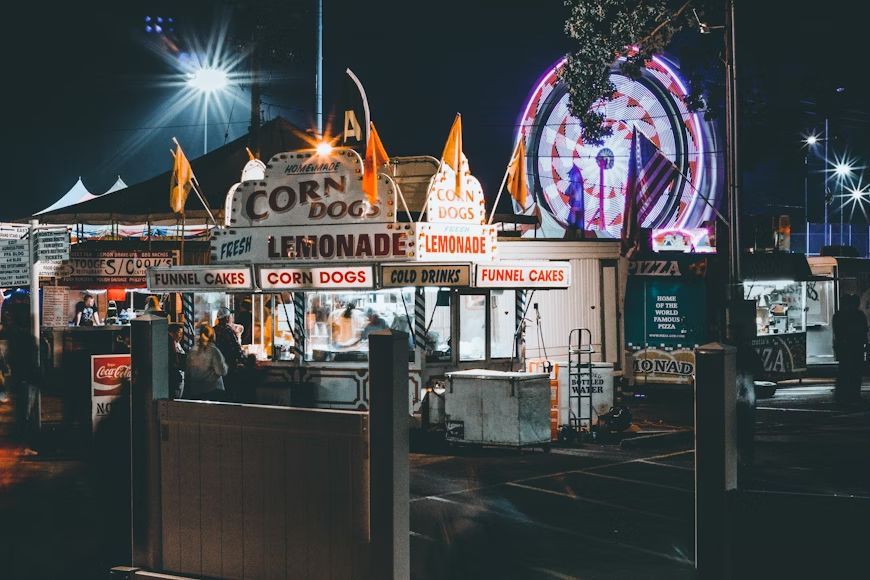
Image: Taylor

A hot dog on a stick sounds simple—we know—but getting to the modern corn dog took some trial and error. Patents were filed, batter recipes tweaked, and somewhere between a beach shack in Illinois and a fairground in Texas or Oregon, the corn dog was born. One thing’s for sure: once Americans figured out how to deep-fry a hot dog in cornmeal, there was no going back!

5
S’mores and the sweet tooth showdown
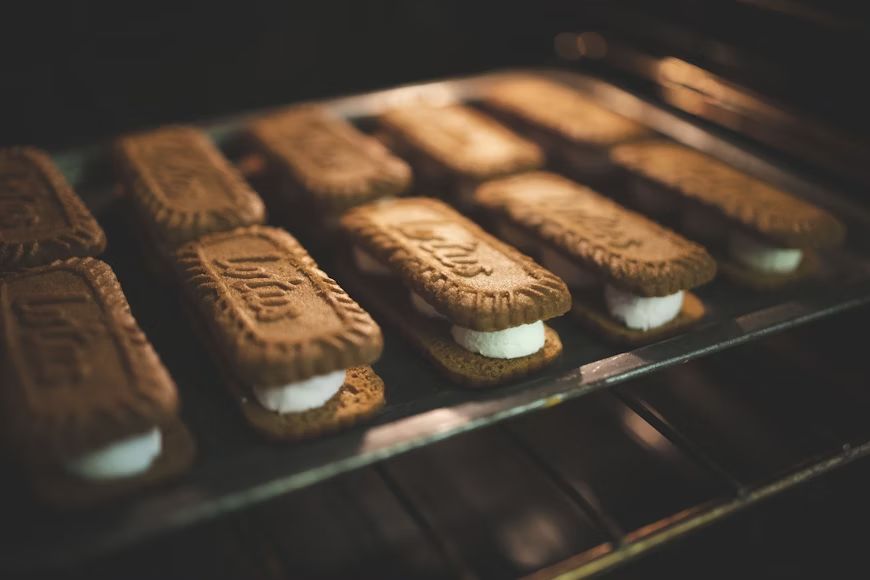
Image: Jonathan Taylor

Did you know the Girl Scouts have such a legacy? Their 1927 handbook gave us the first printed recipe for s’mores, and we’ve been hooked ever since. Roast a marshmallow, squish it between graham crackers and chocolate, and try not to eat five. Campfire memories wouldn’t be the same without this gooey, finger-sticky treat. And yes, of course—they stand for "some more."

6
The Caesar salad’s border-crossing fame
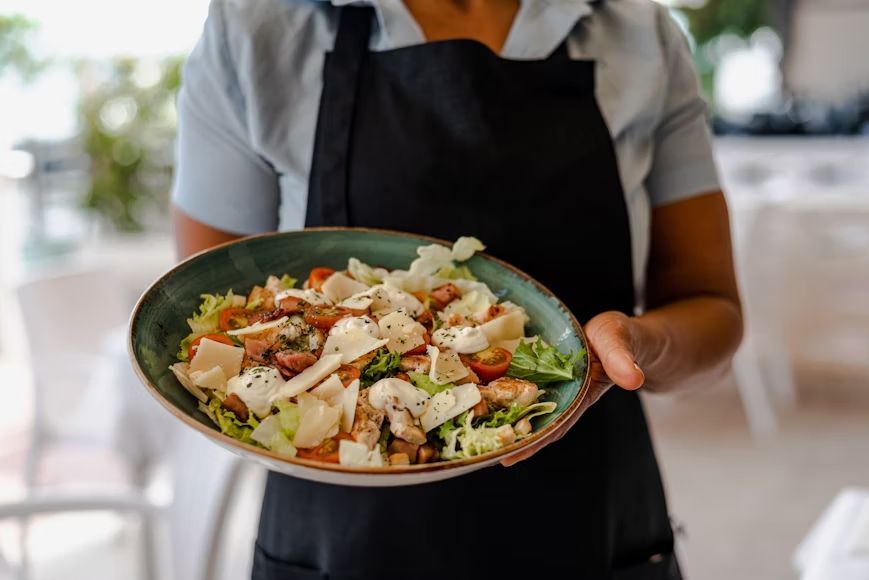
Image: Frames For Your Heart

Italian chef Caesar Cardini whipped up this leafy dish not in Rome, but in Tijuana. During the Prohibition era, Americans sneaked over the border for a legal drink and left raving about the crunchy, garlicky salad. It may have Mexican birth papers, but with Hollywood stars singing its praises and the dressing later patented in the US, the Caesar salad became a true celebrity.

7
Philly cheesesteaks: city of hoagie love
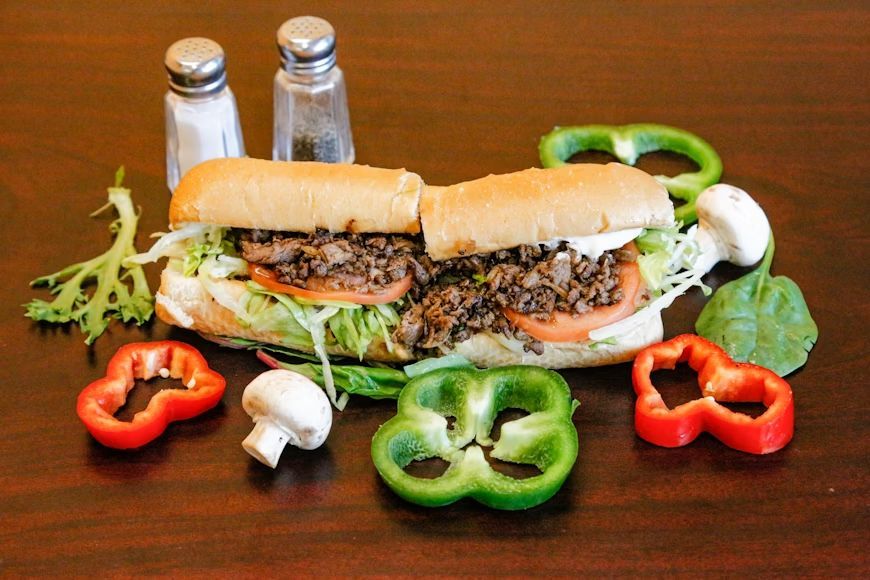
Image: Syed F Hashemi

Philadelphia's most famous sandwich started with a hot dog stand and a hunk of beef! Pat Olivieri slapped some steak on a roll, later added cheese, and boom—the cheesesteak was born, and the rest is history. Locals still argue over where to get the best one, but everyone agrees it’s a sandwich worth standing in line for.

8
Spaghetti and meatballs, made the American way
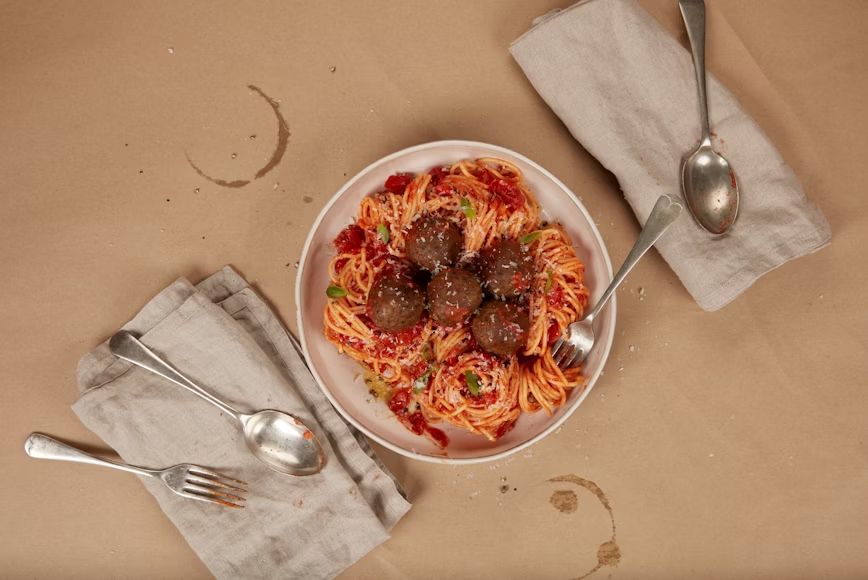
Image: Ivy Farm

If you order spaghetti and meatballs in Italy, they’ll look at you funny. Why? Because this comfort food classic was created by Italian immigrants in New York. Meat was cheaper here, sauce was plentiful, and suddenly, Sunday dinner had a new star. It’s Italian by ancestry but all-American in execution.

9
Chocolate chip cookies, thanks to a happy accident
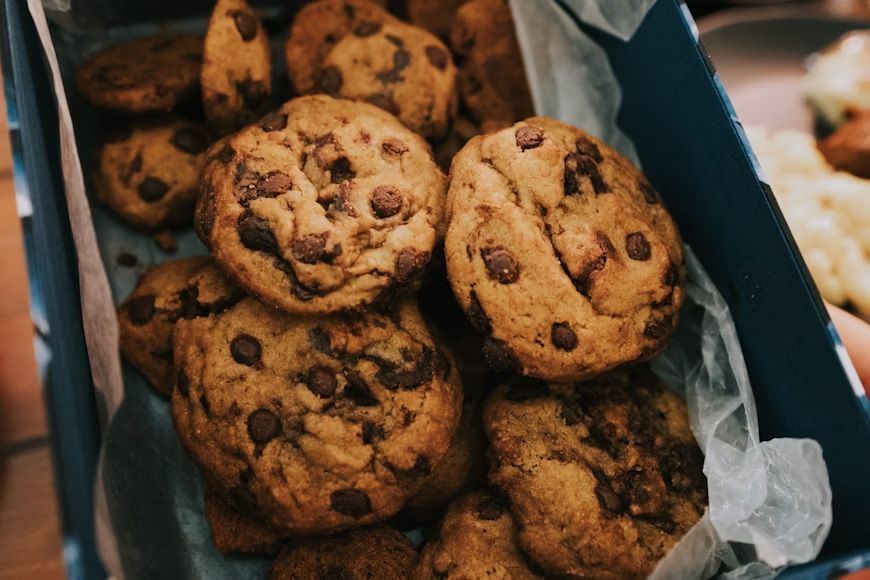
Image: SJ 📸

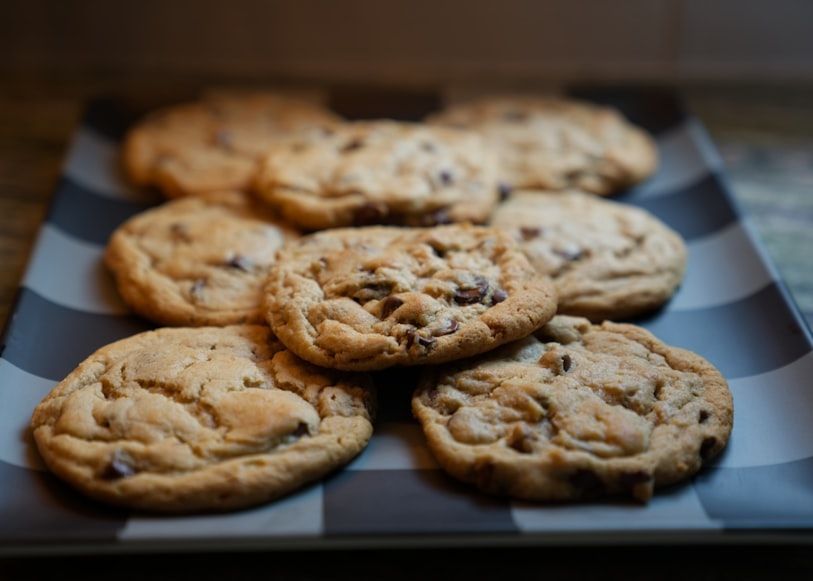
Sometimes the best things happen by mistake. Here’s an example: Ruth Wakefield, owner of the Toll House Inn, wanted to make chocolate cookies but didn’t melt the chocolate—and voilà, the chocolate chip cookie was born. Nestlé acquired the recipe, and now it’s printed on every bag of chips. Homemade, store-bought, or eaten straight from the dough, this cookie is as American as it gets.

10
Jambalaya and its melting pot roots
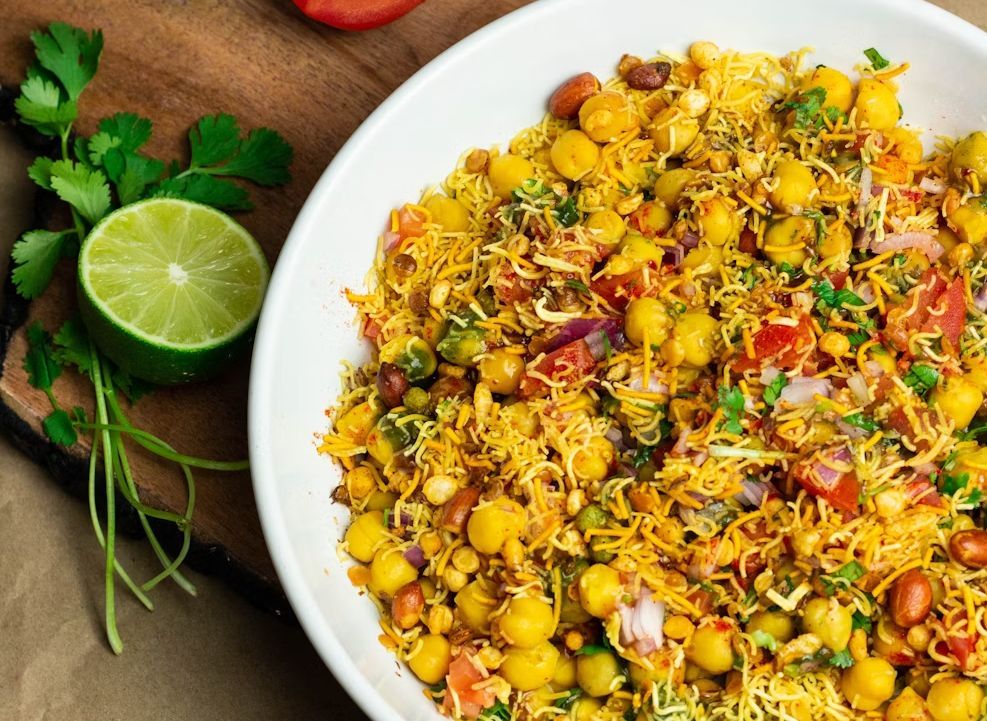
Image: Kalyani Akella

Let’s close things out with a burst of flavor: Jambalaya may have a European passport, but it earned its American green card in Louisiana. Spanish paella, West African jollof rice, and French seasonings all came together in New Orleans, where rice, meat, and veggies came together to create one exquisite dish for everyone to enjoy!
Culture Culture 3 min read

The American way

Do you still do these? 10 American customs fading out of everyday life

Image: frank mckenna

Time leaves its mark everywhere, even on the things we thought would last forever. From playful prank calls to charming greeting cards, many customs from our childhood are becoming rare treasures. Today, we’ve put together a list of 10; how many others can you name?

1
Prank calls

Image: Happysurd Photography

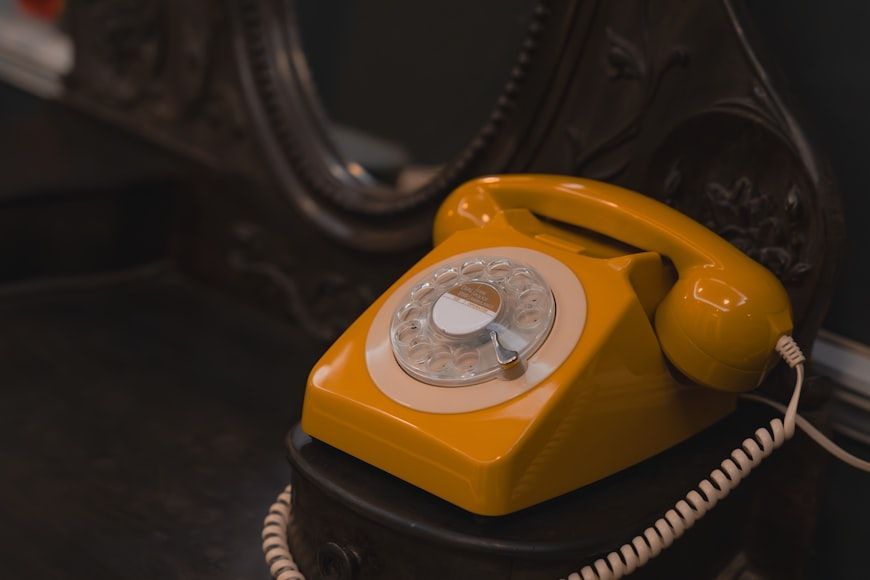
With smartphones taking over, the classic prank call is slowly fading away. Back in the day, dialing a random number to play a harmless joke and share a laugh with friends was a common pastime. Today, with caller ID and mobile phones everywhere, executing those little tricks has become more complicated.

2
Block parties

Image: Yifan Gu

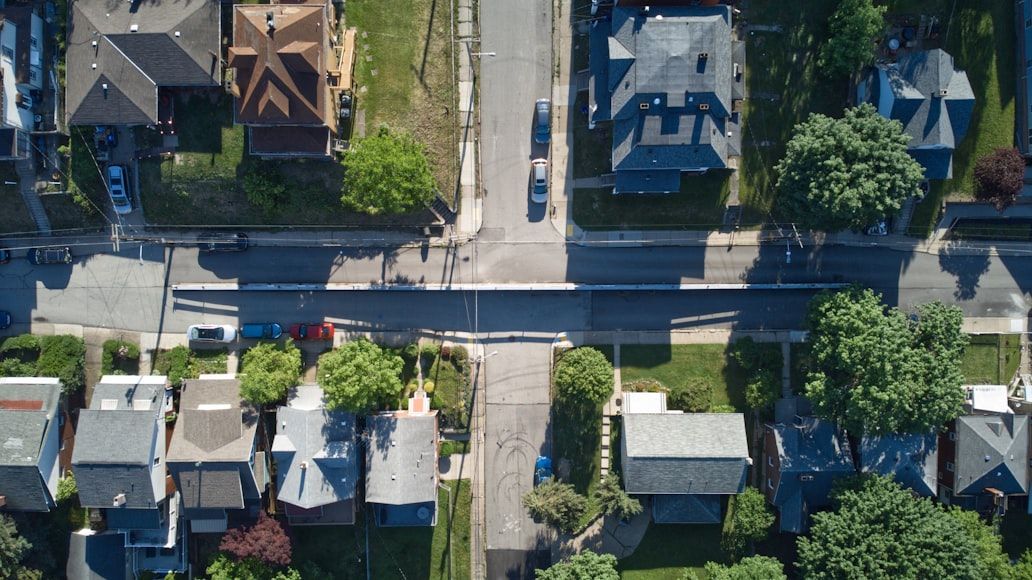
We used to know all our neighbors, and that sense of community was deep. Today, things have changed. With growing cities and people moving more often, your neighbors might be gone before you even learn their names. On top of that, our lives are busier than ever, and closing off a street for a party isn’t as simple as it once was. With these new dynamics, the once-beloved block party has become a rare thing, mostly surviving in small towns or communities. Remember the last time you went to one?

3
Ding-dong ditch

Image: Waldemar Brandt

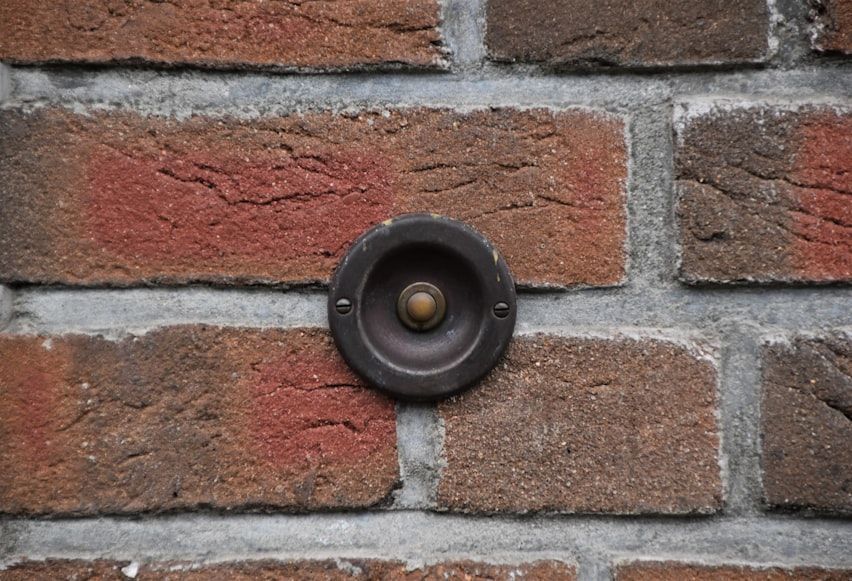
Remember when kids could safely roam the streets for hours? The good old days! Wandering around your neighborhood or even a different one, there was always someone who came up with the idea: ringing a doorbell and running away. It might have been a little annoying for the person who opened the door, but it was all in good fun.

4
Fruit baskets

Image: Nick Fewings

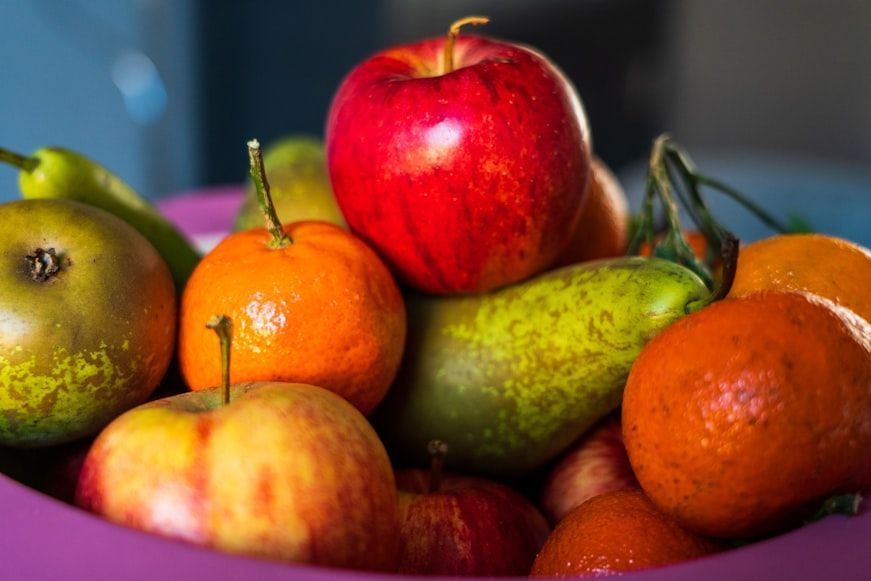
Our mothers and grandmothers knew that when it came to celebrations, anniversaries, holidays, or any special occasion, a beautifully arranged fruit basket was always a thoughtful gift. This simple gesture showed care and dedication, but today, it’s slowly disappearing. Why? The convenience of online shopping and the trend toward more personalized presents have made this classic gift increasingly rare.

5
Christmas cards

Image: Richard Bell

If you’re like us and just love greeting cards, you’ve probably noticed that fewer people are taking the time to go to the store, pick the perfect card, write a message, and send it off. While traditional greeting cards and Christmas cards are slowly being replaced by digital alternatives, there will always be those of us who appreciate this lovely ritual.

6
School reunions

Image: RUT MIIT

Reunions with former classmates tend to divide people: some look forward to them with excitement, while others would rather skip them altogether. We won’t ask which side you’re on, but there’s no denying that these gatherings are becoming rarer. While a few devoted groups still make an effort to keep it alive year after year, this custom doesn’t seem to be among the younger generations’ priorities.

7
Bake sales

Image: John Dancy

Whether at school, church, or in the neighborhood, who didn’t take part in a bake sale as a kid? However, in today’s fast-paced world, finding time to bake delicious cookies has become a rare treat. This classic way of raising money for a shared cause hasn’t vanished, but it’s definitely losing steam. With virtual wallets and social media, fundraising looks very different today.

8
Black Friday

Image: Markus Spiske

Black Friday, as we once knew it, is evolving into something new. Those endless lines outside stores are now much shorter, thanks to the rise of online shopping. In addition, with the increase in per capita consumption, Black Friday is no longer confined to the day after Thanksgiving; it now stretches across the entire week, and in many cases, the whole month.

9
Appointment TV

Image: Vitaly Gariev

We’ve all gotten used to on-demand content, which lets us watch, rewind, and replay whenever we like. While this convenience is great, it has slowly replaced the old habit of appointment TV, those moments when families or neighbors would gather in their living rooms at a set time to watch a big game, a premiere, or the season finale, sharing a sense of community that’s not so common today.

10
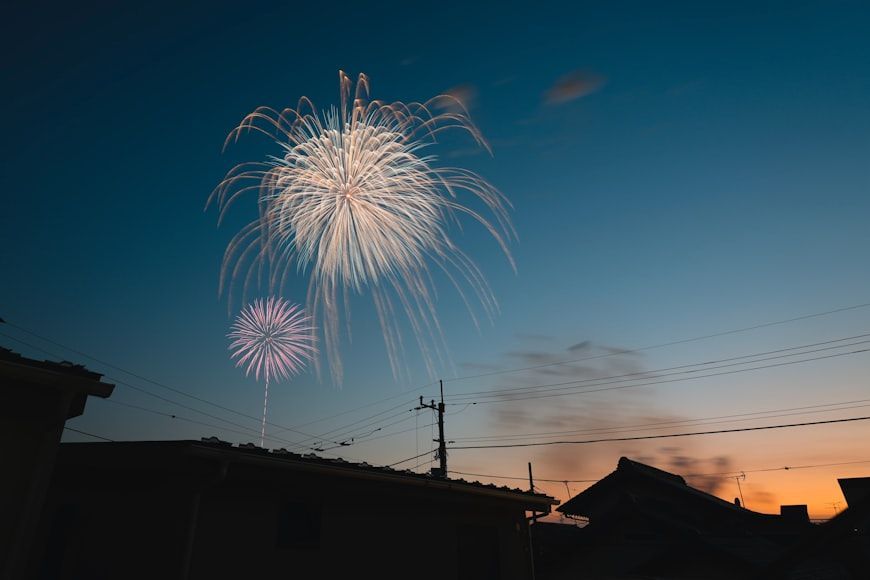
Private fireworks

Image: Leo Okuyama

As the years have passed, we’ve learned more about the risks of fireworks: How they can frighten pets, harm the environment, and cause serious injuries in both children and adults. We can’t deny that lighting fireworks in the backyard with the family is a magical moment, but these days, that tradition has mostly moved to large events in stadiums or music festivals, where trained professionals handle the show.

History History 4 min read

Historical misconceptions

No, George Washington did not have wooden teeth: Debunking American myths

Image: EricThriller

Did you really imagine George Washington with wooden teeth? Or Betsy Ross drawing the Star-Spangled Banner in a scrapbook? Some longstanding stories associated with US history are, after all, more myth than reality. Let’s explore what is fact and what is fiction about stories we have probably all heard!

1
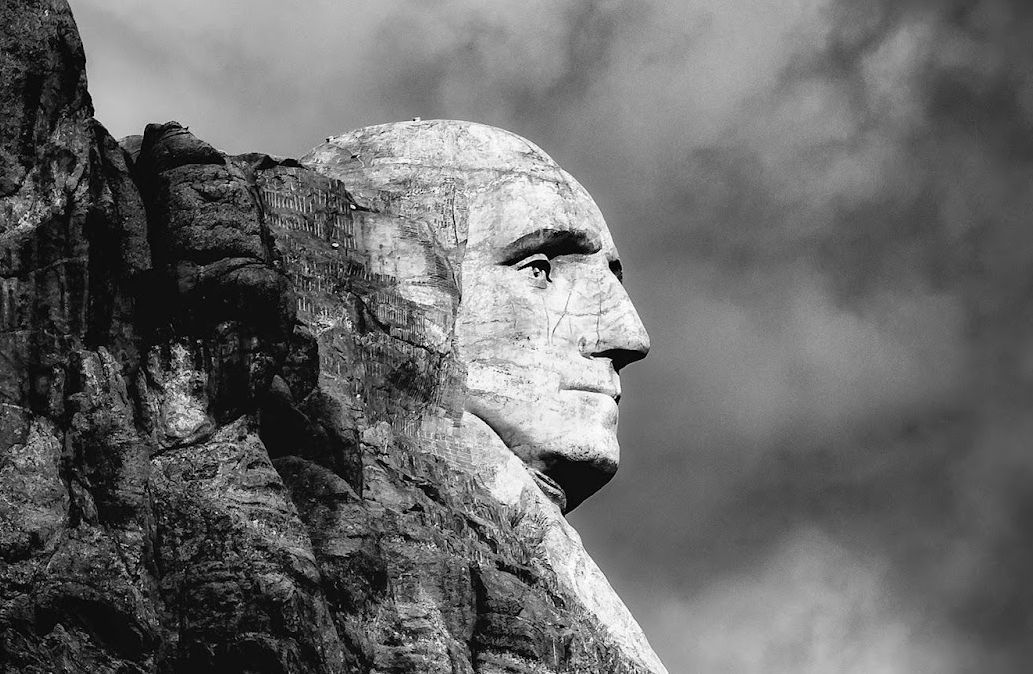
George Washington had wooden teeth

Image: Todd Trapani

Washington suffered from dental problems throughout his adult life and did wear several sets of false teeth. However, he did not wear wooden ones.

They were made from materials like ivory, metal, and springs . The "wood" myth probably comes from the staining of ivory and from 19th-century caricatures.

2
Salem witches were burned at the stake

Image: Sofia Holmberg

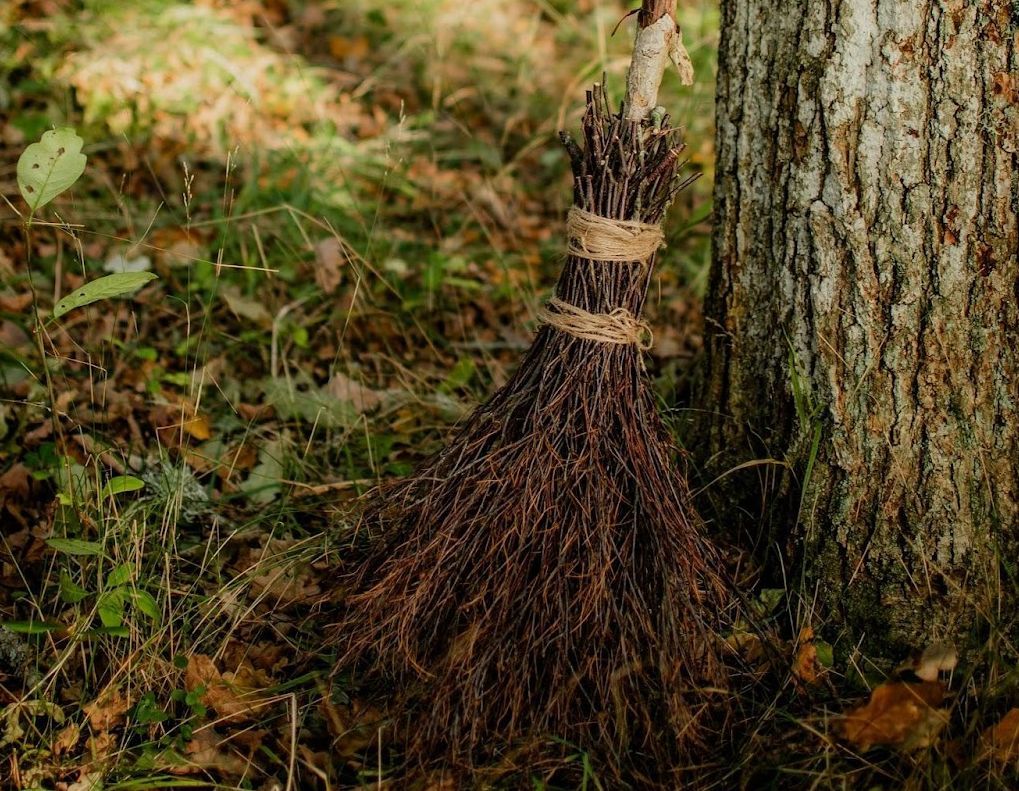
We hold the long-standing belief that the accused Salem "witches" were burned like European witch victims.

However, in the Salem (and colonial New England) trials of 1692–1693, convicted witches were almost always executed by hanging ; burning at the stake was not the legal penalty under English law in the colonies.

3
Paul Revere rode and shouted, "The British are coming!" alone

Image: Mikhaël Noury

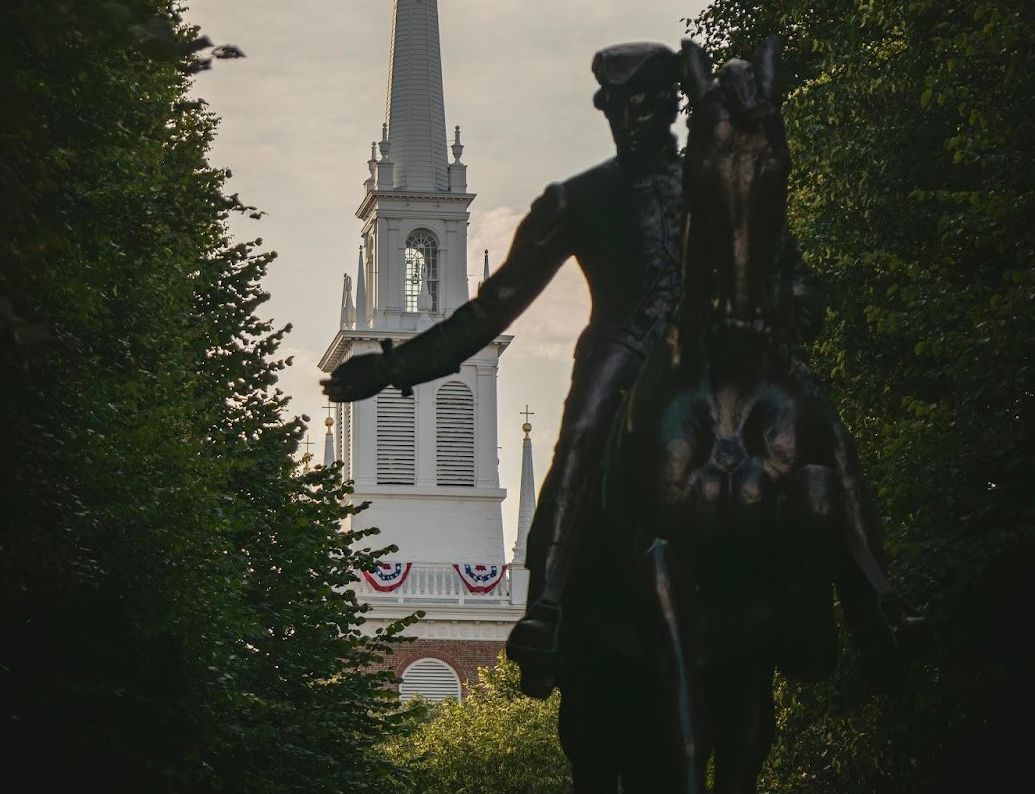
He may be riding alone in the Boston statue that represents the dramatic midnight ride in which he warned of the British troop movements.

But in reality, Revere was one of several riders who spread word of the British troop movements; Longfellow’s 1860 poem amplified and simplified the story, including the shouted line, which would have been unlikely among colonists.

4
Betsy Ross designed the first American flag

Image: Heather Newsom

We have heard again and again the myth that Betsy Ross stitched the first Stars and Stripes after being asked by George Washington. In reality, this tale grew from a family tradition promoted more than a century after 1776. Historians have found no contemporary documentation proving that she designed the first official flag.

The flag’s creation was likely more complex and collective. Ross has always remained a folk symbol, but there is no proof that she was the sole designer.

5
Mrs. O’Leary’s cow started the Great Chicago Fire

Image: raquel raq

The myth: a cow kicked over a lantern in Catherine O’Leary’s barn and caused the 1871 conflagration. The cow story originated in sensational newspaper reporting and later became part of folklore.

Investigations have never produced conclusive proof, and modern historians treat the O’Leary–cow tale as an unfair scapegoating and probably apocryphal. The fire’s precise origin remains a mystery.

6
"Molly Pitcher" was a famous woman who operated a cannon at Monmouth

Image: Foysal Razu

The story of Molly Pitcher, a single heroic woman who supposedly took over a cannon when her husband fell, may have been created to represent several women . The best documented candidate is Mary Ludwig Hays, but the legend also reflects the broader contributions of women who supported troops during the Revolutionary War, with or without having been widowed.

7
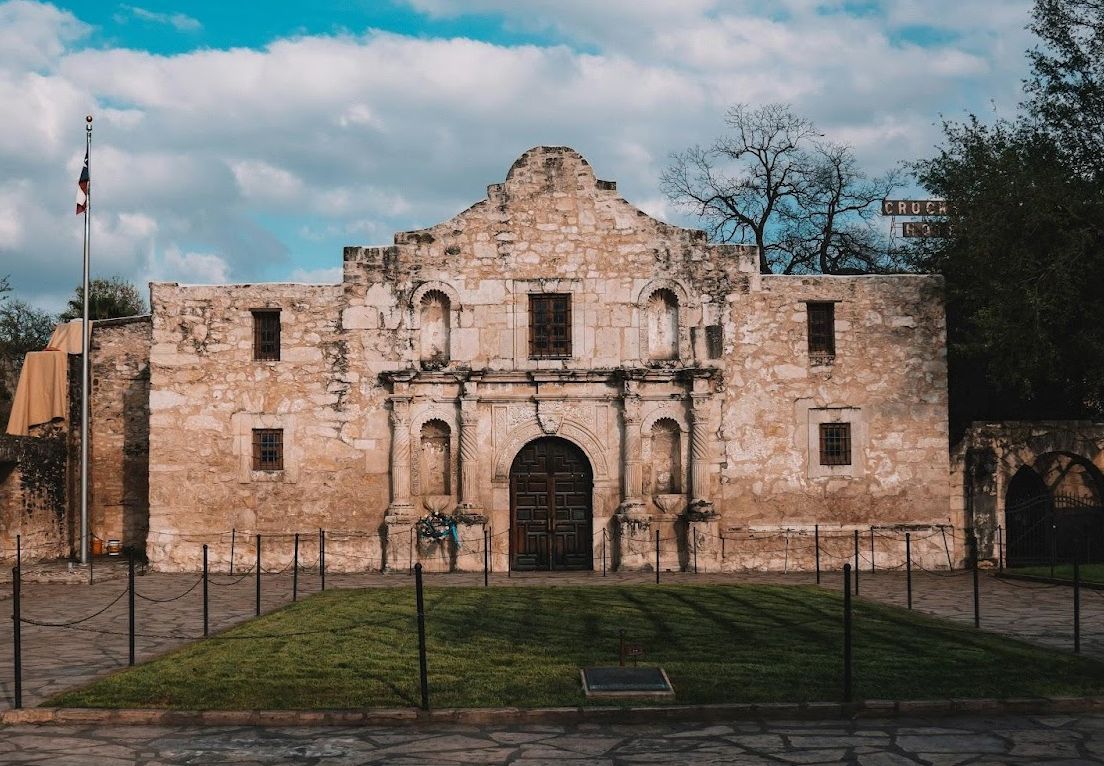
Davy Crockett died fighting to the last at the Alamo

Image: Eric Francis

Did Crockett heroically fight to the death amid hand-to-hand combat at the Alamo? Well, that was indeed the location of his death, but sources conflict about the manner.

Some eyewitness accounts and Mexican records suggest he may have been captured and executed; other accounts describe him dying in combat. The neat heroic portrait was shaped by 19th-century myth-making.

8
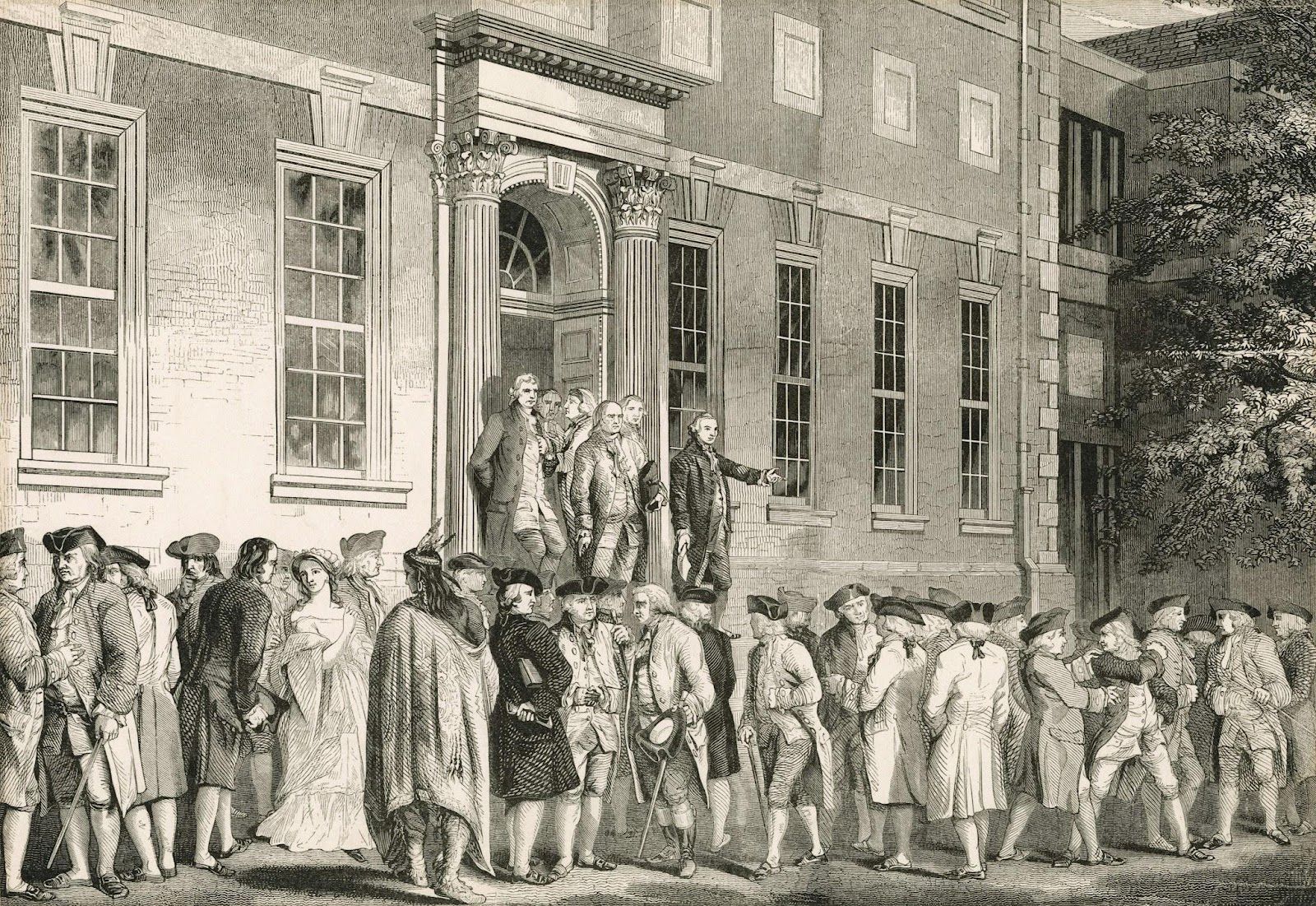
The Declaration of Independence was signed on July 4, 1776

Image: The New York Public Library

It is widely believed that all signers of the Declaration of Independence scribbled their names on it on July 4, which is why we celebrate that date.

Congress adopted the Declaration on July 4, but most delegates did not sign the parchment copy until August 2 of that year (and a few added their names even later). July 4 became the commemorative date for adoption and celebration, not the universal signing day.

9
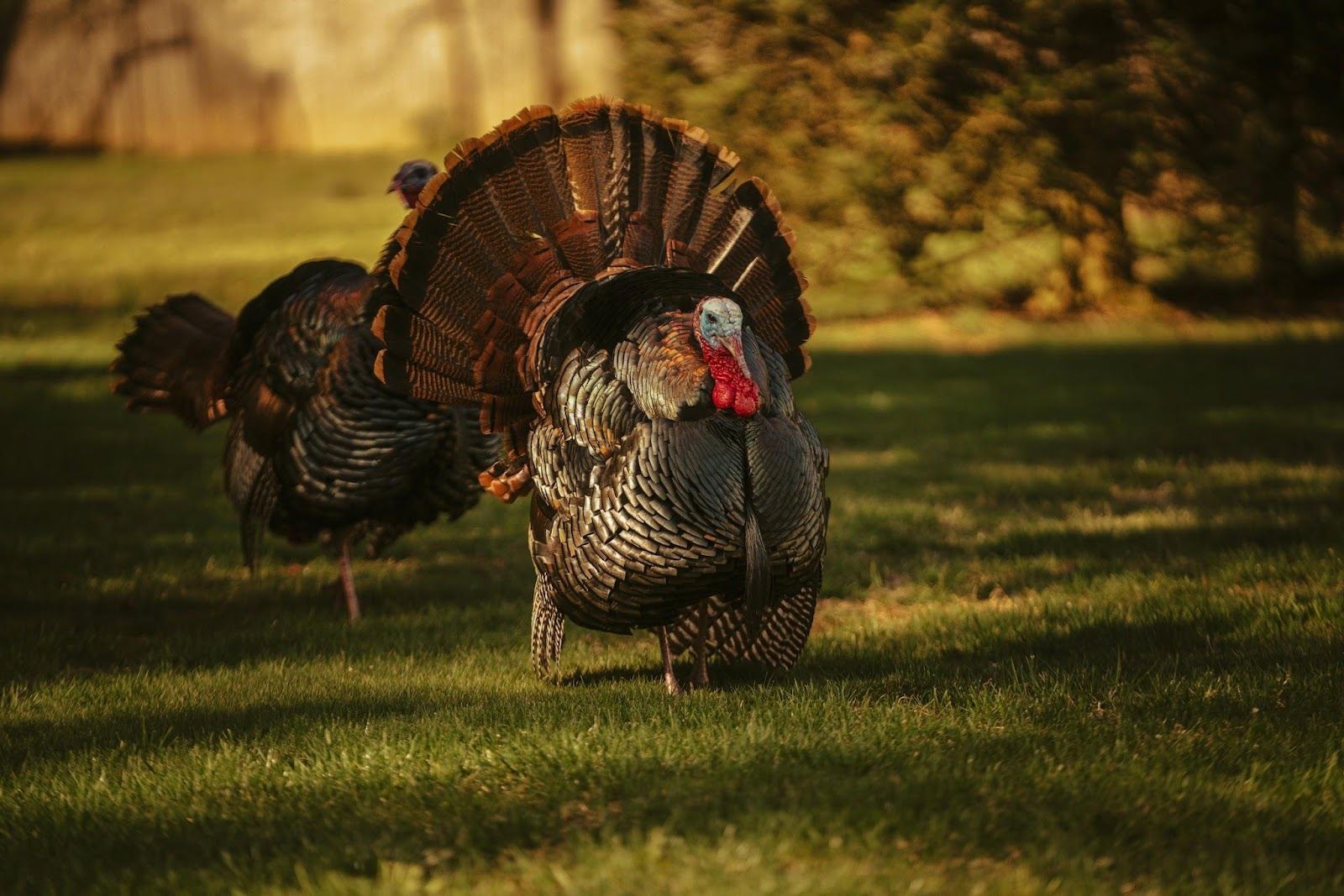
The Pilgrims’ "First Thanksgiving" centered on a big roast turkey, like today

Image: Tyler Donaghy

No, the 1621 harvest meal at Plymouth did not feature the same turkey-centered feast we picture now.

Accounts mention venison and wildfowl, but the menu and ritual context were very different from modern Thanksgiving dinners. The idea of an annualized, turkey-centered national holiday developed much later (19th century onward).

10
Thomas Edison single-handedly invented the light bulb

Image: Tamas Pap

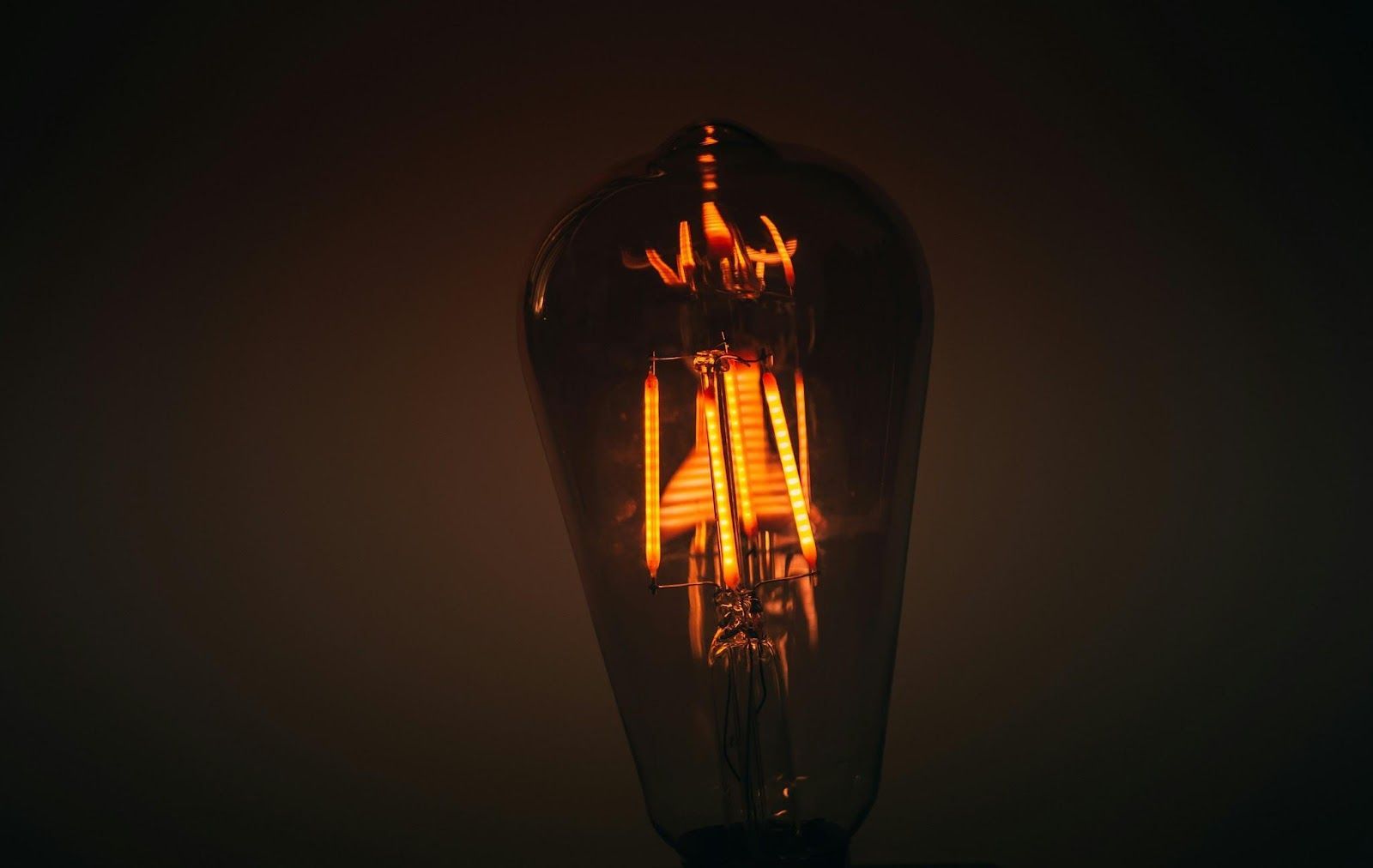
Many believe that Edison alone invented the incandescent light bulb out of whole cloth. But electric light was the product of decades of work by many inventors (from Humphry Davy to Swan and others).

Edison’s contribution was significant improvements and the critical development of a commercially viable, manufacturable system, but he did not "invent" electric light in isolation.

11
Pocahontas dramatically saved John Smith from execution

Image: EricThriller

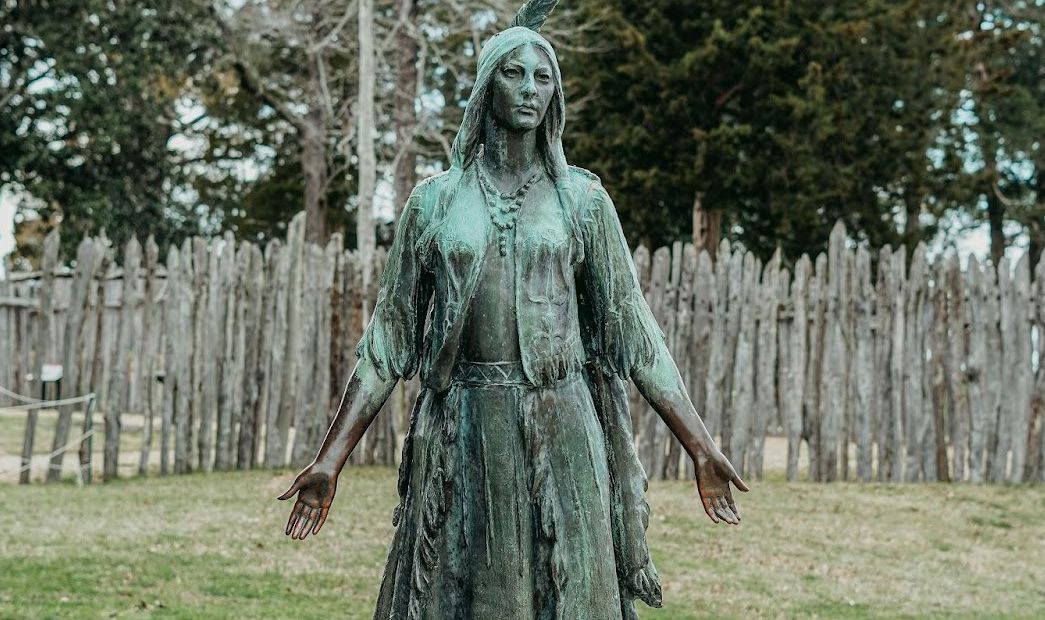
The myth holds that Pocahontas heroically rescued Captain John Smith by throwing herself over him at the moment of execution.

Disney may have amplified the romantic and dramatic aspects of this story. John Smith’s account of a dramatic rescue appears in later writings and is debated by historians. Many scholars now interpret the scene as a ritual adoption or a ceremonial act rather than a literal rescue, or they suspect Smith embellished the story.

Explore more American facts

Choose your favorite category!

General
General

As American as apple pie—the very best America has to offer!

Culture
Culture

Delve into the astounding richness of American lore.

Geography
Geography

Hop in and explore vast and diverse American landscapes.

History
History

Discover the key moments that shaped the United States.