History History 3 min read

Say what?!

Believe it or not, these foods were once marketed as health remedies
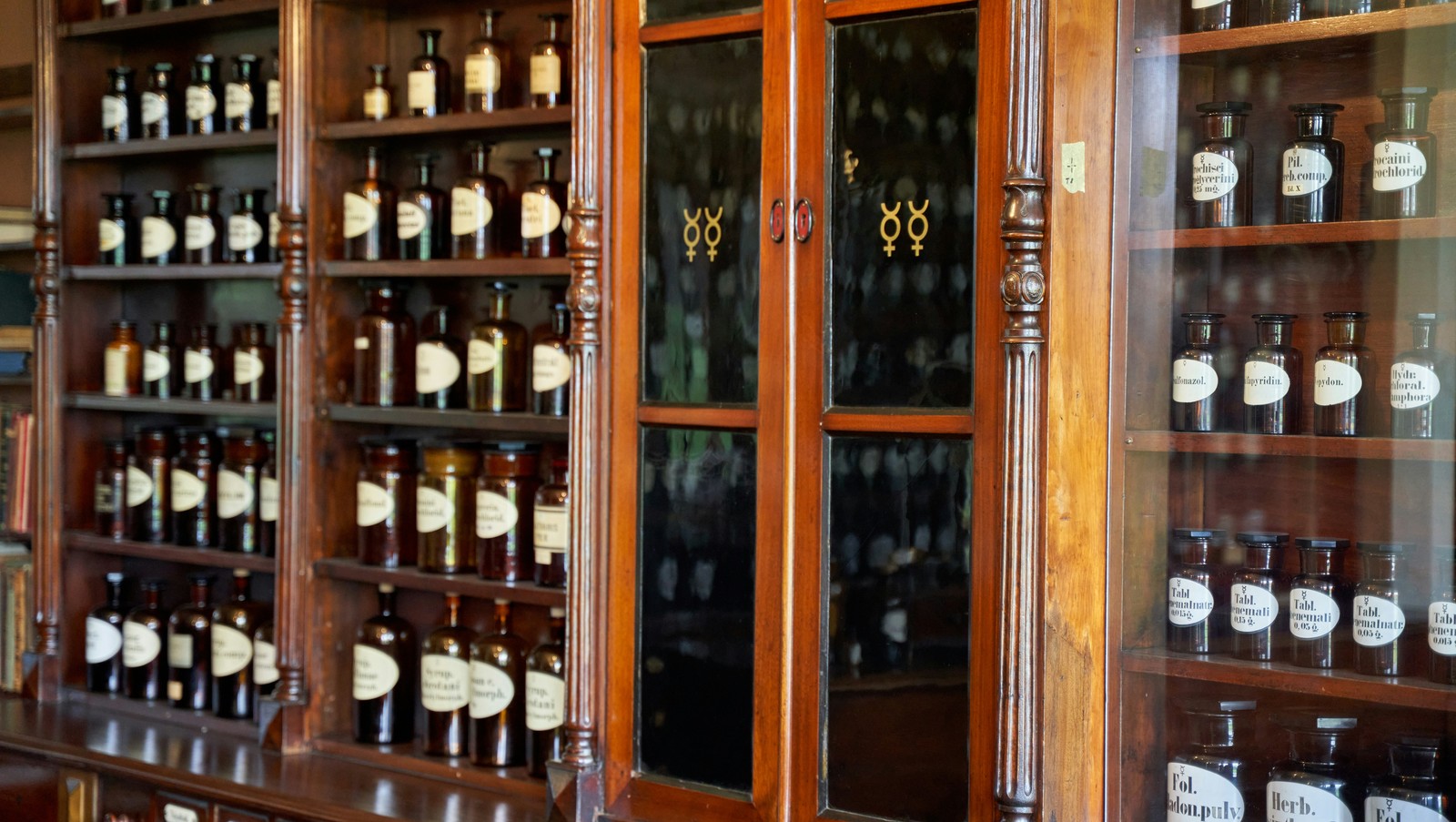
Image: Barnabas Davoti

For much of American history, grocery staples didn’t just promise flavor, they also claimed to heal. Yes, you read that right: before strict regulations, inventors, pharmacists, health reformers, and plain snake oil salesmen pushed new products as cures for nerves, digestion, or things as abstract as "vitality". Take a look at 11 everyday food items that were once considered medicinal.

1
Coca-Cola
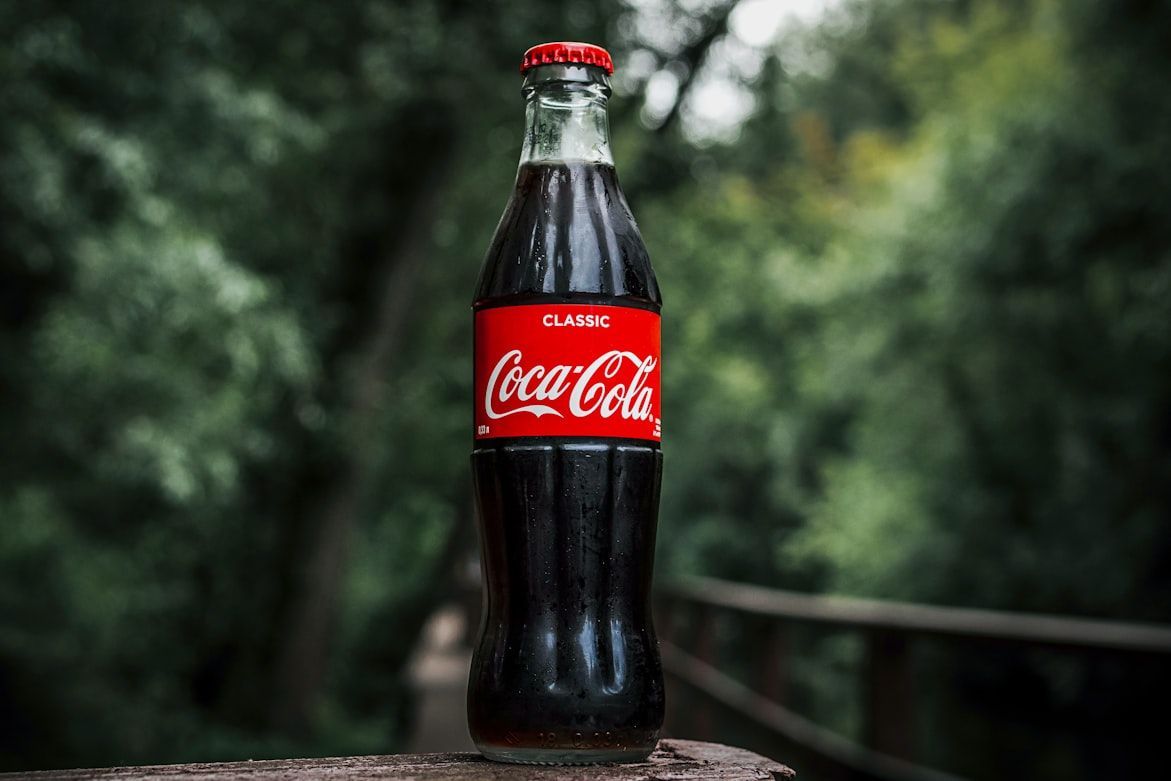
Image: Artem Beliaikin

The first item in our list is one of the most famous examples. Created in 1886 by a pharmacist named John Pemberton, Coca-Cola was introduced as a nerve tonic meant to calm headaches and boost energy . Early ads called it a "brain elixir," and it was sold from pharmacy counters.

Over time, the drink’s medicinal claims faded as its sweet and refreshing flavor alone won over the public.

2
Grape-Nuts

Image: Mona Bernhardsen

Grape-Nuts arrived in 1897 with big promises about health benefits, including digestion and even appendicitis . Ads insisted on its remarkable healing power.

As science advanced, the claims faded, but the cereal stayed popular. Its crisp texture and hearty flavor became the true selling point once the medicinal hype fell through.

3
Corn flakes
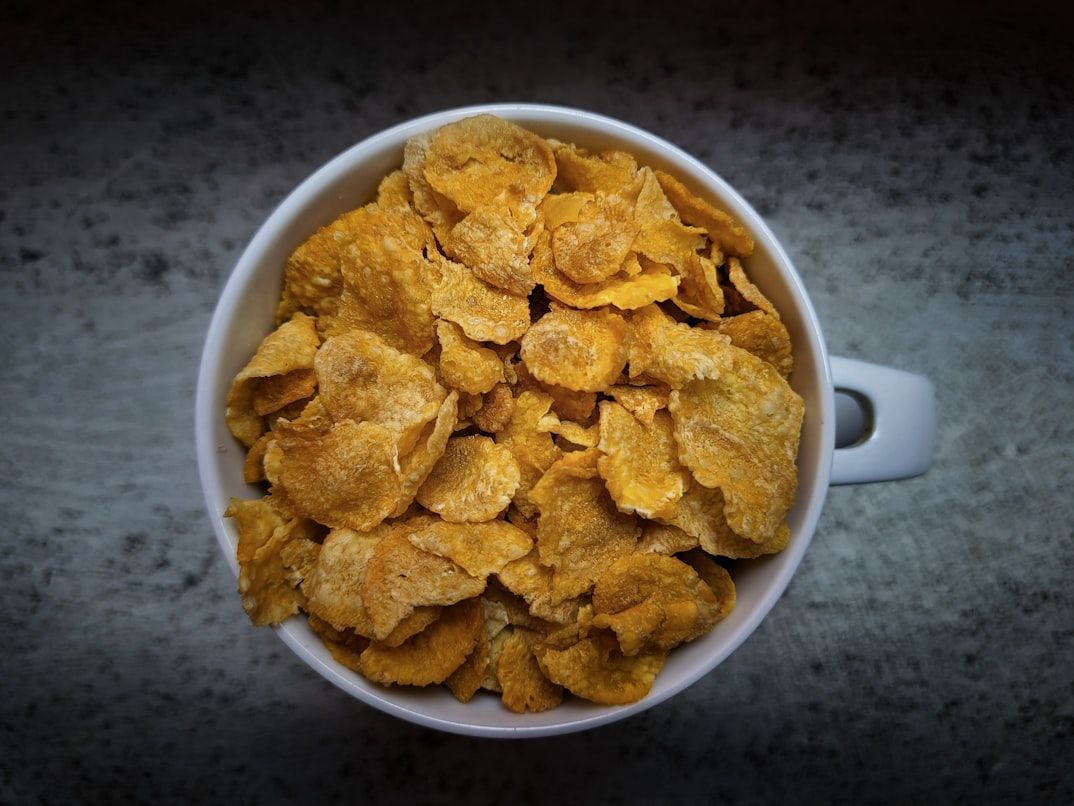
Image: Deepak N

Developed at the Battle Creek Sanitarium, Kellogg’s Corn Flakes were created as a bland, calming food meant to improve digestion and overall health . They were part of a larger awareness movement.

The cereal’s simple crunch won broad appeal, and the medical message softened. It ultimately became the breakfast staple that we know today.

4
Ovaltine
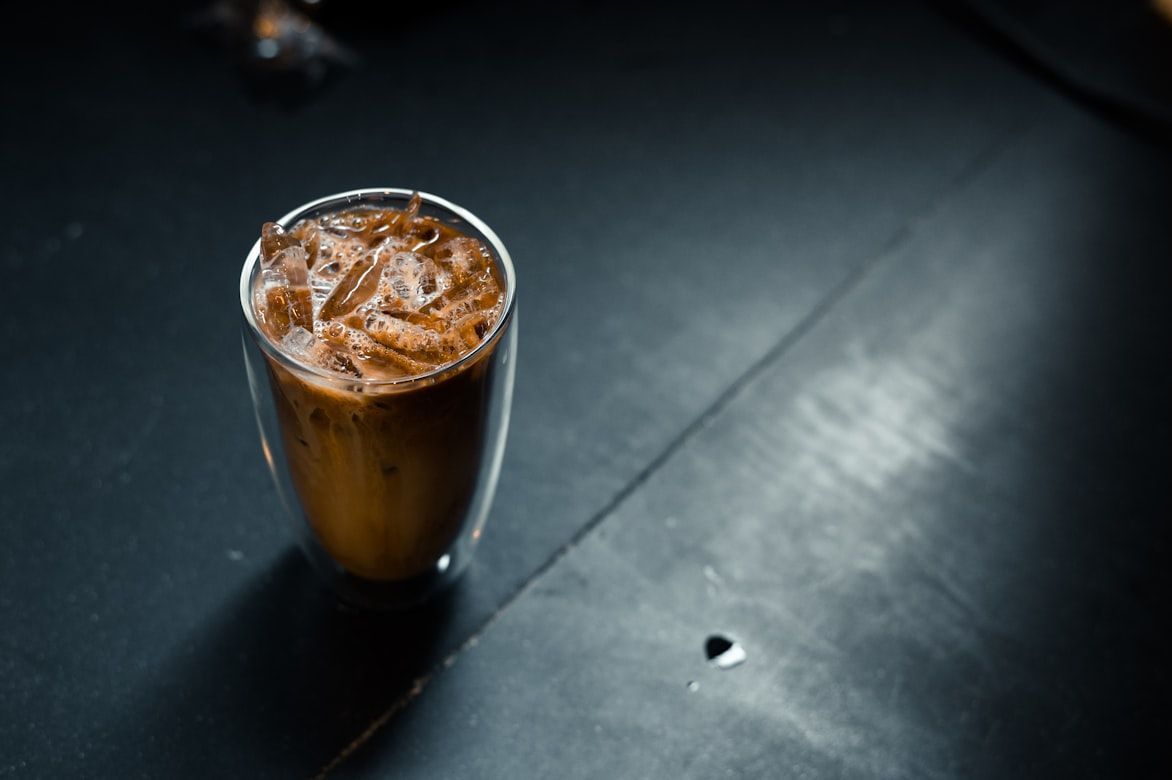
Image: pariwat pannium

Introduced in the early 1900s, Ovaltine claimed to boost strength, improve sleep, and support children’s growth . It was marketed as a malt-based health enhancer.

As breakfast habits changed, Ovaltine’s tine softened, but its cozy appeal endured. It became more of a nostalgic treat than a serious health product.

5
7-Up

Image: Shawn Powar

This one had some backing to its claims. When 7-Up was launched in 1929, it contained lithium citrate, an ingredient used in mood-stabilizing treatments . Early advertising pitched it as a mood-lifting, calming tonic.

As formulas changed and regulations grew, the lithium disappeared, and 7-Up’s identity shifted. It ultimately took its place as a crisp lemon-lime soda with no therapeutic claims.

6
Jell-O
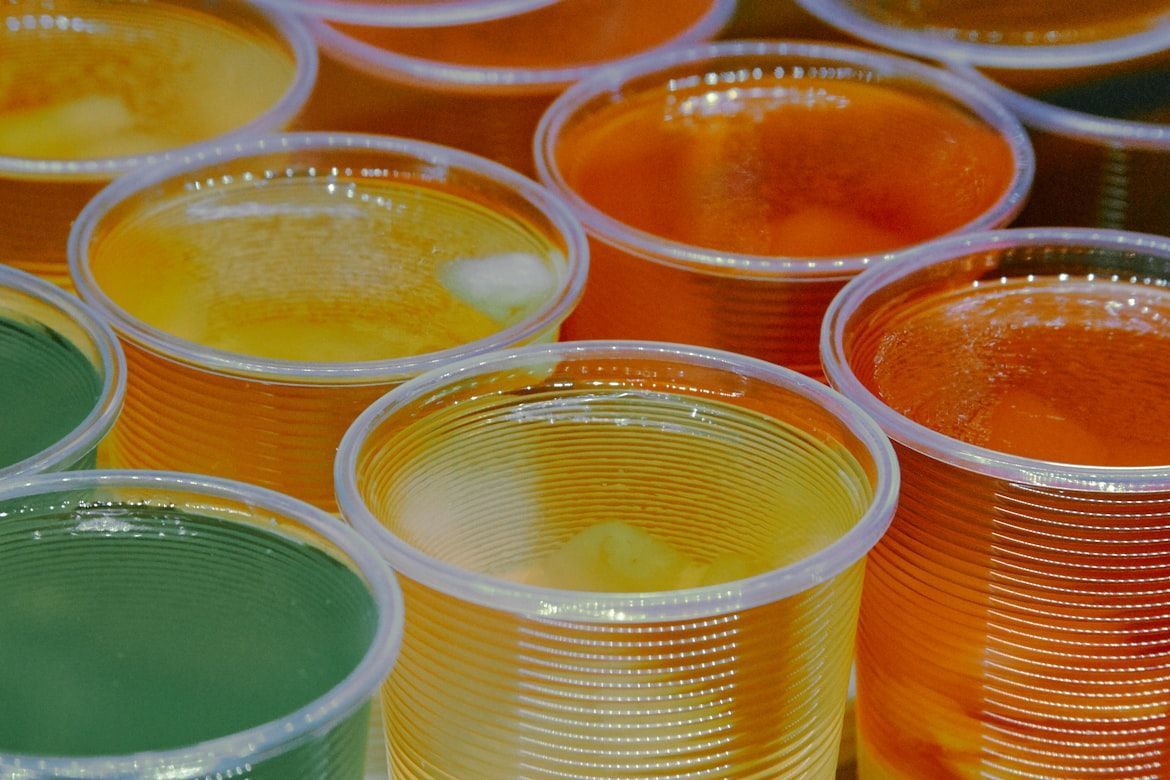
Image: Girl with red hat

When Jell-O debuted, it was pitched as a pure, digestible food for children and invalids . Doctors were encouraged to recommend it as a gentle nourishment.

Its colorful aspect soon eclipsed any medicinal sales angle. Today, Jell-O is tied to family gatherings, not medicinal prescriptions.

7
Fig Newtons

Image: Armando Brenlha

Early ads promoted Fig Newtons as a digestive biscuit thanks to their fruit filling . They were considered easy to assimilate and helpful for regularity issues.

Modern marketing focuses on wholesome snacking rather than health claims. Their soft, chewy texture is their lasting appeal.

8
Marshmallow candy
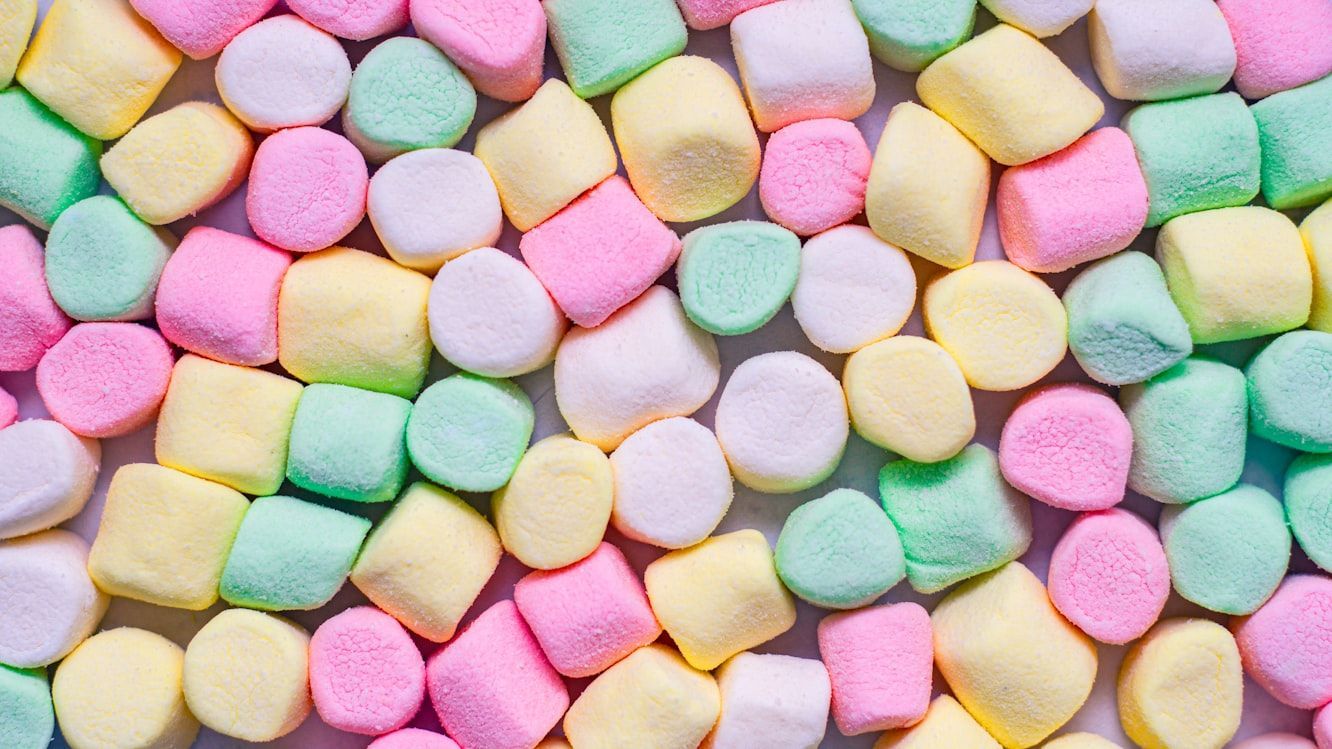
Image: Ricardo Loaiza

Before becoming modern candy, marshmallow confections were sold in pharmacies as throat soothers made from marshmallow root. They were considered medicinal lozenges.

As recipes changed, and gelatin replaced the plant extract, their purpose shifted entirely. Today, they’re tied to desserts and campfires.

9
Peanut butter
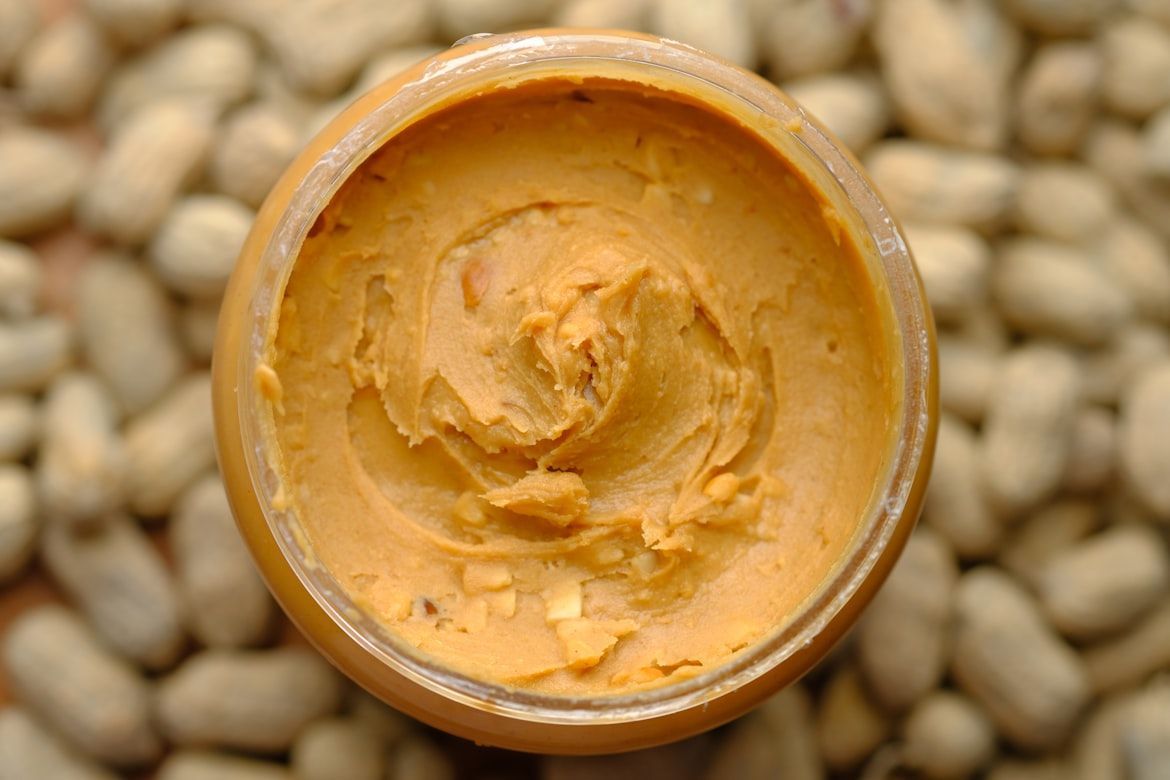
Image: Towfiqu barbhuiya

Health reformers promoted peanut butter as a protein-rich substitute for meat , ideal for the ill or elderly who struggled with chewing. It was part of a therapeutic diet.

Soon, its versatility outshone its medicinal beginnings. Peanut butter became beloved for sandwiches and snacks rather than health regimens.

10
Ginger Ale

Image: Nancy Hughes

Ginger Ale entered the market positioned as a stomach soother . Ginger’s long-standing reputation as a digestive remedy made the drink appealing to pharmacies.

Over time, ginger ale settled into its role as a refreshing mixer and comfort beverage. Its gentle reputation lingers, though it’s no longer pitched as a medical aid.

11
Welch’s Grape Juice
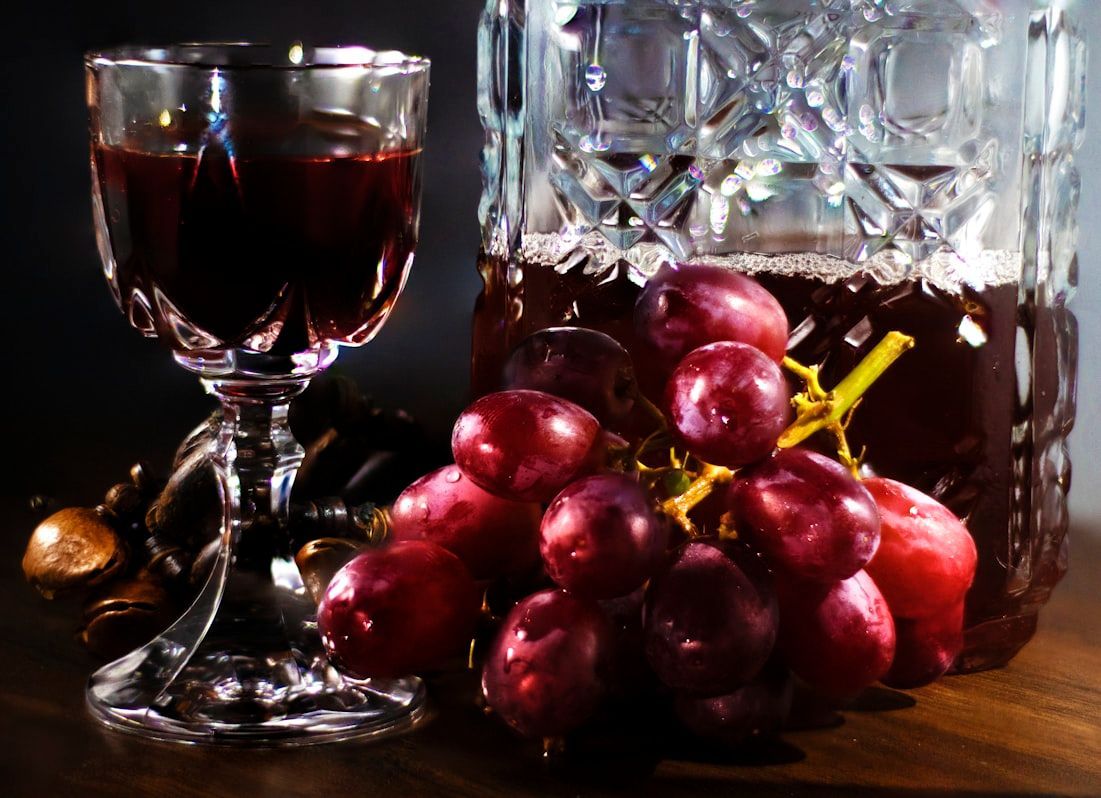
Image: Callum Hill

Welch’s promoted grape juice as a pure, healthful alternative to alcohol . Early ads suggested it supported vitality and overall well-being.

Its wholesome image stuck, though the medical claims did not. Today, Welch’s is associated more with family and wholesome habits than with old health ideals.

Culture Culture 6 min read

STORIES OF CHAMPIONS

Do You Remember These 10 Iconic American Olympic Moments?

Image: Aditya Joshi

Every four years, the world comes together and competes for a chance of glory. The Olympics are mostly a time for every country to be proud of its amazing athletes, and the United States is definitively no exception. After all, we are the country with the most Olympic medals in the world! The task of selecting ten iconic moments in American Olympic history is definitively a daunting one. Nevertheless, here is our selection of legendary American athletes and how each of them made our country proud. Enjoy!

1
The "Dream Team"

Image: Markus Spiske

We’ll start with what many believe to be the greatest sports team ever assembled . Before the 1992 Summer Olympics held in Barcelona, the rules stated by the International Basketball Federation prevented professional players from competing in Olympic tournaments. However, once this rule was revoked, the United States saw this opportunity to summon the very best the NBA had to offer. And with that, the "Dream Team" was born.

The Dream Team roster included basketball legends like Michael Jordan , Patrick Ewing, Magic Johnson, and Larry Bird. Accordingly, their performance was flawless: The American team stampeded through every match, earning the gold medal in a 117–85 victory over Croatia.

2
Muhammad Ali

Image: Johann Walter Bantz

There’s no denying that Muhammad Ali’s nickname "The Greatest" is very well-deserved: Few boxers have left a mark as indelible in the history of this sport as Ali has. Bearing that in mind, it seems only fitting to take a look at the point in time at which his transformation into a sports legend began, and most boxing enthusiasts agree that this took place during his outstanding performance at the 1960 Olympics.

Before the 1960 Summer Olympics in Rome, Muhammad Ali (then known as Cassius Clay) was a promising but relatively unknown pugilist from Kentucky. However, that 18-year-old boxer showed the world who he was by winning the light-heavyweight gold medal, the first achievement in a career filled with nothing but greatness.

3
Michael Phelps

Image: Gentrit Sylejmani

Speaking of nicknames, American swimmer Michael Phelps has also earned his share of monikers, like "The Flying Fish" or "The Baltimore Bullet". Phelps’ achievements are not restricted to just one Olympics: This iconic athlete had incredible performances in five separate Olympics, becoming the most decorated Olympian of all time in the process.

Michael made his Olympic debut at the young age of 15, becoming the youngest male to make a U.S. Olympic swim team in 68 years. By the time he participated in the 2008 Beijing Olympics, he was already an outstanding competitor: Phelps earned first place in eight different categories, breaking the record for most gold medals won in a single Olympics.

4
Simone Biles

Image: Eduardo Cano Photo Co.

During the 2016 Summer Olympics in Rio de Janeiro, American gymnast Simone Biles dazzled the world with her debut performance. She earned four gold medals, one as part of the U.S. gymnastic team known as the "Final Five". With an impressive total of 37 Olympic and World Championship medals, Simone is the most decorated gymnast in history.

Nowadays, at age 27, Biles still competes professionally, earning her eighth U.S. Gymnastics title in 2023. Her determination and impressive skills made her the recipient of the Presidential Medal of Freedom in 2022.

5
Joan Benoit

Image: sporlab

In March 1984, American marathon runner Joan Benoit injured her knee while training for the 1984 Los Angeles Olympics. This forced Benoit to undergo surgery just 17 days before the trials. While this could have understandably been the end of her Olympic dream, Benoit was not daunted by this dreadful situation: Instead, she recovered much more quickly than expected and earned her place in the American team.

While this feat alone is remarkable, Benoit didn’t stop there . She went on to win the gold medal in the Los Angeles Olympics, becoming the first women's Olympic Games marathon champion in history.

6
The "Miracle on Ice"

Image: gerhard crous

Just like with the "Dream Team", the American ice hockey team's victory in the 1980 Winter Olympics was a team effort. However, while the Dream Team was fully expected to earn the gold medal, the American team’s win over the heavily favored Soviet Union was so unexpected that it is now known as "The Miracle on Ice".

The United States faced the Soviet Union in the first game in the medal round. The odds heavily favored the Soviet team, since it was a four-time defending gold medalist. Not only that, their players were more experienced and seasoned compared to the American team, the youngest team in the entire tournament. And yet, the underdog prevailed: the American team upset the Soviets and won the game 4-3. After this remarkable victory, the U.S. team defeated Finland in their final game and earned the gold medal.

7
Mary Lou Retton

Image: Vladyslav Melnyk

The 1984 Los Angeles Games introduced the world to the energetic gymnast Mary Lou Retton, who quickly and understandably gained the nickname "America’s Sweetheart" . Retton’s pleasant demeanor and unforgettable smile were only eclipsed by her amazing talent: She scored perfect tens and won the individual all-around gold medal, the first female gymnast from outside Eastern Europe to achieve this feat.

What makes this accomplishment even more impressive is the fact that Retton had just recovered from suffering a severe knee injury just five weeks before the Olympics. She was forced to undergo an operation, recovering just in time for the competition. Nevertheless, Retton’s outstanding performance secured her a place among the greatest Olympians of all time.

8
Carl Lewis

Image: Braden Collum

Track and field star Carl Lewis truly made a name for himself throughout his 17-year career: He set world records in three different disciplines and amassed a total of nine Olympic gold medals and 10 World Championships medals. Nevertheless, however fruitful his career was, Lewis is still most fondly remembered for his debut in the 1984 Los Angeles Olympics, considered one of the best Olympic debuts in history.

During his first Olympic games, Lewis won the gold medal in all four events he entered: 100 meters, 200 meters, long jump, and 4x100-meter relay, on which he set a world-record time of 37.83 seconds. This exceptional performance proved to be only the beginning of an outstanding athletic career.

9
The Williams Sisters

Image: Josephine Gasser

Venus and Serena Williams truly need no introduction: these sisters have earned 22 women’s doubles titles, as well as a combined total of 30 Grand Slam titles. Naturally, their outstanding careers include several achievements in the Olympics, both playing individually and as a team.

Perhaps the most iconic of these Olympic wins is the sisters’ first doubles championship win, which they achieved during the 2000 Olympics. While many gold medals would follow this first one, their triumph in Sydney showed the tennis world that they were truly a force to be reckoned with.

10
1996 Atlanta Olympics Opening Ceremony

Image: Igor Lepilin

We’ll end this list with one of the most touching instances in Olympic history. Granted, this moment is not an athletic landmark, but rather a celebration of one of America’s most inspiring athletes. The Olympic opening ceremony is always an extraordinary display of energy and excitement, during which the entire world expectantly awaits that moment at which the cauldron is finally lit. In that regard, the opening of the 1996 Atlanta Olympics is still fondly remembered, thanks to the legend that officially inaugurated the games.

Muhammad Ali ’s declining health didn’t stop him from lighting the cauldron in the Atlanta Games. This spectacle was particularly moving not only because of Ali’s battle against Parkison’s Disease but also because it symbolized the passing of the torch from one of history’s most prominent sports legends to a new generation of American athletes.

History History 3 min read

Everything has a secret to tell

Take a deep breath before reading these iconic landmarks’ untold stories

Image: Venti Views

America is filled with famous landmarks that everyone recognizes. But some of these places hold secrets known to only a few. For example, did you know that Niagara Falls can be turned off and on like a faucet? Or that a hidden social club exists inside New York’s Grand Central Station? Discover 12 of these incredible facts and impress your friends with your knowledge!

1
The Statue of Liberty’s color

Image: Pierre Blaché

We start our list with a moderately well-known fact: the Statue of Liberty’s beautiful emerald color is not original. Technically, it’s a sign of damage. While the statue's infrastructure is made of iron, its exterior is copper, which has turned green over time due to oxidation .

Fortunately, that same green coating now protects the statue from further damage and deterioration.

2
Grand Central Terminal’s hidden club

Image: David Vives

A busy train station may not seem like the ideal place for a social club, but that’s exactly the case with the Explorers Club. Operating for decades, this exclusive venue primarily serves locals, featuring a full gym, an indoor hard court, and even a smaller secondary court .

3
Gateway Arch’s time capsule

Image: Chris Hardy

This beloved St. Louis landmark holds a secret at its peak: a time capsule was placed inside the arch in 1965 , containing 762,000 signatures—many from students who attended St. Louis schools at the time.

The capsule is permanently welded inside the arch and will remain sealed for as long as the structure stands.

4
New York's High Court Building’s ball court

Image: Markus Spiske

New Yorkers seem to have a penchant for sports courts hidden on the top floors of iconic buildings—this one being the second on our list. The New York High Court Building is primarily a place for legal proceedings and bureaucratic work, but on its fifth floor, visitors will find a basketball court known as the "Highest Court in the Land."

5
The White House’s dentist

Image: Benyamin Bohlouli

It’s easy to imagine hallways and rooms filled with endless state secrets in the White House basement. But what most people won’t guess is that you can also find a dentist’s office, a carpenter’s shop, and even a bowling alley down there.

6
Niagara Falls is a huge faucet

Image: Tosab Photography

As strange as it sounds, this statement is true in a sense. The complex system of pumps and gates that administer the water of the Falls can be controlled by a central command.

In fact, part of Niagara Falls is even scheduled to be "turned off" in the coming years to replace some obsolete structures—just like a faucet.

7
Washington Monument’s Civil War graffiti

Image: Sonder Quest

Graffiti has been around all over the world, for a couple of centuries now. The Washington Monument was still under construction when the Civil War broke out, and Union soldiers stationed there carved their names and drew pictures onto the monument . These markings can still be seen today at its base.

8
Mount Rushmore’s hidden room

Image: Jéan Béller

One of America’s most famous landmarks hides a secret room known as the Hall of Records , which is filled with documents intended to preserve the nation’s history for future generations. This hidden chamber is accessed through a concealed door behind Abraham Lincoln’s ear.

9
Lincoln Memorial’s secret carvings

Image: Andy Feliciotti

Speaking of Lincoln, you’ll need a flashlight to spot this one—but it’s there. On the north wall stone of the Lincoln Memorial, the letters "EBL" can be seen carved . These initials stand for Evelyn Beatrice Longman, the artist who sculpted the memorial’s ornamental border.

10
Empire State Building’s secret floor

Image: Kit Suman

As it turns out, the Empire State Building has one more floor than the famous 102. This extra floor was originally constructed for building maintenance but now serves as an exclusive hotspot for celebrities, complete with an ultra-thin, knee-high railing separating observers from the sky surrounding them.

11
Brooklyn Bridge’s wine cellars

Image: Partha Narasimhan

Wine cellars are cold and dark places—just like the basements at the Brooklyn Bridge’s bases. This connection, now quite obvious, was made by the bridge’s engineer, Washington Roebling, who incorporated two full wine cellars into the bridge’s bases on each side and then rented the space to local businesses who needed the extra storage.

12
Disneyland’s secret members-only club

Image: Travis Gergen

If a trip to Disneyland isn’t enough of a Disney experience for you, there’s an exclusive club on the premises called Club 33 . This exclusive joint boasts an invite-only guest list, where members must pay anywhere from $25,000 to $100,000 to join, with annual membership dues ranging from $12,500 to $30,000. Do you think it’s worth it?

Explore more American facts

Choose your favorite category!

General
General

As American as apple pie—the very best America has to offer!

Culture
Culture

Delve into the astounding richness of American lore.

Geography
Geography

Hop in and explore vast and diverse American landscapes.

History
History

Discover the key moments that shaped the United States.