General General 6 min read

Borrowed anthems

The songs you always loved weren't written by who you think

Image: Rawpixel.com

You're at a barbecue, and someone puts on "Hound Dog." Everyone loves it, and everyone assumes it's pure Elvis. Then someone says, "You know he didn't write that, right?" Or maybe you're at a summer party and "Livin' on a Prayer" comes on. Everyone screams the chorus, and nobody stops to think: who actually wrote this thing? A lot of the songs we sang in the car or danced to at parties were handed off, sold, recorded by someone else, and became massive hits under a different name . Let's take a look at 10 of the most famous examples.

1
"Hound Dog" , Elvis Presley
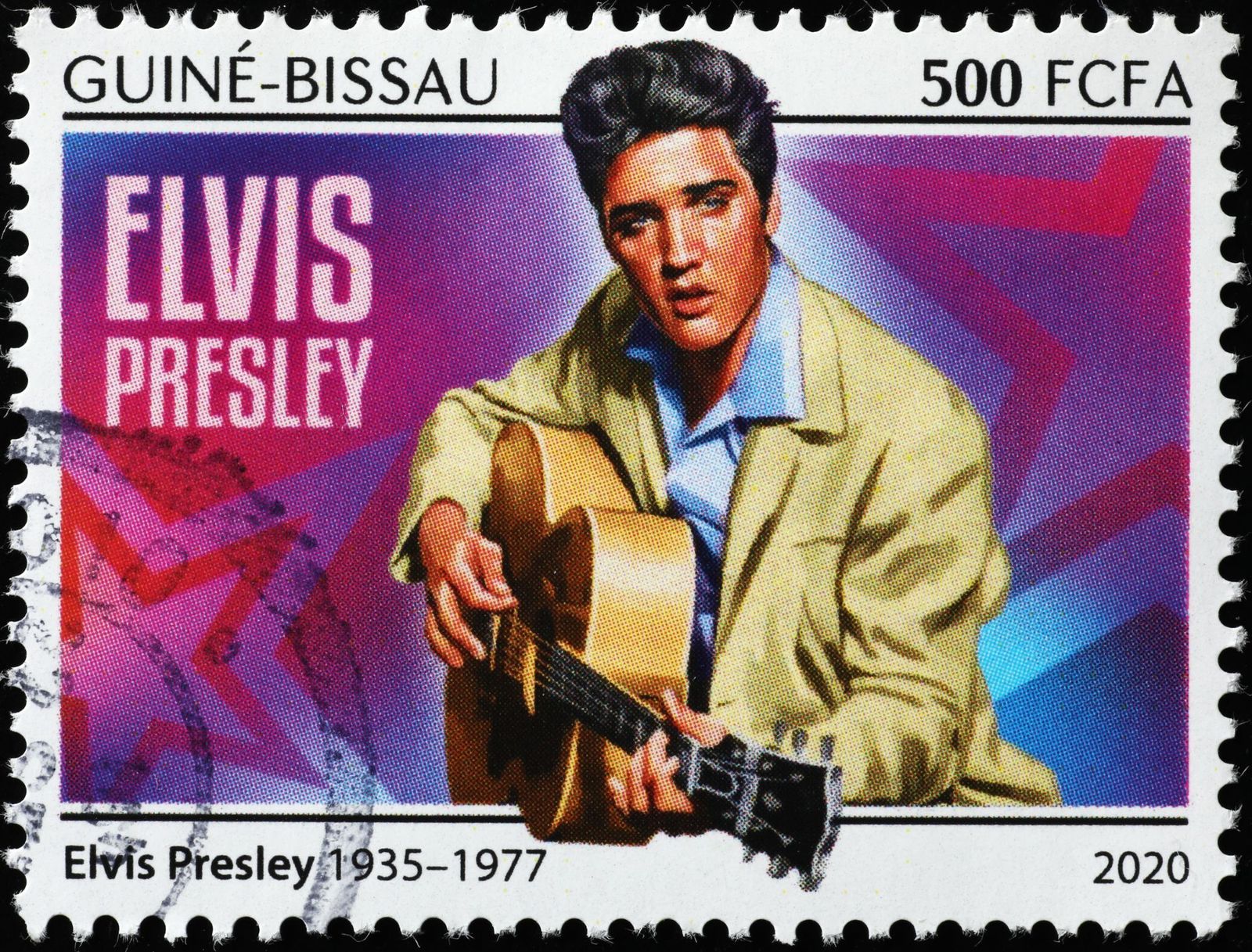
Image: spatuletail

Elvis made this song his signature, and it's hard to imagine it belonging to anyone else. But "Hound Dog" was written in 1952 by Jerry Leiber and Mike Stoller, and was first recorded by Big Mama Thornton, a blues singer from Alabama. Her version was a raw, powerful blues track, and it was a genuine hit.

Elvis recorded his version in 1956 and turned it into something faster, rockabilly, electrifying . For anyone who grew up in the '50s or '60s, it probably takes you right back to a specific moment: a sock hop, a drive-in, a transistor radio on a summer night. It carries a kind of pure rock-and-roll energy: rebellious, playful, unstoppable.

2
"Livin' on a Prayer" , Bon Jovi
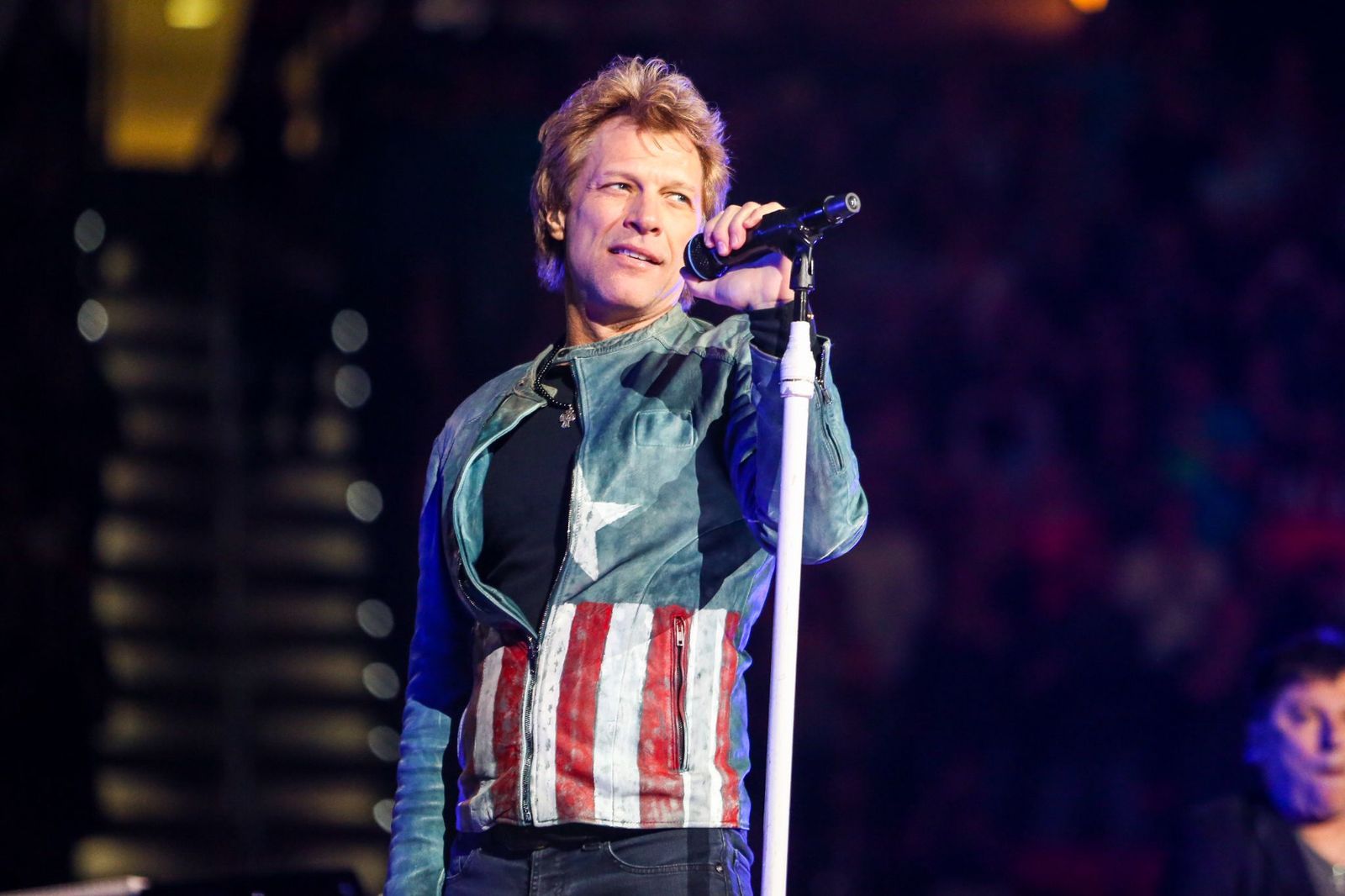
Image: Steve Sykes

Pumping fists, packed arenas, everyone screaming "Whooooa, we're halfway there!", it's the kind of energy that doesn't age. Jon Bon Jovi and Richie Sambora wrote it together in 1986, along with songwriter Desmond Child , pulling inspiration from the working-class New Jersey world around them.

The song hit number one in the U.S. and became an anthem for anyone who's ever had to scrape by and stay hopeful. It brings out something almost joyful in people: this defiant, communal "we're going to make it" spirit.

3
"I Will Always Love You" , Whitney Houston
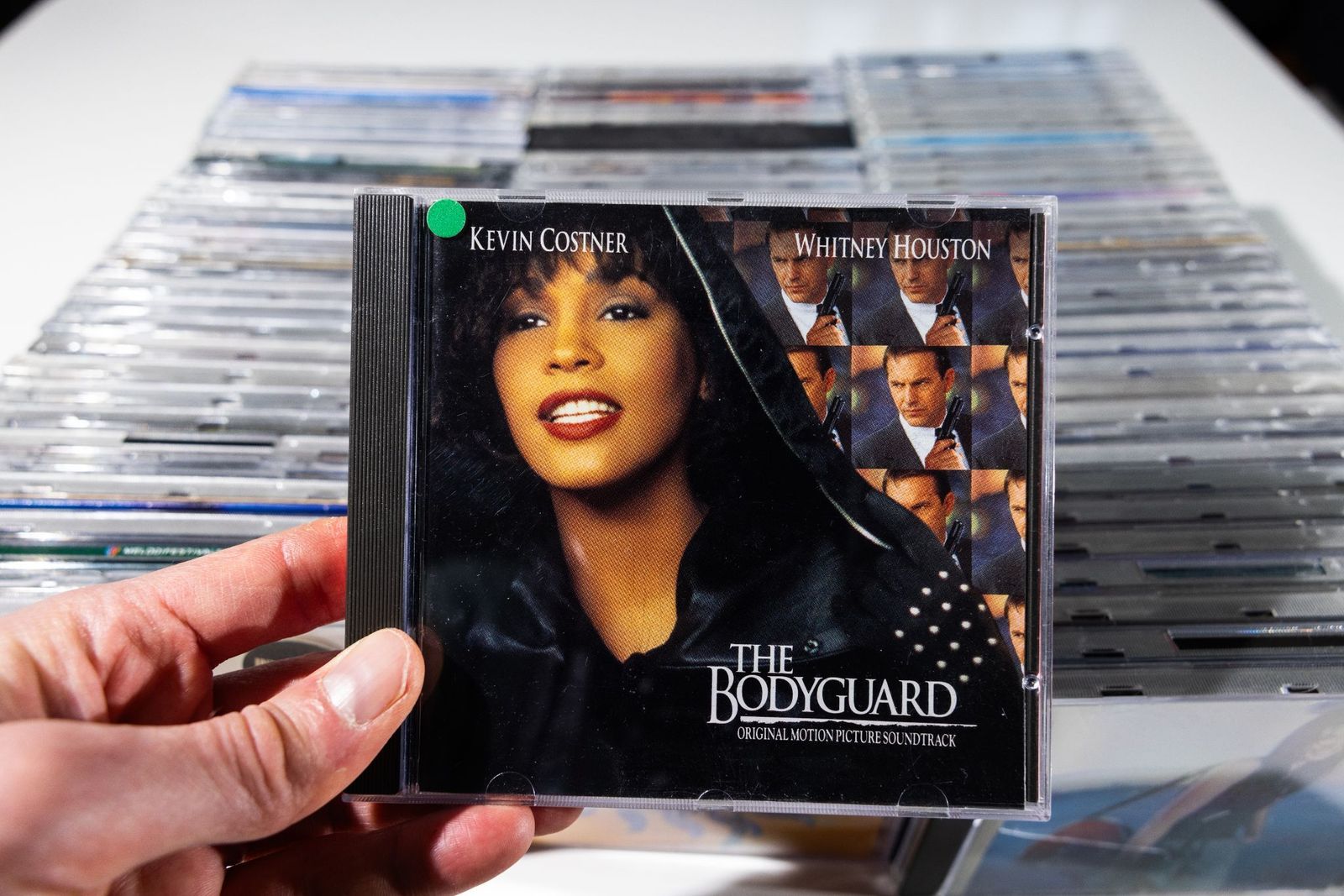
Image: Jeppe Gustafsson

Most people under 50 think this is a Whitney Houston song, but Dolly Parton wrote it back in 1973, sitting in Nashville. She was leaving her mentor and business partner, Porter Wagoner, to go solo, and the song was her way of saying goodbye: with love, but firmly.

Then Whitney came along in 1992 for The Bodyguard soundtrack and turned it into a stadium-sized emotional explosion. Where Dolly's version was warm and heartfelt, Whitney's was pure power. It connects to just about everyone, but especially to people who've ever had to let someone go. Which version do you like best?

4
"Respect" , Aretha Franklin
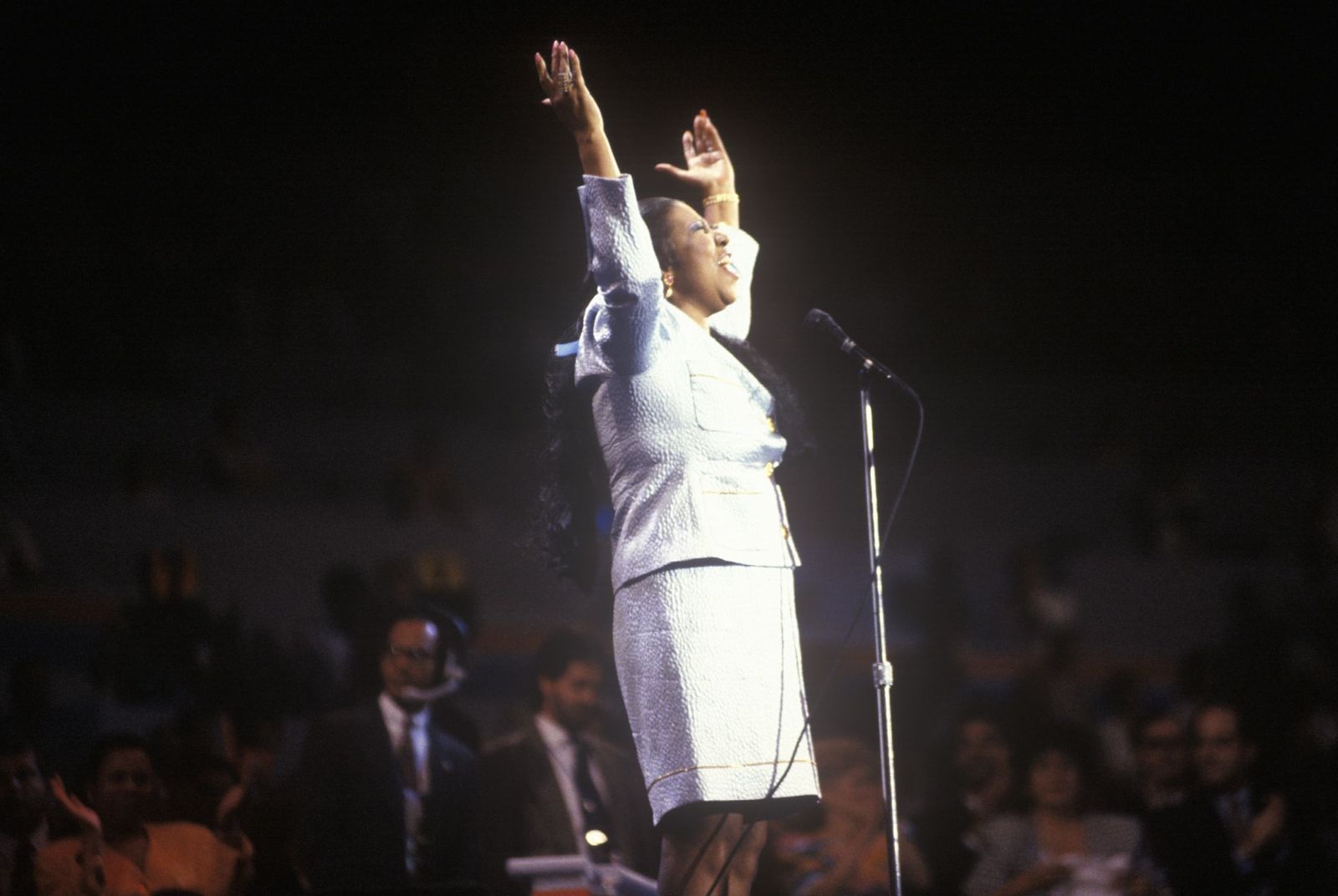
Image: Joseph Sohm

This is one of those cases where the cover so thoroughly eclipses the original that most people don't even know an original exists. Otis Redding wrote and recorded "Respect" in 1965, and it was a decent soul hit for him; a man asking his woman for a little respect when he comes home.

Then Aretha Franklin got hold of it in 1967, rewrote parts of it, added that now-iconic spelling-out of the word, and completely flipped the meaning . Suddenly, it was a woman demanding respect from men, from society, from everyone. It became an anthem of the civil rights movement, the women's movement, and basically every movement that involved people standing up and saying enough.

5
"Girls Just Want to Have Fun" , Cyndi Lauper
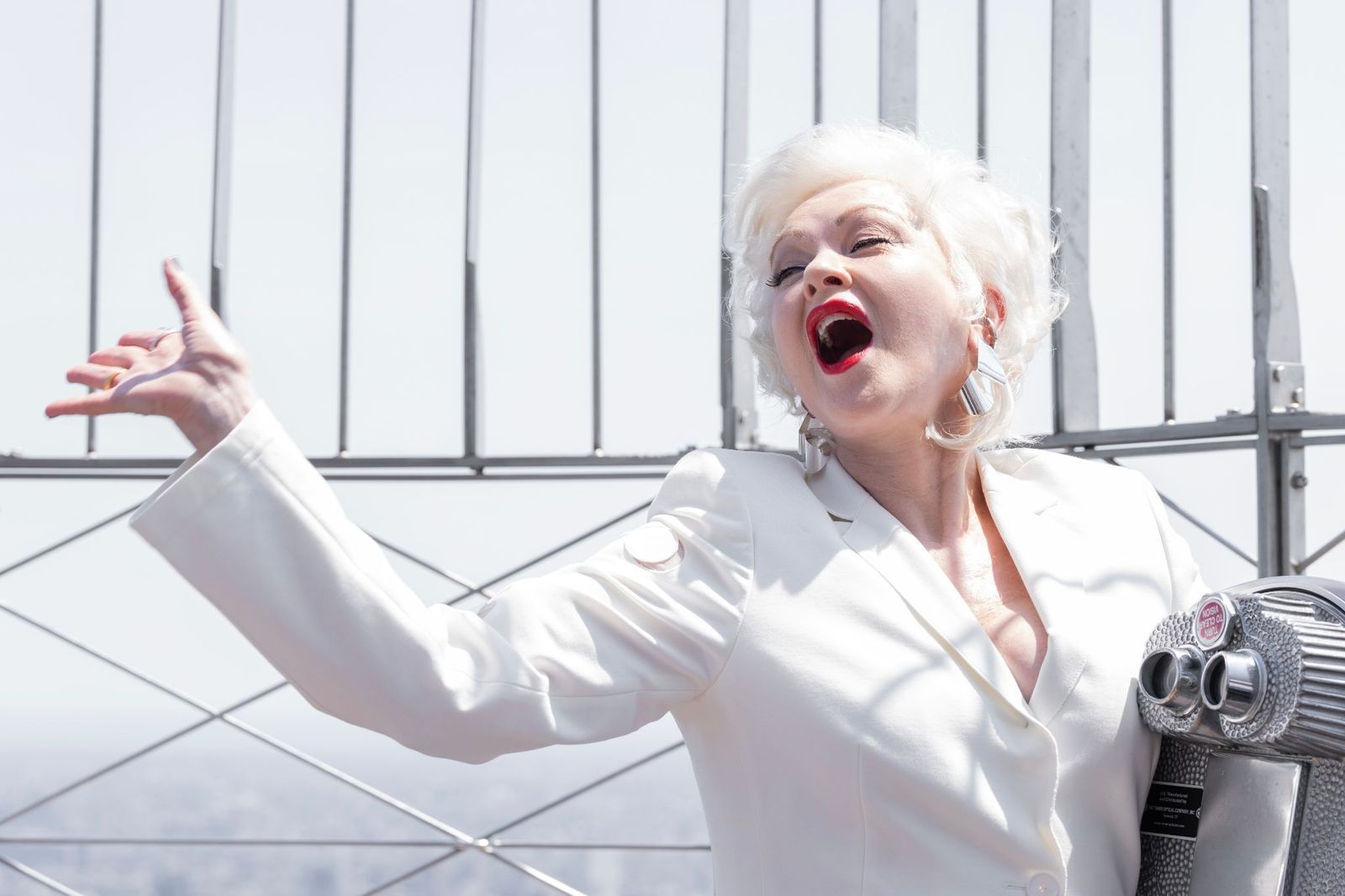
Image: lev radin

Cyndi Lauper made this song her own so completely that it's almost shocking to learn she didn't write it. Robert Hazard, a Philadelphia-based musician, wrote it around 1979 as a kind of tongue-in-cheek song from a man's point of view, about his own desire to just have fun without commitment.

When Cyndi recorded it in 1983, she completely reframed it: it became a declaration of independence for young women who just wanted to live their lives on their own terms . If you had a daughter, a niece, or any teenage girl in your life in the '80s, you heard this song approximately ten thousand times.

6
"Nothing Compares 2 U" , Sinead O'Connor

Image: Matteo Chinellato

Few music videos have hit people as hard as Sinead O'Connor, alone on screen, tears streaming down her face, singing this song in 1990. It felt impossibly raw and personal. But the song was written by Prince back in 1984, and was first recorded by a side project of his called The Family.

Sinead stripped it down and made it devastating. It became one of the most emotionally powerful recordings of the decade . You probably heard it on adult contemporary radio, or remember exactly where you were the first time you really listened to it. It's a song about grief and absence and not being able to fill a void someone left behind.

7
"I Love Rock 'n' Roll", Joan Jett & the Blackhearts

Image: Randy Miramontez

Few songs scream pure, unapologetic rock and roll like this one. But Joan Jett didn't write it: a British glam rock band called The Arrows did, back in 1975, in London. Lead singer Alan Merrill said he wrote it as a direct response to the Rolling Stones' "It's Only Rock 'n Roll," which he felt was a little too apologetic about loving the music.

Joan Jett saw The Arrows perform it on British TV in 1976 while touring the UK with The Runaways, and the song stuck with her . She recorded it in 1981, and it rocketed to number one, sitting there for seven weeks. You've heard it blasting from jukeboxes, at sports events, in movie montages, at pretty much every party where someone wanted to get the energy up fast.

8
"I Don't Want to Miss a Thing" , Aerosmith
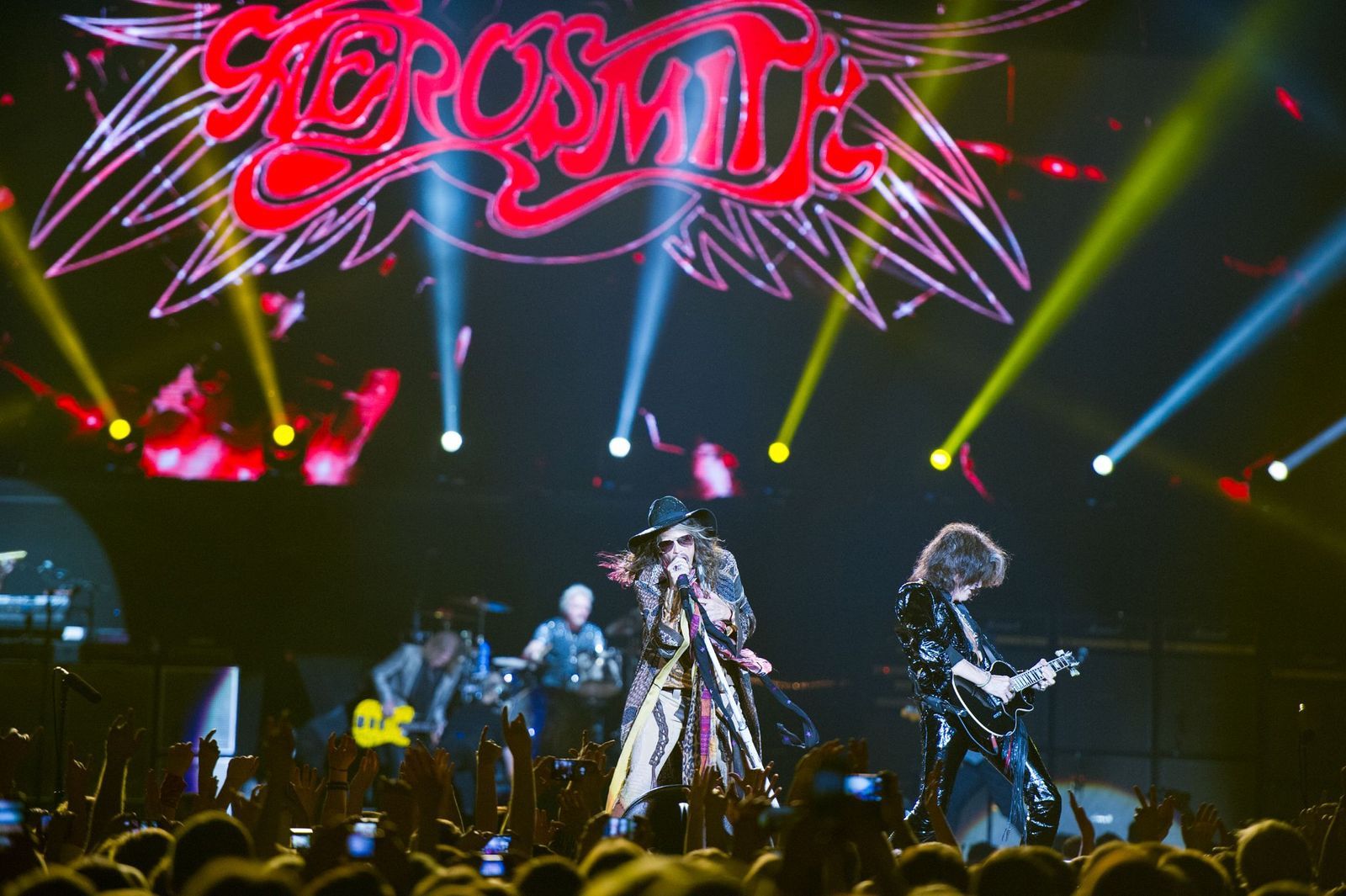
Image: JuliusKielaitis

Tyler belting it out, that unmistakable raspy voice: it feels so Aerosmith. But the song was actually written by Diane Warren, one of the most prolific and successful songwriters in pop history , who penned it in 1998 specifically for the movie Armageddon. Warren has said she wrote it while watching her boyfriend sleep, thinking about not wanting to miss a single moment with someone you love.

Aerosmith recorded it, and it became their first number-one pop hit. It hits hard for anyone who's ever been deeply in love, or who's lost someone and wishes they'd paid more attention while they had the chance.

9
"Bette Davis Eyes", Kim Carnes

Image: IgorVer

This was the biggest song in America in 1981, and it spent nine weeks straight at number one on the Billboard Hot 100 . Kim Carnes' raspy, smoky delivery made it feel completely hers. But the song was written in 1974 by Jackie DeShannon and Donna Weiss, both inspired by a classic old Hollywood film . DeShannon recorded her own version, but it barely registered.

Seven years later, Carnes took it into a Los Angeles studio, added a driving synth arrangement that was pure early MTV, and transformed it into the sound of an era. The real-life Bette Davis, then 73 years old, wrote personal letters to the songwriters and to Carnes to thank them for making her "a part of modern times." The song connected with anyone who'd ever been dazzled by someone they couldn't quite figure out, which is pretty much everyone.

10
"Blame It on the Rain" , Milli Vanilli
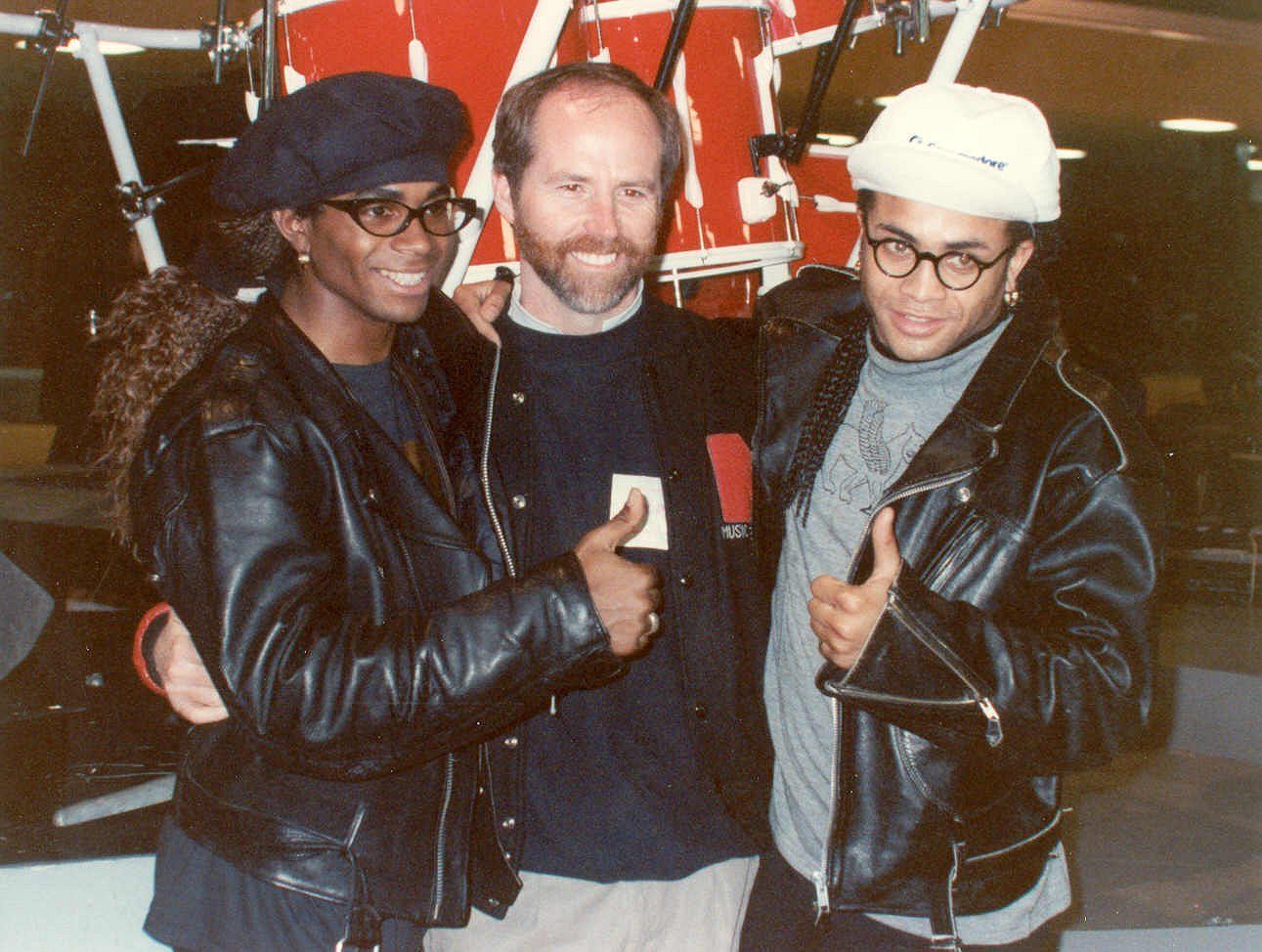
Image: photo by Alan Light, CC BY 2.0, via Wikimedia Commons

You probably remember the Milli Vanilli scandal: in 1990, it came out that Fab Morvan and Rob Pilatus, the two beautiful, dreadlocked faces of the duo, hadn't actually sung a single note on their records . The real vocals were by studio singers. Their Grammy was revoked. It was a whole thing.

But before all that exploded, "Blame It on the Rain" was a legit #1 pop hit in 1989. It was written by Diane Warren (yes, the same woman who wrote "I Don't Want to Miss a Thing"), and it's a smooth, sweet ballad about blaming the weather for a relationship going wrong. You probably heard it on pop radio, maybe slow-danced to it without knowing what you were slow-dancing to.
Culture Culture 6 min read

From Braveheart to JFK: 10 movies that got history completely wrong Braveheart to JFK : 10 movies that got history completely wrong

Image: Pressmaster

Hollywood often prioritizes spectacle and drama over strict historical accuracy. Period epics tend to win big at the Academy Awards, but their relation to real-world events ranges from artistic license to complete fabrication. These ten celebrated films delivered unforgettable cinema, yet failed all history tests.

1
Titanic (1997)

Image: Andrea Izzotti

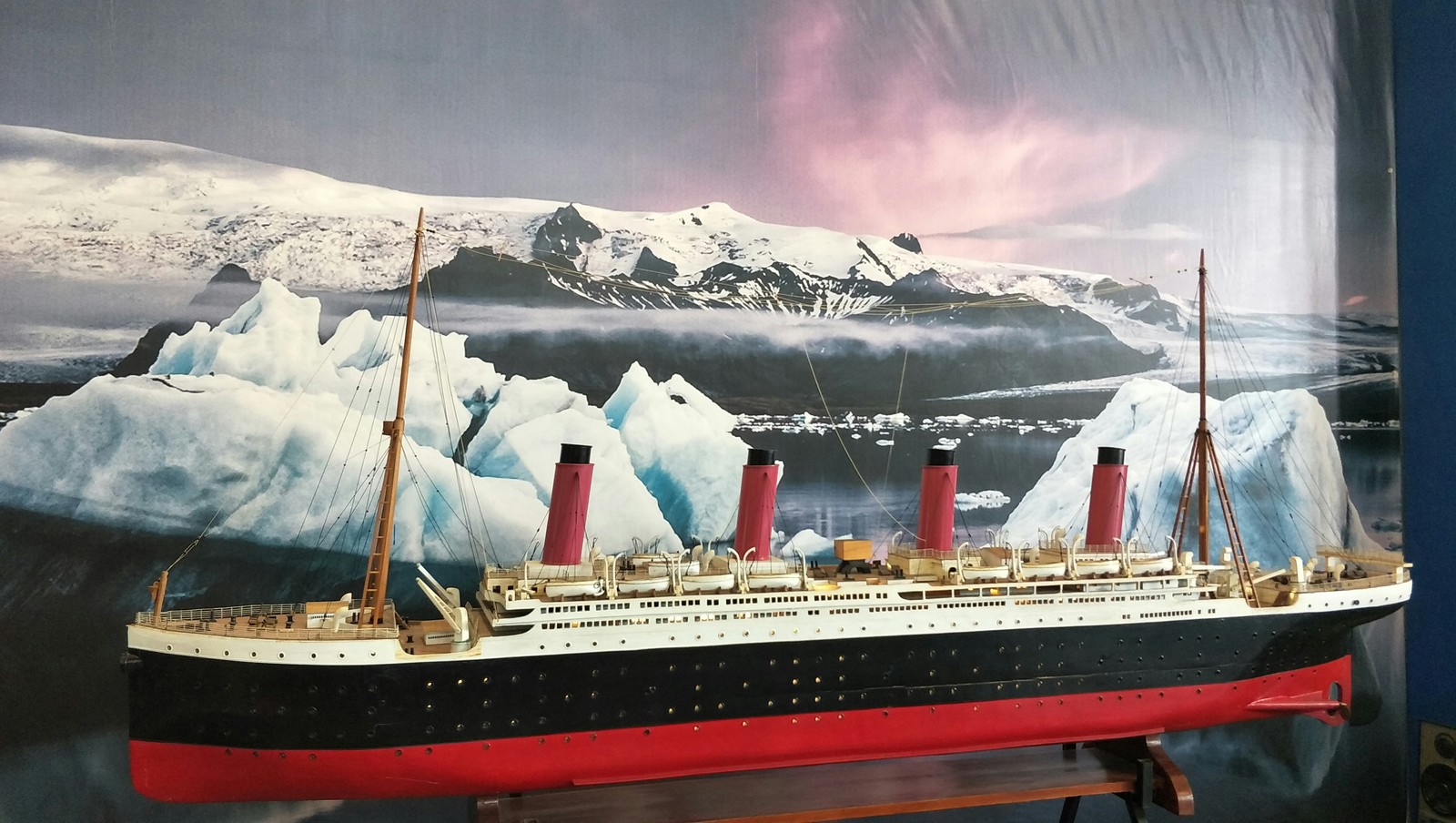
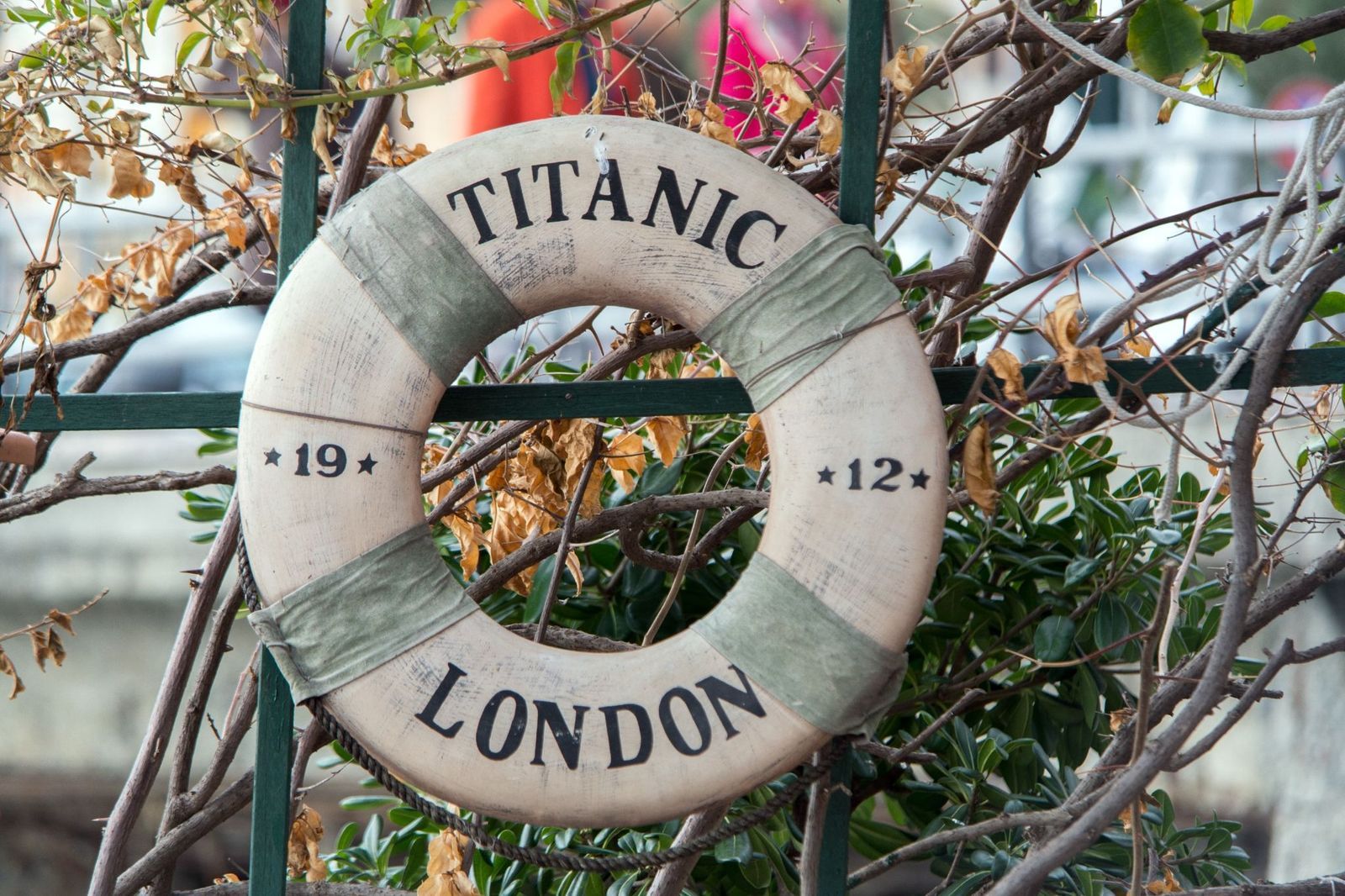
James Cameron’s Oscar-winning blockbuster frames the tragic 1912 sinking around the fictional romance of Jack (Leonardo DiCaprio) and Rose (Kate Winslet), while depicting real-life First Officer William Murdoch (Ewan Stewart) accepting bribes, shooting passengers, and taking his own life.

When the film premiered in 1997, the portrayal of Murdoch caused significant outrage. Survivor accounts prove the First Officer acted heroically, working tirelessly to launch lifeboats and saving hundreds of lives before dying in the freezing Atlantic. Additionally, third-class passengers were not locked below deck by armed guards as portrayed in the movie. _Titanic_’s producers eventually traveled to Murdoch’s hometown of Dalbeattie, Scotland, to issue an official apology to his descendants.

2
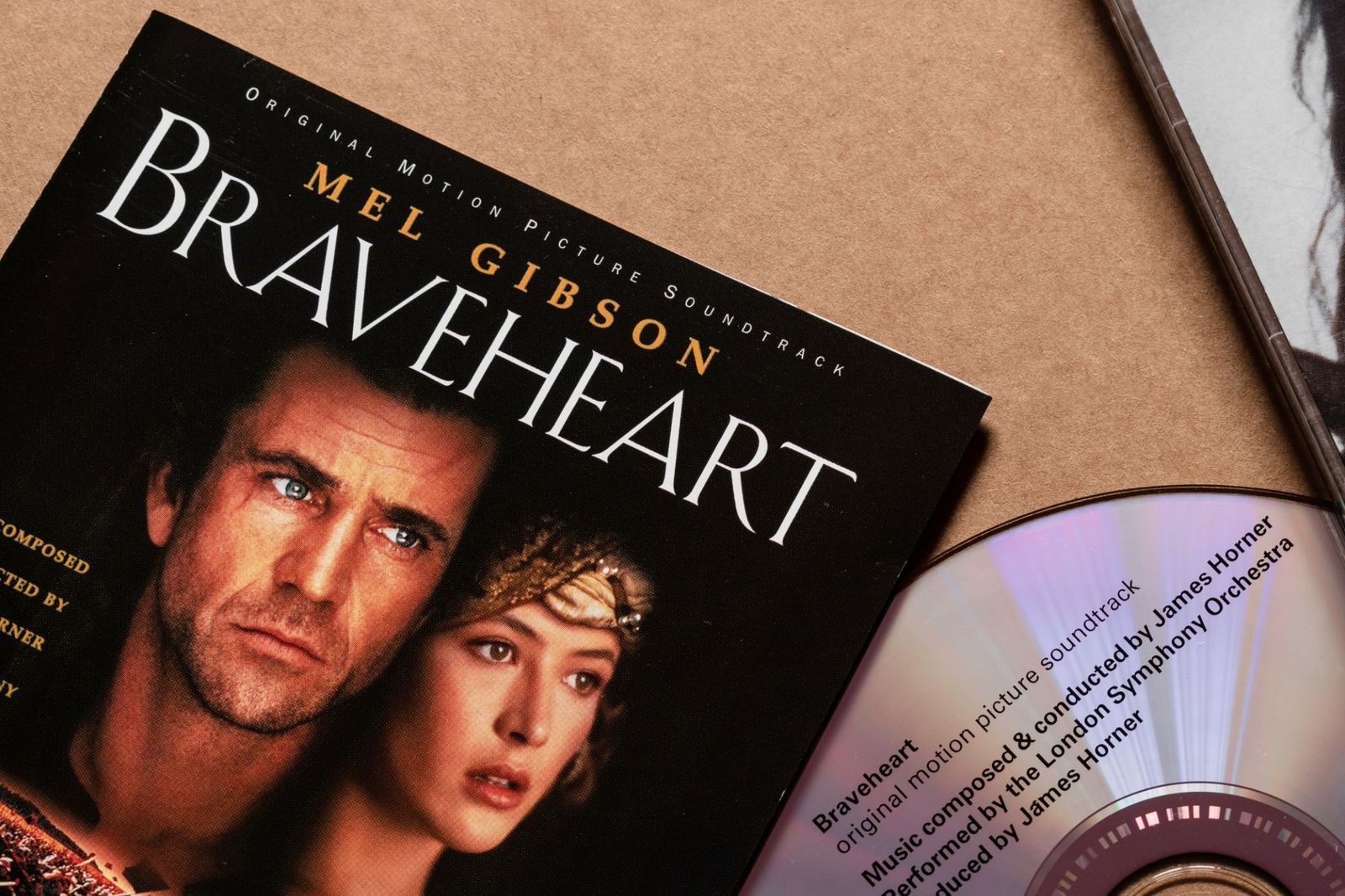
Braveheart (1995)

Image: Snap Spot

Mel Gibson’s epic depicts William Wallace leading a 13th-century Scottish rebellion against English rule, wearing belted plaid kilts and seducing Isabella of France (Sophie Marceau).

Many details in the film are inaccurate. For example, Scots didn’t wear kilts until the 16th century, nearly 300 years after Wallace’s death. Furthermore, Isabella was roughly three years old and living in France during Wallace’s rebellion, making the affair impossible.

3
Pearl Harbor (2001)

Image: Gary Ell, USAF, Public domain, via Wikimedia Commons

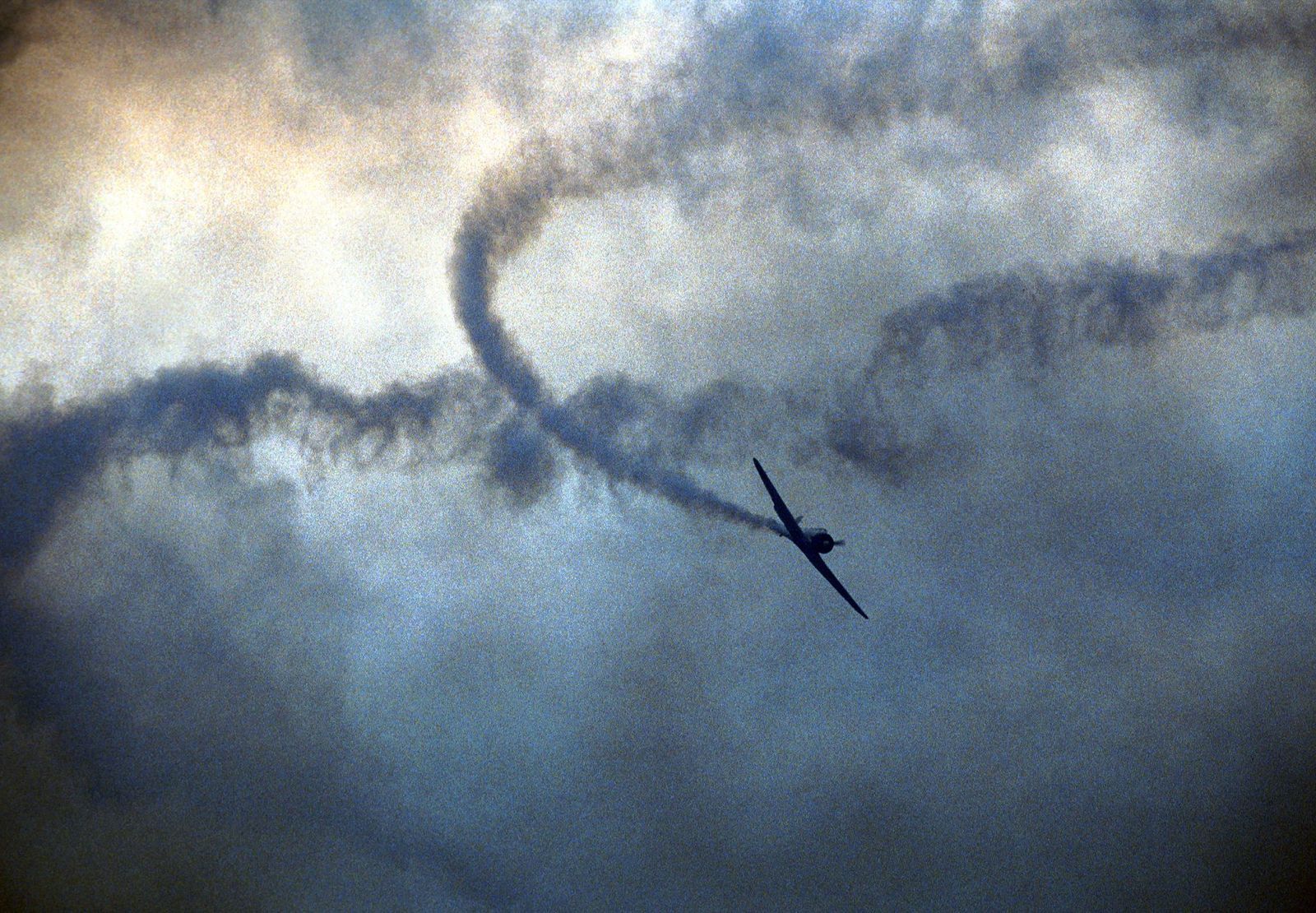
In Michael Bay’s romantic war drama, Rafe McCawley (Ben Affleck) and Danny Walker (Josh Hartnett) face Japanese Zero fighters, join the British Eagle Squadrons before the U.S. enters World War II, and witness direct attacks on civilian medical units.

In real life, U.S. Army Air Corps officers like Rafe were legally forbidden from joining Britain’s Eagle Squadrons while the United States remained neutral. During the December 7, 1941 raid, the Japanese prioritized attacking battleships, airfields, and fuel depots, and they didn’t target field hospitals or civilian nurses as depicted in the film. Also, President Franklin D. Roosevelt’s (Jon Voight) dramatic moment where he stands up out of his wheelchair to inspire his cabinet never occurred.

4
Pocahontas (1995)

Image: New England Chromo. Lith. Co., Public domain, via Wikimedia Commons

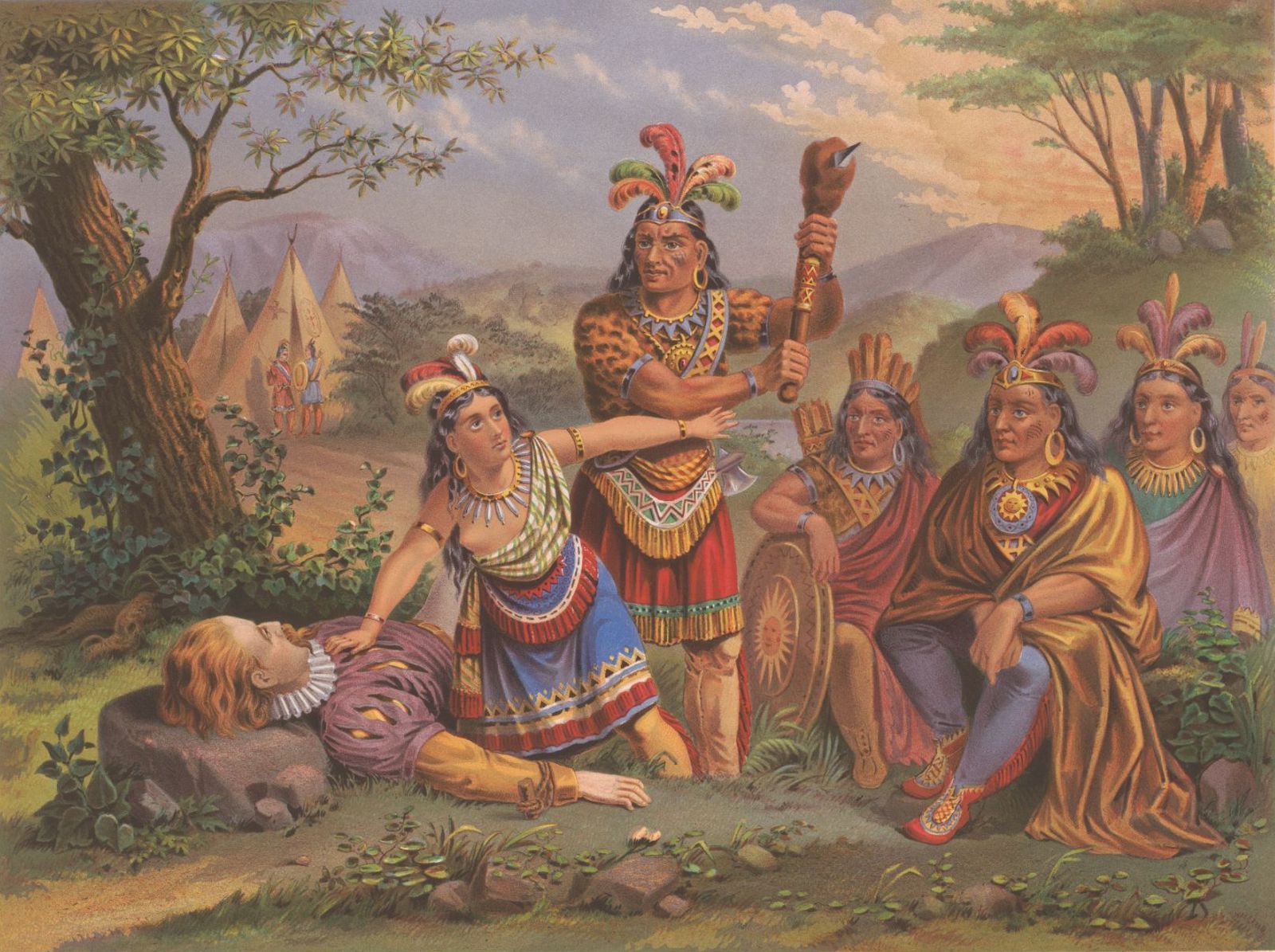
Disney’s animated film famously tells the story of a young Powhatan woman named Pocahontas who falls in love with the English explorer Captain John Smith, helping to promote peace between their two cultures.

When John Smith arrived in Virginia in 1607, Pocahontas (whose actual name was Matoaka) was only around 10 to 12 years old, while Smith was a 27-year-old soldier, and there was no romantic relationship between them. Smith’s famous account of Pocahontas saving his life by placing her head over his is debated by modern historians, who view it as either a misunderstanding of a tribal adoption ceremony or an invention in his later writings. Pocahontas was later captured by English settlers, held for ransom, converted to Christianity, and married tobacco merchant John Rolfe before dying in England at age 21.

5
Gladiator (2000)

Image: Jean-Léon Gérôme, Public domain, via Wikimedia Commons

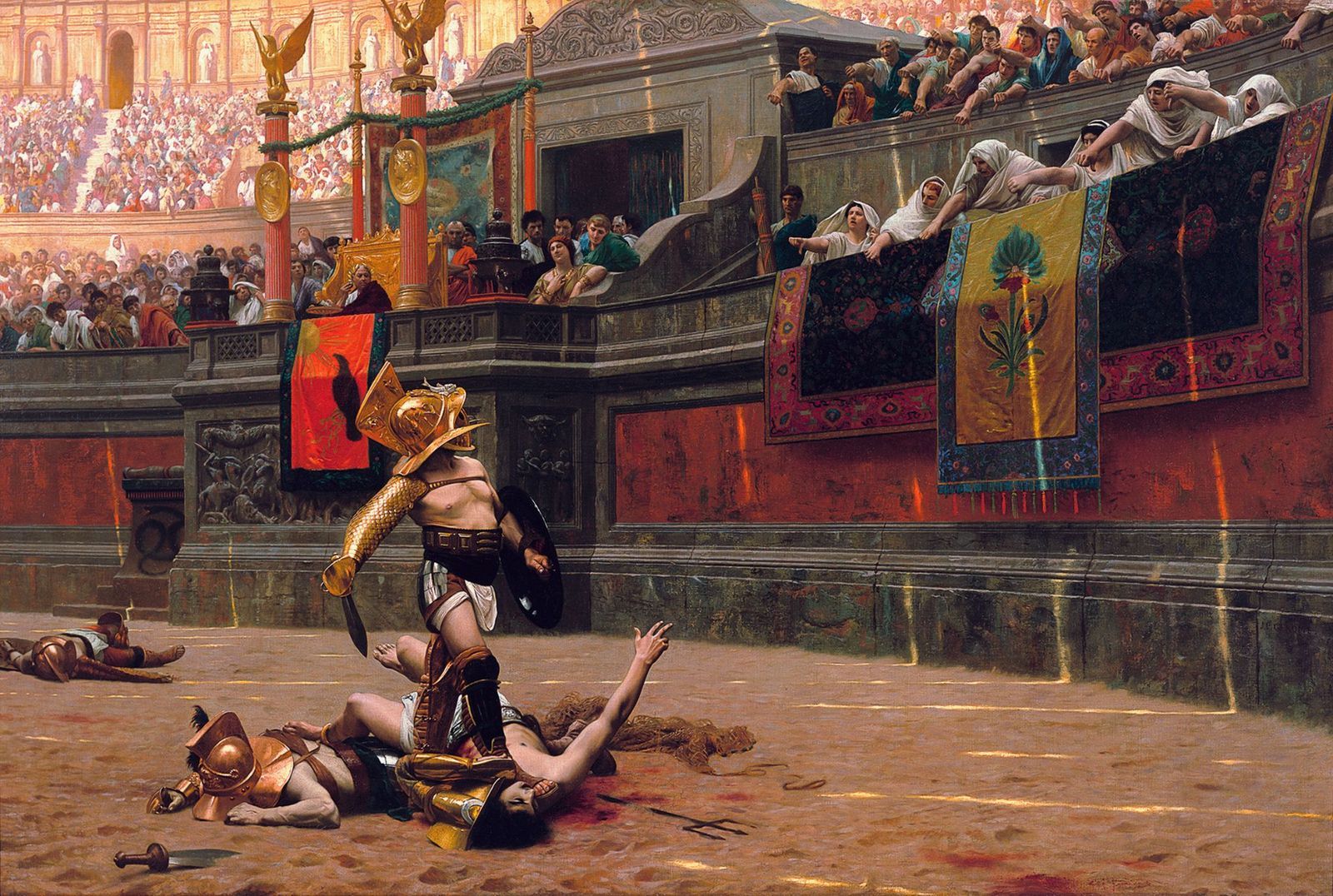
The plot of Gladiator revolves around Maximus Decimus Meridius (Russell Crowe) when he witnesses Emperor Marcus Aurelius (Richard Harris) being smothered to death by his son Commodus (Joaquin Phoenix), who seizes the throne, rules as a tyrant, and is later killed in gladiatorial combat inside the Colosseum.

In reality, Marcus Aurelius was never murdered by his son; he died of an infectious illness in 180 AD. Commodus had already been co-emperor for three years before his father’s death. Far from an usurpation, Commodus ruled Rome for 12 years. He didn’t die in the sands of the arena either: he was strangled in his bath by his wrestling partner, Narcissus, during a palace coup. Moreover, Roman gladiatorial fights were officiated sporting events, not chaotic deathmatches.

6
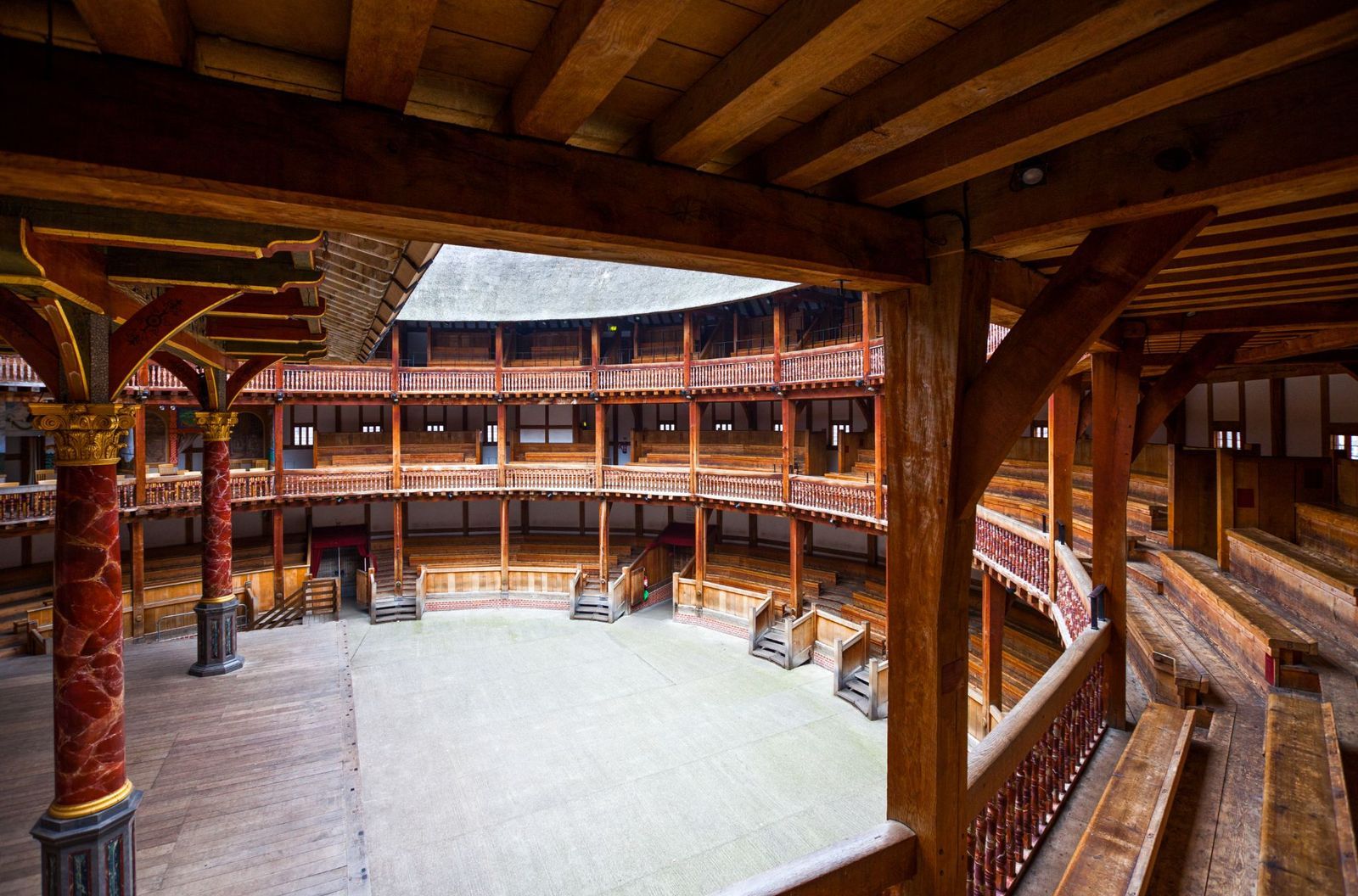
Shakespeare in Love (1998)

Image: Gimas

A young William Shakespeare (Joseph Fiennes) suffers from writer’s block until he meets aristocrat Viola de Lesseps (Gwyneth Paltrow), who disguises herself as a man to act on stage, inspiring him to write Romeo and Juliet .

Almost the entire narrative is historical fiction. Viola de Lesseps never existed, and Romeo and Juliet wasn’t inspired by a secret love affair. Women were indeed banned from performing on the Elizabethan stage, but monarchs like Queen Elizabeth I never attended public theaters, which were considered unsafe and unhygienic. Instead, theater companies were hired to give private performances at court. Furthermore, by the mid-1590s, Shakespeare was already married to Anne Hathaway and was an established playwright in London, not an impoverished unknown struggling for ideas.

7
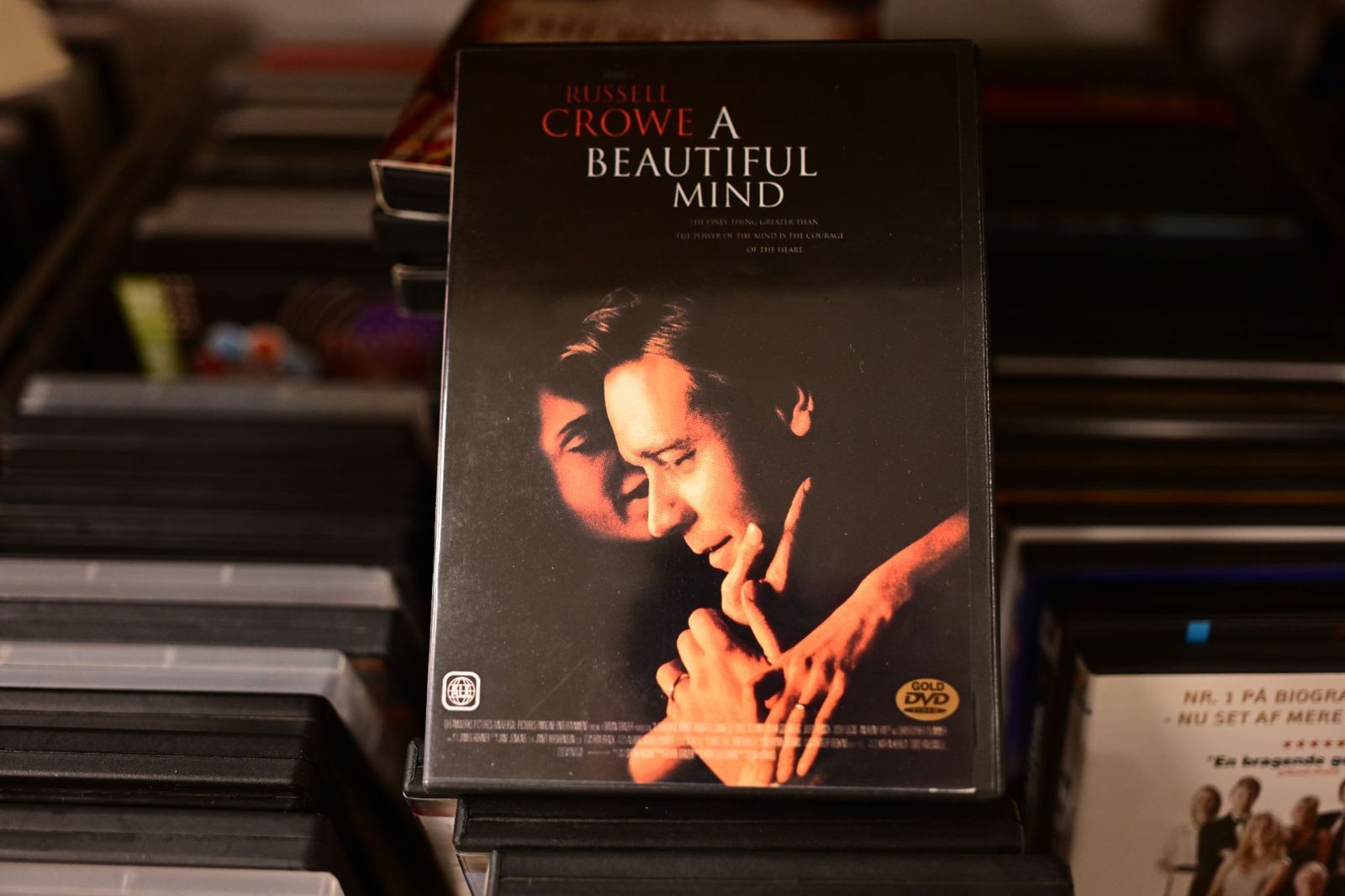
A Beautiful Mind (2001)

Image: Woodan

Ron Howard’s biopic presents John Nash (Russell Crowe) battling schizophrenia. In the film, the Nobel Laureate mathematician has vivid visual hallucinations of a college roommate, a young girl, and a secret government handler.

It is true that John Nash lived with paranoid schizophrenia, but his hallucinations were auditory and delusional (he heard voices and believed extraterrestrial beings were communicating through newsprint). Filmmakers acknowledged altering his symptoms because visual figures were easier to convey on screen. The film also sugarcoated Nash’s personal life, omitting his first child born out of wedlock, his divorce from his wife Alicia, and his intimate relationships with other men.

8
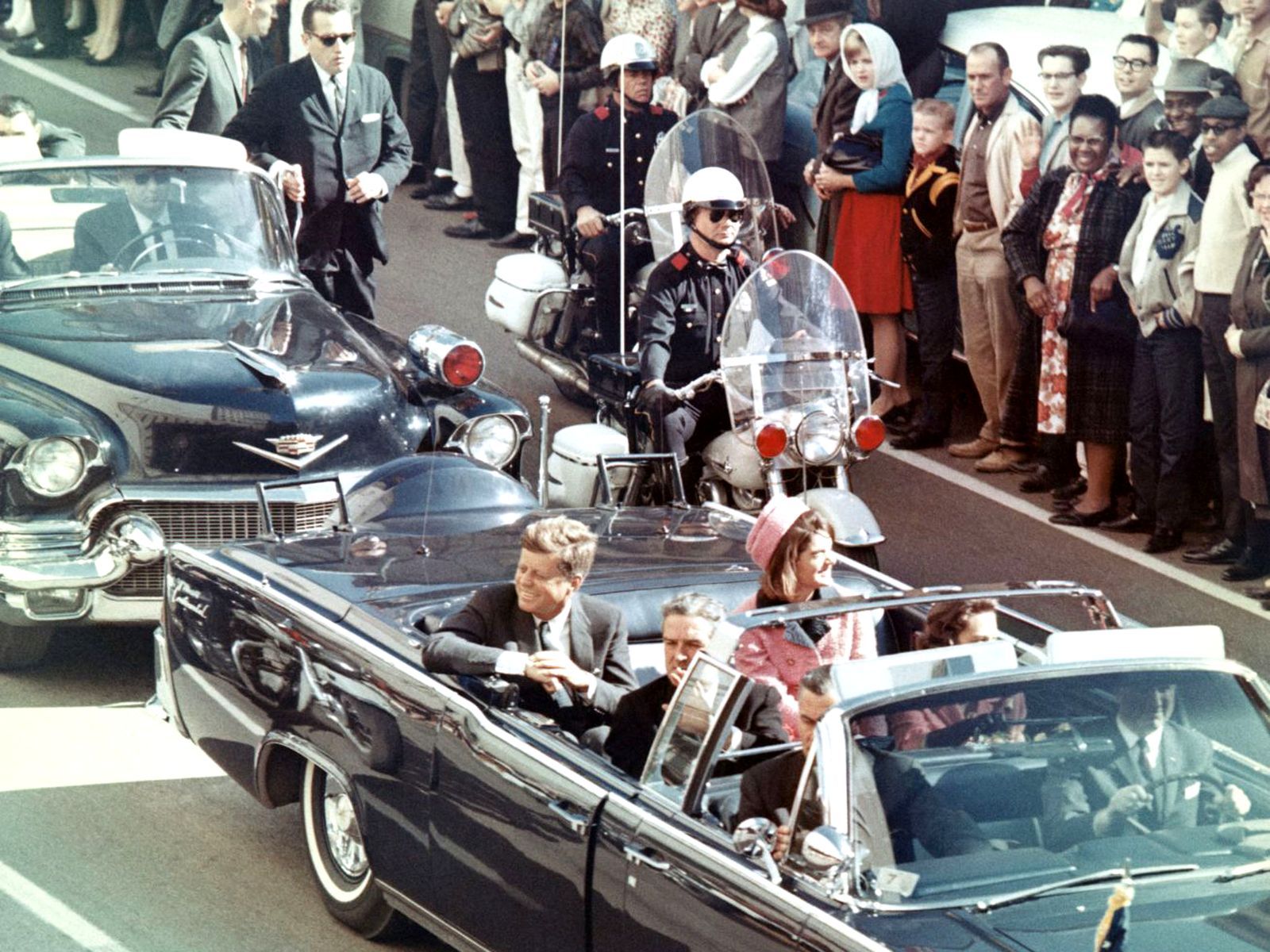
JFK (1991)

Image: Walt Cisco, Dallas Morning News, Public domain, via Wikimedia Commons

Director Oliver Stone follows New Orleans District Attorney Jim Garrison (Kevin Costner) as he uncovers a conspiracy behind President John F. Kennedy’s 1963 assassination involving the CIA, FBI, military leaders, and Vice President Lyndon B. Johnson.

Historians criticize JFK for presenting discredited conspiracy theories as historical facts. Key characters in the film (such as Donald Sutherland’s "Mr. X") were complete fabrications. Garrison’s actual prosecution of businessman Clay Shaw was based on dubious testimony and resulted in Shaw’s acquittal in under an hour. The narrative of a multi-agency coup remains unsupported by official evidence, yet the film prompted the release of classified records under the JFK Records Act.

9
The Sound of Music (1965)

Image: HEakin

In the iconic film The Sound of Music , governess Maria (Julie Andrews) teaches naval Captain von Trapp’s seven children to sing and helps the family escape the 1938 Nazi annexation of Austria by hiking over the Alps into Switzerland.

Had the von Trapp hiked over the mountains behind their house in Salzburg, they would have walked straight into Nazi Germany near Hitler’s mountain retreat at Berchtesgaden. In real life, the family walked to their local train station and boarded a train to Italy before emigrating to the United States. Also, the personalities were reversed: the real Captain von Trapp was warm and musical, whereas Maria was strict. What’s more, the couple had already been married for over ten years before leaving Austria.

10
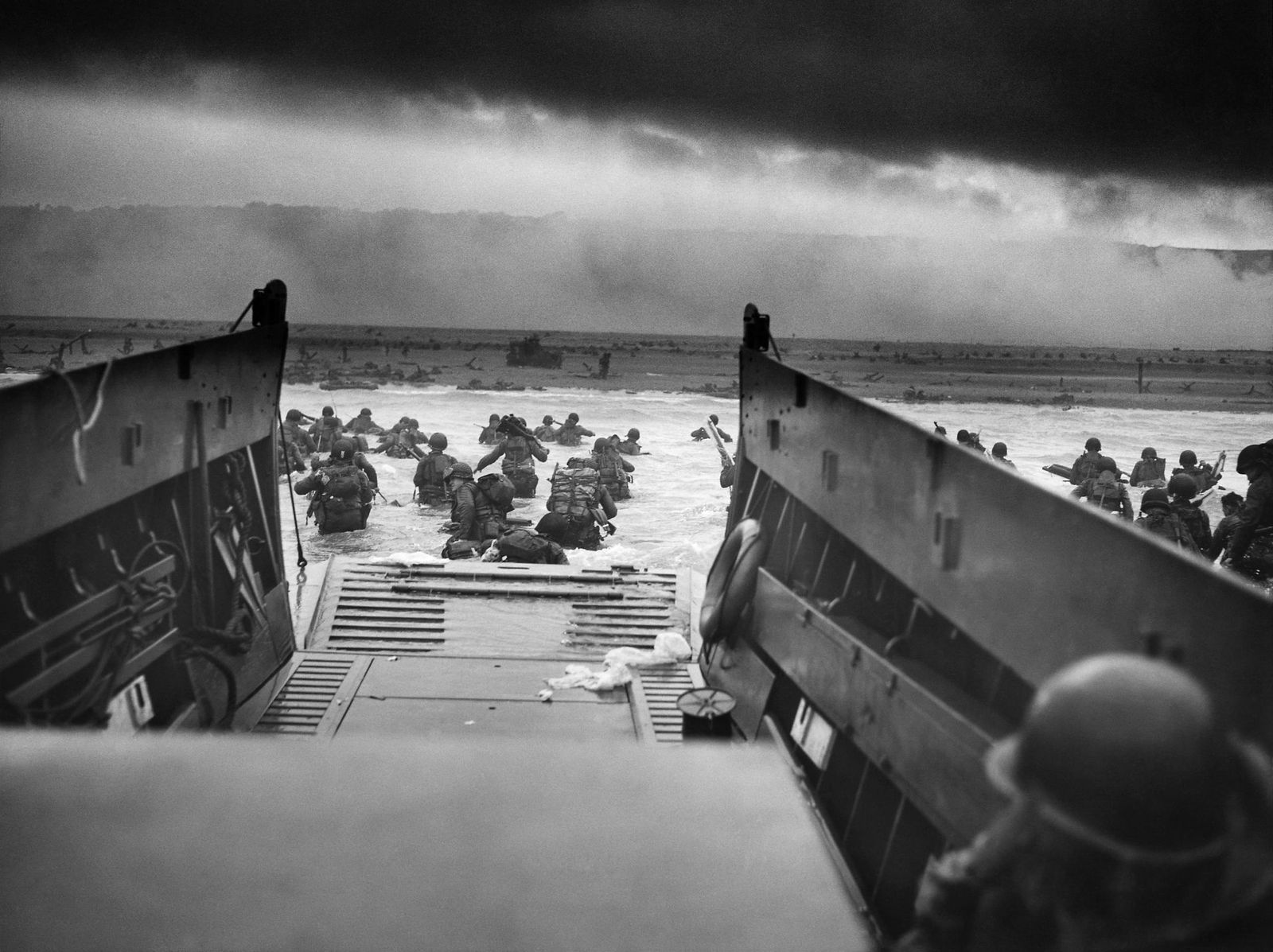
Saving Private Ryan (1998)

Image: National Archives and Records Administration, Public domain, via Wikimedia Commons

The opening D-Day landing sequence in Saving Private Ryan is praised by military veterans for its technical realism, but the film’s core premise is fictional. Following the invasion at Omaha Beach, Captain Miller (Tom Hanks) leads a U.S. Army Ranger squad into enemy territory in Normandy to find Private James Ryan (Matt Damon), whose three brothers were killed in action.

The plot is loosely inspired by the real-life Niland brothers, but the U.S. military never dispatched an entire squad on a dedicated search mission through enemy lines to extract a single private. Additionally, the final battle in the fictional town of Ramelle overstates the ability of infantry small arms against heavy German armor, which in reality was neutralized by artillery and tactical air strikes.

History History 6 min read

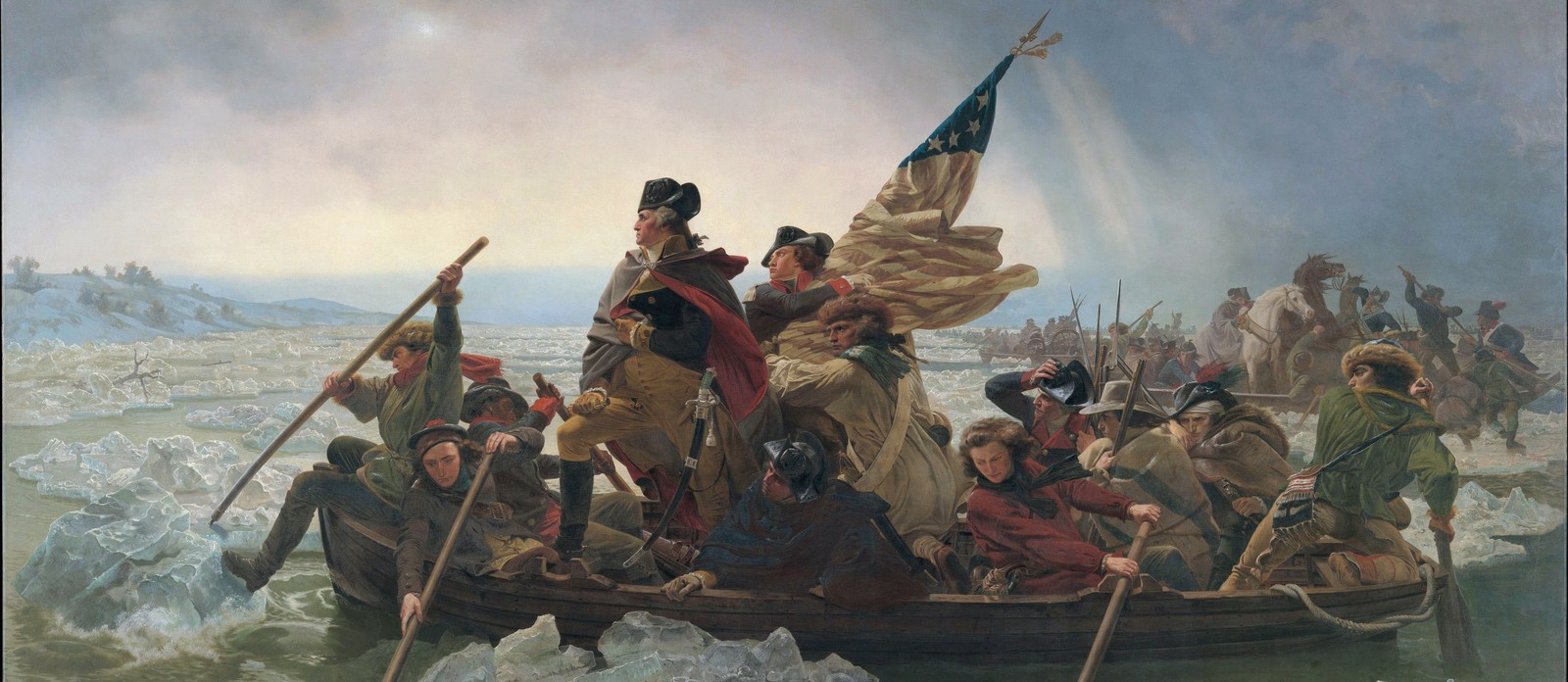
Why didn’t the British burn Monticello during the Revolutionary War?

Image: Emanuel Leutze, CC0, via Wikimedia Commons

Our history textbooks do a great job narrating the major battles and political triumphs of the American Revolution, but they often avoid the nitty-gritty details. The truth is, the fight for independence was a messy conflict fought by spies, double agents, and players with opaque motives. Even after 250 years, historians are still trying to solve some of the war’s deepest enigmas. Here are ten of the most fascinating unsolved mysteries from the American Revolution.

1
Who fired the shot heard ‘round the world?

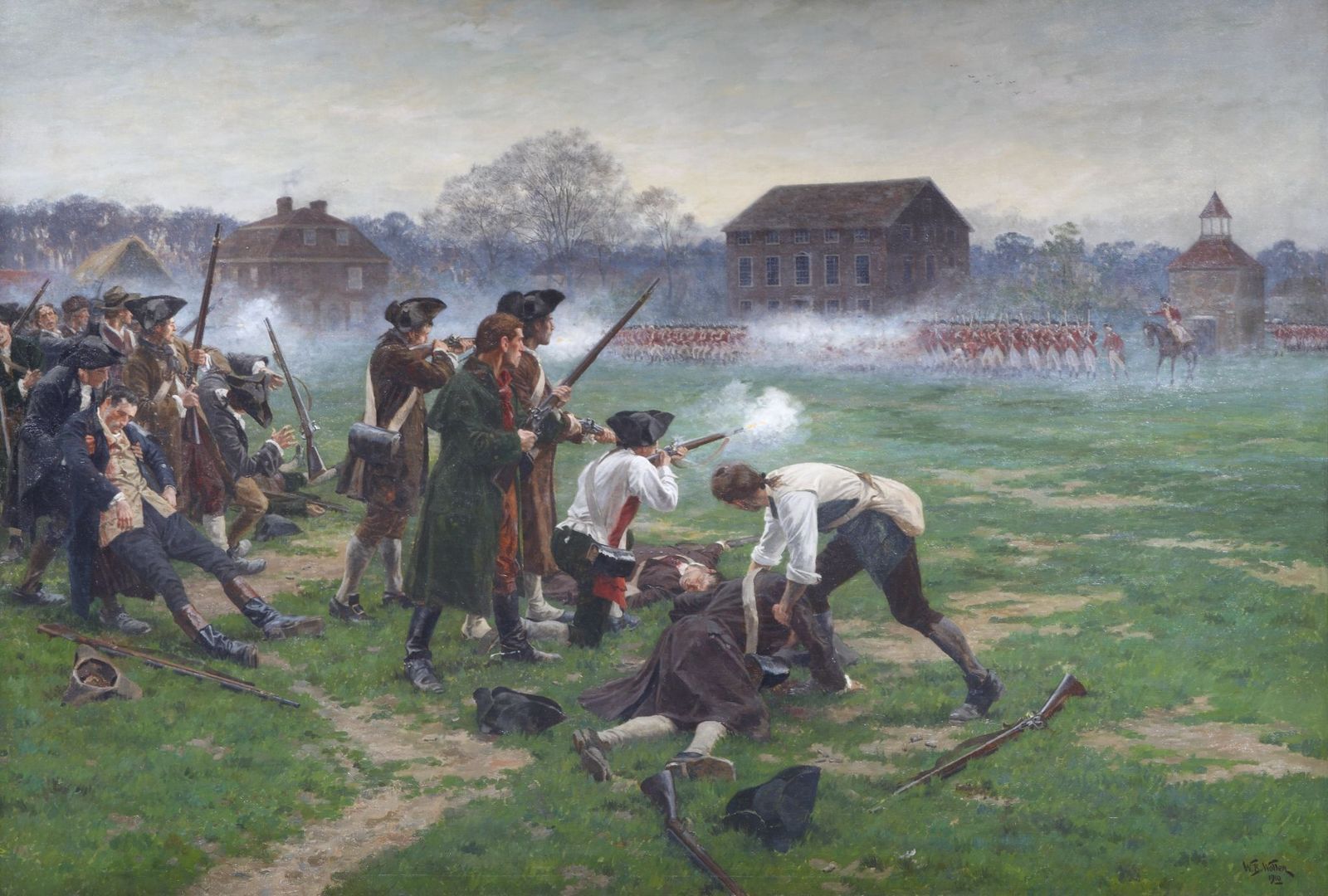
Image: William Barnes Wollen, Public domain, via Wikimedia Commons

The war began on the morning of April 19, 1775, when a small group of local militia faced a column of British Redcoats. The American commander, Colonel John Parker, ordered his men to disperse. The British commander, Major John Pitcairn, ordered his troops to hold their fire. Both sides wanted to avoid a bloodbath.

Suddenly, a shot of gunfire was heard through the air. In the confusion, British soldiers charged with bayonets. Who pulled that first trigger? Some accounts suggest a gunman fired from behind a nearby wall. Others claim a fleeing prisoner sparked the chaos. Because both sides swore under oath that they didn’t shoot first, the catalyst of the war remains a mystery.

2
Who betrayed Nathan Hale?

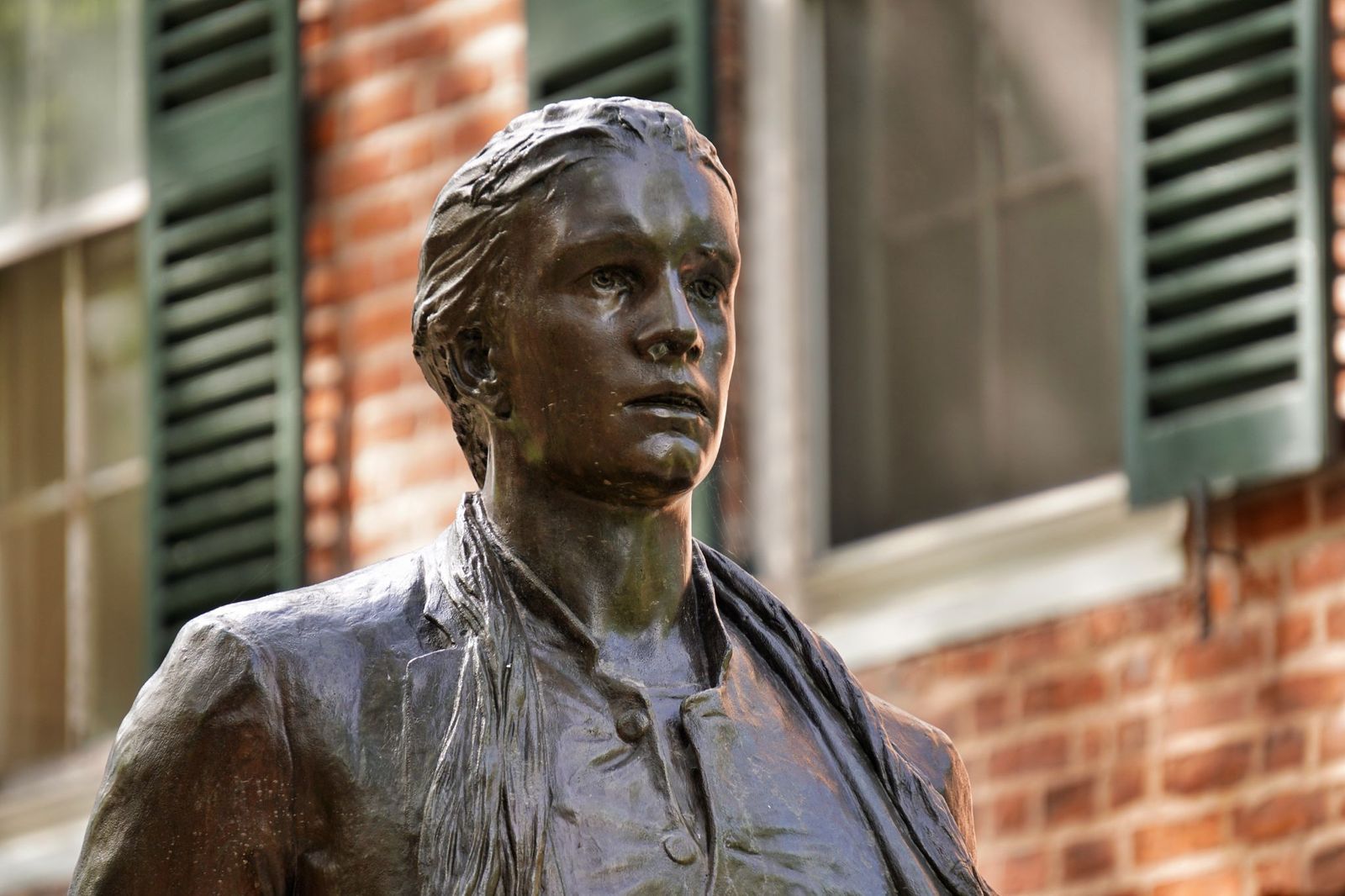
Image: Helioscribe

Nathan Hale is considered one of America’s first tragic heroes. A young Connecticut schoolteacher turned army captain, Hale volunteered to infiltrate British-occupied New York City to gather intelligence. He was an amateur spy, and it didn’t take long for the enemy to catch him with compromising notes hidden in his shoes. He was hanged the next morning, at age 21.

The mystery lies in exactly how he was caught. One theory points to his own cousin, Samuel Hale, a Loyalist who allegedly spotted Nathan in a tavern and reported it to British authorities. Another theory suggests he was tricked by Major Robert Rogers, a legendary British counter-insurgency commander who supposedly suspected Hale and got him to confess his mission over drinks.

3
Who burned New York City in 1776?

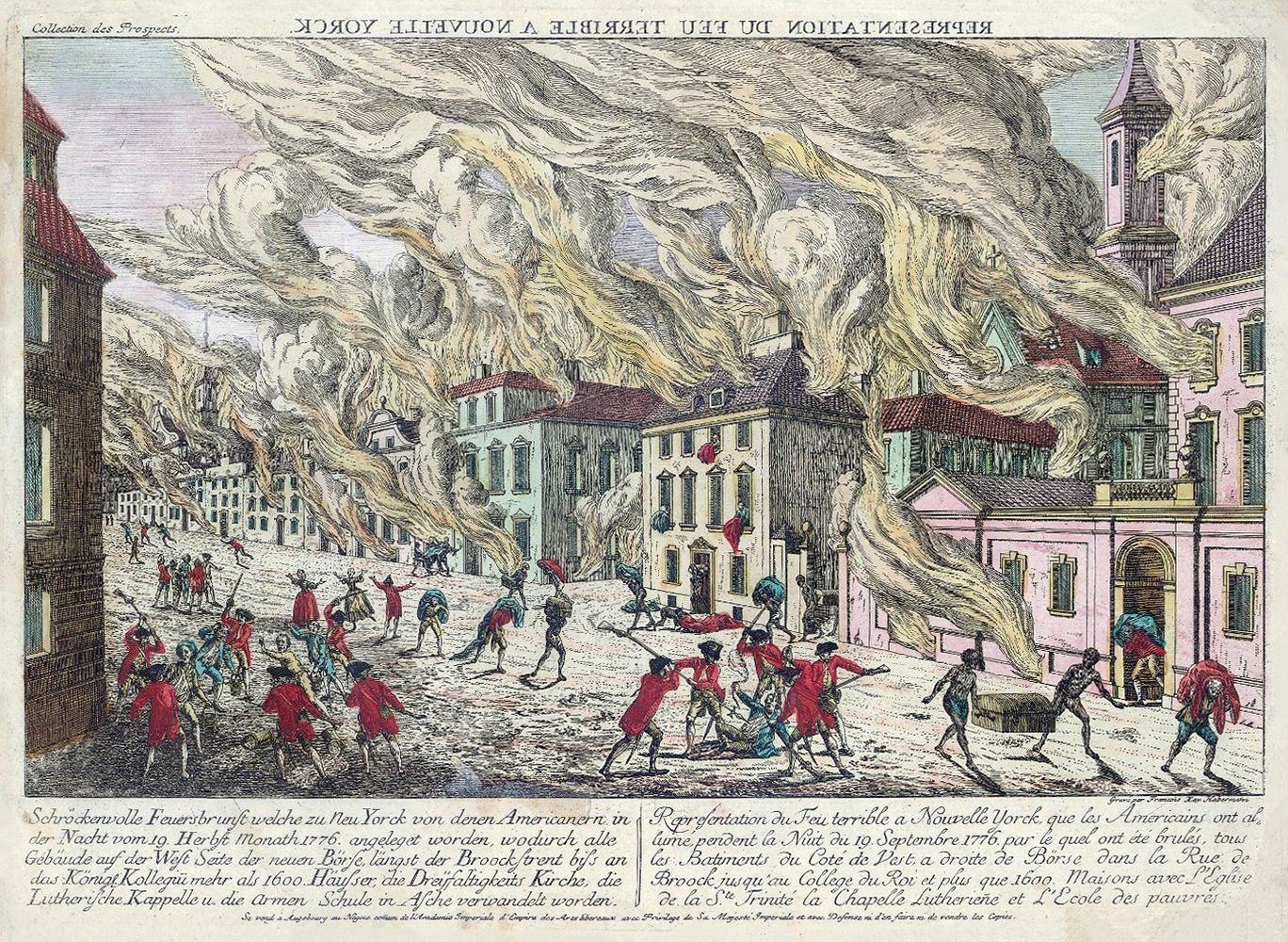
Image: Franz Xaver Habermann, Public domain, via Wikimedia Commons

On September 21, 1776, just days after Nathan Hale’s execution, a fire broke out in the middle of the night. The Great Fire consumed a third of New York City, destroying hundreds of buildings and critical port facilities just when the British military was going to start using the city as their winter base.

The British blamed American arsonists and arrested over 200 people, but no one was ever convicted. Interestingly, George Washington and his collaborators previously debated burning the city, though the Continental Congress ultimately forbade it. Washington publicly denied any involvement, although he privately confessed that the fire was a stroke of luck. Was it a genuine accident, or did radical Patriots take matters into their own hands?

4
Who was Agent 355?

Image: ozrimoz

George Washington’s most successful intelligence network was the Culper Spy Ring, which operated in New York. The ring used an intricate system of invisible ink, hidden drop boxes, and complex ciphers. In their master codebook, the number 355 stood simply for "lady."

Agent 355 was a brilliant female operative who provided vital intelligence. Because her identity was protected by the ring’s leaders, her true name was never written down. Scholars have spent centuries debating whether she was a prominent Loyalist society woman secretly sympathetic to the Patriots, a member of the prominent Floyd family, or a composite character representing multiple female informants.

5
The mystery of Silas Deane

Image: Charles Elliott Mills, Public domain, via Wikimedia Commons

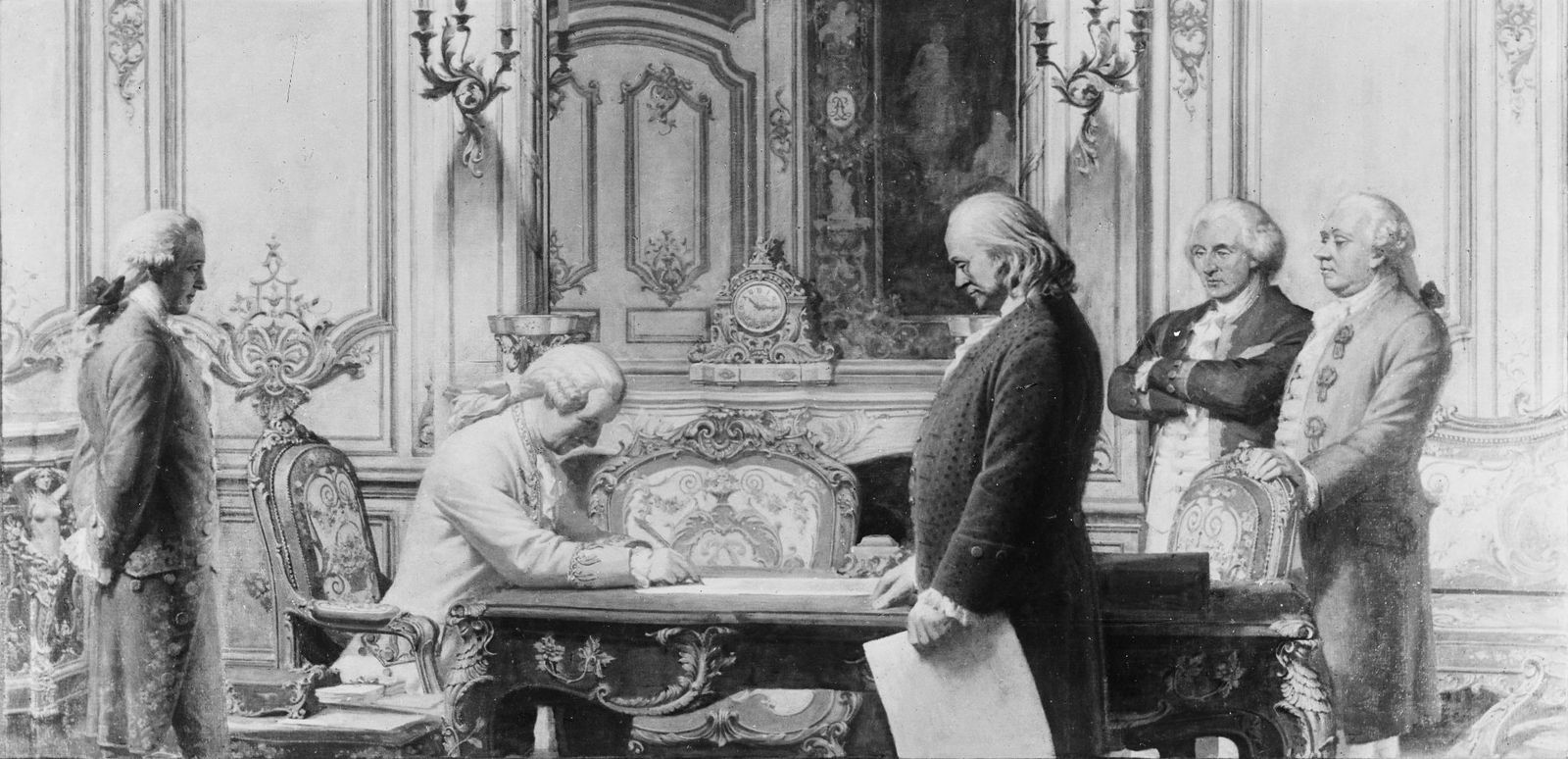
Silas Deane was a Connecticut merchant sent by Congress to France in 1776 as America’s first secret diplomat. He performed well at first, successfully securing shipments of French arms and recruiting foreign officers such as the Marquis de Lafayette. However, he fell into a bitter political dispute with fellow diplomat Arthur Lee, who accused Deane of financial fraud.

Totally in disgrace, a ruined Deane spent years in European exile trying to clear his name. In 1789, when he was 51, he boarded a ship to return to the United States for a congressional hearing. Hours into the voyage, he became ill and died. According to rumors, he had been poisoned. Modern historians suspect his close friend and assistant, Edward Bancroft—a British double agent—murdered Deane to keep him from exposing his wartime espionage.

6
Who told the Patriots in Boston that the British were coming?

Image: Grant Wood, Public domain, via Wikimedia Commons

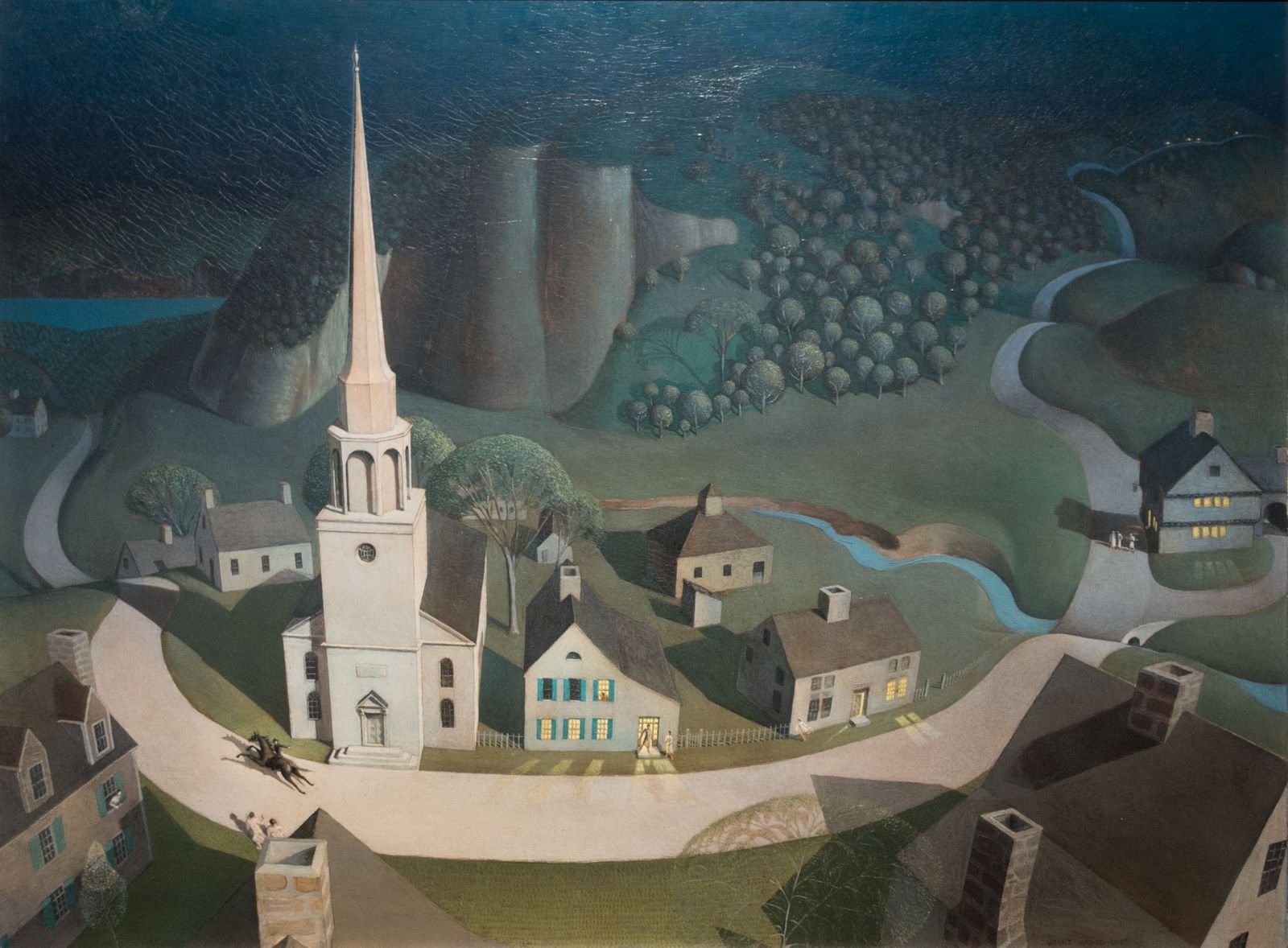
Before Paul Revere could take his historic midnight ride, someone had to give the Patriots the warning. On the night of April 18, 1775, Dr. Joseph Warren received precise intelligence that British troops were preparing to march on Lexington and Concord to arrest rebel leaders.

Who leaked this military plan? History has pointed to Margaret Kemble Gage, the American-born wife of the British Commander-in-Chief, General Thomas Gage. Margaret was torn between her love for her husband and her devotion to the land. While her involvement has never been proven, General Gage notably sent his wife away to England shortly after the leak.

7
Was Charles Lee a traitor?

Image: Emanuel Leutze, Public domain, via Wikimedia Commons

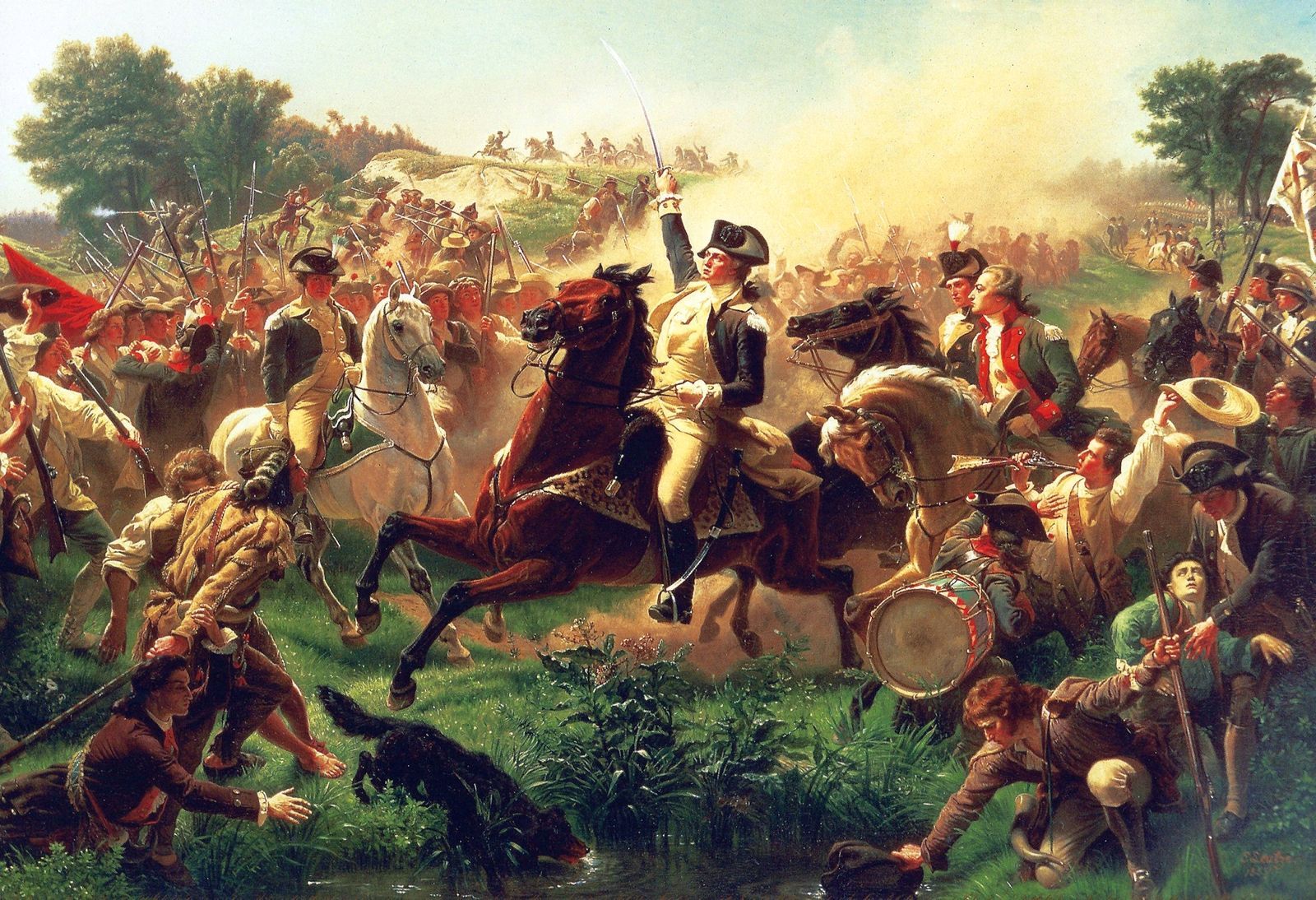
General Charles Lee was George Washington’s second-in-command and an experienced military officer. He was also arrogant and frequently criticized Washington’s leadership. In late 1776, Lee was captured by the British in a New Jersey tavern while writing a letter complaining about Washington's deficiencies.

He was exchanged back to the Americans a year later, but his career ended after he disobeyed Washington’s orders at the Battle of Monmouth in 1778. The mystery arose 80 years later, when a lost document surfaced. The document, written in Lee’s own handwriting, outlined a detailed military strategy for the British to defeat the Continental Army. Was Lee a traitor, or was it a strategy to manipulate his captors?

8
Why didn’t the British burn Monticello?

Image: Jane Pitfield Peticolas, Public domain, via Wikimedia Commons

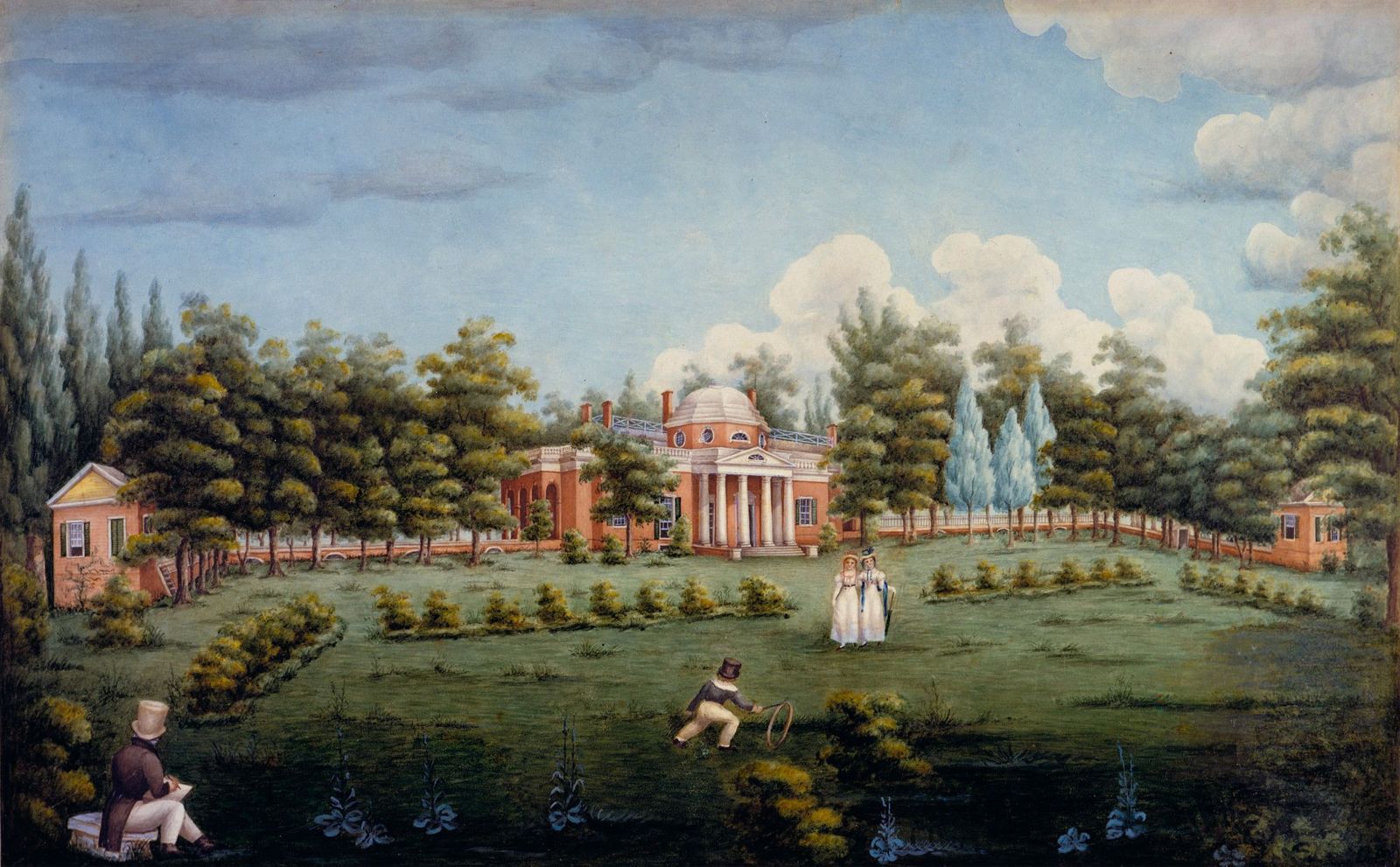
In June 1781, the British cavalry leader Banastre Tarleton—called by Americans "Bloody Tarleton" for his brutal tactics—led a raid on Charlottesville, Virginia. His main objective was to capture Thomas Jefferson, the author of the Declaration of Independence and the state’s governor.

Jefferson managed to escape Monticello, and when Tarleton’s troops occupied his famous estate, they left it entirely untouched, as Tarleton specifically ordered his men not to damage or burn the property. Given that the British often burned the properties of prominent leaders, sparing Monticello was very unusual.

9
Who was Jane McCrea?

Image: John Vanderlyn, Public domain, via Wikimedia Commons

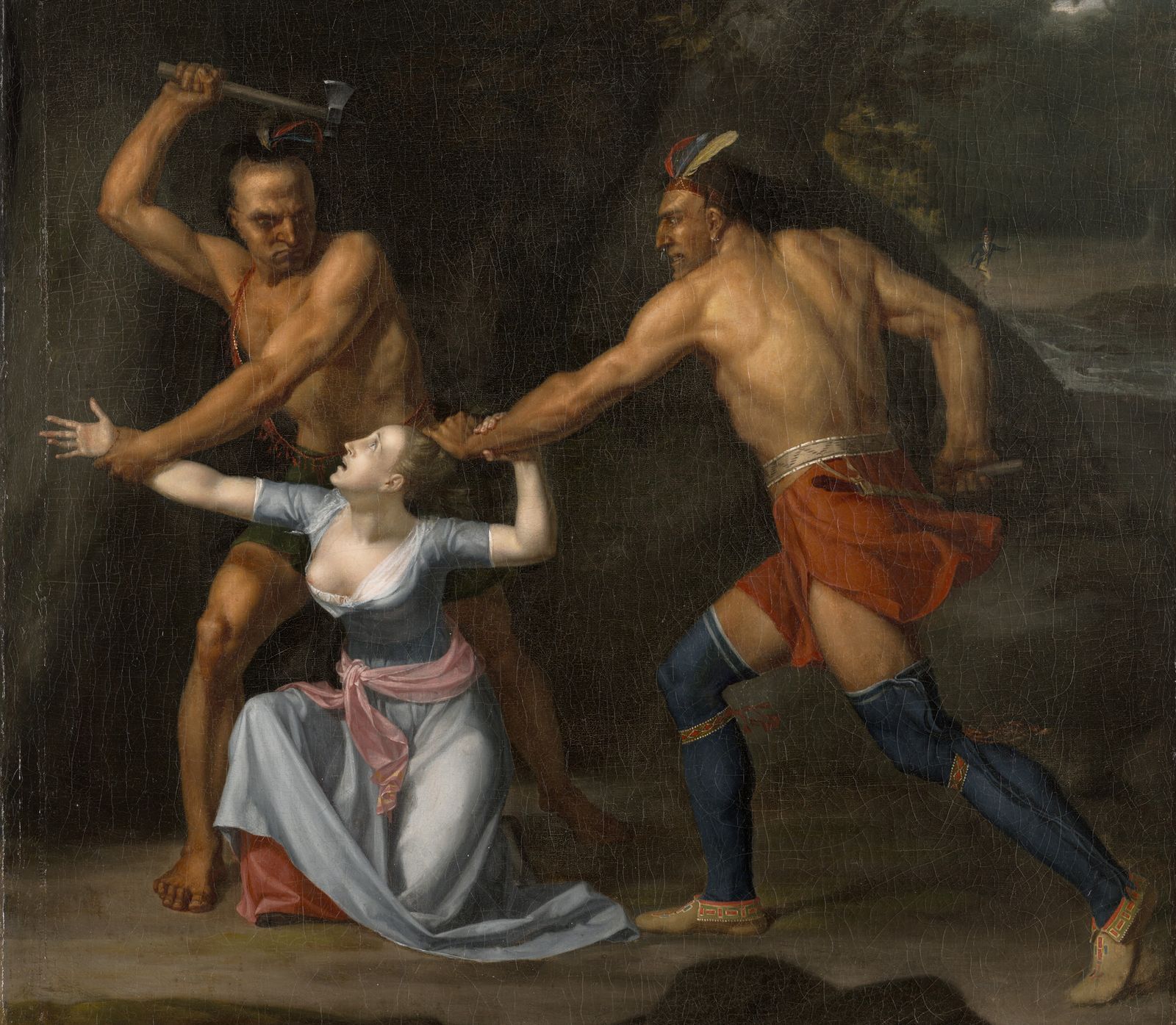
Jane McCrea was a young woman from a Loyalist family who was engaged to a lieutenant in the British army. In the summer of 1777, she was taken by Native American warriors allied with British General John Burgoyne's advancing army. Shortly after, she was found dead and scalped.

The Patriots turned her death into a propagandistic victory, using the story to terrify frontier colonists into joining the militia. But who actually killed Jane? The native scouts claimed she was accidentally shot by stray bullets fired by pursuing American soldiers. Other accounts insisted she was murdered during an argument between two native factions. The truth remains buried in the fog of war.

10
What happened to Benjamin Church?

Image: Dominic Serres, Public domain, via Wikimedia Commons

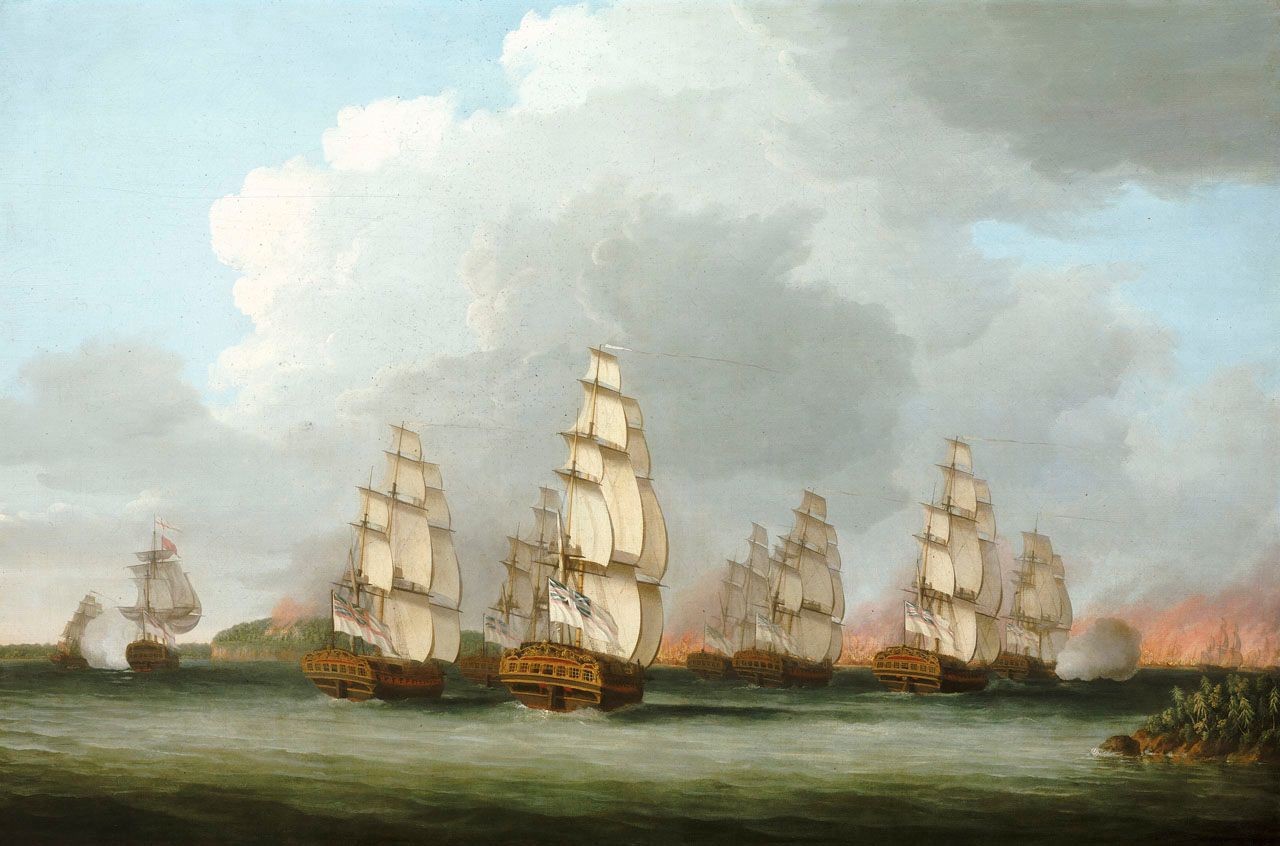
Dr. Benjamin Church was a prominent member of the Boston Sons of Liberty and served as the first Surgeon General of the Continental Army. He was also a traitor. In 1775, Washington’s intelligence team intercepted a coded letter written by Church containing vital information about American troop numbers.

Church was arrested, tried, and sentenced to confinement. In 1778, because of his poor health, he was banished from Massachusetts and boarded a merchant ship bound for the West Indies. The ship sailed into the Atlantic and was never seen again. Did the vessel sink, or did Church use his British connections to stage his disappearance and flee to Europe?

Explore more American facts

Choose your favorite category!

General
General

As American as apple pie—the very best America has to offer!

Culture
Culture

Delve into the astounding richness of American lore.

Geography
Geography

Hop in and explore vast and diverse American landscapes.

History
History

Discover the key moments that shaped the United States.