American vocabulary
Words borrowed from Native Americans (and you say them daily)

Image: Andreas Wagner
English is full of words borrowed from Native American languages. From foods to places, these terms carry centuries of history and culture, quietly blending into everyday speech. Here are 11 words you use every day without realizing their origins.
1
Chili
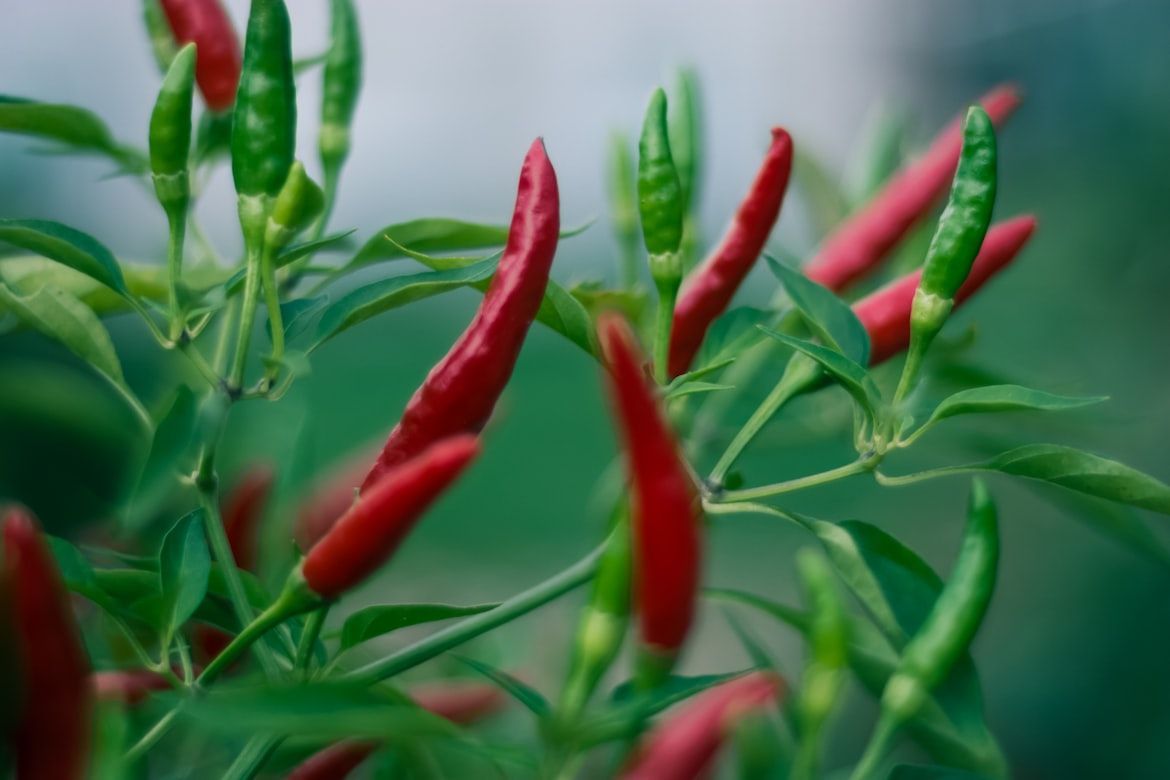
From Nahuatl chīlli , referring to the hot pepper central to Mesoamerican cuisine.
Chili peppers shaped food traditions across the Americas. The word—and the plant—spread globally, influencing flavors from Asia to Europe.
2
Chocolate
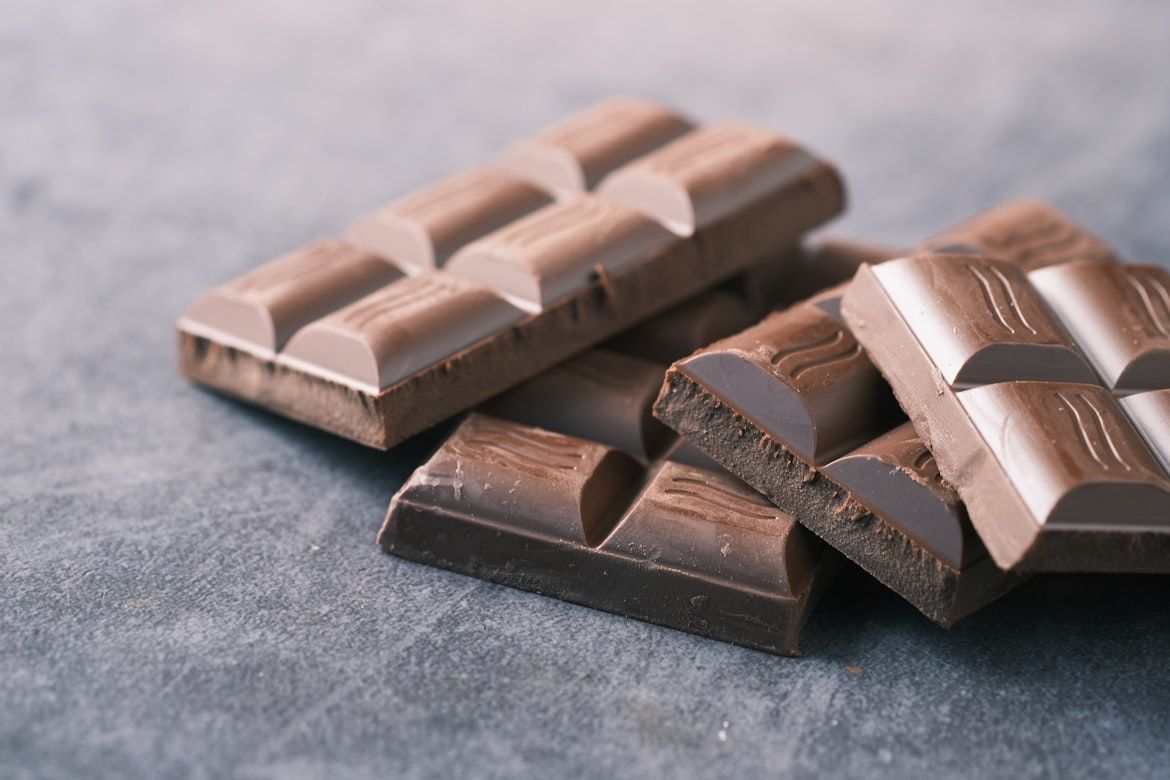
"Chocolate" comes from the Nahuatl word xocolātl , used by the Aztecs for a bitter cacao drink.
Cacao was central to Mesoamerican culture, used in rituals, trade, and even as currency. Europeans adapted it—sweetening it and spreading it worldwide. Today, chocolate is a global industry worth billions.
3
Canoe

From the Carib kana:wa , "canoe" described small, lightweight boats used by Indigenous peoples across the Americas.
European explorers borrowed both the vessel and the word for river and coastal navigation. Today, "canoeing" is a popular recreational activity worldwide.
4
Hurricane

From the Taíno hurakán , meaning "god of the storm," the word was adopted by Spanish explorers.
Hurricanes shaped Caribbean history, influencing trade, settlement, and agriculture. English speakers retained the term, giving rise to a scientific and meteorological vocabulary.
5
Barbecue

From the Taíno barbacoa , describing a framework for slow-cooking meat over fire.
Barbacoa influenced American culinary traditions, evolving into the modern barbecue. The word traveled with colonists, preserving its Indigenous culinary roots.
6
Opossum
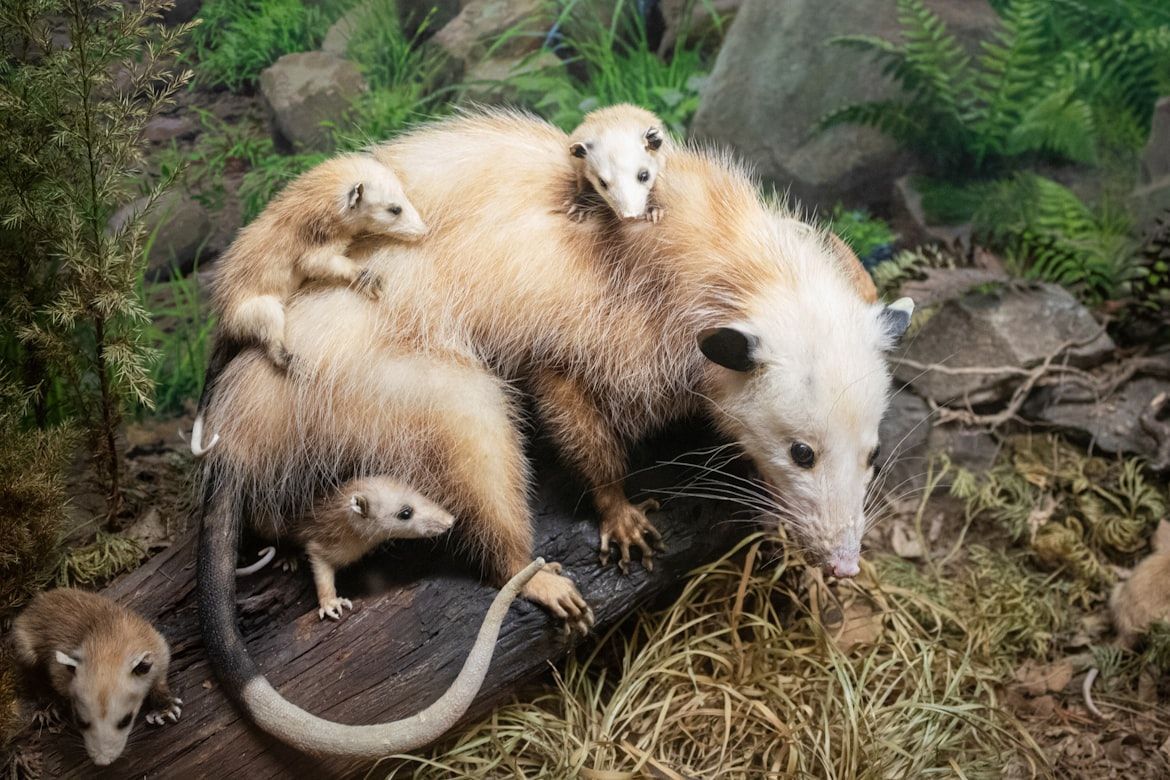
From the Powhatan apasum , meaning "white animal," early colonists mispronounced it as "opossum."
North American opossums became part of colonial diets and local ecosystems. The word also illustrates how Indigenous terms influenced wildlife terminology in English.
7
Pecan
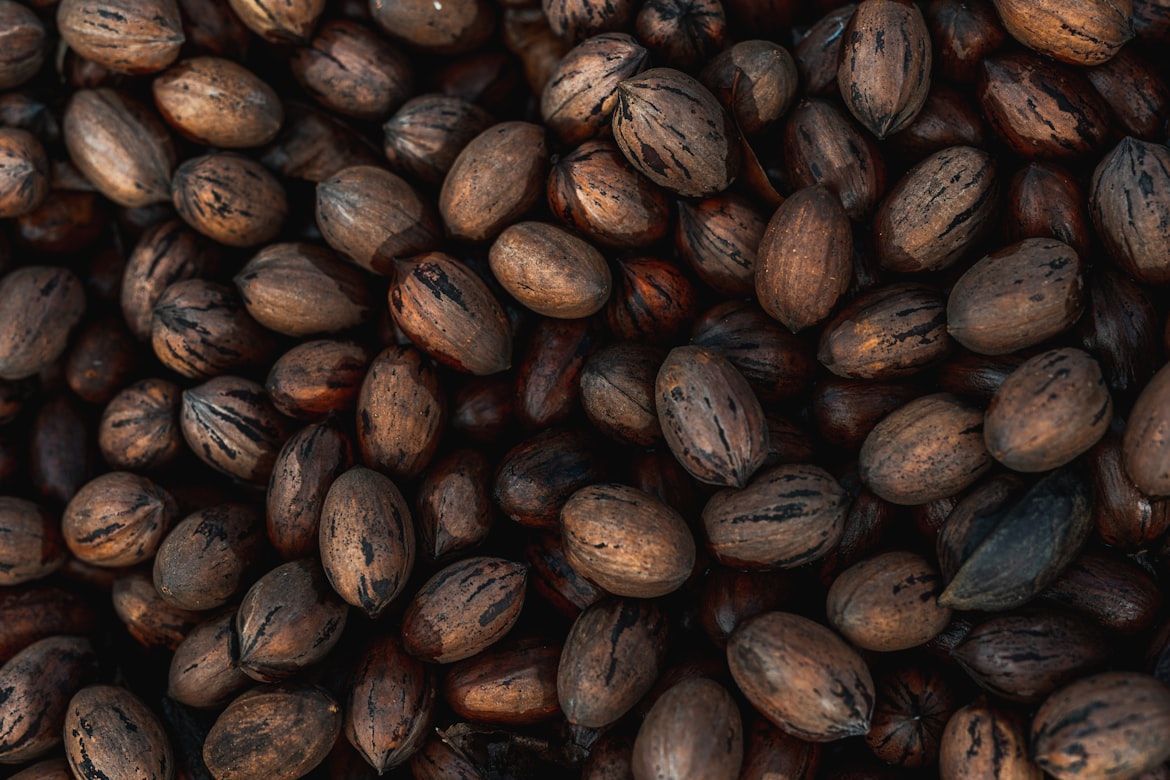
From Algonquian pakan , meaning "nuts requiring a stone to crack."
Pecans were staple foods for Indigenous peoples, and European settlers adopted both the nut and its name. Today, pecans are central to American desserts like pies and pralines.
8
Squash
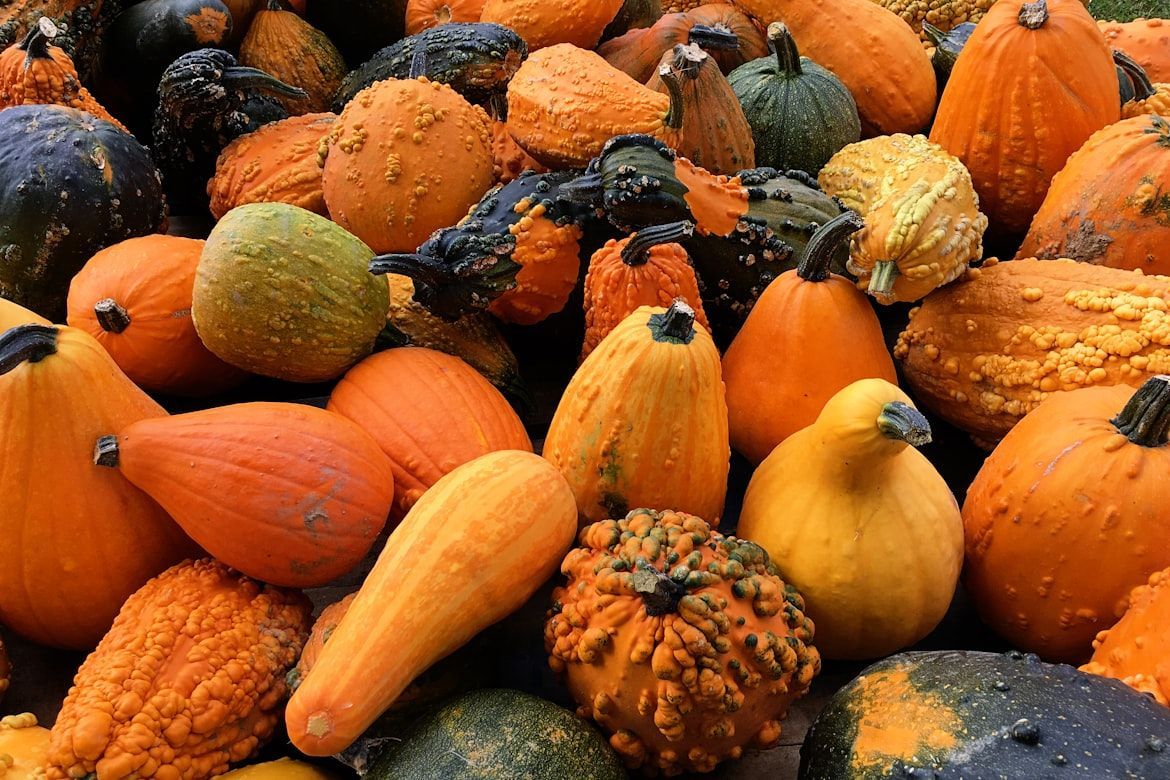
From Narragansett askutasquash , meaning "eaten raw or uncooked."
Squash was a foundational crop in the "Three Sisters" agricultural system alongside maize and beans. Europeans embraced the plant, retaining the Indigenous name.
9
Chipmunk
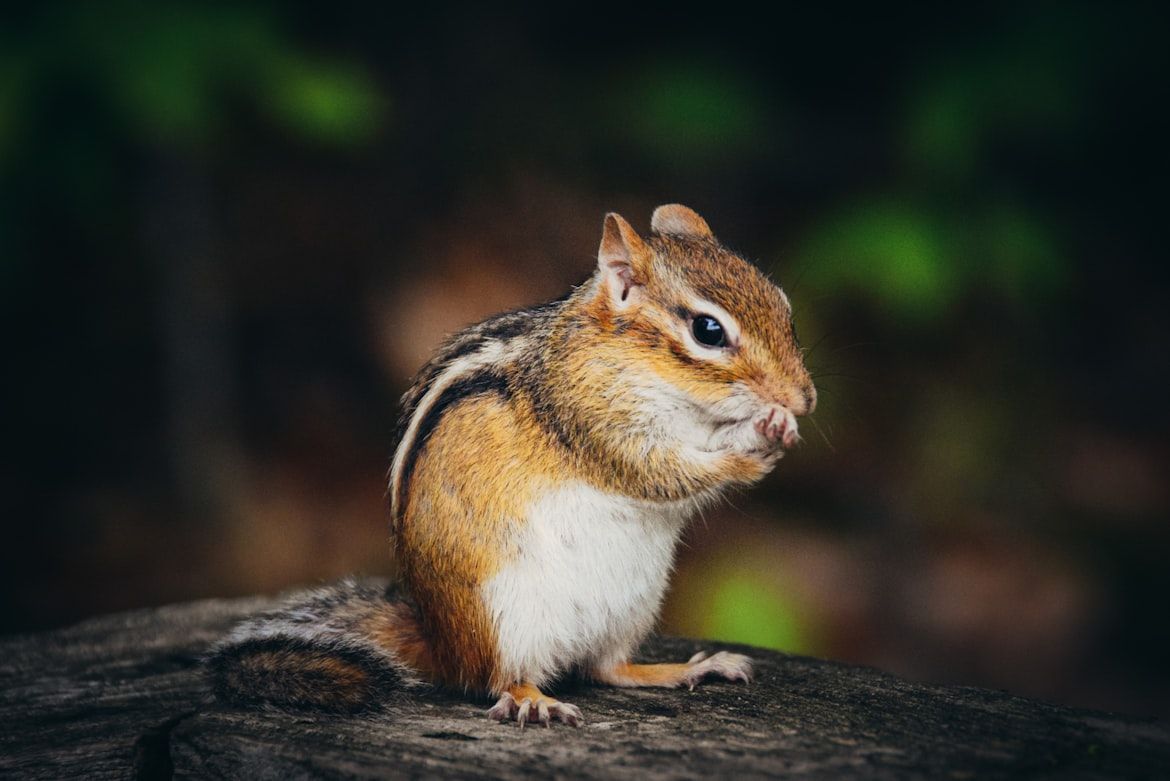
From Ojibwe ajidamoo , meaning "one who descends trees headfirst."
Colonists adapted both the word and the animal’s name, preserving the Ojibwe reference. Today, chipmunks are iconic North American wildlife.
10
Tomahawk
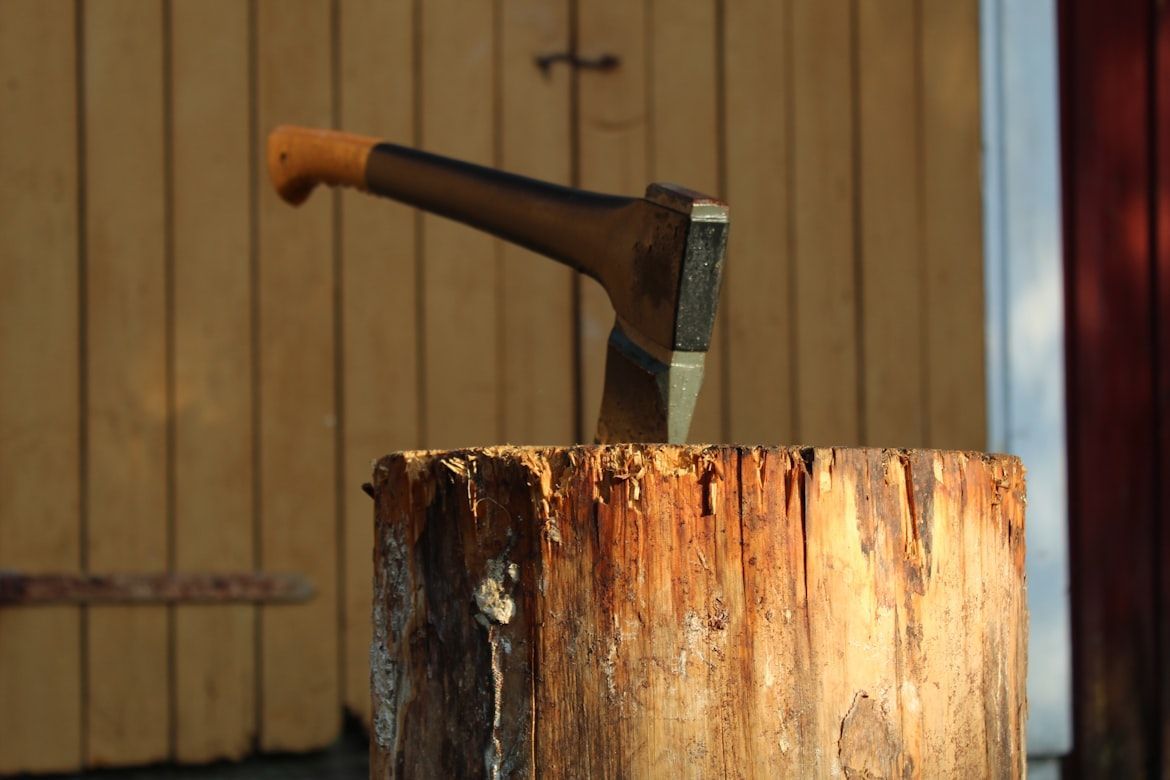
From Powhatan tamahak , describing a small axe used for hunting and combat.
European colonists adopted both the tool and the word, which became iconic in North American frontier history. Today, tomahawks are primarily ceremonial or sporting tools.
11
Coyote
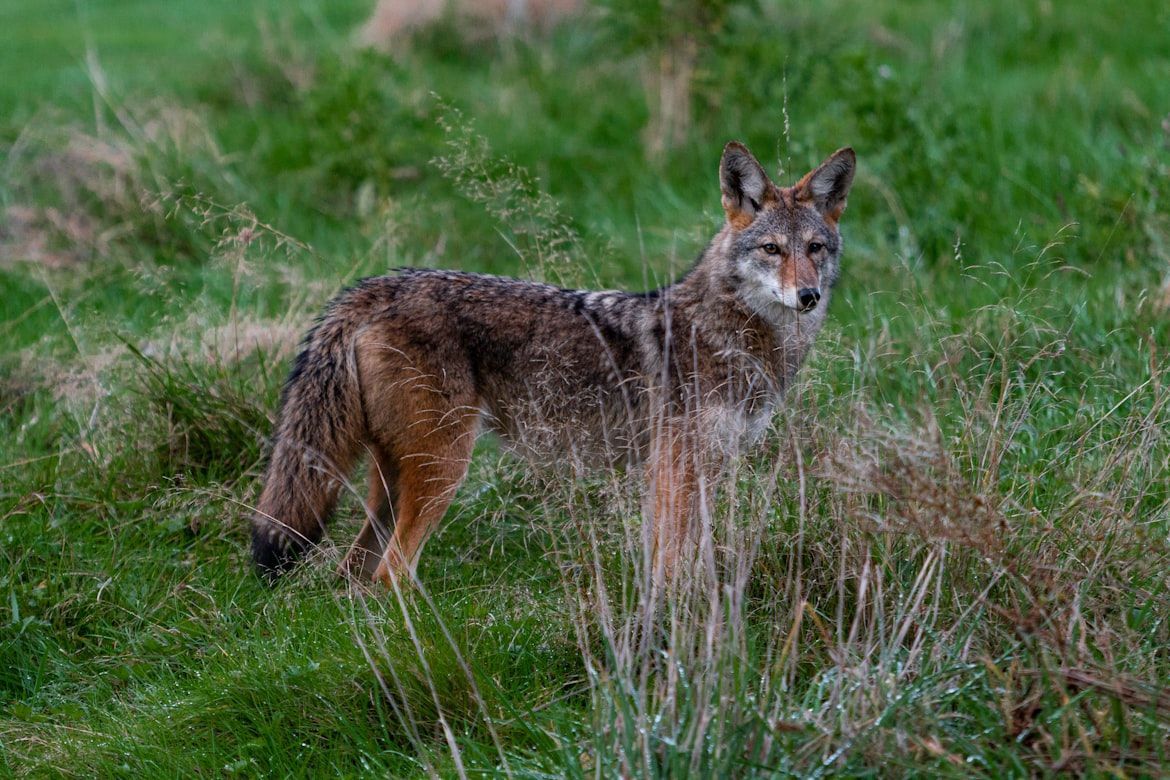
From Nahuatl coyotl , describing a canid known for its adaptability and cunning.
Coyotes thrive in both urban and rural environments. The word entered English through Spanish, reflecting both biological and cultural observation.