General General 3 min read

Thank God for sliced bread!

The entire world has adopted these 12 conveniences born in the U.S.
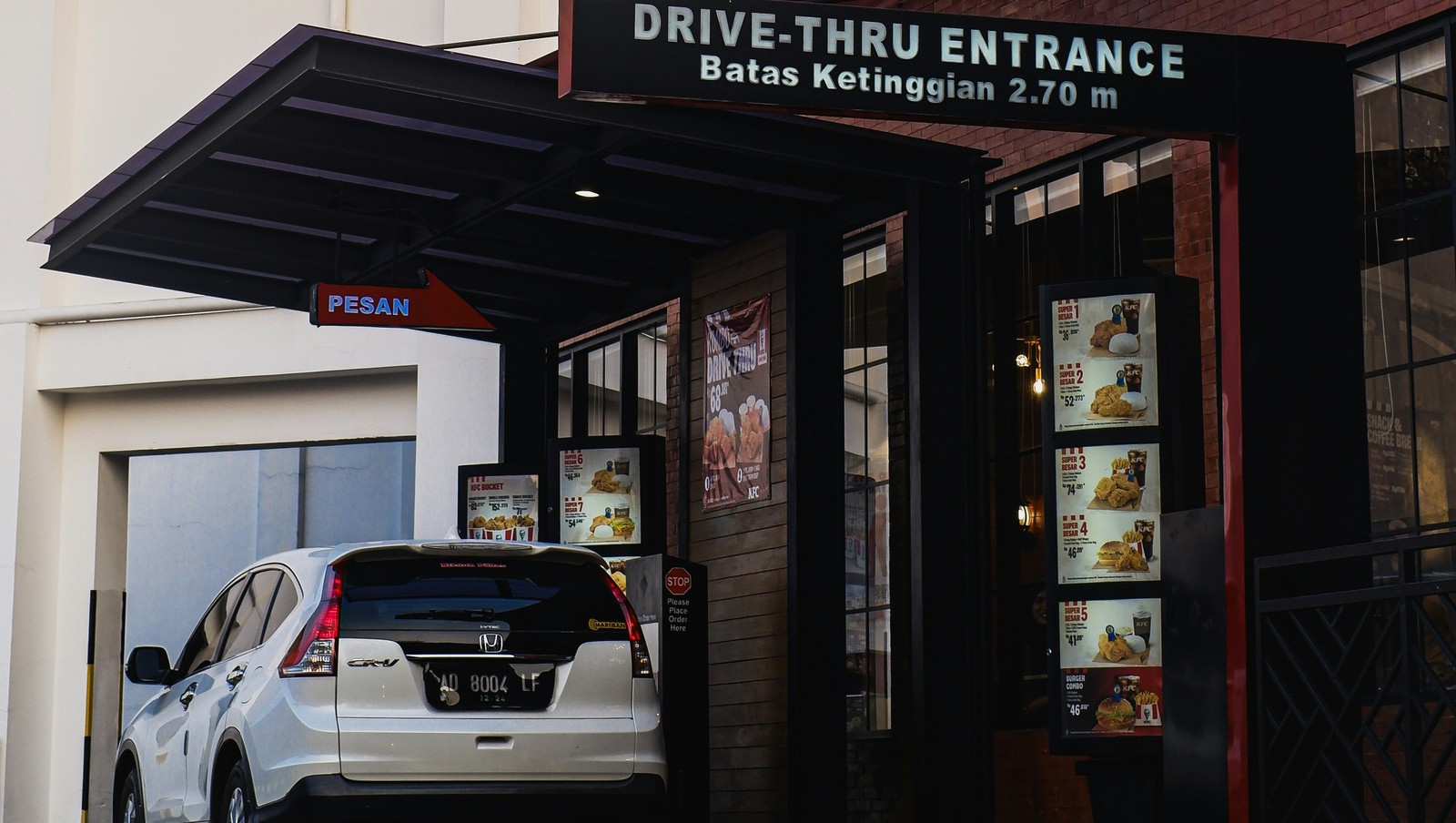
Image: Rifandi G

So many everyday comforts we now take for granted were first developed in the U.S. These innovations didn’t just change American life —they ultimately spread across the world and reshaped how people shop, eat, and move around.

1
Fast food chains
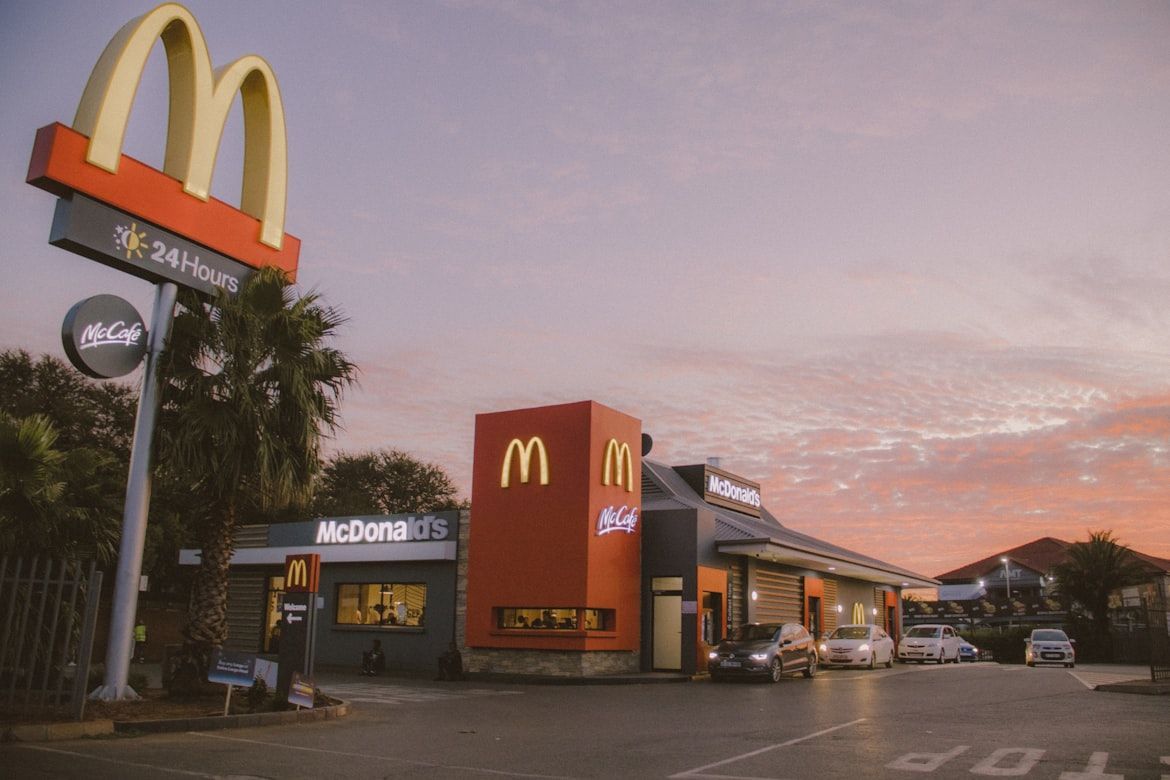
Image: Boshoku

The U.S. pioneered large-scale fast food chains like McDonald’s, Burger King, and Wendy’s, especially after World War II. These restaurants focused on speed, consistency, and low prices .

Their standardized menus and assembly-line kitchens made quick meals widely accessible. The model spread globally, shaping modern eating habits.

2
Drive-Thru restaurants
Image: Jonathan Cooper

The drive-thru concept took off in the U.S. in the 1940s, with chains like In-N-Out and later McDonald’s making it national. It allowed diners to order food without leaving their cars .

This idea dovetailed perfectly with a growing car culture and suburban life in the aftermath of WWII. Today, drive-thrus are common worldwide, but their roots lie in mid-century America.

3
Credit cards

Image: Avery Evans

While earlier charge systems existed, modern credit cards became widely used in the U.S. in the 1950s with Diners Club and BankAmericard (later Visa).

They allowed consumers to buy now and pay later , transforming spending habits. This system became a global standard, making everyday purchases faster and more flexible.

4
Online shopping

Image: Marques Thomas

Modern online shopping began in the U.S. during the 1990s, with now-ubiquitous companies like Amazon leading the way. Consumers could browse and buy products without visiting a store .

This shifted retail forever, offering convenience, home delivery, and endless variety. Today’s global e-commerce industry grew from these early American platforms.

5
Self-service gas stations
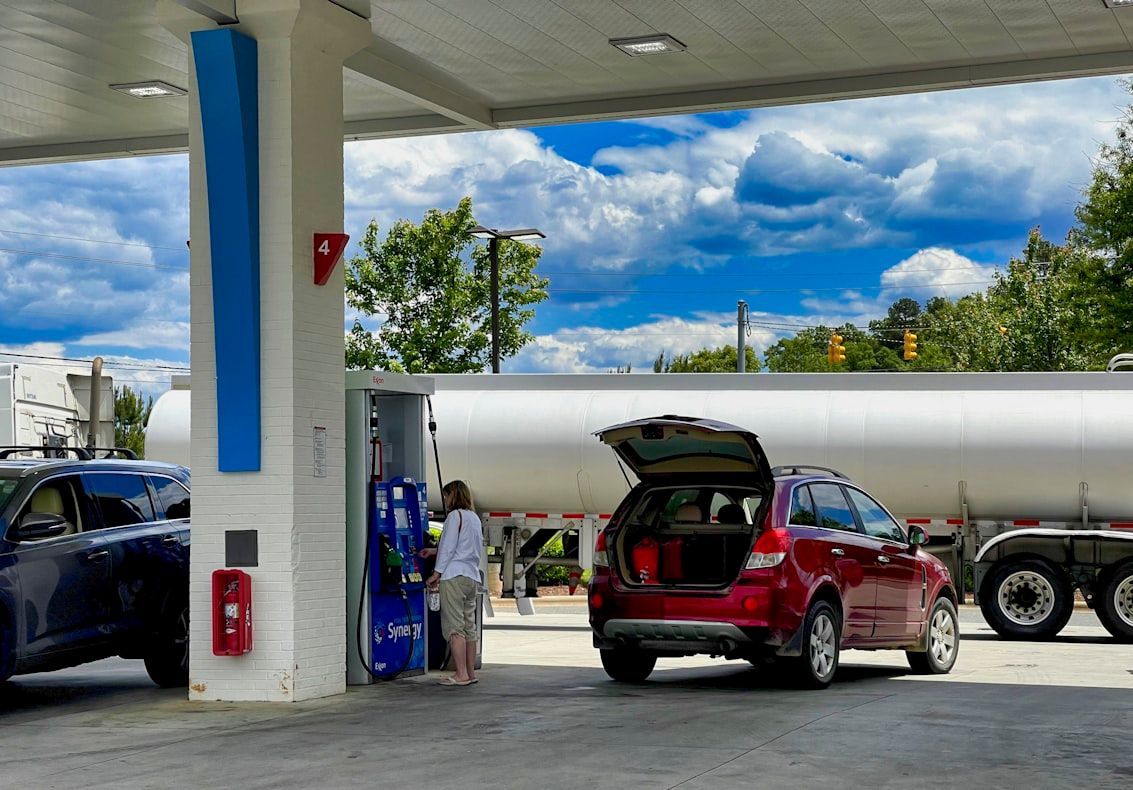
Image: Gene Gallin

Self-service gas stations became popular in the U.S. in the 1960s and 70s, allowing drivers to pump their own fuel instead of relying on attendants .

This reduced costs and sped up service, appealing to busy motorists. Over time, it became the standard in most parts of the world.

6
Supermarkets with one-stop shopping
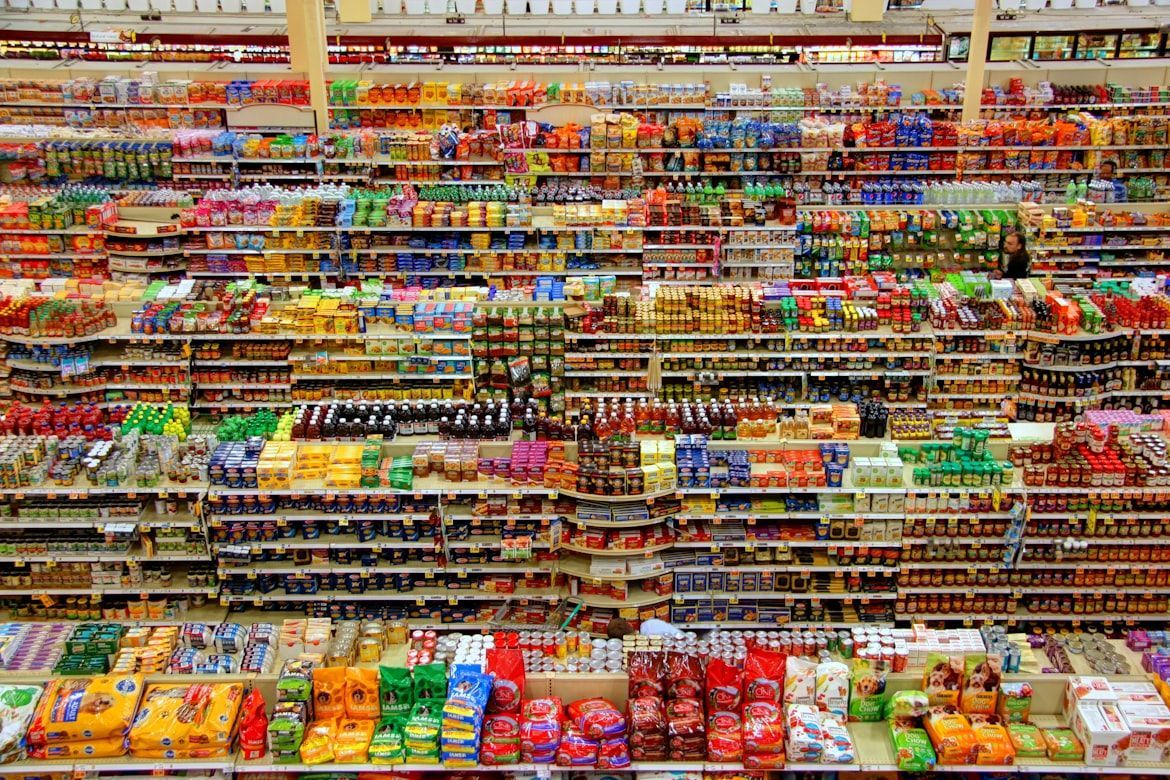
Image: Peter Bond

The first true supermarkets appeared in the U.S. in the 1930s, offering a wide range of goods, from fresh meat and produce to dry goods to cleaning and personal care products, under one roof . King Kullen in New York is often cited as an early example of this.

These mega-stores replaced smaller specialty shops and made grocery shopping easier. The concept became a global standard for food retail.

7
Shopping malls
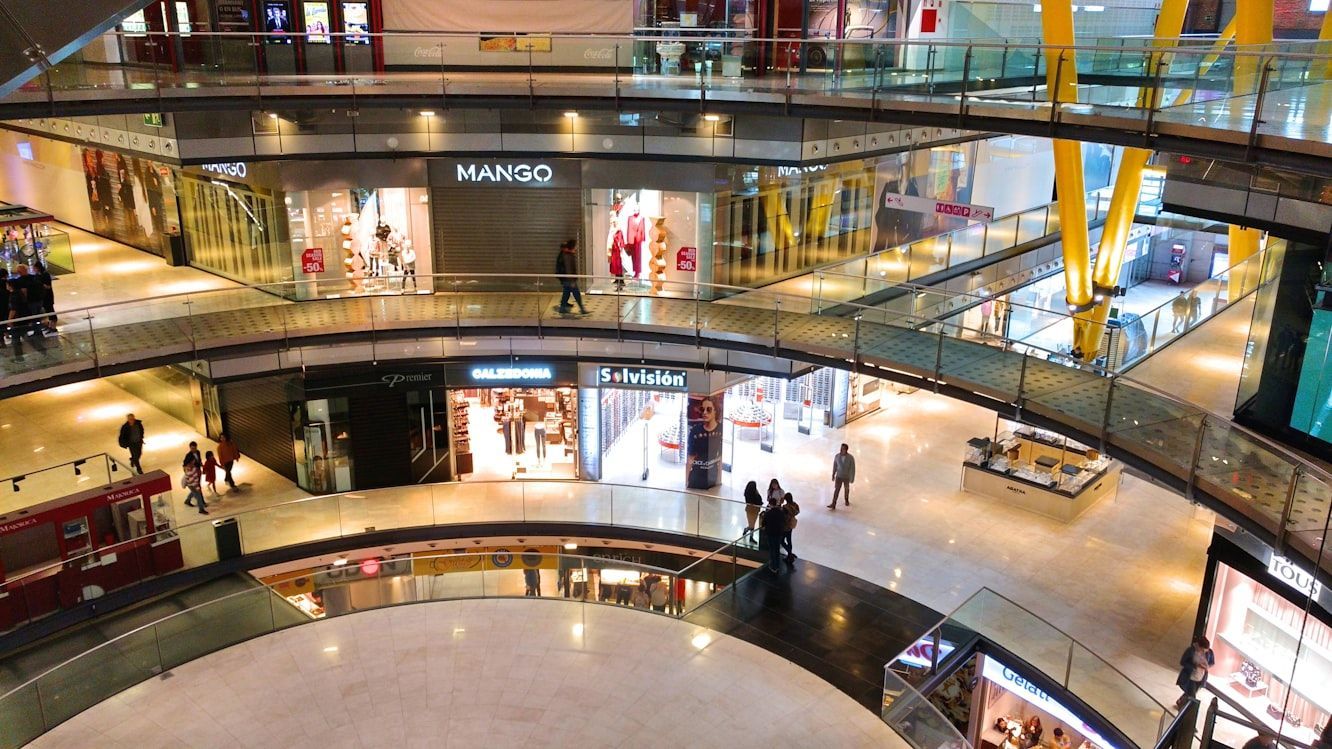
Image: WeLoveBarcelona.de

Indoor shopping malls emerged in the U.S. in the mid-20th century, designed as climate-controlled spaces with multiple stores in one location , beginning with Southdale Center, which opened in Edina, Minnesota, in 1956.

They became social hubs as well as retail centers. The mall concept spread worldwide, especially in suburban areas.

8
Frozen TV dinners
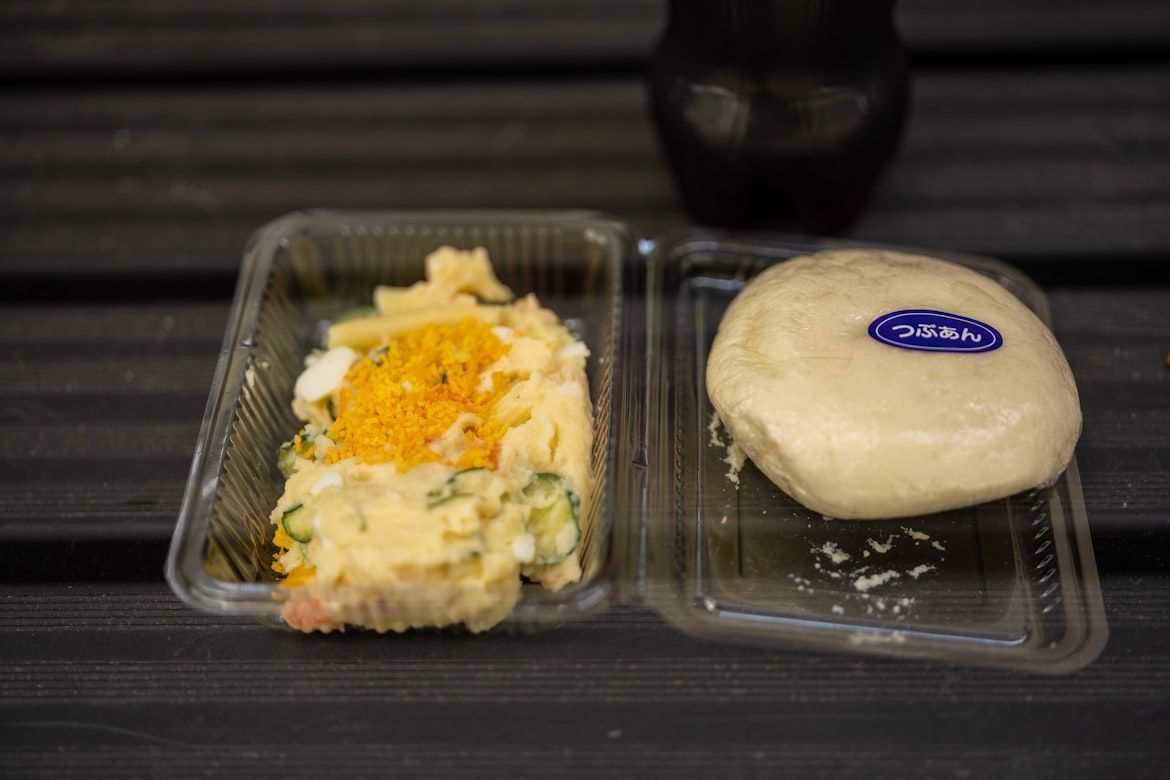
Image: Kouji Tsuru

TV dinners were introduced in the U.S. in the 1950s, notably by Swanson. These frozen meals were designed to be heated quickly and eaten while watching television, hence the term "TV dinner."

They reflected changing lifestyles in which convenience and entertainment overlapped. Frozen meals later became a global staple, especially with the advent of microwave ovens, which became increasingly popular in the 1970s and 80s.

9
Automatic dishwashers

Image: Ostbacher Stern

Dishwashers existed earlier, but automatic home models became widely adopted in the U.S. during the mid-20th century, making their way into American homes in the 1950s and 60s.

They saved time and reduced household labor, especially in busy families . Today, they are a common appliance in many parts of the world.

10
Sink garbage disposals

Image: Giorgio Trovato

The garbage disposal system was invented in the U.S. in the 1920s and became popular in American homes after World War II. It grinds food waste directly in the sink .

This innovation simplified kitchen cleanup and reduced trash volume. It remains especially common in U.S. households.

11
Vending machines
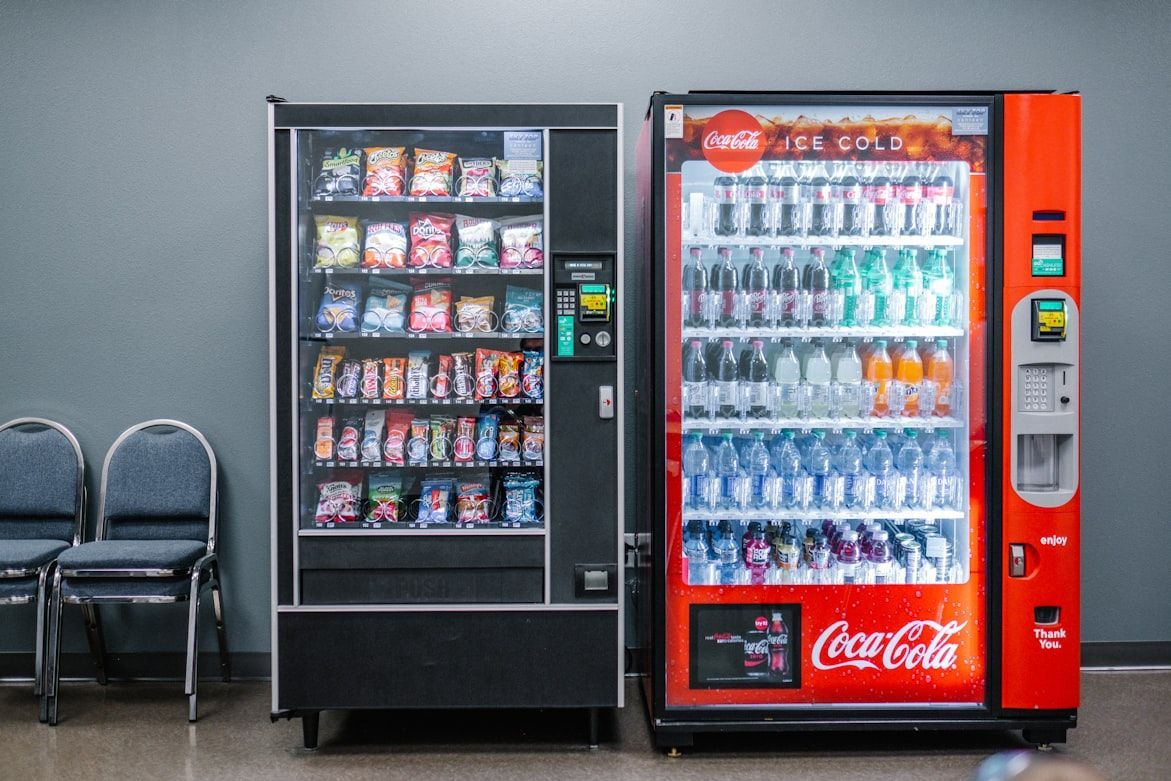
Image: Kenny Eliason

Modern vending machines became widespread in the U.S. during the 1950s and 60s, offering snacks and beverages in public places.

They provided quick, unattended service at any hour . While now global, their large-scale use and variety were strongly shaped by American consumer culture.

12
Ride-sharing apps
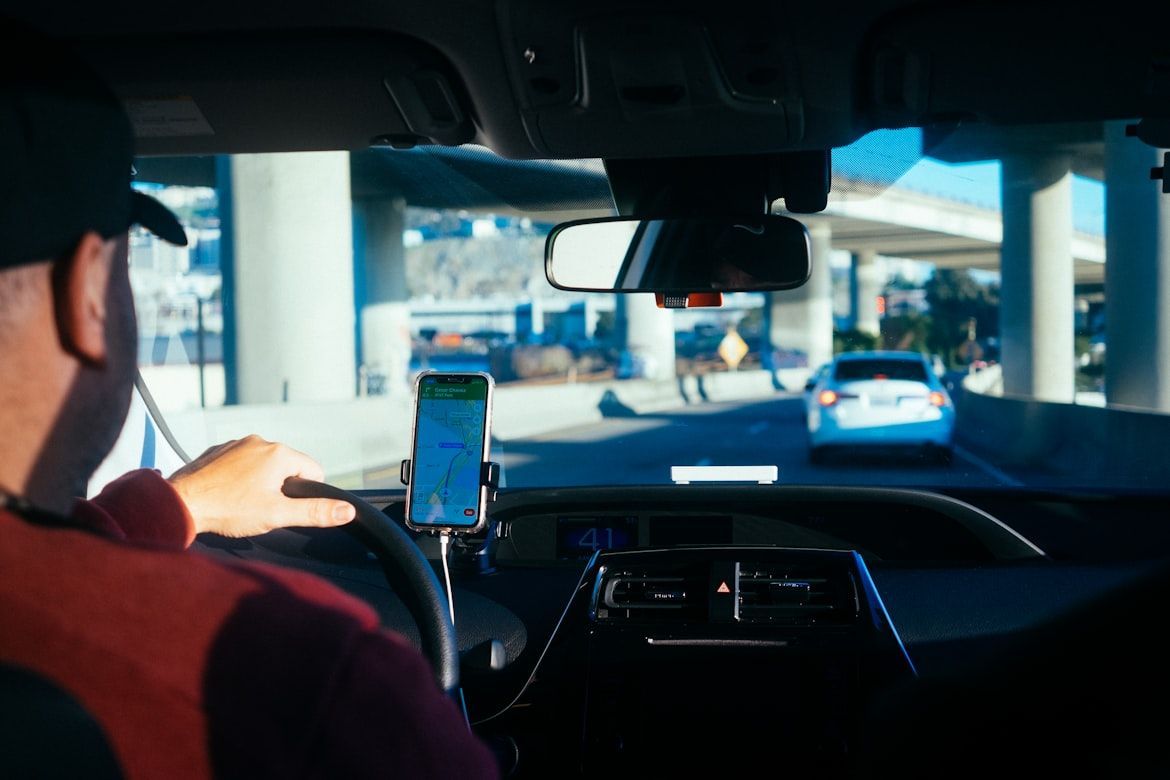
Image: Paul Hanaoka

Ride-sharing apps like Uber and Lyft began in the late 2000s, using smartphones to connect passengers with drivers instantly .

They transformed urban transportation, offering flexible alternatives to taxis. This model has since expanded to cities around the world.
General General 3 min read

They have rules too

The president can’t open the White House windows? Here’s why!

Image: Fine Photographics

Being the president of a nation might seem glamorous, and while it comes with a couple of nice benefits, the role is also full of obligations, strict protocols, and surprising restrictions . From accepting luxurious gifts to buying a smartphone or taking a simple walk, here are all the "don’ts" of being a US president!

1
Open the windows

Image: Braden Burson

Yes, you read that right. A sitting US president can’t just get up and open the windows of the White House to enjoy a beautiful day. While there’s no law against it, the protocols state that any action that could pose a security risk to the commander-in-chief must be carefully reviewed and approved by the staff.

2
Go to the cinema

Image: Krists Luhaers

Going to the movies is one of life’s simple pleasures. Unfortunately, if you’re the president, it’s not one of your options. While it’s not officially forbidden, crowded and dark spaces like movie theaters represent serious security risks. Luckily, the White House has its own private screening room, so the president and his family can still enjoy movie night at home.

3
Attend their children’s events

Image: Sincerely Media

You’ll rarely see a president at their kids’ school plays or sporting events. And it’s not because they’re bad parents; it’s because regulations discourage them from attending. With so many people, children, and things happening at the same time, keeping the commander-in-chief safe in those settings is nearly impossible.

4
Buy their own tech devices

Image: appshunter.io

When a new iPhone hits the market, many rush to buy it, but presidents can’t make this decision on their own. Any electronic device, like a smartphone or tablet, could be vulnerable to hacking or espionage. So while presidents can use cell phones, theirs must be secure, vetted, and government-approved.

5
Block people on social media

Image: Julian

And that isn’t the only restriction on cell phones. Presidents who use their social media accounts for official communications are advised not to block people in their official POTUS account, since doing so could be seen as suppressing free speech. On the other hand, they can block users on personal accounts.

6
Go out alone

Image: Warren K. Leffler, Public domain, via Wikimedia Commons

The US president can’t just grab the keys and head out for a walk. Sure, strolls around the White House gardens are fine, but stepping beyond the gates is a different story. Anytime the president leaves the White House, even for a quick walk around the block, the Secret Service must secure the area, plan the route, and provide constant protection. Sounds a little overwhelming, right? But when you’re the commander in chief, safety always comes first!

7
Drive

Image: Jerry Kavan

Ever felt the urge to hop in your car and drive somewhere spontaneously? Well, if you’re the President of the United States, that’s off-limits. Security measures strongly recommend that presidents must always travel in a secure vehicle with a driver and a full security detail. In fact, the last president known to drive alone on the open road was Lyndon B. Johnson (1963-1969).

8
Fly on commercial airlines

Image: The White House, Public domain, via Wikimedia Commons

Just as security protocols strongly discourage the president from driving alone on open roads, flying on commercial airlines is also off-limits. Imagine being hundreds of feet in the air, locked in with strangers; it could be extremely unsafe when you’re the president of the United States. Implementing proper security measures would be too complicated, and with a large presidential staff, there might not even be enough seats for everyone.

9
Accept expensive gifts

Image: Ayana Ames

Presidents receive many, many letters and gifts from the public, but not all of them can be accepted. The US Constitution and federal law require presidents to decline overly expensive gifts, whether they come from foreign leaders or everyday citizens, to prevent any appearance of conflict of interest or corruption.

10
Discard official mail

Image: Wolfgang Vrede

Although it may seem like a harmless, ordinary task, the president can’t just start cleaning out their office or email inbox. All presidential correspondence, physical or digital (even spam!), is considered official government property. It must be processed or archived according to federal records regulations, and discarding anything requires a strict review process.

Culture Culture 5 min read

Yes, that was normal

These old childhood rules and traditions would shock parents today

Image: Rohan Mathur

There was a time when childhood looked very different. Often unsupervised, kids would roam, explore, improvise, and occasionally scare their parents half to death. Cultural norms have changed, and many of the routines and traditions that once defined the all-American childhood now seem reckless . Let’s look at some of them and see how drastically things have changed.

1
Leaving with your bike in the morning and coming back for suppertime

Image: Carl Tronders

For a few generations of American kids, a bicycle meant freedom. From the 1940s through the 1980s, children often left home after breakfast with little more than a vague instruction: "Be back before dinner."

Neighborhoods were informal safety nets, and kids were free to navigate them without phones or GPS trackers.

2
Foraging fruit from neighbors’ yards

Image: Libby Penner

It was a risky gamble: Picking and eating fruit from unknown plants in your neighborhood could result in a yummy treat…or abdominal trouble.

There was a time when kids freely grabbed berries, apples, or other fruit growing along sidewalks or in neighbors’ gardens. Today, property boundaries have grown, and kids are reminded not to forage without permission.

3
Riding public transportation alone

Image: Vitolda Klein

For much of the 20th century, it wasn’t unusual for children as young as 7 to ride buses, subways, or streetcars alone, especially in large cities like New York, Chicago, and Boston.

Kids commuting to school independently was considered a practical life skill. Parents expect children to learn responsibility through real-world experience , handling routes, change, and unexpected delays.

4
Roller coasters had no belts and no headrests

Image: Tore Odiin

Do you have memories of rickety rollercoasters? You might correctly remember that earlier rides were thrilling in ways that might give modern safety inspectors pause.

Many of the rides made popular in the 50s relied primarily on simple lap bars and operated with minimal restraints. Designers assumed riders would hold on tightly. Safety rules have evolved drastically since then, and now we have over-the-shoulder harnesses and improved lap restraints.

5
Walking miles to a friend’s house alone

Image: Ansis Kančs

Kids routinely walked long distances across neighborhoods or even between towns without adult accompaniment, guided by landmarks and memory. While this independence helped build confidence, it also reflected a different perception of risk.

6
Not ringing the bell: just yelling your friend’s name from outside

Image: the blowup

Before texting "I’m here" or coordinating playdates through apps, kids often announced their arrival the old-fashioned way: by standing outside and shouting a friend’s name.

Front yards, sidewalks, and porches acted as social hubs where everyone recognized familiar voices. As concerns about privacy, safety, and structured schedules grew with the years, the casual shout-from-the-street culture slowly disappeared.

7
Spending long days at the beach without adults

Image: Gaëtan De Cuyper

Surf culture in places like California and Hawaii, as well as East Coast boardwalk towns, normalized groups of kids swimming, riding the waves, and returning home only at sunset.

Public beaches were seen as community environments where lifeguards and familiar locals provided informal oversight . Today, increased safety standards, liability concerns, and changing parenting norms mean most children visit beaches with close adult supervision.

8
Exploring woods alone

Image: Joshua Earle

Few children who lived near a forest or rural area could resist the pull to explore it, either alone or with friends. Building forts, climbing trees, and learning their way around nature were influenced by scouting movements and postwar ideas about resilience and independence.

Psychologists today even describe this kind of unstructured outdoor play as beneficial for creativity and risk assessment skills. However, modern concerns about safety, traffic, and environmental hazards have reduced opportunities for unsupervised exploration.

9
Staying home alone or being babysat by older siblings

Image: Kelly Sikkema

The rise of the "latchkey kid" became especially visible in the United States during the 1970s and 1980s, when increasing numbers of dual-income households, or single-parent homes, meant children returned home from school to empty houses.

Many kids carried house keys, prepared snacks, and entertained themselves until their parents finished work. Today, research on changing childhood independence shows that unsupervised play and autonomy have significantly declined compared to previous generations.

10
Collecting glass bottles for some cents back

Image: Lacey Williams

Long before recycling bins appeared on every curb, kids learned about value through bottle returns. Soda and milk bottles carried deposits, and children would collect empties from their own homes or even from neighbors to trade for a few coins at local stores.

It was a first taste of earning money independently, although it often funded candy purchases or comic books.

11
Climbing trees or rooftops, unsupervised

Image: Victória Kubiaki

When you are a kid, climbing a tree is decidedly an adventure. There was a time when this was considered a universal childhood activity in America, even encouraged as a playful challenge, since mid-century parenting often embraced manageable risk.

But current safety standards and greater awareness of injury risks have dramatically reduced these kinds of unsupervised play environments.

12
Casually hanging out in abandoned buildings

Image: Ljubica

Another tempting area for children happened to be empty lots, half-built structures, and abandoned buildings . It was difficult to keep out curious and brave kids. This pastime is not entirely eradicated today, although it seems to be teenagers or young adults who engage in it.

13
Riding in cars without seatbelts

Image: Anton Luzhkovsky

For decades, families piled into cars without buckling up, simply because seatbelts weren’t standard equipment. Although basic seatbelt designs existed earlier, widespread adoption didn’t begin until the late 1950s and 1960s.

Even then, many Americans resisted using them, seeing belts as unnecessary or uncomfortable . Laws requiring seatbelt use didn’t become common until the 1980s and beyond, meaning generations of kids grew up riding freely in the back seat.

14
Playing in flooded streets after a storm

Image: Ayla Meinberg

Children once treated flooded streets like temporary playgrounds. Heavy rain expanded the available activities for a suburban child. They could splash barefoot through puddles or float makeshift boats down rushing gutters.

Over time, public health campaigns highlighted dangers such as contaminated runoff, hidden debris, electrical hazards, and traffic risks. Enough to scare modern parents!

Explore more American facts

Choose your favorite category!

General
General

As American as apple pie—the very best America has to offer!

Culture
Culture

Delve into the astounding richness of American lore.

Geography
Geography

Hop in and explore vast and diverse American landscapes.

History
History

Discover the key moments that shaped the United States.