General General 3 min read

Middle matters

Guess which president didn’t even have a real middle name!
Image: Tim Mossholder

Ever wonder about the names of our presidents? Turns out those middle names often tell family stories, reveal forgotten traditions, or, sometimes, just show how human our most powerful leaders really are. Some honored relatives, others used their middle names to stand out, and one didn’t have a middle name at all. Here are some fascinating tales hidden in the middle of history.

1
John Adams
Image: Mark Olsen

Middle name: Quincy

Our sixth president, John Quincy Adams, was the son of the second president, John Adams. He was named "Quincy" after his maternal great-grandfather, John Quincy, and later signed his initials as "JQA" to avoid confusion with his father. A strong mind clearly ran in the family.

2
William Harrison
Image: STEPHEN POORE

Middle name: Henry

William Henry Harrison, the ninth president, was named for both his grandfather and uncle. Sadly, his presidency was the shortest in history, just one month after he caught pneumonia giving a long speech in the rain.

3
James Polk
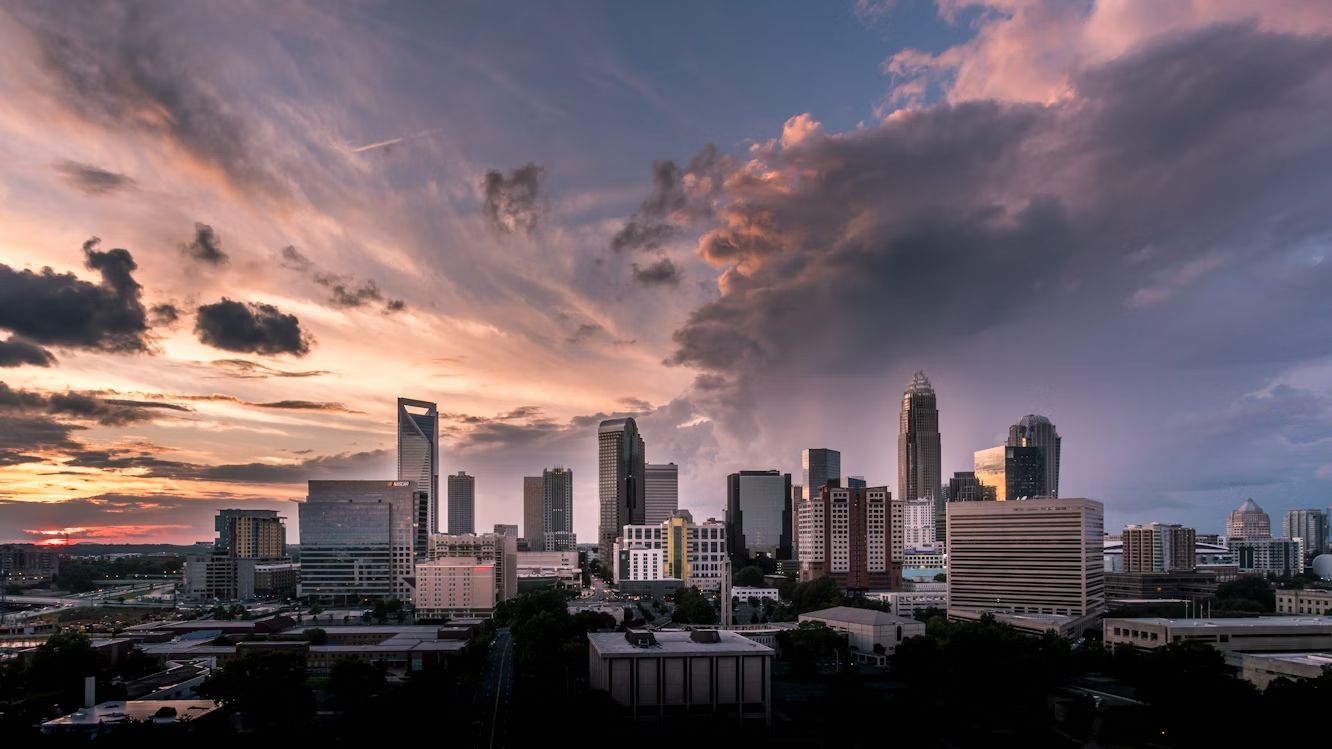
Image: Daniel Weiss

Middle name: Knox

James Knox Polk carried his grandfather’s name with pride. Born in North Carolina in 1795, he expanded the nation’s territory by more than a third during his single term, finally stretching the U.S. from coast to coast. Quite an accomplishment for one presidency.

4
Ulysses Grant
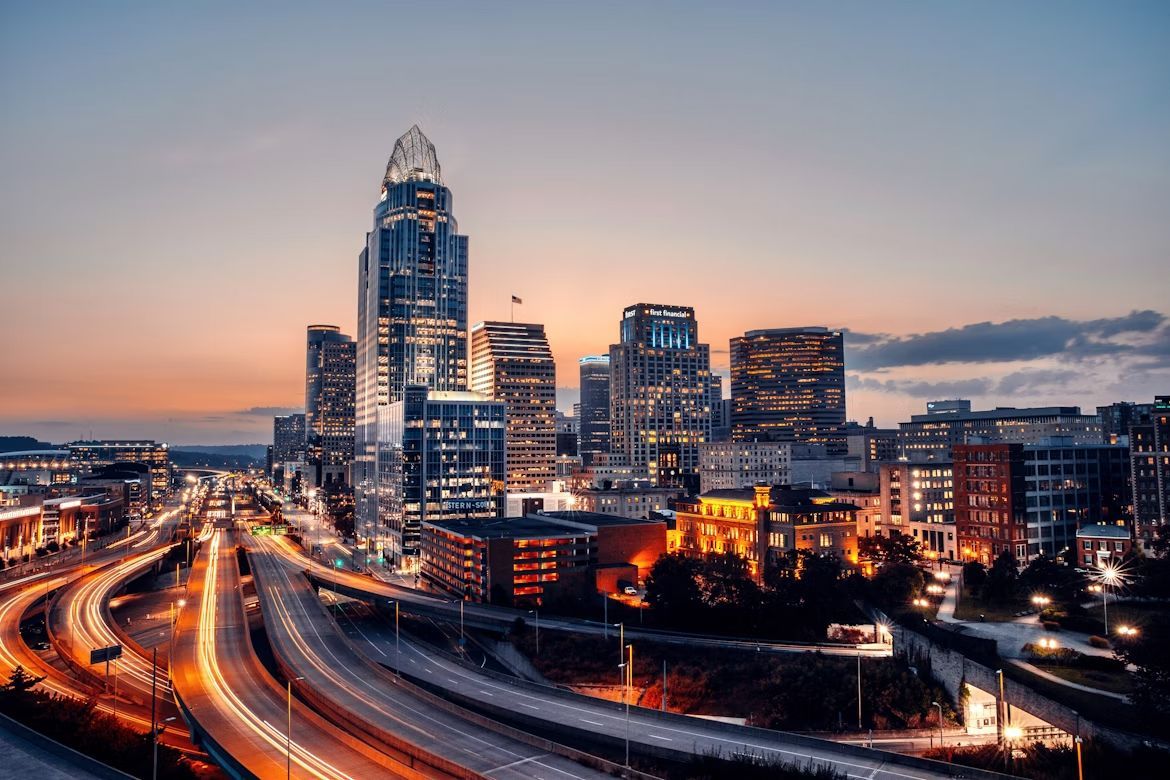
Image: Jake Blucker

Middle name: Ulysses

Fun fact: "Ulysses S. Grant" wasn’t his real name. He was born Hiram Ulysses Grant, but a paperwork mix-up at West Point changed it forever. The "S" came later as a nickname, "US" Grant, something that fit a general far better than "H.U.G." ever could.

5
Rutherford Hayes
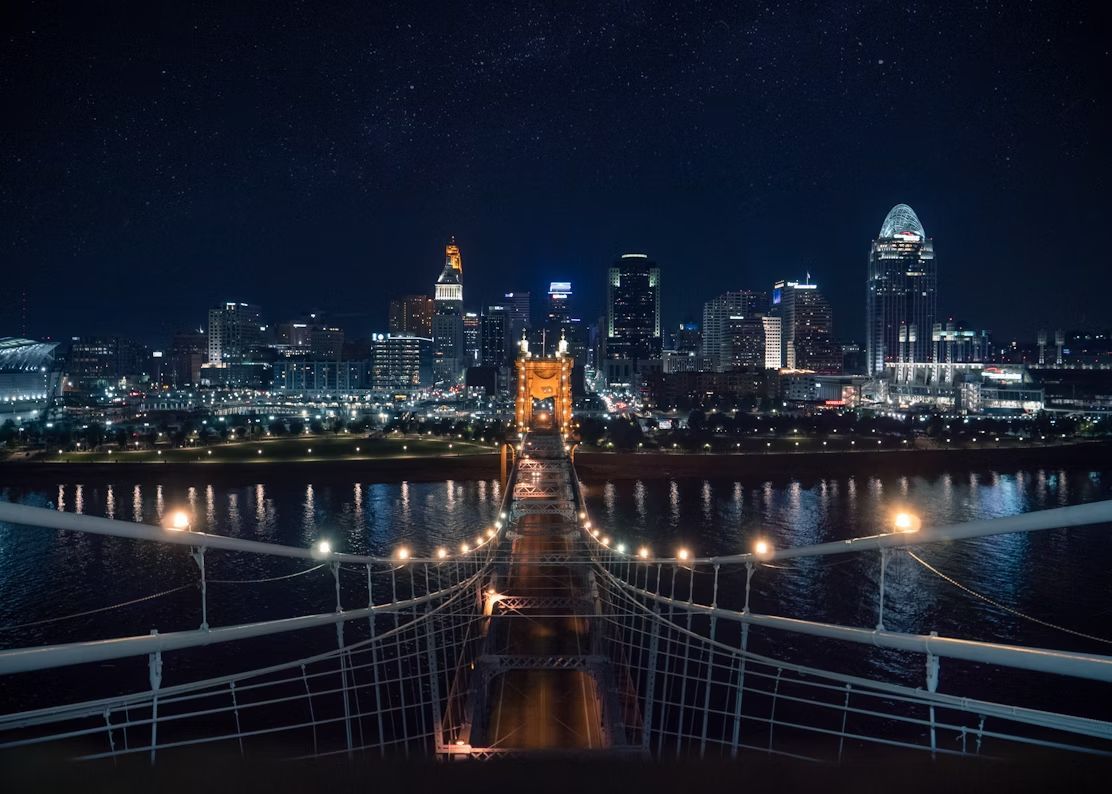
Image: Matt Koffel

Middle name: Birchard

Rutherford Birchard Hayes got his middle name from his mother’s maiden name. Born in 1822, he lost his father before birth but grew up to become the 19th president. He’s remembered for restoring faith in the presidency after a rough patch in American politics.

6
Grover Cleveland

Image: Manisha Raghunath

Middle name: Grover

Stephen Grover Cleveland dropped his first name early in life and stuck with Grover. It worked out well for him: he’s the only president in history to serve two nonconsecutive terms, making him both the 22nd and 24th president. That’s a comeback story.

7
William Taft
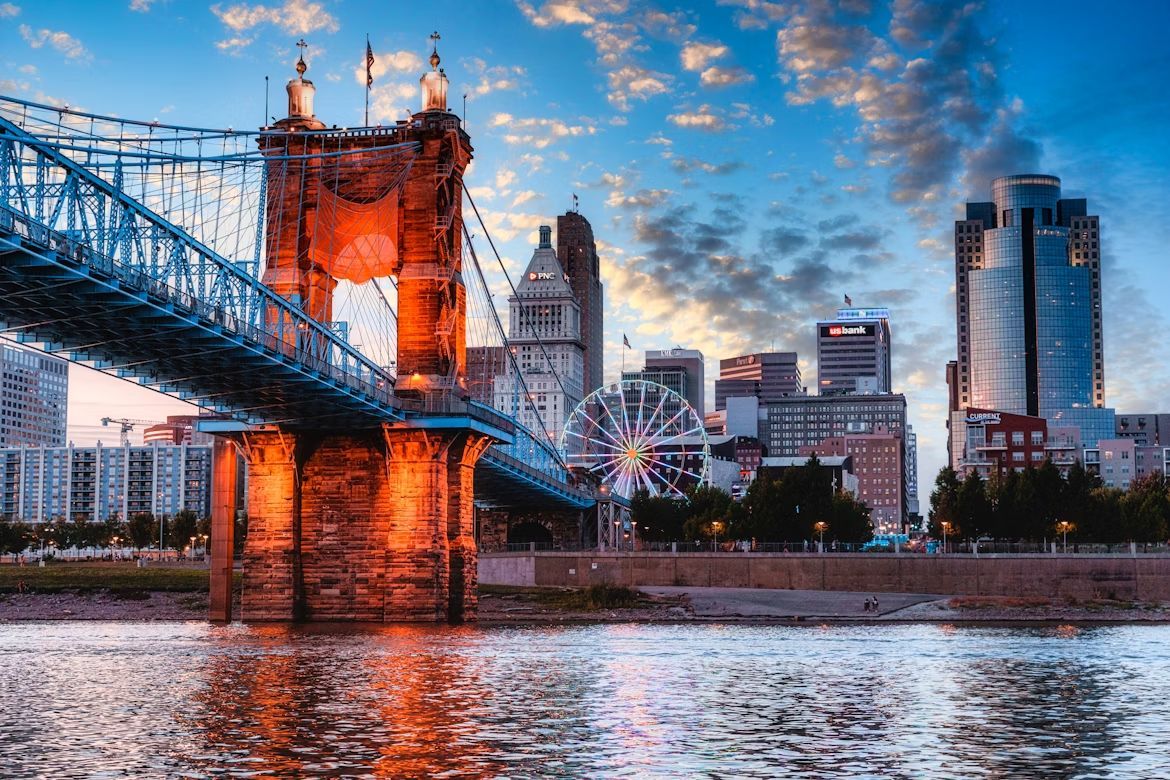
Image: Jake Blucker

Middle name: Howard

William Howard Taft’s middle name honored his grandmother’s family, the Howards. He remains the only person to ever serve as both U.S. president and Chief Justice of the Supreme Court. That’s two of the toughest jobs in one lifetime.

8
Woodrow Wilson
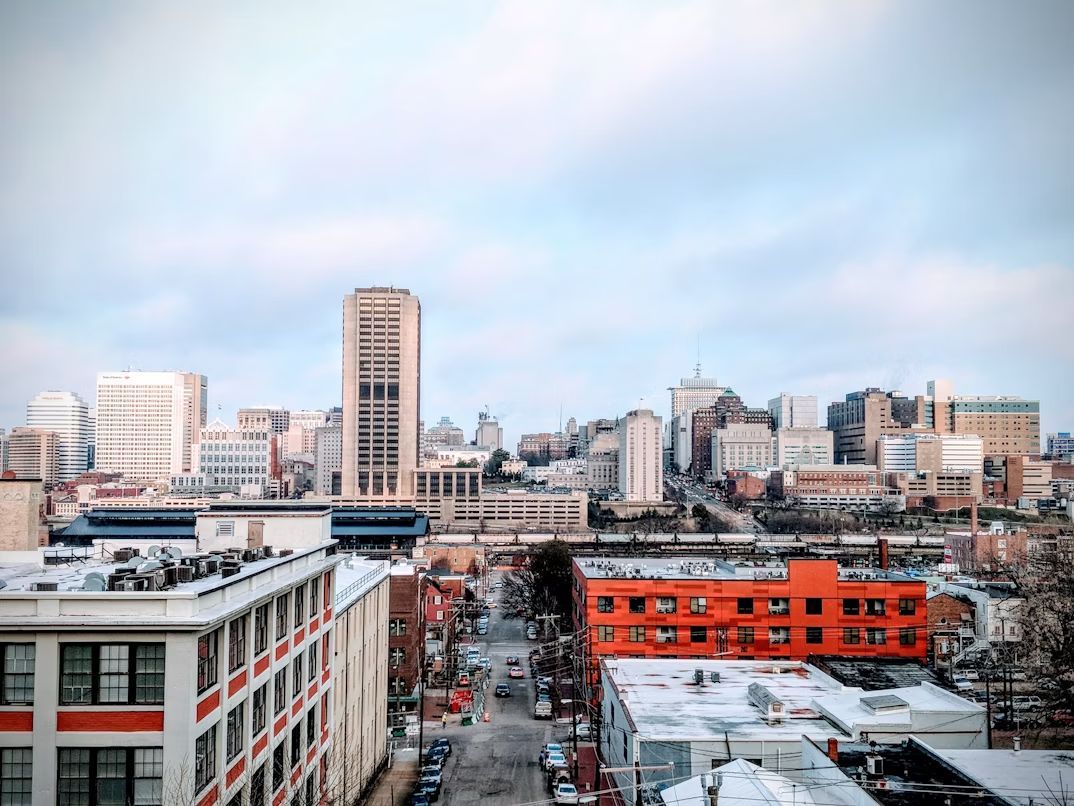
Image: STEPHEN POORE

Middle name: Woodrow

Born Thomas Woodrow Wilson, he eventually dropped his first name and went by Woodrow instead. It sounded distinguished, and clearly, it worked for him. As our 28th president, he guided the nation through World War I and helped shape modern international relations.

9
Warren Harding
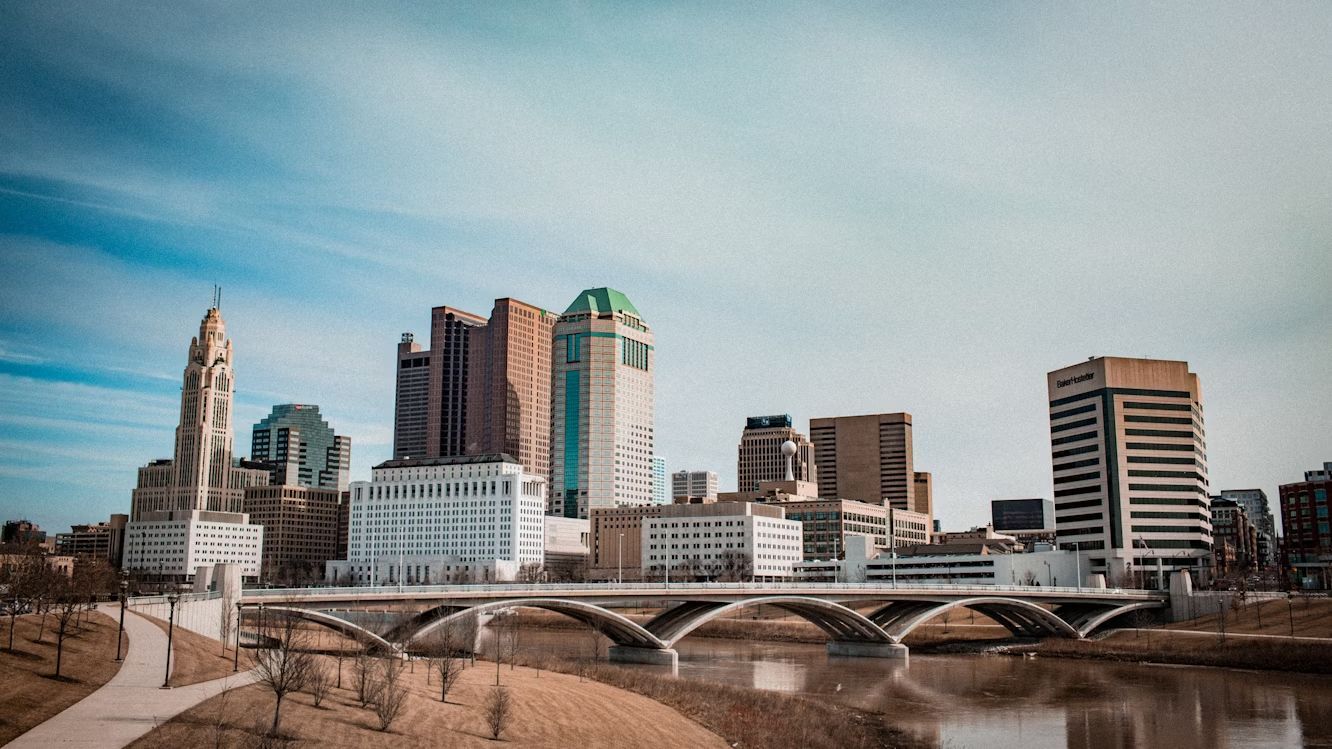
Image: Oz Seyrek

Middle name: Gamaliel

Warren Gamaliel Harding, born in Ohio in 1865, left his mark on American vocabulary by coining the word "normalcy." He wanted life to return to normal after World War I. His middle name, likely biblical, matched his calm, reassuring image.

10
Calvin Coolidge
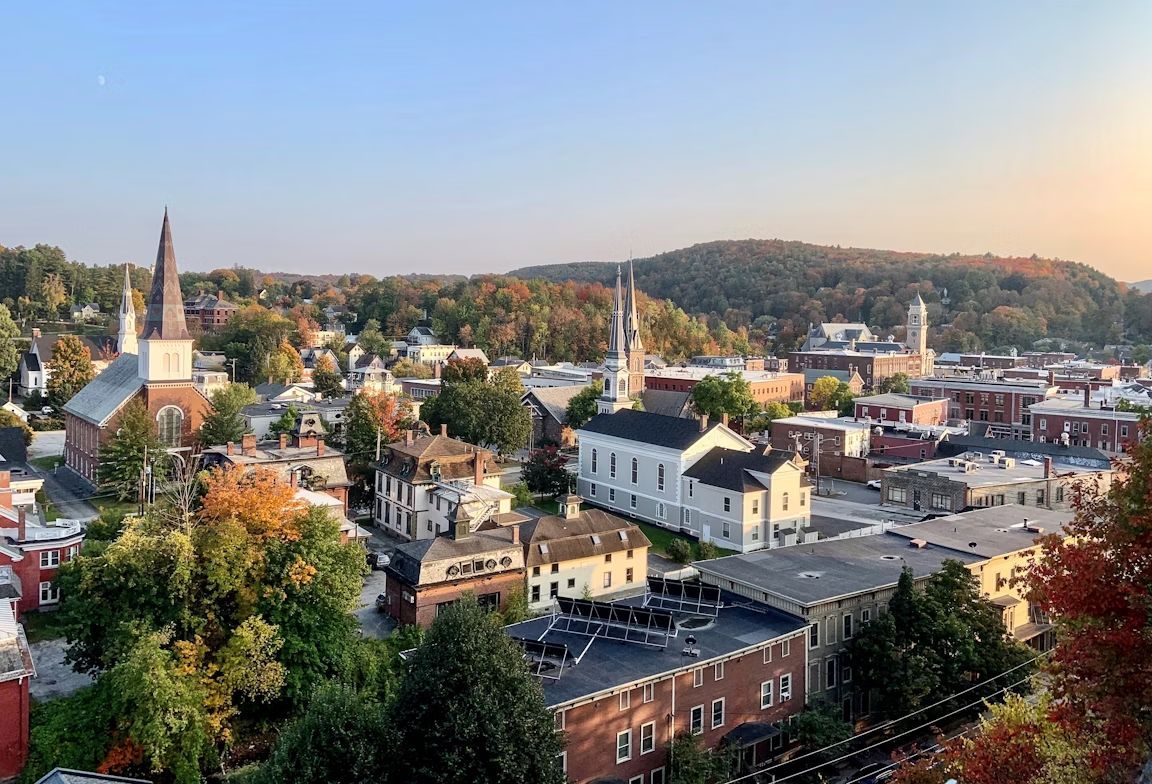
Image: John Holm

Middle name: Calvin

John Calvin Coolidge, our 30th president, was named for his father but went by his middle name from childhood. Known as "Silent Cal," he led with few words and steady leadership during the Roaring Twenties.

11
Herbert Hoover
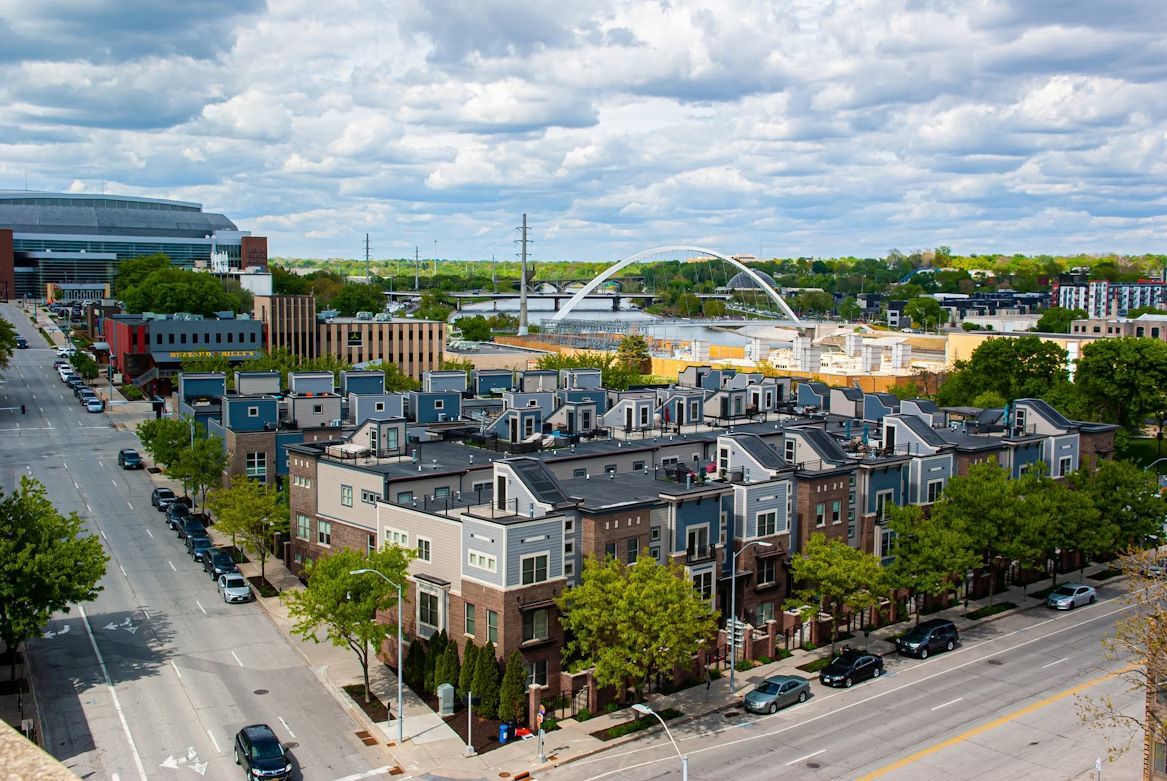
Image: Niko Vassios

Middle name: Clark

Herbert Clark Hoover shared his middle name with his father, Jesse Clark Hoover. Born in Iowa in 1874, he was a self-made man long before entering politics. Sadly, his presidency became synonymous with the Great Depression, but he remained known for his work ethic and humanitarian efforts.

12
Harry Truman
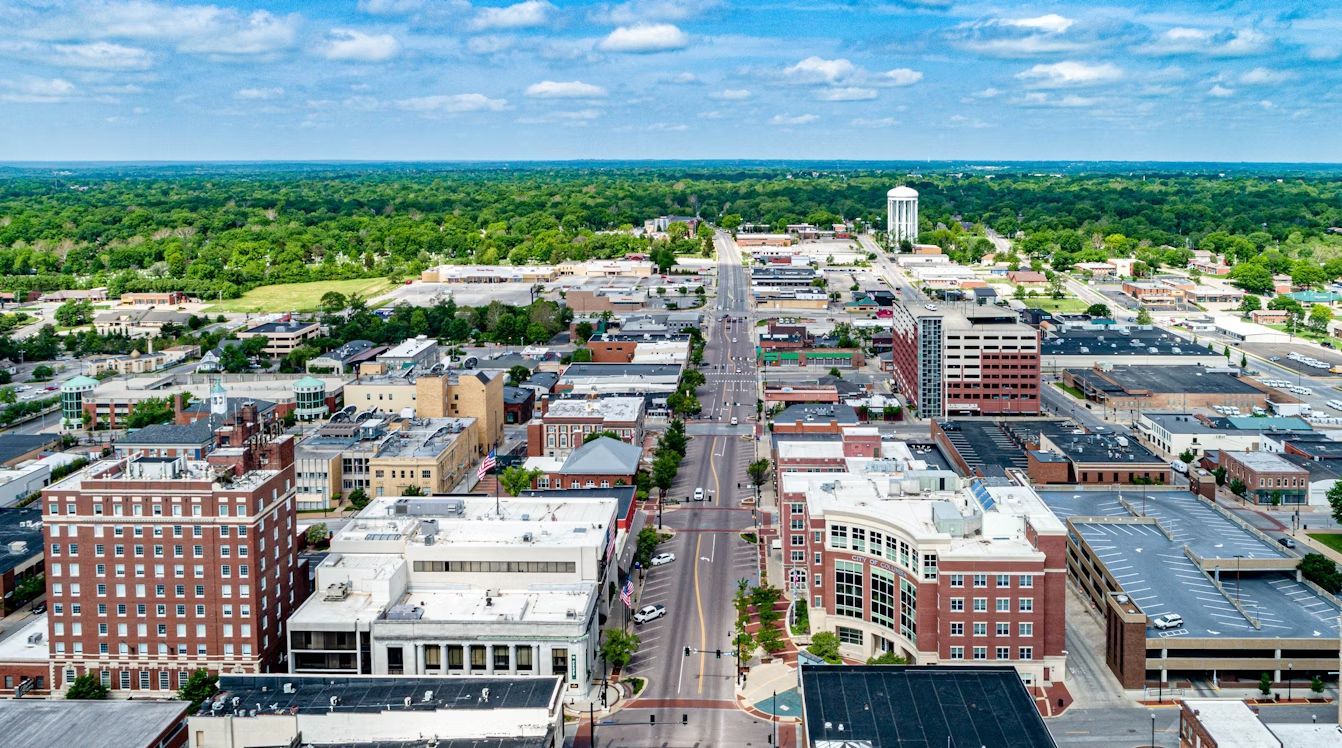
Image: Mike Gattorna

Middle name: S.

Harry S. Truman’s middle initial doesn’t stand for anything at all. His parents couldn’t decide between his two grandfathers, Solomon and Shippe, so they settled on "S." It’s a fitting story for a man known for making tough choices, including some of history’s most remembered.

13
Gerald Ford
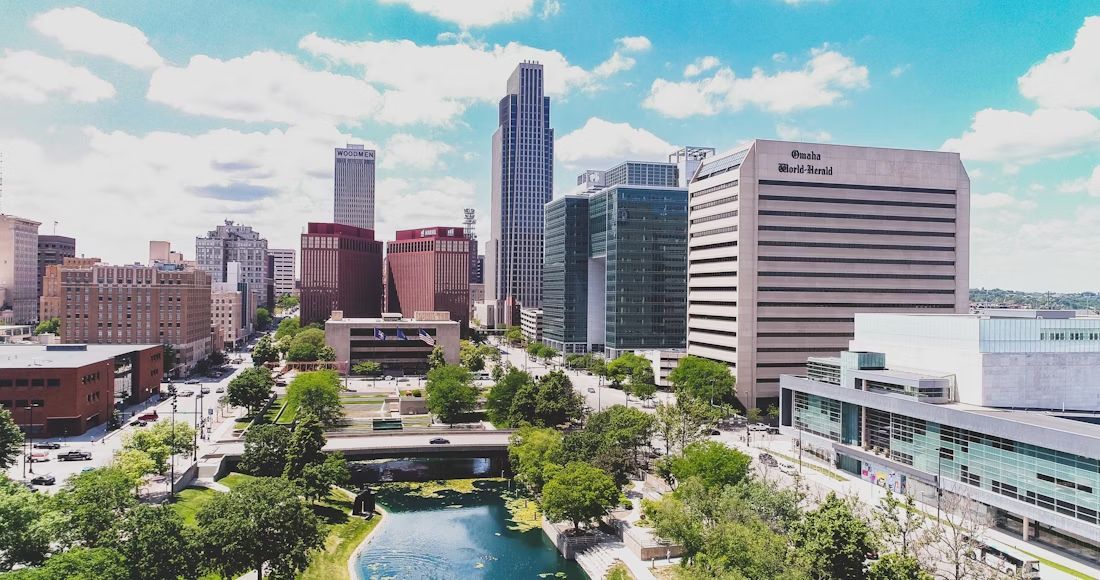
Image: John Matychuk

Middle name: Lynch / Rudolph

Gerald Ford had two middle names in his lifetime. He was born Leslie Lynch King Jr., but after his mother remarried, his name was changed to Gerald Rudolph Ford Jr., in honor of his stepfather. He’s also the only president who never won an election but took office after Nixon’s resignation.

Culture Culture 3 min read

I want to believe

11 famous hoaxes in American history that fooled everyone

Image: Hartono Creative Studio

The fact that not every little thing in our world can yet be explained makes life a bit more interesting for many of us. And that urge to believe in certain things has fostered many myths and hoaxes that continue to fool people to this day. How many of the following 11 do you know?

1
The Cardiff Giant

Image: Anton Ivanov

In 1869, workers digging a well in Cardiff, New York, uncovered what appeared to be a 10-foot-tall petrified man. Locals rushed to see the "giant," paying admission to witness history in the soil.

But, as it turned out, it wasn’t ancient at all. A man named George Hull had buried the statue as a prank and made some quick money from the curious crowd.

2
War of the Worlds Broadcast

Image: Michal Balog

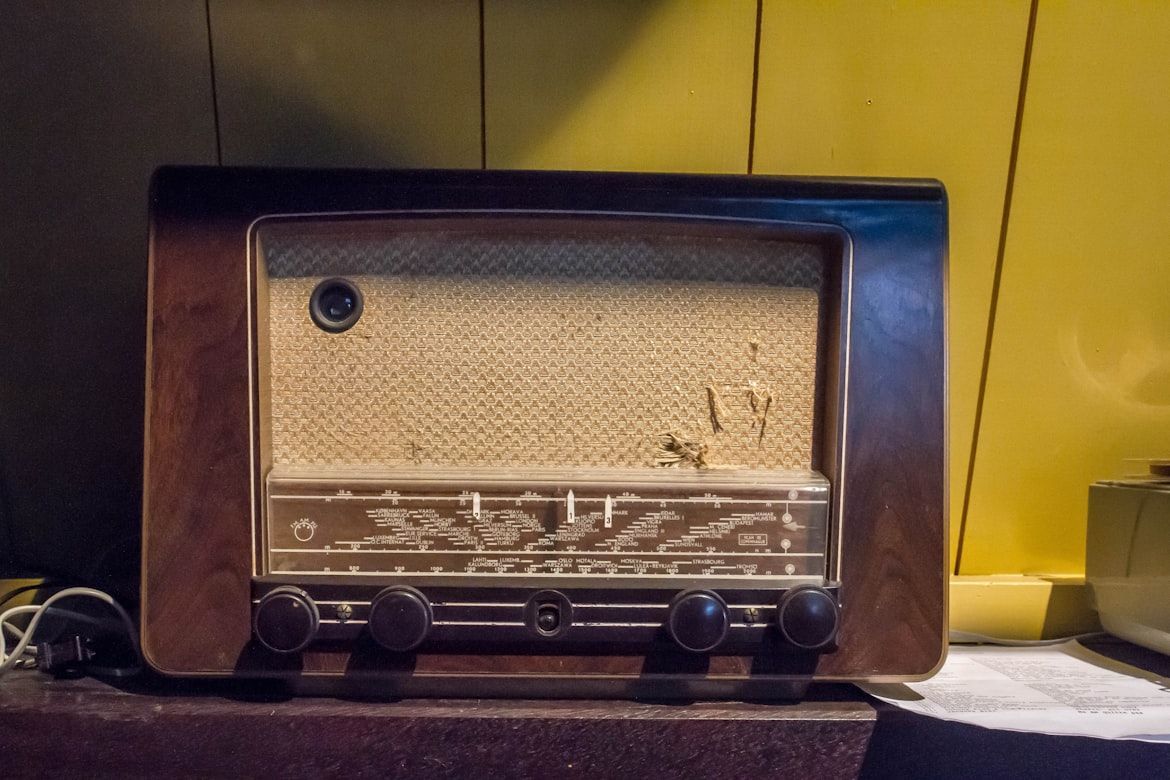
This very famous hoax took place on the eve of Halloween 1938. Orson Welles’s radio adaptation of The War of the Worlds aired as if it were breaking news . Many listeners tuning in late thought Martians had really landed in New Jersey.

Some packed up their cars or called the police in panic. Though no invasion occurred, the broadcast became a legend in media history.

3
The Balloon Boy

Image: Ankush Minda

In 2009, Americans watched live TV coverage of a silver balloon drifting across the skies of Colorado , fearing that a six-year-old boy was trapped inside . The story gripped the nation for hours.

When the balloon finally landed empty, police discovered the child hiding safely at home. His parents later admitted it was a publicity stunt gone wrong.

4
The Feejee Mermaid

Image: Nsey Benajah

In 1842, showman P. T. Barnum unveiled a marvel: a preserved "mermaid" supposedly from the South Seas . Crowds lined up to see the half-fish, half-woman curiosity.

The truth was stranger still. It was the upper body of a monkey sewn onto a fish tail and covered in papier-mâché.

5
The Great Moon Hoax

Image: Ganapathy Kumar

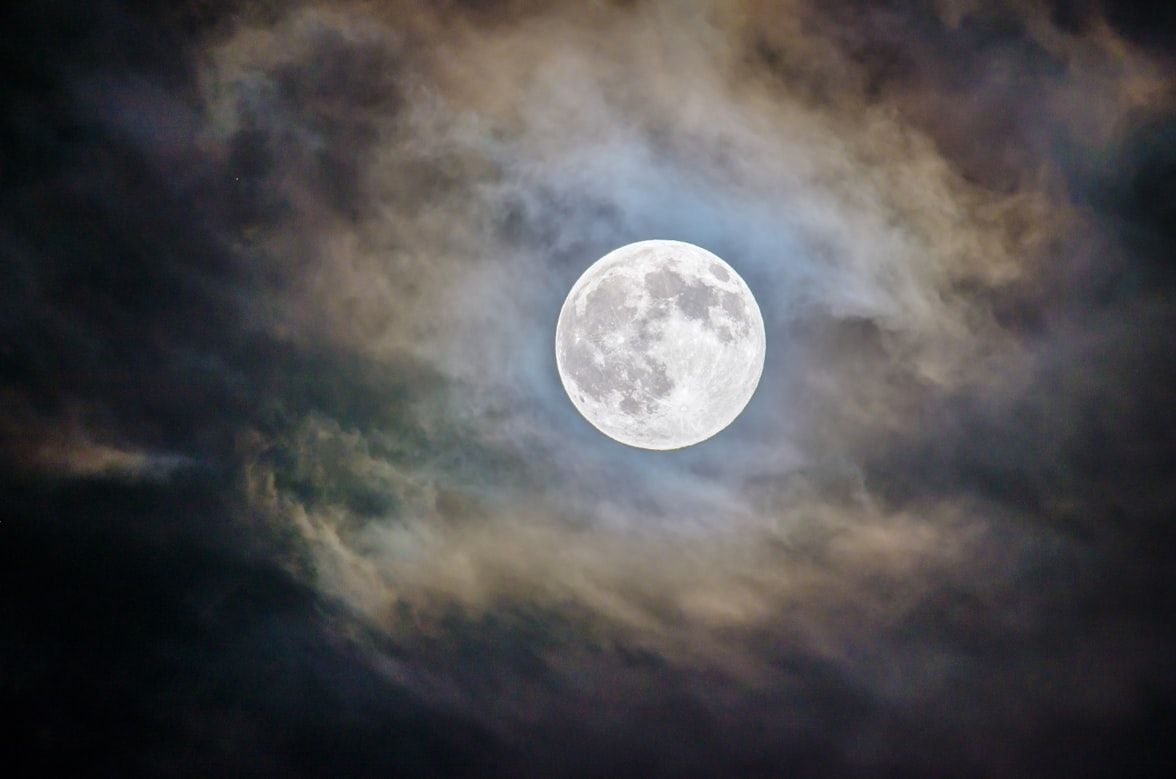
Readers of The New York Sun in 1835 were astonished by reports claiming that scientists had spotted bat-like people and crystal palaces on the Moon through a powerful new telescope.

The story was pure invention, but circulation went up. By the time the truth came out, the paper’s readership had reportedly increased dramatically.

6
The Crop Circles Craze

Image: Agent J

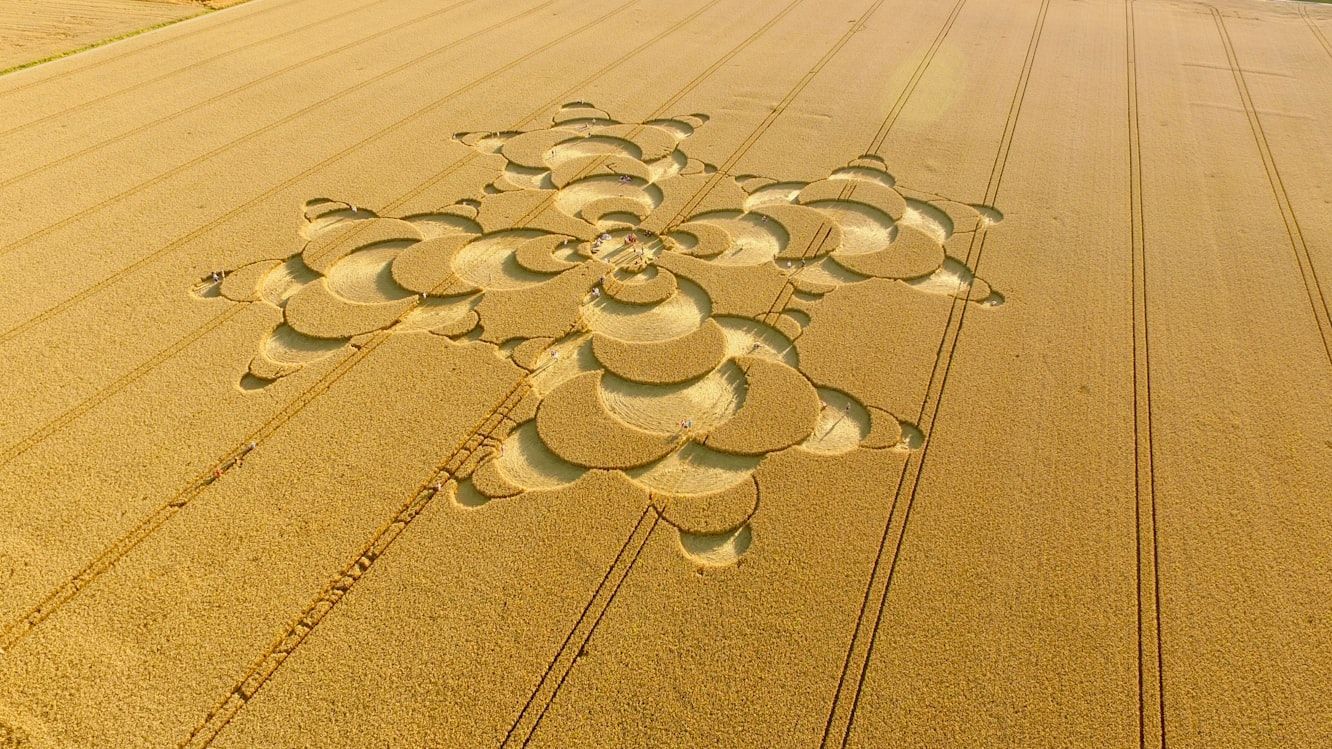
When perfect circles began appearing overnight in wheat fields , people talked about UFO landings. The shapes seemed too precise to have been made by human hands.

But, in 1991, two Englishmen confessed they’d used boards and ropes to flatten the crops. While this revelation explained many of the formations, the mystery lives on in popular imagination.

7
Alien Autopsy Film

Image: Leo_Visions

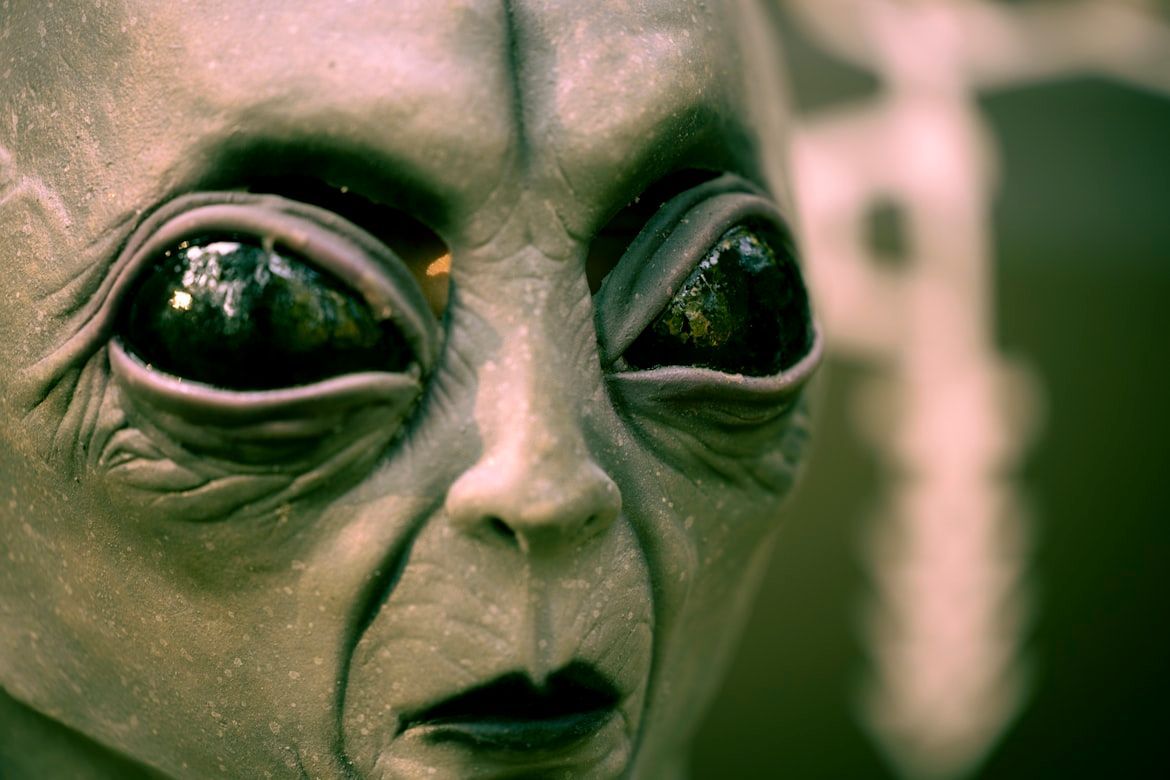
In 1995, a grainy black-and-white video surfaced, showing doctors dissecting what seemed to be an alien recovered from the 1947 Roswell crash. The footage spread quickly worldwide.

Years later, the filmmaker admitted that the film was staged, using latex models and fake organs.

8
The Manti Te’o girlfriend hoax

Image: Kaleb Becker

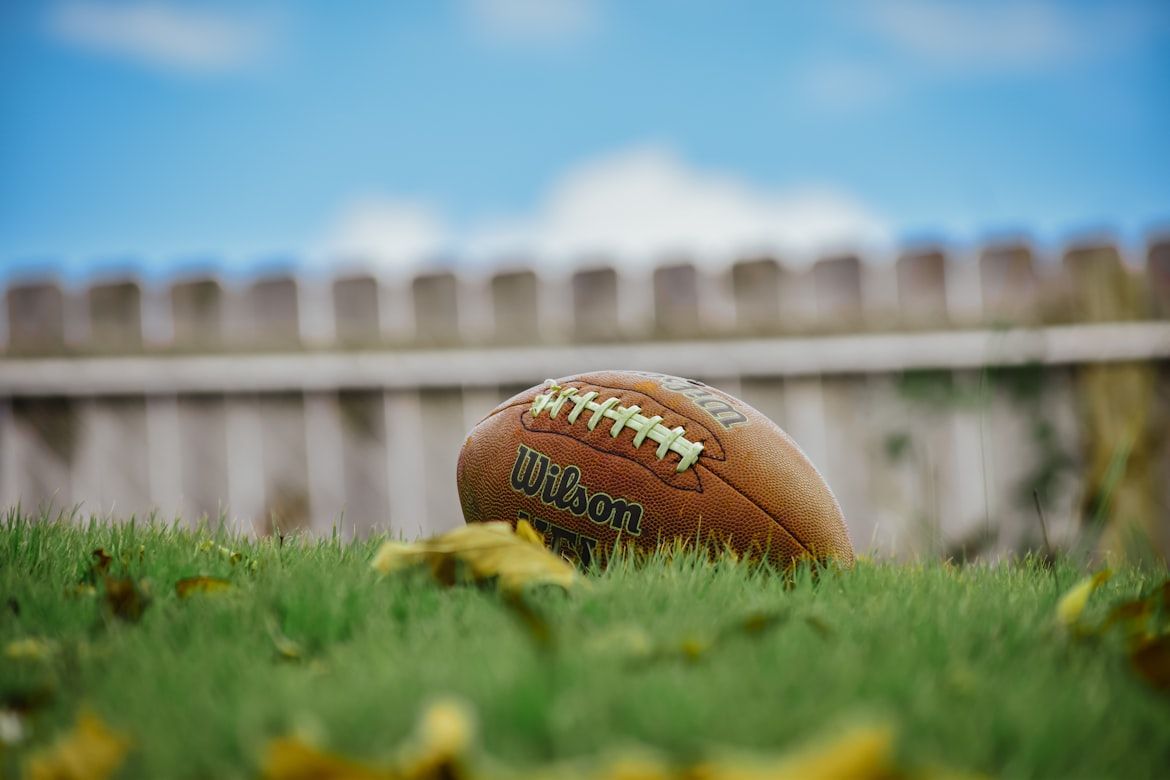
Notre Dame football star Manti Te’o captured hearts when he revealed that his girlfriend had died of leukemia . Sports fans wept over the tragic love story.

But reporters later learned that the woman never existed. It was an elaborate online catfishing scheme.

9
The Patterson–Gimlin Bigfoot film

Image: Jon Sailer

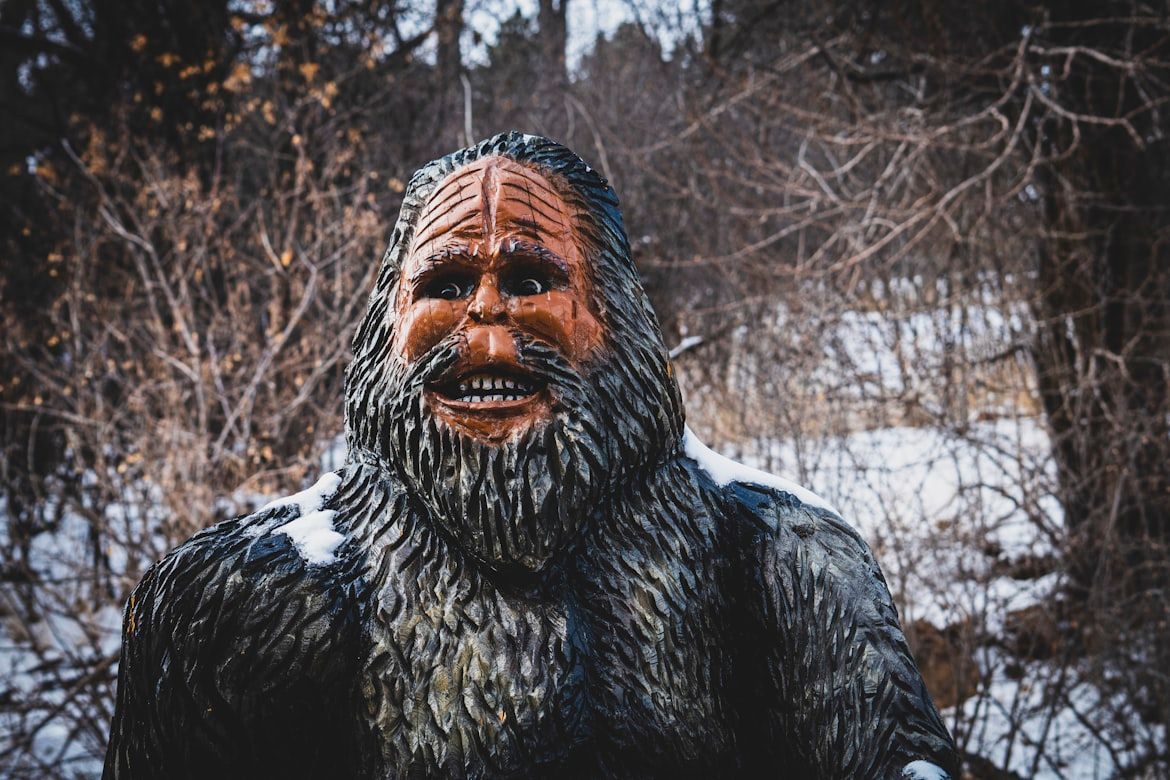
In 1967, a short film shot in California showed a large, hairy creature striding through the woods . Many viewers thought this was real proof of Bigfoot´s existence.

Decades later, one participant claimed it was a man in a gorilla suit, but that claim failed to convince many people who prefer to believe in the existence of this creature.

10
The Drake’s Plate of Brass

Image: David Dibert

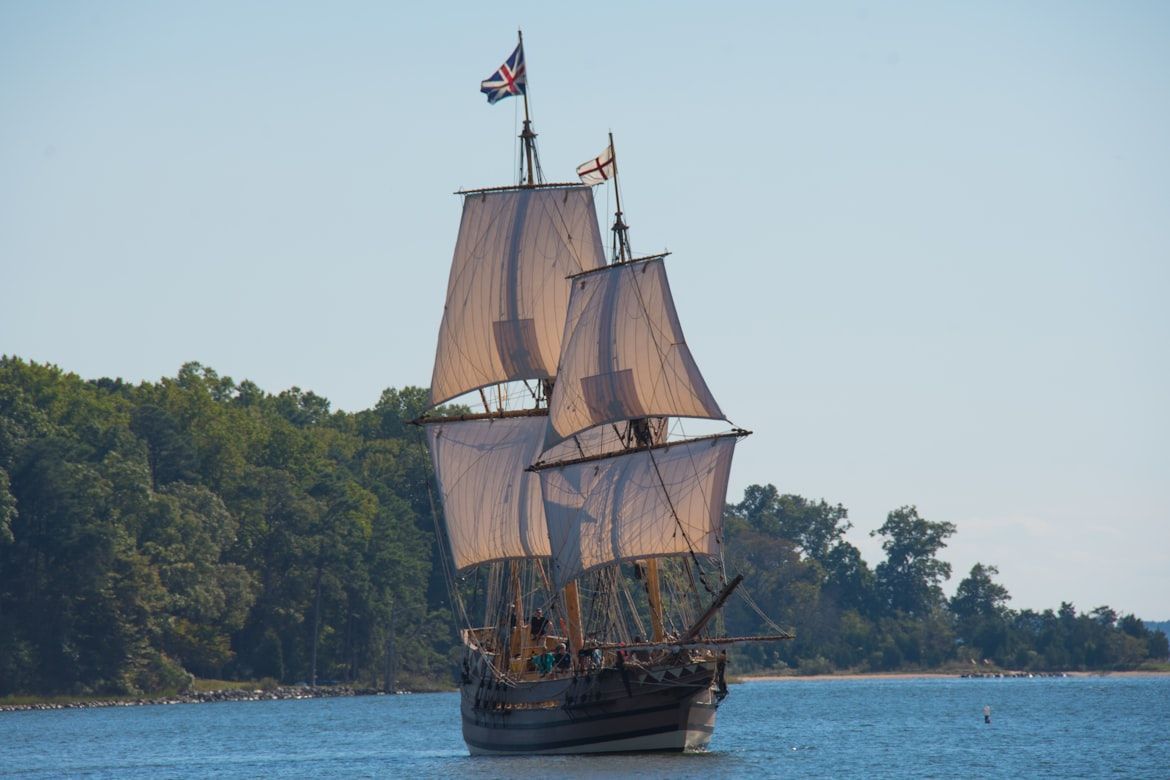
In 1936, a shiny brass plate found in California seemed to confirm that explorer Sir Francis Drake had landed there in 1579. Historians called it a priceless relic.

For decades, the plate was displayed proudly, until metallurgical tests in 1977 proved it was modern . It had been made as a practical joke among historians that went too far.

11
Paul Is Dead

Image: Jiamin Huang

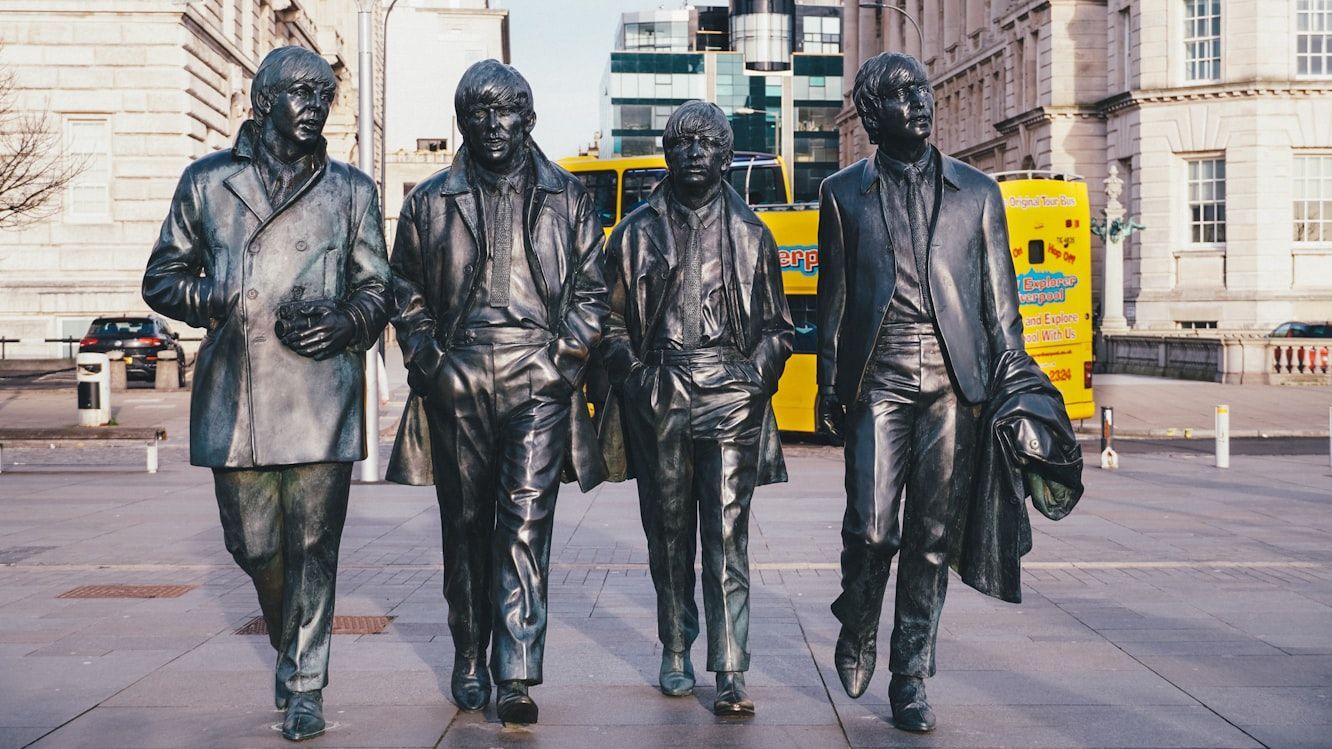
The final entry on our list might not be American per se, but it drew much attention on these shores. In 1969, rumors spread that Beatle Paul McCartney had died and been secretly replaced by a double . Fans scoured album covers for "clues" like hidden messages and backward songs.

Paul, very much alive, later joked about it. The bizarre theory became a lasting pop-culture phenomenon.

Culture Culture 5 min read

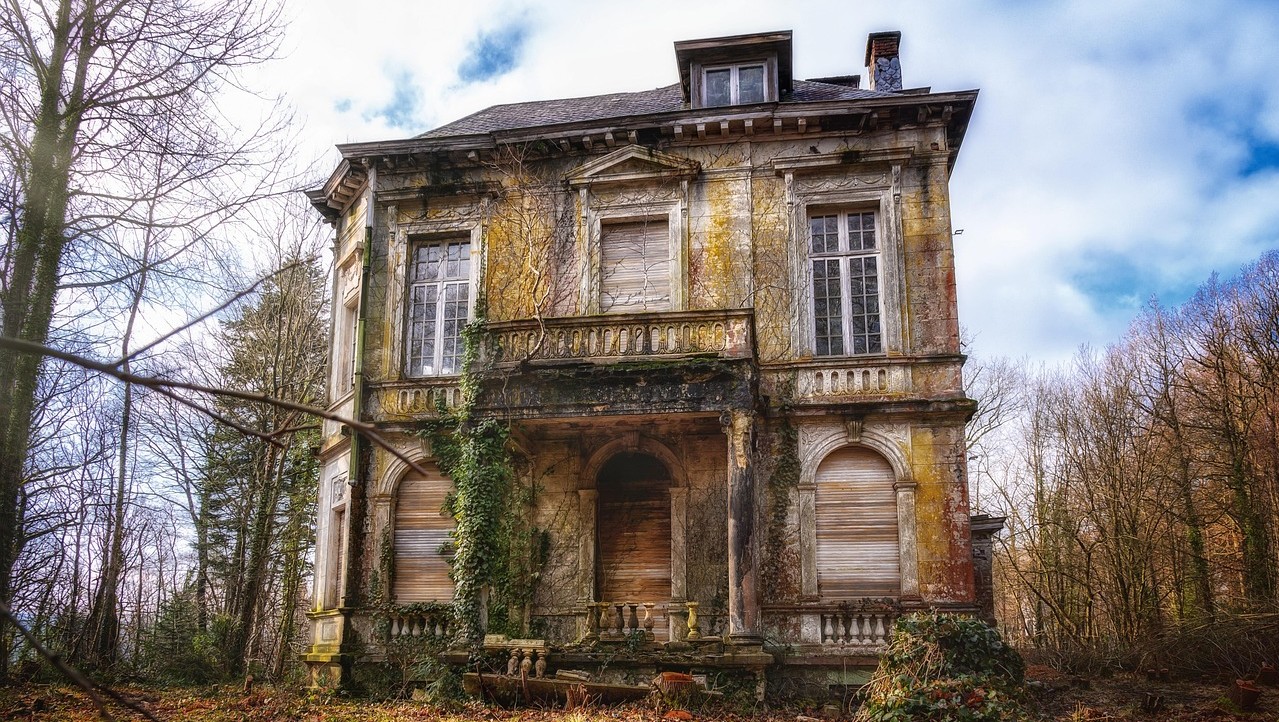
Why do these 10 magnificent American estates now stand in ruins?

Image: Tama66

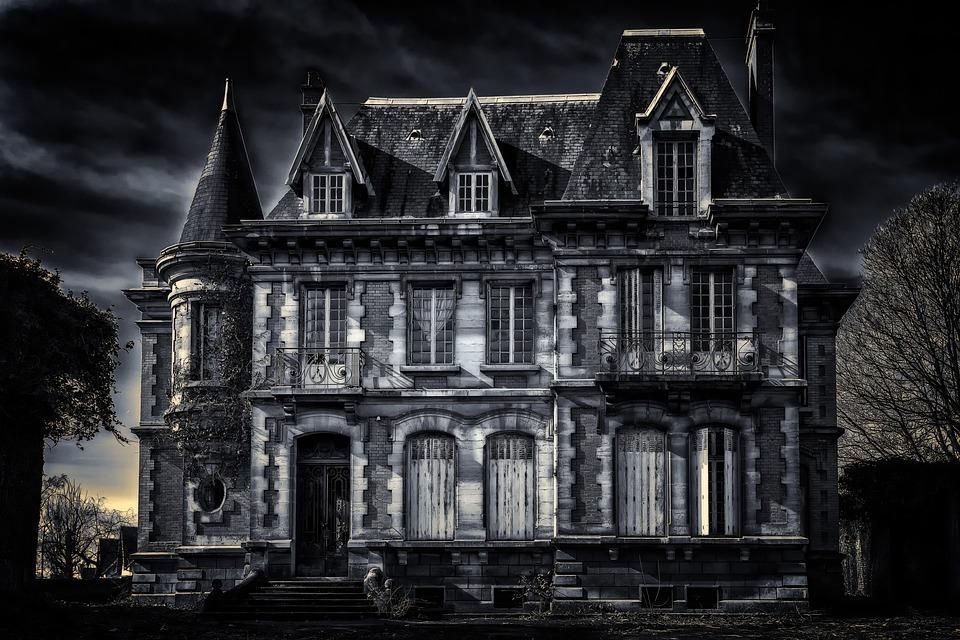
Beyond the manicured lawns of modern suburbs and the gleaming glass of city centers lie the skeletal remains of America’s Gilded Age and eccentric architectural dreams. These abandoned mansions, once symbols of immense wealth or unbridled ambition, now serve as monuments to the passage of time. Whether they were built for defense, ego, or artistic expression, these 10 sites stand as beautiful reminders of the people who once dared to dream about eternity. Would you like to know more? Continue reading!

1
Dundas Castle, Roscoe, New York

Image: Annie Spratt

Also known as Craig-e-Clair, this castle was built by Ralph Dundas in the early 20th century. It is an architectural marvel of stone and copper.

Dundas died before the castle was completed, and his wife was reportedly committed to a sanitarium shortly after. Consequently, no member of the Dundas family ever actually lived in the mansion. This has led to the "Ghost of Dundas Castle" legends, with locals claiming to see a woman in white wandering the unfinished halls, waiting for a housewarming party that never happened.

2
Rockwell House, Milledgeville, Georgia

Image: Clem Geiss

Built in 1838, the Rockwell House is a stunning example of Federal-style architecture, but its beauty is shadowed by a dark past. It was originally built for Colonel Samuel Rockwell, a prominent lawyer.

Local lore whispers about the "Rockwell Ghost," believed to be a young girl who died during a yellow fever outbreak. However, the house’s most tangible secret lies in its survival; it has endured multiple fires and periods of extreme neglect. In recent years, it has become a focal point for preservationists who uncovered hidden structural reinforcements that suggest the house was built to be an impenetrable fortress of its era.

3
Elda Castle, Ossining, New York

Image: Nitrogel

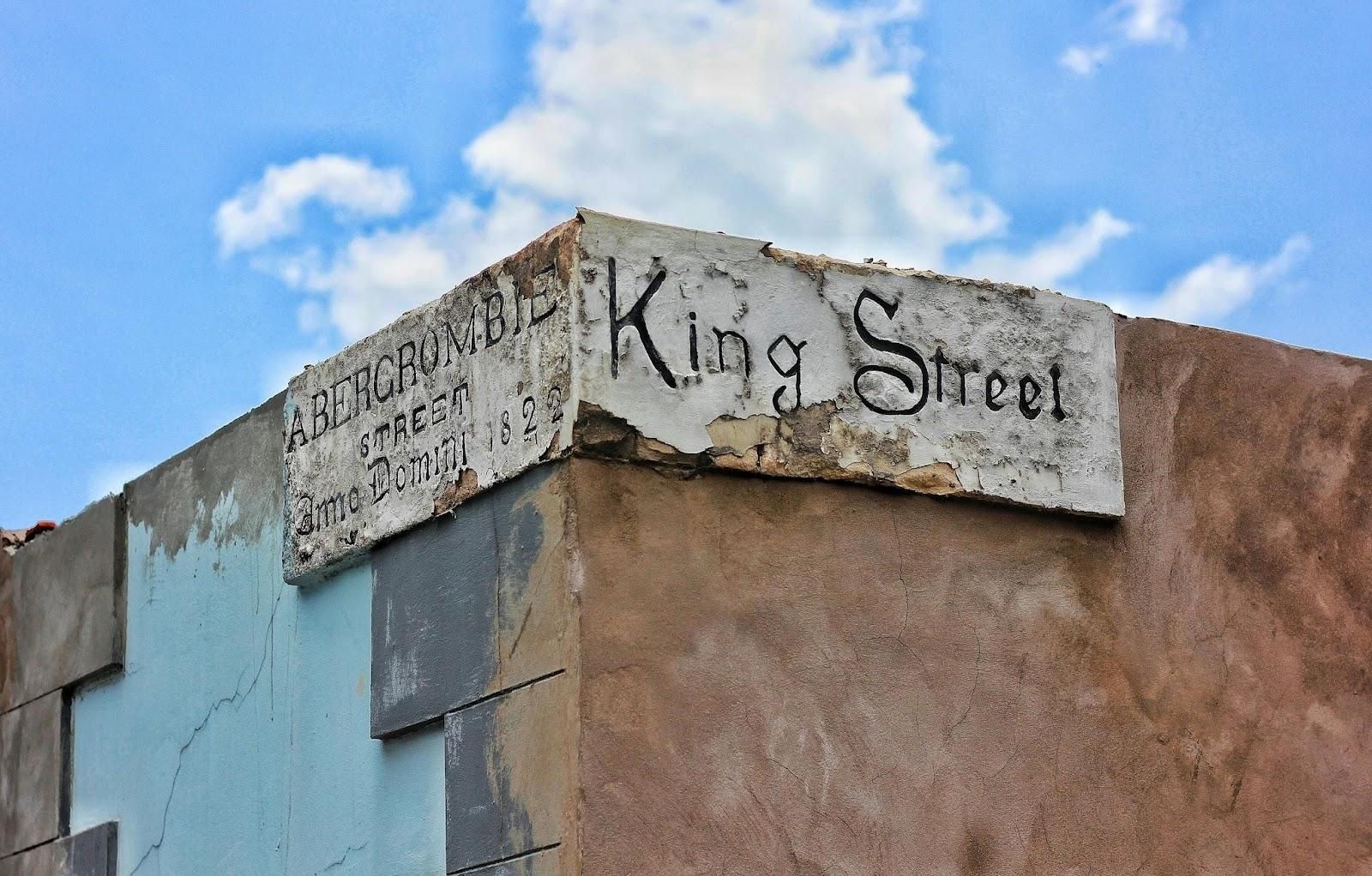
If the name David Abercrombie sounds familiar, it’s because he co-founded the clothing company Abercrombie & Fitch . But in the 1920s, he also built this granite castle, named Elda (an acronym of his children’s names), as a secluded retreat.

The castle features a network of spiral staircases and open-air porches designed to blend the indoors with the rugged wild. Its abandonment, however, is a sheer tragedy. After the family moved out, the castle was used as a research facility and later fell victim to vandals. Legend has it that a fire in the 1940s was started by squatters, leaving behind a charred stone husk that resembles a medieval ruin more than a 20th-century home.

4
Mongo's Castle, Memphis, Tennessee

Image: Denny Müller

A stark contrast to the classical mansions of the South, Mongo’s Castle was the passion project of Mongo Bebe, a man who built his home out of scrap stone, Ashlar blocks, and found materials.

The house is a maze of folk-art eccentricity. The builder intended it to be a community center and a symbol of African-American heritage and self-reliance. It stands today as a decaying puzzle, with many neighbors still unsure of the structural logic behind its towering, uneven walls.

5
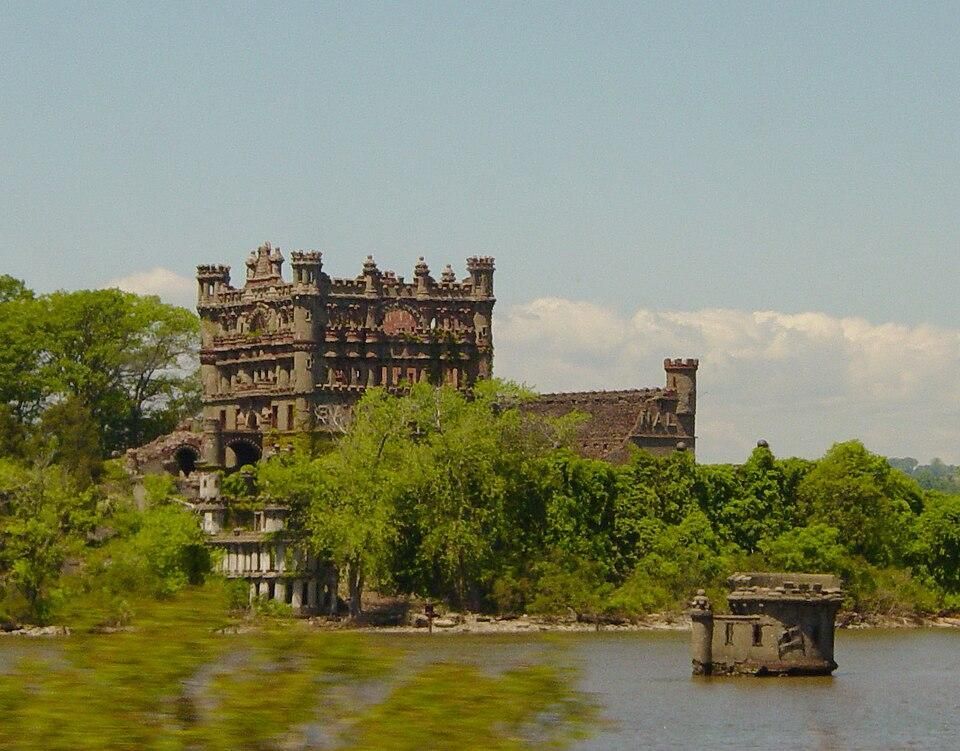
Bannerman's Castle, Pollepel Island, New York

Image: Leonard G., Public domain, via Wikimedia Commons

Rising from the Hudson River, this castle was never intended to be a home; it was a giant advertisement and warehouse for Francis Bannerman VI’s military surplus empire.

In 1920, 200 tons of gunpowder and shells exploded in the castle’s powder house, blowing out a significant portion of the walls. The ground is still considered unstable due to the remnants of military munitions, and the inscriptions on the walls are actually warnings and advertisements for the Bannerman business. Do you dare visit this mansion?

6
Castle Mont Rouge, Rougemont, North Carolina

Image: Florian Delée

This whimsical, onion-domed castle looks like it belongs in the Russian countryside rather than the North Carolina woods. It was designed by sculptor Robert Mihaly, but he ended up abandoning the project in the early 2000s following a personal tragedy and financial hurdles.

The castle remains an "empty sculpture," filled with intricate marble work and unfinished turrets. The bizarre architectural fusion lacks a standard floor plan, making it nearly impossible to convert into a functional residence without destroying its artistic integrity.

7
Ha Ha Tonka Castle, Camdenton, Missouri

Image: Hannah McBride

Robert Snyder, a wealthy Kansas City businessman, began building this European-style castle in 1905. He wanted a retreat that overlooked the breathtaking Ha Ha Tonka Spring.

Yet, Snyder never got to see his dream finished; he was killed in one of Missouri’s first recorded automobile accidents just a year after construction began. His sons finished the castle, but it was gutted by a fire in 1942. There’s a hidden network of caves beneath the castle, which were rumored to be used by outlaws and later as a natural "refrigerator" for the estate’s kitchen.

8
Carleton Island Villa, Cape Vincent, New York

Image: Tama66

This once-magnificent villa was built for William Wyckoff, who made a fortune with the Remington Typewriter Company.

The Secret: Wyckoff’s dream turned into a nightmare on the very first night he stayed in the house. He suffered a massive heart attack and died in his sleep. His wife had passed away a month prior, leaving the villa to a son who had no interest in it. The house has stood empty for over 70 years, its secret being the tragic "cursed" timing that prevented it from ever functioning as a family home.

9
Dicksonia Plantation, Lowndesboro, Alabama

Image: Theo Bickel

Dicksonia was a quintessential antebellum mansion, featuring the massive columns and wrap-around porches synonymous with the Old South.

Unlike many plantations that were destroyed during the Civil War, Dicksonia survived the conflict only to be destroyed by a mysterious fire in 1939. Its "ghost pillars," however, remained standing long after the wooden house burned away. These towering brick columns became a haunting landmark , representing the structural skeletons of a forgotten social order.

10
Wyndcliffe, Rhinebeck, New York

Image: Peter Herrmann

This house is the literal origin of the phrase "Keeping up with the Joneses." Though often referred to as a "Mystery Mansion" by urban explorers, this is the ruin of Wyndcliffe, the estate of Elizabeth Schermerhorn Jones.

Elizabeth’s mansion was so grand and intimidating that it prompted her neighbors—including the Astors—to build even larger homes to compete. The secret of Wyndcliffe is the psychological impact of its architecture; it was built to inspire envy, and its current state of absolute decay is a poetic commentary on the fleeting nature of social status.

Explore more American facts

Choose your favorite category!

General
General

As American as apple pie—the very best America has to offer!

Culture
Culture

Delve into the astounding richness of American lore.

Geography
Geography

Hop in and explore vast and diverse American landscapes.

History
History

Discover the key moments that shaped the United States.