What’s going on?
The name changes on these songs saved them from oblivion
Image: Mick Haupt
It’s hard to believe now, but some of the most famous hit songs in pop music history began with completely different titles.
Whether they would’ve had the same success with those alternate names, we’ll never know, but these shifts transformed a good idea into a timeless anthem. Take a look at these 11 musical backstories and see what could’ve been.
1
"Born to Run" (1975) - Bruce Springsteen
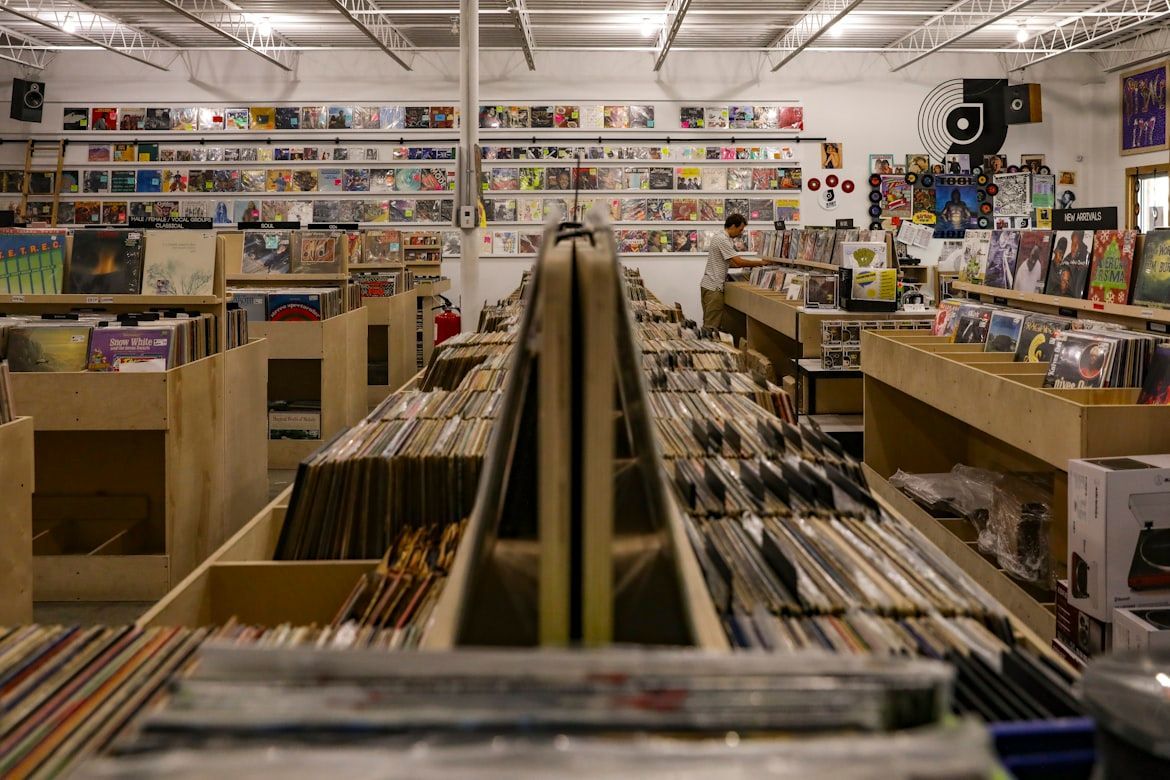
The list’s opener is a Springsteen anthem of escape that was not immediately destined to carry its famous title. In early drafts, the Boss called it "Wings for Wheels" . As the song evolved, the chorus took on a new intensity.
Switching to "Born to Run" sharpened the message, capturing the concept of youth that is expressed in the song.
2
"Hotel California" (1976) - Eagles
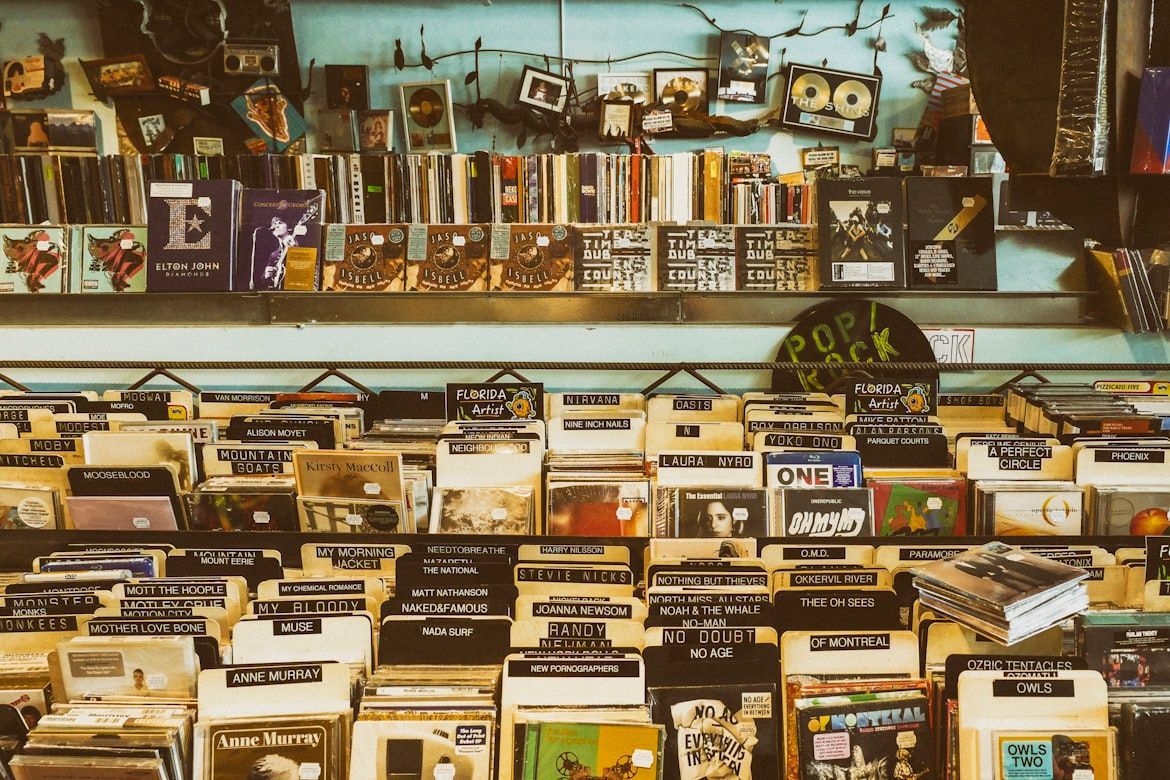
Before becoming a haunting allegory of excess, the track carried the placeholder name "Mexican Reggae." The band used that phrase to describe the unusual rhythm and guitar feel they had stumbled upon in rehearsal.
But when Don Henley and Glenn Frey shaped the lyrics, the story became much larger, and the now-classic title stuck.
3
"Good Vibrations" (1966) - The Beach Boys
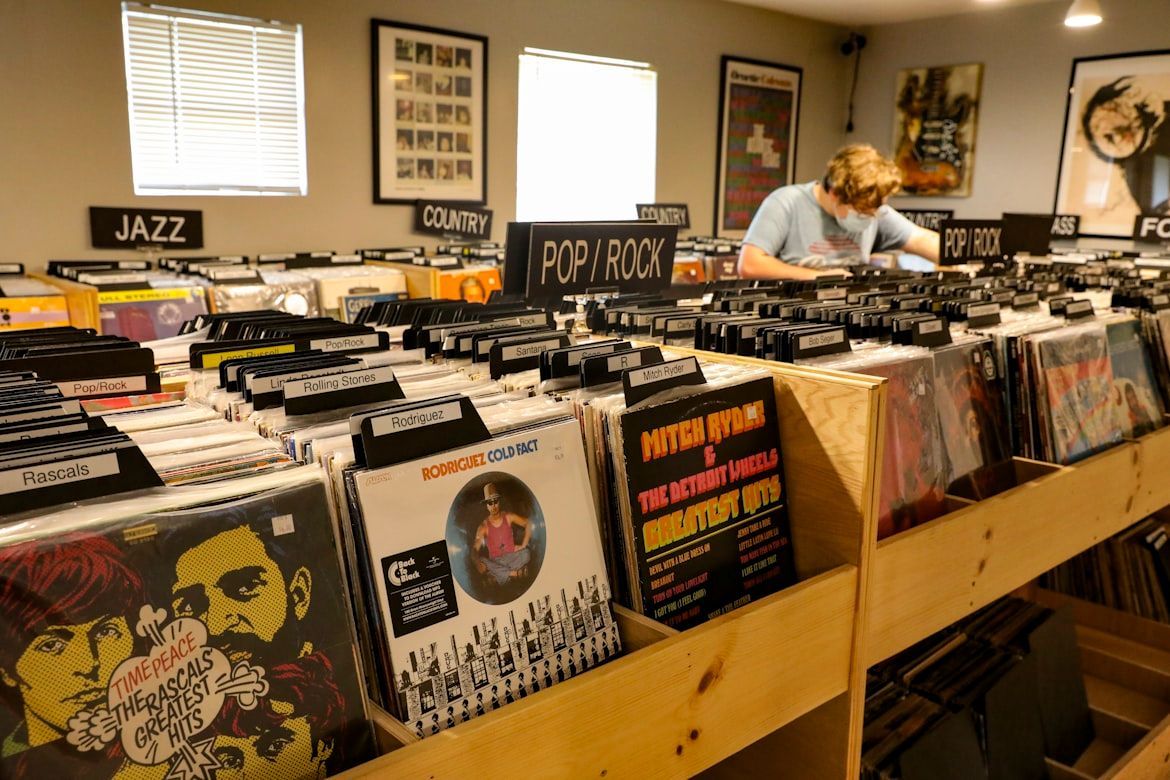
Brian Wilson envisioned his experimental pop masterpiece under the simpler working title "Good Vibes." The phrase matched the psychedelic optimism of the era, but it didn’t quite sing.
By expanding to "Good Vibrations," Wilson captured the idea of mystical, almost spiritual energy.
4
"Free Fallin’" (1989) - Tom Petty

This timeless ballad started life with the less evocative title "It’s a Long Day," borrowed directly from the opening lyric of the second verse. The phrase, while descriptive, lacked the lyrical punch Petty wanted for a chorus.
As the song took shape, "Free Fallin’ " emerged as the hook that defined the track.
5
"Superstition" (1972)- Stevie Wonder
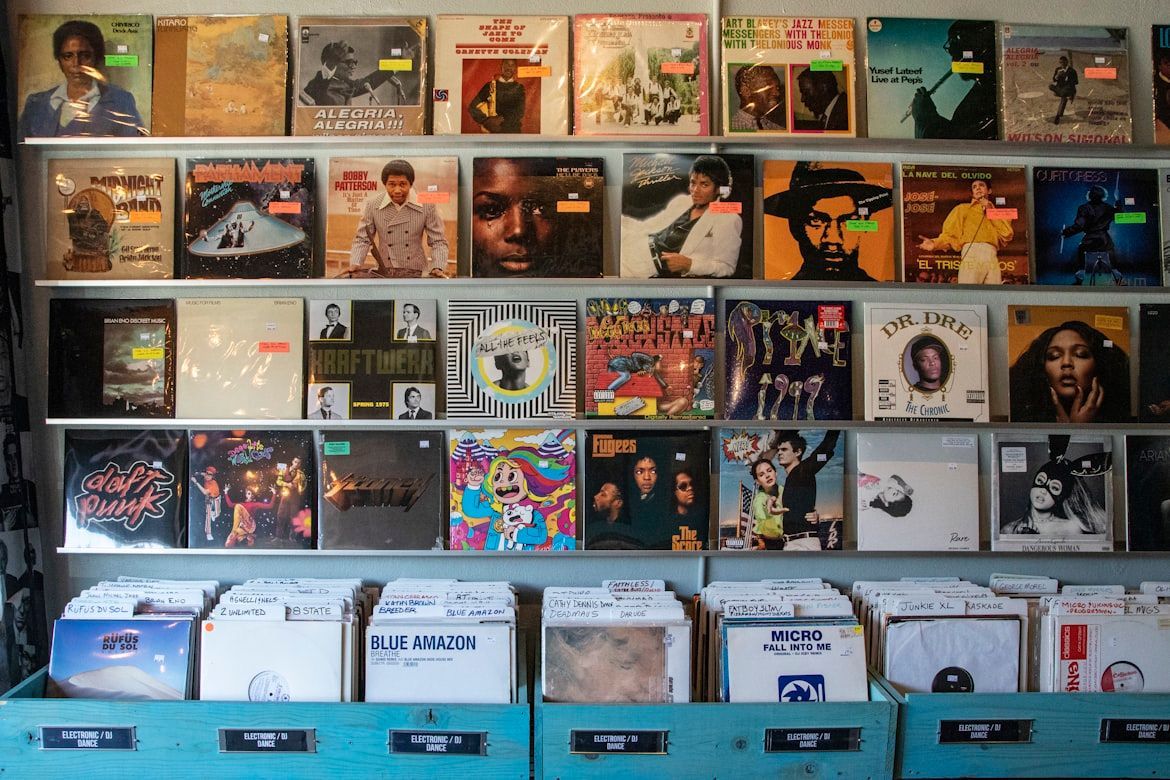
Stevie Wonder’s funk classic nearly went to press as "Very Superstitious. " That title echoed the first line and emphasized the theme, but it felt slightly clunky when repeated.
Stripping it down to "Superstition" lent the track greater impact. With it, the song became one of Wonder’s defining masterpieces.
6
"Respect" (1967) - Aretha Franklin
Aretha’s most famous song was nearly titled "Take Care, TCB," highlighting her famous line about "Taking Care of Business."
In the end, keeping it simply "Respect" made the track timeless. The title embodied empowerment and self-worth.
7
"What’s Going On" (1971) - Marvin Gaye

When Marvin Gaye began work on his masterpiece, the track carried the working name "What’s Happenin’ Brother." That phrase later became the title of a different song on the same album.
By renaming it "What’s Going On," Gaye gave the song broader resonance.
8
"Blowin’ in the Wind" (1962) - Bob Dylan
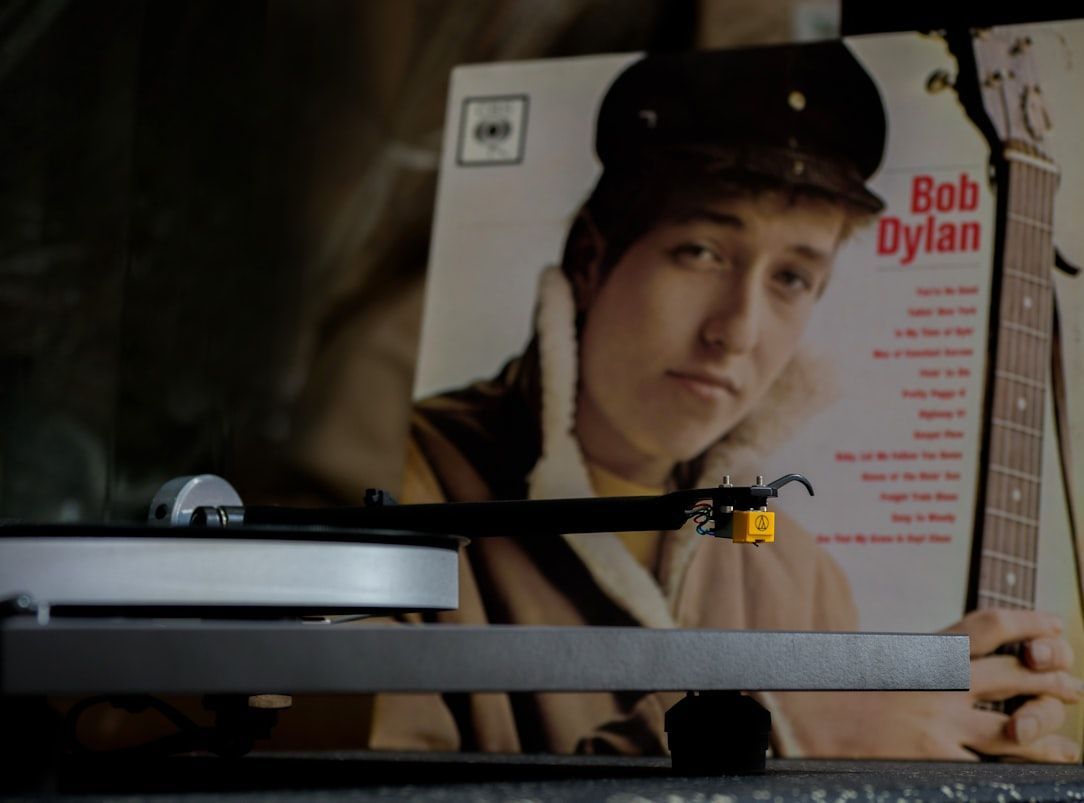
Bob Dylan’s folk anthem once had a far more literal title in mind: "Answer, My Friend." The phrase came from the chorus line that would become the song’s most quoted passage.
Choosing "Blowin’ in the Wind" turned a straightforward lyric into a metaphor for freedom and justice.
9
"Crazy" (1961) - Patsy Cline
Willie Nelson originally drafted this ballad under the blunt title "Stupid." Though catchy, it didn’t capture the tenderness he wanted for the song.
Delivered with Patsy Cline’s aching vocals, "Crazy" became a country standard and one of the most recorded ballads of its era.
10
"Born in the U.S.A." (1984) - Bruce Springsteen
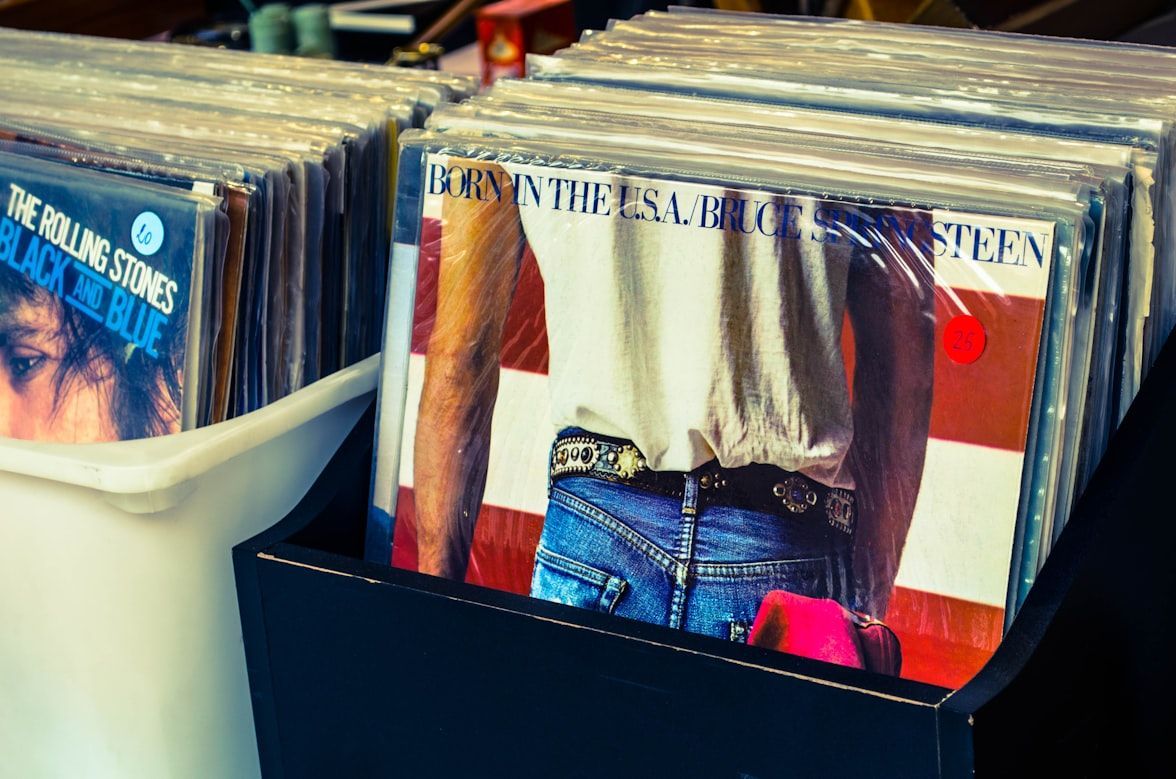
This track was first conceived under the stark working title "Vietnam." Its focus was originally narrower, highlighting the struggles of veterans returning home from war.
By renaming it "Born in the U.S.A.," Springsteen expanded the scope. The patriotic-sounding title created a powerful contrast with the song’s harsh lyrics.
11
"Material Girl" (1985) - Madonna

Written by Peter Brown and Robert Rans, the pop hit almost debuted as "Living in a Material World." The longer phrase fit the chorus but lacked the commercial hook they wanted.
Shortening it to "Material Girl" made all the difference. The title captured Madonna’s persona — a moniker that stuck with her for the duration of her legendary career — and helped define an era.