Geography Geography 4 min read

Before GPS: Clever tricks Americans used to navigate the open road
Image: T.H. Chia
Image: T.H. Chia

Before smartphones and GPS started telling us where to turn, getting across the country required a little planning and a few clever tricks to remember the route. Travelers relied on paper maps, strangers on the road, and even public phone booths to stay on course. If your destination ever depended on the directions of a stranger, you’ll probably enjoy remembering a few of these clever tricks!

1
The MapQuest printout ritual
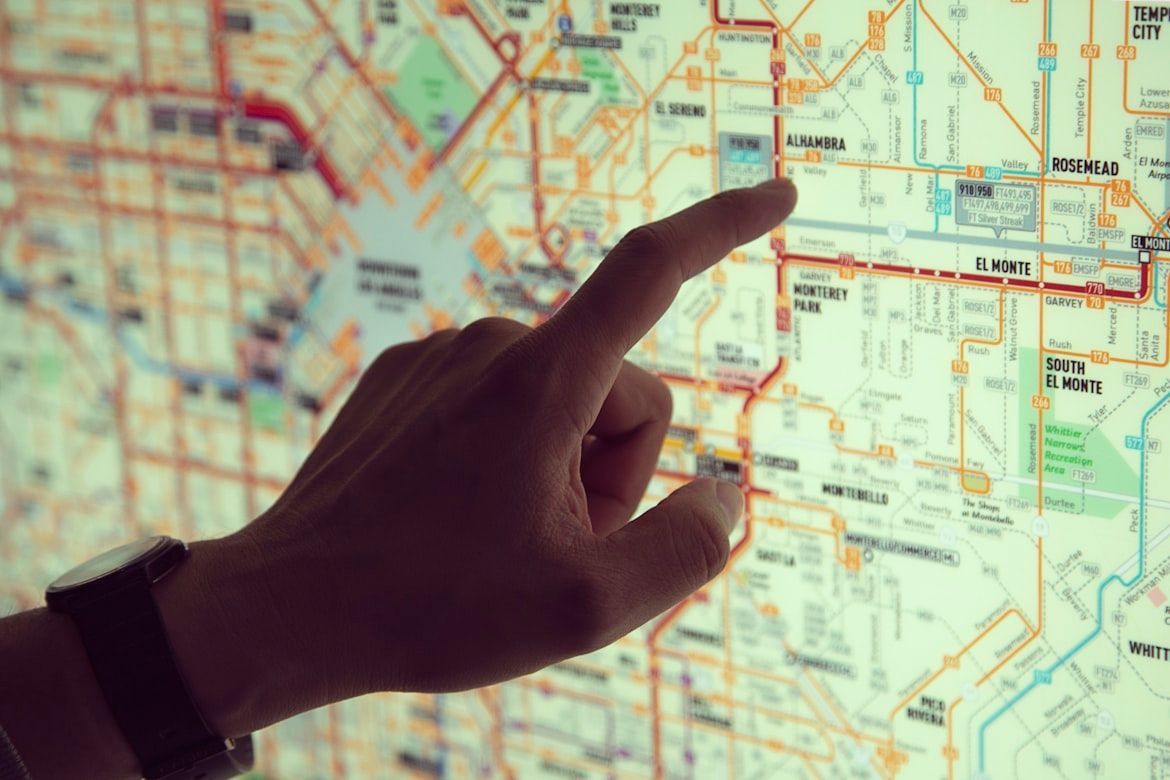
Image: José Martín Ramírez Carrasco

For many travelers, the trip really began here: sitting at the computer just minutes before leaving and printing turn-by-turn directions from MapQuest. The printed pages listed every step of the route, including the distance between each turn. This method was probably the one that marked the transition from traditional paper navigation to modern GPS systems.

2
Free maps at gas stations
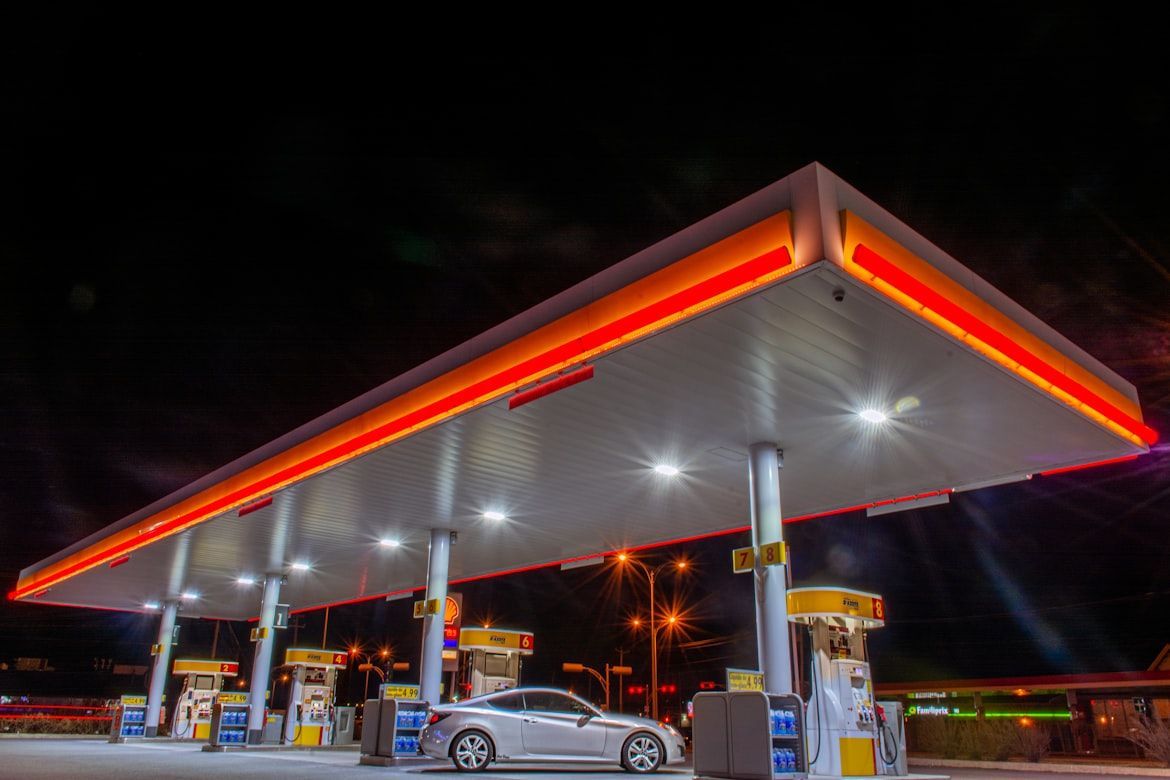
Image: Jean-christophe Gougeon

Back in the 1920s, advertising executive William Akin came up with an idea to promote the new Gulf Refining Company gas stations. At the time, drivers still had to buy gasoline in five-gallon containers because service stations were uncommon. Akin proposed distributing free local maps in each area where these Gulf stations were located.

The idea spread quickly, and other gas companies soon adopted the same strategy. Over time, gas stations became natural stops for travelers, and many stations eventually began selling maps instead of giving them away.

3
The American Automobile Association Trip Triks
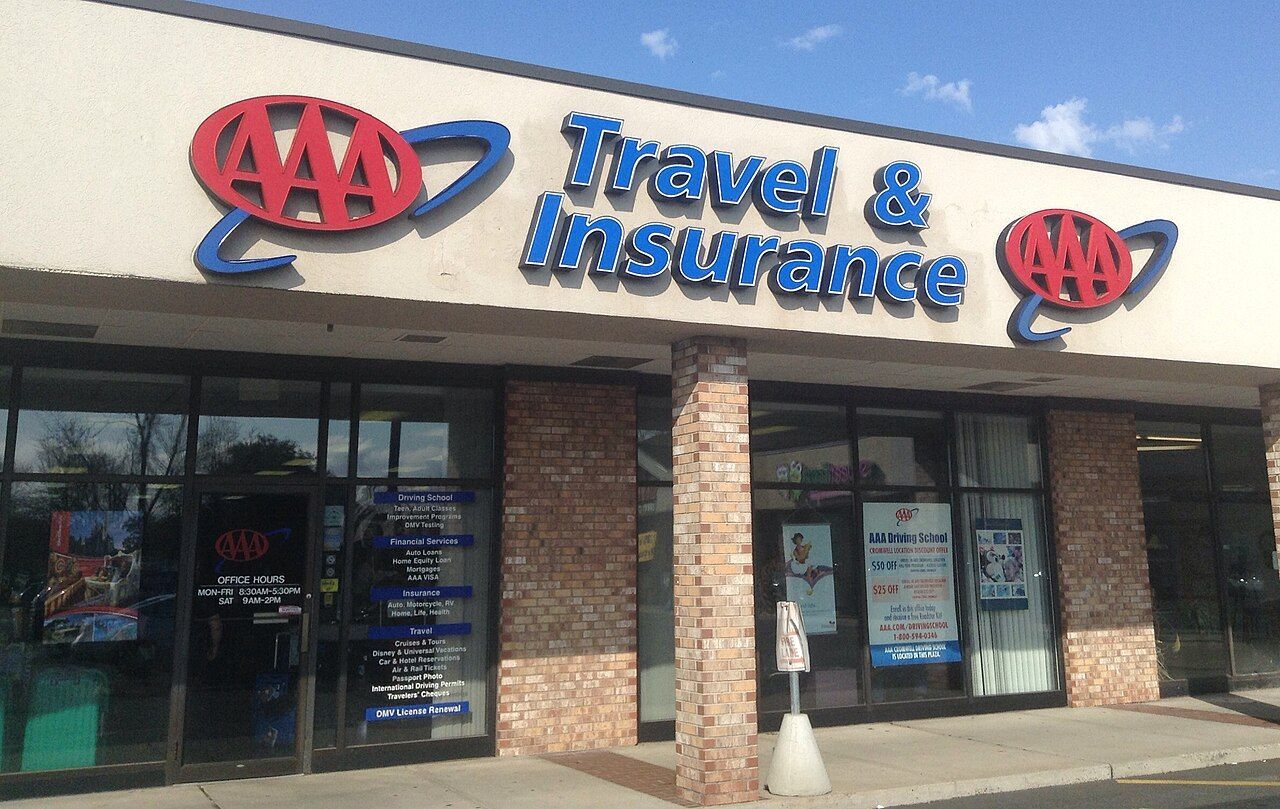
Image: Mike Mozart

No way you forgot this one! If you were a member of the American Automobile Association, you had access to Trip Triks: spiral-bound booklets customized for each traveler’s route. AAA staff highlighted the exact path on the map, marking gas stations, hotels, and attractions along the way.

4
Lost? Find a phone booth
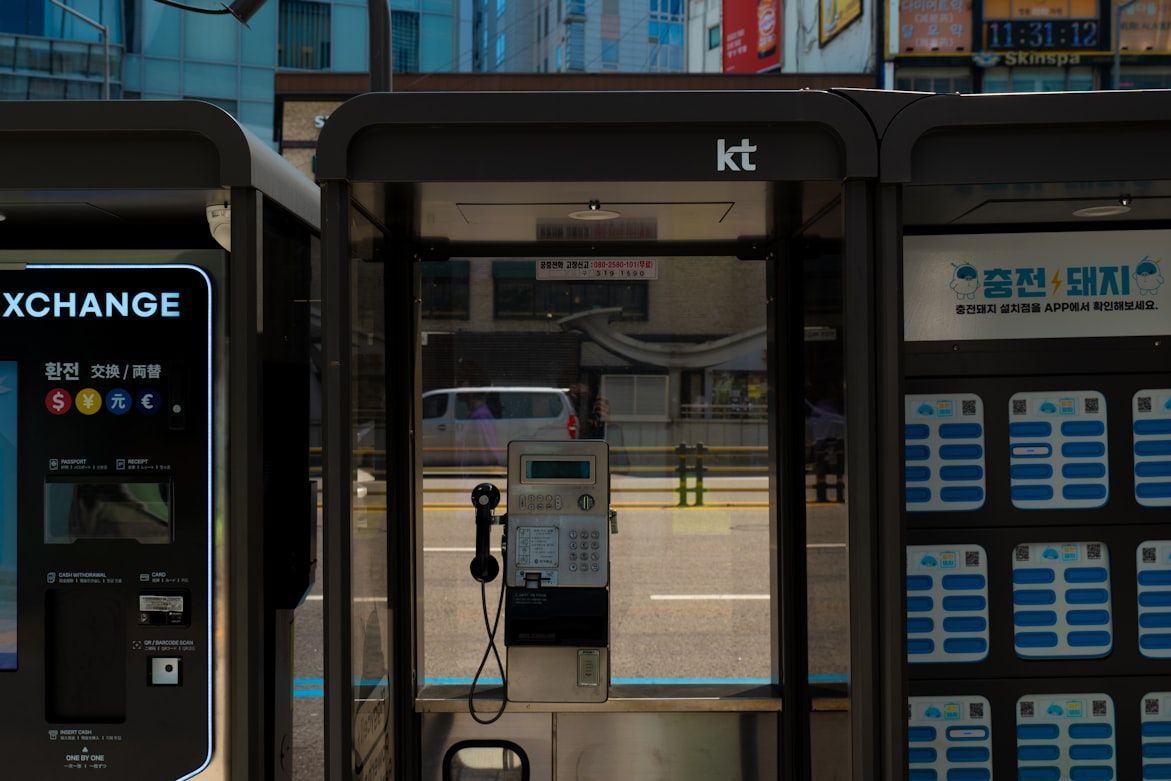
Image: jerry chen

Lost in the big city? Step into a phone booth. Back then, many phone booths had maps inside showing nearby streets and landmarks. If you were lost, all you had to do was step inside, and within a few minutes, the problem was solved. The good news was that big cities had a phone booth on almost every major corner and intersection, so if the one you stopped by was already taken, you only had to walk a few steps to find another.

5
The thick book that lived in every car
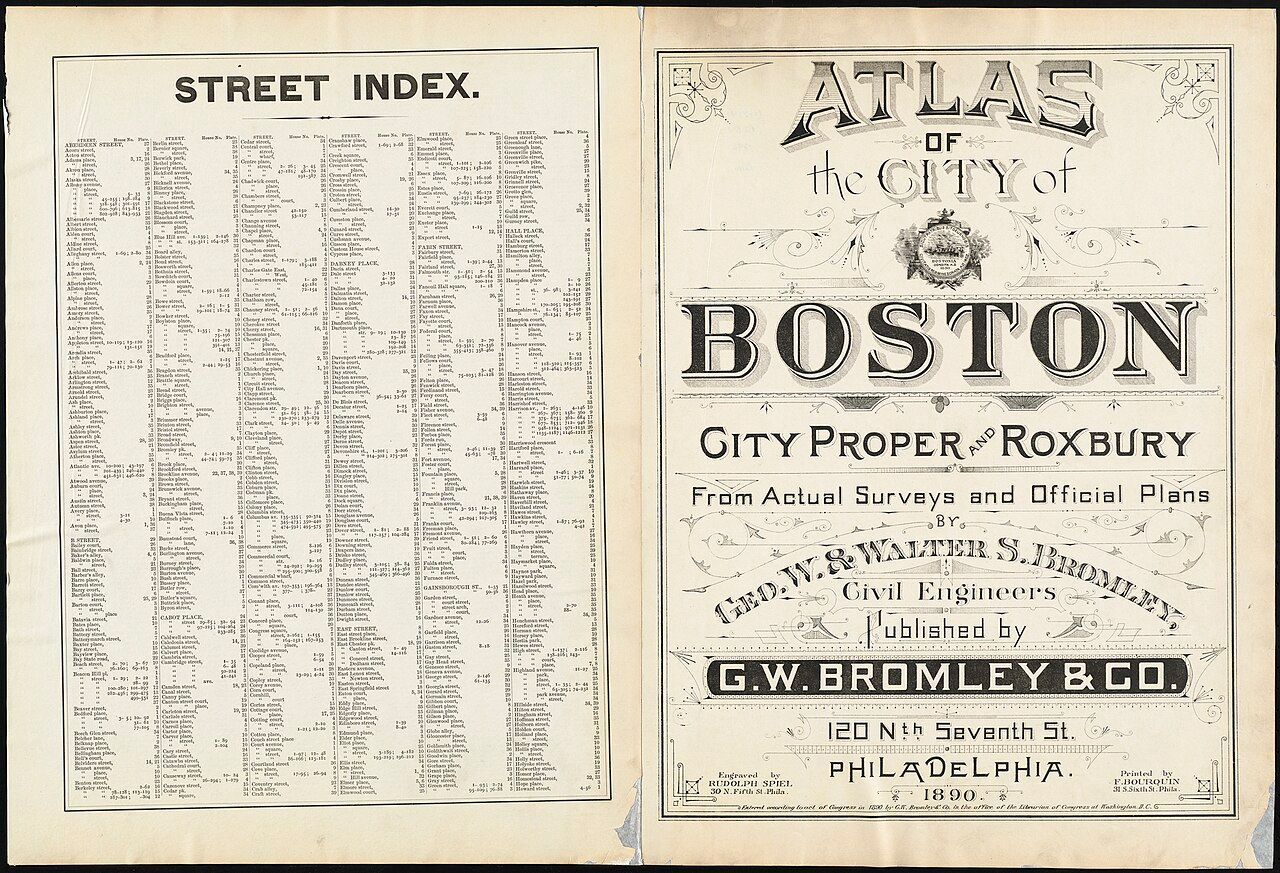
Image: Bromley Atlases

The city street atlas. One of the best companions for drivers, if not the very best. These thick books showed detailed maps of entire cities, page by page. If you spotted a street sign but had no idea where you were, you could look up that street in the atlas index. It would point you to the exact page and grid where the street appeared, helping you figure out your next move. Do you remember flipping through a street atlas to find your way across a city?

6
Asking locals for directions
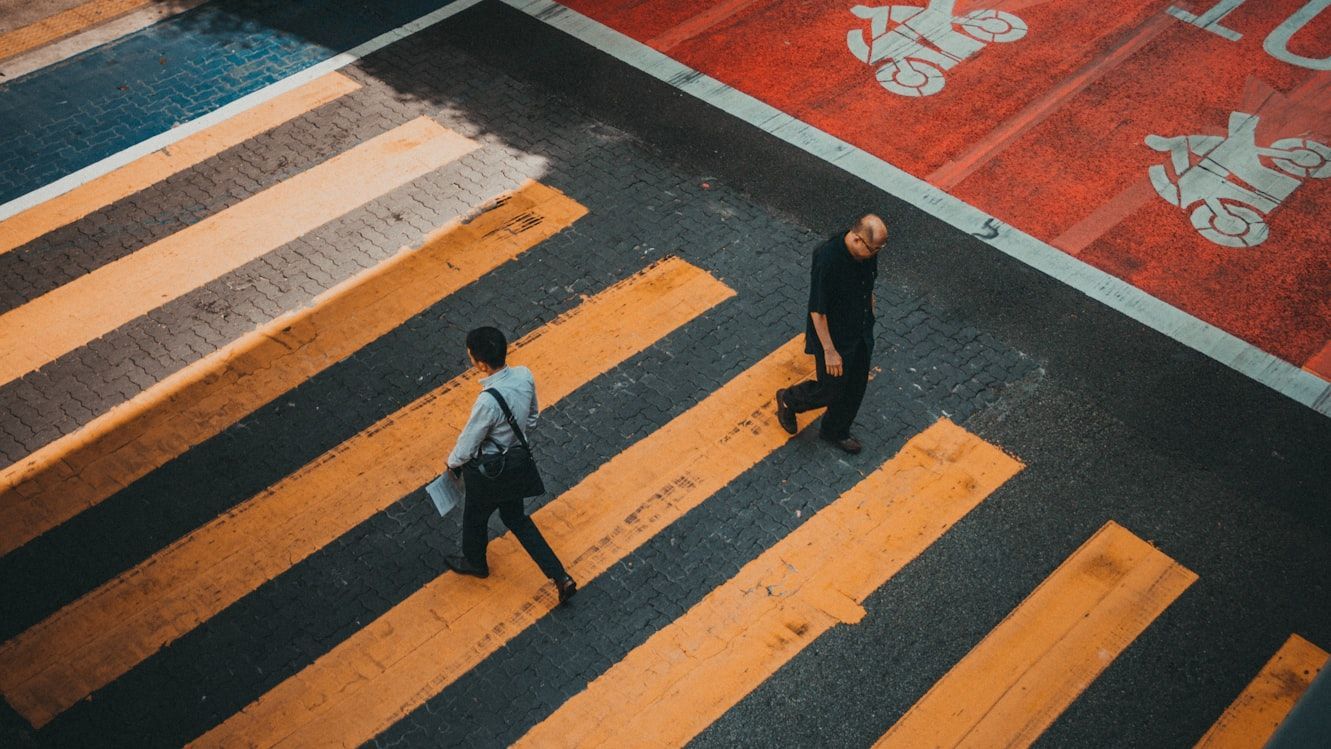
Image: Deva Darshan

Following directions back then required a bit of blind faith. You might hear something like, "Drive a few miles and turn left when you see the church," or "After the green restaurant, take the second road on the right." In rural areas, where road signs were scarce, a local’s guidance was often the best map you could get. Sometimes those directions were the only way to find a place that didn’t appear on any map. Have you ever followed directions like these and hoped for the best?

7
The co-pilot seat
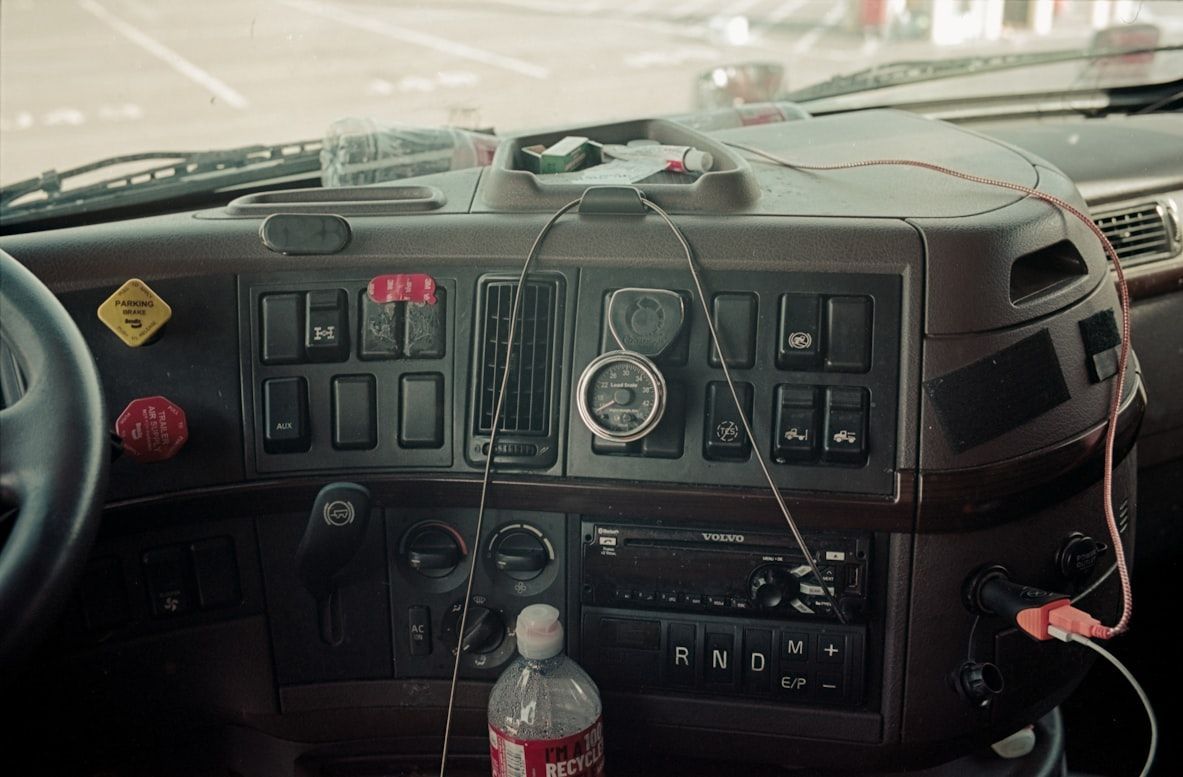
Image: Xia Hua

This trick required teamwork. If you weren’t traveling alone, one passenger was usually designated as the "navigator." Their role? Reading the map, watching for road signs, and warning the driver about upcoming turns. A good navigator also had to learn the driver’s rhythm: when to speak up, when to stay quiet, and how quickly directions needed to be given. The best driver–navigator pairs worked together almost like Batman and Robin.

8
The Rand McNally Road Atlas
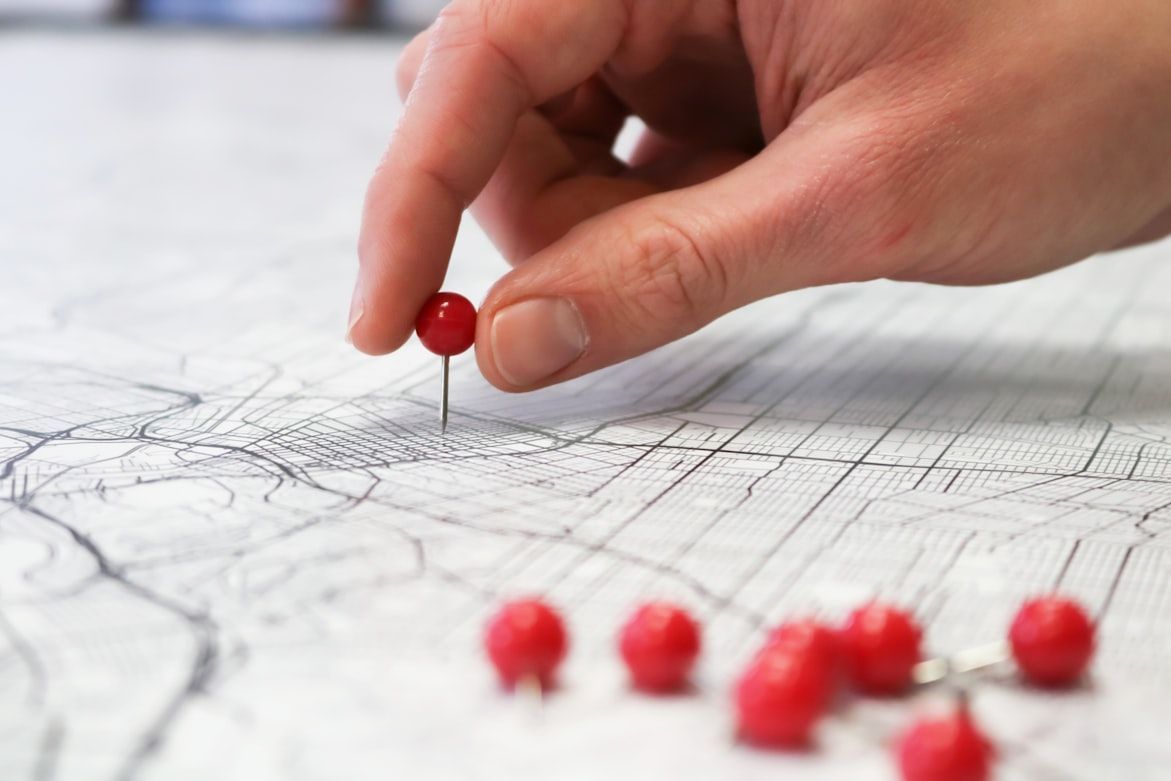
Image: GeoJango Maps

The Rand McNally Road Atlas is one of the most iconic travel tools in American road trip history. The atlas includes detailed maps of every state, showing highways, towns, and points of interest across the United States. For decades, it was a common sight in glove compartments and truck cabins, guiding travelers from city to city. Unlike digital navigation, the atlas allowed drivers to see the entire route and explore alternative roads along the way. Even today, many travelers still keep one as a backup option when cell service or GPS fails.

9
Following highway numbers
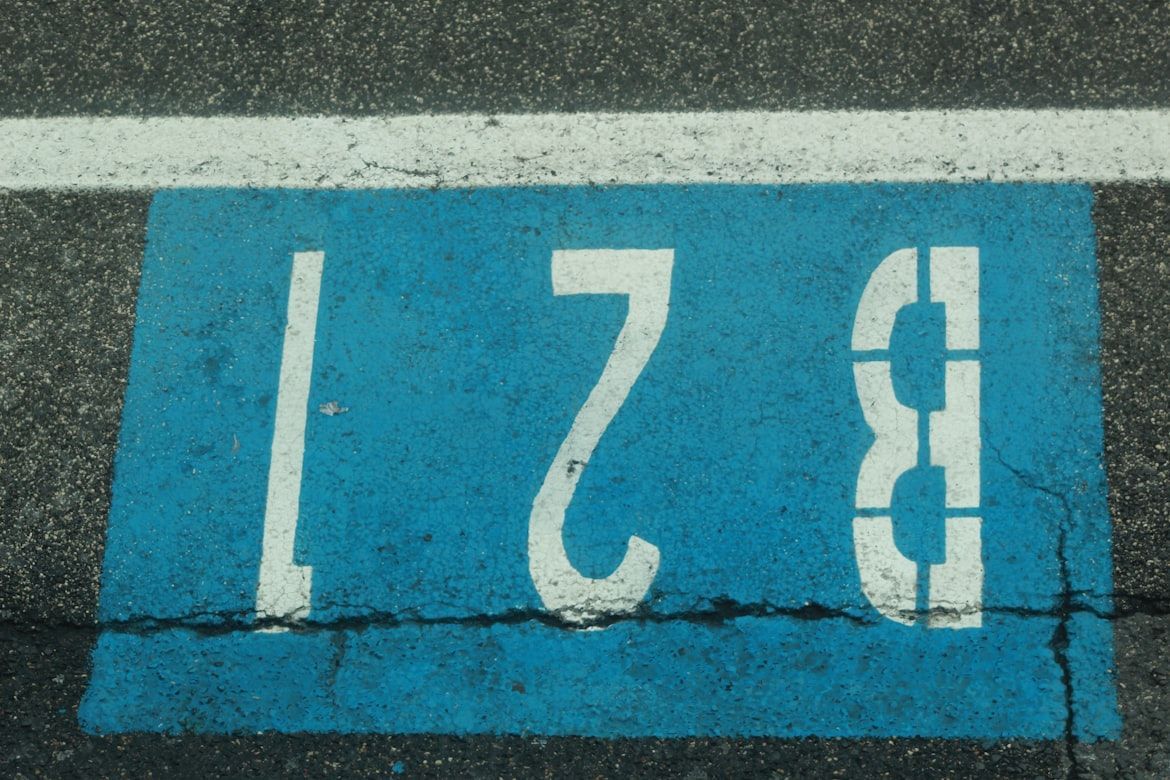
Image: Anne Nygård

During the era of long road trips, drivers didn’t worry much about street names. Instead, they followed highway numbers. If you got on the right road, like Route 66 or U.S. Route 1, you could relax and stay on it for miles and miles, sometimes across several states. As long as the number on the signs stayed the same, you knew you were still on the right path. This approach later helped inspire the Interstate Highway System, which made traveling across the country even easier.

10
The church, the bridge, the water tower
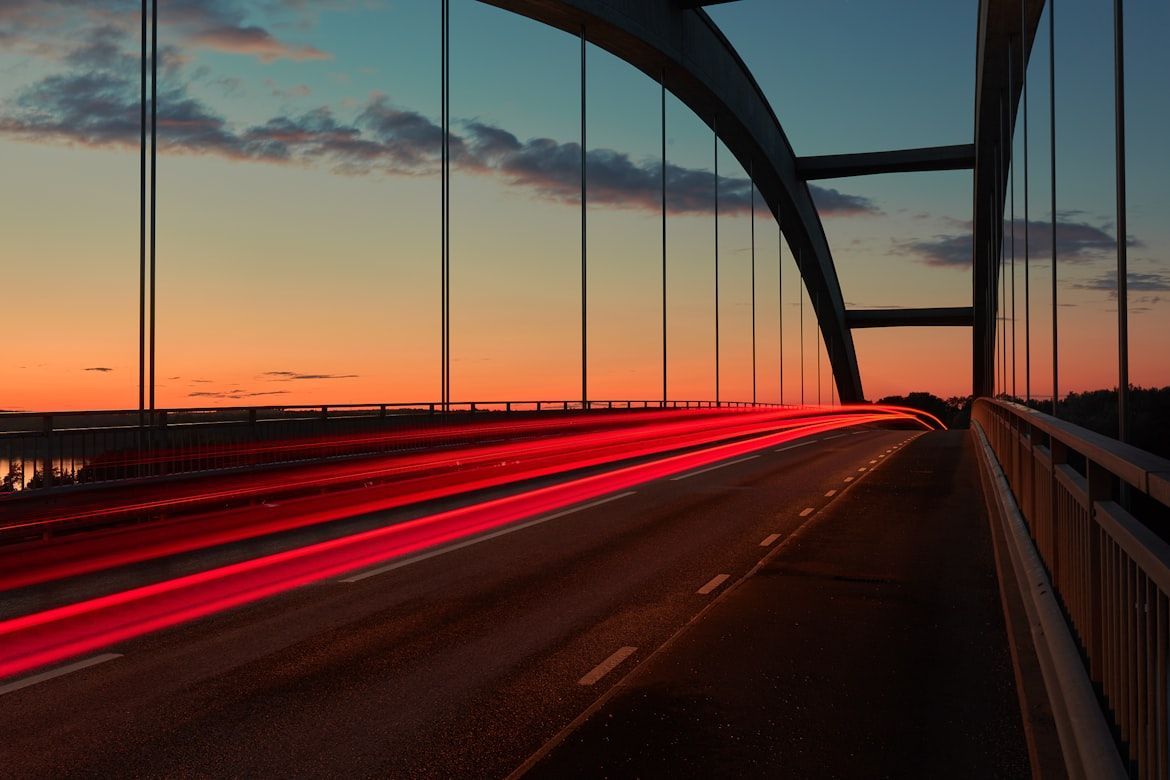
Image: Anders Jildén

Here's one of the classic road trip tricks: remembering landmarks along the road. This method required both memory and self-trust. Instead of coordinates or exact addresses, travelers remembered particular spots. They learned to look for things that stood out, like churches, bridges, water towers, or unusual buildings. When you reached the right one, you knew when it was time to turn. What landmarks did you rely on the most?
Geography Geography 5 min read

Stories carved by the Colorado River

The missing pieces of the Grand Canyon: 10 incredible facts

Image: jesus esteban

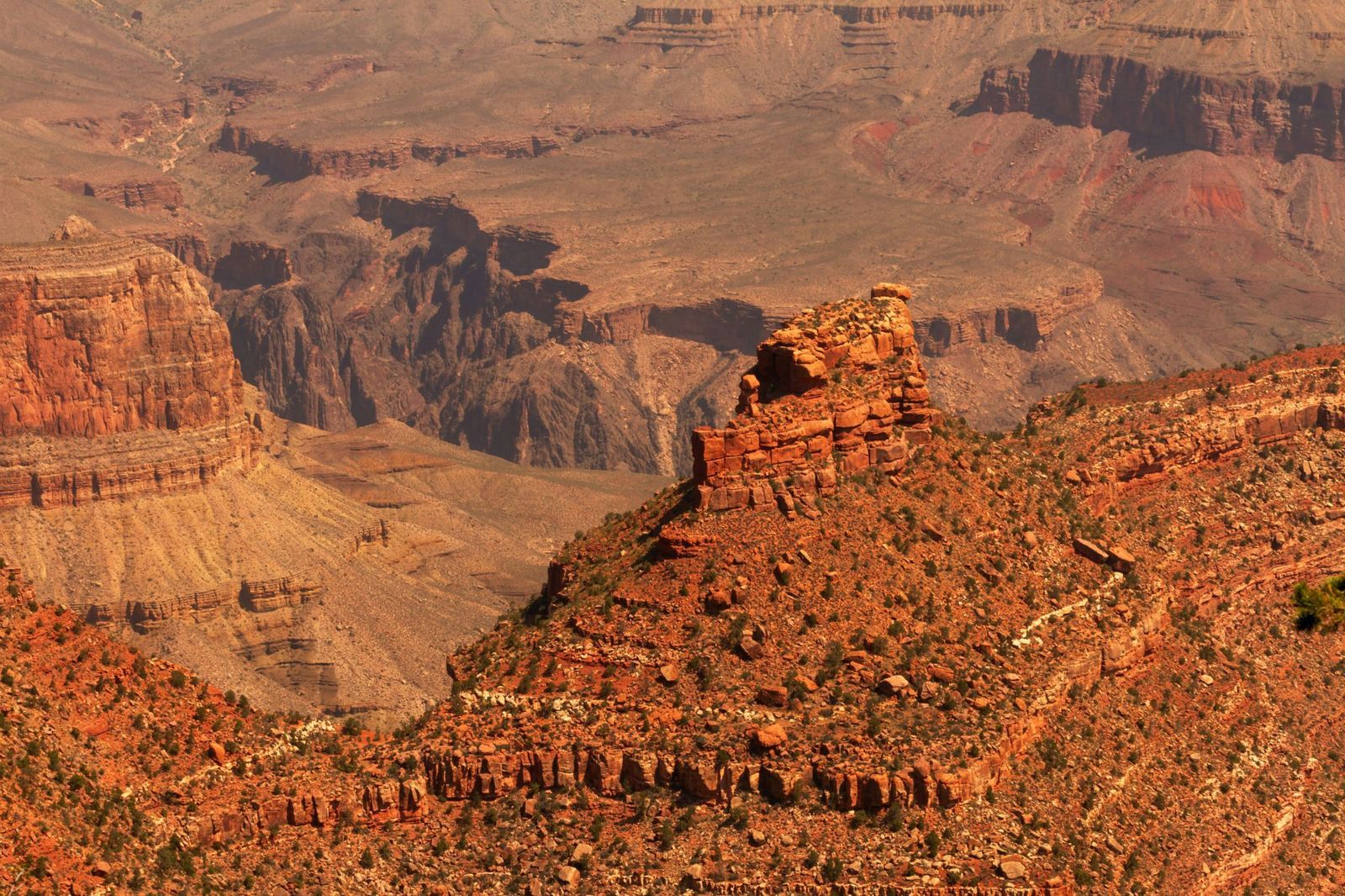
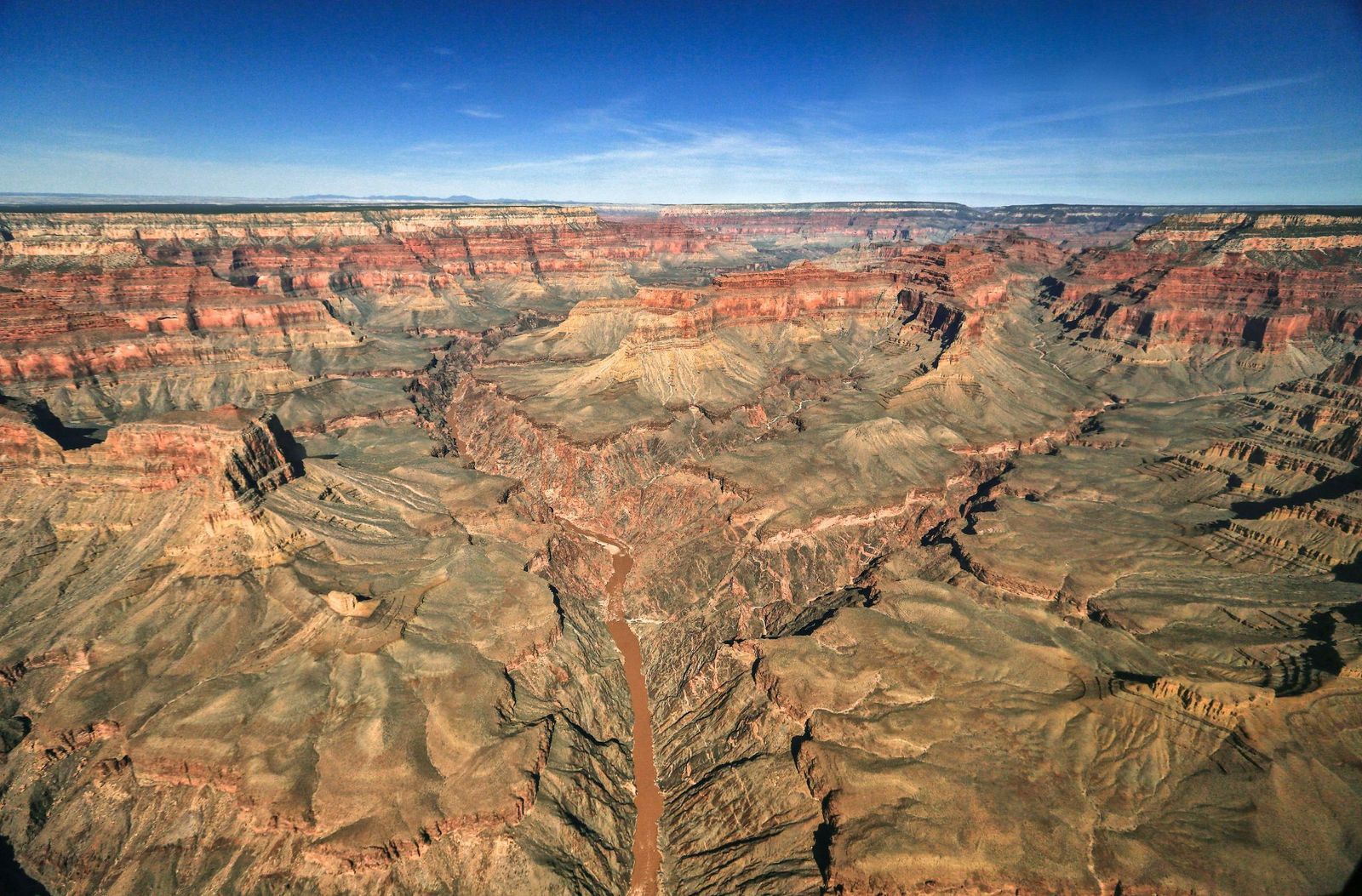
The Grand Canyon is bigger than Rhode Island. It's deeper than four Empire State Buildings stacked end to end. Its rocks are older than dinosaurs. But those stats alone don’t quite capture its immensity — and are hardly the most shocking. There are nuclear shelters, hidden villages, and billion-year mysteries involved. Read on to learn 10 lesser-known facts about the Grand Canyon.

1
There's an unexplained billion-year gap

Image: John Graybosch

Look closely at the canyon walls, and you'll notice something strange: a clean, sharp line where ancient rock simply stops, and a much younger layer begins directly above it.

This geological puzzle is called the "Great Unconformity," and it represents over a billion years of rock layers that are simply absent , as though that stretch of time never happened. In some spots, rock dated 1.8 billion years old sits directly beneath rock that is only 520 million years old. Where did the missing billion years go?

The leading theory involves the violent breakup of an ancient supercontinent, but scientists are still piecing it together.

2
During the Cold War, it hid a nuclear fallout shelter

Image: Lauri Väin from Tallinn, Estonia, CC BY 2.0, via Wikimedia Commons

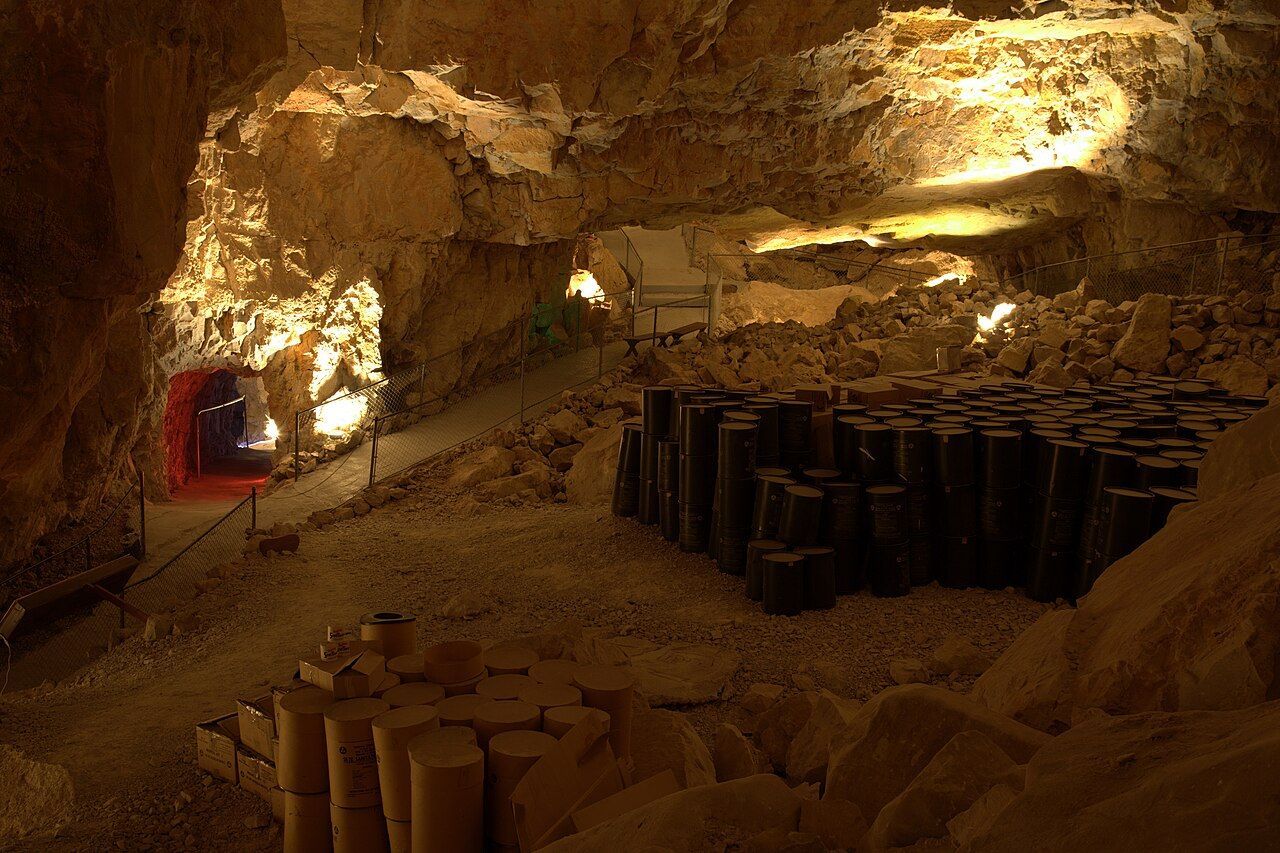
During the Cuban Missile Crisis in 1962, the U.S. government converted part of the Grand Canyon Caverns into a fallout shelter. This dry cave system, more than 200 feet underground, was stocked with enough food and water to sustain 2,000 people. Naturally, it was never occupied, and the supplies were never used.

The caverns have since been transformed into a tourist attraction, with organized tours winding through the same underground chambers that were once intended as a refuge from nuclear war. You can even book a night's stay there.

3
The Federal Aviation Administration was founded after a crash over the canyon

Image: Alexandre Henry Alves

In 1956, two commercial passenger planes collided in midair over the eastern Grand Canyon, killing all 128 people on board both crafts. Rescue teams struggled to reach the wreckage deep inside the canyon, and the extreme heat of the crash had caused the planes' aluminum to fuse with the bedrock. There were no survivors.

The disaster exposed a terrifying truth: the U.S. air traffic control system was dangerously outdated, relying on pilots' visual estimates and rough guesswork from controllers , with no way to separate fast-moving aircraft from slow ones, or instrument-flying planes from those navigating by sight. Congress responded by passing legislation that created both the Federal Aviation Administration (FAA) and the National Transportation Safety Board.

4
A hoax suggested that an Egyptian civilization had lived there

Image: abdurrohman dzar

In 1909, the Arizona Gazette reported that an explorer named G. E. Kinkaid had discovered a vast underground citadel inside the canyon, filled with artifacts linked to ancient Egyptian civilization. He even claimed the expedition had been funded by the Smithsonian.

This story described hieroglyphics on the walls, mummies in the chambers, and relics pointing to a direct connection with the Egypt of the pharaohs. It was incredibly detailed, and it was, of course, a hoax. No evidence for any of Kinkaid's claims ever surfaced.

5
Fewer than 100 people have ever hiked its full length

Image: Abhishek Navlakha

Among the few people who have completed the through-hike of the Grand Canyon is Jen Hogan, the first woman to accomplish it, finishing her journey in 2021–2022.

It’s a full 800-mile length below the rim. The route involves extreme heat, flash floods, near-impassable areas, and stretches with no water or trail whatsoever. Around 60 or 70 people have reportedly accomplished it. This makes it one of the most exclusive feats on Earth.

6
The Grand Canyon's rocks predate dinosaurs entirely

Image: MARIOLA GROBELSKA

Visitors scanning the canyon walls for fossils are often surprised to learn they won't find any dinosaur bones here. The rock layers of the Grand Canyon are simply older than dinosaurs. This fact alone can be shocking: staring at its walls means staring at marine fossils from as far back as 1.2 billion years ago. Some of its caves hold the remains of ancient mammals. The canyon is a window into a world that existed long before the dinosaurs, when the land that is now Arizona lay beneath a shallow sea.

7
The park is bigger than Rhode Island

Image: AussieActive

Numbers alone rarely capture the Grand Canyon's scale, so here's a different approach. Rhode Island covers about 1,214 square miles, and the Grand Canyon National Park spans 1,904 square miles.

The canyon's depth exceeds four Empire State Buildings (which is 1,454 feet) stacked on top of one another. That’s 6,093 feet at its deepest point.

8
But it's not the deepest canyon on Earth

Image: Naeemphotographer2

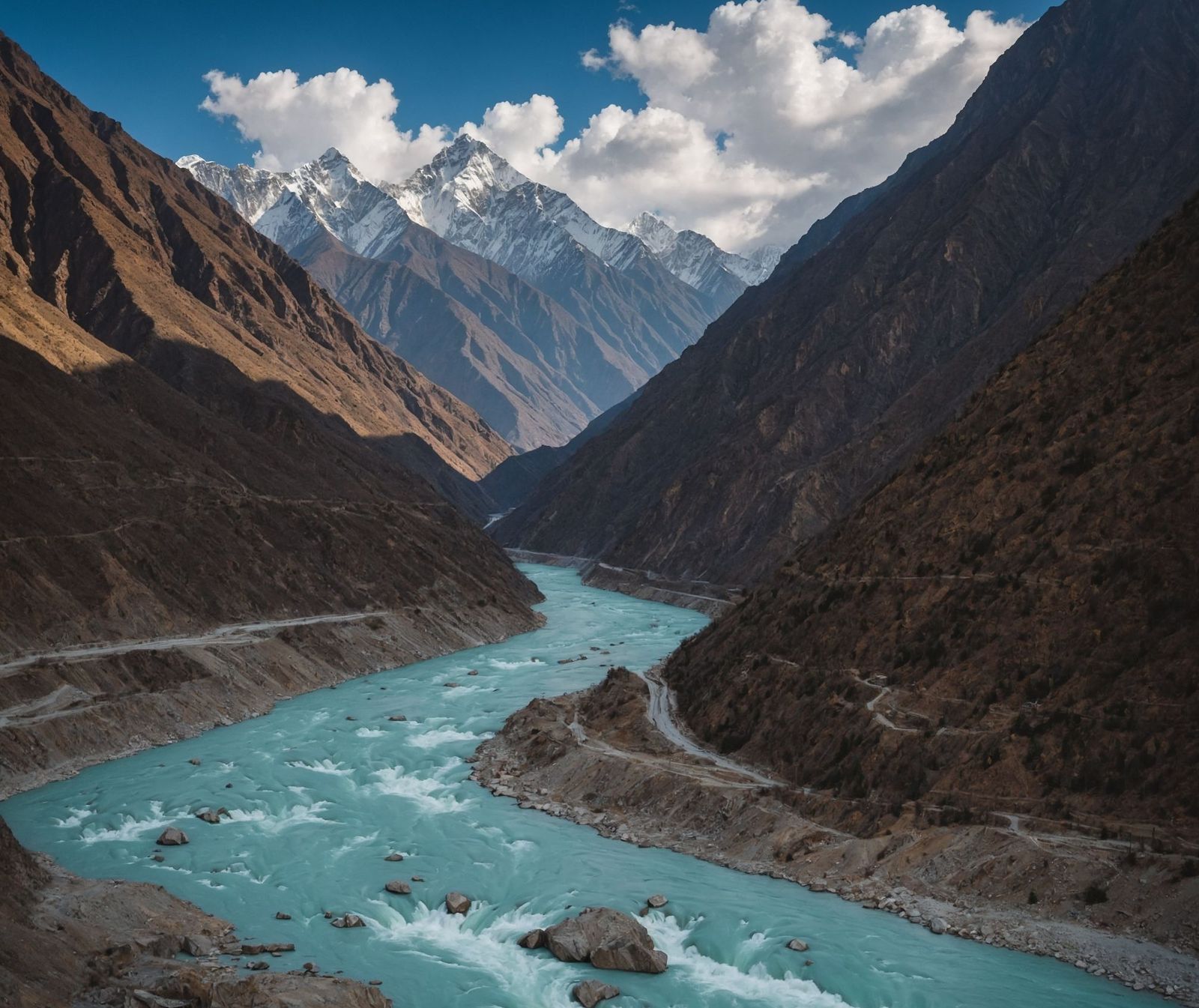
For all its grandeur, the Grand Canyon does not hold the depth record. Pictured above, the Yarlung Tsangpo Grand Canyon in Tibet, China, plunges to 17,567 feet, which is nearly three times deeper. Carved by the Yarlung Tsangpo River as it cuts through the eastern Himalayas, that canyon is so remote and extreme that it remained largely uncharted until the late 20th century.

9
It is home to a pink rattlesnake found nowhere else on Earth

Image: Alexander Wong

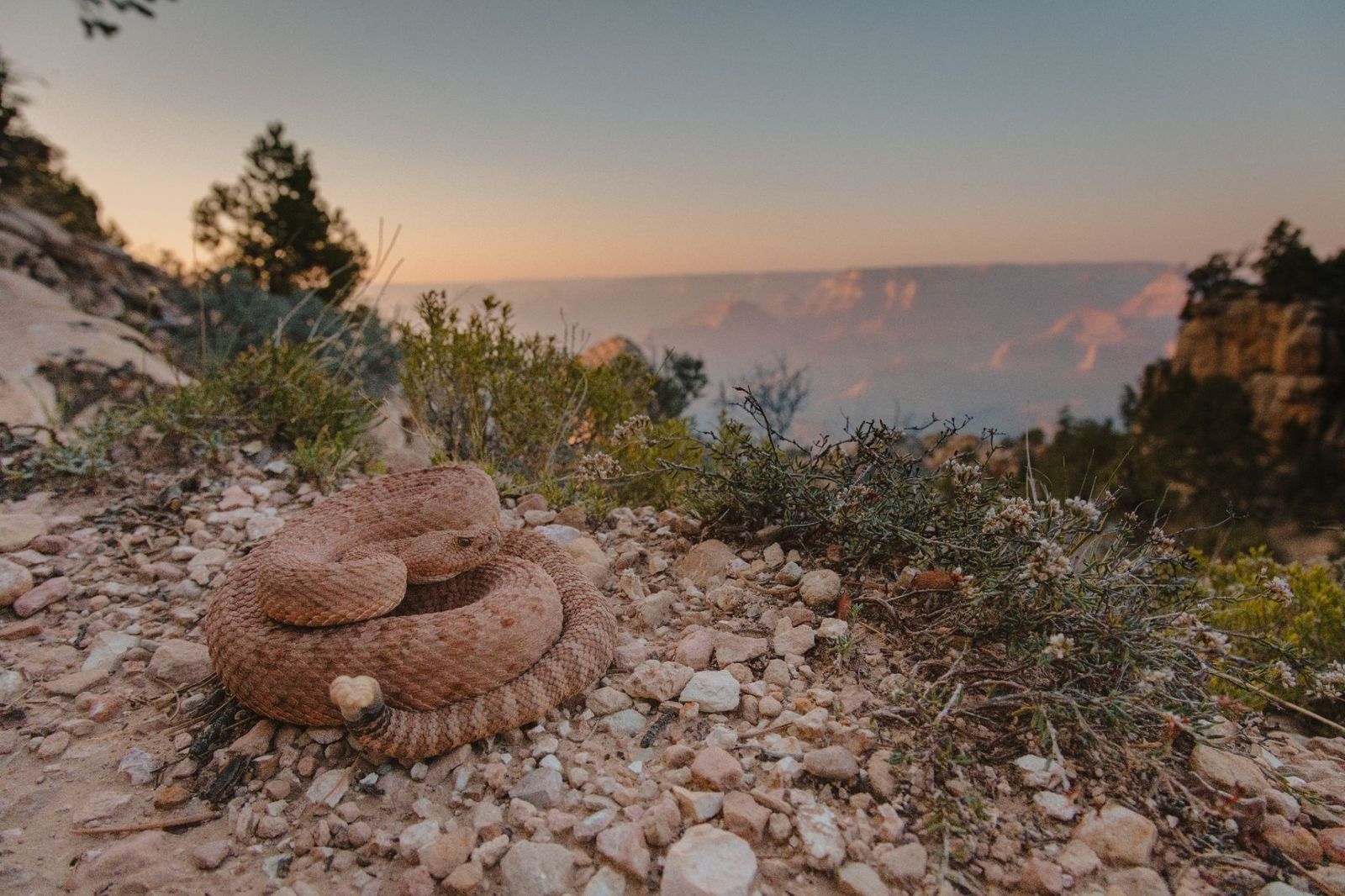
The Grand Canyon Pink Rattlesnake has a pinkish-red coloring that matches the canyon's own distinctive rock walls so closely that it's nearly invisible. It is found nowhere else in the world. Officially classified as Crotalus oreganus abyssus , it has darker diamond-shaped markings along its back that deepen the camouflage further.

10
There's a village at the bottom: Supai Village

Image: joojoob27

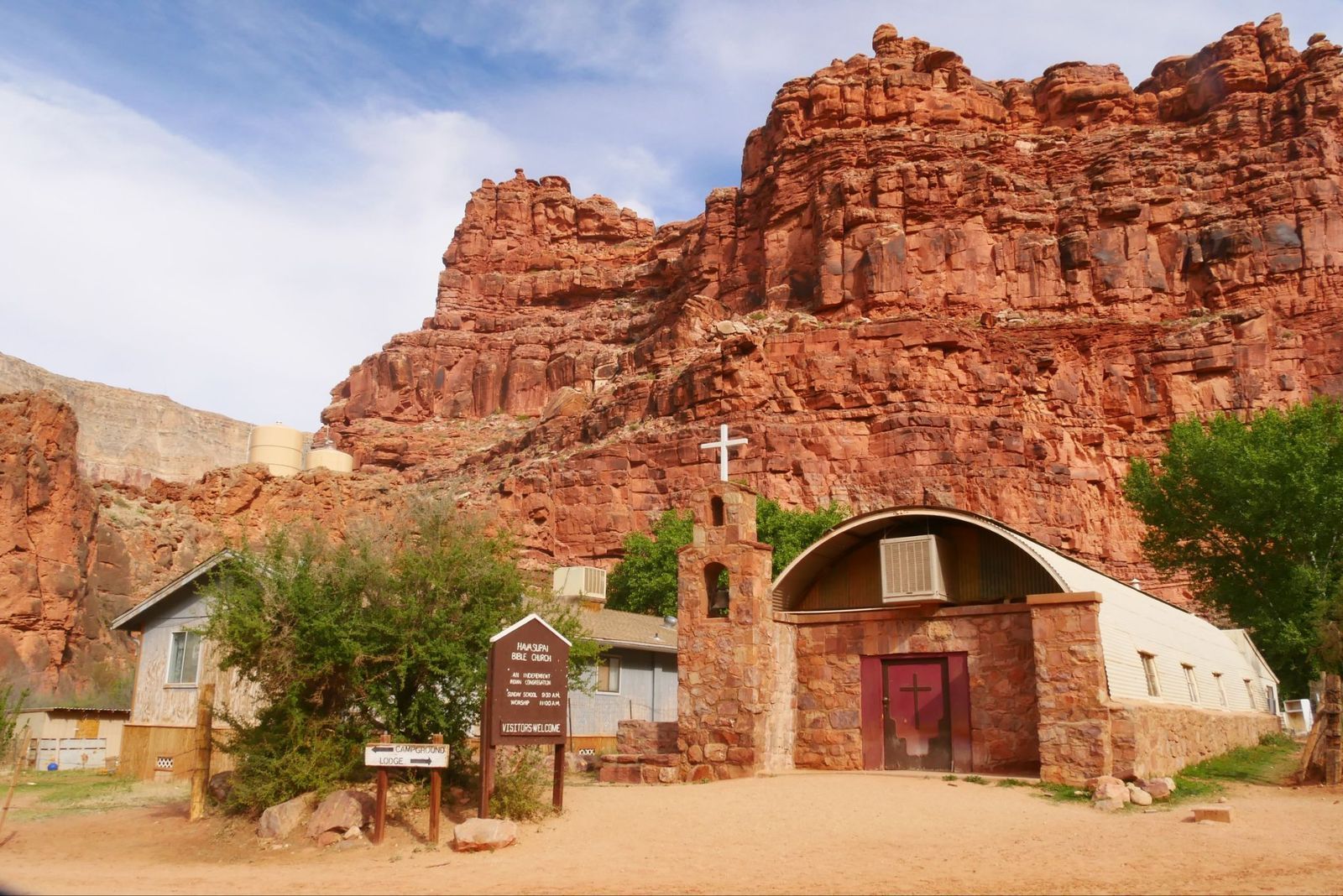
For over 1,000 years, the remote village of Supai has been home to the Havasupai Tribe, the People of the Blue-Green Waters. It is located an eight-mile hike from the rim, but sits roughly 3,000 feet deep inside the Grand Canyon.

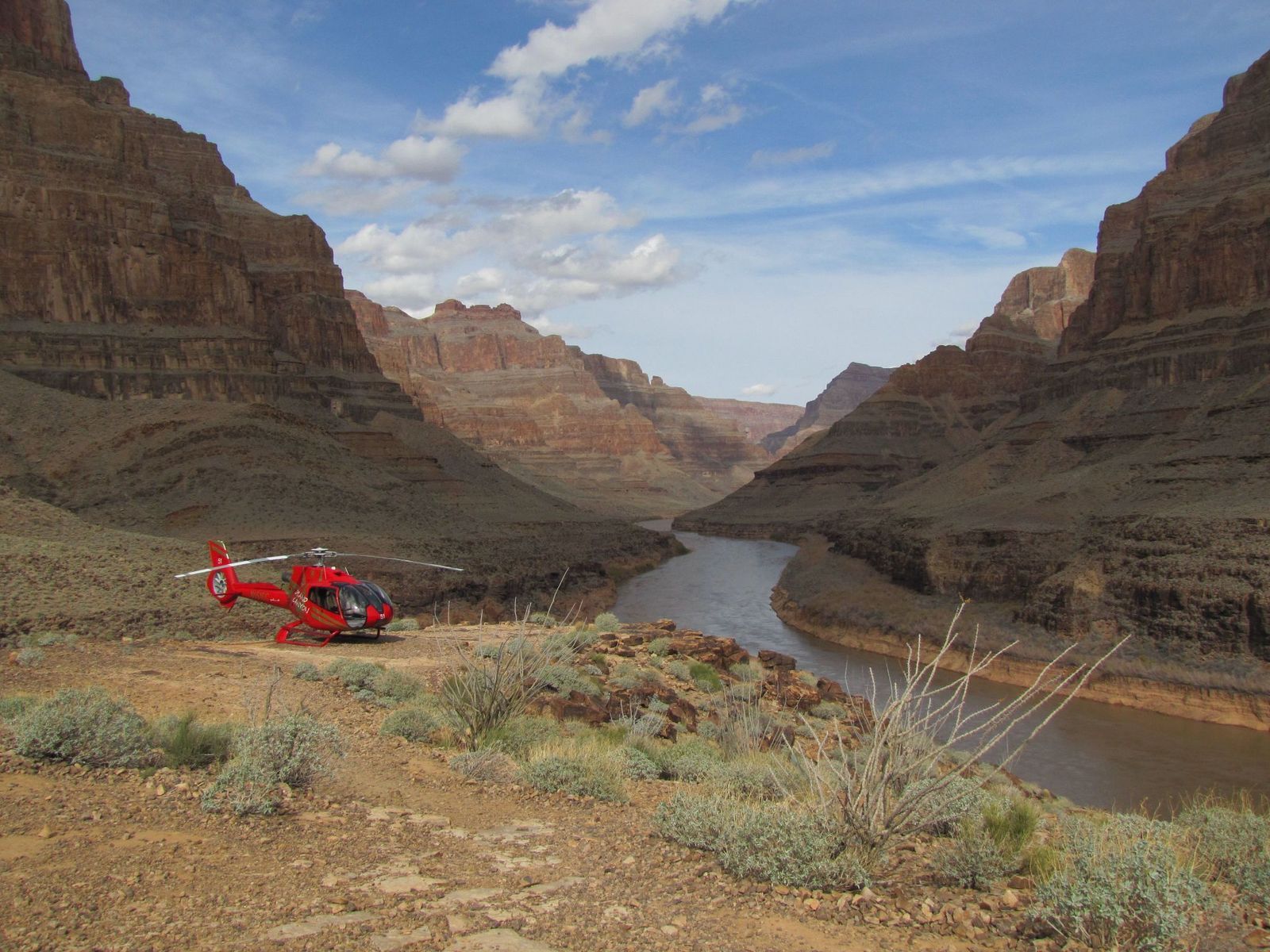
The U.S. Department of Agriculture has called it the most remote community in the contiguous United States, and it has no automobiles and no road access. The only ways in are on foot, by mule, or by helicopter. It is also the only place in the United States where the postal service still delivers mail by mule train.

History History 8 min read

Stories of forgiveness

The 10 most controversial presidential pardons in US history

Image: National Archives & Records Administration, Public domain, via Wikimedia Commons

Most people think a presidential pardon is a simple act of mercy. But these 10 stories show that the decision goes deeper than that. Did you know a man sentenced to hang in 1830 turned down his pardon, and the Supreme Court said he had every right to? That a boxer's 1913 conviction was cleared 72 years after his death? Or that the only president ever to resign was forgiven before a single charge was filed against him? Each of these stories contains a detail many Americans ignore. Read on to learn more about these controversial cases of presidential pardons.

1
George Wilson (1830): The man who refused his own pardon

Image: WB2 23:48, 22 July 2005 (UTC) copied from en:United States Capitol, Public domain, via Wikimedia Commons

In 1829, George Wilson and his accomplice James Porter robbed a U.S. mail carrier in Pennsylvania. Both were convicted in May 1830 on six counts, including putting the carrier's life in jeopardy, and sentenced to hang within weeks.

Porter was executed on schedule. But Wilson's influential friends petitioned President Andrew Jackson, who granted Wilson a formal pardon in June 1830, saving him from the gallows. Then Wilson did something that had never happened before in American history: he refused it.

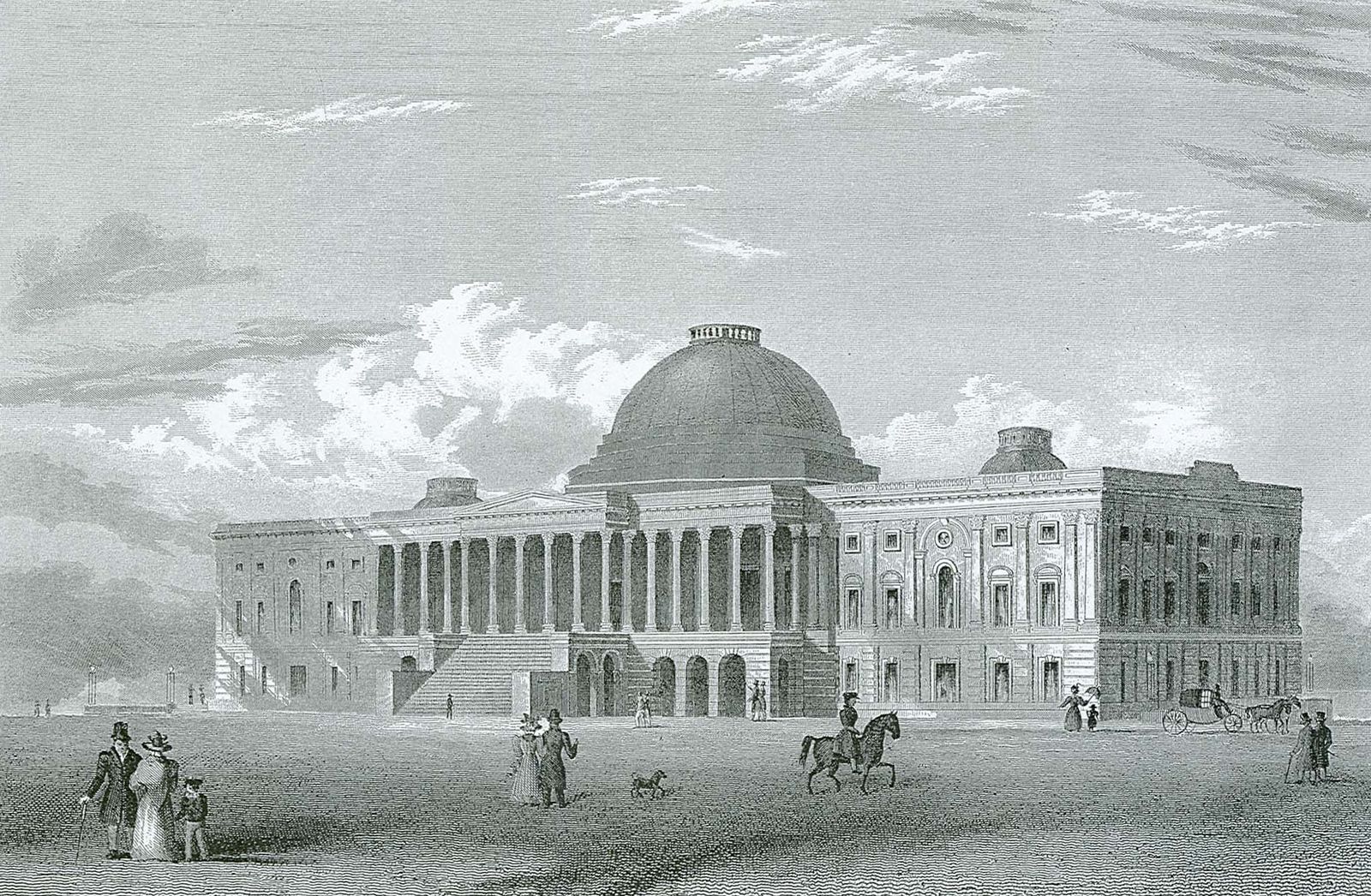
The case was so unprecedented that it reached the Supreme Court in 1833, housed at the Capitol in Washington, D.C., as illustrated above. Chief Justice John Marshall ruled that the pardon couldn’t be valid without acceptance. However, Wilson was never executed. He served his prison sentence and was eventually pardoned a second time by President Martin Van Buren in 1841.

2
Richard Nixon (1974): The only president ever pardoned

Image: pingnews.com, Public domain, via Wikimedia Commons

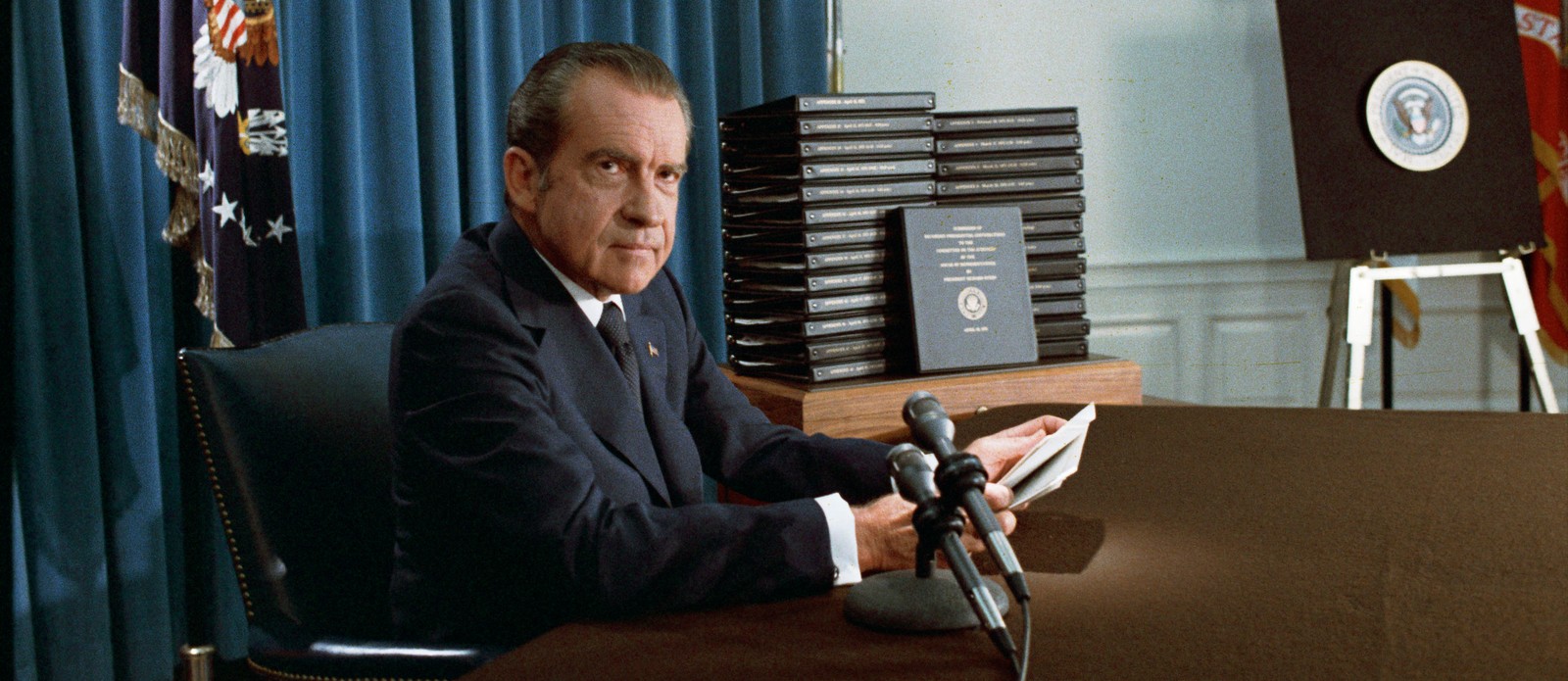
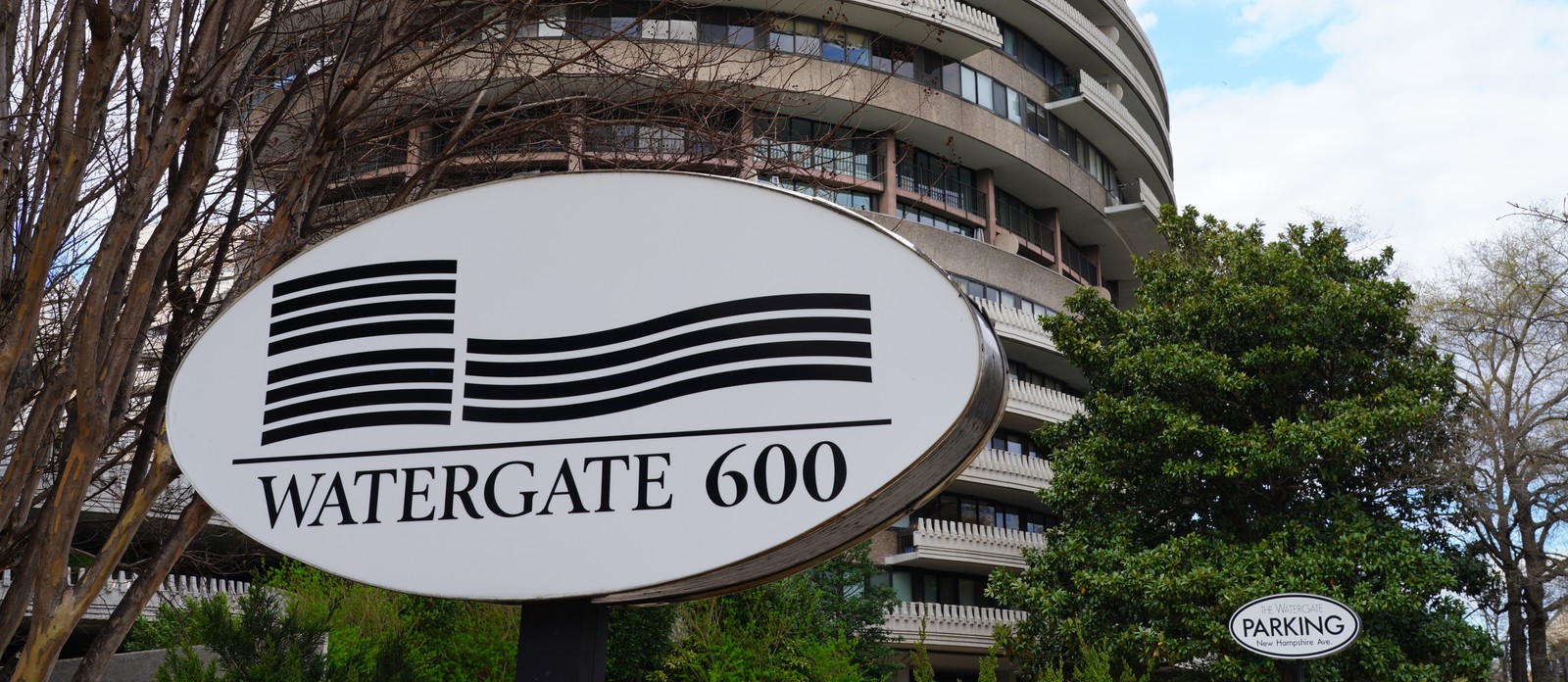
On the night of June 17, 1972, five operatives were arrested breaking into the Democratic National Committee offices at the Watergate complex in Washington, D.C. Investigations revealed that President Richard Nixon had known about the cover-up and actively participated in it. Facing near-certain impeachment, Nixon became the only U.S. president ever to resign from office, stepping down in 1974.

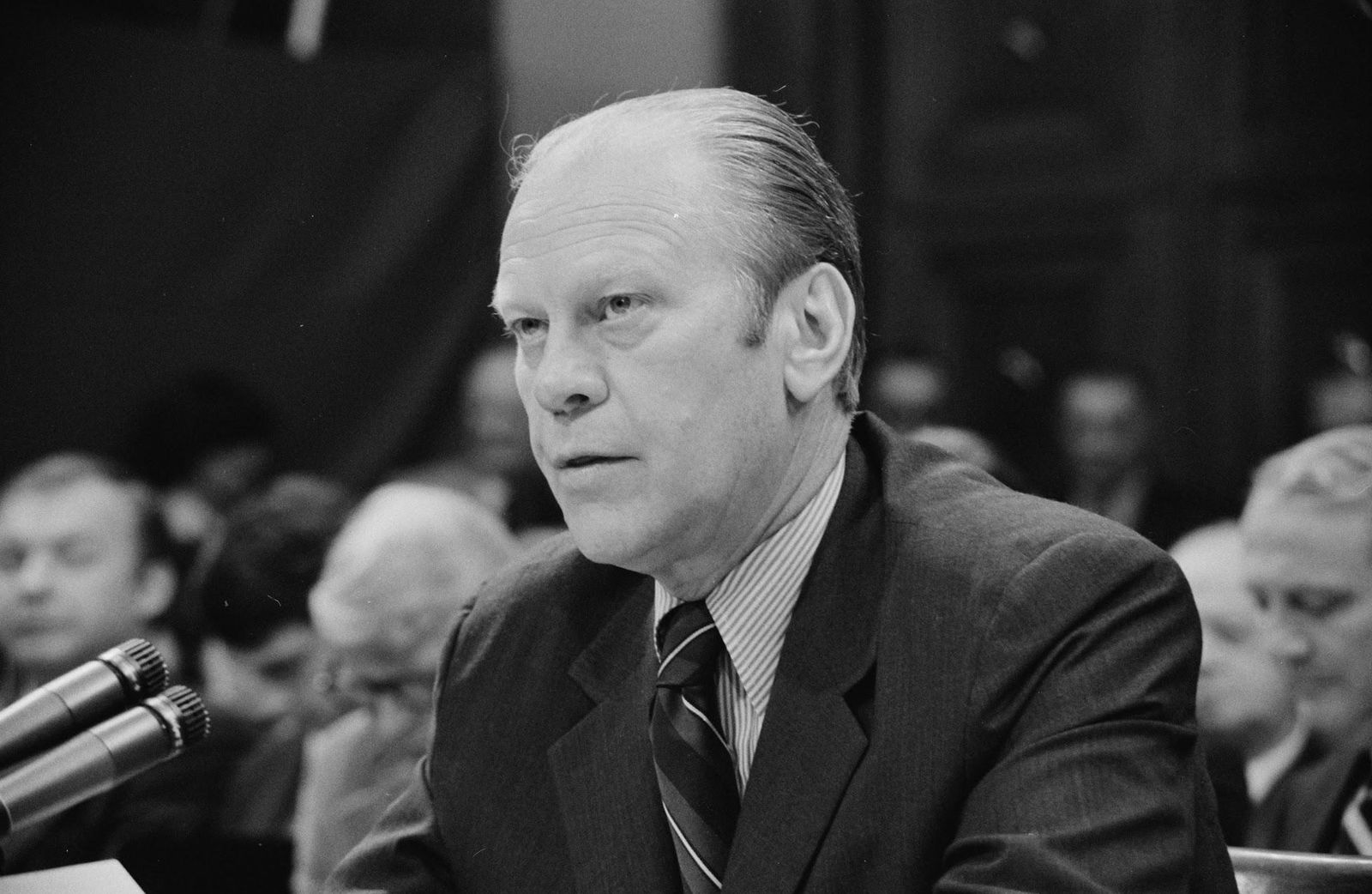
Just 30 days later, his successor Gerald Ford announced from the Oval Office that he was granting Nixon "a full, free, and absolute pardon" for all offenses against the United States committed between 1969 and 1974. No charges had even been filed. The decision was widely condemned. Many historians believe it cost Ford the 1976 presidential election to Jimmy Carter. Nixon accepted the pardon but never admitted criminal guilt, expressing only "regret" for how he had handled the situation.

3
Iva Toguri D'Aquino (1977): The woman they called "Tokyo Rose"

Image: See page for author, Public domain, via Wikimedia Commons

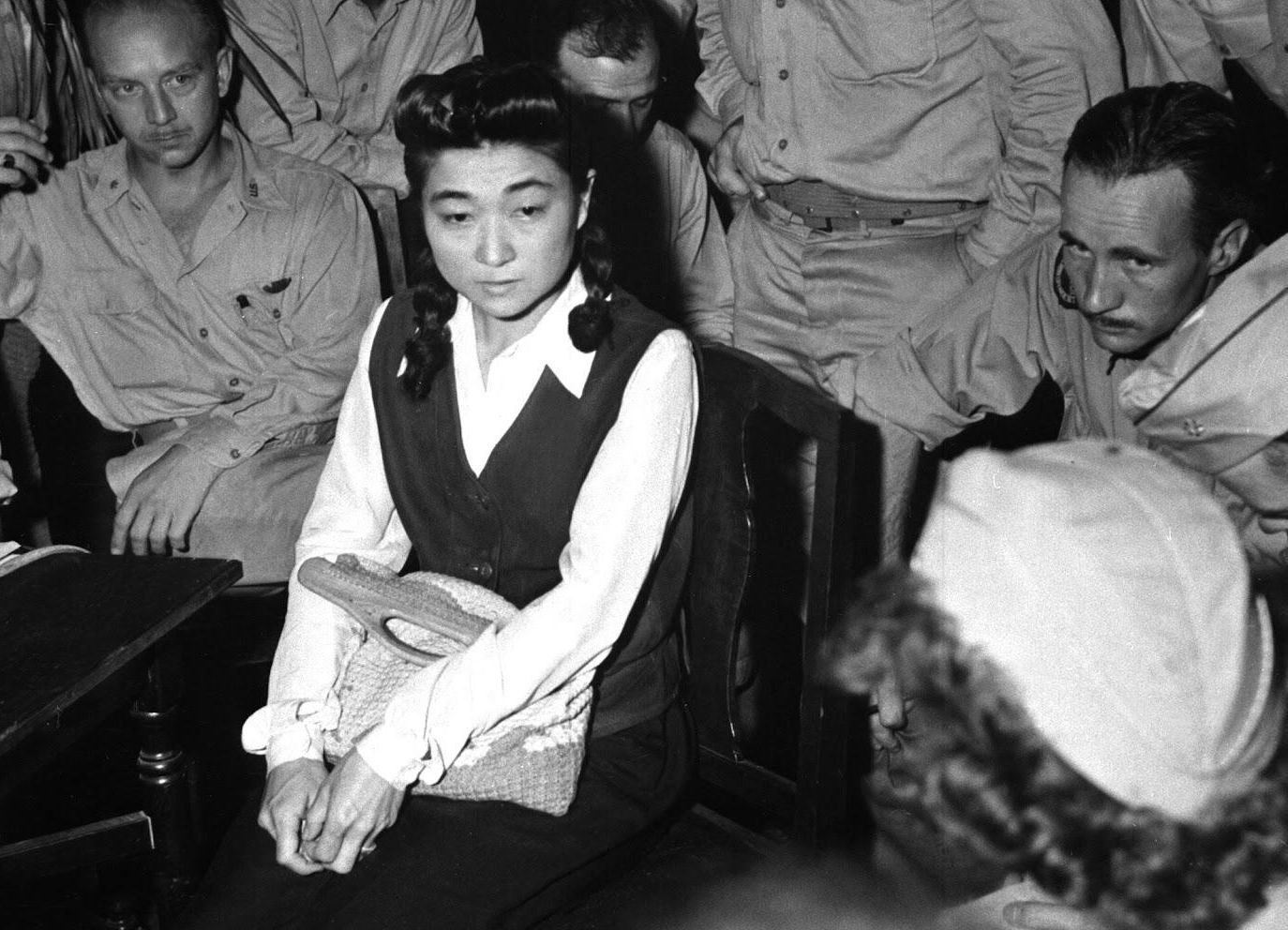
Iva Toguri D'Aquino was a Los Angeles-born 25-year-old visiting a sick relative in Japan when the attack on Pearl Harbor stranded her there in December 1941. The Japanese government declared her an enemy alien and coerced her into broadcasting on Radio Tokyo's Zero Hour program.

This was a Japanese psychological warfare strategy that utilized English-speaking women, eventually all referred to collectively as " Tokyo Rose," to broadcast demoralizing messages intended to weaken Allied troop morale. After Japan's surrender, journalists identified Toguri as one of the voices.

A jury convicted her of treason in 1949, and she was sentenced to 10 years in prison. She served six years. After a 1976 CBS 60 Minutes segment revealed key witnesses had lied, President Gerald Ford granted her a full and unconditional pardon in 1977, on his final day in office. It remains the only presidential pardon ever granted for a treason conviction in U.S. history.

4
Jack Johnson (2018): A champion pardoned 72 years after his death

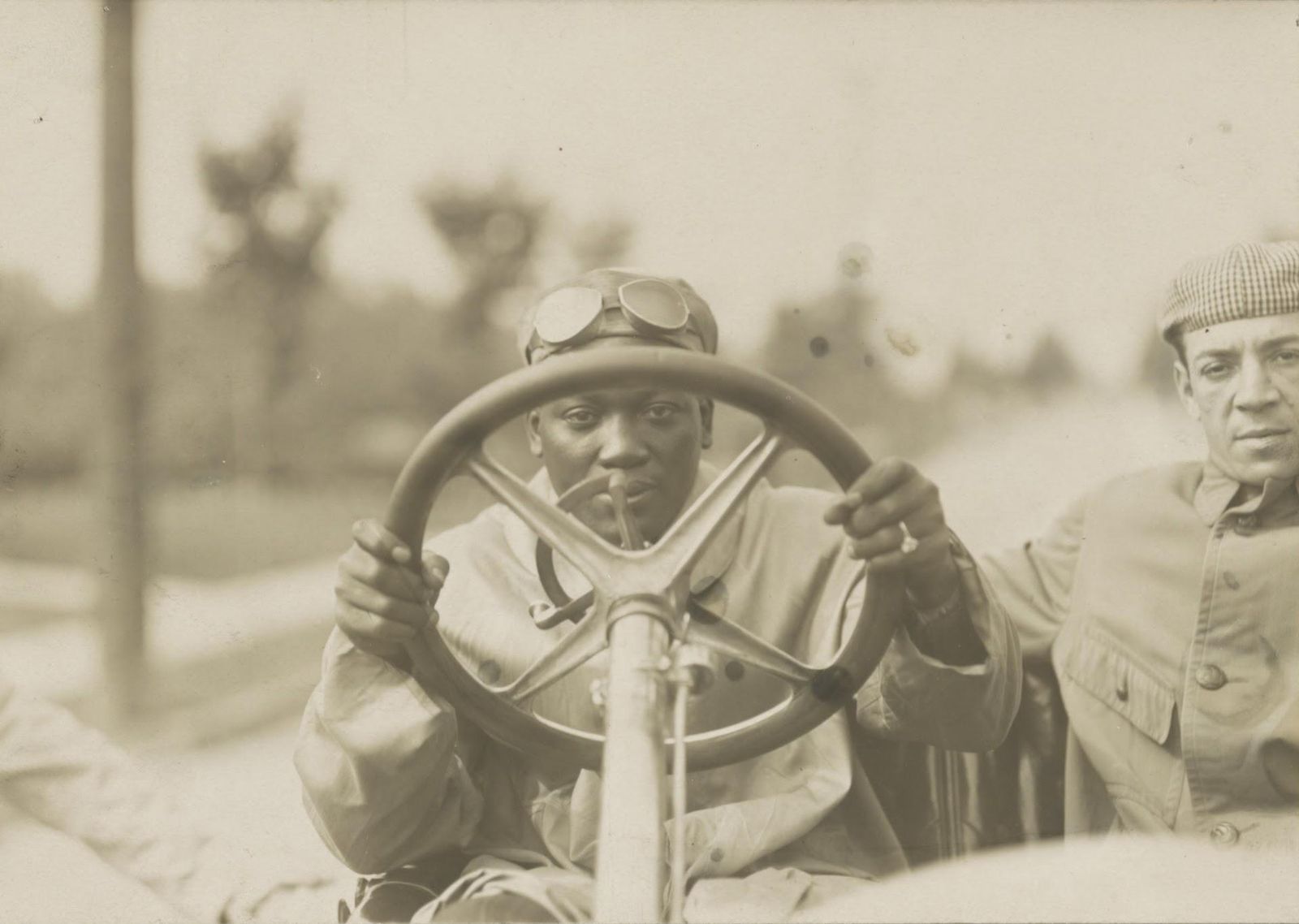
John Arthur "Jack" Johnson was the first Black man ever to hold the world heavyweight boxing championship. In May 1913, a jury convicted him under the Mann Act (a federal law against transporting women across state lines for "immoral purposes") for traveling with his white girlfriend, whom he had since married.

Johnson skipped bail, fled to Canada, and fought two world title defenses in Paris before losing the belt in Havana in 1915. He surrendered to U.S. authorities in 1920 and served nearly a year in Kansas. He died in a car crash at age 68 in North Carolina in 1946.

After years of bipartisan lobbying and a call from actor Sylvester Stallone, President Trump signed Johnson's posthumous pardon in the Oval Office in 2018, 105 years after the conviction.

5
Samuel Mudd (1869): The doctor who set the assassin's leg

Image: unattributed, Public domain, via Wikimedia Commons

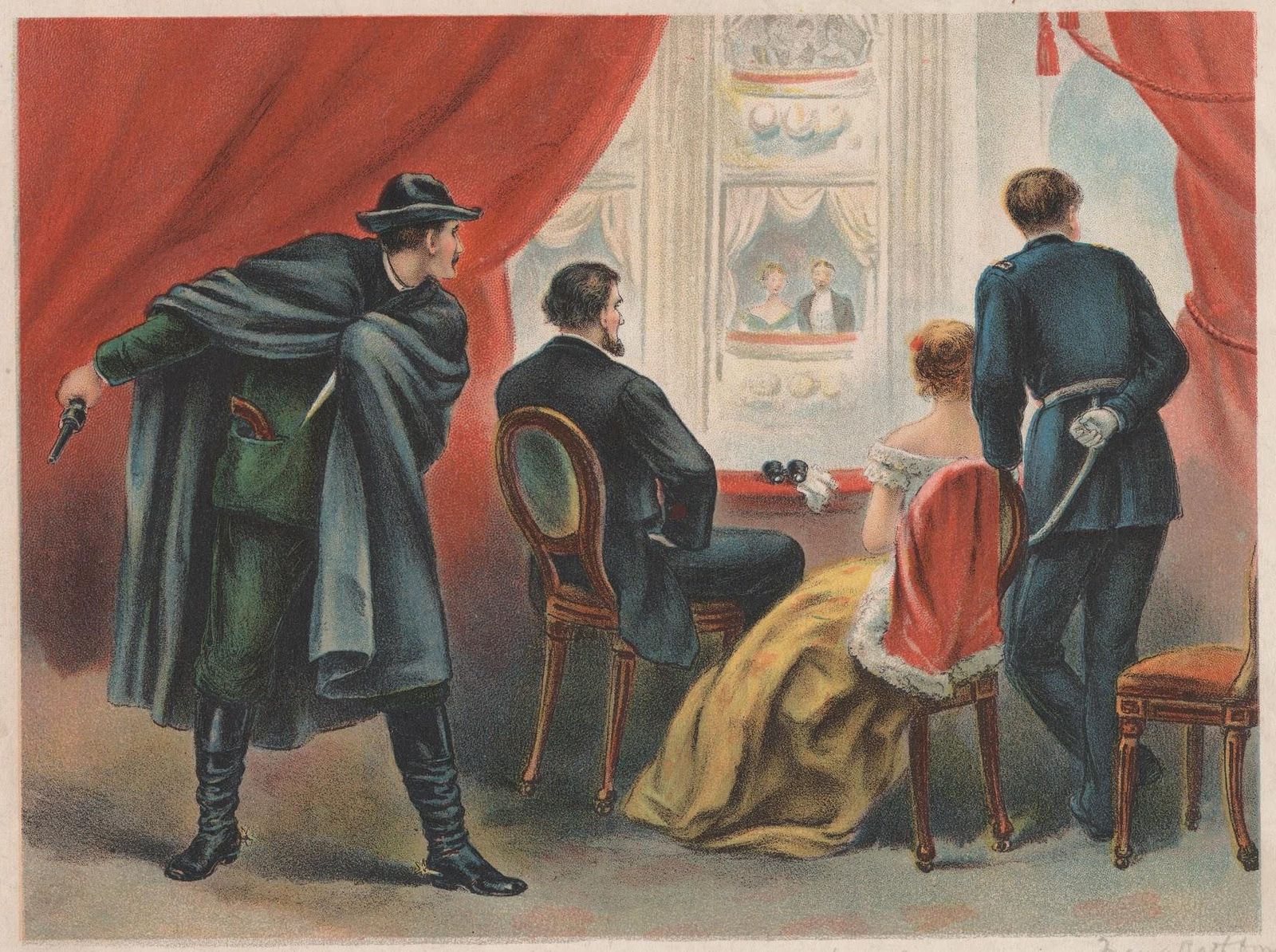
Hours after John Wilkes Booth shot President Abraham Lincoln at Ford's Theatre in Washington, D.C., one April night in 1865, Booth arrived at the Maryland farm of Dr. Samuel Mudd with a broken leg.

Mudd set the fracture and gave Booth shelter. When investigators linked Mudd to Booth, including through prior meetings in 1864, he was tried by a military commission and convicted of conspiracy. Sentenced to life imprisonment with hard labor, he was sent to Fort Jefferson, a remote military prison on an island 70 miles west of Key West, Florida.

In 1867, a deadly yellow fever outbreak killed the prison's doctor. Mudd stepped in, treating patients and helping contain the epidemic. A petition signed by 299 enlisted men and officers was sent to President Andrew Johnson praising Mudd's courage. Johnson granted Mudd a full and unconditional pardon in 1869. Mudd was released on March 8 and returned to his Maryland farm. His conviction was never overturned; the pardon freed him, but the guilty verdict stood.

6
Marc Rich (2001): A fugitive pardoned on the last day

Image: William J. Clinton Presidential Library, CC0, via Wikimedia Commons

Marc Rich was a billionaire commodities trader indicted in 1983 on 65 counts, including tax evasion, wire fraud, and trading oil with Iran during the 1979–1981 hostage crisis. Before facing trial, Rich fled to Switzerland, where he remained a fugitive from U.S. justice for 17 years.

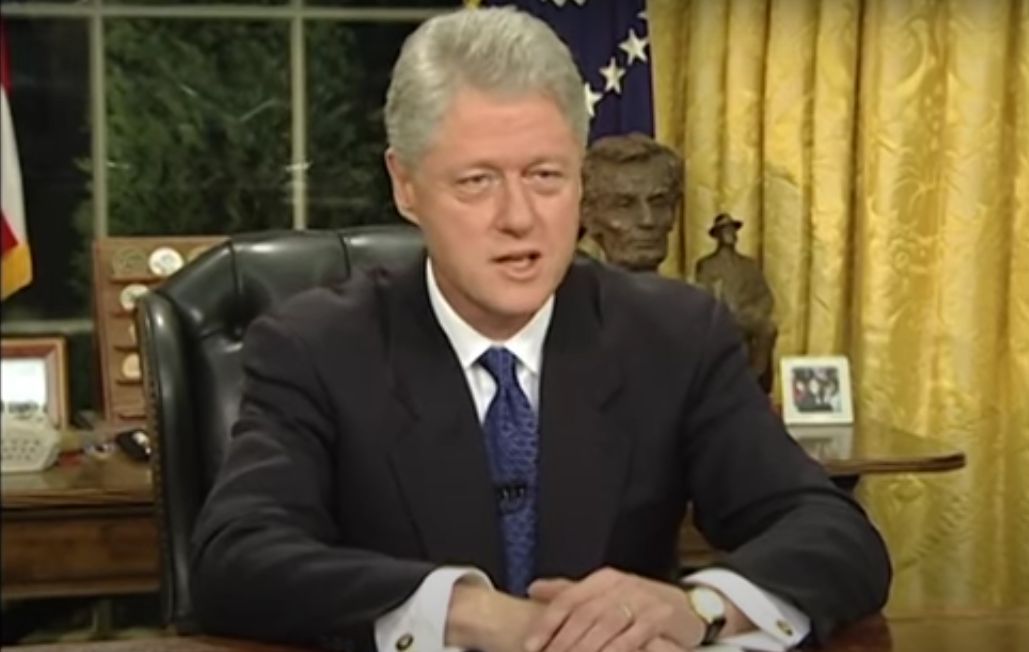
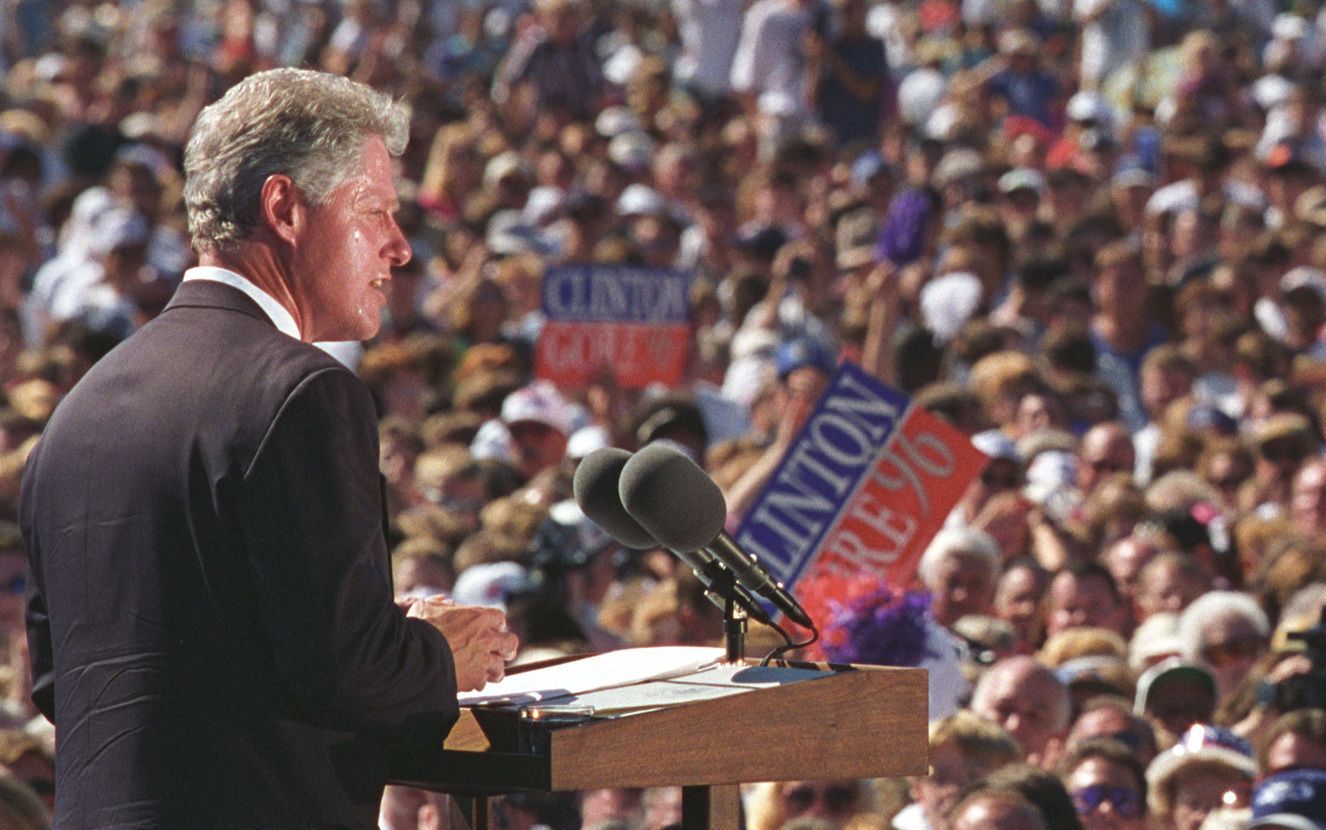
On January 20, 2001, his very last day in office, President Bill Clinton granted Rich a full pardon, bypassing the standard Justice Department review process. T he pardon ignited one of the biggest controversies of Clinton's presidency. Rich's ex-wife Denise had donated more than $1 million to Democratic causes and the Clinton Presidential Library.

A federal investigation led by prosecutor Mary Jo White was launched but ultimately found no criminal wrongdoing by Clinton. Clinton's own Justice Department had recommended against the pardon. Rich died in Switzerland in June 2013 at the age of 78, never having returned to the United States.

7
Patty Hearst (2001): From kidnapped heiress to bank robber

Image: See page for author, Public domain, via Wikimedia Commons

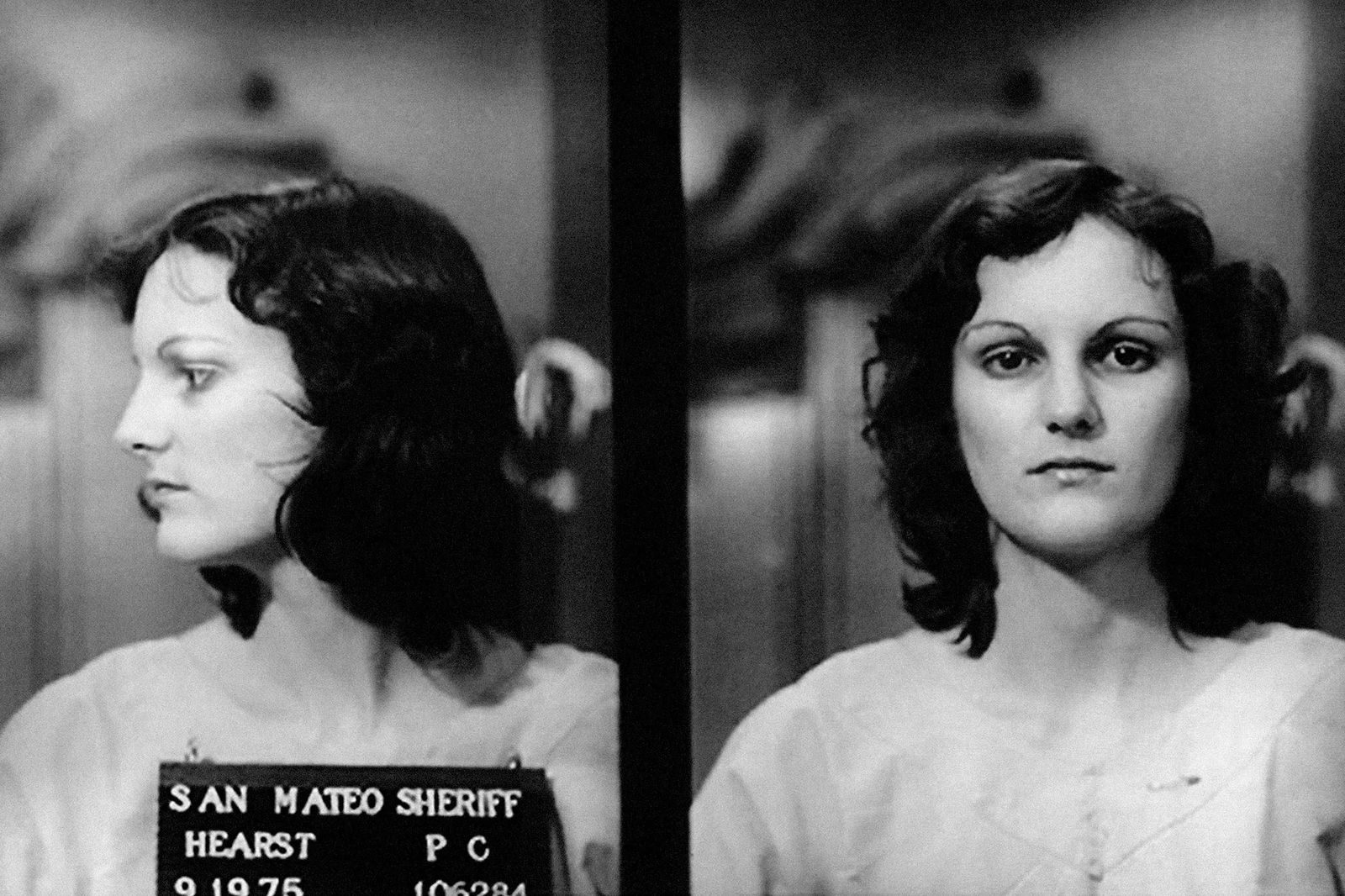
Patricia Hearst, the 19-year-old granddaughter of newspaper magnate William Randolph Hearst, was kidnapped from her apartment in Berkeley, California, in 1974. She was taken by a radical militant group called the Symbionese Liberation Army.

After weeks in captivity, in which she was kept in a closet, blindfolded, she appeared in a bank surveillance video holding a rifle and participating in the robbery of a bank in San Francisco. She was captured in September 1975. Her defense argued she had been brainwashed and acted under duress. A jury rejected that argument, and she was convicted of bank robbery in 1976 and sentenced to 7 years.

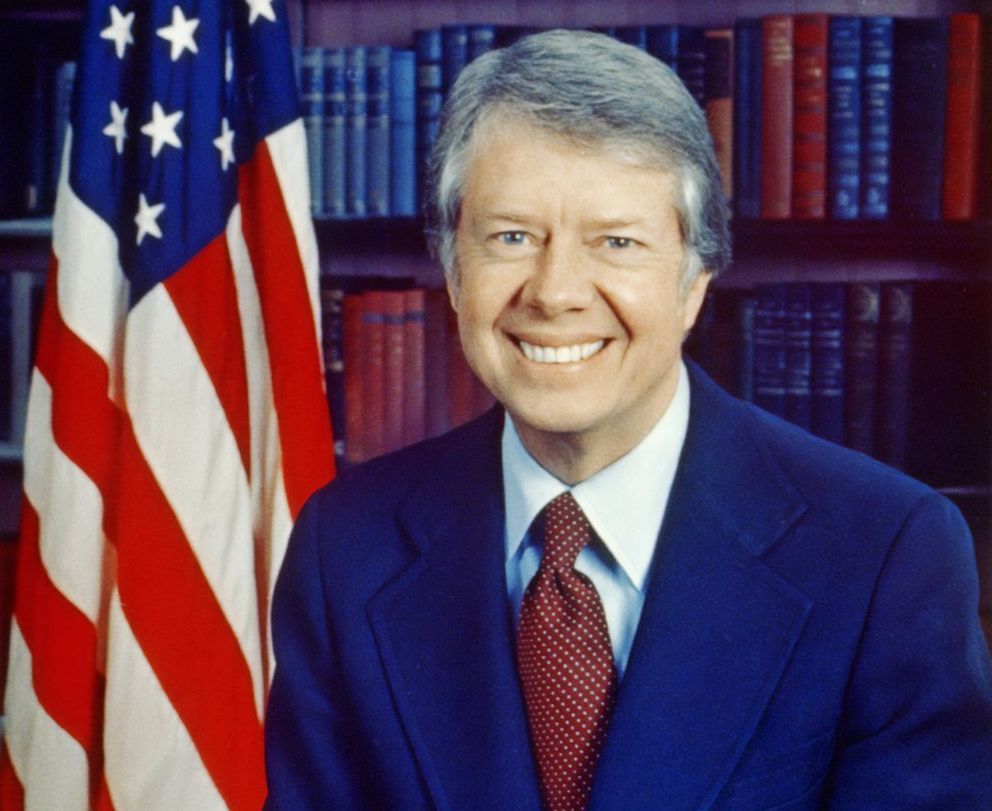
President Jimmy Carter commuted her sentence in 1979 after she had served approximately 22 months. She was released and married her former bodyguard. In January 2001, President Bill Clinton granted her a full pardon in the final hours of his presidency.

8
Vietnam Draft Evaders (1977): The biggest blanket pardon in U.S. history

Image: Library of Congress

On his first full day as president in 1977, Jimmy Carter signed Proclamation 4483, granting an unconditional pardon to all Americans who had violated the Military Selective Service Act in the span of U.S. involvement in Vietnam.

The government estimated that approximately 210,000 men had been formally accused of draft violations , while hundreds of thousands more had never been charged. Many had fled to other countries, roughly 90% to Canada, where they had been welcomed as legal immigrants.

Carter had campaigned openly on the promise, calling it necessary to heal a nation still divided by the war. The pardon did not extend to military deserters. Veterans' organizations were furious. Despite the backlash, an estimated 50,000 of those eligible chose to remain in Canada permanently, never returning home.

9
Scooter Libby (2007 / 2018): The spy scandal at the heart of the White House

Image: Russell F. Roederer, Public domain, via Wikimedia Commons

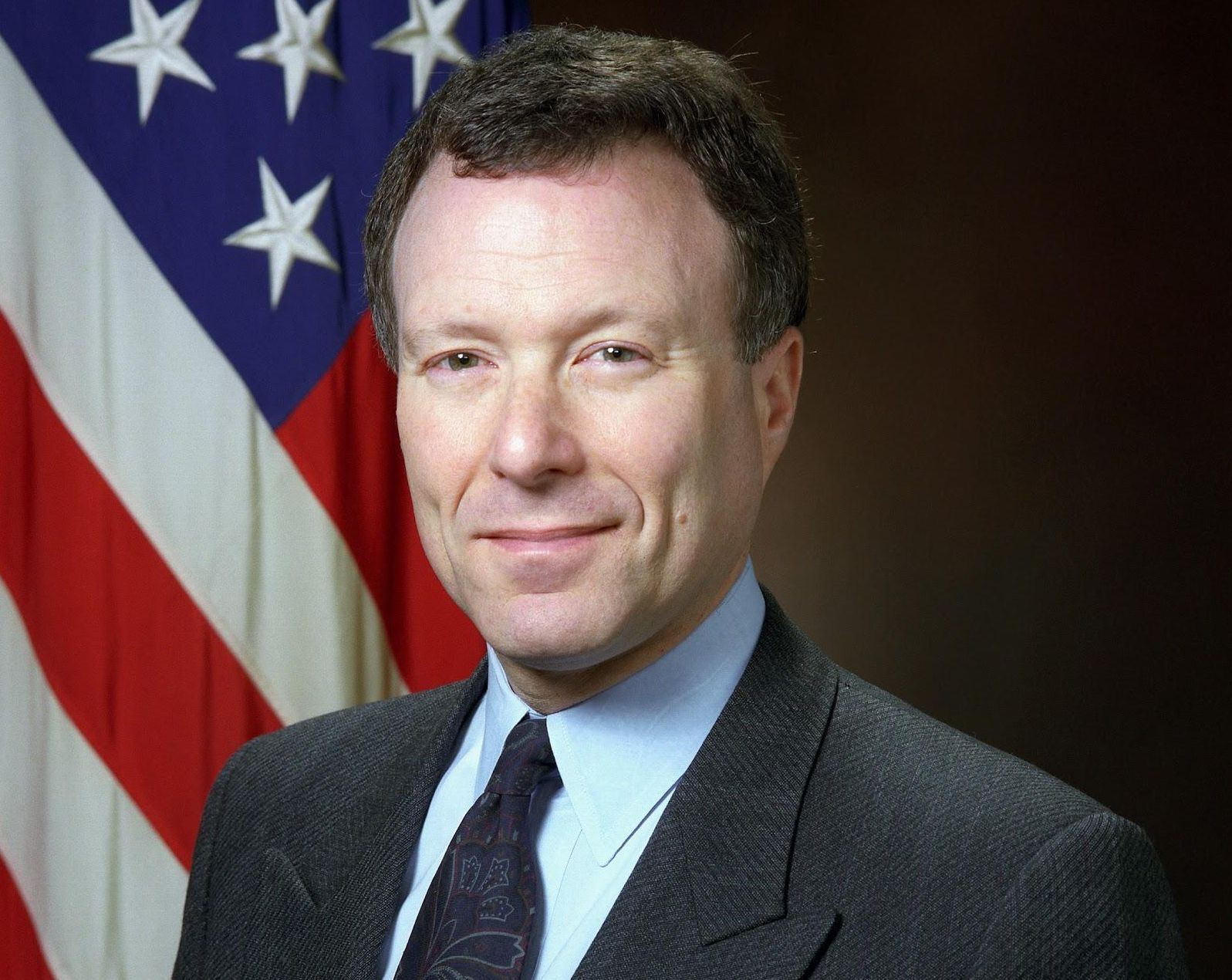
Lewis "Scooter" Libby served as Chief of Staff to Vice President Dick Cheney during the George W. Bush administration. In 2003, the identity of Valerie Plame (a covert CIA officer) was leaked to journalists, apparently in retaliation against her husband, former Ambassador Joseph Wilson, who had publicly challenged the administration's case for the Iraq War.

Though Libby was not charged with the leak itself, he was convicted in 2007 of four felony counts: obstruction of justice, two counts of perjury, and making false statements to the FBI. He was sentenced to 30 months in prison and fined $250,000. Later that same year, President Bush commuted Libby's prison sentence, calling it "excessive," but left the conviction, fine, and probation intact; he declined to grant a full pardon. Eleven years later, in 2018, President Donald Trump issued a full pardon, completely wiping Libby's record clean.

10
Roger Clinton (2001): The president's half-brother

Roger Clinton is the younger half-brother of President Bill Clinton. Roger was given the Secret Service code name "Headache" during his brother's administration. In 1984, Arkansas state police ran an undercover sting operation that caught Roger selling illegal drugs to an informant. He pleaded guilty in 1985 to charges of conspiracy to distribute drugs and served approximately one year in federal prison, completing his sentence in 1986.

14 years later, on his last day in office, President Clinton granted Roger a full pardon, clearing his criminal record. The pardon drew relatively little public outrage compared to the Marc Rich case.

Explore more American facts

Choose your favorite category!

General
General

As American as apple pie—the very best America has to offer!

Culture
Culture

Delve into the astounding richness of American lore.

Geography
Geography

Hop in and explore vast and diverse American landscapes.

History
History

Discover the key moments that shaped the United States.