History History 5 min read

What First Lady was accused of bigamy? 10 political crises
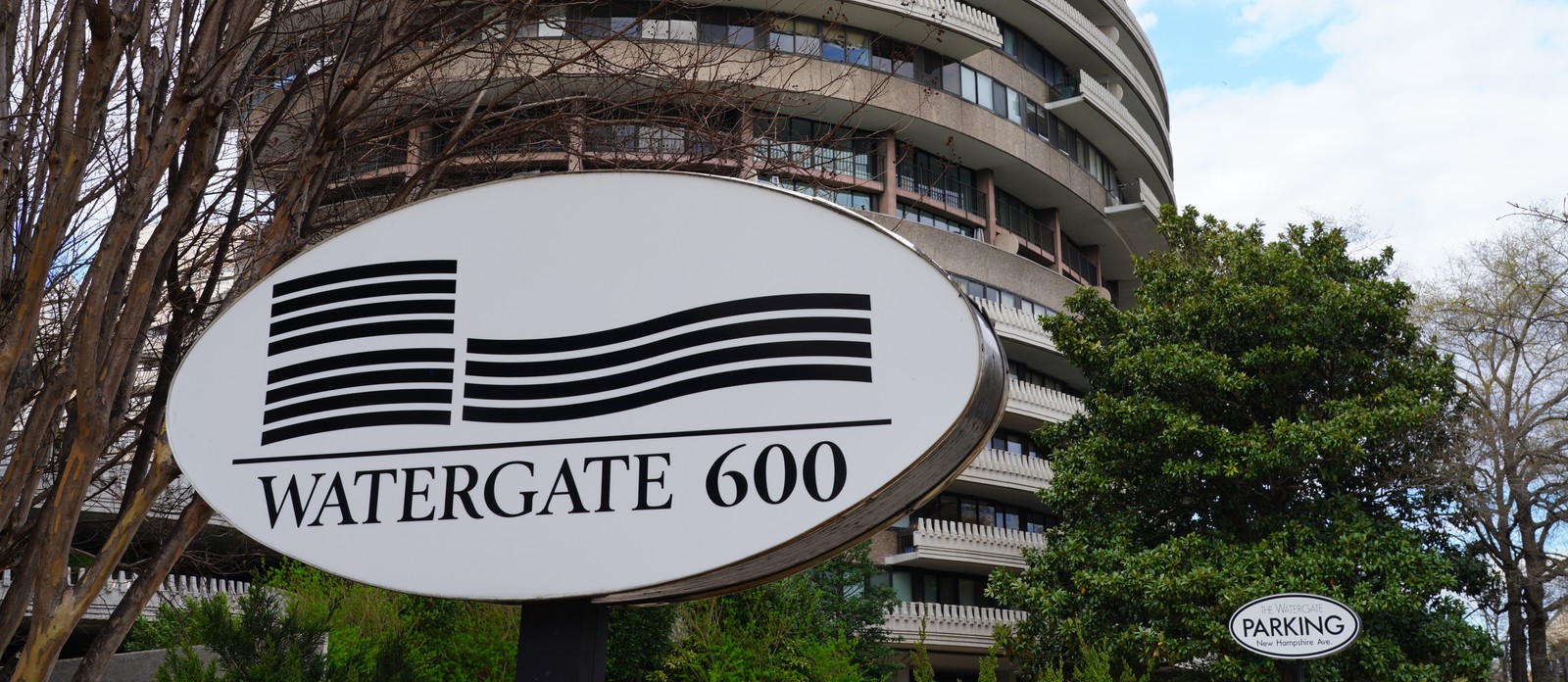
Image: EQRoy

From the founding era to the turn of the 21st century, political scandals have shaped public trust and dismantled entire careers. Looking back at ten of the most notorious political crises in American history reveals how the intersection of media and culture forces the nation to look in the mirror.

1
Rachel Jackson: A "Bigamy" scandal (1820s)
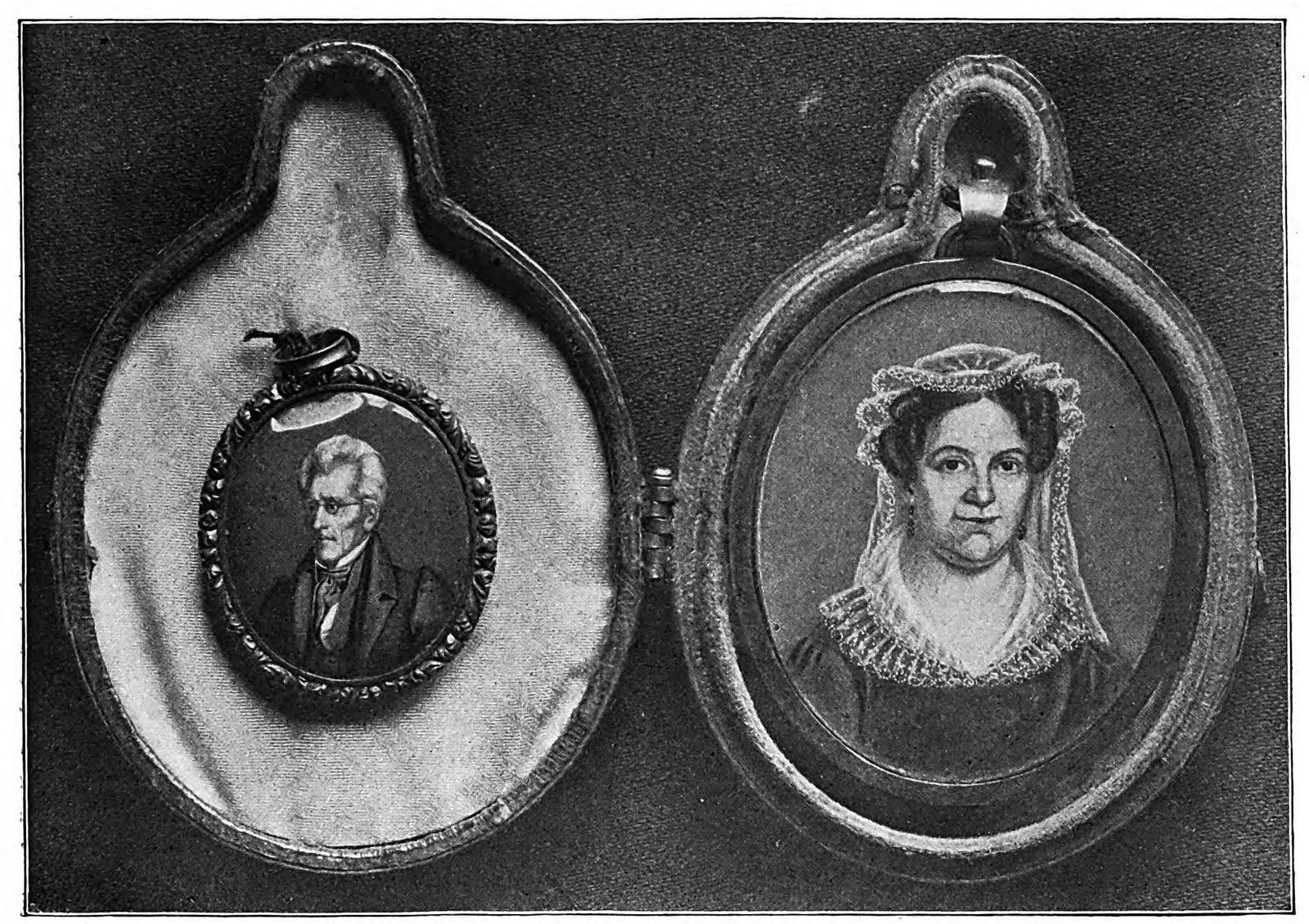
Image: L. Bernie Gallaher, Public domain, via Wikimedia Commons

In 1791, a young Andrew Jackson married Rachel Donelson. Both believed her first husband, Captain Lewis Robards, had successfully finalized their divorce. Apparently, Robards didn’t file the petition, making her marriage to Jackson technically bigamous. Once the divorce went through in 1794, they officially remarried.

During the 1828 presidential campaign, Jackson’s political opponents used this legal mistake against him. They branded Rachel a loose woman and a bigamist in pamphlets scattered across the country. The intense public shaming broke her spirit and deteriorated her health. She suffered a fatal heart attack just days before Jackson’s inauguration, leaving the newly elected president heartbroken and extremely bitter toward his political rivals for the rest of his life.

2
Grover Cleveland’s illegitimate child (1884)
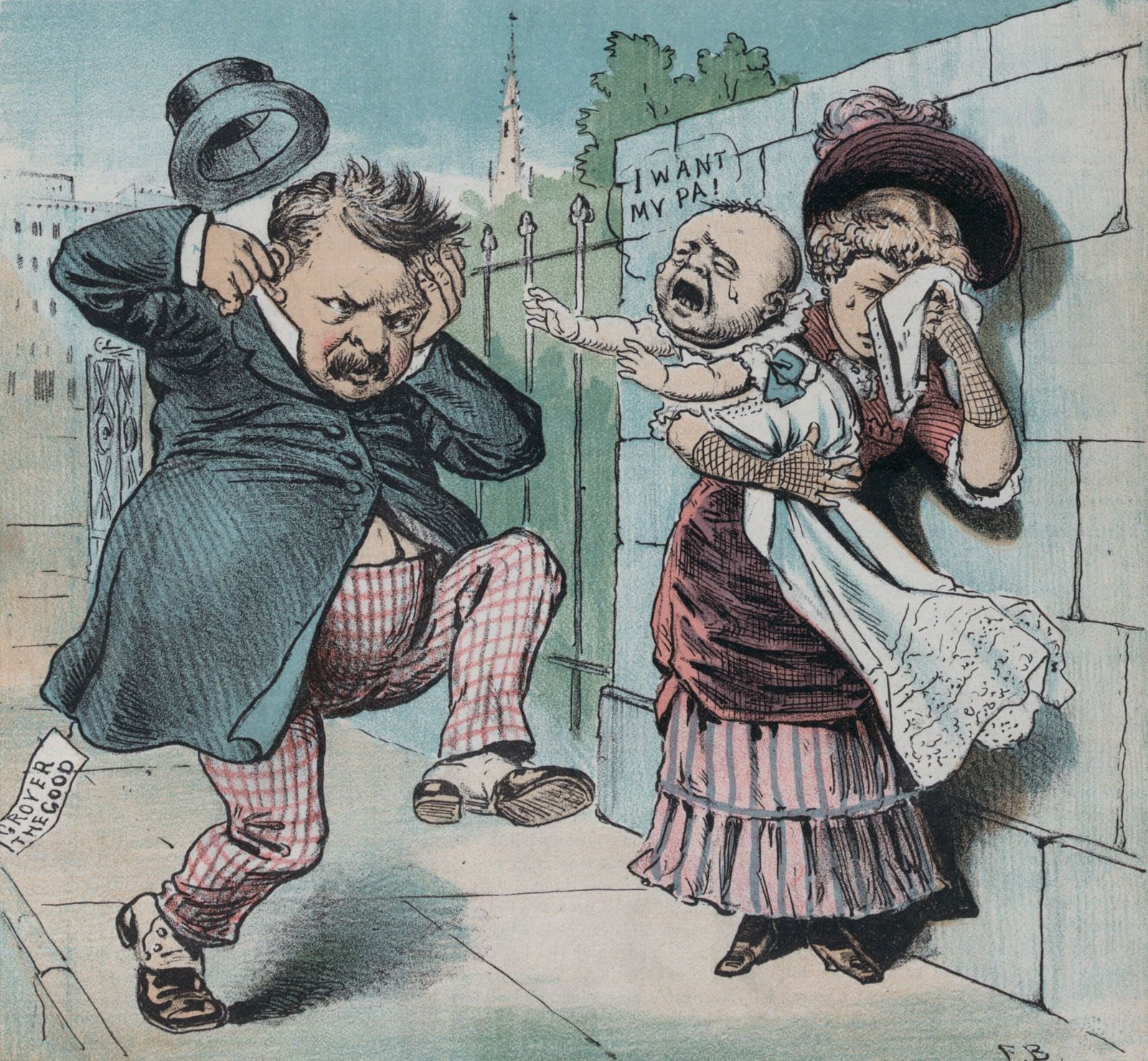
Image: Frank Beard, Public domain, via Wikimedia Commons

Decades later, another personal bombshell rocked another presidential race. Republican opponents revealed that Democratic nominee Grover Cleveland, a bachelor praised for his integrity, had fathered a child out of wedlock with a widow called Maria Halpin ten years before.

Republicans paraded through the streets chanting, "Ma, Ma, where’s my Pa?" Instead of denying the affair or trying to bury it, Cleveland instructed his campaign managers to do something radical: "Tell the truth." He admitted to supporting the child financially. His honesty caught his opponents off guard and won over voters who were tired of such dirty political tactics.

3
The Crédit Mobilier scandal (1872)
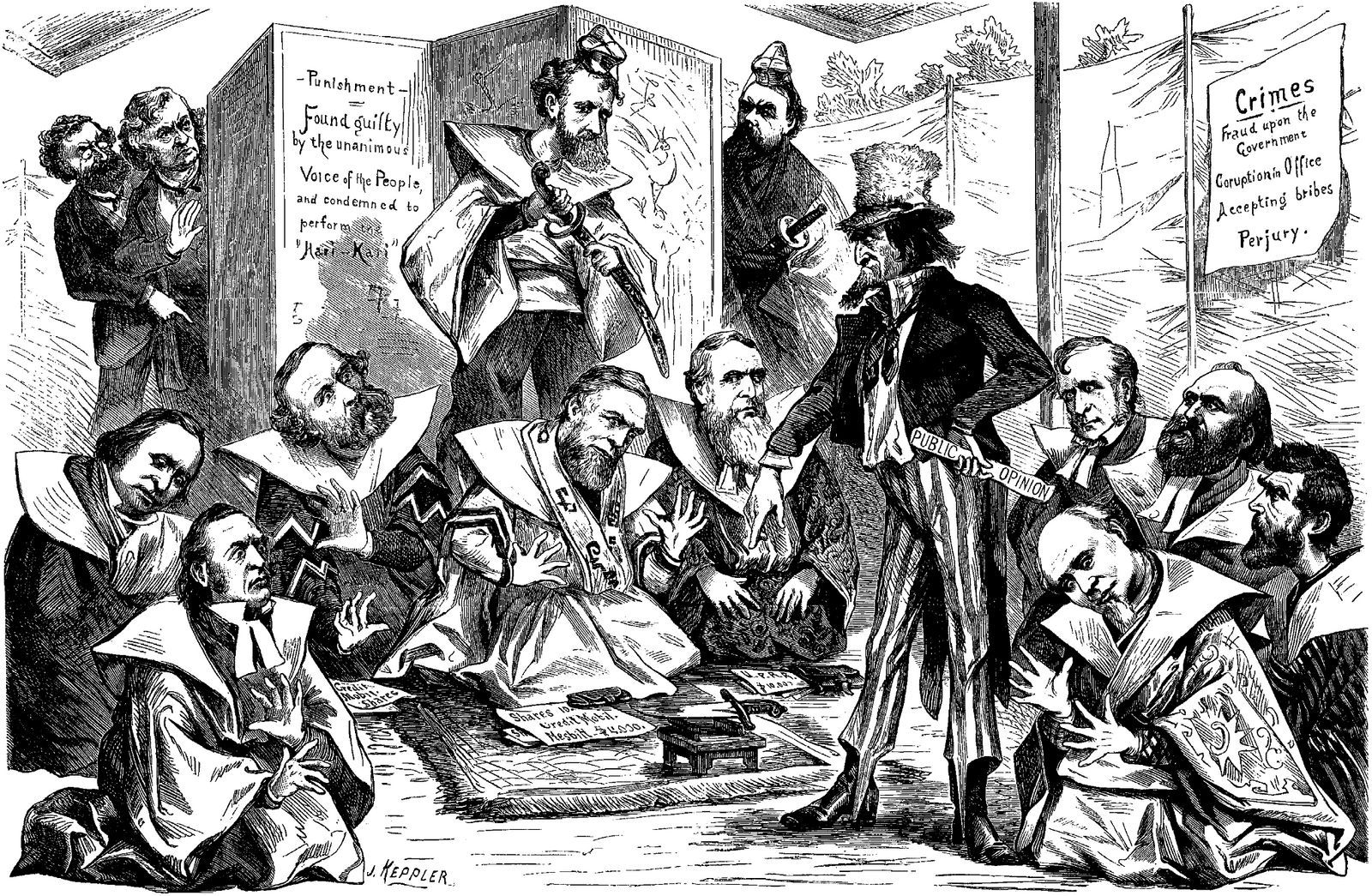
Image: Joseph Keppler, Public domain, via Wikimedia Commons

This particular scandal stands as one of the most shameless corporate schemes of the Gilded Age. Stockholders of the Union Pacific Railroad formed a fraudulent construction company called Crédit Mobilier of America . Then, they hired themselves to build the transcontinental railroad at inflated prices, pocketing tens of millions of dollars in federal subsidies.

To prevent Congress from investigating their profit margins, Congressman Oakes Ames distributed discounted shares of the company’s stock to influential politicians, including Vice President Schuyler Colfax. When the press exposed the story in 1872, the revelation that lawmakers were bribing themselves tarnished the legacy of the Ulysses S. Grant administration.

4
The Whiskey Ring scandal (1875)
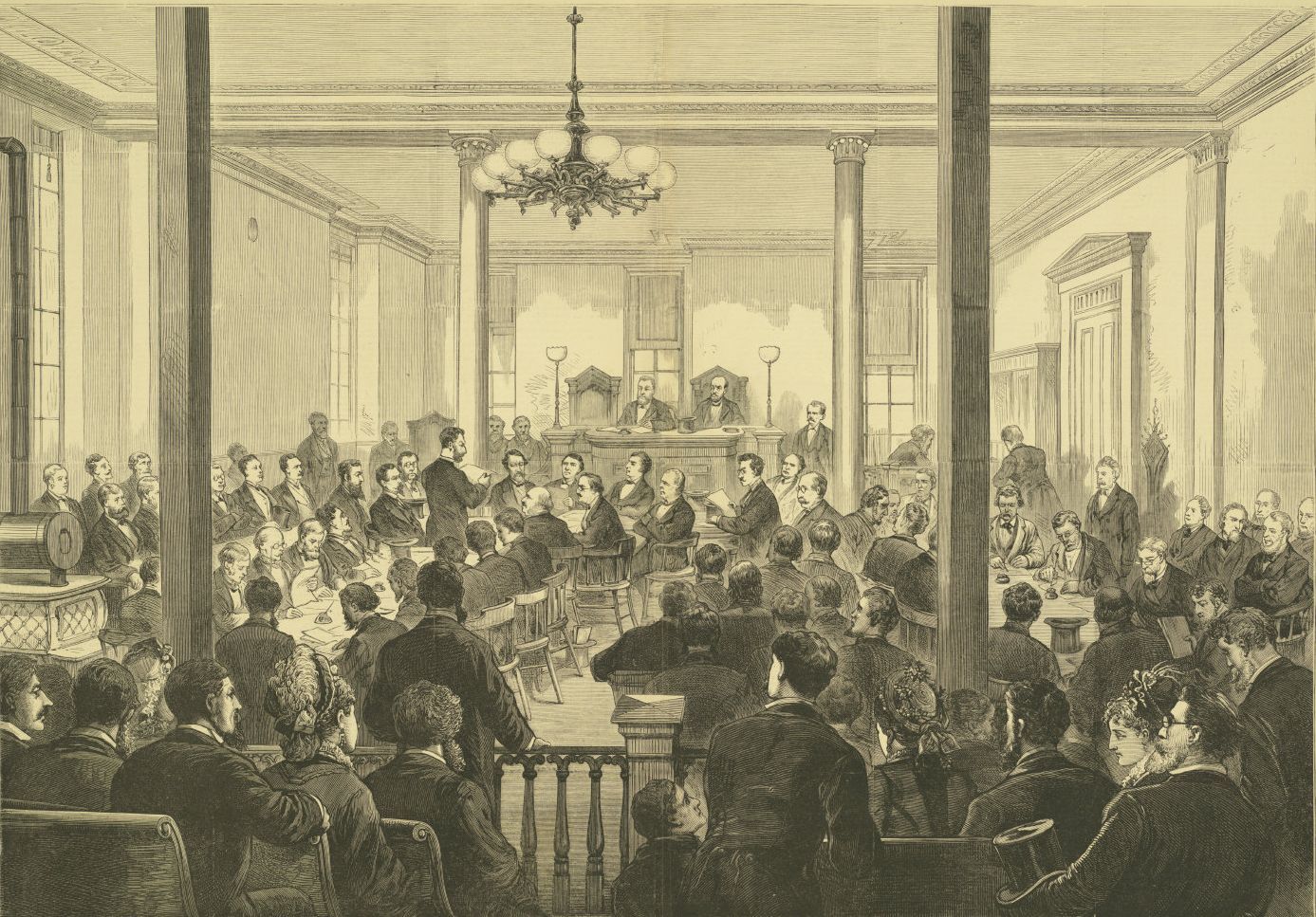
Image: Cornell University Library, No restrictions, via Wikimedia Commons

A few years later, another financial disaster hit the Grant administration. The Whiskey Ring was a widespread conspiracy involving distillers, distributors, and internal federal tax officials who stole millions of dollars in liquor taxes.

Using a complex web of bribes and falsified records, the ring defrauded the U.S. Treasury. The scandal reached the inner circle of power when President Grant’s own private secretary, Orville Babcock, was indicted as a ringleader. Grant provided a deposition in his secretary’s defense. While this saved Babcock from prison, it permanently damaged the president’s reputation.

5
The Teapot Dome scandal (1920s)
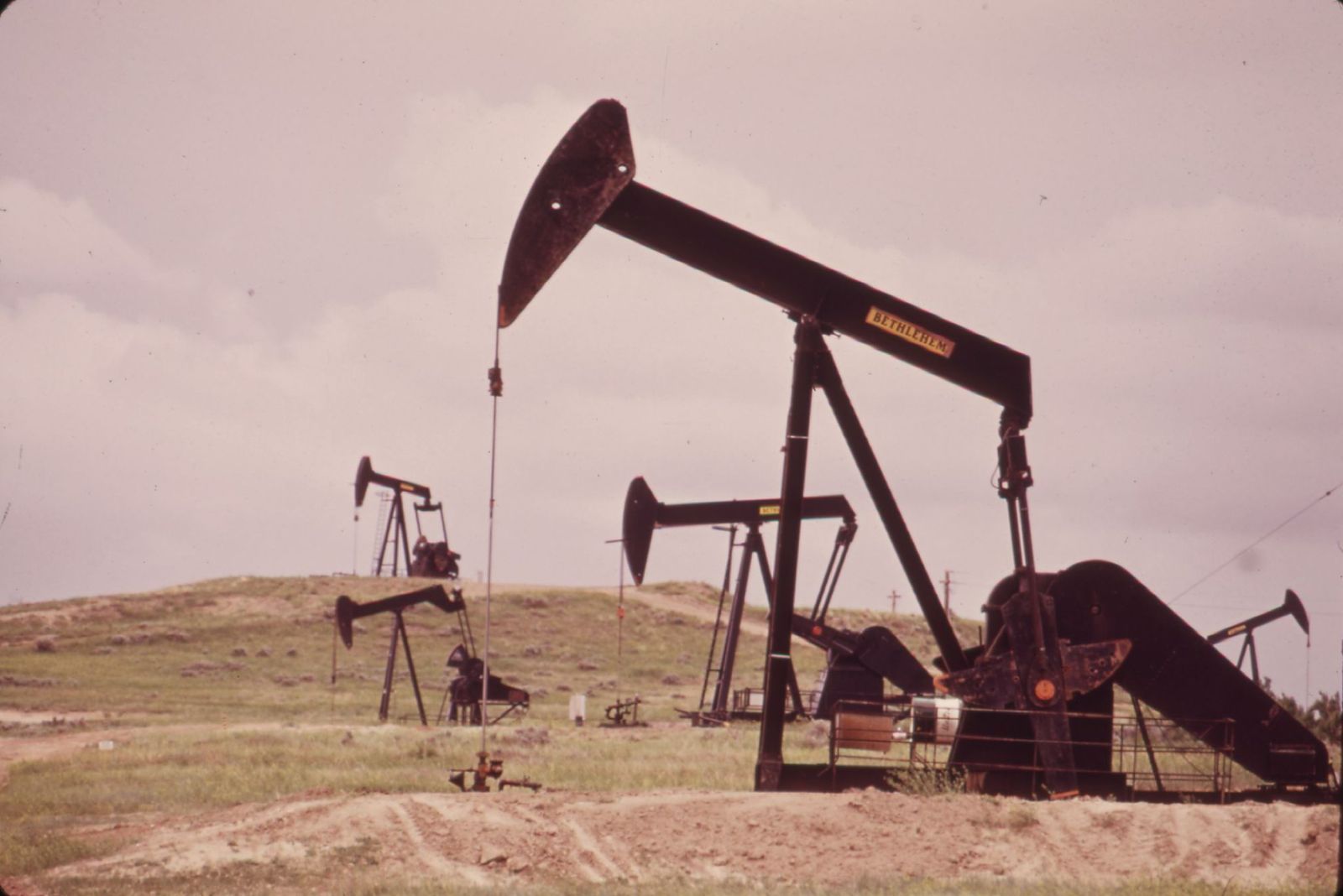
Image: Boyd Norton, Public domain, via Wikimedia Commons

Until Watergate occurred, Teapot Dome was synonymous with political corruption. During the administration of Warren G. Harding, Secretary of the Interior Albert Fall took control of valuable federal oil reserves located at Teapot Dome, Wyoming, and Elk Hills, California.

Instead of opening these fields up for competitive bidding among energy companies, Fall secretly leased the drilling rights to private oil tycoons in exchange for more than $400,000 in bribes.

6
The Chappaquiddick incident (1969)
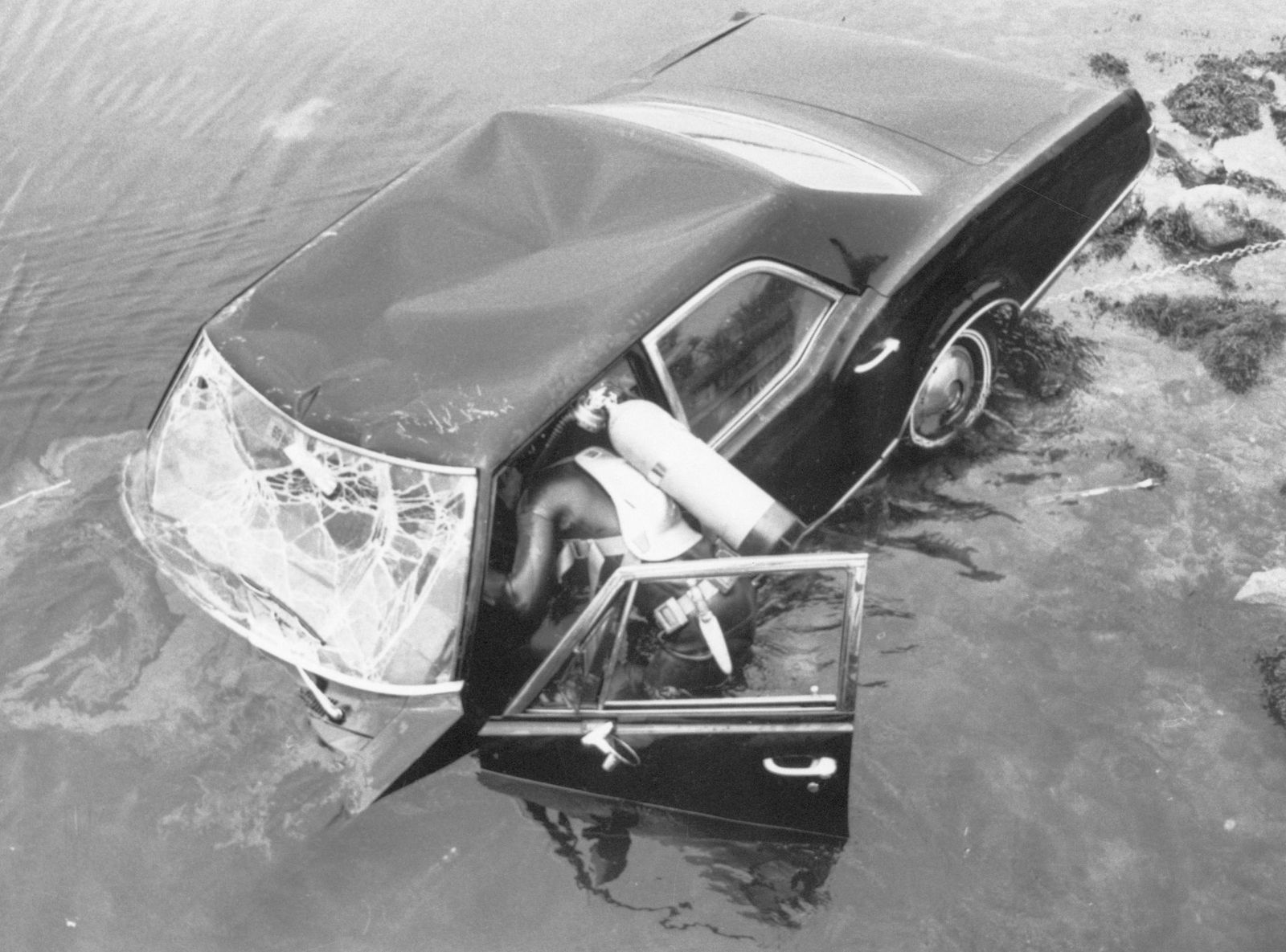
Image: United Press International, Public domain, via Wikimedia Commons

By the mid-20th century, the nature of political scandals shifted. Secrets began to involve personal crisis and tragic losses.

In July 1969, Senator Edward "Ted" Kennedy drove his car off a narrow wooden bridge on Chappaquiddick Island, Massachusetts. The vehicle overturned into a tidal pond, trapping and drowning his passenger, 28-year-old campaign worker Mary Jo Kopechne. Kennedy managed to escape but failed to report the fatal accident to the police for ten hours. Although he eventually pleaded guilty to leaving the scene of an accident, his delayed reaction ended his lifelong presidential ambitions.

7
The Pentagon Papers (1971)
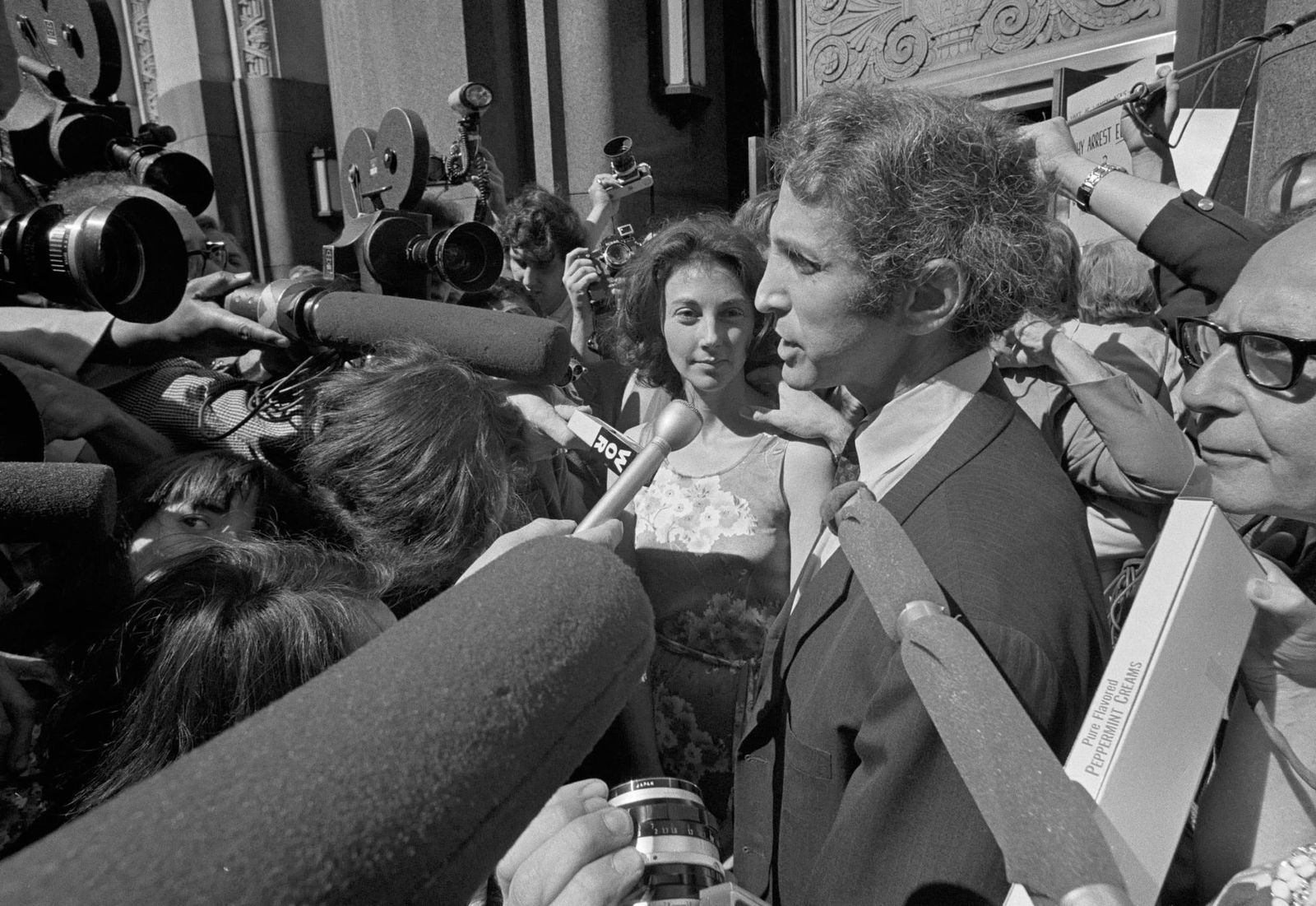
Image: See page for author, Public domain, via Wikimedia Commons

In 1971, military analyst Daniel Ellsberg felt the moral obligation to leak a top-secret 7,000-page Department of Defense study detailing U.S. political and military involvement in Vietnam from 1945 to 1967.

Published by The New York Times , the papers exposed a disturbing truth: successive administrations had systematically lied to both Congress and the American public. The documents proved that the government had expanded the war and increased troop counts while knowing that the conflict was unwinnable. The Supreme Court eventually rejected the government’s attempts to block the leaks, making a victory for freedom of the press.

8
The Watergate scandal (1972–1974)
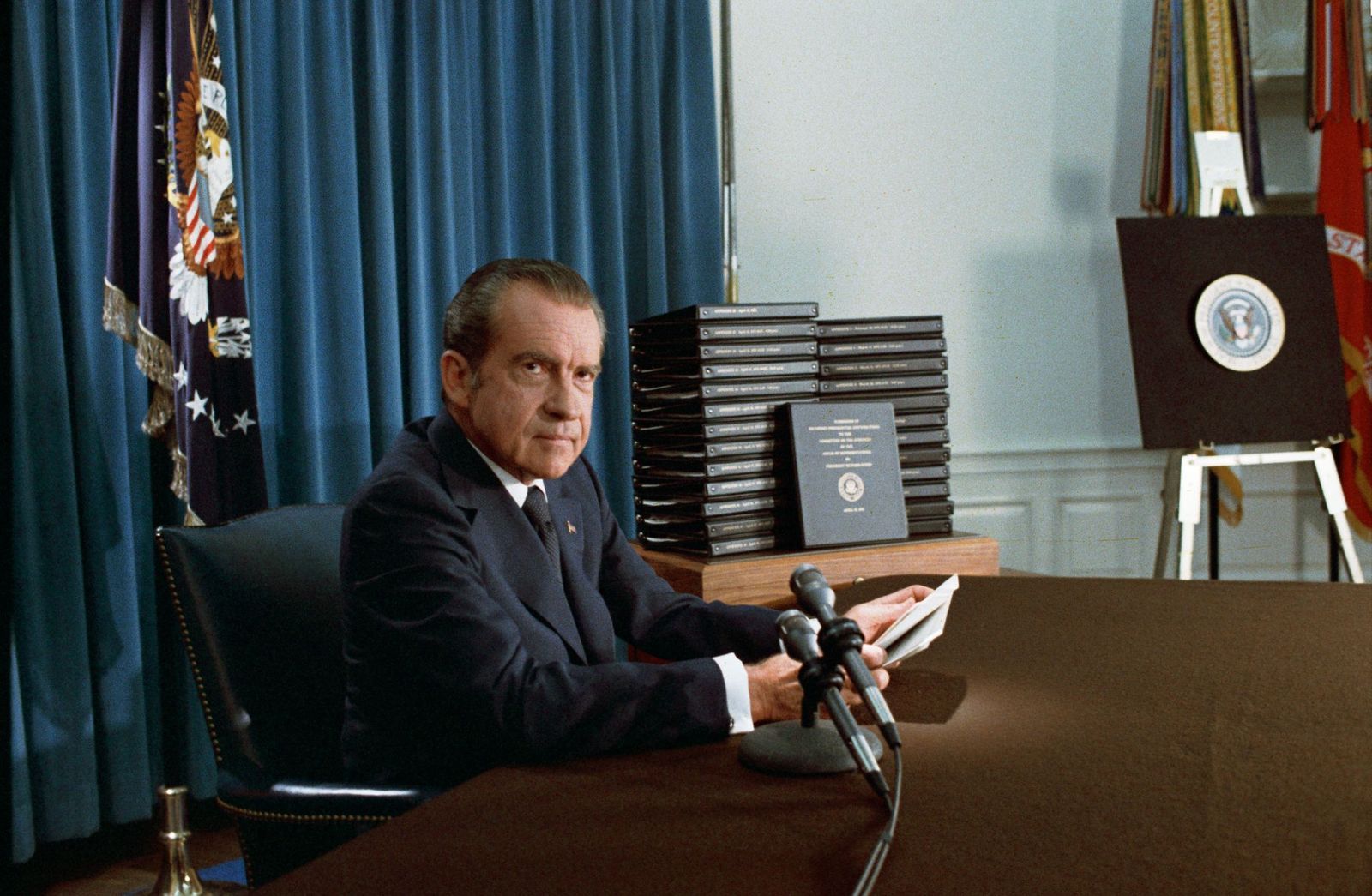
Image: National Archives & Records Administration, Public domain, via Wikimedia Commons

This is, probably, the ultimate American political scandal. In June 1972, five men were arrested breaking into the Democratic National Committee headquarters at the Watergate complex in Washington, D.C.

The break in itself was minor compared to the illegal cover-up orchestrated by President Richard Nixon and his collaborators. From paying hush money to instructing the CIA to block the FBI’s investigation, Nixon’s complicity was exposed via his own secret White House taping system. Facing impeachment and conviction by the Senate, Nixon became the first and only U.S. president to resign from office.

9
The "Keating Five" (Late 1980s)
Image: KonstantinChristian

During the Savings and Loan crisis of the late 1980s, five U.S. Senators—John McCain, Alan Cranston, Dennis DeConcini, John Glenn, and Donald Riegle—came under intense scrutiny.

The group was accused of intervening with federal banking regulators on behalf of Charles Keating, the chairman of Lincoln Savings and Loan, who had contributed to their political campaigns. Lincoln eventually collapsed, costing American taxpayers over $3 billion. Although the Senate Ethics Committee ultimately cleared the senators of corruption, they were publicly condemned.

10
The Bill Clinton–Monica Lewinsky affair (1998)
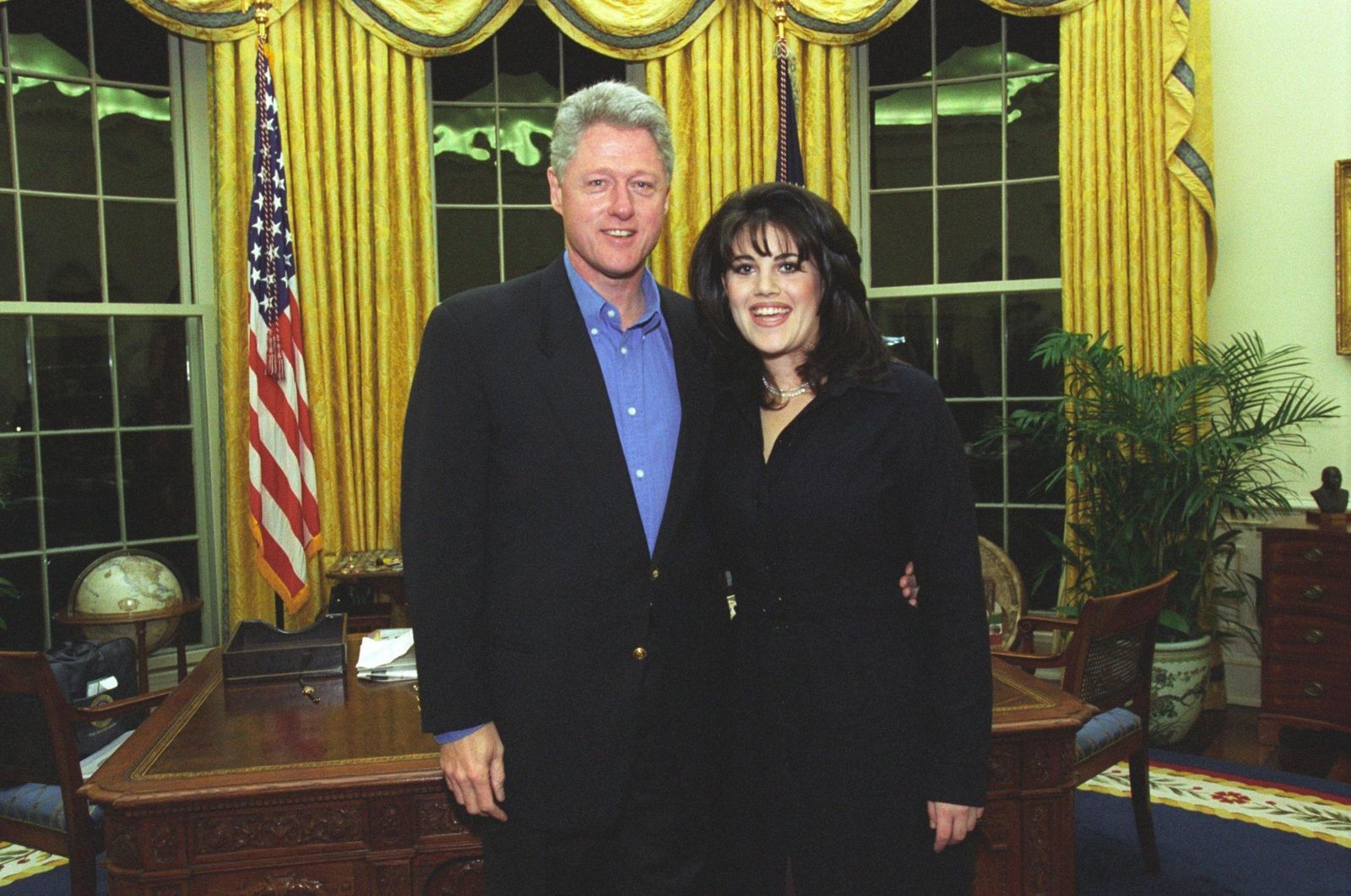
Image: Clinton White House, Public domain, via Wikimedia Commons

The 20th century ended with a scandal that blended personal infidelity with a constitutional crisis. In 1998, news broke that President Bill Clinton had an intimate relationship with a 21-year-old White House intern called Monica Lewinsky.

The affair turned into a legal battle when Clinton denied the relationship under oath during an unrelated sexual harassment lawsuit. The investigation led to Clinton’s impeachment by the House of Representatives on charges of perjury and obstruction of justice. The Senate ultimately acquitted him, yet he couldn’t bypass the media circus.

Geography Geography 3 min read

Which is your favorite season?

Beyond Vermont: Discover 12 amazing places to watch the fall foliage

Image: Pixabay

Everybody knows that Vermont is a popular destination for watching the leaves change color in the fall. However, as locals know, there are many other places in our gorgeous country where one can marvel at the rainbow created by nature during the autumn months. Did you know about these 12?

1
McKenzie River Scenic Byway, Oregon

Image: Atanas Malamov

Oregon is famous for its stunning landscapes, and autumn months are no exception. The McKenzie River Scenic Byway stretches from the vineyards of the Willamette Valley to the forests of the Cascade Mountains .

The best time of the year to visit if you want to enjoy the vibrant colors is mid-to-late October.

2
Charlottesville, Virginia

Image: Mitchell Kmetz

The endless forests and rolling hills of Virginia, especially in the foothills of the Blue Ridge Mountains, create breathtaking landscapes painted in red, orange, yellow, and green during October and November.

3
French Lick West Baden, Indiana

Image: Adam Bouse

Nestled in the hills of Hoosier National Forest, French Lick West Baden is a resort town that showcases some amazing views when it comes to fall foliage . The best time to visit is from mid-October to early November.

4
Mississippi River Valley, Minnesota

Image: Josh Hild

The Mississippi River Valley in southern Minnesota is home to vibrant forests, steep hillsides, and picturesque river towns , waiting to be explored by those eager to make the trip.

The best time to see the foliage change is from late September to mid-October.

5
Breckenridge, Colorado

Image: Thomas Morse

Breckenridge, Colorado, bursts into vivid colors every late September, with the changing leaves of the aspen trees creating a gold, red, and orange rainbow in the heart of the Rocky Mountains.

6
Northwoods, Wisconsin

Image: Dave Hoefler

Thousands of lakes and vast forests that stretch across five counties can be found in the Northwoods of Wisconsin. From mid-September to early October, visitors are treated to some of the best foliage in the region, with vibrant shades of orange, red, yellow, and purple.

7
Highlands, North Carolina

Image: Wes Hicks

Imagine a lush rainforest with waterfalls, rivers, and lakes to explore, combined with the typical colors of the leaf change season. Such a place exists in North Carolina. The mountain town of Highlands, perched at over 4,100 feet on the Highlands Plateau in Nantahala National Forest, offers breathtaking fall foliage, with the best viewing time in mid-October.

8
Whidbey Island, Washington

Image: Toan Chu

Washington’s ultimate road trip, the Cascade Loop, winds along the Puget Sound via the Whidbey Island Scenic Byway . Peak fall colors along this drive commonly occur between late September and mid-October showcasing brilliant shades of gold, orange, and red.

9
Tunnel of Trees, Michigan

Image: AJ Yorio

A place known as the Tunnel of Trees will hardly disappoint visitors who come during the foliage change season. This 20-mile scenic route follows the historic Michigan 119 highway between Harbor Springs and Cross Village . The canopy of gold, orange, yellow, and purple leaves is typically on display from late September to mid-October.

10
North Lake Tahoe, California & Nevada

Image: Ben Carless

The stunning Lake Tahoe is framed by the peaks of the Sierra Nevada range on its north shore. Its hundreds of hiking trails wind through diverse tree species that display vivid red, orange, and yellow foliage from mid-September to late October.

11
The Ozarks, Arkansas

Image: Derek Livingston

The Ozark Mountains are most famous for their neighboring lake of the same name, but the amazing autumn colors are a spectacle that deserves all the attention during October. The palette of bright golds, reds, and oranges is especially stunning in the Buffalo National River area near the small town of Ponca.

12
Anchorage to Kenai drive, Alaska

Image: Derek Livingston

Alaska is nothing short of breathtaking, and fall is no exception. Its vast landscapes come alive with vibrant shades of red, purple, yellow, and orange from late August through September.

One of the best ways to experience the season is on the 160-mile drive along the Seward and Sterling highways from Anchorage to Kenai, following two National Scenic Byways.

Culture Culture 5 min read

Even show business had to start somewhere

From Rudy Vallee to Screamin’ Jay Hawkins: 10 Early American pop stars

Image: Papa Yaw

Colorful singers who stand out from the rest of the music band have been around for a long time, but it wasn’t until the arrival of live microphones that their contributions could be recognized for more than just a powerful voice; their nuances could play a bigger role in their live acts. The list of these sonic pioneers is very long, and for the sake of brevity, we are narrowing it down to ten entries. If some of these names pique your curiosity, we encourage you to give them a listen. After all, they didn’t get this big for nothing!

1
Josephine Baker

Image: Richie Lugo

Josephine Baker was the first Black woman to star in a major motion picture , the 1927 French silent film Siren of the Tropics . During her early career, Baker was among the most celebrated performers to headline the revues of the Folies Bergère in Paris. Her performance in the 1927 revue Un vent de Folie caused a sensation in the city. Her costume, consisting only of a short skirt made of artificial bananas and a beaded necklace, became an iconic image and a symbol both of the Jazz Age and the Roaring Twenties.

Baker was celebrated by artists and intellectuals of the era, who variously dubbed her the "Black Venus," the "Black Pearl," the "Bronze Venus," and the "Creole Goddess." She aided the French Resistance during World War II, and after the war, she was awarded the Resistance Medal by the French Committee of National Liberation, the Croix de Guerre by the French military, and was named a Chevalier of the Legion of Honour by General Charles de Gaulle.

2
Rudy Vallée

Image: Matt Botsford

Rudy Vallée was the first male singer to rise from local radio broadcasts in New York City to national popularity as a "crooner." He had a thin, wavering tenor voice and seemed more at home singing sweet ballads than jazz songs. But his singing, saxophone playing, and the innovative arrangements he wrote for his band attracted the attention of a rapidly increasing number of listeners, especially young women.

Singers needed strong voices to fill theaters in the days before microphones. Crooners had soft voices that were suited to the intimacy of radio; the microphones, in this case, promoted direct access to "a vulnerable and sensuous interior," or, in other words, "a conjured intimacy." Vallée was one of the first celebrity radio vocalists.

3
Bobby Darin

Image: Jack Sharp

Bobby Darin was an American teen idol and, later, an adult crooner who, in 1958, co-wrote and recorded his first million-selling single, "Splish Splash," followed by "Dream Lover" and his covers of "Mack the Knife" and "Beyond the Sea," which brought him worldwide fame.

In the early 1970s, his health was beginning to fail due to a weak heart. The knowledge of Darin's vulnerability had always spurred him on to use his musical talent while still young. Darin died in 1973 at the age of 37 in a hospital recovery room after having open-heart surgery in Los Angeles.

4
Keely Smith

Image: Harry Shelton

American jazz and popular music singer Keely Smith performed and recorded extensively in the 1950s with her then-husband Louis Prima , and throughout the 1960s as a solo artist. The couple were stars in the entertainment business, including stage, television, motion pictures, hit records, and cabaret acts.

They won a Grammy in 1959, its inaugural year, for their smash hit, "That Old Black Magic," which remained on the charts for 18 weeks.

5
The Ink Spots

Image: Jorge Flores

The first band on the list, the Ink Spots was an American vocal pop group who gained international fame in the 1930s and 1940s due to their unique musical style, which predated rhythm and blues and doo-wop .

On January 12, 1939, the Ink Spots recorded "If I Didn't Care," one of their biggest hits, selling over 19 million copies and becoming the 8th-best-selling single of all time. Since they disbanded in 1954, there have been well over a hundred vocal groups calling themselves "The Ink Spots," with and without any original members of the group.

6
Ella Fitzgerald

Image: zachrie friesen

A frequent collaborator of the Ink Spots, Ella Fitzgerald was a singer, songwriter, and composer, sometimes referred to as the "First Lady of Song," the "Queen of Jazz," and "Lady Ella." She was noted for her purity of tone, impeccable diction, phrasing, timing, intonation, absolute pitch, and a "horn-like" improvisational ability, particularly in her scat singing.

Outside her solo career, she recorded music with Louis Armstrong, Duke Ellington, and the aforementioned Ink Spots. These partnerships produced songs such as "Dream a Little Dream of Me," "Cheek to Cheek," "Into Each Life Some Rain Must Fall," and "It Don't Mean a Thing (If It Ain't Got That Swing)."

7
Bing Crosby

Image: Alexander Wark Feeney

A one-man orchestra, Bing Crosby was a singer, actor, television producer, radio personality, and businessman. The first multimedia star , he was one of the most popular and influential musical artists of the 20th century worldwide.

In 1948, American polls declared him the "most admired man alive," ahead of Jackie Robinson and Pope Pius XII. That same year, Music Digest estimated that Crosby's recordings filled more than half of the 80,000 weekly hours allocated to recorded radio music in America.

Crosby is one of 33 people to have three stars on the Hollywood Walk of Fame , in the categories of motion pictures, radio, and audio recording.

8
Perry Como

Image: Oscar Sutton

Perry Como was an American singer, actor, and television personality who sold over 100 million records worldwide and pioneered a weekly musical variety television show. His weekly television shows and seasonal specials were broadcast around the world. He recorded primarily vocal pop and was renowned for his recordings in the intimate, easy-listening genre pioneered by our newly acquainted friend, Bing Crosby.

In the official RCA Records memorial in Billboard magazine, his life was summed up in these few words: "50 years of music and a life well lived. An example to all."

9
Nina Simone

Image: Artem Bryzgalov

A bigger-than-life figure, Nina Simone was a singer, songwriter, pianist, composer, arranger, and civil rights activist whose piano playing was strongly influenced by baroque and classical music, and accompanied by expressive, jazz-like singing in her contralto voice .

Early in her career, Simone played piano at a nightclub in Atlantic City, where she was told that she would have to sing to her accompaniment. This effectively launched her career as a jazz vocalist. Simone also became known for her work in the civil rights movement during the 1950s and 1960s, and she later fled the United States and settled in France following the assassination of her friend Martin Luther King Jr. in 1968.

10
Screamin’ Jay Hawkins

Image: Music HQ

The closer of this list is one of the most colorful characters in American music. "Screamin' Jay" Hawkins was a singer-songwriter, musician, actor, film producer, and boxer, best known for his powerful, shouting vocal delivery and wildly theatrical performances with macabre props onstage, making him an early pioneer of shock rock.

Screamin’ Jay’s most successful recording, "I Put a Spell on You," was created when the entire band was intoxicated during a recording session where "Hawkins screamed, grunted, and gurgled his way through the tune with utter drunken abandon." The resulting performance became his greatest commercial success and reportedly surpassed a million copies in sales.

Explore more American facts

Choose your favorite category!

General
General

As American as apple pie—the very best America has to offer!

Culture
Culture

Delve into the astounding richness of American lore.

Geography
Geography

Hop in and explore vast and diverse American landscapes.

History
History

Discover the key moments that shaped the United States.