Culture Culture 5 min read

Off-screen talent

What instrument was Jimmy Stewart known to bring to movie sets?
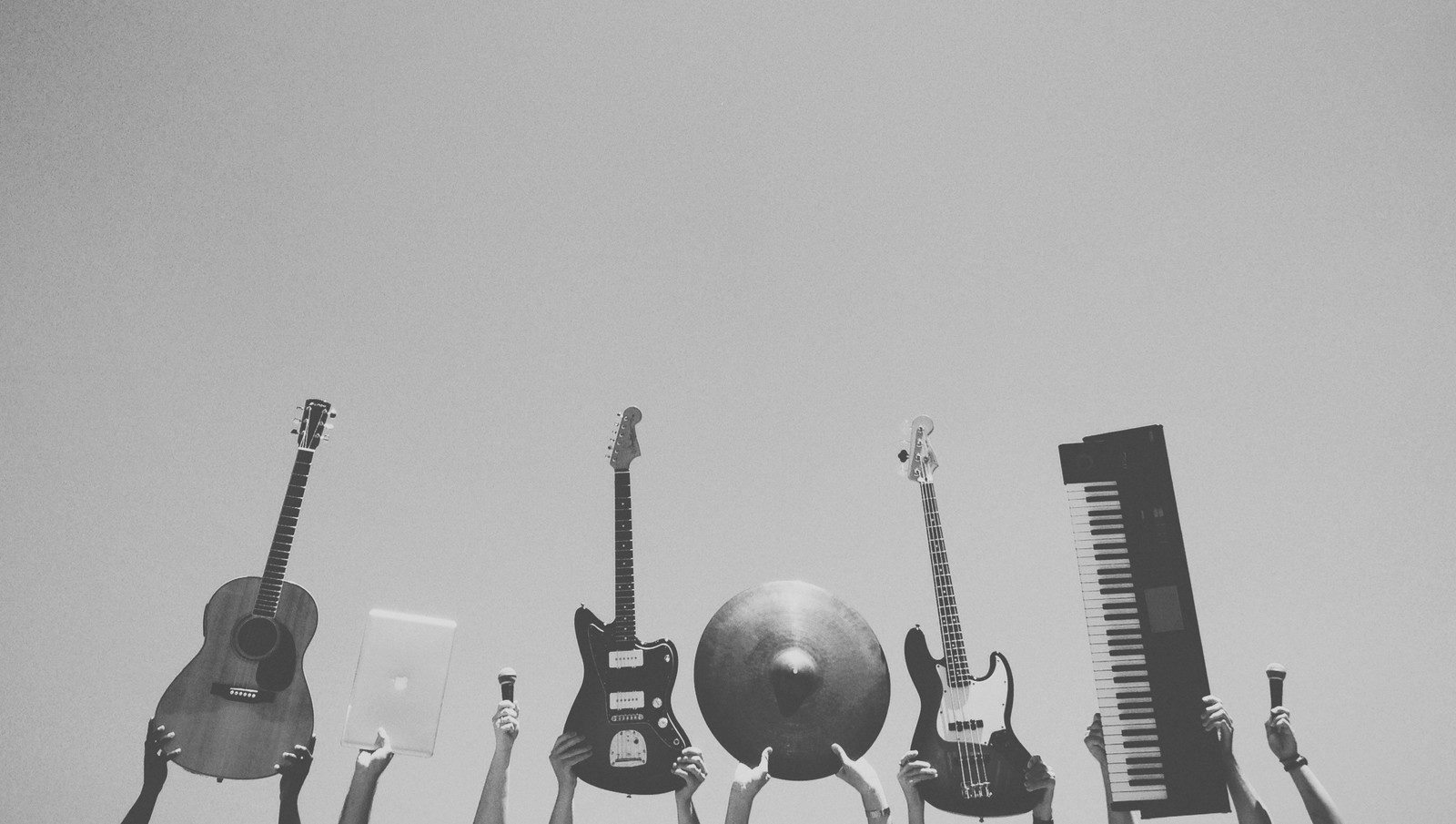
Image: Caleb George

Long before it became fashionable for celebrities to branch out into other media, there were already well-known figures in Hollywood with impressive musical abilities hidden behind their fame. Actors, comedians, and even talk show hosts often revealed surprising talent in playing instruments, writing songs, or stepping into a recording studio. For some, music was a personal interest pursued in private; for others, it was part of an early career path. Whether performing for an audience or simply playing at home, these 12 individuals remind us that artistic talent often runs deeper than what we see on screen or stage.

1
Charlie Chaplin
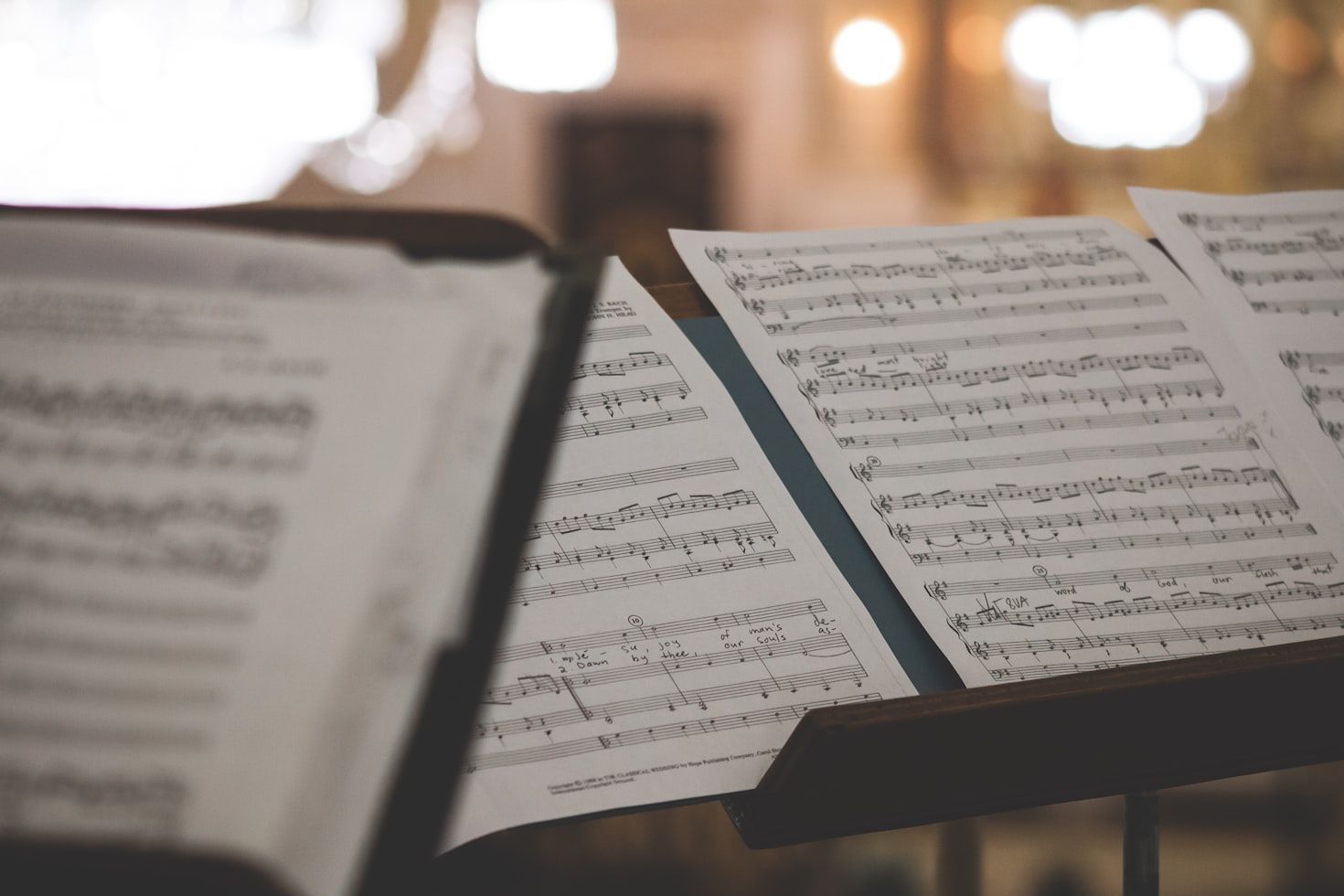
Image: Sigmund

Charles Chaplin was far more than a slapstick icon; he was also a gifted, self-taught composer. Despite never learning to read music, he had an exceptional ear and a deep love for melody. He personally created the musical scores for many of his films, ensuring every note matched his vision. One of his most enduring compositions, "Smile," was later turned into a beloved ballad recorded by Nat King Cole, Michael Jackson, and many others. Did you know that?

2
Clint Eastwood
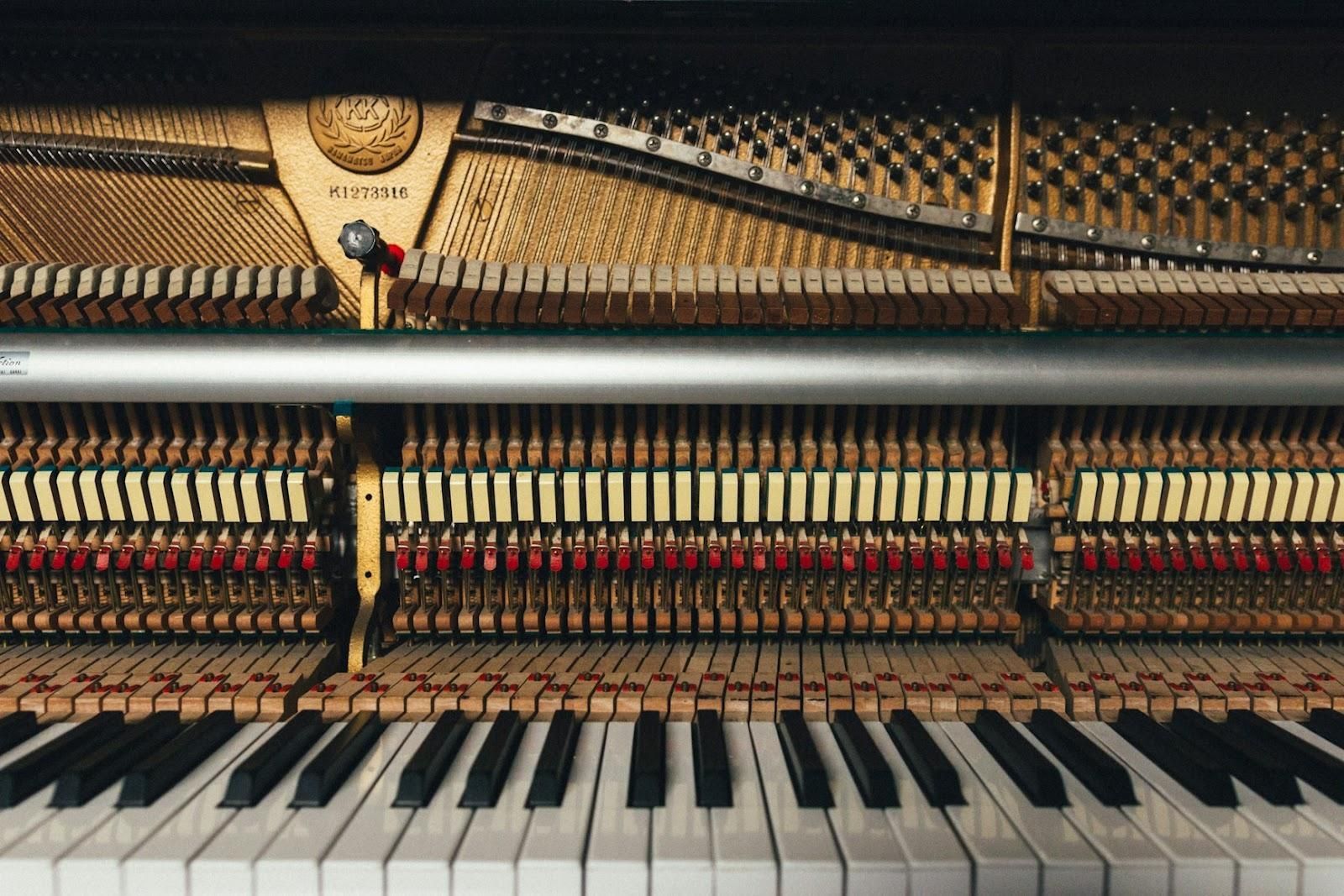
Image: Markus Gjengaar

Known for his lone-wolf type characters and acclaimed work behind the camera, Clint Eastwood also has a deep love for jazz that has shaped much of his personal and creative life. A skilled piano player, Eastwood doesn’t just tinker with the keys—he plays with real finesse. He’s even composed original scores for several of his own films, including Mystic River and Million Dollar Baby . At home, his Steinway grand piano sits surrounded by a carefully curated vinyl collection, a tribute to the music that inspires him.

3
Mae West

Image: Clo Art

Long before anyone coined the term "multi-hyphenate," Mae West was already doing it all. A screen legend and the epitome of 1930s allure, she wasn’t just known for her wit and curves—she also had serious musical chops. Her signature sultry voice was famous, but did you know she also composed music and wrote her own lyrics? She even experimented with rock ’n’ roll in the 1960s, releasing albums well into her seventies. True to form, her songs—like her film scripts—were brash, playful, and unapologetically ahead of their time.

4
Jimmy Stewart
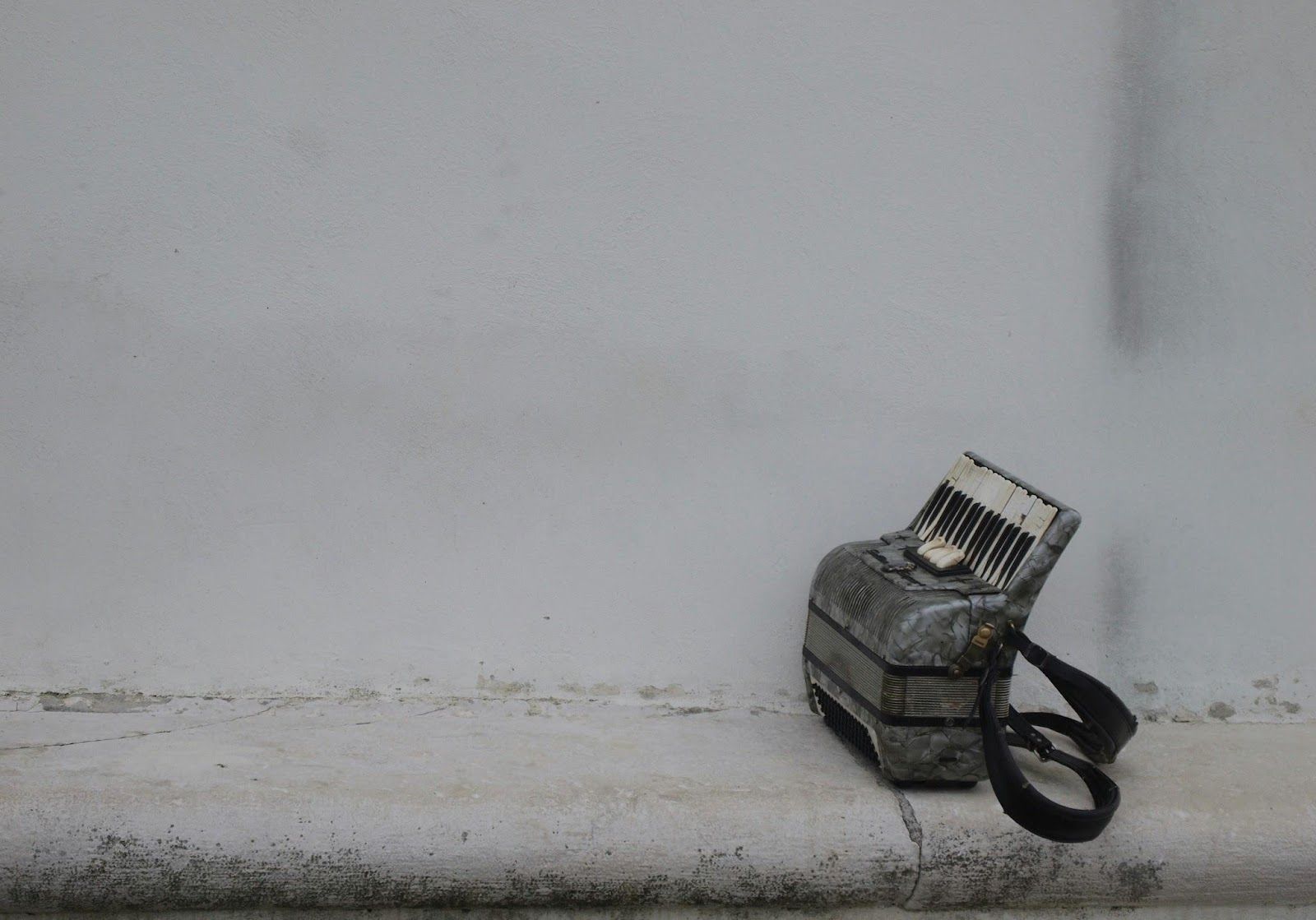
Image: Tomas Tuma

Beyond his warm, everyman charm, Jimmy Stewart had a lesser-known talent: playing the accordion. Though he never pursued it professionally, the instrument was his faithful companion. He often brought it to movie sets, entertaining cast and crew during breaks. For Stewart, music wasn’t about showmanship but a way to unwind and create a friendly atmosphere wherever he went.

5
Jerry Lewis
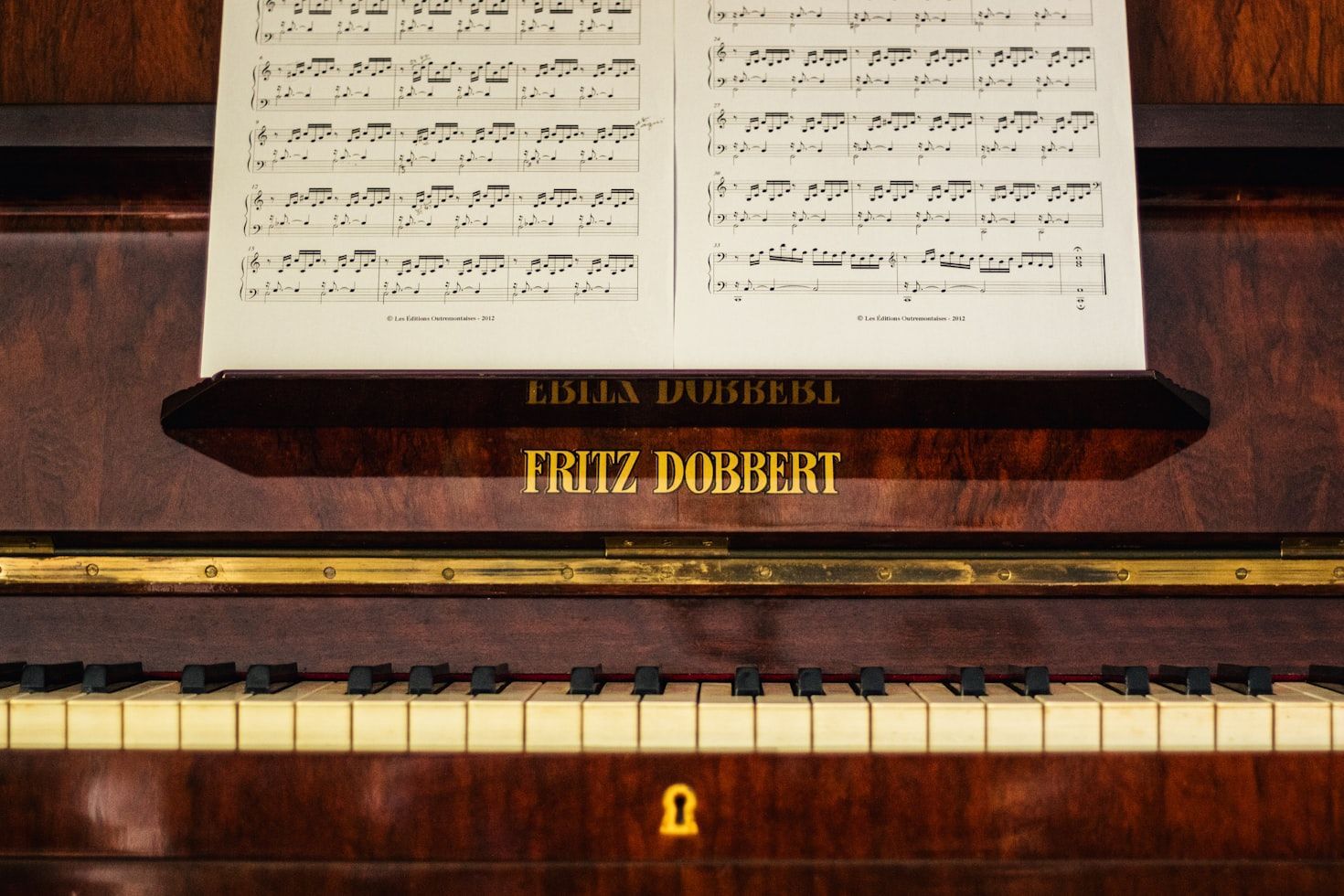
Image: Stéfano Girardelli

Renowned for his wild antics and legendary comedy duo with Dean Martin, Jerry Lewis was more than just a funny man—he was also a talented, self-taught pianist. He began playing as a child and kept music close throughout his career, often incorporating piano interludes into his routines. Beyond the stage, Lewis composed original pieces for films and television specials, showcasing a musical side that many fans may not even know about.

6
Meryl Streep

Image: Stefany Andrade

Meryl Streep may be the queen of acting, but long before she stepped in front of a camera, she was busy mastering the violin. As a young woman, she studied classical violin passionately, developing not just technique but a deep appreciation for music. Though she didn’t pursue it professionally, her early training paid off in unexpected ways—giving her the confidence and credibility to tackle musically demanding roles later in life, such as the hilariously off-key opera singer in Florence Foster Jenkins or the show-stopping mother in Mamma Mia!

7
Paul Robeson
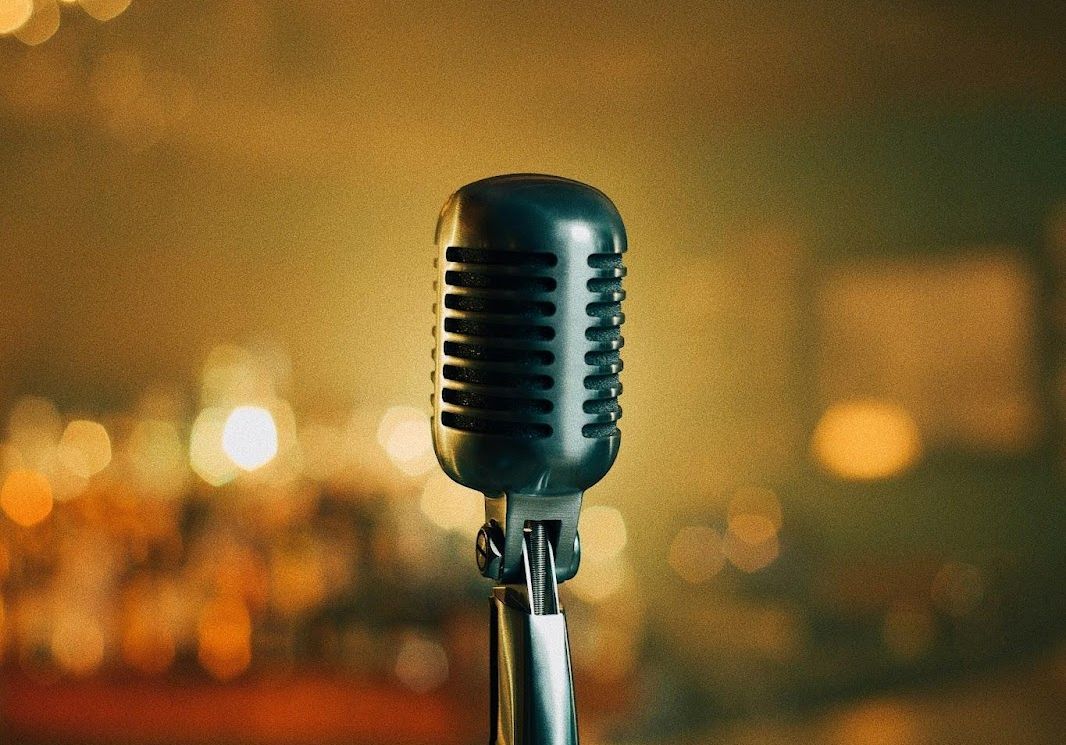
Image: Yoel J Gonzalez

More than just a performer, Robeson was a powerful voice —both literally and politically. His booming bass made "Ol’ Man River" unforgettable, but his musical talent went far beyond that. A trained singer and accomplished actor, he viewed art as a force for justice. Fluent in over 20 languages, Robeson performed around the world, using his voice not only to entertain but also to speak out against racism and inequality wherever he went.

8
Johnny Carson
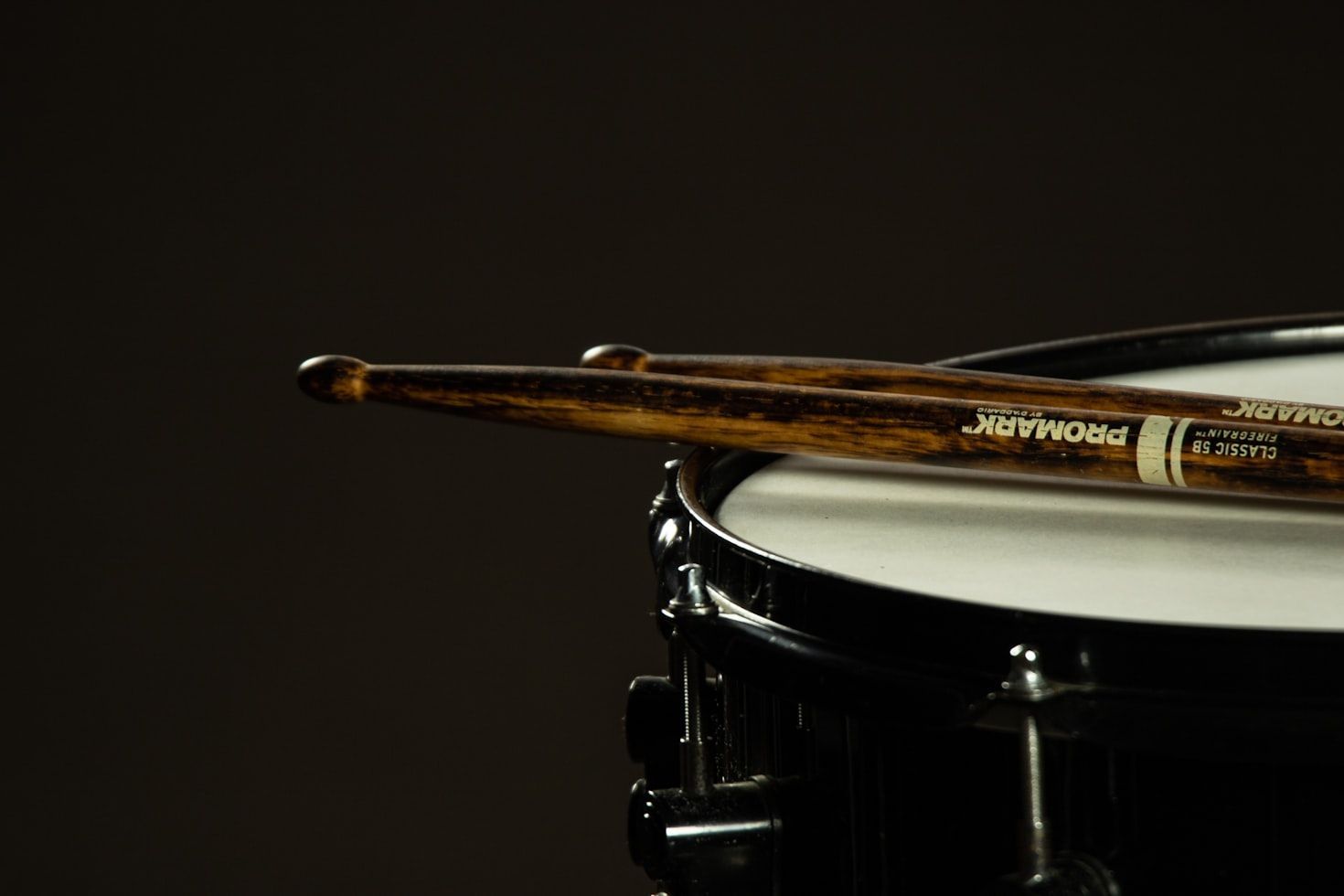
Image: Brent Ninaber

Best known as the face of The Tonight Show , Johnny Carson also had rhythm running through his veins. A lifelong music lover, he took up the drums as a boy and never lost the habit. While he never pursued it professionally, he occasionally surprised audiences by sitting in with the studio band for a quick jam—a subtle reminder that behind the suit and tie was a performer with more than one talent.

9
Anthony Quinn
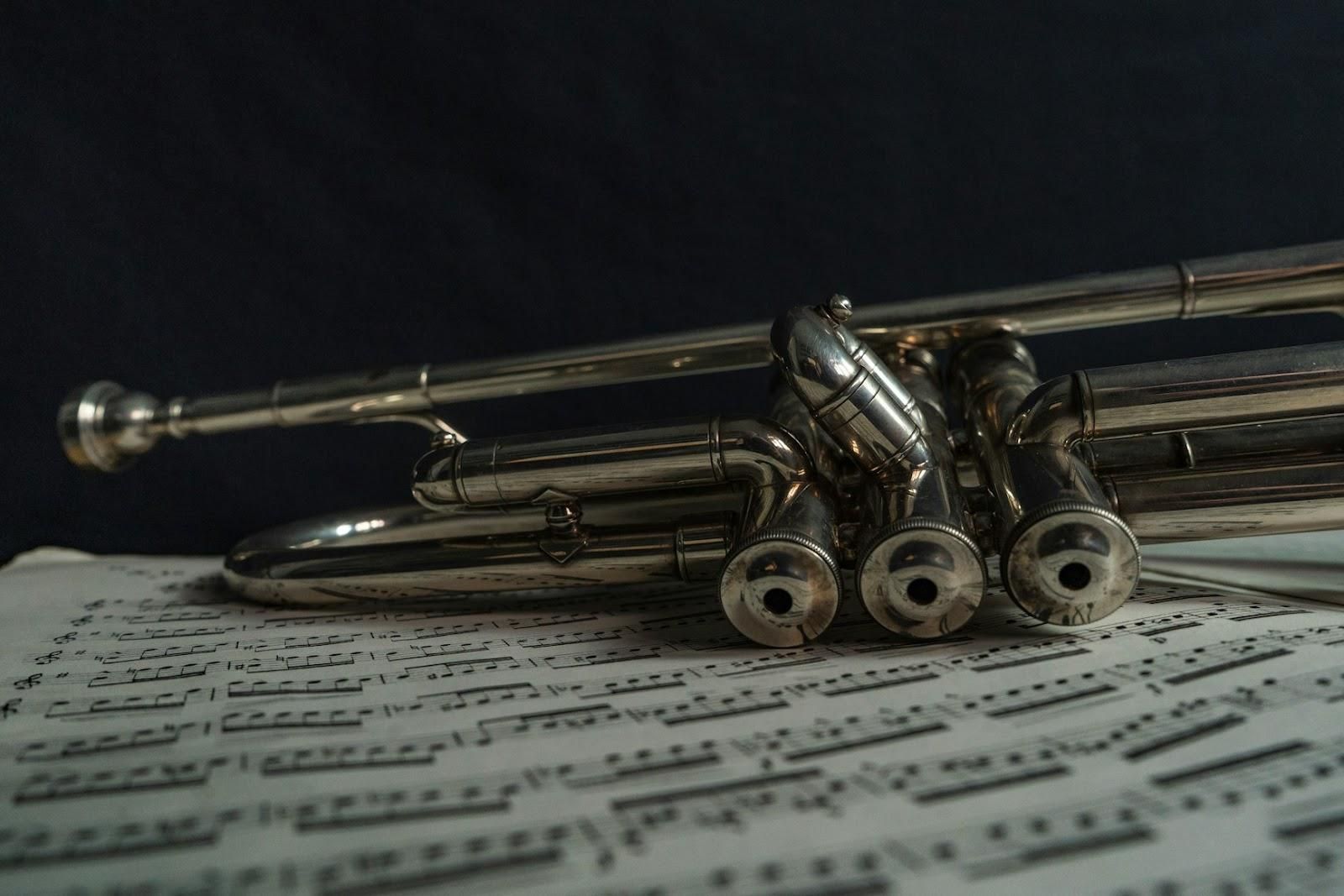
Image: Eric Awuy

Long before captivating audiences as Zorba the Greek, Anthony Quinn was making noise in a completely different way. Born in Mexico and raised in Los Angeles, he picked up the trumpet and saxophone, playing in local jazz bands to earn money and express himself creatively. Music was his first love, and although acting eventually took center stage, those early musical roots stayed with him throughout his life.

10
Jack Lemmon
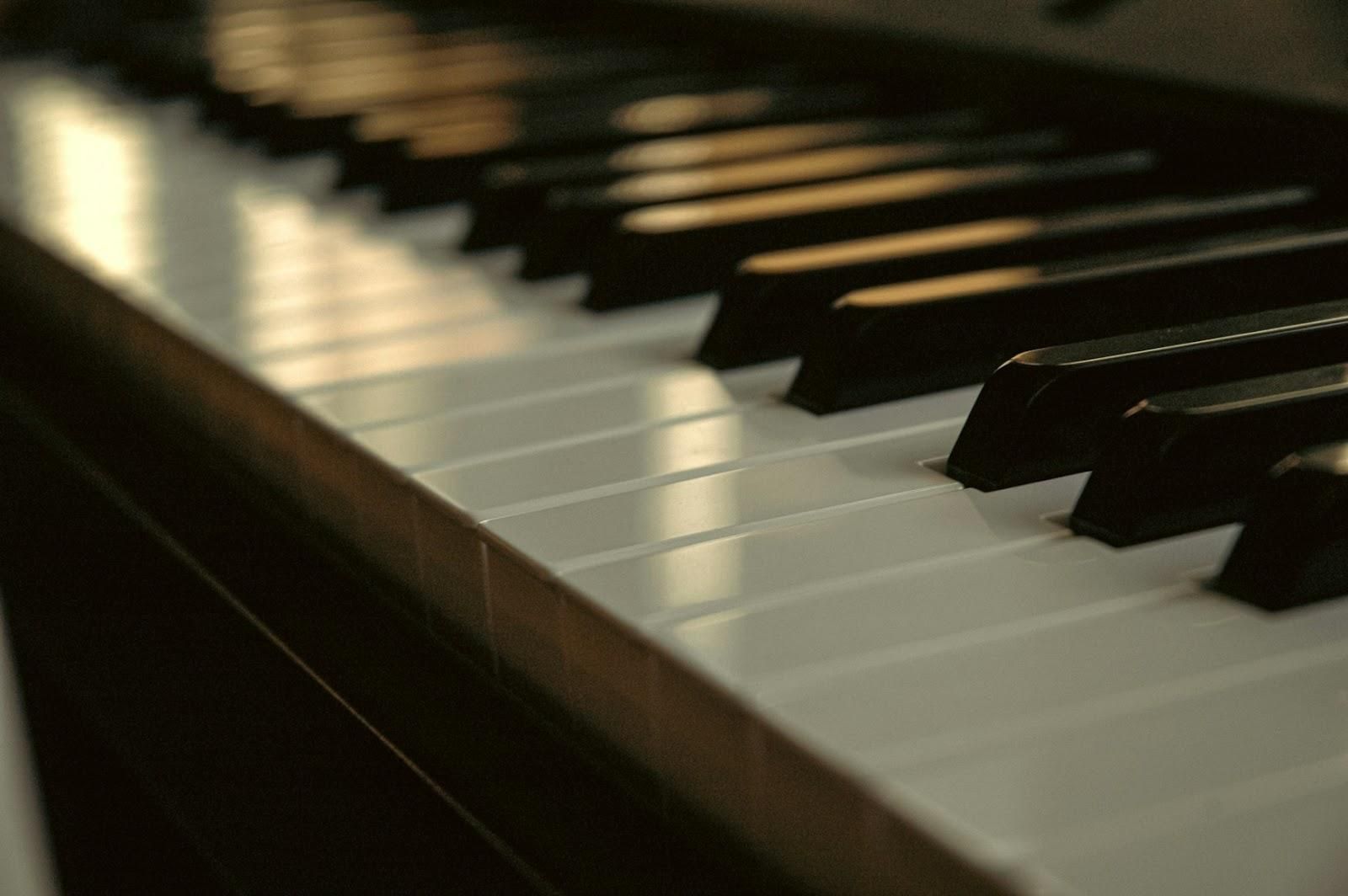
Image: Rohit Tandon

Beloved for his wit and warm on-screen charisma, Jack Lemmon had another talent up his sleeve: he was a gifted pianist. Audiences who saw him on talk shows were often treated to impromptu performances, where he’d sit down at the piano and play with real flair. It wasn’t just a party trick—music was a lifelong passion for Lemmon, a source of joy, and a way to express himself beyond the roles he played. Whether behind the keys or in front of the camera, his genuine charm always shone through.

11
Steve Martin
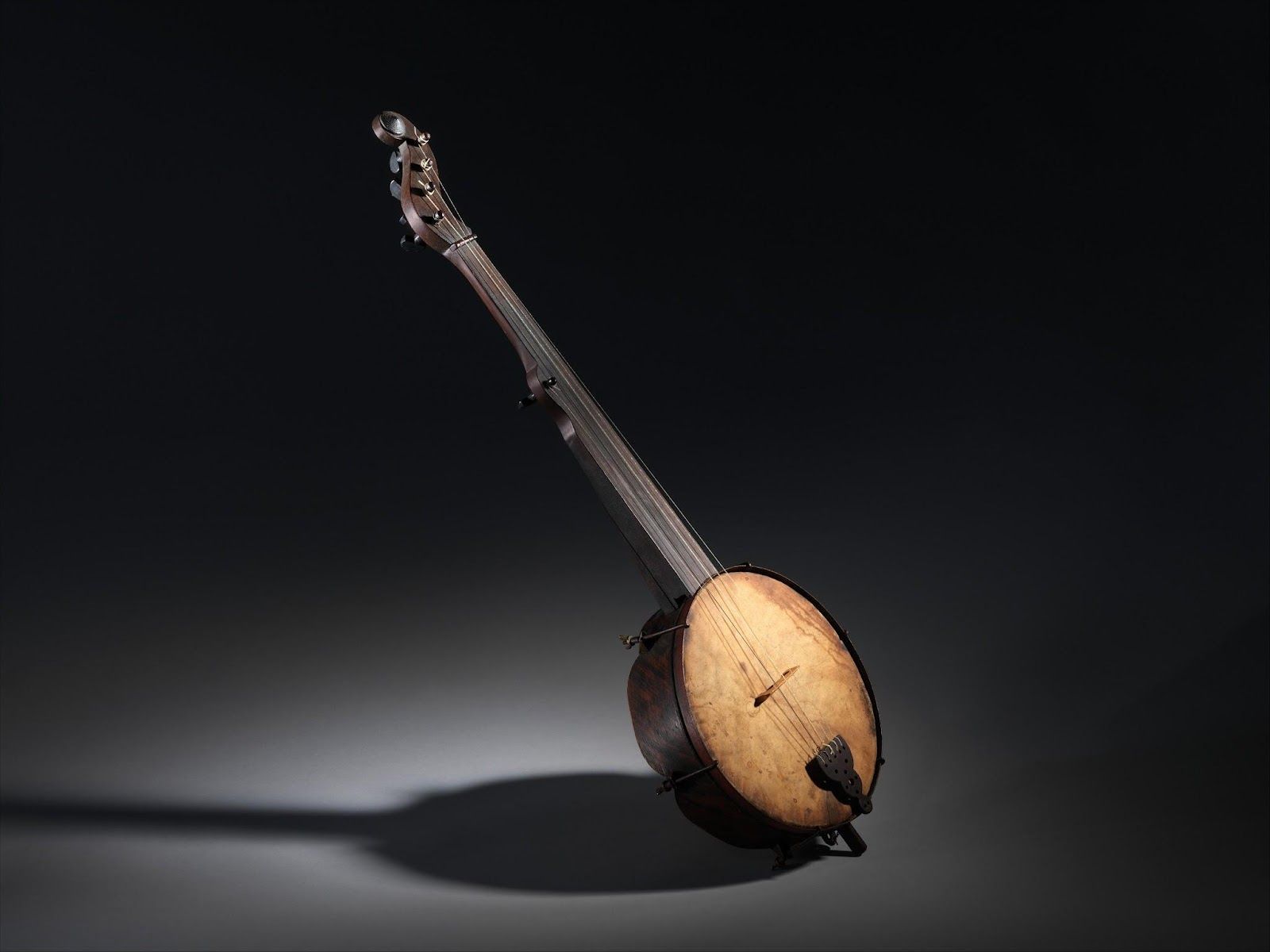
Image: Metropolitan Museum of Art, CC0, via Wikimedia Commons

Long before he became a household name with comedies like The Jerk , Steve Martin was already strumming the banjo with remarkable skill. What began as a teenage hobby grew into a lifelong passion for bluegrass. He has recorded several albums, earning multiple Grammy Awards, and shared the stage with legends like Earl Scruggs and Dolly Parton. Not just a performer, Martin also founded a nonprofit to support up-and-coming banjo players and keep the tradition alive.

12
Julie Andrews
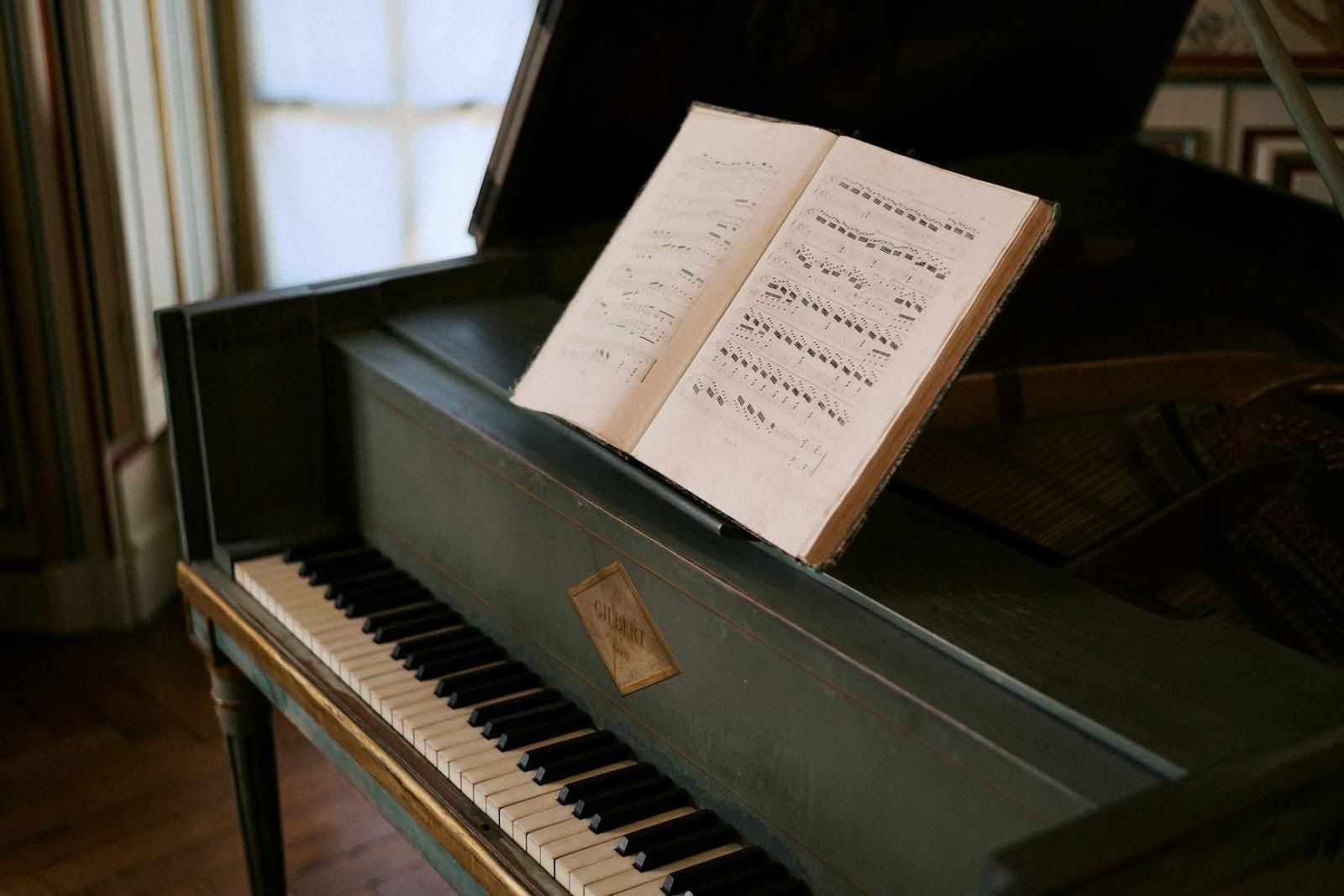
Image: The Now Time

We can’t wrap up this list without tipping our hat to the great Julie Andrews. Most folks remember her as the angel-voiced Maria from The Sound of Music , but did you know she’s also a talented pianist? Trained in music from an early age, her time at the piano helped shape her legendary perfect pitch. Later in life, she often sat down to compose music—sometimes even teaming up with her daughter to create songs for children. A true class act, on and off the screen!

History History 3 min read

Have you experienced any coincidences?

12 incredible coincidences in American history

Image: Library of Congress

A coincidence is a remarkable concurrence of events or circumstances without an apparent causal connection. Most of us experience coincidences regularly, but they tend to be more ordinary—like discovering you’re wearing the same sweater as someone else in the room. The following 12 examples are much more extreme, and some even seem unbelievable, even though they are true. Read on and prepare to be amazed!

1
A Presidential curse

Image: David Everett Strickler

For almost 140 years, U.S. presidents elected in years ending in zero died while in office. It happened to William Henry Harrison (elected in 1840, died in 1841), Abraham Lincoln (elected in 1860, died in 1865), James A. Garfield (elected in 1880, died in 1881), William McKinley (re-elected in 1900, died in 1901), Warren G. Harding (elected in 1920, died in 1923), Franklin D. Roosevelt (elected to a third term in 1940 and a fourth in 1944, died in 1945), and John F. Kennedy (elected in 1960, died in 1963). Ronald Reagan, elected in 1980, broke the curse by surviving an assassination attempt.

2
Mark Twain and Halley’s Comet

Image: Justin Wolff

In the year Mark Twain was born, 1835, Halley’s Comet passed by Earth. The great writer famously predicted he’d "go out with it" as well . Indeed, he passed away in 1910, the next time the comet appeared.

3
Jefferson and Adams

Image: iStrfry , Marcus

A patriotic yet somber coincidence, indeed. John Adams and Thomas Jefferson, the second and third U.S. presidents, both died on July 4, 1826 —exactly 50 years after the signing of the Declaration of Independence.

4
Hoover Dam’s first and last casualties

Image: Ryan Thorpe

The construction of the Hoover Dam was a long and difficult process, claiming over 100 lives. The first person to die was J.G. Tierney , and the last recorded death was his son , Patrick Tierney.

5
Lincoln and Kennedy

Image: Kelli Dougal

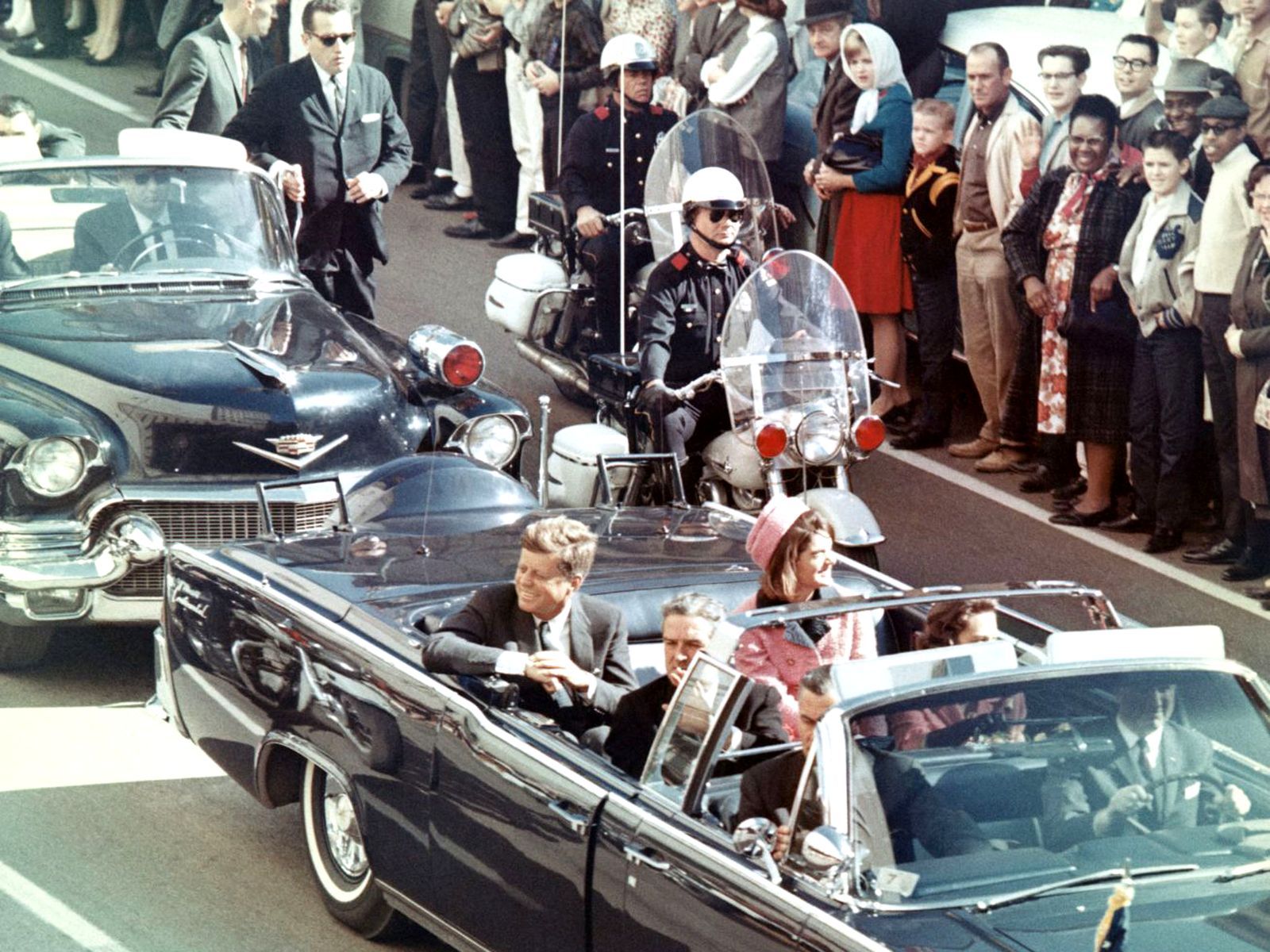
Abraham Lincoln and John F. Kennedy were elected 100 years apart (1860 and 1960). Both suffered fatal head wounds and were succeeded by presidents named Johnson. Their assassins each had three names: John Wilkes Booth and Lee Harvey Oswald. Both were assassinated on a Friday while sitting next to their wives at the time that it happened.

6
Charles Francis Coghlan’s last journey

Image: Rhodi Lopez

Actor Charles Francis Coghlan died in Texas in 1899. But his casket was lost at sea during a hurricane. Eight years later, his coffin washed ashore near his birthplace in Prince Edward Island, Canada, more than 3,000 miles away.

7
The Titanic coincidence

Image: K. Mitch Hodge

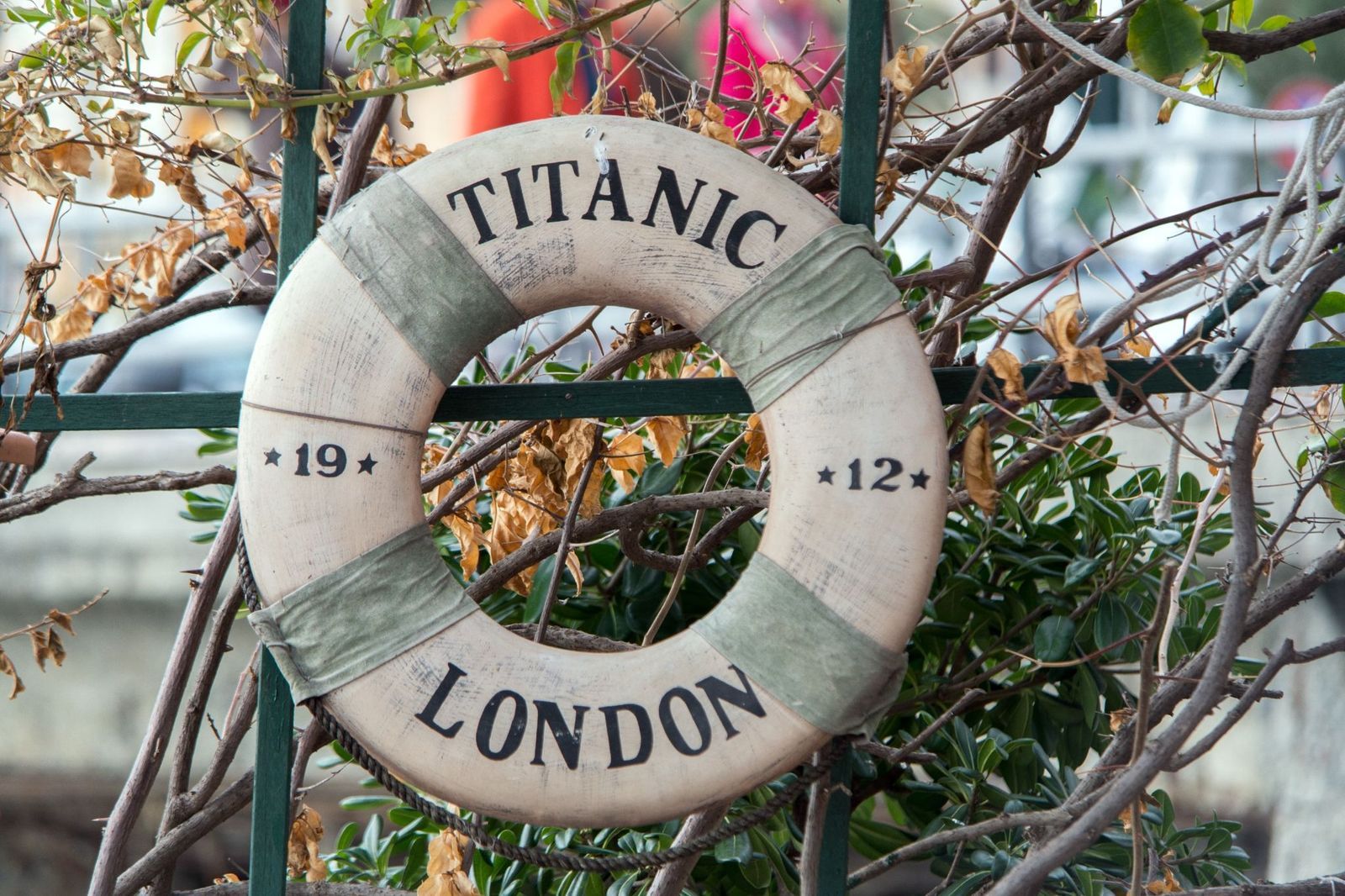
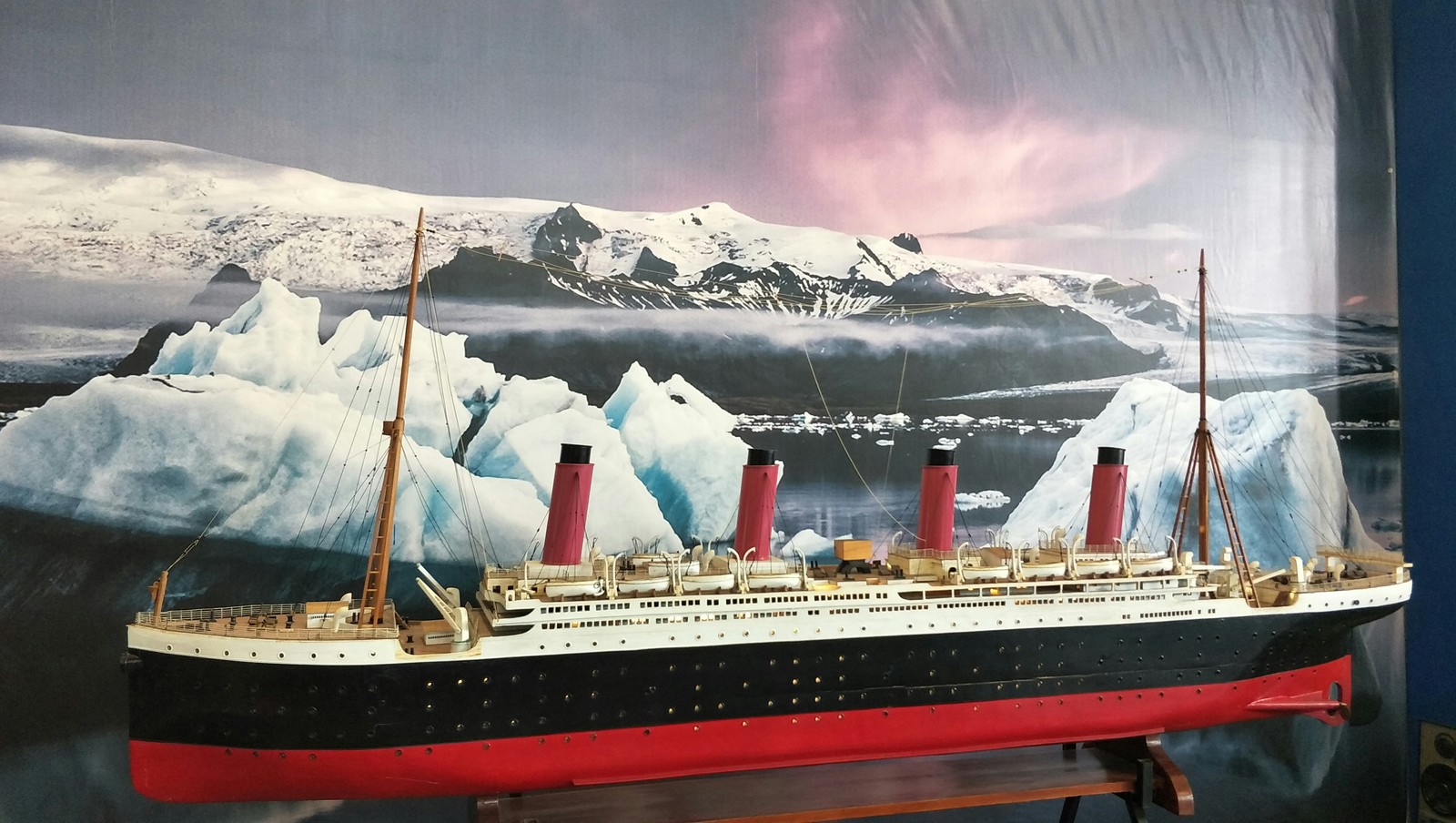
A few years before the Titanic sank, Morgan Robertson wrote a short book called Futility , about a massive "unsinkable" ship called the Titan that hit an iceberg and sank. The tale describes a ship with a similar size and a similar lack of lifeboats to the famous vessel.

8
Dennis the Menace

Image: Mitch Rosen

Two comic strips featuring a character named Dennis the Menace debuted in British and American outlets, respectively, on March 12, 1961—only a few hours apart. However, the two creators did not know each other and had no idea of the other’s work.

9
Jim Lewis and Jim Springer

Image: Vidar Nordli-Mathisen

Identical twin brothers separated at birth , Jim Lewis and Jim Springer, were reunited at age 39 and discovered many coincidences: both married women named Linda , divorced, and then remarried women named Betty. Both had dogs named Toy and drove the same model of car. Both grew up with an adopted brother named Larry and had sons whom they named James Allan.

10
Disney magic

Image: PAN XIAOZHEN

A soon-to-be-married couple, Alex and Donna , were looking through old photos to include in their wedding video. They found one photo of Donna posing on a childhood trip to Disney World in 1980. And in the background, they spotted Alex being pushed in a stroller by his father.

11
Moped meets taxi, twice

Image: Ruslan Bardash

In 1975, 17-year-old Erskine Lawrence Ebbin was struck by a taxi in Bermuda while riding his moped. A year later, his brother Neville , also 17 at the time, was riding the same moped when he was struck by the same taxi —with the same passenger—on the same street.

12
Lightning strike survivor

Image: Felix Mittermeier

Being hit by lightning is an extremely rare occurrence. Park ranger Roy Sullivan was struck not once, but seven times between 1942 and 1977 —and survived them all. The strikes hit him in a fire tower, in his truck, in his yard, while patrolling, and more. His unusual record earned him the nickname "Human Lightning Rod."

General General 4 min read

Not as common as you think

Aren’t doggy bags and tipping not the norm when dining abroad?

Image: Diane Picchiottino

Dining in the U.S. comes with its own set of unwritten rules. Many of these customs feel perfectly normal to Americans, but can surprise visitors from other parts of the world. From how meals are served to how bills are paid, there are many differences that we only notice when we visit other countries. Take a look at 12 of these habits you probably take for granted, but that are uncommon outside of the U.S.

1
Tipping is expected, not optional

Image: Sam Dan Truong

In the U.S., leaving a tip is considered part of the cost of the meal, not a bonus . Diners typically add 15 to 20 percent to the bill, especially in full-service restaurants.

This practice exists because many servers earn lower base wages and depend on tips. In many other countries, service charges are already included in the bill, making the American system feel unusual or even confusing.

2
Free refills are the norm

Image: Roman Kraft

Many American restaurants offer unlimited refills on soft drinks, iced tea, and coffee . Once you order a beverage, it often keeps coming at no extra cost.

Elsewhere, each drink is typically billed separately, and refills are rarely free. For visitors to the U.S., this can feel surprisingly generous compared to their dining experiences at home.

3
Ice comes with everything

Image: Giorgio Trovato

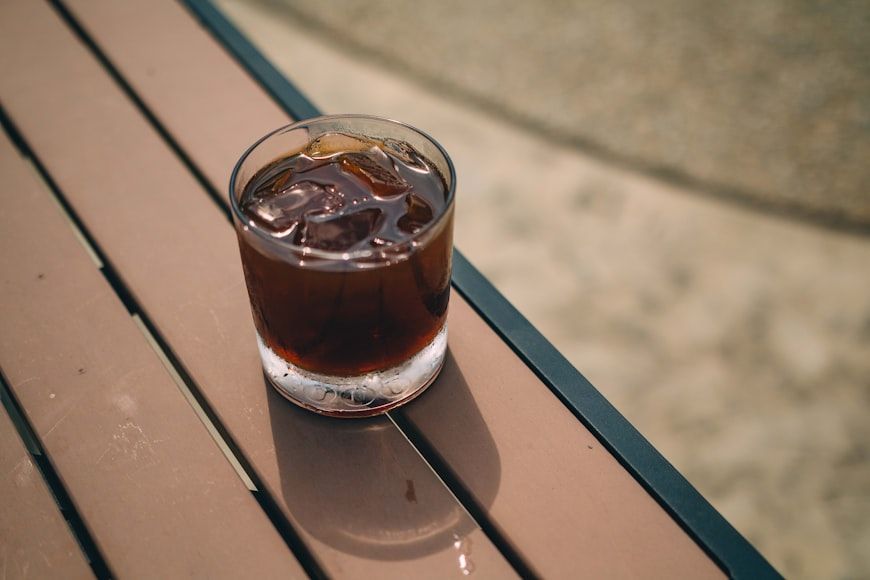
In the U.S., drinks are often served filled with ice, whether it’s soda, water, or even juice . It’s considered a refreshing standard, especially in warmer climates.

In many other countries, ice is used sparingly or avoided altogether. Some people prefer drinks at room temperature, making the American preference for ice stand out immediately.

4
Portions are huge

Image: Sanjip Kadel

American restaurant portions are known for their size. Many meals are large enough to serve more than one person or to provide leftovers for later .

In contrast, other countries tend to serve smaller, more balanced portions. The American approach reflects a culture of abundance, but it can be unexpected for first-time visitors.

5
Taking leftovers home is typical

Image: Roberto Catarinicchia

Asking for a take-home container, also known as a "doggy bag," is a normal part of dining in the U.S. Restaurants are prepared for it, and many people expect to leave with leftovers.

In some countries, this practice is less common or even discouraged. The American "doggy bag" reflects both larger portion sizes and a practical approach to reducing food waste.

6
Waiters check in frequently

Image: Negley Stockman

In the U.S., servers often return to the table several times during a meal . They may ask how everything tastes, refill drinks, or check whether anything else is needed.

While meant to be attentive, this can feel intrusive to foreign visitors. In many other cultures, less interruption is preferred, and diners typically signal the server only when necessary.

7
Customizing your order is normal

Image: Artur Tumasjan

In the U.S., it's common to request changes to a dish, such as removing ingredients or adding extras . Restaurants are usually flexible and expect these requests.

In other parts of the world, altering a menu item may be frowned upon. The American habit reflects a strong emphasis on personal choice and individual preferences.

8
Tap water is served automatically

Image: Sugarman Joe

In American restaurants, a glass of tap water is often brought to the table without being requested . It is typically free and refilled throughout the meal.

In many other countries, bottled water is the default and must be ordered separately.

9
Meals tend to move quickly

Image: Louis Hansel

Dining in the U.S. often follows a faster pace. Food arrives quickly, and the bill may be brought shortly after the meal is finished .

In contrast, in many other cultures, meals are meant to be long, relaxed experiences. The American approach reflects efficiency and a faster daily rhythm.

10
Splitting the bill is common

Image: Vitaly Gariev

In the U.S., restaurants commonly allow separate checks , making it easy for each person to pay their share. This is especially helpful in group settings.

In many other countries, splitting the bill can be more complicated or is actively discouraged. The American system emphasizes convenience and individual responsibility at the table.

11
Sweet foods are common at breakfast

Image: Brian J. Tromp

Breakfast in the U.S. often includes sweet items such as pancakes, waffles, pastries, or cereal, alongside eggs, bacon, and toast. Syrup and sugar are common additions at the start of the day.

In many other countries, breakfasts tend to be exclusively savory, featuring foods like bread, cheese, or eggs. The American preference for sweetness can feel like a treat to visitors.

12
Dining is generally casual

Image: Dan Gold

While there are many exceptions at five-star, fine dining establishments, American dining culture is typically relaxed, with fewer formal rules about dress or behavior . People often eat out in casual clothing and informal settings.

In other countries, meals, especially dinner, can be more formal events. The American style reflects a focus on comfort rather than tradition.

Explore more American facts

Choose your favorite category!

General
General

As American as apple pie—the very best America has to offer!

Culture
Culture

Delve into the astounding richness of American lore.

Geography
Geography

Hop in and explore vast and diverse American landscapes.

History
History

Discover the key moments that shaped the United States.