History History 7 min read

The surprising life of FDR

A superstitious man? The side of FDR they never taught you in school
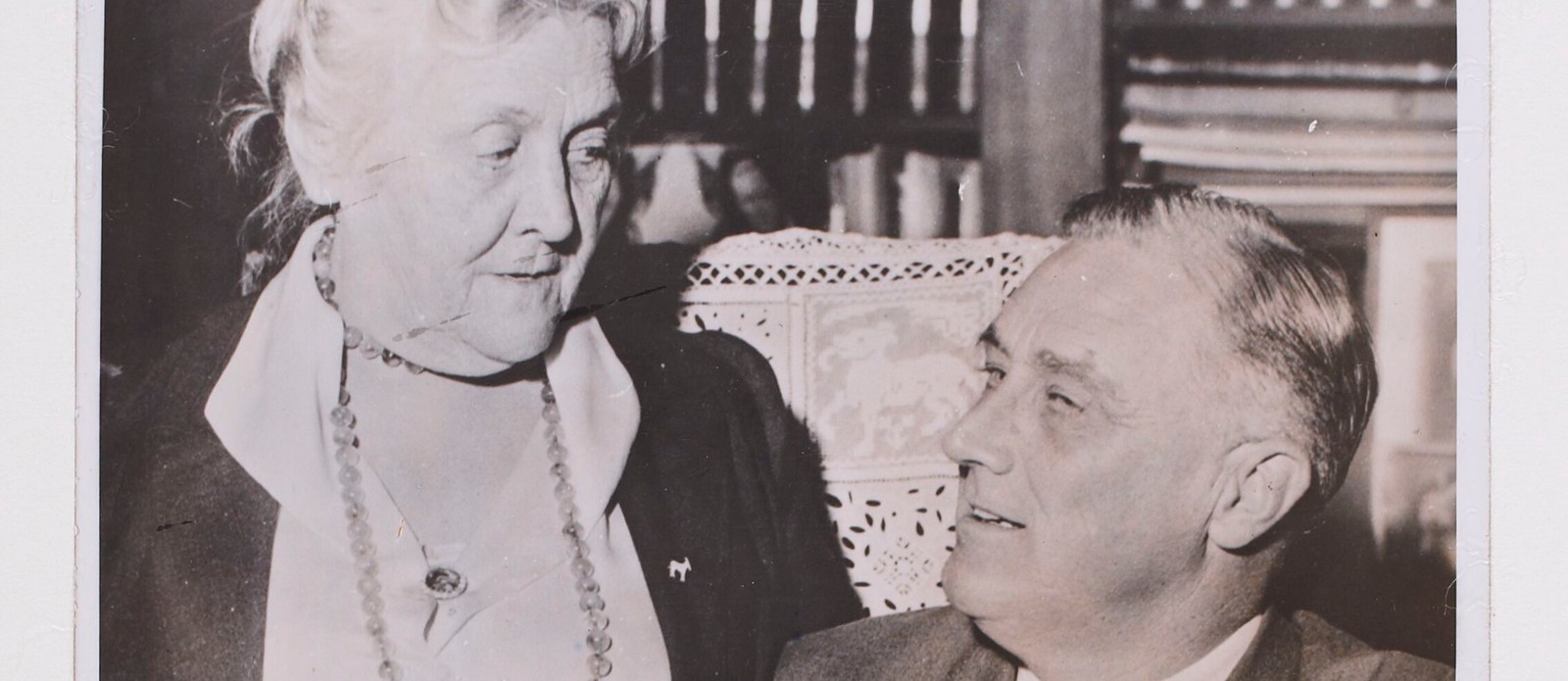
Image: Bibliothèque nationale de France, Public domain, via Wikimedia Commons

You probably know Franklin Delano Roosevelt as the president who guided America through the Great Depression and World War II, launched the New Deal, and helped create Social Security. But that's only part of the story. This was also the president who served hot dogs to the British royal family, became the first commander in chief to fly while in office, relied on lucky charms, and never lost his love of practical jokes. He was related to more presidents than you might realize and had a few surprising quirks that rarely make it into history books. Here are 10 fascinating facts about FDR that they didn't teach you in school.

1
He served hot dogs to British Royalty
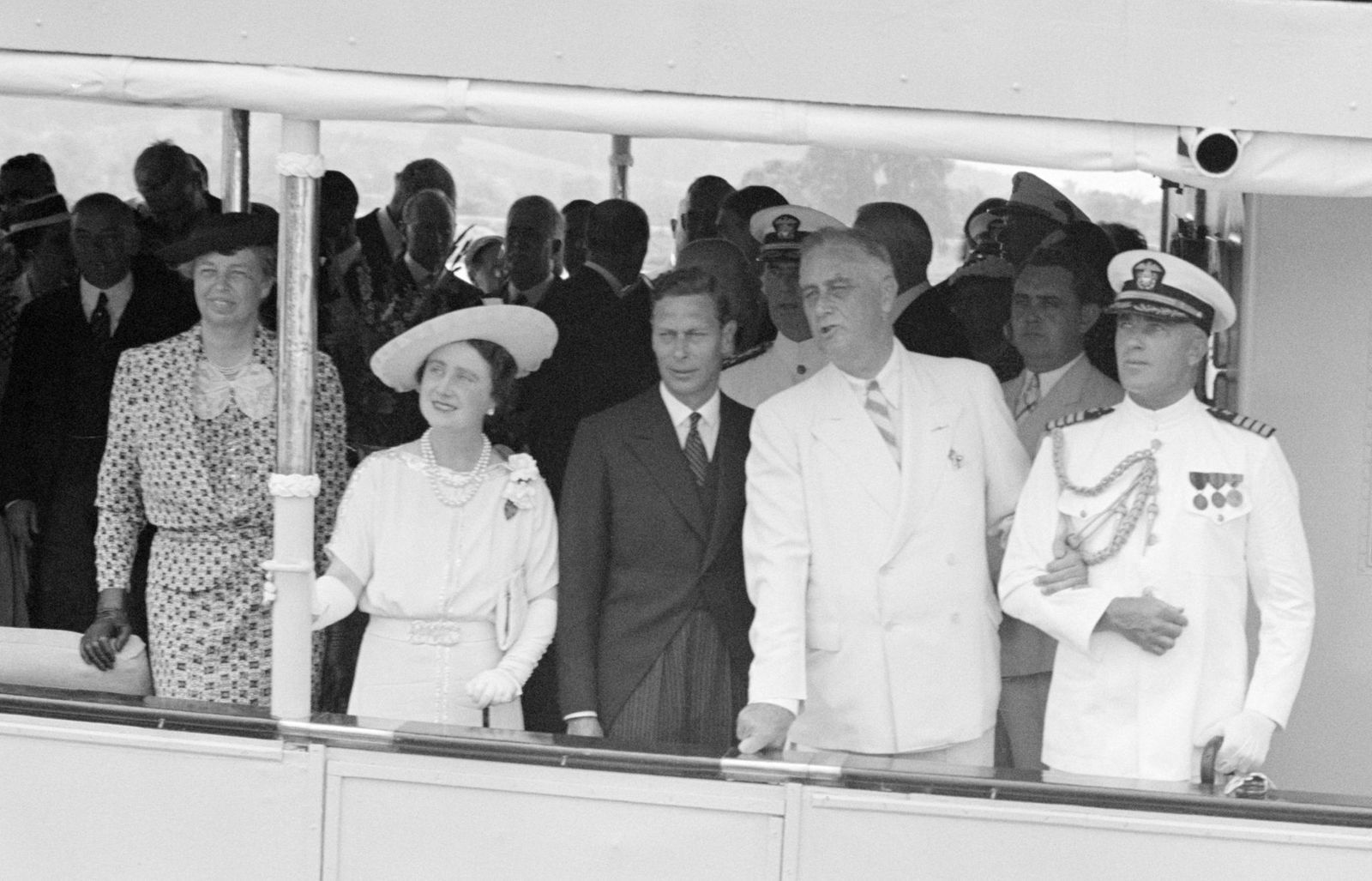
Image: Harris & Ewing, photographer, Public domain, via Wikimedia Commons

In 1939, for the first time ever, a sitting US president hosted the reigning British monarchs on American soil. And it wasn’t just a formal state meeting; it was a picnic.

On June 11 of that year, President Franklin D. Roosevelt and First Lady Eleanor Roosevelt welcomed King George VI and Queen Elizabeth to their home in Hyde Park, New York. Instead of an elaborate diplomatic banquet, the menu was unexpectedly simple and quintessentially American: hot dogs and beer. According to FDR, the queen politely tried hers with a knife and fork, while the king ate several with his hands and seemed to enjoy them. Behind the scenes, the visit was more than symbolic, yet folksy hospitality. With war already looming in Europe, both sides were quietly strengthening ties that would soon become crucial during WWII.

2
The first sitting president to fly on a plane
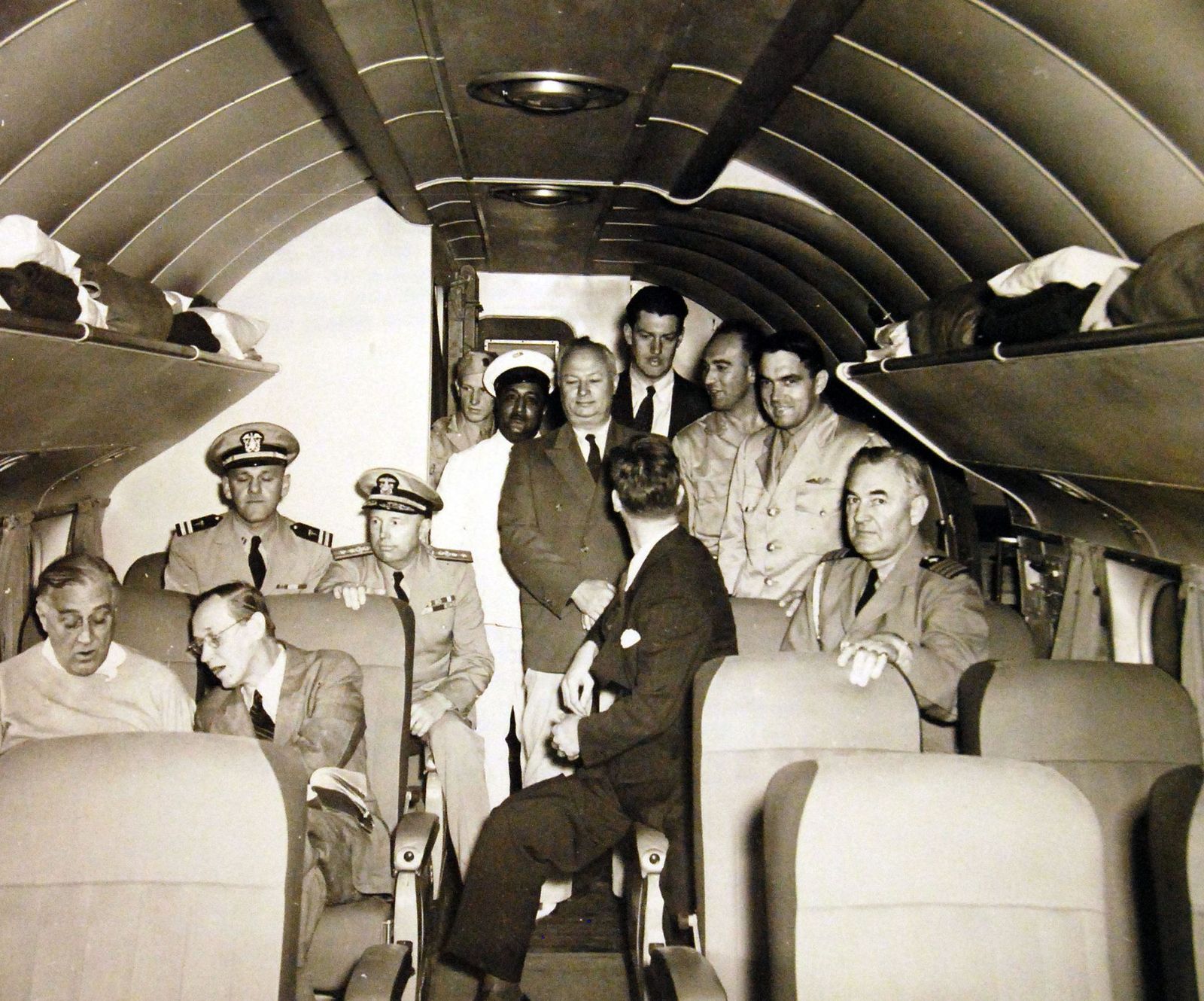
Image: National Museum of the U.S. Navy, Public domain, via Wikimedia Commons

While FDR made history in many ways, one of his lesser-known firsts took place thousands of feet above the ground.

On January 11, 1943, in the middle of WWII, he became the first sitting US president to fly in an airplane. At a time when air travel was still far from routine, he embarked on a secret 7,000-mile journey from Miami, Florida, to Bathurst, Gambia, before continuing to Casablanca, Morocco. The trip wasn't taken for leisure; German U-boats had made Atlantic sea travel risky, so Roosevelt crossed the ocean aboard a Boeing 314 flying boat known as the Dixie Clipper . His destination was the Casablanca Conference, where he met with British Prime Minister Winston Churchill to discuss wartime strategy.

3
Highly superstitious
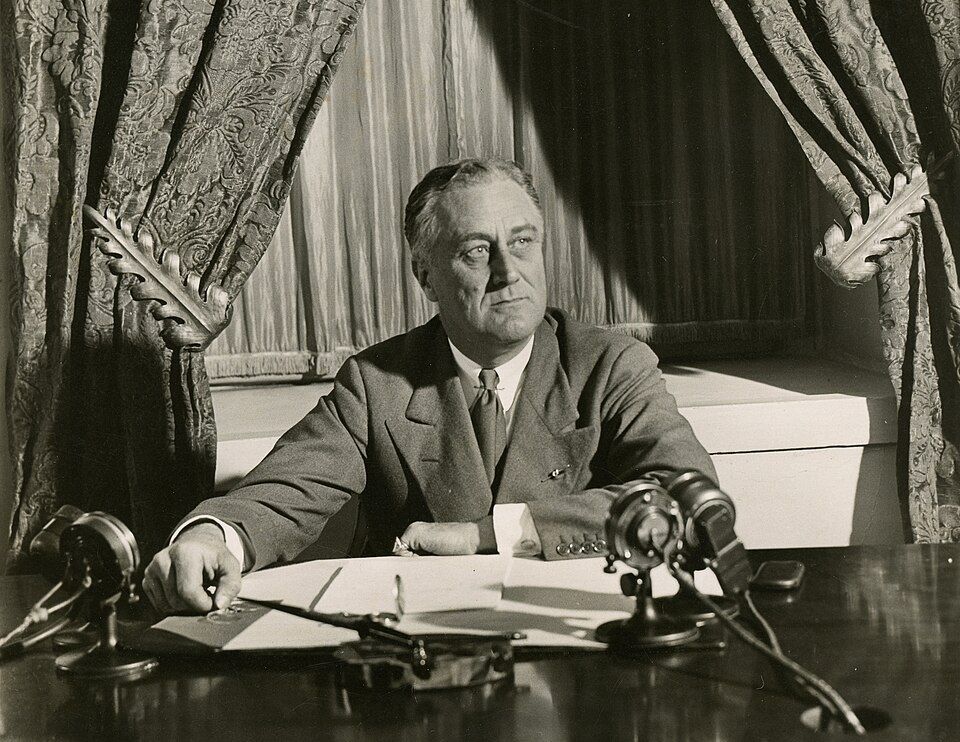
Image: Franklin D. Roosevelt Presidential Library and Museum, Public domain, via Wikimedia Commons

Are you the type to knock on wood to avoid bad luck? Or would you walk under a ladder without a second thought? If you're in the first group, you would have fit right in with Franklin D. Roosevelt.

FDR famously declared that "the only thing we have to fear is fear itself," but he also had a surprisingly superstitious side. According to people who worked with him in the White House, Roosevelt kept his desk and personal items arranged in a precise order that he believed brought good luck. He also disliked the number 13: family members and aides recalled that he avoided hosting dinners with 13 guests and was reluctant to begin important trips on Friday the 13th. He even had a lucky charm, a brown felt fedora that he wore during all four of his presidential campaigns. We can't say it didn't work.

4
He loved practical jokes
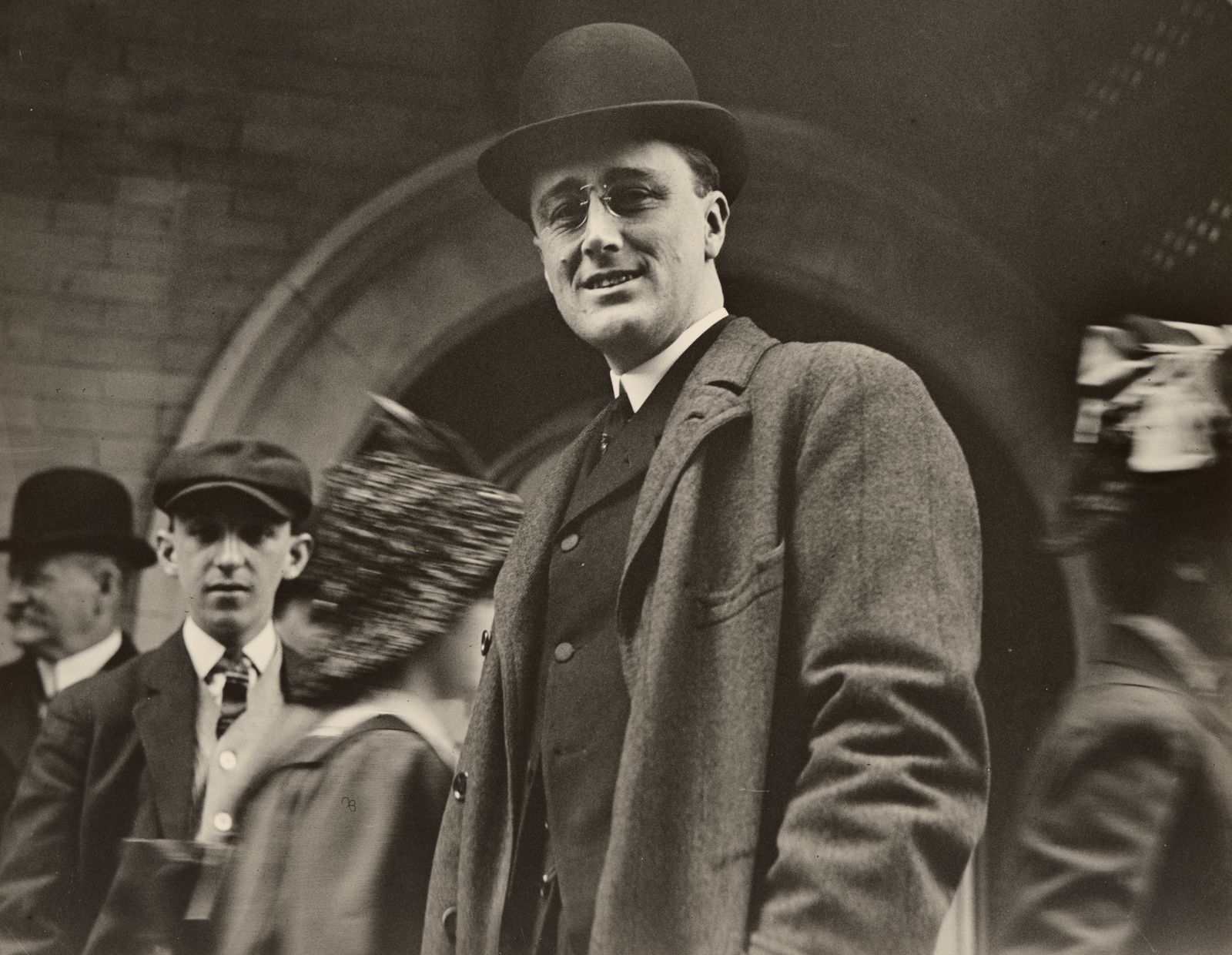
Image: Underwood & Underwood, Public domain, via Wikimedia Commons

With all his responsibilities, talents, and interests, FDR still found time to joke around.

According to his biographers, Roosevelt loved practical jokes and kept his playful streak throughout his life, even pulling pranks well into his presidency. In the tense world of politics, that sense of humor became one of his trademarks. He enjoyed classic gags, including putting bubbling powder in drinking glasses to surprise White House guests, or slipping completely made-up words into conversations and then watching with delight as his staff scrambled to check the dictionary. Friends and aides also noted that he had a unique ability to laugh off rumors, criticism, and political attacks that might have rattled other leaders.

5
Peculiar work schedules
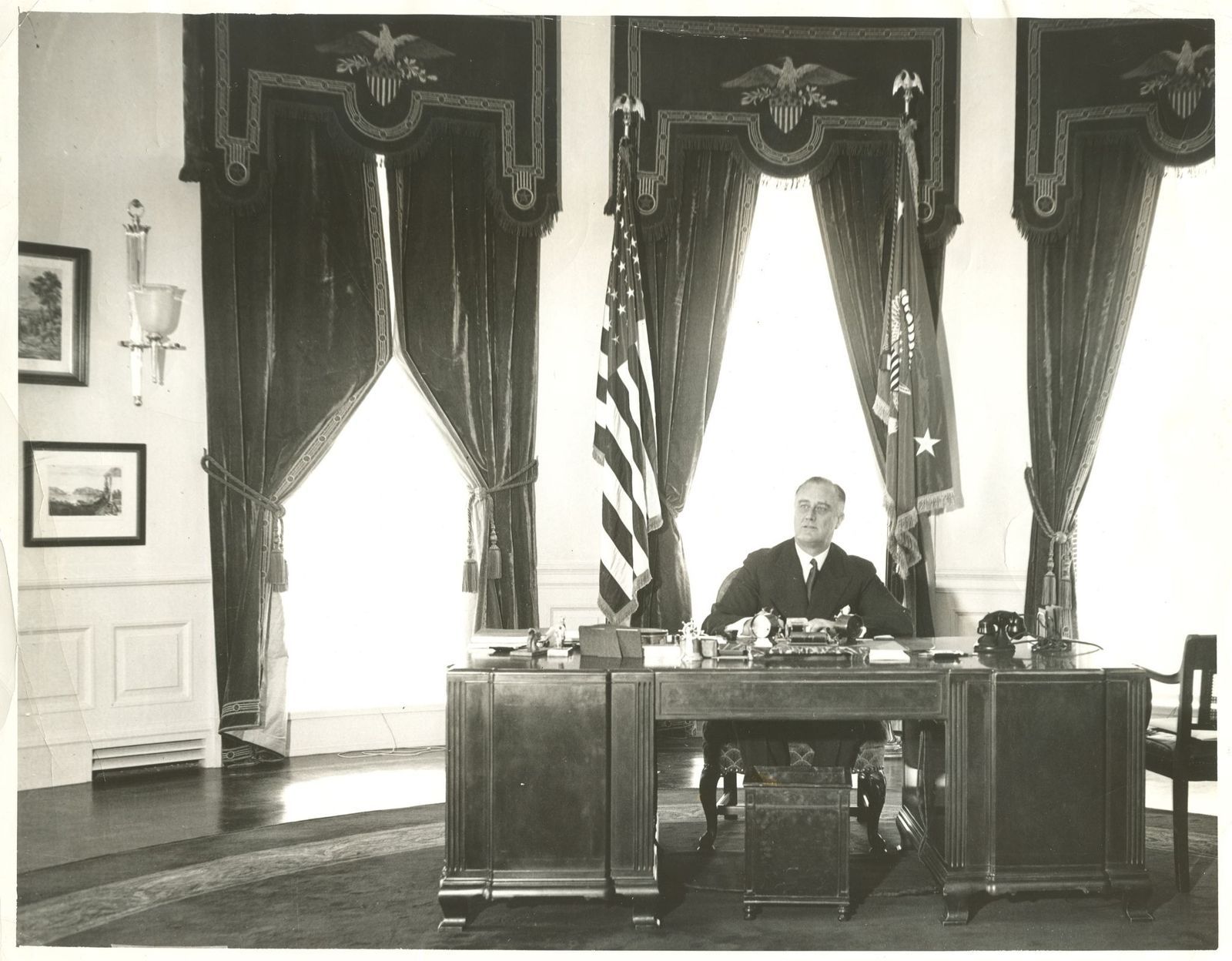
Image: Franklin D. Roosevelt Presidential Library and Museum, Public domain, via Wikimedia Commons

Jokes didn't distract FDR from his work. If anything, they helped him cope, and he certainly had plenty of work to do. In fact, Roosevelt was known for his unusual working hours.

Unlike many other presidents who were early risers, he often worked late into the night and typically didn't begin his day until around 9 am. During WWII, while overseeing a global conflict, he regularly spent his evenings reviewing reports, making decisions, and meeting with advisers long after most Americans had gone to bed. What makes this even more impressive is that he maintained this pace as his health steadily declined. Doctors urged him to slow down and limit his workload, but Roosevelt frequently ignored that advice. For a wartime commander-in-chief, there was always one more decision to make.

6
He appointed the first female cabinet member
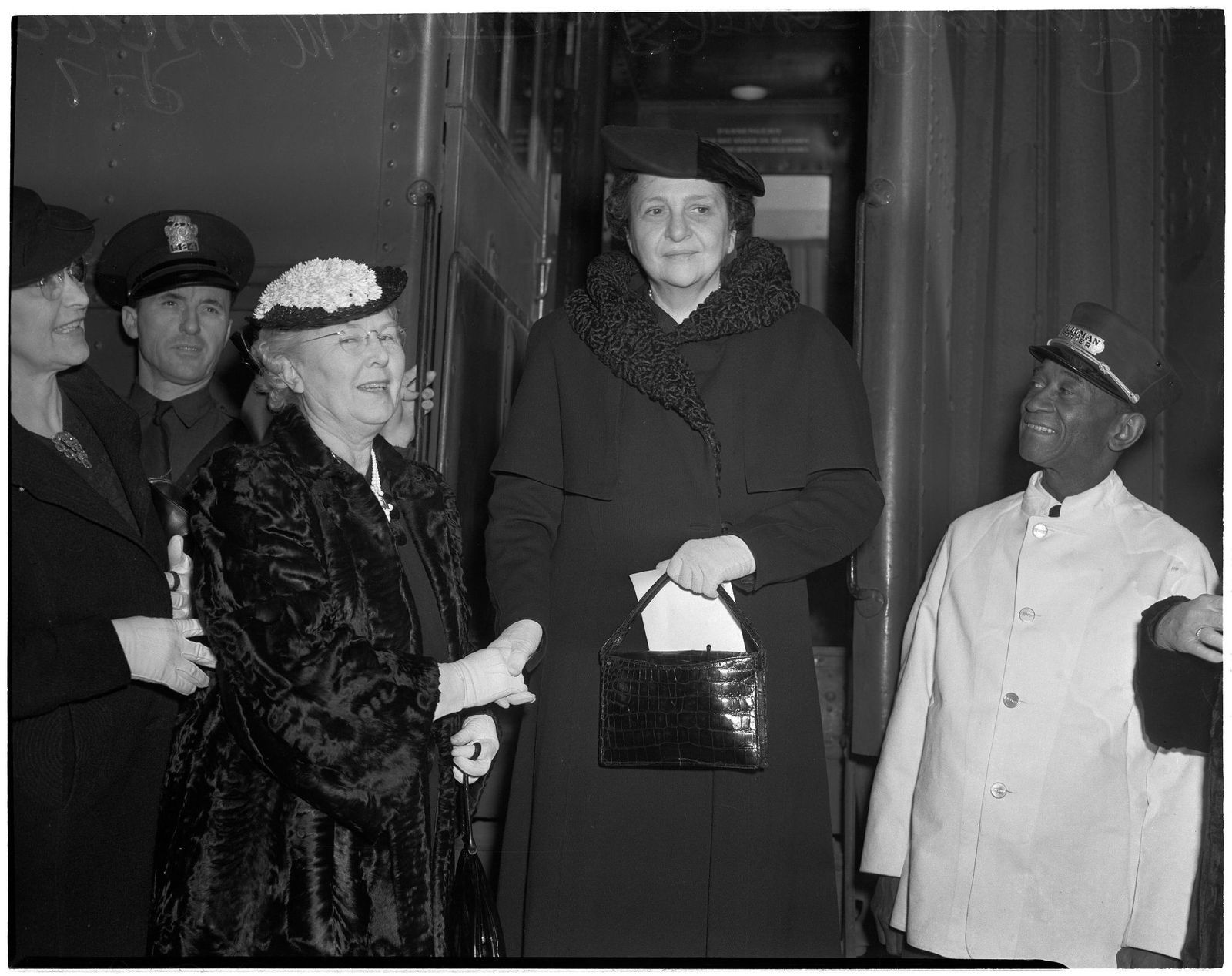
Image: Los Angeles Daily News, CC BY 4.0, via Wikimedia Commons

Among his many historic firsts, FDR was the inaugural POTUS to appoint a woman to a Cabinet position, a decision that reflected both his political instincts and his willingness to recognize talent and intelligence where he found it.

In 1933, he chose labor advocate Frances Perkins as Secretary of Labor. It turned out to be one of the most consequential appointments of his presidency. Perkins served from 1933 to 1945, making her the longest-serving Secretary of Labor in American history. And as if that weren't enough, she became one of the chief designers of the New Deal.

7
11 presidential relatives
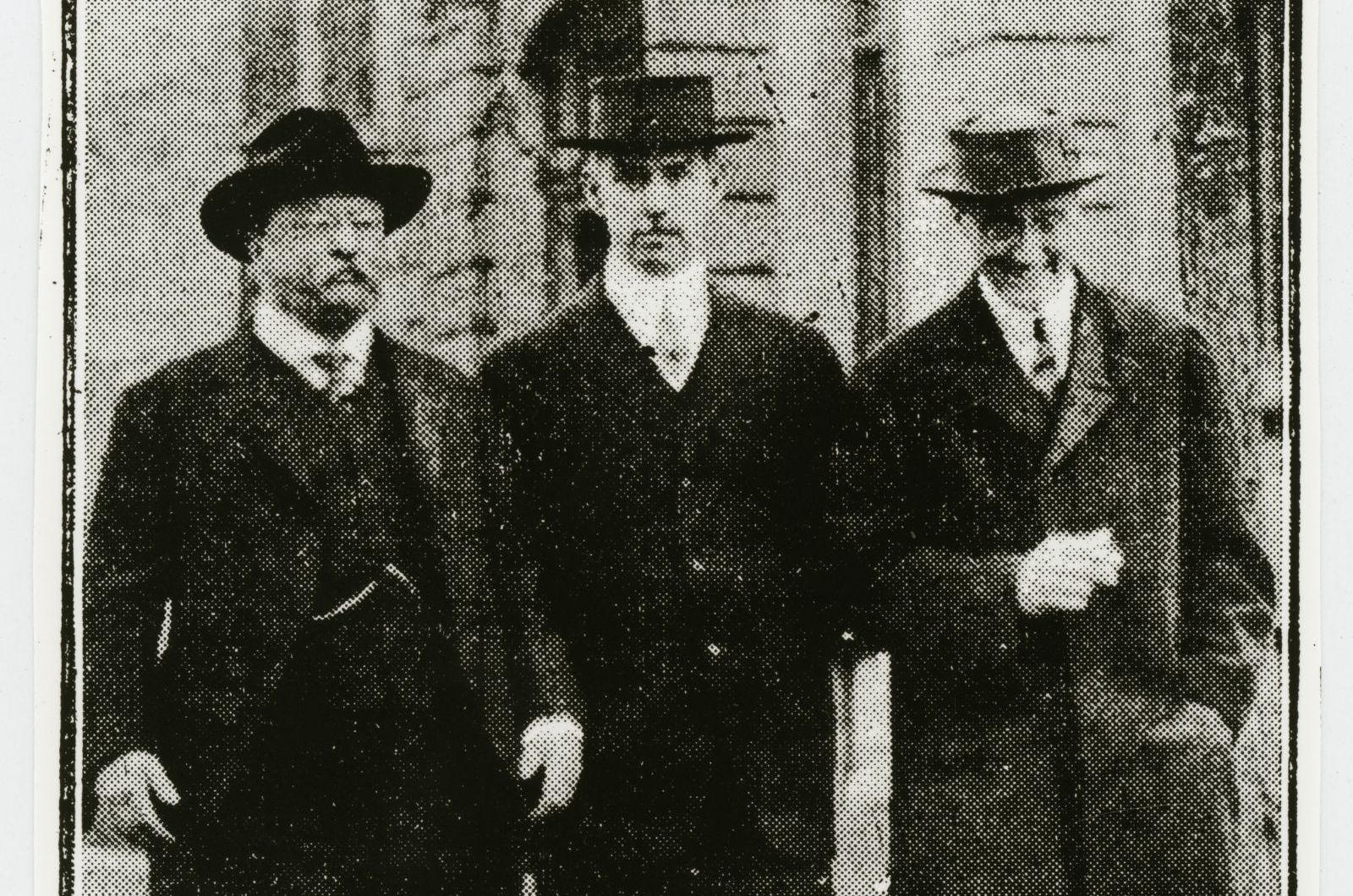
Image: Franklin D. Roosevelt Presidential Library and Museum, Public domain, via Wikimedia Commons

Most people know that Franklin D. Roosevelt and Theodore Roosevelt were related: the 32nd president was a distant cousin of the 26th. But few realize just how extensive FDR’s presidential family tree really was.

In fact, genealogists have traced Franklin Roosevelt’s family connections to at least 11 US presidents. FDR was not only related to Theodore Roosevelt and his own wife, Eleanor Roosevelt (his fifth cousin once removed), but also to an impressive number of other commanders in chief. Among those connected to him by blood were George Washington (with whom he shared ancestors from English nobility and the early settlers of Virginia), John Adams, John Quincy Adams, James Madison, and William Harrison. Through marriage and extended family ties, he was also related to Ulysses S. Grant, Benjamin Harrison, Zachary Taylor, Martin Van Buren, and William Howard Taft.

8
His illness may not have been polio
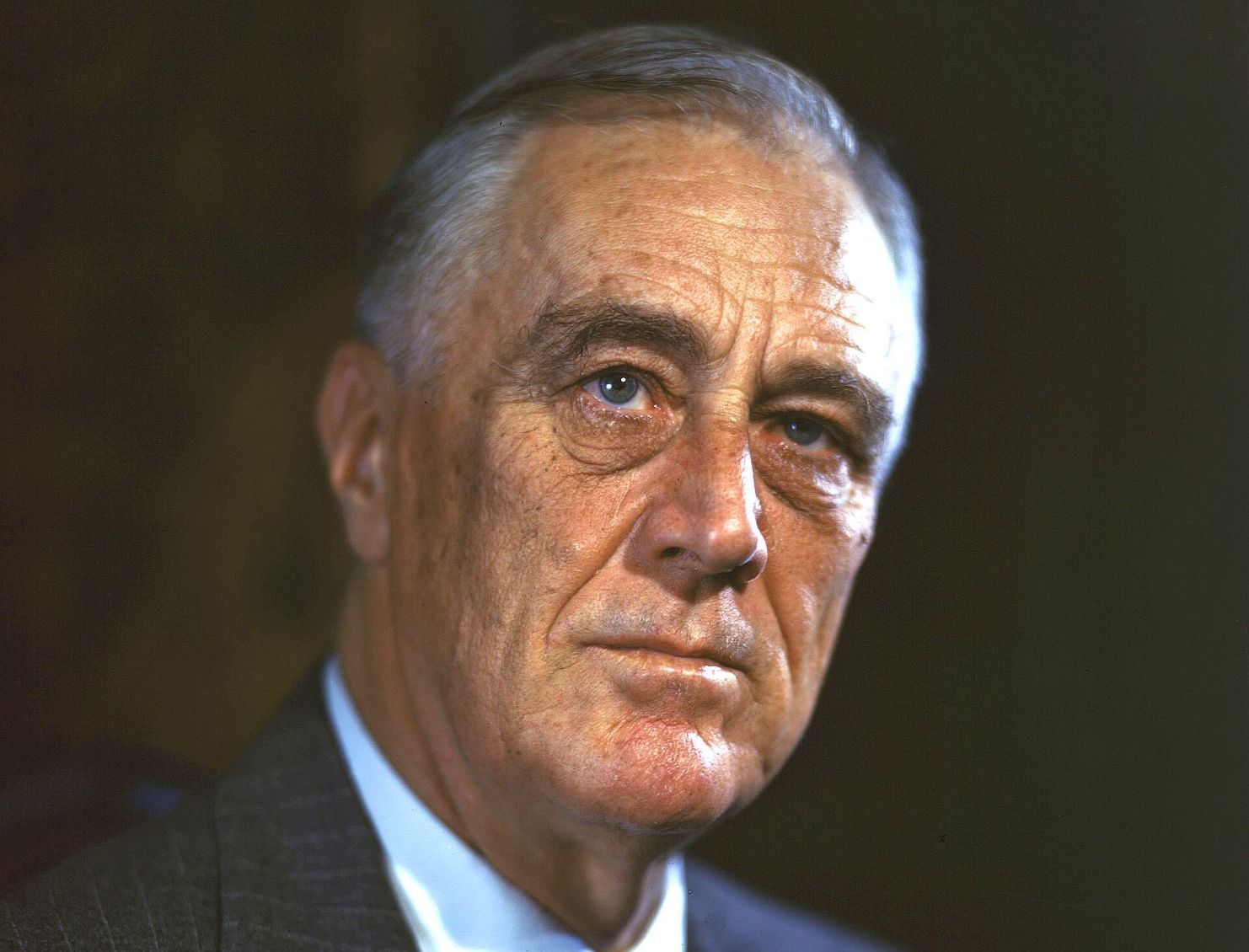
Image: Leon Perskie, CC BY 2.0, via Wikimedia Commons

As is well known, FDR was struck by a serious illness in 1921 at age 39 that left him permanently unable to walk unaided. But during his presidency, he worked hard to keep public attention focused on his leadership rather than on his body, so while Americans understood he had been diagnosed with polio, few knew about the paralysis.

To stand at public events, Roosevelt relied on heavy steel leg braces and canes that helped him project confidence and strength throughout his presidency. However, although doctors at the time diagnosed him with polio, some modern medical researchers have suggested that his symptoms may have been more consistent with Guillain-Barré syndrome (GBS), a rare autoimmune disorder.

9
He didn’t graduate from law school
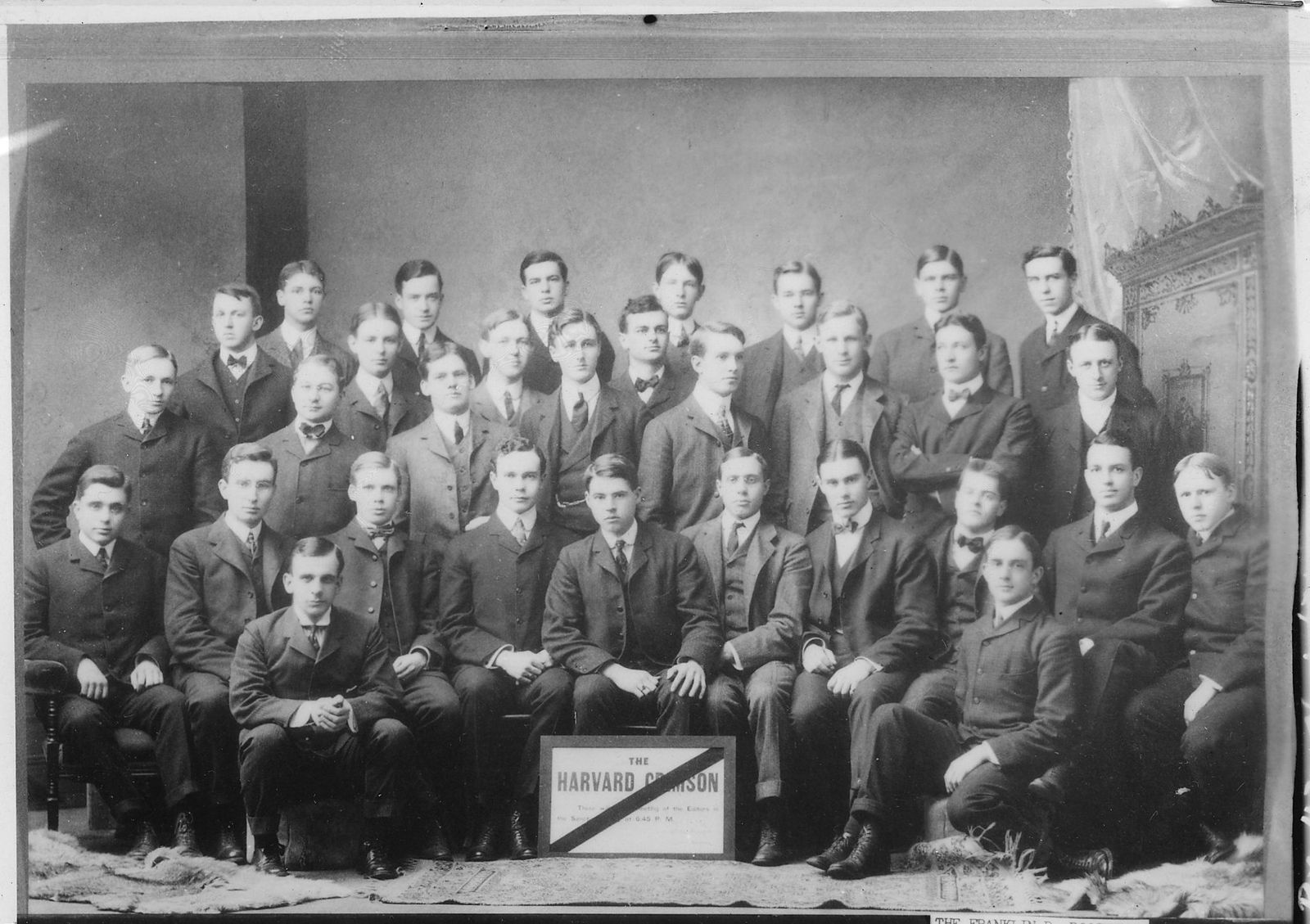
Image: National Archives and Records Administration, Public domain, via Wikimedia Commons

FDR was a bright and curious man who threw himself into subjects that fascinated him, but when something failed to hold his interest, he wasn't afraid to move on.

After earning a History degree from Harvard University in 1903, he enrolled at Columbia Law School, but he found that he simply didn't enjoy it. According to the Miller Center at the University of Virginia, Roosevelt showed little enthusiasm for the legal profession, and maybe that’s why he never achieved a Law degree. Even so, he passed the New York bar exam and began practicing after it, but the experiment lasted only a few years. Then, in 1910, an opportunity came along that interested him far more: local Democrats in New York asked him to run for the state Senate. Roosevelt eagerly accepted, and his political career was underway.

10
Expert in many fields
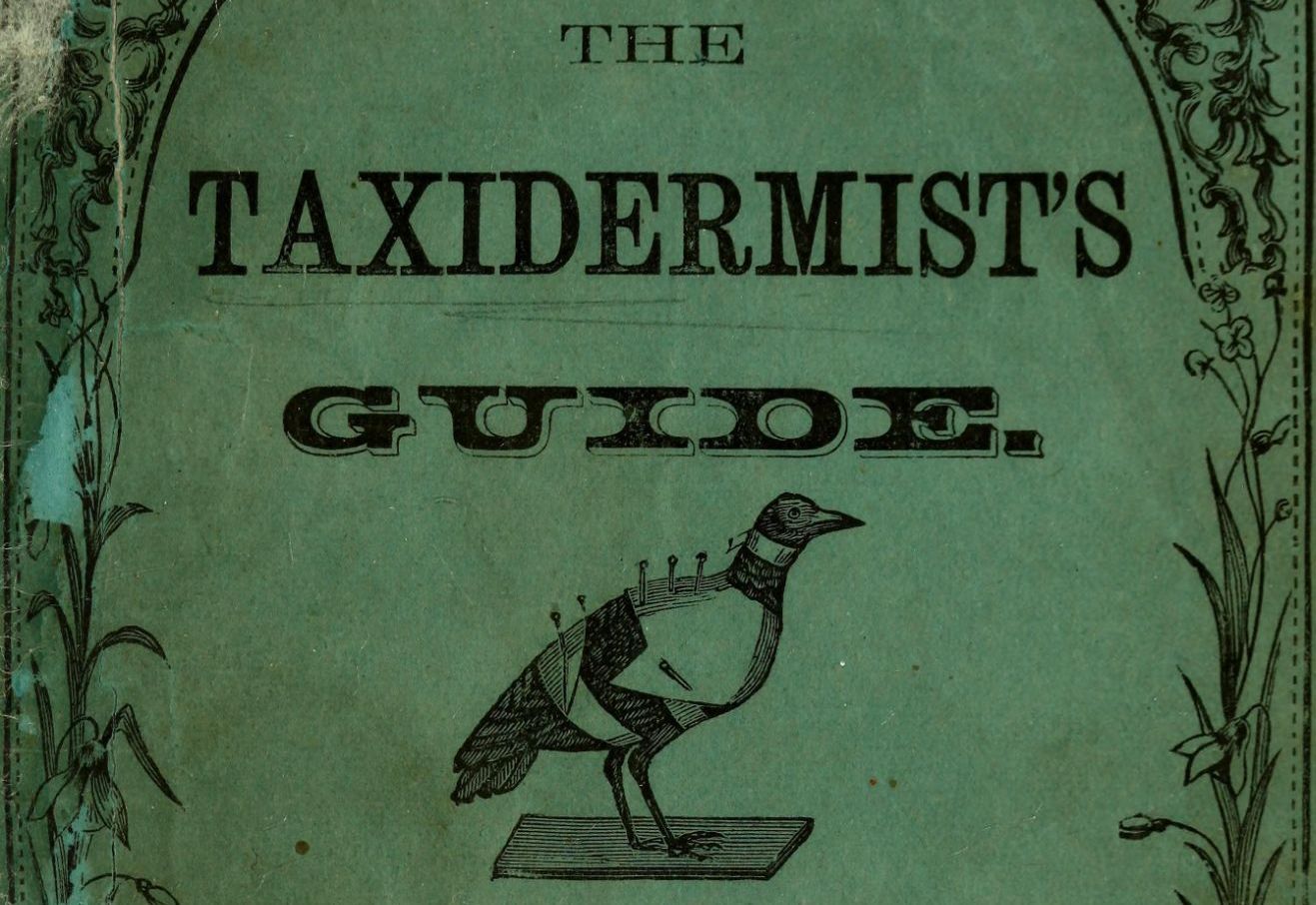
Politics and wartime strategy weren't FDR's only talents. Long before he entered the White House, he acquired a deep interest in nature.

Growing up in Dutchess County, New York, Roosevelt developed a fascination with birds that went far beyond a childhood hobby. By age 11, he was already learning taxidermy, eventually becoming a skilled self-taught naturalist and bird expert. Over the years, he identified and cataloged roughly 300 bird species. His detailed field journals and collection of more than 300 Dutchess County specimens are still considered some of the most complete records of local bird life from that era.
History History 6 min read

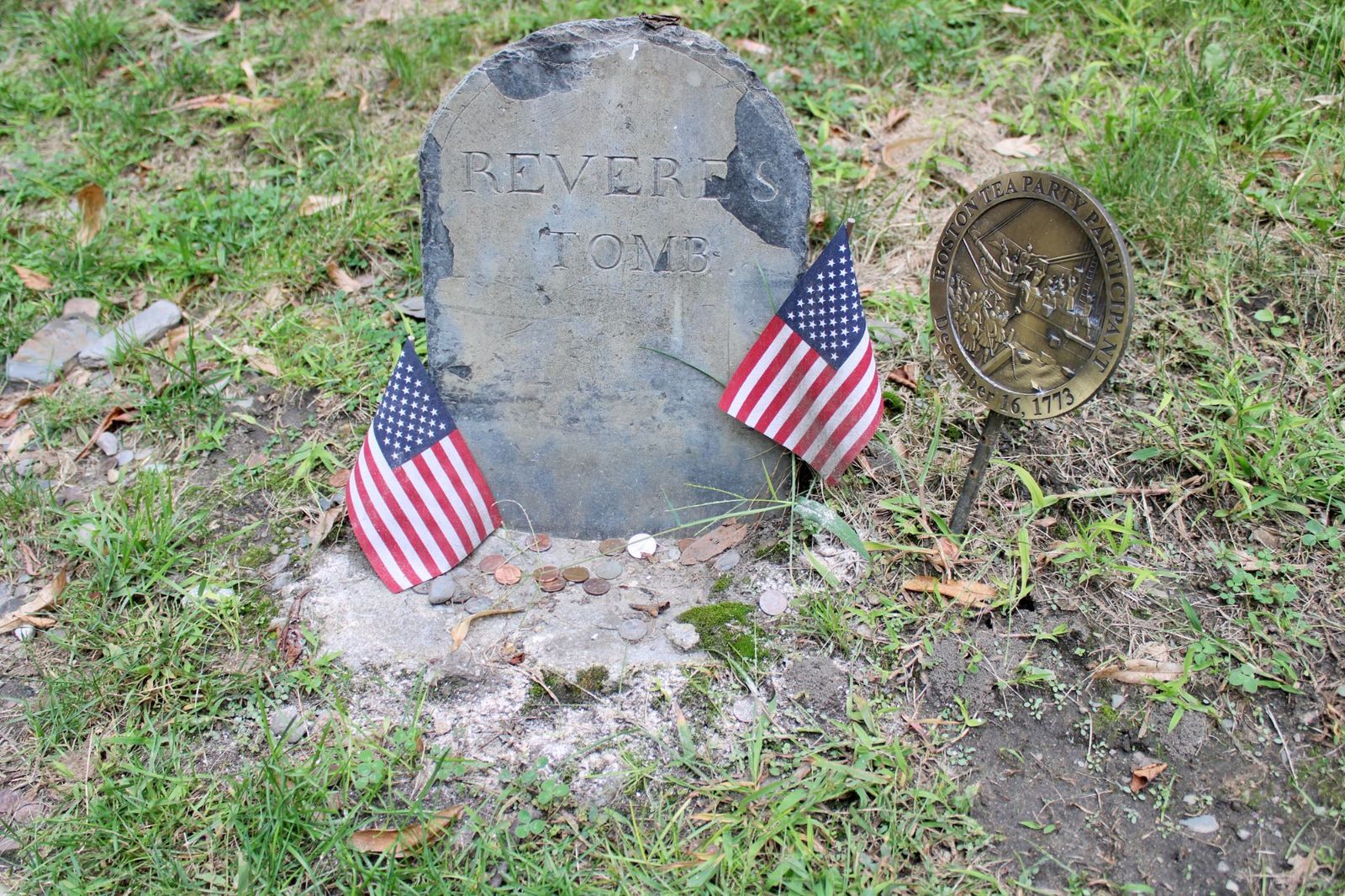
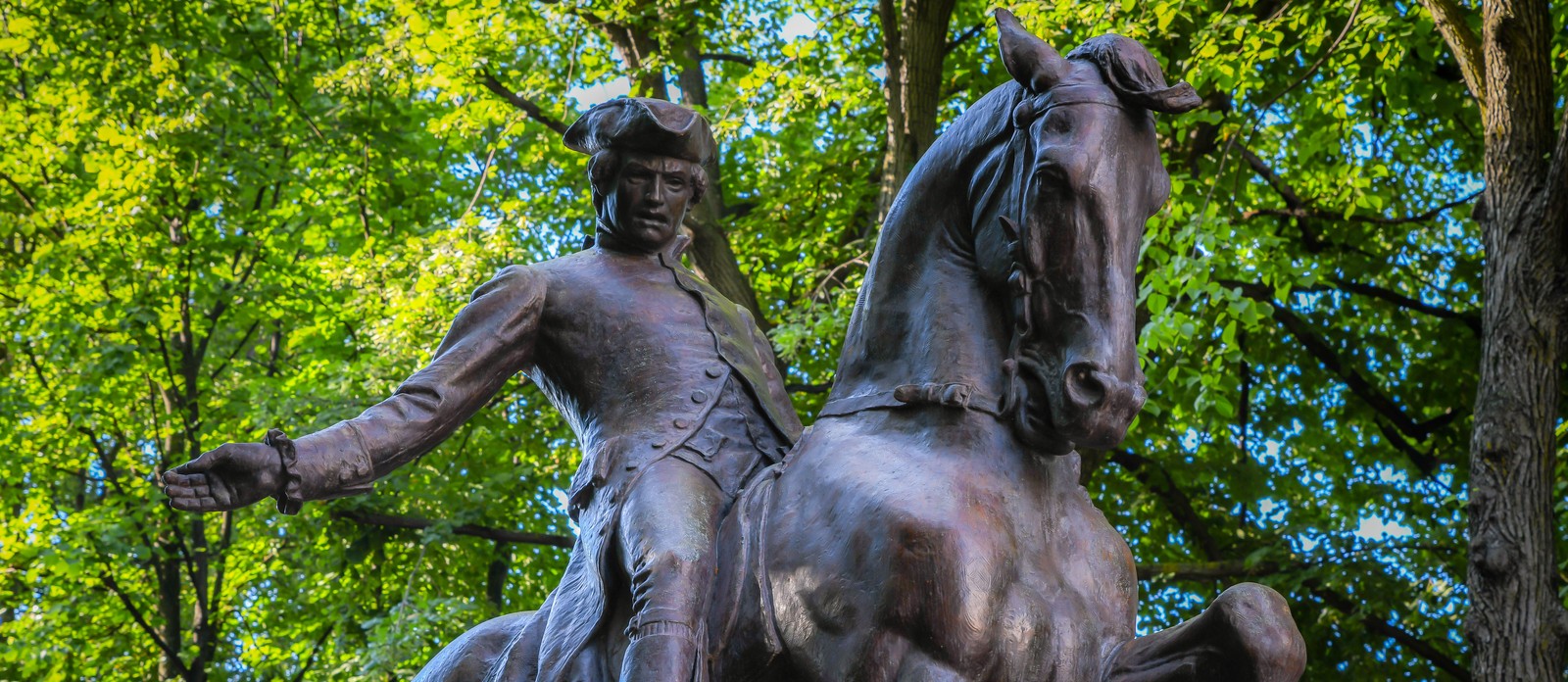
Who was the real Paul Revere? 10 shocking facts beyond the legend

Image: Keith J Finks

Like many stories from early American history, the myth of the heroic patriot galloping through the midnight dark, shouting a legendary warning, has completely overshadowed the man. The real Paul Revere was a fascinating human being. He was a craftsman, an innovator, and a family man. Let’s pull back the curtain on the legend and look at ten surprising facts you probably never knew about America’s favorite midnight rider.

1
He was of French descent

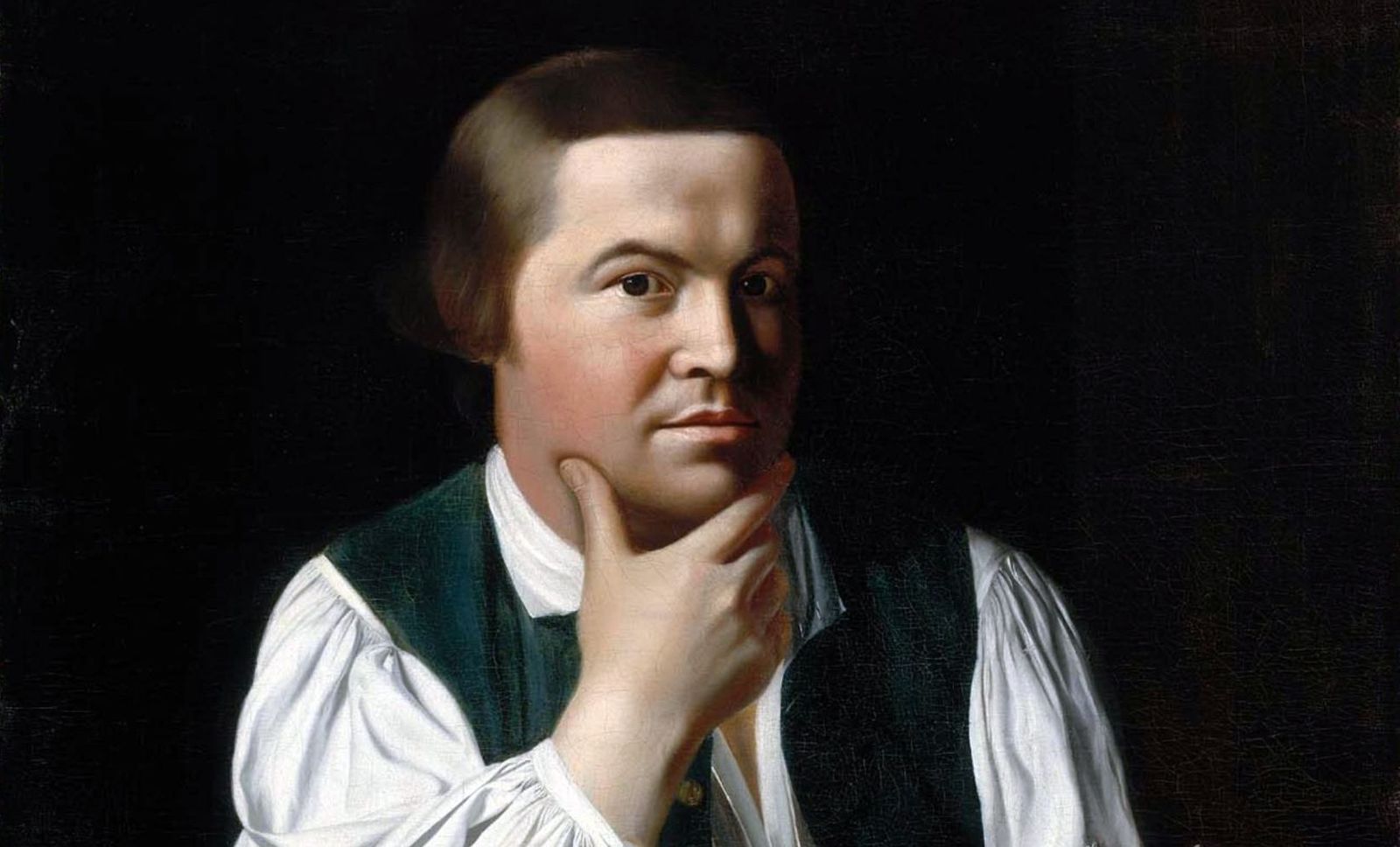
Image: John Singleton Copley, Public domain, via Wikimedia Commons

While we think of Paul Revere as an early American icon, his roots lay across the Atlantic. His father, Apollos Rivoire, was a French Huguenot (a member of the French Reformed Church) who fled religious persecution and immigrated to Boston as a teenager.

To fit in his new home, Apollos Americanized the family name to "Revere". Paul was born in late 1734 or early 1735, the son of Apollos and a Boston local called Deborah Hichborn. Apollos was so interested in blending in that he never taught his children to speak and read French. In fact, a young Paul Revere even fought against the French as part of the colonial forces during the French and Indian War.

2
He was an accomplished artisan

Image: Paul Revere, CC0, via Wikimedia Commons

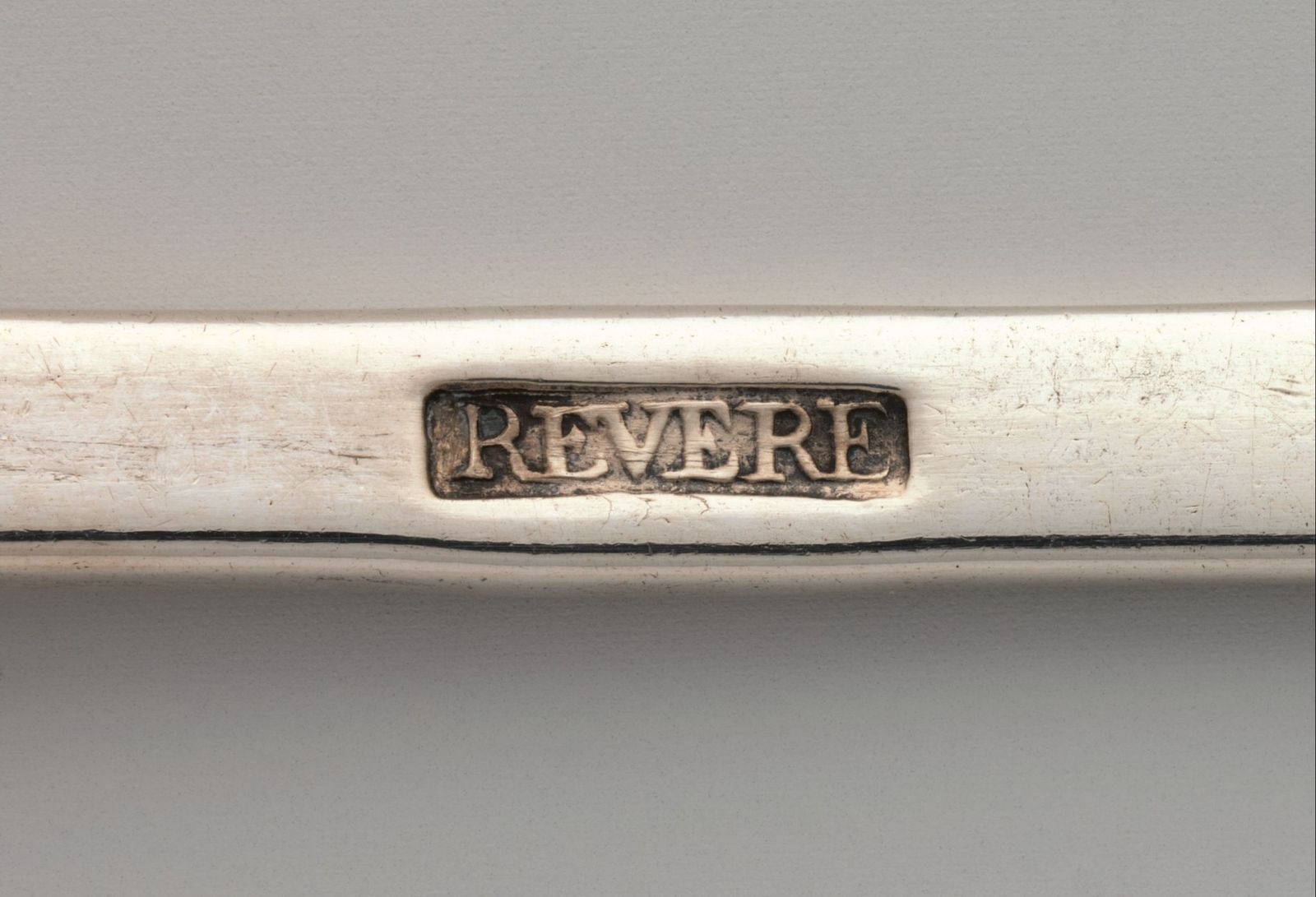
Before he was a revolutionary, Revere was a master craftsman. He learned the art of silversmithing from his father and quickly gained a reputation as an accomplished artisan. He designed seals, coats of arms, plate engravings, and silver teapots.

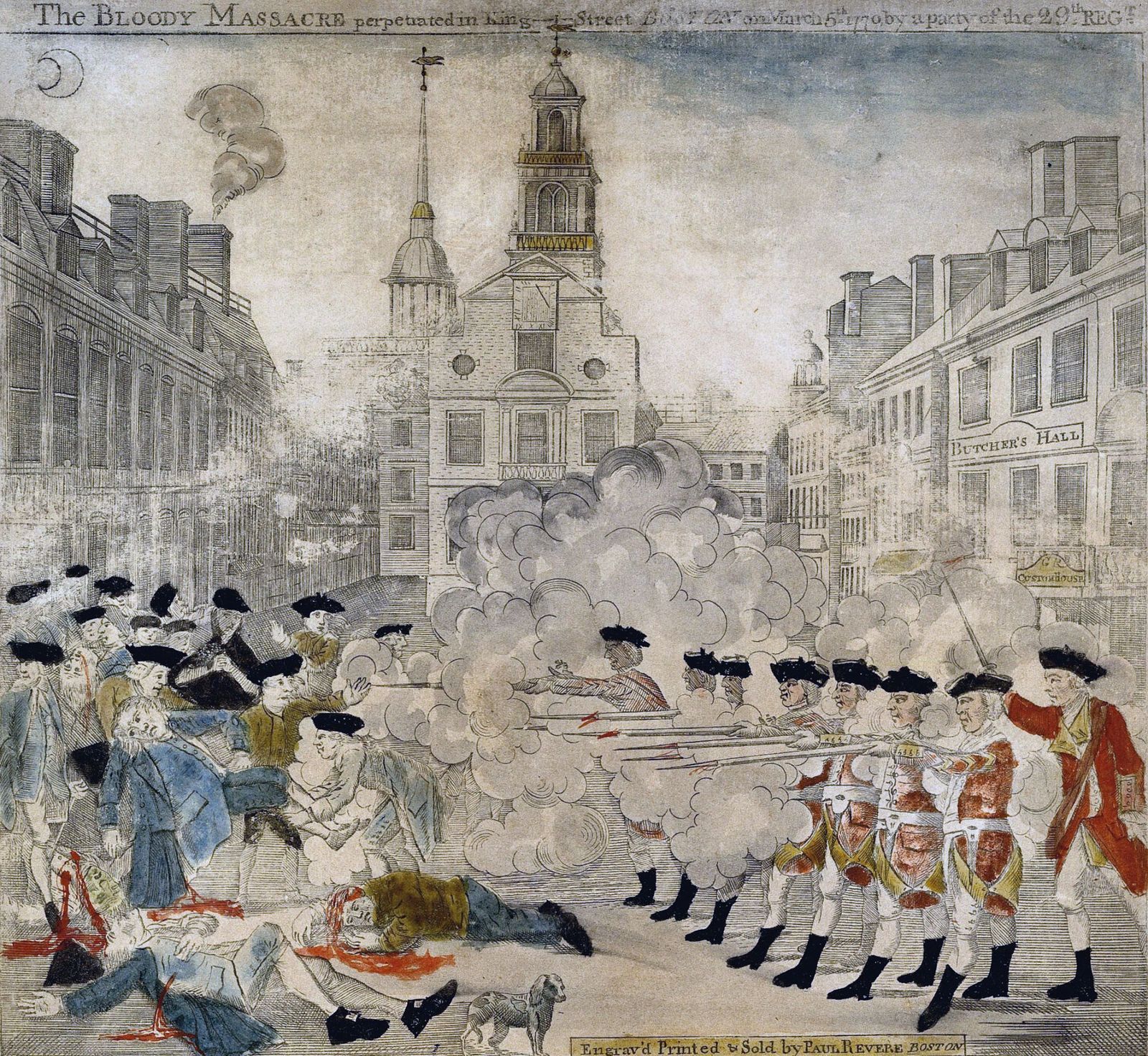
Revere also used his engraving skills to create sharp political cartoons that mocked the British. His most famous artistic work was a sensationalized engraving of the 1770 Boston Massacre. It wasn’t entirely historically accurate, but it spread through the colonies, stirring up the anti-British sentiment that laid the groundwork for the Revolution.

3
He worked as an amateur dentist

Image: See page for author, CC BY 4.0, via Wikimedia Commons

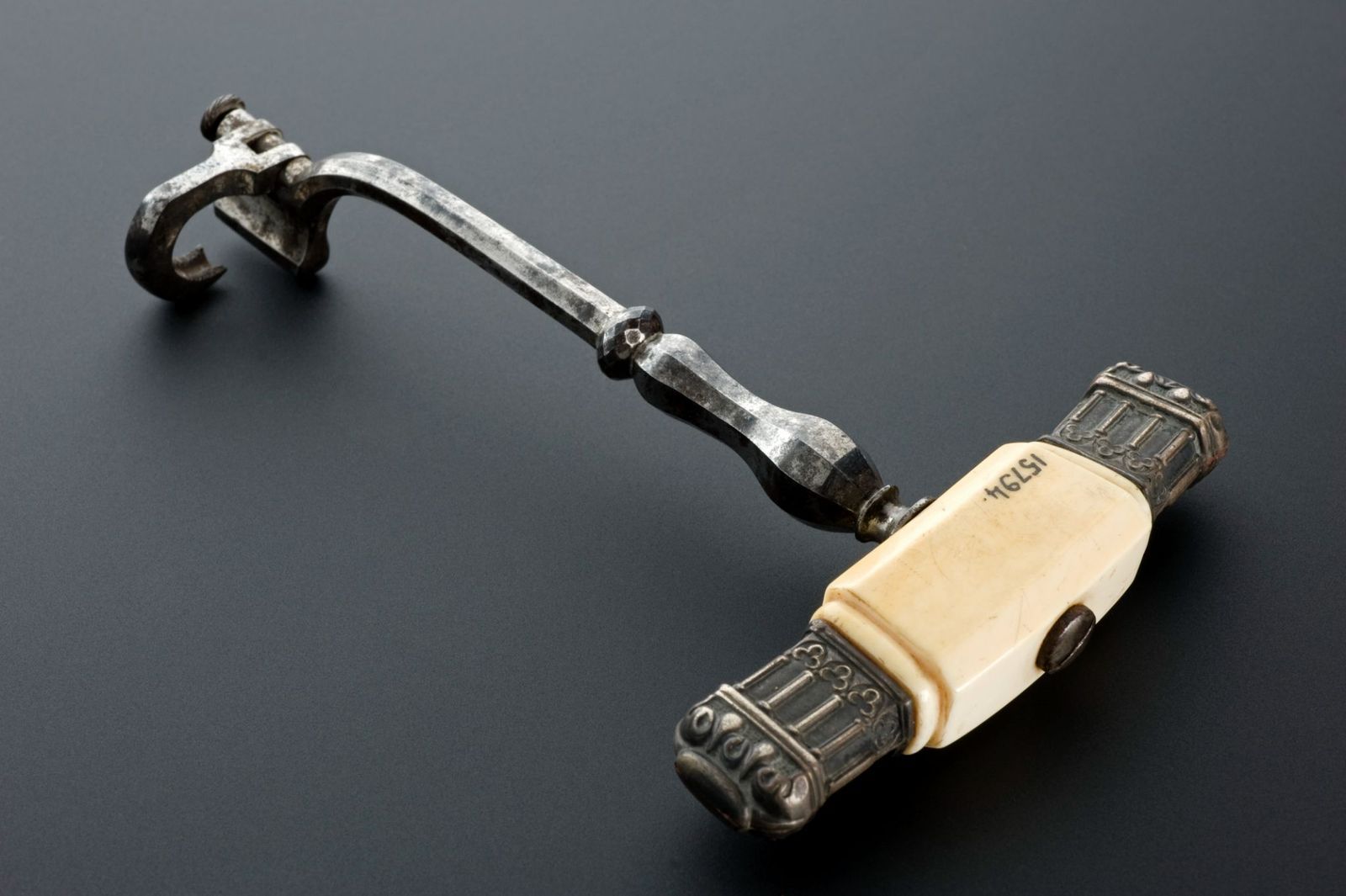
When silversmithing work ran slow, Revere picked up a side hustle: dentistry. He started cleaning teeth and crafting dental prosthetics out of animal teeth and walrus ivory for the people of Boston.

This amateur dental career actually led to a major moment in American history. In 1775, Revere’s close friend, Dr. Joseph Warren, was killed at the Battle of Bunker Hill and buried in an unmarked mass grave by British soldiers. A year later, when the bodies were exhumed, the remains were unrecognizable. Yet, Revere was able to identify Warren’s body by recognizing the specific ivory tooth and custom wire bridge he had personally crafted for his friend. It’s widely considered one of the earliest documented cases of forensic dentistry in the United States.

4
He played a key role in early intelligence efforts

Image: Zack Frank

Long before the CIA existed, Paul Revere was working as a pioneer of organized American espionage. As a member of the Sons of Liberty, Revere wanted to track British movements closely. In 1774, he helped form a spy group known as "the mechanics" or the "Liberty Boys".

These men were Bostonian blacksmiths, artisans, and laborers who used their ordinary routines to watch British troops, listening for rumors of upcoming military actions. The spies would gather at the city’s historic Green Dragon Tavern to trade secrets and map out British movements.

5
Longfellow's inaccurate poem

Image: Grant Wood, Public domain, via Wikimedia Commons

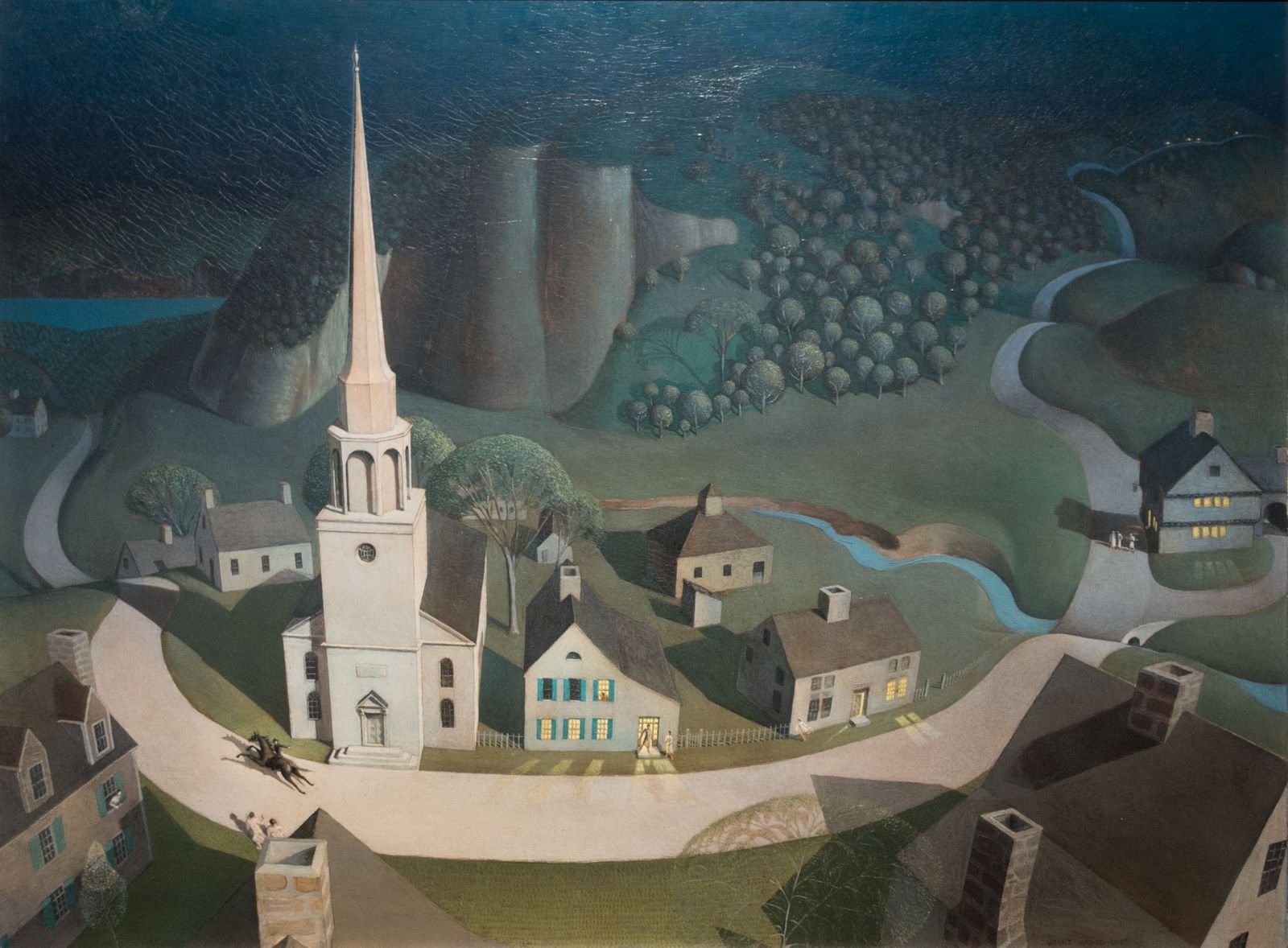
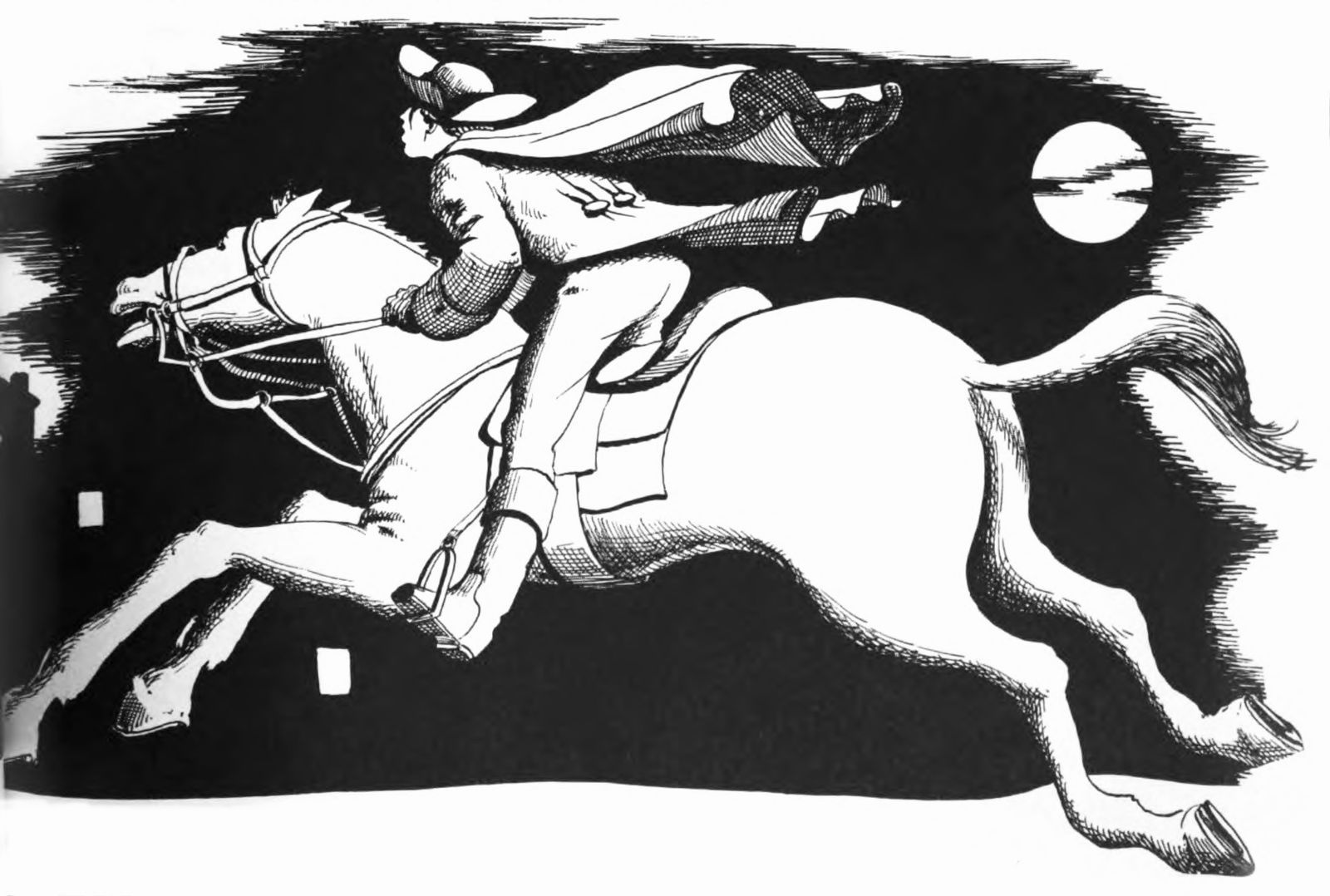
If your knowledge of Revere comes from Henry Wadsworth Longfellow’s famous 1861 poem, "Paul Revere's Ride," you’ve been given a romanticized version of history. Longfellow wrote the poem nearly a century later, on the brink of the American Civil War, to stir up national pride.

In reality, Revere wasn’t a lone rider. The night of April 18, 1775, Revere set out with two other main horsemen: William Dawes and Dr. Samuel Prescott. As they triggered local alarms, dozens of other riders joined the effort. By midnight, more than 40 people were racing across the country, spreading the word. Furthermore, Revere never actually made it to his final destination of Concord. He was captured and briefly detained by a British patrol.

6
He didn’t even own a horse for his midnight ride

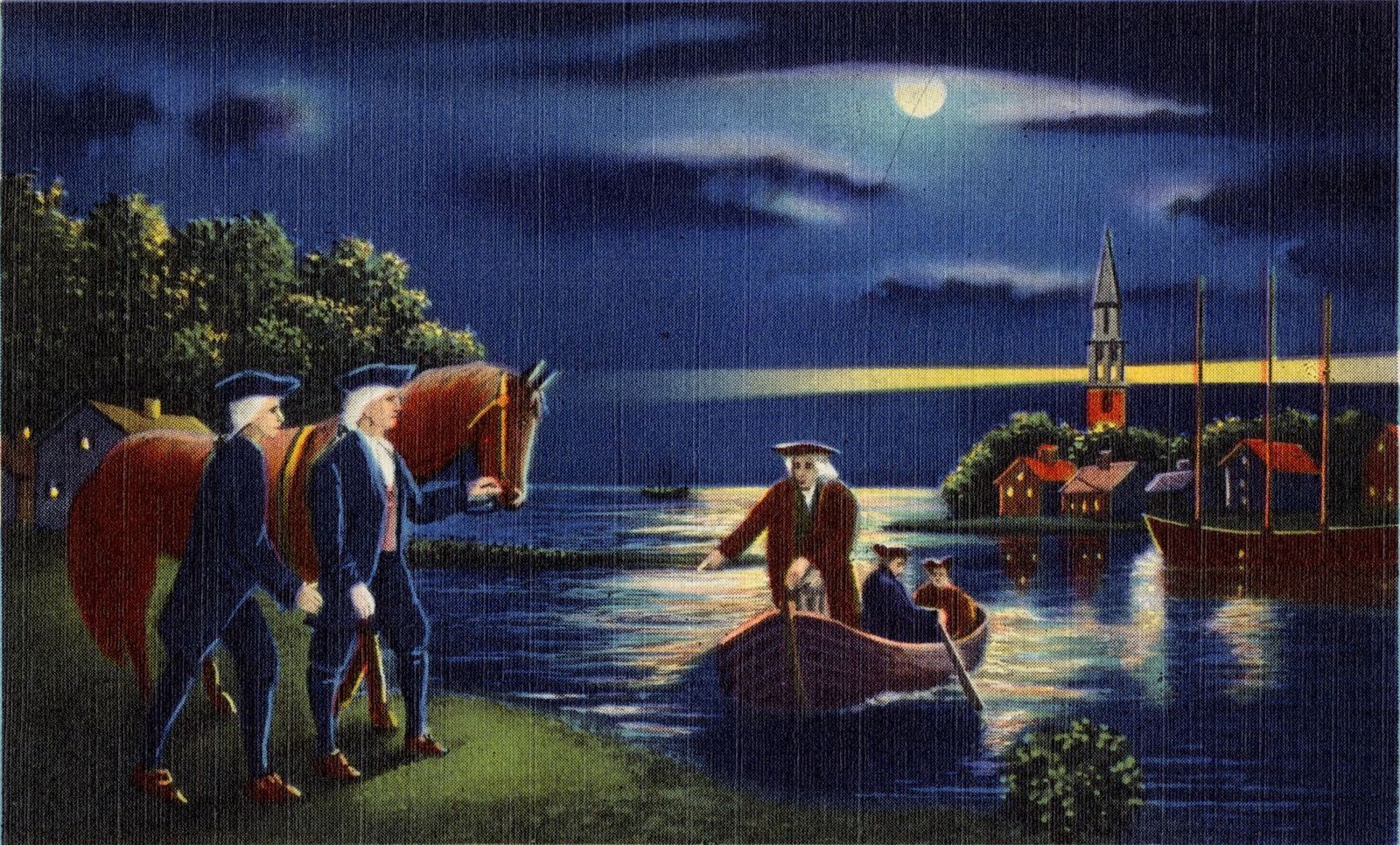
Image: Tichnor Bros. Inc., Boston, Mass., Public domain, via Wikimedia Commons

It’s hard to imagine the midnight ride without Revere’s faithful steed, but the truth is, Revere didn’t even own a horse when the fateful night arrived. Because he had to be quietly rowed across the Charles River, bringing a horse from Boston was out of the question.

Once he reached Charlestown, he had to find a ride. He ended up borrowing a horse from a sympathetic local merchant called John Larkin. Legend has it that this borrowed mare was named "Brown Beauty". Sadly, after Revere was captured later that night, the soldiers confiscated the horse, and she was never seen again.

7
He didn’t actually say THAT

Image: Leonard Everett Fisher, Public domain, via Wikimedia Commons

"The British are coming!" is one of the most famous quotes in American history, but Revere never said it. The countryside was crawling with British soldiers, so his mission had to be very quiet. Yelling at the top of his lungs would have landed him in military prison before he even left town. Instead, he went door to door delivering the warning quietly to specific patriots.

Also, the phrase wouldn’t have made sense to the colonists. At the moment in 1775, the colonists still considered themselves British citizens. Instead, historical accounts indicate that Revere used the phrase, "The Regulars are coming out!" "Regulars" was the standard colonial term for the standing British army troops.

8
His military record wasn't outstanding

Image: Public domain, via Wikimedia Commons

Although Revere was a phenomenal community organizer and courier, his transition into traditional military leadership didn’t go smoothly. During the war, he served as a major and later a lieutenant colonel in the Massachusetts State Artillery. His military career hit a disastrous low point in the summer of 1779 during the Penobscot Expedition in modern-day Maine.

The mission was a total failure for the Americans. In the aftermath, Revere was accused of cowardice, laziness, and disobedience. He faced a court-martial and spent several years fighting to clear his name. He was ultimately acquitted of all charges in 1782, but the incident permanently tarnished his dreams of military glory.

9
Fatherhood came early… and often

Image: Jeffrey M. Frank

If you think managing a household today is stressful, consider Paul Revere’s domestic life: he fathered an astonishing 16 children.

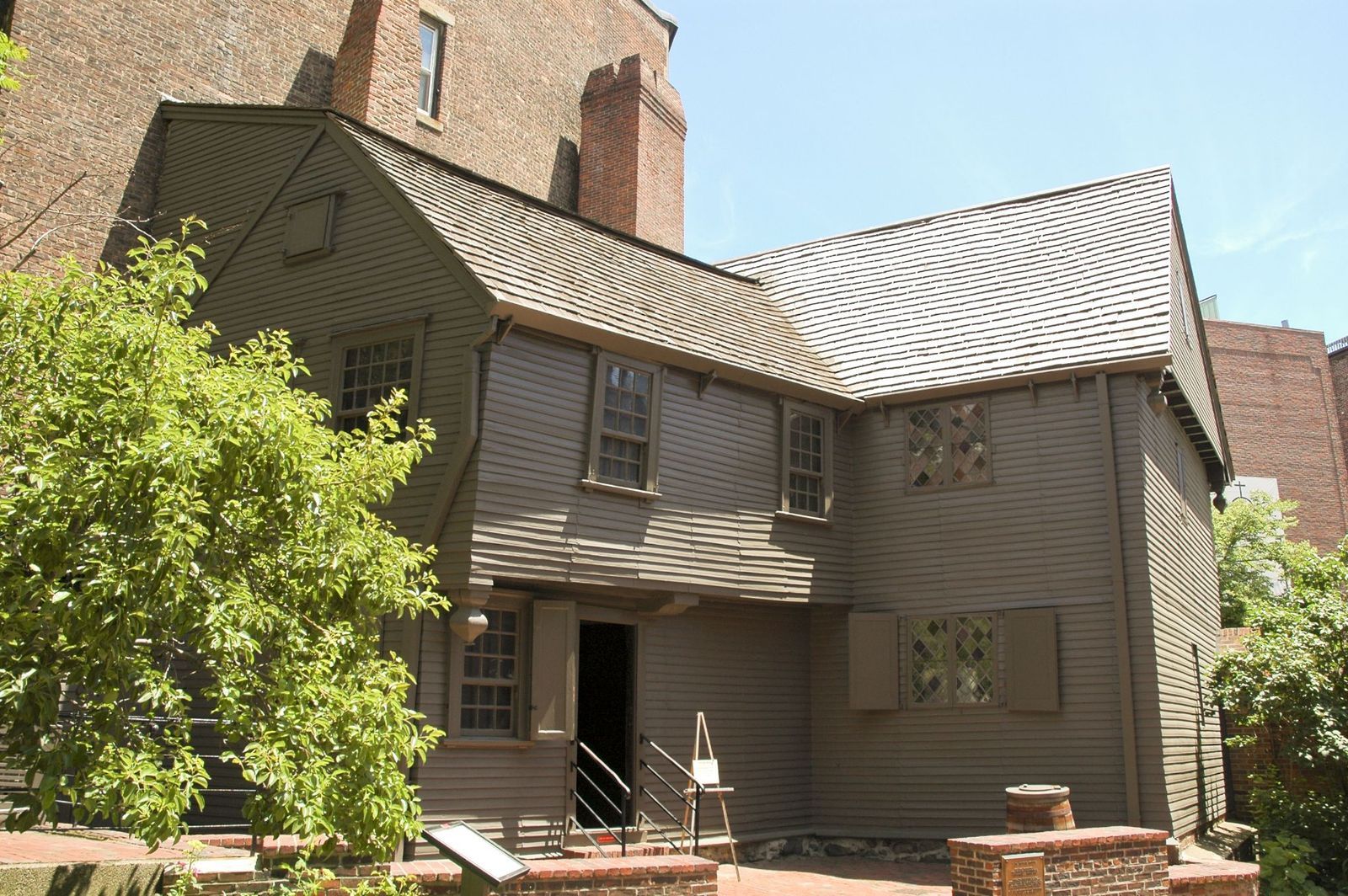
He had his first eight children with his first wife, Sarah Orne. Following her death in 1773, he remarried a woman called Rachel Walker, with whom he had another eight children. They crammed this huge family into a small townhouse at 19 North Square in downtown Boston. Amazingly for the 18th century, 11 of his 16 children survived to adulthood.

10
Revere Copper Products, Inc. is still in operation

Image: Jaclyn Vernace

After the Revolution ended, Revere left politics and went back to industry with some success. He opened a hardware store, a foundry, and the first rolling copper mill in the United States.

In fact, his business supplied the copper used to protect the hull of the USS Constitution. He also cast nearly 1,000 church bells, many of which still ring across New England today. Amazingly, the company he founded, Revere Copper Products, Inc., is still in business. Paul Revere passed away in 1818 at the age of 83, leaving behind a legacy more industrious than a single night’s ride.

Culture Culture 6 min read

The Five-Sided Puzzle Palace

A man lived there secretly? Stunning facts about the Pentagon

Image: Touch Of Light, CC BY-SA 4.0, via Wikimedia Commons

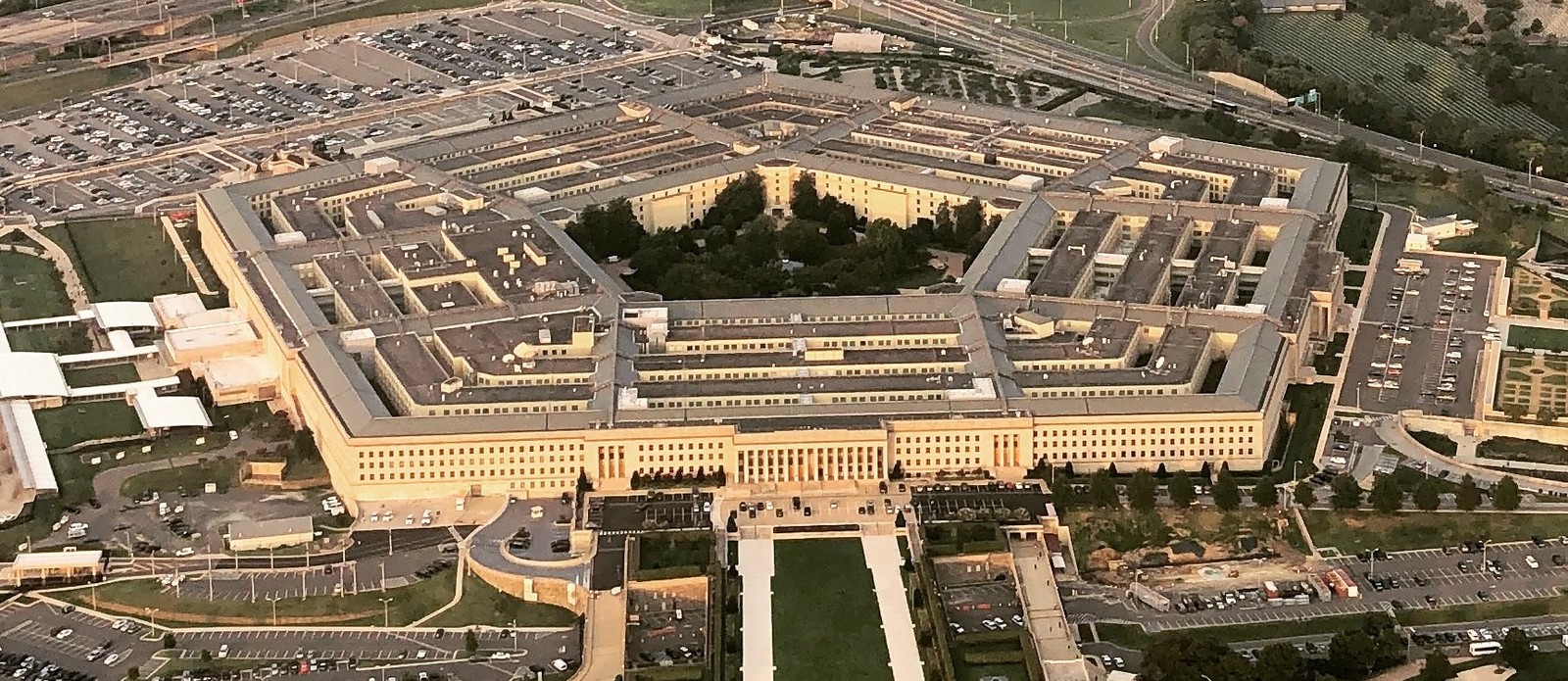
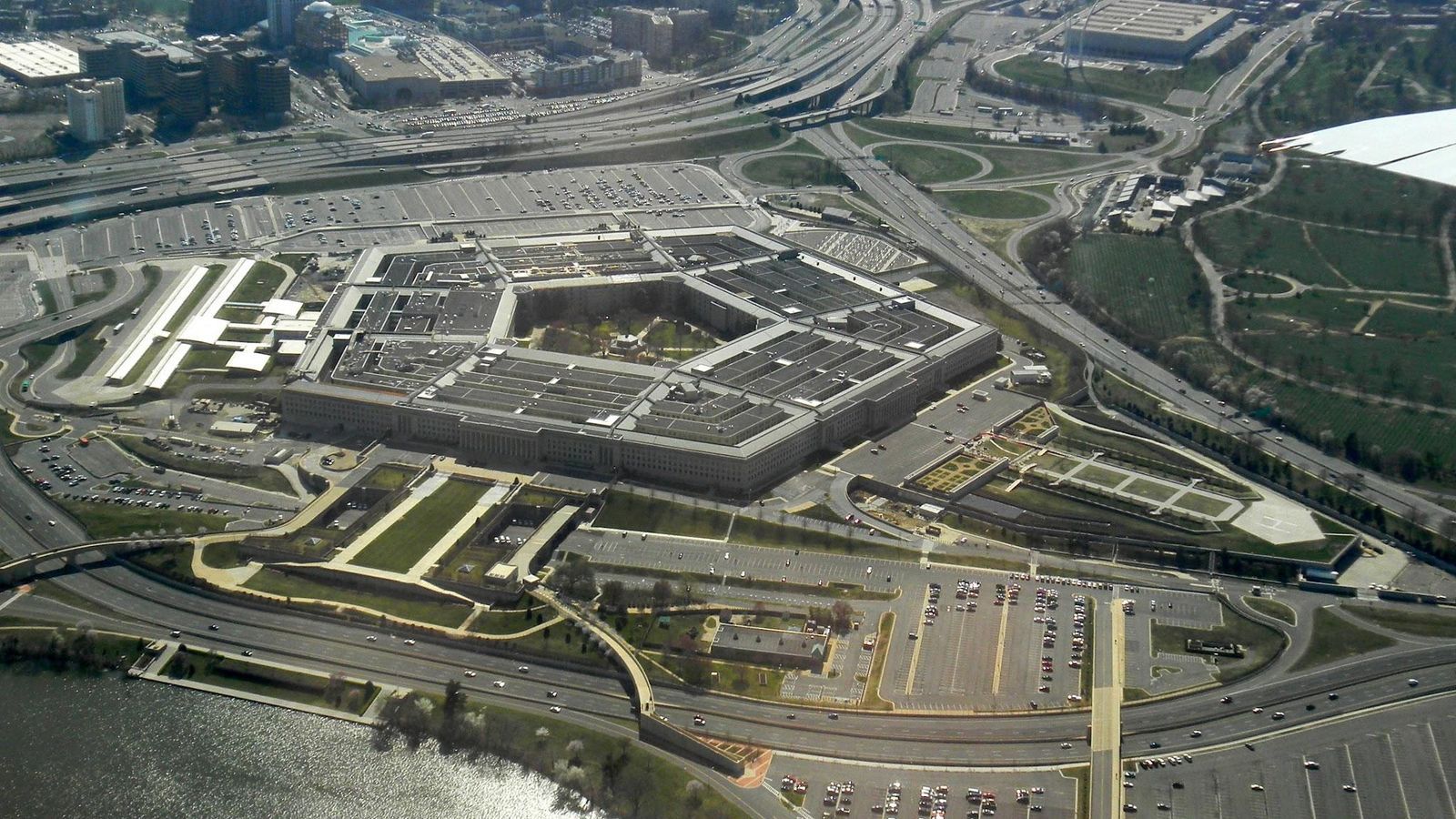
Did you know that construction on the Pentagon building began on September 11, 1941, exactly 60 years before it was attacked? The home of the US Department of Defense has stood for more than 80 years. Although its iconic shape is intriguing in itself, it hides deeper secrets that many Americans have never heard of. Did you know it feeds 26,000 people a day—at a McDonald's, a Five Guys, a Taco Bell, and over 30 other restaurants? Or that a man secretly lived inside its walls for years? Let’s dive into the Pentagon building’s secrets.

1
A renovation project saved thousands of lives on 9/11

Image: Office of the Secretary of Defense - Public Affair, Public domain, via Wikimedia Commons

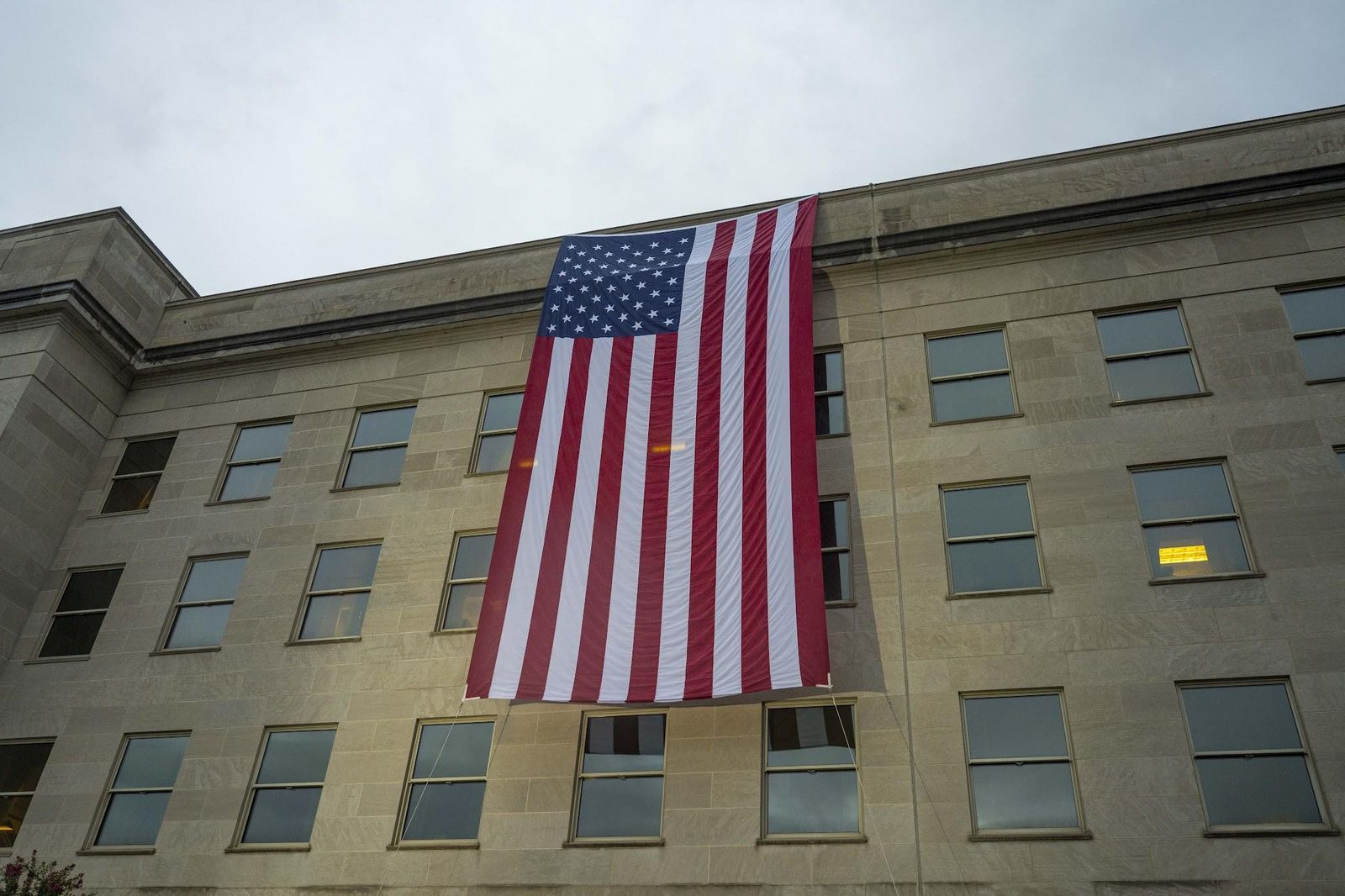
On September 11, 2001, American Airlines Flight 77 struck the Pentagon at 9:37 a.m., killing 189 people. Few people know this part: the death toll could have been much higher. But there was a renovation project underway at the time of the attacks.

The Pentagon’s five-sided structure is divided into five "wedges," and workers had been renovating them one at a time. Flight 77 struck the wedge that had just been completed. Of the 4,500 people who normally worked in that section, only about 800 had moved back in. Without the reinforced construction and the incomplete occupancy, experts believe the casualties would have been catastrophically higher.

2
The Cold War and the hot dog stand

Image: Anete Lusina

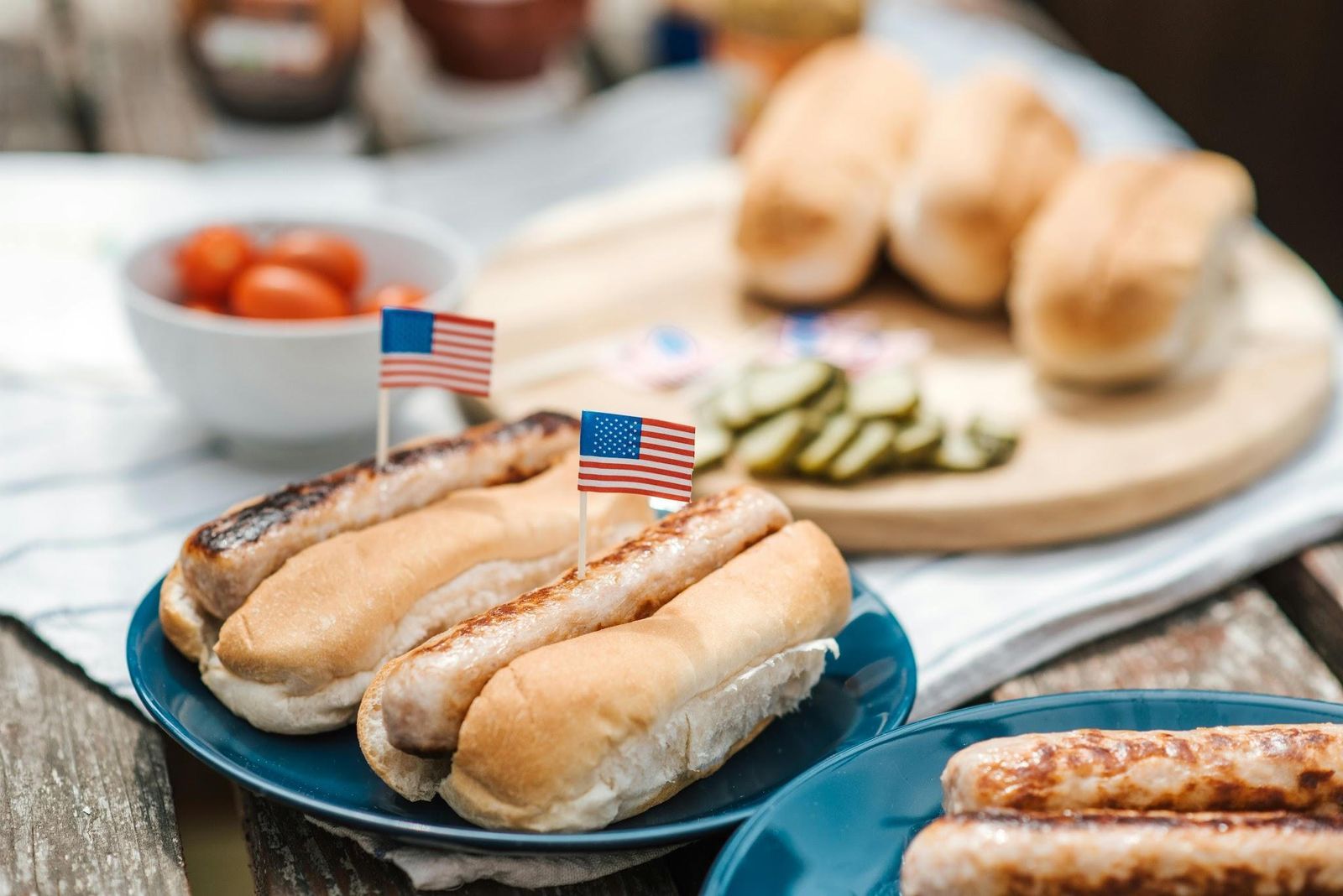
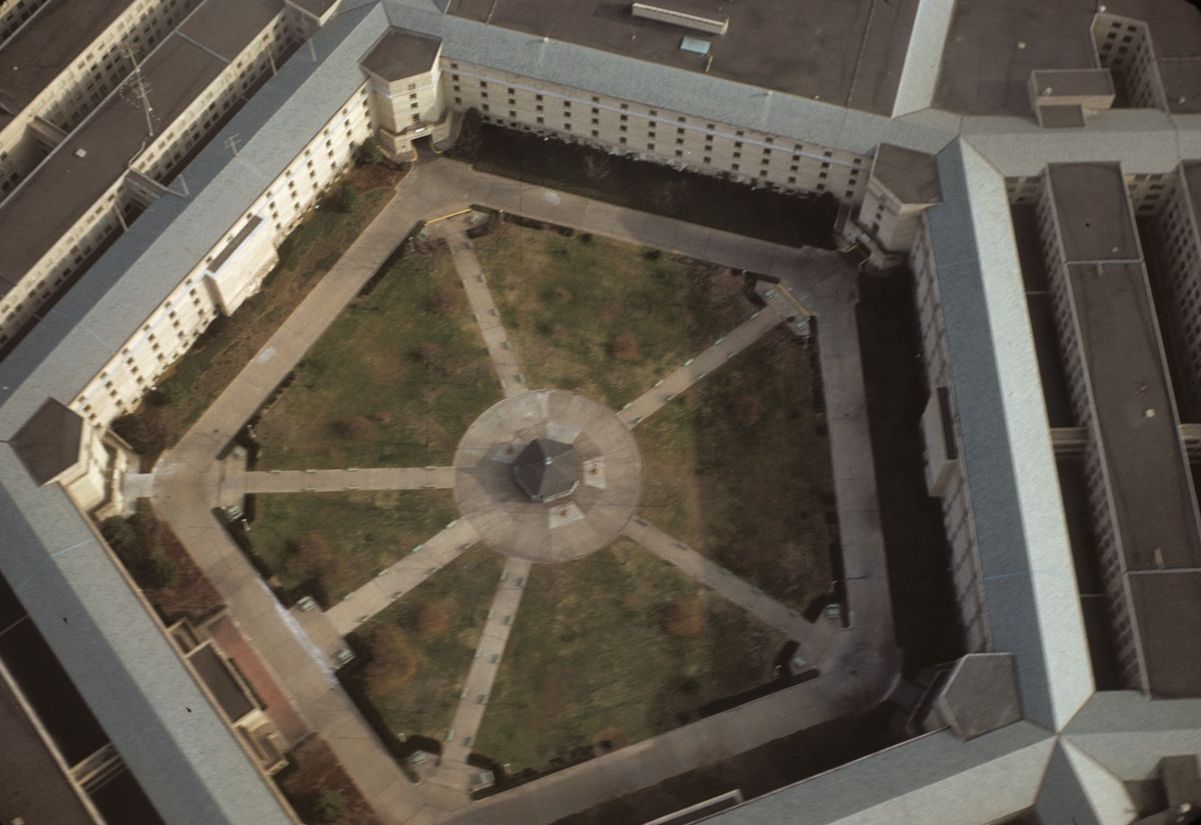
In the middle of the Pentagon’s five-acre center courtyard once stood a modest hot dog stand. According to a Cold War legend (one still retold by official Pentagon tour guides on every public tour), between the 60s and the 80s, Soviet satellite images tracked large groups of high-ranking military officials converging on that small building at the same time every day.

Soviet intelligence reportedly concluded the structure must be the entrance to some underground bunker in America. In reality, all it did was sell lunch. In 2006, the original stand was torn down, and a sandwich shop was built in its place.

3
Its construction began on September 11th, exactly 60 years before the attack

Image: Aber, Marilyn K., Public domain, via Wikimedia Commons

Builders broke ground on the Pentagon on September 11, 1941. That was exactly 60 years to the day before the September 11, 2001, terrorist attacks that would strike the same building.

Construction had been ordered by Army Brigadier General Brehon Somervell, who wanted a permanent headquarters for the Defense Department to replace its then-17 scattered offices across Washington, D.C.

The project was extraordinarily ambitious: plans called for the world’s largest office building to be completed in just 16 months. In the end, the conception, design, and construction of the entire Pentagon building took a total of 15 months.

4
The same person oversaw its construction and the Manhattan Project

Image: U.S. Army, Public domain, via Wikimedia Commons

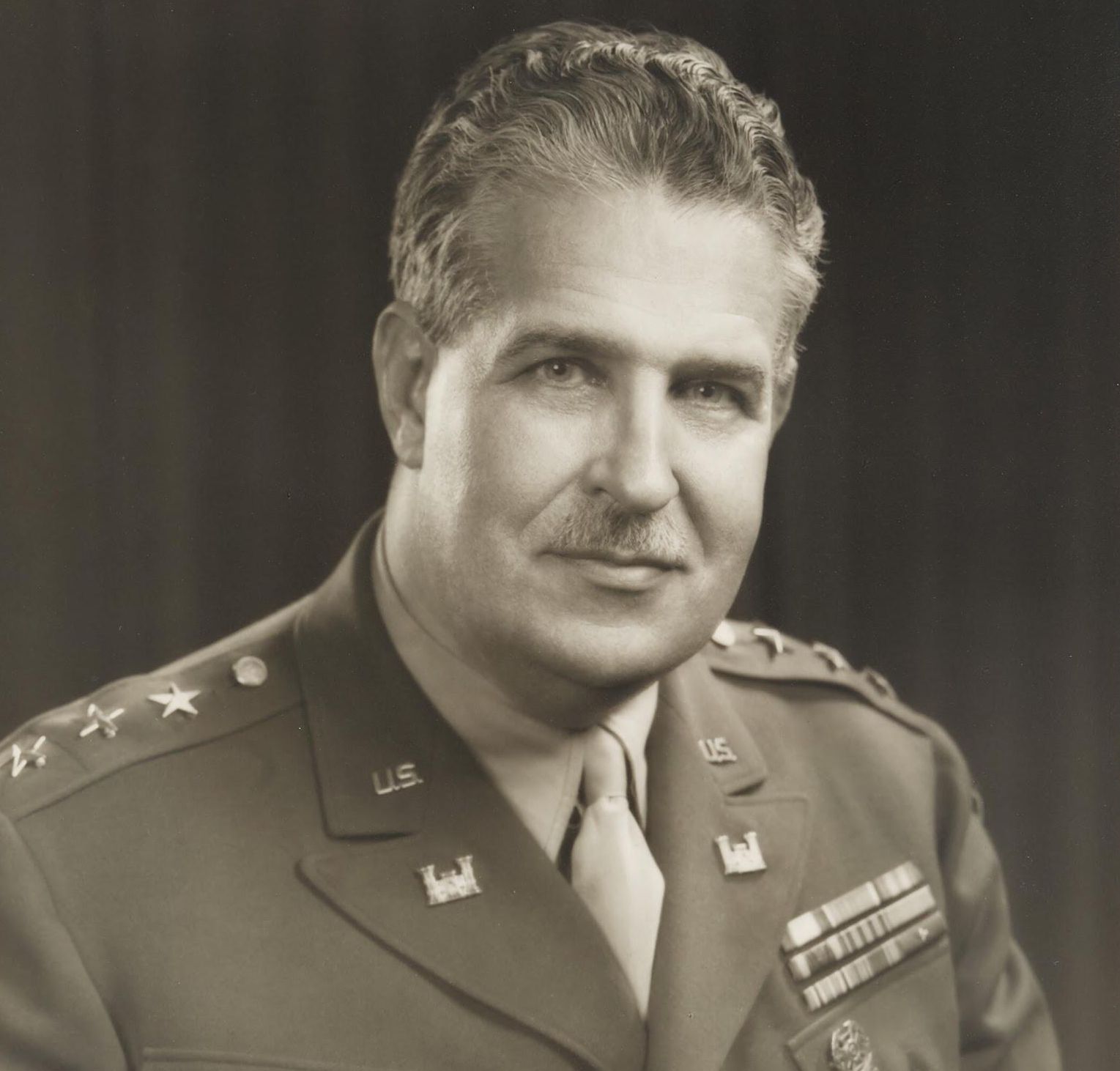
Colonel Leslie Groves of the Army Corps of Engineers took charge of Pentagon construction in August 1941. He worked six days a week and drove his team relentlessly, at one point employing more than 15,000 workers around the clock.

When the Pentagon was finished in January 1943, Groves was assigned to lead the Manhattan Project, America’s secret program to build the atomic bomb . His deputy, Captain Robert Furman, followed him into the Manhattan Project as chief of foreign intelligence. Together, the men who built the world’s largest office building went on to produce the weapon that ended World War II.

5
Why is it shaped like that?

Image: Boston Public Library, CC BY 2.0, via Wikimedia Commons

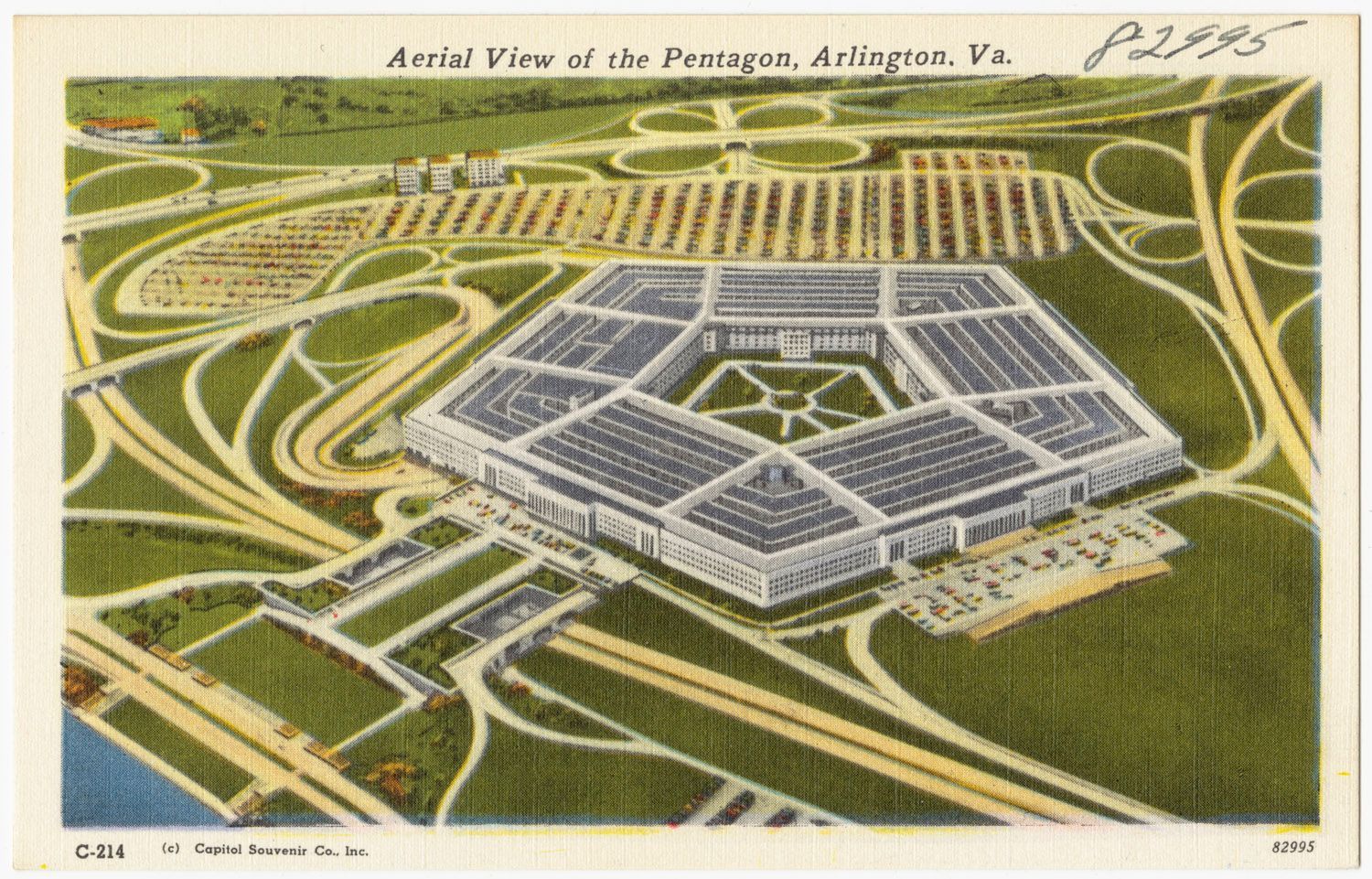
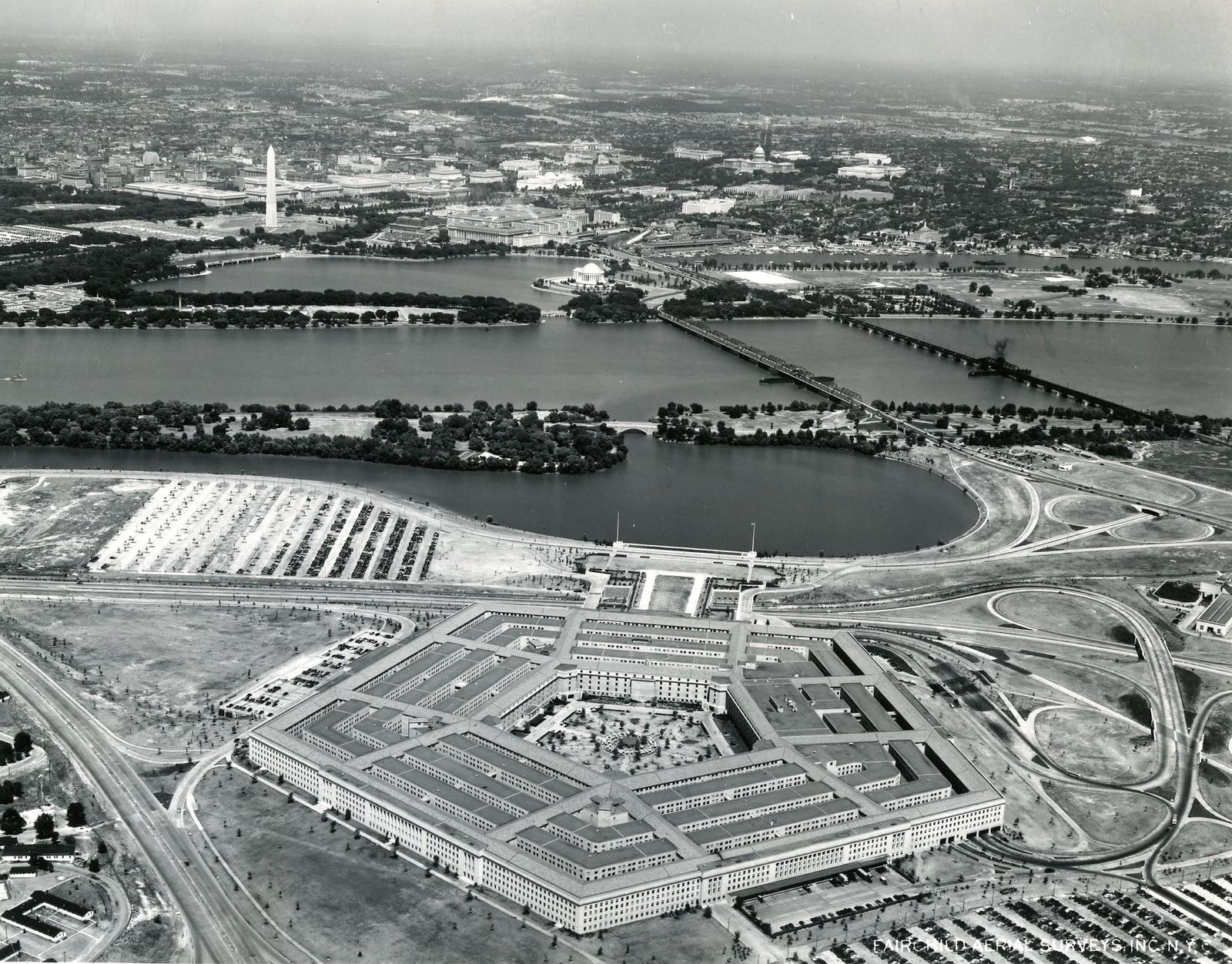
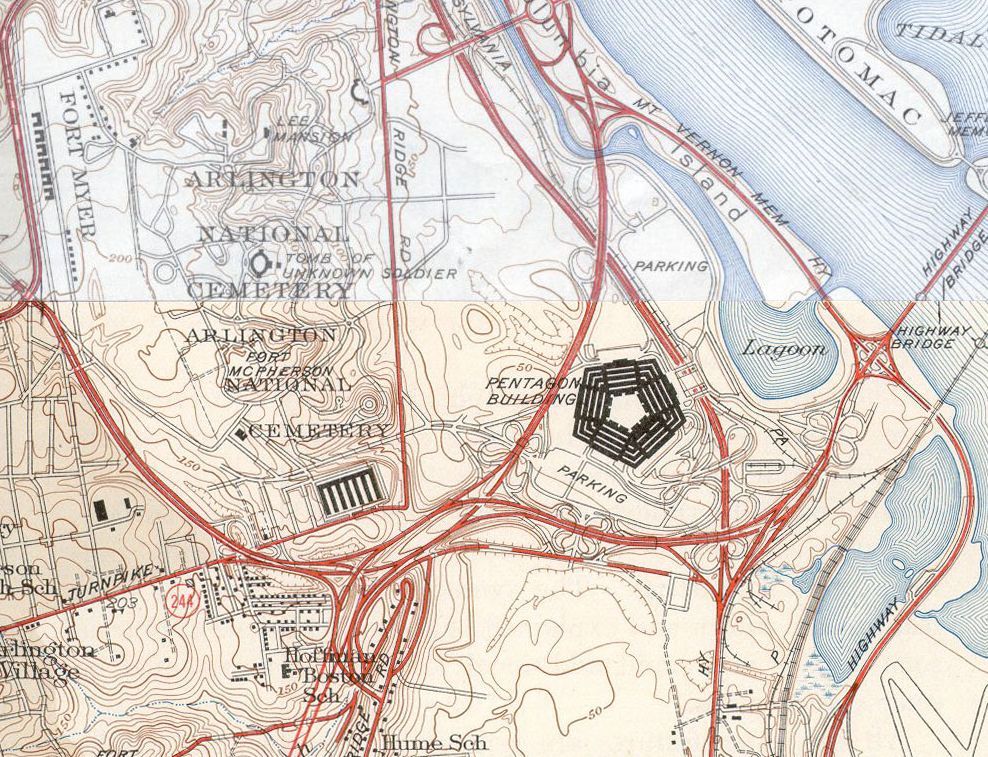
The Pentagon’s iconic five-sided shape was the consequence of a geographic accident. The original site selected for the building, near Arlington Cemetery, **happened to be bordered on five sides by roads. **Architects designed the structure to fit those boundaries, producing a pentagonal floor plan. Then President Franklin D. Roosevelt intervened: worried the massive building would obstruct the view of Washington, D.C. from Arlington, he ordered the site moved to its current location along the Potomac River. But the five-sided design had already been drawn up, and nobody changed it.

6
It was the first desegregated building in Virginia

Image: https://ddotlibrary.omeka.net/items/show/100, Public domain, via Wikimedia Commons

When the Pentagon was designed in 1941, segregation was the law in Virginia. Original plans called for doubled bathroom facilities: separate ones for Black and white employees, as required by Virginia statute. But President Roosevelt had signed Executive Order 8802 in June 1941, prohibiting racial discrimination in federal employment and government contracting.

As a federal building, the Pentagon was exempt from Virginia law. It became the only building in the state where segregation was not enforced. A fully desegregated federal workplace that opened in 1943. The doubled bathrooms were built anyway, as the plans were too far along to revise, but were never used as separately designated spaces.

7
Its construction was surprisingly frugal and incredibly fast

Image: See page for author, Public domain, via Wikimedia Commons

Ground broke on September 11, 1941, and construction finished on January 15, 1943, just 16 months later. More than 15,000 workers were on site around the clock. Wartime office shortages were so severe that employees moved into completed wings before the rest of the building was finished. Steel was too scarce to use extensively, so builders relied almost entirely on reinforced concrete. The 689,000 tons of sand and gravel required came directly from the nearby Potomac River, cutting transportation costs. The project was budgeted at $35 million, but the final bill was $63 million, which would translate to over $900 million in today’s dollars.

8
You can walk between its farthest points in only 7 minutes

Image: Bea A Carson, CC0, via Wikimedia Commons

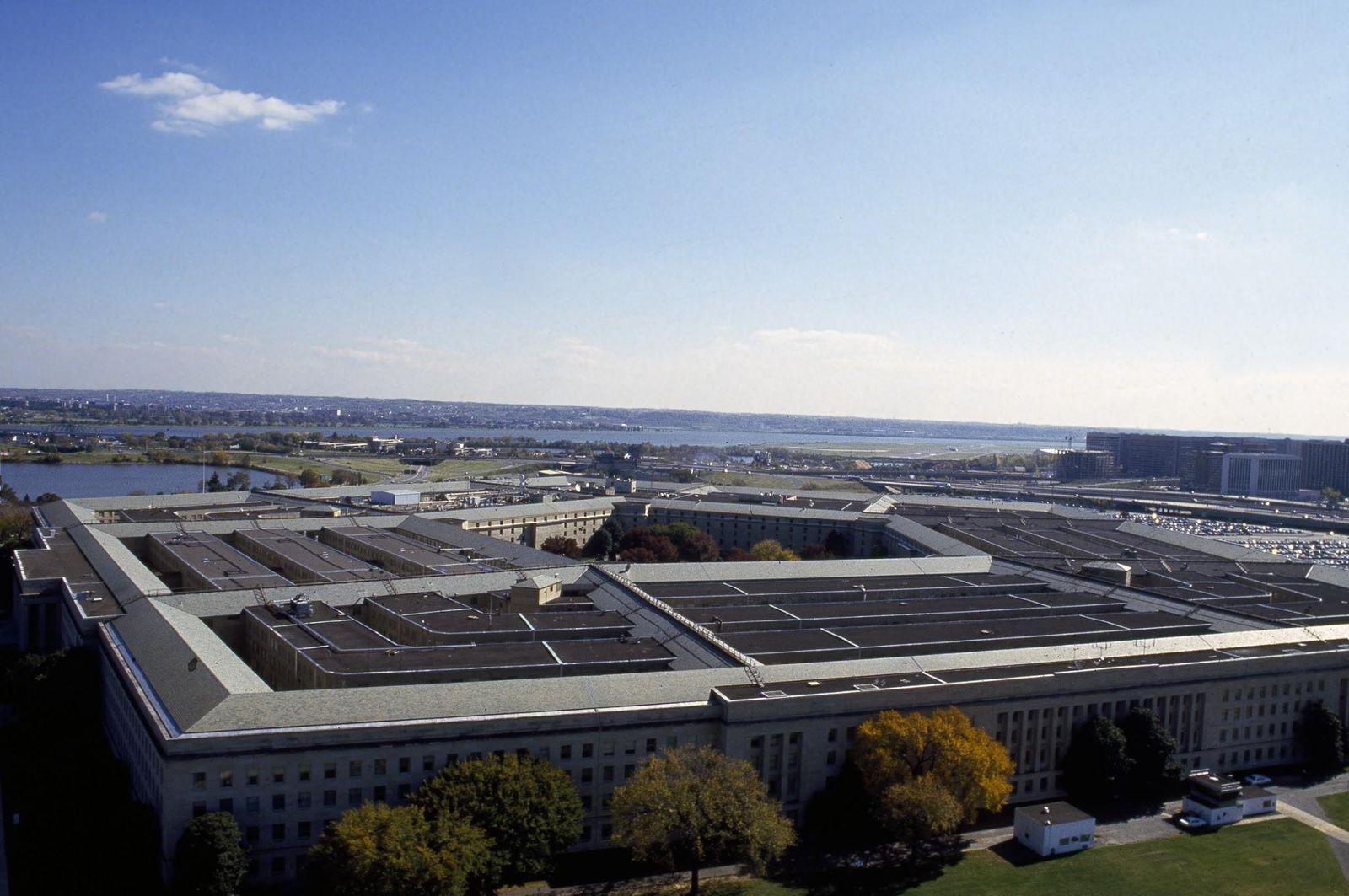
The Pentagon is the world’s largest low-rise office building: 6.5 million square feet of space, which is three times the total floor area of the Empire State Building. Each of its five outer walls is 921 feet long. It has 7,754 windows and 17.5 miles of corridors. Approximately 26,000 military and civilian employees report for work there every day.

Despite that scale, the building’s concentric ring design is so efficient that it takes only about seven minutes to walk between its two farthest points.

9
The man who secretly lived inside its walls

Image: Carol M. Highsmith, Public domain, via Wikimedia Commons

During construction, Colonel Groves drove his deputy, Captain Robert Furman, so relentlessly that Furman rarely left the building. To cope, Furman had contractors build him a small, windowless apartment hidden inside the walls of the Army’s Ordnance Division. In this private room, he could sleep and shower without leaving the premises.

When construction ended and personnel dispersed, knowledge of the hidden room was never passed on to building management. Months later, when Furman returned to Washington on Manhattan Project intelligence business, he found the apartment undiscovered and exactly as he’d left it.

For over a year, he would slip back to the Pentagon, pop open a wall panel, spend the night, and emerge in the morning with his suitcase. He was finally caught in 1943 and forced to surrender the keys. It was never disclosed whether the secret apartment was maintained or eventually absorbed back into the official floor plans.

10
It houses over 30 restaurants, including everyone's favorite chains

Image: Harrison Keely, CC BY 4.0, via Wikimedia Commons

The Pentagon feeds roughly 26,000 people a day, and its dining options read less like a military headquarters and more like a mall food court. The main Concourse Food Court, which opened in September 2009 and seats 875 people, is the largest of several dining areas.

Confirmed chains currently inside the building include McDonald’s, Five Guys, Subway, Popeyes, Starbucks (multiple locations), Dunkin’ (two locations), Panera Bread, Taco Bell, Panda Express, Baskin-Robbins, Potbelly, Jamba Juice, and Moe’s Southwest Grill, among others. The building also houses a CVS pharmacy, a florist, a jeweler, and a dry cleaner. In the summer of 2024, Potbelly became the first restaurant to open in the center courtyard. Yes, the very spot where the legendary Cold War hot dog stand once stood.

Explore more American facts

Choose your favorite category!

General
General

As American as apple pie—the very best America has to offer!

Culture
Culture

Delve into the astounding richness of American lore.

Geography
Geography

Hop in and explore vast and diverse American landscapes.

History
History

Discover the key moments that shaped the United States.