Culture Culture 5 min read

Why does Japan eat KFC for Christmas? The answer will shock you!
Image: Nixx Photography

When you think of fast-food royalty, few figures are as universally recognizable as Colonel Harland Sanders. With his iconic white suit, black string tie, and goatee, his image is plastered across tens of thousands of Kentucky Fried Chicken (KFC) locations around the globe. Yet, behind that grandfatherly smile lies a corporate history filled with drama, secret recipes, and unusual marketing decisions. Here are 10 mindblowing facts about KFC and its legendary founder.

1
A rivalry becomes a business success
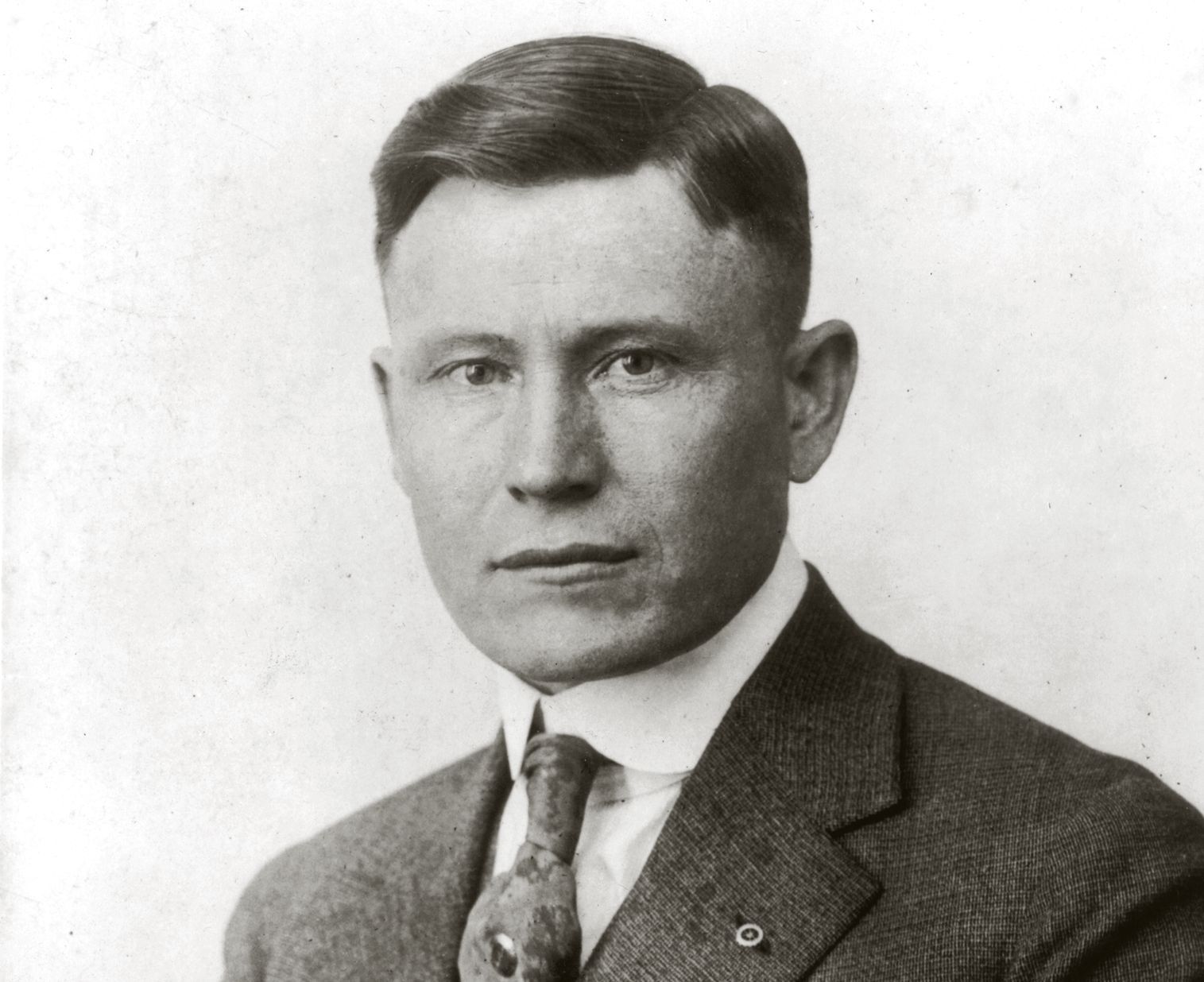
Image: Unclear, likely someone from the family of Colonel Sanders, Public domain, via Wikimedia Commons

During the Great Depression, Harland Sanders ran a humble Shell station in Corbin, Kentucky. Back then, business was cutthroat, and Sanders found himself in a bitter feud with Matt Stewart, a rival gas station owner who kept painting over Sanders’ highway signs to redirect traffic. After several warnings went unheard, Sanders marched over to confront Stewart.

When Stewart was caught in the act, a physical confrontation quickly escalated. Stewart drew a pistol and shot a Shell manager who was accompanying Sanders, killing him on the spot. Sanders retaliated by firing back and wounding Stewart, who was later arrested and sentenced to prison for murder. With his main competitor safely behind bars, Sanders was able to expand his service station, perfect his pressure-frying method, and ultimately transform his business into a massive commercial success.

2
The KFC you know today exists thanks to Wendy’s
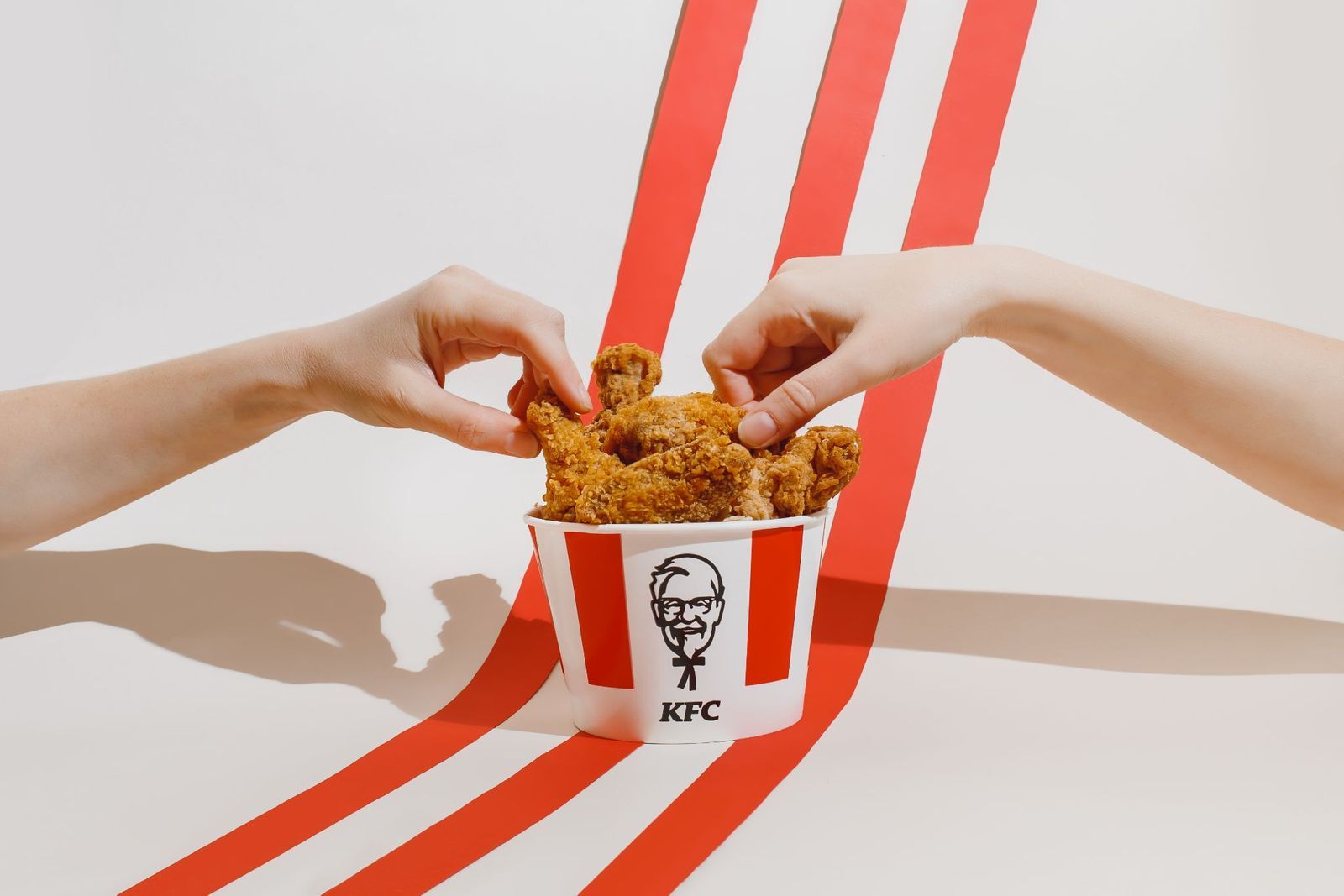
Image: Pavlovska Yevheniia

Although you may view KFC and Wendy’s as distinct competitors, the reality is that the chicken giant owes its structural identity to Dave Thomas, the founder of Wendy’s. In the 1960s, Thomas worked as a head chef and regional manager for the Colonel’s franchises.

He was a marketing whiz who personally convinced Colonel Sanders to star in his own television commercials, cementing his status as a living mascot. Furthermore, Thomas created the iconic red and white striped bucket design. He became so wealthy from his shares and success at KFC that he used his payout to establish his own burger empire, Wendy’s, in 1969.

3
The secret recipe's security
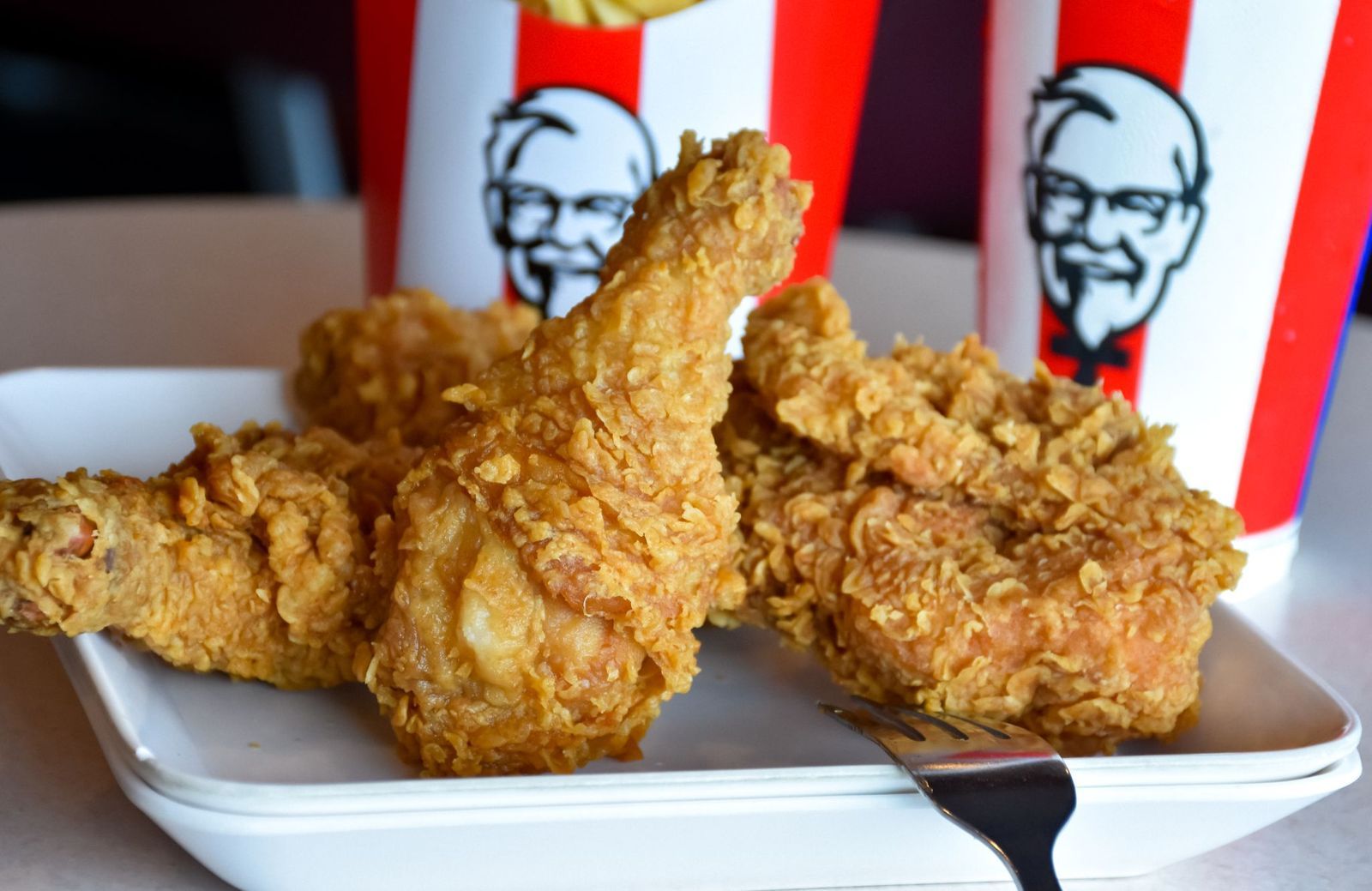
Image: Patcharaporn Puttipon4289

The legendary blend of "11 herbs and spices" is one of the most famously guarded secrets. Did you know KFC keeps the recipe locked inside a top-secret vault at the corporate headquarters in Louisville, Kentucky?

The vault, encased in thick layers of concrete, is protected by motion sensors, security cameras, and 24/7 guards. To ensure the formula is never leaked, KFC splits the production pipeline: two different companies are hired to mix separate halves of the spice blend. Neither company knows the other's ingredients, and a computer system automatically combines the two halves before the seasoning is shipped out to individual franchises.

4
KFC for Christmas in Japan
Image: Tricky_Shark

In the United States, a Christmas dinner consists of roasted turkey or ham. In Japan, however, Nativity food comes in a cardboard bucket. This wild tradition dates back to 1974, sparked by Takeshi Okawara, the manager of the country's first KFC branch.

After overhearing homesick Western expats lamenting how difficult it was to source a holiday turkey in Japan, Okawara launched the national "Kentucky for Christmas" campaign, which exploded into a cultural phenomenon. Today, an estimated 3.6 million Japanese families celebrate Christmas Eve with KFC, with patrons placing their orders months in advance to avoid long lines.

5
Colonel Sanders hated KFC
Image: WayneRay, CC BY-SA 4.0, via Wikimedia Commons

By 1964, 73-year-old Colonel Snaders felt he was no longer cut out for the pace of corporate life. He sold the Kentucky Fried Chicken company to a group of investors for $2 million, under a contract that allowed the brand to continue using his likeness.

As executives changed the original recipes to cut costs, Sanders grew to hate the food KFC was serving. He began travelling the country, showing up unannounced at franchises to taste the food, throw public tantrums, and openly tell the media that the new gravy tasted like "wallpaper paste" or "sludge". He even attempted to open a rival restaurant and sued KFC for using his image, leading the company to counter-sue him. Eventually, KFC paid him an additional million dollars just to stop making public scenes.

6
KFC Double Down
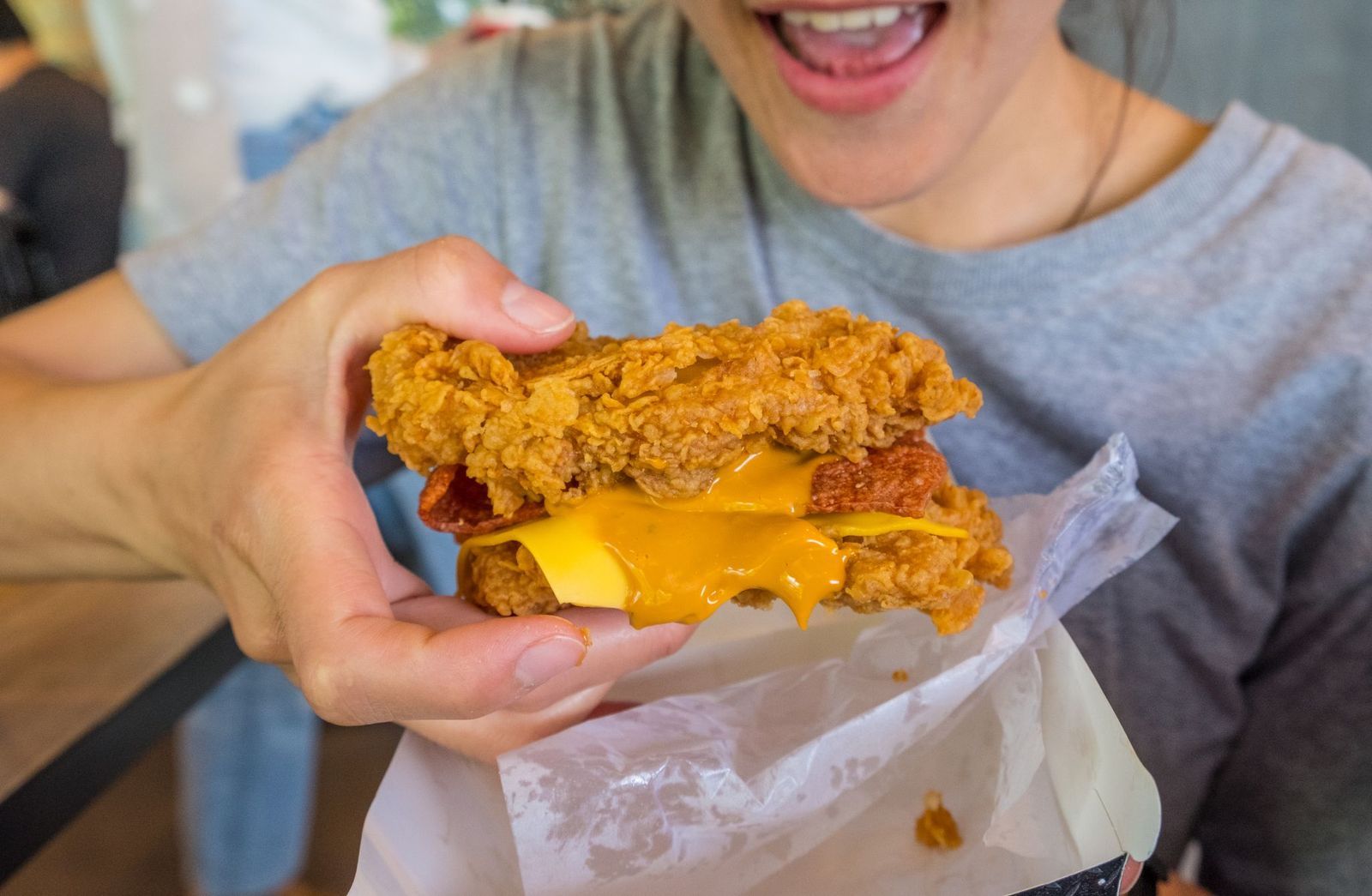
Image: Boyloso

KFC has never been afraid of pushing nutritional boundaries, but in 2010 they certainly hit another level. The Double Down features bacon, Monterey Jack cheese, and a Colonel's special sauce encased between two seasoned, crispy slabs of fried chicken breast instead of bread buns.

The item sparked a media frenzy, with health advocates calling it a dietary disaster and foodies treating it as a dare. Ultimately, it proved to be a commercial hit. As it turns out, when it comes to extreme fast food, consumers are more than willing to ignore the carbs in favor of deliciousness.

7
That time KFC ran out of chicken
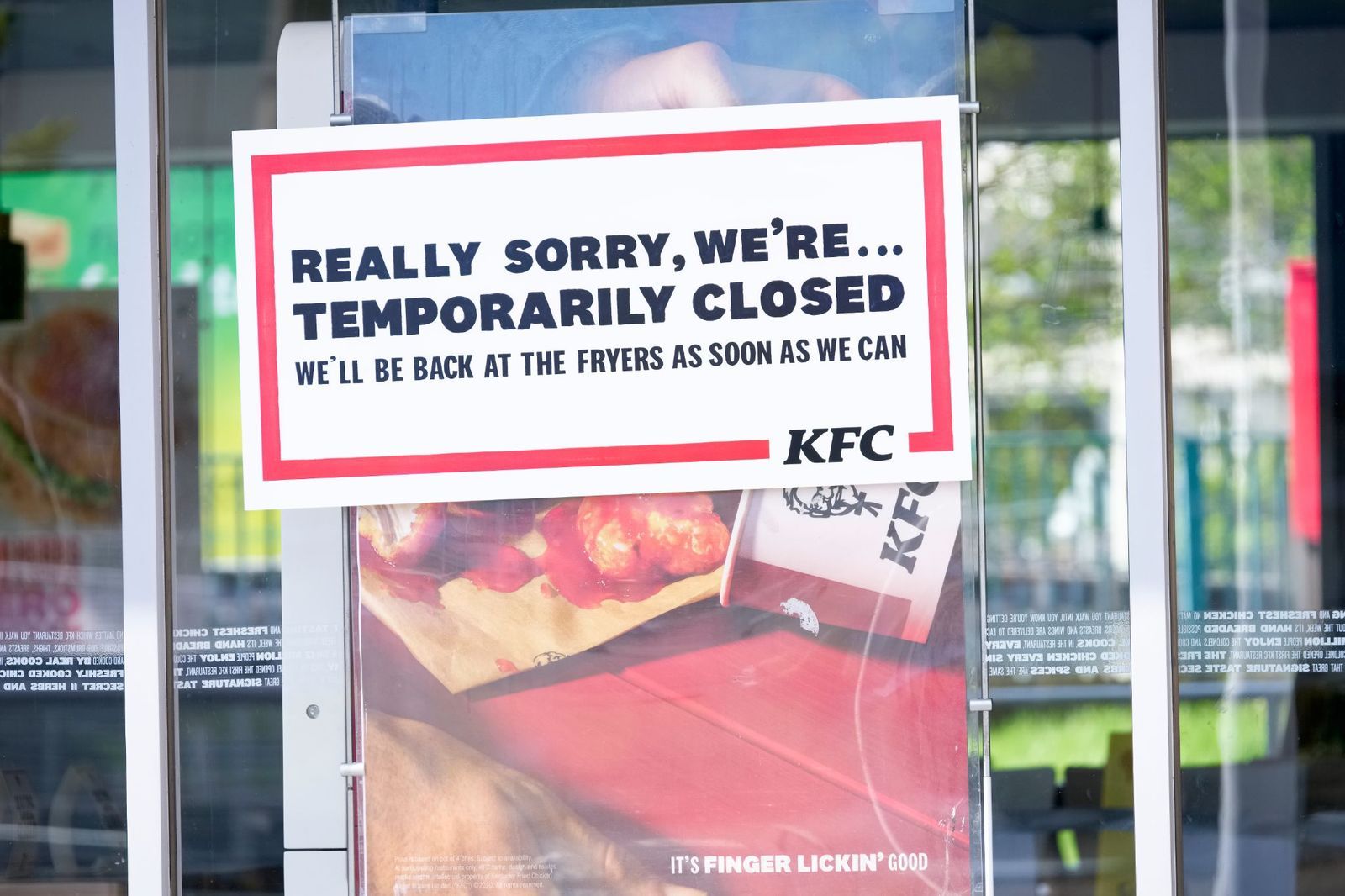
Image: richardjohnson

A fried chicken restaurant running out of its main ingredient sounds like a nightmare, but in 2018, it became real for KFC in the United Kingdom. In an effort to optimize logistics and save money, management switched its delivery contract to DHL. The transition went completely wrong, resulting in a supply chain jam that left over 900 UK locations with no chicken to fry.

Hundreds of stores were forced to shut down temporarily, sparking nationwide outrage, with desperate citizens even calling the police to complain. KFC managed to restore its reputation by leaning into self-deprecating humor, purchasing newspaper advertisements that featured an empty bucket rearranged to read "FCK".

8
The problem with the slogan in Chinese
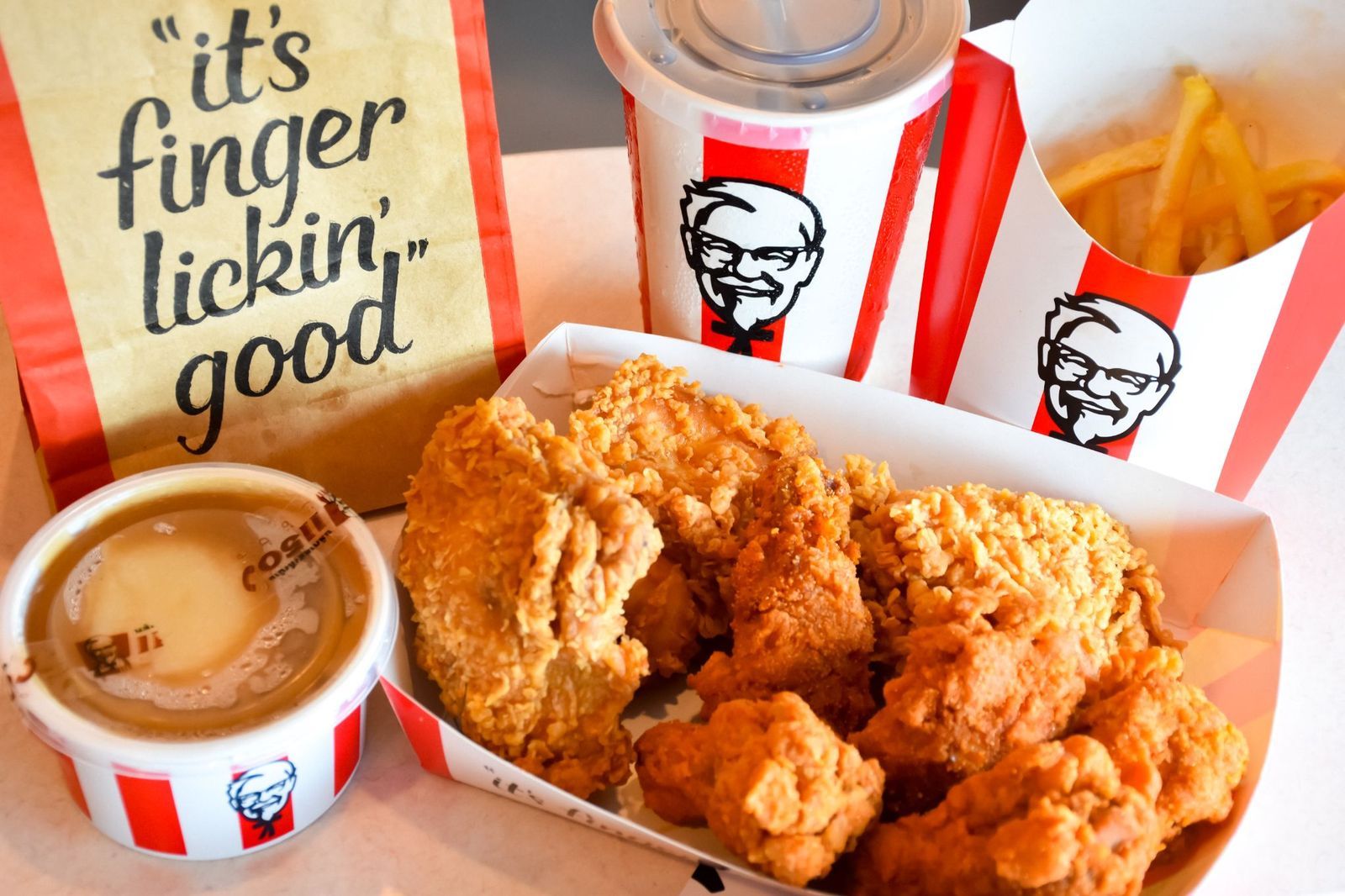
Image: Patcharaporn Puttipon4289

When international fast food brands began expanding into foreign territories in the late 1980s, errors were very common. KFC experienced this firsthand when it opened its first store in Beijing, China, in 1987. The company wanted to proudly display its world-famous catchphrase, "Finger-Lickin' Good", to tempt local diners.

Unfortunately, due to an oversight in Mandarin translation, the slogan was literally translated to "Eat Your Fingers Off". While the phrase initially startled and amused local consumers, the brand quickly corrected the translation mishap to something more culturally appropriate and appetizing.

9
KFC's video game
Image: Ratana21

Decades after the Colonel’s passing, KFC’s marketing division decided to lean into modern internet subcultures. In 2019, the brand shocked the gaming community by releasing an official, anime-style video game titled I Love You, Colonel Sanders! A Finger Lickin’ Good Dating Simulator.

Developed as a visual novel, the free game places the player in a culinary school alongside a young and handsome romanticized version of Colonel Sanders. The goal of the game is to successfully navigate cooking school battles while attempting to woo the chicken chef. Against all odds, the game became a viral sensation.

10
KFC releases its own console

Image: Pixel-Shot

Following the unexpected success of their video game, KFC’s marketing team announced the KFConsole in 2020. Many assumed it was an April Fool’s joke, but it turned out to be a genuine gaming PC.

The most bizarre feature of the console is its custom "Chicken Chamber". This specialized compartment uses the heat generated by the computer’s internal components to keep pieces of fried chicken warm and crispy while you play video games.

Geography Geography 5 min read

LIVING HISTORY

Check Out 10 Of The Oldest Houses in America And Their Stories

In the U.S. territory, there are some buildings and edifications that have really passed the test of time, standing as witnesses to the strength and durability that human creations can have. Many of them still retain traits of those who built or inhabited them, even after standing for 400 years or more. If you want to discover more about them, join us as we tell you the origin and stories of 10 of the oldest buildings in America!

1
Palace of the Governors (New Mexico, 1610)

Image: Donald Giannatti

This is one of the oldest continuously occupied public buildings in the United States. Built in 1610 , it served as the seat of the Spanish, Mexican, and, finally, American government.

Some experts claim that the key to its longevity is the material of which it is composed. Adobe has always worked very well as a building material in areas that, like New Mexico, have a major thermal amplitude. This is because adobe works as a thermal insulator.

Besides all the historical artifacts this building holds, it also has many stories to tell. In 1862, during the Civil War, Abraham Lincoln gave a famous speech from the Palace's balcony.

2
Fairbanks House (Massachusetts, 1637)

Image: Lampos Aritonang

Built around 1637 by English immigrant Jonathan Fairbanks in what is now Dedham, Massachusetts, many sources claim that the Fairbanks House is the oldest timber-frame house in America.

With so many years of existence and so many people who must have passed through it, can you imagine the stories that could be told from inside those wooden walls? For 8 generations, Jonathan's descendants inhabited this place, and today, it functions as a museum for all of us to visit.

This 380 -year-old house was built with oak wood, straw, animal fur, and other materials of the time. Just imagine how cold it must have been inside during winter!

3
C.A. Nothnagle Log House (New Jersey, 1638-1643)

Image: Joshua Michaels

Can you imagine holding an object from the 1590s in your own hands? Well, that's what you could do at the C. A. Nothnagle Log House in New Jersey.

The Finns and the Swedish left testimonies of their building techniques in our territory with this log cabin built between 1638 and 1643, one of the oldest still extant in the country. The many inhabitants of this house never had to worry about winter; the interior features a large, centrally located stone and brick chimney that provides even heat for the entire place.

With so many years of history, it's not unusual for visitors to experience strange episodes at the C. A. Nothnagle Log House. Some have reported hearing footsteps and soft murmuring, while others affirm to have seen a specter of a woman dressed in colonial-era clothing.

4
Richard Sparrow House (Massachusetts, 1640)

Image: James Kovin

Richard Sparrow, surveyor and early settler of Plymouth, Massachusetts, built this historic house in 1640, making it the oldest surviving house in Plymouth.

With its timber frame, this house is an example of typical colonial architecture, demonstrating the durability of this type of construction. Despite the restorations necessary to keep it standing, the house keeps most of its original materials and still looks much as it did in the 17th century , making it an interesting source of education about the period.

5
House of the Seven Gables (Massachusetts, 1668)

Image: Joseph Corl

The Fairbanks House is not the only historic house in Massachusetts.

Considered a colonial mansion, the Turner-Ingersoll Mansion was built in 1668 for Captain John Turner and stayed with his family for three generations. The place became famous in 1851 for its appearance in Nathaniel Hawthorne's Gothic novel "The House of the Seven Gables," which also gave it its characteristic nickname.

While the dark stories Hawthorne wrote about are fictional, some visitors claim to have felt a scary feeling and strange vibes inside the house. Would you like to visit the museum?

6
Paul Revere House (Massachusetts, 1680)

Image: Timur M

As the name implies, this historic house was the home of patriot Paul Revere.

Built in 1638 , it is not only one of the oldest houses in the country, but it is also the oldest standing building in downtown Boston, and represents a fine example of classic Colonial American architecture.

The building originally belonged to another owner, and Paul Revere acquired it around 1770 . If you visit the house, you can see objects and artifacts that actually belonged to the Revere family! You won't be the first, though, as an estimated 300,000 people visit the house annually.

7
Shirley Plantation (Virginia, 1723)

Image: Belia Koziak

Shirley Plantation is undoubtedly one of the oldest and most famous plantations in America.

While the plantation was founded in 1613, construction of its main house began in 1723, designed in the Georgian architectural style.

Additionally, visitors can find artifacts, tools, and weapons from the Civil War era, making it a truly valuable experience. As another detail, Shirley Plantation also has the oldest known plantation portrait in America: it features Elizabeth Hill and John Carter, whose marriage united the Hill and Carter families. These families have owned the place since 1738 to this day!

8
Wright's Ferry Mansion (Pennsylvania, 1738)

Image: Marie Martin

Susanna Wright was a pioneer Quaker woman from Philadelphia, who decided to live in Wright's Ferry (what is now Columbia) in the early 18th century. Wright was active in poetry, science, and local politics and business.

In 1738, she built Wright's Ferry Mansion, which served not only as her family home but also as a business center. With its classic proportions and elegant style, the mansion is today one of the oldest in the country. It was preserved to keep its original appearance, remaining a fine example of early 18th-century architecture in the country.

Legend has it that the house is haunted by the spirit of its original owner, with several visitors claiming to have seen her, or heard murmurs and loud footsteps inside the house.

9
Mount Vernon (Virginia, 1734-1750s)

Image: Matt Briney

We can't overlook the iconic Mount Vernon. Built in Fairfax County, Virginia, it’s one of the most famous homes in the country. And you know why: it was the home of our first president, George Washington.

The original house was built in 1734 by George Washington's father, Augustine Washington, and then expanded by his son into the building we see today. Washington influenced American architecture with the design of this building. In fact, it is said that the design of the "New Room" in Mount Vernon inspired the White House's Oval Office!

While the exterior is made of wood, it was sanded and beveled to mimic stone for a classic, elegant style. The house also has Martha Washington's famous "Blue Room," one of the most beautiful and best-decorated spaces, which still preserves its appearance. Have you already visited it?

10
Drayton Hall (South Carolina, 1747-1752)

Image: Peter Herrmann

Charleston, South Carolina, was the site where the historic Drayton Hall was built between 1747 and 1752.

This 18th-century plantation is considered to be one of the best-preserved examples of Georgian architecture. In addition, it is also claimed to be the only plantation house on the Ashley River that survived the Revolutionary and Civil Wars, not without some damage.

With nearly 300 years of history, it's undeniable that this house was the scene of many stories and events. Some visitors have claimed that the house is haunted , reporting sightings of apparitions and hearing mysterious noises. Spooky, isn't it?

General General 5 min read

ANIMATED TREASURES

Relive the good old days with 10 of the most iconic cartoon characters!

Image: Taha

Let’s take a trip back to your childhood : It’s Saturday morning, you made yourself a bowl of your favorite cereal and you sit in front of the TV screen to watch some cartoons. What’s the first character that comes to mind? It might very well be one of the 10 cultural icons we have selected for this list. These timeless characters truly transcend all generations, since they have been able to thoroughly entertain and inspire countless Americans throughout the decades. So, without further ado, let’s pay homage to these 10 American cartoon characters! Enjoy!

1
Mickey Mouse

Image: Kadyn Pierce

We’ll start strong with what’s probably the most famous cartoon character in the world. When you think about it, it’s rather uncanny how instantly recognizable Mickey Mouse is: It only takes drawing three small circles for virtually anyone in the world to identify Disney’s iconic mascot.

However, while nowadays Mickey acts more like a spokesperson for Disney, he got his start as a groundbreaking cartoon character, featured in now legendary shorts like "Steamboat Willie", "The Plow Boy", and "The Barn Dance". Perhaps more famous is Mickey’s short included in the feature film "Fantasia", in which he plays a clumsy sorcerer’s apprentice.

2
Charlie Brown & Snoopy

Image: Joshua Carl

We couldn’t possibly add the main character of the "Peanuts" newspaper strips without including his iconic black and white dog. Charlie Brown and Snoopy have been featured in several TV shows, including many fondly remembered Christmas specials.

Charlie Brown’s "aw-shucks" attitude and Snoopy’s mischievous charisma have truly cemented them as two of the most popular cartoon characters in history. Since their first TV appearance in 1965, this duo is still featured in new specials and films, with their latest show premiering in 2021.

3
Garfield

Image: Jason Yuen

Another newspaper strip-turned-animated character, Garfield is one of the most relatable characters in this list. Now, you might be thinking "What on God’s green earth do I have in common with a cartoon orange cat?" Well, more than you think: Garfield’s smarts, love for food, and utter disdain for Mondays truly turned him into one of America’s favorite cartoon pets.

Garfield’s jump from Jim Davis’ comics to TV first came in the early 80s, through a number of Emmy-nominated specials that included "Here Comes Garfield", "Garfield on the Town", and "Garfield in the Rough". In 1988, our favorite feline debuted in his very own TV show called "Garfield and Friends".

4
Scooby-Doo

Image: Brandon Salabarría

Is your town haunted by strange apparitions, dastardly creatures, or terrifying monsters? Then it sounds like you need the help of four meddling kids and their dog! Scooby-Doo revolutionized cartoons by adding crime-solving to a mostly comedic genre. Every week, the amateur detectives of "Mystery Inc." would solve a mystery, unmasking a no-good villain pretending to be some sort of fantastical creature.

The gang was aided by Scooby, their cowardly yet lovable Great Dane. Although he preferred eating snacks over solving mysteries, he ultimately always helped his friends whenever they needed him. Fun fact: Did you know that Scooby’s name was inspired by a Frank Sinatra song?

5
The Flintstones

Image: Bekir Uğur

Did you know that our favorite prehistoric family was the very first animated series featured in a prime time slot? That goes to show how much America loved the Flintstones : Every week, millions of families turned to their TV screens to laugh away with Fred, Wilma, Barney, and Betty’s adventures.

Set in the fictional town of Bedrock, "The Flintstones" featured a rather imaginative depiction of the Stone Age, mixing prehistoric elements with modern issues. Perhaps most famously, the show depicted prehistoric versions of modern appliances, like an octopus dishwasher or a dinosaur-can opener.

6
The Jetsons

Image: Rock'n Roll Monkey

While in "The Flintstones" Hannah-Barbera showcased the adventures of a Prehistoric family, the iconic animation studio went in the opposite direction with " The Jetsons ": For this show, the studio asked the question "How would the typical Space Age American family be?"

This show follows the everyday life of the Jetson family, comprised of George, Jane, Judy, and Elroy Jetson. Just like "The Flintstones", the show is fondly remembered for reimagining everyday technology: It predicted video calls and automated helpers decades before the first iPhone was produced.

7
Tom & Jerry

Image: Teresa Jang

Who says rivals can’t make up a good duo? If anything, Tom and Jerry’s legacy was built in this constant and neverending bickering, resulting in hilarious and exciting confrontations that don’t usually end up good for this beloved tomcat.

Another animated treasure conceived by the minds of William Hanna and Joseph Barbera, Tom and Jerry made use of these two characters’ insane charisma: Although they were mostly silent, their expressions and resourcefulness truly made them unforgettable. Several "Tom & Jerry" shorts received Academy Awards, including the fan-favorite episode "The Cat Concerto."

8
Popeye

Image: thomas RICHARD

If Garfield made us love lasagna, then Popeye had the slightly more difficult mission of making kids enjoy eating their spinach. And yet, this iconic sailor made such a daunting task look easy by showcasing the Herculean strength this simple vegetable gave him.

Popeye made his big screen debut in 1933 after Betty Boop creator Max Fleischer adapted the character’s adventures into a series of shorts. Fleischer was the first to include Popeye’s love for spinach, turning it into the character’s most famous trait. Whenever he was in trouble, Popeye would turn to a can of spinach that would always give him the strength needed to save his beloved Olive Oyl from the hands of the villainous Brutus.

9
Yogi Bear

Image: Jessica Weiller

If you ever find yourself enjoying a gorgeous day in the beautiful (although fictional) "Jellystone Park", keep an eye on your picnic basket! Just a small lapse is all Yogi Bear (and his trusted companion, Boo-Boo Bear) need to take your delicious refreshments. Created by Hanna-Barbera in 1958, Yogi first appeared as a supporting character in "The Huckleberry Hound Show", but he soon found his way into the hearts of the American public.

Yogi was as charming as he was mischievous: He would often speak in rhyme and come up with elaborate plans that ultimately blew up on his face. Yogi was constantly evading Ranger Smith, the overworked park ranger tasked with keeping visitors' food safe from this beloved bear.

10
Looney Tunes

Image: Portuguese Gravity

We’ll end this article with a bit of a pun since this cartoon series is known for its send-off message " That’s all Folks! " Just like Mickey Mouse and Tom & Jerry, the Looney Tunes come straight from the Golden Age of American animation, and it truly shows: Not only are their cartoons insanely funny, but they have remained relevant and inspiring since their debut in the 1930s.

Looney Tunes introduced the world to iconic characters like Bugs Bunny, Porky Pig, Daffy Dug, Wile E. Coyote, and the Road Runner. Their charming personalities, wacky adventures, and quirky manners truly marked a turning point in the history of American cartoons.

Explore more American facts

Choose your favorite category!

General
General

As American as apple pie—the very best America has to offer!

Culture
Culture

Delve into the astounding richness of American lore.

Geography
Geography

Hop in and explore vast and diverse American landscapes.

History
History

Discover the key moments that shaped the United States.