History History 6 min read

Who was the real Paul Revere? 10 shocking facts beyond the legend
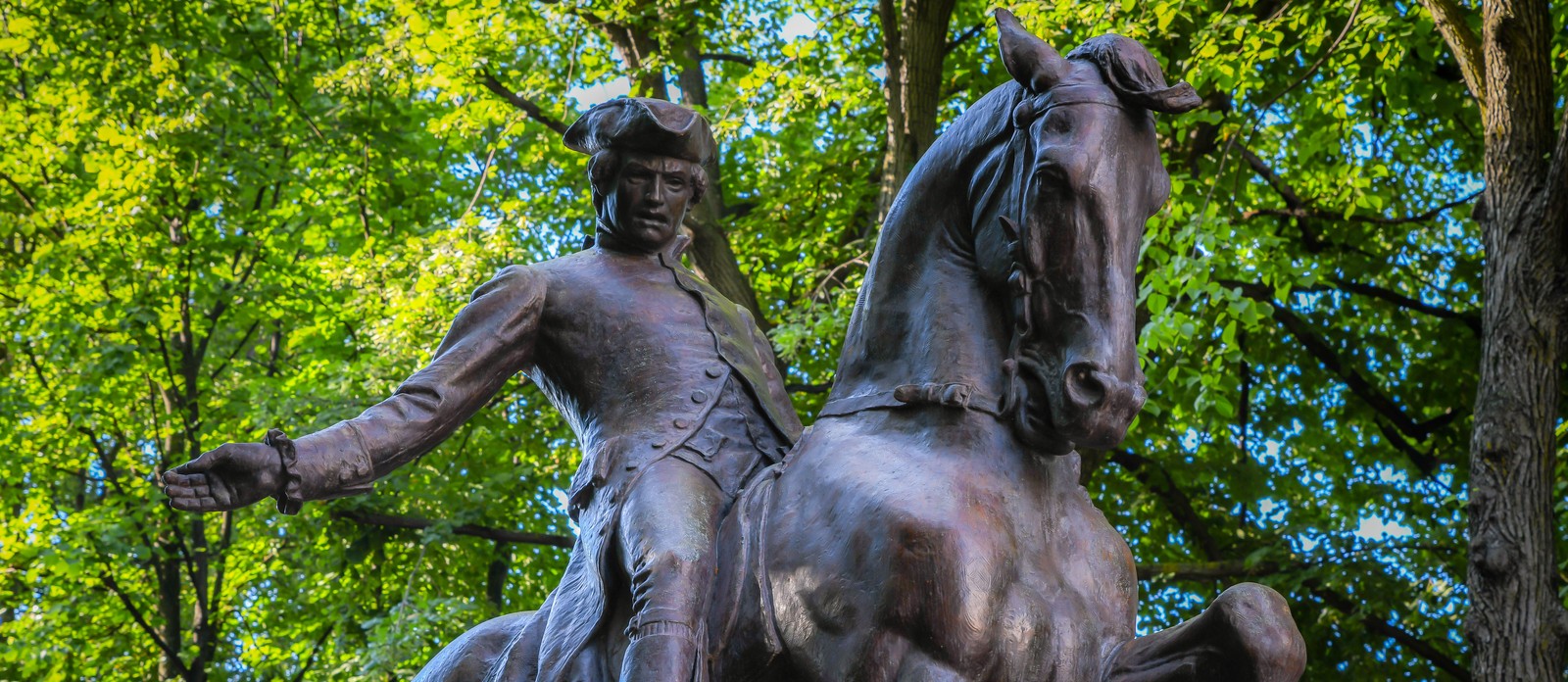
Image: Keith J Finks

Like many stories from early American history, the myth of the heroic patriot galloping through the midnight dark, shouting a legendary warning, has completely overshadowed the man. The real Paul Revere was a fascinating human being. He was a craftsman, an innovator, and a family man. Let’s pull back the curtain on the legend and look at ten surprising facts you probably never knew about America’s favorite midnight rider.

1
He was of French descent
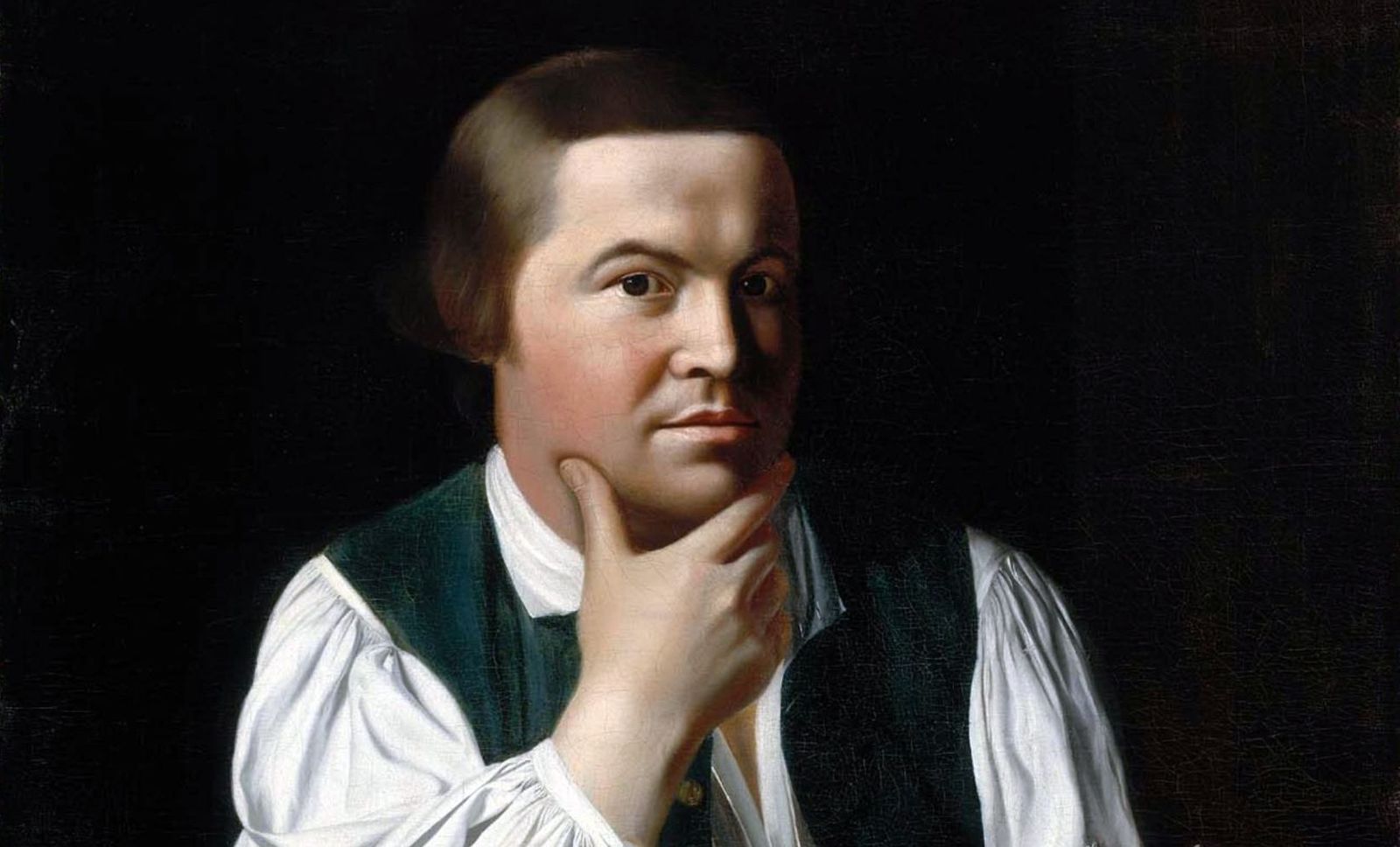
Image: John Singleton Copley, Public domain, via Wikimedia Commons

While we think of Paul Revere as an early American icon, his roots lay across the Atlantic. His father, Apollos Rivoire, was a French Huguenot (a member of the French Reformed Church) who fled religious persecution and immigrated to Boston as a teenager.

To fit in his new home, Apollos Americanized the family name to "Revere". Paul was born in late 1734 or early 1735, the son of Apollos and a Boston local called Deborah Hichborn. Apollos was so interested in blending in that he never taught his children to speak and read French. In fact, a young Paul Revere even fought against the French as part of the colonial forces during the French and Indian War.

2
He was an accomplished artisan
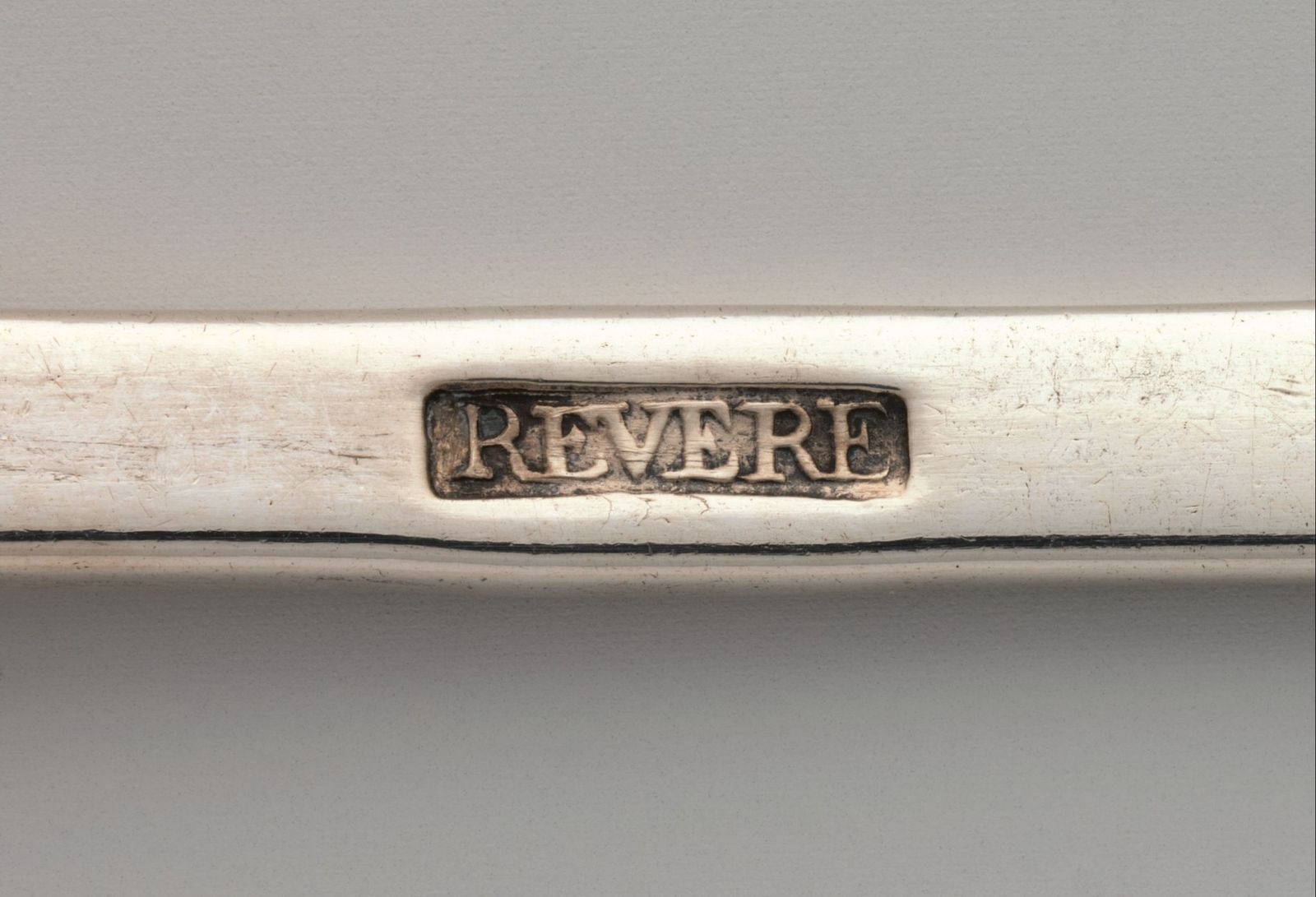
Image: Paul Revere, CC0, via Wikimedia Commons

Before he was a revolutionary, Revere was a master craftsman. He learned the art of silversmithing from his father and quickly gained a reputation as an accomplished artisan. He designed seals, coats of arms, plate engravings, and silver teapots.

Revere also used his engraving skills to create sharp political cartoons that mocked the British. His most famous artistic work was a sensationalized engraving of the 1770 Boston Massacre. It wasn’t entirely historically accurate, but it spread through the colonies, stirring up the anti-British sentiment that laid the groundwork for the Revolution.

3
He worked as an amateur dentist
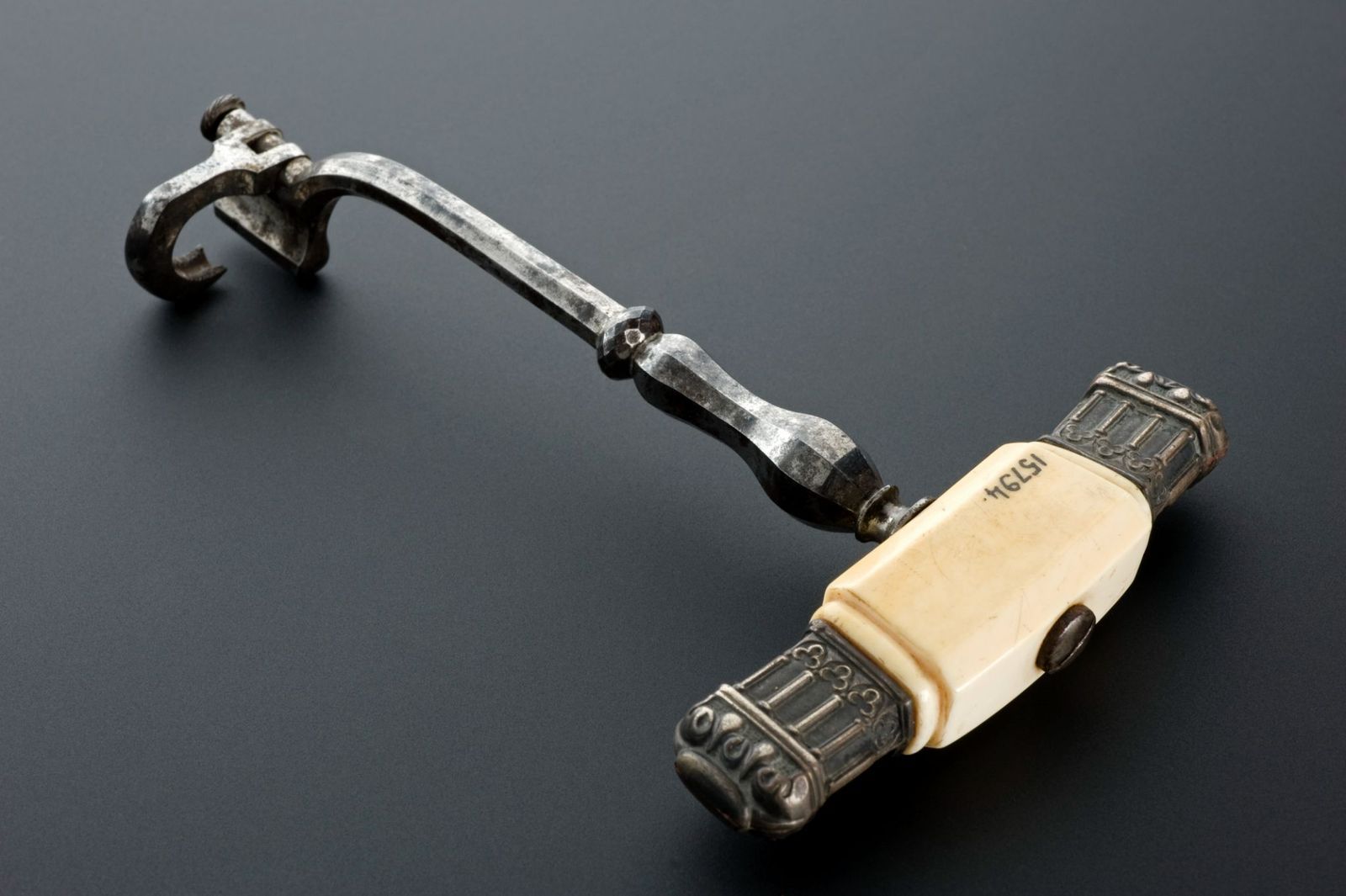
Image: See page for author, CC BY 4.0, via Wikimedia Commons

When silversmithing work ran slow, Revere picked up a side hustle: dentistry. He started cleaning teeth and crafting dental prosthetics out of animal teeth and walrus ivory for the people of Boston.

This amateur dental career actually led to a major moment in American history. In 1775, Revere’s close friend, Dr. Joseph Warren, was killed at the Battle of Bunker Hill and buried in an unmarked mass grave by British soldiers. A year later, when the bodies were exhumed, the remains were unrecognizable. Yet, Revere was able to identify Warren’s body by recognizing the specific ivory tooth and custom wire bridge he had personally crafted for his friend. It’s widely considered one of the earliest documented cases of forensic dentistry in the United States.

4
He played a key role in early intelligence efforts
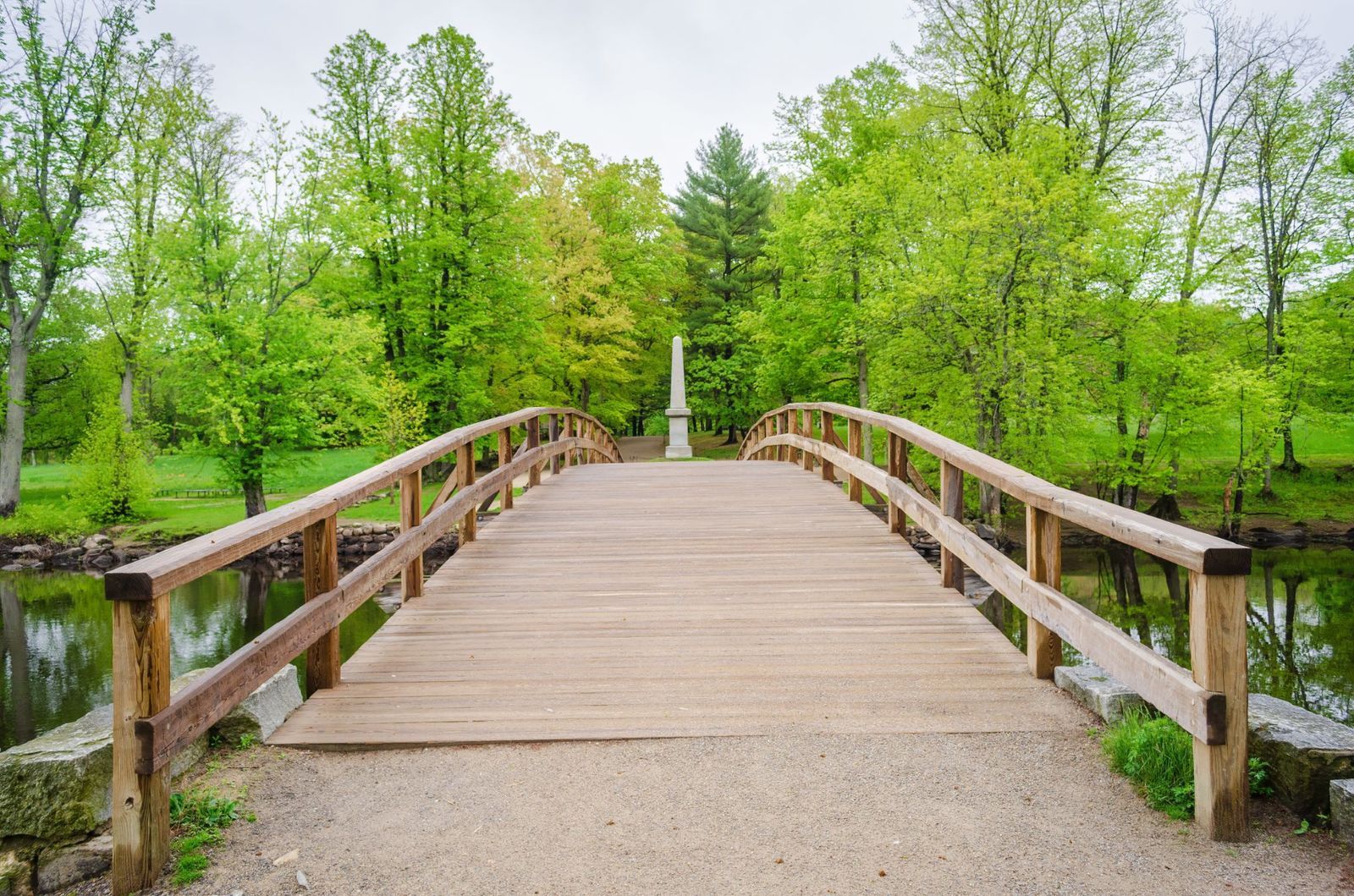
Image: Zack Frank

Long before the CIA existed, Paul Revere was working as a pioneer of organized American espionage. As a member of the Sons of Liberty, Revere wanted to track British movements closely. In 1774, he helped form a spy group known as "the mechanics" or the "Liberty Boys".

These men were Bostonian blacksmiths, artisans, and laborers who used their ordinary routines to watch British troops, listening for rumors of upcoming military actions. The spies would gather at the city’s historic Green Dragon Tavern to trade secrets and map out British movements.

5
Longfellow's inaccurate poem
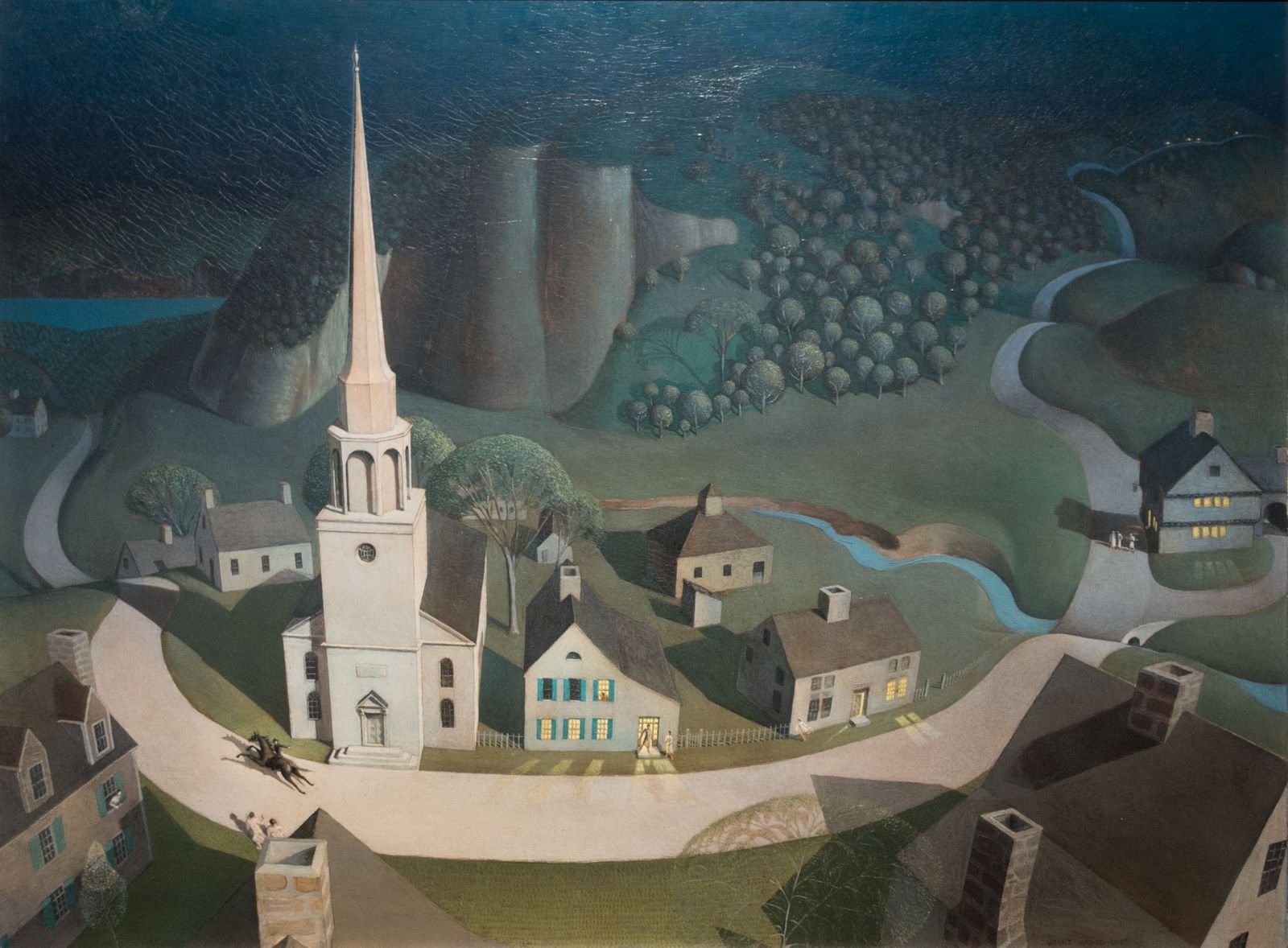
Image: Grant Wood, Public domain, via Wikimedia Commons

If your knowledge of Revere comes from Henry Wadsworth Longfellow’s famous 1861 poem, "Paul Revere's Ride," you’ve been given a romanticized version of history. Longfellow wrote the poem nearly a century later, on the brink of the American Civil War, to stir up national pride.

In reality, Revere wasn’t a lone rider. The night of April 18, 1775, Revere set out with two other main horsemen: William Dawes and Dr. Samuel Prescott. As they triggered local alarms, dozens of other riders joined the effort. By midnight, more than 40 people were racing across the country, spreading the word. Furthermore, Revere never actually made it to his final destination of Concord. He was captured and briefly detained by a British patrol.

6
He didn’t even own a horse for his midnight ride
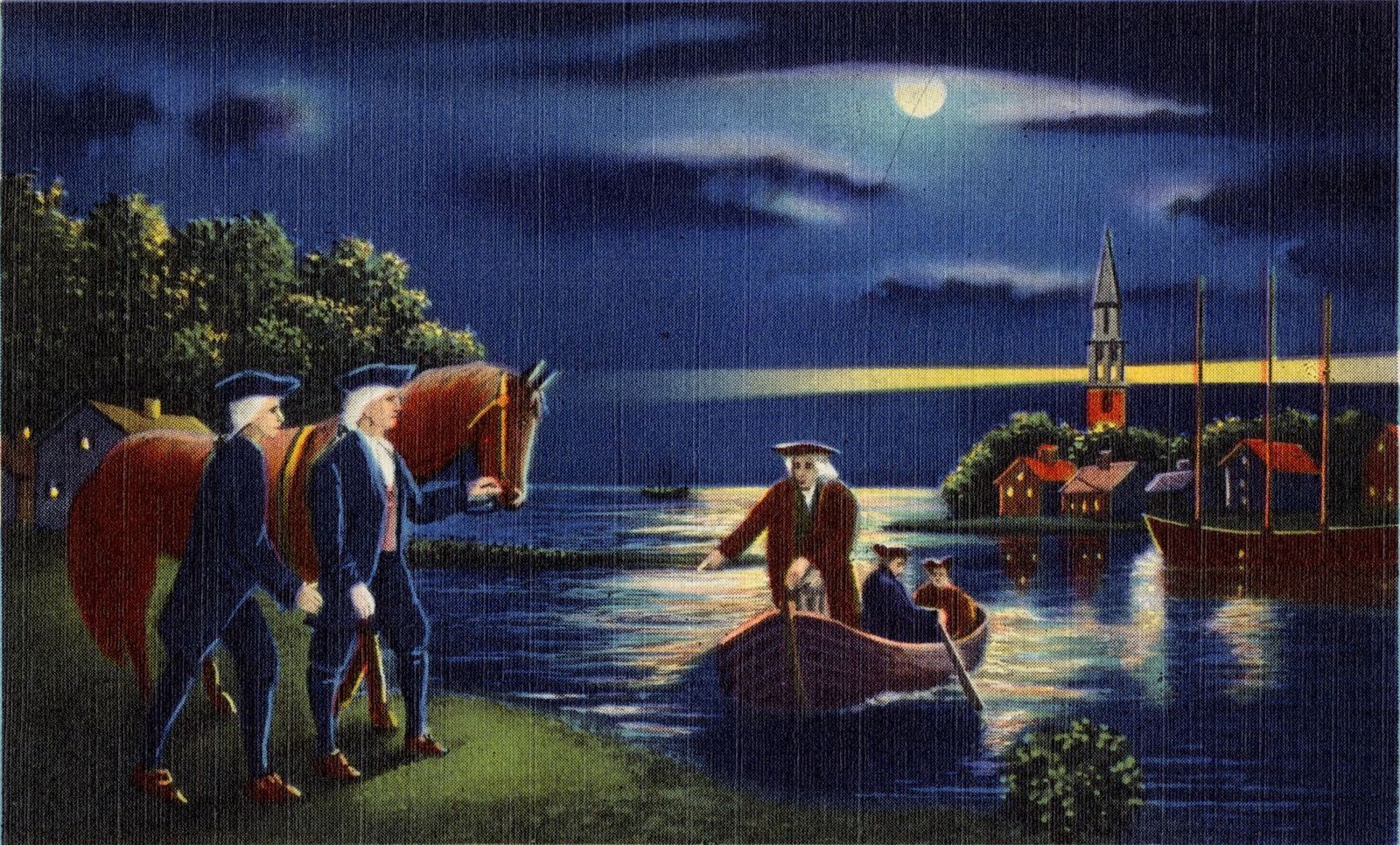
Image: Tichnor Bros. Inc., Boston, Mass., Public domain, via Wikimedia Commons

It’s hard to imagine the midnight ride without Revere’s faithful steed, but the truth is, Revere didn’t even own a horse when the fateful night arrived. Because he had to be quietly rowed across the Charles River, bringing a horse from Boston was out of the question.

Once he reached Charlestown, he had to find a ride. He ended up borrowing a horse from a sympathetic local merchant called John Larkin. Legend has it that this borrowed mare was named "Brown Beauty". Sadly, after Revere was captured later that night, the soldiers confiscated the horse, and she was never seen again.

7
He didn’t actually say THAT
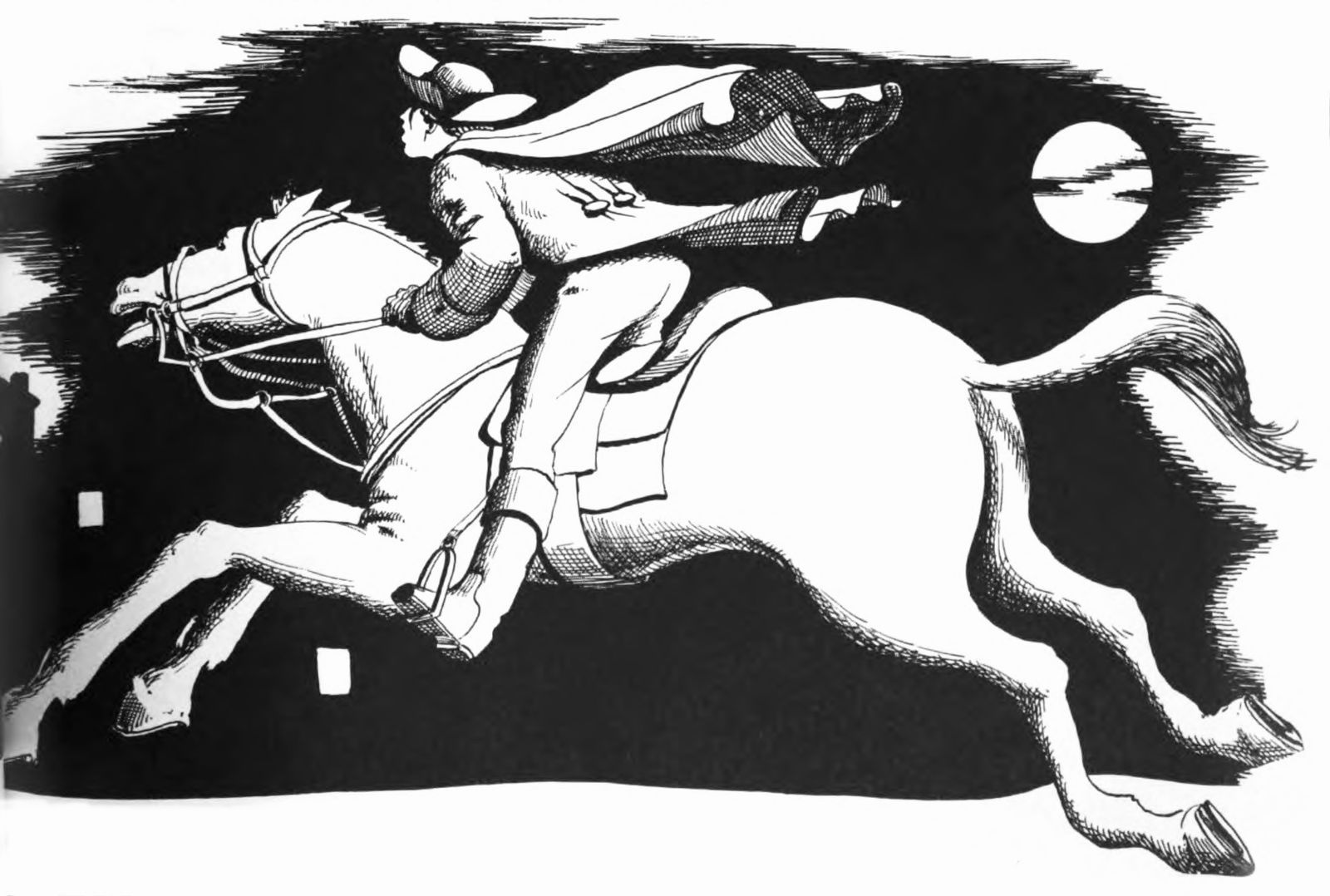
Image: Leonard Everett Fisher, Public domain, via Wikimedia Commons

"The British are coming!" is one of the most famous quotes in American history, but Revere never said it. The countryside was crawling with British soldiers, so his mission had to be very quiet. Yelling at the top of his lungs would have landed him in military prison before he even left town. Instead, he went door to door delivering the warning quietly to specific patriots.

Also, the phrase wouldn’t have made sense to the colonists. At the moment in 1775, the colonists still considered themselves British citizens. Instead, historical accounts indicate that Revere used the phrase, "The Regulars are coming out!" "Regulars" was the standard colonial term for the standing British army troops.

8
His military record wasn't outstanding
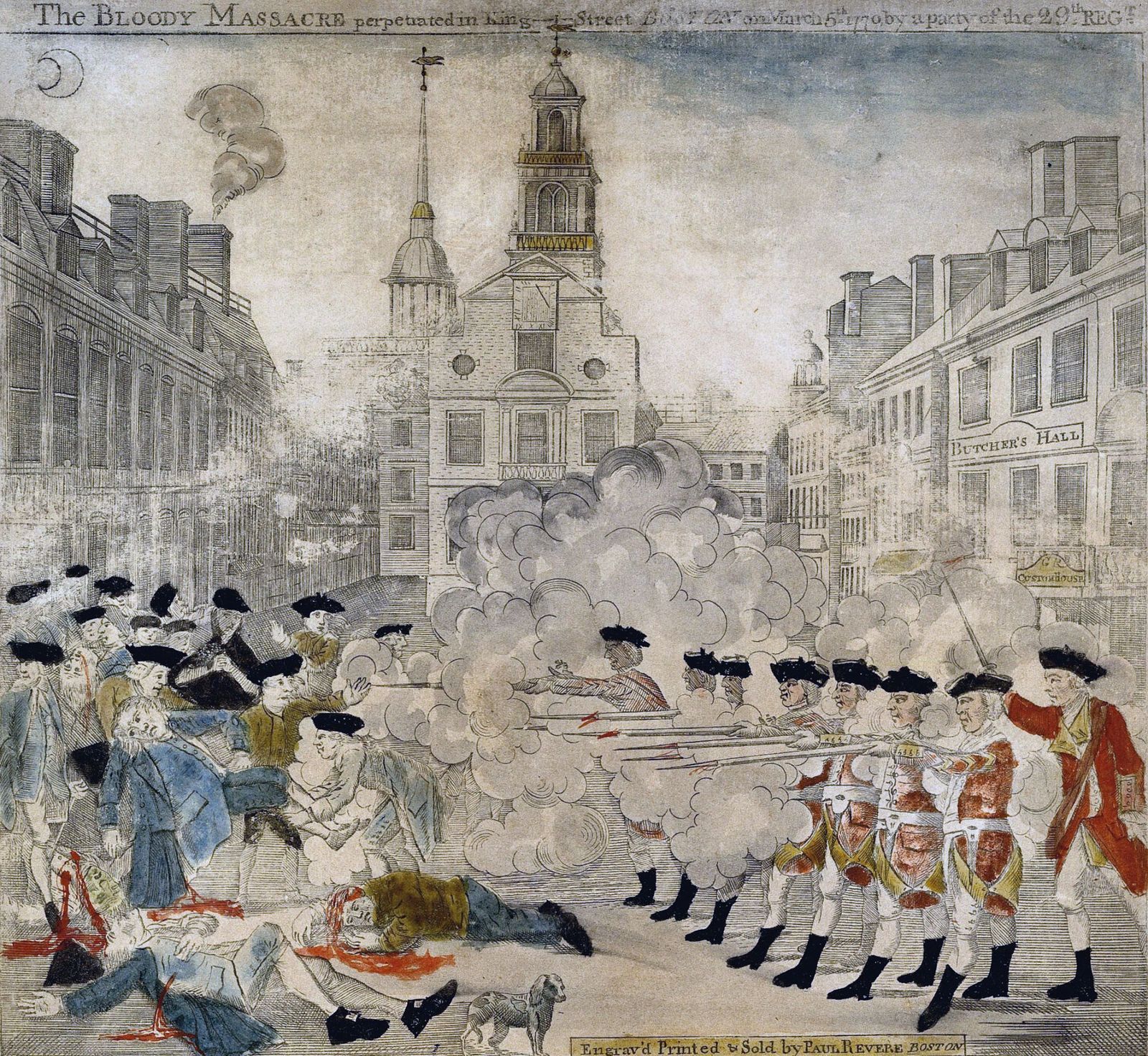
Image: Public domain, via Wikimedia Commons

Although Revere was a phenomenal community organizer and courier, his transition into traditional military leadership didn’t go smoothly. During the war, he served as a major and later a lieutenant colonel in the Massachusetts State Artillery. His military career hit a disastrous low point in the summer of 1779 during the Penobscot Expedition in modern-day Maine.

The mission was a total failure for the Americans. In the aftermath, Revere was accused of cowardice, laziness, and disobedience. He faced a court-martial and spent several years fighting to clear his name. He was ultimately acquitted of all charges in 1782, but the incident permanently tarnished his dreams of military glory.

9
Fatherhood came early… and often
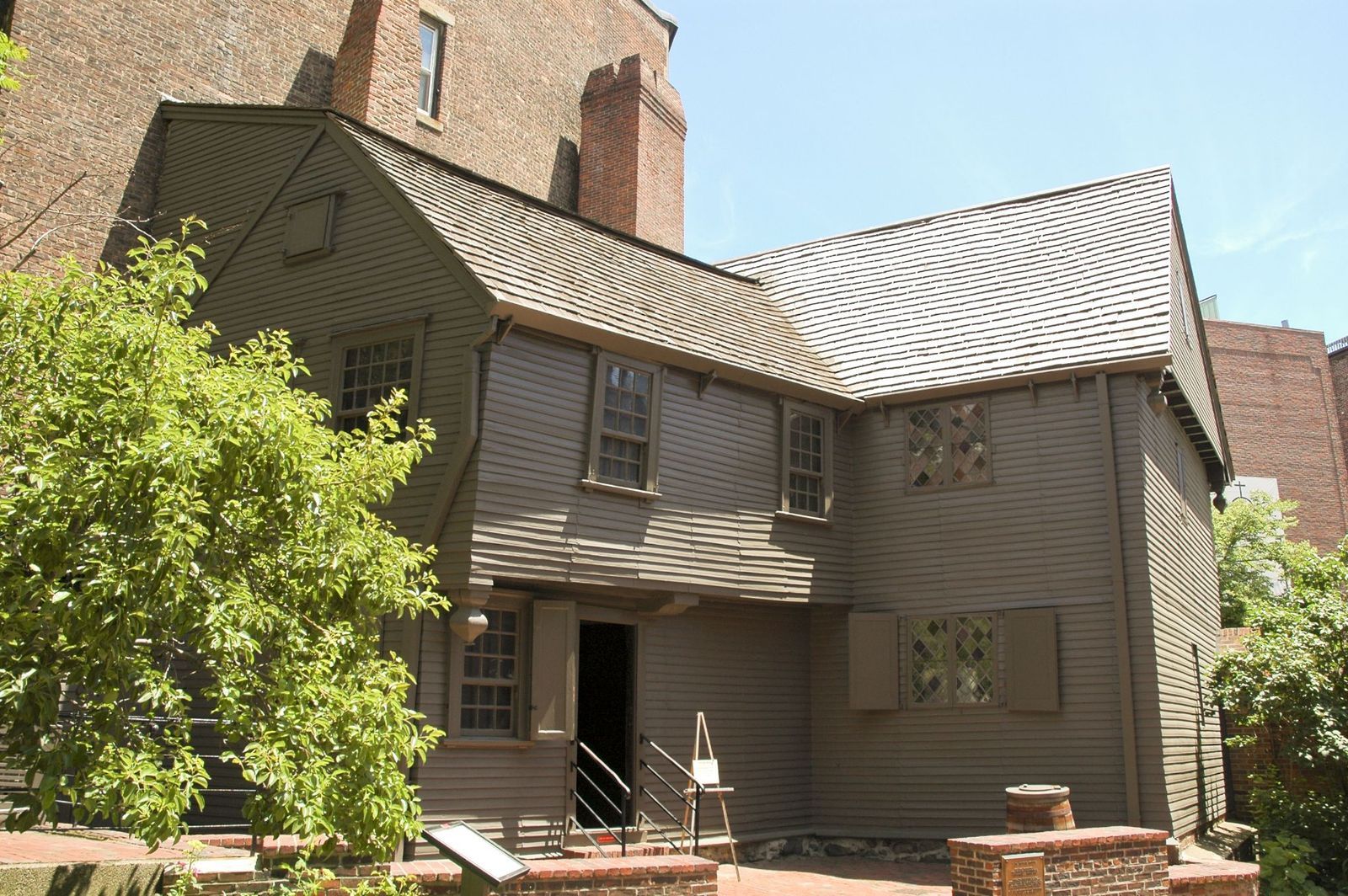
Image: Jeffrey M. Frank

If you think managing a household today is stressful, consider Paul Revere’s domestic life: he fathered an astonishing 16 children.

He had his first eight children with his first wife, Sarah Orne. Following her death in 1773, he remarried a woman called Rachel Walker, with whom he had another eight children. They crammed this huge family into a small townhouse at 19 North Square in downtown Boston. Amazingly for the 18th century, 11 of his 16 children survived to adulthood.

10
Revere Copper Products, Inc. is still in operation
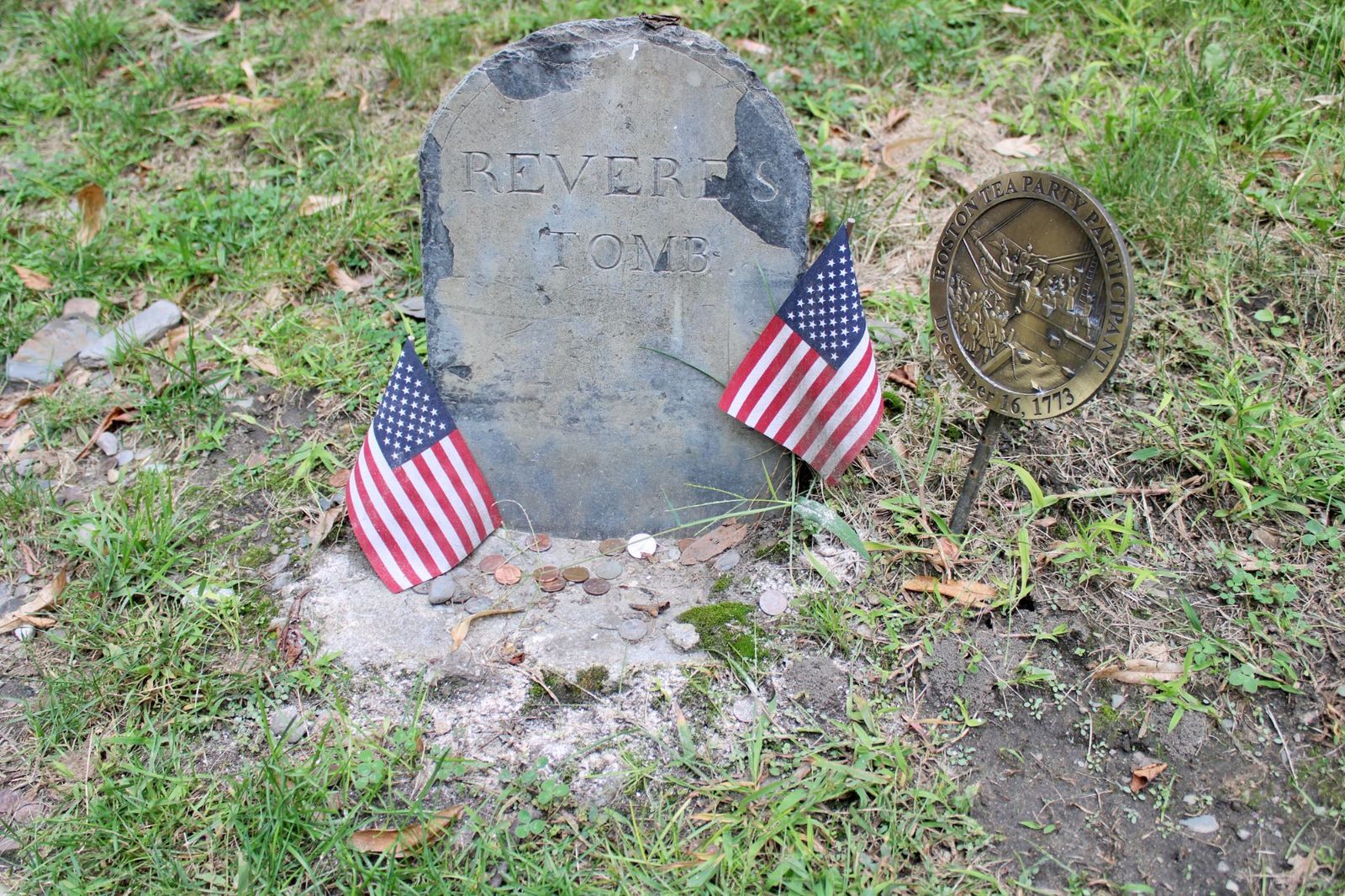
Image: Jaclyn Vernace

After the Revolution ended, Revere left politics and went back to industry with some success. He opened a hardware store, a foundry, and the first rolling copper mill in the United States.

In fact, his business supplied the copper used to protect the hull of the USS Constitution. He also cast nearly 1,000 church bells, many of which still ring across New England today. Amazingly, the company he founded, Revere Copper Products, Inc., is still in business. Paul Revere passed away in 1818 at the age of 83, leaving behind a legacy more industrious than a single night’s ride.
Geography Geography 4 min read

New identities

Rebranded: 10 US cities that changed their names and the reasons why!

Image: Jon Tyson

Can you picture cheering for the New Amsterdam Giants or the Jernigan Magic ? We can’t either! Cities like New York, Orlando, and Los Angeles are staples of American identity—we can’t imagine the country without them. But believe it or not, some of these cities had different names in the past! Join us as we explore 10 US cities that once went by different names and discover the reasons behind their transformations.

1
Los Angeles, California

Image: Venti Views

The Spanish settlers who arrived in the area in the 18th century originally named it El Pueblo de Nuestra Señora la Reina de los Ángeles , which translates to "The Town of Our Lady the Queen of the Angels." Elegant, but kind of a mouthful for a town name! Over time, the Spanish name stuck, but it was shortened to the more practical "Los Angeles." The city officially adopted this name when it was incorporated in 1850, the same year California became a state.

2
New York City, New York

Image: Colton Duke

Before becoming the one and only New York we know today, the city went by a different name. In the 17th century, the Dutch settlers who arrived in the area called it New Amsterdam . However, when the English seized control in 1664, they renamed it New York in honor of the Duke of York.

3
Seattle, Washington

Image: Michael Discenza

Seattle is more than its iconic Space Needle; it has a long history that shaped the city we know today. When European settlers arrived in the area in 1851, they named their settlement New York and added the Chinook word Alki , meaning "by and by," "someday," or "later," suggesting it would one day become as big as New York City. However, in 1852, they changed the settlement’s name to Seattle in honor of Chief Sealth, a Duwamish and Suquamish leader.

4
Portland, Oregon

Image: Zack Spear

Early settlers referred to the area as The Clearing because it stood out from the dense forests typical of the Pacific Northwest. But in 1845, an event occurred that would change everything. Portland’s two founders, Asa Lovejoy from Boston, Massachusetts, and Francis W. Pettygrove from Portland , Maine, each wanted to name the new settlement after their hometown. So how did they decide? Simple: they flipped a coin . Of course, you know who won!

5
Kansas City, Missouri

Image: Farhodjon Chinberdiev

Kansas City was originally founded as the Town of Kansas in 1850, named for its location near the Kansas River. As it quickly grew, it was reincorporated just three years later as the City of Kansas . Finally, in 1889, it officially became Kansas City.

Fun fact: Kansas City, Missouri, was actually founded before the state of Kansas!

6
Charleston, South Carolina

Image: Tyrone Sanders

Before it became the city we know today, Charleston had another name, though not so different. When it was first settled in 1670, the English named it Charles Town in honor of King Charles II. However, over time, the name gradually evolved in pronunciation to Charleston. In 1783, after the Revolutionary War, the city was officially renamed Charleston.

7
San Diego, California

Image: Sean Mullowney

San Diego was the first site on the US West Coast settled by Europeans, which is why it's often called "the Birthplace of California." When Spanish explorers arrived in the area in 1542, they named the bay after a different saint: San Miguel . But years later, in 1602, explorer Sebastián Vizcaíno renamed it San Diego, in honor of San Diego de Alcalá (Saint Didacus of Alcalá).

8
Orlando, Florida

Image: Aditya Vyas

In 1840, the first settlers arrived in what we know today as Orlando. They were the Jernigan family, who named the place after themselves. A post office with that name was even established in 1850. However, about 6 years later, Jernigan officially changed to Orlando. Although the exact reason isn't entirely clear, there are several theories. A popular one claims it was named after Orlando Reeves, a soldier who may have died in the area during the Seminole Wars. Another well-known theory suggests the name came from Orlando , a character in Shakespeare’s As You Like It .

9
Cincinnati, Ohio

Image: Matt Koffel

In the 1780s, the first settlement in this area was called Losantiville , a name created from a mix of words meaning "The town opposite the mouth of the Licking River." But in 1790, the first governor of the Northwest Territory, who was also a member of the Society of the Cincinnati (named in honor of the Roman general Lucius Quinctius Cincinnatus), disliked Losantiville and decided to change it to its present name.

10
Atlanta, Georgia

Image: Christopher Alvarenga

Atlanta didn't just have one or two names; it had three! By the mid-19th century, the area where the city stands today had become a transportation hub where several railroad lines converged. Because of this, in 1837, the area was called Terminus , meaning "the end of the line." Then, in 1843, the name was changed to Marthasville , in honor of Martha, the daughter of Georgia Governor Wilson Lumpkin. Finally, just two years later, the city was renamed Atlanta. This name is believed to be a shortened form of "Atlantic," referring to the Western and Atlantic Railroad.

General General 5 min read

CONCRETE JUNGLE

Explore “The Big Apple” With These 10 Iconic New York City Landmarks!

Image: Barth Bailey

Is New York the most iconic city in America, if not the world? Countless songs and books have been written about 'The City That Never Sleeps.' From its jaw-dropping architecture to its amazing culture, New York City draws millions of tourists every year. Naturally, this magnificent metropolis can be a bit intimidating for first-time visitors. Bearing that in mind, we have selected ten of the most iconic NYC landmarks that celebrate everything that makes this city so wonderful. Enjoy!

1
Statue of Liberty

Image: Erik Lindgren

We’ll start with what’s probably this city’s most famous icon. Lady Liberty has welcomed the "huddled masses" that arrived in NYC since the 19th century. You probably know that this statue was a gift from France to the American people, but did you know Gustave Eiffel, the engineer behind the iconic Eiffel Tower, built its metalwork?

Another fun fact: While nowadays the Statue of Liberty is world-known for its green hue, this wasn’t always the case. In fact, when she was inaugurated in 1886, Lady Liberty sported a reddish-brown color more befitting of copper , the metal she is made of. However, after years of oxidation due to exposure, the statue eventually became green.

2
Empire State Building

Image: Dana Andreea Gheorghe

The state of New York’s official nickname is "The Empire State": Some credit George Washington with coming up with this term, inspired by this state’s wealth and disposition. In that sense, this magnificent skyscraper stands as a proud homage to this sentiment and is one of the most recognizable figures in NYC’s skyline.

This 102-story skyscraper is located in the Manhattan borough and was, for a while, the tallest building in the world. It has been featured in over 250 films and TV shows since one of the most iconic scenes in movie history was filmed there: 1933’s King Kong showed the titular giant ape perched on top of the tower.

3
Brooklyn Bridge

Image: Brandon Day

At the time of its inauguration in 1883, the Brooklyn Bridge was the longest suspension bridge in the world: It stood as an engineering masterwork, both for its length and its innovative and unique design. But what’s truly amazing is that the Brooklyn Bridge has continued to amaze and inspire millions of New Yorkers for over 140 years.

The bridge was designed by John A. Roebling, assisted by his son and chief engineer Washington Roebling. This NYC landmark eventually became a family affair: After John Roebling fell ill and was bedridden, his wife Emily contributed to see the project to completion.

4
Broadway

Image: Eddie Bugajewski

Looking for a night at the theatre? Then Broadway is the place to be. This street is synonymous with excellent plays and musicals, up to the point that it has become a metonym for the entire industry. Broadway offers 41 professional theaters, each with 500 seats or more, offering quality performances for thousands of people each year.

Alongside London West End’s district, Broadway is known as the highest level of theater entertainment in the English-speaking world. In that sense, Broadway represents the crème de la crème of American theater, up to the point of inspiring the name of other NYC theaters, which are known as "Off-Broadway" or "Off-off-Broadway".

5
Central Park

Image: Dana Andreea Gheorghe

Looking for a quick stroll through green scenery? Then head on to the most famous NYC park. While definitively the most iconic, you might be surprised to learn that Central Park is not the biggest park in the city: In fact, it’s only in sixth place. Having said that, this iconic location is still massive enough to fill a big part of New York City’s skyline with its lush green.

Central Park was built over a period of approximately 50 years during the 19th century, from its proposal in the 1840s to its completion in 1876. Nowadays, it features several iconic monuments and features, like the USS Maine National Monument, the Strawberry Fields Memorial, and the Central Park Zoo, which showcases over 160 different animal species.

6
New York Public Library Main Branch

Image: Chris Ladouceur

Libraries are known as "the guardians of knowledge", and New York City’s Public Library is no exception: With approximately 53 million items, this New York institution has preserved American culture and knowledge since 1895.

While the library has over 90 locations across the city, its most famous location is probably the main branch building, located in Manhattan. This location, officially known as the Stephen A. Schwarzman Building, showcases the library’s famous stone lions guarding its entrance. Fun fact: These lions were nicknamed ‘Patience’ and ‘Fortitude’ by NYC Mayor Fiorello La Guardia.

7
Brooklyn Botanic Garden

Image: Pascale Amez

Standing at the heart of Brooklyn since 1911, Brooklyn Botanic Garden houses over 14,000 plants and trees, which welcome approximately 800,000 visitors every year. Besides showcasing these lovely specimens, the Garden offers educational and conservation programs, as well as a special garden inspired by the works of William Shakespeare.

While everything in the Brooklyn Botanic Garden is certainly worth visiting, its main attraction is its 200 cherry trees, featured across its Cherry Walk and Cherry Esplanade. Thousands of tourists from all around the world gather in the garden during Spring, to watch these gorgeous trees blossom.

8
Grand Central Terminal

Image: Afif Ramdhasuma

You would think there’s not a lot of tourist value in a train station, but trust us: Grand Central Terminal is definitively worth the visit. This stationnot only showcases beautiful Beaux-Arts architecture and design, but it also perfectly encapsulates the busy and energetic everyday that New Yorkers take so much pride in.

Notably, the terminal has been featured in countless films and TV shows: Approximately 25 large-scale films are shot in the terminal each year. Most of these films have been shot on the famous 'Track 34,' which doesn’t block filming since it doesn’t have structural columns.

9
Met Museum

Image: Changqing Lu

We could have included a great number of museums in this list: After all, New York City is home to hundreds of fine art institutions. However, we ended up choosing the most visited museum in the United States, and one of the most respected cultural establishments in the world: The Metropolitan Museum of Art, also known as " the Met ".

Founded in 1870, the Met is located in located right next to the eastern edge of Central Park. The museum houses over 1.5 million objects, including Ancient Egyptian art and paintings from masters like Van Gogh, Monet, and Picasso.

10
Flatiron Building

Image: Serge Pelletier

This iconic building showcases the resilience and strength of New Yorkers. While nowadays is known as a New York institution, at the time of its opening it was sometimes called "Burnham's Folly": Many believed that the building, designed by Daniel Burnham, would eventually be knocked down by the wind due to its unique triangular shape.

And yet, this skyscraper still stands, 120 years after its inauguration. Its sleek and avant-garde design has truly cemented the Flatiron building as an architectural wonder.

Explore more American facts

Choose your favorite category!

General
General

As American as apple pie—the very best America has to offer!

Culture
Culture

Delve into the astounding richness of American lore.

Geography
Geography

Hop in and explore vast and diverse American landscapes.

History
History

Discover the key moments that shaped the United States.