History History 6 min read

Where did the cowboy really come from? 10 icons with surprising histories

Image: RDNE Stock project

When we think of classic American culture, certain images come to mind: a lone cowboy riding into a desert sunset, the neon glow of a fast-food hamburger sign, or fireworks lighting up the sky on the Fourth of July. These symbols are deeply woven into the fabric of the American identity; however, many of the items, songs, and traditions we consider quintessentially American were actually borrowed, adapted, or completely invented by other cultures long before they crossed the Atlantic. Here is the surprising history behind ten "All-American" staples that actually have deep roots abroad.

1
Cowboys
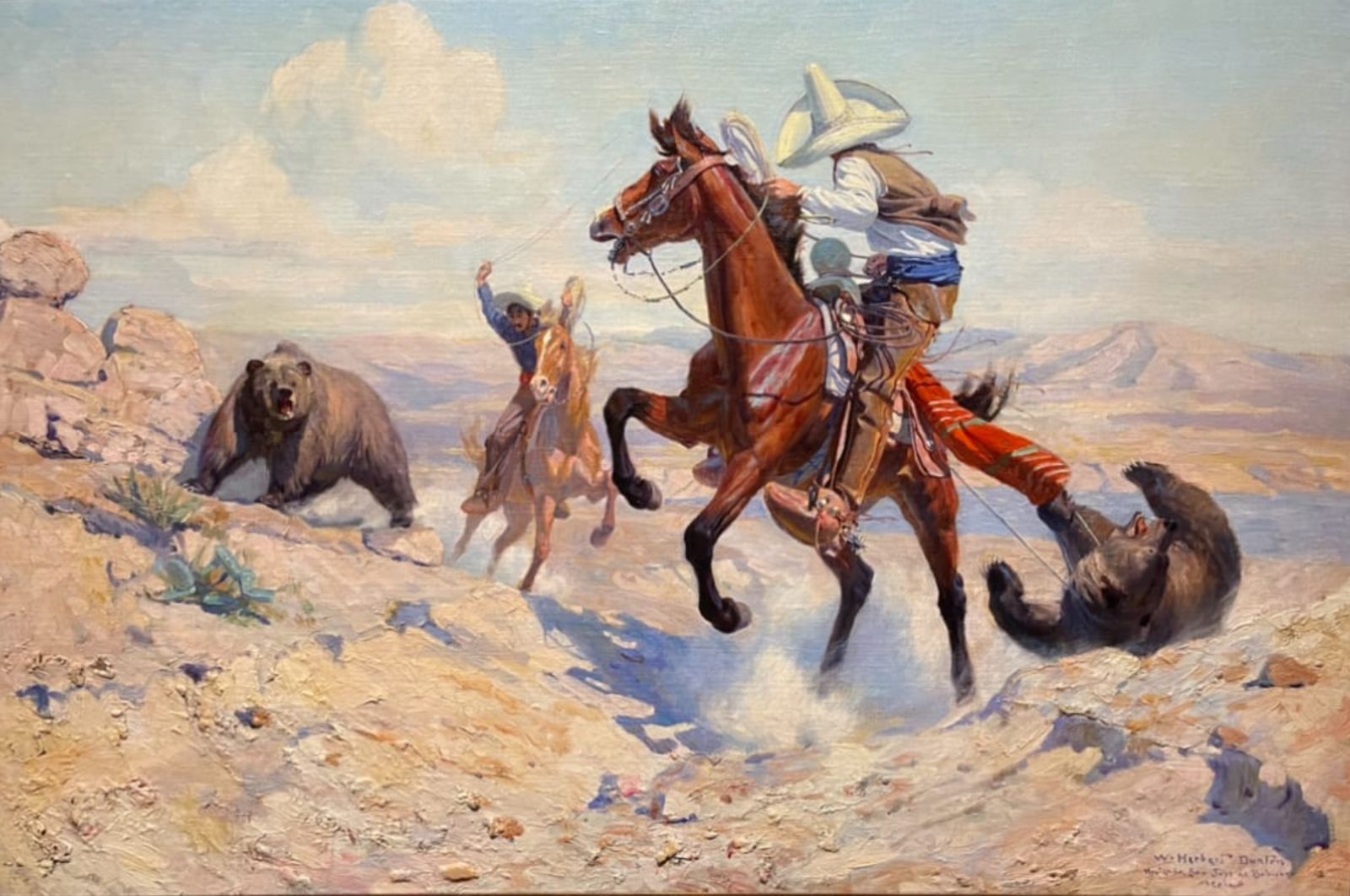
Image: W. Herbert Dunton, Public domain, via Wikimedia Commons

The image of the rugged cowboy is arguably the ultimate symbol of the American West, popularized by folklore and Hollywood westerns. Yet, the entire lifestyle and wardrobe of the classic cowboy were inherited from Mexican cattle herders, known as vaqueros.

When Anglo-American settlers moved into Texas and California in the 19th century, they encountered Spanish and Mexican ranching methods that had existed for generations. The settlers adopted these traditions immediately. The iconic cowboy hat evolved from the wide-brimmed sombrero; "chaps" came directly from the protective chaparreras; and the lasso was an adaptation of the reata. Even the language of the West reveals its origin: terms like rodeo, lariat, mustang, and buckaroo (a phonetic corruption of vaquero) are all borrowed from Spanish.

2
Skyscrapers
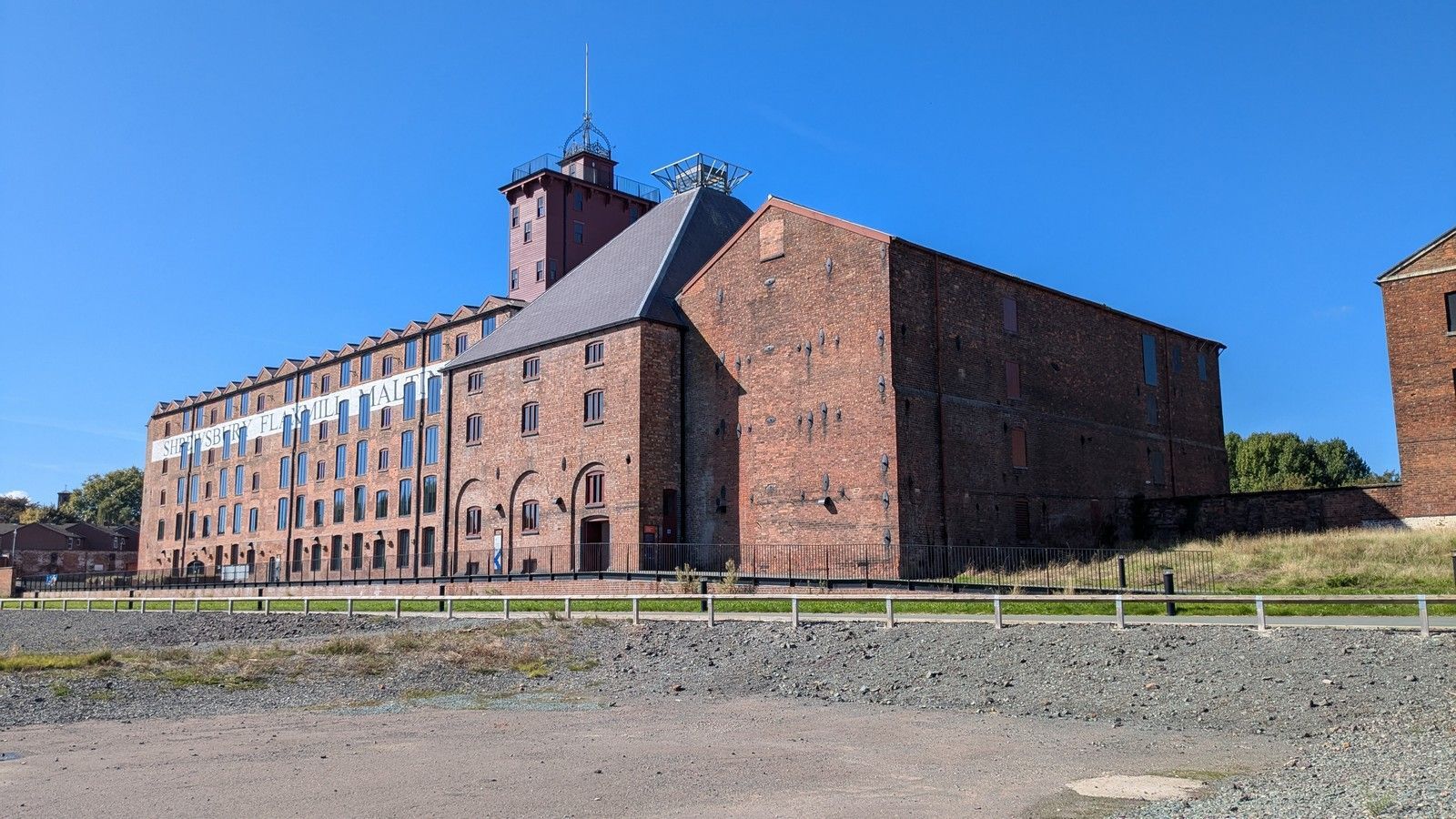
The towering skyscrapers of New York and Chicago defined 20th-century urban modernity and American architectural dominance. While American engineers perfected the high-rise and invented the safety elevator, the structural engineering that made skyscrapers possible belongs to Great Britain.

Before a building can safely scale dozens of stories, it requires an internal skeleton to support its weight. The world’s first iron-framed building was actually the Ditherington Flax Mill in Shropshire, England, constructed in 1797. British engineers pioneered the use of internal cast iron columns and beams to make textile mills fireproof. This exact framework was later adapted and upgraded to steel by American architects to create the modern skyline.

3
Hamburgers
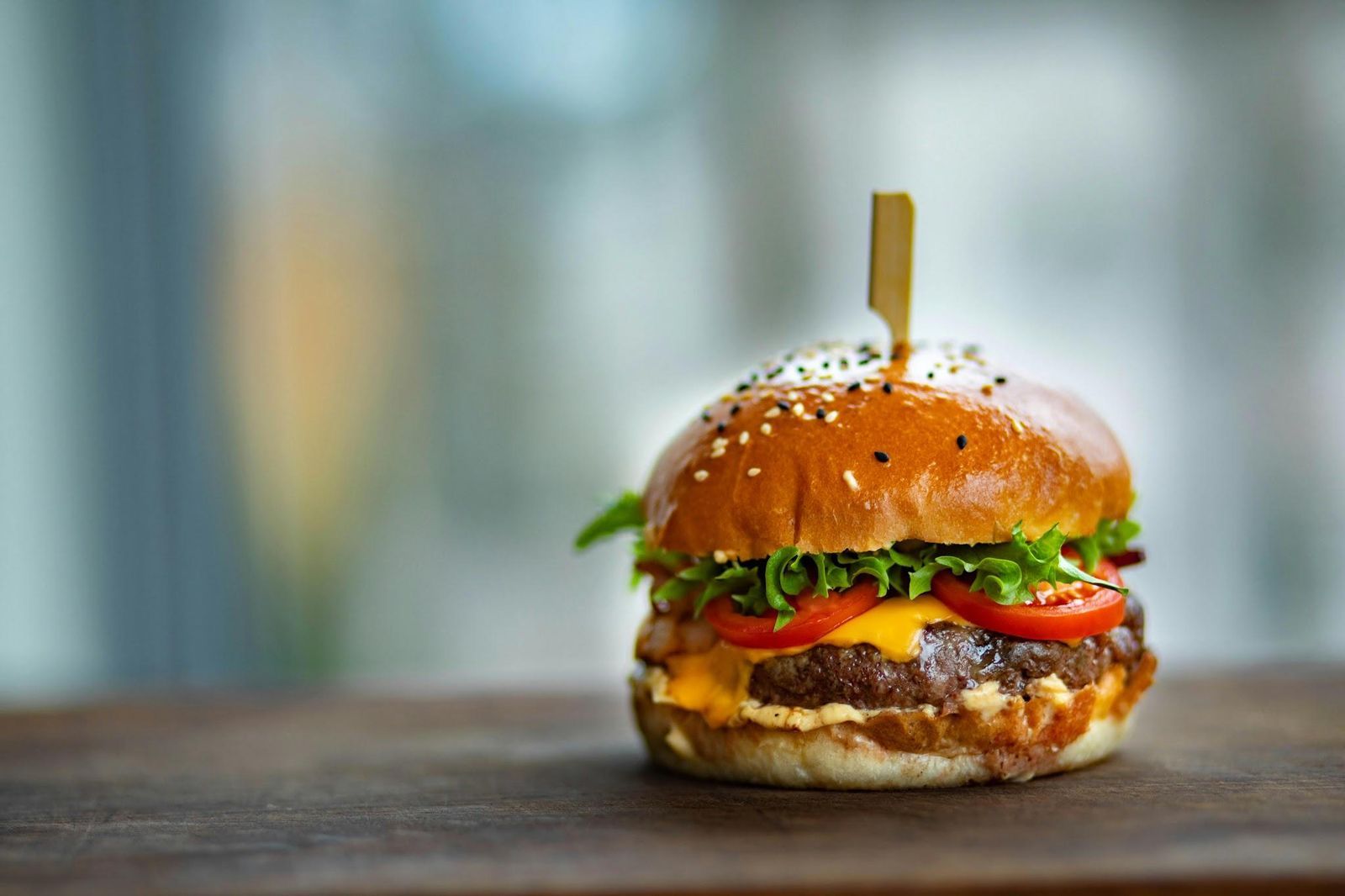
Image: Valeria Boltneva

Nothing says America like a juicy hamburger. While the fast food industry turned the burger into a multi-billion-dollar business, the dish is firmly rooted in European maritime history.

The clue is right there in the name: the hamburger originates from the port city of Hamburg, Germany. In the 19th century, Hamburg was a major transatlantic departure point. German immigrants travelling to the United States brought along a popular regional delicacy called the "Hamburg steak", a seasoned, minced beef patty that was grilled or fried. Once in America, creative food vendors realized that placing this German steak between two slices of bread made it the perfect portable meal for busy industrial workers.

4
The rocket takeoff countdown
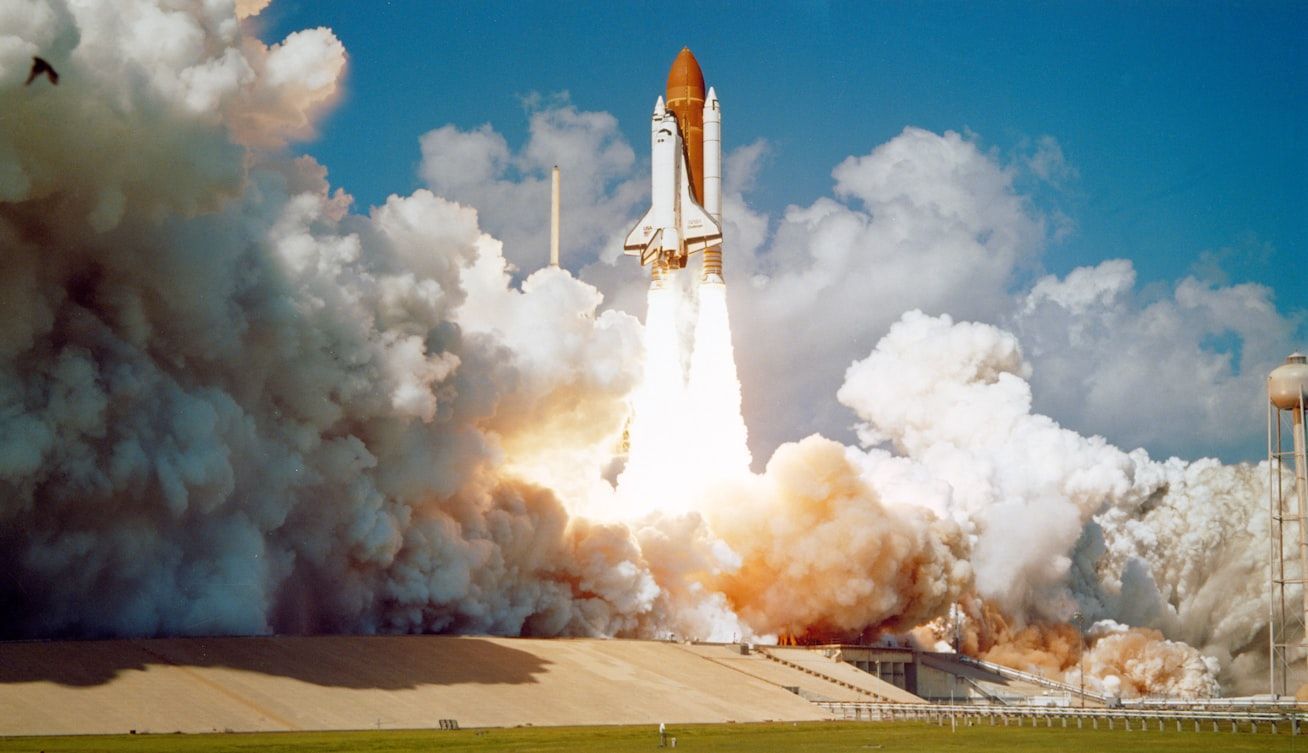
Image: NASA

The dramatic "T-minus ten seconds and counting" ritual heard during NASA launches feels like a product of pure Cold War American aerospace engineering. However, counting backward to build suspense wasn’t invented by scientists, but by a German filmmaker.

Director Fritz Lang introduced the concept of the countdown in his 1929 silent science fiction masterpiece, Woman in the Moon . During the film’s rocket launch scene, Lang realized that counting forward felt anticlimactic. To maximize dramatic tension, he decided to count down to zero instead. Years later, when German rocket scientists immigrated to the U.S. to help build the American space program, they brought this technique into real-life mission control rooms.

5
The song "My Way"
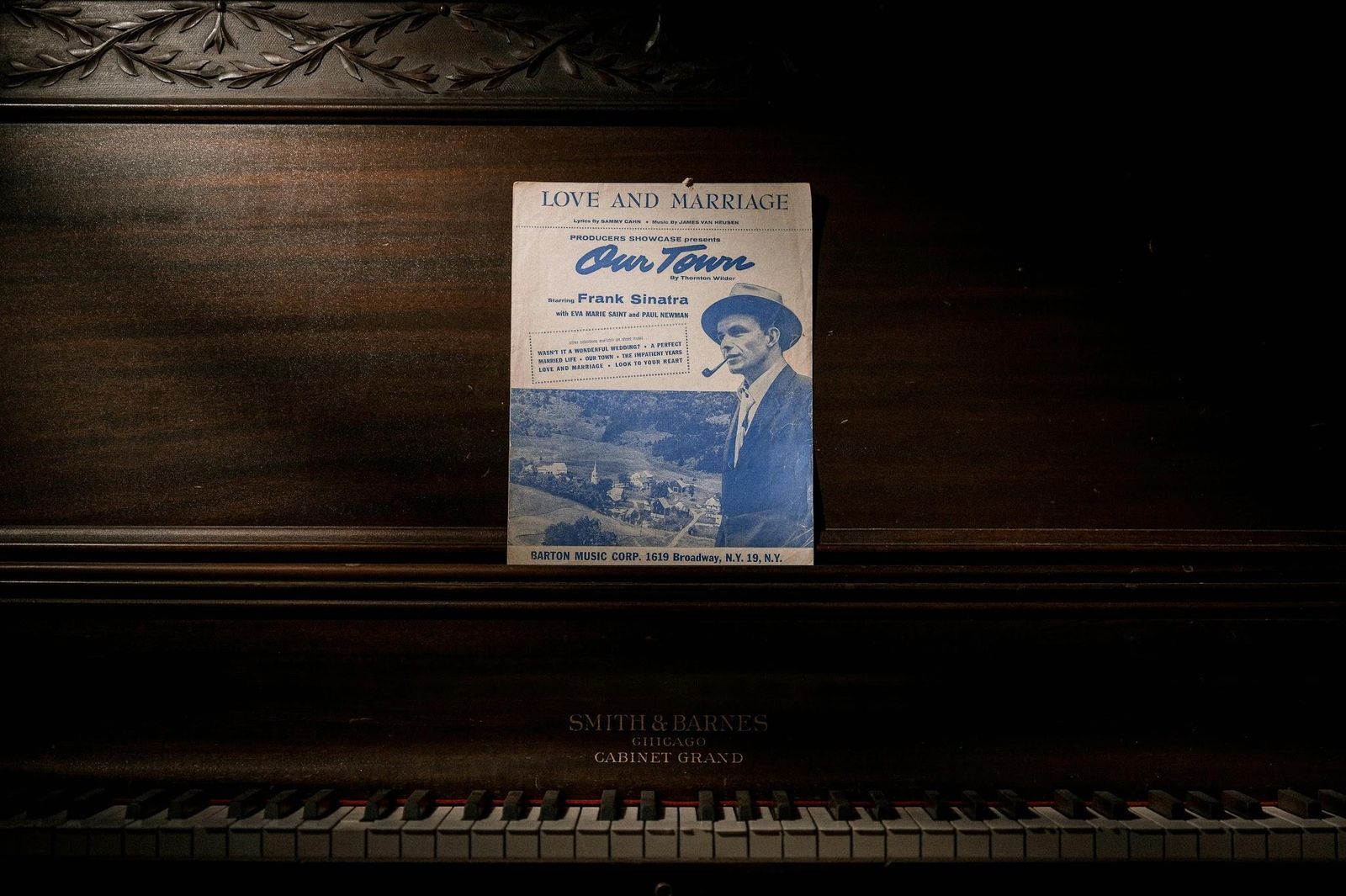
Image: Brett Sayles

Frank Sinatra’s legendary 1969 hit "My Way" is considered the ultimate anthem of the self-made American man. But before Ol’ Blue Eyes put his spin on it, the melody belonged to a melancholy French pop song.

The original tune, titled "Comme d'habitude" ("As Usual"), was composed by Jacques Revaux and Gilles Thibaut, and released by French pop star Claude François in 1967. The original French lyrics tell a depressing story about the mundane, daily routine of a married couple whose love has completely died out. Singer-songwriter Paul Anka heard the track while vacationing in the South of France, bought the rights, and wrote entirely new lyrics tailored specifically to Sinatra’s persona.

6
American cheese
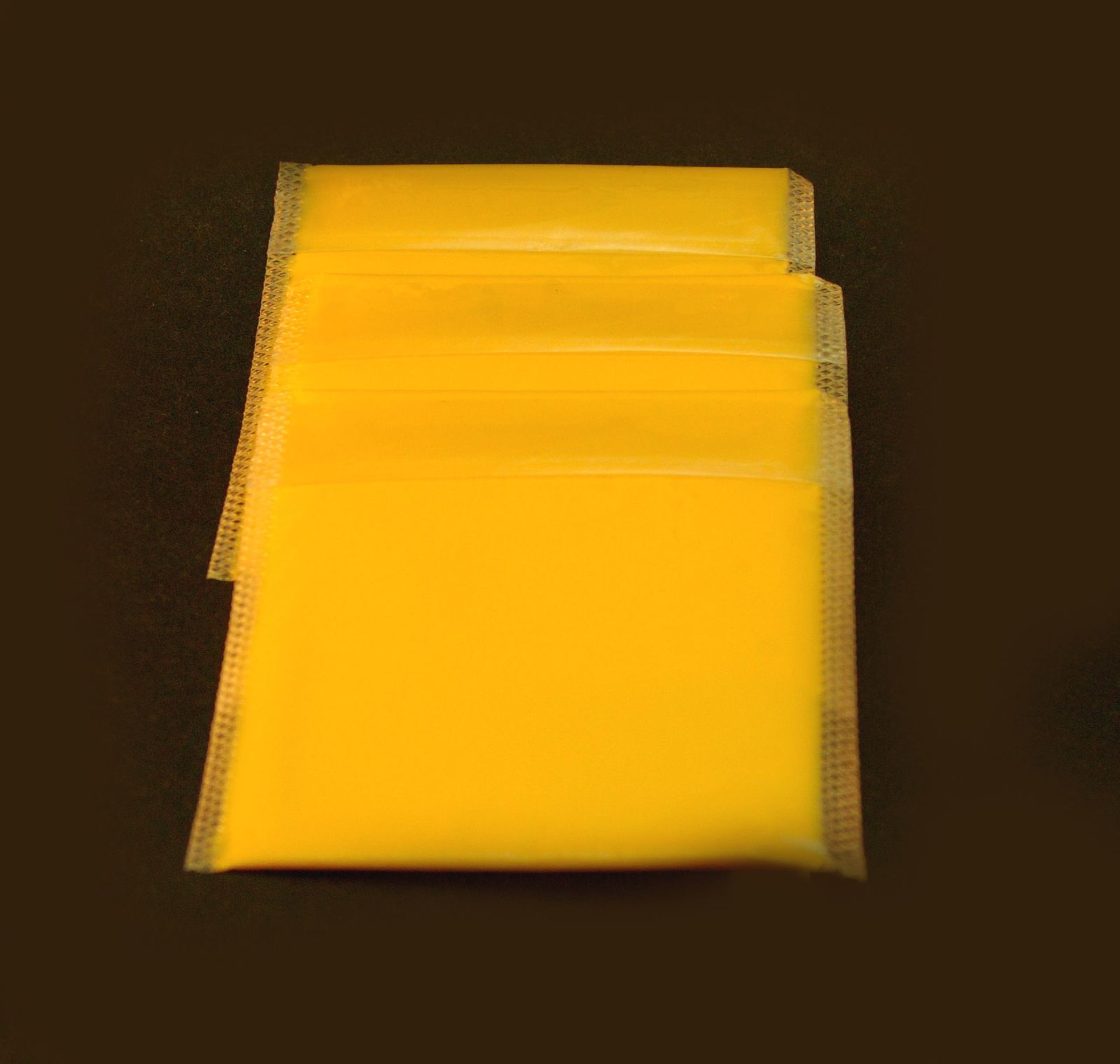
Image: Steve Spring (Attribution or Attribution), via Wikimedia Commons

Although it is a staple of grilled sandwiches and burgers, the technology to create meltable processed American cheese was actually pioneered in the Alpine valleys of Switzerland.

In 1922, Swiss food scientists were looking for a way to stop regional cheeses like Emmentaler from spoiling during long export journeys to warm climates. They discovered that by shredding the cheese, heating it up, and adding sodium citrate, the dairy fats would emulsify. This prevented the cheese from separating into an oily mess when melted and allowed it to cool back down into a uniform, stable block. A few years later, American businessman James L. Kraft patented a similar process using cheddar cheese.

7
The Star Spangled Banner
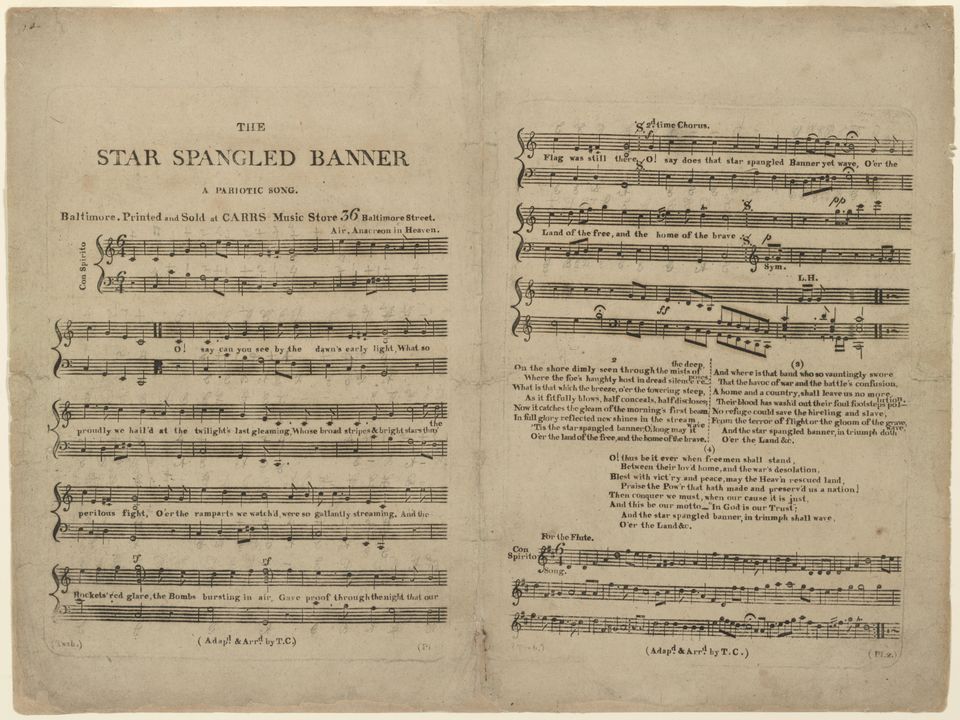
Image: Thomas Carr (arranger), Public domain, via Wikimedia Commons

The United States National Anthem tells the story of the 1814 bombardment of Fort McHenry. While Francis Scott Key penned the patriotic lyrics, the music belongs to a popular British club song.

Key wrote his poem to fit the exact cadence of a melody titled "To Anacreon in Heaven". Composed by John Stafford Smith around 1780, this tune served as the official anthem for an exclusive gentlemen’s amateur music club in London.

8
Cars
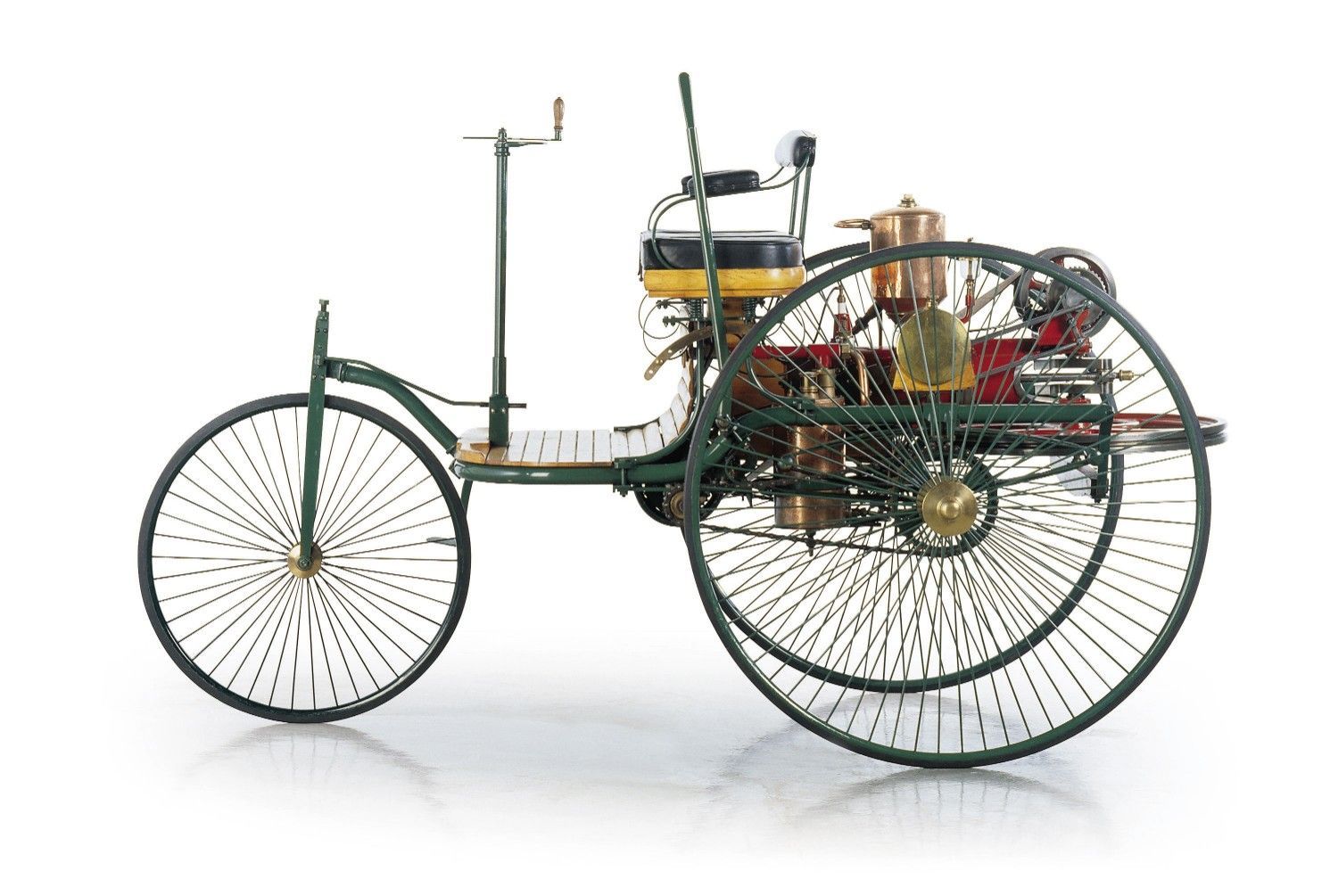
Image: DaimlerChrysler AG, CC BY-SA 3.0, via Wikimedia Commons

Car culture is deeply embedded in American life. Yet, the invention of the automobile belongs across the Atlantic, to one of the fathers of Mercedes-Benz.

German engineer Karl Benz patented the Benz Patent-Motorwagen in 1886, widely recognized as the world's first modern gasoline-powered automobile. At the same time, French innovators like Panhard and Levassor pioneered the modern automotive layout, including placing the engine in the front and using a rear-wheel-drive system. Henry Ford undeniably revolutionized the world by using the assembly line to make cars affordable for the masses, but the machine itself was a European invention.

9
Peanut butter
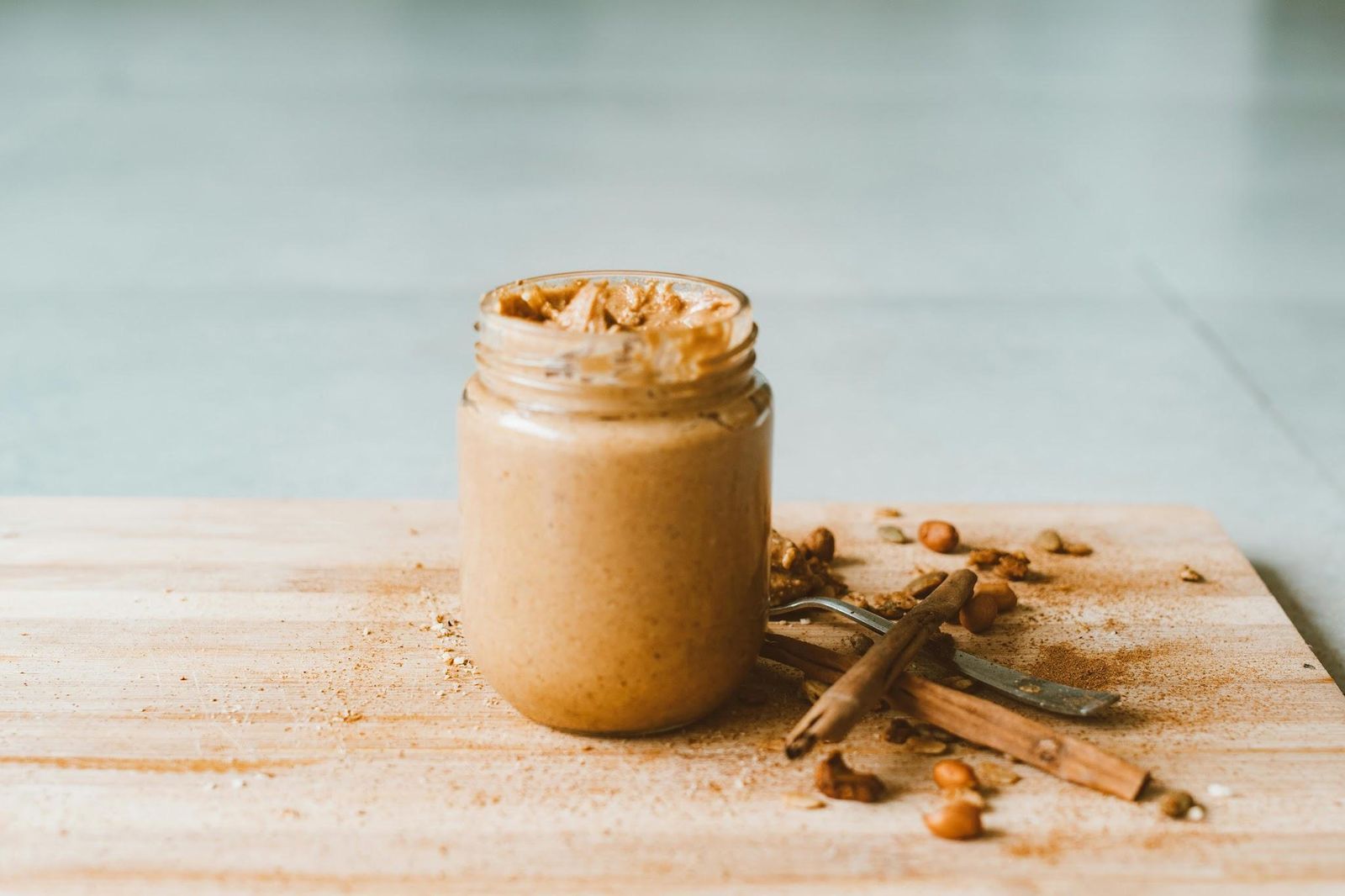
Image: ROMAN ODINTSOV

Peanut butter is an irreplaceable childhood comfort food in the United States, present in millions of lunchboxes every day. While American innovators like Dr. John Harvey Kellogg and George Washington Carver popularized and refined it, they didn't invent it.

The practice of roasting peanuts and mashing them into a smooth paste dates back thousands of years to the ancient Aztec and Inca civilizations, who used it for nutritional and medicinal purposes. Furthermore, the first modern patent for peanut paste wasn't American at all; it was granted to a Canadian chemist named Marcellus Gilmore Edson in 1884.

10
Fireworks
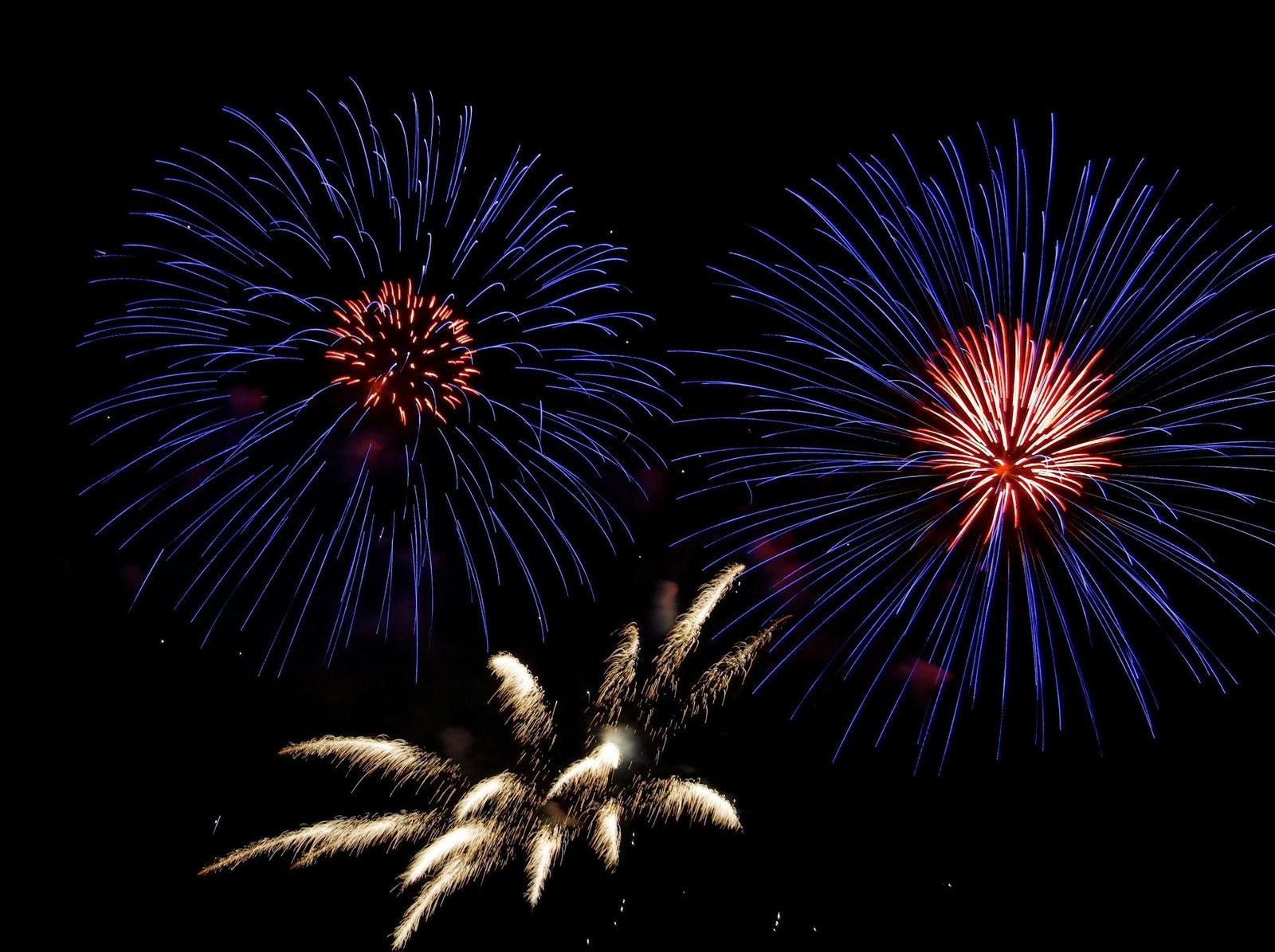
Image: Holger Wulschlaeger

No American Independence Day celebration is complete without a massive fireworks display. However, this tradition predates the founding of the United States by more than a millennium.

Fireworks were invented in ancient China, tracing back as far as the Han Dynasty around the 2nd century BCE. The technology eventually traveled west via the Silk Road, long before making its way to the New World.

General General 4 min read

Eat your greens!

Healthy & Delicious: learn 12 tasty snacks that are also nutritious

Image: cottonbro studio

Everybody knows that healthy food can sometimes be a bit bland in terms of flavor, but it doesn’t have to be that way. The following 12 tasty options prove otherwise, offering both a healthy and appetizing meal or snack. Take a look and see if you can find at least one that suits your taste!

1
Roasted chickpeas

Image: Rashpal Singh

Healthy snacks are a great way to kick off our list of nutritious and delicious treats. And roasted chickpeas are as tasty, crunchy, healthy, and easy to make as it gets.

Simply grab a can of chickpeas , rinse and dry them, then toss them with paprika , ground cumin , salt, and a bit of olive oil. Spread the chickpeas on a baking tray and roast them at maximum heat for about 30 minutes. Once they’re crunchy, they’re ready. Let them cool and enjoy!

2
Chocolate hummus

Image: Ludovic Avice

Yes, you read that right—chocolate hummus. And it’s amazing! This crowd-pleasing dip pairs perfectly with fruit, pancakes, or waffles. To make it, blend canned chickpeas (rinsed), a spoonful of vanilla almond milk , a spoonful of cocoa powder , and honey . Let it chill in the fridge for a couple of hours, and you're done. Ready to dip!

3
Air-fryer sweet potato fries

Image: Ella Olsson

The basic idea here is simple: sweet potatoes are healthier than regular potatoes, and air-frying is a healthier alternative to deep frying.

This recipe is quick and easy. Just cut a couple of sweet potatoes into strips, toss them with canola oil , salt , and pepper in a bowl, and transfer them to the air-fryer basket. Cook at 400°F for 10 to 12 minutes, pausing to stir halfway through. Once they’re done, let them cool slightly—and eat!

4
Peanut butter cookies

Image: No Revisions

This peanut butter cookie recipe is completely flourless—gluten-free and dairy-free! To make it, mix peanut butter , one large egg , two tablespoons of oat bran , and a bit of maple syrup . Preheat the oven to 350°F, and while it heats up, shape the cookies.

Place them on a baking tray and bake for 15 minutes. Let them cool for a bit, and they’re ready to enjoy!

5
Sesame-garlic pumpkin seeds

Image: Anshu A

Here’s another snack that’s both delicious and nutritious! This pumpkin seed mix is a great way to use leftover seeds from your pumpkin recipe.

In a small bowl, mix pumpkin seeds , a large egg white , sesame seeds , a teaspoon of minced garlic , and salt . Spread the mixture in a single layer on a baking pan. Bake at 350°F for 35 to 40 minutes, stirring every 10 minutes, until dry and golden brown.

6
Watermelon cups

Image: Ibrahim Rifath

The great-looking appetizer is incredibly simple to make, and its fresh flavor is perfect for warm months.

Just cut the watermelon into cubes and scoop out the center of each. In a small bowl, mix chopped cucumber , red onion , fresh mint , cilantro , and a splash of lime juice . Spoon the mixture into the hollowed-out watermelon cubes—you’re done!

7
Pan-seared shrimp

Image: Daniel Lee

These pan-seared shrimp are the first non-vegan recipe on this list—and they’re incredibly easy to make!

Sauté one pound of peeled and deveined uncooked medium shrimp in two tablespoons of olive oil with two minced garlic cloves . Add one-third of a cup of white wine , then cook and stir for 3 to 5 minutes, or until the shrimp turn pink. Serve with white rice and sprinkle with fresh parsley.

8
Guacamole

Image: Zoshua Colah

Everybody loves guacamole, but do you know how to make it? This simple recipe is a delicious and healthy snack to try. Just be sure to prepare it right before serving, as avocados brown quickly.

Peel and chop two ripe medium-sized avocados , place them in a small bowl, and sprinkle with lemon juice . Add one-fourth of a cup of chunky salsa and mash coarsely with a fork. Let it chill in the fridge for a few minutes before serving.

9
Roasted peppers and cauliflower

Image: Deon Black

This simple, delicious, and colorful recipe will quickly become a staple once you try it. Place one medium head of cauliflower (broken into florets), two medium red peppers (cut into strips), and two sliced onions in a shallow roasting pan. Drizzle with two tablespoons of olive oil , season with salt and pepper , and toss to coat.

Roast uncovered at 425°F for 20 minutes. Stir, then roast for 10 more minutes or until the vegetables are tender and lightly browned. Transfer to a serving bowl, sprinkle with Parmesan cheese and parsley. Done!

10
Caprese brochettes

Image: Patrick Ho

Light, delicious, and easy to make on short notice, these Caprese brochettes are a lifesaver when you need a quick, health-conscious party snack.

Simply take some skewers and assemble each one with grape tomatoes , fresh mozzarella balls , and basil leaves . Drizzle with olive oil and balsamic vinegar —and enjoy!

11
Green & gold salsa

Image: Kat

This salsa is a fantastic dip made with just a few simple ingredients. Combine one cup of shelled edamame , one cup of corn , one cup of cubed avocado , and sliced cucumber . Blend well, then let it chill in the fridge for half an hour before serving. Bon appétit!

12
Red pepper tapenade

Image: Nick Collins

A simple appetizer for any occasion, this roasted red pepper tapenade pairs perfectly with water crackers or toasted bread.

In a small saucepan, bring two cups of water to a boil. Add two peeled garlic cloves and cook uncovered for six to eight minutes, or until tender. Drain and pat the garlic dry. In a small food processor, combine the blanched garlic , red peppers , almonds , tomato paste , olive oil, salt, and pepper. Process until smooth. Chill, then garnish with fresh basil before serving.

Geography Geography 5 min read

What are they actually named?

Is it not the Statue of Liberty? 10 alternate names of iconic landmarks

Image: Cayetano Gil

All across America, we can find iconic landmarks known by everyone, at least by name . But, which name? Like people, some of these landmarks have a nickname so used that many often forget what they are officially called. In other cases, the official name coexists with an ancestral name. Here are ten examples of double-named landmarks!

1
Mt. McKinley/Denali

Image: Jacob Vizek

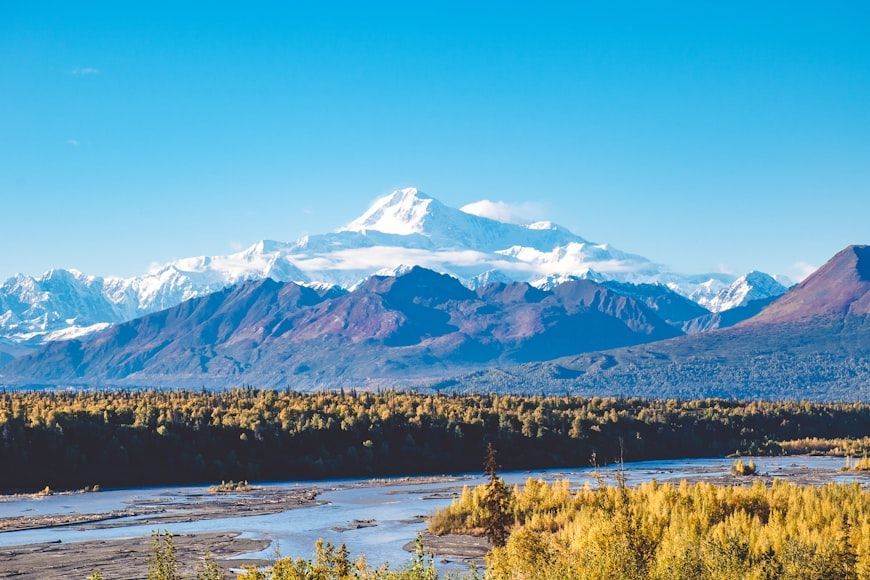
This Alaskan mountain has changed names several times. Historically called Denali (meaning ‘the big one’) by the Koyukon Athabaskan tribe, it was referred to as Bolshaya Gora (‘big mountain’) by the Russians. After the Alaska purchase, it was temporarily named Densmore's Mountain before gaining the name McKinley in support of the then-presidential candidate. It was renamed Denali in the 1970s at the state level and in 2015 at the federal level, before reverting to McKinley in 2024, although Denali is still the name of the National park that houses it . With this many changes, it’s no wonder some people still mix the names.

2
Liberty Enlightening the World/The Statue of Liberty

Image: Pierre Blaché

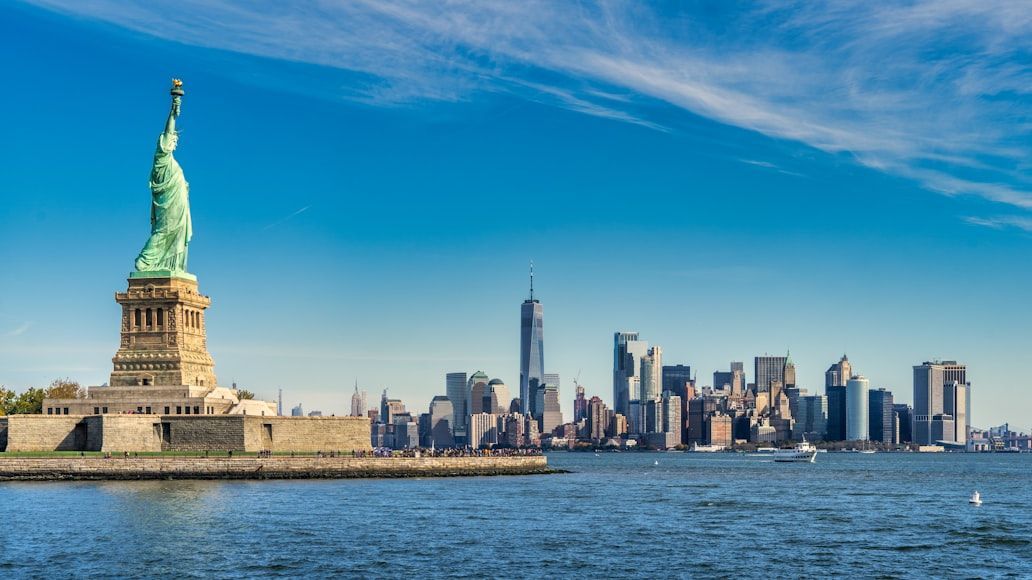
This statue is one of the indisputable icons of the USA and of New York City, but not everyone knows that ‘The Statue of Liberty’ is just a popular name. As a gift from France, it was named La Liberté éclairant le monde , or ‘Liberty Enlightening the World’ , but no matter what it’s called, it has become an iconic symbol of American values.

3
Alcatraz Island/The Rock

Image: Shelby Cohron

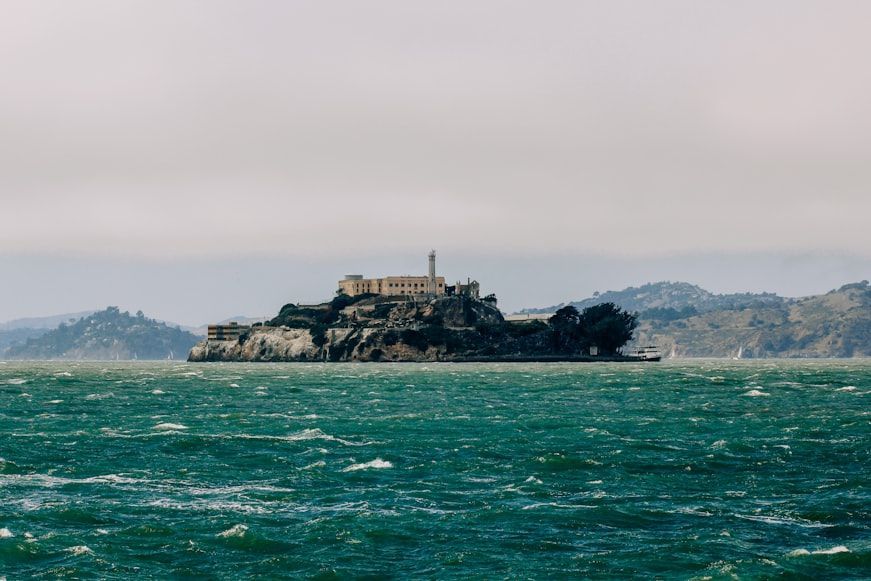
One of the most infamous American prisons, Alcatraz Island, is located less than two miles from the San Francisco coast. Spanish explorer Juan Manuel de Ayala named it Isla de los Alcatraces or Island of the Pelicans due to the prevalence of these birds. After becoming U.S. territory, Alcatraz Island became a military fort, and then a federal prison that housed some of America’s most notorious criminals. While many believe that it's popularly called The Rock because it was impossible to escape, the nickname is simply due to its rocky appearance and its isolated location.

4
Mt. Rainier/Tahoma

Image: Greg Sellentin

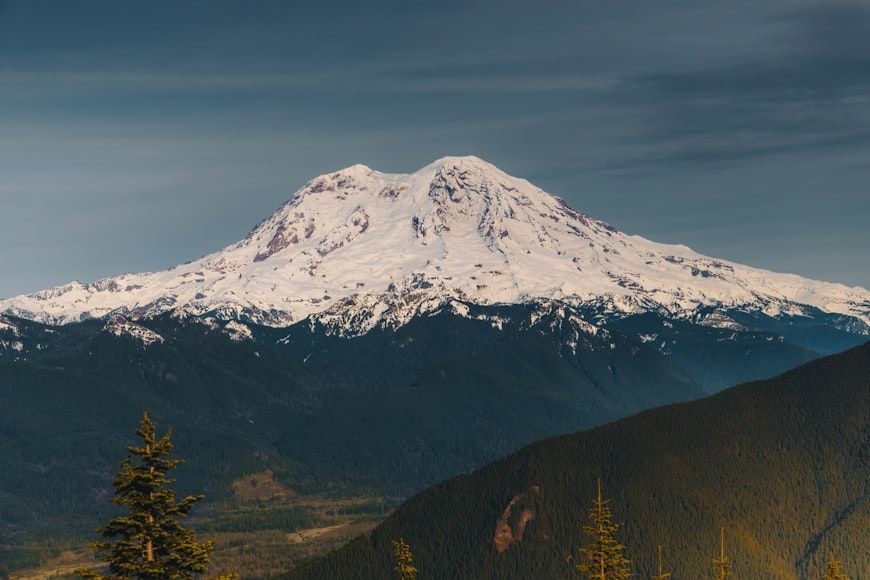
Located in the Mount Rainier National Park, Washington, Mt. Rainier is the tallest mountain (and volcano) in the Cascade Range. Native American tribes of the area have given numerous names to this peak, but the most prominent one is Tahoma or Tacoma , a name still used by some. Officially, however, it is called Mt. Rainier , a name given by the British explorer George Vancouver in the 1790s.

5
Lake Superior/Gitche Gumee

Image: Brian Beckwith

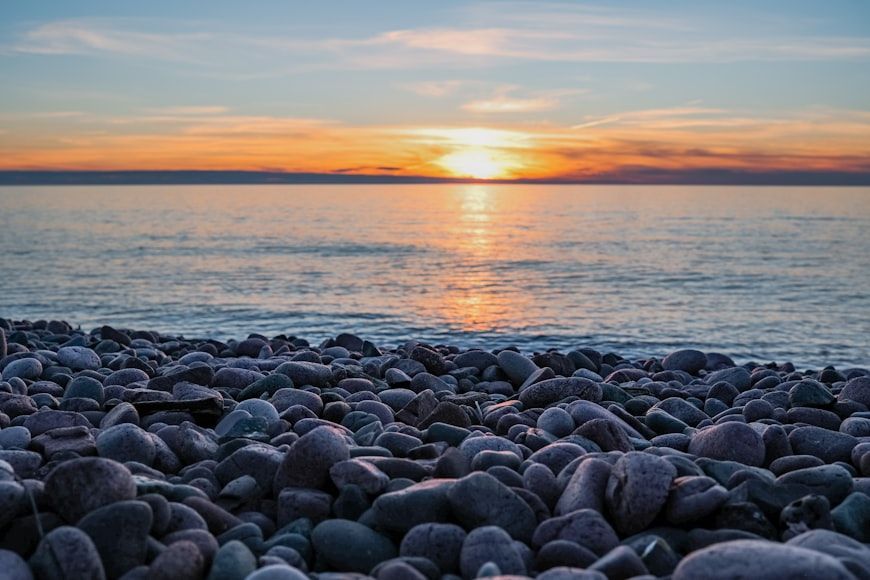
The largest of the Great Lakes, Lake Superior, is one of the biggest freshwater reserves in the world. Its current name originated when French explorers, after traversing Lake Huron, called this lake le lac supérieur (‘the lake above’). After the French and Indian War, the British simply translated the name. However, this lake also has a native name, usually transliterated as Gitche Gumee, a name used by the poet Longfellow in his work The Song of Hiawatha .

6
Mt. Rushmore/The Six Grandfathers

Image: Jake Leonard

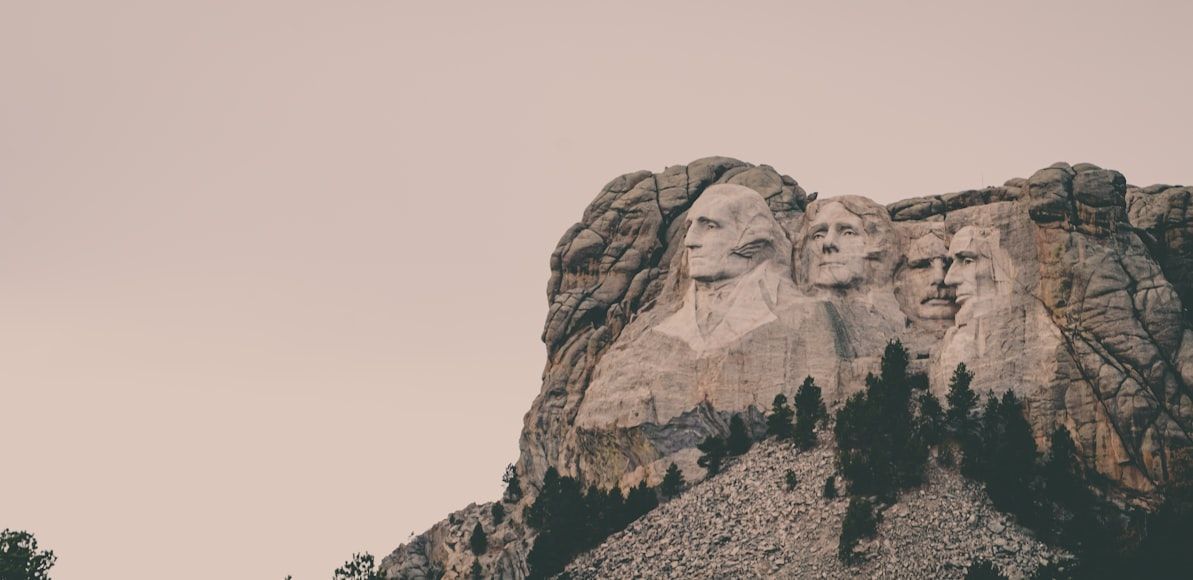
This mountain has been considered a sacred place by many tribes of the region —such as the Arapaho, Cheyenne, or Lakota Sioux— who named it ‘The Six Grandfathers’ after their ancestral deities . The place gained its current name when Charles E. Rushmore, a lawyer surveilling the area as a representative of a mining company, asked the name of the mountain. His guide replied that it had no name, but it would from that day be called ‘Rushmore’. The name stuck, and was officially recognized a few decades later.

7
Mission San Antonio de Valero/The Alamo

Image: Gabriel Tovar

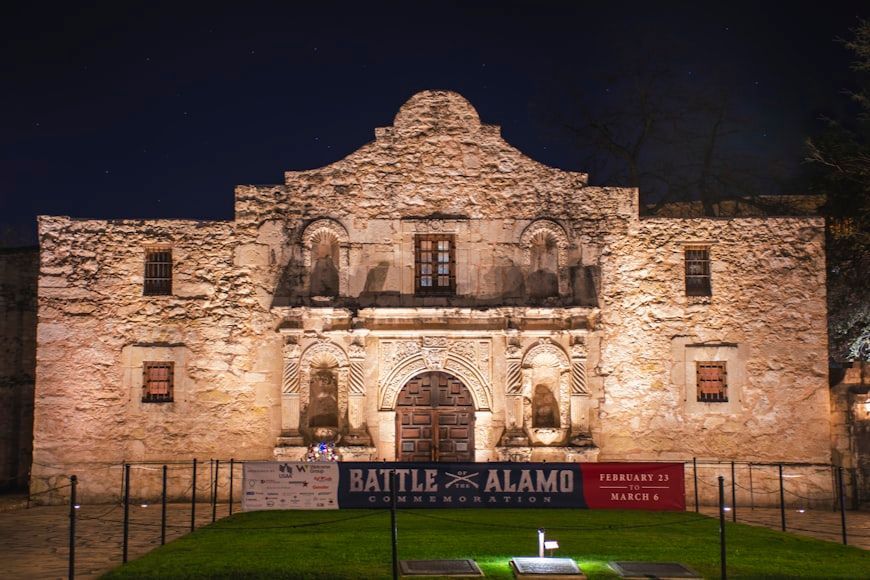
The battle of the Alamo is a well-known episode in Texan history, and its location is considered a shrine to Texan valor and liberty. However, what many don’t know is that the place is called Mission San Antonio de Valero , a name given by the Spanish. Where does the ‘Alamo’ name come from? After the place stopped being used as a Catholic mission, it became a military fortress, housing a military unit nicknamed Álamo de Parras after their city of origin, a nickname that extended to the site.

8
Cloud Gate/The Bean

Image: Lance Anderson

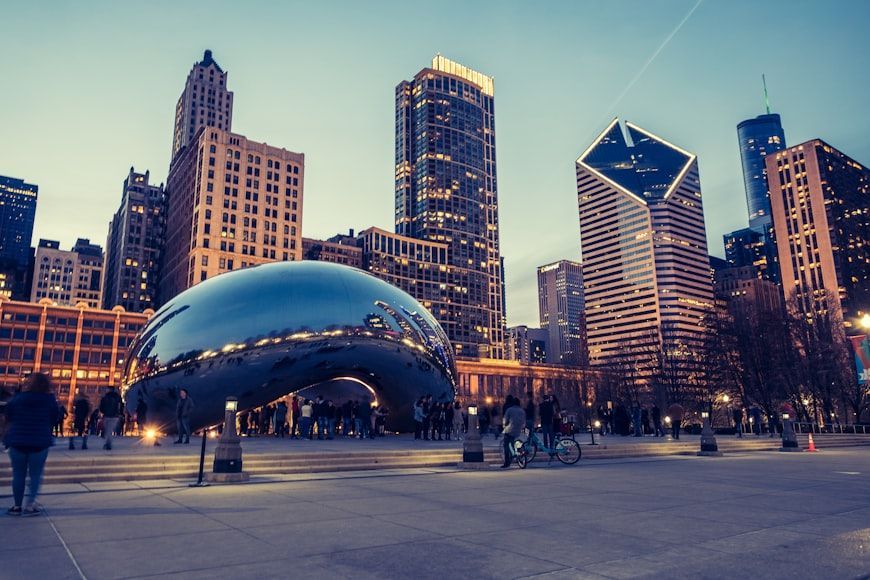
Chicago regulars (and even those who never set foot in Chicago) know that The Bean is as iconic as it gets when talking about the city. Inspired by liquid mercury, this impressive sculpture might be shaped like a ginormous jellybean, but its official name is Cloud Gate . The sculptor, Anish Kapoor, initially disliked the popular nickname, but he has reportedly come to terms with it, even saying that he now calls it ‘the Bean’ too.

9
State House Bell/Liberty Bell

Image: Bev Sykes from Davis, CA, USA, CC BY 2.0 , via Wikimedia Commons

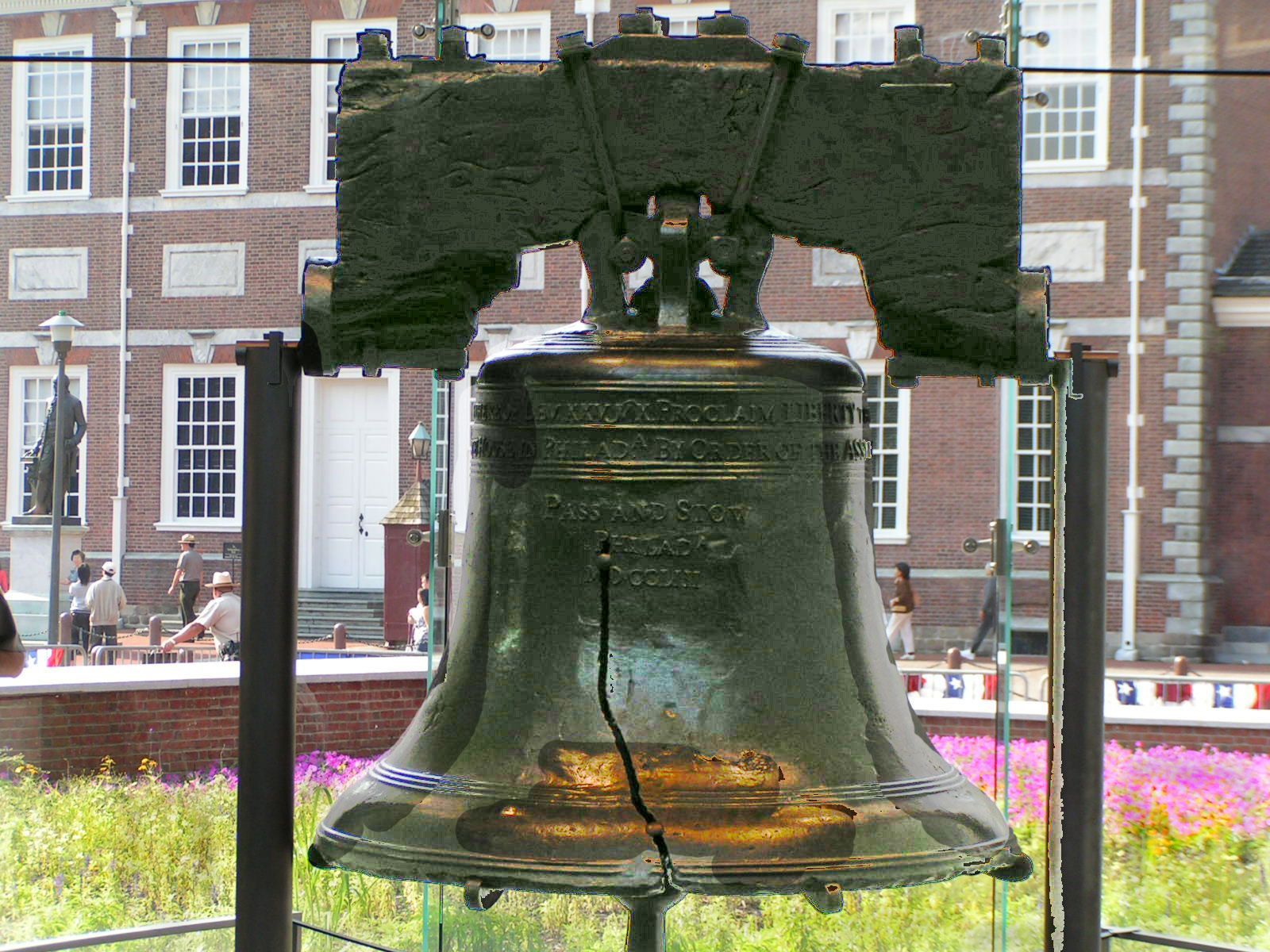
At its birth, this bell was simply the bell of the Pennsylvania State House (now Independence Hall). Cast in the 18th century, it cracked the first time it was rung. It was recast twice, but it cracked again in the 19th century. Allegedly rung after the Declaration of Independence, it was hidden during the Revolutionary War, and it changed hands several times in the following century. Despite its popular association with the American Revolution, the ‘Liberty Bell’ name was actually given by anti-slavery groups , who took it as a symbol due to its inscription reading "Proclaim Liberty throughout all the land unto all the inhabitants thereof."

10
Cape Canaveral/Cape Kennedy

Image: Bill Jelen

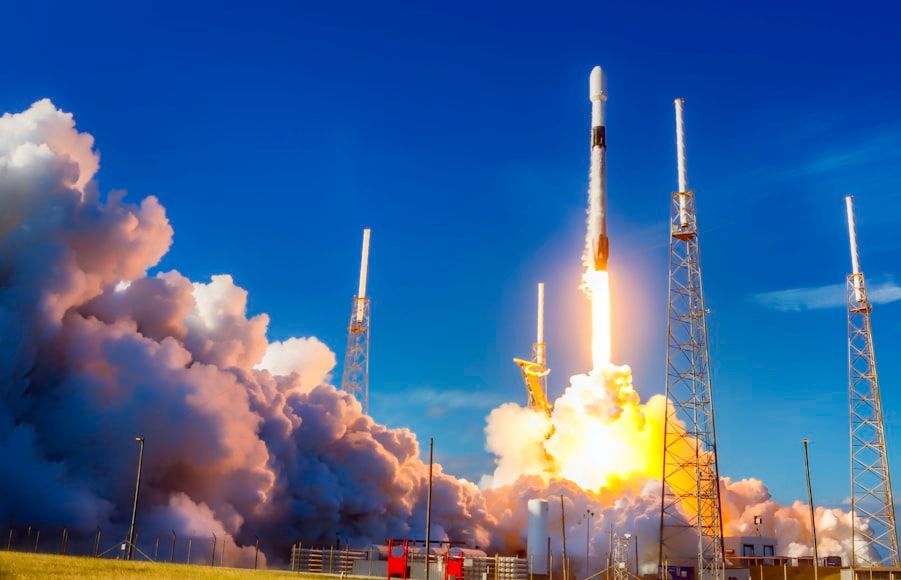
Originally named Cabo Cañaveral by the Spanish after its abundance of canes, its name was simply anglicized after the territory became part of the United States. In the 20th century, Cape Canaveral became the center of a series of missile and rocket tests, and it was the launch site of the Apollo 11 mission. A few days after J.F.K.’s assassination, the newly-instated President Johnson publicly announced that the cape would be renamed ‘Cape Kennedy’ as a memorial . The name change was not well-received by local Floridians, and the original name was reinstated a decade later, with the full support of the Kennedy family. The NASA space center is still named after President Kennedy.

Explore more American facts

Choose your favorite category!

General
General

As American as apple pie—the very best America has to offer!

Culture
Culture

Delve into the astounding richness of American lore.

Geography
Geography

Hop in and explore vast and diverse American landscapes.

History
History

Discover the key moments that shaped the United States.