History History 5 min read

Which President spoke Mandarin? 10 presidential past lives
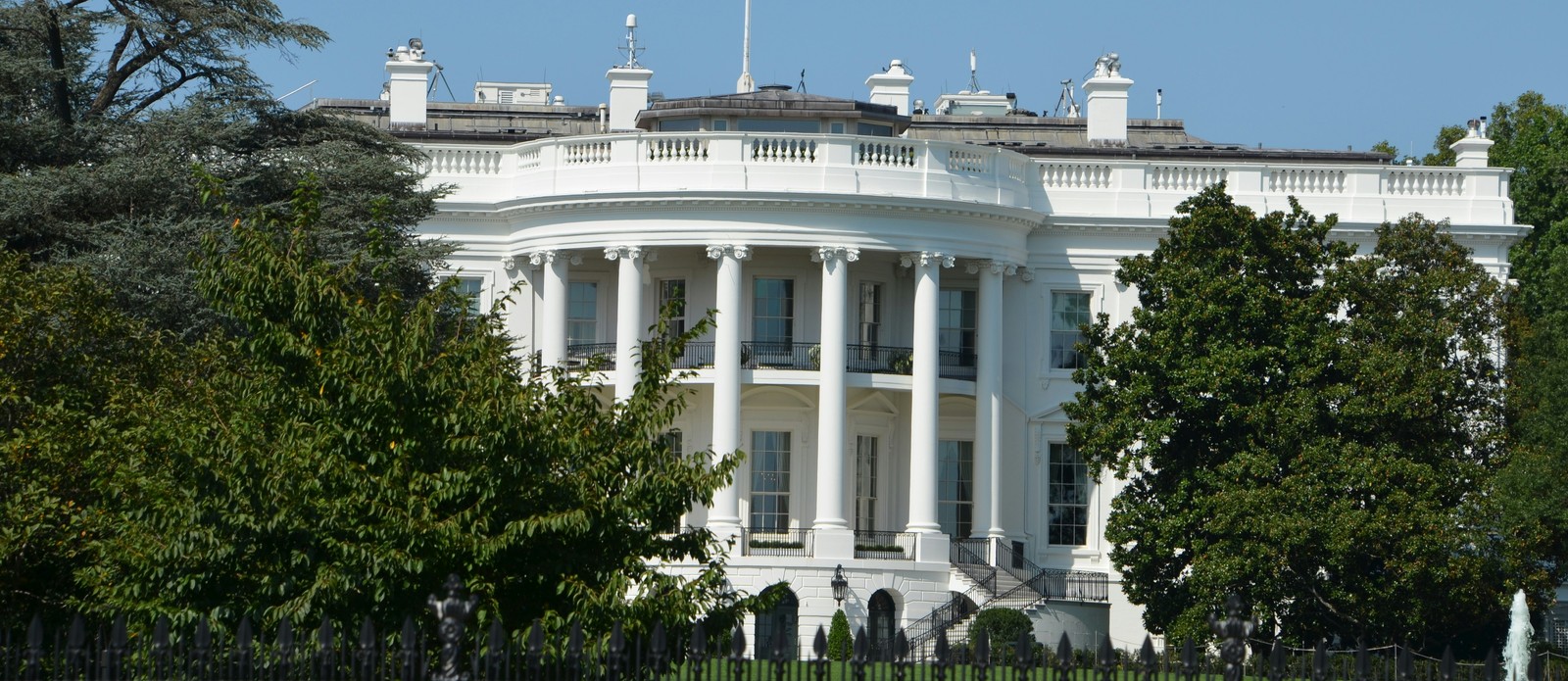
Image: Donghun Shin

It’s easy to assume that the path to the highest office is paved exclusively with Ivy League diplomas, elite military careers, and political connections. However, the early lives of American presidents proved to be far grittier and more eclectic. From elite athletic combat to teenage summer gigs, these ten unexpected jobs held by U.S. presidents before entering politics show that the road to the White House can start in some truly surprising places.

1
Abraham Lincoln
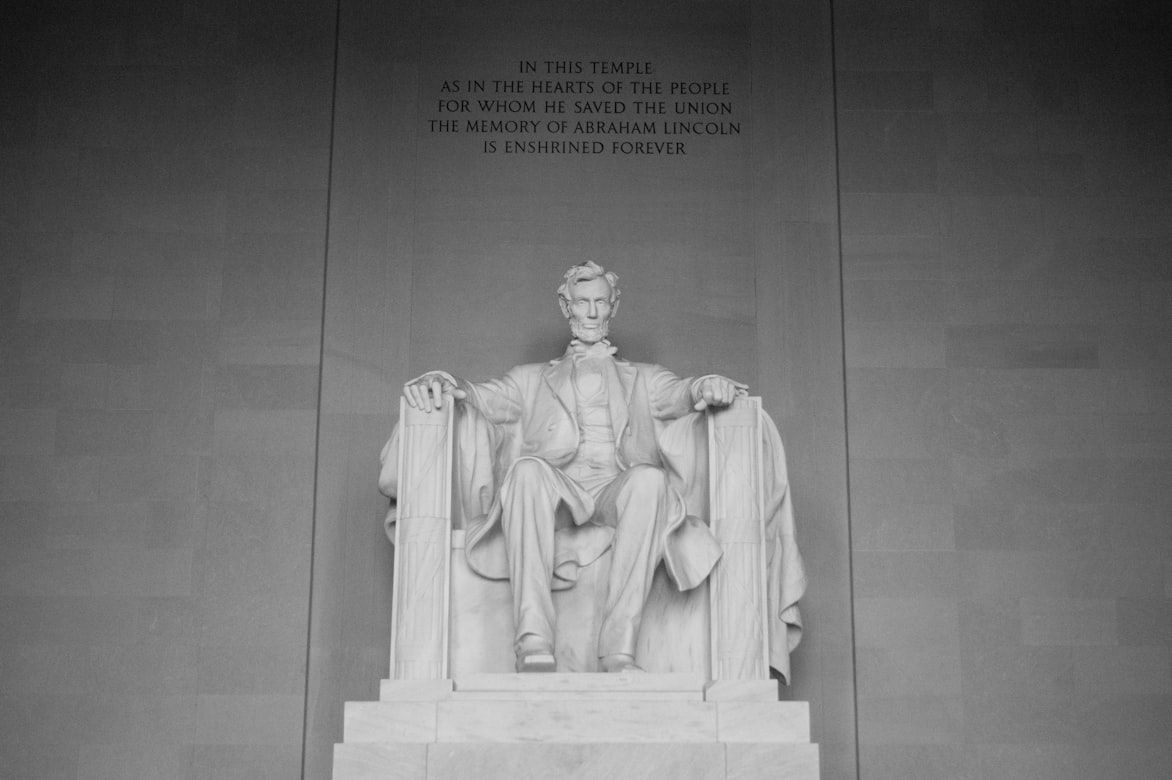
Image: Maarten Brakkee

Long before he preserved the Union or delivered the Gettysburg Address, Abraham Lincoln was renowned across Illinois as a fearsome wrestler. Standing at 6’4", Lincoln had immense leverage and strength cultivated from years of clearing timber.

In the early 1830s, he competed in roughly 300 matches and was defeated only once. His most famous fight happened in New Salem, Illinois, against Jack Armstrong, the leader of a local gang known as the Clary’s Grove Boys. Lincoln soundly defeated Armstrong, earning the lifelong respect of the community. He was even inducted into the National Wrestling Hall of Fame as an "Outstanding American".

2
Herbert Hoover
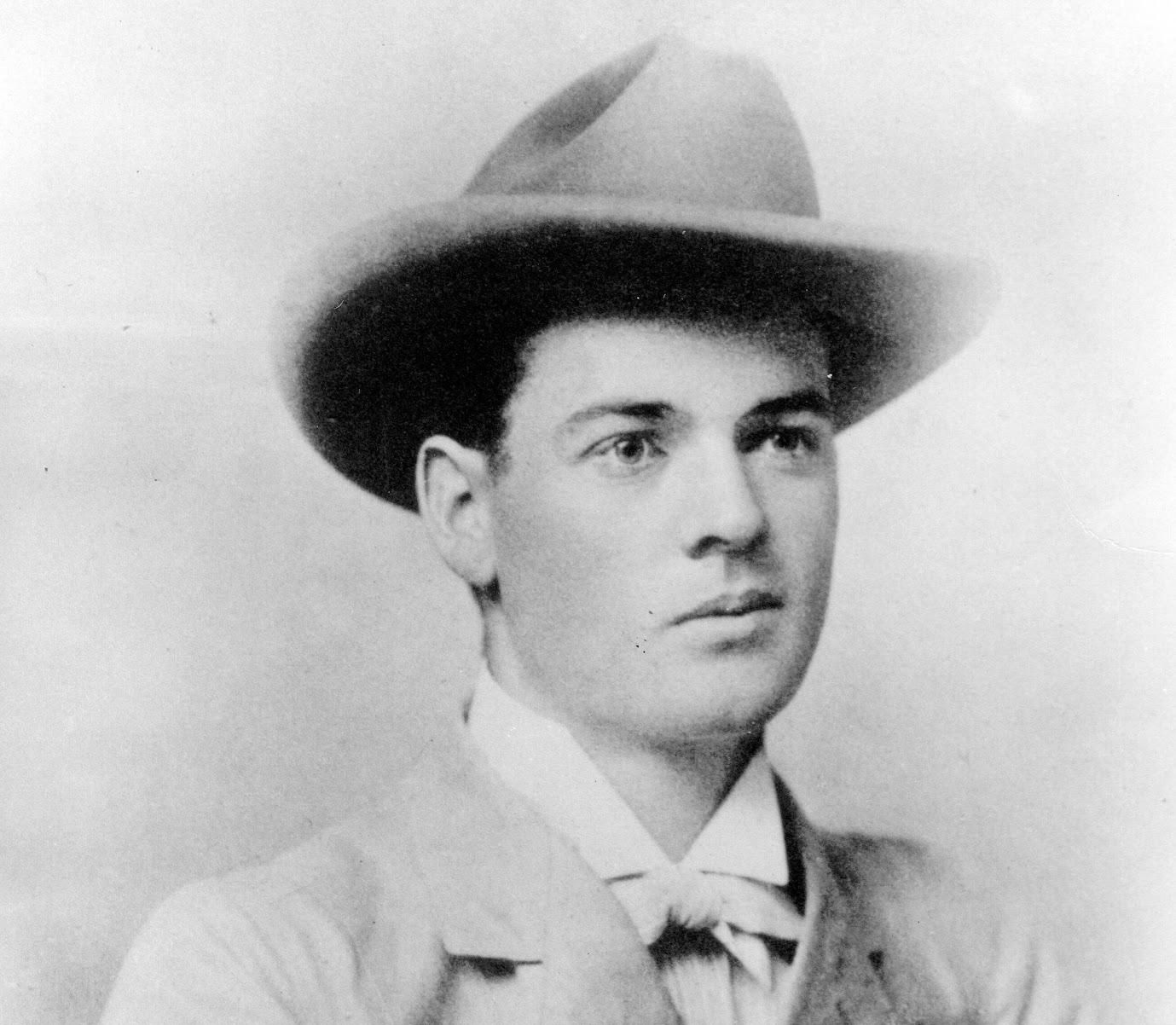
Image: See page for author, Public domain, via Wikimedia Commons

Herbert Hoover’s pre-political life was defined by his career as a world-traveling mining engineer. In the late 1890s, Hoover took a job with the Chinese Engineering and Mining Company, moving to China.

To effectively manage the local operations and navigate the complex social landscape, Hoover and his wife, Lou Henry, learned to speak Mandarin. They became so fluent that decades later, the President and First Lady would speak Mandarin to one another whenever they wanted to have a private conversation in front of White House staff or guests.

3
Andrew Jackson
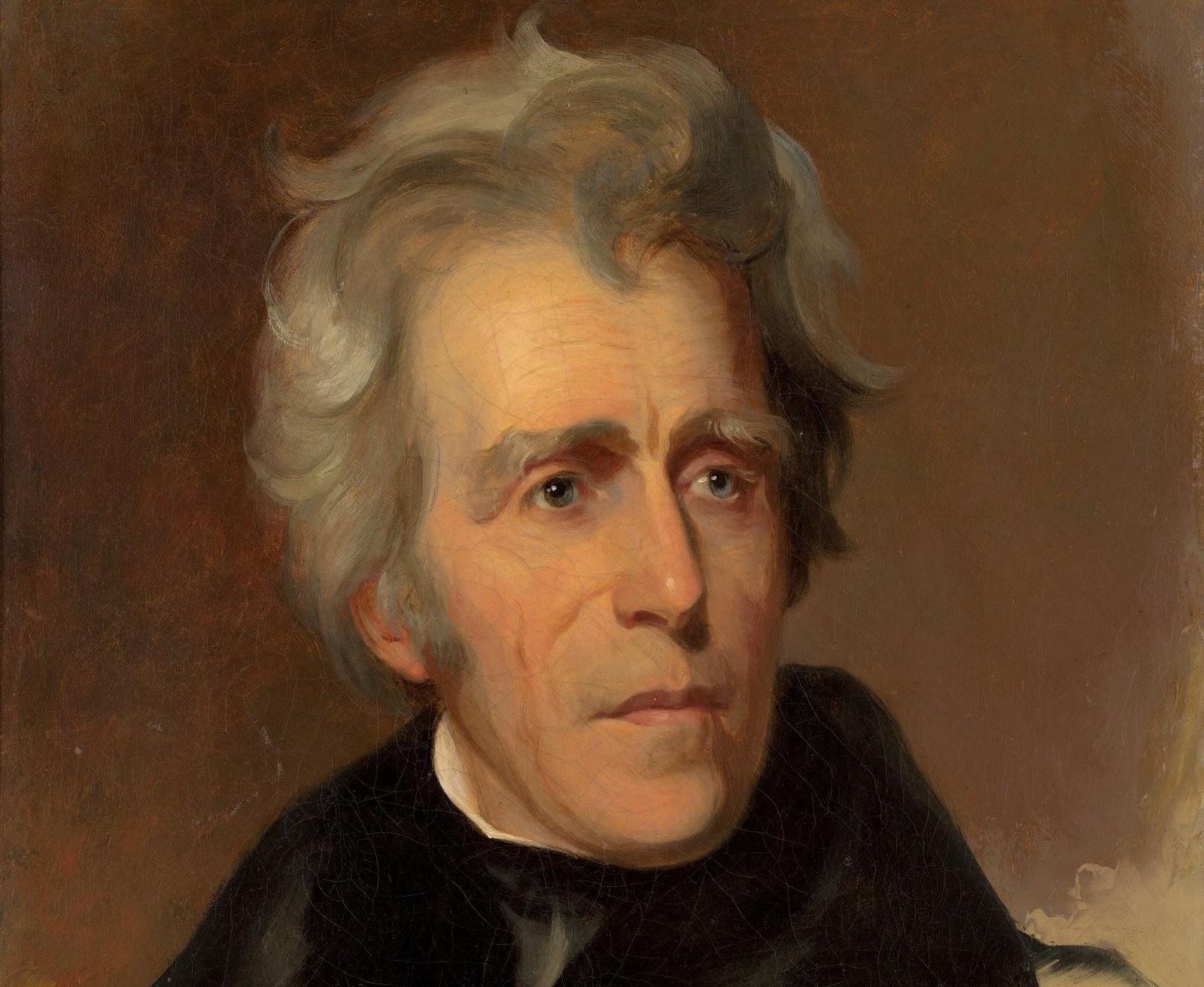
Image: Jengod, CC0, via Wikimedia Commons

Andrew Jackson’s early life was marked by extreme hardship. By the age of fourteen, he had lost his entire immediate family to the Revolutionary War, making him an orphan.

In the early 1780s, a teenage Jackson moved to Salisbury, North Carolina, to survive. There, he apprenticed under a local master craftsman to learn the trade of saddle making. The intense manual labor provided him with a practical trade before he eventually taught himself the law and began his ascent into Tennessee politics.

4
Jimmy Carter
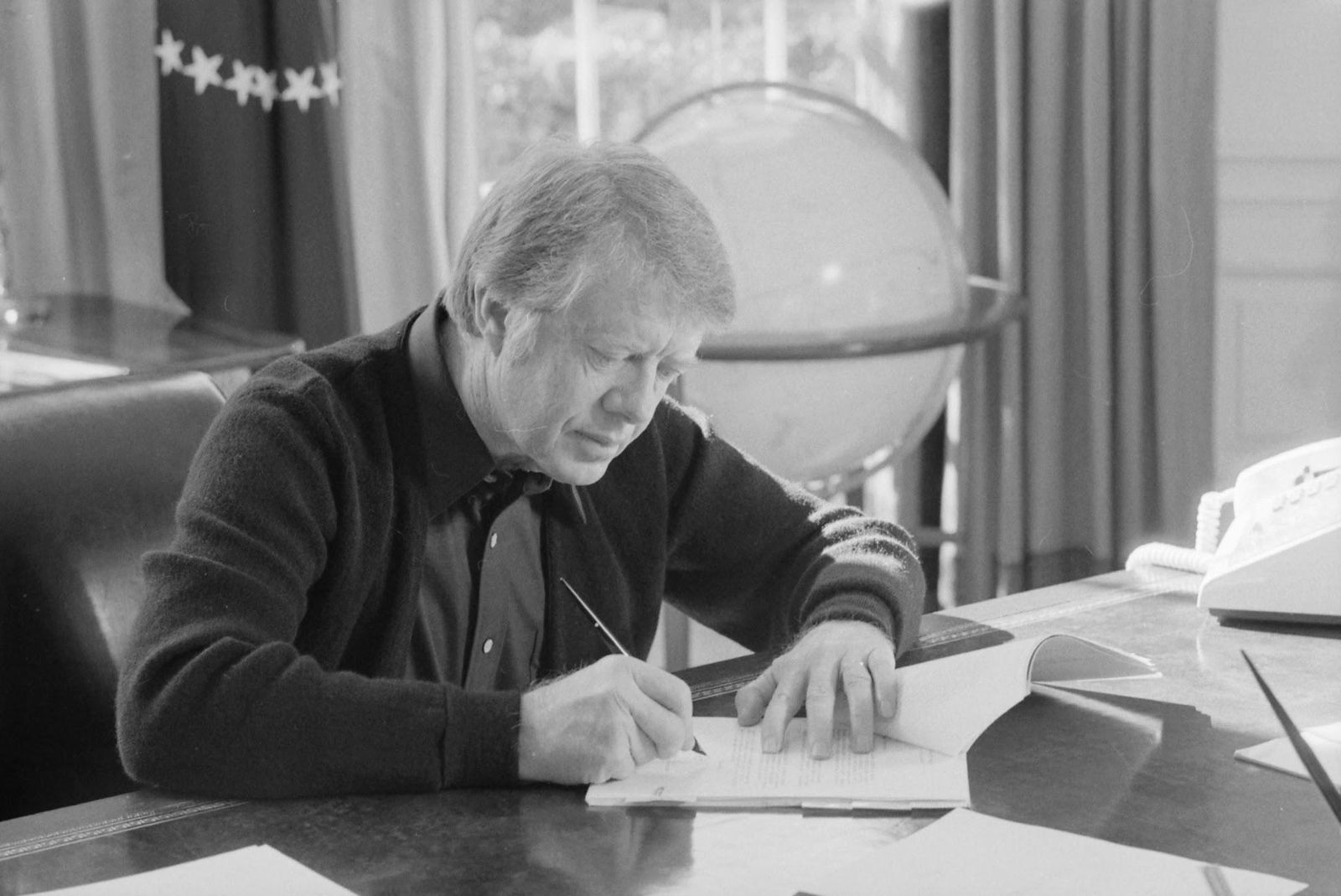
Image: National Archives and Records Administration, Public domain, via Wikimedia Commons

Jimmy Carter’s identity is intertwined with his background as a peanut farmer, but this wasn’t just a casual hobby. After serving as a naval officer, Carter returned to Plains, Georgia, following the death of his father in 1953, to take over the family’s struggling farm.

Faced with severe debts and a local drought, Carter worked the land alongside his laborers. He used his background in engineering to modernize the operation, transitioning it from a basic farm into a successful, tech-forward agribusiness.

5
Ronald Reagan
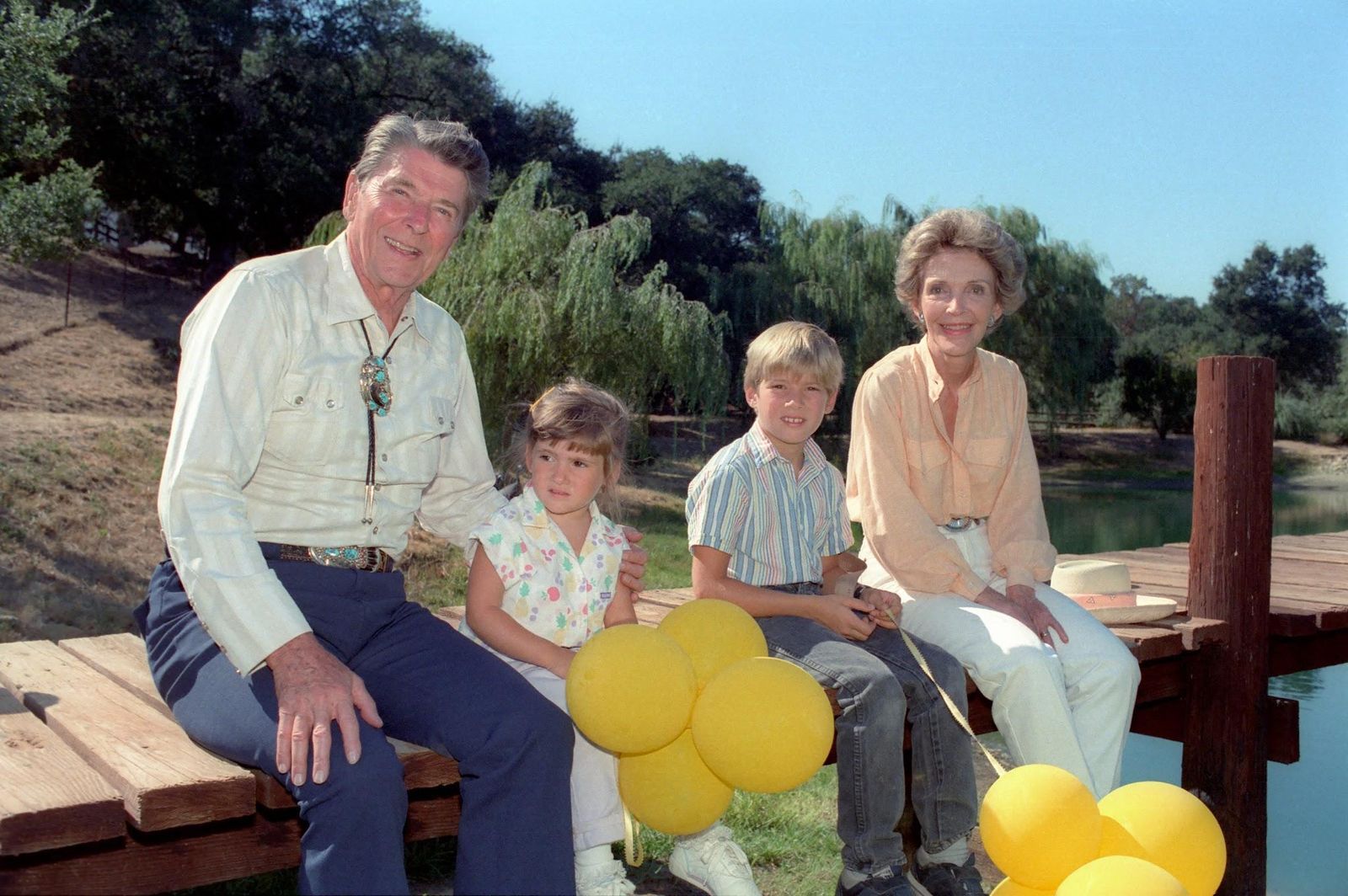
Before he was an actor, governor, or president, a teenage Ronald Reagan spent his summers working as a lifeguard at Lowell Park on the Rock River in Dixon, Illinois. Over the course of seven summers, beginning in 1927, Reagan is credited with saving a staggering 77 lives from the river’s treacherous undercurrents. Reagan took immense pride in this job, famously carving a notch into a nearby log for every single swimmer he successfully pulled from the water.

6
Lyndon B. Johnson
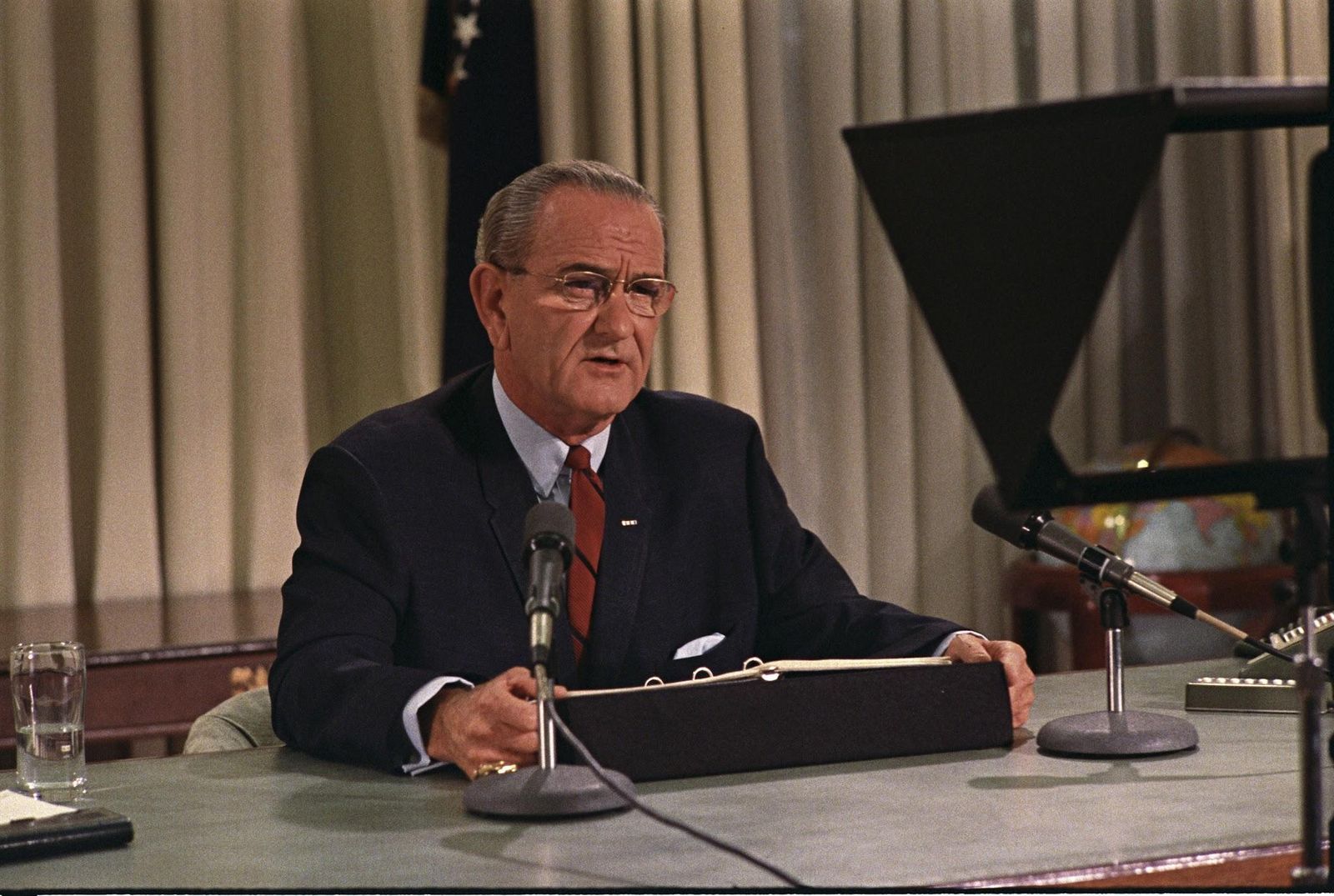
Image: Yoichi Okamoto, Public domain, via Wikimedia Commons

Lyndon B. Johnson was a man driven by ambition, but his youth was spent working a variety of low-wage odd jobs across the American West. After dropping out of school and running away to California in 1924, a young LBJ found himself completely broke.

Among other trades, he took a job as an elevator operator at a hotel in San Bernardino. Standing inside a cramped wooden box for hours on end, opening doors for affluent travelers, gave the future architect of the "Great Society" an up-close look at class distinctions and human behavior.

7
Warren G. Harding
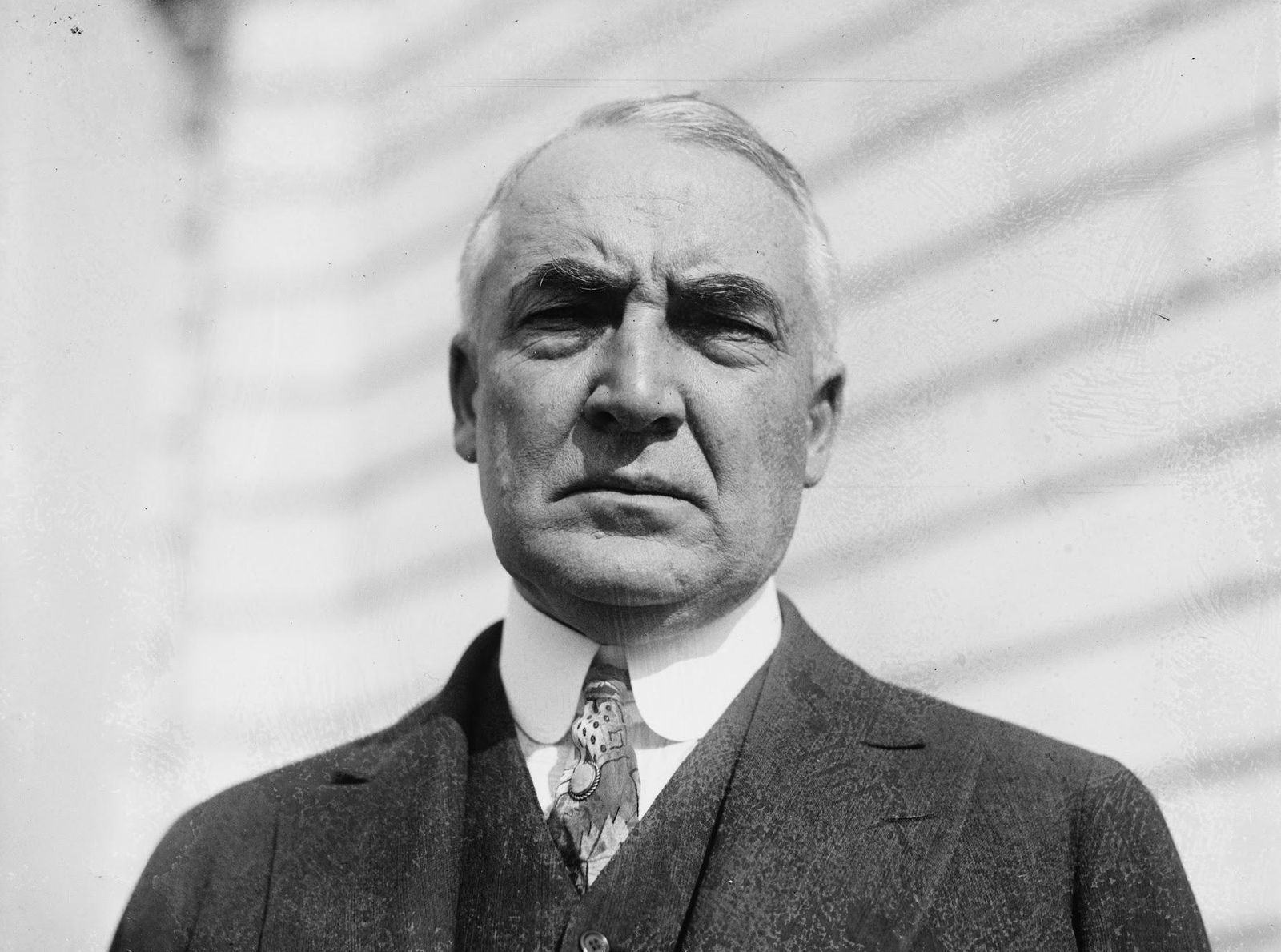
Image: National Photo Company Collection, Public domain, via Wikimedia Commons

Warren G. Harding began his professional career with a profound love for ink and typesetting. In 1884, at just 19 years old, Harding used his meager resources to purchase a failing, defunct local newspaper called the Marion Daily Star in Ohio.

Harding acted as a reporter, ad salesman, and press operator. Under his leadership, the paper grew into a highly profitable business, shaping his communicative style and providing him with the perfect media megaphone to launch his political career.

8
Calvin Coolidge
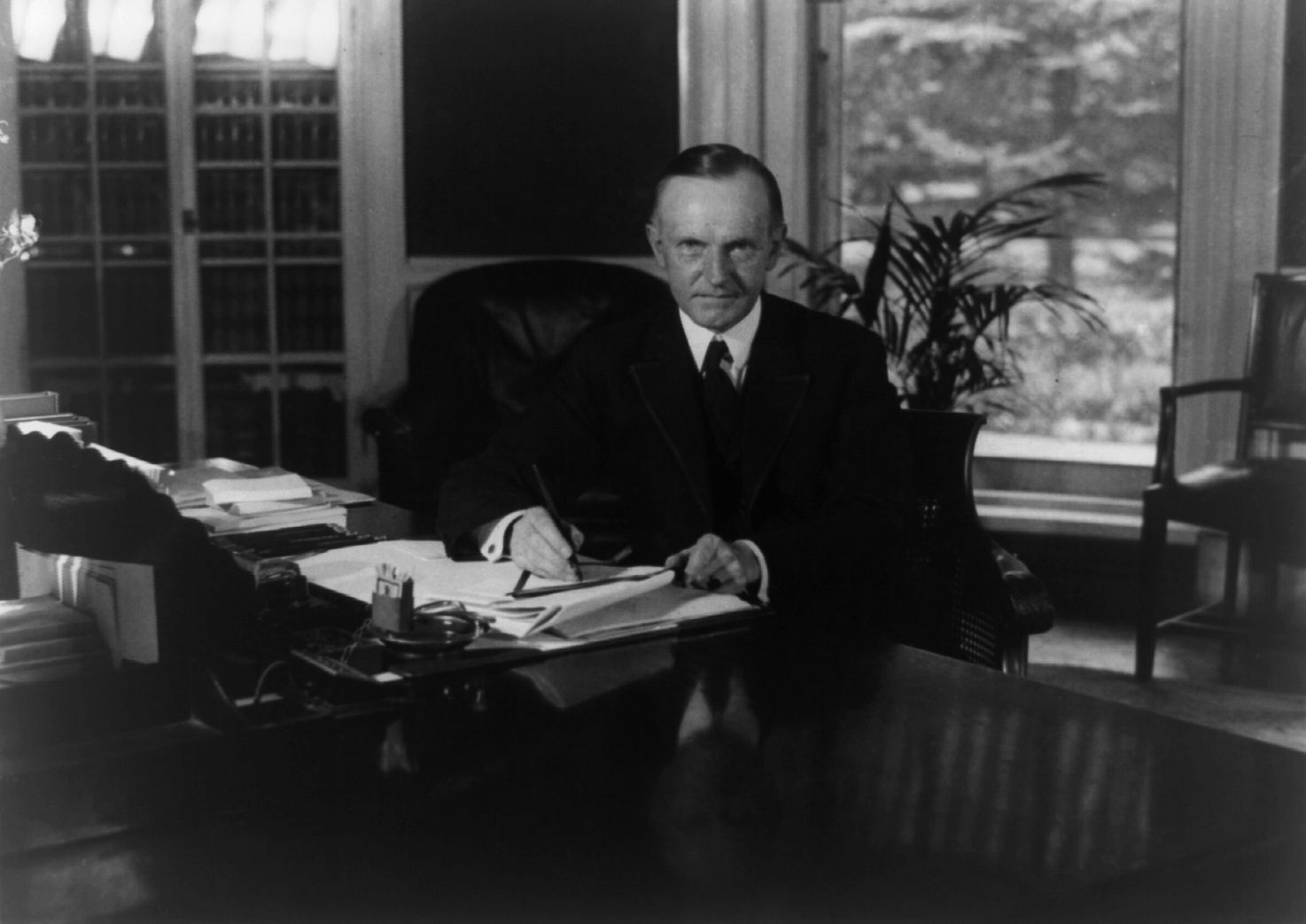
Image: National Photo Company, Public domain, via Wikimedia Commons

Calvin Coolidge was famous for his quiet and incredibly reserved demeanor, earning him the nickname "Silent Cal". It is entirely fitting, then, that one of his earliest jobs during his youth was crafting doll carriages at a toy manufacturing company in Ludlow, Vermont, in the late 1880s. Coolidge treated the position with the same meticulous, serious dedication that he would later bring to the governance of the nation.

9
Barack Obama
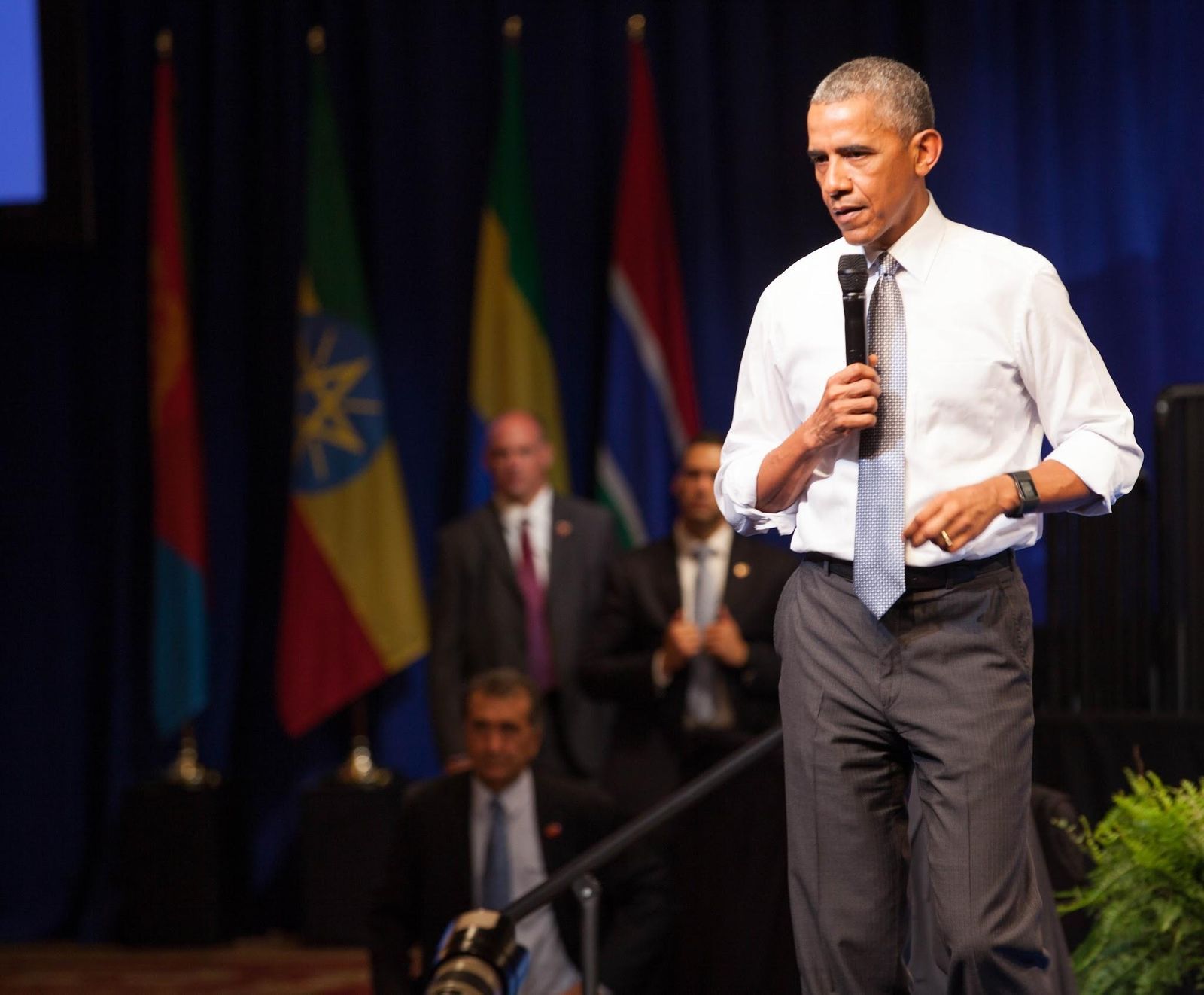
Image: Exchanges Photos, CC0, via Wikimedia Commons

Long before he was dealing with global diplomacy or economic crises, a teenage Barack Obama landed his very first job at a Baskin-Robbins franchise in Honolulu, Hawaii.

In the summer of 1978, Obama spent his days scooping ice cream, a task he later recalled as being far harder on the wrists than people realize. He noted that the job taught him responsibility, hard work, and balancing a job with friends, family, and school. It also had a permanent effect on his palate: he famously admitted that he completely lost his appetite for ice cream for years.

10
Thomas Jefferson
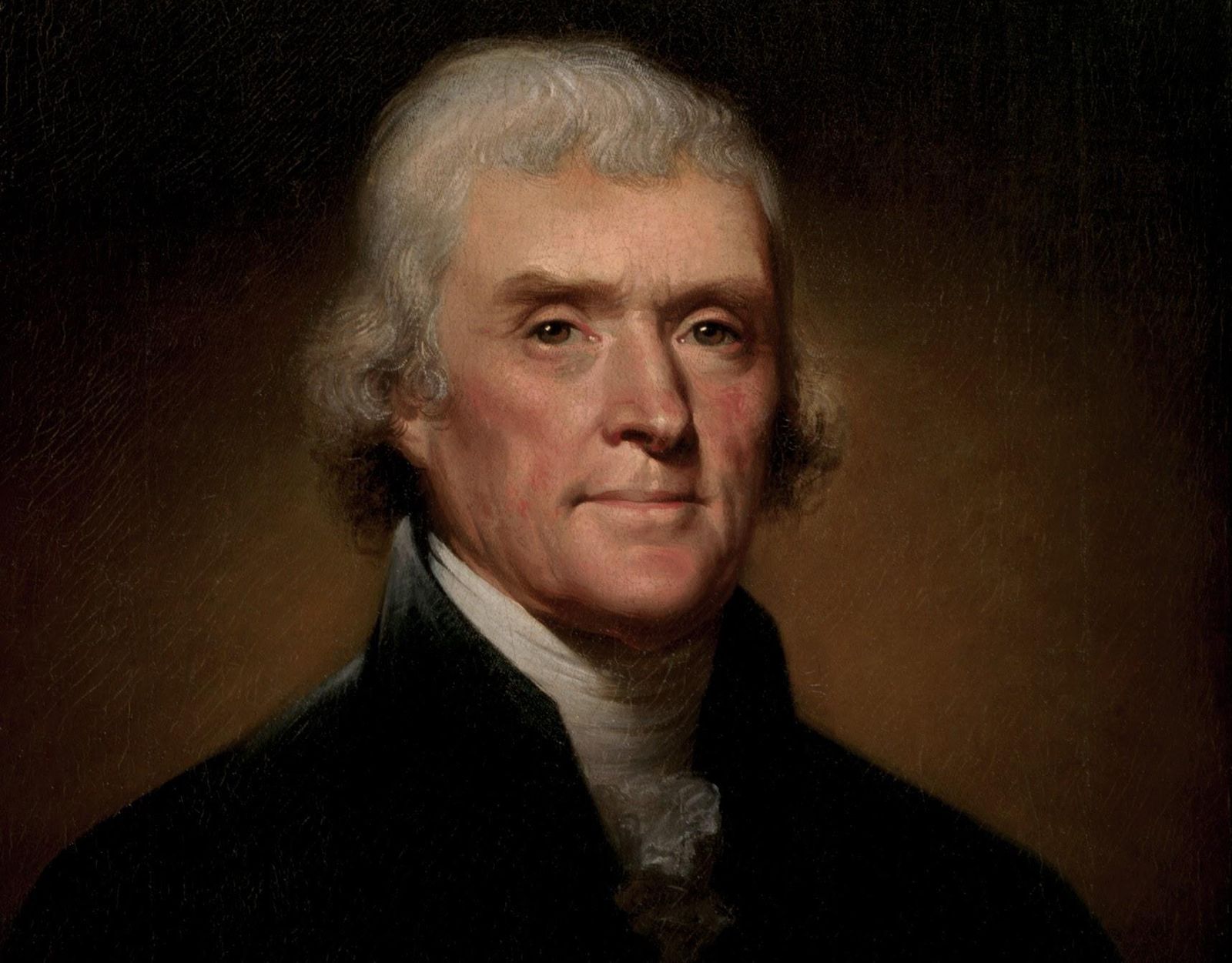
Image: Rembrandt Peale, Public domain, via Wikimedia Commons

Thomas Jefferson was the ultimate Renaissance man, but few realize he holds a legitimate title as one of America's first true archaeologists. In 1784, intrigued by the numerous Native American burial mounds scattered across Virginia, Jefferson decided to investigate one located near his Monticello estate.

Instead of simply digging for artifacts, Jefferson applied a rigorous, scientific method that was decades ahead of its time. He dug trenches to observe the various layers of earth and carefully documented the positioning of human remains. His systematic approach earned him recognition from modern historians as a pioneer of American archaeological science.

General General 5 min read

What’s in a team’s name?

No Grizzlies in Tennessee: Decoding 10 NBA team nicknames

Image: Abhay siby Mathew

What could knickerbockers, animals, and mechanical engineering have in common? Well, plenty, if you ask an NBA fan. The naming of basketball teams has involved whole fan communities, local polls, and a lot of state industry pride. Nuggets, Pistons, Pacers—some evoke local wildlife, while others dig centuries back into historical roots. Ever wondered why Tennessee has Grizzlies or how Miami’s team ended up simply as "Heat"? Let’s dive into the stories behind the league’s most iconic—and surprising—team names.

1
Knicks

Image: Kelly Sikkema

"Knicks" is the shorter, catchier version of "Knickerbockers." The New York team name was chosen in the 1940s because of its association with Dutch settlers in the city. In Washington Irving's satirical book A History of New York , the author used "Diedrich Knickerbocker" as a fictional narrator. Over time, the term came to symbolize the city’s colonial heritage.

One of the oldest teams in the NBA, the Knicks never changed their worldwide-known name or their headquarters. They also boast one of the most iconic sports arenas in the world: Madison Square Garden . The Knickerbockers brand became so well-established that it intentionally opted to never introduce a team mascot, to preserve its classic image.

2
Nuggets

Image: PIX1861

The Denver Nuggets don’t allude to any form of food. Let’s look at the team’s history before explaining its name. Originally, as members of the American Basketball Association, they were called the Denver "Rockets" in reference to one of the owner’s businesses. However, when the team prepared to join the NBA in the 1970s, they had to change their name because Houston already had a team named the Rockets.

After a fan contest, the name "Nuggets" was chosen as a nod to Colorado’s gold and silver mining heritage , where prospectors sought valuable "nuggets" of precious metals. The team adopted a logo featuring a miner holding a pickaxe, and the name has stuck ever since.

3
Rockets

Image: NASA

So, why did Houston name its team The "Rockets"? Technically, it didn’t. The team was founded in San Diego in the 1960s as an NBA expansion team. The name "Rockets" was chosen through a fan contest, inspired by San Diego’s slogan at the time, "A City in Motion," and its ties to the aerospace industry.

Less than 10 years later, the team relocated to Houston, Texas. It was understood that a name change wasn’t necessary: "Rockets" fit seamlessly with Houston’s role as NASA’s space center and its nickname, "Space City."

4
Pistons

Image: Tim Mossholder

The Pistons were originally founded in Indiana as the Fort Wayne Zollner Pistons . Their owner, Fred Zollner, also owned a manufacturing company that produced pistons for automotive and railroad engines. The team carried the last part of the name forward when they joined the NBA, and later moved to Detroit.

Detroit, known as "Motor City" for its global reputation as the center of the American auto industry, was the perfect fit for the Pistons name. The concept that the Pistons symbolized "horsepower" was what inspired the introduction of their mascot, Hooper, a horse wearing the Pistons’ jersey.

5
76ers

Image: Jimmy Woo

The Philadelphia 76ers derive their name from an entirely different source than most other teams. Honoring the city’s insignia as the birthplace of the Declaration of Independence in 1776, the team’s name pays tribute to this pivotal moment in American history.

In its inception, the team was based in Syracuse, New York, and was known as the "Syracuse Nationals." It was one of the NBA’s original franchises. When it moved to Philadelphia, though, a fan contest was issued to select the best possible name. "76ers" was selected and it quickly became the popular consensus to shorten it to the nickname "Sixers."

6
Grizzlies

Image: Greg Johnson

Everyone’s first reaction upon hearing where the Grizzlies are based is the same: "But are there any grizzlies in Tennessee?" The answer is, none that we know of. But the team was founded far from those lands, in Vancouver, British Columbia. In the mountainous regions of western Canada, grizzly bears are indeed a thing.

However, the team faced financial difficulties and fan support challenges in Vancouver, leading to their relocation to Memphis in the early 2000s. At the time, there was some debate about whether to change the name. Ultimately, the NBA and team management decided to keep "Grizzlies" to maintain a connection to the team’s origins and avoid the costs of rebranding.

7
Heat

Image: Maxim Tajer

As many people observe, it’s unusual for a team name not to be a plural word. "Heat" is as fiery as it is accurate, belonging to the hottest state in the U.S. The city’s tropical weather inspired one of the most abstract names in the NBA, often symbolized by fire and the colors red, orange, and black.

The Miami "Heat" name was designated after winning a fan contest, beating other options like "Sharks" and "Barracudas." Fans also suggested names such as "The Beaches" and "The Miami Vice."

8
​​Timberwolves

Image: Andrew Ly

There may be no grizzlies in Memphis, but there are certainly timber wolves in Minnesota. In fact, the state has the largest population of timber wolves in the contiguous United States. The name for Minneapolis’ team was chosen through a statewide contest as a nod to Minnesota’s wilderness and natural wildlife. It was an instant hit.

The other finalist in the contest was the option "Polars," but it seems people found "Timberwolves" to be more unique. In later years, the team introduced its mascot, Crunch , a wolf often seen at events around the city.

9
Pacers

Image: Rui Alves

The Pacers emerged and remained in Indiana. The name was chosen mostly to pay homage to Indiana’s rich racing heritage: pace cars were used in the iconic Indianapolis 500 auto race , which evolved from horse races held annually in the state. However, it can also be considered a pun on the "fast-paced" style of playing that the team hoped to live up to.

In fact, one of the investors of the Pacers franchise was Chuck Barnes , who represented three legendary race car drivers: Mario Andretti, A.J. Foyt, and Rodger Ward. The team proudly retained the name when they joined the NBA in the 1970s after achieving remarkable success in the ABA.

10
​​​​Cavaliers

Image: PublicDomainPictures

Lastly, Cleveland’s "Cavaliers" is another example of a team name chosen through a fan vote. A local fan suggested the term, which refers to gentlemen trained in arms and horsemanship, for its associations with boldness, a fighting spirit, and a certain elegance. This option won, and over time, enthusiastic fans began referring to the team as "the Cavs."

Other contestants in the row were "Jays," "Foresters," and "Presidents." The "Cavs" nickname gained significant popularity during the LeBron era , as the star player’s success helped the team gain a stronger national following. Interestingly, the best-known rivalry for the Cavs is none other than the Golden State "Warriors."

General General 7 min read

From blueprint to backstory

Bridges with fascinating backstories across the US

Image: Hari Manivannan

America's bridges are more than just ways to get from point A to point B—they're monuments to human ingenuity, determination, and sometimes sheer stubbornness. Underneath their steel cables and concrete pillars lie history-making stories of tragedy, triumph, and political intrigue. Let's explore ten famous bridges whose backstories are as captivating as their engineering , revealing the human drama behind these iconic structures.

1
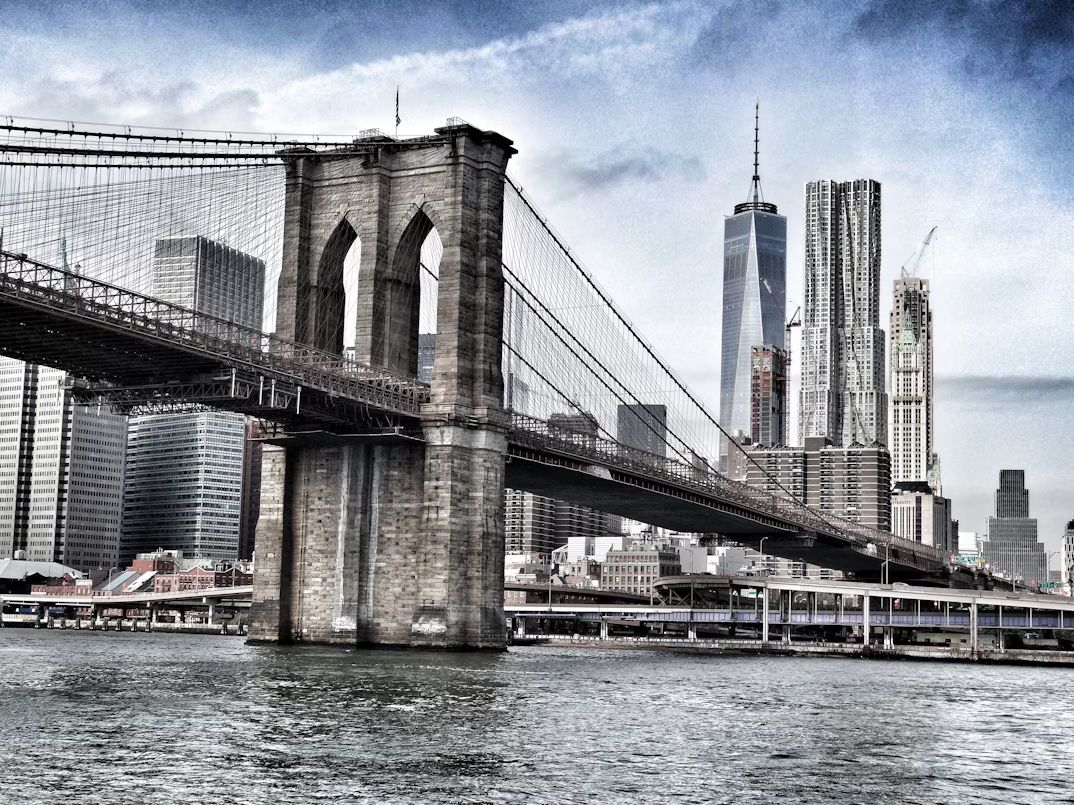
Brooklyn Bridge, New York: A family affair with an undersung heroine

Image: Hannes Richter

Designer John Roebling died from tetanus after his foot was crushed during the initial survey in 1869, leaving his son, Washington, to complete the project. Then Washington developed debilitating "caisson disease" (the bends) from working in the underwater pressurized chambers, leaving him bedridden and barely able to speak. For the next eleven years, he directed construction from his apartment window through a telescope, while his wife Emily became his voice , learning advanced mathematics and engineering to communicate his instructions to the workers.

Emily Roebling essentially became America's first female field engineer, though she received no official title or recognition at the time. She walked the bridge on opening day in 1883, carrying a rooster as a symbol of victory—a moment that should have cemented her place in history but was largely forgotten until recently.

2
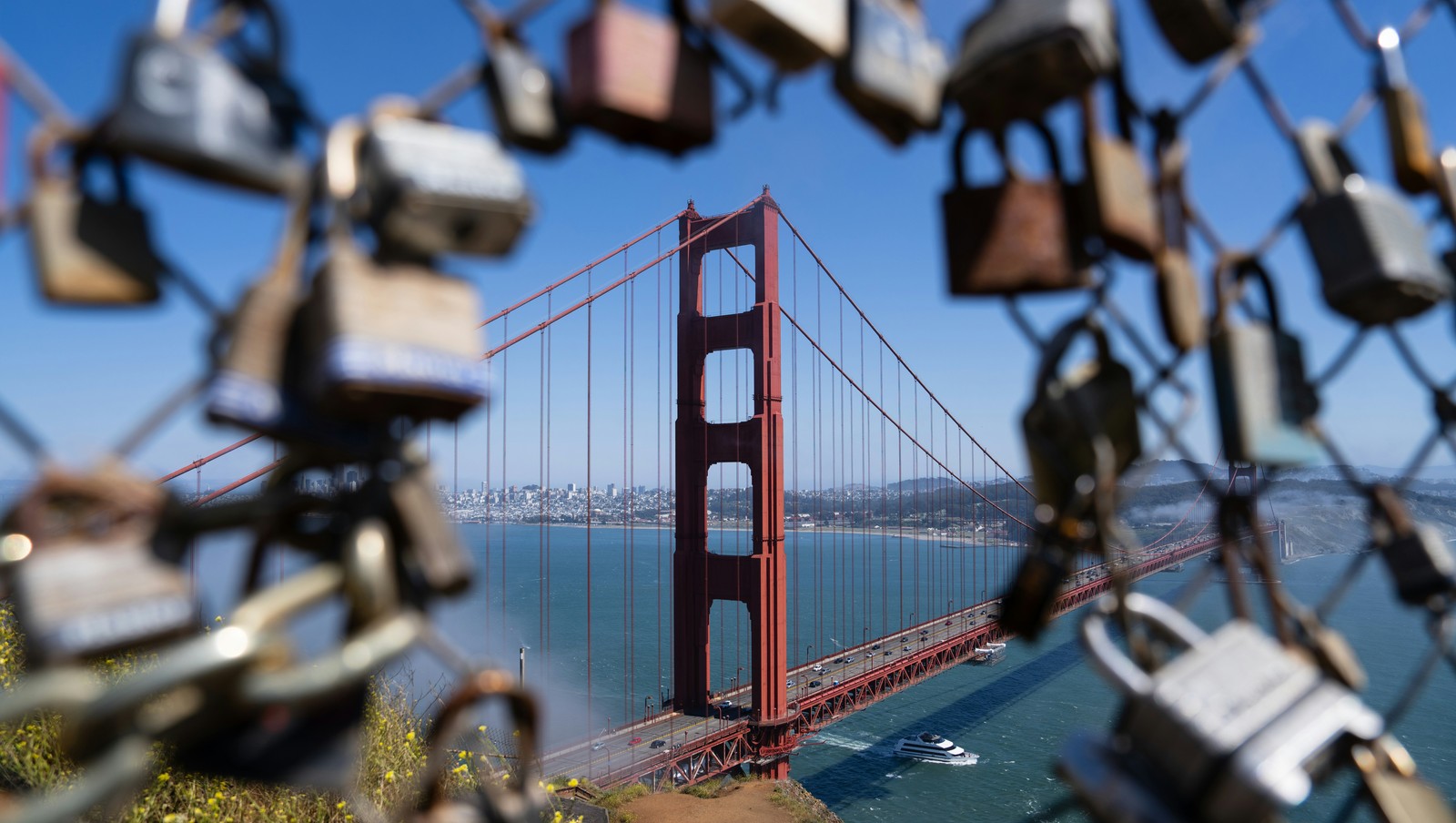
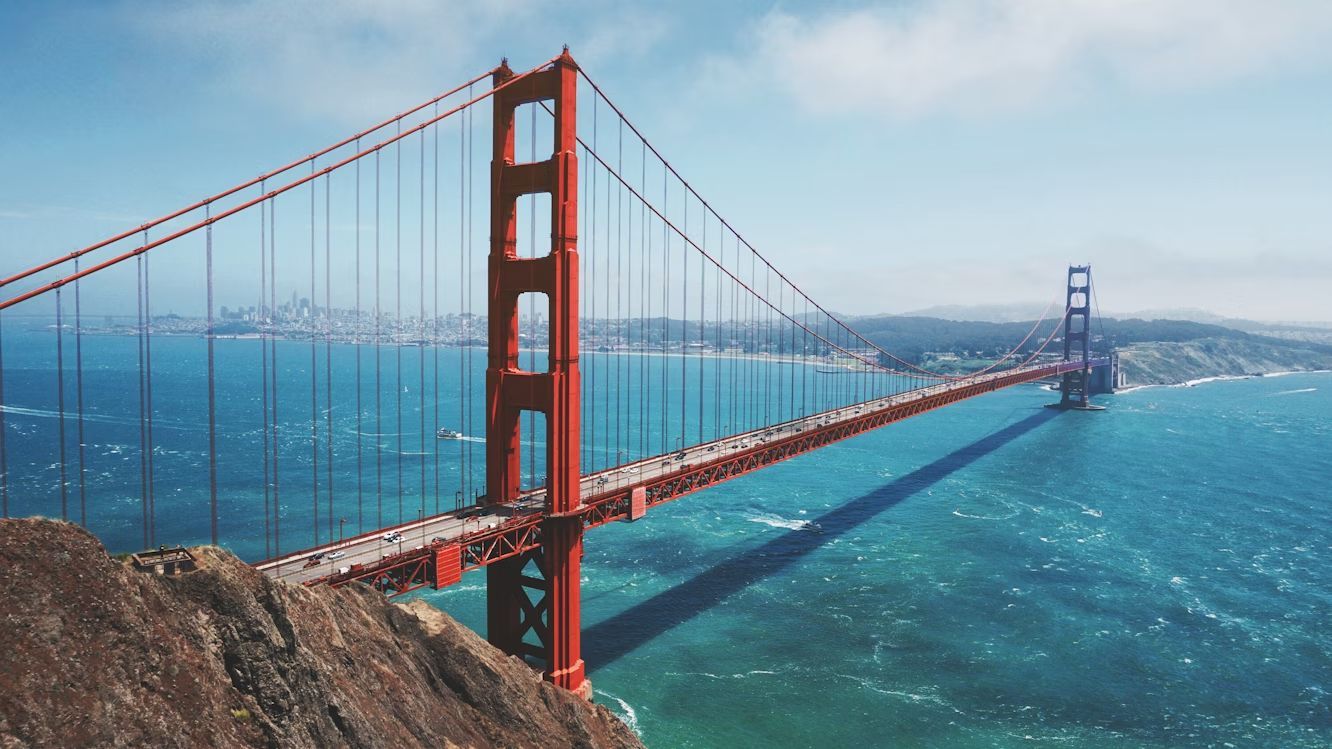
Golden Gate Bridge, San Francisco: They said it couldn't be built

Image: Maarten van den Heuvel

Engineers insisted it was impossible: the water was too deep, the currents too strong, the fog too thick. Joseph Strauss, the chief engineer, was mocked by colleagues who called his design "Strauss's Folly." The Navy opposed it, claiming it would obstruct their ships. Environmentalists feared it would ruin the bay's natural beauty. Ferry operators lobbied against it, worried about losing their livelihoods.

Yet construction began in 1933, during the Great Depression, providing thousands of jobs when they were desperately needed. Strauss installed a revolutionary safety net beneath the bridge, saving nineteen men who became known as the "Halfway to Hell Club." Tragically, ten other workers still died when a section of scaffolding fell through the net near the end of construction. When it opened in 1937, the bridge was the longest suspension span in the world . Strauss died just one year after the bridge opened, worn out by the battle to build his "impossible" dream.

3
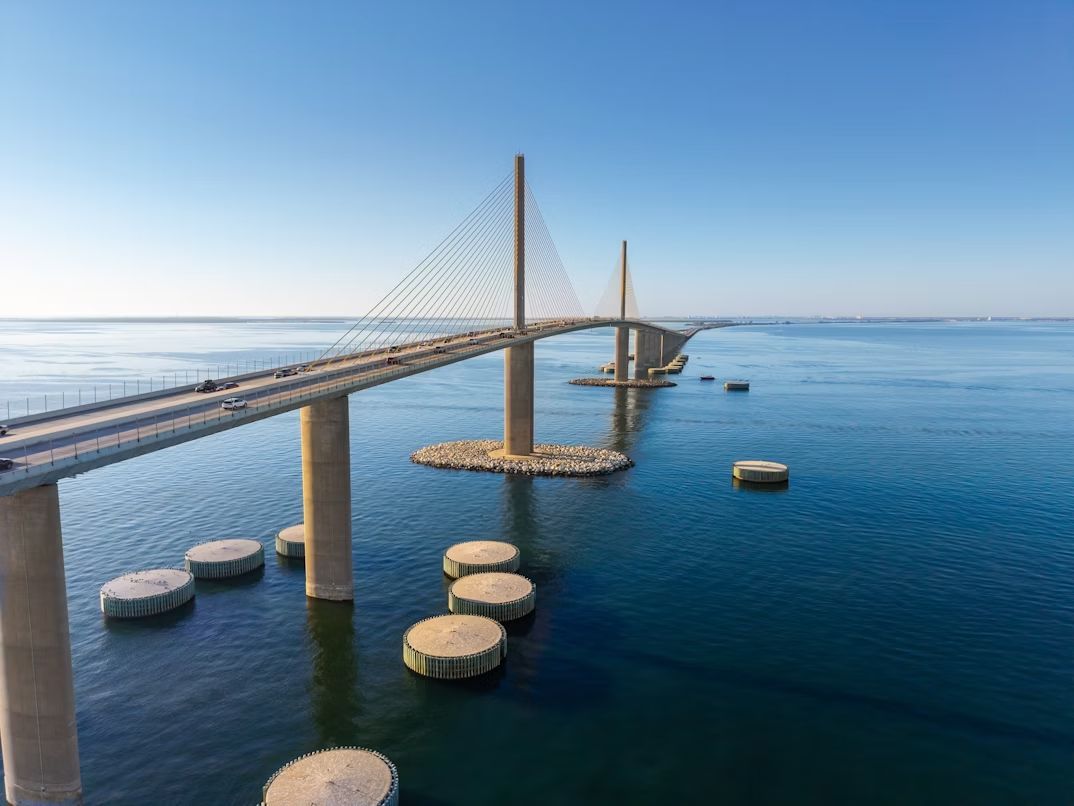
Sunshine Skyway Bridge, Florida: Rising from tragedy

Image: Joseph Corl

On a foggy May morning in 1980, the freighter MV Summit Venture lost radar during a violent thunderstorm and slammed into the Sunshine Skyway Bridge. A 1,400-foot section of the bridge collapsed into Tampa Bay , sending six cars, a truck, and a Greyhound bus plummeting 150 feet into the water below. Thirty-five people died instantly. The only survivor was a truck driver whose vehicle teetered on the broken edge.

Rather than simply repair the damaged bridge, Florida decided to build an entirely new one. The new Sunshine Skyway, completed in 1987, features massive concrete "dolphins"—protective barriers designed to absorb ship impacts and prevent another catastrophe. The old bridge's remaining sections were converted into fishing piers, now popular spots where anglers cast lines into the same waters where so many lives were lost.

4
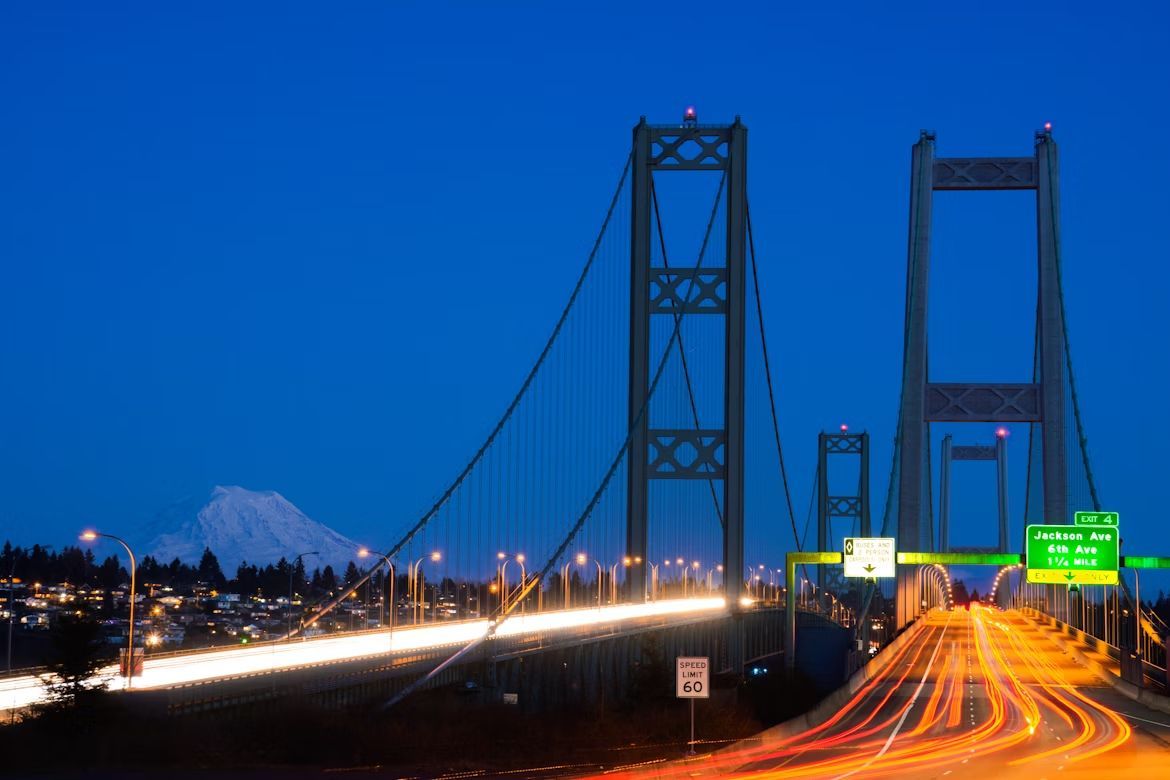
Tacoma Narrows Bridge, Washington - Galloping Gertie's fatal dance

Image: Taylor Prince

From the moment the Tacoma Narrows Bridge opened in July 1940, it moved—undulating, twisting, and bucking in the wind like a living thing. This rhythmic, vertical bouncing reminded locals of a galloping horse, thus earning the bridge the nickname 'Galloping Gertie.' Engineers knew about the movement but considered it within acceptable limits. For four months, Gertie galloped along, becoming a tourist attraction and a source of local pride. Then came November 7, 1940.

In 40-mph winds, the bridge entered an aeroelastic fluttering that tore it apart in spectacular fashion. The only casualty was a three-legged black Cocker Spaniel named Tubby, left in a car by his owner, who fled on foot. Film footage of the collapse became required viewing in engineering schools worldwide. A new bridge opened in 1950 with crucial design changes, and in 2007, a parallel span was added.

5
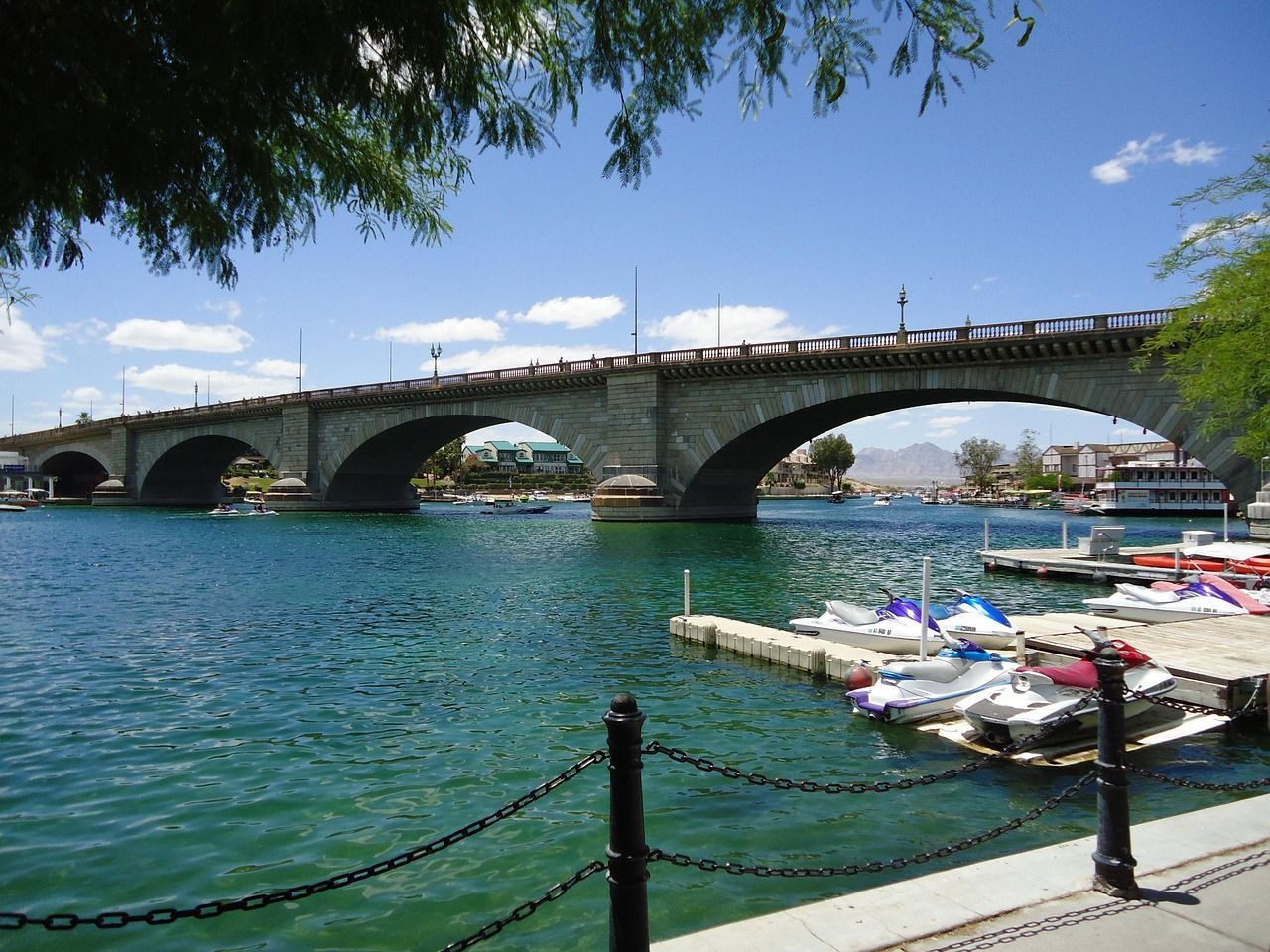
London Bridge, Arizona: The bridge they bought by mistake

Image: SoCali

American entrepreneur Robert McCulloch bought London Bridge in 1968 for $2.46 million and had it shipped, stone by stone, from London to Lake Havasu City, Arizona . Urban legend claims McCulloch thought he was buying the iconic Tower Bridge and was disappointed when his purchase turned out to be the relatively plain London Bridge. While McCulloch denied this, the story persists because it's too good not to be true.

The bridge was disassembled into 10,000 tons of granite blocks, each numbered and shipped across the Atlantic. Workers reassembled it in the Arizona desert like a giant jigsaw puzzle, creating a channel beneath it afterward to make it an actual functioning bridge.

6
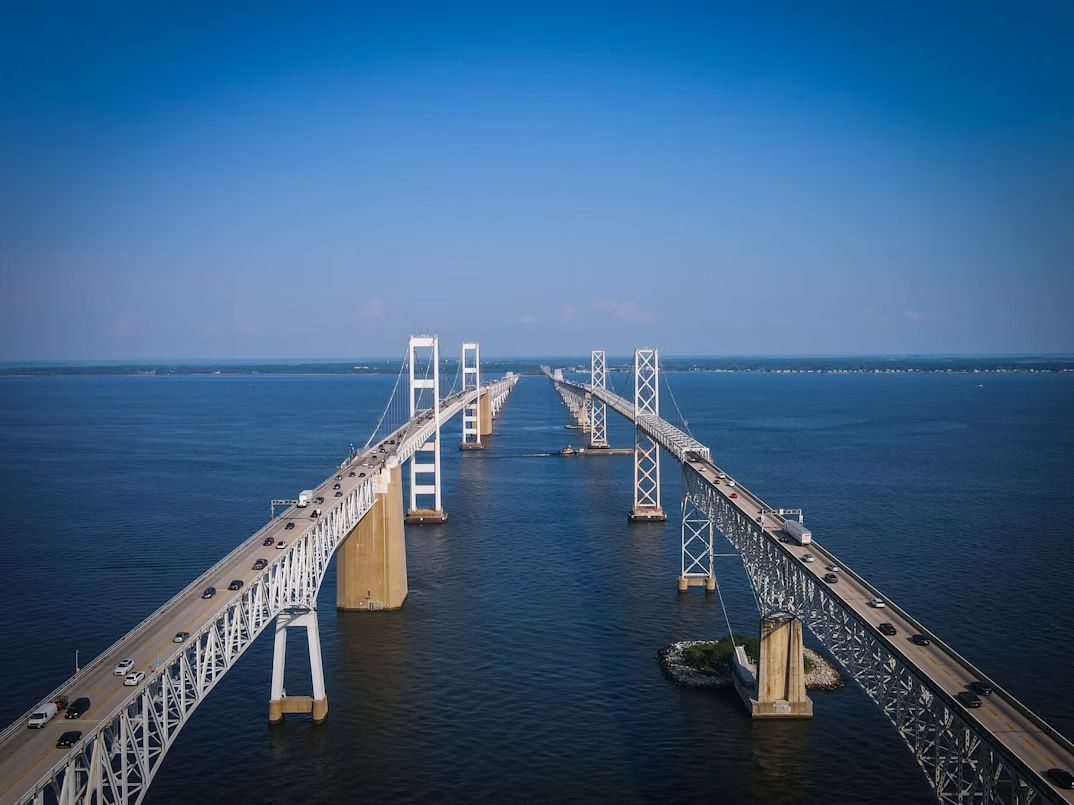
Chesapeake Bay Bridge-Tunnel, Virginia: Engineering ambition gone mad

Image: Max Shein

When engineers proposed building a crossing for the 17.6-mile-wide mouth of Chesapeake Bay, skeptics called it impossible. The crossing would need to accommodate massive naval and commercial ships heading to Norfolk, one of America's busiest ports, while also withstanding hurricanes and ocean storms. The solution was audacious: build a structure that would be partly bridge and partly tunnel, diving beneath the water at two points to allow ship traffic through .

The completed structure, opened in 1964, includes two mile-long tunnels, nearly 12 miles of trestle bridges, four man-made islands, and multiple high-level bridges—all exposed to the open Atlantic Ocean. It was immediately declared one of the "Seven Engineering Wonders of the Modern World."

7
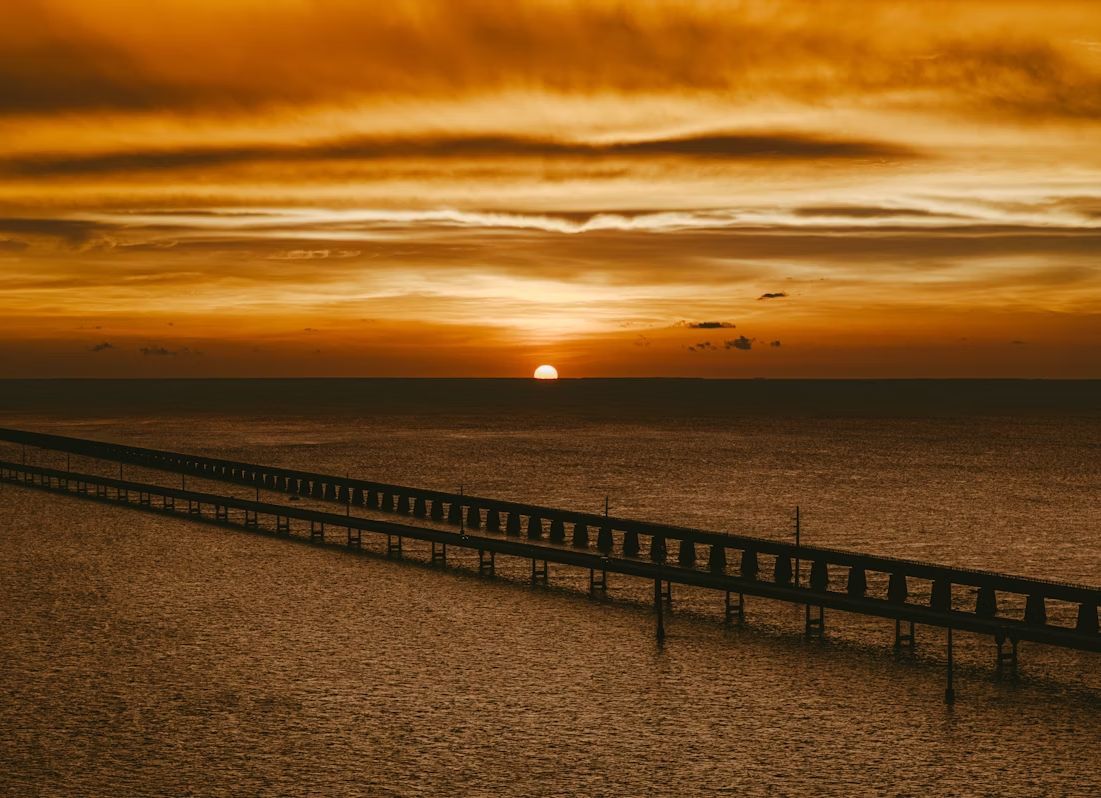
Seven Mile Bridge, Florida Keys: Flagler's folly made real

Image: Nils Huenerfuerst

Henry Flagler's dream of extending his railroad to Key West was called "Flagler's Folly" by critics. But Flagler, already wealthy from Standard Oil, was determined to connect the Keys to mainland Florida. Construction began in 1905, facing hurricanes, mosquitoes, brutal heat, and the challenge of building in water up to 40 feet deep. The worst disaster came in 1906 when a hurricane killed over 100 workers—mostly immigrant laborers, whose tragic deaths barely made headlines at the time.

The railroad finally reached Key West in 1912, a year before Flagler's death. For 23 years, it carried tourists and freight until the monster Labor Day Hurricane of 1935 destroyed much of the track, killing hundreds. Rather than rebuild the railway, the state converted the route into the Overseas Highway, with the Seven Mile Bridge becoming its centerpiece . The original bridge served cars until 1982, when a new parallel bridge opened.

8
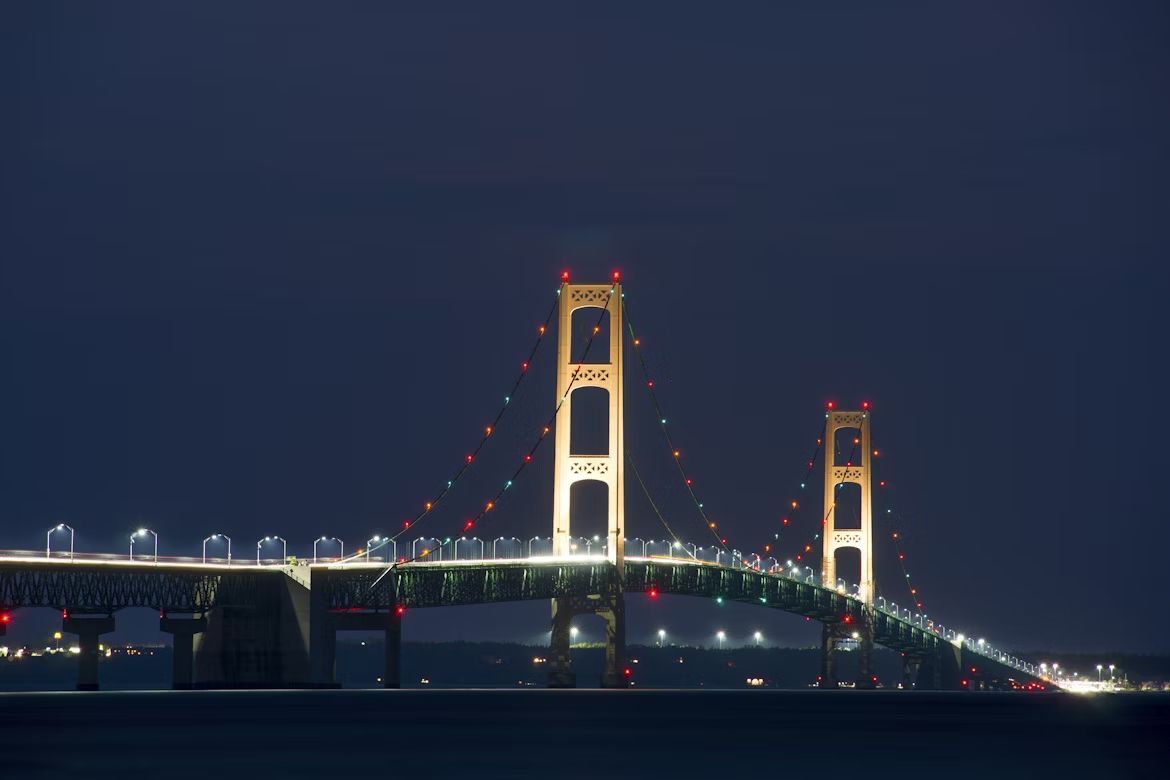
Mackinac Bridge, Michigan: The bridge that refused to die

Image: Rudolph Arnstein

Dreams of a bridge between Michigan's Upper and Lower peninsulas dated back to the 1880s, but the five-mile strait seemed unbridgeable. The Great Depression killed early plans, and World War II delayed them further. By the 1950s, the project had died and been resurrected so many times that locals joked it would never happen. Then, engineer David Steinman took on the challenge, designing a suspension bridge that would span the straits despite brutal weather, thick ice, and deep water .

Construction from 1954 to 1957 employed 3,500 workers at its peak. Opening day in 1957 drew 50,000 people, and Governor G. Mennen Williams walked across alongside bridge workers. "Mighty Mac" became Michigan's symbol, though high winds remain dangerous—two vehicles have been blown off in separate incidents, leading to the bridge authority offering free transport for nervous drivers during storms.

9
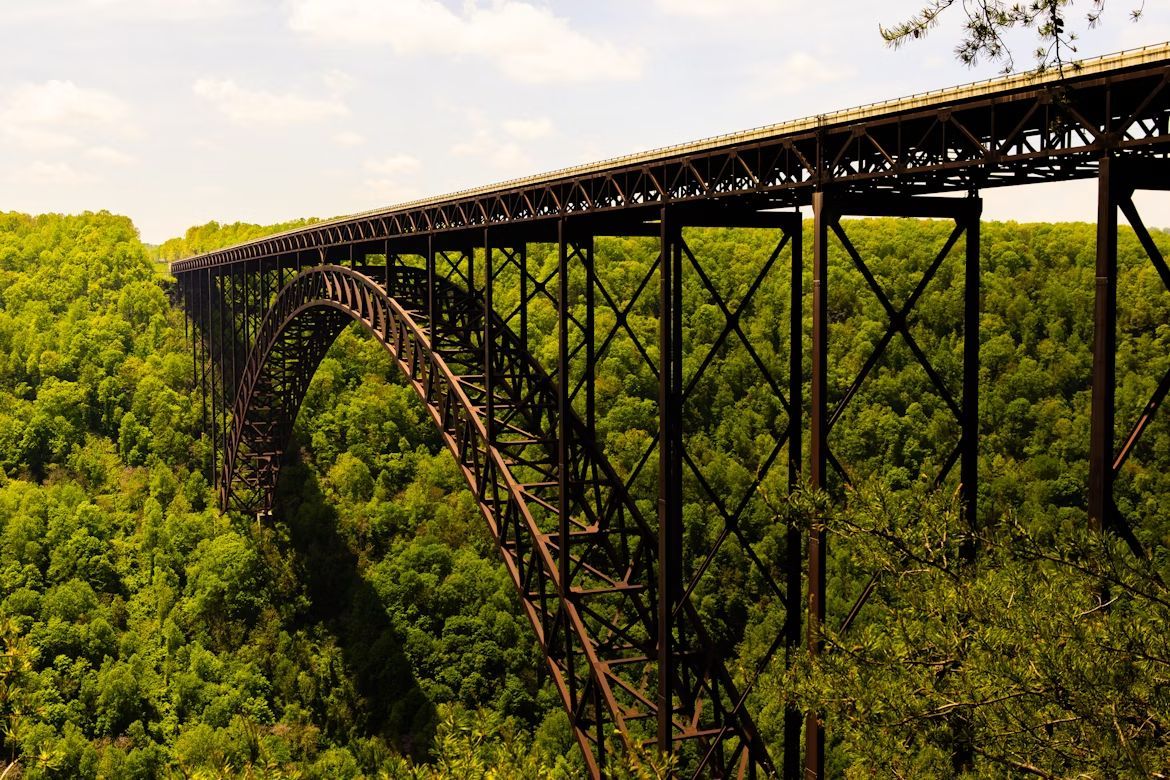
New River Gorge Bridge, West Virginia: The bridge that became a party

Image: Steve Wrzeszczynski

When the New River Gorge Bridge opened in 1977, it was the world's longest single-span arch bridge and the highest vehicular bridge in the Americas at 876 feet above the New River. The structure cut a 40-minute winding drive down to one minute, transforming the region's economy. But locals decided the bridge's annual achievement deserved an equally monumental celebration. Thus "Bridge Day" was born: a festival where the bridge closes to traffic and people are legally allowed to BASE jump and rappel off it.

Every third Saturday in October, up to 200,000 people descend on the tiny town of Fayetteville (population 2,800) to watch hundreds of BASE jumpers leap off the bridge . It's the largest extreme sports event in the world and the only day of the year when BASE jumping is legal in the U.S.

10
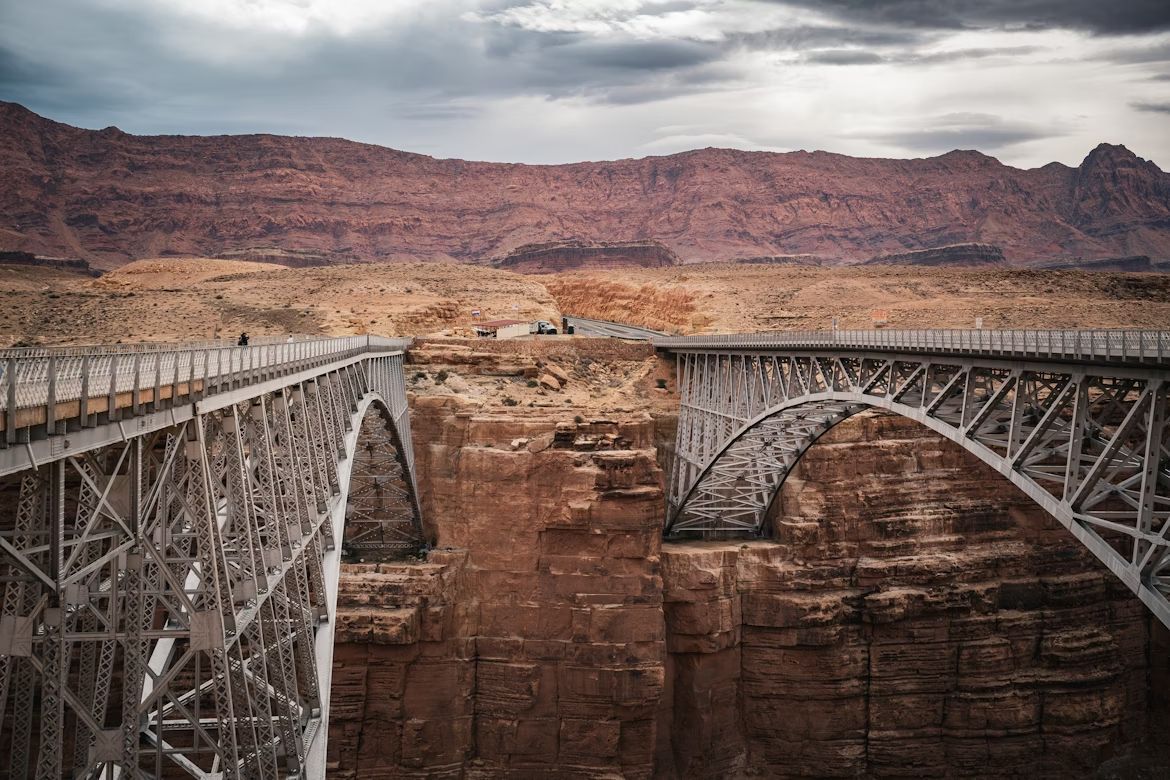
Navajo Bridge, Arizona: The bridge to nowhere that changed everything

Image: Karina G

When the original Navajo Bridge opened in 1929, the closest town was 130 miles away, and the bridge spanned a remote section of the Colorado River in northern Arizona. Critics called it the "bridge to nowhere." But the bridge had a crucial purpose: it was the only crossing of the Colorado River for 600 miles, making it essential for anyone traveling between Utah and Arizona without taking a massive detour.

Over the course of decades, it became a vital link for Navajo Nation residents accessing healthcare, education, and commerce . It also opened the North Rim of the Grand Canyon to tourists, transforming the region's economy. By the 1990s, the original bridge couldn't handle modern traffic, so a parallel span opened in 1995. Rather than demolish the original, it was converted to a pedestrian bridge where you can look straight down 467 feet to the Colorado River.

Explore more American facts

Choose your favorite category!

General
General

As American as apple pie—the very best America has to offer!

Culture
Culture

Delve into the astounding richness of American lore.

Geography
Geography

Hop in and explore vast and diverse American landscapes.

History
History

Discover the key moments that shaped the United States.