Culture Culture 8 min read

Iconic fails

Fired, broke, rejected: The secret past of America's most beloved icons

Image: Uuganbayar

Being told "no" can sting at any age, especially after putting time, money, or pride into something. But some of America’s most familiar names heard it over and over. Thomas Edison was dismissed as a poor student, Elvis was reportedly told to return to truck driving, and Stephen King nearly threw his first best-seller away. Their stories get even more surprising from there. Here are 10 Americans whose biggest setbacks were simply the first step towards success.

1
Abraham Lincoln
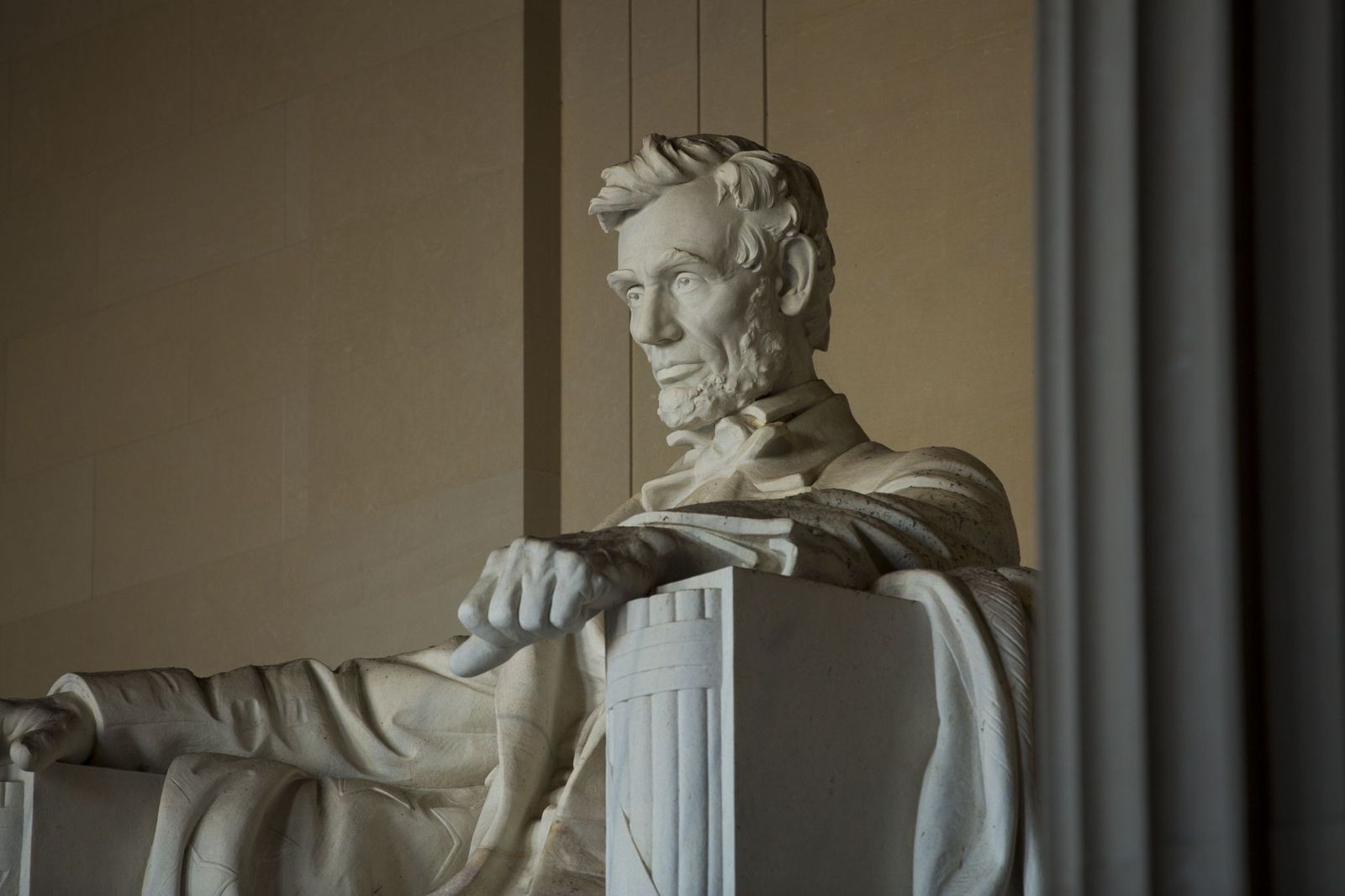
Image: Hermosa_Chris

Political life usually comes with a few disappointing election nights. Long before he was memorialized on Mount Rushmore, Abraham Lincoln spent decades collecting setbacks.

He went into business with a partner in Illinois in 1833 by purchasing a general store. Known as the Berry and Lincoln store, the enterprise failed due to poor sales, leaving him in debt for years. He ran for the state legislature and lost. He served in the Illinois militia during the Black Hawk War in 1832 and was demoted from captain to private. Over the following years, he ran for office again and again, including two unsuccessful bids for the U.S. Senate, and lost most of them. Regardless of that, he kept showing up, and in 1860, he won the presidency and went on to guide the country through the Civil War and end slavery. Friends who knew him in his Illinois years later said what stood out most wasn’t his brilliance, but how he never let defeat be the last word.

2
Elvis Presley
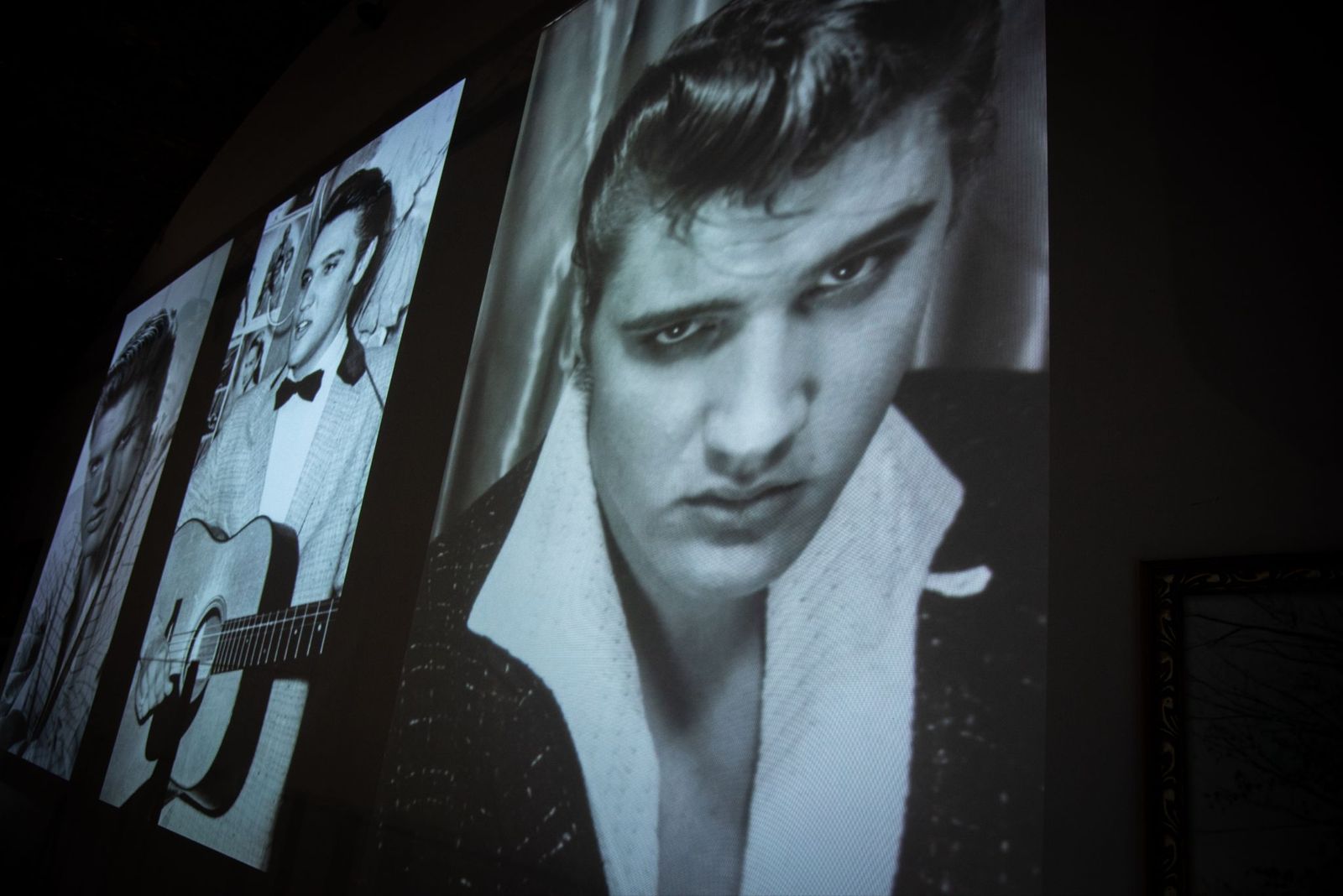
Image: Loredana Sangiuliano

Picture a then-unknown Elvis Presley in 1954, long before the jumpsuits, sold-out arenas, and screaming fans. He was only 19 and still trying to figure out where his unusual blend of country, blues, and rhythm and blues belonged.

Elvis had just released his first single and was invited to perform at the Grand Ole Opry in Nashville, a stage that represented the pinnacle of country music. He sang a rockabilly-tinged version of "Blue Moon of Kentucky," and the traditional Opry crowd, expecting straight bluegrass, gave him little more than polite applause. According to Opry lore, talent director Jim Denny told him afterward that he wasn’t going to make it as a singer and should go back to driving a truck. Elvis was so shaken that he reportedly cried the whole drive home to Memphis. He never performed at the Opry again. But two years later, "Heartbreak Hotel" hit number one, and Elvis Presley became one of the best-selling solo music artists in history, forever known as the King of Rock and Roll.

3
Thomas Edison
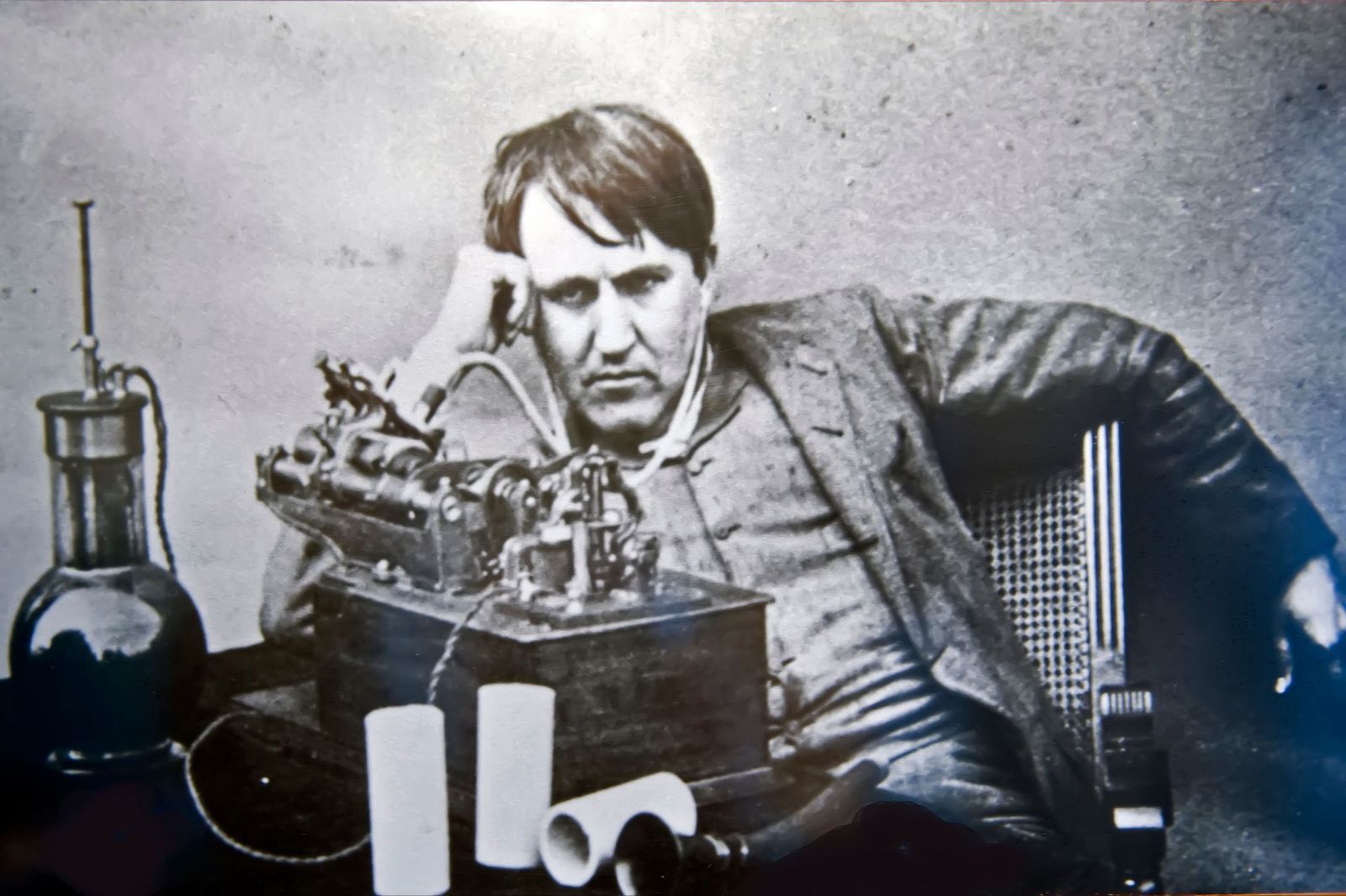
Image: Dennis MacDonald

Thomas Edison struggled in the classroom. By the age of 12, he was partially deaf and easily distracted , and after only three months, in 1854, Nancy Edison, his mother, took charge of his education at home after a teacher sent him home with a note calling him "too difficult to teach." Much of his learning came at home through reading, experimenting, and satisfying his endless curiosity. As a young man, he also had trouble finding the right fit in the working world. Popular accounts say he was fired from two jobs because employers considered him unproductive. None of that matched what came next: Edison became an extraordinarily prolific inventor and eventually held 1,093 U.S. patents. His work included the phonograph, improvements to electric lighting, and motion-picture technology.

4
Lucille Ball
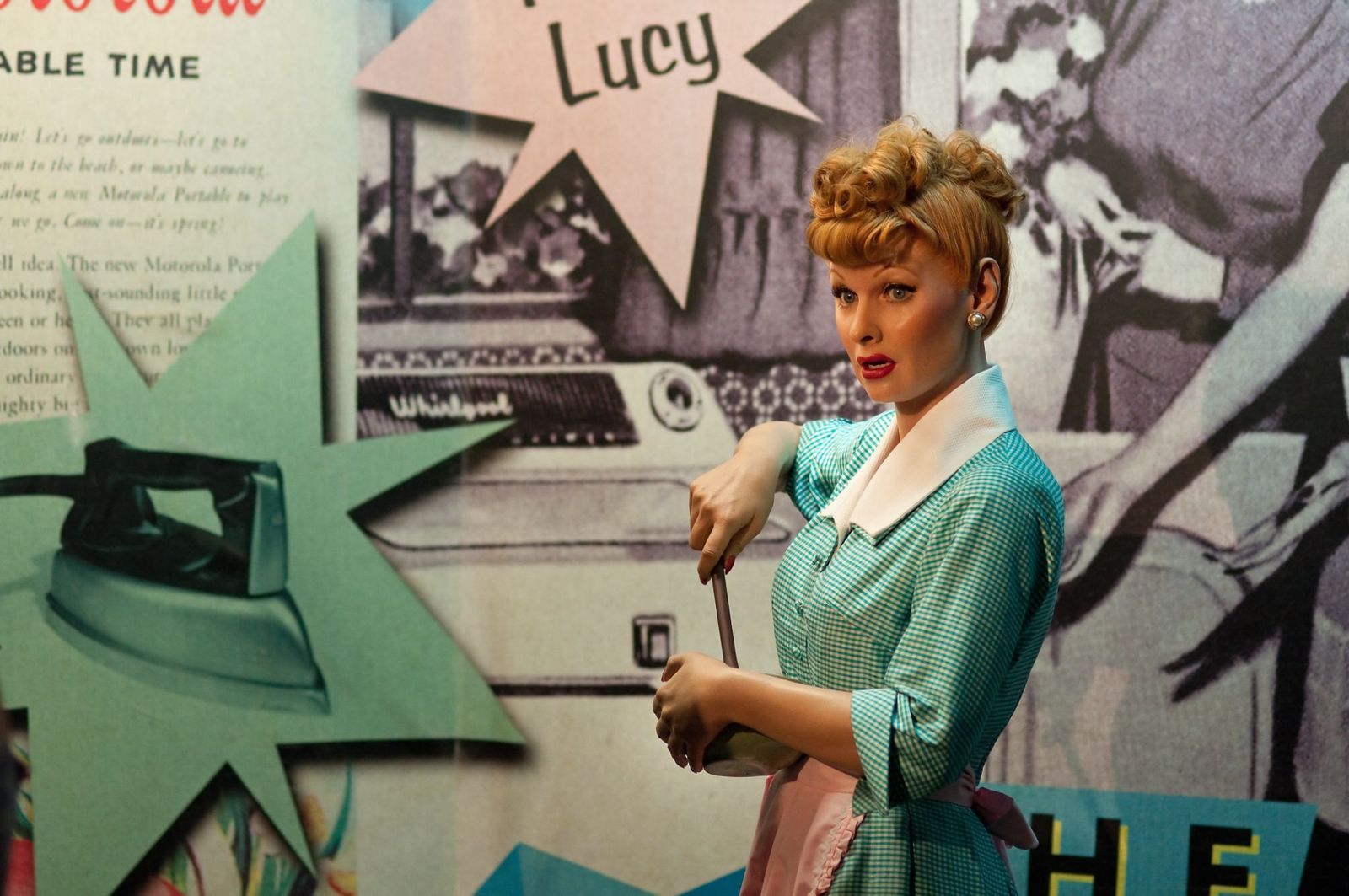
Image: rewelda

If you watched I Love Lucy , you know Lucille Ball was capable of turning a simple household mishap into complete comic chaos. But as a teenager, Ball was not yet the performer who commanded a room.

As a young woman, Lucille Ball enrolled at the Johnny Murray Anderson School for the Dramatic Arts in New York in 1926, at the age of 15, hoping to become an actress. Her instructors weren’t exactly encouraging. She was reportedly considered too shy and too timid for the stage and was advised to consider a different line of work entirely. She spent years afterward modeling and taking small, unremarkable film roles, far from stardom. Ball eventually found her footing not in dramatic film but in comedy and television, where her fearless physical humor became her signature. In 1951, she co-created and starred in I Love Lucy with then-husband Desi Arnaz, and it became one of the most successful sitcoms in television history.

5
Henry Ford
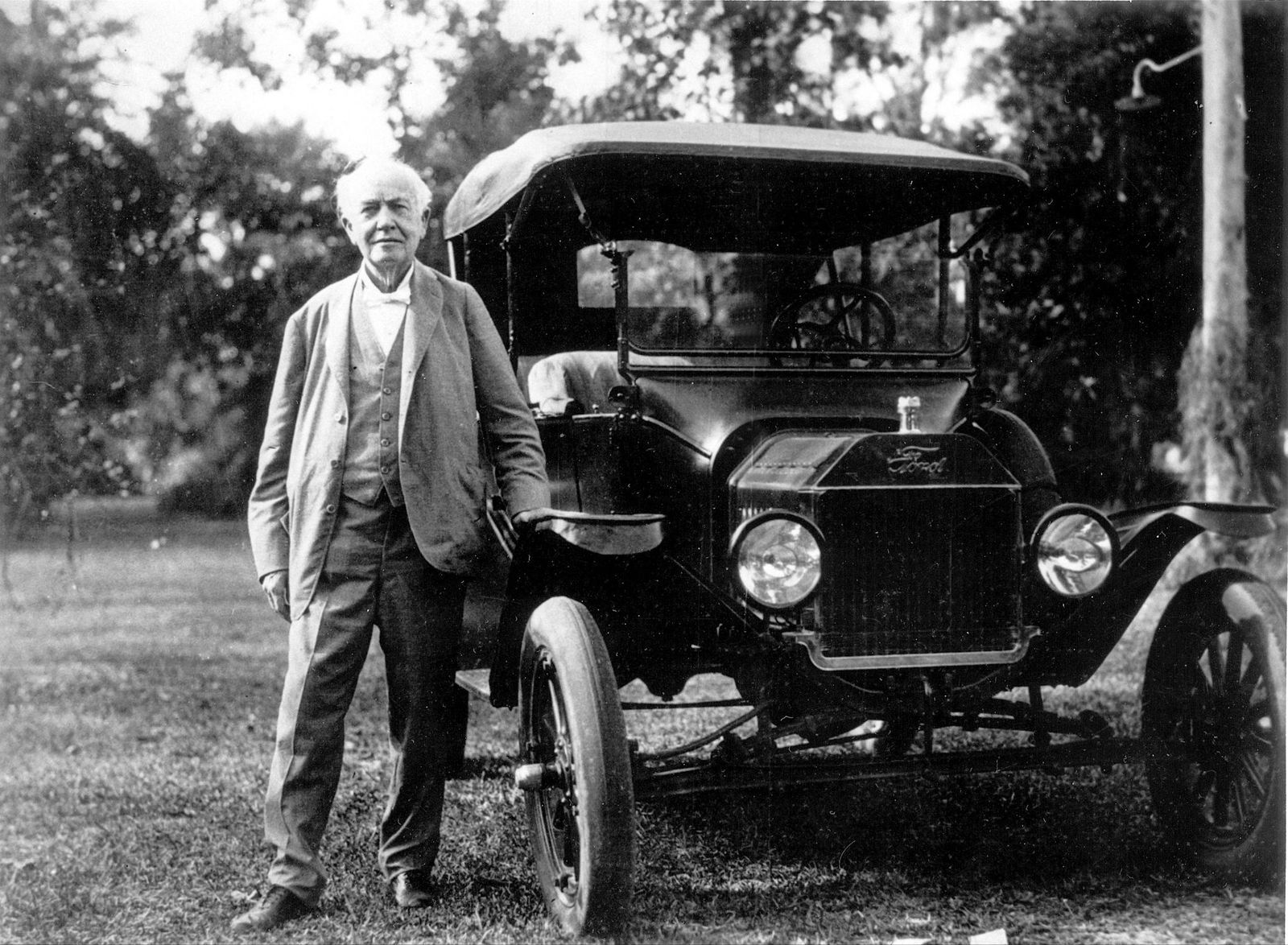
Image: Rawpixel.com

Buying a new car today can make it easy to forget how experimental the automobile business once was. Around the turn of the 20th century, companies started and collapsed, and Henry Ford was one of those business owners who had to reinvent himself more than once.

Ford’s first venture, the Detroit Automobile Company, launched in 1899 and folded within two years , undone by vehicles that were too expensive and too slow to build. His backers pushed him out. He tried again with the Henry Ford Company, but it ended the same way, with investors losing patience and Ford losing control of the business bearing his own name. By 1902, he had two failed automakers behind him and no company at all. For the third time, in 1903, Ford started again. This time, he focused on building one dependable, affordable car and figuring out how to produce it faster than anyone thought possible. That car was the Model T, and the assembly line method he built around it didn’t just save Ford Motor Company; it changed how the entire world manufactures goods.

6
Martin Luther King Jr.
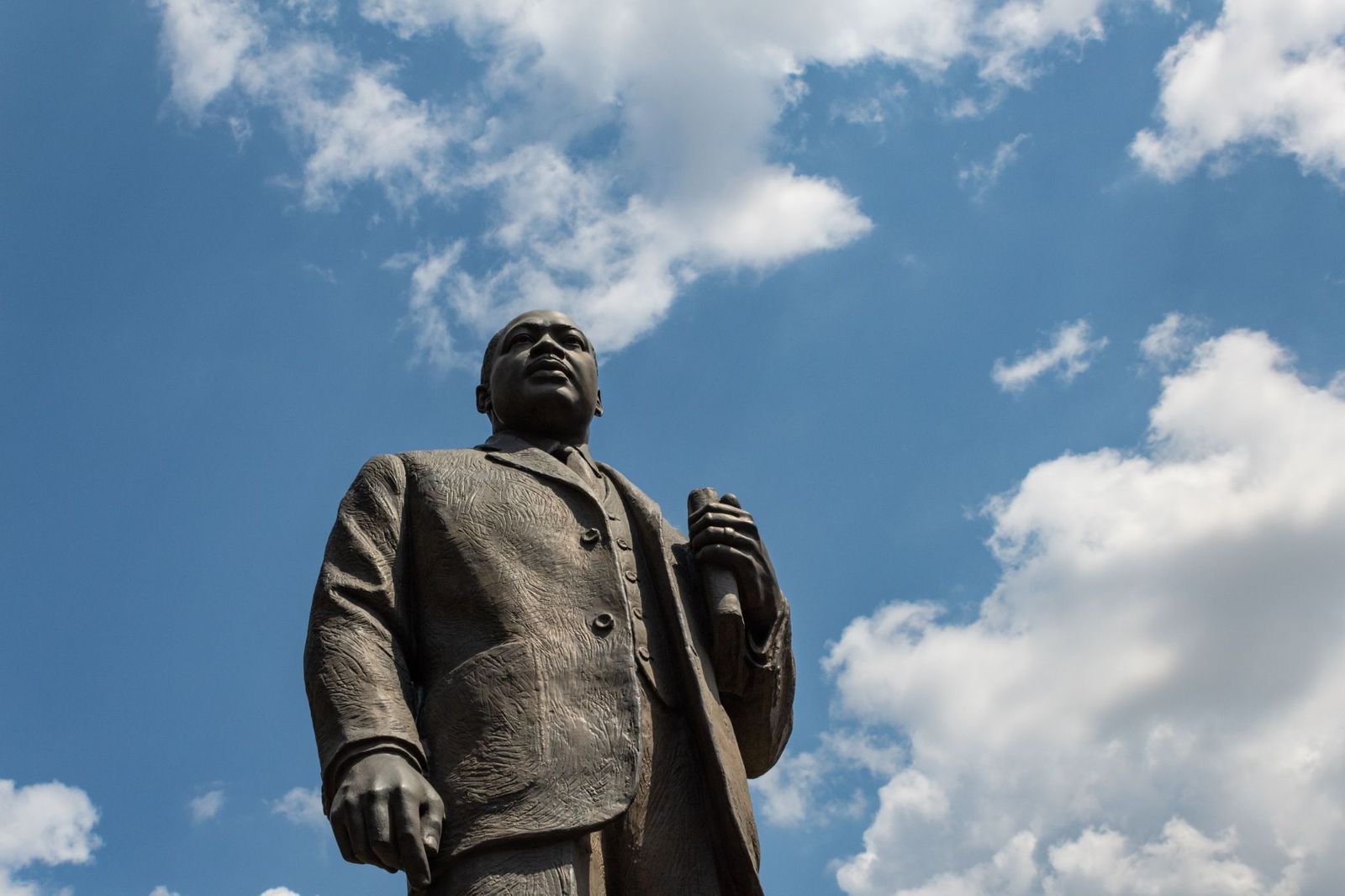
Image: NatalieSchorr

It’s weird to think that one of history’s greatest orators struggled in a classroom. But that’s exactly where Martin Luther King Jr.’s path began.

As a first-year student at Crozer Theological Seminary in the late 1940s, King took a course in public speaking and received a grade of C , a modest mark for a young man who hadn’t yet found his voice. He kept working at it throughout seminary, refining the cadence and clarity that would later define his preaching. Within a decade, that same voice was leading the Montgomery bus boycott and delivering the "I Have a Dream" speech to hundreds of thousands of people at the March on Washington in 1963, becoming one of the most recognized voices of the 20th century.

7
Oprah Winfrey
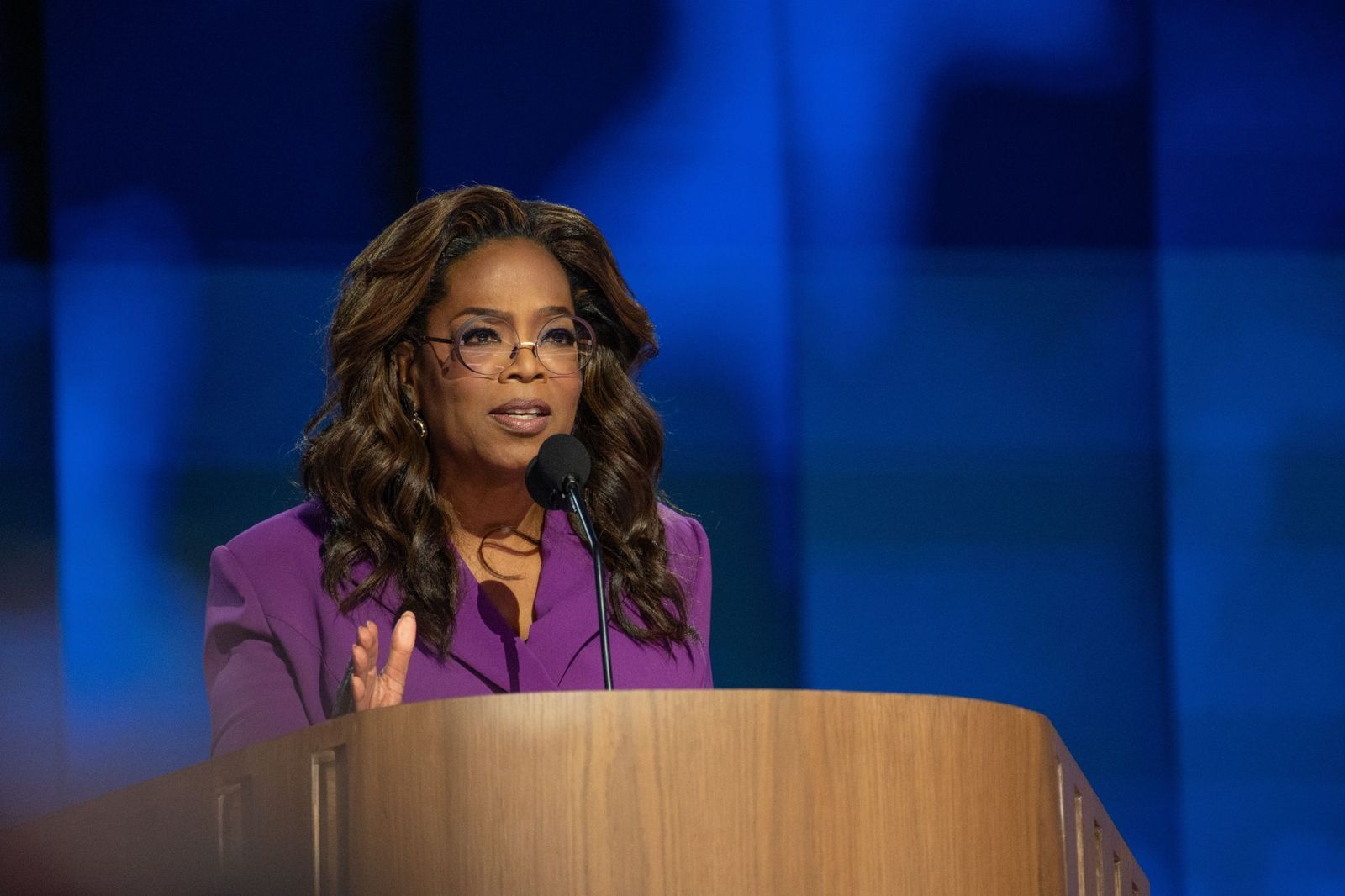
Image: Peter Serocki

Considering how controlled news anchors’ expressions used to be, Oprah Winfrey’s early career sounds almost like a casting mistake.

In 1976, a 22-year-old Winfrey moved to Baltimore to co-anchor the evening news at WJZ-TV. The fit was rocky from the start. Her delivery was warmer and more emotional than the traditional hard-news style the format called for, and station management eventually pulled her off the anchor desk, with one producer reportedly calling her unfit for television news. It could’ve ended her career in broadcasting entirely. Instead, WJZ moved her to a struggling daytime talk show called People Are Talking . There, freed from reading headlines in a flat, detached tone, Oprah’s natural warmth turned into her greatest asset. The local talk show became the blueprint for The Oprah Winfrey Show , which ran for 25 years and made her one of the most influential media figures in American history.

8
Colonel Harland Sanders
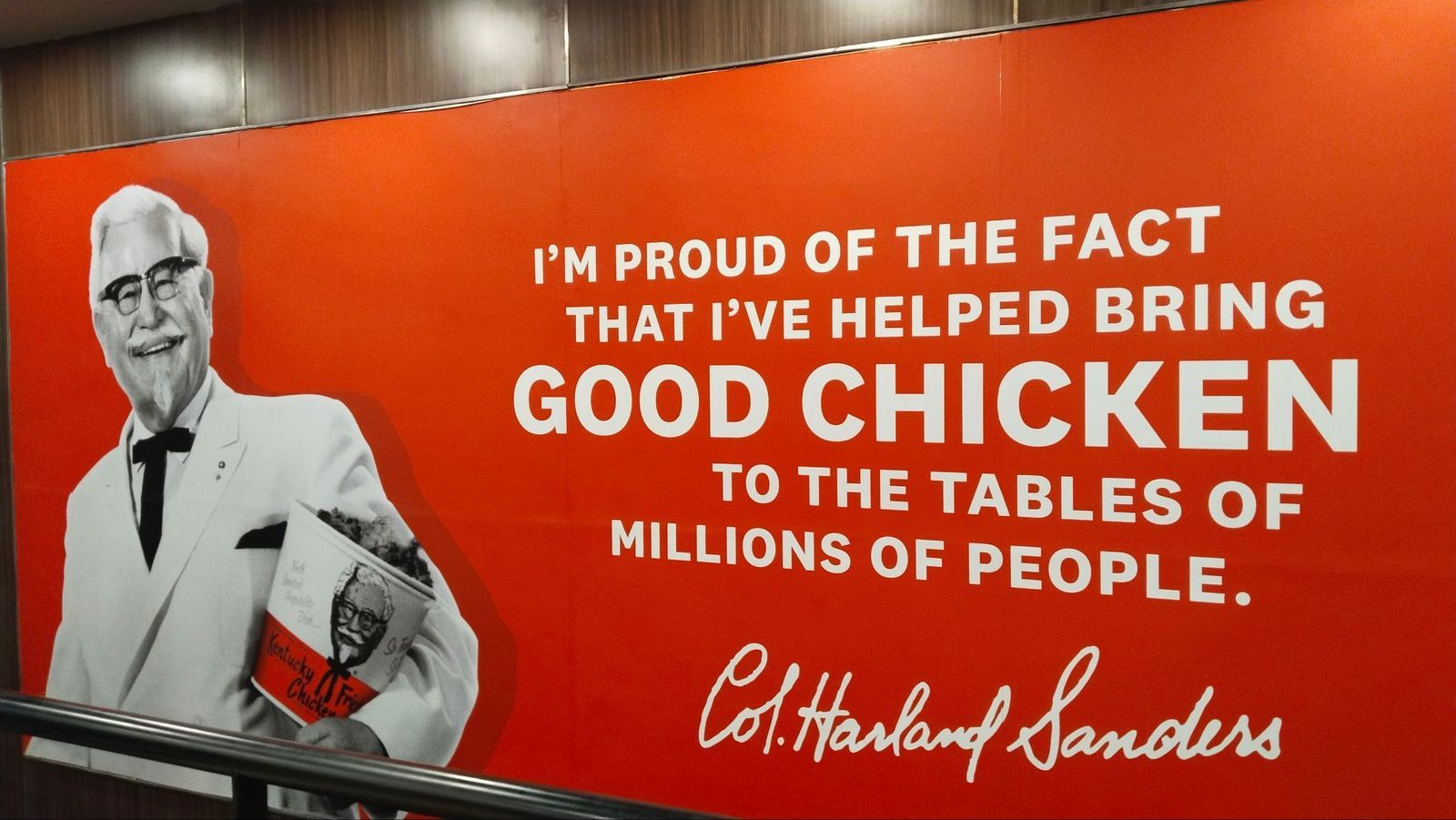
Image: Farantb

Imagine reaching 65 and deciding that instead of settling into retirement, it’s time to travel around the country trying to convince restaurant owners to serve a recipe. Harland Sanders made exactly that decision.

By his mid-sixties, Sanders had lived through a string of failed jobs and businesses , and the small Kentucky restaurant where he’d perfected his fried chicken recipe closed after a new highway diverted its traffic away. Broke and living on a modest Social Security check, he decided to take his recipe on the road, driving from restaurant to restaurant and offering to share it in exchange for a small cut of sales. As the legend goes, he heard "no" more than a thousand times before a restaurant in Utah finally said yes in 1952. That handshake deal became the first Kentucky Fried Chicken franchise. Within a decade, hundreds of KFC restaurants dotted the country, and the white-suited Colonel Sanders (who died in 1980 at age 90) became one of the most recognizable faces in American food.

9
Stephen King
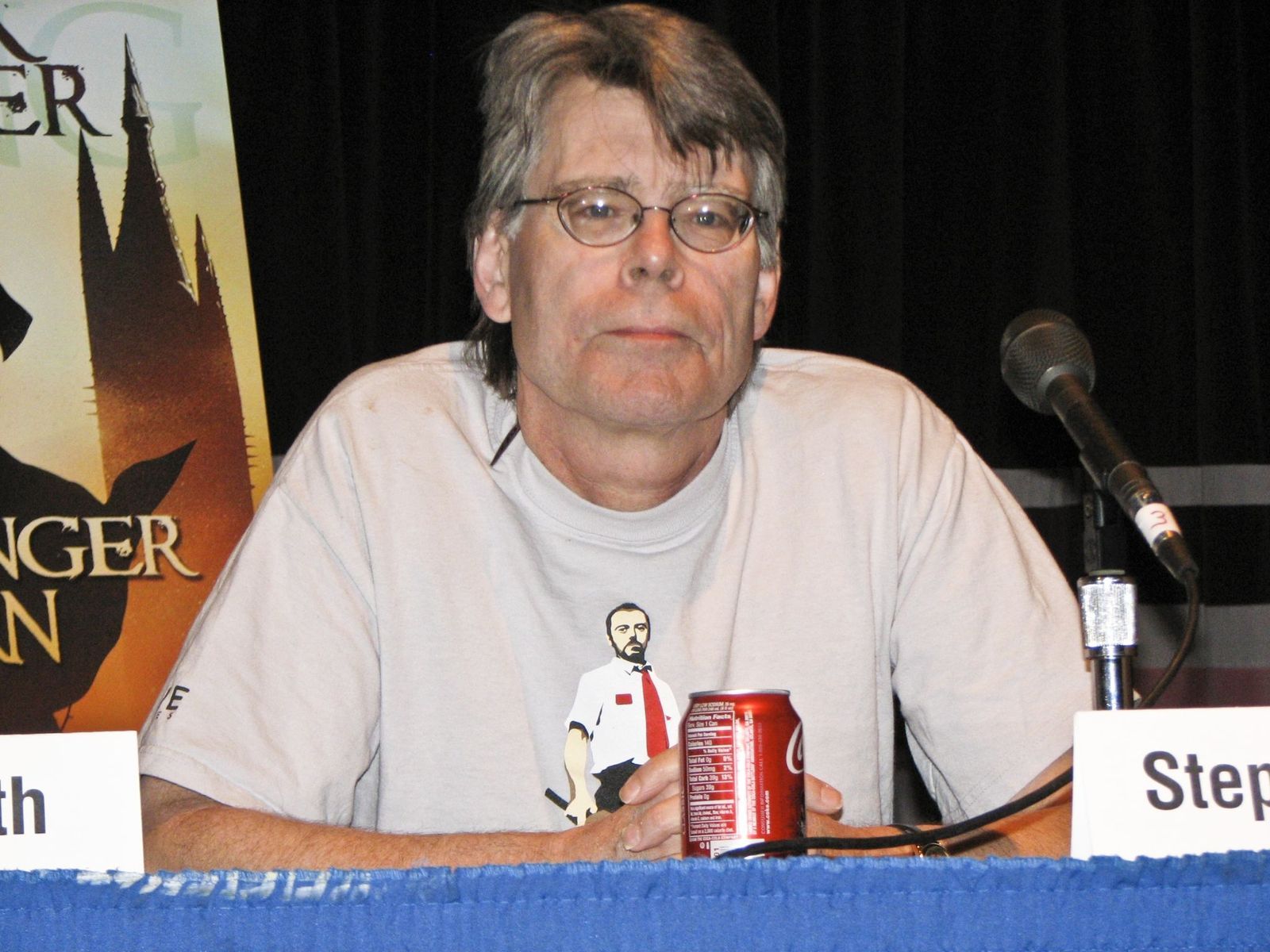
Image: George Koroneos

You’ve probably read Carrie , or watched It , but before he became a household name in modern terror, Stephen King was a young writer trying to get his work published.

In the early 1970s, King was teaching high school in his home state of Maine and writing in his spare time, often in a trailer with his wife and young kids nearby. He wrote a novel about a bullied teenage girl with telekinetic powers, but after around 30 rejection letters from publishers, he gave up on it and threw the manuscript in the trash . His wife, Tabitha, fished the pages back out and encouraged him to finish it, believing in the book even when he didn’t. That story became Carrie , published in 1974. It launched King’s career and eventually sold millions of copies, kicking off a body of work that would make him one of the most successful and prolific authors in American history.

10
Dr. Seuss (Theodor Geisel)
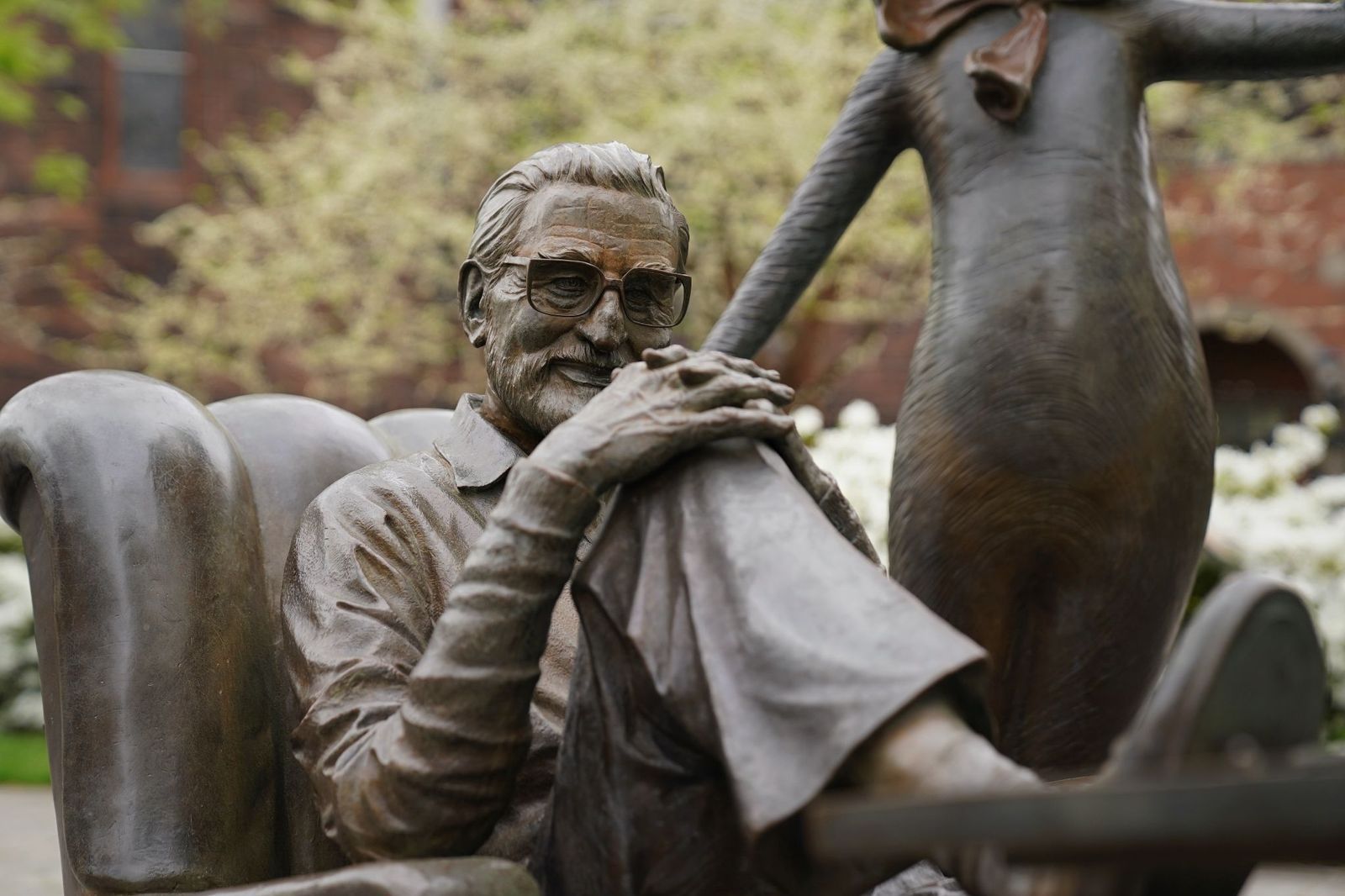
Image: NatalieSchorr

You may think publishing more than 50 books was easy for Dr. Seuss. But back when he was known as Theodor Geisel, his work got rejected dozens of times.

In the 1930s, Geisel wrote and illustrated a whimsical children’s book called And to Think That I Saw It on Mulberry Street. Publisher after publisher turned it down, reportedly around 27 of them, saying it was too different from anything else on the market. As the story goes, Geisel was walking down a New York street, manuscript in hand and ready to give up, when he ran into an old college acquaintance who happened to work at a publishing house and offered to take a look. That chance meeting led to the book’s publication in 1937. It launched Dr. Seuss’s career, which would go on to include classics like The Cat in the Hat and Green Eggs and Ham , beloved by generations of kids and their grandparents alike.

11
Frederick Smith (FedEx)

Image: Yau Ming Low

Today, overnight shipping is so ordinary that a package arriving the next morning (if not on the same day) barely raises an eyebrow. In the 1960s, reliably moving urgent packages overnight across the country was a very different proposition.

In 1965, as an undergraduate at Yale, Smith wrote an economics term paper describing a delivery service that would route urgent packages through one central hub by plane rather than relying on passenger airlines. His professor wasn’t convinced the idea was practical and marked the paper with a C. Smith went on to serve in the Marine Corps in Vietnam, but the idea from that paper never left him. In 1971, he founded Federal Express, built exactly around the hub-and-spoke concept he’d once sketched out for a grade. FedEx now moves millions of packages a day across the globe, and Smith spent the rest of his life running the company he first imagined as a 21-year-old college student.
History History 4 min read

Forgotten Titanic facts

It wasn’t just humans on the Titanic! 10 incredible facts you didn’t know

Image: Edwin Petrus

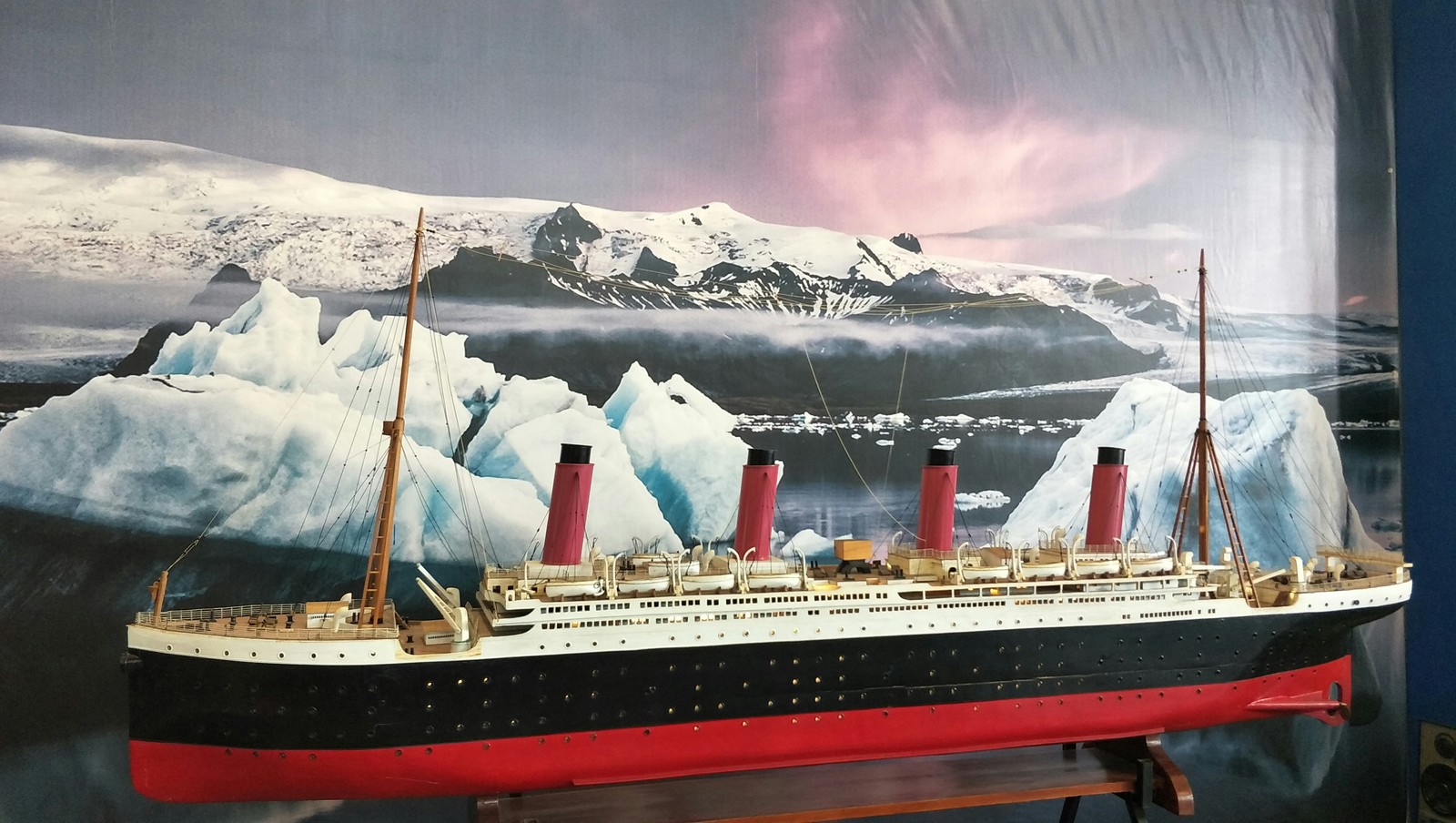
We all know the tragic story behind the Titanic, that "unsinkable" ship that didn’t make it past its first voyage. But besides the tragedy and the Hollywood movie, there are some surprising facts that never made the front page. From pups that survived and pocket watches, to hidden submarines and a tipsy worker who beat the odds, here are 12 curious facts that might just shock you.

1
Construction costs that’d make your wallet faint

Image: Jaime Labra

Back in 1912, the Titanic cost $7.5 million to build, and if you're wondering what that’d be today, it’d be over $400 million. That’s more than some sports stadiums! It took nearly three years to complete and was one of the most extravagant ships ever made.

2
Yes, there were dogs

Image: Yuki Dog

As it turns out, the Titanic wasn’t just for people. At least 12 dogs came along for the ride , lounging in a special first-class kennel. There was even a dog show scheduled for the morning of April 15. Sadly, only three tiny dogs survived, all small enough to sneak onto lifeboats tucked in coats or handbags.

3
The band really did play on

Image: Parizan Studio

Wallace Hartley, the bandleader, went down in history, and with his violin! His group kept playing as chaos unfolded around them, trying to calm passengers with music, just like the movie portrays. He didn’t make it, but his violin was found intact and later sold at an auction for $1.7 million!

4
A pocket watch frozen in time

Image: Otto Hyytiälä

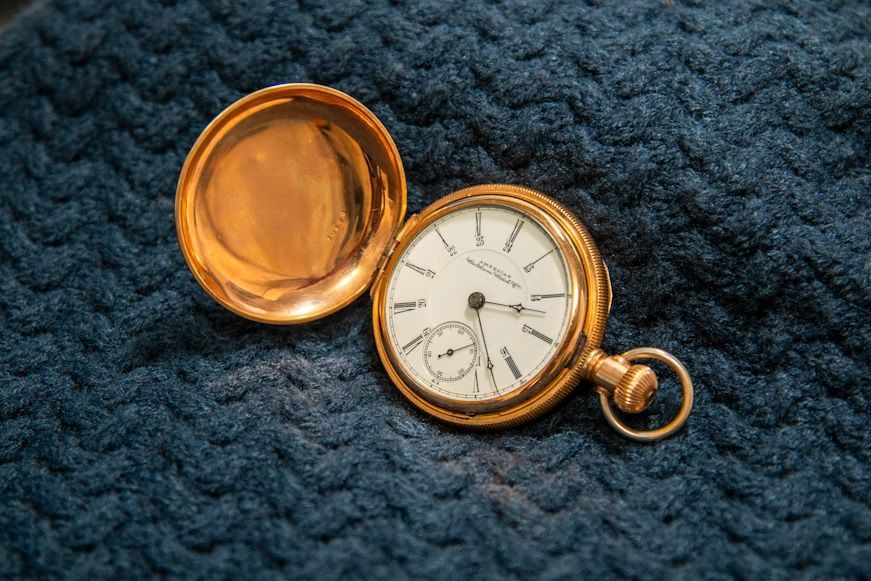
The violin was not the only treasure found. Sidney Sedunary was a young steward whose pocket watch stopped ticking at exactly 1:50 a.m. , just before the ship went under. He was last seen handing out lifejackets to third-class passengers. That same watch, rusted but intact, still tells his story.

5
A survivor with frostbitten legs and Olympic dreams

Image: Shep McAllister

Richard Norris Williams spent six hours in icy water, and doctors on the rescue ship wanted to amputate his legs. He refused . And you may think he was crazy to do so, but thank God he did! He went on to win a Wimbledon title and an Olympic gold medal. How crazy is that?

6
Finding the Titanic by accident

Image: Karl Callwood

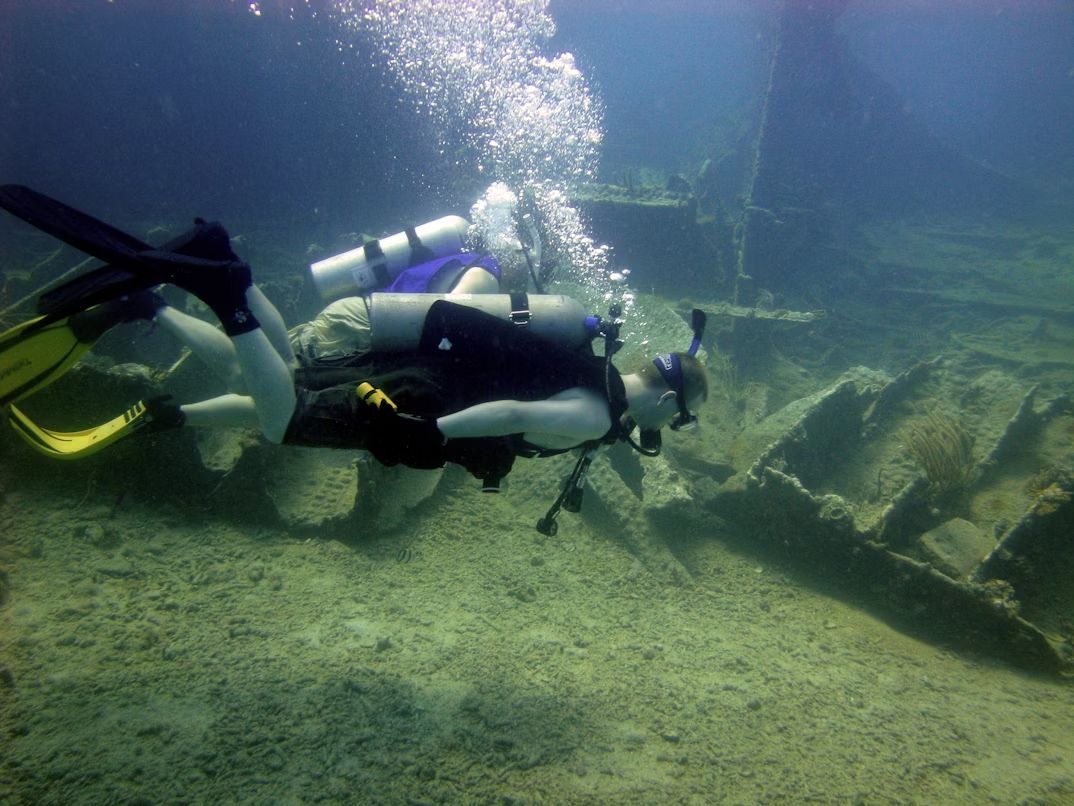
In 1985, oceanographer Robert Ballard found the Titanic wreck. But that was just an accident ; he was actually sent by the Navy to look for two lost nuclear submarines and used the Titanic as a cover story.

7
Dishes still stacked neatly on the ocean floor

Image: Jannet Serhan

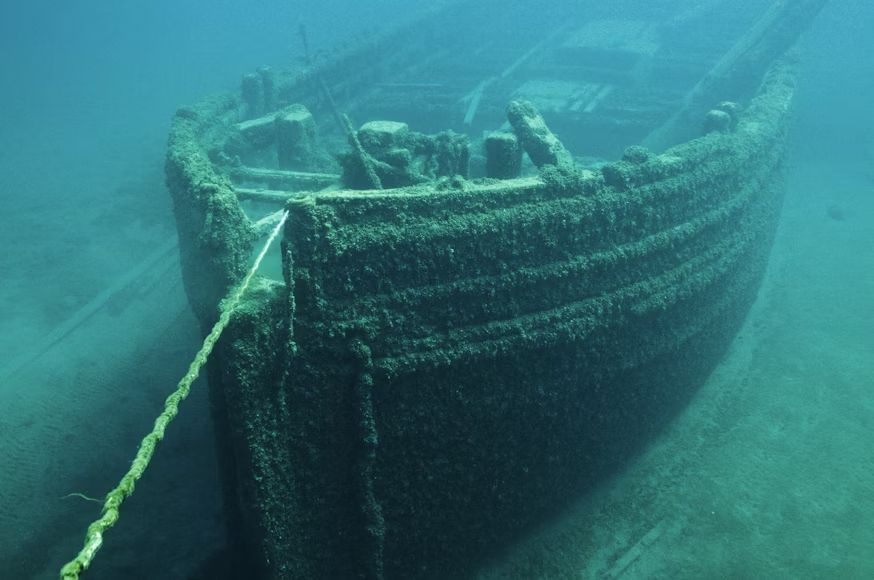
When explorers visited the Titanic wreck in 1986, they found plates still stacked like someone had just finished doing the dishes. Turns out, the wooden cabinet they were in rotted away , leaving the china perfectly arranged on the sea floor. It’s as eerie as fascinating, considering the many years that passed.

8
The ship is rusting away

Image: NOAA

And speaking of the amount of time the Titanic has been underwater, we have to say that nature is reclaiming the Titanic bit by bit. A newly discovered bacterium is literally eating the ship. Scientists estimate it could disappear completely in 20 to 30 years. The latest expeditions have already shown evidence that pieces that were previously there are gone. So… the clock's ticking.

9
No photos of the grand staircase?

Image: Maria Orlova

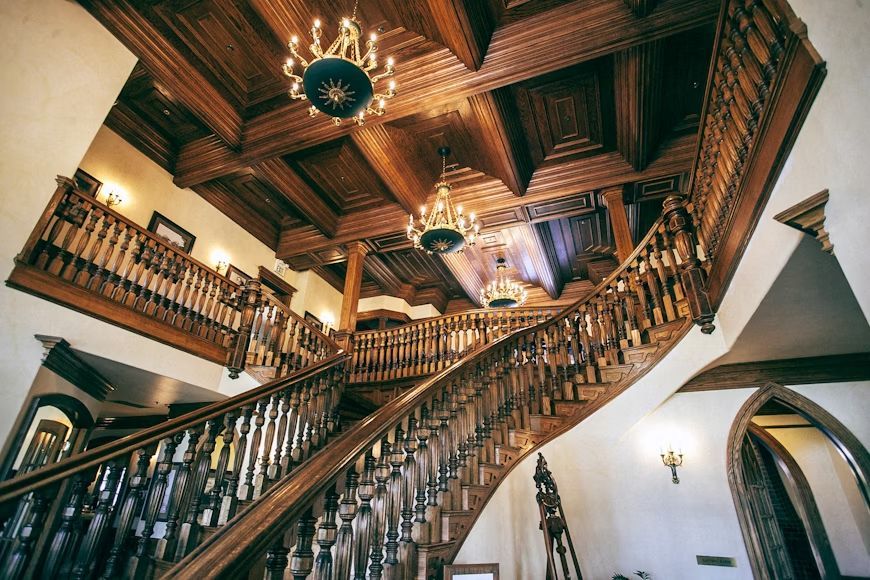
You’ve probably seen images of the Titanic’s beautiful grand staircase. We’re sorry to disappoint, but they’re not of the Titanic . They’re from her sister ship, the Olympic. No one thought to take a picture of the real deal before the maiden voyage. And they definitely didn’t think of doing it while it happened!

10
Milton Hershey almost boarded

Image: Janne Simoes

If the name rings a bell, that’s because it’s the same Hershey from the chocolate you love. The man behind Hershey’s chocolate bars almost booked a room on the Titanic . He even wrote a $300 deposit check (big money back then!). But business delayed him, and he skipped the trip. Who do we thank for that?

11
The baker who survived two hours in icy water

Image: Maxim Hopman

Here’s a fascinating fact: Charles Joughin, the Titanic’s chief baker, survived one of the worst parts of the sinking: the freezing Atlantic water. He was reportedly treading water for two hours before rescue. Wanna know how he made it? He had been sipping whiskey to face his fate, and the alcohol in his blood kept him warm enough to survive.

12
The last lunch menu went for a tasty sum

Image: Zoshua Colah

In 2015, a copy of Titanic’s last first-class lunch menu sold for $88,000 . That’s one pricey memento. The menu included grilled mutton chops, chicken à la Maryland, and corned ox tongue. Safe to say lunch on the Titanic wasn’t your average sandwich and chips.

Geography Geography 5 min read

Extraordinary secrets about the capitals of the United States

The only state capital without a McDonald's and 11 other fun facts

Image: AmericanBenchCraft

Can you guess which is the only U.S. capital built on top of an extinct volcano? What about which is the oldest state capital, the least populated, or the one with the coldest temperature? If you're dying to know the answers to these questions, read on to discover 12 fun facts about our state capitals that you probably didn't know!

1
Jackson, Mississippi

Image: Engineers' office, department of Tennessee, Public domain, via Wikimedia Commons

Did you know Jackson, Mississippi, is named after the 7th U.S. President, Andrew Jackson? It is one of the four state capitals named after American presidents —the other three are Jefferson City (Missouri), Lincoln (Nebraska), and Madison (Wisconsin).

Jackson is the only U.S. capital built on top of an extinct volcano. Interestingly, during the Civil War, the city was burned by Union troops, giving it the nickname "Chimneyville". In addition, Jackson is best known for being the center of the civil rights movement during the 1950s and 1960s.

2
Santa Fe, New Mexico

Image: Wendy Shervington

Founded by Spanish colonists in 1610 as the capital of the colony of New Mexico, Santa Fe is the oldest U.S. city that still functions as a state capital today.

But that's not the only peculiarity of this quaint city with a temperate climate and a unique historical and cultural richness. At 7,000 feet above sea level, Santa Fe is also the highest U.S. capital.

3
Honolulu, Hawaii

Image: Daniel Lee

Known for its spectacular beaches and rich cultural heritage, Honolulu is the only state capital not on the North American mainland. Considered the birthplace of modern surfing, it also has the highest average annual temperature of any U.S. state capital.

But those aren't the only interesting facts about Hawaii's capital. Here are a few equally (or more) crazy ones: it hosts the only royal palace in the United States (Iolani Palace), the island is made up of volcanic soil, and it houses the world's largest open-air shopping mall (Ala Moana Center).

4
Annapolis, Maryland

Image: Terry Granger

Annapolis is a historic city on the shores of the Chesapeake Bay, known for its colonial architecture, nautical tradition, and academic value. But did you know it is also the smallest U.S. capital by land area? Just 6.7 square miles!

Annapolis was also one of the nine capitals the United States has had throughout its history. For nine months during the Revolutionary War, Maryland's current state capital served as the seat of the Confederation Congress.

5
Bismarck, North Dakota

Image: NASA Astronaut, Public domain, via Wikimedia Commons

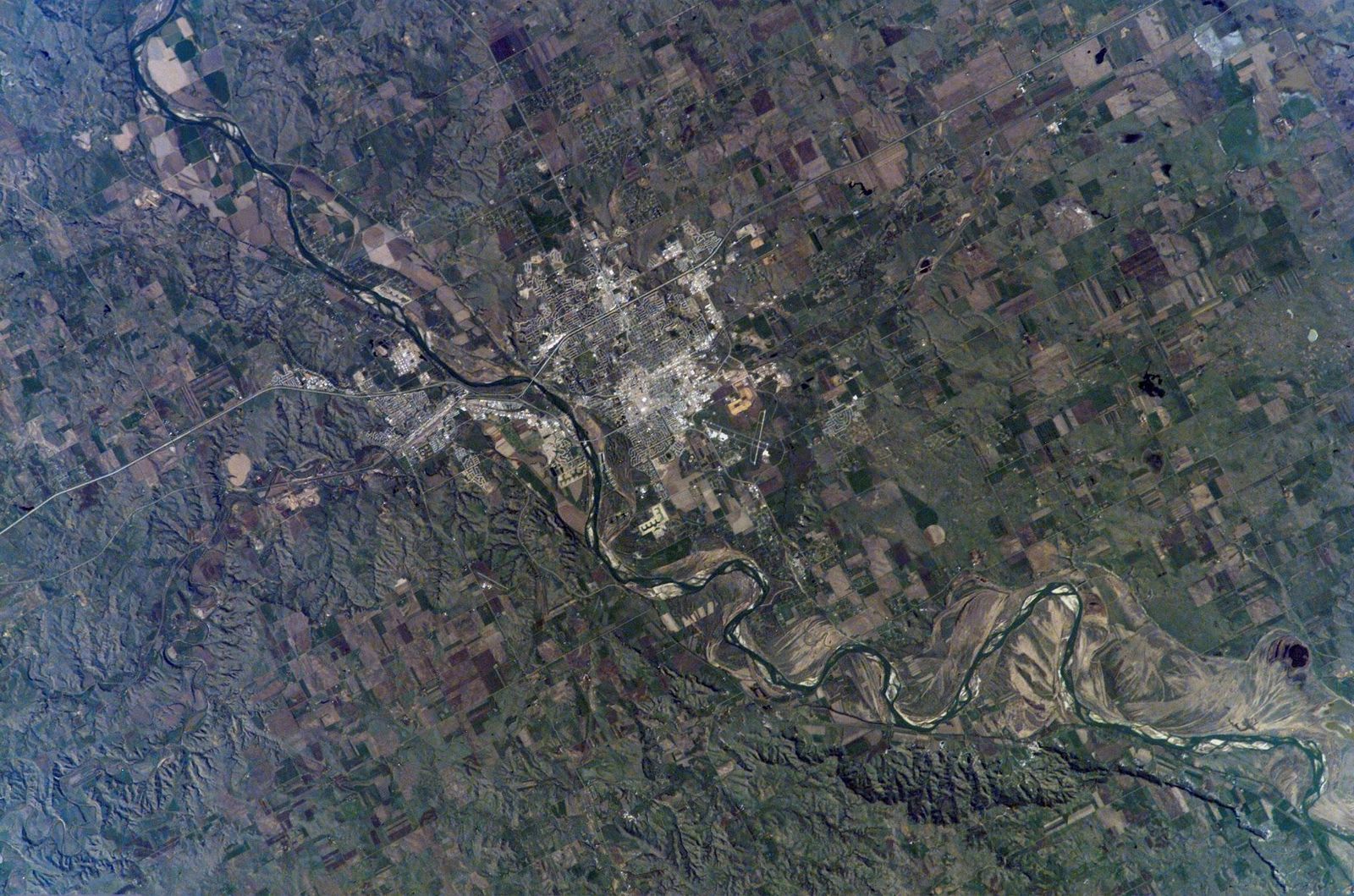
If you thought Juneau, Alaska, had the lowest average winter temperature of all state capitals, think again! It's actually Bismarck, North Dakota, where the coldest temperature ever recorded was -45°F. Imagine that!

Bismarck was founded in 1872 on the banks of the Missouri River. The city was named after Otto von Bismarck, the chancellor of Germany, to attract German investors. Another fun fact? In 1930, Bismarck and Fargo had a dispute, known as the "Capitol Tower War," over which city should be the state capital.

6
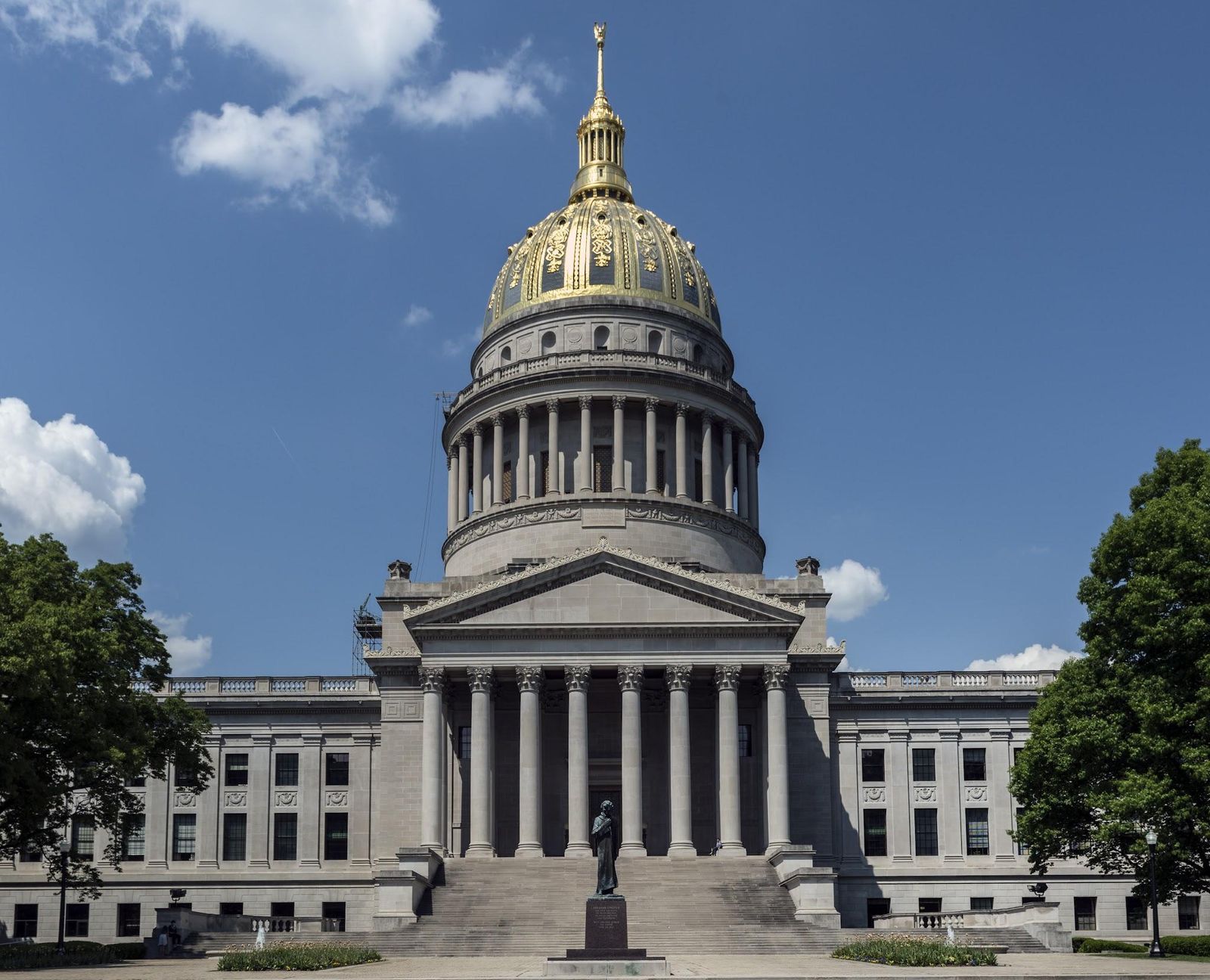
Charleston, West Virginia

Image: Carol M. Highsmith, Public domain, via Wikimedia Commons

Did you know that the original name of West Virginia's capital was Charles Town in honor of the father of Colonel George Clendenin, one of the first settlers?

Charleston is best known for offering a unique combination of history, culture, and outdoor adventure.

7
Hartford, Connecticut

Image: Balazs Busznyak

Founded in 1635, Connecticut's capital is one of the oldest cities in the U.S. Hartford is known for being a key cultural center in New England. It was the home of writer Mark Twain and is home to historic sites such as the State Capitol, the Harriet Beecher Stowe House, and Bushnell Park, the oldest public park in the country.

Hartford is also called the "insurance capital of the world" due to the presence of major insurance companies. But the city's most curious fact is that it was where Teddy Roosevelt, aboard the Columbia Electric Victoria Phaeton, took the first presidential automobile ride in history!

8
Harrisburg, Pennsylvania

Image: Katherine McAdoo

Pennsylvania's capital city is best known for its role in the Civil War and the Underground Railroad. Located on the banks of the Susquehanna River, Harrisburg has been an important center of transportation and commerce. Today, it is known for its historic architecture, museums, and special events.

Harrisburg is also home to the longest stone arch bridge in the world, the Rockville Bridge, built in 1902. Oh, and in 1979, it came close to a nuclear disaster due to the accident at the Three Mile Island plant, the worst in U.S. history —but that's a longer story for another article!

9
Olympia, Washington

Image: Peter Robbins

Located at the southern tip of Puget Sound, Washington's state capital is known for its natural beauty and vibrant culture. But did you know Olympia is the northernmost state capital in the contiguous U.S.?

Oh, and it's also a great place to try some of the best craft beer in the country.

10
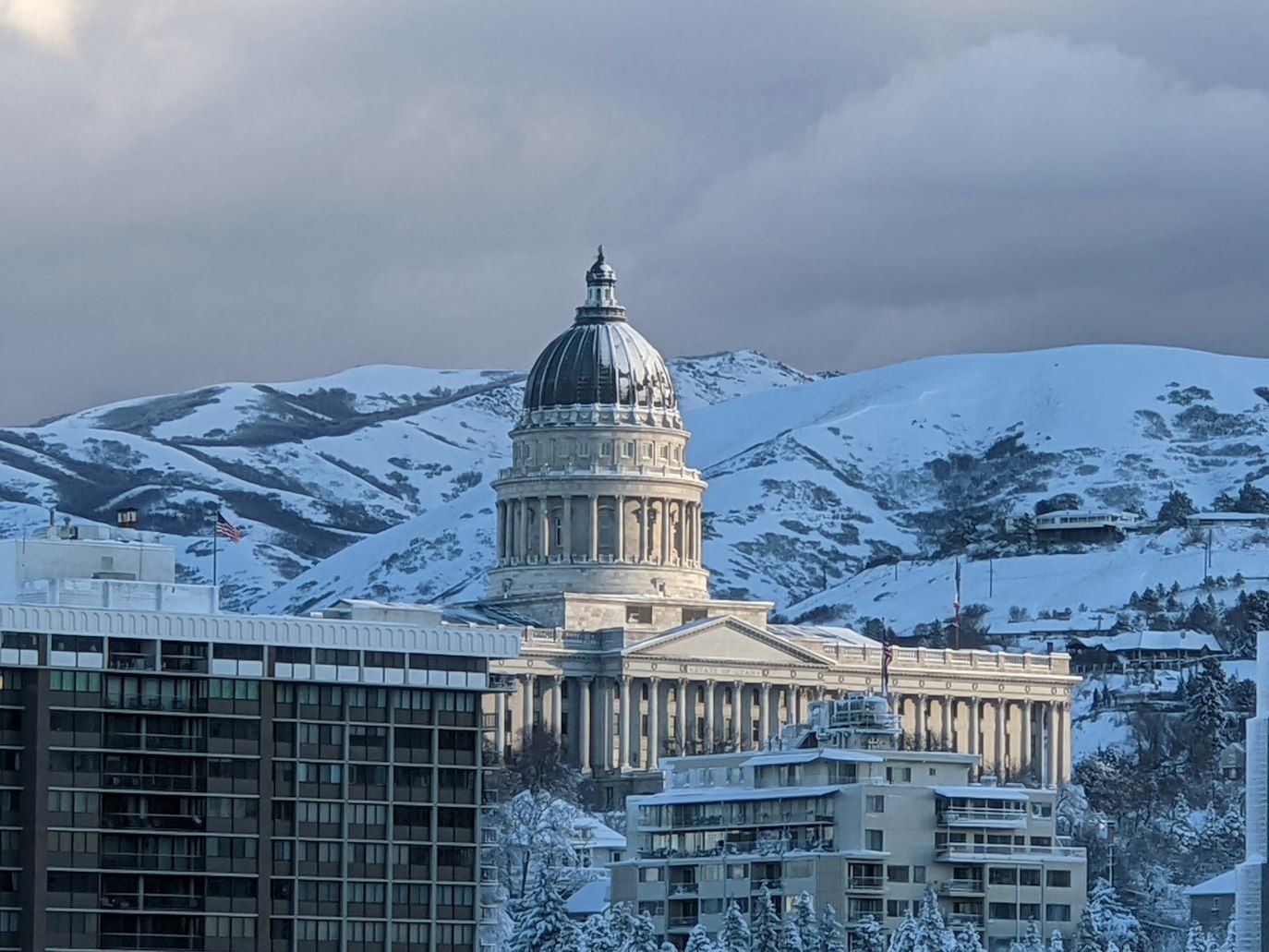
Salt Lake City, Utah

Image: Cong Wang

Utah's state capital is popular for being one of the best places to ski in the United States. But that's not all! Salt Lake City is also the only state capital with three words in its name. Have you ever thought about that?

It has the largest Mormon population in the country and is the world headquarters of the Church of Jesus Christ of Latter-day Saints. Another fun fact? Salt Lake City is home to more plastic surgeons per capita than any other state capital!

11
Montpelier, Vermont

Image: John Holm

Named after the French city of the same name, Montpelier is the least populated state capital, with a population of just 7,900. Probably for that reason, Vermont's capital prides itself on its small local businesses: it is the only state capital that doesn't have a McDonald's or a Starbucks. Could you live without these fast food chains? It doesn't have a Walmart store either!

12
Topeka, Kansas

Image: Nils Huenerfuerst

Topeka, Kansas’s state capital, has several interesting tidbits. For example, did you know its name, of Native American origin, means "a good place to dig potatoes"? Interesting, don’t you think?

In 2010, Topeka temporarily changed its name to "Google, Kansas" to attract the attention of the internet giant and become the capital city of fiber optics. Frivolous facts aside, Topeka was also very important in the history of the civil rights movement.

Explore more American facts

Choose your favorite category!

General
General

As American as apple pie—the very best America has to offer!

Culture
Culture

Delve into the astounding richness of American lore.

Geography
Geography

Hop in and explore vast and diverse American landscapes.

History
History

Discover the key moments that shaped the United States.