General General 3 min read

Movie anthems

These movie songs became more famous than the films themselves
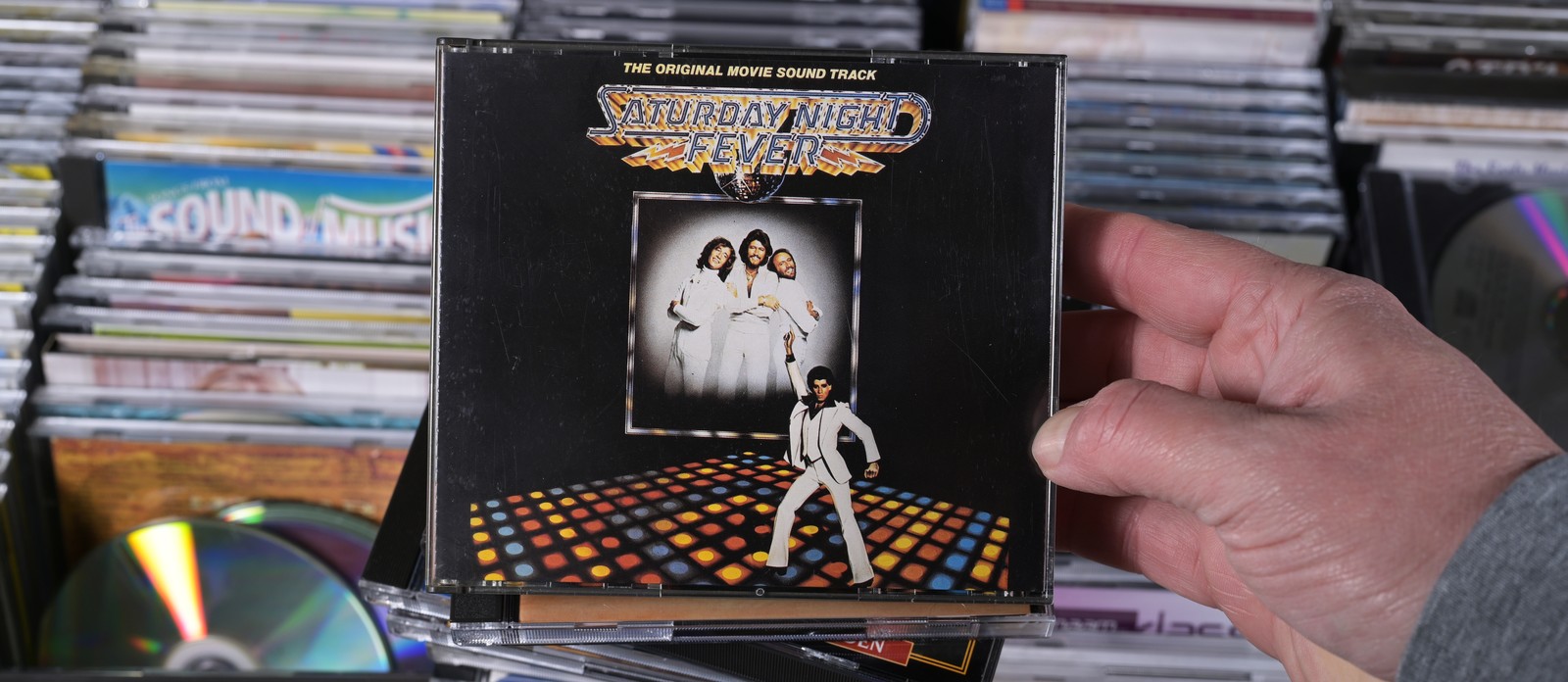
Image: defotoberg

Some songs and their movies get so tangled up together that you can't hear one without picturing the other . Play "I Will Always Love You," and Whitney Houston's voice instantly brings up scenes from The Bodyguard. Same with "My Heart Will Go On" : that flute intro alone puts you right back on the deck of the Titanic. Here are ten more pairings that never let each other go.

1
"I Will Always Love You" – The Bodyguard (1992)
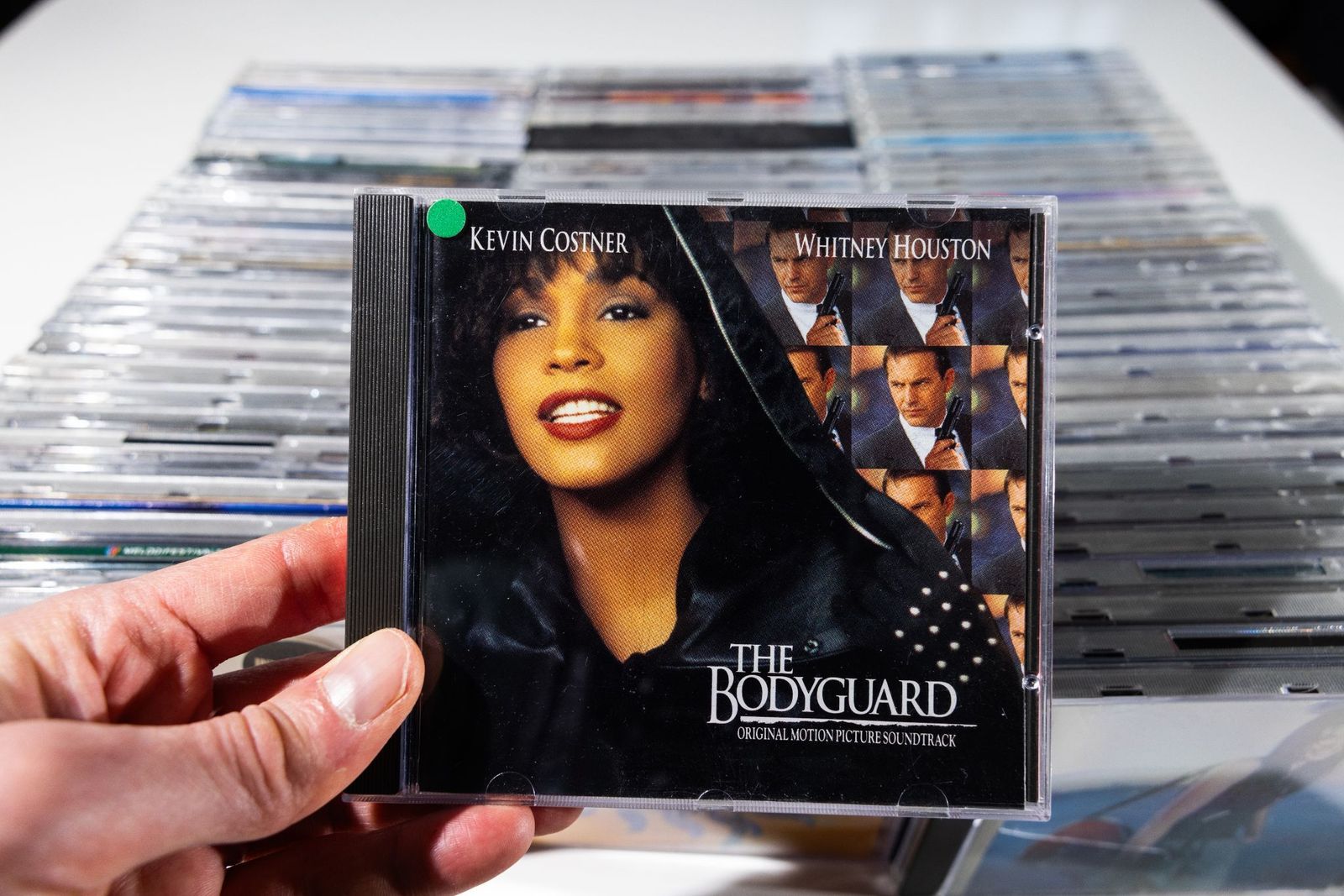
Image: Jeppe Gustafsson

Dolly Parton wrote this one back in 1973, but Whitney Houston's version, recorded for the film, became something else entirely. That a cappella opening gives people chills to this day.

Audiences in 1992 were floored: it topped charts for 14 weeks straight . It's become the go-to karaoke showstopper, and many wedding singers still attempt (and usually fail) that final high note.

2
"My Heart Will Go On" – Titanic (1997)
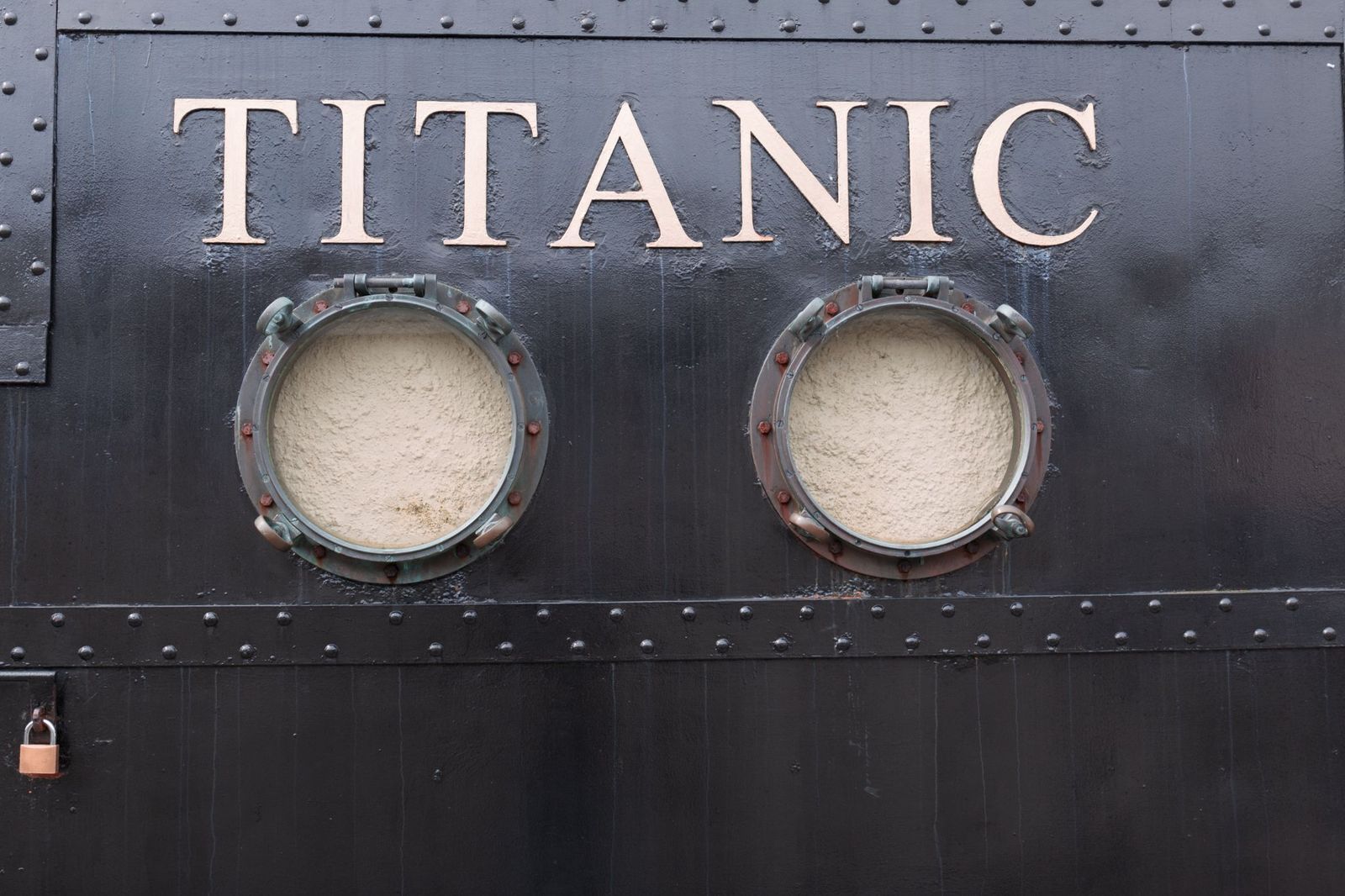
Image: D. Ribeiro

James Horner and Will Jennings wrote this for Celine Dion, and it perfectly captured the film's heartbreak and grandeur. That soaring melody still gives people goosebumps.

It won the Oscar and became inescapable on the radio throughout 1998 . It's been parodied endlessly, including on "Family Guy," proof that some songs become cultural shorthand for pure sentimentality.

3
"Eye of the Tiger" – Rocky III (1982)

Image: Bryan Littel

Believe it or not, Stallone originally wanted Queen's "Another One Bites the Dust" for the training montage, but he couldn't secure the rights. So Survivor stepped in, writing this pounding anthem specifically for the film instead . That driving guitar riff instantly pumps you up, like you're ready to run stairs yourself.

It's become the ultimate gym anthem and sports-hype song decades later, still blasting at boxing matches and wrestling events.

4
"Unchained Melody" – Ghost (1990)

Image: Oleggg

Alex North and Hy Zaret wrote this back in 1954, but The Righteous Brothers' version of 1965 found new life in that pottery wheel scene. It stirs up longing and tenderness instantly.

With the release of Ghost , the song shot back up the charts in 1990, decades after its release. That scene remains one of the most parodied romantic moments in film history, referenced constantly in sitcoms .

5
"Stayin' Alive" – Saturday Night Fever (1977)
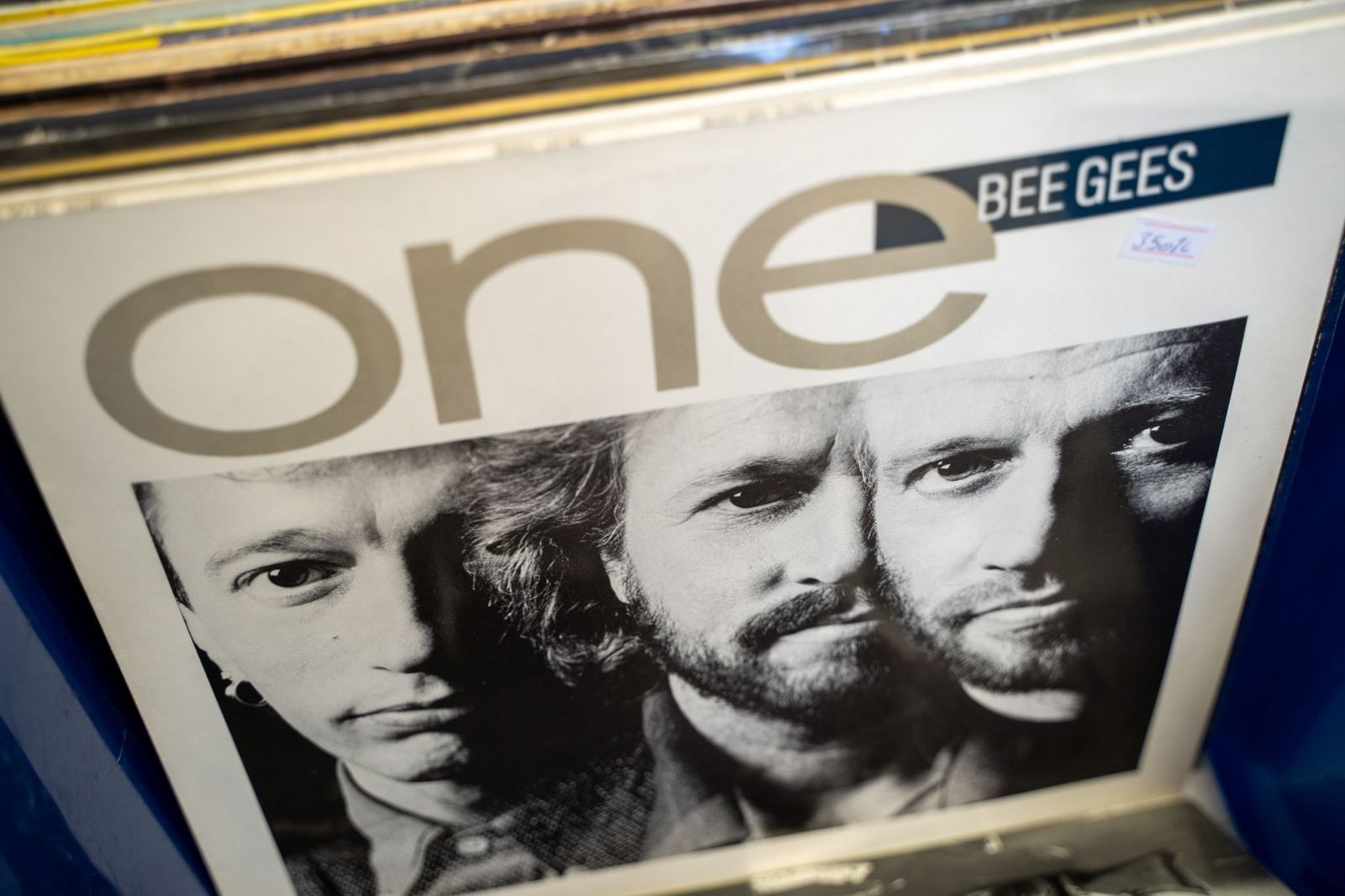
Image: Erman Gunes

The Bee Gees wrote this disco anthem, and John Travolta's strut set to it became iconic. It radiates confidence and swagger like nothing else from that era.

It defined the disco movement and continues to fill dance floors today . Oddly enough, its steady beat is now used to teach CPR timing, proof that this song truly refuses to die.

6
"Somewhere Over the Rainbow" – The Wizard of Oz (1939)
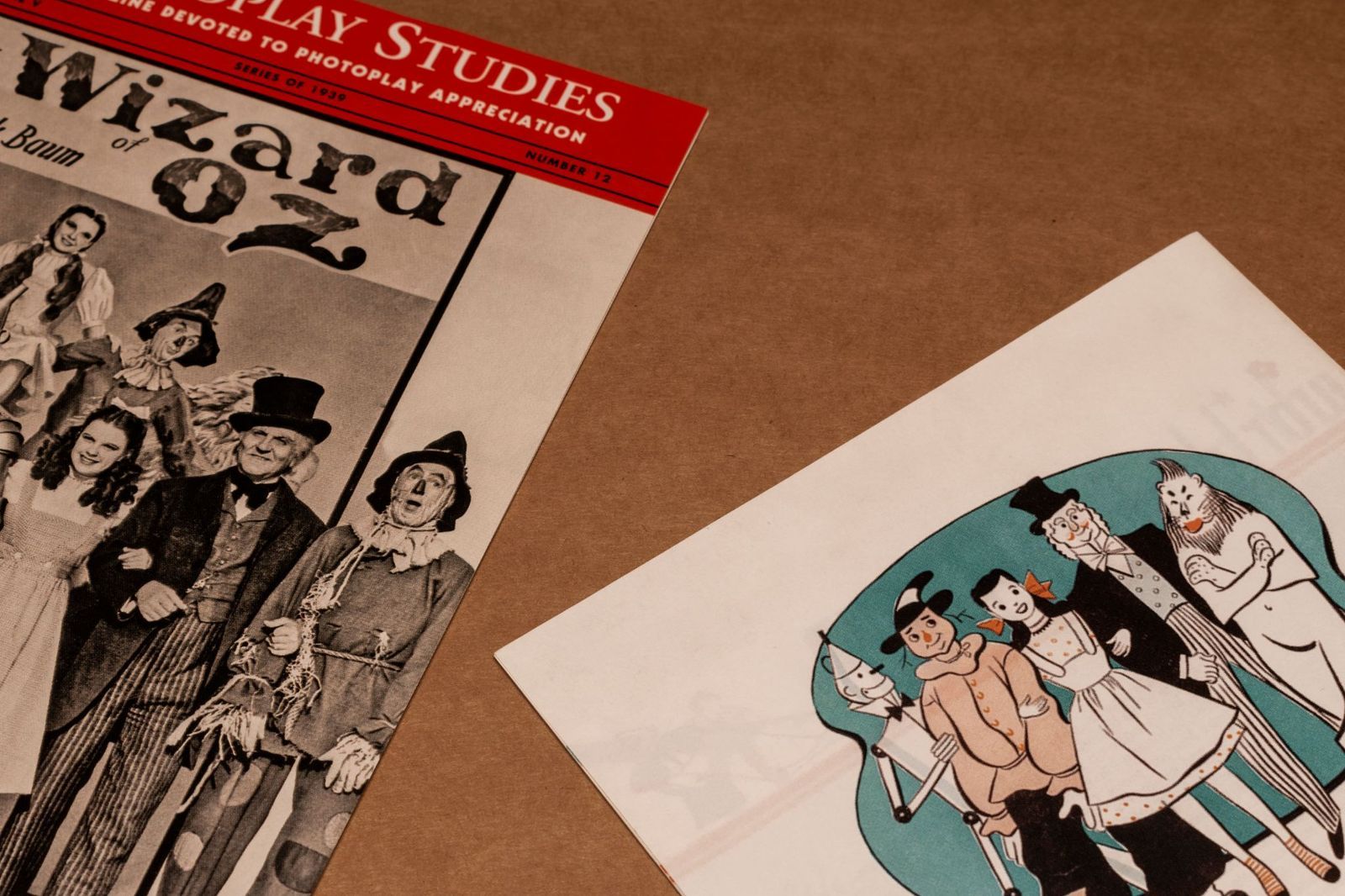
Image: Snap Spot

Harold Arlen and Yip Harburg wrote this for Judy Garland, and it became a symbol of hope and childhood wonder. That yearning melody still brings tears decades later.

It won the Oscar in 1940 and has been covered countless times since , notably by Israel Kamakawiwo'ole. It remains a staple at funerals and graduations alike, capturing bittersweet optimism.

7
"Flashdance... What a Feeling" – Flashdance (1983)

Image: NDanko

Giorgio Moroder, Keith Forsey, and Irene Cara wrote this, with Cara herself performing it. It bursts with ambition and defiant energy, matching that famous water-chair dance scene.

It hit number one and won the Oscar in 1984. That dance sequence remains endlessly referenced and parodied , from award shows to commercials, whenever someone wants to evoke pure 80s determination.

8
"The Time of My Life" – Dirty Dancing (1987)
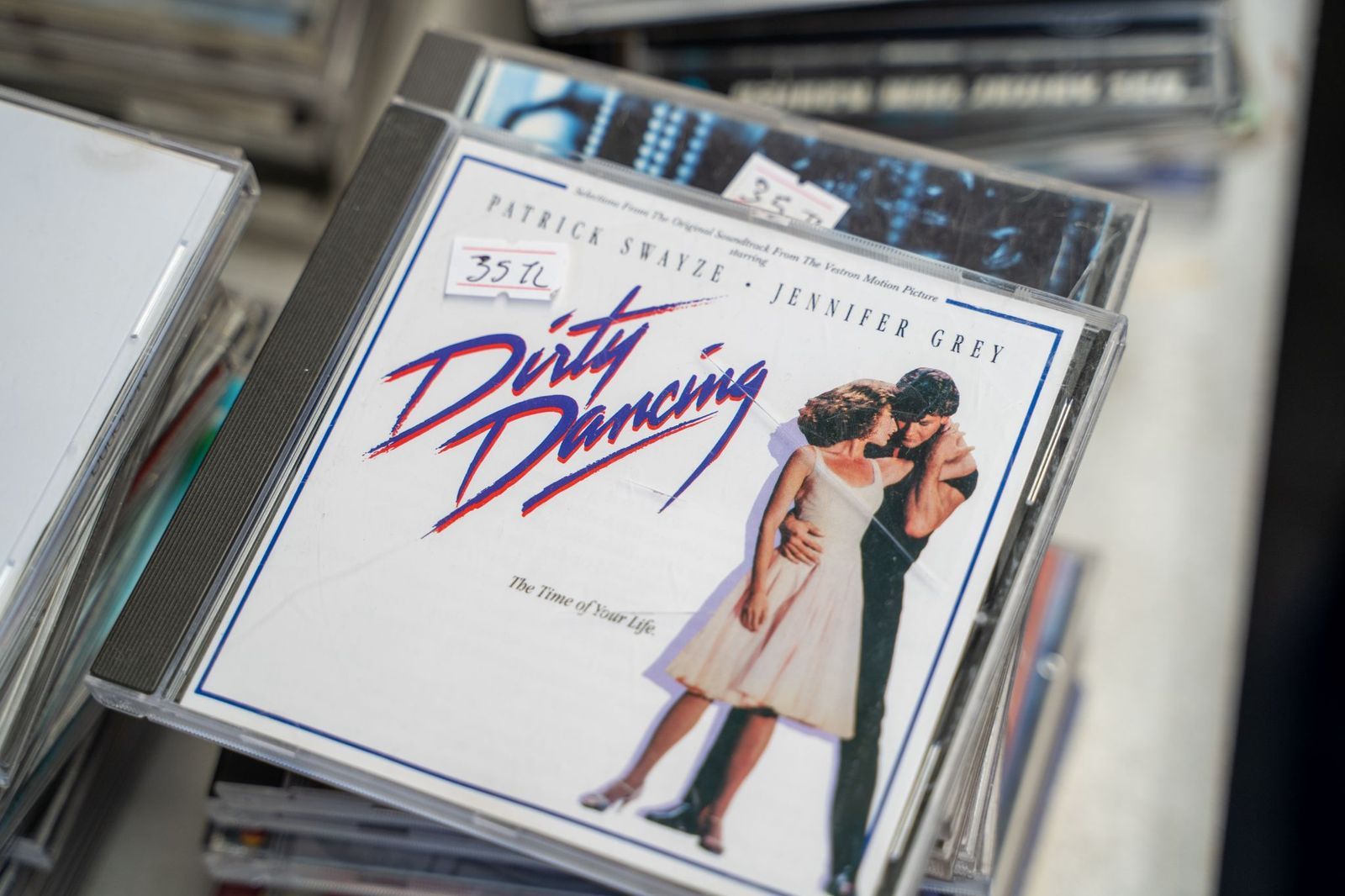
Image: Erman Gunes

Franke Previte, John DeNicola, and Donald Markowitz wrote this for Bill Medley and Jennifer Warnes. It captures pure joy and liberation, especially during that legendary final lift.

It won the Oscar for Best Original Song in 1988. That lift scene is now shorthand for triumphant romance everywhere , endlessly recreated at weddings, in commercials, and on dance competition shows.

9
"Up Where We Belong" – An Officer and a Gentleman (1982)

Image: a katz

Buffy Sainte-Marie, Jack Nitzsche, and Will Jennings wrote this soaring duet for Joe Cocker and Jennifer Warnes. It radiates triumphant, hard-earned romance, matching that carried-out-of-the-factory ending perfectly.

It won the Oscar in 1983 and topped charts nationwide. That final embrace remains one of cinema's most imitated romantic endings , still referenced whenever a scene needs pure swoon-worthy payoff.

10
"Take My Breath Away" – Top Gun (1986)

Image: Miguel Lagoa

Giorgio Moroder and Tom Whitlock wrote this dreamy ballad, performed by Berlin, for that famous slow-motion romantic scene. It evokes yearning, tension, and 80s glamour all at once.

It won the Oscar and became an instant radio staple . Decades later, it remains synonymous with sultry romantic tension, still used in commercials whenever advertisers want an instant nostalgic mood.
General General 5 min read

Say cheese!

Did you know American cheese is not actually cheese?

Image: Jonathan Borba

Few foods trigger as much heated debate as the neon-orange, perfectly square slice of American cheese. To culinary purists, it’s an industrial piece of rubber. But to the backyard grill master and the late-night grilled cheese enthusiast, it is a scientific masterpiece of consistency and meltability. The truth is, American cheese has been both witness and party to U.S. history, from World War I to Apollo missions. Before you peel back the wrapper on your next slice, let’s dive into 10 mind-melting facts that prove American cheese is one of the most fascinating—and misunderstood—innovations in food history.

1
It was invented in Switzerland

Image: NastyaSensei

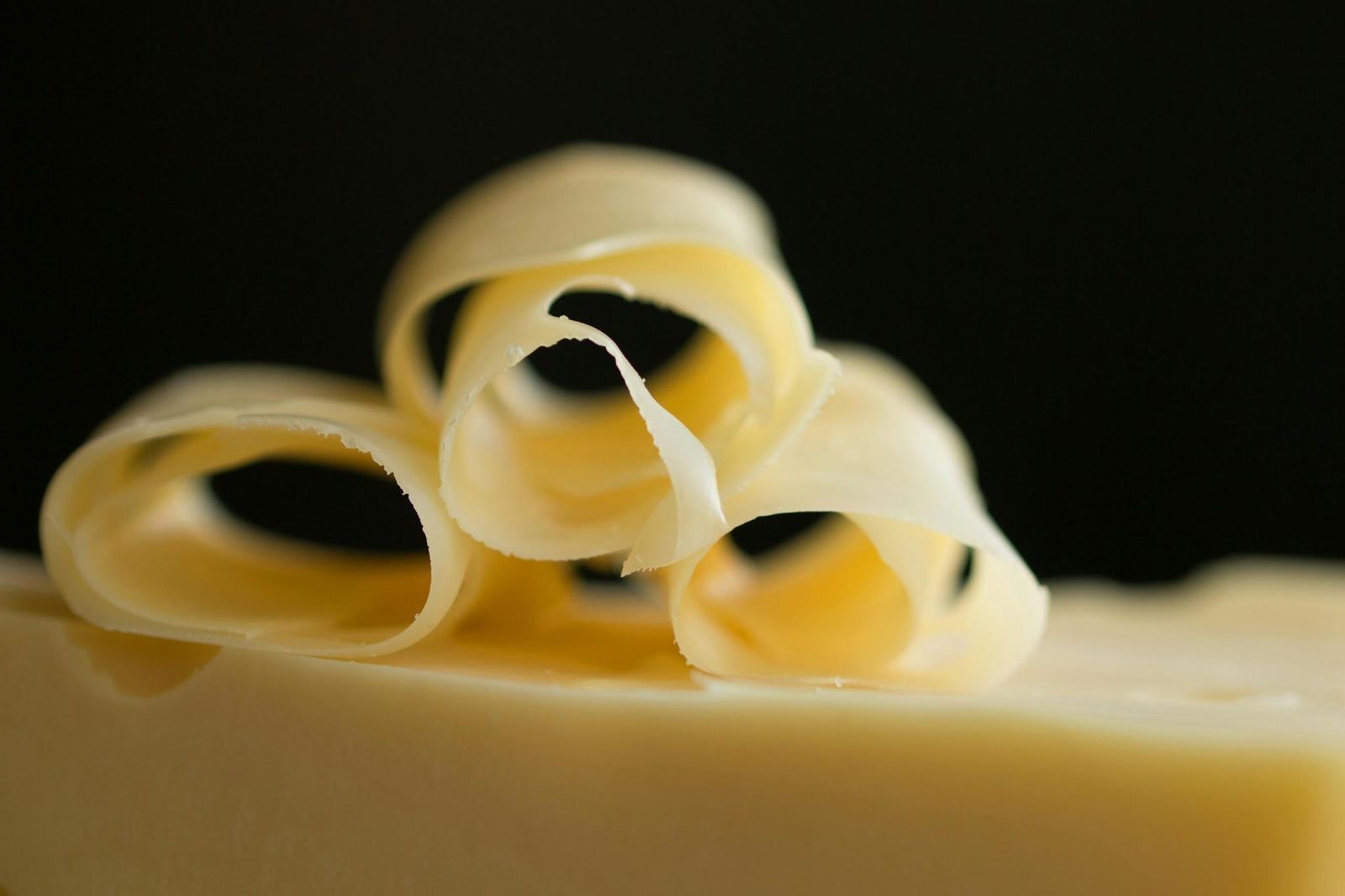
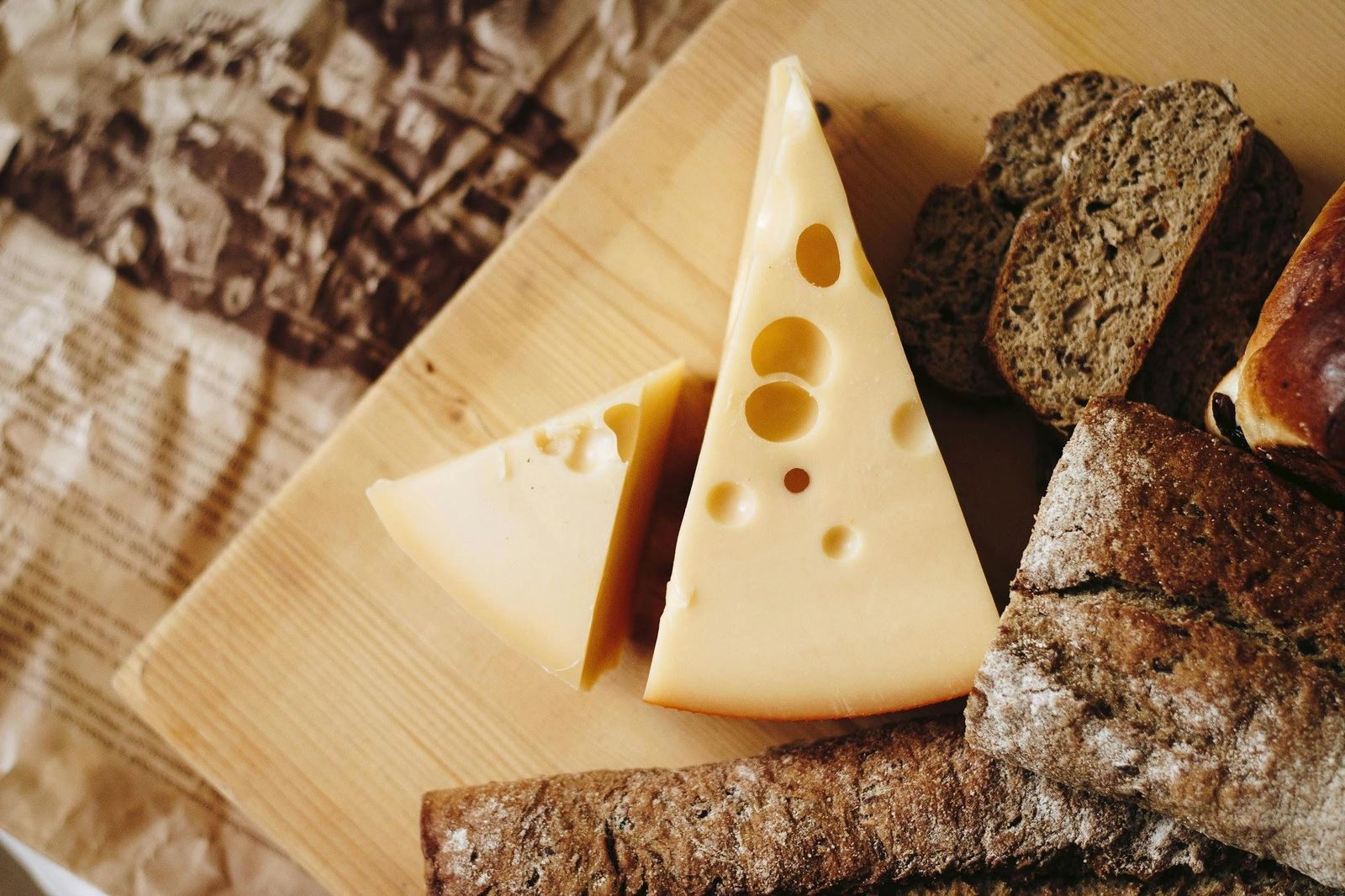
While the name suggests a US origin, the technology that created American cheese actually began in the heart of the Alps. It was developed in 1911 by Swiss researchers Walter Gerber and Fritz Stettler, who were looking for a way to extend the shelf life of their country’s famous Emmental cheese.

The problem with traditional cheese is that it eventually dries out, molds, or separates into a greasy mess when heated. By shredding the cheese, adding sodium citrate, and heating it, the Swiss duo discovered they could create a stable, smooth product that didn't separate. While they weren't trying to create "American" cheese as we know it today, their emulsification process laid the foundational science for every single-wrapped slice produced today.

2
It was popularized by a Canadian

Image: Martylunsford, CC BY-SA 4.0, via Wikimedia Commons

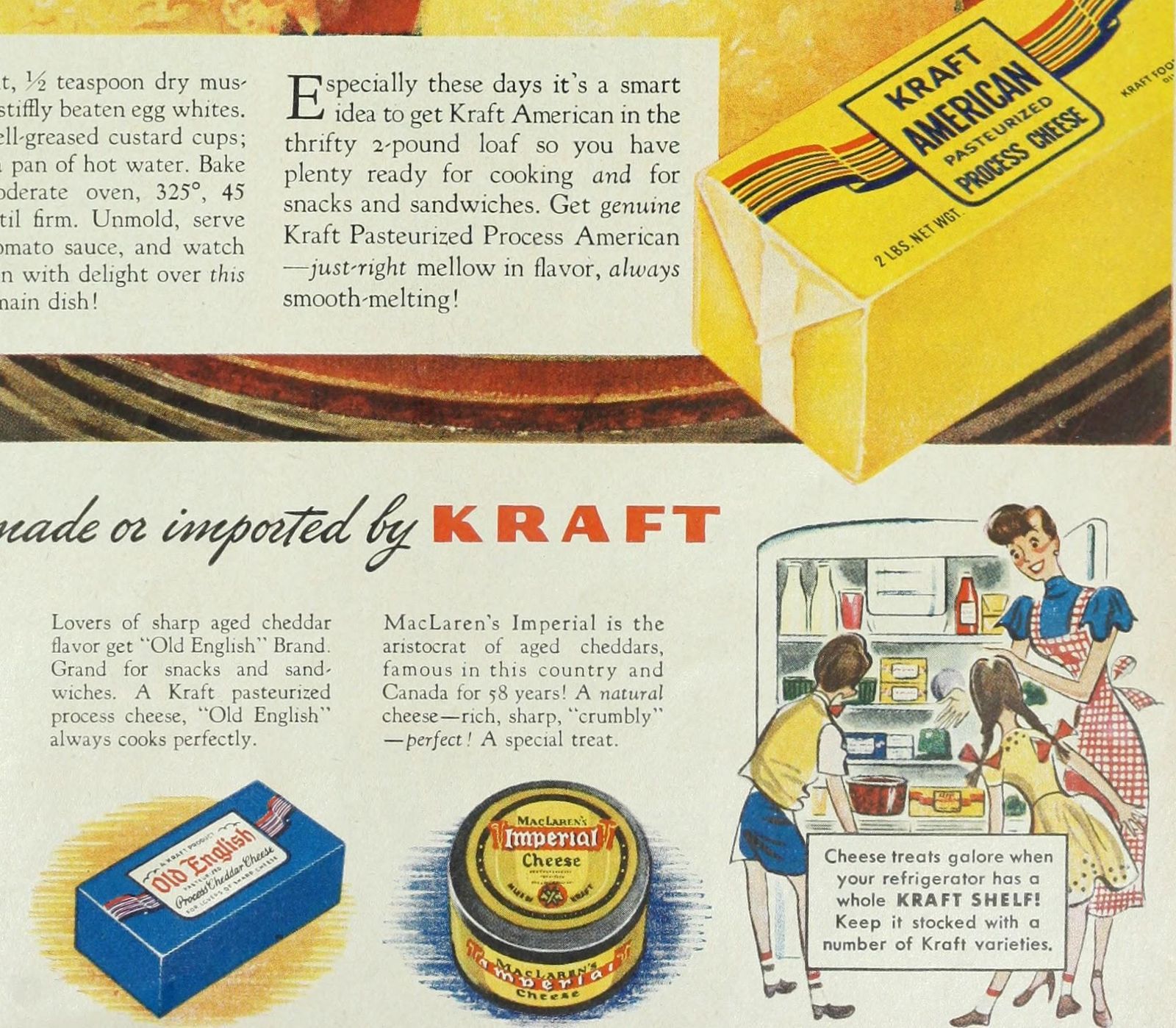
The man responsible for the global dominance of American cheese was James L. Kraft. Ring any bells? Kraft was a Canadian immigrant who moved to Chicago in 1903. While he didn't invent the concept of processed cheese, he perfected the industrial scale of its production and marketing.

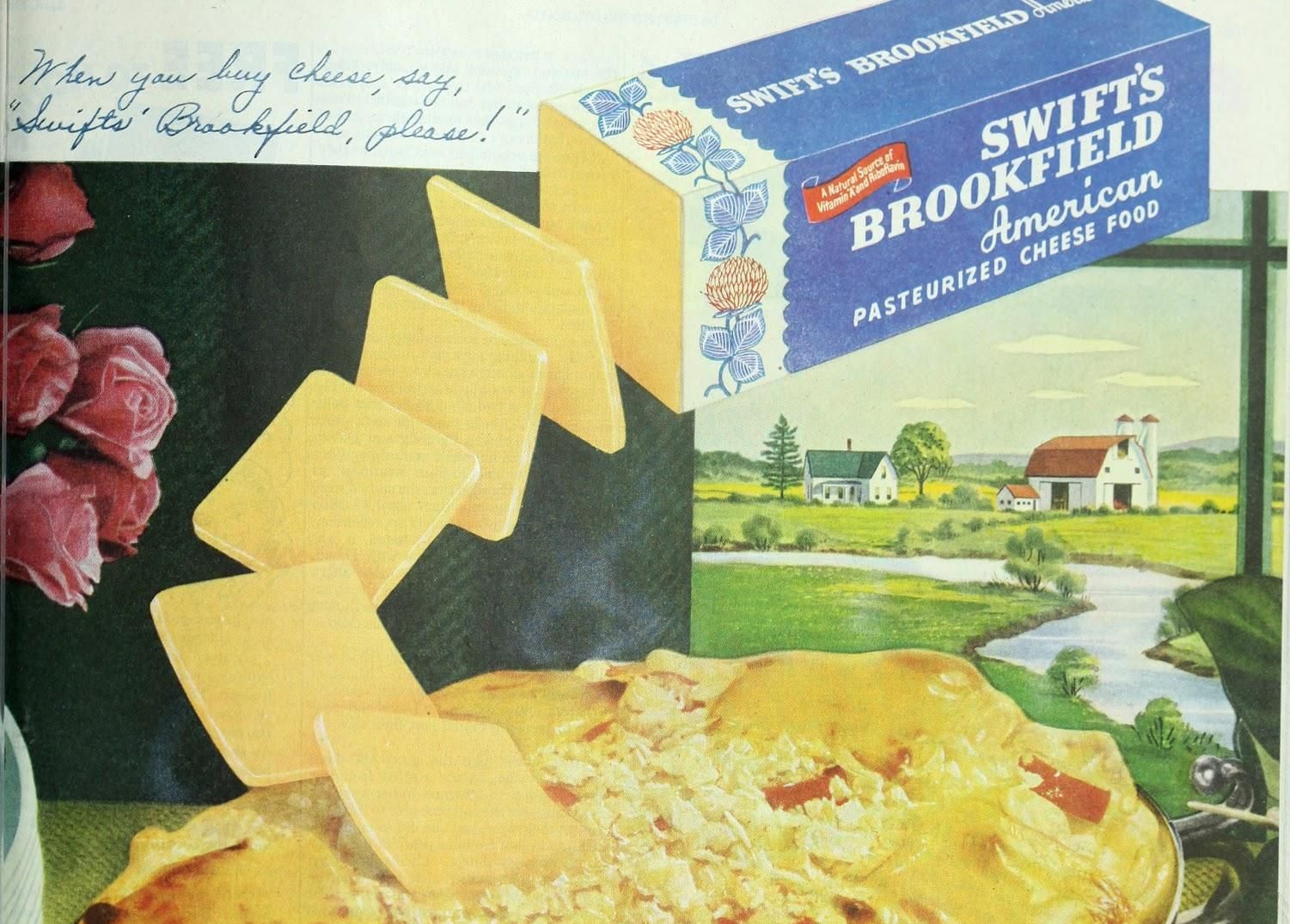
Kraft noticed that retailers struggled with cheese spoilage; if a wheel of cheddar didn't sell quickly, it was a total loss. He experimented with various methods of heating and blending cheese until he found a formula that could be canned and shipped long distances without spoiling. In 1916, he received a patent for his "processed cheese," and during World War I, the U.S. government purchased millions of pounds of it for soldiers, cementing its privileged place in the American diet.

3
It was almost called "Embalmed Cheese"

Image: Internet Archive Book Images, No restrictions, via Wikimedia Commons

When processed cheese first hit the market, it had its detractors. Traditional cheesemakers were horrified, and so were pure food advocates. These critics argued that the product shouldn't even be called cheese. They’ve even gone so far as to call it "embalmed cheese" because of its unnaturally long shelf life and the chemical emulsifiers used to keep it stable. Yet, Kraft’s marketing prowess and the sheer convenience of the product ultimately won the naming battle. At least in the court of public opinion.

4
Technically, it isn’t cheese

Image: RDNE Stock project

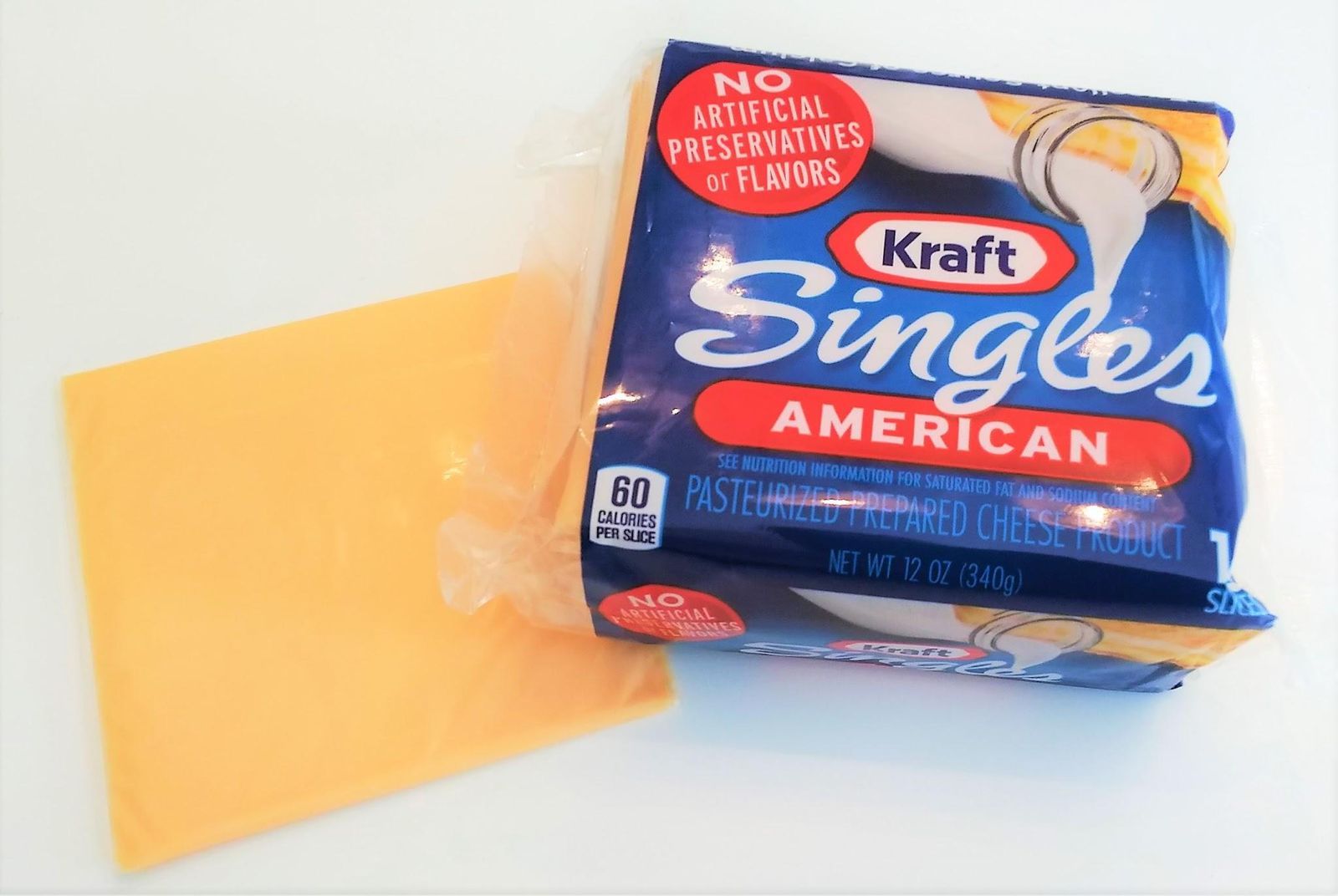
Kraft may have won the battle among the people, but legally, American cheese is not considered cheese. If you look closely at the packaging, you will rarely see the word "cheese" on its own. Because of strict FDA regulations, most varieties are legally classified as "Pasteurized Process Cheese Product" or "Pasteurized Process American Cheese Food."

To be labeled "cheese," a product must be made primarily of milk, salt, and enzymes. Processed American cheese, however, is made by blending real cheese—usually cheddar or Colby—with emulsifying salts, whey, and sometimes extra milk or fats.

5
Any cheese can be made into American cheese

Image: Edita Brus

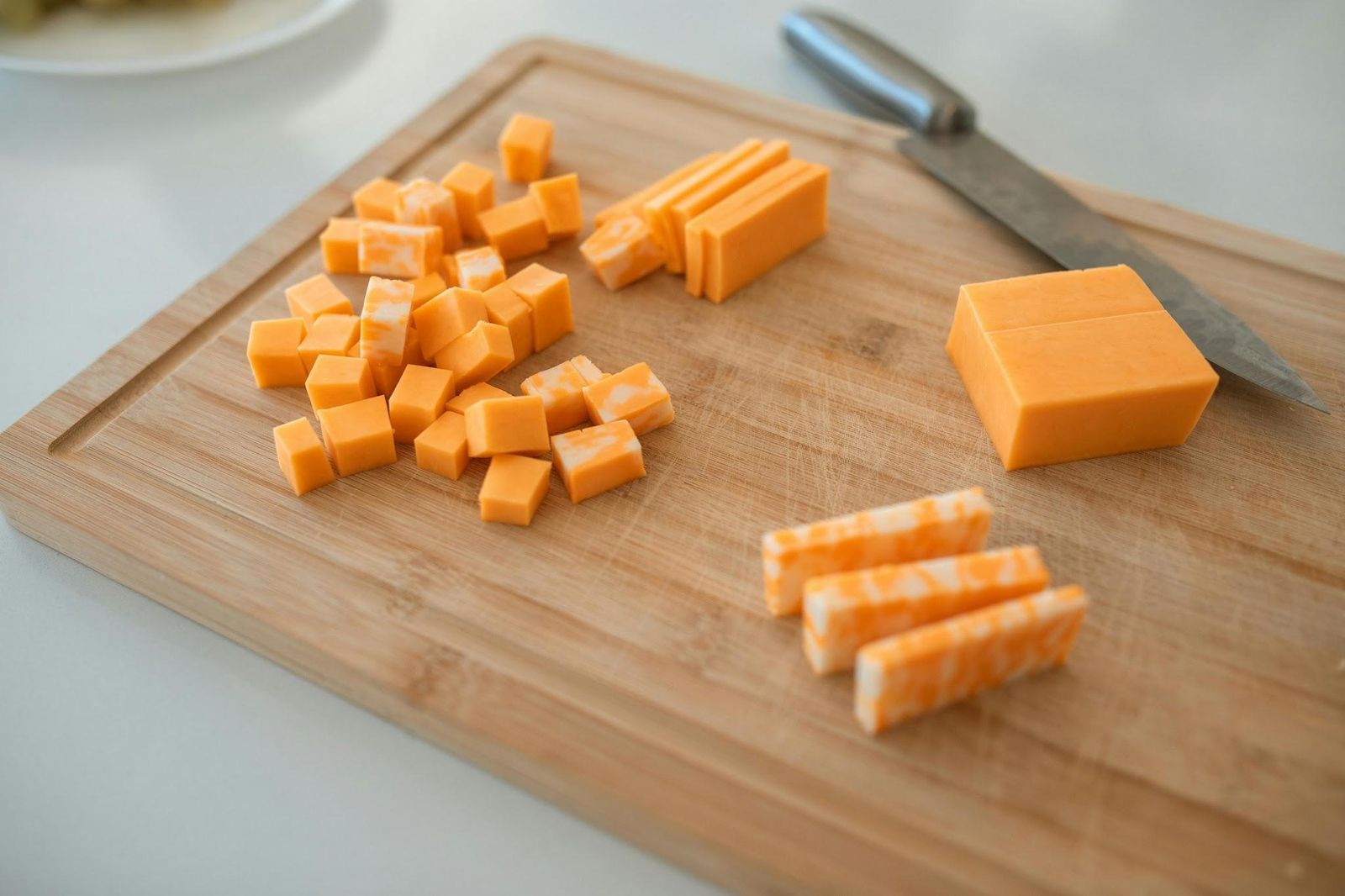
The term "American cheese" refers more to a process than a specific flavor. In theory, you could make "American-style" brie, blue cheese, or parmesan. The defining characteristic is the addition of an emulsifier, which breaks down the proteins and allows the fats and water to stay together.

In fact, some high-end chefs now make their own artisanal American cheese with aged cheddars processed with sodium citrate to create a slice that has the complex flavor of an expensive block but the melting point of a Kraft Single.

6
It isn’t naturally yellow

Image: jianwei zhu

The vibrant orange-yellow hue of American cheese is entirely a cosmetic choice. Traditionally, cheese color varied by the season; when cows ate fresh grass in the summer, their milk contained more beta-carotene, leading to a naturally yellowish cheese. To make their cheese look high-quality all year round, cheesemakers began adding dyes.

American cheese takes this tradition to the extreme. It is typically colored with annatto, a seed from the achiote tree. Without this dye, American cheese would be a pale, creamy white, which is how it is sold in many delis as "White American". Yes, that’s right, there is no flavor difference between the white and yellow versions.

7
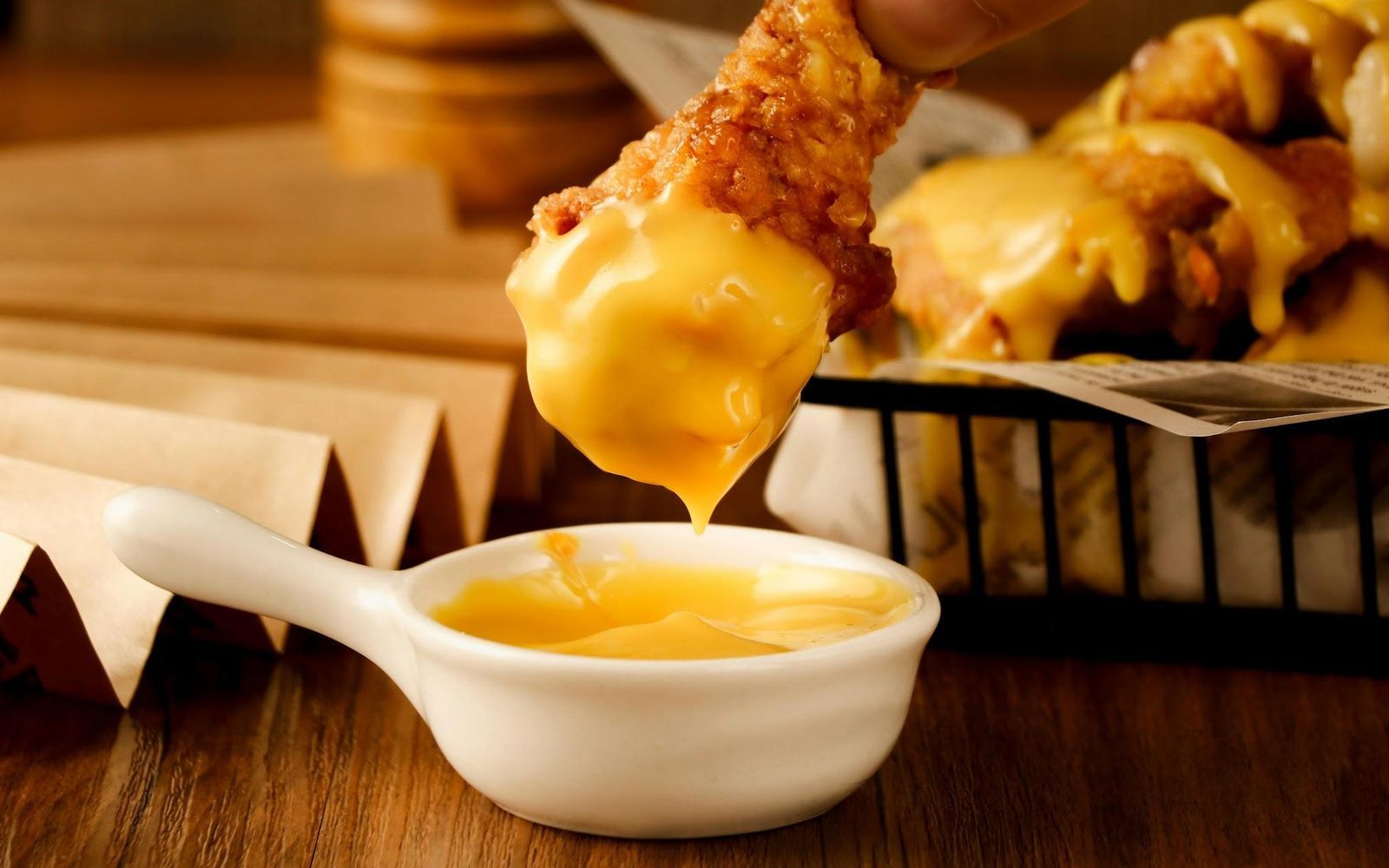
It has an extremely low melting point

Image: Vinícius Caricatte

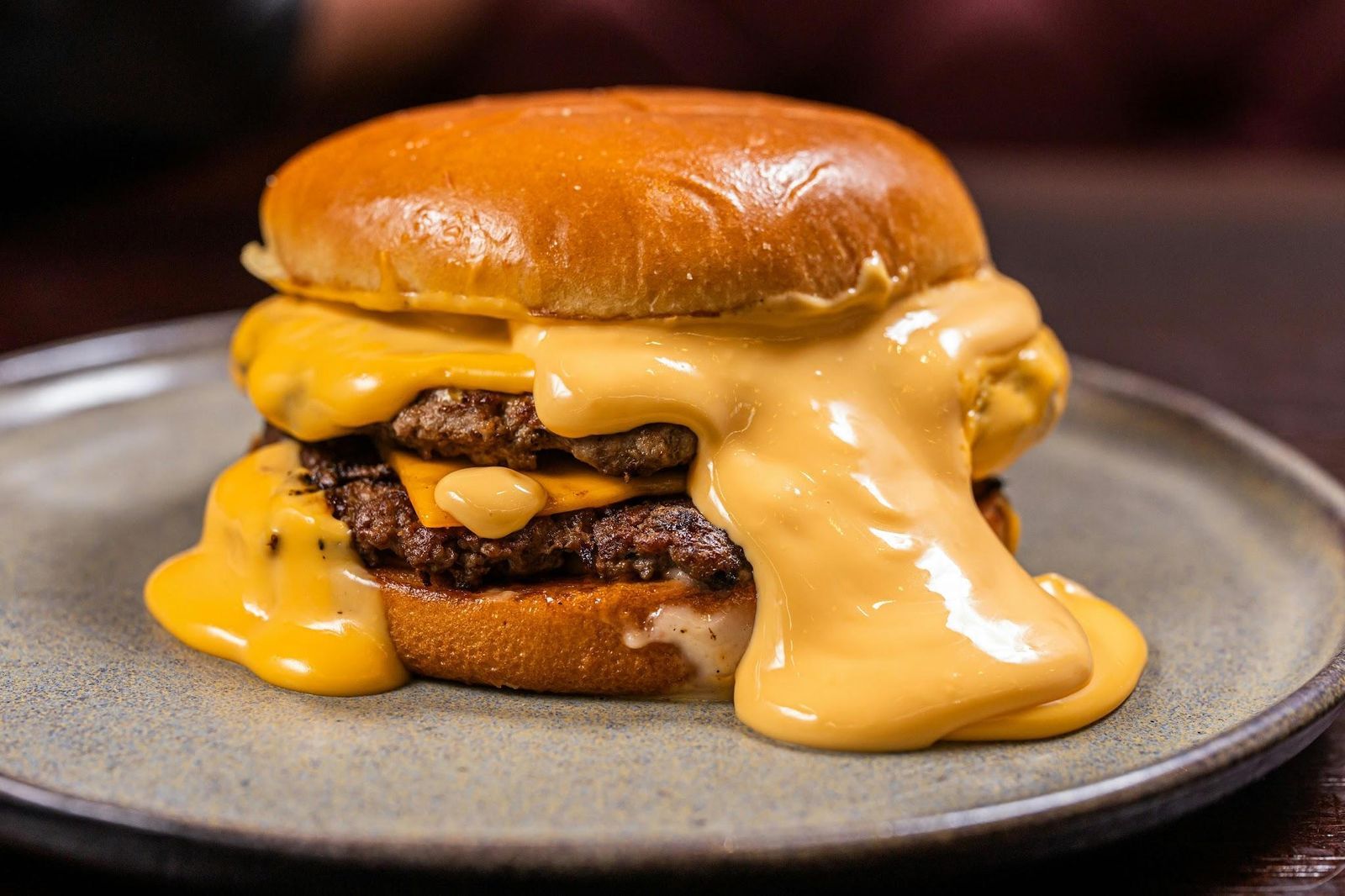
The scientific superpower of American cheese is its meltability. Traditional cheeses have a protein structure that tightens when heated, which is why a slice of aged cheddar on a burger often results in an oily puddle and a rubbery clump.

Because of the emulsifying salts, the proteins in American cheese can withstand heat without clumping together. This gives it an incredibly low and stable melting point, transforming the slice into a silky sauce. This is why it remains the undisputed king of grilled cheese sandwiches.

8
It’s been in space

Image: NASA, Public domain, via Wikimedia Commons

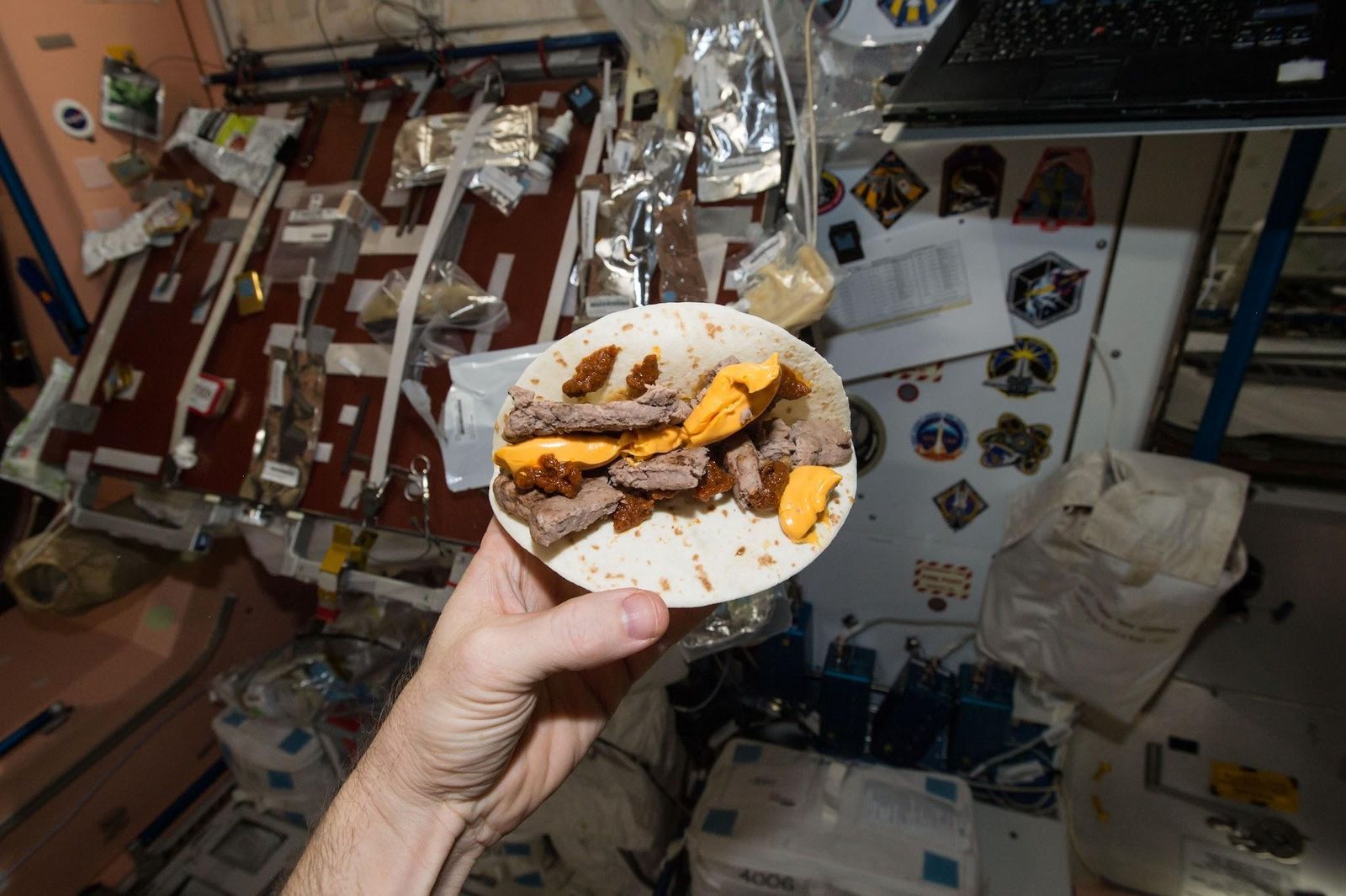
When you're hurtling through orbit in a cramped capsule, you need food that is stable, easy to eat, and won't crumble into thousands of tiny, electronics-clogging pieces. American cheese fit the bill perfectly for early NASA missions.

Processed cheese in tubes or cubes was a staple of the Apollo missions. Because it doesn't separate or sweat oil in varying temperatures and pressures, it was one of the few dairy products that could reliably provide flavor and calcium to astronauts.

9
It helped bring cheese to the masses

Image: Internet Archive Book Images, No restrictions, via Wikimedia Commons

Before the advent of processed cheese, cheese was often a seasonal luxury. It was difficult to transport, expensive to store, and highly variable in quality. James L. Kraft’s invention changed that. By creating a product that was uniform in flavor and shelf-stable, he made cheese affordable and accessible to every corner of the United States.

10
The U.S. Government once gave it out

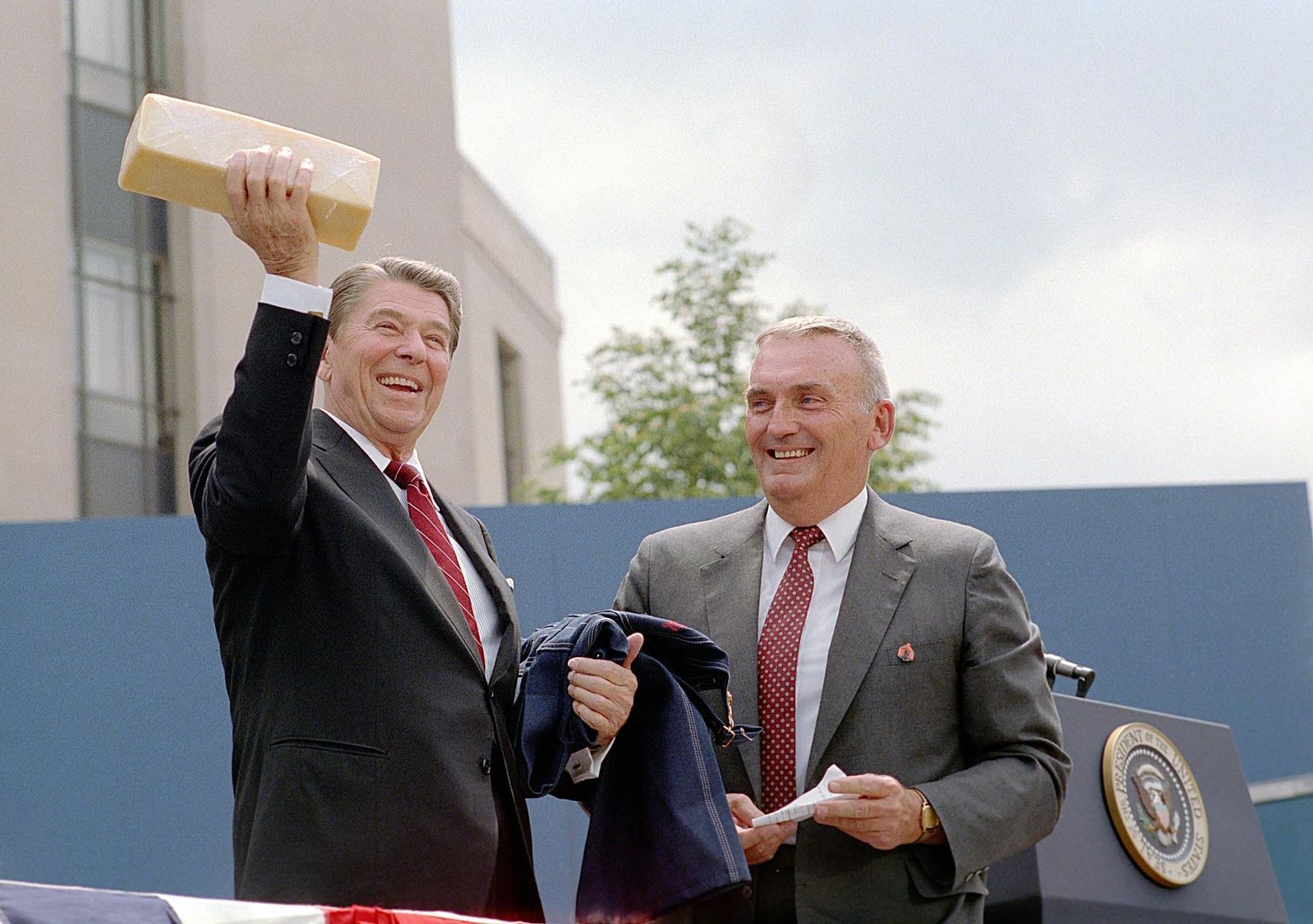
The U.S. government not only bought tons of American cheese during World War I. In the 1980s, the term "government cheese" became a thing. During a period of dairy surpluses, the government bought millions of pounds of cheese to prop up prices for struggling farmers.

To avoid letting it rot, the Reagan administration began distributing five-pound blocks of cheese to low-income families, seniors, and schools. For many who grew up in that era, that pale orange processed cheese was a lifesaver.

Culture Culture 4 min read

Serendipity at its finest

12 classic foods invented by accident. Which is your favorite?

Image: Peter Boccia

Some of our most well-known foods and snacks weren’t planned at all; they were what we call serendipity: happy accidents born from spills, mix-ups, or kitchen improvisations. Can you imagine a world without potato chips? Or Coca-Cola? From small-town diners to curious labs, these 12 inventions have managed to survive to this day.

1
Potato chips

Image: Jeff Siepman

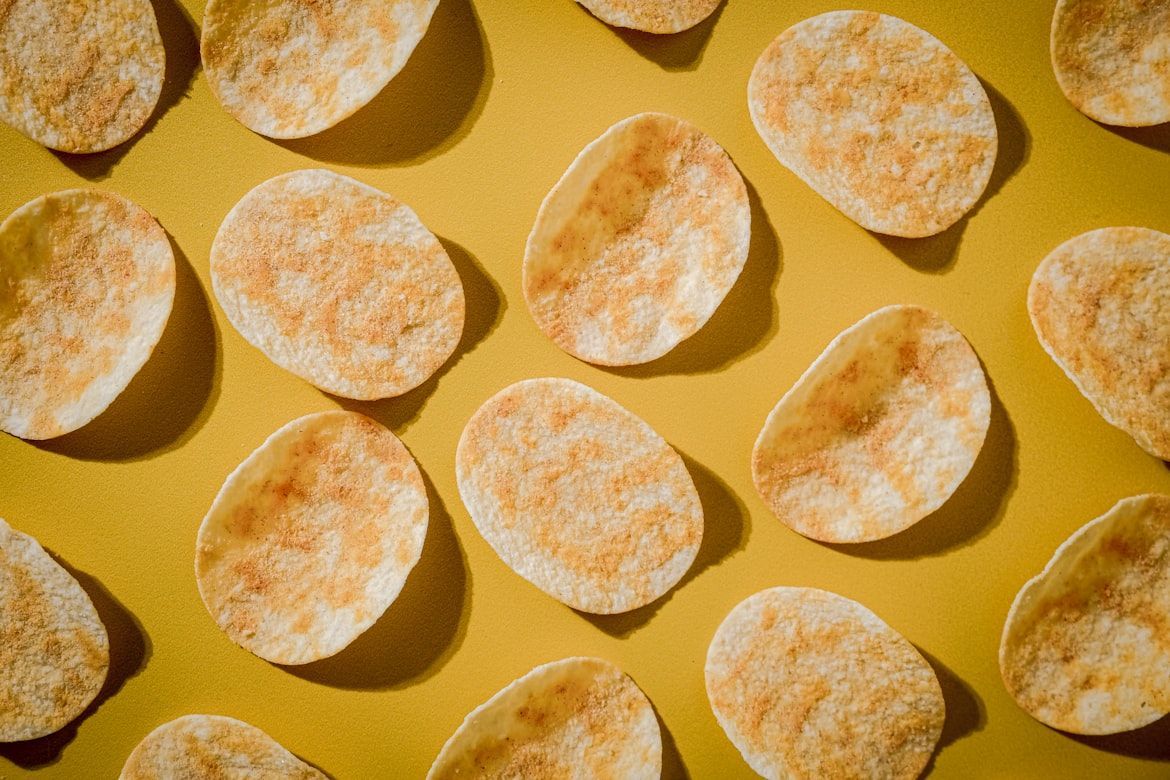
Back in 1853, a cranky diner in Saratoga Springs, New York, complained that his fries were too thick . Irritated, Chef George Crum sliced them paper-thin and fried them crisp to prove a point . To everyone’s surprise, the customer loved them.

What began as a moment of frustration turned into America’s favorite salty snack, inspiring an entire industry of chips and flavors.

2
Popsicles

Image: Taylor Heery

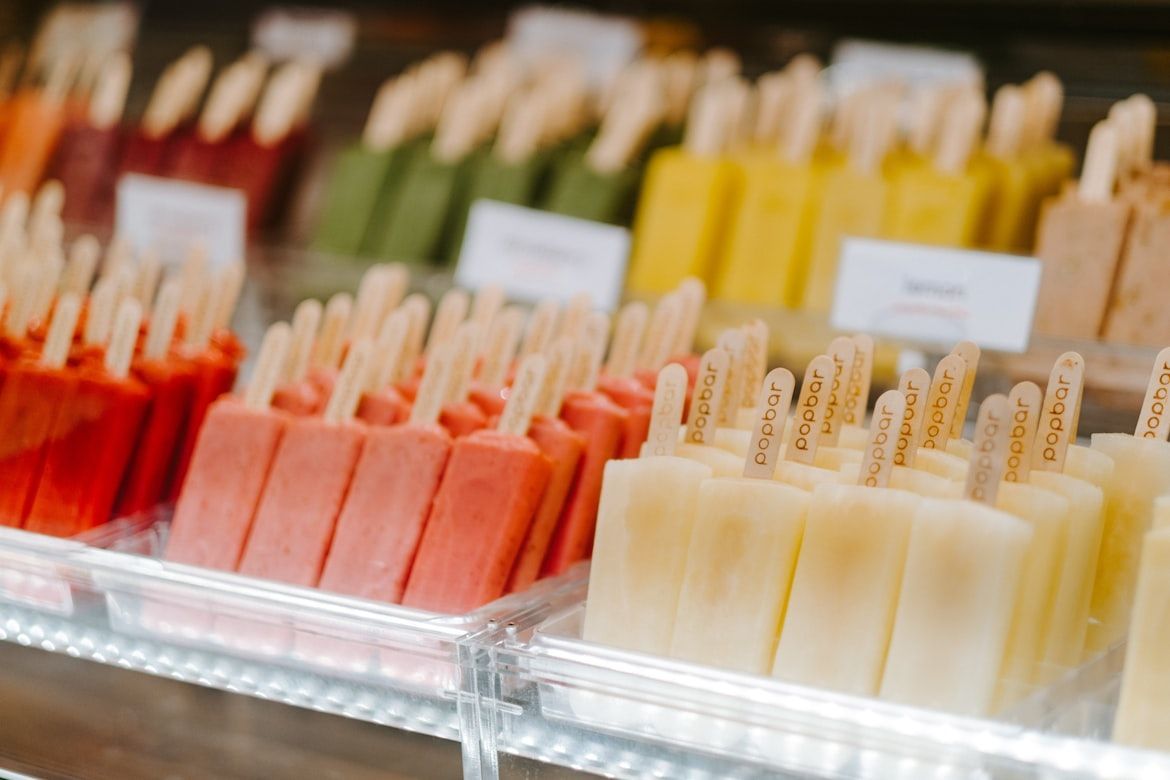
In 1905, 11-year-old San Francisco native Frank Epperson accidentally left a cup of soda powder and water outside overnight, with a stick still in it. The next morning, it had frozen solid in the chilly air .

Epperson dubbed it the "Epsicle," which was later renamed the Popsicle. That childhood experiment became one of the most enduring summer treats.

3
Chocolate chip cookies

Image: Ben Lei

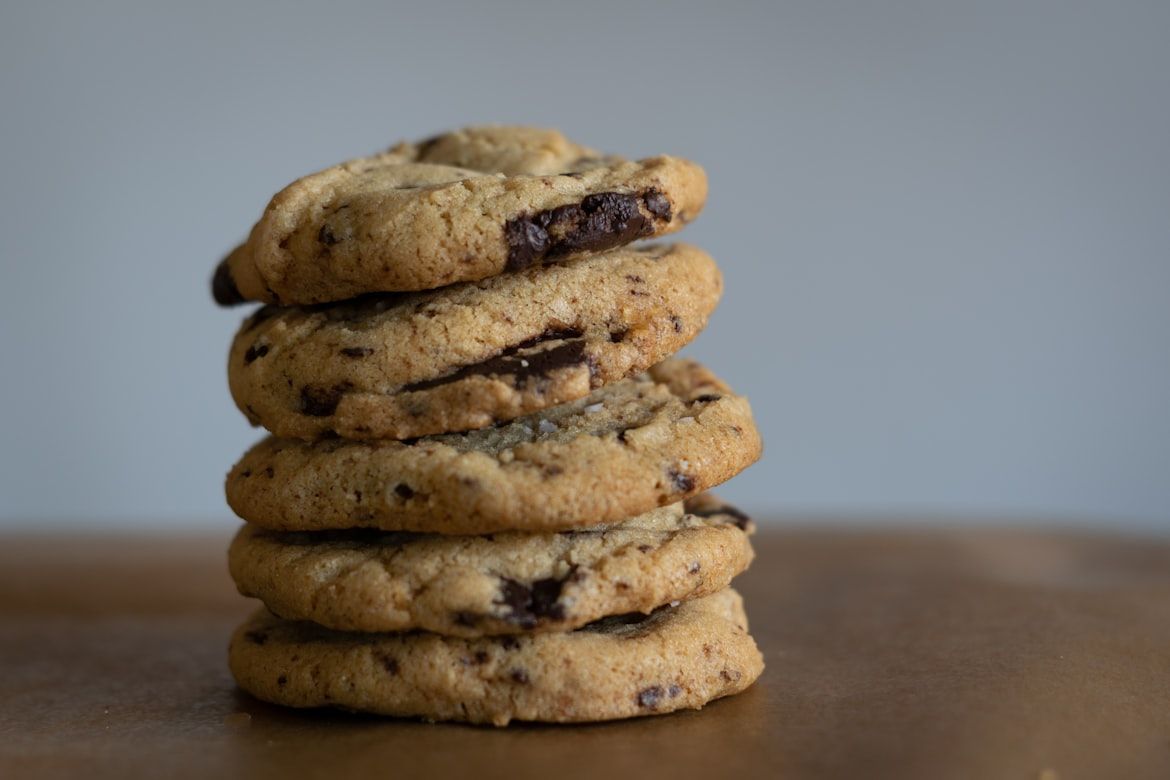
Ruth Wakefield ran out of baker’s chocolate when she was making traditional chocolate cookies at her Massachusetts inn, the Toll House, in the 1930s. She chopped up Nestlé chocolate snack bars instead . She expected them to melt evenly into the dough, but they stayed in chunks.

The warm, gooey results became an instant hit with her guests. Nestlé soon partnered with her to print the recipe on chocolate bar wrappers, and the rest is history!

4
Corn flakes

Image: Deepak N

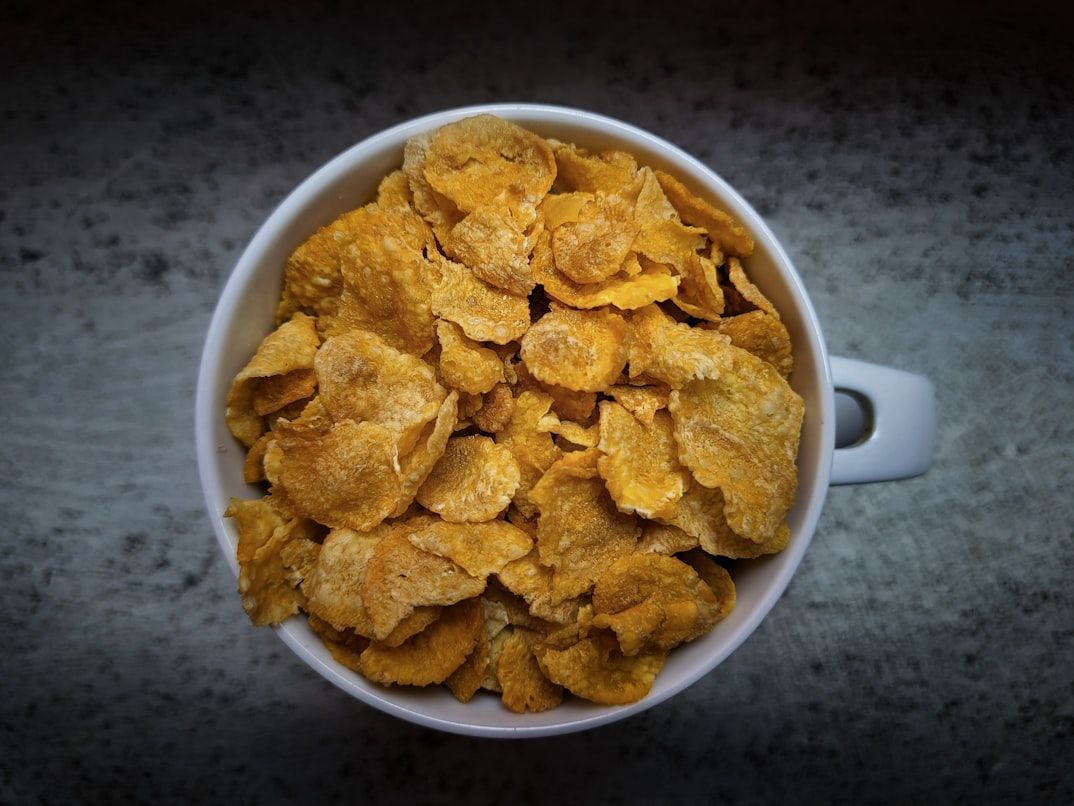
In 1898, the Kellogg brothers accidentally left cooked wheat, unprocessed wheat kernels simmered until tender, sitting out overnight at their Michigan sanitarium, where they promoted a healthy living based on vegetarianism, exercise, sunlight, and strict hygiene. By morning, it had gone stale, but when they rolled and baked it, the flakes came out crisp and tasty .

That happy mistake inspired a new breakfast idea: simple, wholesome, and ready to pour.

5
Coca-Cola

Image: Artem Beliaikin

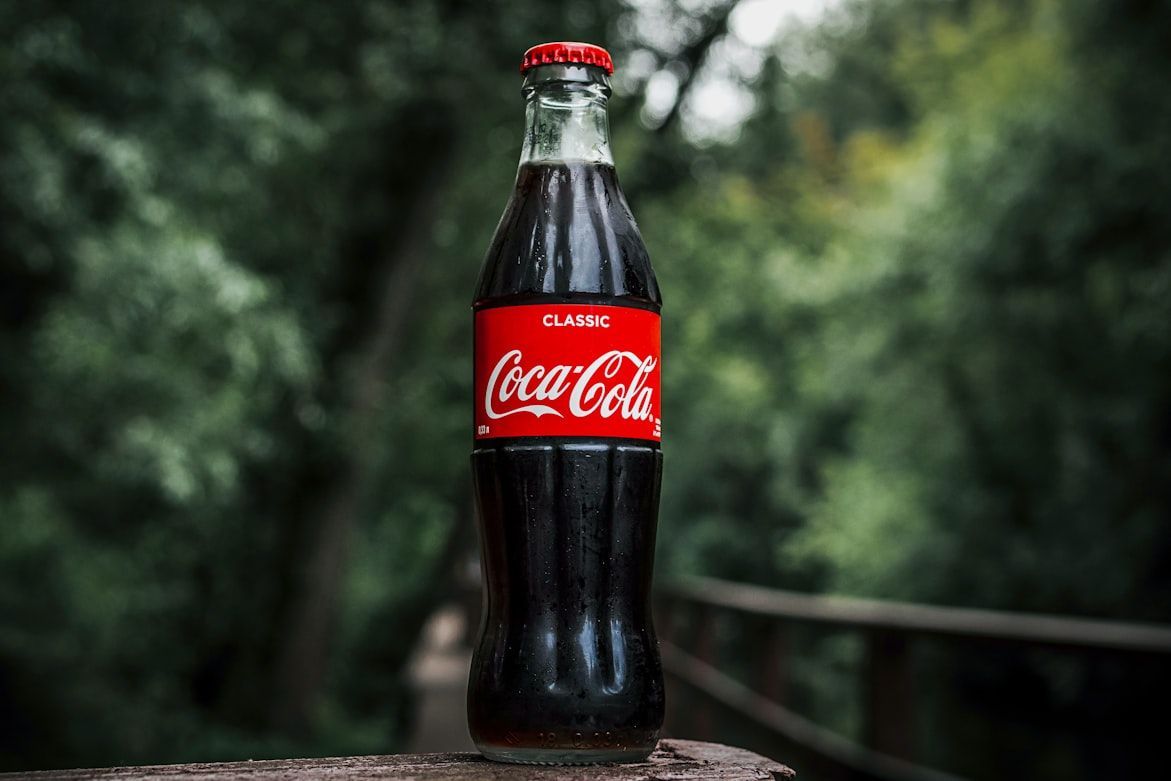
In one of the most profitable blunders of all time, Atlanta pharmacist John Pemberton was mixing a headache tonic in 1886 when he mistakenly blended his syrup with carbonated water instead of plain water .

Finding the result quite tasty, Pemberton opened a local soda fountain and found immediate success.

6
Cheeseburgers

Image: amirali mirhashemian

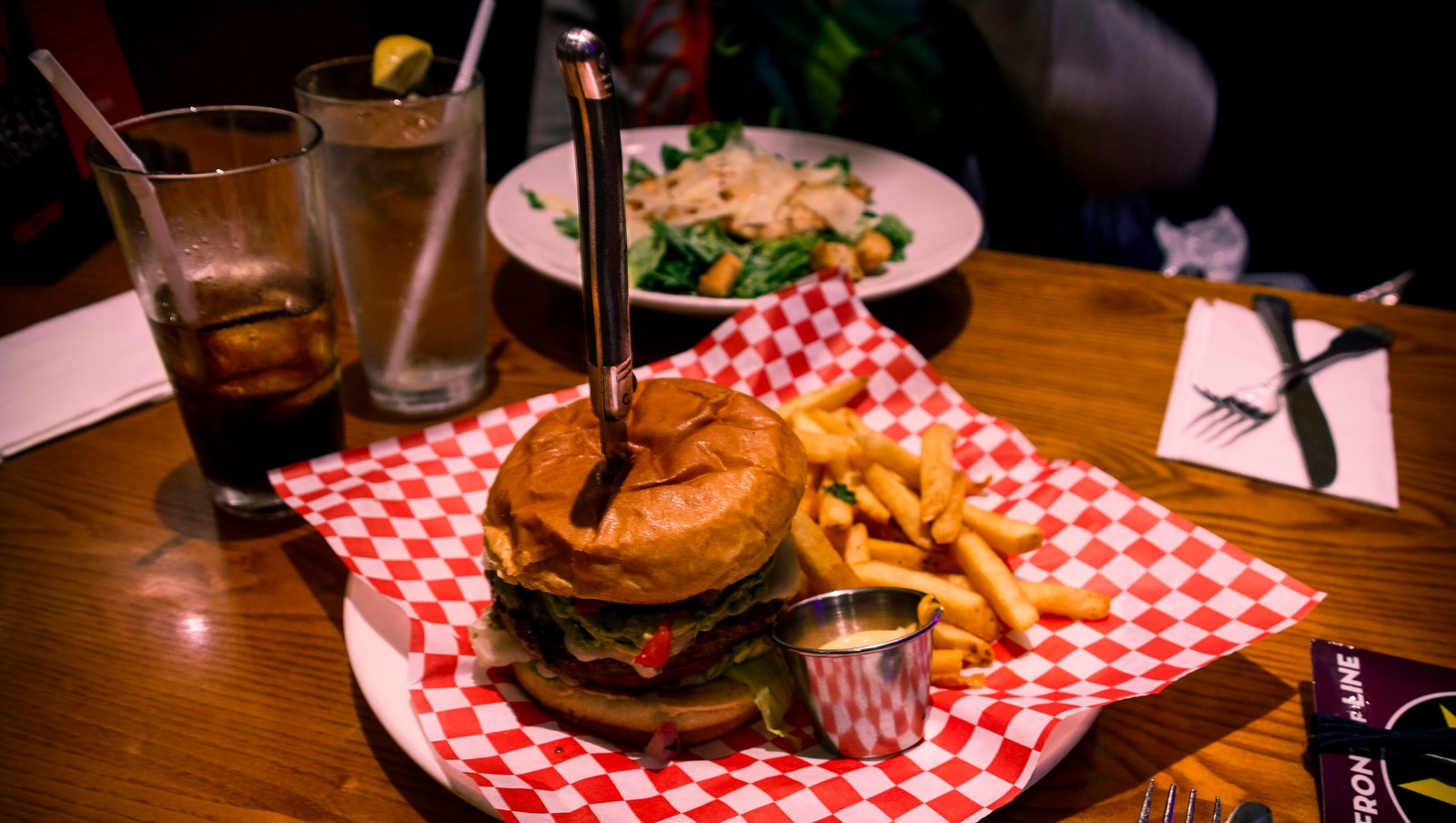
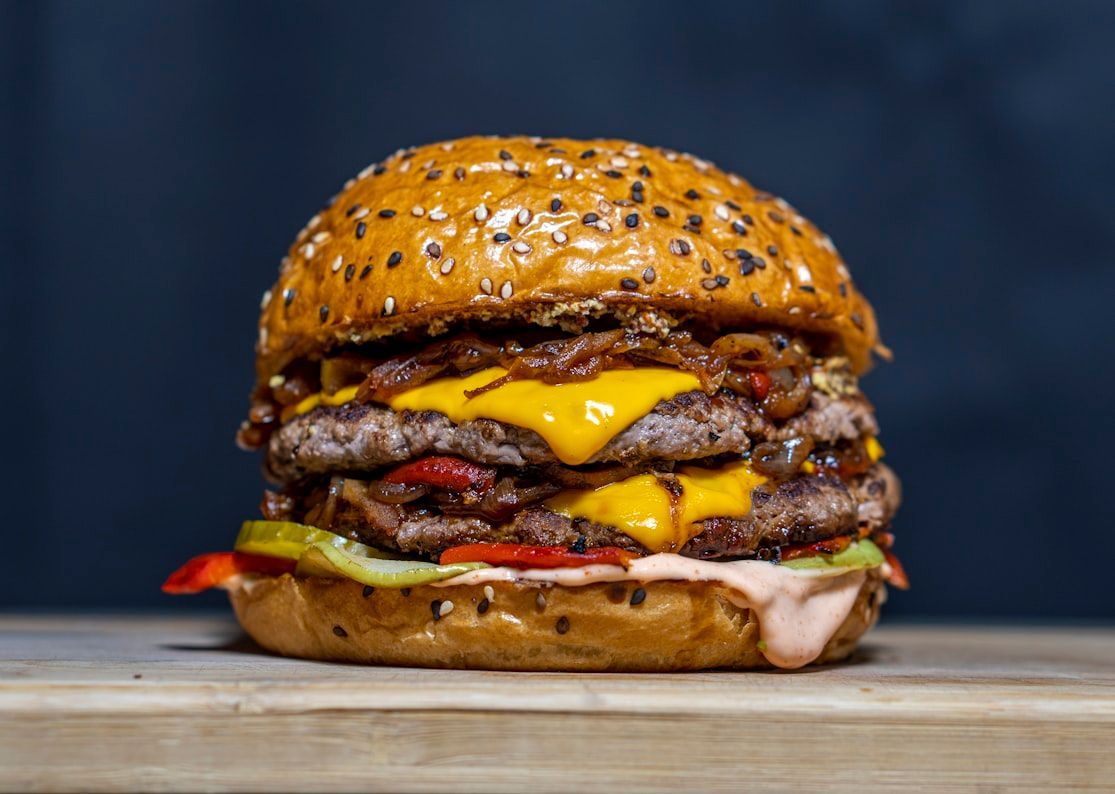
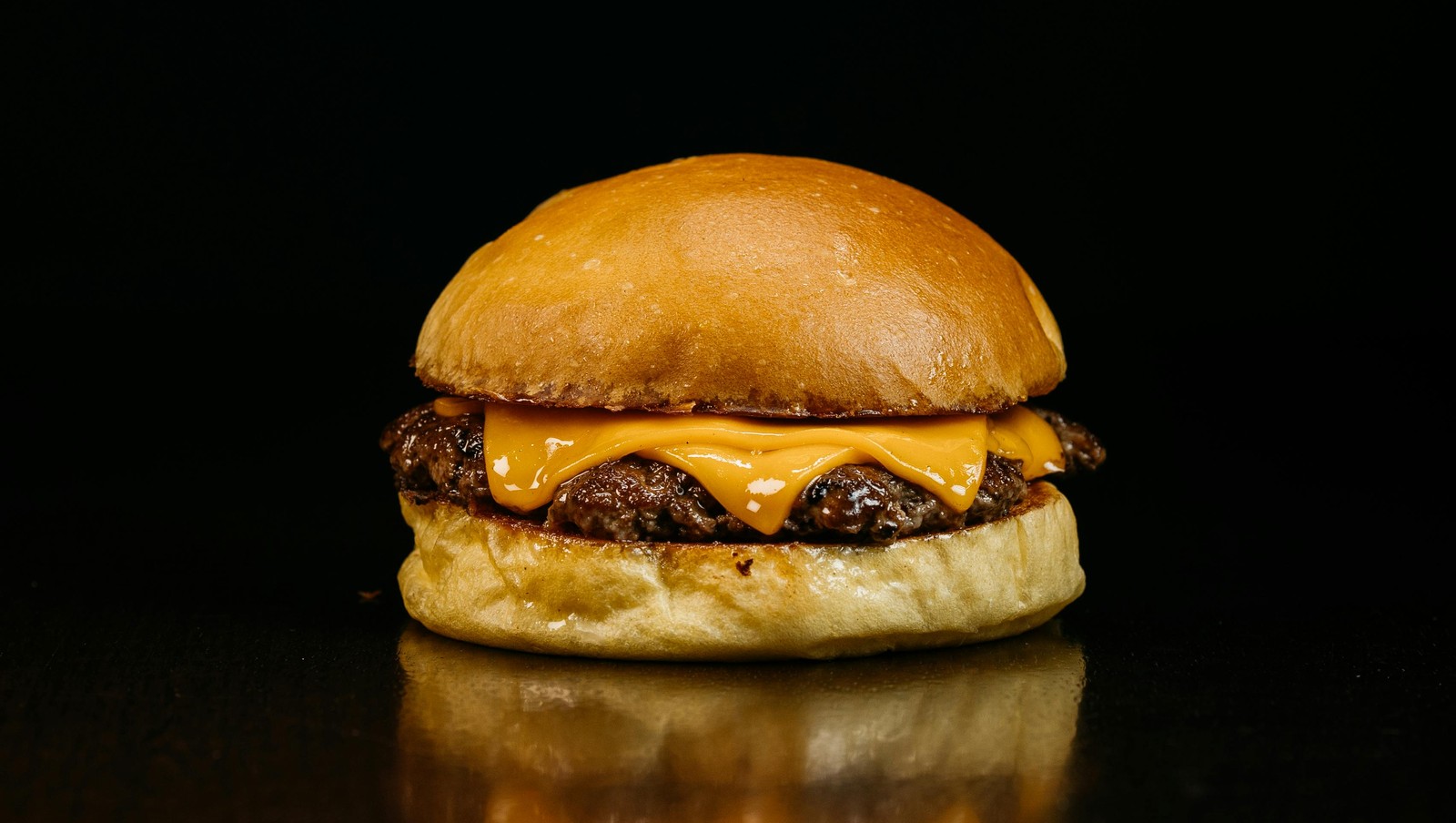
In the 1920s, a teenage cook in Pasadena accidentally dropped a slice of cheese onto a sizzling hamburger . Instead of tossing it out, he served it to the customer.

The melted topping added a rich, savory twist that caught on fast. Soon, diners across America began adding cheese to burgers, helping to spread this classic.

7
Hard pretzels

Image: Pierre Gui

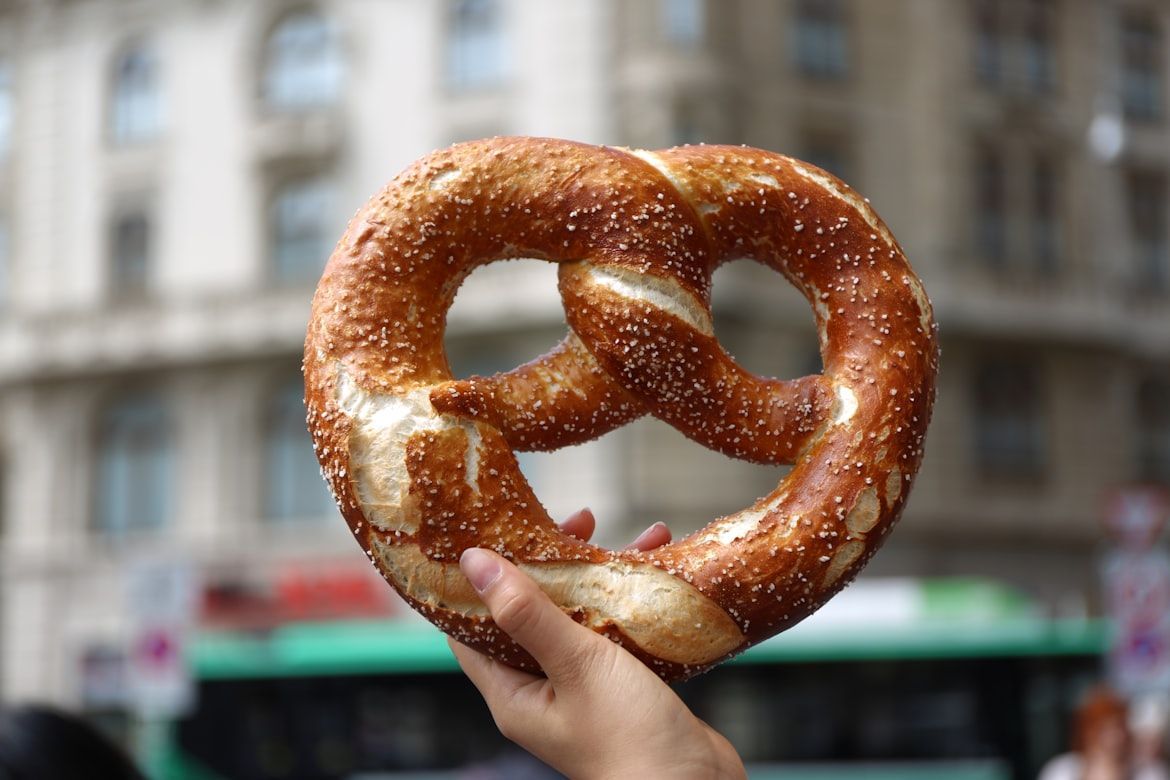
One Pennsylvania baker in the 1800s left his soft pretzels in the oven too long, burning them to a deep brown . Expecting a disaster, he tried one and loved the unexpected crunch.

That overbaked batch became the first hard pretzel. The crispy, salty snack soon gained fans nationwide.

8
Slurpees

Image: Greg Rosenke

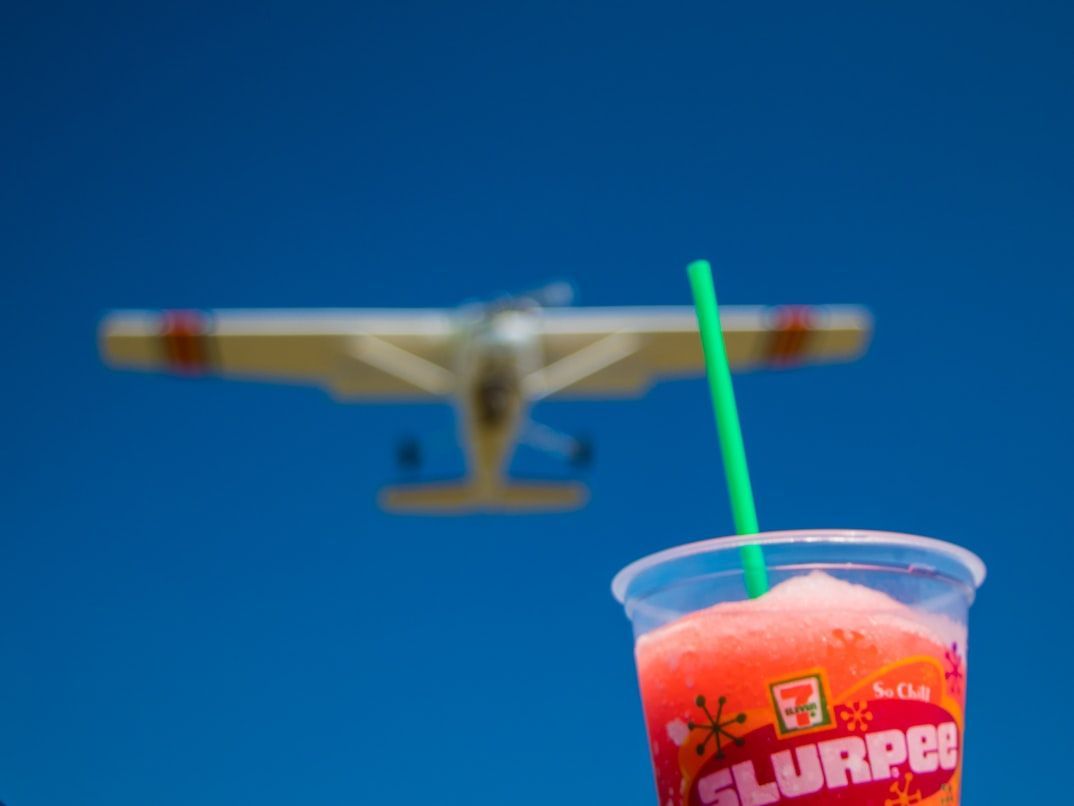
In the 1950s, a Kansas soda shop’s cooler broke down, freezing its drinks halfway . Instead of throwing them out, the owner sold the icy concoctions to curious customers.

They loved the slushy texture so much that he built a machine to reproduce it. The Icee — and later the Slurpee — turned an equipment failure into an omnipresent machine at every 7-Eleven.

9
Tortilla chips

Image: Markus Winkler

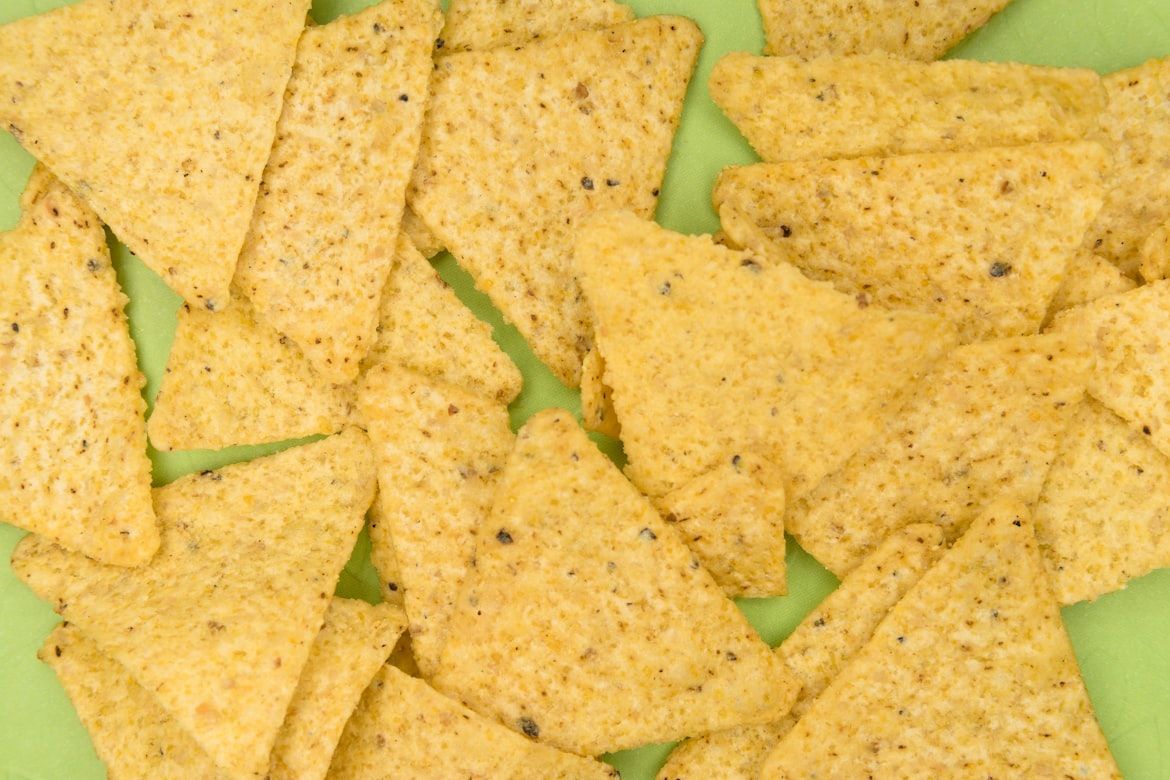
In 1940s Los Angeles, a tortilla factory ended up with piles of leftover tortillas. Rather than waste them, workers cut them into triangles and fried them up .

The crunchy bites were a surprise hit. What started as a practical way to use scraps soon became a nationwide snack.

10
Tootsie Rolls

Image: WikimediaImages

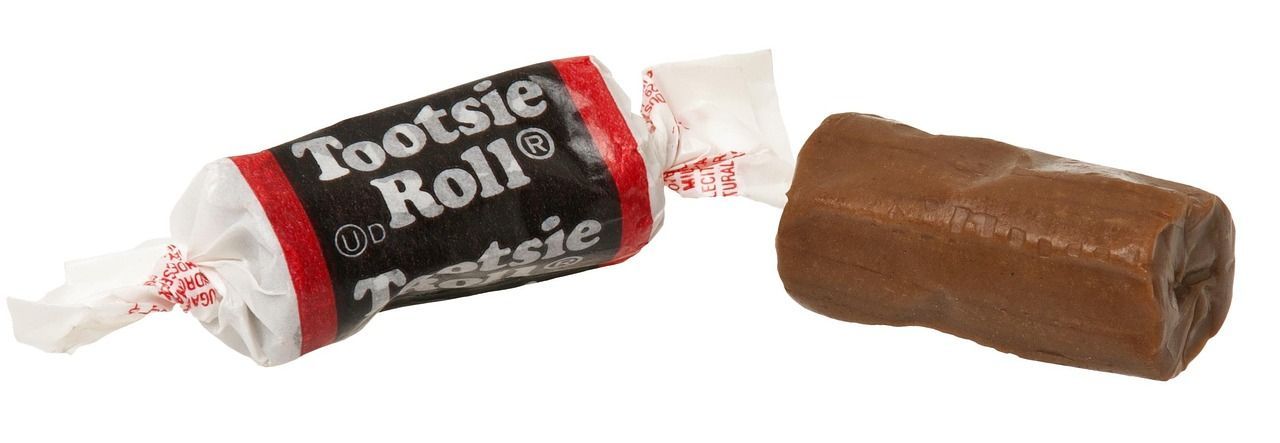
Crafty candy maker Leo Hirschfeld wanted to stretch his chocolate supply in 1896, so he experimented by blending in other ingredients such as sugar, corn syrup, and condensed skim milk . The texture turned chewy instead of smooth, but the flavor was rich and lasting.

He named it after his daughter’s nickname, "Tootsie." His thrift-born invention became a candy classic.

11
Reese’s Peanut Butter Cups

Image: Towfiqu barbhuiya

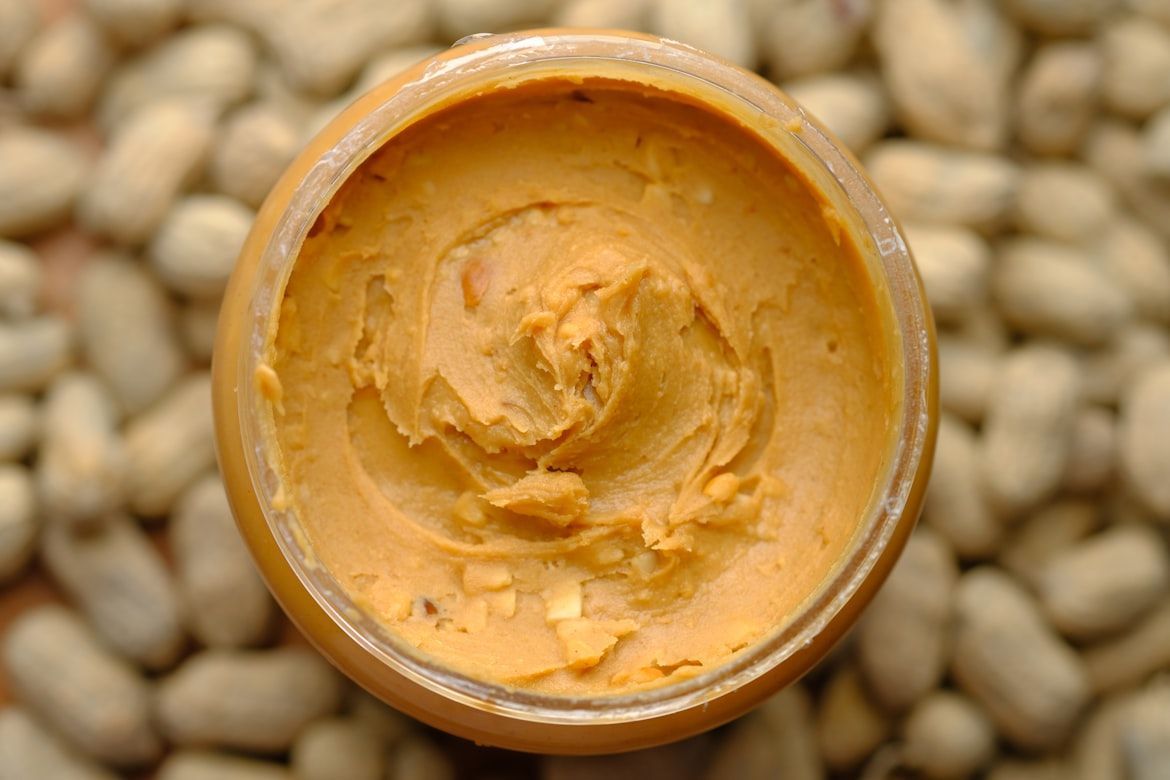
Back in 1928, a former Hershey employee, H.B. Reese, was tinkering with leftover chocolate at home when he combined it with sweetened peanut butter . The unexpected pairing turned out to be a great-tasting treat.

His homemade experiment evolved into a small business, and later became a candy legend when Hershey acquired the brand.

12
Fudge

Image: American Heritage Chocolate

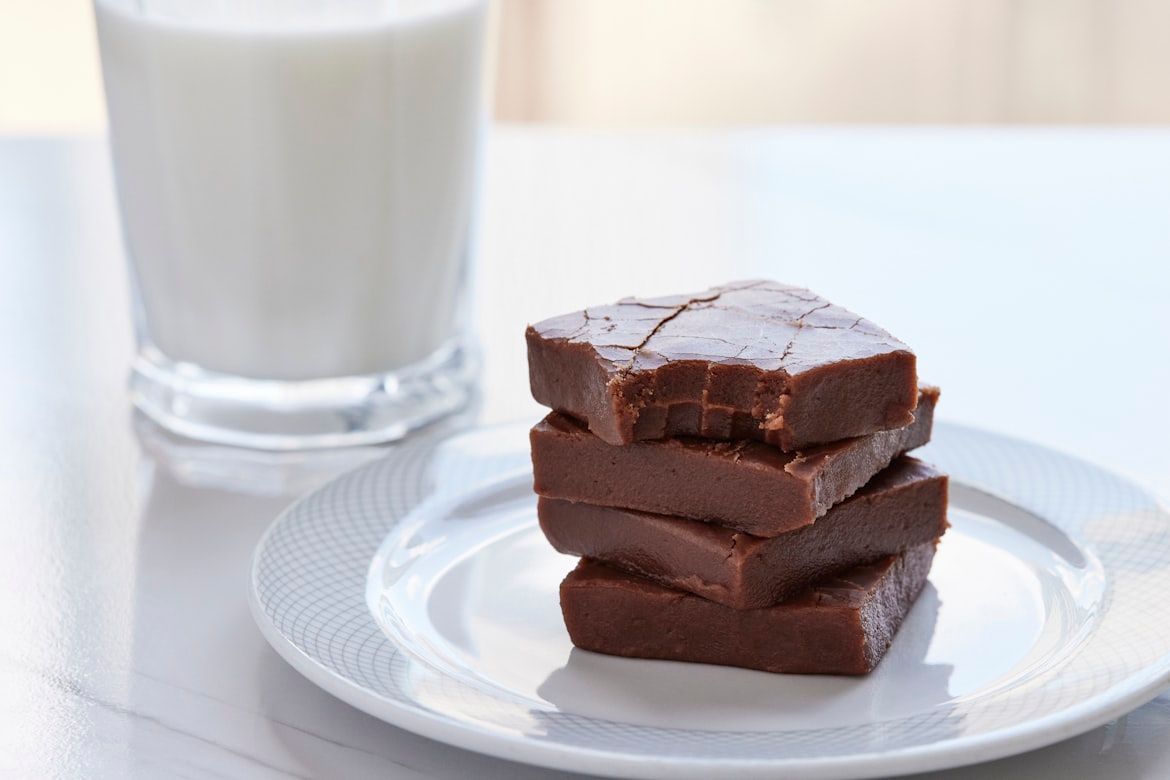
According to the popular story, a batch of caramel didn’t heat properly one night , and the cook sighed that it had been "fudged." The softer texture, however, turned out wonderfully creamy.

That tasty error spread quickly through American kitchens and college towns, becoming the classic dessert that it is today.

Explore more American facts

Choose your favorite category!

General
General

As American as apple pie—the very best America has to offer!

Culture
Culture

Delve into the astounding richness of American lore.

Geography
Geography

Hop in and explore vast and diverse American landscapes.

History
History

Discover the key moments that shaped the United States.