History History 5 min read

Which President spoke Mandarin? 10 presidential past lives
Image: Donghun Shin

It’s easy to assume that the path to the highest office is paved exclusively with Ivy League diplomas, elite military careers, and political connections. However, the early lives of American presidents proved to be far grittier and more eclectic. From elite athletic combat to teenage summer gigs, these ten unexpected jobs held by U.S. presidents before entering politics show that the road to the White House can start in some truly surprising places.

1
Abraham Lincoln
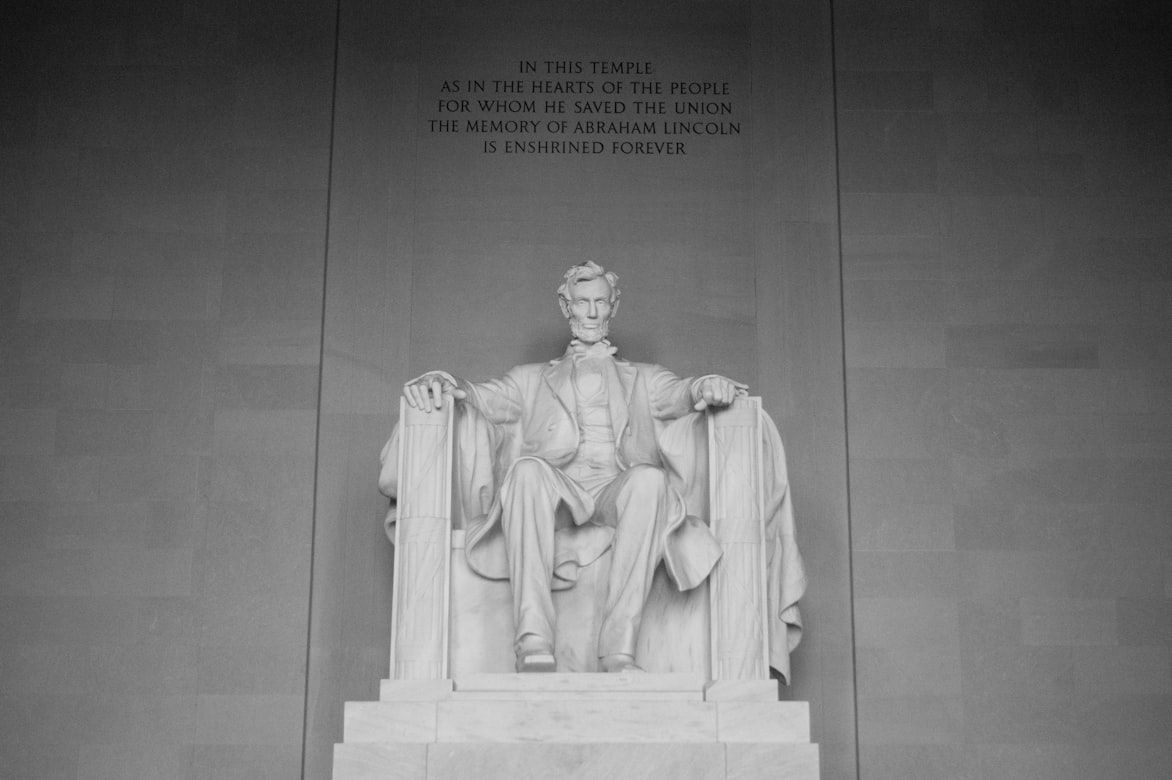
Image: Maarten Brakkee

Long before he preserved the Union or delivered the Gettysburg Address, Abraham Lincoln was renowned across Illinois as a fearsome wrestler. Standing at 6’4", Lincoln had immense leverage and strength cultivated from years of clearing timber.

In the early 1830s, he competed in roughly 300 matches and was defeated only once. His most famous fight happened in New Salem, Illinois, against Jack Armstrong, the leader of a local gang known as the Clary’s Grove Boys. Lincoln soundly defeated Armstrong, earning the lifelong respect of the community. He was even inducted into the National Wrestling Hall of Fame as an "Outstanding American".

2
Herbert Hoover
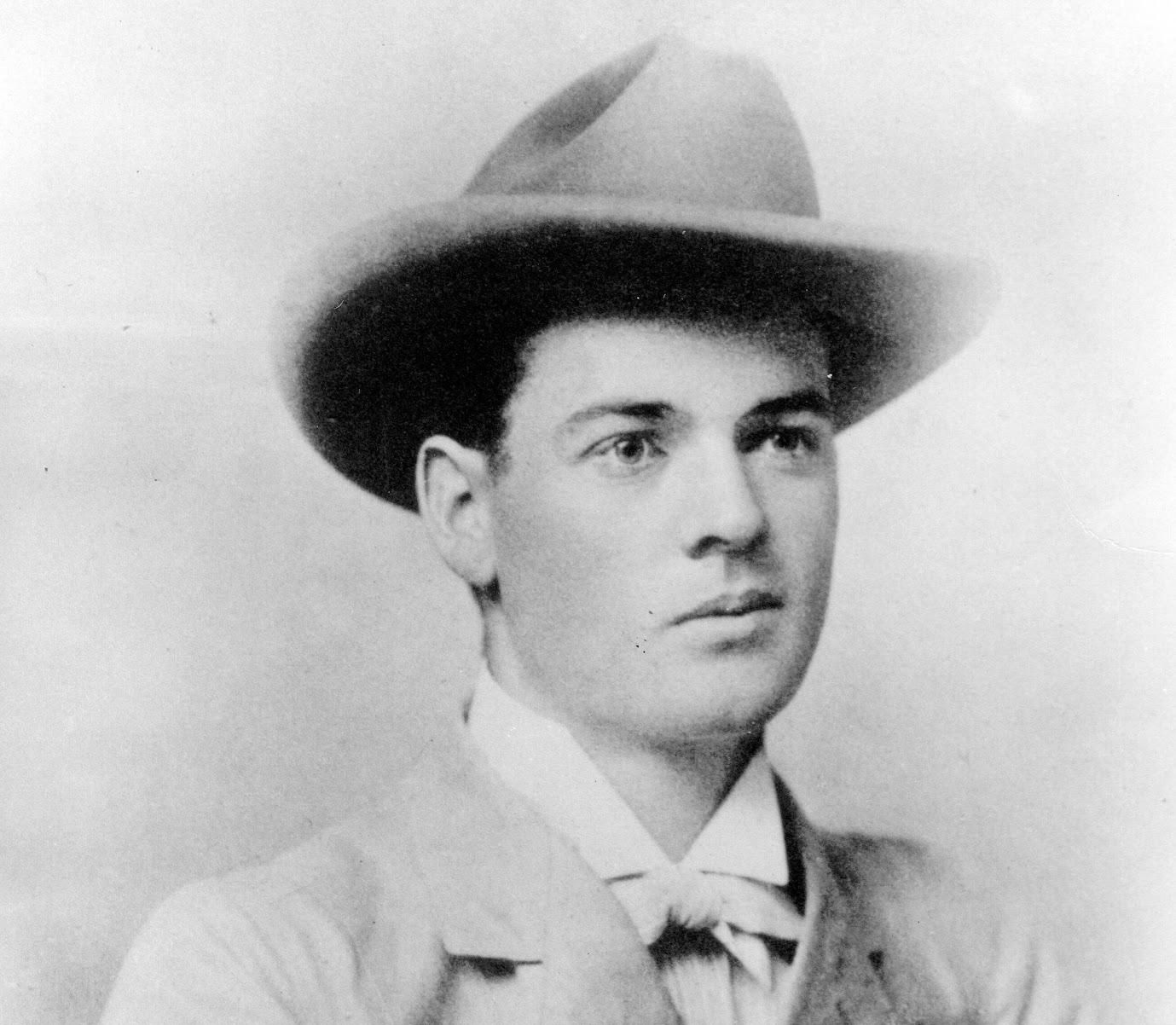
Image: See page for author, Public domain, via Wikimedia Commons

Herbert Hoover’s pre-political life was defined by his career as a world-traveling mining engineer. In the late 1890s, Hoover took a job with the Chinese Engineering and Mining Company, moving to China.

To effectively manage the local operations and navigate the complex social landscape, Hoover and his wife, Lou Henry, learned to speak Mandarin. They became so fluent that decades later, the President and First Lady would speak Mandarin to one another whenever they wanted to have a private conversation in front of White House staff or guests.

3
Andrew Jackson
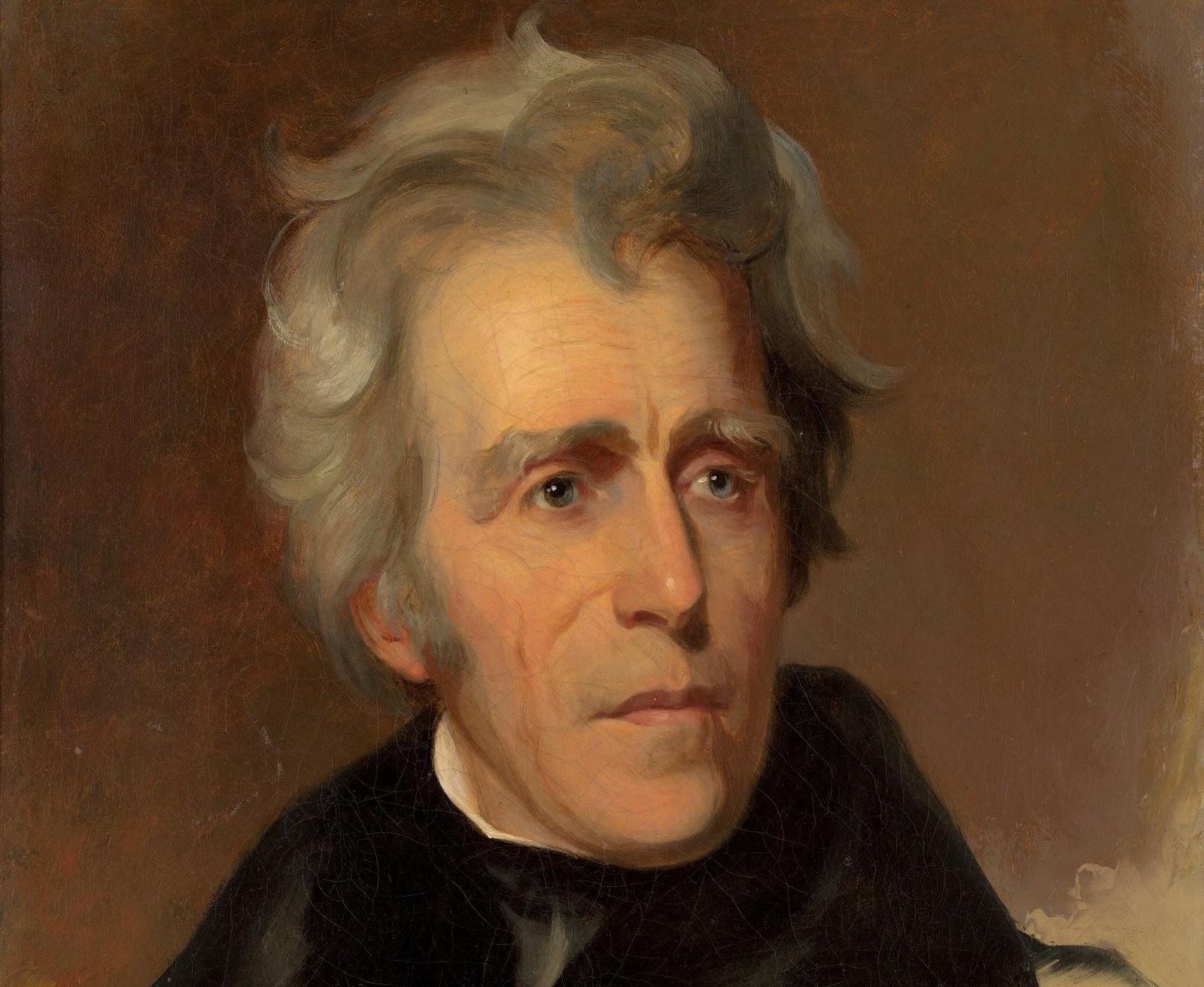
Image: Jengod, CC0, via Wikimedia Commons

Andrew Jackson’s early life was marked by extreme hardship. By the age of fourteen, he had lost his entire immediate family to the Revolutionary War, making him an orphan.

In the early 1780s, a teenage Jackson moved to Salisbury, North Carolina, to survive. There, he apprenticed under a local master craftsman to learn the trade of saddle making. The intense manual labor provided him with a practical trade before he eventually taught himself the law and began his ascent into Tennessee politics.

4
Jimmy Carter
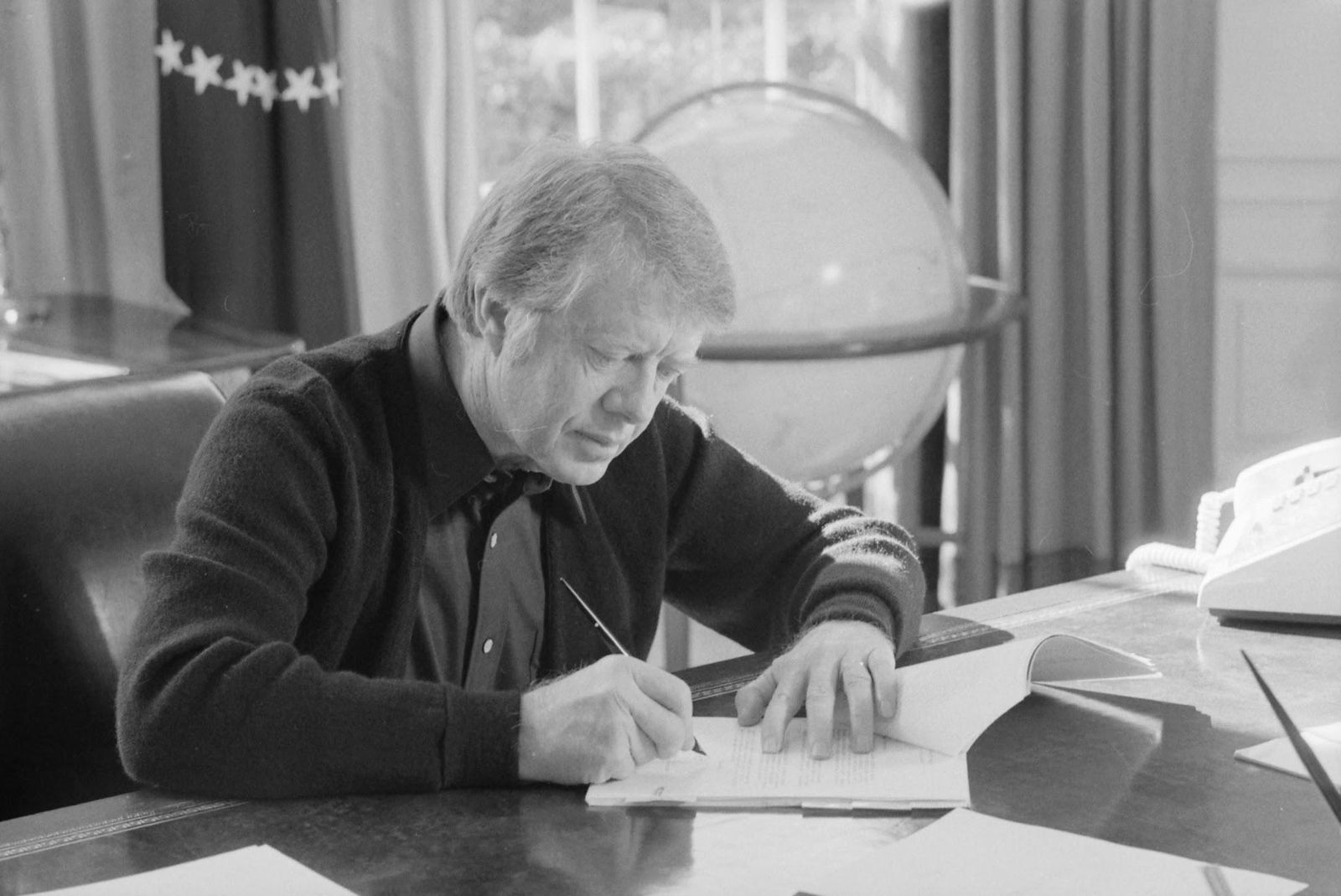
Image: National Archives and Records Administration, Public domain, via Wikimedia Commons

Jimmy Carter’s identity is intertwined with his background as a peanut farmer, but this wasn’t just a casual hobby. After serving as a naval officer, Carter returned to Plains, Georgia, following the death of his father in 1953, to take over the family’s struggling farm.

Faced with severe debts and a local drought, Carter worked the land alongside his laborers. He used his background in engineering to modernize the operation, transitioning it from a basic farm into a successful, tech-forward agribusiness.

5
Ronald Reagan
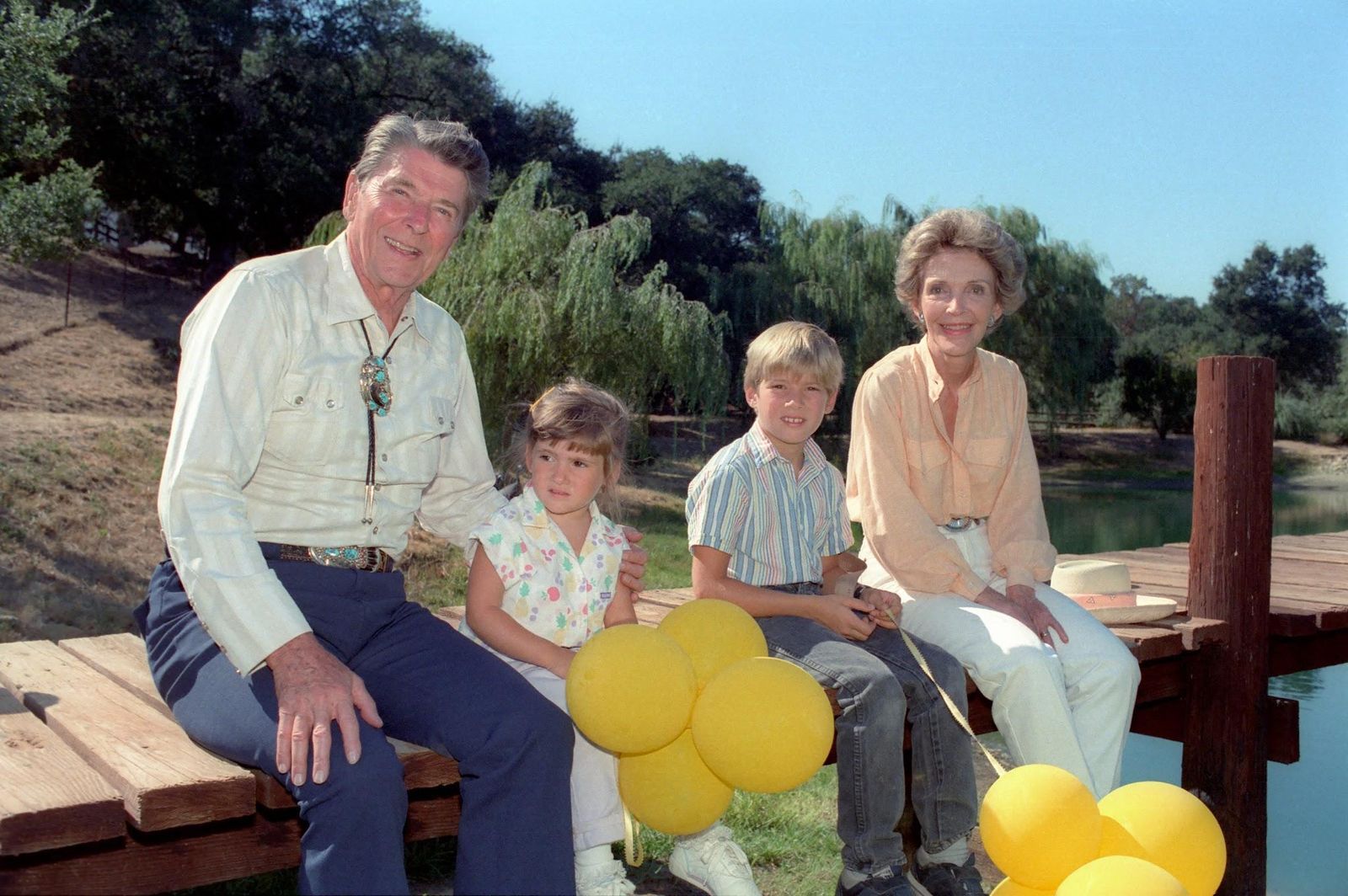
Before he was an actor, governor, or president, a teenage Ronald Reagan spent his summers working as a lifeguard at Lowell Park on the Rock River in Dixon, Illinois. Over the course of seven summers, beginning in 1927, Reagan is credited with saving a staggering 77 lives from the river’s treacherous undercurrents. Reagan took immense pride in this job, famously carving a notch into a nearby log for every single swimmer he successfully pulled from the water.

6
Lyndon B. Johnson
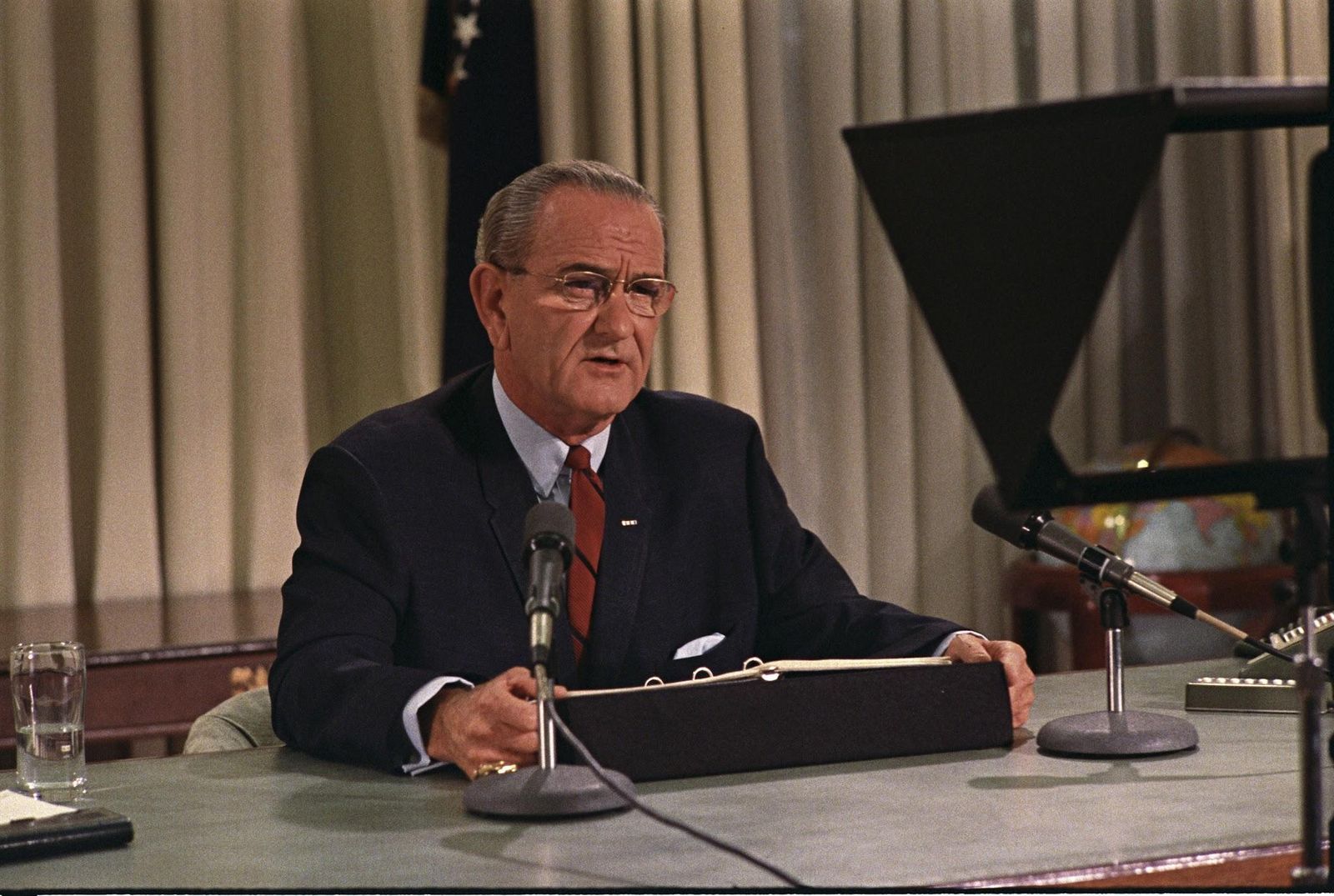
Image: Yoichi Okamoto, Public domain, via Wikimedia Commons

Lyndon B. Johnson was a man driven by ambition, but his youth was spent working a variety of low-wage odd jobs across the American West. After dropping out of school and running away to California in 1924, a young LBJ found himself completely broke.

Among other trades, he took a job as an elevator operator at a hotel in San Bernardino. Standing inside a cramped wooden box for hours on end, opening doors for affluent travelers, gave the future architect of the "Great Society" an up-close look at class distinctions and human behavior.

7
Warren G. Harding
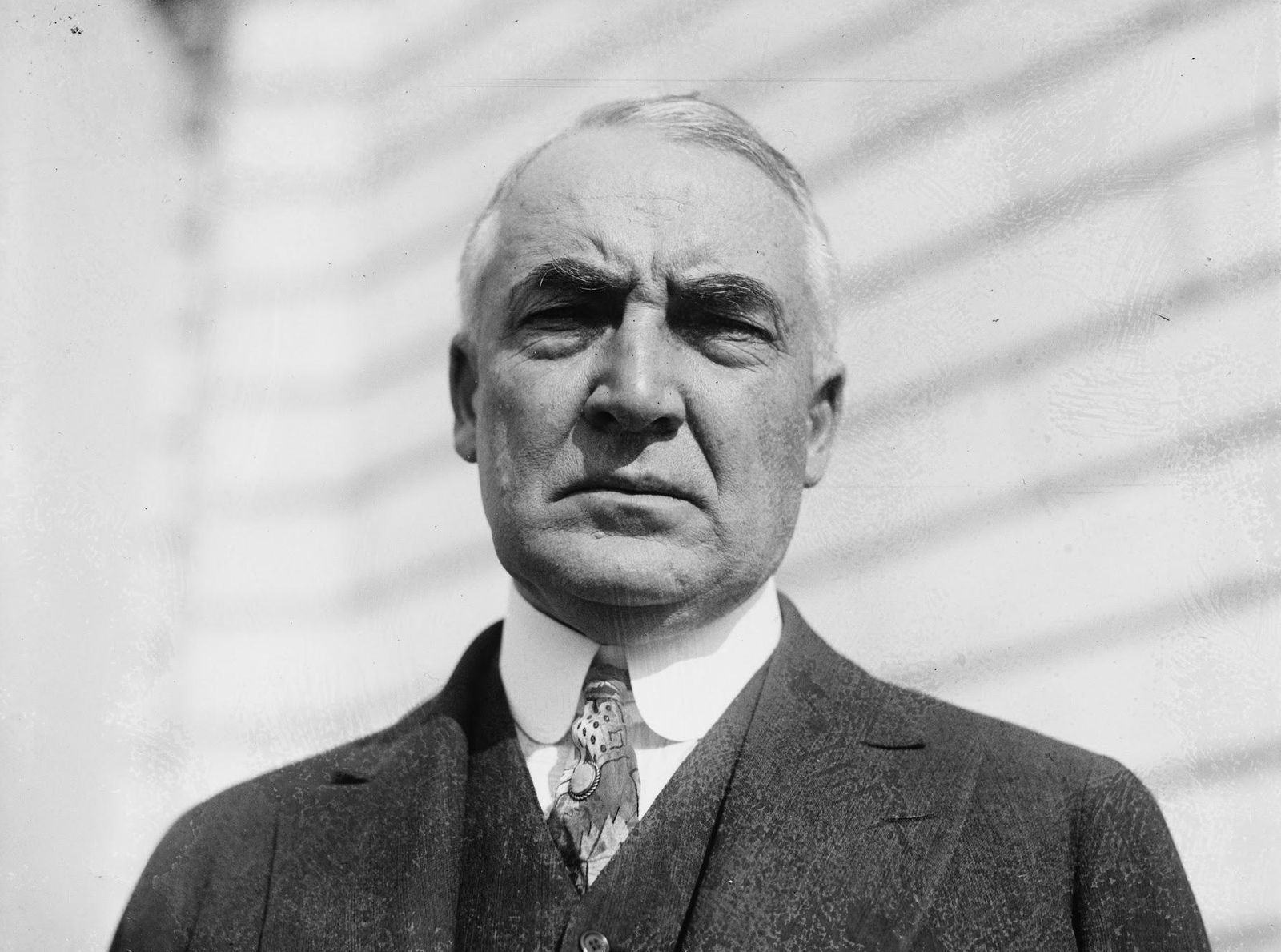
Image: National Photo Company Collection, Public domain, via Wikimedia Commons

Warren G. Harding began his professional career with a profound love for ink and typesetting. In 1884, at just 19 years old, Harding used his meager resources to purchase a failing, defunct local newspaper called the Marion Daily Star in Ohio.

Harding acted as a reporter, ad salesman, and press operator. Under his leadership, the paper grew into a highly profitable business, shaping his communicative style and providing him with the perfect media megaphone to launch his political career.

8
Calvin Coolidge
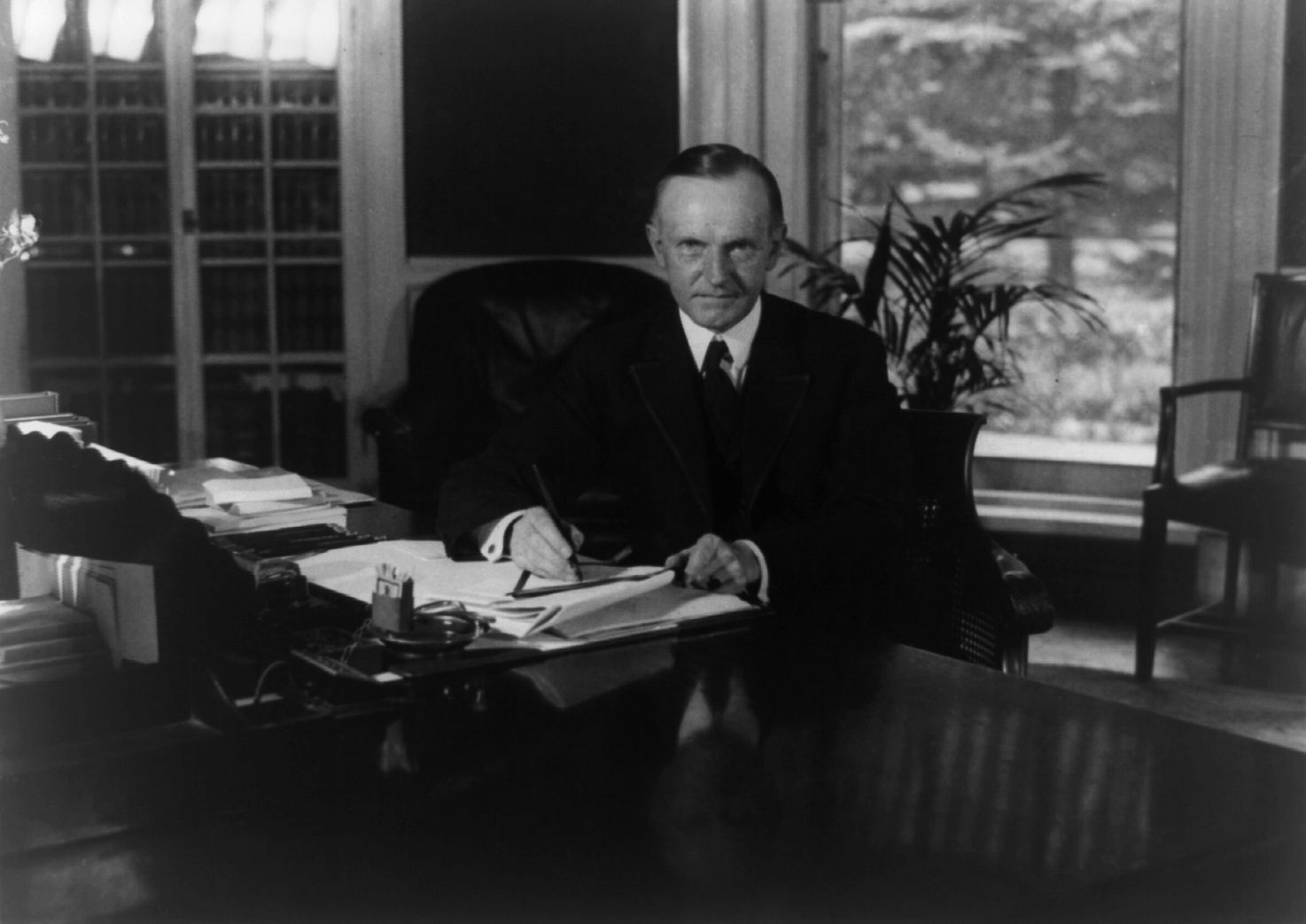
Image: National Photo Company, Public domain, via Wikimedia Commons

Calvin Coolidge was famous for his quiet and incredibly reserved demeanor, earning him the nickname "Silent Cal". It is entirely fitting, then, that one of his earliest jobs during his youth was crafting doll carriages at a toy manufacturing company in Ludlow, Vermont, in the late 1880s. Coolidge treated the position with the same meticulous, serious dedication that he would later bring to the governance of the nation.

9
Barack Obama
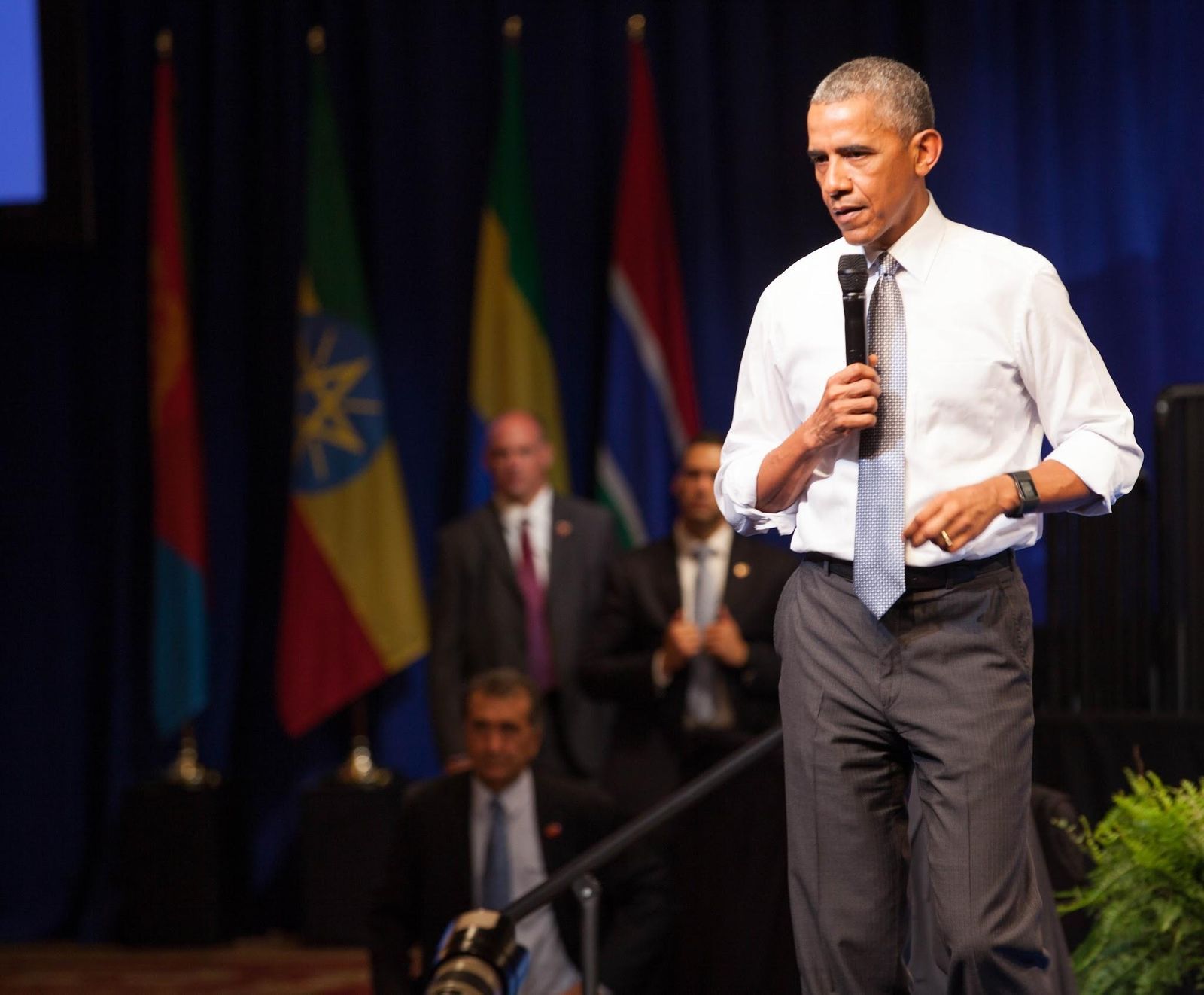
Image: Exchanges Photos, CC0, via Wikimedia Commons

Long before he was dealing with global diplomacy or economic crises, a teenage Barack Obama landed his very first job at a Baskin-Robbins franchise in Honolulu, Hawaii.

In the summer of 1978, Obama spent his days scooping ice cream, a task he later recalled as being far harder on the wrists than people realize. He noted that the job taught him responsibility, hard work, and balancing a job with friends, family, and school. It also had a permanent effect on his palate: he famously admitted that he completely lost his appetite for ice cream for years.

10
Thomas Jefferson
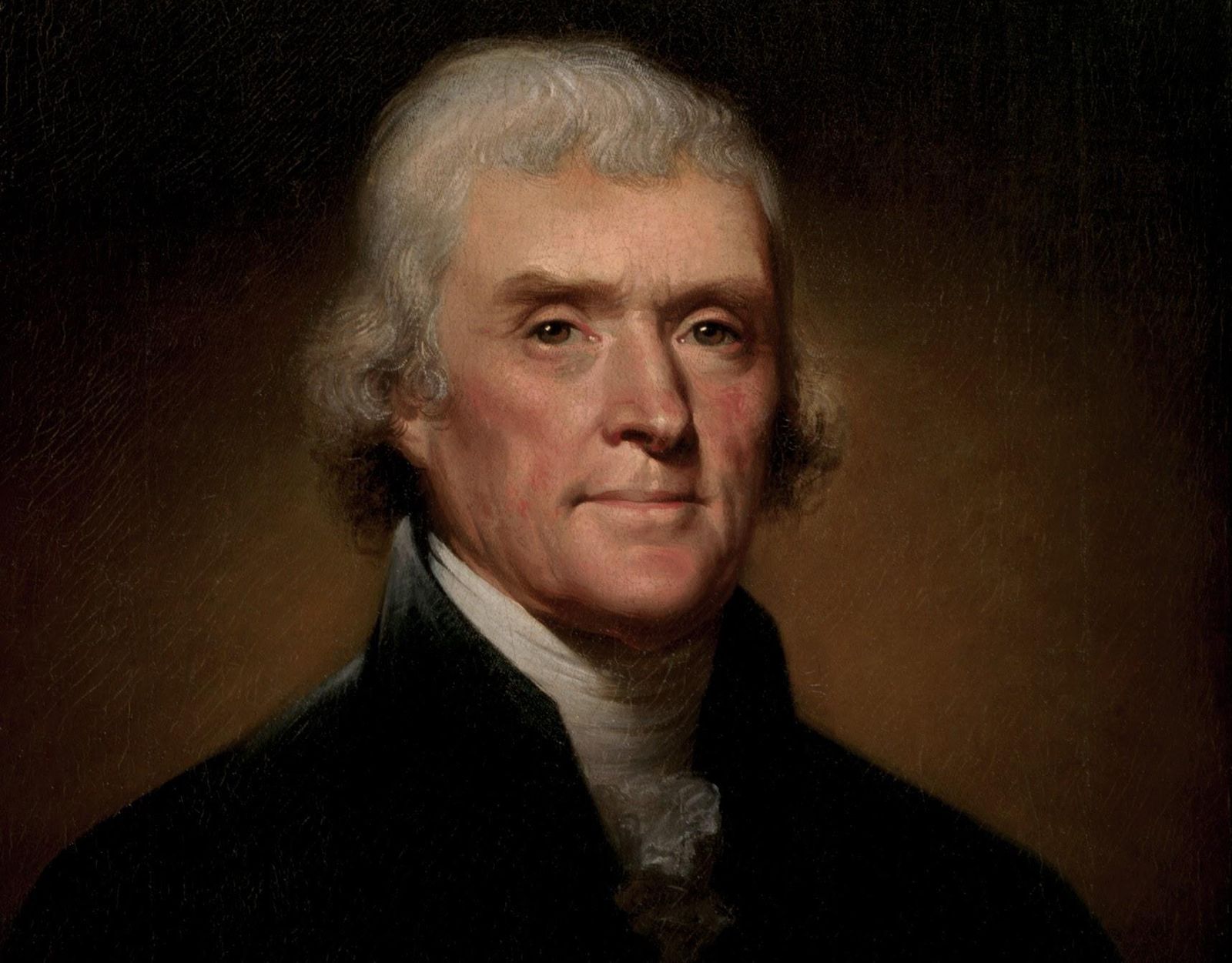
Image: Rembrandt Peale, Public domain, via Wikimedia Commons

Thomas Jefferson was the ultimate Renaissance man, but few realize he holds a legitimate title as one of America's first true archaeologists. In 1784, intrigued by the numerous Native American burial mounds scattered across Virginia, Jefferson decided to investigate one located near his Monticello estate.

Instead of simply digging for artifacts, Jefferson applied a rigorous, scientific method that was decades ahead of its time. He dug trenches to observe the various layers of earth and carefully documented the positioning of human remains. His systematic approach earned him recognition from modern historians as a pioneer of American archaeological science.
Culture Culture 5 min read

Why does Japan eat KFC for Christmas? The answer will shock you!

Image: Nixx Photography

When you think of fast-food royalty, few figures are as universally recognizable as Colonel Harland Sanders. With his iconic white suit, black string tie, and goatee, his image is plastered across tens of thousands of Kentucky Fried Chicken (KFC) locations around the globe. Yet, behind that grandfatherly smile lies a corporate history filled with drama, secret recipes, and unusual marketing decisions. Here are 10 mindblowing facts about KFC and its legendary founder.

1
A rivalry becomes a business success

Image: Unclear, likely someone from the family of Colonel Sanders, Public domain, via Wikimedia Commons

During the Great Depression, Harland Sanders ran a humble Shell station in Corbin, Kentucky. Back then, business was cutthroat, and Sanders found himself in a bitter feud with Matt Stewart, a rival gas station owner who kept painting over Sanders’ highway signs to redirect traffic. After several warnings went unheard, Sanders marched over to confront Stewart.

When Stewart was caught in the act, a physical confrontation quickly escalated. Stewart drew a pistol and shot a Shell manager who was accompanying Sanders, killing him on the spot. Sanders retaliated by firing back and wounding Stewart, who was later arrested and sentenced to prison for murder. With his main competitor safely behind bars, Sanders was able to expand his service station, perfect his pressure-frying method, and ultimately transform his business into a massive commercial success.

2
The KFC you know today exists thanks to Wendy’s

Image: Pavlovska Yevheniia

Although you may view KFC and Wendy’s as distinct competitors, the reality is that the chicken giant owes its structural identity to Dave Thomas, the founder of Wendy’s. In the 1960s, Thomas worked as a head chef and regional manager for the Colonel’s franchises.

He was a marketing whiz who personally convinced Colonel Sanders to star in his own television commercials, cementing his status as a living mascot. Furthermore, Thomas created the iconic red and white striped bucket design. He became so wealthy from his shares and success at KFC that he used his payout to establish his own burger empire, Wendy’s, in 1969.

3
The secret recipe's security

Image: Patcharaporn Puttipon4289

The legendary blend of "11 herbs and spices" is one of the most famously guarded secrets. Did you know KFC keeps the recipe locked inside a top-secret vault at the corporate headquarters in Louisville, Kentucky?

The vault, encased in thick layers of concrete, is protected by motion sensors, security cameras, and 24/7 guards. To ensure the formula is never leaked, KFC splits the production pipeline: two different companies are hired to mix separate halves of the spice blend. Neither company knows the other's ingredients, and a computer system automatically combines the two halves before the seasoning is shipped out to individual franchises.

4
KFC for Christmas in Japan

Image: Tricky_Shark

In the United States, a Christmas dinner consists of roasted turkey or ham. In Japan, however, Nativity food comes in a cardboard bucket. This wild tradition dates back to 1974, sparked by Takeshi Okawara, the manager of the country's first KFC branch.

After overhearing homesick Western expats lamenting how difficult it was to source a holiday turkey in Japan, Okawara launched the national "Kentucky for Christmas" campaign, which exploded into a cultural phenomenon. Today, an estimated 3.6 million Japanese families celebrate Christmas Eve with KFC, with patrons placing their orders months in advance to avoid long lines.

5
Colonel Sanders hated KFC

Image: WayneRay, CC BY-SA 4.0, via Wikimedia Commons

By 1964, 73-year-old Colonel Snaders felt he was no longer cut out for the pace of corporate life. He sold the Kentucky Fried Chicken company to a group of investors for $2 million, under a contract that allowed the brand to continue using his likeness.

As executives changed the original recipes to cut costs, Sanders grew to hate the food KFC was serving. He began travelling the country, showing up unannounced at franchises to taste the food, throw public tantrums, and openly tell the media that the new gravy tasted like "wallpaper paste" or "sludge". He even attempted to open a rival restaurant and sued KFC for using his image, leading the company to counter-sue him. Eventually, KFC paid him an additional million dollars just to stop making public scenes.

6
KFC Double Down

Image: Boyloso

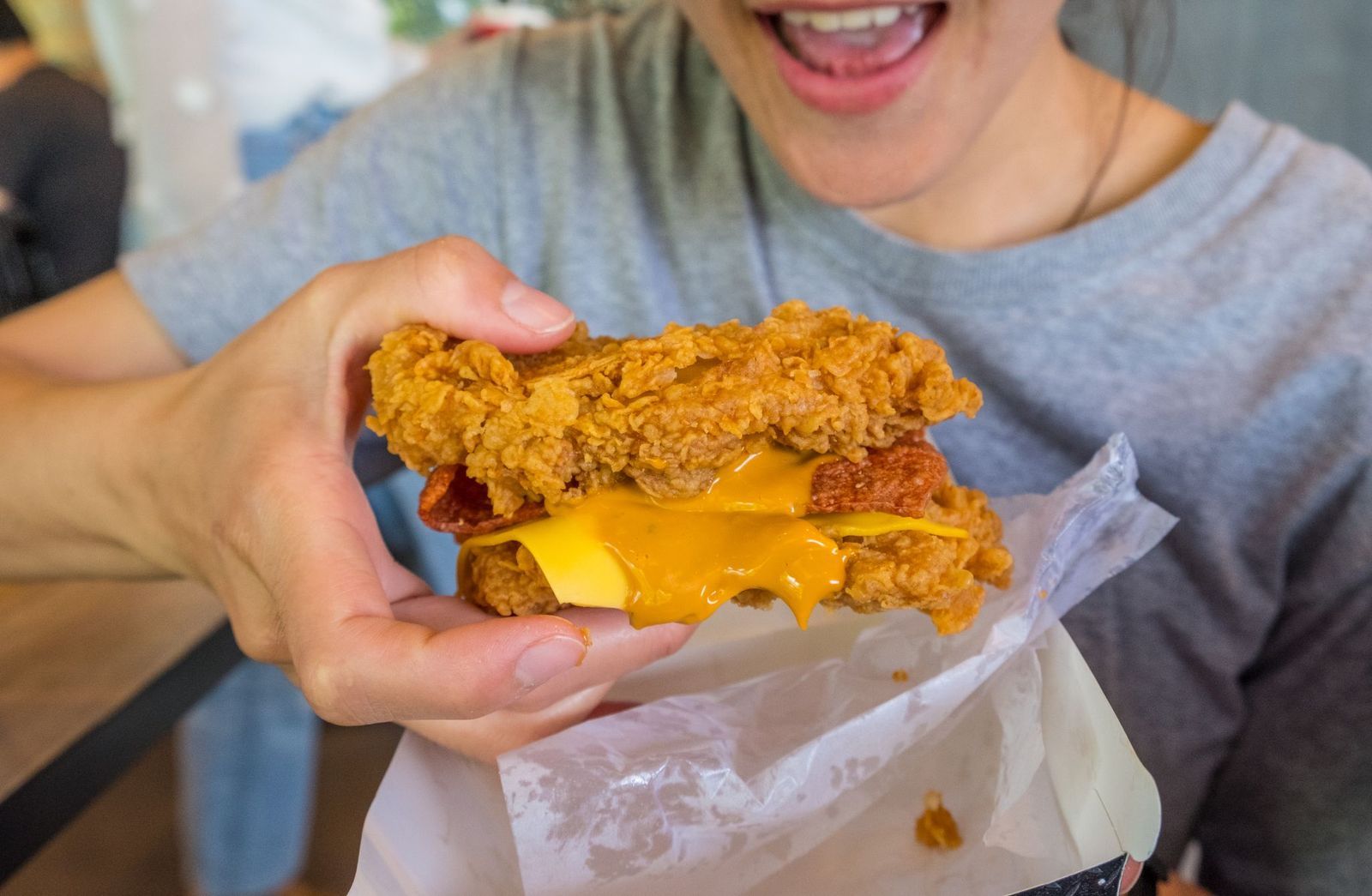
KFC has never been afraid of pushing nutritional boundaries, but in 2010 they certainly hit another level. The Double Down features bacon, Monterey Jack cheese, and a Colonel's special sauce encased between two seasoned, crispy slabs of fried chicken breast instead of bread buns.

The item sparked a media frenzy, with health advocates calling it a dietary disaster and foodies treating it as a dare. Ultimately, it proved to be a commercial hit. As it turns out, when it comes to extreme fast food, consumers are more than willing to ignore the carbs in favor of deliciousness.

7
That time KFC ran out of chicken

Image: richardjohnson

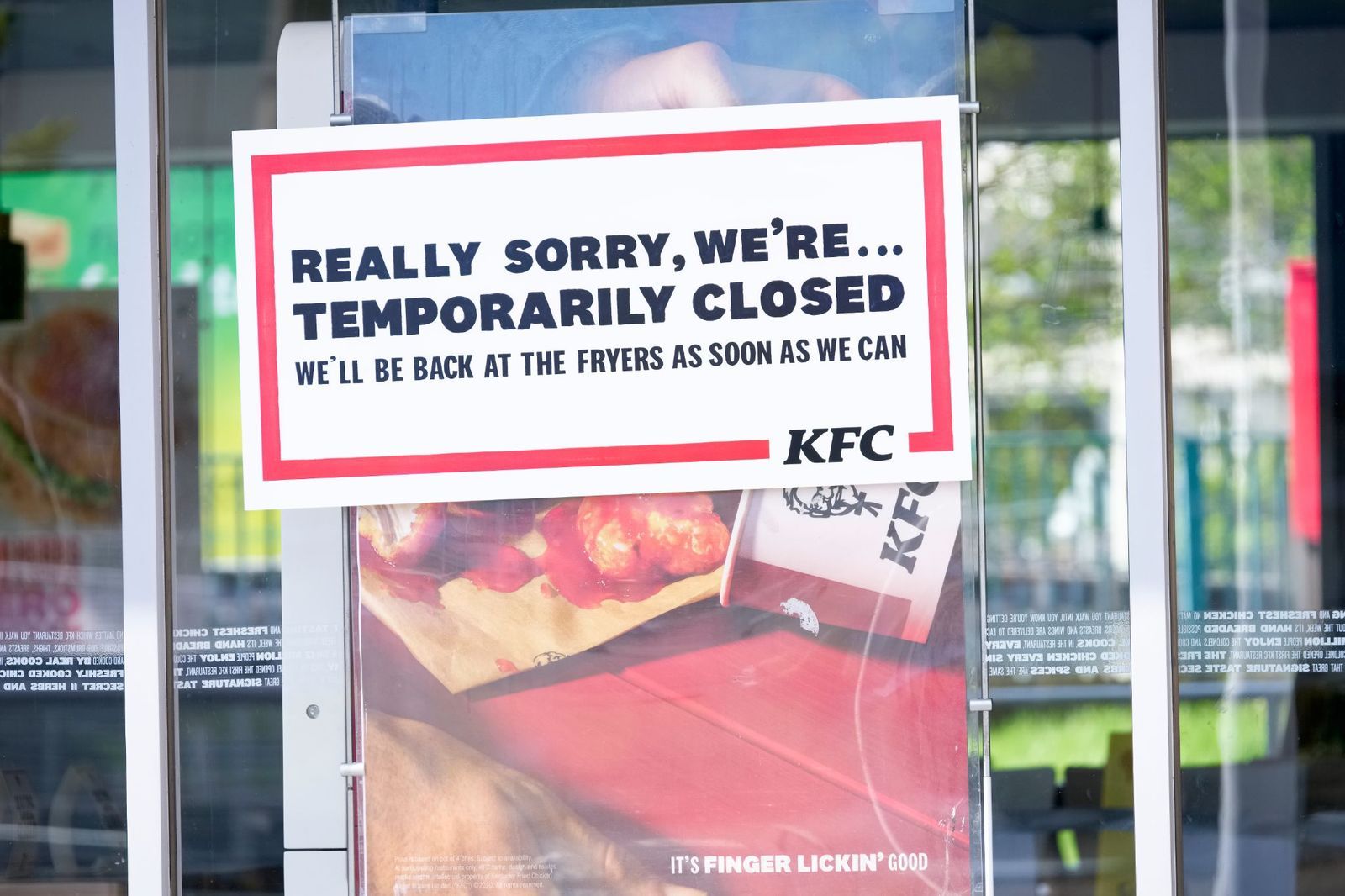
A fried chicken restaurant running out of its main ingredient sounds like a nightmare, but in 2018, it became real for KFC in the United Kingdom. In an effort to optimize logistics and save money, management switched its delivery contract to DHL. The transition went completely wrong, resulting in a supply chain jam that left over 900 UK locations with no chicken to fry.

Hundreds of stores were forced to shut down temporarily, sparking nationwide outrage, with desperate citizens even calling the police to complain. KFC managed to restore its reputation by leaning into self-deprecating humor, purchasing newspaper advertisements that featured an empty bucket rearranged to read "FCK".

8
The problem with the slogan in Chinese

Image: Patcharaporn Puttipon4289

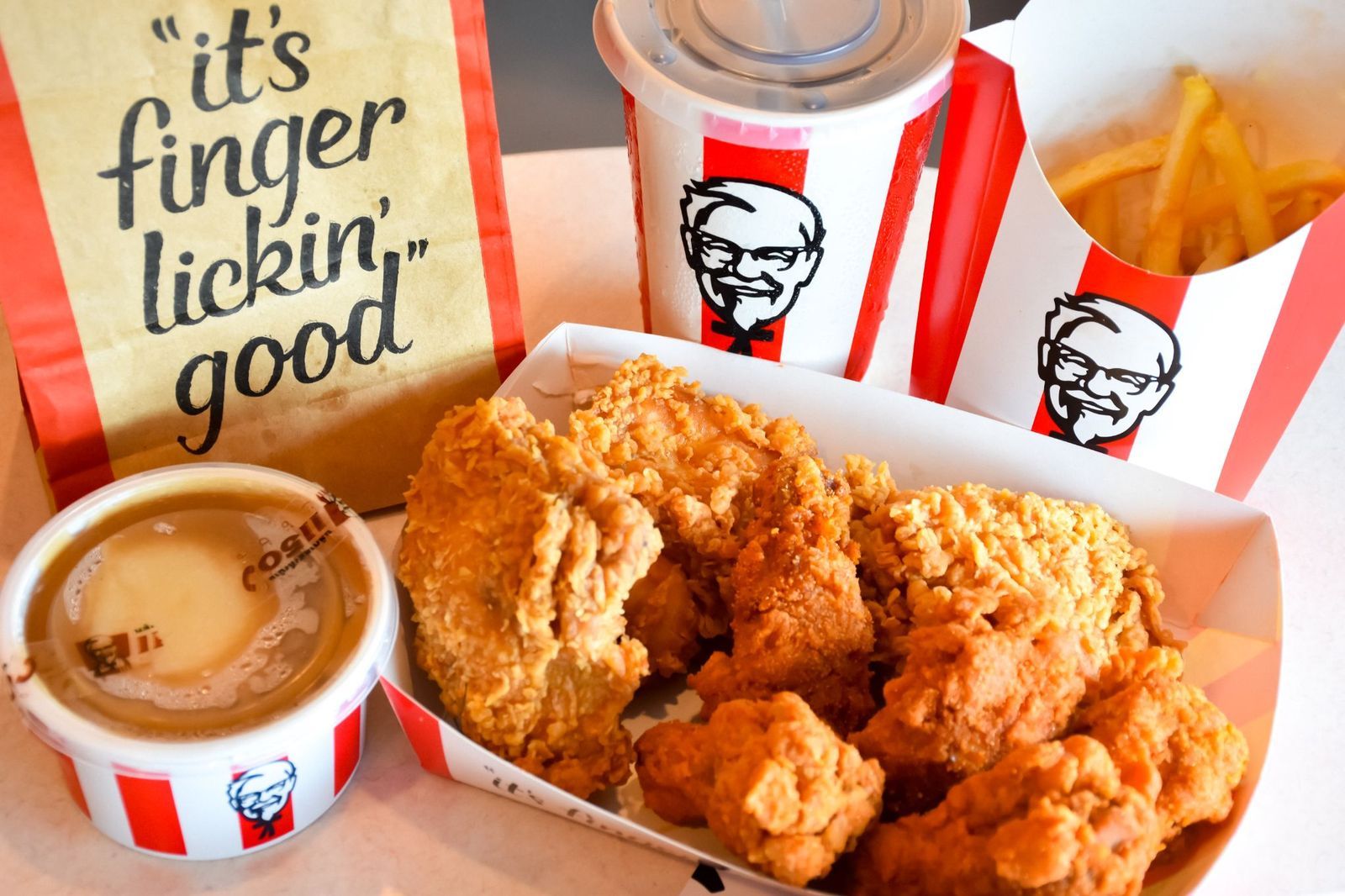
When international fast food brands began expanding into foreign territories in the late 1980s, errors were very common. KFC experienced this firsthand when it opened its first store in Beijing, China, in 1987. The company wanted to proudly display its world-famous catchphrase, "Finger-Lickin' Good", to tempt local diners.

Unfortunately, due to an oversight in Mandarin translation, the slogan was literally translated to "Eat Your Fingers Off". While the phrase initially startled and amused local consumers, the brand quickly corrected the translation mishap to something more culturally appropriate and appetizing.

9
KFC's video game

Image: Ratana21

Decades after the Colonel’s passing, KFC’s marketing division decided to lean into modern internet subcultures. In 2019, the brand shocked the gaming community by releasing an official, anime-style video game titled I Love You, Colonel Sanders! A Finger Lickin’ Good Dating Simulator.

Developed as a visual novel, the free game places the player in a culinary school alongside a young and handsome romanticized version of Colonel Sanders. The goal of the game is to successfully navigate cooking school battles while attempting to woo the chicken chef. Against all odds, the game became a viral sensation.

10
KFC releases its own console

Image: Pixel-Shot

Following the unexpected success of their video game, KFC’s marketing team announced the KFConsole in 2020. Many assumed it was an April Fool’s joke, but it turned out to be a genuine gaming PC.

The most bizarre feature of the console is its custom "Chicken Chamber". This specialized compartment uses the heat generated by the computer’s internal components to keep pieces of fried chicken warm and crispy while you play video games.

History History 4 min read

Weird America

Prepare to be shocked: these 10 American mysteries remain unsolved

Image: Susan Q Yin

Everyone loves a good mystery, and American history is teaming with fascinating examples. From vanished aviators to secret codes and missing treasures, these real stories have puzzled experts for decades. Some are dark, others simply strange, but all remain open chapters in our past. Take a look at the following 10 unsolved mysteries. Which ones did you already know?

1
The disappearance of Amelia Earhart (1937)

Image: Job Vermeulen

The first entry on our list is dedicated to a world-renowned flight pioneer, Amelia Earhart, who vanished while attempting to become the first woman to fly around the globe , leaving behind only fragments of her plane and endless speculation. Radio failure, poor visibility, and fuel issues are speculated to be contributing factors to her disappearance.

Even with modern technology and repeated searches, no one has ever found definitive proof of what happened to Amelia or her aircraft.

2
The D.B. Cooper hijacking (1971)

Image: Christine Trefalt

In 1971, Dan Cooper, a seemingly quiet man, boarded a plane in Portland, Oregon, which he promptly hijacked when the aircraft was in the air. He demanded $200,000 over the radio.

The plane landed in Seattle, where authorities met his demands. Cooper released all 36 passengers in exchange for the cash and parachutes. He then ordered the remaining crew to fly toward Mexico City at a low altitude and slow speed. Somewhere over southwest Washington, he lowered the aircraft's aft stairs and jumped into the freezing night, never to be seen again.

3
The disappearance of Jimmy Hoffa (1975)

Image: Pavel Inozemtsev

The powerful union leader left a Detroit restaurant in 1975 and simply vanished . Witnesses last saw him standing by his car in the restaurant’s parking lot, and investigators believe he was coaxed into a car by people he recognized, thinking the meeting location had changed. He was never seen again. Searches in fields, lakes, and construction sites turned up nothing. To this day, it remains one of the most famous unsolved mysteries in American history.

Rumors range from mob connections to government cover-ups, but none have been proven. Ever since then, Hoffa’s name has become shorthand for anything that disappears without a trace.

4
The Yuba County Five (1978)

Image: Sebastian Unrau

In what came to be known as "America’s Dyatlov Pass", five friends vanished after attending a basketball game in the town of Chico, California. Months later, the bodies of four members of the group were found in the mountains under mysterious conditions .

The remaining member of the original party was never located, and their strange route into deep snow remains unexplained.

5
The Sodder Children (1975)

Image: Marita Kavelashvili

A fire destroyed the Sodder family home in West Virginia, but five children were never found among the remains of the house. Because of physical inconsistencies at the scene and strange sightings afterward, the family always believed they survived.

Over the years, strange sightings and letters fueled hope and confusion alike, but no real evidence has ever been found. Because of these clues, the Sodders never held a funeral and instead famously erected a billboard on Route 16, offering a reward for information and keeping the case in the public eye for decades.

6
The Springfield Three (1992)

Image: David Holgerson

On a warm summer night in 1992, Sherrill Sherrill Levitt, her daughter Suzie, and Suzie's friend Stacy vanished from their home in Springfield, Missouri, leaving behind their cars, purses, and even the family dog .

Friends arriving the next morning found the house empty but unlocked. Despite thousands of leads, no evidence or remains have surfaced. The case remains one of the most talked-about disappearances in small-town America to this day.

7
The Gardner Museum Heist (1990)

Image: Dannie Jing

Back in 1990, two men dressed as police officers entered Boston’s Isabella Stewart Gardner Museum and stole 13 works of art worth over $500 million .

No piece has ever been recovered. Empty frames still hang on the museum walls, a quiet tribute to one of history’s most expensive thefts.

8
The Max Headroom broadcast hijack (1987)

Image: Rubenz Arizta

1980s television viewers might remember Max Headroom as a somewhat clumsy computer AI TV personality and ad spokesperson. In 1987, Chicago viewers were startled when a strange figure wearing a Max Headroom mask interrupted TV broadcasts with odd messages .

The stunt lasted only seconds, but no one was ever caught or identified. It remains one of the strangest unsolved moments in television history.

9
The Great Lakes ghost ships

Image: Kyle Larivee

Over the years, s everal ships have vanished or been found adrift on the Great Lakes , their crews gone without explanation. Cold weather, sudden storms, and superstition all play roles in the stories, but some cases defy logic. The vast inland seas are simply too big to be accessible with the current technology.

Among the most notable unsolved cases, we can mention Le Griffon, a ship that vanished during her maiden voyage in 1679, the SS Banockburn, known as the "Flying Dutchman of Lake Superior," disappeared during a storm in 1902, or the SS Chicora, a luxury steamer lost in a violent winter gale while carrying a cargo of flour, in 1895.

10
The Dulce Base Mystery

Image: Pict4life

Beginning in the 1970s, a constant array of strange lights, unmarked aircraft, and talk of secret tunnels near the town of Dulce has fueled decades of conspiracy theories in this otherwise quiet area to this day.

While skeptics blame radar tests or imagination, locals still report odd sightings in the desert skies.

Explore more American facts

Choose your favorite category!

General
General

As American as apple pie—the very best America has to offer!

Culture
Culture

Delve into the astounding richness of American lore.

Geography
Geography

Hop in and explore vast and diverse American landscapes.

History
History

Discover the key moments that shaped the United States.