What you probably didn't know about Harriet Tubman
Image: StockMediaSeller
This country’s history has been deeply shaped by influential women in every field. Many things we now take for granted exist thanks to the effort and courage of women like Rosa Parks and her unwavering fight in the civil rights movement; aviator Amelia Earhart , who demonstrated that women could excel in male-dominated fields; or Harriet Tubman and her heroic acts freeing enslaved people on the Underground Railroad. Let’s pay tribute to these 10 American women who changed the course of history.
1
Rosa Parks
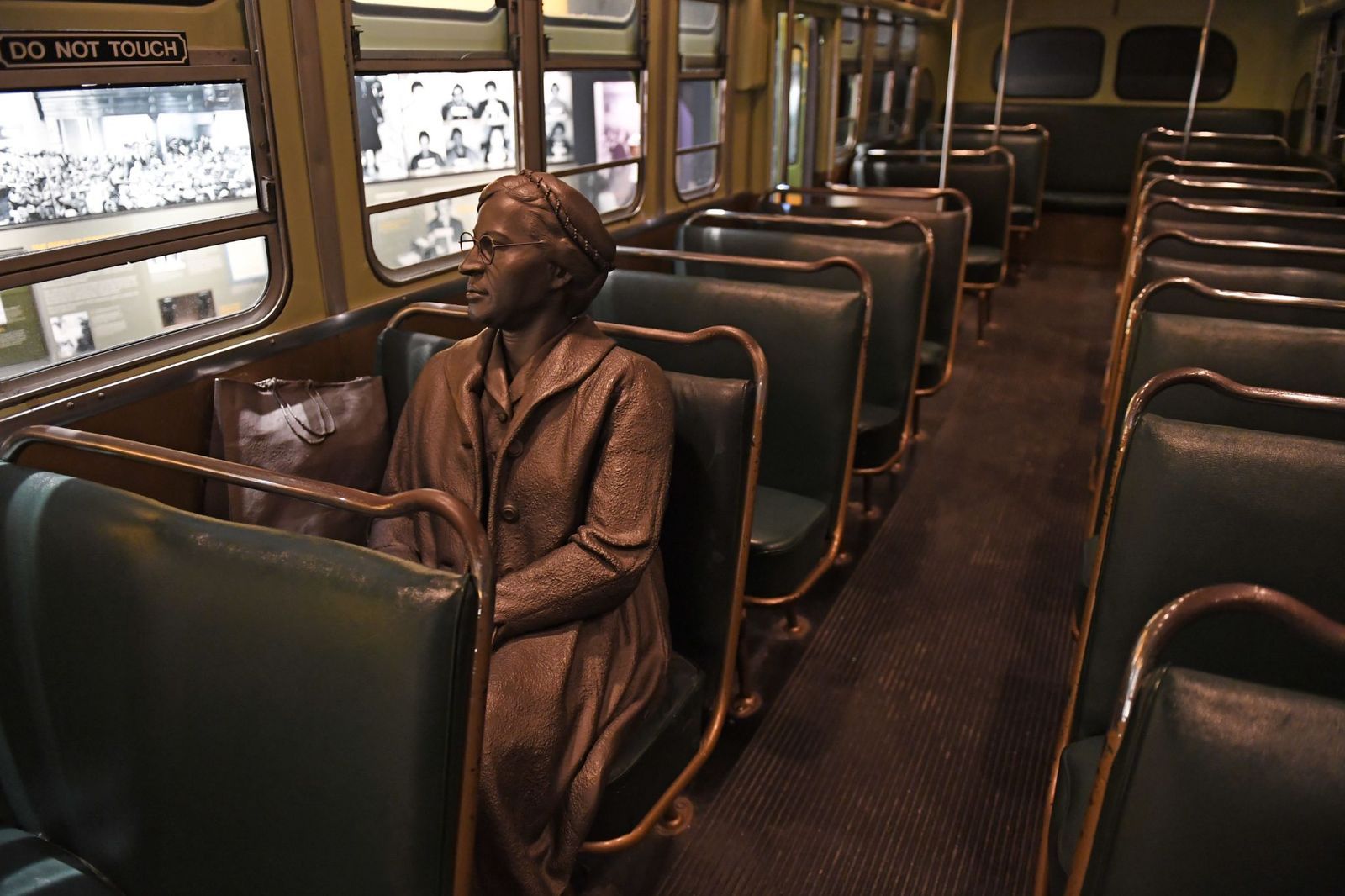
Amid the fight against racial segregation in 1955, activist Rosa Parks rebelled against authority in an act of courage that went on to become a defining moment in America’s Civil Rights history . She was sitting on a bus alongside three other Black passengers when the driver asked them to give up their seats so a white passenger could sit. Parks refused to do it and was arrested.
This single act of bravery triggered the Montgomery Bus Boycott, which not only helped bring Martin Luther King Jr. to national prominence but also helped put pressure on the U.S. Supreme Court, which later upheld a lower court ruling that segregation on Montgomery’s public bus was unconstitutional.
2
Amelia Earhart
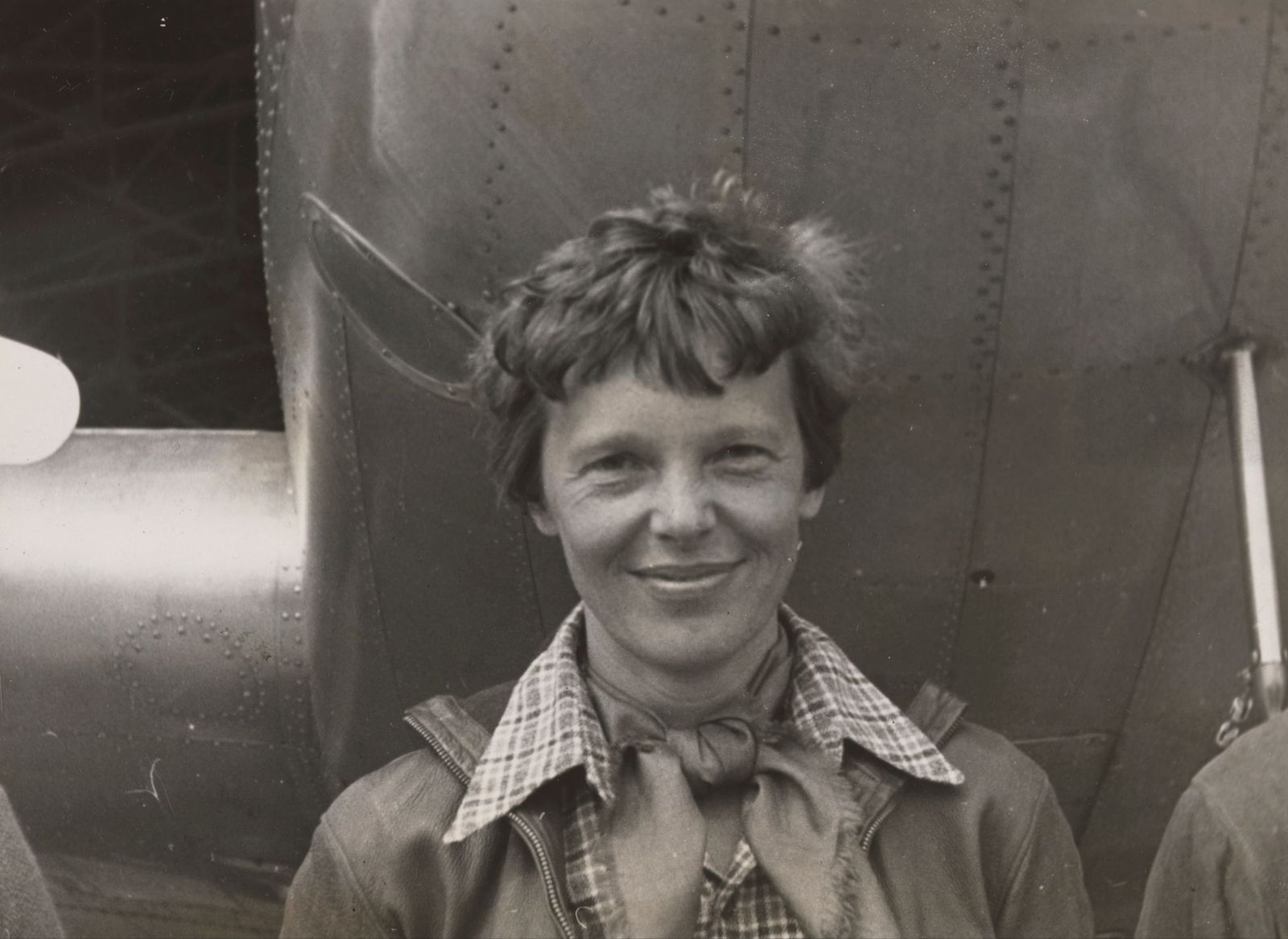
Looking back at Amelia Earhart's story is fascinating, but understanding the context in which she achieved those feats is even more incredible. She broke aviation records at a time when women were still not socially accepted in male-dominated fields .
Earhart became the first woman ever to fly solo across the Atlantic Ocean in 1932, the first woman to fly solo nonstop across the U.S., and the first person to fly solo from Hawaii to California. Earhart tragically disappeared in 1937 during an attempt to become the first woman to fly around the world, though her legacy inspired countless people to pursue their dreams no matter their gender.
3
Harriet Tubman
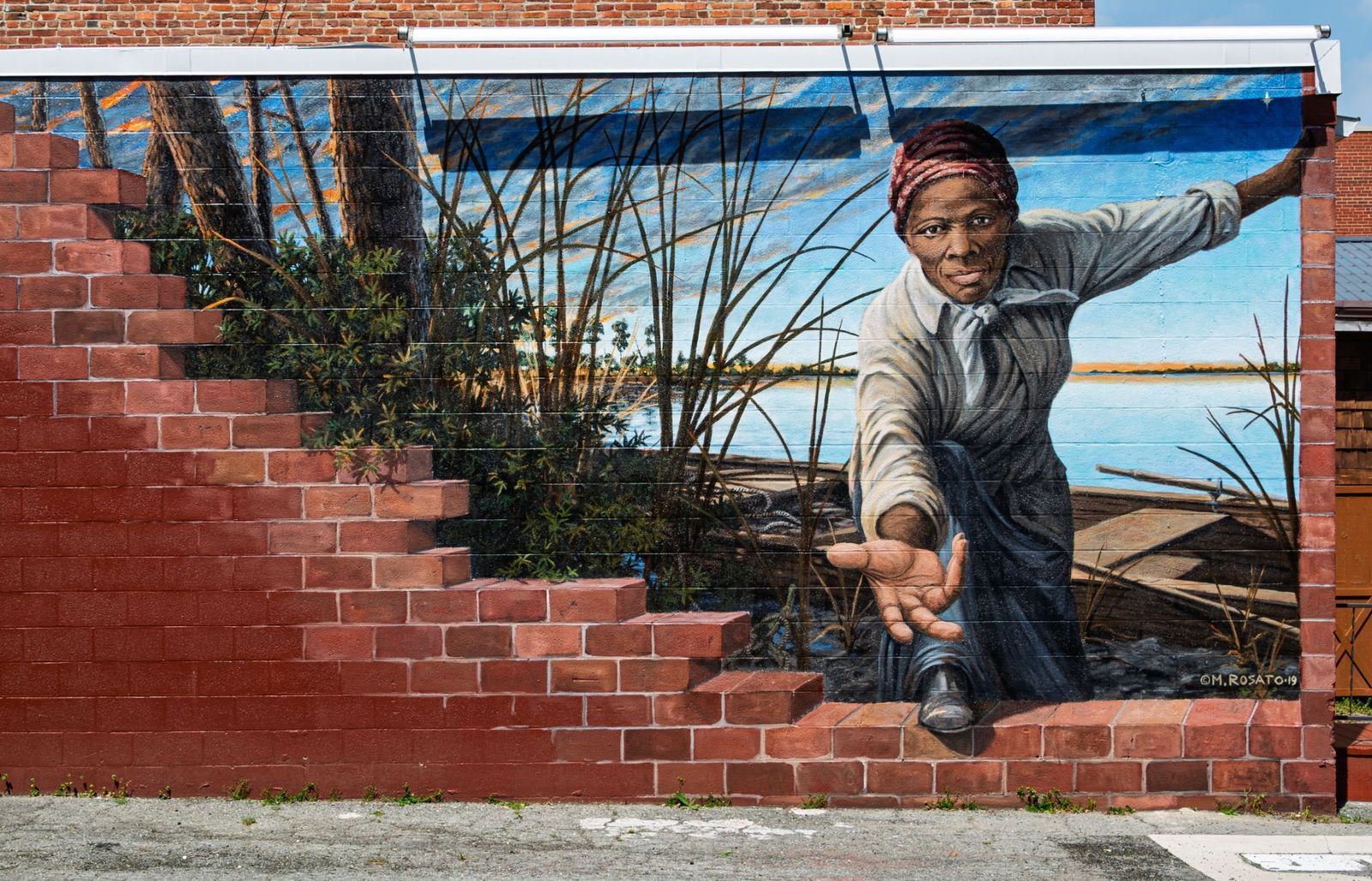
Harriet Tubman's life story is one of the clearest examples of heroism in this country’s history. She not only rejected the life she had been forced to live as an enslaved person and escaped to Pennsylvania in 1849, but she also gave up the safety she had found in the North and returned to the South to continue fighting for her people’s freedom .
Tubman is mainly known for being one of the conductors of the Underground Railroad, a secret network that helped thousands of enslaved people escape to the free states and Canada. She also worked for the Union Army during the Civil War and became involved in the women's suffrage movement afterwards.
4
Helen Keller
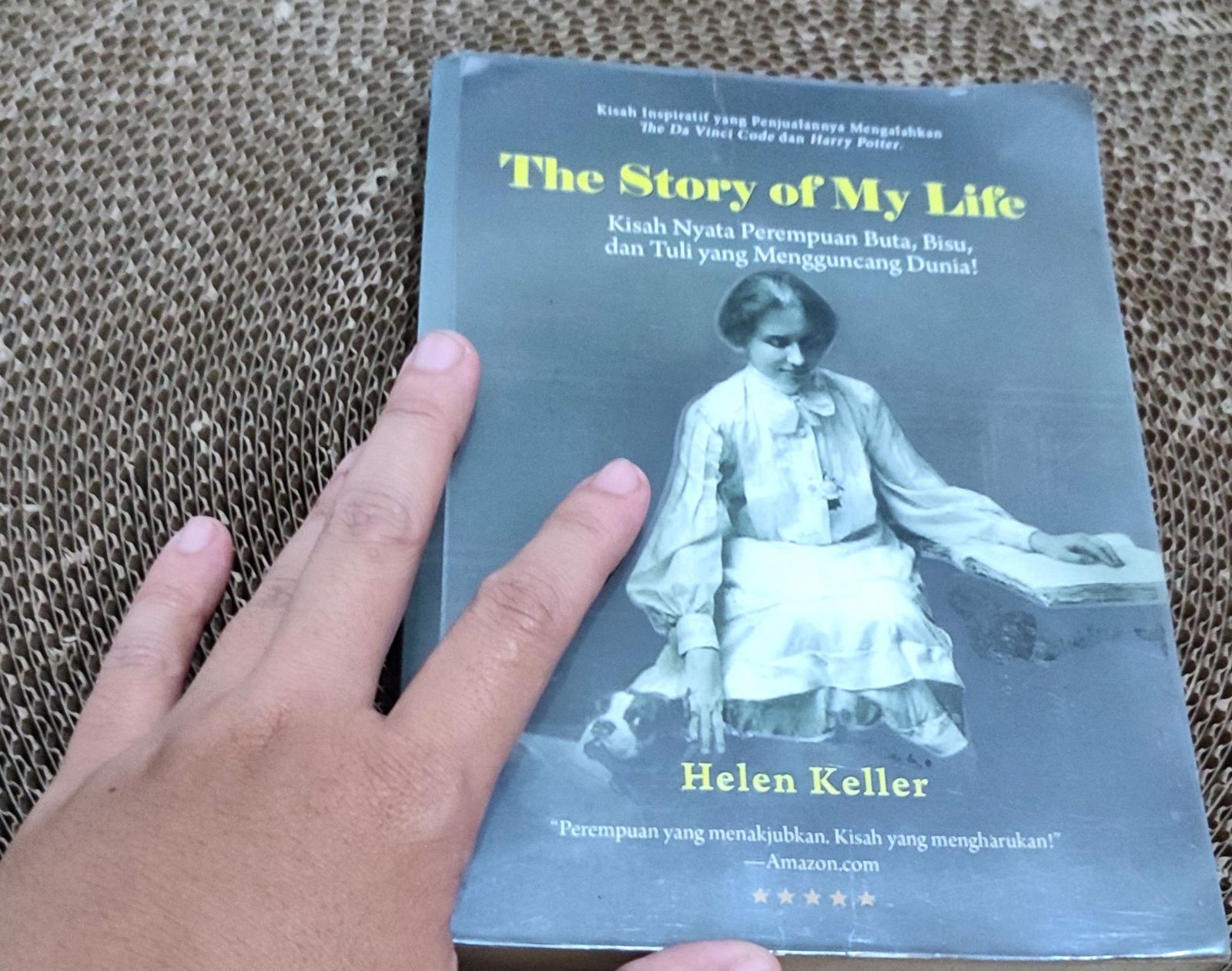
How did a young girl who had lost both her sight and hearing due to a terrible illness become an accomplished writer, speaker, and activist? It all started with her teacher, Anne Sullivan, and her revolutionary approach by which she taught Helen to communicate using fingerspelling, relying on manual finger-spelling pressed directly into the girl’s palm.
This enabled Keller to learn Braille later and eventually speak, but that wasn’t enough for her, and she also went on to become the first deafblind person to earn a bachelor’s degree in 1903 (at Radcliffe College). Her story is not only about overcoming barriers, but about helping and inspiring others in similar situations to overcome them.
5
Susan B. Anthony
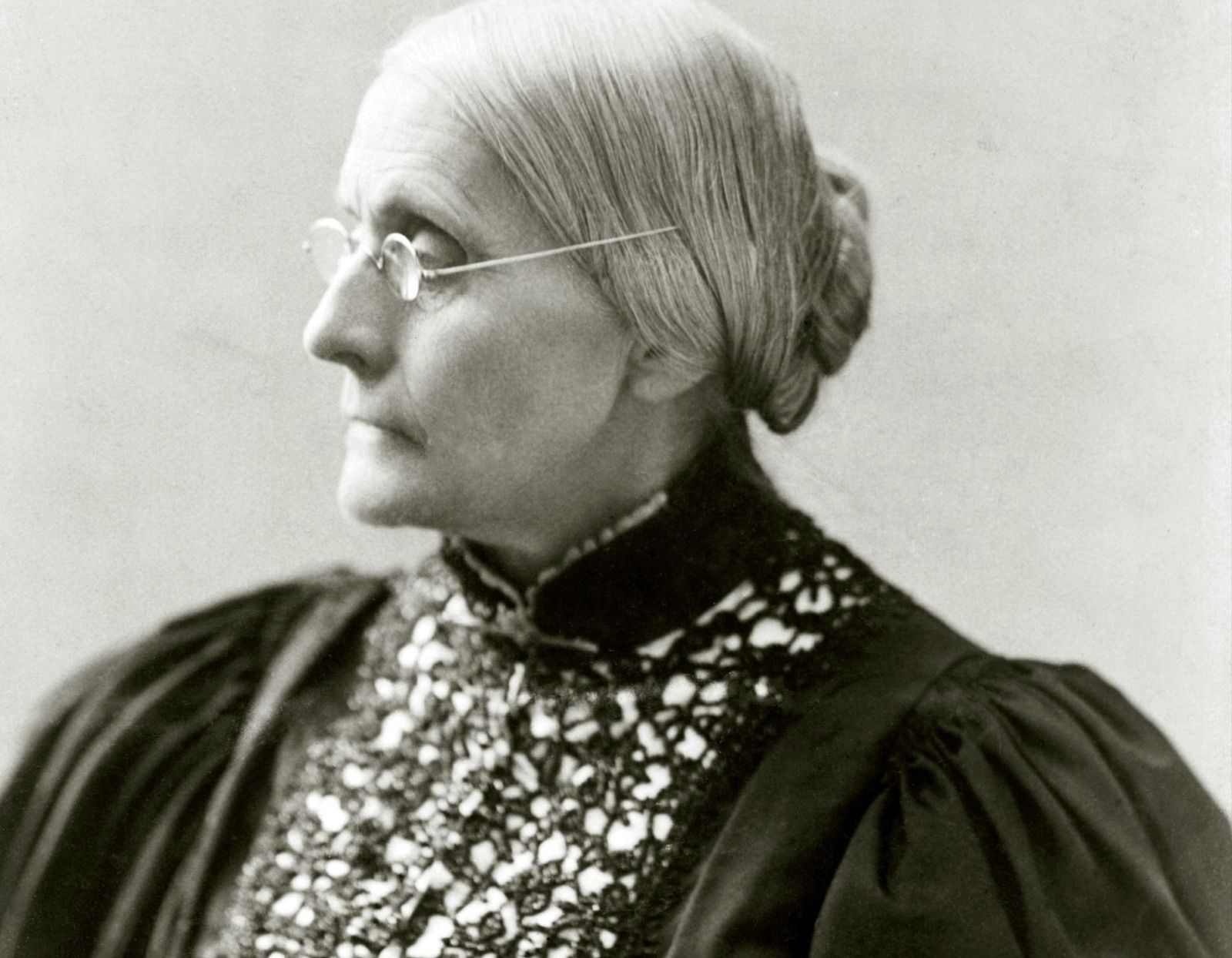
When it comes to the women’s suffrage movement, Susan B. Anthony is a name that stands out. She was a relentless civil rights activist who challenged authority regardless of the consequences. In 1872, she deliberately voted in the presidential election even though women were not legally allowed to, and was arrested and tried.
She fought for women’s rights until her final days and, unfortunately, didn’t live long enough to see the fruits of her work, which came in 1920 with the ratification of the 19th Amendment, fourteen years after her death at age 86.
6
Eleanor Roosevelt
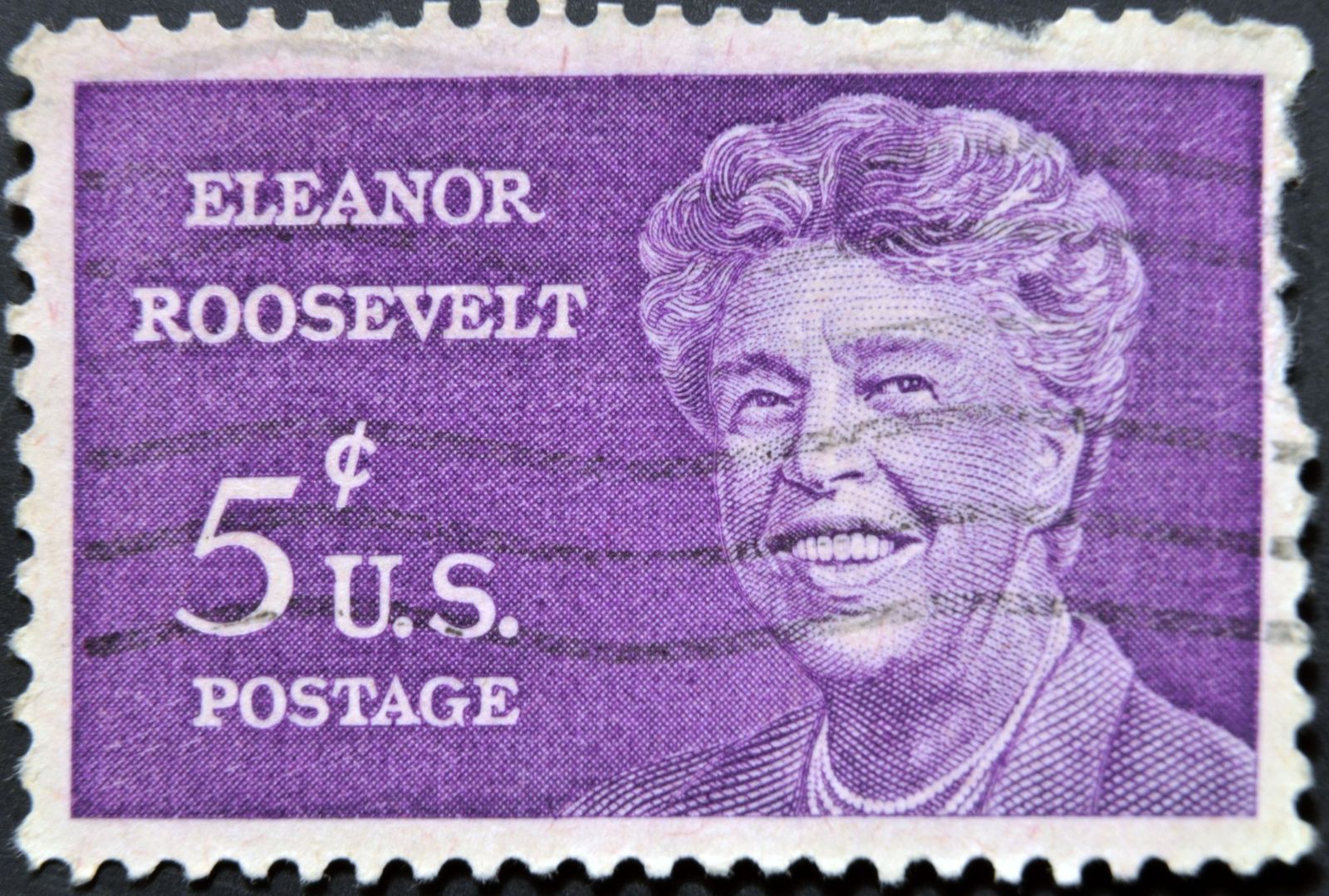
The First Lady who stepped up and refused to just be in the background : that’s Eleanor Roosevelt, someone who transformed her socially expected passive role into a much more active platform for social causes.
Using her position as a First Lady (from 1933 to 1945), she advocated for civil rights, women’s rights, workers’ rights, and the rights of people living in poverty, challenging the status quo. Among the many causes she participated in, Eleanor also chaired the UN Commission on Human Rights and played a key role in drafting the 1948 Universal Declaration of Human Rights.
7
Clara Barton
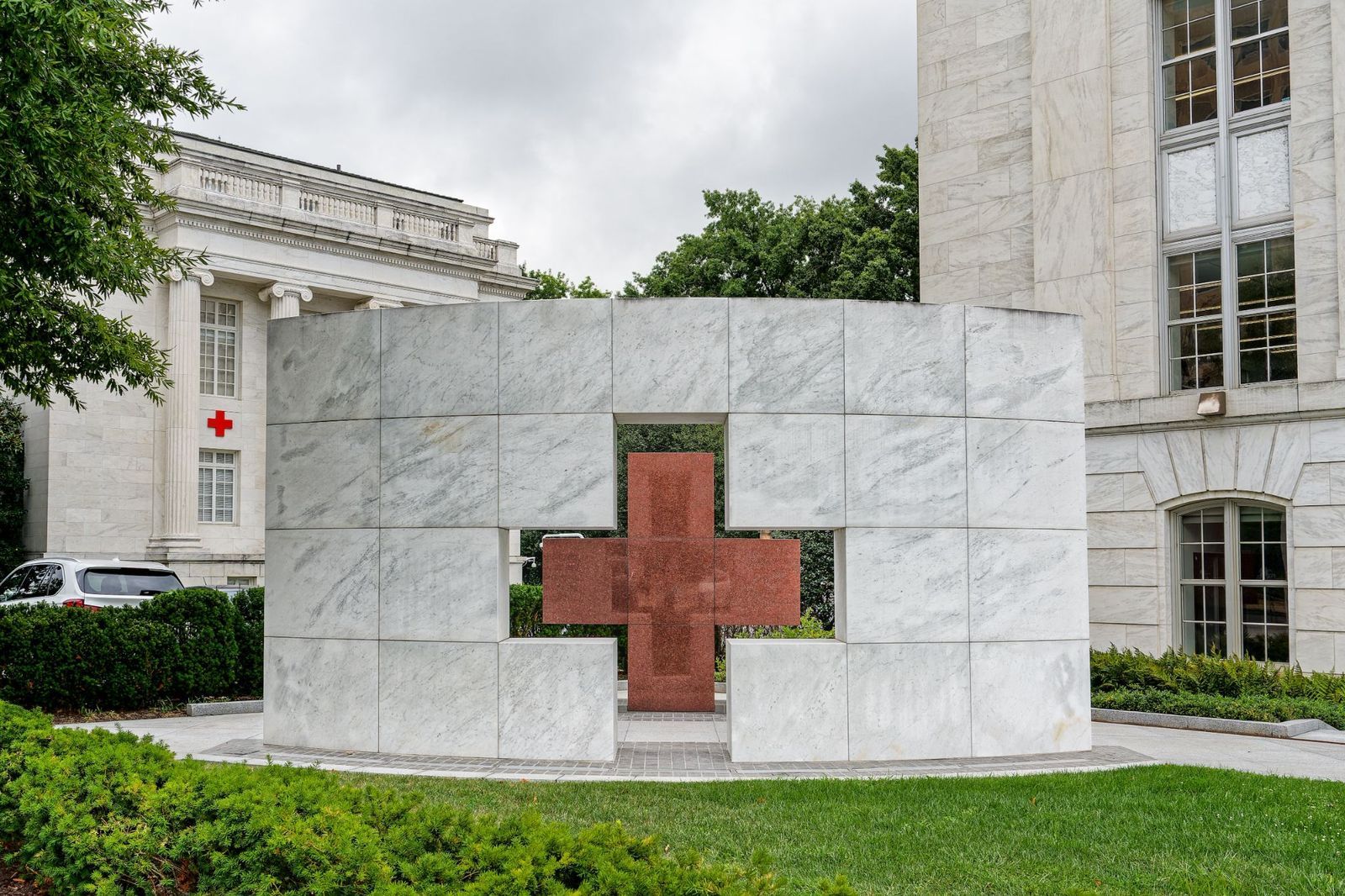
Clara Barton, aka "The Angel of the Battlefield," was a central figure during the Civil War and was later responsible for saving thousands of lives through the creation of the American Red Cross .
She helped wounded soldiers, collected and distributed medical supplies to Union soldiers, and even went directly onto battlefields to care for troops. And after the war, she dedicated her life to helping people affected by disasters.
8
Maya Angelou
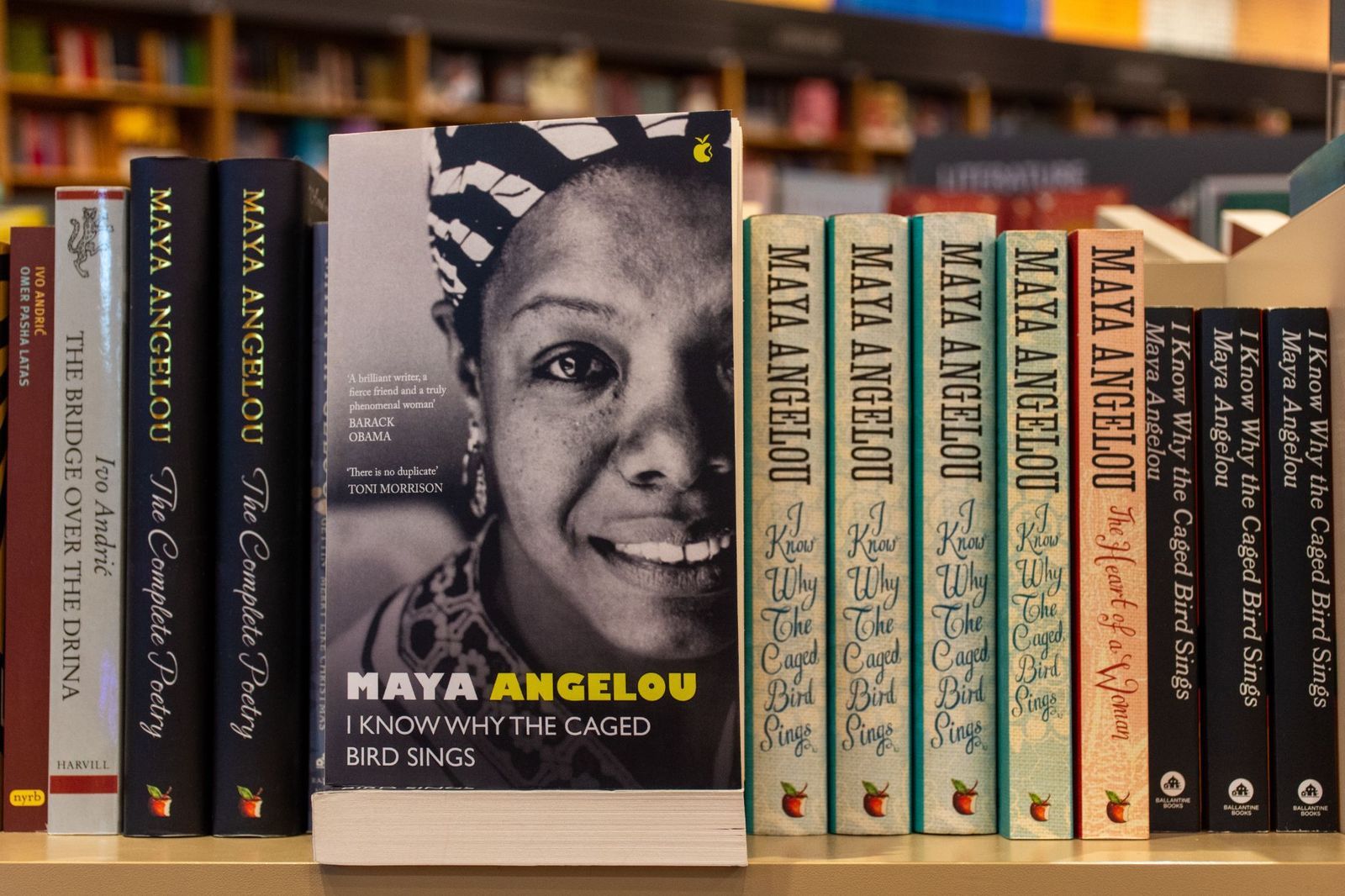
Maya Angelou’s powerful and moving I Know Why the Caged Bird Sings (1969) was one of the first autobiographies by a Black American woman to achieve widespread recognition, and her story became a symbol of resilience and dignity .
Angelou worked closely with Martin Luther King Jr. in the civil rights movement. She was also an actress and a singer, and in 2011, President Barack Obama awarded her the Presidential Medal of Freedom.
9
Katherine Johnson
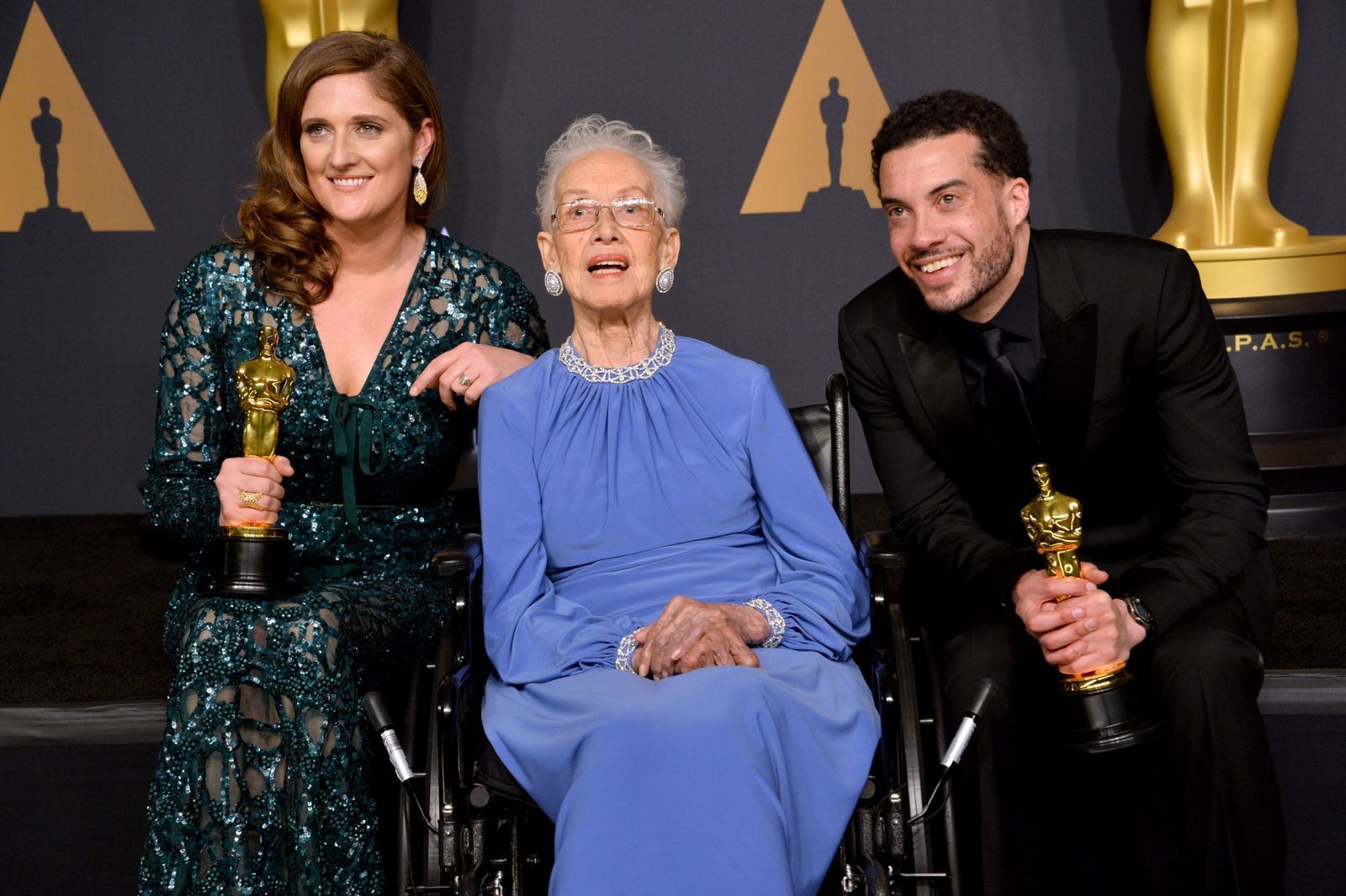
Katherine Johnson’s story wasn’t widely known until the 2016 film Hidden Figures (where she was portrayed by Taraji P. Henson) , which introduced modern audiences to the fascinating contributions of this mathematician, whose calculations were crucial to some of the United States’ earliest crewed space missions and whose career helped break barriers for women and Black Americans.
Her work was partly responsible for the success of the Apollo missions (1969 to 1970) and the development of the Space Shuttle program through the 1970s and early 1980s, and while she wasn’t an activist, the fact that she became one of NASA’s most respected mathematicians challenged the norm and inspired social change.
10
Billie Jean King
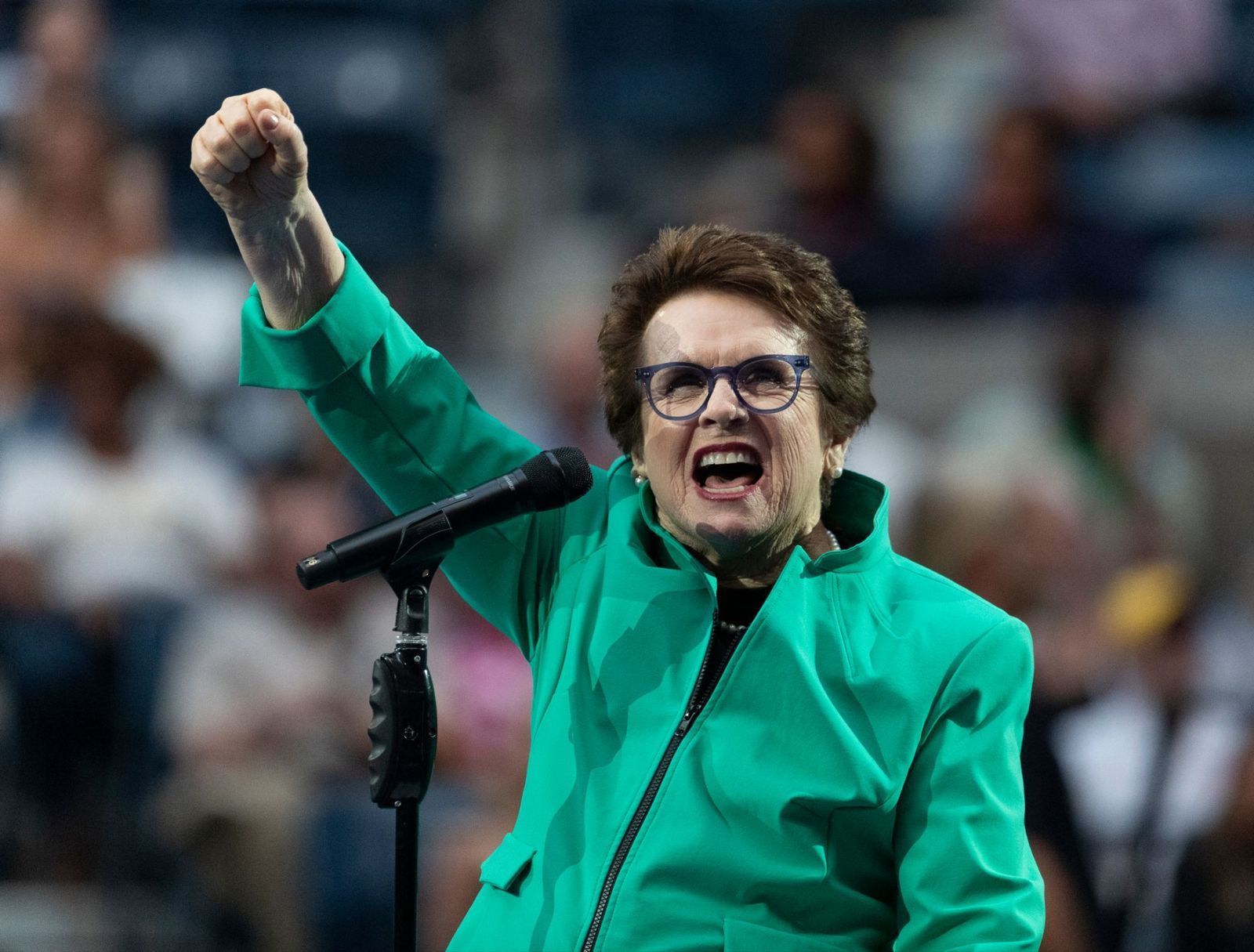
The four biggest tennis tournaments are known as Grand Slams, and Billie Jean King racked up 39 — but that wasn’t even her best achievement. King’s biggest battle was against the inequalities women faced in sports , where she played a major role in turning things around.
She was responsible for the creation of the Women’s Tennis Association in 1973, co-founded the Virginia Slims Circuit, which provided professional opportunities for women in tennis, and played in the legendary "Battle of the Sexes," where she defeated Bobby Riggs in front of roughly 90 million viewers worldwide.