Culture Culture 7 min read

The Crossroads of the World

From "Satan's Circus" to 50 million visitors: 10 Times Square secrets
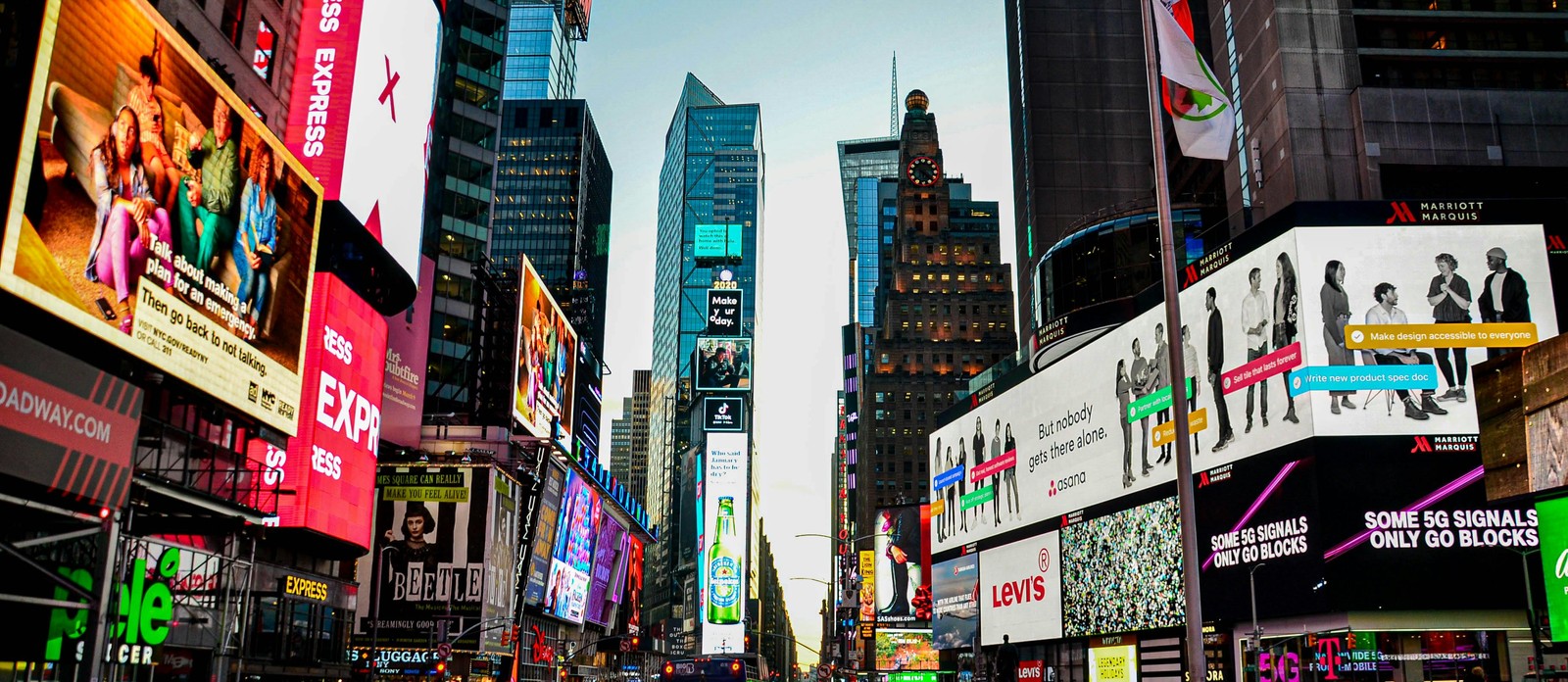
Image: Roberto M.

You've seen Times Square on TV a thousand times. You may have even stood there. But there are plenty of secrets about the site that most people don’t know. For example, the building that the world watches every New Year's Eve is almost empty inside. The red stairs everyone poses on are actually a roof. The ball only exists because the city banned fireworks in 1907. And before any of that, the neighborhood was so vice-ridden that locals called it "Satan's Circus." Here are 10 facts about the most visited place in America.

1
The ball drop only exists because the city banned fireworks
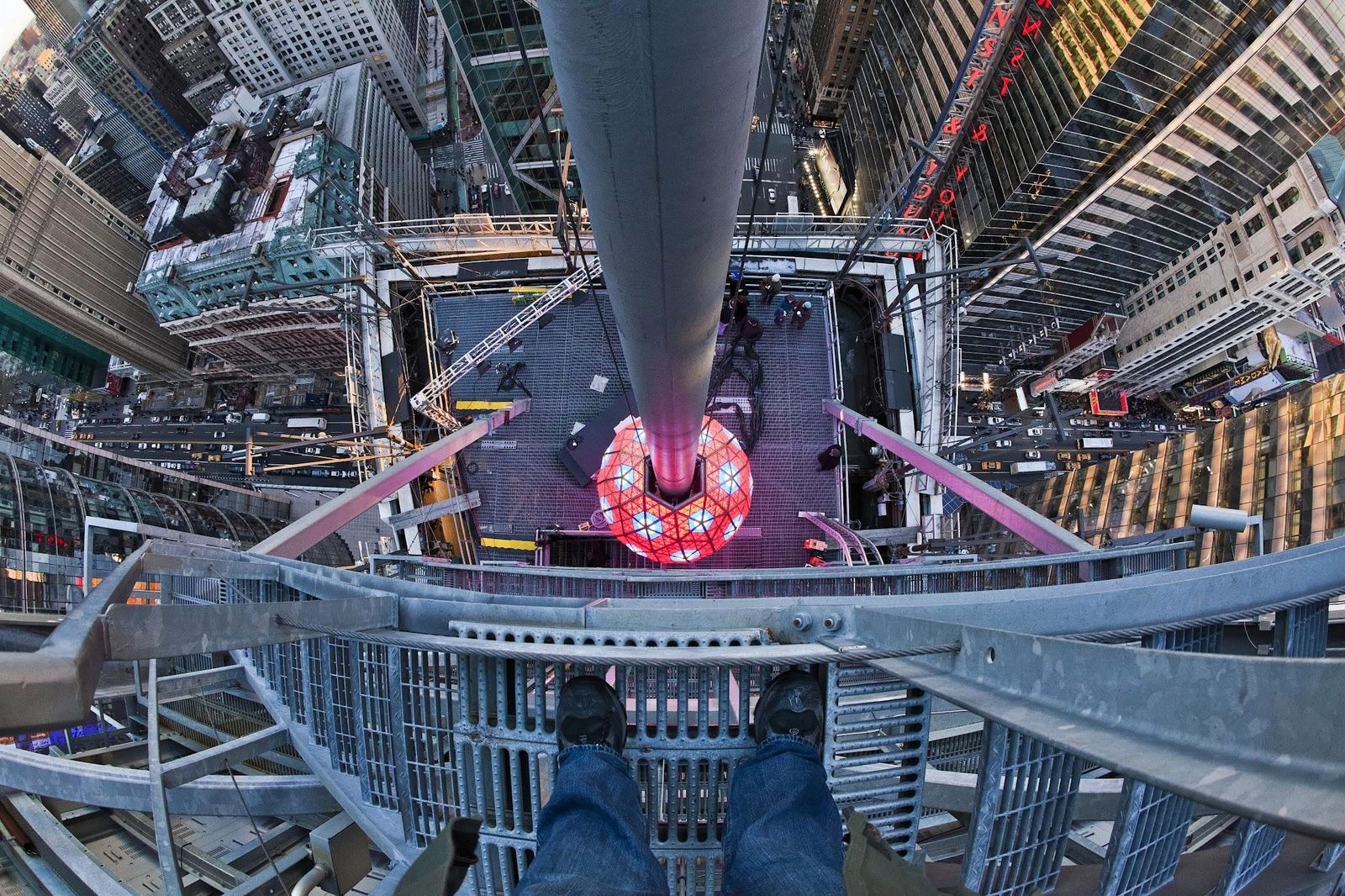
Image: Anthony Quintano, CC BY 2.0, via Wikimedia Commons

New Year’s Eve celebrations began in Times Square as early as 1904. That year, New York Times owner Adolph Ochs threw an extravagant fireworks party to christen the paper’s new headquarters.

Two years later, the city banned fireworks over fire hazard concerns. Ochs’ chief electrician, Walter Palmer, proposed a "time-ball" to replace the pyrotechnics. This would imitate a navigational device used by ships. So, on December 31, 1907, a 700-pound iron-and-wood ball, five feet in diameter, lit by 100 twenty-five-watt bulbs, made its first descent from the flagpole atop One Times Square.

The tradition has continued every year since, except in the wartime dimouts of 1942 and 1943. Today’s ball is the ninth version and is the largest ever: 12.5 feet wide, weighing 12,350 pounds, and covered in 5,280 handcrafted Waterford crystal discs.

2
It used to be called "Satan’s Circus"
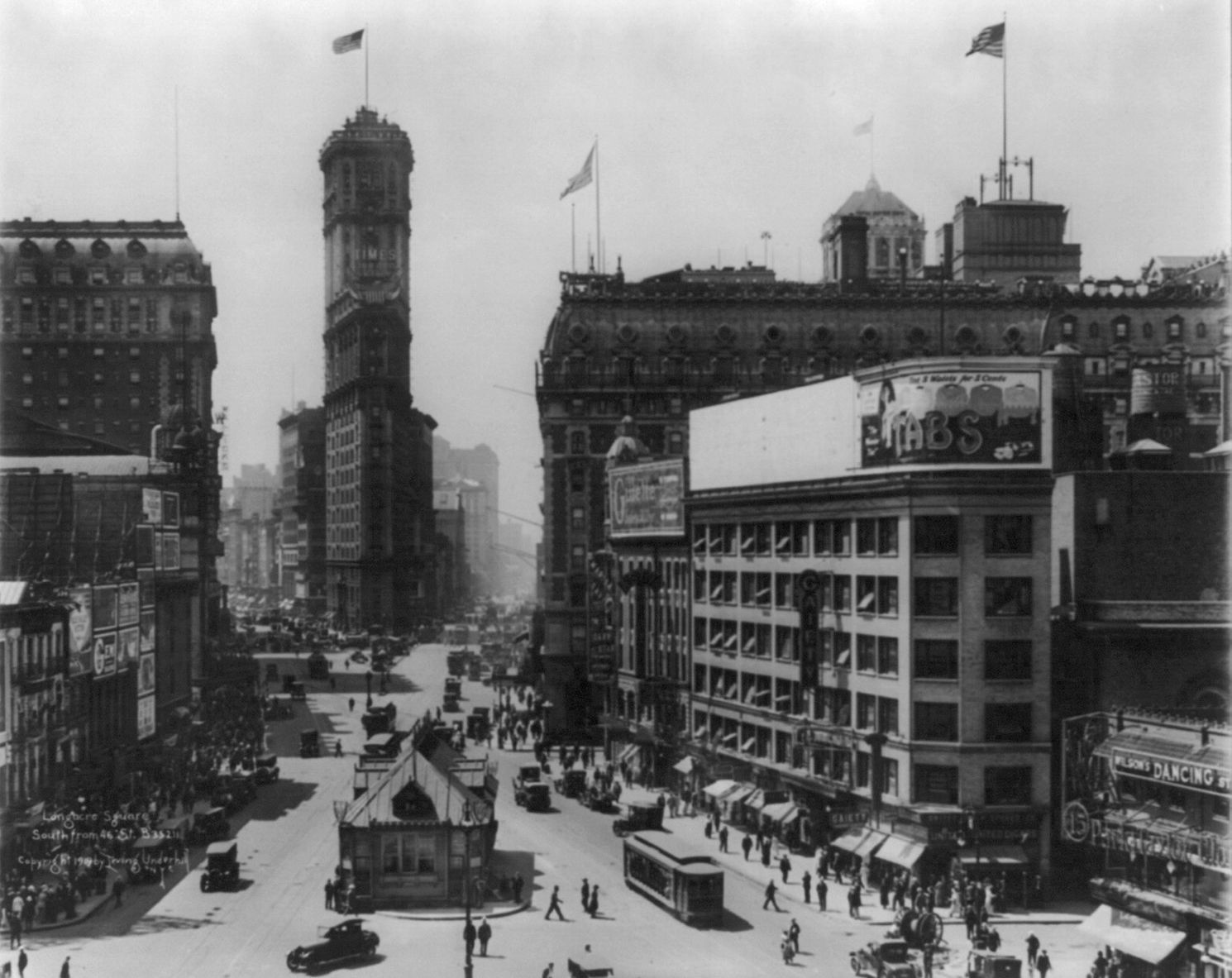
Image: Miscellaneous Items in High Demand, PPOC, Library of Congress, Public domain, via Wikimedia Commons

The area was once called Longacre Square, named after London’s carriage district, because the neighborhood was the center of New York City’s horse carriage industry. It was also one of the most vice-ridden corners of Manhattan. In 1901, the surrounding blocks contained 132 brothels and at least as many saloons. Police called the area "the Tenderloin." Locals called it "Satan’s Circus."

The transformation began when the New York Times decided to build its new headquarters there, betting on the city’s first subway line, which was already planned to run beneath the block. In 1904, the area was officially renamed Times Square in a public ceremony. Later that year, the newspaper moved into its gleaming new tower, then the city’s second-tallest building. The Times only stayed there for 9 years before relocating to larger offices on West 43rd Street. But the name it left behind proved permanent.

3
It was once one of the most dangerous blocks in America
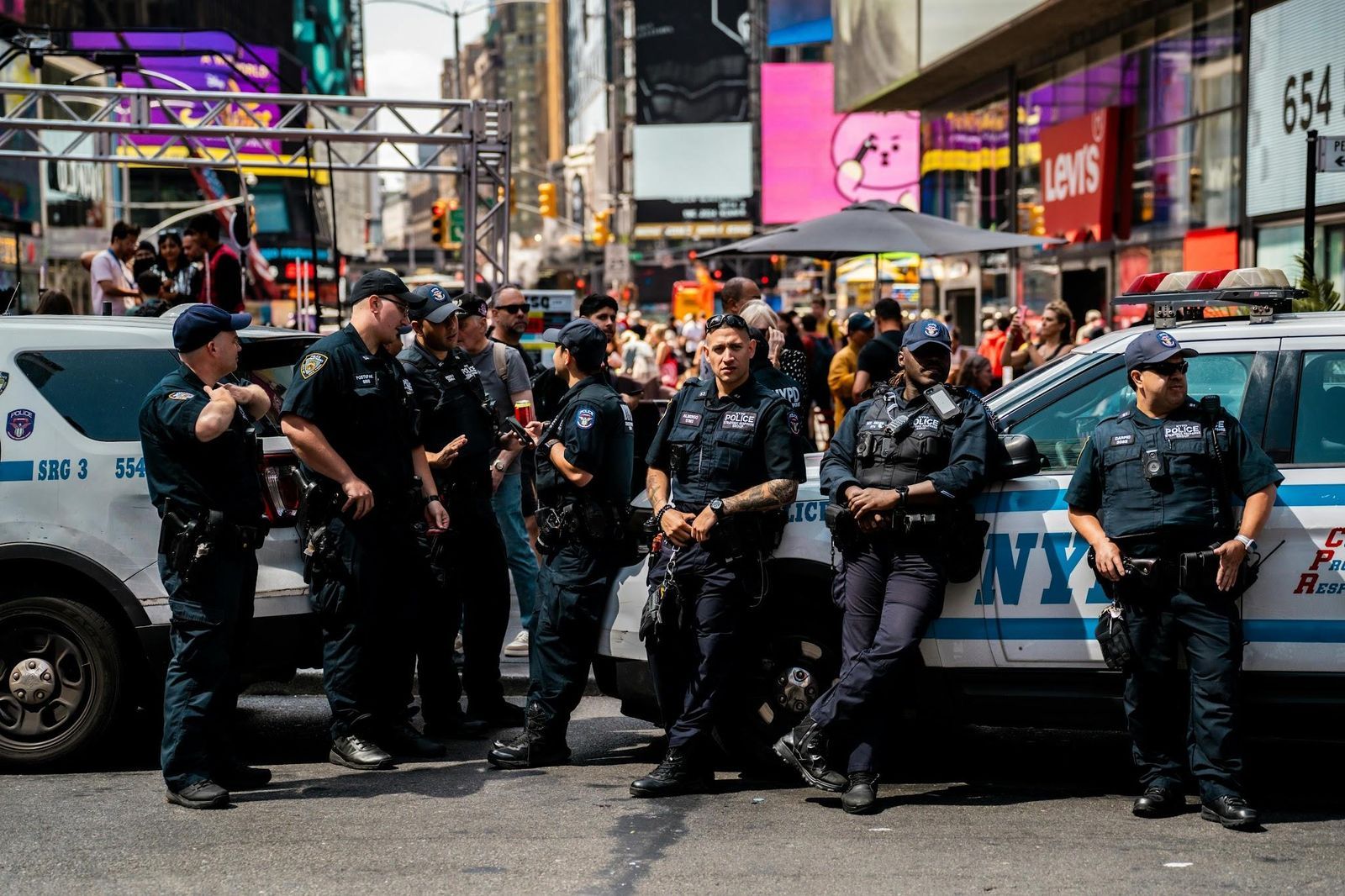
Image: Charles A. Pickup

While it lost its "Satan’s Circus" nickname long ago, the tourist-friendly Times Square most visitors know today is almost unrecognizable from what it was just four decades ago. By 1984, more than 2,300 crimes were being committed every year within a single-block radius.

The streets were dominated by drug dealers, street crime, porn and peep show theaters, and open prostitution. The TKTS discount theater ticket booth, opened in 1973, was conceived as an emergency measure, an attempt to pull foot traffic back into a neighborhood that businesses had abandoned. The City of New York and the State of New York, as well as private investors and the non-profit Times Square Alliance, collaborated to reduce the crime rate and welcome the commerce and brands that eventually turned Times Square into a tourist hub.

By 2001, major felony offenses had fallen 62.3% from their 1993 peak. Today, Times Square is one of the most policed and most surveilled public spaces in the United States, with a dedicated NYPD substation on the premises. The same block that was America’s most notorious danger zone now draws 50 million visitors a year.

4
The TKTS red stairs are actually a roof
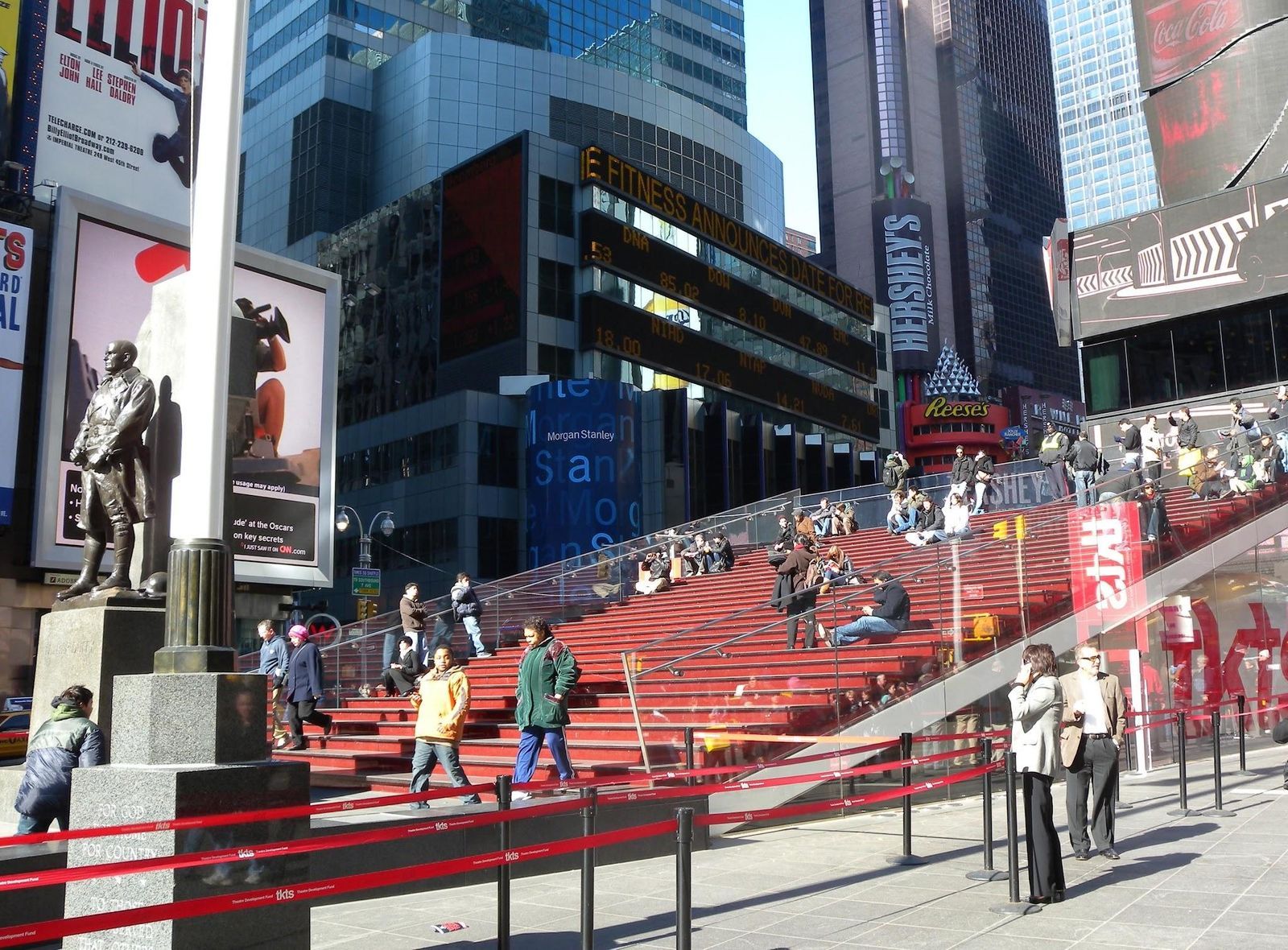
Image: Jim.henderson, Public domain, via Wikimedia Commons

Most of the millions of tourists who climb the famous ruby-red stairs in Times Square assume they’re just a viewing platform. In fact, they’re a roof. Underneath the 27 steps sits the TKTS booth, operated by the Theatre Development Fund, where theatergoers can buy same-day Broadway and off-Broadway tickets at discounts of up to 50%.

In 1999, a design competition was held for a permanent replacement. The winning concept proposed building the new booth’s roof as a public staircase. It would be a bleacher-style ascent that would give visitors an elevated vantage point over the square. The structure was completed in October 2008. It glows red at night because it is lit entirely from below. About 13,000 people walk past it every day.

5
New York City law requires the lights to stay on
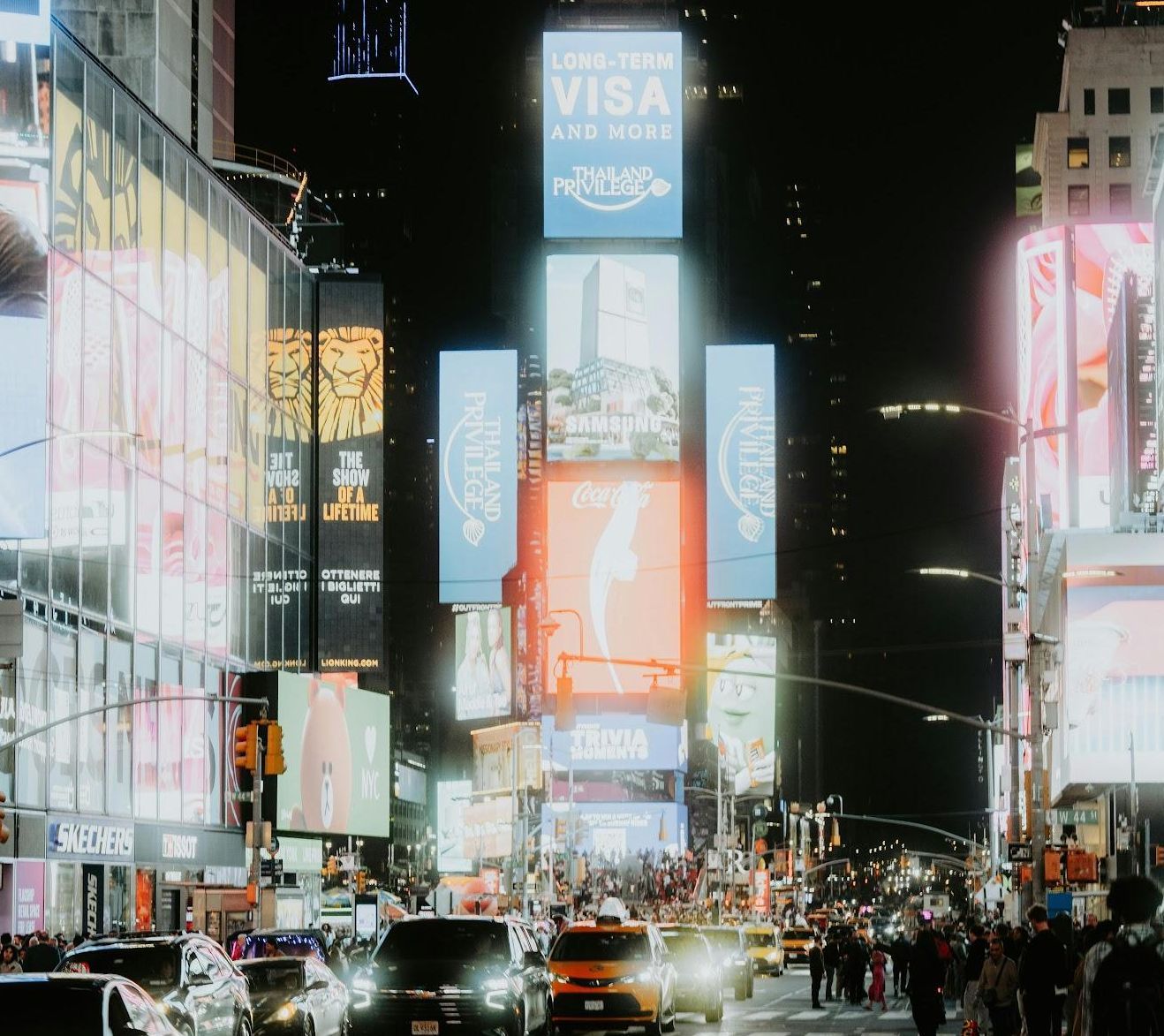
Image: Luke Miller

Did you know that Times Square stays aglow by law? A 1987 New York City zoning ordinance requires all new developments and major enlargements on blocks in the area, with frontage on Seventh Avenue or Broadway, to include large-scale illuminated signage.

The regulation was introduced to protect the district’s visual character after years of blank-faced modernist towers had dulled its energy. Buildings are legally required to display a minimum illuminated surface area, and signage must remain lit during designated hours.

6
The most famous building there is almost empty
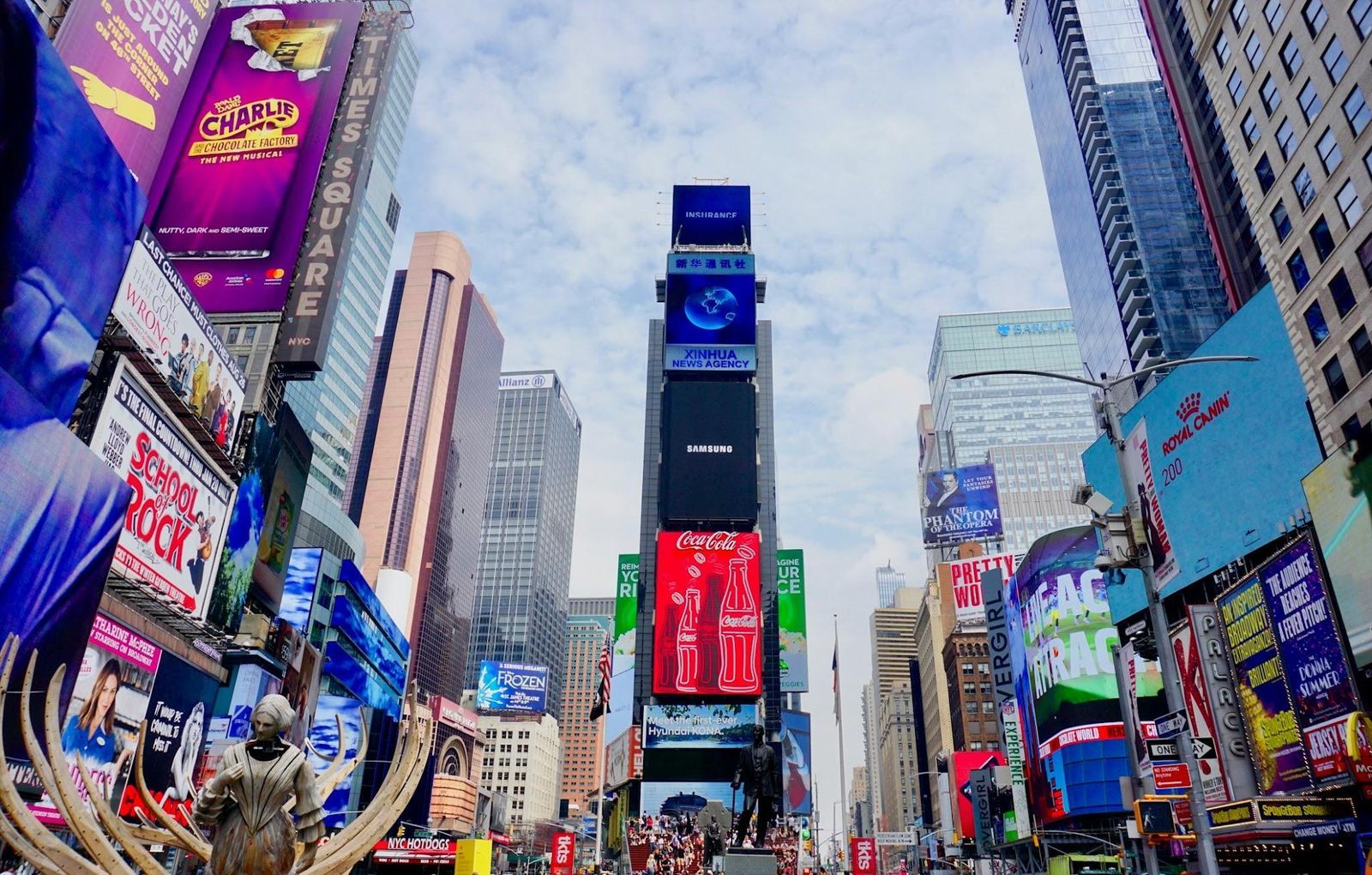
Image: Quick PS

One Times Square building is famous; the whole world watches the ball drop from it every New Year's Eve. But few people know that it’s all but empty inside. It has no regular office tenants. Its upper floors are largely unused.

When the New York Times vacated in 1913, the building passed through several owners and eventually became what it is today: a structure whose primary economic purpose is its skin. Still, the billboard faces on its exterior generate millions of dollars per year — a single advertising slot can command upwards of $4 million annually. In effect, One Times Square is a 25-story billboard dressed as a skyscraper.

7
50 million people visit every year, more than all Disney Parks combined
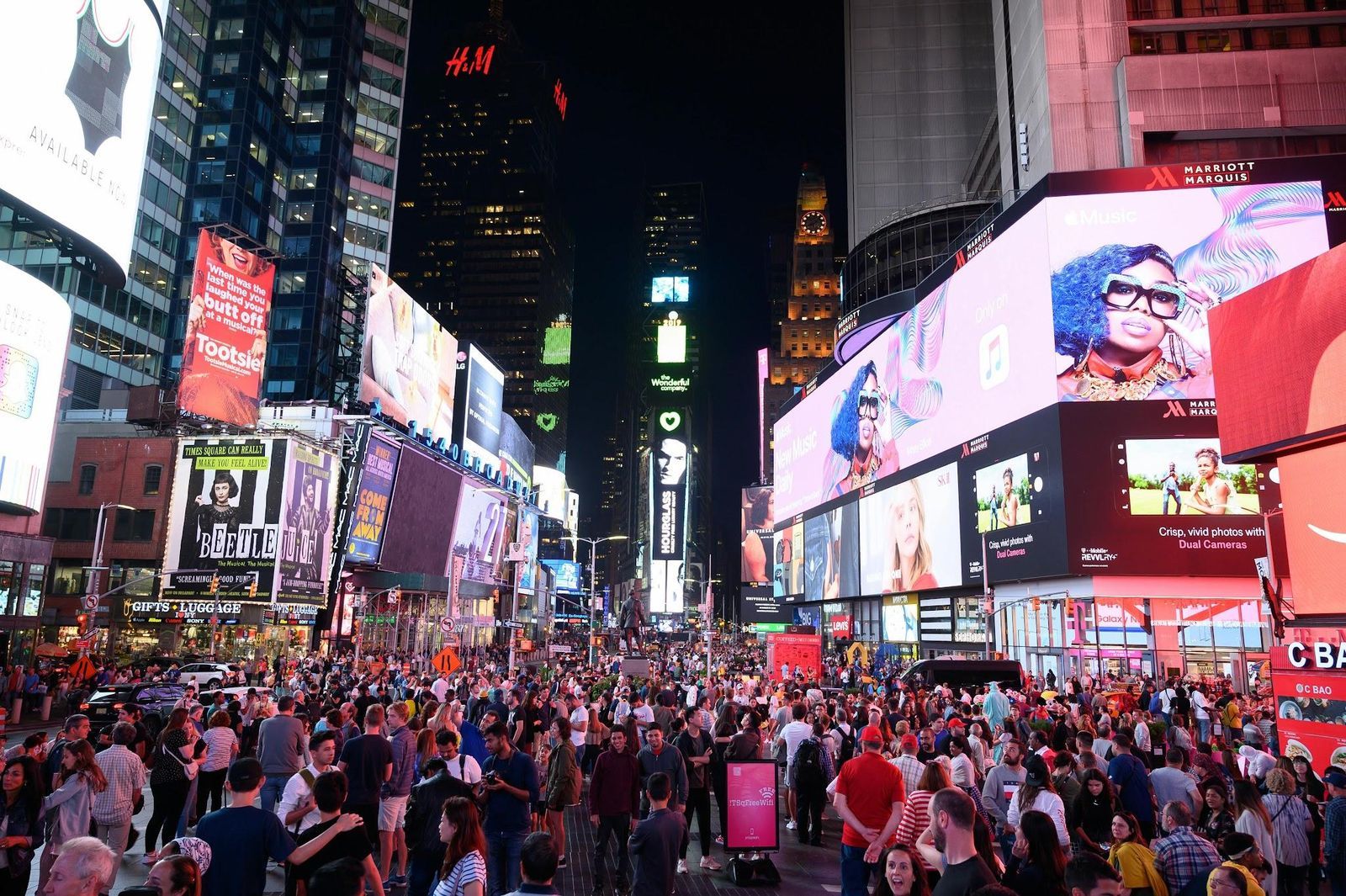
Image: Benoit Dujardin

Times Square draws an estimated 50 million visitors annually —more than all Disney theme parks worldwide combined. On a typical day, approximately 330,000 people pass through. On peak days, that number exceeds 460,000.

Its official website notes that more people walk through Times Square each year than live in the entire country of Iceland. Visitor spending totals roughly $4.8 billion per year, and for every dollar a tourist spends anywhere in New York City, approximately 22 cents are spent within Times Square’s few blocks.

After a dip during the pandemic, tourism to New York City has rebounded strongly, with the city welcoming over 65 million visitors in 2025 and projecting 67 million in 2027. Times Square remains the single biggest draw within the city, accounting for a disproportionate share of that spending.

8
It’s not actually a square; it’s two triangles
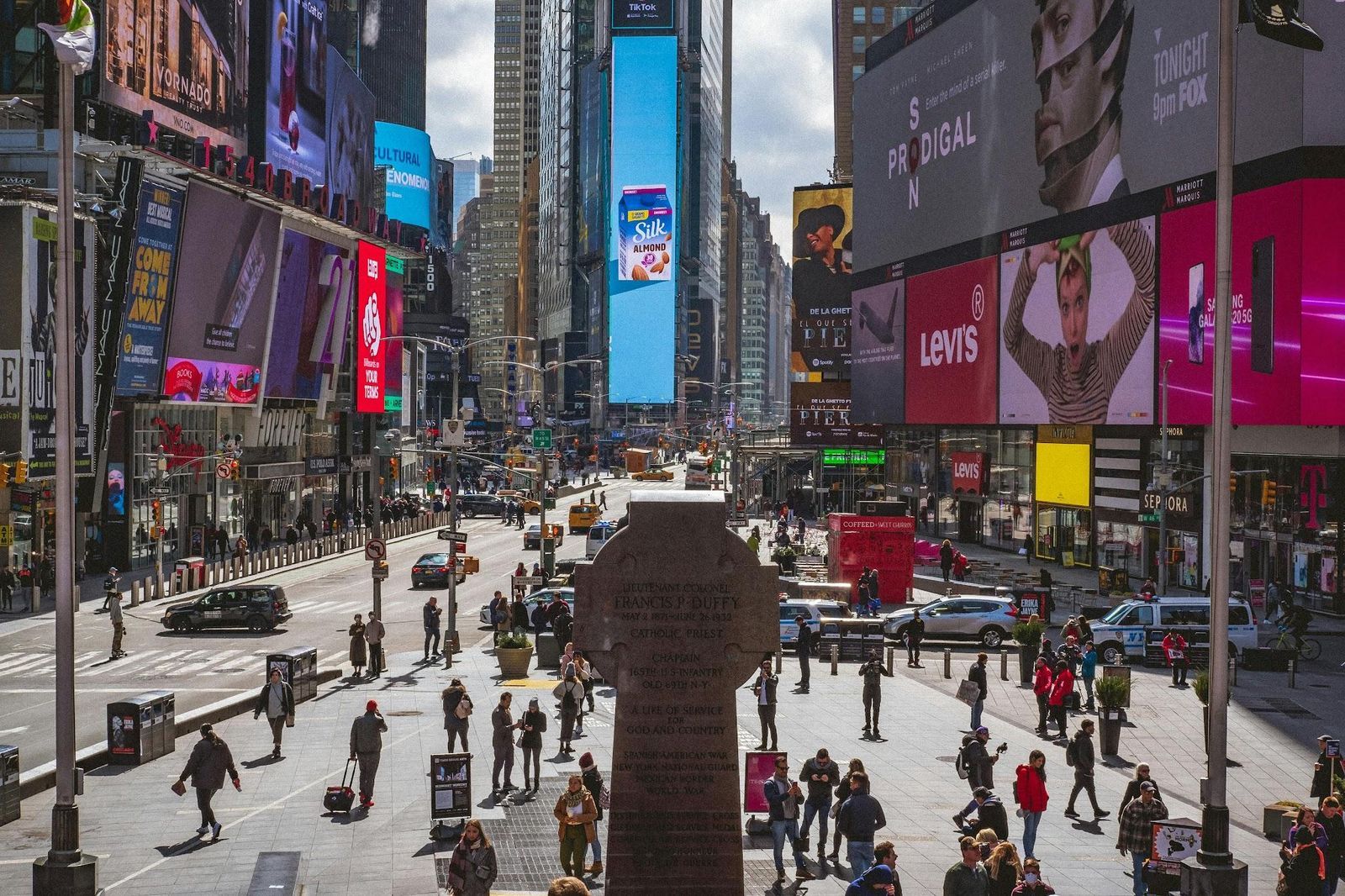
Image: Cesar Done

Geometrically speaking, Times Square is not a square. It’s more like a bowtie; two elongated triangles formed where Broadway, a diagonal road that predates the Manhattan street grid by centuries, cuts across Seventh Avenue.

The city’s famous grid was laid out by the Commissioners’ Plan of 1811. Broadway, an ancient Indigenous trade route that became a colonial road, was already there and simply too important to straighten. Every point where it crosses a major avenue creates an irregular intersection, and Times Square is the most famous of them.

9
It has witnessed incredible moments in American history
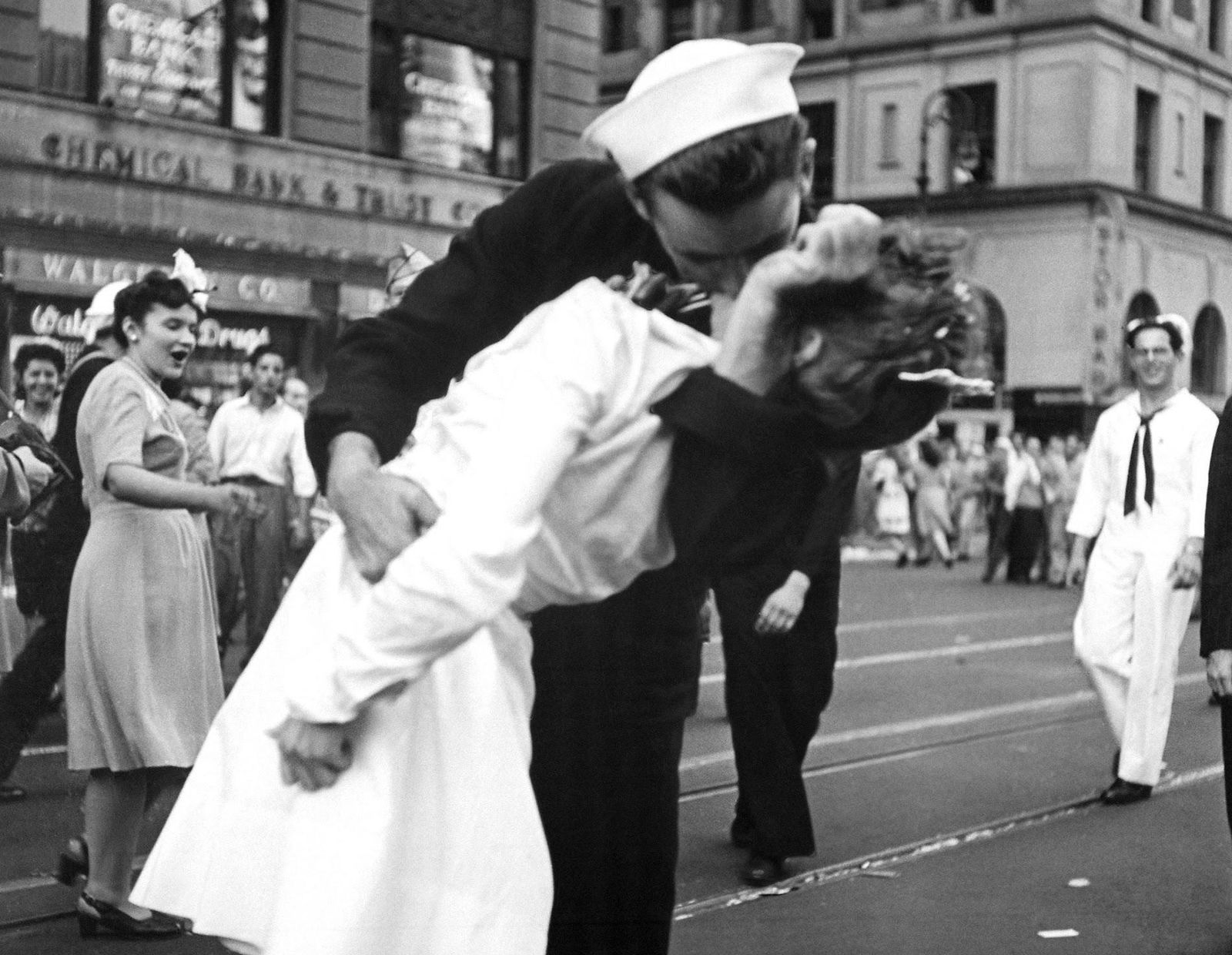
Image: Victor Jorgensen, Public domain, via Wikimedia Commons

Times Square has functioned, again and again, as the place where Americans gather when history breaks. On May 8, 1945, a.k.a. V-E Day, crowds flooded the streets to celebrate the end of the war in Europe. Three months later, on August 14, 1945, a.k.a. V-J Day, the moment Japan’s surrender was announced, ending World War II entirely, the square erupted again.

Life magazine photographer Alfred Eisenstaedt was in the crowd and photographed a sailor spontaneously grabbing a nurse in white uniform and kissing her, an image published in the magazine. Also, on December 31, 1999, the world watched Times Square’s ball drop as the year 2000 arrived and Y2K fears proved unfounded.

10
Buildings are required by law to display bright signage
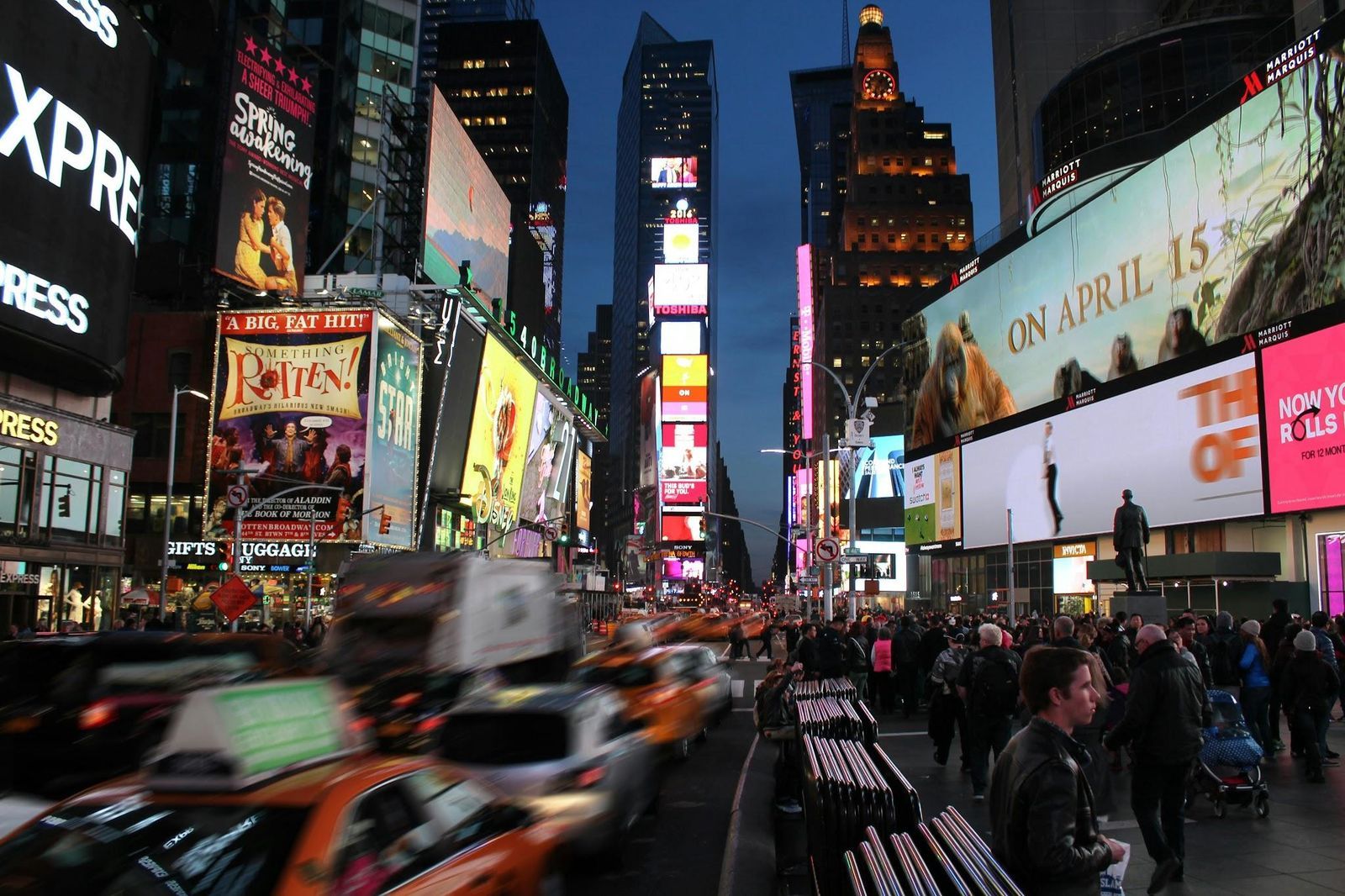
Image: Owen Barker

The exterior of a Times Square building generates more revenue per square foot than almost any interior use could. Running a single billboard requires no HVAC, no tenant improvements, no elevator maintenance, no building management. It requires a screen and electricity. The result is a district where the most valuable real estate in America is literally the surface of things.

Building owners sometimes spend tens of millions of dollars on facade renovations not to improve the building but to improve the view of the building.
History History 7 min read

Hidden stories

The secret WWII project hidden beneath the White House

Image: Abbie Rowe. White House Photographs. John F. Kennedy Presidential Library and Museum, Boston, Public domain, via Wikimedia Commons

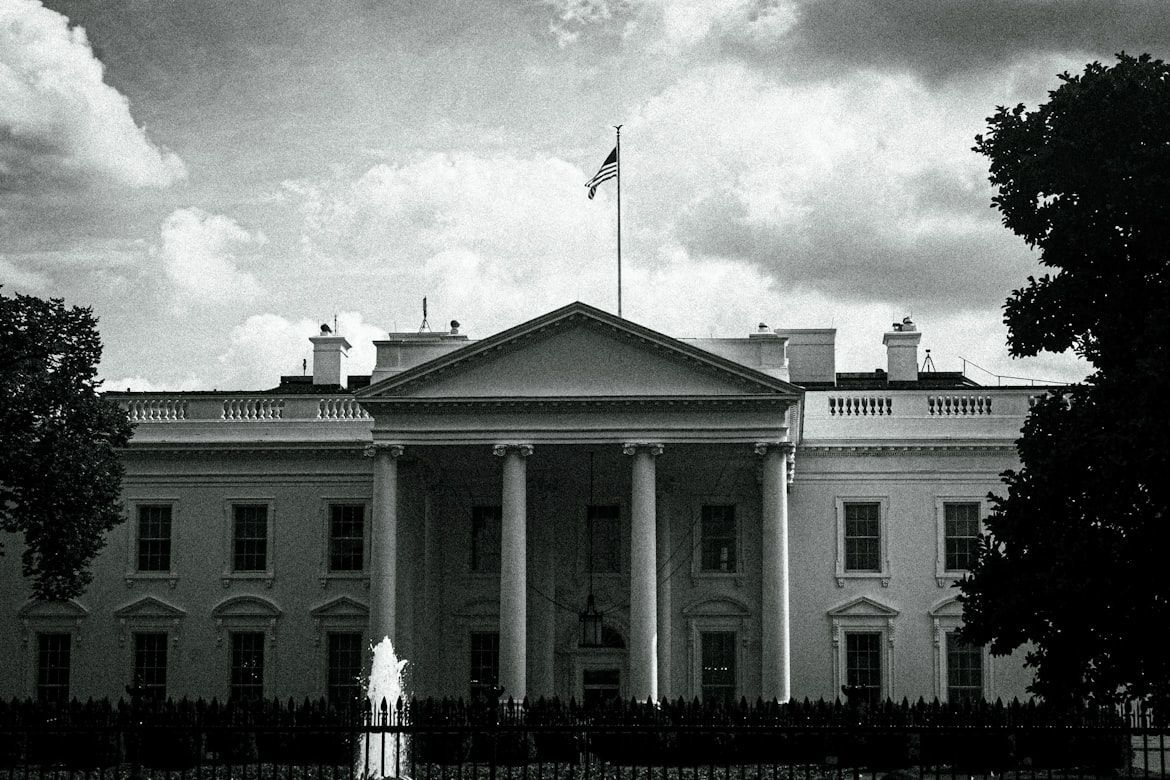
Did you know the White House wasn’t originally meant to be white? Or that hidden underground spaces were built beneath it? For more than 200 years, we have seen the White House in movies, on the news, in family photo albums from Washington trips, and during some of the biggest moments in our country’s history. But behind those famous walls are stories most have never heard. From fires and secret construction projects to strange traditions and forgotten moments, these are 10 surprising White House stories that most of us were never taught in school.

1
It was almost completely torn down

Image: Abbie Rowe, Public domain, via Wikimedia Commons

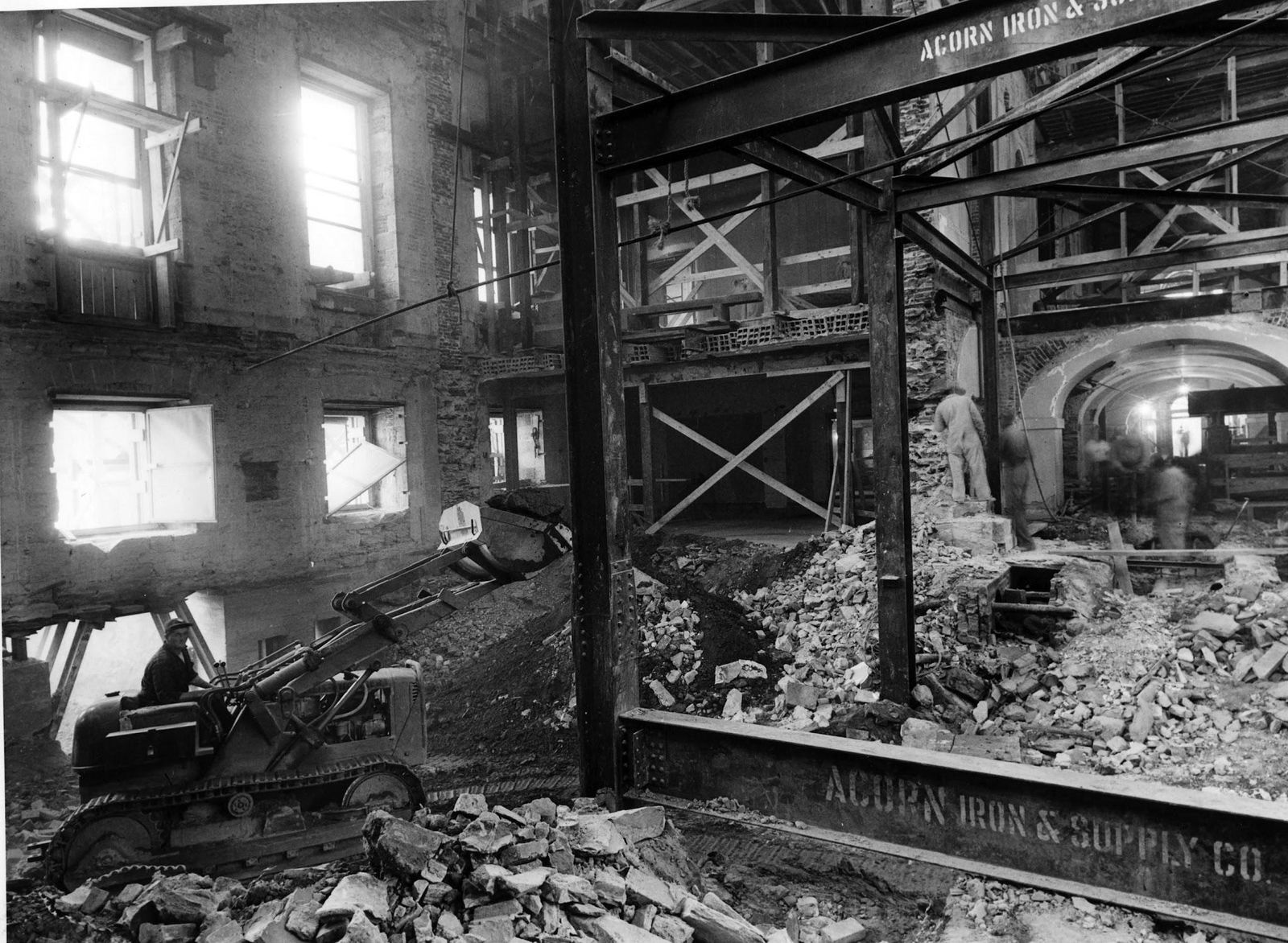
Did you know that very little of today’s White House interior is actually original? Looking at the building now, it’s hard to imagine that it was once so unstable that it was in danger of collapsing.

By 1948, after decades of heavy use, outdated wiring, poor structural supports, and years of renovations layered over one another, the White House had become unsafe. Floors and walls cracked, and parts of the residence were literally sinking. President Harry S. Truman even joked that the place felt haunted because it made so many strange noises. Rather than abandon it, Truman launched a massive reconstruction project with Congress. Between 1948 and 1952, nearly the entire interior was gutted and rebuilt while the original exterior walls were preserved, giving America a strong and reliable White House.

2
During WWII, they built an underground bunker

Image: rc.xyz NFT gallery

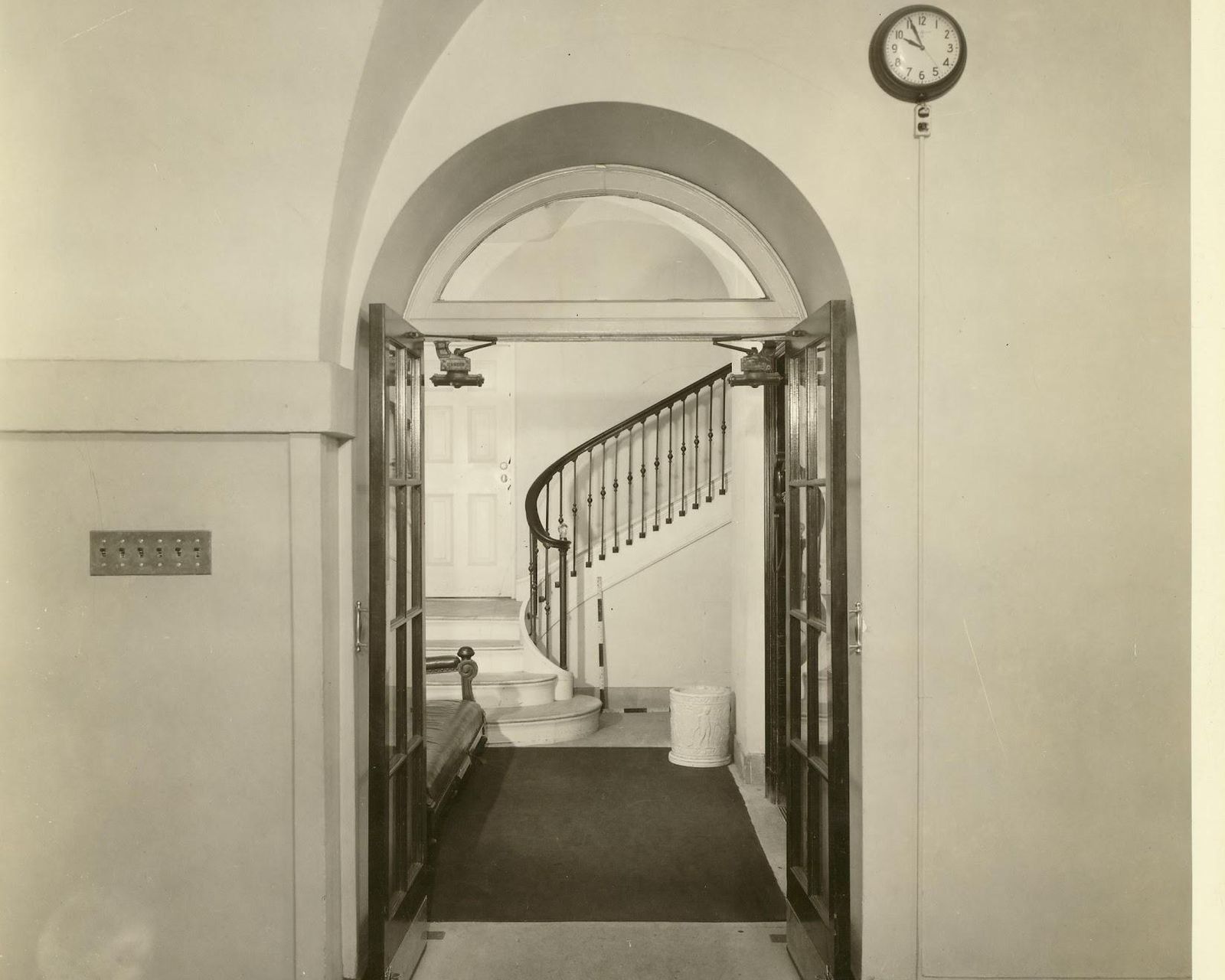
Did you know there’s a fortified bunker hidden beneath the White House? A couple of years before Truman’s famous renovation, another major project was quietly built beneath the presidential residence.

In 1942, during World War II, President Franklin D. Roosevelt ordered the construction of a secure underground shelter to protect government leaders in case Washington, D.C., came under attack. Built quickly and in great secrecy, the bunker was completed within months, though it was luckily never needed during the war. Today, the facility is known as the Presidential Emergency Operations Center, or PEOC, and it was famously used in 2001 by President George W. Bush and again in 2020 by Donald Trump.

3
It was not originally meant to be white

Image: Andriy Miyusov

Can you imagine if it were called "the Gray House"? Today, it’s impossible to picture America’s most famous home as anything other than bright white, but that wasn’t the original idea.

During construction in the 1790s, workers covered the exterior sandstone with a lime-based whitewash to protect it from moisture, cracking, and harsh winter weather. The coating gave the building a pale grayish appearance, not the brilliant white we recognize today. A long-standing myth claims the White House was painted white to hide the burn marks left after British troops set it on fire in 1814, but in reality, the building had already been whitewashed years earlier. Still, after the fire and reconstruction, the white exterior became permanent and eventually inspired the famous name "White House," though for many years people still called it the "President’s House."

4
10 people have died in the White House

Image: Woodrow Wilson Presidential Library Archives from Staunton, VA, No restrictions, via Wikimedia Commons

Many people have lived and worked in the White House over the centuries, but, according to the White House Historical Association, only 10 people are officially recorded as having died inside the presidential residence.

Among them were two U.S. presidents. William Henry Harrison died there at age 68 in 1841 after falling seriously ill, likely from contaminated water. Zachary Taylor died at age 65 in 1850 from a severe stomach illness after attending Fourth of July celebrations in extreme heat. Three First Ladies also passed away in the White House: Letitia Tyler in 1842, Caroline Harrison in 1892, and Ellen Axson Wilson in 1914. Other deaths included presidential relatives, aides, and staff members, among them Abraham Lincoln’s son, Willie Lincoln, whose death at the age of 11 in 1862 deeply affected the family and became one of the White House’s most heartbreaking stories.

5
Presidential whims

Not every White House renovation happened due to war, damage, or urgent repairs. Some changes came simply from the personal tastes and hobbies of the presidents who lived there, and over the years, there have been quite a few memorable ones.

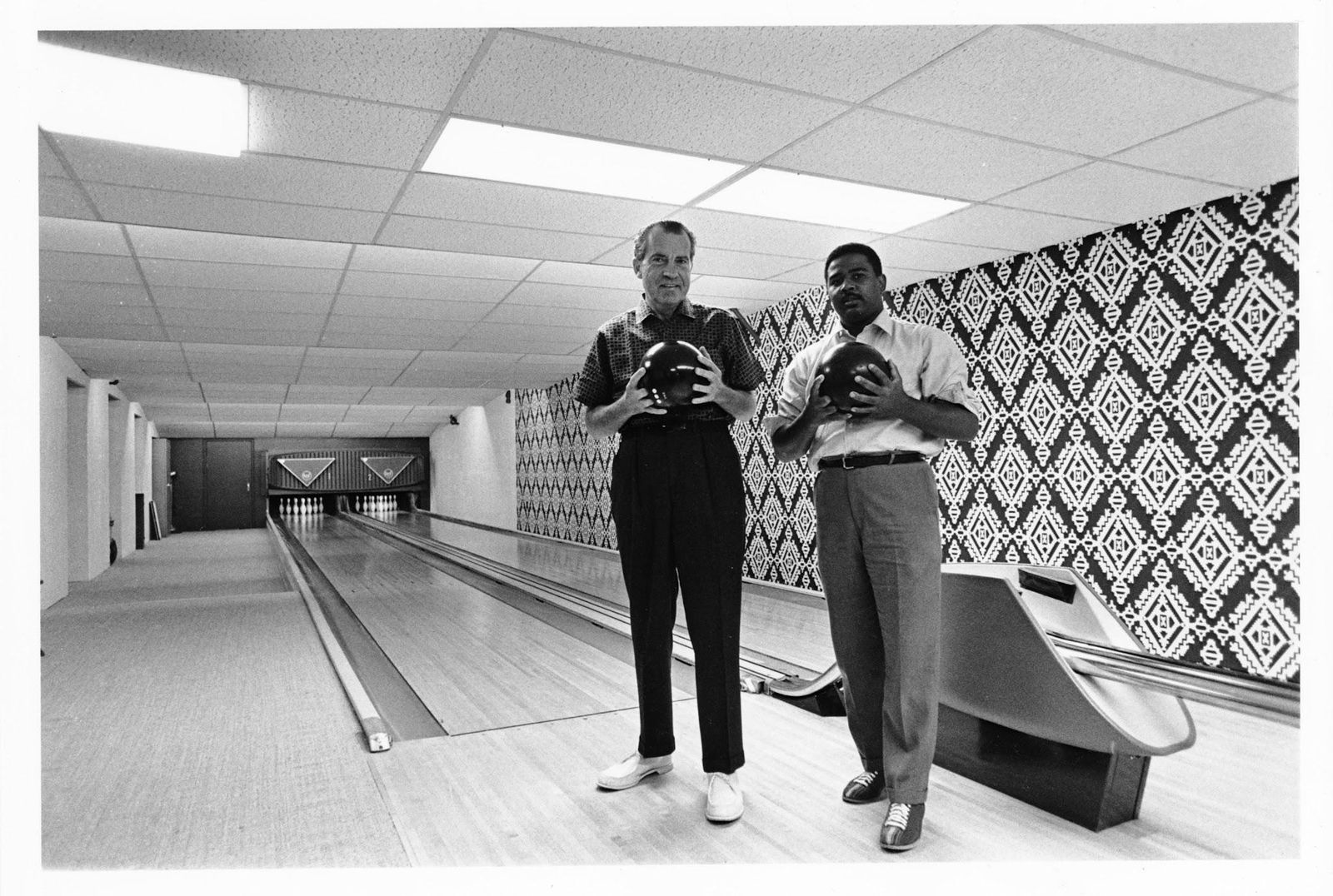
In 1973, Richard Nixon installed a one-lane bowling alley beneath the North Portico. Years later, in 1989, George H. W. Bush added a regulation horseshoe pit near the White House grounds, where he often relaxed and challenged visitors, including Queen Elizabeth II, to games. Then, in 2009, Barack Obama had the South Lawn tennis court modified so it could also be used for basketball, one of his favorite sports.

6
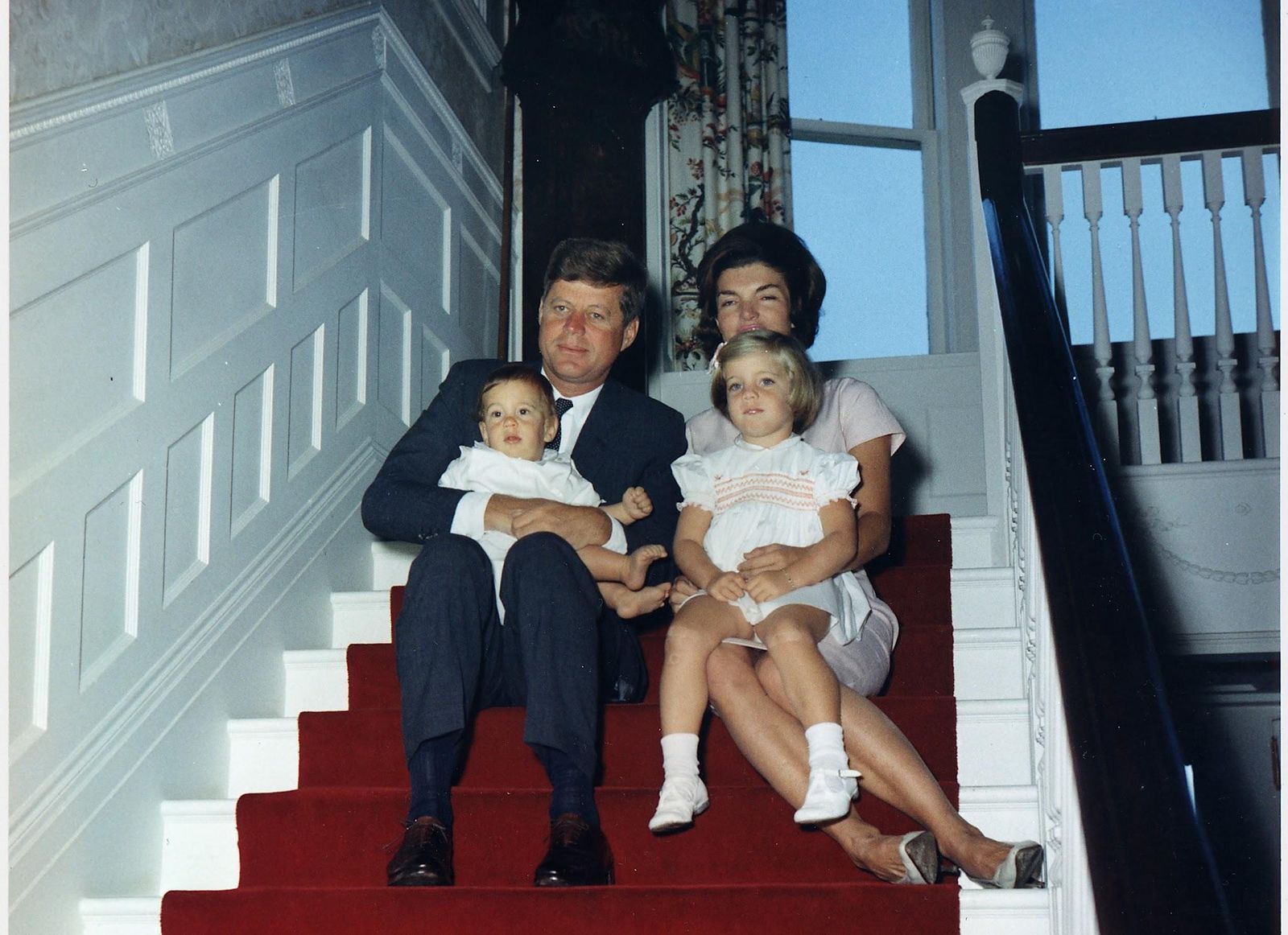
Jackie Kennedy's furniture

Image: Robert LeRoy Knudsen, Public domain, via Wikimedia Commons

When the Kennedy family entered the White House in 1961, the first lady was disappointed to find that many of the historic rooms had lost much of their original character.

Determined to restore the White House’s history and elegance, Jackie Kennedy famously launched a massive restoration effort. She helped create the White House Fine Arts Committee, brought in historians and curators, and filled the residence with genuine antiques and historical pieces tied to past presidencies. On February 14, 1962, an estimated 46 to 56 million people tuned in to watch the First Lady’s televised tour of the White House, making it one of the most-watched programs of its era. She also supported a congressional act that made many of the White House’s historic furnishings official property of the nation, so future presidents could no longer sell, replace, or discard them.

7
Official name changes

Image: Benjamin Harrison Presidential Site, Public domain, via Wikimedia Commons

As we mentioned, the building was not always white, and therefore was not always officially called the White House. For much of the 19th century, Americans usually referred to it as the "Executive Mansion" or the "President’s House." Even after its famous white exterior made the nickname popular, it still was not the building’s official name.

That finally changed in 1901, when Theodore Roosevelt began printing "The White House" on presidential stationery. According to official sources, Teddy Roosevelt preferred this name because it clearly separated the president’s residence from the many state "executive mansions" used by governors across the country.

8
It was once America's largest house

Image: Miscellaneous Items in High Demand, PPOC, Library of Congress, Public domain, via Wikimedia Commons

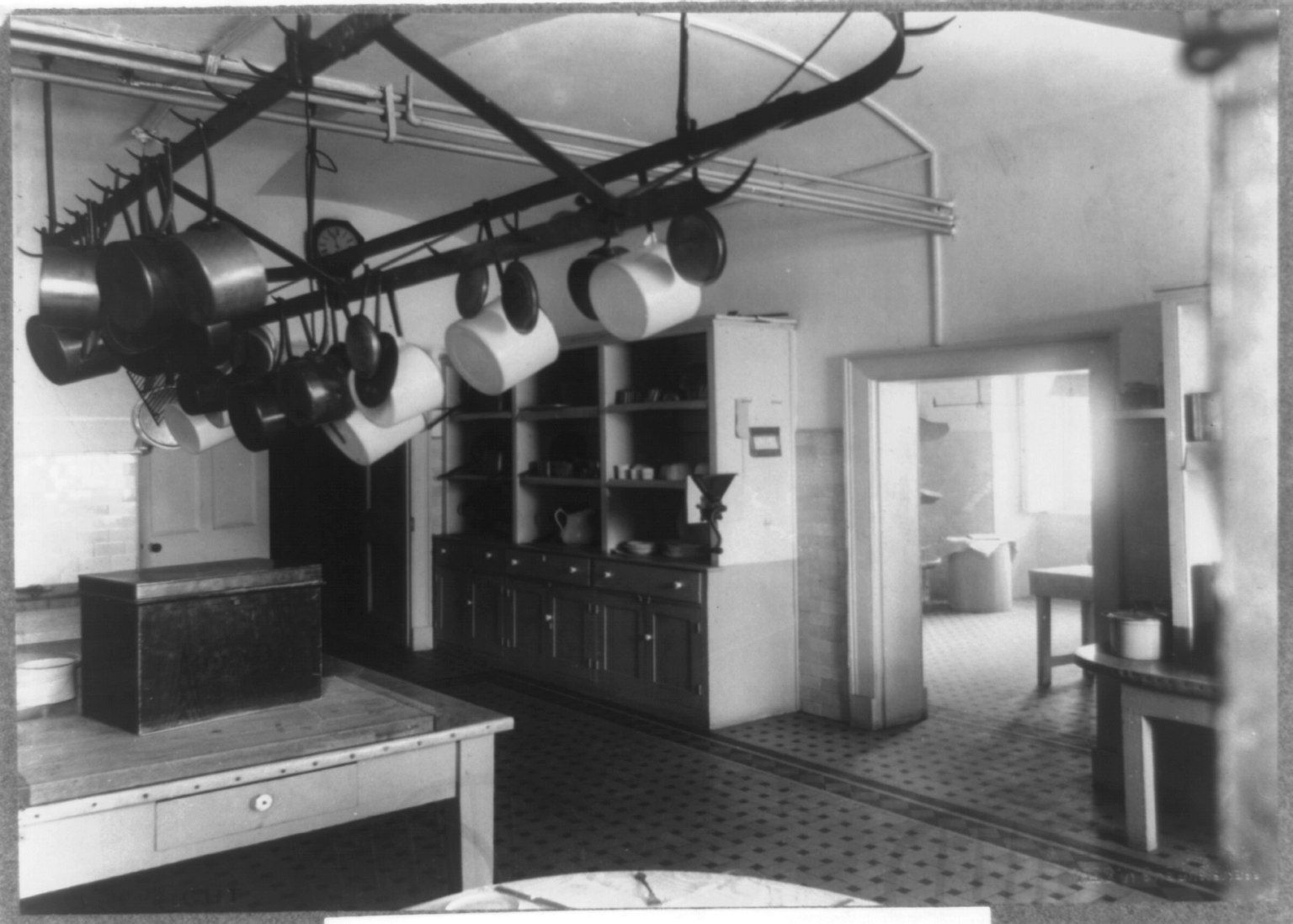
There is one thing about the White House that no one can deny: it has always been huge, even in its early days.

When the White House was first occupied in 1800, it already contained more than 100 rooms spread across three floors, making it one of the grandest homes in the United States at the time. In a time when most Americans lived in modest houses or farms, the presidential residence was seen as a palace. Many historians even consider it the largest private residence in the country during its early years. Today, the White House covers about 55,000 square feet, though modern private buildings, like the Biltmore Estate in North Carolina, are now far larger.

9
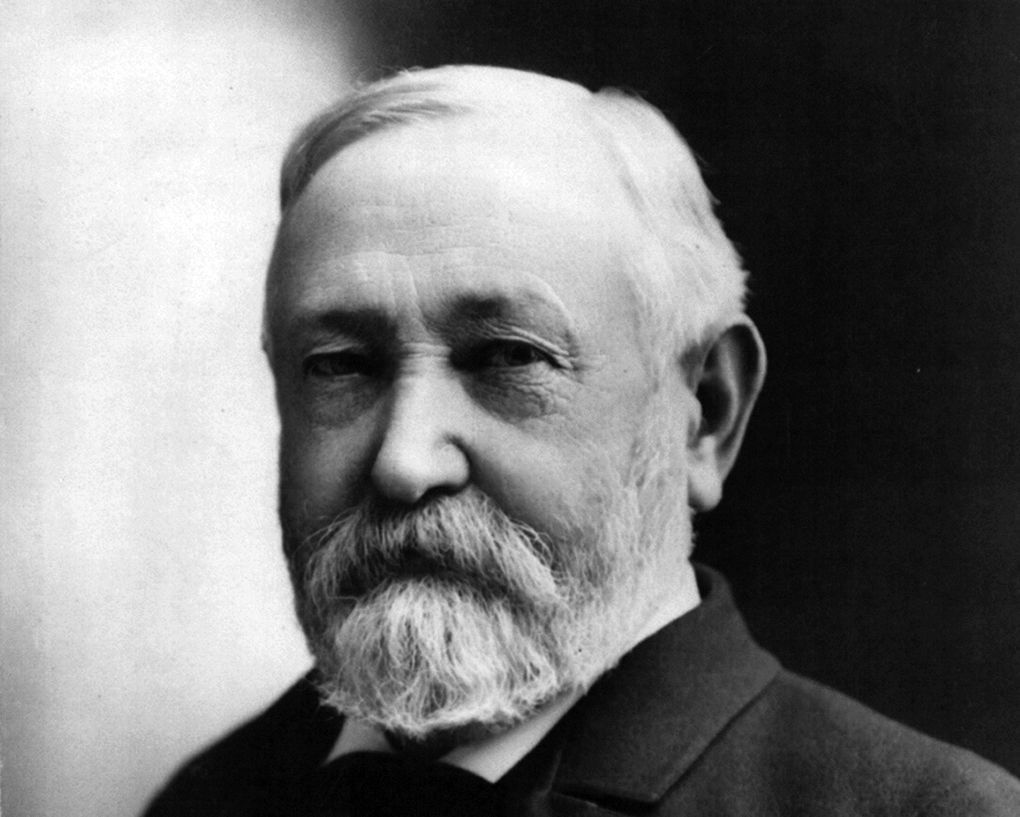
President Benjamin Harrison’s fear

Image: Joseph Gray Kitchell (1862–1945)[1], Public domain, via Wikimedia Commons

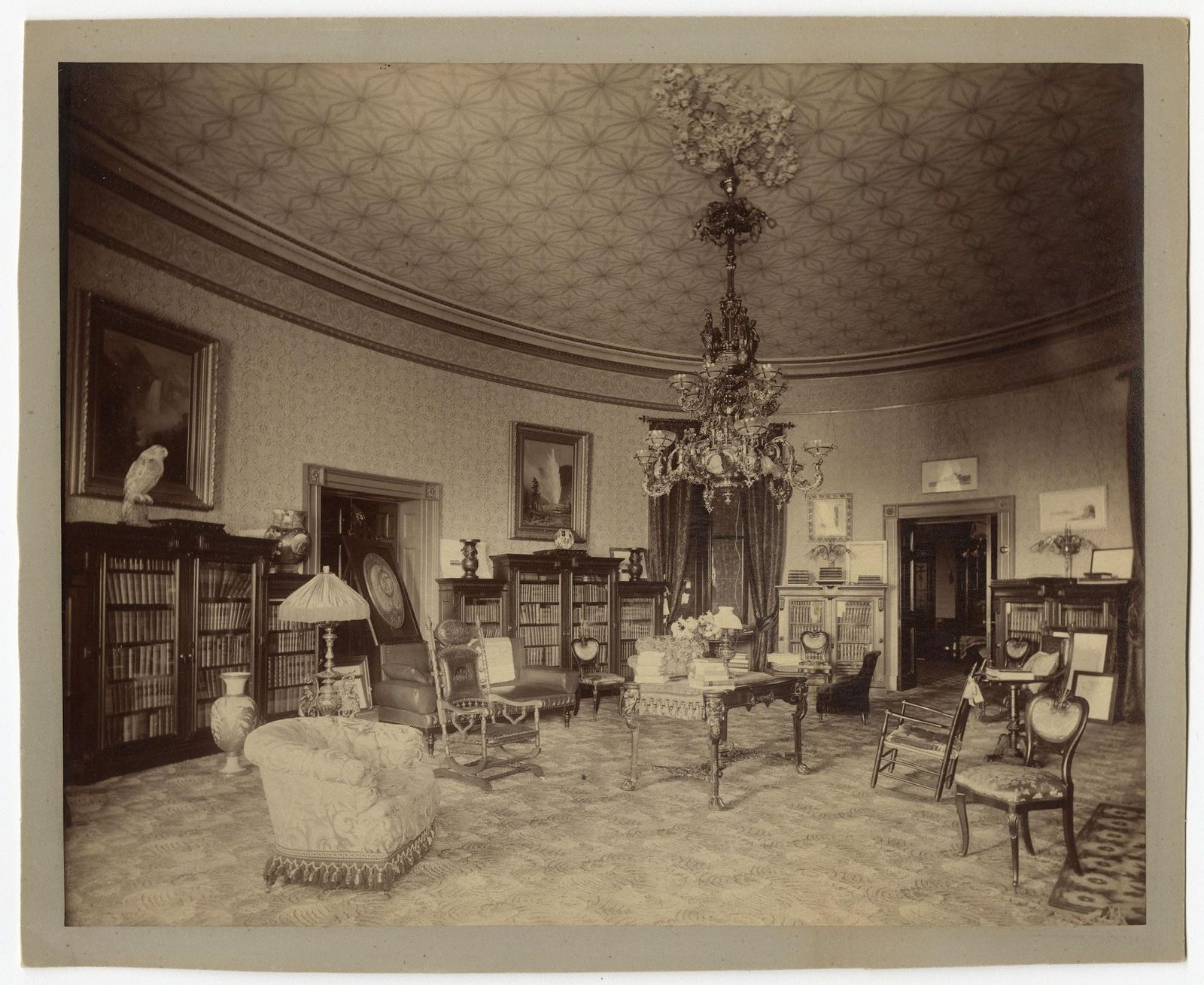
Among the many changes the White House has undergone over the years, few were as revolutionary as the arrival of electricity.

For nearly a century after it was built, the presidential residence relied on candles, oil lamps, and gas lighting. That finally changed in 1891, when electricity was installed during the presidency of Benjamin Harrison. But, like many families in that era, the Harrisons were not exactly thrilled by this modern invention. According to White House stories passed down over the years, President Harrison and First Lady Caroline Harrison were so nervous about the possibility of electric shock that they rarely touched the light switches themselves. Instead, they often asked the house staff to turn the lights on and off for them.

10
Hillary Clinton’s special gift

Image: Ralph Alswang, Public domain, via Wikimedia Commons

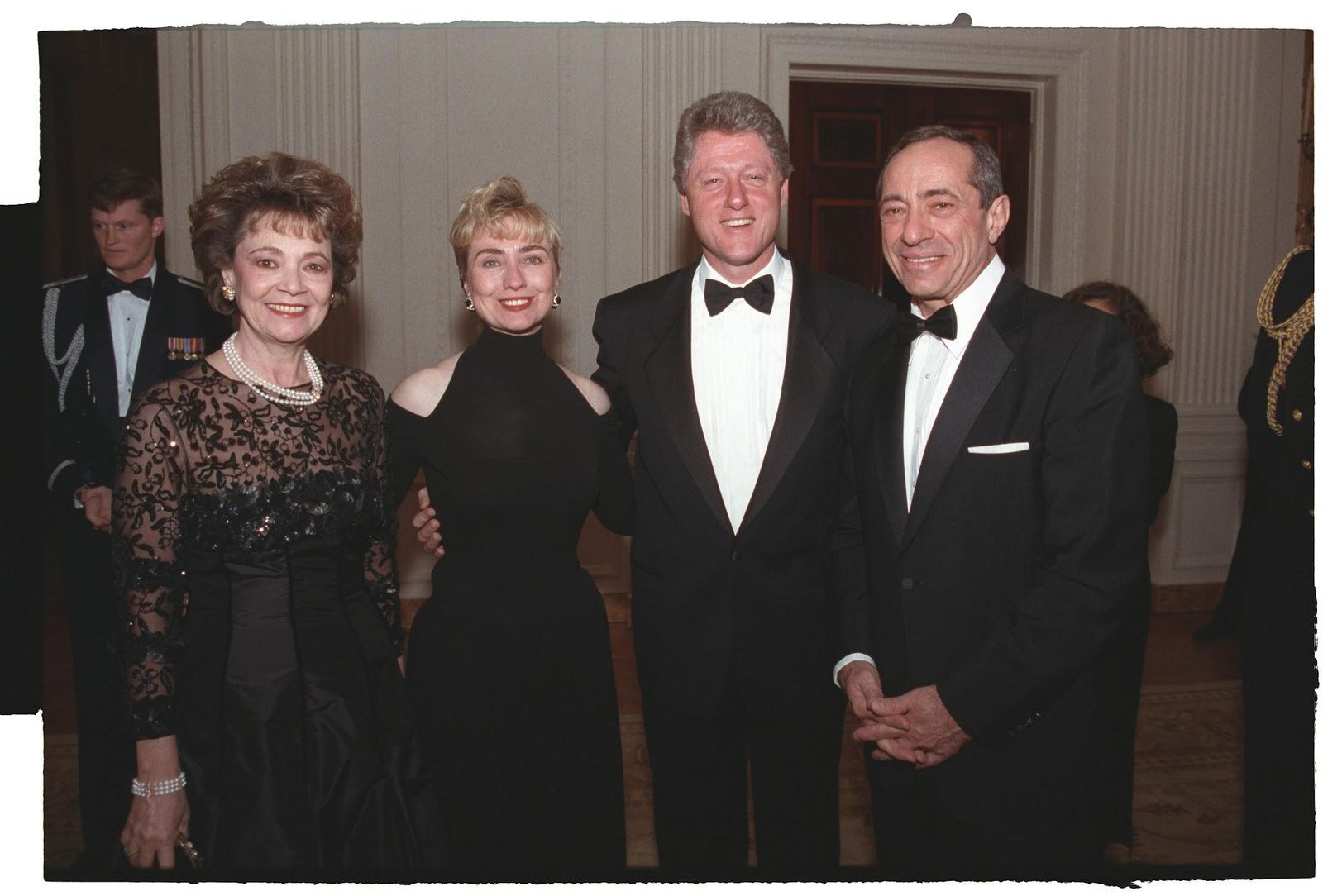
Of course, Jackie Kennedy wasn’t the only First Lady to leave her mark on the White House. Hillary Clinton added her own personal touch as well, this time as a gift for her husband.

In 1996, Hillary Clinton transformed a little-used room on the White House’s third floor into a private music room for President Bill Clinton. The gift came during the year of Bill Clinton’s 50th birthday and reflected one of his best-known passions: music. Complete with space for listening to records and playing his famous saxophone, the room gave the president a quiet retreat inside the White House.

History History 5 min read

What First Lady was accused of bigamy? 10 political crises

Image: EQRoy

From the founding era to the turn of the 21st century, political scandals have shaped public trust and dismantled entire careers. Looking back at ten of the most notorious political crises in American history reveals how the intersection of media and culture forces the nation to look in the mirror.

1
Rachel Jackson: A "Bigamy" scandal (1820s)

Image: L. Bernie Gallaher, Public domain, via Wikimedia Commons

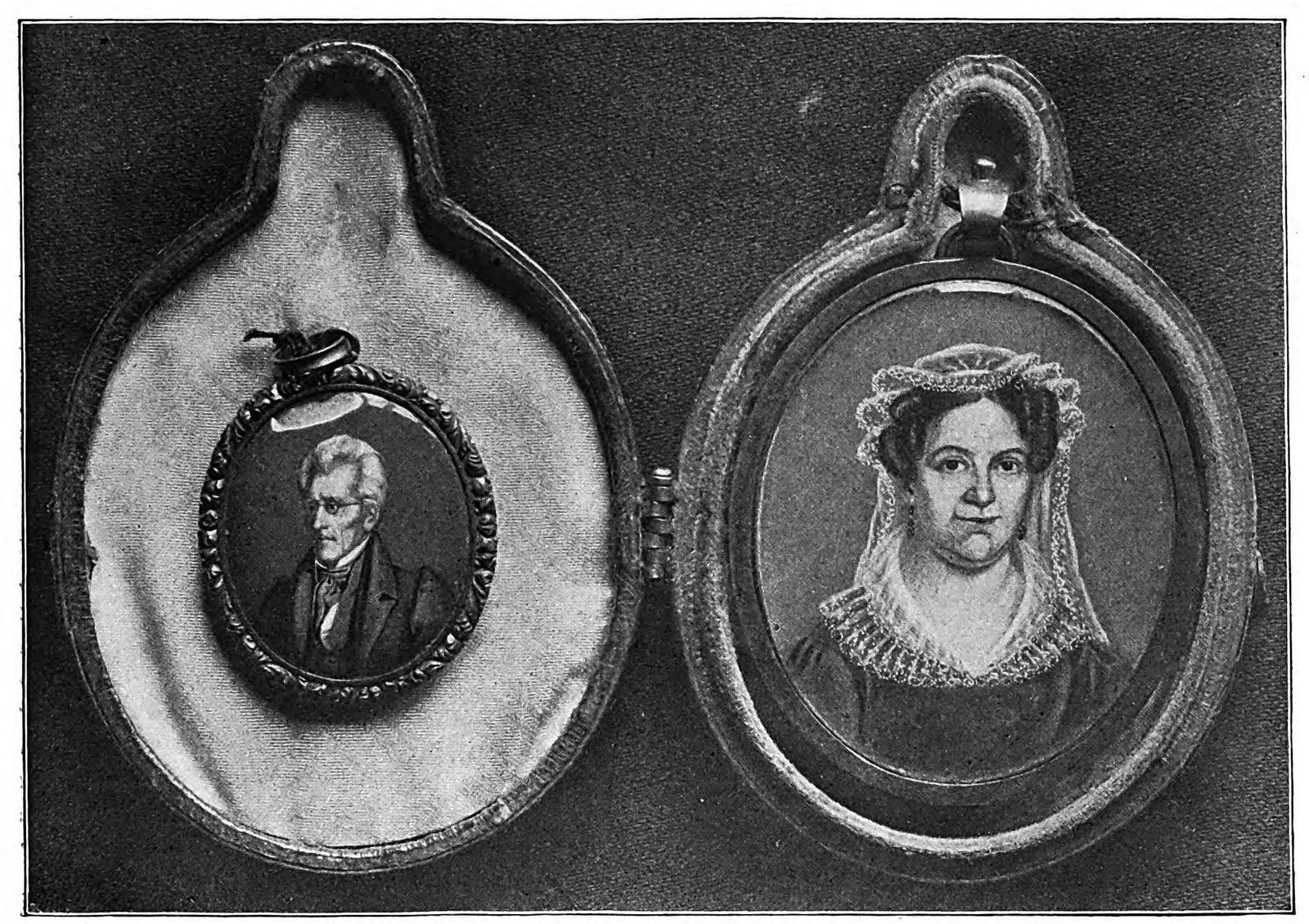
In 1791, a young Andrew Jackson married Rachel Donelson. Both believed her first husband, Captain Lewis Robards, had successfully finalized their divorce. Apparently, Robards didn’t file the petition, making her marriage to Jackson technically bigamous. Once the divorce went through in 1794, they officially remarried.

During the 1828 presidential campaign, Jackson’s political opponents used this legal mistake against him. They branded Rachel a loose woman and a bigamist in pamphlets scattered across the country. The intense public shaming broke her spirit and deteriorated her health. She suffered a fatal heart attack just days before Jackson’s inauguration, leaving the newly elected president heartbroken and extremely bitter toward his political rivals for the rest of his life.

2
Grover Cleveland’s illegitimate child (1884)

Image: Frank Beard, Public domain, via Wikimedia Commons

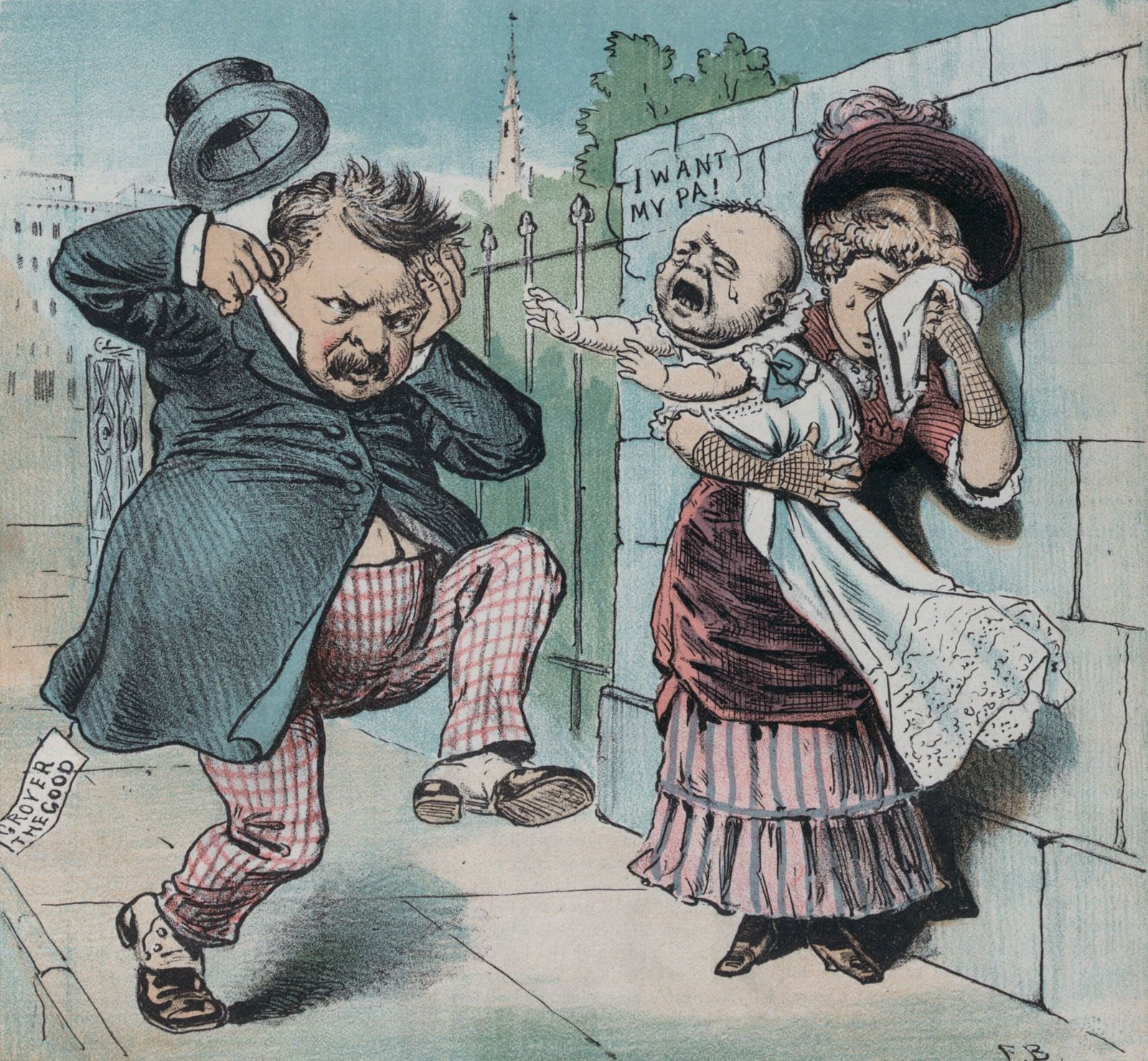
Decades later, another personal bombshell rocked another presidential race. Republican opponents revealed that Democratic nominee Grover Cleveland, a bachelor praised for his integrity, had fathered a child out of wedlock with a widow called Maria Halpin ten years before.

Republicans paraded through the streets chanting, "Ma, Ma, where’s my Pa?" Instead of denying the affair or trying to bury it, Cleveland instructed his campaign managers to do something radical: "Tell the truth." He admitted to supporting the child financially. His honesty caught his opponents off guard and won over voters who were tired of such dirty political tactics.

3
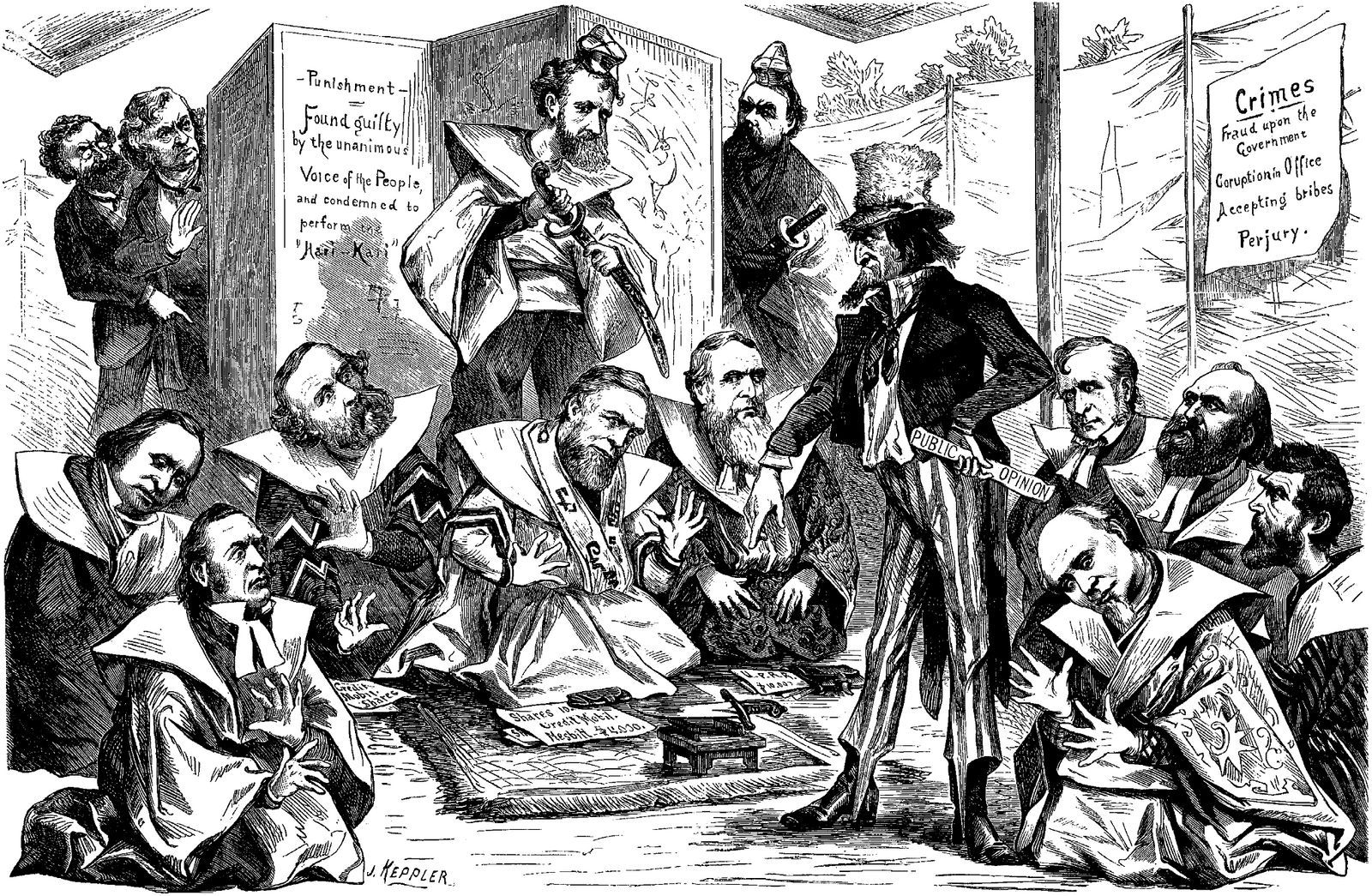
The Crédit Mobilier scandal (1872)

Image: Joseph Keppler, Public domain, via Wikimedia Commons

This particular scandal stands as one of the most shameless corporate schemes of the Gilded Age. Stockholders of the Union Pacific Railroad formed a fraudulent construction company called Crédit Mobilier of America . Then, they hired themselves to build the transcontinental railroad at inflated prices, pocketing tens of millions of dollars in federal subsidies.

To prevent Congress from investigating their profit margins, Congressman Oakes Ames distributed discounted shares of the company’s stock to influential politicians, including Vice President Schuyler Colfax. When the press exposed the story in 1872, the revelation that lawmakers were bribing themselves tarnished the legacy of the Ulysses S. Grant administration.

4
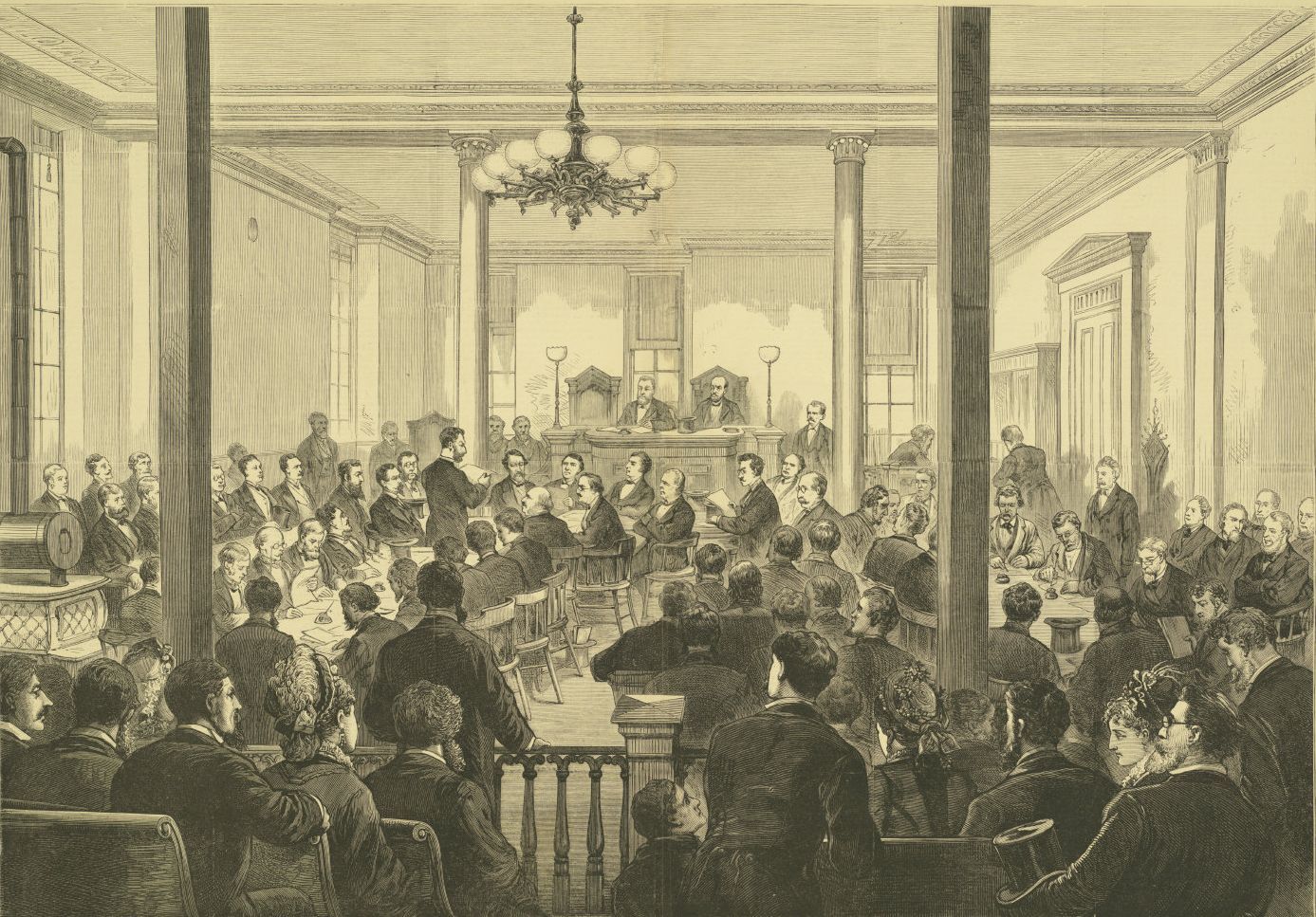
The Whiskey Ring scandal (1875)

Image: Cornell University Library, No restrictions, via Wikimedia Commons

A few years later, another financial disaster hit the Grant administration. The Whiskey Ring was a widespread conspiracy involving distillers, distributors, and internal federal tax officials who stole millions of dollars in liquor taxes.

Using a complex web of bribes and falsified records, the ring defrauded the U.S. Treasury. The scandal reached the inner circle of power when President Grant’s own private secretary, Orville Babcock, was indicted as a ringleader. Grant provided a deposition in his secretary’s defense. While this saved Babcock from prison, it permanently damaged the president’s reputation.

5
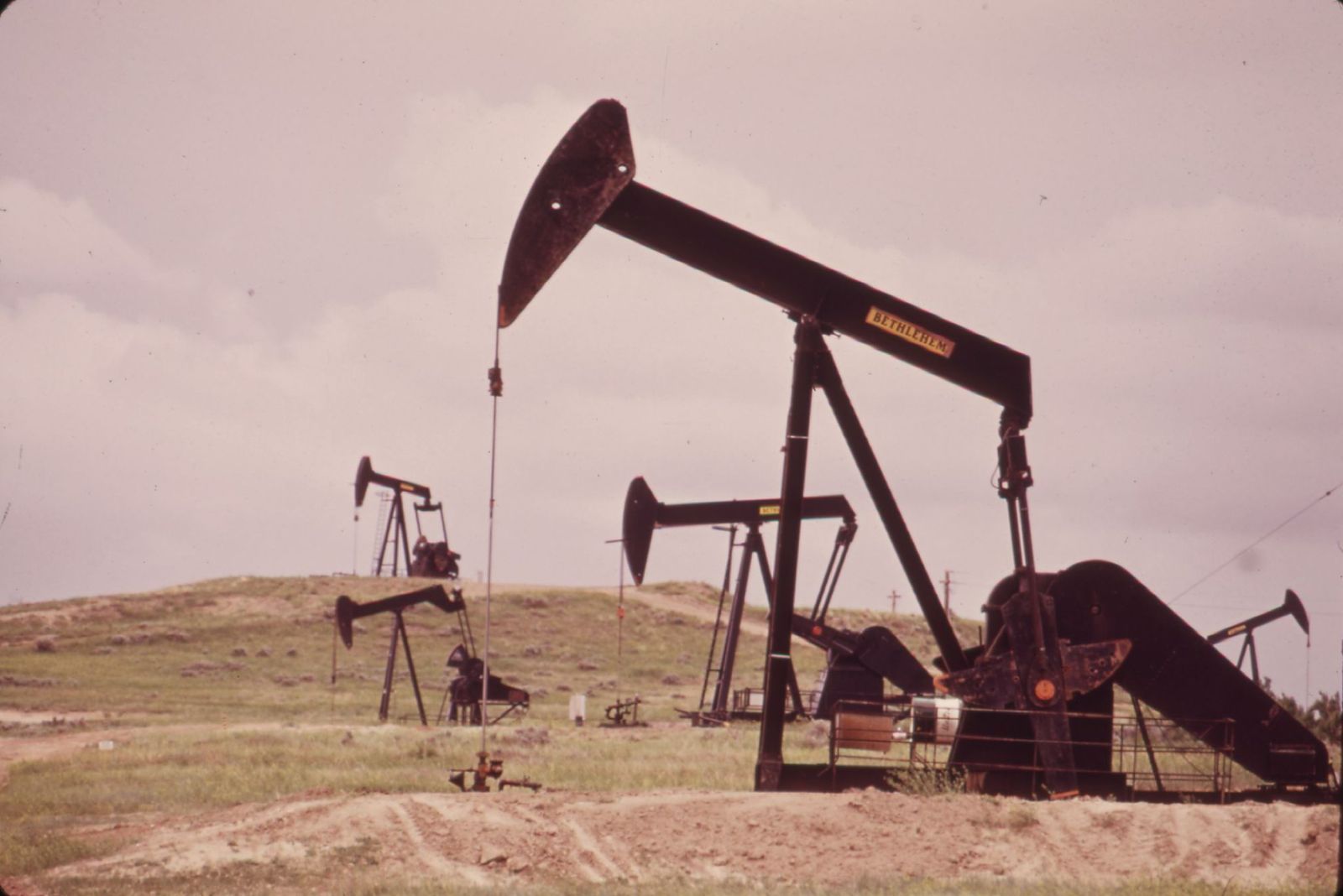
The Teapot Dome scandal (1920s)

Image: Boyd Norton, Public domain, via Wikimedia Commons

Until Watergate occurred, Teapot Dome was synonymous with political corruption. During the administration of Warren G. Harding, Secretary of the Interior Albert Fall took control of valuable federal oil reserves located at Teapot Dome, Wyoming, and Elk Hills, California.

Instead of opening these fields up for competitive bidding among energy companies, Fall secretly leased the drilling rights to private oil tycoons in exchange for more than $400,000 in bribes.

6
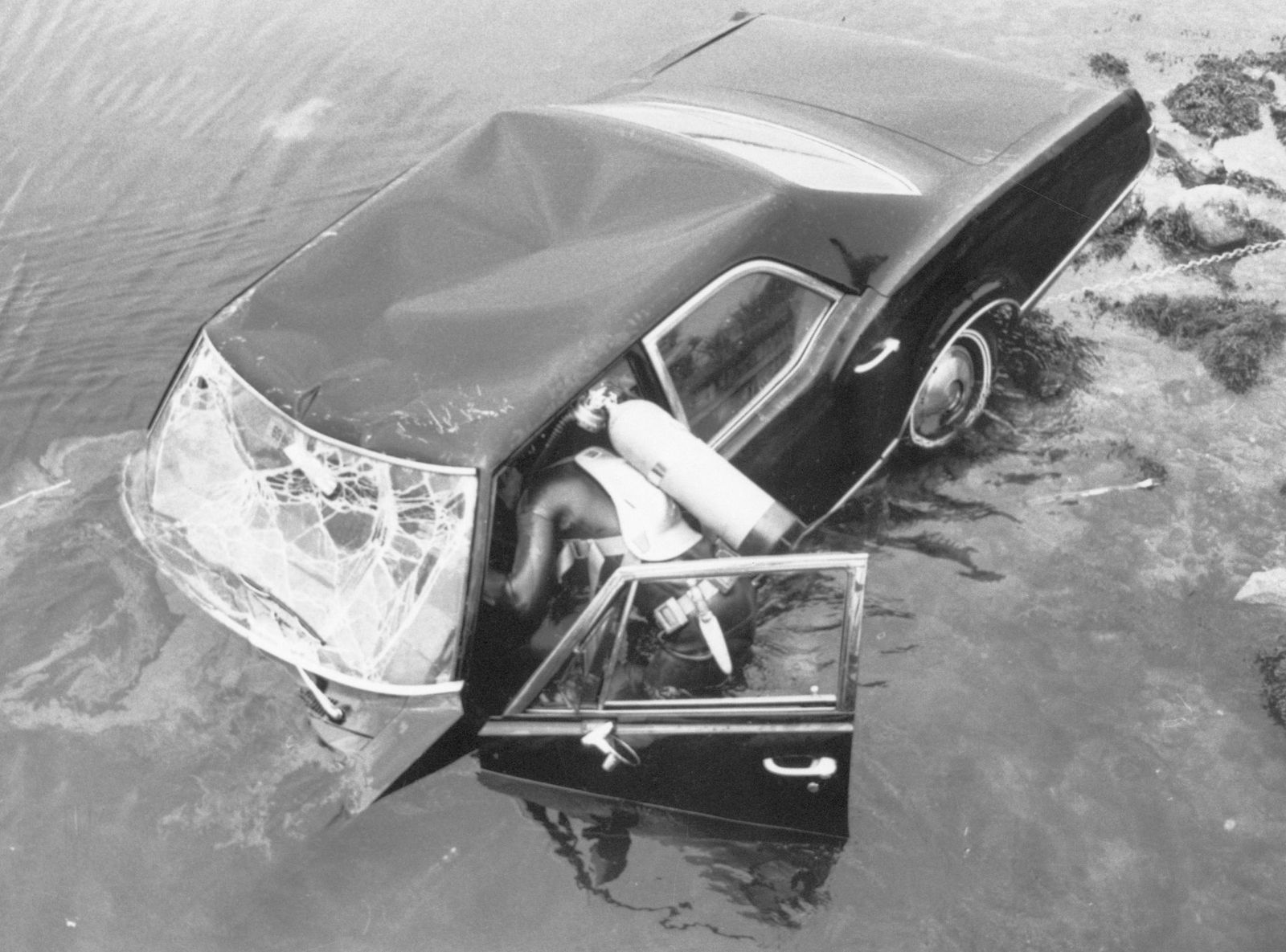
The Chappaquiddick incident (1969)

Image: United Press International, Public domain, via Wikimedia Commons

By the mid-20th century, the nature of political scandals shifted. Secrets began to involve personal crisis and tragic losses.

In July 1969, Senator Edward "Ted" Kennedy drove his car off a narrow wooden bridge on Chappaquiddick Island, Massachusetts. The vehicle overturned into a tidal pond, trapping and drowning his passenger, 28-year-old campaign worker Mary Jo Kopechne. Kennedy managed to escape but failed to report the fatal accident to the police for ten hours. Although he eventually pleaded guilty to leaving the scene of an accident, his delayed reaction ended his lifelong presidential ambitions.

7
The Pentagon Papers (1971)

Image: See page for author, Public domain, via Wikimedia Commons

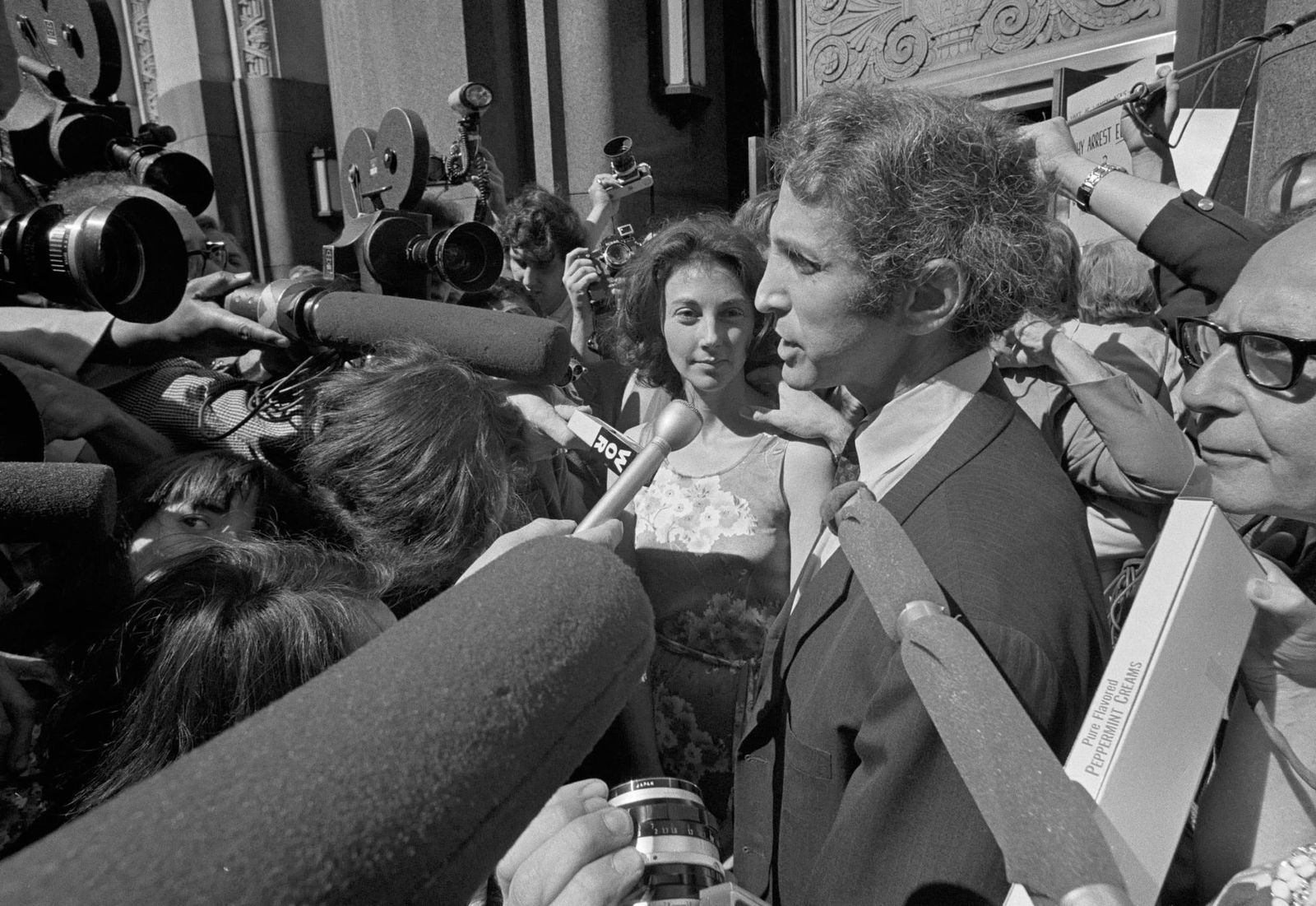
In 1971, military analyst Daniel Ellsberg felt the moral obligation to leak a top-secret 7,000-page Department of Defense study detailing U.S. political and military involvement in Vietnam from 1945 to 1967.

Published by The New York Times , the papers exposed a disturbing truth: successive administrations had systematically lied to both Congress and the American public. The documents proved that the government had expanded the war and increased troop counts while knowing that the conflict was unwinnable. The Supreme Court eventually rejected the government’s attempts to block the leaks, making a victory for freedom of the press.

8
The Watergate scandal (1972–1974)

Image: National Archives & Records Administration, Public domain, via Wikimedia Commons

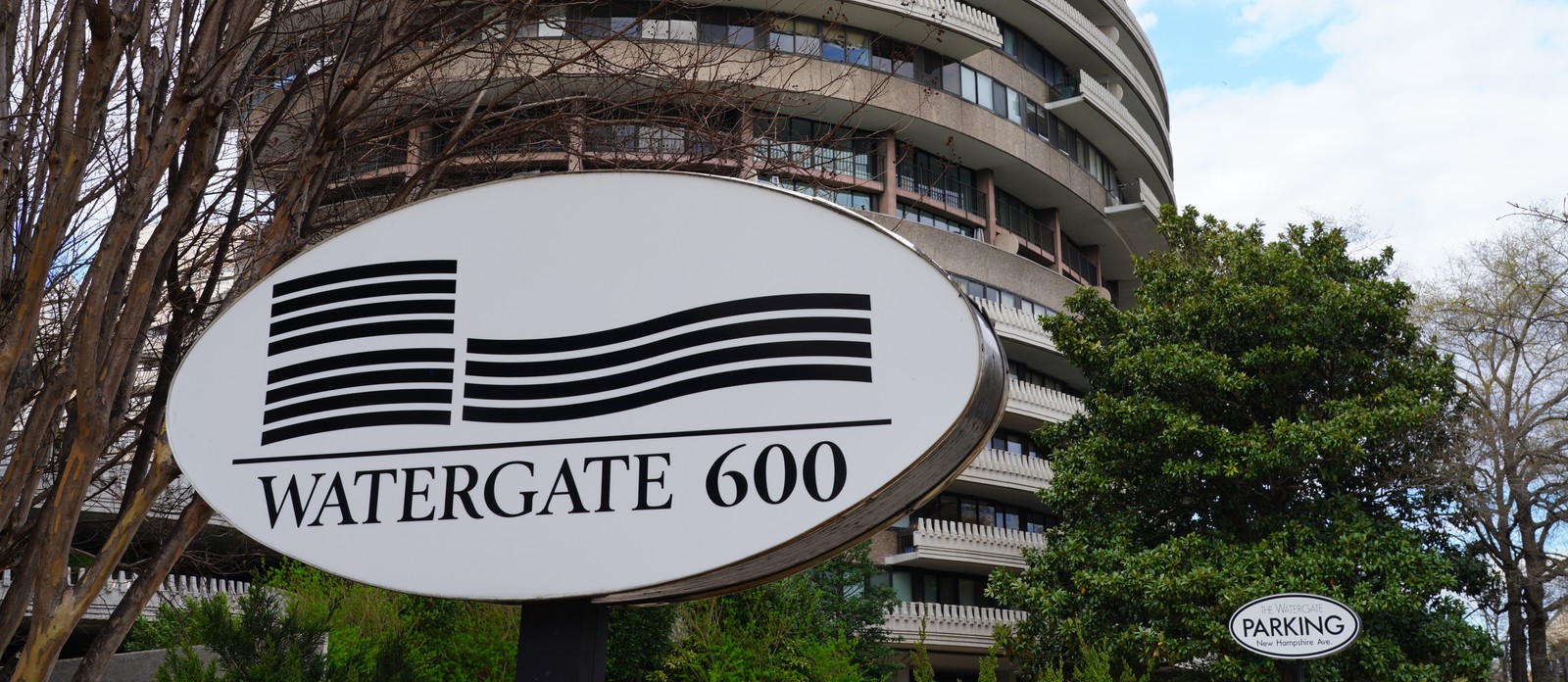
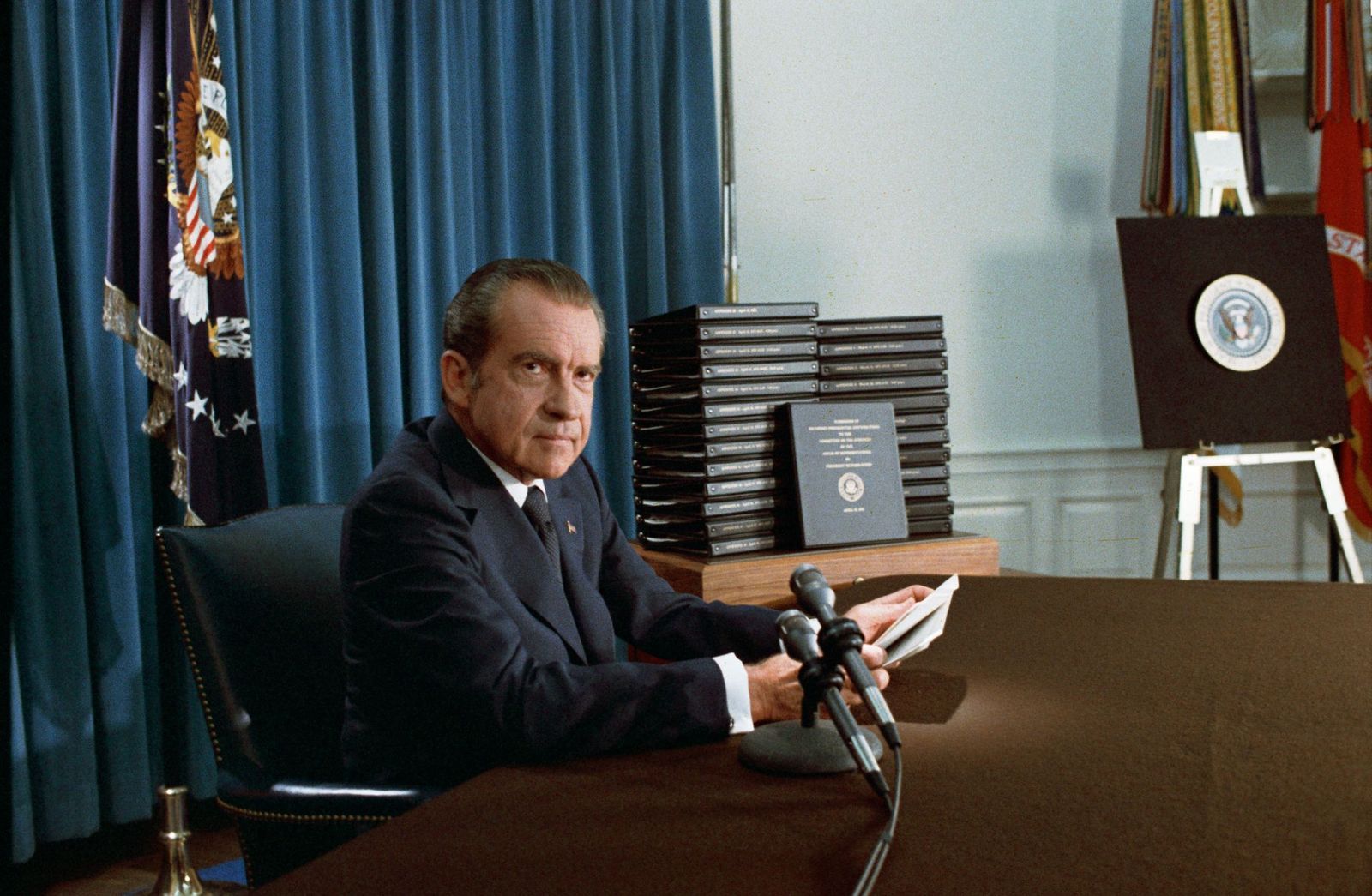
This is, probably, the ultimate American political scandal. In June 1972, five men were arrested breaking into the Democratic National Committee headquarters at the Watergate complex in Washington, D.C.

The break in itself was minor compared to the illegal cover-up orchestrated by President Richard Nixon and his collaborators. From paying hush money to instructing the CIA to block the FBI’s investigation, Nixon’s complicity was exposed via his own secret White House taping system. Facing impeachment and conviction by the Senate, Nixon became the first and only U.S. president to resign from office.

9
The "Keating Five" (Late 1980s)

Image: KonstantinChristian

During the Savings and Loan crisis of the late 1980s, five U.S. Senators—John McCain, Alan Cranston, Dennis DeConcini, John Glenn, and Donald Riegle—came under intense scrutiny.

The group was accused of intervening with federal banking regulators on behalf of Charles Keating, the chairman of Lincoln Savings and Loan, who had contributed to their political campaigns. Lincoln eventually collapsed, costing American taxpayers over $3 billion. Although the Senate Ethics Committee ultimately cleared the senators of corruption, they were publicly condemned.

10
The Bill Clinton–Monica Lewinsky affair (1998)

Image: Clinton White House, Public domain, via Wikimedia Commons

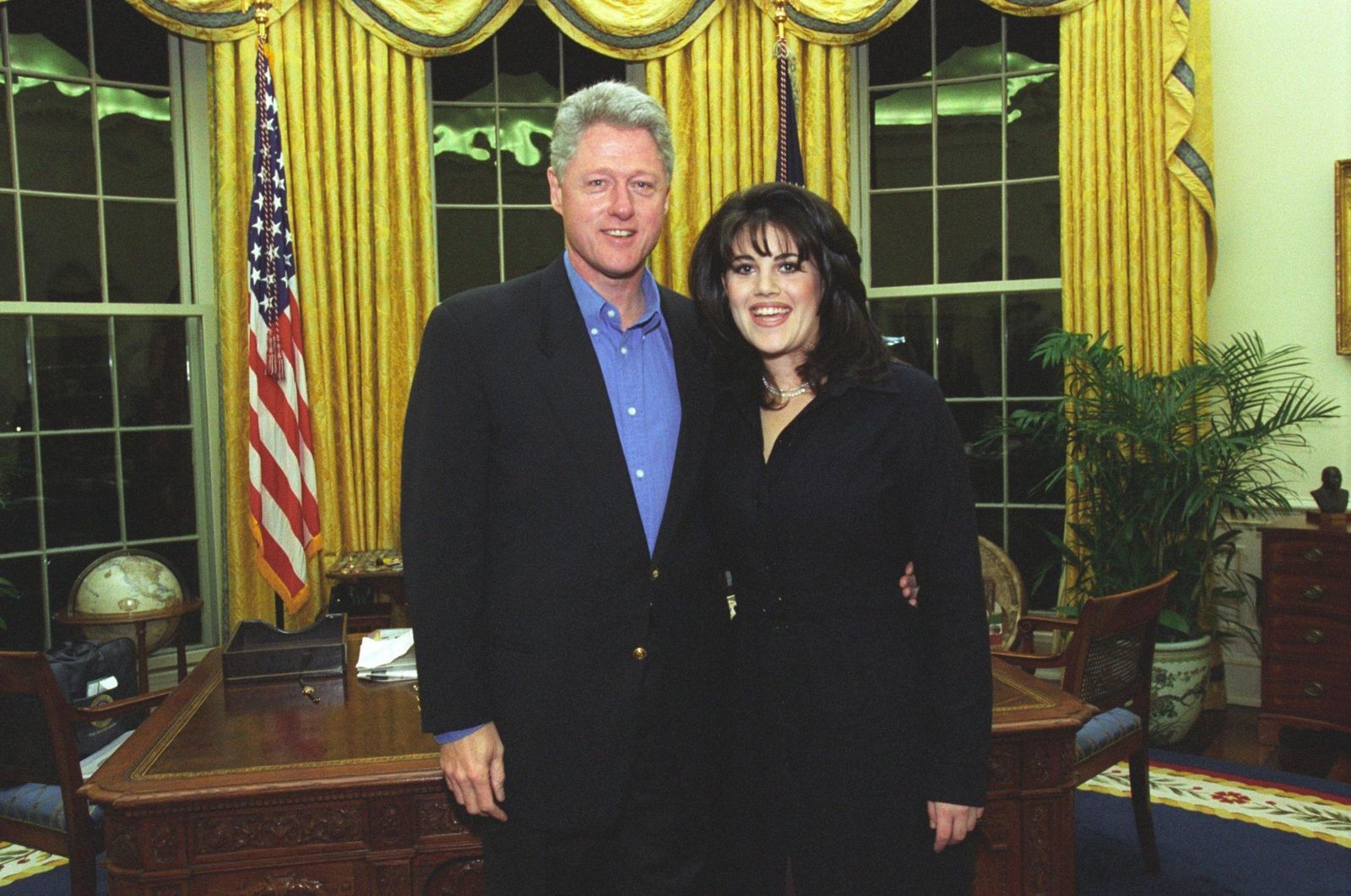
The 20th century ended with a scandal that blended personal infidelity with a constitutional crisis. In 1998, news broke that President Bill Clinton had an intimate relationship with a 21-year-old White House intern called Monica Lewinsky.

The affair turned into a legal battle when Clinton denied the relationship under oath during an unrelated sexual harassment lawsuit. The investigation led to Clinton’s impeachment by the House of Representatives on charges of perjury and obstruction of justice. The Senate ultimately acquitted him, yet he couldn’t bypass the media circus.

Explore more American facts

Choose your favorite category!

General
General

As American as apple pie—the very best America has to offer!

Culture
Culture

Delve into the astounding richness of American lore.

Geography
Geography

Hop in and explore vast and diverse American landscapes.

History
History

Discover the key moments that shaped the United States.