Culture Culture 4 min read

Was the 1950s truly the best decade to live the American Dream?
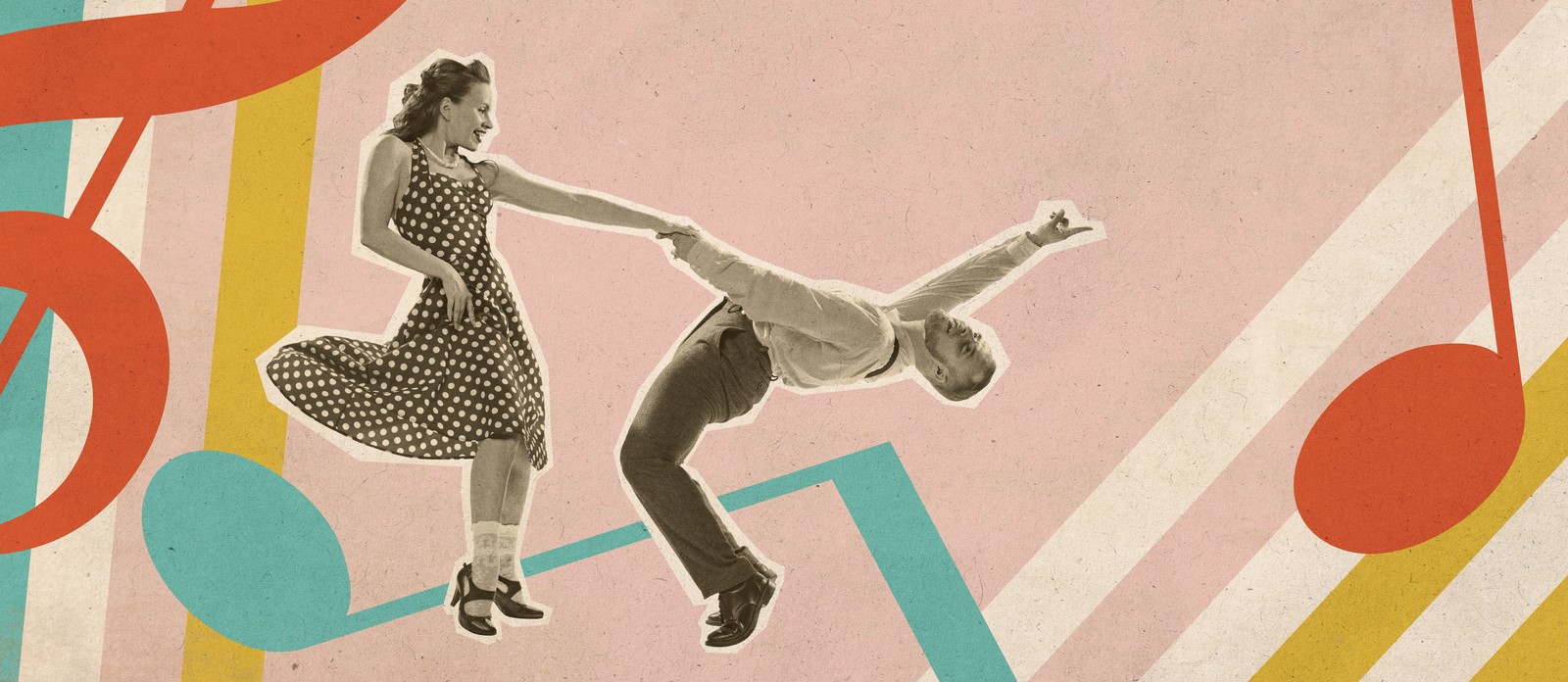
Image: Master1305

Emerging from the shadows of the Great Depression and World War II, 1950s America entered an era of optimism. It was a decade where the "American Dream" shifted from a concept to a tangible reality for millions of citizens. From the music playing on portable radios to the sudden affordability of a home with a yard, the fifties reshaped the cultural, technological, and economic landscape of the country. In this article, we explore 10 core reasons why the 1950s are remembered as an exceptionally great time to be an American.

1
Economic prosperity
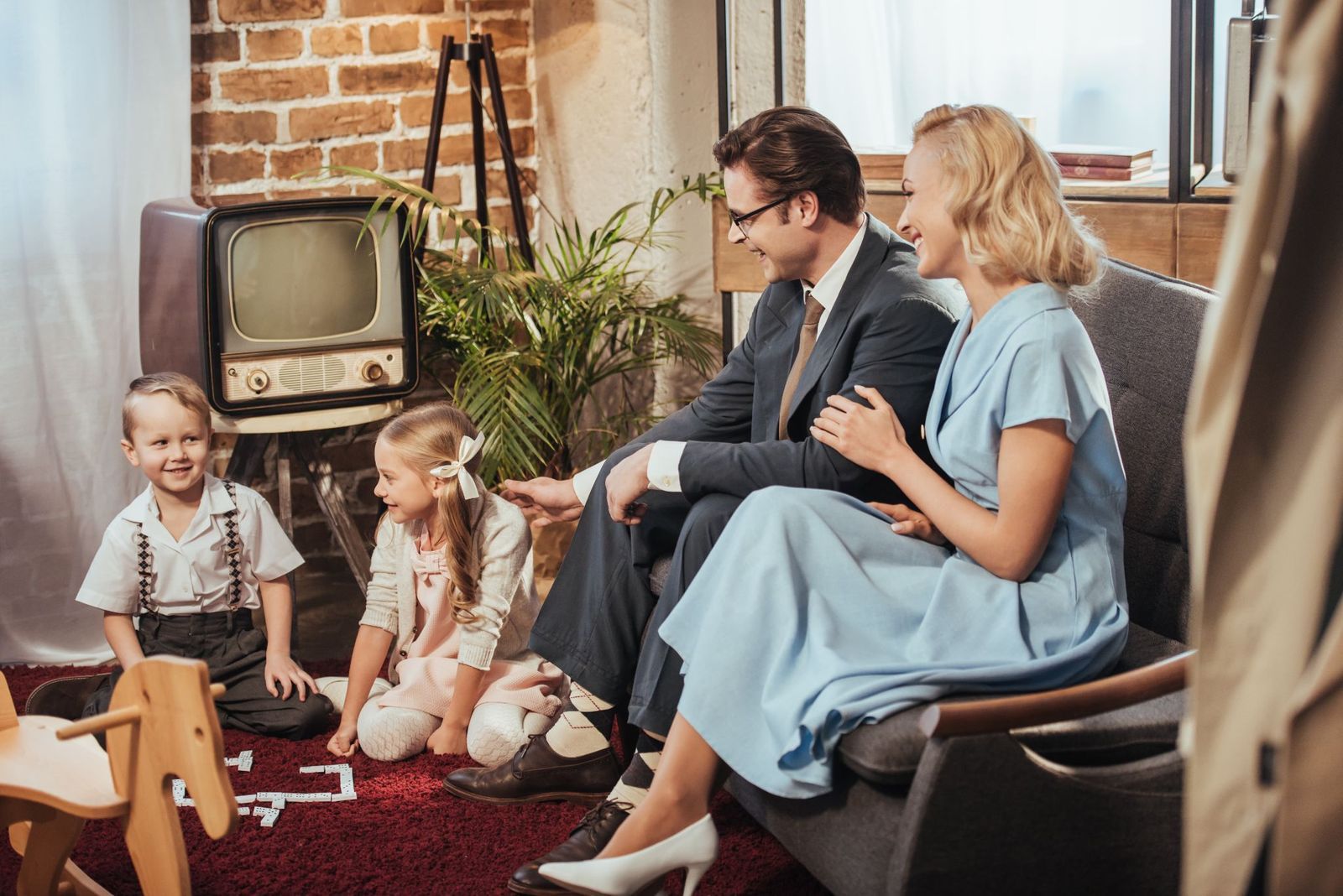
Image: LightField Studios

The foundation of everything that made the fifties fabulous was a booming economy. Following the end of World War II, the United States found itself as the world’s undisputed industrial leader, while much of Europe was still rebuilding.

Unemployment rates consistently dropped below 3%. Jobs were secure and offered strong wages that regularly surpassed inflation. Also, purchasing power exploded to the point where a single working-class income could comfortably cover a mortgage, buy a vehicle, and keep a pantry fully stocked, allowing financial stability for the average family.

2
The rise of suburbia
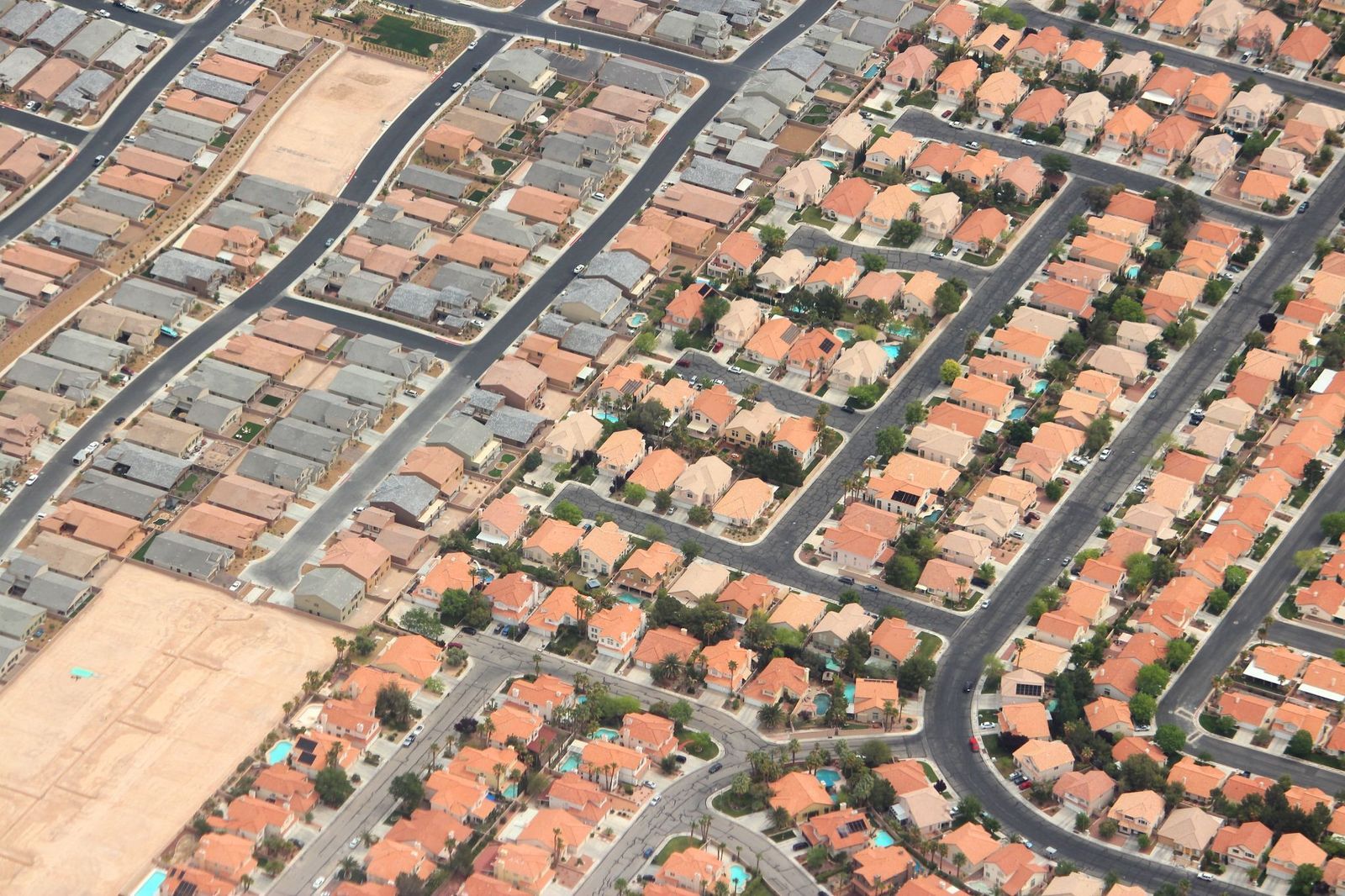
Image: Tupungato

With wallets full and families growing, millions of Americans left the crowded urban centers and headed for the periphery. The 1950s birthed the modern American suburb.

Developers revolutionized the housing industry by applying assembly line tactics to real estate, producing affordable homes. With low-cost mortgages, buying a suburban home suddenly became cheaper than renting a cramped city apartment. Suburbia became synonymous with safe, community-driven neighborhood living.

3
Baby Boom era
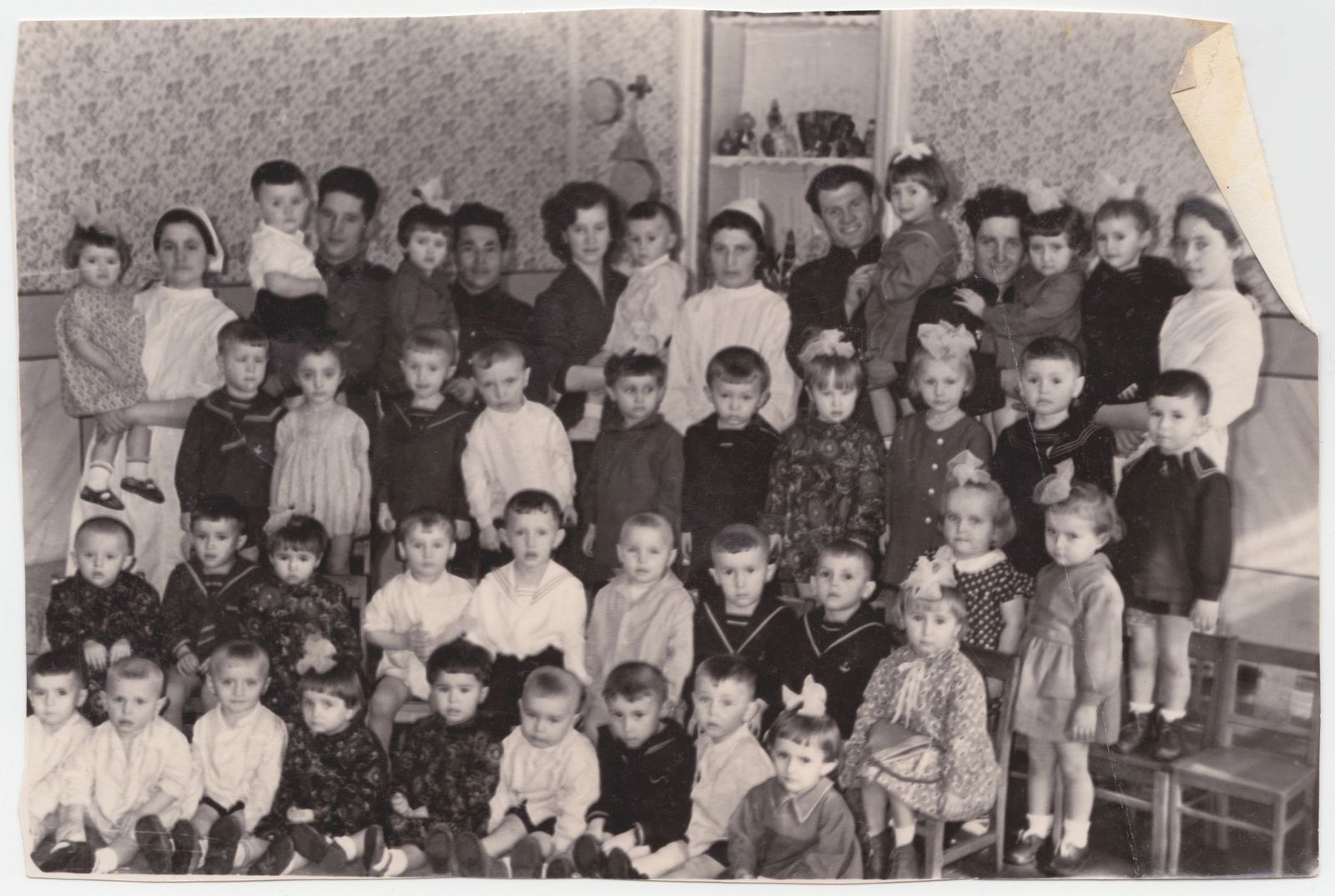
Image: fotoak

When the soldiers returned home from the war, they built families at a record pace. The "Baby Boom" era saw an astonishing 4 million babies born every single year in the U.S. throughout the decade.

By the time the boom dwindled, nearly 77 million new Americans had entered the world, shifting the nation’s commercial, architectural, and social priorities toward youth and family life. It was an era focused on domestic stability and a collective desire to protect and celebrate childhood.

4
Advances in medicine
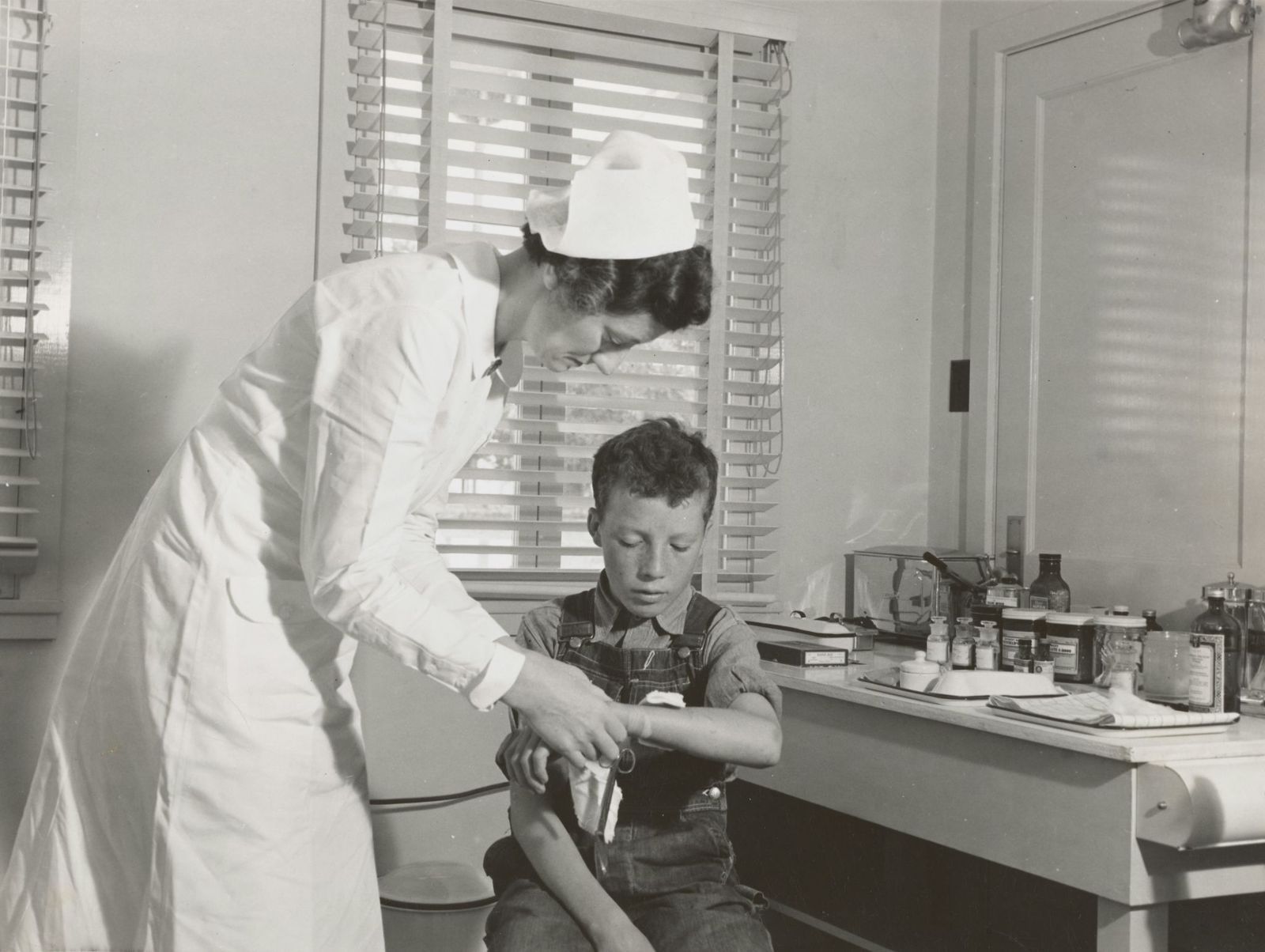
Image: The New York Public Library

Living in the 1950s meant witnessing some of the most profound medical miracles in human history. With the introduction of widespread inoculations, better anesthesia, and advanced pharmaceuticals, life expectancy surged.

In 1955, Dr. Jonas Salk’s polio vaccine was declared safe and effective. Within a few short years, a terrifying disease that had paralyzed thousands of children annually was near eradication. The fifties also welcomed the first successful human kidney transplant and massive structural breakthroughs in open-heart surgery.

5
The golden age of television
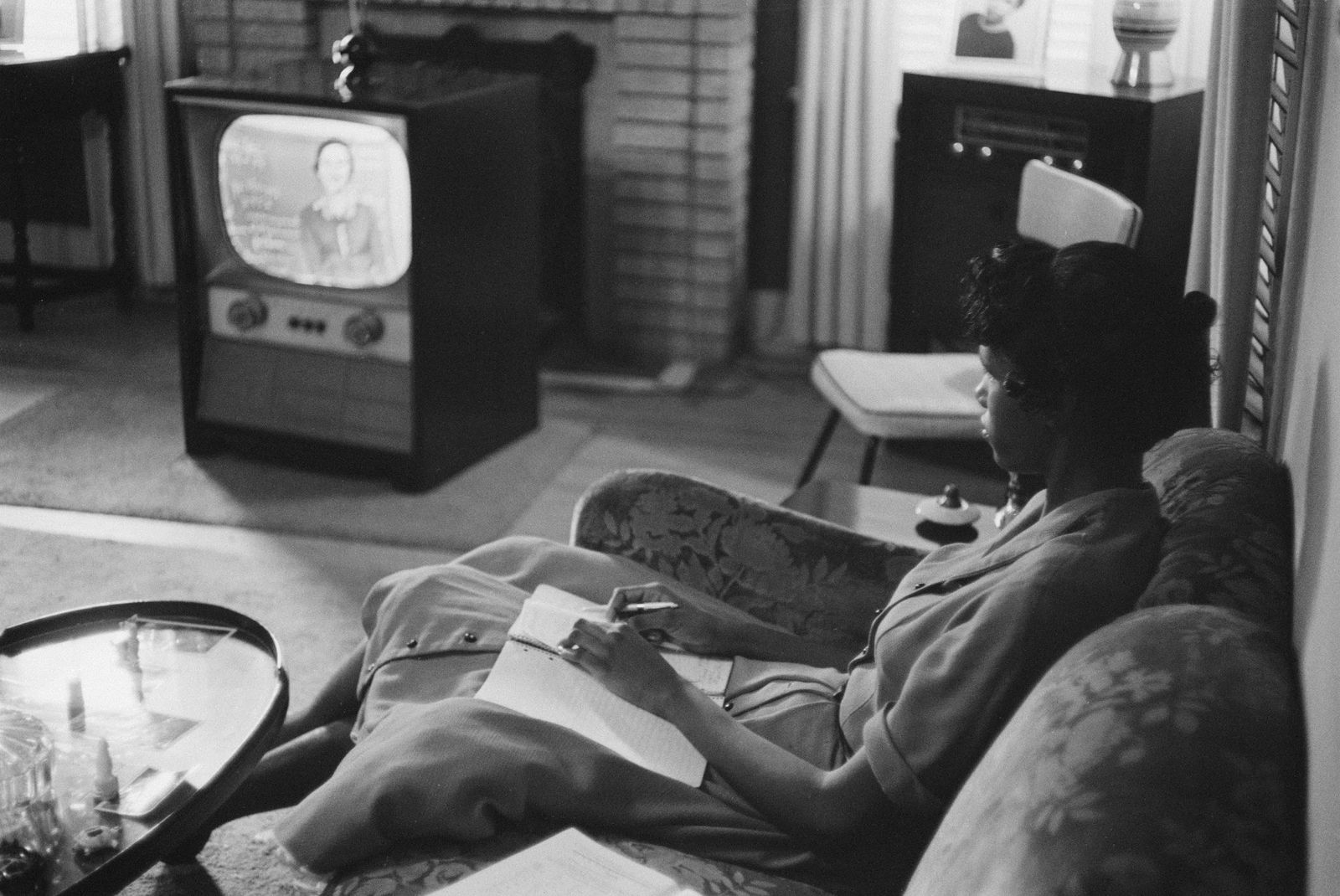
Image: Library of Congress

Before the 1950s, the radio was the centerpiece of the American living room. By the end of the decade, a glowing box took its place, permanently altering entertainment, news, and daily habits.

Electronic companies began mass-producing television sets that quickly became affordable for the average middle-class family. Americans gathered every night to share laughs over I Love Lucy , watch historic variety hours like The Ed Sullivan Show , or catch Westerns and championship wrestling. Millions of people across different states were suddenly watching the same stories, creating a unified national culture.

6
Iconic cars and drive-in culture
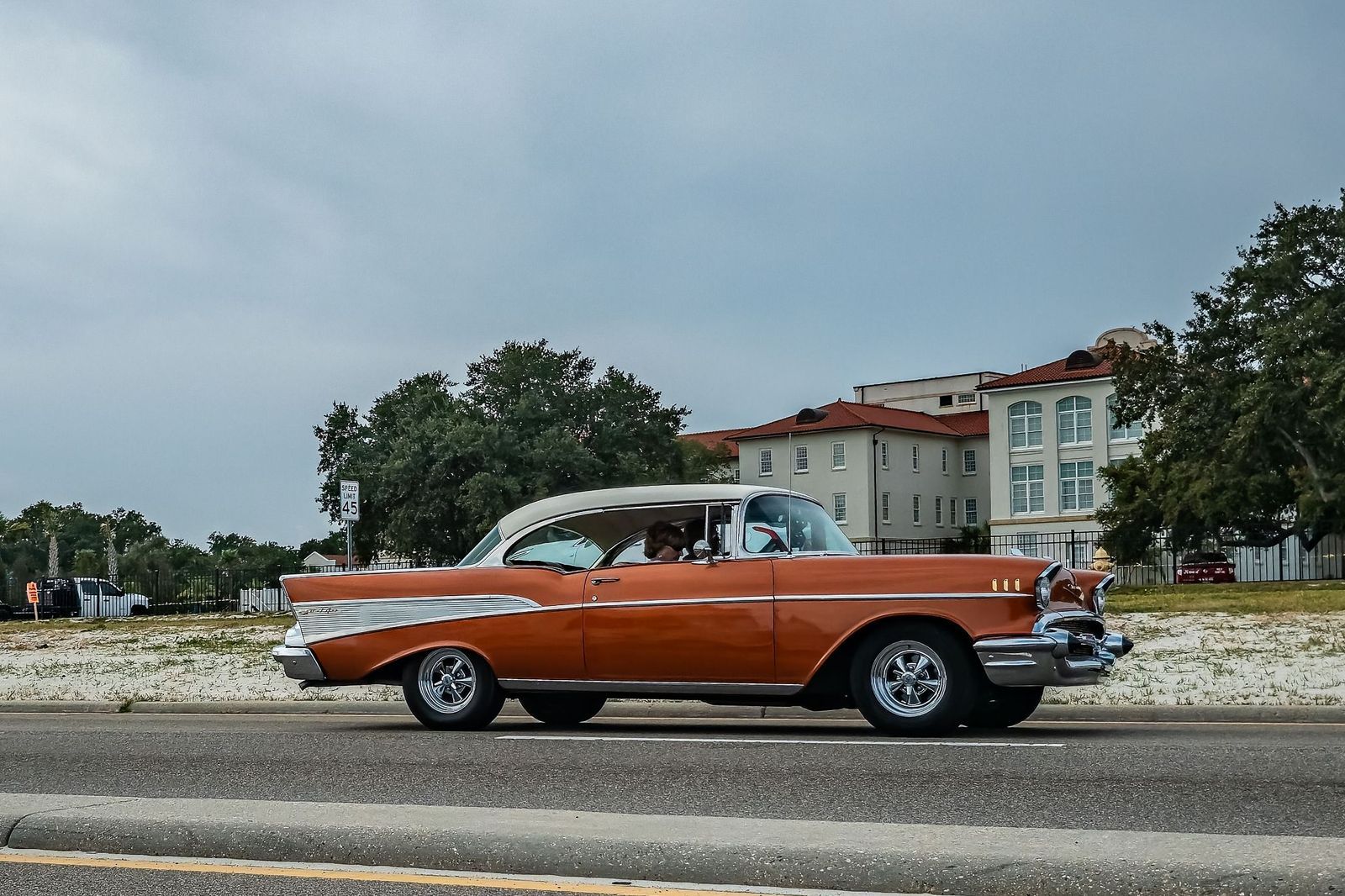
Image: Gestalt Imagery

Besides being a mode of transportation, the automobile in the 1950s was a declaration of personal freedom. Coupled with the expansion of the Interstate Highway System, car culture gave birth to a new social ecosystem.

Detroit created iconic machines like the Chevrolet Bel Air, with its tail fins that mirrored the era’s obsession with aviation and rocket design. Drive-in movie theaters and diners with roller-skating carhops became the epicenter of teenage social life, offering a sense of autonomy and mobility.

7
Rock ‘n’ Roll revolution
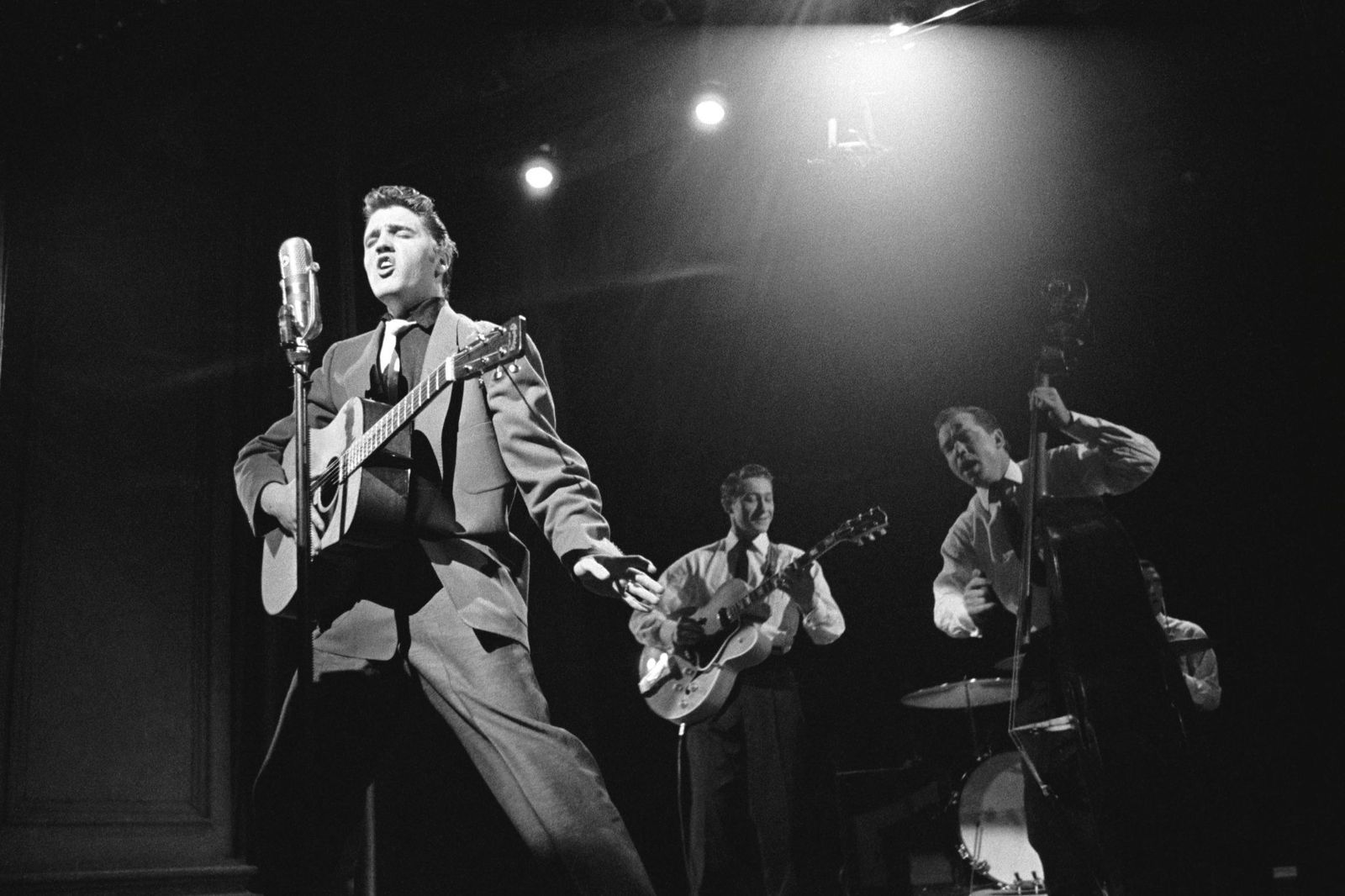
Image: Uncredited, Public domain, via Wikimedia Commons

The fifties gave birth to the teenager as a distinct cultural demographic, and that demographic needed its own unique soundtrack.

Pioneering artists like Elvis Presley, Chuck Berry, Bill Haley, and Little Richard fused rhythm and blues with country music to create a loud, energetic, and infectious sound. Enabled by the invention of the portable transistor radio and cheap vinyl records, teenagers could listen to their own music away from their parents. This sparked a youth counterculture that laid the groundwork for decades of musical and social evolution.

8
Space Race beginnings
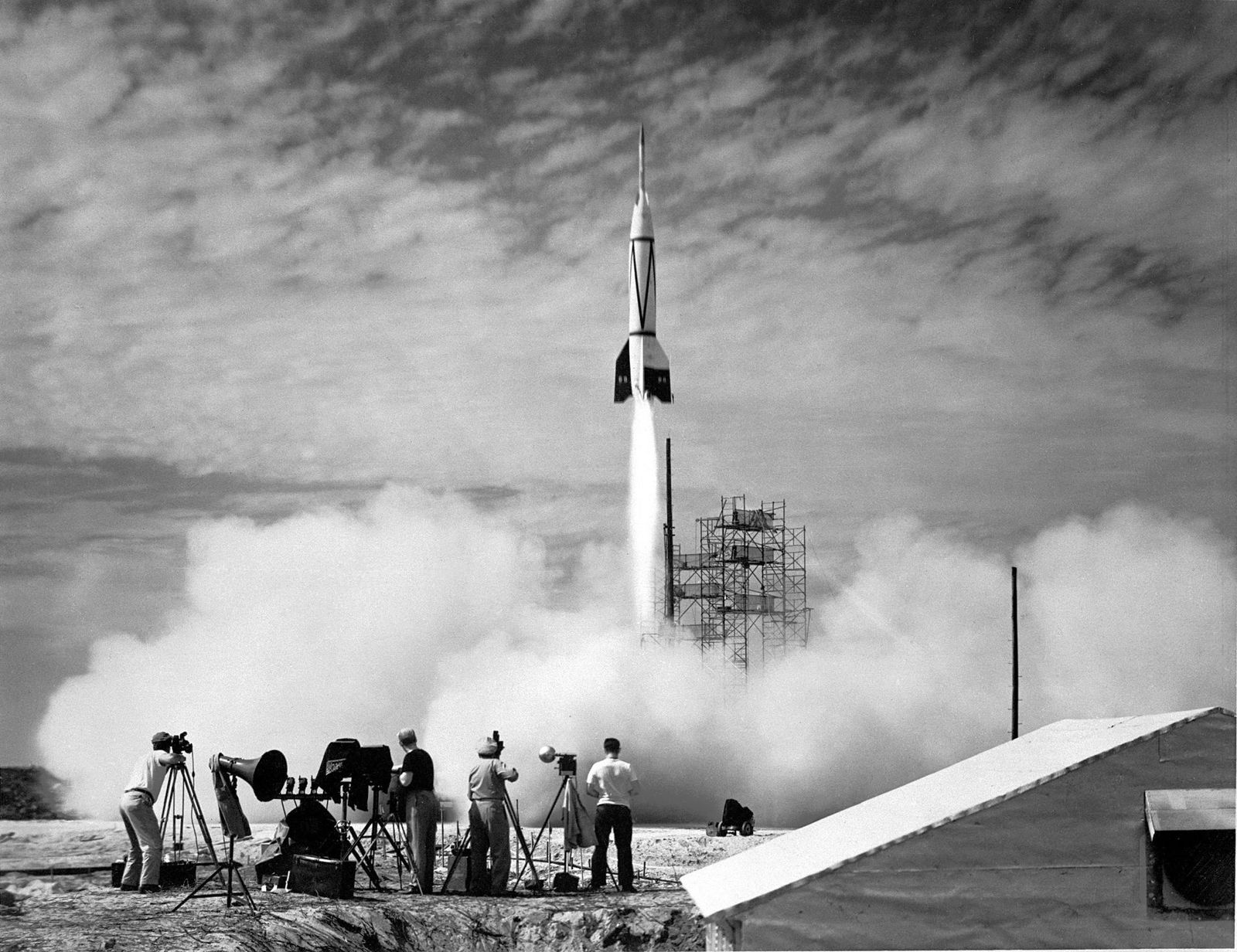
Image: NASA/U.S. Army, Public domain, via Wikimedia Commons

The late 1950s forced Americans to look up to the stars. When the Soviet Union successfully launched Sputnik in 1957, it ignited a fierce competitive drive known as the Space Race.

This cosmic rivalry meant that the government focused on funding science, mathematics, engineering, and technological research. The founding of NASA in 1958 captured the public’s imagination more than anything before. To be an American in the late fifties was to live on the precipice of the future.

9
Innovations in Technology & Home Life
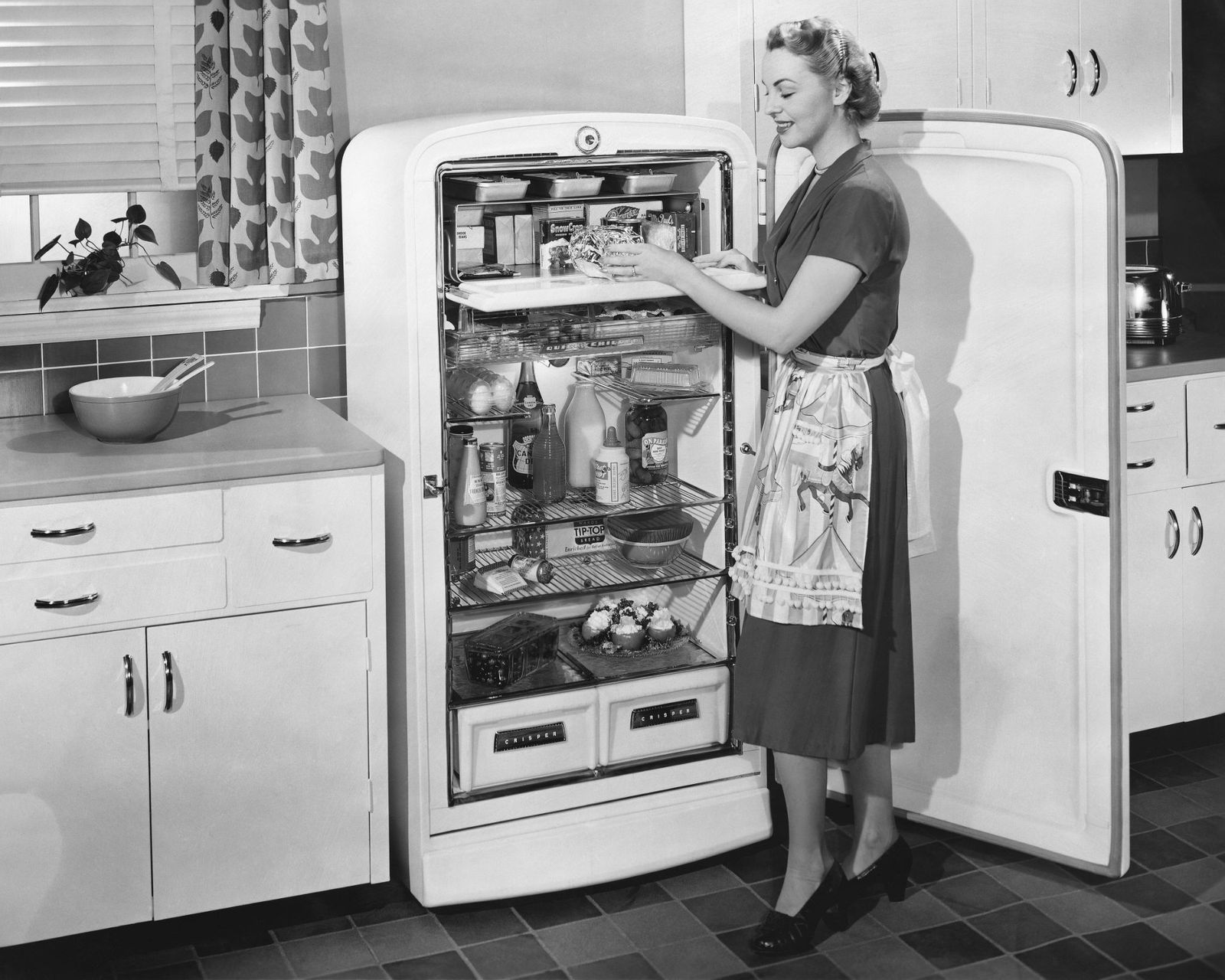
Image: Everett Collection

Daily domestic life underwent a radical upgrade in the 1950s, driven by an explosion of household appliances designed to maximize comfort and convenience. These innovations dramatically decreased the physical labor and hours required for chores, meaning extra leisure time for homemakers.

Refrigerators evolved with groundbreaking features like automatic defrosting and adjustable shelving. Meanwhile, early residential microwaves, automated dishwashers, and washing machines became standard fixtures. Also, the introduction of the frozen "TV Dinner" and the rise of fast-food restaurants like McDonald’s translated into less cooking.

10
Fashion & Glamour
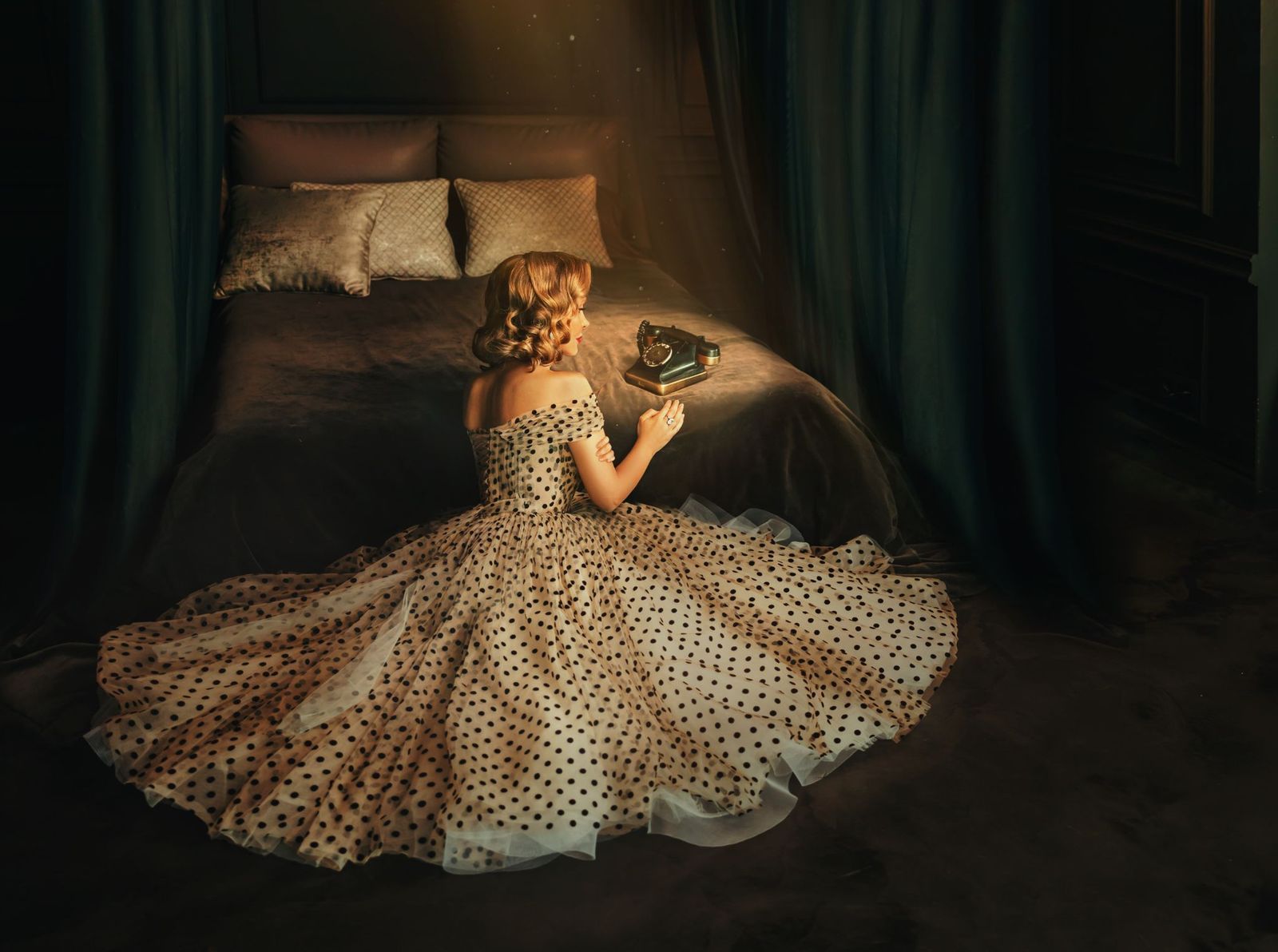
Image: Ironika

1950s American style was all about elegance and sophistication, moving away from the utilitarian garments of the wartime 1940s. Driven by Christian Dior’s "New Look," women’s fashion celebrated the classic hourglass silhouette with cinched waists, sharp tailoring, and voluminous skirts.

Poodle skirts and black-and-white saddle shoes dominated high school hallways, while Hollywood icons like Marilyn Monroe, Audrey Hepburn, and Grace Kelly set the glamour standard. For men, sharp suits, narrow ties, and slicked back hair defined a timeless aesthetic.
Geography Geography 4 min read

Smalltown, USA

Is your state’s capital one of the smallest in the country?

Image: John Holm

Not every state capital is a huge city packed with high-rises and traffic. Some of them are closer to small towns, where you can stroll from the government buildings to local diners in just a few minutes. These modest capitals still handle big jobs, from passing budgets to signing laws. Take a look at 12 of America’s smallest state capitals and see if your state made the list.

1
Montpellier, Vermont

Image: Craig Tidball

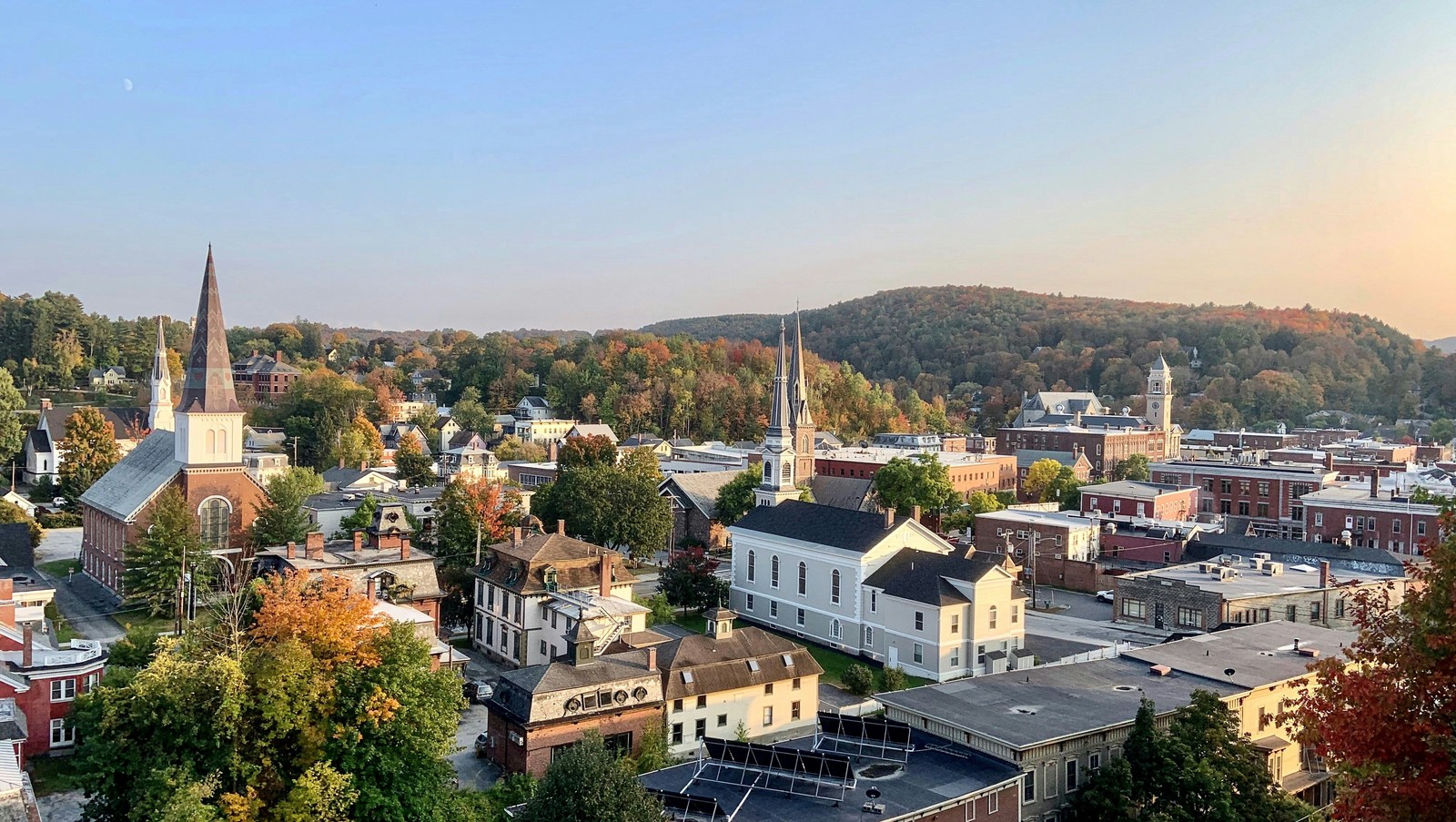
Montpellier is the smallest state capital in the United States, with only about 8,000 residents along the Winooski River. Instead of traffic jams and towers, you get shops, quiet streets, and a gold-domed Capitol rising above the roofs .

Founded in the late 1700s and named after a city in France, Montpellier still feels more like a New England village than the seat of power that it is.

2
Pierre, South Dakota

Image: Jon Sailer

Pierre, South Dakota’s capital, is one of the quietest capitals in America , with only around 14,000 residents. It sits high on the bluffs of the Missouri River, where prairie hills roll into wide water and sunsets.

Life here runs at a slower pace than in most capital cities. Government buildings share streets with modest homes, fishing spots, and family-run shops.

3
Augusta, Maine

Image: Keith Luke

Maine’s capital is a compact city on the banks of the Kennebec River. With a population well under 20,000 , it trades towering skylines for church steeples, brick storefronts, and a tidy state house.

The city’s roots go back to colonial trading days, and that history shows in its older neighborhoods and riverside mills. Museums, offices, and small coffee shops occupy most of the city’s center.

4
Frankfort, Kentucky

Image: Tolga Ahmetler

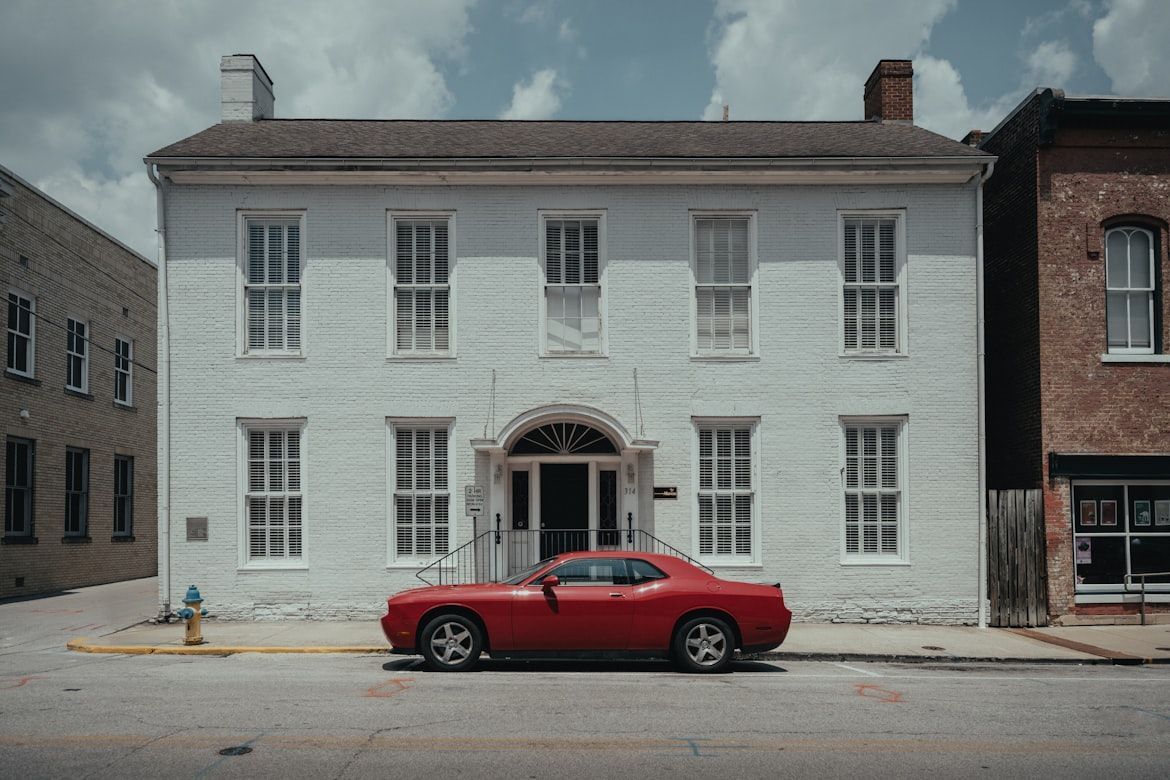
Frankfort, the capital of Kentucky, sits in a river valley surrounded by grass hills. With only 28,000 inhabitants, it’s smaller than many nearby college towns , and keeps a relaxed pace even while housing the ornate state capitol and many of the state’s main offices.

Old brick buildings, historic bourbon distilleries, and close neighborhoods give Frankfort a cozy, walkable feel. On workdays, lawmakers and staff share streets with locals grabbing lunch.

5
Helena, Montana

Image: Steven Cordes

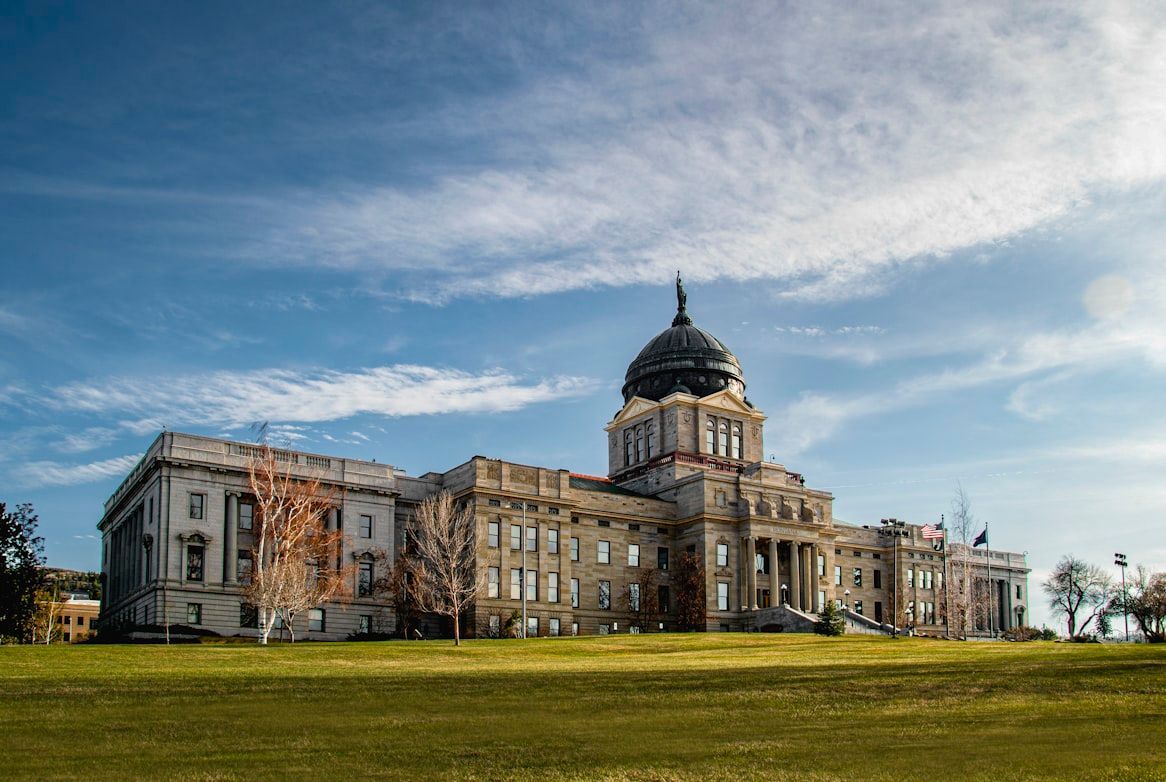
Montana’s capital began as a gold rush camp in the 1860s and never became a huge metropolis . Today, it remains a mid-sized mountain town, with 33,000 inhabitants, historic brick blocks, steep hills, and the state capitol dome.

Trails and open land sit only minutes away from government buildings, so hikers and cyclists mix with office workers at day’s end.

6
Juneau, Alaska

Image: Marco Tjokro

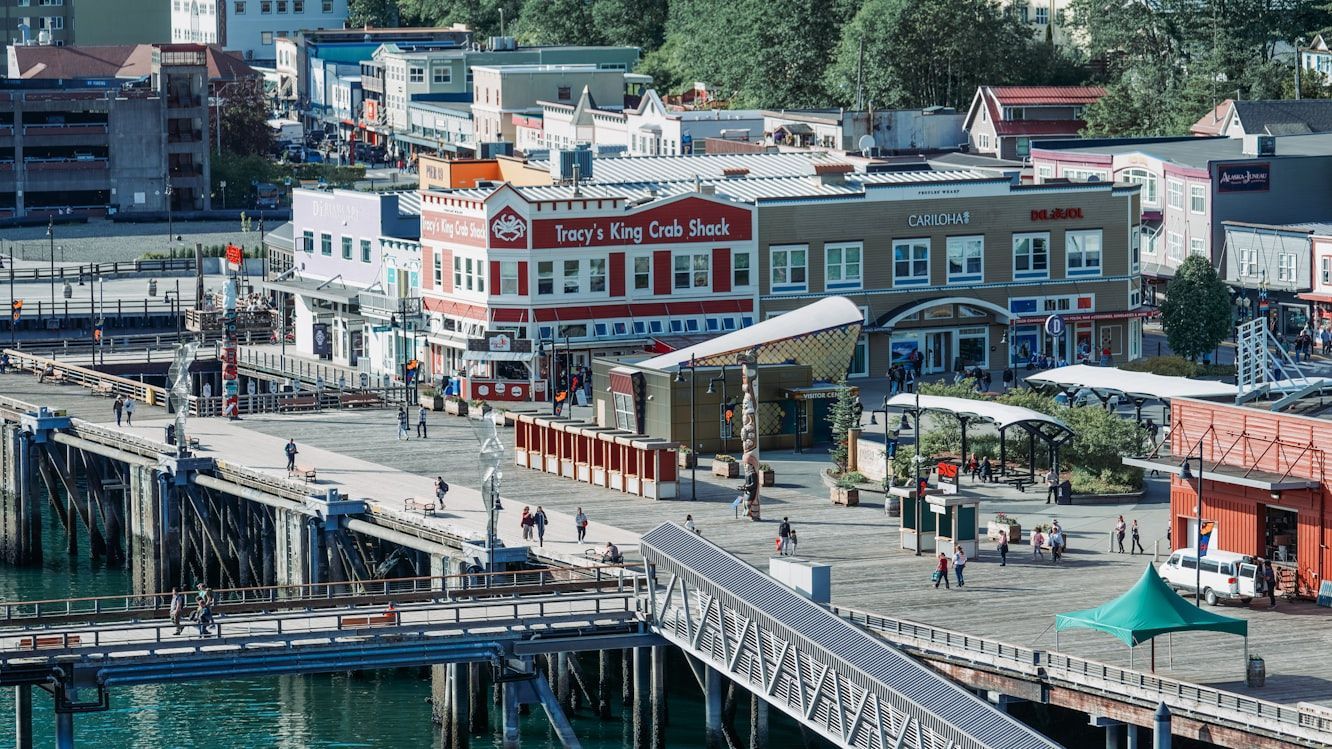
The remote capital of Alaska is one of the few state capitals that you cannot reach by road . It can only be reached by air or sea. Wedged between steep mountains and icy waterways, it remains relatively small, with a population of 31,000 individuals.

Cruise ships, fishing boats, and floatplanes share the waterfront with government offices and houses on the hillsides. Glaciers, forests, and whales are never far away, making this capital city an incredible place to live.

7
Dover, Delaware

Image: Library of Congress

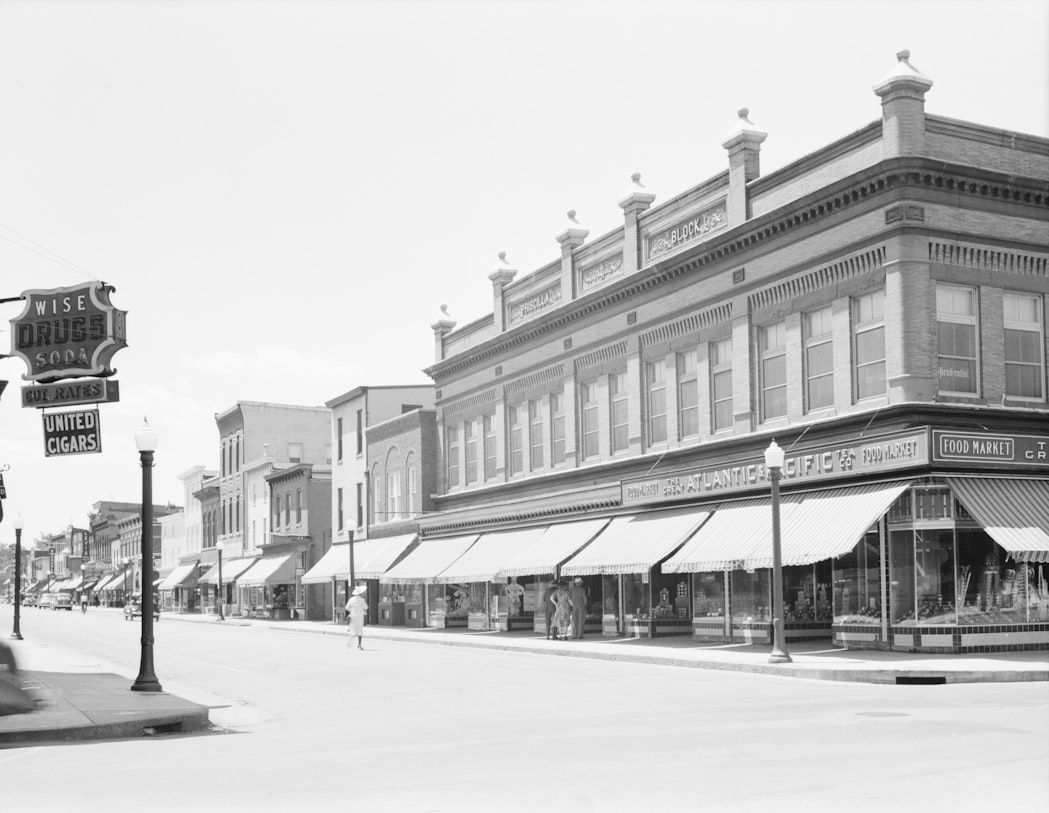
With a population of around 39,000, Delaware’s capital keeps the feel of a small colonial town even as it manages modern state business . Streets near the Capitol Square are lined with brick homes, churches, and public buildings that date back to the American Revolution.

Instead of a dense downtown, Dover offers broad streets, open lawns, and local shops that serve residents more than tourists.

8
Annapolis, Maryland

Image: Wen Zhu

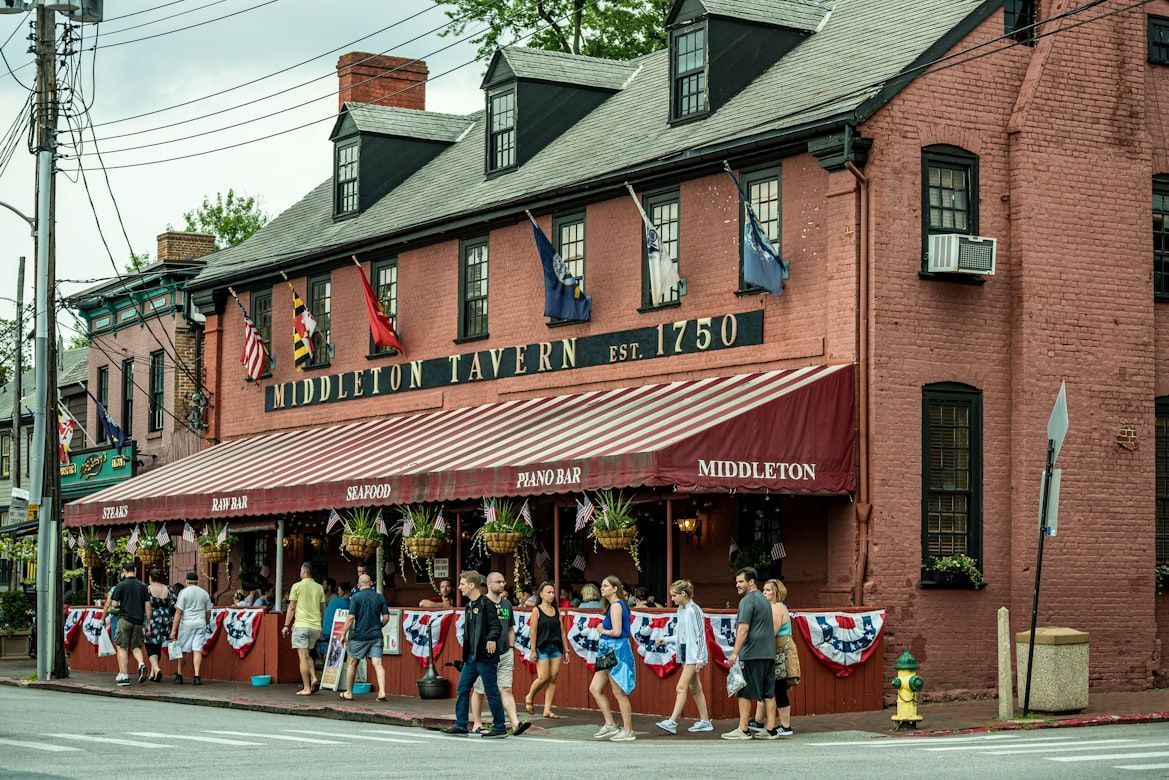
With 40,000 individuals, Annapolis, Maryland’s capital, proves that a city can be small in size and big in history . Narrow streets wind past eighteenth-century houses, brick taverns, and the domed state house that once served as the nation’s capital.

Its harbor holds sailboats, crab boats, and U.S. Naval Academy midshipmen more often than commuters. Coffee houses, galleries, and waterfront benches make Annapolis feel more like a relaxed resort town than a state capital.

9
Jefferson City, Missouri

Image: Samantha Sheppard

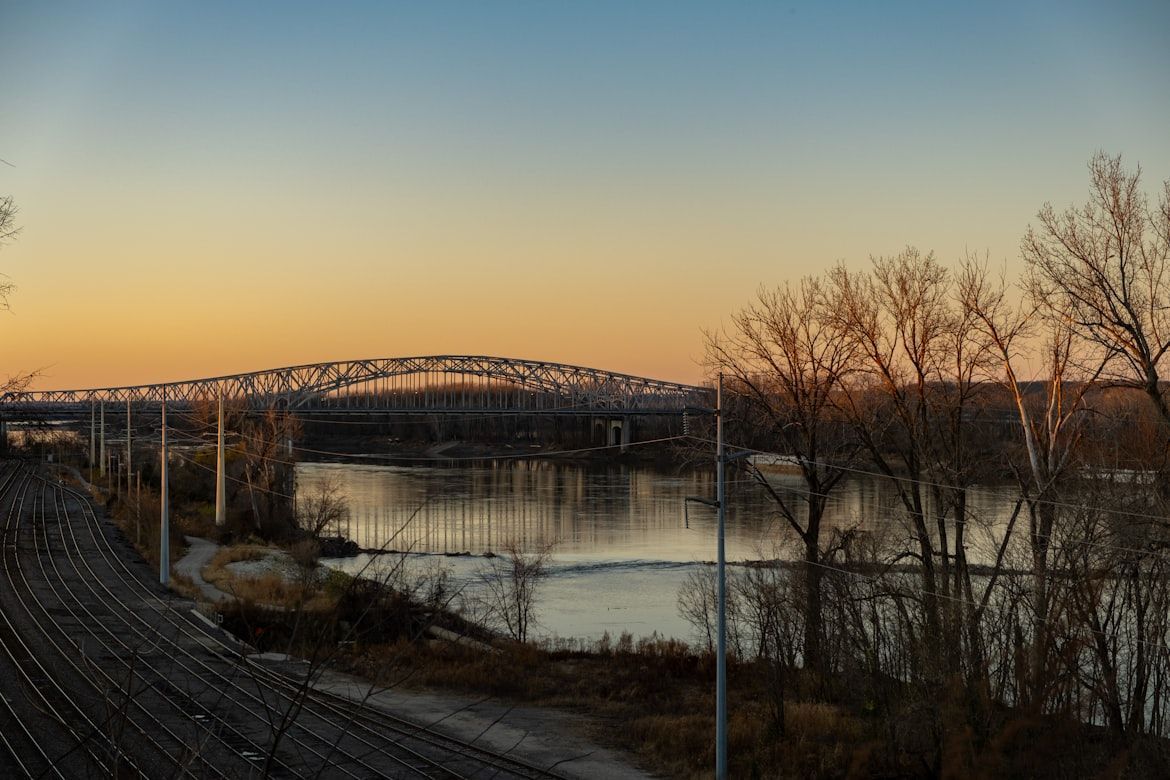
The capital city of Missouri sits above a bend in the Missouri River. Smaller than many of the state’s other cities, it is the home of 42,000 individuals. It trades sprawl for tidy neighborhoods, a compact downtown, and a tall capitol overlooking the water .

Named for President Thomas Jefferson, the city balances government workdays with a slower Midwestern rhythm.

10
Concord, New Hampshire

Image: Nils Huenerfuerst

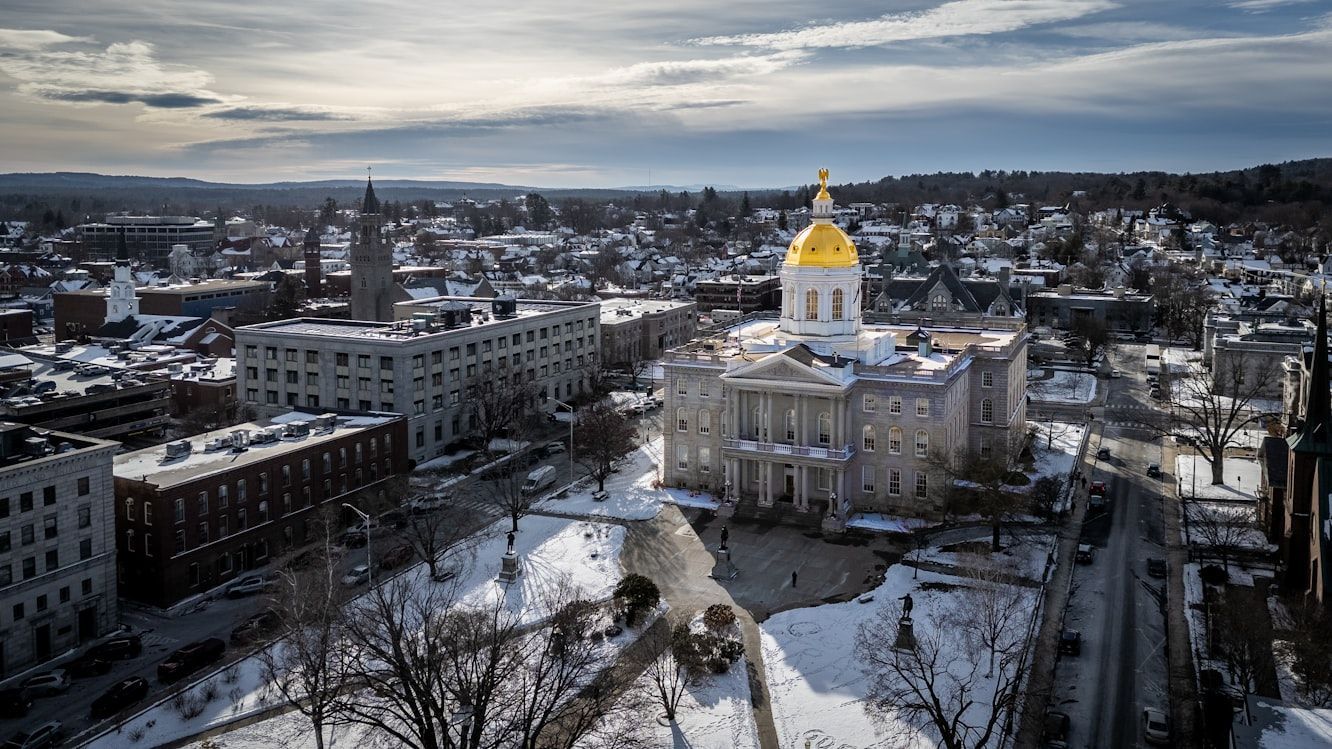
New Hampshire’s capital is a modest New England city where church steeples and a granite state house rise above low-rise streets. With a population of 44,000, it’s smaller than many capitals, and it keeps rush hour brief and downtown walkable.

The city’s history stretches back to colonial days, and older buildings still frame the main streets. Concord also hosts civic events, shops, and offices that keep it lively, mixing a hometown feeling with the grandeur of a state capital.

11
Charleston, West Virginia

Image: Documerica

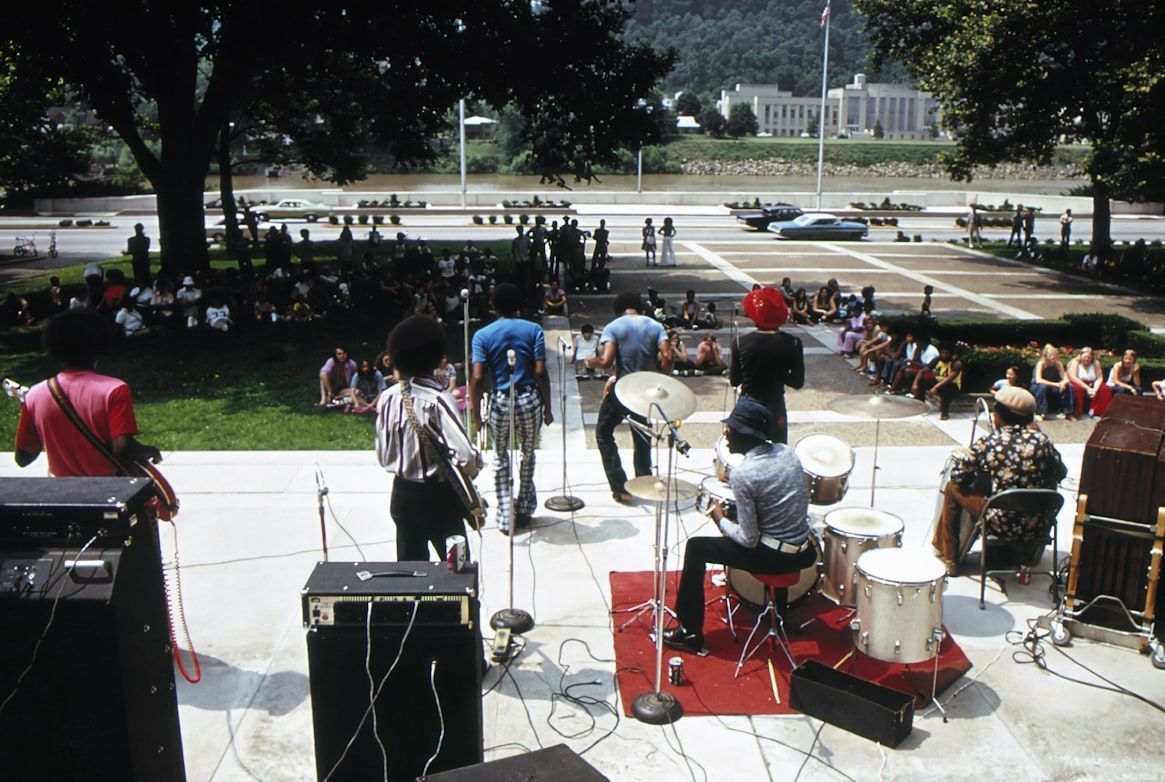
West Virginia’s capital sits where the Elk and Kanawha Rivers meet, backed by lush green hills. With 45,000 individuals calling it home, it is smaller than many people expect , with neighborhoods climbing the slopes and a gold-domed Capitol reflecting in the water below.

Coal country history, riverfront parks, and a modest downtown give Charlestown a charming regional flavor. Commuters share roads with barge workers and weekend fishermen, and the city’s size makes government feel close to everyday life.

12
Harrisburg, Pennsylvania

Image: Andre Frueh

The capital of Pennsylvania is modest in population compared with its big neighbors, like Philadelphia and Pittsburgh . It "only" has about 50,000 inhabitants. Its green-domed Capitol can be seen from afar, in the skyline of mid-rise offices and row houses along the wide Susquehanna River.

Once a major transportation crossroads, Harrisburg still feels more manageable than many urban centers. Riverfront walkways, historic districts, and nearby small towns keep this capital’s rhythm comfortable.

General General 5 min read

Stay out of trouble!

Is that a crime? 10 of the most bizarre laws in America

Image: Tingey Injury Law Firm

America is known as the land of the free, but we also have a lot of laws and rules that allow us to live together as a community. While most of us are familiar with major laws, did you know that many states, cities, and towns have some very specific and unique rules? Some of the laws highlighted in this article may seem strange, obscure, or downright ridiculous, but keep in mind—they exist for a reason. Read on to discover 10 weird and funny laws sanctioned across the U.S. you probably didn't know existed.

1
Beware of the banana peel!

Image: SHVETS production

It might sound like a scene straight out of The Three Stooges , but we assure you, this was once a legitimate concern. It’s no myth that residents of Waco, Texas are forbidden from eating bananas and tossing the peels into the street. Lawmakers feared horses could slip on the peels and injure themselves.

This is also true for Elmira, New York. A city ordinance from 1899 stated that no person could throw any banana peels—or any other fruit skins—onto the sidewalk. As it happens, back when bananas were introduced to the northern states, they were very cheap and people usually bought them in bulk. The surplus was huge and the waste was becoming a problem. In fact, in 1893 a woman sued the city after slipping on a banana peel, falling on the sidewalk, and breaking her leg.

2
Dueling candidates

Image: various illustrators, Public domain, via Wikimedia Commons

It may sound old-fashioned, but this law is still in effect in West Virginia. To be eligible as governor, a candidate must not only be at least 30 years old and have resided in the state for at least five years preceding the election, but they must also never have participated in a duel.

According to §6-5-7 of the West Virginia Code, any citizen who sends or accepts a challenge or participates in a duel with deadly weapons "shall ever thereafter be incapable of holding any office of honor, trust or profit in this state." By the end of the American Civil War dueling had become almost obsolete, but for some reason, The Mountain State is one of the few states that still hasn’t repealed its dueling laws.

3
Extraterrestrial exposure

Image: Bradley Dunn

Despite popular opinion, Title 14, Section 1211 of the Code of Federal Regulations did not make it illegal for Americans to have contact with extraterrestrials or their vehicles. Instead, the law was enacted just before the Apollo 11 mission to give the government authority to quarantine astronauts in case they became contaminated with an alien virus during their moonwalk.

This regulation, best known as the Extra-Terrestrial Exposure Law was adopted by NASA in 1969. It stipulated that astronauts be kept in isolation for 21 days after their liftoff from the Moon in case there was a remote possibility that they were harboring "unknown lunar organisms that might endanger life on Earth." The rule was revoked in 1977 and formally repealed in 1991.

4
Women vote

Image: See page for author, Public domain, via Wikimedia Commons

Did you know that although American women were not universally granted the right to vote until 1920, state laws in New Jersey allowed them to vote as early as 1776 ? In 1790, when the New Jersey State Constitution was reformed, it formalized what the previous constitution had only implied: that propertied women could vote.

A few years later, a law expanded the previous election reforms and allowed women without "clear estate" to vote too. So, after the adoption of this 1797 law, the number of women voters at the polls significantly increased. New Jersey women enthusiastically exercised their rights until 1807, when the state finally restricted voting to white men.

5
Keep it classy

Image: Clay Banks

If you want to live in North California, you have to follow some rules of good taste. In 1998, the city of Wilson outlawed the keeping of upholstered furniture on front porches, on the basis that the practice was unsightly and tacky.

A year later, the town of Morganton followed suit, outlawing couches, recliners, and similar indoor furniture from verandas and yards. Mel Cohen, the city mayor at the time, said that outdoor furniture was drawing many complaints, so the city embarked on a quest to "beautify" the neighborhoods. Violators of the ordinance could be fined up to $300 for their offense.

6
Three-second hugging

Image: Mary Taylor

By the beginning of the 21st century, the rules of public displays of affection seemed to be changing and left previous generations in a state of confusion. In 2009, after noticing an increasing number of students embracing in the hallways, school officials in Hillsdale, New Jersey, implemented a "three-second hugging" rule. Apparently, adults were concerned that the constant displays of affection could disrupt the flow of hallway traffic.

Teenagers argued that the gesture was entirely unromantic and merely a way of saying "hello." However, schools preferred to go back to the old handshake in order to maintain an atmosphere of academic seriousness and to prevent any instances of unwanted physical contact.

7
Blue sundaes

Image: Markus Spiske

Ever heard of "blue laws"? Blue laws are rules that once banned certain activities on Sundays, adopted originally for religious reasons. Blue laws often restricted business and recreational activities to encourage observance of the Christian day of worship.

For example, buying ice cream on Sundays was once illegal in Ohio because it was thought to be frivolous and luxurious. To circumvent this law, ice cream vendors began adding fruit toppings to disguise the frozen treat below and make it appear more "nutritious." This clever workaround ultimately led to the creation of the ice cream sundae.

8
Poking turkeys

Image: RDNE Stock project

Finding the perfect Thanksgiving turkey can be an artistry or a real challenge. How can you ensure that the well-rounded breast you pick up in the supermarket’s poultry section will turn into a delicious, juicy treat?

Everyone has their own strategy, but depending on which state you are in, your method might actually be illegal without you even knowing it. For example, did you know that in Los Angeles, California, it is prohibited to poke a turkey for sale in a meat market to check its tenderness? Don’t say we didn’t warn you!

9
Permanent marks

Image: Linda Xu

Carrying a marker in your pocket, purse, or backpack while walking the streets of California could land you in trouble. In the Golden State, it’s illegal to possess "broad-tipped indelible markers" —a.k.a. permanent markers—in a public space. Any person carrying a chisel, an awl, an aerosol paint container, or a harmless felt tip marker can be accused of committing vandalism.

The law is in place to curb graffiti and other forms of unauthorized street art. It is considered a misdemeanor and can be punished with up to 90 hours of community service, typically scheduled outside of school or work hours.

10
Go nuts!

Image: Vladislav Nikonov

Nuts can be a real problem for many people with food allergies. But even so, these laws prohibiting the consumption of nuts in public places may surprise you. For instance, in Boston, Massachusetts, it’s illegal to eat peanuts in church . Meanwhile, in Charleston, South Carolina, eating nuts on a public bus can result in a fine of up to $500 and as much as 60 days in jail.

If you thought it couldn't get any more specific than that, hold your horses! In Ridley Park, Pennsylvania, people are not allowed to eat peanuts while walking backward in front of the Barnstormers Theater during a performance. Probably the craziest law on this list, don’t you think?

Explore more American facts

Choose your favorite category!

General
General

As American as apple pie—the very best America has to offer!

Culture
Culture

Delve into the astounding richness of American lore.

Geography
Geography

Hop in and explore vast and diverse American landscapes.

History
History

Discover the key moments that shaped the United States.