Culture Culture 8 min read

Singers before fame

How 10 superstars made ends meet before they were famous
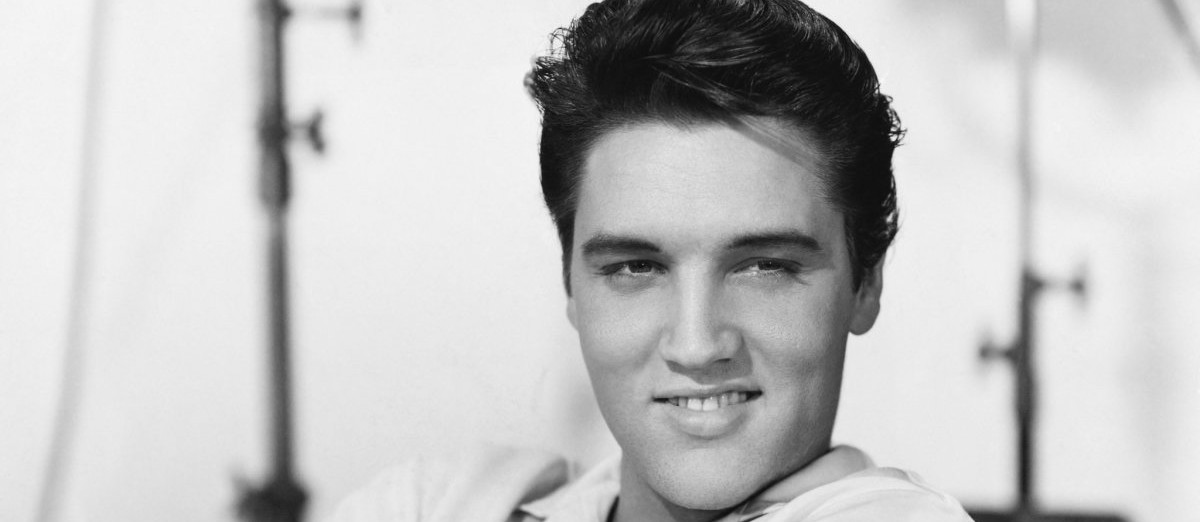
Image: See page for author, Public domain, via Wikimedia Commons

It’s hard to picture Elvis Presley behind the wheel of a delivery truck, Johnny Cash in the U.S. Air Force, or Tina Turner working in a hospital. But before they became icons, these music legends had ordinary jobs and different plans for their lives. Some worked in factories, some waited tables, and others had careers that had nothing to do with music. Here are 10 generational musicians whose lives before fame may surprise you.

1
Elvis Presley
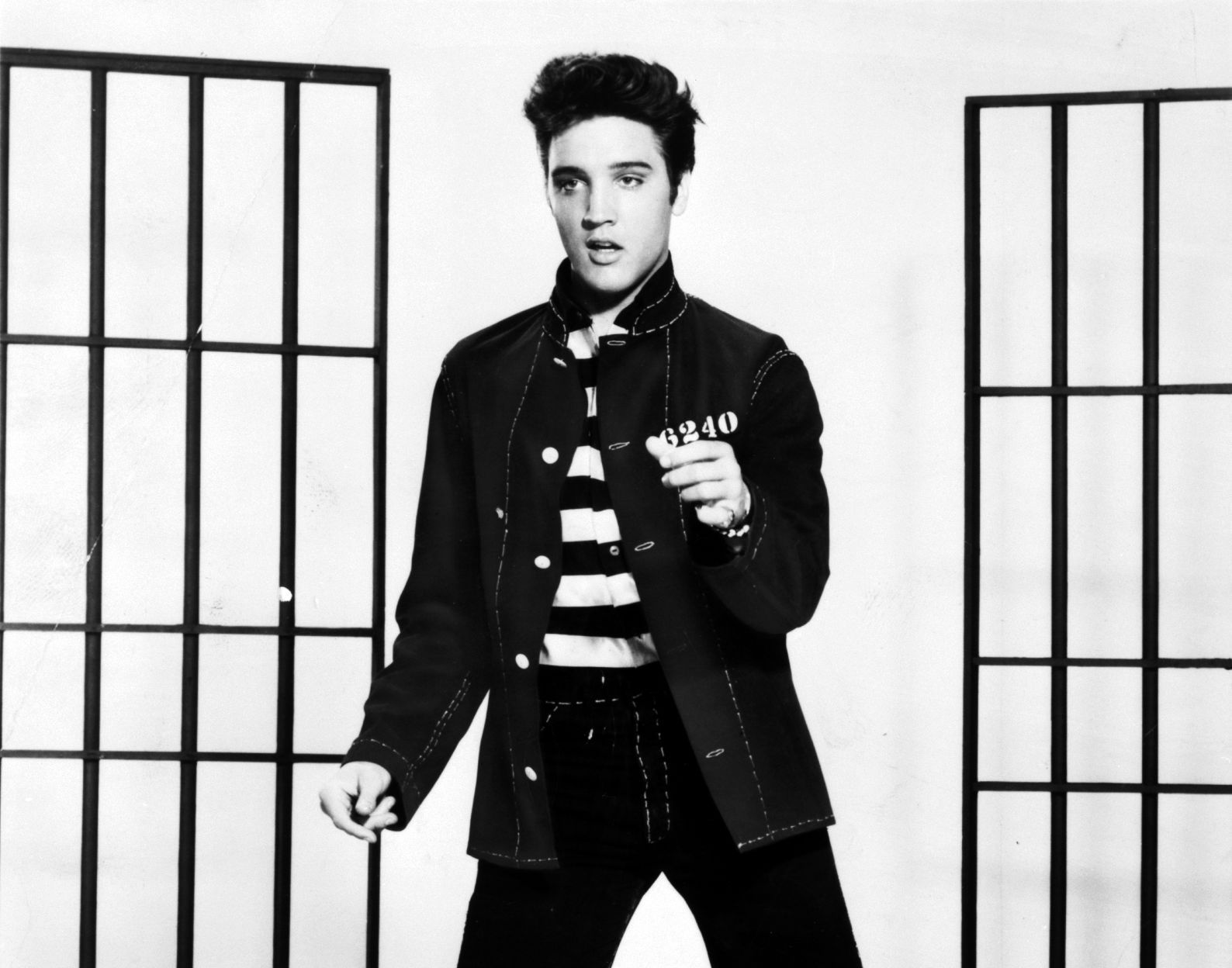
Just two years before "Heartbreak Hotel" catapulted him to worldwide fame in 1956, Elvis was working as a truck driver and deliveryman in Memphis, Tennessee.

He started at Crown Electric Company on April 20, 1954, earning $1 an hour to deliver electrical supplies to local job sites while hoping to train as an electrician. But everything changed that June, when Sun Records owner Sam Phillips remembered a recording Elvis had made a few years earlier as a gift for his mother and called him into the studio. They recorded a high-energy version of Arthur Crudup’s blues song "That’s All Right," which became Elvis’s first hit. Even after the song hit local radio stations, Elvis didn’t quit his job right away; he continued driving until mid-October 1954, when his touring schedule made it impossible to keep working a 40-hour week.

2
Johnny Cash
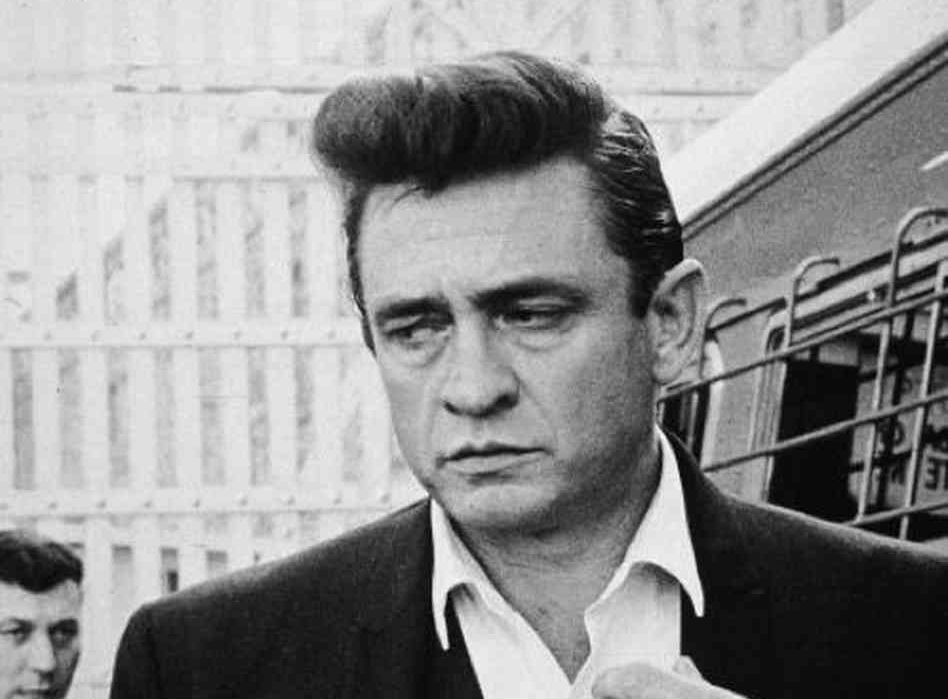
Image: Dillan Stradlin, CC BY-SA 4.0, via Wikimedia Commons

We all know Johnny Cash for hits like "I Walk the Line" and "Ring of Fire," but before becoming a country music legend, he had a totally different career.

In 1950, at 18, Cash enlisted in the U.S. Air Force during the Cold War. Stationed in Landsberg, West Germany, he worked as a Morse code intercept operator, transcribing secret Soviet transmissions. According to his 1997 autobiography, he was the first American to learn of Joseph Stalin’s death on March 5, 1953 , after decoding the Soviet message announcing it. But the Air Force also brought Cash closer to music. While in Germany, he bought his first guitar for 20 Deutsche Marks (about $5 at the time) and began writing songs and performing for fellow soldiers. Several years later, after moving to Memphis, Cash took the lyrics to "Folsom Prison Blues" to Sam Phillips, the same man who helped launch Elvis Presley’s career.

3
Madonna
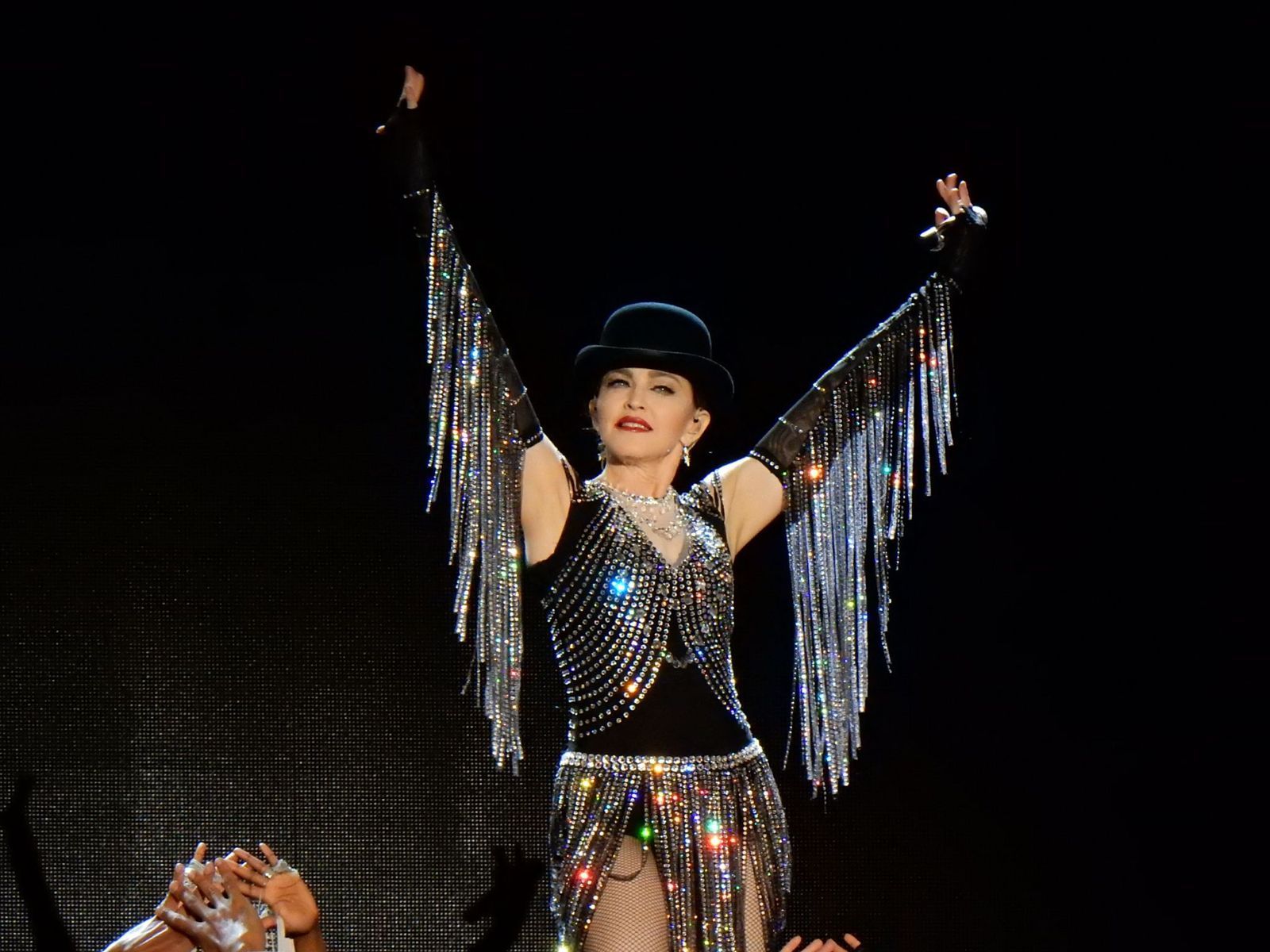
Image: chrisweger, CC BY-SA 2.0, via Wikimedia Commons

Can you imagine walking into Dunkin’ Donuts for a coffee and being served by Madonna? If you lived in New York City in the late ’70s, it could have happened.

Madonna moved from her native Michigan to New York in 1978 at age 20, dreaming of becoming a singer and dancer. With just $35 in her pocket, she needed a job to pay the rent, and landed her first one at Dunkin’ Donuts in Times Square. But it lasted only a week. As she later recalled, she was fired for playing with the jelly-squirter machine. Over the next few years, Madonna took cassette recordings of her songs to producers, nightclubs, and DJs around the city. Her persistence paid off in 1982, when she gave a tape to Mark Kamins, a DJ at Danceteria. He played her song "Everybody," and the crowd loved it.

4
Tina Turner
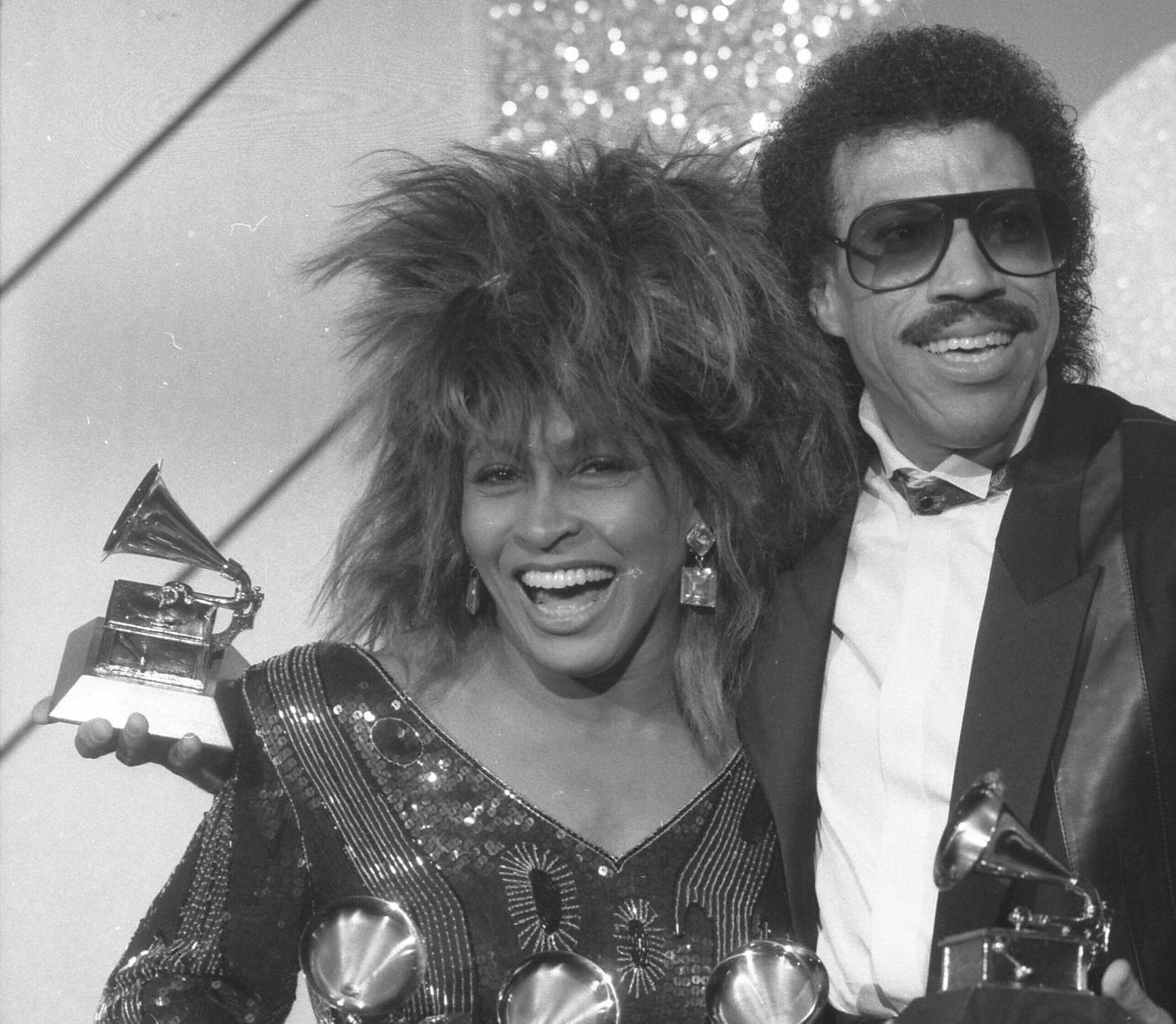
Image: Iris Schneider, Los Angeles Times, CC BY 4.0, via Wikimedia Commons

Before becoming one of the world’s greatest voices and performers, Tina Turner worked at a hospital.

Born Anna Mae Bullock in November 1939, she graduated from Sumner High School in St. Louis, Missouri, in 1958 and got a job as a nurse’s aide at the city’s Barnes-Jewish Hospital, hoping to pursue a career in medicine. But music soon changed her plans. She and her sister often visited clubs where Ike Turner performed with the Kings of Rhythm. One night, a drummer handed Tina the microphone, and Ike was so impressed by her voice that he invited her to sing with the group. For a while, Turner worked at the hospital by day and performed at night, but that changed in 1960, when she recorded "A Fool in Love" with Ike. The song became a huge hit, and touring demands forced her to leave her hospital job behind.

5
Chuck Berry
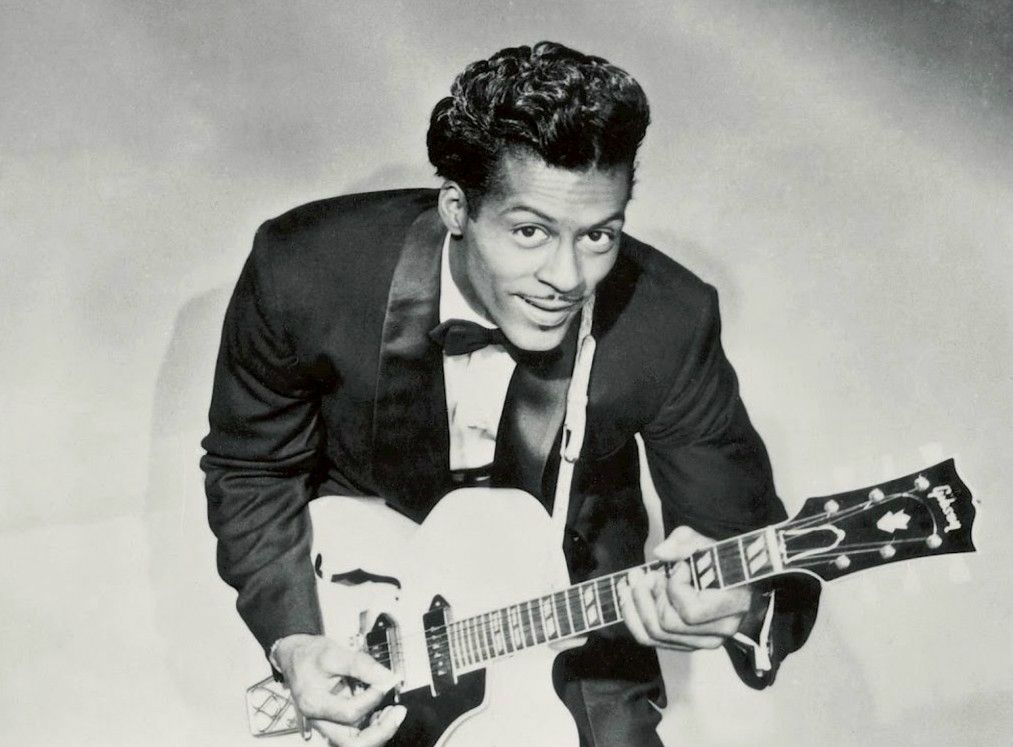
Image: Pickwick Records, Public domain, via Wikimedia Commons

Before becoming the Father of Rock and Roll with hits like "Johnny B. Goode," Chuck Berry had some surprisingly ordinary jobs.

After leaving a youth reformatory in 1947, Berry settled in St. Louis, got married, and found work on General Motors’ auto assembly line. While working at the factory, he developed a love for cars (which later showed up in songs like "Maybellene") and continued his longtime passion: playing guitar. In the early 1950s, he began exploring other fields, and in 1953, he left the factory to work as a professional hairstylist and cosmetologist, a job that allowed him to play guitar at local clubs on weekends. His ordinary life changed in 1955 when Berry showed up right at Chess Records' doors with his songs. That July, "Maybellene" became a huge hit and launched his music career.

6
Axl Rose
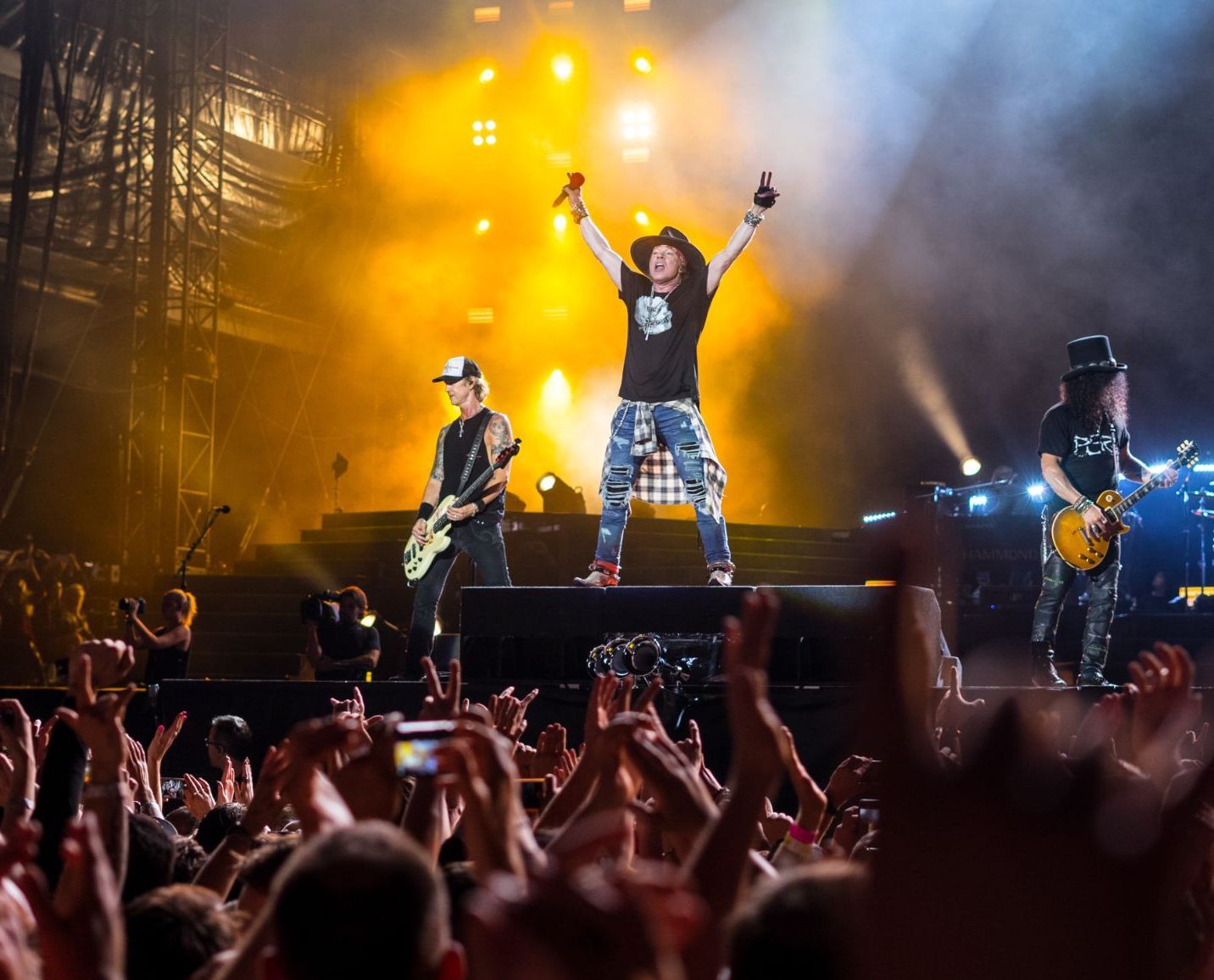
Image: Raph_PH, CC BY 2.0, via Wikimedia Commons

After seeing Axl Rose on stage, it’s hard to imagine him doing anything other than music. But he certainly did.

Born William Bruce Rose Jr. on February 6, 1962, in Lafayette, Indiana, he moved to Los Angeles in 1982 and formed a band named Hollywood Rose. During those years, he took a job as a clerk at Tower Records on Sunset Boulevard. He was pretty good at it and was eventually promoted to store manager. In his new position, he hired Saul Hudson, better known as Slash, who would later become his bandmate. They were both fired from Tower Records in 1984, but they didn’t give up on music. In June 1985, Rose joined Izzy Stradlin, Duff McKagan, Slash, and Steven Adler to form Guns N’ Roses. After building a following in LA bars, a Geffen Records executive saw the band perform, and they were finally signed to a major deal in 1986.

7
Cyndi Lauper

Image: John Bellissimo; Distributed by Portrait Records, Public domain, via Wikimedia Commons

We tend to imagine famous artists as having glamorous lives, but many had difficult beginnings. That was the case for Cyndi Lauper, who, in 1970, dropped out of school and left her home in Queens at 17 to escape her abusive stepfather.

She left with little more than a toothbrush, an apple, her cat, and some art supplies. In those early years, she relied partly on unemployment checks and money from panhandling. But she needed a steady income to support herself while pursuing her dreams. So she took on a series of odd jobs, working as a dog kennel assistant, personal assistant, vintage clothing clerk, and even a horse walker at Belmont Park racetrack. Her life finally began to change in 1981 when David Wolff discovered her singing covers at a New York piano bar and became her manager.

8
Duke Ellington
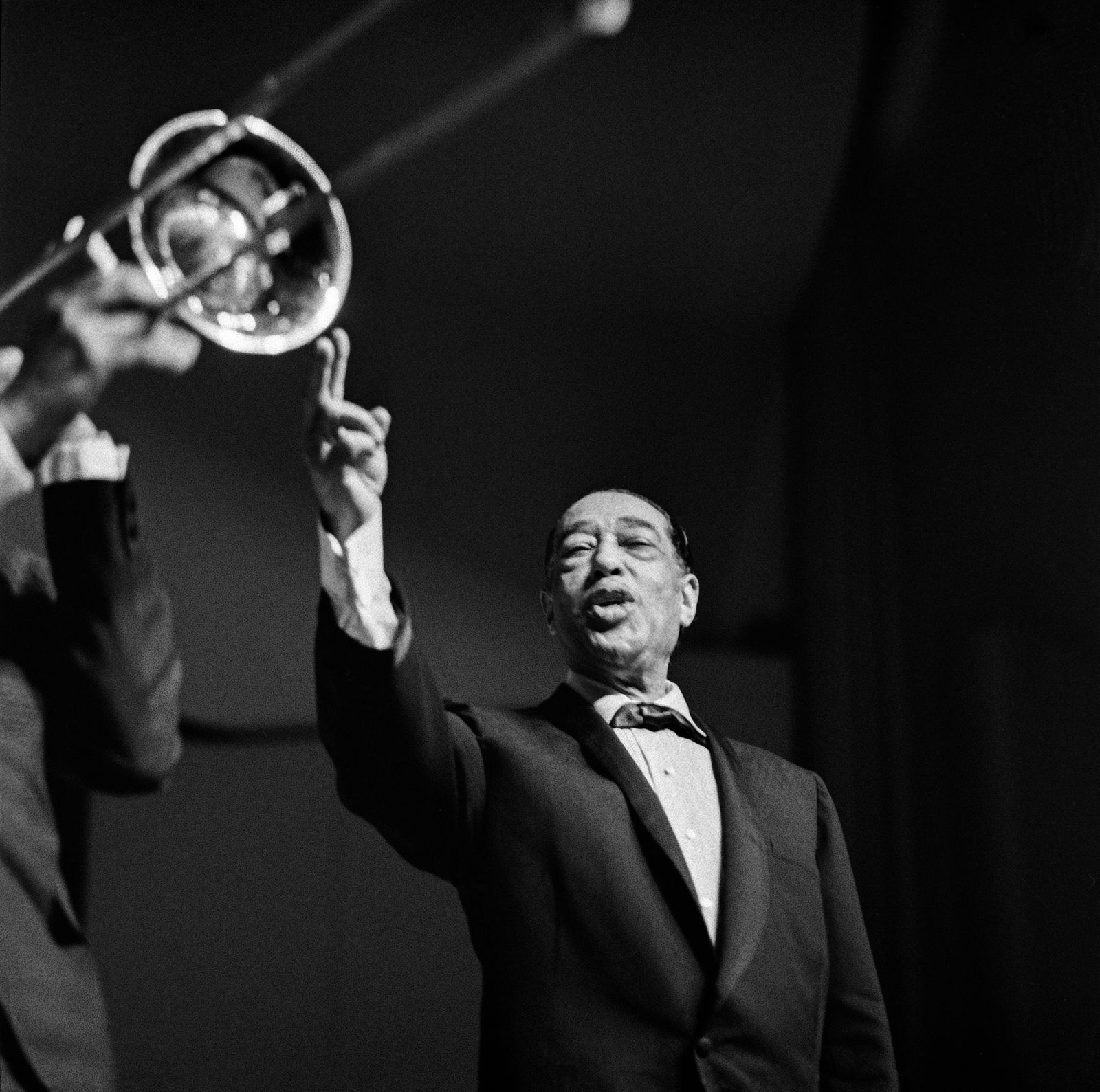
Image: Bert Carpelan, CC BY 4.0, via Wikimedia Commons

As a child growing up in Washington, D.C., in the early 1900s, Edward Kennedy Ellington was actually more interested in baseball than the piano.

At just 7, he would skip piano lessons to play baseball. His love for the sport became a way to earn money when he took a job as a vendor at Washington Senators games, selling peanuts, popcorn, cigars, and candy from around 1908 to 1912. But as a teenager, his interests began to change. At 14, he started sneaking into Frank Holliday’s Poolroom, where hearing local ragtime pianists sparked his passion for music. By 1914, Duke had written his first song, and over the years, his talent made him a local star. In 1923, he moved to New York City, and four years later, his big break came when his orchestra became the house band at Harlem’s famous Cotton Club.

9
Neil Diamond
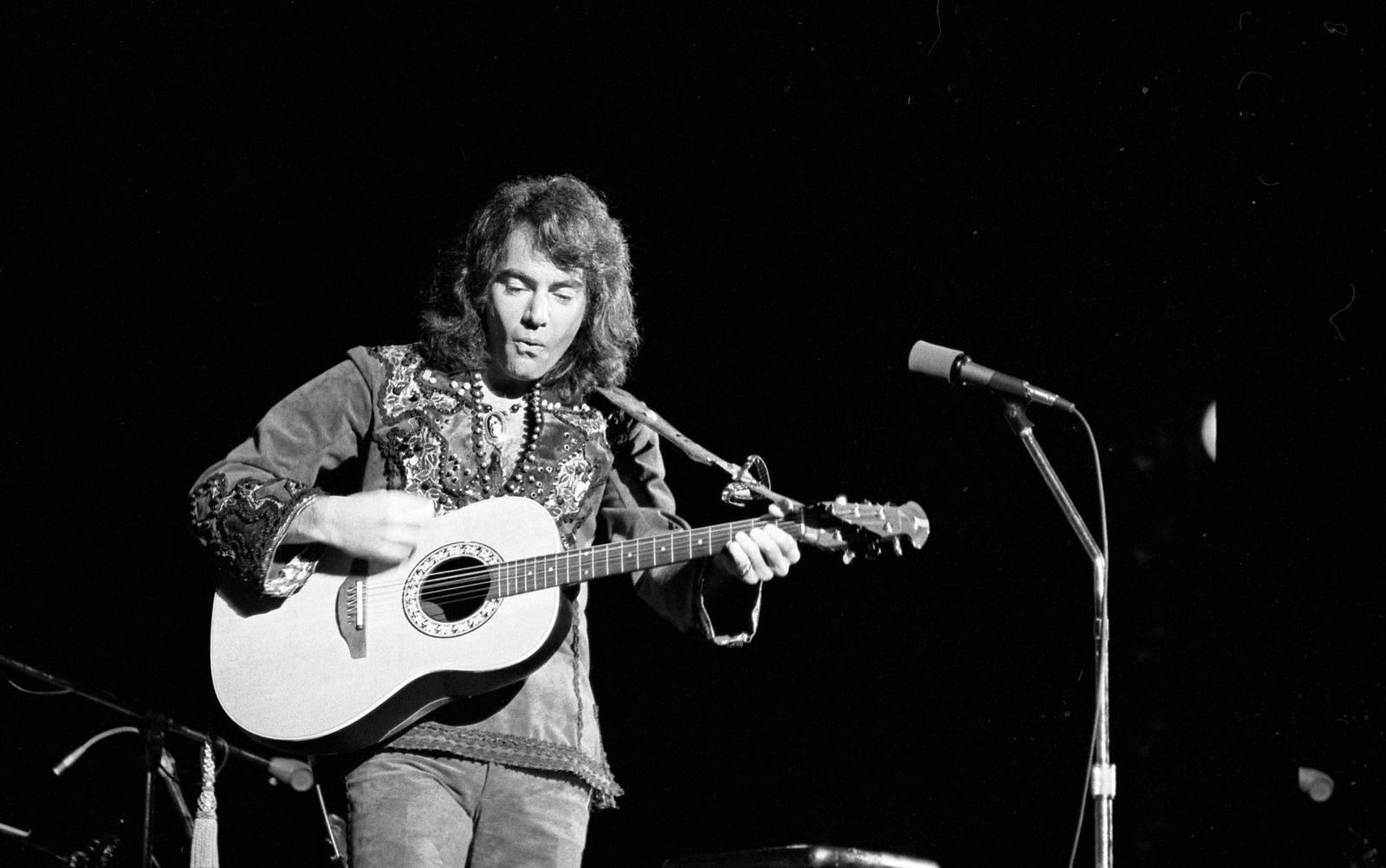
Image: Larry Bessel, Los Angeles Times, CC BY 4.0, via Wikimedia Commons

It’s hard to believe, but the man who gave us "Sweet Caroline" once imagined a life in medicine — and was a talented fencer, too.

After his grandmother died of cancer, young Neil Diamond dreamed of becoming a doctor or biologist so he could help find a cure. In 1958, he went to New York University on a fencing scholarship and studied pre-med, while also helping his team win the 1960 NCAA men’s fencing championship. But just 10 credits short of graduating, he took a job doing what he loved most. For about 4 months, he worked writing songs for Sunbeam Music Publishing for $50 a week. That job changed everything, and Diamond eventually dropped out of college to pursue music full-time. His career took off in 1965 when producers Jeff Barry and Ellie Greenwich helped him land a deal with Bang Records.

10
Patti Smith
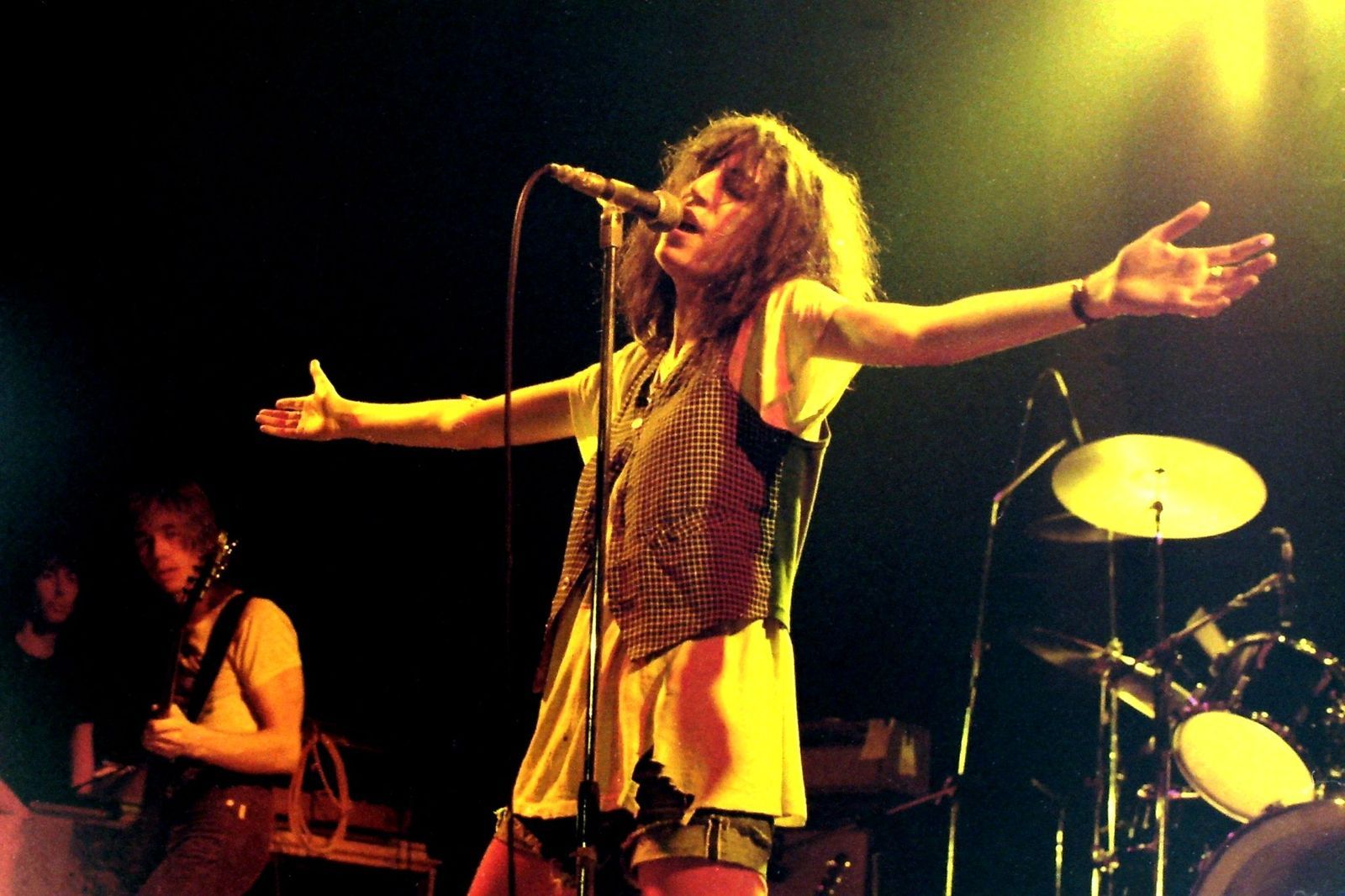
Image: Klaus Hiltscher, CC BY-SA 2.0, via Wikimedia Commons

What does Patti Smith have to do with tricycles? It sounds like a strange question, but before becoming the "Queen of Punk," Smith worked in a factory inspecting parts for baby strollers and tricycles.

At 16, while growing up in New Jersey, she took a summer job at a factory checking metal pipes and handlebars for defects. After graduating high school in 1964, she returned to the factory full-time while briefly attending Glassboro State Teachers College. In 1967, she dropped out and moved to New York City, where she worked at a Brentano’s bookstore while struggling to get by. After years in the city’s underground music scene, Smith finally broke through with her legendary 1975 album, Horses.

General General 3 min read

Behind the columns

White House tea: Did you know Madison moved out and never came back?

Image: Nils Huenerfuerst

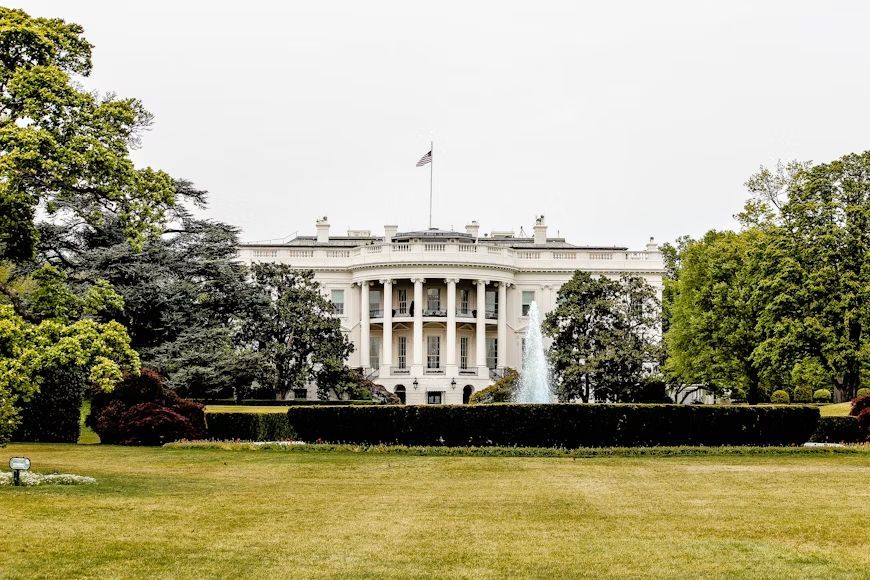
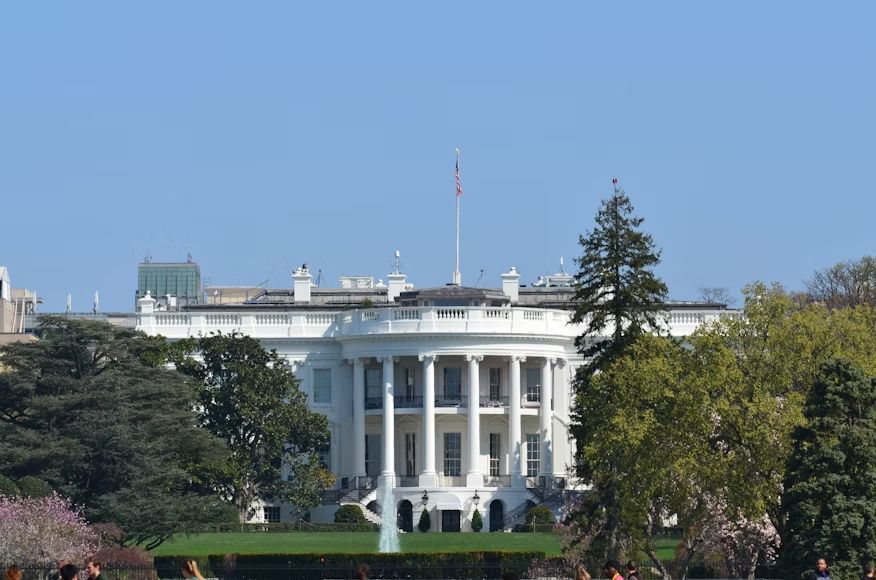
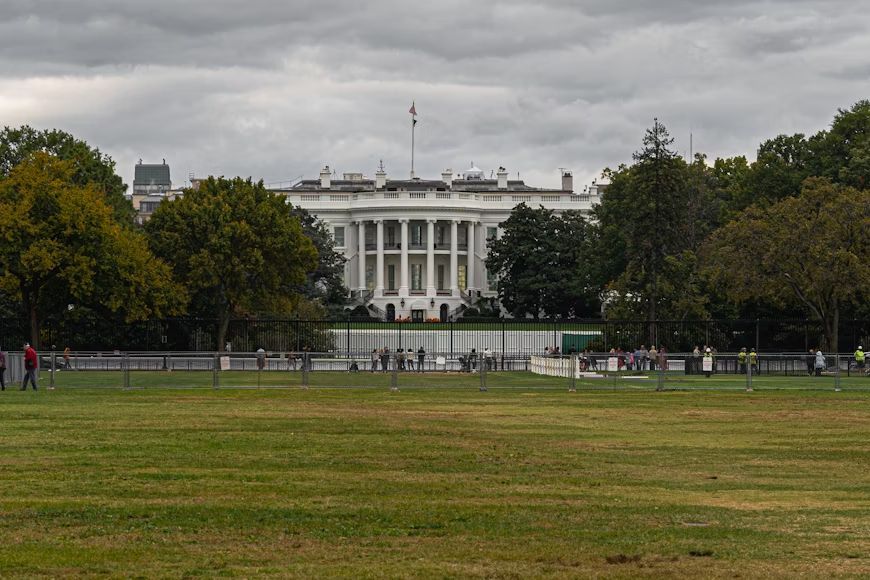
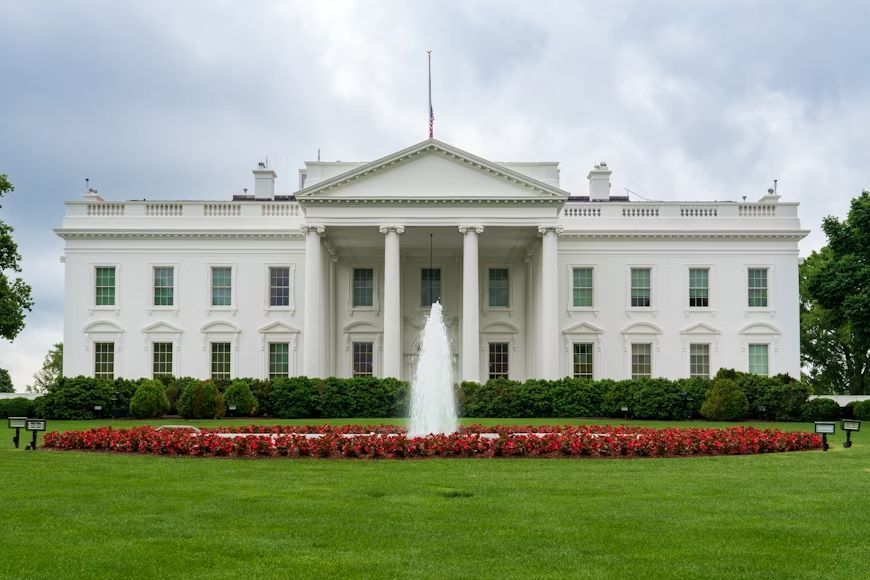
The White House may be the most famous home in America, but even if you’ve toured it or seen it in dozens of movies, there’s still plenty you probably haven’t heard. Tucked behind those white columns and sprawling lawns are fascinating facts, quiet quirks, and little-known stories that go beyond the textbooks. Whether you're a history buff, a trivia lover, or just curious, these 12 facts about the White House might just surprise you.

1
Rebuilt from the ashes

Image: Edward Kucherenko

When the British set fire to the White House in 1814, it didn’t just singe a few curtains; it gutted the place. Enter James Hoban, the original architect, who was brought back to restore what had been lost. It was a second chance for the home he first designed, and he saw it through with grit and style.

2
Madison moved out and never came back

Image: Carlos Derecichei

You might have worried about the house. But what about the people inside? Well, after the fire, President James Madison packed up and never returned to the rebuilt White House. By the time it was ready again, he was on his way out of office. The next tenant, James Monroe, received the keys to the newly renovated executive mansion.

3
Once the biggest house in America

Image: René DeAnda

Believe it or not, the White House was once the largest home in the entire country. That might sound quaint now, we know, but back in the early 1800s, a residence with 132 rooms was as grand as it got. It’s safe to say the neighbors were impressed.

4
This place is no modest cottage

Image: Michael Schofield

In case you’re wondering just how big the White House really is, it stretches roughly 168 feet long and 85 feet wide. On the south side, it rises 70 feet tall; on the north, 60 feet and change. A serious house for serious business.

5
It sits on a whole lot of lawn

Image: J. Amill Santiago

The next time you're mowing the yard and feeling proud of your quarter acre, consider this: the White House grounds cover a whopping 18 acres. That’s plenty of room for garden parties, Easter egg rolls, and even the occasional helicopter landing.

6
Truman’s big job

Image: Milivoj Kuhar

By the late 1940s, the White House was falling apart—you know, creaking floors, sagging beams, and some serious plumbing problems. President Harry S. Truman had the entire interior ripped out and rebuilt. The exterior stayed the same, but inside? It was practically a brand-new house hidden behind historic walls.

7
There’s a bunker down below

Image: Lukáš Lehotský

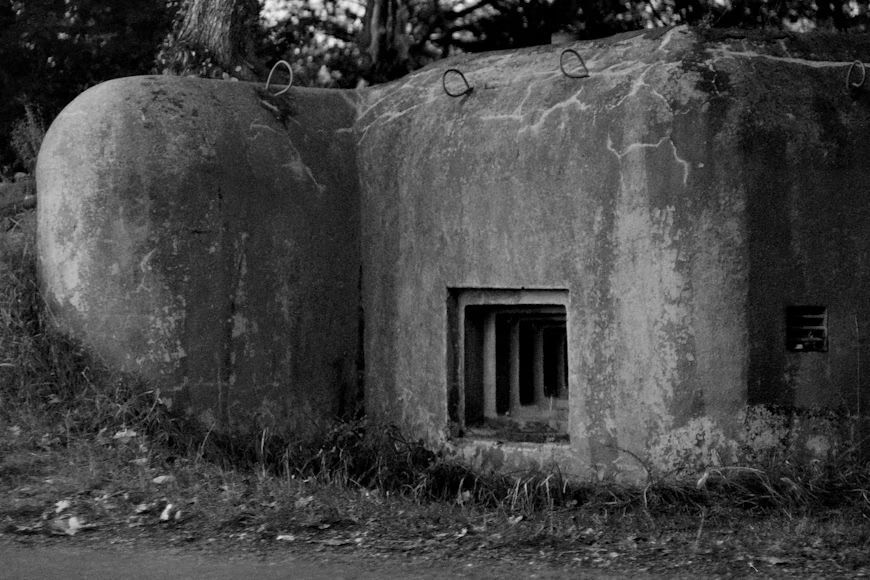
Tucked underneath the East Wing is the Presidential Emergency Operations Center, or PEOC. Built during WWII, it's the secure location presidents go to in times of crisis. It’s strictly off-limits to the public—and no, it’s not a James Bond villain lair, but it’s movie-worthy for sure!

8
There’s a secret Oval Office exit

Image: Donghun Shin

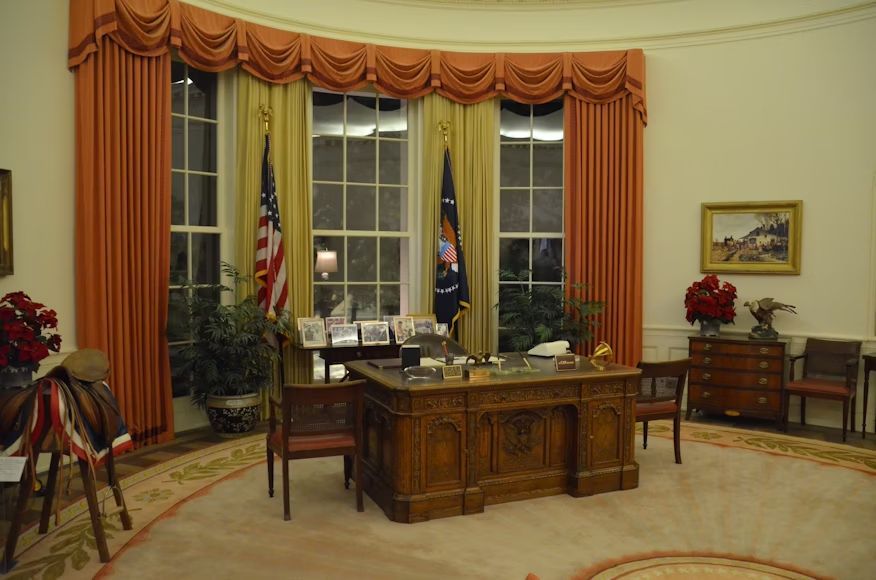
Behind what looks like just another panel in the Oval Office, there is a secret door that leads to a private hallway. President Franklin D. Roosevelt used this discreet passage to come and go without fanfare. We don’t know about you, but oh, the money we would pay to take a look at it!

9
Lincoln’s ghost still makes the rounds

Image: Girma Nigusse

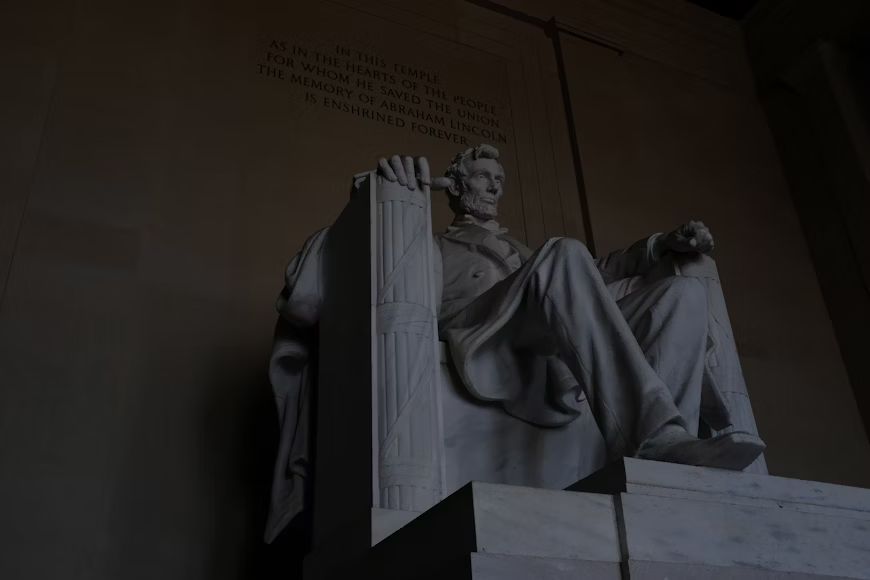
You may not believe in ghosts, but plenty of people (including presidents and White House staff) have said they’ve seen or felt Abraham Lincoln’s presence in the White House. His old bedroom seems to be the hot spot. Some say he’s still keeping an eye on the place.

10
A hidden treasure trove of gifts

Image: Tomasz Zielonka

Foreign leaders bring all sorts of gifts when they visit the White House—from art and artifacts to, back in the day, even exotic animals. Many of these items end up tucked away inside the residence, far from public view. It’s like a museum without the tour guide.

General General 3 min read

History of fashion craze

The big screen skyrocketed the sales of these items: Can you guess some?

Image: loganathan logesh / Denis Jans

How do some items go from old-and-forgotten to must-haves? Think Marilyn Monroe's white dress, James Dean's rebellious red jacket, or Jennifer Aniston's much-copied "Rachel" haircut. These were cultural icons—instantly recognizable symbols of a particular moment in time. We’ll dive into 12 iconic fashion moments that swept the nation, sparked by American celebrities and characters.

1
James Dean’s red jacket in Rebel Without a Cause

Image: visualsofdana

James Dean owned the screen in Rebel Without a Cause while wearing a red Harrington jacket . Jim Stark’s rebellious spirit resonated with a generation of teenagers, turning the jacket into a symbol of youthful defiance. That cool, casual style caught on in the ’50s and influenced menswear for years to come.

2
Tom Cruise’s aviator sunglasses in Top Gun

Image: Nitin Dhumal

When Top Gun soared into theaters in the ’80s, sales of Ray-Ban Aviators took off like a jet fighter, reportedly increasing by 40%. Tom Cruise’s confident Maverick made these shades the ultimate symbol of effortless cool .

The latest installment of the franchise once again led to a surge in sales. Worn by pilots and by pop stars, Aviators remain a classic icon of the tough-guy aesthetic.

3
Jennifer Aniston’s Rachel’s haircut in Friends

Image: Ilse Orsel

"The Rachel" wasn’t just a haircut—it was the haircut. Salons were flooded with requests for Jennifer Aniston’s bouncy, layered style .

The irony? Aniston reportedly hated it. But that didn’t stop an entire generation from chopping their locks in pursuit of sitcom-perfect hair .

4
Nancy Sinatra’s go-go boots

Image: Heriberto Jahir Medina

Nancy Sinatra’s "These Boots Are Made for Walkin’"—along with the groovy go-go dancers on "Laugh-In" —made white go-go boots the must-have footwear of the swinging ’60s.

Fun, fashionable, and full of youthful energy , they became a symbol of the era. Every mod girl needed a pair to complete her look and strut her stuff.

5
Marilyn Monroe’s white dress

Image: Stephen Leonardi

A subway grate, a gust of wind, and boom. One of the most famous dresses in movie history was born. Marilyn Monroe’s billowing white halter dress is still a summer fashion inspiration more than half a century later.

Her signature winged eyeliner, red lips, and the Chanel No. 5 she allegedly wore to bed were also picked up by women all over the world.

6
Jackie Kennedy’s pillbox hat & suits

Image: Florida Memory

Jackie Kennedy’s impeccable style captivated the nation. Her elegant suits and perfectly perched pillbox hats turned heads with every public appearance.

Women everywhere sought to emulate her sophisticated, polished look, turning the First Lady into an unexpected fashion icon.

7
Farrah Fawcett’s feathered hair in Charlie’s Angels

Image: Flybynight

An example of one poster that became one million salon appointments. Farrah Fawcett’s feathered waves became the ultimate hair trend of the 1970s, thanks to Charlie’s Angels.

Women flocked to salons, armed with cans of hairspray and dreams of achieving the perfect Farrah flip.

8
Madonna’s lace gloves & layered bracelets

Image: Paolo Sbalzer

Madonna was as much a fashion icon as she was a music sensation. During her Like a Virgin era in the ‘80s , she introduced a bold new style: layered rubber bracelets, rosary beads, lace gloves, and a rebellious attitude. Young girls everywhere embraced her edgy, playful look, making it a defining trend of the decade.

9
Run-D.M.C.’s Adidas sneakers

Image: Rahul Shah

No laces? No problem. Run-D.M.C. turned Adidas shell-toe sneakers into hip-hop royalty . Their song "My Adidas" made the brand explode, and suddenly sneakers with the three stripes were everywhere. Comfortable, stylish, and effortlessly cool—now that’s a trend anyone could get behind.

10
Reese's Pieces in E.T. the Extra-Terrestrial

Image: FlyD

Did you know that in E.T. the Extra-Terrestrial , the beloved alien was originally supposed to be obsessed with M&Ms, not Reese’s Pieces ? Luckily for the latter, Mars turned down the offer to feature their product in a Spielberg movie.

The result? After the movie’s massive success, sales of Reese’s Pieces skyrocketed by 65%. A perfect example of how sweet product placement can be.

11
Etch-a-Sketch in Toy Story

Image: Nong

Sure, Toy Story featured dozens of different toys, but one classic that had been around for decades experienced a major resurgence after the movie’s release.

The Etch A Sketch saw a spike in sales in the ’90s, thanks to its memorable cameo in the Pixar movie. Maybe kids were drawn to its simple shake-and-draw magic , or perhaps parents couldn’t resist a wave of nostalgia.

12
Kurt Cobain’s grunge look

Image: Ralph Rabago

Kurt Cobain didn’t dress for the cameras or the music industry, yet he defined an iconic style in the ’90s. His thrift-store flannels, ripped jeans , and round sunglasses became the uniform of a generation.

Ironically, the grunge aesthetic—born from a rejection of mainstream fashion—became one of the decade’s biggest trends.

Explore more American facts

Choose your favorite category!

General
General

As American as apple pie—the very best America has to offer!

Culture
Culture

Delve into the astounding richness of American lore.

Geography
Geography

Hop in and explore vast and diverse American landscapes.

History
History

Discover the key moments that shaped the United States.