General General 4 min read

The secrets of the greenback

Dollar bills are green for this reason

Image: Pepi Stojanovski

The U.S. dollar is one of the most powerful and recognizable currencies in the world, but its physical form is unique for many other reasons . From its composition to its symbols, dollar bills and coins are carefully designed to combine history, security, and convenience. Let’s explore our national currency!

1
What are bills made of?
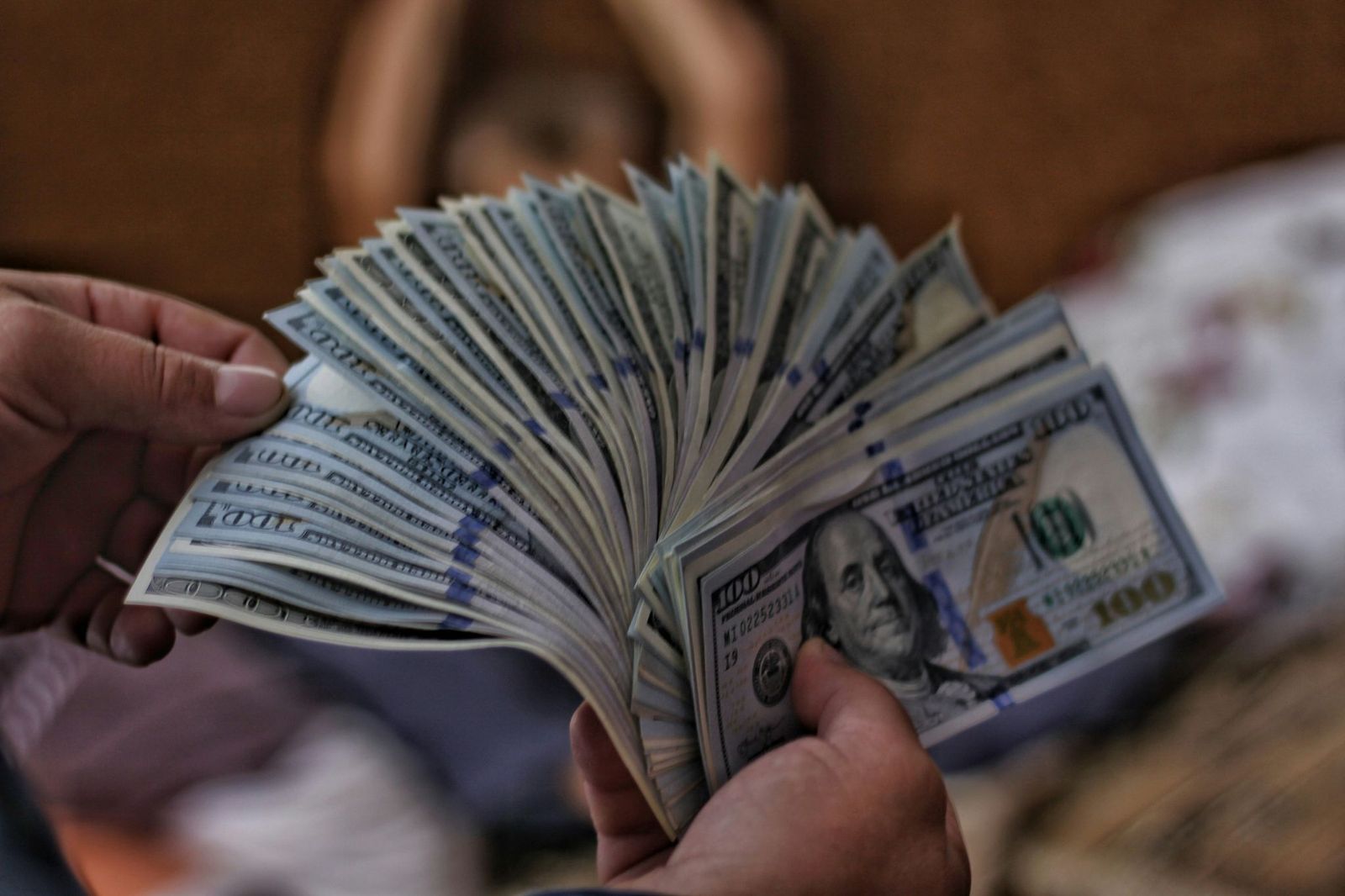
Image: Viacheslav Bublyk

Unlike other currencies, dollar bills are not made of paper or plastic. U.S. dollar bills are made from a special fabric blend composed of 75% cotton and 25% linen. This mix makes the bills extremely durable and resistant, and they can be folded about 4000 times before tearing.

2
What bills are valid?
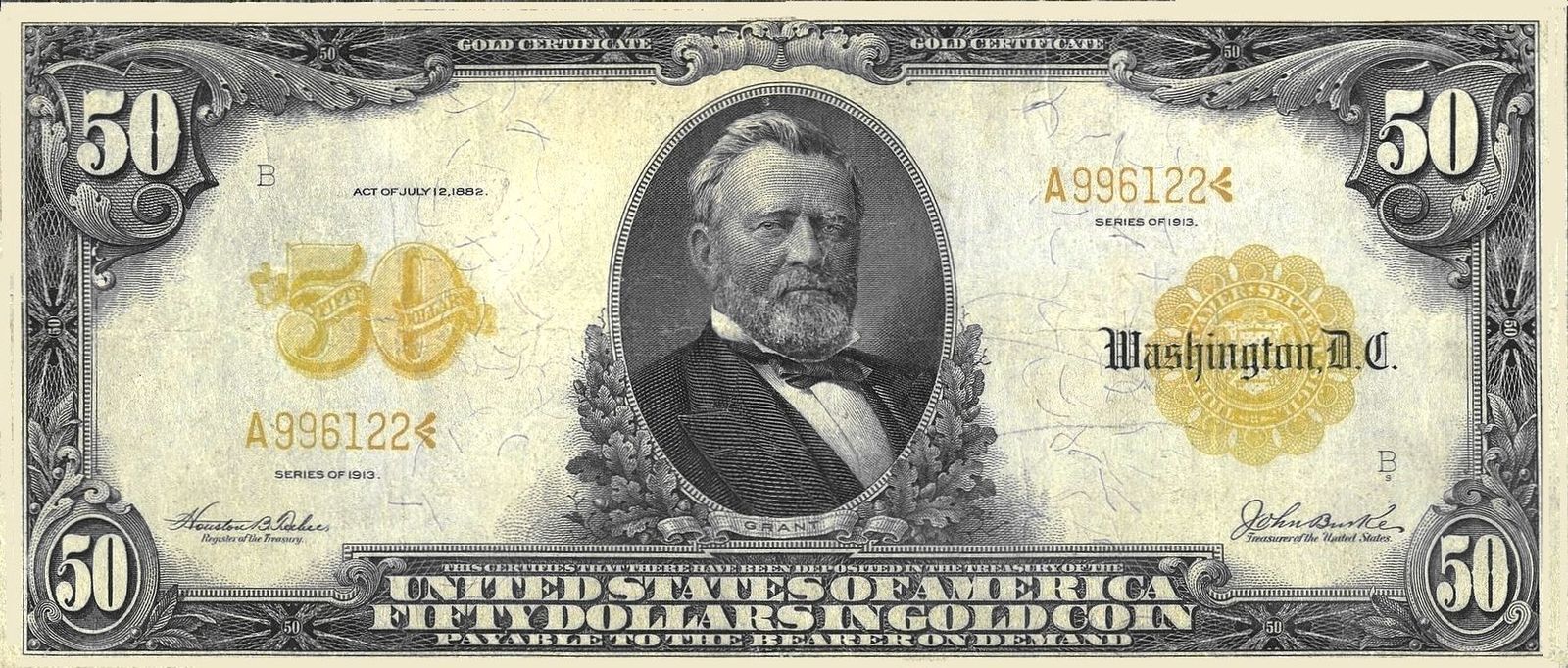
Image: U. S. Government, The Bureau of Engraving and Printing, Public domain, via Wikimedia Commons

Any U.S. dollar bill that was legally printed is valid, no matter how old, as American currency does not have an expiration date. While some bills might not be accepted by businesses of foreign exchange services due to their condition or if they are a discontinued version of the bill, the bills themselves are still valid, and American banks will accept them, though they might take them out of circulation.

3
American leaders
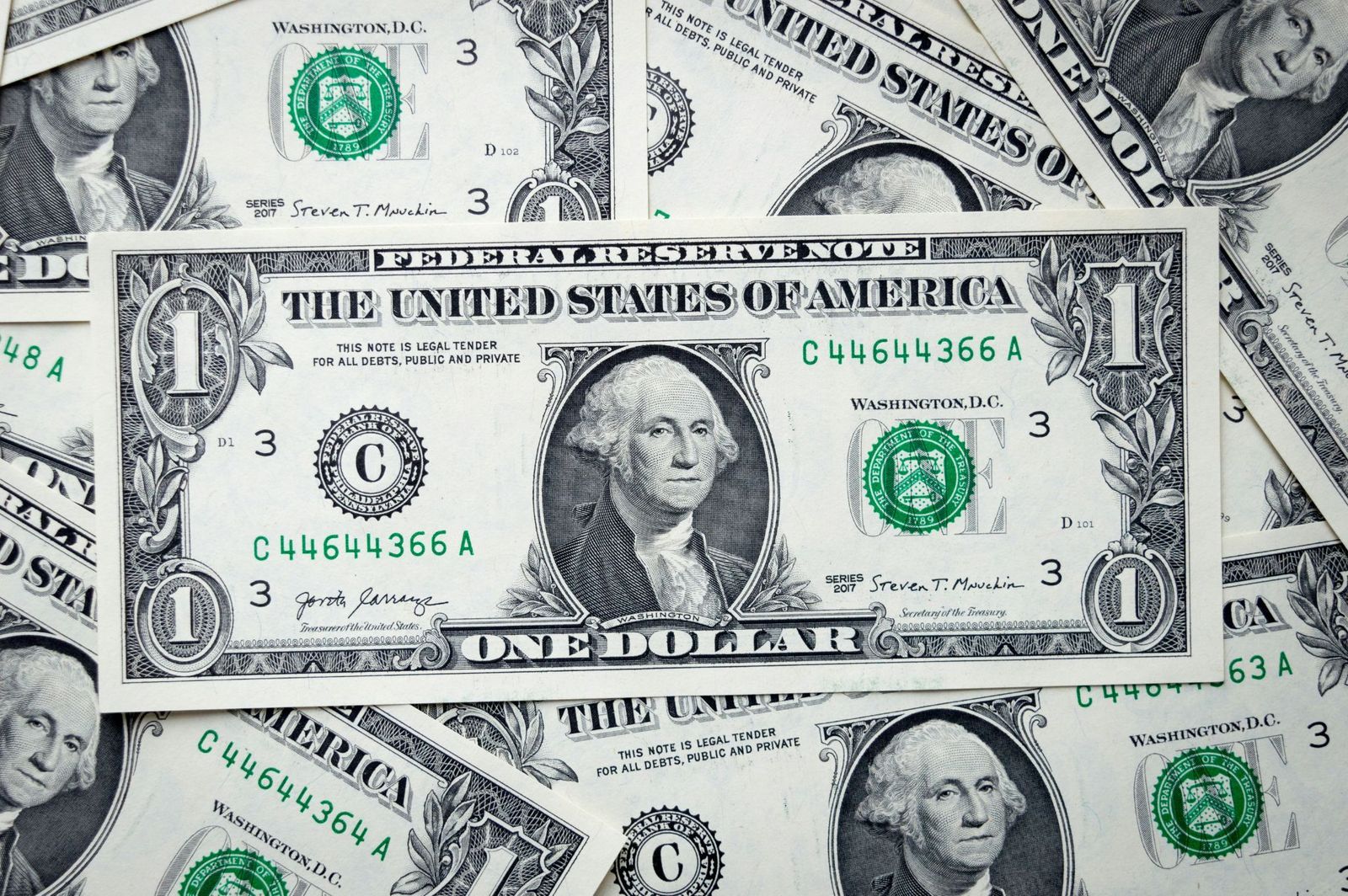
Image: Lukasz Radziejewski

Five bills have a depiction of an American president. The exceptions are the $10 bill, with Alexander Hamilton on the front, and the $100 bill, with Benjamin Franklin. The $1 bill, depicting George Washington, is extremely symbolic: several elements are repeated 13 times as a nod to the thirteen colonies, and it showcases the Bald Eagle and the Eye of Providence as a sign of God watching over America.

4
A change in size
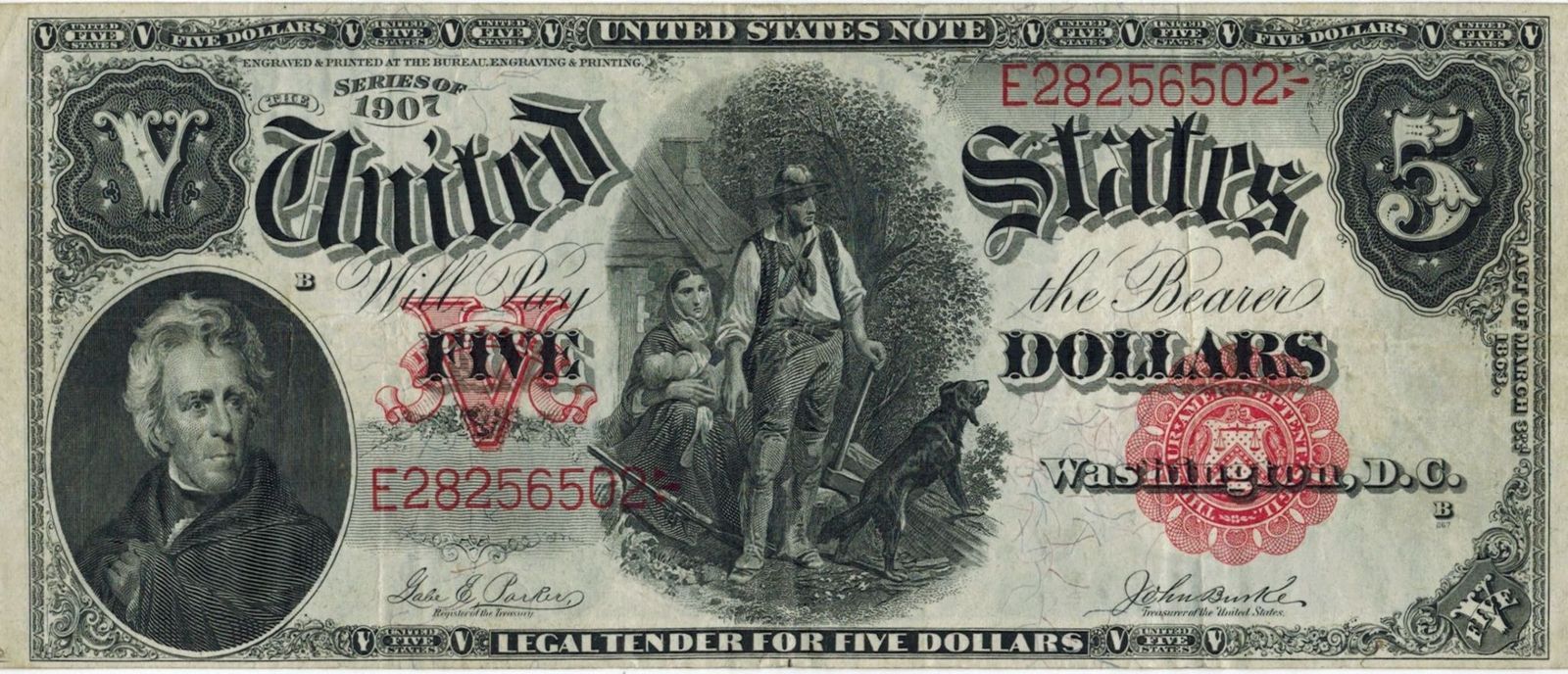
Did you know that dollar bills used to be so big that they were nicknamed "horse blankets"? Original dollar bills were 7.4 × 3.1 inches. In 1929, the Treasury Department reduced the size of bills to 6.14 × 2.61 inches to reduce production costs and materials. Old bills, though still valid, are worth much more as collector items.

5
Uniformity
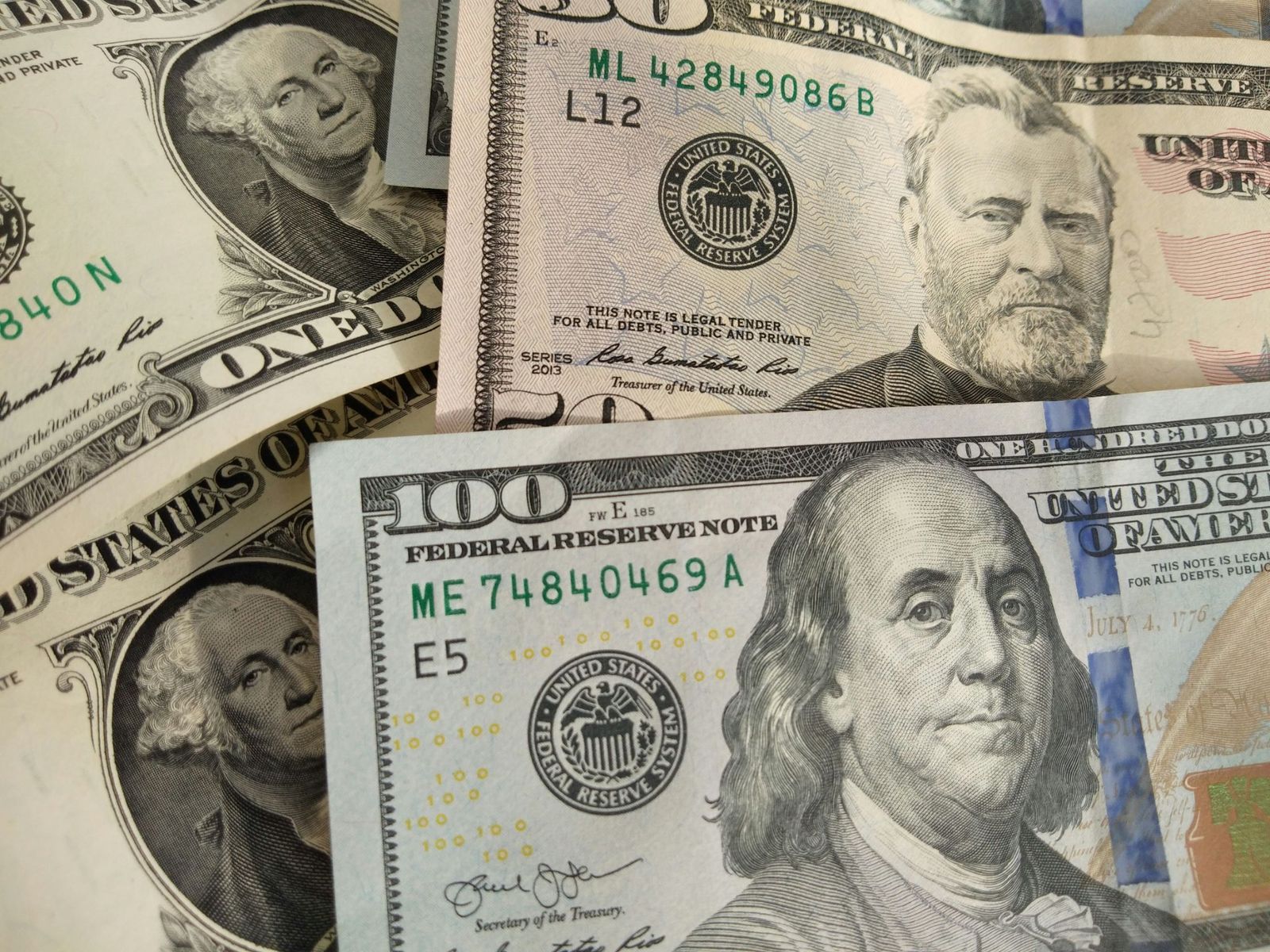
Image: Avinash Kumar

Besides their value and design, all dollar bills have the same size (6.14 × 2.61 inches), color, and weight (1 gram) , which sets American currency apart from other countries where bills of different values are differentiated by size, color, or both. Why doesn’t the U.S. implement differences among bills? The cost of adapting vending machines, bank drawers, and ATMs to new bill sizes would cost billions of dollars.

6
Hard to copy
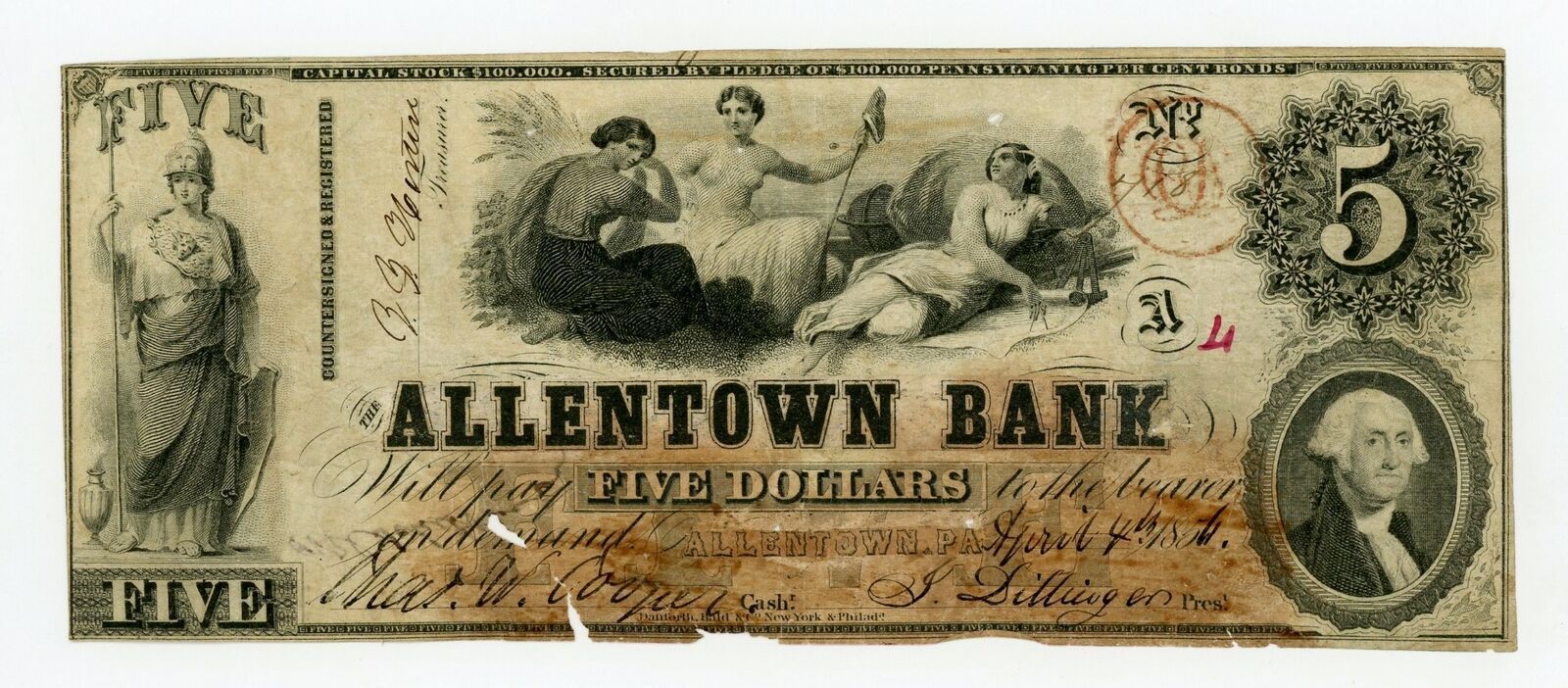
Image: United States Treasury Department, Public domain, via Wikimedia Commons

Originally, dollars were not green, but black. As time passed, green ink was favored, as it was cheap and did not fade as much as black. The new color also prevented people from using black-and-white cameras to create counterfeit money. Currently, dollar bills are predominantly green, but newer versions also include extra colors, such as pink, orange, or purple.

7
A $100,000 bill?
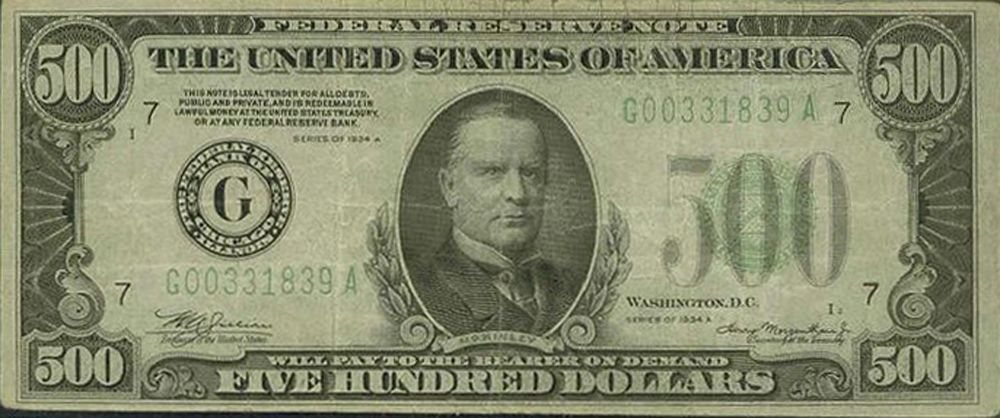
Image: The original uploader was Durova at English Wikipedia., Public domain, via Wikimedia Commons

Have you ever seen a $500 or 1,000 dollar bill? What about a $100,000? Up until 1945, the U.S. Treasury printed $500, $1,000, $5,000, $10,000, and $100,000 notes , in addition to the values currently in use. These higher-value notes were mainly intended for bank and government use, but were sought by criminals as they made it easier to hide large amounts of money. Even though they were officially discontinued in 1969, these notes are still valid, though rare, and they have a high worth as collector's items.

8
No numbers
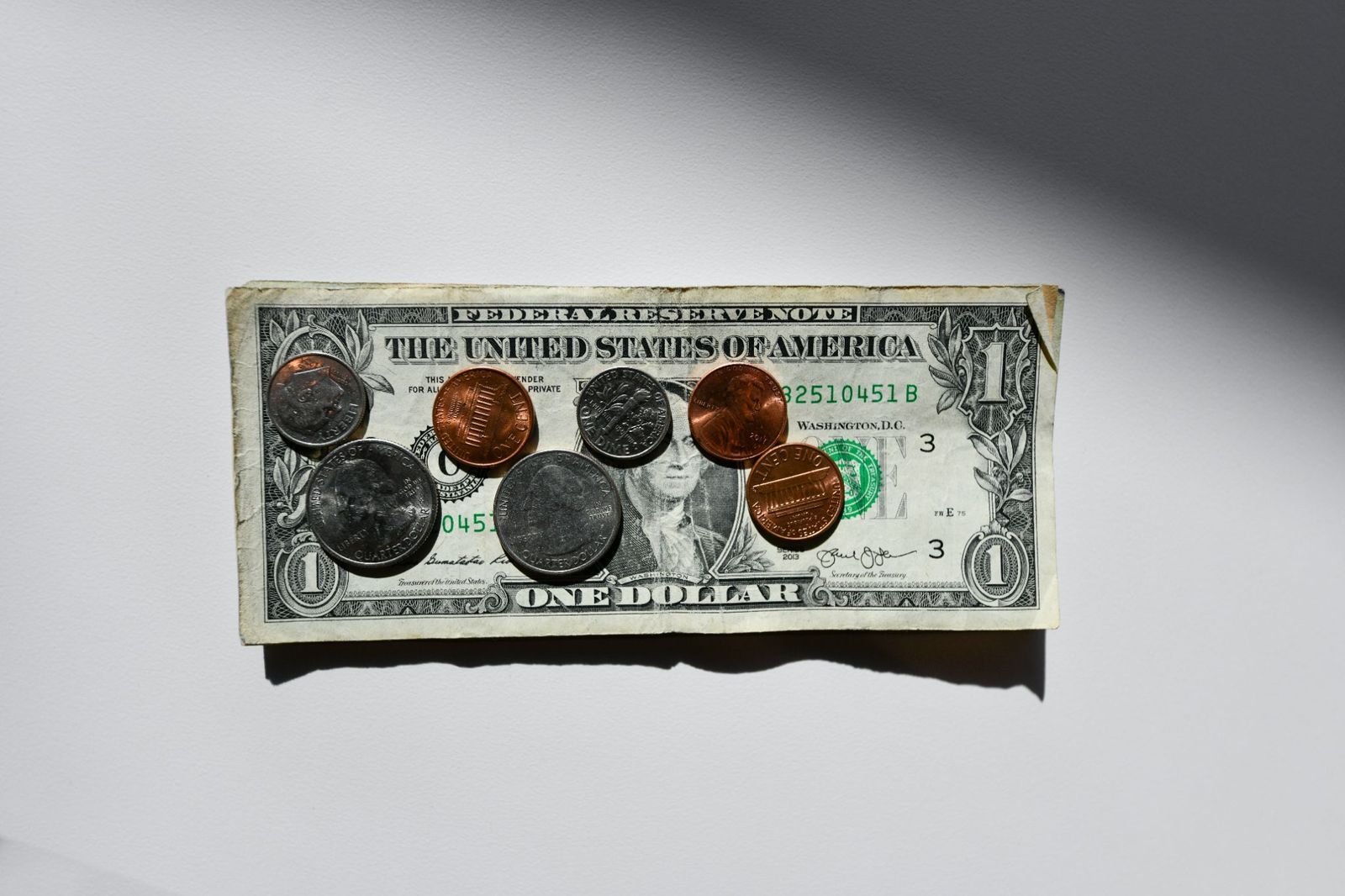
Image: Quilia

Unlike bills, American coins have different sizes and colors related to their value. Originally, gold, silver, and copper were used for coins, but modern coins are made of copper, zinc, or nickel. Besides their size and design, the value of each coin is printed in letters, not in numbers , alongside depictions of American presidents.

9
Liberty for all (the coins)
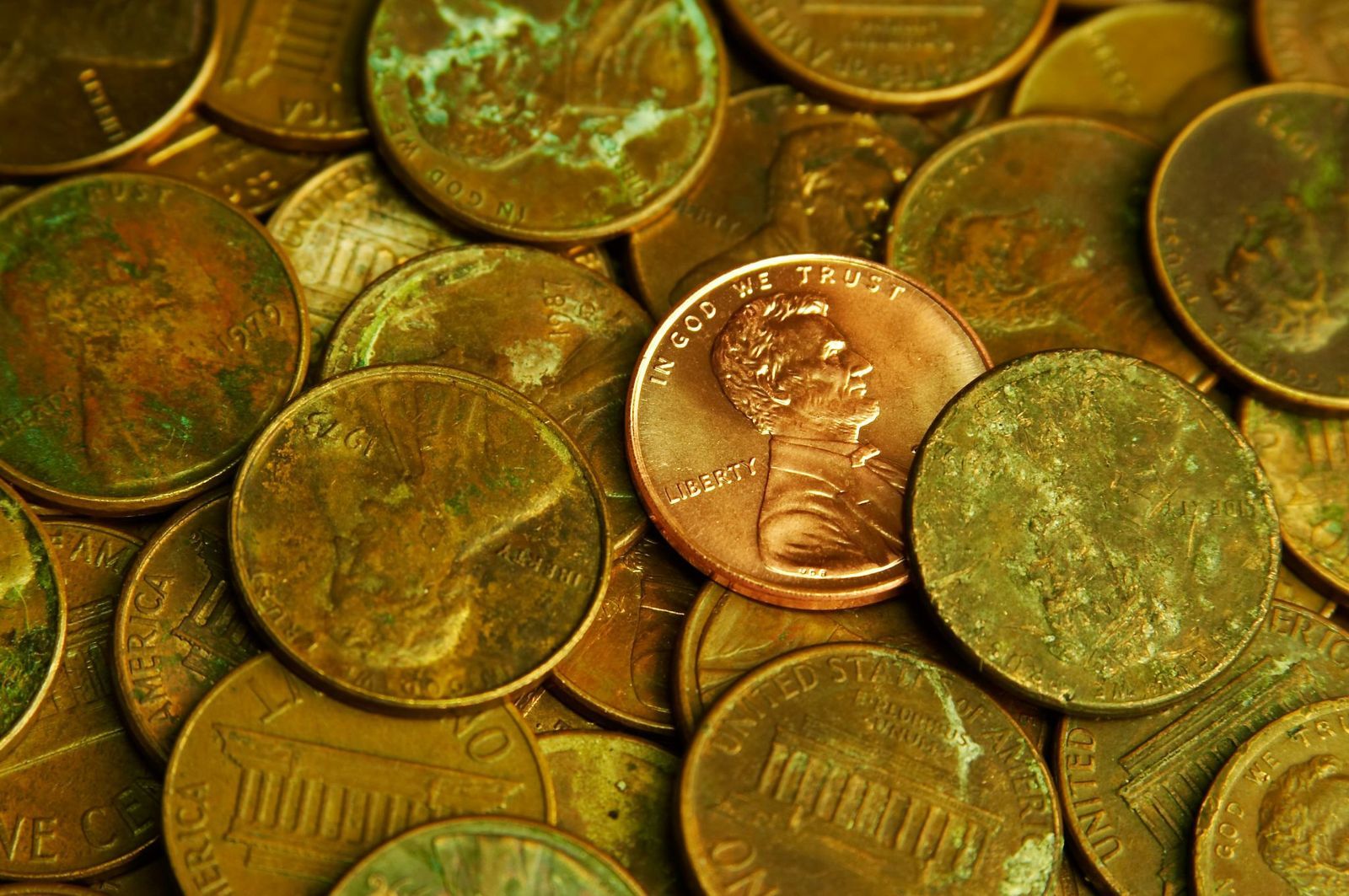
Image: Money Knack

By law, all American coins must include six specific details : the word ‘Liberty’, the name of our country, the national motto "In God We Trust", the oldest American motto "E Pluribus Unum", the value of the coin, and the year. Each coin also includes a mint mark that shows where it was made: "P" for Philadelphia, "D" for Denver, "S" for San Francisco, and "W" for West Point.

10
A global currency
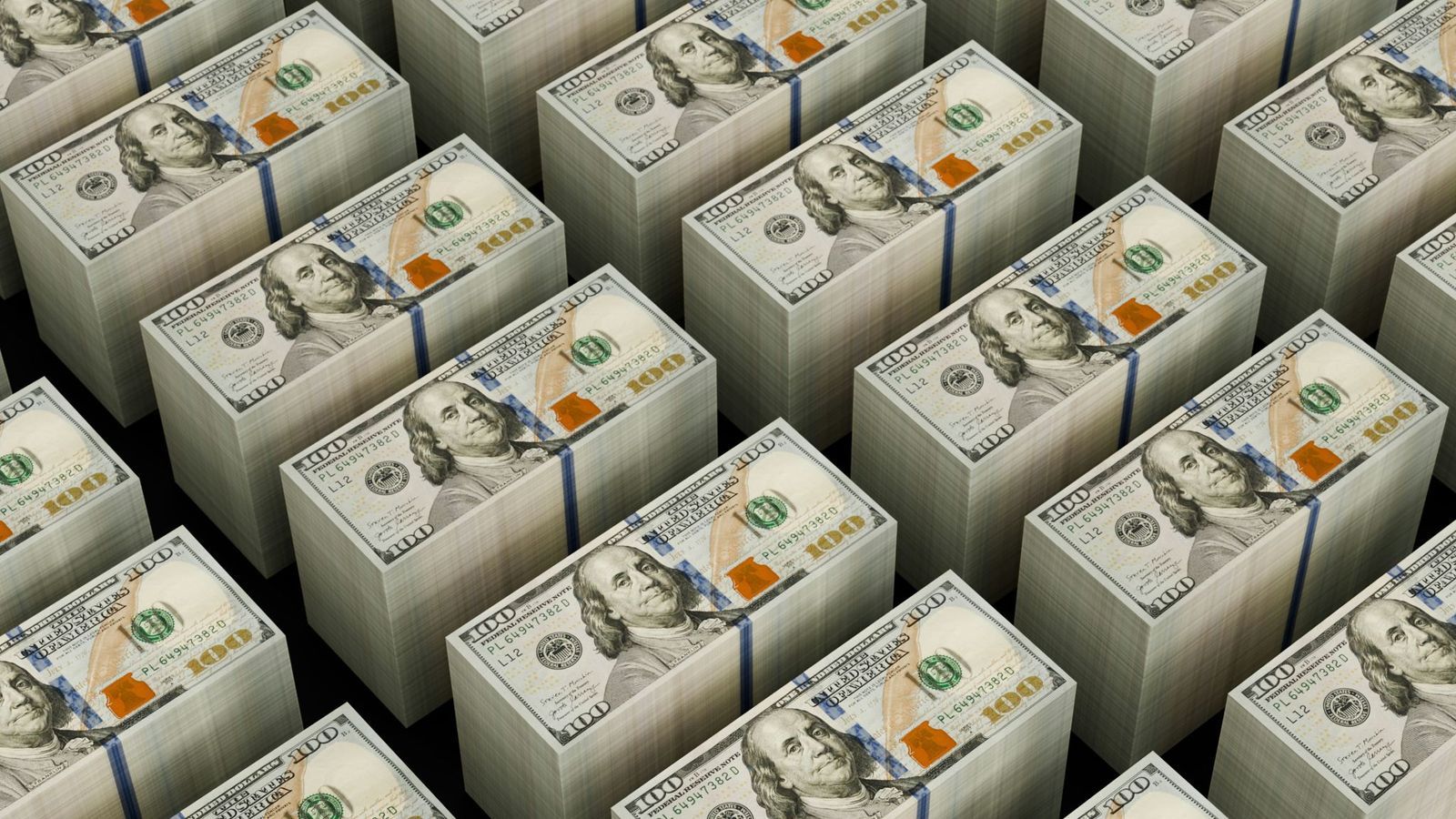
Image: Logan Voss

The American dollar is one of the most powerful currencies in the world, acting as a backbone for international trade and finances. It is estimated that two-thirds of the physical dollars in circulation are outside American territory. Besides the U.S. and its territories, eight sovereign nations have the U.S. dollar as their official currency, with several more accepting it as legal tender.
Culture Culture 5 min read

Awe-inspiring facts

The First Influencer: 10 times Eleanor Roosevelt was groundbreaking

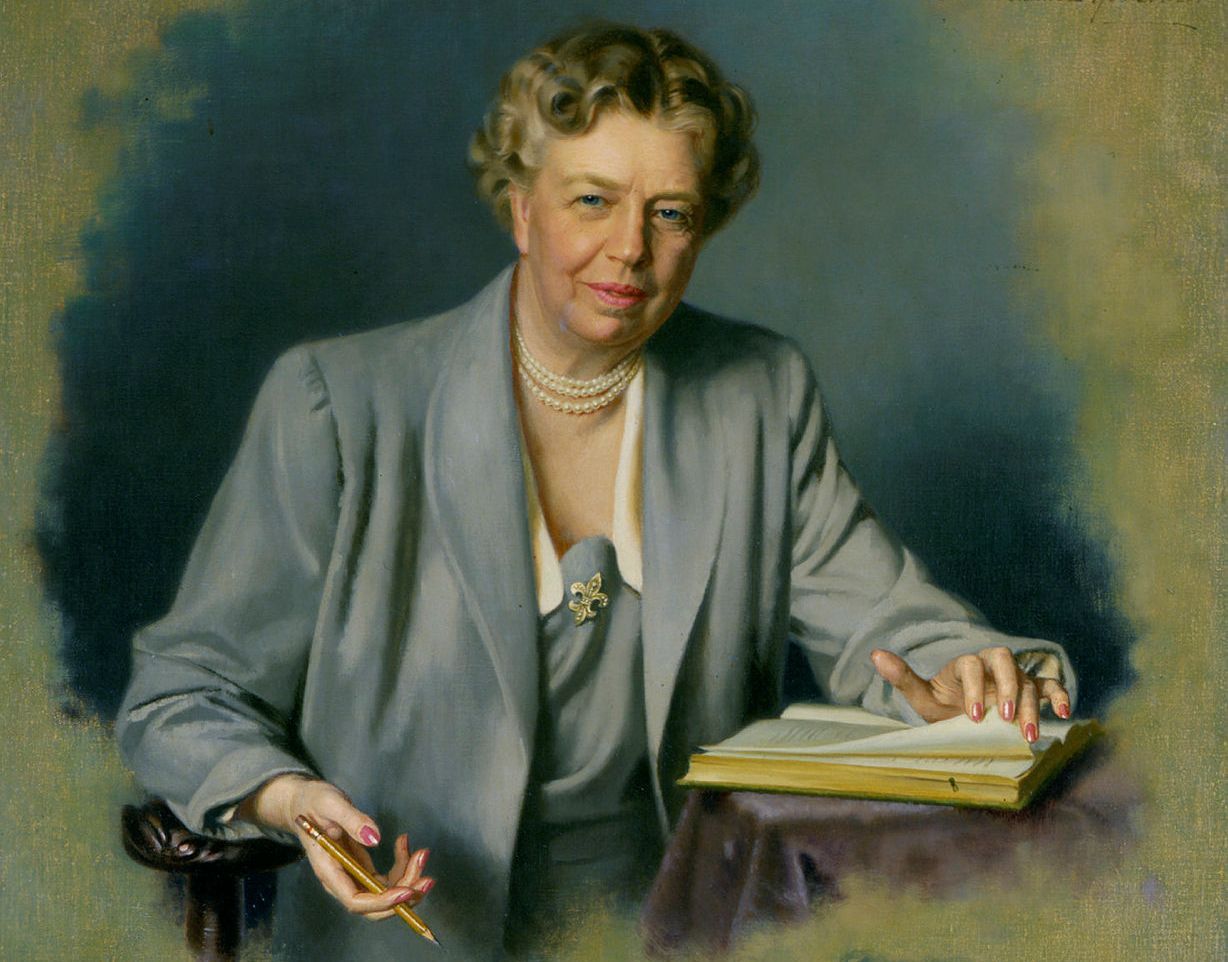
Image: Yousuf Karsh, Public domain, via Wikimedia Commons

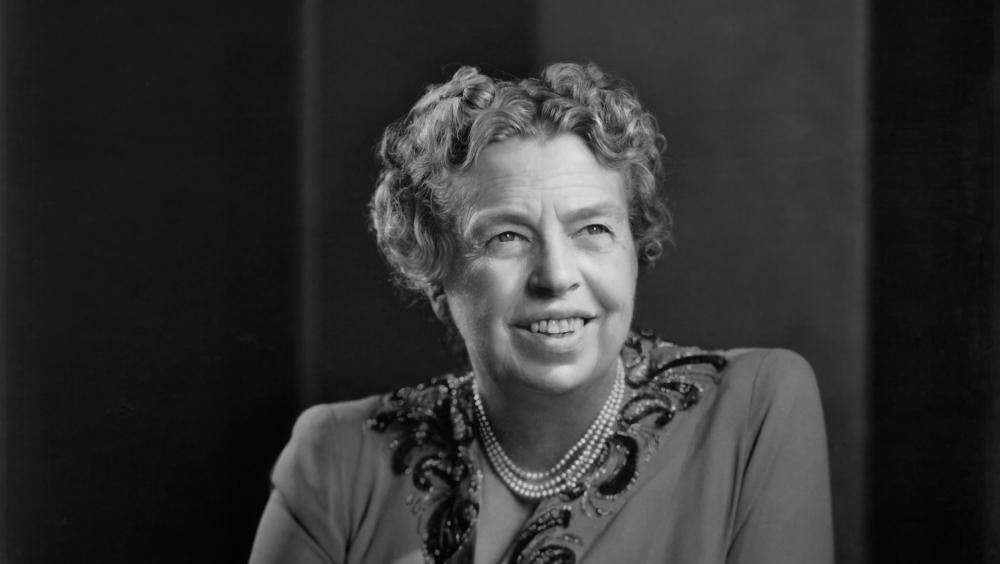
Eleanor Roosevelt led an exciting life and was a groundbreaking figure in many ways. She redefined the role of First Lady and went on to become the U.S. delegate to the newly created United Nations. Her lifetime achievements are almost too numerous to list, yet these 10 facts serve as a reminder of why she's still celebrated as one of America's most influential First Ladies and diplomats. Keep reading to learn more!

1
Early childhood

Image: National Archives and Records Administration, Public domain, via Wikimedia Commons

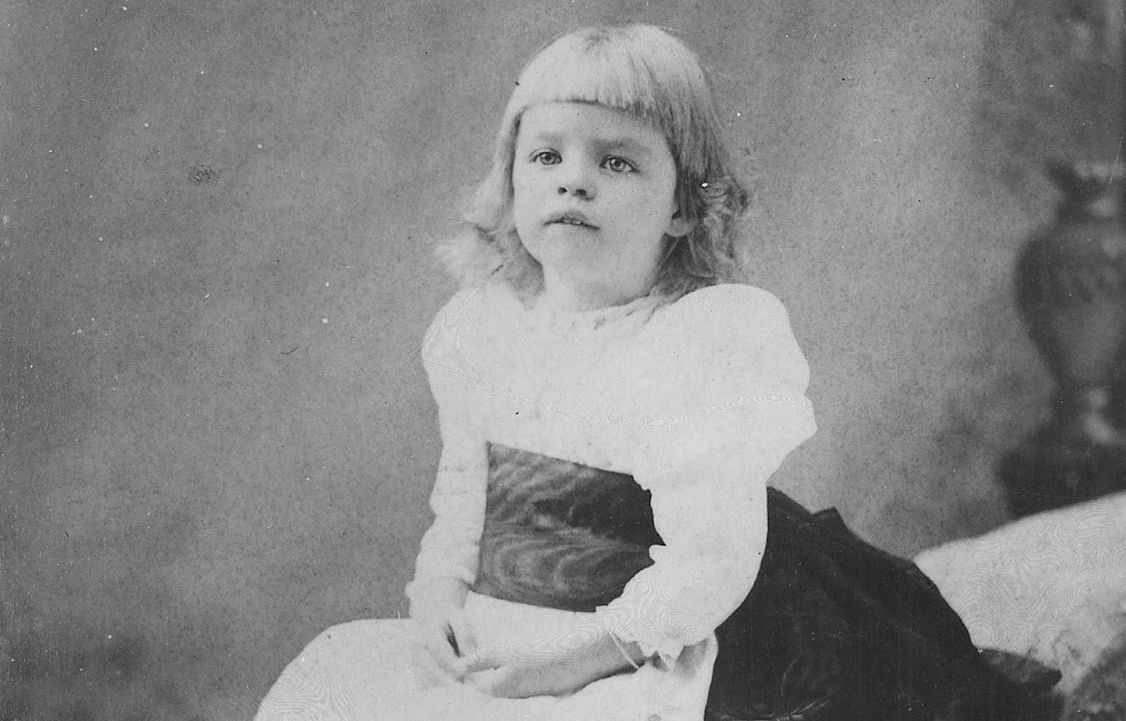
Despite being born into a prominent family, Eleanor Roosevelt’s childhood was not easy. She became an orphan when she was still very young. Her mother, Anna Hall, passed away in 1892, and her father died in 1894 from injuries sustained during a suicide attempt.

Following these tragic events, young Eleanor was left in the care of her maternal grandmother, Valentine Hall, before she was sent to a school for girls in England at the age of 15.

2
Family ties

Image: Public domain, via Wikimedia Commons

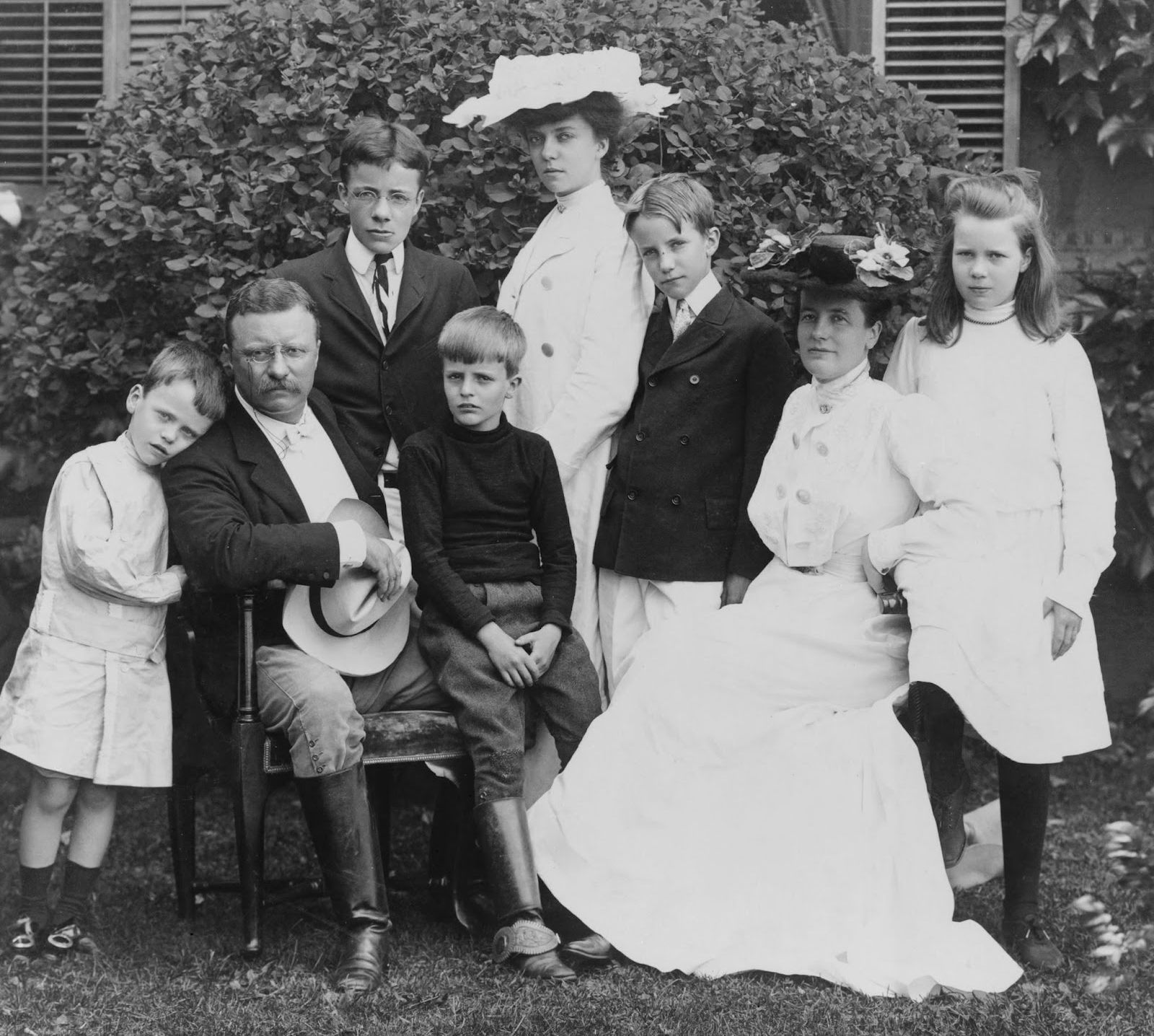
Eleanor had presidential connections way before her marriage to FDR. Her father was Elliott Roosevelt, the younger brother of former President Theodore Roosevelt. Franklin D. Roosevelt, in turn, comes from a different branch of the Roosevelt family. The family was divided into two distinct clans, both based in New York, each with its own unique culture. Franklin belonged to the Hyde Park Roosevelts and was Theodore Roosevelt’s fifth cousin, while Eleanor was Theodore’s fifth cousin once removed .

Theodore was very fond of his niece and treated Eleanor like a daughter. In fact, in 1905, just a few months into his second term, the president gave her away at her wedding to Franklin D. Roosevelt. There’s nothing like keeping the name in the family!

3
American Red Cross volunteer

Image: National Archives and Records Administration, Public domain, via Wikimedia Commons

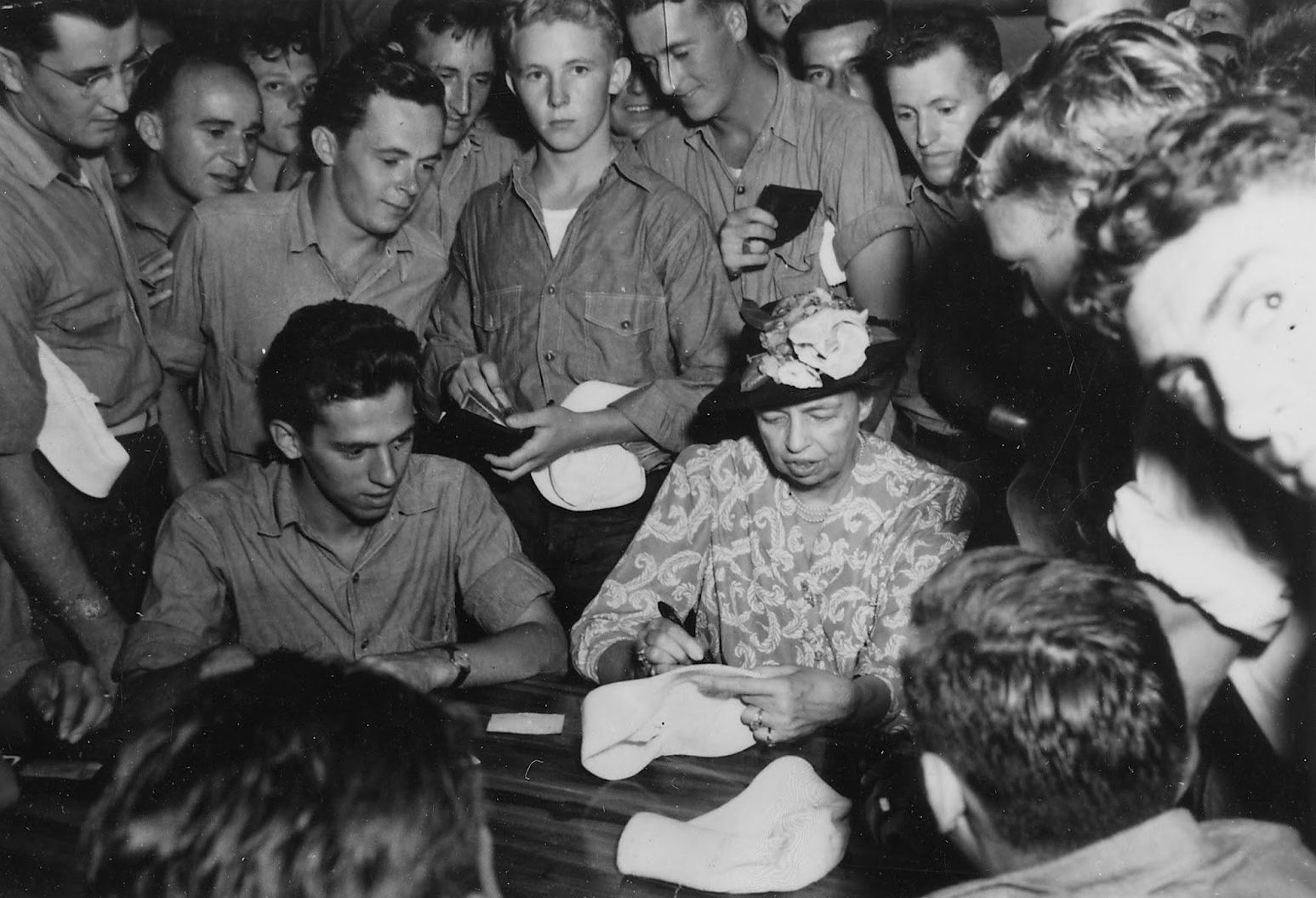
From a young age, Eleanor Roosevelt was actively involved in volunteer work. In 1917, when the United States entered World War I, women’s roles shifted dramatically. For Eleanor, this meant volunteering with the Red Cross and visiting wounded naval soldiers.

During her husband’s presidency, in the midst of World War II, Eleanor would inspire others to join the Red Cross and help raise funds to improve care and assistance for soldiers and their families. In August 1943, she even embarked on a month-long journey through the South Pacific to visit hospitals and infirmaries on military bases and ships.

4
An adventurous First Lady

Image: National Portrait Gallery, CC0, via Wikimedia Commons

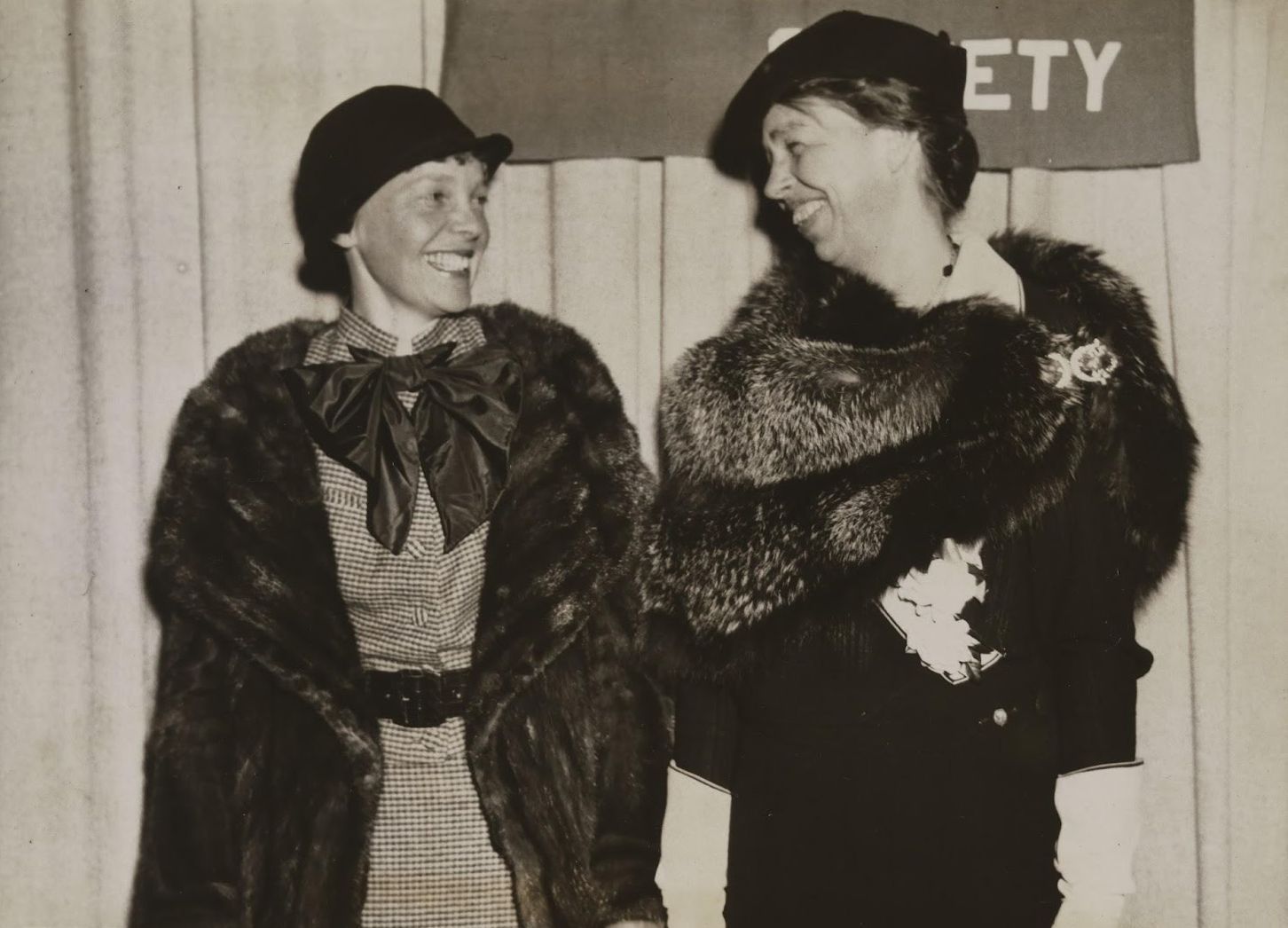
Despite being an introvert, Eleanor Roosevelt was an adventurer at heart. She liked to travel and throughout her life practiced different sports. What did Eleanor consider the happiest day of her life? The day she made the field hockey team at her private school!

During the 1930s, she became close to American aviator Amelia Earhart . The pilot took the First Lady on a flight from Washington, D.C., to Baltimore in 1933 and even inspired Eleanor to apply for her own pilot’s license. After Earhart vanished during her attempt to fly around the world, Roosevelt told reporters, "I am sure Amelia’s last words were ‘I have no regrets.’"

5
Women's advocate

Image: National Archives and Records Administration, Public domain, via Wikimedia Commons

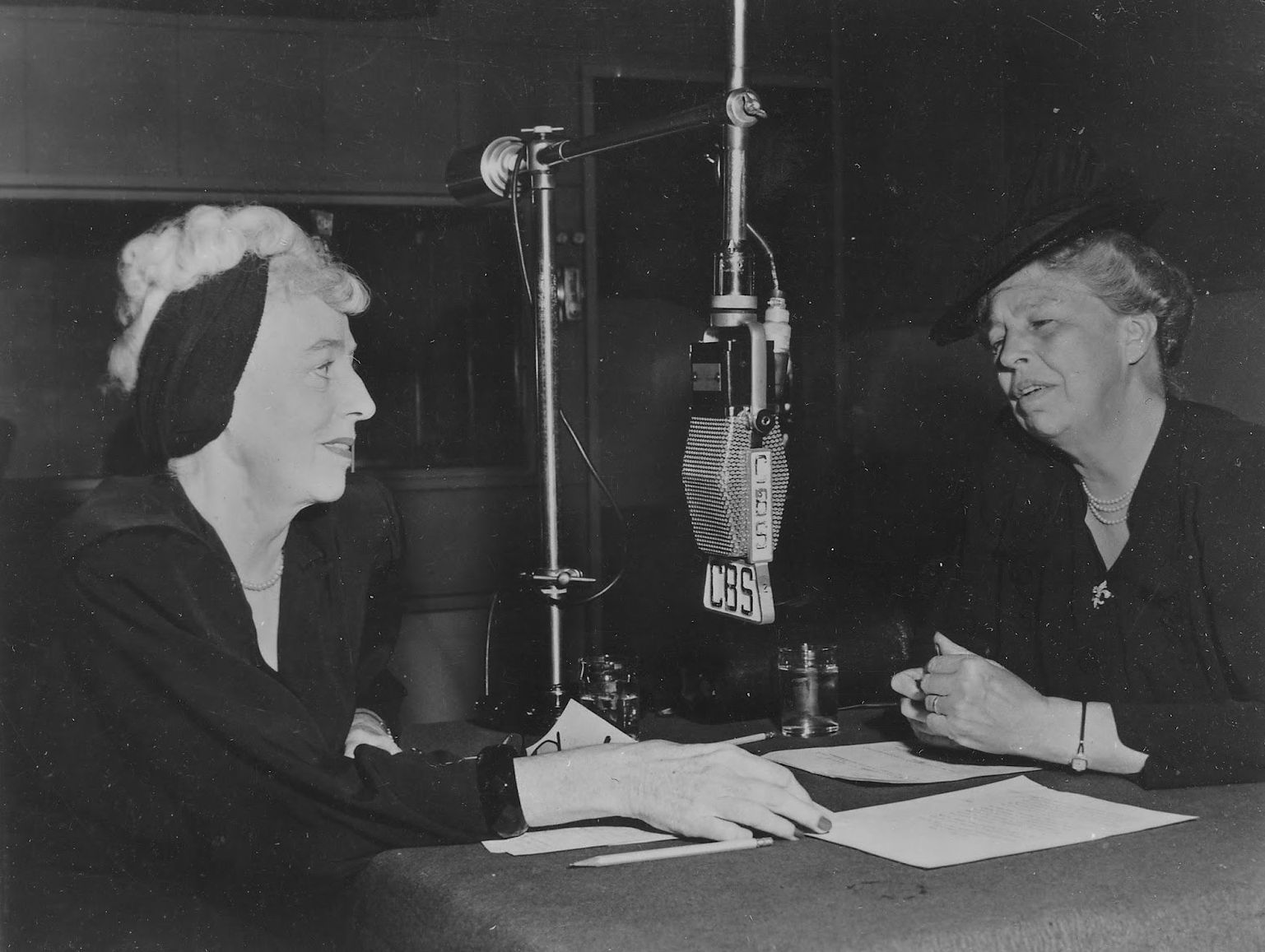
When Franklin D. Roosevelt was elected President of the United States, Eleanor redefined the role of the First Lady. Unlike her predecessors, she led a very active political life, participating in a multitude of events advocating for women's rights.

For example, before FDR’s presidency, female journalists were often excluded from media events at the White House. Eleanor helped reverse this injustice by hosting a series of women-only press conferences . This courageous and revolutionary act eventually pressured newspapers to hire more female reporters and helped Eleanor win over female voters on behalf of her husband.

6
Newspaper columnist

Image: Douglas Chandor, Public domain, via Wikimedia Commons

Did you know Eleanor Roosevelt wrote a syndicated newspaper column for 27 years? From 1935 until her death in 1962, Roosevelt penned six articles a week about her political views and personal life.

Simply titled "My Day," the column featured her thoughts on hot topics such as prohibition, Pearl Harbor, and Joseph McCarthy’s communist witch hunt. In all that time, Eleanor missed only a single week's worth of deadlines after her husband died in 1945.

7
Civil rights activist

Image: National Archives at College Park, Public domain, via Wikimedia Commons

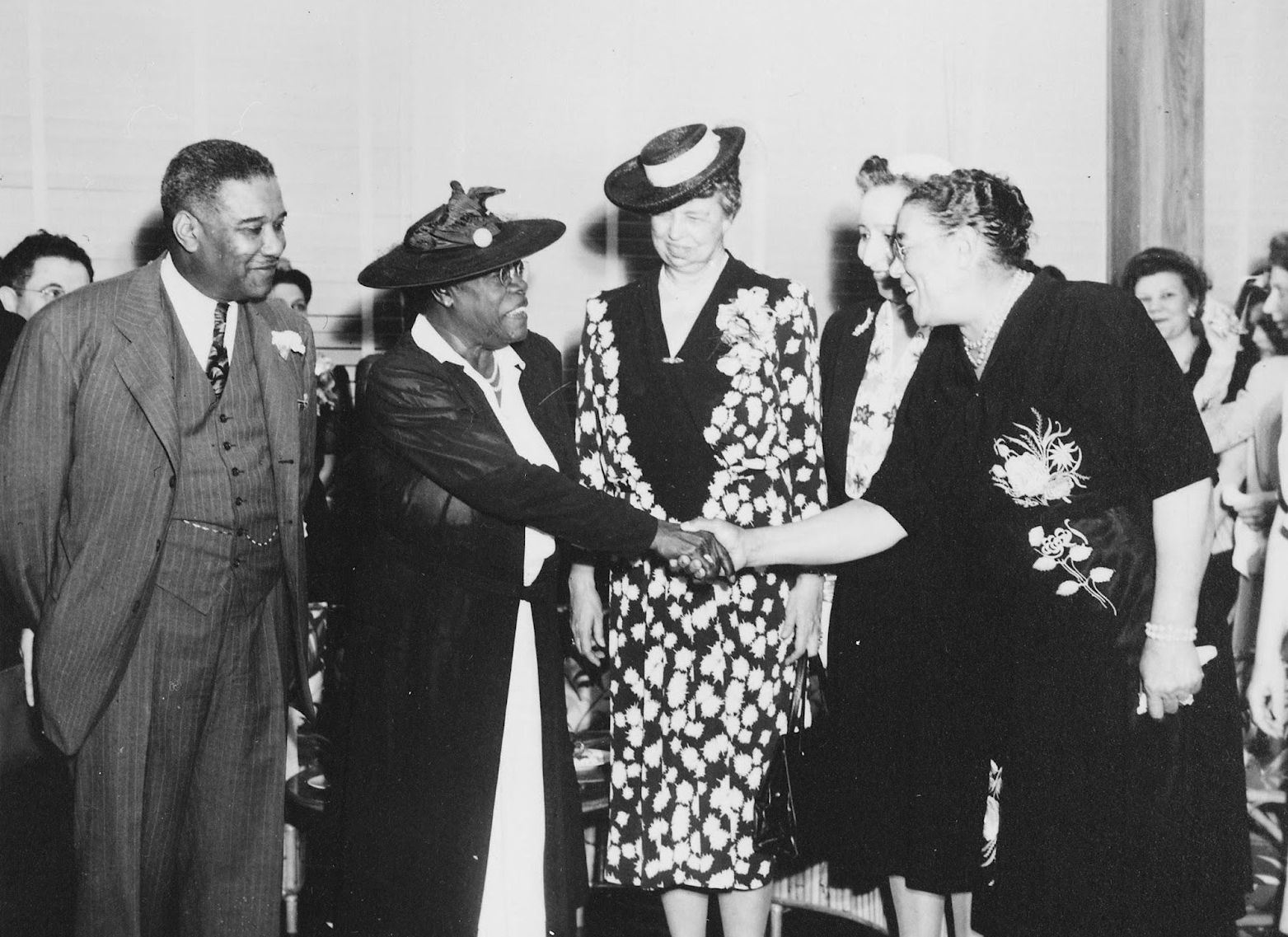
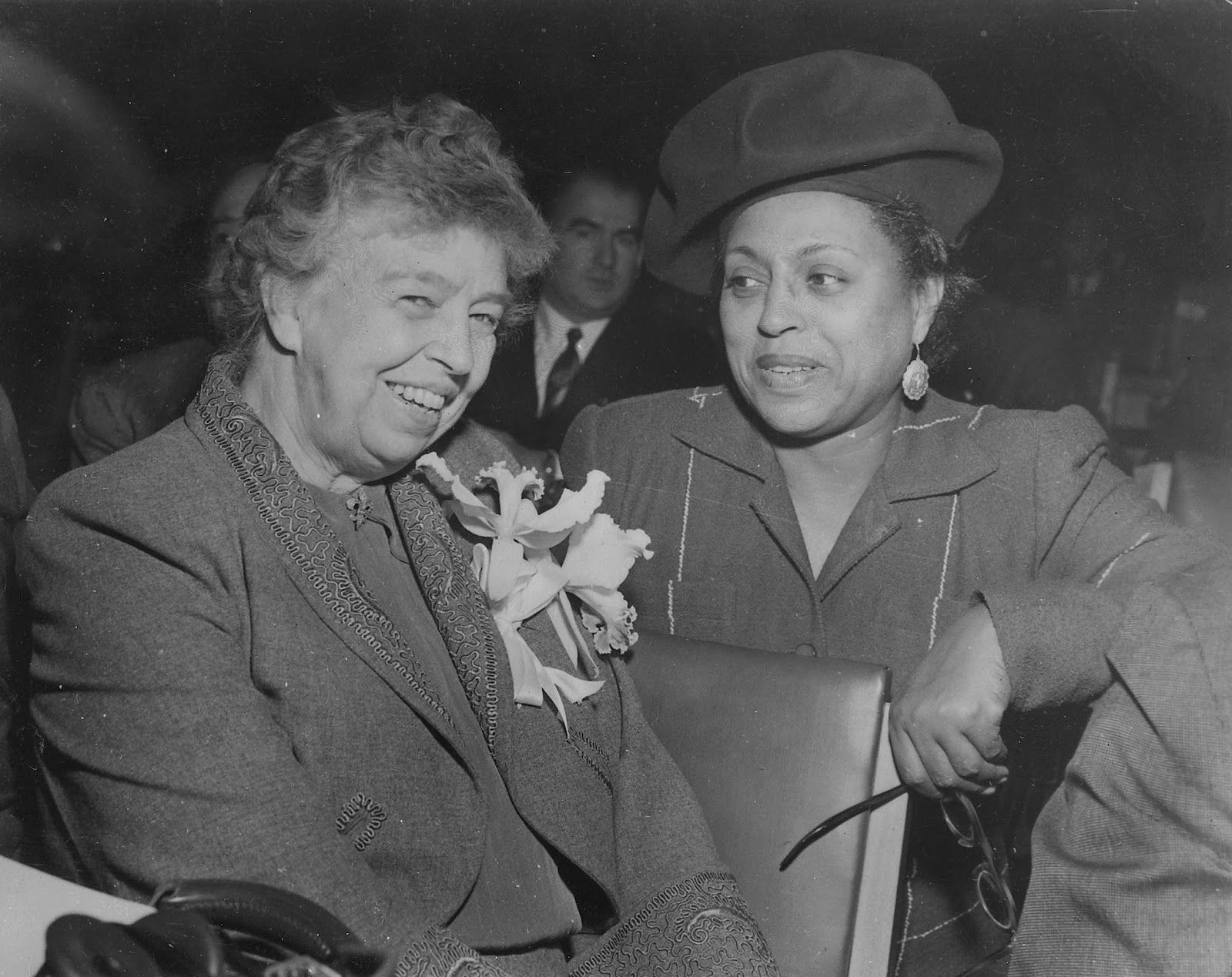
Eleanor Roosevelt was notably more progressive on civil rights than her husband. During the era of segregation, the First Lady became a crucial ally to the African-American community .

For example, she regularly invited African-American guests to the White House, breaking established protocols. In 1938, she even attended the inaugural meeting of the Southern Conference for Human Welfare in Birmingham, Alabama. On that occasion, after learning that segregationist policies prohibited white and African-Americans from sitting together at public functions, Eleanor protested. "They were afraid to arrest her," one witness recalled.

8
J. Edgar Hoover's public enemy

Image: National Archives and Records Administration, Public domain, via Wikimedia Commons

Because of her support for civil liberties and promotion of social programs, Eleanor Roosevelt was labeled a communist by the most conservative wing of American society. She was especially unpopular with J. Edgar Hoover’s FBI, which viewed her as a threat to the status quo.

In fact, the First Lady was the subject of one of the largest single FBI files, totaling around 3,000 pages . She publicly criticized Hoover’s abusive tactics, calling them "Gestapo-ish."

9
The first influencer

Image: Evert F. Baumgardner, Public domain, via Wikimedia Commons

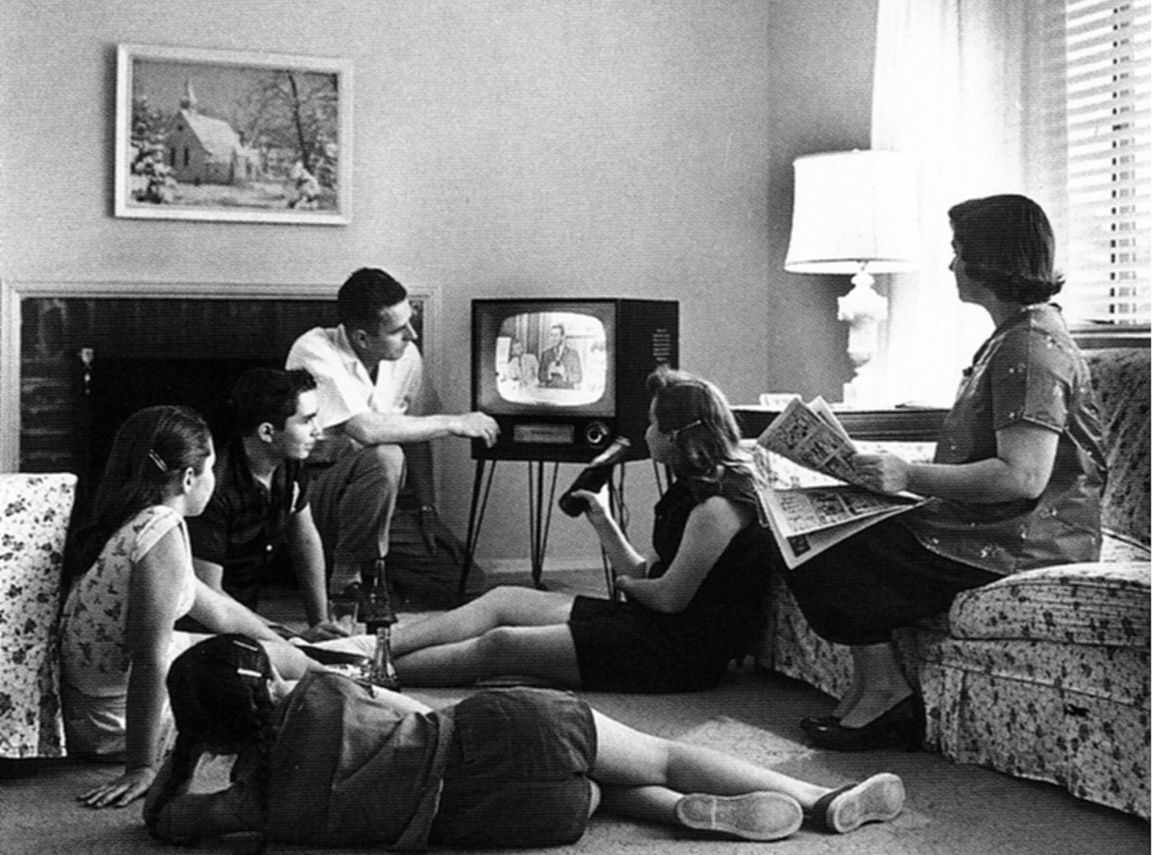
In 1959, Eleanor Roosevelt made a surprising appearance in a TV commercial that helped popularize margarine as a preferred spread in America.

Her endorsement of the product not only had a significant impact on consumer choices but also earned her a substantial income of $35,000. As evidence of her commitment to social causes, Eleanor used the earnings to purchase 6,000 care packages for families in need , providing critical support and assistance.

10
Universal Declaration of Human Rights

Image: Franklin D. Roosevelt Presidential Library and Museum, Public domain, via Wikimedia Commons

In 1946, President Harry S Truman appointed Eleanor Roosevelt as the U.S. representative to the United Nations Human Rights Council. In this influential role, she played a key part in shaping the Universal Declaration of Human Rights.

Along with 50 other members, Eleanor worked tirelessly to establish a comprehensive framework that protected and upheld the fundamental rights and dignity of individuals worldwide. Her dedication to this important endeavor marked a significant milestone in the advancement of human rights on a global scale. The Universal Declaration of Human Rights remains, without a doubt, one of Eleanor Roosevelt’s greatest legacies.

Geography Geography 5 min read

Exploring the underworld

Would you explore a cemetery's catacombs? 10 underground must-sees

Image: Blake Cheek

We sometimes forget there is a whole world going on beneath our feet. Hidden from view lie underground marvels like caves hosting weddings, crystal-clear freshwater pools, and sidewalks of cities that no longer exist. Here, we explore 10 must-see underground sites in the U.S. Grab your flashlight, and let’s venture below the surface!

1
Seattle Underground City

Did you know the remnants of Seattle's original streets are still accessible? Beneath the bustling streets of modern-day Seattle lies the Underground City , a network of subterranean passageways that formed the ground level in the 1800s.

By the end of the 19th century, after the Great Seattle Fire, it was decided to rebuild the city at a higher elevation to combat frequent flooding . So, these original streets, sidewalks, and storefronts were buried, and with it, much of their history.

Guided tours take people through tunnels and ladders and retell real and eerie stories about the history of the Underground City.

2
Luray Caverns

Image: Robert Thiemann

Have you ever heard of the underground Stalacpipe Organ ? Not only is it a one-of-a-kind interaction between keyboards and cavern stalactites, but it is also the largest musical instrument in the world, according to Guinness World Records.

This instrument lives in the Luray Caverns, Virginia. It consists of an electric console that taps on these ancient stalactites of varying sizes to produce musical tones. A subterranean wonder, these caverns are also known for their extraordinary size , housing towering stalactites and stalagmites, mirrored pools, and delicate drapery-like calcite formations.

3
The Underground Gardens of Baldassare Forestiere

Image: Adrian Botica

This stunning subterranean retreat was built entirely by hand. Tucked under the sun-scorched landscape of Fresno, California, lie the Underground Gardens of Baldassare Forestiere . They are the life’s work of Baldassare Forestiere, a Sicilian immigrant who started digging in the early 1900s to escape the Central Valley's oppressive heat.

Over 40 years, drawing inspiration from ancient Roman catacombs , Forestiere carved an elaborate network of underground rooms, passageways, grottoes, and courtyards that span 10 acres.

A unique masterpiece, the gardens are open with guided tours that lead guests through beautifully designed spaces featuring skylights, arches, and alcoves. This oasis also boasts an array of fruit trees, including citrus, figs, and olives.

4
Ruby Falls

Image: Goodfreephotos_com

Colorful and breathtaking, the Ruby Falls is a geological wonder located inside Lookout Mountain near Chattanooga, Tennessee.

Hidden over 1,000 feet below the mountain's surface, this waterfall cascades 145 feet into a pool , making it one of the tallest underground waterfalls open to the public.

Visitors enter the mountain and descend via elevator. Then, they walk through stunning cave formations such as stalactites, stalagmites, and flowstone. At the waterfall chamber, multicolored lights –powered by renewable energy– illuminate the falls. Lantern-lit tours are also offered as a chance to visit the marvel with a different charm.

5
The Catacombs of Green-Wood Cemetery

Image: Joy Ernst

Arched tunnels of tranquil, sacred vaults lie beneath the Green-Wood Cemetery in Brooklyn, New York. Built in the mid-19th century, these catacombs were designed as a prestigious resting place for the city’s elite , prominent families.

While the catacombs are typically closed to the public, special events are sometimes organized to welcome visitors, such as art expositions, guided history tours, and candlelit tours seasoned with live music and storytelling.

Outside, where the sun does reach, await the serene landscapes and remarkable monuments of the cemetery, which is itself a National Historic Landmark .

6
The Lost Sea

Image: Roberto Nickson

The largest underground lake in America is in Tennessee. Hidden within the Craighead Caverns in Sweetwater, this enormous body of water lies in a cave system filled with fascinating formations, such as stalactites, stalagmites, and rare anthodites, also known as "cave flowers."

A National Natural Landmark, this lake marvels scientists, who are yet unaware of the exact extension of its waters. Those who visit can embark on a boat ride called "The Lost Sea Adventure," first walking inside the cavern before reaching a boat to navigate these ethereal sights.

7
Mammoth Cave National Park

Image: Sherin Jacob

The Mammoth Cave National Park is home to the longest cave system in the world . Located in central Kentucky, it extends over 420 miles of explored passages and many more likely undiscovered. Enormous chambers, underground rivers, a labyrinth of tunnels, and gypsum crystal formations can all be found at this site.

The park has been declared a UNESCO World Heritage Site and an International Biosphere Reserve. It also includes over 52,000 acres of protected land on the surface, renowned for its lush forests and diverse wildlife.

8
Carlsbad Caverns National Park

Image: Cason Asher

A large bat colony lives in the Carlsbad Caverns National Park in New Mexico, but that’s not its only charm. The park boasts over 100 caves, with its centerpiece being the immense Carlsbad Cavern.

The cavern includes the Big Room, one of the largest underground chambers in North America, spanning 8.2 acres. Visitors can descend via an emblematic natural entrance or by elevator, dropping 750 feet underground. Stalactite formations like the Giant Dome, the Hall of the White Giant, and the Chandelier are some of the caves' breathtaking highlights.

9
Indian Echo Caverns

Image: Magda Ehlers

The Indian Echo Caverns, which have been open to the public since the early 1920s, are carved into the limestone of the Appalachian Mountains. Located near Hummelstown, Pennsylvania, this site gets its name from the echoes heard within the cavern’s chambers , which were once believed to be mystical by Native American people in the area.

Unique, immersive sections of the caverns have names like the "Crystal Palace," the "Echo Room," and the "Wedding Room," where, yes, real weddings are sometimes held!

10
Wind Cave National Park

Image: Francesco Ungaro

Wind Cave National Park, located in the Black Hills of South Dakota, is one of the world’s largest caves, but that’s not what it’s most famous for. One signature sight here is the boxwork formation , a rare lattice-like pattern formed by calcite deposits.

The cave system stretches for over 140 miles, though much of it remains unexplored. Popular tours take guests through captivating features like the "Ribbon Room" and the "Crystal Palace."

Why is Wind Cave called that? Mainly due to the "wind" phenomenon that occurs at its entrance. The cave's air pressure causes the entrance to draw in or expel air, depending on atmospheric conditions.

Explore more American facts

Choose your favorite category!

General
General

As American as apple pie—the very best America has to offer!

Culture
Culture

Delve into the astounding richness of American lore.

Geography
Geography

Hop in and explore vast and diverse American landscapes.

History
History

Discover the key moments that shaped the United States.