General General 5 min read

Think America is divided? These 10 moments say otherwise
Image: Studio Romantic

No matter who you are, these iconic days have marked all our lives. Chances are, you have some meaningful memories attached to at least one of them. Let’s look back at these 10 incredible moments that unite people across America from coast to coast and try not to get too emotional along the way.

1
Super Bowl - The biggest party in America
Image: Andrew Angelov

Where were you when you first watched the Super Bowl? Do you have an all-time favorite game you’ll never forget? The Super Bowl is the biggest, most-watched single event in the United States . It has become an unofficial national holiday that unites millions of Americans through a shared love of football.

The Super Bowl halftime show brings people together for a massive cultural performance featuring iconic artists. The commercials are also highly anticipated, with some of the biggest-budget campaigns talked about as much as the game itself. The shared experience, alongside incredible moments like miracle comebacks, is often paired with classic game-day foods such as chicken wings, nachos, and pizza.

2
Independence Day - Red, white, and boom
Image: shablovskyistock

Independence Day marks the birth of the United States as a free nation. On July 4, 1776, the Founding Fathers adopted the Declaration of Independence, cutting ties with Great Britain. This holiday unites the country through traditions, patriotic reflection, and celebration.

It brings friends and family together from coast to coast to enjoy parades with marching bands, classic cars, and community floats; spectacular fireworks lighting up the skies across the country ; and cookouts with barbecues, picnics, and backyard games. Red, white, and blue fill the scene, alongside the national anthem, "The Star-Spangled Banner," reinforcing a shared sense of pride.

3
Thanksgiving - The ultimate family feast

Image: Yuganov Konstantin

Do you love inviting everyone for Thanksgiving and preparing the ultimate feast? Or do you prefer visiting loved ones you haven’t seen in a while? Thanksgiving unites Americans through gratitude, food, and tradition.

It began in 1621, when early English settlers and Native Americans celebrated the autumn harvest. In 1863, during the Civil War, President Abraham Lincoln made it a national holiday to heal and unite a divided country. With traditions ranging from turkey and stuffing to the Macy’s Thanksgiving Day Parade, NFL games, and volunteering at shelters, the holiday centers on gratitude and togetherness .

4
Christmas - A season of giving

Image: PeopleImages

Is Christmas your ultimate holiday? Do you look forward to it all year long? Even for those who don’t celebrate it religiously, it’s an occasion that blends diverse cultural backgrounds into a shared spirit of peace and goodwill . Traditions include the lighting of the National Christmas Tree in Washington, D.C., and large public celebrations in cities like New York.

President Ulysses S. Grant made Christmas a federal holiday in 1870 to help heal a divided nation after the Civil War. Today, that spirit lives on through neighborhoods turned into winter wonderlands with dazzling light displays, and comforting foods from turkey to apple pie, along with carols, gift-giving, and acts of charity.

5
New Year’s Eve Times Square Ball Drop - The countdown everyone shares
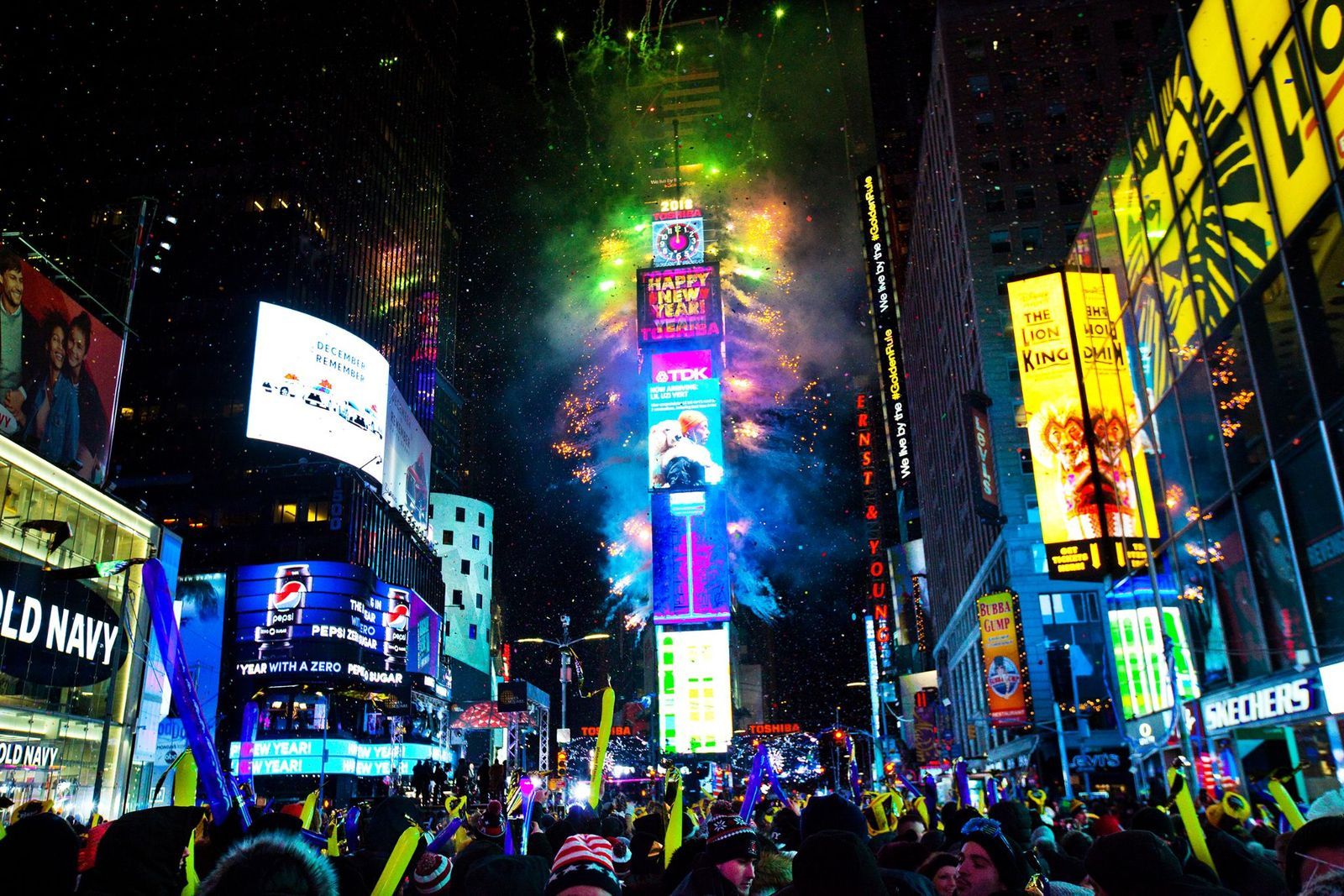
Image: MNAphotography

How important are your New Year's resolutions? Or are you just there for the midnight kiss? Either way, the New Year’s Eve Times Square Ball Drop is an iconic moment of unity.

Every December 31 at 11:59 p.m., the nation pauses to watch the countdown welcoming a fresh start. This tradition draws nearly one million people to New York City each year and reaches over one billion people worldwide through television and live broadcasts.

6
March Madness - Brackets, buzzer-beaters & cinderella stories

Image: Retouch man

How much do you enjoy competition and surprises? That’s exactly what March Madness is all about: the annual NCAA college basketball tournament known for its chaotic and thrilling unpredictability.

From casual viewers picking teams based on the mascot that catches their eye to die-hard fans with a long family history supporting the teams, this three-week-long sporting event captivates Americans. Filling out "brackets" before the championship begins and watching underdog "Cinderella" teams rise through the one-and-done format are all part of the excitement, culminating in the iconic "One Shining Moment" montage.

7
Election Day - Democracy in action
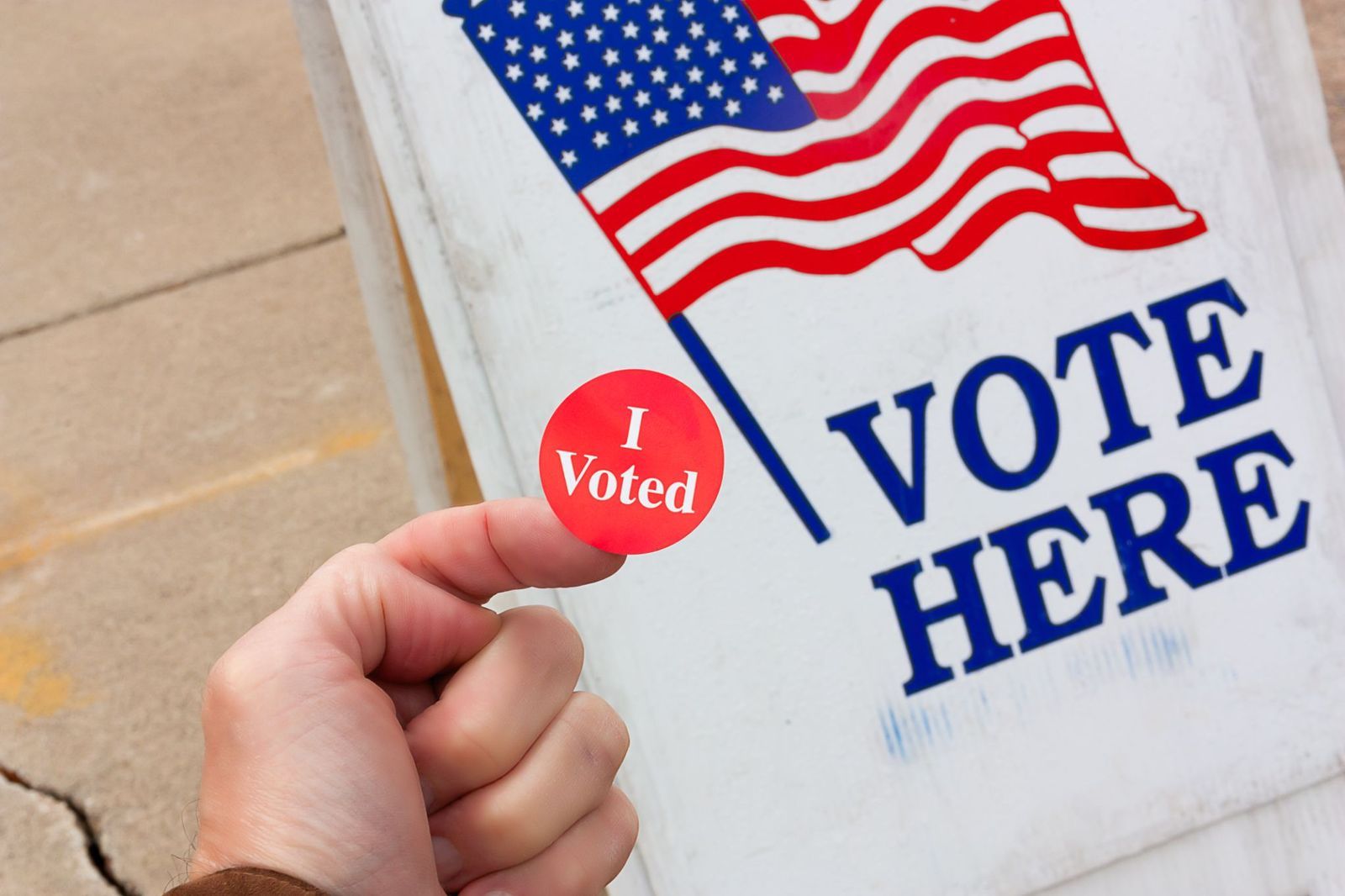
Image: Ken Wolter

Do you remember being little, knowing it was Election Day, and watching your parents head out to vote? Or the first time your children voted? Despite intense political differences, there are nationwide traditions that millions of American families share.

Standing in line side by side represents equal access to democracy . The "I Voted " stickers are badges of civic pride that often spark conversation. Similarly, the "I Voted selfie" has become a modern way to share the moment and encourage others to do the same. As the day comes to a close, "watch parties" bring people together, while concession and victory speeches symbolize the peaceful transition of power after the race is called.

8
Presidential Inauguration - A peaceful transfer of power
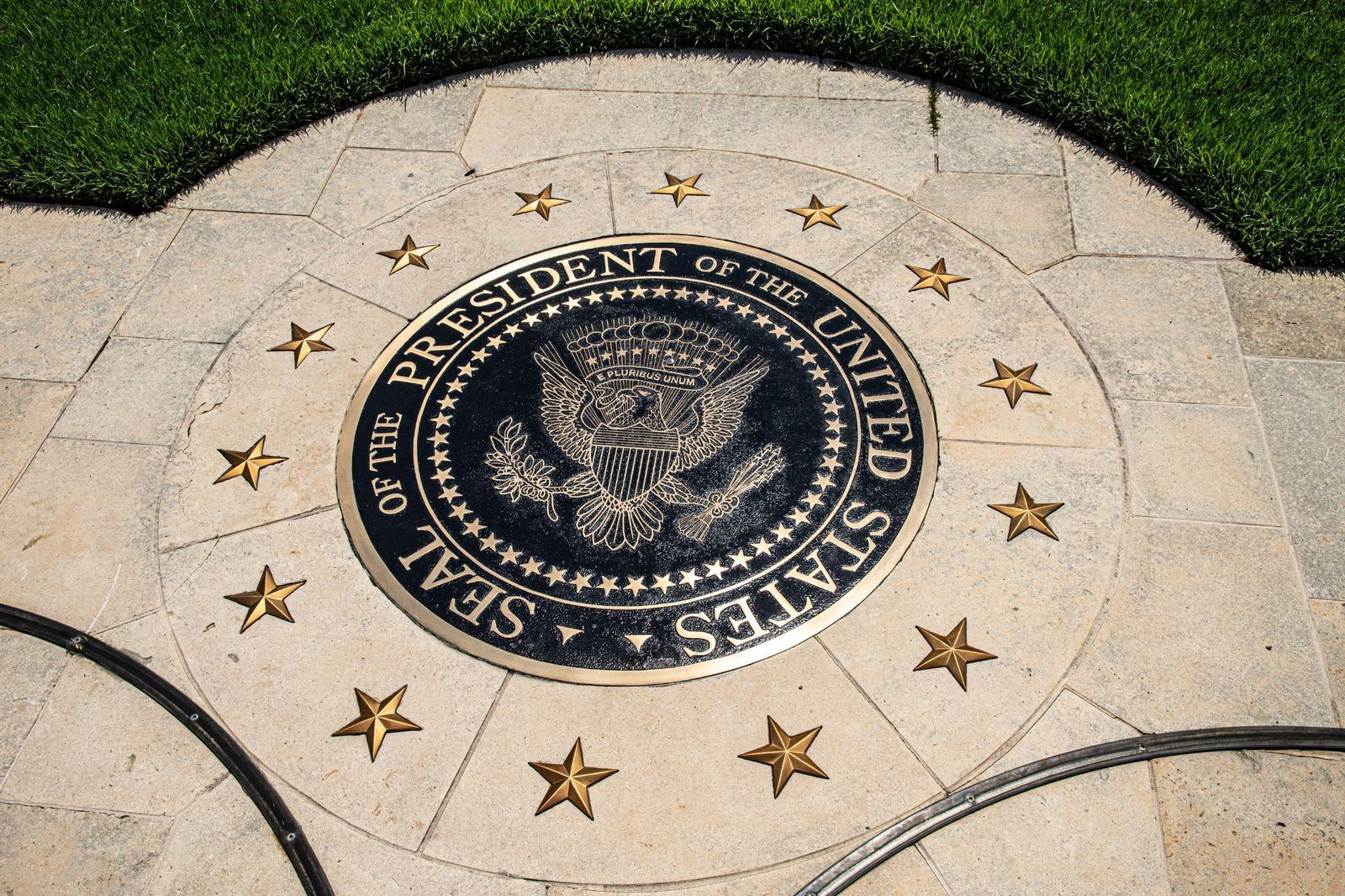
Image: Casey Fredette Media

Presidential inaugurations are a symbol of American democracy, emphasizing the peaceful transition of power, respect for the Constitution, and hope for the future.

The first inauguration took place on April 30, 1789, when George Washington took the oath of office, reportedly adding the now-famous words "So help me God" . The first outdoor speech was given by Thomas Jefferson in 1801, reinforcing the idea of a government for the people. A more recent tradition is that the outgoing president leaves a letter for the incoming president, a gesture that shows the country is bigger than any political divide.

9
Memorial Day - Honoring the fallen
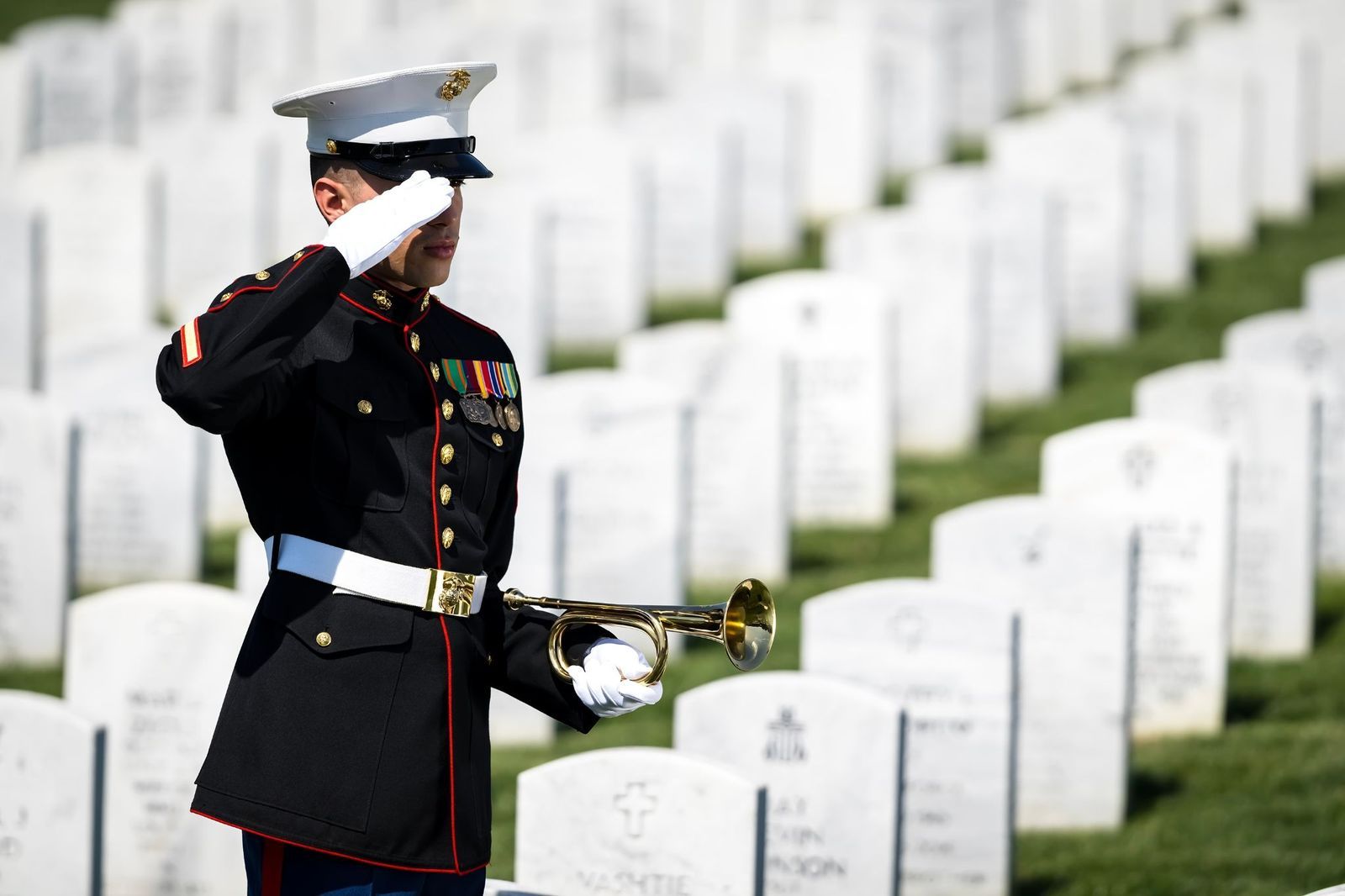
Image: Grindstone Media Group

Memorial Day is a federal holiday observed in the United States on the last Monday of May. It’s a solemn day that honors the men and women who died while serving in the U.S. Armed Forces.

One of the most meaningful moments is at 3:00 p.m. local time, when people across the country pause for a moment of silence to remember the fallen . The day blends national remembrance with the unofficial start of the summer season through community events.

10
Veterans Day - A nation’s gratitude
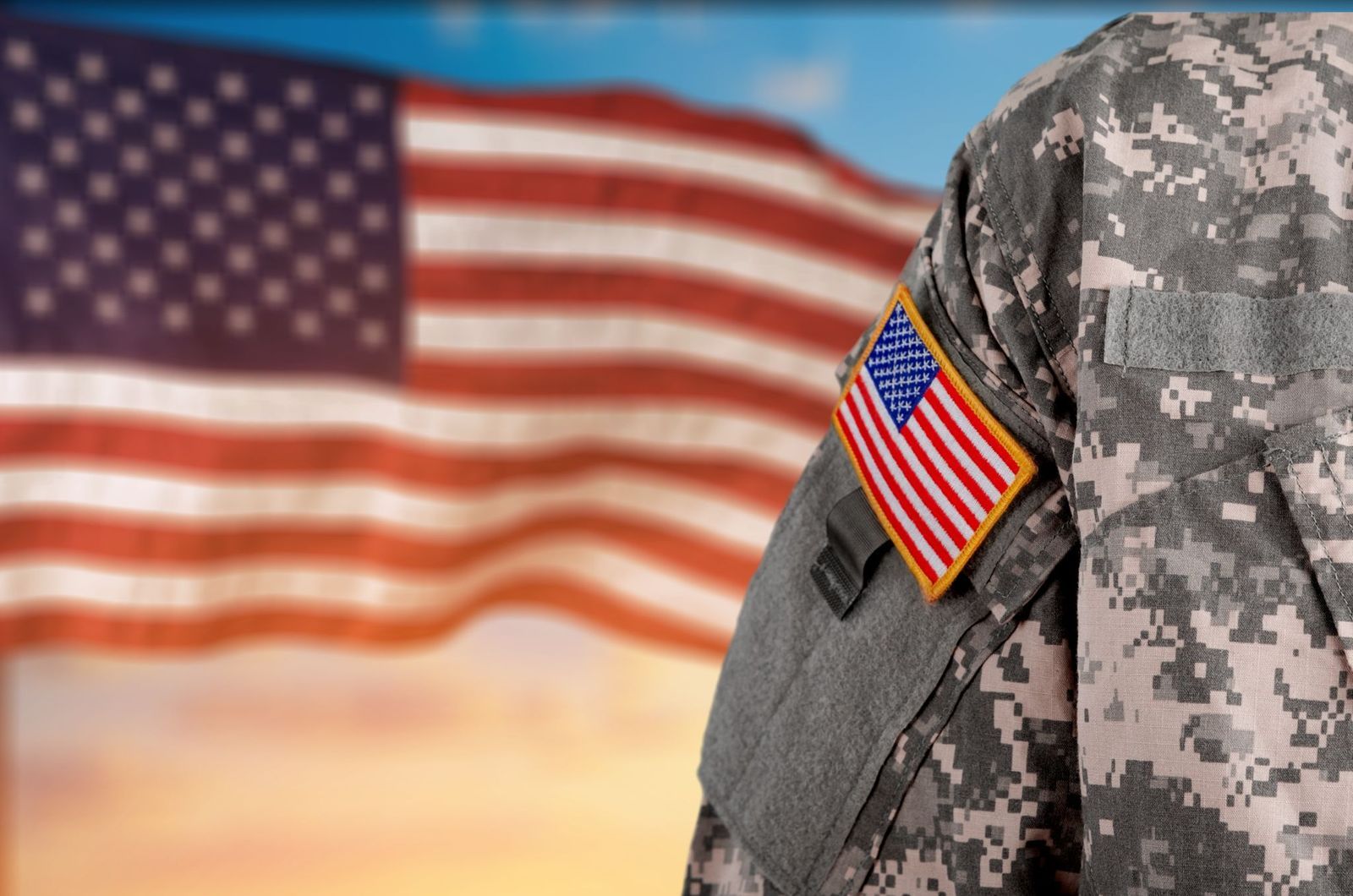
Image: Billion Photos

Whether you are closely tied to the military or not, Veterans Day is deeply meaningful across the country. Observed annually on November 11, it honors all military veterans who have served in the United States Armed Forces . This holiday bridges political and cultural divides by prioritizing shared gratitude and respect for service.

The origin of the day goes back to Armistice Day, marking the end of World War I, as major hostilities ended at the 11th hour of the 11th day of the 11th month in 1918. Today, communities pause at exactly 11:00 a.m. for a moment of silence. Parades, from the New York City Veterans Day Parade to small neighborhood celebrations, as well as the wreath-laying ceremony at the "Tomb of the Unknown Soldier" at Arlington National Cemetery, remain powerful traditions.

Geography Geography 6 min read

AMERICA’S BEST MANSIONS AND ESTATES

Luxury living: 10 impressive historic homes worth visiting

Image: Ramith Bhasuka

You don't have to travel all the way up to Europe to enjoy grand estates and castles. The United States is full of historic mansions that tell stories of times past, from the Gilded Age to the Roaring 20s. Today, many of these architectural marvels have been carefully restored and are available for public tours. Read on to discover 10 breathtaking mansions where the country's wealthiest and most distinguished American families used to live.

1
Vanderbilt Mansion

Image: Michael Denning

The Vanderbilt Mansion was one of several homes owned by Frederick William Vanderbilt and his wife Louise Holmes Anthony. Built between 1896 and 1899, this 54-room marvel is an excellent example of the Beaux-Arts architectural style , characterized by its grandeur and ornate detailing. In addition, the mansion's interiors are representative of the American Renaissance.

Historically known as Hyde Park, the estate includes 211 acres and is built on a hilltop overlooking the Hudson River. It includes well-groomed flowerbeds, formal gardens, woodlands, and ancillary buildings. In 1940 the Vanderbilt Mansion was designated a National Historic Landmark. Today it’s a historic house museum operated by the National Park Service.

2
Hildene Mansion

Image: sarahlawrence603

Hildene Mansion was built in 1905 by Robert Todd Lincoln, eldest son of President Abraham Lincoln. This Georgian Revival-style mansion is set on a 200-foot promontory, which offers a panoramic view of the Battenkill Valley. The name "Hildene" comes from Old English words meaning "hill" and "valley with stream".

Hildene Mansion remained in the possession of the Lincoln family until 1975. Then, in 1978, the property was acquired by a non-profit organization that restored it, preserving its historic integrity. Today this former summer home is one of Vermont's most popular tourist attractions. Visitors can wander around the large estate and contemplate its opulence: from the grand entry staircase to the original furnishings.

3
Swan House

Image: Michael Starkie

Swan House, located in Atlanta, Georgia, is a historic mansion built in 1928 by Edward and Emily Inman, heirs to a cotton fortune. The mansion's eclectic design combines neo-Renaissance styles with a classical approach. The 28-acre estate features terraced gardens and a cascading fountain on the hillside. Carved or painted swans are a recurring motif throughout the house and gardens.

In 1966, the Atlanta Historical Society acquired the house and grounds. Today, Swan House is part of the Atlanta History Center and operates as a museum documenting 1920s American history. Many of the Inmans' original furniture pieces are still on display, offering visitors a glimpse into the past.

4
Hearst Castle

Image: Mike Hsieh

On the west coast, halfway between San Francisco and Los Angeles, there’s a magnificent mansion, a combination of a medieval castle , a Spanish cathedral , and a Roman temple. Hearst Castle is the result of the feverish dreams of one of the greatest tycoons of the 20th century: William Randolph Hearst.

Facing the Pacific Ocean, this four-building palace has 175 rooms, 40 bathrooms, and gigantic extensions of gardens. An immense semicircular outdoor swimming pool, a private zoo, tennis courts, a huge Gothic-style library, a movie theater, and an airfield are also part of this estate that took almost thirty years to build. Once visited by the most prominent Hollywood stars and politicians of the time, today Hearst Castle is registered as a National Historic Landmark and functions as a museum.

5
Ca d’Zan

Image: Tessa Edmiston

This estate located on the shores of Sarasota Bay was once the exquisite winter residence of American circus magnate John Ringling and his wife Mable. The majestic Ca' d'Zan —Venetian for "John's House"— is an incredible Mediterranean-style architectural beauty built in 1926 to resemble a palace on the Grand Canal in Venice.

The extravagant 5-story building is adorned with stained glass, stucco, and terra cotta details. It features 56 rooms, an 82-foot observation tower, and an impressive marble terrace overlooking the ocean. This residence, an icon of the Florida Boom Years of the 1920s, was restored by the state and opened to the public in 2002.

6
Old Westbury Gardens

Image: Jialin Hu

Old Westbury Gardens, listed on the National Register of Historic Places, is located in Nassau County on New York's Long Island peninsula. The 23-room estate was once the home of businessman John S. Phipps, his wife Margarita Grace, and their four children.

Completed in 1906 by English designer George A. Crawley, the magnificent Charles II-style mansion is set amid 160 acres of formal gardens, woodlands, ponds, and lakes. This former private estate is now a museum that can be visited from April through October. It is also regularly used for cultural events, private parties, and as a film set for Hollywood productions.

7
Oheka Castle

Image: Peter Oswald

Believed to have inspired "The Great Gatsby," Oheka Castle is the largest private home in New York and the third largest in the United States. Although now it’s a hotel, this estate was once the country home of financier and philanthropist Otto Hermann Kahn and his family. In fact, the name "Oheka" is an abbreviation derived from the first letters of his name.

The mansion, located on the North Shore of Long Island in West Hills, New York, was built between 1914 and 1919. In recent years Oheka Castle has gained popularity as a wedding venue for socialites and celebrities and was used for photo shoots , films , and television series. The castle also houses a bar and a restaurant and offers guided tours for regular visitors.

8
Lyndhurst Mansion

Image: Pixabay

Designed in 1838 by the famous American architect Alexander Jackson Davis, Lyndhurst Mansion is a remarkable example of Gothic Revival architecture. This country house is located in Tarrytown, New York, along the Hudson River, and was owned by New York Mayor William Paulding Jr, merchant George Merritt, and railroad magnate Jay Gould.

In 1961, Gould's daughter, Anna Gould, donated it to the National Trust for Historic Preservation. In 1966, Lyndhurst was recognized as a National Historic Landmark, a testament to its historical and architectural significance. Today, the house is open to the public, allowing visitors to explore its unique features and learn about its rich history.

9
Villa Vizcaya

Image: Zoshua Colah

Between 1914 and 1923 philanthropist and conservationist James Deering built this sumptuous mansion as his winter home. Born in South Paris, Maine, Deering suffered from anemia, so his doctors recommended that he seek refuge in a sunny, warm climate. South Florida was the perfect place to recuperate. He lived in Miami until his death in 1925.

In the mid-20th century, the county took possession of the complex and its extensive Italian Renaissance gardens and began operating as a museum. Over the years Villa Vizcaya has hosted countless historic events, such as the meeting between Ronald Reagan and Pope John Paul II, and the first Summit of the Americas. In 1994 it was designated a National Historic Landmark and today is open to the public for tours.

10
The Biltmore Estate

Image: Stephanie Klepacki

In the Blue Ridge Mountains of Asheville, North Carolina stands a true architectural marvel: the Biltmore Estate. At more than 178,926 square feet, this legendary residence with 250 rooms, 35 bedrooms, 43 bathrooms, and 65 fireplaces is the largest privately owned house in the country . Biltmore Estate is also a monument that reflects the grandeur and luxury of the American Gilded Age.

Inspired by the landscape, George Washington Vanderbilt, grandson of industrial titan Cornelius Vanderbilt, set out to build an estate that would combine European elegance with American nature. Designed in the Châteauesque style, the mansion —which reportedly cost $5 million (equivalent to about $183 million today)— was finally inaugurated on Christmas Eve of 1895. Today, the Biltmore Estate attracts millions of visitors every year who are amazed by its architectural splendor and history.

History History 5 min read

Believe it or not!

Falling babies, twins separated at birth, & more: 10 amazing coincidences

Image: Jan Canty

Some of us believe in coincidences, some don’t. But either way, incredible things do happen from time to time, and America has no shortage of them. Some involve famous presidents, others, ordinary people caught in extraordinary situations, but all of them show us that strange coincidences can sometimes shape real life.

1
The Civil War began and ended on Wilmer McLean’s property

Image: Chris Chow

Virginia businessman Wilmer McLean tried to escape the Civil War by moving away from Manassas after the First Battle of Bull Run erupted near his home in 1861. Confederate General P.G.T. Beaugard even used McLean’s house as headquarters, and a Union cannonball crashed through his kitchen.

McLean relocated about 120 miles south to Appomattox Court House, hoping for peace. Instead, on April 9, 1865, Robert E. Lee surrendered to Ulysses S. Grant in McLean’s parlor, effectively ending the war. McLean later joked that the war "began in my front yard and ended in my front parlor."

2
A bullet links the first and last soldiers who lost their lives in the Civil War

Image: Elijah Crouch

One long-circulated Civil War story claims that the bullet removed from the first Union casualty was later melted and reused years afterward, eventually ending with the life of one of the final soldiers of the conflict . Historians debate parts of the tale, but it became one of the war’s more enduring legends.

The coincidence works as a reflection on how Americans tried to make sense of the terrible human cost of the war. More than 600,000 people lost their lives in the conflict, making it the deadliest war in U.S. history.

3
A baby fell from a building twice, on the same man

Image: Jamie Coupaud

In Detroit, during the 1930s, street sweeper Joseph Figlock reportedly became part of a bizarre accident when a baby fell from an apartment window and landed on him . The child survived, and so did Figlock.

About a year later, the same child allegedly fell from the same building again and once again landed on Figlock . Newspapers at the time treated the story as one of the strangest coincidences ever recorded in America. One might argue that street sweepers spend a disproportionate amount of time on the same streets, but the situation is still quite incredible.

4
Anthony Hopkins accidentally found the exact book he needed

Image: Omar David Sandoval Sida, CC BY-SA 4.0, via Wikimedia Commons

While preparing for the 1972 film The Girl from Petrovka , actor Anthony Hopkins searched London bookstores for a rare copy of George Feifer’s novel. After failing to locate one anywhere, he sat down on the subway and noticed a forgotten copy of the tome in question lying on a bench .

Months later, Hopkins met Feifer himself and learned that the author had lent his annotated personal copy to a friend, who had lost it on the London Underground. The abandoned copy Hopkins found turned out to be that exact copy.

5
John Wilkes Booth is in one of Abraham Lincoln’s last photographs

Image: Alexander Gardner, Public domain, via Wikimedia Commons

John Wilkes Booth was already a nationally famous actor before assassinating President Abraham Lincoln in April 1865. Because of that fame, photographers had captured detailed images of Booth years before the crime that made him infamous.

One especially eerie coincidence is that Booth appears in photographs connected to Lincoln’s second inauguration festivities shortly before the crime took place . Historians later realized that the future assassin had unknowingly been documented near the President before he changed history forever.

6
A woman survived all three major White Star ship disasters

Image: K. Mitch Hodge

Violet Jessop worked as a stewardess for the White Star Line, the company behind the Olympic-class ocean liners. In 1911, she was on board the RMS Olympic when it collided with another ship.

In 1912, she survived the sinking of the Titanic . Four years later, in 1916, during World War I, she was aboard the HMS Britannic when it struck a mine and sank in the Aegean Sea. Jessop survived all three disasters and later became known as "Miss Unsinkable."

7
Theodore Roosevelt’s speech manuscript helped stop a bullet

Image: Ryan Stone

During the 1912 presidential campaign, former President Theodore Roosevelt was shot in Milwaukee before giving a speech. The bullet first passed through a folded 50-page speech manuscript and Roosevelt’s metal eyeglass case in his breast pocket.

The thick stack of papers slowed the bullet enough that Roosevelt survived . Remarkably, he still delivered the speech, speaking for about 90 minutes (those 50 pages were no joke) before seeking medical treatment. Doctors later decided that the bullet was safer left inside his chest permanently.

8
A man unknowingly photographed his own future car accident

Image: Volodymyr Kozhevnikov

In the 1970s, amateur photographer Robert Landsburg reportedly took pictures of everyday traffic while experimenting with a new camera. After developing the film later, he realized one image showed the exact intersection where he would soon be involved in a collision .

The eerie coincidence became famous because the photograph captured the other vehicle that would later crash into his own car.

9
The "Jim Twins" lived nearly identical lives without knowing each other

Image: Eduardo Barrios

Identical twins Jim Lewis and Jim Springer were separated at birth in Ohio in 1940 and adopted by different families. Amazingly, both adoptive families independently named the boys James. The twins did not meet again until they were 39 years old.

When reunited in 1979, they discovered a shocking number of similarities. Both had married women named Linda, later remarried women named Betty, owned dogs named Tony, drove similar cars, and even suffered from the same headaches .

10
The Wizard of Oz costume accidentally belonged to the book’s author

Image: Chuang XY

While filming The Wizard of Oz in 1938, costumers searched for an old-looking coat for actor Frank Morgan, who played both Professor Marvel and the title character. Costume staff reportedly bought several secondhand jackets from a thrift store in Los Angeles and picked one that looked perfect for the Marvel role.

Later, while examining the coat, the team discovered a label sewn inside with the name "L. Frank Baum", author of The Wonderful Wizard of Oz . Baum’s widow later confirmed that the jacket had indeed belonged to her late husband.

Explore more American facts

Choose your favorite category!

General
General

As American as apple pie—the very best America has to offer!

Culture
Culture

Delve into the astounding richness of American lore.

Geography
Geography

Hop in and explore vast and diverse American landscapes.

History
History

Discover the key moments that shaped the United States.