Culture Culture 8 min read

History live

A 16-minute speech, 90 million people watching, and history going live

Image: Daenin

From Neil Armstrong stepping onto the moon to the Beatles’ first performance on national TV, some moments stopped the whole country in its tracks, and a few stopped the entire planet. From a boxing rematch watched by two billion people to a concert that reunited legends across two continents, these broadcasts became the backdrop of American life. Here are 10 of the most watched events and the stories behind them.

1
The moon landing - 650 million
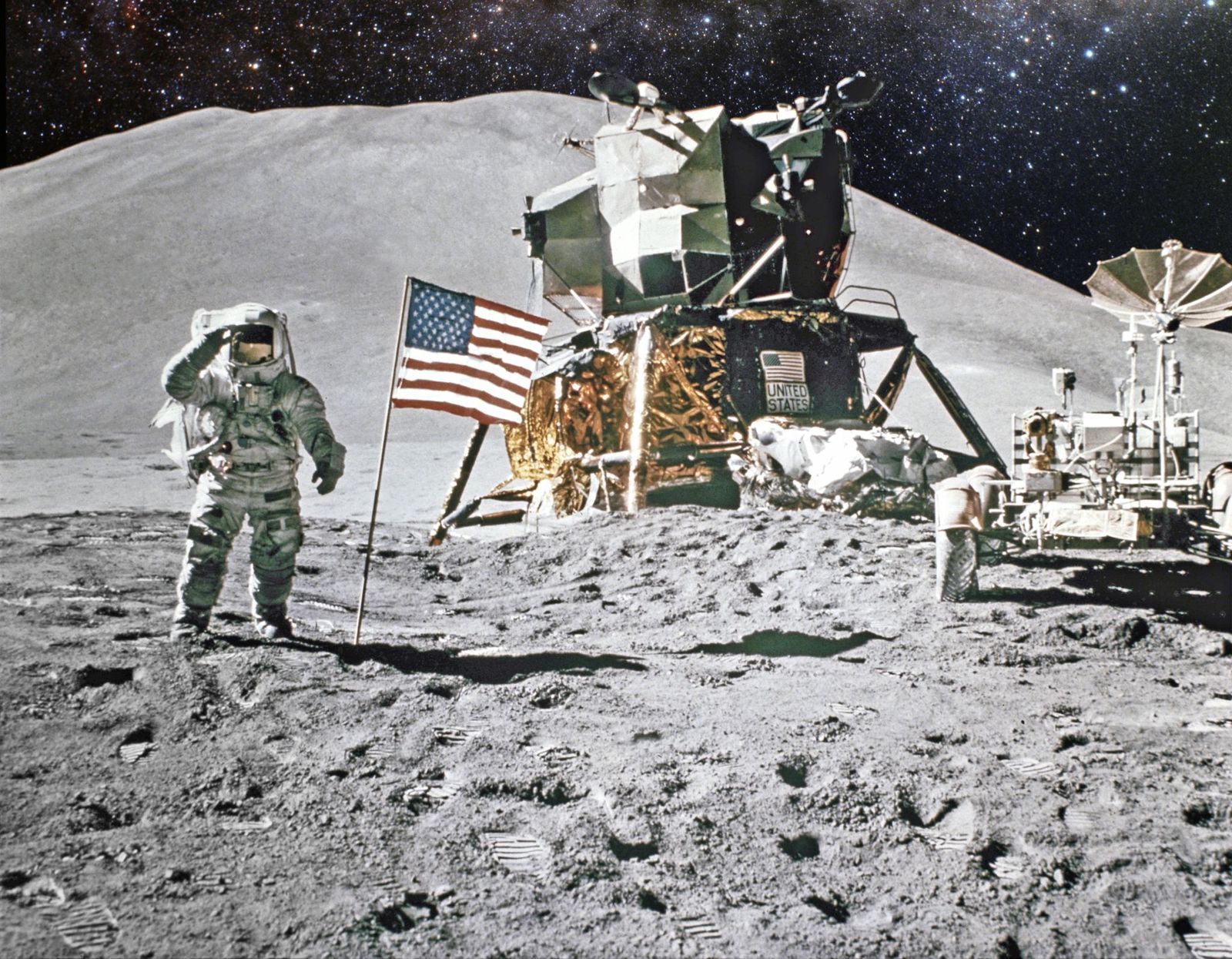
Image: Castleski

The late 1960s had been a turbulent time, but on July 20, 1969, nearly everyone paused to look up at the same sky.

President Nixon watched from the White House as Apollo 11 prepared for its final descent, fulfilling a promise President Kennedy had made eight years earlier to land an American on the moon before the decade ended. When Neil Armstrong stepped onto the lunar surface and spoke his now-famous words , "That's one small step for man, one giant leap for mankind," an estimated 650 million people across the globe were watching, including nearly 94 percent of American households with a television set. Streets emptied, businesses closed early, and strangers gathered around store windows just to catch a glimpse.

2
"Aloha from Hawaii via Satellite" - 1.5 billion
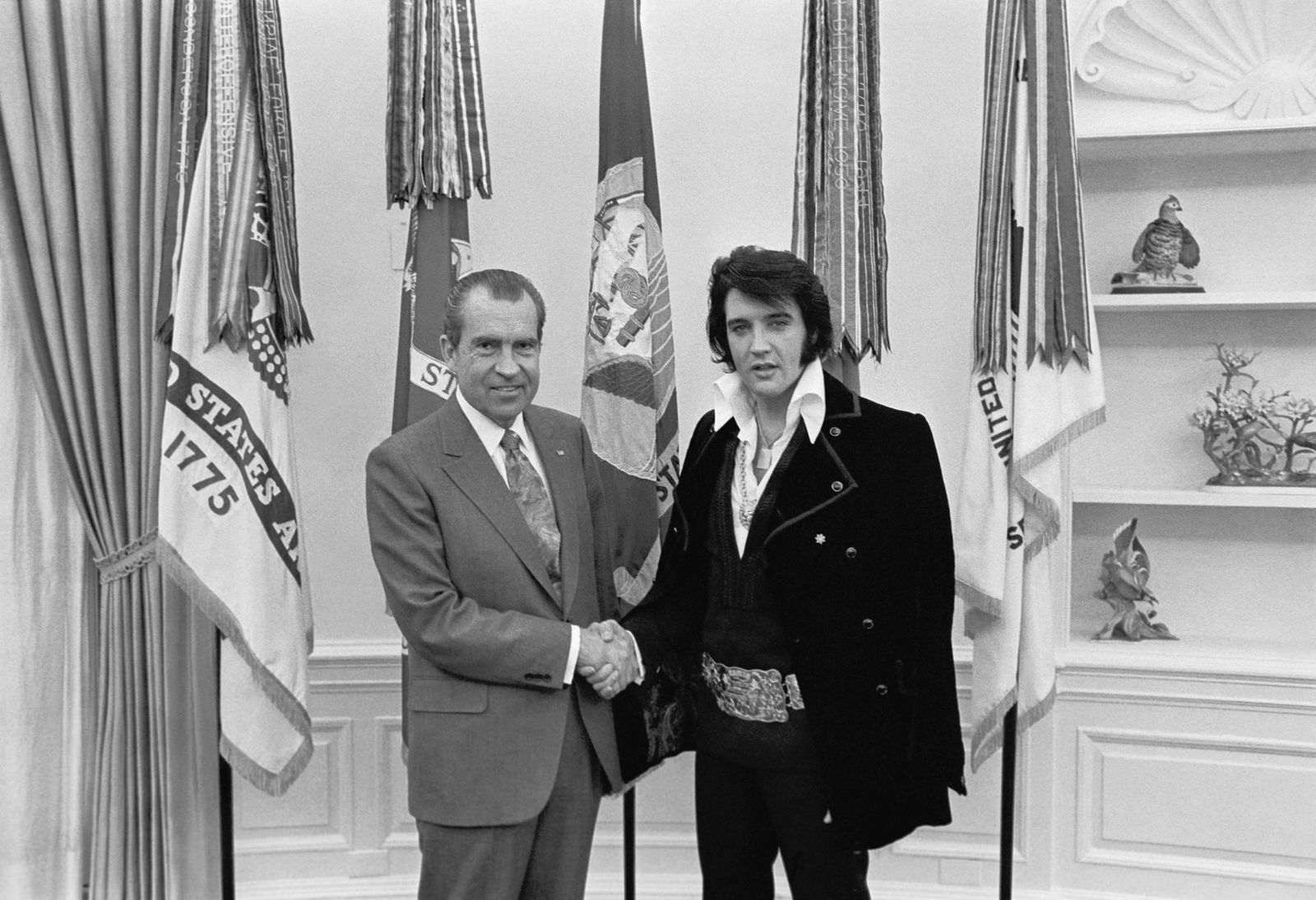
The early 1970s were a time of enormous change in America, with the country adjusting to a new decade and Elvis Presley reinventing himself as a global performer rather than just a multi-hyphenate star.

On January 14, 1973, he took the stage at the Honolulu International Center for a show unlike anything attempted before. Broadcast live by satellite to audiences across Asia and Oceania, and later shown across Europe, the concert was the first full-length performance by a solo artist ever beamed around the planet this way. Estimates at the time put the audience at over a billion viewers worldwide. NBC later trimmed the concert into a 90-minute special that aired stateside on April 4, and it went on to become the network's highest-rated program of that entire year.

3
The state funeral of John F. Kennedy - At least 180 million
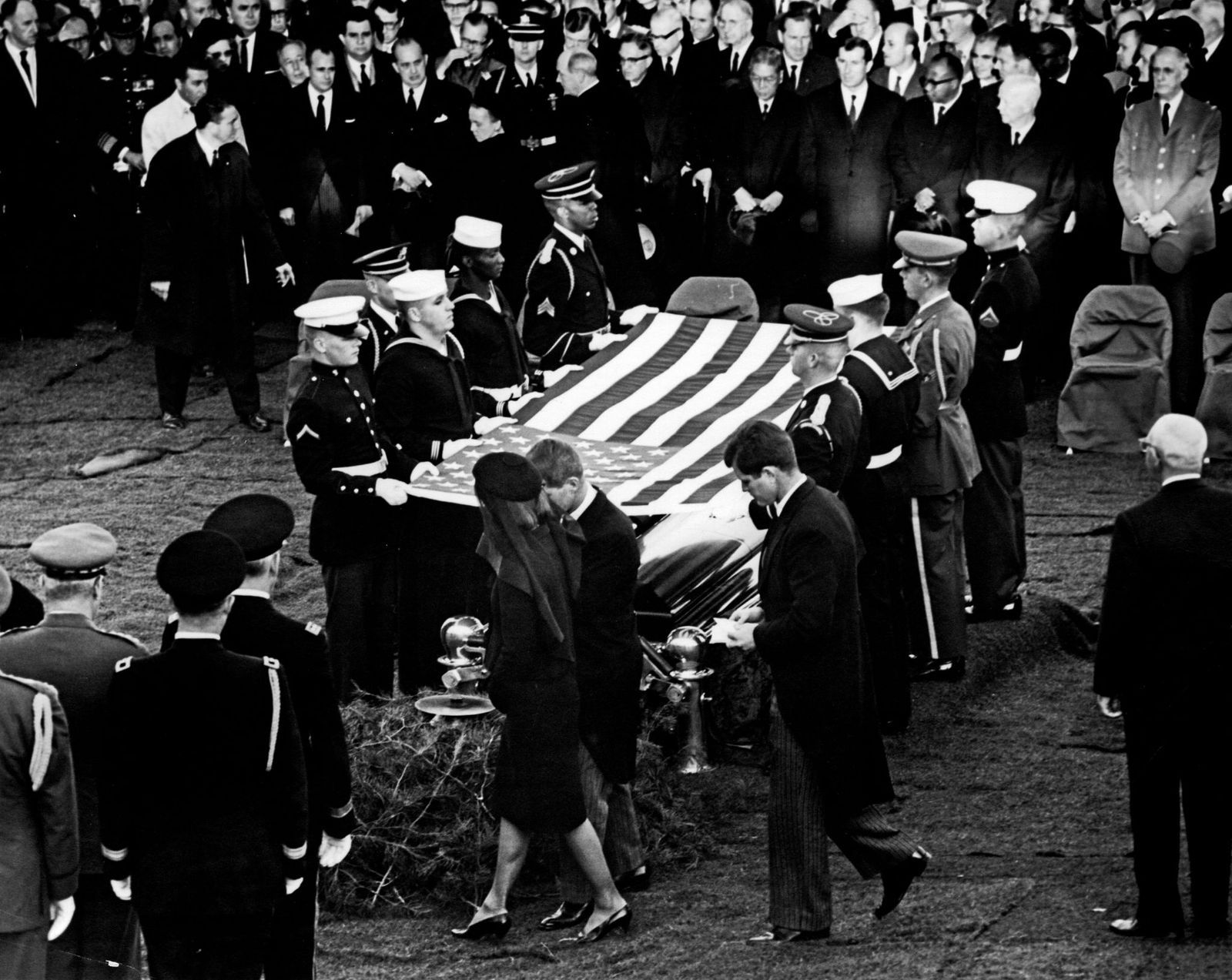
Image: Abbie Rowe, Public domain, via Wikimedia Commons

The nation was still in shock in late November 1963, reeling from the tragic death of President Kennedy in Dallas just days earlier.

As the country tried to process the loss, all three television networks, ABC, CBS, and NBC, made the extraordinary decision to stay on the air nonstop, some for as long as 70 consecutive hours , to cover the tragedy and the funeral that followed. On November 25, Kennedy’s flag-draped casket was carried by horse-drawn caisson from the Capitol to St. Matthew’s Cathedral and finally to Arlington National Cemetery in Virginia. Nielsen estimated that 93 percent of American households with televisions were tuned in during the most watched moments, with at least 180 million viewers following the coverage around the world as a young John Jr. saluted his father’s casket, closing one of the darkest chapters of the nation’s history.

4
The Beatles on "Ed Sullivan"- 73 million
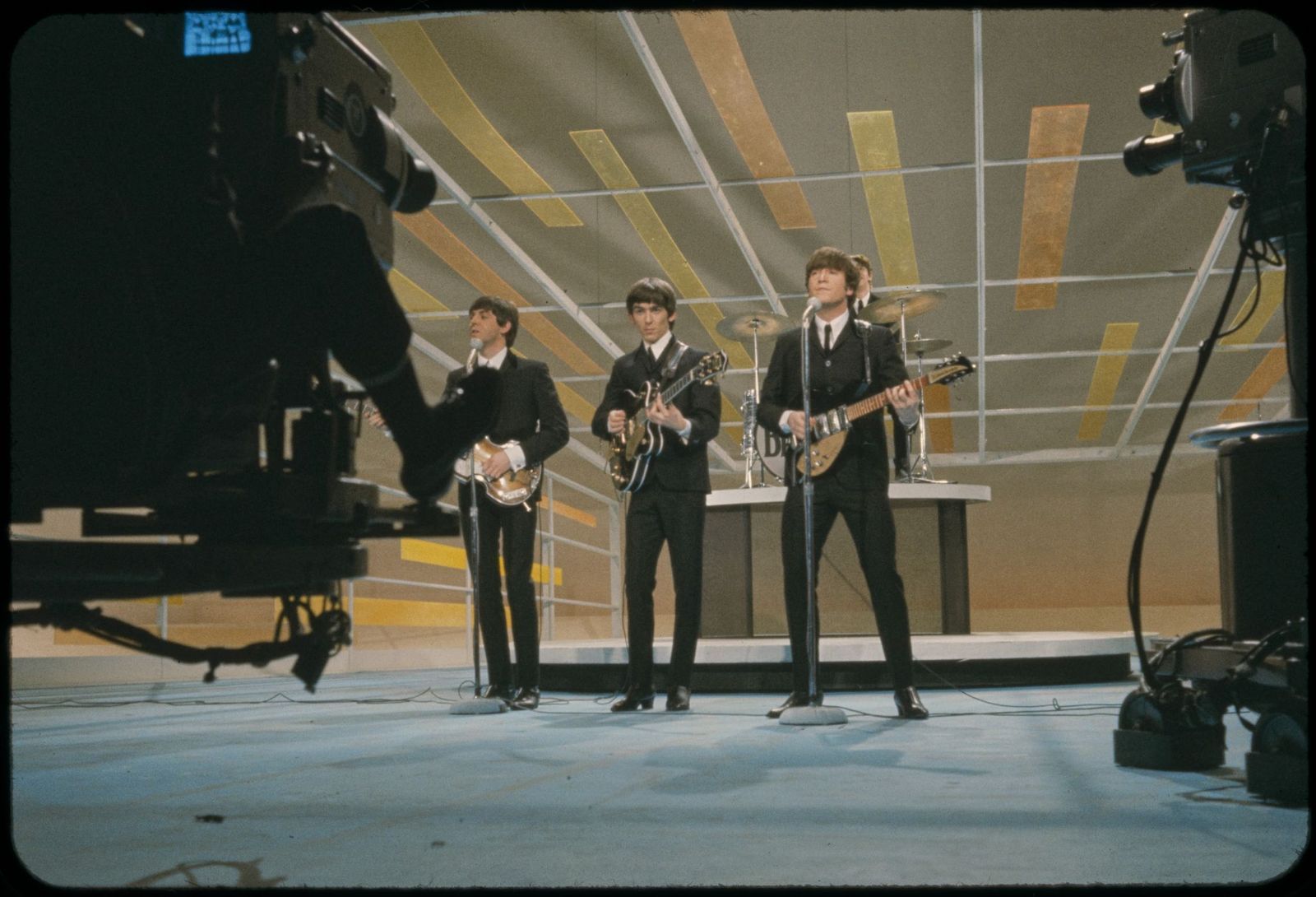
Image: Library of Congress, Public domain, via Wikimedia Commons

Just weeks after the country had said goodbye to President Kennedy, Americans were in need of something to lift their spirits again, and four young musicians from Liverpool arrived at exactly the right moment.

On February 9, 1964, John, Paul, George and Ringo took the stage on The Ed Sullivan Show for their first live performance on American soil. CBS had been flooded with requests for tickets, with even Walter Cronkite reportedly trying to snag one for his daughter. At 8 o’clock that Sunday night, roughly 73 million viewers, about 60 percent of all televisions in use that night, tuned in to watch. It remains one of the defining broadcasts in television history, and the night Beatlemania truly began in America.

5
Richard Nixon’s resignation speech - 90-110 million
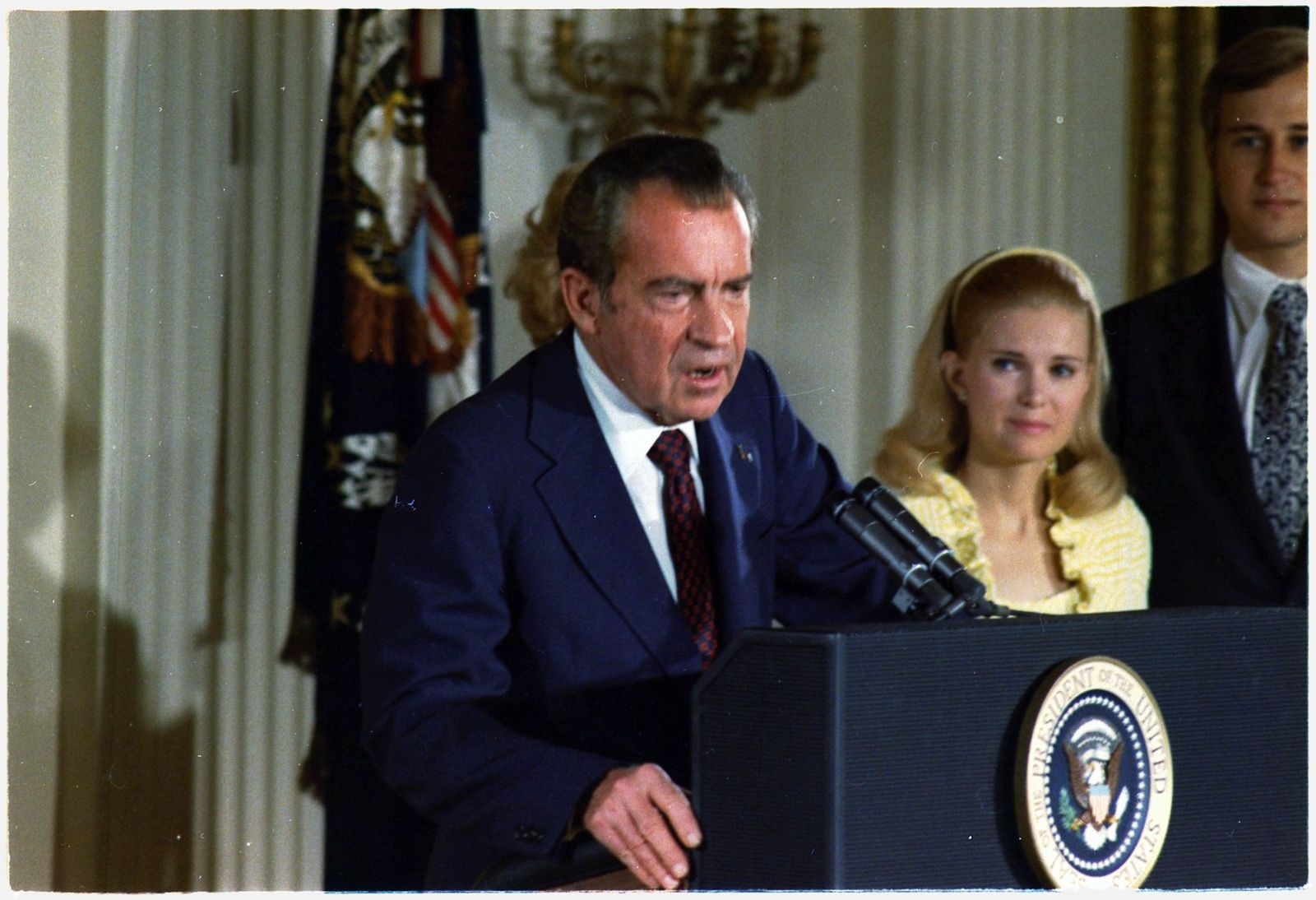
The summer of 1974 had worn the country down, as the Watergate scandal dragged federal politics through months of hearings, leaked tapes, and mounting distrust.

Finally, on August 8, President Richard Nixon sat down at his Oval Office desk to address the nation one more time. In just 16 minutes, he announced he would resign the presidency effective the next day at noon, becoming the first American president in history to do so. Between 90 and 110 million viewers tuned in that night to hear him explain his decision, a staggering share of the population at the time. The following morning, Vice President Gerald Ford was sworn in, closing one of the most turbulent chapters in modern American politics.

6
The M A S H finale - 106 million
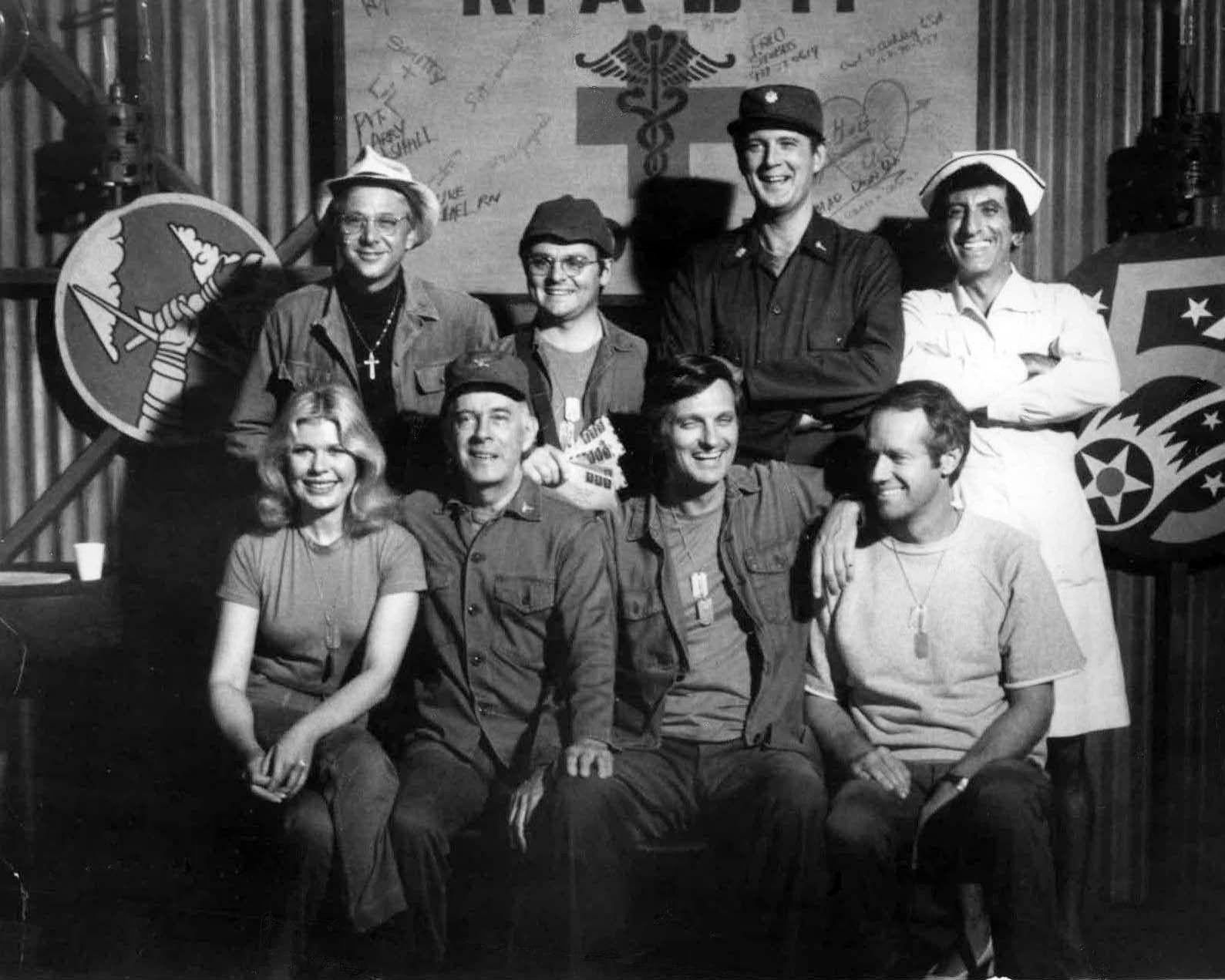
Image: CBS Television, Public domain, via Wikimedia Commons

The early 1980s brought a wave of nostalgia, as the country slowly climbed out of a tough recession and Ronald Reagan settled into his first term. Amidst it all, one weekly visit to a fictional Korean War hospital had become a Monday night ritual for millions of American families.

After 11 seasons, M A S H said goodbye on February 28, 1983, with a two and a half hour finale titled "Goodbye, Farewell, and Amen." Streets across the country emptied, and bars held watch parties, and the New York City water department later noticed a spike in usage the moment the credits rolled, as everyone waited to use the bathroom at once. An estimated 106 million viewers tuned in on CBS, a Nielsen record that still stands as the most-watched episode of a scripted series in American television history.

7
Live Aid - 1.9 billion
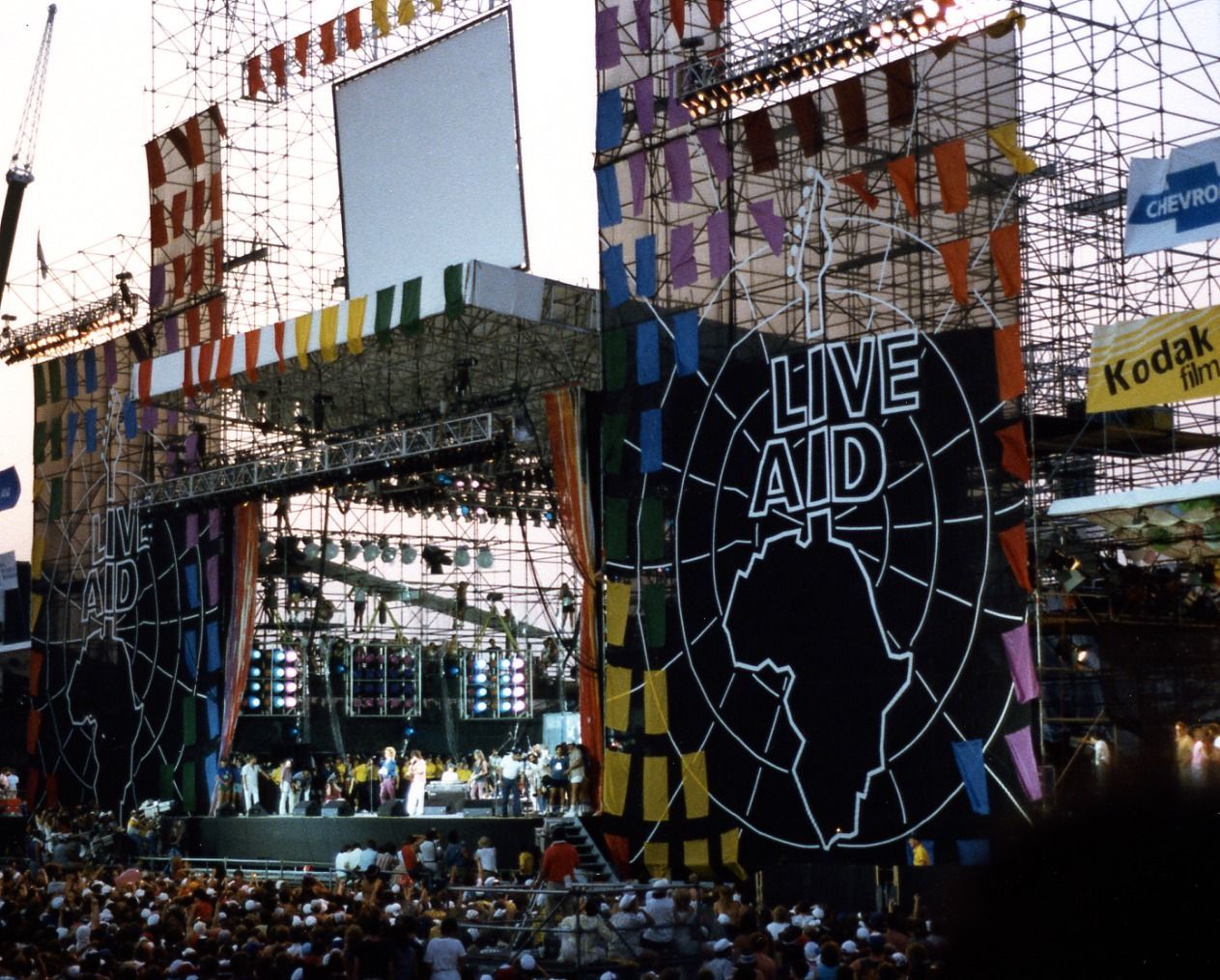
Image: Squelle, CC BY-SA 3.0, via Wikimedia Commons

By 1985, images of famine in Ethiopia had been reaching American households through the nightly news for months, stirring a wave of concern across the country.

Months after the successful "Feed the World" and "We Are the World" charity singles for the same cause, musicians Bob Geldof and Midge Ure, from Ireland and Scotland respectively, decided just one concert alone wouldn’t be enough, so they organized something the world had never seen. On July 13, two stadiums an ocean apart, Wembley in London and JFK Stadium in Philadelphia , hosted dozens of the biggest names in music on the same day. Queen, U2, Madonna, Tina Turner, The Rolling Stones, Led Zeppelin, and Phil Collins, who famously played both shows thanks to a supersonic flight on the Concorde, took the stage before a combined crowd of well over 150,000. Nearly 1.9 billion viewers around the world watched the marathon broadcast, which helped raise more than 100 million dollars for famine relief.

8
The 1996 Summer Olympics opening ceremony - 3.5 billion
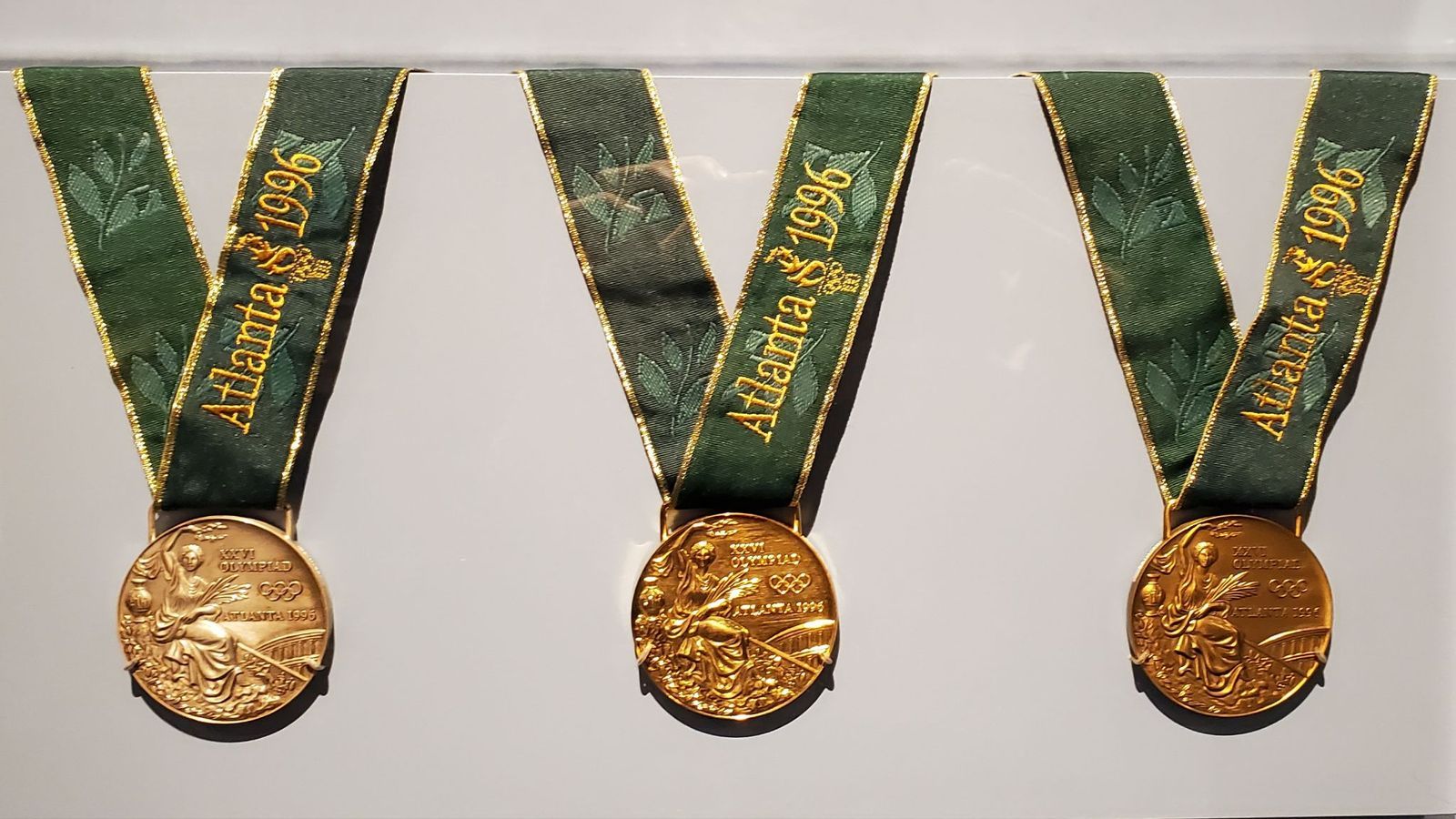
Image: JJonahJackalope, CC BY-SA 4.0, via Wikimedia Commons

By the summer of 1996, Atlanta had spent years getting ready to host the world. Bill Clinton was in the White House, the economy was humming, and the country was in a celebratory mood as the Centennial Games kicked off in July 1996.

Inside Centennial Olympic Stadium, boxing legend Muhammad Ali, battling Parkinson’s, lit the torch with trembling hands, while Celine Dion and composer John Williams filled the night with music in front of 85,600 spectators. An estimated 3.5 billion people worldwide tuned in from home, making it one of the most watched broadcasts ever recorded.

9
The O.J. Simpson verdict - 150 million
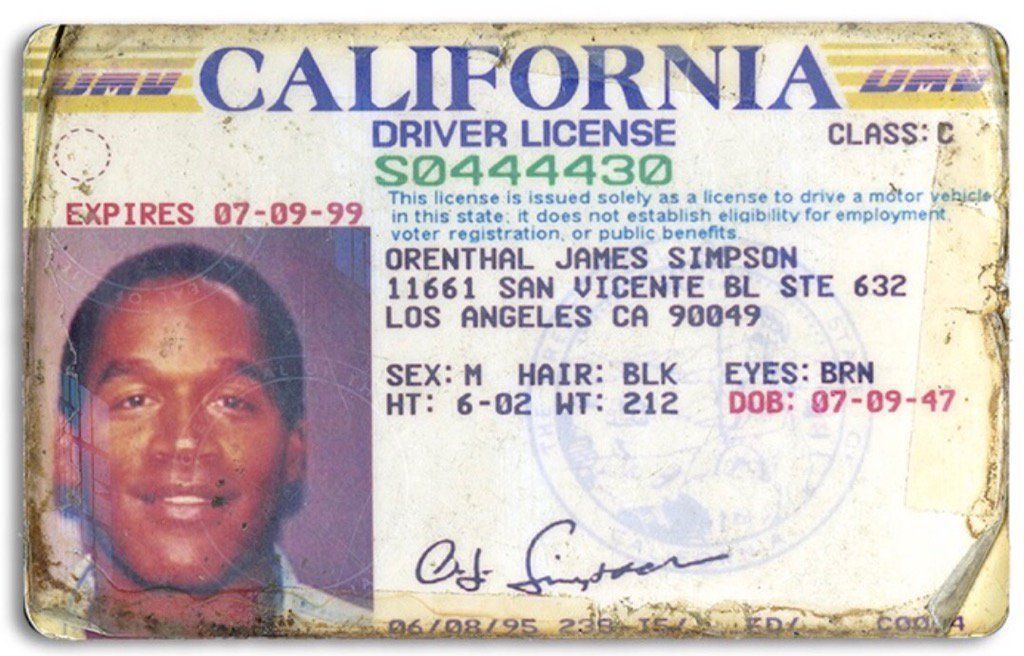
Image: CA DMV, Public domain, via Wikimedia Commons

By the fall of 1995, the country had spent more than a year gripped by a single courtroom drama playing out on cable news day after day. Few trials before or since have captured national attention quite like the murder case against O.J. Simpson, accused of killing his ex-wife Nicole Brown Simpson and her companion Ron Goldman.

On the morning of October 3, after less than four hours of jury deliberation, the verdict was finally set to be read. Schools paused classes, offices set up televisions in break rooms, and phone lines went quiet across the country as everybody waited. When Simpson was found not guilty on both counts, an estimated 150 million Americans, more than half the nation, were watching or listening live, making it one of the largest single audiences in American television history for a legal proceeding.

10
The funeral of Michael Jackson - 2.5 billion
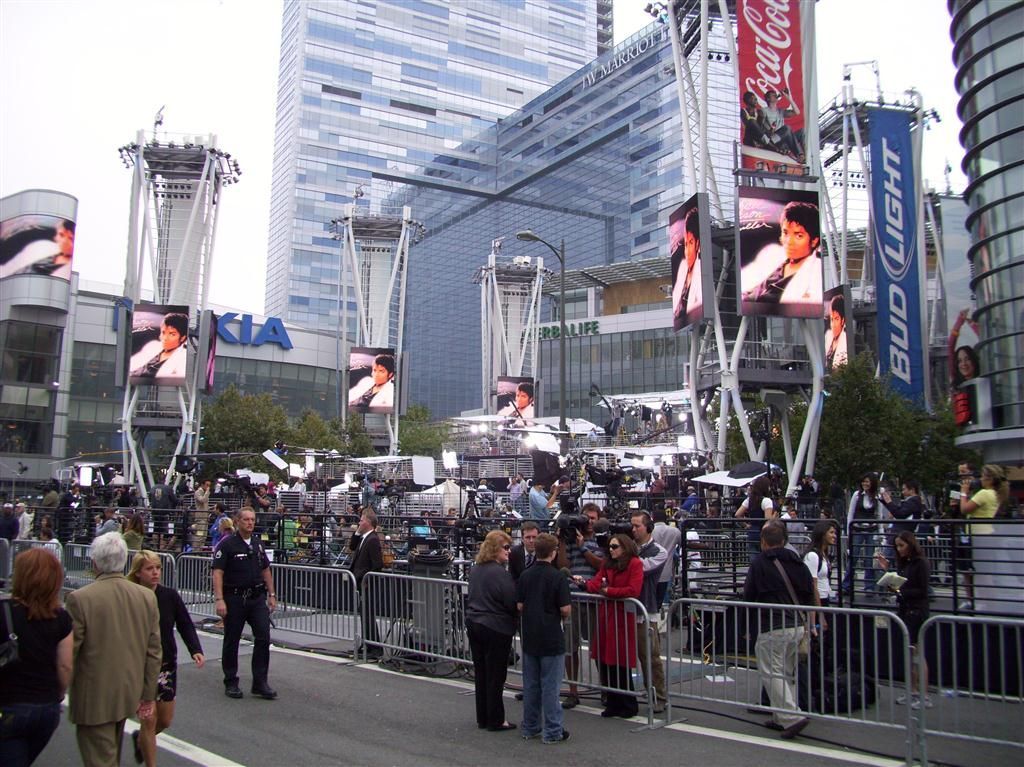
Image: Alejandro Marino, CC BY-SA 2.0, via Wikimedia Commons

The summer of 2009 found the country still shaking off a rough recession, and pop culture needed something to hold onto. That something arrived, tragically, on June 25, when Michael Jackson passed away at age 50 after an overdose of medication prescribed by his personal physician.

Twelve days later, on July 7, his memorial filled the Staples Center in Los Angeles. A total of 17,500 tickets were given away through a lottery that drew over a million requests in a single day. Inside, Stevie Wonder, Mariah Carey, and Jennifer Hudson performed, while his young daughter Paris gave an emotional tribute. Estimates suggest well over a billion people watched from around the globe, with the King of Pop’s farewell becoming one of the most talked-about broadcasts of the decade.

11
Leon Spinks vs. Muhammad Ali II - 2 billion
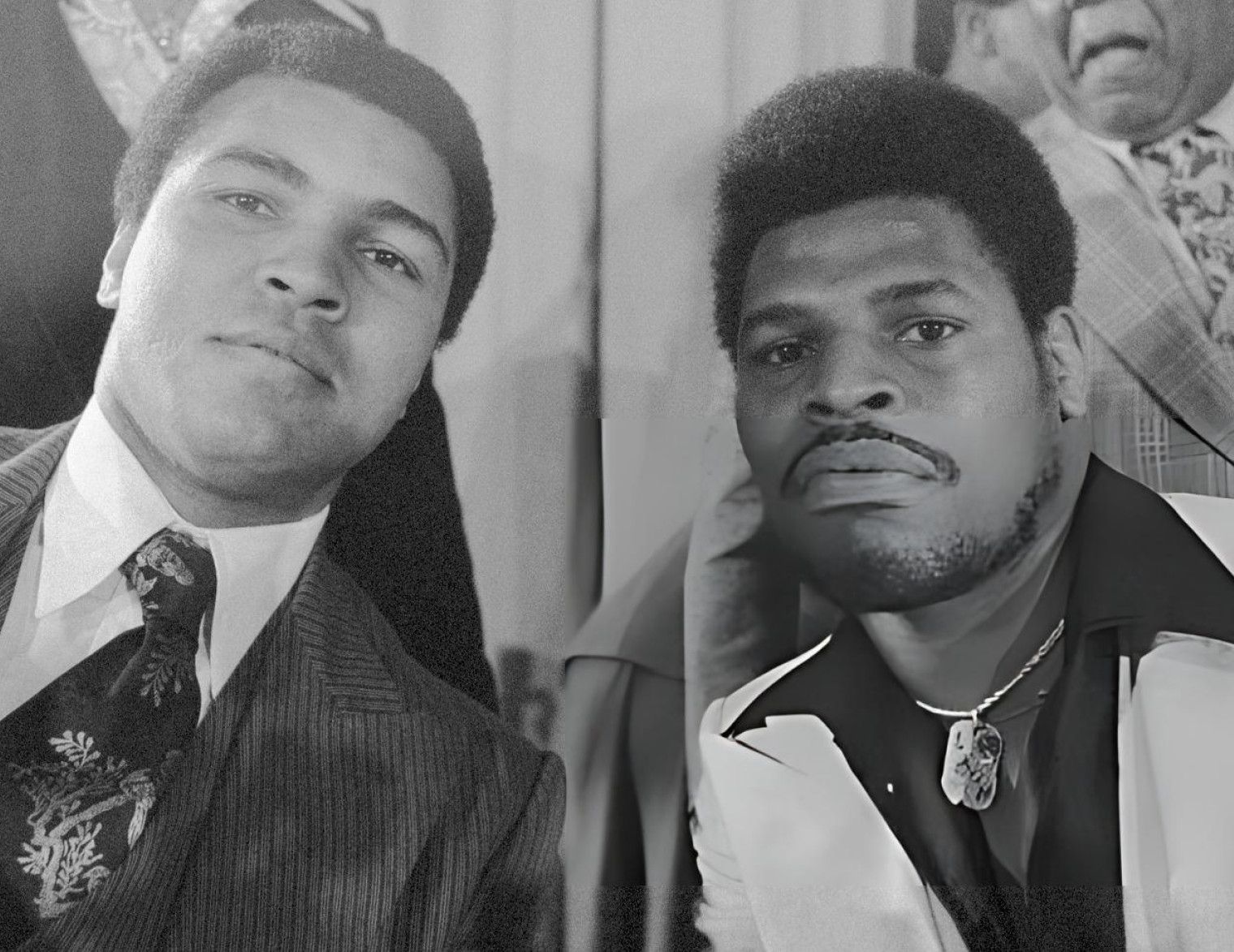
Image: United Press International, Public domain, via Wikimedia Commons

In 1978, the country was going through a rough patch, with President Carter navigating a shaky economy and gas prices creeping upward. Boxing fans, though, had their eyes fixed on New Orleans.

Seven months earlier, a young Leon Spinks had stunned the world by taking Muhammad Ali’s heavyweight crown in a split decision. On September 15, the two met again inside the Louisiana Superdome, where 63,350 fans packed in to watch a rematch live, the largest indoor crowd ever for a boxing match at the time. Ali fought a smarter, more controlled fight and reclaimed his title by unanimous decision, becoming the first three-time heavyweight champion in history. Around 90 million Americans watched on ABC, and roughly two billion people across some 80 countries followed the Battle of New Orleans as it happened.

General General 4 min read

American uniqueness

10 things America does differently from the rest of the world

Image: Shamblen Studios

The U.S. is a unique country in many ways , but some of these might shock tourists and foreigners because they differ from how they are done in other parts of the world. From etiquette rules to cooking styles to how to record a date, America has its own way of doing certain things . Let’s have a look at some of them!

1
Measuring

Image: Annie Spratt

This is a difference most Americans are aware of: most countries use the metric system rather than U.S. customary units, and most use Celsius instead of Fahrenheit. Countries such as the UK and Canada still use some imperial units in everyday life, but they mainly use the metric system. Another measure that confuses foreigners is the particular way ingredients are measured in American recipes, which often use cups, tablespoons, and teaspoons rather than measurements by weight.

Fun fact: The only other countries that use the Imperial system officially are Liberia and Myanmar.

2
Sales tax

Image: Zoshua Colah

Do you find having to calculate sales taxes annoying? That’s a unique American experience. In the majority of the world, the price you see is the price you pay , because it has the sales tax already added.

Why is it different in America? Sales taxes vary across states , so retailers find it easier to showcase the base price and then calculate the total at checkout.

3
Cutlery use

Image: Anna Kumpan

Many Americans abroad are surprised by the realization that not everyone uses a knife and fork in the same way they do . In fact, no one else does. While most Americans have learned the American style —also called the zig-zag or fork switching method— that involves using the fork in the left hand for cutting and then changing it to the right to pick up the food, European and Latin American countries don’t do this . It might seem like a small difference, but it completely changes the way you eat.

4
Iced drinks

Image: Battlecreek Coffee Roasters

Do other countries not have ice? They do, but they don’t necessarily assume everyone will want it. While serving water and other beverages with ice is customary in America, in many other countries, you need to request it —even during the hottest of summers.

But even if you get ice, many times you will need to specify the amount : the same drink that would be filled with ice cubes in America might come to you with just two or three cubes elsewhere.

5
Date formatting

Image: Waldemar

The U.S. is not completely alone on this one, but there’s a difference big enough to be worth mentioning. The standardized way of recording the date in America is month-day-year , a convention also followed by some Caribbean and Asian countries. But in the rest of the Western world, the conventional format is day-month-year , which can lead to confusion for Americans. In most Asian countries , the most commonly used format is year-month-day .

6
The word ‘American’

Image: frank mckenna

In the English language, ‘American’ is the only way to refer to people with U.S. citizenship . Other words, such as ‘Usian’ or ‘Unitedstatian’ have been proposed, but never stuck. This is why many Americans are surprised when other countries —Latin American countries in particular— use ‘American’ for anyone in the American continent , or continents, another big difference. In most European and Latin American countries, there is a different word for U.S. citizens, such as the Spanish ‘estadounidense’ or the Portuguese ‘estadunidense’ .

7
Moving out at 18 years old

Image: Dina Badamshina

This one is not so black and white, but more like a general tendency. Compared with most of Europe, Latin America, and Asia, Americans give serious consideration to the possibility of moving out after high school. Not everyone does, and not everyone can afford it, but it's fairly common.

In other countries, young adults generally move out if their job or education requires it , but they tend to stay at home a few more years if they can.

8
Driving a car as a teenager

Image: Dan Gold

America is quite car-centric , especially if you live outside of the big cities. While not everyone can afford to have a personal car —even a second-hand one—, it is common for 16 and 17-year-olds to legally drive their parents’ car, or save for their own.

In the rest of the world, the chances of high schoolers driving themselves to school are much lower, as most countries don’t allow underage kids to get a driving license .

9
Solo cups

Image: Artem Beliaikin

Do plastic cups exist outside of the U.S.? They do, but they are not as iconic or as widely used as Solo cups, introduced in the 1970s as a disposable but sturdy cup for parties and events. Many foreigners visiting America are surprised when they realize that solo cups are a real thing , and not something that just happens in movies.

10
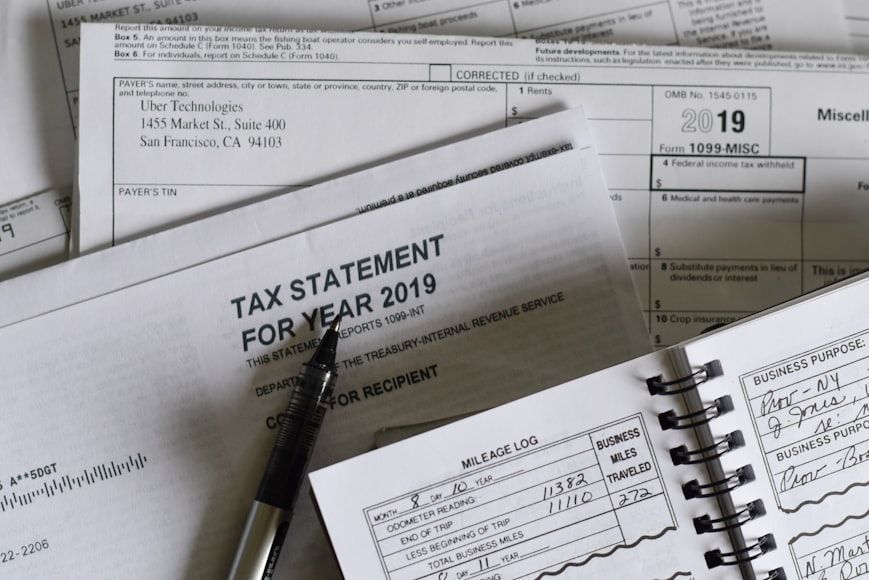
Filing taxes

Image: Olga DeLawrence

Taxes in the U.S. are not that different from taxes in other countries, except for how they are filed . During tax filing season, thousands of Americans direct their efforts to ensure they have properly reported their income and that their return will match the IRS’s data.

In other parts of the world, however, the one responsible for calculating and filing taxes is the government , while citizens merely corroborate that everything is in order.

Culture Culture 5 min read

Why do these 10 magnificent American estates now stand in ruins?

Image: Tama66

Beyond the manicured lawns of modern suburbs and the gleaming glass of city centers lie the skeletal remains of America’s Gilded Age and eccentric architectural dreams. These abandoned mansions, once symbols of immense wealth or unbridled ambition, now serve as monuments to the passage of time. Whether they were built for defense, ego, or artistic expression, these 10 sites stand as beautiful reminders of the people who once dared to dream about eternity. Would you like to know more? Continue reading!

1
Dundas Castle, Roscoe, New York

Image: Annie Spratt

Also known as Craig-e-Clair, this castle was built by Ralph Dundas in the early 20th century. It is an architectural marvel of stone and copper.

Dundas died before the castle was completed, and his wife was reportedly committed to a sanitarium shortly after. Consequently, no member of the Dundas family ever actually lived in the mansion. This has led to the "Ghost of Dundas Castle" legends, with locals claiming to see a woman in white wandering the unfinished halls, waiting for a housewarming party that never happened.

2
Rockwell House, Milledgeville, Georgia

Image: Clem Geiss

Built in 1838, the Rockwell House is a stunning example of Federal-style architecture, but its beauty is shadowed by a dark past. It was originally built for Colonel Samuel Rockwell, a prominent lawyer.

Local lore whispers about the "Rockwell Ghost," believed to be a young girl who died during a yellow fever outbreak. However, the house’s most tangible secret lies in its survival; it has endured multiple fires and periods of extreme neglect. In recent years, it has become a focal point for preservationists who uncovered hidden structural reinforcements that suggest the house was built to be an impenetrable fortress of its era.

3
Elda Castle, Ossining, New York

Image: Nitrogel

If the name David Abercrombie sounds familiar, it’s because he co-founded the clothing company Abercrombie & Fitch . But in the 1920s, he also built this granite castle, named Elda (an acronym of his children’s names), as a secluded retreat.

The castle features a network of spiral staircases and open-air porches designed to blend the indoors with the rugged wild. Its abandonment, however, is a sheer tragedy. After the family moved out, the castle was used as a research facility and later fell victim to vandals. Legend has it that a fire in the 1940s was started by squatters, leaving behind a charred stone husk that resembles a medieval ruin more than a 20th-century home.

4
Mongo's Castle, Memphis, Tennessee

Image: Denny Müller

A stark contrast to the classical mansions of the South, Mongo’s Castle was the passion project of Mongo Bebe, a man who built his home out of scrap stone, Ashlar blocks, and found materials.

The house is a maze of folk-art eccentricity. The builder intended it to be a community center and a symbol of African-American heritage and self-reliance. It stands today as a decaying puzzle, with many neighbors still unsure of the structural logic behind its towering, uneven walls.

5
Bannerman's Castle, Pollepel Island, New York

Image: Leonard G., Public domain, via Wikimedia Commons

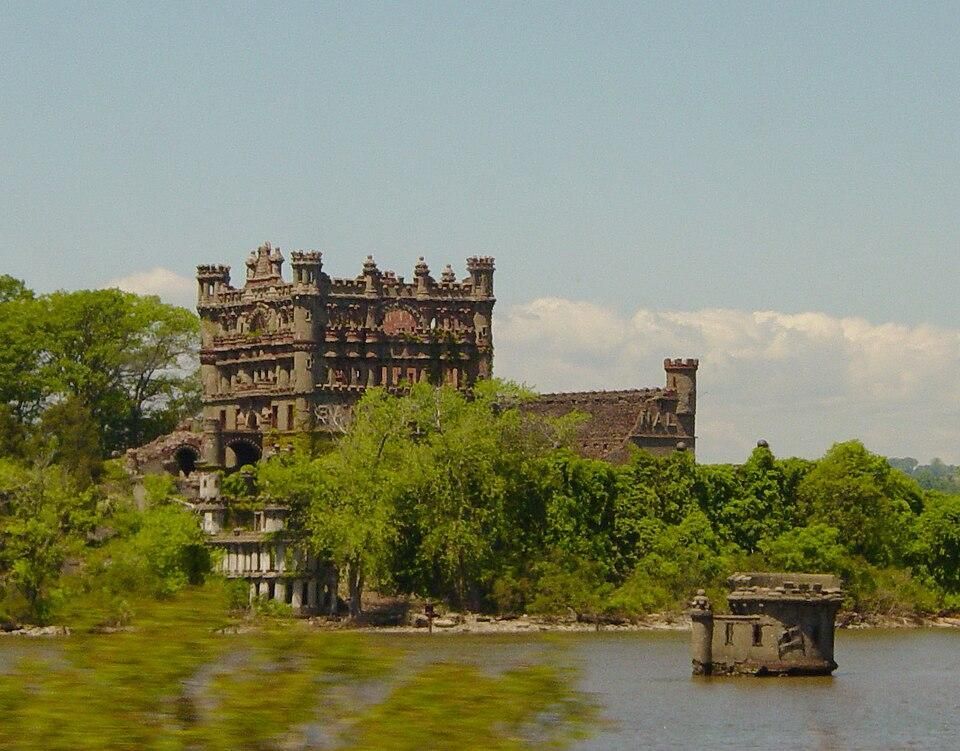
Rising from the Hudson River, this castle was never intended to be a home; it was a giant advertisement and warehouse for Francis Bannerman VI’s military surplus empire.

In 1920, 200 tons of gunpowder and shells exploded in the castle’s powder house, blowing out a significant portion of the walls. The ground is still considered unstable due to the remnants of military munitions, and the inscriptions on the walls are actually warnings and advertisements for the Bannerman business. Do you dare visit this mansion?

6
Castle Mont Rouge, Rougemont, North Carolina

Image: Florian Delée

This whimsical, onion-domed castle looks like it belongs in the Russian countryside rather than the North Carolina woods. It was designed by sculptor Robert Mihaly, but he ended up abandoning the project in the early 2000s following a personal tragedy and financial hurdles.

The castle remains an "empty sculpture," filled with intricate marble work and unfinished turrets. The bizarre architectural fusion lacks a standard floor plan, making it nearly impossible to convert into a functional residence without destroying its artistic integrity.

7
Ha Ha Tonka Castle, Camdenton, Missouri

Image: Hannah McBride

Robert Snyder, a wealthy Kansas City businessman, began building this European-style castle in 1905. He wanted a retreat that overlooked the breathtaking Ha Ha Tonka Spring.

Yet, Snyder never got to see his dream finished; he was killed in one of Missouri’s first recorded automobile accidents just a year after construction began. His sons finished the castle, but it was gutted by a fire in 1942. There’s a hidden network of caves beneath the castle, which were rumored to be used by outlaws and later as a natural "refrigerator" for the estate’s kitchen.

8
Carleton Island Villa, Cape Vincent, New York

Image: Tama66

This once-magnificent villa was built for William Wyckoff, who made a fortune with the Remington Typewriter Company.

The Secret: Wyckoff’s dream turned into a nightmare on the very first night he stayed in the house. He suffered a massive heart attack and died in his sleep. His wife had passed away a month prior, leaving the villa to a son who had no interest in it. The house has stood empty for over 70 years, its secret being the tragic "cursed" timing that prevented it from ever functioning as a family home.

9
Dicksonia Plantation, Lowndesboro, Alabama

Image: Theo Bickel

Dicksonia was a quintessential antebellum mansion, featuring the massive columns and wrap-around porches synonymous with the Old South.

Unlike many plantations that were destroyed during the Civil War, Dicksonia survived the conflict only to be destroyed by a mysterious fire in 1939. Its "ghost pillars," however, remained standing long after the wooden house burned away. These towering brick columns became a haunting landmark , representing the structural skeletons of a forgotten social order.

10
Wyndcliffe, Rhinebeck, New York

Image: Peter Herrmann

This house is the literal origin of the phrase "Keeping up with the Joneses." Though often referred to as a "Mystery Mansion" by urban explorers, this is the ruin of Wyndcliffe, the estate of Elizabeth Schermerhorn Jones.

Elizabeth’s mansion was so grand and intimidating that it prompted her neighbors—including the Astors—to build even larger homes to compete. The secret of Wyndcliffe is the psychological impact of its architecture; it was built to inspire envy, and its current state of absolute decay is a poetic commentary on the fleeting nature of social status.

Explore more American facts

Choose your favorite category!

General
General

As American as apple pie—the very best America has to offer!

Culture
Culture

Delve into the astounding richness of American lore.

Geography
Geography

Hop in and explore vast and diverse American landscapes.

History
History

Discover the key moments that shaped the United States.