History History 7 min read

The reason the Oval Office has such an iconic shape
Image: Gorodenkoff

Some traditions seem to have been around forever. The Easter egg hunt at the White House, or the Teddy bear in most kids’ bedrooms. A turkey is pardoned every Thanksgiving. As it turns out, some traditions and food items trace back to a single president having a very ordinary, human moment: a soft spot for a scared animal, a craving from a trip abroad, a wife tired of watching her husband go unnoticed. Here are the real stories behind them.

1
The White House Easter egg roll
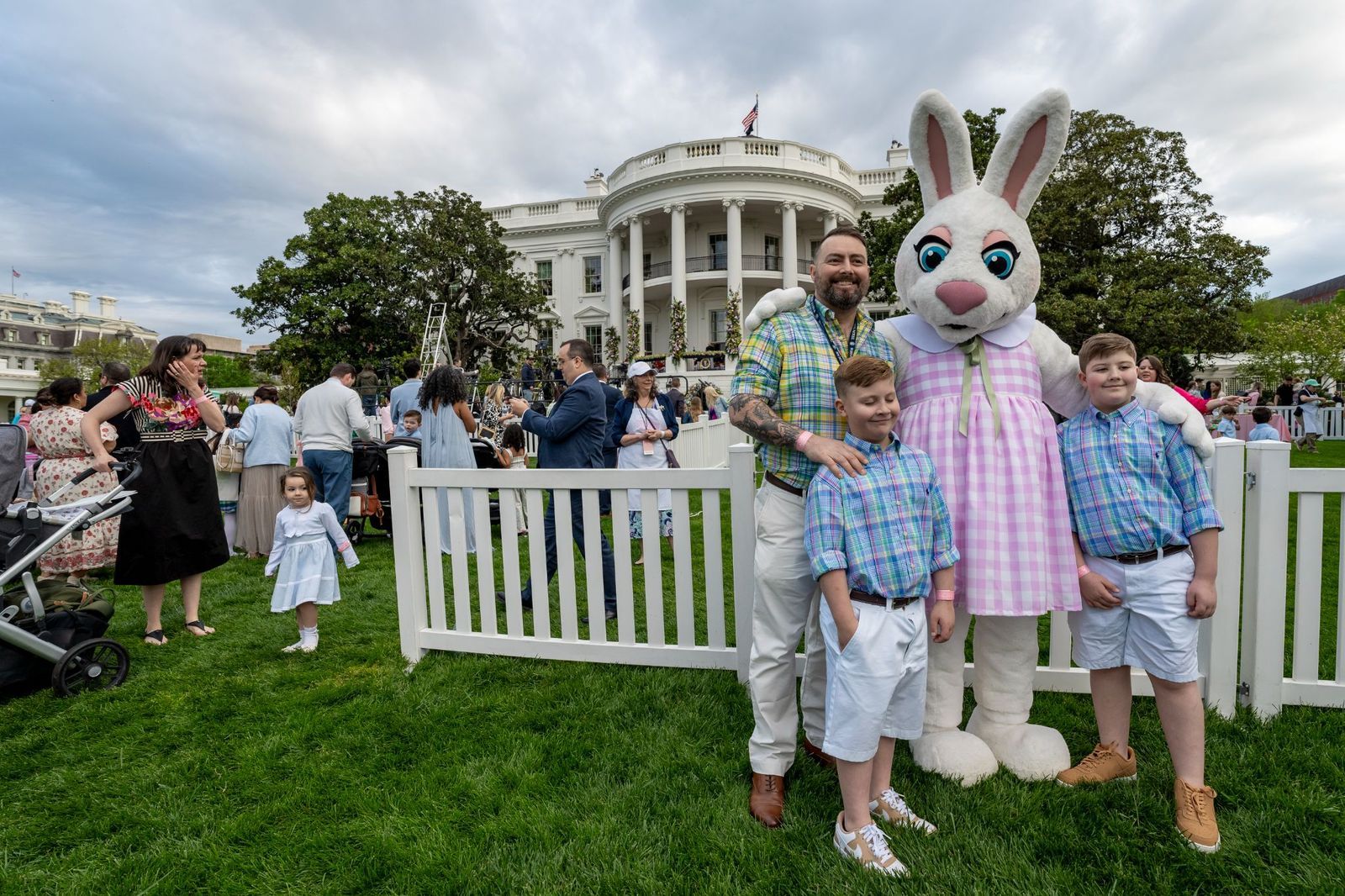
Image: The White House, Public domain, via Wikimedia Commons

In the 1870s, Washington kids rolled colored eggs on the Capitol lawn every Easter Monday until Congress banned the practice in 1876 to save the grass. On Easter Monday 1878, a group of those disappointed children walked up Pennsylvania Avenue to the White House gates. President Rutherford B. Hayes told his guards to let them in , and the South Lawn became their new playground. Word spread fast, and by the following year, hundreds of families showed up expecting the same welcome. Hayes never announced a policy; he just opened a gate for some kids with nowhere else to roll their eggs, and a White House holiday tradition was born, with future presidents dutifully continuing it.

2
The "Teddy Bear" stuffed animal
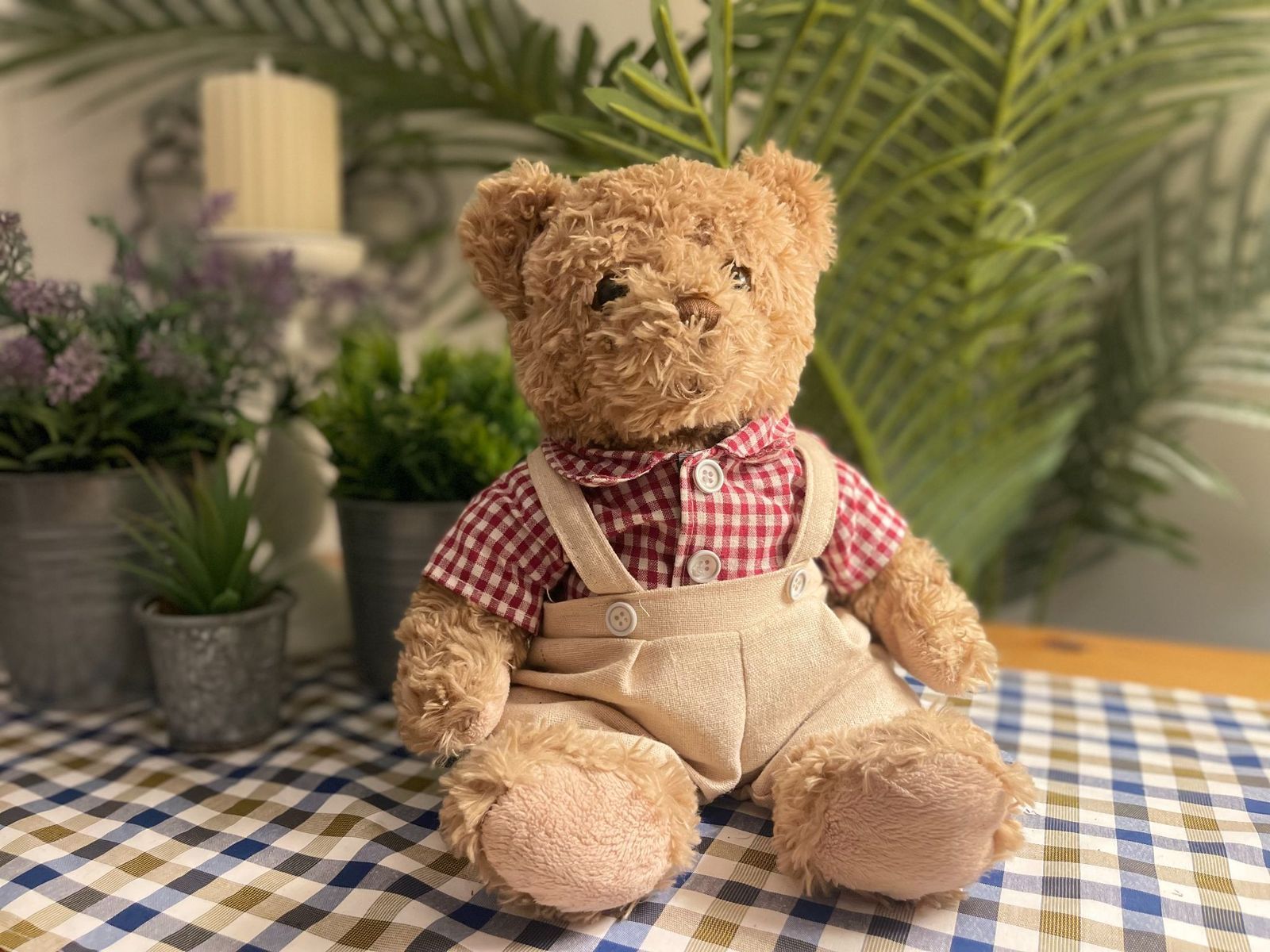
Image: Jimmy Parker

That stuffed bear tucked in with a grandchild owes its existence to a presidential hunting trip gone sideways.

In November 1902, Theodore Roosevelt traveled to Onward, Mississippi, hoping to bag a bear as the rest of his hunting party had. After days with no luck, his guides cornered an exhausted old bear, tied it to a tree, and invited the president to take the easy shot. Roosevelt refused, calling it unsportsmanlike. The story ran in the newspapers nationwide, and Washington Post cartoonist Clifford Berryman turned it into a sketch titled "Drawing the Line in Mississippi." Brooklyn shop owner Morris Michtom saw the cartoon, sewed a small stuffed bear, and displayed it in his windows as Teddy’s Bear. Customers wanted one immediately, and a toy industry was born from a single act of mercy.

3
The official Thanksgiving turkey pardon
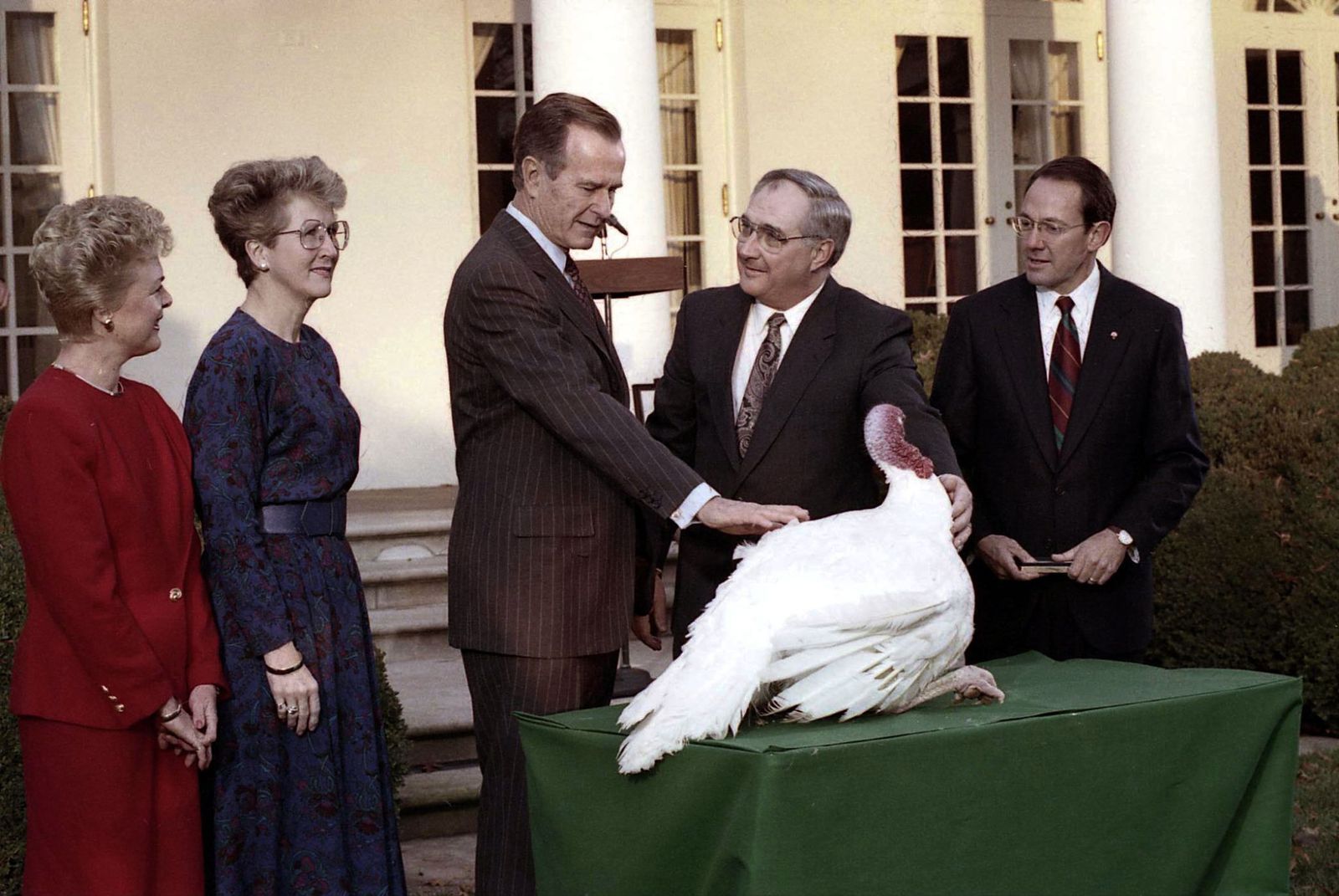
Image: Credit: George H.W. Bush Presidential Library and Museum, Public domain, via Wikimedia Commons

Every November, cameras gather in the Rose Garden to watch the president spare a turkey from the Thanksgiving table, a moment that feels as old as the holiday itself. But the origin of that ceremony is very recent.

For decades, presidents from Truman onward accepted a ceremonial turkey each year, and most of those birds ended up exactly where you’d expect. That changed on November 17, 1989. As animal rights activists picketed nearby, President George H. W. Bush looked at a visibly nervous tom turkey and improvised , telling the crowd he’d granted the bird a presidential pardon on the spot and that it would live out its days on a farm instead. The line got a laugh, but Bush kept it going the next year, and the year after. What started as a spontaneous joke became the official ceremony every president has repeated since.

4
The shape of the Oval Office
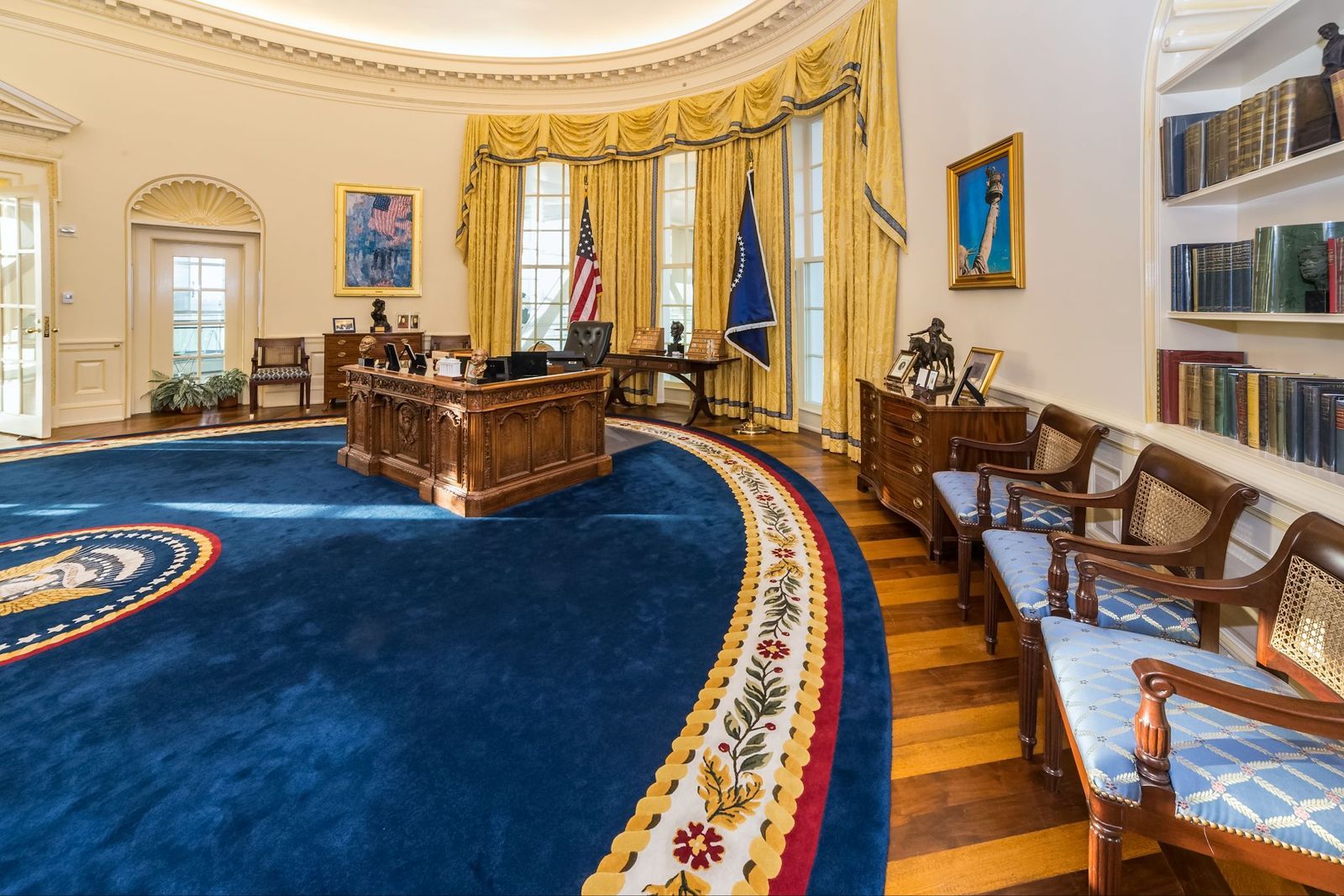
Image: amadeustx

The Oval Office is instantly recognizable: the presidential seal carpet, that famous desk, the flags and busts. But the curved shape itself traces back to one president's frustration with cramped quarters.

When William Howard Taft took office in 1909, he found the West Wing, built as a temporary fix under Theodore Roosevelt, too small and too disconnected from the rest of the White House. Taft held a competition for architects to expand it into something permanent. The winner, Nathan Wyeth, looked to the White House's own Blue Room, an oval-shaped parlor where presidents had greeted guests since the early 1800s, and echoed its shape for the new presidential office. Construction finished that same year. Every president since has worked inside walls first curved to match a room built more than a century before any of them took office.

5
Modern gourmet macaroni and cheese in the U.S.
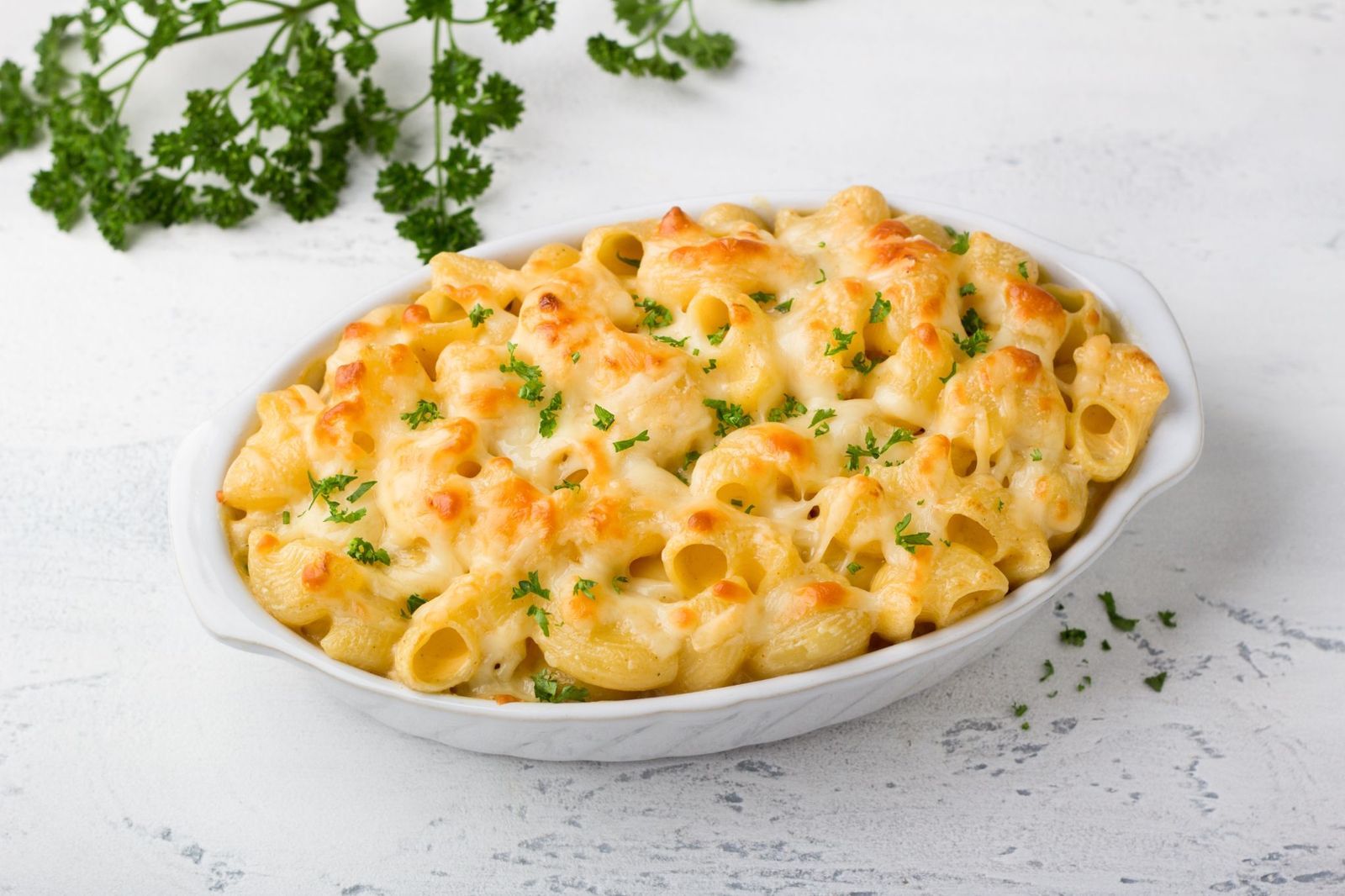
Image: olepeshkina

Mac and cheese shows up at potlucks and holiday tables across the country, but its American debut came from a president with expensive European taste.

While serving as minister to France in the 1780s, Thomas Jefferson fell for the pasta dishes he encountered in Paris and Italy. He had a pasta press shipped home, but kept importing macaroni and parmesan from Europe for years. In 1802, as president, Jefferson served a baked macaroni dish at a formal White House dinner. Not every guest was impressed. Congressman Manasseh Cutler called the pie disagreeable, mistaking the pasta for onions until a fellow diner explained what it was. Cutler’s confusion didn’t stop the dish from catching on, and it’s been a comfort food staple ever since.

6
Presidential marching music: "Hail to the Chief"
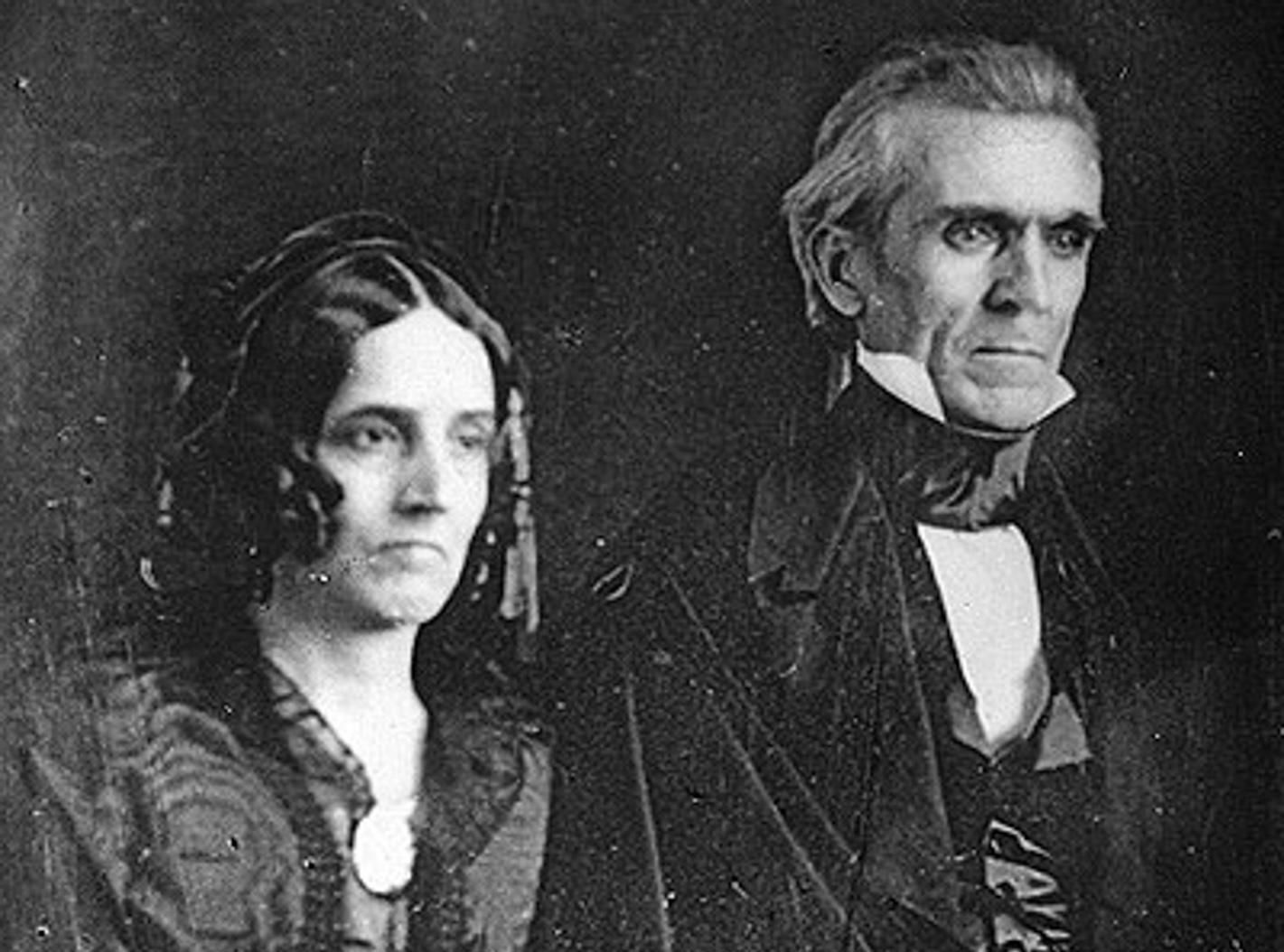
Image: alamy, Public domain, via Wikimedia Commons

Whenever a president walks into a room for a major event, the Marine Band strikes up the same tune, and the crowd knows exactly who just arrived. That entrance music exists because James K. Polk had the opposite problem.

Elected in 1844, Polk was famously soft-spoken and easy to overlook in a crowded hall, the kind of president who could walk into a reception and have half the room not notice. His wife, Sarah Childress Polk, decided that wouldn’t do. She arranged for the Marine Band to play "Hail to the Chief" whenever her husband entered a room, giving guests a clear cue that the president had arrived. The tune, written by English composer James Sanderson and reserved for special events like inaugurations, had been around for 40 years prior to Polk’s taking office, although it was during his presidency when it started opening the door for every Commander-in-Chief.

7
The national Christmas Tree Lighting ceremony
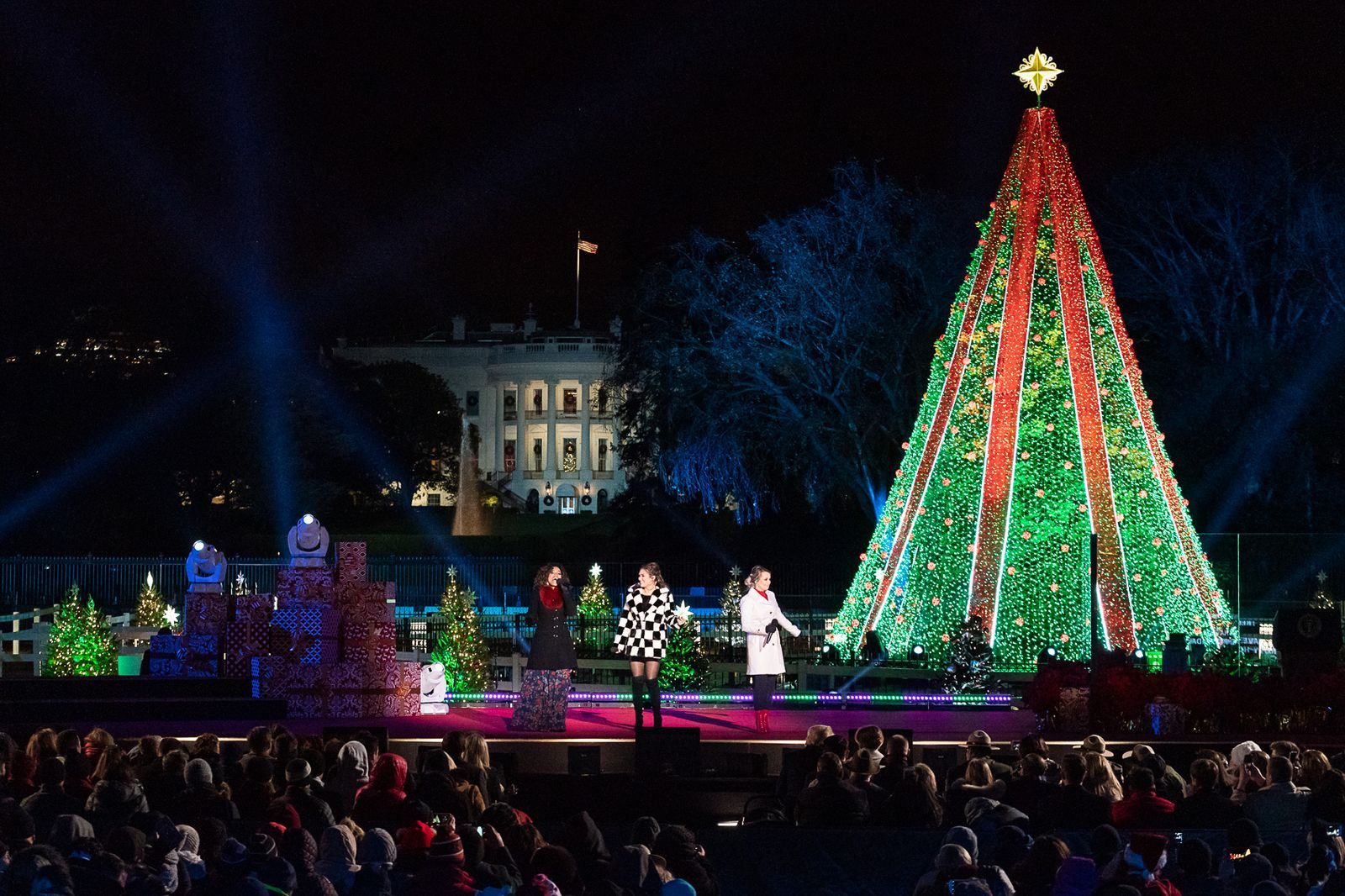
Image: The White House from Washington, DC, Public domain, via Wikimedia Commons

The National Christmas Tree Lighting each December draws crowds to the Ellipse just south of the White House, but the very first one almost happened somewhere else entirely.

In November 1923, organizers asked First Lady Grace Coolidge for permission to put a community Christmas tree on the White House grounds. She already had a carol sing planned for the North Lawn and didn’t want two events competing, so she suggested the Ellipse instead. On Christmas Eve, President Calvin Coolidge walked over from the White House, pressed a button, and lit a 48-foot balsam fir donated by his home state of Vermont in front of thousands of spectators. True to his famously quiet nature, Coolidge said nothing and simply flipped the switch, letting the lights be the show.

8
The presidential "First Pitch" at Major League Baseball games
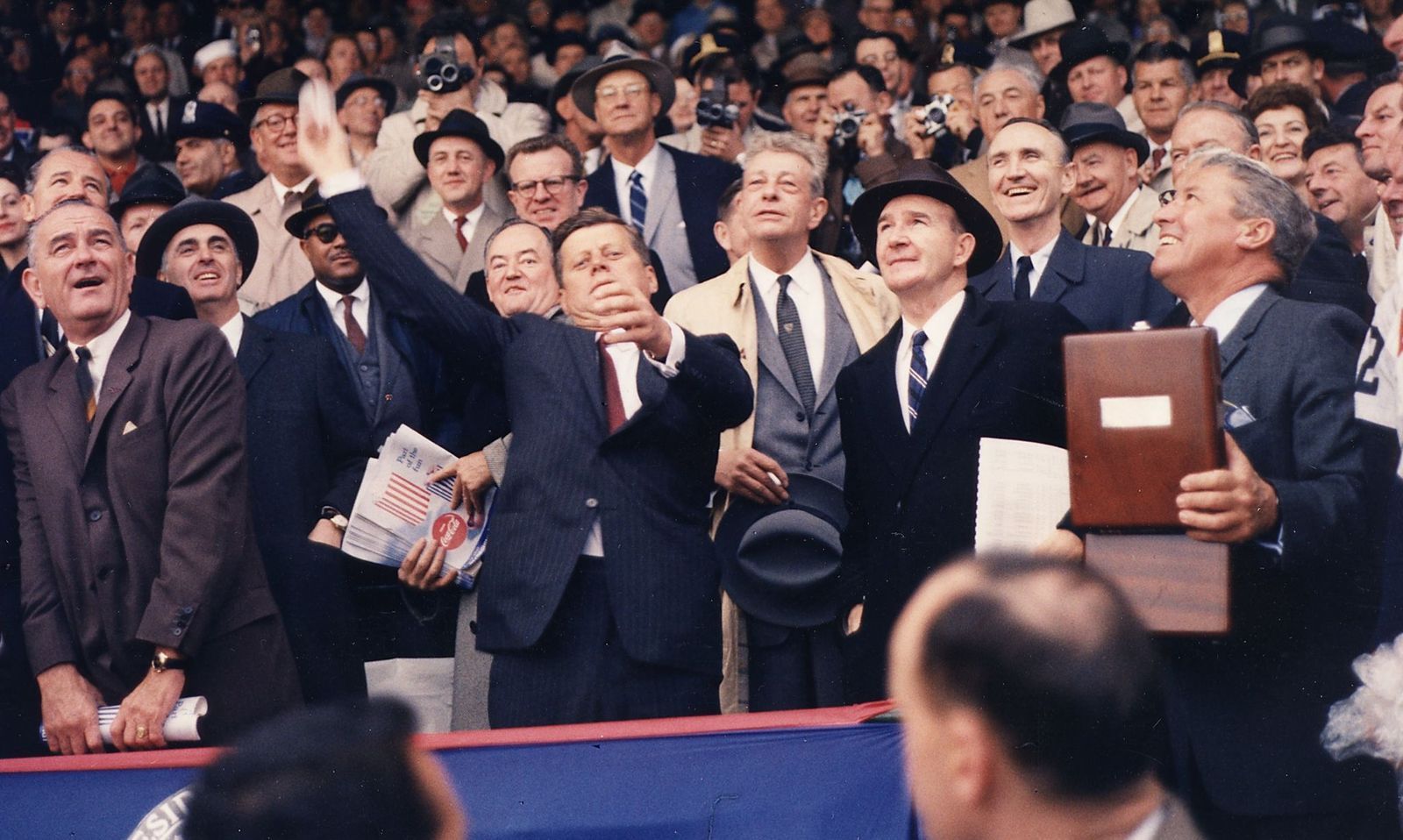
Image: Robert LeRoy Knudsen, Public domain, via Wikimedia Commons

Every baseball season still opens with someone tossing a ceremonial first pitch, a tradition that dates back to a president who almost wasn't invited.

On April 14, 1910, William Howard Taft attended the Washington Senators' opener against the Philadelphia Athletics, in Washington, D.C. The plan was for him to throw to Washington Senators catcher Gabby Street, since ace pitcher Walter Johnson had shyly turned down the honor. Taft had other ideas. From his box seat, he turned and fired the ball straight to Johnson instead, who caught it, kept it as a souvenir, and later had the president autograph it. Johnson went on to pitch a one-hit shutout that afternoon. Taft returned to throw another first pitch in 1911, and the ceremony has opened baseball seasons for presidents ever since.

9
Blueberry Jelly Belly Beans
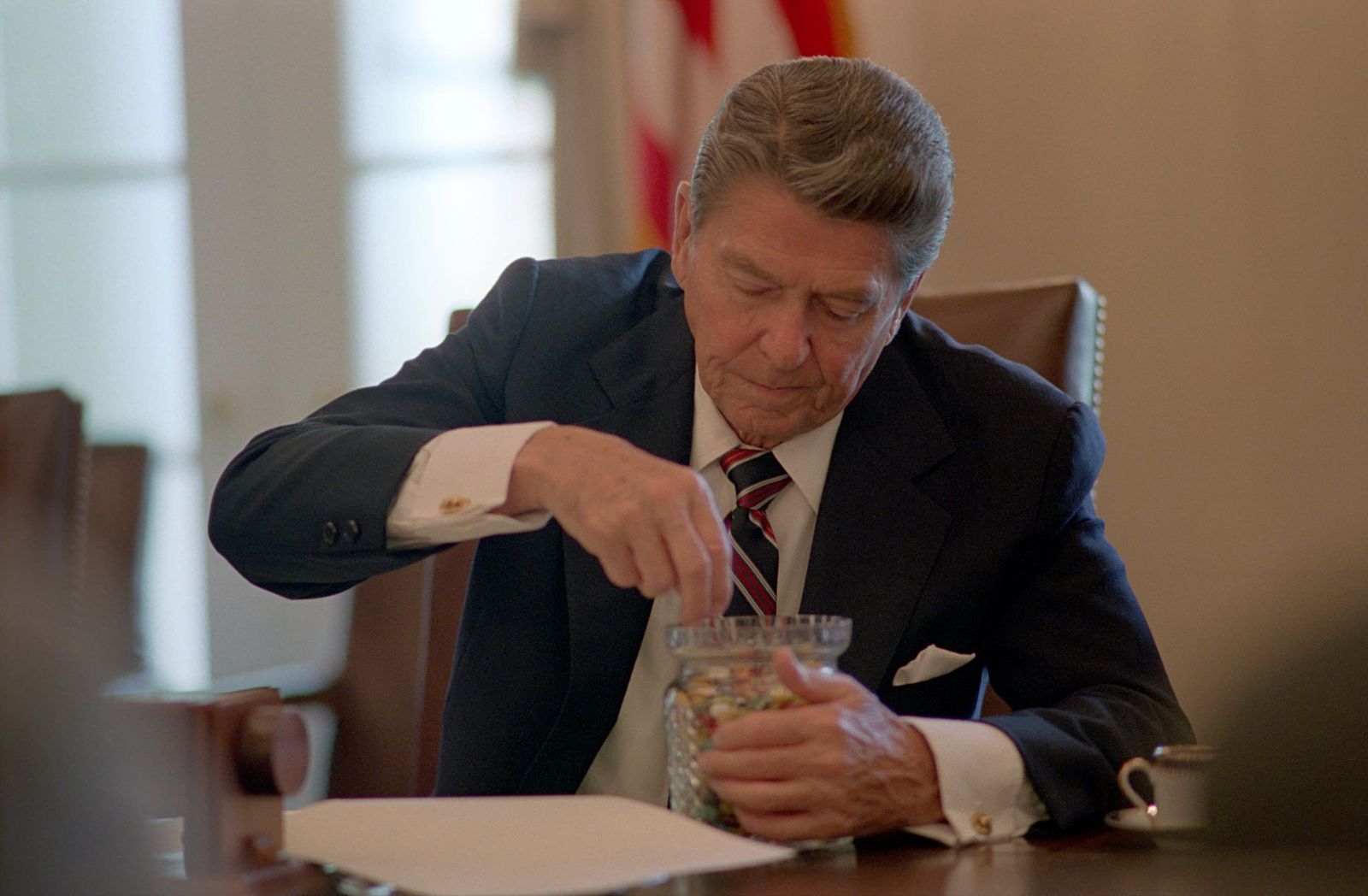
Image: National Archives and Records Administration, Public domain, via Wikimedia Commons

Grab a bag of Jelly Belly beans today, and you'll likely find blueberry among the flavors, a color that didn't exist until one president requested it.

Ronald Reagan started eating jelly beans in 1966 to help quit pipe smoking, and by the time he reached the White House, he kept jars in the Oval Office and Cabinet Room alike. For his 1981 inauguration, Reagan wanted a patriotic red, white, and blue display . Jelly Belly already made Very Cherry for red and Coconut for white, but nobody had ever needed a blue bean before, so there wasn't one. The company invented the blueberry flavor specifically for the occasion and shipped three and a half tons of beans to Washington for the celebration. More than 40 years later, blueberry remains one of Jelly Belly's most popular flavors.

10
Hoover-ball, a new sport
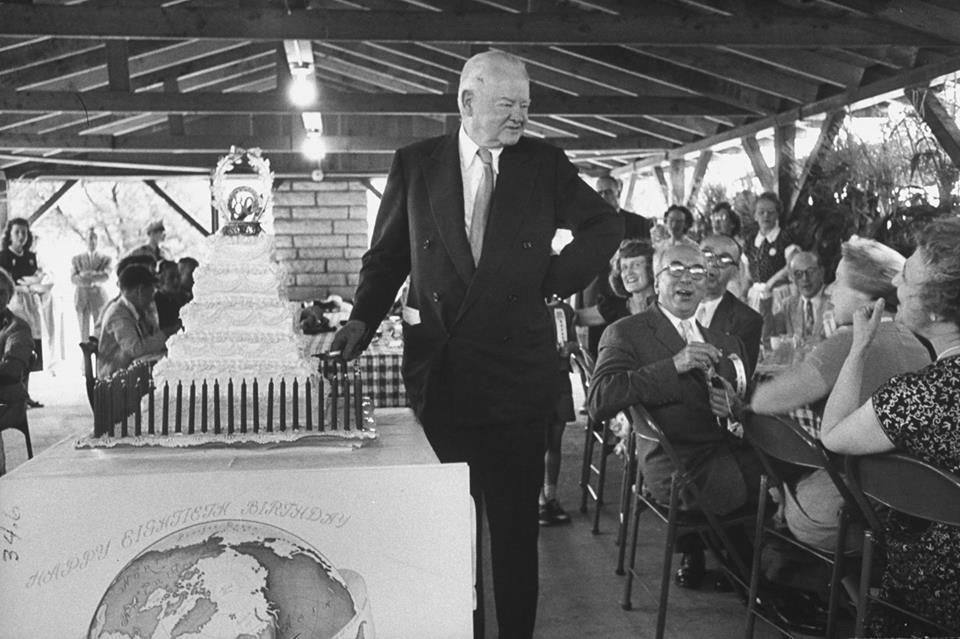
Image: English: NPGallery, Public domain, via Wikimedia Commons

Presidential influence is not to be denied. And one former president even gave Americans a new sport. When Herbert Hoover entered office in 1929, his doctors were concerned about his weight and lack of exercise. His physician, Joel T. Boone, came up with an answer that was considerably more fun than a daily walk.

Boone adapted the game from medicine-ball exercises and tennis , creating a sport in which players stood on opposite sides of a net and threw a heavy medicine ball back and forth. The game quickly became a regular activity on the White House grounds, and players even earned a nickname: the "Medicine Ball Cabinet." Although it never became mainstream, the sport lived on through local competitions in Hoover’s hometown of West Branch, Iowa.
Geography Geography 4 min read

Discovering America

What's the easternmost point of the US? If you say Maine, think again!

Image: Jon Sailer

We’ve all picked up "facts" about the fifty states somewhere along the way, but not all of them hold up. Some are half-truths passed around for generations , others are just plain wrong. So, in an attempt to set the record straight once and for all, we’ve gathered some fun truths that clear up the biggest mix-ups about our states.

1
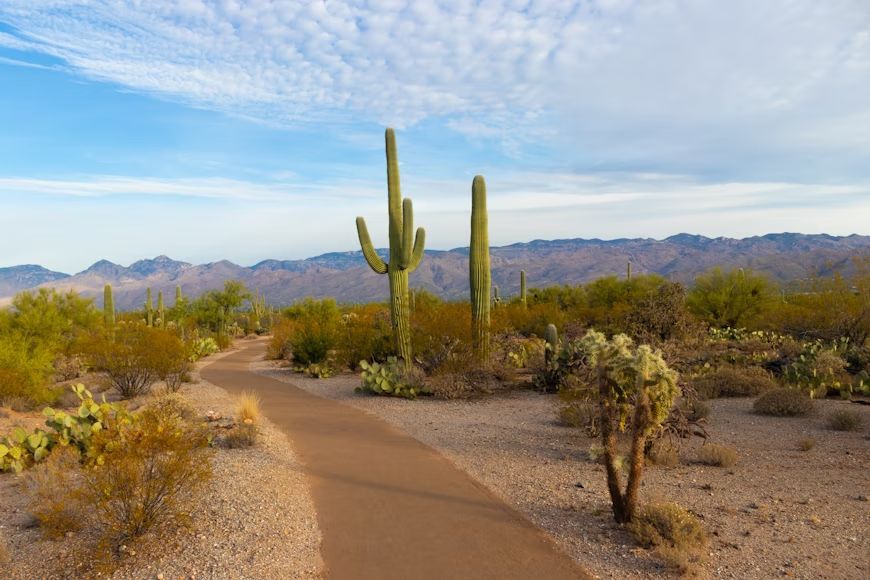
Arizona skips Daylight Saving Time

Image: Christoph von Gellhorn

This is partly true because most of the state doesn’t bother with Daylight Saving Time . They stopped changing the clocks back in 1967. The exception is the Navajo Nation, which stretches into Utah and New Mexico and keeps DST so all its communities stay on the same schedule. Now, as for the smaller Hopi reservation, inside the Navajo Nation, it sticks with Arizona time… Yes, quite confusing if you’re not a local.

2
Georgia isn’t really the Peach State

Image: Jessica Furtney

Georgia loves its peaches, sure, but the state’s top fruit money-maker is actually blueberries . In recent years, blueberries have brought in several times more cash for farmers than peaches. Meanwhile, California grows far more peaches than Georgia ever has. The nickname stuck from the old days when Georgia peaches were famous for their flavor, not their volume. So while the pride is real, the peaches aren’t quite the powerhouse people may think.

3
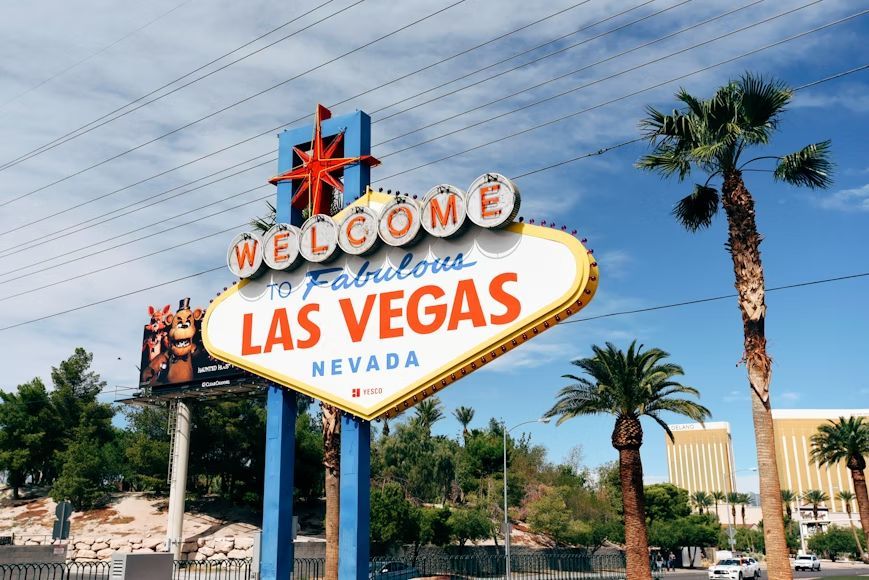
Nevada didn’t record the hottest US temperature

Image: tommao wang

You probably think of Nevada’s desert heat as unmatched, but the all-time record belongs to California’s Death Valley . In July 1913, it hit a mind-melting 134 degrees Fahrenheit, the hottest temperature not only in America but the hottest ever recorded on Earth!

4
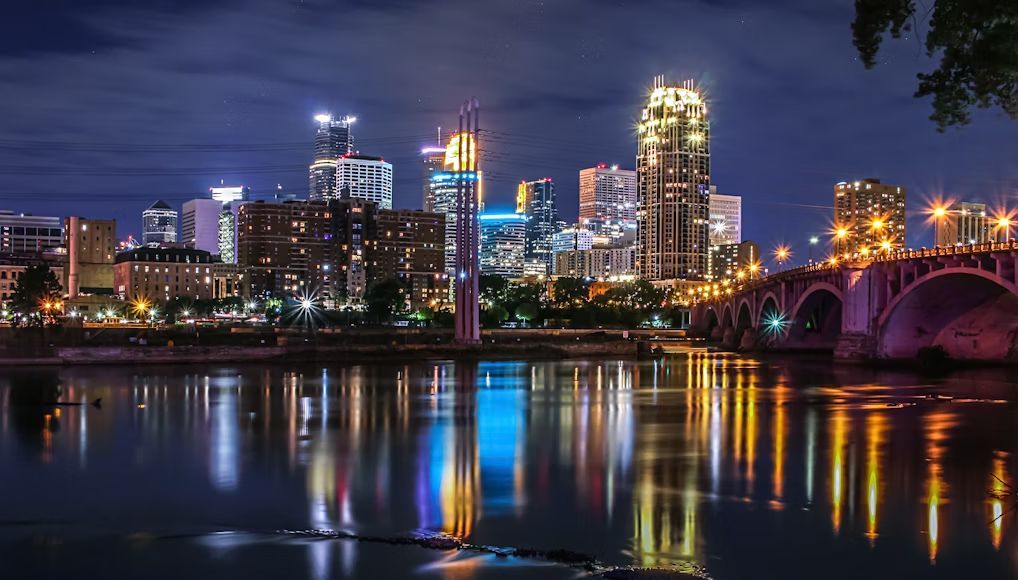
Minnesota doesn’t have the most lakes

Image: Tom Conway

Minnesota proudly calls itself the "Land of 10,000 Lakes," but that’s selling itself short… The real number is closer to 12,000. However, Alaska wins this battle . The state has more than 3 million lakes over five acres in size. In fact, Alaska contains over 40 percent of the nation’s surface water. If you love fishing, kayaking, or just staring at a quiet stretch of water, the true lake capital of America is far up north.

5
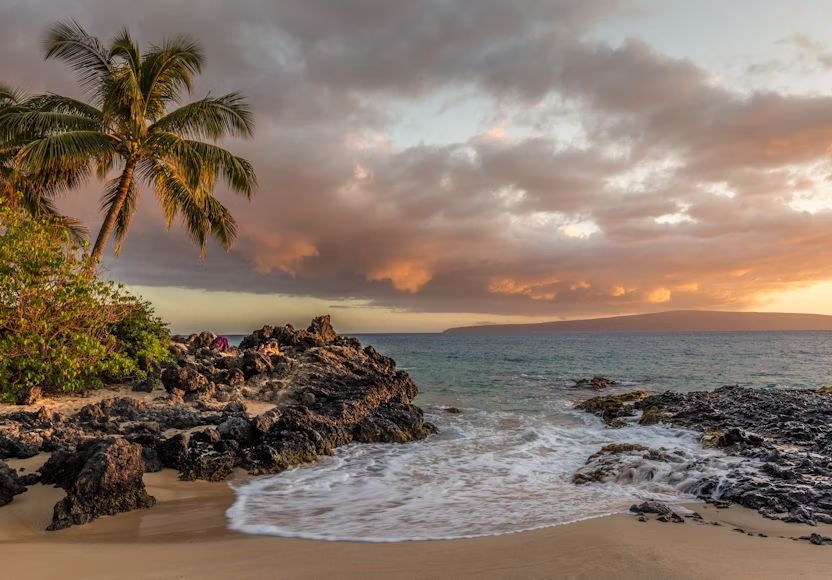
Pineapples aren’t native to Hawaii

Image: Christian Joudrey

Pineapples are everywhere in Hawaiian imagery, but the plant actually comes from South America , mainly Paraguay and southern Brazil. Spanish explorers likely brought them to Hawaii in the 1500s after spreading them across the Pacific to places like the Philippines and Guam. Hawaii’s climate turned out to be perfect for growing them and by the 1900s, the islands were producing so many pineapples that the fruit became a symbol of Hawaii itself.

6
Maine isn’t the country’s easternmost point

Image: Chris Henry

If you’re a Geography geek, you’ll love this one. You might picture Maine’s rocky coast as the eastern tip of America, but the actual easternmost point is thousands of miles away, on Alaska’s Semisopochnoi Island in the Aleutians. How is that possible? Well, that’s because it crosses the 180th meridian, putting it in the Eastern Hemisphere. That means part of Alaska technically sits farther east than anywhere in Maine.

7
The biggest US earthquake didn’t happen in California

Image: Lala Miklós

California has suffered some big earthquakes in its history, but the most powerful earthquake in America struck Alaska in 1964 . It hit Prince William Sound with a magnitude of 9.2. It was so strong it shook the ground for four and a half minutes and triggered massive tsunamis. In today’s dollars, the damage would total more than $2 billion. Alaska sits on a collision zone of tectonic plates, making it one of the world’s most seismically active regions.

8
The Everglades isn’t America’s biggest swamp

Image: Joshua J. Cotten

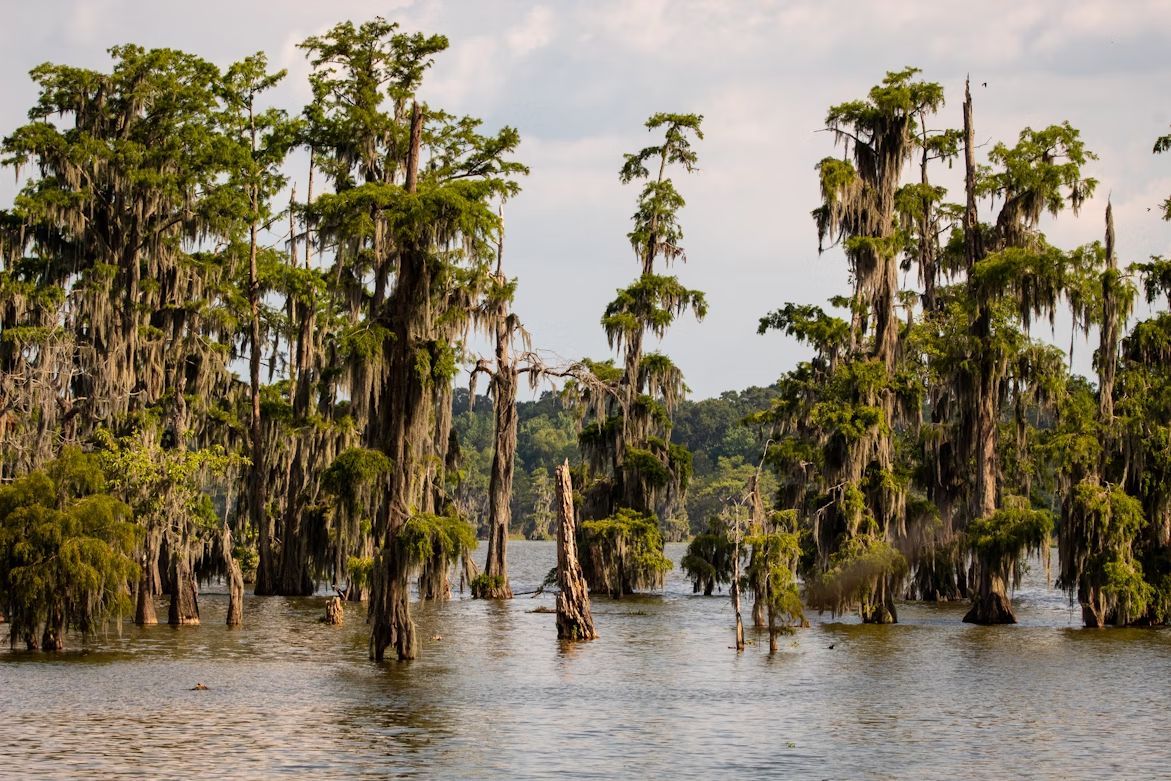
A lot of people picture the Florida Everglades when they think of swamps, but technically, the Everglades isn’t a swamp at all. The real title of the largest swamp in the United States goes to Louisiana’s Atchafalaya Basin , which spans about 1.4 million acres. This swamp has a vast mix of cypress forests, bayous, and marshes, and it’s more than twice as productive as the Everglades when it comes to wildlife and plant life.

9
Big cities aren’t always capitals

Image: Mackenzie Cruz

It surprises people how often the biggest city isn’t the state capital . New York City? Not the capital… Albany is. Chicago? Nope, that honor goes to Springfield. Pennsylvania’s capital isn’t Philly or Pittsburgh, it’s Harrisburg. Even California’s capital isn’t L.A. or San Francisco, it’s actually Sacramento. Out of fifty states, only seventeen have their most populous city as the capital.

10
Alaska isn’t divided into counties

Image: Rod Long

Alaska likes to do things its own way. Instead of counties, it’s split into boroughs , and a massive area known as the Unorganized Borough has no local government at all. People out there don’t pay property taxes, but that freedom comes with challenges, limited services, fewer job options, and tough living conditions.

Culture Culture 7 min read

Celebrating Dolly

When Dolly Parton turned down Elvis: 10 incredible facts about her life

Image: Bart Sherkow

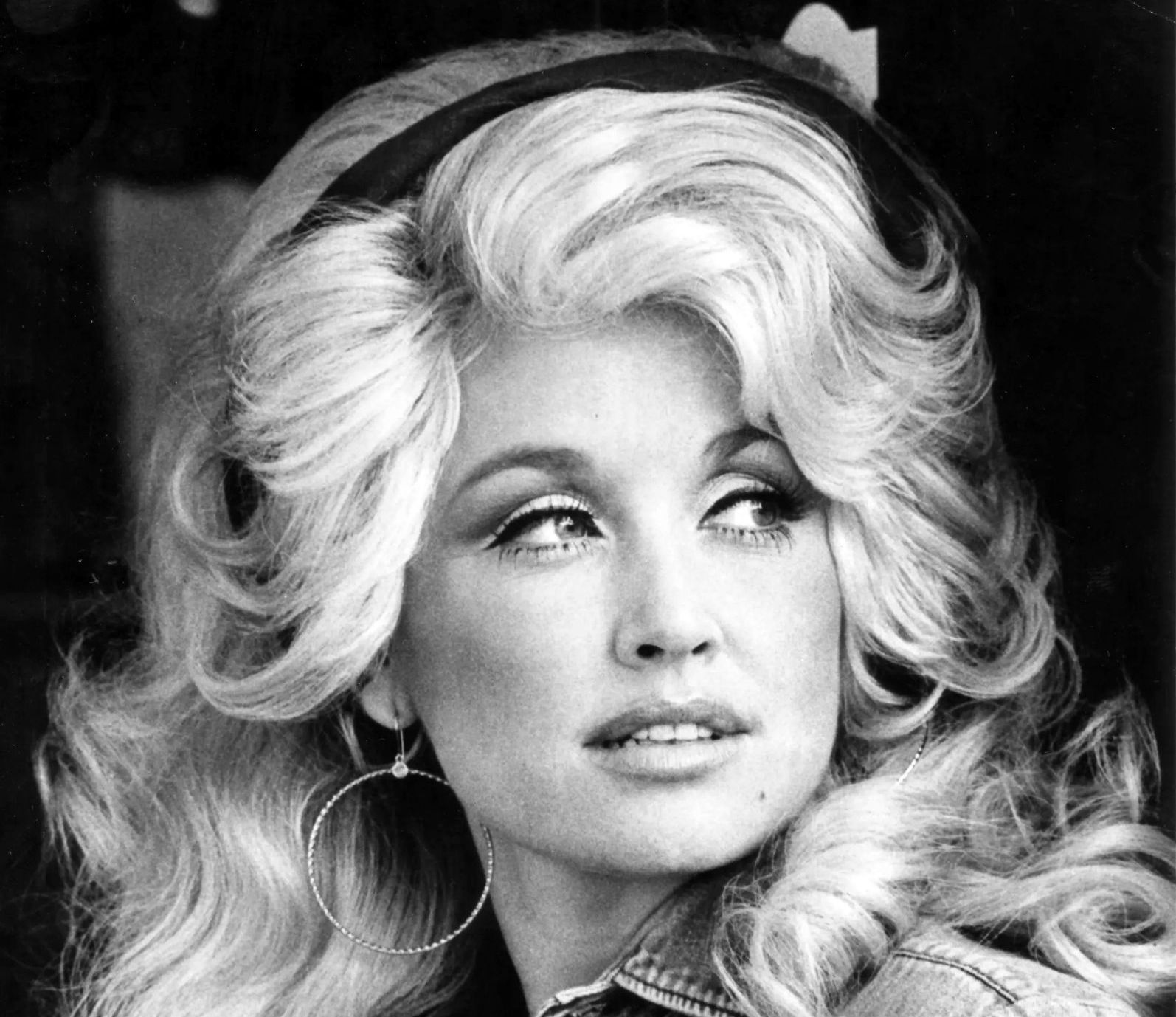
Song by indelible song, Dolly Parton wrote and recorded the soundtrack of America for many generations — but there was far more to Dolly’s story than her music. From turning down Elvis Presley to a six-decade marriage to the resolutely private man she loved, her life was filled with stories that are just as fascinating as her catalog. Here are 10 surprising facts and unforgettable moments from the life of Dolly Parton.

1
Her parents paid for her birth with cornmeal

Image: Vinicius Benedit

Dolly Parton’s life has been filled with talent, music, art, and an adoring audience, but it wasn’t always easy for her or her family.

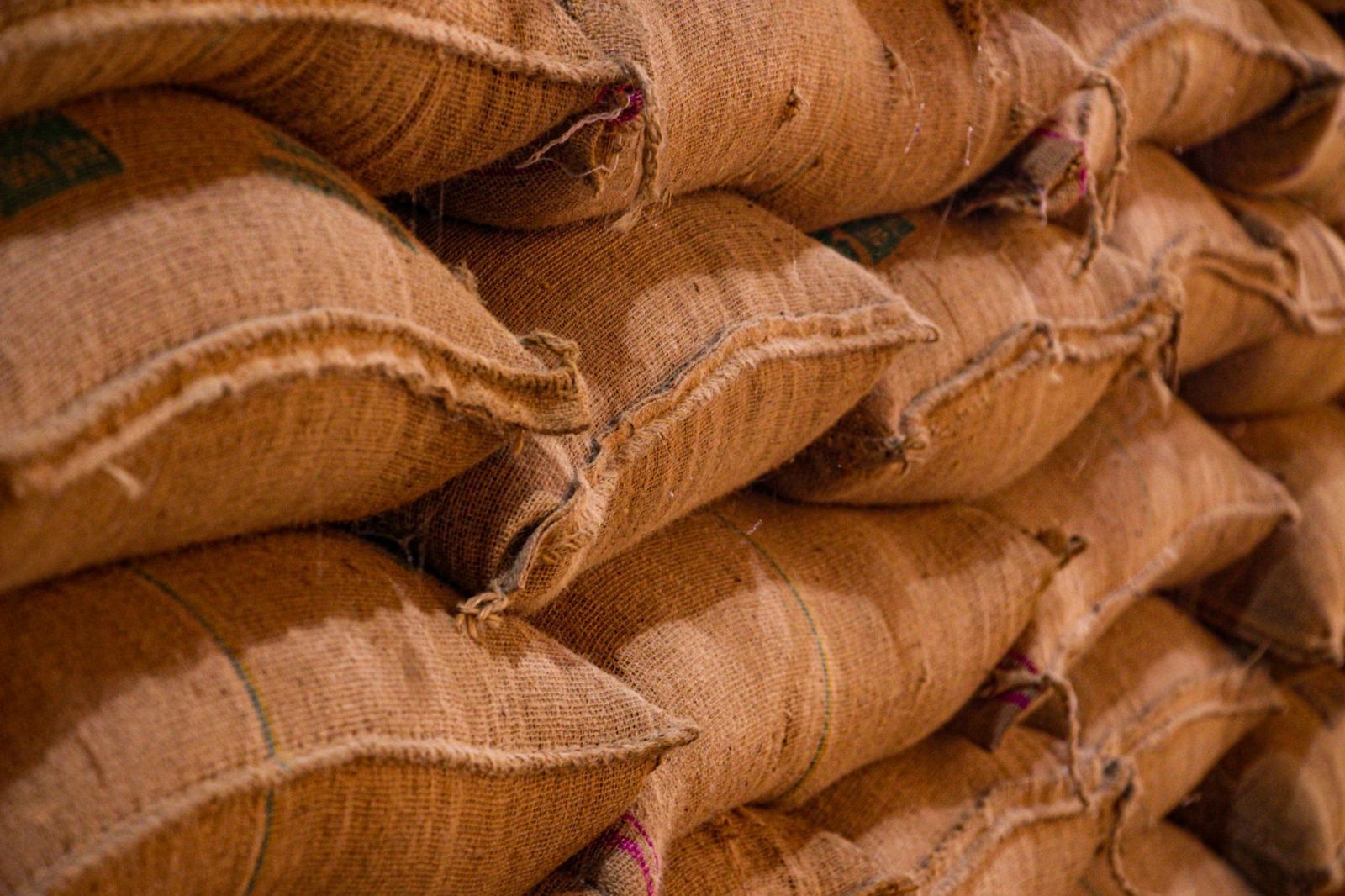
She was born on January 19, 1946, in a one-room log cabin in the Great Smoky Mountains of Tennessee, during a snowstorm. The fourth of 12 children, Dolly was born to Robert Lee Parton Sr. and Avie Lee Owens Parton, who were far from wealthy. According to Dolly, her parents paid the doctor who delivered her, Dr. Robert F. Thomas, with a sack of cornmeal because they couldn't afford to pay him in cash. Dolly later honored him in the song "Dr. Robert F. Thomas," which appeared on her 1973 solo studio album, My Tennessee Mountain Home.

2
She made her first guitar from an old mandolin

Image: VladKK

From a young age, Dolly showed that hard times wouldn’t stop her.

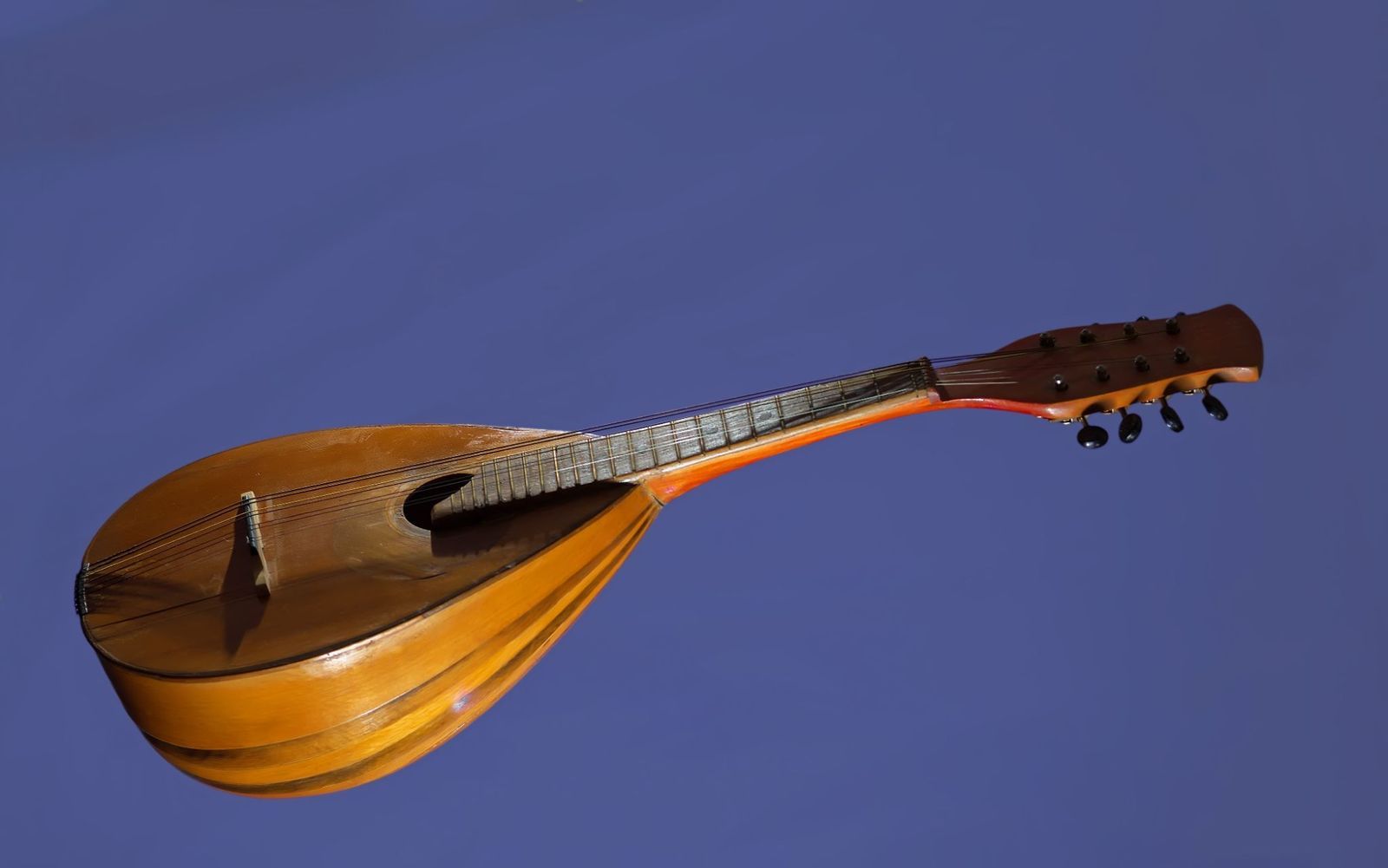
Around 1951, when she was about five years old, she wrote her first song, titled "Little Tiny Tasseltop," about a doll with corn-silk hair that her mother made for her. A couple of years later, Dolly got her first guitar, or rather, she made one herself. Growing up poor, buying a new instrument was impossible for her family. So she decided to turn a broken old mandolin into a makeshift guitar by adding two bass guitar strings. Not long afterward, an uncle gave her a small, proper acoustic guitar, an instrument that helped a young Dolly take her first steps toward performing professionally on local radio and television.

3
She was married to the same man for nearly 60 years

Image: RCA Records, Public domain, via Wikimedia Commons

Although they were rarely seen together in public, Dolly Parton married at 20 and spent nearly six decades with the same man.

Dolly was 18 when she arrived in Nashville in 1964, and the city had quite a surprise waiting for her. On her very first day, she went to do laundry at the Wishy Washy Laundromat, where she met Carl Dean, then 21. He spotted her outside, stopped his pickup truck, and struck up a conversation. According to Carl, his first thought was, "I’m gonna marry that girl." Dolly and Carl wed on May 30, 1966, in Ringgold, Georgia, in a small private ceremony. They remained together until Carl’s death on March 3, 2025, just shy of their 60th wedding anniversary.

4
She wrote "Jolene" and "I Will Always Love You" to launch her solo career

Image: Moeller Talent, Inc. Nashville (management), Public domain, via Wikimedia Commons

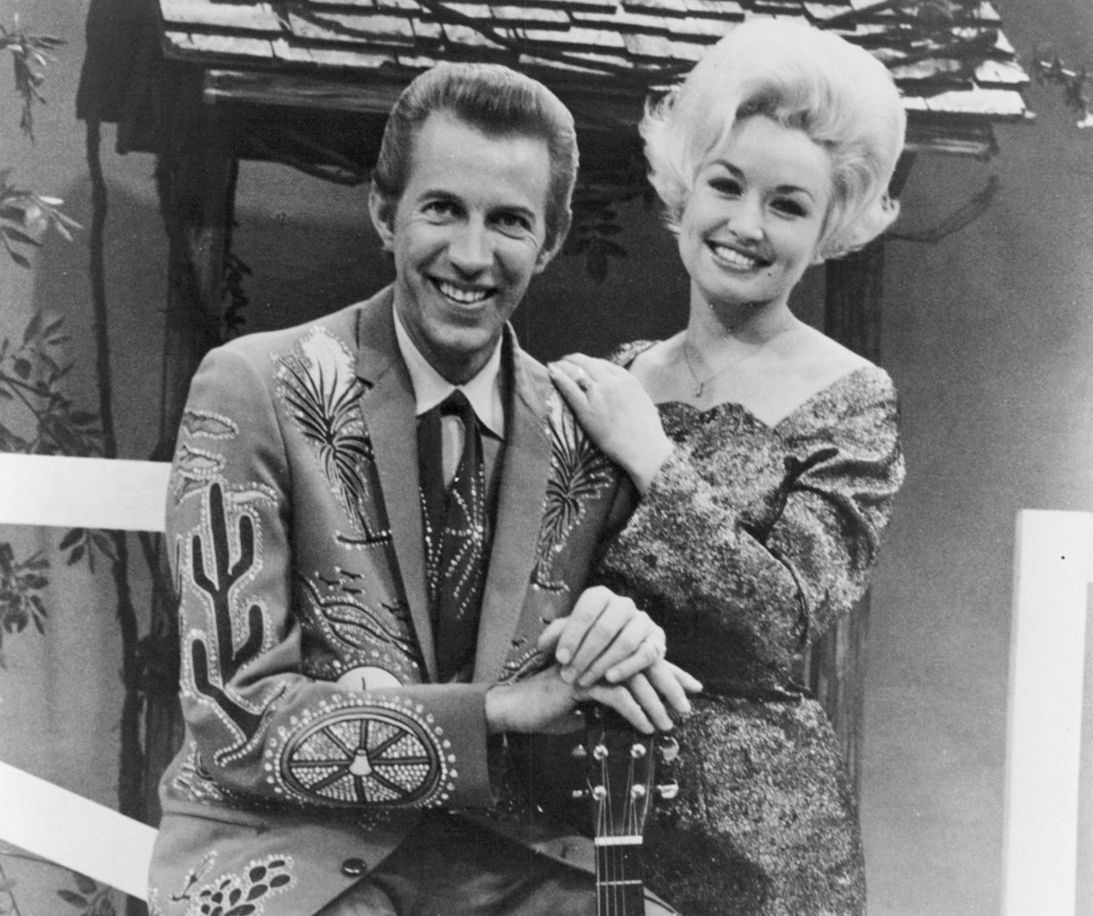
During the 1970s, Dolly decided to leave the famous Porter Wagoner Show and strike out on her own as a solo artist. To do it, she turned to what she did best: writing songs.

But she didn’t write just any songs; she wrote two of the most famous hits of the 20th century: "I Will Always Love You" and "Jolene." The first was an emotional farewell to her mentor and duet partner, Porter Wagoner. The other was inspired by a red-haired bank teller who caught Dolly’s attention by openly flirting with her husband at his local bank during the early years of their marriage. Some accounts say she wrote them during the same intense songwriting session in 1973, and there’s even a story that she wrote both on the same day, but Dolly herself has stated she wasn’t 100% sure about that. What is known is that the two songs appeared back-to-back on the same album, 1974’s Jolene .

5
She turned down Elvis

Image: eBay, Public domain, via Wikimedia Commons

In 1973, Dolly Parton was at a turning point in her career, working hard to establish herself as a solo artist and prove she could make it on her own. That process resulted in one of the most famous and beautiful songs ever recorded: "I Will Always Love You." But she had no idea what would happen just about one year later.

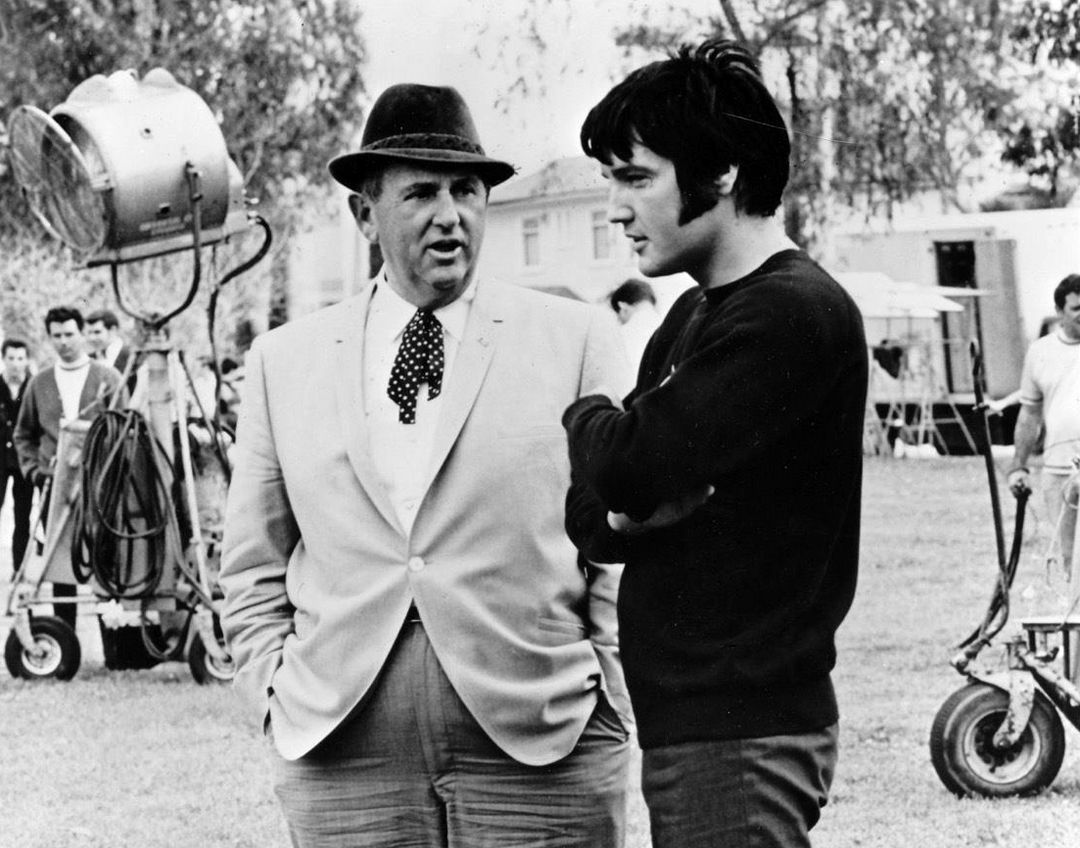
Someone heard the song and immediately wanted to record a cover, and it wasn’t just anyone; it was Elvis Presley himself. Dolly was thrilled by the offer, but eventually had to say no after Presley’s manager, Colonel Tom Parker, demanded that she give up 50% of the song’s publishing rights. Parton refused because she wanted to keep the publishing income for her family, but in later interviews, she openly admitted she cried all night after turning down the King.

6
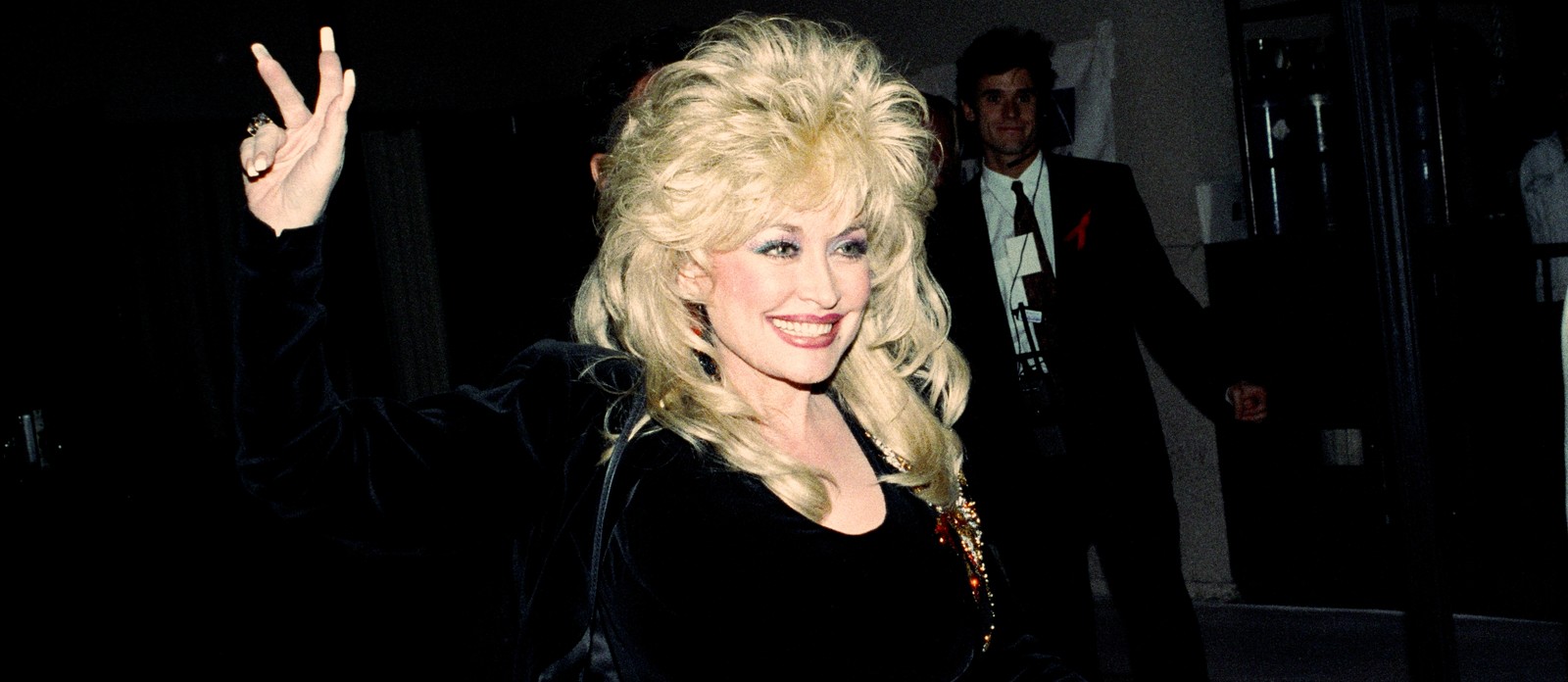
She created "9 to 5" using her fingernails

Image: Alan Light, CC BY 2.0, via Wikimedia Commons

Everything about Dolly was big: her talent, her creativity, her heart, and also her hair, makeup, and acrylic fingernails. As it turned out, those famous nails even played a part in creating the sound of one of her biggest hits.

Dolly used her nails as a percussion instrument while working on "9 to 5," the theme song for the 1980 movie of the same name. While on the set without a guitar handy, she clacked her long acrylic nails together to create the typical sound of a typewriter, giving the song its memorable rhythm. She even recreated that sound during the recording, earning an unusual credit on the album: "Nails by Dolly."

7
She entered a Dolly Parton lookalike contest... and lost

Image: Jack Fordyce

Dolly Parton always knew how to have a good time, and this story is a perfect example.

As she recalled in her 2012 memoir, Dream More: Celebrate the Dreamer in You , Dolly was in Los Angeles during Halloween when she heard about a look-alike contest at a gay bar on Santa Monica Boulevard, featuring drag queens dressed as her. She couldn’t resist, so she went all out with her hair and makeup, arrived with friends, and entered the contest without revealing who she was. The funniest part? Nobody recognized her; the judges reportedly thought she was a "cheap imitation" of the real thing. As she has said in several interviews, she didn’t win, but she definitely had a good laugh.

8
She had her own theme park

Image: Joseph Hendrickson

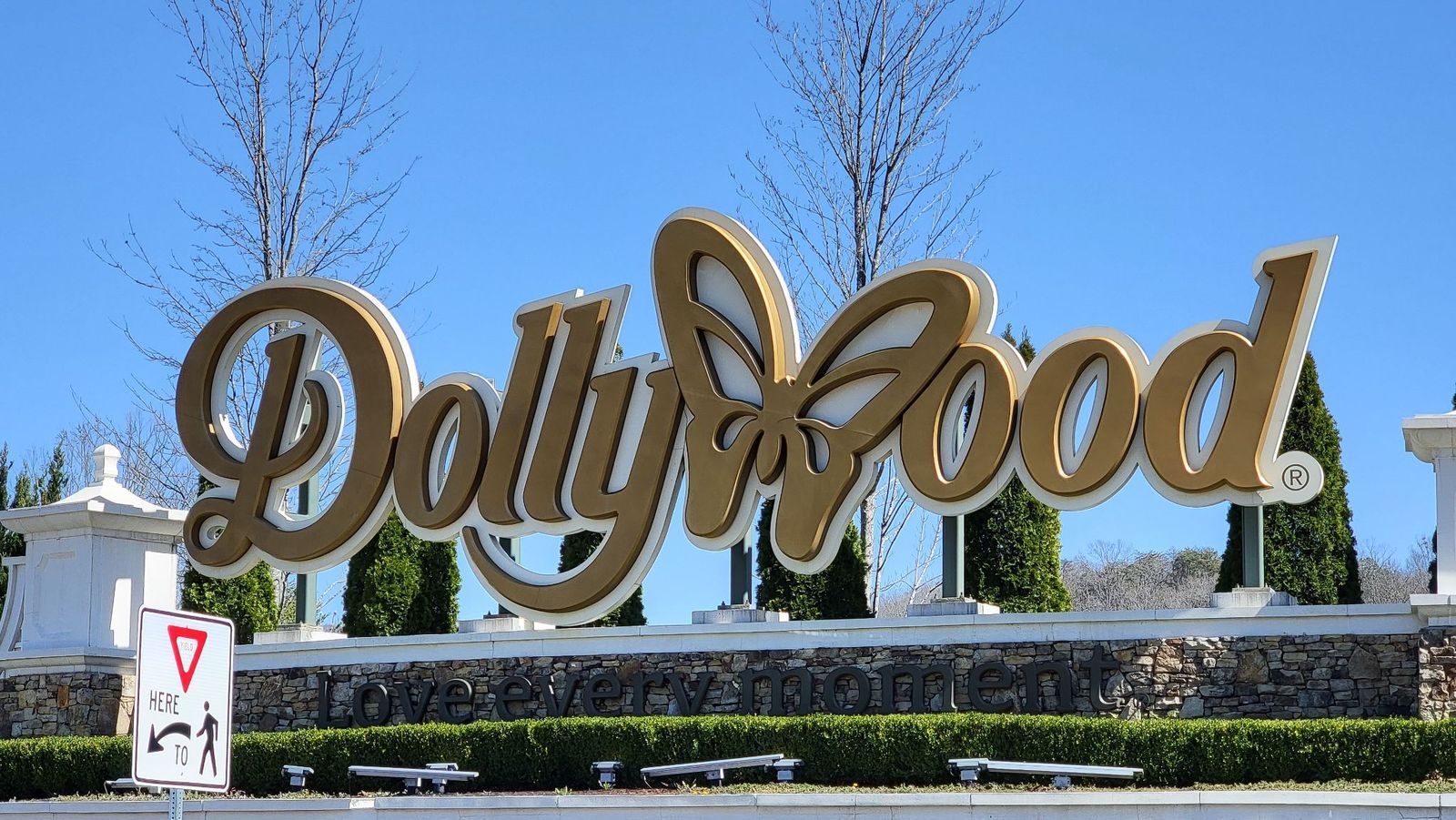
Music wasn’t the only thing that came out of Dolly’s imagination; she also dreamed up another ambitious project: a theme park that would bear her name.

In September 1985, Dolly announced plans to build a "fantasy mountain park" in Pigeon Forge, Tennessee, hoping to bring jobs and economic growth to her native region. Rather than competing with others or starting from scratch, her team partnered with the Herschend family, owners of Silver Dollar City park in Pigeon Forge. After a $5 million expansion, the park reopened as Dollywood on May 3, 1986. Attendance more than doubled in its first season, and the park became a major Smoky Mountains attraction. After Dolly’s passing, park officials said keeping Dollywood open had been her wish, reflecting her belief that "the show must go on."

9
The Imagination Library

Image: Shawn Miller., Public domain, via Wikimedia Commons

In addition to thousands of songs and a successful amusement park, Dolly created something else filled with love: a program that put books into children’s hands.

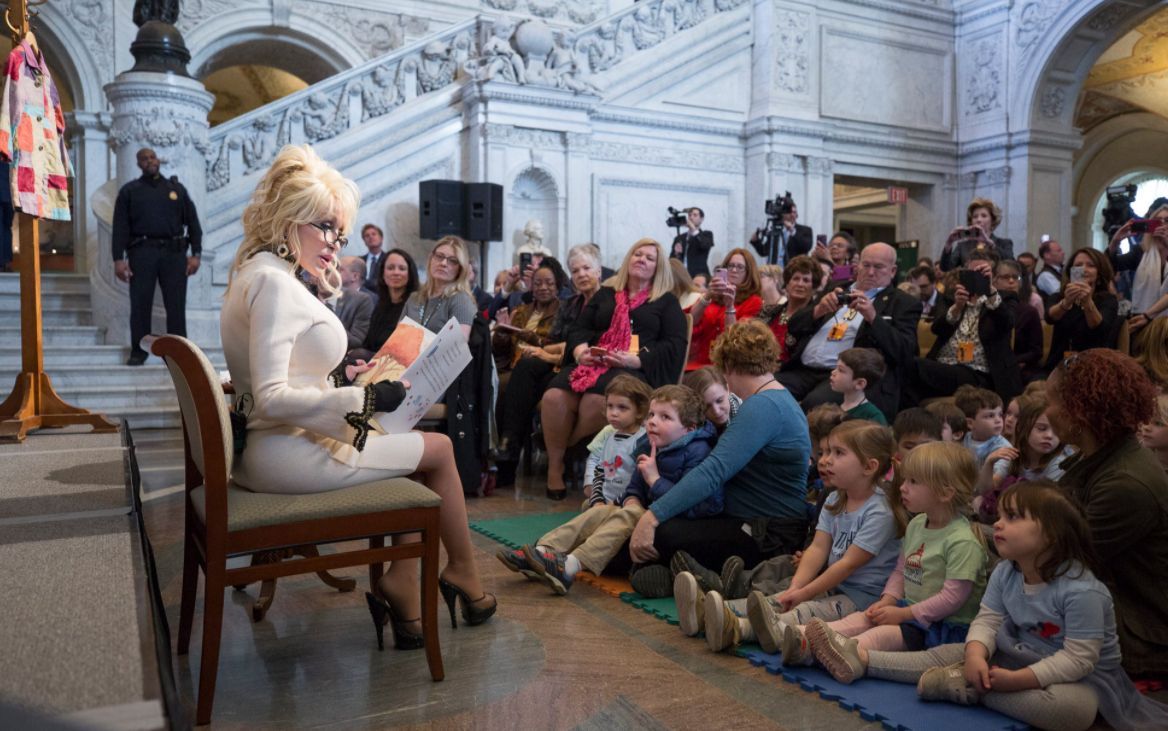
Dolly Parton established the Dollywood Foundation in 1988 and launched Dolly Parton’s Imagination Library in 1995 . The program sends free books each month to children from birth until age five. It eventually expanded beyond the United States to Canada, the United Kingdom, Australia, and the Republic of Ireland, reaching millions of children, but the idea was deeply personal. Dolly often called her father, Robert Lee Parton, who she said was the smartest man she had ever known, while noting that his limited literacy had kept him from pursuing some of his dreams. She created the Imagination Library in large part to honor her father and provide children with the opportunities he never had.

10
She was a Guinness World Record holder

Image: JHVEPhoto

We all know how talented and prolific Dolly Parton was, so it’s no surprise that she has earned an impressive number of awards. But Dolly has done more than fill trophy cases; she’s also filled the record books.

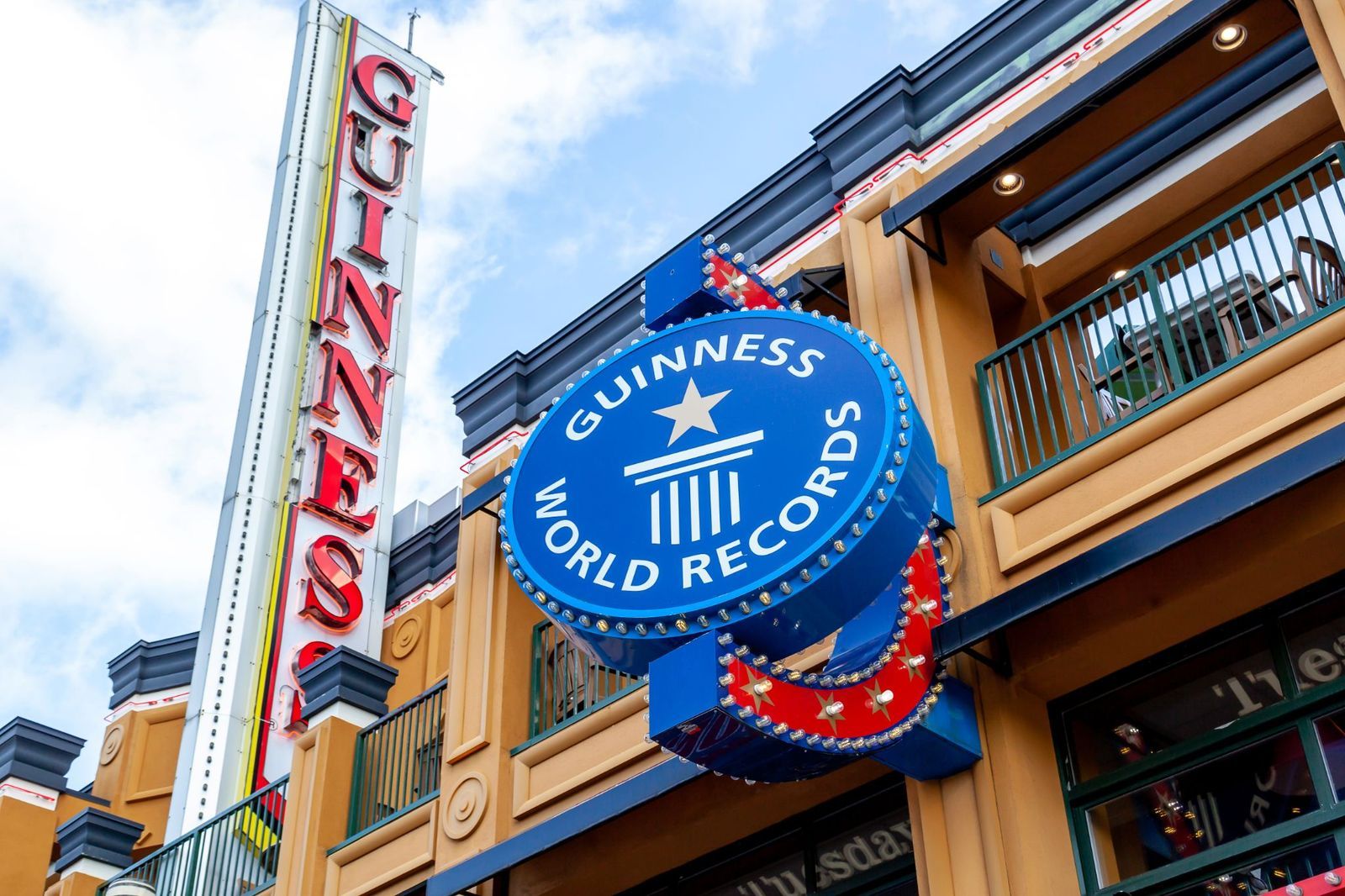
Besides her 10 competitive GRAMMY Awards from 55 nominations, along with the GRAMMY Lifetime Achievement Award that she received in 2011, Dolly also holds 11 Guinness World Records titles, many of them recognizing the extraordinary longevity and success of her career on the country charts. Among them are the record for the longest span of No. 1 hits on the U.S. Top Country Albums chart by a female artist (46 years and 197 days) and the record for the most No. 1 hits on the U.S. Hot Country Songs chart by a female artist, with 25.

Explore more American facts

Choose your favorite category!

General
General

As American as apple pie—the very best America has to offer!

Culture
Culture

Delve into the astounding richness of American lore.

Geography
Geography

Hop in and explore vast and diverse American landscapes.

History
History

Discover the key moments that shaped the United States.